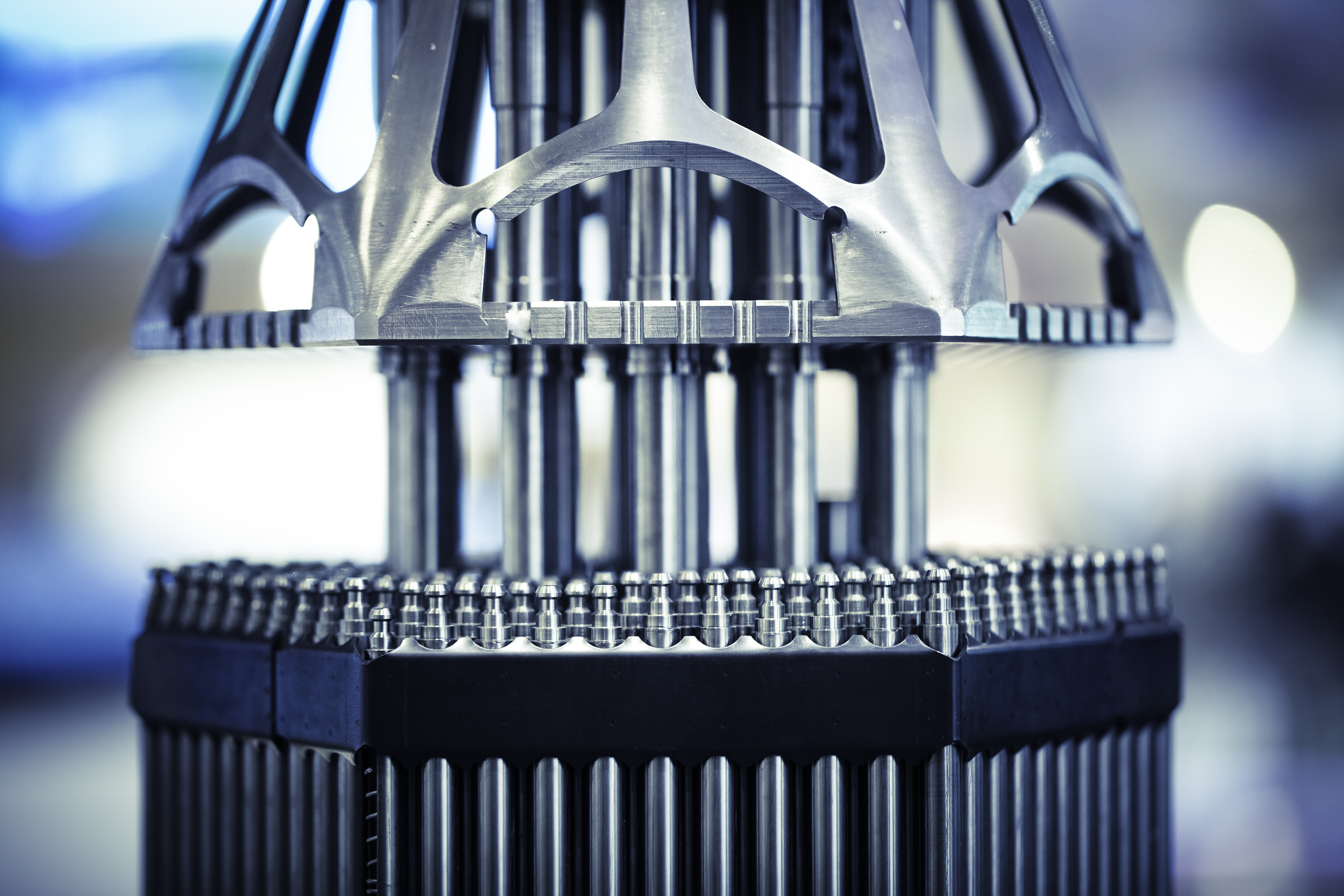
Centrus Energy (LEU 3.23%) occupies a peculiar, almost fated position within the American energy landscape. It is one of the few remaining domestic entities licensed to provide low-enriched uranium (LEU), the very lifeblood of most commercial nuclear reactors. And, more strikingly, it stands alone as the sole publicly traded American firm capable of producing high-assay, low-enriched uranium (HALEU) – a substance destined for the advanced reactors of a future that seems, at times, both inevitable and distant. One might say it is a linchpin, though the term feels rather too…robust for such a delicate undertaking.
Over the past three years, the company’s stock has experienced a surge – nearly a fivefold increase, a figure that would once have seemed fantastical. This revival coincides with a hesitant, yet discernible, return to nuclear power by nations reassessing their energy portfolios. The long shadow of Fukushima, which cast a pall over the industry in 2011, has begun to recede, yielding to the demands of a power-hungry digital age and the increasingly urgent calls for decarbonization. It is a curious spectacle, this reawakening, as if the very earth were exhaling after a prolonged stillness.
Centrus has attracted the attention of those investors who seek growth, naturally. But few, it seems, have paused to consider the possibility of a steady yield, a recurring dividend. Perhaps they are too preoccupied with the chase, with the fleeting promise of exponential gains. Let us, then, examine the foundations upon which such a prospect might be built.
A Decade of Transformation
The company’s trajectory over the past thirteen years is a study in adaptation, a quiet drama of necessity and reinvention. Formerly, Centrus enriched LEU at its domestic facilities, a practice abandoned in 2013. The economics, alas, had shifted. It proved cheaper to import the enriched material than to sustain aging infrastructure. A poignant reminder that even the most established enterprises are subject to the relentless currents of the market.
Compounding this shift was the expiration of the “Megatons to Megawatts” program, a unique arrangement that saw dismantled Russian warheads converted into fuel for peaceful purposes. This, too, severed a reliable source of supply. The combined effect – the cessation of domestic enrichment and the end of the Russian program – resulted in a precipitous decline in revenue, from $1.86 billion in 2012 to a mere $193 million by 2018. A stark illustration of vulnerability, of a business model unmoored.
Centrus, faced with these realities, transformed itself into an intermediary, procuring LEU from overseas and reselling it to domestic utilities. It also cautiously ventured into the production of HALEU, securing small-scale government contracts. A modest beginning, perhaps, but one hinting at a more ambitious future.
The Prospect of Dividends
From 2018 to 2024, Centrus has demonstrated a remarkable recovery, more than doubling its revenue to $442 million. A testament to the efficacy of its streamlined operations and the gradual warming of the nuclear market. Analysts predict continued growth, with revenue and earnings per share expected to increase at compound annual rates of 7% and 2%, respectively, through 2027. These are not extravagant projections, but they suggest a trajectory of sustained, if modest, improvement.
Should Centrus choose to distribute just half of its projected 2026 earnings per share of $4.01 as dividends, it would yield a forward dividend of approximately 0.8%. A modest return, certainly, but one that could be incrementally increased should the nuclear market experience a prolonged period of expansion – a ‘supercycle,’ as some optimists predict. Whether such a cycle will materialize remains to be seen. The world, after all, is rarely so obliging.
Read More
- Gold Rate Forecast
- Invincible Season 4 Gender Swaps Tech Jacket As Fans Question Major Comic Change
- Silver Rate Forecast
- Unveiling the Schwab U.S. Dividend Equity ETF: A Portent of Financial Growth
- 15 Films That Were Shot Entirely on Phones
- 22 Films Where the White Protagonist Is Canonically the Sidekick to a Black Lead
- 14 Movies Where the Black Character Refuses to Save the White Protagonist
- ONE PIECE Season 2 Confirms Sanji’s OTHER Backstory in the Live-Action
- Why Won’t It Just *Do* What You Ask? Unpacking the Quirks of AI Language
- Top 10 Coolest Things About Jared Leto
2026-02-05 20:12