
Using celebrities to promote brands is a common and effective marketing strategy, as it helps companies reach people through well-known personalities. However, these partnerships can be risky. If a celebrity’s actions or beliefs clash with public values, it can lead to boycotts and lasting damage to a brand’s reputation and sales. Throughout history, and continuing today, we’ve seen how easily these celebrity-brand connections can become unstable.
Dylan Mulvaney
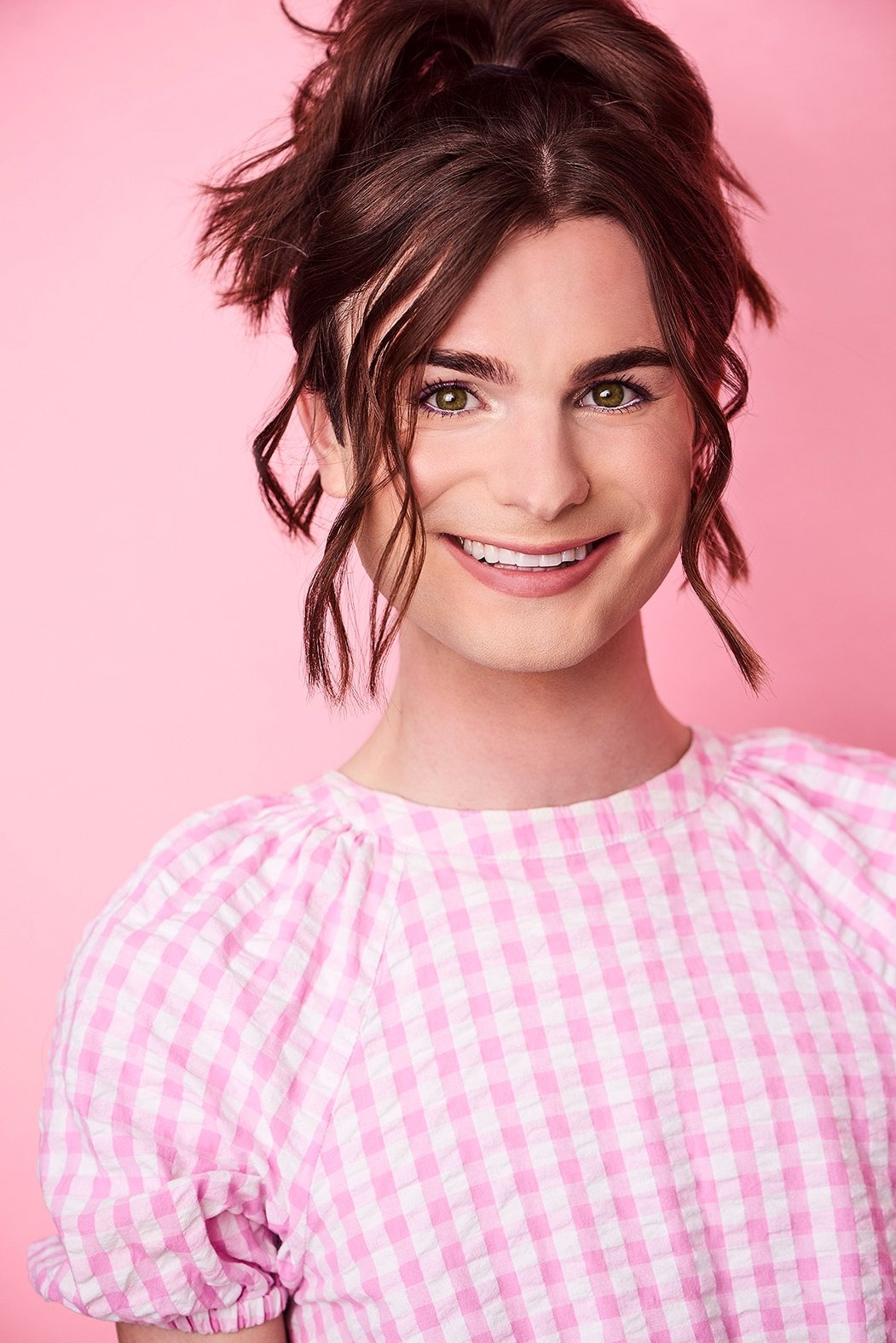
In 2023, a Bud Light social media campaign featuring a personalized can with an influencer led to a widespread boycott from conservative groups nationwide. As a result, sales dropped sharply and the company’s stock price became unstable. The situation ignited a continuing discussion about how businesses should navigate social and political topics.
Kendall Jenner
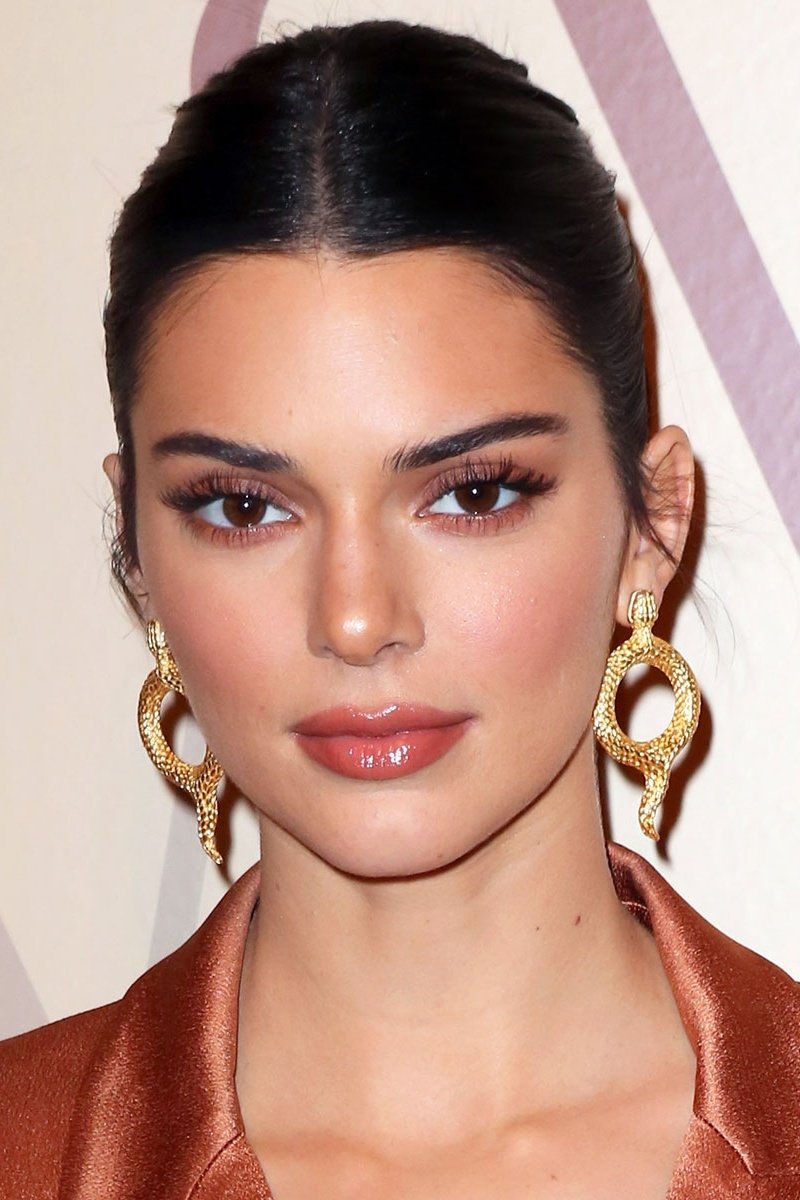
In 2017, a Pepsi commercial featured a model participating in a protest and offering a police officer a soda. This sparked criticism that Pepsi was downplaying important social justice issues, including the Black Lives Matter movement. The public reacted strongly, with many people boycotting the brand and demanding an apology. Pepsi quickly removed the commercial within two days and publicly acknowledged their mistake.
Colin Kaepernick
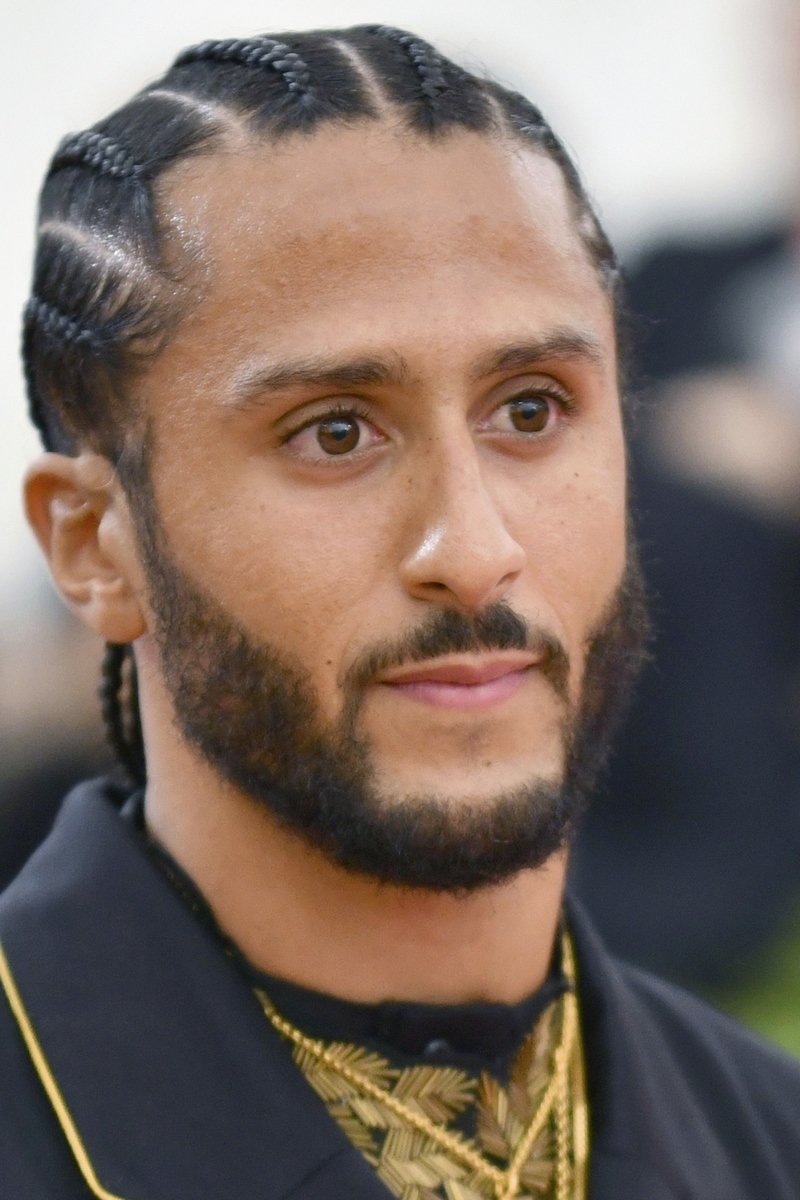
The athlete starred in a Nike ad campaign in 2018 that highlighted his previous protests during the national anthem. This immediately led to a nationwide boycott, with some people publicly burning Nike products. Surprisingly, despite the controversy, Nike’s sales and stock price actually went up. This situation is now a well-known example of a company intentionally taking a side on a controversial social issue.
Ye
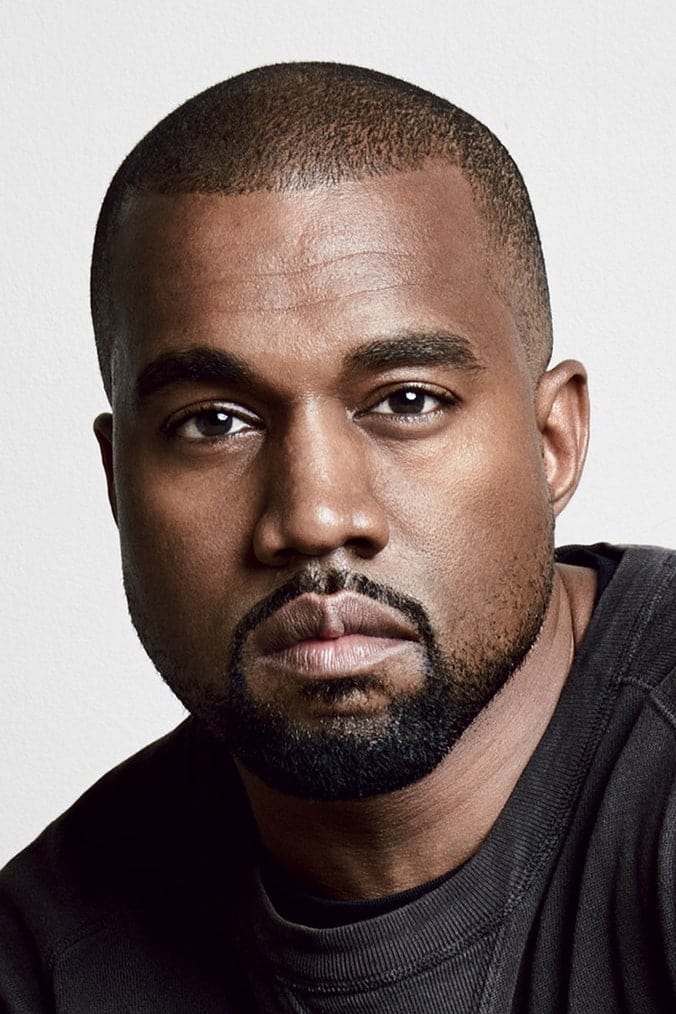
The artist had a successful footwear line with Adidas for many years, but in 2022, he made antisemitic statements. This caused a widespread boycott of his products and intense pressure on Adidas to end their partnership. Adidas ultimately cancelled the deal, resulting in substantial financial losses from leftover stock. The situation demonstrated how quickly companies need to respond when someone they sponsor faces public criticism.
Kim Kardashian
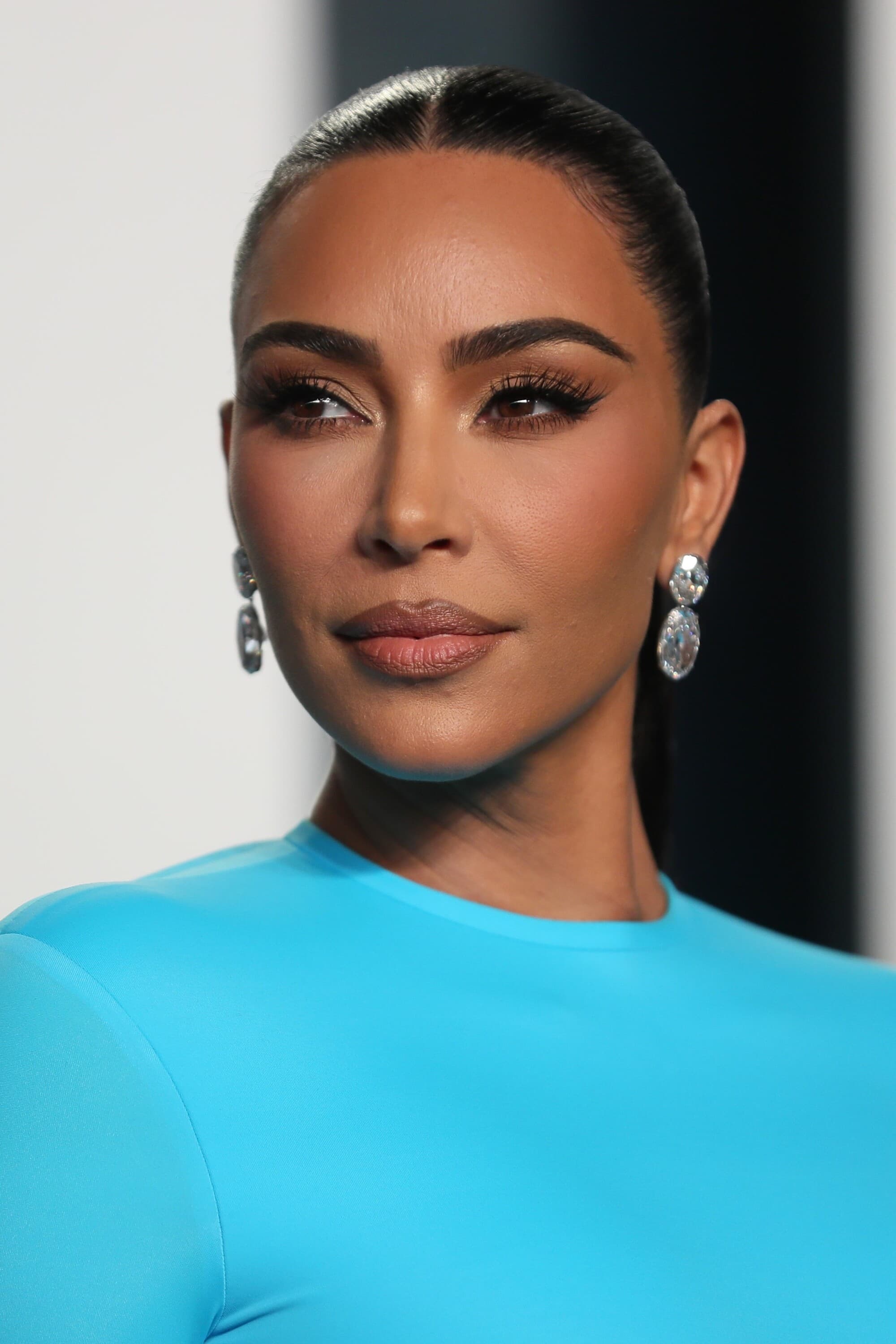
The celebrity faced significant public backlash and calls for a response after Balenciaga, a fashion brand she frequently represented, released a controversial ad campaign in 2022. Many customers stopped buying her products and asked her to condemn the brand. She later announced she was reconsidering her partnership with Balenciaga, highlighting how closely a celebrity’s image is tied to the companies they work with.
Gina Carano
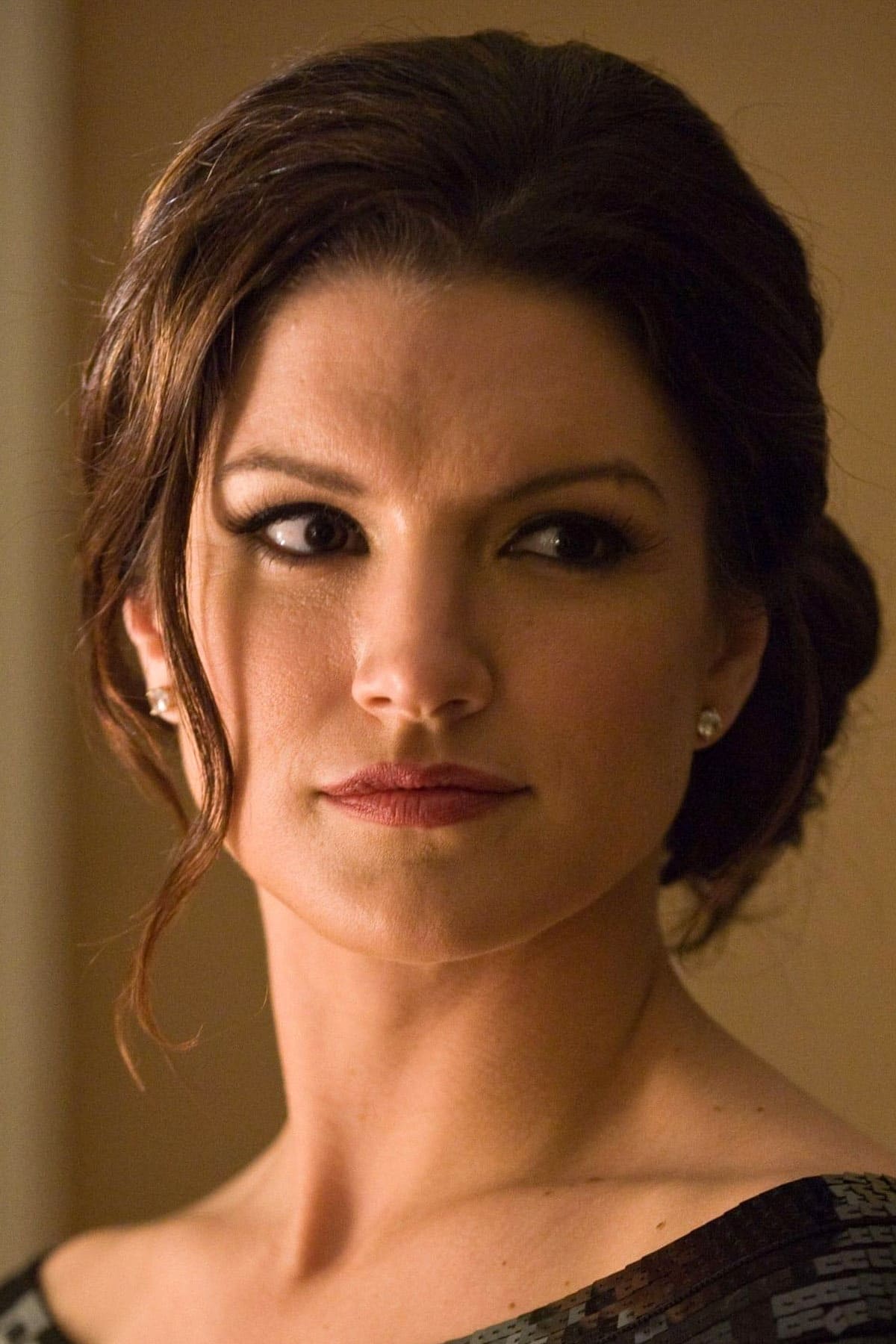
The actress played a significant role in ‘The Mandalorian’ but faced major backlash after controversial posts on social media. She drew comparisons between political disputes and historical tragedies, prompting many to call for her removal from the show. While fans began boycotting the streaming service, others defended the actress and launched counter-campaigns. Ultimately, the production company decided to end their relationship with her to avoid further damage to their reputation.
Munroe Bergdorf

L’Oreal hired a transgender model as a spokesperson, but later fired her due to comments she made about racism. This sparked a nationwide boycott, with critics calling the company hypocritical. After public pressure, L’Oreal rehired the model and created a diversity board to address community concerns. The situation highlighted the challenges brands face when communicating in the age of social media.
The Weeknd
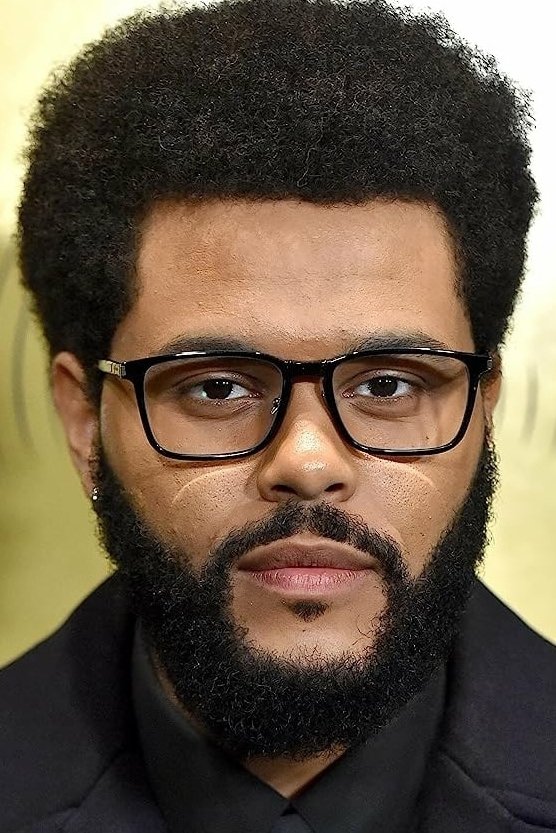
In 2018, the musician ended his collaboration with H&M after the company used a photo of a young Black boy wearing a sweatshirt with an offensive message. He publicly shared his disappointment online, which sparked a worldwide boycott of the store. While H&M apologized and removed the image, the brand’s reputation was seriously harmed. This situation demonstrated how effectively a well-known celebrity can rally public opposition to a company’s error.
Stefano Gabbana
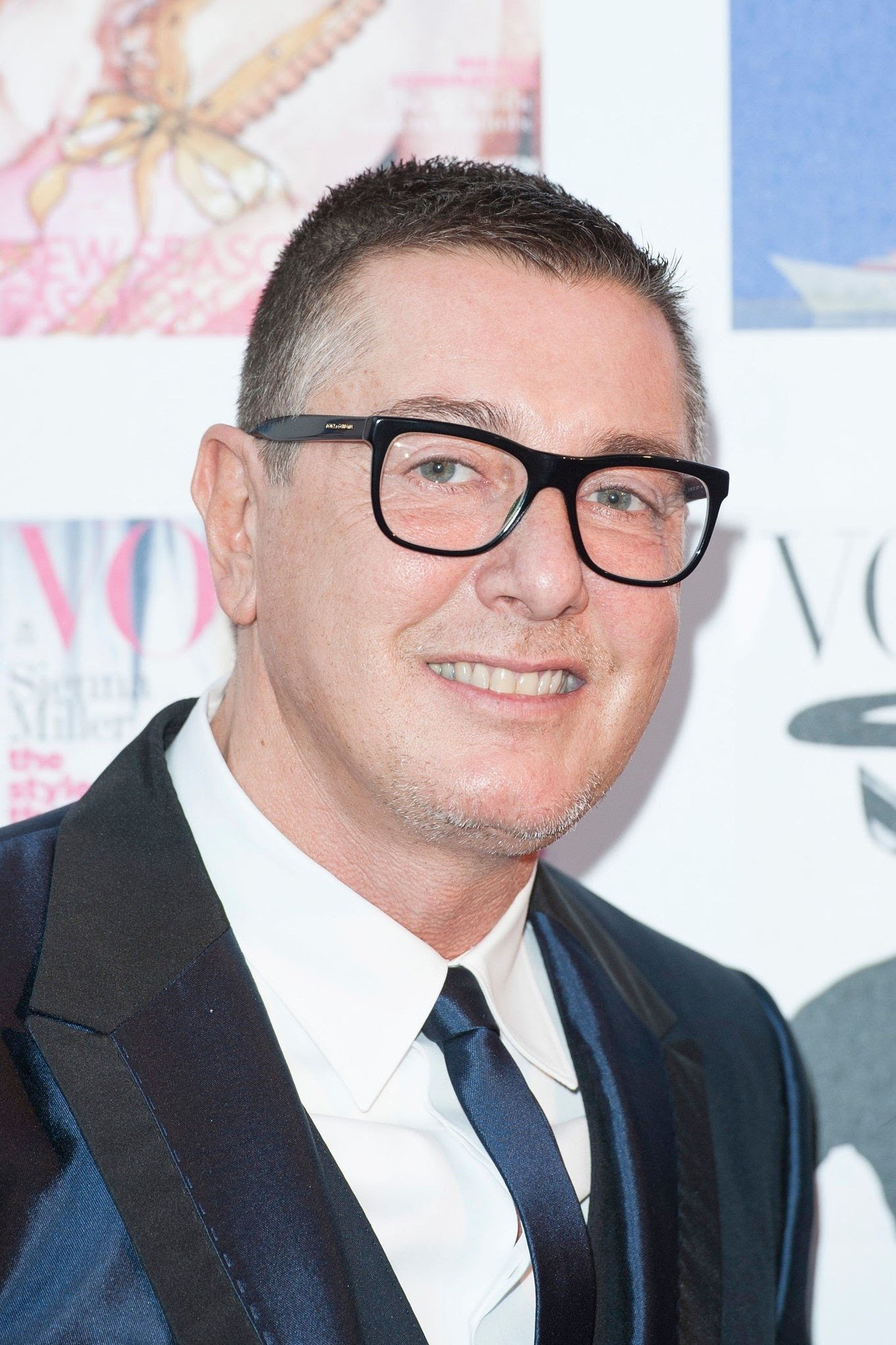
A Dolce & Gabbana co-founder sparked a widespread boycott in China by making offensive comments online. These remarks disrespected Chinese culture, leading to the cancellation of a planned fashion show in Shanghai. Stores stopped selling the brand, and numerous Chinese celebrities ended their partnerships with Dolce & Gabbana. While the company released an apology video, it took years for them to recover their reputation in the Chinese market.
Chrissy Teigen
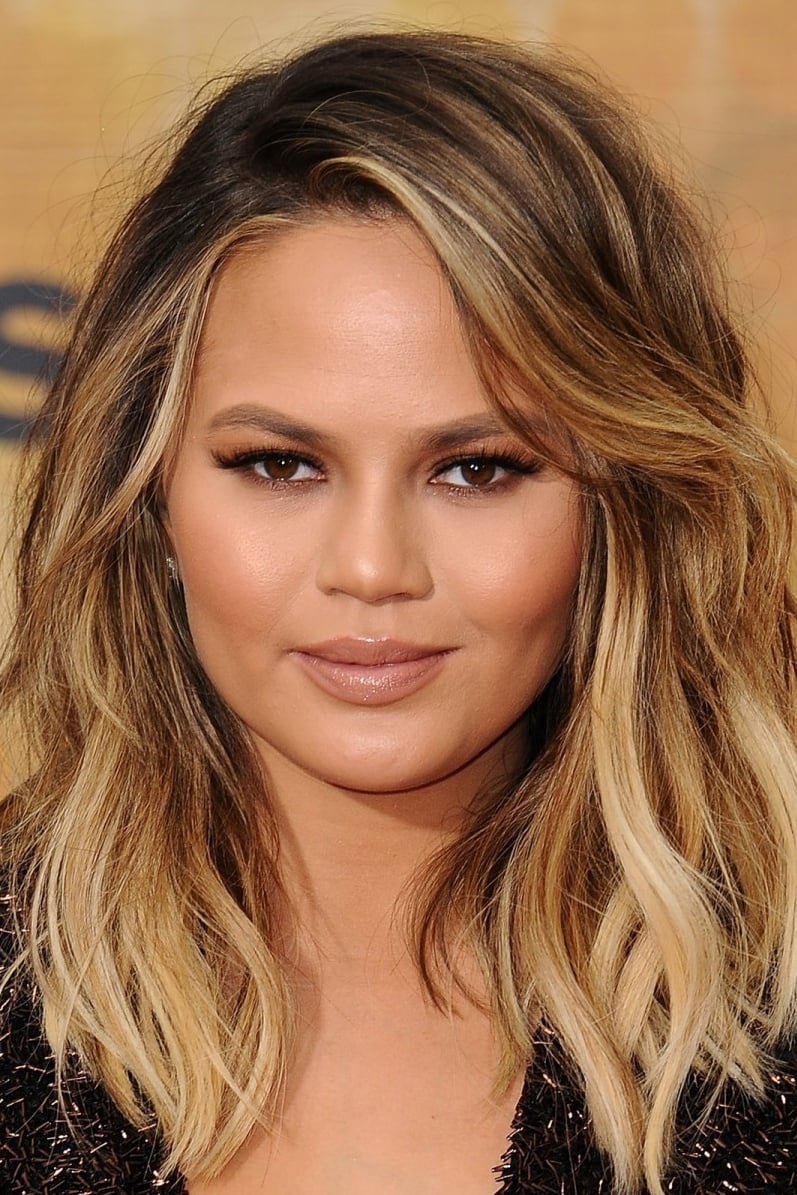
A well-known TV personality experienced a widespread boycott of her products – including cookware and books – after old posts from her social media accounts became public. As a result of public criticism, large stores like Target and Macy’s stopped selling her items online. She apologized several times, but the boycott continued to damage her business deals. This situation demonstrated how things people have said or done online in the past can affect their current work and sponsorships.
Aaron Rodgers
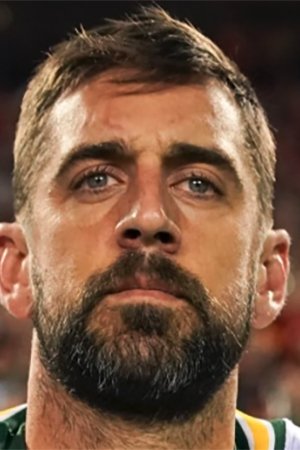
A professional football player received significant criticism and calls to boycott State Farm after he made false statements about whether he had been vaccinated. Many customers were upset with State Farm for continuing to show his commercials. While the company aired his ads less often, they didn’t end their partnership with him right away. This incident highlights the challenge companies face when people they sponsor become involved in controversial public health discussions.
Travis Scott
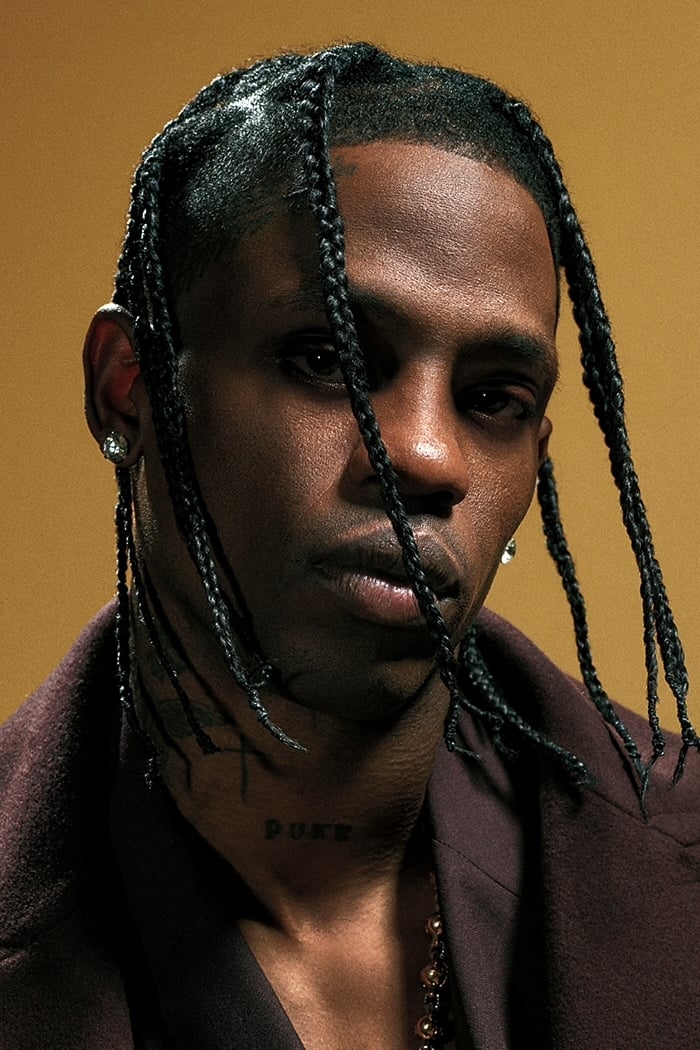
After a tragic incident at his 2021 music festival, the rapper experienced a wave of boycotts from companies he worked with. Big brands like Nike and McDonald’s put planned product launches with him on hold. Families affected by the tragedy, along with many others, asked for all companies to end their partnerships with him. This situation showed how quickly businesses react and pause marketing efforts during a national crisis.
Beyoncé
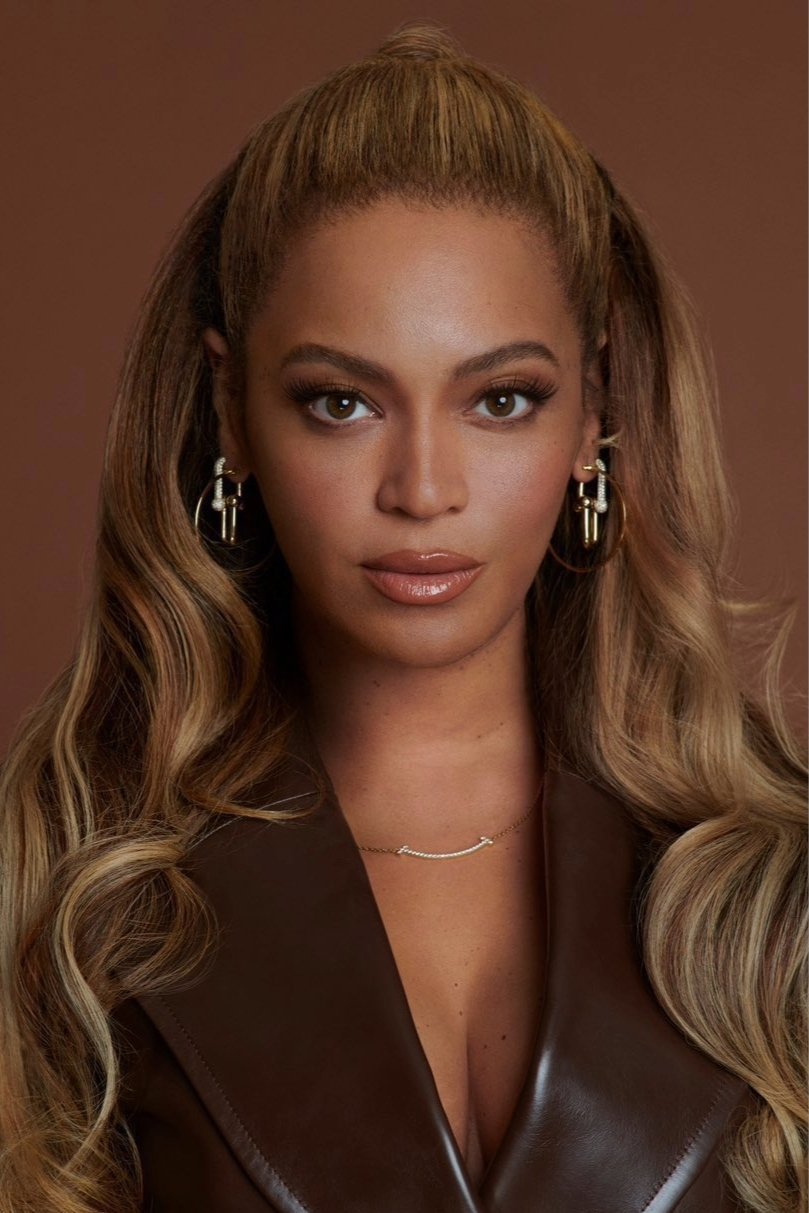
The singer received backlash and calls to stop supporting her advertising campaign with Tiffany and Co., which showcased a unique yellow diamond. People criticized the diamond’s history, noting it came from mines used during colonial times. This sparked a debate about whether luxury brands should be responsible for the ethical implications of their marketing, particularly when it connects to past exploitation. The situation ultimately led to a broader discussion about where luxury goods come from and the role of celebrities who promote them.
Jared Fogle
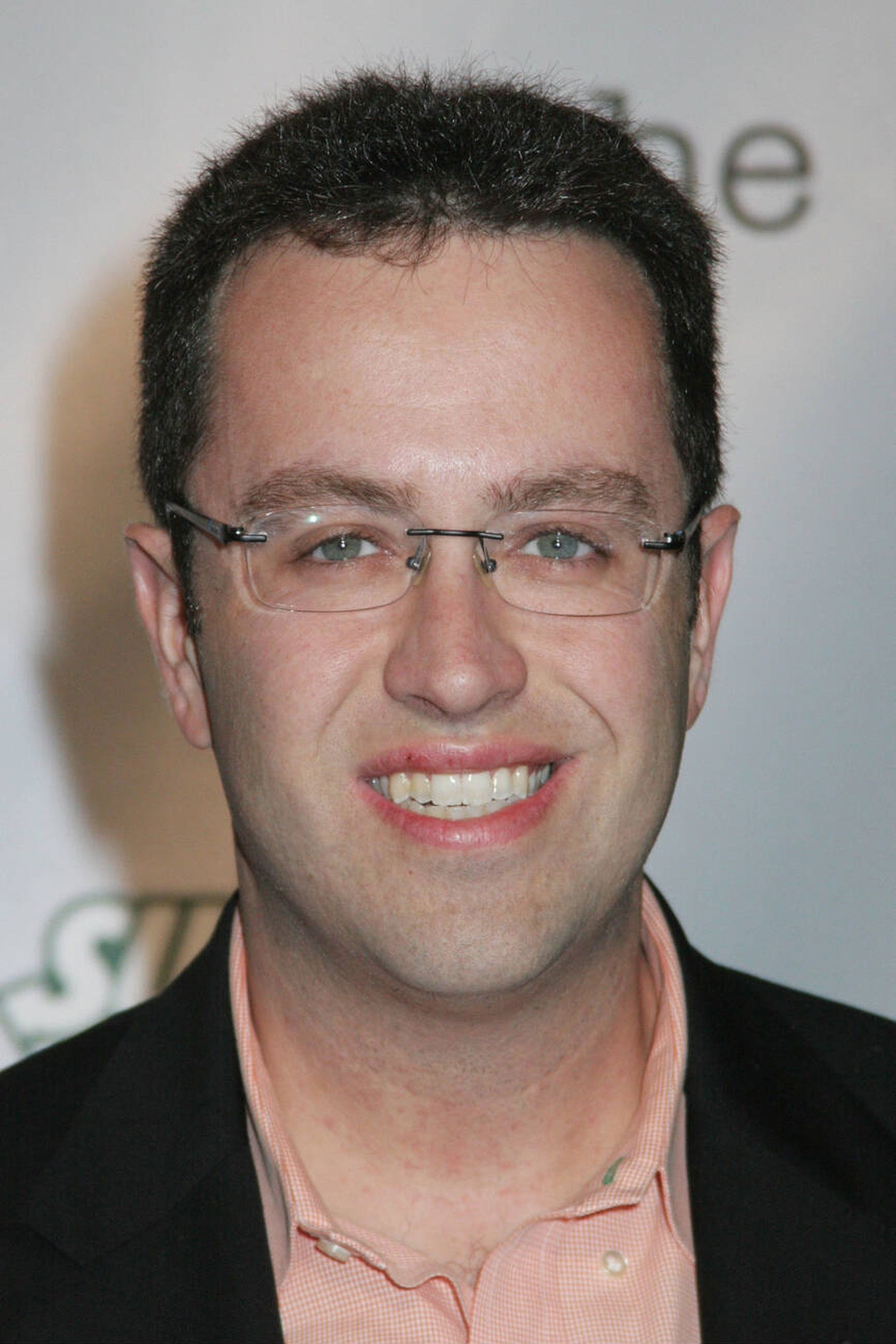
Subway’s former spokesperson was at the heart of a major scandal that triggered a widespread boycott. His legal troubles immediately and irrevocably ended his association with the brand, which he had long represented. The company then focused heavily on rebuilding its image and distancing itself from the identity he helped establish. This situation stands as a stark example of how a personal scandal can completely ruin a brand’s relationship with a public figure.
Gal Gadot

After sharing a social media post related to a sensitive conflict in the Middle East, the actress faced widespread criticism and calls for a boycott in multiple countries. People urged stores to stop carrying the Revlon products she advertised, as a way to express their disapproval. The negative reaction quickly spread online and also impacted the promotion of her movies. This situation demonstrated how global political issues can directly affect a celebrity’s popularity and ability to endorse products internationally.
Madonna
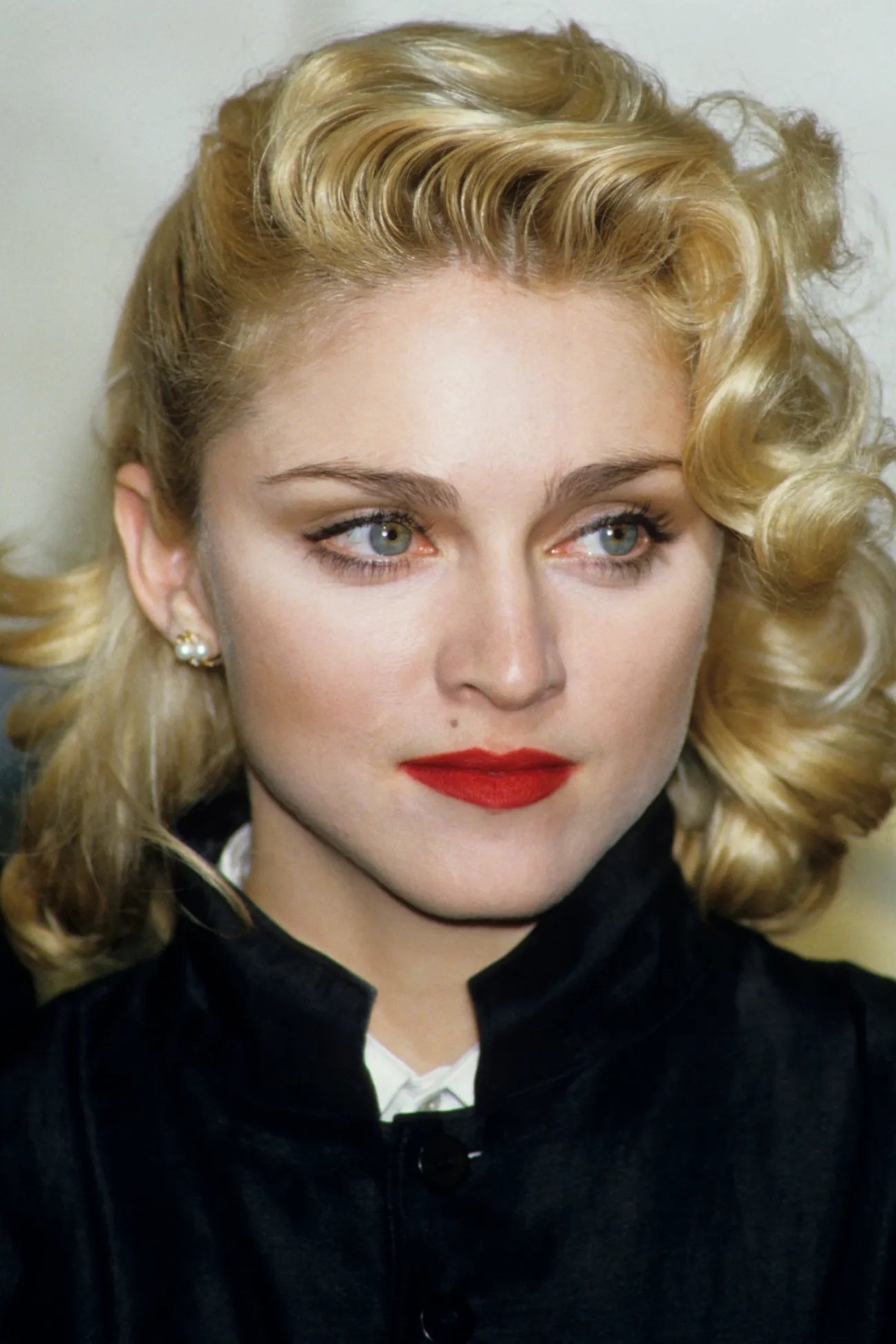
In 1989, the singer appeared in a Pepsi commercial around the same time her ‘Like a Prayer’ music video came out. The video featured religious themes that upset some religious groups, who organized a nationwide boycott of Pepsi. Eventually, Pepsi canceled both the commercial and their sponsorship of the singer’s tour to satisfy the protesters. This situation demonstrated how much influence religious organizations can have on companies.
Pharrell Williams
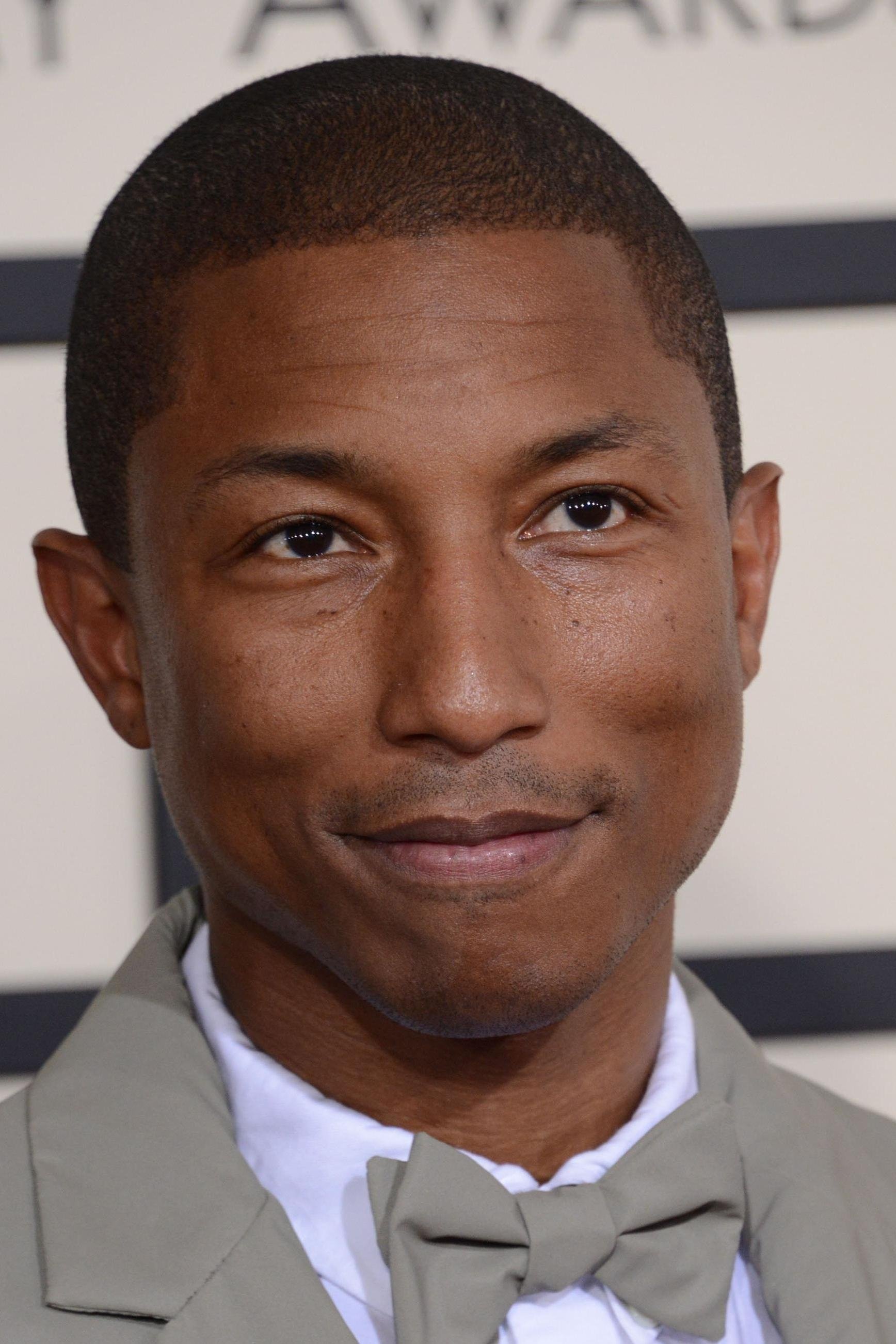
The musician received criticism for partnering with Adidas on a clothing line based on a traditional Indian festival. Many people felt the brand and the artist were wrongly using important cultural symbols to make money, leading to boycotts in areas where the culture is celebrated. Adidas responded with public statements to try and protect its reputation.
Rihanna
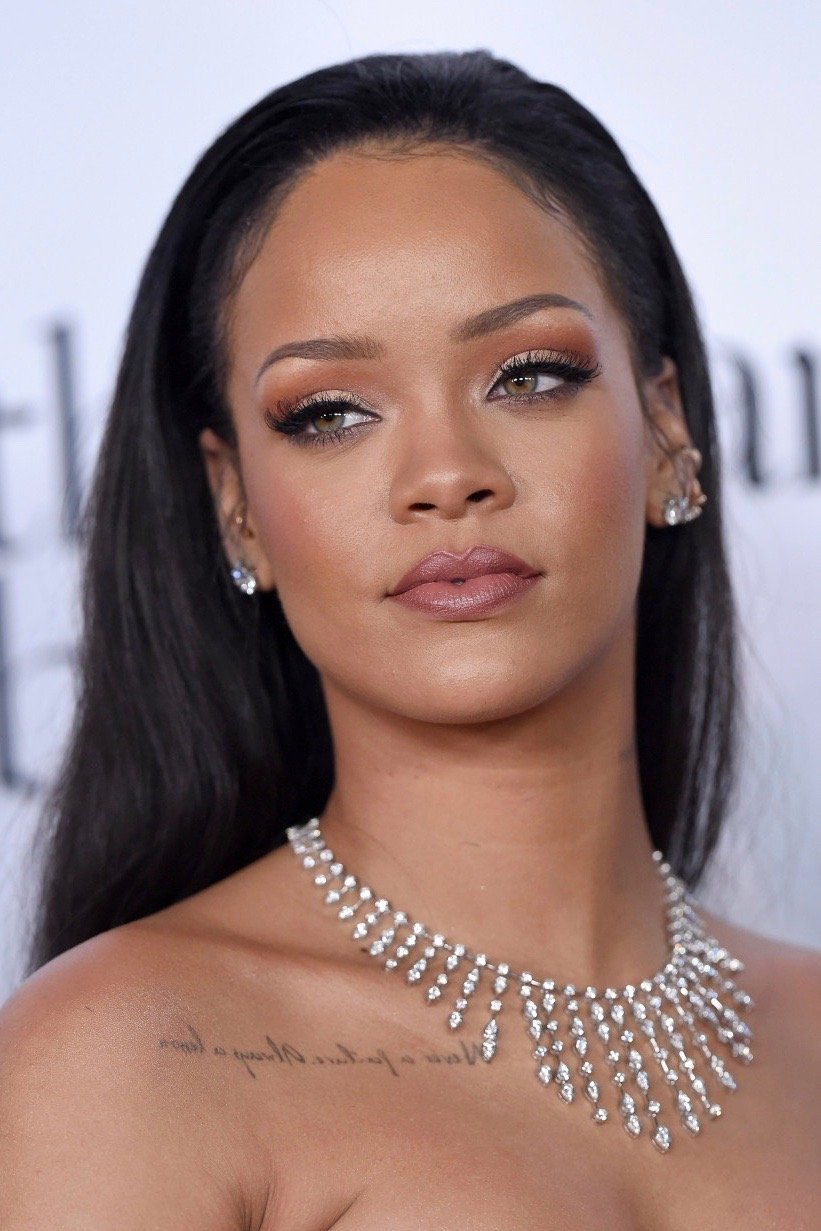
The singer Rihanna and her Savage X Fenty brand experienced a boycott after a fashion show featured a song with verses from the Quran. Many Muslims asked people around the world to stop buying from her brands until she apologized. Rihanna quickly explained that the use of the song was a mistake and stated her sincere respect for Islam. The situation highlighted how important it is for brands to be aware of and respectful of different cultures when marketing globally.
James Charles
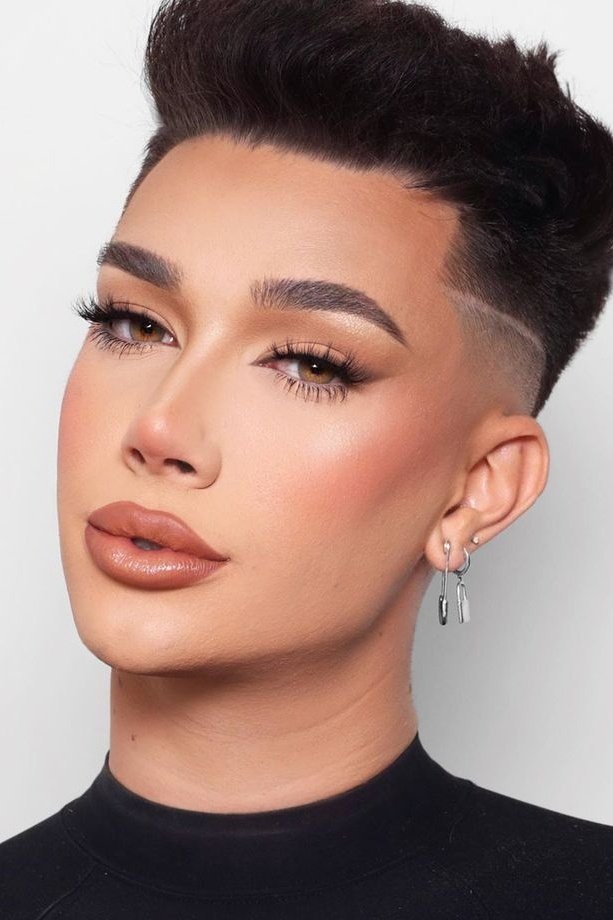
As a movie buff, I see this whole thing with that beauty influencer and Morphe like a classic character downfall. Basically, he got dropped by the brand after a bunch of controversies blew up and people started boycotting his makeup. The public really pressured Morphe to distance themselves after some serious allegations came out, and eventually, they pulled his whole line from their stores. It just goes to show you how fragile this whole influencer marketing thing can be – if the person’s reputation tanks, everything falls apart. It’s a reminder that personal brand is everything, even in the makeup world!
Stephen Curry
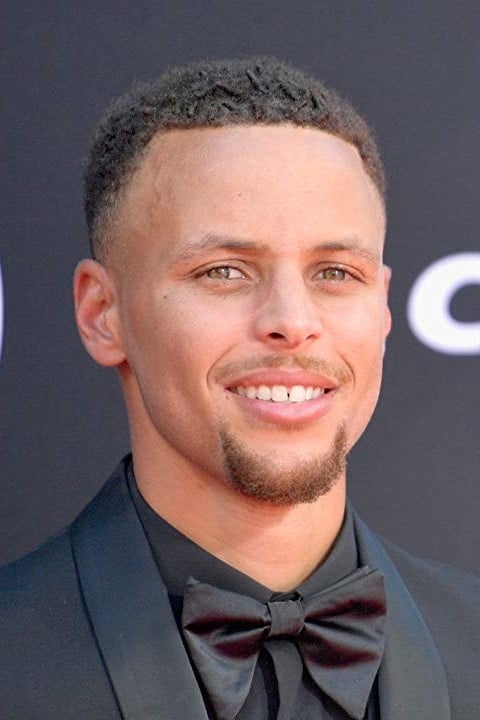
Okay, so this basketball player was in a really tough spot. The head of Under Armour came out saying nice things about the president, and a lot of the player’s fans immediately threatened to stop buying Under Armour stuff unless he spoke up. He ended up sticking with the brand, which was a business decision, but he also made it clear he didn’t agree with the CEO’s political views. It just goes to show how tricky things can get when an athlete’s personal brand clashes with the politics of the company they represent – it’s a tightrope walk, you know?
Jennifer Lawrence
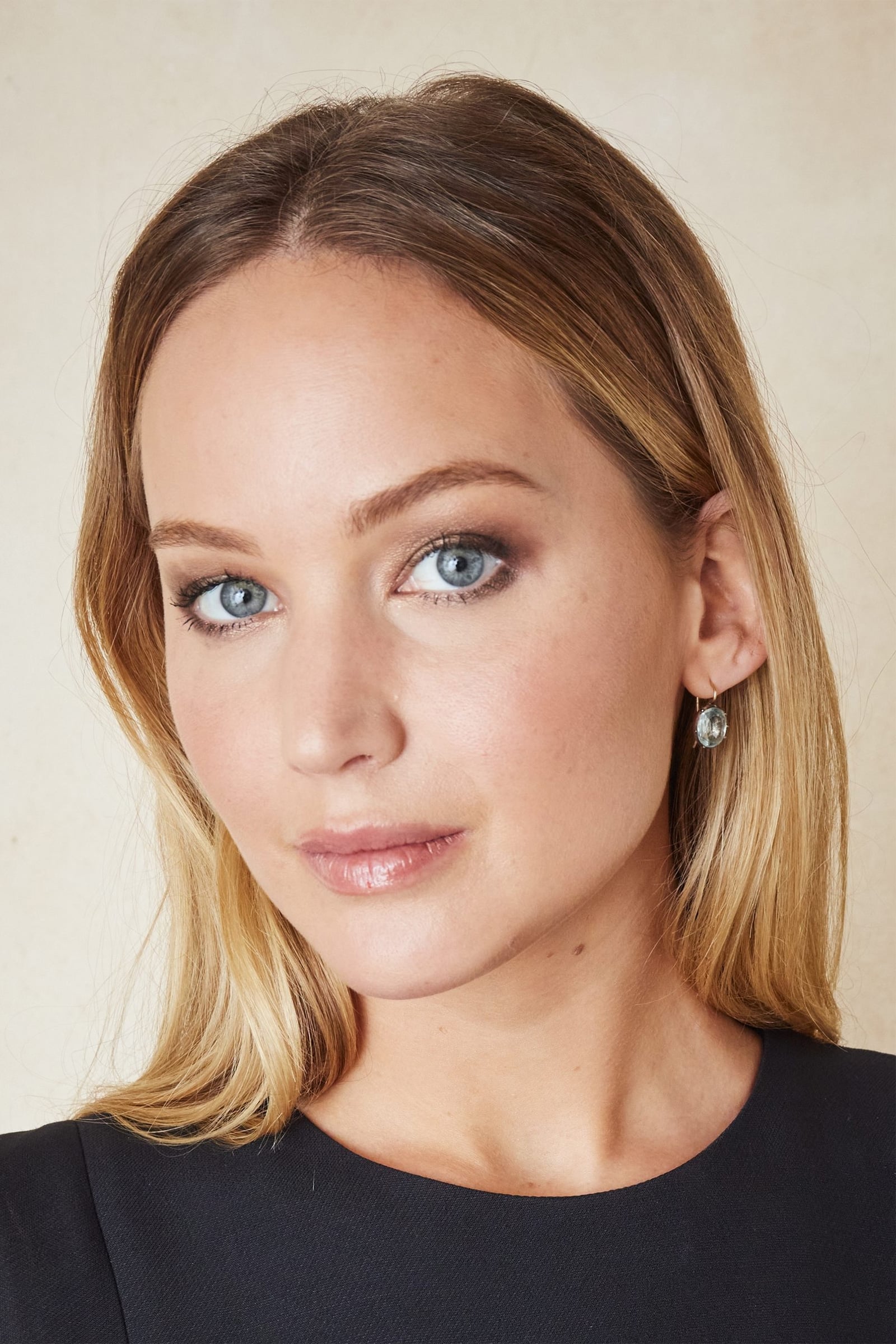
I was really disappointed to see the criticism the actress and Dior received for that recent campaign. It was meant to celebrate Mexican heritage, but it was filmed in California with a crew that wasn’t very diverse. A lot of people felt like it completely missed the mark and erased the culture it was trying to honor, so they started a boycott. It felt like Dior should have included Mexican artists and models to authentically represent the culture. The whole thing forced them to explain their choices and address the accusations of being insensitive, and honestly, it sparked a really important conversation about representation.
George Clooney
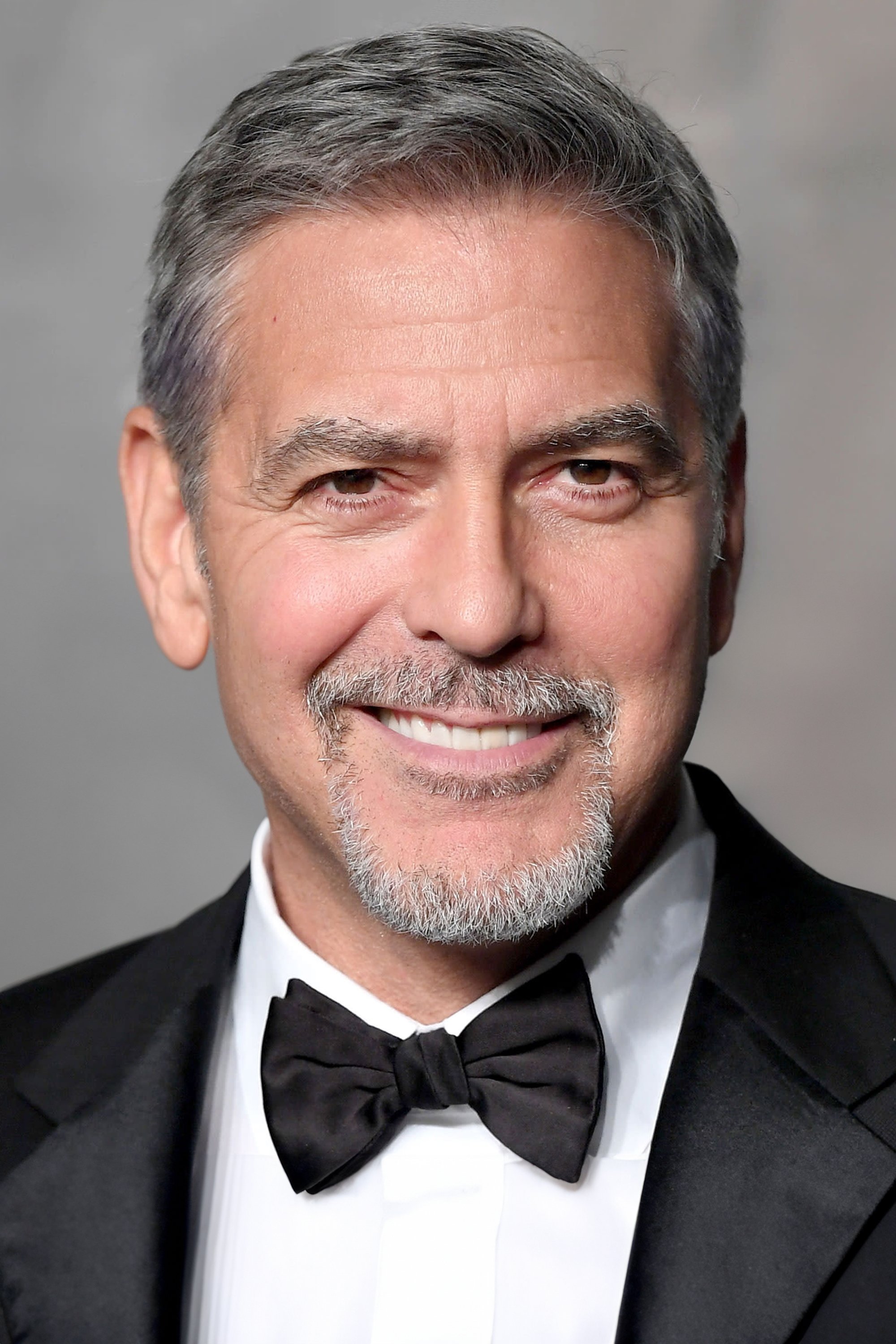
After reports of child labor in Nespresso’s supply chain emerged, people called for a boycott of the brand. Because the actor had been the face of Nespresso for many years, activists specifically asked him to speak out about the issue. He responded with a statement expressing his concern and encouraging the company to strengthen its monitoring of labor practices. This situation highlights how celebrities can be held responsible for the actions of the companies they promote.
Selena Gomez
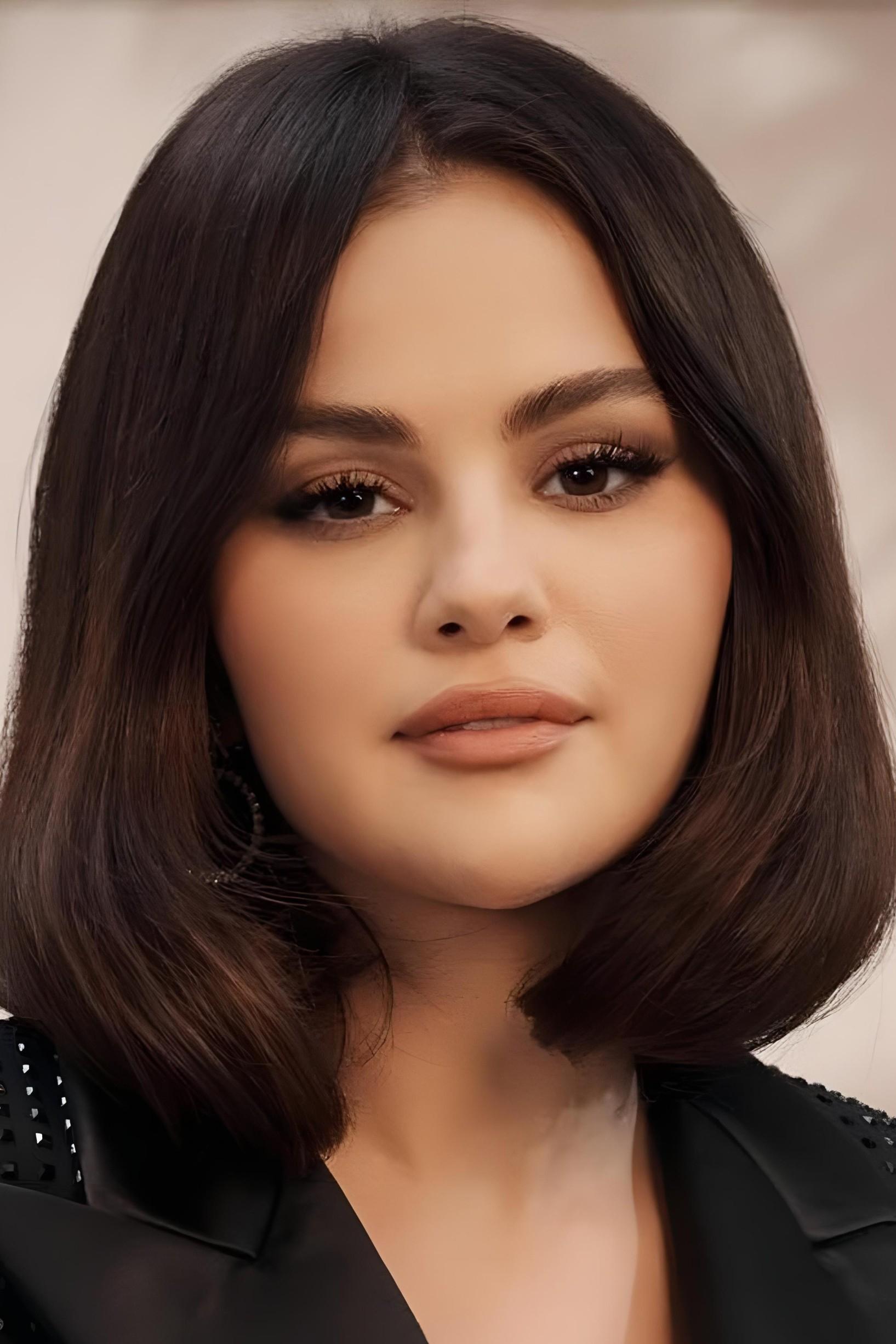
The singer and actress was targeted by a boycott because of her work with Puma. People were upset that she hadn’t spoken out about important human rights issues and wanted her to use her influence to push Puma to improve its manufacturing practices. The boycott aimed to use her large fanbase to encourage the company to be more ethical, showing a growing expectation that celebrities should be accountable for the actions of the brands they work with.
Kris Wu
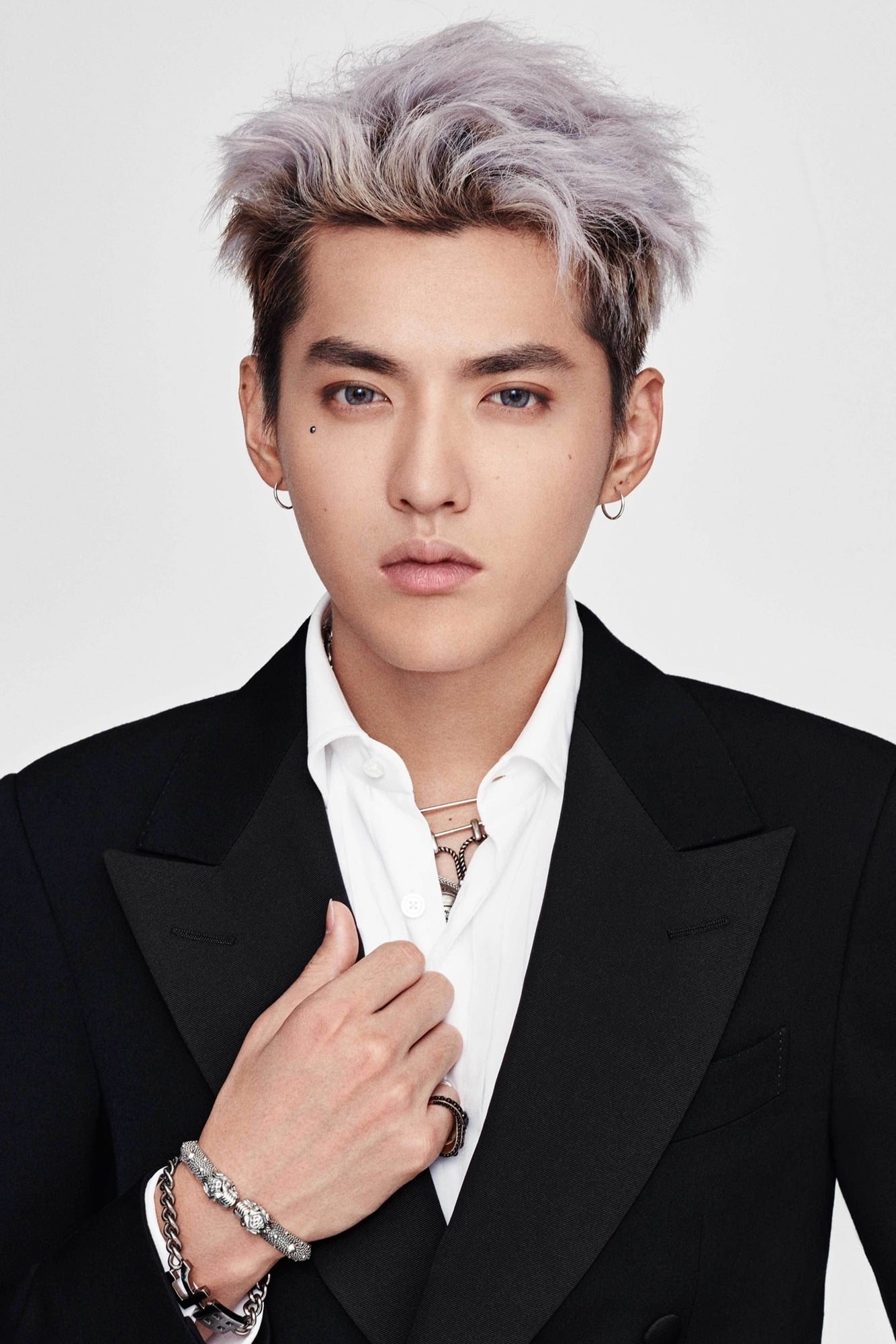
After serious legal accusations arose in China, several high-end brands, including Louis Vuitton and Bulgari, stopped working with the celebrity. A nationwide boycott of his work and the products he promoted quickly gained momentum. Brands immediately pulled all advertisements and promotional content featuring him to avoid backlash from the public. This situation demonstrated how quickly the Chinese market can remove individuals facing controversy from the business world.
Zheng Shuang

After a family scandal and legal problems became public, the Chinese actress faced a widespread boycott. Prada quickly ended their partnership with her – just eight days after naming her an ambassador. As a result, she was effectively barred from working in entertainment and advertising. This situation highlights the risks luxury brands take when doing business in potentially sensitive global markets.
Fan Bingbing

A well-known actress faced a tax evasion scandal that caused a widespread public boycott of the products she promoted. Companies like Guerlain and Montblanc were caught off guard when their main spokesperson in the region suddenly disappeared from public view. While she eventually returned and paid substantial fines, the incident permanently damaged her reputation as a brand representative. This case demonstrated the potential dangers for international companies when the public figures they endorse face legal issues and government investigations.
Scarlett Johansson
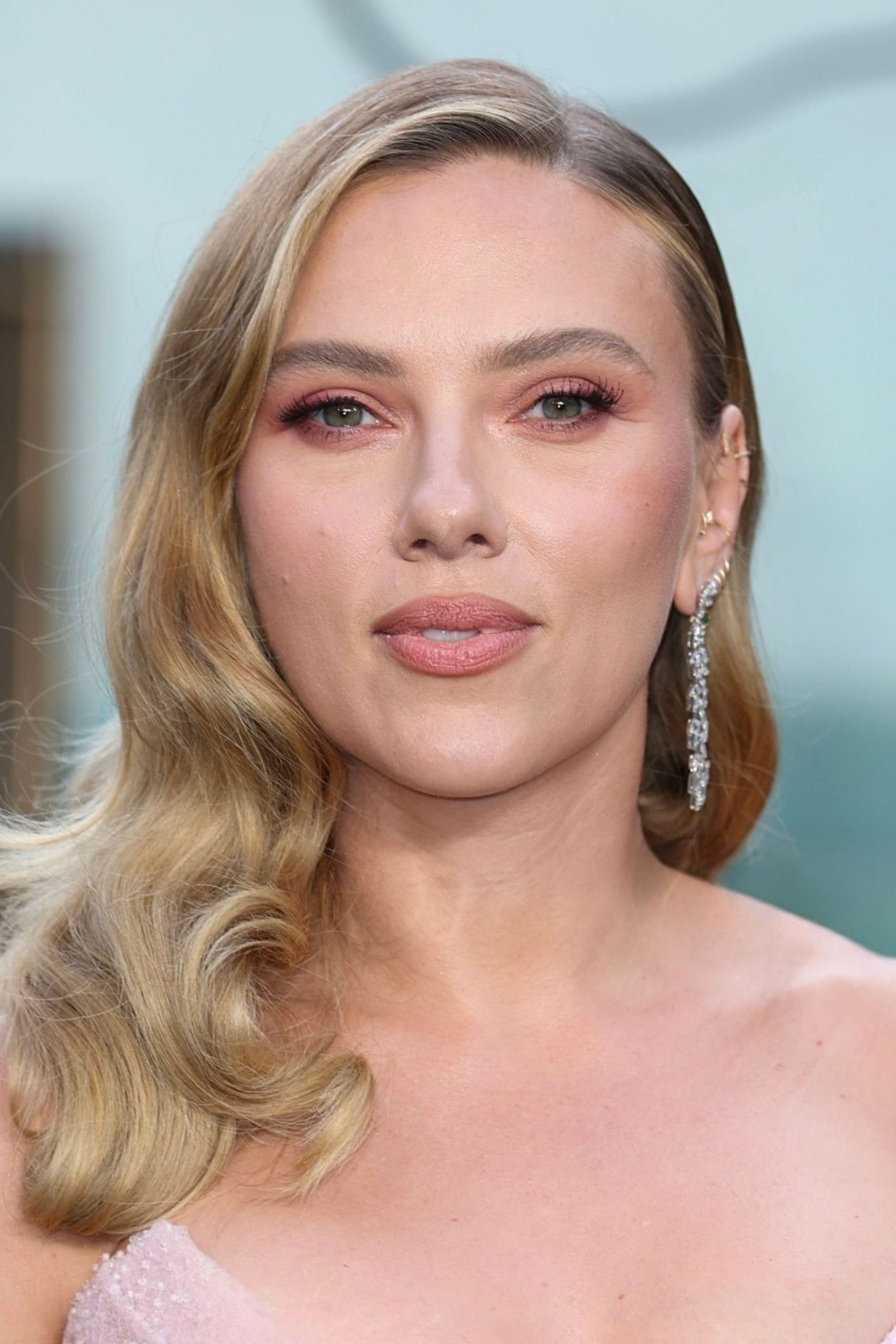
The actress faced public criticism and a boycott when she began promoting SodaStream while also working with Oxfam. This was because SodaStream had a factory in a region with a political dispute, which conflicted with Oxfam’s principles. Ultimately, she decided to step down from her position with the charity so she could continue her partnership with the company. This choice led to widespread discussion about whether celebrities should consider the political implications of the brands they choose to represent.
Justin Bieber
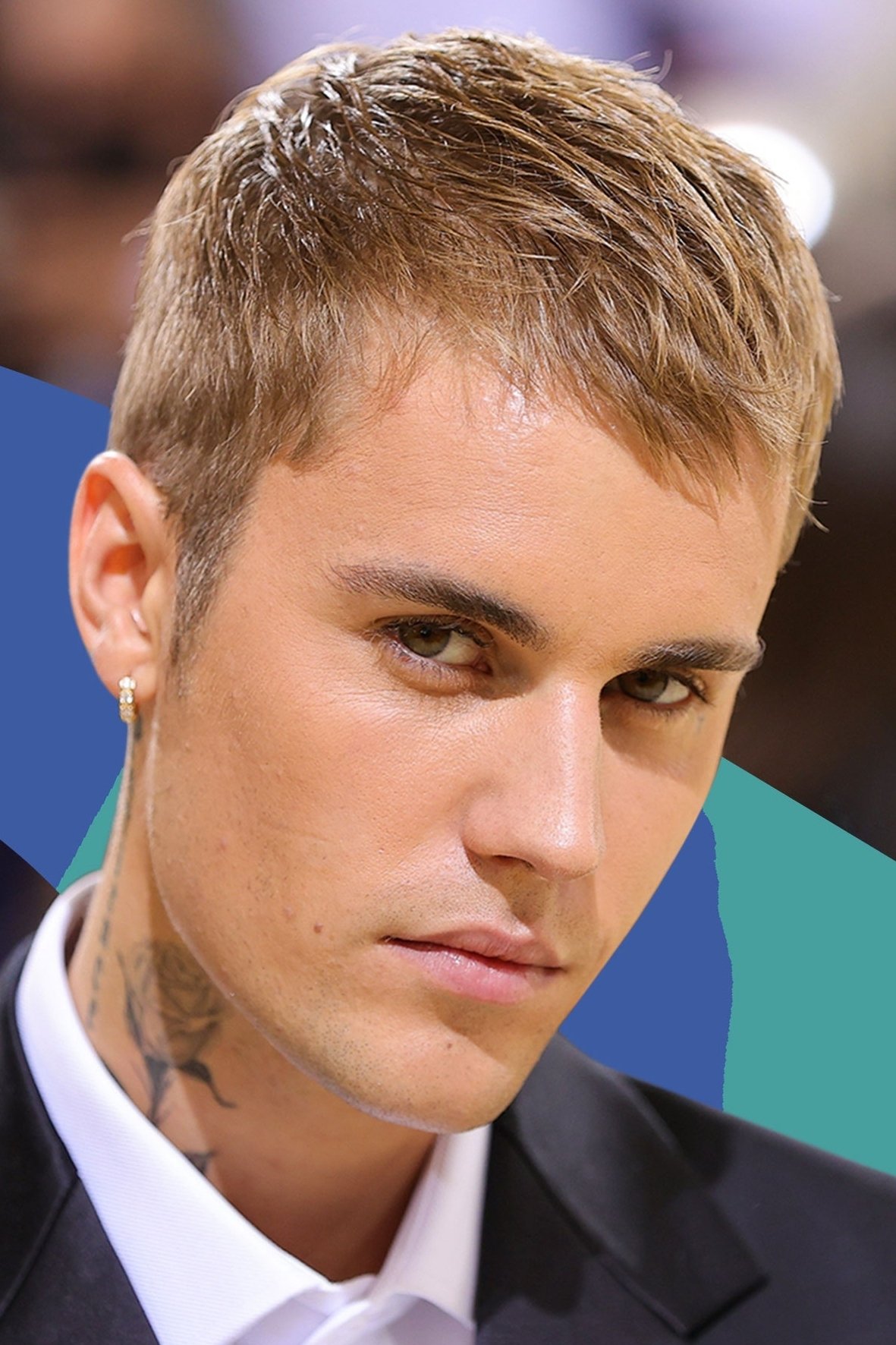
In 2023, a singer asked his fans to stop buying products from H&M after claiming the company released merchandise featuring his image without his permission. He publicly criticized the collection, calling it low quality. H&M quickly removed the items from its stores to resolve the issue and avoid upsetting the artist and his supporters. This situation demonstrated the power an artist has to influence their fanbase’s opinion of a brand they’ve collaborated with.
Brooke Shields
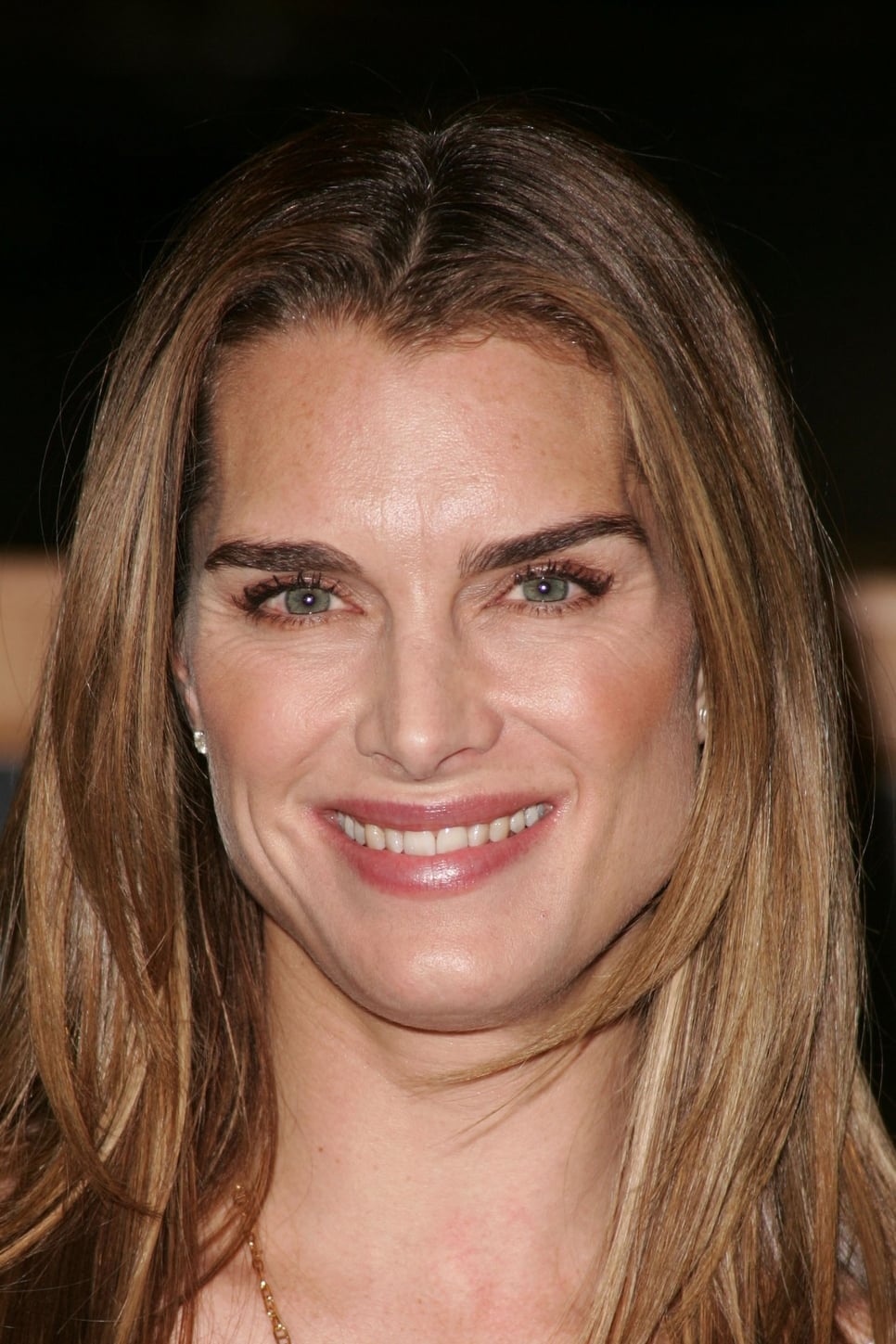
In the 1980s, the actress appeared in Calvin Klein commercials that were considered quite daring for that era. This sparked a nationwide protest, as parents and religious groups called for the ads to be pulled from TV. Surprisingly, the controversy actually boosted the brand’s popularity and sales. It’s a well-known case of how boycotts can sometimes unexpectedly increase a product’s visibility.
Peyton Manning
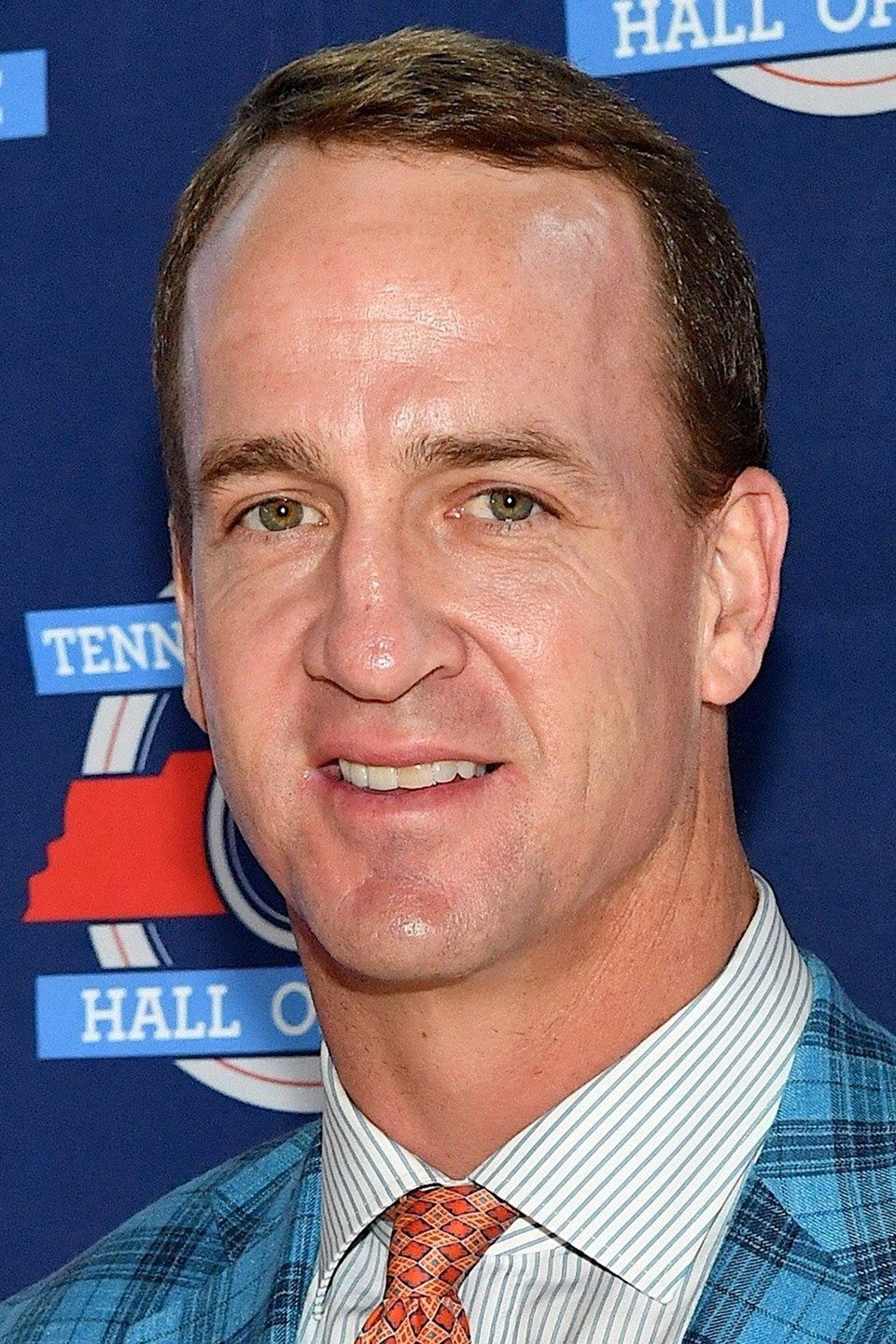
The retired quarterback faced public pressure to stop supporting Papa John’s due to his relationship with the founder during a time of scandal. Customers upset with the company’s leadership’s statements targeted the quarterback, who was a well-known spokesperson. He sold his ownership in the restaurants just before the company made significant changes. This situation highlighted how a celebrity owner’s reputation can be affected by the behavior of the company they’re involved with.
Danica Patrick
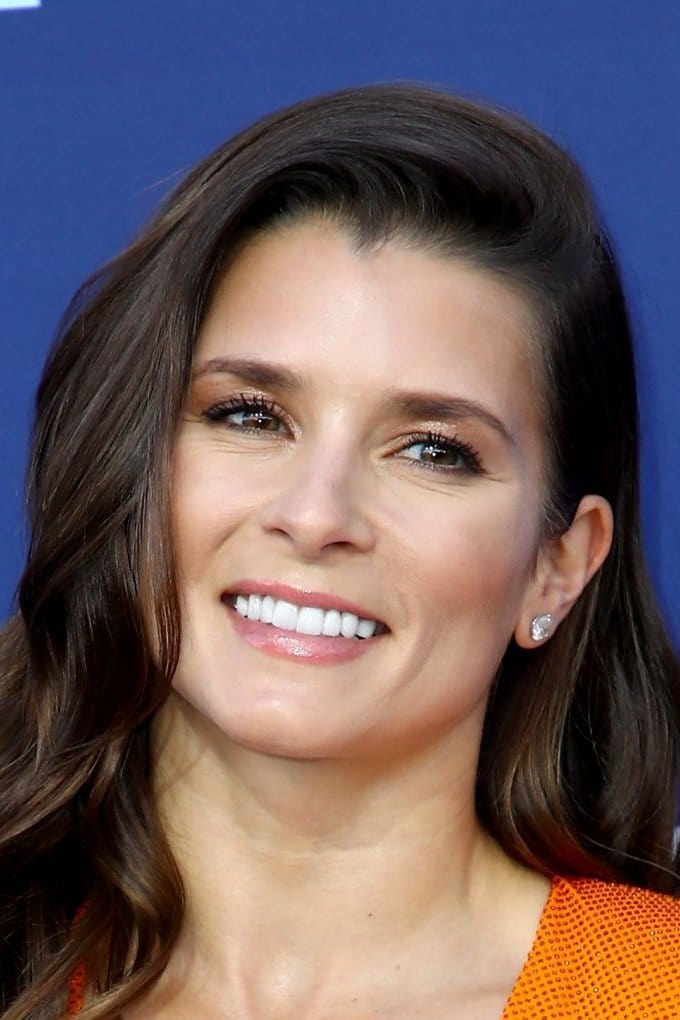
For years, a famous race car driver was the public face of GoDaddy, but their ads often faced criticism for being sexist. This sparked several boycotts from groups who believed the marketing was disrespectful to women. GoDaddy eventually changed its approach, focusing on more professional and inclusive advertising to improve its reputation. This change represented a major shift in how the company used celebrity endorsements.
Oprah Winfrey
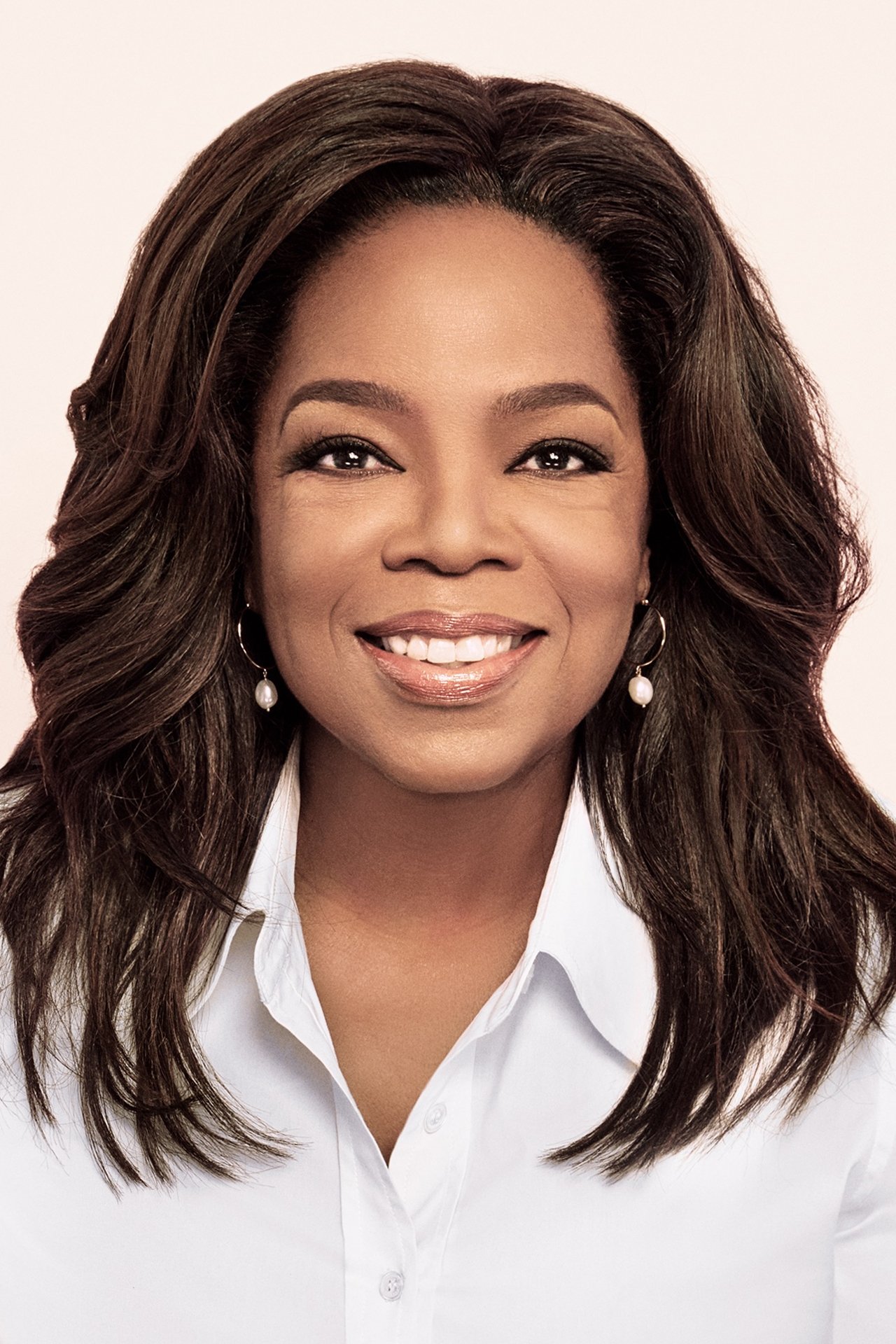
After a television appearance where she discussed beef, a powerful media personality faced backlash from the cattle industry, including calls for a boycott and legal action. Although she hadn’t promoted any particular brand, industry leaders feared her comments could significantly lower national beef sales. She ultimately won the lawsuit that followed, but the incident highlighted just how much influence celebrities can have on the economy. The case is still remembered today as an important example of both free speech and celebrity power.
Bella Hadid
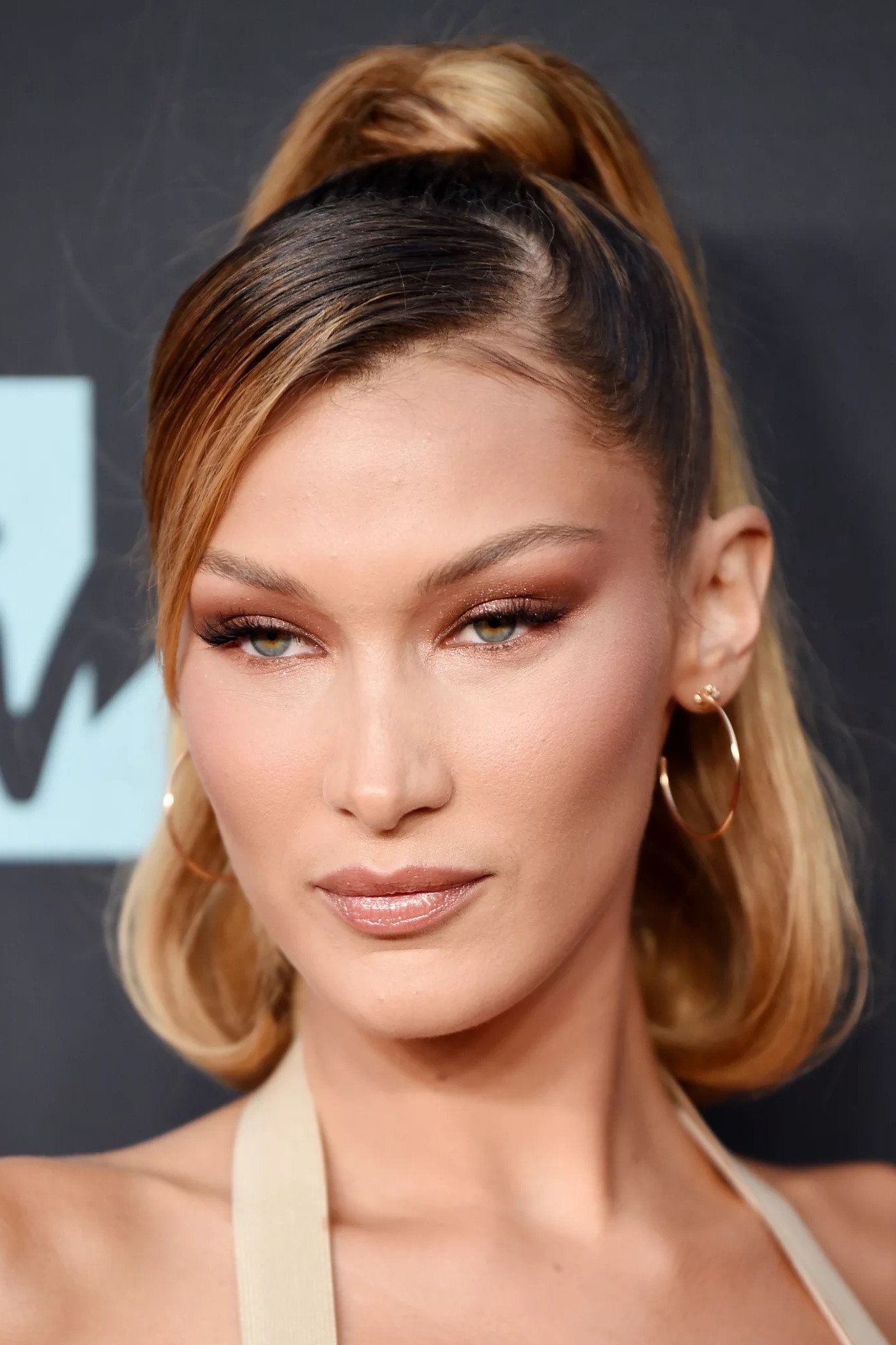
A model appeared in an Adidas ad for a classic shoe first launched during the 1972 Olympics. However, her selection caused a nationwide protest, as people remembered the tragic events surrounding those games. Adidas responded by apologizing and removing the model from the campaign to respect public feelings. This situation highlighted how important it is for brands to carefully consider the history behind their marketing choices.
Nicole Kidman
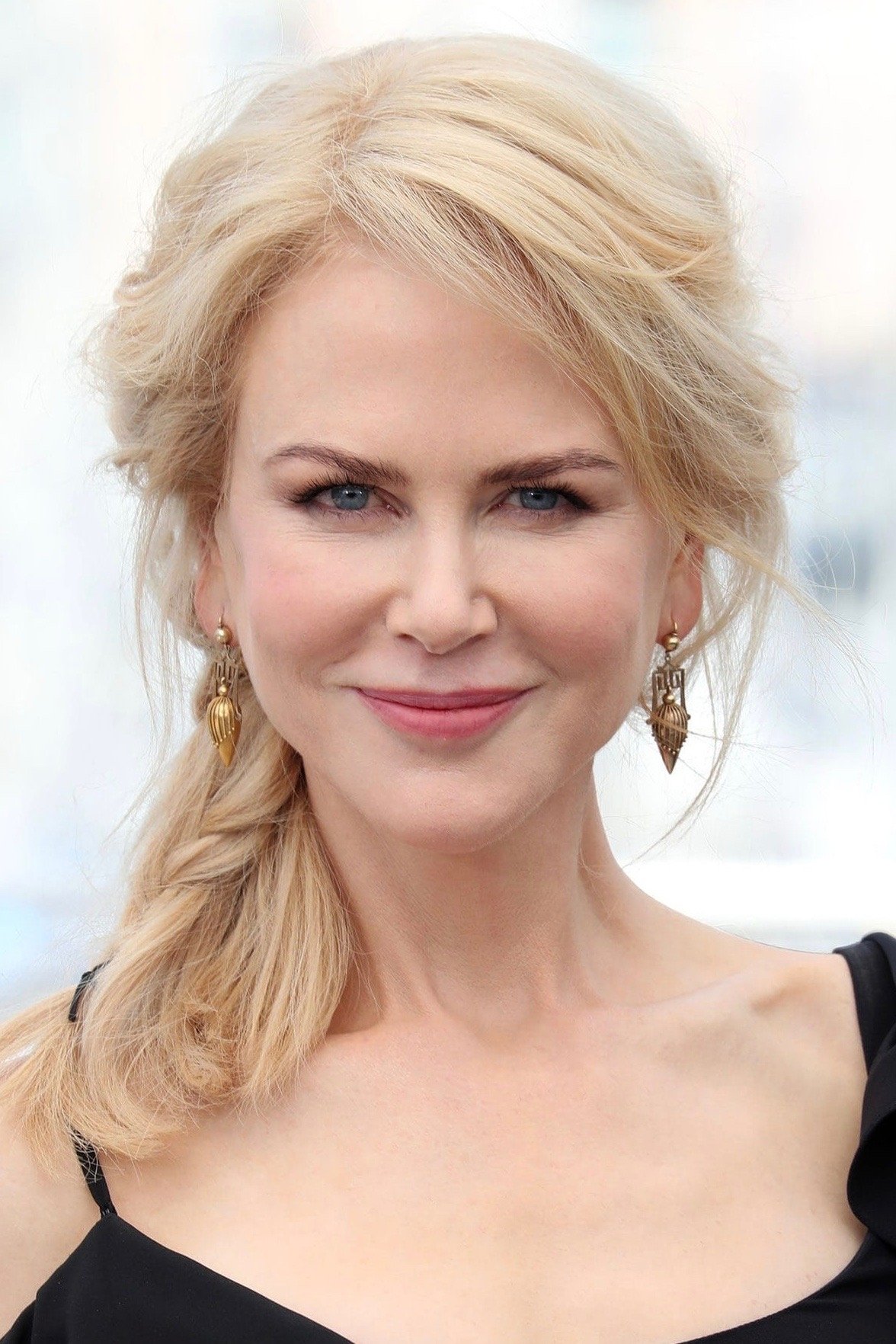
Flight attendant unions called for a boycott of the actress after she began appearing in advertisements for Etihad Airways. They felt the airline’s labor practices didn’t align with the values she publicly promoted, and they hoped to convince her to end the partnership and support workers’ rights. The situation demonstrated how unions can use a celebrity’s platform to draw attention to issues in the workplace.
David Beckham
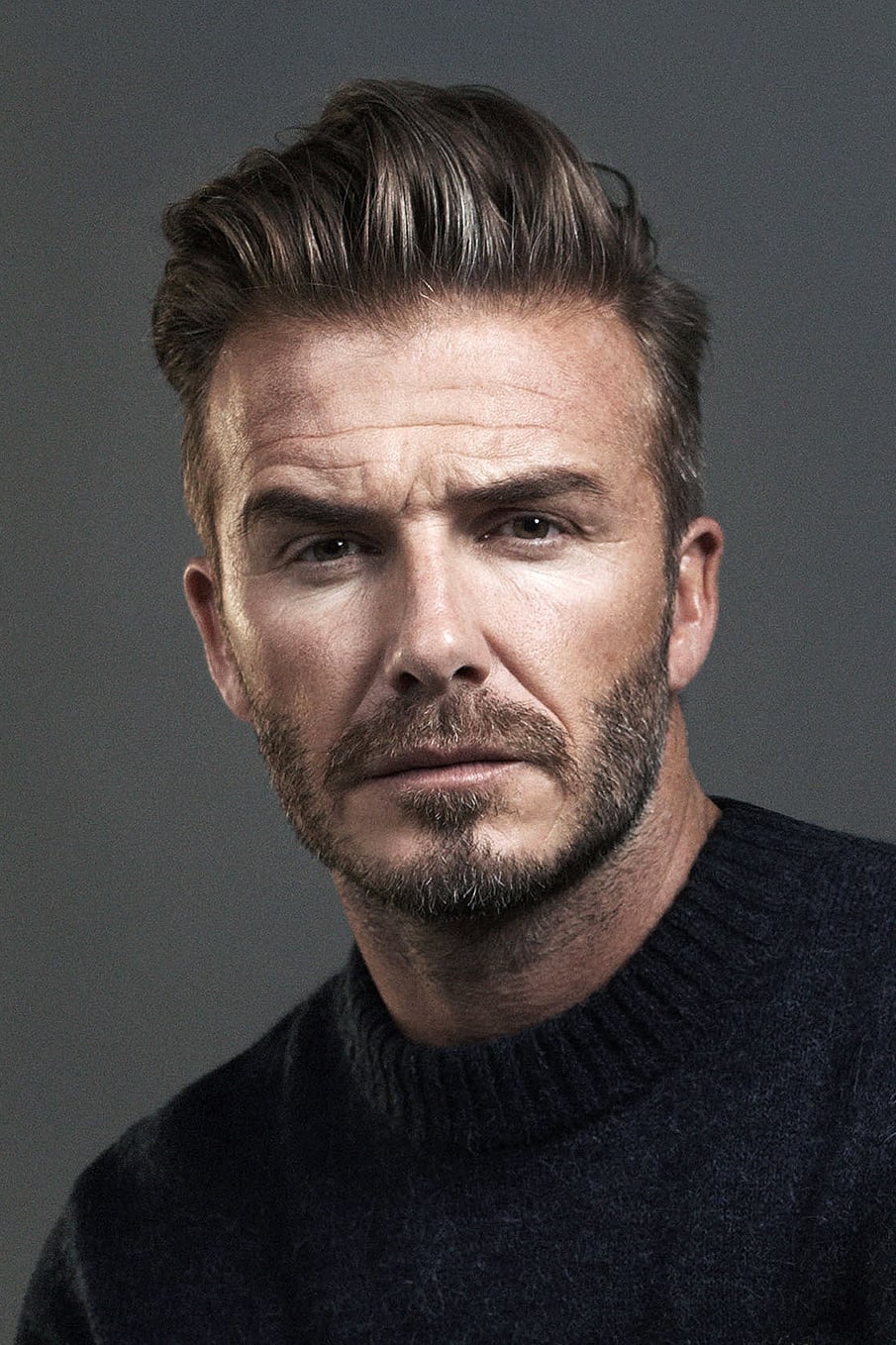
After a famous soccer player agreed to a lucrative deal to promote tourism in Qatar, he encountered widespread criticism and boycotts in the United Kingdom. People objected to Qatar’s human rights record and accused the athlete of prioritizing profit over his principles. The issue continued during the World Cup, sparking protests from activists. This situation demonstrated the potential damage to an athlete’s reputation when they endorse controversial countries or organizations after retiring from their sport.
Priyanka Chopra Jonas

After appearing in ads for a jewelry company caught in a major financial scandal, the actress faced public backlash in India. Many consumers believed her endorsement wrongly made the company seem trustworthy. She ended her contract with the company through her lawyers to avoid being associated with the legal issues. The situation highlighted how important it is for celebrities to thoroughly investigate companies before agreeing to long-term partnerships.
Alicia Keys
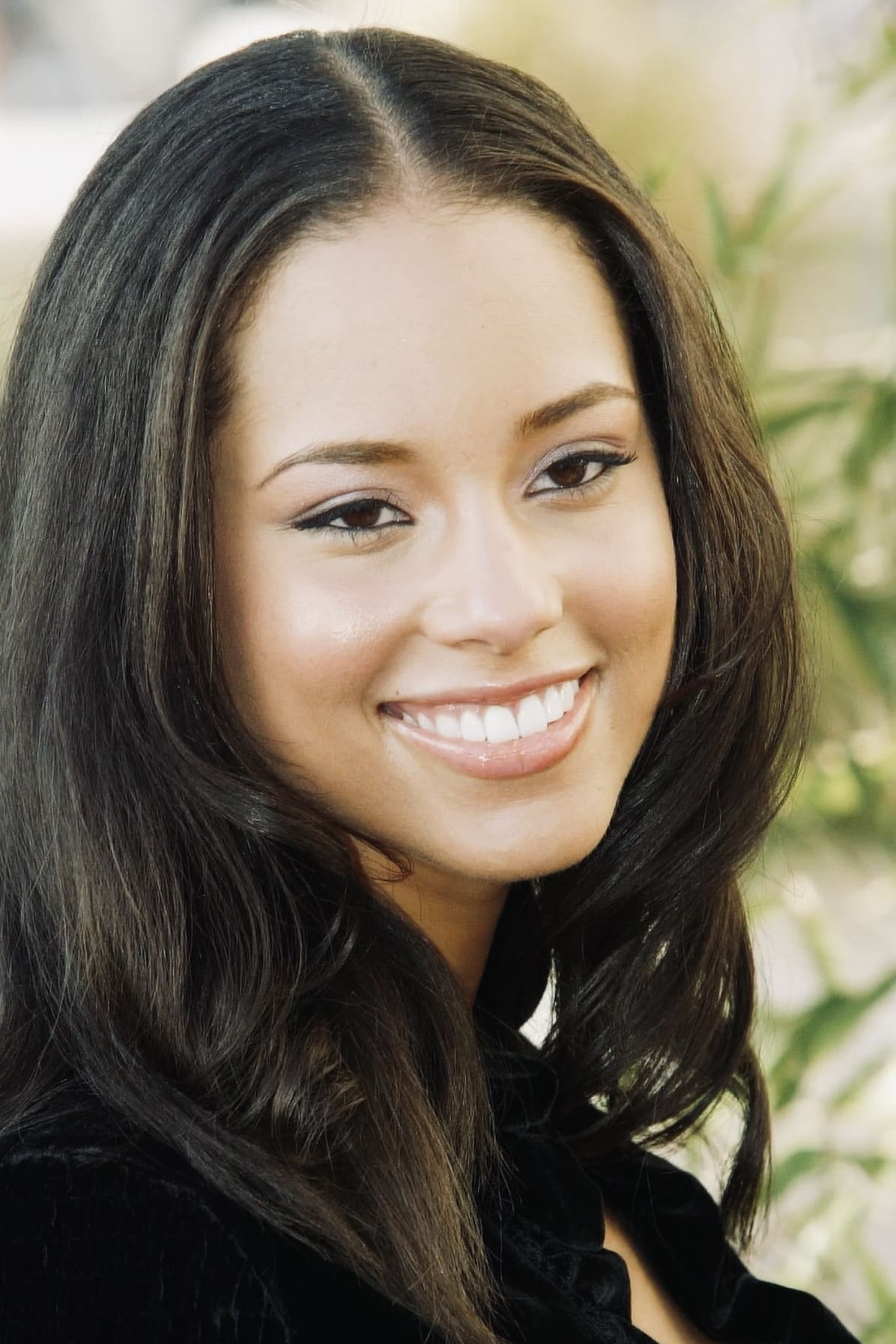
The singer became a creative director for BlackBerry, but faced public criticism when she was seen tweeting on an iPhone. People questioned the sincerity of the partnership, damaging trust in the brand. Ultimately, the singer and the company ended their collaboration as BlackBerry struggled to compete. This situation became a classic example of why celebrities who endorse products should actually use them.
Julia Roberts
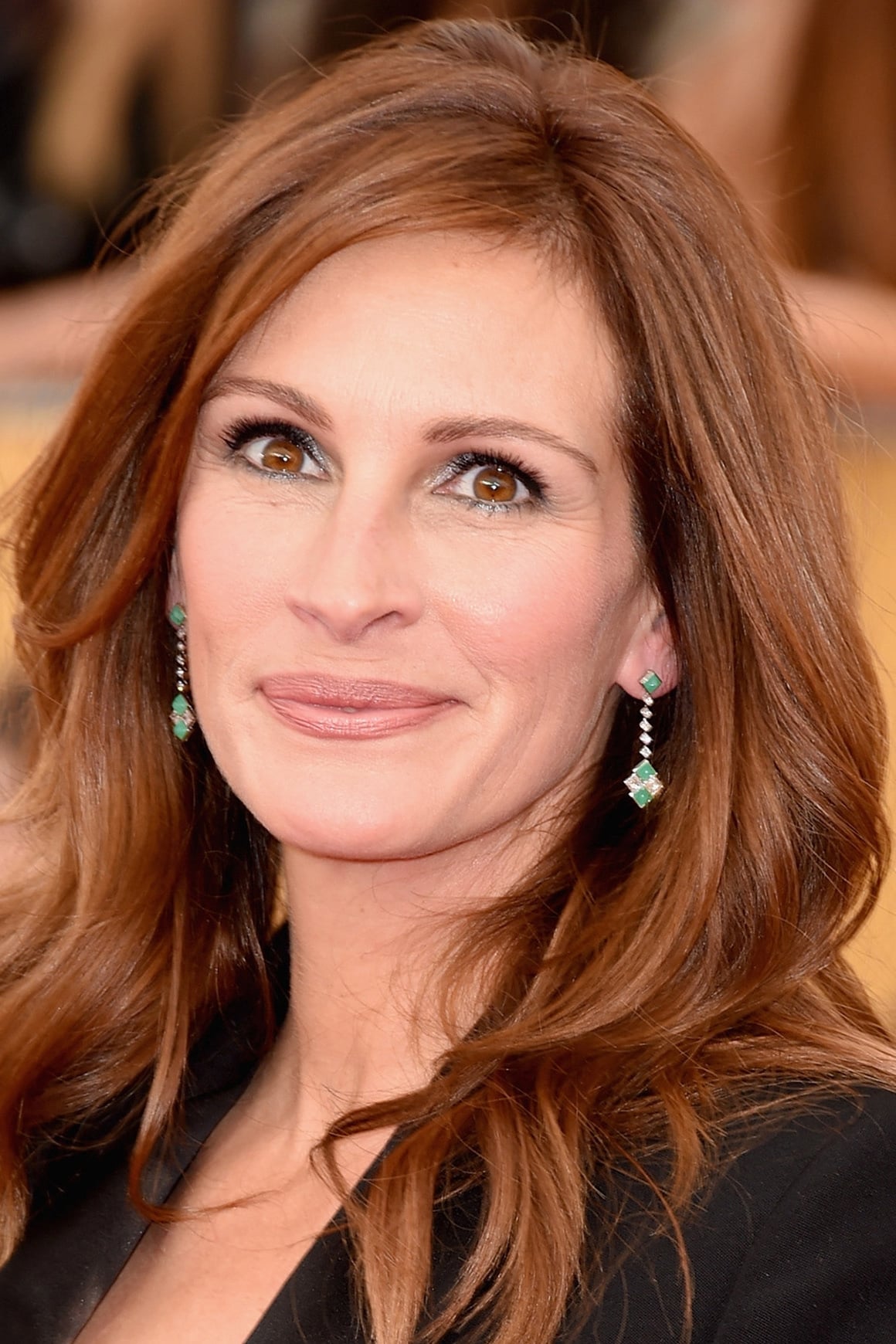
An advertisement featuring the actress was pulled in the UK because it was heavily edited. This sparked a small protest from groups promoting realistic beauty, who argued the ad was misleading. Lancôme had to go to court to justify its use of digital retouching, facing challenges from the advertising standards authority. The incident ultimately led beauty companies to rethink how they edit celebrity photos.
Brad Pitt

The actor appeared in a Chanel No 5 ad that received a lot of criticism and prompted some luxury shoppers to briefly stop buying the brand. Many found the ad overly artsy and felt it didn’t connect with the perfume itself. Chanel later changed its advertising approach to regain its reputation, proving that even a well-known celebrity can’t make a flawed marketing idea successful.
Emma Watson
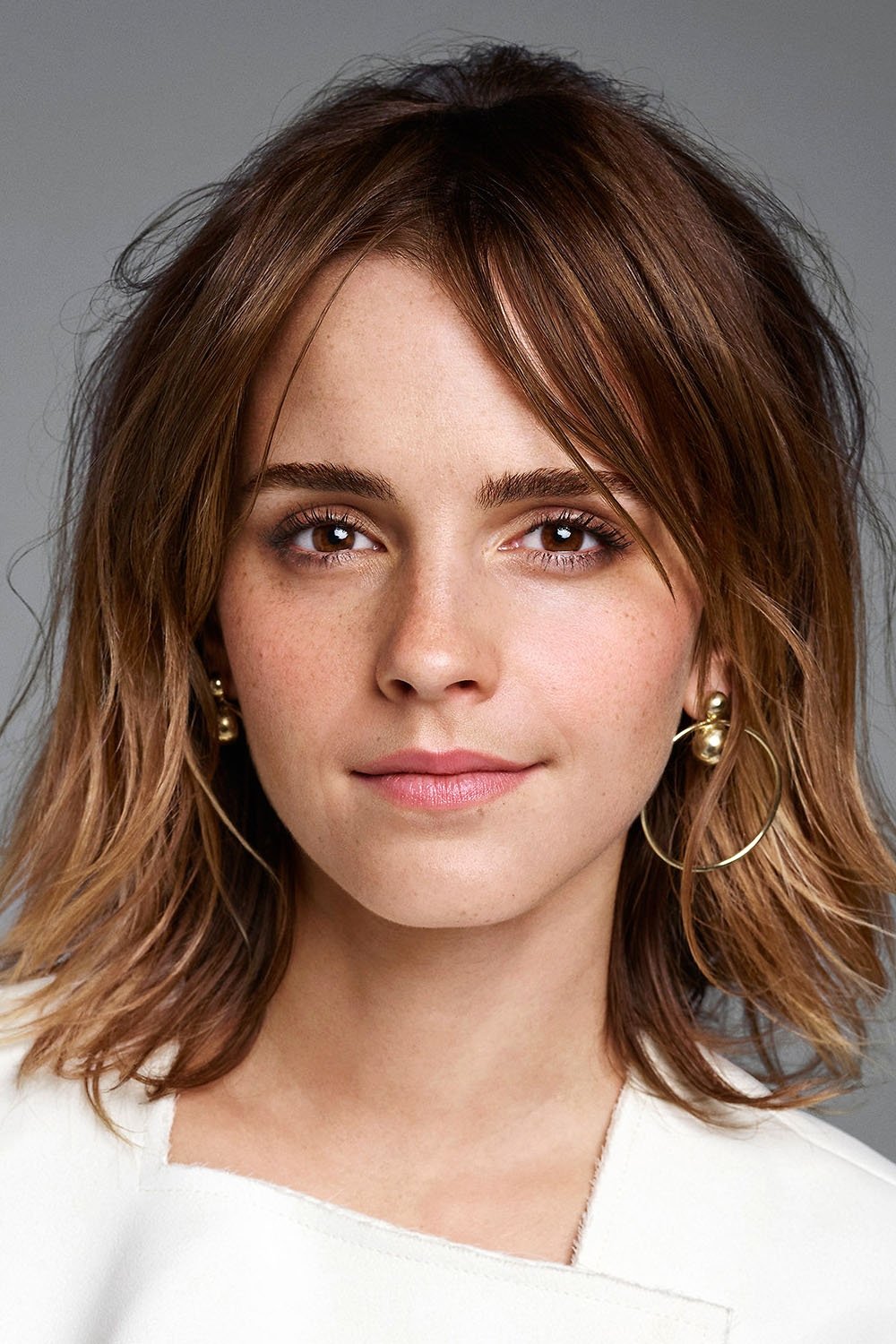
The actress faced backlash online after appearing in an ad for a skin-lightening product in Asia. Many fans were upset, feeling the ad went against the values she’d publicly supported regarding feminism and human rights. Her team explained she hadn’t done these types of ads for years, but older images were still circulating and causing problems. This situation showed how far advertising can reach and how long celebrity images can stay visible.
Tiger Woods
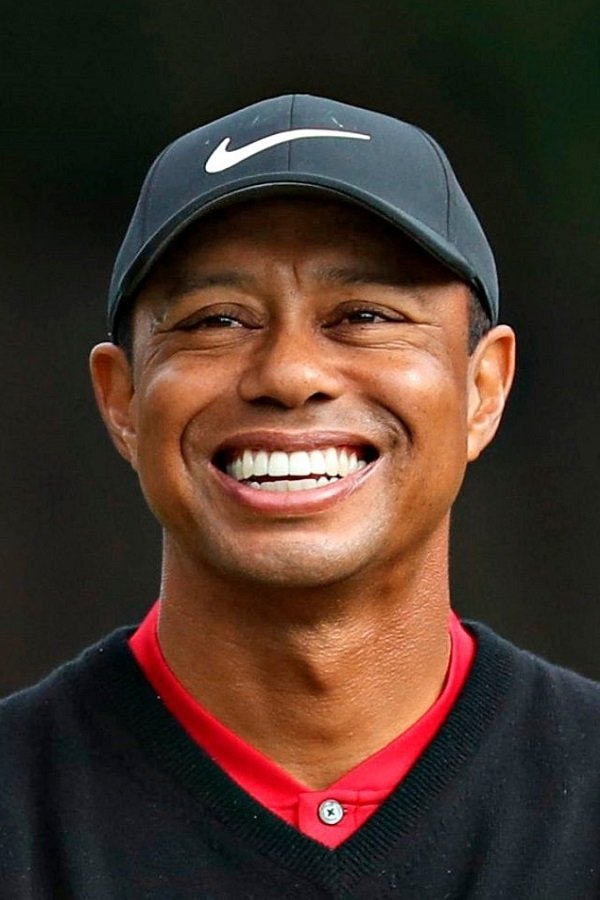
After a series of highly publicized personal scandals, the golfer lost major sponsorship deals with companies like Accenture and Buick. Public outrage led to boycotts, forcing sponsors to end their partnerships to safeguard their own images. While he did return to golf, he never fully regained those previous brand endorsements. This situation is considered one of the most significant examples of a public figure losing endorsements in sports history.
Kate Moss
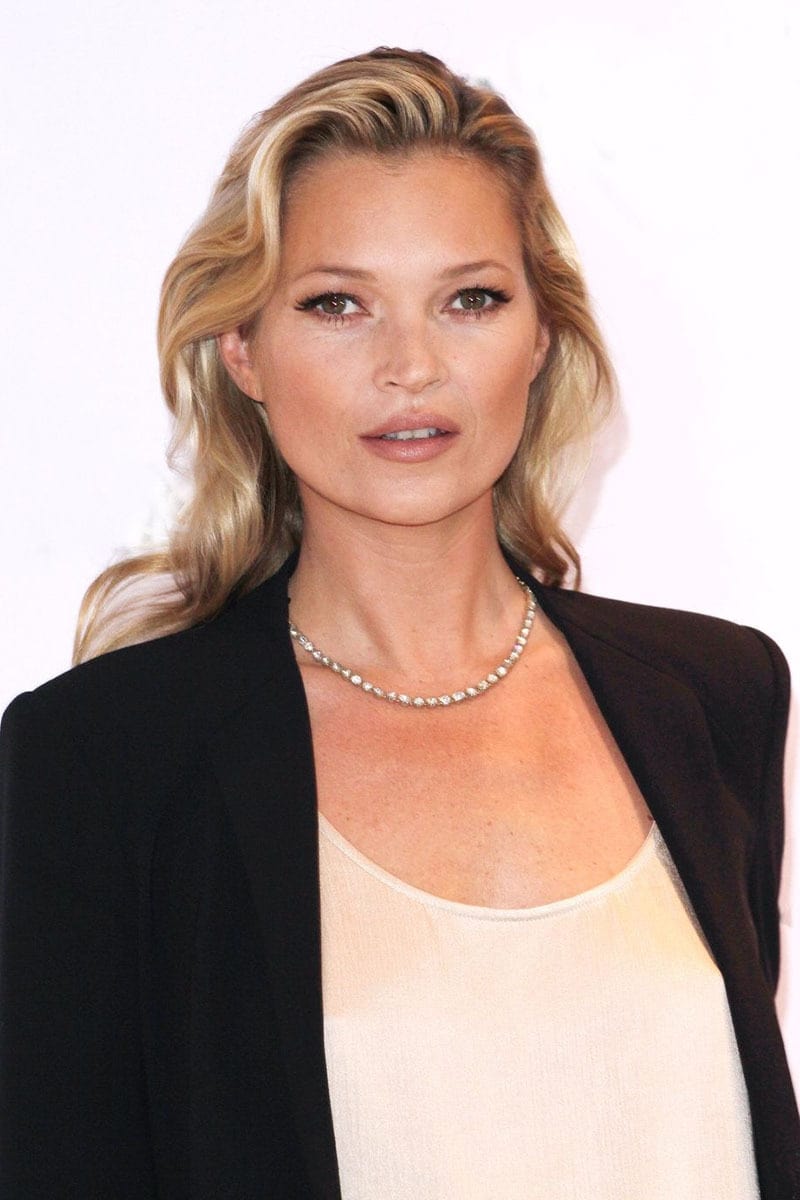
After private photos were made public, several leading fashion brands, including Burberry and Chanel, ended their contracts with the model. There was a public threat to boycott the brands she worked with if they didn’t respond. Despite this, she quickly recovered and regained her position as a top model. The situation highlighted how some public figures can overcome intense media attention and rebuild their careers.
Lance Armstrong
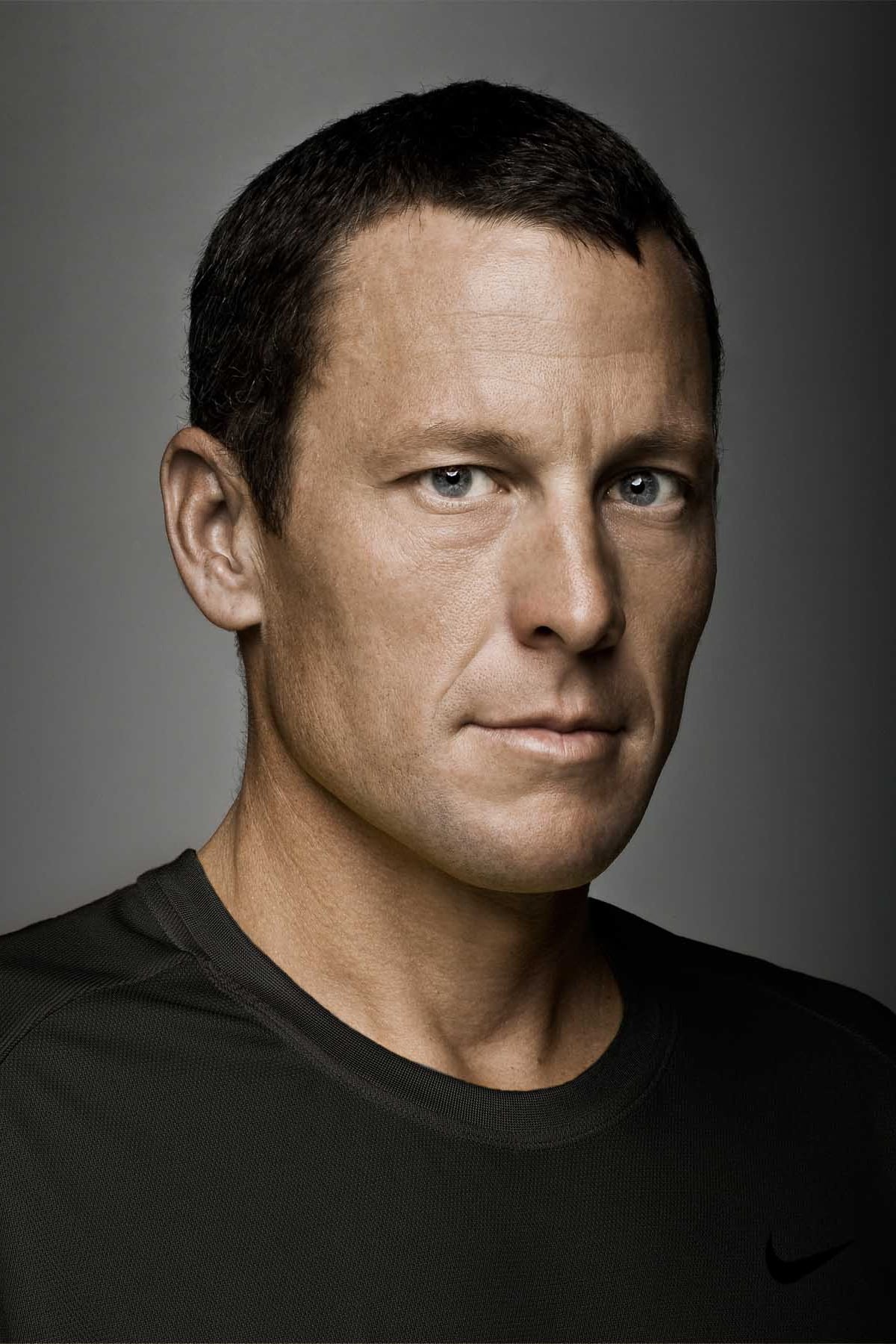
After admitting to using performance-enhancing drugs, the cyclist faced a massive backlash, becoming the center of one of the biggest sponsorship collapses ever. Companies like Nike quickly cancelled their contracts and ended their support for his foundation. The public felt deeply betrayed, and his reputation suffered for years. This situation clearly showed that an athlete’s honesty and integrity are essential to their commercial success.
Michael Phelps
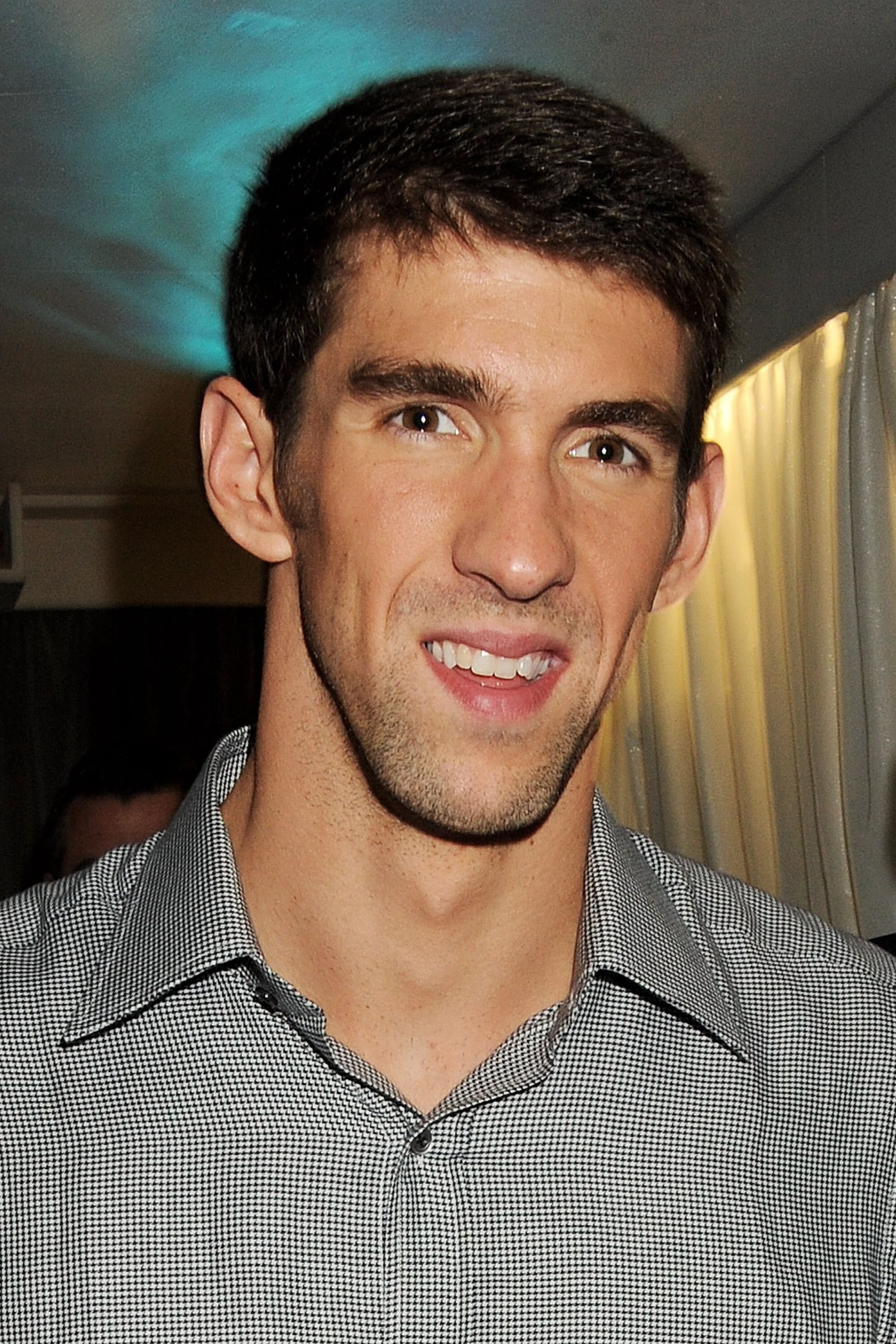
An Olympic swimmer lost a sponsorship deal with Kellogg’s after a photo of him using a pipe appeared online. Many people threatened to stop buying Kellogg’s products if the company continued to support him. As a result of the public backlash, Kellogg’s decided not to renew his contract. This situation highlighted the risks companies face when considering the private behavior of the people they endorse.
Whoopi Goldberg
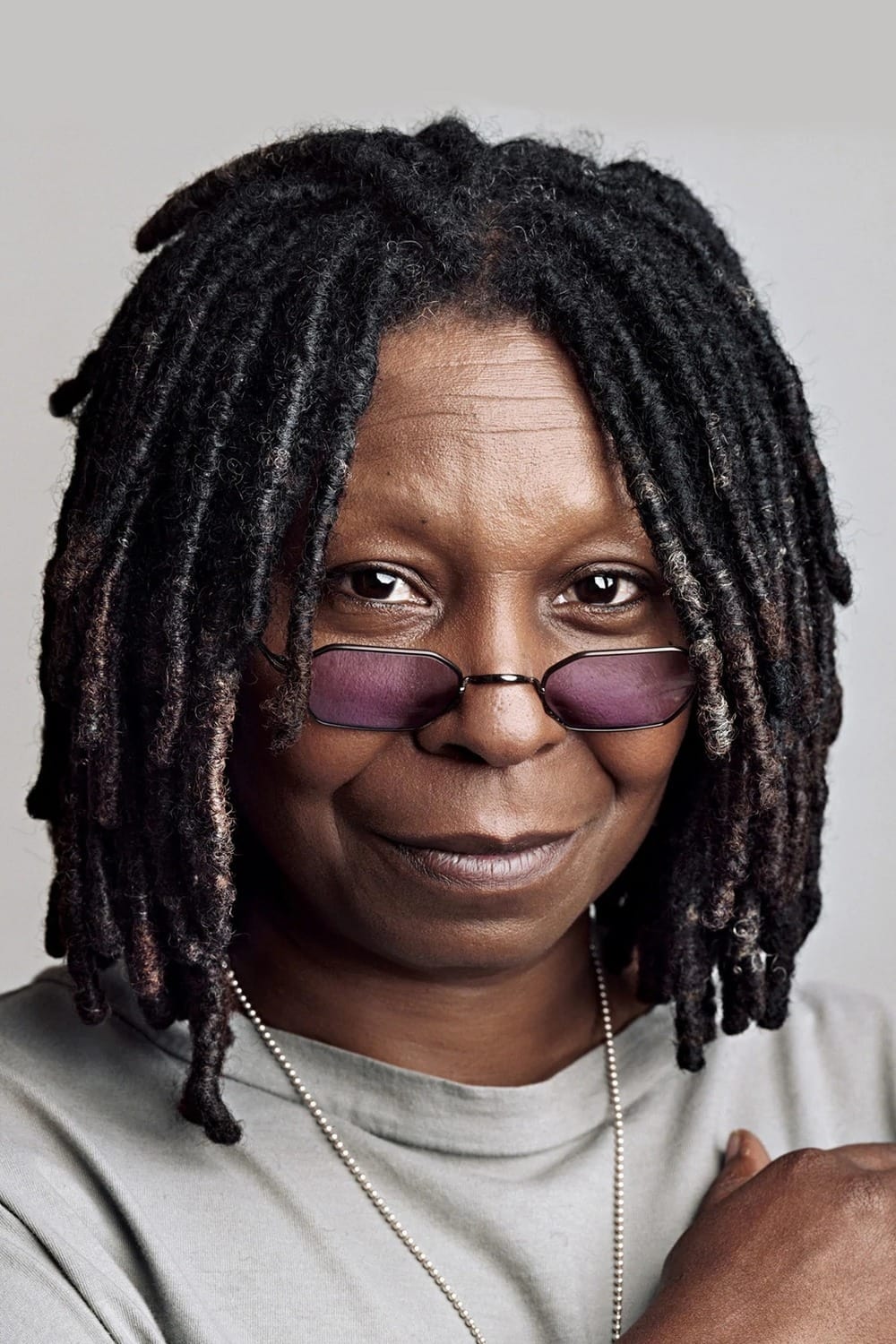
After the actress and TV host made jokes about a politician at a charity event, people began boycotting SlimFast. The company quickly stopped using her in commercials and ended their business relationship to avoid losing customers. While she maintained she had the right to share her views, she immediately faced professional consequences. This situation highlighted how making political jokes can affect a celebrity’s ability to work with popular brands.
Tell us which of these celebrity endorsement controversies surprised you the most in the comments.
Read More
- 20 Movies Where the Black Villain Was Secretly the Most Popular Character
- Transformers Under the Microscope: What Graph Neural Networks Reveal
- Celebs Who Narrowly Escaped The 9/11 Attacks
- Trading on Thin Air: AI Agents Conquer Crypto Volatility
- Silver Rate Forecast
- Gold Rate Forecast
- Invincible Season 4 Gender Swaps Tech Jacket As Fans Question Major Comic Change
- 22 Films Where the White Protagonist Is Canonically the Sidekick to a Black Lead
- Every Notable ‘Star Trek: The Original Series’ Actor Who Died
- Trading Smarter: AI-Powered Execution Schedules
2026-01-07 11:51