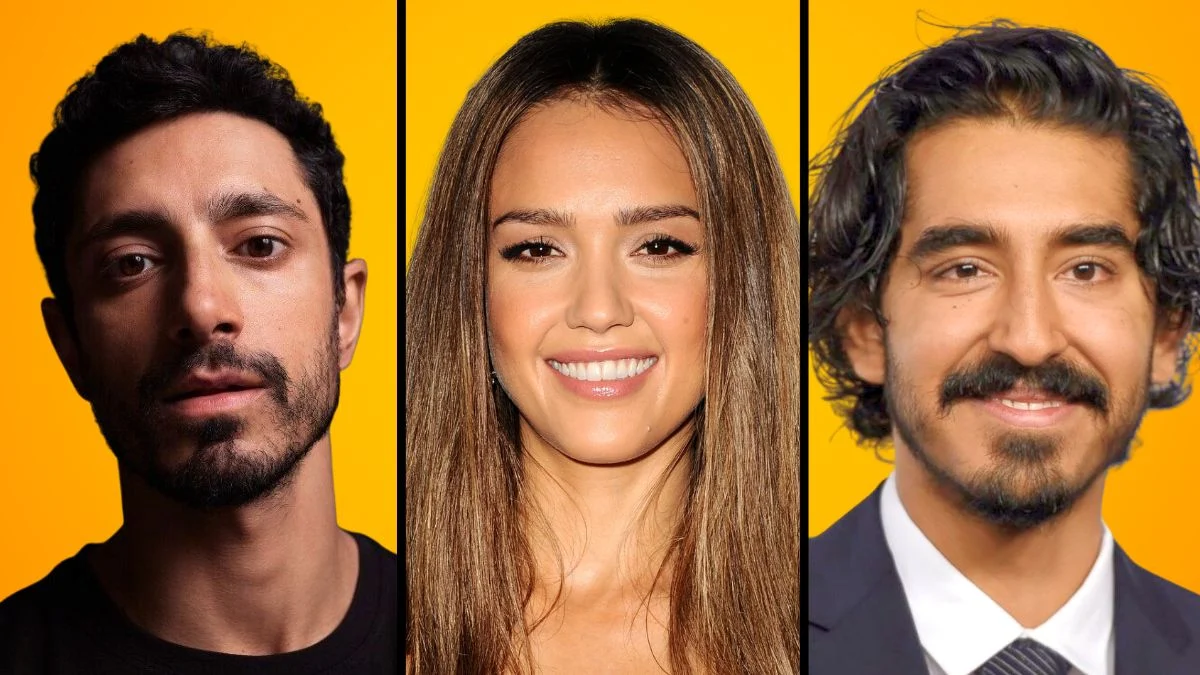
For years, Hollywood has often fallen back on tired and harmful stereotypes when portraying people from minority groups, reducing them to simple, inaccurate representations. Some incredibly talented actors have bravely refused roles that perpetuate these offensive clichés, even when it meant taking a risk with their careers. They prioritized doing what was right over earning a paycheck, pushing for more honest and respectful portrayals of themselves and their communities. This list celebrates those actors who stood up to being typecast and helped create space for more genuine stories.
Angela Bassett
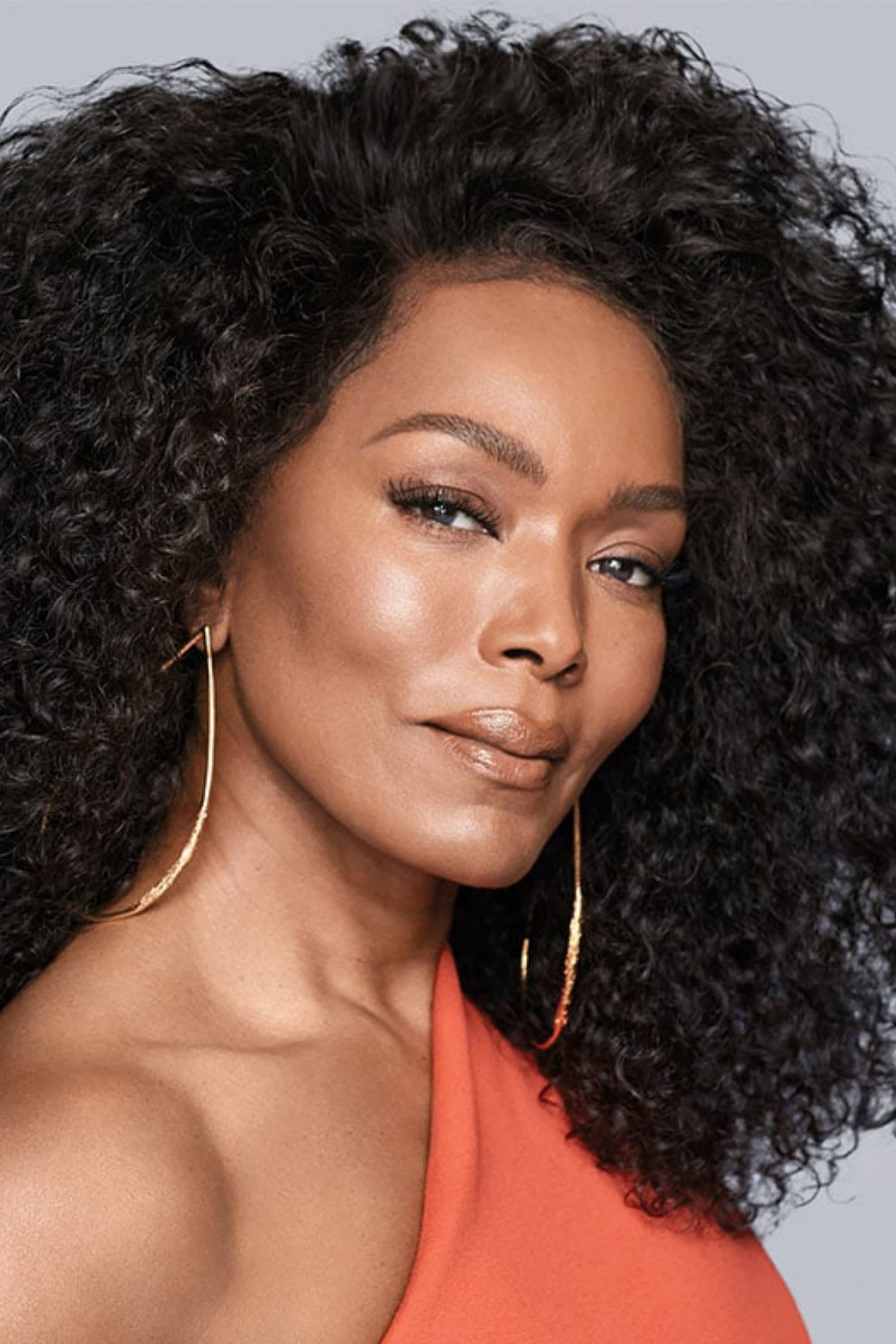
Angela Bassett famously refused the lead role in ‘Monster’s Ball’ because she thought the script was degrading. She believed the character, Leticia Musgrove, was defined too much by harmful sexual stereotypes and didn’t contribute meaningfully to the story. The role involved explicit scenes that she felt would be damaging to her own sense of dignity and to the portrayal of Black women in film. Bassett explained she wasn’t willing to play a character defined by prostitution, even for the sake of winning an award. This decision demonstrated her long-standing commitment to playing strong, positive female characters.
Will Smith
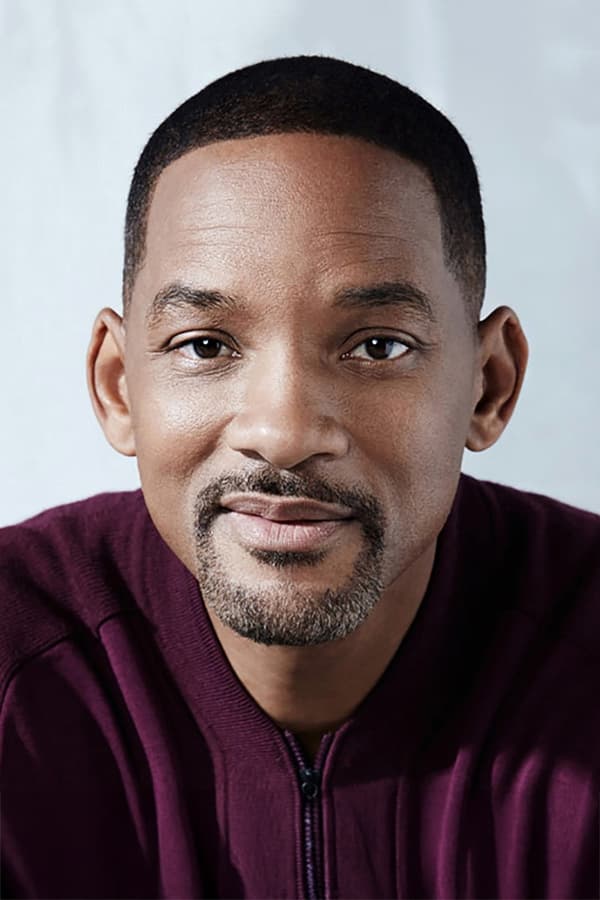
Will Smith turned down the lead role in ‘Django Unchained’ because he didn’t feel his character was the true hero – the original script didn’t have him personally defeat the villain. He was also uncomfortable with the film’s intense violence and portrayal of slavery. Smith generally prefers roles that showcase positive Black stories and relationships, focusing on themes of love and achievement instead of historical pain and revenge. He wanted to be part of projects that inspire and uplift audiences.
Chadwick Boseman
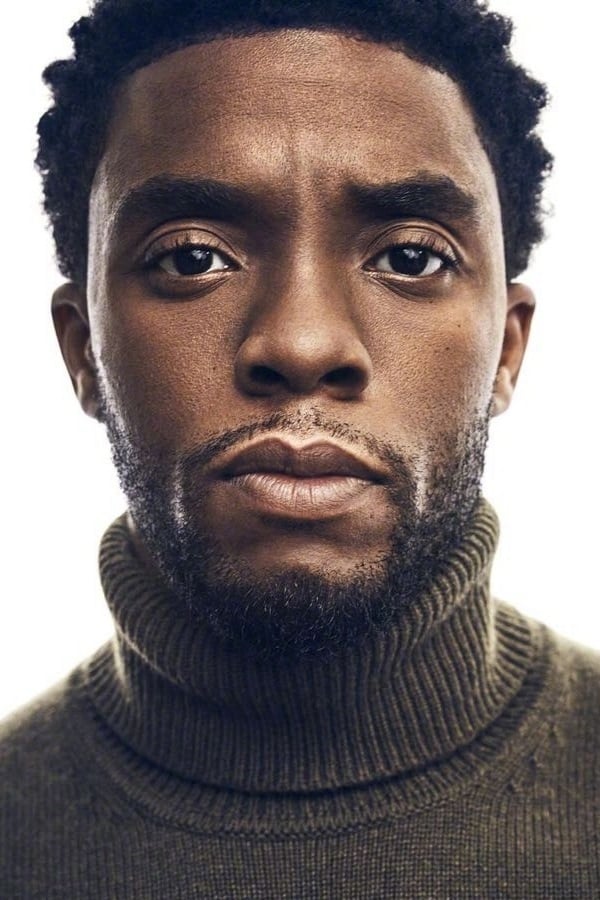
Chadwick Boseman started his career with a role on ‘All My Children,’ but he quickly became concerned that his character, Reggie, was a harmful stereotype. He spoke to the show’s producers about the negative way young Black men were often portrayed on TV. Unfortunately, he was fired soon after raising his concerns. However, his courage led the producers to rewrite the character, giving the next actor a more complex and meaningful role.
Michael B. Jordan
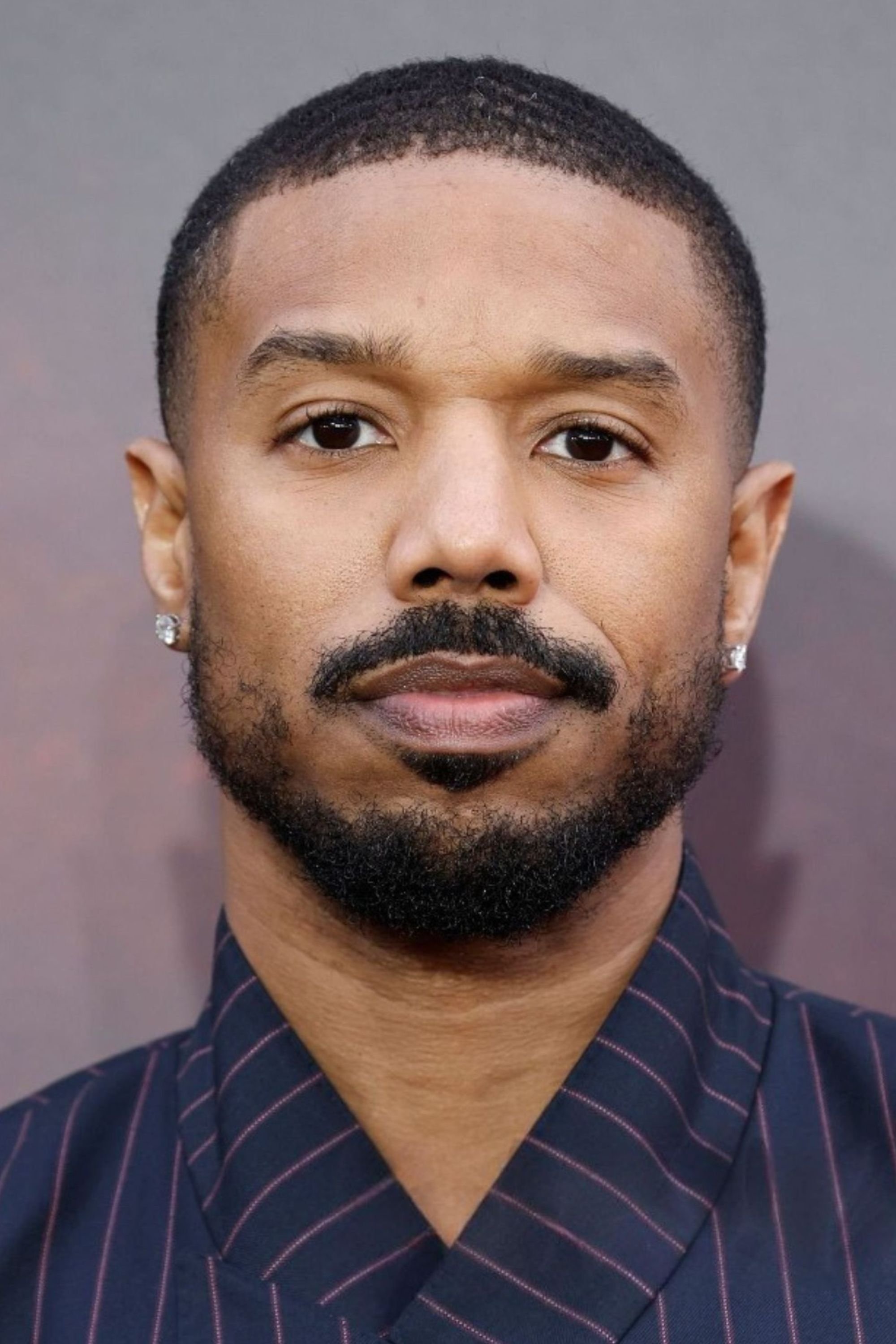
Michael B. Jordan is known for carefully choosing roles that avoid harmful stereotypes. Early in his career, he instructed his agents to reject parts where Black men were depicted as victims or criminals. He actively avoids projects that center only on Black pain or slavery, preferring to play characters who are central to the story and defined by more than just their race. This approach has helped him create a varied and successful career in film.
Priyanka Chopra Jonas

Priyanka Chopra consistently avoids roles that ask her to use a stereotypical Indian accent. She’s discussed how Hollywood often pressures actors from other countries to change their voices to meet Western expectations. Chopra refuses to play stereotypical or one-dimensional characters in American films and television. She wants to portray complex, fully developed characters, not just caricatures based on her background. By taking this stand, she’s pushing the entertainment industry to recognize South Asian actors as leading stars.
Riz Ahmed
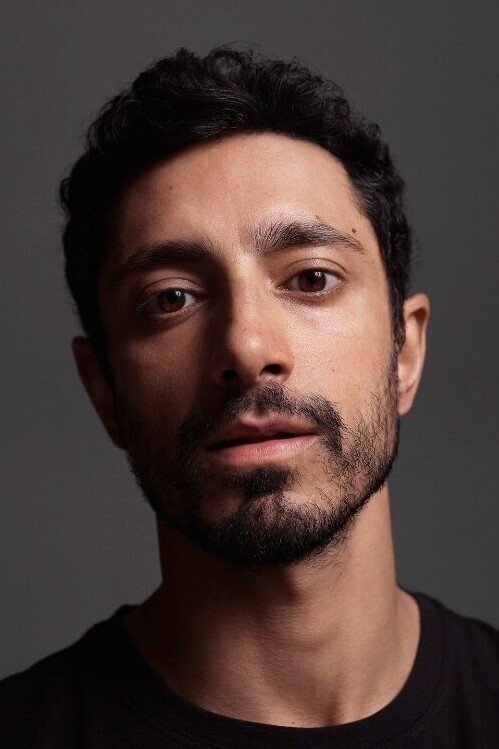
Riz Ahmed developed a way to evaluate how Muslims are depicted in movies and TV, called the Riz Test. He actively avoids roles that stereotype him as a terrorist or simply a background character like a taxi driver. He’s passed up significant acting jobs because they promoted fear and prejudice against Muslims. Instead, he looks for roles that allow him to portray Muslims as fully developed people with both strengths and weaknesses. Through his work, he’s encouraging the entertainment industry to move past simplistic, villainous portrayals of Muslims.
Michelle Yeoh
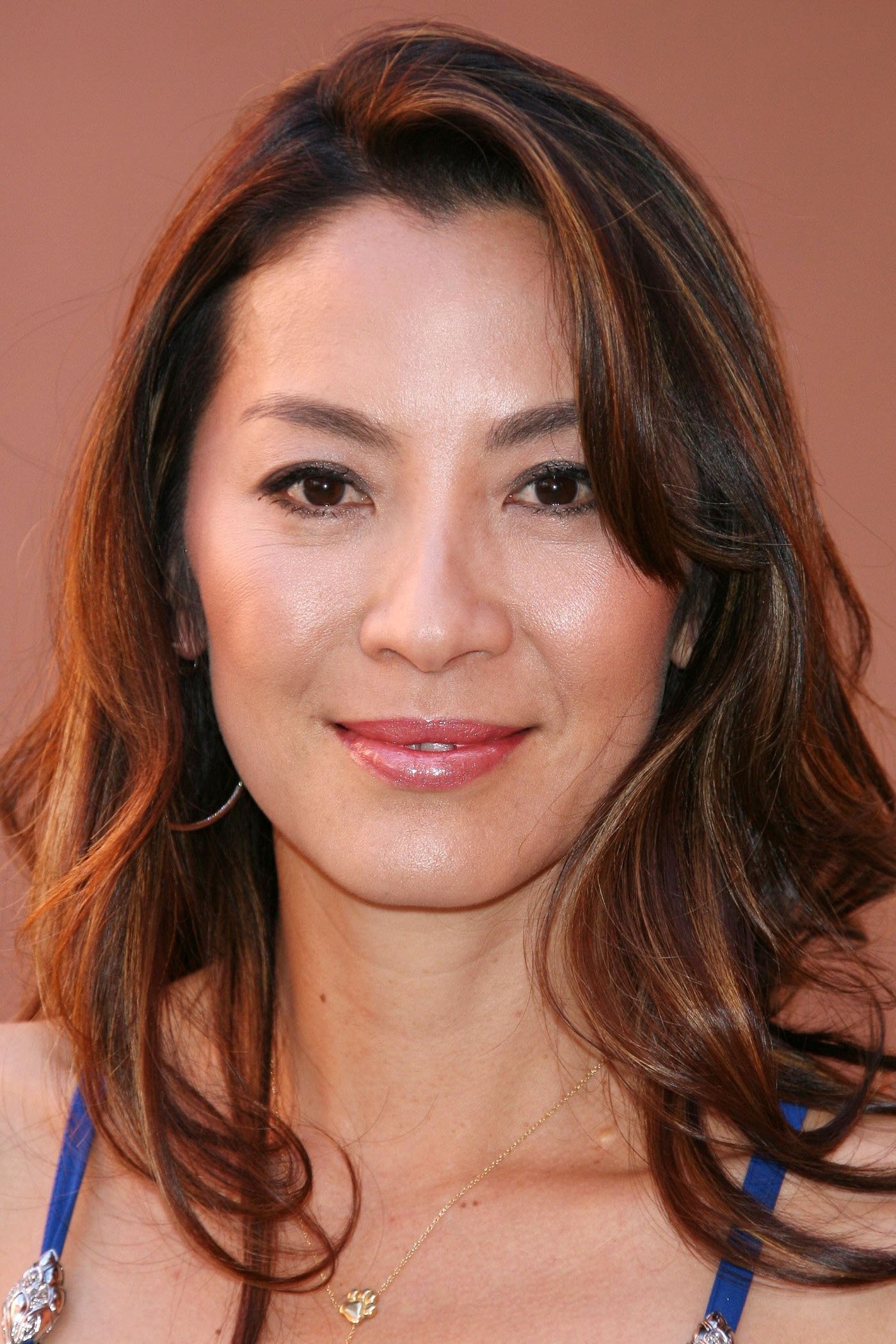
Michelle Yeoh is famous for portraying strong, independent women who don’t need rescuing. When she took the role in ‘Tomorrow Never Dies,’ she made it clear she didn’t want to play a typical ‘Bond girl.’ She pushed for her character to be a skilled fighter and James Bond’s equal, not just a pretty face. The filmmakers agreed, letting her do her own stunts and lead the action. This helped change how Asian women were seen in action movies made in the West.
Thandiwe Newton

Thandie Newton declined a role in the ‘Charlie’s Angels’ movie because she disagreed with how her character was being portrayed. The director reportedly envisioned an opening scene that overly emphasized her physical appearance, and Newton felt the role would reduce her to a stereotype and focus on her body rather than her acting ability. She chose to leave the project because she didn’t want to participate in something that sexualized her, and instead wanted to pursue roles that allowed her to showcase her talent and maintain her artistic integrity.
Jackie Chan
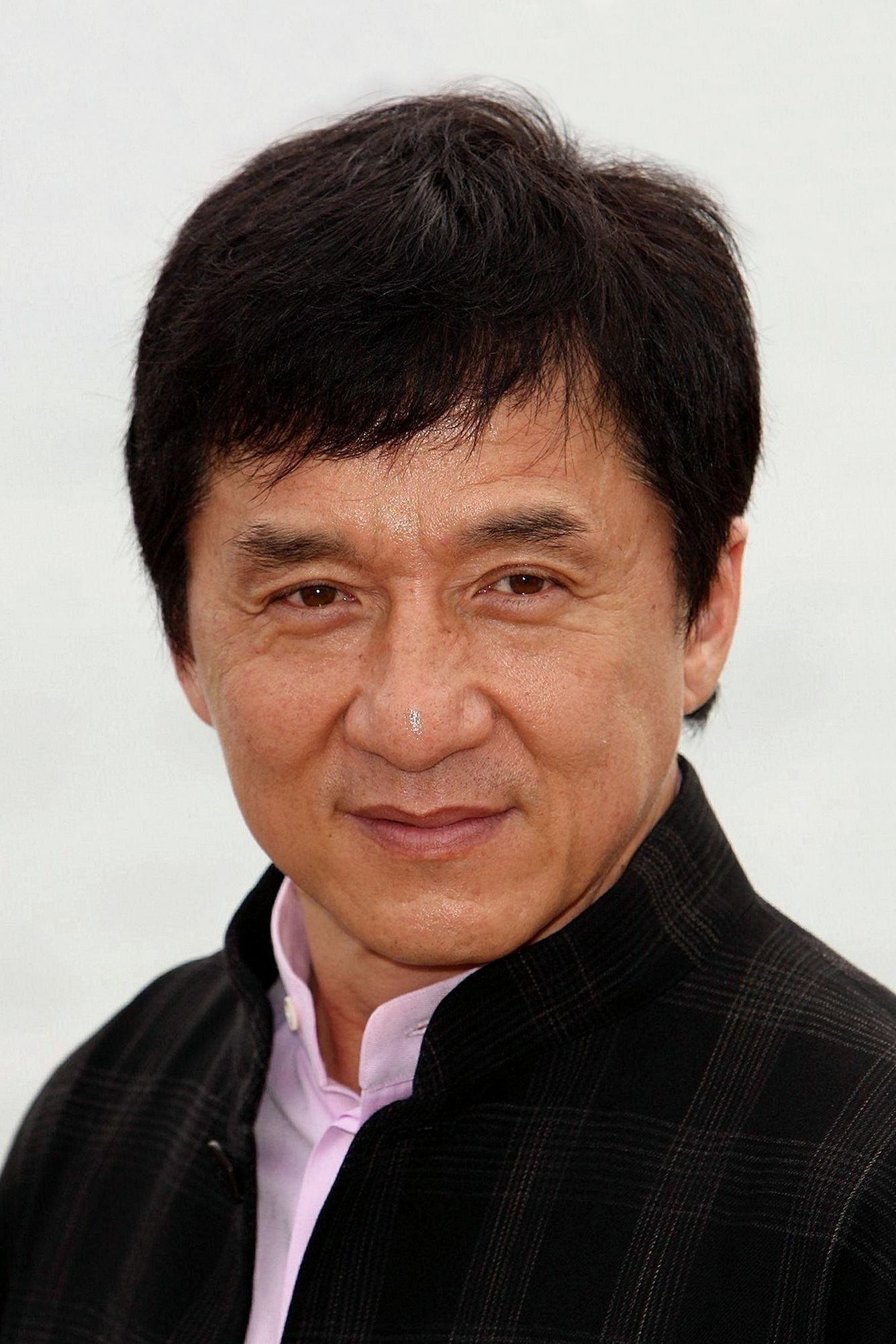
For many years, Jackie Chan turned down roles as villains in American films. He didn’t want to contribute to the stereotype of Asian characters simply existing to be beaten by white heroes. Chan, a renowned martial artist, aimed to be a positive role model and demonstrate that Asian actors could successfully lead films as charming heroes. He patiently waited until he could have creative control over his projects or play the hero before becoming a major Hollywood star. Ultimately, his dedication showed that action comedies starring Asian leads could achieve worldwide success.
Rita Moreno
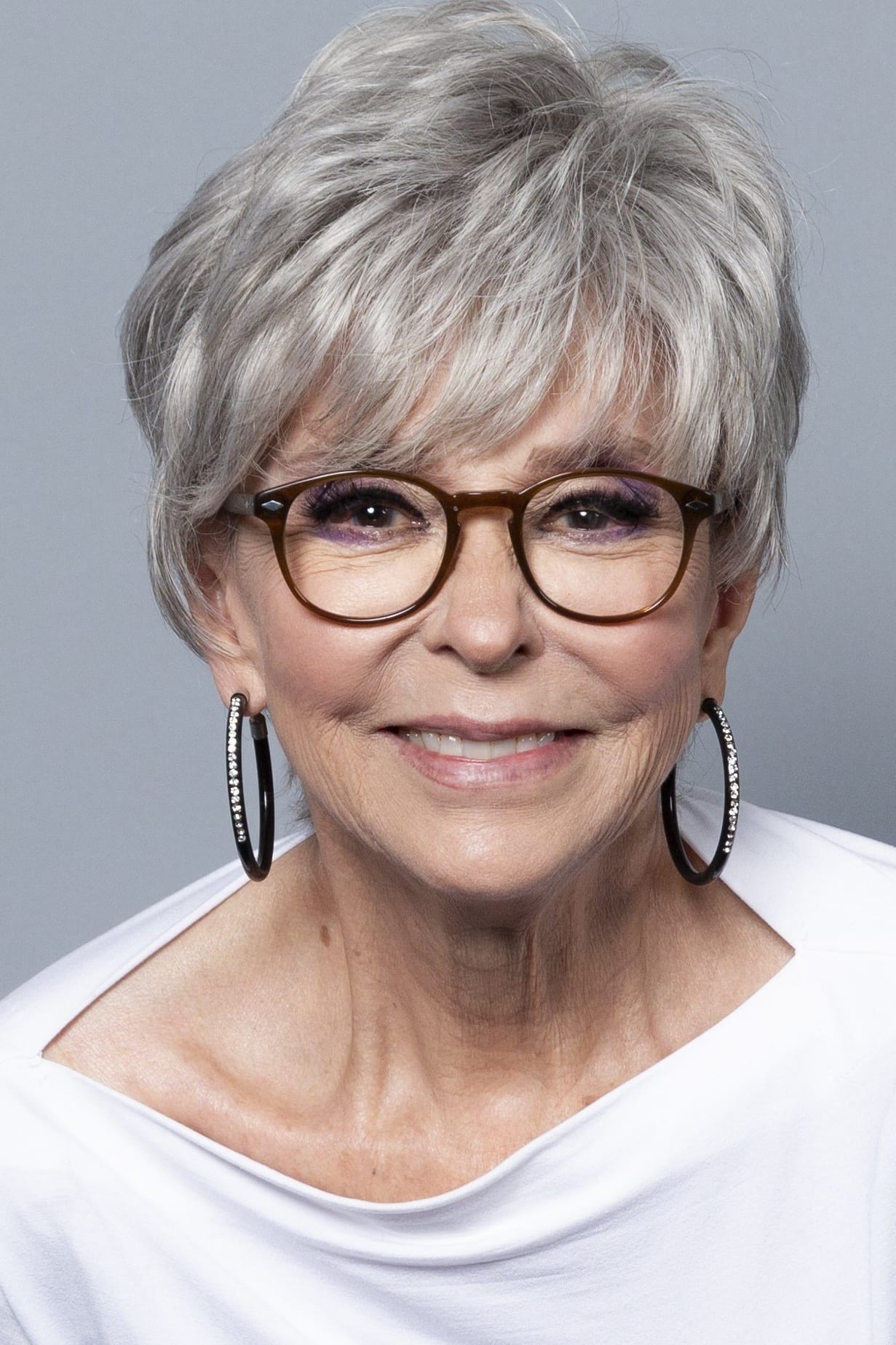
After winning an Oscar for ‘West Side Story’, Rita Moreno took a seven-year break from acting. She was disappointed that Hollywood only offered her roles as stereotypical characters or gang members. Having demonstrated her incredible range, she refused to play demeaning or predictable parts. Moreno returned to films when the industry finally started offering her roles that acknowledged her talent and treated her with respect. She continues to speak out about the lack of diverse and meaningful roles for Latina actresses.
Edward James Olmos
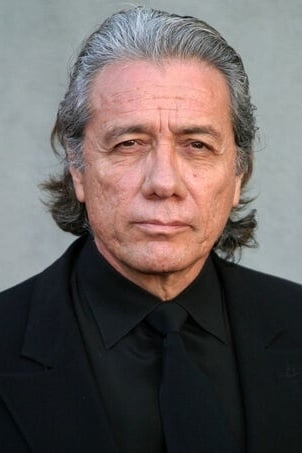
Edward James Olmos declined a part in ‘Scarface’ because he objected to how Latinos were depicted in the film. He believed it overemphasized drug dealing and violence without showing a fuller picture. Olmos avoids roles that celebrate the drug trade or criminal behavior, especially within his community, and instead seeks to portray characters who represent the everyday lives and challenges of ordinary people. He consistently chooses projects that reflect his commitment to responsible and meaningful storytelling.
Sidney Poitier
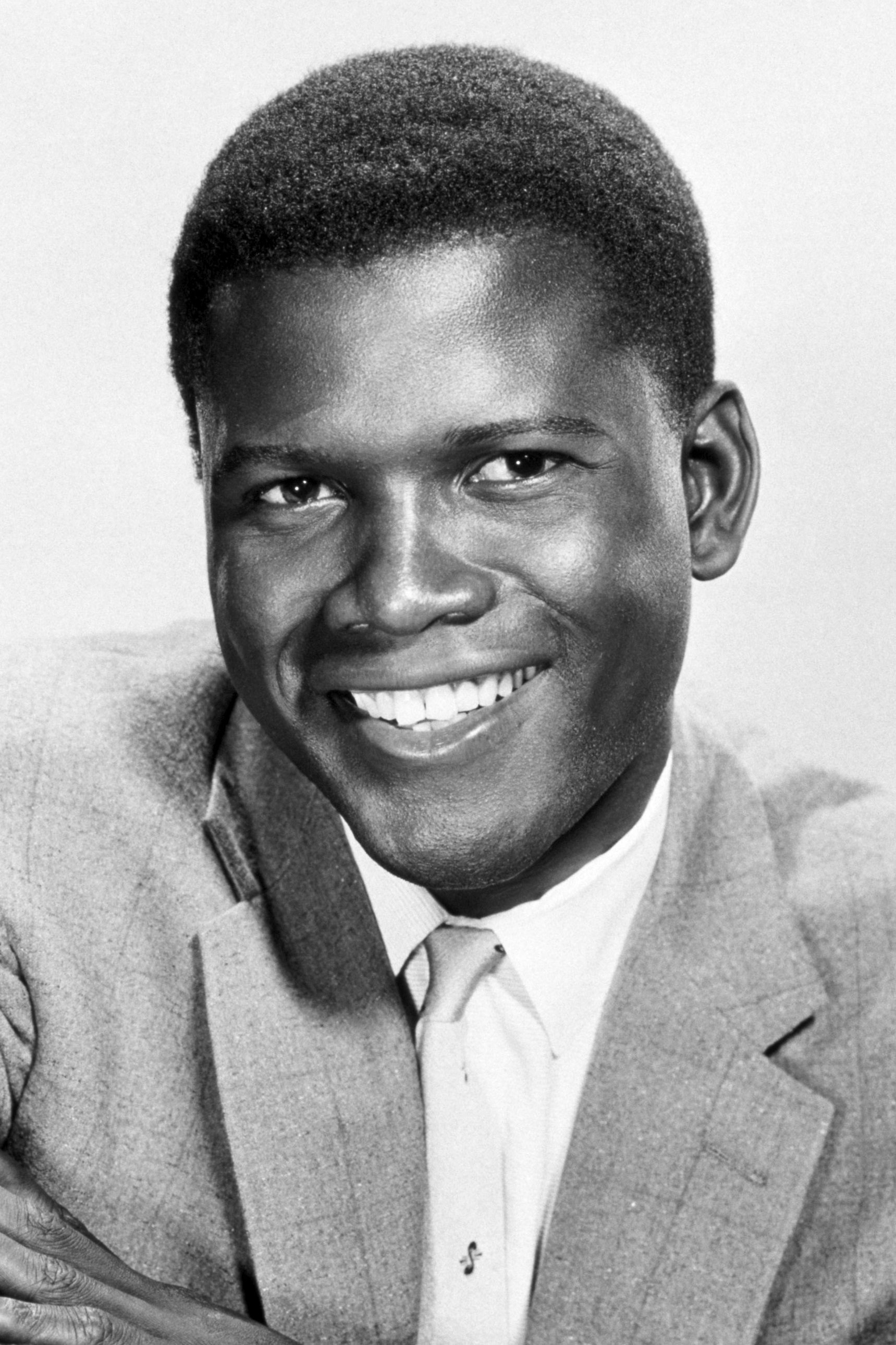
Sidney Poitier was a groundbreaking actor who consistently avoided roles that portrayed Black men in a negative or belittling light. He famously rejected a part as a janitor in ‘The Phenix City Story’ because he refused to play characters who were subservient. During the Civil Rights Movement, Poitier actively sought roles that highlighted intelligence and strong character, challenging audiences to see Black characters as professionals and equals. A particularly impactful moment was his insistence on portraying a character who physically defended himself against a white actor in ‘In the Heat of the Night,’ a scene that was considered revolutionary at the time.
Cicely Tyson

As a movie lover, I always admired Cicely Tyson’s strength and principles. She intentionally turned down a lot of the ‘blaxploitation’ roles that were common in the 70s. She didn’t want to portray characters defined by things like drug addiction or being a sex worker. She really wanted to show positive, empowering images of Black women. She actively looked for stories that showed dignity and strength, even when facing tough times. She felt a real duty to her audience, wanting to give us inspiring representation. That’s why her most memorable roles always focused on humanity and grace, not just shock value – and that’s what makes her legacy so powerful.
Lena Horne
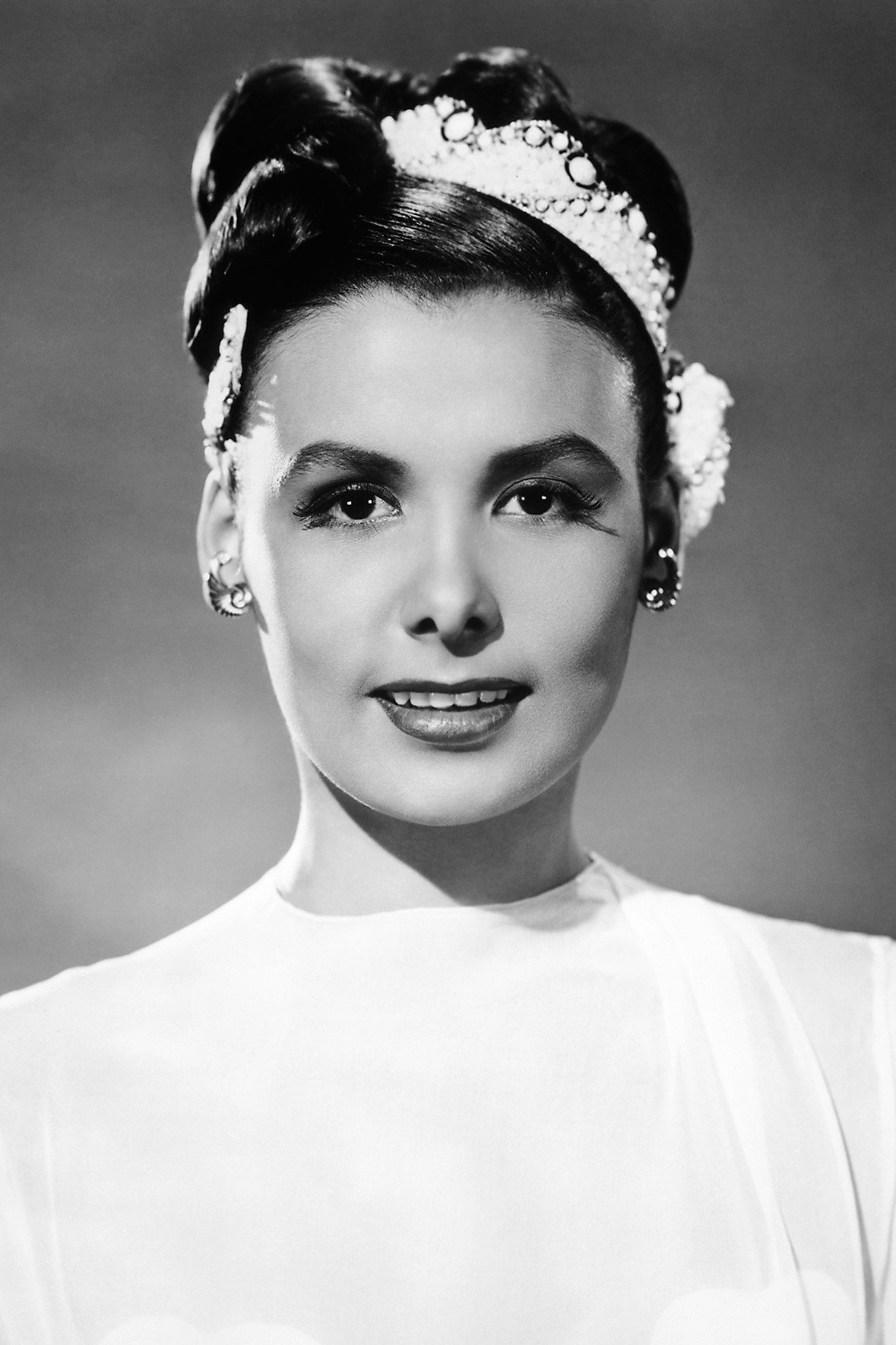
Lena Horne challenged the restrictive roles offered to Black actresses during Hollywood’s Golden Age. She famously rejected stereotypical parts like maids or exoticized characters, which were typical at the time. Studios often retaliated by removing her musical performances from films shown in Southern states. Horne remained steadfast in her desire to be portrayed as an elegant and refined performer. By refusing to accept segregated casting, she created opportunities for future generations of Black actresses.
Dev Patel

Dev Patel deliberately chooses roles that break away from common stereotypes. He’s tired of seeing South Asian actors limited to playing terrorists or shopkeepers and wants more creative casting. He prefers roles in historical dramas and suspenseful thrillers where his ethnicity isn’t the main focus. Patel aims to be recognized for his versatility as an actor, not just his background. By making these choices, he’s helped to create a wider variety of stories about people of Indian descent.
Sandra Oh
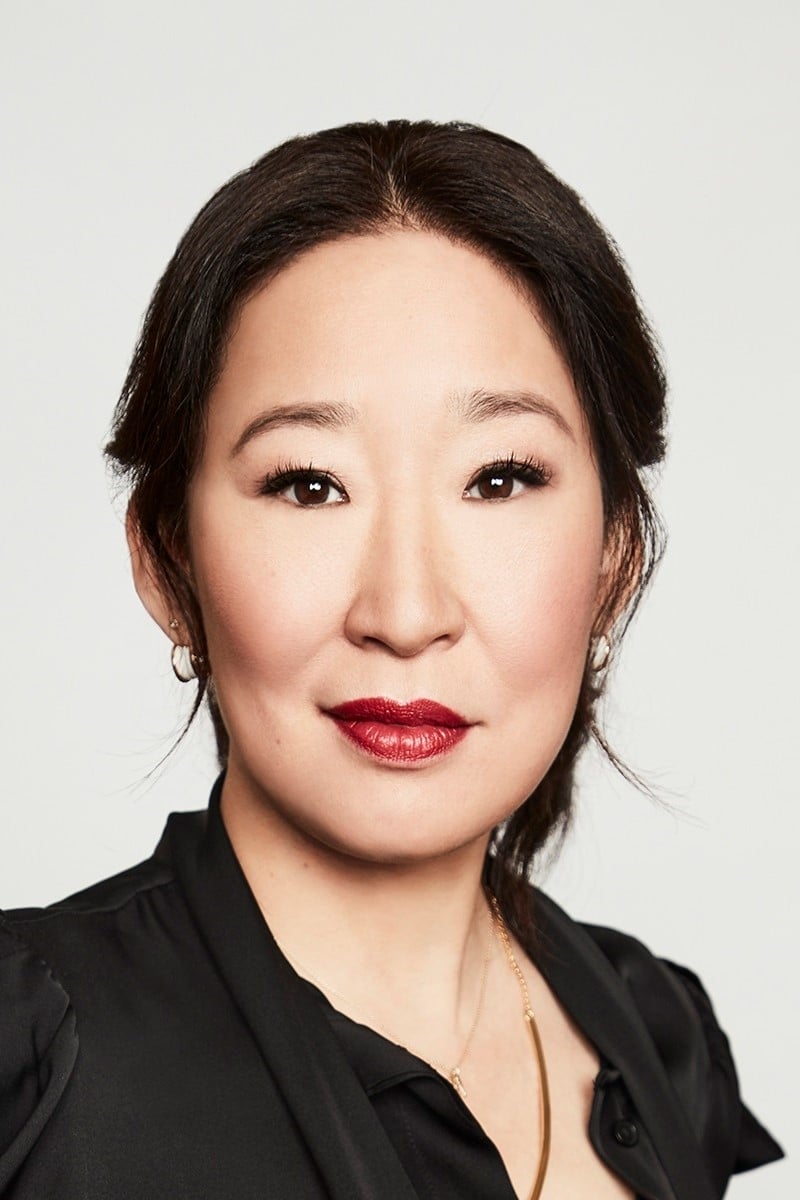
For years, Sandra Oh turned down roles where she played a supporting character to a white lead. She waited for opportunities to be the central figure in a story, with a fully developed character of her own. She has spoken about how the entertainment industry led her to believe she wasn’t capable of being a lead actress. This persistence ultimately led to significant roles where she could portray complex emotions. Today, Sandra Oh continues to advocate for greater representation of Asian Americans in leading roles that truly matter.
Henry Golding

Henry Golding consistently refuses roles that ask him to use a fake accent or speak with incorrect English. He feels Asian actors should be seen as confident and well-spoken leads in genres like romantic comedies and action movies. Golding wants to see more Asian representation in Western films without relying on stereotypes that emphasize ‘foreignness.’ He looks for roles that feel authentic to his experience as a global citizen, and his success shows that audiences are eager to see diverse leading men.
America Ferrera
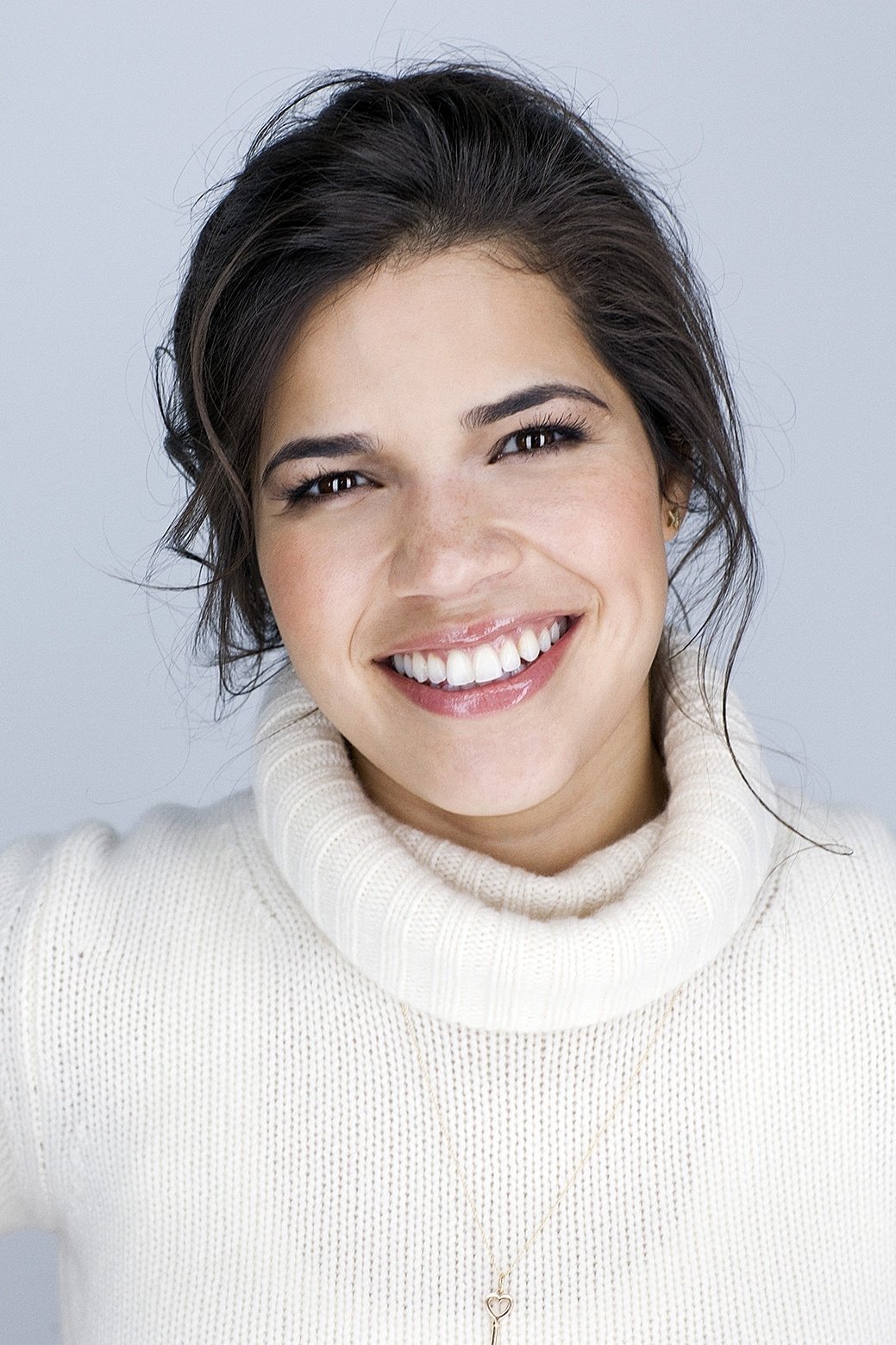
America Ferrera consistently turns down acting roles that rely on tired stereotypes of Latinas – often asking her to play characters with exaggerated toughness or a specific accent. She once recounted being asked to sound like a gang member during an audition, despite her normal speaking voice. Ferrera actively works against the limited portrayal of Latinos, which often focuses solely on crime or hardship. She’s now creating her own projects to give a platform to diverse voices and showcase the richness and complexity of Latin American stories.
Kumail Nanjiani
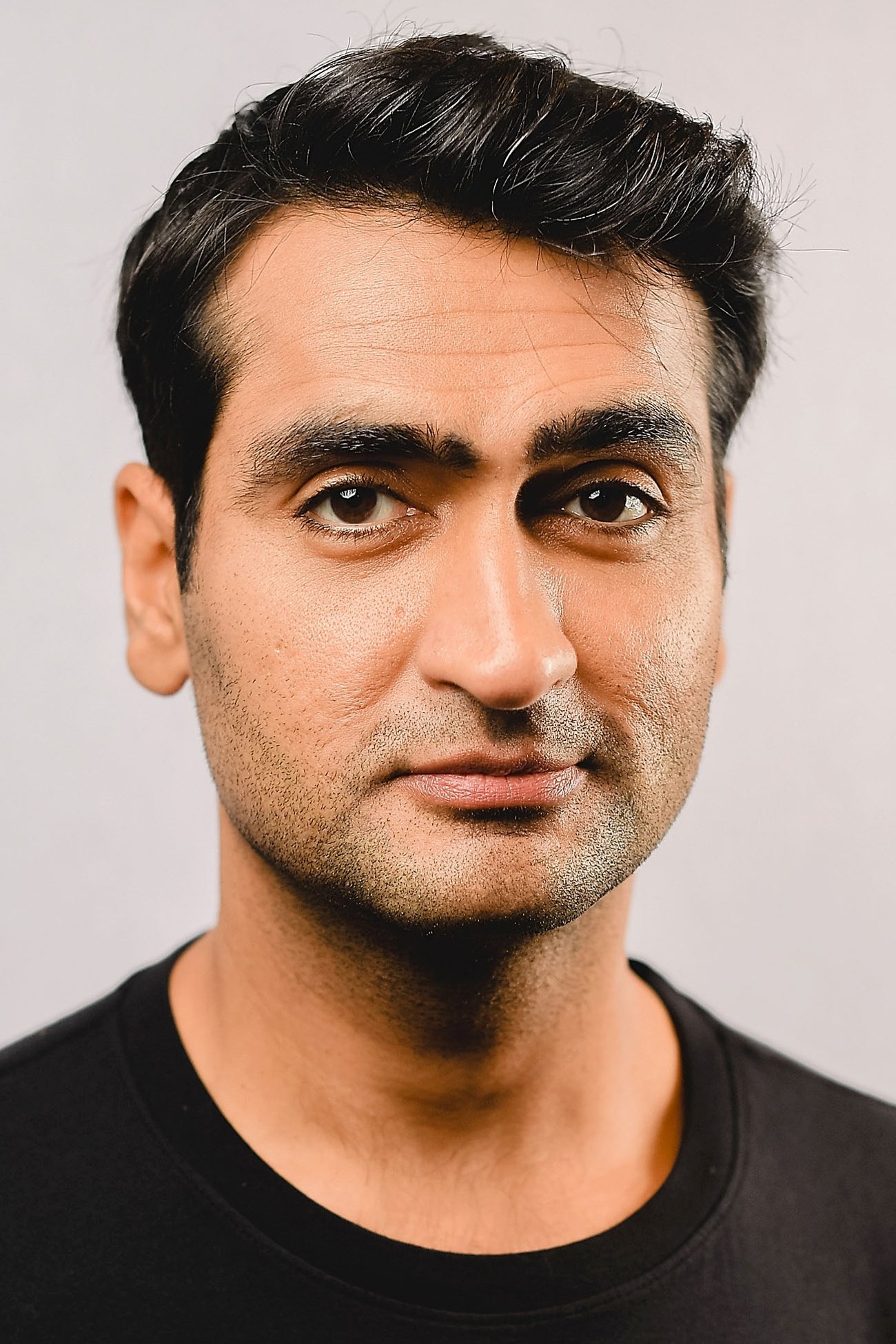
Kumail Nanjiani made a conscious decision early in his career to avoid roles portraying terrorists or religious fanatics. He now writes and produces his own projects to guarantee he plays complex, well-developed characters. To land action roles usually given to white actors, he physically transformed himself. He also uses humor to break down stereotypes and make audiences question their preconceived notions. Nanjiani is determined to be represented in popular genres like superhero and romantic comedy films.
Amandla Stenberg
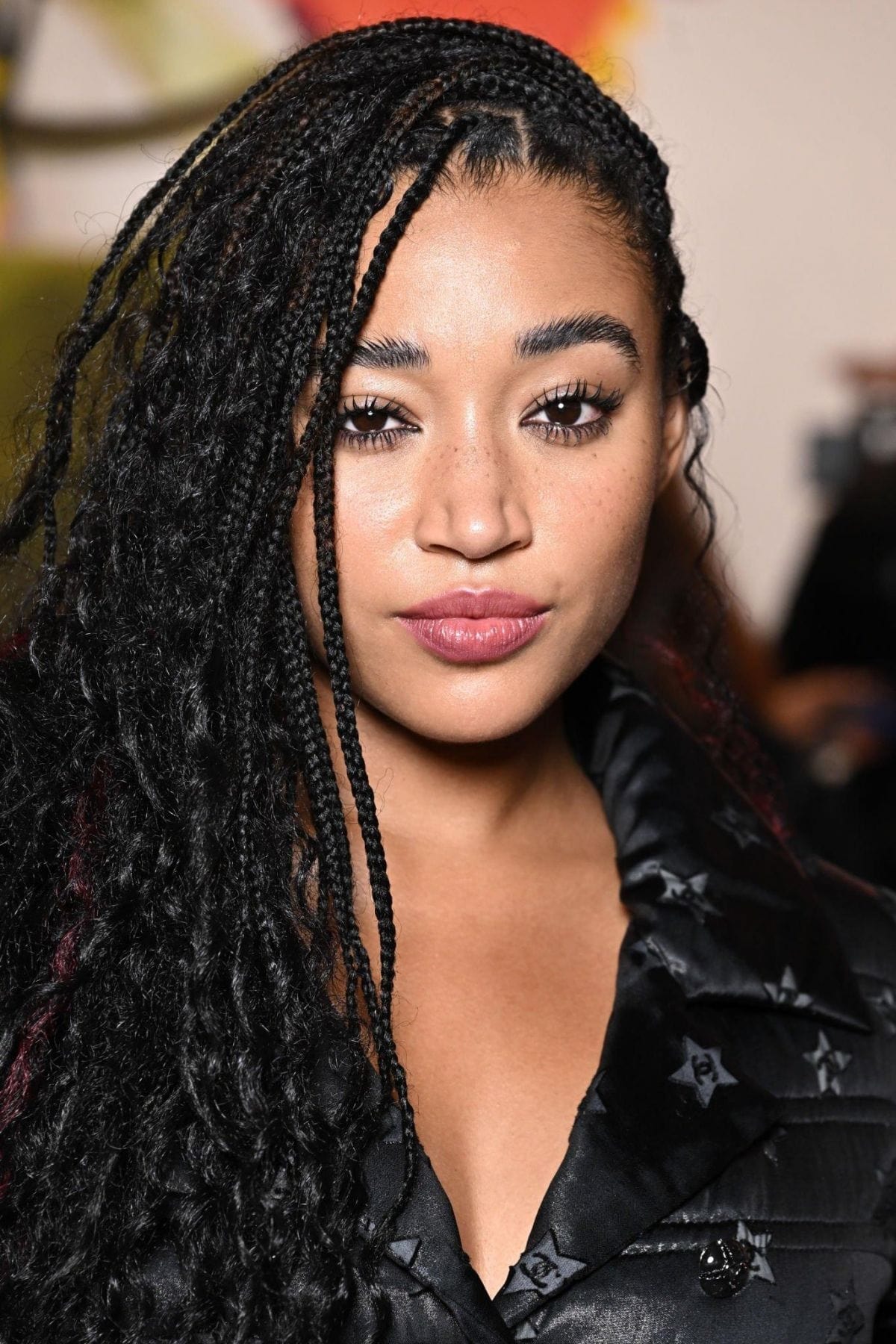
Amandla Stenberg decided not to pursue a role in ‘Black Panther’ because she felt another actress would be a better fit. She wanted the part to go to a dark-skinned actress, believing it was important to avoid reinforcing colorism in Hollywood. Stenberg, who is biracial, recognized her own privilege and didn’t want to take an opportunity away from someone who might better represent the character. Her choice led to a valuable discussion about representation, casting, and skin tone in the film industry.
Michelle Rodriguez
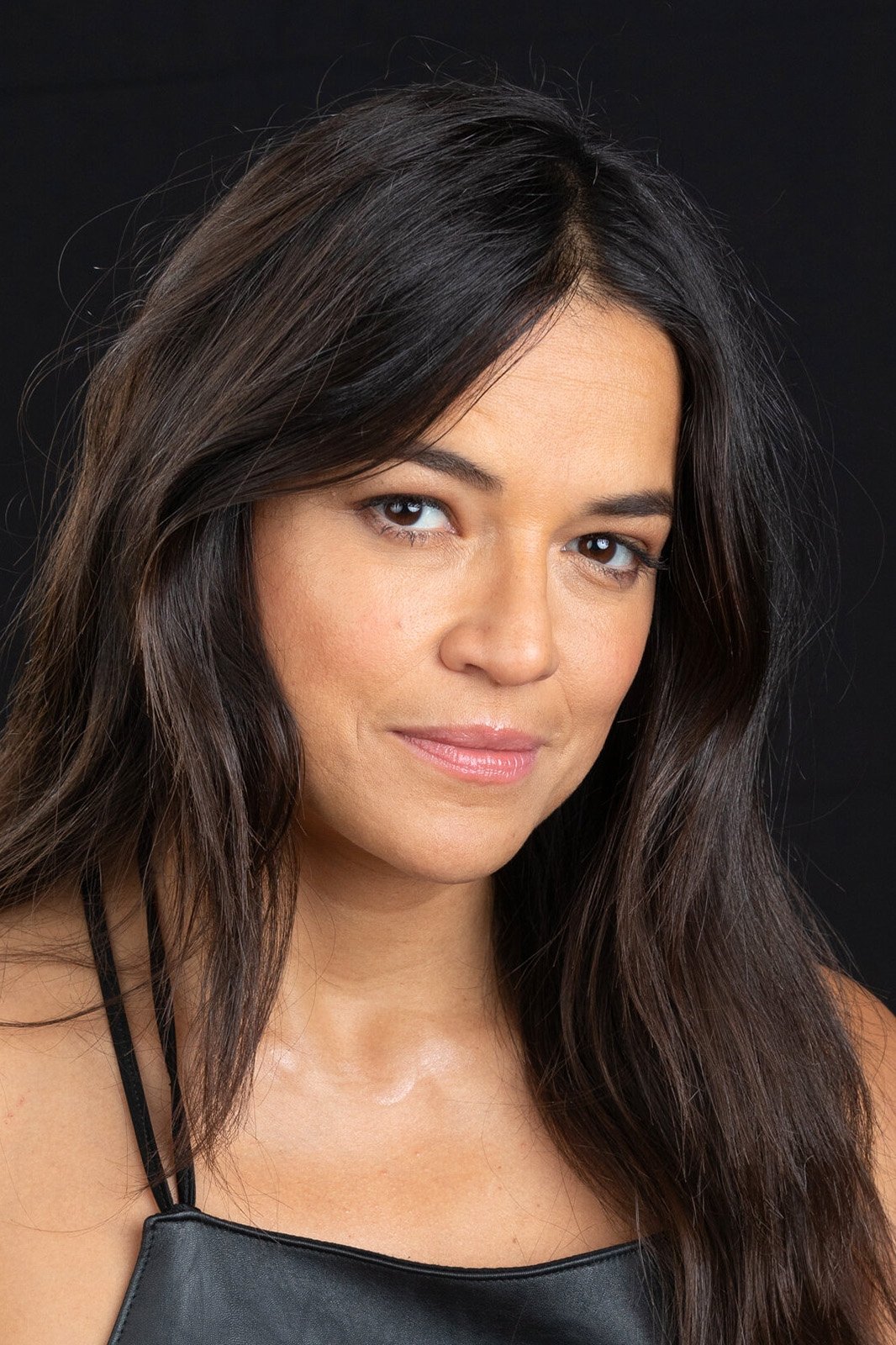
Michelle Rodriguez nearly left the original ‘The Fast and the Furious’ because she disliked her character, Letty, as written. She believed Letty was portrayed negatively – as someone who was promiscuous and unfaithful without a good reason. Rodriguez pushed the writers to create a more respectful and empowering depiction of women within the street racing world, and they ultimately revised the character into the strong, loyal partner fans recognize today. She continues to champion well-developed female characters in action films.
Mahershala Ali
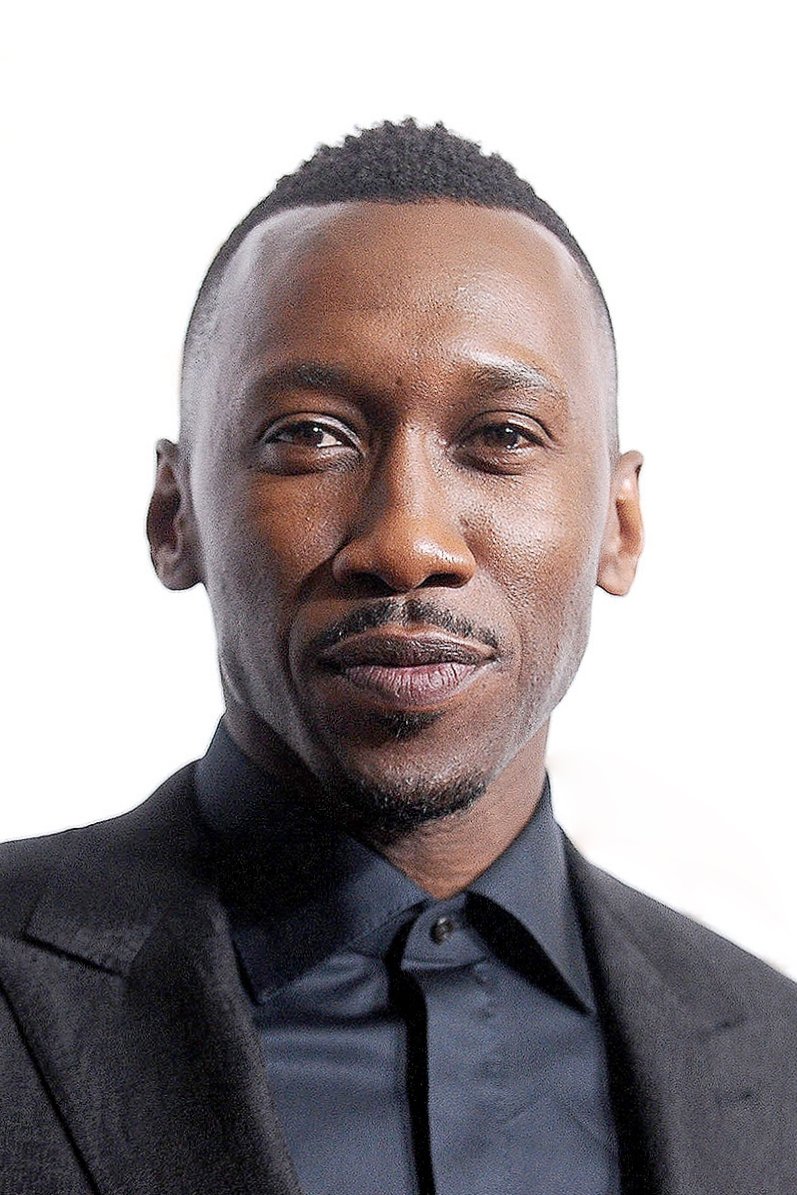
Mahershala Ali chooses not to film sex scenes because of his faith and out of respect for his wife. He also carefully selects roles, avoiding those that clash with his beliefs or reinforce harmful stereotypes about Black men. He’s turned down projects he felt were exploitative or lacked depth, prioritizing roles that align with his values. Ali demonstrates that actors can be selective about their work and still achieve significant success and recognition.
Brenda Song

Brenda Song faced pressure to be perceived as “Asian enough” for a role in ‘Crazy Rich Asians,’ but she’s also turned down parts that relied on tired stereotypes. She typically avoids roles that require her to fake an accent. Song prefers playing American characters who also happen to be Asian, rather than having a character defined solely by their ethnicity. By resisting being typecast, she’s built a consistent career. Song supports casting based purely on talent, regardless of ethnicity.
Jenna Ortega

While filming ‘Wednesday,’ Jenna Ortega wasn’t afraid to speak up about her character. She changed lines she didn’t think fit Wednesday Addams’ personality, especially anything that made her seem preoccupied with boys or easily frightened. Ortega believed the character, known for being dark and self-possessed, wouldn’t waste time on typical teen concerns. She insisted on staying true to that vision, even when the writers had different ideas. Ultimately, her strong choices helped create a truly memorable and iconic character.
Viola Davis
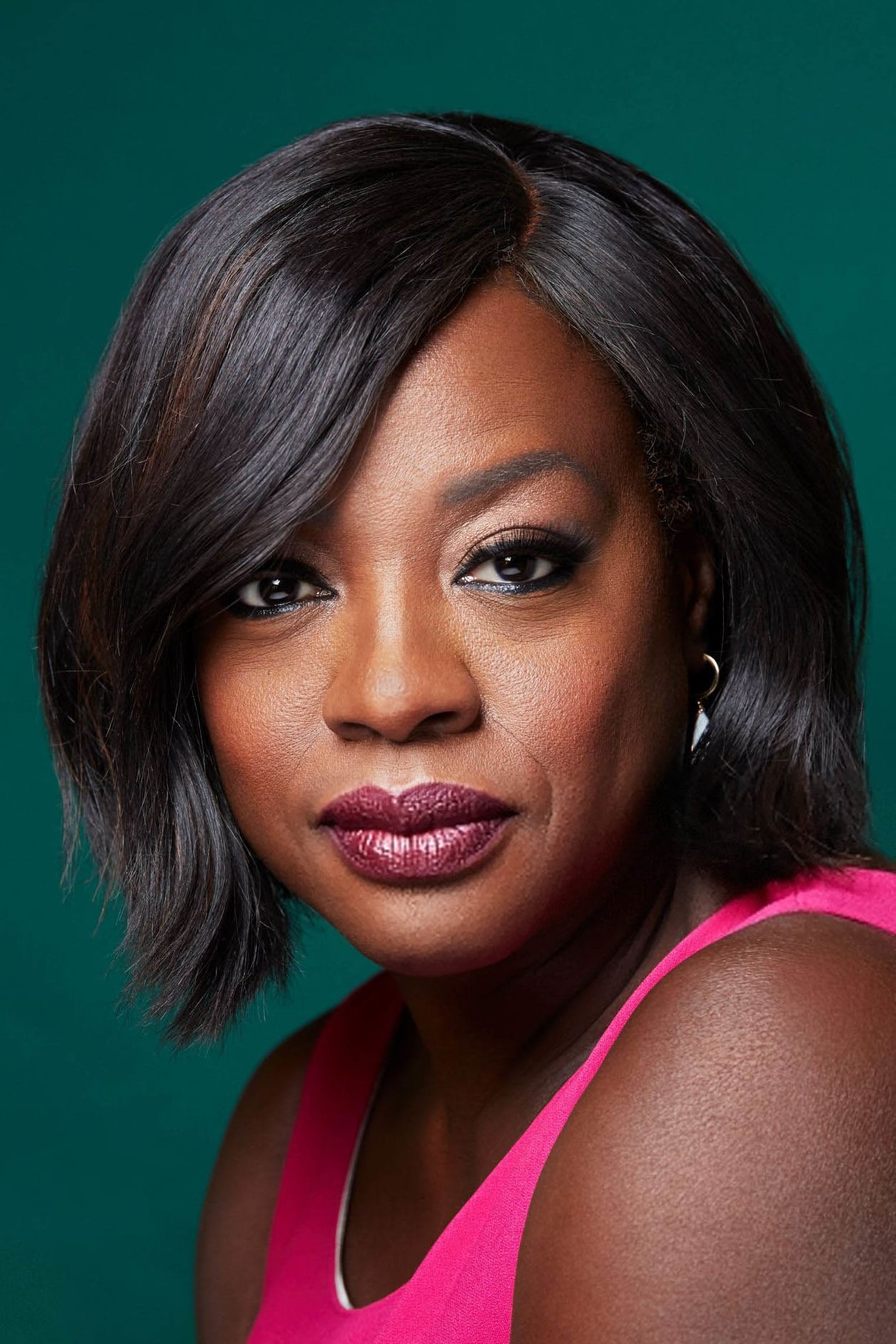
Viola Davis has said she regrets being part of the movie ‘The Help’ and now avoids roles that rely on the ‘white savior’ trope. She’s committed to no longer playing stereotypical roles like maids or characters who are simply subservient, as those were often the only options available to Black actresses in the past. To create more opportunities, Davis started her own production company focused on developing leading roles for women of color. She now actively seeks out complex characters – those who are flawed, powerful, or both – and insists that her characters have their own motivations and rich backstories.
Harry Belafonte

Harry Belafonte famously declined the starring role in the movie version of ‘Porgy and Bess’ because he believed it showed a harmful and demeaning portrayal of Black life. A dedicated civil rights activist, Belafonte consistently used his influence to advocate for fair representation in film and television. He actively avoided projects he felt would hinder the progress of the Black community, even if it meant giving up opportunities for greater recognition and wealth. He prioritized his values, making a conscious choice to sacrifice potential fame and fortune.
Javier Bardem
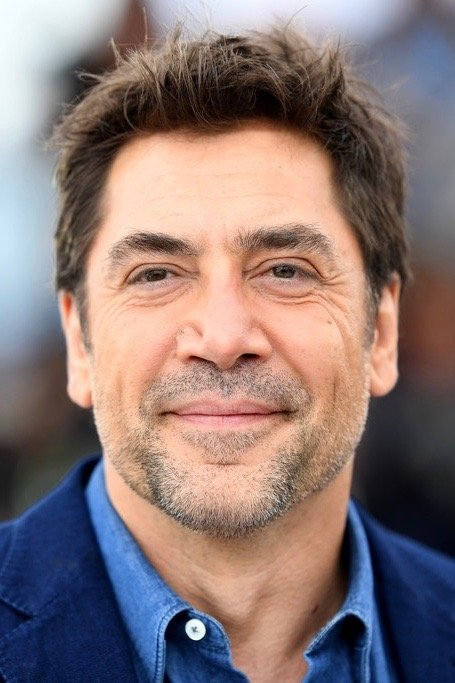
As a huge film fan, I’ve always admired Javier Bardem’s commitment to his craft. He’s incredibly careful about the villains he plays, refusing to fall into the trap of portraying one-dimensional ‘Latin drug lord’ types. He won’t take a role if it just glorifies violence or plays on prejudiced fears – he wants something with real substance. He’s even turned down big, lucrative blockbuster roles if the story wasn’t up to his standards. What I really appreciate is that he always seeks out the humanity in every character, no matter how flawed, and brings a real depth to his performances, avoiding anything that feels like a simple caricature.
Salma Hayek Pinault
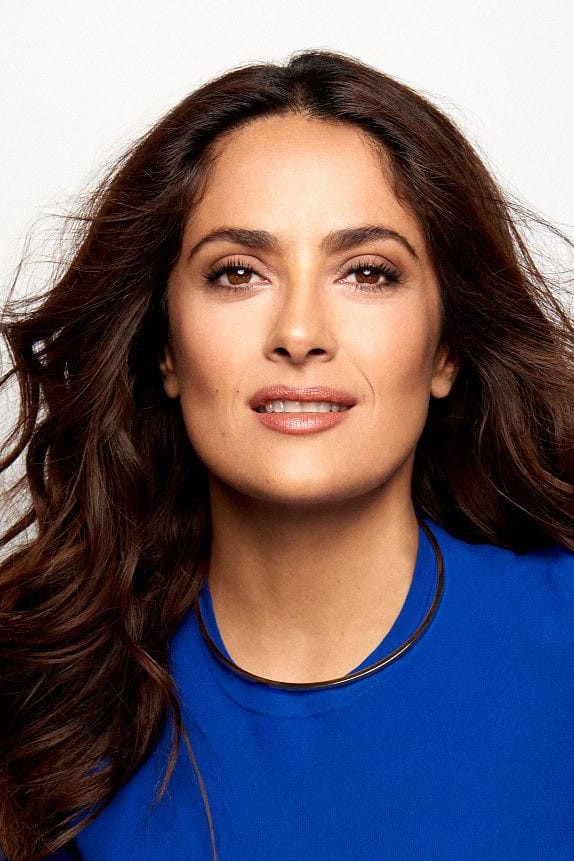
Salma Hayek spent years challenging Hollywood’s tendency to offer her only stereotypical roles – either as a housekeeper or a purely sexualized character. She was determined to play parts that showed her intelligence and acting ability, and when studios wouldn’t offer those opportunities, she started producing her own films. Hayek has openly discussed the racism and sexism she encountered while trying to succeed in Hollywood, and she continues to advocate for more representation of Latinas as strong leaders and protagonists.
Wes Studi
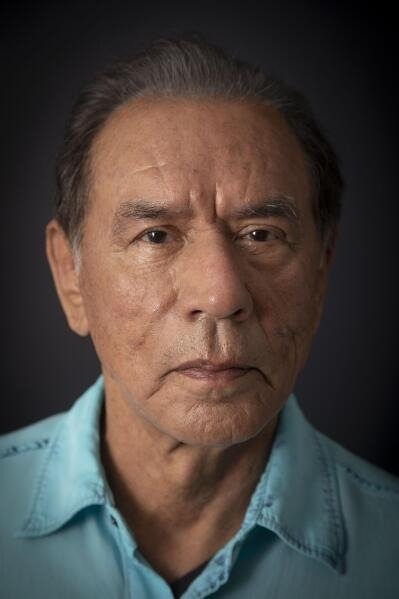
Wes Studi has made a name for himself by changing how Native Americans are portrayed in movies. He avoids the old, stereotypical roles of ‘mystical’ or ‘uncivilized’ characters often seen in Westerns. Instead, he brings authenticity and a modern feel to his performances, showing Native people as they are today. He also strongly believes that Native stories should be created by Native filmmakers, ensuring his community is depicted accurately and with respect.
Anna May Wong
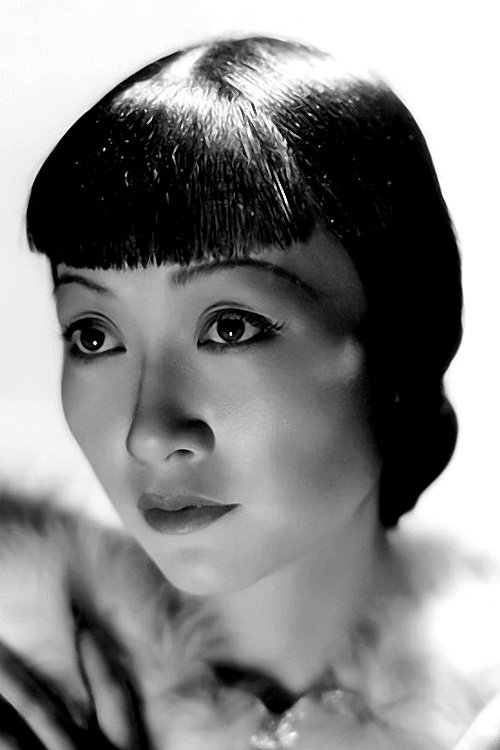
In the 1920s, Anna May Wong left Hollywood because she was fed up with being typecast as the stereotypical “Dragon Lady” – a deceitful or helpless character. She wanted more than just roles as villains or victims and was also frustrated by rules that prevented on-screen romance with white actors. Seeking better opportunities and dignified roles, she moved to Europe. Today, Anna May Wong is remembered as someone who bravely fought against the racism common in early filmmaking.
David Oyelowo
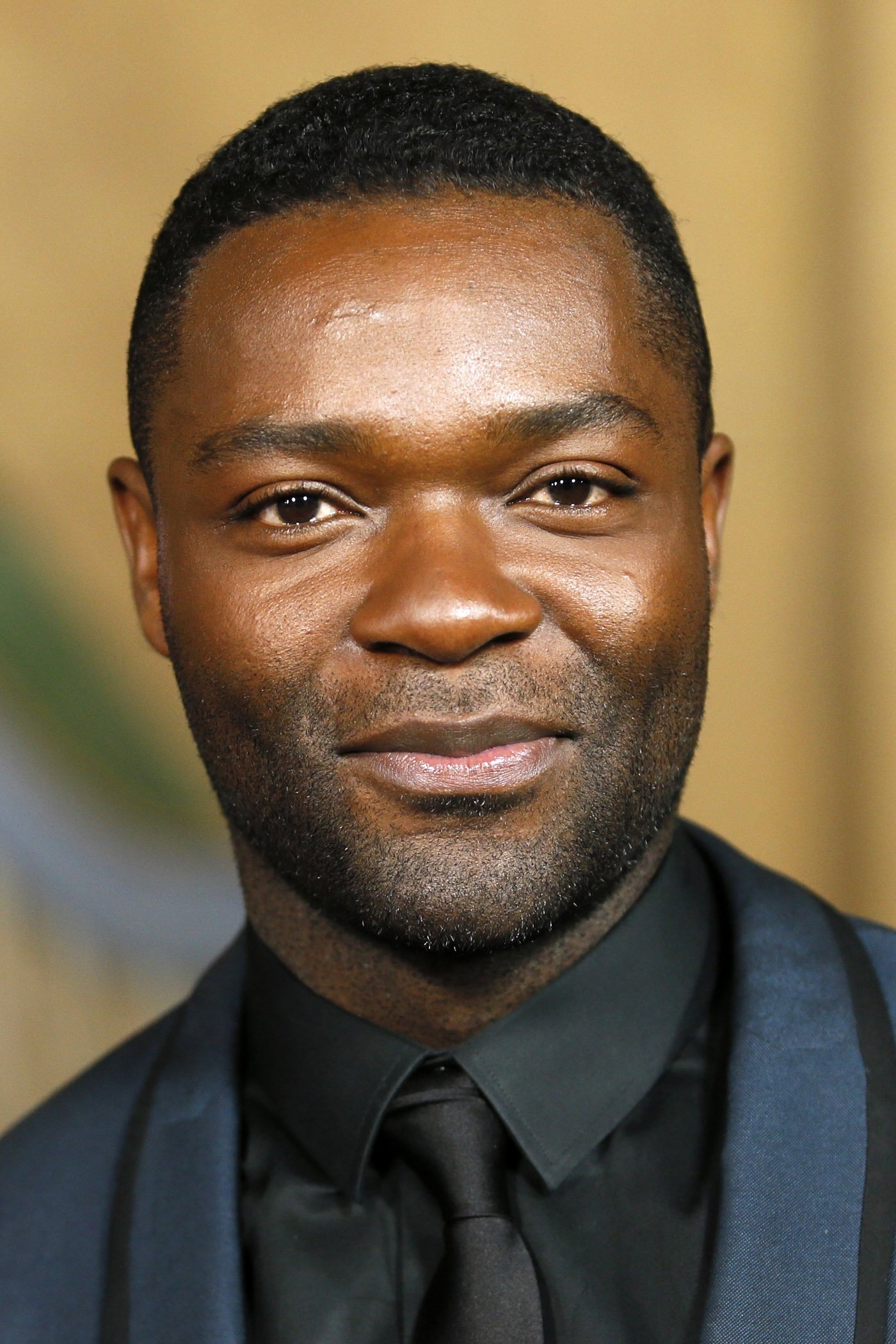
David Oyelowo deliberately avoids roles that typecast him as a servant or supporting character to white protagonists. He focuses on projects that tell the stories of Black British or African history from a position of strength. Oyelowo is dedicated to portraying powerful figures like kings and leaders, rather than minor characters. He’s been vocal about the importance of seeing Black men represented as people in charge, and he actively promotes historical dramas that reflect this diversity.
Octavia Spencer
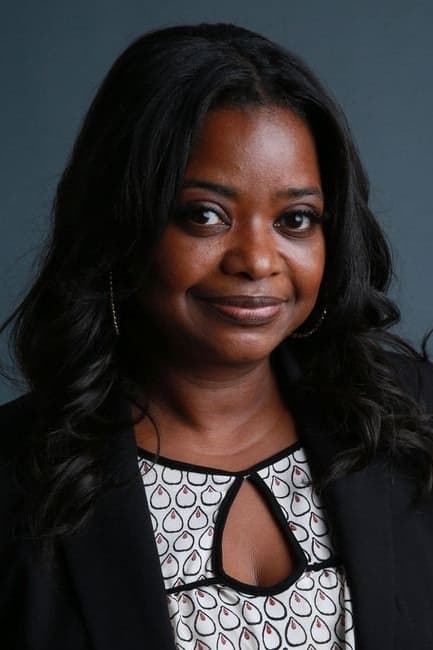
After winning an Oscar, Octavia Spencer made a conscious effort to avoid being typecast in roles as maids. She now seeks out characters with more depth and variety, like detectives, scientists, and even villains, to demonstrate her versatility. Spencer has embraced leading roles in genres like psychological horror and fantasy, proving she’s capable of much more than just supporting roles and establishing herself as a dynamic leading lady.
Idris Elba
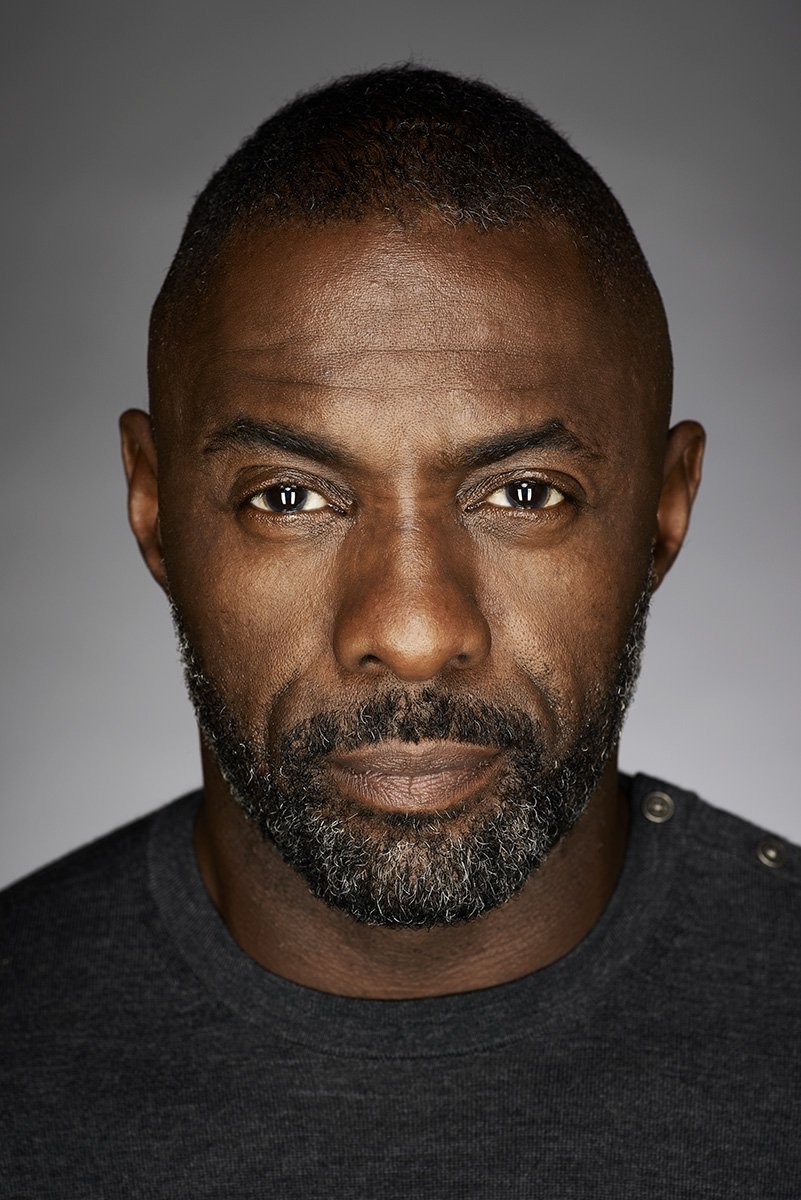
Idris Elba consistently chooses roles that showcase his acting ability, rather than letting race define his characters. He’s well-known for avoiding stereotypical parts, like simply being the supportive best friend to a white protagonist. Elba looks for projects where a character’s race isn’t the main focus, and he’s actively broken down barriers by playing roles like Norse gods and cowboys, proving anyone can embody those characters. He consistently challenges typical casting expectations across all genres.
Daniel Dae Kim
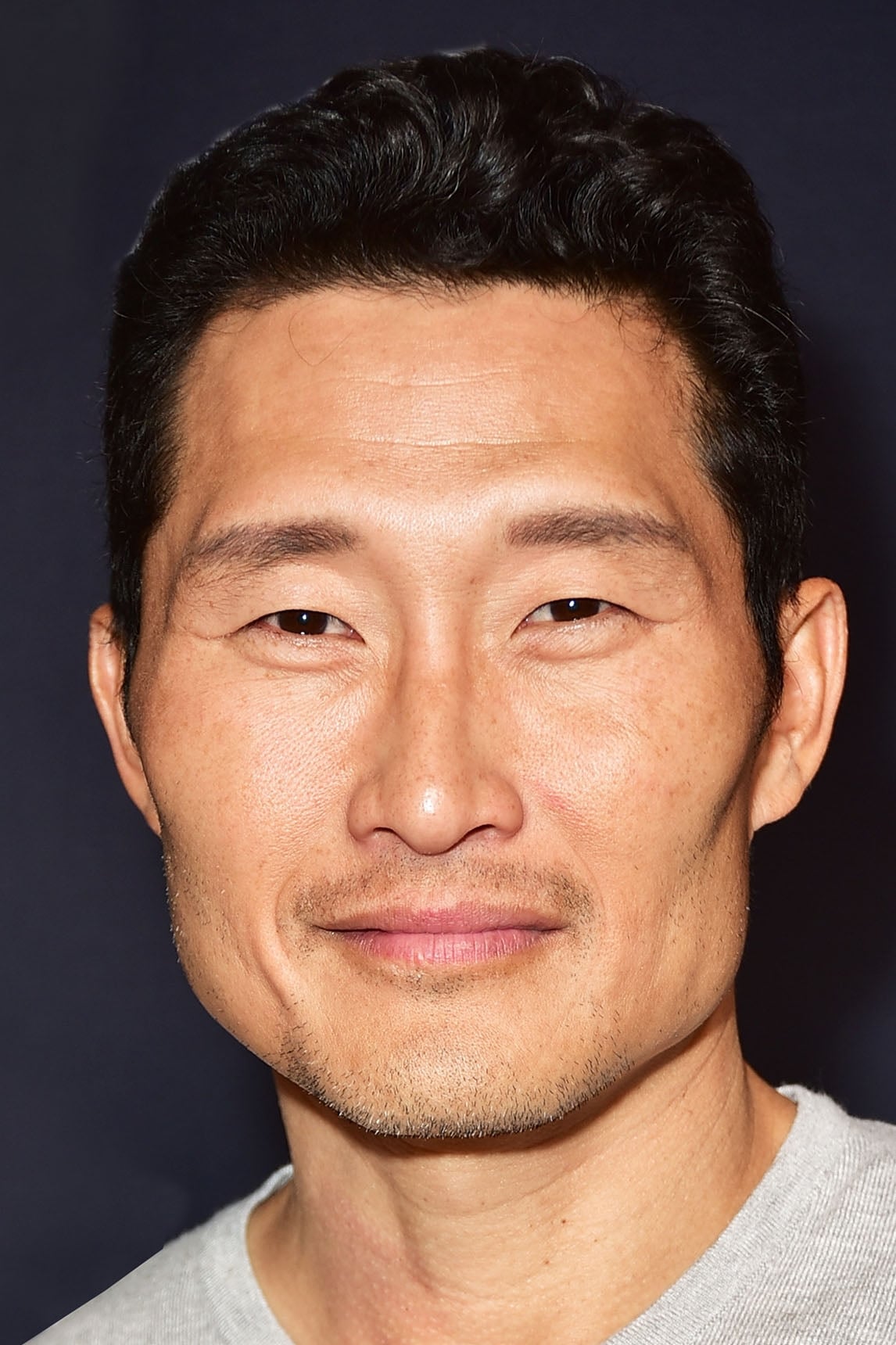
Daniel Dae Kim made a bold decision to leave his prominent role on ‘Hawaii Five-0’ after disagreeing with the studio over fair pay. He protested being paid less than his white colleagues despite having an equal role in the show. This act highlighted the issue of Asian actors often being undervalued in the entertainment industry. His departure led to widespread discussion about fair contracts in television, and he now focuses on producing shows where Asian Americans take center stage as the main characters.
Lucy Liu

Throughout her career, Lucy Liu has actively challenged stereotypical portrayals of Asian women, like the “Dragon Lady” and the submissive geisha. She seeks roles that allow her to showcase a full range of emotions and physical strength, without being reduced to a sexualized image. Liu has directly addressed directors who attempted to limit her to these narrow roles. Her decision to play Watson in ‘Elementary’ was a deliberate move to reimagine a well-known character, subverting traditional gender and racial expectations. Ultimately, Lucy Liu continues to pave the way for greater representation of Asian American women on television.
Jessica Alba

As a longtime movie fan, I always admired Jessica Alba, and I was really interested to hear why she stepped away from acting when she was so popular. It turned out she was just fed up with being seen as just a body – she didn’t want to play characters whose only purpose was to be ‘eye candy.’ She felt like people weren’t taking her seriously as an actress, and she was constantly pressured to wear revealing clothes that didn’t make sense for the story. So, she took matters into her own hands and became an entrepreneur, which allowed her to build her own brand and control how she was perceived. Now, I’m thrilled to see her back on screen, but on her own terms, actually producing the projects she’s a part of!
Gabrielle Union
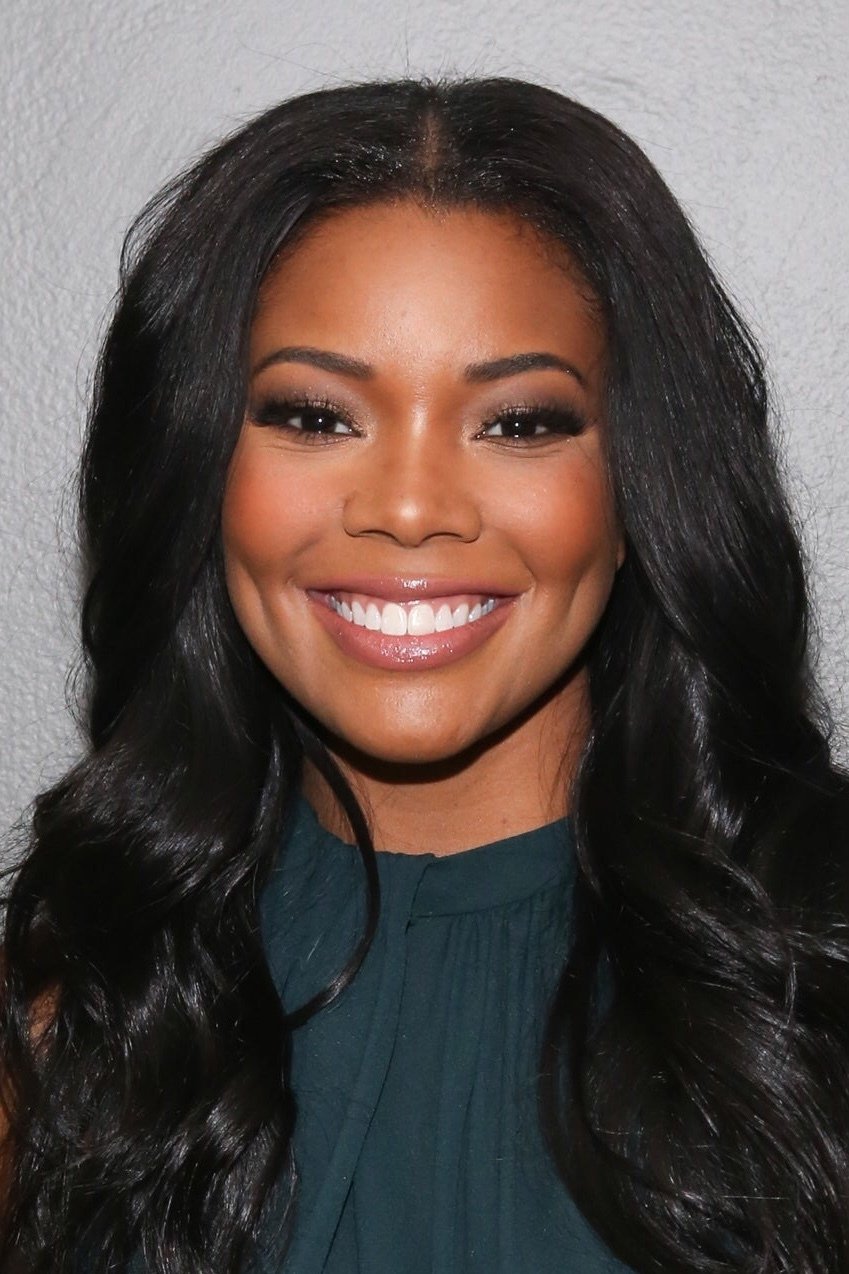
Gabrielle Union is a strong voice against harmful behavior and unfair treatment in the entertainment industry. She consistently challenges producers to address racist content and problematic storylines, refusing to compromise her values. As an actress, she actively seeks roles that portray Black women with depth and complexity, moving beyond stereotypical depictions of hardship. She also declines projects that she believes irresponsibly portray violence against women, and uses her production company to support underrepresented creators.
Queen Latifah
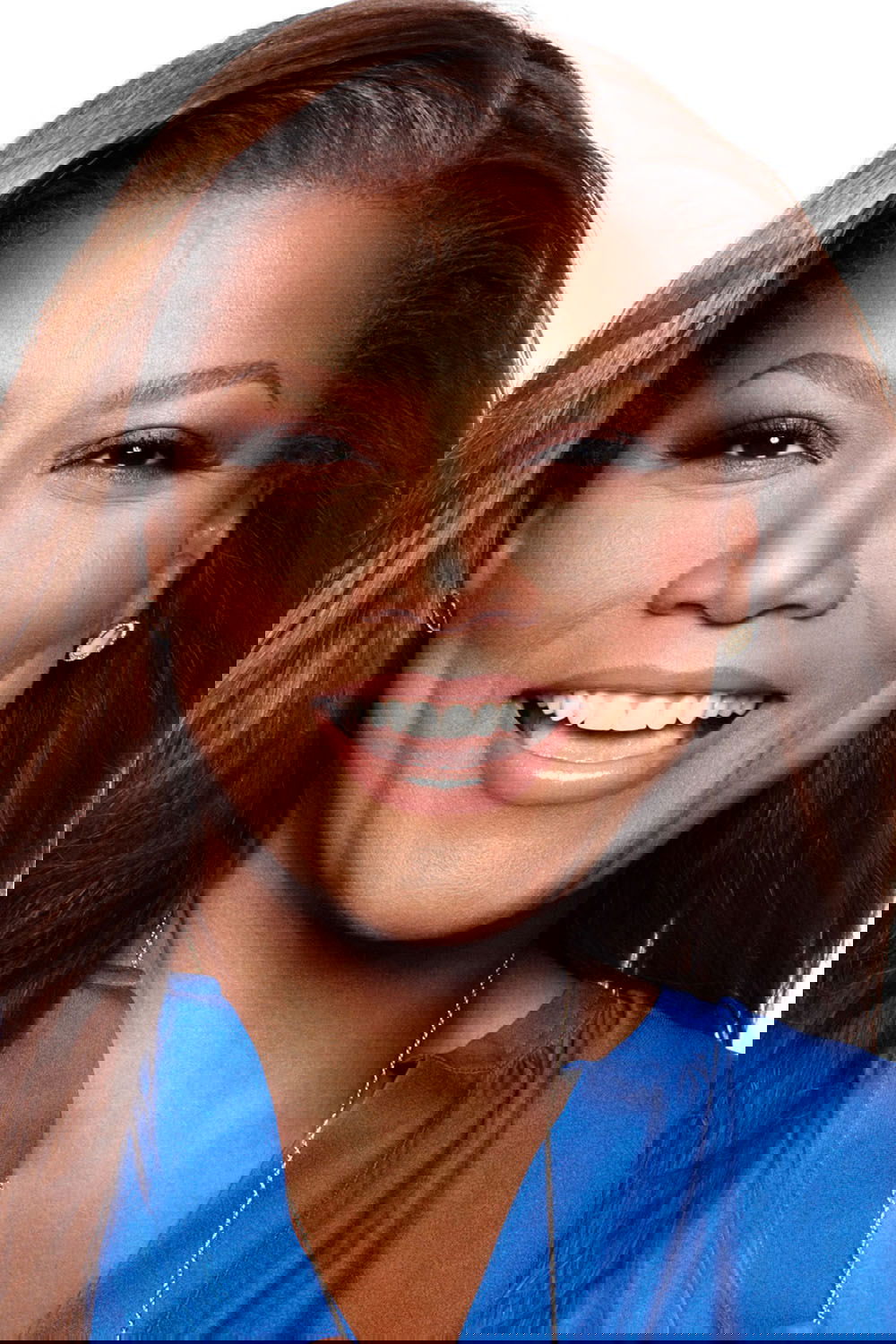
Queen Latifah is well-known for including a special condition in her movie contracts: her character couldn’t die. She did this to challenge the common and harmful pattern of Black characters being quickly killed off in films. Latifah wanted to create lasting, inspiring characters and consistently chooses roles that showcase strength, leadership, and kindness. She often plays characters who are naturally respected and take charge.
Jada Pinkett Smith
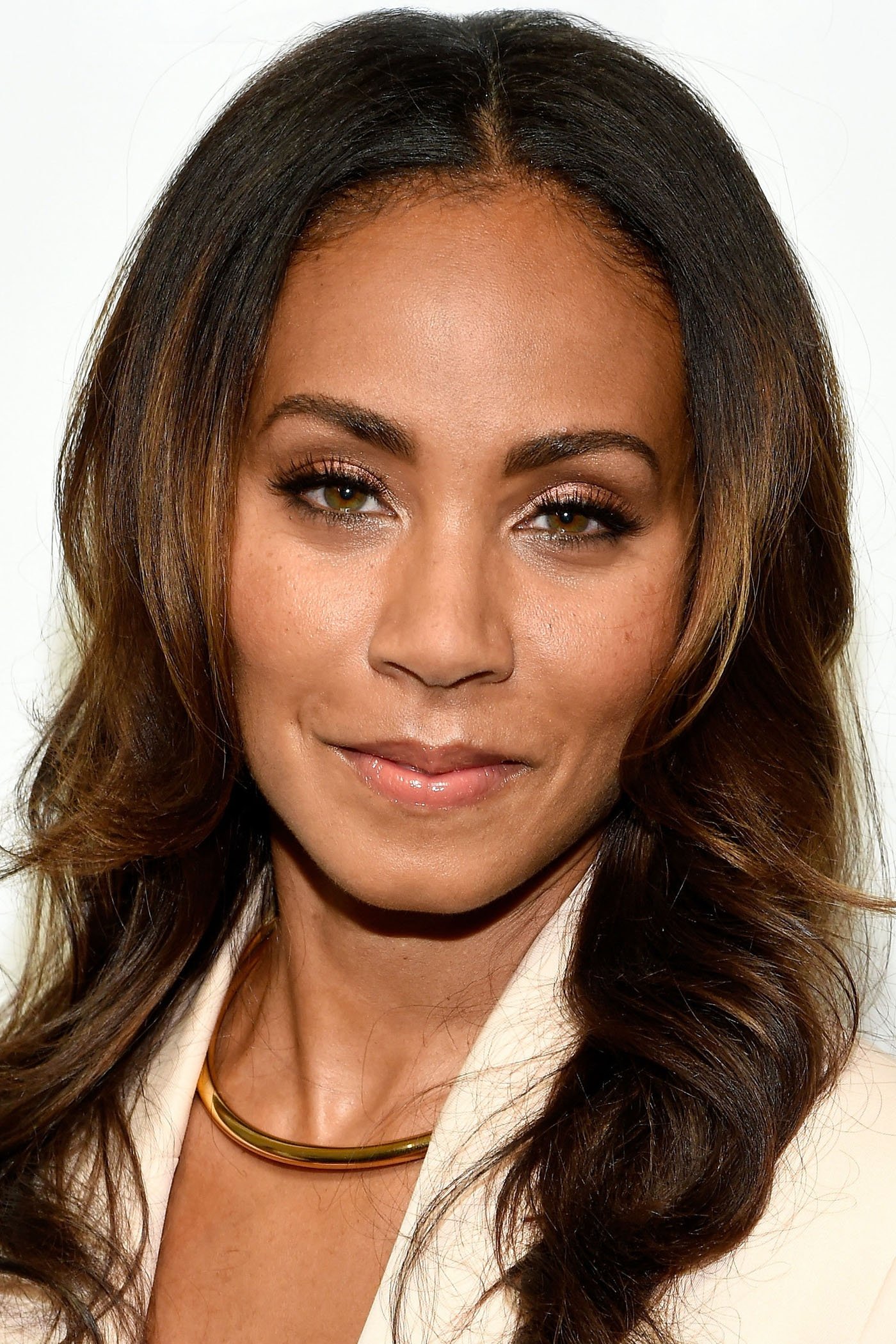
Jada Pinkett Smith chose not to appear in the movie ‘Dead Presidents’ because she believed the female characters were depicted in a harmful way. Throughout her career, she’s consistently avoided roles where her character is simply a victim of abuse unless the story shows her overcoming it. Smith prefers to play strong, resilient characters who can defend themselves, and she’s a vocal advocate for positive and complex representations of Black women in film and television. She focuses on roles that allow her to explore the inner lives and motivations of her characters.
John Leguizamo
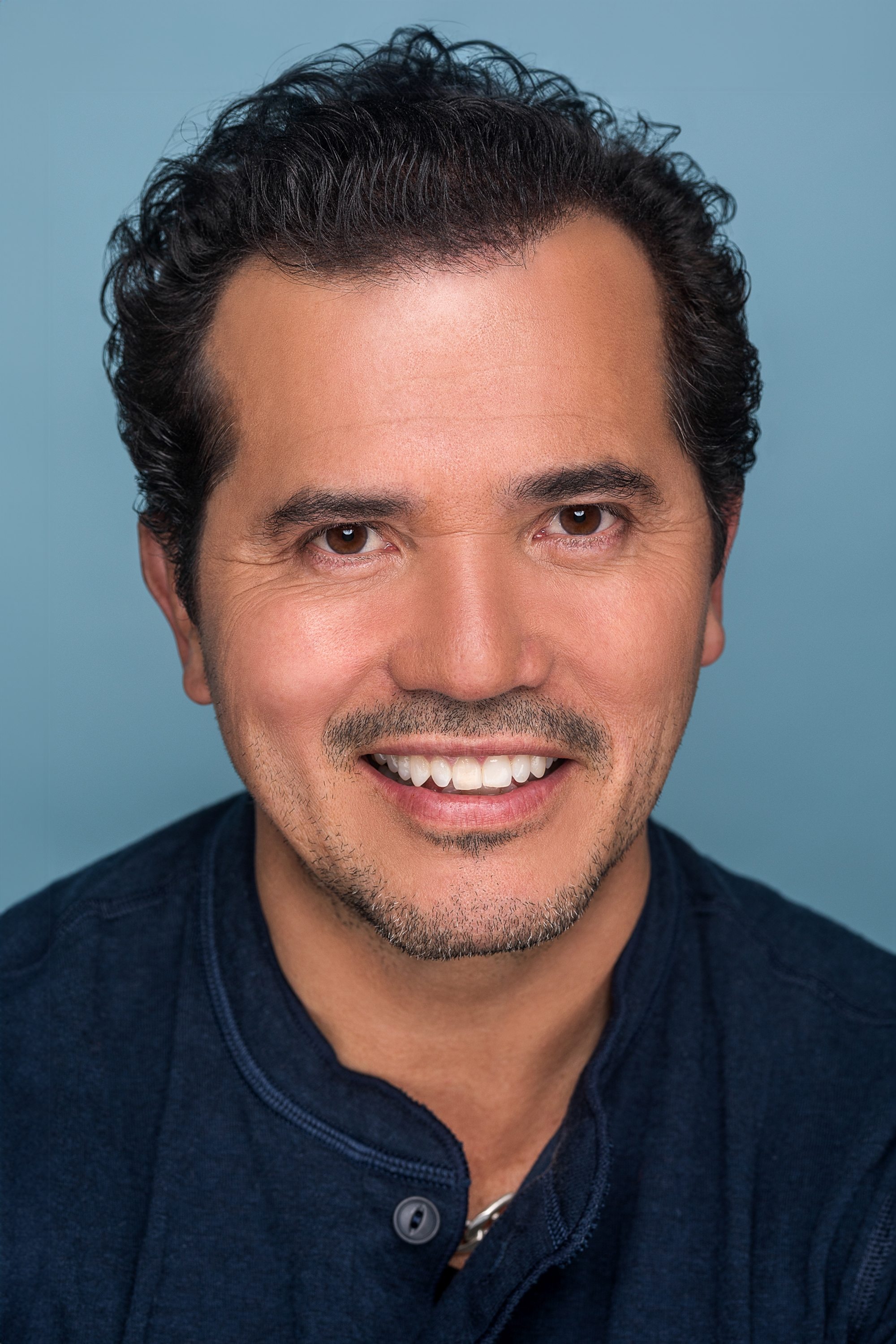
Throughout his career, John Leguizamo has intentionally avoided playing Latino characters limited to stereotypes like drug dealers or criminals. He’s turned down significant roles in popular TV shows because they lacked depth and didn’t show any redeeming qualities. To counter these limited portrayals and celebrate Latino achievements, Leguizamo creates his own stage performances. He also frequently speaks out against Hollywood for its failure to offer diverse and positive representation, insisting that Latinos are a vital part of American society.
Tell us which celebrity refusal you admire the most in the comments.
Read More
- Top 20 Dinosaur Movies, Ranked
- 20 Movies Where the Black Villain Was Secretly the Most Popular Character
- 25 “Woke” Films That Used Black Trauma to Humanize White Leads
- Celebs Who Narrowly Escaped The 9/11 Attacks
- Gold Rate Forecast
- Spotting the Loops in Autonomous Systems
- Silver Rate Forecast
- The 10 Most Underrated Jim Carrey Movies, Ranked (From Least to Most Underrated)
- 22 Films Where the White Protagonist Is Canonically the Sidekick to a Black Lead
- The Best Directors of 2025
2026-01-26 21:20