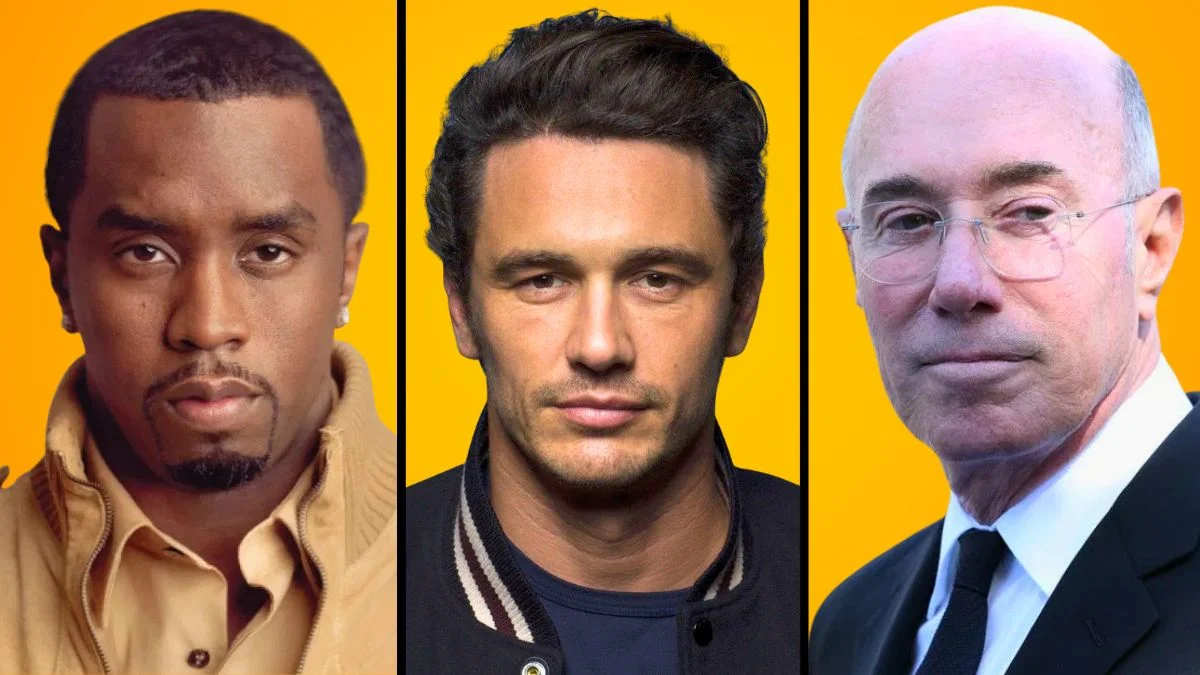
It’s not uncommon for famous people to exaggerate or lie about their education. While most achieve success through skill and effort, some feel pressure to enhance their public image by falsely claiming degrees or achievements. These inaccuracies usually surface when journalists investigate or official school records reveal the truth. Examining why celebrities do this offers insight into the intense world of personal branding and how important honesty is in the public eye.
David Geffen

This prominent leader in the entertainment industry co-founded DreamWorks SKG and Asylum Records. Early in his career, he misrepresented his education when applying for a job at the William Morris Agency, falsely claiming to be a graduate of the University of Texas at Austin. He had actually left the university after struggling academically and failing courses. To cover up this deception, he intercepted a letter from the university that would have revealed he didn’t have a degree. This risky act secured his job and ultimately helped him rise to become a major power player in Hollywood.
Robert Irvine
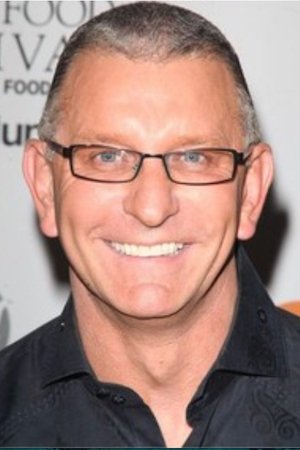
The popular British chef became well-known for his energetic appearances on ‘Dinner Impossible,’ where he’d take on tough cooking challenges. However, his career took a hit when it was revealed he’d exaggerated details on his resume, including his education. He falsely claimed to have a degree from the University of Leeds and to have been knighted for his culinary achievements. Investigations showed no evidence to support these claims. The Food Network temporarily removed him from his show, but he was later allowed back after acknowledging the inaccuracies.
Bill Cosby
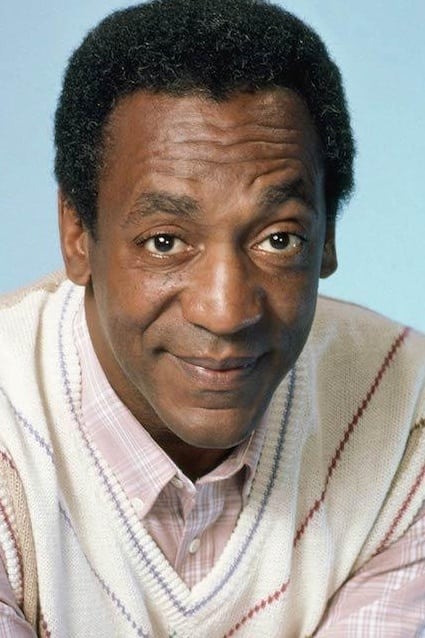
It’s honestly heartbreaking to think about Bill Cosby’s fall from grace. For so long, he was a huge figure on TV with ‘The Cosby Show,’ and he always talked about how important education was – constantly mentioning his doctorate from UMass Amherst. But later on, people started questioning whether that degree was really earned. Apparently, he got a lot of credit for his work as a performer, not necessarily for taking classes. Some felt his fame basically bought him the degree, skipping the usual hard work. Ultimately, with all the legal issues and convictions, the university had to take it back, which is a sad end to a once-inspiring story.
James Franco
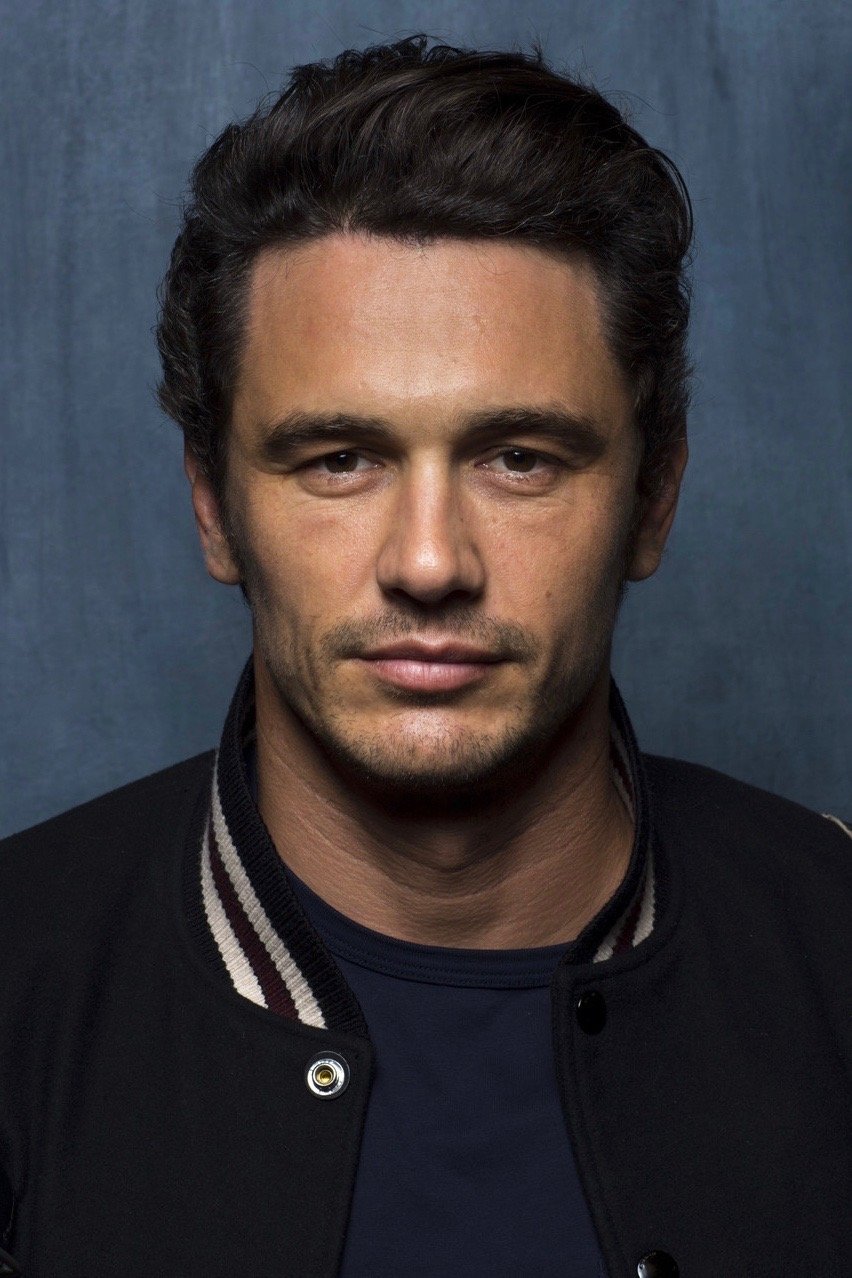
James Franco is a well-known actor and filmmaker, recognized for his work in movies like ‘The Disaster Artist’ and ‘127 Hours’. He’s also notable for simultaneously pursuing multiple graduate degrees at universities like New York University and Columbia, focusing on creative writing and film. A controversy arose when a New York University professor accused Franco of receiving undeservedly high grades despite frequent absences. The professor suggested Franco was given preferential treatment in the doctoral program. This led to legal action and questions about the validity of his academic credentials.
Sean Combs
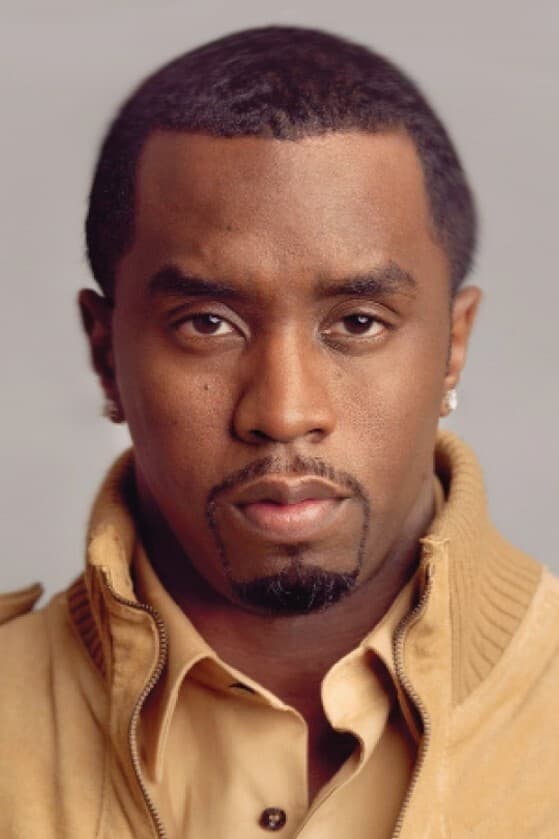
Diddy, the well-known music executive and businessman, often talked about his time at Howard University when he was starting out. For years, he seemed to suggest he had graduated, but it was later revealed he left after only two years to focus on his music career. Howard University later honored him with an honorary doctorate in humanities, recognizing his achievements and cultural impact. Since then, he’s been more honest about his college experience while continuing to support the university.
Gene Simmons

As a lifelong music and pop culture fan, I’ve always been fascinated by the story of the KISS bassist. Beyond the band, he’s built an incredible business empire, and he often talks about being a teacher before hitting it big. It turns out, though, that his stories about his time in the New York City school system are…let’s just say embellished. He did go to Richmond College and get a degree, and he was a student teacher, but he definitely played up how much actual teaching experience he had. It seems like he used this narrative of being a dedicated and successful educator to build up his image as a smart, disciplined guy. Fans have pointed out for years that he wasn’t quite the seasoned pro he presented himself to be – it was more of a hopeful student teacher situation.
Donald Trump
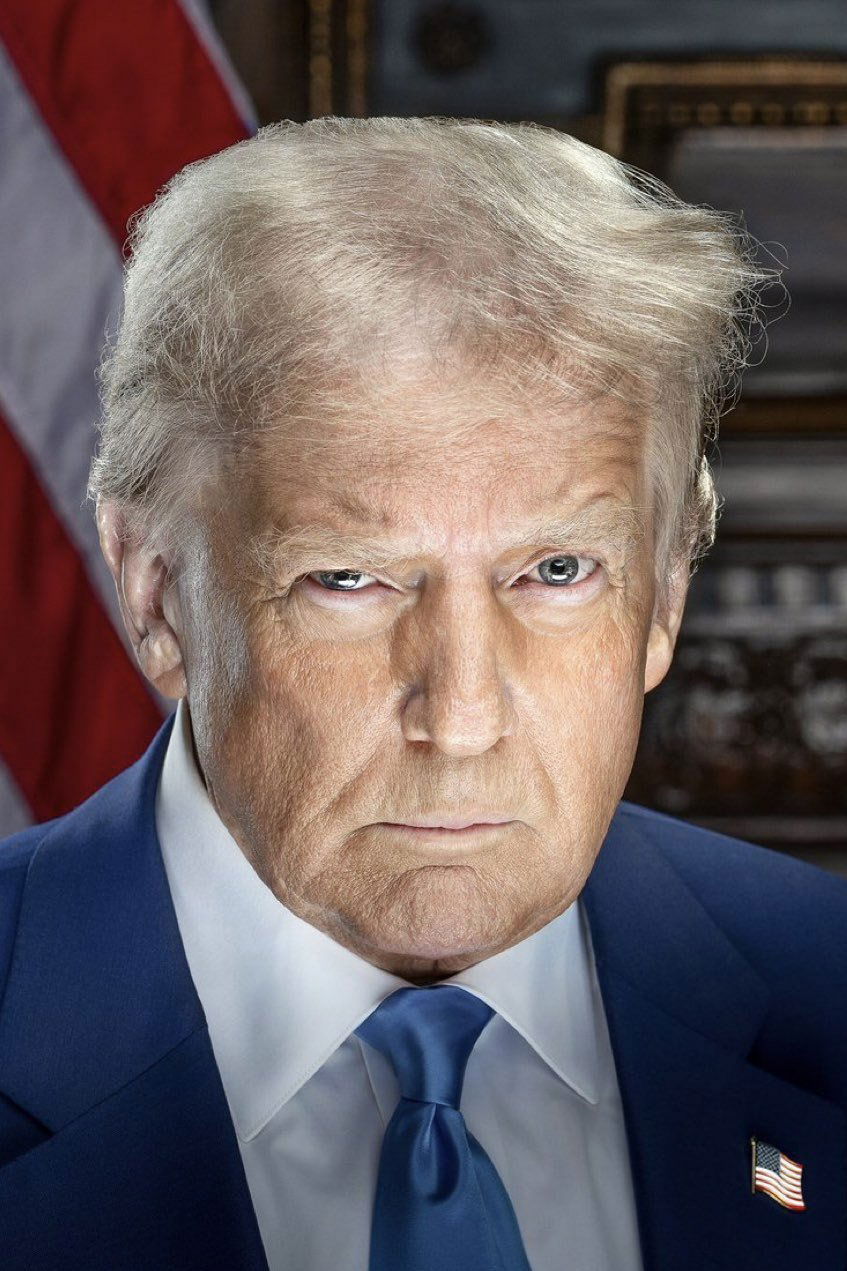
The former president, a successful real estate developer, often made exaggerated claims about his college achievements. He repeatedly said he finished at the top of his class at the University of Pennsylvania’s Wharton School of Finance, but university records and accounts from people who went to school with him show he didn’t receive any special academic awards or graduate as number one. He also doesn’t usually mention that he initially attended Fordham University for two years before transferring to Penn. These inflated stories helped create his public image as a remarkably intelligent and talented businessman.
Joe Biden
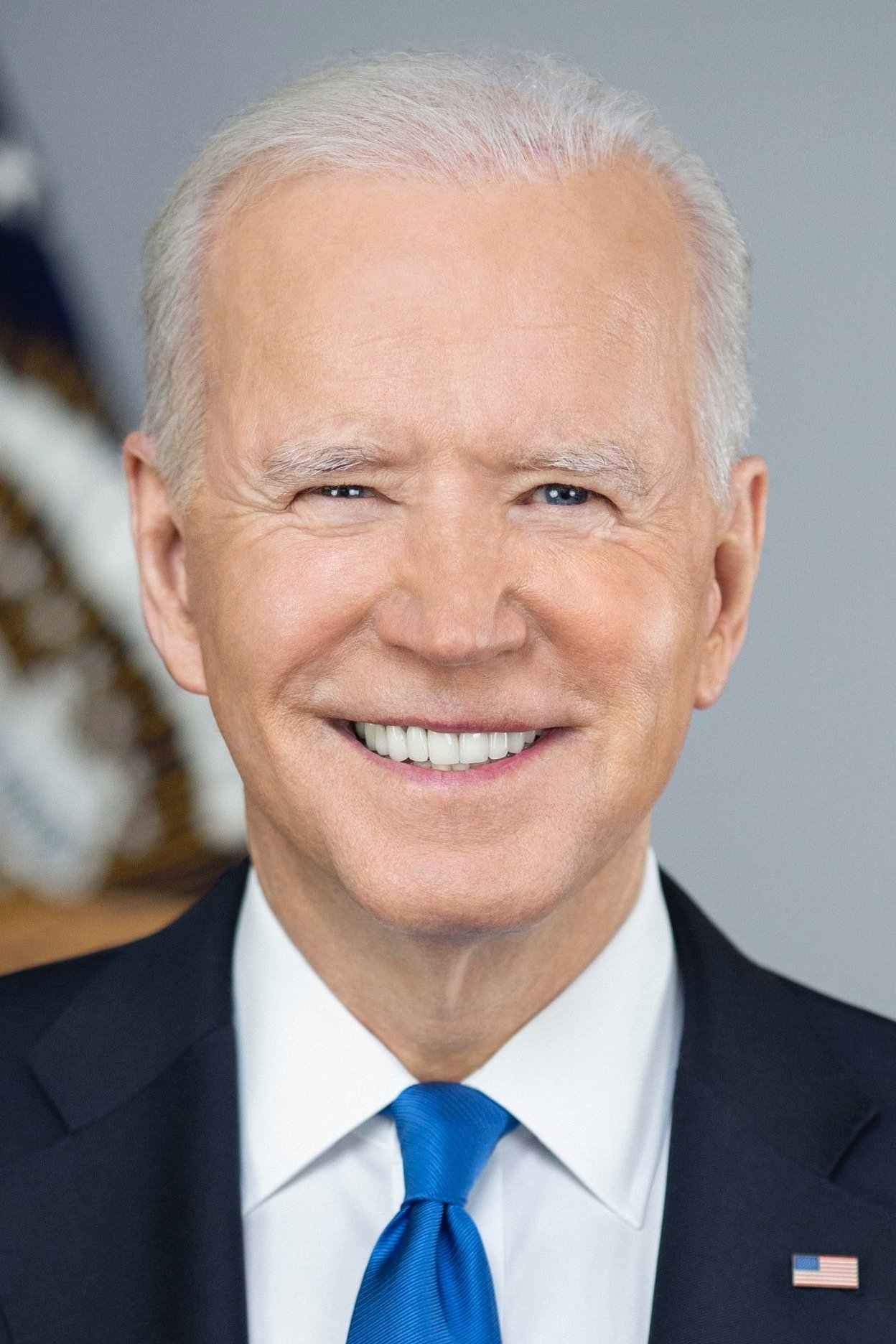
During his first presidential campaign in the late 1980s, the current U.S. president had to correct several inaccuracies about his education. He originally stated he graduated in the top half of his law school class and earned three undergraduate degrees, but it was later found he graduated near the bottom of his law school class at Syracuse University and received two undergraduate degrees. He also acknowledged a plagiarism incident during his first year of law school involving a law review article. These errors led him to admit his recollections of his academic history weren’t entirely accurate.
Scott Thompson
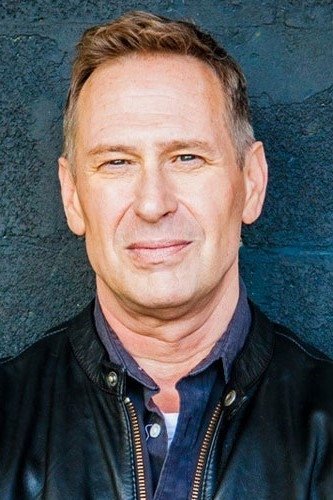
The former CEO of Yahoo resigned after a scandal revealed inaccuracies in his official background. His company profile claimed degrees in both accounting and computer science from Stonehill College, but it turned out the college didn’t offer computer science at the time he was a student. He had only earned an accounting degree and had falsely presented himself as having technical expertise to the company’s board. This deception caused a complete loss of trust in his leadership and ultimately led to his removal from the position.
Hulk Hogan
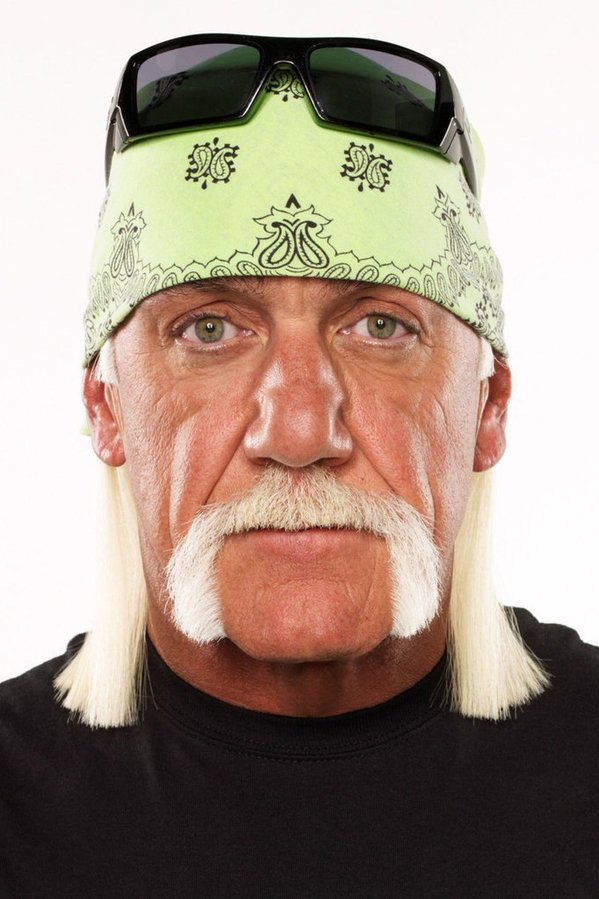
The famous wrestler frequently told stories about his life before becoming a performer, highlighting his education and musical talents. He often said he had a business degree and was nearly chosen to be Metallica’s bassist. However, while records confirm he attended the University of South Florida, he didn’t actually graduate. These stories about his academic and musical potential were part of the larger-than-life image he cultivated, but many have since been proven untrue by those he referenced and by official documentation.
Steven Seagal
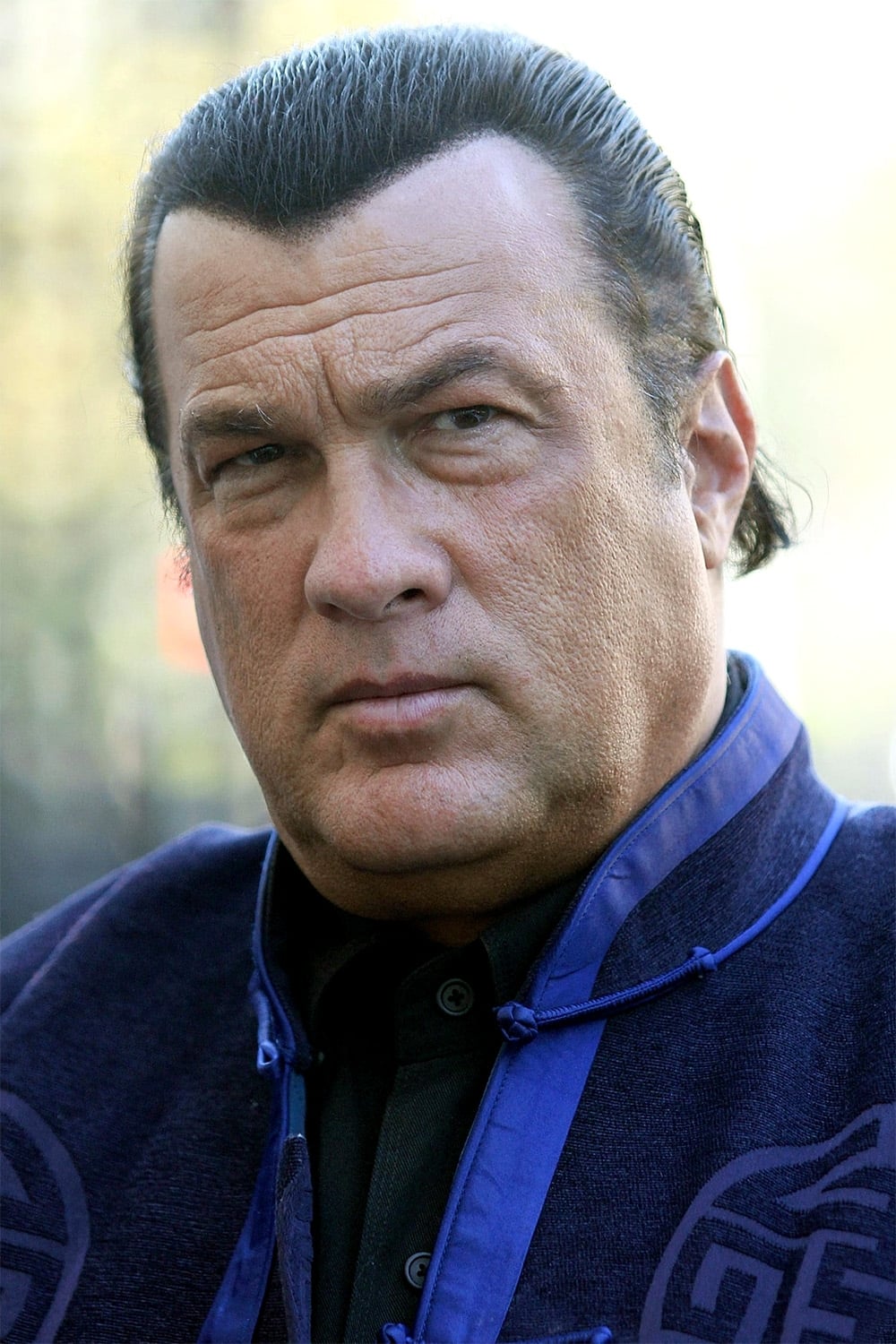
The popular action movie star, famous for films like ‘Under Siege,’ built a persona around being a martial arts expert. He also frequently talked about his education and time abroad, particularly in Japan, suggesting he had advanced degrees and special training. However, these claims were never confirmed. Some stories even involved secret work for government agencies that would have required qualifications he seemingly didn’t have. While these tales added to his mysterious public image, they led many to doubt the truth about his past.
Flavor Flav

Flavor Flav, known for his music with Public Enemy and his reality TV show ‘Flavor of Love,’ has often said he graduated from a top culinary school in the early 1980s and is a skilled chef capable of cooking any dish. However, despite showcasing cooking on television, no culinary school has ever verified that he actually graduated. Most people view these claims as part of his larger-than-life persona, not a confirmed fact about his education.
James Frey
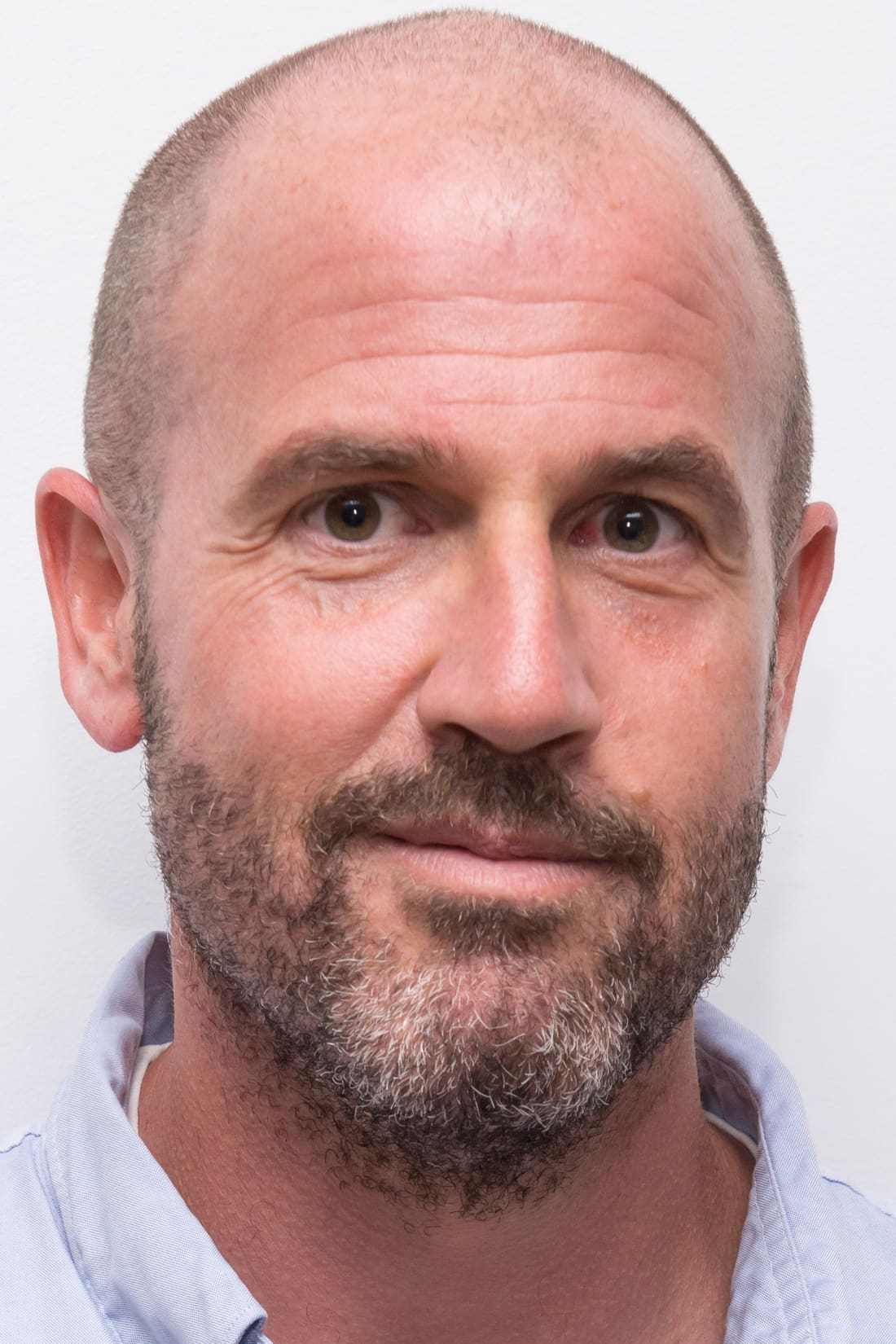
The author of “A Million Little Pieces” quickly became popular, boosted by Oprah Winfrey’s support. He gained attention by sharing stories about his troubled past, including claims of criminal activity and an unusual education. However, journalists later discovered that many of these stories were either made up or greatly embellished. The resulting scandal culminated in a public television interview where he was compelled to confess the truth about his life.
Frank Abagnale Jr.
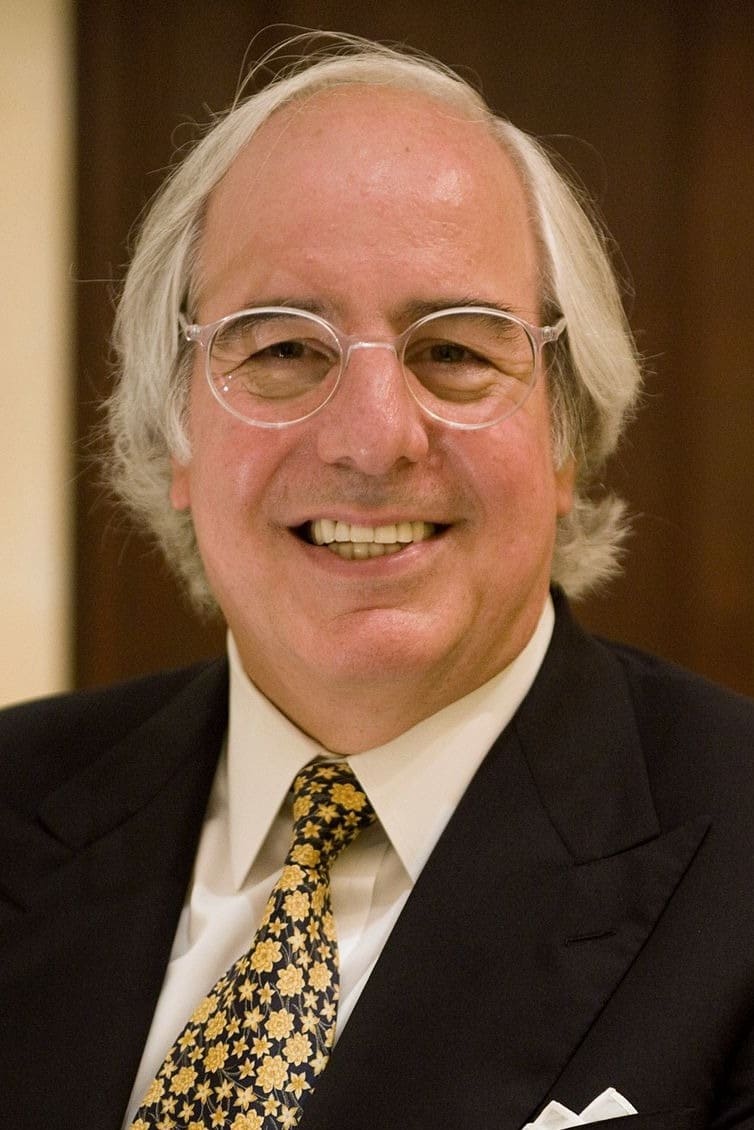
The man behind the movie ‘Catch Me If You Can’ became well-known for claiming to be a master con artist. He famously said he’d faked a Harvard law degree and passed the Louisiana bar exam, and that he’d worked as both a professor and a doctor using false credentials. However, recent research shows much of this was a fabricated story he built to promote his books and speaking engagements. While he did commit fraud, the extent of his supposed academic and professional lies was greatly exaggerated for dramatic effect.
Rick Ross
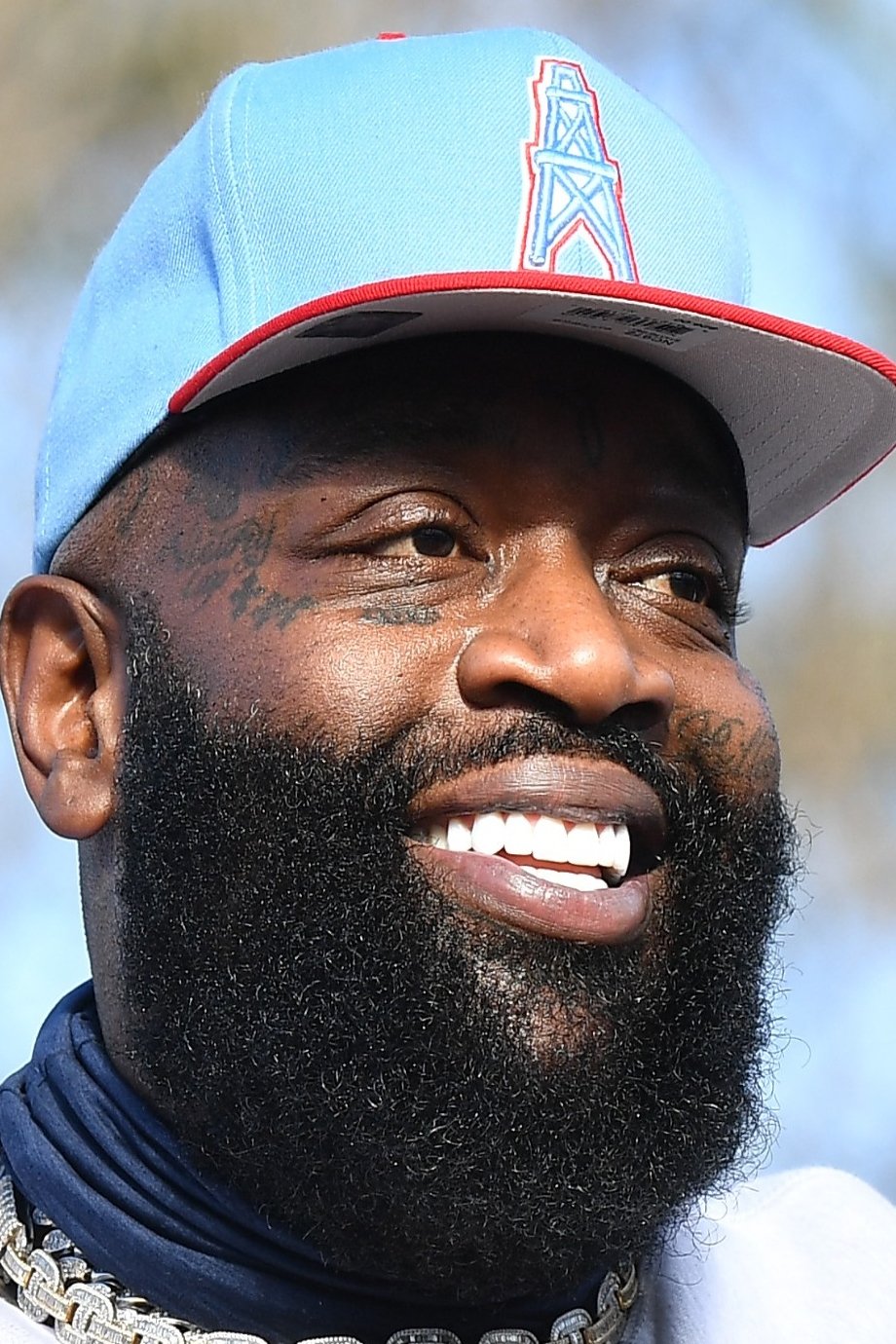
The rapper, famous for flaunting wealth and portraying a drug dealer image, was often asked about his life before fame. He first denied ever working as a prison guard after finishing school and some college. He also told stories about his studies and training in criminal justice that didn’t fit with his tough public persona. However, when pictures surfaced showing him in uniform, he had to admit he’d worked in corrections and received the necessary training. This admission was a big deal in hip hop, as it made people question how genuine his ‘street’ image really was.
Eddie Murphy
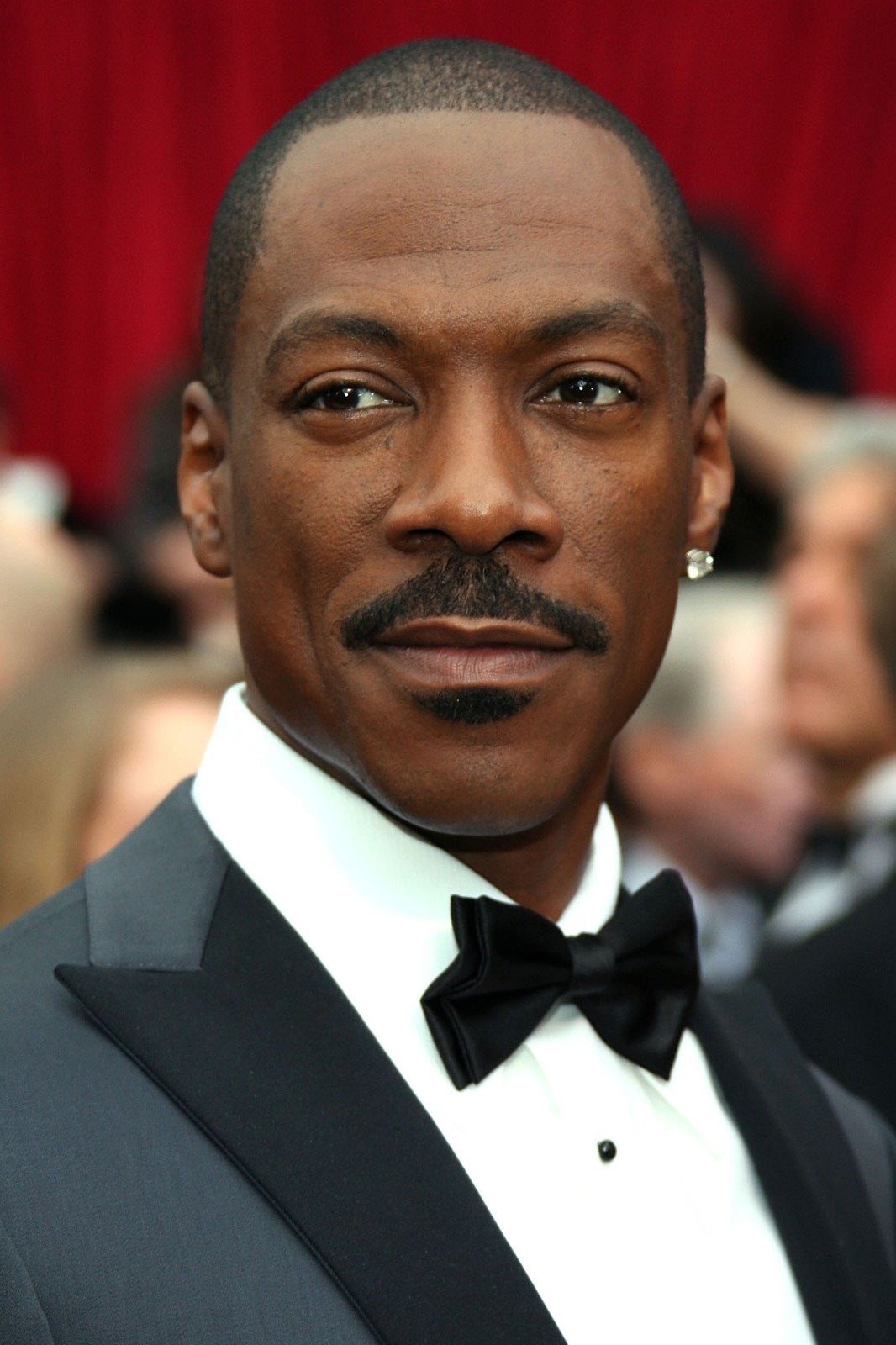
This famous comedian and actor quickly became a star in the 1980s with roles on ‘Saturday Night Live’ and in films like ‘Beverly Hills Cop.’ Early in his career, he wasn’t always clear about his high school experience or whether he went to college. He often talked about becoming famous quickly, but didn’t mention the academic challenges he faced before becoming a successful comedian. Though he never said he went to an elite university, he carefully presented his early life to fit his image as a naturally gifted performer. Later in life, he became more open about the difficulties he had with school.
Jeffrey Archer
This British author and politician has repeatedly faced accusations of exaggerating his education and career achievements. He stated he went to several well-known schools and earned degrees that were later found to be false. Claims about his time at Oxford University were especially problematic, as he only completed a short course, not a full degree. This pattern of dishonesty ultimately led to legal issues and the end of his political career. He leveraged his claimed academic background to gain access to exclusive social groups and enhance his image as a knowledgeable figure.
Clifford Irving
In the early 1970s, a writer gained notoriety for trying to publish a fake autobiography of Howard Hughes, the famously private billionaire. To pull off this elaborate scheme, he invented a false identity for himself, complete with made-up degrees and job experience. He used these false credentials to convince publishers he was the only one who could get an interview with Hughes. When his deception was revealed, he was sent to prison. His story now serves as a warning about how far people will go to gain fame and wealth by lying about their education and career.
Jayson Blair
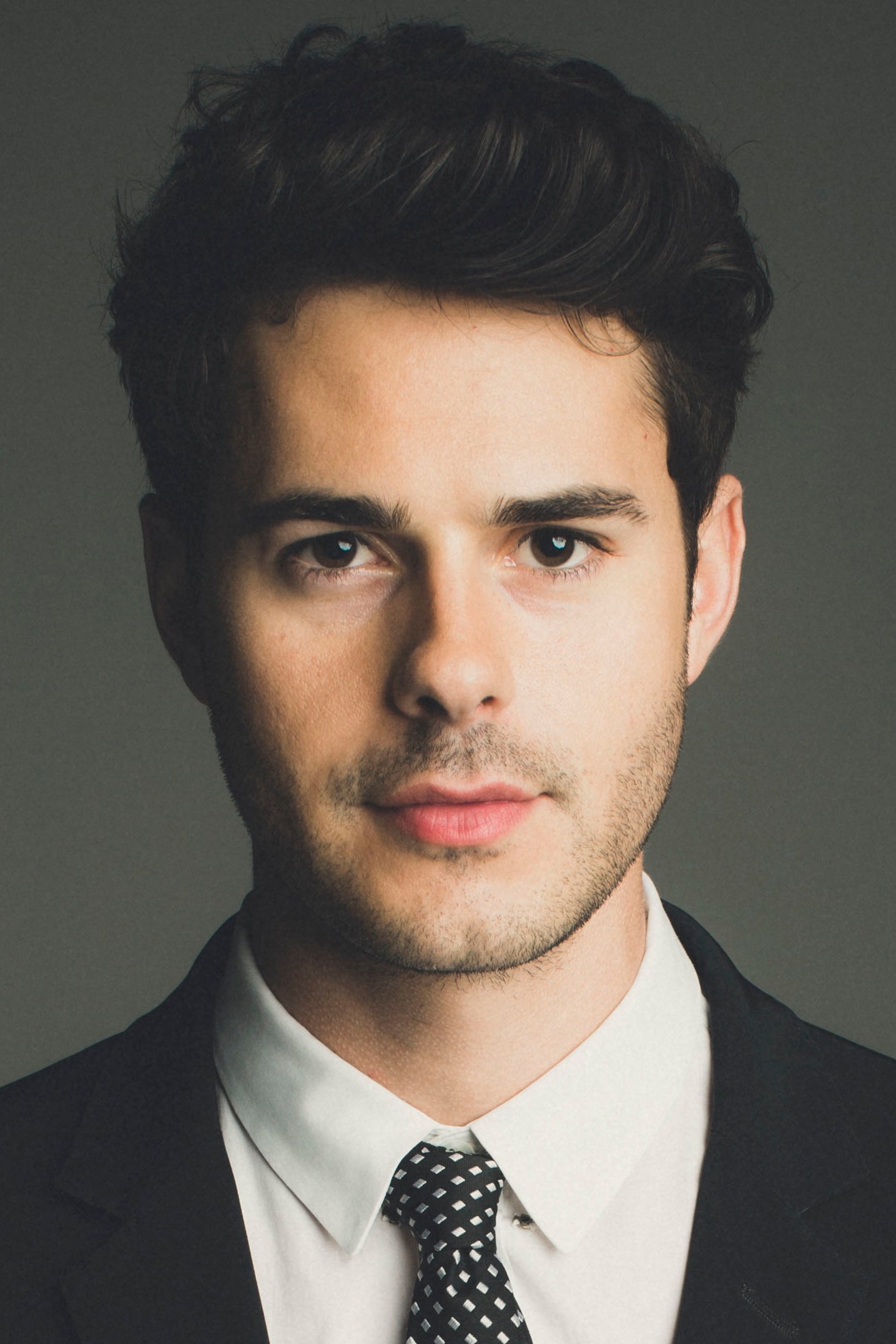
A former New York Times journalist was at the center of a significant scandal involving plagiarism and fabricated stories – one of the largest in recent media history. While working at the newspaper, he repeatedly lied to his editors about where he was and how far along he was in his studies, falsely claiming to have graduated from the University of Maryland when he hadn’t completed his degree. He leveraged his rising profile to conceal that he was inventing details and taking credit for other people’s work. This deception forced the newspaper to revamp its internal processes and harmed the reputation of journalism as a whole.
George Santos
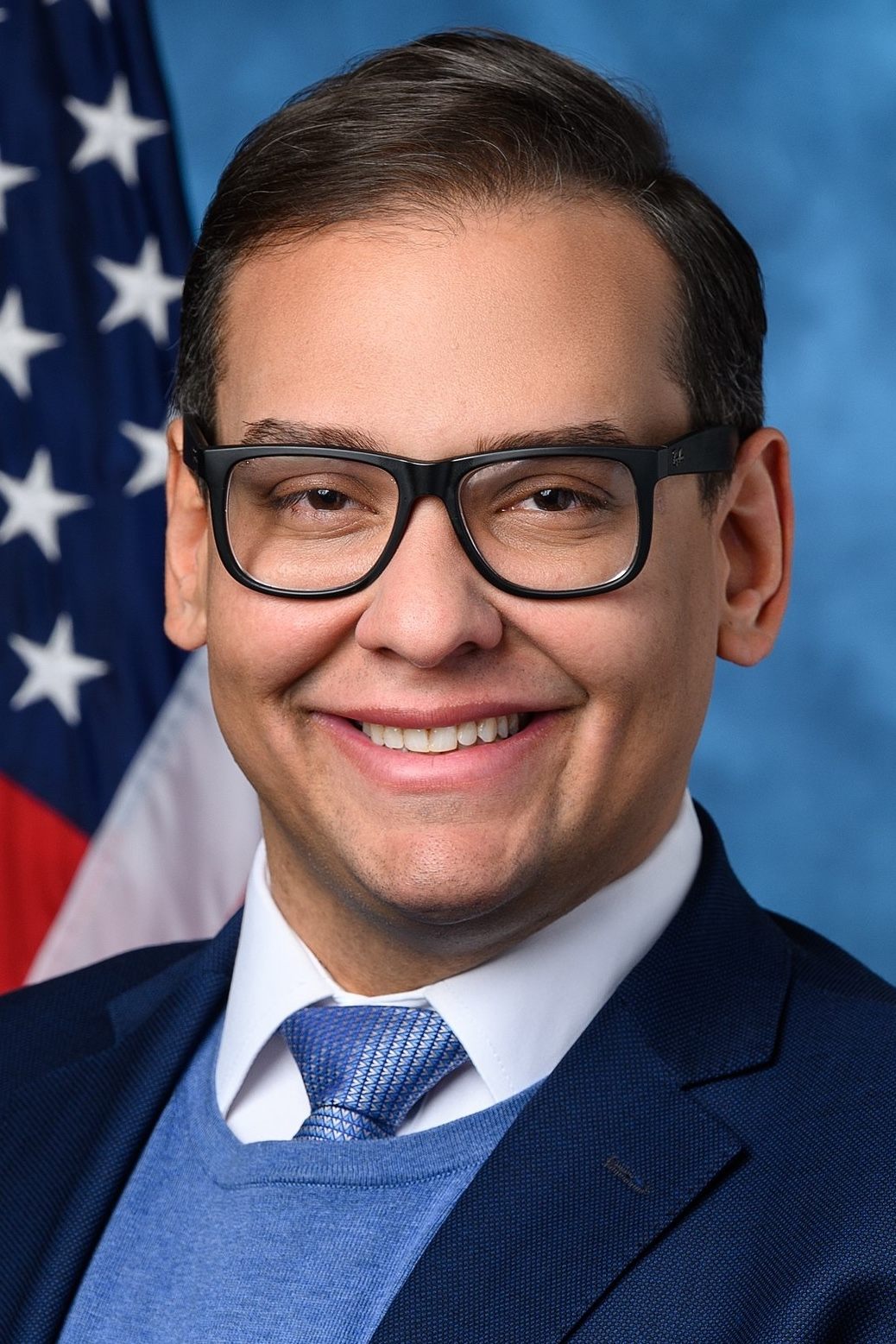
The former congressman received widespread condemnation after it was discovered he had largely fabricated his resume. He falsely claimed to have earned degrees in finance and economics from Baruch College and New York University, but investigations revealed he never attended either school and had no supporting academic records. He also misrepresented his work history at prominent Wall Street companies and details about his family. These significant deceptions regarding his education and career ultimately led to his removal from Congress.
Ben Carson
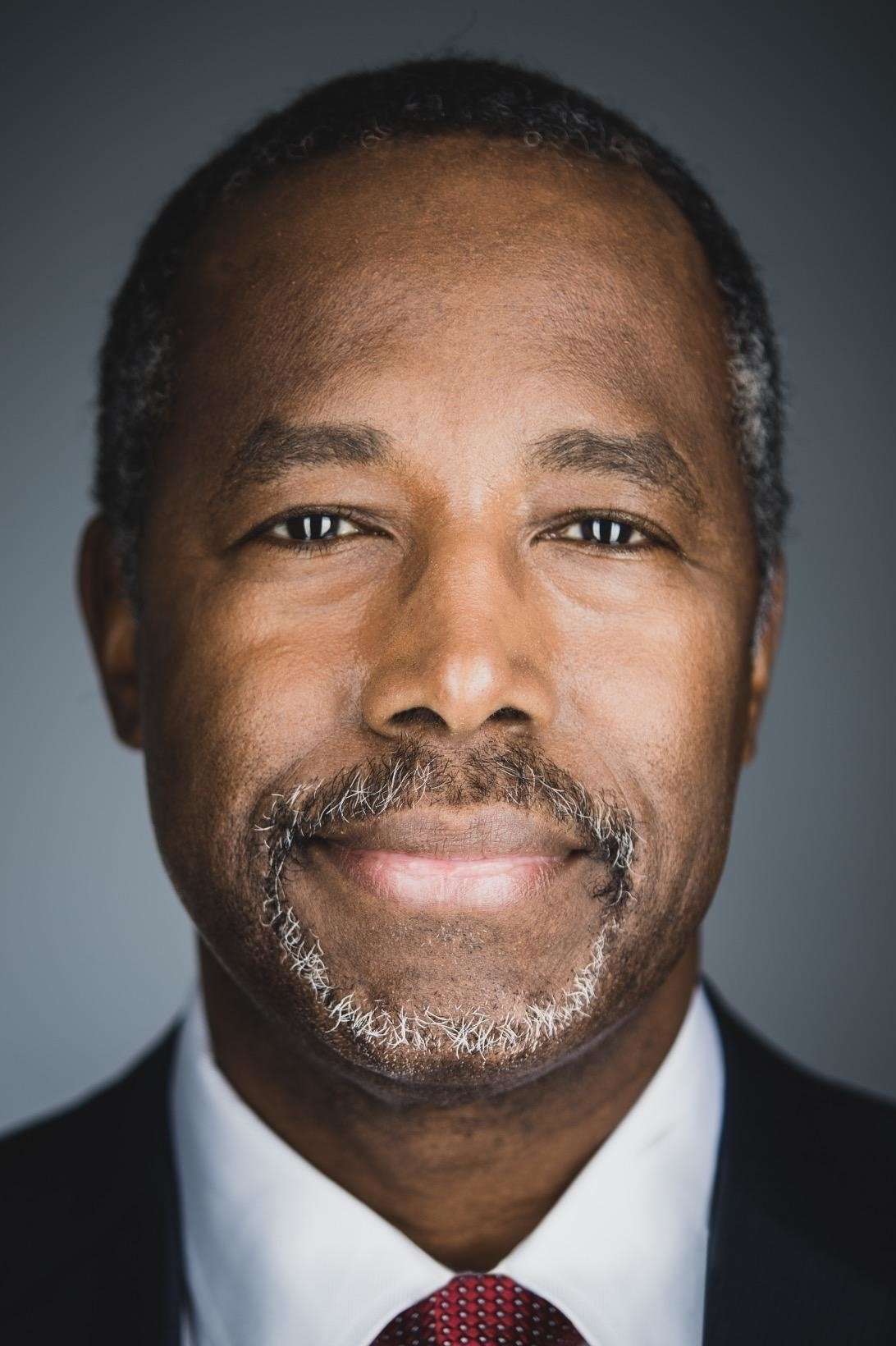
During his campaign for president, the retired doctor and former government official was asked about a story in his autobiography, Gifted Hands. He had written that he received a full scholarship offer to West Point after meeting with General Westmoreland in high school. However, records showed he never applied, and his campaign team confirmed he wasn’t formally offered a scholarship. Although a highly accomplished student, the story was based on an embellished version of a casual conversation. He later acknowledged that the way he described the offer in his book was inaccurate.
Pat Robertson
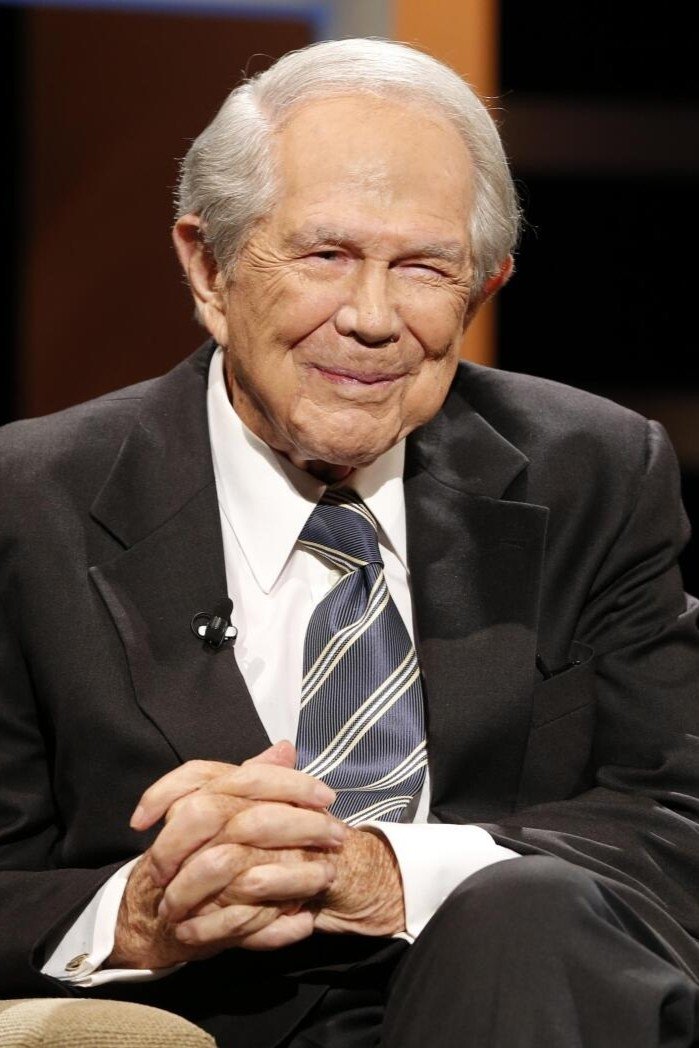
This popular religious leader and TV host often highlighted his education from Yale Law School and other well-known universities. However, he didn’t pass the New York bar exam, a fact he usually left out when talking about his legal knowledge. He used his academic background to appear authoritative when discussing politics and law with his large audience. Critics have pointed out that he exaggerated his postgraduate studies, creating a more impressive academic profile than was accurate. Opponents frequently brought up these inconsistencies during his campaigns.
Al Sharpton
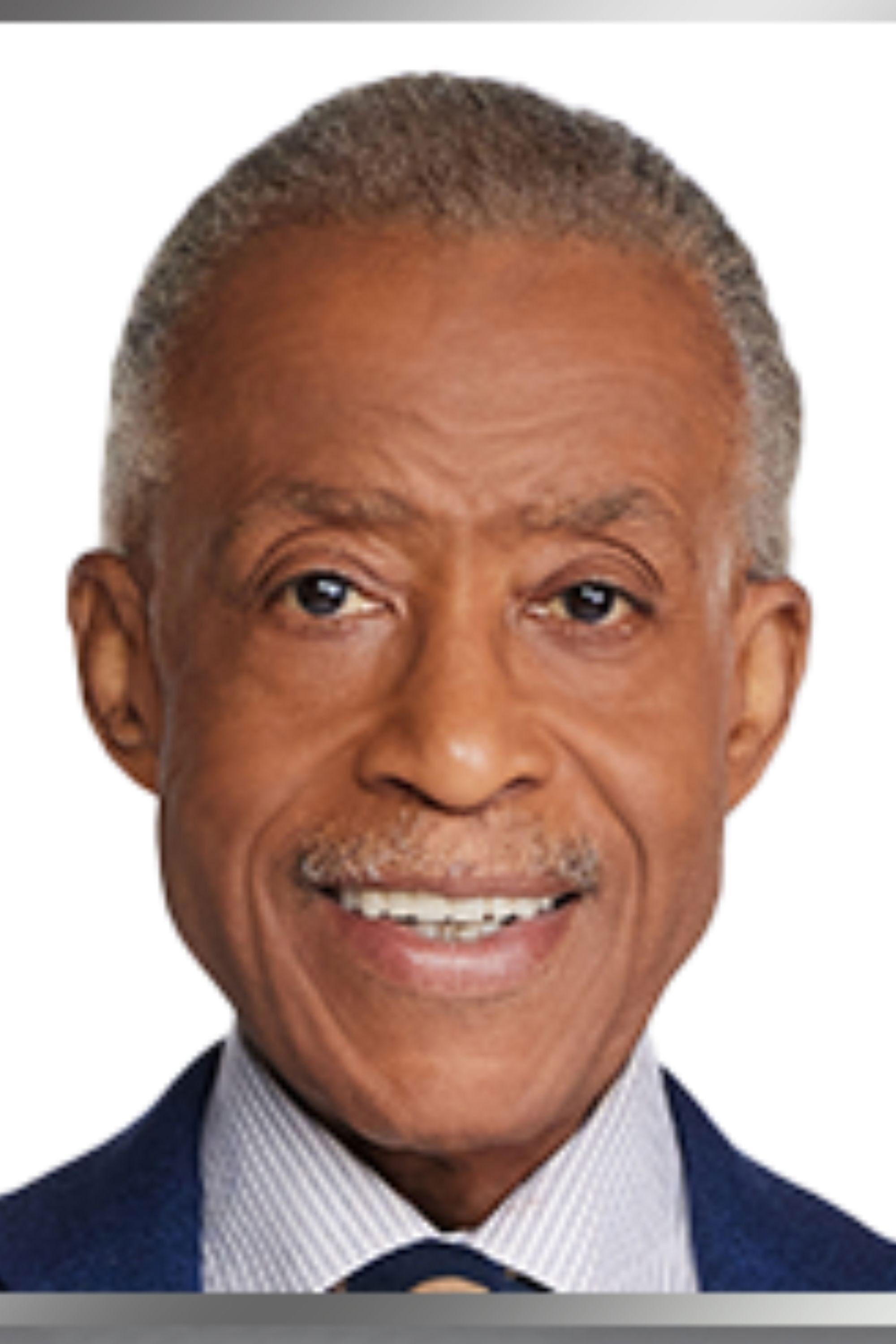
This activist and media figure has faced criticism regarding his background and education. He has, at times, stated he earned degrees and training that weren’t verified by official records. Early in his career, he built a public image as a highly educated leader, but investigations suggest he exaggerated his academic achievements to gain influence. More recently, he’s emphasized his honorary degrees and his work as a commentator.
Tommy Tallarico
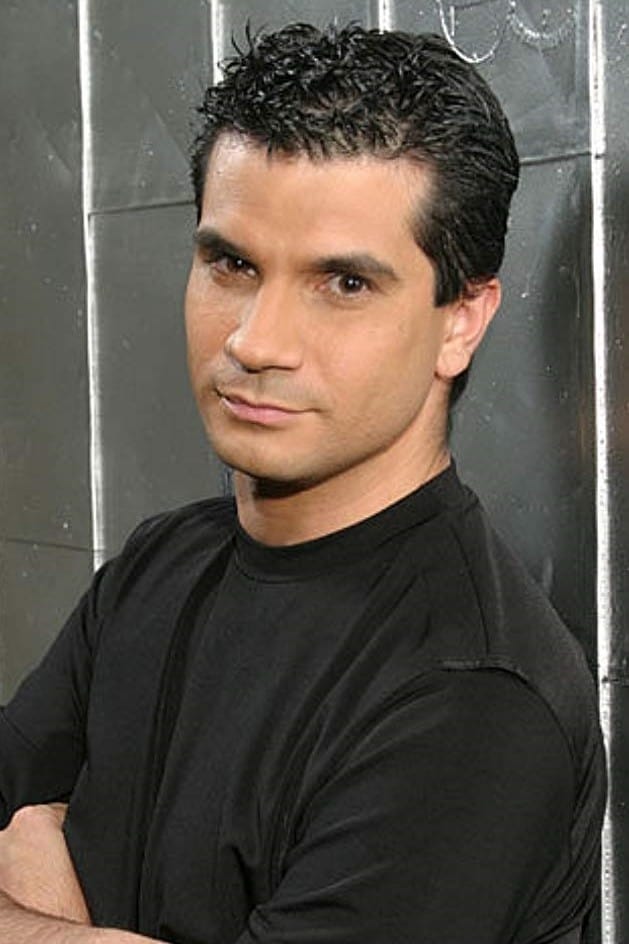
A video game composer is facing accusations of dishonesty regarding his career and education. He previously stated he was the first American to contribute to several popular game series and that he’d received honorary degrees from well-known universities. However, a thorough review of his public statements showed that many of his claims about his achievements and background were fabricated. He often presented himself as a trailblazer with specialized training he never actually received. These discoveries have severely damaged his reputation within the gaming community and among his followers.
Bill O’Reilly
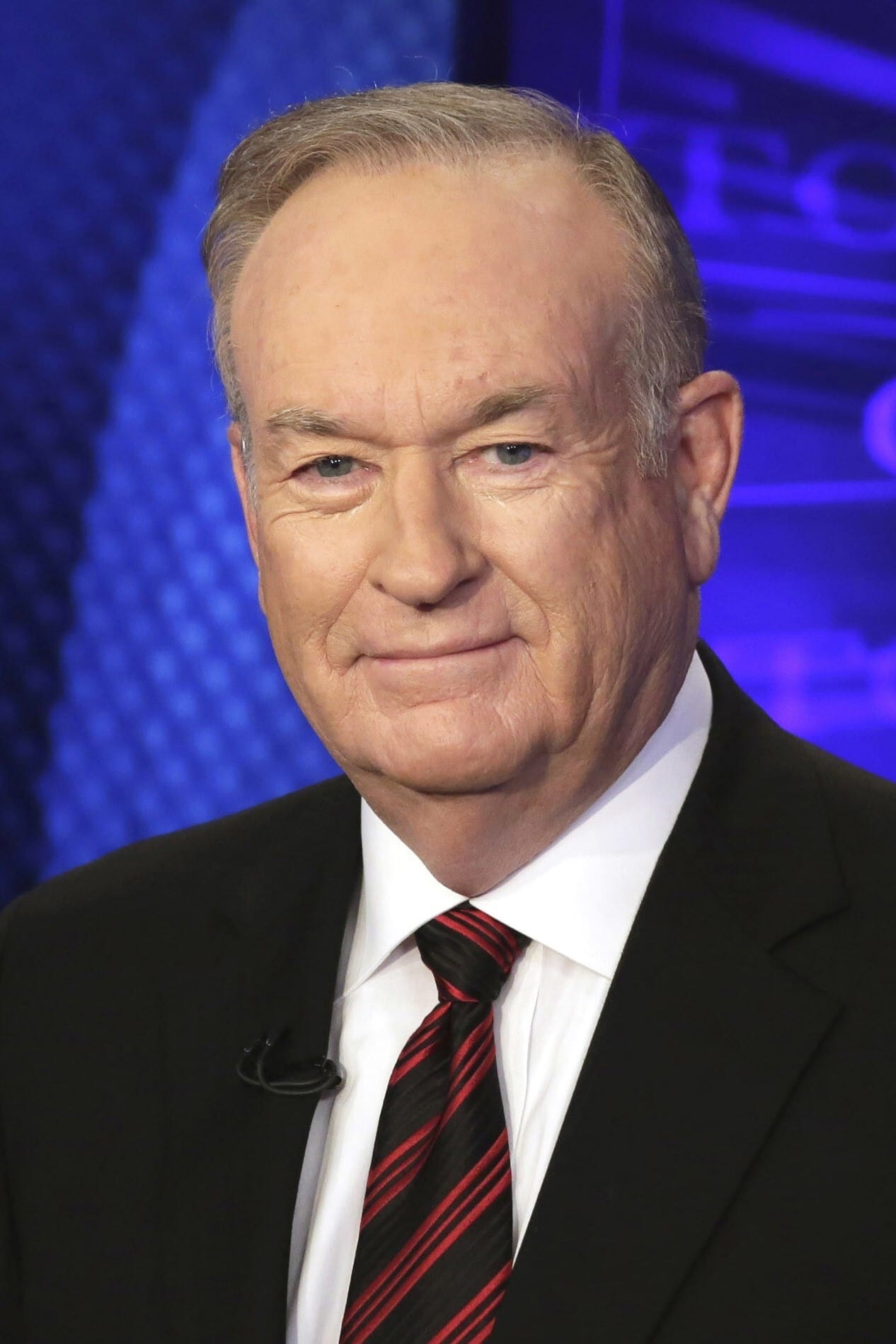
The former news host often highlighted his education at Harvard and Boston University, aiming to present himself as a smart, relatable figure. He tended to portray his academic journey as more conventional and demanding than it actually was. Though he did earn a master’s degree from Harvard’s Kennedy School, he faced accusations of embellishing his academic achievements and the depth of his studies. He frequently used these claims to support his opinions and imply a stronger grasp of policy issues than his opponents. These assertions became a recurring topic of discussion throughout his career in television.
Herschel Walker
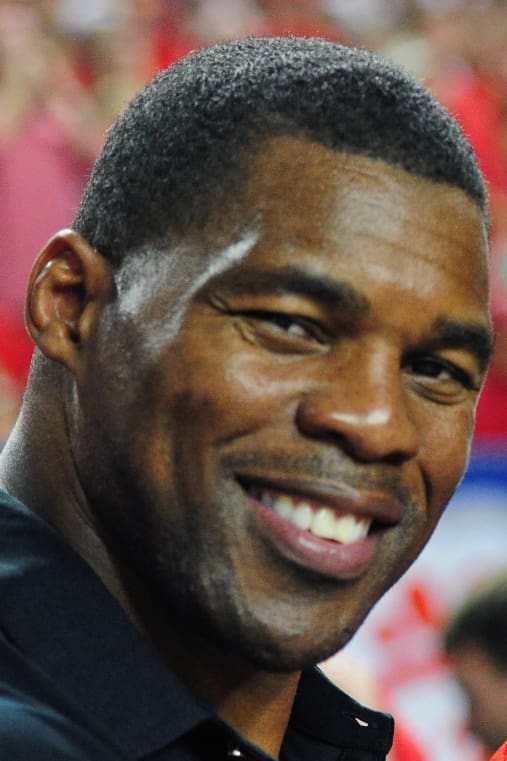
Throughout his campaign, the former football star repeatedly stated he’d graduated from the University of Georgia, even claiming to be in the top one percent of his class. However, university records showed he never finished his degree and left school to pursue a professional football career. Journalists later discovered these academic claims were false, and the issue became a significant point of discussion during his campaign for office.
Ward Churchill
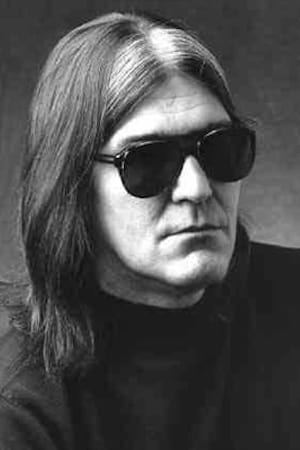
This former professor and activist gained national attention for making controversial claims about history. He presented himself as a leading expert on indigenous issues, backing it up with what he said was extensive academic experience. However, a university investigation discovered he had falsely claimed qualifications and misrepresented his research. He was also accused of plagiarism and not meeting the requirements for his tenured position. As a result, he was fired and lost his reputation in the academic world.
Tell us what you think about these celebrity academic scandals in the comments.
Read More
- Top 20 Dinosaur Movies, Ranked
- 20 Movies Where the Black Villain Was Secretly the Most Popular Character
- 25 “Woke” Films That Used Black Trauma to Humanize White Leads
- Celebs Who Narrowly Escaped The 9/11 Attacks
- Gold Rate Forecast
- Spotting the Loops in Autonomous Systems
- Silver Rate Forecast
- The 10 Most Underrated Jim Carrey Movies, Ranked (From Least to Most Underrated)
- 22 Films Where the White Protagonist Is Canonically the Sidekick to a Black Lead
- From Bids to Best Policies: Smarter Auto-Bidding with Generative AI
2026-02-14 16:48