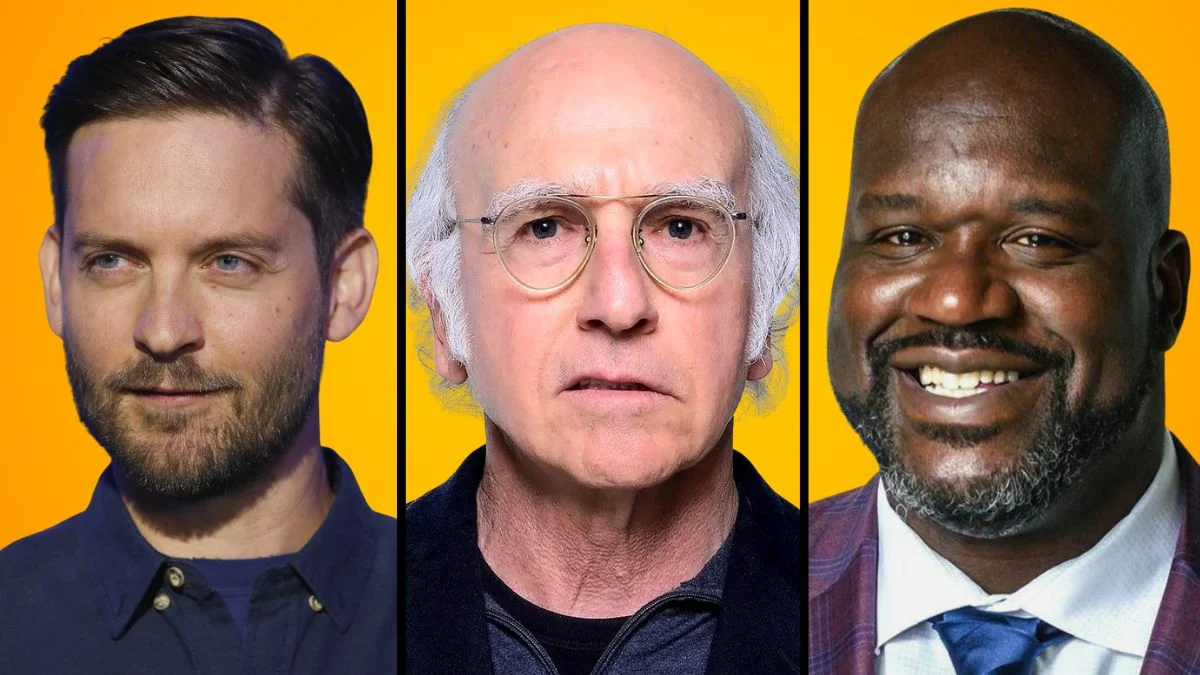
Over the past twenty years, we’ve seen a lot of celebrities invest in tech companies, blending the worlds of Hollywood and Silicon Valley. Some have become very successful, but others have lost significant money on projects that didn’t succeed. These unsuccessful ventures have included everything from social media sites and crypto exchanges to streaming services and restaurant chains. Examining these financial failures offers valuable insight into the risks involved in both venture capital investing and celebrity endorsements.
Leonardo DiCaprio
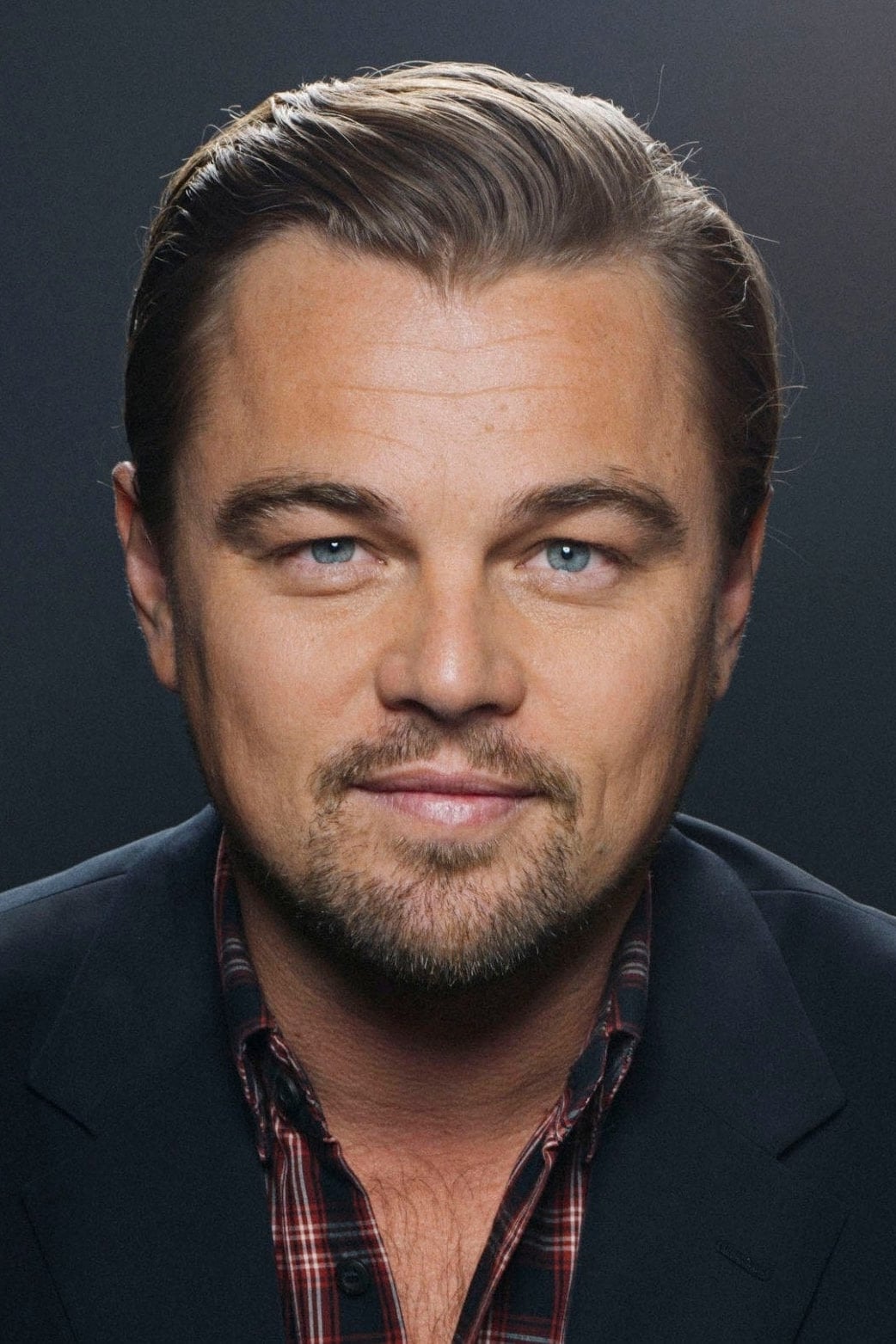
Leonardo DiCaprio was an early investor in Mobli, a photo and video app that tried to compete with Instagram. Mobli offered different filters and allowed users to search for content based on location. However, despite attracting significant funding, it failed to gain a large user base in a competitive market. The company changed direction multiple times before ultimately selling its technology for much less than it was once worth. This investment highlights that even celebrity endorsements aren’t always enough to challenge established social media leaders.
Justin Bieber
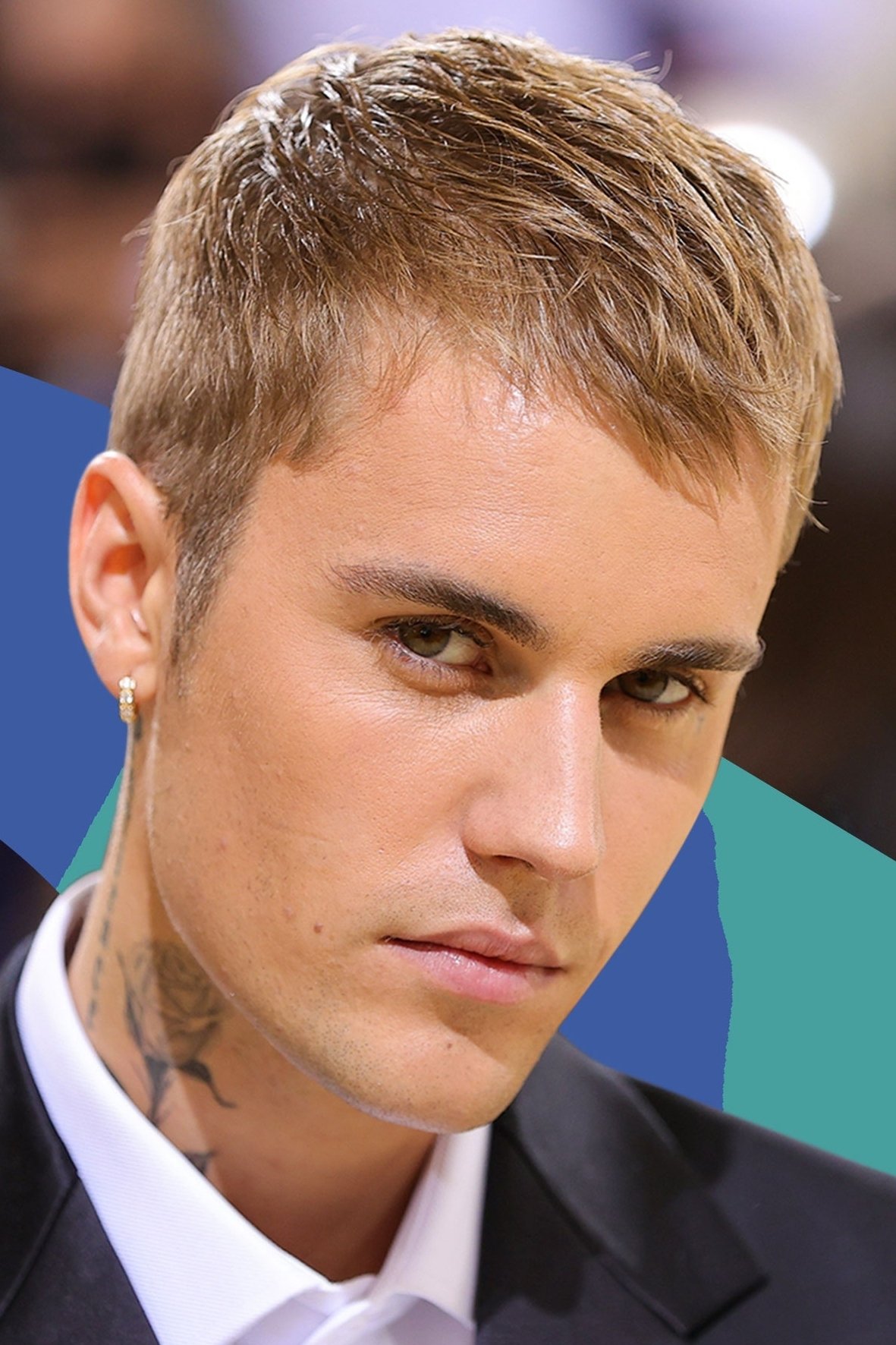
Justin Bieber put a lot of money into a social media app called Shots of Me, later shortened to Shots. The app aimed to fight online bullying by hiding public comments and like numbers on photos. Although it initially became popular thanks to Bieber, it struggled to keep users engaged long-term. Eventually, the company stopped running the app and instead became a production studio that helps digital content creators. This was a big change from their original idea of building a safer social network.
Gisele Bündchen
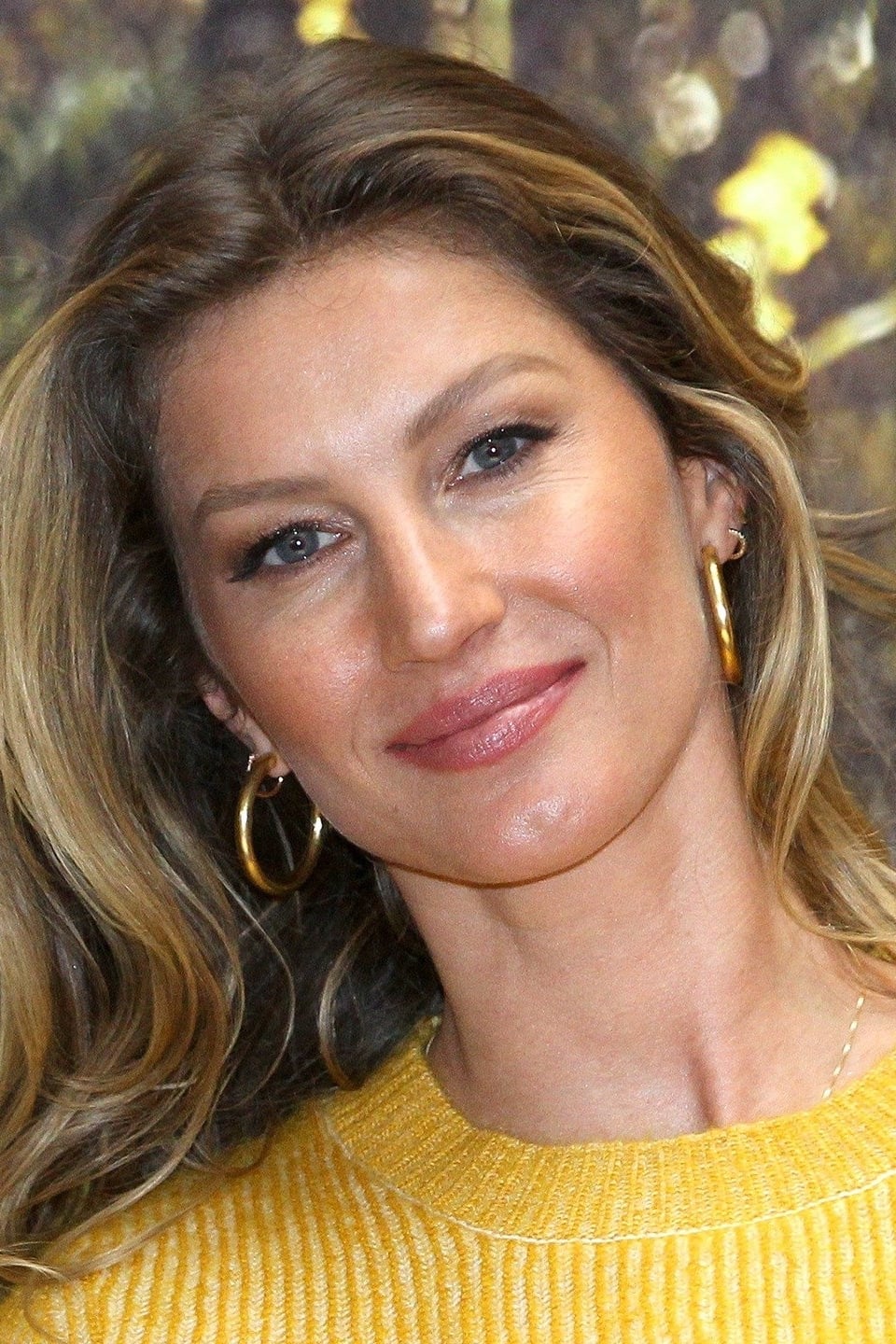
As a longtime movie and pop culture fan, I remember when Gisele Bündchen became involved with FTX, the cryptocurrency company. It wasn’t just an investment for her; she was brought on to lead their environmental and social projects. They even featured her and her husband in some really slick, big-budget commercials trying to get everyday people interested in crypto. Sadly, the whole thing collapsed, and she lost a substantial amount of money she’d invested. After the bankruptcy, there were lawsuits, with investors trying to hold celebrities like her responsible for promoting the platform. It really showed how a lot of famous faces are trying to break into the world of finance and technology, using their influence to reach a wider audience.
Stephen Curry
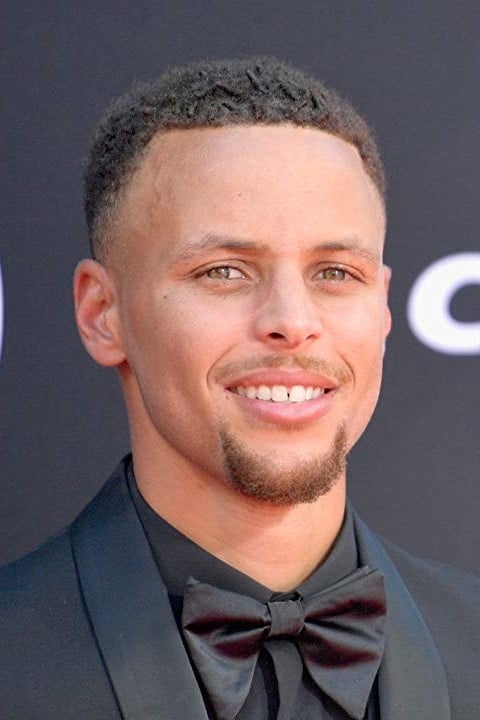
Stephen Curry invested in and became a spokesperson for FTX, a digital asset exchange, appearing in ads and promoting the platform online. However, when FTX collapsed during a downturn in the crypto market, Curry lost his entire investment. He, along with other celebrities who endorsed the company, faced criticism and legal issues after problems with FTX’s internal operations came to light. This situation highlighted the significant risks and unpredictable nature of the cryptocurrency world.
Shaquille O’Neal
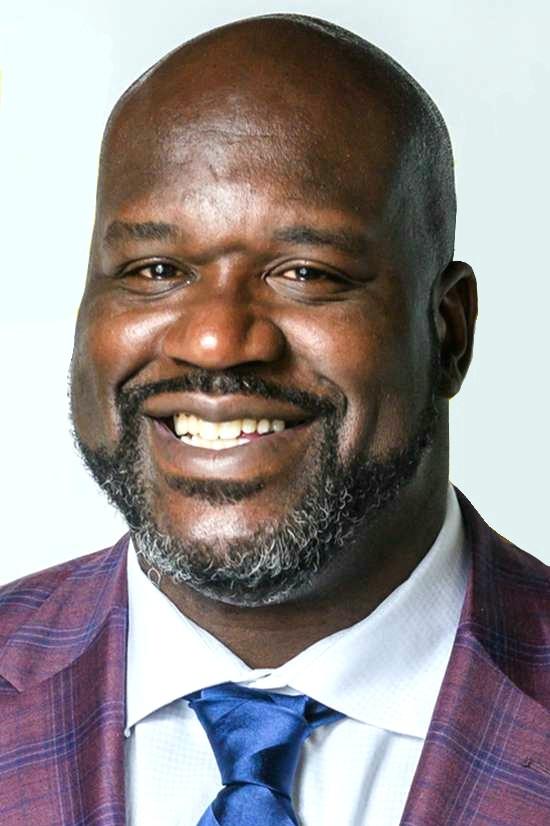
Shaquille O’Neal was one of the first famous faces to promote FTX, appearing in many of their ads and events. When FTX suddenly failed and went bankrupt, he lost all the money he had invested in the company. Afterwards, as legal issues arose concerning how FTX was advertised, O’Neal publicly separated himself from the project. This experience highlights the risks for athletes who invest in new and unproven technology companies.
Larry David
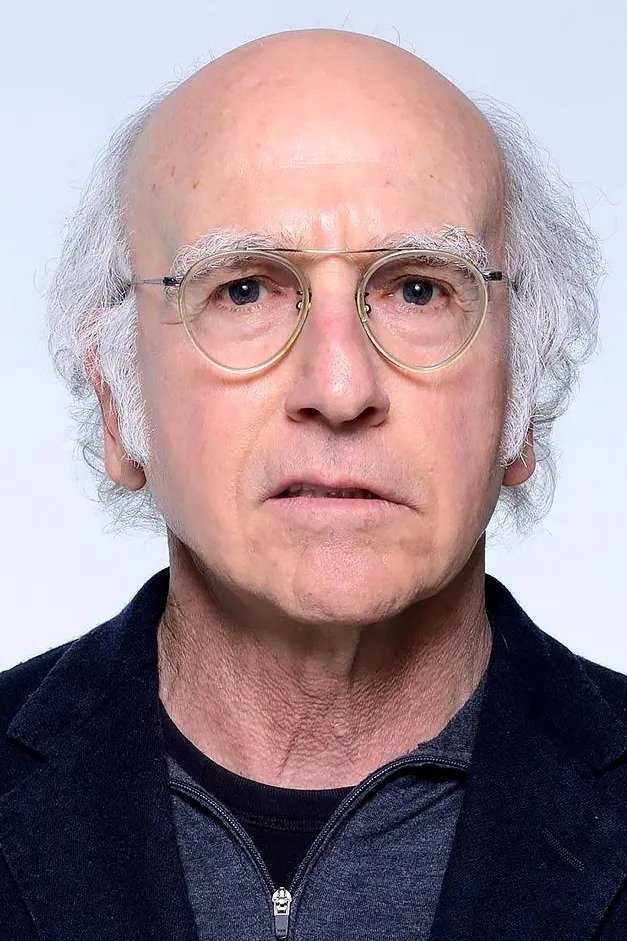
As a film and TV buff, I remember being surprised to see Larry David in that Super Bowl ad for FTX. He played this really cynical guy dismissing all these big inventions, which was funny. What a lot of people didn’t realize is he wasn’t just getting paid for the commercial, he actually had a financial investment in the company. So when FTX went bankrupt, all that investment basically disappeared. It’s pretty ironic, because the ad ended up going viral because people realized how right his skeptical character was, given what happened with the company! It just goes to show, even when celebrity endorsements are meant to be funny or ironic, there can be some serious financial fallout for everyone involved.
Lady Gaga
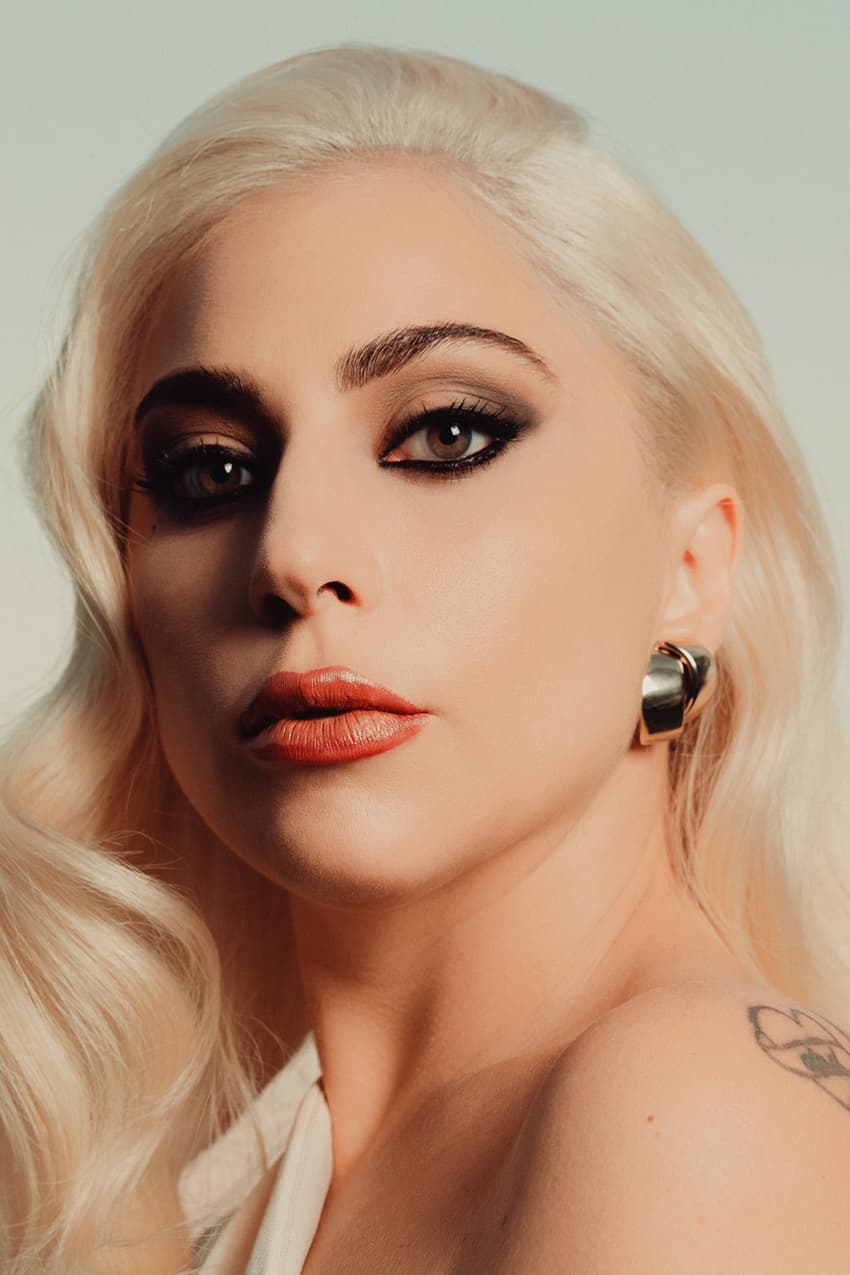
Lady Gaga was one of the original founders and a key investor in Backplane, a social networking company. It aimed to connect celebrities and brands with their most dedicated fans. While Backplane did successfully launch the LittleMonsters.com community and attracted investment, it faced challenges with high expenses and internal problems. Ultimately, the company ran out of money and had to sell its assets. Backplane’s story highlights how difficult it is for small, focused social networks to grow, even when they already have a large audience.
MC Hammer
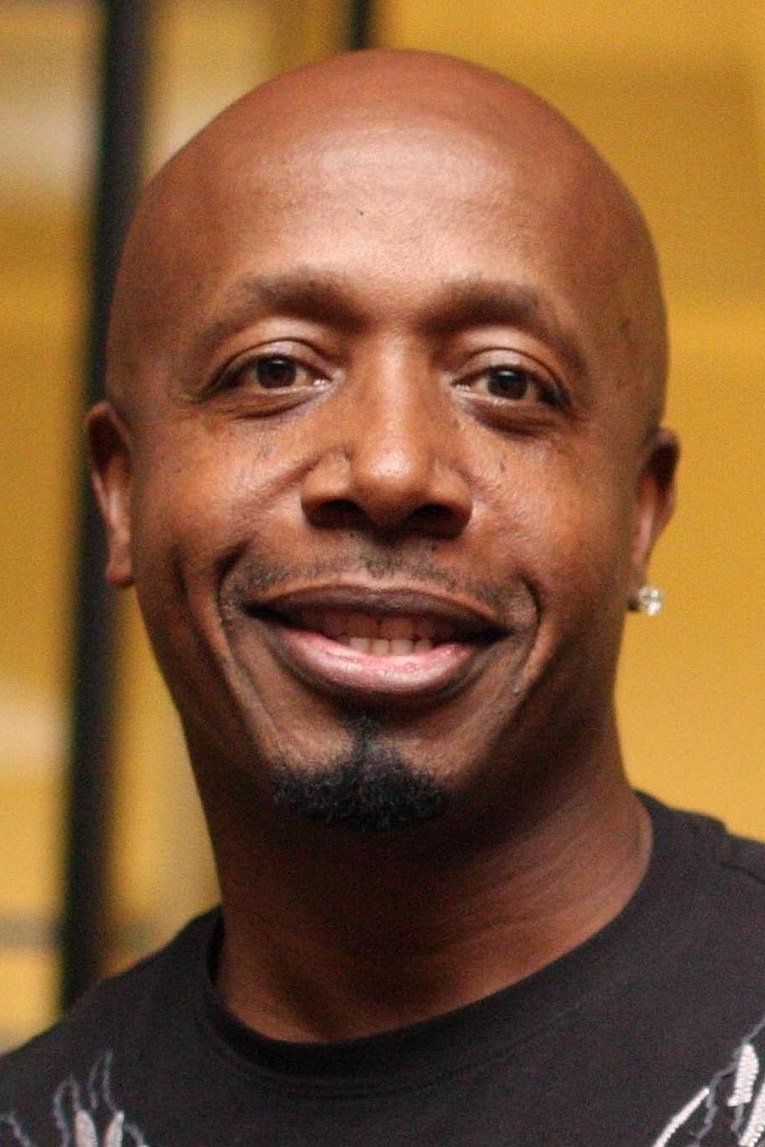
MC Hammer once tried to create his own search engine called WireDoo. It was designed to go beyond simple keyword searches and explore the connections between different subjects. While the announcement at a tech conference created excitement, WireDoo never became a serious competitor to Google. Problems with the technology and a lack of funding eventually led to the project being shut down. Despite not succeeding commercially, the venture showed Hammer’s consistent passion for technology and new digital ideas.
Will.i.am
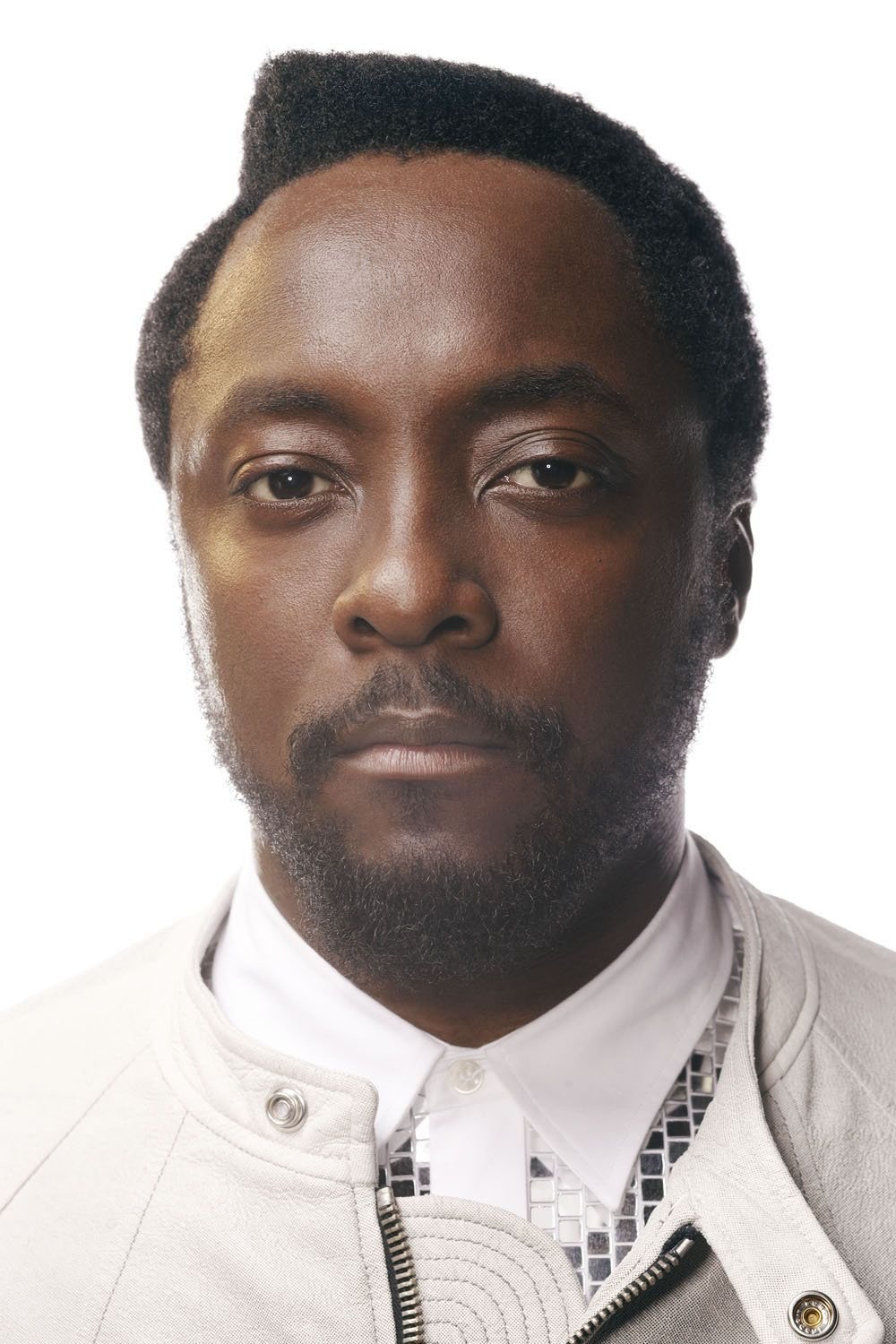
Will.i.am created a tech company called I.am+ that made premium electronics like smartwatches and headphones. While they released products like the Puls smartwatch, reviews were mixed and the company didn’t become widely popular. Despite attracting over $100 million in investment, I.am+ found it hard to compete with major companies like Apple and Samsung. As a result, the company changed direction, focusing on artificial intelligence software for businesses after its hardware efforts didn’t succeed. This meant Will.i.am moved away from trying to compete in the crowded market of consumer gadgets.
DJ Khaled
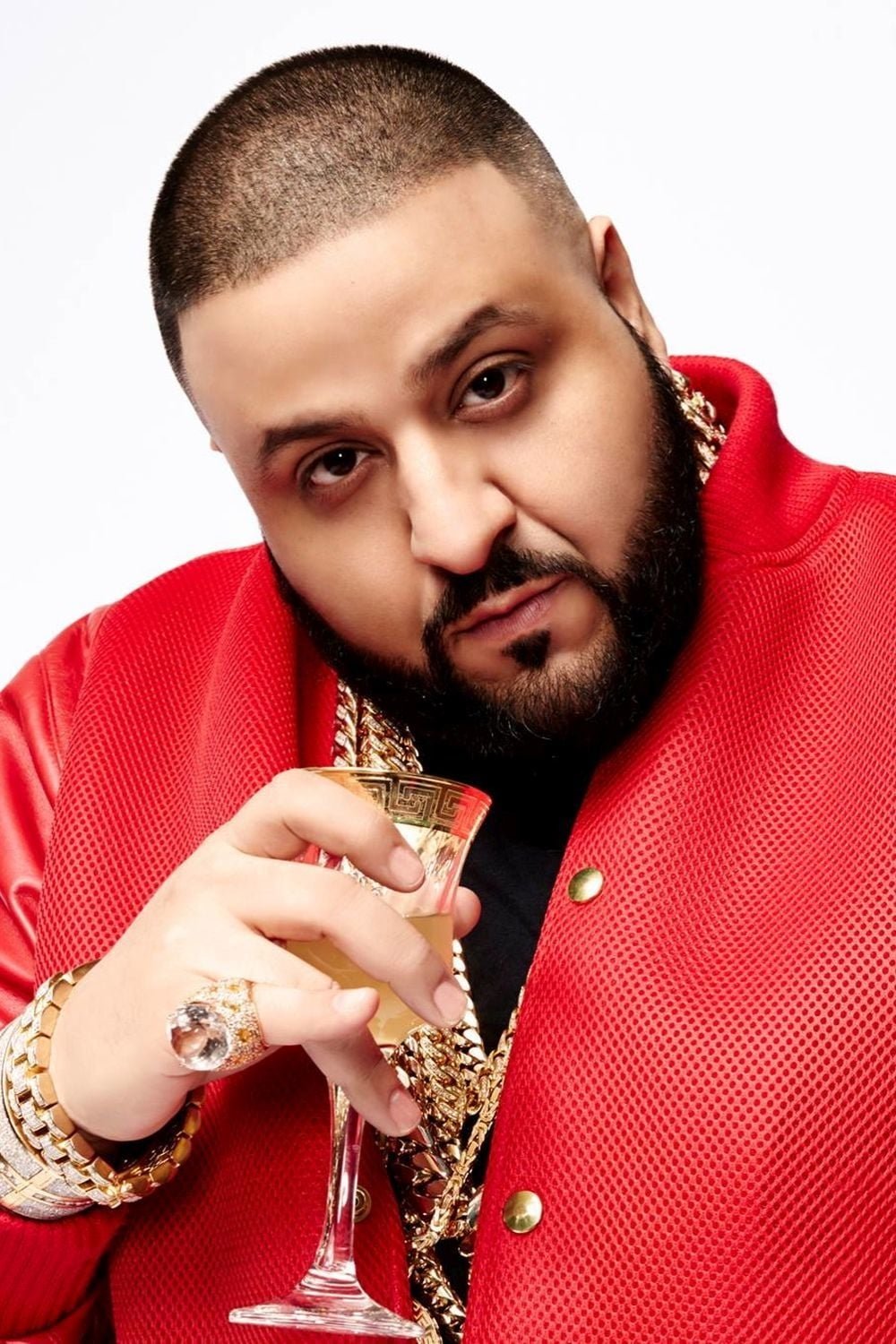
DJ Khaled, like many other celebrities, used his large social media following to promote Centra Tech’s initial coin offering. He described it as a revolutionary project in the world of digital finance and cryptocurrency. However, after the company was revealed to be a scam, Khaled faced legal and financial consequences. He reached a settlement with regulators, similar to Floyd Mayweather, because he hadn’t revealed he was paid to endorse the project. This case highlighted the need for musicians and other public figures to carefully research tech investments before promoting them.
Ashton Kutcher

While Ashton Kutcher is famous for his successful investments, he also lost money with Fab.com, an e-commerce company he invested in early on. The site briefly became very valuable, reaching over a billion-dollar valuation, but it struggled due to fast international growth and the high cost of attracting new customers. After layoffs and changes in strategy, Fab.com was eventually sold for much less than its original value. This experience demonstrated how risky the ‘flash sale’ model can be in online retail.
Tobey Maguire
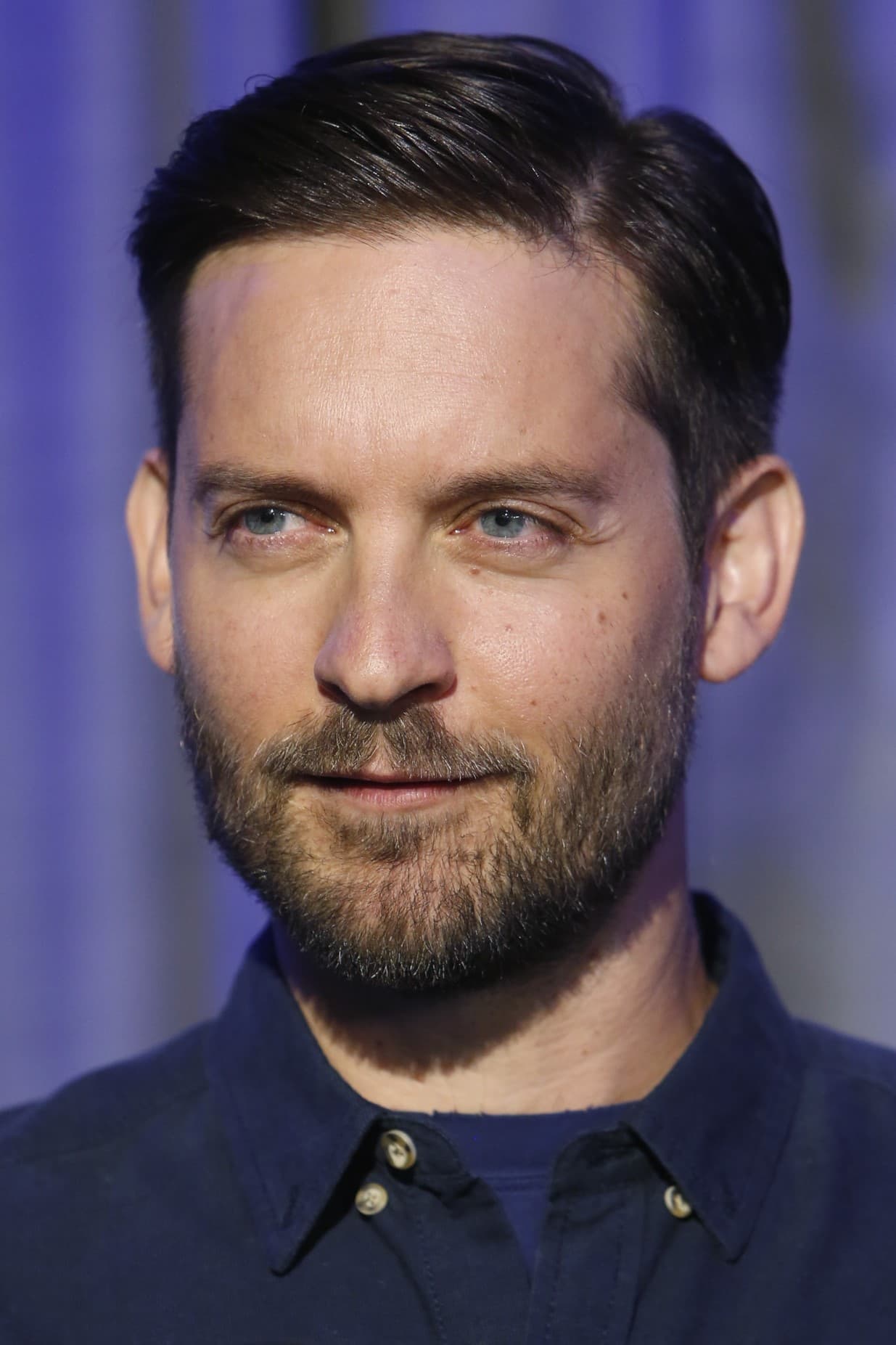
Tobey Maguire was one of several famous actors who invested in Mobli, a new social media app, when it first started. He liked the idea of sharing stories through photos and videos linked to specific locations. However, Mobli couldn’t compete with the popularity of Facebook and Instagram and eventually failed. As a result, Maguire lost most of his investment. This situation was typical of many Hollywood stars at the time who were trying to profit from the growing popularity of taking and sharing photos on mobile devices.
Serena Williams
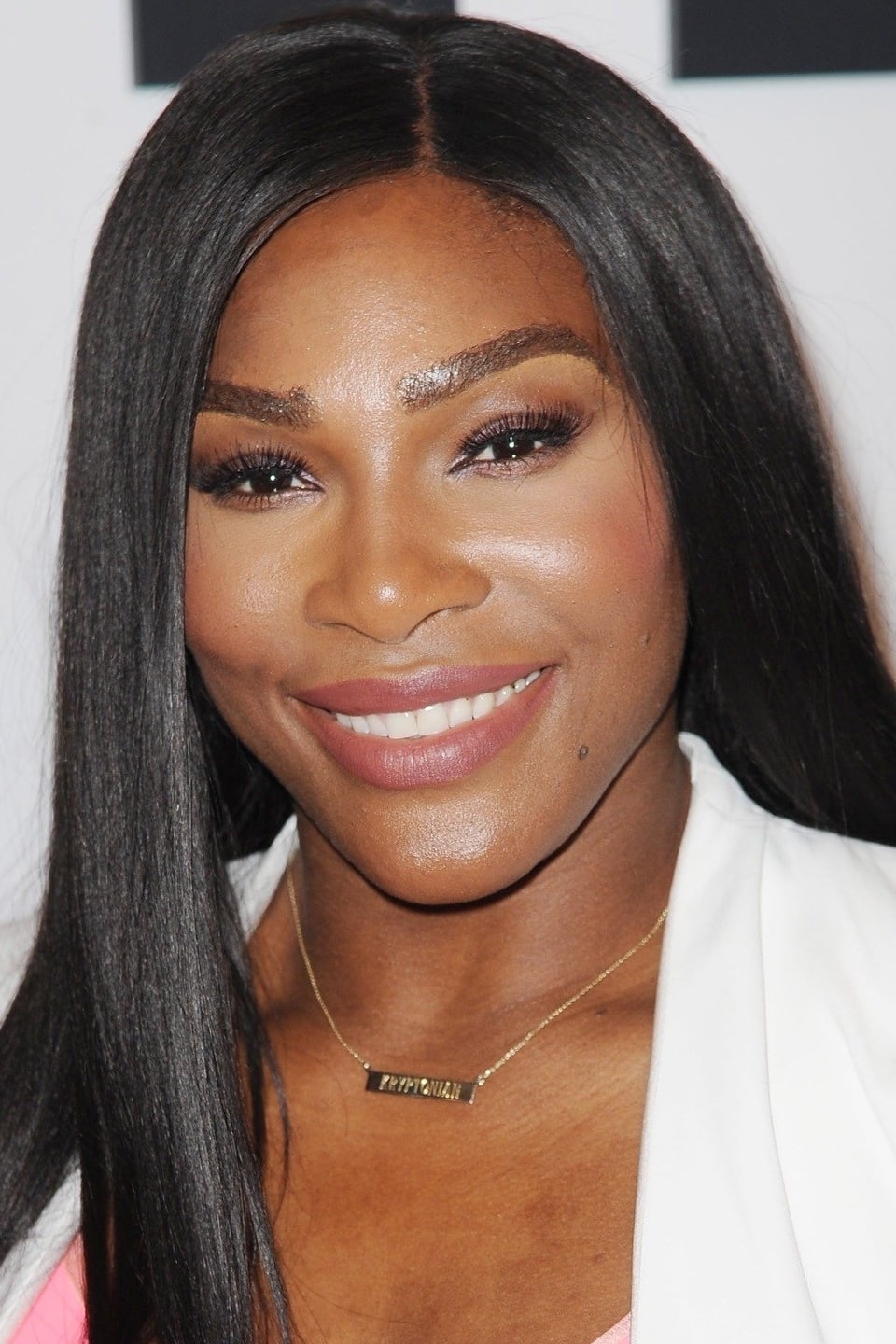
Serena Williams invested in Mobli, an Israeli startup, hoping it would allow her to connect with fans using live video and photos. Although she and other famous investors supported the app, it couldn’t compete with established social networks. Mobli’s failure was a rare misstep for Williams as a venture capitalist, and it highlighted just how hard it is to create a successful social media platform from scratch.
Lance Armstrong
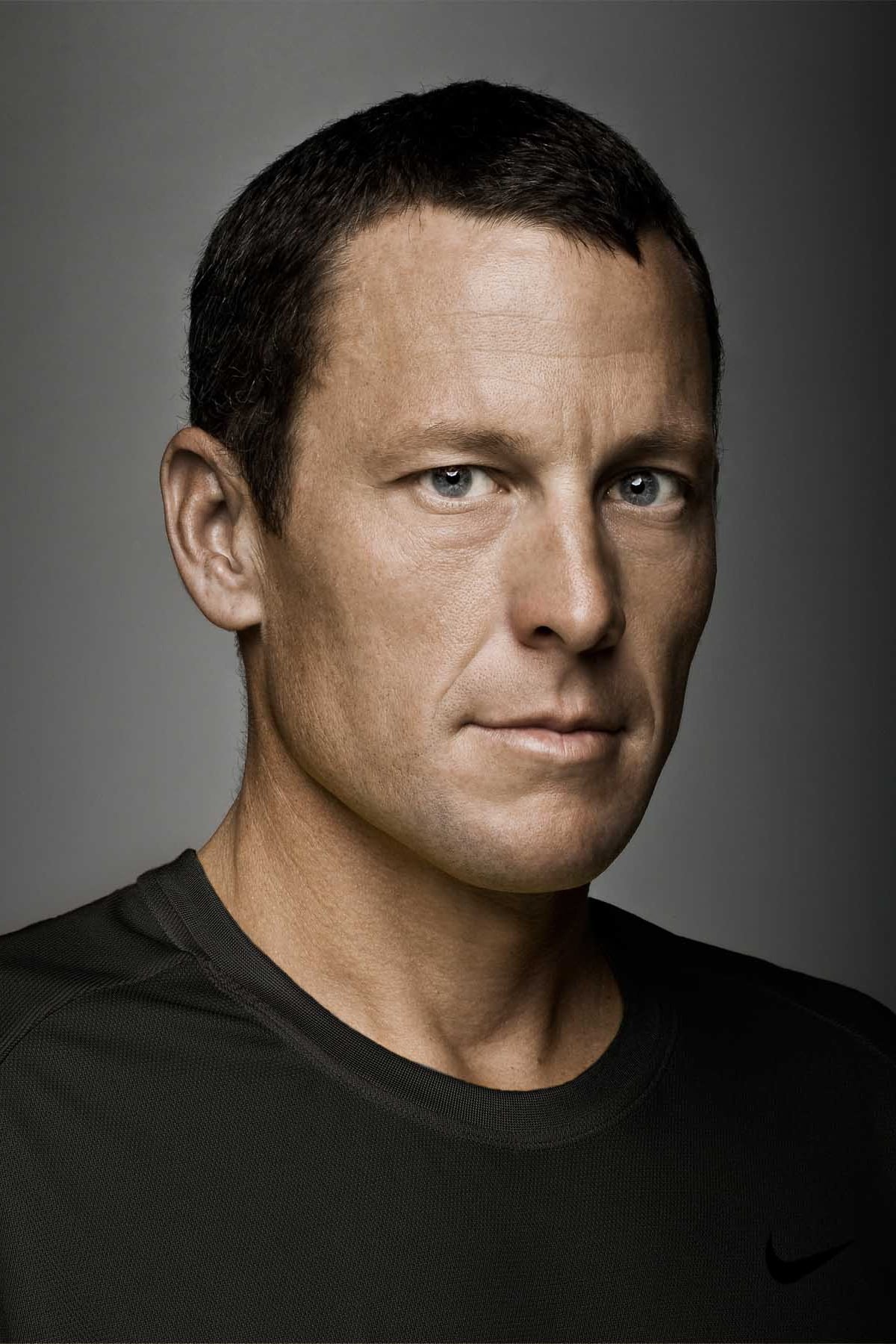
Lance Armstrong invested in the startup Mobli as part of an effort to diversify his investments into technology. Mobli aimed to offer a more engaging and community-focused photo-sharing experience than what was already available. However, the service struggled to keep users engaged and fell behind as mobile technology quickly advanced. As a result, Armstrong’s investment lost value when the company couldn’t find a way to consistently make money. This investment was typical of a period when many athletes tried to become tech entrepreneurs by investing in new companies.
Carlos Santana
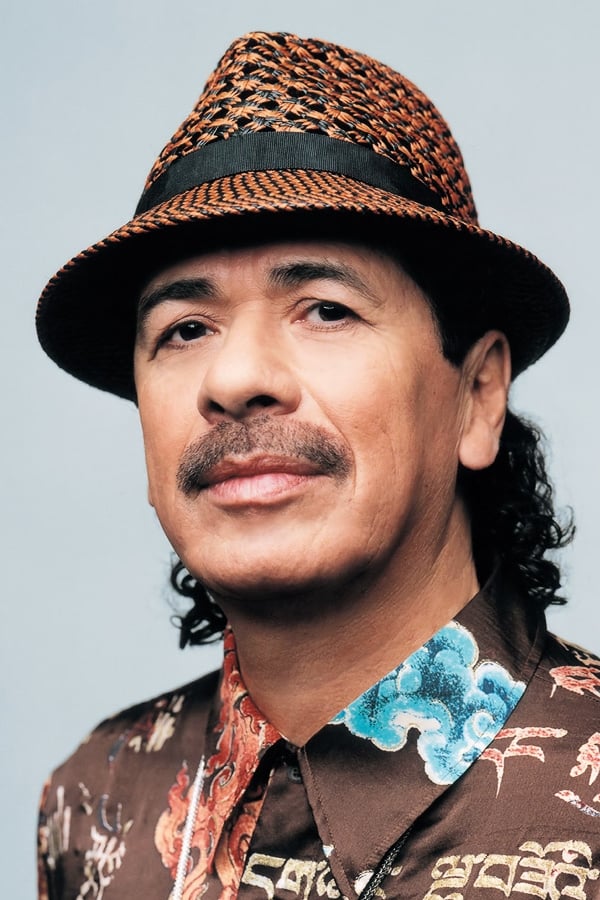
Carlos Santana, the famous musician, made a surprising investment in the social media app Mobli. He liked that Mobli allowed users to create visual feeds focused on their hobbies and interests. Unfortunately, the app couldn’t attract enough users to compete with bigger companies like Facebook or Instagram. When Mobli was sold for its technology instead of becoming a successful business, Santana didn’t make a profit on his investment. This experience highlights that even well-known artists can lose money when investing in risky tech startups.
Shakira

Shakira, like many celebrities, invested in Viddy, a popular early video-sharing app often called the ‘Instagram for video.’ Viddy quickly gained millions of users, but its growth stalled when changes to Facebook’s news feed limited its reach. Ultimately, the company was sold for far less than its initial value of over $100 million. This situation highlights the risks of relying too heavily on other platforms for success, as even promising startups can fail quickly.
Jay-Z

Jay-Z invested in Viddy, a short-form video app, believing it could revolutionize how people discovered and shared music. Unfortunately, Viddy lost popularity, resulting in financial losses for its investors, including Jay-Z. This experience informed his later decision to buy the music streaming service, Tidal, and underscored how quickly trends and user preferences can change on social media.
Katie Couric
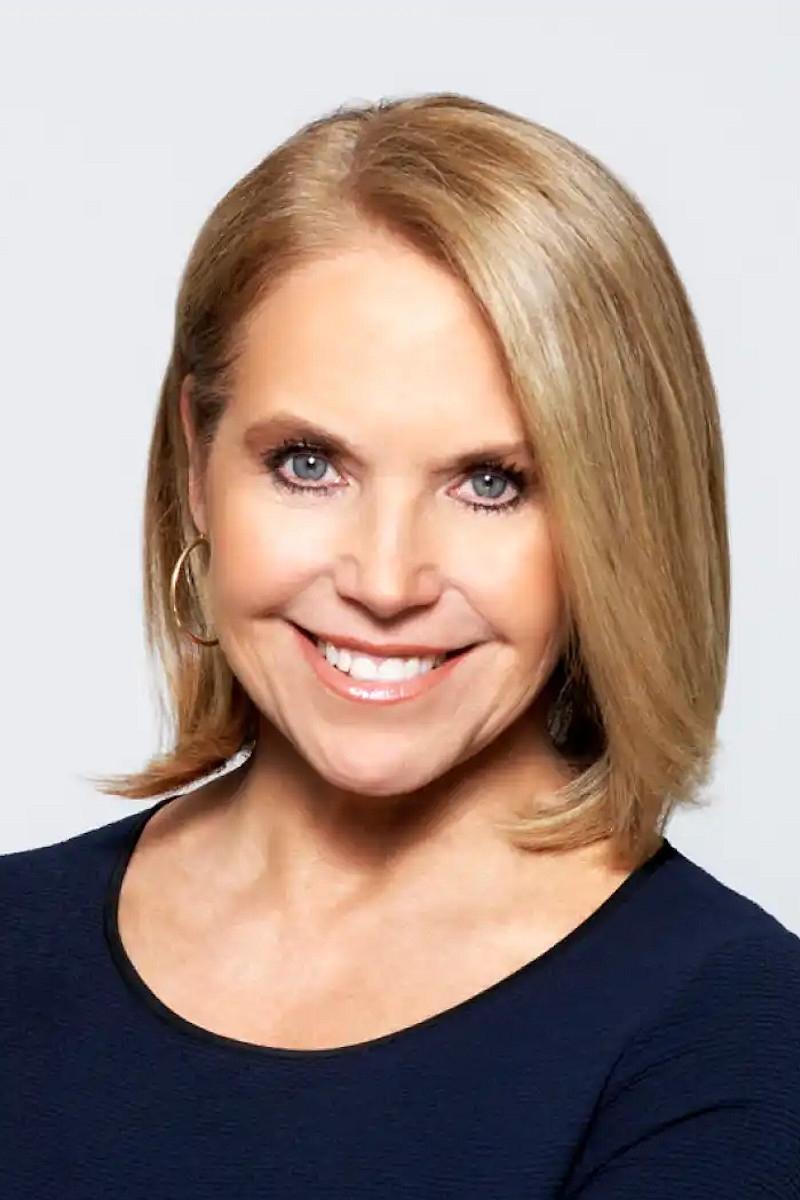
Katie Couric invested in Viddy, a video-sharing app, believing it could be a powerful tool for both journalism and personal stories, especially on mobile devices. Unfortunately, the app quickly gained popularity but then failed, and many investors, including Couric, lost their money. Her investment reflected a trend of media figures trying to anticipate new digital technologies. Viddy’s story is now often cited as an example of a startup that expanded too quickly without a solid, long-term strategy.
Bruce Willis
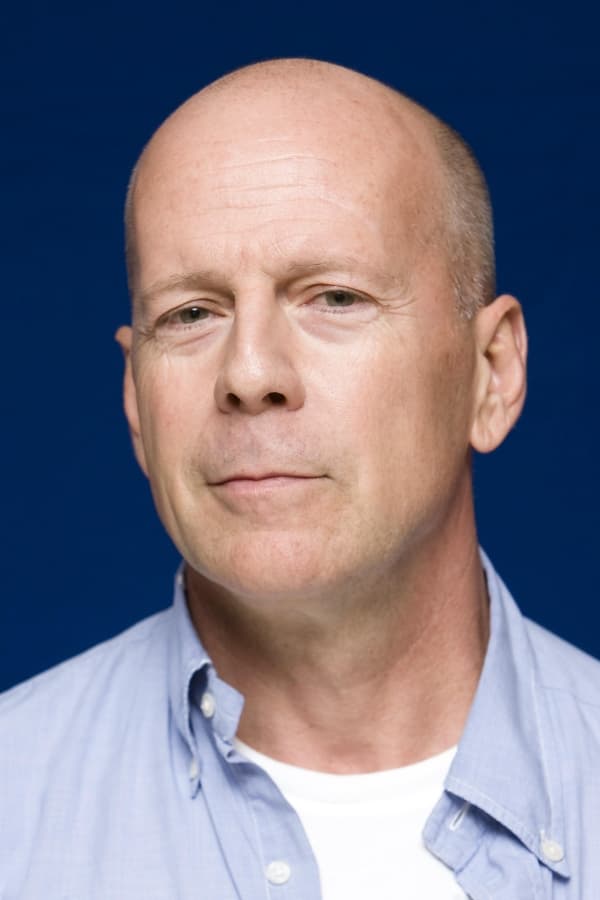
As a film buff, I remember when Planet Hollywood first launched – Bruce Willis was a huge part of it, one of the original celebrity investors and really pushing the brand. It seemed like a sure thing at first, going public with a really high valuation. But things quickly went downhill. They expanded way too fast, and honestly, the novelty of a themed restaurant just wore off. They ended up filing for bankruptcy not once, but twice in the late 90s and early 2000s. It was a tough lesson – Willis and the other investors saw their shares basically disappear. It really proved that having famous names attached isn’t enough to keep a restaurant business afloat, especially one that requires a lot of money to run.
Sylvester Stallone
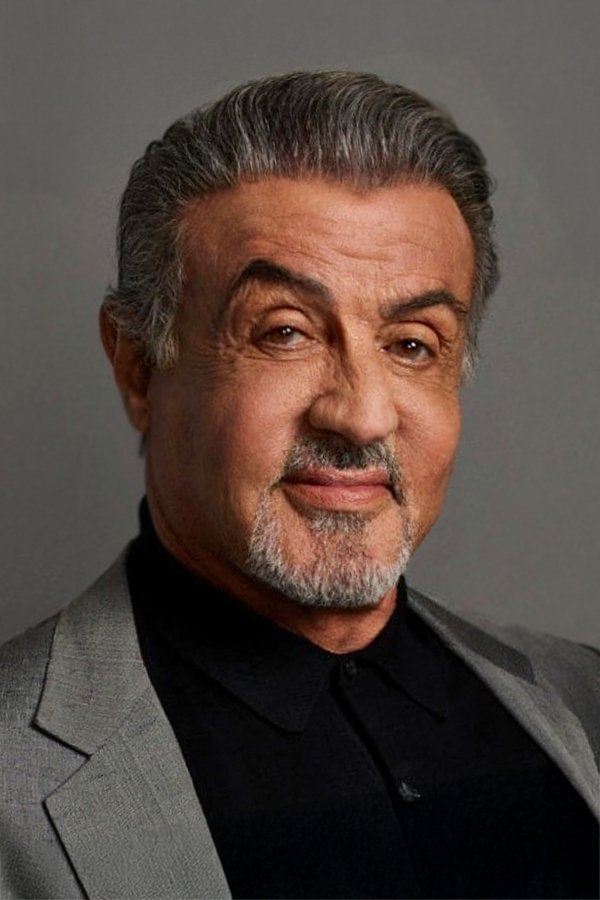
Sylvester Stallone was heavily involved in promoting and growing the Planet Hollywood restaurant chain. He used his popularity from action movies to attract customers to new locations and grand openings. However, the company struggled with debt and failed to update its concept, eventually leading to bankruptcy. As the business faltered and faced competition from newer restaurants, Stallone lost money on his investment. Planet Hollywood’s downfall highlighted the challenges of building a successful retail business solely around celebrity endorsements.
Demi Moore
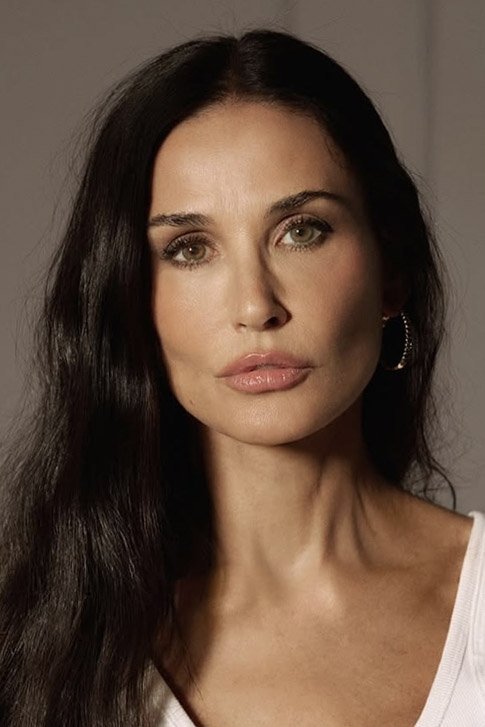
Demi Moore was one of the original stars who helped make Planet Hollywood a huge success worldwide. She put both money and effort into the restaurant chain, which aimed to recreate the magic of Hollywood. However, as the company struggled financially, the value of her investment dropped significantly. Ultimately, Planet Hollywood went bankrupt, leading to a complete change in ownership. This venture is now remembered as a well-known example of a celebrity-backed restaurant that didn’t last.
Arnold Schwarzenegger
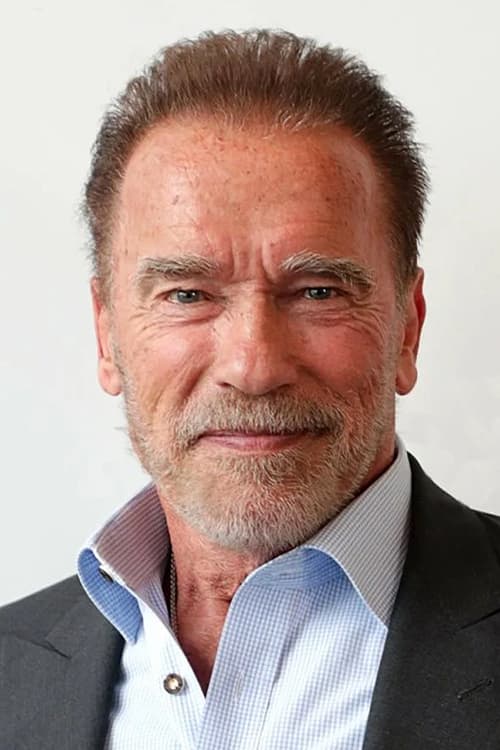
For years, Arnold Schwarzenegger was a major investor and the public face of Planet Hollywood, using his worldwide fame to promote the restaurant chain. However, the company faced difficulties due to poor management and shifting customer preferences, causing its stock price to fall dramatically. Schwarzenegger eventually distanced himself from Planet Hollywood as it filed for bankruptcy, aiming to protect his own reputation. This marked the end of a successful period for the celebrity-driven restaurant.
Steven Spielberg
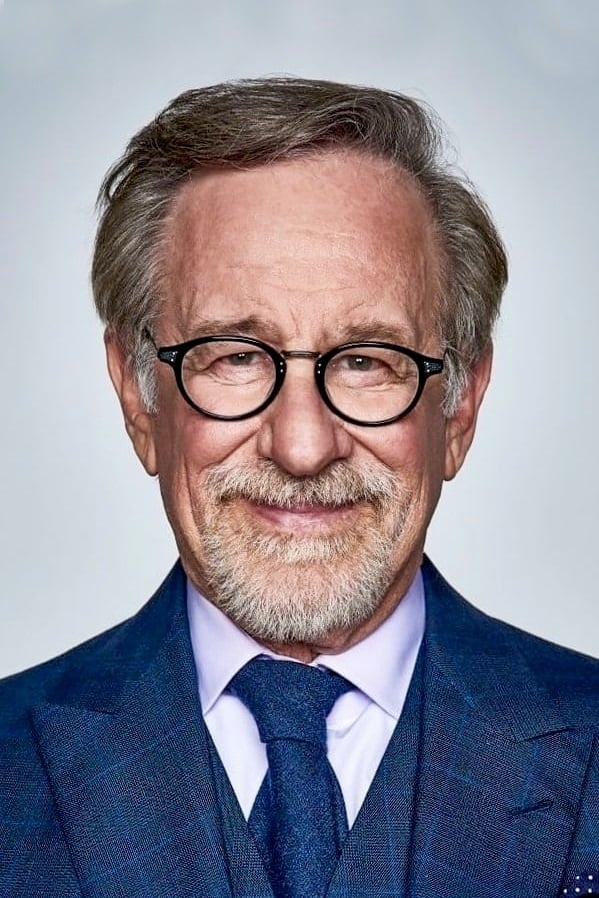
I remember when Steven Spielberg and Jeffrey Katzenberg teamed up to create Dive!, a submarine-themed restaurant. It was amazing inside – totally decked out to feel like you were underwater, and the menu was designed to go with it. Honestly, even with all that creativity, it just didn’t catch on. People didn’t keep coming back, and it was hard to open new locations. Sadly, they all eventually closed because it was tough to make a profit in that kind of competitive restaurant scene. It really showed me that being a brilliant filmmaker or storyteller doesn’t automatically translate to success in the food business – there’s a lot more to it than just a good concept!
Jeffrey Katzenberg
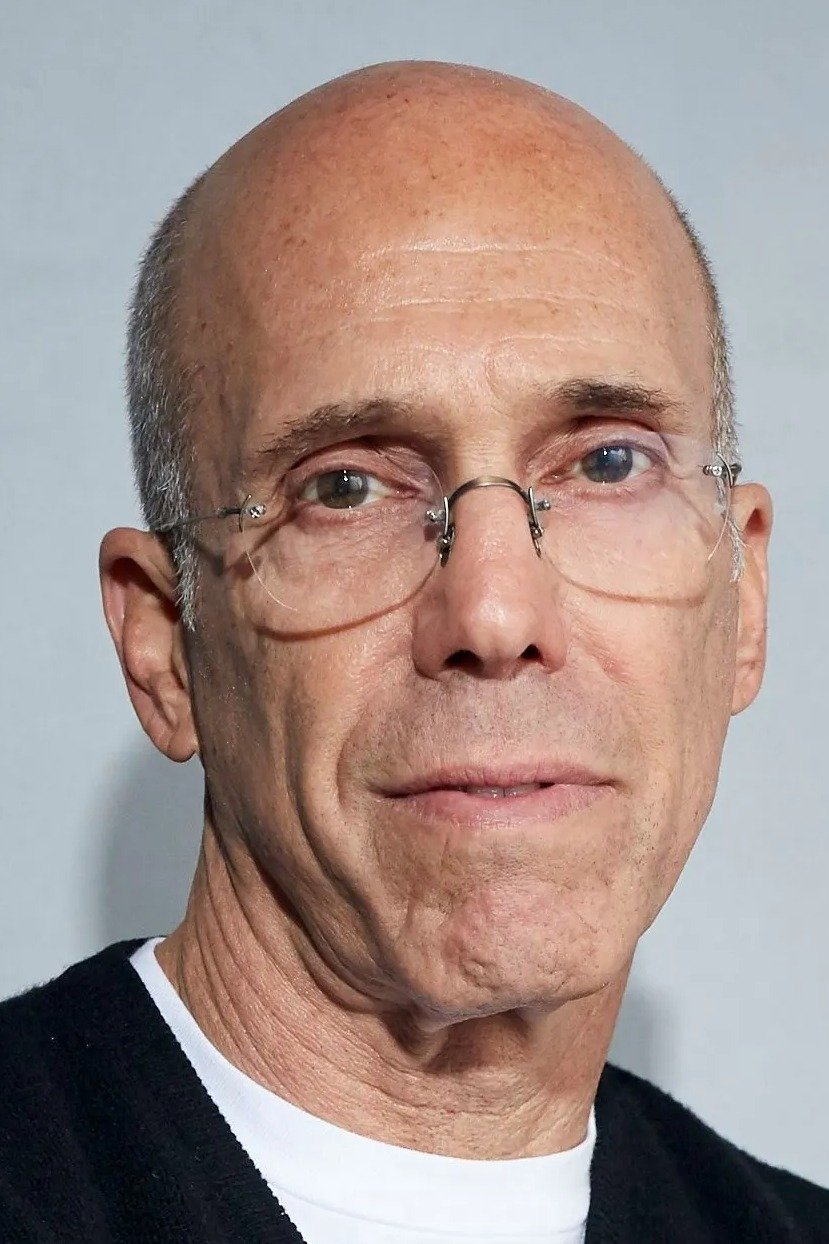
Jeffrey Katzenberg spearheaded the creation of ‘Quibi,’ a streaming service that attracted almost two billion dollars in funding. His goal was to transform how people watched entertainment on their phones, offering professionally produced shows in quick, ten-minute segments. Unfortunately, Quibi launched right when the pandemic kept people at home and they gravitated towards traditional, longer-form content on TVs and larger screens. The service failed quickly, shutting down just six months after launch and becoming one of the biggest financial flops in media history, causing significant losses for its Hollywood and private equity investors.
Jennifer Lopez

Jennifer Lopez was heavily invested in Quibi, not just as someone creating shows for the platform, but also as a part-owner. She believed in Quibi’s focus on mobile viewing and developed original content for it. Unfortunately, the company failed quickly, meaning her work and investment were lost. Like other creators, she had to find new places for her projects once Quibi shut down. This highlighted the gamble celebrities take when they support new platforms instead of sticking with well-known streaming services.
Chrissy Teigen

Chrissy Teigen had a show on the short-lived streaming service Quibi, and financially benefited from its success through a production agreement. She heavily promoted Quibi to her many social media followers as a fresh way to watch reality TV. However, the service failed quickly—within a year—meaning very few people saw her show before the app shut down. This was an unusual disappointment for Teigen, who has generally found success with her lifestyle and food-related businesses. It highlighted that even a well-established personal brand isn’t enough to rescue a platform with fundamental problems.
Kevin Hart
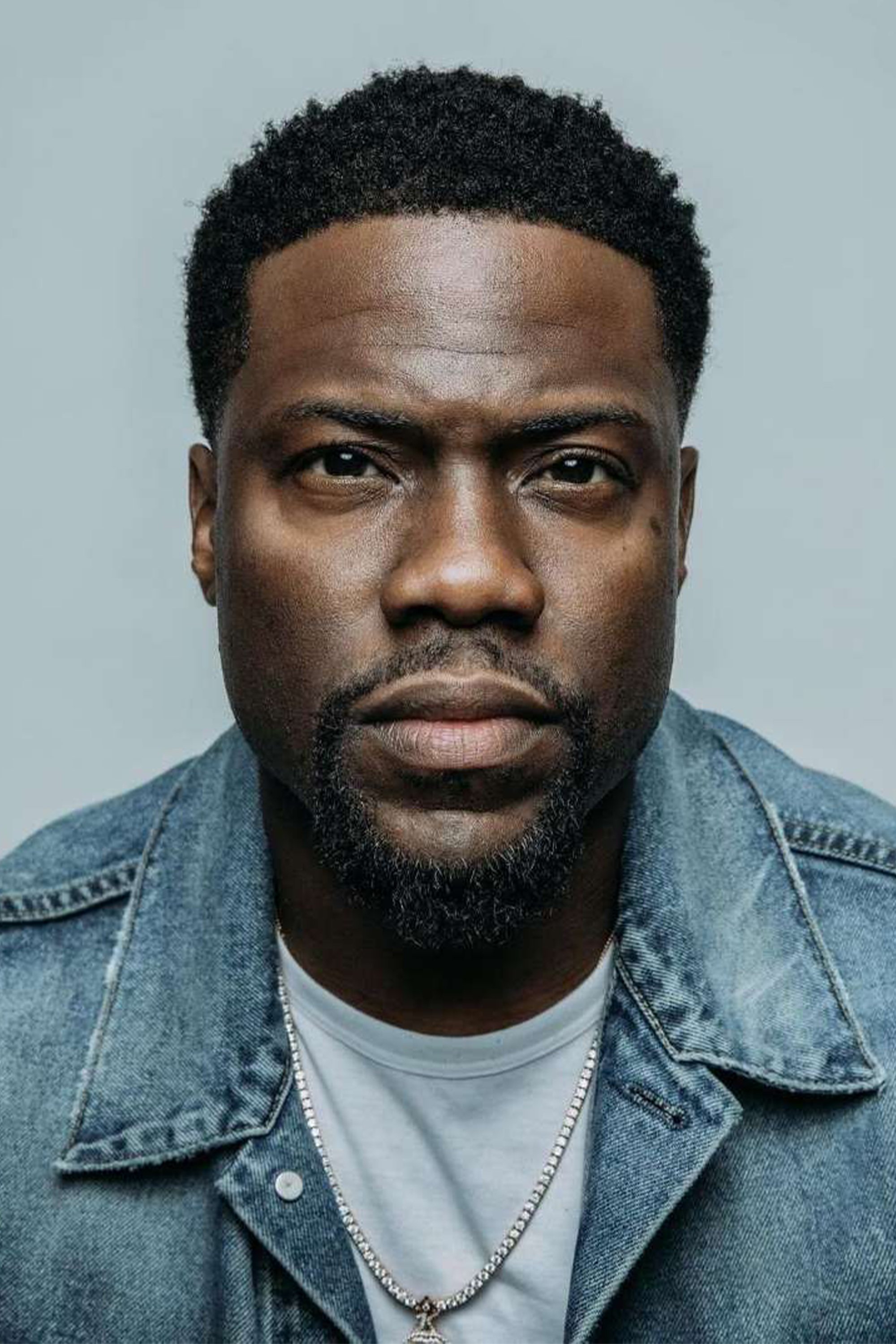
Kevin Hart heavily invested in Quibi, creating content for the app because he liked the idea of short, easily-watched comedy videos perfect for busy people. Unfortunately, Quibi launched at a difficult time and didn’t offer a free, ad-supported option, which hindered its growth. After the platform failed, Hart had to regain control of his content, which he then sold to a larger streaming service. His experience with Quibi serves as a well-known example of a major celebrity backing a tech company that ultimately failed despite significant investment.
Sophie Turner

Sophie Turner was a lead actress in a key series for the short-lived streaming platform Quibi, and she had a financial stake in its success. The show was made with high production quality specifically for viewing on smartphones. Unfortunately, Quibi didn’t attract enough viewers, meaning Sophie’s work reached fewer people than her other TV shows. When the company shut down, not only were future episodes cancelled, but Sophie also lost the money she’d invested. This situation demonstrated just how risky it can be for actors to rely on new streaming services for career opportunities.
Liam Hemsworth
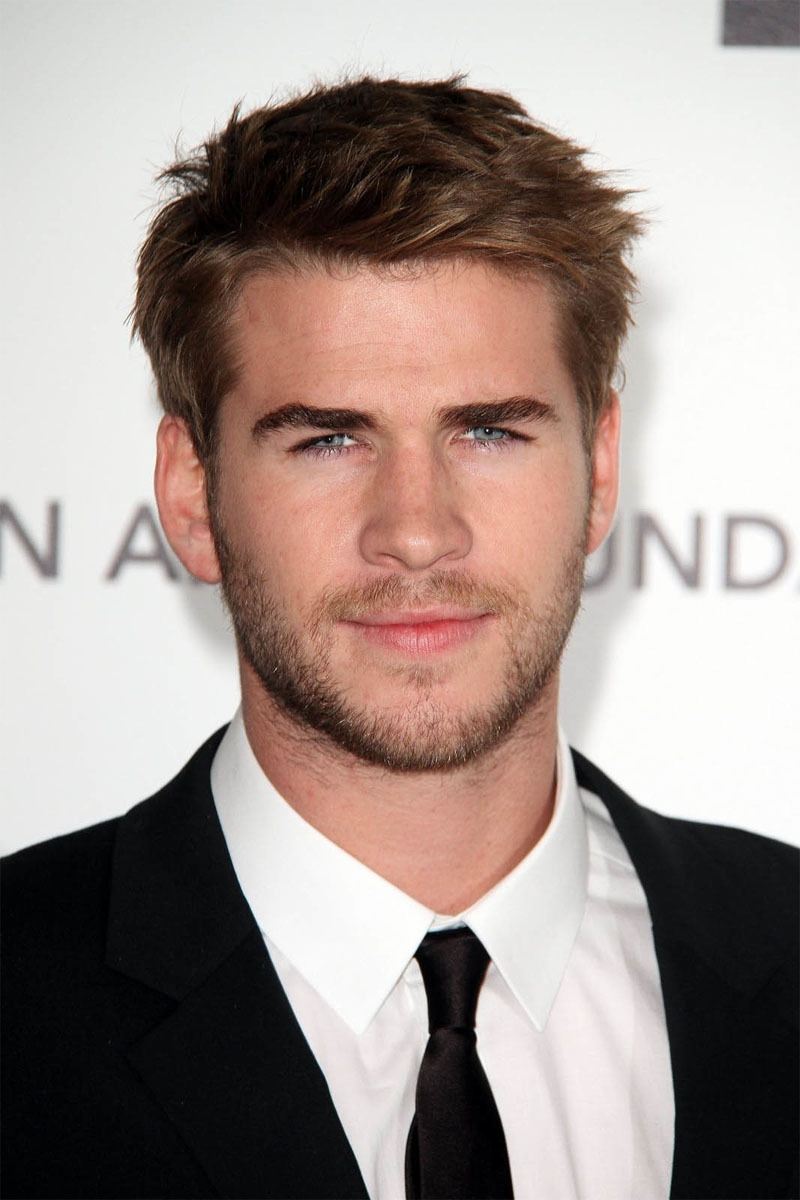
Liam Hemsworth starred in an action series for the streaming service ‘Quibi,’ which the company hoped would attract a large audience. He was one of the first big names to sign on, believing ‘Quibi’ offered a fresh way to connect with viewers using new mobile technology. However, many people were annoyed that they couldn’t watch on computers or TVs. After the company went out of business, his show was temporarily unavailable before another company bought ‘Quibi’s’ content. Hemsworth’s experience represents the struggles of many actors and creators who were affected by ‘Quibi’s’ failure.
Anna Kendrick

Anna Kendrick not only starred in but also helped produce a comedy series for the short-lived streaming service ‘Quibi.’ While the show received positive reviews, it wasn’t enough to keep the platform afloat. Kendrick actively promoted Quibi’s innovative feature – the ability to watch videos in both portrait and landscape – but viewers weren’t convinced to subscribe. When Quibi unexpectedly shut down, Kendrick’s involvement ended. The situation highlighted that even good shows need a solid platform to reach an audience and succeed.
Eva Longoria

Eva Longoria once owned a fancy restaurant called Beso, starting in Hollywood and later opening a second location in Las Vegas. Unfortunately, the Las Vegas restaurant struggled financially and eventually filed for bankruptcy. This led to lawsuits from business partners and those owed money. Although the original Hollywood restaurant stayed open for a while, the expansion proved to be an expensive mistake, highlighting the challenges of running a luxury restaurant in multiple cities.
Ye
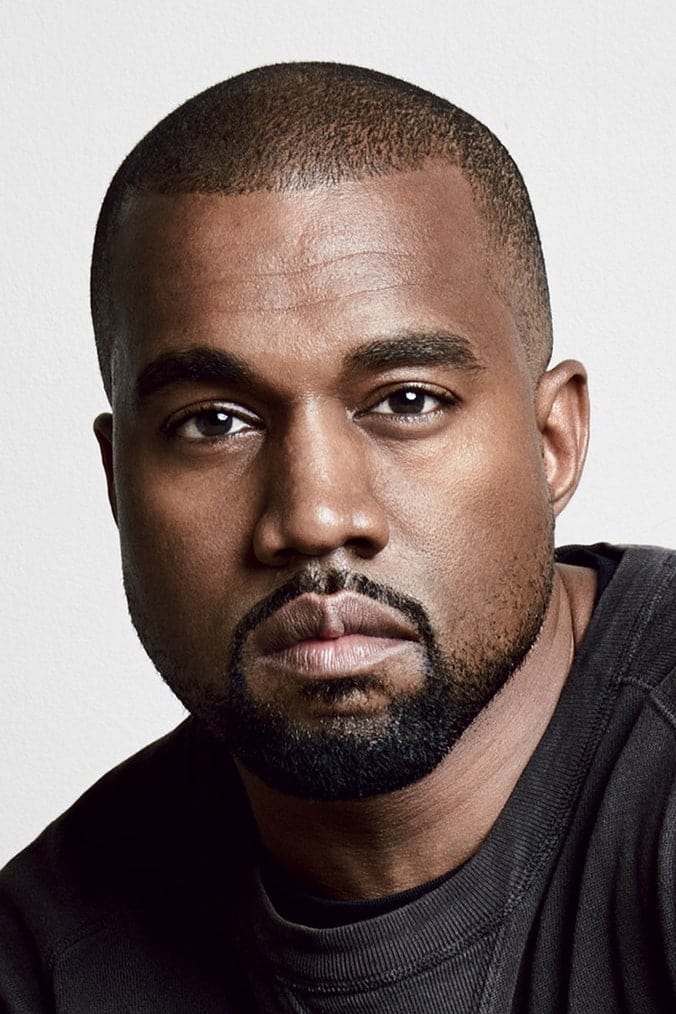
Kanye West was an early investor in the music streaming service Tidal, created to give artists more power over their work. He initially released his album ‘The Life of Pablo’ only on Tidal to boost its subscriber base and help the company succeed. However, Tidal faced technical problems and strong competition from services like Spotify and Apple Music. West later left the ownership group following disagreements about unpaid bonuses and marketing costs, demonstrating the challenges faced by artist-owned tech companies.
Madonna
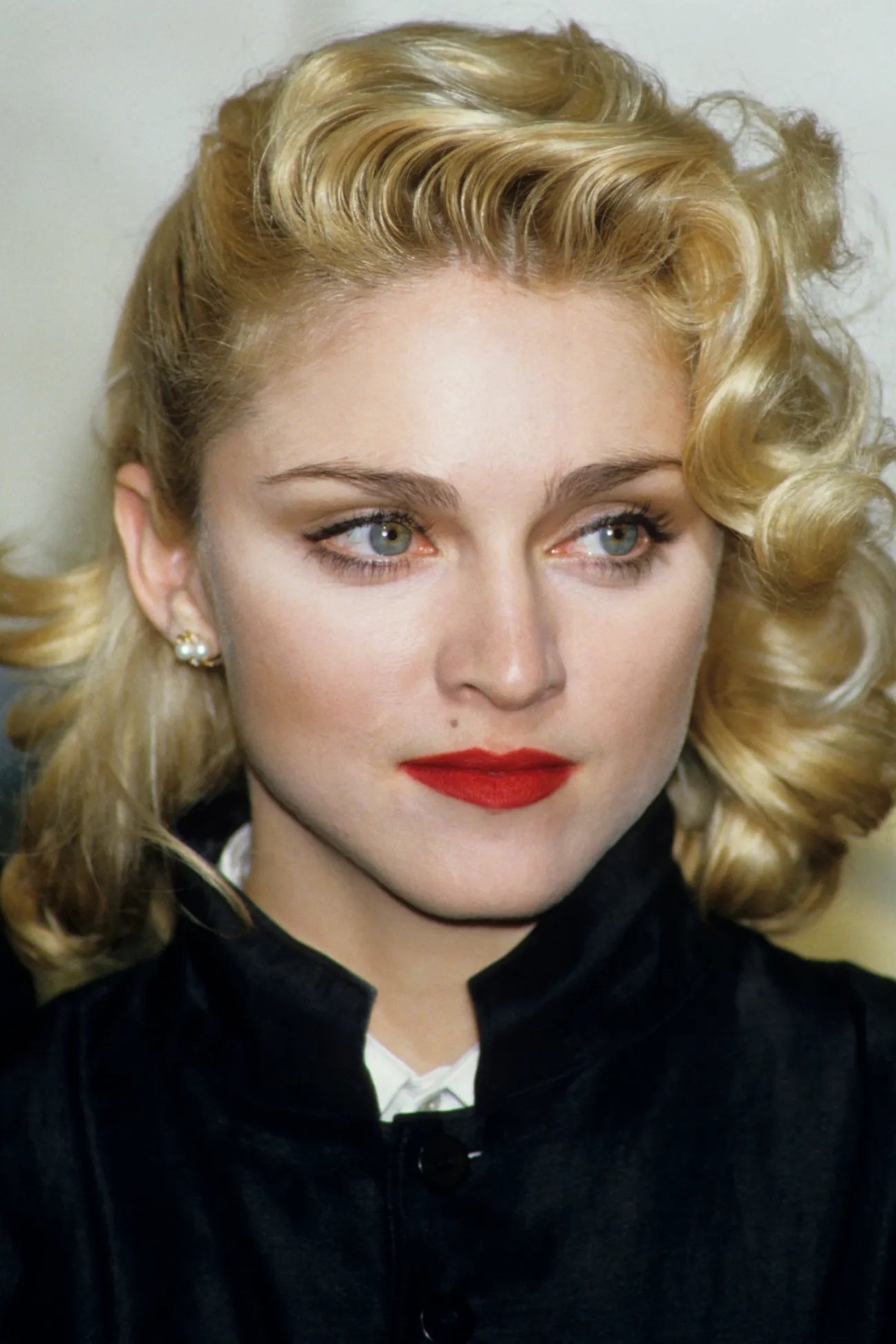
As a lifelong movie and music fan, I remember being really intrigued when Madonna joined forces with other big names to launch Tidal. It felt like a genuine attempt to shake up how artists got paid in the streaming world, and she really put herself – and her money – behind it. But it almost immediately ran into trouble. People criticized the high price and the fact that it seemed geared towards wealthier fans. While Tidal still exists today, having been bought by a fintech company, the original idea of putting artists fully in control never quite took off. Looking back, her involvement feels like a bold, but ultimately imperfect, effort to change things in the music industry.
Rihanna
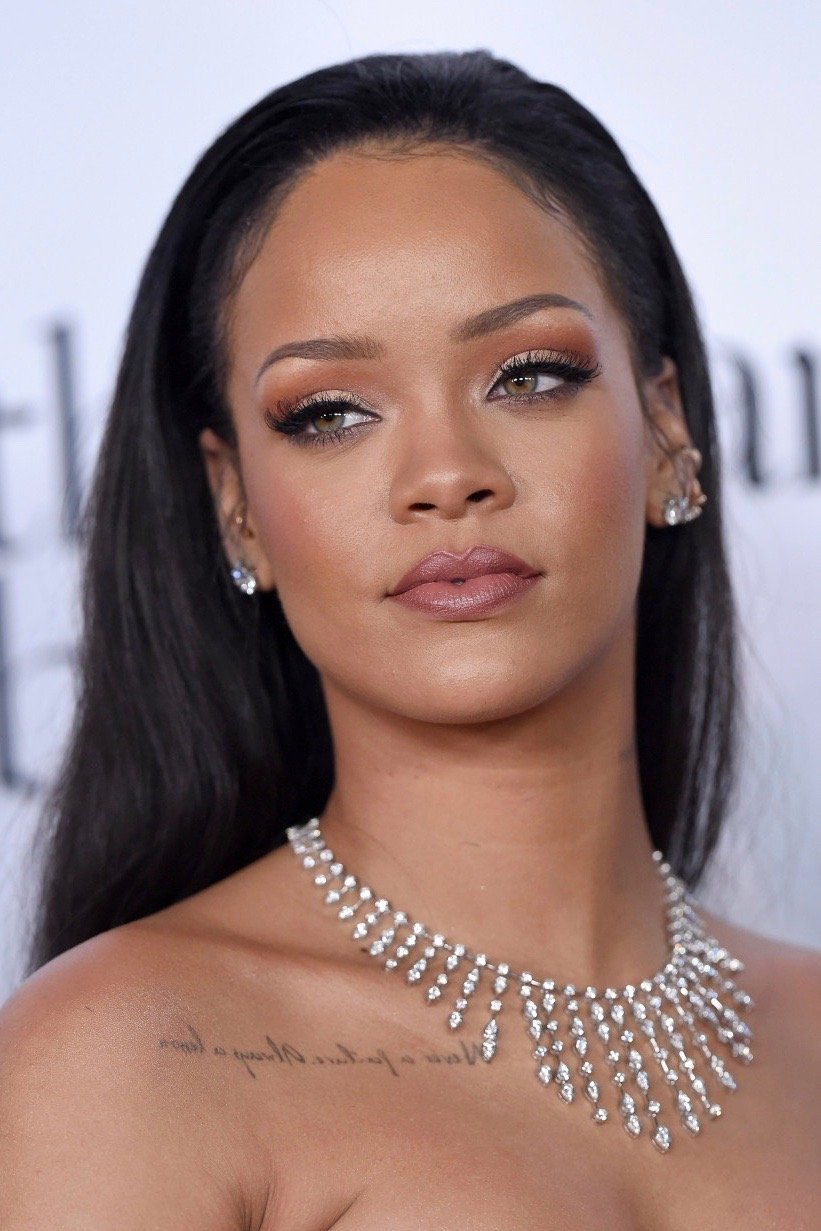
As a huge Rihanna fan, I remember when she got involved with Tidal! It felt like she really believed in the idea of artists owning their music and getting a fairer cut, and she used the platform to share exclusive tracks and videos with us. Sadly, despite having so many amazing artists backing it, Tidal just couldn’t really compete with the big streaming services like Spotify or Apple Music. It was cool to see her try something different, but it showed how tough it is to challenge those established tech giants and make a real dent in the market. It seemed like the costs of running the service and getting the word out were just too high to make it a financial success.
Nicki Minaj

Nicki Minaj invested in Tidal to help other artists and find new ways to make money. She created a radio show and offered her music videos exclusively on the platform to attract more users. However, because Tidal wasn’t widely used, her content didn’t reach as many fans as it would have elsewhere. While the company eventually sold for a good price, it faced a lot of problems and financial instability along the way. This experience highlighted the difficulty of trying to be exclusive while also reaching a large audience.
Usher
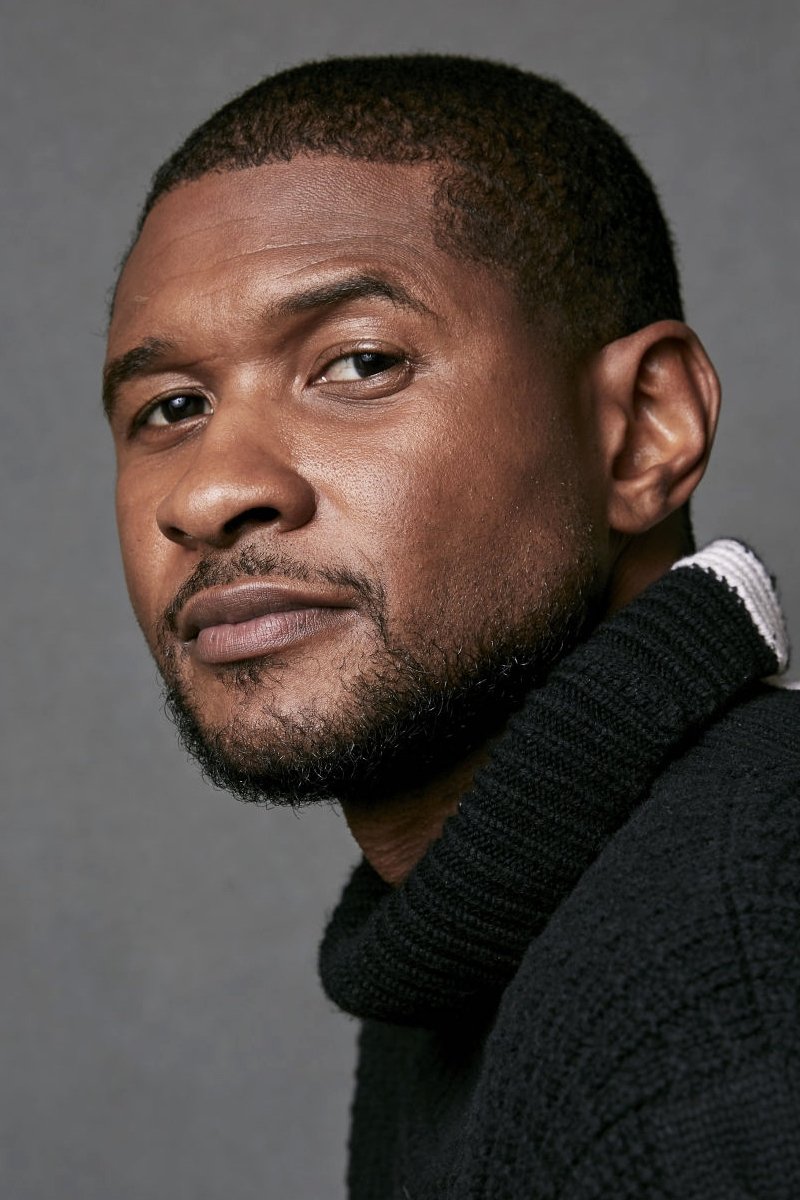
Usher was one of the first investors in and publicly supported the music streaming service ‘Tidal’ when it launched. He thought Tidal could offer better sound quality and fairly compensate artists. However, the service struggled to compete with other platforms, partly because it didn’t offer a free option. Usher’s investment was part of a broader effort by musicians to gain more control in the digital music world. Tidal’s difficulties highlighted the challenges facing the music industry in competing with large tech companies.
Alicia Keys

Alicia Keys was a key supporter of Tidal when it first launched, championing its idea of fairly compensating musicians. She provided exclusive content and performances to help Tidal stand out from other streaming services. However, despite backing from many famous owners, Tidal never became a major player in the industry. When the company was eventually sold, investors were able to cash out, but the original vision for the service had changed. Keys’ involvement showed how much artists want to be included in important decisions made by tech companies.
Chris Martin
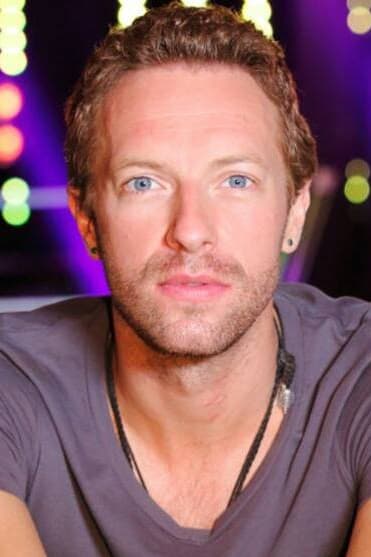
Chris Martin, as a representative of Coldplay, was one of the original artist-owners of the Tidal streaming service. He helped launch the platform, presenting it as a potential game-changer for the music industry. However, Tidal’s initial strategy of charging high subscription fees hindered its growth and ability to compete with established streaming services. As the platform faced challenges in finding its footing, Martin’s investment – both financially and creatively – came under criticism. This experience highlighted how difficult it is for celebrities to significantly change how people use technology.
Naomi Osaka
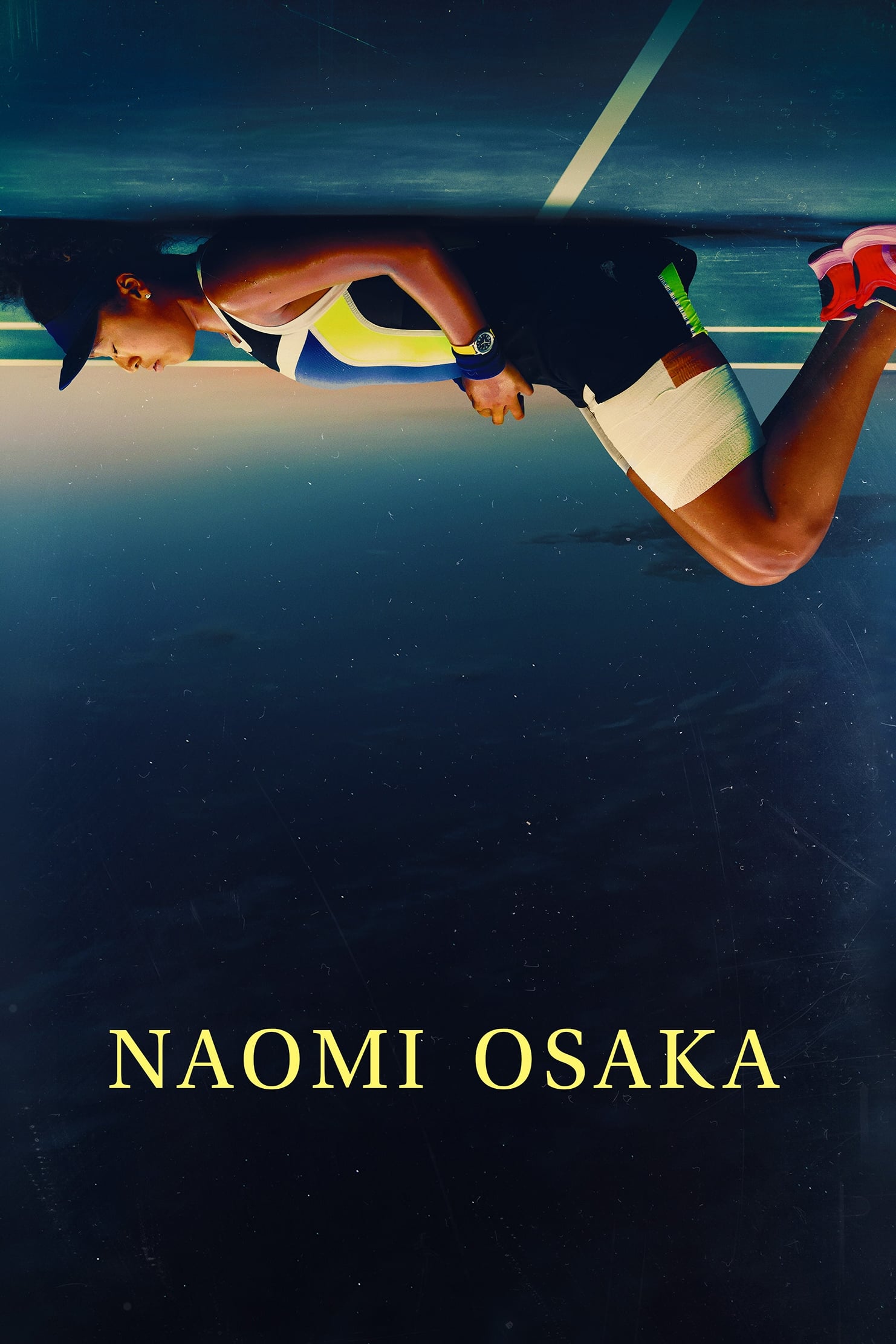
Naomi Osaka made a long-term deal with the cryptocurrency exchange FTX, which included owning a part of the company and creating unique content for them. She was drawn to FTX because she believed it could help more women get involved in cryptocurrency and finance. However, when FTX suddenly went bankrupt, Osaka lost her investment and became part of a class action lawsuit. This was a major setback for her growing business interests outside of tennis, and it showed the dangers of athletes promoting complicated financial products without proper regulation.
Mike Tyson
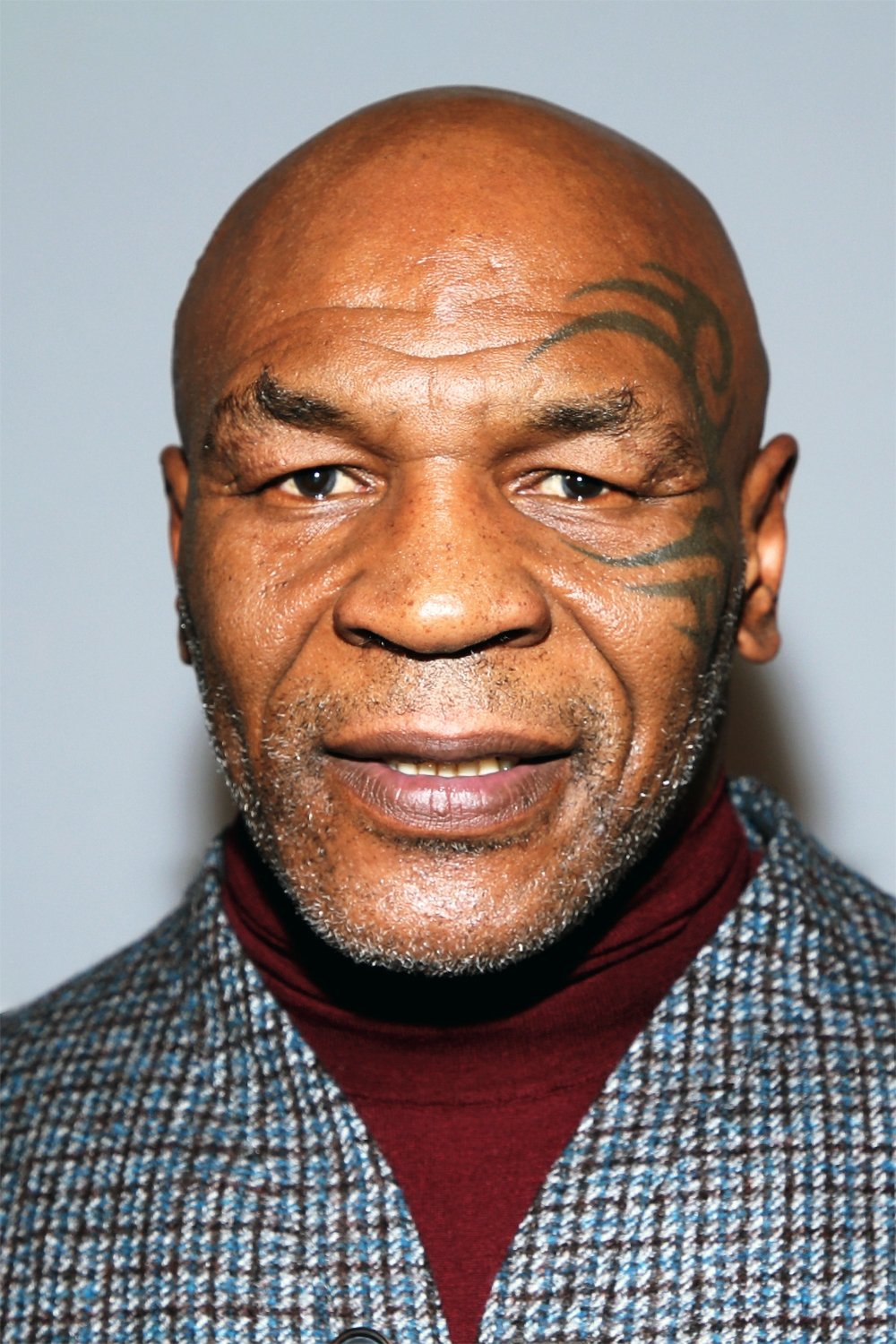
Mike Tyson teamed up with Bitcoin Direct to create a digital wallet and Bitcoin ATMs featuring his name and likeness. The goal was to make cryptocurrency easier for his fans around the world to use. However, the company struggled with technical problems and couldn’t get approval to operate in many places. Ultimately, the project failed to become popular or profitable. This early attempt highlighted the challenges of using a celebrity’s name to promote something complex and heavily regulated like cryptocurrency.
Gwyneth Paltrow
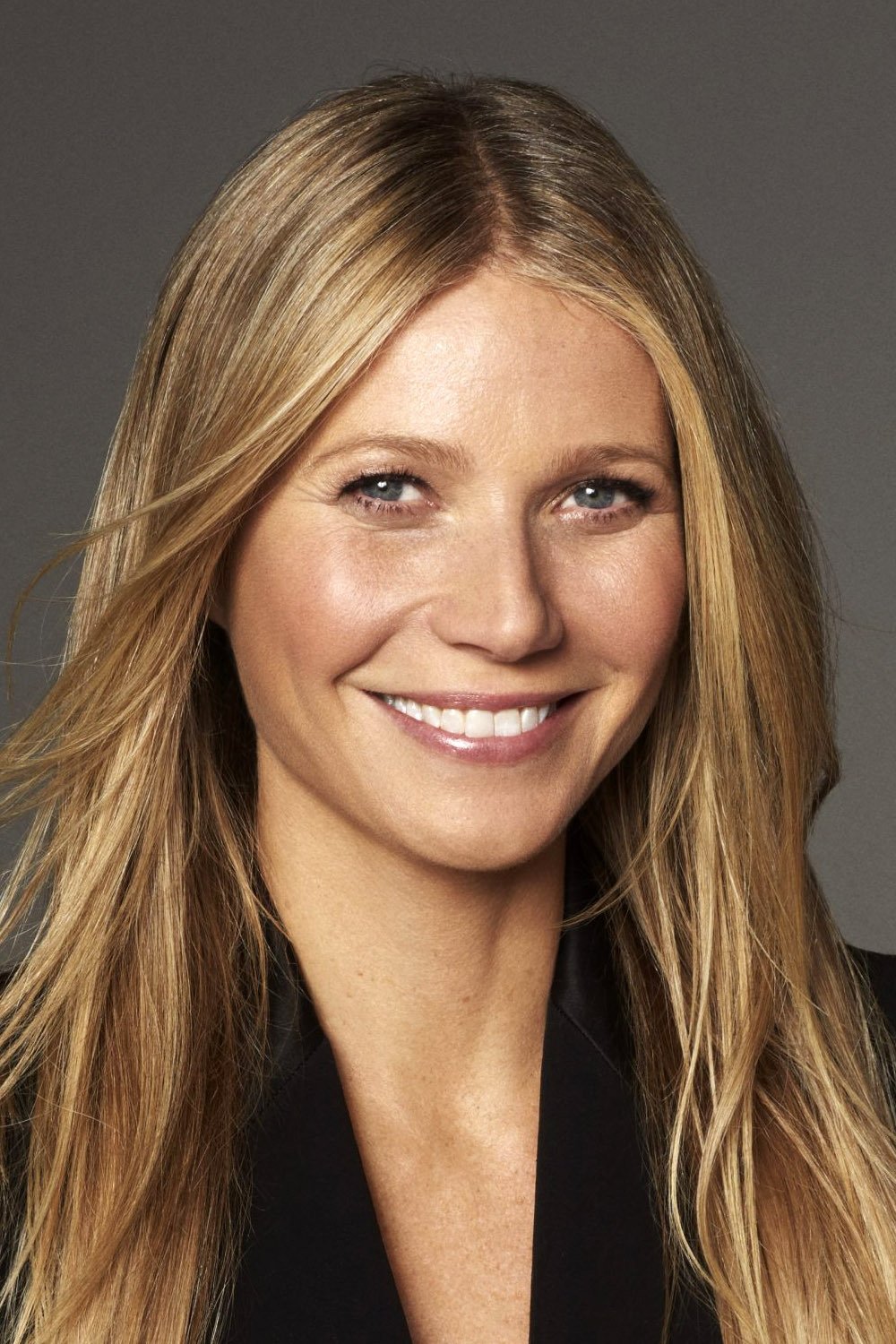
Gwyneth Paltrow invested in Beepi, a company trying to change how people buy used cars. Beepi aimed to bypass traditional dealerships by inspecting and delivering cars directly to buyers. Although the company attracted significant investment – hundreds of millions of dollars – it struggled with high spending and internal problems. Ultimately, Beepi ran out of money and was forced to close down, selling off its remaining assets. This highlights that even startups with plenty of funding can fail if they can’t control their expenses.
Justin Timberlake
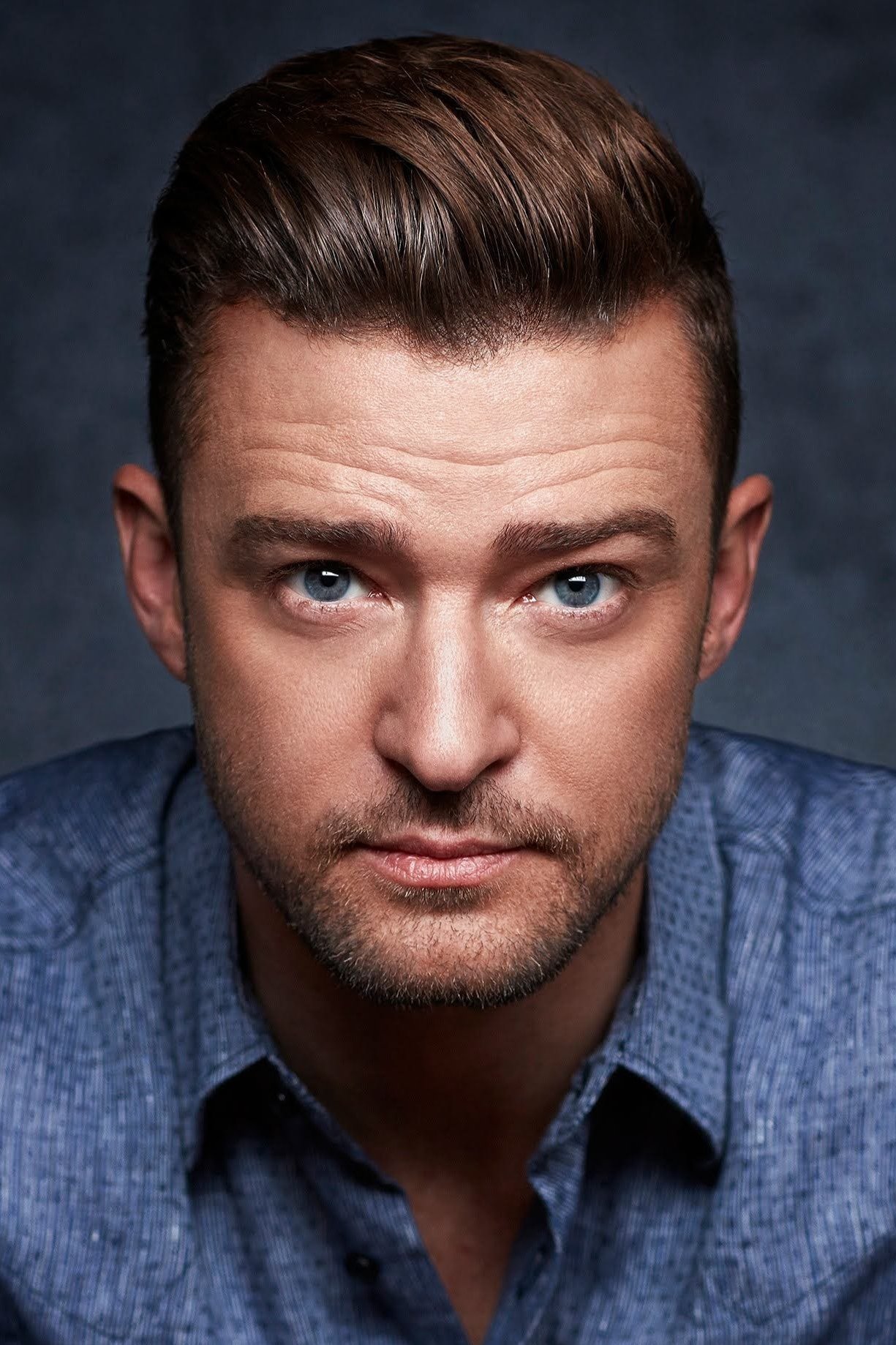
Justin Timberlake invested in Myspace with a plan to bring it back to life as a center for music. He actively promoted the redesigned site, which focused on helping people discover new artists and enjoy better visuals. Unfortunately, the effort didn’t work – people had already moved to Facebook and Twitter, and Myspace continued to lose popularity. As a result, the investment lost most of its value, and the attempt is now remembered as a cautionary tale about the challenges of reviving a struggling tech company.
Nas
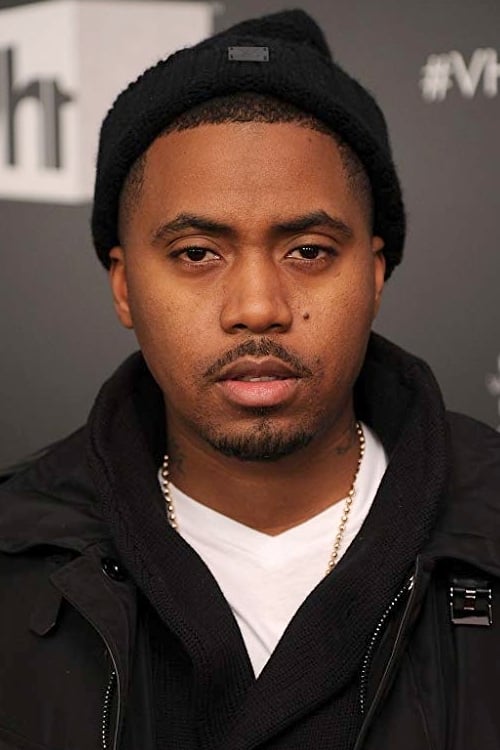
I remember when I first heard about Luxe, the valet parking app – it seemed like such a cool idea! Nas, who’s usually really good at picking winning tech companies, was an early investor. The app let you request a valet right to where you were to park your car, which was amazing in a busy city. But it turned out to be really tough to make work. The costs for things like insurance and paying the valets were just too high, and they kept trying to change how the business operated to fix it. Ultimately, Luxe didn’t succeed on its own, but another company bought them for the technology they’d developed. It just goes to show how hard it is to build a successful on-demand service when it relies on people actually doing things and has a lot of expenses.
Pharrell Williams
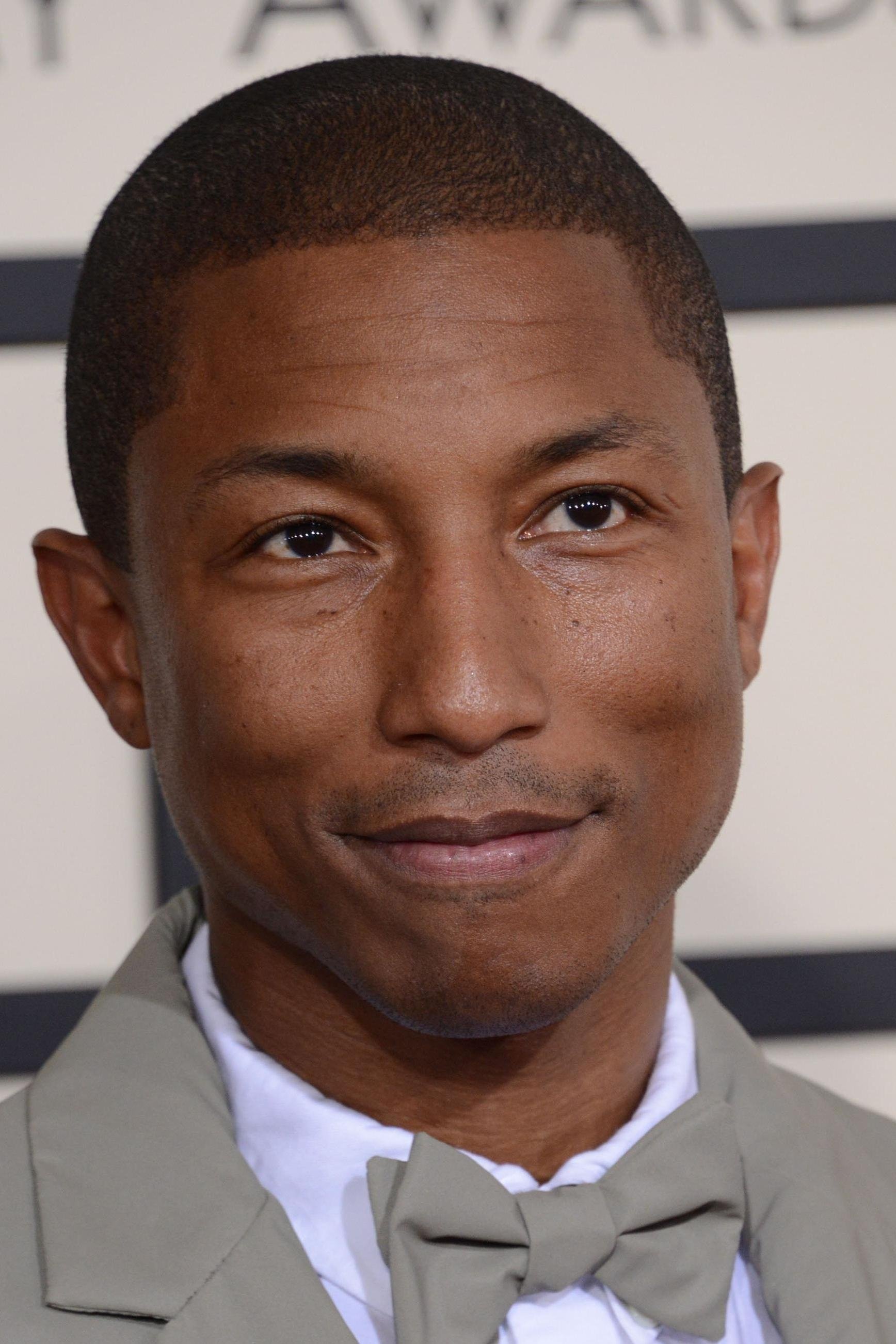
Pharrell Williams had a long-standing relationship with Karmaloop, an online streetwear retailer, and often collaborated with them creatively. When the company began to struggle financially due to rapid growth and increasing debt, he tried to help save it by attracting new investment and refreshing the brand. Unfortunately, these efforts weren’t enough, and Karmaloop ultimately had to file for bankruptcy. The original owners lost control, and even Pharrell’s involvement couldn’t overcome the company’s financial problems. This situation showed that strong creative ideas alone can’t fix serious financial mismanagement.
Snoop Dogg
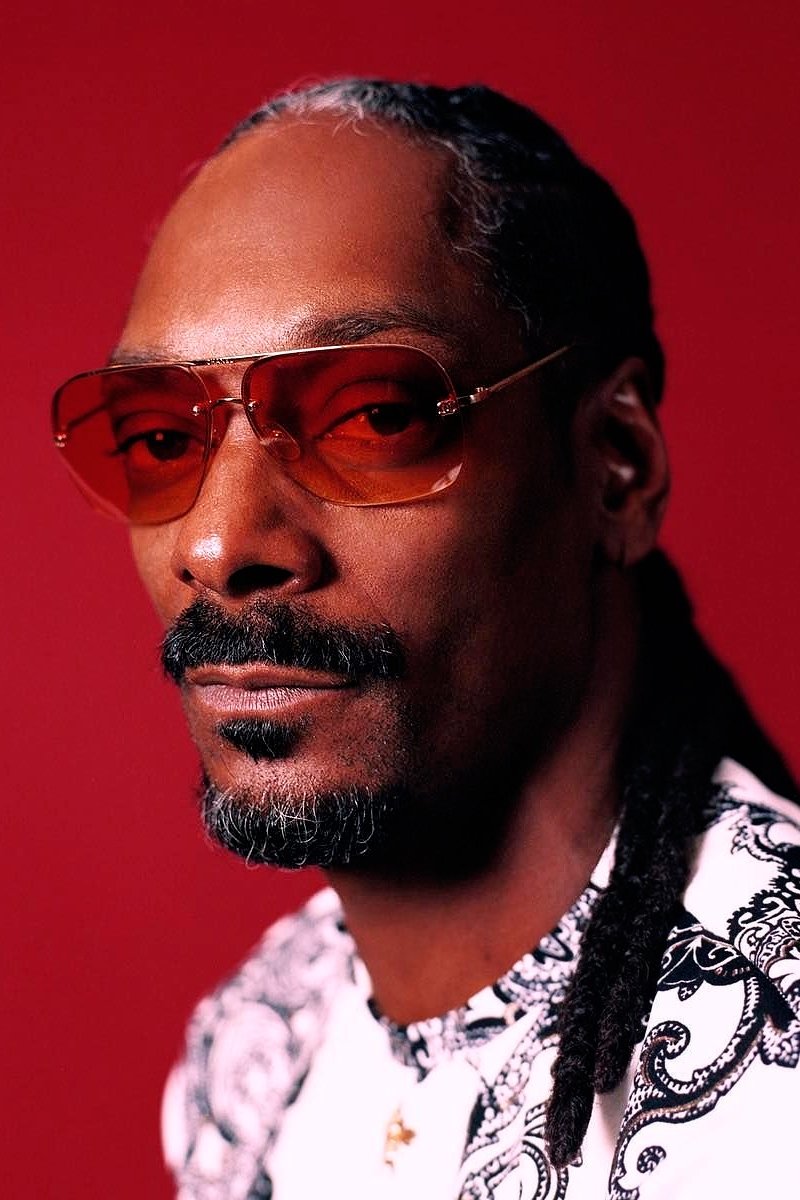
As a long-time Snoop Dogg fan, I remember being really excited when I heard he was an early investor in Eaze, a company trying to deliver cannabis like you’d order food. They got a lot of money to grow and expand into different states where it was legal, which seemed awesome. But it turned out to be a tough road. Eaze kept running into legal problems and had a hard time with things like getting paid, which really slowed them down and made it difficult to turn a profit. They had to completely change how they were structured, and their value dropped a lot over time. It just goes to show how risky it can be to invest in new companies, especially ones dealing with something as complicated and regulated as cannabis.
Share your thoughts on these celebrity business ventures in the comments.
Read More
- 20 Movies Where the Black Villain Was Secretly the Most Popular Character
- Celebs Who Narrowly Escaped The 9/11 Attacks
- Top 20 Dinosaur Movies, Ranked
- 25 “Woke” Films That Used Black Trauma to Humanize White Leads
- The 10 Most Underrated Jim Carrey Movies, Ranked (From Least to Most Underrated)
- Transformers Under the Microscope: What Graph Neural Networks Reveal
- 22 Films Where the White Protagonist Is Canonically the Sidekick to a Black Lead
- Trading on Thin Air: AI Agents Conquer Crypto Volatility
- The Best Directors of 2025
- Silver Rate Forecast
2026-01-04 19:22