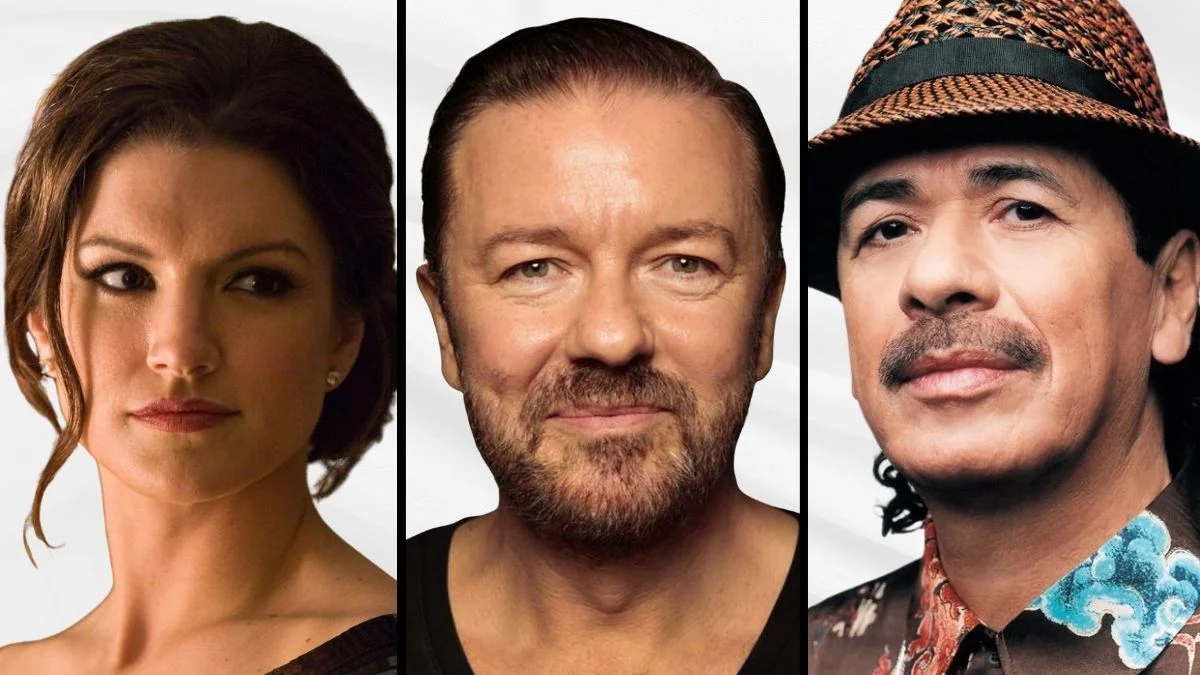
Hollywood’s work environment has changed a lot in the last ten years, with studios introducing new rules about how people interact and the language they use. This has caused friction for some actors and creators, especially when it comes to respecting gender identities and using the correct pronouns while filming. While many believe these rules are important for creating a welcoming environment, others feel they conflict with their personal values or ability to express themselves creatively. This disagreement has led to public conflicts and job losses for some well-known people in the industry.
Gina Carano
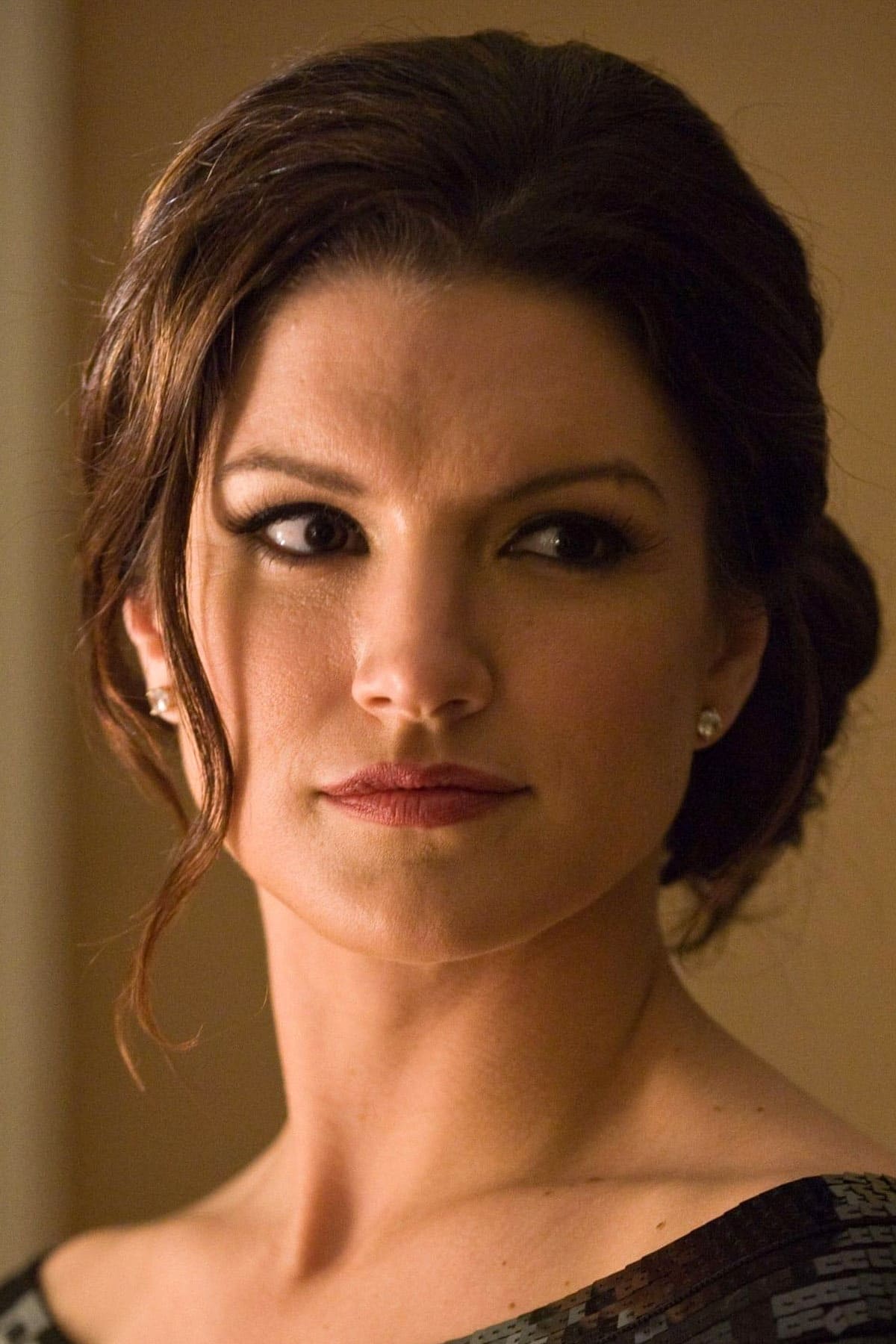
Gina Carano was gaining popularity for her role in ‘Star Wars’ when Disney ended their working relationship. The issue started when she replaced her pronouns on social media with the phrase “beep bop boop,” which many saw as disrespectful to transgender individuals. This led to a widespread online call for her dismissal. Lucasfilm responded with a statement condemning her social media posts as hateful and inappropriate. Since then, Carano has focused on independent filmmaking and continues to publicly express her opposition to diversity requirements in the entertainment industry.
J.K. Rowling
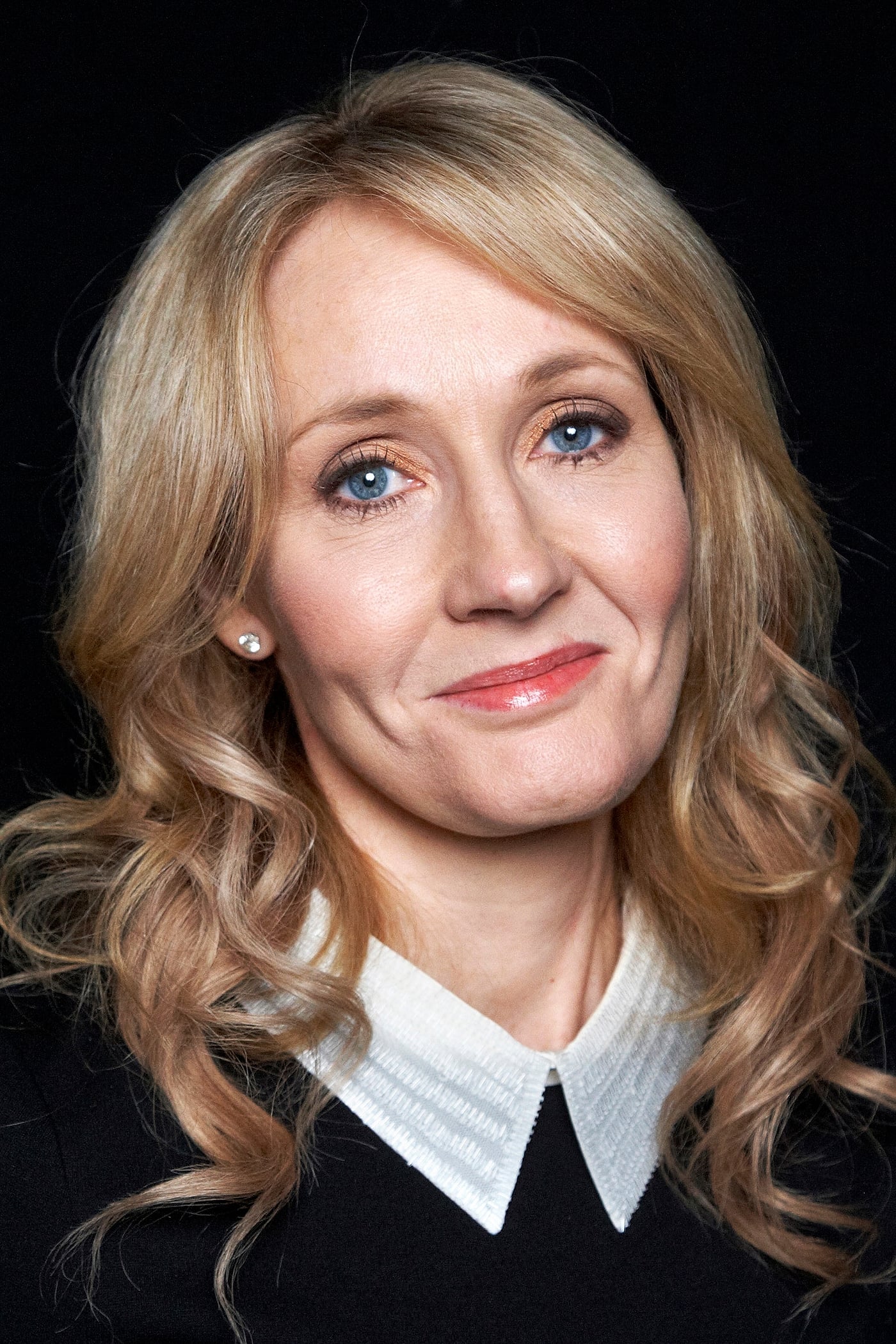
J.K. Rowling, best known as the author of the ‘Harry Potter’ series, has faced career challenges in the film industry because of her views on gender identity. After she publicly questioned language used to be inclusive of women, several actors from the ‘Harry Potter’ and ‘Fantastic Beasts’ films publicly separated themselves from her. She wasn’t included in the HBO Max special celebrating the 20th anniversary of the first ‘Harry Potter’ film. Despite still having creative control over her stories, her reputation with many fans has been significantly damaged. Her position on this issue continues to be a very controversial topic in popular culture.
Graham Linehan
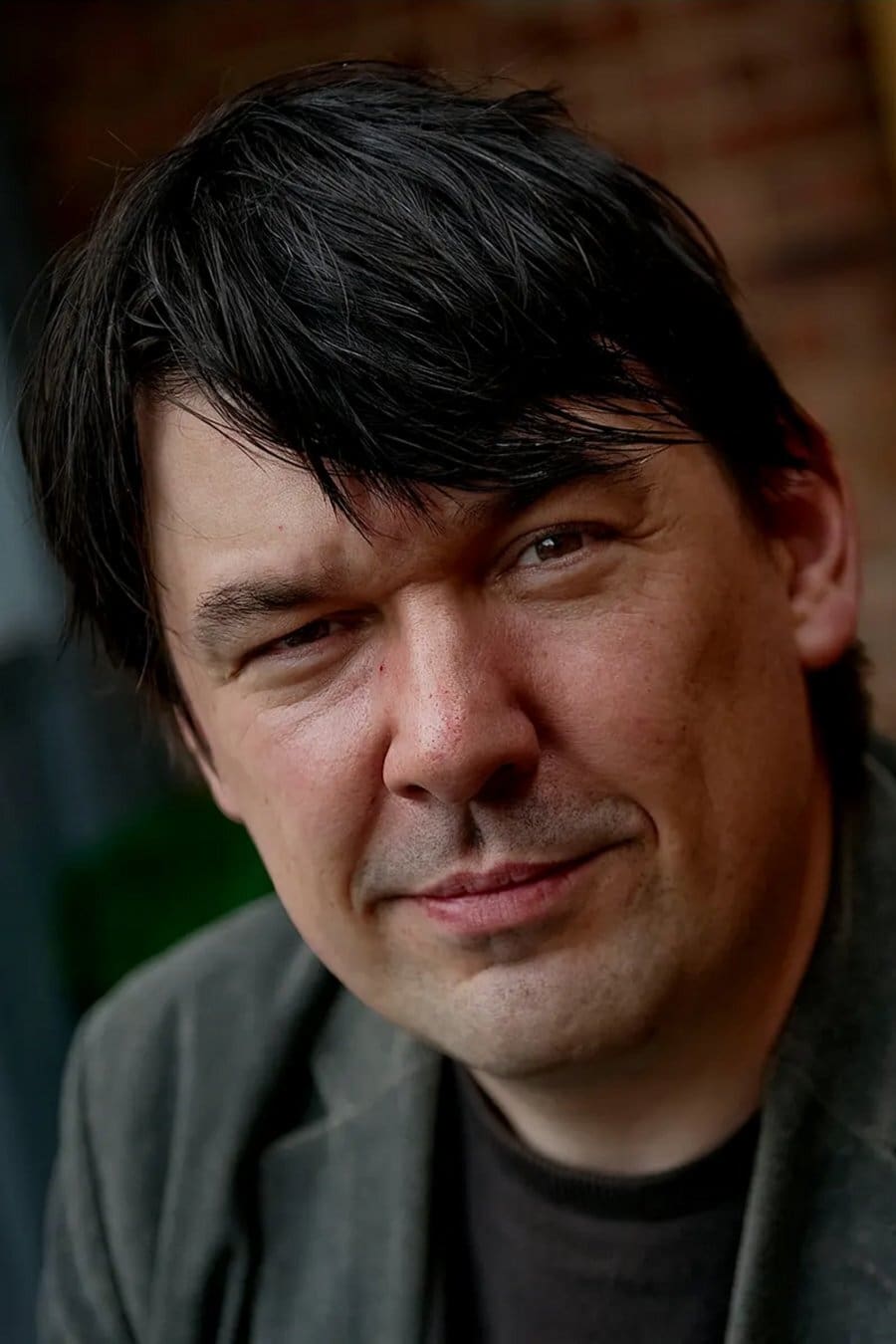
Graham Linehan, known for creating popular shows like ‘Father Ted’ and ‘The IT Crowd,’ faced career setbacks due to his outspoken views on gender identity. After becoming heavily involved in discussions about transgender rights and pronouns, he was banned from multiple social media platforms. This led to a loss of work, as companies and agencies stopped working with him. He’s discussed the significant personal and financial impact this has had on his life. He continues to share his opinions publicly through independent platforms and speaking engagements.
Laurence Fox
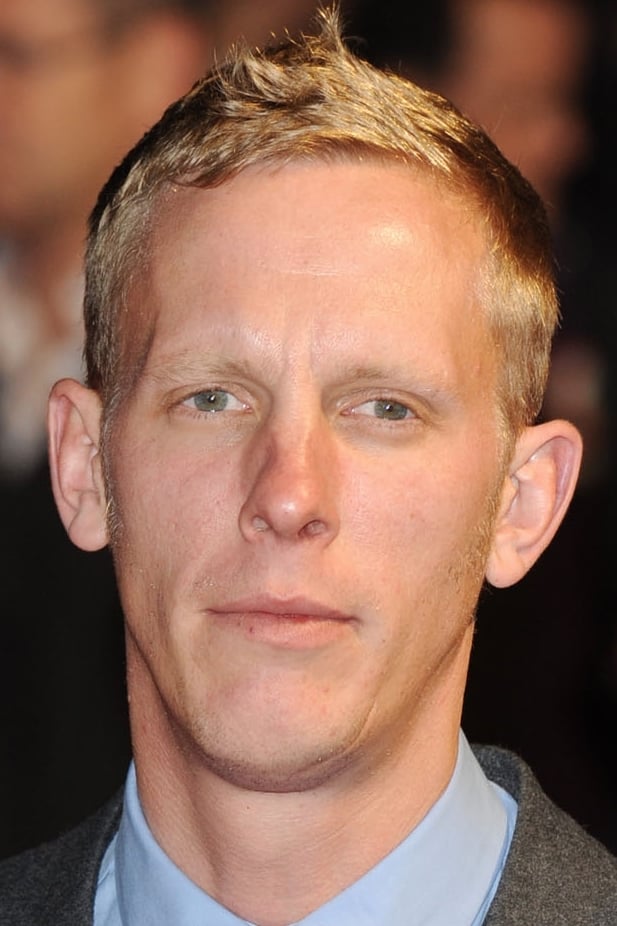
Laurence Fox started his career as an actor, best known for his role in the TV show ‘Lewis.’ He later moved into politics and activism, but this shift led to problems with his acting career. After publicly criticizing current diversity efforts and what he saw as performative activism on television, he lost his agent and found fewer acting roles. He responded by starting the Reclaim Party to promote his beliefs, and now he mainly focuses on sharing his opinions on politics and culture.
Winston Marshall
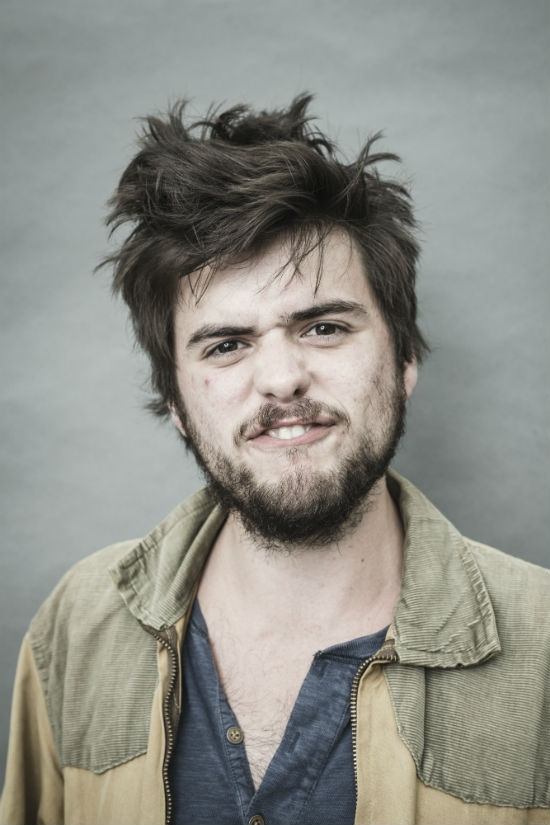
As a big music fan, I remember when Winston Marshall, the lead guitarist from Mumford & Sons, got caught up in a huge controversy. It all started when he publicly supported a book that challenged some current social and political ideas. There was a lot of immediate criticism from fans and the media, and he initially apologized. But ultimately, he decided the best thing to do was leave the band so he could openly share his thoughts without causing problems for his bandmates. Now, he’s actually doing some really interesting work hosting a podcast where he talks about culture and the importance of free speech.
Alice Cooper
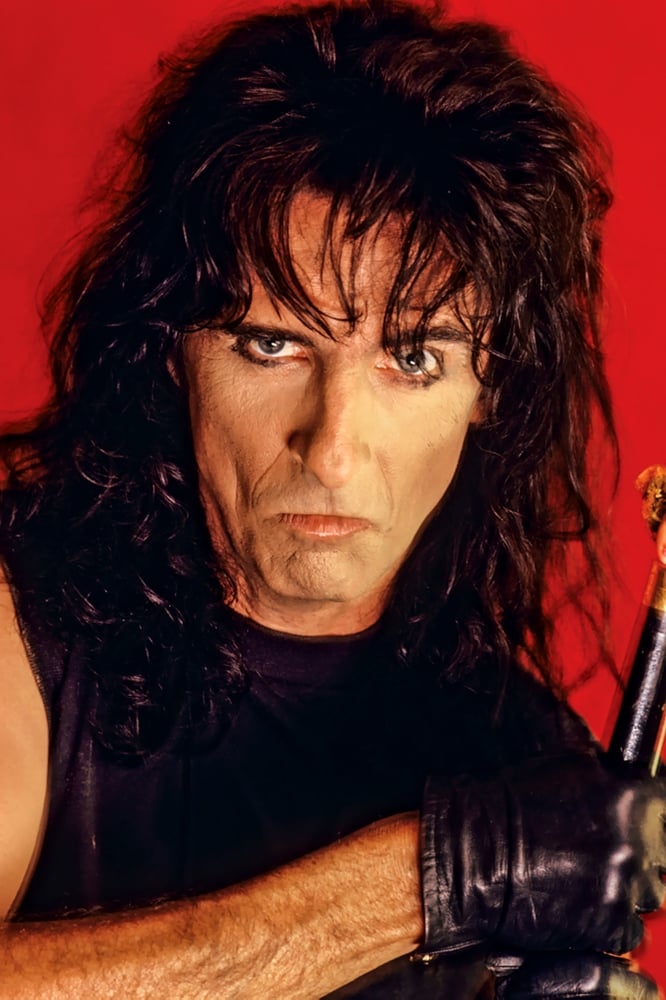
Alice Cooper, the famous rock musician, ended a profitable deal with a cosmetics company after sharing his opinions on gender identity in an interview. He called the emphasis on pronouns and transitioning a temporary trend and voiced worries about its potential impact on children. Vampyre Cosmetics, the brand he was working with, immediately announced they were ending the partnership, explaining they support the LGBTQIA community and disagree with his views. While Cooper continues to perform concerts, this controversy has clearly hurt his appeal to corporate sponsors.
Macy Gray
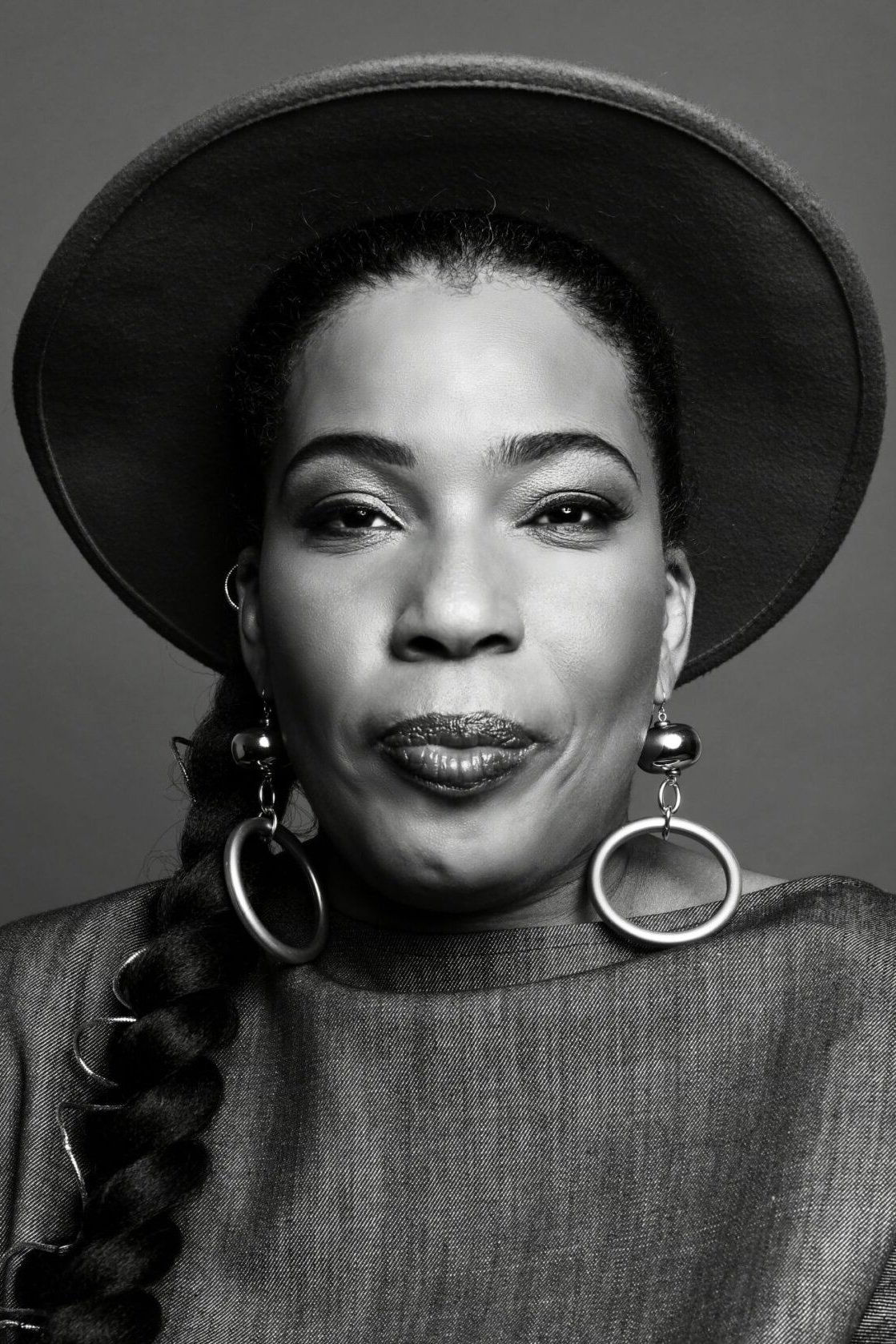
Macy Gray, the soul singer, received considerable criticism after sharing her views on what defines a woman during a television interview. She stated that changing names or pronouns doesn’t alter a person’s biological sex, which sparked a strong and mostly negative reaction. She later explained her position in other interviews, emphasizing her support for the transgender community while acknowledging the challenges of discussing sensitive issues publicly. The resulting controversy briefly overshadowed her music and upcoming work.
Ne-Yo
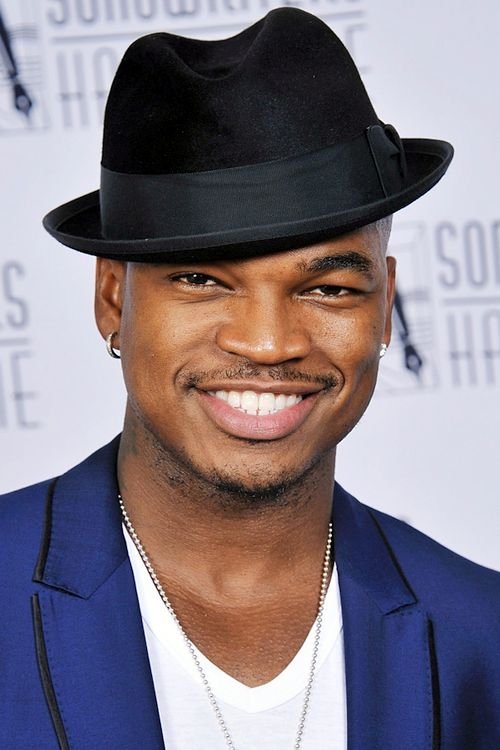
Ne-Yo, a Grammy Award-winning singer, recently sparked controversy online after expressing his views on how parents should approach their children’s gender identity. He voiced concerns about children making permanent decisions about their gender, including using different pronouns or undergoing physical changes. After a strong backlash from fans and others in the music industry, Ne-Yo first apologized, but then walked back parts of that apology, reaffirming his original stance on the importance of parental guidance. This situation highlights the conflict between more traditional beliefs and current expectations within the entertainment industry.
Carlos Santana
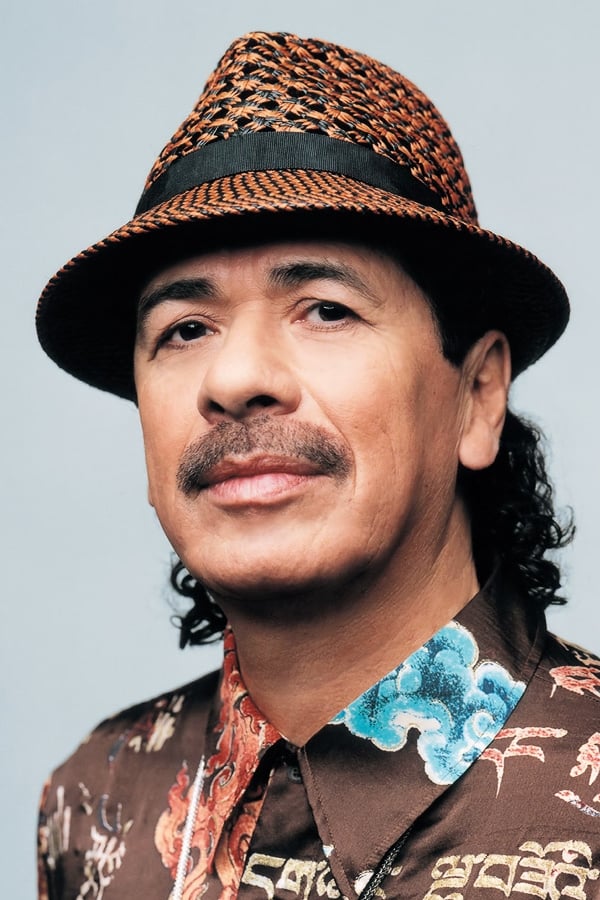
Carlos Santana received backlash after a video circulated online of him sharing his views on gender identity during a concert. He said he believes in traditional gender roles and that personal choices are private matters. Santana later apologized on social media, saying he was sorry if his comments caused hurt. Many fans expressed disappointment, considering his past advocacy for peace and togetherness. The situation raised questions about how we expect established artists to address contemporary issues.
Ricky Gervais
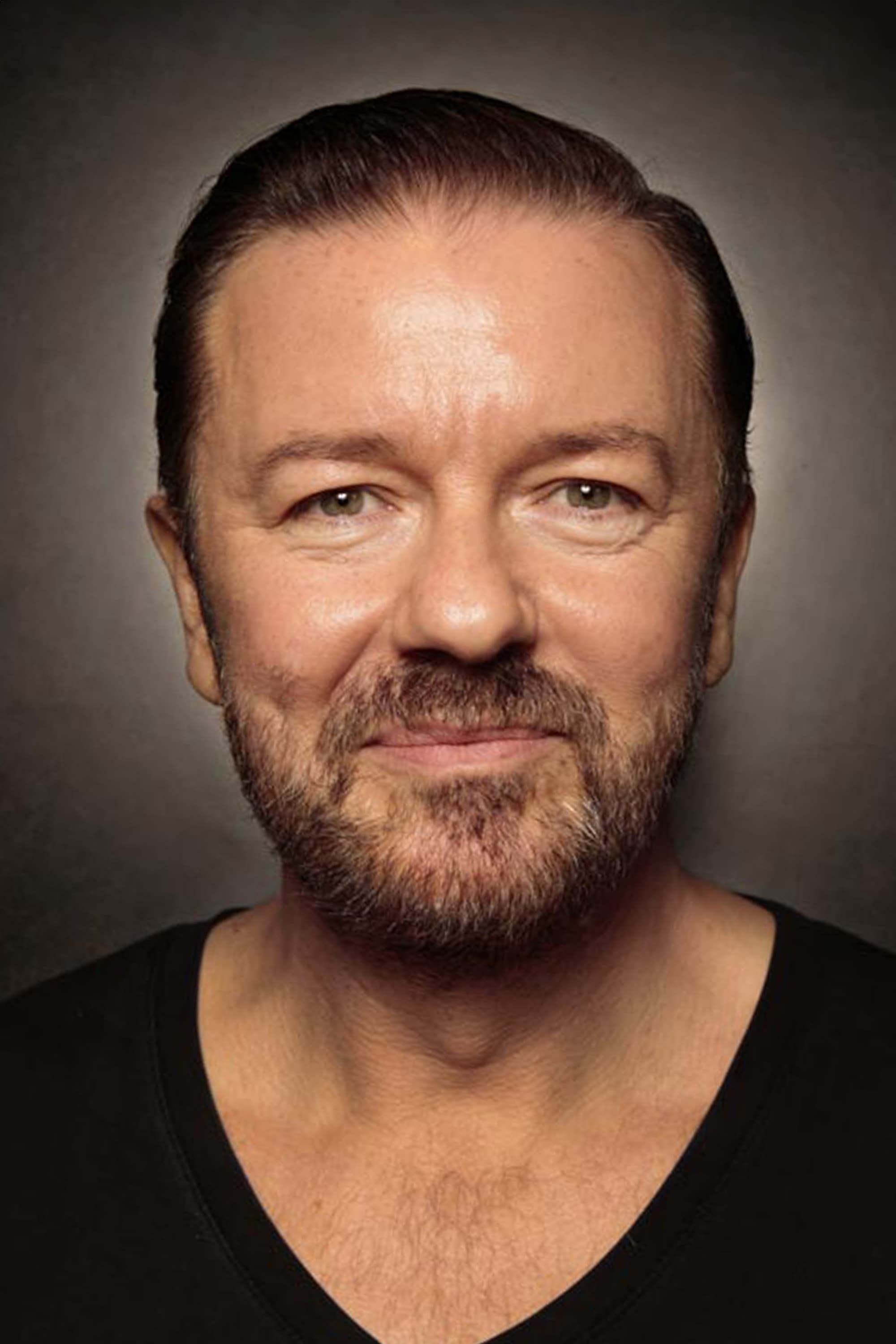
Ricky Gervais’s stand-up specials, particularly ‘SuperNature’, have sparked controversy and calls for him to be ‘canceled’. Some critics claim his jokes about gender identity and pronouns are prejudiced and damaging to the transgender community. While some Netflix employees protested, the streaming service continued to support Gervais, who insists he should be free to joke about any subject. He remains a popular comedian and a key figure in discussions about the limits of offensive humor.
Dave Chappelle
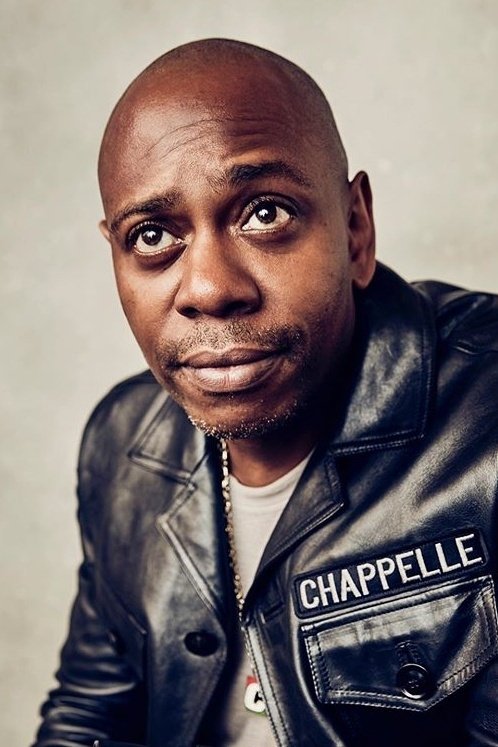
Dave Chappelle sparked significant debate after his comedy special, ‘The Closer,’ aired. He discussed gender identity and identified with views often labeled as trans-exclusionary, while also challenging current standards for inclusive language. This caused Netflix employees to protest and many people online called for the special’s removal. However, Netflix stood by Chappelle, defending his artistic freedom, and refused to take it down. Chappelle has since addressed the controversy in his later shows.
Roseanne Barr
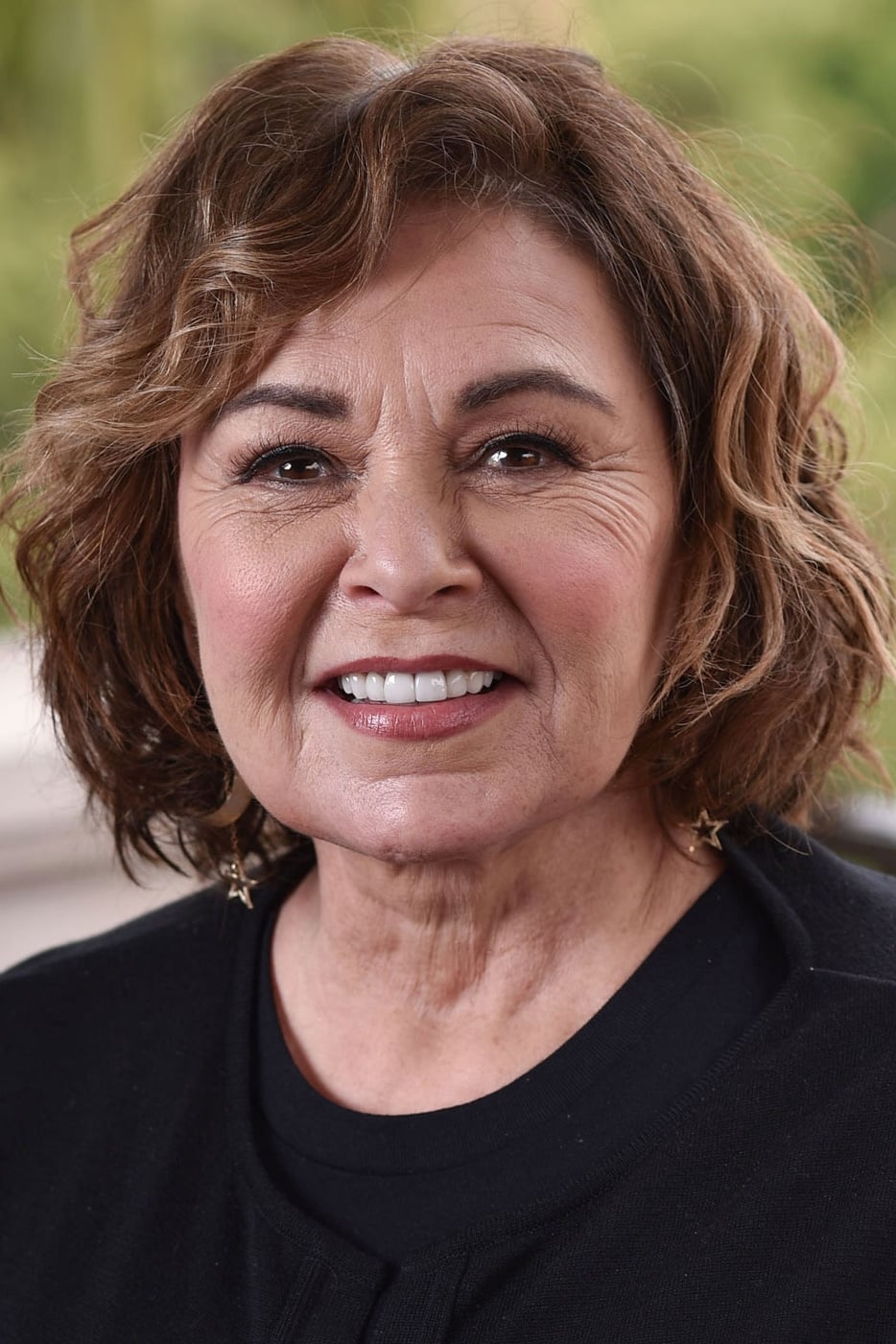
Roseanne Barr’s show, ‘Roseanne,’ was canceled after she posted controversial statements online. Though a specific tweet about a politician sparked the immediate fallout, she had frequently voiced her disapproval of current progressive views and changing social norms, particularly regarding identity and how people communicate. After she was removed from the show, a spin-off called ‘The Conners’ continued the story without her character. She continues to publicly criticize the entertainment industry’s approach to handling differing opinions on social issues.
Kevin Sorbo
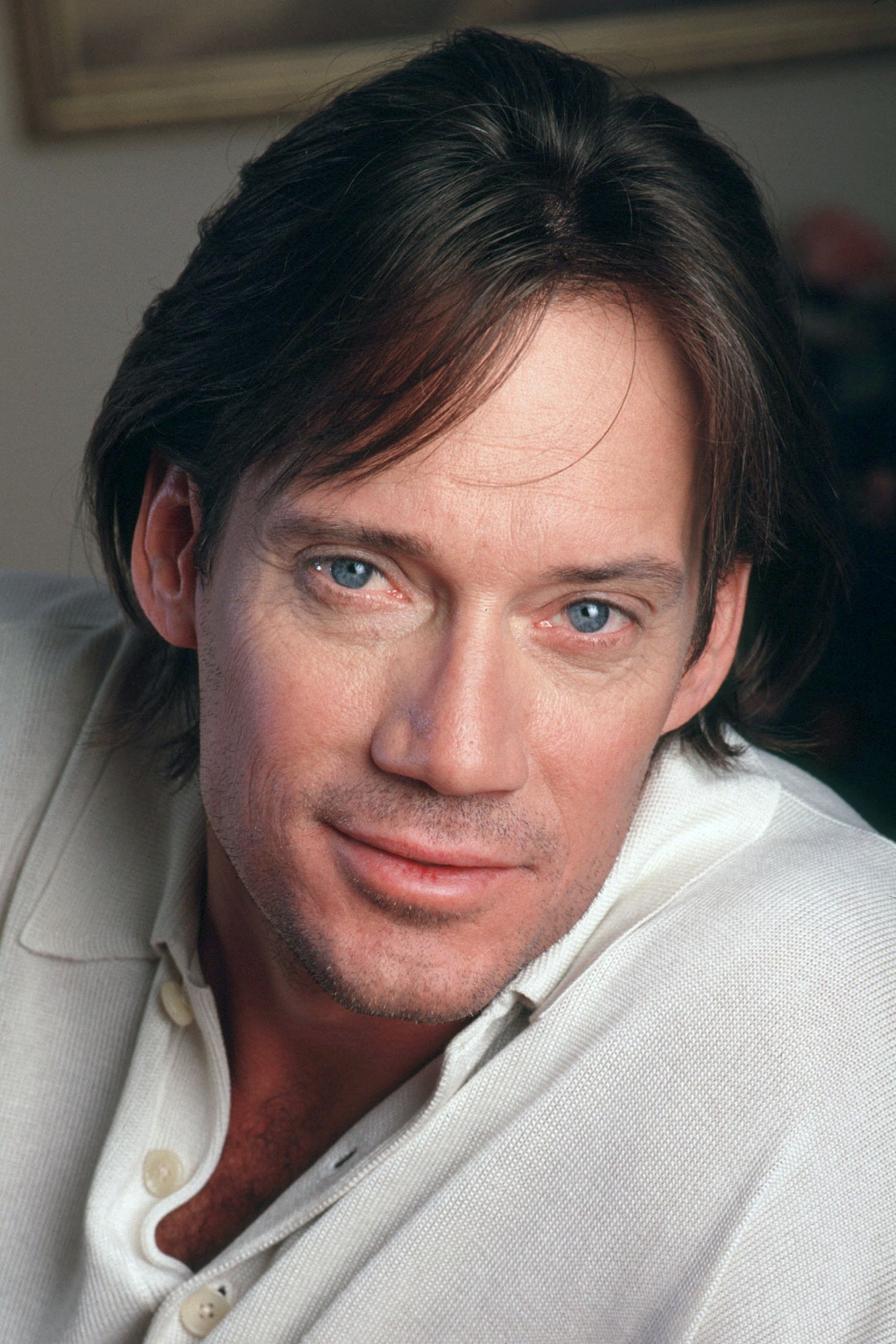
Kevin Sorbo believes his mainstream Hollywood career ended because of his conservative religious beliefs. He often publicly criticizes trends like gender-neutral policies and the increasing focus on identity politics in entertainment. Sorbo argues that his unwillingness to follow these industry norms resulted in studios refusing to work with him. Now, he primarily makes and stars in films centered around his faith. His experience is frequently used as an example by those who criticize the political climate in Hollywood.
Scott Baio
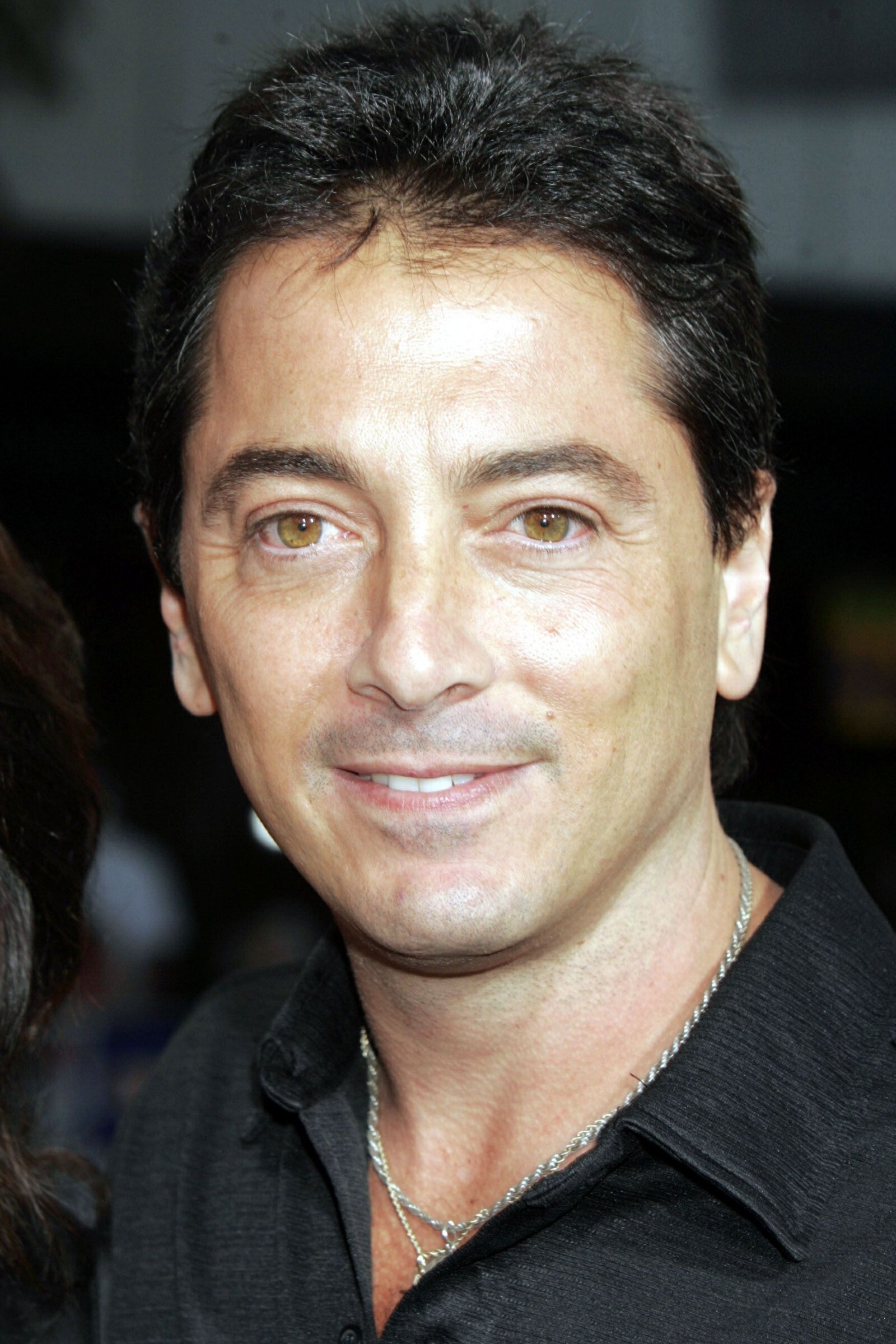
Scott Baio’s career has suffered since he began publicly sharing his conservative opinions. He often speaks out against what he sees as negative trends in today’s culture, particularly regarding the focus on identity and language. Baio believes these views have led to harassment and lost opportunities in his profession. Despite facing criticism, he continues to express his beliefs and connect with fans who agree with him, primarily through social media where he shares his thoughts on current events.
Kirk Cameron
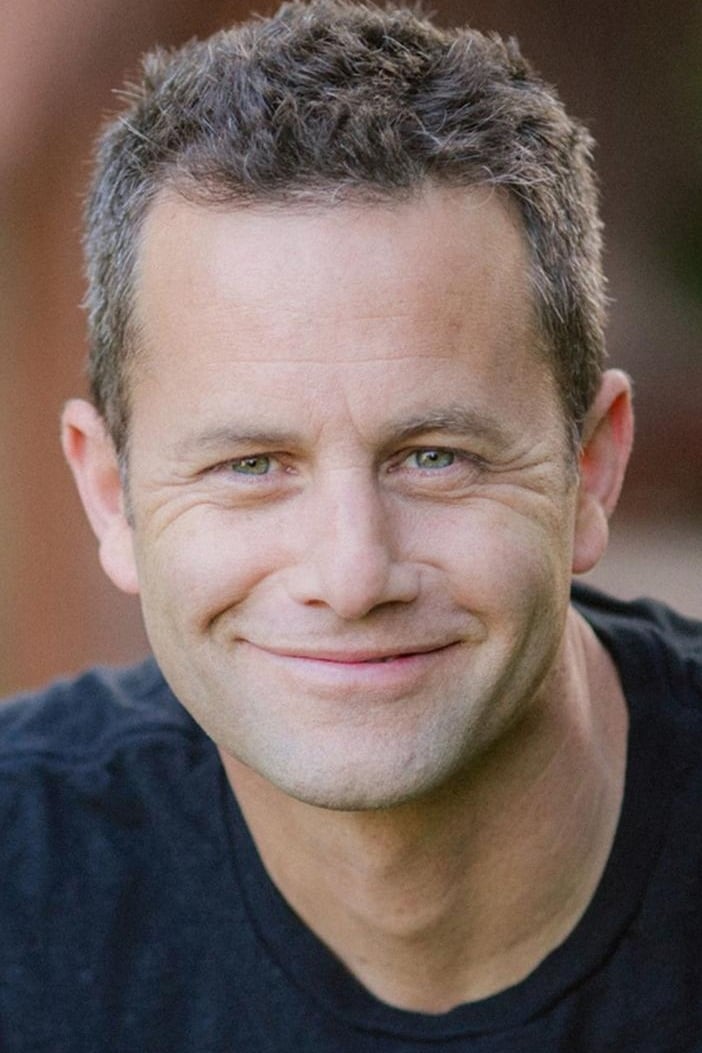
Kirk Cameron has experienced career challenges because he openly supports traditional views on family and gender. He’s publicly disagreed with certain library events and school rules, believing they go against his religious beliefs. Though still popular within the faith-based film world, he’s generally not included in mainstream Hollywood productions. Cameron says he’s okay with this and prefers to make movies for a dedicated audience, often exploring themes different from current social trends.
Candace Cameron Bure
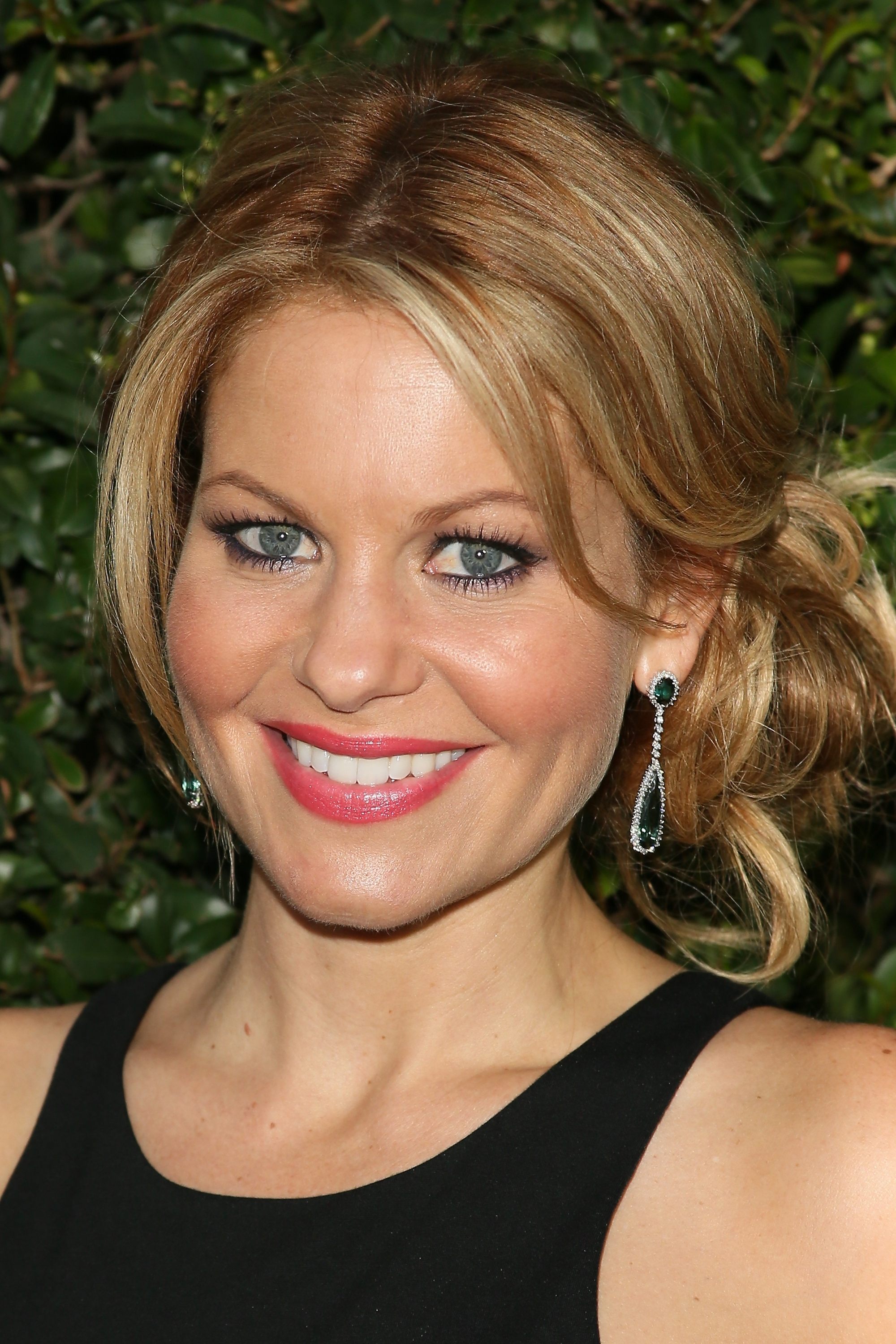
Candace Cameron Bure recently made news by leaving Hallmark Channel for Great American Family. She explained that she wanted to focus on projects that reflect traditional marriage and family values, which she felt weren’t being prioritized elsewhere. This decision sparked criticism, with some people believing her comments were unwelcoming to the LGBTQIA+ community. Although she wasn’t forced to leave Hallmark, her move showed the increasing tension around inclusivity in television. She currently holds a leadership role as chief creative officer at her new network.
James Woods
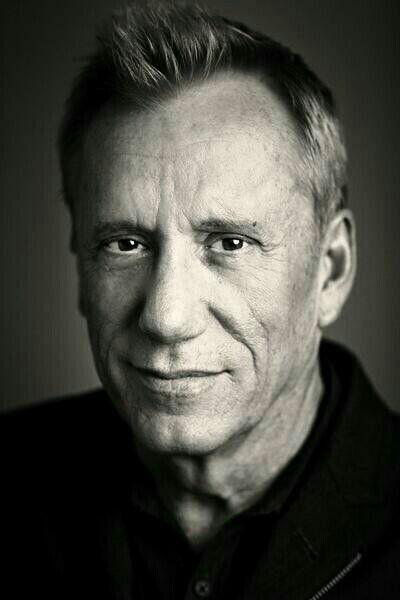
As a film fan, I’ve always admired James Woods – a really talented actor with a long career. But it’s been tough to watch what’s happened to him lately. He’s been pretty open about not being happy with the way things are going politically in Hollywood, and he says his agent actually dropped him because of his conservative views – can you believe that? He’s constantly calling out what he sees as overly sensitive language and the way people are policed for their opinions online. Because of all this, he’s moved away from big studio movies and is doing more independent films and speaking out about politics. He’s definitely one of the most well-known conservative voices left in the industry, and I respect him for sticking to his guns.
Victoria Jackson
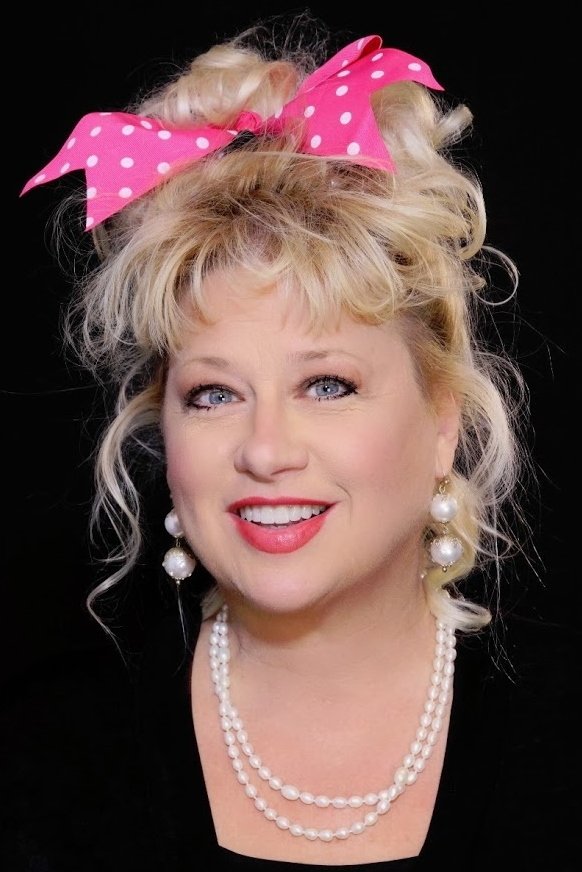
Victoria Jackson started her career as a comedian on ‘Saturday Night Live’ but later became known for her conservative political views. She’s been vocal about her concerns regarding discussions of gender identity in the media and doesn’t support the practice of using preferred pronouns. These opinions have caused disagreements with former coworkers and have limited her opportunities in mainstream comedy. She now uses her music and public speaking engagements to express her thoughts on American society, and remains a controversial figure for those who remember her early comedy work.
John Schneider
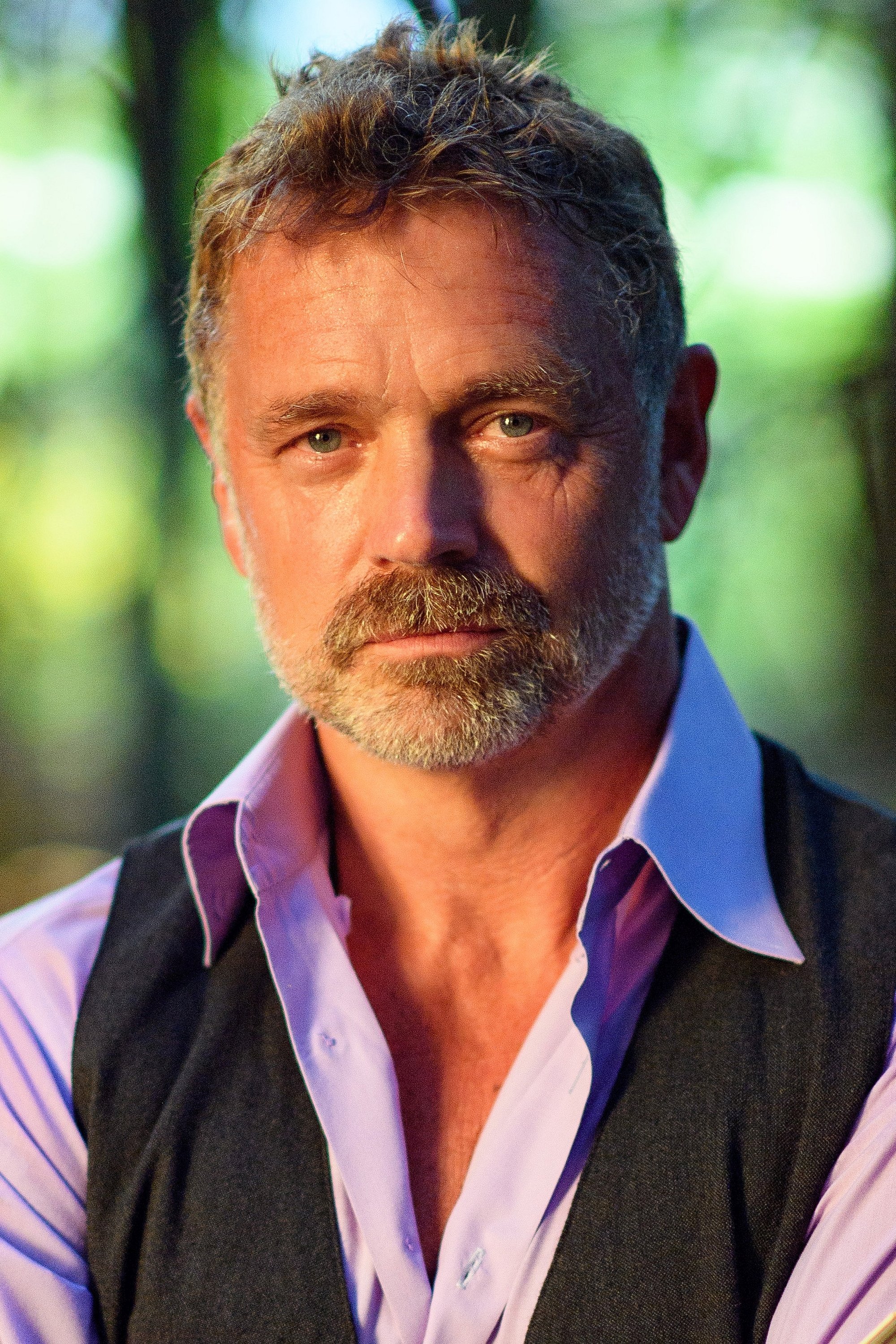
John Schneider has spoken out about how he believes progressive ideas are affecting Hollywood and society as a whole. He’s criticized studios for how they address social issues and the pressure they put on actors to follow specific storylines. Despite stepping away from mainstream Hollywood, Schneider has kept a dedicated following through his independent work and music. He frequently talks about the value of free expression and the risks of everyone thinking alike, and he continues to work in the entertainment industry on his own terms.
Stacey Dash
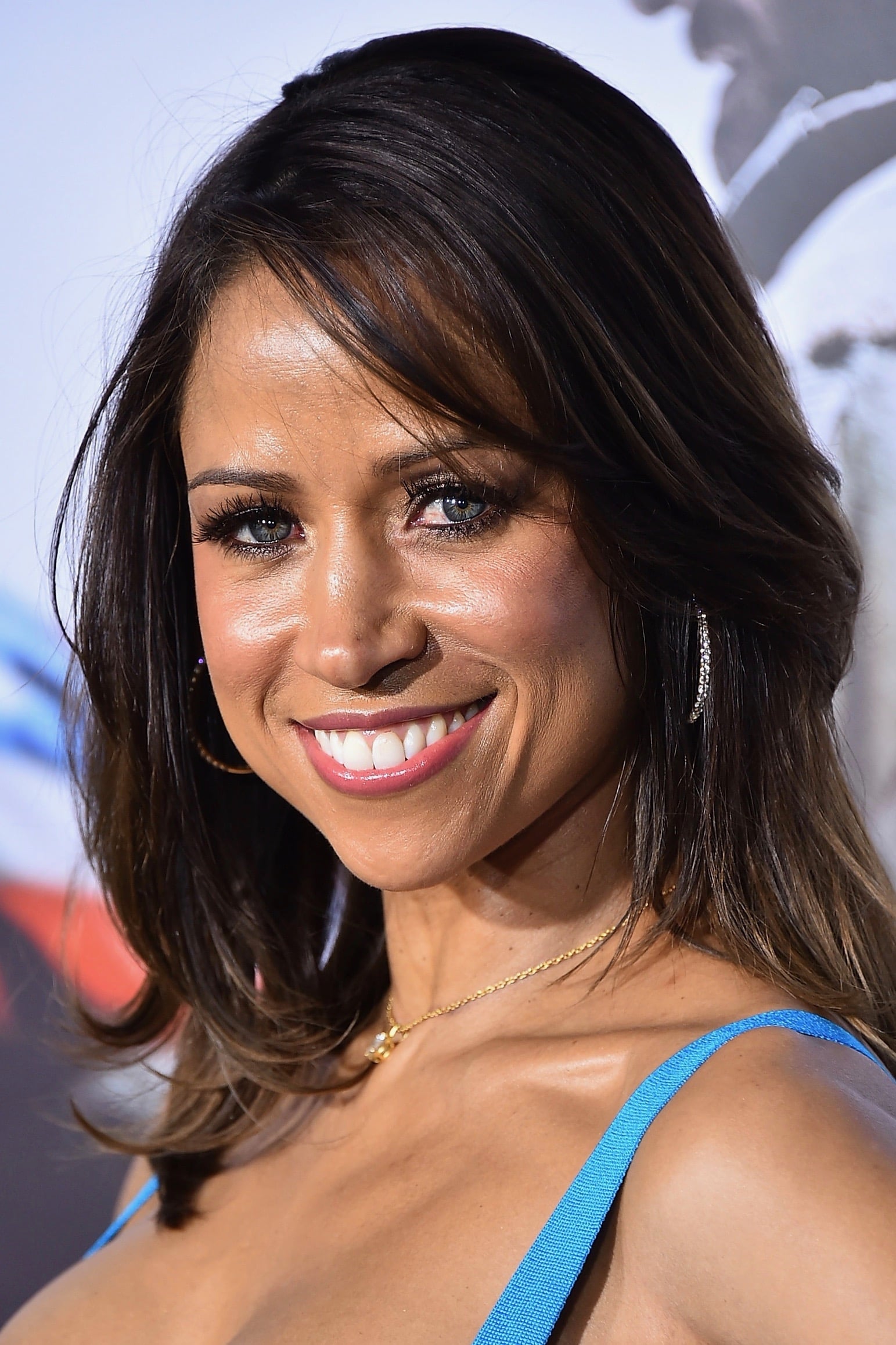
Stacey Dash experienced significant career difficulties after publicly suggesting that awards and channels focused on specific identity groups should be removed. She believed these platforms actually reinforced division and hindered the pursuit of genuine equality. Her statements about gender and identity led to networks distancing themselves from her and ultimately cost her her job as a commentator. While she later apologized for some of her earlier comments and expressed a desire to change, her career hasn’t recovered to where it once was.
Isaiah Washington
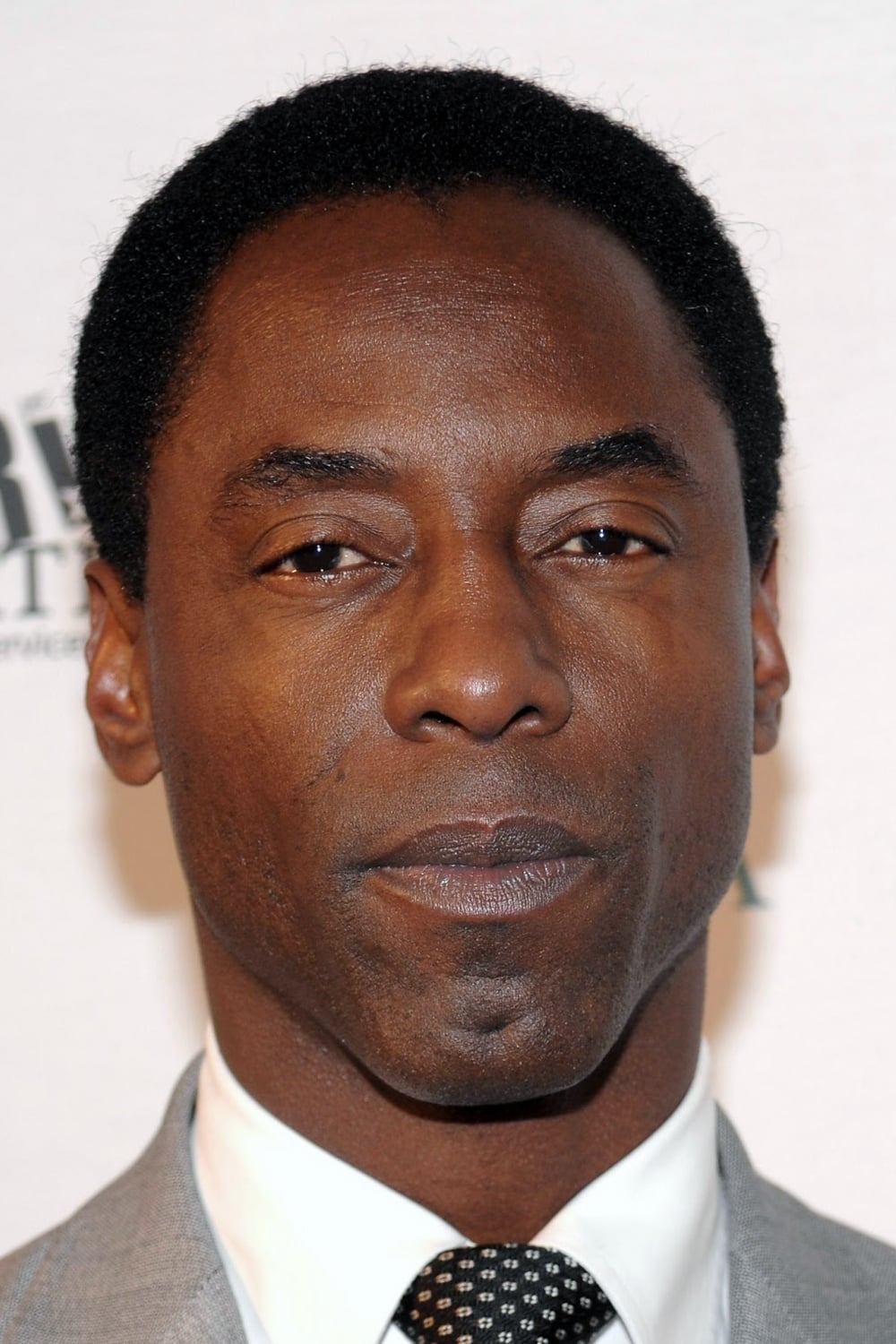
Isaiah Washington was a main actor on the popular TV show ‘Grey’s Anatomy’ but was fired after a conflict with a colleague. The issue stemmed from his use of a derogatory slur, and sparked a wider conversation about identity and how people should behave at work. After the controversy, Washington had difficulty finding regular acting jobs in Hollywood. He has since spoken out about feeling unfairly excluded from opportunities due to his personality and beliefs. His experience highlights how the entertainment industry began to adopt a strict policy against unacceptable language and behavior.
Rose McGowan
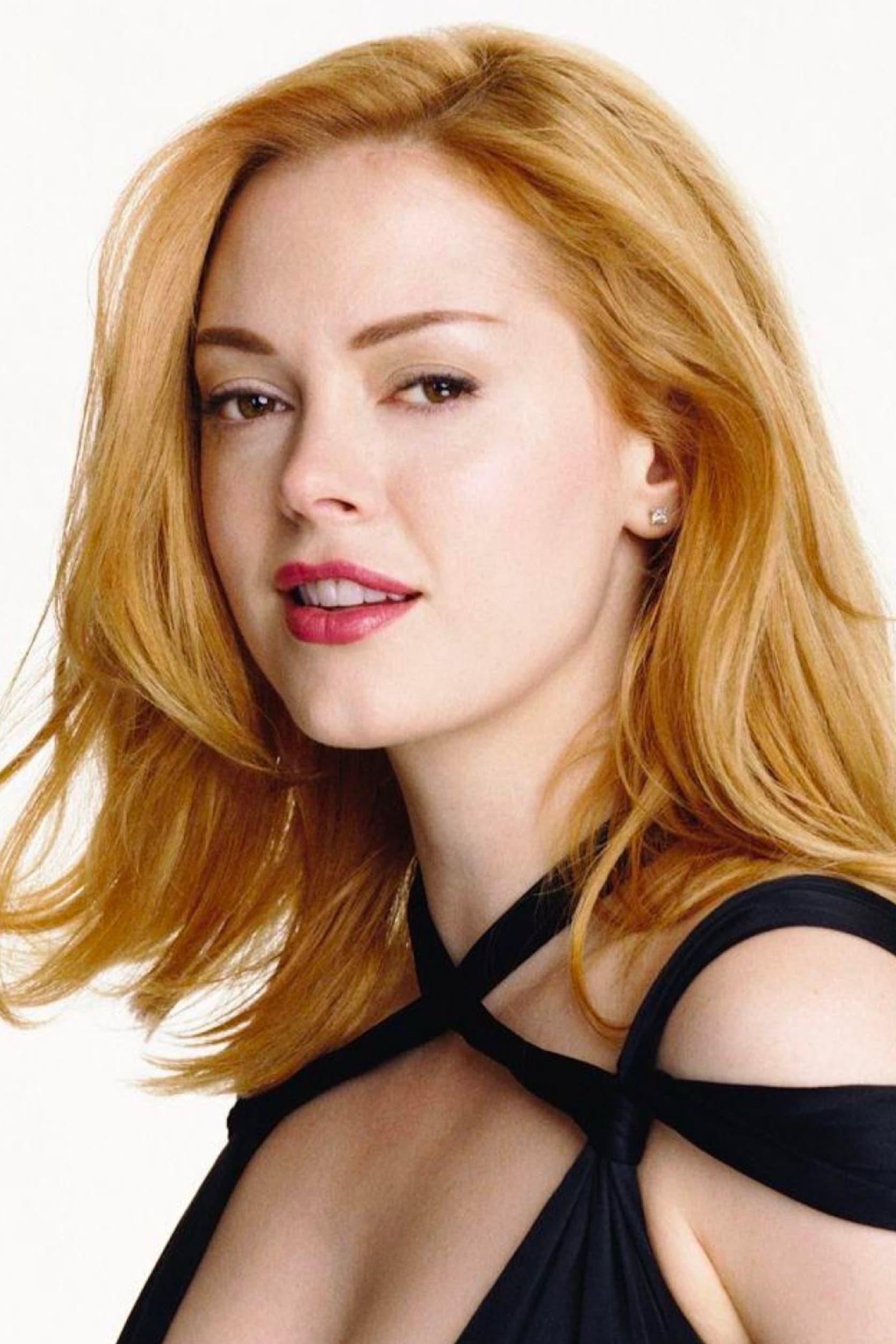
Rose McGowan played a prominent role in bringing the Me Too movement to light, but later faced disagreements with other activists regarding transgender issues. A recorded, intense conversation with a transgender woman, where she questioned whether different groups truly share the same experiences, sparked considerable backlash from within progressive circles and damaged her reputation as an activist. Since then, she’s been critical of what she sees as superficial displays of social awareness in Hollywood. She continues to focus on independent activism and her own creative projects.
Bette Midler
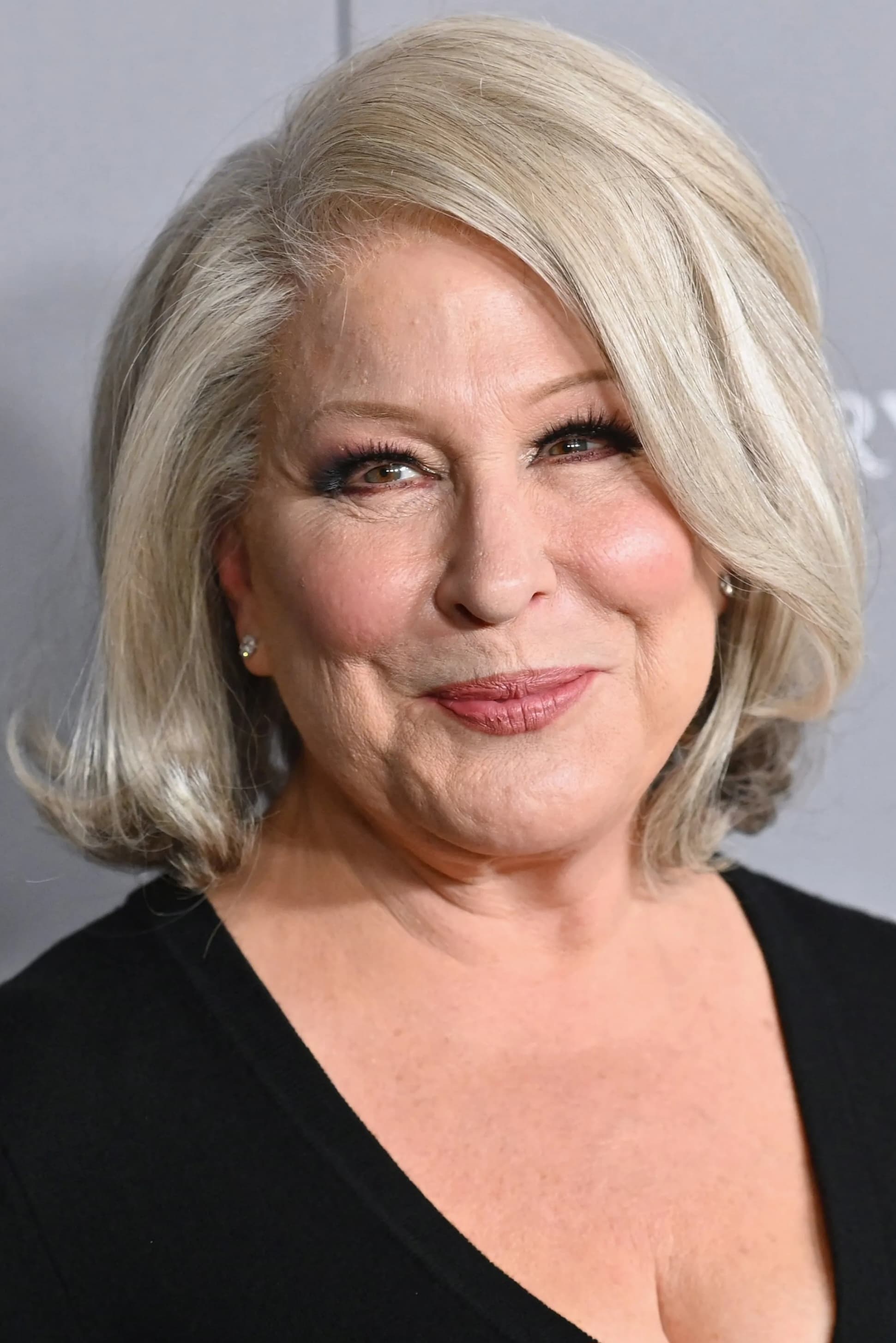
Okay, so I was really surprised when Bette Midler got called out on Twitter. She questioned using the term ‘birthing people’ instead of ‘women,’ and a lot of people, including fans, accused her of being transphobic. It was a tough situation! She later explained she was worried about losing focus on the specific experiences of women, which made sense to me. It just goes to show, even someone who’s always been a champion for good causes can stumble when it comes to new ways of talking about things. She’s still a legend, of course, but it definitely caused some friction with her fans, which was a bit sad to see.
Martina Navratilova
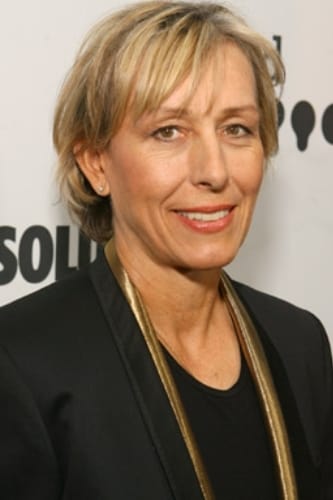
As a lifelong sports fan, I’ve always admired Martina Navratilova, but I’ve also been following the controversy around her views on transgender athletes. She’s a true legend, but her outspokenness – specifically, her belief that biological differences matter in women’s sports – has cost her some professional opportunities and drawn criticism. Basically, she’s been removed from some advocacy positions because of her stance. She’s consistently argued it’s about ensuring fair competition, and her situation really brings to light just how heated and complex the debate around gender identity is becoming, even at the highest levels of professional sports.
Zachary Levi
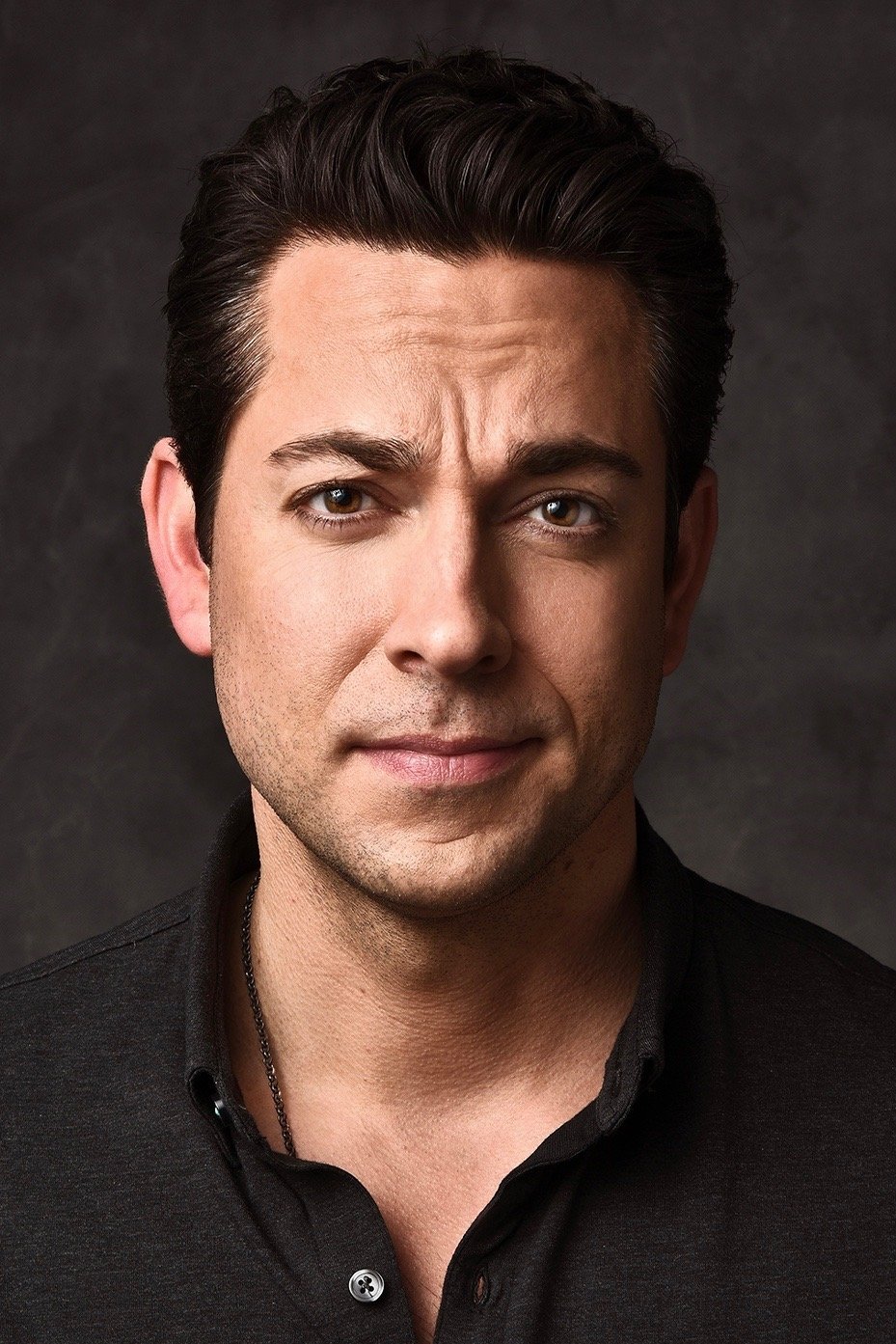
Zachary Levi received considerable online criticism after voicing concerns about some pharmaceutical companies and current social trends. Although he didn’t directly address pronouns, his questioning of modern policies led to calls for him to be replaced in superhero roles. A debate arose among fans and critics about whether his personal beliefs should impact his career. Levi maintained he has the right to ask questions and expressed annoyance with how divisive public conversations have become. He continues to work in the entertainment industry, but his public image is now more nuanced.
John Cleese
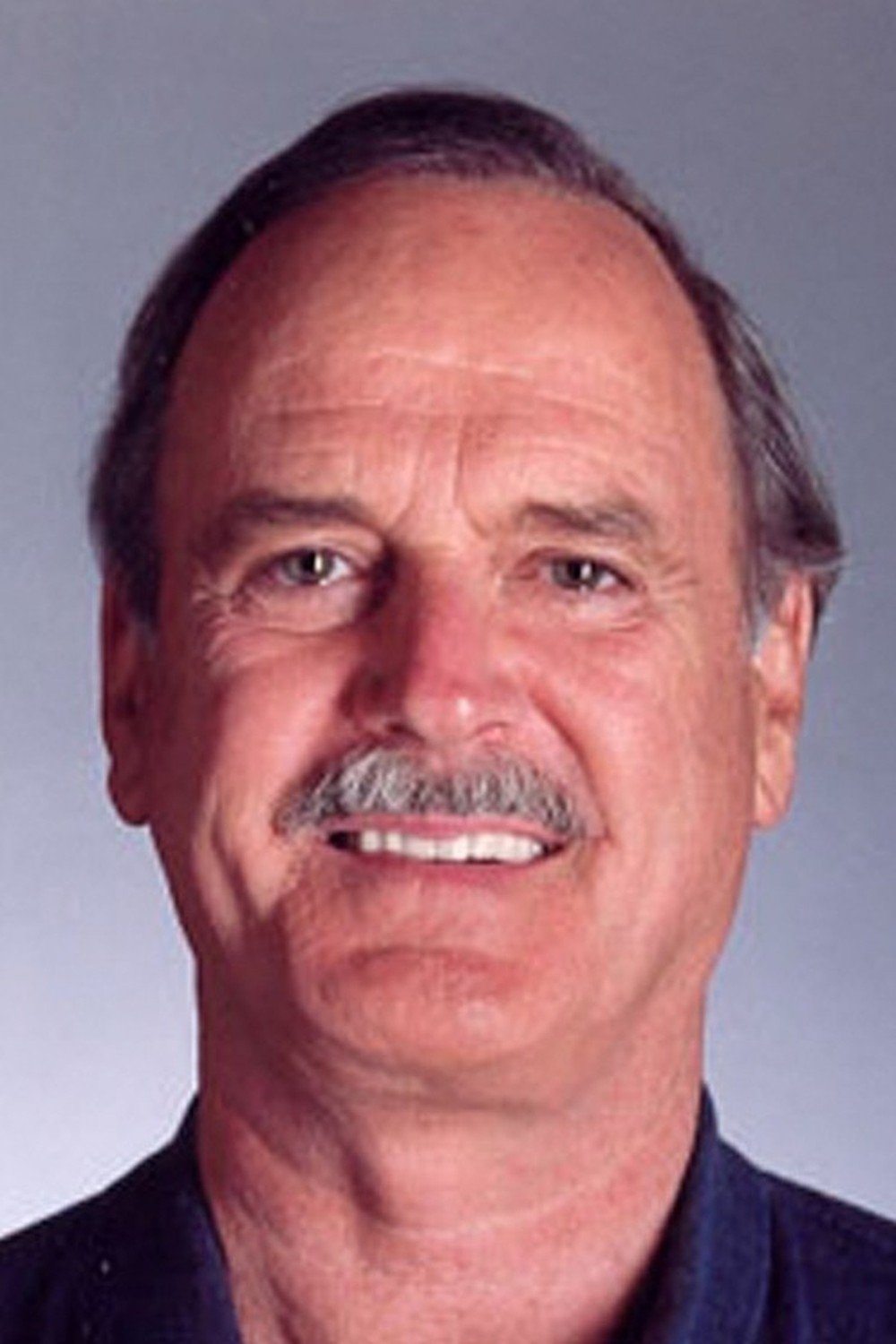
John Cleese, the famous comedian, has often criticized what he sees as a damaging effect of political correctness on creative expression. He believes that current rules around language and identity hinder satire, and he even made a documentary series about the impact of ‘cancel culture’. Cleese has said that a show like ‘Monty Python’s Flying Circus’ wouldn’t be possible today, and he continues to perform and speak out against what he considers an excessive focus on using inclusive language.
Rob Schneider
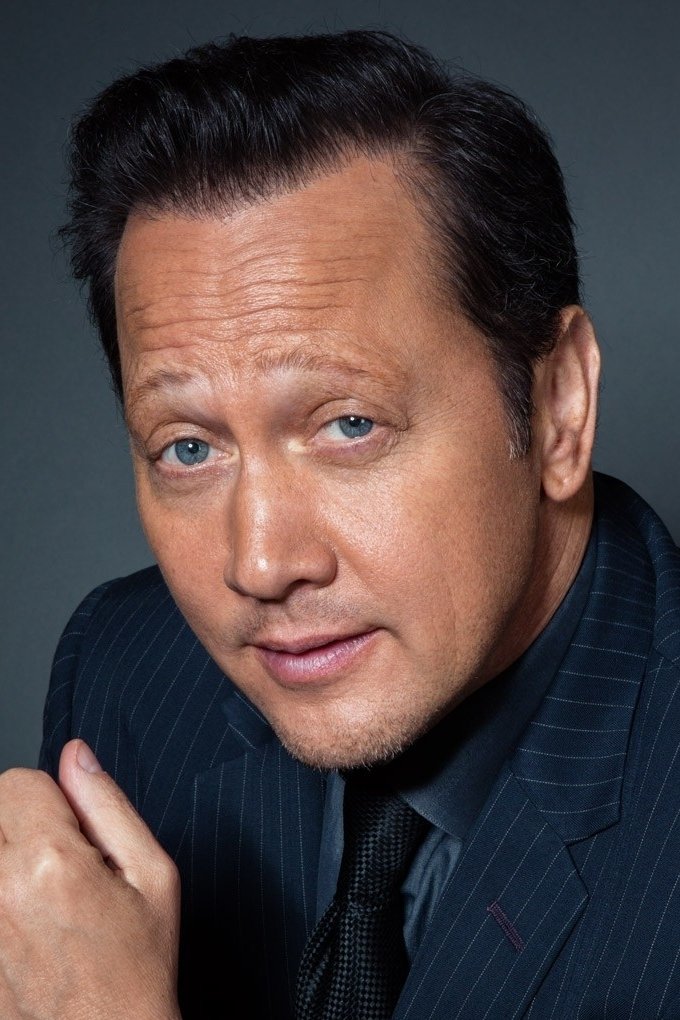
Rob Schneider has faced criticism and had some performances disrupted because of jokes he tells, particularly those about gender identity and pronouns. He’s chosen not to change his material to avoid controversy, and has publicly supported other artists who’ve received similar negative reactions. As a result, he’s increasingly performing on platforms that appeal to more conservative audiences.
Bill Maher
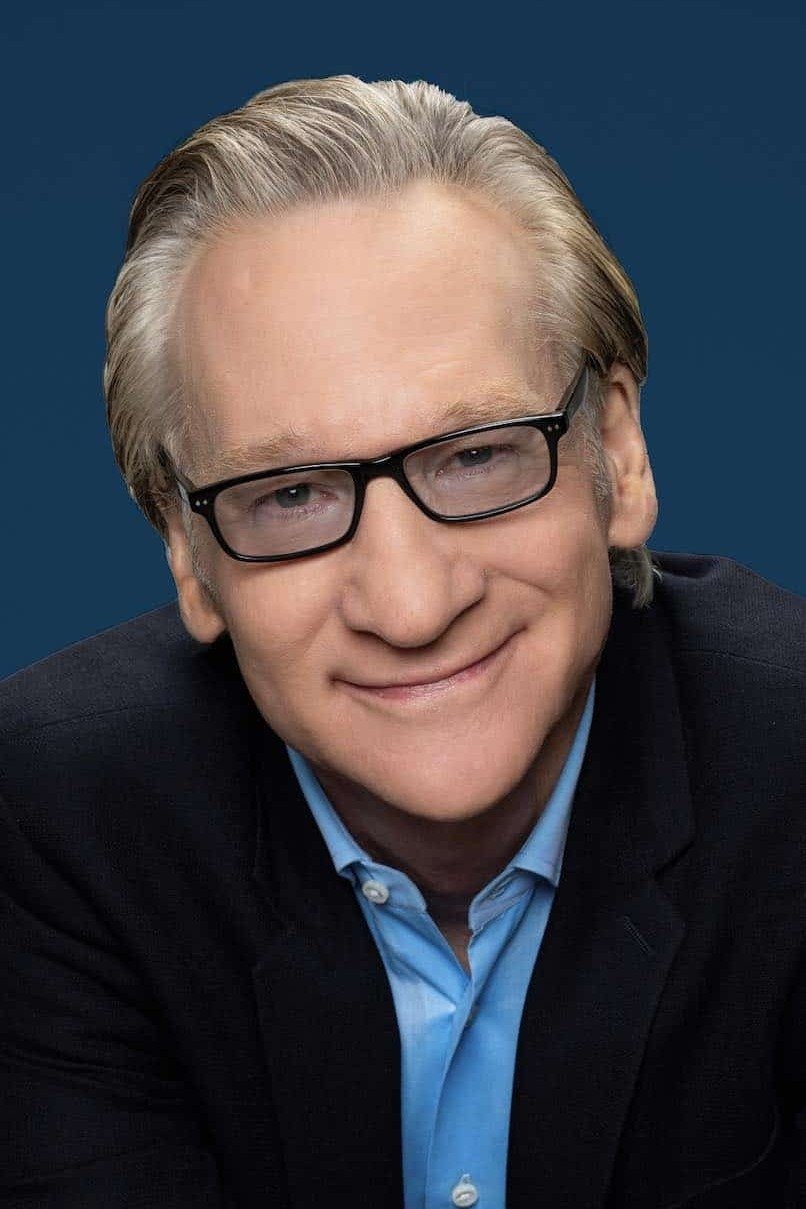
Bill Maher often uses his HBO show to critique preferred pronouns and what he considers overreactions within progressive culture. Despite remaining a well-known personality on the network, he regularly faces calls for cancellation from those offended by his opinions. Maher maintains his show provides a rare space for open and honest discussion of difficult subjects. He frequently highlights what he perceives as contradictions in current social policies and the pressure to simply agree with prevailing views. This willingness to question ideas, even within his own political camp, has made him a controversial figure in the entertainment industry.
Share your thoughts on these industry shifts and the impact on entertainment in the comments.
Read More
- 20 Movies Where the Black Villain Was Secretly the Most Popular Character
- Celebs Who Narrowly Escaped The 9/11 Attacks
- Transformers Under the Microscope: What Graph Neural Networks Reveal
- Top 20 Dinosaur Movies, Ranked
- Trading on Thin Air: AI Agents Conquer Crypto Volatility
- Silver Rate Forecast
- Gold Rate Forecast
- 22 Films Where the White Protagonist Is Canonically the Sidekick to a Black Lead
- Every Notable ‘Star Trek: The Original Series’ Actor Who Died
- Invincible Season 4 Gender Swaps Tech Jacket As Fans Question Major Comic Change
2026-01-06 15:17