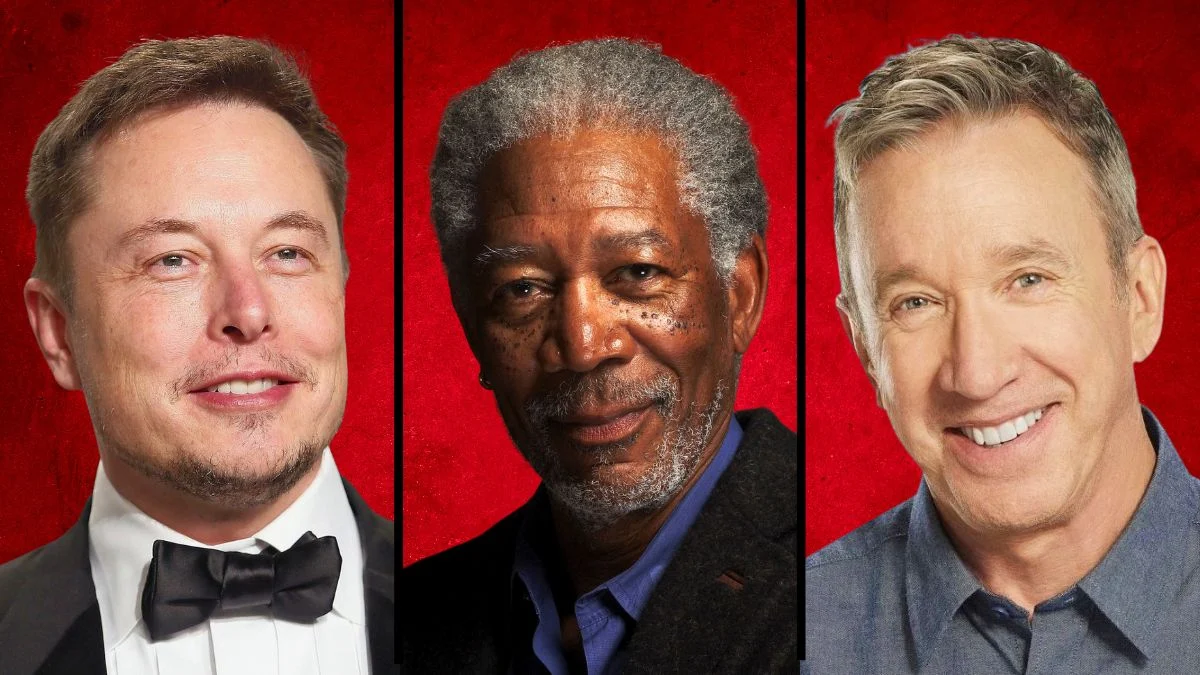
Diversity, Equity, and Inclusion (DEI) efforts are now common in both Hollywood and corporate workplaces. While many public figures support these initiatives as positive change, a growing number are speaking out against them. Some believe DEI policies limit artistic freedom or focus too much on someone’s background instead of their talent. Others worry that pushing for inclusion actually creates more conflict instead of bringing people together. This list details the actors, musicians, and other well-known people who have publicly expressed concerns or disapproval of these current industry practices.
Elon Musk
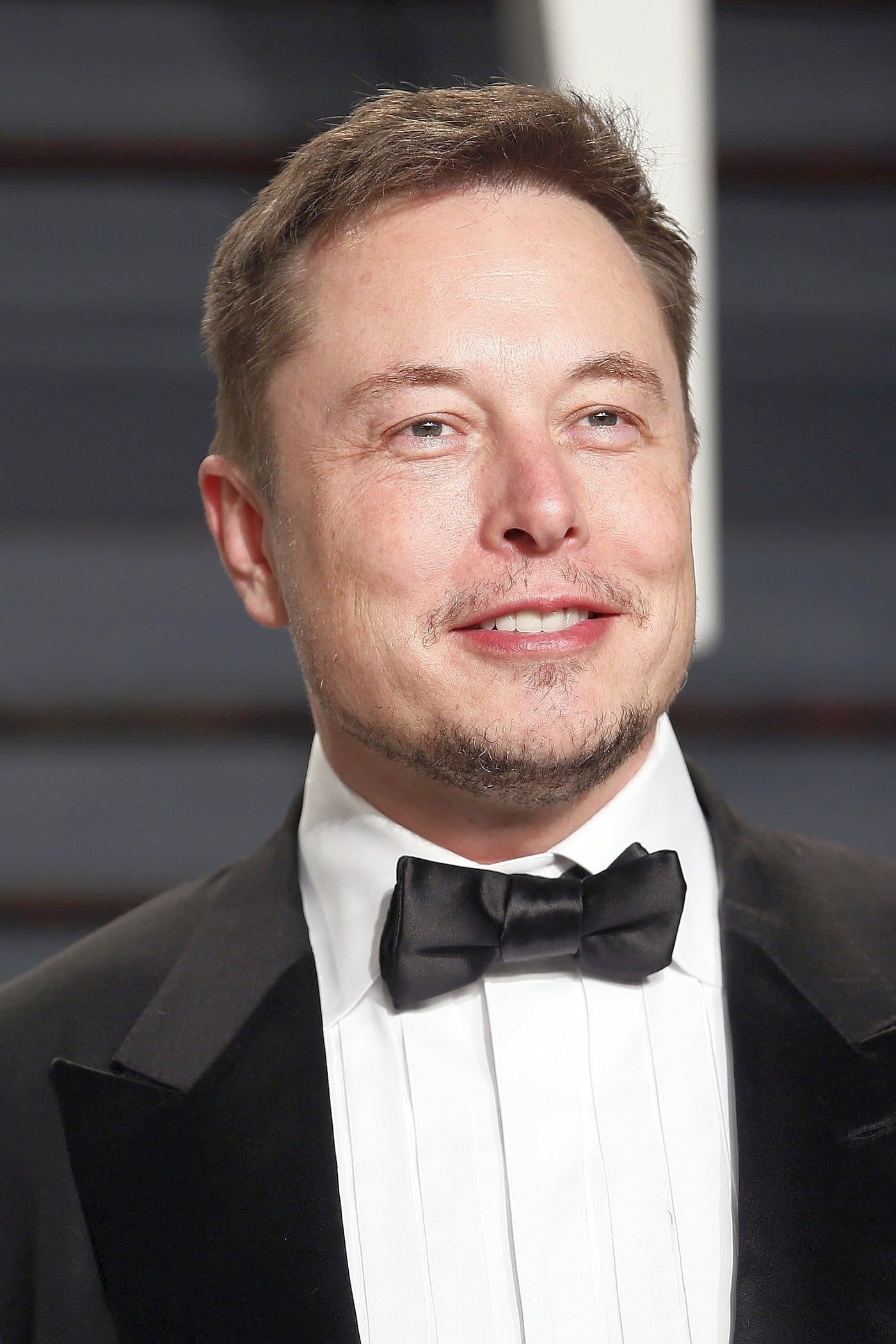
Elon Musk, the owner of X, has become a prominent voice against corporate diversity programs. He often argues that these programs, which he calls DEI, actually lead to reverse discrimination by focusing on race instead of qualifications. He’s publicly called for an end to these initiatives in many organizations, believing that hiring and promotions should be based solely on merit. Musk is concerned that prioritizing diversity over skill could negatively impact crucial fields like aviation and healthcare.
Richard Dreyfuss
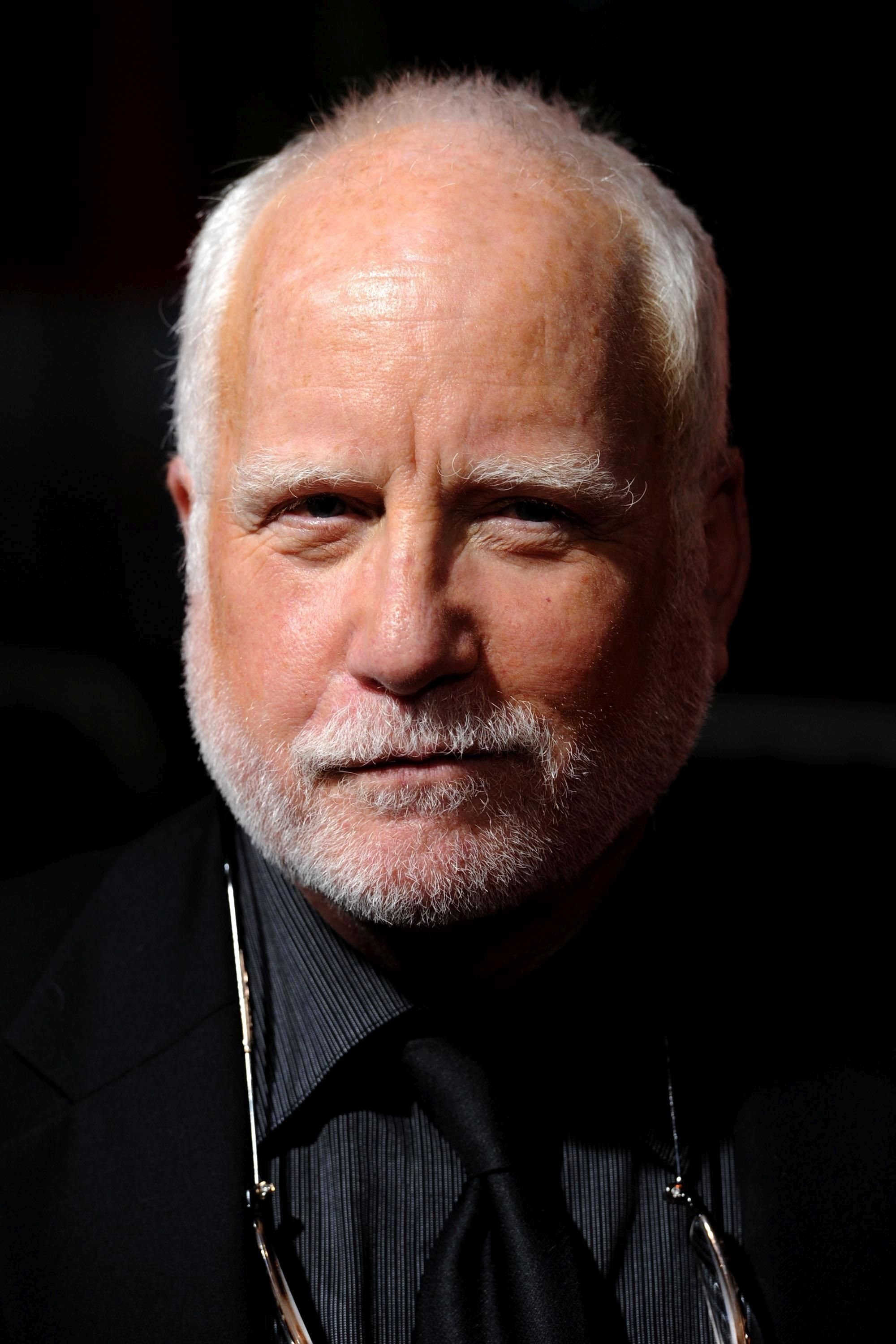
The Academy Award-winning actor publicly criticized the new rules the Oscars put in place to promote diversity. Dreyfuss said the requirements for a film to be considered for Best Picture were deeply upsetting to him, arguing that art should be a reflection of the world, not dictated by rules or quotas. He believes forcing representation is patronizing and sparked a widespread discussion about the balance between artistic expression and the demands of the institution.
Gina Carano
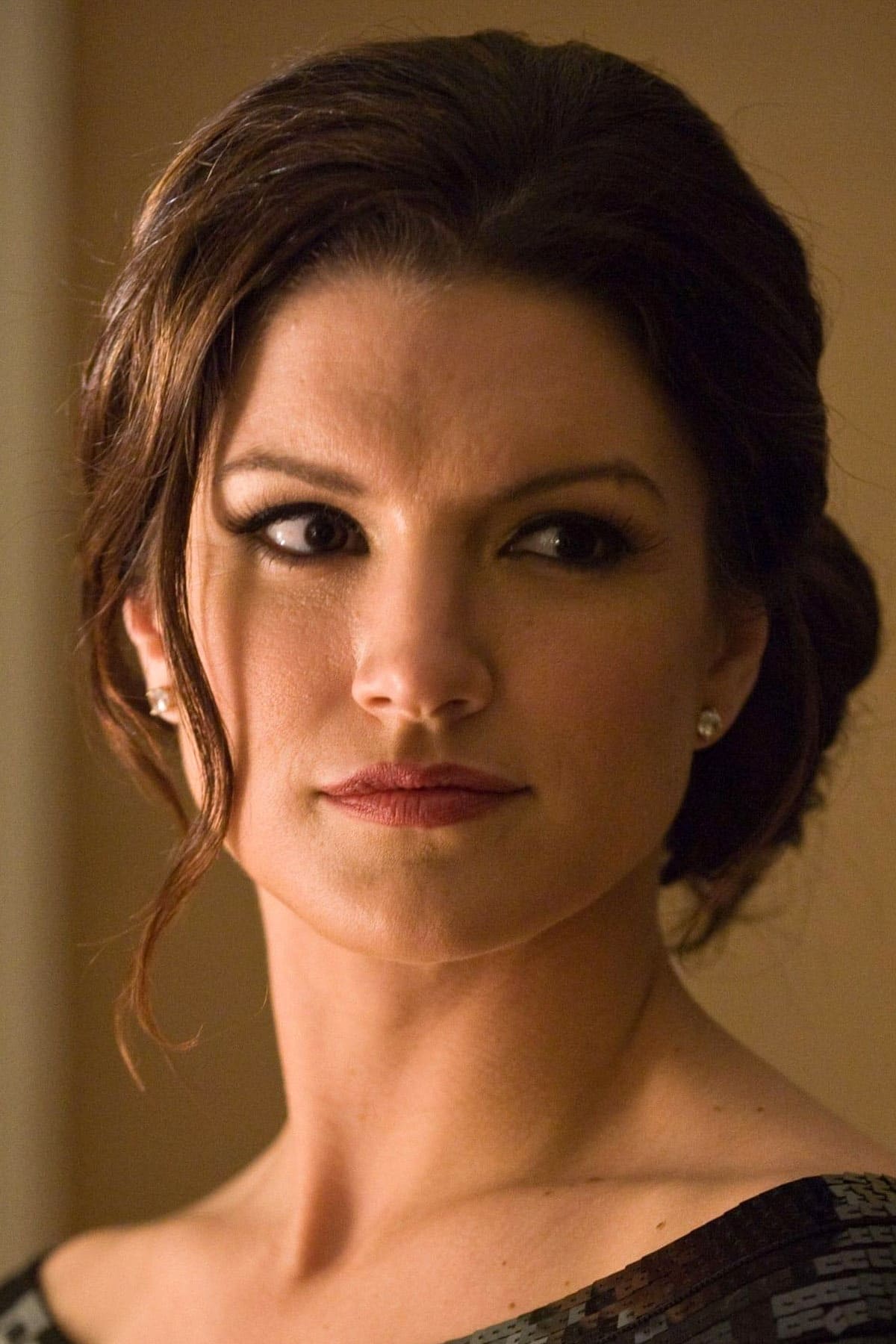
Gina Carano, a former MMA fighter and actress, became a prominent voice against what she sees as political bias in Hollywood after being fired by Disney. She filed a lawsuit, claiming she was let go because her personal political views didn’t align with the company’s. Since then, she’s been working with media outlets that oppose what they call “woke” culture. Carano believes the entertainment industry uses diversity and inclusion efforts to suppress opinions that go against the grain. Her current work focuses on projects that actively challenge mainstream diversity and inclusion standards.
Bill Maher
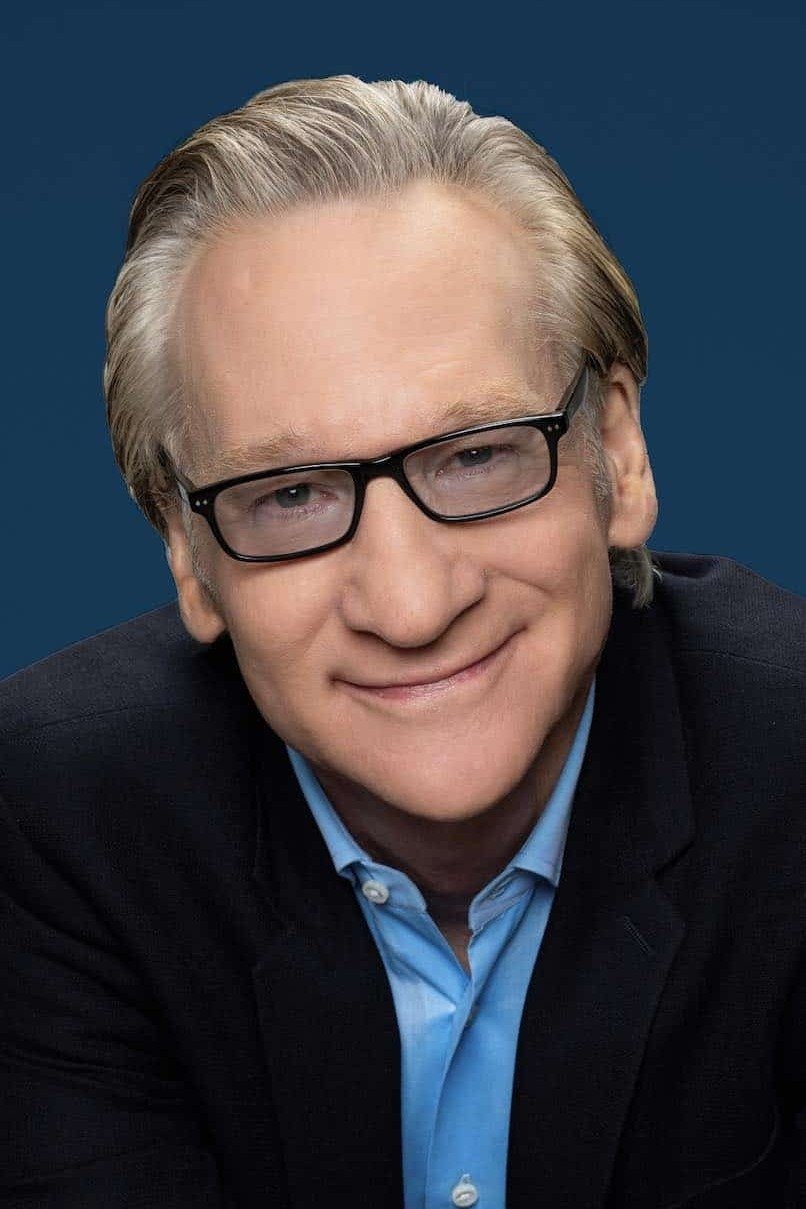
The late-night host often uses his opening remarks to comment on what he views as extremes in progressive culture and superficial efforts to promote diversity. He points out a difference between giving everyone an equal chance and guaranteeing equal results, which is the goal of many current programs. He frequently jokes about how Hollywood seems afraid of backlash on social media, leading to decisions based on fear instead of artistic merit. The comedian believes that focusing too much on race and gender quotas actually makes divisions worse instead of better. He argues that genuine progressive values should prioritize treating everyone equally, regardless of their background, rather than emphasizing identity groups.
Morgan Freeman
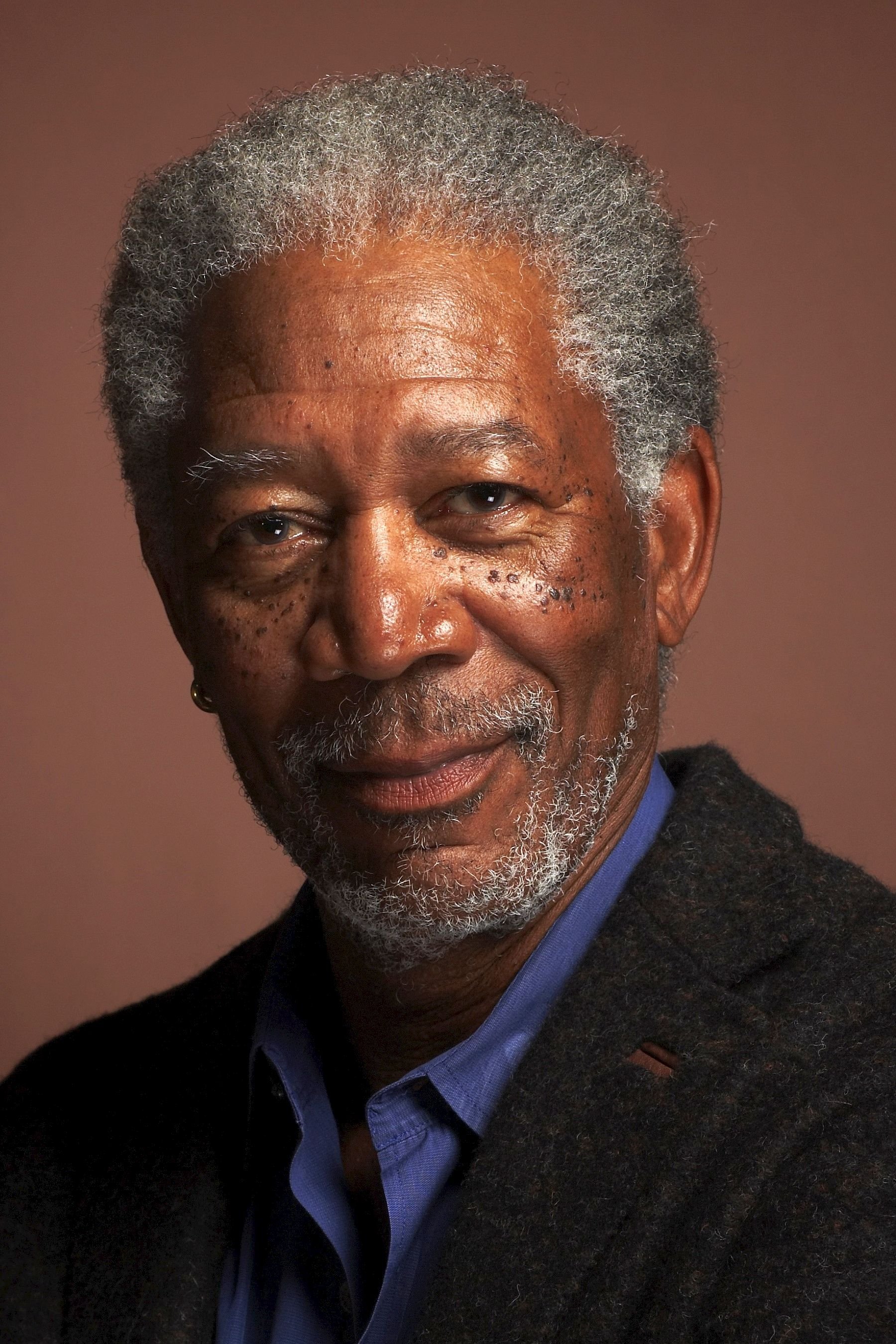
Morgan Freeman has often questioned the idea of separating Black history from the broader story of America. He once suggested that focusing less on race could actually help reduce racism. He doesn’t support Black History Month, believing his life and experiences are simply part of American history. Freeman feels that emphasizing differences, whether through labels or dedicated months, can create division. He prefers to see people as individuals, not as members of a racial group.
Anthony Mackie
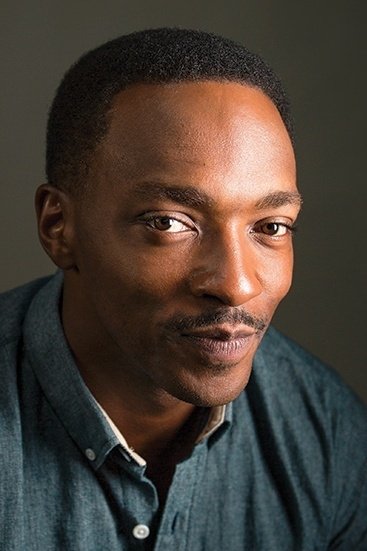
Anthony Mackie, known for his role in Marvel films, recently shared his thoughts on how movies are staffed. He questioned why a film with a Black lead would necessarily need an all-Black crew, suggesting it could be a form of reverse discrimination. Mackie believes it implies Black professionals aren’t considered qualified for projects outside of those specifically focused on Black stories. He argues that the most skilled person should be hired for any job, regardless of their race, and pointed out that seemingly progressive hiring practices can unintentionally create new forms of segregation.
John Cleese
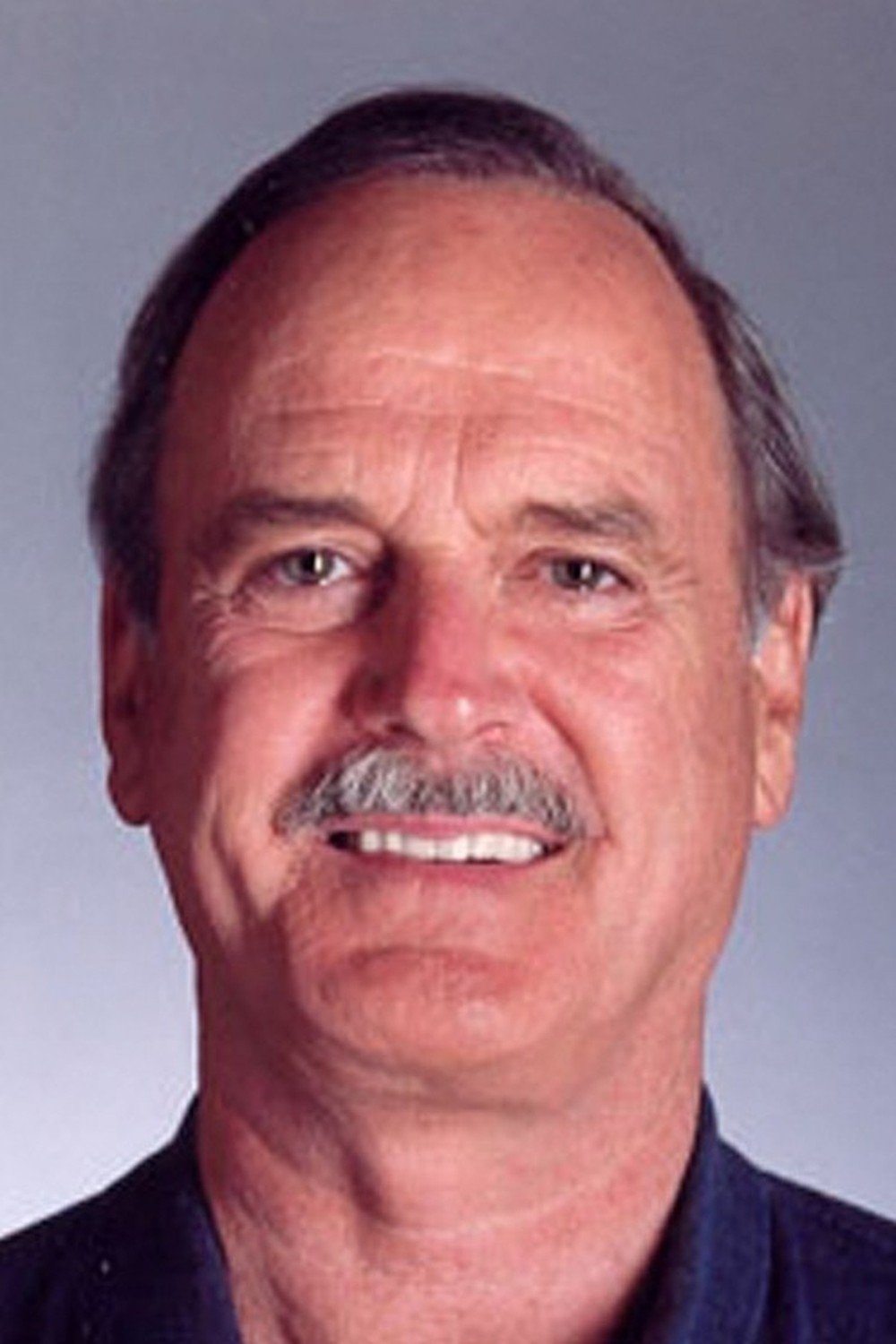
John Cleese, a founding member of Monty Python, has strongly criticized the effect of political correctness on comedy and creative expression. He believes that the worry about offending people stifles creativity. Cleese has playfully mocked diversity initiatives, even making self-deprecating jokes. He argues that writers need freedom to be bold and honest, and that constantly worrying about meeting quotas or avoiding offense hinders their work. He feels comedy needs the space to be challenging and even a little rude, without being controlled by administrators.
Terry Gilliam
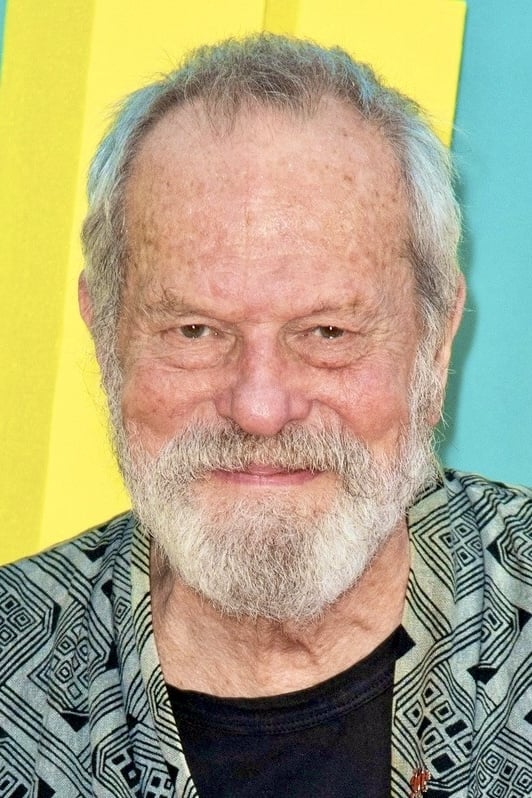
The celebrated director and animator Terry Gilliam publicly criticized the BBC’s efforts to increase diversity following a debate about ‘Monty Python’. As a form of protest, he jokingly said he would identify as a Black lesbian to meet the new guidelines. Gilliam argued that a comedy group should be formed based on talent and friendship, not to fulfill a specific demographic quota. He believes forcing diversity through rules stifles creativity and genuine artistic connection, viewing such requirements as ridiculous and counterproductive.
Roseanne Barr
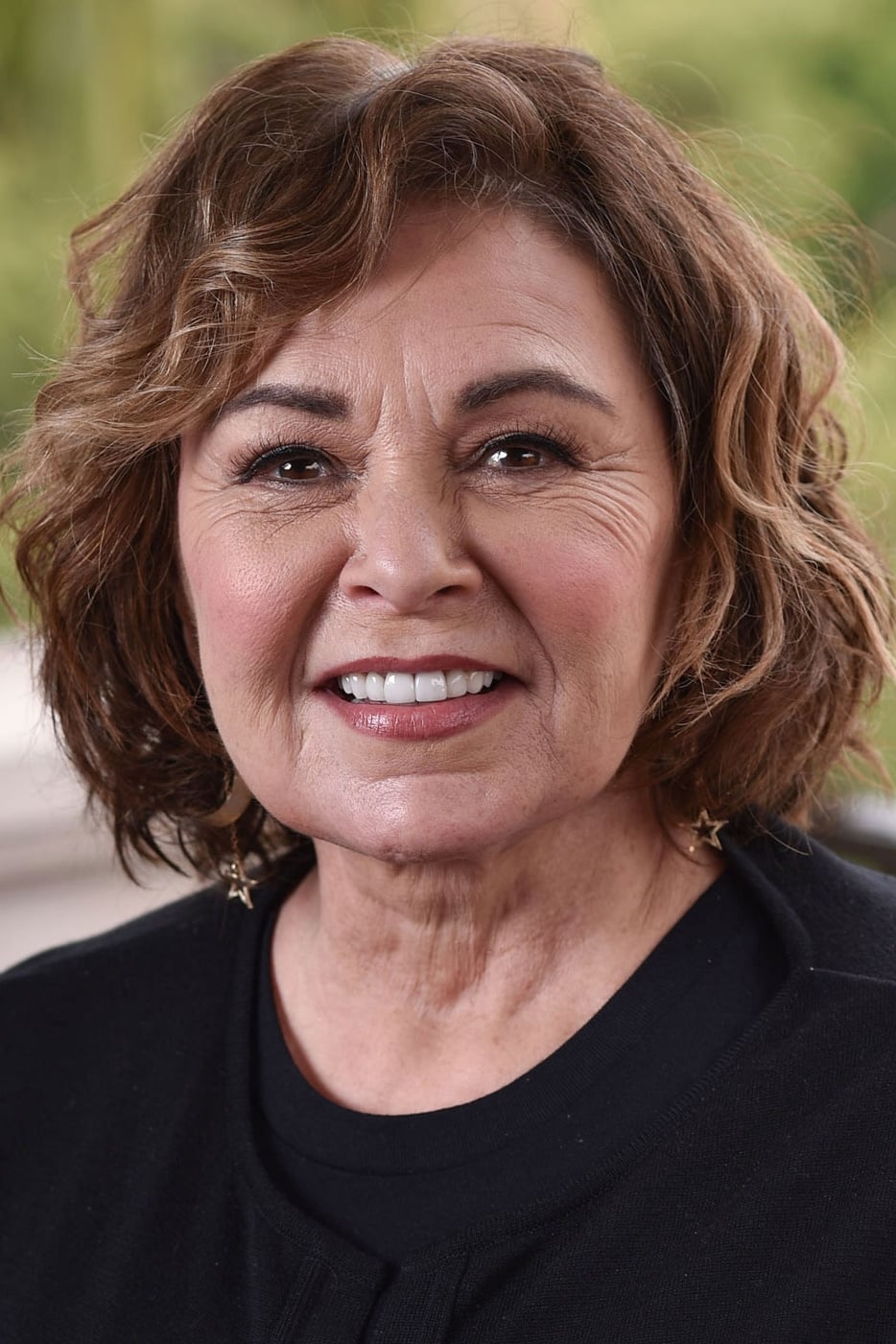
The comedian has made a name for herself recently by speaking out against what she sees as excessive political correctness in Hollywood. She often criticizes the entertainment industry for pushing a narrow perspective that leaves out viewpoints from conservatives and working-class people. She believes that real diversity means including different ideas, not just different backgrounds. Her comedy frequently points out what she considers to be the flaws in how companies approach inclusivity. She claims she faced career repercussions for refusing to follow these industry norms.
James Woods
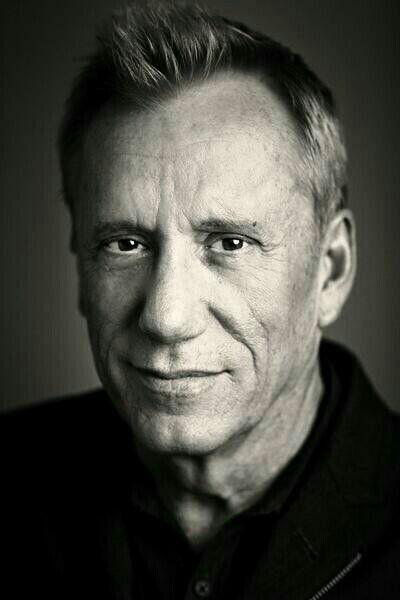
As a movie lover, I’ve noticed a real shift in Hollywood, and Tim Woods is one of the few actors speaking out about it. He’s openly conservative and doesn’t shy away from criticizing what he sees as an overemphasis on ‘DEI’ at the expense of good storytelling. He feels like studios are prioritizing messages over actually crafting compelling narratives, sometimes even rewriting history or sacrificing quality writing in the process. He believes talent is getting overlooked in favor of ticking boxes, and honestly, he’s gotten so frustrated with the current political climate in the industry that he’s largely decided to work outside of mainstream Hollywood now. It’s a shame, because he’s a really solid actor, but I can understand why he’d feel that way.
Jon Voight
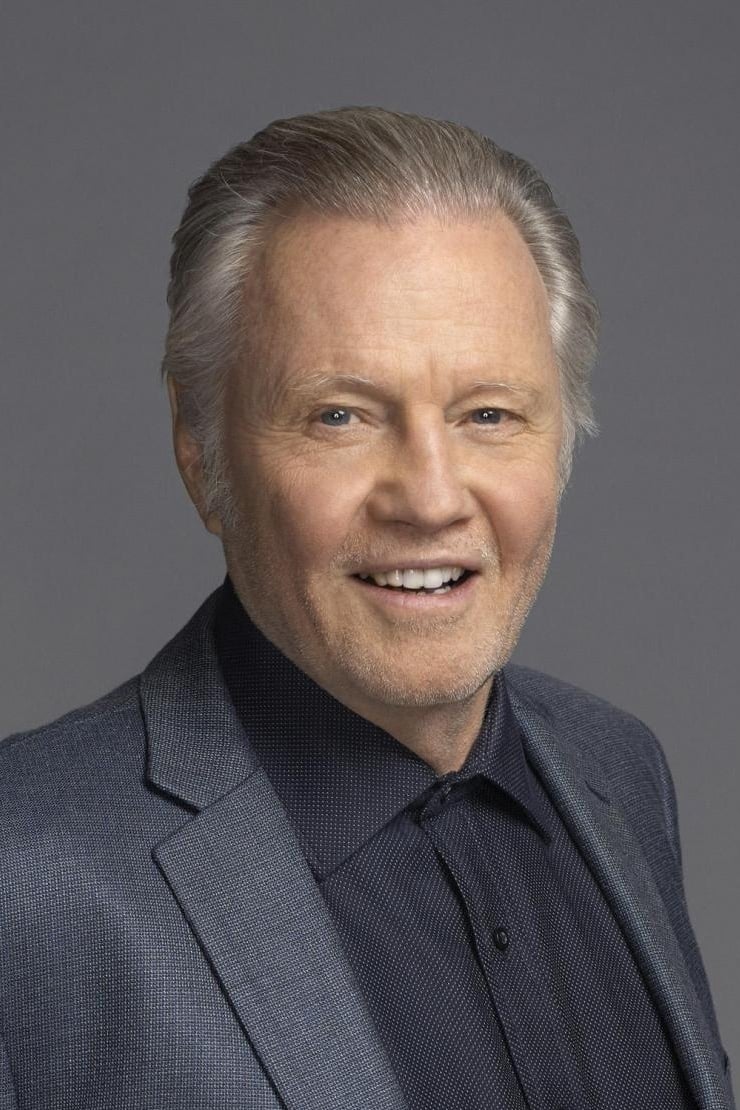
Jon Voight, an Academy Award winner, has consistently spoken out against what he sees as a leftward shift in Hollywood and its diversity programs. He feels the entertainment industry has lost its focus on simply entertaining and is now too concerned with pushing political agendas. Voight believes prioritizing group affiliation goes against American ideals of individual achievement. He often expresses concern that these changes are harming the country’s values and continues to back politicians who aim to reverse these trends within the industry.
Kevin Sorbo
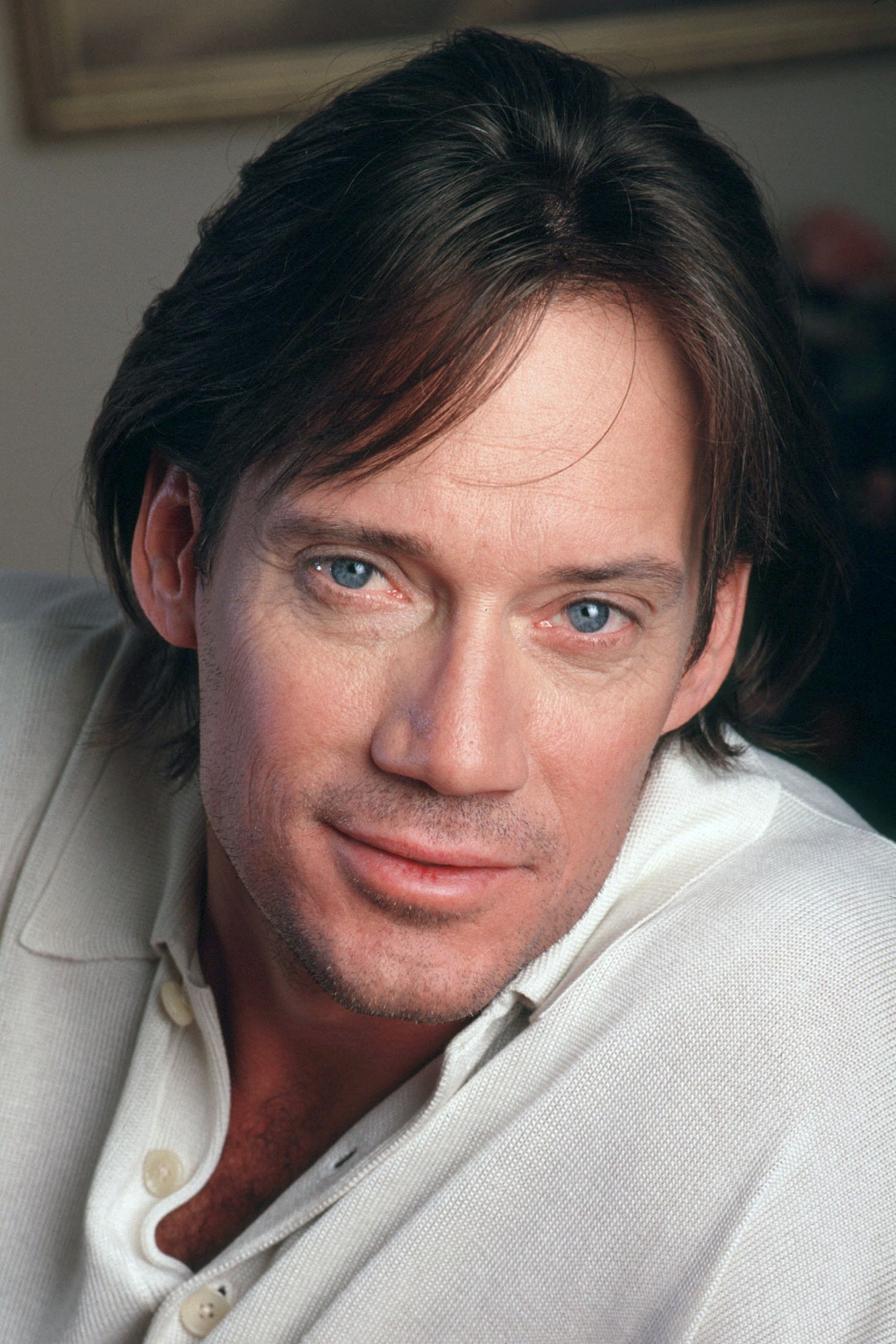
Kevin Sorbo, known for his role in ‘Hercules,’ believes he was sidelined by Hollywood because of his conservative Christian views. He often speaks out against what he sees as a preference for non-white, male leads in the entertainment industry, suggesting that diversity efforts sometimes mask the exclusion of those with traditional beliefs. Now, Sorbo makes independent films offering an alternative to what he considers the politically driven content of major studio movies. He feels audiences are growing weary of entertainment that pushes specific political messages.
Dean Cain
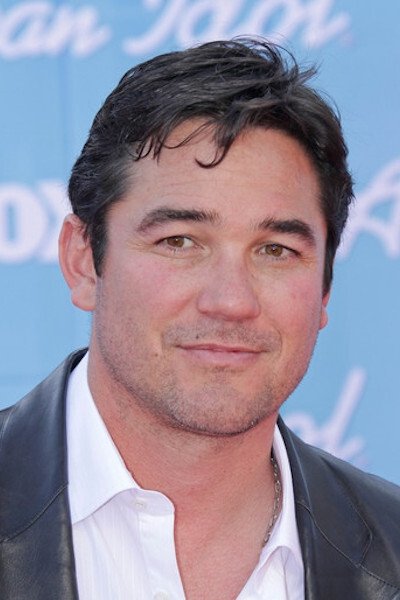
The actor famous for his role as Superman has publicly expressed his dislike of what he calls “woke culture” in movies and TV. He believes that an excessive focus on issues of identity overshadows the importance of a good story. He’s specifically criticized recent changes to comic book characters that aim to make them more diverse, arguing it’s better to create new, original characters instead of changing established ones. Ultimately, he feels that entertainment should be evaluated based on its artistic merit, not whether it meets certain political expectations.
Rob Schneider
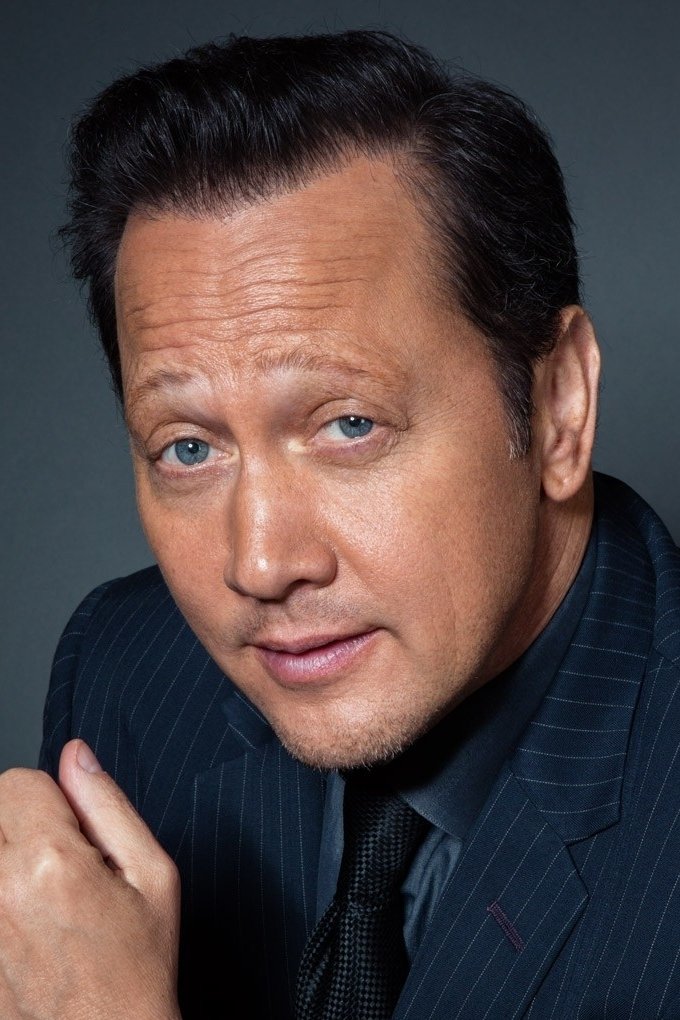
Comedian David Schneider has spoken out against what he sees as a lack of creative freedom in Hollywood. He believes comedy is being stifled because writers are hesitant to tackle controversial topics, fearing backlash from groups focused on diversity and inclusion. Schneider feels that free speech is threatened by demands for perfectly inclusive language. As a result, he’s moved his production work out of California, seeking a less politically charged atmosphere. He now tours performing comedy that playfully challenges today’s heightened sensitivities.
Tim Allen
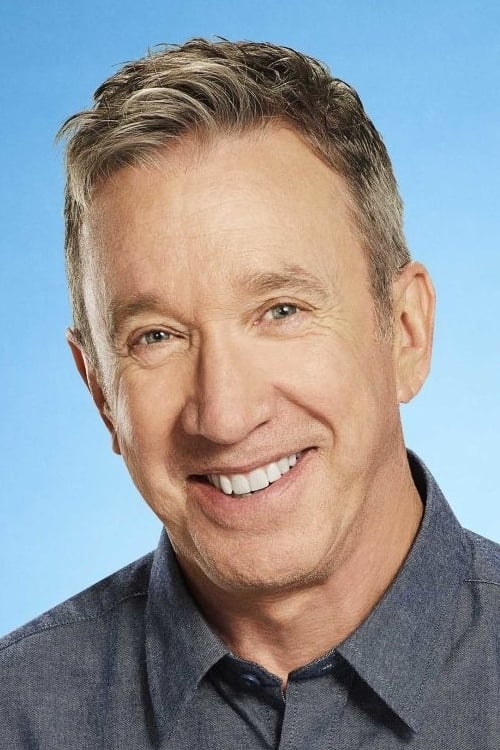
Tim Allen, known for his role in ‘Home Improvement,’ has frequently voiced his annoyance with how language and comedy are changing. He’s compared the pressure to avoid causing offense in Hollywood to the stifling atmosphere of 1930s Germany. Allen believes comedians should be free to make jokes about anything without worrying about losing their careers. He feels things have gone too far in trying to control what people say in the name of being inclusive, and he connects with many fans who feel left out by these changes in culture.
Megyn Kelly
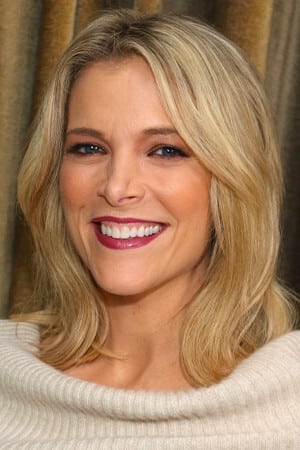
This journalist and podcaster has built her career around criticizing Diversity, Equity, and Inclusion (DEI) programs. She believes these initiatives create division and lower expectations, and often shares examples where she feels qualifications were overlooked in favor of meeting diversity goals. She also argues that schools are teaching children harmful and divisive ideas about race under the banner of inclusivity, and she supports a system where success is based purely on talent and achievement, regardless of race.
Piers Morgan
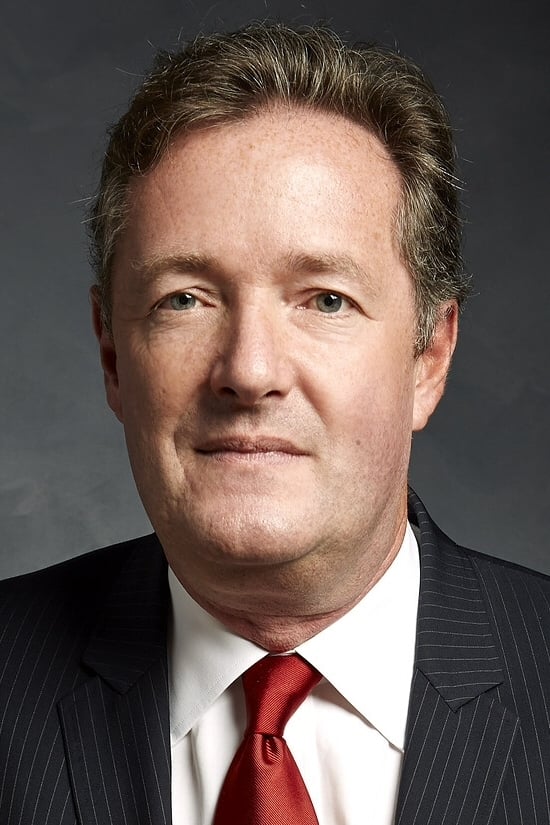
This British broadcaster consistently speaks out against what he sees as an overly sensitive culture influencing media and society. He argues that the pressure to avoid causing offense and strict diversity requirements are harming logical thinking. He became well-known for leaving his television show after refusing to apologize for his views on Meghan Markle. He believes people are now too easily offended and focused on categorizing each other. He feels real equality means treating everyone equally, without giving anyone special advantages.
Joe Rogan
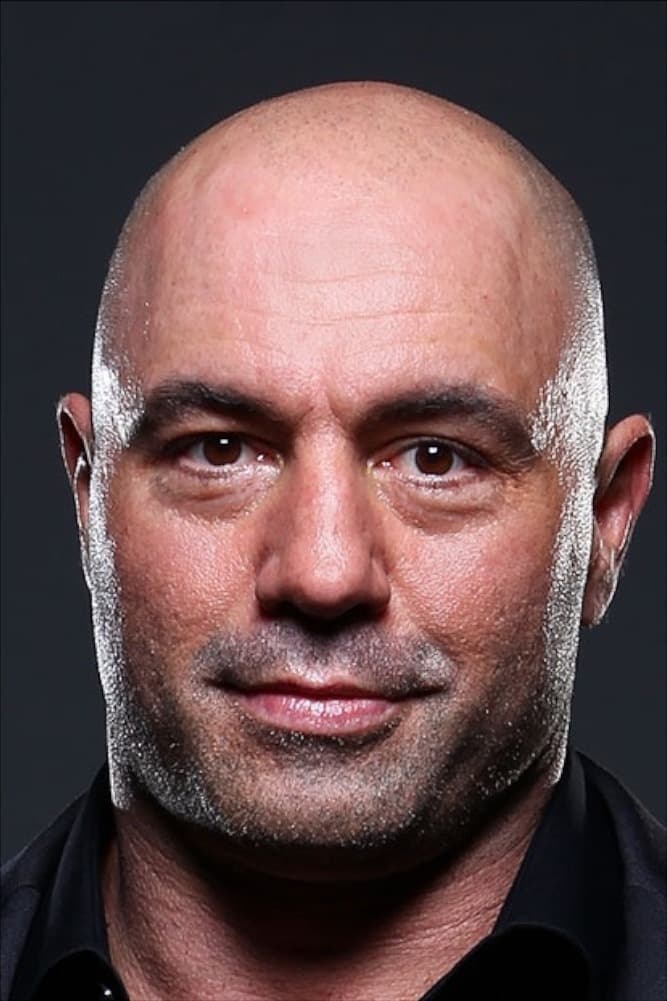
The world’s leading podcaster often talks about how overly sensitive corporate culture is harming creativity and comedy. He believes that the fear of upsetting diversity committees is stifling artistic expression. He argues that companies should hire people based on talent and qualifications, not on factors unrelated to their abilities. He feels that political correctness has gone too far and that people are tired of inauthentic content that’s been overly sanitized by corporate reviewers.
Adam Carolla
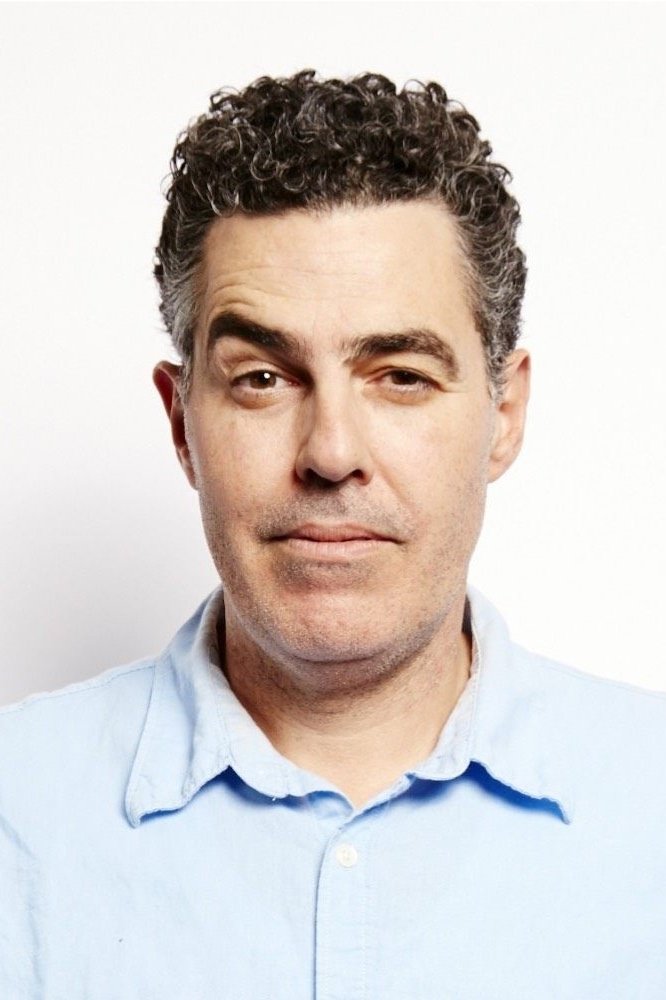
Comedian and podcaster Adam Carolla frequently criticizes what he sees as a decline in authenticity and quality in today’s entertainment industry. He suggests that prioritizing diversity initiatives over talent leads to lower standards, and that Hollywood focuses more on delivering messages than on providing entertainment. Carolla often satirizes ideas like microaggressions and safe spaces, believing that achievement should be based purely on effort and skill.
Russell Brand
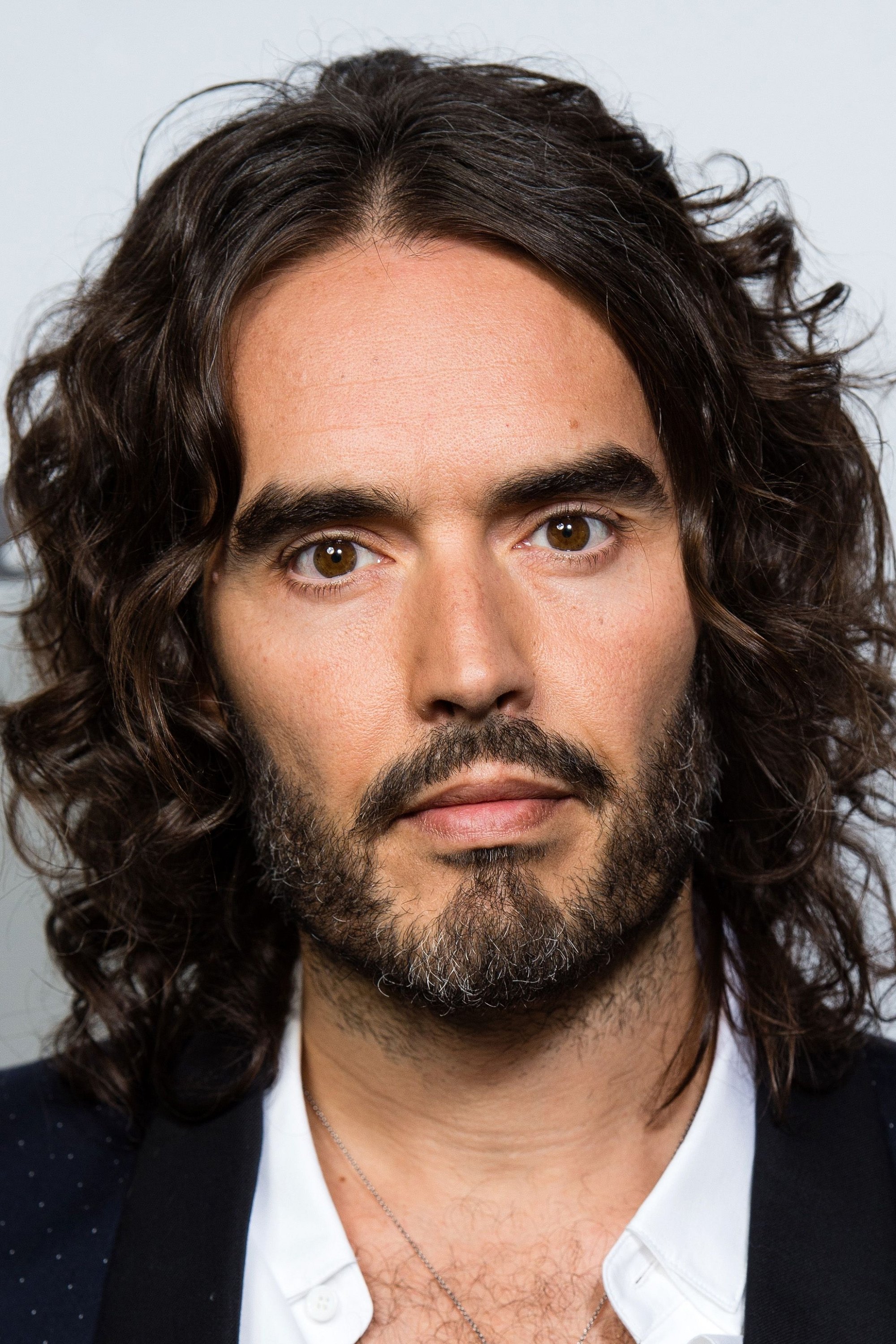
I’ve been following Russell Brand’s recent work, and it’s a fascinating turn. He’s really digging into what he sees as the hypocrisy of ‘woke’ corporate culture. He’s arguing that a lot of these big companies use diversity and inclusion as a smokescreen, a way to distract us from the fact that they’re still, fundamentally, exploiting people for profit. Brand isn’t buying the idea that real liberation comes from aligning with corporate identity politics; he believes it’s about a personal, spiritual awakening. He sees these initiatives as calculated distractions employed by those in power, and he’s essentially urging us to tune out the mainstream noise and think for ourselves. It’s a provocative argument, and definitely worth considering.
Kid Rock
This musician has become well-known for speaking out against what he sees as excessive political correctness. He frequently criticizes companies he believes are simply trying to appeal to progressive activists. He feels that many working-class people are being left out of the conversation by the values promoted in media centers like those on the coasts. The singer champions a straightforward, no-nonsense approach to fairness and doesn’t believe in overly cautious sensitivity training. Despite the controversy, he continues to be very popular with fans who feel overlooked by mainstream culture.
Jason Aldean
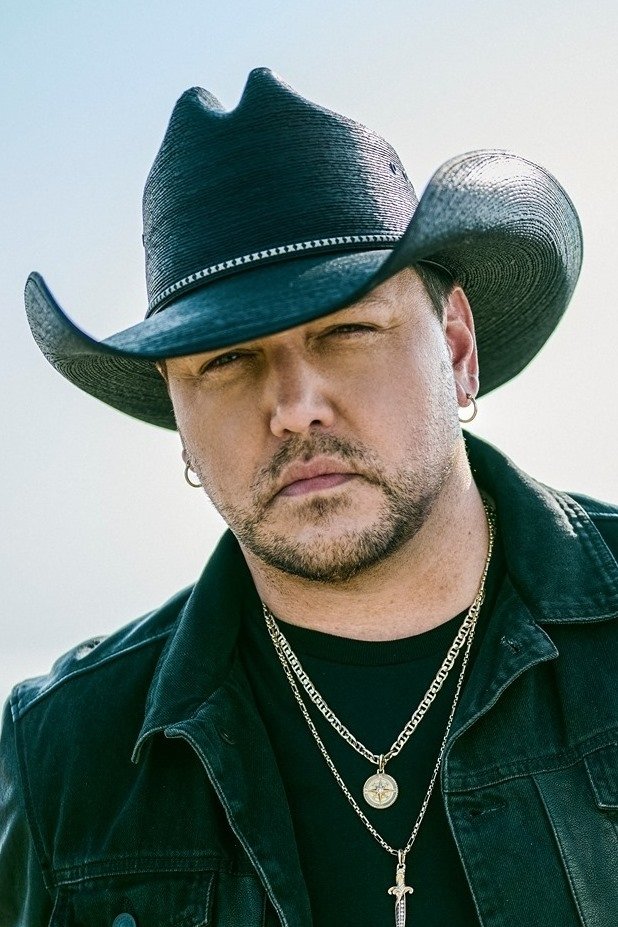
The country singer received strong criticism for his latest music video, which some people felt contained racist themes. He responded by saying the criticism was overblown and that he wasn’t intentionally offensive. He believes that traditional rural values are being unfairly attacked by those in the media who live in cities, and that the music industry is trying to force country music to align with a certain political viewpoint. He stated he has no plans to apologize for his opinions or his creative work.
Travis Tritt
The country singer is joining a growing number of artists who are refusing to support companies promoting what he sees as overly progressive or ‘woke’ ideas. He believes businesses should stick to selling products and avoid taking sides in political debates. Tritt feels many customers are frustrated by companies pushing social issues, and he encourages people to stop buying from corporations that back controversial causes. He’s also firmly opposed to any kind of requirements or mandates.
John Rich
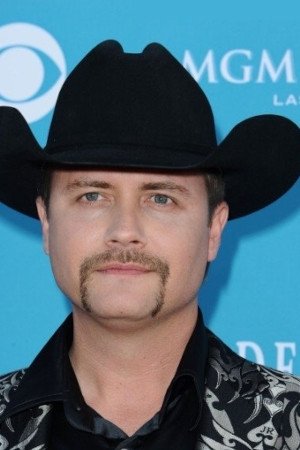
The country singer has become increasingly outspoken about social and business issues. He claims that the focus on ESG and DEI ratings is harming American companies, and that businesses should succeed or fail based on the quality of their products and services, not their political views. He urges his fans to support companies that don’t embrace what he considers ‘woke’ ideologies, believing that patriotism and traditional values are being threatened by current corporate practices.
Ted Nugent
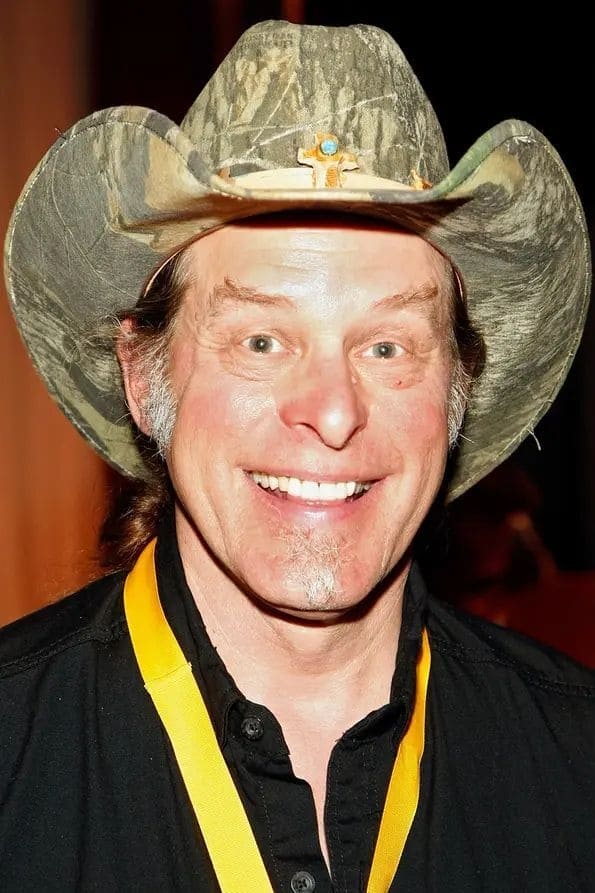
As a fan, I’ve always known Ted Nugent wasn’t afraid to speak his mind. He’s been a vocal critic of what he sees as overly sensitive political correctness and liberal ideas for years. He thinks things like diversity programs actually end up hurting people by unfairly favoring some over others, and he’s a huge believer in people being self-reliant and having the freedom to say what they think, even if it rubs some people the wrong way. He’s also pretty outspoken about what he sees as a decline in morals within the entertainment world. He claims he’s been unfairly shut out by the industry for a long time, but honestly, he seems to be doing just fine on his own terms.
Isaiah Washington
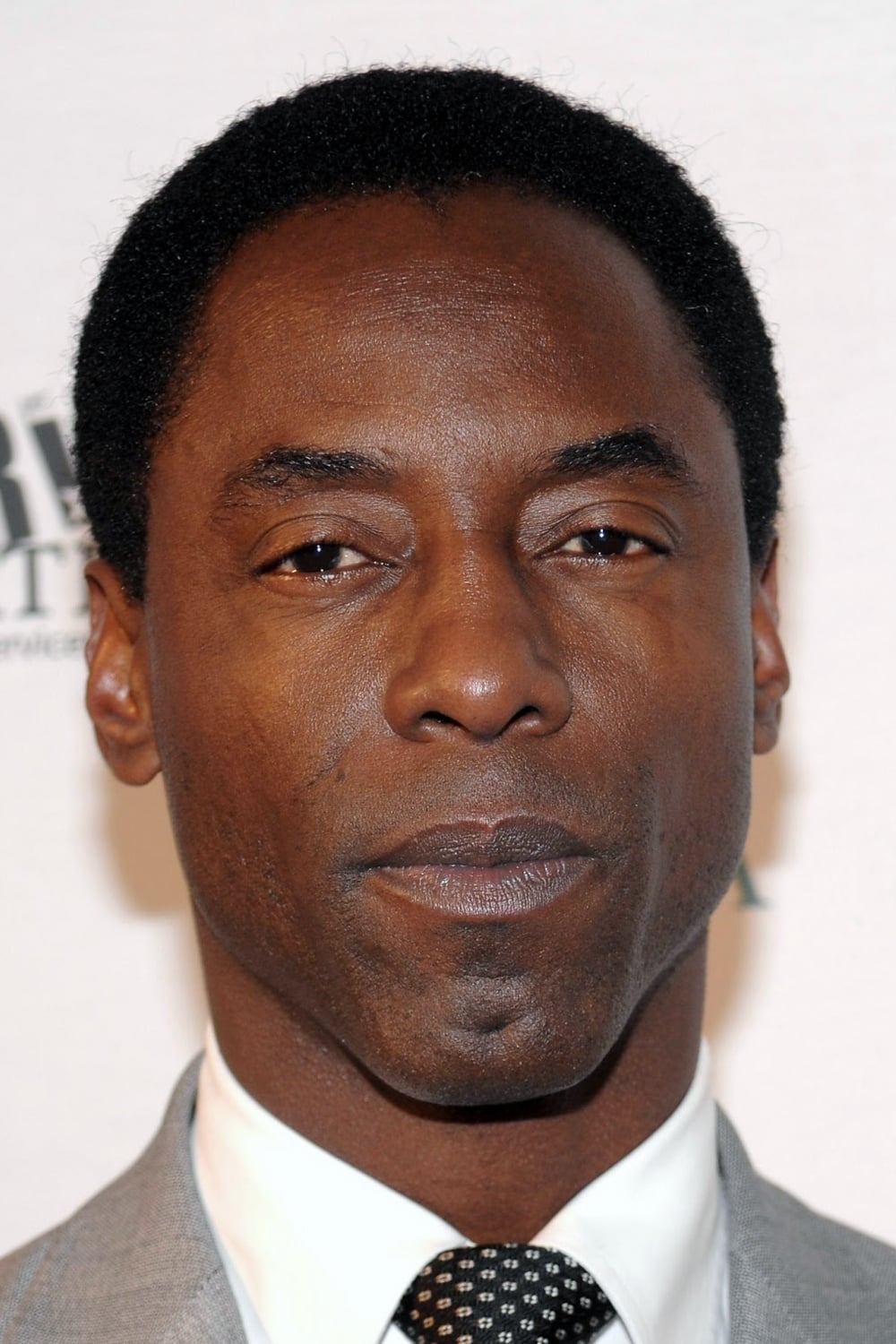
Since leaving ‘Grey’s Anatomy’, Isaiah Washington has openly criticized the Hollywood system. He contends that the industry profits from Black pain while claiming to champion diversity. He’s well-known for urging African Americans to reconsider their allegiance to the Democratic party and challenge mainstream liberal viewpoints. Washington believes lasting progress comes from financial self-reliance, not simply receiving opportunities from the industry. He’s now focused on creating his own content, aiming to work outside the traditional studio system.
Stacey Dash
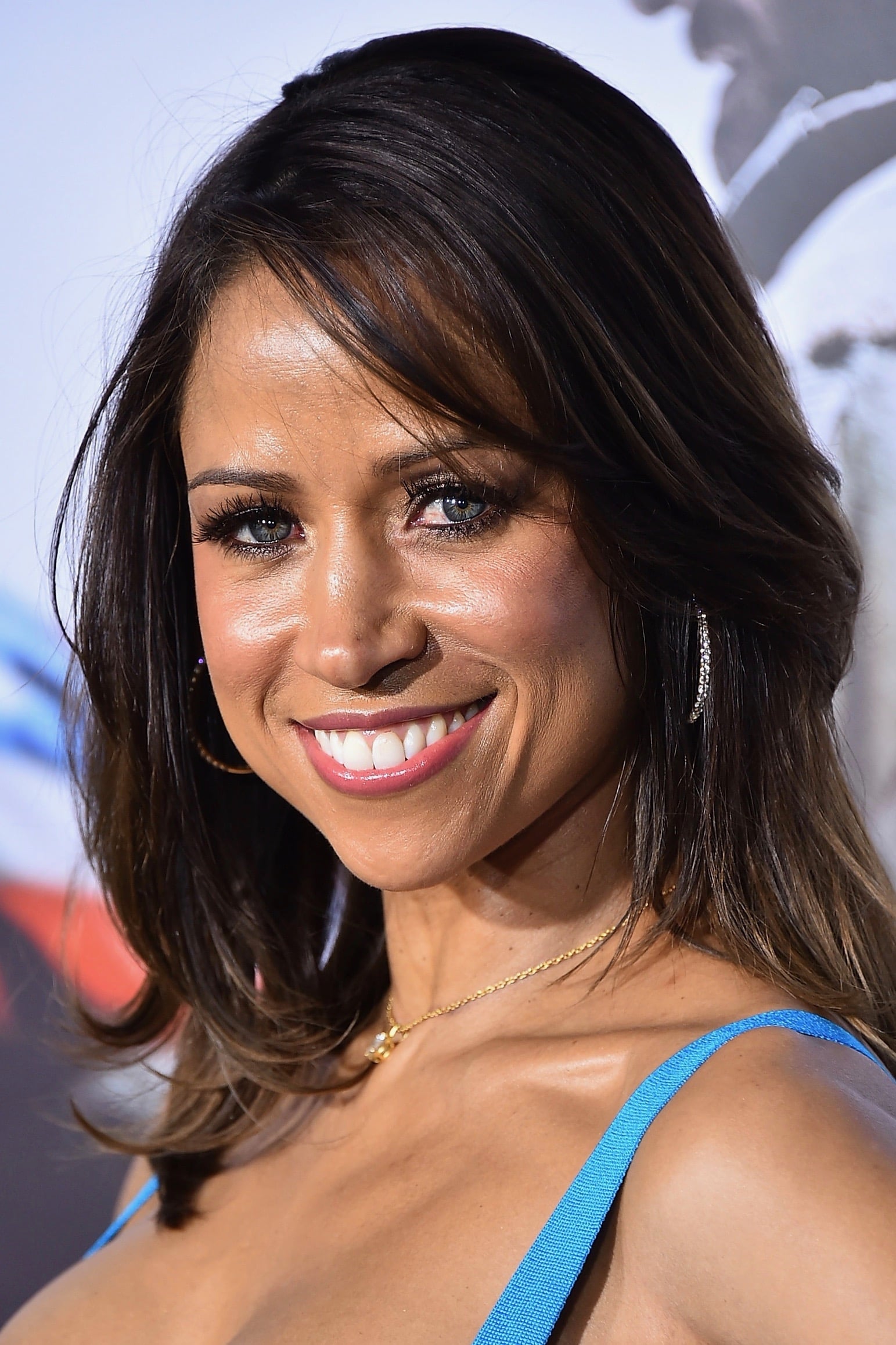
Actress Stacey Dash received strong backlash for her opinions on Black History Month and the BET network. She suggested that if separating people by race is wrong, then organizations focused on a single race shouldn’t exist, arguing for a unified American identity. Dash believes that real equality means treating everyone the same, without exceptions. These views have made her a controversial figure in discussions about cultural identity and representation.
Victoria Jackson
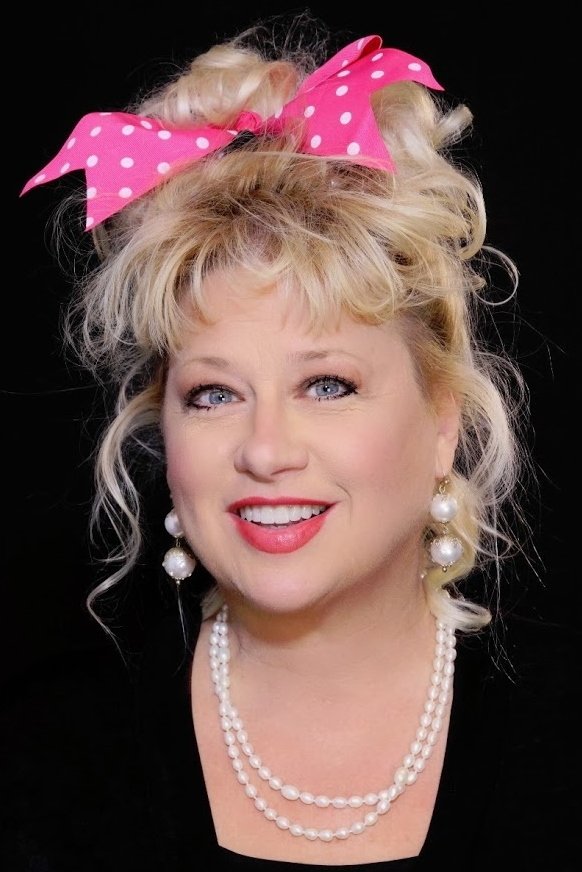
Former ‘Saturday Night Live’ performer, Sarah Jackson, has become a vocal critic of the show’s current focus on political comedy. She believes comedy has suffered because it now feels pressured to promote a specific left-leaning viewpoint. Jackson feels that mainstream entertainment often ridicules and overlooks traditional values, and she argues that pushes for diversity are actually part of a broader effort to weaken Western culture. These days, she primarily performs for religious and conservative audiences.
Jim Breuer
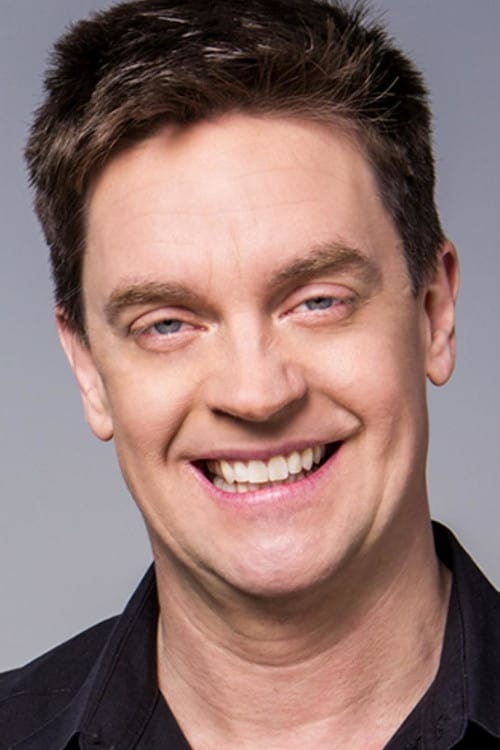
The comedian has changed his routine to center on how ridiculous he finds current social rules. He uses slapstick and physical humor to poke fun at the expectations set by businesses and governments. He believes people are being controlled through fear and that speaking out is being discouraged. He thinks laughter is a powerful way to challenge what he sees as overly serious ‘woke’ culture, and because of this, he won’t perform at places with strict rules about health or social behavior.
Scott Adams
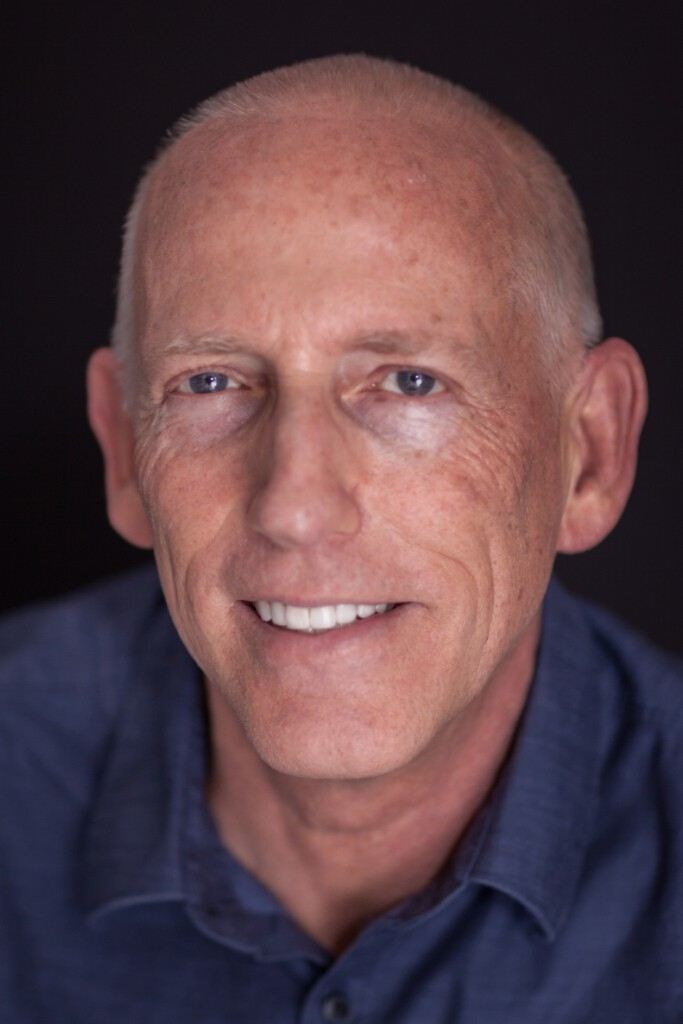
The ‘Dilbert’ comic strip creator faced a swift downfall after making remarks considered racially charged and questioning polling data. He claims the media and businesses are fueling racial division, and that diversity and inclusion efforts are actually making racial tensions worse. Adams insists he was effectively ‘cancelled’ for highlighting what he sees as the flawed results of these policies. Despite losing his platform, he continues to share his thoughts on how people are influenced and on cultural trends through his own online channels.
Dave Chappelle
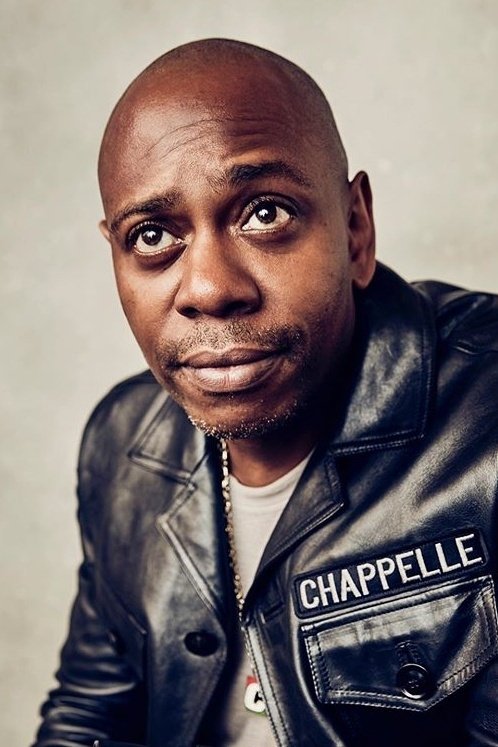
The popular comedian has been criticized for jokes about transgender people and the idea of ‘cancel culture.’ Chappelle says that requests from the LGBTQ+ community to limit certain topics are a threat to creative freedom. He feels a comedian’s role is to challenge boundaries, not simply follow them. He also believes that companies are attempting to control what comedians can say, and he defends his right to express himself, even if it causes controversy with activist groups.
Ricky Gervais
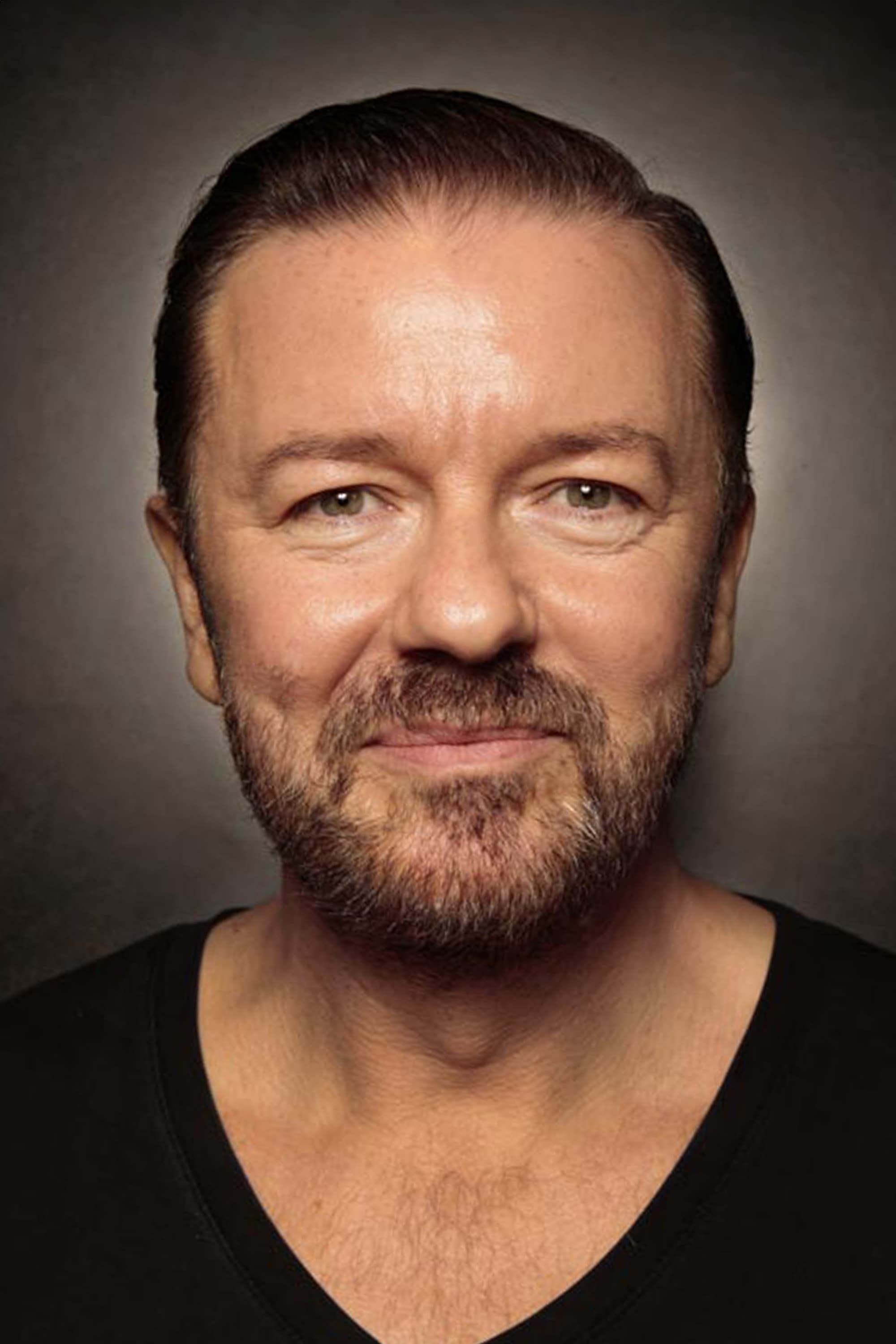
This British comedian often jokes about celebrities who preach about being good while living lavish lifestyles. He points out that it’s often absurd for wealthy actors to tell others how to live. He believes comedy shouldn’t shy away from making jokes about anyone, and that the idea of ‘hate speech’ is sometimes used to shut down jokes people just don’t like. He’s firm about not changing his material to avoid offending anyone.
Dennis Quaid
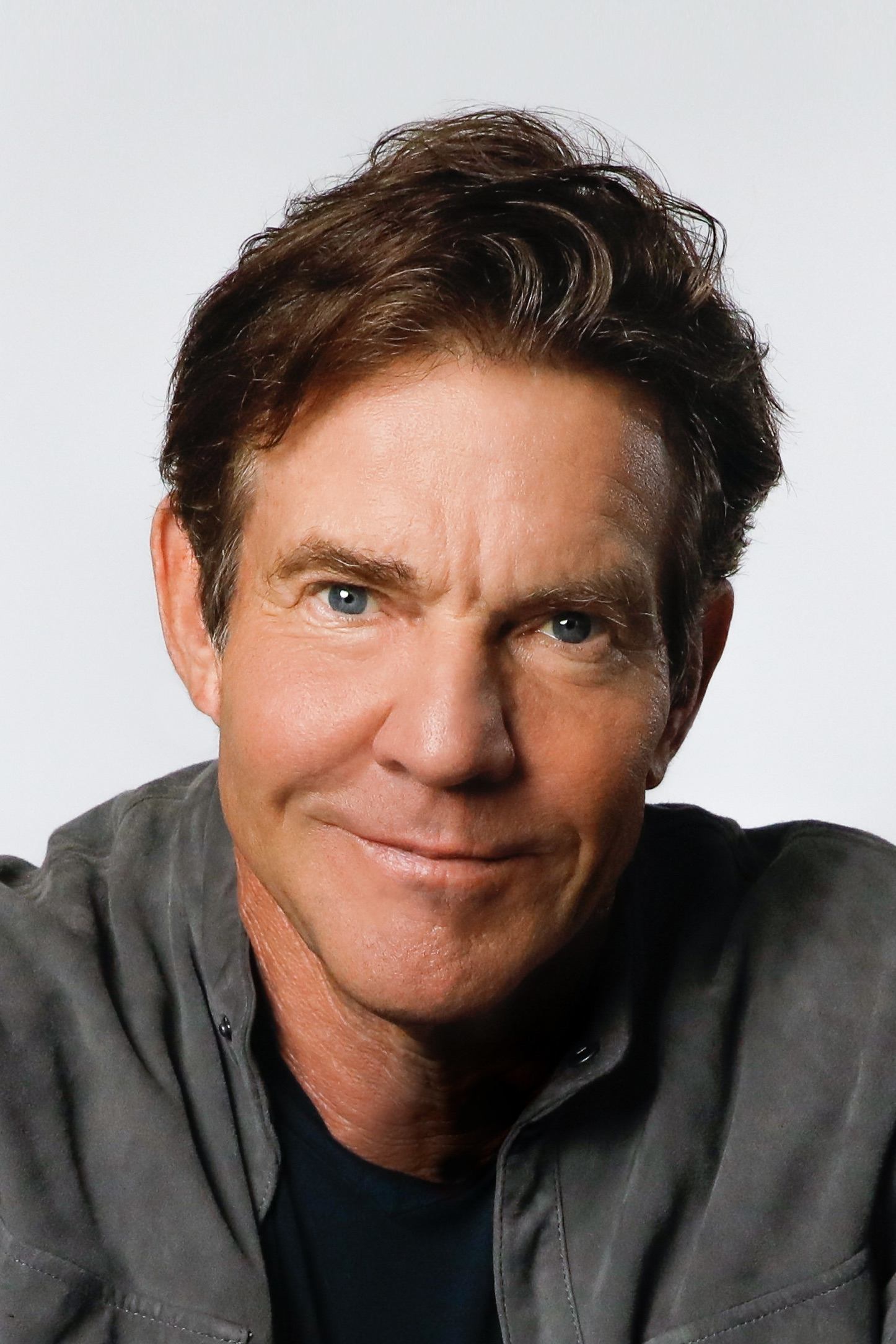
The experienced actor is advocating for a more well-rounded portrayal of American history and culture. He feels the entertainment industry frequently overlooks the beliefs of many Americans and champions the idea that success should be based on talent, not political views. He’s committed to creating uplifting stories that bring people together, focusing on classic storytelling techniques that appeal to a wide range of viewers.
Brett Favre
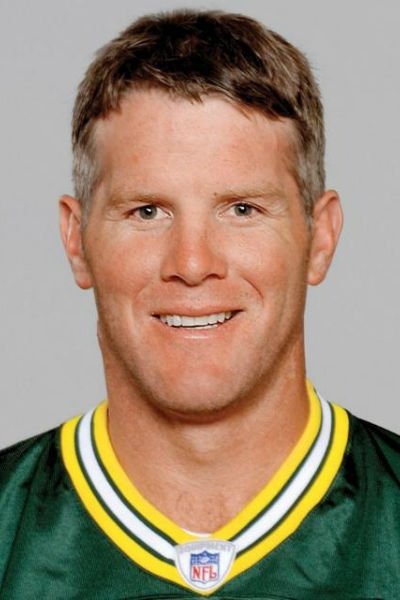
Brett Favre, a Hall of Fame NFL player, has been criticized for his involvement in various controversies, but he continues to speak out against what he sees as excessive political activism in sports. Favre believes that fans stopped tuning in to games because they grew tired of protests during the national anthem, and he feels that sports should be a place for pure entertainment, free from political statements. He argues that mixing social justice issues with games pushes away dedicated viewers, and that politics and sports shouldn’t be combined.
Curt Schilling
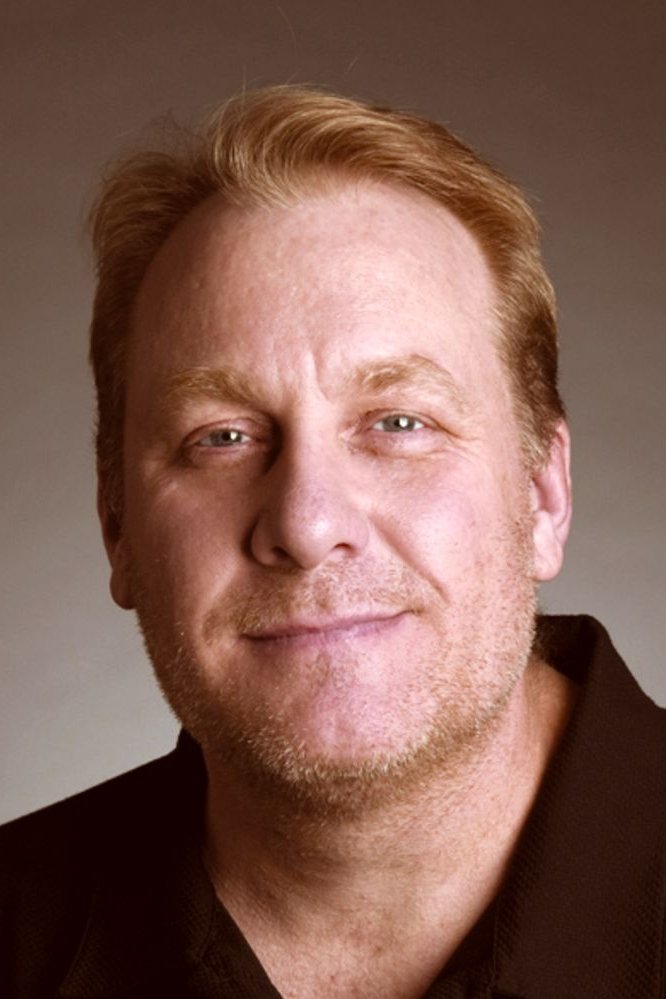
Curt Schilling, a former World Series winner, lost his job at ESPN because of controversial political posts and comments he made. He claims that the sports media favors liberal viewpoints and unfairly punishes conservative ones, and that diversity programs have led to biased reporting. Schilling also believes his political beliefs are the reason he hasn’t been inducted into the Hall of Fame. He continues to share his opinions on a podcast.
Mike Rowe
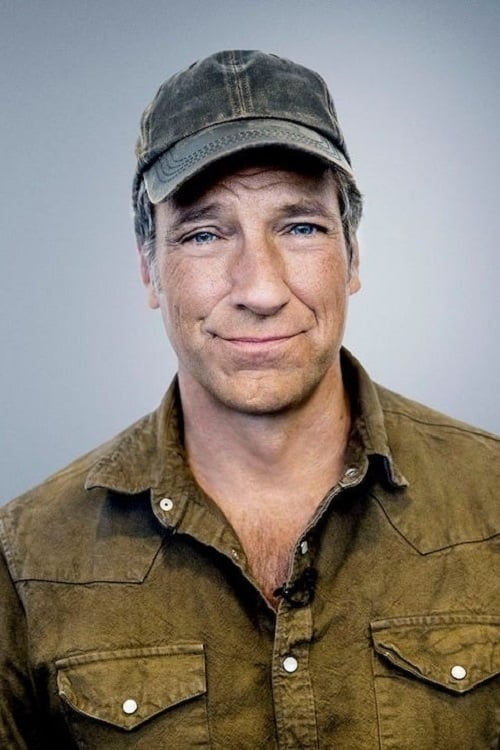
Mike Rowe, known for his show ‘Dirty Jobs,’ often speaks out against the idea that everyone needs a college degree and the decline in respect for skilled trades. He believes that too much emphasis is placed on things like race and gender, and not enough on a strong work ethic. Rowe argues that focusing on identity instead of skill is divisive and that true progress comes from uniting people through practical work. He feels America’s shortage of skilled workers won’t be solved by social programs, but by encouraging a culture that values hard work above all else.
Share your thoughts on these celebrities and their stances in the comments.
Read More
- Gold Rate Forecast
- 22 Films Where the White Protagonist Is Canonically the Sidekick to a Black Lead
- Games That Faced Bans in Countries Over Political Themes
- Silver Rate Forecast
- Brent Oil Forecast
- Unveiling the Schwab U.S. Dividend Equity ETF: A Portent of Financial Growth
- How to Do Sculptor Without a Future in KCD2 – Get 3 Sculptor’s Things
- Celebs Who Narrowly Escaped The 9/11 Attacks
- 14 Movies Where the Black Character Refuses to Save the White Protagonist
- 20 Movies Where the Black Villain Was Secretly the Most Popular Character
2026-01-19 06:55