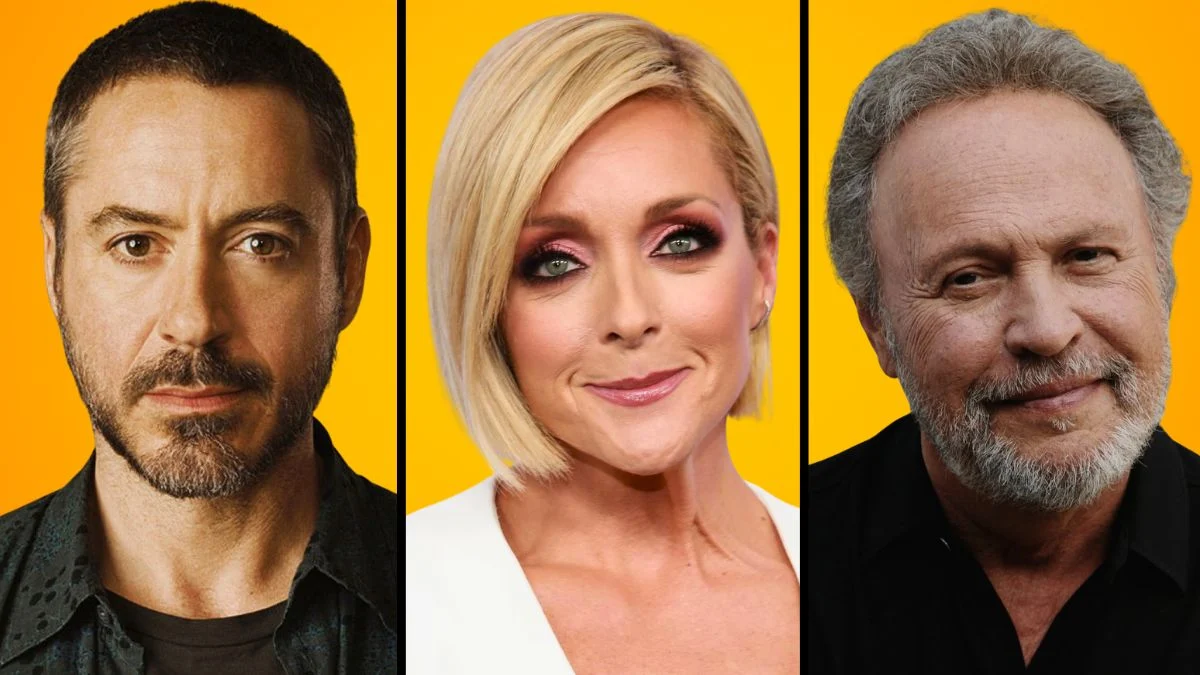
The practice of using makeup to portray characters of different ethnicities in movies has a complex and often controversial past, and it’s still a topic of much discussion today. While many now find these depictions problematic, some well-known actors and directors have argued they were done for artistic or comedic purposes. They often explain their choices by referencing the time period the film was made in or what they were trying to achieve with the story. This article looks at different public figures who have publicly defended these scenes or their own involvement in them, both in older and newer films.
Robert Downey Jr.
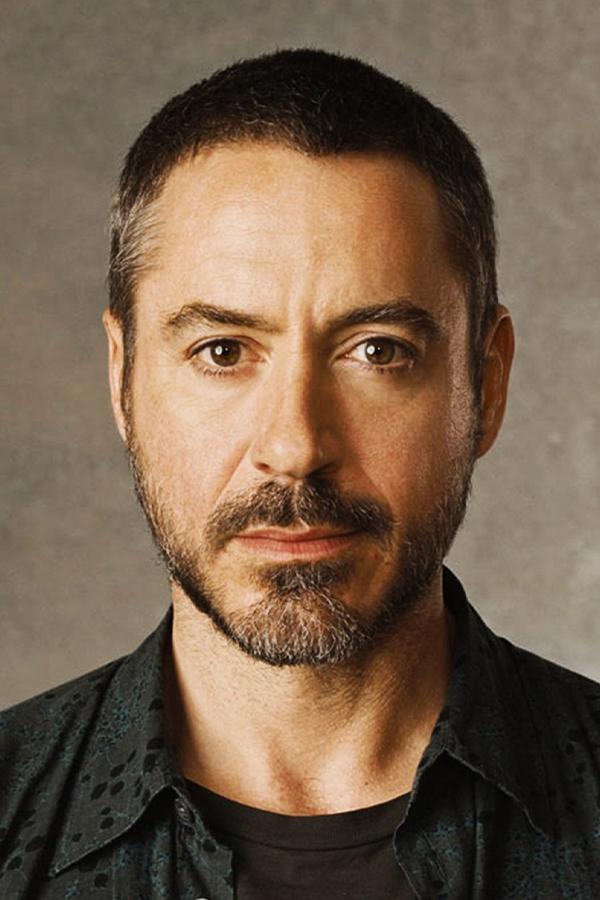
In the film ‘Tropic Thunder,’ Robert Downey Jr. played Kirk Lazarus, a method actor who used darkening makeup as part of his role. He has often explained that the performance wasn’t meant to be racist, but rather a satire of pretentious actors and Hollywood itself. Downey Jr. has said that most of his Black friends found the performance funny and appreciated the film’s humor. He feels the movie effectively critiques the ridiculousness of Hollywood stereotypes, and his performance even received an Academy Award nomination for Best Supporting Actor.
Ben Stiller
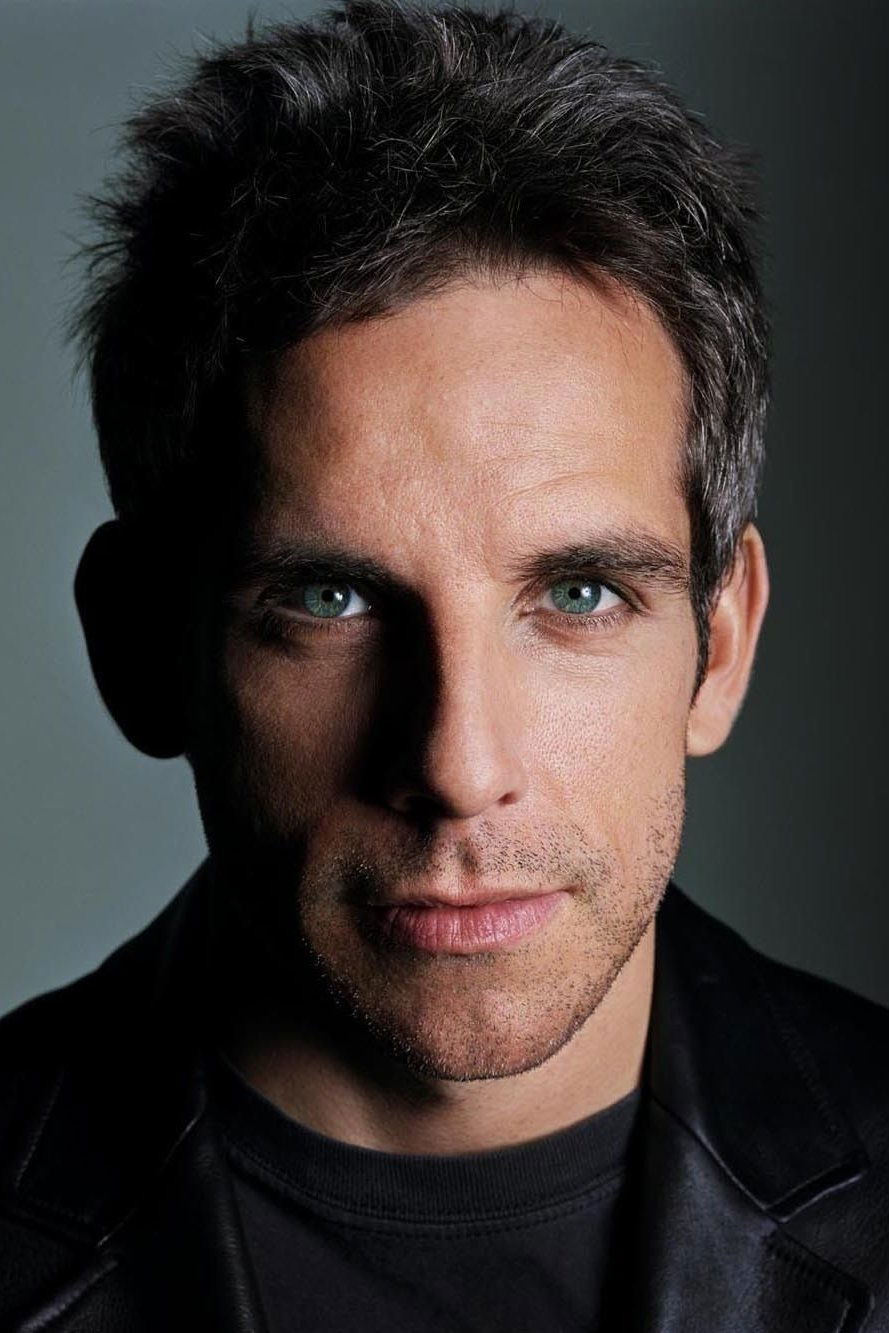
Ben Stiller, who directed and starred in ‘Tropic Thunder,’ has always defended the film’s creative decisions. He’s explained the goal was to poke fun at the movie industry and how far actors will go to win awards. Stiller has emphasized that the film clearly shows the character’s use of makeup as absurd and inappropriate. He insists the satire was aimed at the entertainment world and its problems. ‘Tropic Thunder’ still sparks debate about the limits of comedic portrayals of race.
Jamie Foxx
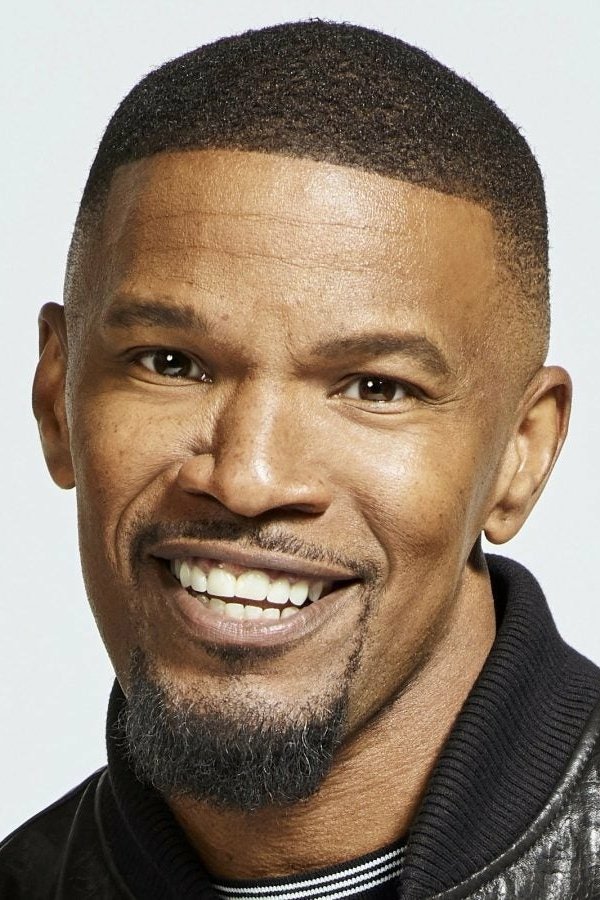
Jamie Foxx, an Academy Award winner, has defended his ‘Tropic Thunder’ co-star amid criticism of the film’s makeup. He praised the performance as a clever satire of method actors and their inflated egos. Foxx believes that when judging a work of art, the artist’s intention is what matters most. He urges viewers to recognize the difference between harmful stereotypes and thoughtful social critique, and to find humor in the character’s over-the-top nature.
Whoopi Goldberg
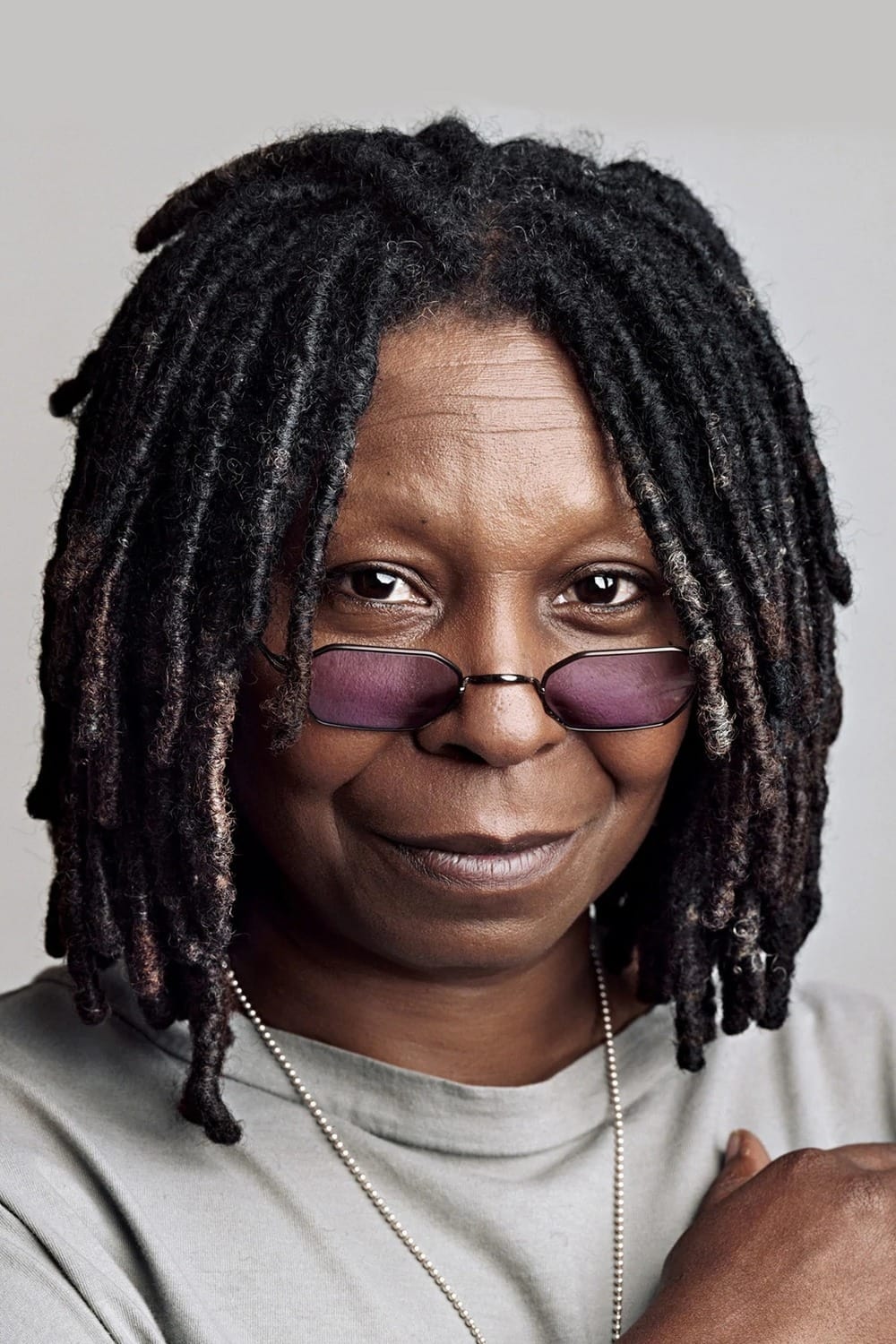
Whoopi Goldberg famously stood up for Ted Danson when he faced criticism for wearing dark makeup at a Friars Club event. She later explained that she actually contributed to the jokes and supported his performance as an attempt to push comedic boundaries. Goldberg reasoned that the private setting of the roast allowed for more outrageous humor than would be appropriate elsewhere. She emphasized that the goal wasn’t to offend, but to shock and make people laugh within that specific comedy scene, and that this kind of humor is different from what you’d see in a public performance.
Ted Danson
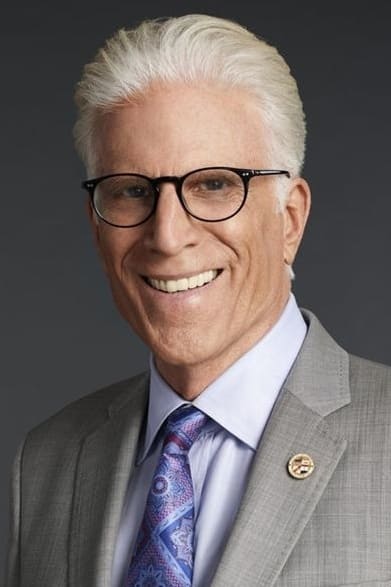
In the early 1990s, Ted Danson received strong criticism for darkening his skin during a tribute to Whoopi Goldberg. He explained that it was intended as part of a humorous performance for a small, informal audience. Danson said the act was meant to playfully showcase his close friendship with Goldberg. While he later admitted the imagery was hurtful, he initially defended it as being within the bounds of the roast’s comedic style. This incident is still frequently referenced as a prominent example of a celebrity controversy involving race.
C. Thomas Howell
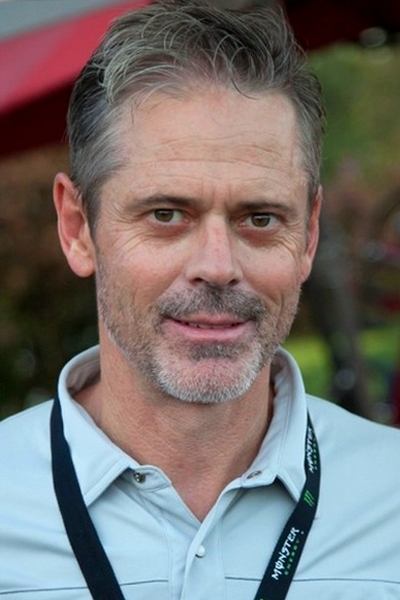
The lead actor in ‘Soul Man’ has consistently stood by the film, even though it continues to face criticism for its main idea. He explains that the movie was meant to be a commentary on racism and highlight the difficulties Black students experience in college. He feels the story was created with good intentions and used humor to encourage understanding. He’s said he doesn’t regret making it because of its positive message. The film remains an important piece of 1980s cinema and continues to be discussed in cultural conversations.
Dan Aykroyd
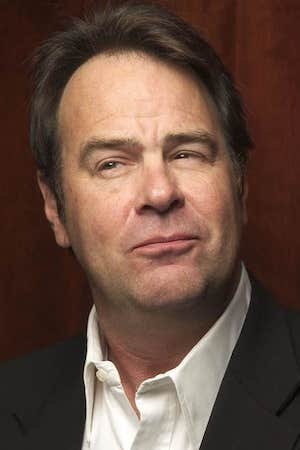
The actor discussed the controversial use of dark makeup in the film ‘Trading Places,’ explaining it was typical for comedies of that era. He pointed out the scene was meant to be a humorous disguise within the story and that filmmaking standards were different in the early 1980s. He sees the movie as a reflection of its time, using exaggerated humor to explore issues of social class. Despite the problematic scene, ‘Trading Places’ remains a beloved comedy classic.
Sarah Silverman

The comedian recently discussed a controversial sketch from her show, ‘The Sarah Silverman Program,’ where she used dark makeup as part of a bit about race. She explained that the sketch wasn’t meant to be offensive, but to highlight how clueless and misguided her character was. She maintained the comedy came from her character’s lack of awareness and poor judgment. While she’s since reevaluated her views, she originally defended the sketch as satire. Her comedy often uses uncomfortable and provocative humor to challenge social boundaries.
Laurence Olivier
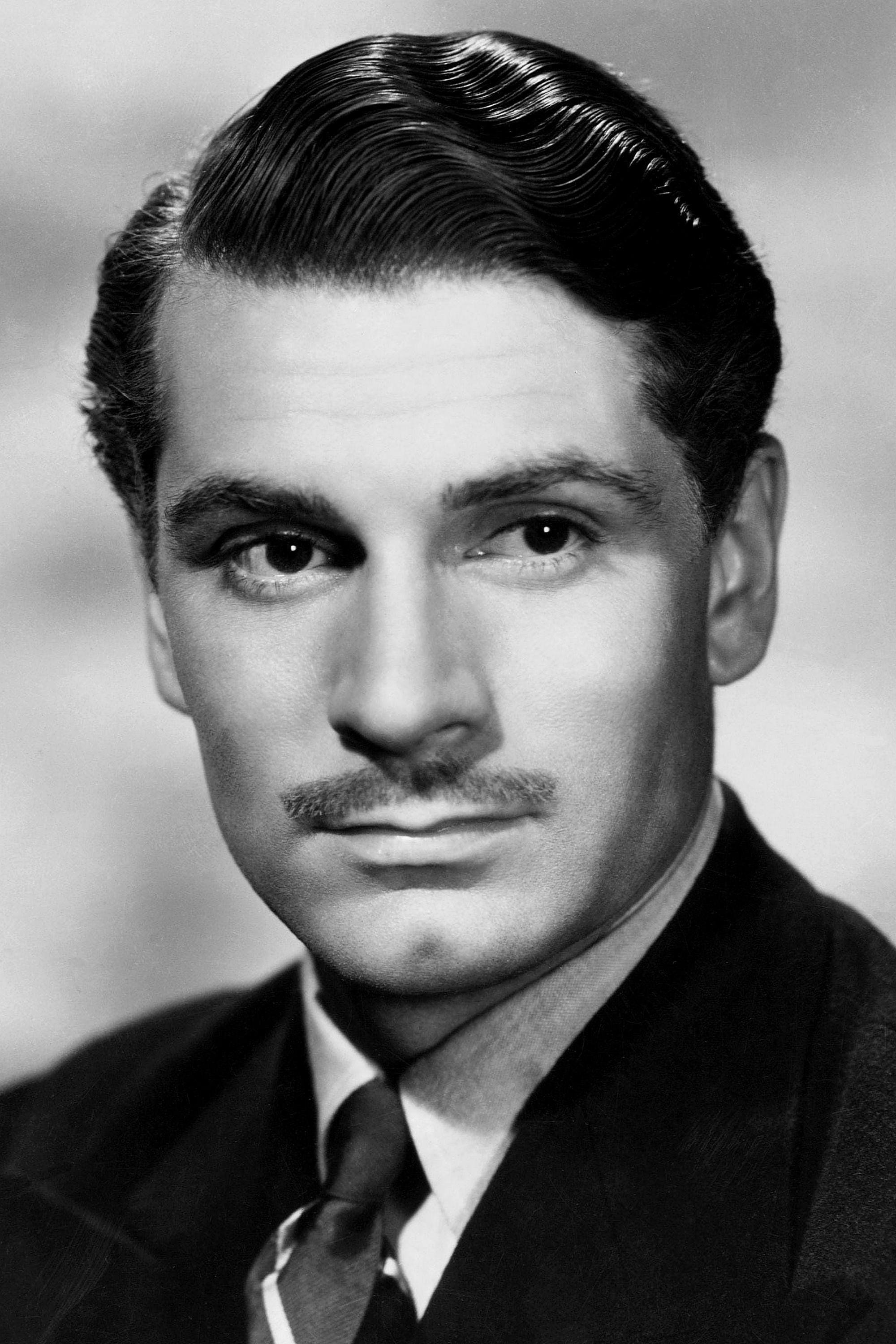
The celebrated actor played the main character in the movie ‘Othello’ and used a lot of makeup to change how he looked. He explained this was important for making the performance feel real and staying true to Shakespeare’s play. Olivier felt actors should be able to fully become any character, no matter their own experiences. The performance was very well-received and earned numerous award nominations. It’s still often used as a classic example of how to approach the role in traditional theatre.
Orson Welles
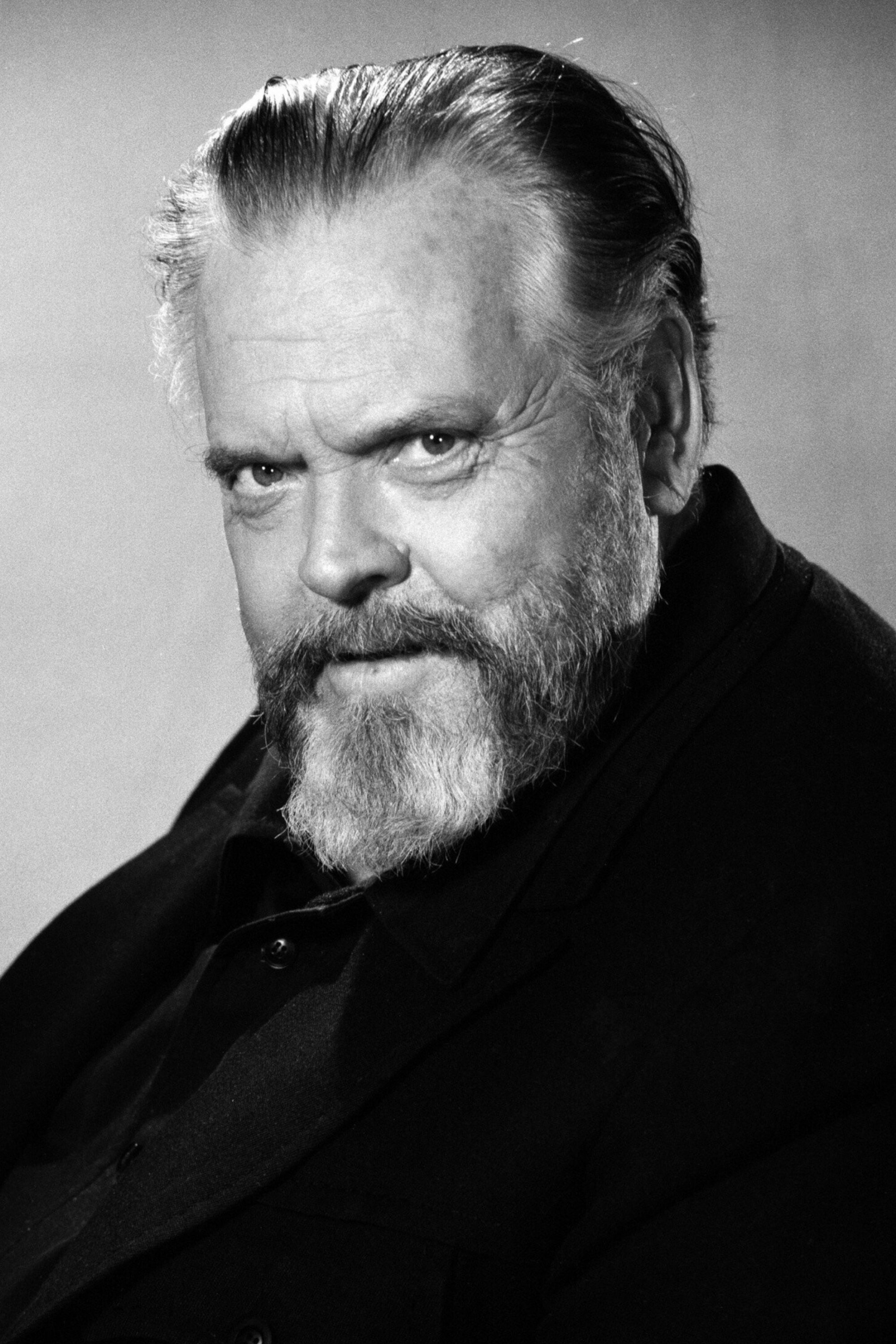
Orson Welles both directed and acted in a film adaptation of ‘Othello,’ using dark makeup on himself to portray the main character. He believed this look was essential to capturing the story’s atmosphere and staying faithful to the original play. Welles saw the makeup as a way to fully embody Othello’s intense emotions and argued it was a common acting technique at the time. Today, the film is celebrated for its groundbreaking visuals and distinctive direction.
Billy Crystal
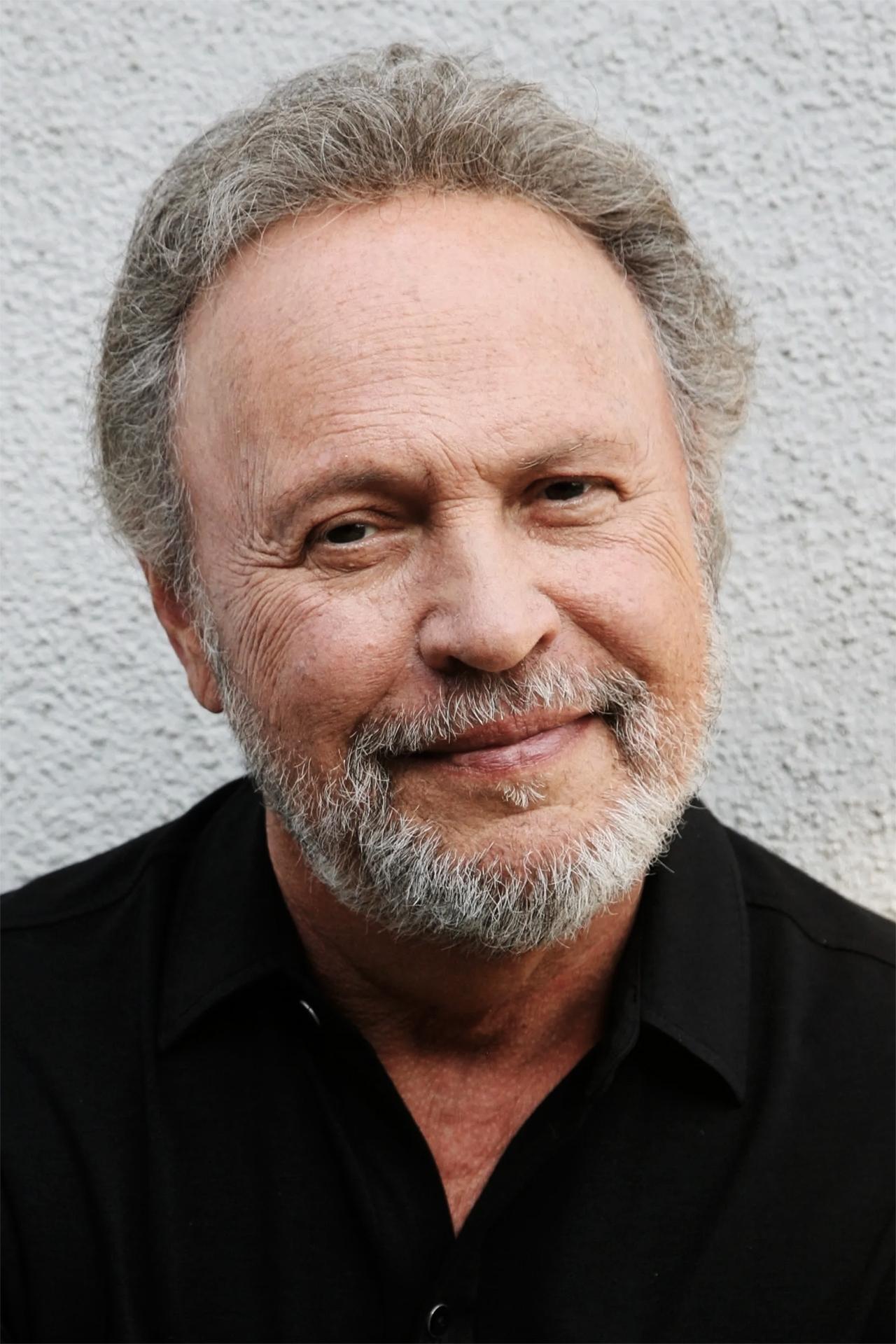
Throughout his career, the comedian has occasionally used makeup to darken his skin when portraying famous people, such as Sammy Davis Jr. He’s explained these performances as sincere tributes to people he admired and considered friends. He insists his impressions came from a place of deep respect and affection for the performers he imitated, and he’s often talked about how close he was to them. These performances were frequently featured on popular television shows and at award ceremonies.
Gene Wilder
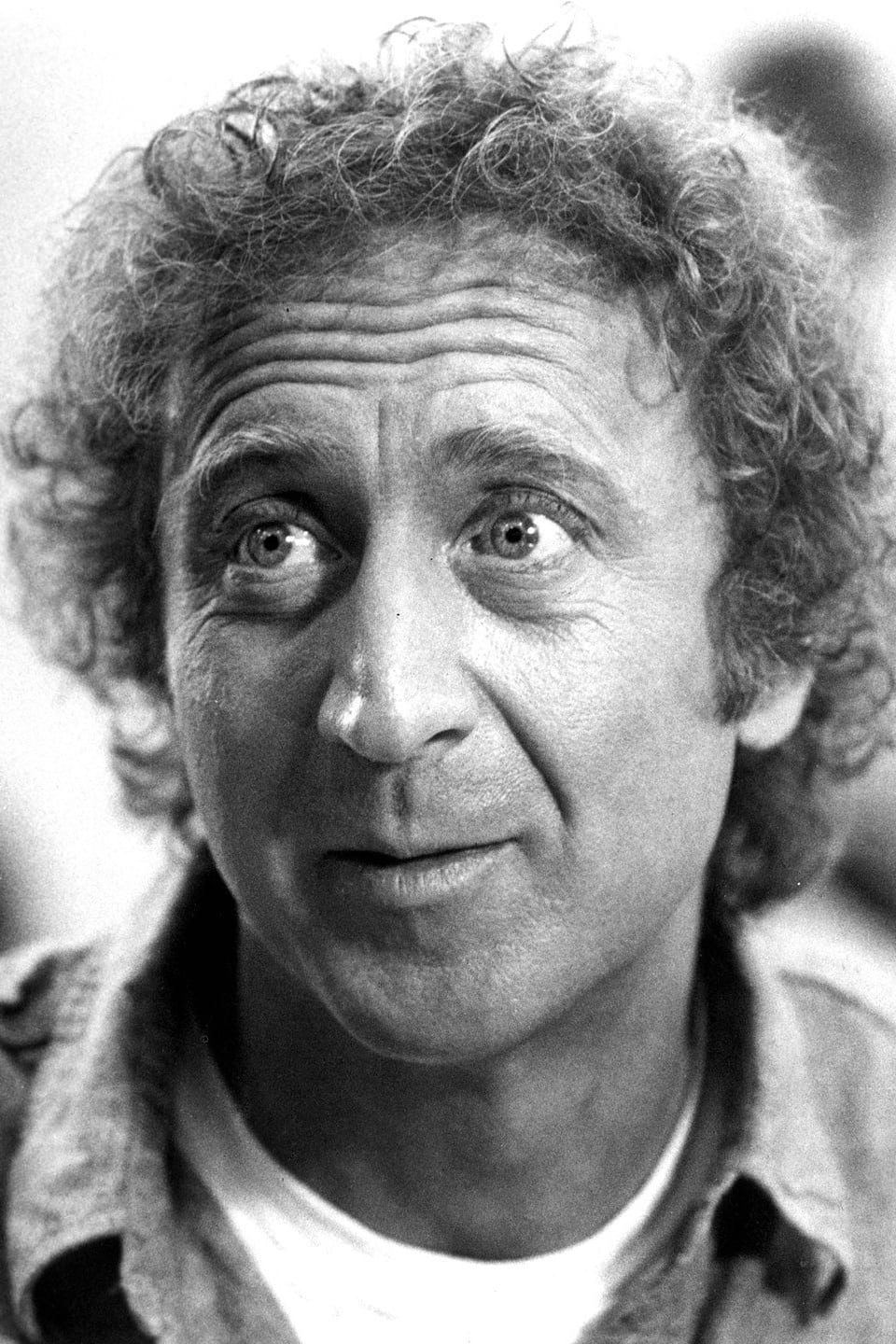
In the movie ‘Silver Streak,’ Gene Wilder used darkening makeup for a scene where his character was trying to evade capture. He explained this was simply a storytelling technique meant to heighten the comedy. Wilder felt the humor came from his character being in an unusual situation, not from any intention to mock a race. The film was a big hit, and is still well-known for the great connection between the leading actors. He always insisted the disguise made sense within the story’s context.
Shirley Temple
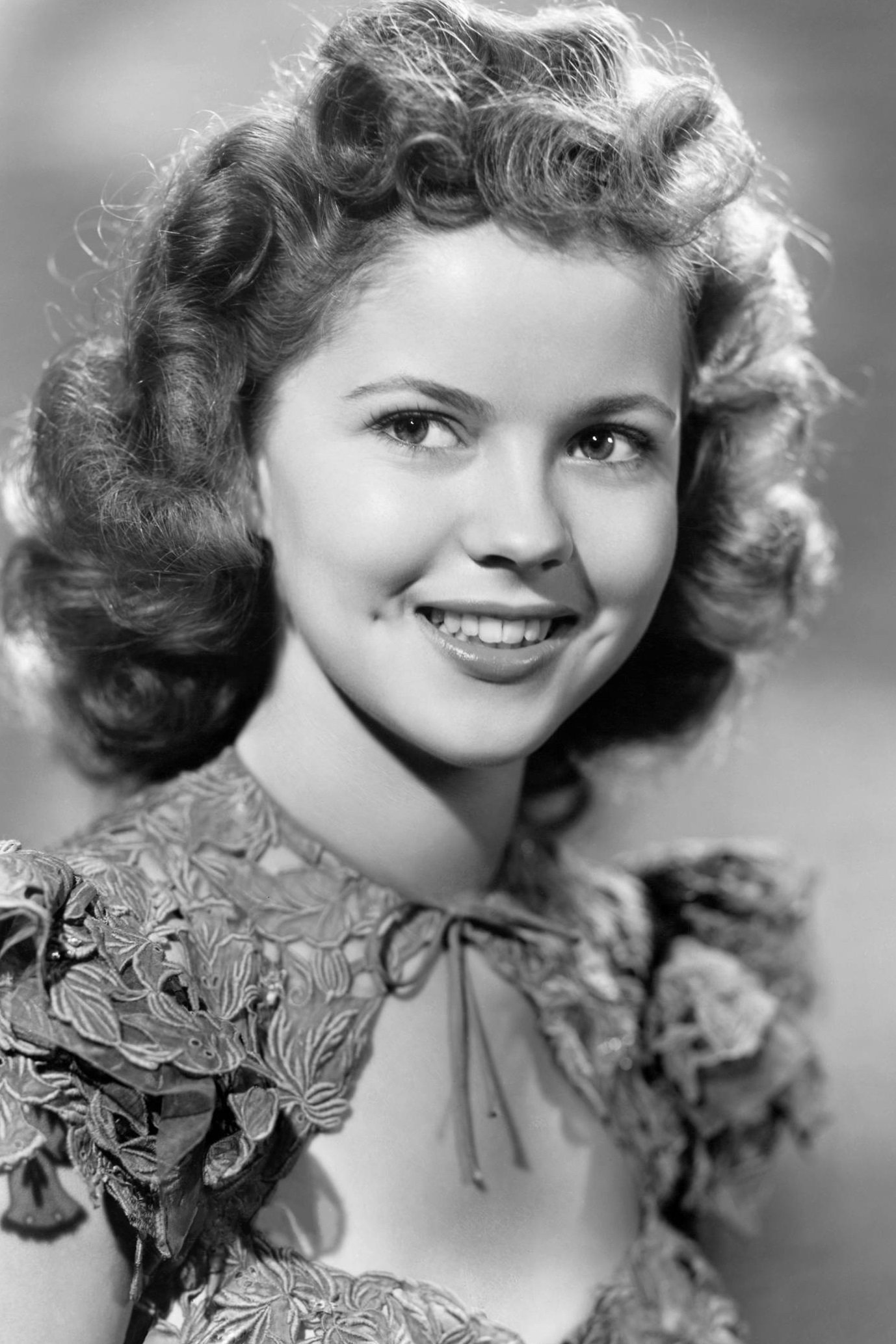
During a dance scene in the film ‘The Littlest Rebel,’ the young star wore noticeably dark makeup. The filmmakers explained this was meant to accurately represent the time period and the characters’ innocence, reflecting common practices of the era and highlighting the performers’ singing and dancing abilities. Shirley Temple was a major star, and her movies often featured diverse roles. The film is still considered an important example of how Hollywood studios operated in the mid-1930s.
Judy Garland
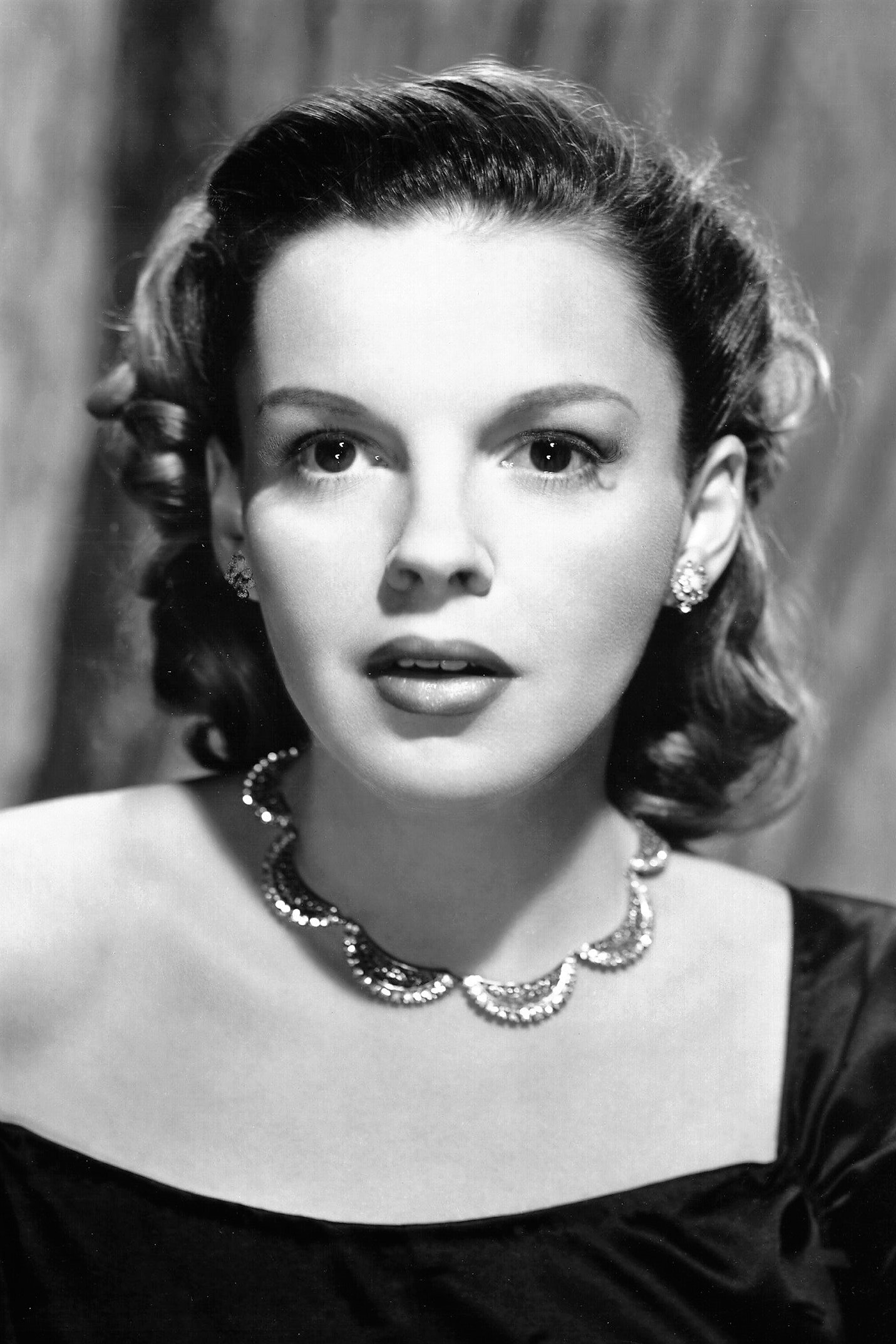
Judy Garland wore dark makeup during a musical performance in the film ‘Babes on Broadway.’ The studio explained this was typical for the variety shows popular at the time, and seen as a tribute to the vaudeville performances that influenced early movies. Garland was a remarkably talented singer who could perform many different kinds of music. ‘Babes on Broadway’ is a classic example of the lavish musicals made by MGM.
Bing Crosby
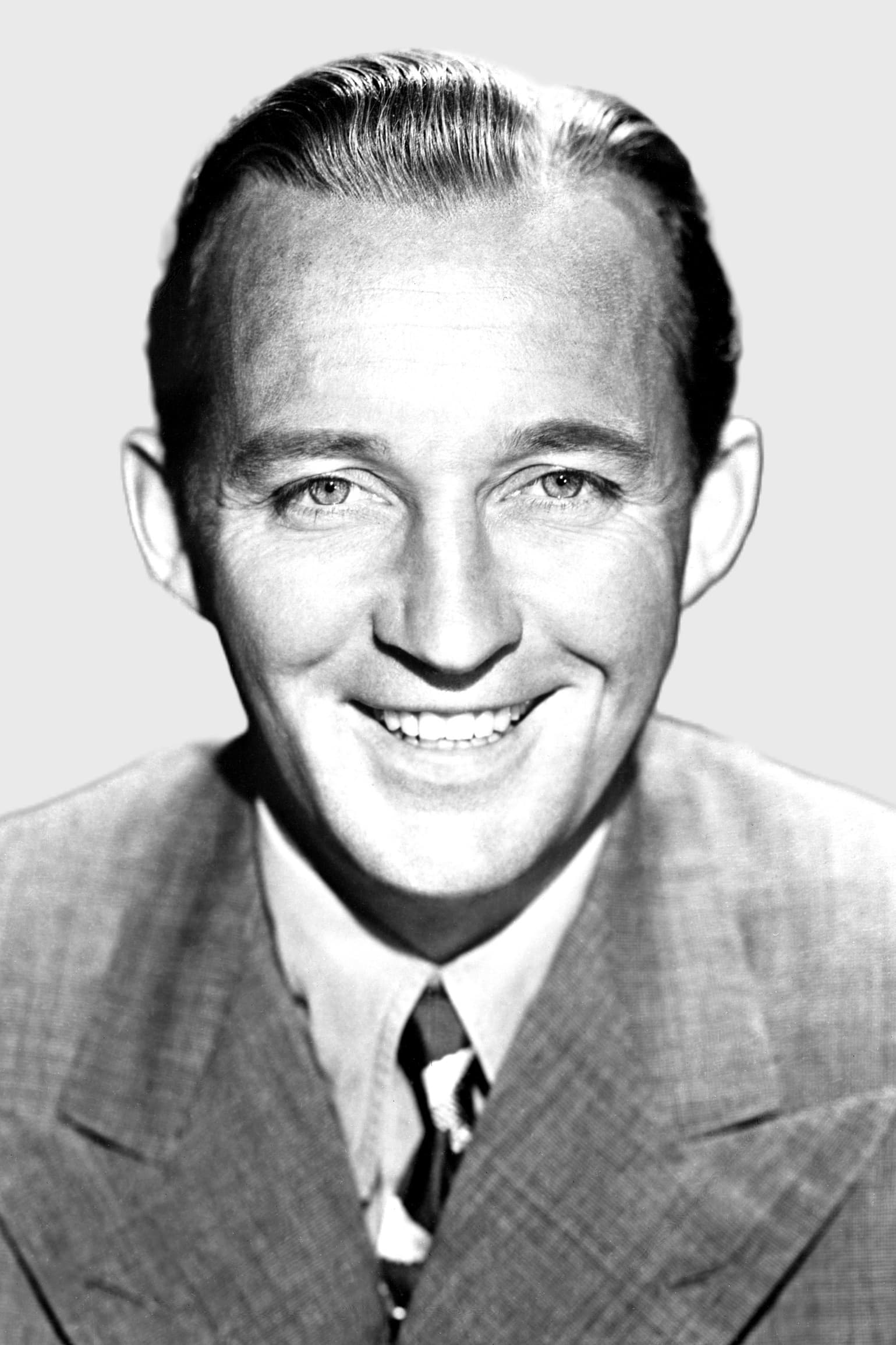
In the classic holiday film ‘Holiday Inn’, Bing Crosby performed while wearing dark makeup. The filmmakers explained this scene was meant as a nod to the minstrel shows that were popular in the 1800s. While the film is famous for debuting the song ‘White Christmas’, this particular scene is now considered controversial and is sometimes cut from modern television broadcasts. Crosby was a major American entertainer known for his films’ big musical numbers.
Fred Armisen

The comedian explained his use of makeup to play Barack Obama on ‘Saturday Night Live,’ stating it was essential for the show’s political satire and creating a recognizable impression. He emphasized that the core of his performance was mimicking the president’s behavior and way of speaking. However, as discussions about accurate representation grew, the show stopped using the makeup. He remains well-known for his ability to play a wide range of characters in television.
Jane Krakowski
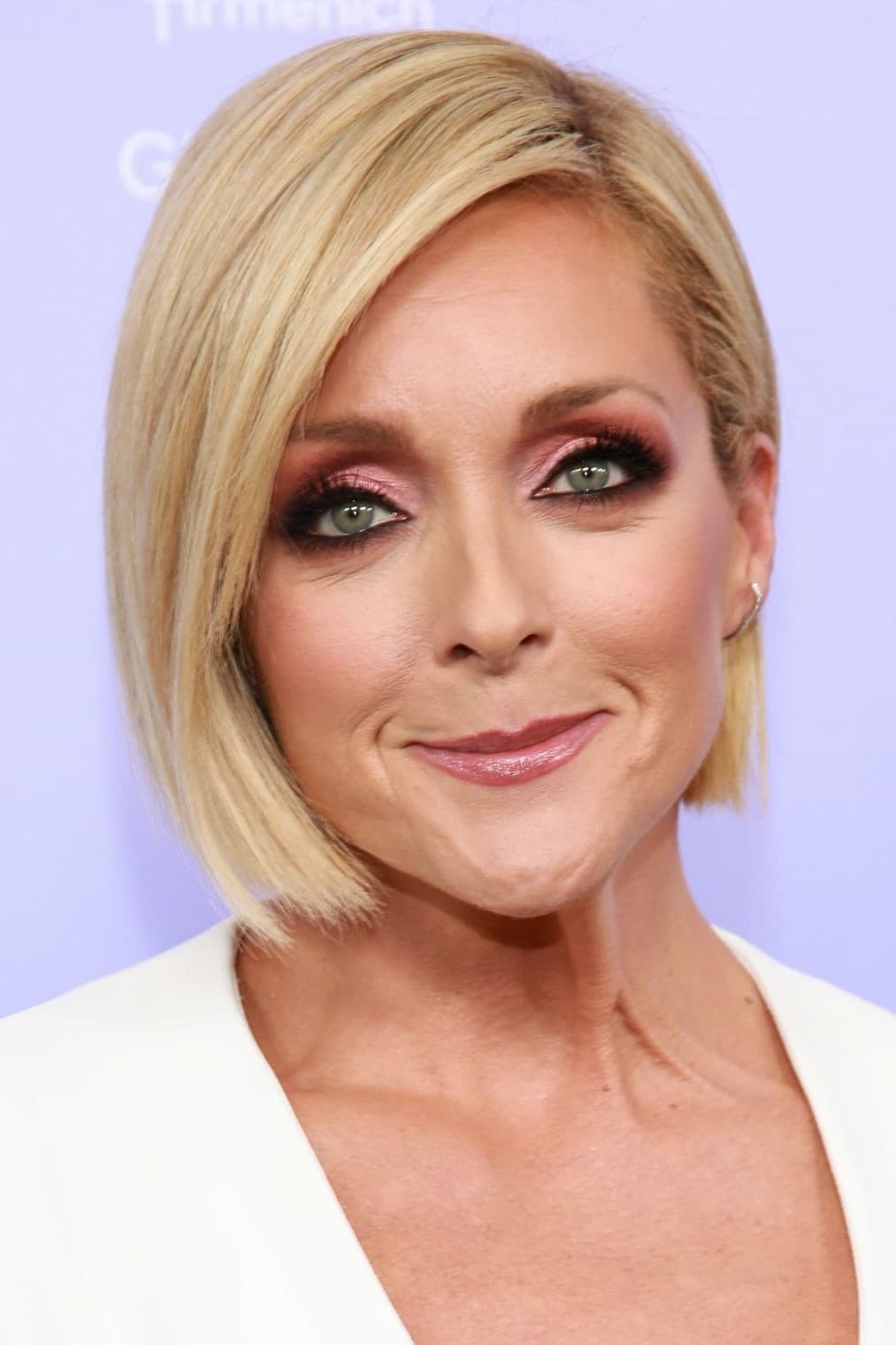
During several episodes of the comedy series ’30 Rock’, the actress was shown wearing increasingly heavy makeup. The show’s creators explained this was meant as a parody of the entertainment industry and the self-importance of its stars. The writers wanted viewers to see the character’s behavior as intentionally absurd and shocking, fitting the storyline. Actress Jane Krakowski has discussed the show’s distinctive and sometimes controversial comedic style. Ultimately, the episodes were taken down from streaming platforms at the request of the show’s creators.
Jon Hamm
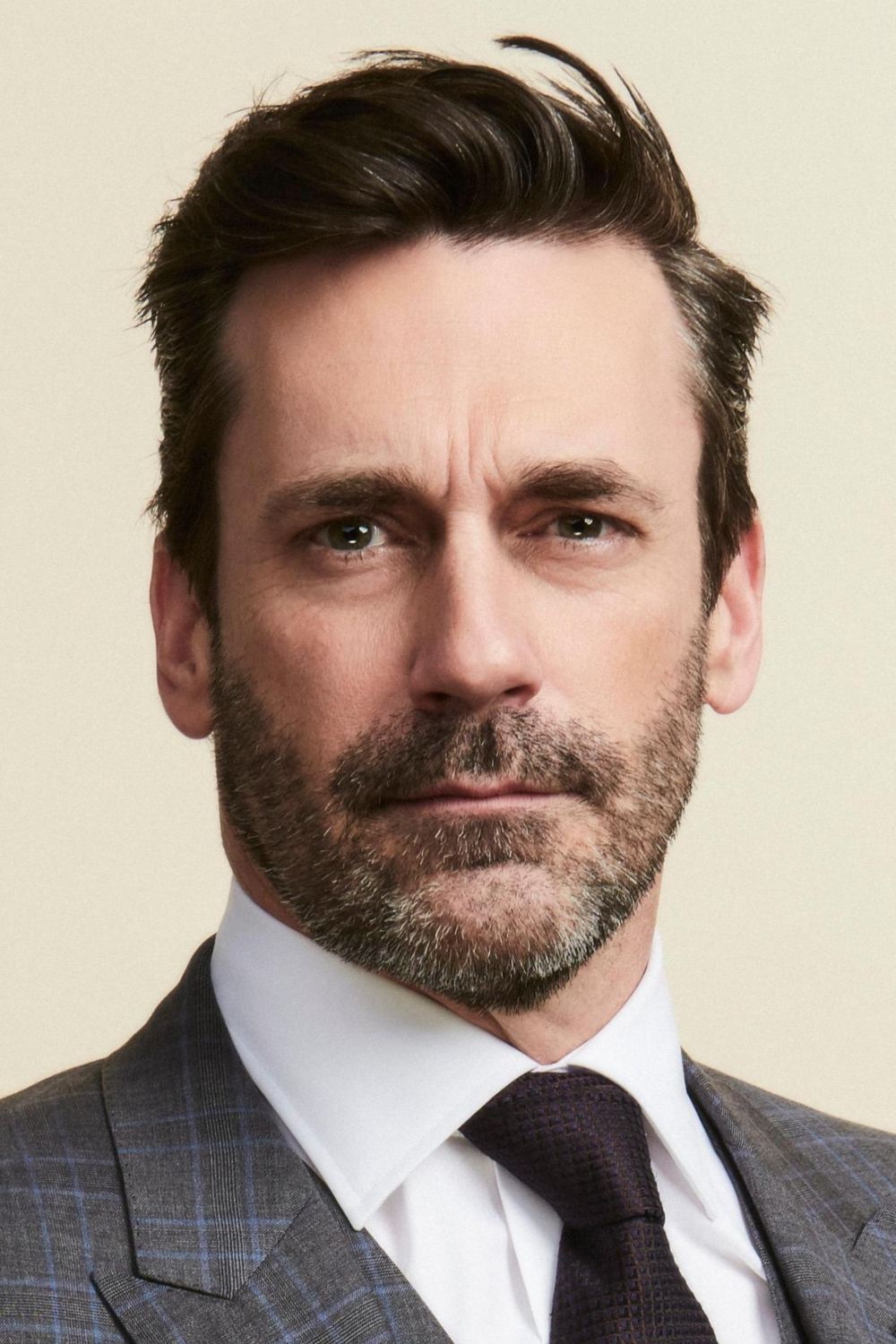
As a film and TV buff, I remember that ’30 Rock’ episode with the darkening makeup being really controversial. The defense, as I understood it, was that the scene wasn’t about racism, but was actually a satire of old TV shows and how problematic they were. Jon Hamm was playing a character within a deliberately cheesy, outdated show-within-a-show, meant to be insensitive – that was the whole point! The writers argued the joke came from how ridiculous that older TV context was. It wasn’t a standalone thing either; the whole season was trying to tackle the history of media using comedy, and that episode was a part of that bigger effort.
Jimmy Fallon
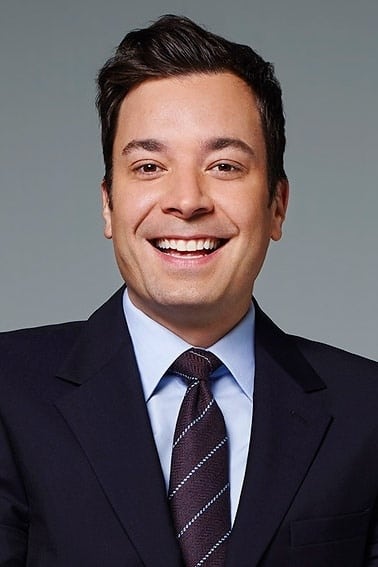
Jimmy Fallon recently spoke about a past ‘Saturday Night Live’ sketch where he used makeup to imitate Chris Rock. He originally said he did it as a normal part of the show’s tradition of doing impressions, intending to honor Rock’s comedic talent. However, as views on this type of comedy changed, Fallon later apologized publicly. The sketch has remained a topic of conversation throughout his career and within the world of late-night TV.
Jimmy Kimmel
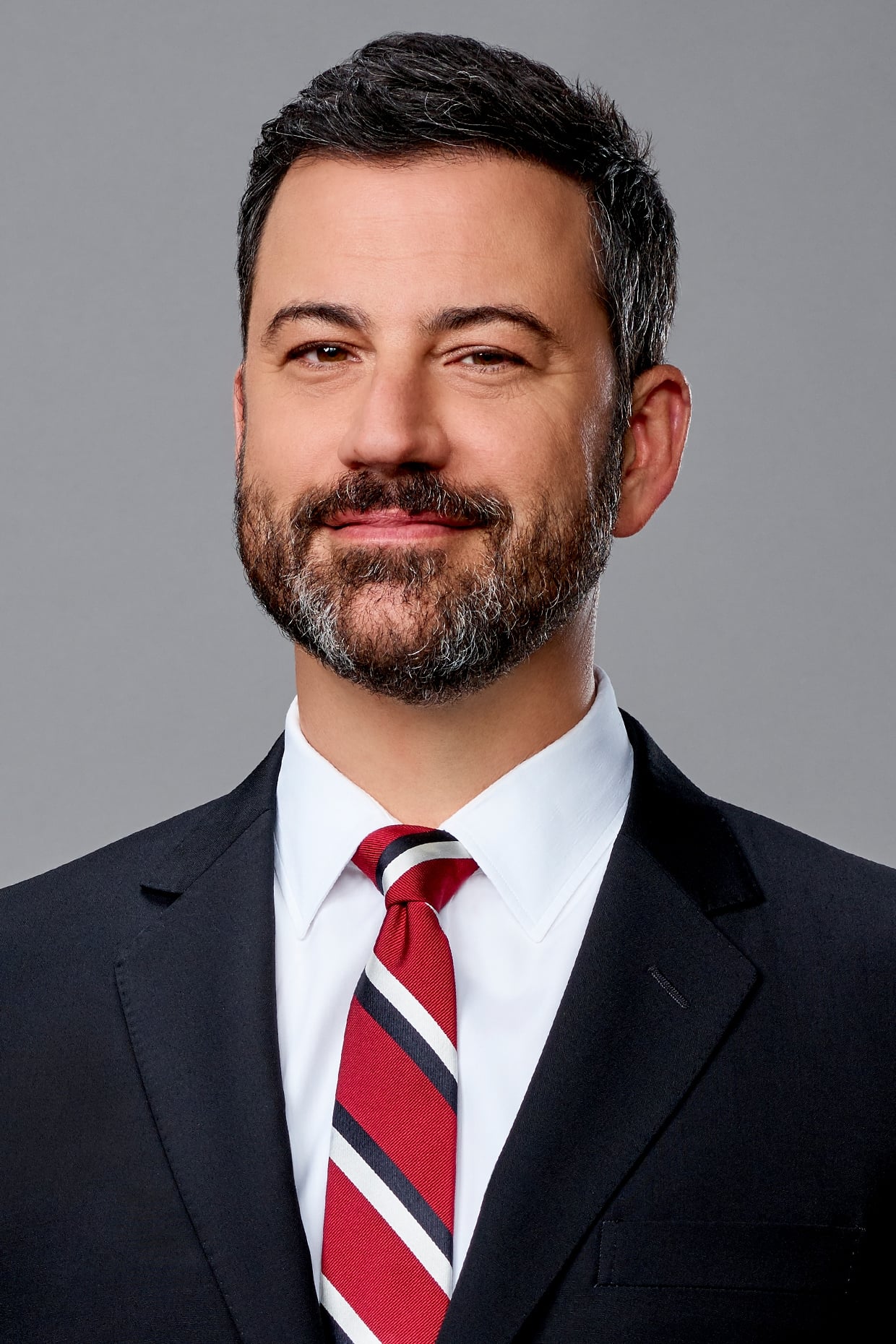
On his show, ‘The Man Show,’ the comedian used darker makeup to imitate celebrities like Karl Malone and Oprah Winfrey. He initially explained these sketches as typical of the show’s intentionally silly and often crude style of comedy, insisting they were meant to parody the celebrities themselves, not to create racial stereotypes. He now admits he regrets doing those bits, though he recognizes they happened within the context of the show’s humor at the time. Since then, he’s moved on to more mainstream late-night talk show hosting.
Justin Bieber

The singer received backlash when an old video resurfaced, revealing him making racially insensitive jokes and using problematic images. His representatives explained that he was very young when the video was made and didn’t fully grasp the impact of his actions. They insisted the video didn’t represent who he is now or his current beliefs about race. The singer also apologized, saying he’s learned from his mistakes and is focused on personal growth. The situation highlighted how past behavior can affect a celebrity’s public image today.
Megyn Kelly
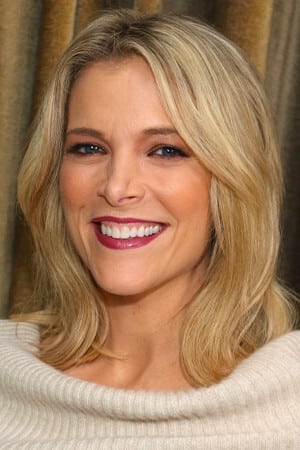
A TV host experienced a significant career change after publicly defending the practice of using dark makeup as part of Halloween costumes. She explained that growing up, this was generally considered okay when portraying a specific character, and she wondered why it had become so controversial recently. Her statements sparked widespread public criticism, ultimately leading to the end of her morning talk show. She now works independently in media, continuing to share her views on cultural topics.
Julianne Hough
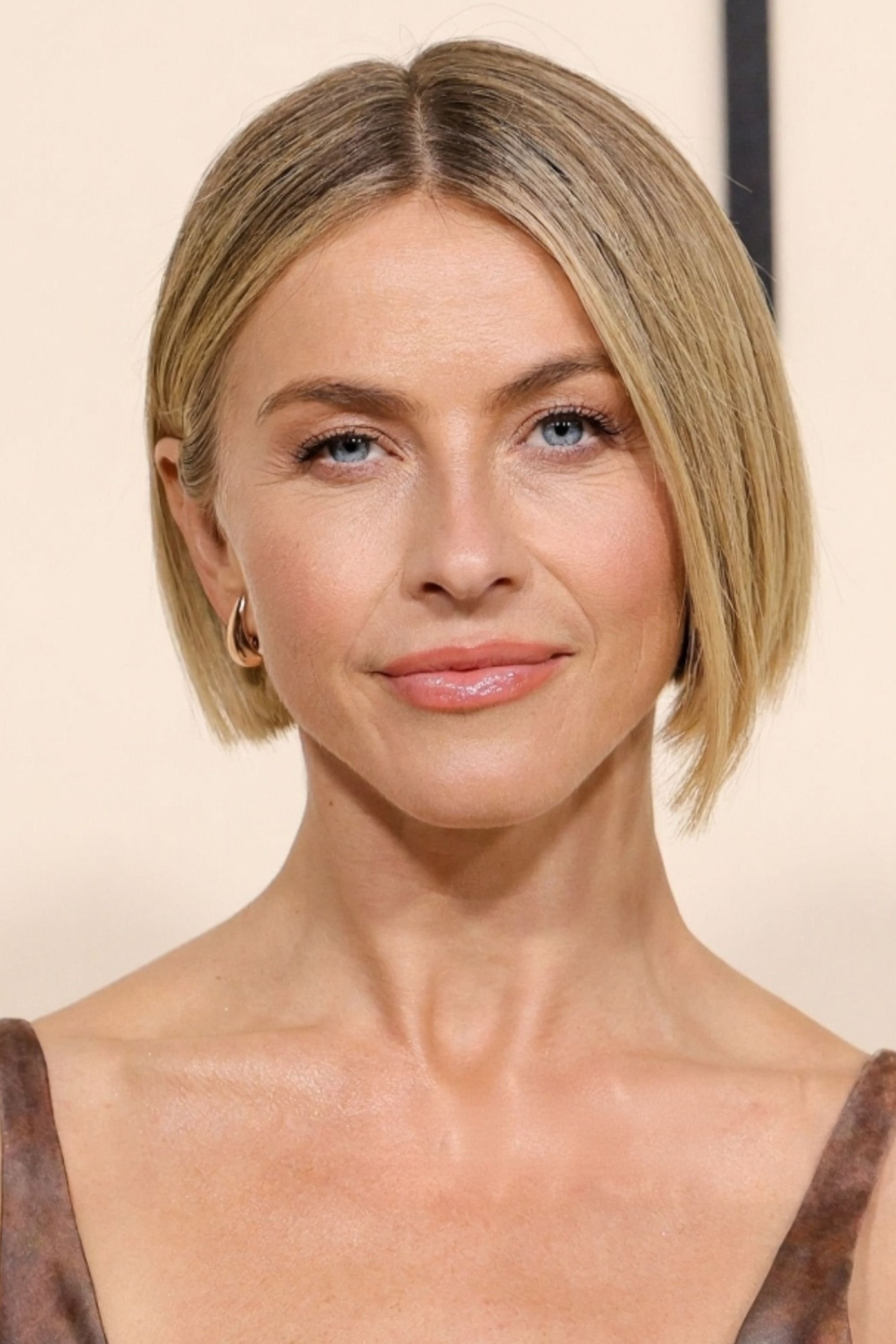
The performer explained her decision to darken her skin for a Halloween costume, saying she meant it as a tribute to a character from ‘Orange Is the New Black’ and the actress who played her. She initially said she deeply admired the show and wanted to honor that. However, after understanding the problematic history behind using such imagery, she apologized for her choice. The incident led to a broader conversation about whether it’s appropriate to dress up in ways that reference race.
Robert De Niro
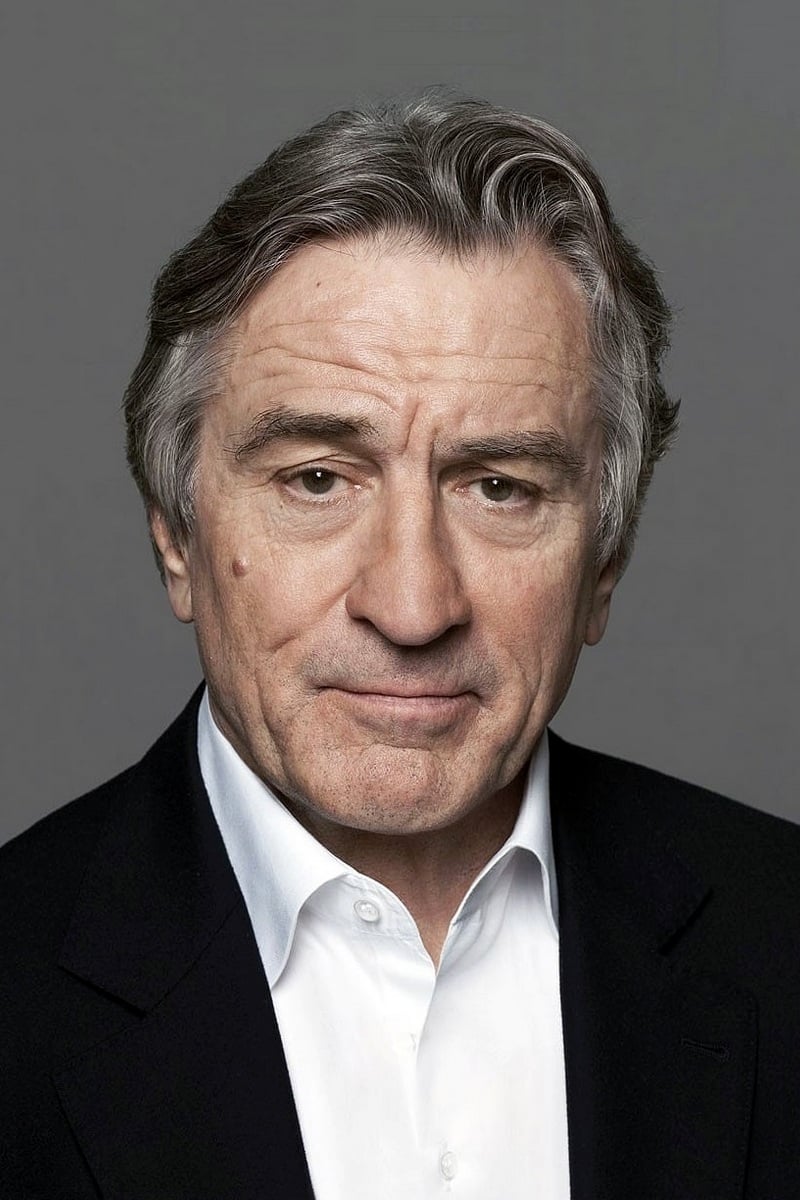
The acclaimed actor has frequently discussed the need for artists to be free to express themselves, and has supported his fellow filmmakers, including those who worked on ‘Tropic Thunder’. He feels that both comedy and drama should be able to tackle difficult subjects without being instantly censored. De Niro emphasizes that understanding the full story is crucial when evaluating creative work. He believes filmmakers should be able to take risks and make daring choices in order to create compelling art, a commitment that has characterized his entire career and his often challenging and thought-provoking roles.
Jack Black
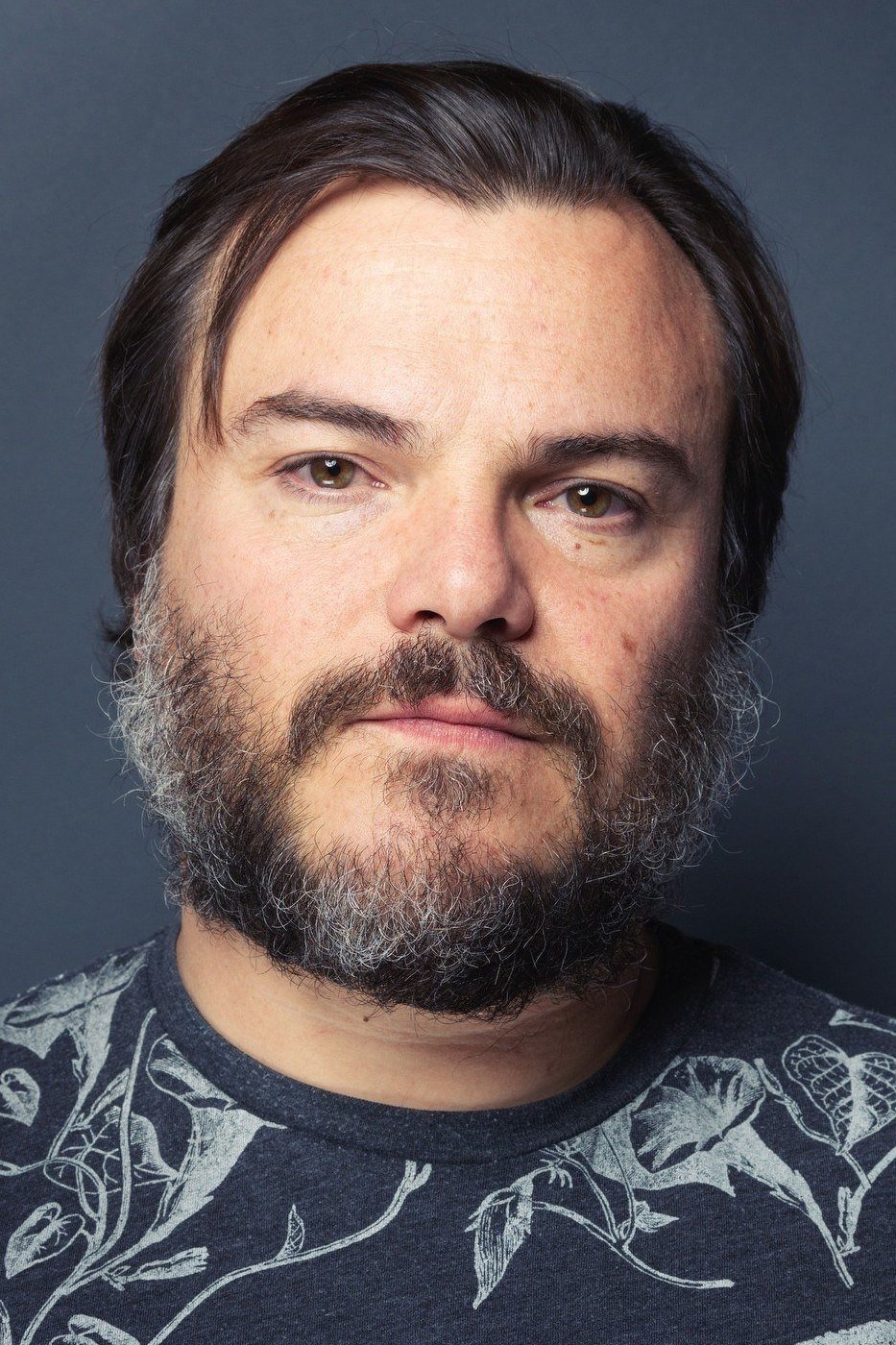
Jack Black has consistently stood by the humor in ‘Tropic Thunder,’ especially praising his fellow actors’ dedication to the film’s overall concept. He views the movie as a clever commentary on Hollywood and maintains that the controversial makeup effects were essential to delivering that message. Black feels audiences were capable of understanding the film was satirizing actors and the acting process, not the ethnicities they were portraying. He’s frequently expressed how much he enjoyed the creative freedom the project allowed, and it continues to be one of his most popular and successful comedies.
Alec Baldwin
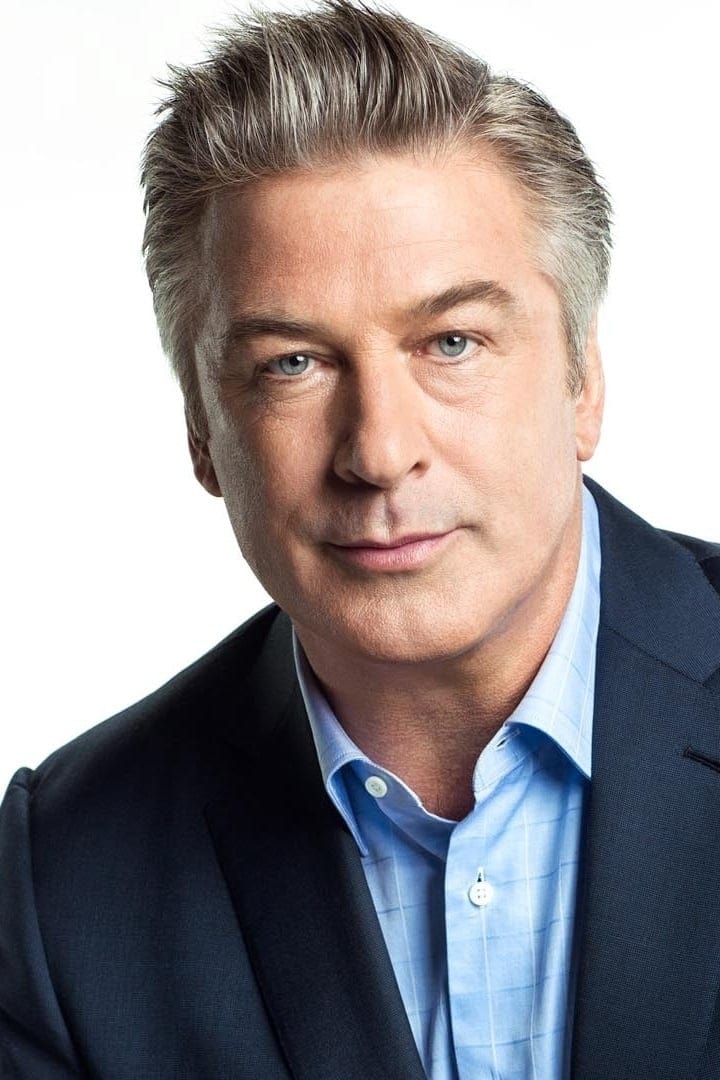
The actor explained his support for edgy comedy in movies, arguing that satire is important for questioning societal expectations. He specifically defended the choices made in ‘Tropic Thunder,’ saying it effectively poked fun at the ridiculousness of celebrity culture. Baldwin feels the entertainment industry should be able to use over-the-top, even offensive, characters to satirize itself. He’s consistently spoken out in favor of protecting artistic freedom in all media, and his own work often features complex, satirical performances.
Seth Rogen

The actor and filmmaker has talked about using humor that addresses race in comedy, arguing that how a joke is intended should be the main factor in how people react to it. He feels that comedy can be a powerful way to challenge those in power or offer social criticism, especially when it’s aimed ‘up’ at those in charge. Rogen notes that many well-known comedies have always used over-the-top humor to make a point. He also believes that comedy needs ongoing conversation between those who create it and the audience. His production company has been responsible for a lot of the biggest comedy hits of the last ten years.
Jonah Hill

Dustin Hill believes art, including film, should be free to challenge norms and push creative limits. He’s defended controversial comedies like ‘Tropic Thunder,’ explaining the humor comes from mocking prejudiced characters, not endorsing their views. Hill feels effective satire needs to be a little unsettling. Throughout his career, he’s consistently chosen roles that break from typical narratives and delve into the nuances of human experience, moving from lighthearted comedy to more serious, respected dramatic performances.
Dave Chappelle
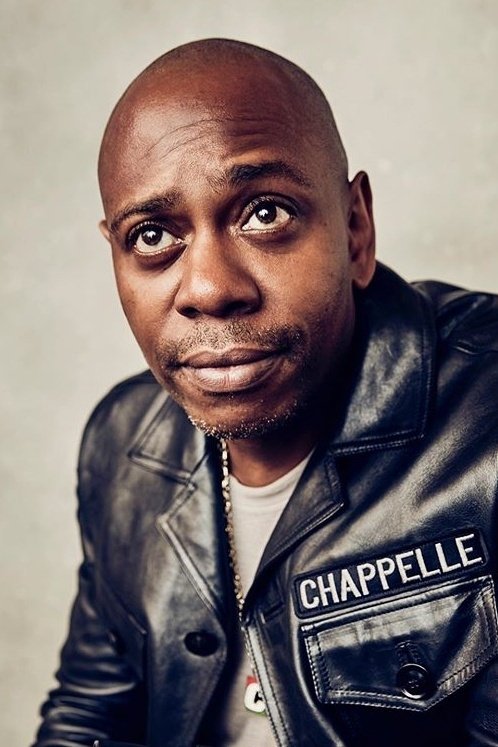
The comedian often explains his use of racial stereotypes and makeup as a way to reveal how ridiculous racism is. He thinks exaggerating these harmful ideas can actually bring attention to the real problems within society. He’s pointed out that his use of whiteface was meant to be a commentary on the long history of blackface in entertainment. He strongly believes that comedy should be a place where any topic can be discussed. His work consistently sparks national debates about race and freedom of expression.
Chris Rock
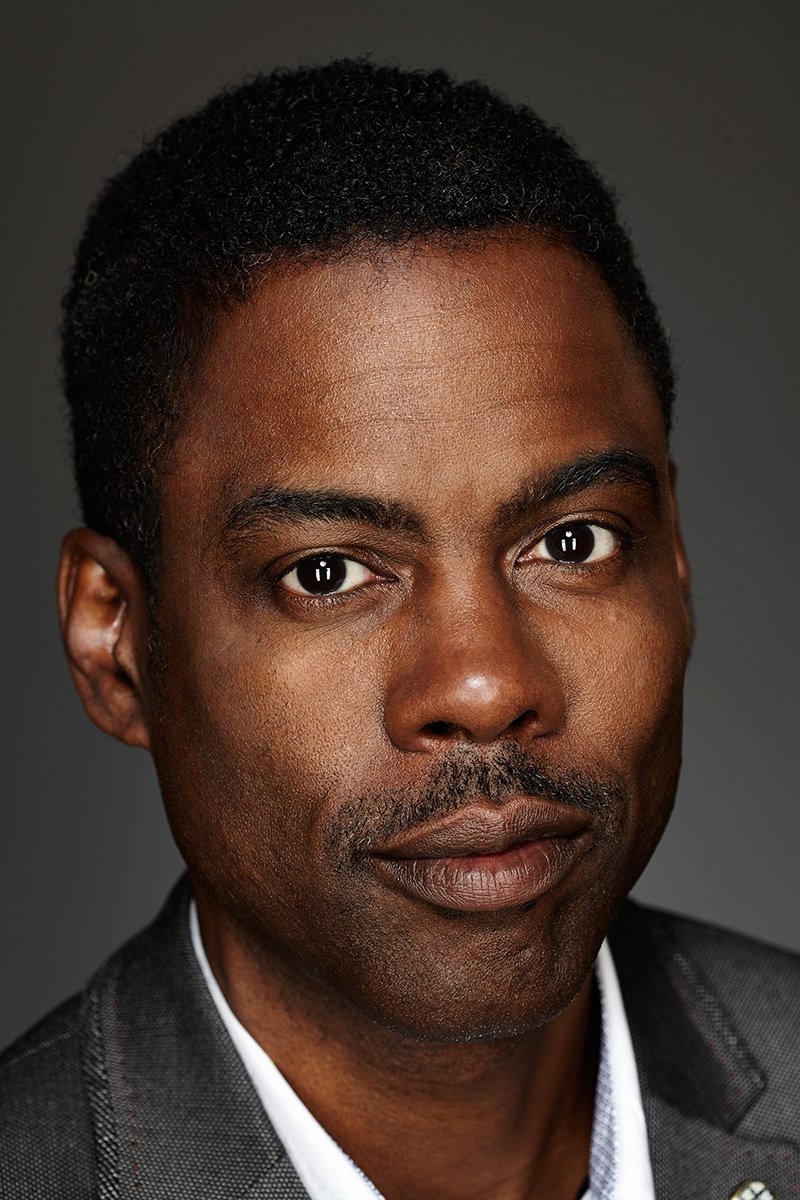
Chris Rock has consistently championed comedians’ freedom to push boundaries and use shocking imagery for comedic effect. He maintains that a performer’s intention is key – what separates harmful behavior from genuine comedy. Rock also admires films that use satire to tackle challenging subjects often ignored by other types of entertainment. He feels audiences should actively consider the context and what the joke is actually about. Widely recognized as a leading figure, Rock is one of the most important voices in contemporary stand-up comedy.
Bill Maher
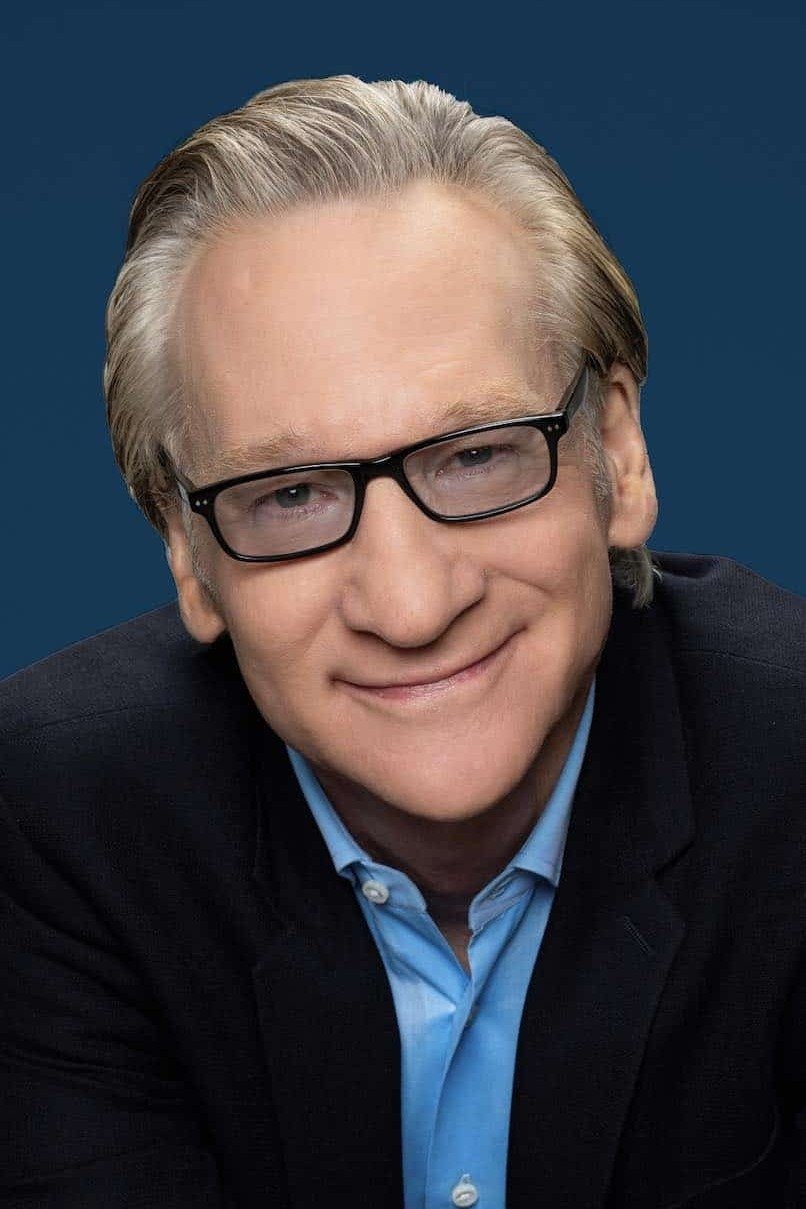
The comedian and political commentator has spoken out in support of using makeup to depict different ethnicities in historical or comedic performances. He feels that a tendency to take offense easily is hindering artists’ ability to create truthful or humorous work. Maher suggests we should judge past performances based on the standards of their time, and he’s often critical of what he sees as excessive sensitivity in the media. His show regularly explores the relationship between comedy and culture, often sparking debate.
Spike Lee
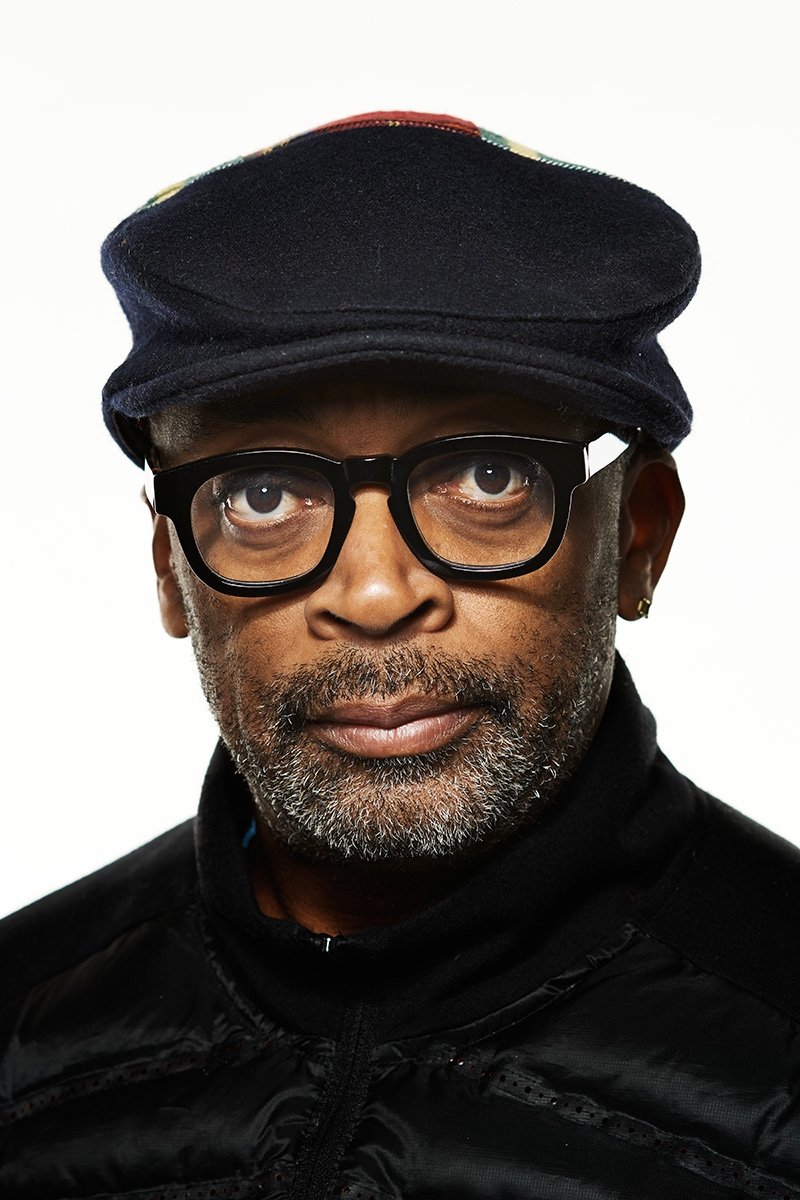
In his film ‘Bamboozled,’ director Spike Lee employed dark makeup to criticize how the entertainment industry has historically treated Black actors. He explained that the controversial imagery was intentionally shocking, meant to force audiences to acknowledge the truth about representation in media. Lee believed that by visually depicting both the process and the outcome, he could reveal the deep-rooted problems within Hollywood. The film is a strong statement about society that continues to spark conversations about race today. Throughout his career, Lee has consistently used filmmaking to question and challenge established norms.
Marlon Wayans
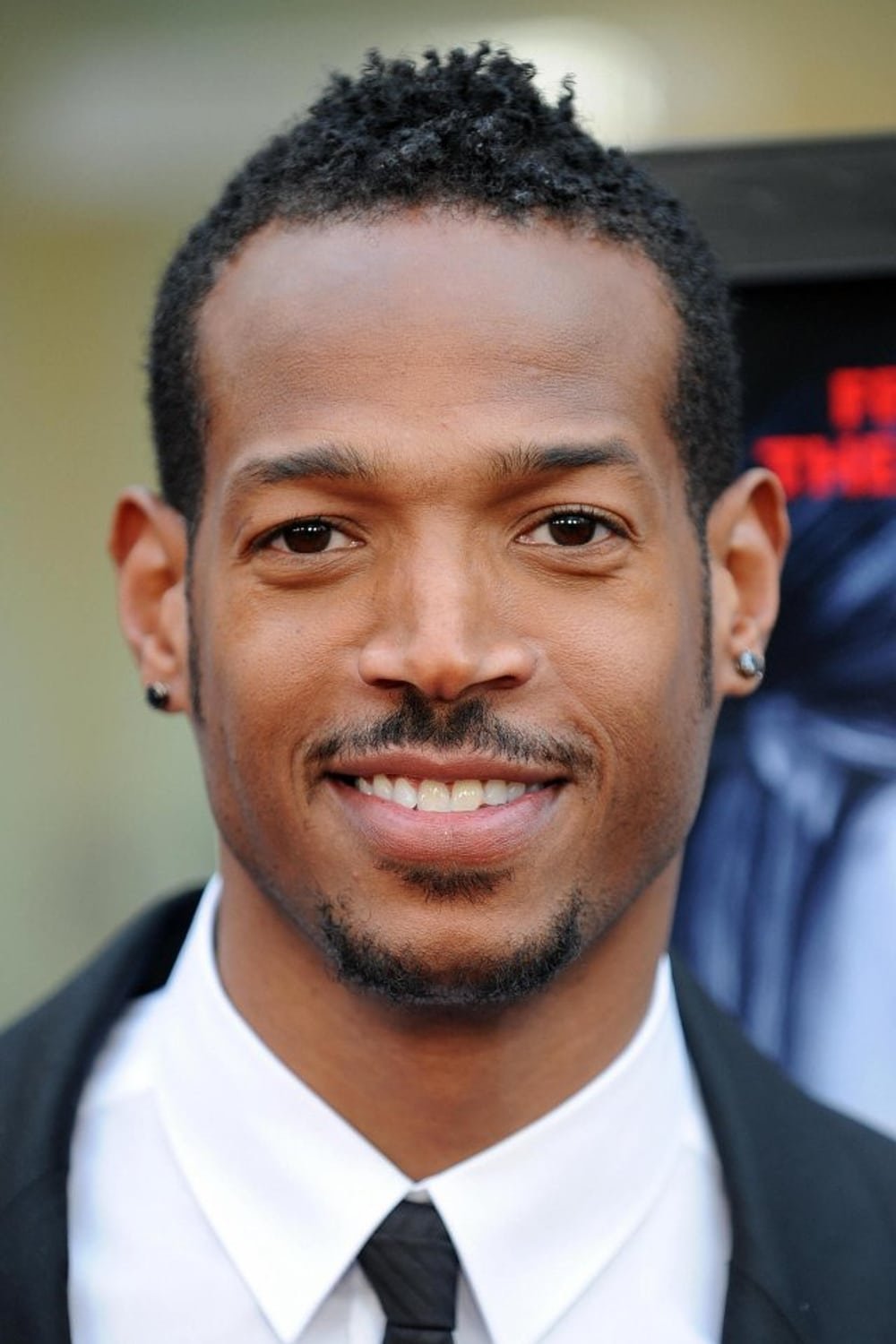
The actor explained that the makeup used to change the actors’ appearances in ‘White Chicks’ was intended as a way to create funny situations and comment on social issues. He felt the humor came from seeing the characters in unfamiliar situations after their physical transformations. Wayans believes that comedy shouldn’t target just one group, but should allow for playful teasing of many different groups. The movie was very successful and remains popular with a dedicated fanbase. He emphasizes that the intention was always to create broadly appealing humor that everyone could enjoy.
Shawn Wayans
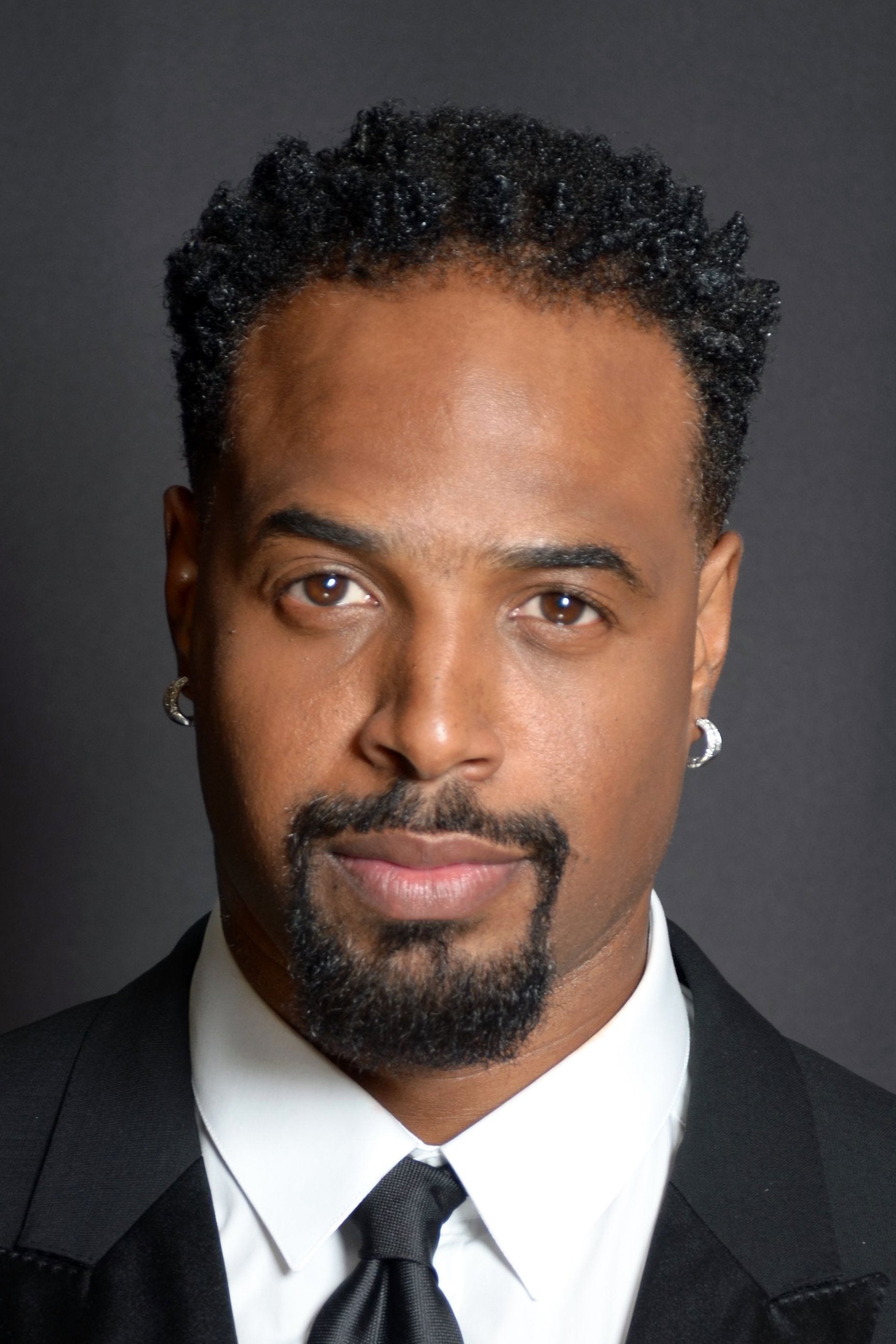
Shawn Wayans, who created and starred in ‘White Chicks,’ has always described the film as a silly comedy meant to make people laugh with over-the-top characters. He clarified that the elaborate makeup was essential to the story and wasn’t meant to be a commentary on race. Wayans feels the film’s popularity shows audiences appreciate actors taking on difficult physical roles. He also frequently emphasizes how important working with his family is to his creative work. ‘White Chicks’ remains popular on TV and streaming services.
Jim Carrey
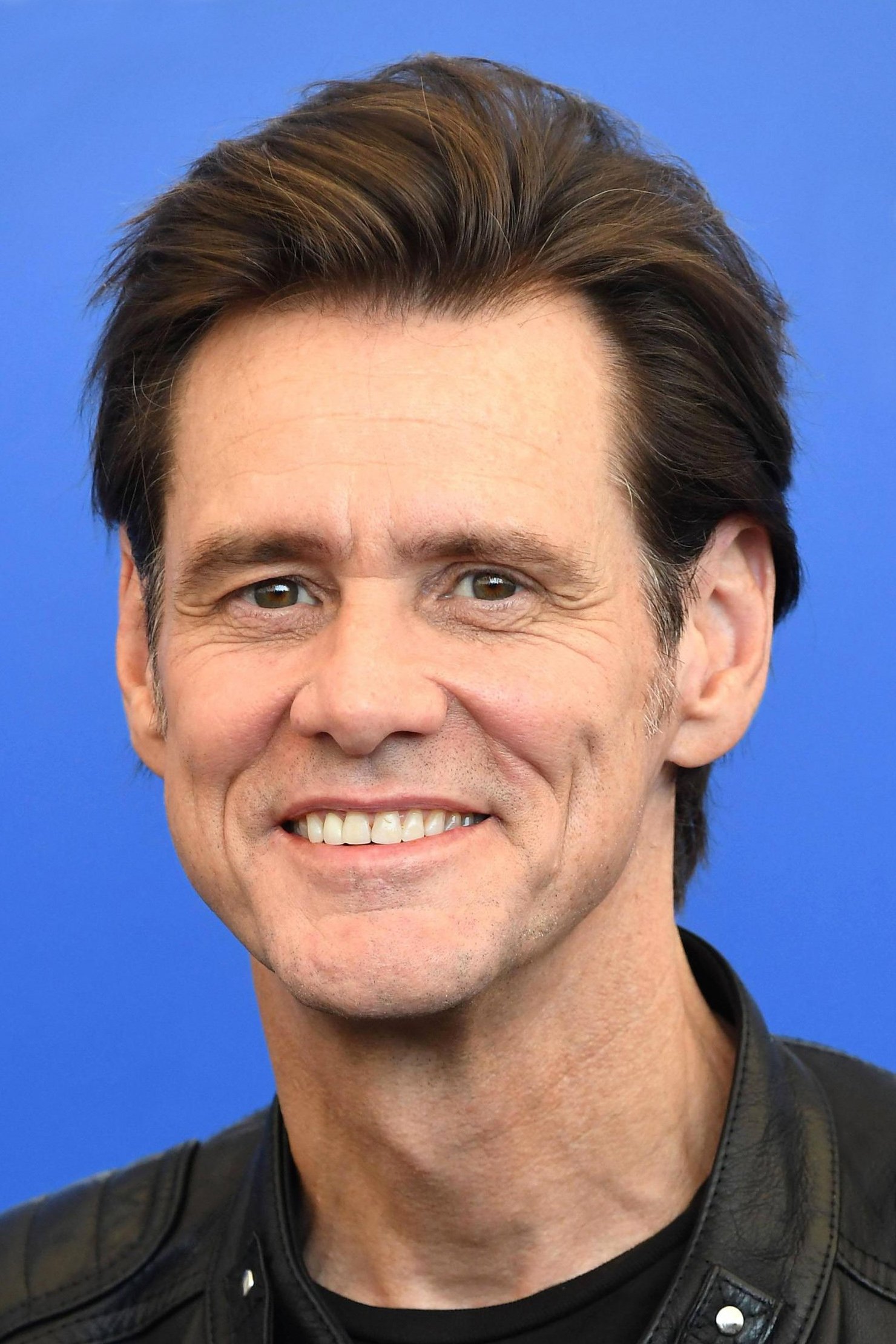
During his time on ‘In Living Color,’ the actor often used makeup to play different characters. He explained that these performances were meant to be part of the show’s fast-paced, rule-breaking, and edgy humor. Carrey emphasized that the show was a team effort where performers of all kinds could take on diverse roles. He felt this freedom to be completely silly was key to the program’s innovative success. His energetic physical comedy and memorable characters significantly shaped entertainment in the early 1990s.
Eddie Murphy
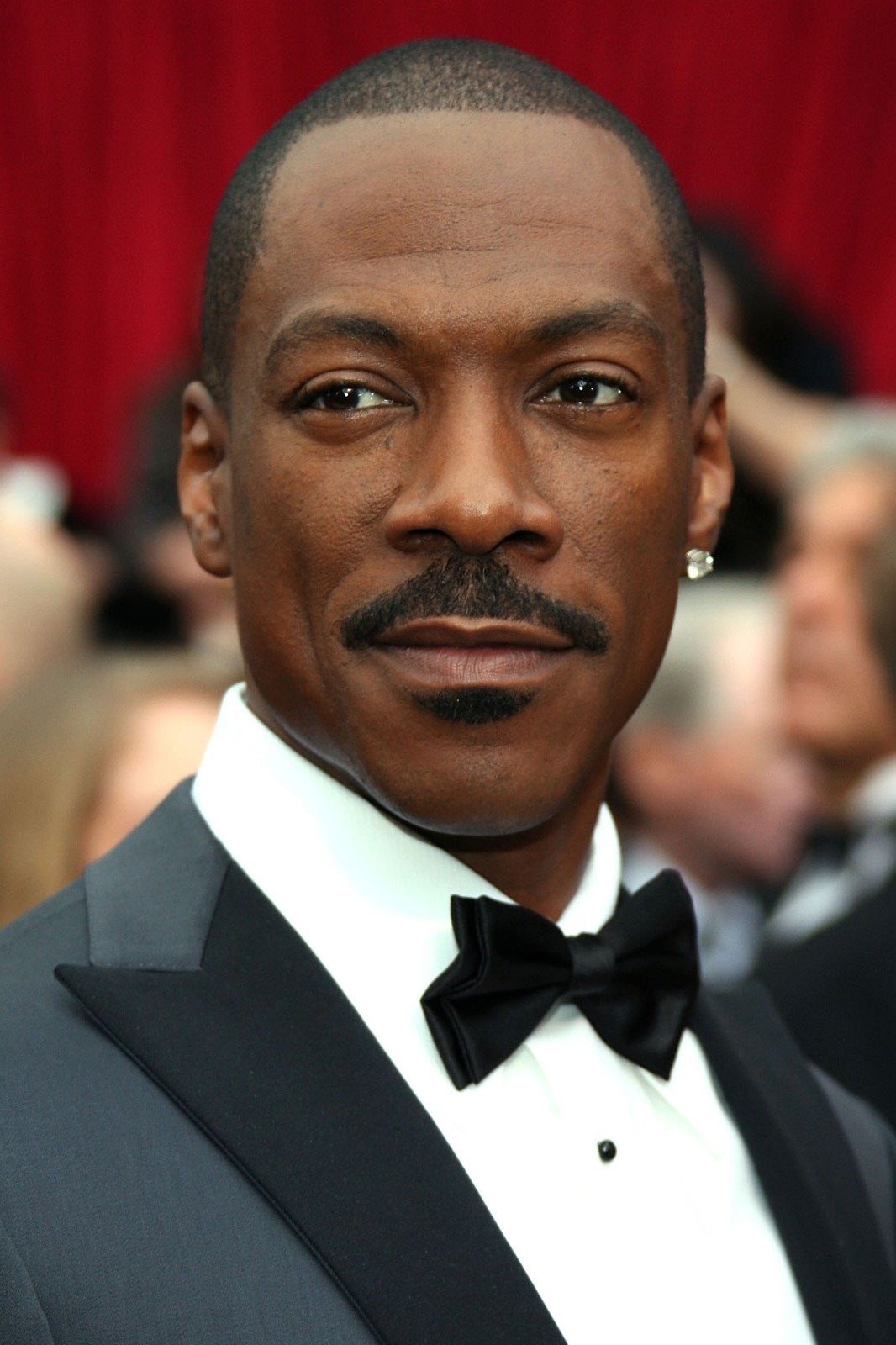
Eddie Murphy famously used heavy makeup, including whiteface, in films like ‘Coming to America’ to play several different characters. He explained that this allowed him to demonstrate his versatility as an actor and enhance the film’s humor. Murphy believed the makeup helped him transform into unexpected roles, effectively disappearing into the characters. He’s widely recognized for his skill in portraying people of different ages and ethnicities using prosthetics. ‘Coming to America’ remains one of his most popular and critically acclaimed comedies.
Sacha Baron Cohen
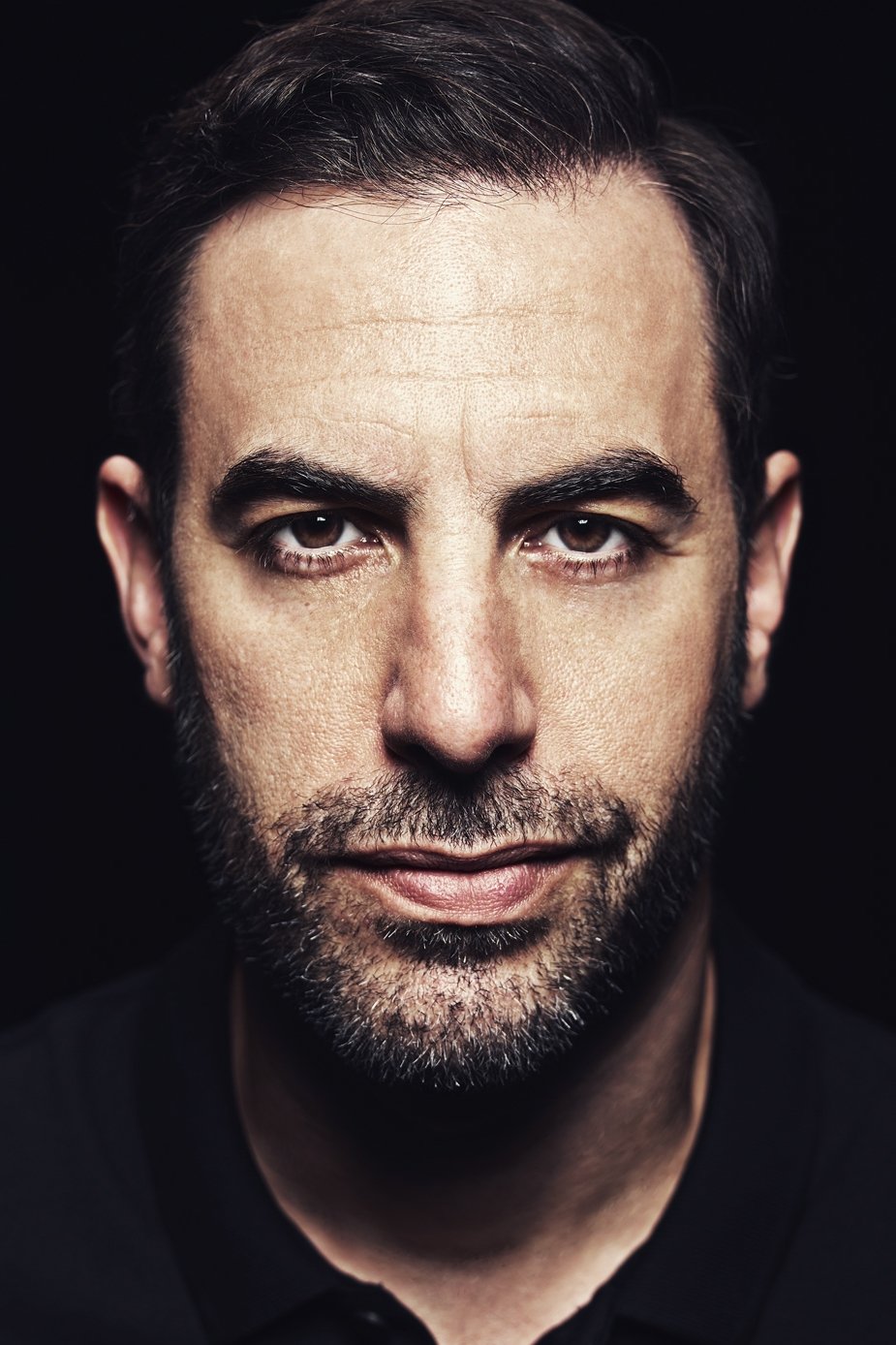
This actor is known for transforming himself with makeup and disguises to play characters who spark debate about society and politics. He explains that his aim isn’t to offend, but to expose people’s hidden prejudices. Sacha Baron Cohen argues that effective satire needs to be bold and even shocking to reveal the truth. His work often blends humor with a kind of real-life social test. He continues to be a divisive yet powerful force in comedy and film.
George Burns
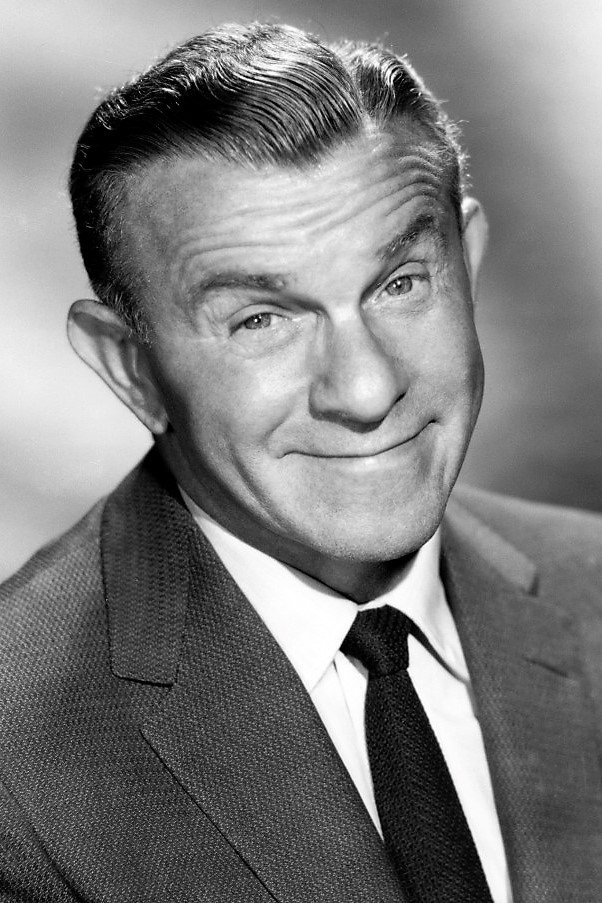
The celebrated performer George Burns explained that during his early years in vaudeville, it was common for performers to use makeup to darken their skin. He saw this as a normal part of the show, and audiences at the time didn’t object. Burns believed performers were primarily focused on being funny and delivering their lines well, not on making social statements. Throughout his nearly 100-year career in entertainment – which included stage, radio, and film – he often reflected on how comedy had changed over time.
Elizabeth Taylor
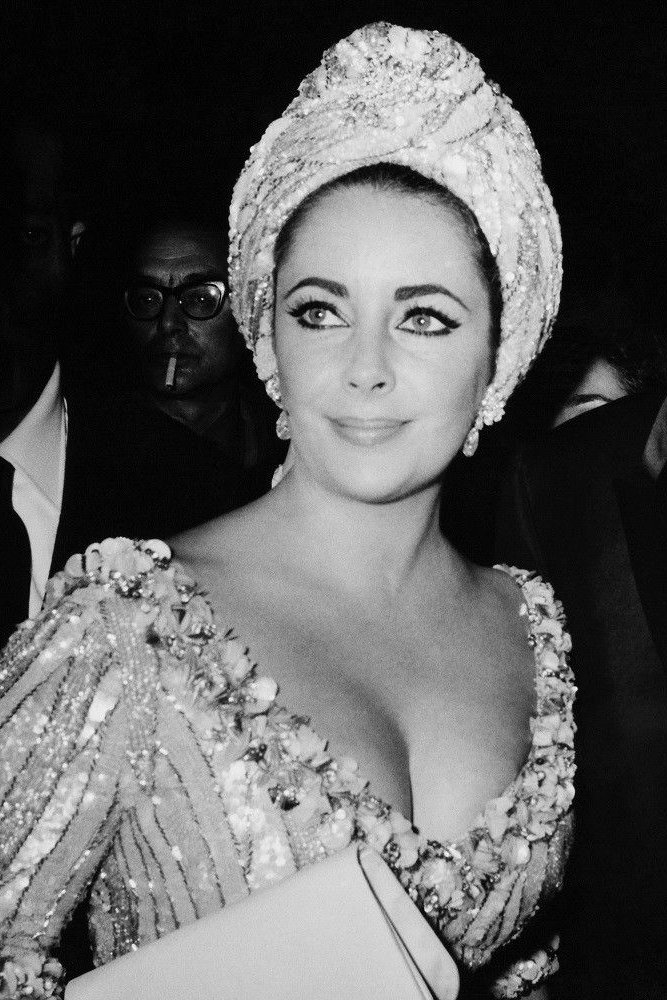
Elizabeth Taylor explained that the dramatic, bronze makeup in ‘Cleopatra’ was meant to accurately depict the historical period. The filmmakers wanted the film’s lavish look to capture the wealth and atmosphere of ancient Egypt. ‘Cleopatra’ was a remarkably expensive and ambitious film for its time. Taylor felt her complete transformation into the character was crucial for audiences to accept her as the legendary queen. The movie is still considered a classic example of a grand Hollywood epic.
Peter Sellers
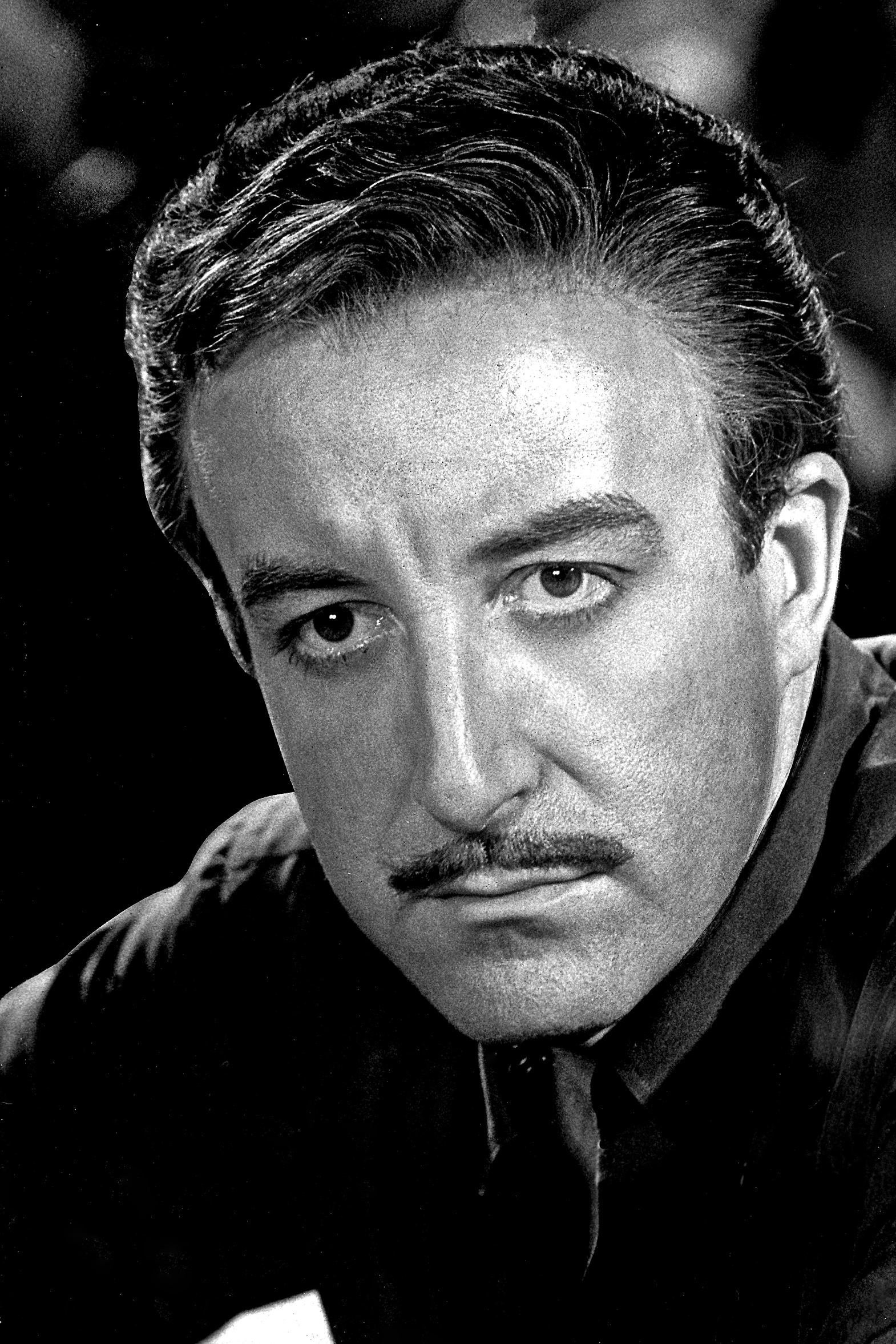
For his role in the comedy film ‘The Party,’ the actor wore makeup to darken his skin, playing an Indian actor known for being clumsy. He explained his performance as a detailed look at a character, using physical humor and funny situations. Peter Sellers felt his portrayal honored the kind and good-hearted nature of the character he developed. The film is famous for its creative jokes and the lead actor’s spontaneous performance style, and it’s still considered an important piece of 1960s comedy.
John Turturro
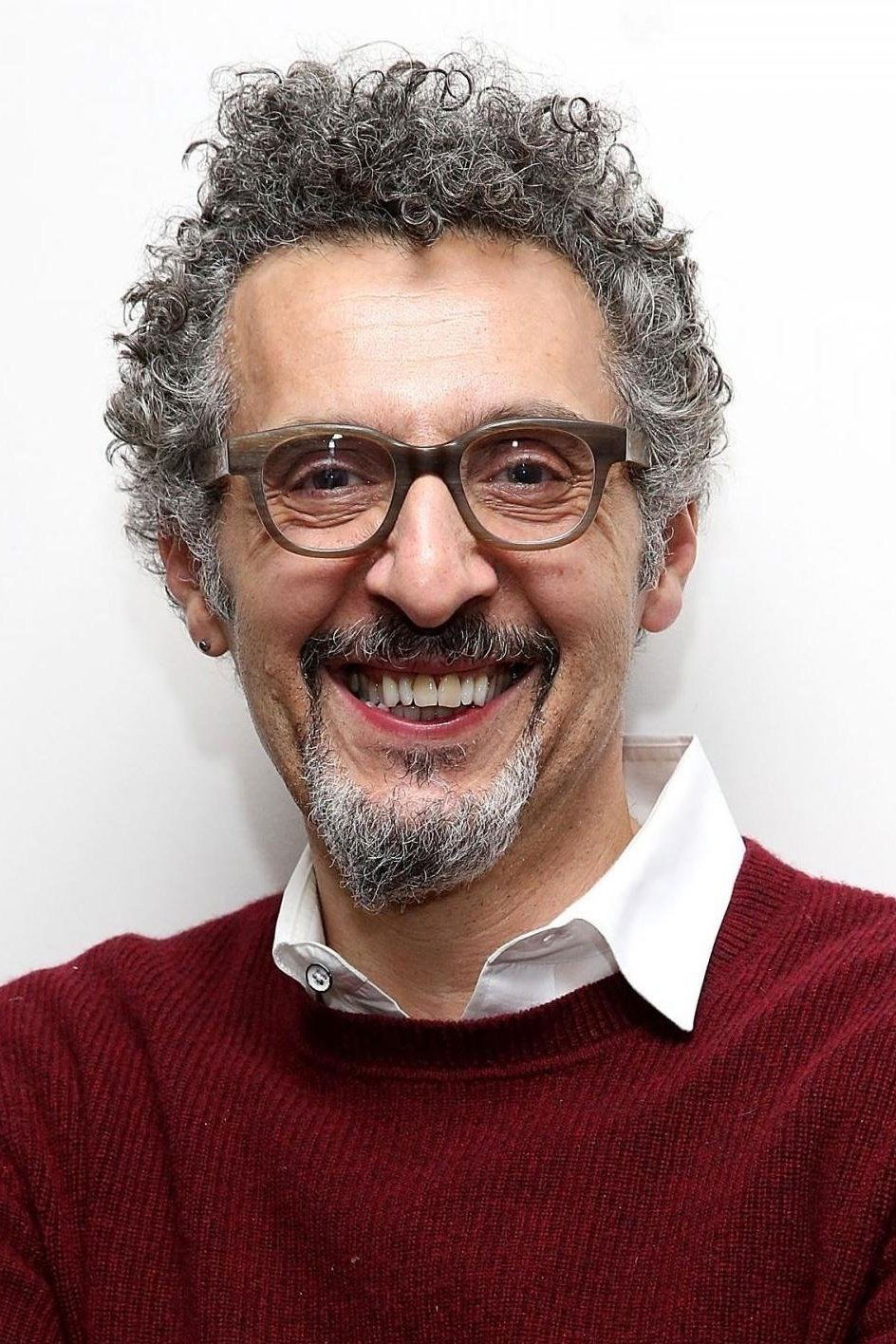
The actor explained that using detailed makeup helps keep historical films accurate and true to the story. He feels actors should be able to use any techniques necessary to fully embody their roles. Turturro points out that a film’s historical setting often guides the director’s visual decisions. He’s well-known for his commitment to acting and his range, having worked on both independent and large-budget movies.
Steve Coogan
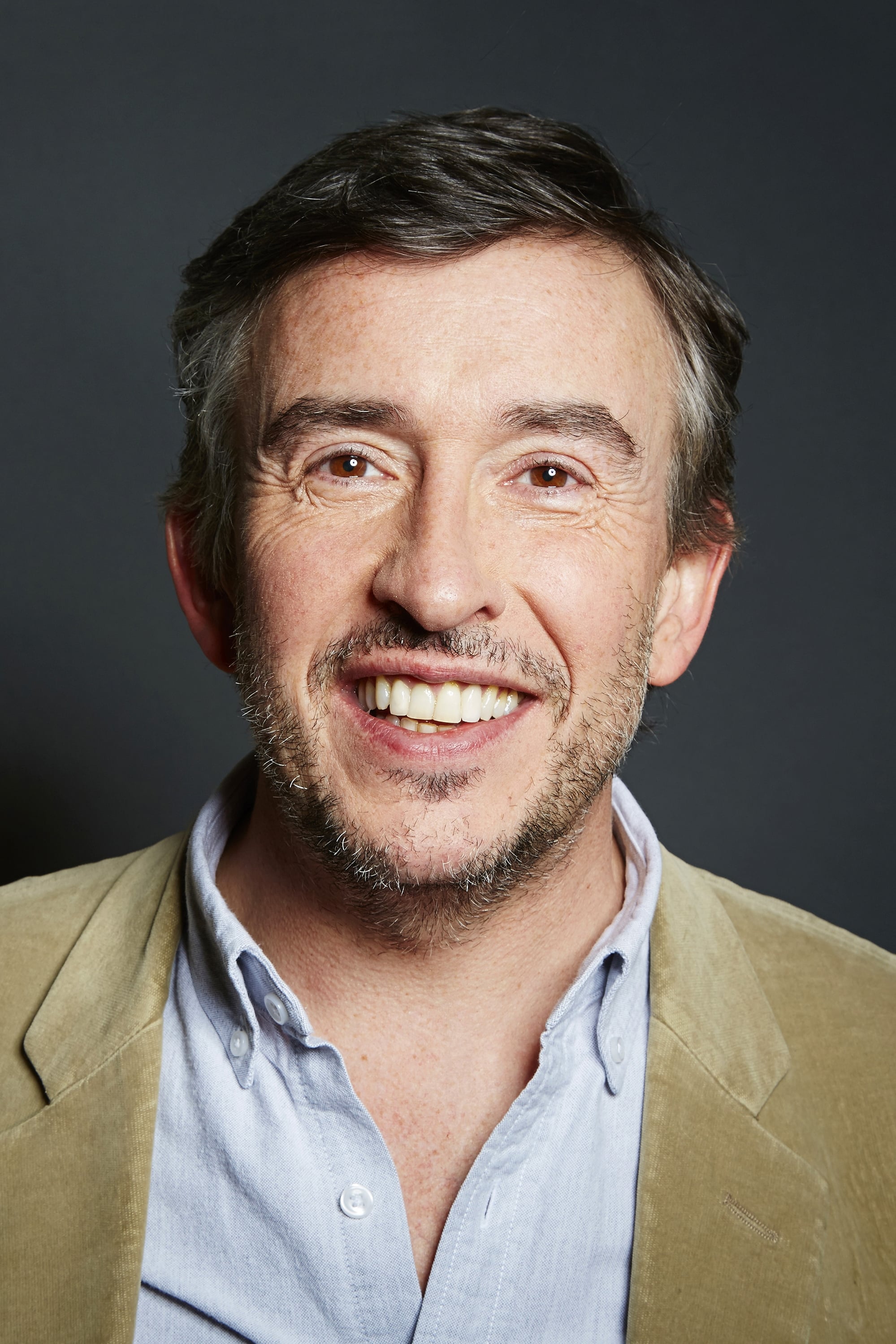
The comedian and actor explained that he uses character makeup to help tell his stories. He feels transforming into different people is a core skill for actors. Coogan often uses his characters to comment on the media and what it means to be famous today. He believes audiences will understand his performances as long as his intentions are clear. His character, Alan Partridge, is still a well-loved figure in British comedy.
Robert Lindsay
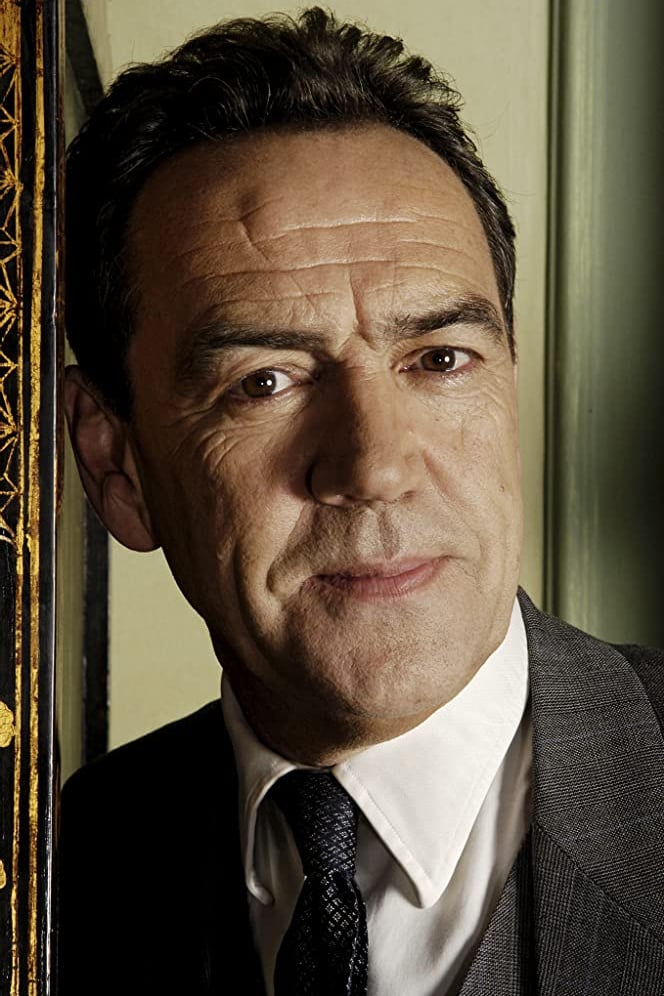
The actor explained that he uses makeup in plays and TV shows to stay true to the original story. He feels that theater has a long tradition of actors transforming themselves, which is an important part of the performance. He believes the audience should focus on the quality of the acting and the play’s message, not on superficial details. A well-respected actor in Britain, he’s known for his powerful and technically impressive performances across a variety of roles.
David Walliams
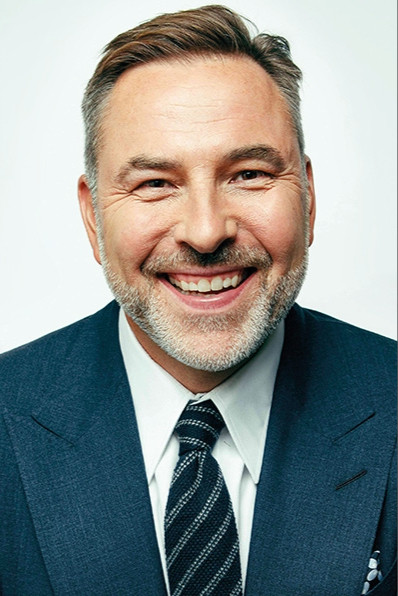
Look, as someone who grew up watching ‘Little Britain,’ I get why people are talking about it now. The show definitely used makeup to play different ethnicities and genders, and it’s sparked a lot of debate. But honestly, when it first came out, it felt like a really over-the-top, silly look at Britain – a kind of surreal exaggeration of everyday people. David Walliams, the creator, always said the jokes came from the ridiculous situations the characters were in, not from trying to be mean. He’s admitted some of it doesn’t hold up today, which is fair, but he initially stood by his original vision. It was huge when it aired, a real cultural moment, and it’s complicated to look back on it now.
Matt Lucas
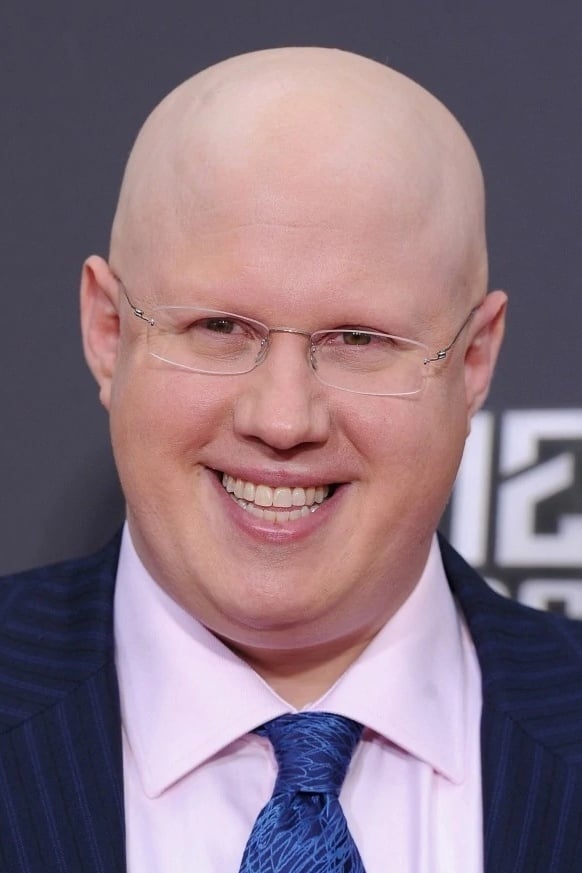
Lucas, who co-created ‘Little Britain’, has always maintained the show was a reflection of its time and intended to be diverse and inclusive. He pointed out that makeup was key to allowing the two main actors to portray a wide range of characters. Lucas believes the show used exaggerated comedy to celebrate the quirks of people. He’s also frequently discussed how difficult it is to create comedy that stays funny as society evolves. He continues to be successful as both an actor and a writer.
Harry Enfield
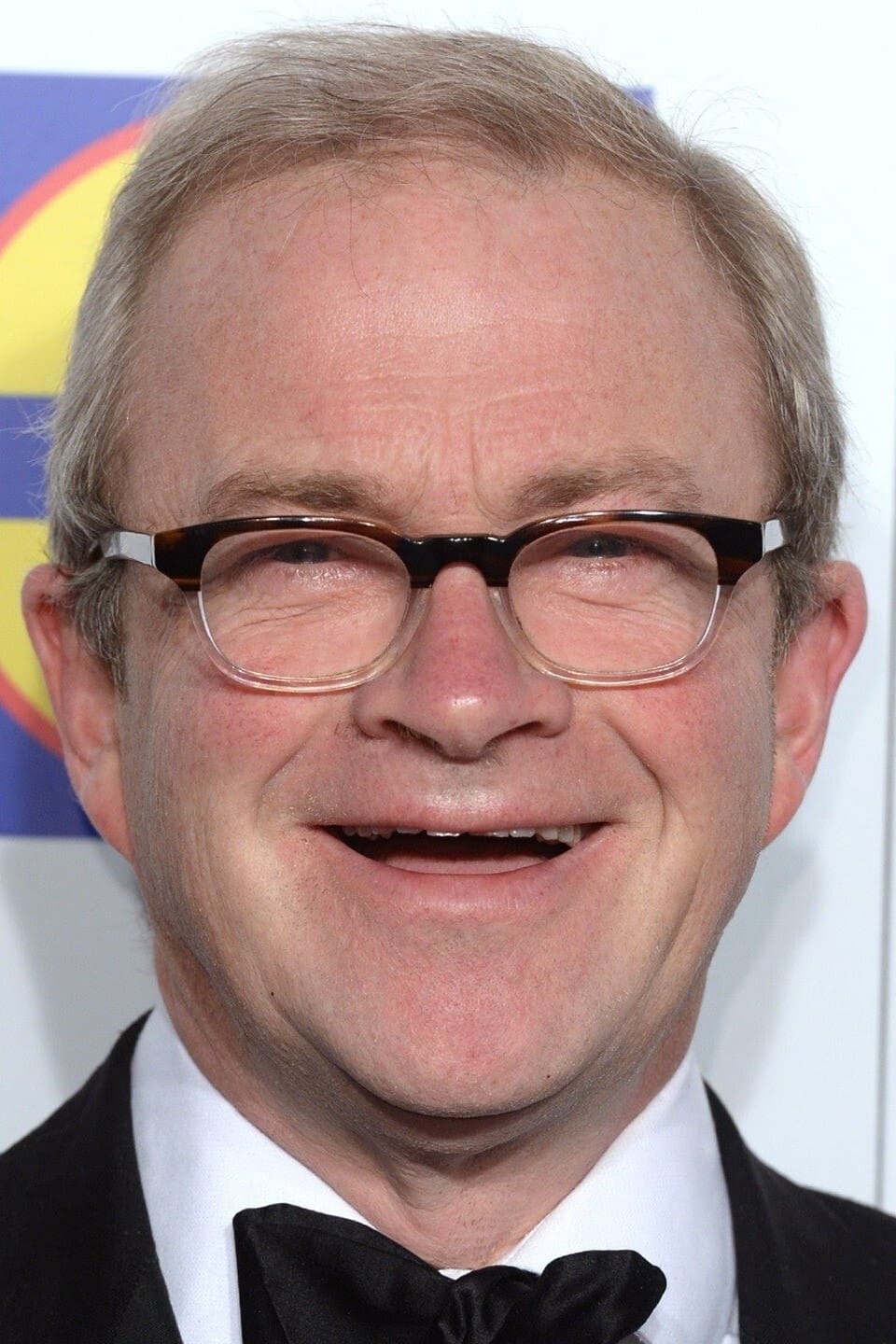
The comedian explained he uses makeup and costumes because they’re a long-standing tradition in comedy sketches. He feels performers need the freedom to playfully imitate all aspects of society to create good satire. He says his characters come from observing real people and their everyday actions, and his aim is simply to make people laugh by exaggerating reality. For decades, his comedic sketches have been a popular part of television.
Sarah Jessica Parker
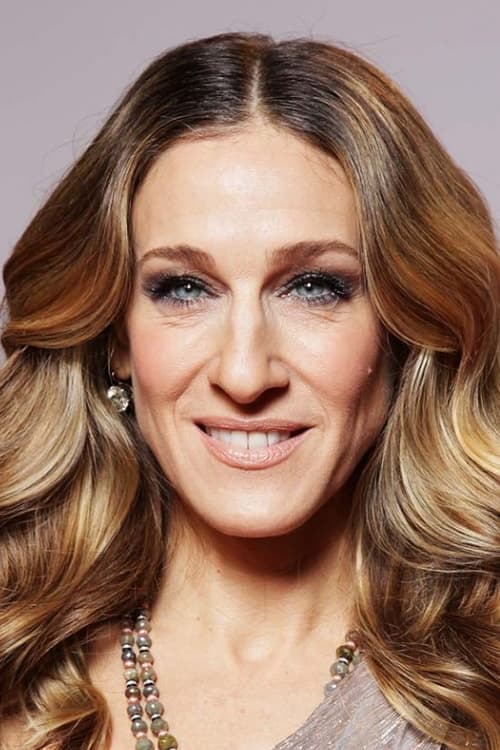
The actress has spoken out in support of keeping classic films as they were originally made, even if some parts are now considered problematic. She argues these films are important historical documents that show us what life was like in the past. Parker believes changing or removing content prevents us from understanding how society has evolved, and that understanding the historical context is crucial. Throughout her career, she’s worked on many different television and film projects.
Helen Mirren
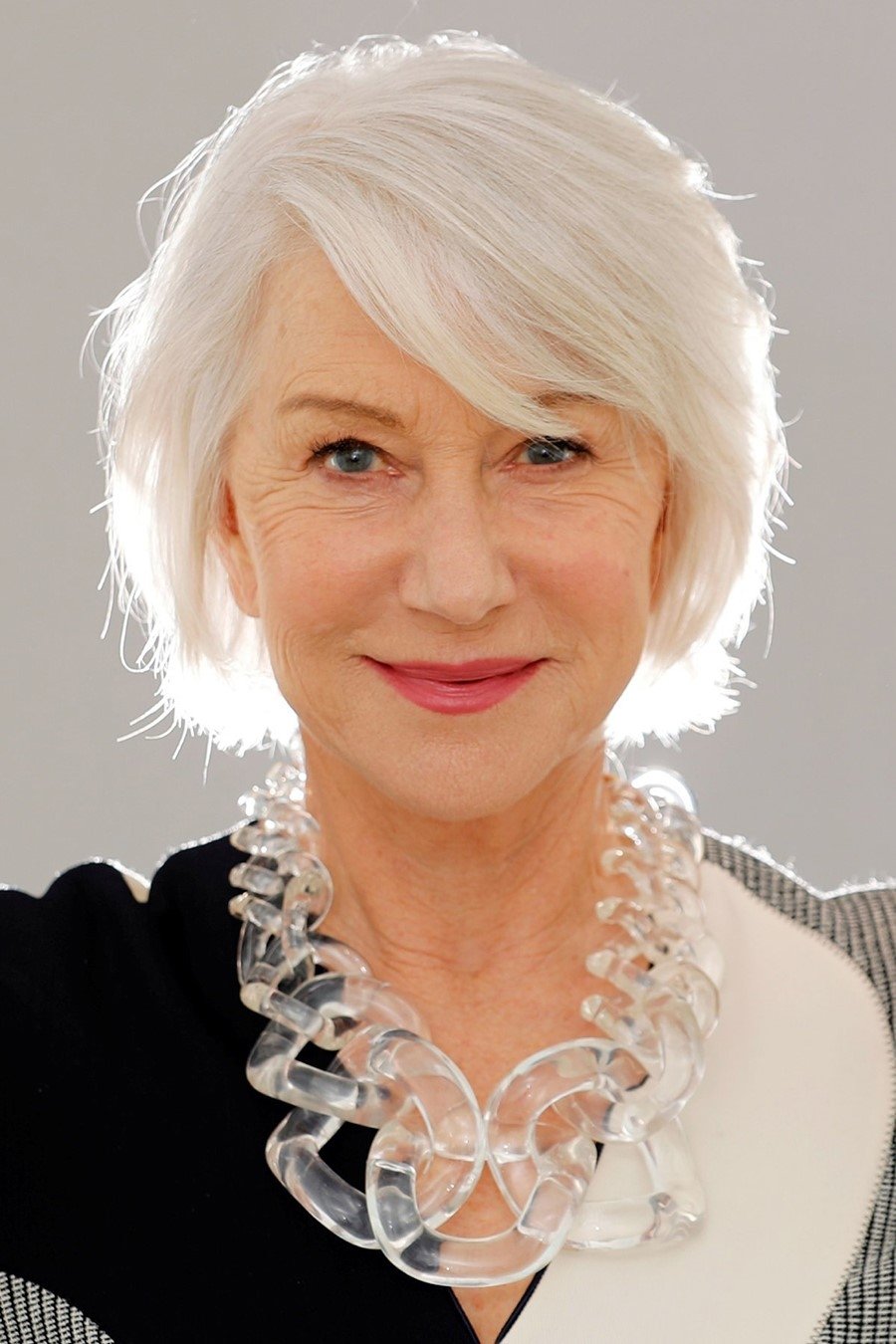
The award-winning actress has consistently championed the importance of artistic expression and an actor’s ability to explore a wide range of characters. She supports filmmakers who use bold imagery to create impactful stories, believing that audiences should be stimulated and even challenged by art. This discomfort, she argues, can spark important discussions. Throughout her celebrated career, she’s been a strong advocate for the creative freedom of her fellow actors and a dedicated performer.
Judi Dench
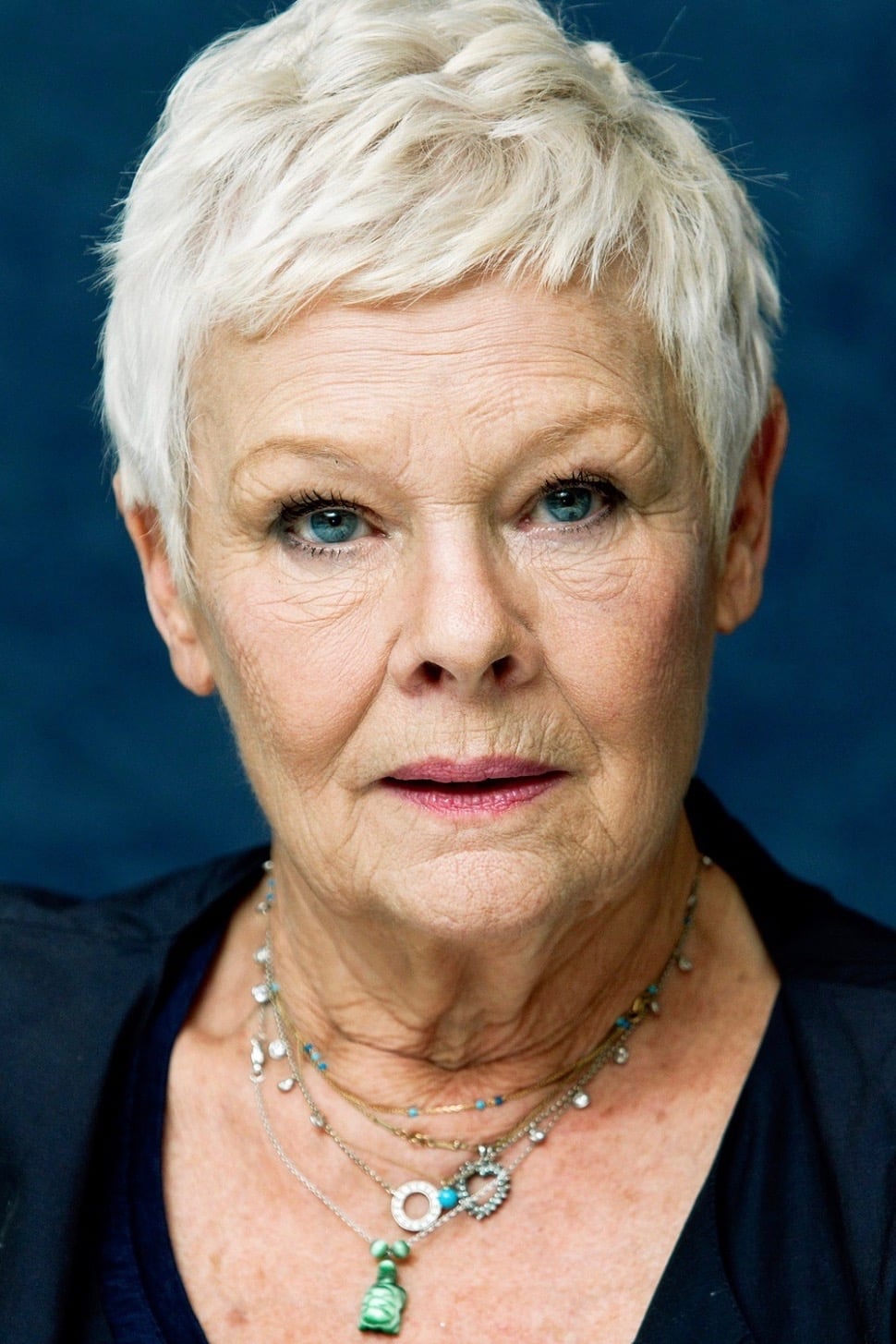
The celebrated actress has spoken out in support of theater’s rich history and the diverse interpretations actors have brought to roles over time. She emphasizes that a performance should always prioritize the genuine emotions of the character. Judi Dench points out that stage traditions differ from those in film or television and deserve respect. Widely recognized as one of the most talented actors of her time, she has a profound grasp of both classic and contemporary plays. Her work continues to inspire performers and audiences globally.
Michael Caine
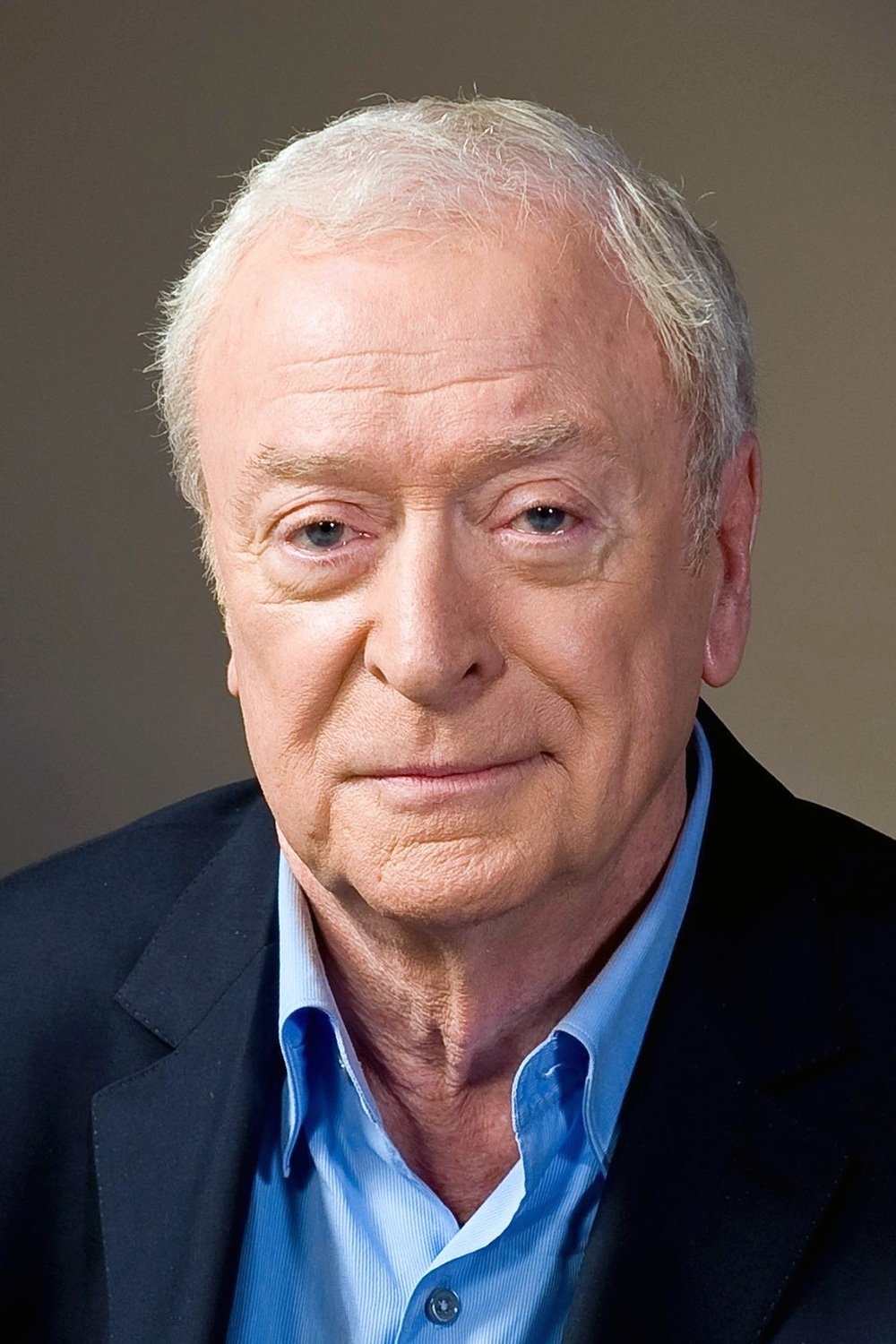
The acclaimed actor argues that classic films should be evaluated based on the standards of their time, not today’s. He believes the primary purpose of filmmaking has always been to entertain and connect with audiences, and that film history is full of diverse and valuable stories. With a long and celebrated career, he’s become a well-known and respected figure in the world of cinema.
Share your thoughts on these controversial classic film moments in the comments.
Read More
- 20 Movies Where the Black Villain Was Secretly the Most Popular Character
- Celebs Who Narrowly Escaped The 9/11 Attacks
- Top 20 Dinosaur Movies, Ranked
- 25 “Woke” Films That Used Black Trauma to Humanize White Leads
- Transformers Under the Microscope: What Graph Neural Networks Reveal
- The 10 Most Underrated Jim Carrey Movies, Ranked (From Least to Most Underrated)
- 22 Films Where the White Protagonist Is Canonically the Sidekick to a Black Lead
- Trading on Thin Air: AI Agents Conquer Crypto Volatility
- The Best Directors of 2025
- Gold Rate Forecast
2026-01-03 19:20