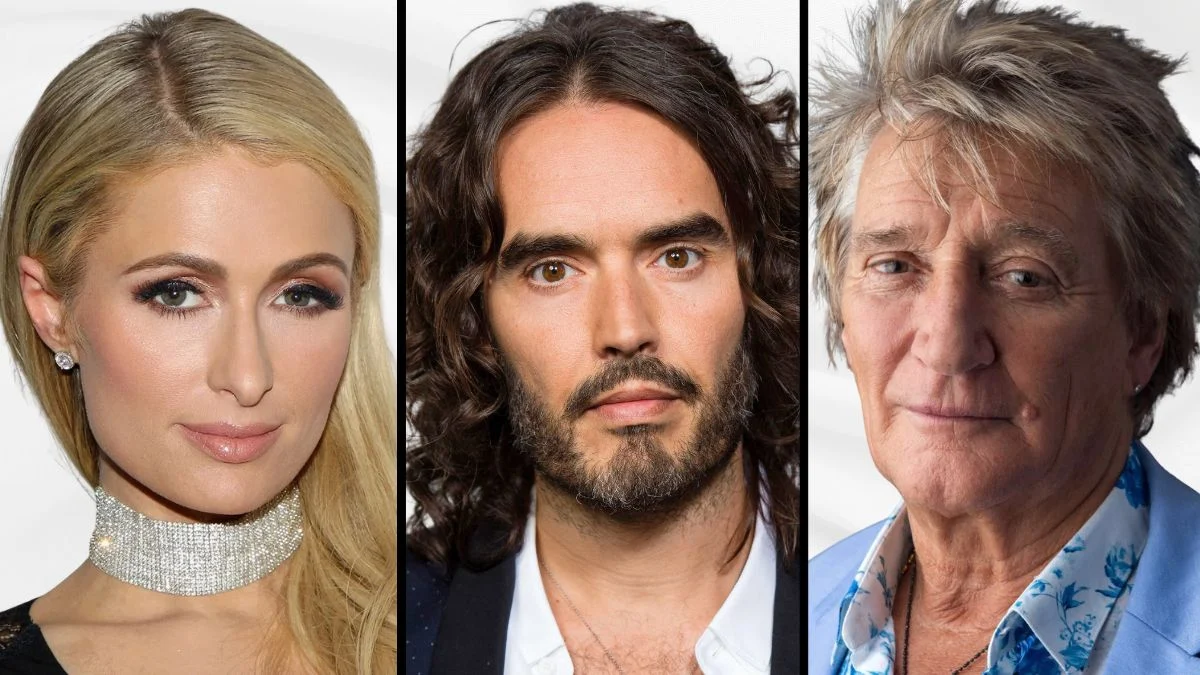
Japan has very strict immigration rules, especially for people with any criminal record, including drug offenses. They don’t make a distinction between minor and serious offenses, which means even famous people can be denied entry. Immigration officials can refuse entry to anyone with a substantial prison sentence or a legal history that doesn’t meet Japanese standards. Several celebrities have been detained at the airport and turned away when trying to visit for work. This article details the experiences of those stars who have faced these issues.
Paris Hilton

In 2010, Paris Hilton experienced trouble when she arrived at the Tokyo airport to promote her clothing brand. This happened shortly after she admitted to possessing cocaine in the US. Airport officials held her for several hours and ultimately refused to let her enter Japan. She had to spend the night in an airport hotel and then flew back home the next day. Japan has a strict rule about not allowing people with recent drug convictions to enter the country, even if they are famous.
Paul McCartney

In 1980, Paul McCartney was briefly detained in Japan after airport customs found marijuana in his luggage. He spent nine days in a Tokyo detention center while officials decided what to do. Ultimately, he was deported without The Beatles being able to play their planned concerts. This led to a long period where McCartney was denied visas for musical performances in Japan, and it remains a well-known case of a celebrity being blocked from entering the country due to drug laws.
Snoop Dogg
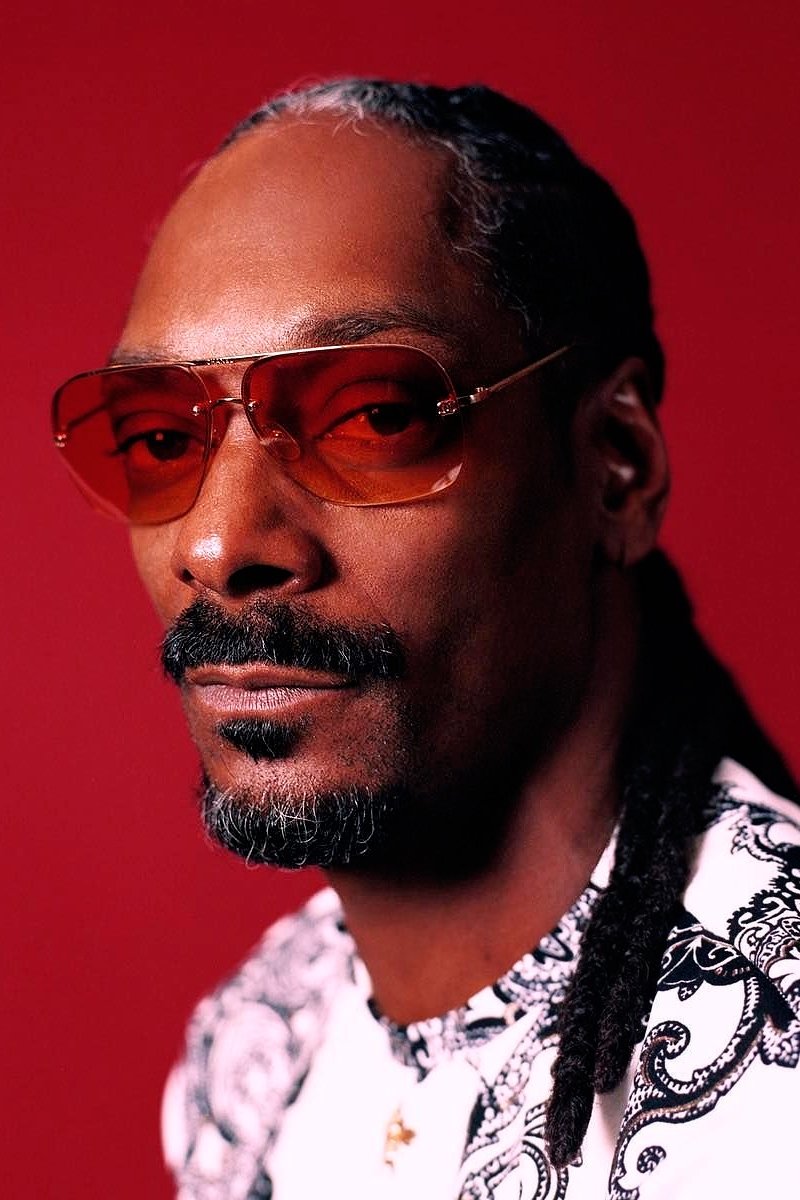
Snoop Dogg has repeatedly been denied entry into Japan because of his past drug and firearm convictions. This ban kept him from performing at several large music festivals there. Japan has very strict rules about letting in people with criminal records, especially those involving drugs. While other celebrities have sometimes been granted exceptions, Snoop Dogg is a well-known example of someone who has consistently been refused entry, making it difficult for him to include Japan on his tour schedule.
Russell Brand

In 2011, Russell Brand was turned away at the Japanese border while accompanying his then-wife, Katy Perry, on her concert tour. Immigration officials denied him entry due to his past arrests and criminal record, even though those incidents happened years earlier. Japanese law permitted them to do so. Brand documented his experience on social media while being detained before being sent home. The incident demonstrated Japan’s thorough screening process for all visitors, even those traveling for personal reasons.
Mike Tyson
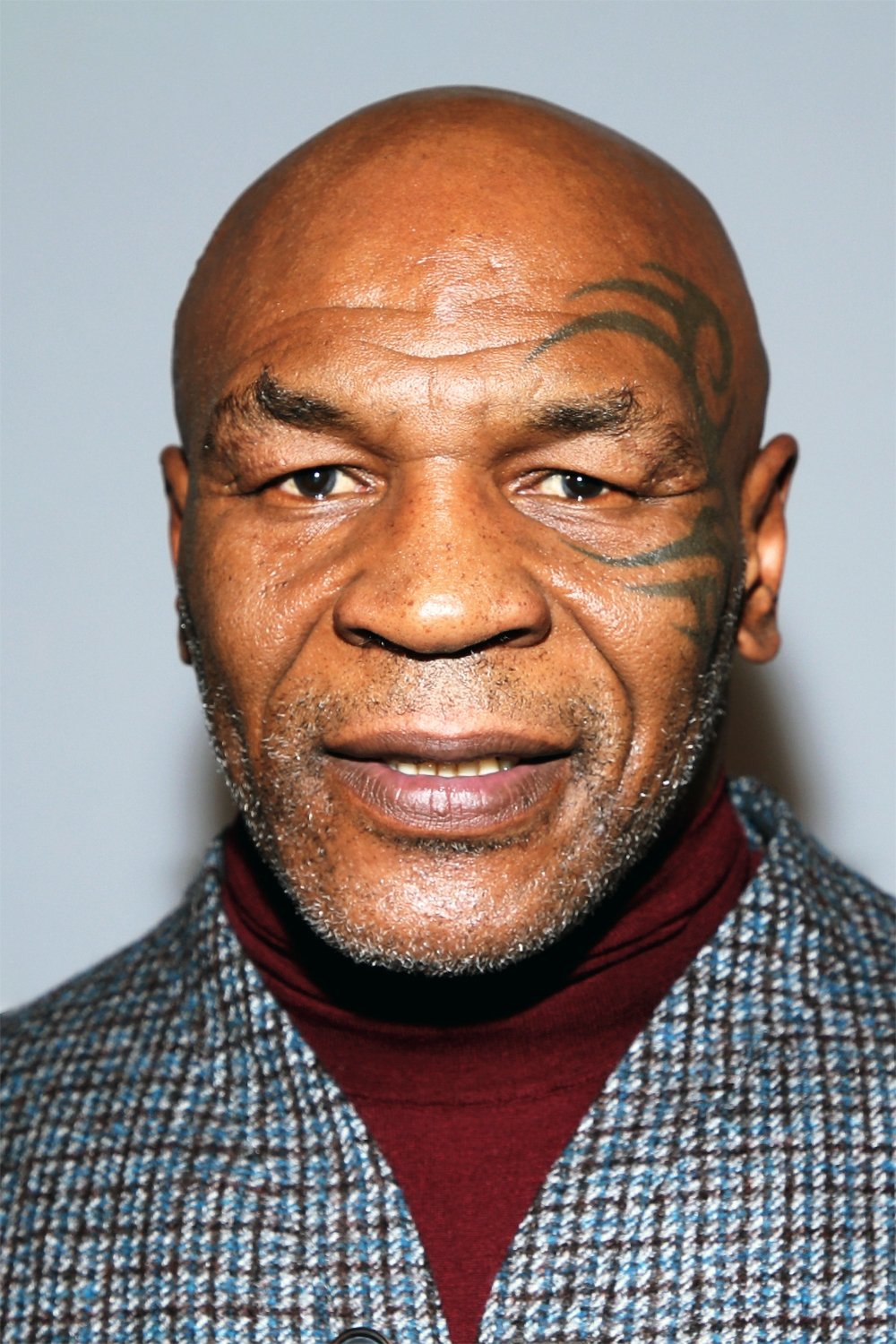
Mike Tyson has been repeatedly prevented from entering Japan because of a past felony conviction in the US. He was turned away in 1990 and 2004 when he tried to visit for boxing events and promotions. Japan’s laws prevent anyone with a prison sentence longer than one year from entering the country. Despite fan efforts to make an exception, the government has consistently enforced this immigration rule. This shows that even famous athletes must follow Japan’s strict legal standards.
Robert Downey Jr.

In 2008, Robert Downey Jr. was held by Japanese immigration officials when he arrived to promote his movie, ‘Iron Man’. His previous decade included well-known legal issues and drug arrests, which raised concerns with border control. Though he was eventually allowed a short visit, he was reportedly warned he might not be allowed back. This was a stressful experience for Downey Jr., who had been working to overcome his past difficulties and rebuild his career. It highlights how past mistakes can continue to affect international travel.
Mick Jagger
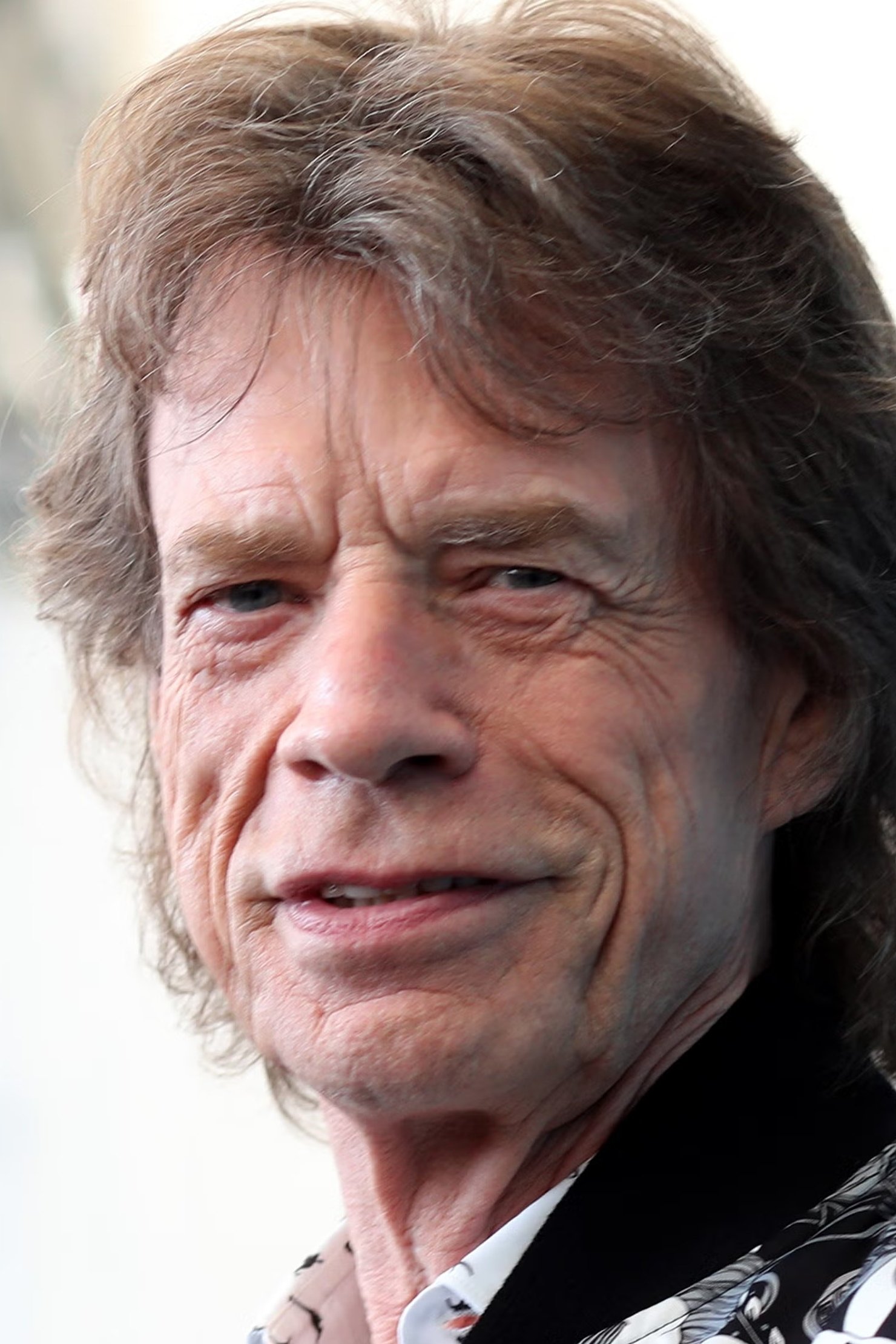
I remember being so disappointed when I heard The Rolling Stones had to cancel their 1973 Japan tour! It turned out Mick Jagger wasn’t allowed in because of some past drug convictions back in the UK. Japan had really strict drug laws at the time, and it just wouldn’t be allowed. It took years of talks and legal work before he could finally come back and perform for all of us fans. It really drove home the point that even huge stars like Mick have to follow the rules of the country they’re visiting.
Keith Richards
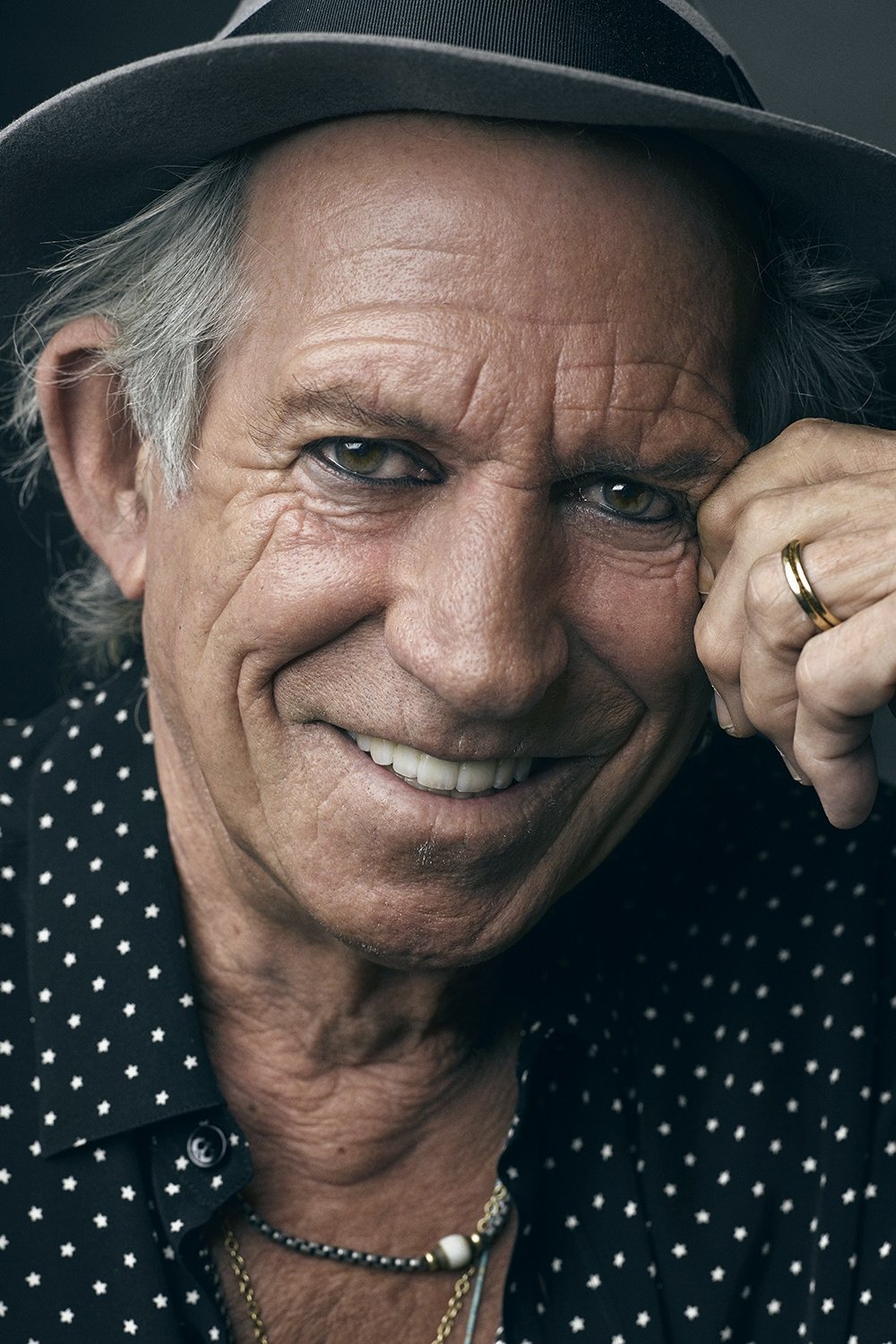
Like his bandmate, Keith Richards had trouble entering Japan because of his past arrests for drug possession in the 1960s and 70s. Japanese authorities repeatedly denied him a visa, forcing the band to sometimes skip Japan during their Asian tours. He was eventually allowed in, but only after proving he’d stayed out of trouble for a while. His experience is a well-known example of Japan’s strict stance against drugs.
Boy George

In 2005, Boy George wasn’t allowed to enter Japan for a series of planned performances and DJ sets. This was because of his past legal troubles involving drugs and other crimes. Japanese officials checked his record and decided he didn’t meet their requirements for entry. While Boy George voiced his disappointment, the decision wasn’t changed, demonstrating Japan’s consistent application of its immigration rules to all performers.
Amy Winehouse

I was so disappointed to learn that Amy Winehouse wasn’t allowed to perform at the Summer Sonic festival in Japan back in 2008. It just wasn’t fair. Everyone knew she had been battling personal issues, and unfortunately, her past run-ins with the law, particularly regarding drugs, led to her visa being denied. It wasn’t an isolated incident either – she had trouble traveling to many places during that time. As one of her fans, I remember how heartbroken everyone in Japan was when they found out she couldn’t come. It was a real loss for us all.
Lil Wayne
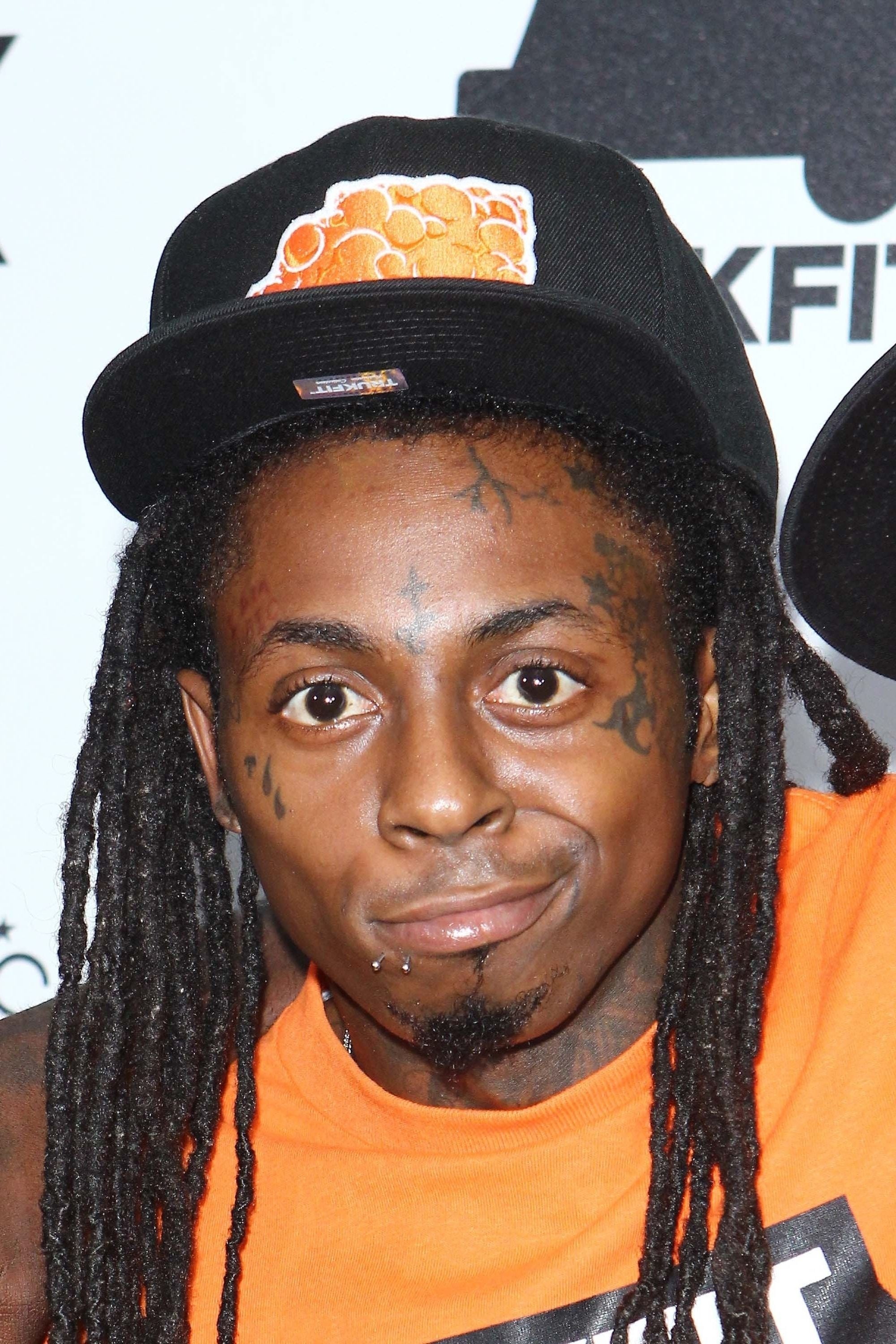
In 2010, Lil Wayne wasn’t allowed into Japan when he arrived for a planned visit. He had recently been in prison for a gun charge and had a past involving drug-related issues. Japanese officials determined his criminal record was enough reason to refuse him entry and sent him back to the U.S. right away. This happened at a time when Asian countries were starting to more closely examine international hip hop artists before letting them in.
Pete Doherty

In 2010, musician Pete Doherty was sent back home from Japan after arriving at the airport for a concert. Japanese immigration officials were aware of his previous drug convictions in the UK. After being detained for several hours, he was denied entry and had to return to London, leaving his band to handle the cancelled show. Doherty’s experience is frequently used as an example of how past legal issues can affect international travel for performers.
Chris Brown

In 2016, Chris Brown was denied a visa to enter Japan, causing him to cancel planned concerts. This decision was likely due to his criminal record and legal troubles in the US. Japan generally prevents people with convictions for serious crimes, like violence or drug offenses, from entering the country. Despite being a popular artist worldwide, Brown couldn’t get past these immigration restrictions, adding Japan to the growing number of countries that have limited his travel because of his past actions.
50 Cent
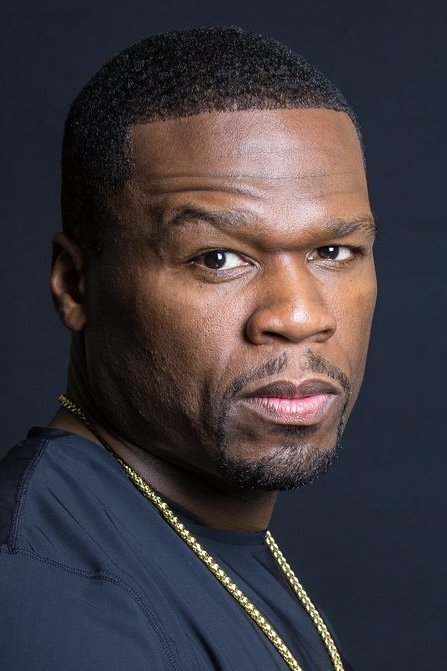
50 Cent has had trouble getting into Japan because of his past legal issues and criminal record. He’s talked about how difficult it is to get a visa for performances there, as Japan has strict rules for anyone with a history of felony charges or imprisonment. While he’s sometimes been allowed to visit under certain conditions, it involves a long and complicated legal process. This highlights the challenges faced by artists with past legal troubles when traveling internationally.
Jay-Z

Early in his career, Jay-Z had trouble getting into Japan because of a past legal issue involving a fight. Japan can refuse entry to anyone with a criminal record resulting in a substantial punishment. He had to go through a complicated visa process to demonstrate he no longer posed a threat. This kind of careful review is typical for well-known people who’ve had legal problems back home. Ultimately, he was able to get permission to perform for his fans in Japan.
Diego Maradona

Diego Maradona was famously prevented from entering Japan for the 1994 World Cup because of his past drug use and a failed drug test. He also faced visa problems in 2002 when the tournament was held in Japan and South Korea. Japanese authorities were worried about his history with cocaine and related legal issues. Although initially denied entry, he was eventually granted a temporary visa after significant diplomatic efforts and a request from the Argentine government. This situation remains a well-known example of a sports star facing difficulties with Japanese immigration rules.
Joe Cocker
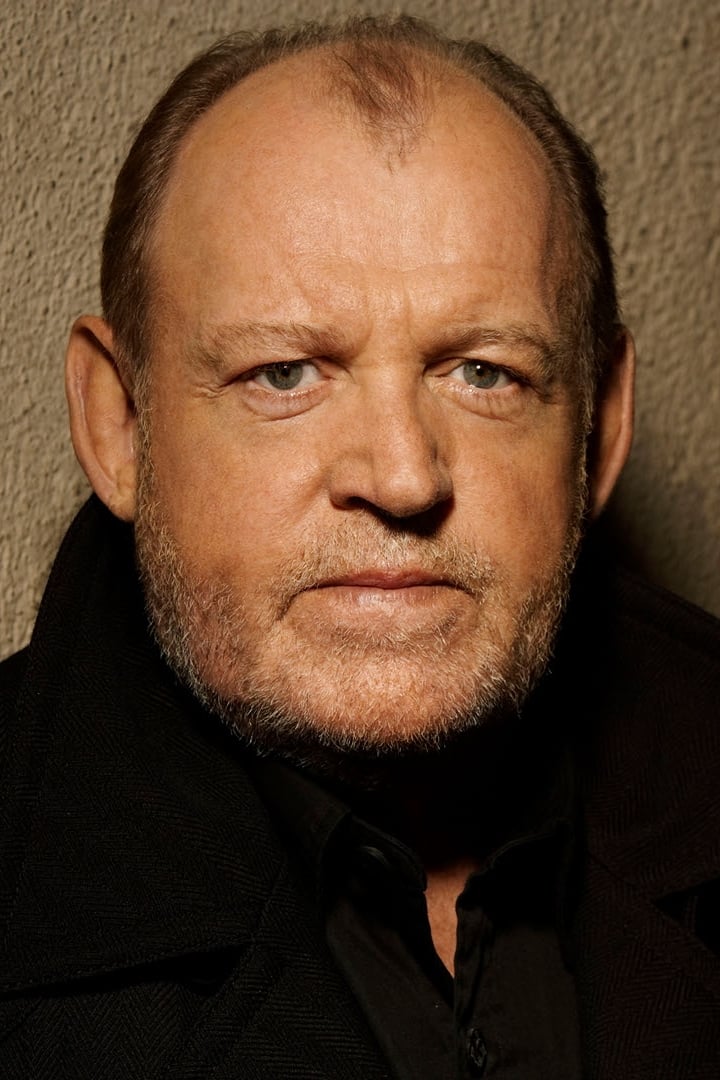
In 1972, Joe Cocker was arrested in Japan and sent home after being caught with drugs. Both he and members of his band were taken into police custody, leading to a lengthy ban that kept him from performing there for many years. The incident caused a public scandal and highlighted Japan’s strict stance against drug use, even for visiting stars. It wasn’t for decades that Cocker was finally able to perform in Japan again.
Rod Stewart
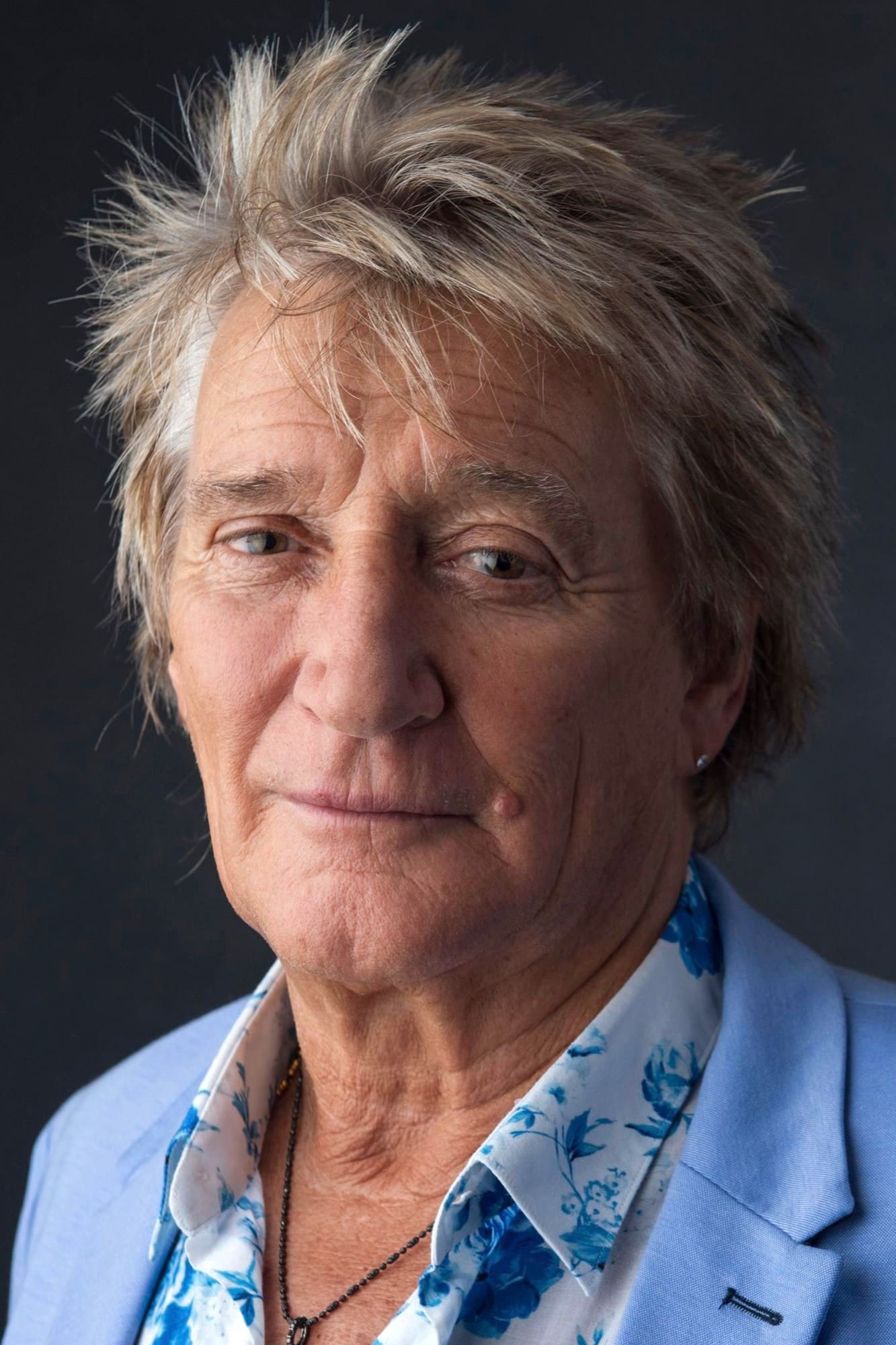
In the 1970s, Rod Stewart had trouble getting into Japan because of the country’s strict rules and laws. Japanese officials were especially careful about the behavior and backgrounds of Western rock stars. Stewart faced tough questioning and risked being banned due to his public image and past connections. Although he was eventually able to tour successfully, these initial difficulties were a major challenge in building his international career. This time highlighted the clash between traditional Japanese values and the growing popularity of rock and roll.
George Harrison
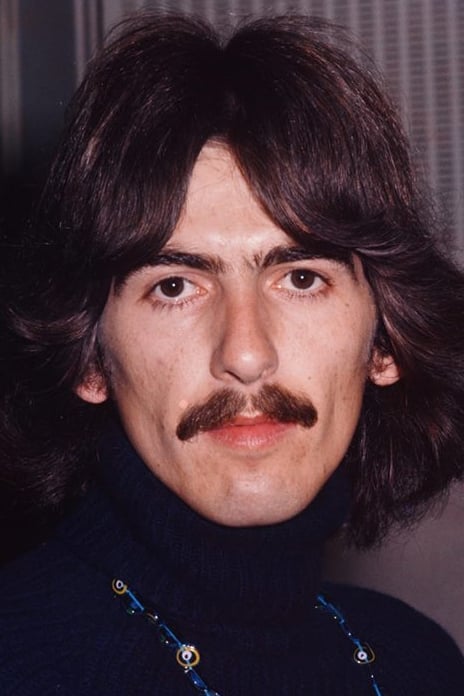
For many years, George Harrison was banned from entering Japan because of a drug conviction he received in the late 1960s. Similar to what his Beatles bandmates experienced, his past legal troubles made it very difficult to get a visa. This meant he couldn’t travel to Japan for solo concerts or even personal trips. He was finally allowed back in 1991 to perform a successful tour with Eric Clapton. Japan’s strict laws regarding drug offenses were the reason for his long exclusion.
Bruno Mars
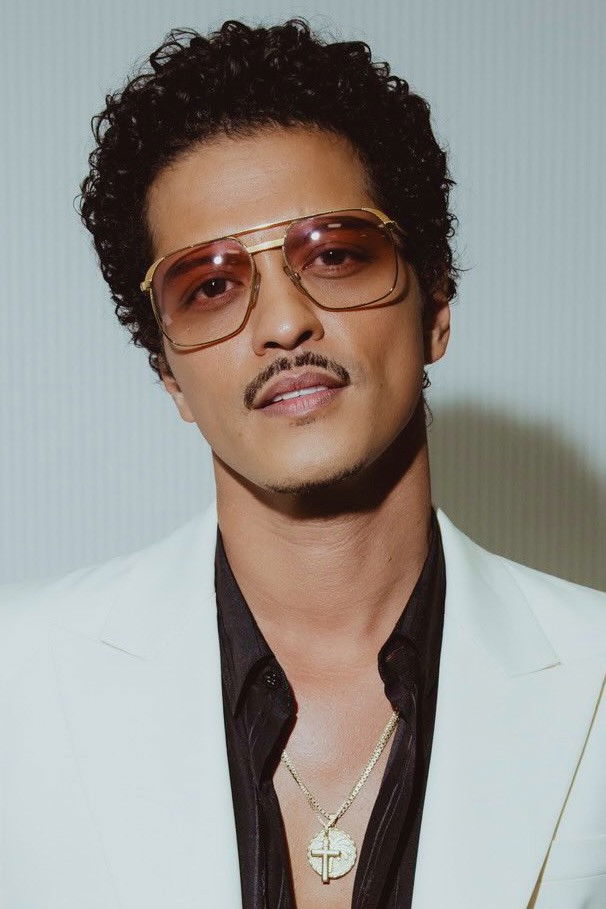
Early in his career, Bruno Mars was arrested for drug possession, which almost prevented him from traveling to Japan. Japanese law is strict – even a single drug-related offense can result in a lifetime ban from the country. After the arrest, Mars was carefully screened by immigration officials each time he visited to make sure he followed the rules. He’s been able to continue performing in Japan by providing documentation and guarantees, but his legal team still monitors the situation closely.
Bobby Brown

R&B singer Bobby Brown has repeatedly been denied entry into Japan because of his past legal issues, particularly drug-related charges. These convictions in the United States have made it impossible for him to get a standard tourist visa. Japan is known for being strict with performers who have a history of substance abuse, often leading to cancelled concerts and tours. His criminal record continues to prevent him from working professionally in Japan.
Wiz Khalifa
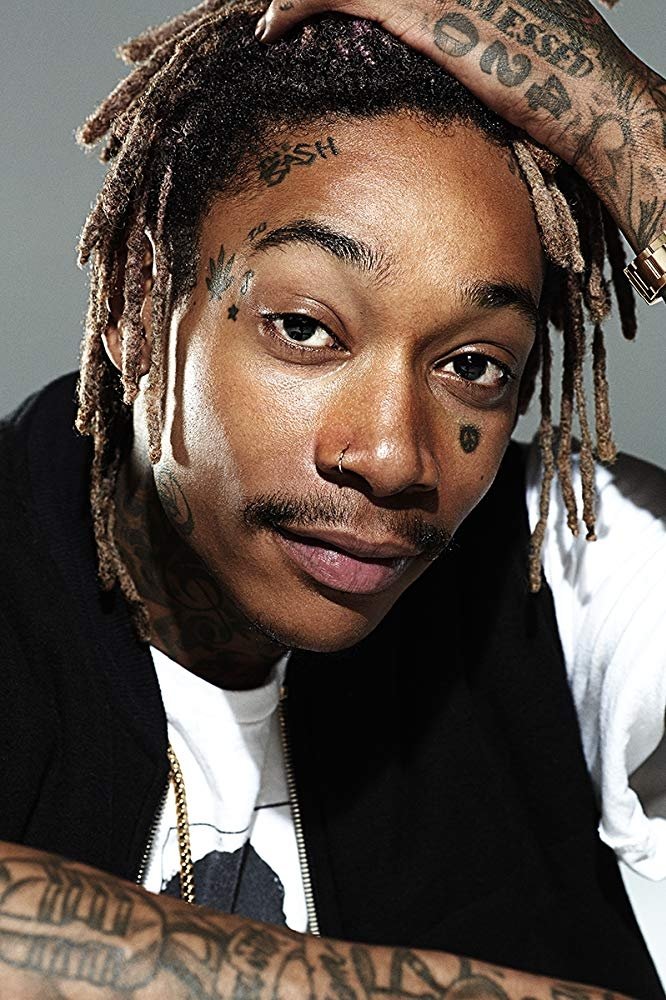
I’m a big Wiz Khalifa fan, and it’s frustrating to see him constantly run into trouble trying to enter Japan. It seems like his past, and the fact that he’s openly associated with marijuana, raises a lot of flags with their border control. I know several other rappers have been denied entry for the same reasons, and it’s becoming a real issue for artists trying to tour Asia. Even though he has a huge fanbase there, getting him approved to perform is always a struggle. It just shows how different the culture around cannabis is there compared to what many of us are used to in the music world.
Naomi Campbell

Supermodel Naomi Campbell had trouble entering Japan because of assault convictions from the mid-2000s. She was told she might be denied entry unless she carefully followed visa rules. Japan can refuse entry to anyone convicted of a violent crime. This meant her trips to Tokyo for fashion events and parties were closely watched. Her experience demonstrates that a criminal record doesn’t have to involve drugs to cause immigration problems.
Tommy Lee
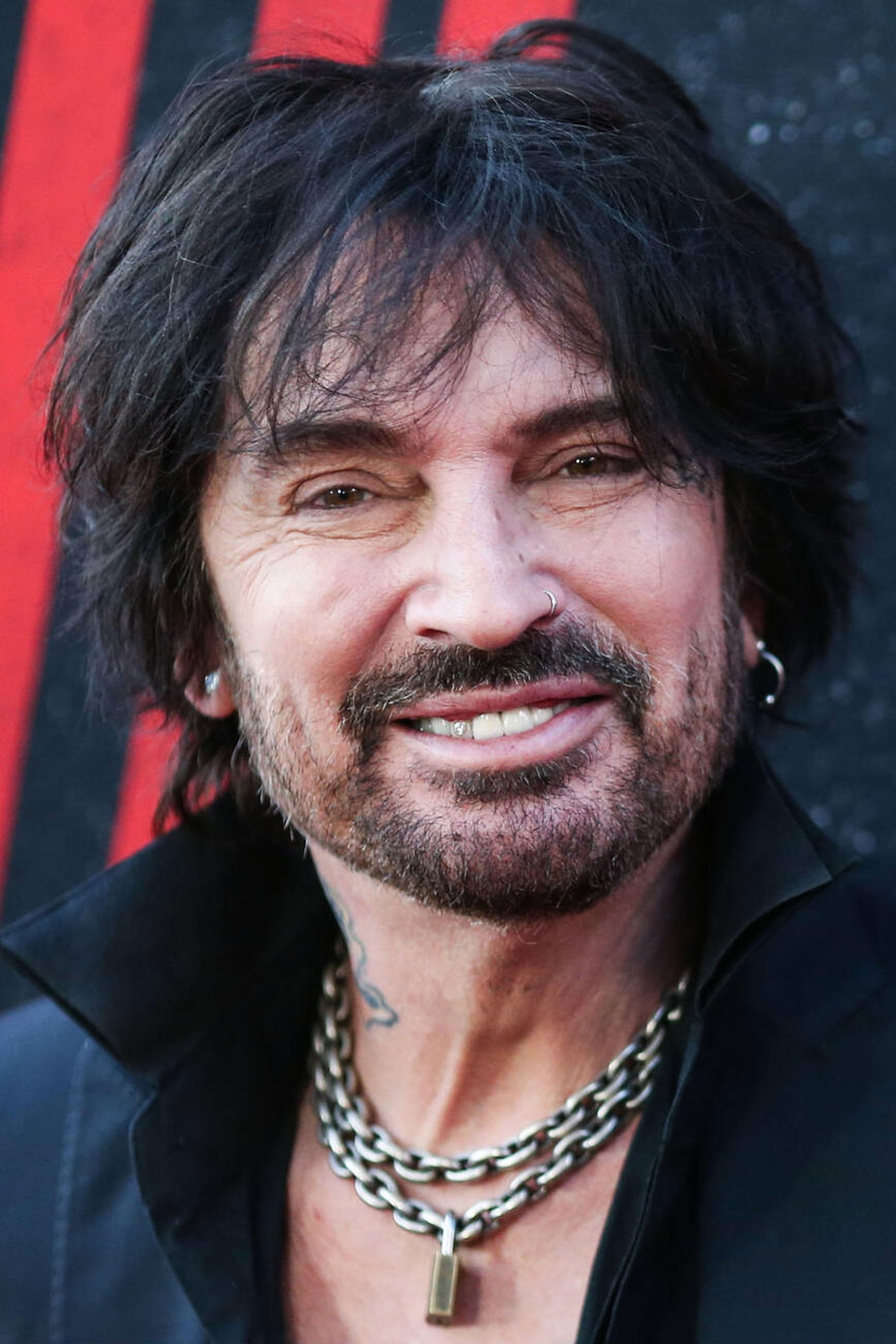
Tommy Lee, the drummer for Mötley Crüe, has repeatedly faced difficulties getting into Japan because of his past legal issues and arrests. When trying to enter the country for concerts, he’s been stopped and questioned about his history. Japan has strict visa rules, often checking someone’s record going back many years. Lee has had to deal with these requirements to make sure his band could play for their fans there. This is a common issue for musicians in the heavy metal scene who tour internationally.
Vince Neil
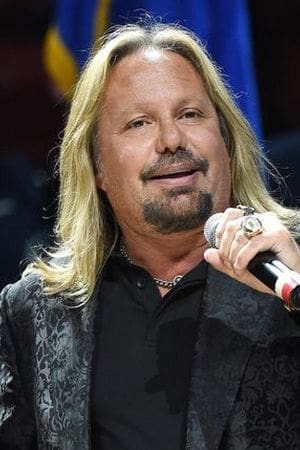
Look, as someone who covers a lot of touring bands, I’m not surprised by this, but it’s a bit of a headache for Mötley Crüe right now. Apparently, Vince Neil’s past – some serious driving offenses and other legal troubles – is causing issues with Japanese immigration. It’s the same rigorous process all the band members go through, but any conviction that suggests a real risk to public safety, or involves a substantial sentence, can lead to a visa denial. This has meant a lot of extra paperwork and delays whenever they try to book concerts in Asia. Touring managers all know Japan is particularly strict when it comes to background checks, and it seems Vince’s history is triggering that scrutiny.
Slash
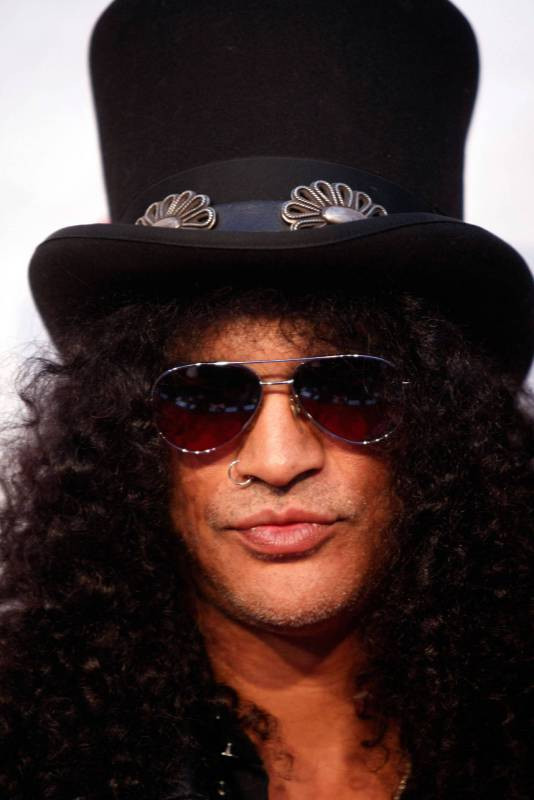
Throughout his career, Slash has repeatedly had to explain his past struggles with drugs when applying for visas to perform in Japan. During his time with Guns N’ Roses, several band members faced legal problems that almost prevented them from touring Asia. Japan requires artists to provide a complete history before allowing them to work there. While recent visits have been easier, getting into Japan was much more challenging earlier in his career. Now, he’s typically allowed entry thanks to a long record of sobriety and following the law.
Steven Tyler
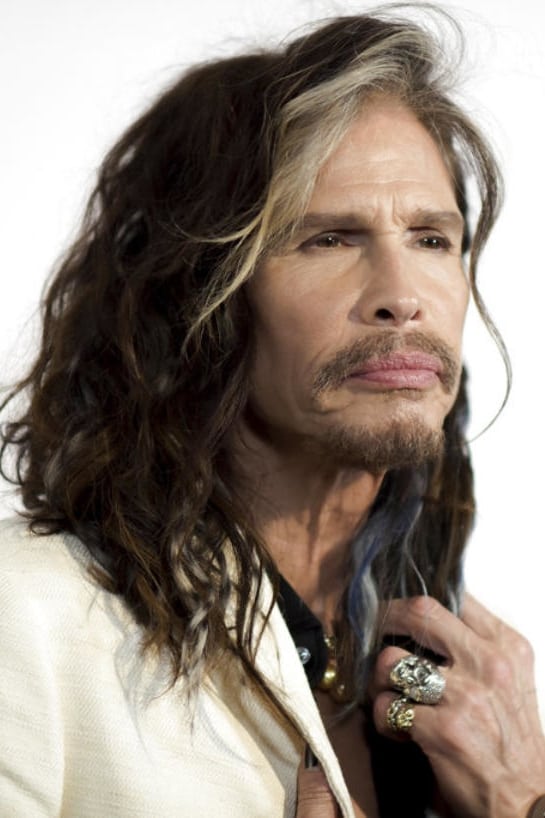
Aerosmith and its frontman, Steven Tyler, have had a complicated relationship with Japanese authorities due to the band’s history of wild behavior. In the past, they faced potential bans from entering the country because of their reputation and previous legal issues. Japan has strict immigration rules aimed at preventing people involved with illegal drugs from entering. Aerosmith had to consistently demonstrate they were following all Japanese laws to be allowed to tour there. While the band is now popular in Japan, getting permission to enter wasn’t always easy.
Anthony Kiedis
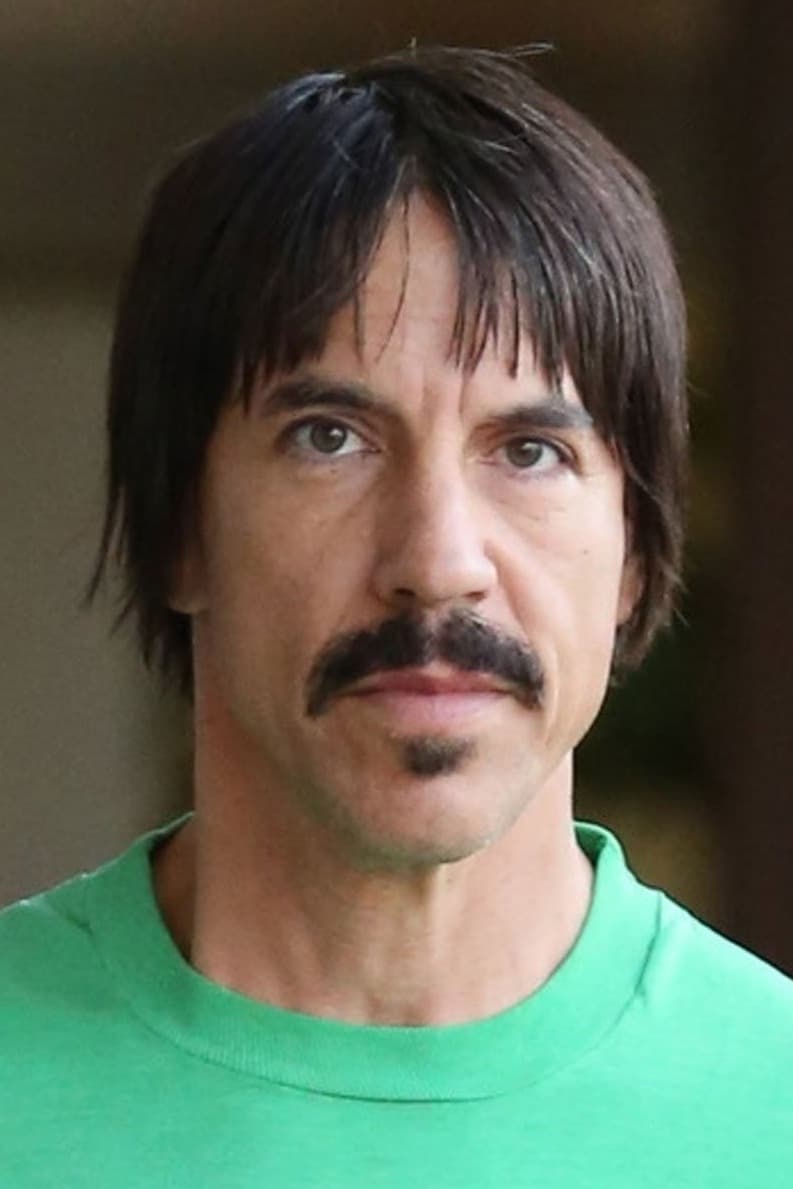
Anthony Kiedis, the lead singer of Red Hot Chili Peppers, has faced difficulties entering Japan because of his past struggles with substance abuse, which he wrote about in his autobiography. His history of legal issues when he was younger could have resulted in being permanently barred from the country. Japanese immigration officials carefully check the backgrounds of visiting performers, using both public records and personal history. Fortunately, the band has been able to tour Japan successfully by following all the rules and maintaining a clean record recently. This type of issue is still a challenge for many well-known musicians who came up during the alternative rock scene.
Flea

Flea has faced the same difficulties as his bandmates when touring in Japan. Because of past issues involving drugs, Japanese immigration carefully reviews his applications. Japan has strict laws regarding these offenses, so the band has to go through a detailed approval process for every tour. They’ve been able to continue performing there, but the possibility of being banned is always on the management’s mind. This situation highlights how international artists need to navigate different countries’ laws.
Ozzy Osbourne
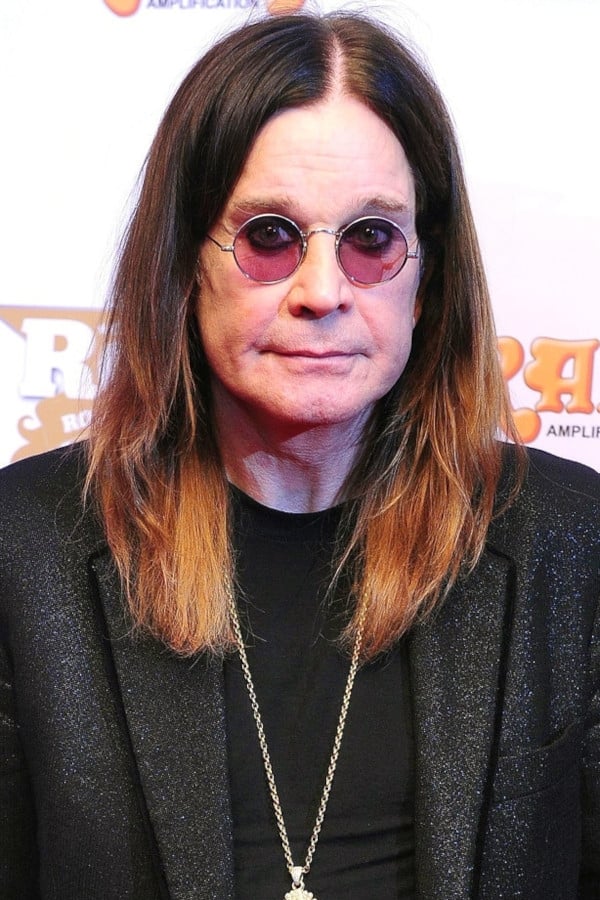
Throughout his career, both with Black Sabbath and as a solo artist, Ozzy Osbourne repeatedly encountered difficulties entering Japan. Japanese officials were concerned about his past struggles with drugs and unpredictable behavior when considering visa applications. Getting permission to perform for his Japanese fans was often a challenge. However, as Ozzy changed his lifestyle, these issues became easier to resolve. Despite these past legal hurdles, he remains incredibly popular in Japan.
Please share your thoughts on these travel restrictions in the comments.
Read More
- Games That Faced Bans in Countries Over Political Themes
- Gold Rate Forecast
- Unveiling the Schwab U.S. Dividend Equity ETF: A Portent of Financial Growth
- Silver Rate Forecast
- Superman Flops Financially: $350M Budget, Still No Profit (Scoop Confirmed)
- 22 Films Where the White Protagonist Is Canonically the Sidekick to a Black Lead
- 20 Movies Where the Black Villain Was Secretly the Most Popular Character
- 14 Movies Where the Black Character Refuses to Save the White Protagonist
- The Best Directors of 2025
- The Best Former NFL Players Turned Actors, Ranked
2026-02-07 01:48