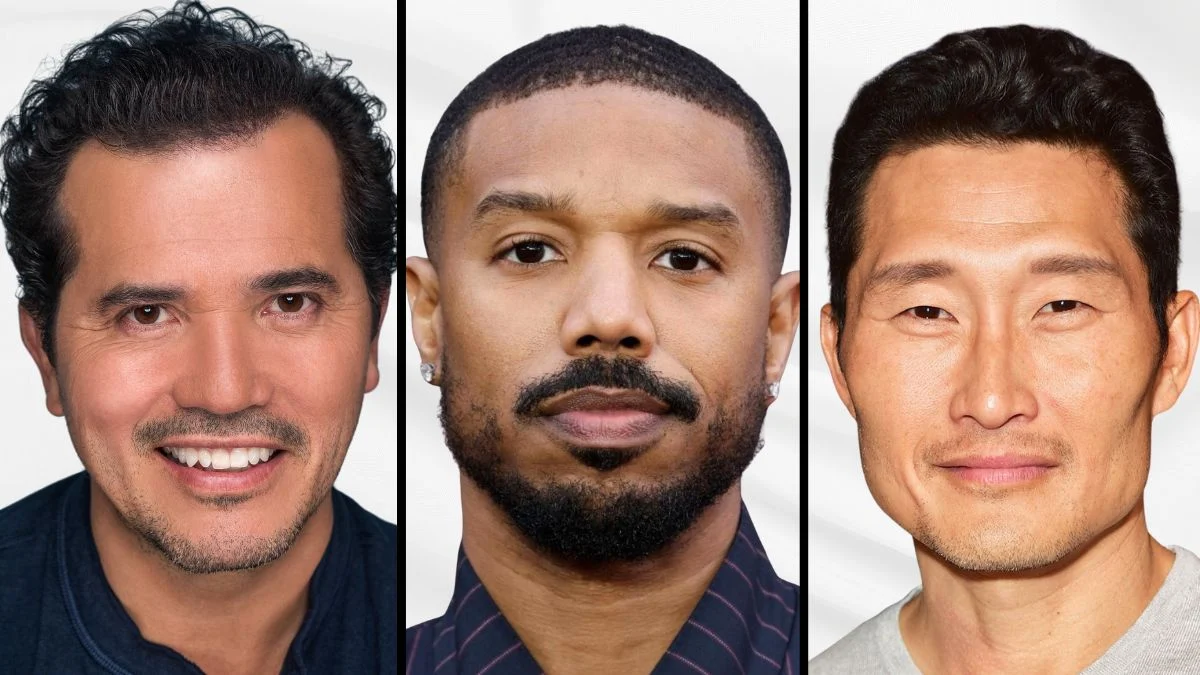
Unequal pay remains a major problem in the entertainment industry, with actors of color often earning significantly less than their white colleagues with similar experience and success. Many well-known celebrities are speaking out and demanding fair compensation, using their influence to highlight the deep-rooted financial inequalities in Hollywood and the music industry. They’re doing this by refusing to sign contracts until their demands are met and by publicly discussing the often-secret negotiations. Ultimately, they want pay to be based on talent and how much money an actor brings in, not on their race or ethnicity.
Viola Davis
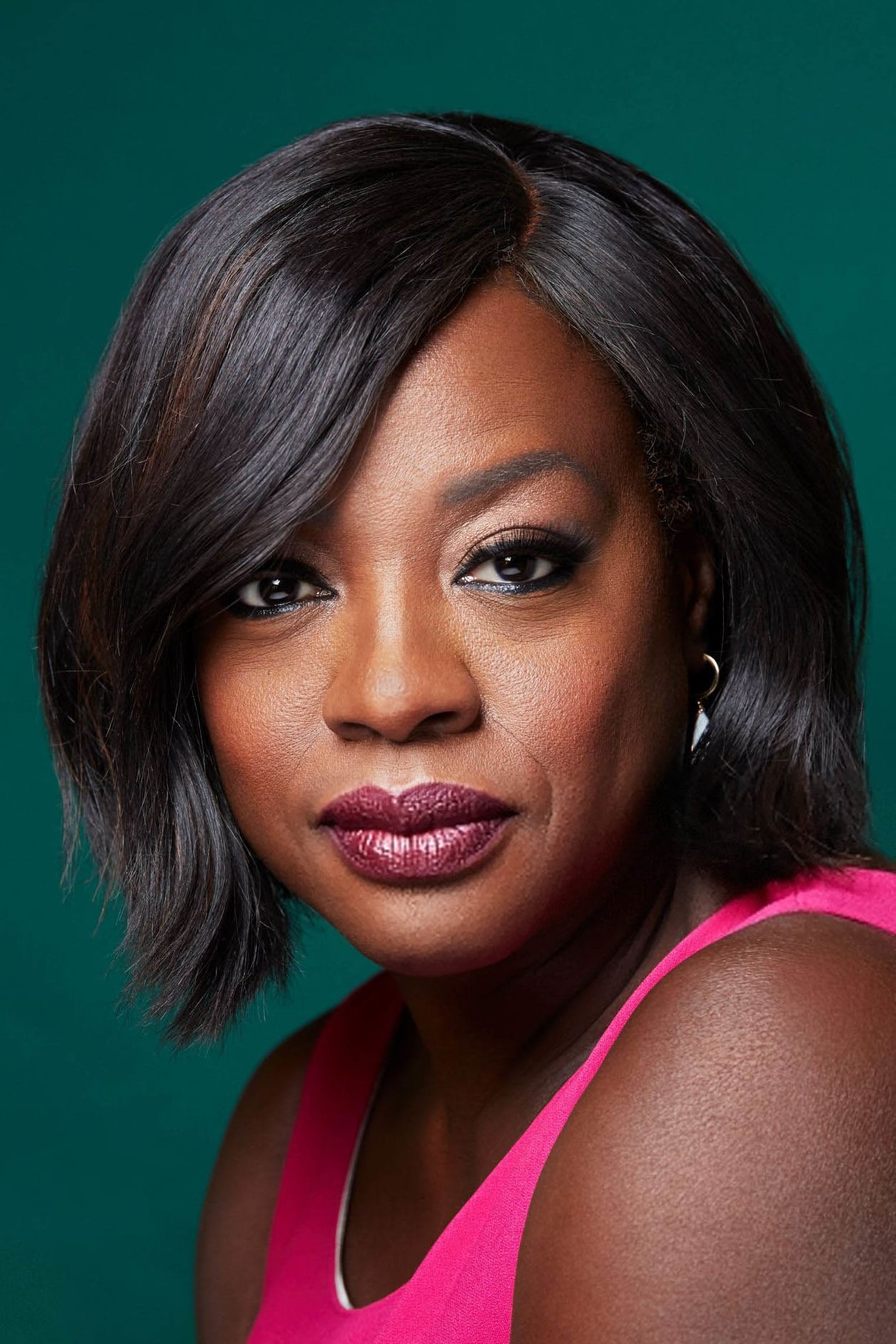
Despite achieving EGOT status, Viola Davis consistently speaks out about the large pay gap Black women face in Hollywood. She’s pointed out that while her acting ability is often compared to stars like Meryl Streep and Julianne Moore, her salary doesn’t reflect that same level of recognition. Davis stresses that women of color are often undervalued and underpaid, even with impressive experience and success. She argues that the biggest challenges they face are a lack of opportunities and access, and she continues to advocate for fair compensation based on her talent and the success of her films.
Taraji P. Henson
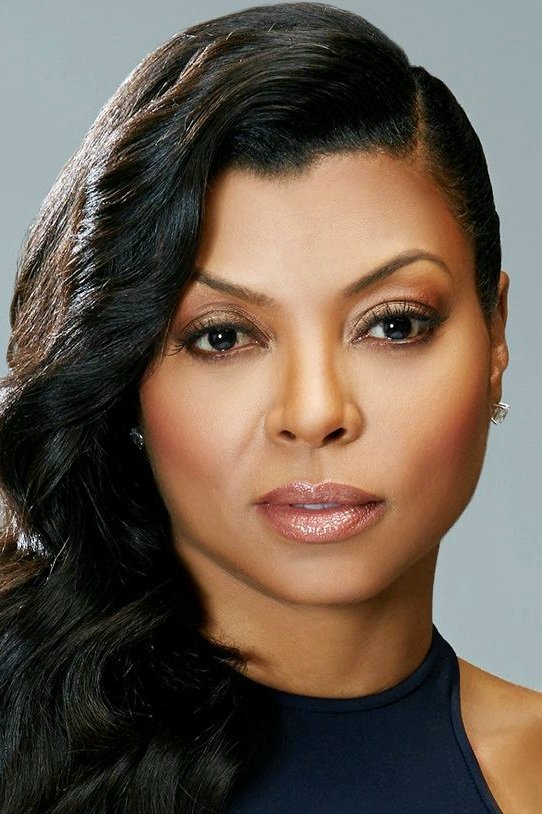
I was really struck by Taraji P. Henson sharing her experiences with unfair pay in Hollywood. She talked about how, even with a major role in ‘The Curious Case of Benjamin Button,’ she didn’t get paid what she deserved – far less than the usual rate, actually. She even had to pay for her own travel and lodging! It’s frustrating, but she’s right – if we don’t speak up about these things, it just keeps happening to Black actors. I admire her for being so open and continuing to fight for fair pay for everyone in the industry. It’s a really important conversation, and I’m glad she’s leading the charge.
Octavia Spencer
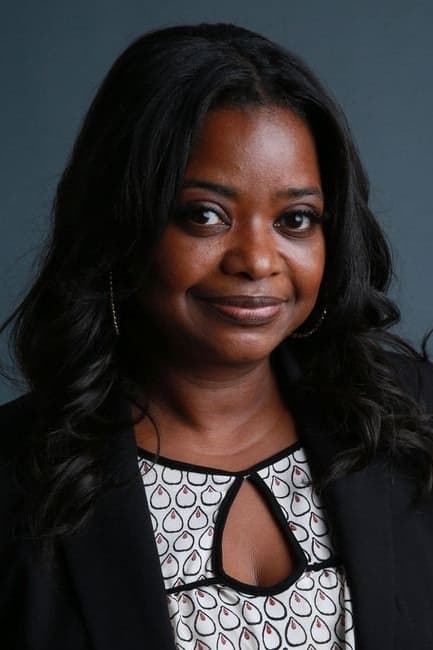
Octavia Spencer advocated for fair pay while working on a project with Jessica Chastain. She explained to Chastain that women of color often earn less than white women, and together they decided to negotiate their salaries as a team. This resulted in both actresses receiving much higher paychecks. Spencer later shared this story to show how supporting each other can help close the wage gap. Her openness inspired other performers to talk about their salaries and work together to earn more.
Jessica Chastain
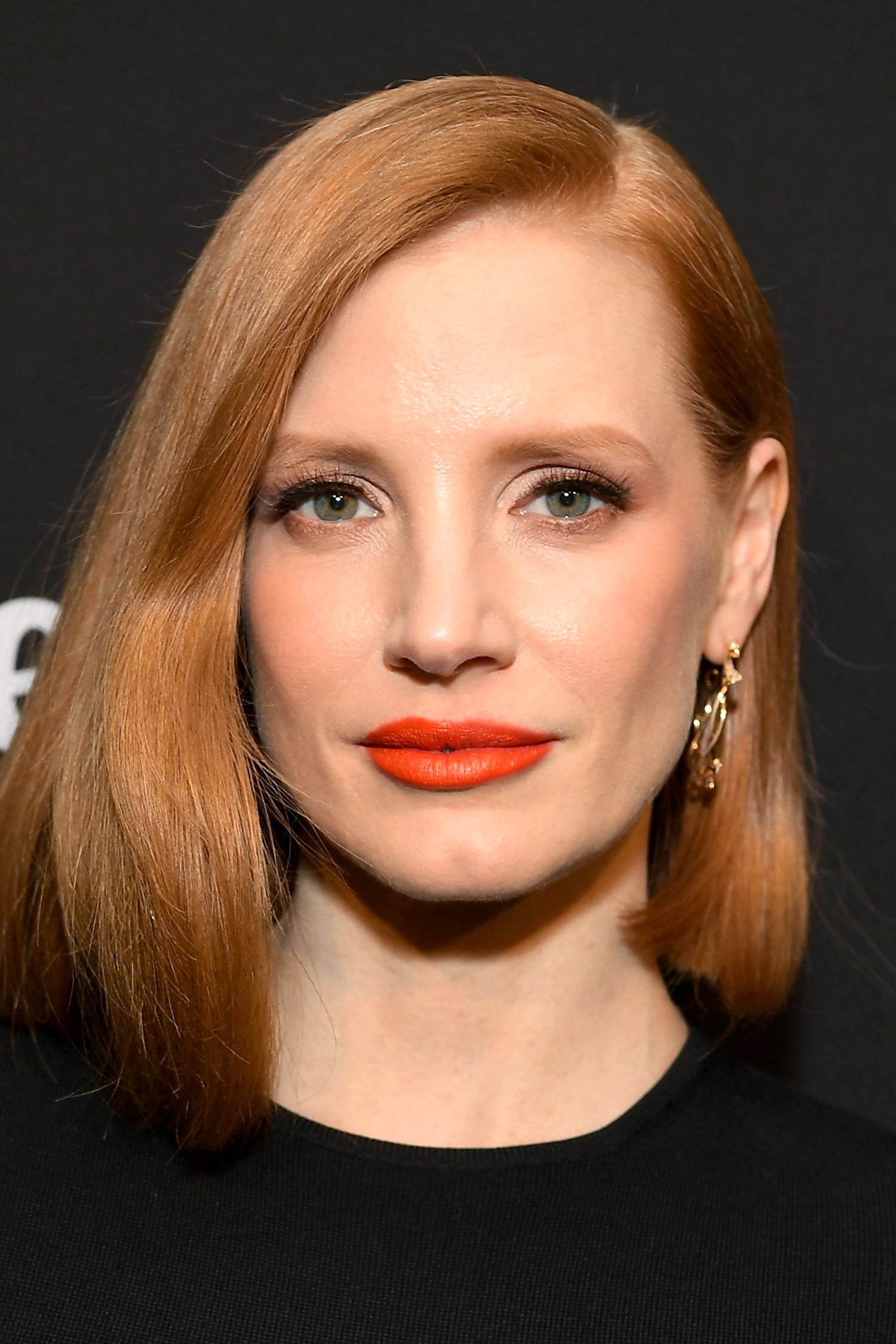
Jessica Chastain stepped in to help Octavia Spencer receive fair pay after learning Spencer was offered significantly less money for a film, despite being an Academy Award winner. Chastain negotiated her own salary alongside Spencer’s, making sure they both earned equal pay for the holiday comedy. This ultimately increased Spencer’s pay by five times the initial offer and is seen as an example of how white actors can help address the racial wealth gap in Hollywood.
Daniel Dae Kim
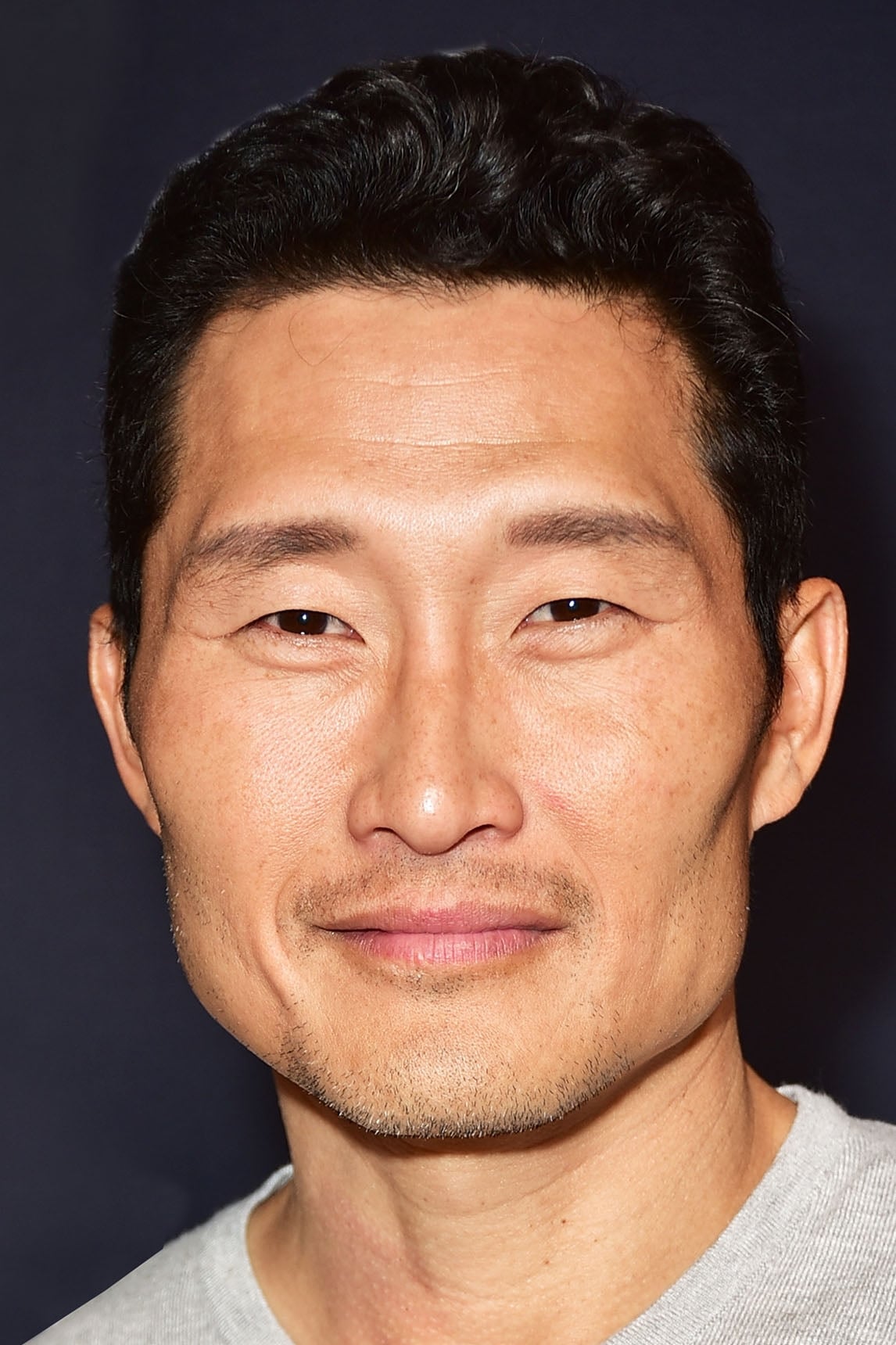
Daniel Dae Kim gained attention when he left the popular show ‘Hawaii Five-0’ after seven seasons. He and his co-star, Grace Park, asked to be paid the same as their white colleagues, who earned more and had better contracts. When the network wouldn’t agree, Kim spoke out, saying that fighting for fairness is often difficult but important. His decision brought up a significant discussion within the entertainment industry about how much Asian American actors are valued when they play leading roles.
Grace Park
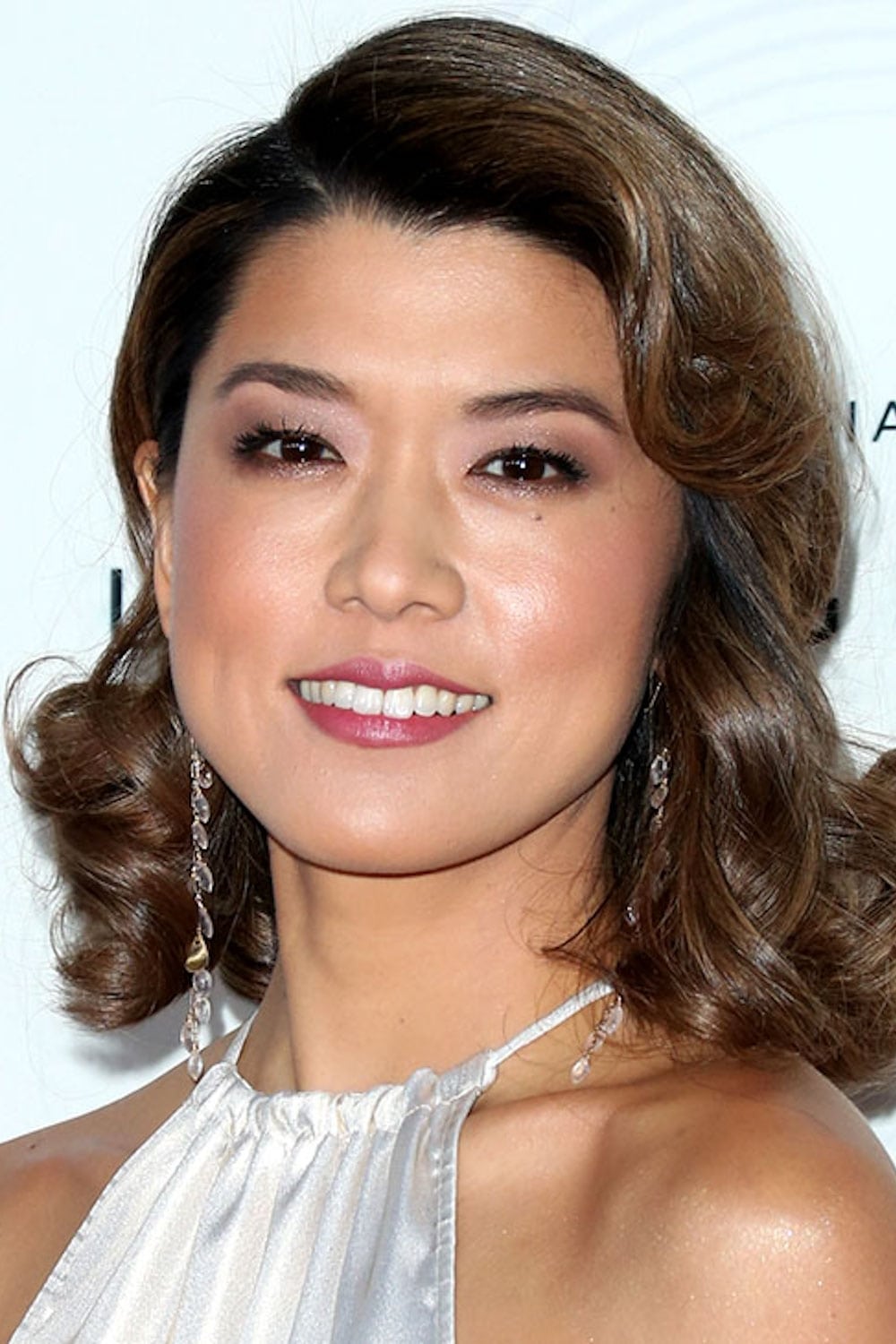
Grace Park supported Daniel Dae Kim during salary discussions for ‘Hawaii Five-0’. After years of dedicated work on the show, she demanded equal pay compared to her male, white colleagues. When the network wouldn’t agree, she decided to leave the series. This situation demonstrated the challenges Asian American actresses often face, dealing with both racial and gender-based pay disparities. Park handled the situation with grace while firmly asserting her value as an actress.
Mo’Nique
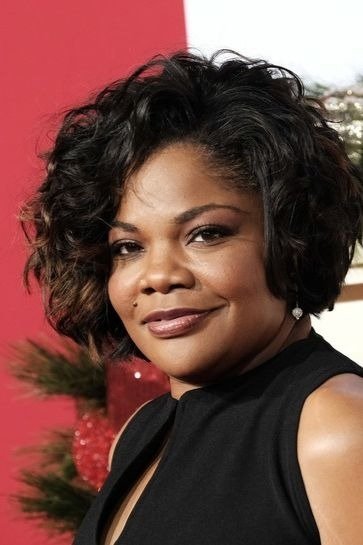
As a film and comedy fan, I remember when Mo’Nique really took on Netflix. She felt incredibly undervalued after they offered her a tiny sum for a special, especially when you looked at the massive deals Dave Chappelle and Amy Schumer were getting. She wasn’t asking for special treatment, just fair compensation based on her experience and reputation – she believed her status as a comedic legend deserved a comparable paycheck, regardless of her race or gender. It actually led to a lawsuit, which they eventually settled. But more importantly, her fight really made the industry take a hard look at how it values established Black performers in this new world of streaming. It was a really important moment, and sparked a lot of conversation about fairness and respect in the industry.
Wanda Sykes
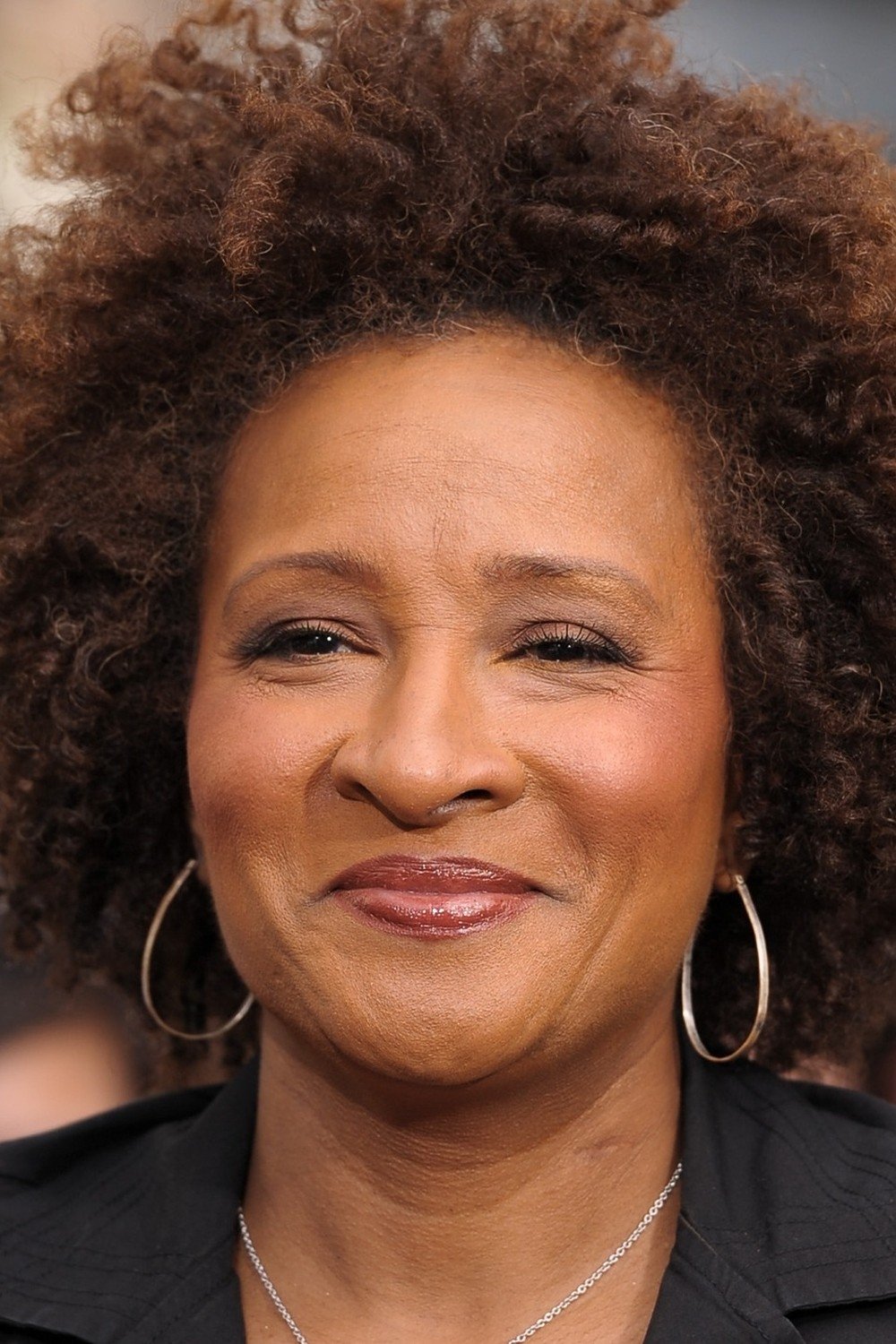
Wanda Sykes shared that she turned down a Netflix offer because she considered it unfairly low, especially compared to what other comedians like Amy Schumer were paid for similar specials. Having worked as a touring comedian for many years, Sykes believes she deserves to be compensated appropriately for her experience. Her decision highlighted concerns about potential bias in how Netflix’s payment system treats Black performers. Ultimately, she released her special on the platform, likely after negotiating a more favorable deal.
Arden Cho

Arden Cho decided not to return for ‘Teen Wolf: The Movie’ because she was offered significantly less pay than her white female co-stars – reportedly half as much per episode. She confirmed this on social media and received widespread support. This situation highlighted a common problem where actors of color are underpaid compared to their white counterparts, even when they play equally important roles. Cho’s decision encouraged other young actors to stand up for fair pay, even when it means turning down opportunities in beloved franchises.
Tracee Ellis Ross
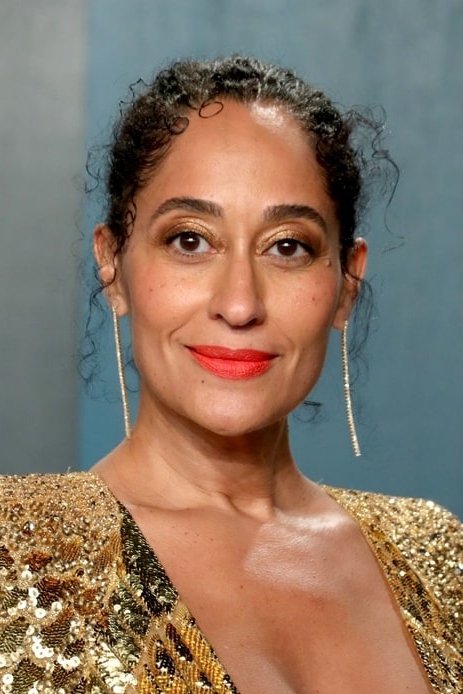
Tracee Ellis Ross publicly fought for a salary increase while working on the show ‘Black-ish’. She reportedly told producers she’d appear in fewer episodes unless she was paid the same amount as her co-star, Anthony Anderson, arguing her character was just as important to the show’s success. This situation highlighted the issue of unequal pay between men and women, even within a primarily Black cast. Ross was ultimately successful in negotiating a substantial raise and continued to work as both a lead actress and a producer.
Djimon Hounsou
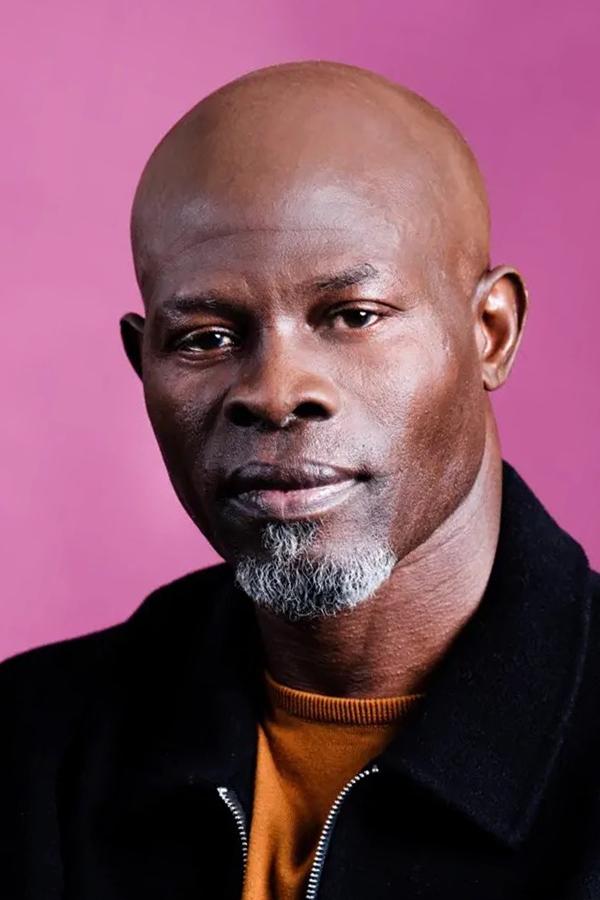
Djimon Hounsou, a veteran actor known for his roles in many popular films, has spoken out about the financial challenges he continues to face. Despite decades of work and multiple Academy Award nominations, he says he still struggles financially. Hounsou explained that studios frequently cite budget constraints during salary negotiations. He highlighted a disparity, noting that his awards haven’t led to the same financial stability enjoyed by many of his white colleagues, revealing that recognition doesn’t always translate to fair pay for Black actors.
John Leguizamo
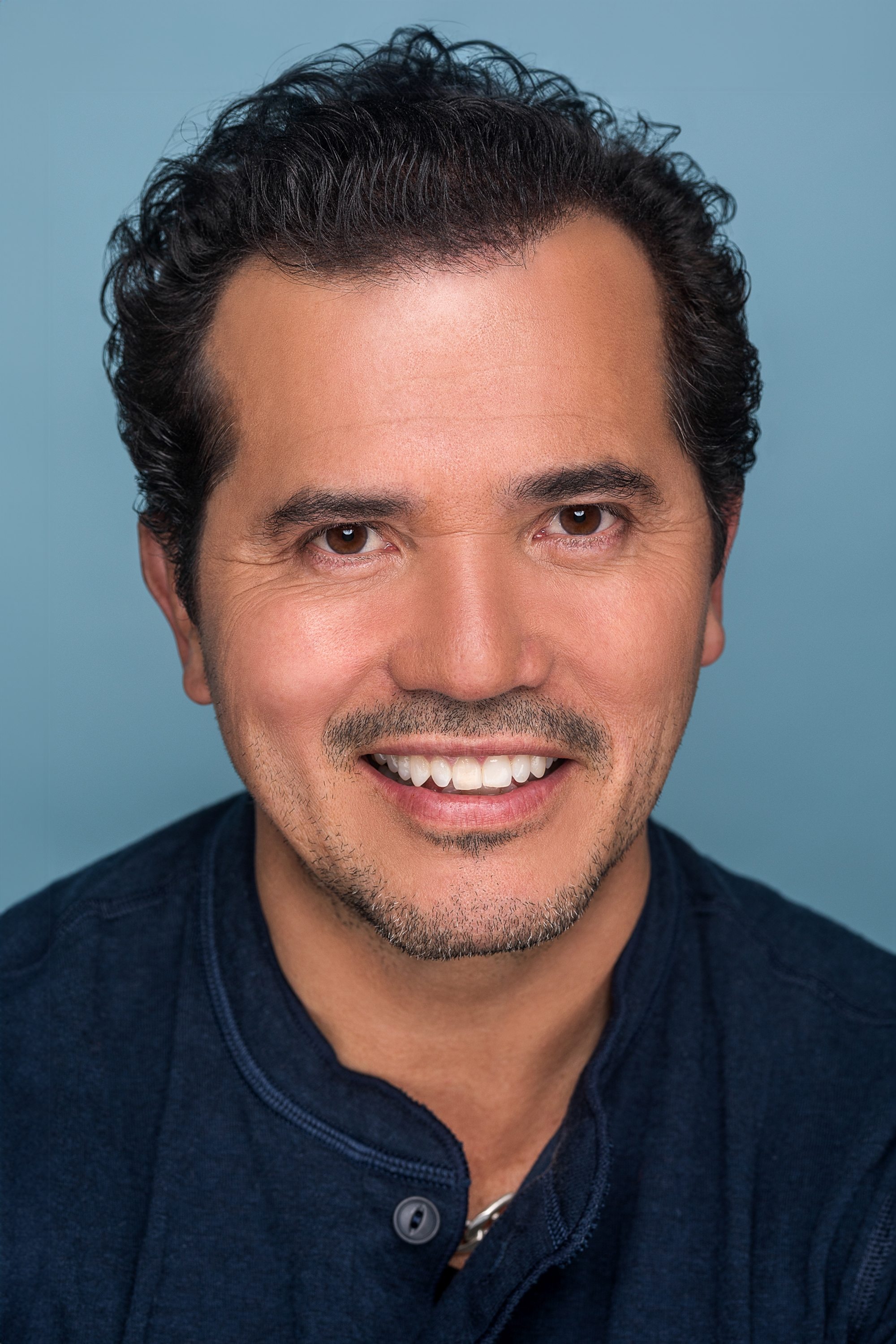
Throughout his career, John Leguizamo has been a strong advocate for Latinos in Hollywood, fighting for both better representation on screen and fair pay. He often points out the problem of non-Latino actors being cast in Latino roles, while talented Latino actors are often overlooked and underpaid. Leguizamo has used his platform to highlight the economic disadvantages faced by the Latinx community, and he encourages studio executives to support stories created by Latino writers and filmmakers, ensuring that wealth is reinvested within the community. He believes that authentic representation is key to achieving economic fairness.
Gabrielle Union
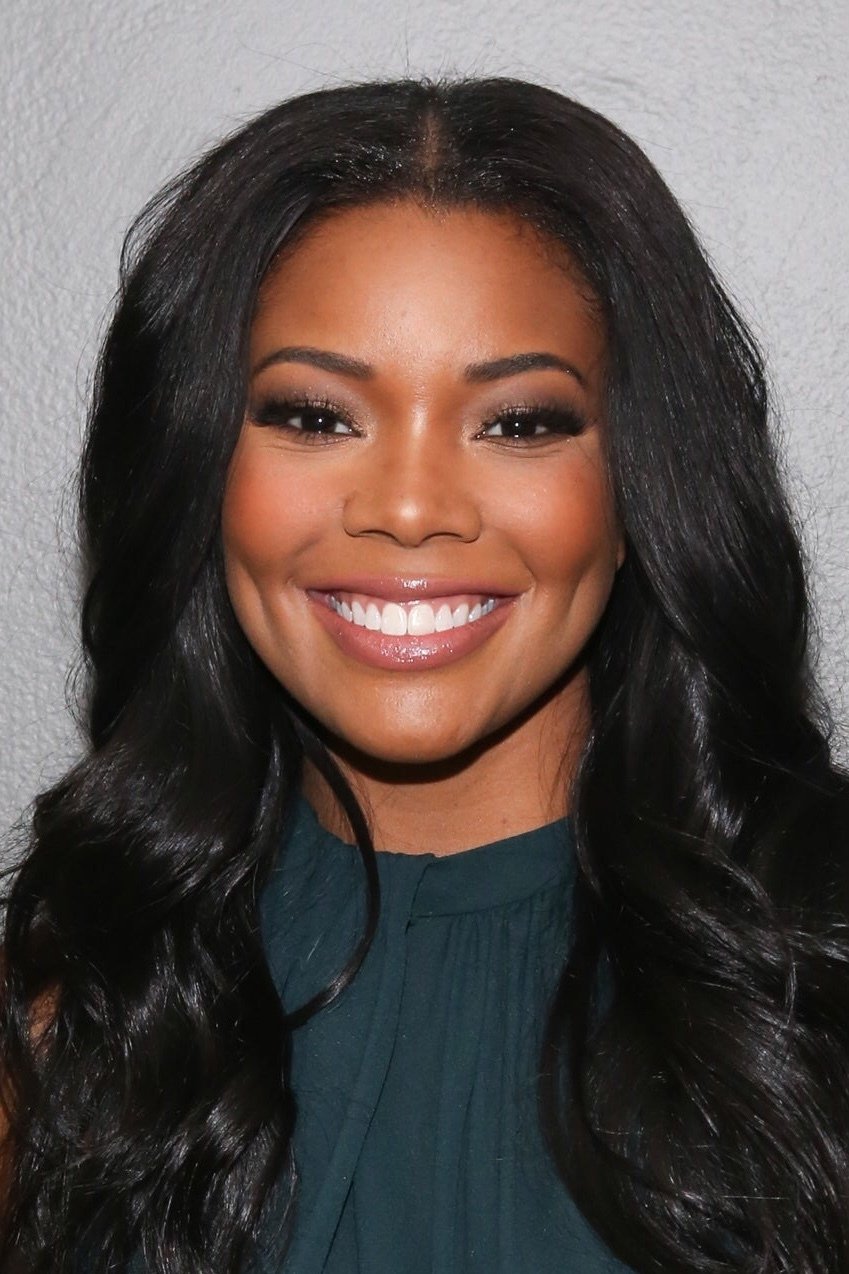
Throughout her career, Gabrielle Union has consistently fought for fairness and equal pay in the workplace. She bravely spoke out about issues of harassment and discrimination while working on ‘America’s Got Talent,’ particularly concerning how employees of color were treated. Union has also highlighted the importance of open salary discussions to ensure Black actresses aren’t offered unfairly low pay. She believes that fair financial treatment is essential for creating a safe and respectful work environment, and her efforts have encouraged production companies to take more responsibility for their workplace culture.
Priyanka Chopra Jonas

Priyanka Chopra Jonas recently talked about the pay gap she experienced when she started working in Hollywood after a successful career in Bollywood. She explained that, initially, she earned much less than her male colleagues. However, she was finally paid the same amount as her male co-stars for her role in the show ‘Citadel,’ which she attributes to progress in the industry and the efforts of women in leadership positions. Chopra Jonas continues to fight for fair pay for South Asian actors worldwide.
Terrence Howard
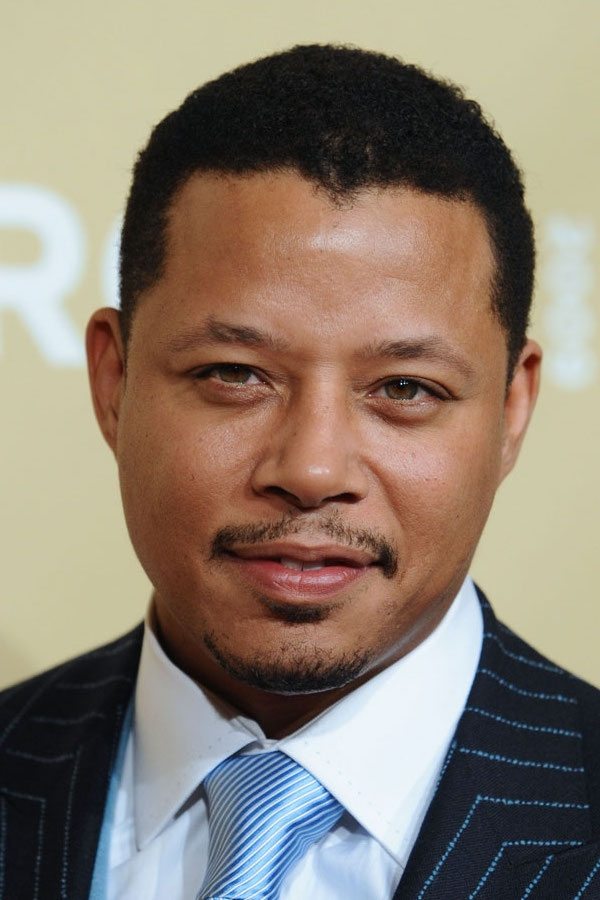
Terrence Howard earned the most money of any actor in the first ‘Iron Man’ movie, but he wasn’t asked back for the sequel. He explained that the studio wanted him to accept a significantly lower salary so they could pay other actors more. Howard wouldn’t agree to the pay cut, insisting he should be compensated as originally agreed in his contract. His exit from the Marvel Cinematic Universe became a well-known story about how easily contracts can leave performers unprotected, and it’s often cited as an example of pay inequality faced by Black actors in major film franchises.
Anthony Mackie
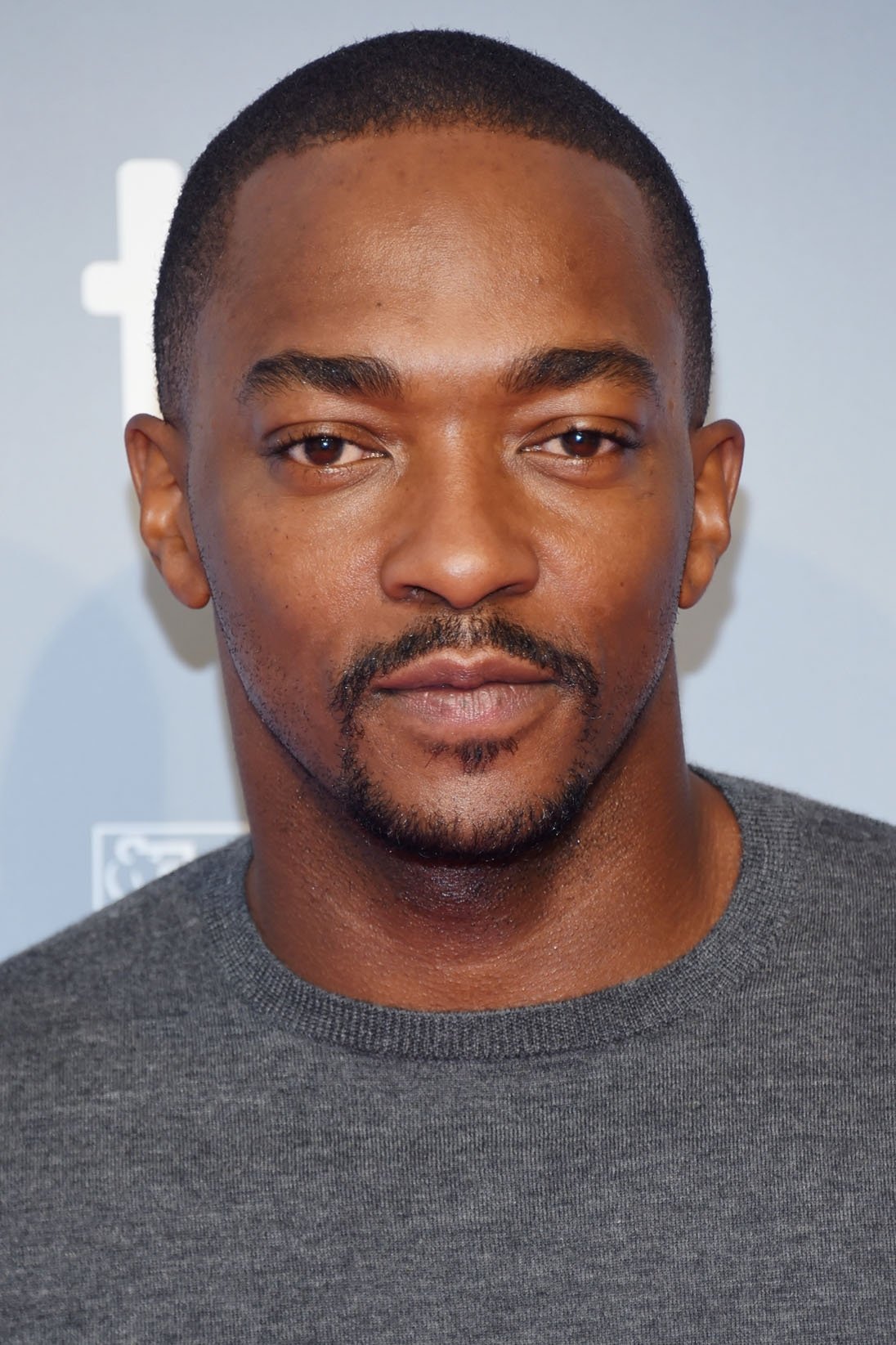
Anthony Mackie has been vocal about the need for more diversity among film crews and how it affects financial fairness. He’s pointed out that studios often only hire Black crew members when working on films specifically about Black stories, instead of including them on all projects. Mackie believes real progress means spreading economic opportunities throughout the entire film production process. He’s using his platform to advocate for inclusive hiring, aiming to create wealth within the Black community and make it standard practice to fairly compensate Black professionals in every role.
Chadwick Boseman
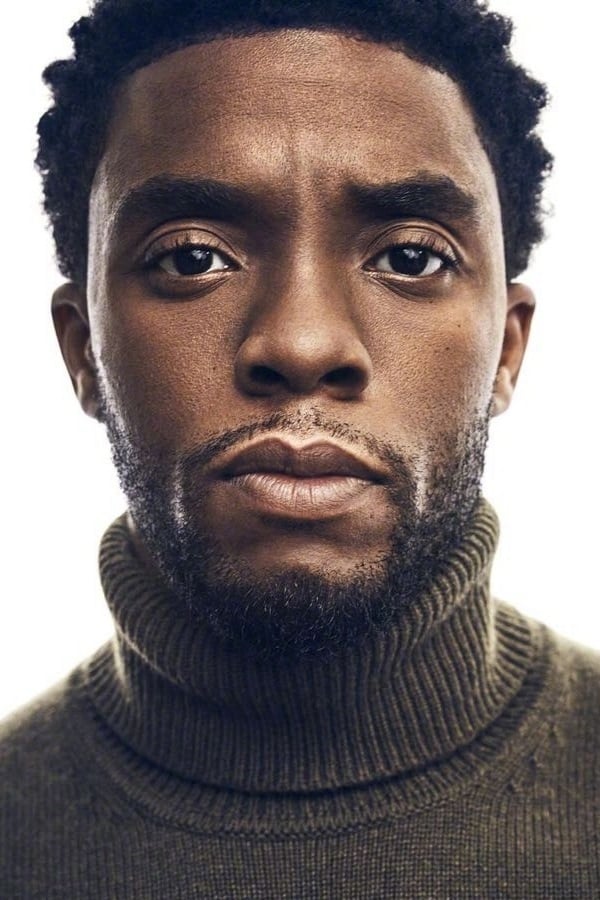
Chadwick Boseman was a strong advocate for fair pay, and he took concrete steps to support his co-star, Sienna Miller, on the set of ’21 Bridges.’ When the studio wouldn’t meet her salary request, Boseman generously donated part of his own pay so she could receive her desired amount. He believed she earned it through her work and contributions to the film. This act revealed a larger problem in the industry where actors sometimes have to help each other financially to achieve equal pay.
Ellen Pompeo
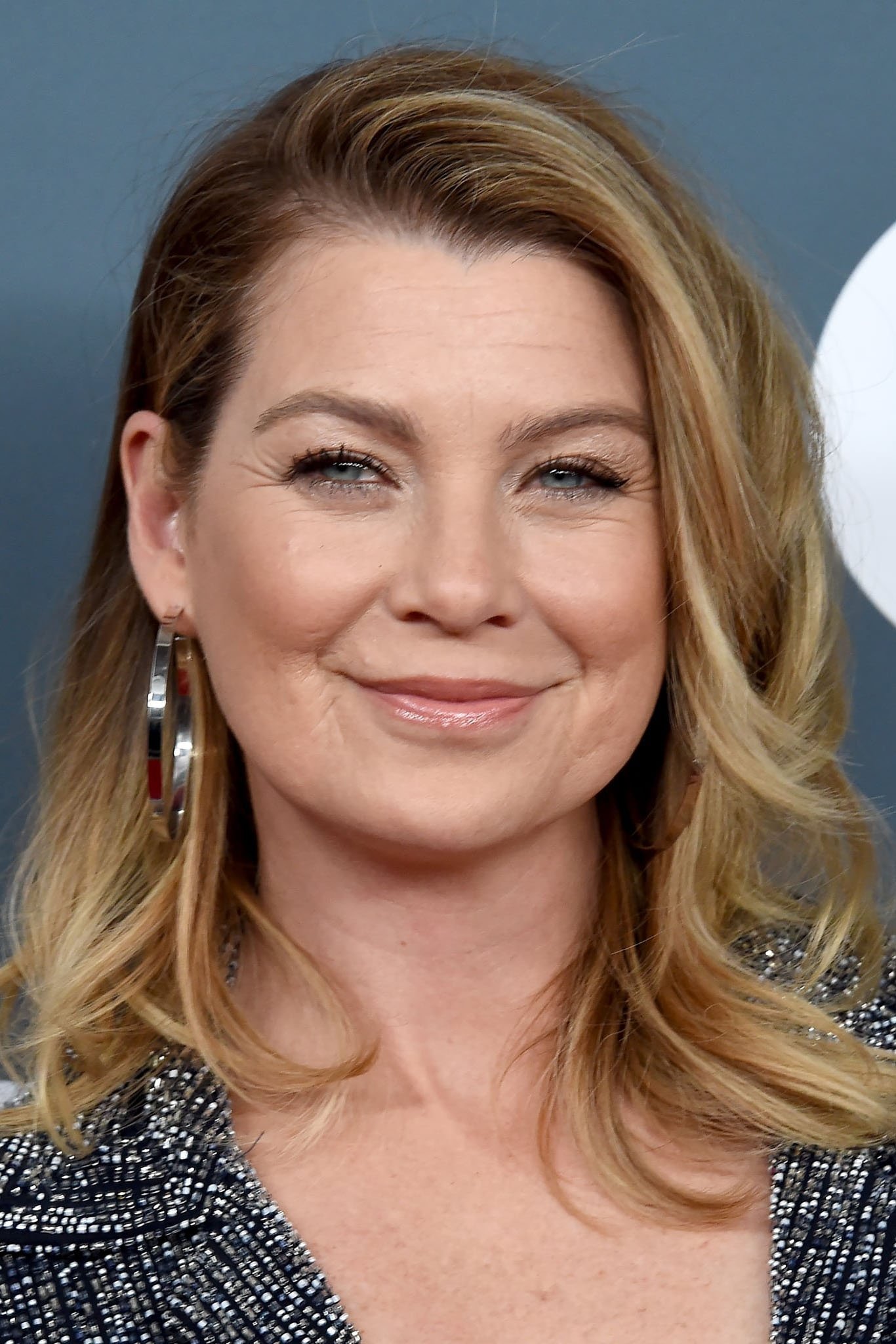
Ellen Pompeo recently discussed the issue of unequal pay in Hollywood on ‘Red Table Talk’. She admitted that while she worked hard to earn a high salary herself, she also saw how Black actresses often faced pay disparities. Pompeo urged white actors to advocate for their colleagues of color if they suspect unfair pay. She believes keeping salaries secret only helps the studios and harms actors, and that openly discussing money is key to fixing these inequalities.
Michael B. Jordan
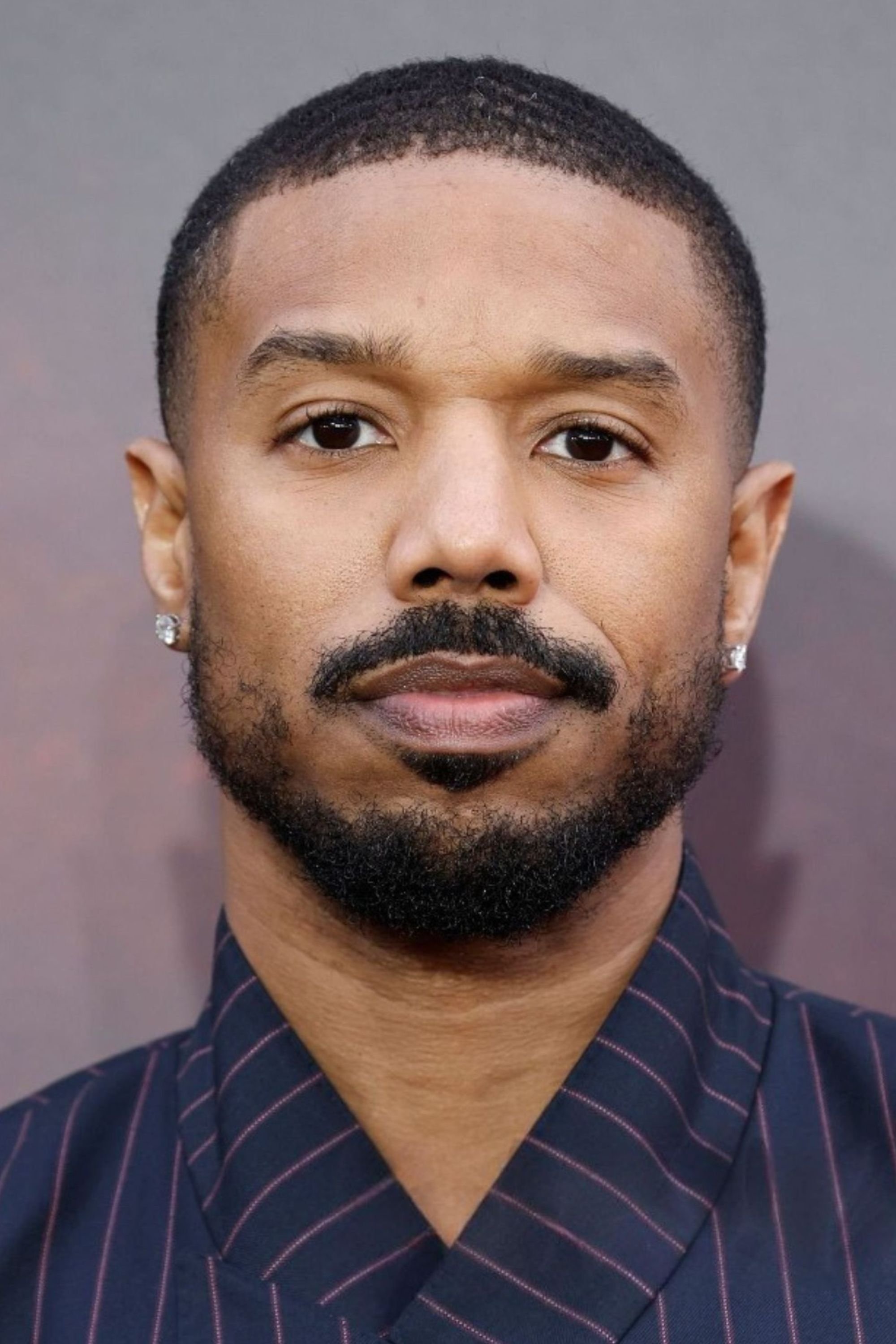
Michael B. Jordan is using his production company to promote diversity in Hollywood. He’s implemented a clause in his contracts requiring that productions hire casts and crews that accurately reflect the population. This helps ensure women and people of color get fair employment and pay. Jordan hopes this will create lasting opportunities for diverse talent and address the longstanding issue of wealth inequality in the entertainment industry.
Regina King
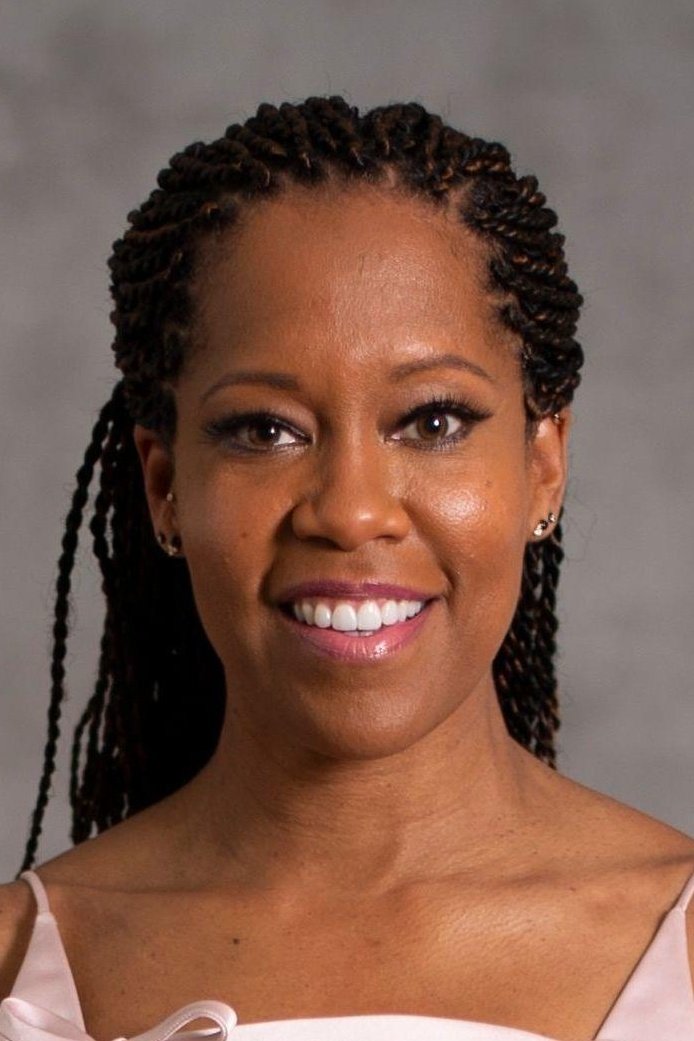
I’m so inspired by Regina King! She’s made a real commitment to change things on her sets, promising that at least half her crew will be women. But it doesn’t stop there – she’s actively seeking out talented people of color for the higher-paying roles, which is huge. She understands she has a platform and the ability to actually improve people’s financial situations, and she’s challenging others with power to do the same – stop just talking about diversity and actually hire diverse talent. It’s all about creating real economic opportunity for groups that have been historically left out, and I think that’s amazing.
Idris Elba
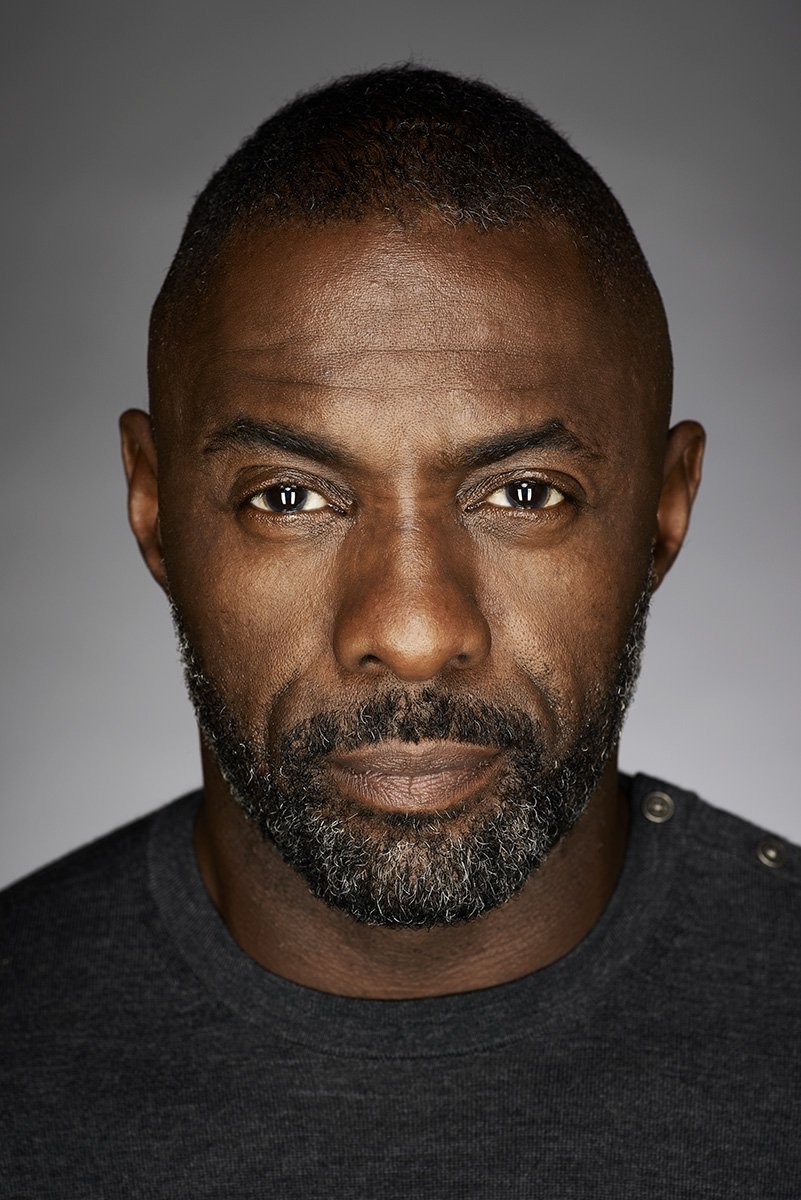
Idris Elba has highlighted the challenges Black British actors face when trying to build stable and lucrative careers in the UK. He explained that many are forced to move to the United States to find financial security and the professional recognition they deserve. Elba believes the British film industry needs to prioritize investing in a wider range of stories and supporting diverse talent. He argues that unless pay and opportunities become equal, talented actors will continue to leave the UK, and this issue reflects a broader global problem of racial inequality in pay.
Queen Latifah
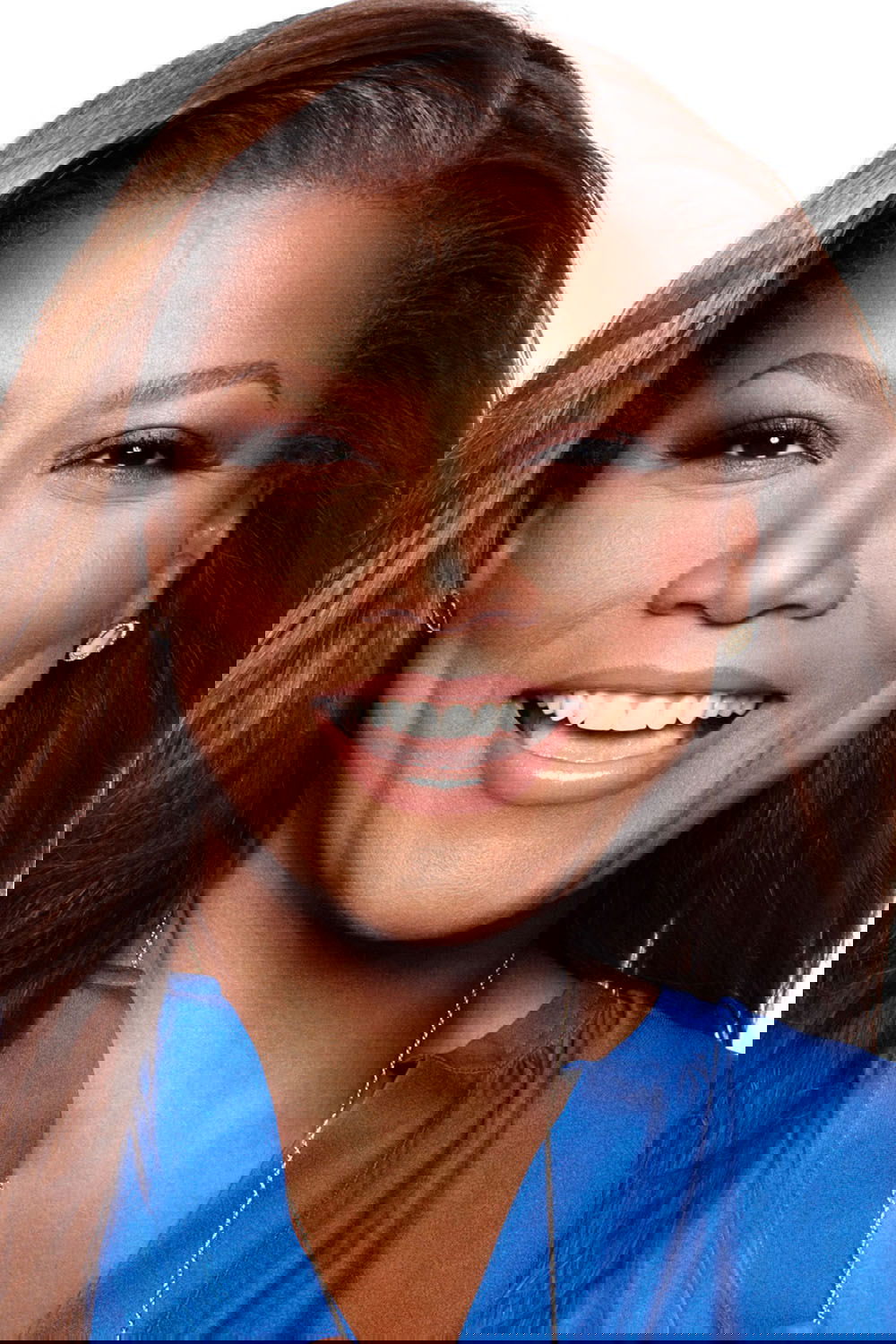
Queen Latifah has always championed fair treatment and ownership for artists and actors in the entertainment industry. As a producer, she makes sure everyone working on her projects gets paid fairly, no matter their background. She often talks about the importance of women of color being financially independent and in control of their own money. Latifah uses her influence to gain producer roles, giving her the power to manage how money is spent on projects. Her career path demonstrates how gaining executive power can lead to greater fairness and equality.
Chris Rock
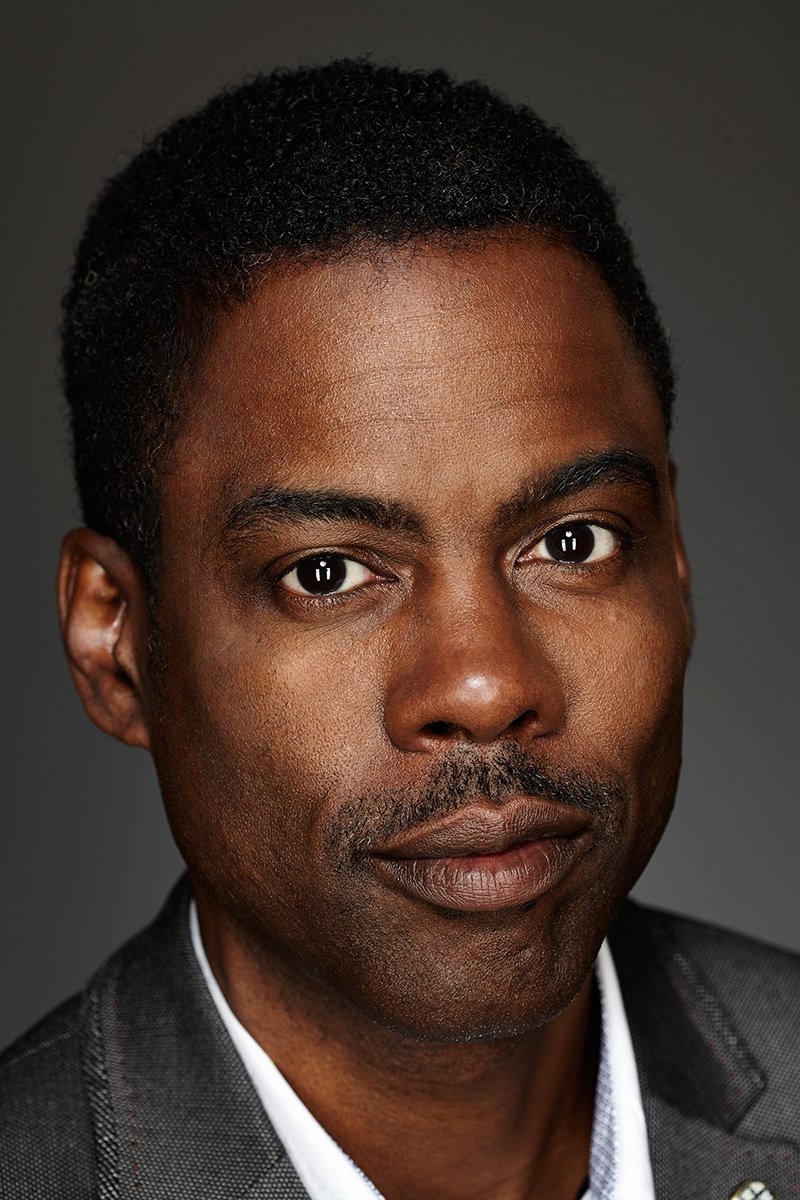
Chris Rock wrote a well-known essay about the challenges Black people face in Hollywood, specifically regarding limited opportunities and lower pay. He explained that Hollywood largely operates as a system favoring white individuals, often hiring Black talent for appearances rather than genuinely investing in their success. Rock emphasized that real progress means Black people needing the authority to approve projects themselves. He noted that even highly successful Black comedians encounter more obstacles than their white counterparts, and his overall argument centered on the systemic barriers that prevent Black people from building wealth.
Thandiwe Newton

Thandiwe Newton has spoken openly about unfair treatment and low pay she experienced at the beginning of her career. After gaining recognition for her work on ‘Westworld,’ she successfully negotiated to be paid the same as her male colleagues. Now, she’s committed to creating open and supportive work environments, making sure young actors of color don’t face the same challenges she did. Newton believes equal pay is essential – it’s about valuing someone’s talent and skill, and she’s passionate about protecting future generations of performers.
Halle Berry
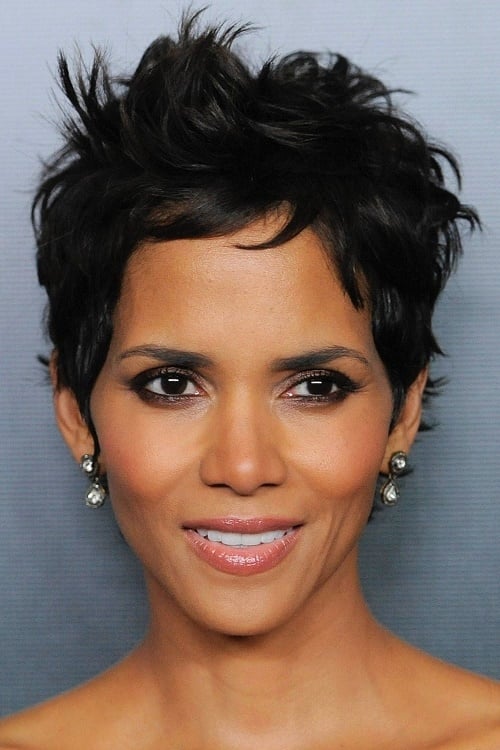
Halle Berry recently talked about the challenges she faced trying to command a higher salary after winning an Oscar. Unlike many white actresses who often receive an immediate pay increase after the award, that didn’t happen for her. Berry has consistently had to demonstrate her ability to draw audiences to theaters to justify her earnings. She encourages all actors to confidently negotiate for what they’re worth. Despite facing pushback from the industry, her determination has allowed her to remain one of the highest-paid actresses in Hollywood.
Kerry Washington
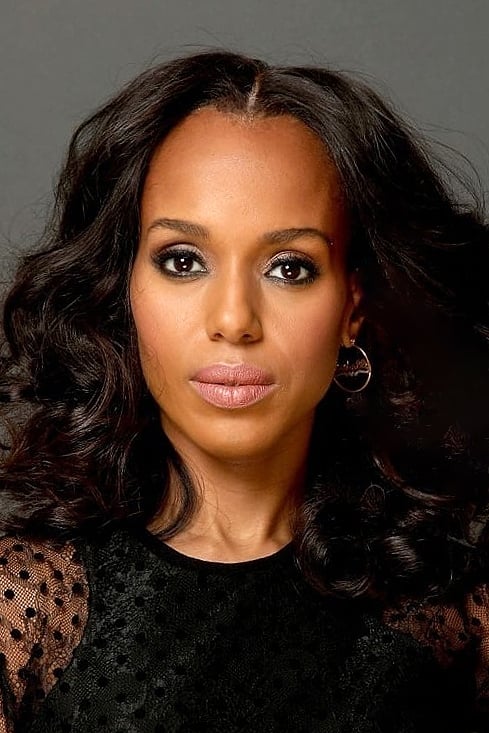
Kerry Washington uses her production company to build workplaces where everyone has a fair chance. She emphasizes the need to focus on ‘equity’ – addressing past disadvantages – rather than just ‘equality.’ Washington makes sure her contracts guarantee fair treatment and pay for her entire team, and she’s a strong supporter of unions and groups working to secure standard wages for all performers. She’s committed to the financial well-being of everyone on her crew, not just herself.
Michelle Yeoh
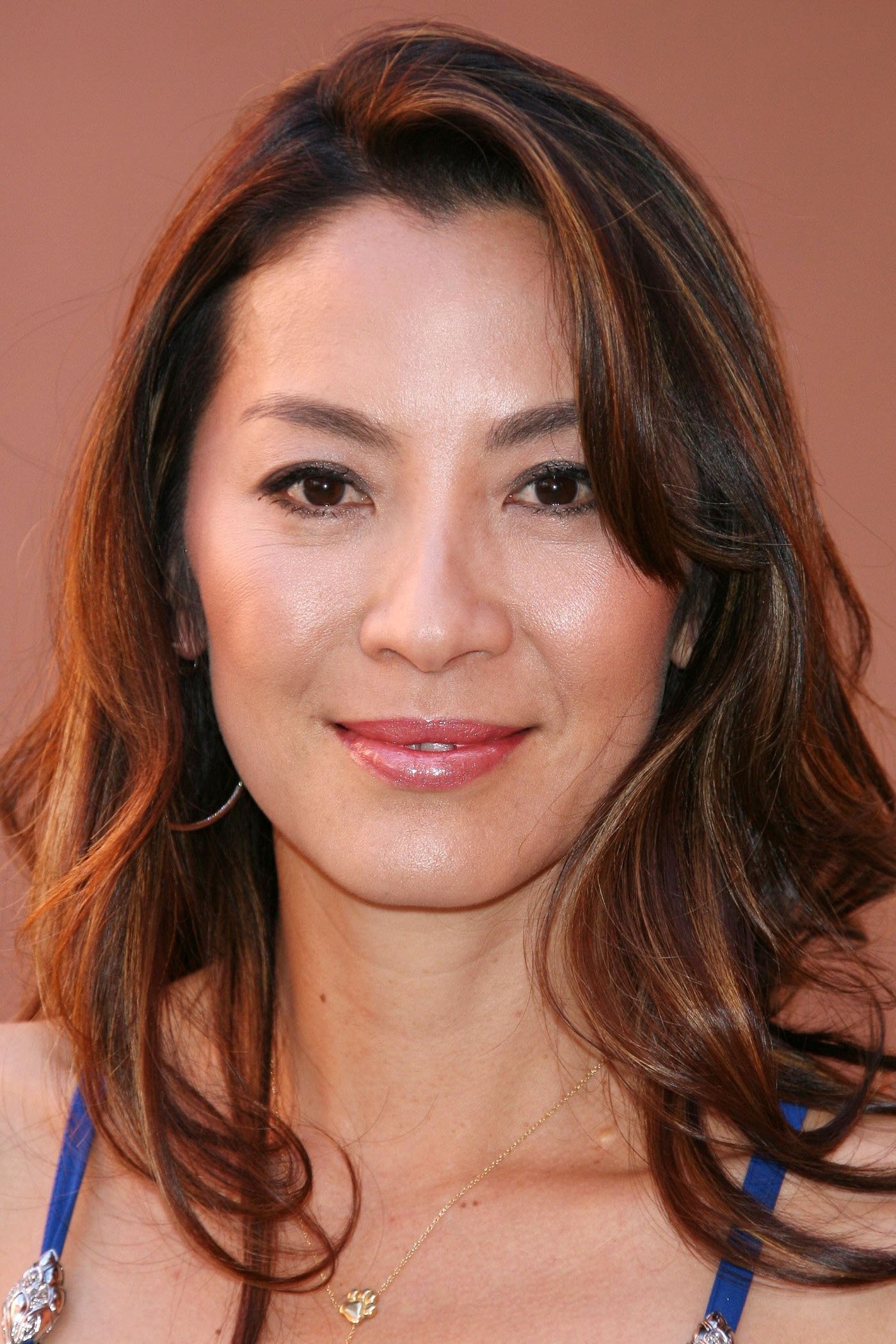
Michelle Yeoh recently discussed the challenges she faced getting leading roles and equal pay in Western films. For years, she was often limited to stereotypical roles or overlooked, which affected how much she could earn. With the huge success of ‘Everything Everywhere All At Once,’ she stressed the need to advocate for fair compensation. Yeoh encourages Asian actors to push back against being typecast and to demand more diverse opportunities. Her achievements are now inspiring greater recognition and appreciation for experienced actors of color.
America Ferrera
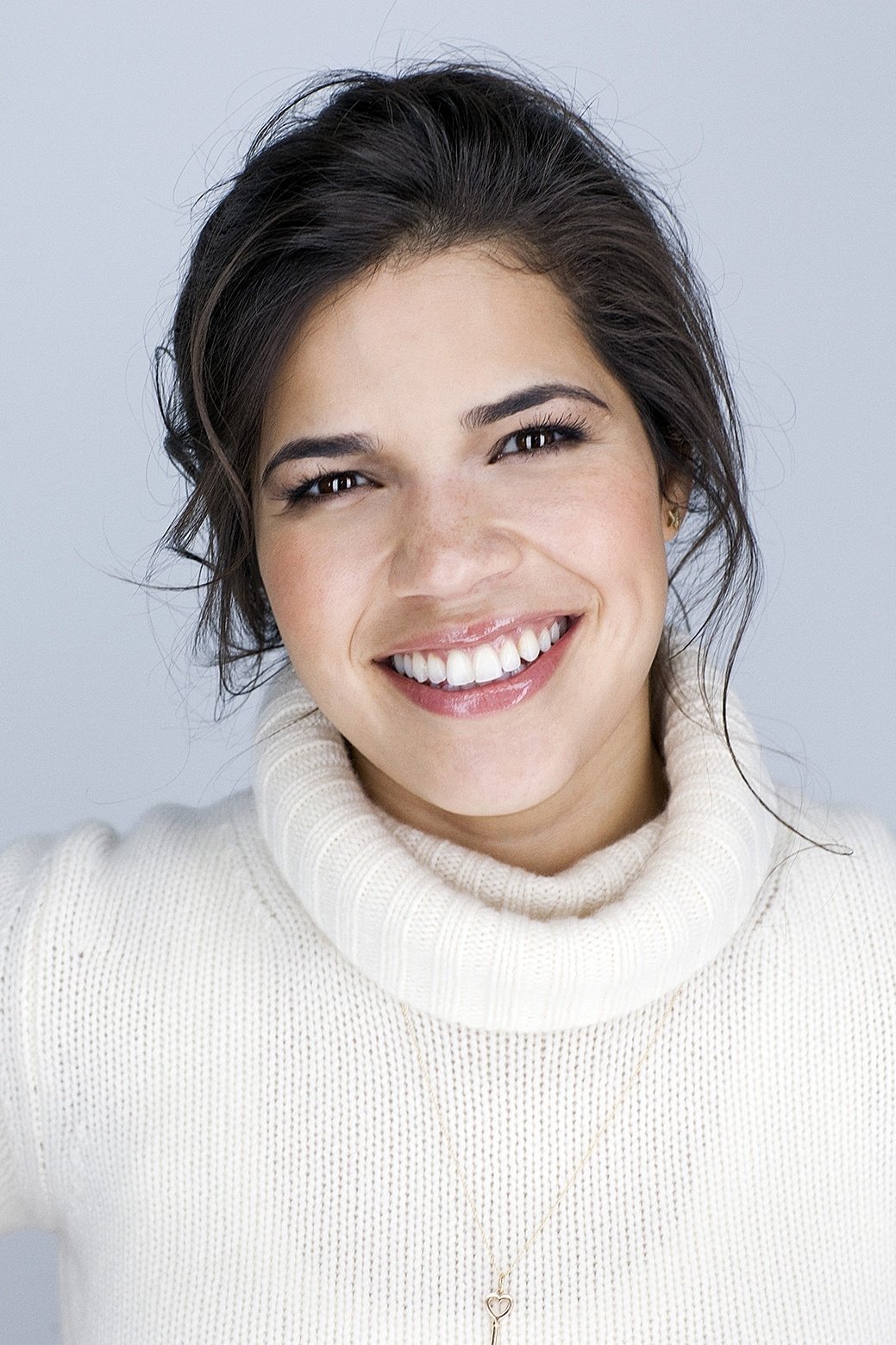
America Ferrera is a longtime advocate for better representation of Latinos in media and for equal pay. She’s started groups dedicated to boosting the Latino community’s visibility and financial strength. Ferrera points out that the entertainment industry misses out on potential profits by not investing enough in Latino stories and performers. She’s working to create lasting change by getting more Latinos into leadership positions with control over funding. Ultimately, her work shows how cultural representation and economic fairness are connected.
Eva Longoria
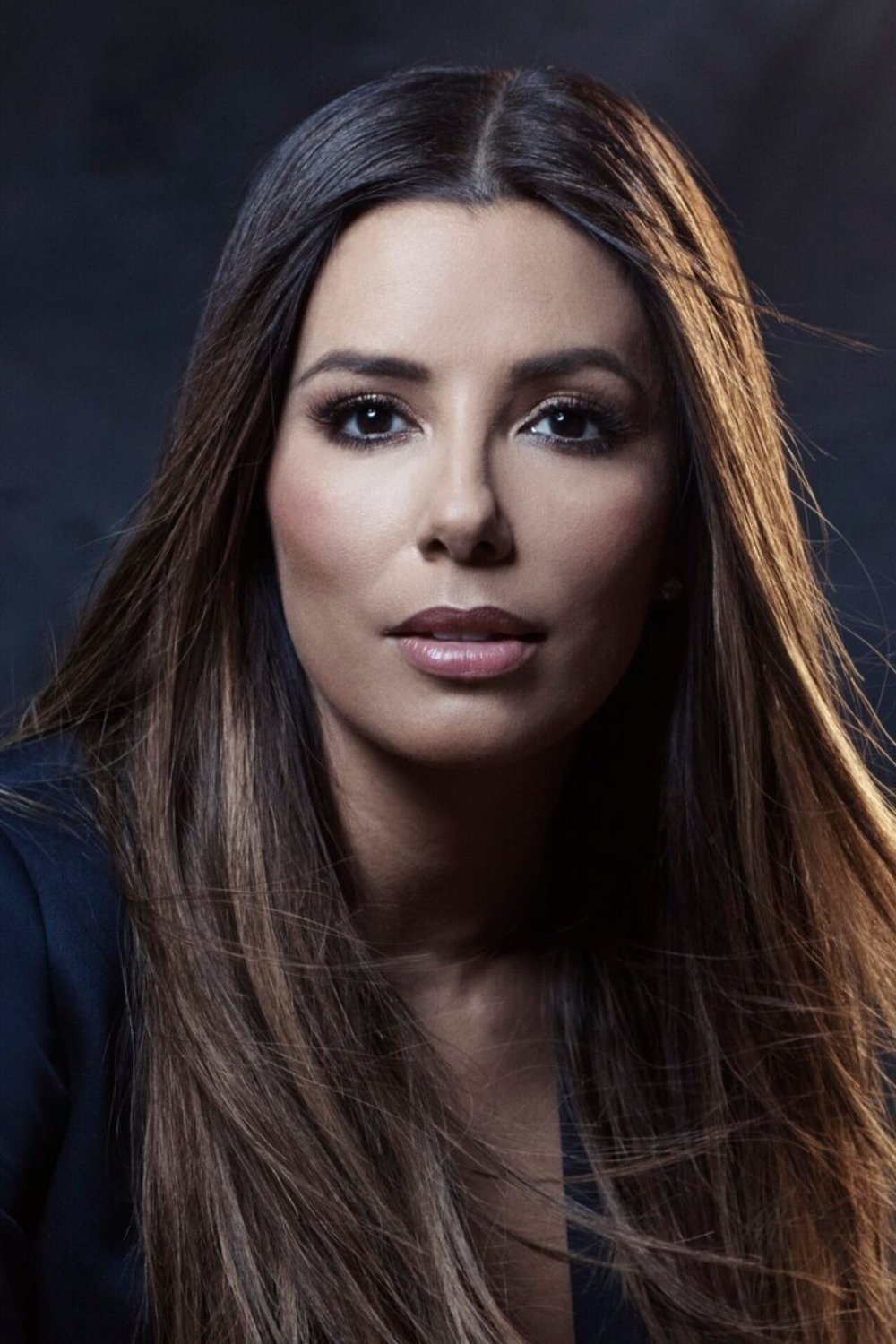
As a movie lover, I’m really impressed with what Eva Longoria is doing. She’s not just an actress, but a powerful producer who’s actively working to fix the huge pay gap for Latino creators. She talks a lot about building a strong base of talented people who are prepared for well-paying jobs, and she believes mentorship is key – not just teaching skills, but also how to manage money and negotiate for what you deserve. What I love is that she’s putting her money where her mouth is, actually producing projects that hire Latinos both on screen and behind the scenes. Ultimately, she wants to build lasting wealth within the Latino entertainment industry, and that’s a goal I can definitely get behind.
Rosie Perez
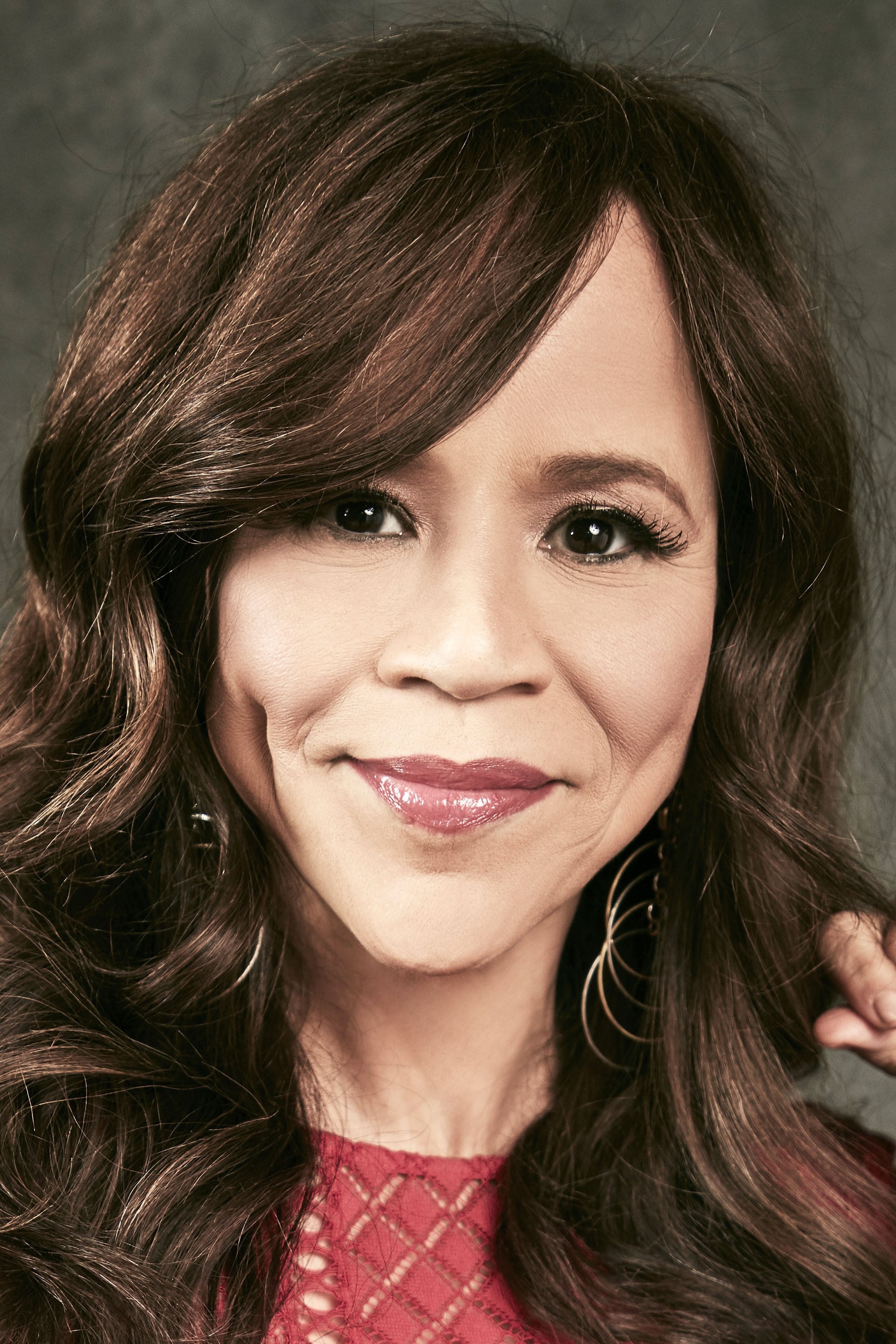
Rosie Perez is a strong advocate for fair pay and treatment of dancers and background actors, particularly those from communities of color. She’s taken legal action to receive proper royalties and compensation for her own work in music, and she’s outspoken about the industry’s practice of profiting from the culture of communities of color without providing fair payment. Perez believes artists deserve to be compensated for their creative work and how they are portrayed, and her efforts focus on protecting the rights of performers who are most at risk of exploitation.
Naomie Harris
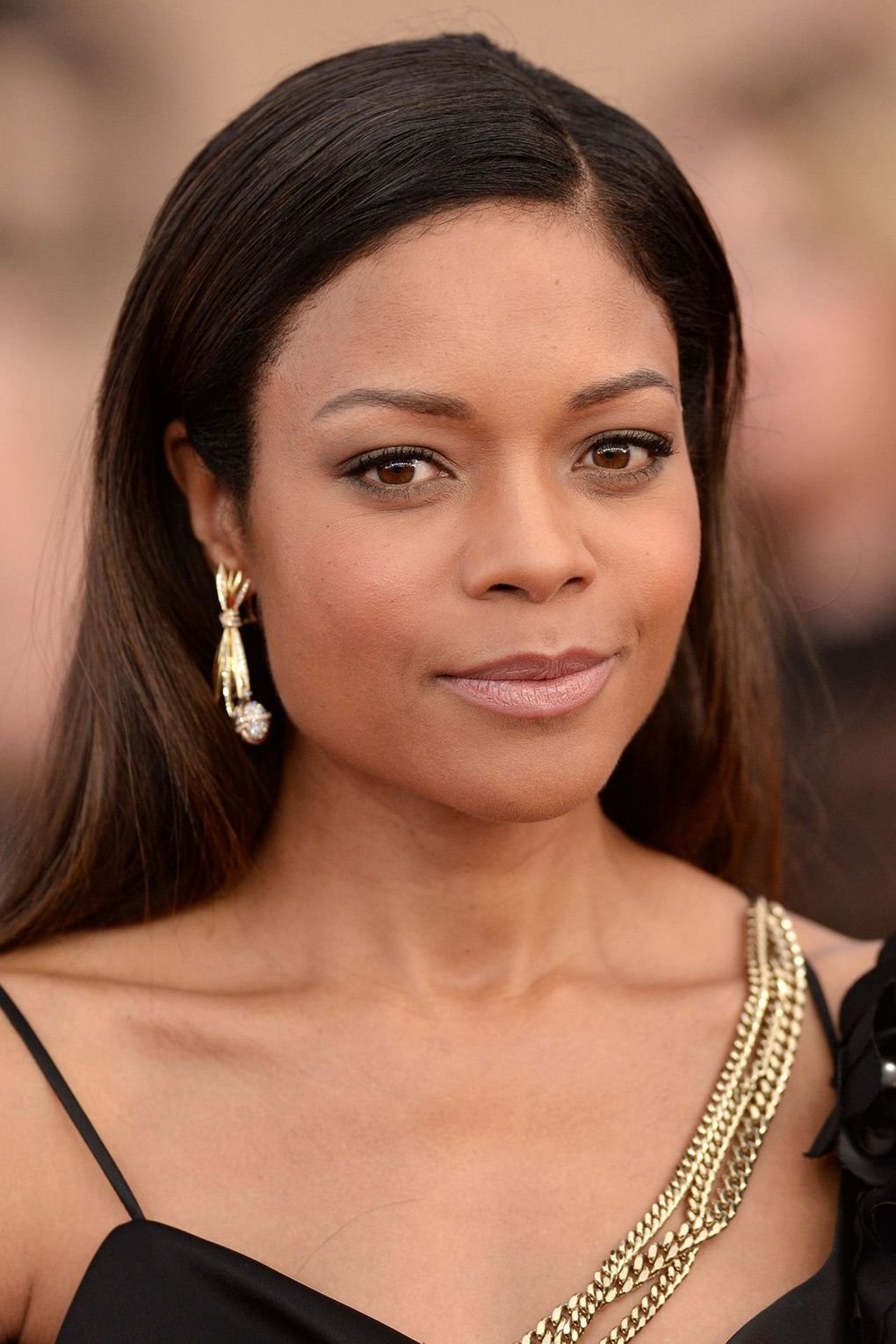
Naomie Harris believes being open about salaries is crucial for achieving equal pay. She explains that understanding what her colleagues earn empowers her to negotiate fairly. Harris champions open conversations about pay to stop studios from unintentionally favoring certain groups. She suggests basing salaries on how much screen time an actor has and how important their role is. Ultimately, she believes a practical, data-driven approach with honest communication is the key to fairer pay.
Robin Thede
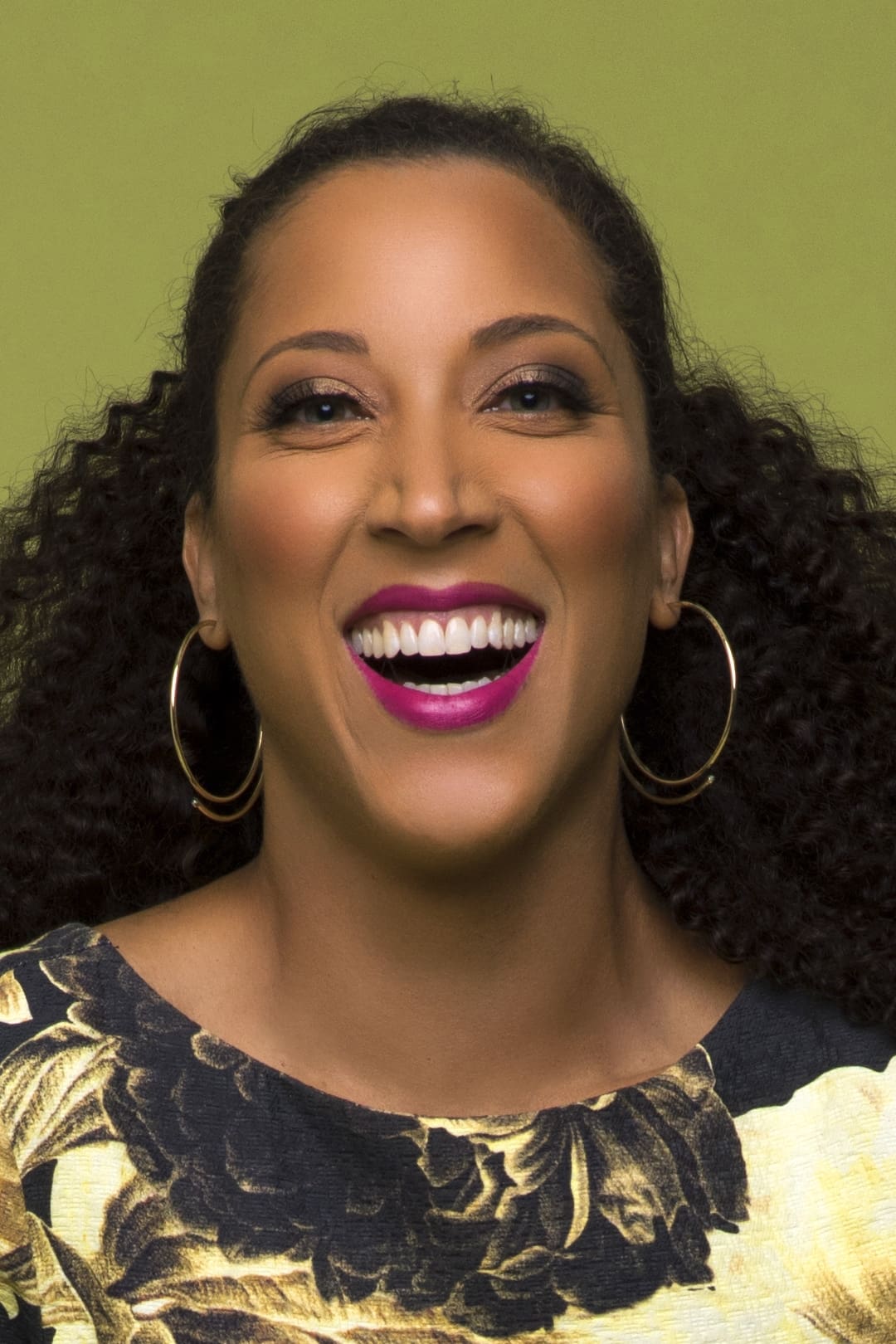
Robin Thede is a strong advocate for fair pay, particularly by hiring and promoting Black women in the world of sketch comedy. With her show, ‘A Black Lady Sketch Show,’ she makes sure all her writers and actors receive fair union wages and respectful treatment. Thede often discusses the challenges Black women face when trying to become comedy writers. She demonstrates, through the success of her show, that diverse creative teams can be financially successful and worthy of significant investment. Ultimately, her work provides financial opportunities for many women in the industry.
Yvette Nicole Brown
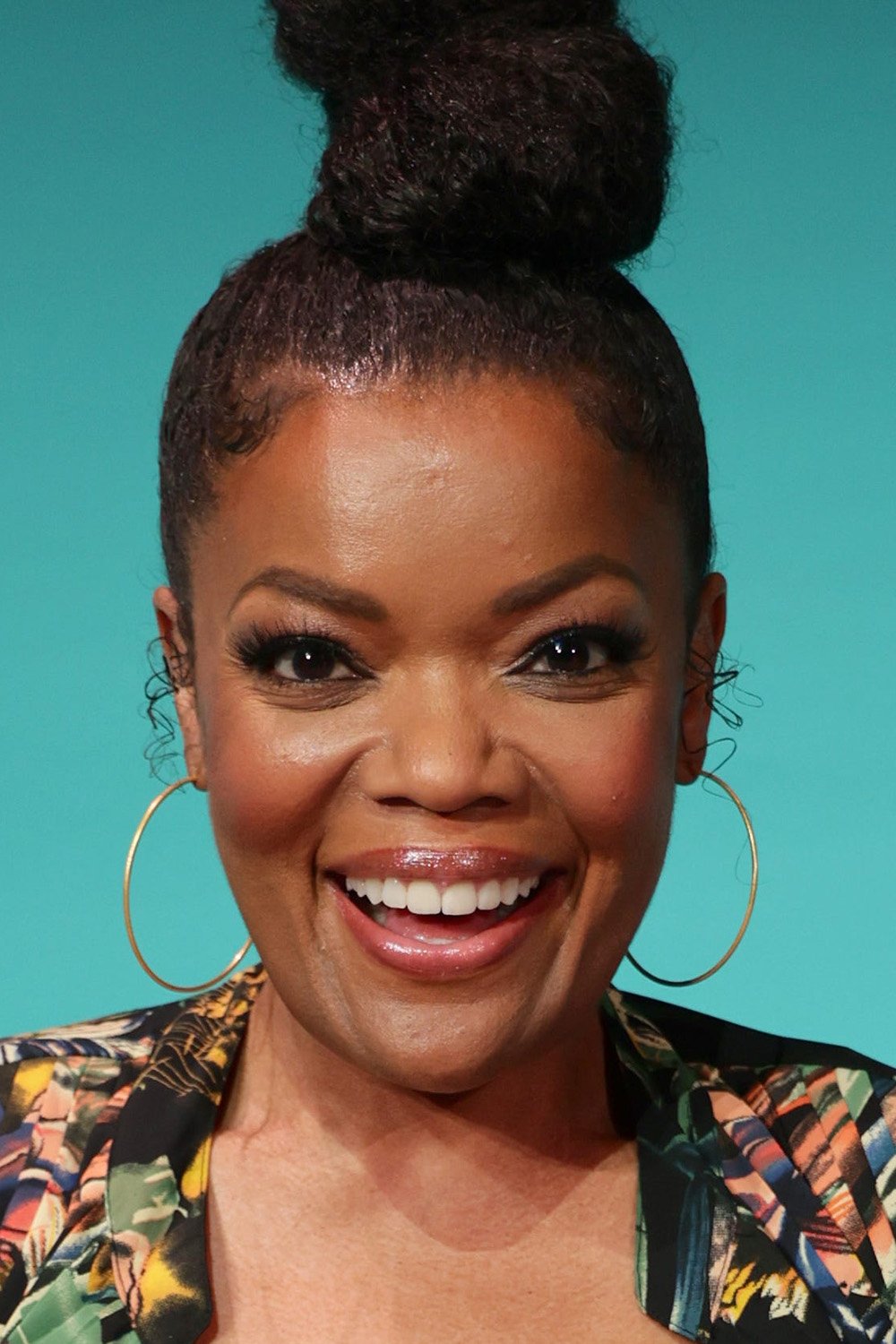
Yvette Nicole Brown often discusses the challenges faced by actors of color in Hollywood, referring to it as the “Black tax”—the expectation that they work harder for less pay. She’s a strong advocate for fair treatment and better pay for all character actors who are essential to the industry’s success. Brown uses her platform to help up-and-coming actors understand contracts and the importance of joining unions. She emphasizes that equal pay isn’t just a concern for famous stars, but for all working actors trying to build a career. Essentially, she’s a voice for the everyday working actor.
Orlando Jones
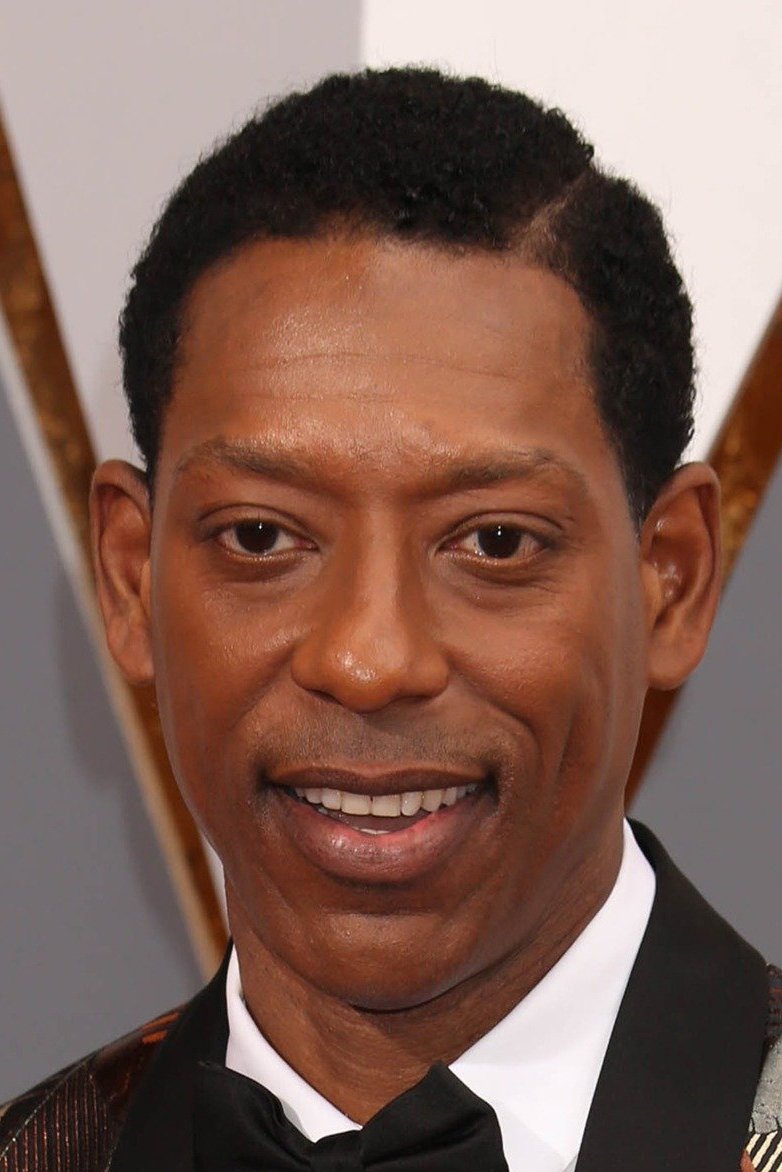
Orlando Jones was let go from his role on ‘American Gods’ and publicly discussed what he felt was racial bias behind the decision. He also shared that he initially worked as a writer and producer on the show without being properly paid or credited. Jones criticized the production team for not appreciating the contributions of Black characters and creatives, and highlighted a pattern of shows using actors of color for publicity while treating them poorly. He called for the show to take responsibility and acknowledge the effort he put into improving his character’s storyline.
Share your thoughts on these advocacy efforts and the state of pay equity in the comments.
Read More
- Top 20 Dinosaur Movies, Ranked
- 20 Movies Where the Black Villain Was Secretly the Most Popular Character
- 25 “Woke” Films That Used Black Trauma to Humanize White Leads
- Celebs Who Narrowly Escaped The 9/11 Attacks
- Gold Rate Forecast
- Spotting the Loops in Autonomous Systems
- Silver Rate Forecast
- The 10 Most Underrated Jim Carrey Movies, Ranked (From Least to Most Underrated)
- 22 Films Where the White Protagonist Is Canonically the Sidekick to a Black Lead
- Transformers Under the Microscope: What Graph Neural Networks Reveal
2026-01-25 09:19