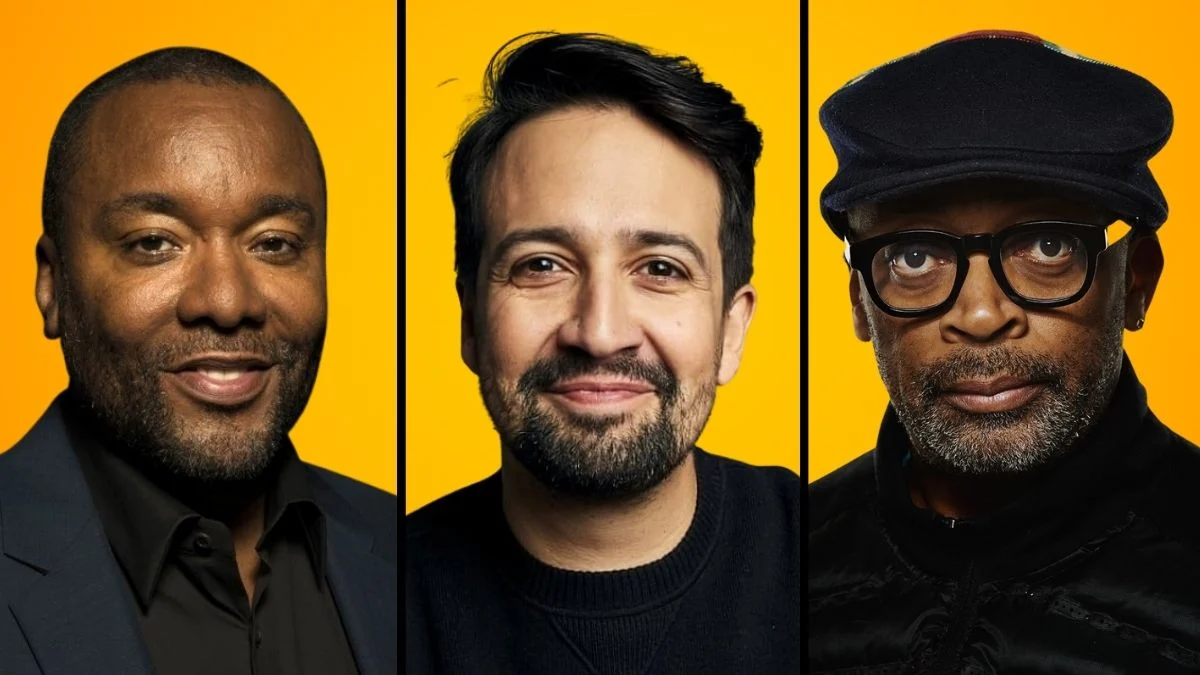
The entertainment world is under growing pressure to accurately reflect the diversity of people around the globe. Although many famous actors publicly support inclusivity, their choice of cast members sometimes causes controversy. Critics have noticed that projects meant to honor certain cultures often cast lighter-skinned actors in the main roles. This practice has led to accusations of colorism – prejudice based on skin tone – and a lack of opportunities for actors with darker skin. The following examples highlight public figures who have been criticized for this difference between what they say and who they cast.
Lin-Manuel Miranda
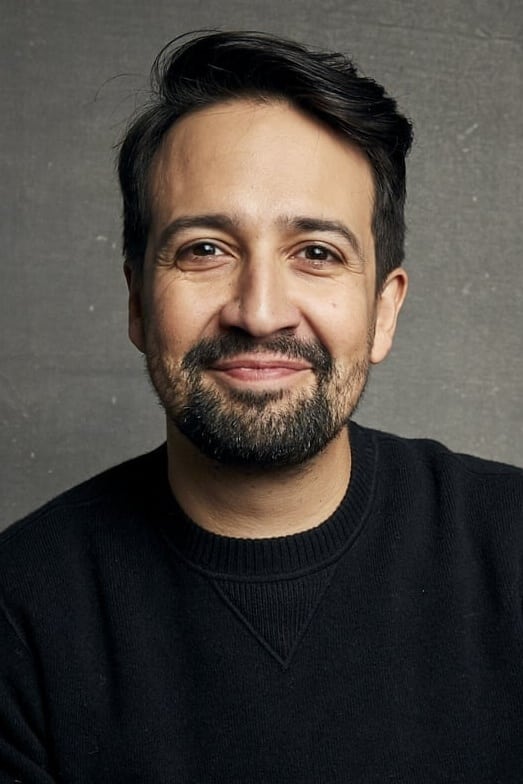
The film adaptation of ‘In the Heights’ sparked criticism because the cast was largely made up of light-skinned actors, despite being set in the diverse neighborhood of Washington Heights, which has a large population of Dominicans and other Caribbean people with a wide range of skin tones. The creator, Lin-Manuel Miranda, apologized for the lack of darker-skinned Afro-Latino representation, admitting the film didn’t fully celebrate the community’s diversity and promising to prioritize inclusivity in future work.
Kenya Barris
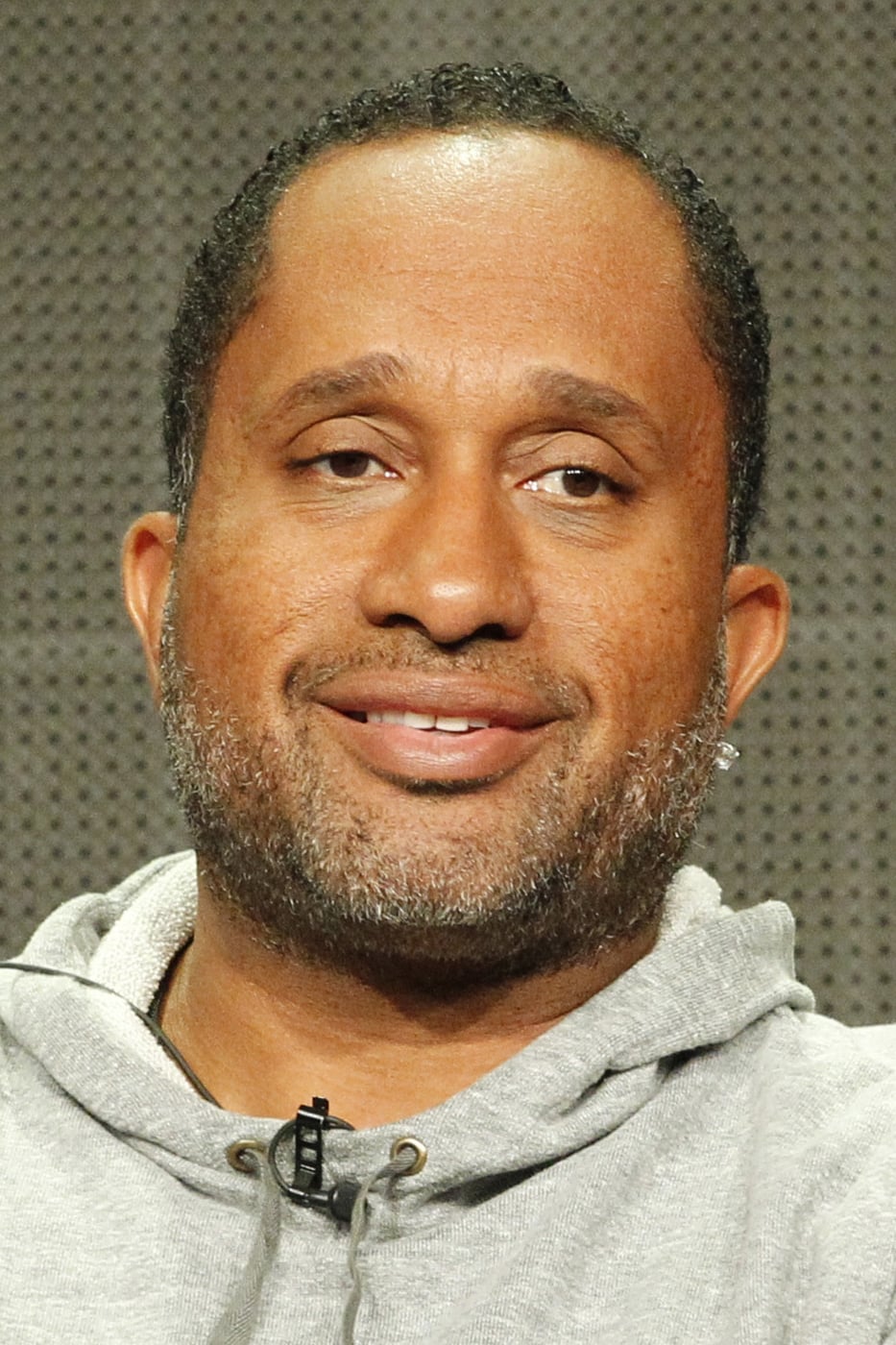
This producer often faces criticism online about the actors he chooses for his TV shows. Shows like ‘Blackish’ and its related series tend to feature leads with lighter skin tones, leading to accusations of colorism – a preference for lighter skin. While the producer has said his own family inspires his characters, many viewers believe he doesn’t represent the diversity of Black families, particularly those with darker skin. This criticism recently reappeared with his new film, ‘You People,’ and audiences continue to ask him to include a wider range of skin tones in his popular projects.
Tyler Perry
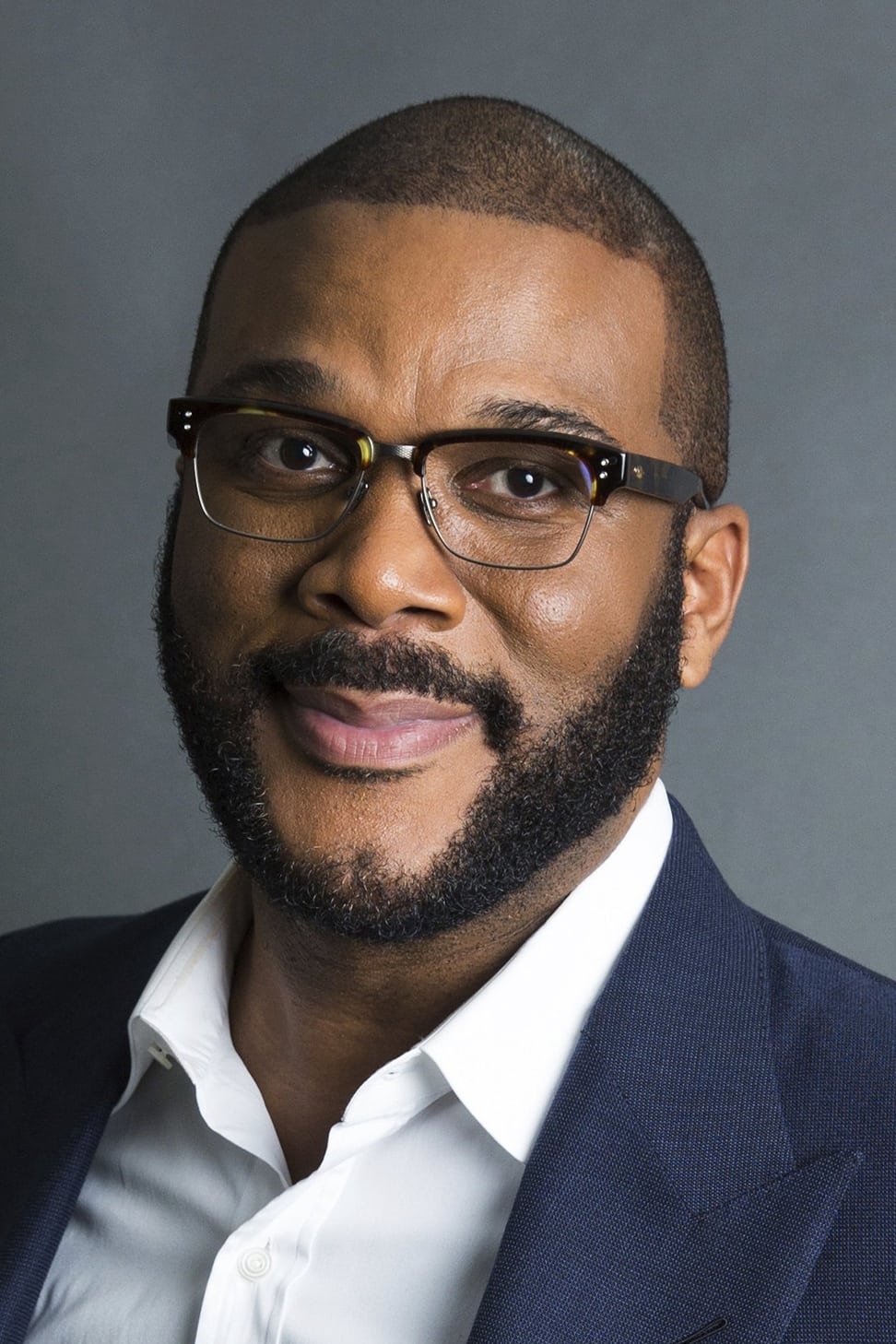
The successful media executive has created a large entertainment business focused on Black audiences, but he’s faced criticism about the skin tones of the actors he casts. Many of his films and TV shows feature light-skinned actors in leading roles, sparking conversations about potential biases within Black-owned media. Although he provides significant employment opportunities for Black actors, people are often asking him to include a wider range of skin tones in his main characters. He continues to create a lot of content, and fans are hoping to see more diverse representation in the future.
Lee Daniels
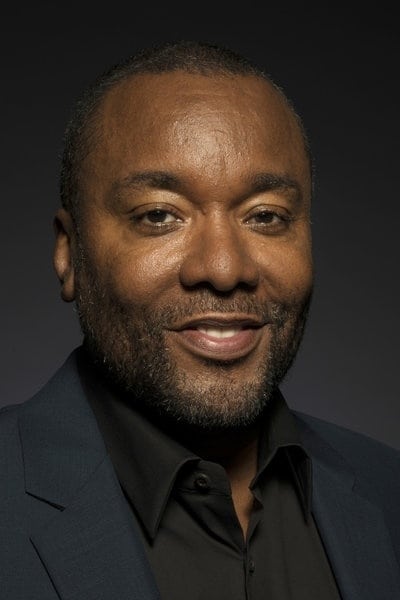
The director behind popular shows like ‘Empire’ has faced criticism regarding his portrayal of Black families. Viewers have pointed out that his main characters and love interests often have lighter skin tones, which has led to discussions about Hollywood’s tendency to favor lighter-skinned actors, even in projects created by and for Black audiences. While the director has explained his casting choices as being driven by artistic vision and character needs, concerns about colorism continue to be a significant part of the conversation around his work.
Shonda Rhimes
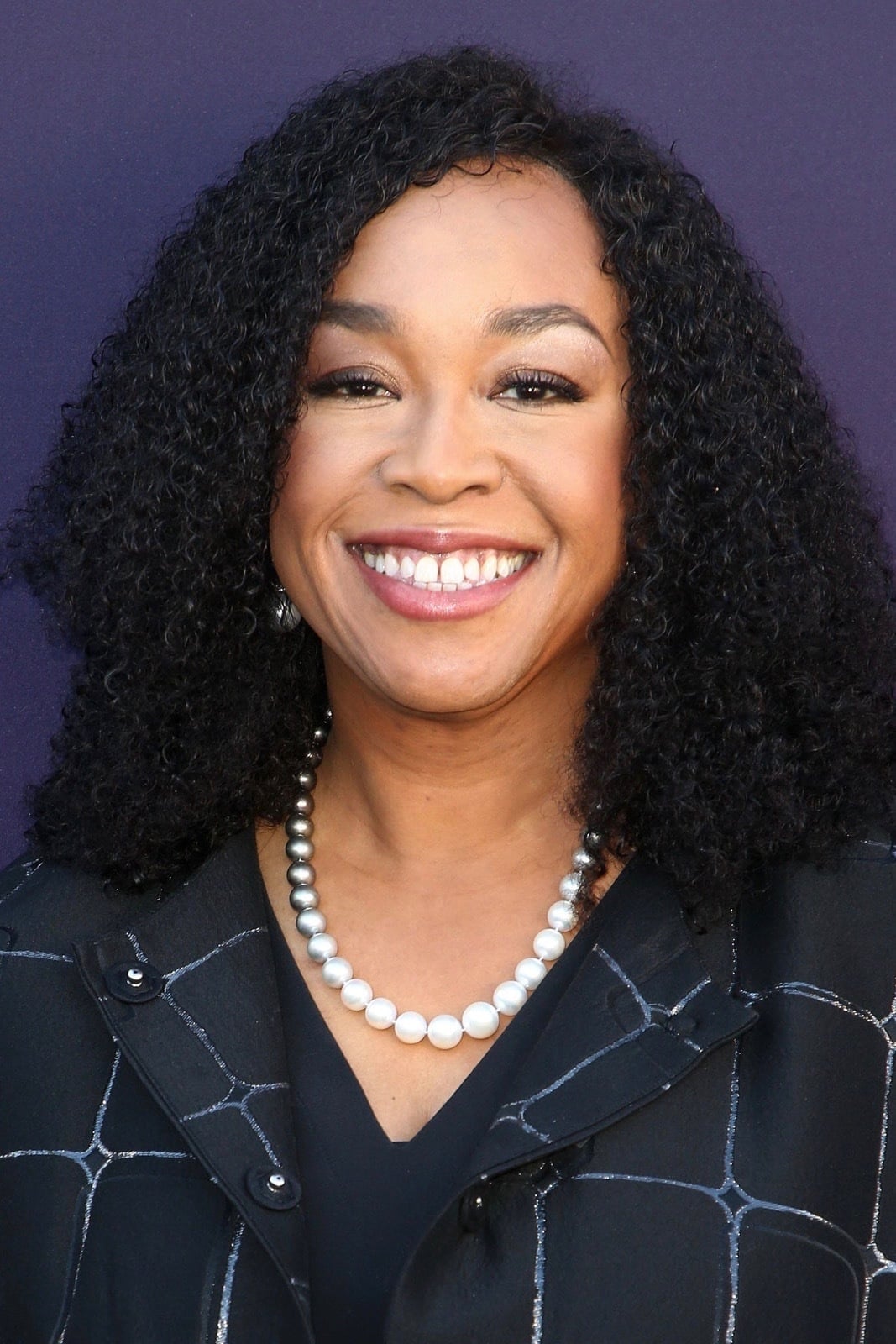
Shonda Rhimes, the creator of hit shows like ‘Grey’s Anatomy’ and ‘Bridgerton’, is well-known for featuring diverse casts. However, some critics have pointed out that the main romantic interests in her popular series are often light-skinned or biracial. This has sparked discussion about whether her portrayal of attractiveness overlooks darker-skinned Black men in leading romantic roles. While Rhimes has been a trailblazer for women of color and consistently uses inclusive casting, media experts continue to examine the subtle ways colorism appears in her shows.
Mindy Kaling
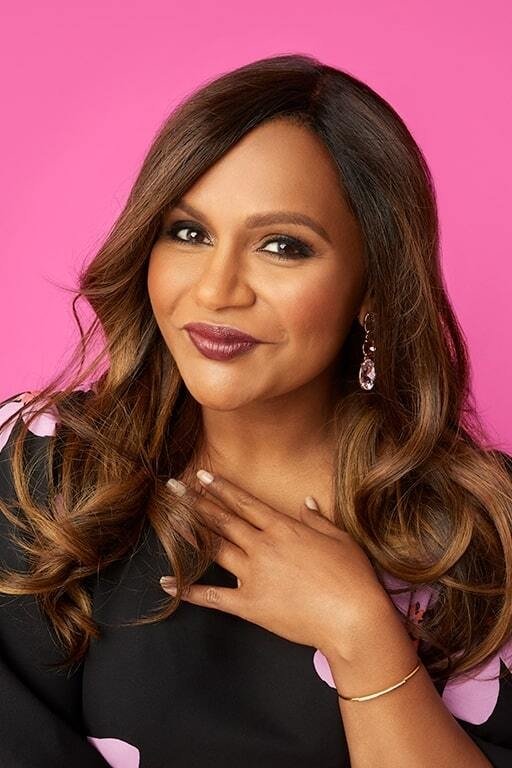
The writer and actress has frequently been criticized for the types of romantic partners she chooses for the main characters in her TV shows. Some viewers have pointed out that shows like ‘The Mindy Project’ and ‘Never Have I Ever’ often feature love interests who are lighter-skinned or not of Indian descent, despite the lead characters being South Asian women. While praised for increasing representation of South Asian women, critics argue she doesn’t always extend that same representation to the wider community. The actress has responded by explaining that her shows are often based on her own life and are meant to be comedies. However, discussions about whether her efforts to promote diversity go far enough continue online, even with her success.
Spike Lee
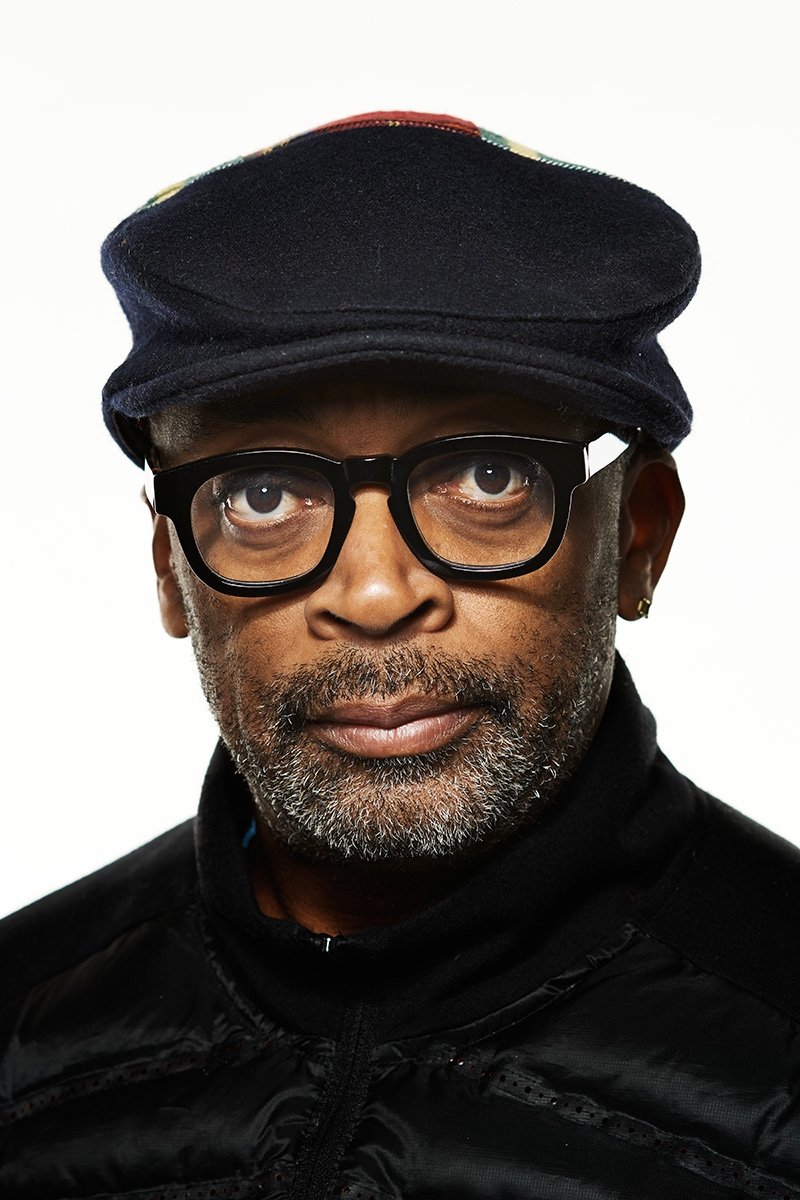
Throughout his career, the acclaimed director has consistently examined the issue of colorism, beginning with his film ‘School Daze’. Although he frequently tackles the social divisions based on skin tone, he’s often been criticized for consistently choosing lighter-skinned actresses to play romantic leads in his movies. This trend has led to debate about whether his work unintentionally supports the same prejudices he aims to challenge. Despite this, Lee continues to champion Black filmmaking, and audiences are paying attention to how his stories portray different skin tones.
Jennifer Lopez
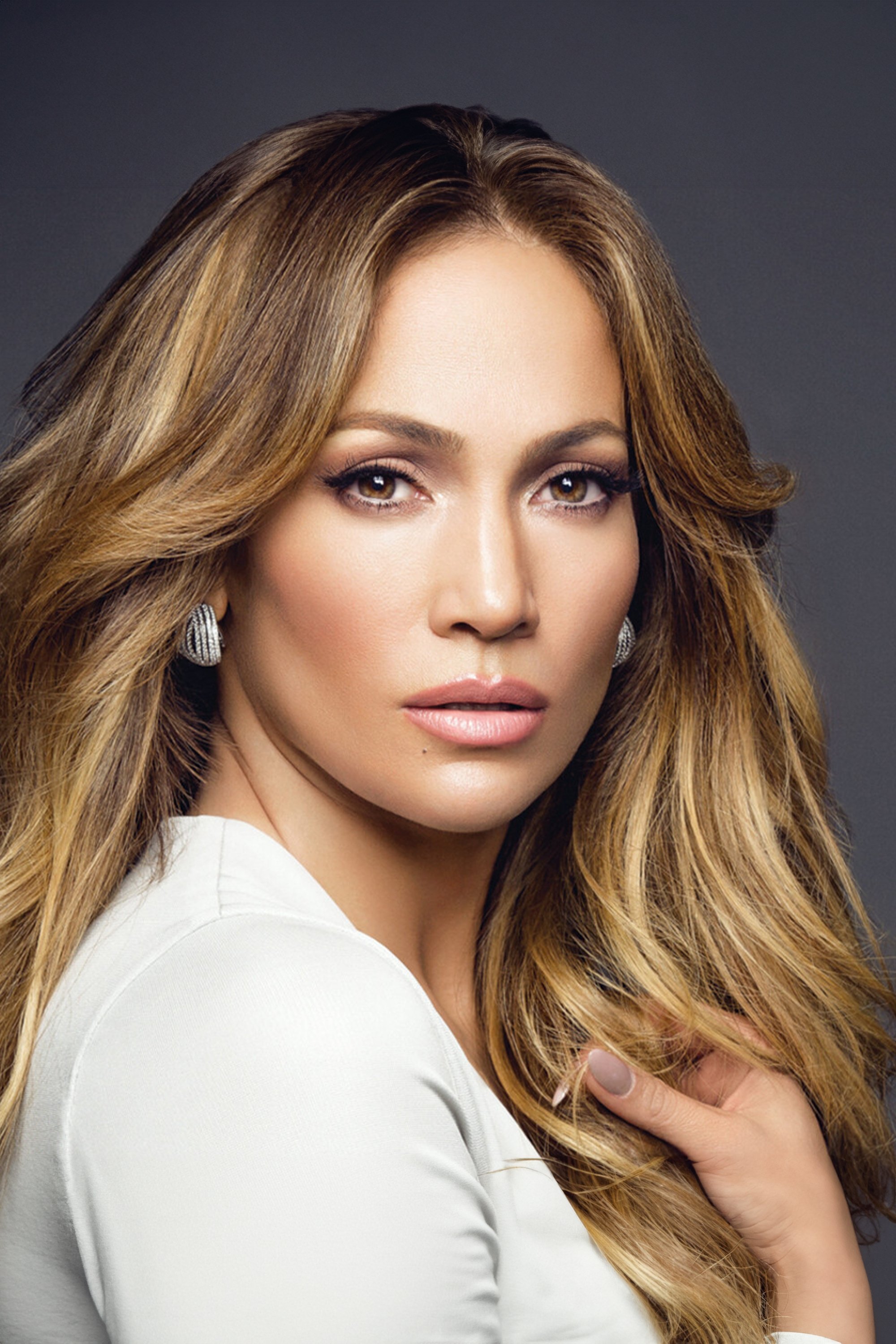
Jennifer Lopez has consistently advocated for greater Latinx representation in Hollywood, both as an actress and producer. However, some of her films, like ‘Marry Me’ and ‘Shotgun Wedding,’ have faced criticism for primarily featuring lighter-skinned or white-passing Latinx characters. Critics argue this limited portrayal overlooks the significant number of Afro-Latino and Indigenous Latino individuals who are frequently underrepresented in mainstream media. While Lopez has used her production company to create opportunities for others in the industry, her audience continues to call for a more inclusive and diverse representation of all Latinx identities.
Eva Longoria
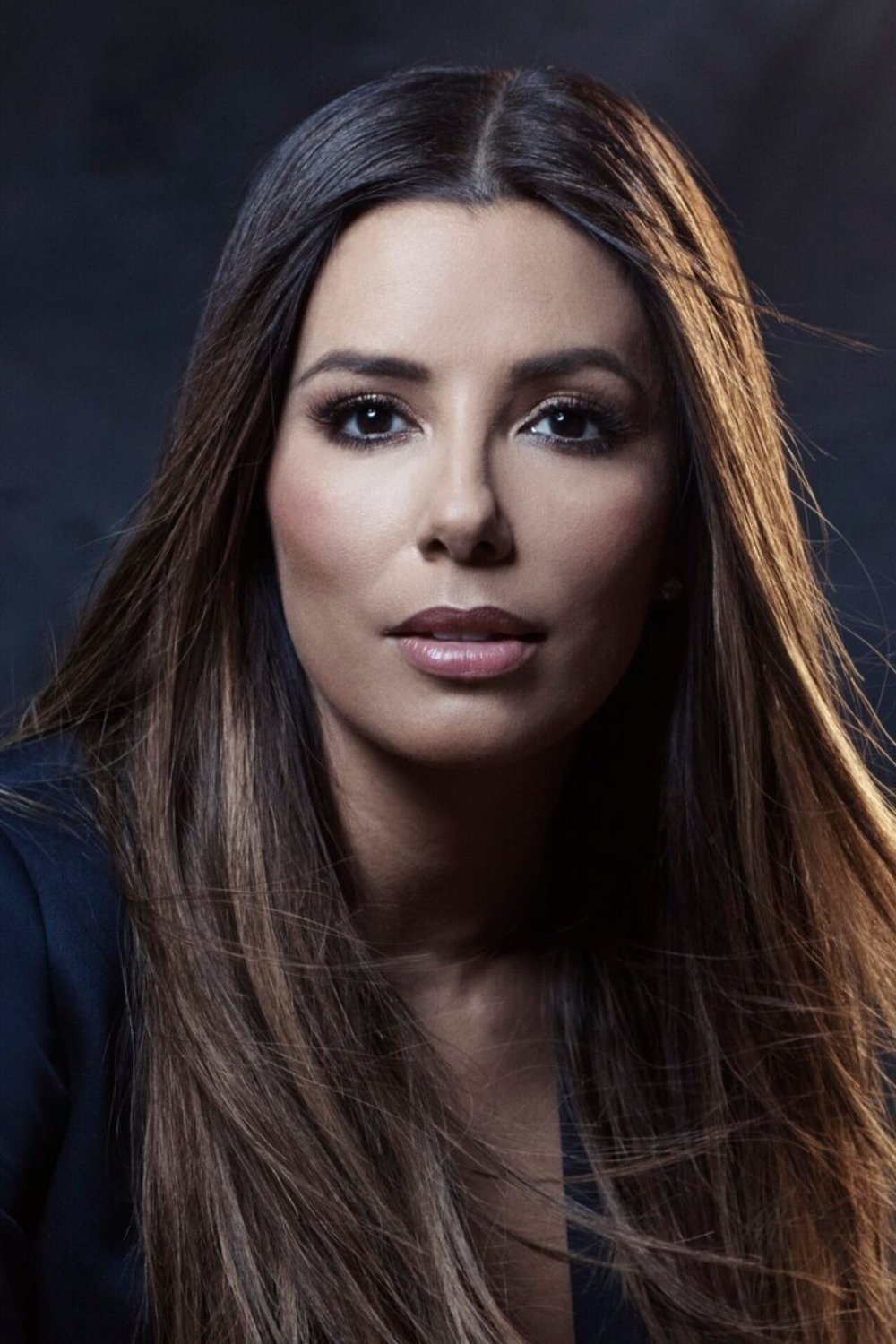
The actress and director has consistently championed diversity both on and off screen. When directing ‘Flamin’ Hot,’ she addressed concerns about the casting choices and how well the film represented the Chicano community. Some activists pointed out that the actors’ skin tones didn’t fully capture the wide range found within the Mexican American population. Longoria has stressed the need for genuine storytelling and more roles for actors of color. While her work is generally praised, the complexities of colorism within these narratives continue to be discussed.
Lena Waithe
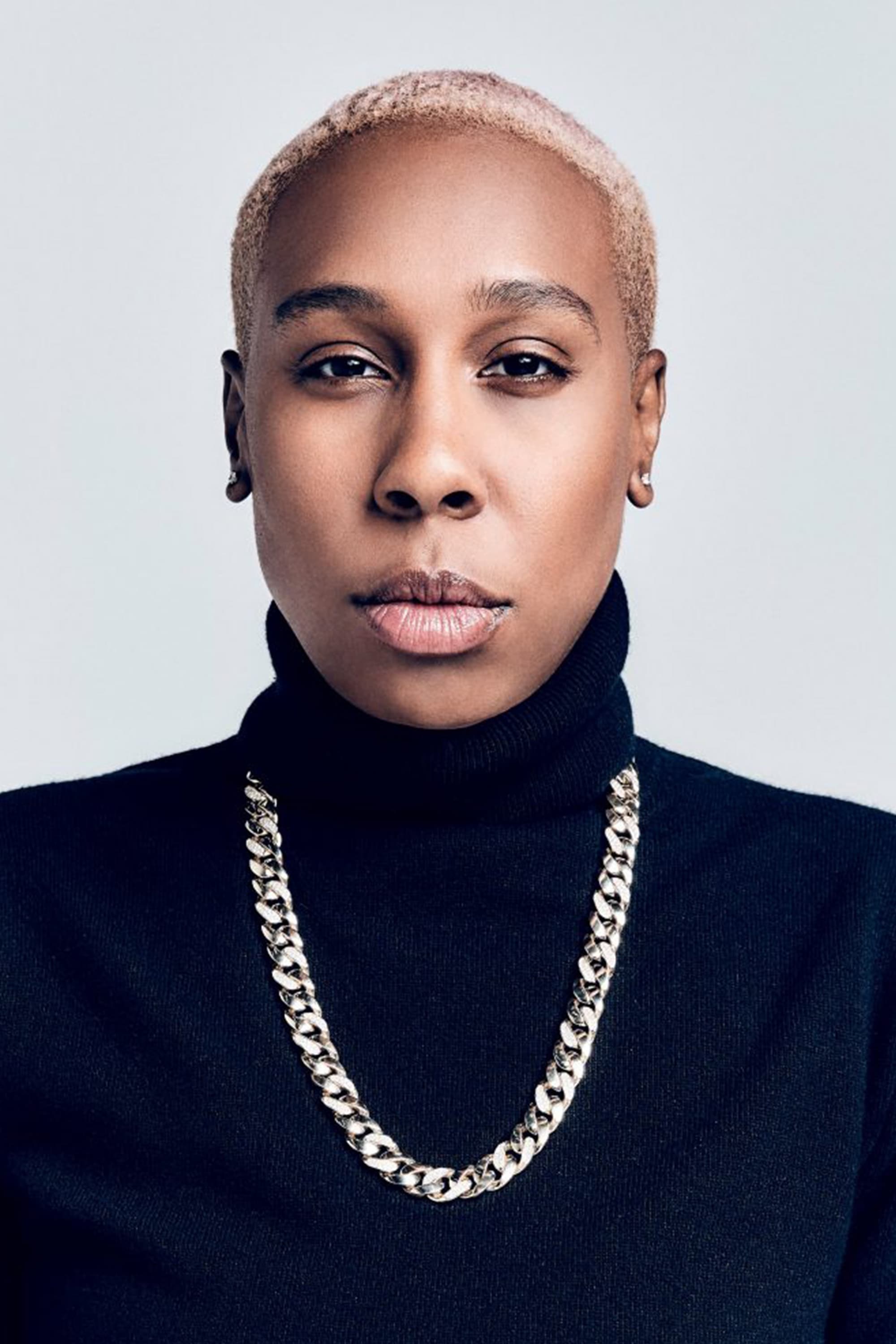
Lena Waithe is a writer and producer celebrated for championing Black and LGBTQ+ stories, but she’s also been criticized for colorism. Her work, like the show ‘The Chi,’ has sparked conversations about how it portrays the diverse community of Chicago’s South Side, with some viewers noting that lighter-skinned actors often receive the most visible and appealing roles. Waithe herself emphasizes the importance of authentic Black storytelling. As her career grows, her casting decisions are often scrutinized to see if they reflect the inclusivity she advocates for.
Ryan Murphy
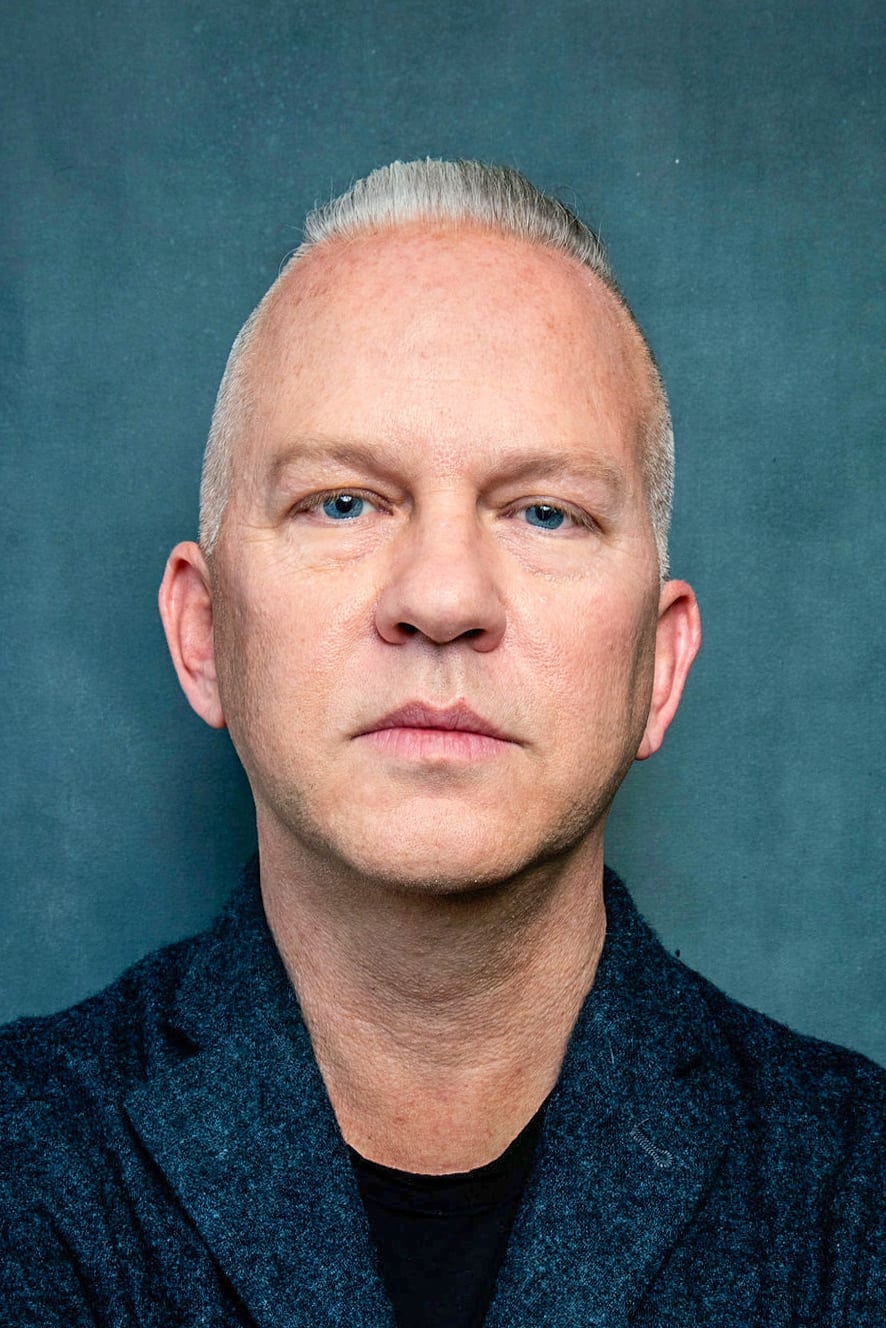
Ryan Murphy, the creator of shows like ‘Glee’ and ‘American Horror Story,’ is well-known for casting diverse actors. However, he’s faced criticism for often featuring lighter-skinned actors of color in leading roles. Some argue this approach to diversity feels geared towards a white audience and overlooks actors with darker skin tones. Murphy has been praised for prominently featuring trans and queer actors, but the issue of race and skin tone continues to be a concern for many of his viewers.
Will Smith
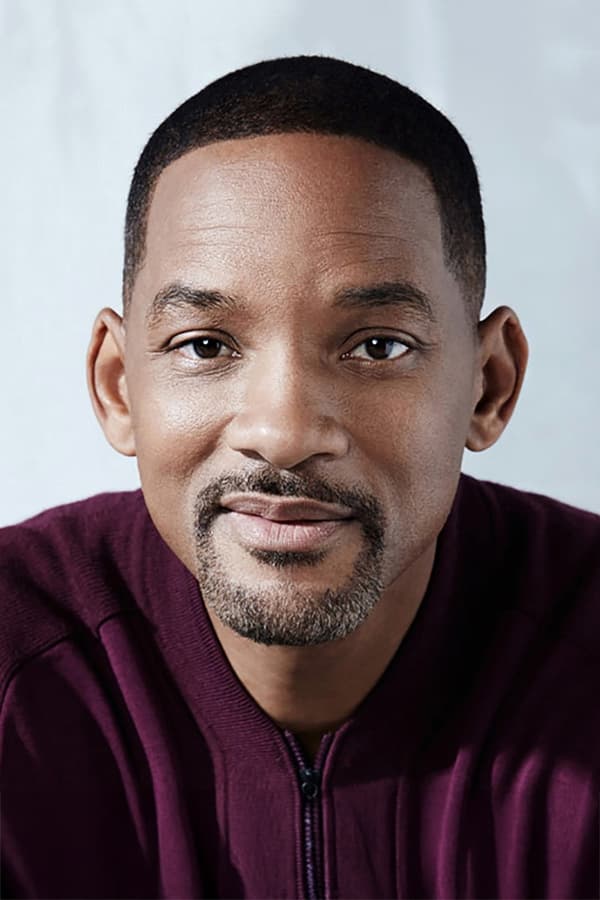
Through his production company, Will Smith has significant control over the stories told in major films. The decision to cast him as Richard Williams, the father of Venus and Serena Williams, in ‘King Richard’ caused controversy. Some felt a darker-skinned actor would have been a more accurate portrayal of the real man, leading to wider discussions about the diversity of casting choices made by Smith’s company. As a highly influential Black leader in Hollywood, Smith’s impact on how people of color are represented on screen is consistently under scrutiny.
Michael B. Jordan
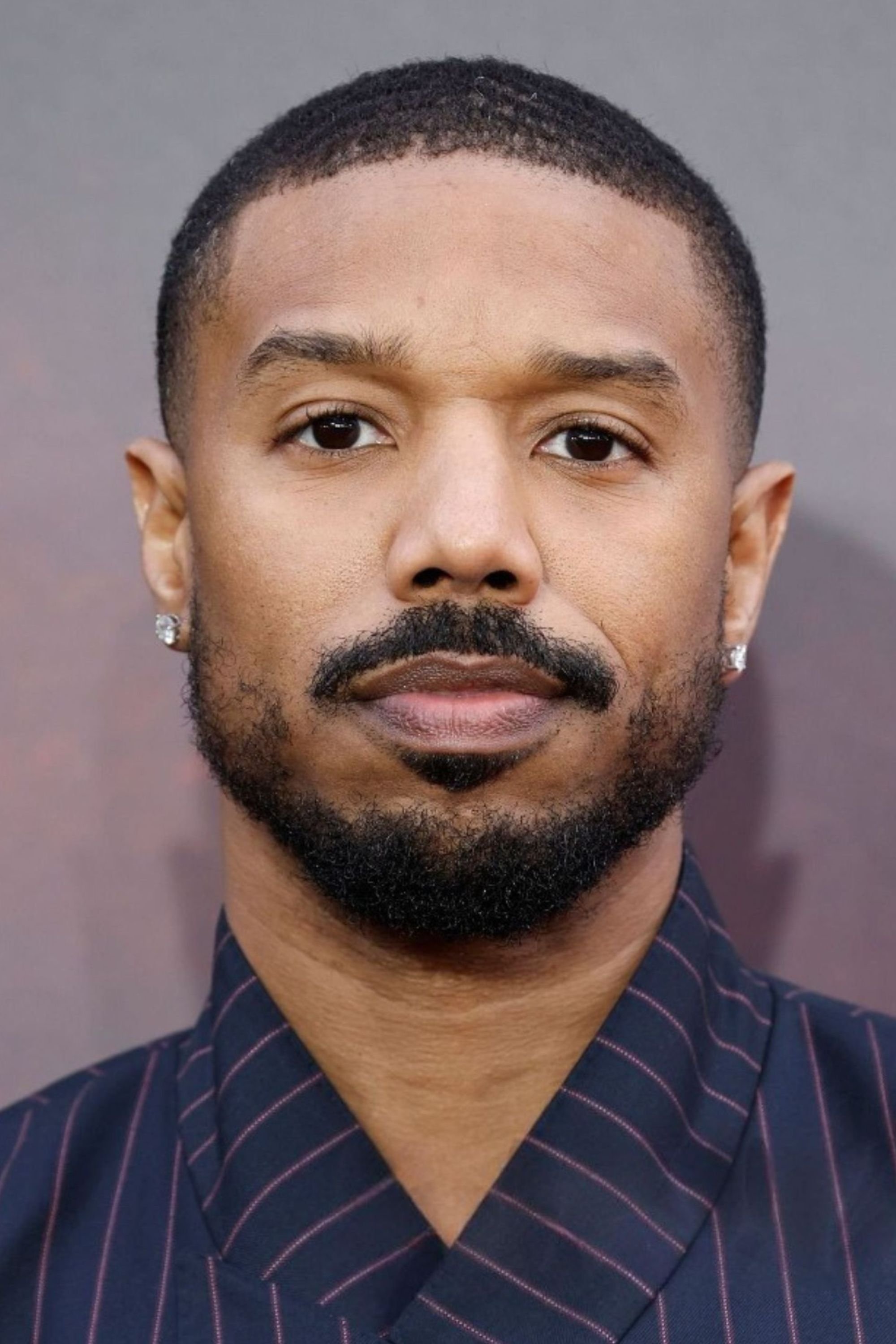
Michael B. Jordan, both an actor and producer, has openly discussed wanting to reshape Hollywood with his production company, Outlier Society. Despite efforts to promote inclusivity through things like inclusion riders, he’s received criticism for the limited representation of dark-skinned women in romantic roles in his films, particularly in projects where he has a strong say in casting. Jordan has consistently stated his dedication to diverse stories and supporting new talent. However, conversations about colorism and the lack of darker-skinned leads in his romantic films continue online.
Issa Rae
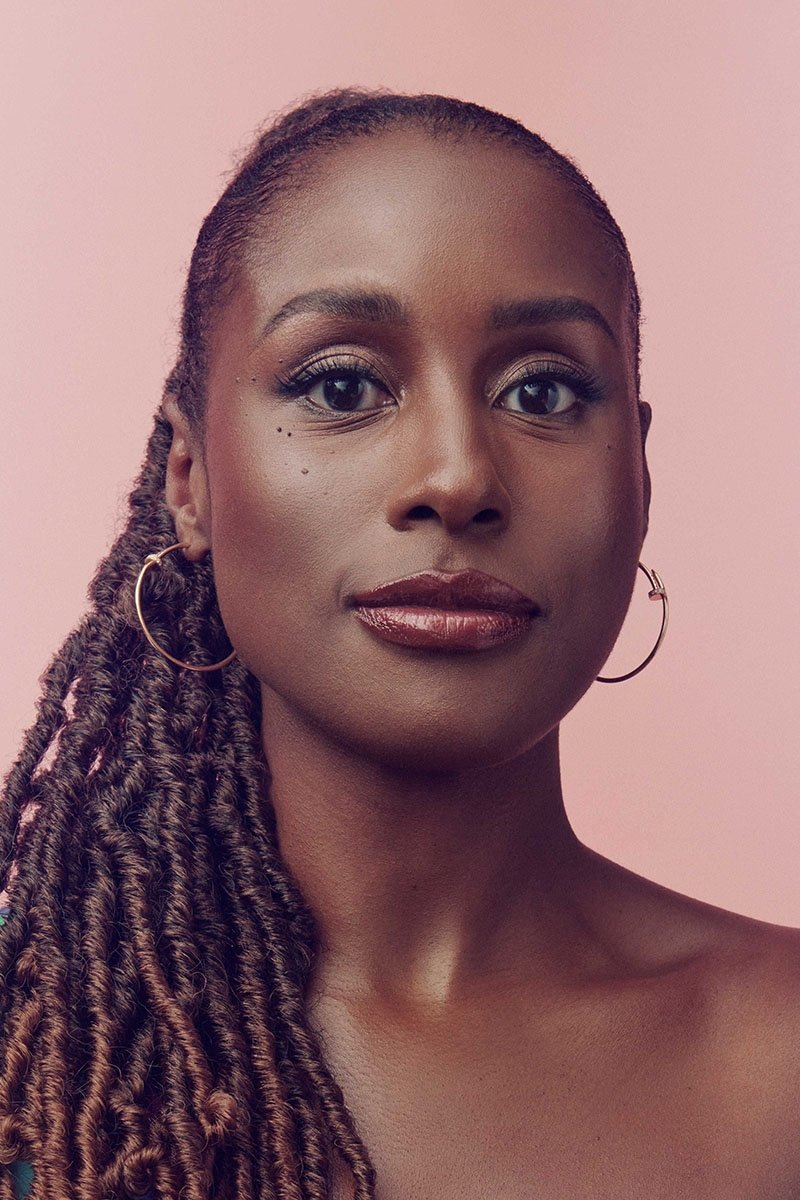
During the first few seasons of ‘Insecure,’ there was conversation about the actors chosen for the male romantic roles and whether the show featured enough diversity in skin tones. While Issa Rae ultimately included a variety of complexions, some viewers initially felt the show favored lighter-skinned actors. Rae is known for being a trailblazer in giving Black women the opportunity to share their own stories with both humor and honesty. She’s frequently spoken about the challenges of being a Black creator within an industry that often prioritizes certain appearances. Although her later work received praise for its more inclusive representation, those early criticisms haven’t been forgotten.
Donald Glover
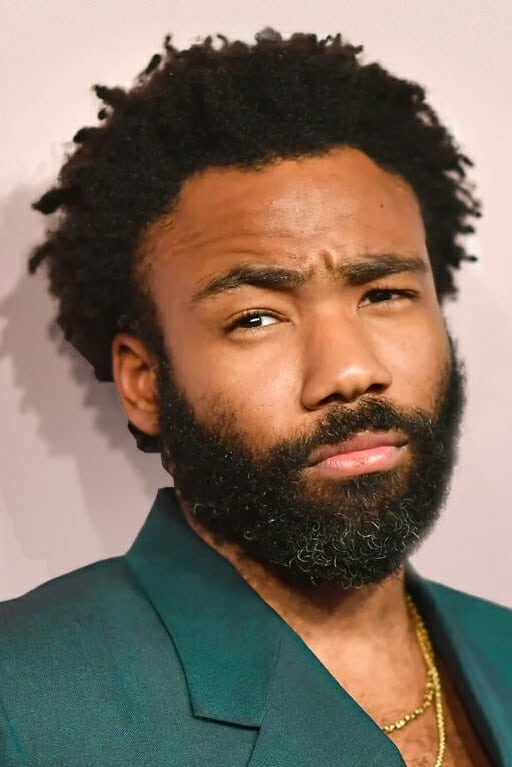
Donald Glover, the creator of ‘Atlanta,’ has faced criticism regarding his portrayal of Black women in the show. Some critics have noted a lack of darker-skinned women in prominent or positive roles across the series’ seasons. Glover has responded to this feedback in interviews, sometimes jokingly and other times defensively, creating disagreement among fans. While his impact on television is clear, the discussion about colorism in his work continues to be a part of how he’s viewed professionally.
Jordan Peele
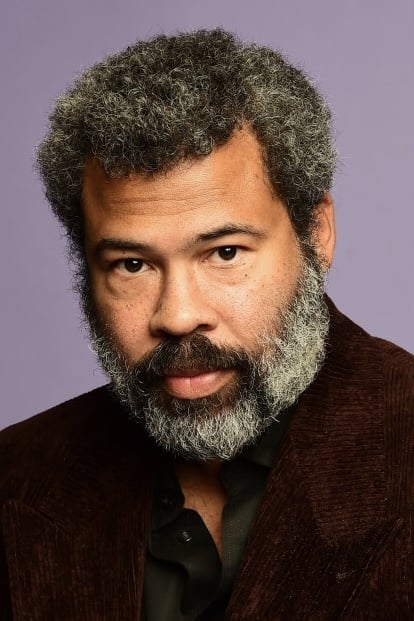
Jordan Peele is known for changing the landscape of Black horror, but his films have also sparked discussions about colorism. Some viewers have pointed out that the main characters in ‘Get Out’ and ‘Us’ were light-skinned or biracial, leading to conversations about the representation of darker-skinned actors. Peele is praised for creating opportunities for Black actors in a genre that historically excluded them, and he’s stated his goal is to showcase Black leads and challenge Hollywood’s lack of diversity. Critics and fans often discuss the complexities of how different skin tones are portrayed in his movies.
Ava DuVernay
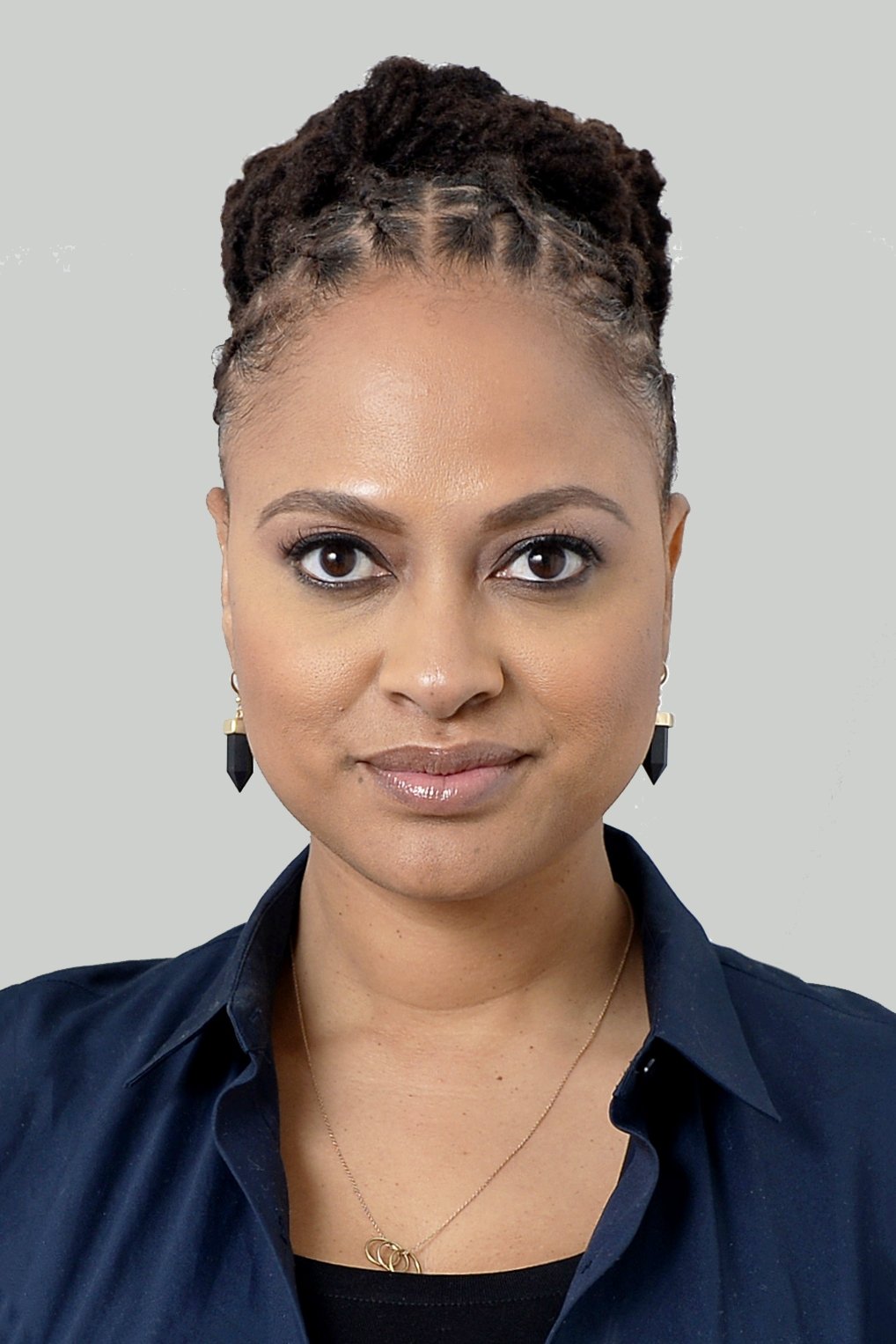
Ava DuVernay is a prominent advocate for fairness in Hollywood and has consistently championed Black filmmakers and artists. However, some of her casting decisions, like in ‘When They See Us,’ sparked debate because the actors’ skin tones didn’t exactly match the real people they portrayed. This raised questions about whether lighter-skinned actors are often favored, even in films based on real life stories. DuVernay has responded by emphasizing the importance of talent and the emotional impact of the performances. Despite these criticisms, her dedication to social justice and inclusive representation remains a defining characteristic of her work.
Quinta Brunson
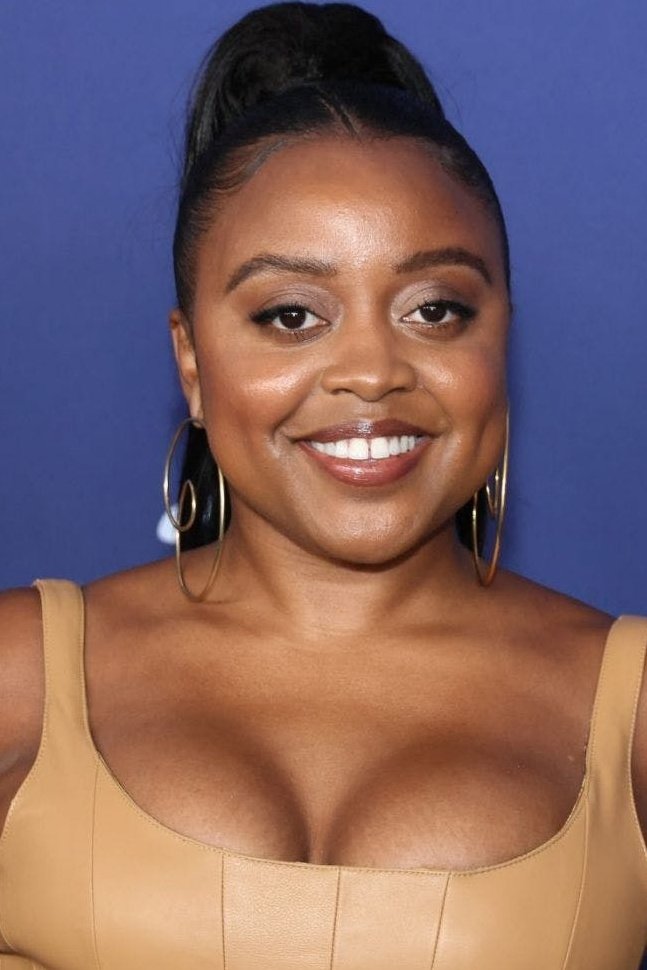
‘Abbott Elementary’ creator Quinta Brunson has received a lot of positive attention for the show’s diverse cast. However, some viewers have noticed the skin tones of the actors playing the main romantic interests, sparking conversations online about whether the show leans towards pairing lighter-skinned actors. Brunson actively engages with her audience and has created a show that meaningfully represents the Black community, successfully bringing a broad range of Black characters to television. This discussion about colorism is a common challenge for creators like her as they achieve success.
Beyoncé
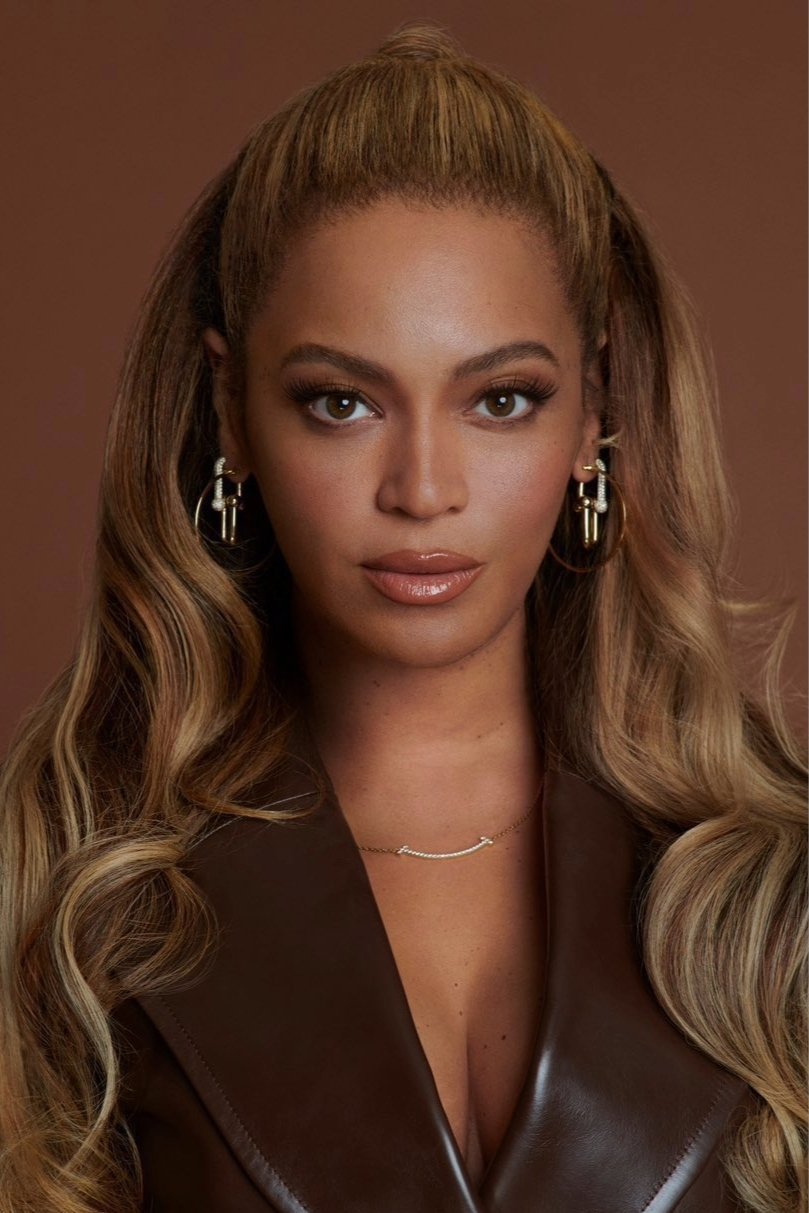
When Beyoncé released ‘Black Is King,’ it sparked a conversation online about how dark-skinned people were portrayed. While many celebrated the film as a tribute to African culture, some critics noticed that lighter-skinned performers seemed to have more prominent roles. This criticism was unexpected, considering Beyoncé’s long-standing commitment to showcasing Black beauty in all shades. Both her team and fans quickly pointed out the numerous dark-skinned people featured in the project. The situation showed that even highly respected figures like Beyoncé face scrutiny when it comes to representing a full range of skin tones.
Rihanna
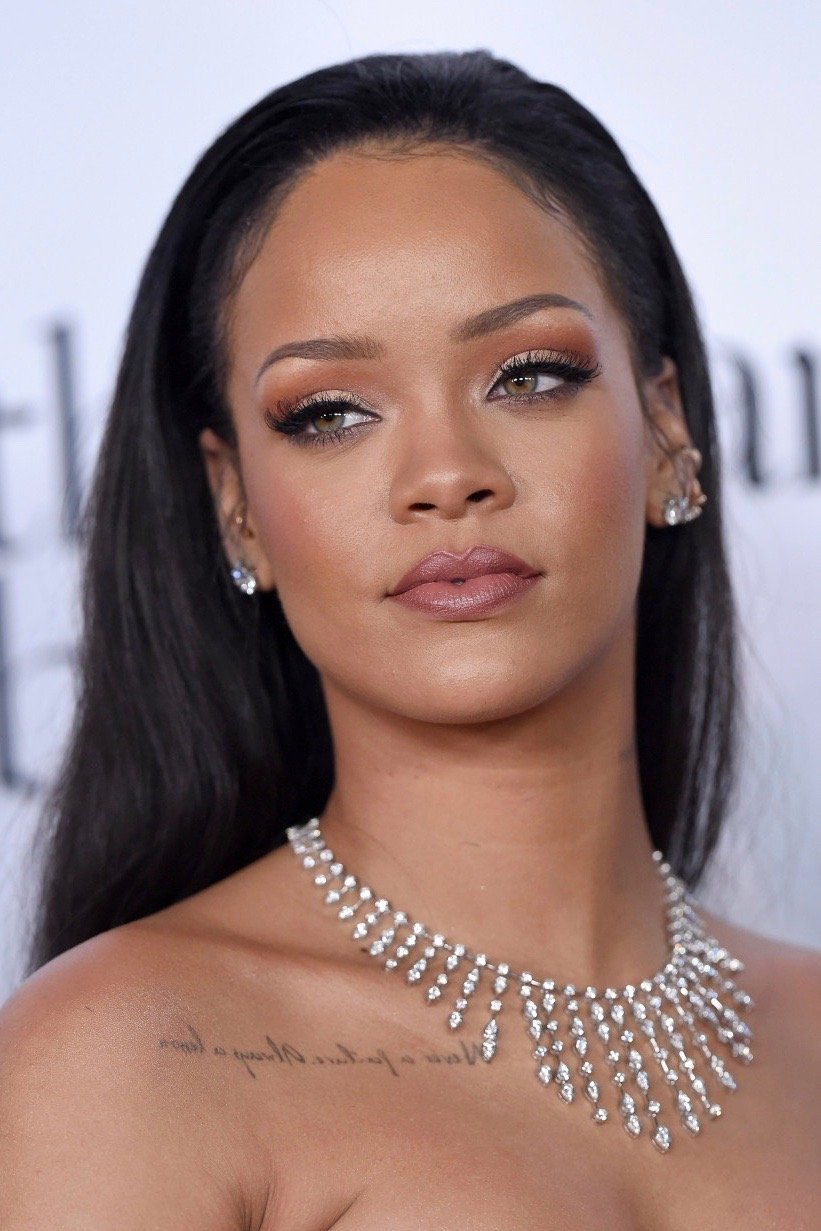
Rihanna’s Savage X Fenty is widely praised for setting a high bar for inclusivity in fashion and beauty. While generally applauded for showcasing diverse body types and skin tones, she’s occasionally received criticism that the most prominent roles in her shows and ads still tend to go to models and celebrities with lighter skin. This attention highlights how much the public expects her to continue leading the way in diversity and representation.
Selena Gomez
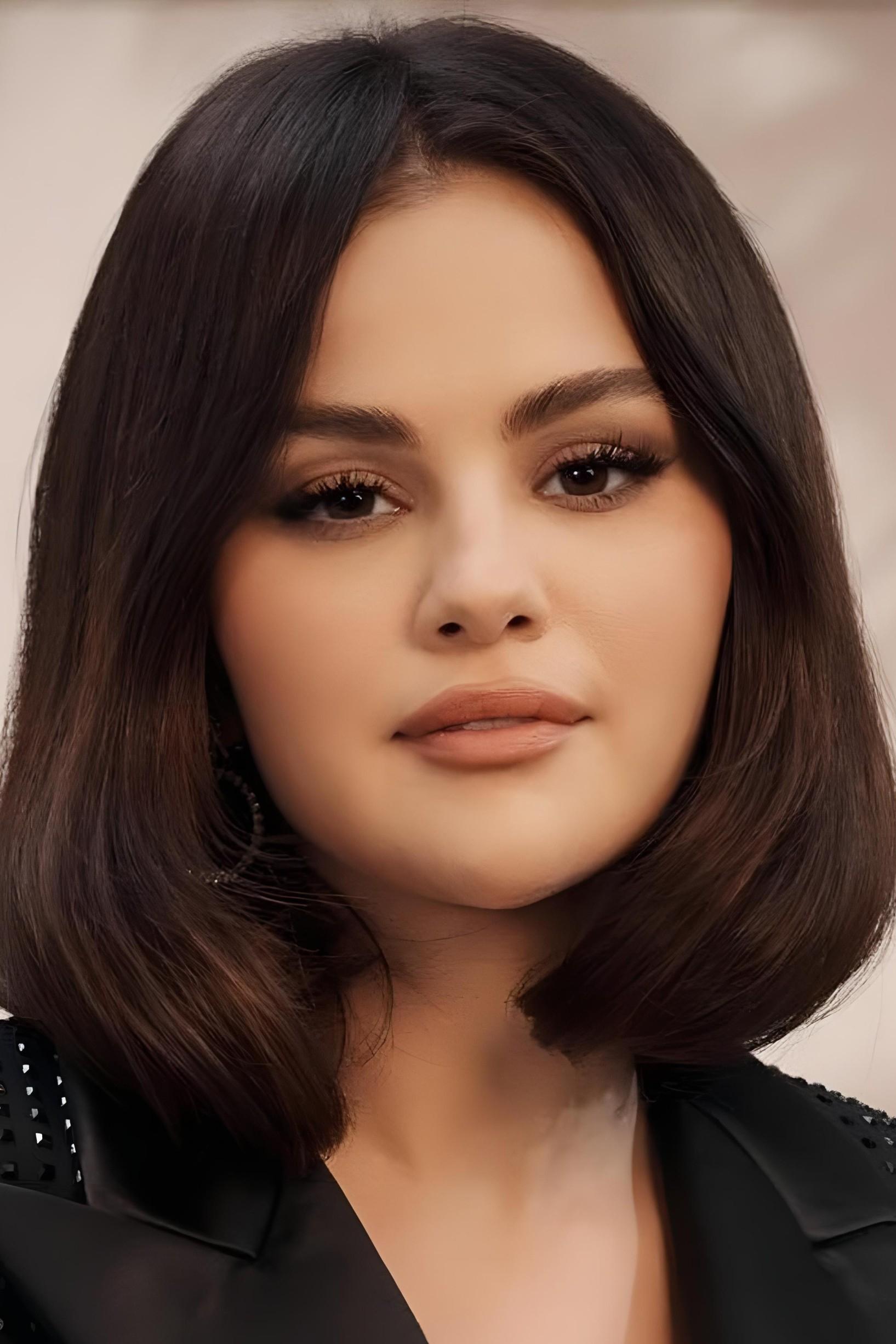
As someone who’s followed Selena Gomez’s career closely, I’ve noticed a bit of a disconnect. She’s a producer on really interesting shows like ‘13 Reasons Why’ and ‘Only Murders in the Building,’ and she’s definitely vocal about important issues like diversity in Hollywood. She’s been a real champion for the Latinx community, which I applaud. However, when you look at the actual casting in her projects, it often feels… lacking in color. I think fans, myself included, are hoping to see her use her influence to create more opportunities for actors of color in leading roles. She’s so open about mental health and social issues, and it would be fantastic to see that commitment fully reflected in the projects she brings to life.
Priyanka Chopra Jonas
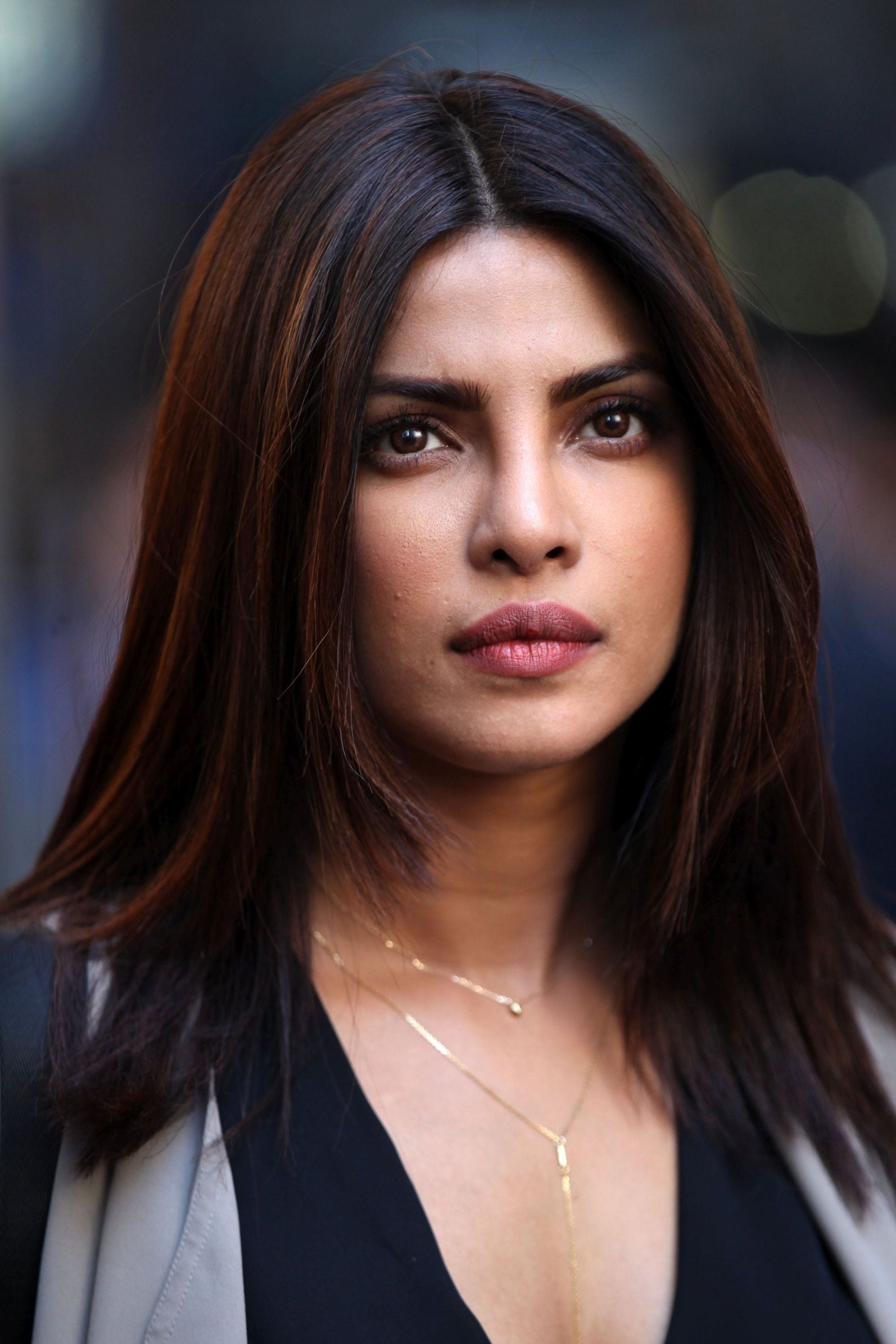
The popular actress has frequently discussed the importance of seeing more South Asian people represented in big Hollywood films. However, she’s also received criticism for being in projects that some believe showcase a limited idea of what Indian beauty looks like. Throughout her work in both Bollywood and Hollywood, the tendency to cast actors with lighter skin tones has been a consistent issue. Some critics feel she should do more to support darker-skinned South Asian actors, who often face even greater challenges in the industry. Despite this, Chopra continues to connect different film worlds while addressing these complicated cultural conversations.
Deepika Padukone
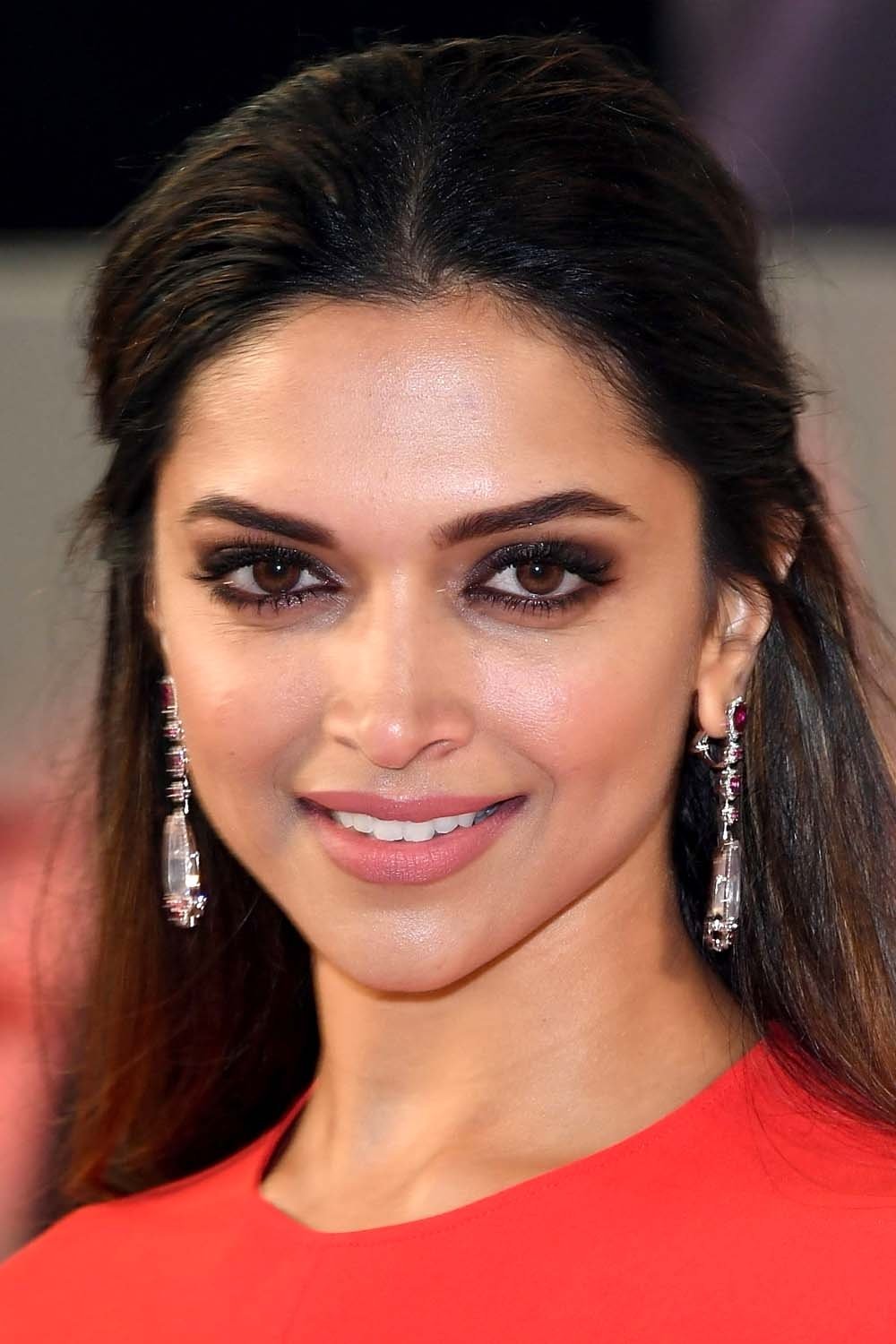
As a top-earning actress in India, she has significant control over the films she selects and creates. Similar to others in the Indian film world, she’s been criticized for the lack of diversity in skin tones among her cast. Colorism is a long-standing issue in the region, and many people are urging her to use her influence to promote more inclusive casting. Although she’s taken part in international campaigns celebrating diversity, her films often stick to the industry’s typical preferences. Her fans are hoping she will champion greater representation of different skin tones in the movies she makes.
Anthony Anderson
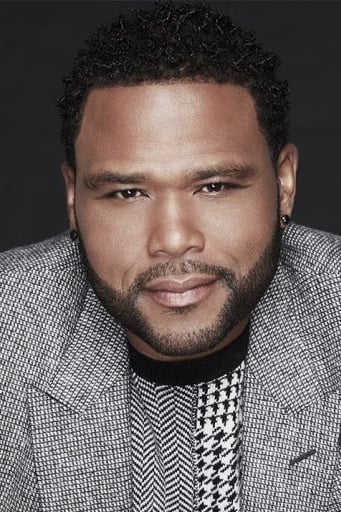
Kenya Barris, as the creator and lead of ‘Black-ish,’ played a key role in a show that often sparked conversations about colorism. Critics frequently pointed out that the show’s main family was mostly light-skinned, and some viewers felt it didn’t fully explore issues of color bias within the Black community. A long-time figure in Black entertainment, Barris has also been instrumental in helping launch the careers of others. His work continues to be a central topic in discussions about representation of Black families on television.
Gabrielle Union
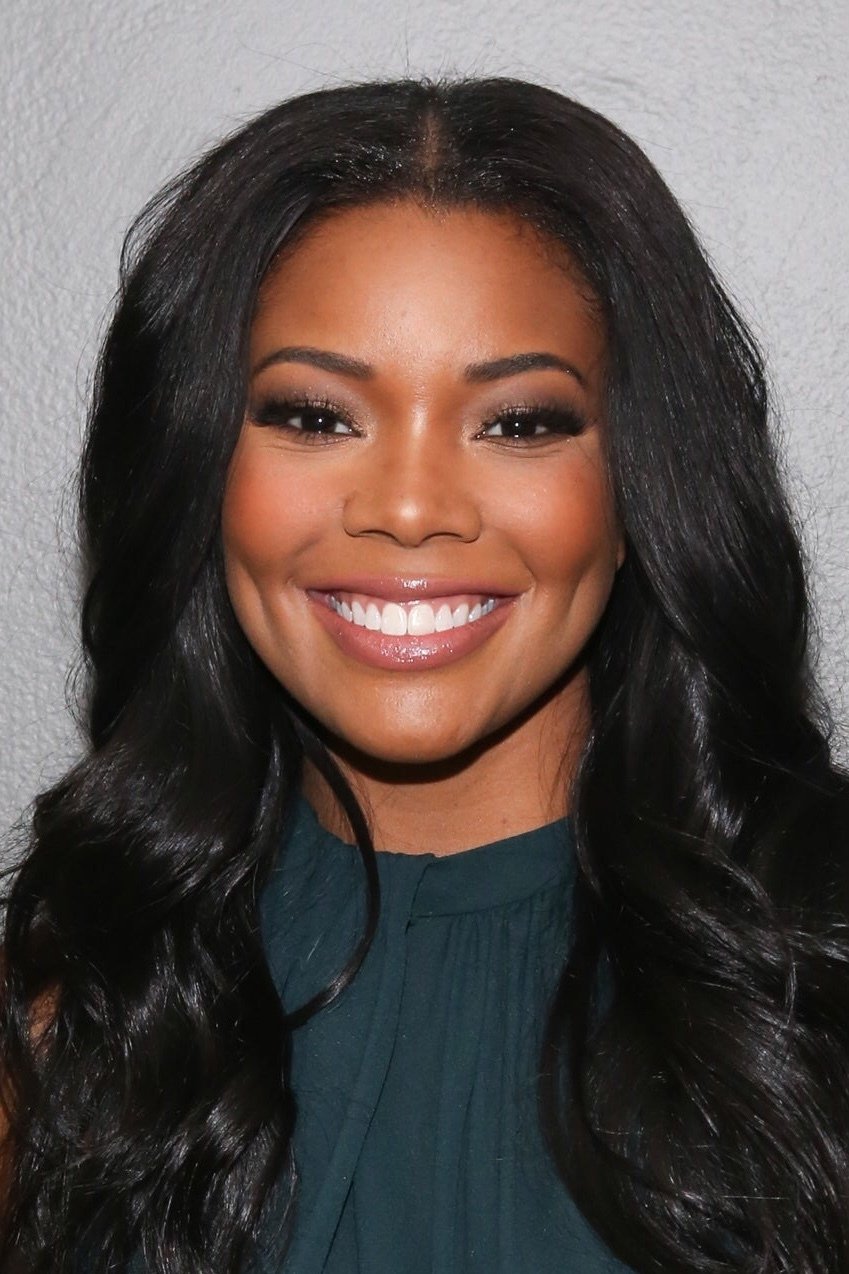
The actress and producer has consistently spoken about the difficulties Black women face in Hollywood, particularly the limited opportunities for those with darker complexions. While she’s a strong advocate for fairness and often promotes diverse talent on social media, some have noted a disconnect between her public statements and the casting choices in her own projects, which haven’t always prioritized actors with darker skin tones. This contrast between her advocacy and her production decisions has become a point of discussion among her fans.
Kevin Hart
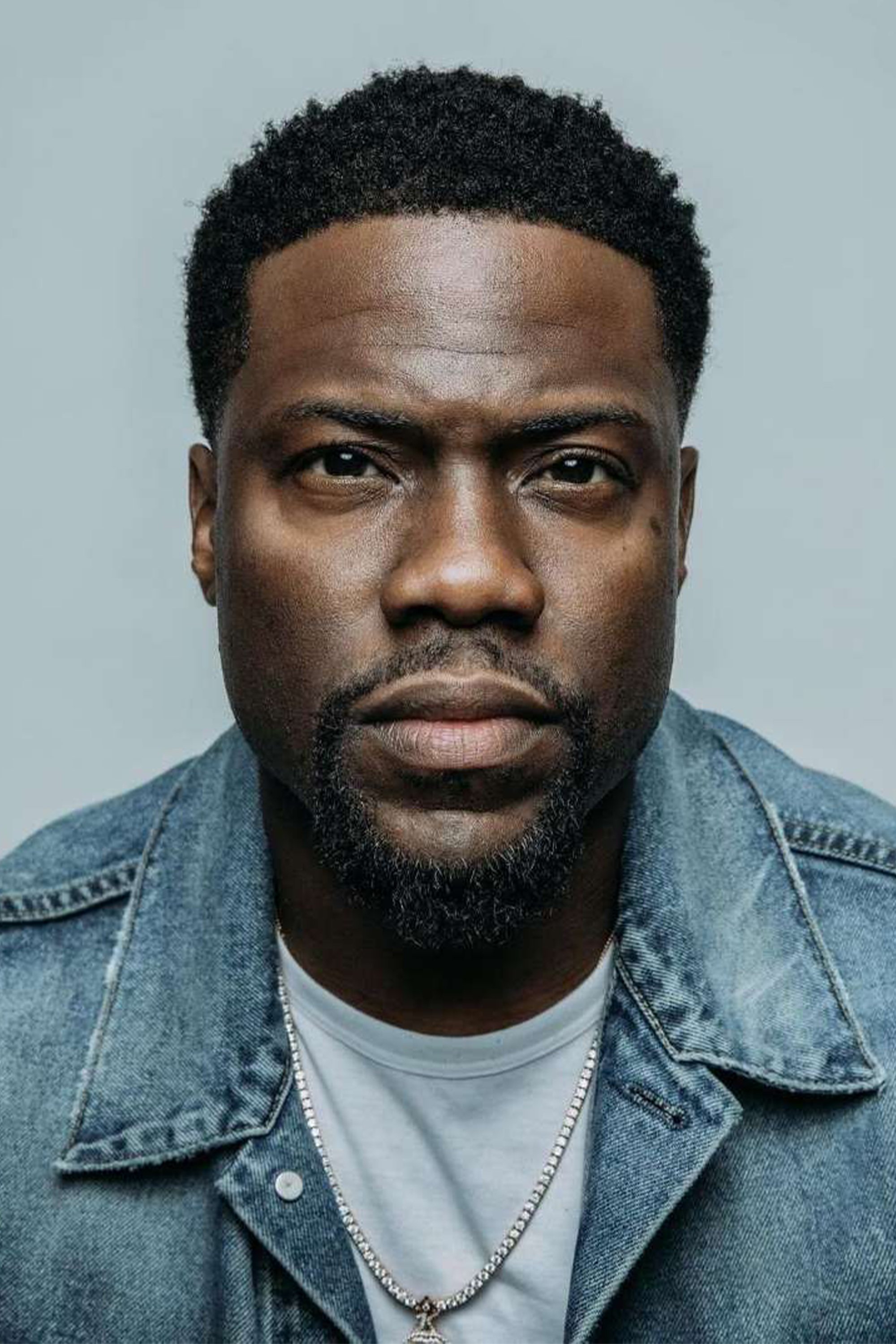
As a big fan of Kevin Hart, I’ve always admired how much work he puts out through Hartbeat Productions – he’s seriously one of the most active people in comedy right now. But I’ve also seen some valid criticism about the women he casts as love interests. It seems like they’re almost always lighter-skinned, and people are pointing out that it falls into some pretty old Hollywood patterns about what’s considered beautiful. It’s a bit frustrating because he’s done so much to create opportunities for comedians of color, but this issue with colorism in his casting keeps coming up in the feedback, and it’s hard to ignore. Hopefully he’ll address it and we’ll see more diverse representation in his films going forward.
Jamie Foxx
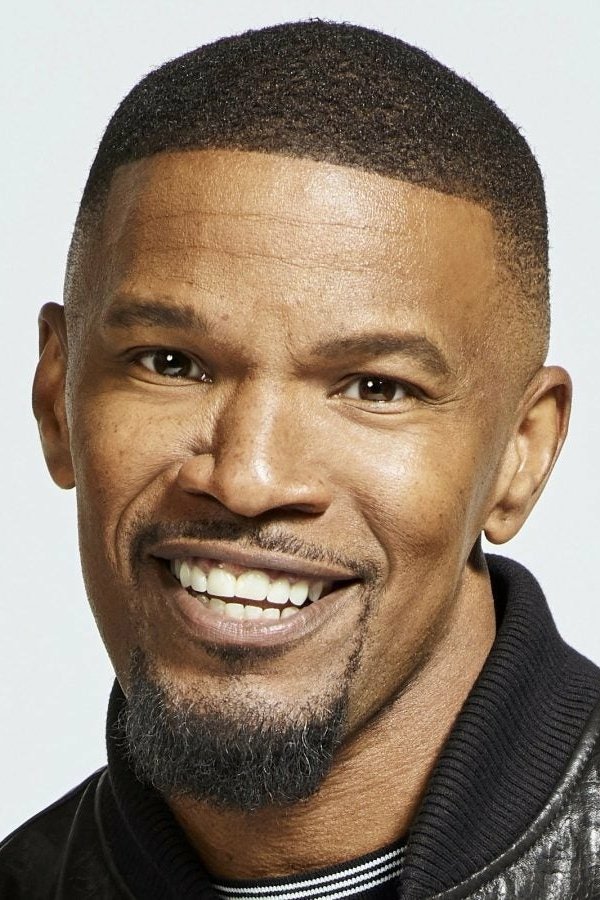
Jamie Foxx, a highly skilled entertainer, has become a successful producer with significant control over films and TV shows. Like other prominent Black men in Hollywood, he’s recently faced criticism regarding the women he casts. People have noticed a pattern of him often choosing actresses with lighter skin tones for leading roles. Despite a career dedicated to supporting Black actors and numerous accolades for his own performances, this casting practice has sparked a conversation about wider issues within the entertainment industry and the need for more diverse representation.
Jay-Z

As the head of Roc Nation, Jay-Z has a lot of power over the music and movies his company produces. He’s a strong advocate for Black ownership and building wealth within the Black community, but some of his films and projects have faced criticism for favoring lighter skin tones. Similar to the reaction to ‘Black Is King,’ people have examined how he distributes screen time among actors and performers with different complexions. Jay-Z also uses his position to speak out about social and criminal justice issues. Because he’s such a cultural icon, his decisions about who appears in his projects are always closely watched and discussed.
Mary J. Blige
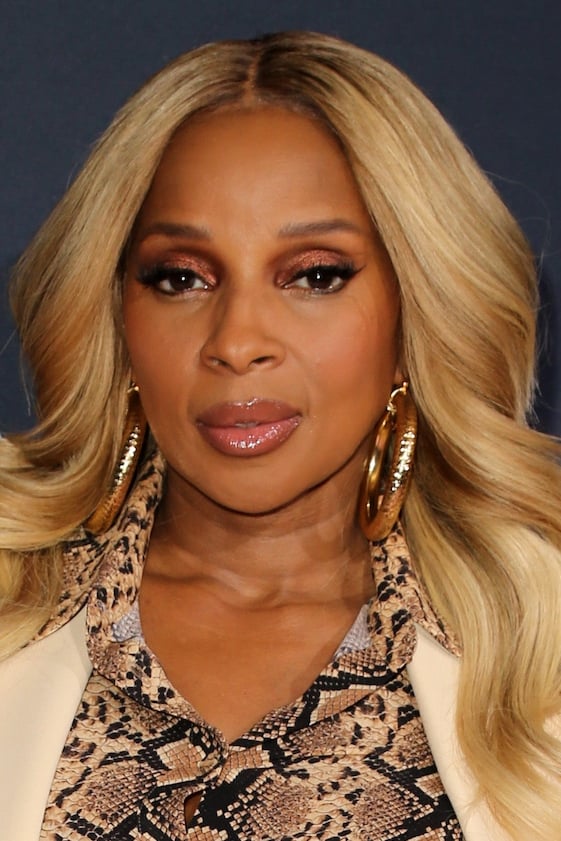
Mary J. Blige, a celebrated singer, is now producing and acting in popular shows like those connected to the ‘Power’ universe. Some viewers have pointed out that these dramatic series often feature lighter-skinned actors in the most desirable roles, leading to conversations about colorism – prejudice based on skin tone – within urban and crime dramas. As a long-time icon and inspiration, Blige’s move into producing is seen as a chance for her to influence the industry, though her casting choices are currently being discussed.
Alicia Keys
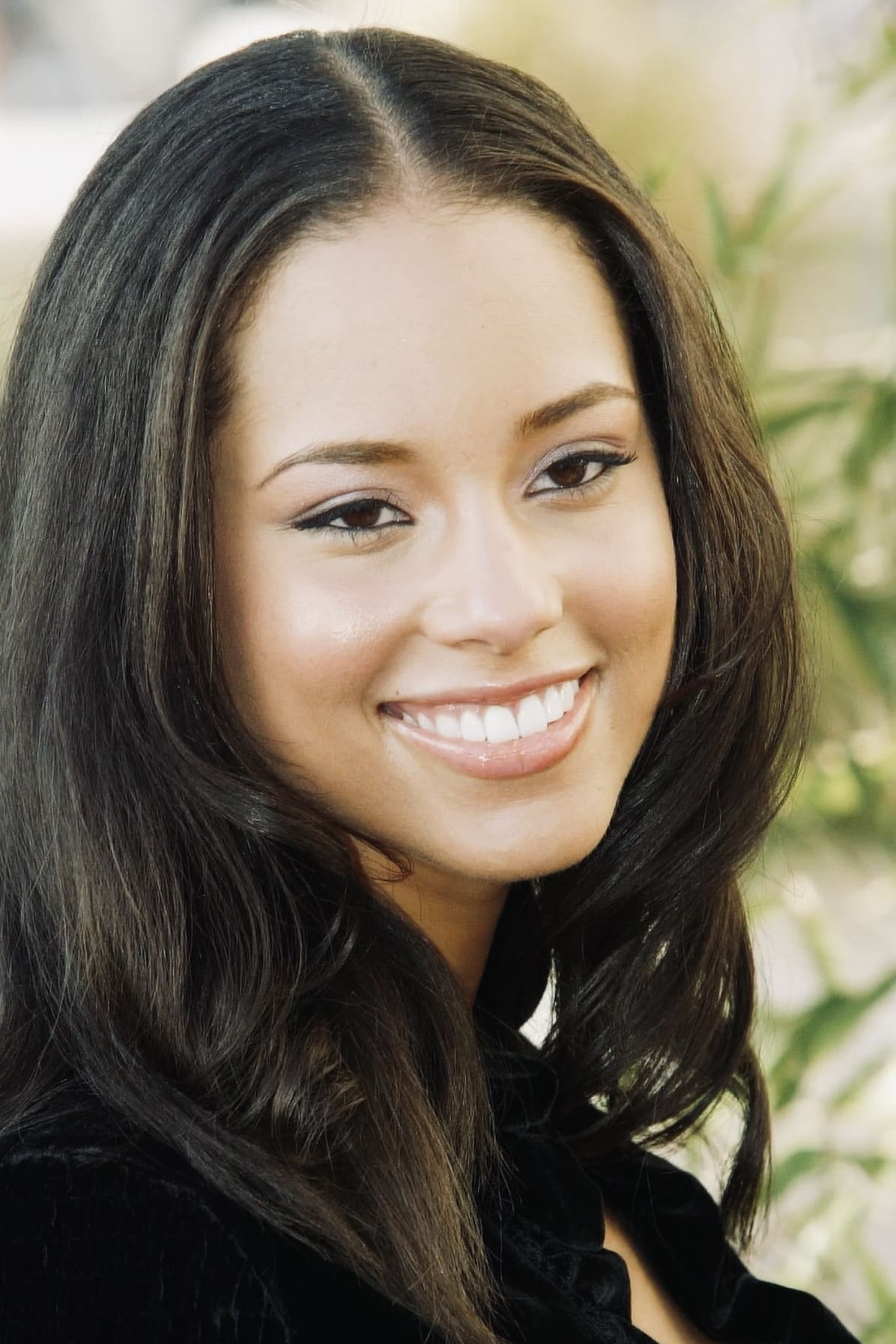
She’s a Broadway and film producer known for stories about overcoming challenges and celebrating cultural background. However, some critics have noted that her projects often cast actors with lighter skin tones or mixed heritage, raising questions about whether she includes enough performers with darker skin. While she’s long championed self-acceptance and natural beauty through her music and personal brand, her move into producing is bringing increased attention to how diverse her casting choices are.
Pharrell Williams
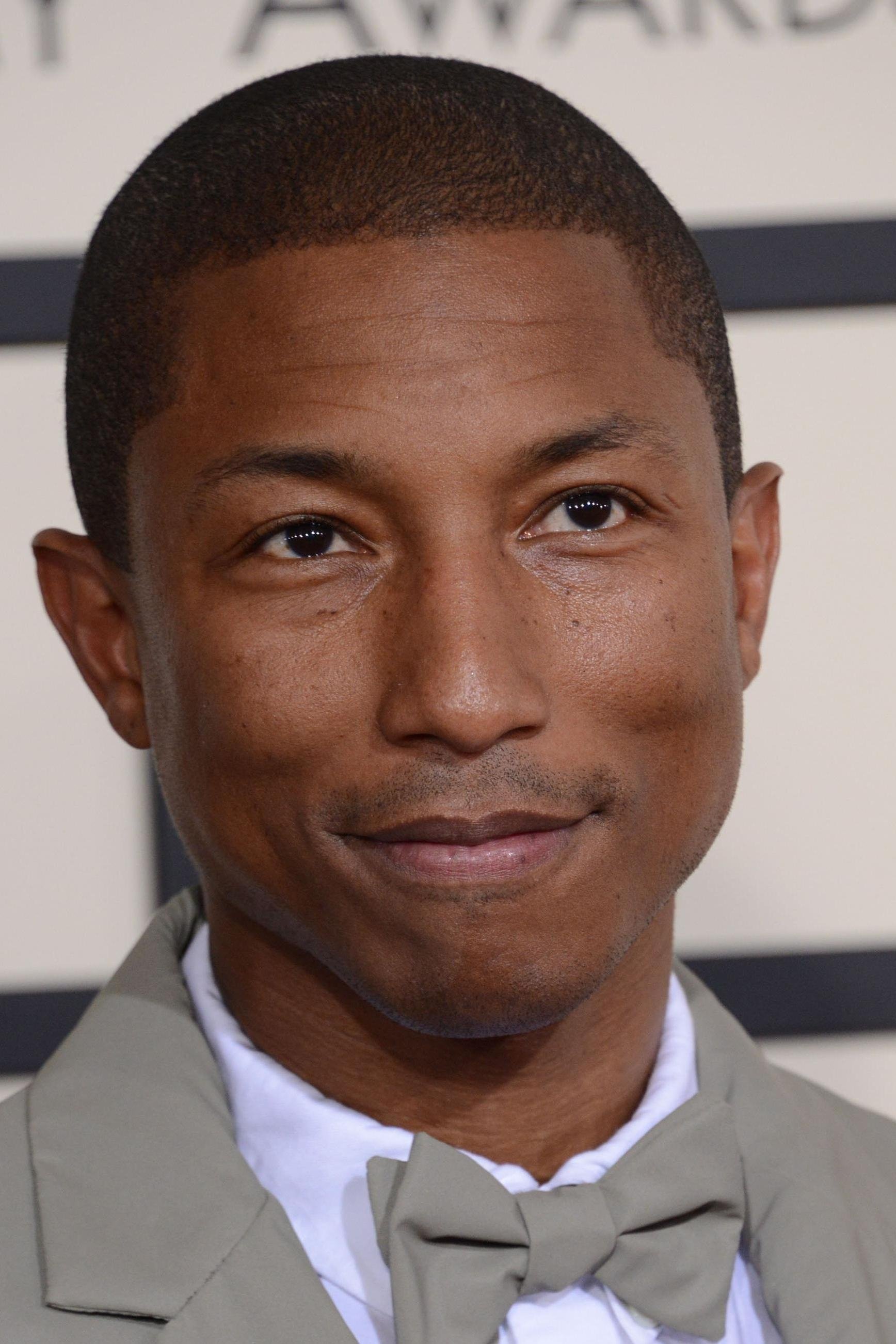
Pharrell Williams, a well-known producer and fashion designer, publicly supports programs like Black Ambition that aim to increase diversity. However, some people have criticized the lack of darker-skinned models and actors in his visual work and fashion projects. These critics suggest his choices often prioritize a lighter skin tone, reflecting typical beauty standards in high fashion. Despite being a prominent figure in the arts for over twenty years and inspiring many, there’s ongoing discussion about whether his commitment to diversity is fully reflected in who he casts.
John Legend

John Legend’s production company, Get Lifted Film Co, has helped bring significant stories to life on screen. However, some have pointed out that his projects often feature lighter-skinned actors in leading roles, sparking a conversation about how even companies focused on social issues can sometimes repeat common mistakes in casting. Known for his support of important causes and using his music to advocate for change, Legend has the influence as a producer to break these patterns. Fans are hoping to see more diversity in skin tone among the actors he chooses for future projects.
Common
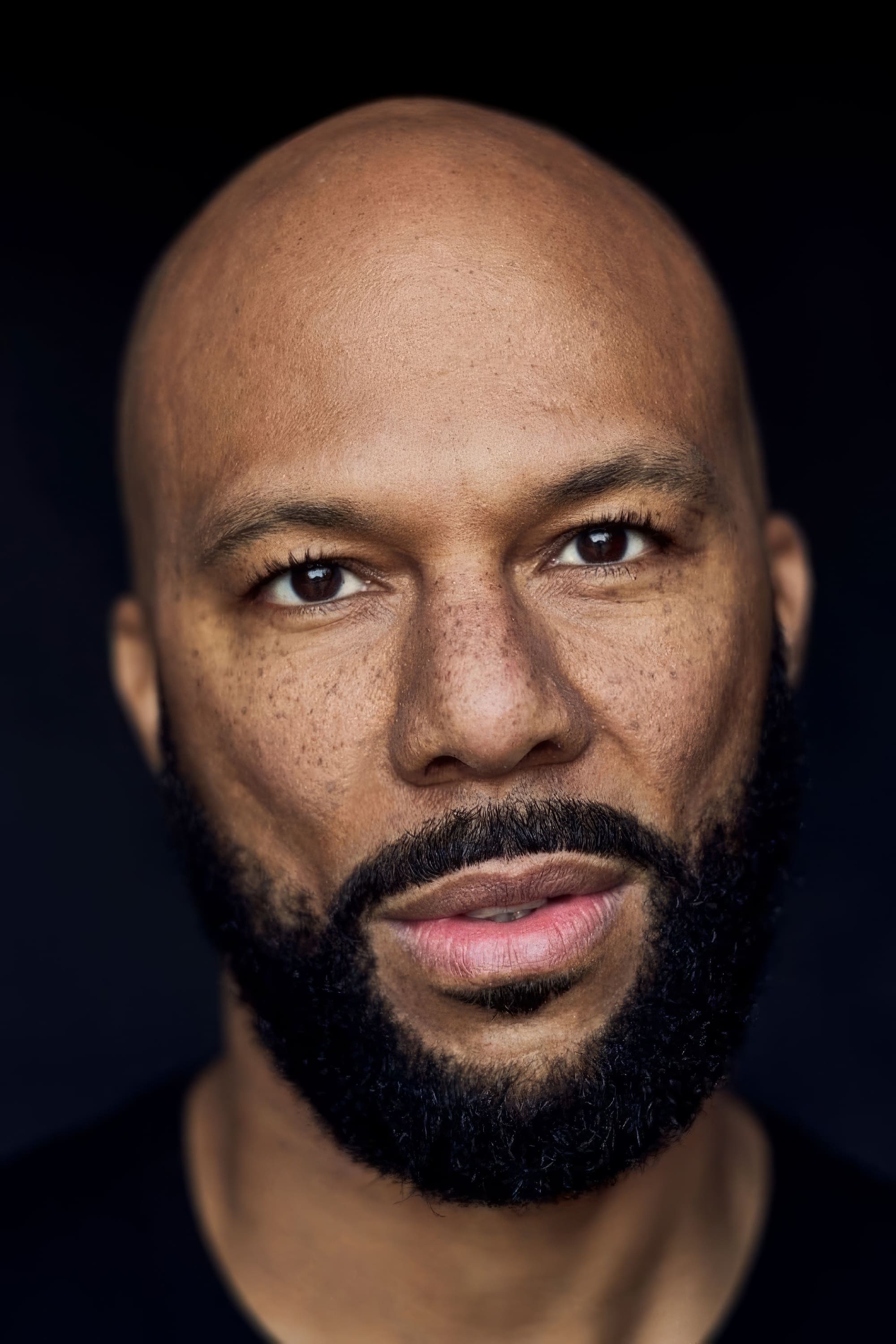
The artist, known as Common, has gained recognition as a producer, often highlighting important social issues in his work. However, some critics have noticed a pattern in his projects where lighter-skinned actors are frequently cast as the main romantic leads. This has led to discussions about unconscious biases, even in projects designed to uplift Black communities. Throughout his career, Common has been a strong advocate for peace and positive change, and his producing work reflects those values. Fans are hoping to see more diversity in skin tones represented in future projects.
Idris Elba
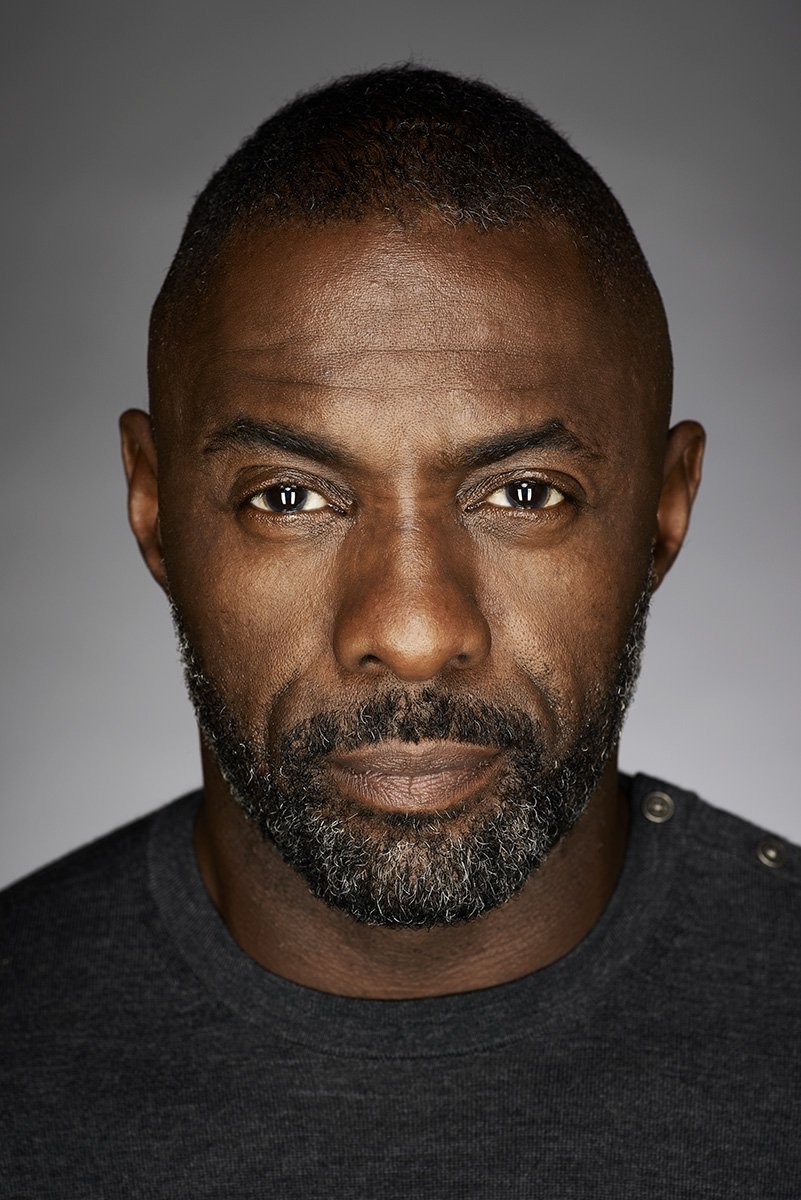
Idris Elba, through his production company Green Door Pictures, strives to share a wider range of stories with audiences worldwide. However, some viewers have pointed out that his projects often feature lighter-skinned actors in leading roles, leading to criticism that darker-skinned actors are being overlooked. Despite being a strong voice for diversity in British film – he’s even addressed Parliament on the topic – his casting choices continue to be a focus of discussion about representation in the industry.
Viola Davis
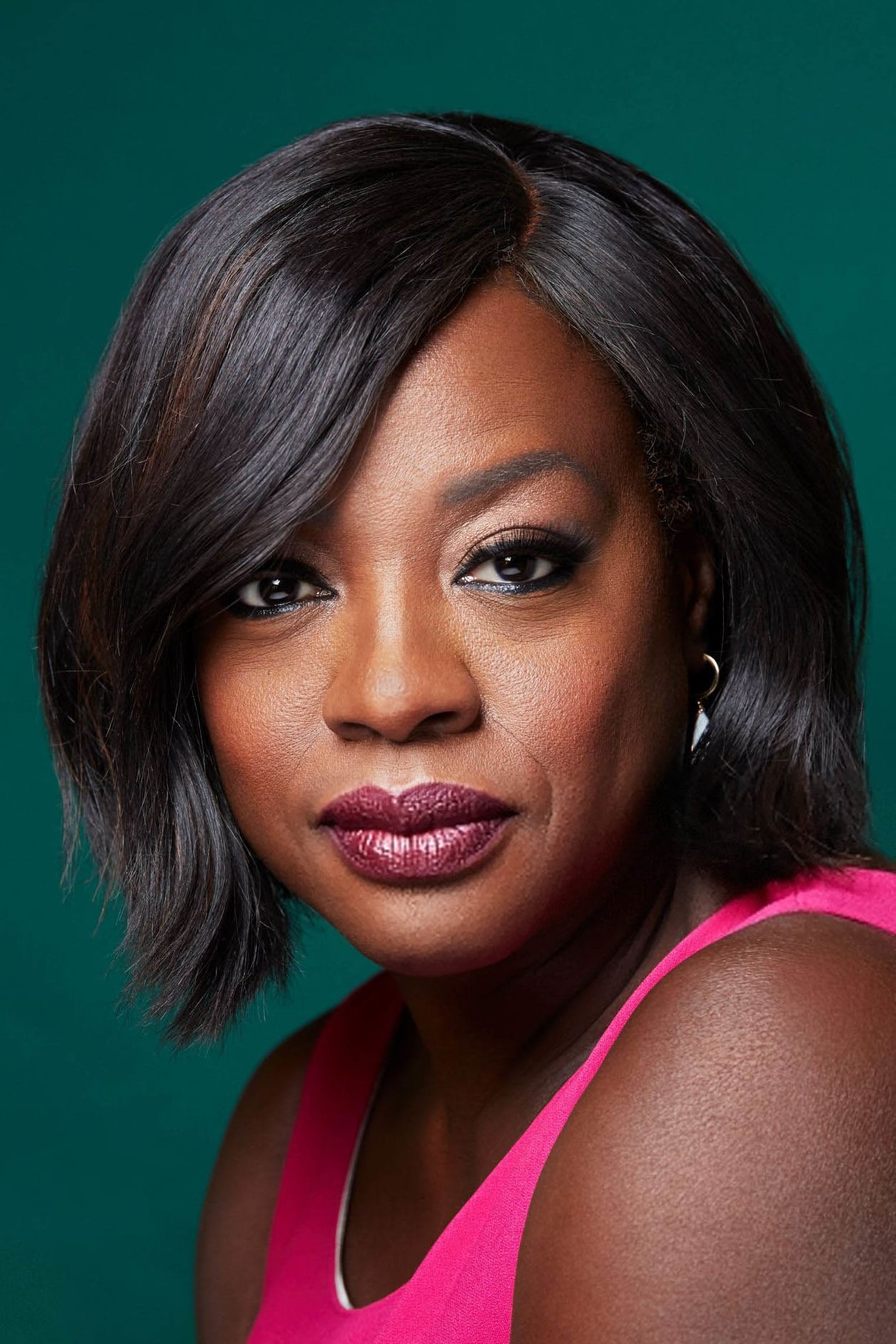
Viola Davis founded JuVee Productions with a goal of creating opportunities for actors often overlooked in Hollywood. While her work is widely praised, she’s also faced questions about the shades of skin represented in her casts, with some noting that lighter-skinned actors often land the more prominent supporting roles. Davis herself has been a leading voice against colorism, openly discussing her own experiences as a dark-skinned woman. Despite the challenges, her production company offers hope for greater inclusivity, though she acknowledges the ongoing pressure to achieve perfect representation.
Kerry Washington
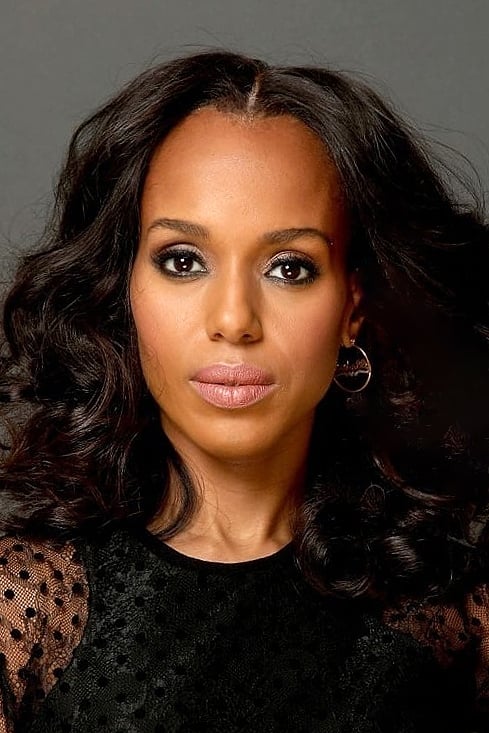
As the leader of Simpson Street, she’s created many popular movies and TV shows that explore a wide range of stories. There’s been some conversation about the complex roles in projects like ‘Little Fires Everywhere’ often going to actors with lighter skin tones. Throughout her career, she’s consistently used her influence to advocate for political and social justice. Her work as a producer is highly respected, and she continues to be a key voice in conversations about diversity and inclusion in Hollywood.
Taraji P. Henson
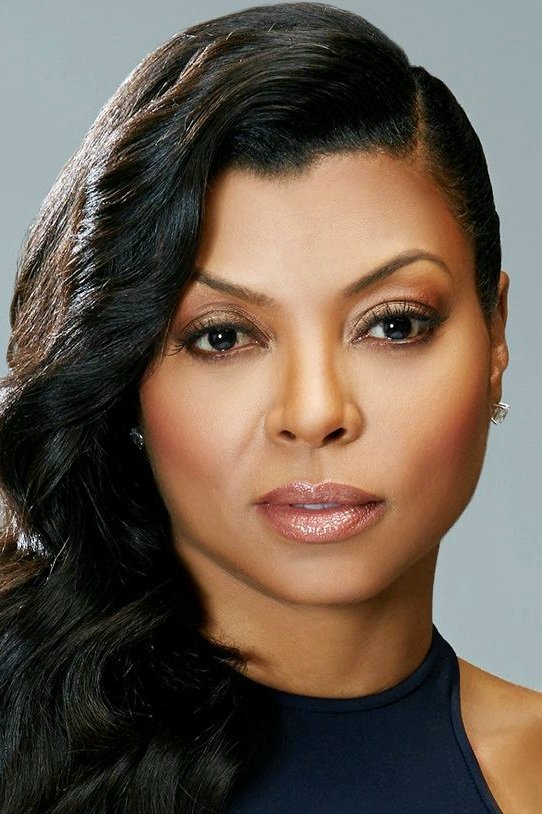
The actress has started her own production company to help more Black creatives share their stories. However, some of her projects have faced criticism regarding the casting of actors in leading roles and family dynamics. Critics have pointed out that, like much of the industry, her work sometimes seems to favor lighter-skinned actors. Known for her strong advocacy for mental health and equal opportunities for Black women in Hollywood, the actress’s casting decisions will likely continue to be discussed as she creates more content.
Regina King
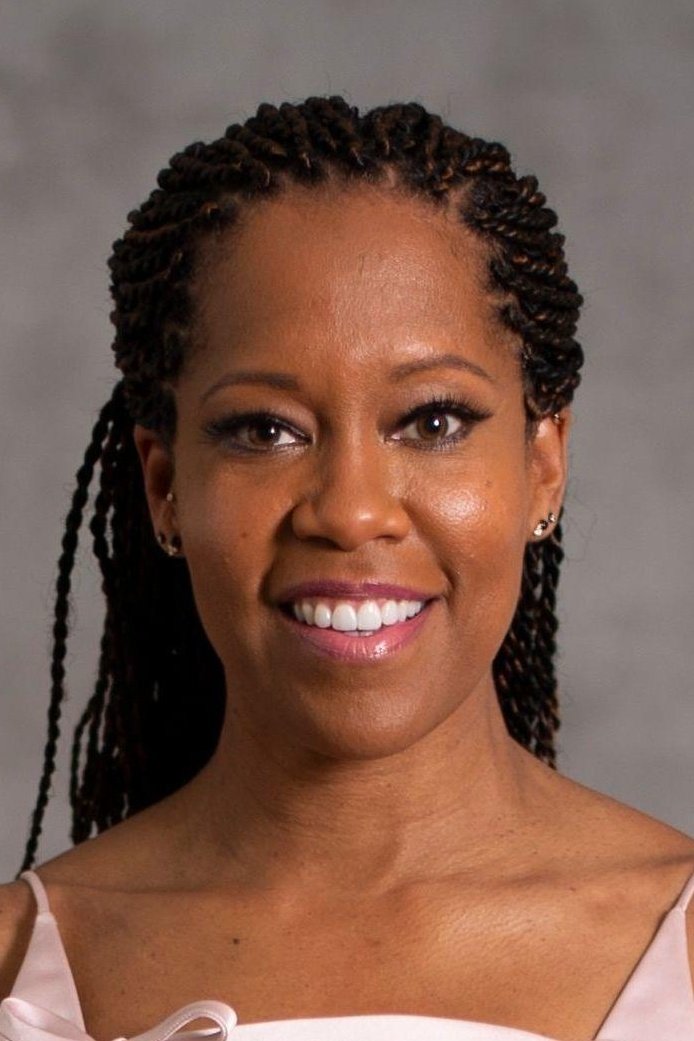
Following a successful start as a director and producer, she’s become a prominent figure in the entertainment industry. Though celebrated for her creative vision, some critics have noted a lack of diversity in skin tones among the actors she casts, specifically questioning whether darker-skinned actors consistently receive leading roles. Throughout her impressive career, she’s been dedicated to high-quality work, and her move into directing and producing allows her to shape how diverse stories and faces are represented on screen.
Oprah Winfrey
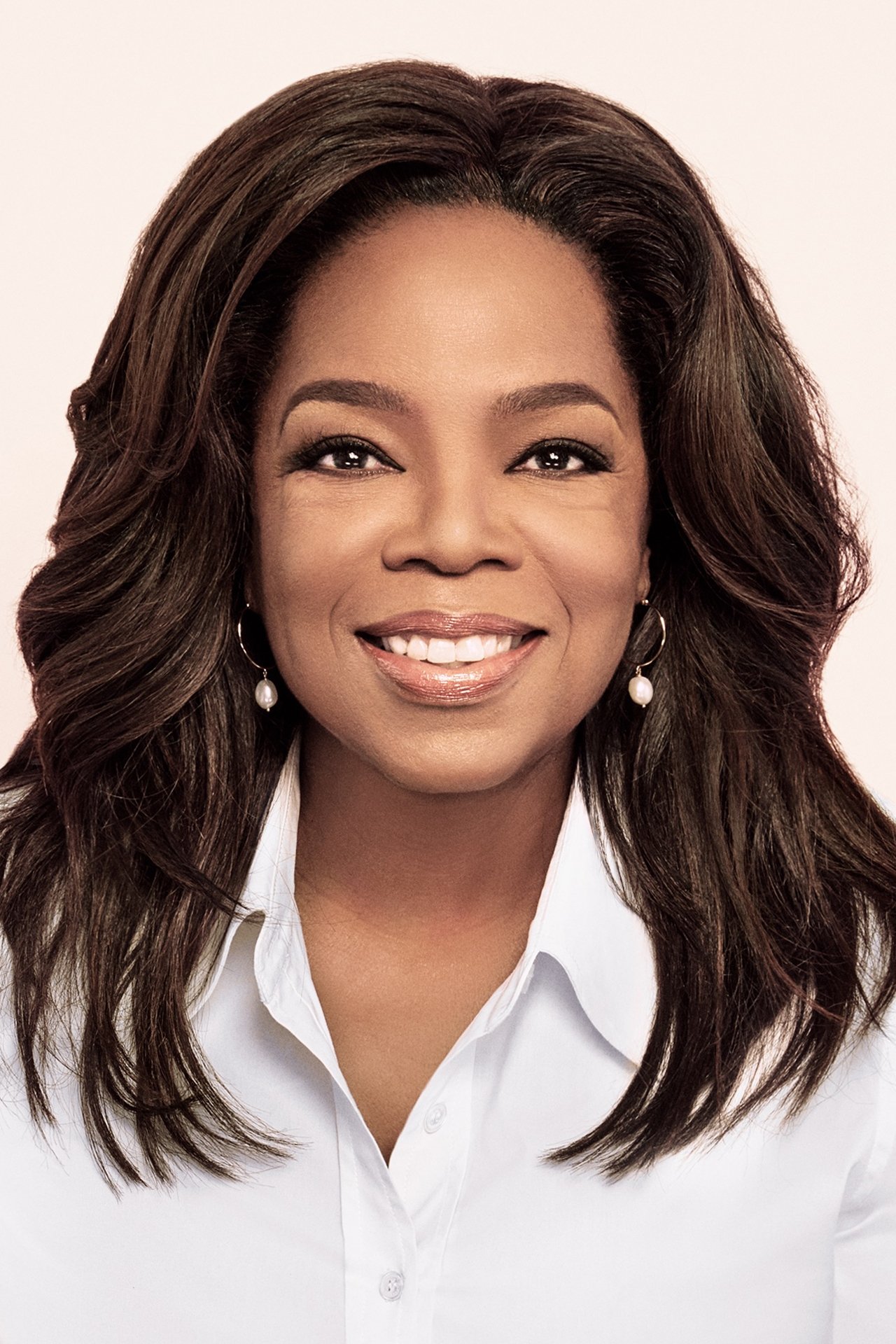
Oprah Winfrey is a major force in media, and her production company, Harpo, has influenced entertainment for decades. While celebrated for her support of Black authors and historical narratives, she has also received criticism regarding the diversity within the casting of her shows, like ‘Greenleaf,’ with some pointing to a preference for lighter skin tones. Many believe her significant platform could be used to further advocate for greater representation of all skin tones in the industry. The content she creates is always highly watched, and discussions about who is represented on screen are common.
Steven Spielberg
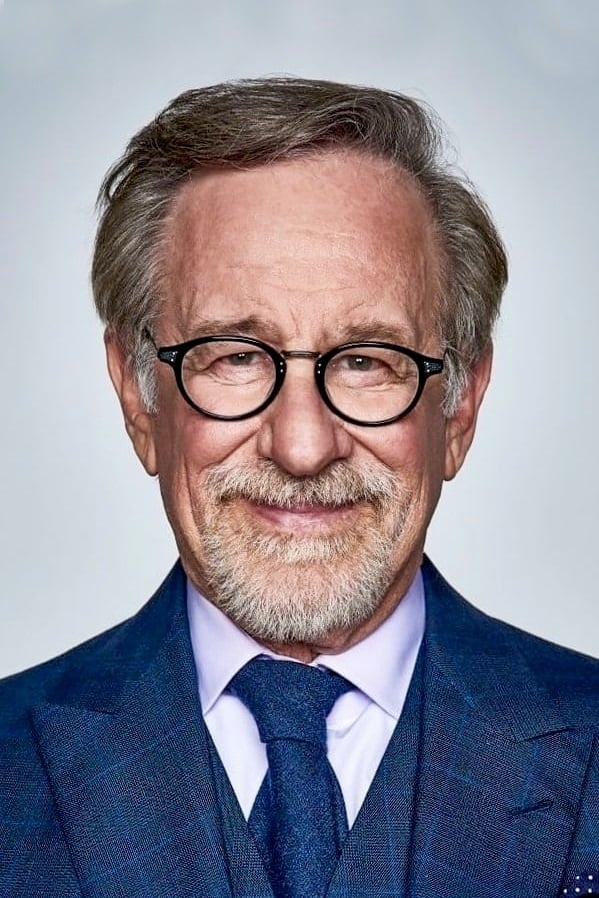
Steven Spielberg’s 2021 remake of ‘West Side Story’ sparked controversy over its casting choices. While he intended to improve Latinx representation, critics pointed out that most of the lead actors had lighter skin tones or appeared white. This led to discussions about the lack of Afro-Latino representation in a story set in a diverse New York City community. Spielberg had hoped to address issues with the original film, but many felt he overlooked an important aspect of modern diversity. The situation underscored the challenges of accurately portraying the Latinx community in movies.
Please share your thoughts on the impact of colorism in modern casting in the comments.
Read More
- Trading on Thin Air: AI Agents Conquer Crypto Volatility
- 20 Movies Where the Black Villain Was Secretly the Most Popular Character
- Invincible Season 4 Gender Swaps Tech Jacket As Fans Question Major Comic Change
- Silver Rate Forecast
- 22 Films Where the White Protagonist Is Canonically the Sidekick to a Black Lead
- 15 Films That Were Shot Entirely on Phones
- Gold Rate Forecast
- Trading Smarter: AI-Powered Execution Schedules
- Celebs Who Narrowly Escaped The 9/11 Attacks
- Smarter Order Execution: How AI is Outperforming Wall Street’s Playbook
2026-01-06 23:26