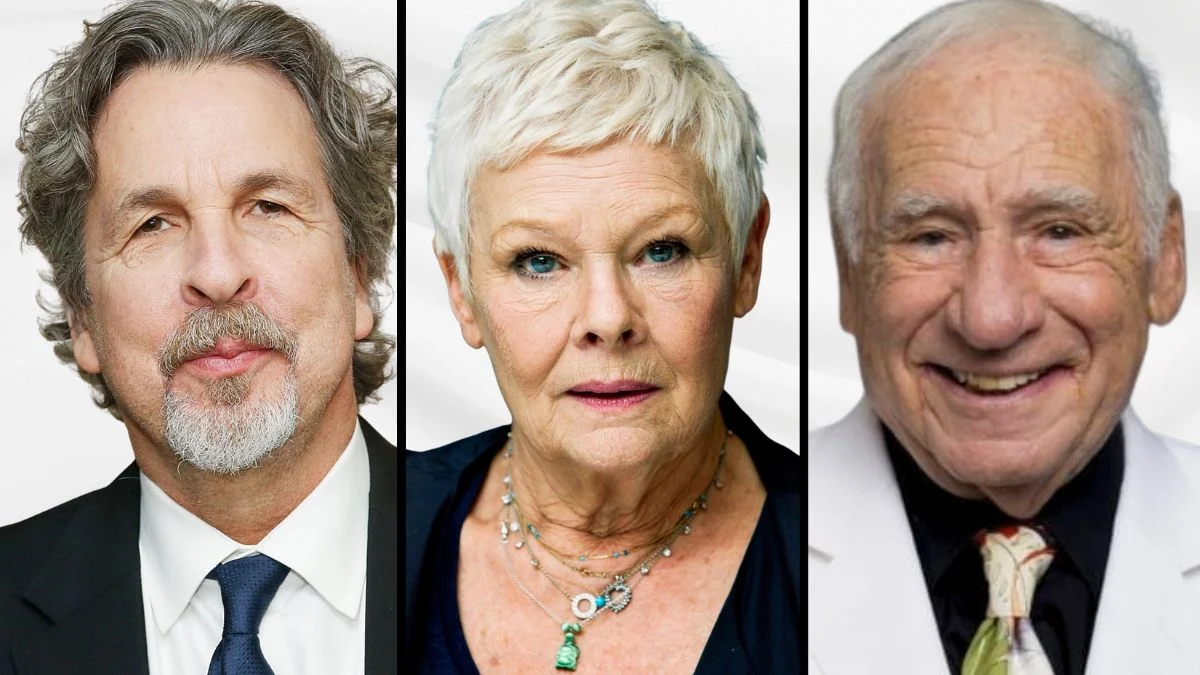
It’s common for celebrities to face backlash when they support movies or casting decisions that are considered controversial. While some films become beloved classics, today’s audiences often re-examine them and point out problematic elements. When actors and directors defend these older works, they usually talk about preserving art or understanding the historical context, but this often leads to strong public disagreement. Here’s a look at some Hollywood figures who have received criticism for backing divisive projects.
Whoopi Goldberg
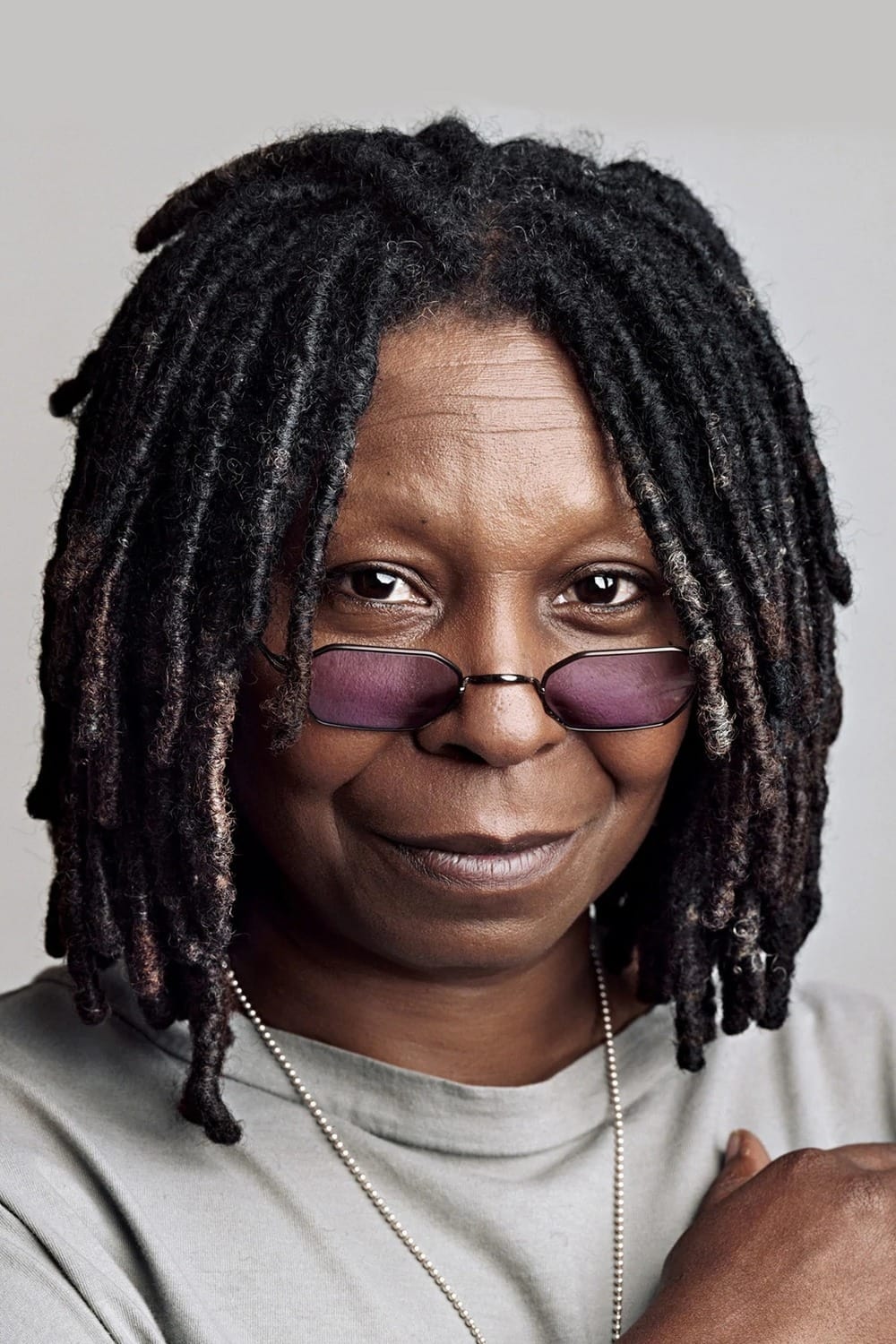
Whoopi Goldberg has often spoken in favor of the 1946 film ‘Song of the South,’ even though it’s known for being problematic. She believes the film should be accessible so people can discuss history openly, rather than ignore it. Goldberg feels that hiding the movie implies the racism of the past didn’t exist. However, critics have pointed out the film contains damaging and prejudiced depictions of race. Goldberg insists that truly understanding history means confronting difficult and uncomfortable works of art.
Ben Stiller
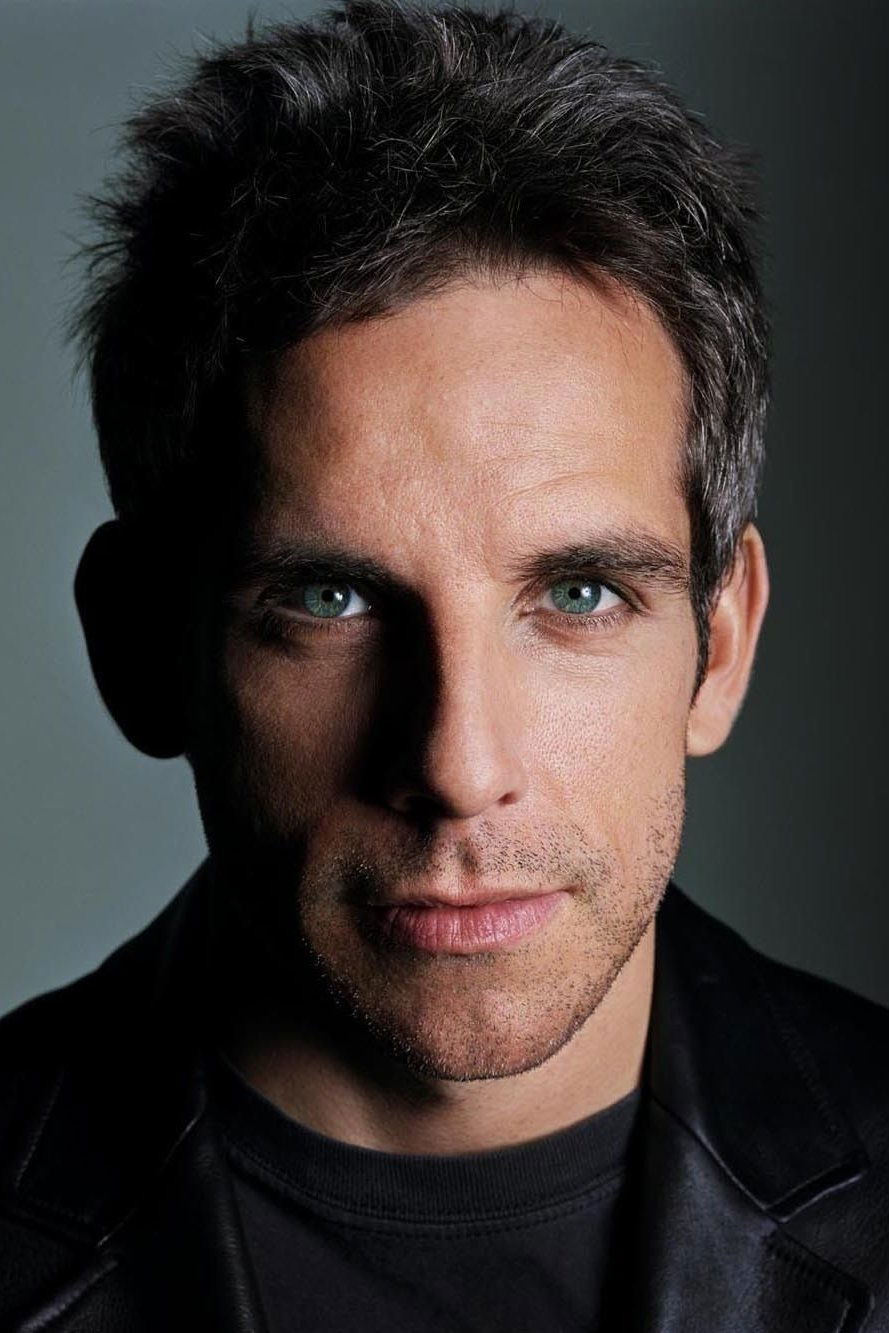
Ben Stiller continues to defend his 2008 film ‘Tropic Thunder’ despite criticism that it makes fun of people with intellectual disabilities. He maintains the movie is a satire about the excesses of Hollywood actors and that the jokes target the industry itself, not marginalized groups. While many online continue to call for the film to be retracted, Stiller has repeatedly stated his pride in the work, believing the comedic context justifies its controversial elements.
Robert Downey Jr.
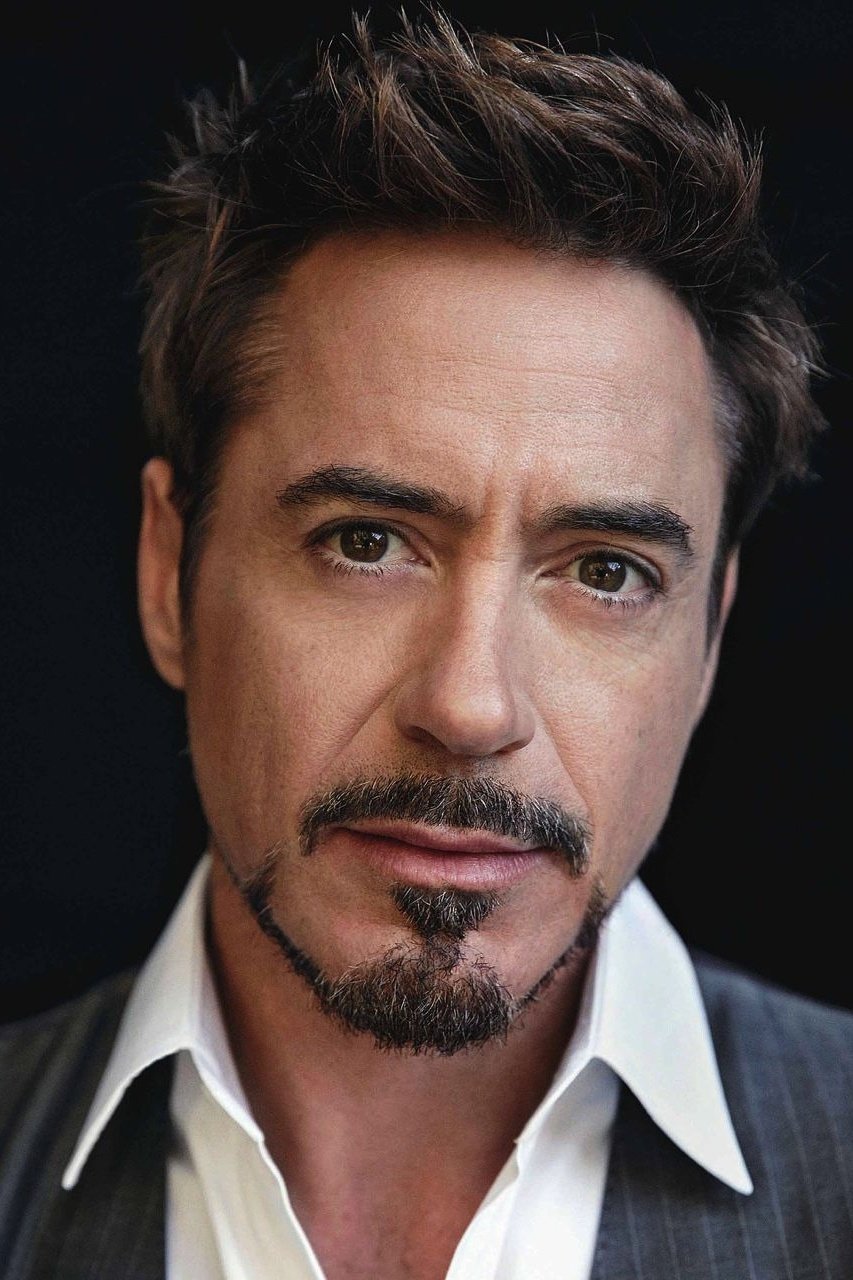
Robert Downey Jr. received significant criticism for his use of blackface in the 2008 film ‘Tropic Thunder.’ He explained that he was portraying a white actor who foolishly darkened his skin for a part, and that the character was meant to satirize both extreme acting techniques and the lack of awareness in Hollywood. Downey acknowledged the role was a huge gamble that could have ended his career, but he still believes it was a successful piece of satire.
Mel Brooks
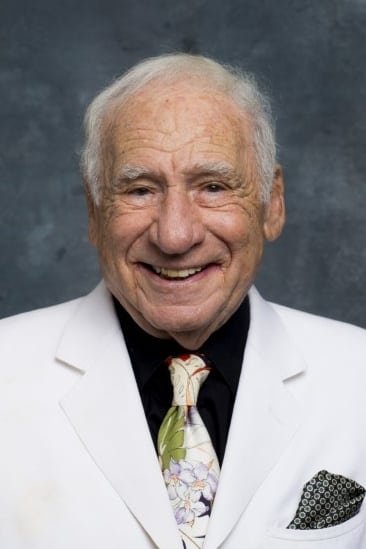
Mel Brooks has long defended his classic film ‘Blazing Saddles’ (1974) against criticism that it could be considered offensive by today’s standards. The renowned comedian argues that the movie couldn’t be made now because of a focus on political correctness. He explains that the harsh language used in the film was essential to show how awful the villains were, and that comedy needs to be bold, something he feels is often missing now. There’s still ongoing discussion about whether the film’s humor still resonates with audiences today.
Mickey Rooney
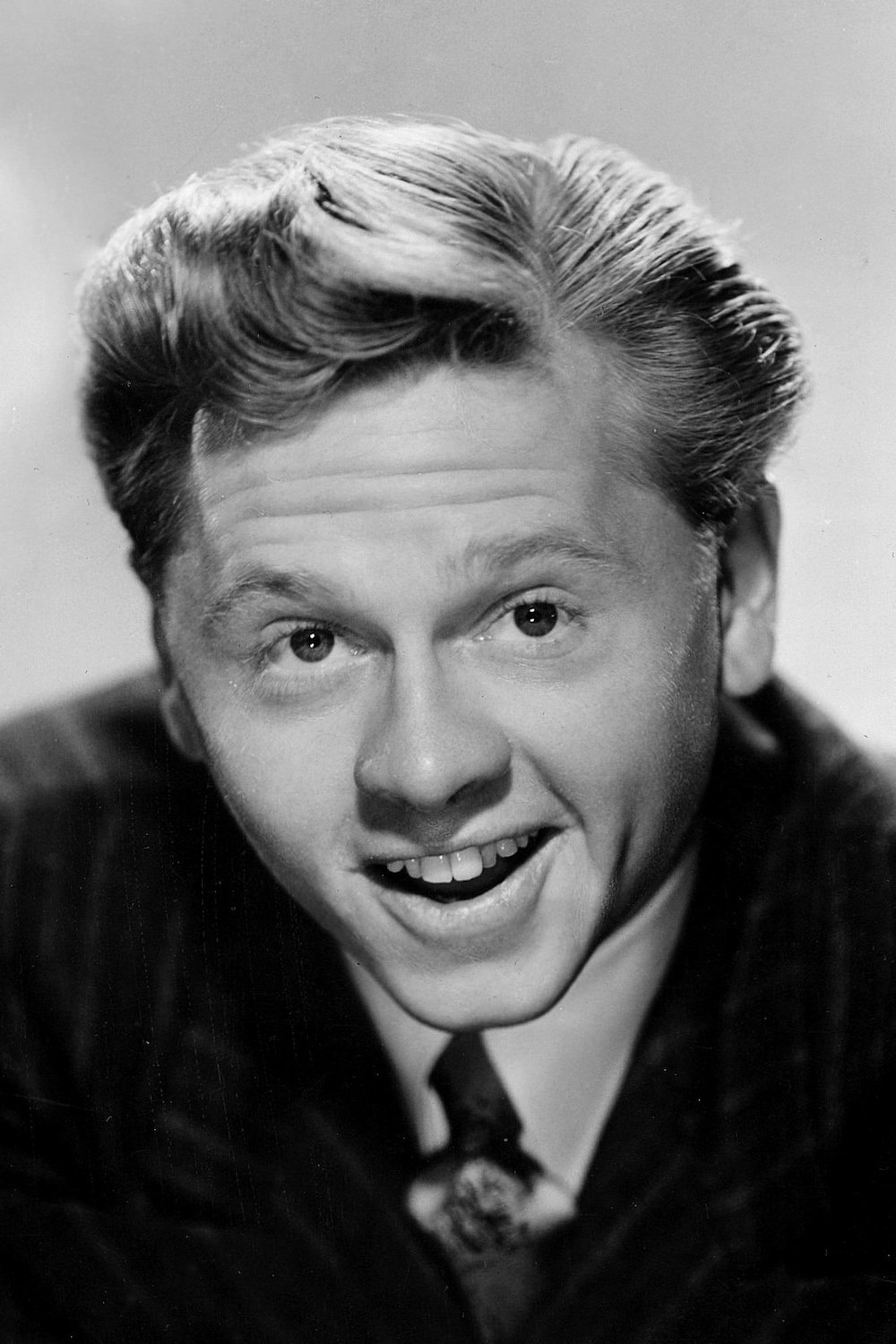
For many years, Mickey Rooney defended his performance as Mr. Yunioshi in the 1961 film ‘Breakfast at Tiffany’s.’ However, the role is now widely seen as a deeply offensive example of yellowface – the practice of non-Asian actors portraying Asian characters. Rooney maintained he was asked to play a funny, exaggerated character and didn’t mean to cause harm. He was upset that the character ended up representing racism instead of humor. The strong criticism of his performance has negatively impacted how the film is remembered.
Bernardo Bertolucci
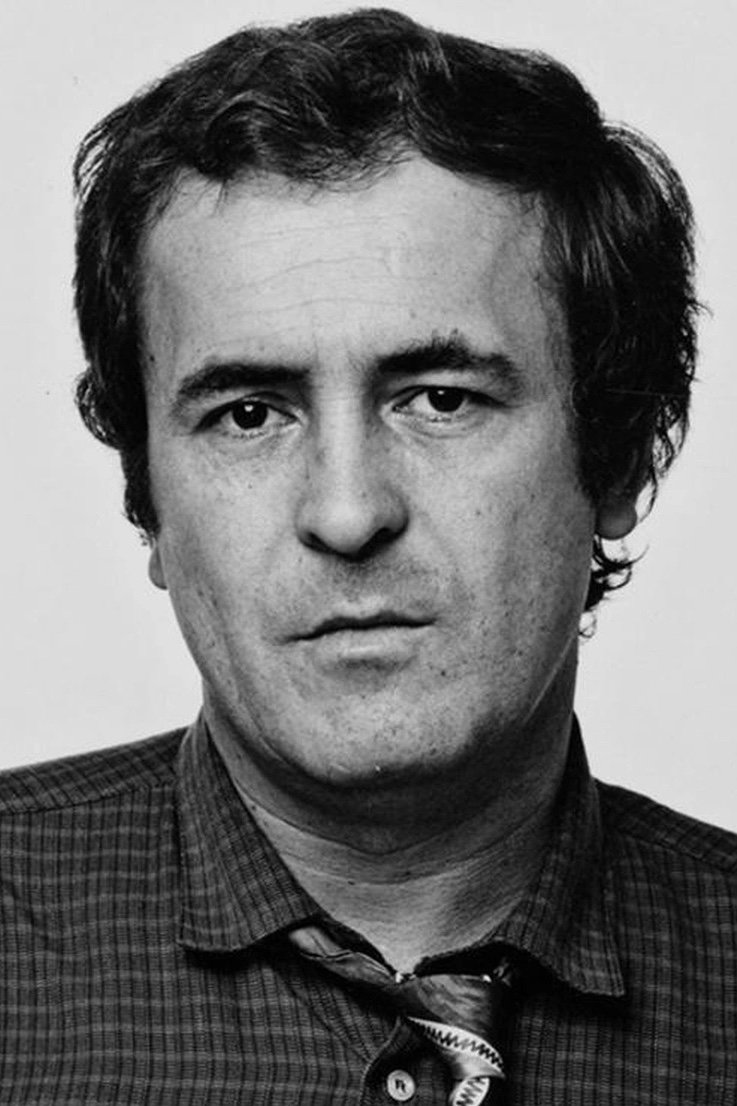
Years after its release in 1972, Bernardo Bertolucci’s film ‘Last Tango in Paris’ sparked controversy when the director admitted he filmed the now-notorious butter scene without fully informing actress Maria Schneider beforehand. Bertolucci explained his actions by saying he wanted to capture a genuine emotional response from her, treating her more like a young woman than an actress. This revelation caused significant outrage within the film community and among viewers, with many condemning his manipulative approach. He maintained that achieving artistic truth justified his actions, even if they involved psychological manipulation.
Alec Baldwin
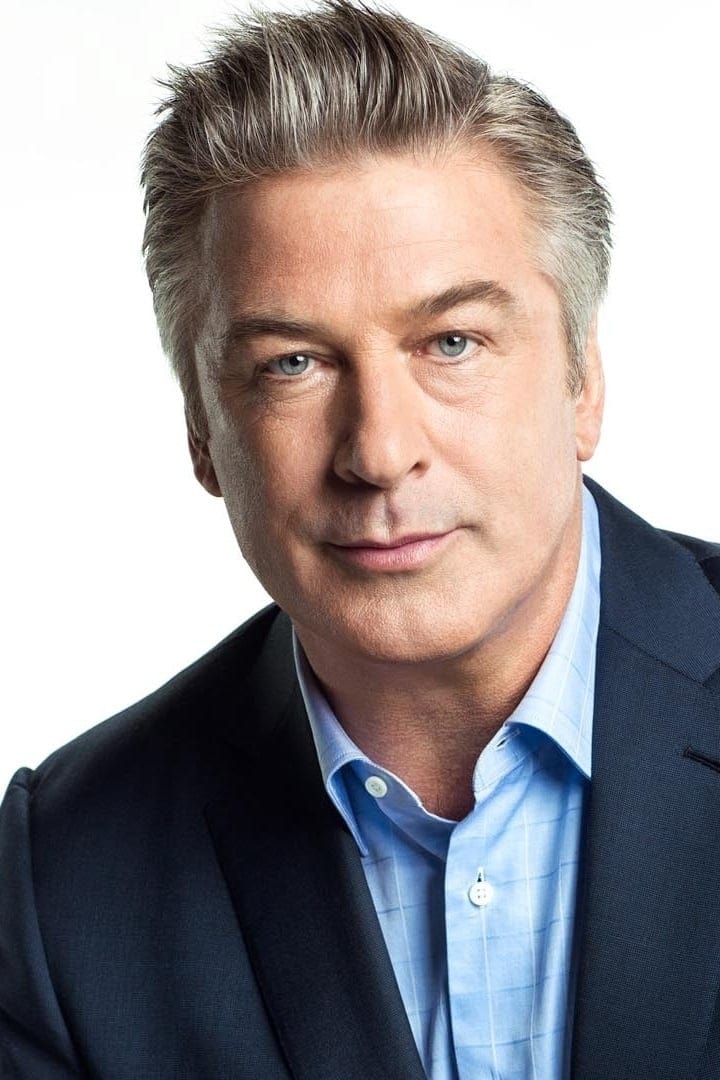
Alec Baldwin received criticism for speaking in defense of the film ‘Last Tango in Paris’ after renewed discussion about the director’s controversial behavior. He stated that despite ethical concerns surrounding its production, the film is still a work of art. Baldwin argued against applying today’s values to judge older creative works, a position that drew strong reactions from people who felt he was downplaying the harm caused to actress Maria Schneider. He stood by his belief that a piece of art should be considered separately from the actions of its creator.
Quentin Tarantino
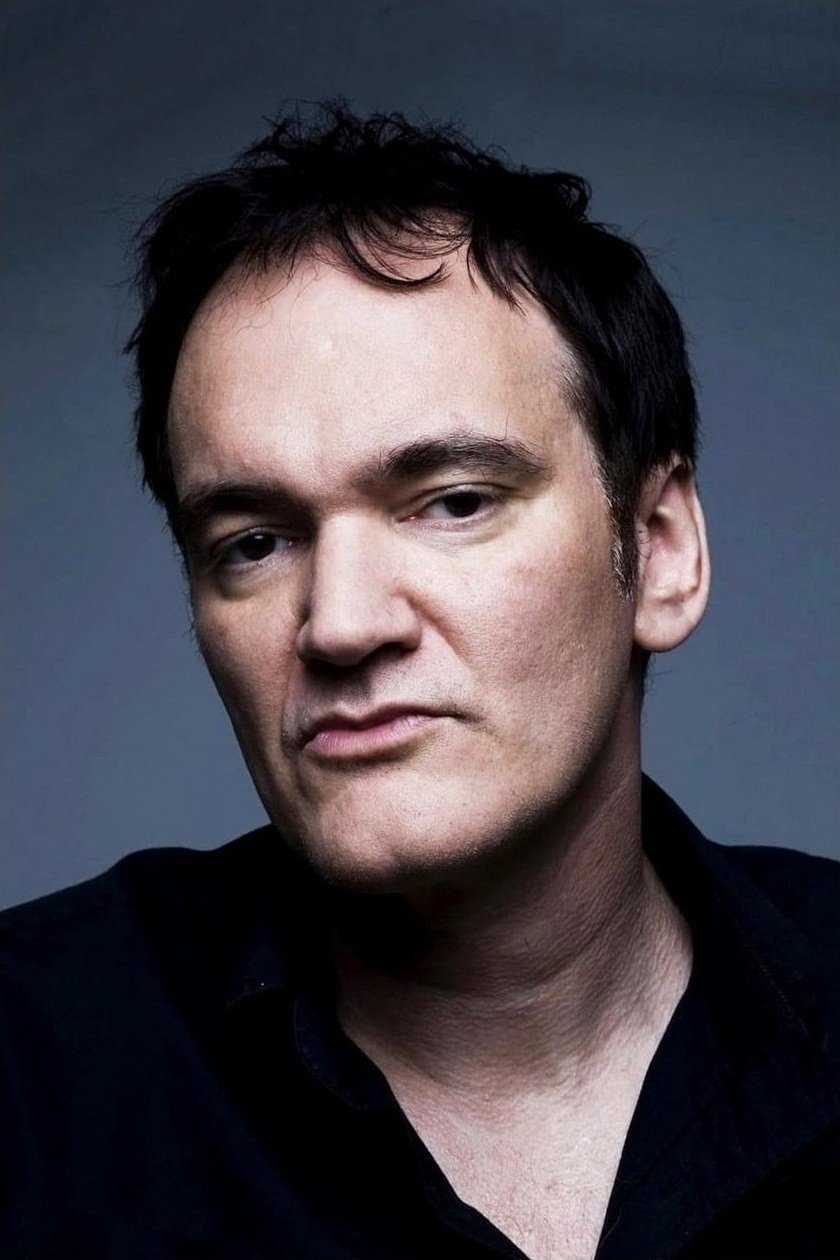
Quentin Tarantino has strongly defended his decision to include racial slurs in his 2012 film, ‘Django Unchained.’ He believes removing such language would be inaccurate for the historical setting. While some critics found the frequent use of the N-word unnecessary and hurtful, Tarantino maintains he won’t change his writing to satisfy them. He argues that his stylistic choices are essential to realistically depict the horrors of slavery.
Samuel L. Jackson
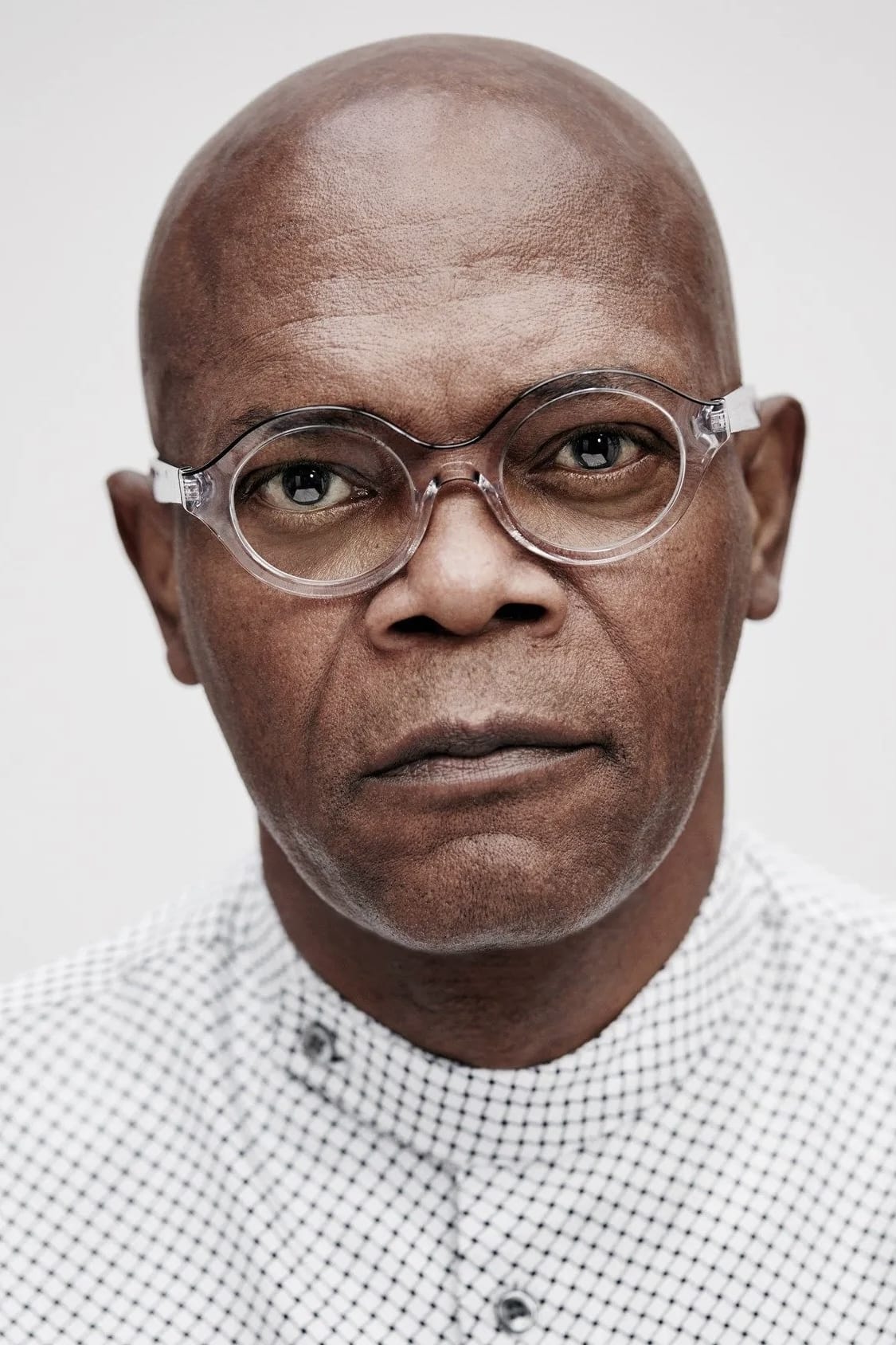
Samuel L. Jackson defended Quentin Tarantino’s use of strong language in ‘Django Unchained’ (2012), believing it fit the film’s story and that criticism was excessive. He explained that the movie offered a satisfying, albeit violent, revenge story and needed to be realistic. Jackson also disagreed with other filmmakers who felt the movie disrespected their heritage. He continues to strongly support Tarantino’s raw and honest writing style.
Ridley Scott
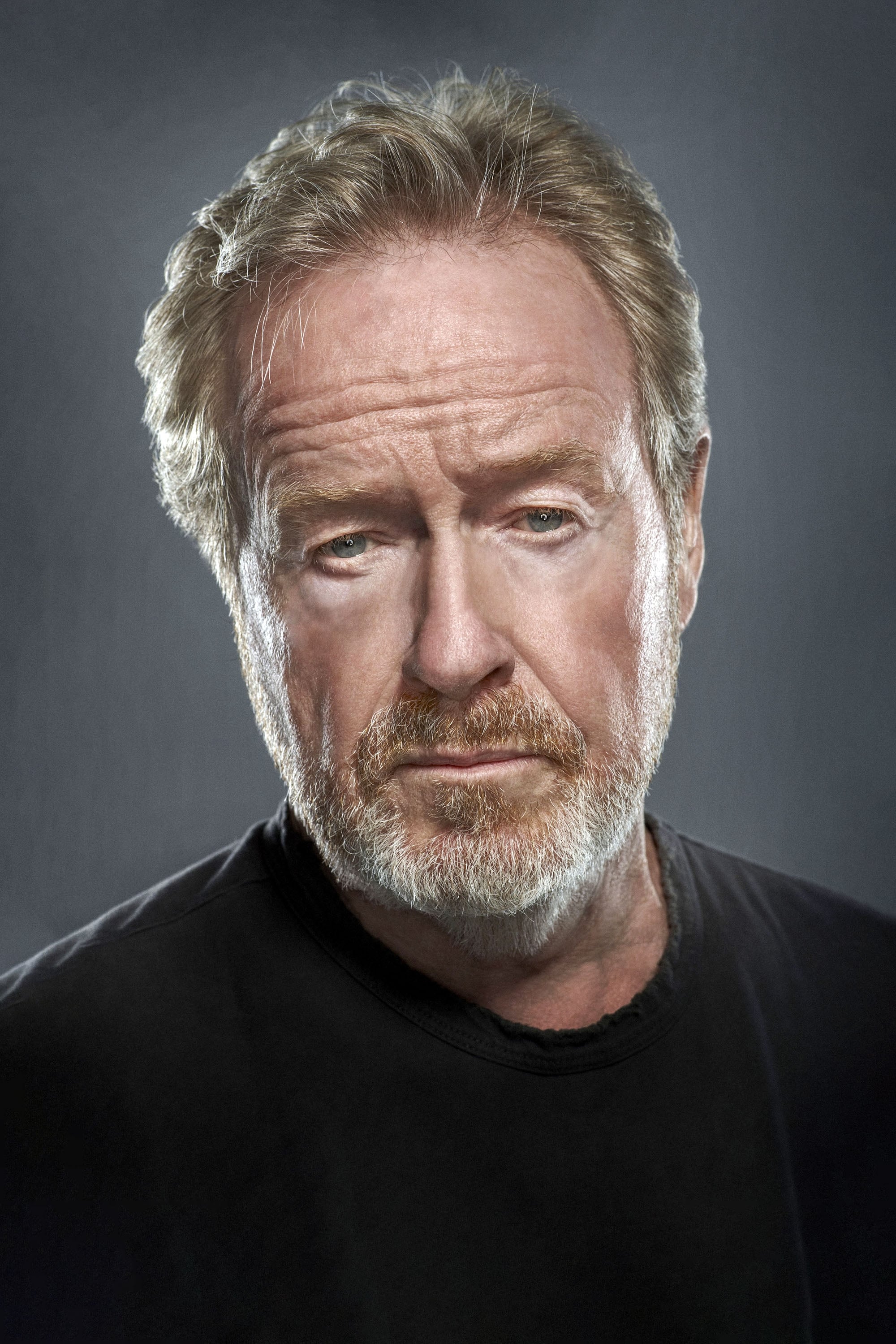
Director Ridley Scott received criticism for the lack of diversity in the cast of his 2014 film, ‘Exodus: Gods and Kings,’ specifically for casting white actors in roles depicting Egyptians. Scott justified his decision by saying he needed established, well-known actors to secure the film’s large budget. Many found this explanation frustrating, arguing that financial concerns were being prioritized over accurate representation. Scott, however, downplayed the criticism, suggesting it stemmed from a lack of understanding about how the film industry operates.
Christian Bale
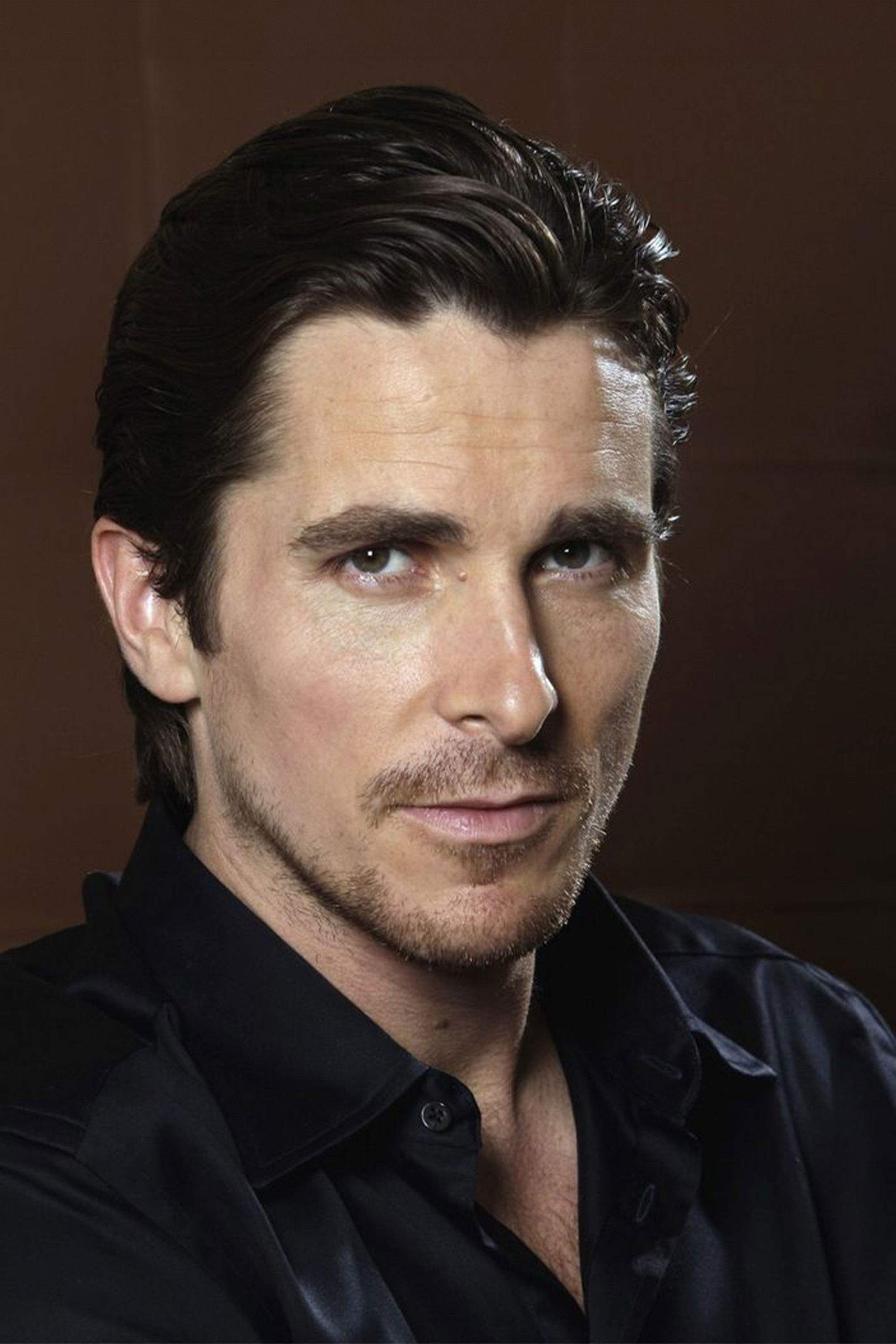
Christian Bale joined his director in defending the casting decisions for the 2014 film ‘Exodus: Gods and Kings.’ He argued that the film wouldn’t have gotten made without well-known actors, and while he understood the concerns about diversity, he believed the criticism was off-target. Bale hoped the film industry would eventually embrace large-scale movies featuring diverse lead actors, and he remained proud of his work in the film despite the controversy.
Scarlett Johansson
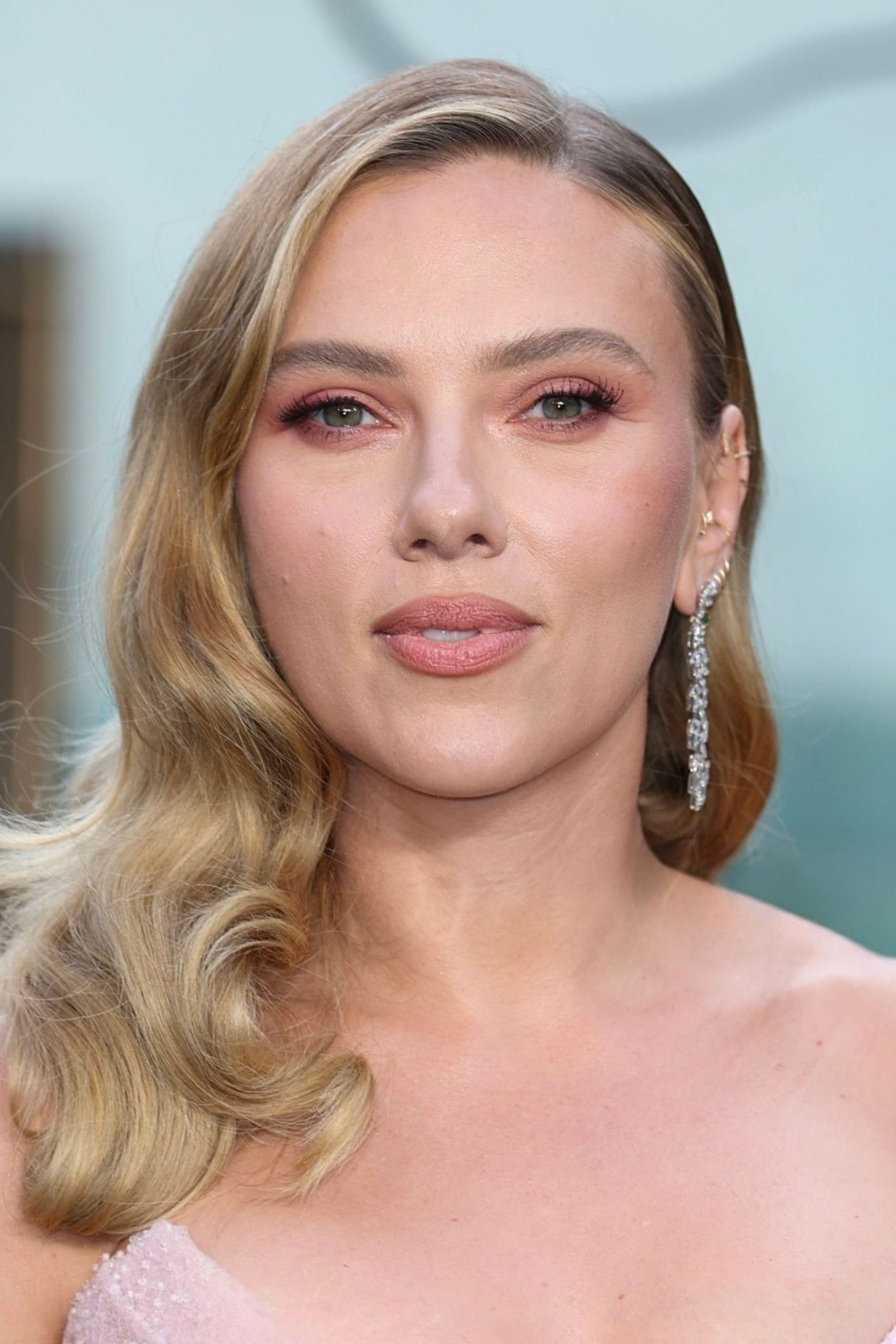
Scarlett Johansson received significant criticism for starring in the 2017 film ‘Ghost in the Shell.’ Many people protested that the movie replaced a Japanese character with a white actress, a practice known as whitewashing. Johansson responded by saying she was portraying a cyborg—a being with an artificial body—and not a specific ethnicity, arguing the character’s identity wasn’t tied to race. However, the controversy surrounding her casting contributed to the film’s poor performance in theaters.
Johnny Depp
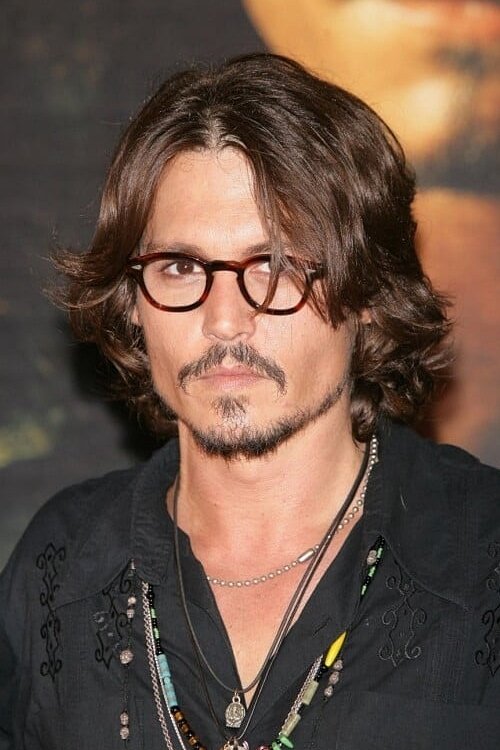
Johnny Depp received backlash for his portrayal of Tonto in the 2013 film ‘The Lone Ranger.’ He explained that he aimed to challenge the typical ‘sidekick’ image and give the character respect, and mentioned his claimed Native American heritage as a personal connection to the role. However, Native American groups criticized the depiction as relying on harmful and outdated stereotypes, and the use of makeup that mimicked Native American skin tones. Depp maintained that he intended to pay tribute to the culture, not to ridicule it.
Armie Hammer
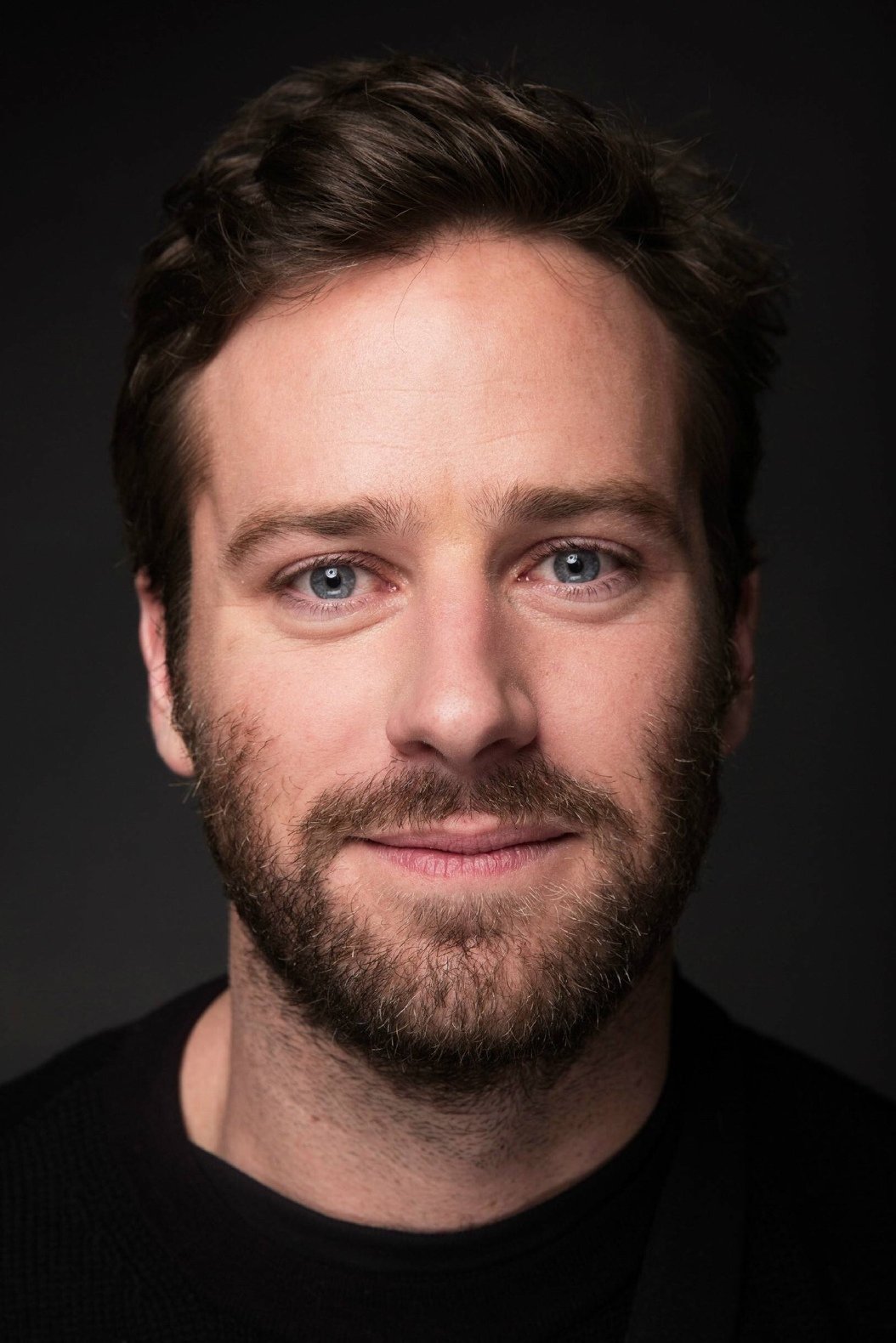
Armie Hammer defended his co-star and the movie ‘The Lone Ranger’ (2013) against criticism, saying it was being unfairly judged before people could actually see it. He explained that the filmmakers had worked hard with tribal leaders to ensure the film was accurate, and he believed the negative reviews were coming from critics who simply wanted the movie to fail. Hammer felt the film was a good adventure story that people didn’t understand.
Clint Eastwood
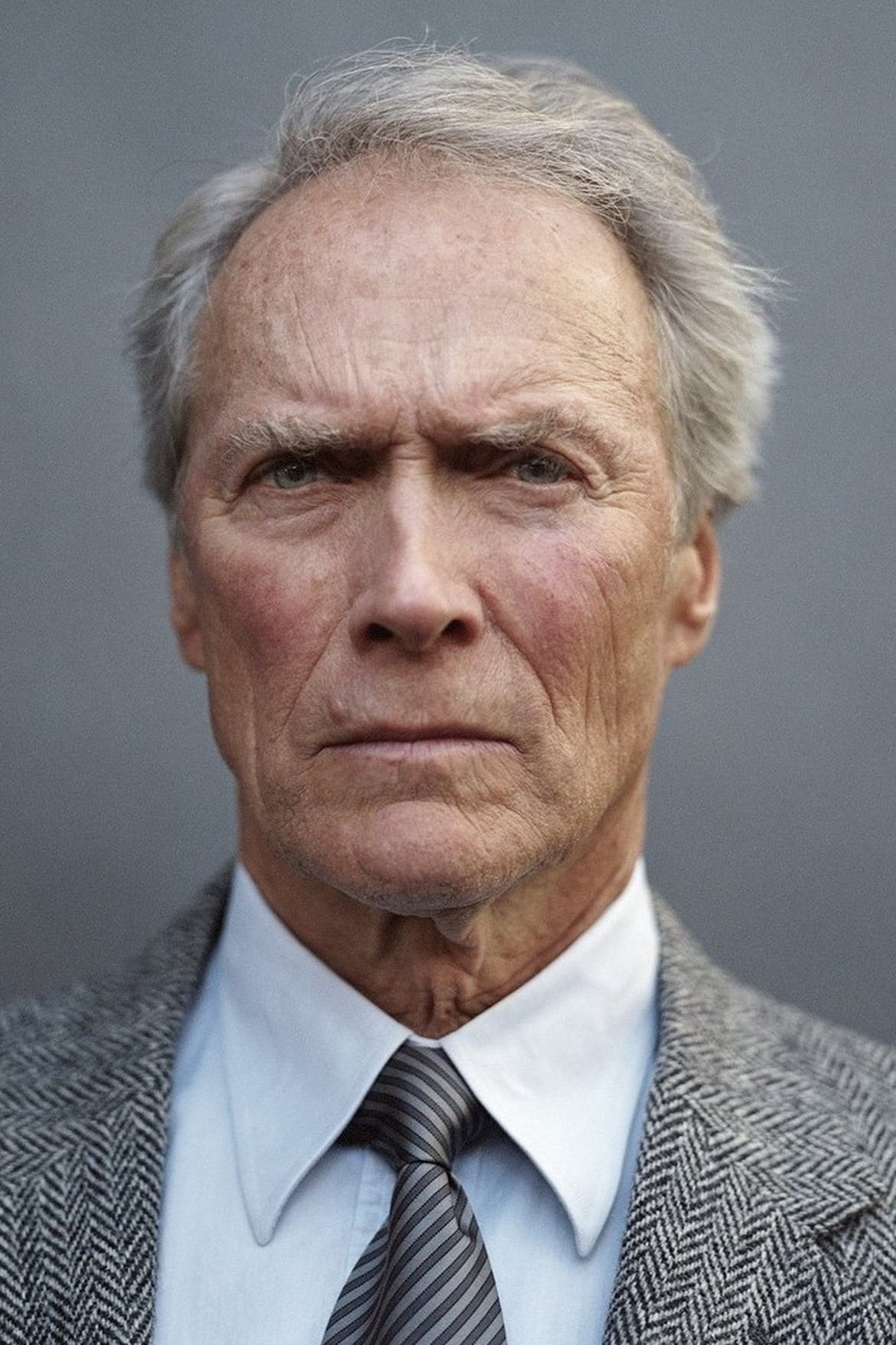
Clint Eastwood explained his use of racial slurs in his 2008 film, ‘Gran Torino,’ saying the language was true to the character’s age and life experiences. He felt younger audiences were overly sensitive to the words, pointing out that the character needed to be unlikeable at first in order to demonstrate his eventual change. Despite continued discussion about the film’s language, ‘Gran Torino’ remains a widely-watched movie.
Martin Scorsese
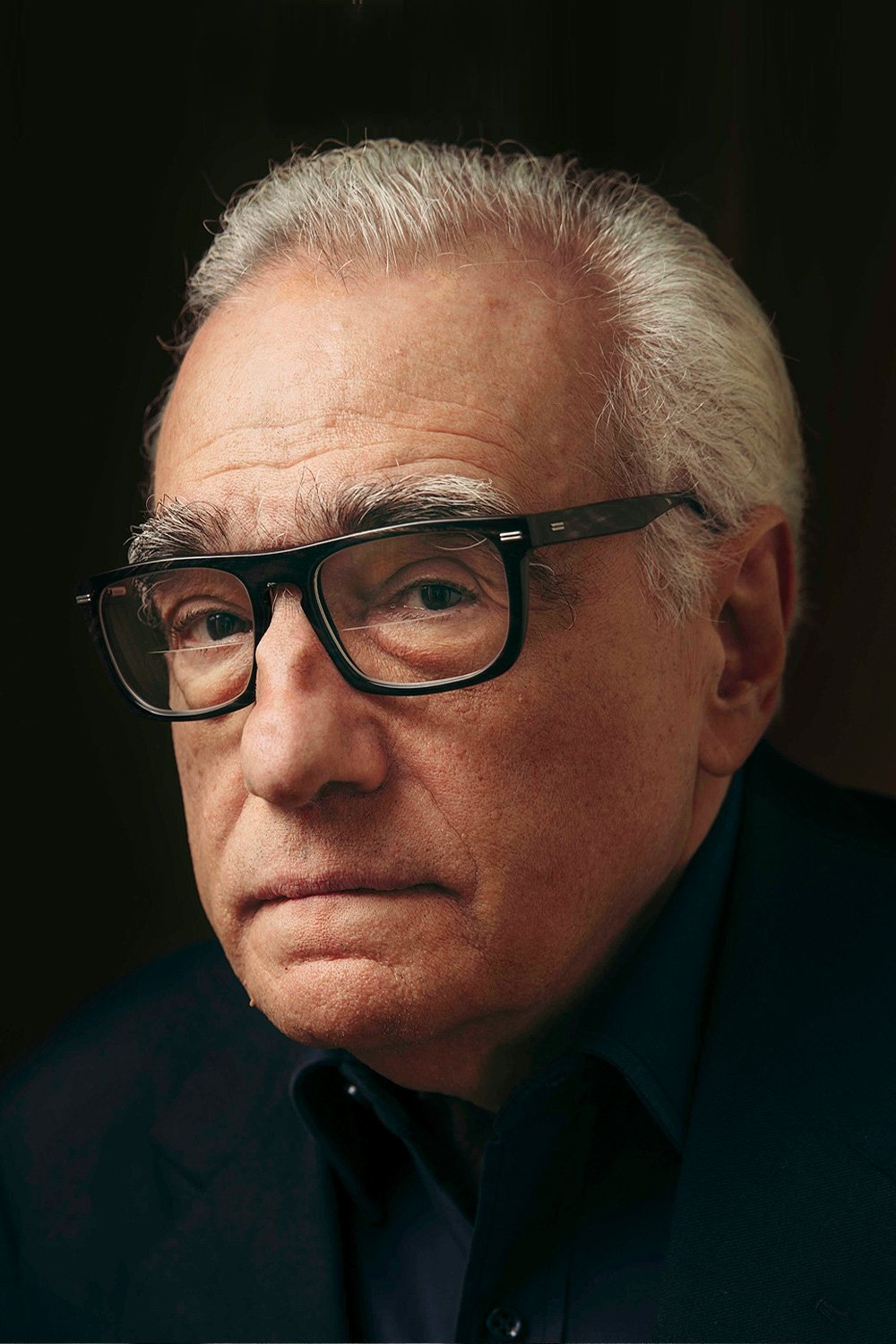
Martin Scorsese received criticism for not explicitly condemning the immoral actions shown in his 2013 film, ‘The Wolf of Wall Street.’ Some critics felt the movie celebrated the criminal life of Jordan Belfort. Scorsese responded that he wasn’t trying to lecture viewers, and believed that portraying the allure of greed was more effective than simply telling them it was wrong. He felt confident audiences would recognize the depicted behavior as unacceptable.
Leonardo DiCaprio
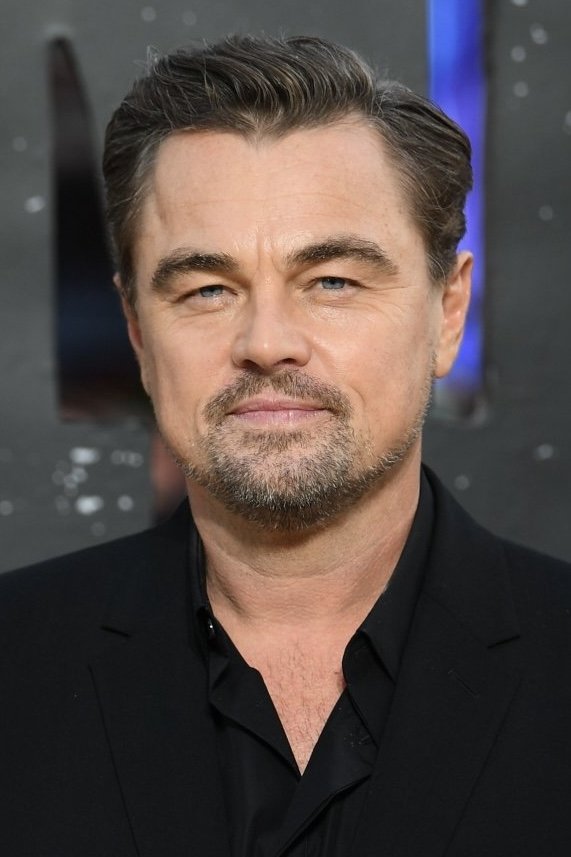
Leonardo DiCaprio has consistently defended his 2013 film, ‘The Wolf of Wall Street,’ against claims it glorified harmful actions. He explained that the movie wasn’t meant to celebrate excess, but rather to warn against it, portraying the story as a look at a flawed system. DiCaprio believed showing the events honestly was more important than making them seem appealing, and he continues to see the film as a critical commentary on American capitalism.
Todd Phillips
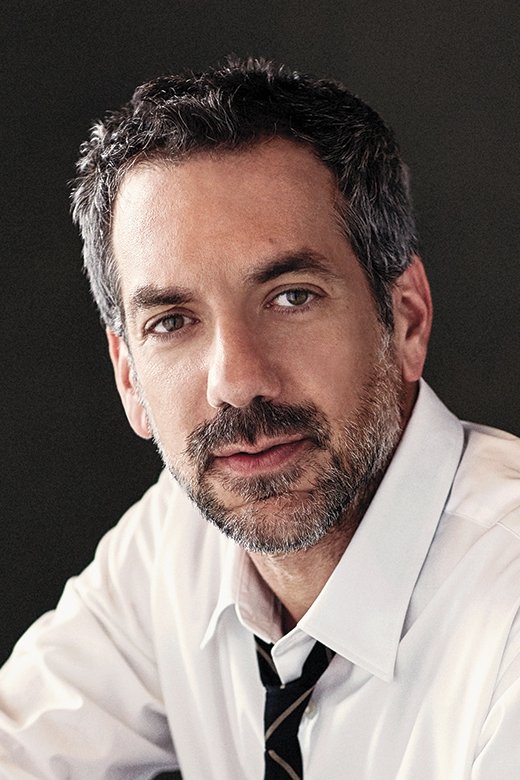
When Todd Phillips released ‘Joker’ in 2019, some people worried it might encourage violence. Phillips responded by saying that art should be thought-provoking and tackle challenging issues. He also felt the media created unnecessary controversy before anyone had even seen the film. Phillips explained that the movie explored a lack of compassion in society, not a promotion of chaos, and he stood firm in his artistic vision, refusing to make changes to satisfy critics.
Joaquin Phoenix
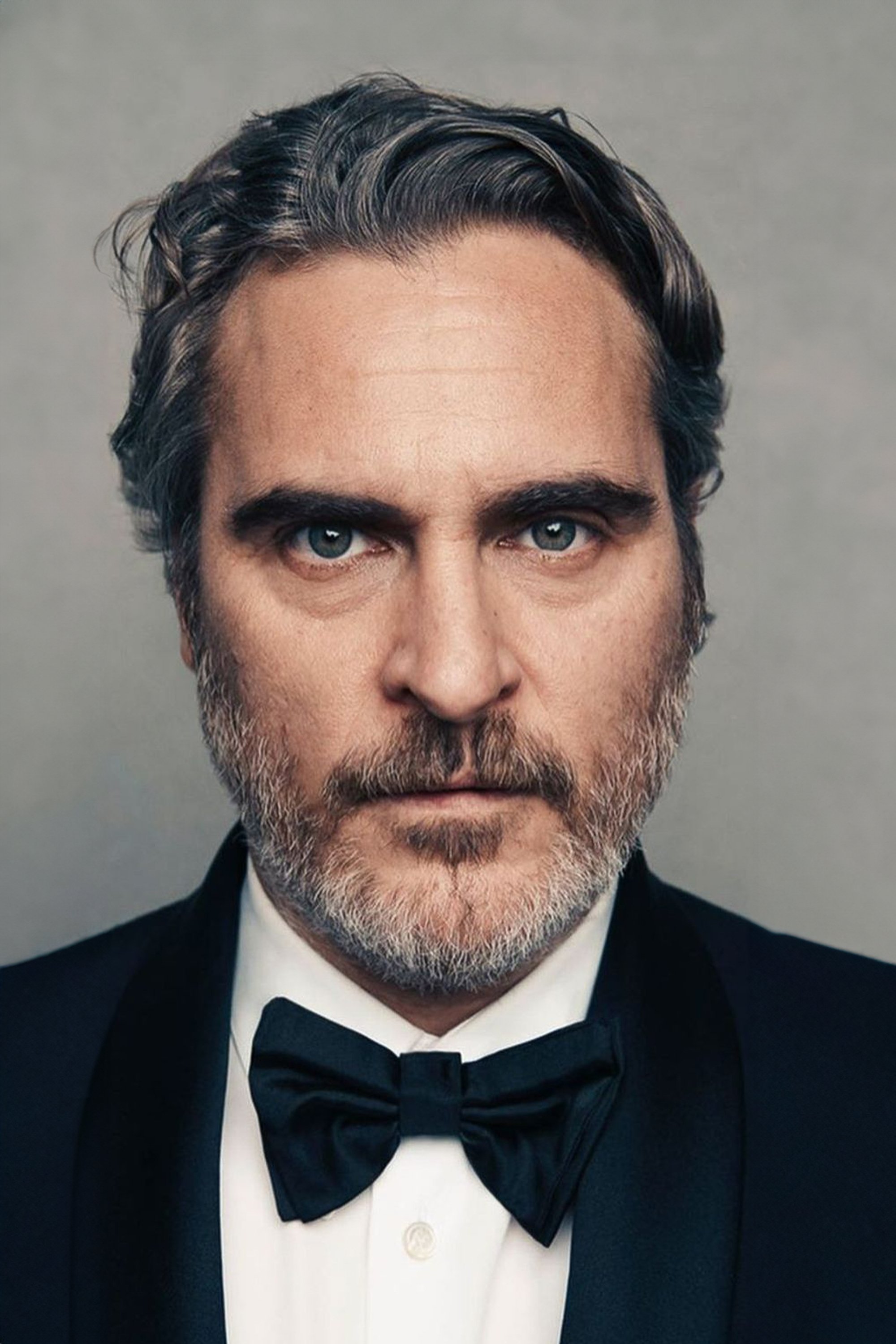
Joaquin Phoenix ended an interview after being asked about the possibility of his film ‘Joker’ (2019) inspiring violence. He later explained that filmmakers shouldn’t be held accountable for how people with mental health issues interpret creative works. Phoenix pointed out that most viewers can tell the difference between fiction and reality, and he felt the film honestly portrayed the struggles of mental illness. He believed the criticism the film received was mostly unfair.
Viggo Mortensen
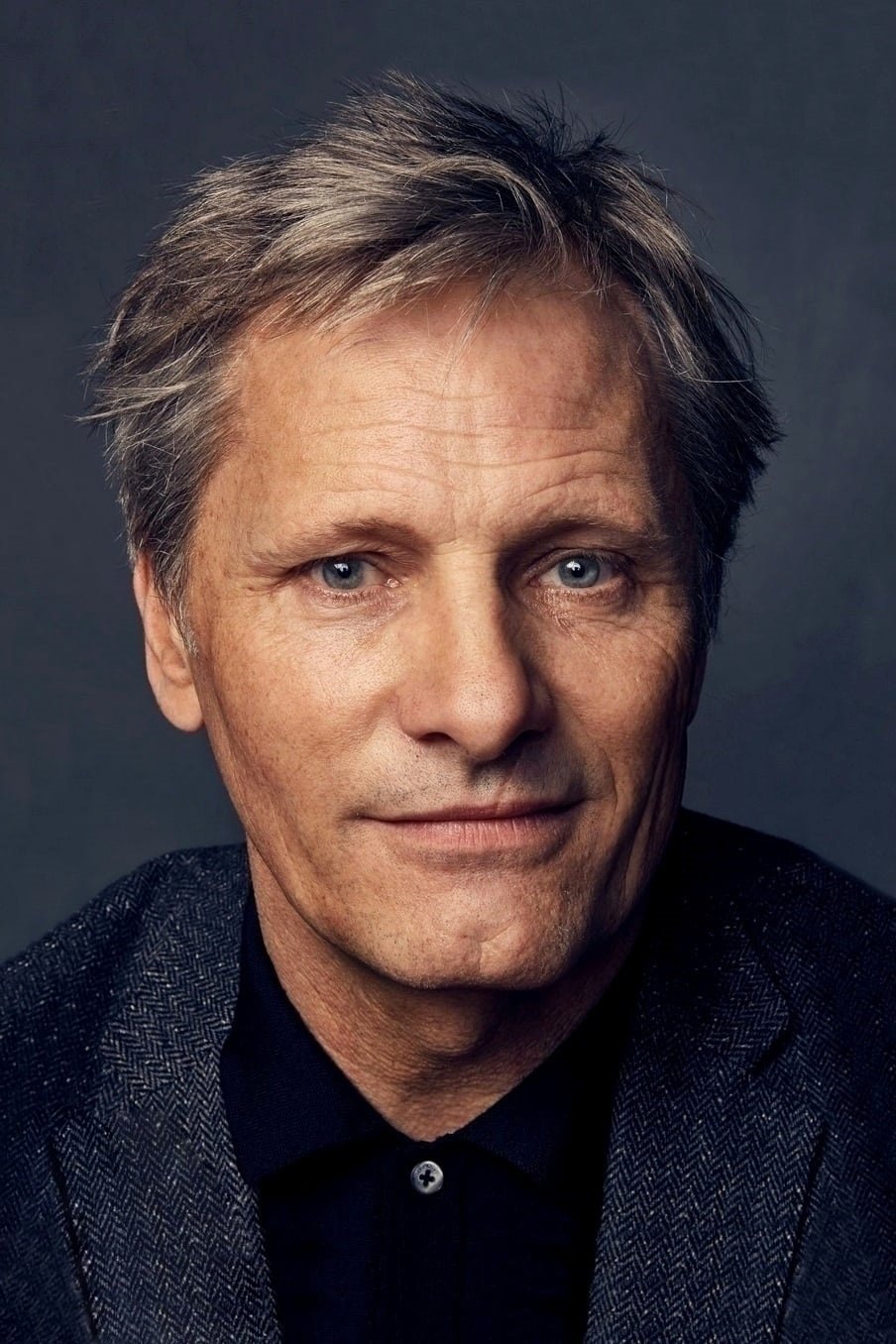
Viggo Mortensen spoke out in defense of the film ‘Green Book’ (2018), responding to criticism that it relied on the ‘white savior’ trope. He believed the criticism was unfair, arguing it overlooked the genuine friendship shown between the characters. Mortensen emphasized that the filmmakers were sincere and made a conscious effort to be respectful. He was disappointed that the controversy surrounding the film distracted from its positive message about people coming together, and he continued to support the film throughout the awards season.
Peter Farrelly
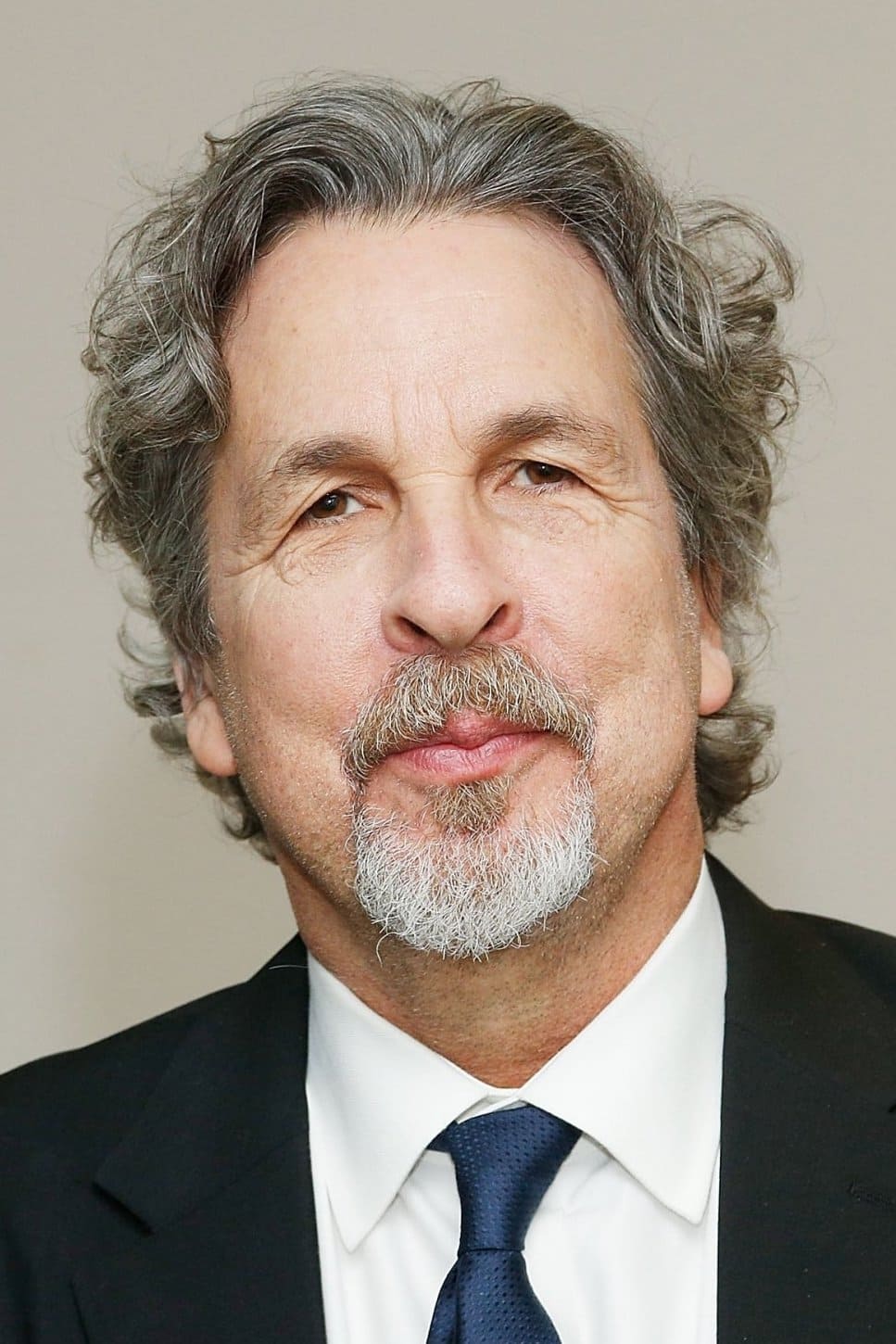
Following criticism from the family of Dr. Don Shirley regarding its portrayal of events, director Peter Farrelly defended the 2018 film ‘Green Book.’ He explained that the story was built on a foundation of audio recordings and interviews, and he believed the negative reaction stemmed more from the political atmosphere at the time than any flaws in the film itself. While he regretted the family’s dissatisfaction, Farrelly maintained the script was truthful. Despite the ongoing debate, ‘Green Book’ ultimately won the Academy Award for Best Picture.
Kathryn Bigelow
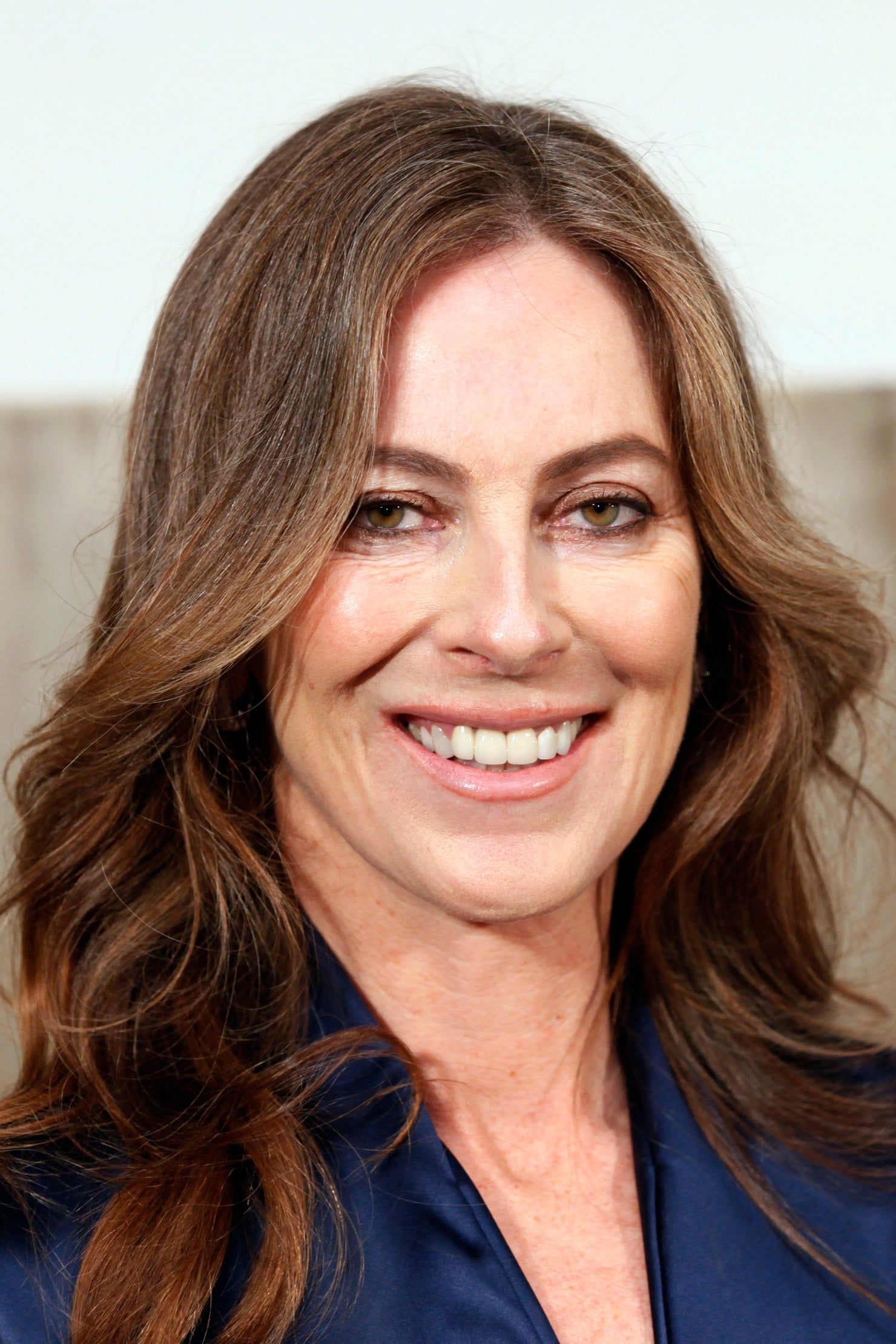
Kathryn Bigelow’s film ‘Zero Dark Thirty’ (2012) sparked controversy over its portrayal of torture. Some critics claimed the movie implied that torture helped locate Osama bin Laden. Bigelow responded that the scenes were a factual, unbiased representation of events, and that depicting difficult realities doesn’t mean she supported them. She believed she had a responsibility to show the harsh realities of the hunt for bin Laden.
Jessica Chastain
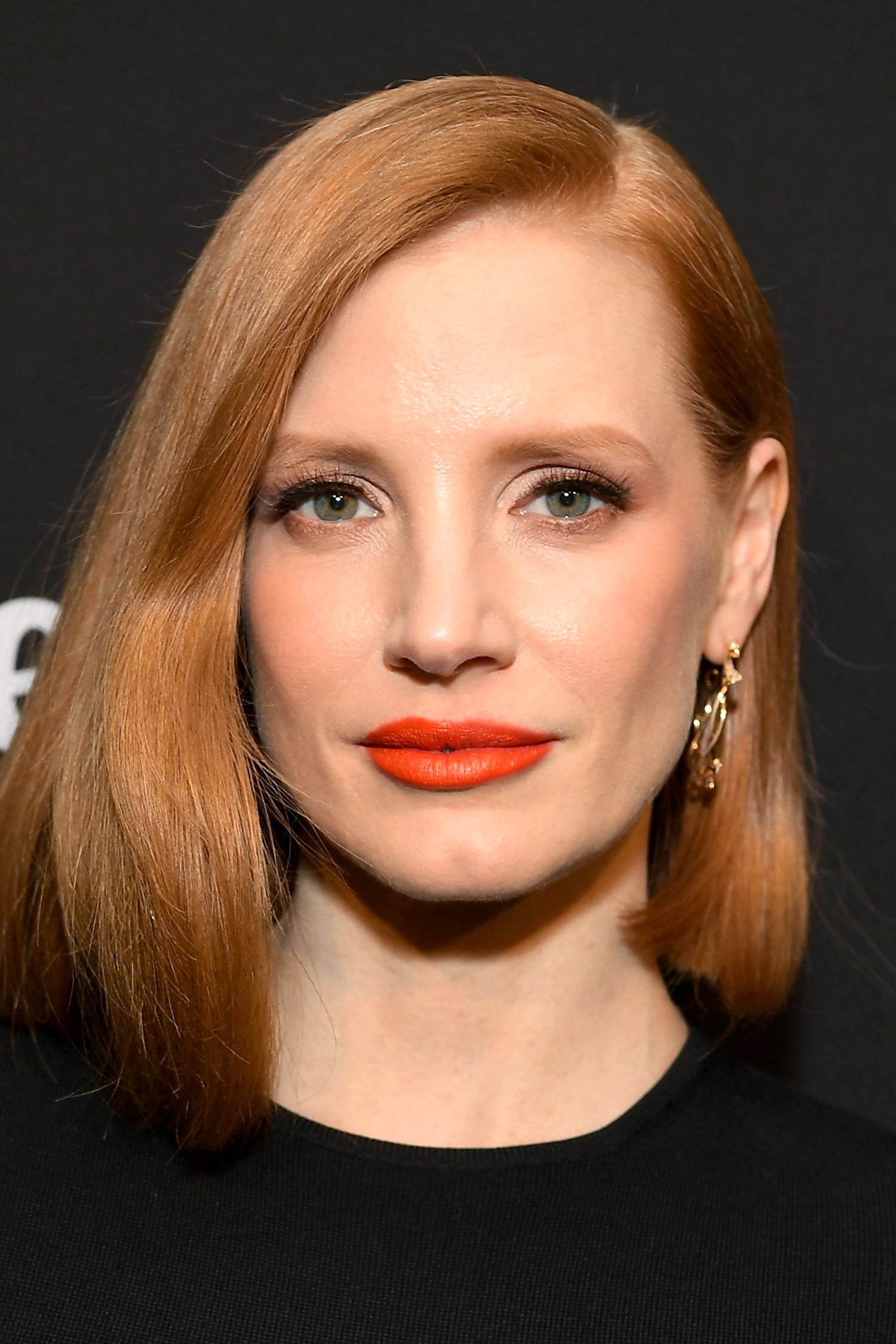
Jessica Chastain came to the defense of director Kathryn Bigelow and her film ‘Zero Dark Thirty’ (2012) during a period of controversy. She pointed out that many critics were reacting without having actually seen the movie, and argued it was being unfairly drawn into political debates. Chastain explained that her character accurately portrayed the real intelligence work that led to the case being solved, and she believed the film was a valuable historical record. She was frustrated that the controversy overshadowed the film’s artistic merit.
Matt Damon
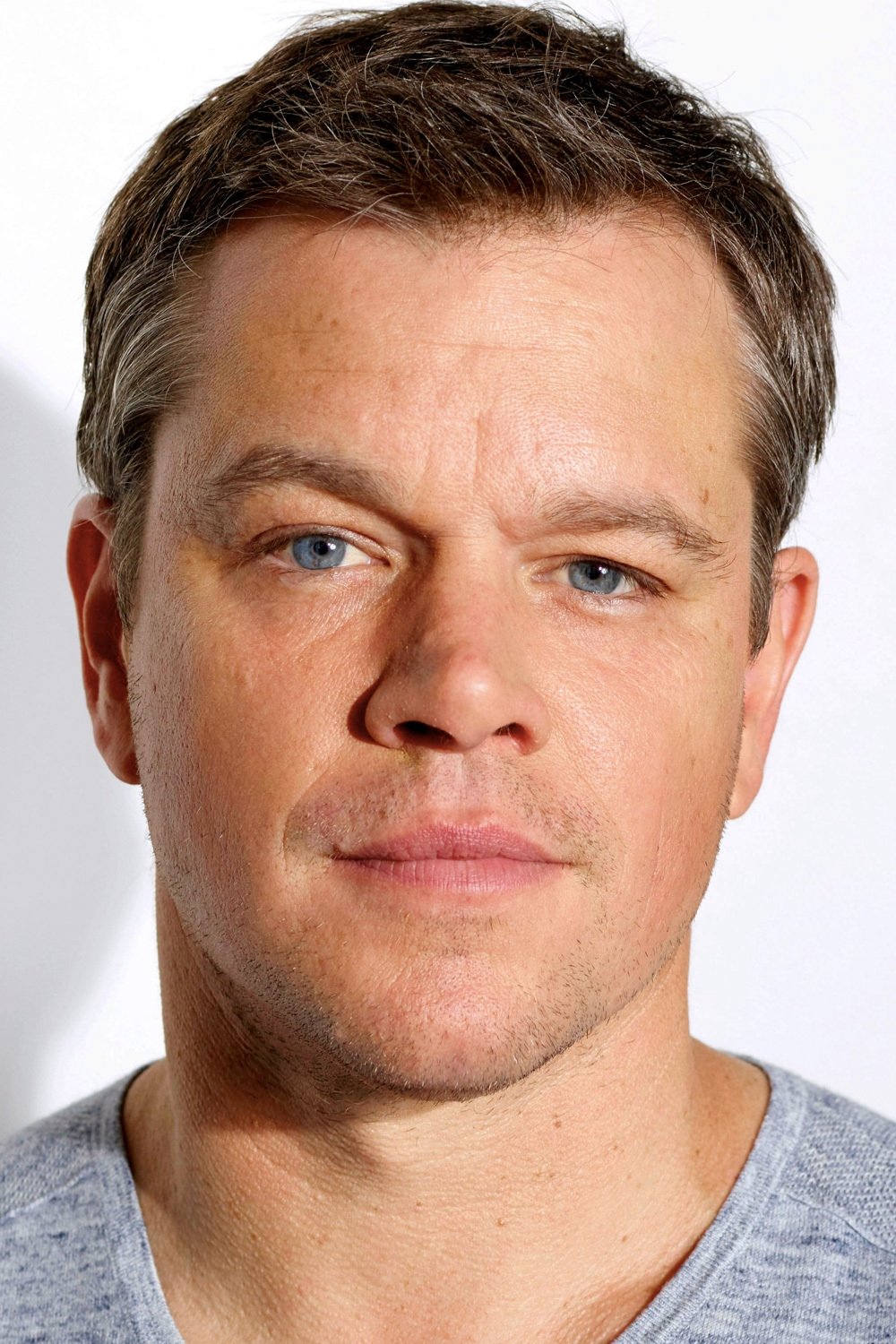
Matt Damon received backlash for his part in the 2016 film ‘The Great Wall,’ with some critics claiming it relied on the ‘white savior’ trope. Damon responded by explaining the film was a fantasy and he wasn’t portraying a Chinese character. He felt the criticism about casting, which started with a short trailer, didn’t accurately reflect the entire movie and considered the complaints unfounded. Damon also expressed annoyance with how the issue was presented as sensationalized news.
Javier Bardem
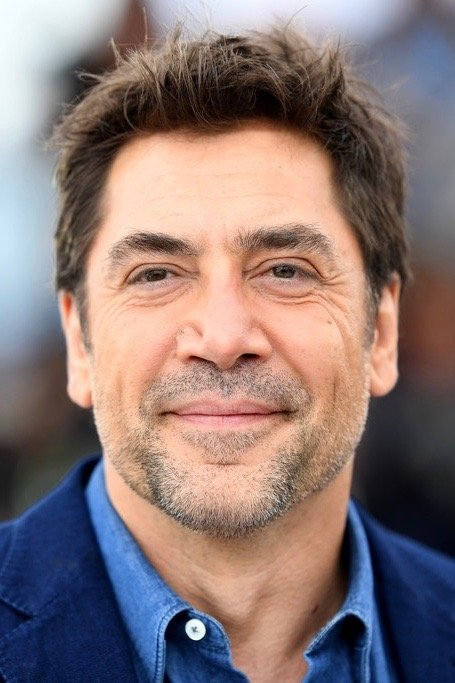
Javier Bardem responded to criticism about playing Desi Arnaz in the 2021 film ‘Being the Ricardos.’ Some questioned why a Spanish actor was chosen to portray a Cuban legend. Bardem explained that actors are meant to become characters unlike themselves, and that limiting casting based on heritage could stifle artistic expression. He believed his performance paid tribute to Arnaz’s legacy.
Aaron Sorkin
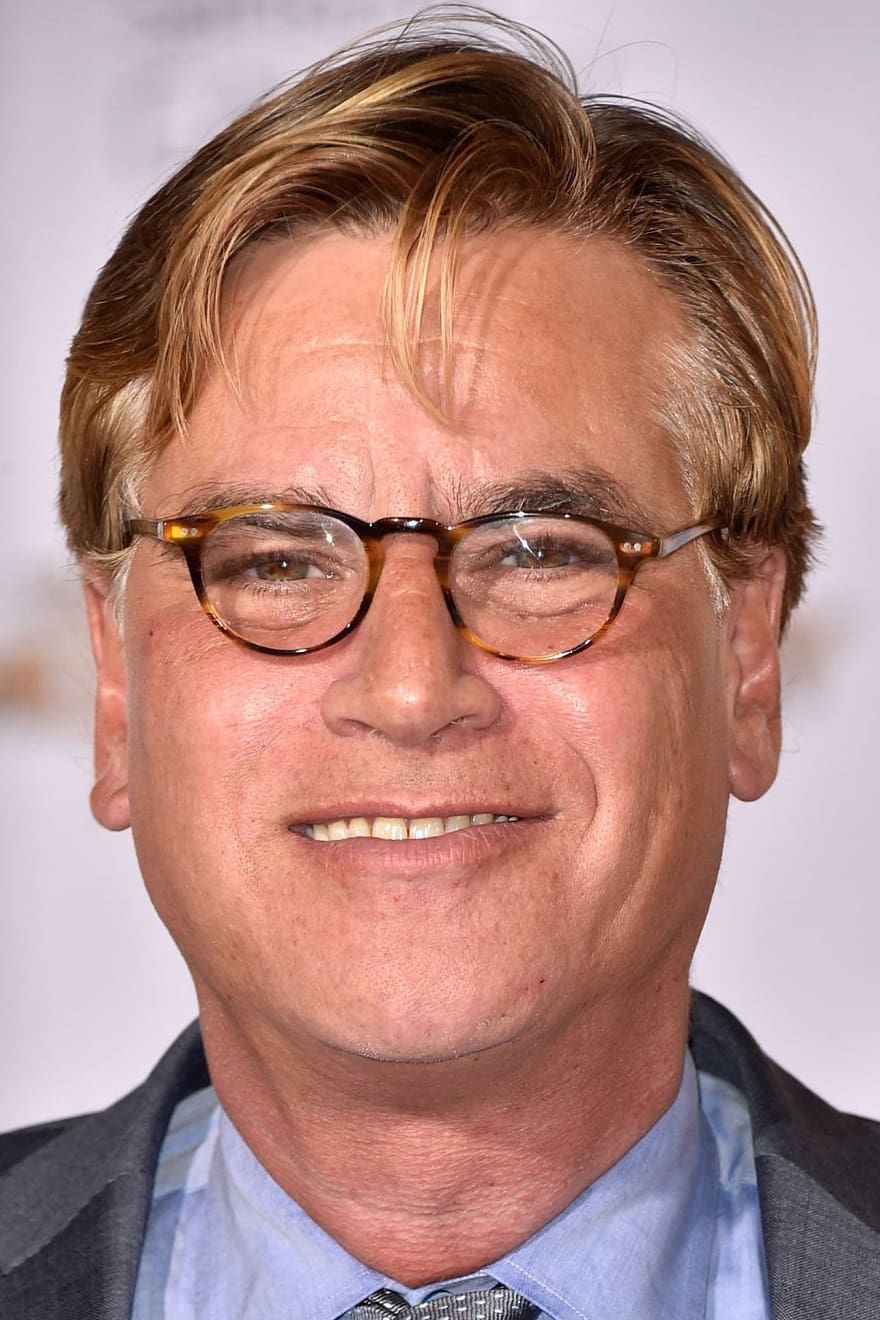
Aaron Sorkin, director of ‘Being the Ricardos’ (2021), explained his decision to cast Javier Bardem. He wasn’t aiming for a look-alike, but rather an actor who could truly embody the character. Sorkin also pushed back against criticism focused on ‘identity politics,’ arguing that such concerns can harm good storytelling. He believes the core of acting is simply portraying someone different from yourself, and he fully supports his casting choice.
Lars von Trier
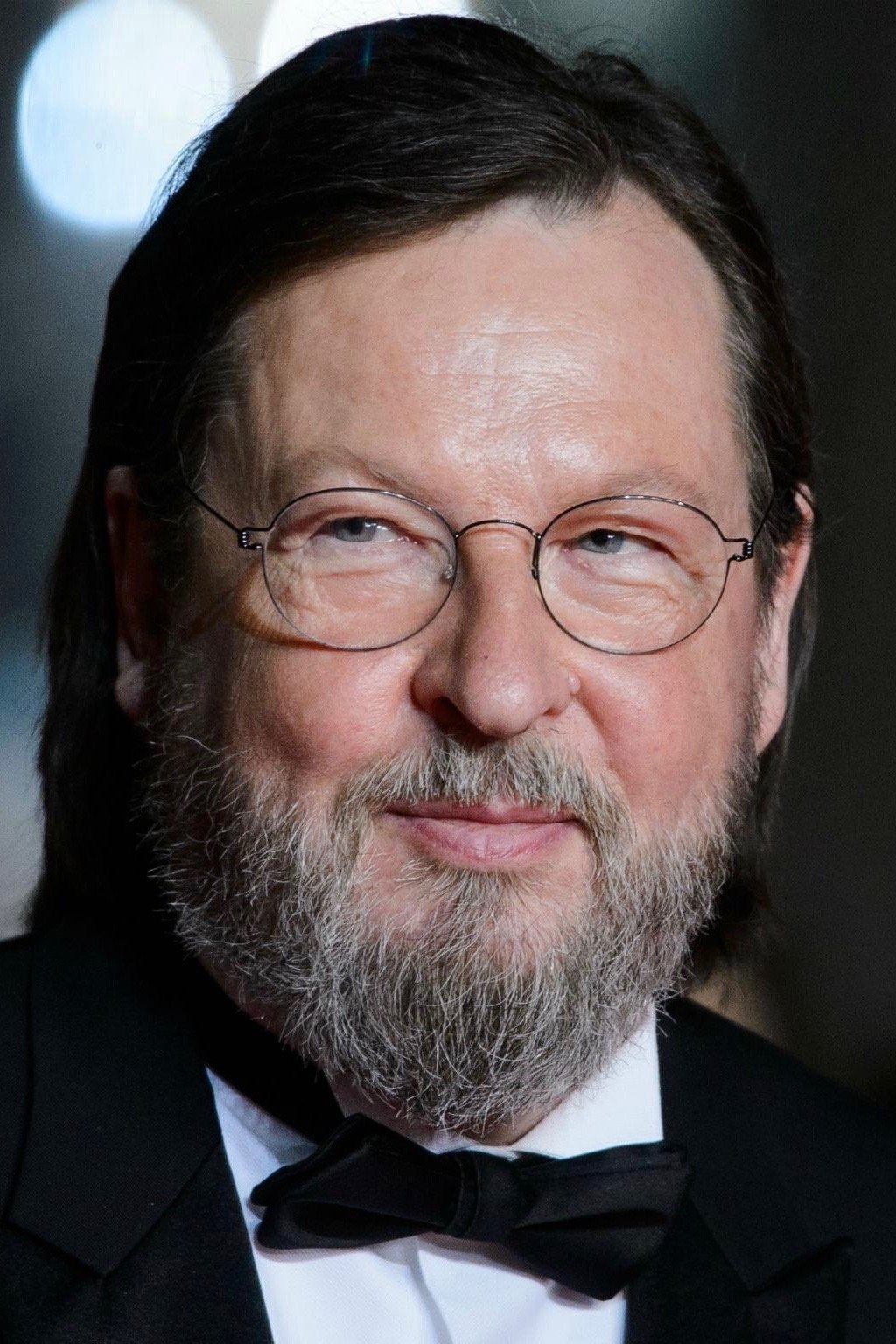
Lars von Trier spoke in defense of the graphic violence in his 2018 film, ‘The House That Jack Built,’ after it caused many viewers to leave screenings at the Cannes Film Festival. The controversial scenes depicted mutilation of women and children. Von Trier explained that his goal isn’t to entertain, but to provoke thought and discomfort, believing art shouldn’t shy away from difficult or disturbing subjects. He appeared unfazed by the negative reaction to the film, even seeming to welcome the criticism.
Gaspar Noé
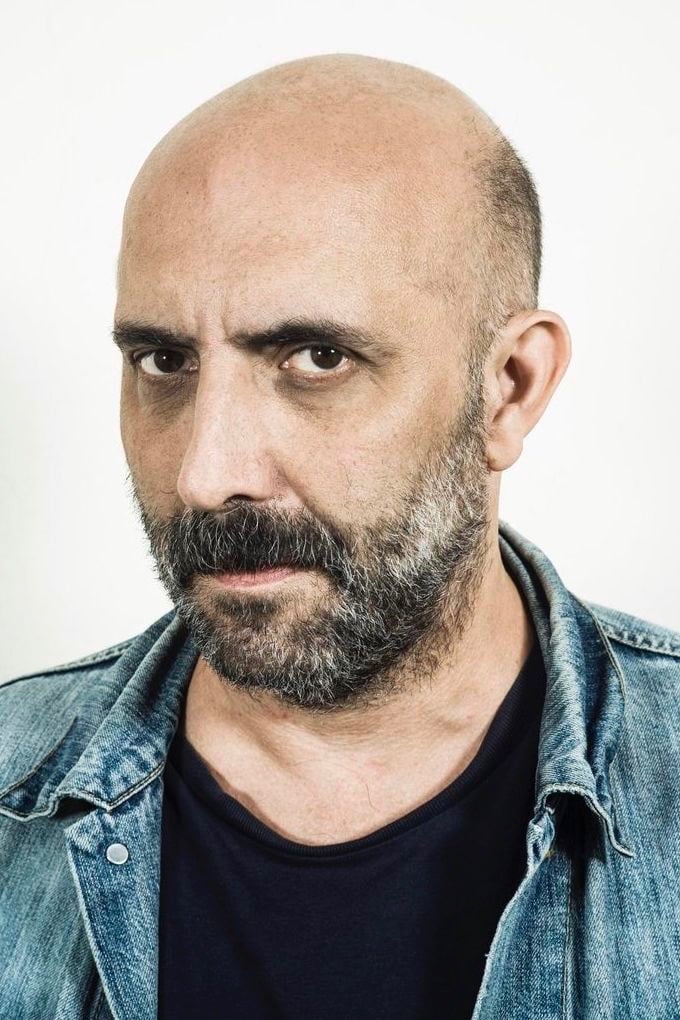
Gaspar Noé has often spoken in defense of the intensely violent rape scene in his 2002 film, ‘Irréversible’. He believes that onscreen violence should be disturbing and realistic, not glamorous or entertaining. Noé has explained that his intention was to make the audience viscerally experience the horror of the attack, and he rejects accusations that the film is simply exploitative. He insists that ‘Irréversible’ is ultimately a condemnation of violence itself.
Vincent Gallo
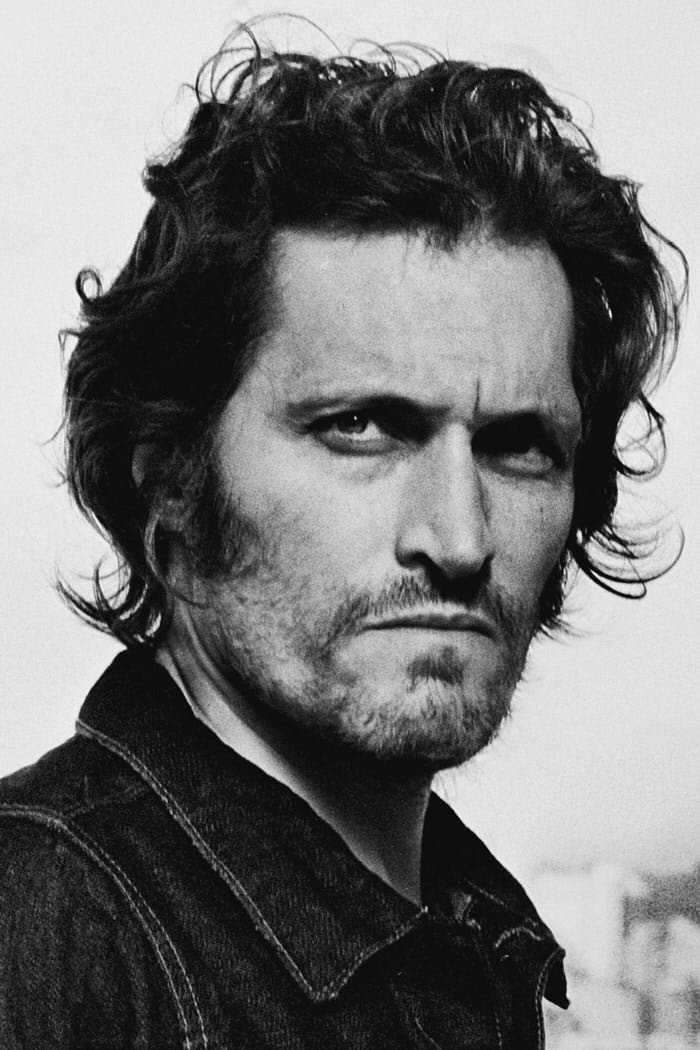
Vincent Gallo strongly defended his 2003 film, ‘The Brown Bunny,’ after film critic Roger Ebert famously called it the worst movie ever shown at the Cannes Film Festival. The film sparked controversy with a very explicit and realistic sex scene. Gallo maintained that the scene was crucial to portraying the character’s emotional openness. This led to a public disagreement with Ebert, but Gallo never backed down from his artistic vision. The film continues to be known as a strange and unusual cult classic, largely due to Gallo’s firm stance.
Paul Verhoeven

You know, as a film buff, I’ve always been fascinated by ‘Showgirls.’ It got absolutely slammed when it came out in ’95, but Paul Verhoeven has been fighting for it ever since, and I get why. He always said it wasn’t meant to be a straightforward drama, but a satire – a really pointed look at the American Dream gone wrong, and people just didn’t see it that way. He’s explained that all the big performances and, yes, the nudity, were totally deliberate stylistic choices. And honestly, I love that it’s found a life as this wonderfully campy classic. Verhoeven always believed it was smarter than people gave it credit for, and I think he’s right.
David Fincher
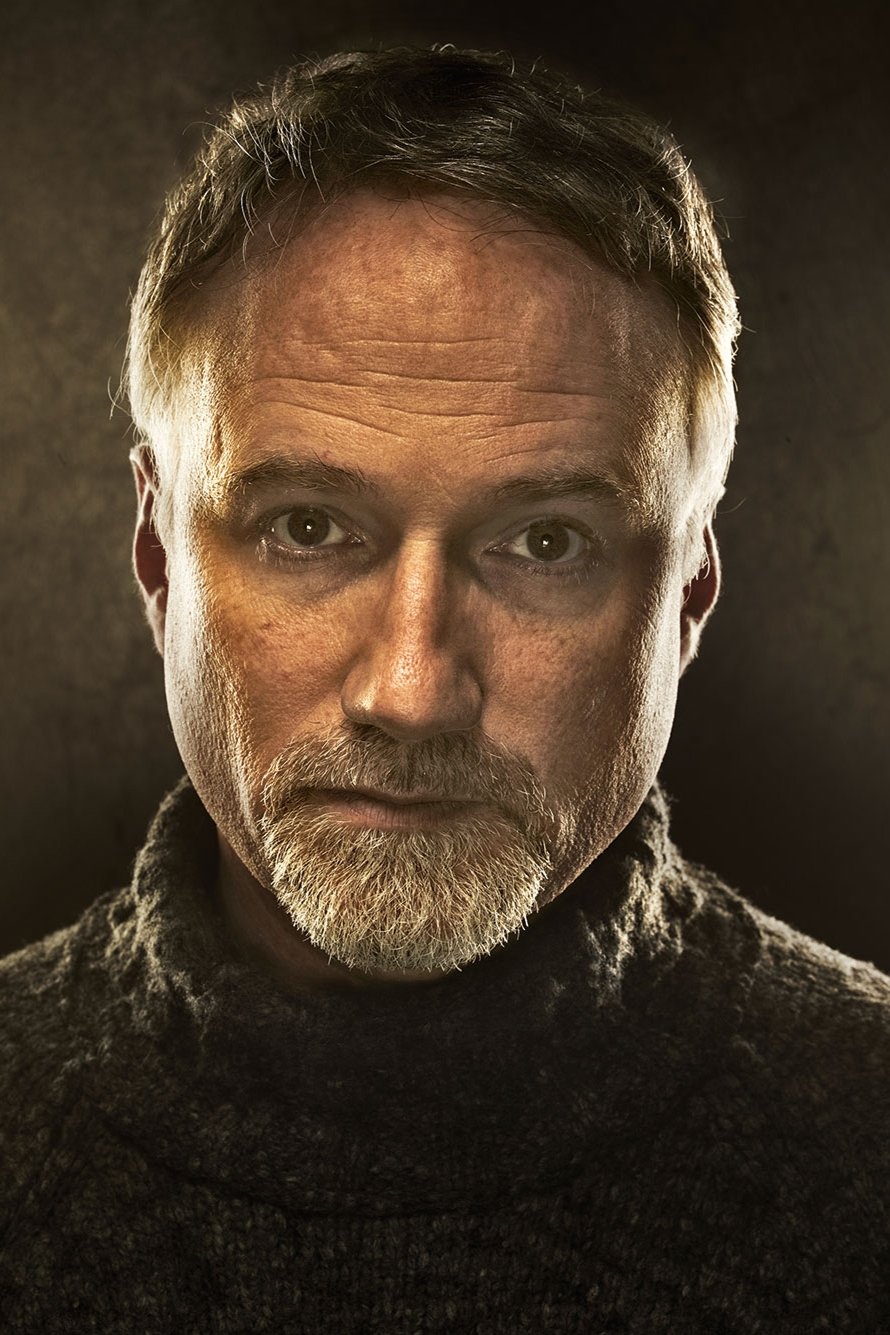
David Fincher, director of ‘Fight Club’ (1999), has responded to criticism that the film encourages harmful ideas about masculinity and fascism. He explained that the movie is actually a satire of those concepts, designed to highlight how meaningless they are. Fincher was surprised to find some viewers misinterpreted the film and took its central rules seriously. He insists ‘Fight Club’ is meant to be a commentary on male aggression, not an endorsement of it.
Darren Aronofsky
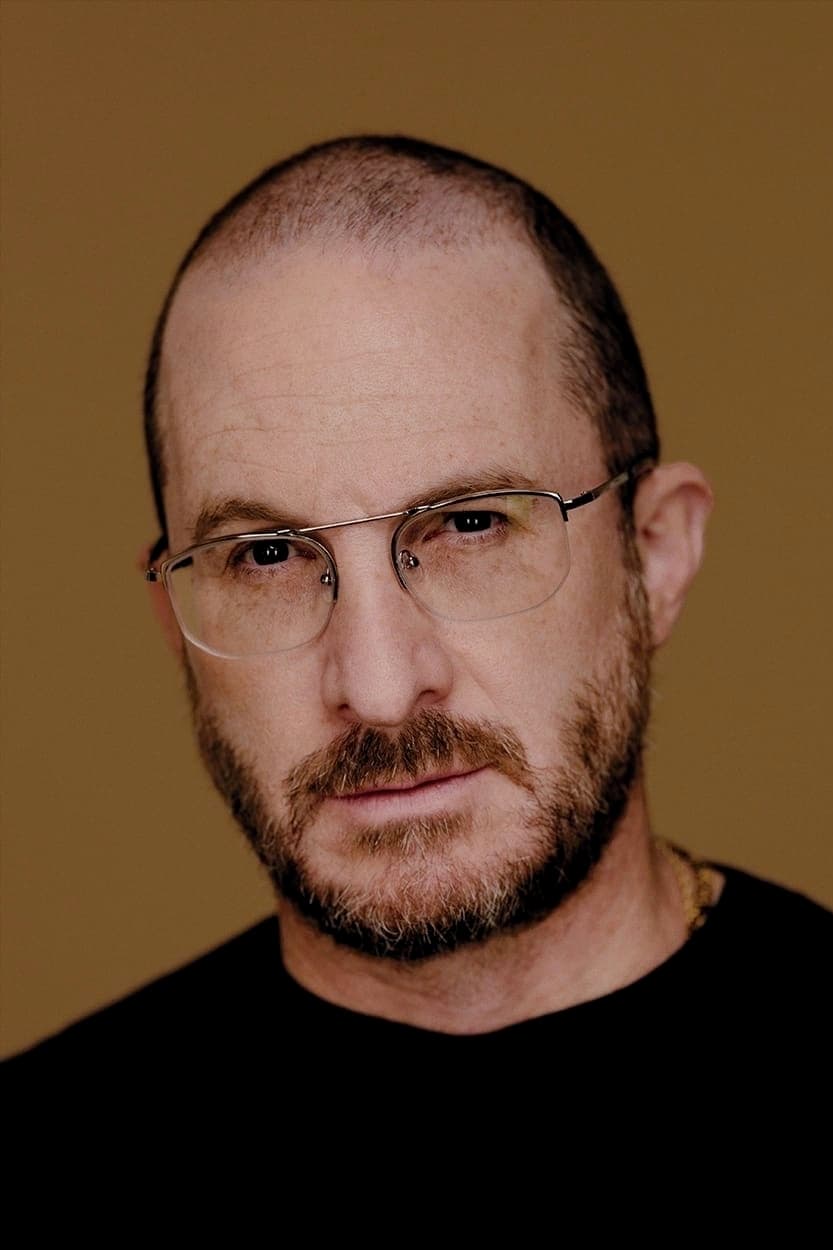
Darren Aronofsky explained his controversial film ‘Mother!’ (2017) after it received a very low audience score. He said the film was intentionally overwhelming and meant to be a sensory experience. Aronofsky felt the symbolic violence was crucial for getting across his message about the environment. While acknowledging the film sparked strong reactions and wasn’t for everyone, he defended its harshness, believing it showed the film had successfully made an impact.
Jennifer Lawrence

Jennifer Lawrence stood by her 2017 film, ‘Mother!’, and its director, explaining that the film’s intense and shocking scenes were essential to its message. She described the movie as daring and different, and while admitting it wasn’t easy to watch, she believed it was a significant work of art. Lawrence expressed continued pride in the strong, and often divided, reactions the film provoked.
John Cleese
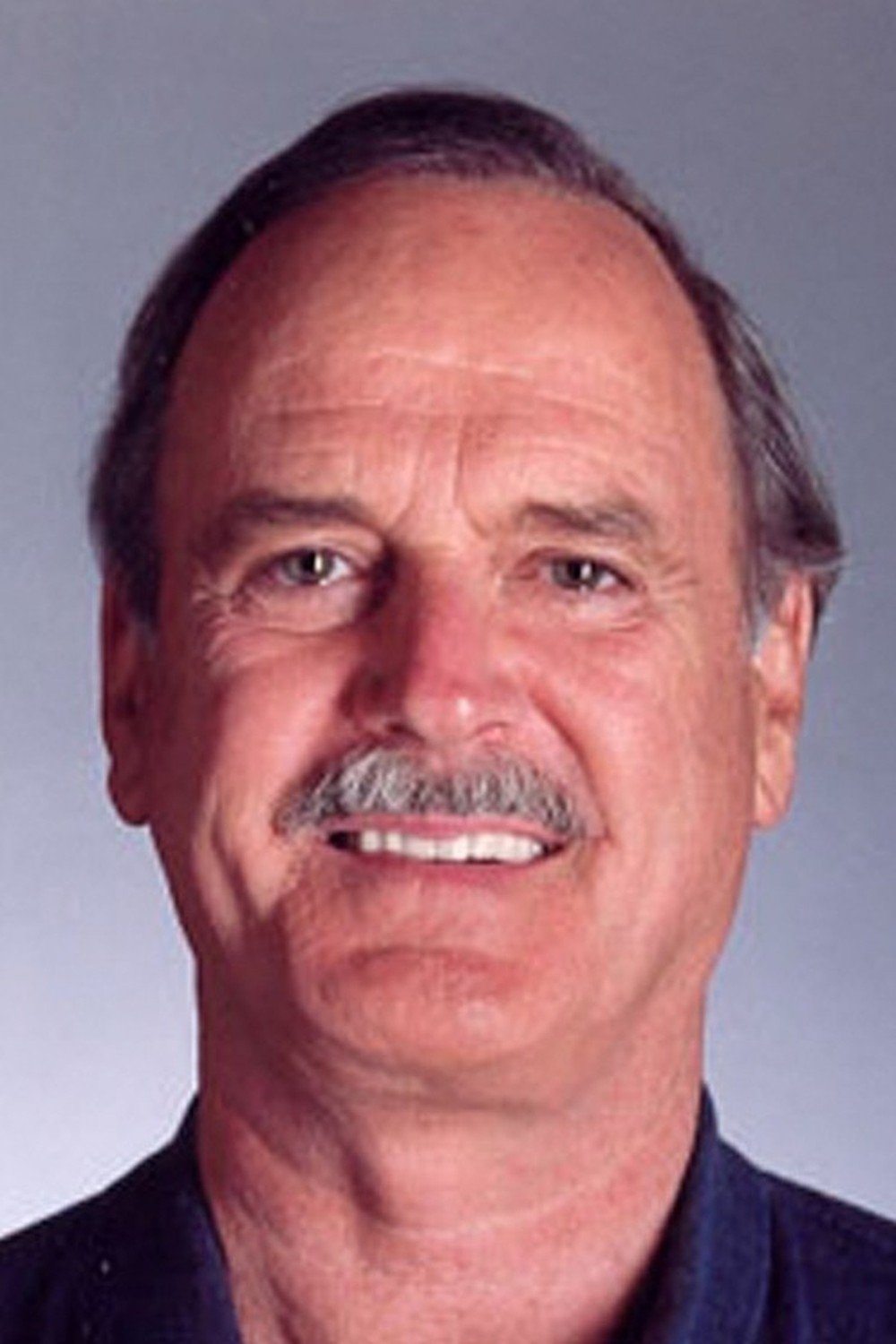
John Cleese has long defended his film ‘Monty Python’s Life of Brian’ (1979) against claims it was disrespectful to religion. He’s always maintained the film satirizes those who abuse religion, not faith itself, and points out that the controversy actually boosted ticket sales. Cleese remains critical of modern ‘cancel culture,’ believing it poses a threat to comedic freedom and that no topic should be considered untouchable for humor.
Terry Gilliam
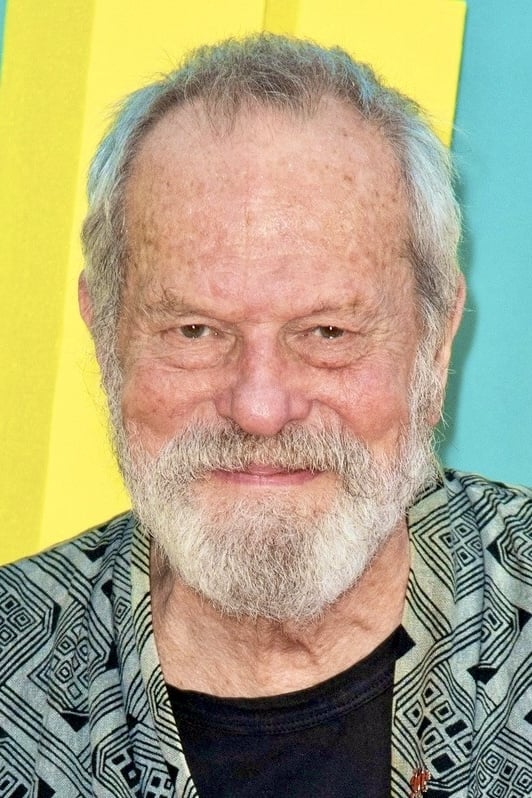
Terry Gilliam is standing with his Monty Python colleagues to protect their work from modern censorship. He explained that some of the jokes in their films, which might be considered offensive today, were typical for the time and fit their comedic style. Gilliam believes that comedy often relies on having a target, and that being offended is simply a part of life. He disapproved of the BBC adding warning labels to their classic shows, arguing that changing or censoring older comedy defeats the point of it.
Queen Latifah
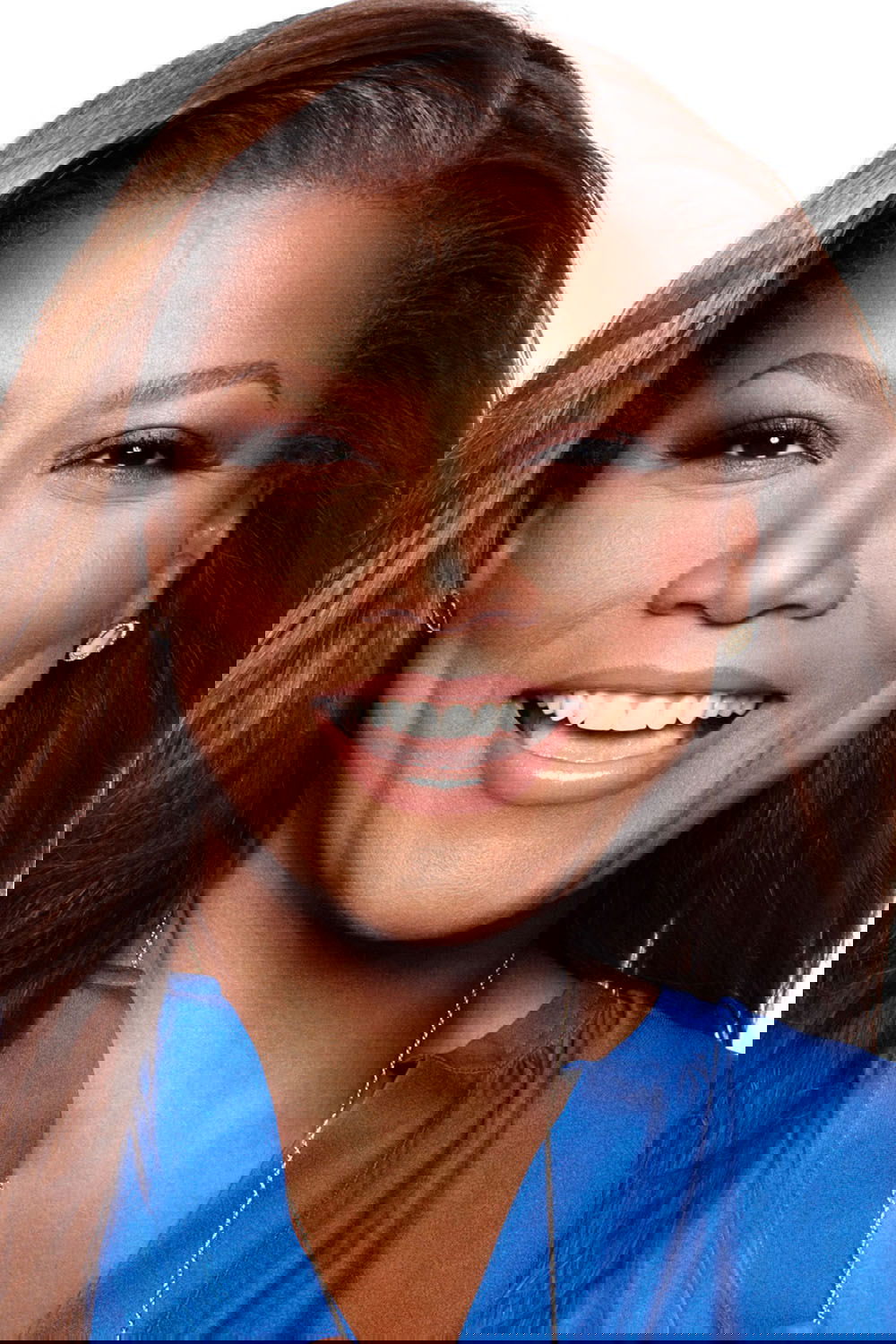
Queen Latifah spoke out in support of keeping the classic film ‘Gone with the Wind’ available on HBO Max, even after it was briefly removed for adding historical context. She explained that removing the film would be like trying to erase the past, and that it’s important for people to see how society has evolved. Instead of banning the movie, Latifah suggested adding introductions or disclaimers to provide viewers with a better understanding of its historical context.
Hattie McDaniel
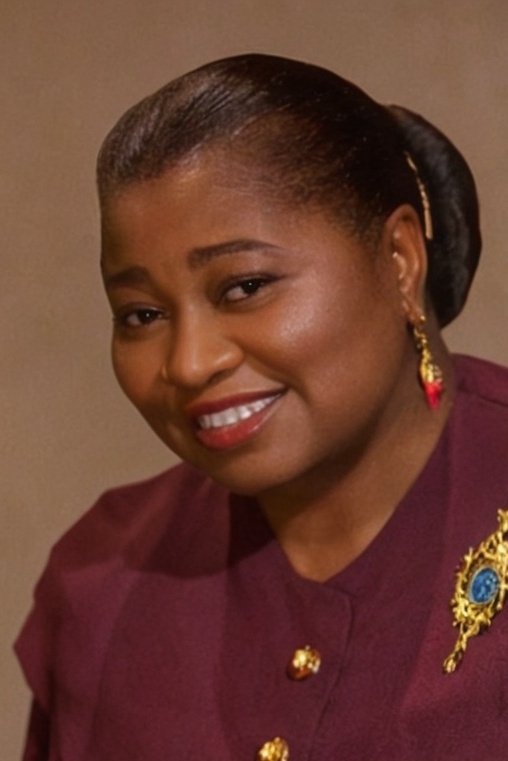
Hattie McDaniel faced criticism from the NAACP for her role as a maid in the 1939 film ‘Gone with the Wind,’ but she strongly defended her decision. She famously said she preferred being paid well to portray a maid, rather than actually being a low-paid maid. McDaniel believed her performance helped create opportunities for other Black actors in Hollywood, and she was proud to be part of a major studio film. She continued to stand by her work throughout her life.
Olivia de Havilland

Throughout her life, Olivia de Havilland consistently spoke in defense of the film ‘Gone with the Wind’ (1939). She believed it should be understood within the context of when it was made and valued for its filmmaking quality. De Havilland felt the people who created the movie produced a truly important work and didn’t agree with recent efforts to diminish its artistic value. She saw it simply as a cherished classic, not as a film with a political agenda.
Casey Affleck
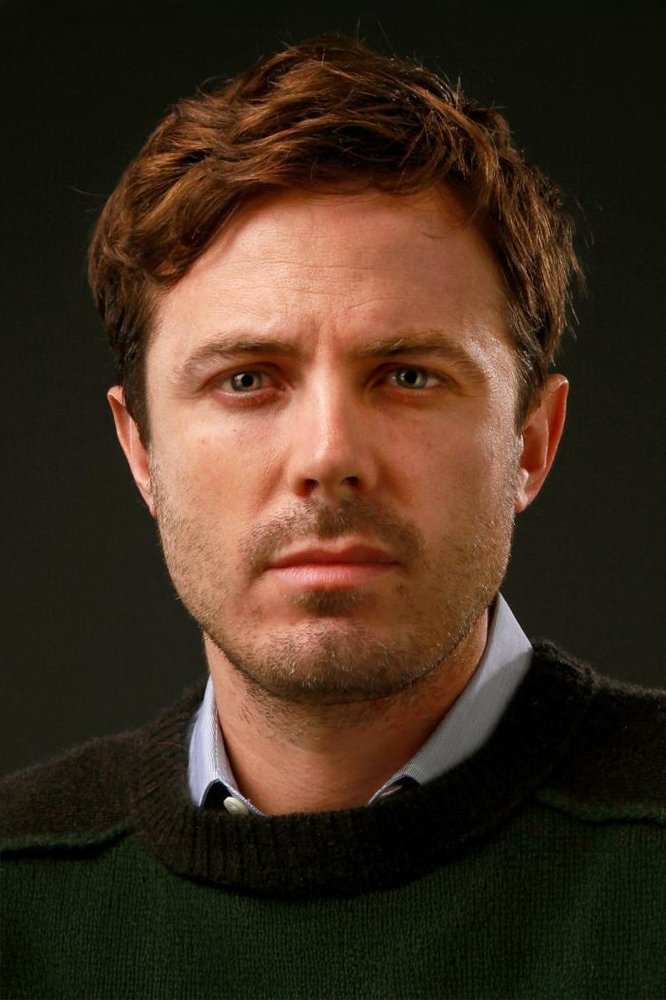
Casey Affleck stood up for the 2010 mockumentary ‘I’m Still Here,’ even though it caused a lot of controversy. The film was criticized for misleading the public and for problematic behavior during filming that resulted in legal issues. Affleck explained that the deception was intentional, meant to comment on celebrity culture, and that the film should be seen as a work of art. Despite the negative impact on his reputation, he maintained that the final product was worthwhile.
Judi Dench
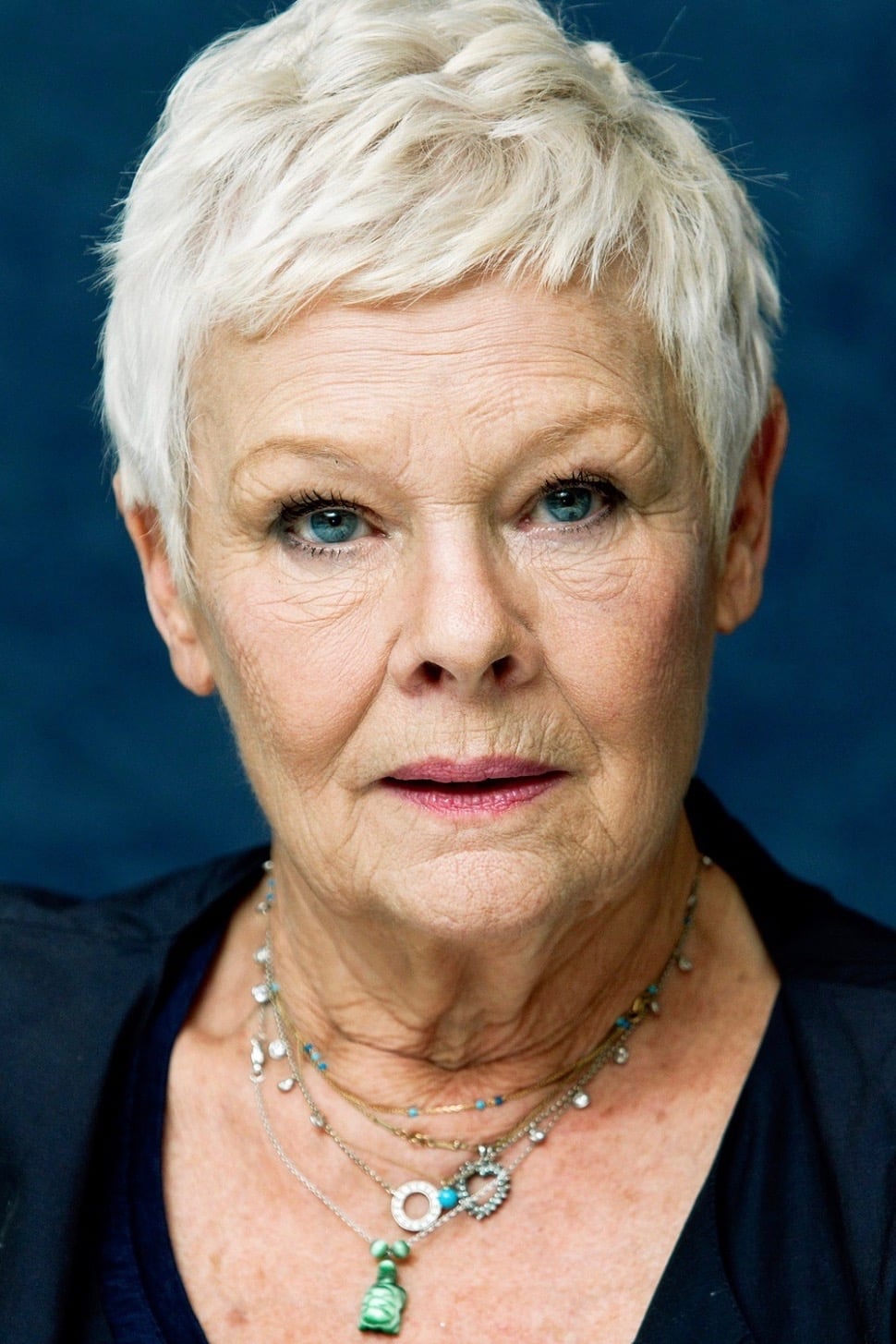
Judi Dench received criticism for speaking out in defense of Harvey Weinstein’s film work. She believed that movies like ‘Shakespeare in Love’ shouldn’t be disregarded due to his criminal behavior, arguing that the contributions of many artists shouldn’t be penalized for the actions of one person. Dench stressed the need to distinguish between the art itself and the individual who created it. However, her remarks angered many who felt she was shielding a known abuser’s reputation.
Share your opinion on these controversial defenses in the comments.
Read More
- Top 20 Dinosaur Movies, Ranked
- 20 Movies Where the Black Villain Was Secretly the Most Popular Character
- Celebs Who Narrowly Escaped The 9/11 Attacks
- 25 “Woke” Films That Used Black Trauma to Humanize White Leads
- Spotting the Loops in Autonomous Systems
- The 10 Most Underrated Jim Carrey Movies, Ranked (From Least to Most Underrated)
- Gold Rate Forecast
- Transformers Under the Microscope: What Graph Neural Networks Reveal
- The Best Directors of 2025
- Every Notable ‘Star Trek: The Original Series’ Actor Who Died
2026-01-26 17:21