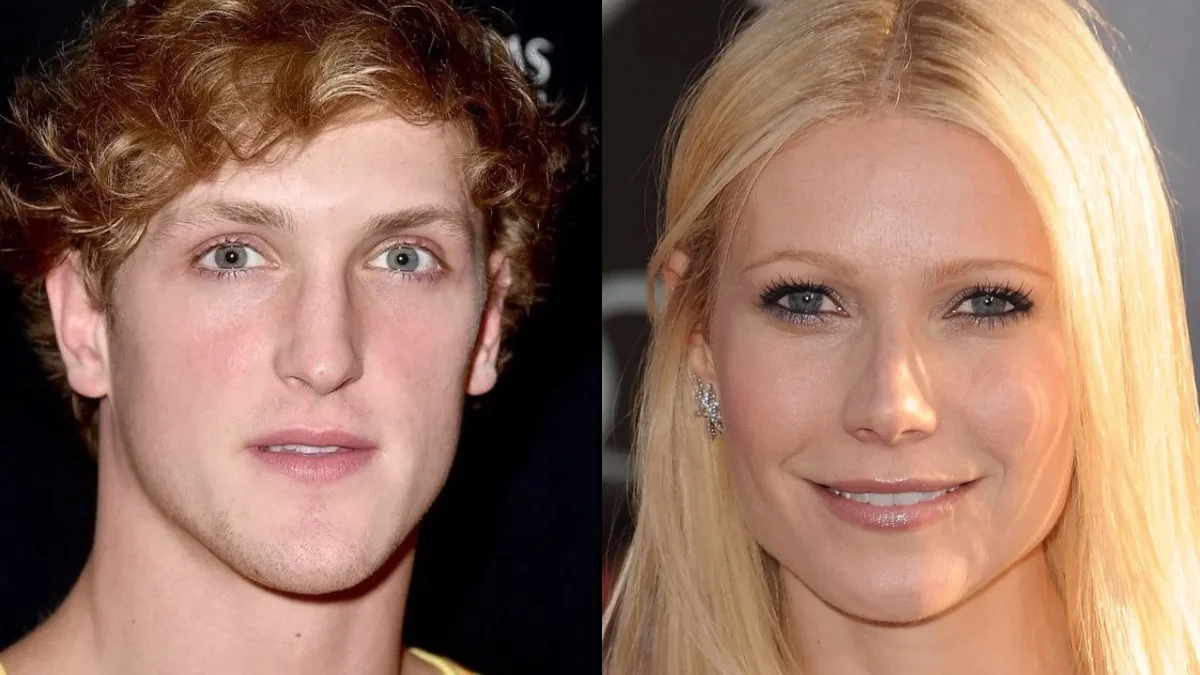
Celebrities are increasingly using their influence to promote financial products and ventures, especially with the rise of social media and digital currencies. Unfortunately, this has led to some fans losing money on projects endorsed by stars – from disappointing events to outright scams. While some celebrities have been penalized by authorities, many have suffered lasting damage to their public image and careers. This situation shows how accountability for celebrities is changing, as their fans’ trust is now seen as something that can be easily exploited.
Ja Rule
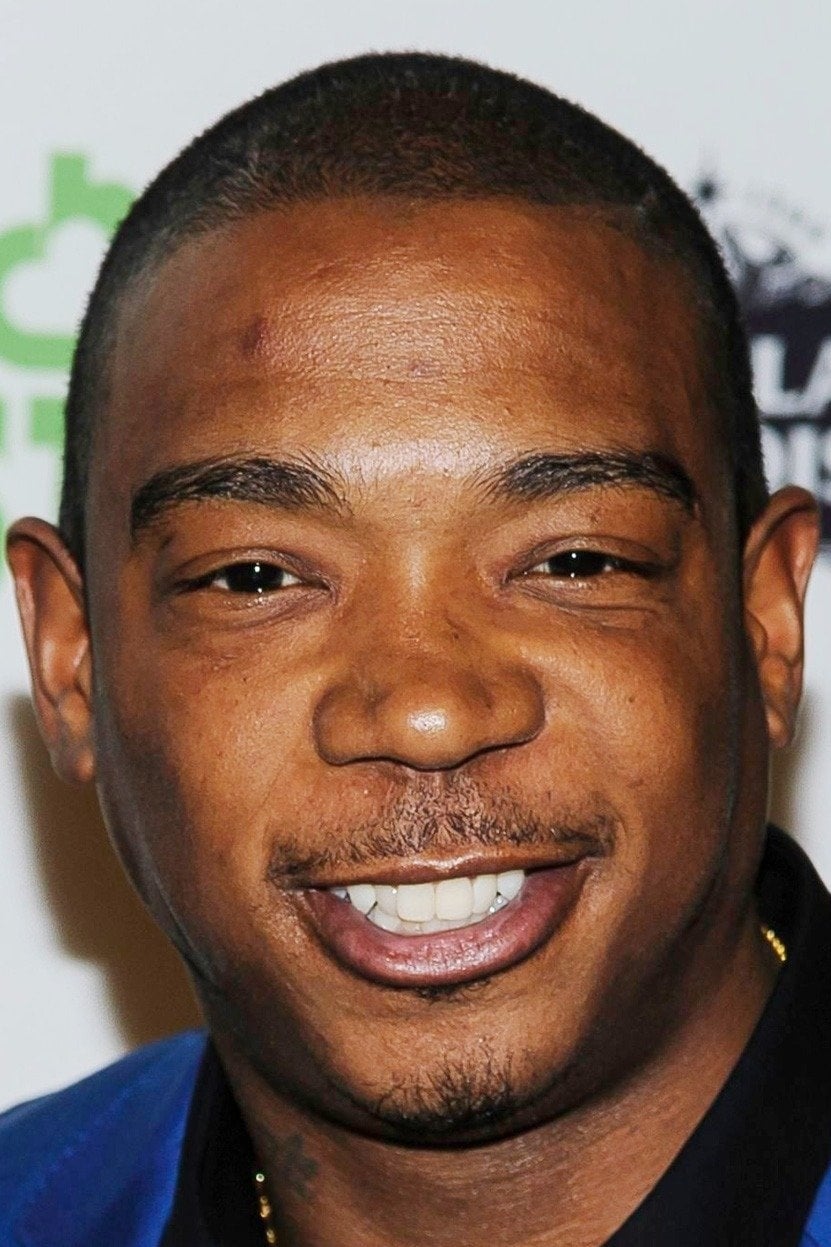
Ja Rule, a co-founder of the infamous Fyre Festival, received significant criticism for promoting the event to his fans, who were ultimately defrauded. He enthusiastically advertised the festival through videos and social media, promising an unforgettable experience. However, when the festival fell apart, he was named in multiple lawsuits, despite claiming he too was misled by the organizers. The images of stranded attendees severely damaged his reputation, and he spent years dealing with the legal consequences of the festival’s failure.
Tana Mongeau
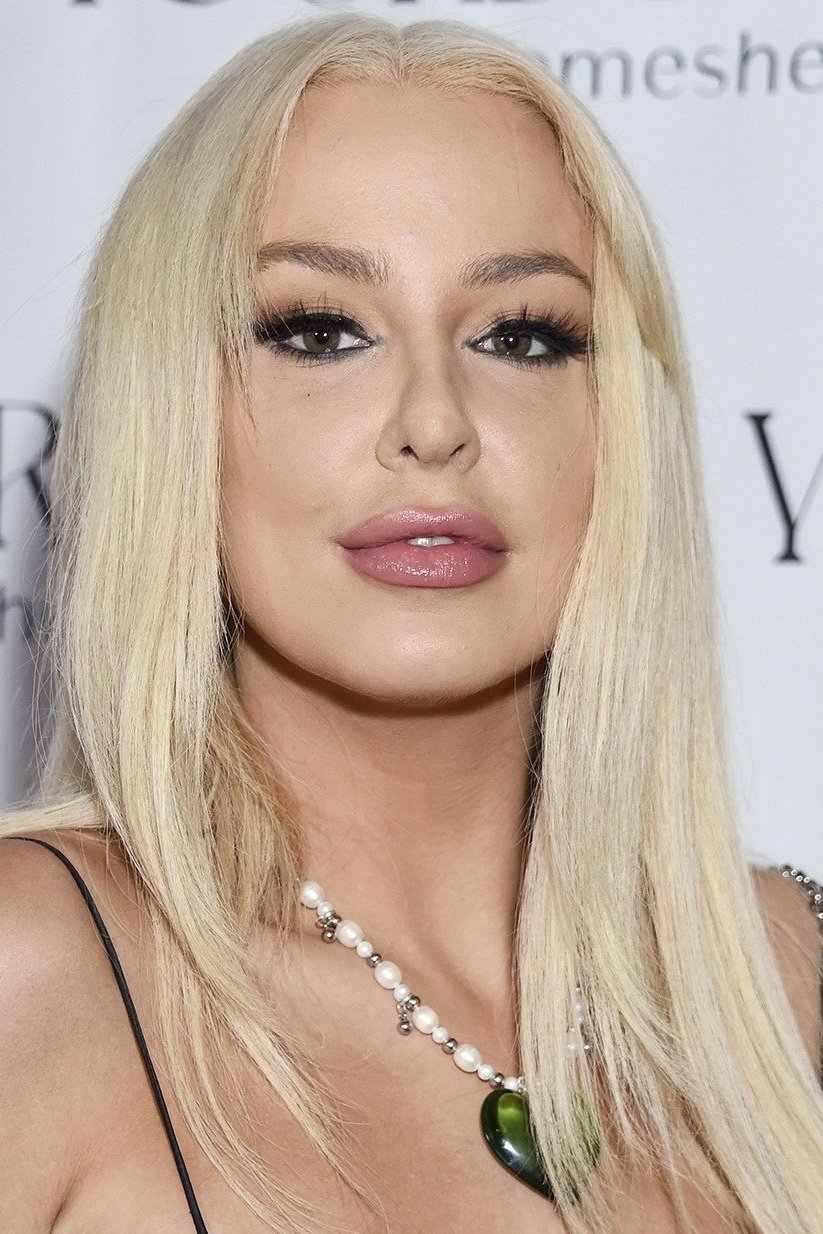
Tana Mongeau, a popular YouTuber, tried to create her own fan convention called ‘TanaCon’ to rival VidCon. However, the event was a disaster. Fans who purchased expensive tickets expecting meet-and-greets and special access found the venue was far too small to accommodate everyone. Thousands were left waiting outside in the heat for hours without water, leading to health and safety issues. The fire marshal shut down the event on the first day, and Mongeau later apologized in a video. Many fans felt let down, as the promised high-quality experience simply wasn’t possible given the conditions.
Logan Paul
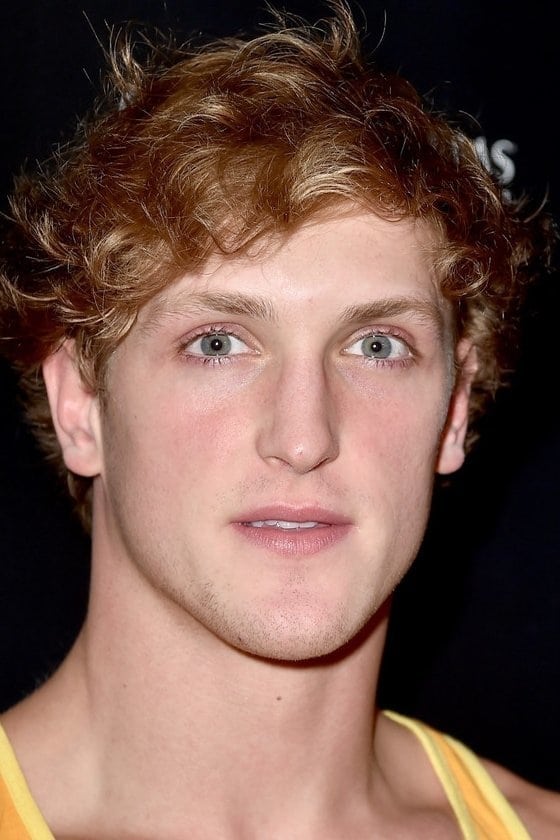
Logan Paul received significant criticism for his role in the ‘CryptoZoo’ project, a cryptocurrency game where players were supposed to earn money. He promoted digital eggs to his young followers, promising they would turn into valuable NFTs. Unfortunately, the game never really worked as promised, and investors didn’t receive the features they were told they would. After other creators investigated and exposed the issues, Paul announced he would offer refunds to those who had invested. This situation is now a well-known example of how influencer-backed digital projects can fail.
Kim Kardashian
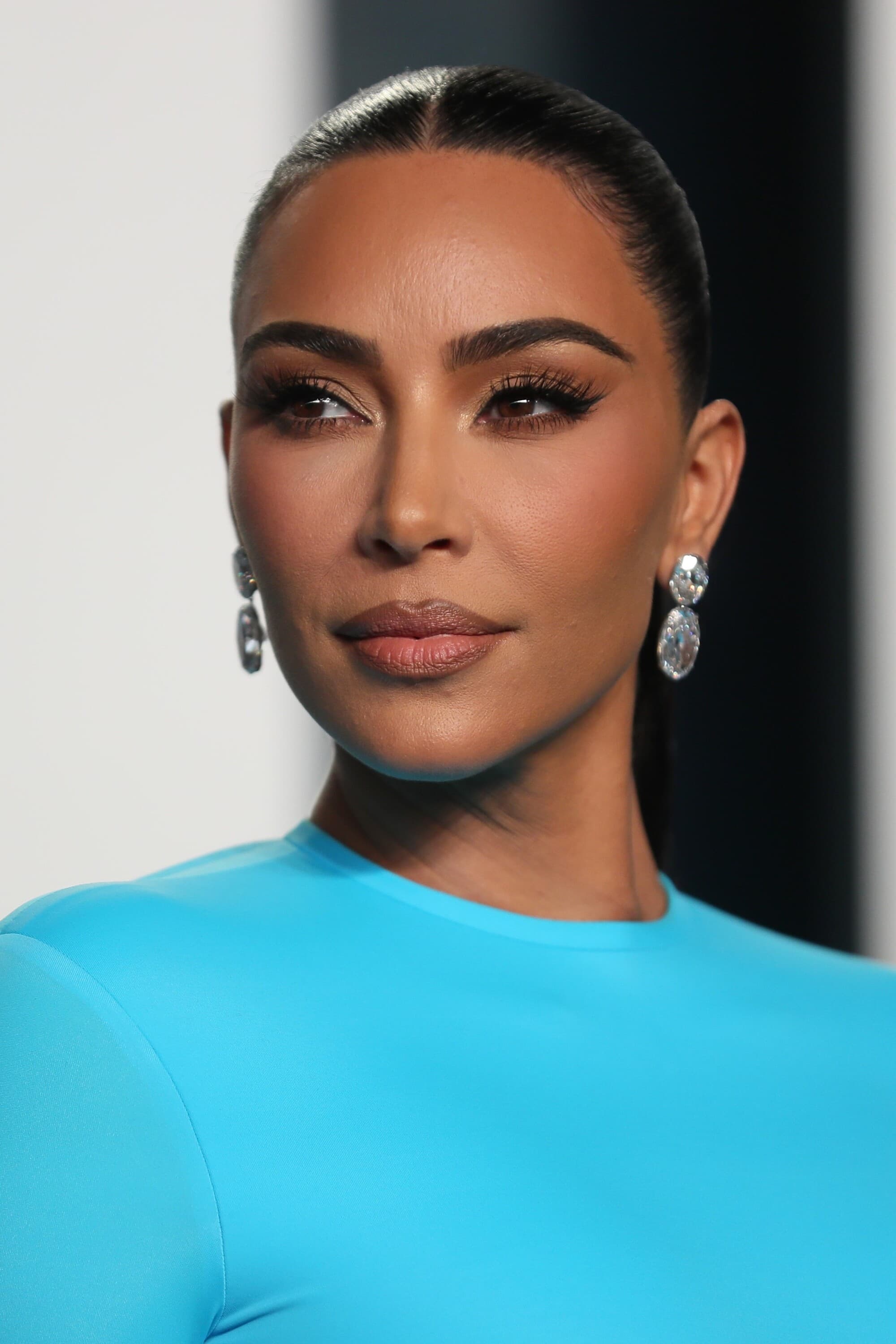
Kim Kardashian received a $1.26 million penalty from the Securities and Exchange Commission (SEC) for advertising ‘EthereumMax‘ on Instagram without revealing she was paid $250,000 for the promotion. This violated rules about financial endorsements. Many of her followers bought the cryptocurrency based on her post, but its value later fell by more than 90%. As part of the agreement, Kardashian is prohibited from promoting any crypto assets for three years. This case highlights the legal obligations celebrities have when endorsing financial products.
Soulja Boy
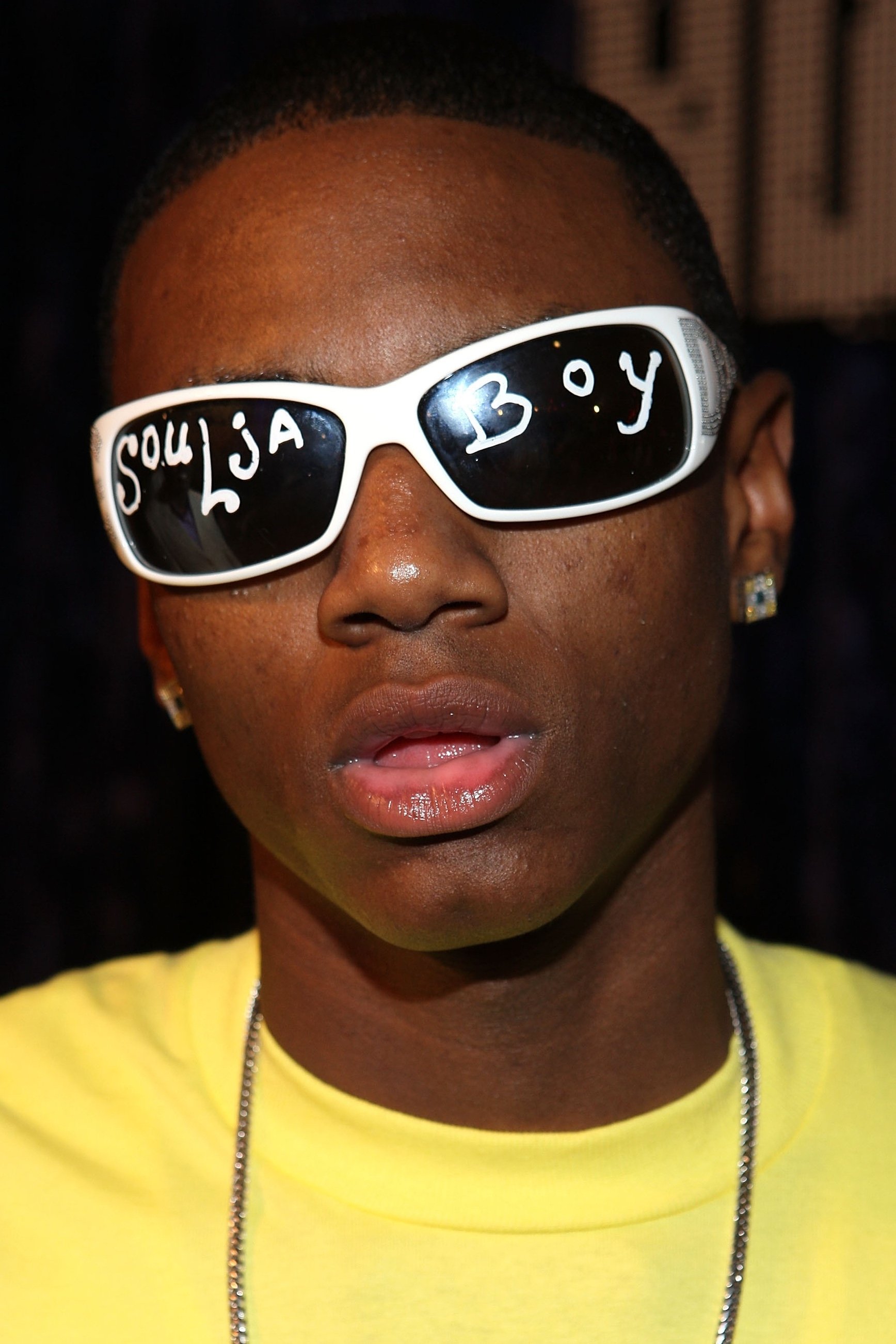
Rapper Soulja Boy tried to launch a gaming console called “SouljaGame,” but it quickly became clear the devices were simply inexpensive, rebranded emulators being sold at a huge profit. This led to potential legal trouble with companies like Nintendo, as the consoles included copyrighted games. After some initial pushback, Soulja Boy removed the consoles from his website. Customers who bought the “SouljaGame” reported that the quality was poor and the software didn’t live up to the promises made in advertising.
DJ Khaled
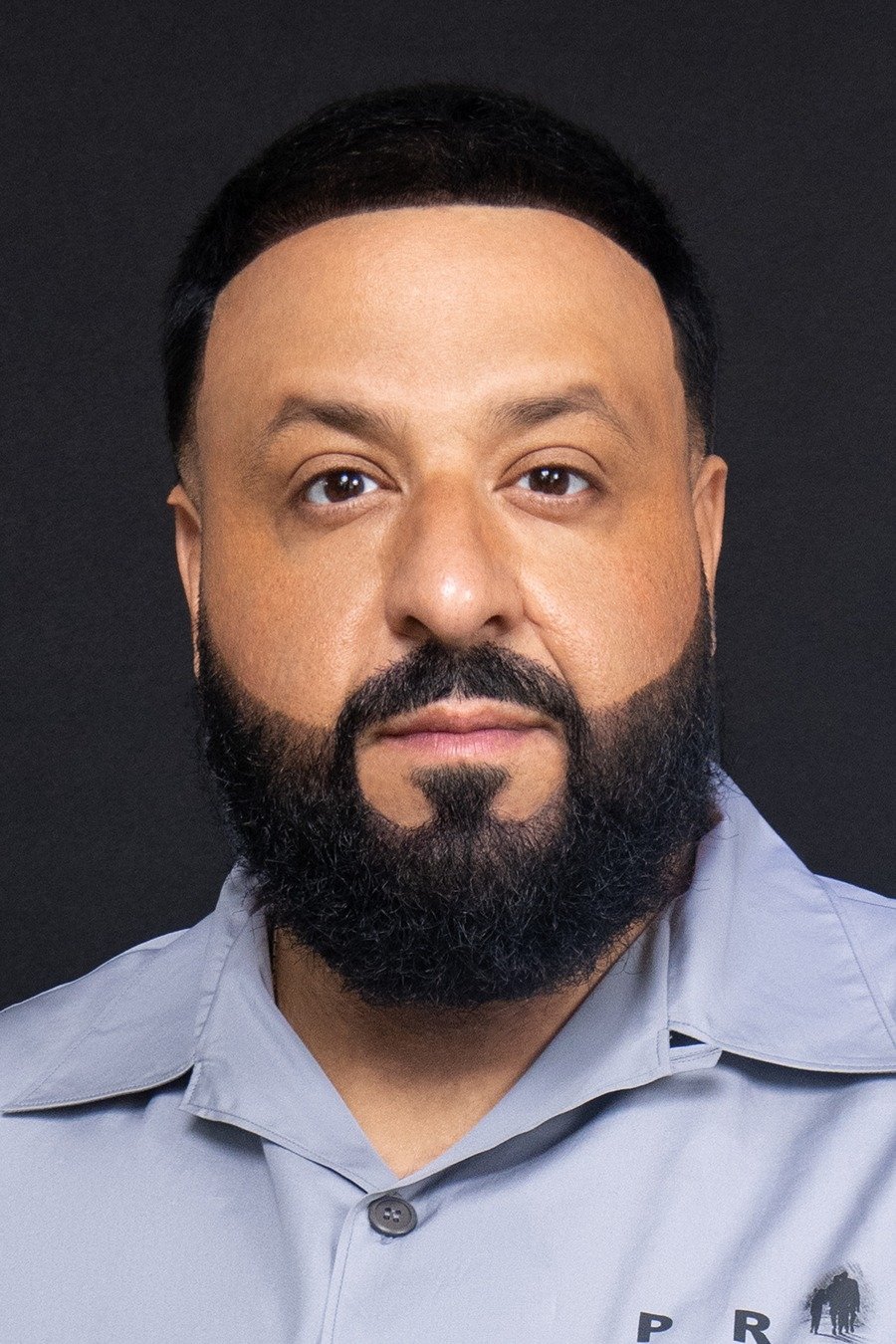
DJ Khaled became involved in the ‘Centra Tech’ cryptocurrency scam, along with several other celebrities. He used his social media to promote the project to his followers without revealing he was being paid to do so. The people behind Centra Tech were eventually arrested and accused of a large-scale fraud that tricked investors. Khaled settled with the SEC by paying a significant fine and agreeing not to promote investments for two years. This case highlighted how easily famous personalities can unintentionally give a false sense of trustworthiness to risky financial schemes.
Steven Seagal
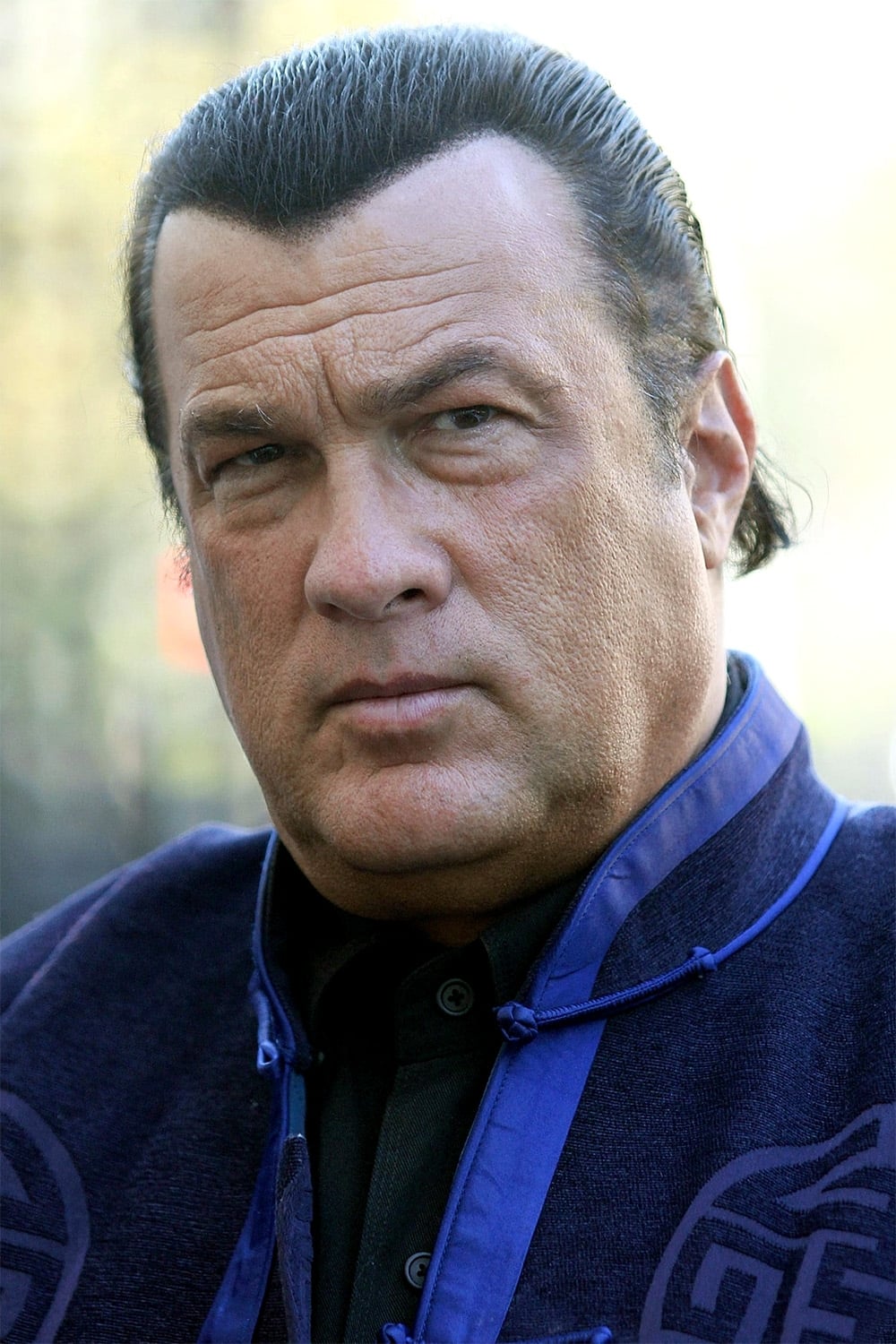
Actor Steven Seagal faced charges from regulators for not revealing he was paid $1 million in cash and cryptocurrency tokens to promote ‘Bitcoiin2Gen.’ As the cryptocurrency’s spokesperson, he convinced his followers to invest, claiming it was a top-tier digital currency. However, the project failed, and Seagal had to pay over $300,000 in fines and interest. He was also prohibited from promoting investments or digital currencies for a number of years. This incident is one of several controversies for the actor and serves as a warning about the dangers of investing based on celebrity endorsements.
T.I.
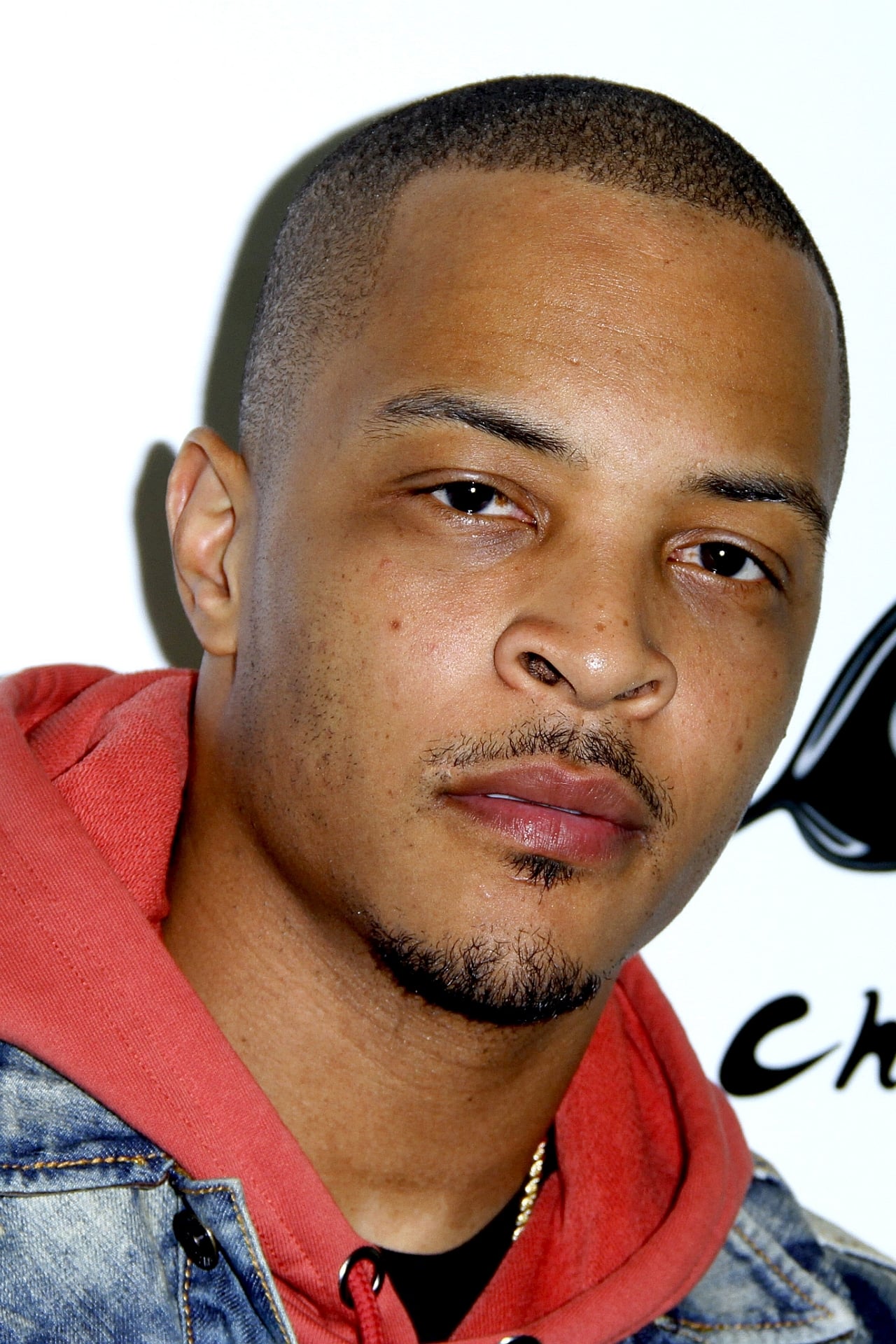
Rapper T.I. faced charges from the Securities and Exchange Commission (SEC) for promoting a fake cryptocurrency called ‘FLiK’. He used his social media to encourage fans to invest, claiming it would change the entertainment industry. However, the project was a scam that misled investors about its potential and who was running it. T.I. settled with the SEC and is now banned from participating in similar investments for five years. Many fans who invested based on his promotion felt let down by the lack of honesty.
Akon
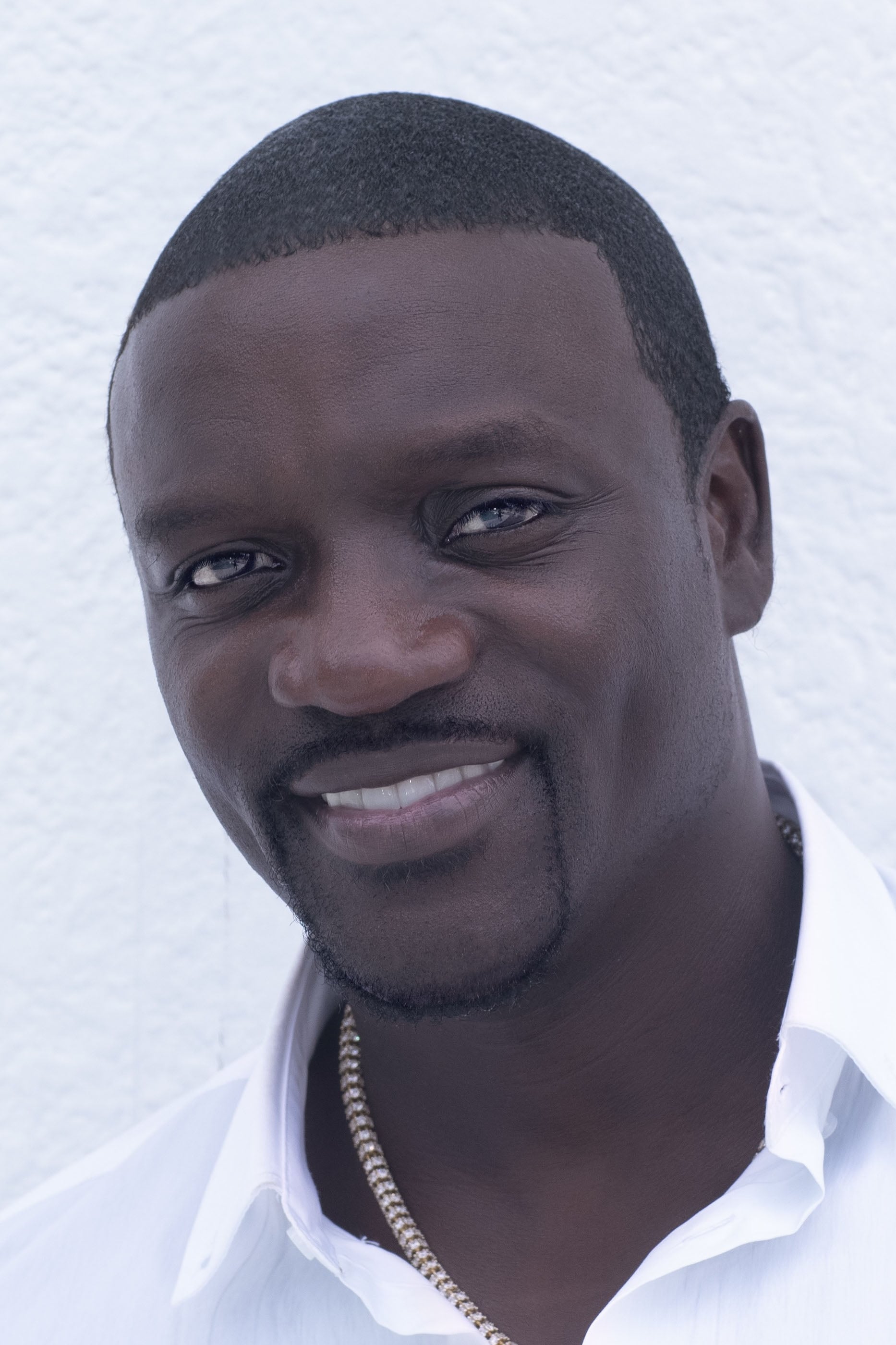
Akon’s cryptocurrency project, Akoin, and his plans for “Akon City” in Senegal have drawn significant criticism, with some accusing it of operating like a Ponzi scheme. Though presented as a way to help and empower people in Africa, the promised city infrastructure hasn’t been built. Investors and supporters became worried when the value of Akoin fluctuated wildly and the intended uses for the currency never came to fruition. Many believe the project mainly served to boost Akon’s own image, without fulfilling its ambitious goals.
Lindsay Lohan

Lindsay Lohan was penalized by the Securities and Exchange Commission (SEC) for promoting cryptocurrency tokens – ‘Tron’ and ‘BitTorrent’ – without revealing she was paid to do so. The SEC stated that this misled investors into believing her endorsements were genuine and based on her own opinion. Lohan resolved the issue by paying a fine and promising to stop similar promotional activities. This action was part of a broader effort by the SEC to address influencers who use their popularity to artificially inflate the value of digital currencies.
Caroline Calloway

Influencer Caroline Calloway received significant criticism after her “creativity workshops” didn’t live up to expectations. Attendees paid $165 for events that were advertised to include flowers, custom letters, and vegan food prepared by Calloway, but the tour quickly became known as a failure. Many workshops were canceled or moved to less desirable locations without the promised features. People accused Calloway of taking advantage of her followers for a quick profit without properly planning the events. The situation ultimately led to her being seen as an example of a dishonest influencer.
Ne-Yo
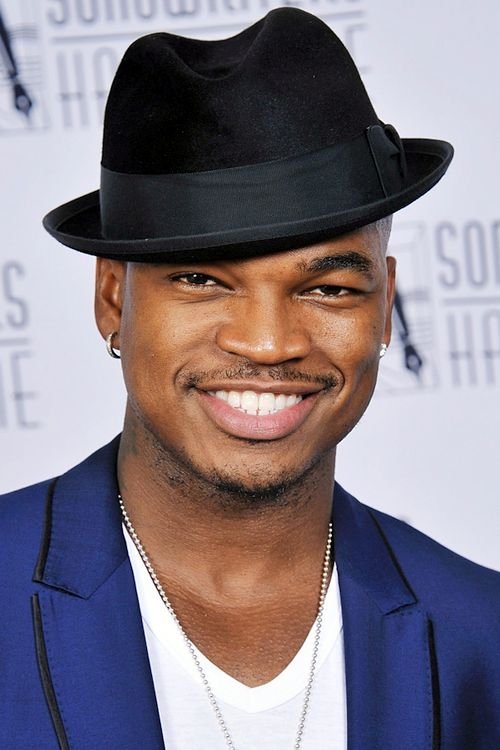
Singer Ne-Yo faced penalties from the Securities and Exchange Commission (SEC) for promoting a cryptocurrency called EthereumMax without revealing he was paid to do so. Like other celebrities who promoted the project, he didn’t disclose his financial compensation for his social media posts. This led some fans to invest in the cryptocurrency, which later came under investigation due to concerns about its value and unusual price changes. Ne-Yo ultimately reached a settlement with regulators and paid a fine. This case highlights a growing issue of celebrities promoting risky investments without proper disclosure.
Austin McBroom

Austin McBroom and his family, known as the Ace Family, have been criticized for issues surrounding their events. Attendees at ‘Ace Fest’ felt the expensive tickets didn’t deliver a worthwhile experience, comparing it to a basic carnival with long waits and limited activities. Separately, McBroom’s boxing event, “Social Gloves,” faced claims that some fighters weren’t paid what they were owed. Both situations sparked anger from fans and participants who felt there was a lack of openness about how the money was handled. These problems have damaged the family’s reputation and people’s confidence in their businesses.
Jake Paul
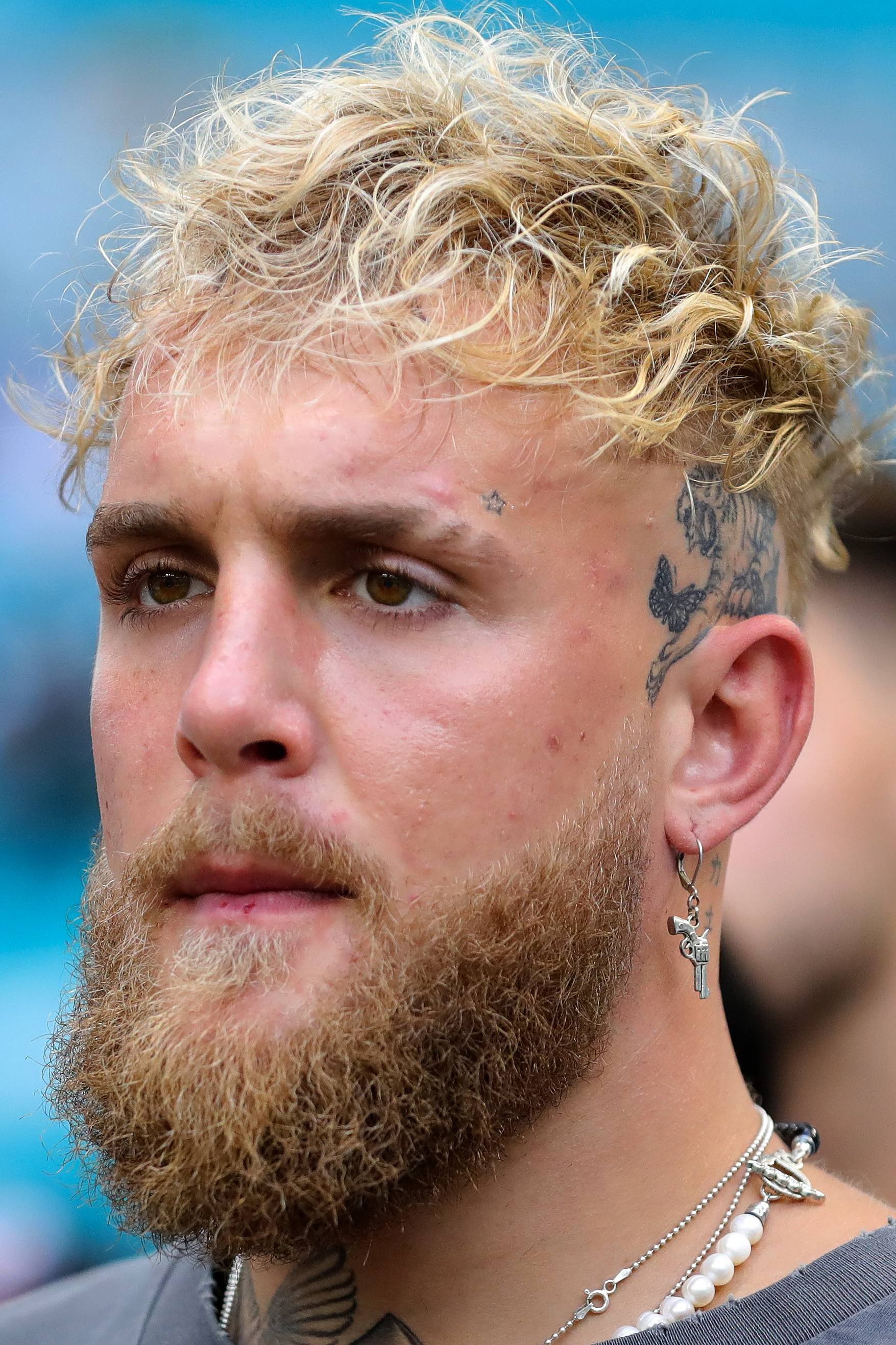
Jake Paul has been involved with several questionable business deals, including the cryptocurrency Safemoon and websites selling mystery boxes. He was sued in a class-action lawsuit accusing him and other social media personalities of artificially inflating the price of Safemoon before abandoning it, causing financial losses for investors. He also promoted a website called MysteryBrand, which critics claimed was a scam that tricked fans about their chances of winning valuable prizes. Even with the criticism, Paul keeps starting new businesses, often facing accusations of misleading advertising. These past dealings have made him a frequent subject of investigation by the media.
Paris Hilton
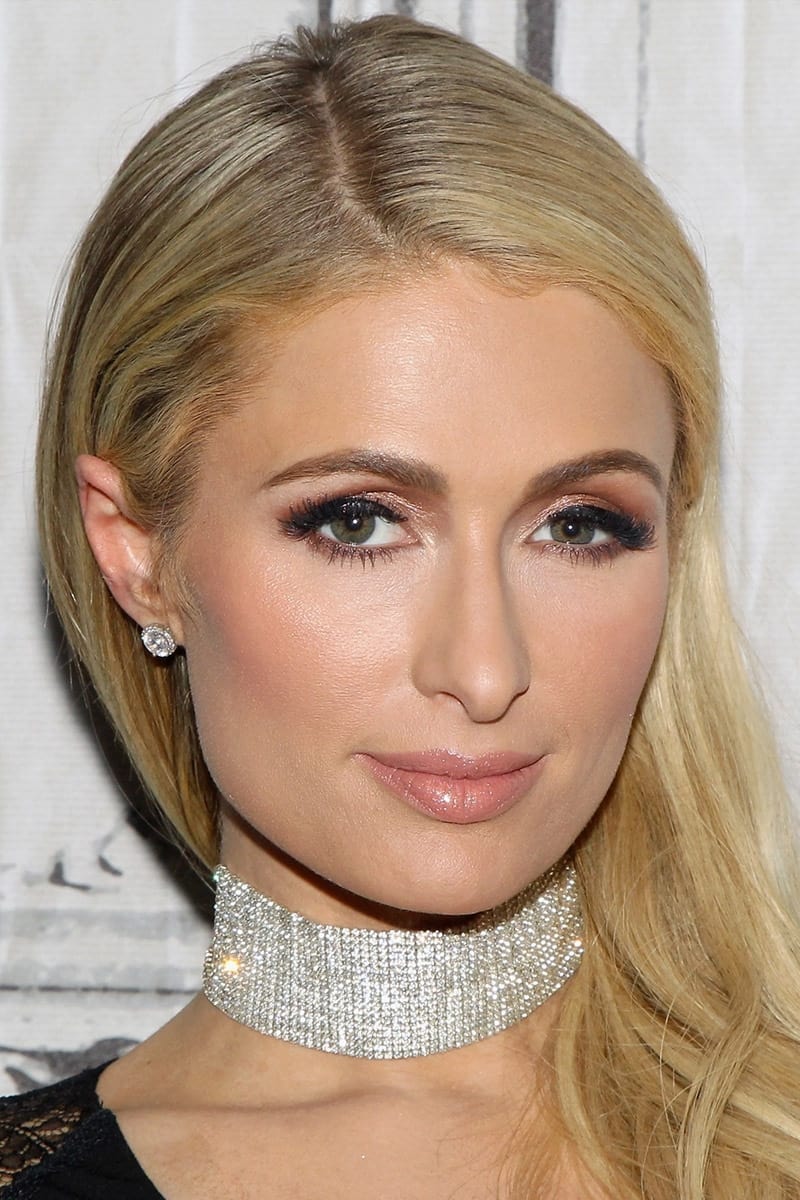
Paris Hilton was among the first celebrities criticized for promoting LydianCoin, a cryptocurrency project. The project’s creator had legal problems, and experts cautioned Hilton’s followers about the potential dangers of investing. Though she removed the promotional material, the situation showed she was willing to endorse financial projects without proper investigation. Later, she actively promoted NFTs, but her connection to LydianCoin continued to raise concerns for those skeptical of crypto. Ultimately, her popularity helped introduce these kinds of investments to a wider, more fashion-conscious audience.
Tyga
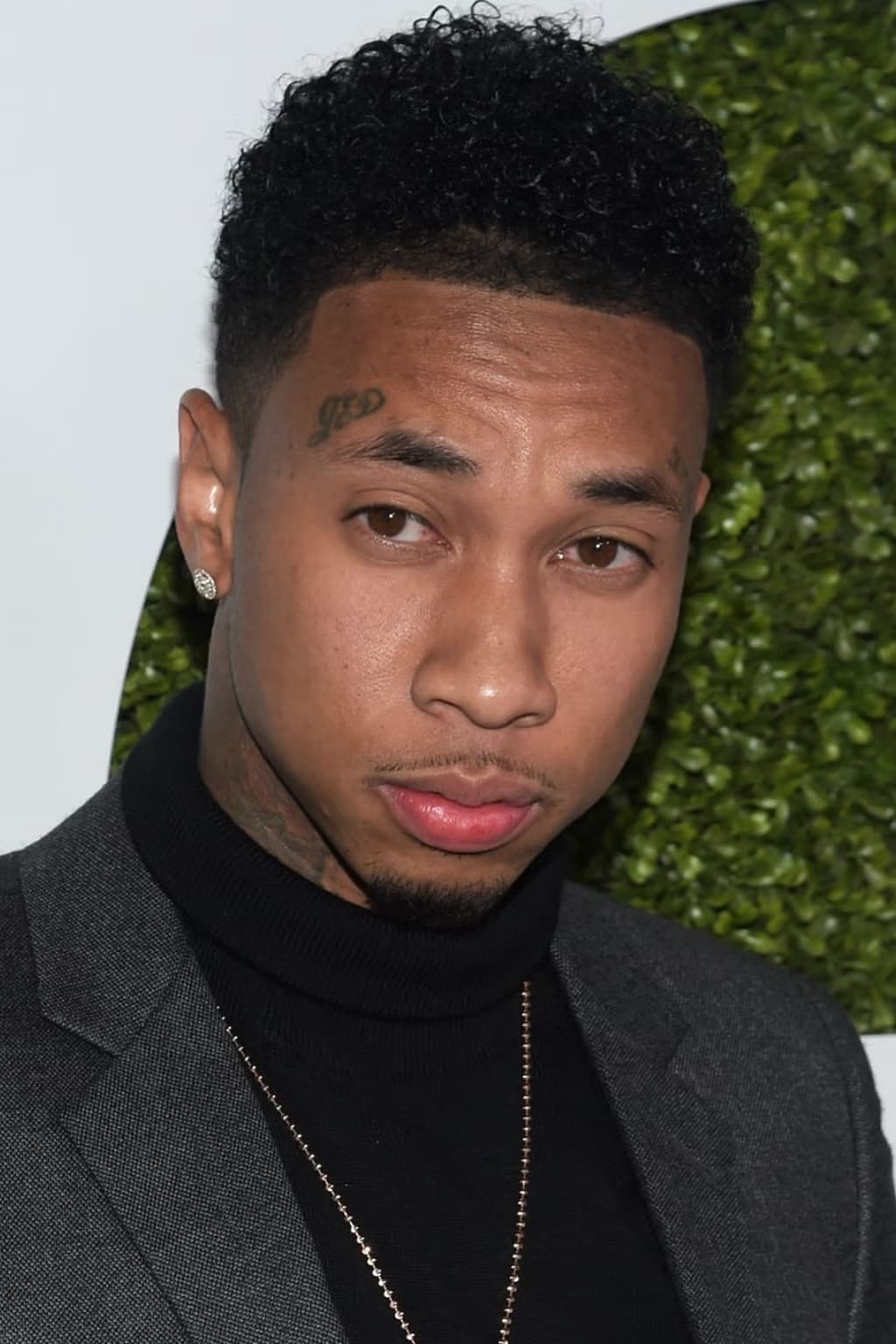
Rapper Tyga has been criticized for promoting several NFT and cryptocurrency projects that ultimately didn’t succeed, causing financial losses for some of his fans. He helped popularize ‘EthereumMax’ along with other celebrities, and has often been accused of promoting these digital assets without clearly stating any potential risks or offering ongoing support. This has led to accusations that he’s simply taking advantage of his fans’ interest in new technology for quick profits. His involvement in these projects has also become a topic in legal debates about the responsibility of influencers when promoting such ventures.
Larry David
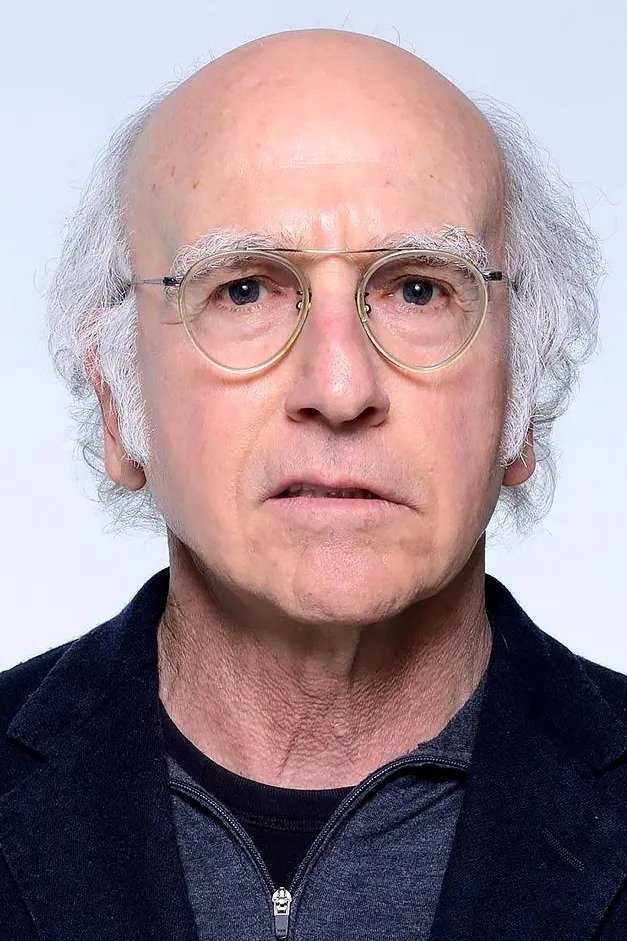
Larry David starred in a Super Bowl commercial for the cryptocurrency exchange ‘FTX’, which humorously warned people not to miss out on investing. However, after FTX went bankrupt, David was included in a large lawsuit brought by investors who lost money. The lawsuit claimed that his celebrity endorsement falsely made FTX appear safe and trustworthy. Although David has said he regrets being in the ad, many investors who lost their savings still blame him for promoting the platform. This situation highlights the risks for celebrities who endorse complicated financial products without fully understanding them.
Tom Brady
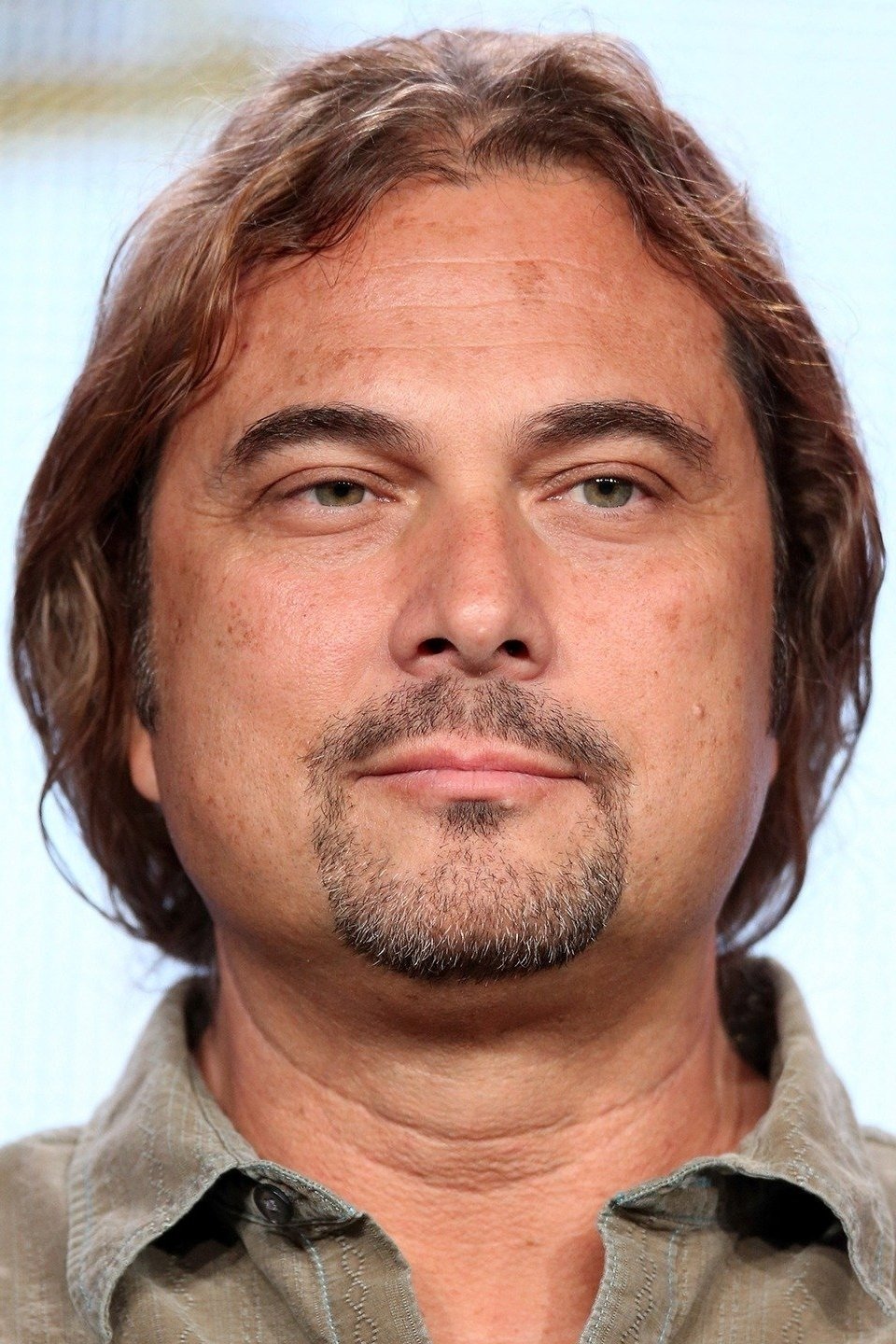
Tom Brady was a public face for the cryptocurrency exchange ‘FTX’ and also invested in the company. He and his then-wife appeared in many ads promoting ‘FTX’ to potential traders. However, when ‘FTX’ went bankrupt and was found to be a fraudulent operation, Brady’s image suffered. He faced lawsuits from investors who believed his endorsement was deceptive, and he lost all the money he had invested in the company.
Madonna
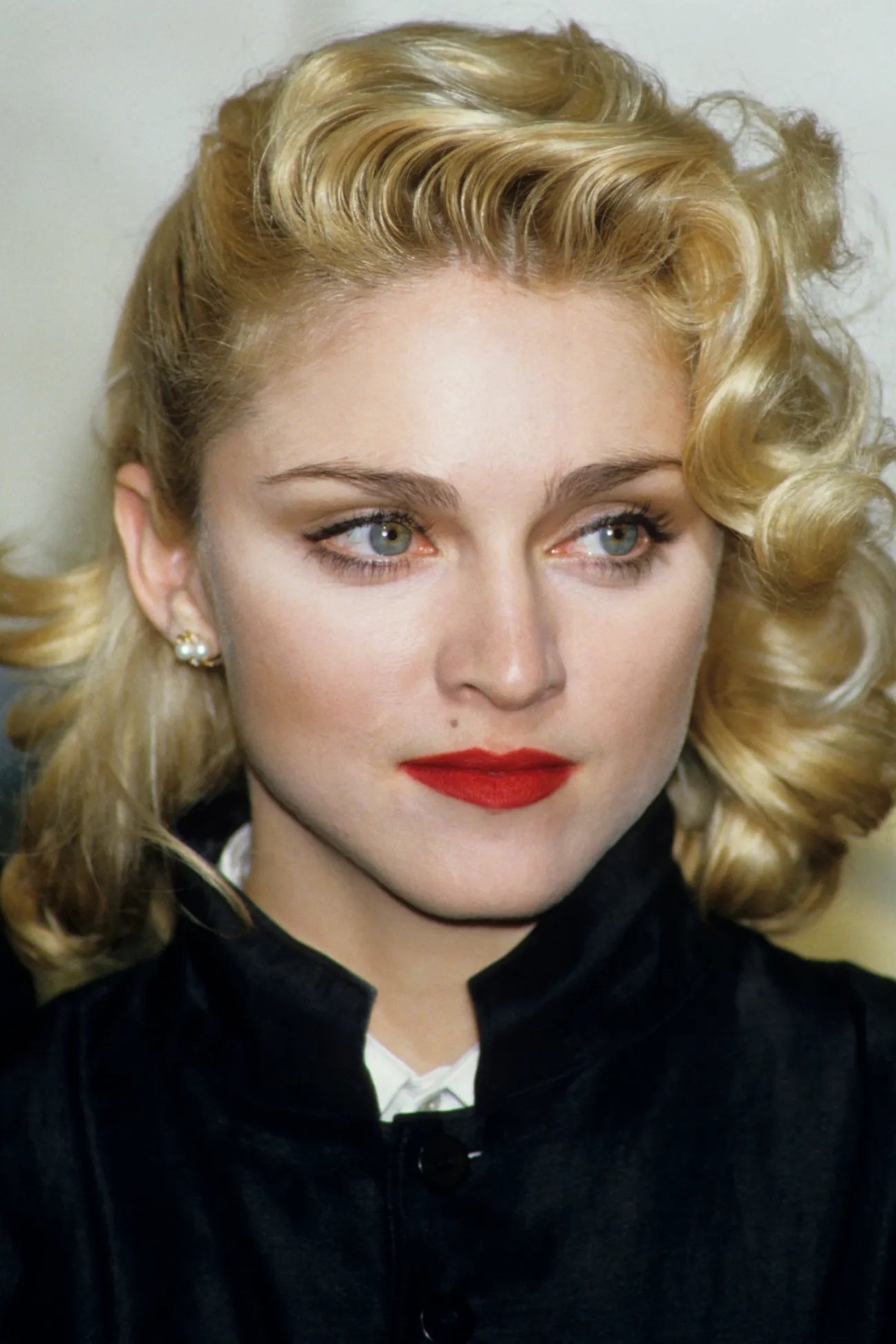
Madonna is facing a lawsuit accusing her of falsely promoting ‘Bored Ape Yacht Club’ NFTs. The suit claims she and other celebrities worked together to artificially boost the value of these digital collectibles. Investors who bought them at high prices later lost a lot of money when the value dropped quickly. The claim is that these celebrities received the NFTs for free or through secret deals to make it seem like there was more demand than there actually was. This case has highlighted the lack of openness and honesty in the expensive NFT world.
Justin Bieber
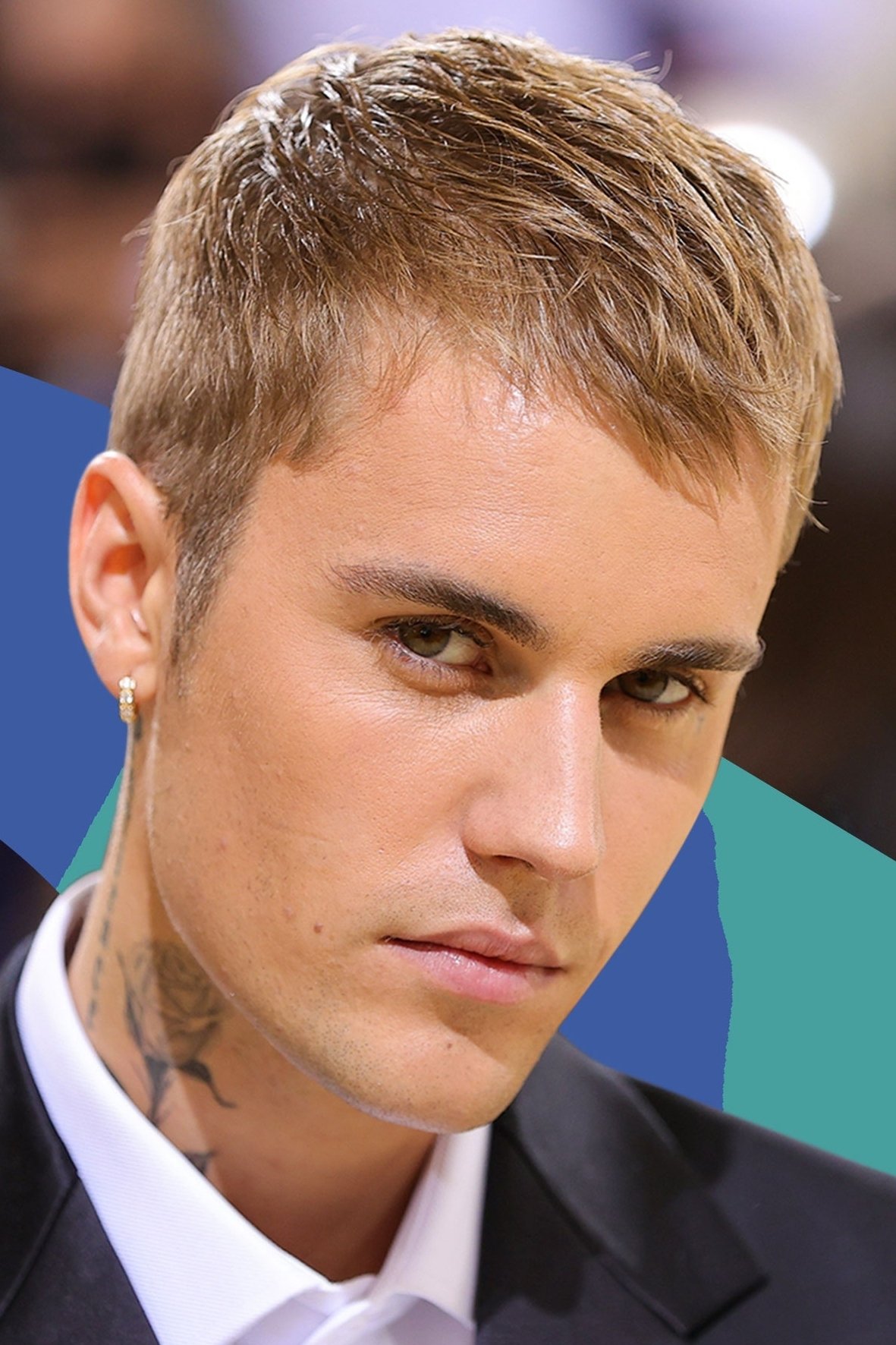
Justin Bieber got into legal trouble for promoting ‘Bored Ape Yacht Club’ NFTs to his large following. Similar to Madonna, he was accused of being part of a deceptive marketing scheme because he didn’t reveal he was financially involved with the project. He famously spent over $1 million on an NFT, which experts believed was a risky move designed to increase hype. When interest in NFTs declined, the value of those promoted by Bieber plummeted, causing financial losses for many of his fans. The lawsuit emphasized how celebrities can potentially influence unstable markets.
Gwyneth Paltrow
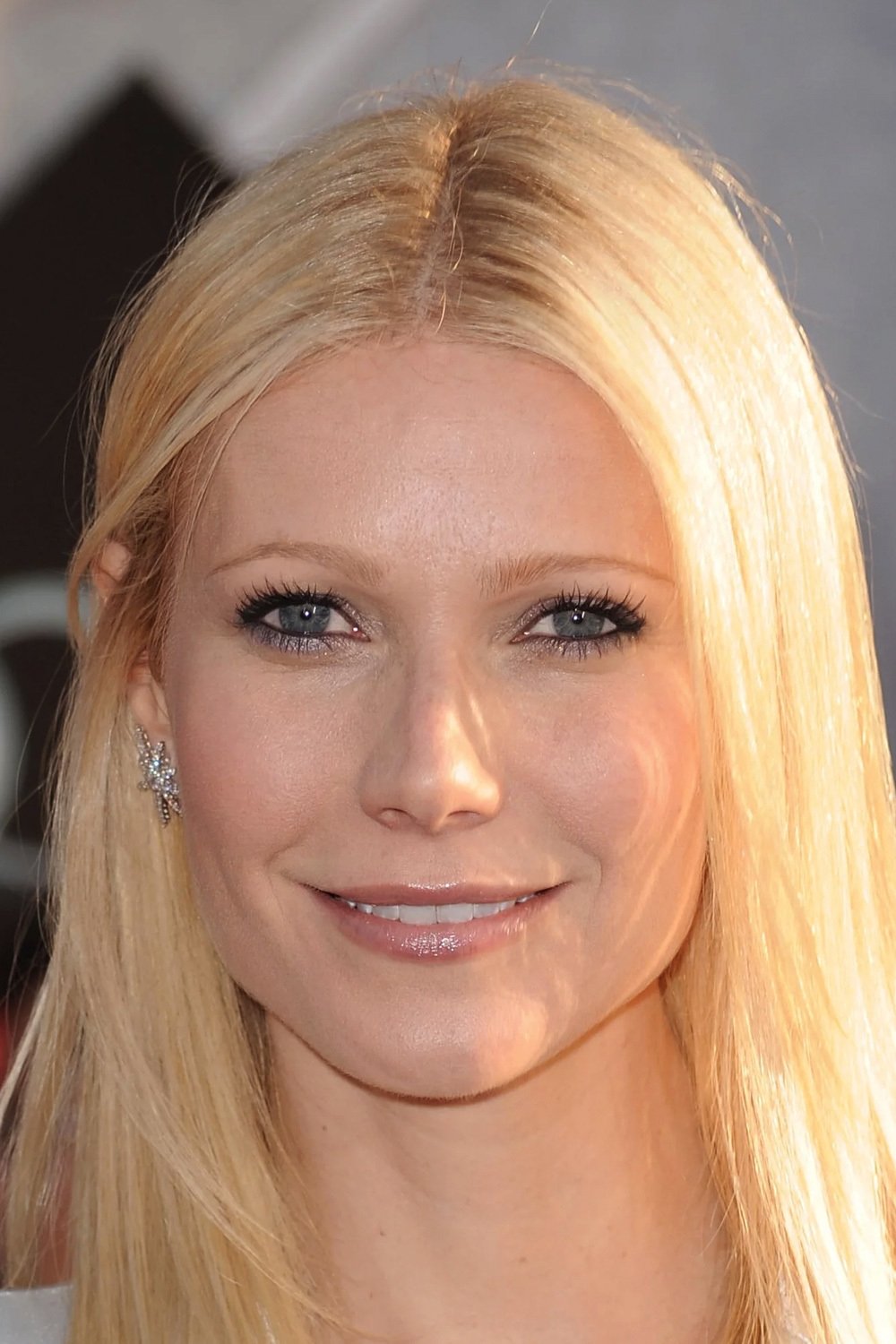
Gwyneth Paltrow’s company, Goop, has been repeatedly criticized for selling products with misleading health claims, often described as ineffective or even harmful. Goop once had to pay $145,000 in settlements due to unproven claims about items like the “yoni egg.” Critics say Paltrow uses her fame to market expensive products to people seeking wellness solutions, and that these products aren’t backed by science and could be risky. Despite building a successful business, she remains a controversial figure, with many former supporters accusing her of putting profits ahead of reliable health information.
Stephen Curry
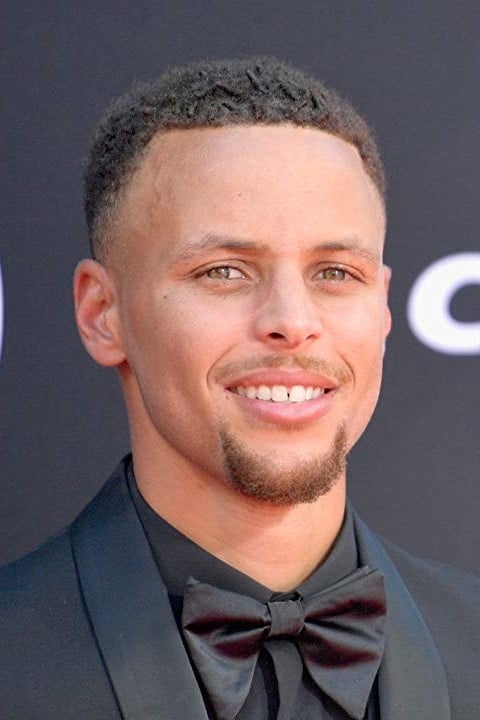
Following the collapse of the cryptocurrency exchange FTX, NBA star Stephen Curry was named in a class-action lawsuit. He had previously partnered with FTX and featured in their advertisements, which presented the platform as a secure option for investing in crypto. After the fraud behind FTX was revealed, Curry’s promotion of the exchange was highlighted as a key reason many individual investors decided to use it. This association with a massive scam damaged his reputation with some fans, despite his generally positive public image. Curry’s lawyers are now working to legally separate him from the fraudulent actions of FTX’s leaders.
Share which of these celebrity scandals surprised you the most in the comments.
Read More
- Top 20 Dinosaur Movies, Ranked
- 20 Movies Where the Black Villain Was Secretly the Most Popular Character
- 25 “Woke” Films That Used Black Trauma to Humanize White Leads
- Silver Rate Forecast
- 22 Films Where the White Protagonist Is Canonically the Sidekick to a Black Lead
- Can AI Lie with a Picture? Detecting Deception in Multimodal Models
- Top 10 Coolest Things About Invincible (Mark Grayson)
- When AI Teams Cheat: Lessons from Human Collusion
- From Bids to Best Policies: Smarter Auto-Bidding with Generative AI
- Unmasking falsehoods: A New Approach to AI Truthfulness
2026-03-24 13:18