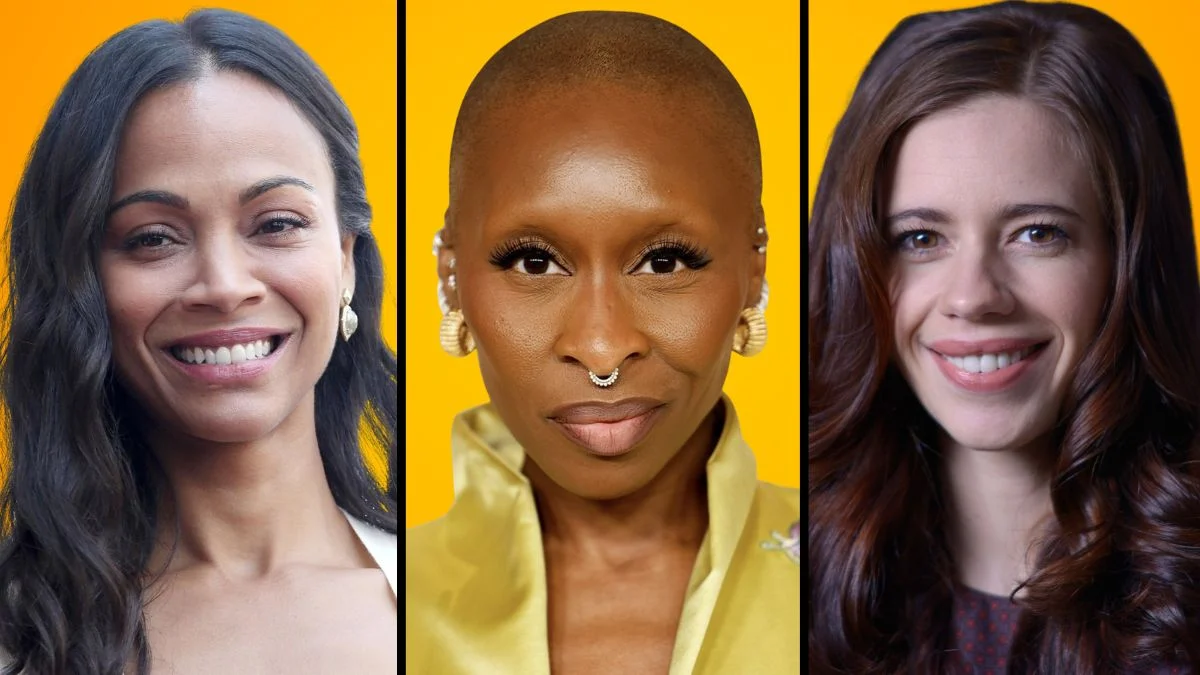
Lupita Nyong’o gave a moving speech at the Essence Black Women in Hollywood Luncheon, focusing on the beauty of dark skin. She spoke directly to a young fan who felt pressure to lighten her skin, sharing her own past struggles with similar insecurities and how she once wished for lighter skin before learning to embrace herself. Her honest and open words quickly sparked a worldwide discussion about what society considers beautiful.
Viola Davis
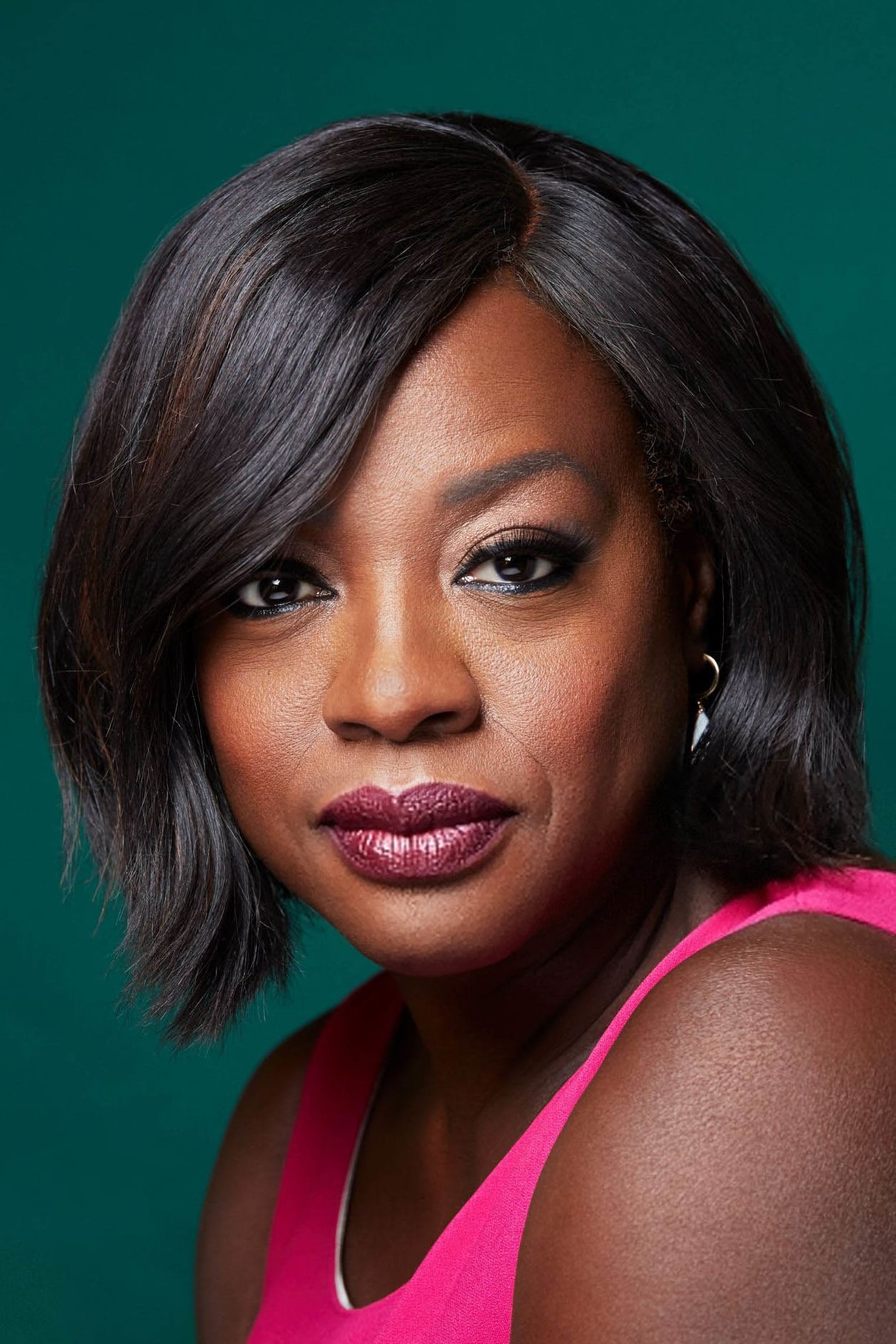
Viola Davis often speaks out about the limited opportunities for actresses with darker skin tones, using interviews and public appearances to raise awareness. She has pointed out that the main barrier for women of color isn’t talent, but a lack of chances. Davis has been critical of the historical practice of colorism, like the ‘paper bag test,’ and how it restricts roles for actresses with complexions similar to her own. She frequently emphasizes how this bias impacts fair pay and prominent billing in films.
Zendaya

Zendaya frequently uses interviews to talk about the advantages she has as a light-skinned Black woman. She’s explained that she represents an image of a Black woman that the entertainment industry easily accepts, and she’s committed to creating opportunities for Black women with darker skin tones. She openly discusses how colorism gives her access to roles that others are often denied, and encourages casting directors to recognize a wider range of beauty and talent.
Tannishtha Chatterjee
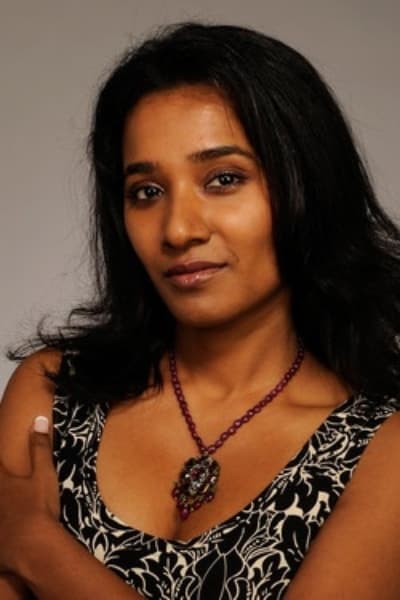
Actress Tannishtha Chatterjee protested discriminatory jokes on the comedy show ‘Comedy Nights Bachao’ by leaving the program. She explained that the jokes weren’t just playful teasing, but reflected prejudiced beliefs about skin color. Chatterjee was upset that a national TV show was reinforcing the idea that lighter skin is better. Her decision led to an apology from the network and sparked a larger conversation about colorism in Indian media.
Nandita Das
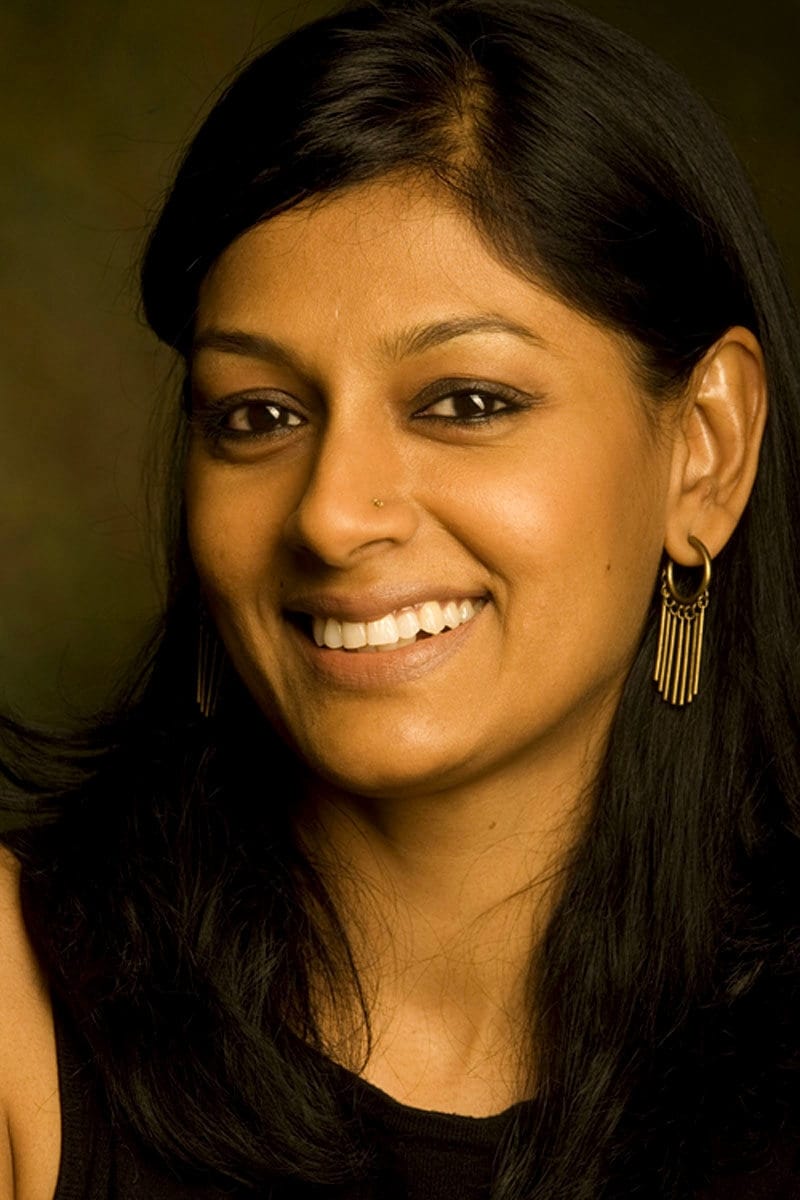
Nandita Das, the public face of the Dark is Beautiful campaign, has been speaking out on news channels to challenge the prejudice against dark skin in India. She frequently criticizes the film industry for its practice of making actors with darker complexions play negative roles, while portraying leads as fair-skinned. Das encourages people to stop believing that fairness is necessary for success. Through her interviews, she helps educate the public about the damaging psychological effects of colorism, especially on young girls.
Thandiwe Newton

In a heartfelt interview, Thandiwe Newton tearfully apologized to actresses with darker skin tones for accepting roles she now believes should have been theirs. She admitted that her lighter complexion gave her an advantage in Hollywood due to colorism. Newton expressed deep remorse for being positioned as a representative of all Black women, acknowledging the harm this caused. Her honest confession struck a chord with many who feel overlooked because of colorist casting decisions.
Priyanka Chopra Jonas
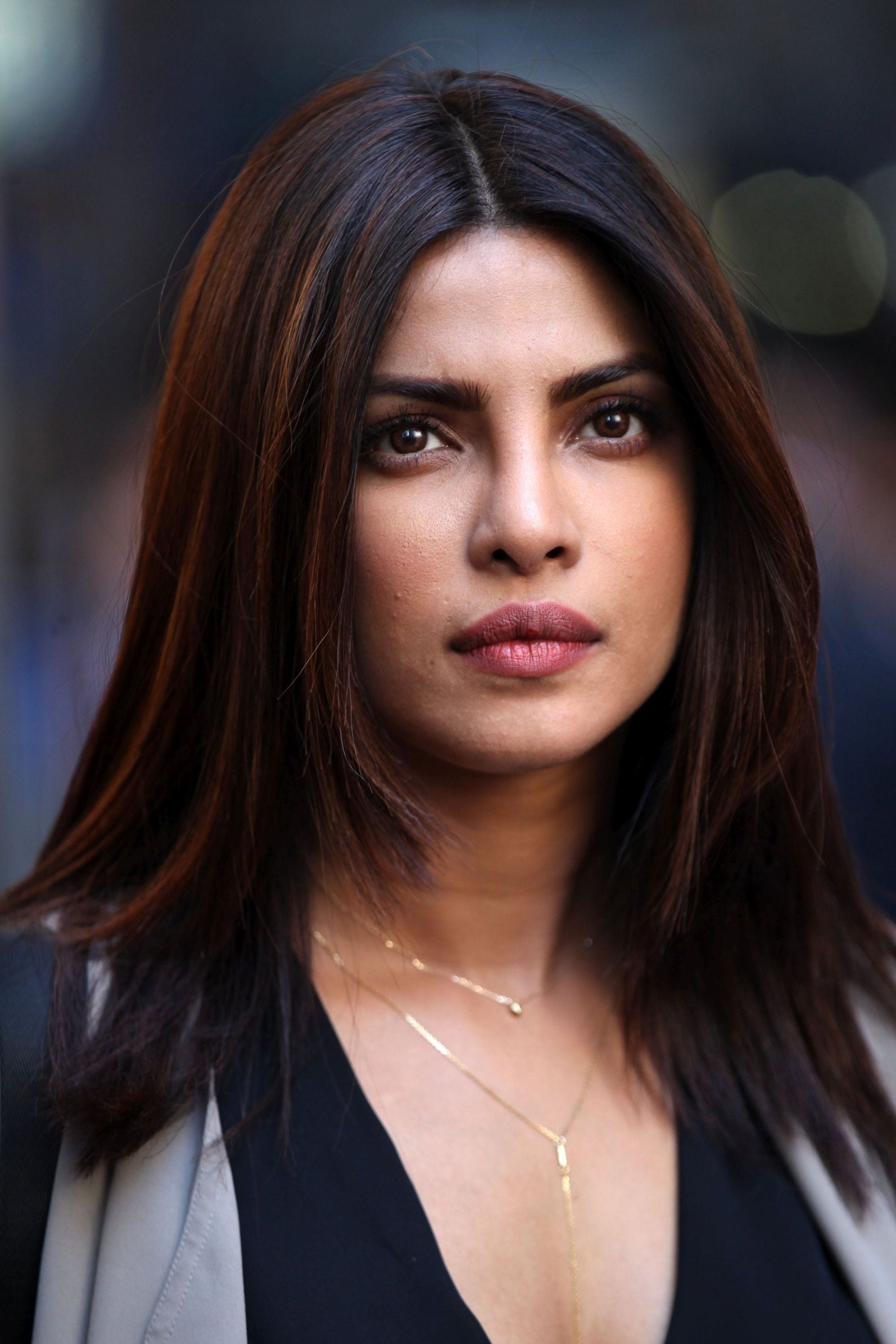
Priyanka Chopra Jonas recently shared that she regrets promoting skin-lightening creams earlier in her career. She explained that she used to think darker skin tones weren’t considered beautiful, due to the standards she grew up with in India. After moving to Hollywood, her views on beauty and representation changed, and she now uses her influence to speak out against these types of products.
Abhay Deol
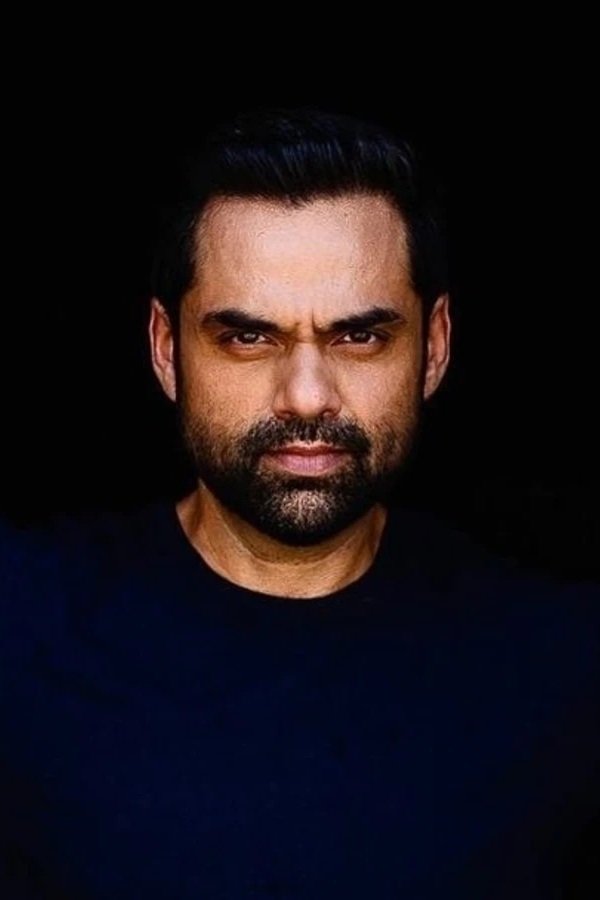
Abhay Deol, a Bollywood actor, recently caused a lot of discussion after publicly criticizing fellow actors for advertising fairness creams. He specifically named those he disagreed with and explained why these ads send a harmful message. Deol argued that promoting skin lightening products disrespects most Indians, who naturally have darker skin tones. His actions inspired other celebrities to promise they wouldn’t promote similar products.
Keke Palmer

Keke Palmer has used her platform as a host and guest on various shows to talk about colorism – how different shades of skin color can create unfair advantages – in the entertainment industry. She’s explained how this can cause divisions within the Black community, sharing that she’s often treated differently than her darker-skinned colleagues, impacting the roles she gets. Palmer champions togetherness but doesn’t shy away from acknowledging these inequalities based on skin tone.
Gabrielle Union
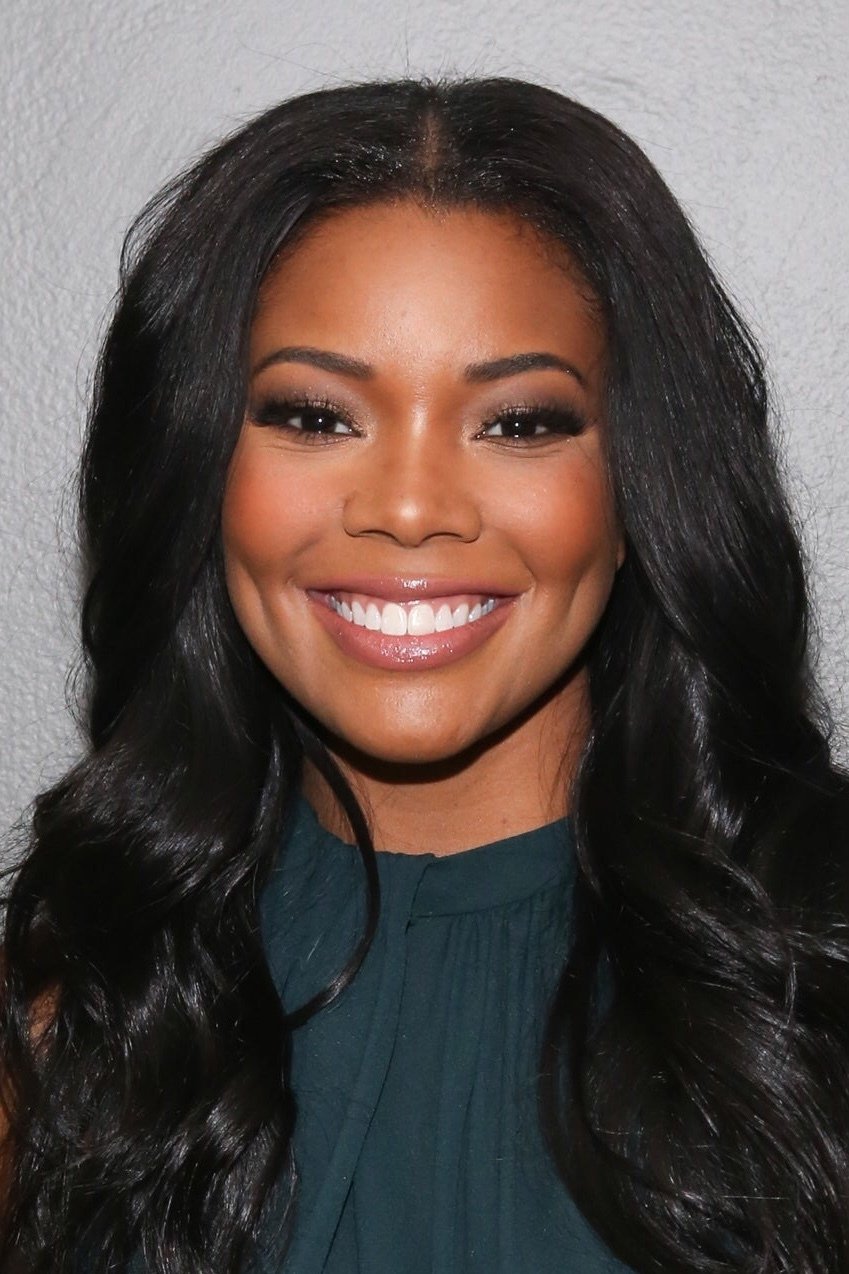
Gabrielle Union has publicly spoken out about a negative atmosphere she experienced on ‘America’s Got Talent,’ claiming she received criticism about her hair and appearance. She explained how this created a racially insensitive environment that reinforced prejudice and discrimination. Union often points out how darker-skinned women are often unfairly portrayed as problematic or aggressive in the media. By sharing her experiences, she’s encouraged television networks to examine and improve their workplaces.
Lin-Manuel Miranda
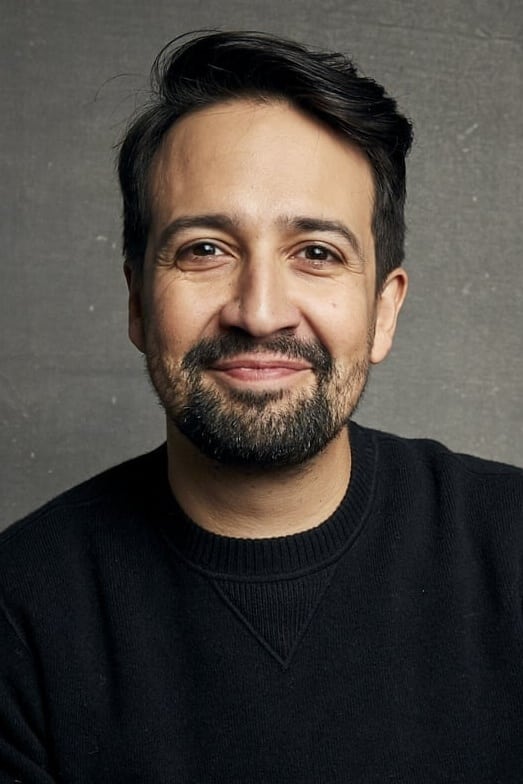
After the movie ‘In the Heights’ came out, Lin-Manuel Miranda, its creator, responded to criticism about the lack of darker-skinned Afro-Latinos in main roles. He publicly apologized for not including enough representation and acknowledged that the cast didn’t fully reflect the community in Washington Heights. Miranda said he heard the concerns and would strive to improve diversity in his future work. His apology on television was unusual, as it showed a prominent creator acknowledging concerns about colorism.
Yara Shahidi
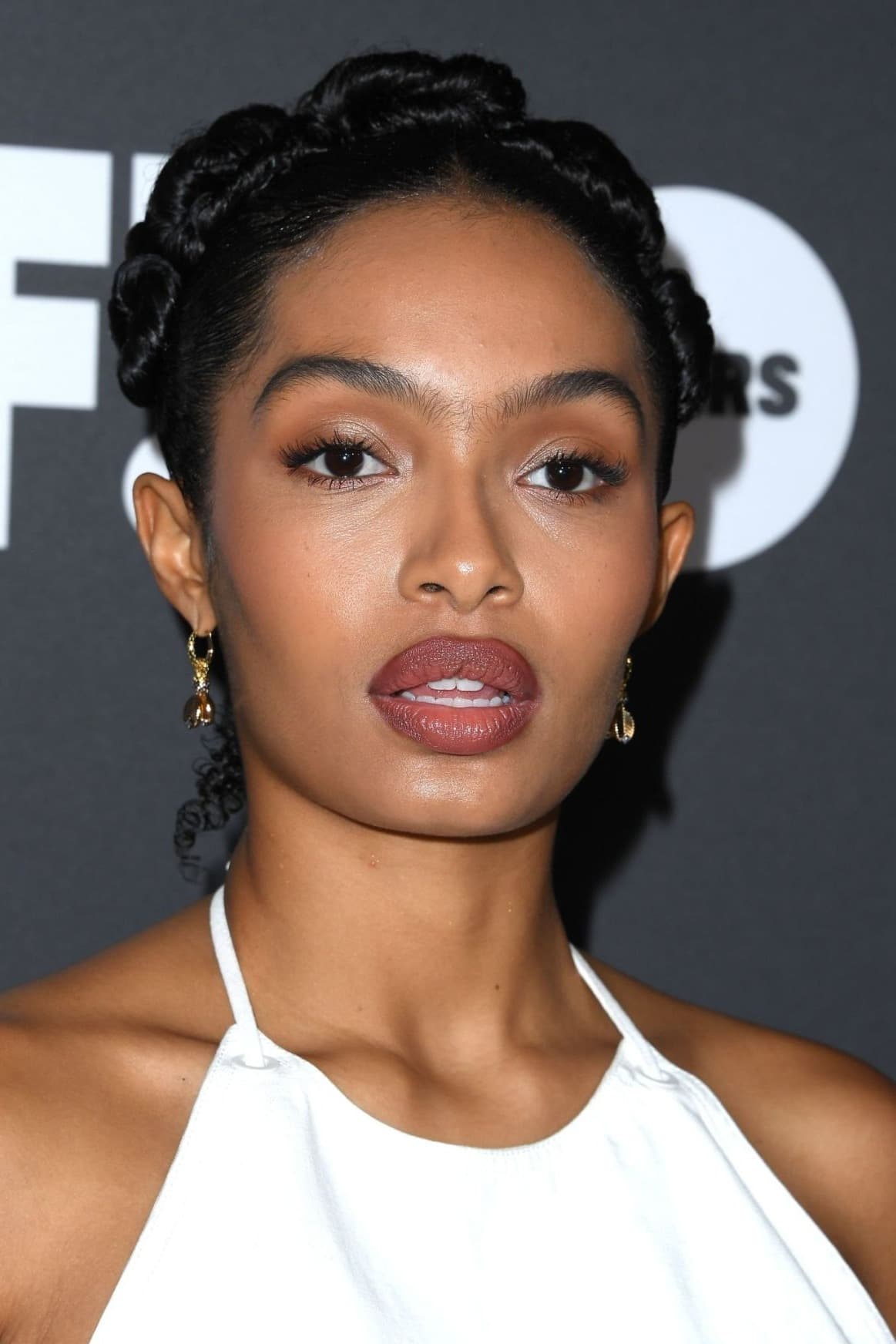
Yara Shahidi often talks about her background and how her lighter skin gives her certain advantages as a biracial actress. While promoting her show ‘Grown-ish’, she’s highlighted how important it is to have a diverse cast with different skin tones. Shahidi wants to challenge the limited ways Black women are usually portrayed on TV, and she uses her platform to bring attention to the stories of darker-skinned women who are often overlooked.
Beverly Naya
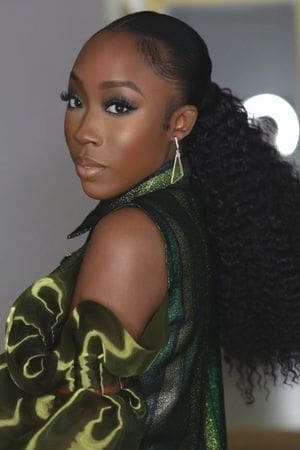
As a critic, I was deeply moved by Beverly Naya’s documentary, ‘Skin.’ It’s a really brave and important look at colorism in Nigeria, and she hasn’t shied away from sharing her own personal experiences with low self-esteem and being bullied for her skin tone. What struck me most was how openly she discussed the prevalence of skin bleaching across Africa, and her work feels like a direct challenge to the Eurocentric beauty standards that dominate the industry. It’s a film that truly aims to redefine what we consider beautiful.
Kelly Rowland
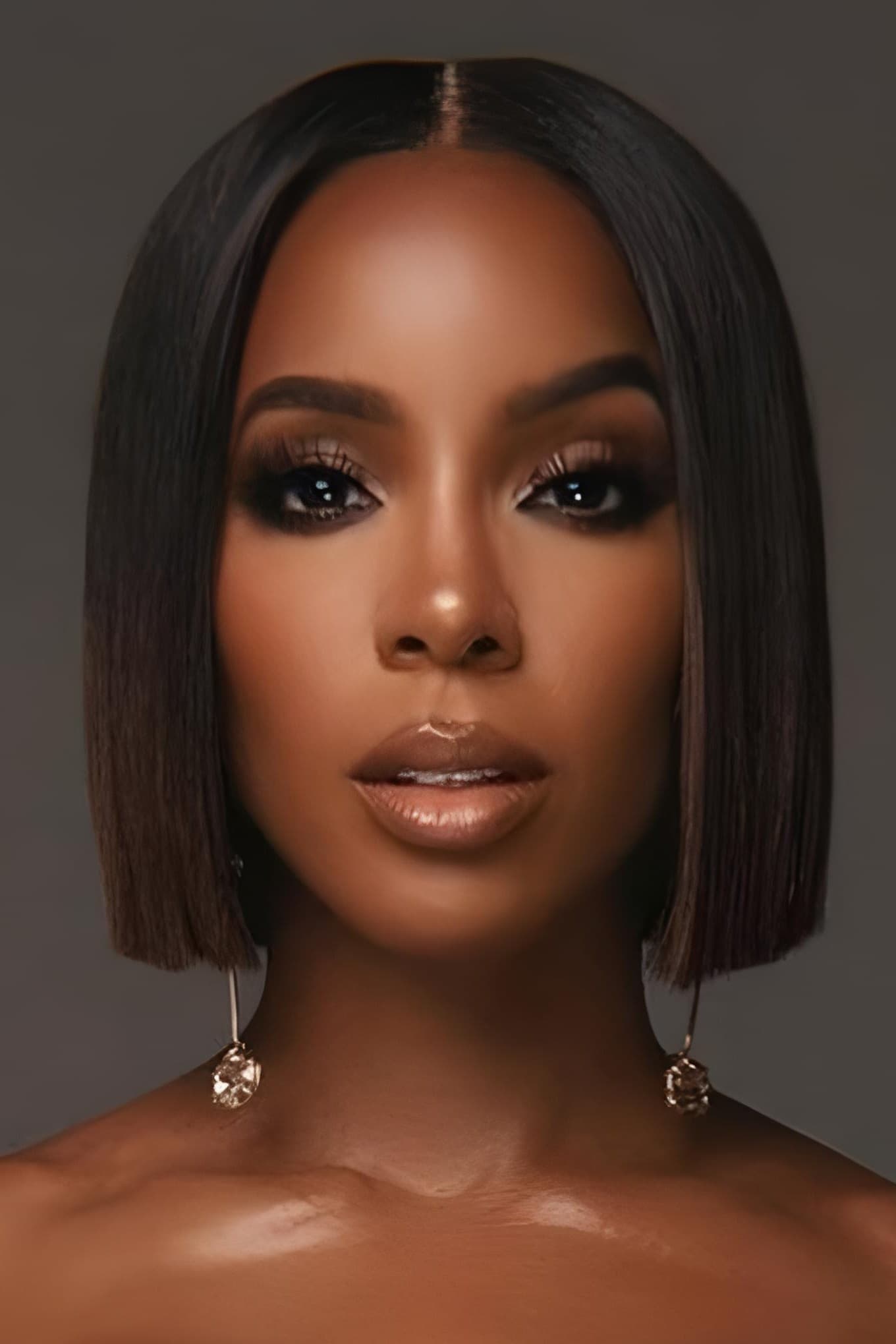
Kelly Rowland, the singer and actress, recently shared that she was once advised to lighten her skin at the start of her career. She’s grateful for Beyoncé’s mother, who helped her feel confident with her natural skin tone when she was struggling with insecurity. Now, Rowland uses her reality shows to mentor young women with darker skin, making sure they feel valued and beautiful. She’s determined to fight against the preference for lighter-skinned performers that exists within the entertainment industry.
Laz Alonso
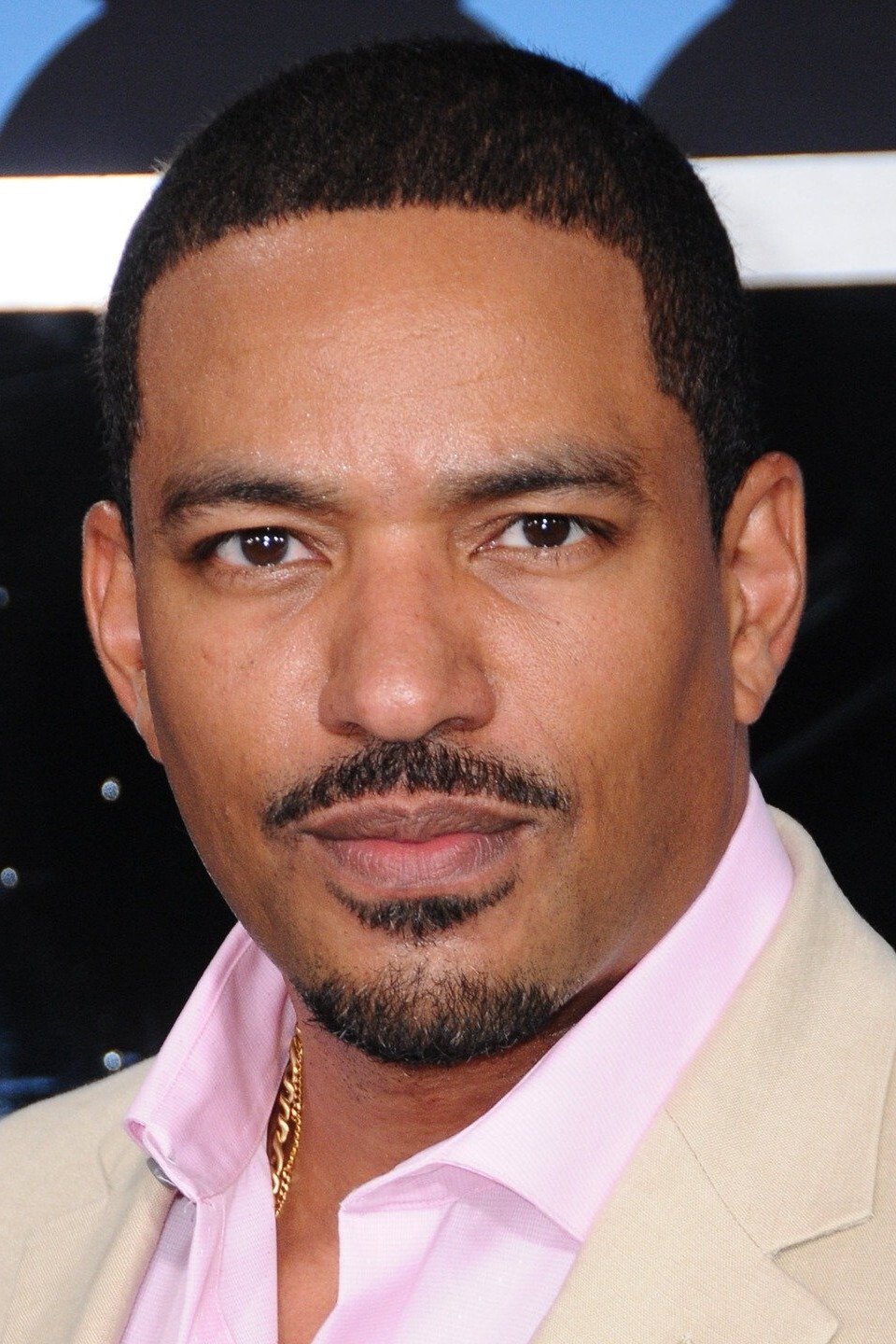
Actor Laz Alonso has spoken out on shows like ‘Hollywood Unlocked’ about the lack of representation for Afro-Latinos in the media. He explains that within the Latin community, there’s often a tendency to downplay or ignore its Black members, stemming from historical biases and the effects of colonialism. Alonso pushes back against the notion that being Latino and being Black are separate identities, and he emphasizes the importance of seeing darker-skinned Latinos represented in Spanish-language media.
Gina Torres
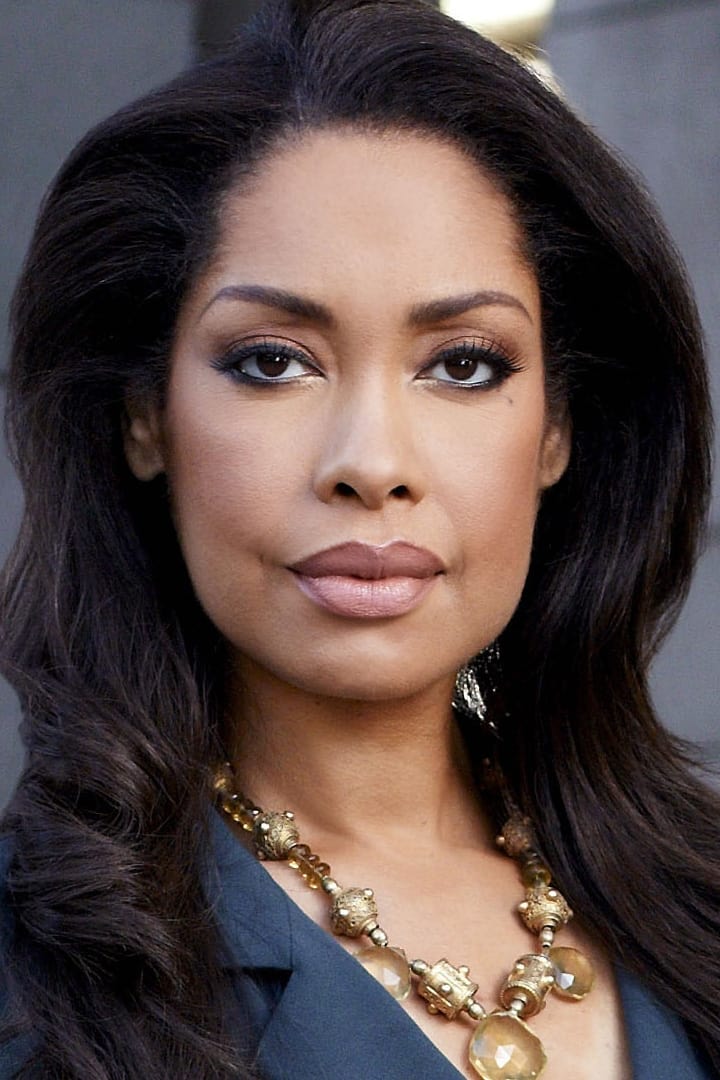
Gina Torres has discussed the challenges she faces as an Afro-Latina actress. She often finds she doesn’t fit neatly into either Latin or Black roles, being seen as too dark for many Latin parts and not Black enough for others. In an interview on ‘The Daily Show,’ she explained the confusion this causes for casting directors. Torres has consistently fought to have her full heritage represented on screen authentically, and she points out how colorism narrows the range of stories told about the Latinx community.
Yalitza Aparicio
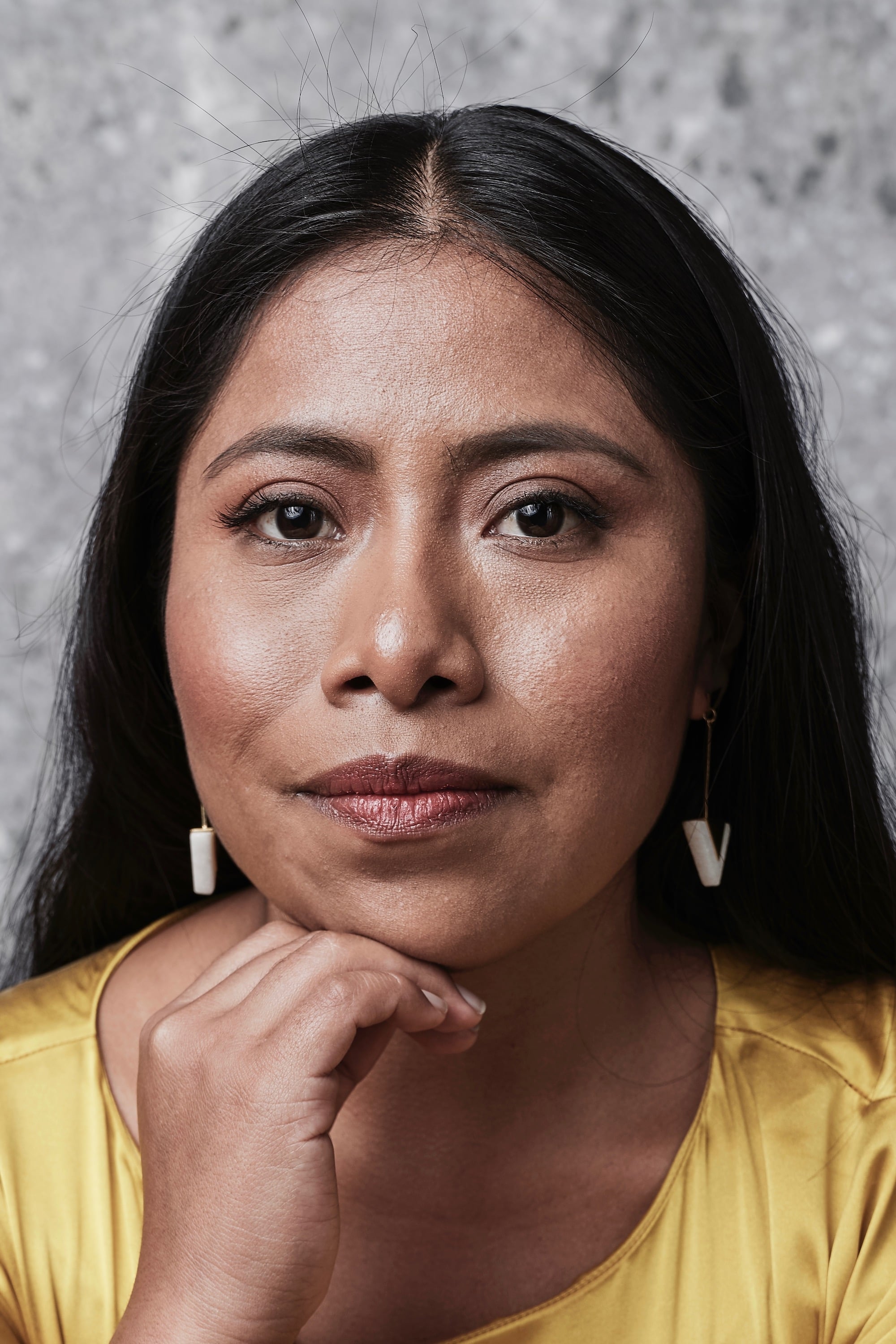
As a huge movie fan, I was so thrilled to see Yalitza Aparicio shine in ‘Roma’. But it was heartbreaking to see the racist and colorist attacks she faced afterward. She handled it with such incredible grace, though, and used those awful comments to start a really important conversation about representation, especially for Indigenous people and people with brown skin. She’s so proud of where she comes from and refused to be silenced, which I really admire. Honestly, her response brought a lot of attention to the issue of colorism within Mexican society, and it was a powerful thing to witness.
Sai Pallavi
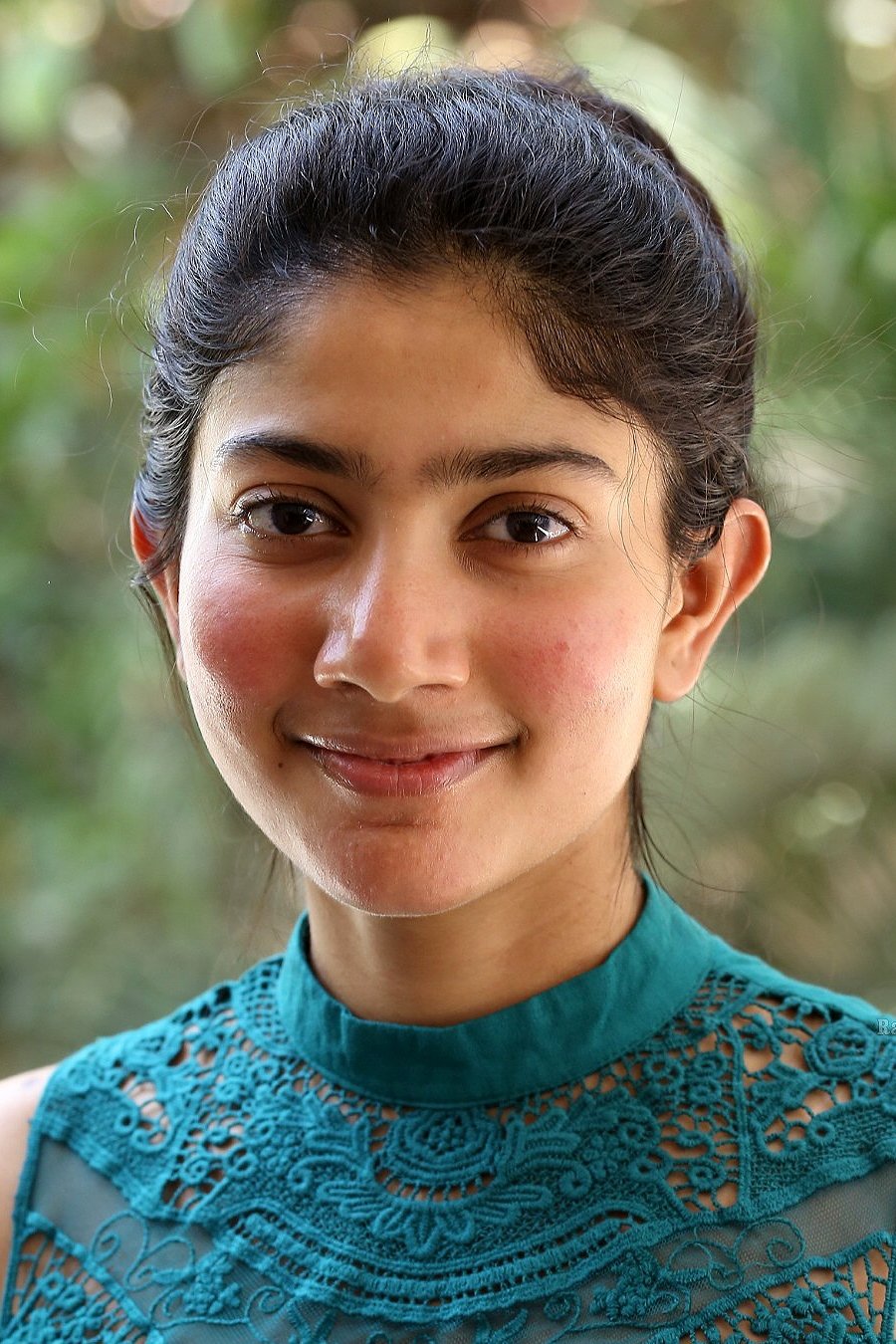
Sai Pallavi, a popular Indian actress, recently sparked conversation after declining a highly profitable offer to advertise a skin-lightening cream. She explained that she didn’t want to send a message to young women that their value depended on their skin tone, and that she preferred to be recognized for her acting abilities. This decision was particularly noteworthy in the South Indian film industry, where lighter skin is often seen as ideal.
Nawazuddin Siddiqui

Nawazuddin Siddiqui has openly discussed his disappointment with Bollywood’s preference for fair skin. He explained that he was frequently passed over for main roles because his appearance didn’t match the typical Bollywood hero. Siddiqui highlighted that the industry often prioritizes skin tone over talent when deciding who becomes a star. Despite this, his success is inspiring for actors who don’t conform to traditional standards of beauty.
Danielle Brooks
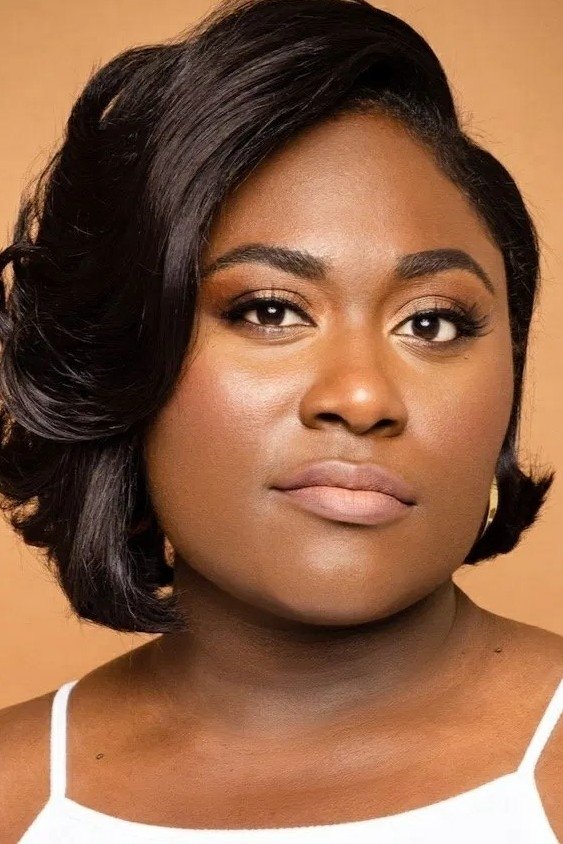
Danielle Brooks, known for her role in ‘Orange is the New Black,’ has spoken on talk shows about how important it is to see women with dark skin portrayed as desirable and loved in media. She pointed out that her character was a rare example of a dark-skinned woman being shown as someone others wanted to be with on television. Brooks encourages writers to create complex, realistic characters for actresses with her skin tone, instead of relying on stereotypes. Ultimately, she wants to see a change in how the media portrays dark skin, associating it with beauty and vulnerability.
Lupita Nyong’o
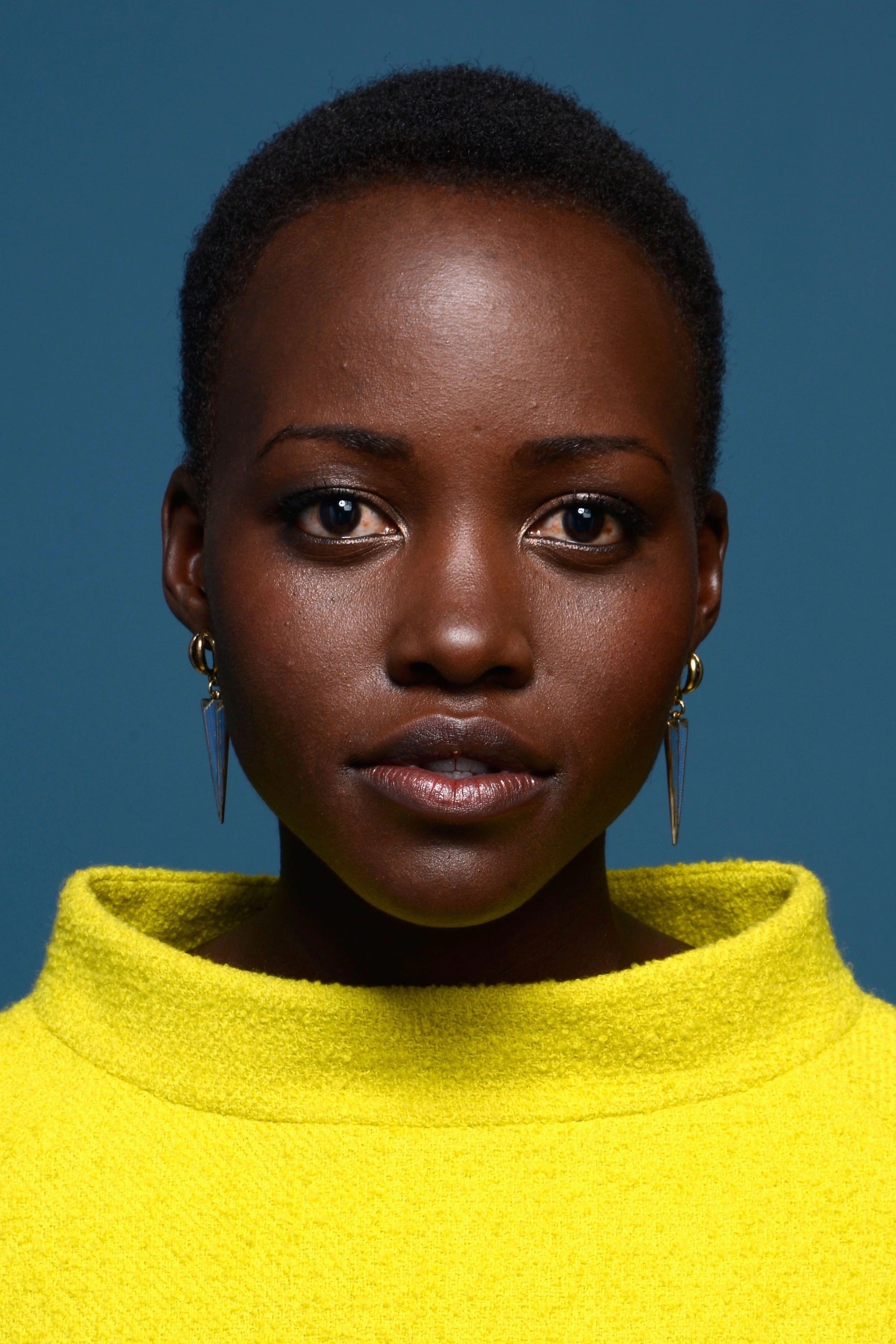
Lupita Nyong’o is a leading advocate against colorism, and she recently wrote a children’s book, ‘Sulwe,’ to tackle the issue head-on. While promoting the book, she discussed on talk shows how colorism can negatively impact children, even at a young age. She openly shared her own experiences with feeling insecure about her appearance and expressed her desire to shield future generations from similar pain. Through book readings and conversations, she’s given parents helpful ways to discuss skin tone with their children.
Taraji P. Henson
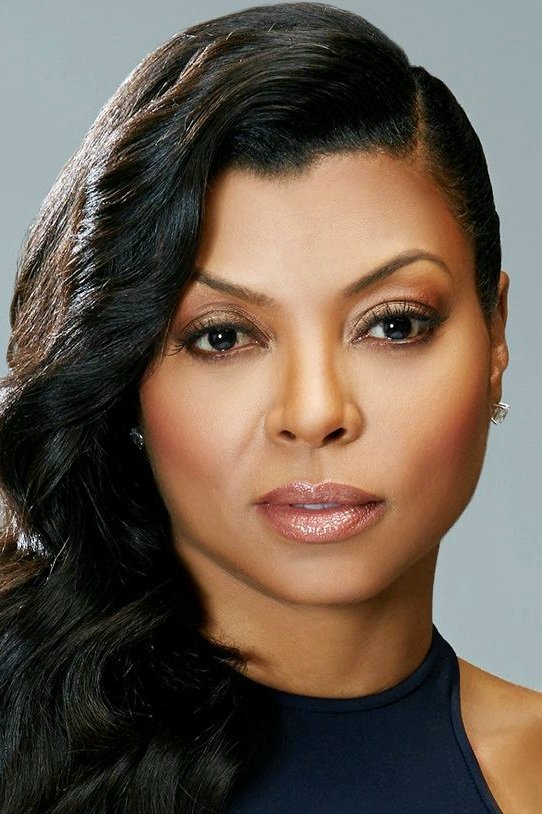
Taraji P. Henson has openly discussed the unfair pay gap she experiences compared to her colleagues with lighter skin or who are white. She’s shared how draining it is to constantly have to prove her value, even with a successful career. Henson believes this issue stems from a broader problem of Black women being undervalued in Hollywood, and she’s using her platform to advocate for fair treatment and equal pay for actresses of all skin tones.
Whoopi Goldberg
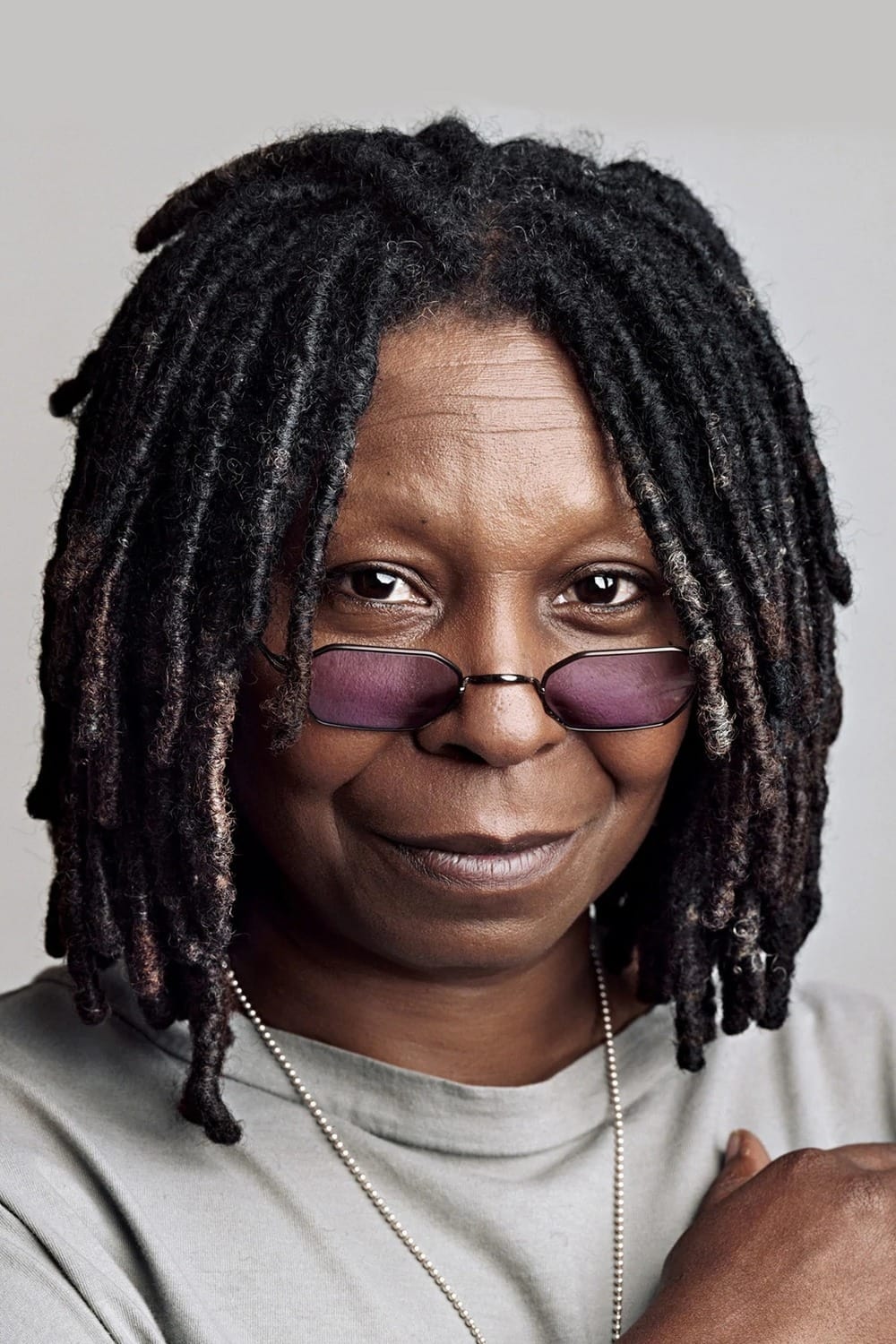
Whoopi Goldberg, a host on ‘The View’, often leads discussions about race and colorism in the United States. She regularly points out the unique challenges faced by Black women, especially those with darker skin, even when others miss them. Drawing on her extensive experience in the entertainment industry, Goldberg explains how things have changed over time while also acknowledging there’s still much progress to be made. By speaking up on live television, she keeps these important conversations in the public eye.
Amber Riley
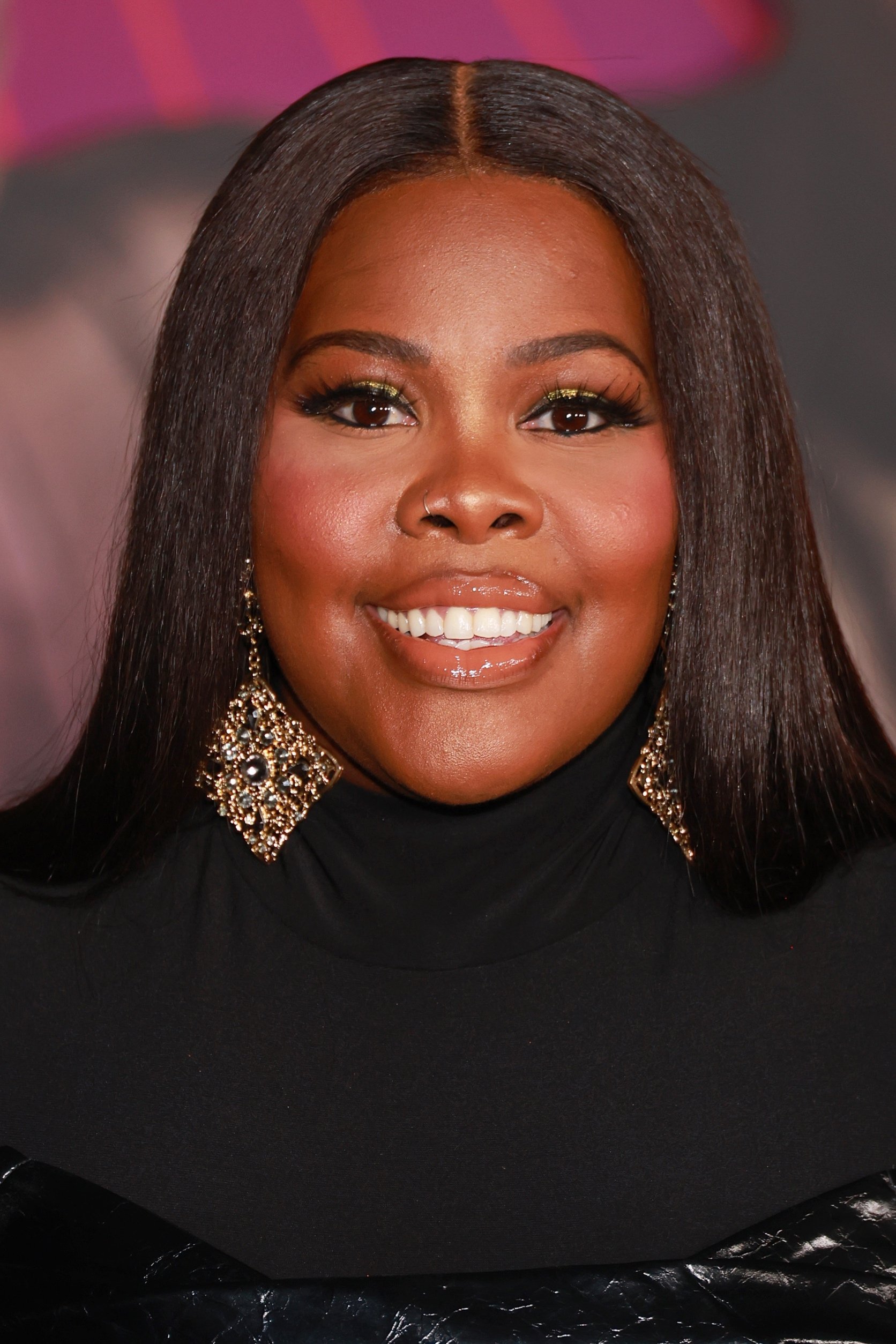
Amber Riley has shared her experiences being a darker-skinned actress on ‘Glee,’ explaining that she often had to work hard to get opportunities to sing solo. She’s talked about how her skills sometimes took a backseat to the show’s desired image. Riley believes it’s important for dark-skinned women to be leading characters in their own stories, not just supporting roles, and wants the entertainment industry to recognize the potential in actresses who look like her.
Dascha Polanco
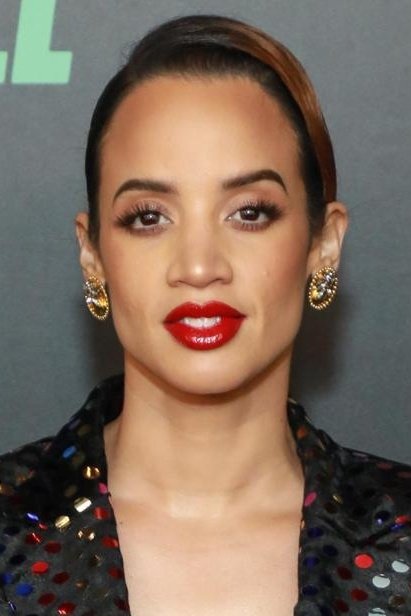
During interviews for the movie ‘In the Heights,’ actress Dascha Polanco addressed concerns about the lack of Black representation among Afro-Latino people. She acknowledged the hurt feelings many expressed and discussed the challenges of casting in Hollywood. Polanco emphasized that having more diverse people in charge of casting decisions could help avoid similar issues in the future. She also used the situation as an opportunity to share the rich diversity within the Dominican Republic.
Zoe Saldaña
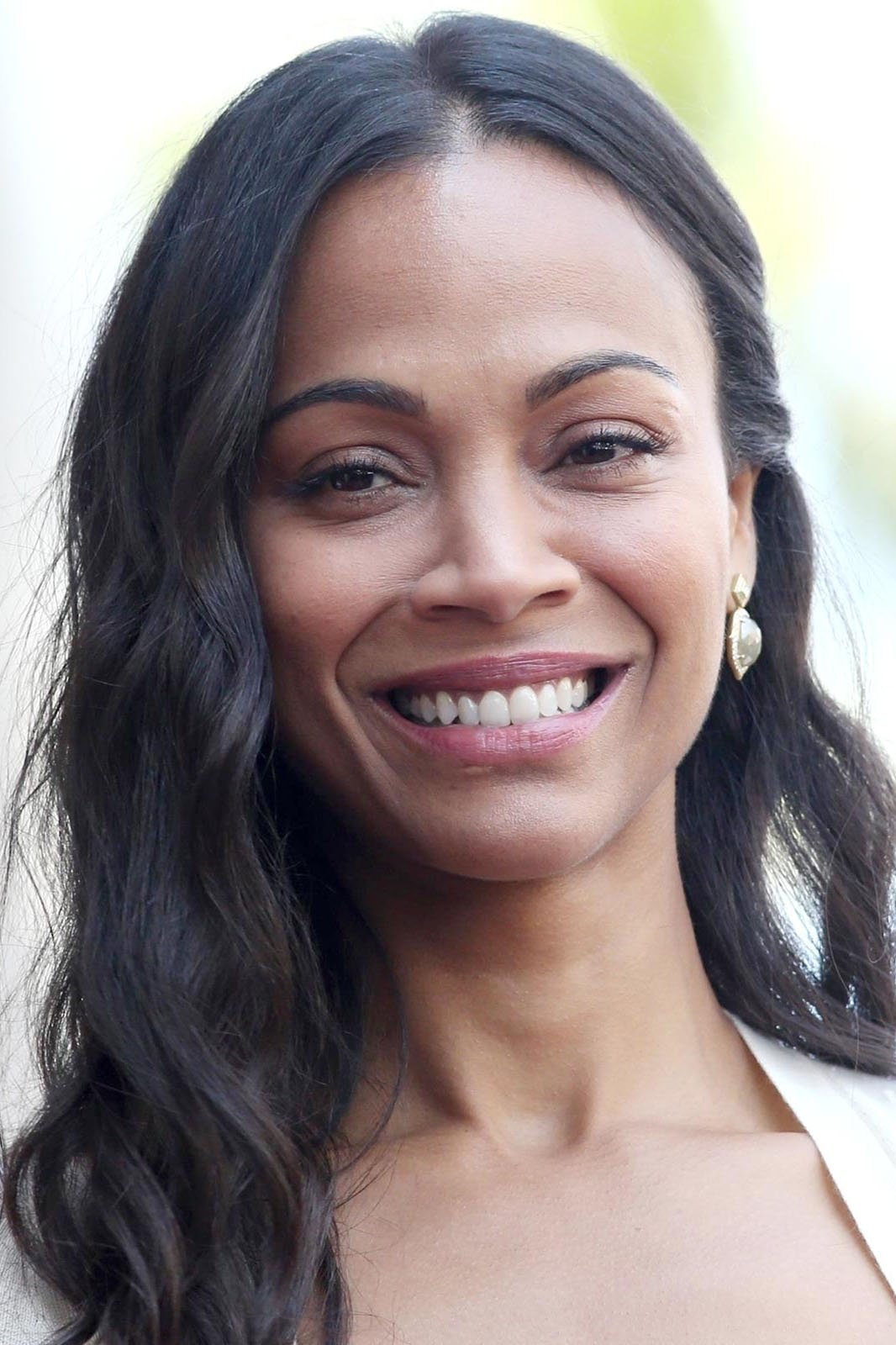
Zoe Saldana publicly apologized for taking on the role of Nina Simone in a film, specifically for darkening her skin for the part. She stated in an interview that she should have advocated for a darker-skinned actress to be cast instead, recognizing that her involvement unintentionally diminished the representation of dark-skinned women in history. This apology was unusual, as a major star publicly acknowledged concerns about colorism directed at her own work.
Daniel Kaluuya
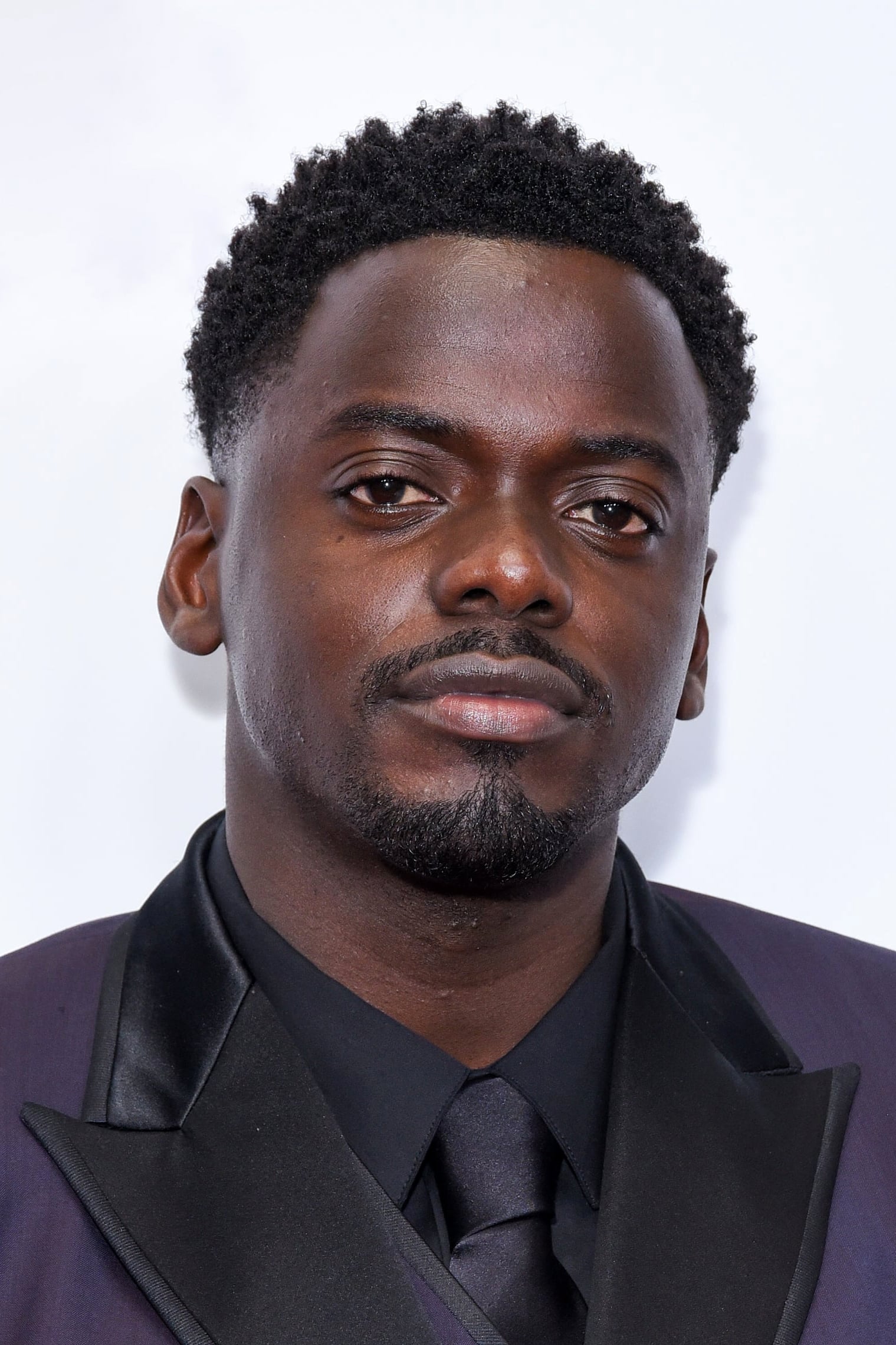
Daniel Kaluuya has spoken about the differences and challenges between Black British and African American actors, including how skin tone plays a role. While promoting his film ‘Get Out,’ he discussed the shared experiences of being a dark-skinned Black man in Western cultures. Kaluuya highlighted that colorism isn’t just a problem for women, but also affects how Black men are perceived – whether they’re seen as threatening or heroic. He’s calling for all Black actors to work together to break down the obstacles they all face in the industry.
John Boyega
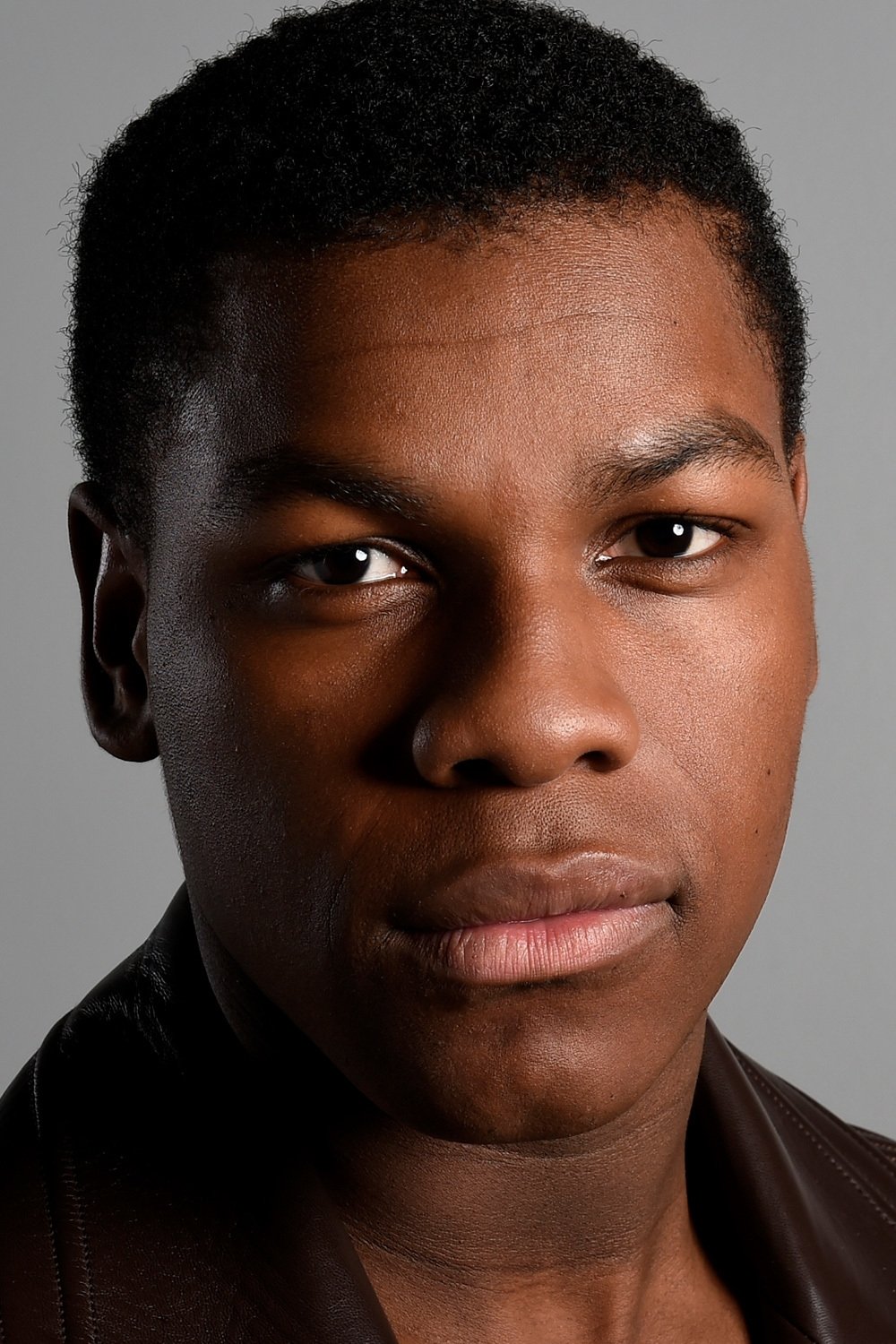
During the Black Lives Matter protests, John Boyega delivered a powerful speech that reached audiences around the world, and he worried it might impact his career. Since then, he’s spoken out about how actors with dark skin are often given less prominent roles in big franchises like ‘Star Wars’. Boyega is a strong advocate for studios to support and promote their actors of color, and he’s not afraid to call out marketing practices that downplay the importance of dark-skinned leads.
Michaela Coel
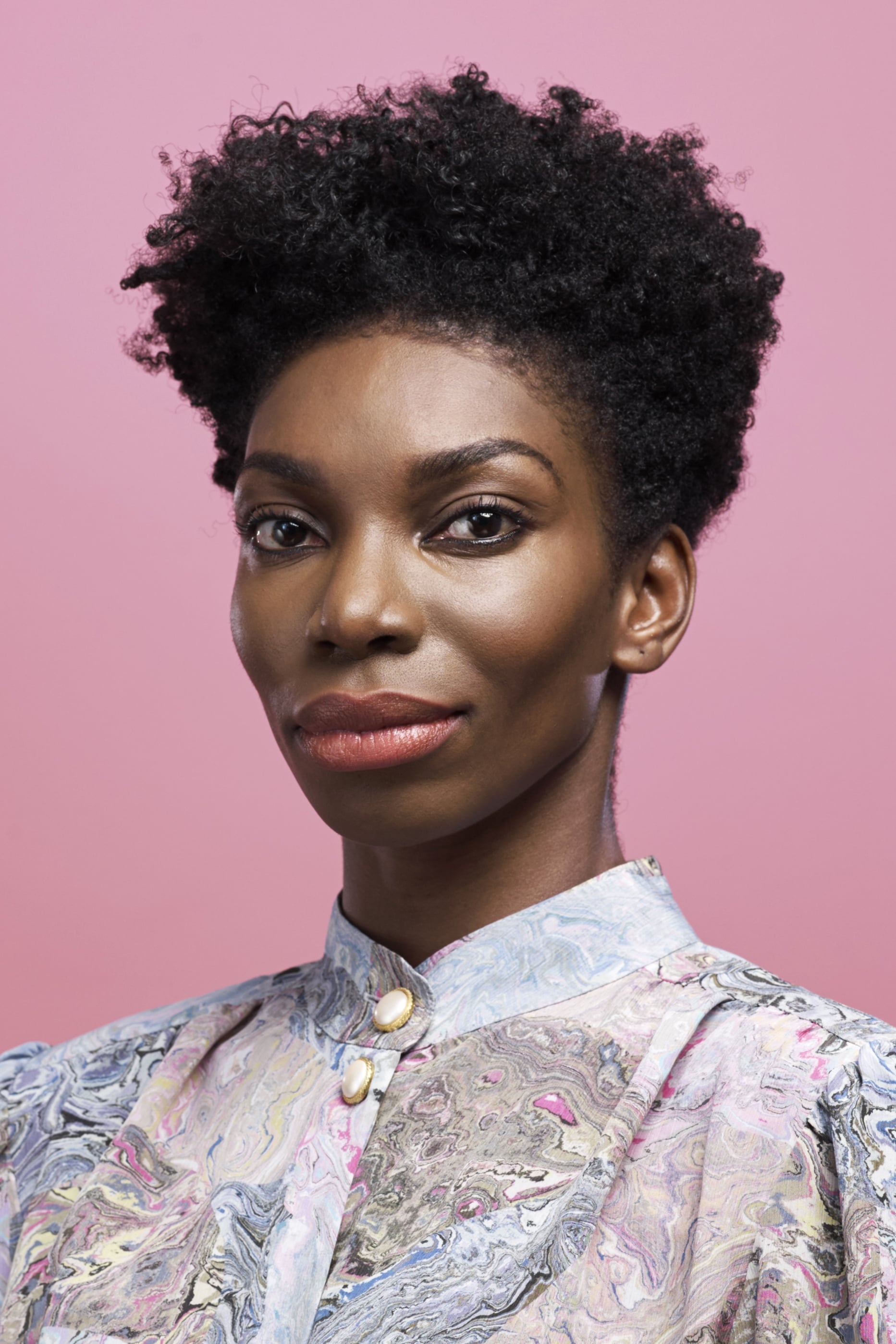
Michaela Coel spoke at the Edinburgh TV Festival about the racism and colorism she experienced while working in British television. She shared examples of being treated unfairly compared to actors with lighter skin. Coel intentionally focuses her work on stories about dark-skinned women, aiming to address the lack of representation she noticed as a child. Her speech received a lot of attention and has encouraged British TV networks to rethink their approach to diversity.
Cynthia Erivo
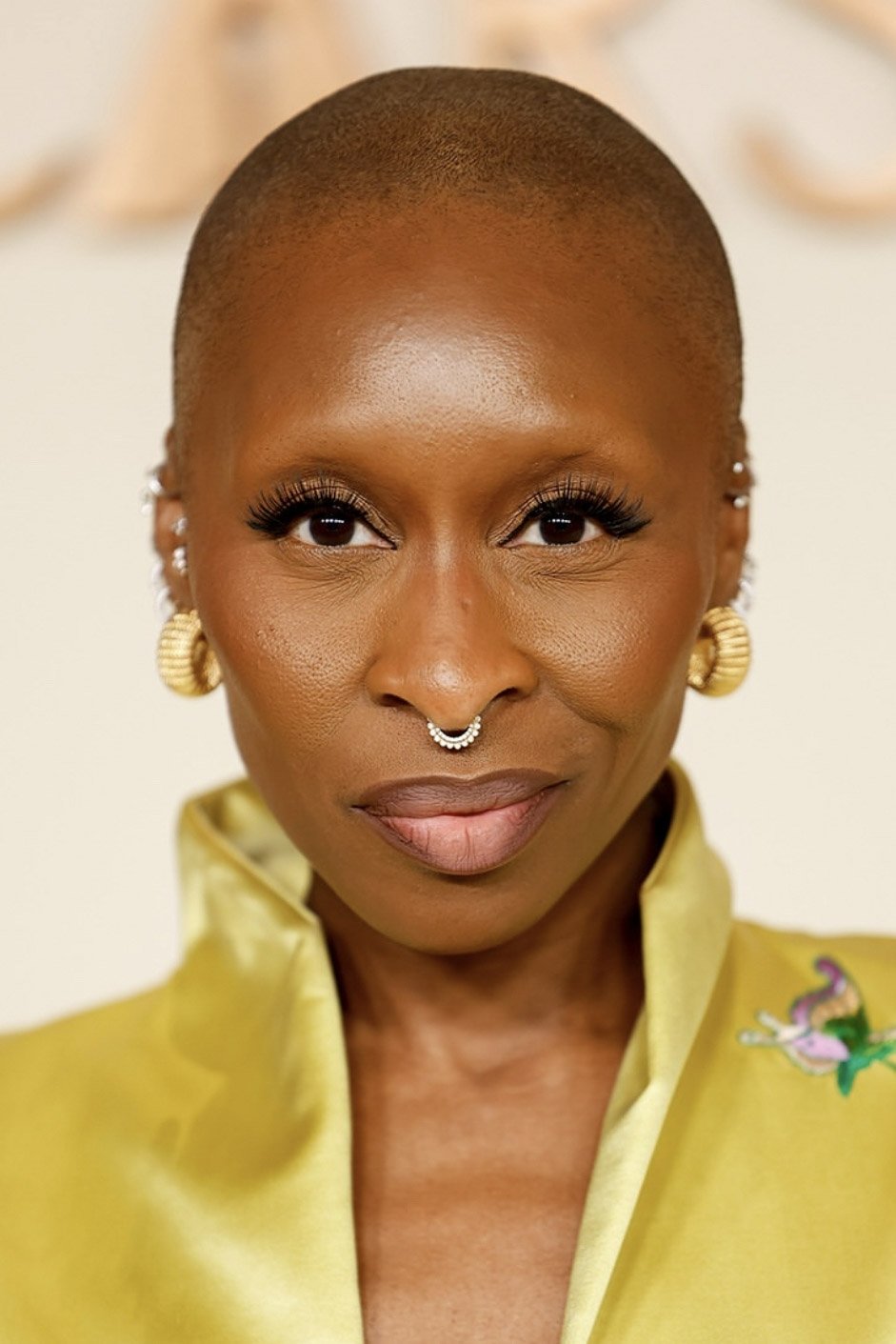
Cynthia Erivo received criticism for her portrayal of Harriet Tubman and discussed concerns about colorism while promoting the film. She talked about the differences and the need for solidarity between African Americans and people from Africa, particularly among women with darker skin. Erivo explained that she dedicated herself to the role to pay tribute to Tubman, despite the online debate, and remains committed to finding more nuanced and challenging roles for women of color.
Tika Sumpter
Tika Sumpter developed the show ‘Mixed-ish’ and frequently discussed the need to talk about colorism – prejudice based on skin tone – within families. Her goal was to portray the challenges faced by a mother with darker skin raising biracial children in a society aware of color differences. Sumpter draws on her own experiences in Hollywood, where she’s worked to create opportunities for herself, and actively supports stories that honestly address the difficult topic of skin tone bias.
Ryan Michelle Bathe
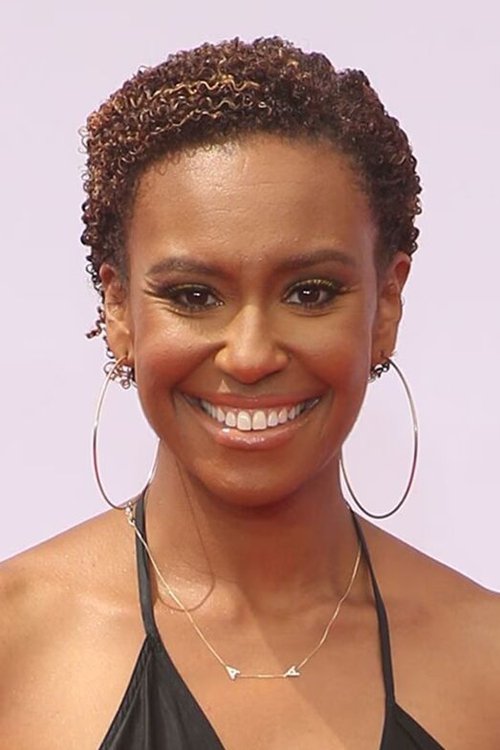
Ryan Michelle Bathe has spoken publicly about the unique challenges she faces as a light-skinned Black woman, specifically regarding colorism. While recognizing her advantages, she also points out how her identity as a Black woman can sometimes be overlooked. Bathe believes open and honest conversations are crucial for the Black community to overcome the damage caused by historical divisions, and she stresses that understanding privilege is the essential first step toward fairness.
Marsai Martin
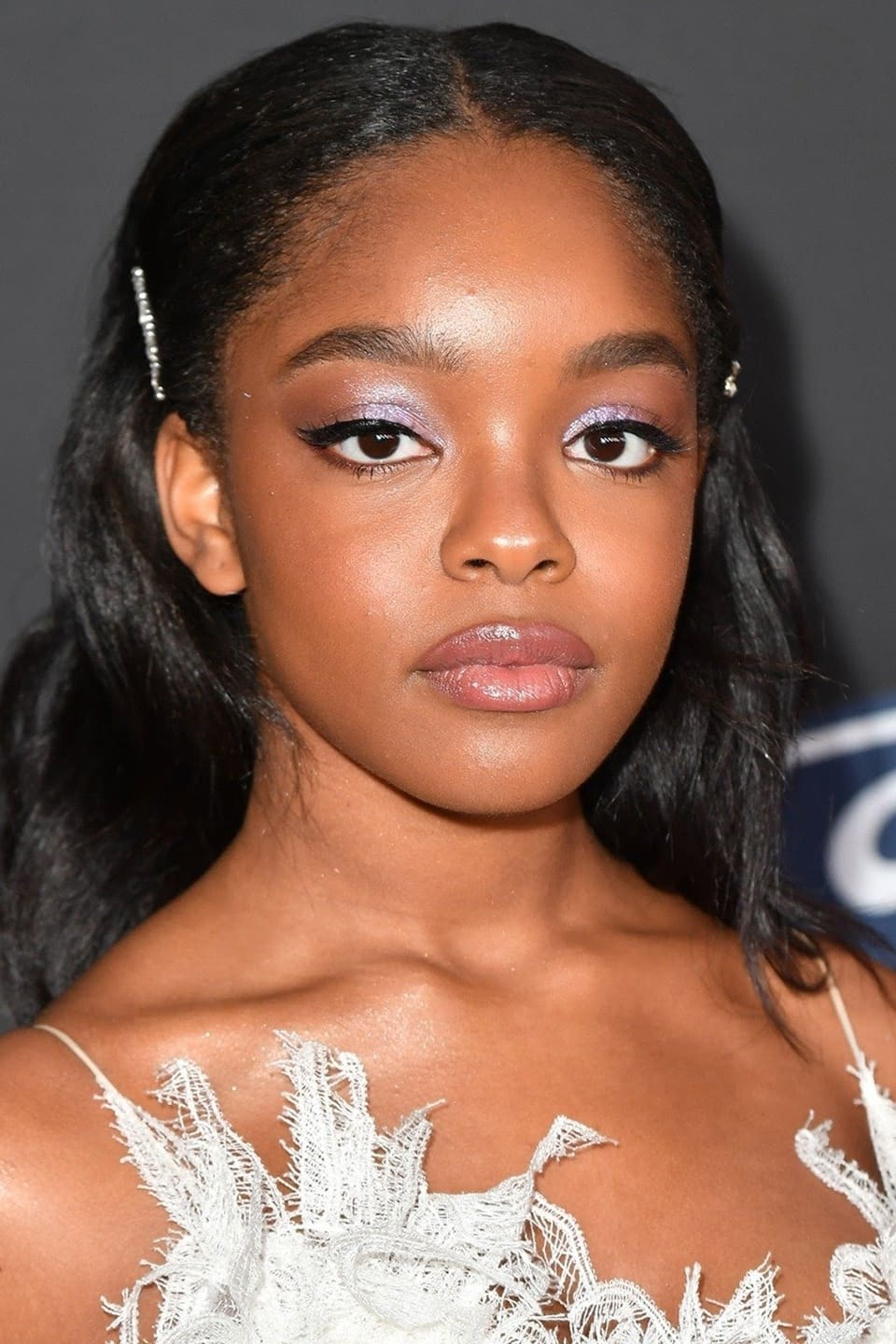
Marsai Martin, the young actress from ‘Black-ish’, played a key role in an episode that directly addressed colorism. She shared in interviews and behind-the-scenes footage that the storyline mirrored her own personal experiences and fears. Martin explained she wanted to empower dark-skinned girls to embrace their beauty, despite societal pressures. Her direct involvement helped ensure the sensitive topic was handled with authenticity and understanding.
Jennifer Hudson
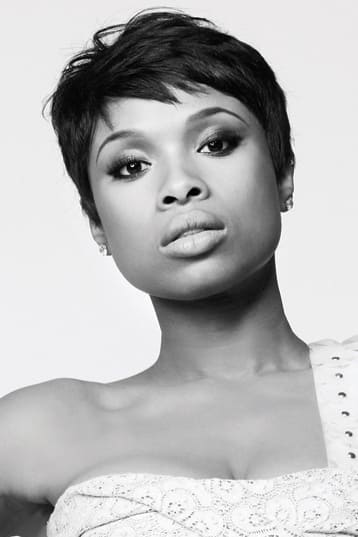
Jennifer Hudson’s talk show is known for celebrating and empowering Black women, and she often shares her personal story of learning to love herself. She frequently praises her guests’ beautiful skin tones and creates a welcoming environment where darker complexions are celebrated. Early in her career, Hudson was told her look didn’t fit the typical pop star image, but she stayed true to herself and has now achieved EGOT status – proving she didn’t need to change to succeed.
Bipasha Basu
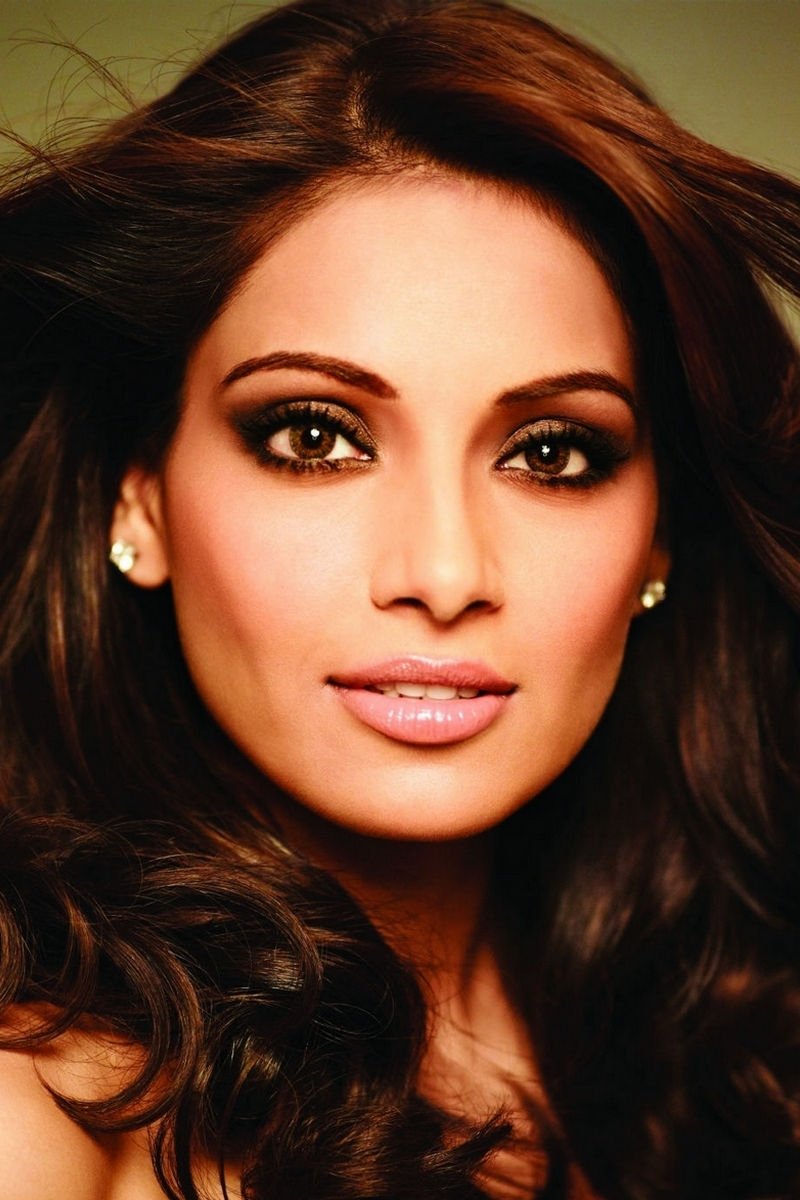
Bipasha Basu, a well-known Bollywood actress, has often talked about how the media frequently focused on her skin tone, often labeling her as “dusky.” She was upset that her beauty was always qualified by her complexion. Despite this, Basu refused to be defined by this label and successfully became a prominent and celebrated actress in an industry that traditionally preferred lighter skin tones. She continues to speak out against the widespread obsession with fair skin in Indian films.
Kalki Koechlin
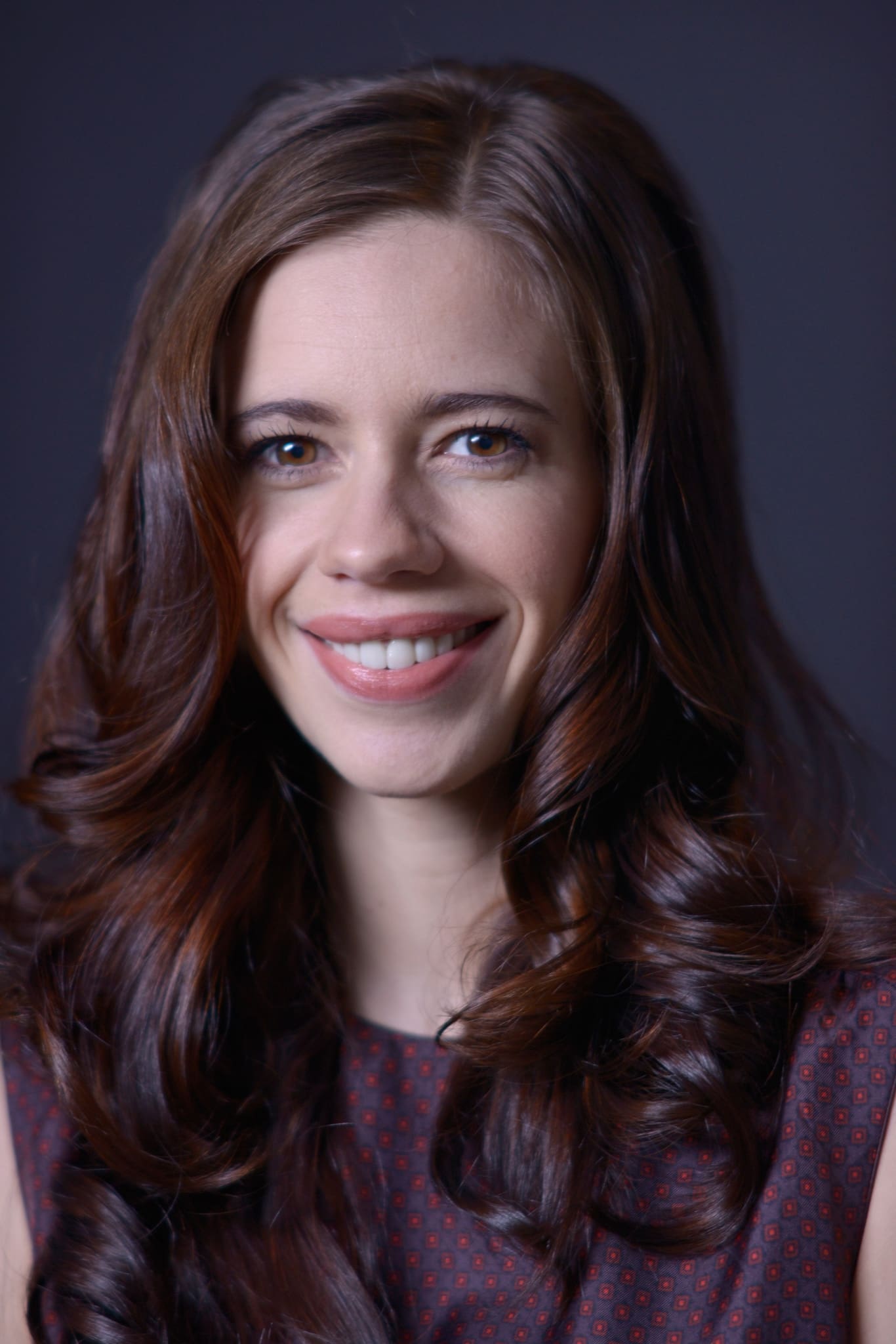
Kalki Koechlin, who has French ancestry, has spoken about the advantages she receives in India because of her lighter skin. She’s noted that she often gets acting roles and is treated differently than Indian actresses with darker skin tones. By sharing her experiences as an outsider, Koechlin highlights the issue of colorism within the film industry and encourages more realistic and diverse casting choices that better reflect India’s population.
Swara Bhasker

Swara Bhasker is a strong voice against skin-lightening creams, openly criticizing them online and in public discussions. She believes these products can create feelings of inadequacy and promote racism in young girls. Bhasker herself won’t promote these brands and encourages people to embrace their natural skin tone, arguing that celebrities should use their influence to challenge these damaging beauty standards.
Esha Gupta
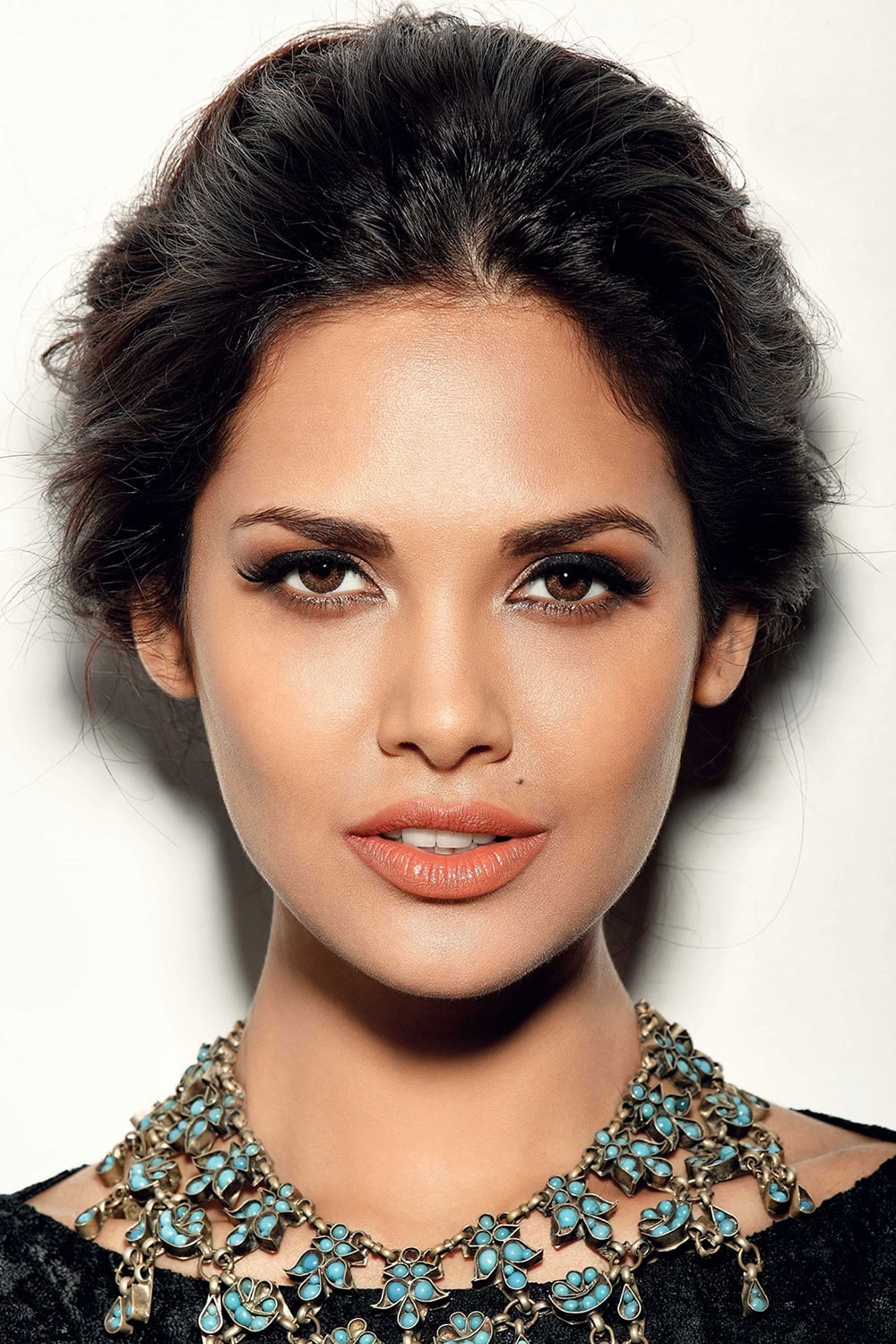
Esha Gupta, a well-known actress, has shared her experience with colorism in the film industry. She was told she needed to lighten her skin to get more opportunities, but she refused and decided to stay true to her natural complexion. Gupta hopes to empower other women to feel confident and embrace their natural beauty, even when facing pressure to conform to certain standards.
Tyrese Gibson
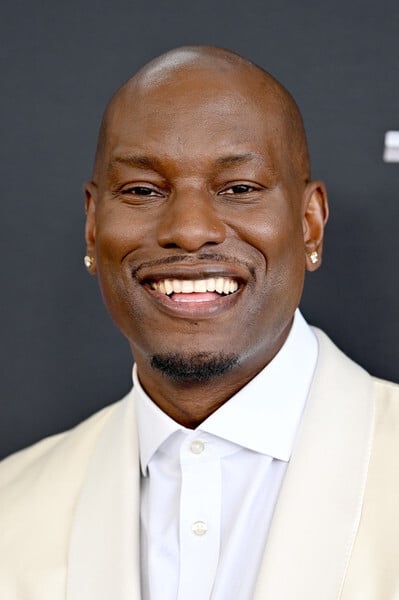
Tyrese Gibson often creates discussion – and sometimes controversy – with his videos about colorism within the Black community. Although his views are often debated, he’s been instrumental in bringing the issue of how skin tone affects privilege to the attention of social media and the entertainment industry. He’s talked about this topic on many platforms, explaining how it impacts both personal relationships and who gets cast in movies and TV shows. His strong opinions frequently start important public conversations about colorism.
Meagan Good
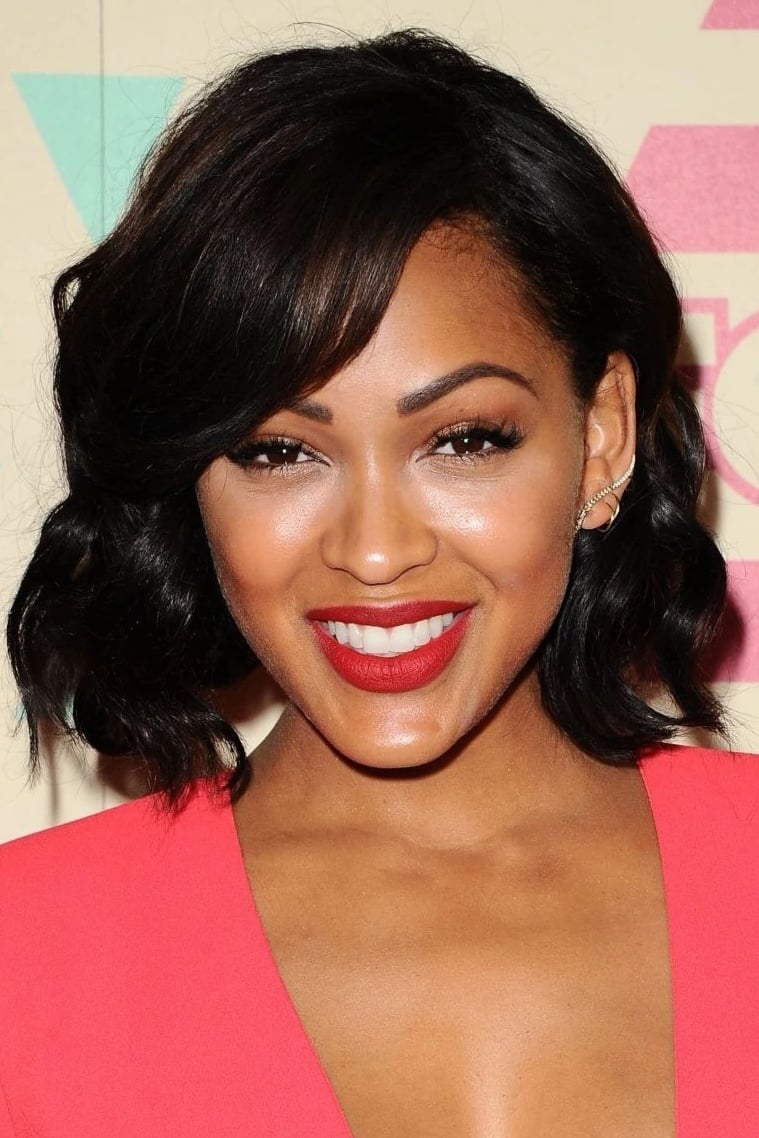
Meagan Good recently addressed rumors that she was lightening her skin, using the conversation as a chance to promote self-acceptance. She clarified that the changes in her appearance were due to lighting and makeup, not skin bleaching. Good spoke about the intense pressure on women to meet certain beauty standards, especially regarding skin tone, and stressed her love for her natural brown skin, encouraging others to embrace their own skin tones as well.
Halle Berry
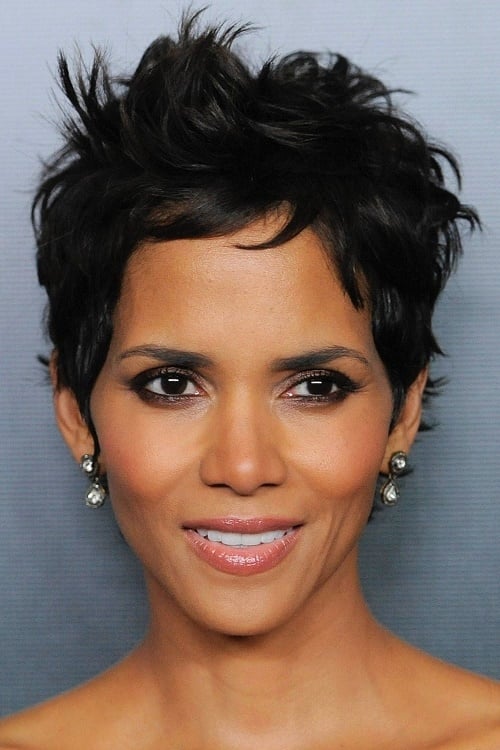
Halle Berry has openly discussed how her lighter skin tone gave her an advantage when starting her career in Hollywood, compared to actresses with darker skin. She famously used her Oscar acceptance speech to honor the dark-skinned actresses who paved the way for her and those working alongside her. Berry hopes to see continued opportunities for all women of color and acknowledges she benefited from a system that favors lighter skin tones, which is why she actively supports increased diversity in the industry.
Logan Browning
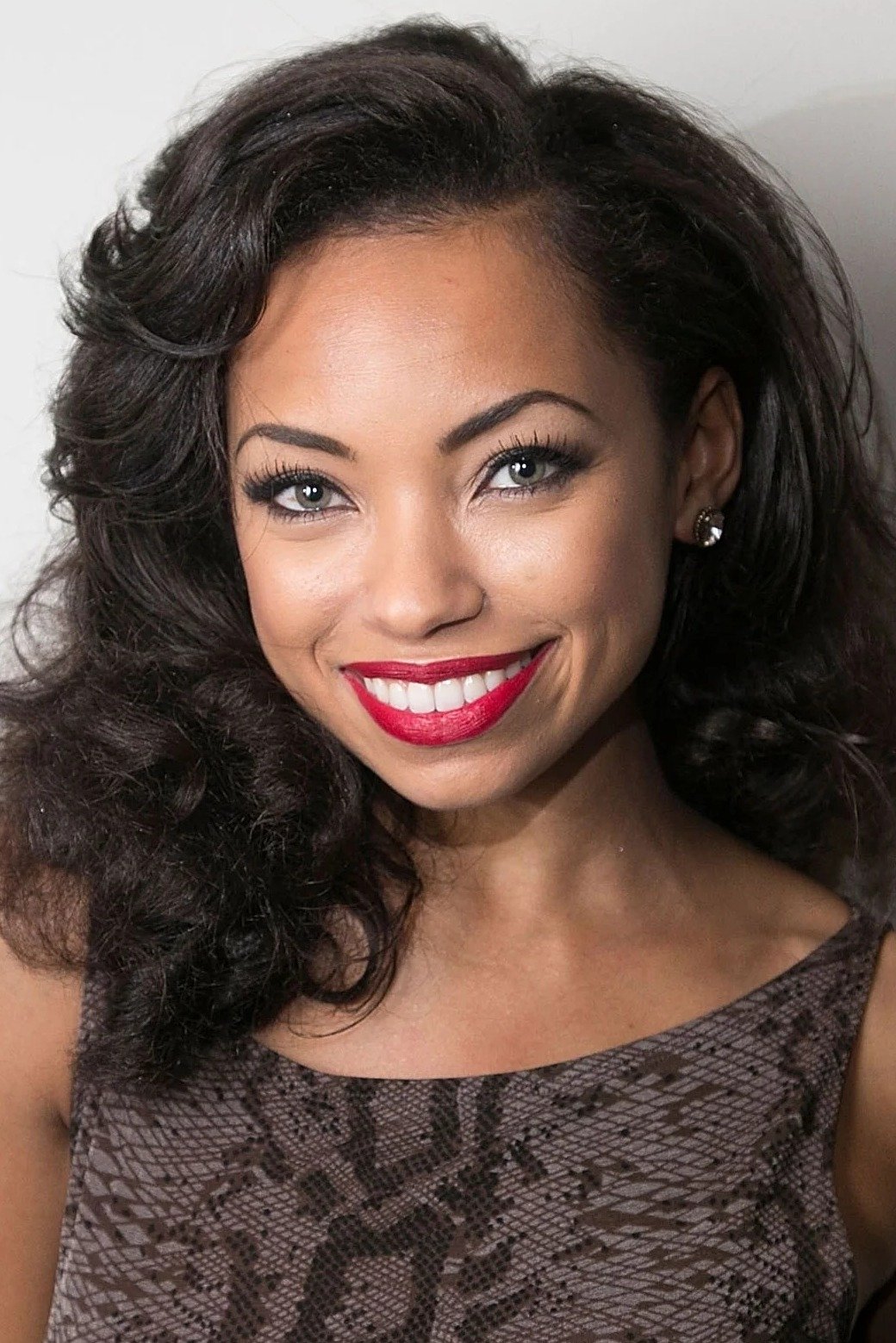
Logan Browning, known for her role in ‘Dear White People’, has spoken about the storyline in the show that explores colorism – prejudice based on skin tone. She’s explained how her biracial character often feels like an outsider, not fully accepted by either Black or white communities. Browning believes colorism is a harmful way to divide people and needs to be addressed. Through her work, she hopes to start important conversations about identity and the advantages some people have over others.
Asia Jackson
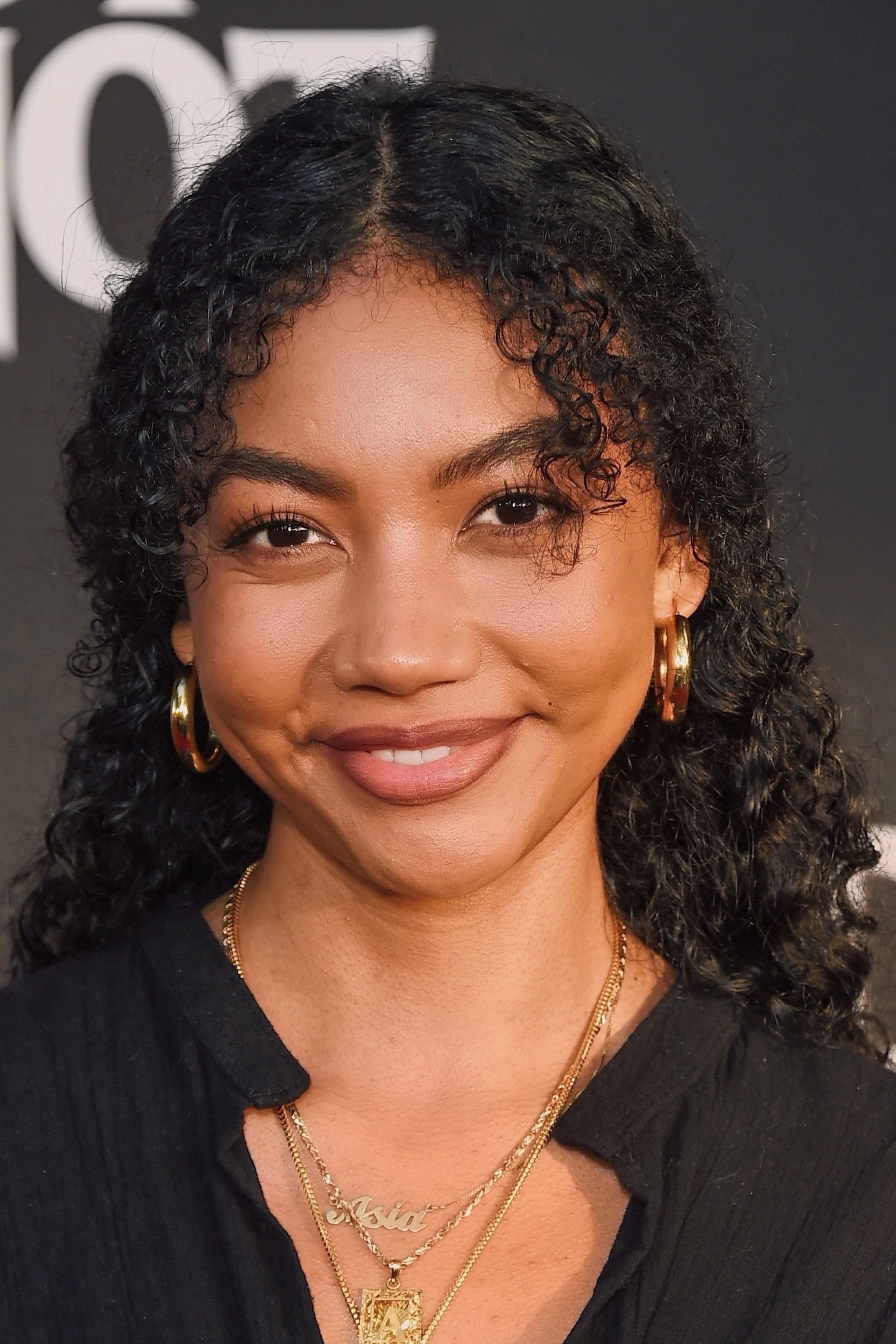
Asia Jackson started the #MagandangMorenx campaign to fight against colorism within the Filipino community. She’s spoken to news outlets about how Filipino media often favors lighter skin tones. Jackson has shared her own story of being bullied for her darker skin and how she found strength in embracing it. As a result, her movement has inspired thousands of Filipinos to feel proud of their natural skin color.
Read More
- Invincible Season 4 Gender Swaps Tech Jacket As Fans Question Major Comic Change
- Silver Rate Forecast
- Gold Rate Forecast
- 15 Films That Were Shot Entirely on Phones
- 22 Films Where the White Protagonist Is Canonically the Sidekick to a Black Lead
- Building Agents That Learn and Improve Themselves
- 20 Movies Where the Black Villain Was Secretly the Most Popular Character
- Celebs Who Narrowly Escaped The 9/11 Attacks
- Trading Crypto with AI: A New Approach to Portfolio Management
- 18 TV Series Filming Rehearsals as Bonus Content
2025-12-16 20:23