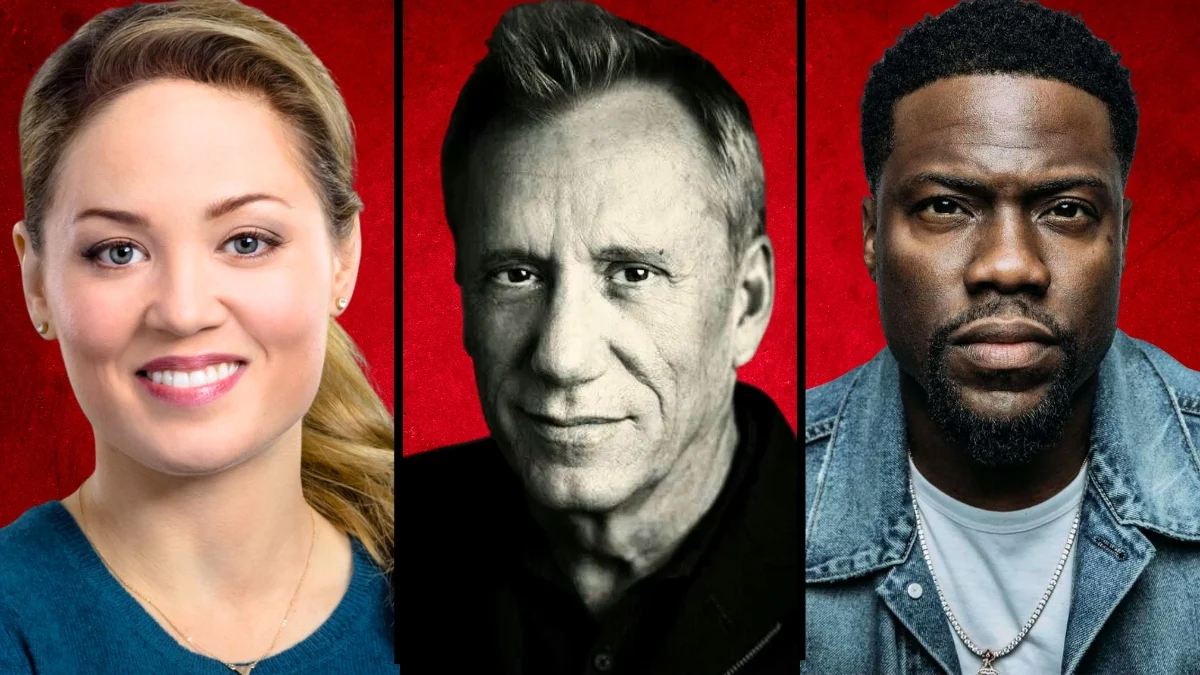
The #MeToo movement started a worldwide discussion about sexual harassment and inappropriate behavior at work, causing big changes in Hollywood. Although many celebrities supported the movement, some prominent figures questioned how it was being carried out, worried about it going too far, or expressed concerns about fairness. These celebrities have publicly shared their doubts through things like group statements and interviews, often revealing different viewpoints based on their generation or beliefs about how to define appropriate behavior in today’s world.
Catherine Deneuve

A famous French actress added her voice to a debate by signing a letter published in ‘Le Monde’ that questioned whether the movement against sexual harassment had gone too far. She argued that harmless or awkward flirting shouldn’t be treated as a serious offense and worried about a growing trend of censorship in creative fields. The letter suggested that some men were being unfairly criticized for minor missteps. While the actress later expressed sympathy for those who had experienced sexual assault, she stood by her belief that the original points raised in the letter were valid.
Brigitte Bardot
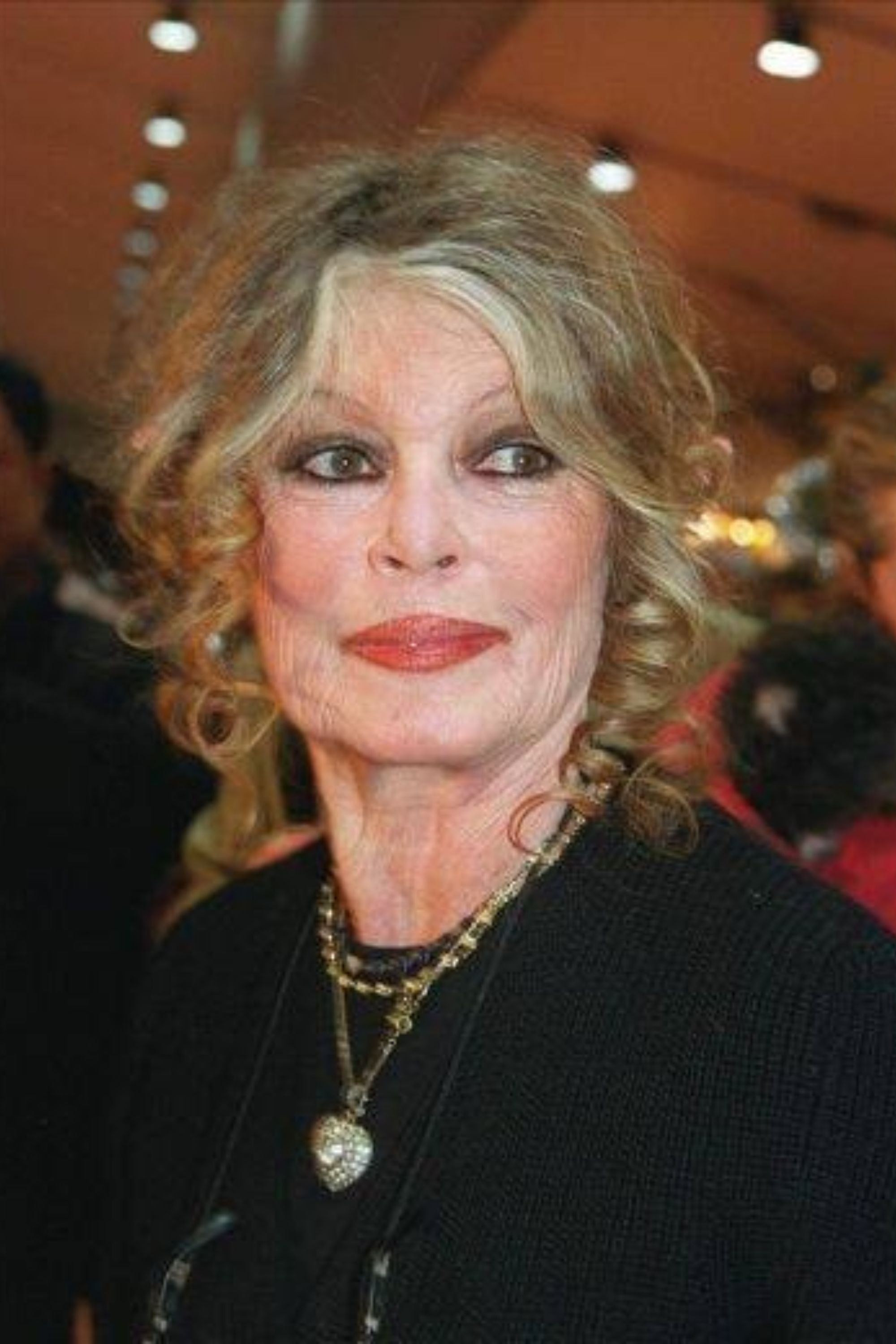
The famous actress criticized those who’ve spoken out about sexual misconduct, calling their complaints insincere and absurd. In an interview, she suggested many actors and actresses willingly flirted with people in power to get jobs, and then falsely claimed harassment later for attention. Bardot stated she personally never experienced this during her long career in film. Her statements caused a strong negative reaction from activists, who said she was minimizing the widespread problem of abuse.
Liam Neeson
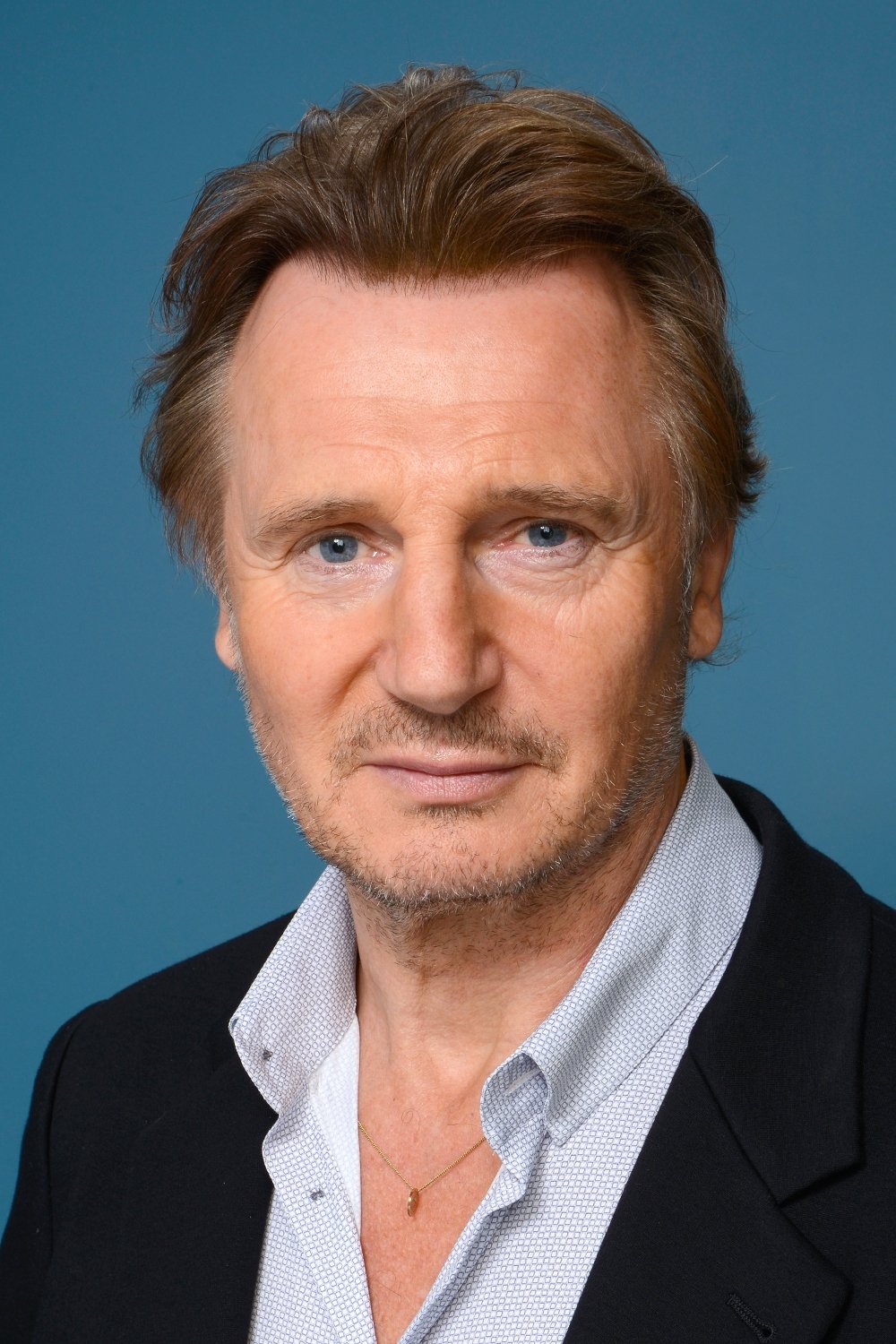
Liam Neeson, while appearing on ‘The Late Late Show’, compared the #MeToo movement to a witch hunt, suggesting some accusations might not be fully supported by evidence. He felt some reactions, like the one involving Garrison Keillor, were overly harsh. Neeson stressed the need to differentiate between actual criminal behavior and awkward or clumsy actions.
Sean Penn
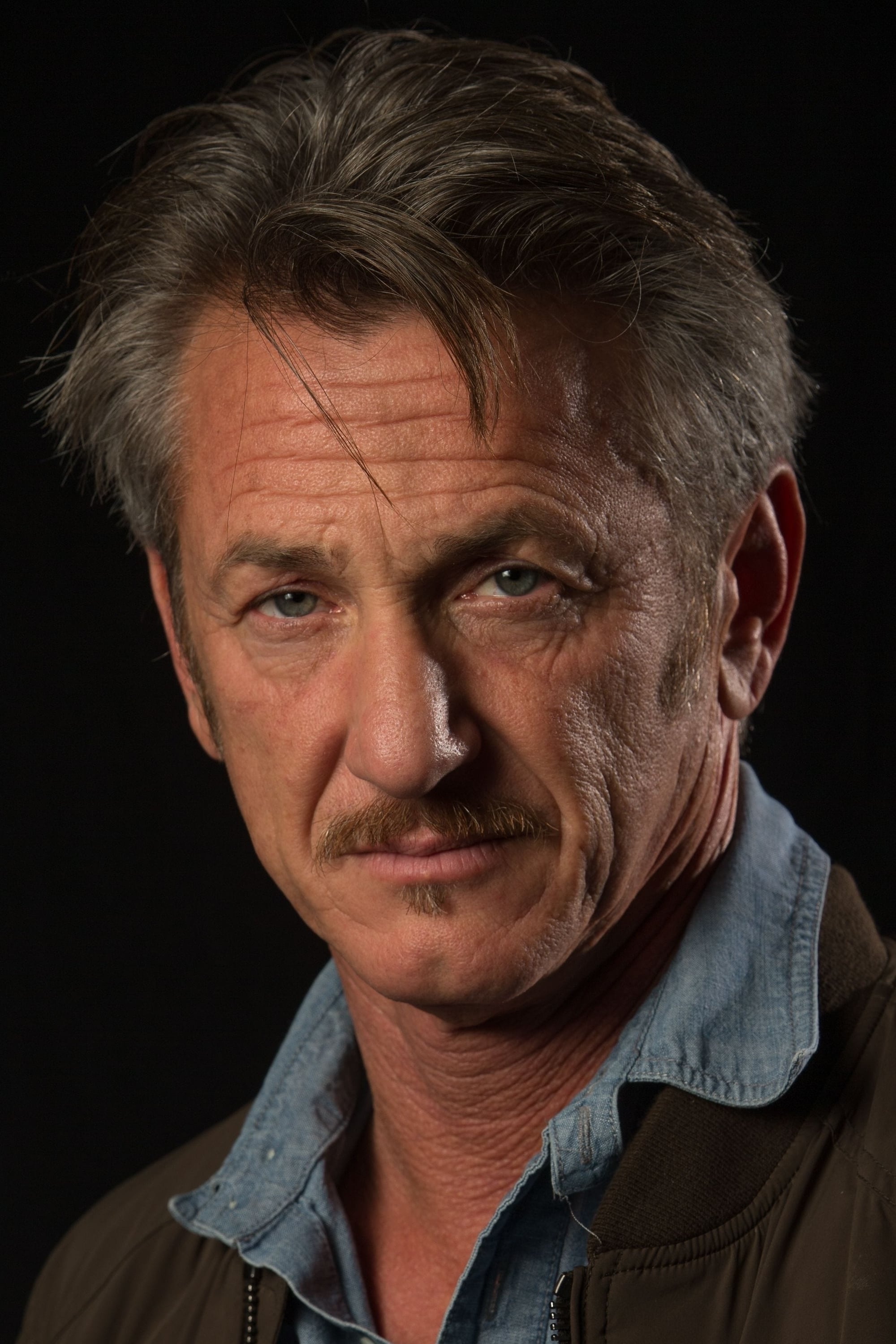
Penn criticized the movement, saying it presented issues as too simple and created unnecessary division. He felt it often seemed focused on separating men and women instead of building understanding. The actor also described many discussions about the movement as overly sensational and lacking depth. He shared these thoughts while promoting his show, ‘The First’.
Lindsay Lohan
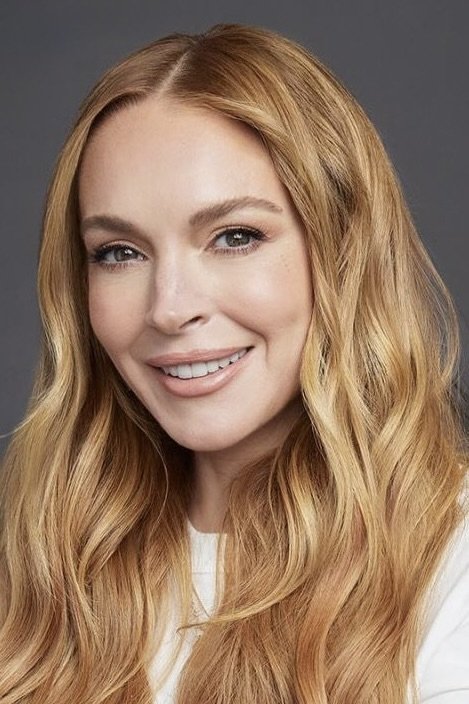
Lindsay Lohan told ‘The Times’ that she believes the #MeToo movement can portray women as weak by dwelling on past issues. She feels women should address problems as they happen, instead of waiting years to share their experiences. Lohan also worried that some people were using the movement for personal gain. While she said her comments were misinterpreted, she maintained her doubts about the widespread public reaction.
Pamela Anderson
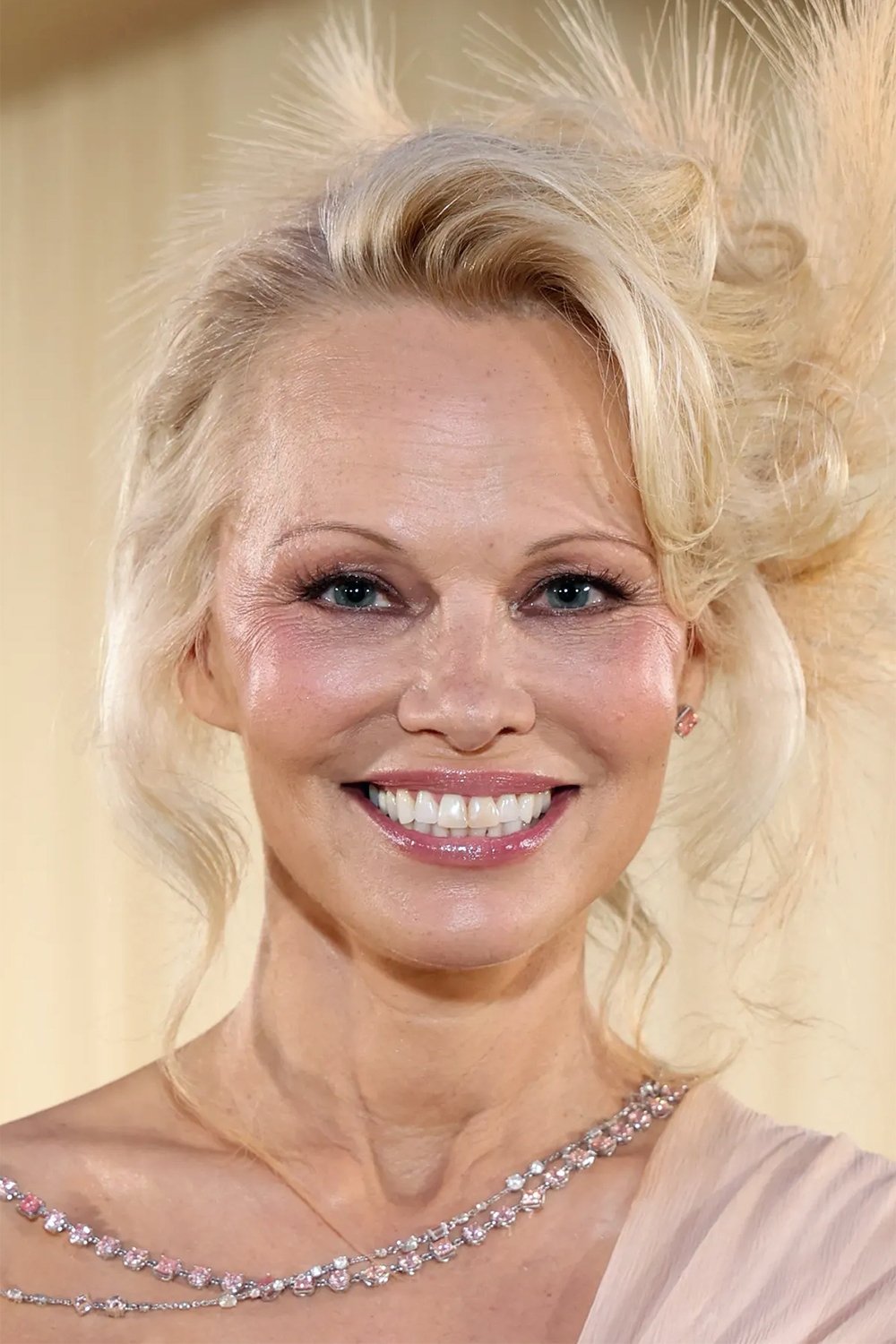
During an appearance on ‘Megyn Kelly Today,’ the actress stated that many people who have experienced harmful situations could have taken steps to avoid them. She specifically pointed out that meeting producers alone in hotel rooms carries inherent risks that individuals should be aware of. She also expressed criticism of what she described as current feminist thought, finding it uninspired and formulaic. While identifying as supportive of women, she disagreed with the tactics employed by the #MeToo movement.
Roseanne Barr
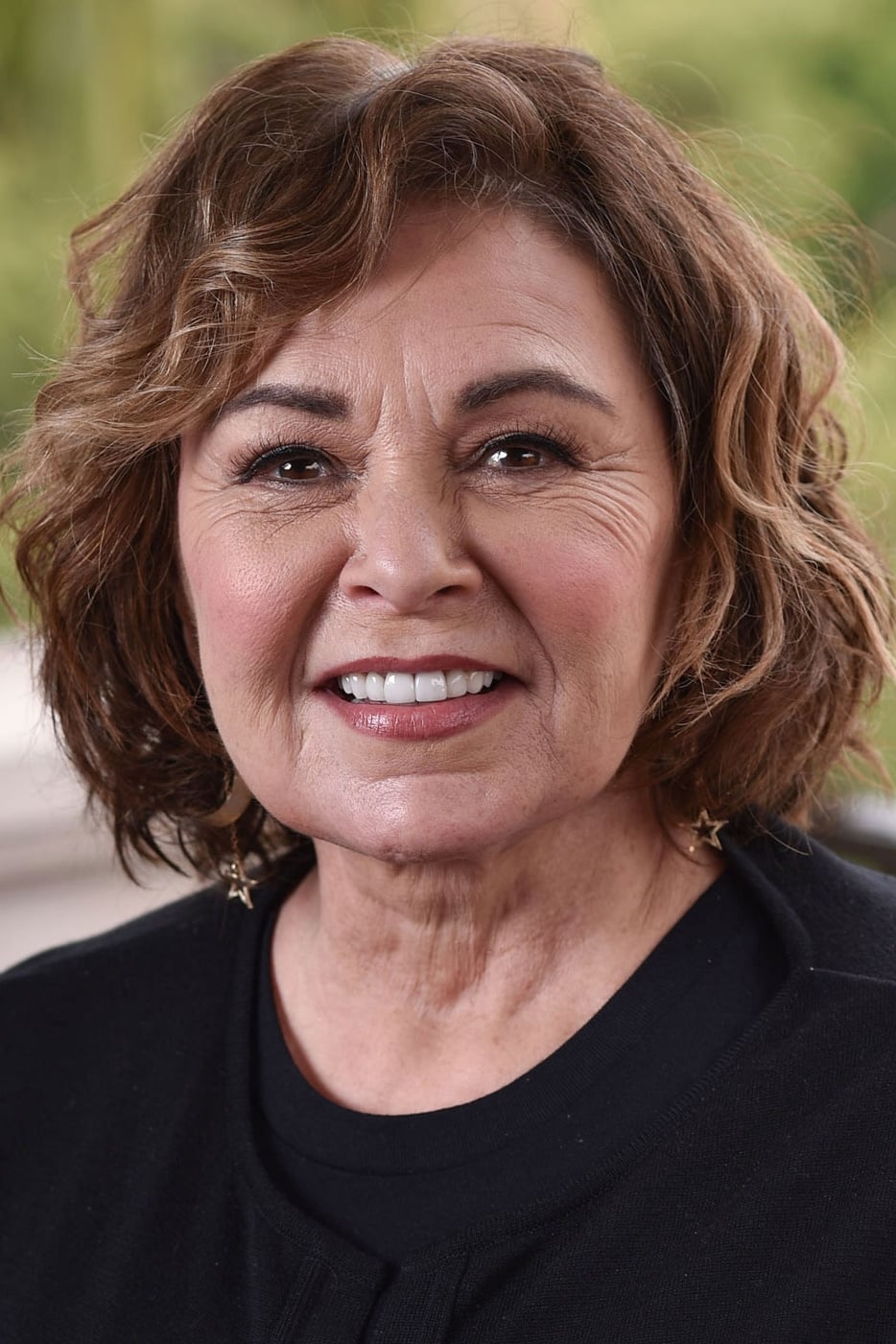
Barr criticized the movement, arguing it was out of touch with the challenges faced by working-class women. She accused many involved of hypocrisy, pointing out they had previously profited from the system they were now condemning. The comedian specifically called out people she felt were using the movement to advance their own political careers instead of genuinely seeking social change. She regularly shared these views on social media and during her comedy shows.
Michael Haneke
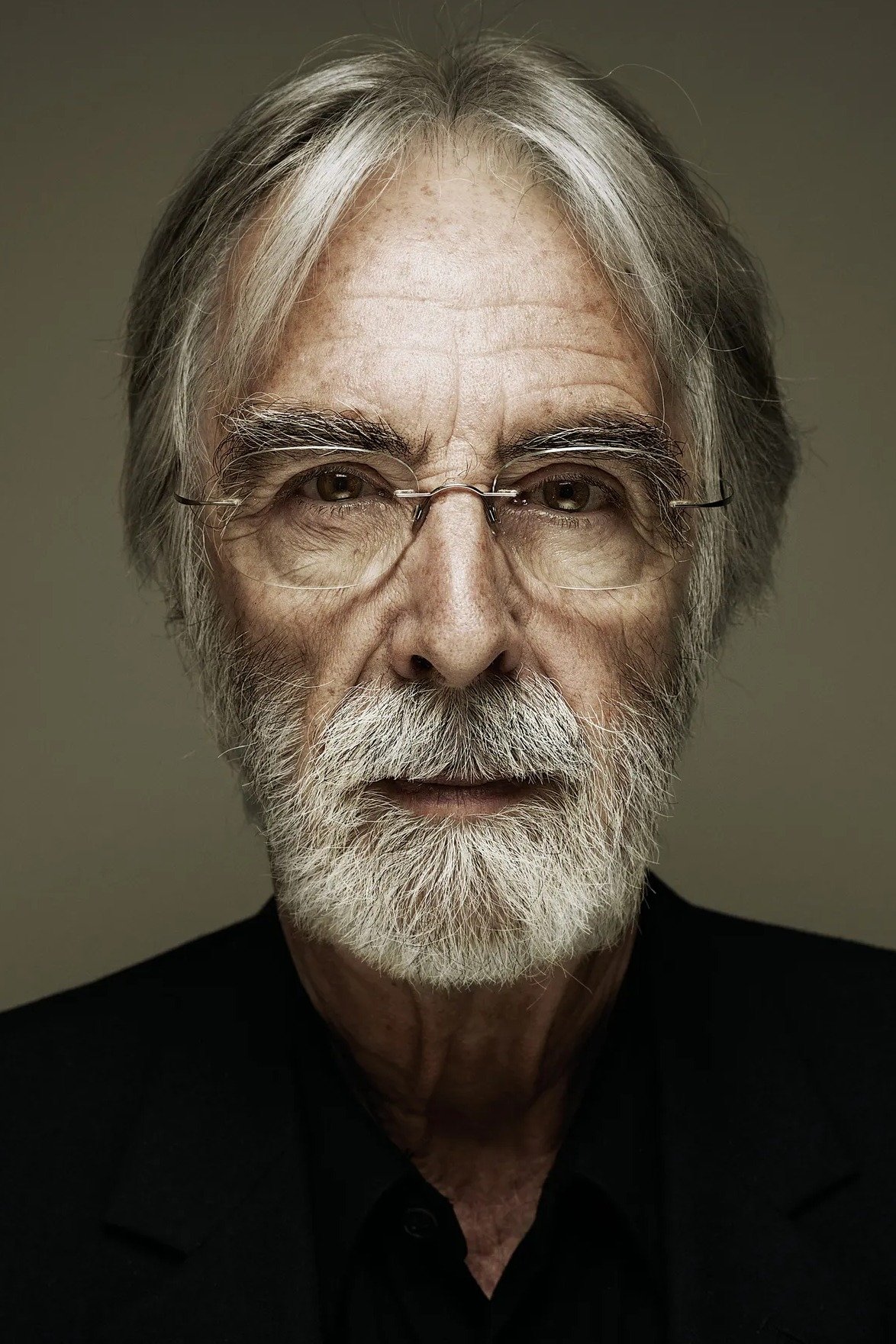
The director of the film ‘Amour’ likened the current social climate to a witch hunt, calling it a new form of strict moral judgment. He believes this movement is driven by a deliberate animosity towards men and will ultimately harm artistic creation. In an interview with the Austrian newspaper ‘Kurier,’ Haneke explained his worry that this atmosphere will discourage filmmakers from freely expressing themselves, leading them to censor their own work.
Terry Gilliam
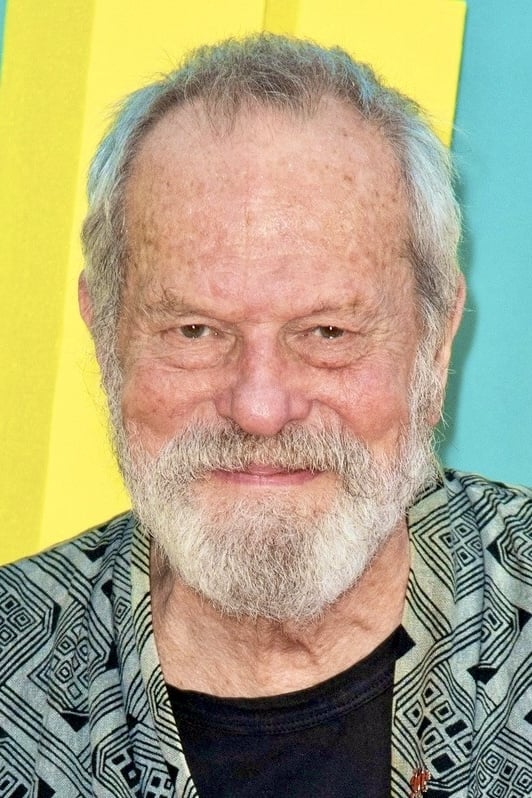
Terry Gilliam has called the current social movement a form of ‘mob rule,’ expressing concern that people aren’t being given fair treatment before being accused of wrongdoing. While acknowledging that some individuals deserve criticism, he believes many others are being unfairly targeted by a broad and oversimplified change in culture. Gilliam argues the movement has become a way to quickly judge complex situations and people through social media, rather than addressing them thoughtfully. He shared these views in an interview with Agence France-Presse.
Morrissey

The singer challenged the truthfulness of some accusations within the movement, implying that not everyone involved was genuinely harmed, and some were simply unhappy with the outcome. He argued that many participants understood the risks but continued to engage until it no longer benefited them. Morrissey voiced worries that the movement was becoming irresponsible and unfairly damaging people’s reputations. He shared these views in a 2017 interview with the German publication ‘Die Welt’.
Henry Cavill
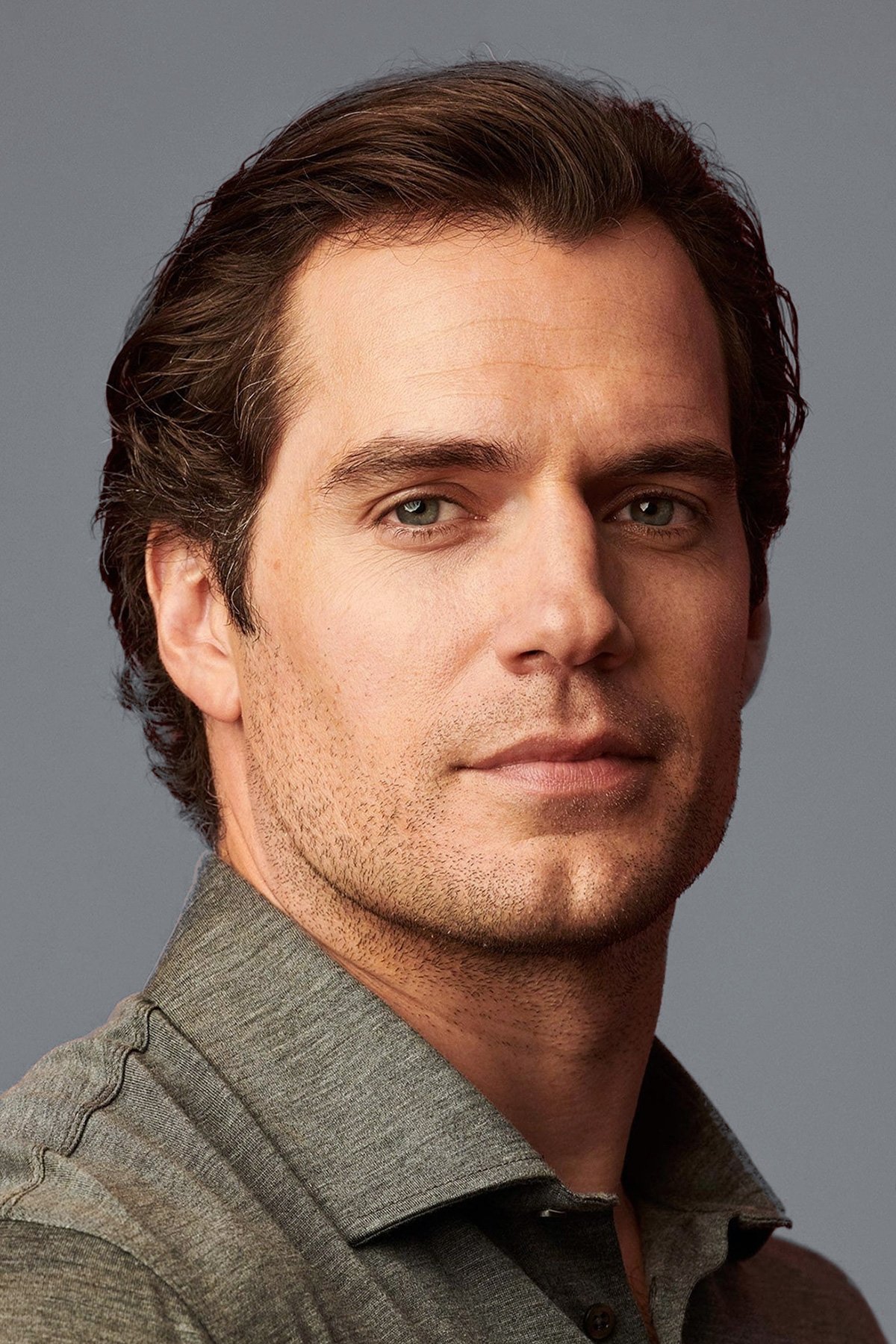
The actor admitted he was worried about dating in the wake of the #MeToo movement, explaining he feared being wrongly accused of inappropriate behavior if he showed romantic interest in someone. In an interview with ‘GQ Australia,’ he suggested that the usual steps involved in starting a relationship now felt risky for men who want to be respectful. He later apologized for how he phrased his thoughts, saying he meant to show support for the movement’s aims. However, many people interpreted his original comments as doubt about the positive effects of #MeToo.
Matt Damon
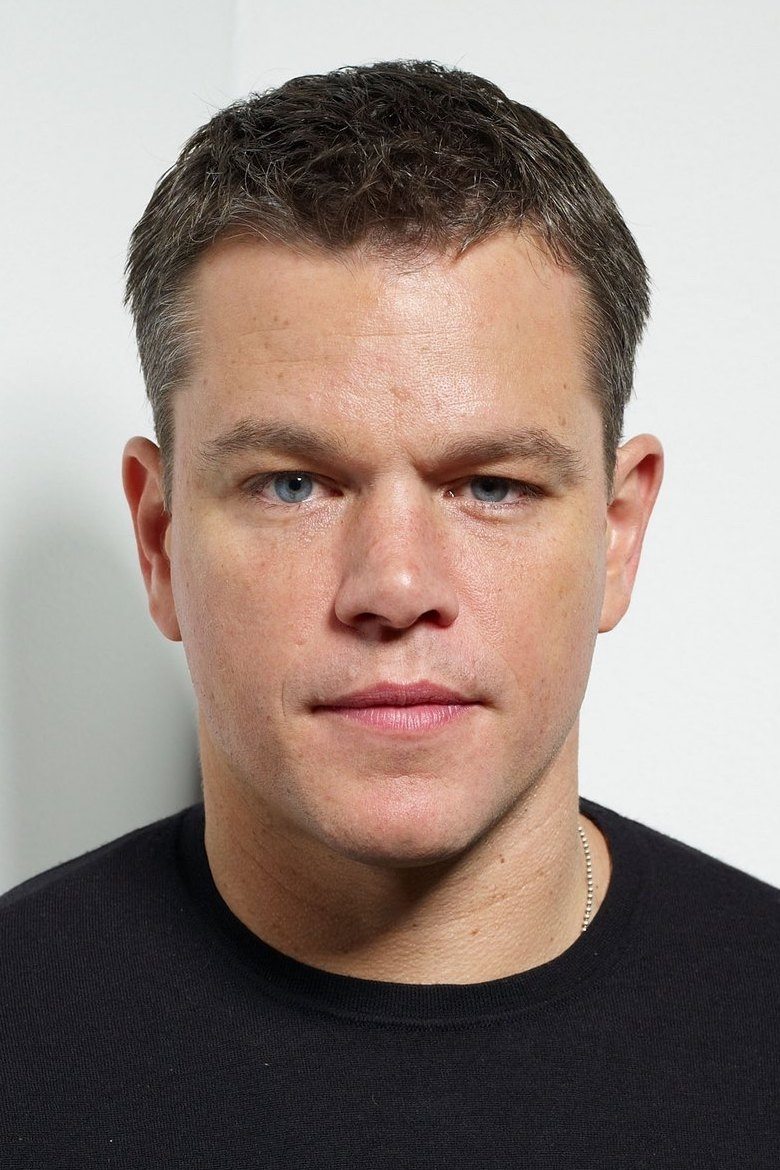
Damon faced criticism after discussing the range of behaviors considered sexual misconduct. He pointed out a large difference between harmless touching and serious crimes like child abuse or rape, and worried that the movement was grouping all actions together as equally wrong. His statements quickly drew strong online reactions, with many people calling for him to be removed from the movie ‘Ocean’s 8’.
Alec Baldwin
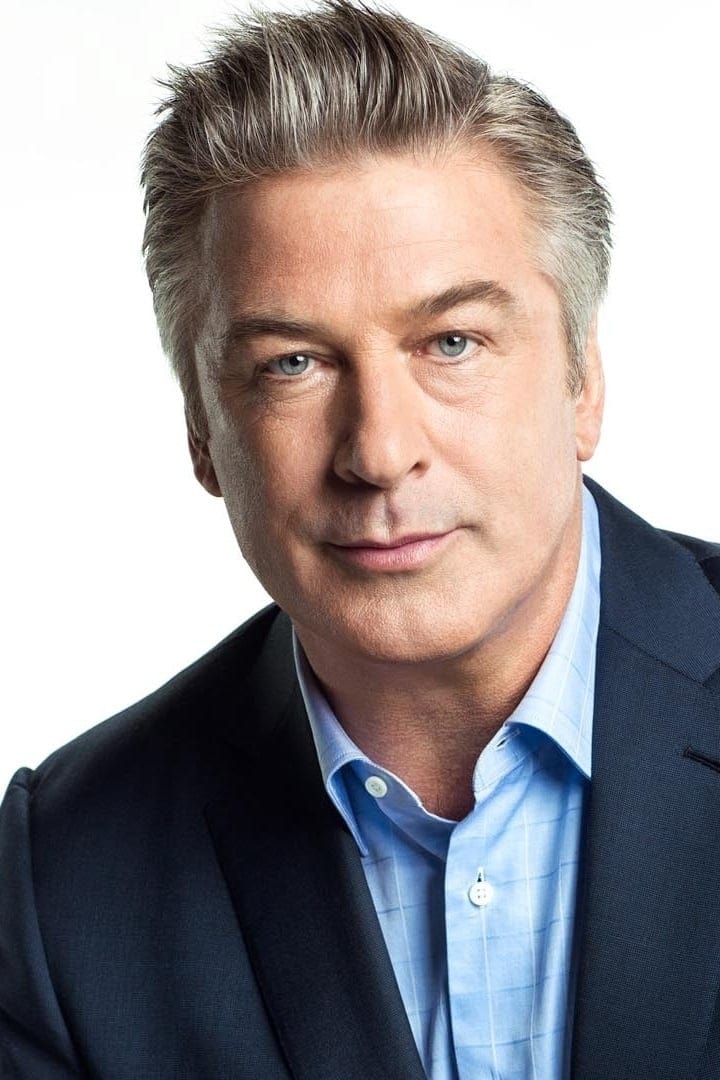
Alec Baldwin has repeatedly supported colleagues like Woody Allen and voiced concerns about how the current social climate is affecting the film industry. He believes people are too quick to condemn individuals publicly, often overlooking the nuances of legal situations. Baldwin argues that reputations can be ruined without solid proof, and he feels society has become overly quick to react and judge harshly.
Margaret Atwood

As a longtime reader of Margaret Atwood, I was struck by her recent op-ed. She’s raising a really important point – one that feels particularly relevant right now. She’s concerned about this trend of immediately assuming guilt without due process, and she draws a chilling parallel to the Salem witch trials, where accusations alone were enough to condemn someone. Atwood essentially argues that if we abandon the legal system in the pursuit of social justice, we’ll ultimately end up hurting the very people we’re trying to protect, and weakening the foundations of our society. It’s a controversial take, and I’ve noticed a lot of debate among her fans and within the writing community – a lot of people seem to strongly disagree with her, which makes it all the more interesting.
Germaine Greer
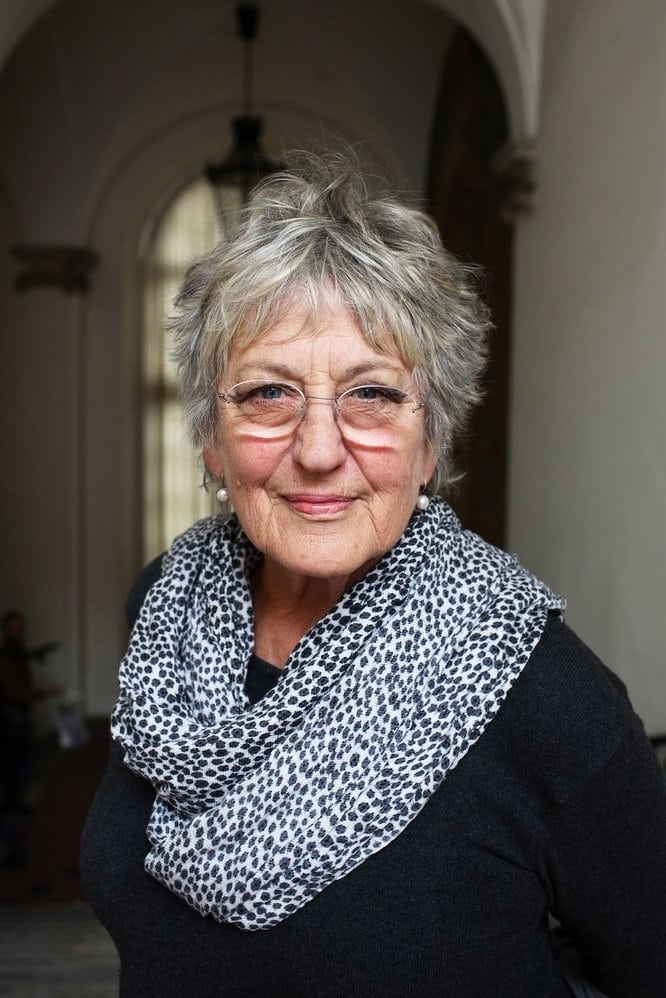
The well-known feminist critic argued that the current movement often comes across as overly complaining and lacking professionalism when addressing problems at work. She believes women should be resilient enough to deal with harassment directly, rather than seeking public attention through the media. Greer also stated that dwelling on past accusations takes attention away from important, current feminist concerns like economic and political equality. She shared these views during talks and interviews while in Australia.
Mayim Bialik
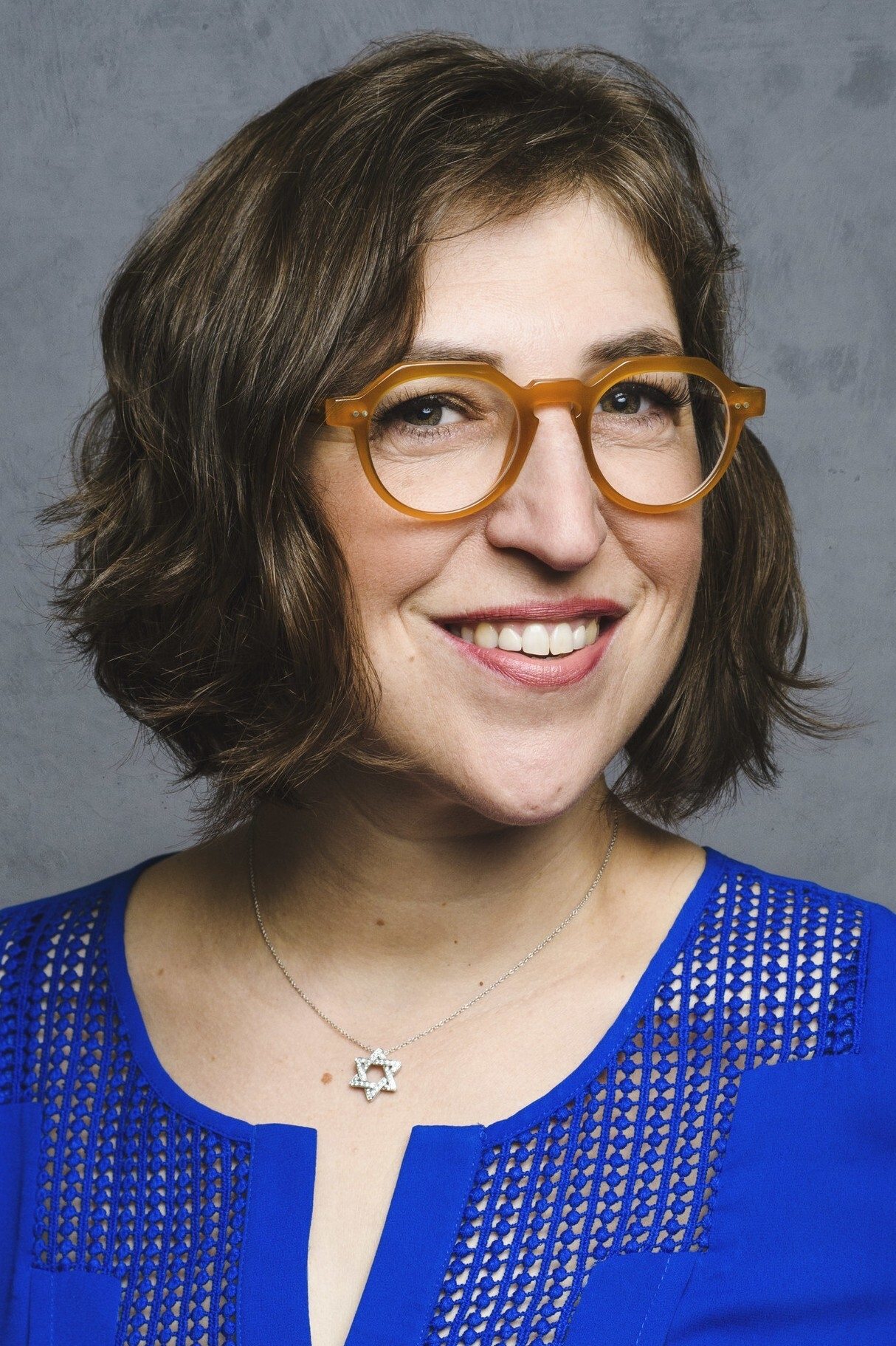
Mayim Bialik wrote an opinion piece for the ‘New York Times’ that some readers saw as a criticism of the goals of the movement. She explained that living a private life helped her avoid the harassment others in Hollywood faced. Although she didn’t directly speak out against the movement, some argued her viewpoint minimized the experiences of those who had been harassed. Bialik later apologized for any hurt her words caused and clarified that she was only sharing her own personal story.
Bill Maher
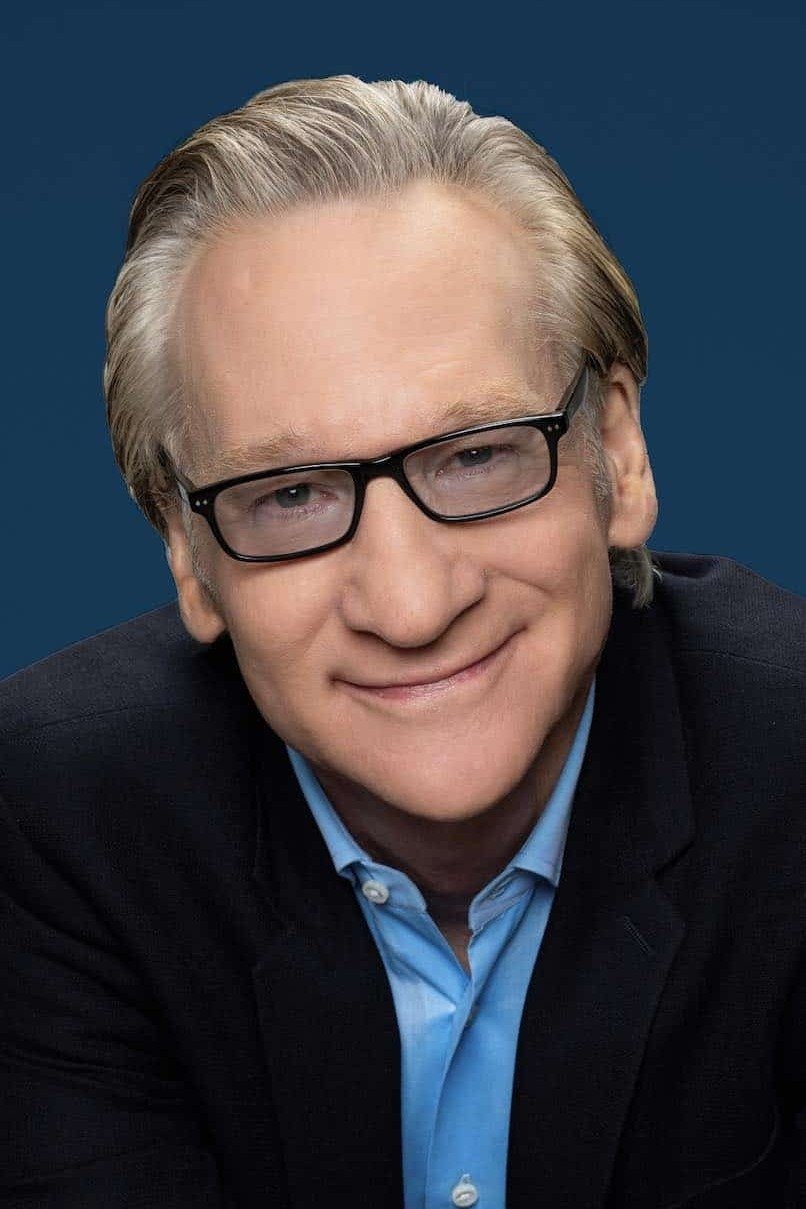
Bill Maher, host of ‘Real Time,’ often criticizes what he sees as an overly strict and judgmental approach within the progressive movement. He believes it’s going too far, blurring the lines between harmless mistakes and actual crimes. Maher worries that this focus on moral perfection harms both individual liberties and the broader goals of liberal politics. He frequently mocks prominent voices within the movement, jokingly referring to them as the ‘woke police’ during his show.
James Woods
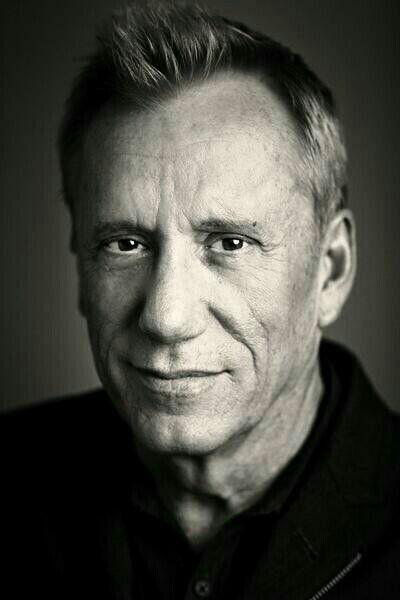
Woods, a well-known conservative commentator, often criticizes the movement on social media, frequently ridiculing its supporters. He regularly points to instances where he believes men have been wrongly accused or lost their jobs unfairly. Woods argues that the movement isn’t a genuine effort for social change, but rather a way to suppress opposing viewpoints. He’s particularly concerned about what he sees as a lack of due process and the quick, often harsh, judgments made on social media.
Sharon Stone
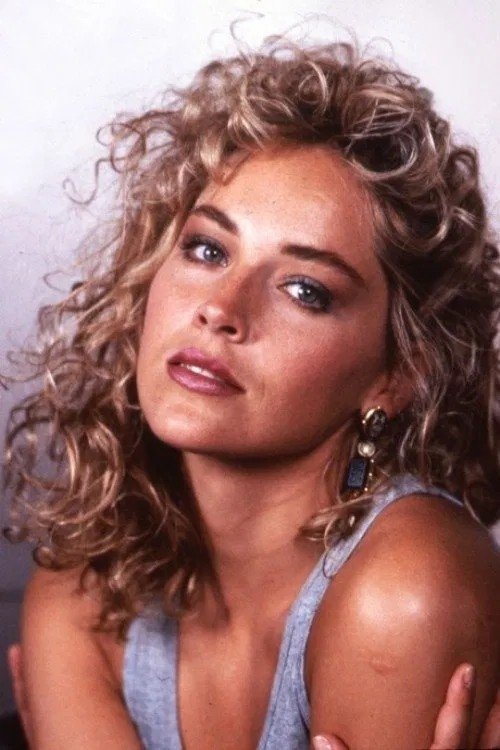
In an interview with ‘CBS Sunday Morning’, Sharon Stone chuckled when asked about facing discomfort in Hollywood. She shared that she’s witnessed a lot throughout her career and noted that the industry was historically harder on women. Stone implied that today’s environment doesn’t build the same strength women once needed to succeed. Although she didn’t explicitly oppose the current focus on sensitivity, her comments were seen by some as critical of modern expectations.
Erika Christensen
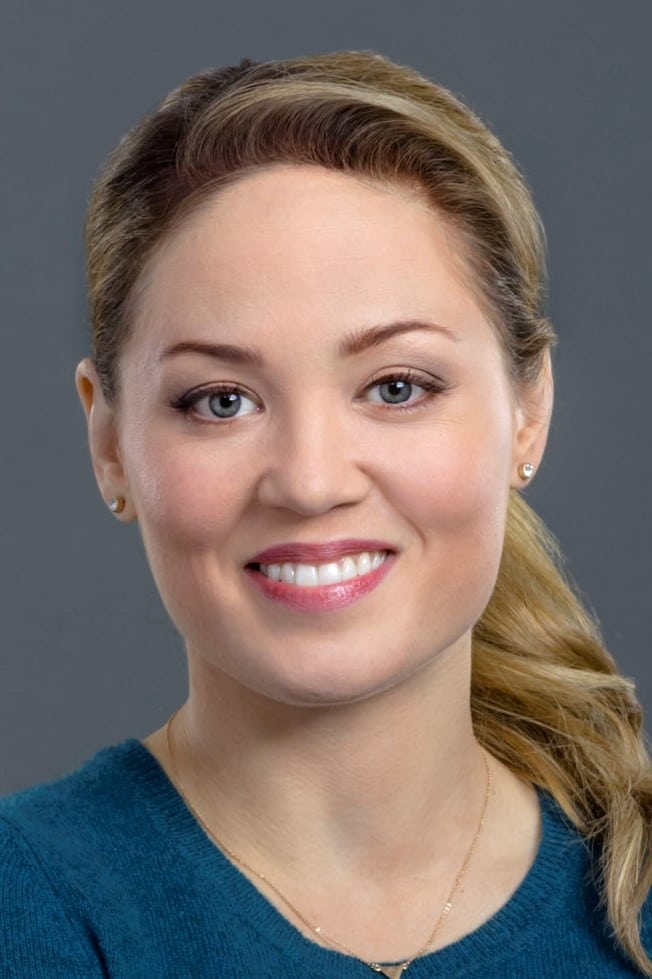
The actress believes in taking personal responsibility and upholding strong individual values, rather than relying on large social movements for change. She encourages people to focus on improving their own behavior and communication instead of joining public protests or campaigns. She’s generally stayed separate from the activism and professional networks surrounding this movement, preferring to address social issues through self-improvement and personal conduct.
Frank Langella
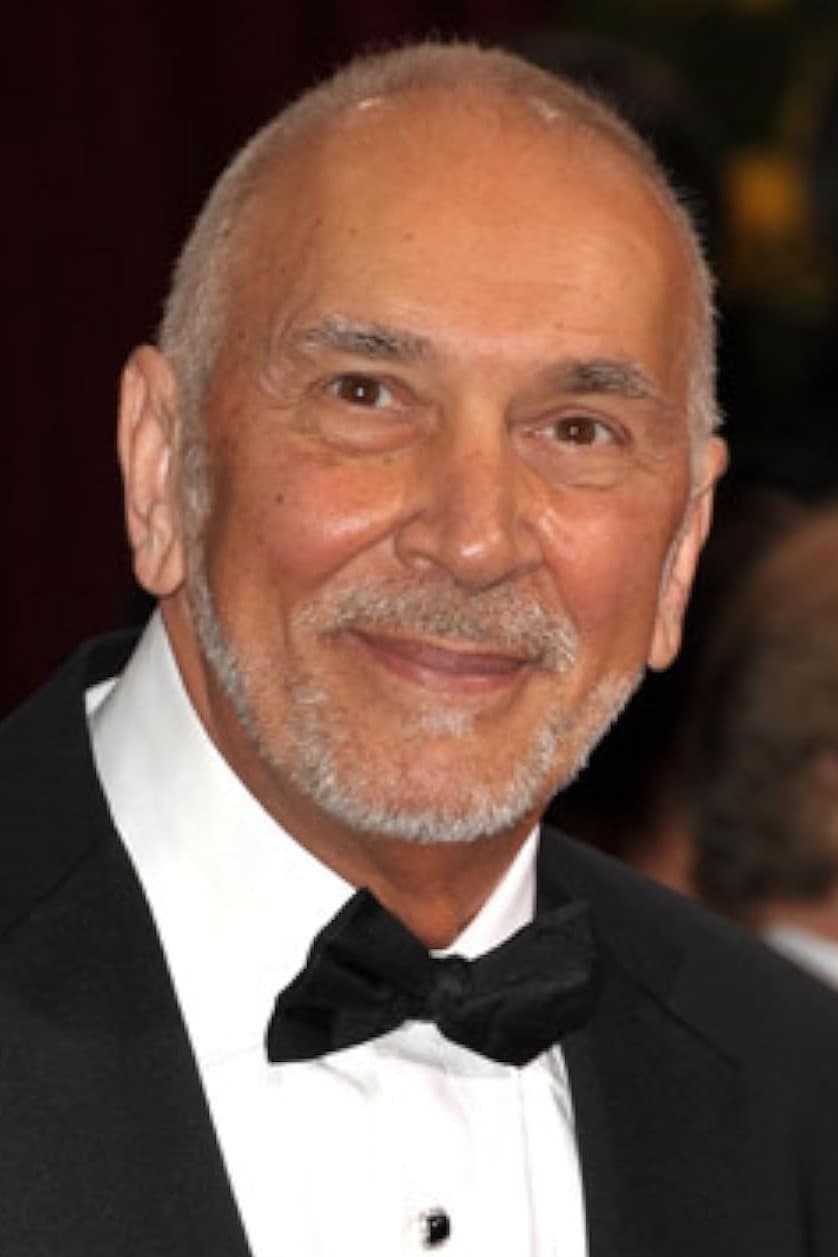
Following his dismissal from ‘The Fall of the House of Usher’ due to allegations of misconduct, Frank Langella strongly criticized what he saw as the negative impact of ‘cancel culture.’ He felt the investigation into his behavior was based on a misinterpretation of his actions and was essentially a sham. Langella argued that this environment had created a tense and unnatural atmosphere on set, hindering normal interactions.
Diane Keaton
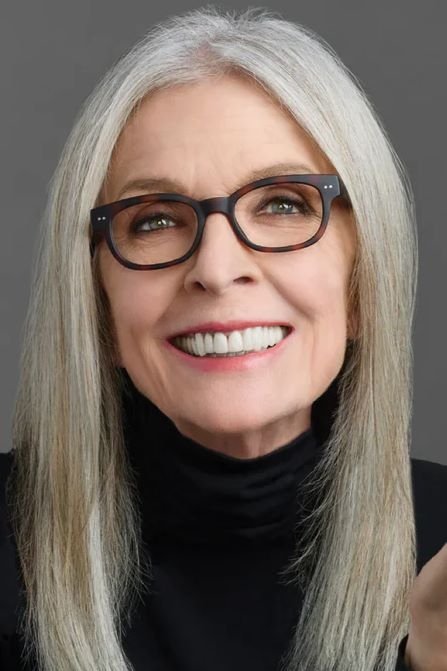
Diane Keaton has repeatedly stood by Woody Allen, even as people are revisiting past accusations against him. She’s publicly stated that she’s been a friend of Allen’s for many years and continues to believe his side of the story. Many saw Keaton’s support as a disagreement with the views of those advocating for accountability regarding past claims, and she’s remained separate from the widespread support for the movement within Hollywood.
Melanie Griffith
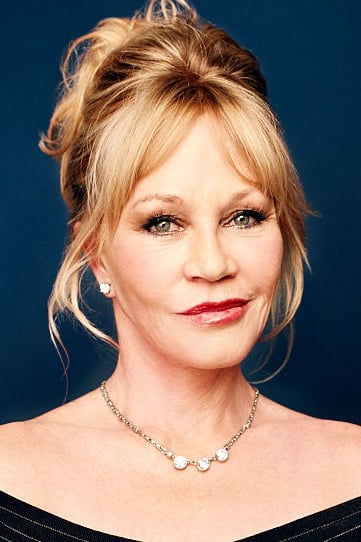
The actress questioned whether the current movement would have a lasting effect on how men and women interact romantically. In an interview with ‘The Guardian,’ she voiced concerns that it was making men hesitant to initiate conversations with women. She acknowledged that harassment is unacceptable, but also felt that the industry had lost some of its natural, lightheartedness due to the new emphasis on boundaries. She fondly remembers a different time in Hollywood, where social and professional interactions felt more relaxed.
Julie Christie

The British actress signed a letter published in ‘Le Monde’ arguing for the right to make one’s own choices, even if others find them annoying. She believed the feminist movement was becoming overly restrictive, limiting women’s sexual freedom. Christie warned that being too protective could actually harm the advancements women have achieved. The letter caused a large international discussion about how far the movement should go in Europe.
Marco Bellocchio
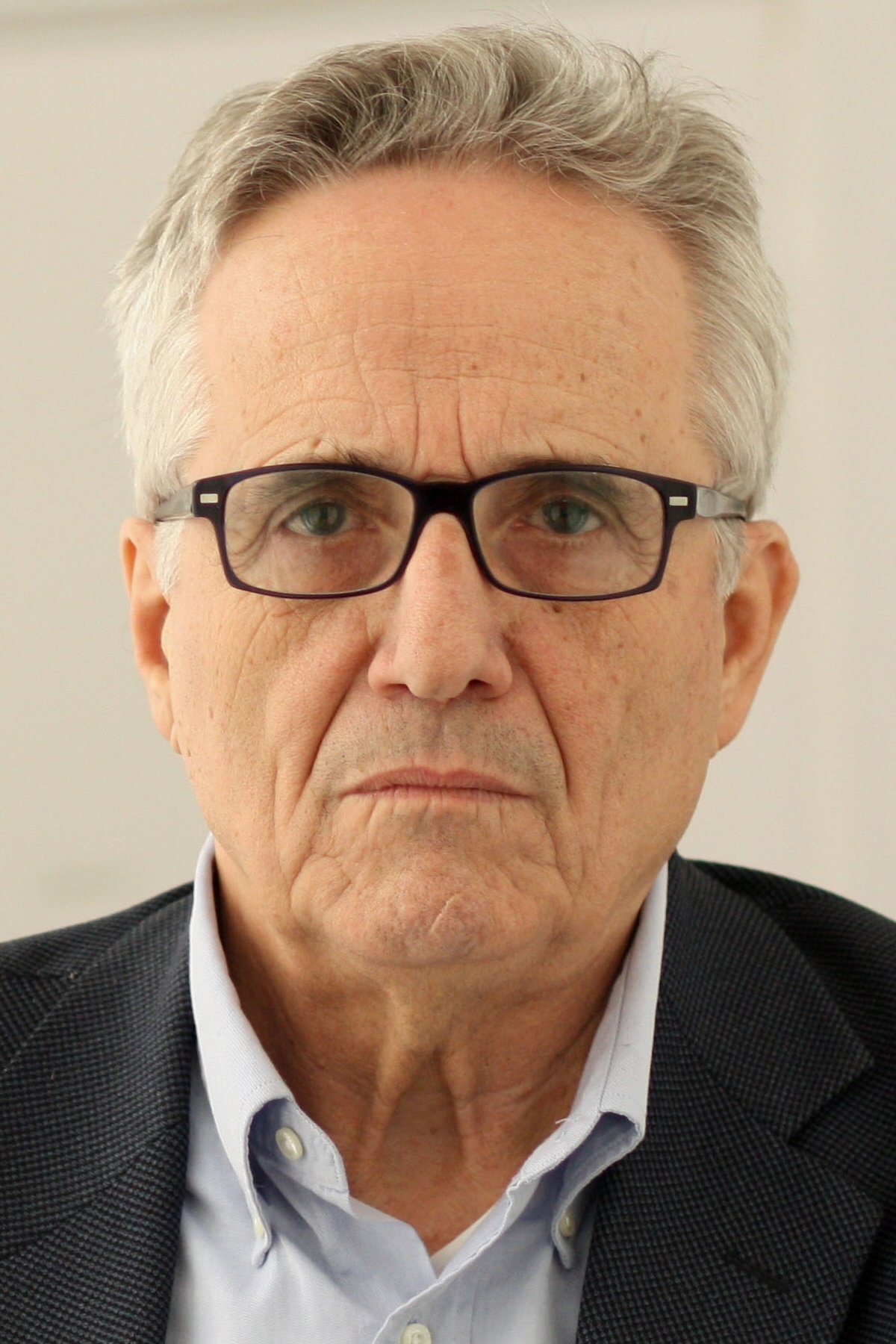
The Italian director voiced his disapproval of a recent trend he sees as overly restrictive and judgmental in the arts. He worried this trend unfairly judges older films and current filmmakers based on today’s values. Speaking at the Cannes Film Festival, he argued that art shouldn’t be held to current social standards, fearing it could lead to a less authentic and more carefully controlled form of filmmaking.
Alain Delon
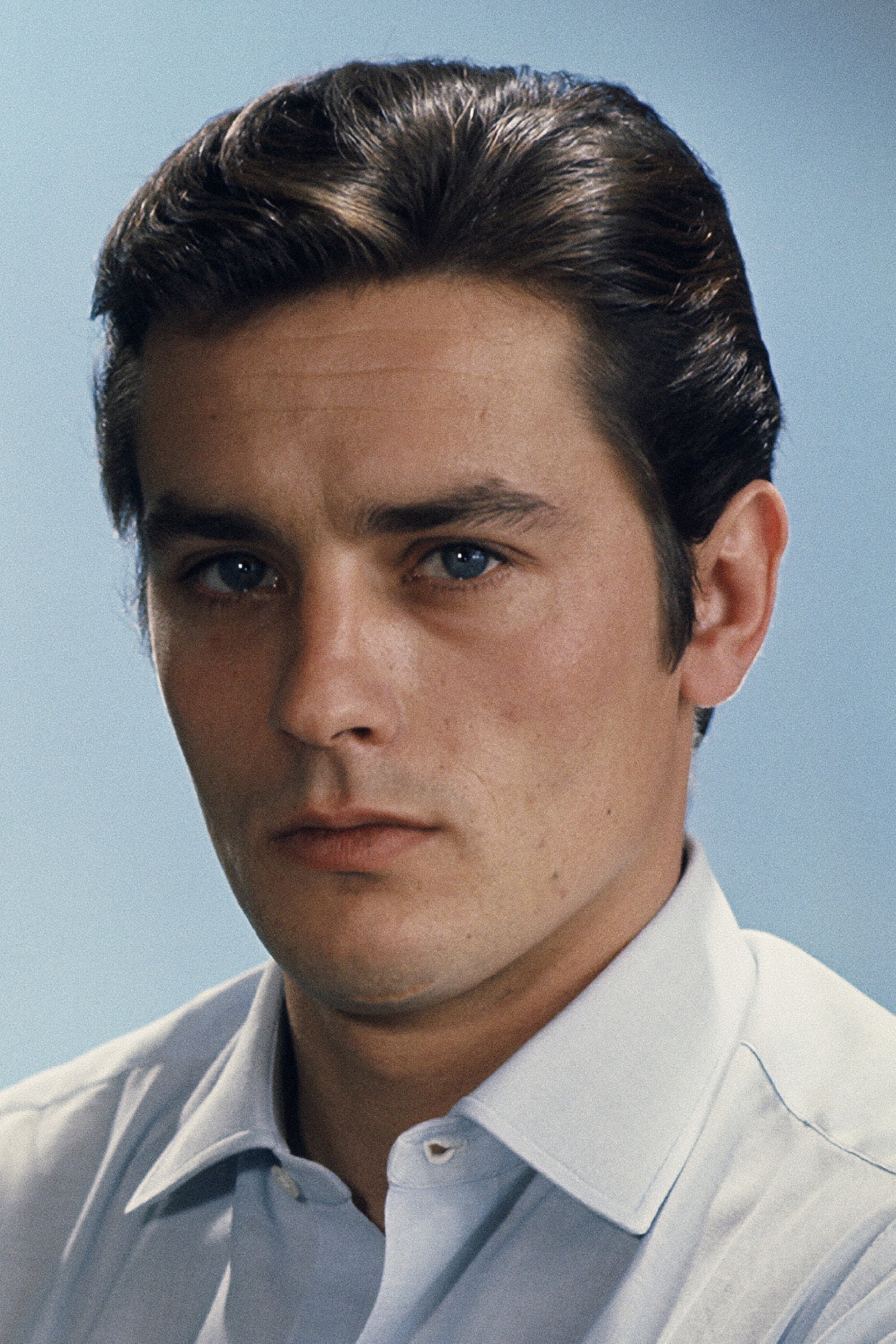
Alain Delon publicly supported a debated letter published in ‘Le Monde’ and has strongly criticized what he sees as the self-righteousness of the #MeToo movement. He admitted to past instances of hitting women, but claimed it happened only within private relationships. Delon views the movement as a challenge to traditional ideas of masculinity and French culture, making him a controversial figure in contemporary European film.
Woody Allen
Allen characterized the current climate as an overreaction, where men in workplaces feel pressured to seek legal counsel. He feels his career and reputation have been unfairly damaged by the changing culture in Hollywood. Allen continues to deny any wrongdoing and worries that the movement could wrongly accuse many innocent people, lacking the necessary understanding of complicated pasts.
Kevin Hart
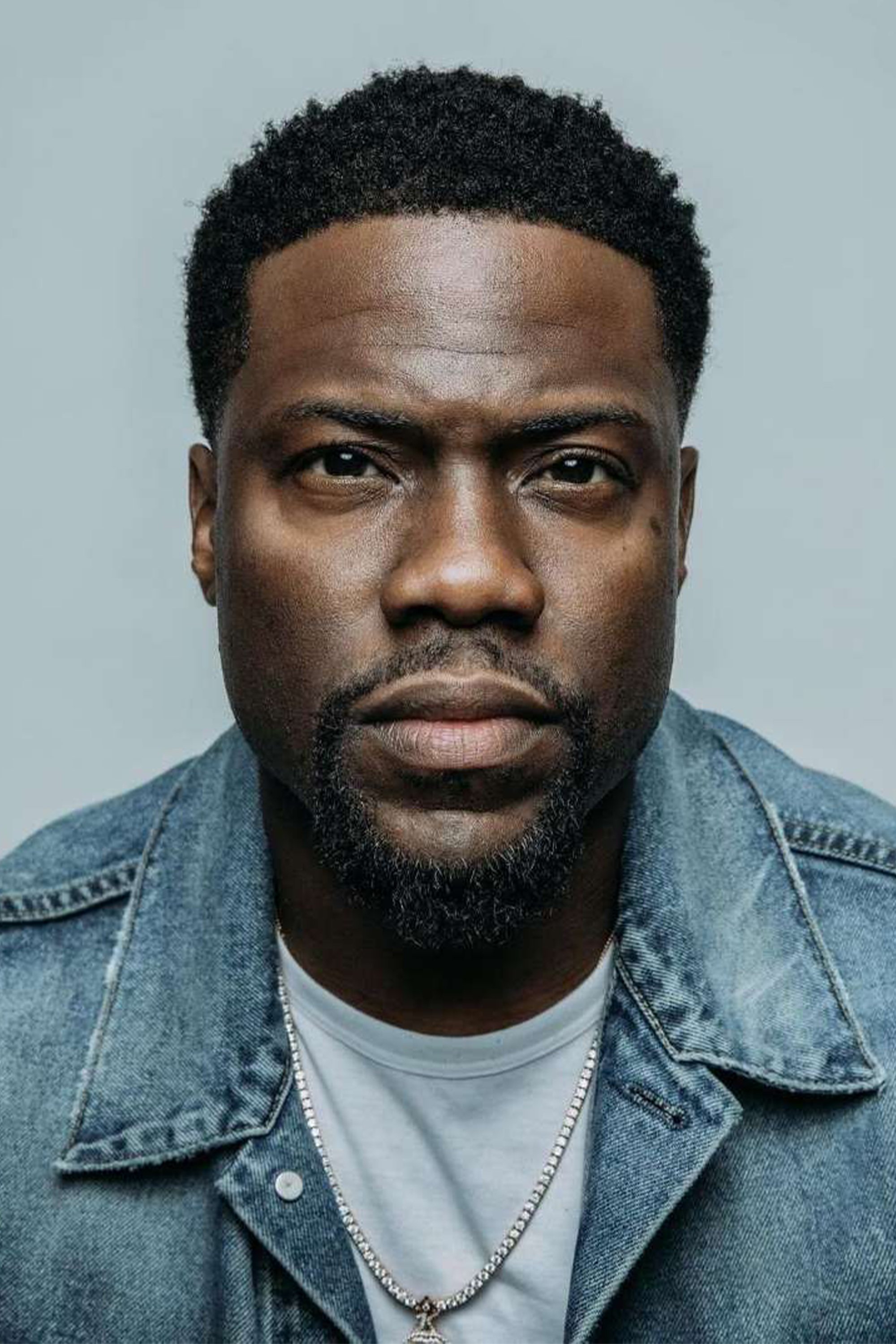
As a film fan, I was pretty surprised to see Kevin Hart step down from hosting the Oscars. It all stemmed from some older tweets that resurfaced, and he felt like it was part of this bigger ‘cancel culture’ thing. Honestly, I get what he was saying – it feels like there’s no room for people to learn from their mistakes or for forgiveness anymore. He’s been vocal about how quickly things turn into a ‘mob mentality’ online, and I agree that it’s tough when people are judged solely on things they did in the past, without any consideration for who they are now. It’s a tricky situation, and it definitely sparked a conversation.
Stephen Fry
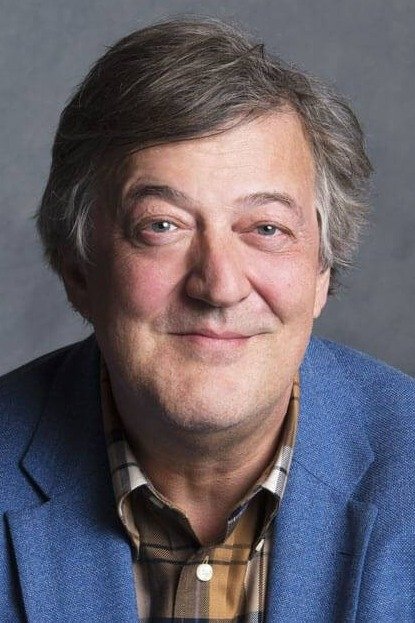
As a longtime film fan, I’ve been following this debate, and I have to say, I agree with Stephen Fry’s points. He’s raised a really important issue about how certain arguments sometimes portray women as helpless victims, unable to cope with normal adult life or even just disagreements at work. It feels like a real oversimplification, and honestly, it worries me. He’s been talking about this on podcasts and in interviews around the UK, and I think he’s right – losing that subtlety and complexity in public conversation ultimately damages how we think and talk about things.
Piers Morgan
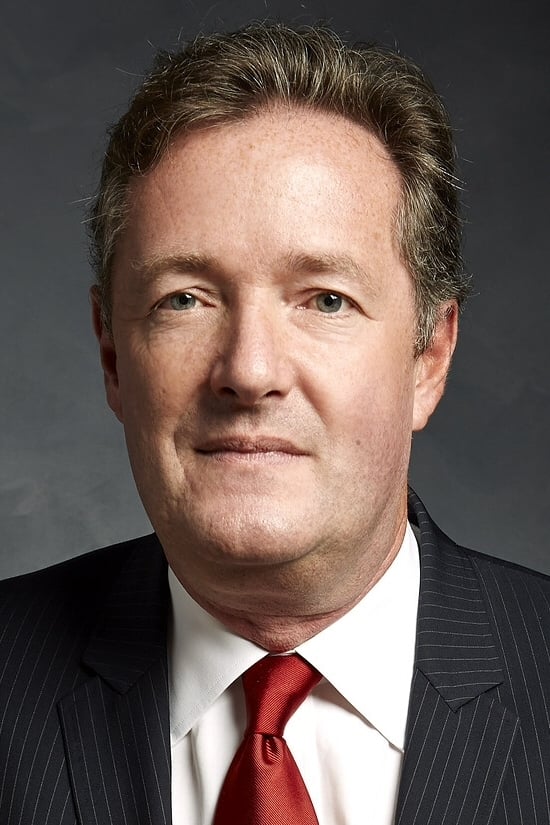
The journalist often shares his criticisms of the movement on ‘Good Morning Britain’ and in his newspaper writing. He commonly argues that it has become overly focused on blaming men and disregards the idea that people are innocent until proven guilty. He frequently comes to the defense of public figures he feels have been unfairly targeted by online criticism, believing a lack of fairness is the movement’s biggest weakness.
Please share your thoughts on these celebrity perspectives in the comments.
Read More
- Gold Rate Forecast
- 22 Films Where the White Protagonist Is Canonically the Sidekick to a Black Lead
- Games That Faced Bans in Countries Over Political Themes
- Silver Rate Forecast
- Unveiling the Schwab U.S. Dividend Equity ETF: A Portent of Financial Growth
- Celebs Who Narrowly Escaped The 9/11 Attacks
- Brent Oil Forecast
- How to Do Sculptor Without a Future in KCD2 – Get 3 Sculptor’s Things
- Superman Flops Financially: $350M Budget, Still No Profit (Scoop Confirmed)
- 14 Movies Where the Black Character Refuses to Save the White Protagonist
2026-01-20 07:23