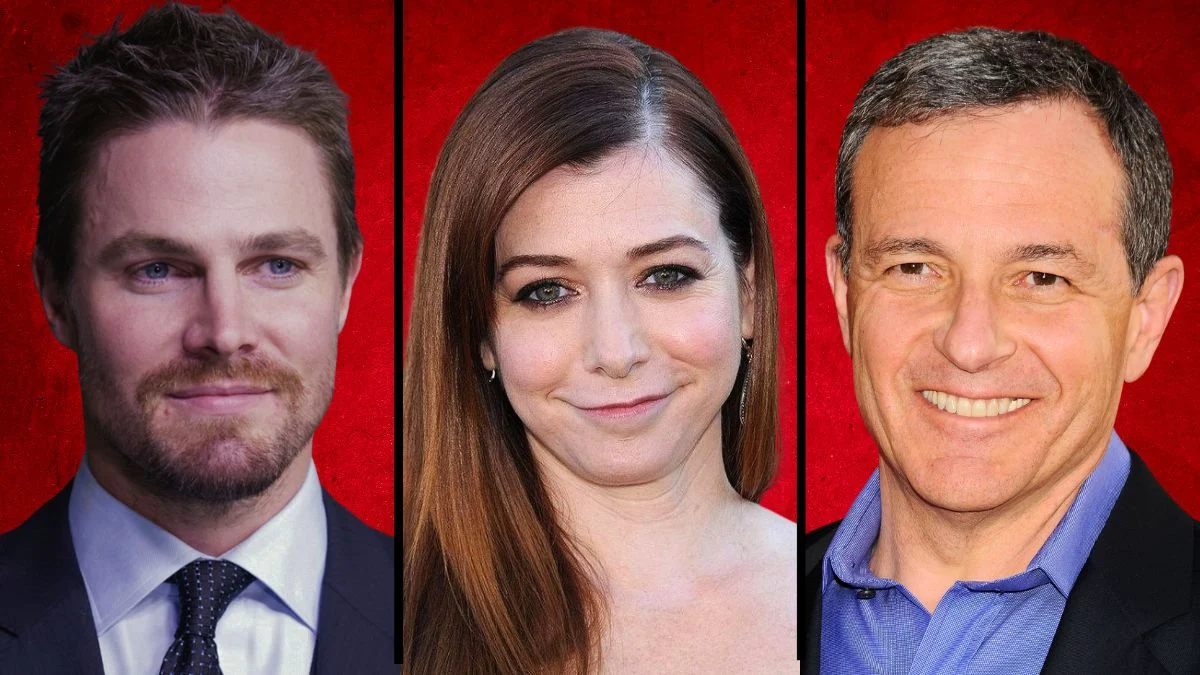
The 2023 actors’ strike (SAG-AFTRA) was a significant event in Hollywood, with performers joining writers to fight for fair pay and safeguards against the use of artificial intelligence. Although most of the industry supported the strike, a few well-known people faced backlash for their behavior during it. Some tried to work on talk shows or continued filming projects allowed by their contracts, which drew criticism. Others publicly disagreed with how the unions were handling the strike, including temporary agreements and rules about promoting their own work. This list looks at the actors and hosts who found themselves at odds with the general feeling of those participating in the strike.
Stephen Amell
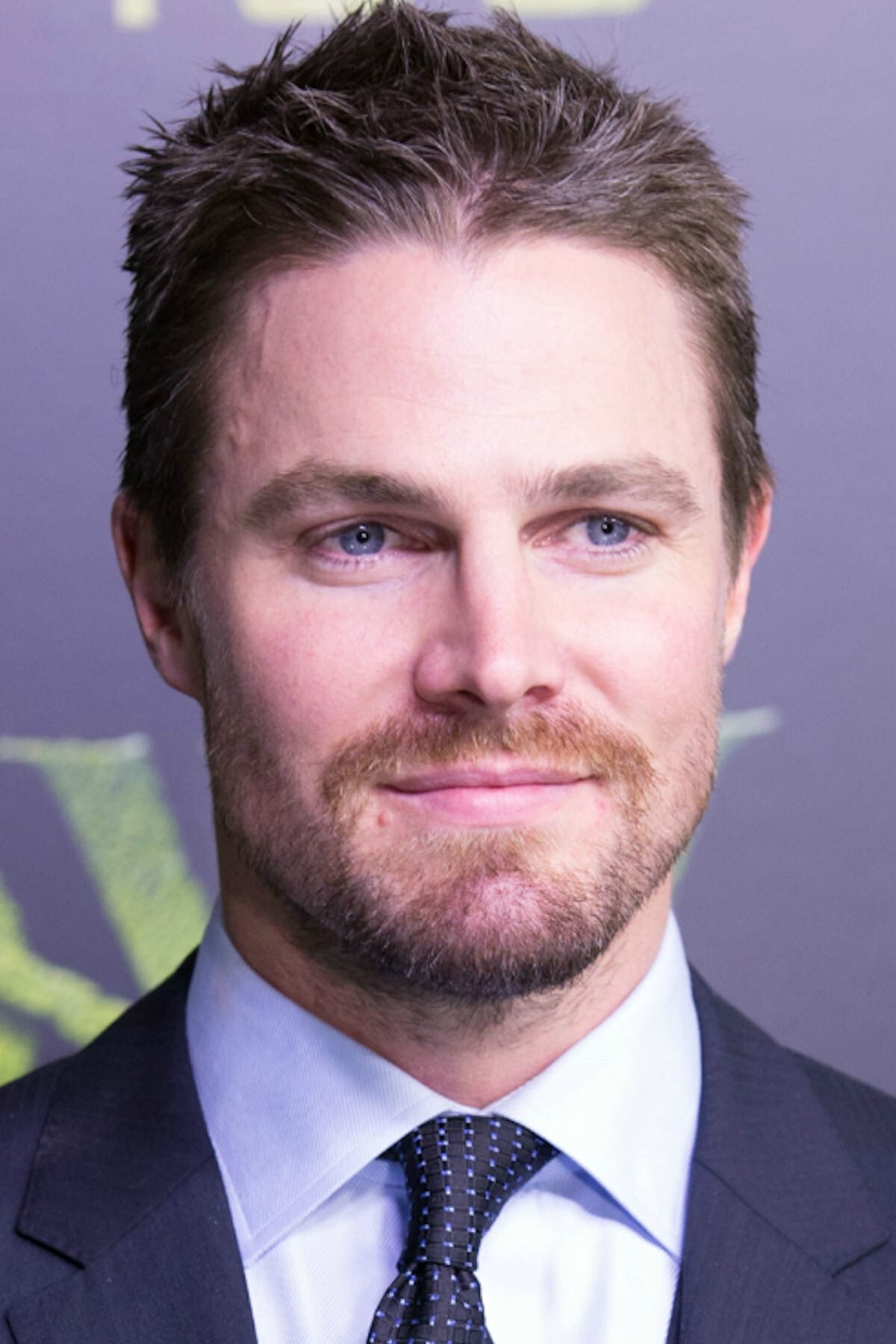
The actor received a lot of criticism after speaking out against the strike at a recent event. He explained that while he stood with his union, he didn’t agree with the strike itself, calling it a short-sighted and overly simple way to negotiate. Many fellow actors were upset by his comments, feeling he was weakening their ability to bargain for better conditions. Even though he tried to explain his position further, his initial remarks made him appear to oppose the strike.
Zachary Levi
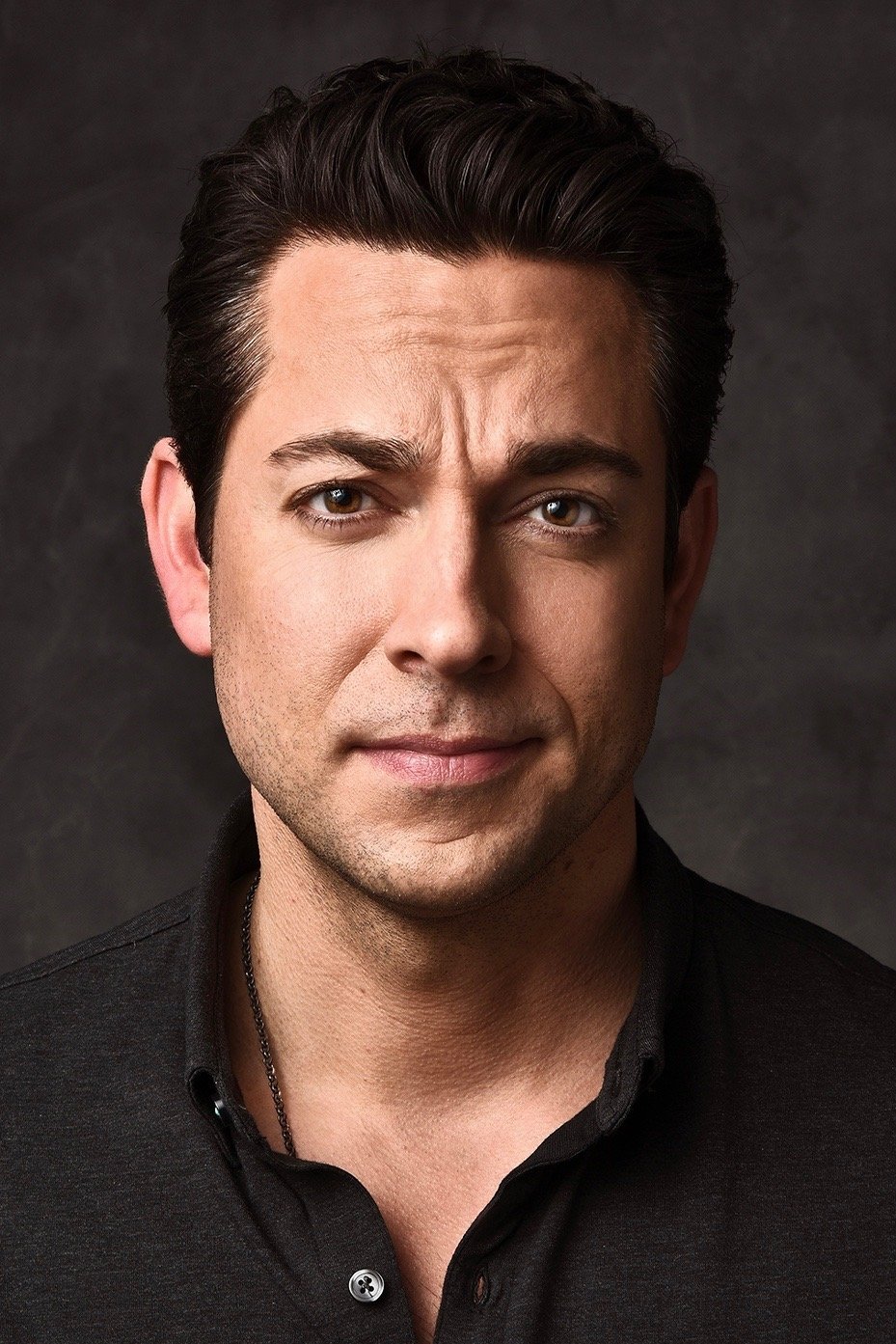
Okay, so the lead actor from ‘Shazam! Fury of the Gods’ really stirred things up recently. He publicly questioned the rules around promoting work during the strike, even calling them ‘dumb’ at a fan event. It quickly blew up online, and a lot of people felt his comments were out of line, especially considering the bigger picture of what the union was trying to achieve. He felt the restrictions were actually hurting the fans and actors themselves, not the studios, which is a pretty different take. Honestly, it seemed to put him at odds with a lot of his fellow actors who were fully committed to staying silent on all promotional activities.
Bill Maher
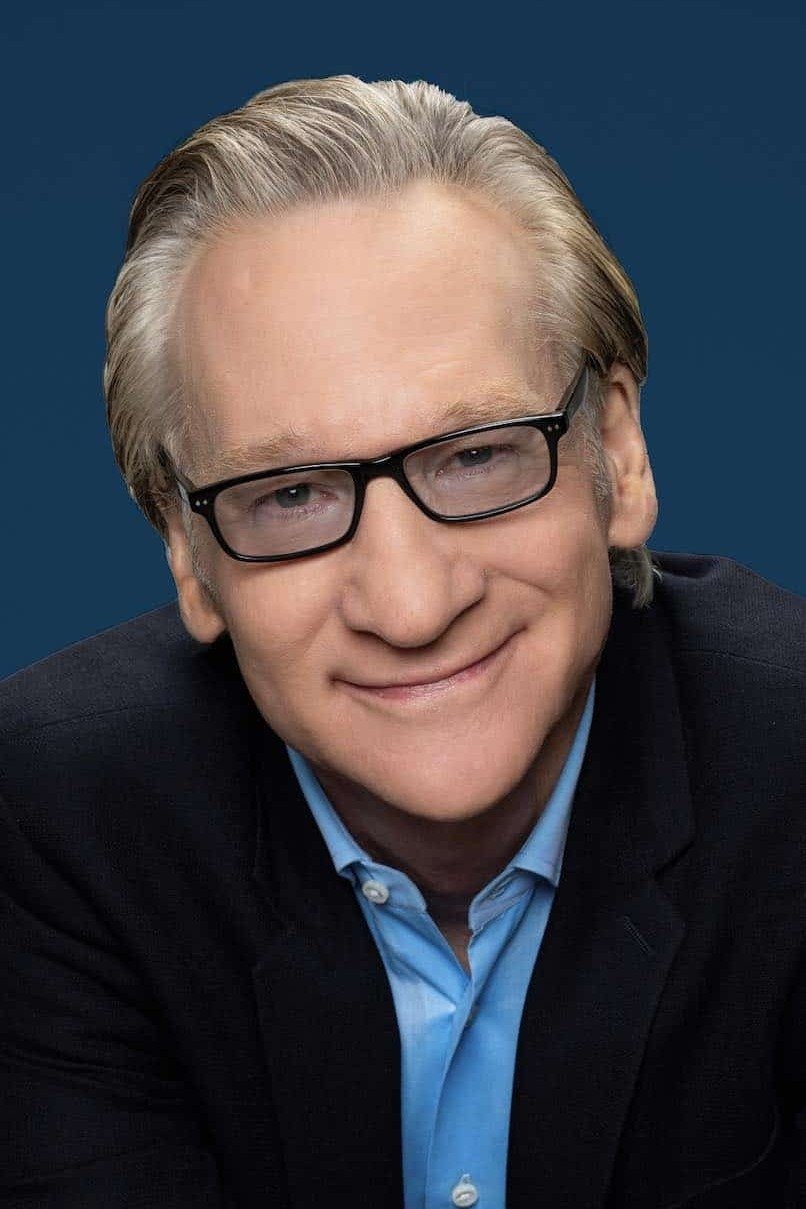
The host of ‘Real Time’ strongly criticized the Hollywood writers’ strike. He publicly questioned whether writers deserved a living wage and called some of their requests unreasonable. He tried to resume his show without writers while the strike was still ongoing, which drew strong condemnation from members of both the Writers Guild of America and SAG-AFTRA, who saw it as support for those opposing the strike. Faced with widespread backlash, he ultimately decided to postpone his return.
Drew Barrymore
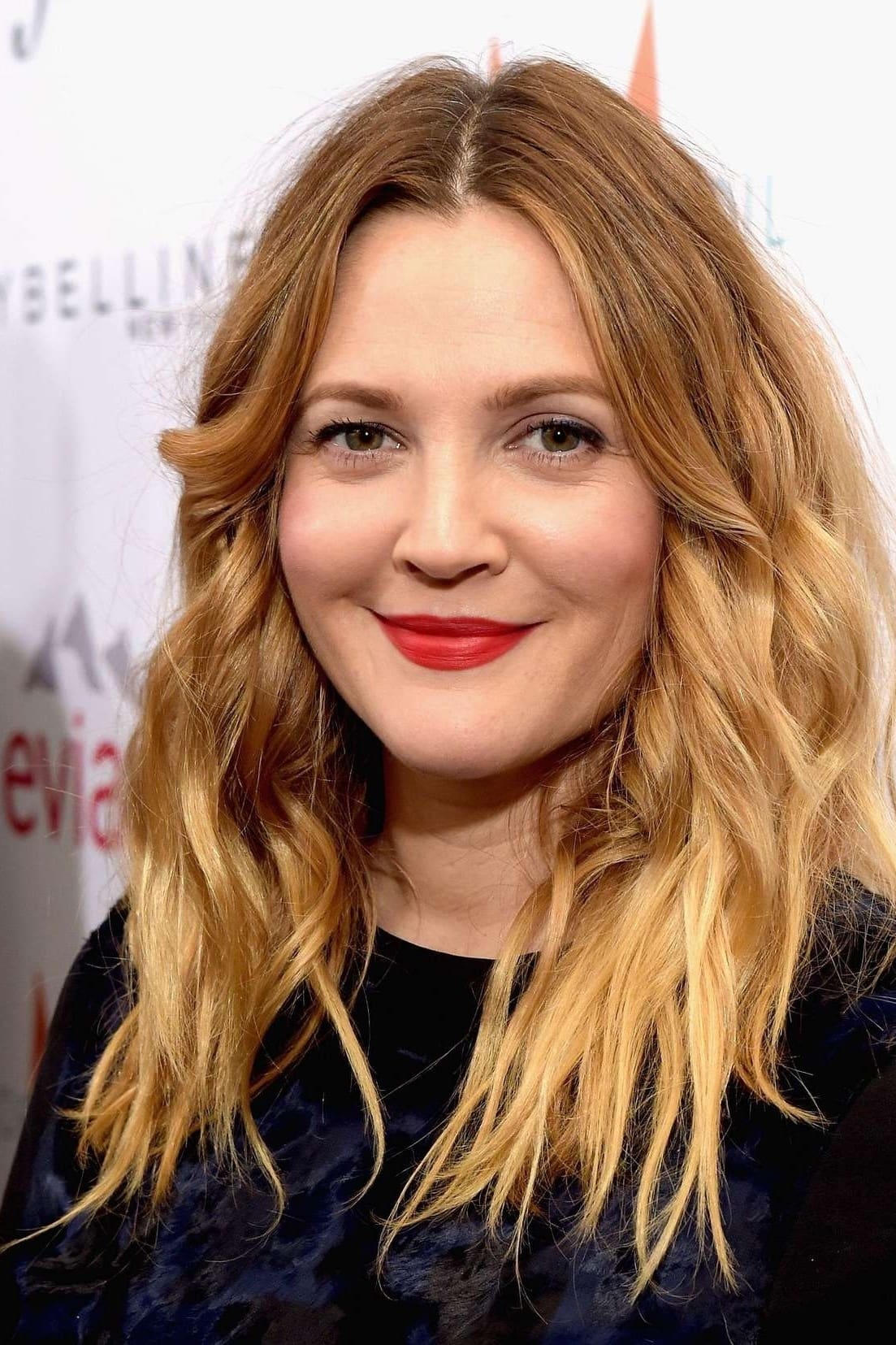
The actress and talk show host faced significant backlash when she announced her show would resume production during the writers’ and actors’ strikes. Although her hosting contract wasn’t directly affected, the show required scripts that would have broken the rules of the Writers Guild of America and weakened support for the actors’ union. This led to protests outside her studio and several guests pulling out of scheduled appearances. As a result, she was disinvited from hosting the National Book Awards and ultimately decided to postpone the show again until the strikes were over.
Kim Kardashian
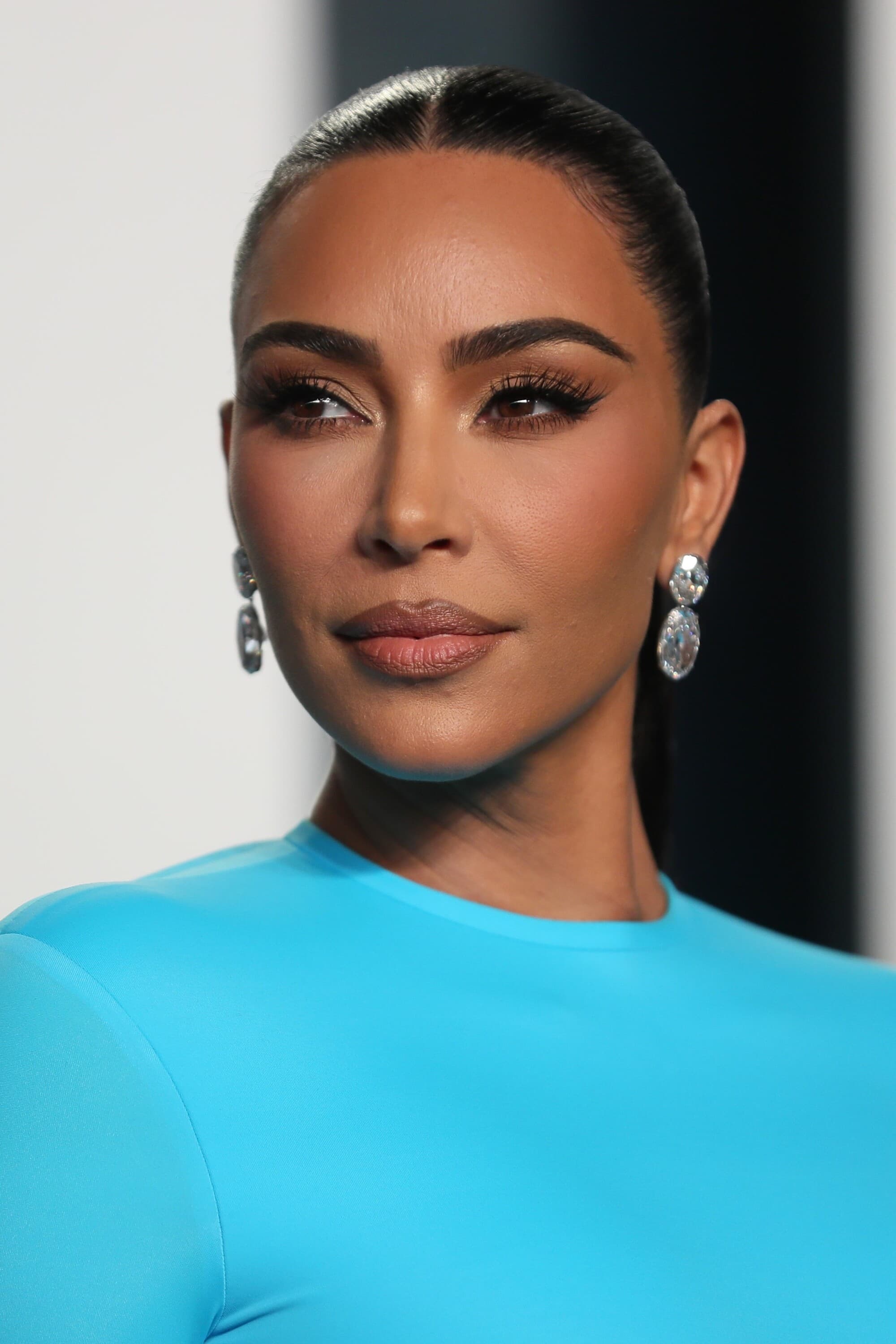
The actress and reality star kept filming for ‘American Horror Story’ even while striking workers protested outside. She publicly shared posts from the set, which drew criticism from union members who felt she was putting her job ahead of supporting the strike. ‘American Horror Story’ was able to continue filming because of specific details in its contracts. Many saw her decision as a betrayal of the actors fighting for fair pay and better working conditions.
Ryan Murphy
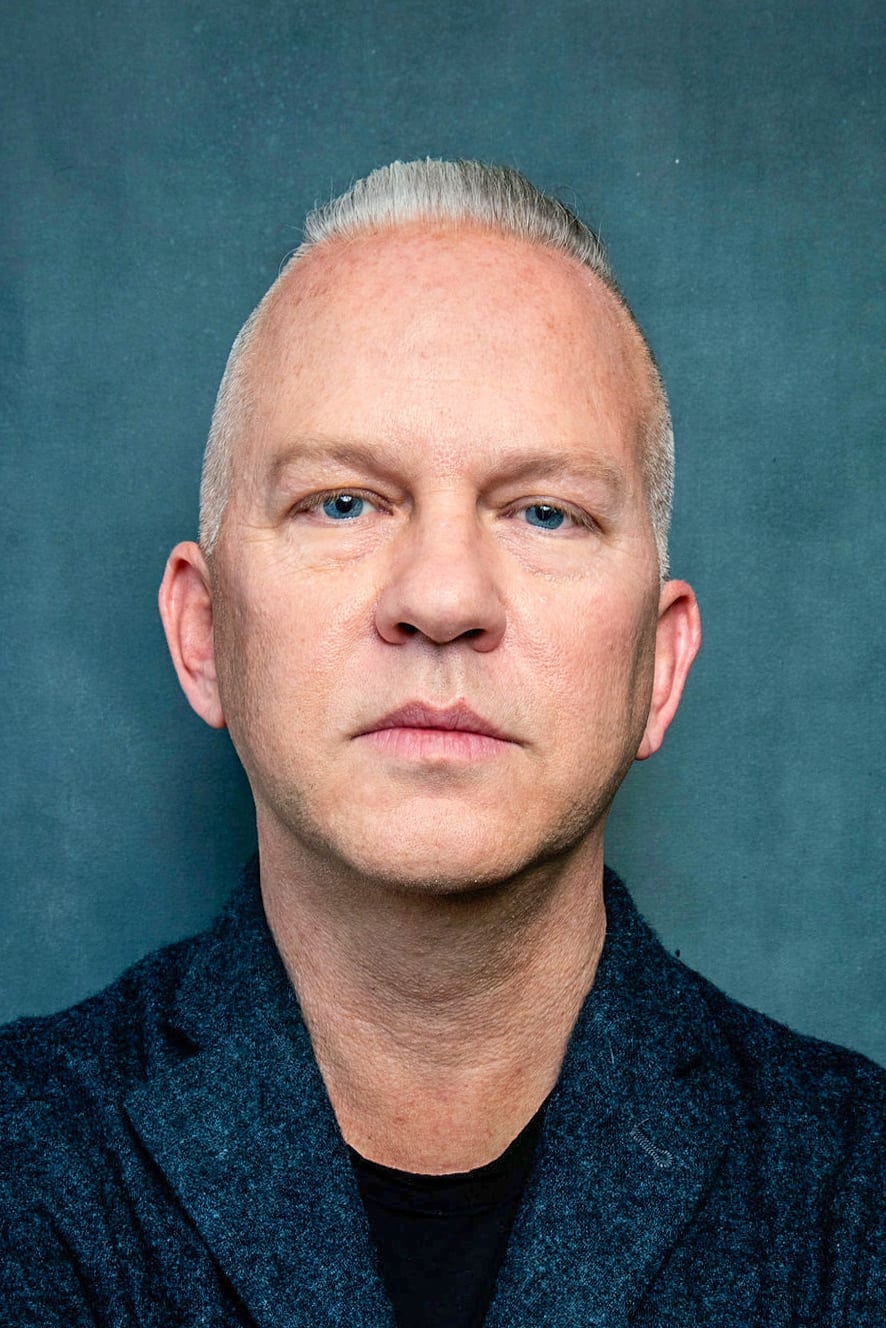
The producer in charge of ‘American Horror Story’ was accused of forcing cast and crew to work during a strike. Some production staff reported feeling intimidated and feared being blacklisted if they didn’t continue working, even while actors and writers were striking nearby. His handling of the situation was seen as unfriendly to the unions trying to halt production, which caused a major rift between his company and the striking groups.
Jennifer Hudson
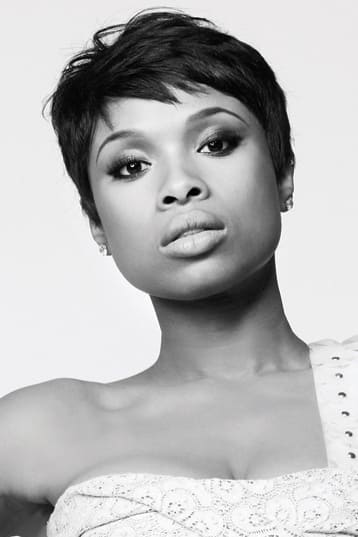
Like other daytime talk show hosts, this singer and actress tried to resume production on her show during the strikes, a move that quickly drew criticism from both industry professionals and the public. After it became clear people viewed her actions as crossing the picket line, production was stopped. Many felt she should have supported her writers, who create the show’s content. The decision to delay the show’s return highlighted the strong impact of the unions’ collective action.
Kelly Clarkson
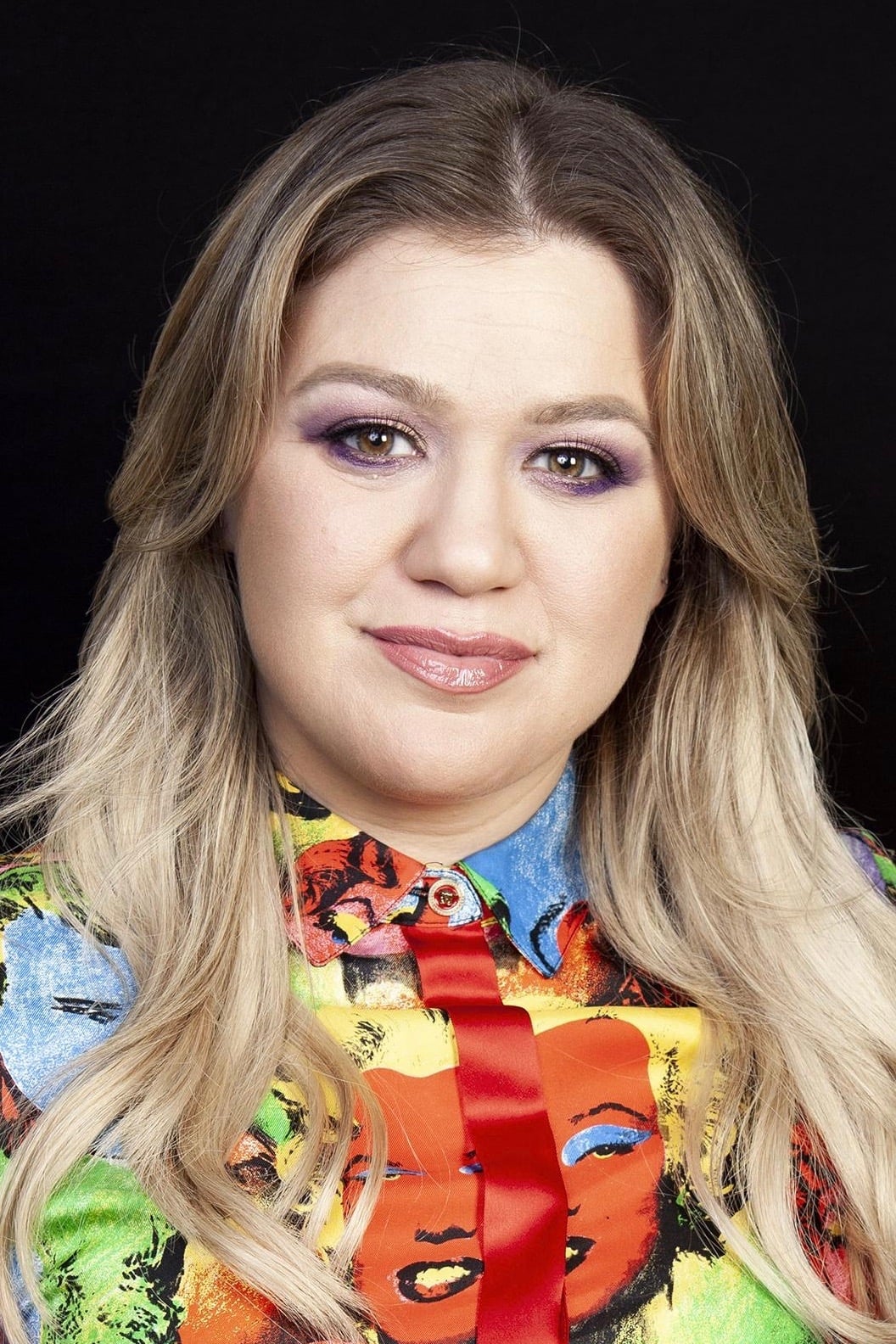
Kelly Clarkson faced criticism when it was reported her talk show might return to filming without its writers. While she didn’t publicly oppose this like some others, many saw it as going against the writers’ strike. Because ‘The Kelly Clarkson Show’ employs writers from the Writers Guild of America (WGA), continuing production without them was considered support for those opposing the strike. Clarkson later responded and decided to postpone the show’s return until a fair agreement with the writers was reached. This situation showed how challenging it was for daytime talk show hosts to navigate the labor dispute.
Ken Jennings
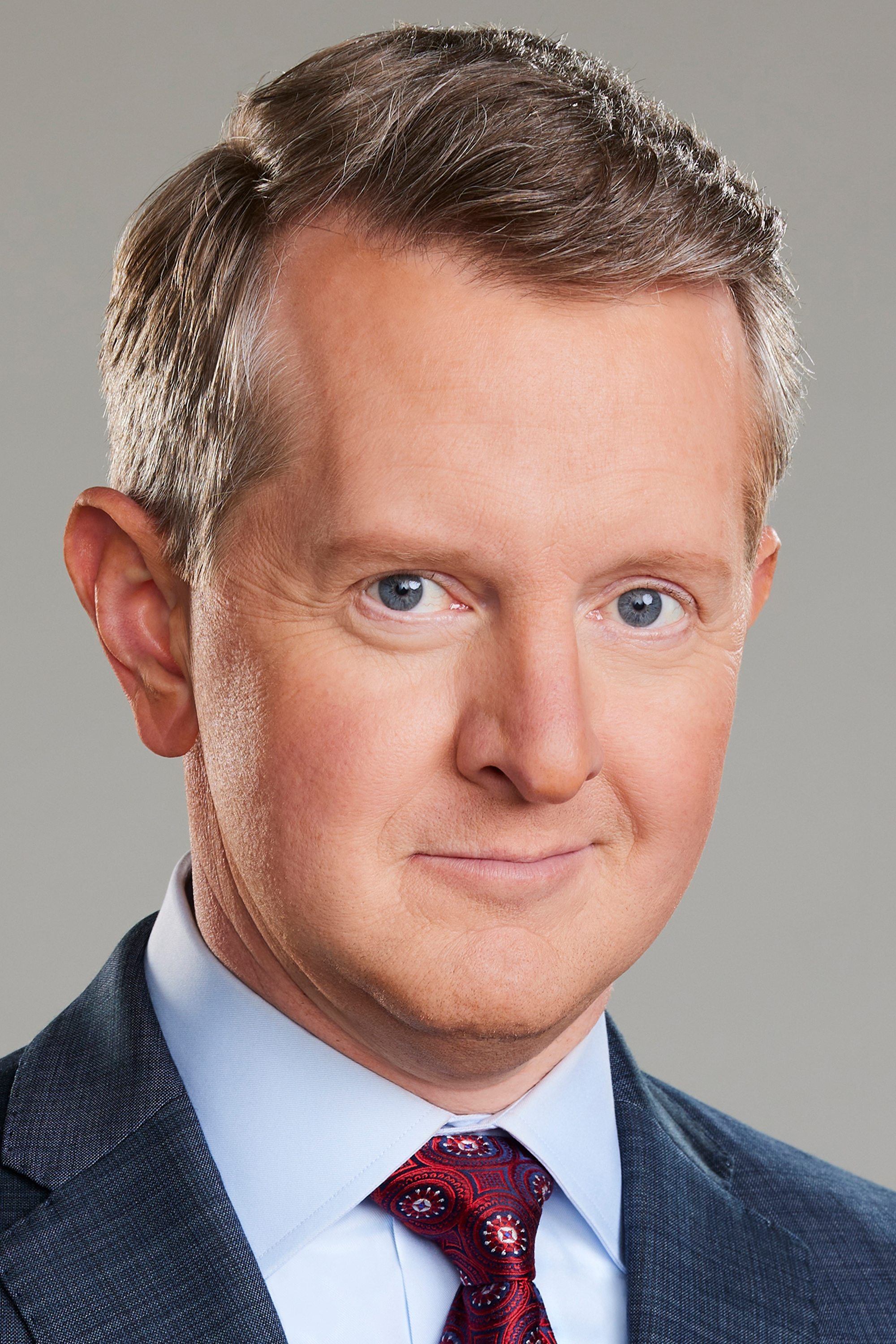
Ken Jennings continued filming ‘Jeopardy!’ even as his co-host, Mayim Bialik, supported the striking writers. This meant he worked during the strike, crossing the picket line to fulfill his hosting responsibilities. Many fans and people in the TV industry criticized his decision, as the show depends on writers to create the questions, and his actions were seen as disrespecting their fight for fair treatment. Some accused him of being a ‘scab’ for keeping the show in production during the writers’ strike, a move that sharply contrasted with Bialik’s decision to stand with the striking writers.
Emma Roberts

The actress appeared in ‘American Horror Story’ while filming continued despite the strike. Photos surfaced of her on set and crossing the picket lines, creating a public relations problem. Many fellow actors believed that productions from Ryan Murphy were finding ways around the strike’s intent instead of fully supporting it. Her continued work on the show was seen as a letdown by those participating in the strike, and it underscored the disagreements within the acting community about whether or not to halt production.
Cara Delevingne
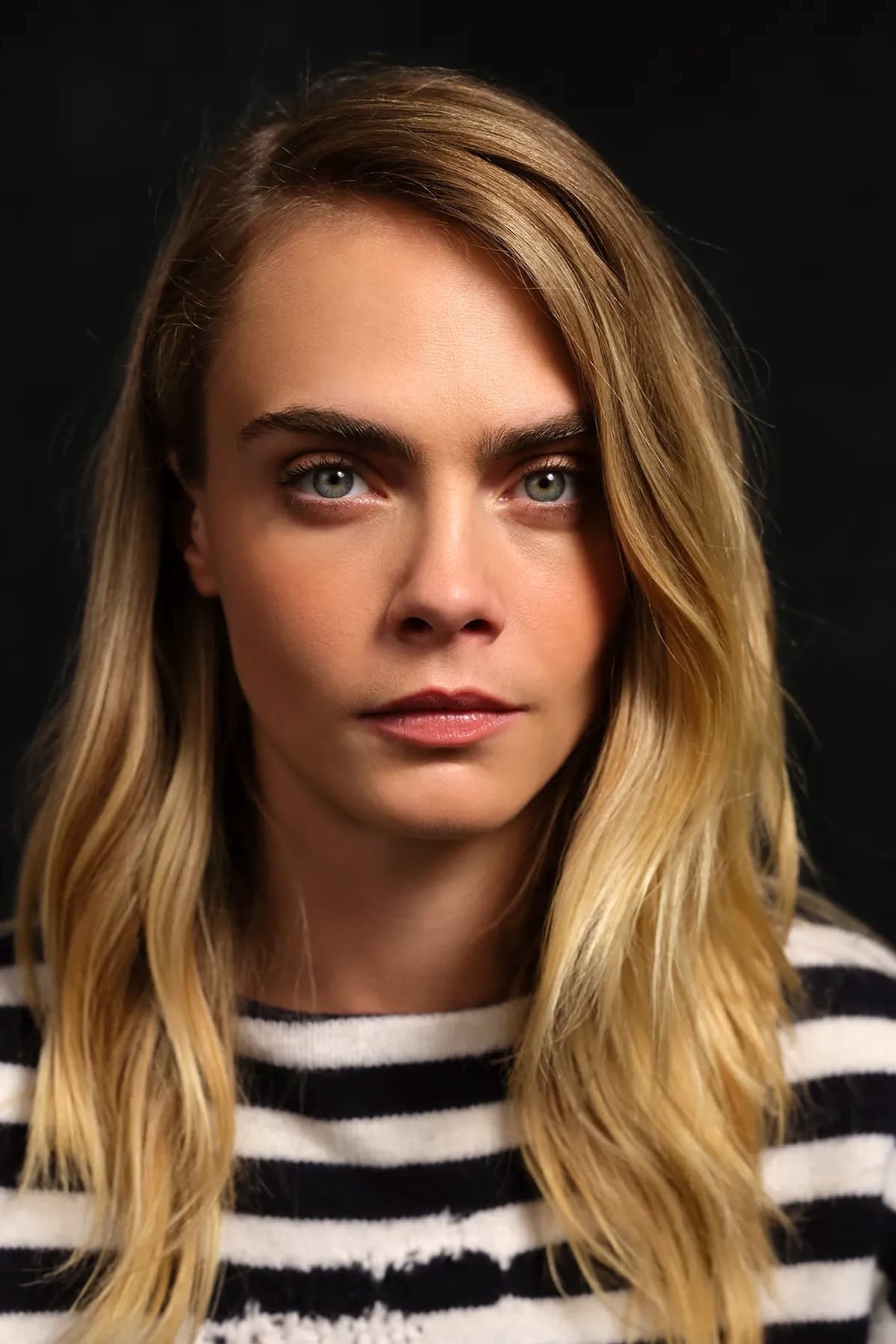
An actress from ‘American Horror Story’ continued filming during the recent Hollywood strike, even as most other productions were paused. This sparked criticism, with many arguing that her decision weakened the industry’s show of unity and demonstrated a lack of support for striking workers. She received significant backlash online for not using her platform to advocate for the strike, and the production she worked on became a symbol of the controversy surrounding those who continued working during the dispute.
Jamie Lee Curtis
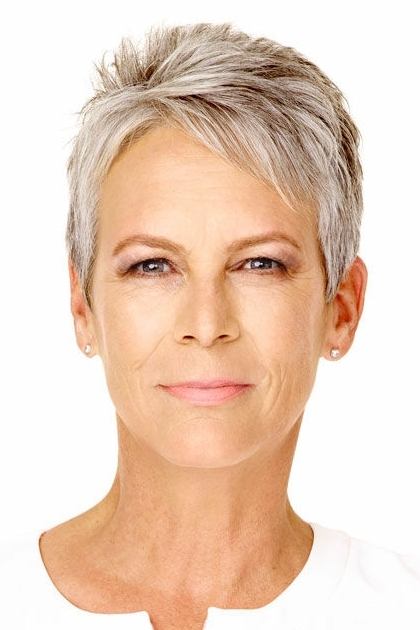
Despite generally supporting the union, she publicly disagreed with how strike leaders were presenting their message. She felt uncomfortable with the term “freedom fighter” used by SAG-AFTRA’s leaders, believing the strong language could be divisive and wasn’t helping the cause. She supported the strike itself, but her criticism of the messaging was seen by some as weakening the leaders’ approach. She later reaffirmed her support, while still emphasizing the need for careful and thoughtful communication.
Selena Gomez
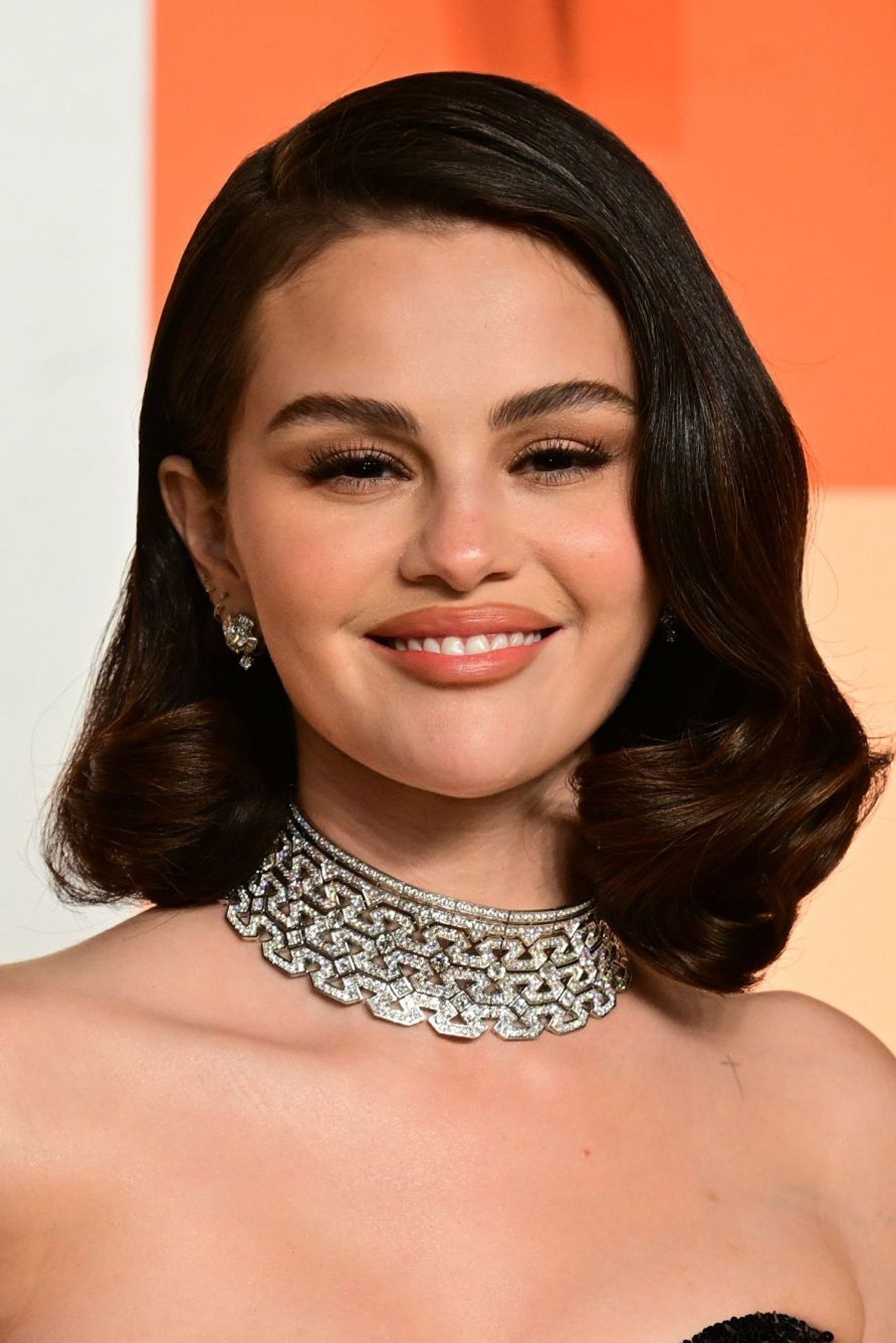
An actress who stars in ‘Only Murders in the Building’ received criticism for sharing a photo from the set on Instagram. This was seen as promotion of the show, which was against the rules of the ongoing strike. After facing negative reactions from fans and union members, she quickly removed the post. The situation sparked a debate about whether celebrities were fully respecting the strike guidelines and highlighted how seriously the rules about promoting projects on social media are being enforced.
Tom Cruise
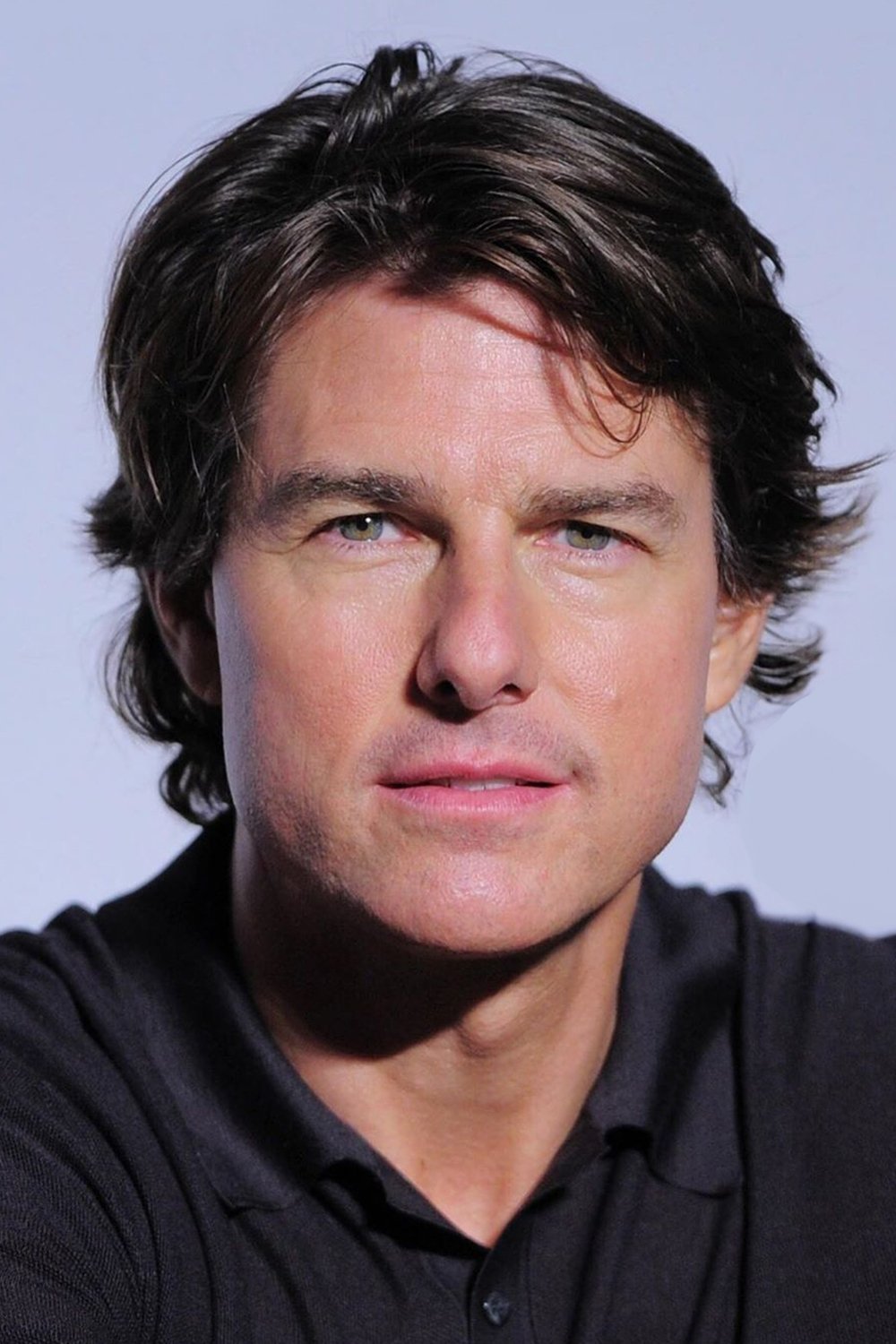
A major movie star reportedly urged studios to let actors promote their films even while on strike. He believed a complete halt to promotion would severely hurt ticket sales. Although he also supported stunt performers, his main effort focused on getting permission for big-budget films to be advertised, which some saw as prioritizing money over the union’s bargaining power. Critics felt this position didn’t reflect the concerns of most working actors. Ultimately, the union decided to continue the promotion ban, despite his attempts to influence them.
Sherri Shepherd
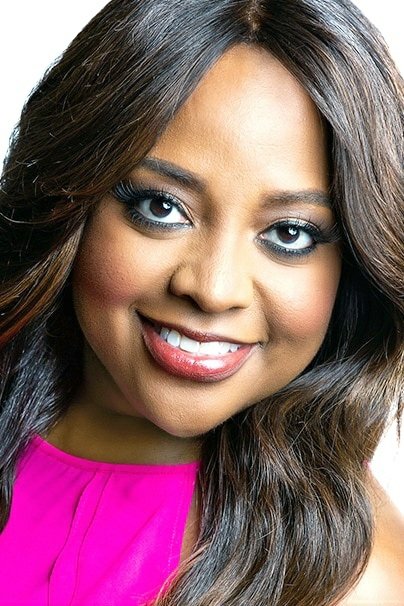
Sherri Shepherd, host of the talk show ‘Sherri,’ decided to bring her show back despite ongoing strikes in Hollywood. She explained that her show doesn’t use writers from the WGA, so she wasn’t directly violating any strike rules. However, this decision was met with criticism, as many felt it showed a lack of support for other workers striking for better conditions. Critics argued that continuing production while others were losing income sent the wrong message and undermined the collective effort.
Tamron Hall
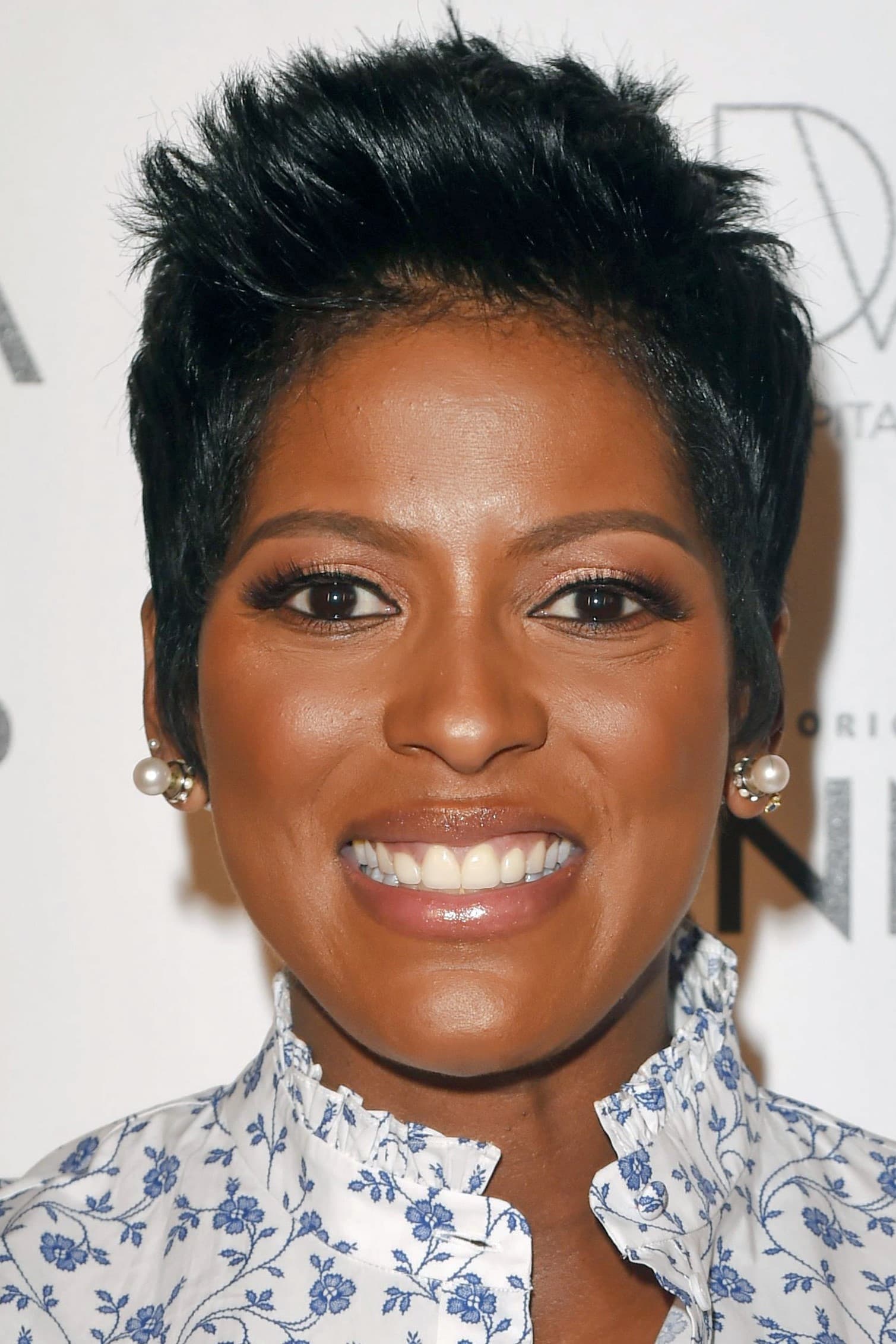
The journalist and talk show host kept her daytime show running even while others were on strike. Her contract allowed her to do so, as it was separate from the main agreements being protested. However, many felt it was wrong to continue filming, and picketers often protested at the studios where daytime shows were being made. Her decision to keep working increased the conflict between daytime TV hosts and the striking workers.
Whoopi Goldberg
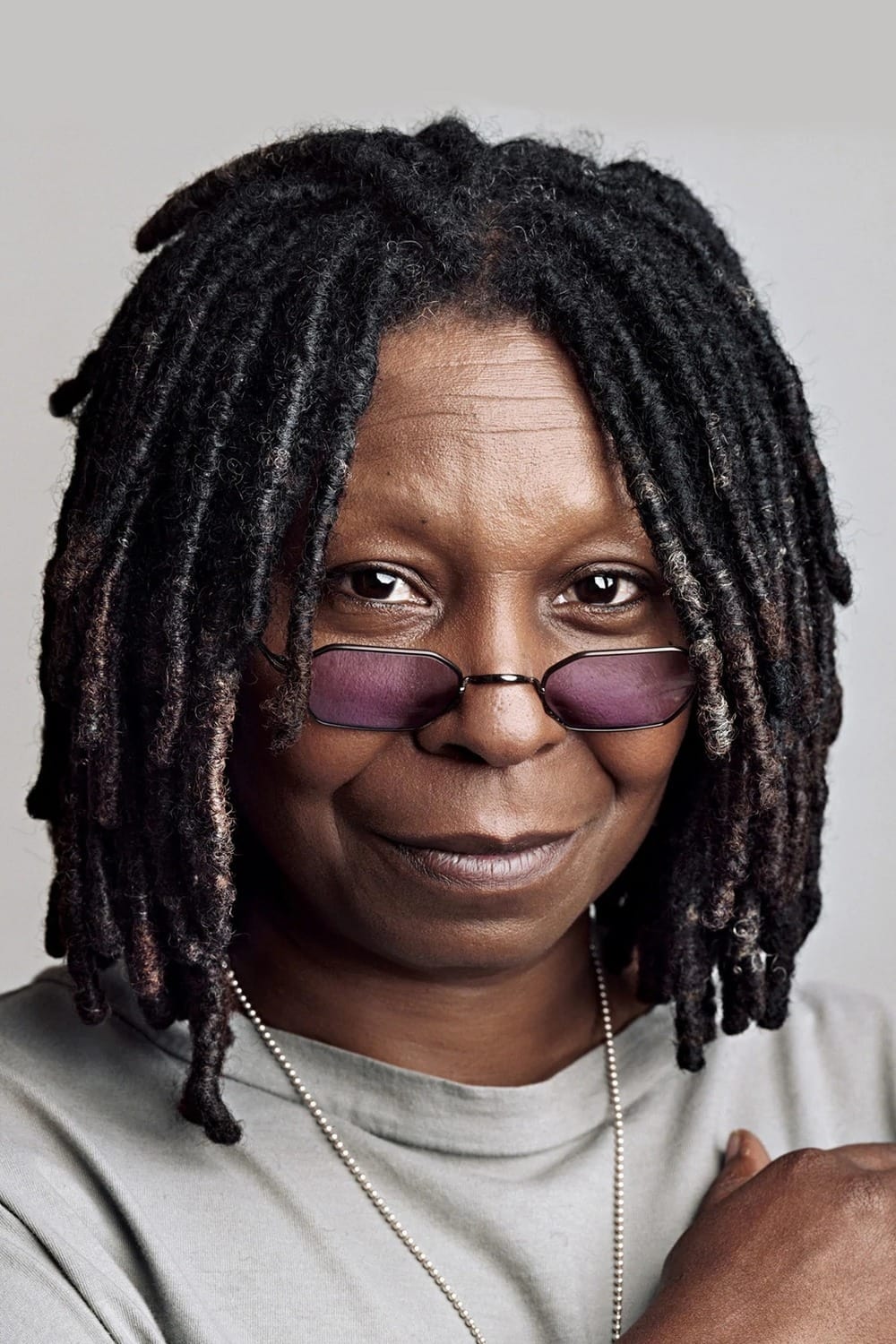
The host of ‘The View’ kept appearing on the show even while others were on strike. She explained that the show’s union agreement allowed them to continue working. However, many people criticized the show for still producing content, especially since the writers weren’t there, which significantly changed the program’s usual format. Her reasons for continuing the show weren’t well-received by those who wanted the entire industry to stop working.
Joy Behar
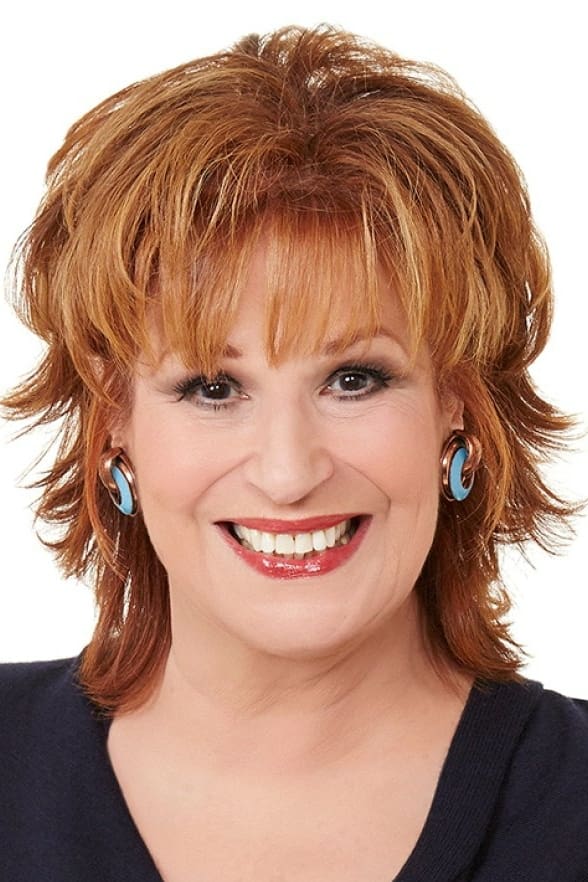
I was really conflicted watching ‘The View’ continue filming during the writers’ strike. It was tough because, as a co-host, she kept working, and a lot of us felt the show should have paused in support of the writers. She did bring up the strike on the air, which was good, but it still felt like continuing the show was minimizing the impact of not having the writers. Because ‘The View’ is so visible, it unfortunately became a major focus of criticism regarding showing solidarity – and it put a lot of pressure on everyone involved.
Pat Sajak
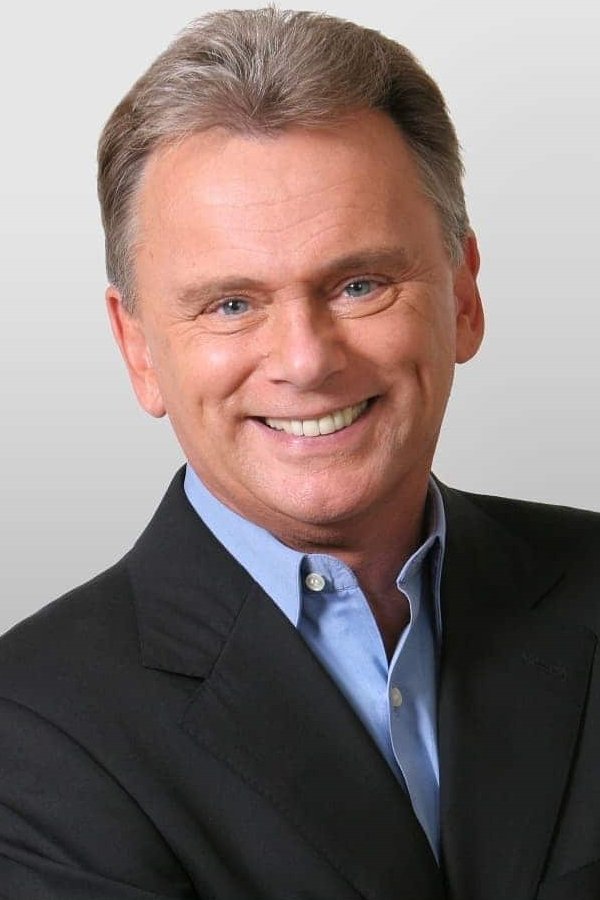
The host of ‘Wheel of Fortune’ kept filming episodes even while writers were on strike. Because game shows have a different contract, he was technically allowed to continue working. This raised concerns about how the show was being made without its writers, who create the puzzles and content. Some felt his decision didn’t support the writers who help make the show successful, and that the network was prioritizing its schedule over the writers’ demands.
Vanna White

Vanna White, co-host of ‘Wheel of Fortune,’ continued working on the show with Pat Sajak even while discussing her own salary. She chose not to participate in the industry strike, and the show’s ongoing production gave the network new content during a time when many scripted TV shows were paused. Striking workers felt this lessened the pressure on the studios, and her continued presence on air highlighted that not everyone in Hollywood was on strike.
Alfonso Ribeiro
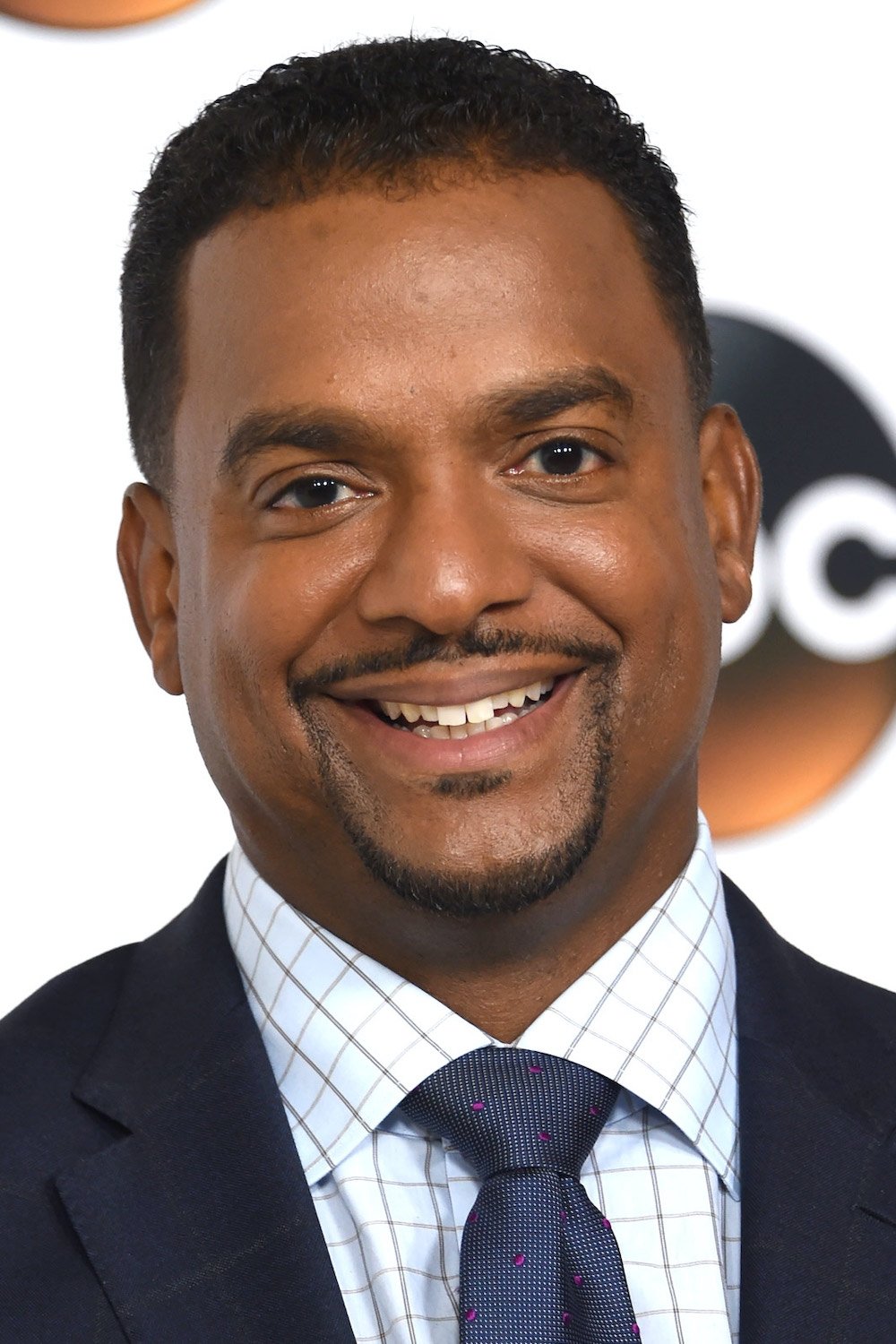
Hosting ‘Dancing with the Stars’ became tricky when the show was picketed, even though Alfonso Ribeiro’s contract was separate from the striking Writers Guild of America (WGA) writers who worked on the show. Continuing to host led to criticism from the WGA and its supporters. While actor Matt Walsh protested by leaving the show, Ribeiro stayed, a decision many saw as putting the production ahead of supporting the writers’ strike.
Julianne Hough
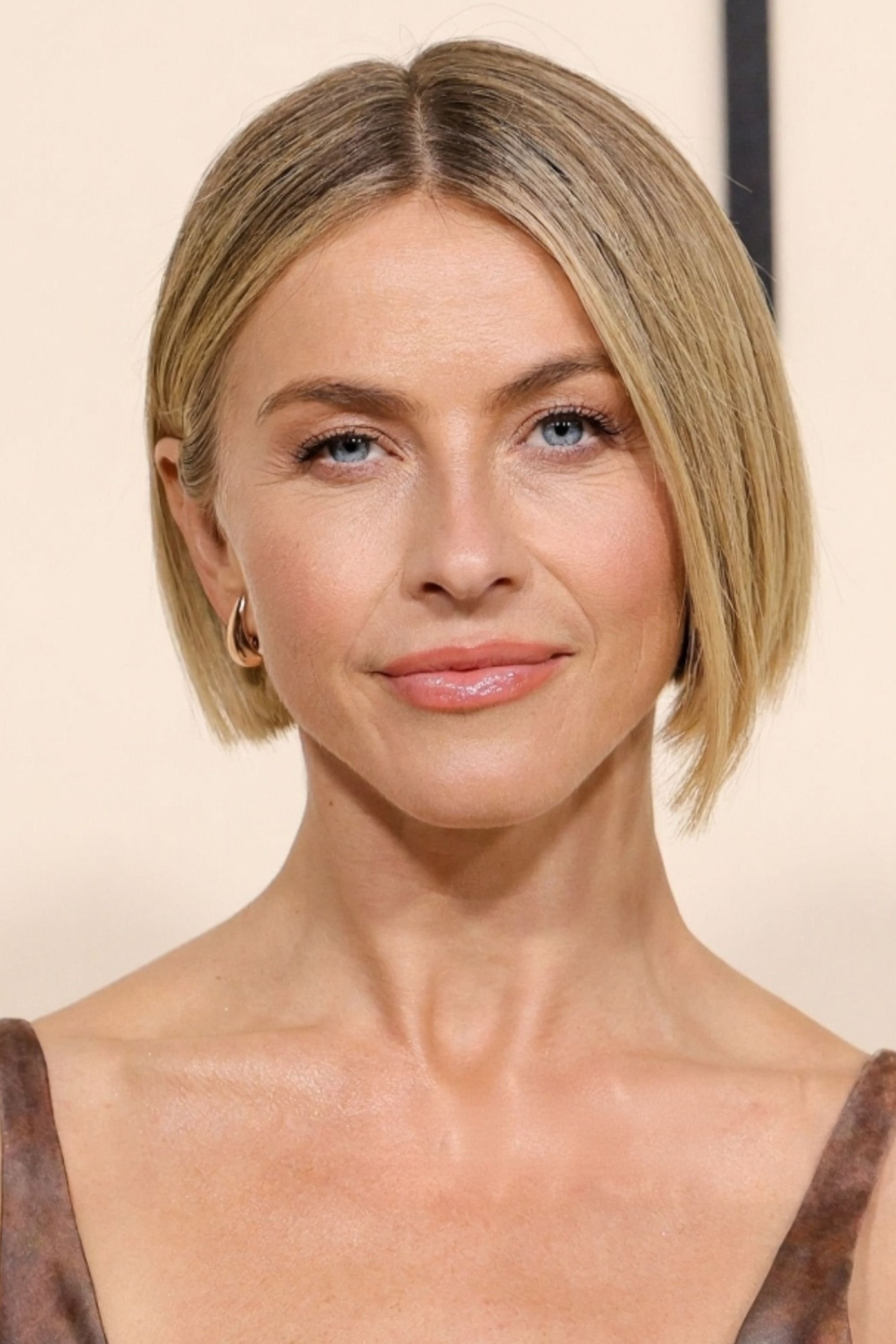
Alongside Ribeiro, she continued hosting ‘Dancing with the Stars’ even though the show was facing protests and calls for performers to withdraw their support. Despite the pressure, she stayed on, helping launch the new season during a labor dispute. This choice drew criticism from people who believed prominent figures shouldn’t work during a strike. Because the show depended on writers, her continued involvement was especially controversial.
Alyson Hannigan
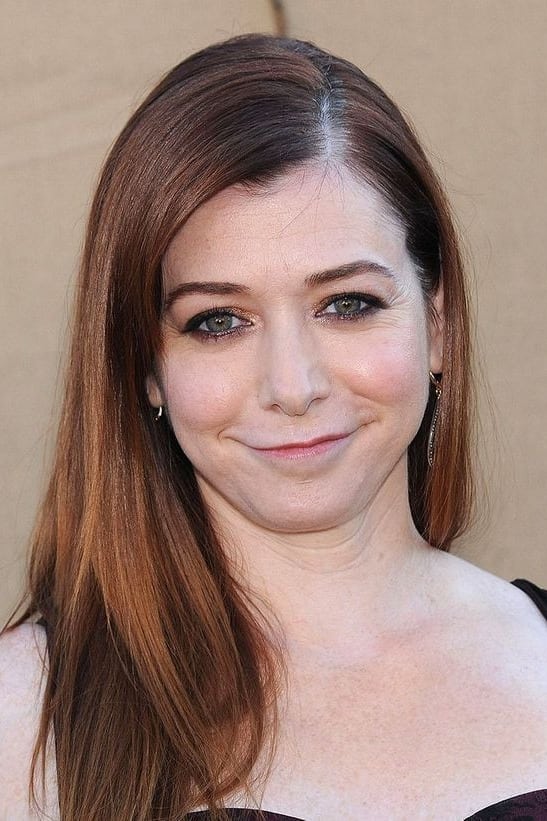
The actress competed on ‘Dancing with the Stars’ while the actors’ strike was happening. Although the actors’ union, SAG-AFTRA, said appearing on the show wasn’t against their rules, the writers’ union, WGA, was picketing it. Many people felt her participation was wrong, even if it wasn’t technically a rule violation. Fans and other actors were disappointed she didn’t withdraw to show support for the striking writers. The situation brought to light the complicated feelings surrounding reality competition shows during a strike.
Sarah Silverman
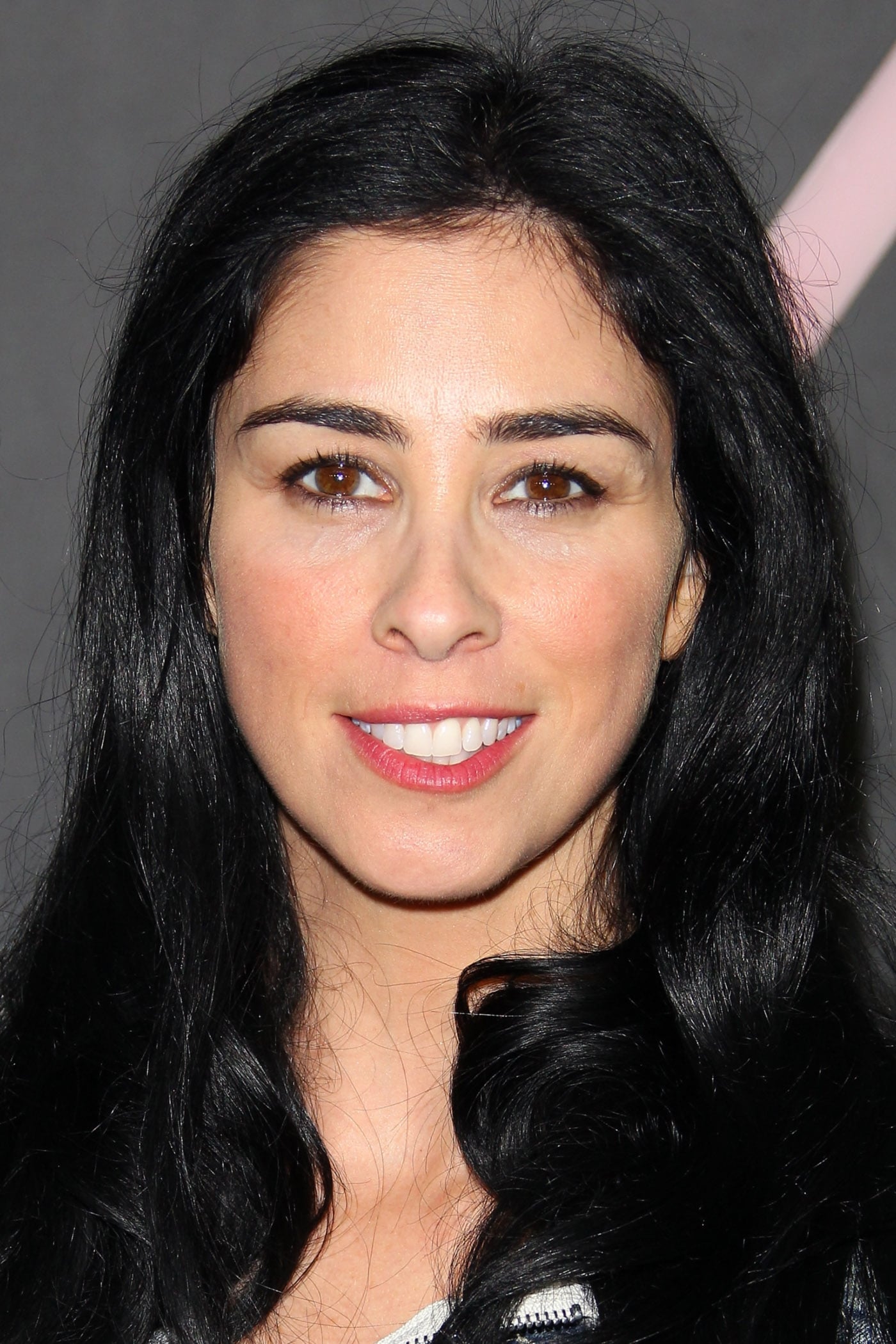
The comedian and actress publicly disagreed with the union’s approach of allowing certain independent projects to continue filming during the strike. She felt that actors working on these projects were undermining the strike by still creating content for the industry, which led to a discussion about whether these agreements were actually helping or hurting the cause. She firmly stated she wouldn’t work on any film or TV show, regardless of whether it had a special agreement, until the strike was over. She made it clear her criticism was aimed at the union’s methods, not the strike itself.
Viola Davis
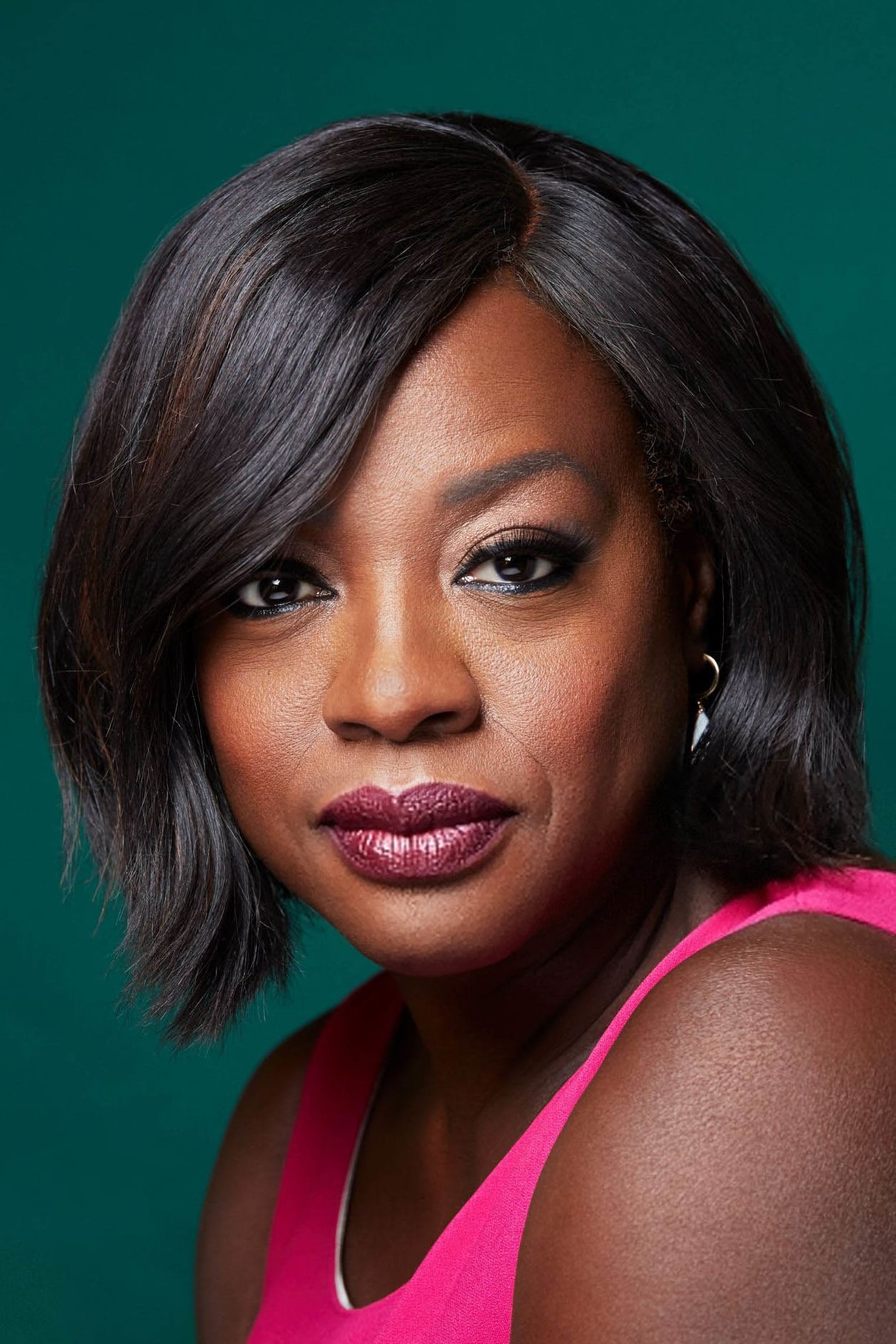
Despite receiving permission to film ‘G20’, the actress ultimately chose to leave the project. Her initial participation and the discussions that followed revealed disagreements about temporary deals reached during the strike. She explained she didn’t feel comfortable working when her fellow actors were striking. This decision followed considerable public discussion and debate surrounding the fairness of the waivers. Her experience showed the uncertainty and conflicted emotions many celebrities felt regarding the union’s approach.
Greg Gutfeld
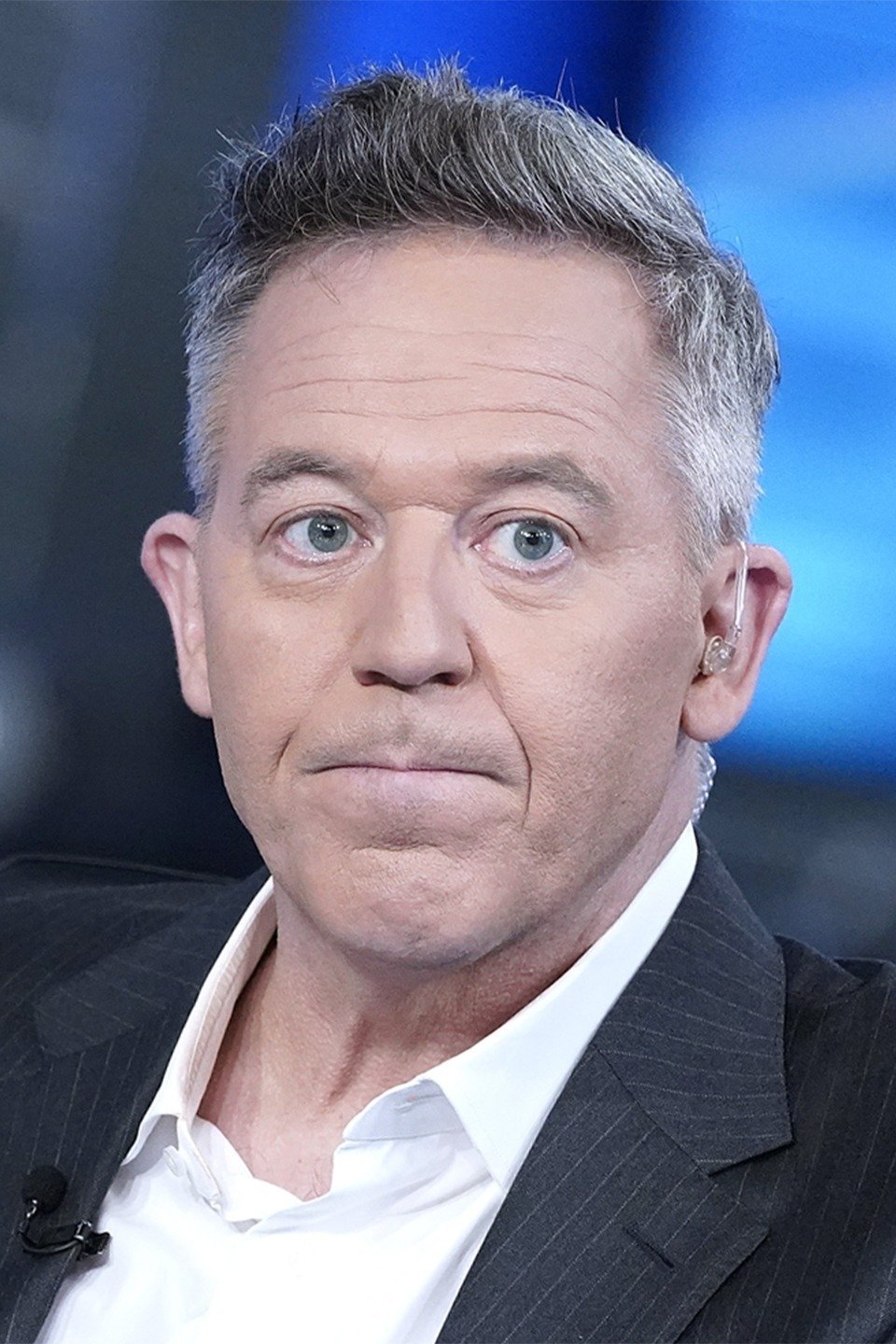
The Fox News host often used his show to criticize the actors’ strike and those participating. He made fun of the unions’ requests and portrayed the strikers as disconnected from everyday people. His comments generally opposed the unions during the disagreement, and he claimed the strike was more damaging to regular workers than to the studios themselves. He consistently sided against the Hollywood labor movement.
Russell Brand
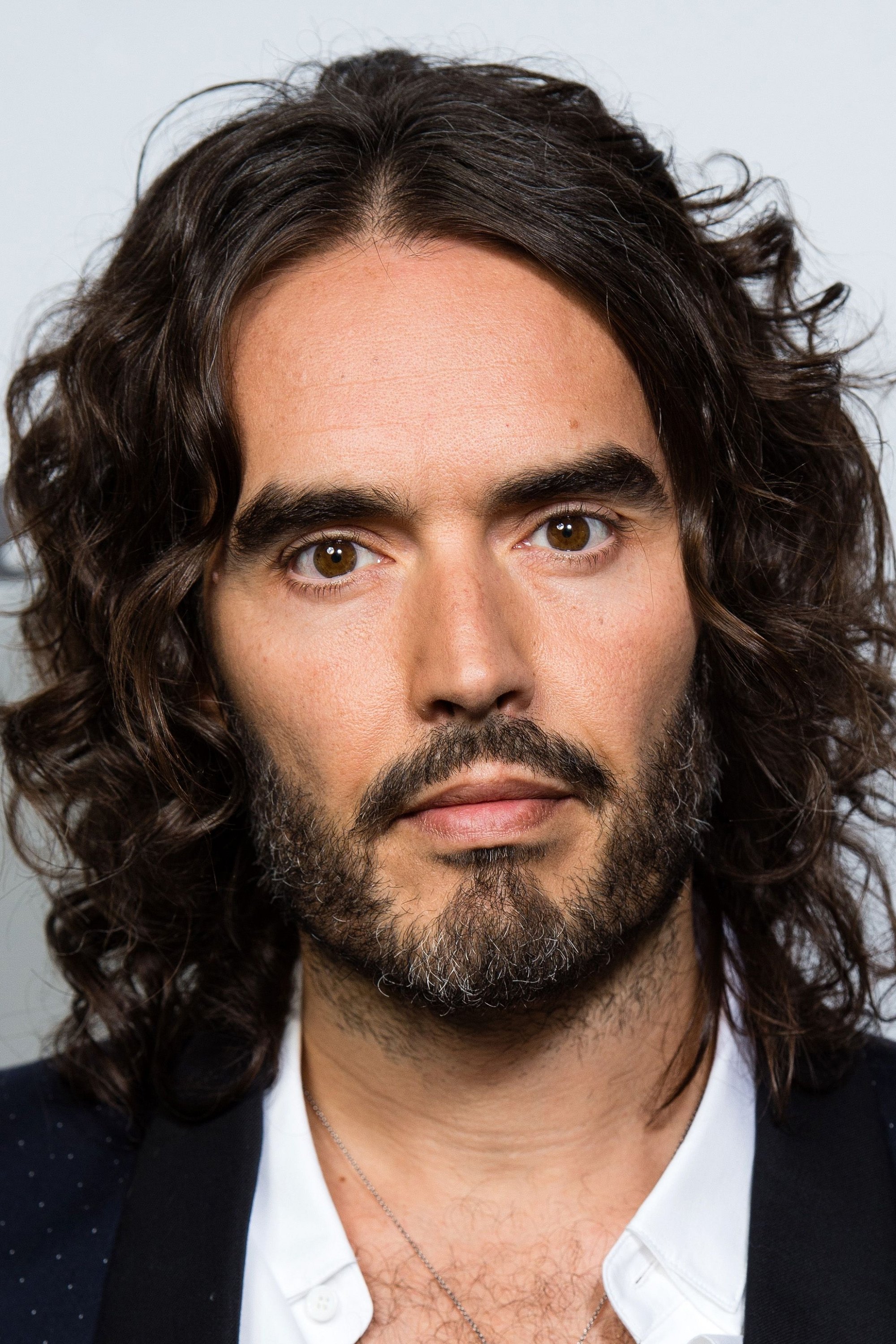
The comedian shared his views on the strike online, challenging how it was being presented in the media. Though he frequently criticizes large corporations, some found his comments dismissive of the unions’ ability to succeed. He raised questions about the intentions of those in charge and the political factors at play. He didn’t fully endorse the guilds’ requests, remaining somewhat neutral, which caused distance between him and typical Hollywood supporters.
Kevin O’Leary
The ‘Shark Tank’ investor sparked controversy by publicly criticizing the writers’ strike, suggesting AI could replace many writing jobs. He believes the entertainment industry is evolving and that trying to protect jobs from technology is pointless. His comments were quickly shared and widely denounced by creatives who found them insensitive. He clearly prioritized efficiency and adopting new technology over supporting workers, and his stance highlighted a disregard for the human contribution to the industry.
Bob Iger
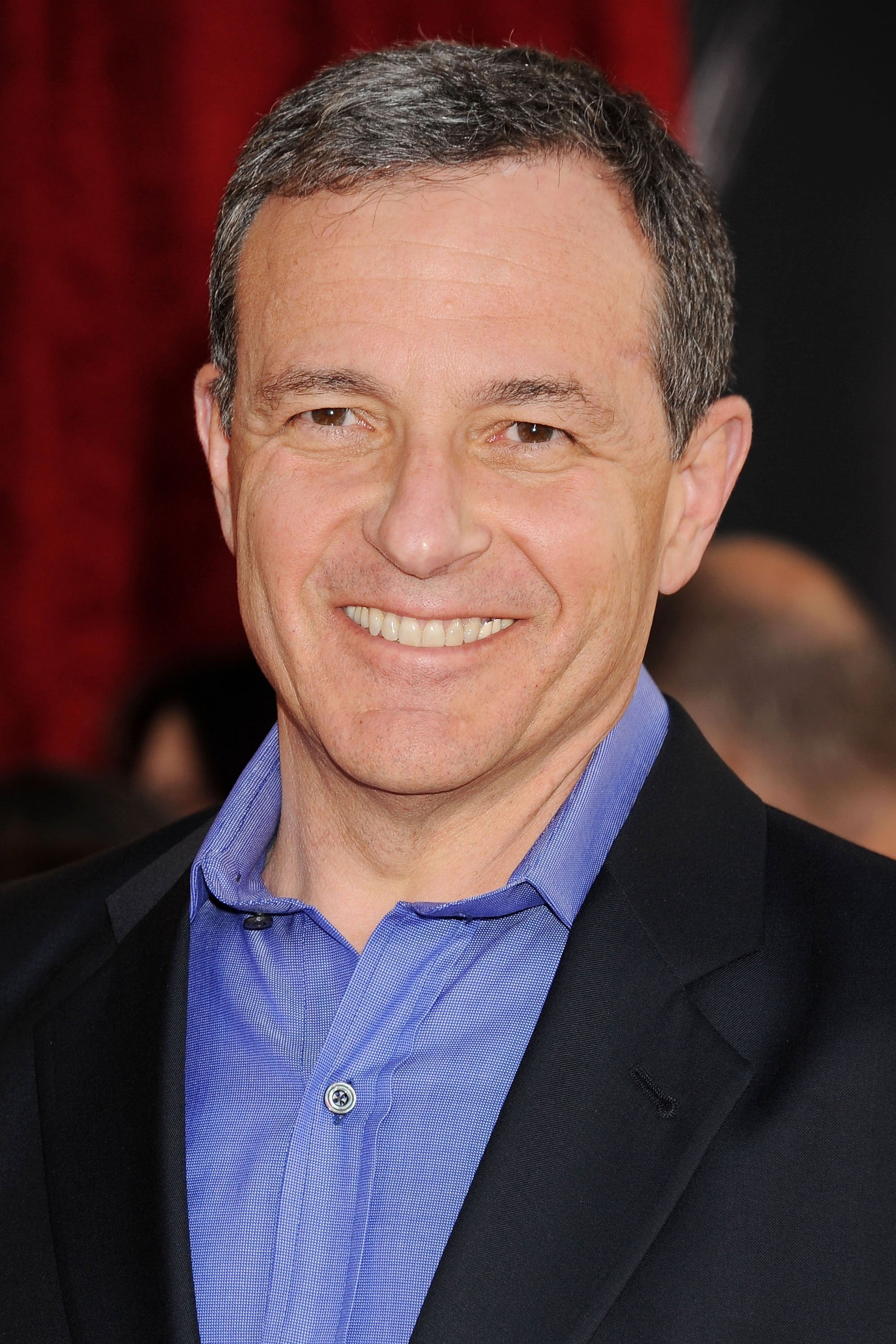
As Disney’s CEO, he was seen as the main opponent by the striking workers and didn’t support their requests. He publicly criticized the union’s demands as unreasonable and upsetting in a TV interview, which further angered the strikers and motivated them to continue picketing. He embodied the studio’s resistance, and his unwillingness to compromise initially prolonged the strike.
Share your thoughts on these celebrities and the strike controversies in the comments.
Read More
- Gold Rate Forecast
- 22 Films Where the White Protagonist Is Canonically the Sidekick to a Black Lead
- Games That Faced Bans in Countries Over Political Themes
- Silver Rate Forecast
- Unveiling the Schwab U.S. Dividend Equity ETF: A Portent of Financial Growth
- Celebs Who Narrowly Escaped The 9/11 Attacks
- Brent Oil Forecast
- How to Do Sculptor Without a Future in KCD2 – Get 3 Sculptor’s Things
- Superman Flops Financially: $350M Budget, Still No Profit (Scoop Confirmed)
- 14 Movies Where the Black Character Refuses to Save the White Protagonist
2026-01-20 07:18