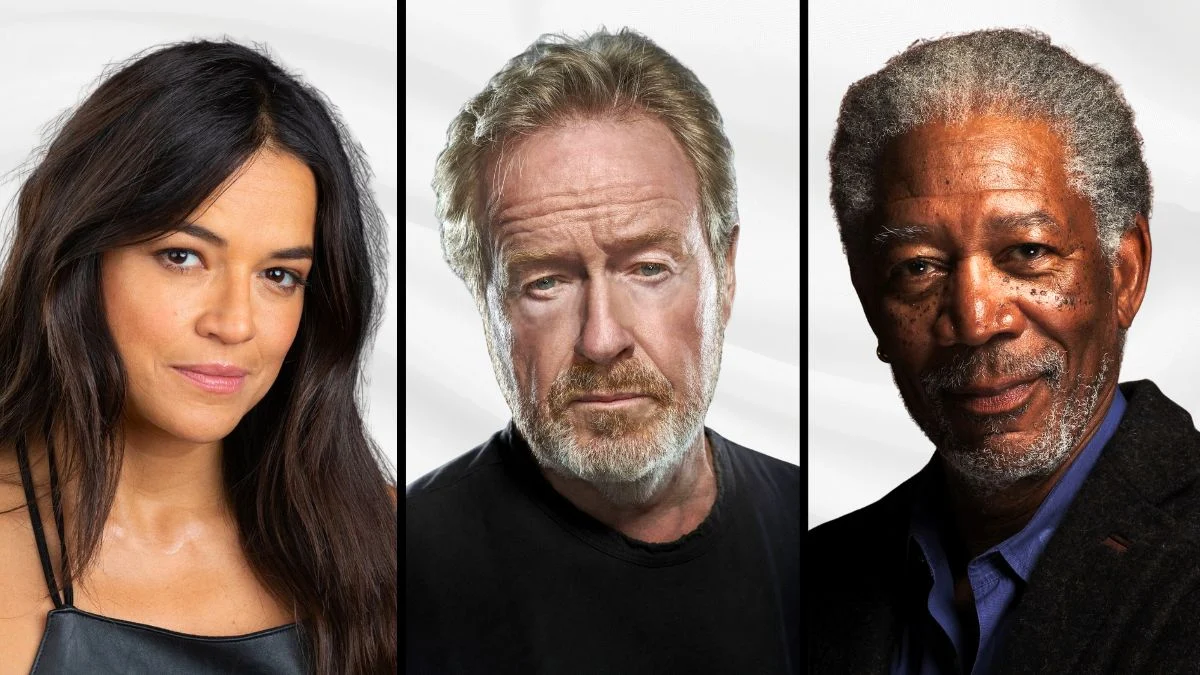
Hollywood is seeing more rules and goals designed to increase diversity in movies and TV. While many people welcome these changes as a positive step forward, some celebrities disagree with being required to meet certain diversity standards. They often believe that the best talent should be chosen regardless of background, or that these rules limit artistic expression. Here’s a look at some actors and public figures who have spoken out against these diversity efforts.
Richard Dreyfuss
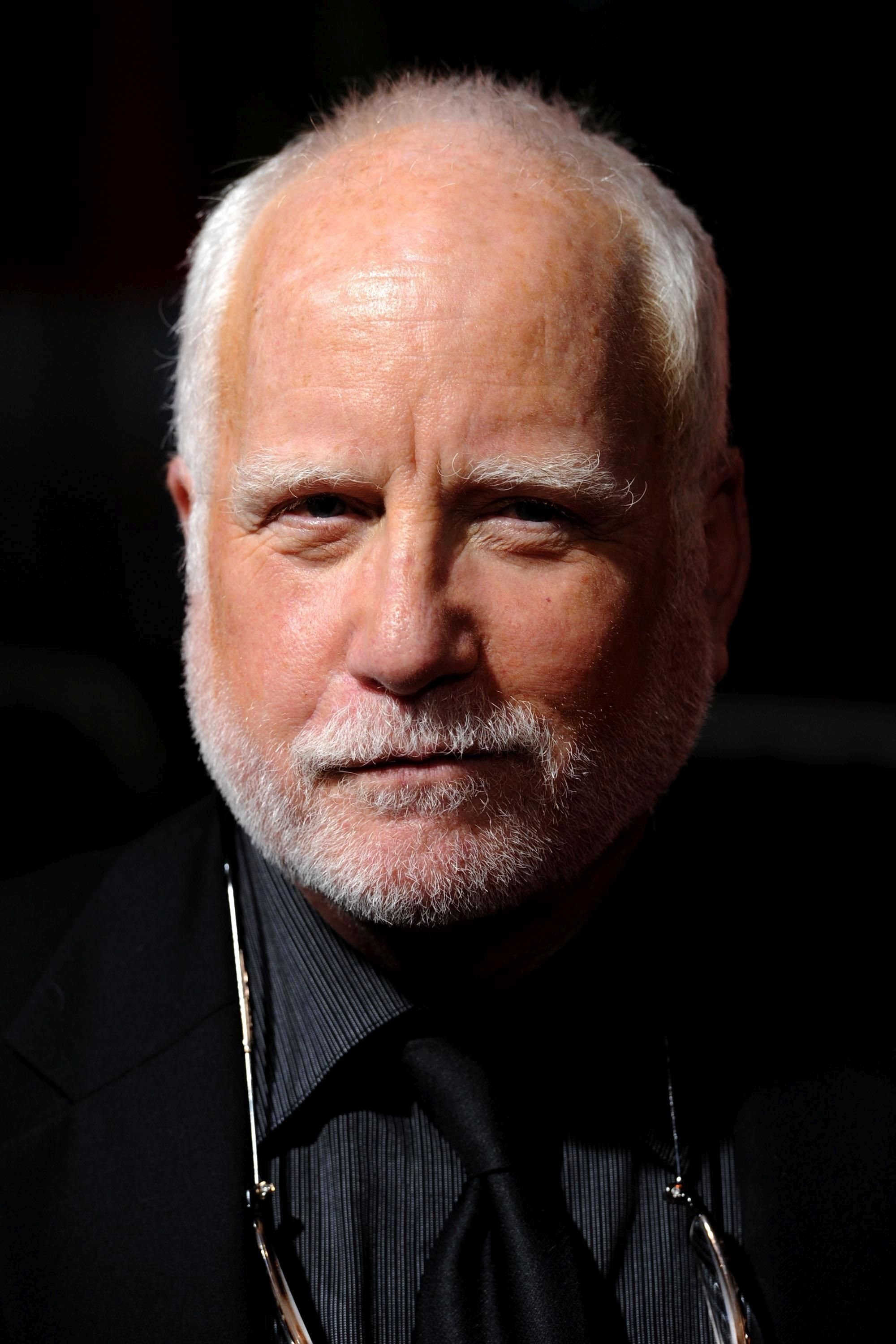
I’ve been following the debate around the Academy’s new rules for the Best Picture category, and honestly, I was shocked by how strongly Dreyfuss came out against them. He actually said the new diversity requirements made him feel sick! He believes art shouldn’t be judged by political correctness or forced to meet certain diversity quotas. He’s a firm believer that artists need complete freedom to create without being told who or what they have to include in their stories. It’s a really interesting perspective, and I can see where he’s coming from.
John Cleese
John Cleese, known for his work with Monty Python, has often spoken out against what he sees as overly sensitive attitudes that limit comedy and creative expression. He’s criticized the BBC’s focus on diversity goals, suggesting they prioritize meeting quotas over finding genuine talent. Cleese worries that a fear of causing offense and an emphasis on political correctness are harming comedy. He believes humor needs the freedom to challenge boundaries without being held back by modern expectations of sensitivity.
Stephen King
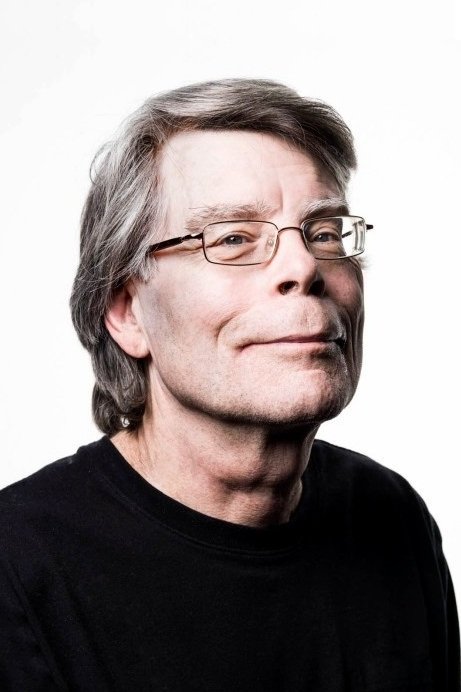
The well-known horror writer Stephen King received criticism for his comments about the 2020 Oscar nominations and their lack of diversity. He initially tweeted that he didn’t believe diversity should be a factor when evaluating art, arguing that only quality matters. He felt judging creative work based on anything other than its merit was a mistake. While he later explained that he believed the awards system itself was unfair, many saw his first comments as opposing efforts to promote diversity in award shows.
Morgan Freeman
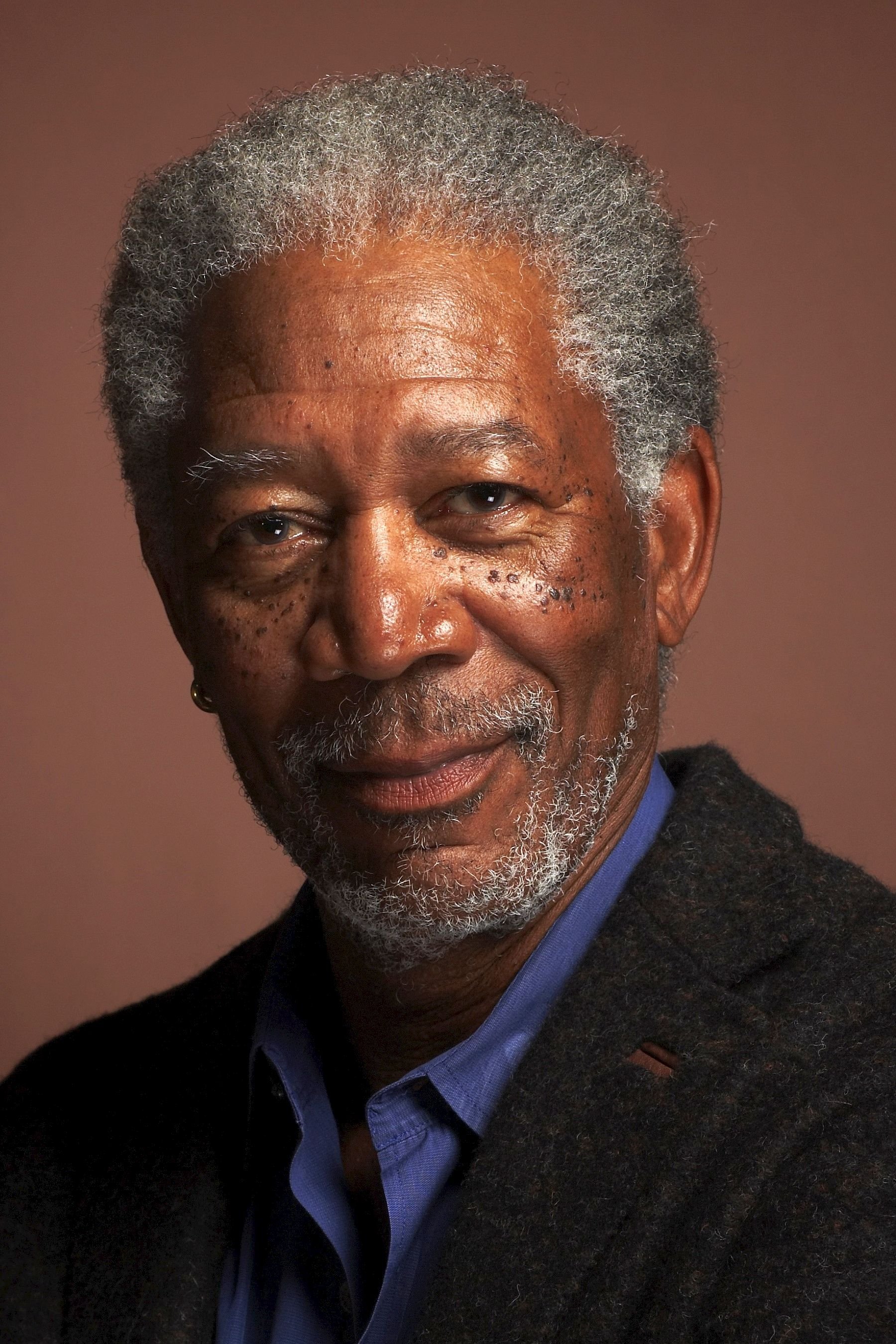
Morgan Freeman, a celebrated actor, has long been critical of Black History Month and similar efforts. He believes these initiatives unintentionally reinforce racial divisions. In a well-known interview with ’60 Minutes,’ Freeman explained his view that the best way to overcome racism is to stop dwelling on it. He maintains that Black history is American history and shouldn’t be confined to a single month or treated as separate from the broader narrative. His perspective centers on the importance of unity and recognizing individuals, rather than emphasizing group labels.
Anthony Mackie
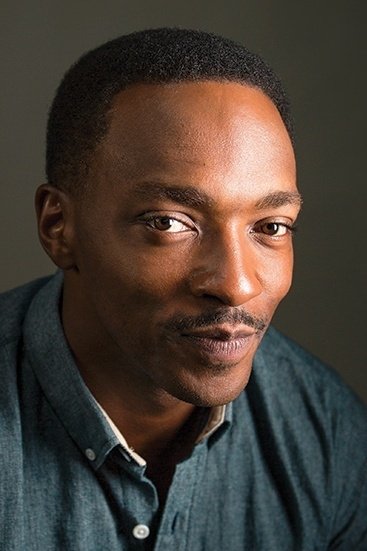
Anthony Mackie, while acting in Marvel films, shared his thoughts on the hiring process for ‘Black Panther’. He explained that only hiring Black crew members for a film centered on Black characters could unintentionally perpetuate segregation instead of addressing it. Mackie believes that true diversity means hiring the most qualified person for any role, regardless of their race, on all movie sets. He also voiced his disappointment that Black crews weren’t consistently being hired for films with predominantly white casts.
Terry Gilliam
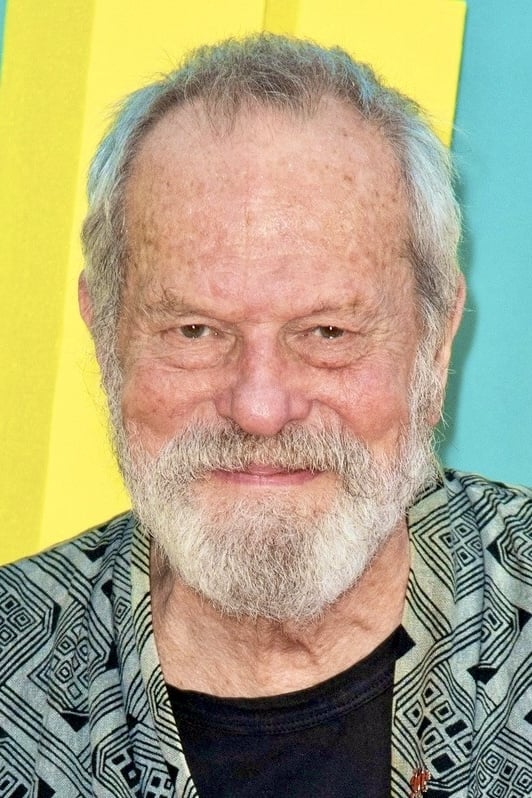
Director Terry Gilliam, known for his work with Monty Python, has criticized the BBC’s efforts to meet diversity quotas for TV shows. He jokingly suggested he’d pretend to be a black lesbian to satisfy the new requirements. Gilliam feels the current focus on forced representation is similar to the strict control of the Spanish Inquisition, and that it prioritizes fitting into identity categories over artistic freedom.
Clint Eastwood
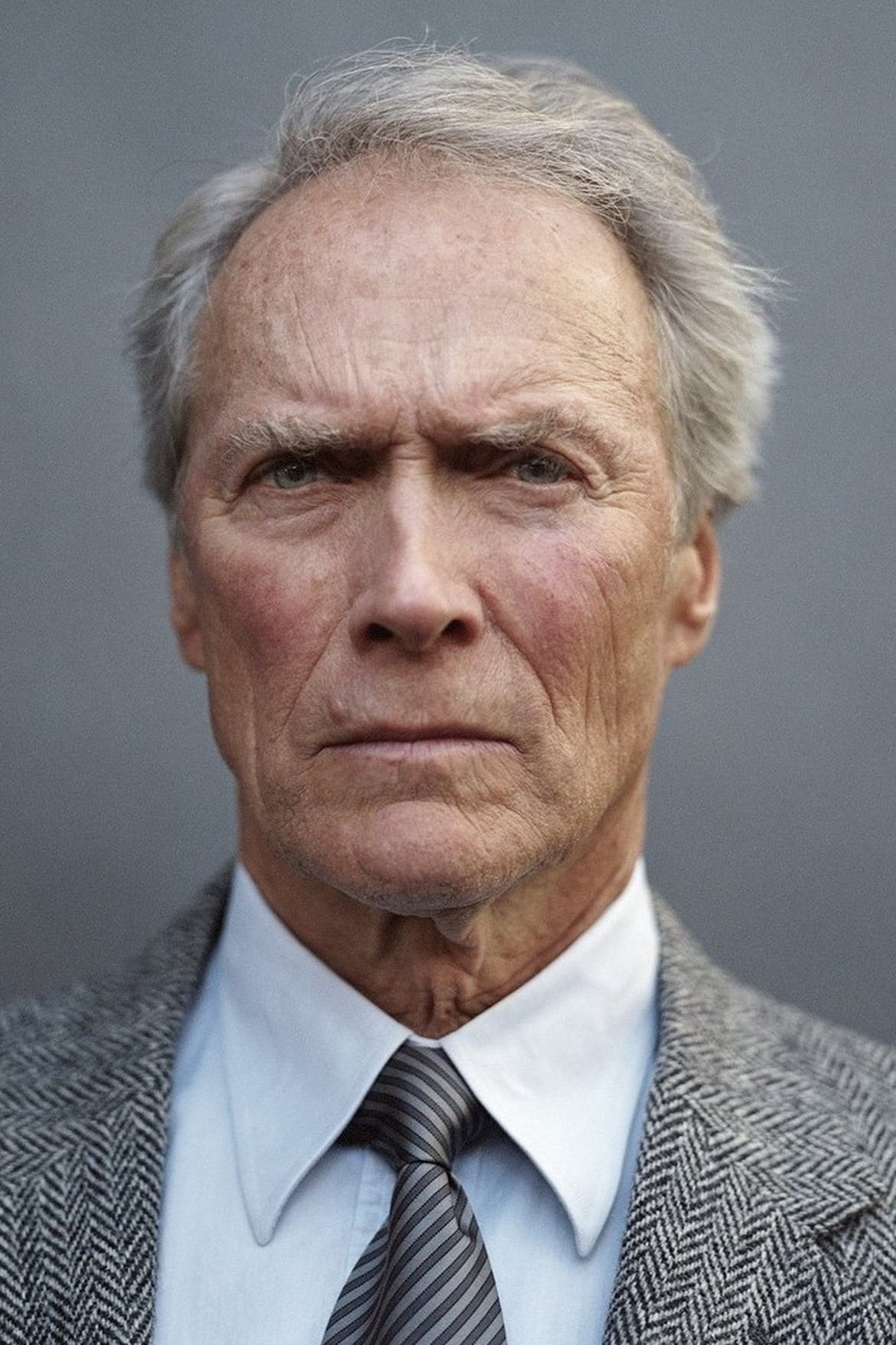
Clint Eastwood has often expressed his frustration with what he sees as an overly sensitive culture, where people are afraid to say the wrong thing. He doesn’t prioritize modern concerns about political correctness, instead focusing on telling the stories he wants to tell, even if they don’t always align with current expectations for diversity. Eastwood believes society has become too focused on labeling others and making accusations of racism. He remains committed to his own artistic vision when making films, rather than bowing to pressure from the entertainment industry.
Ridley Scott
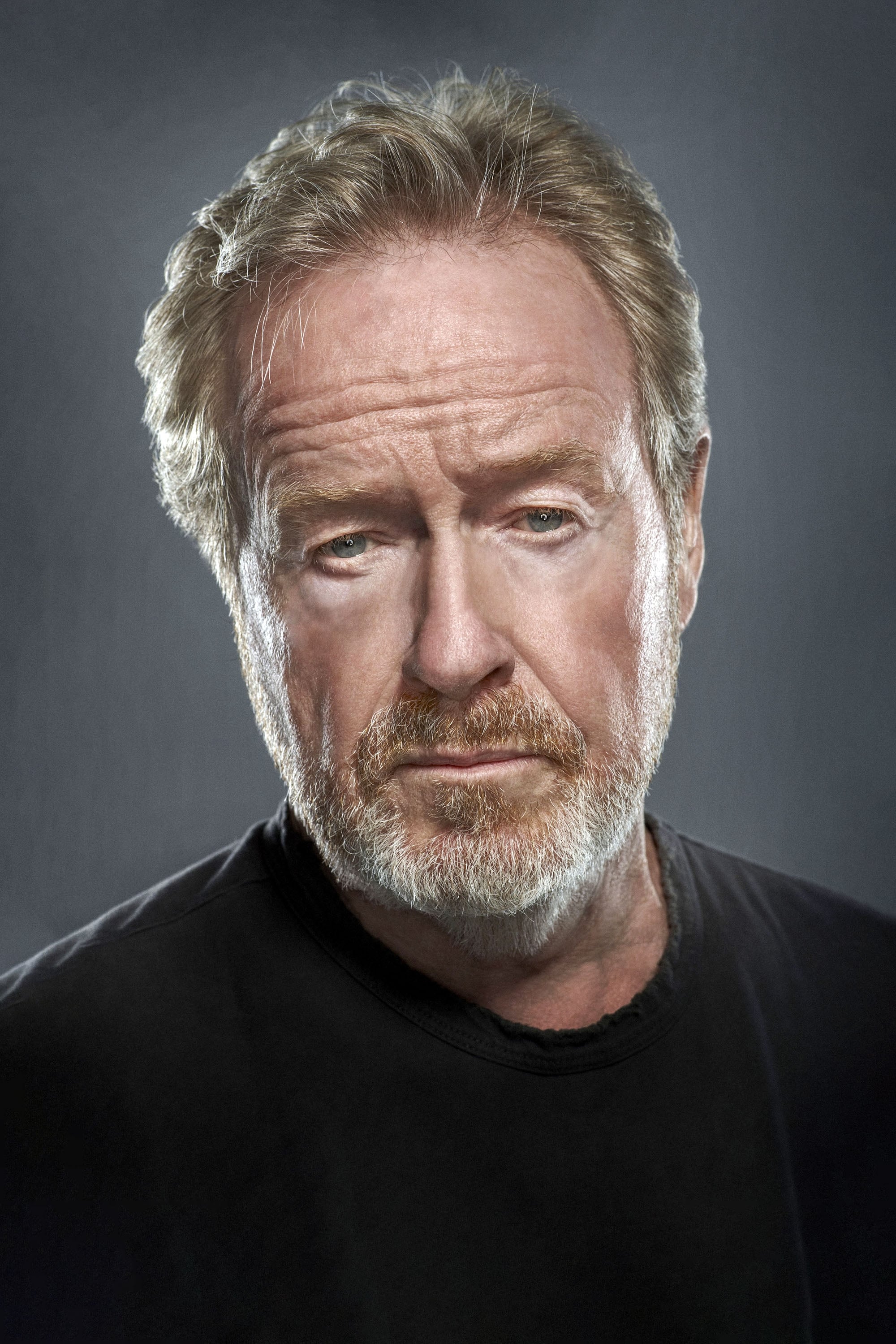
Ridley Scott, director of ‘Exodus: Gods and Kings’, received criticism for casting white actors in the main roles. He explained that securing funding for the movie required established actors, and he worried an unknown, or someone not widely recognized, would have made it harder to get the film made. Scott essentially prioritized the financial needs of a big-budget movie over perfectly reflecting historical accuracy or diversity. This situation underscored the conflict between making a profit and ensuring diverse representation in film.
Gina Carano
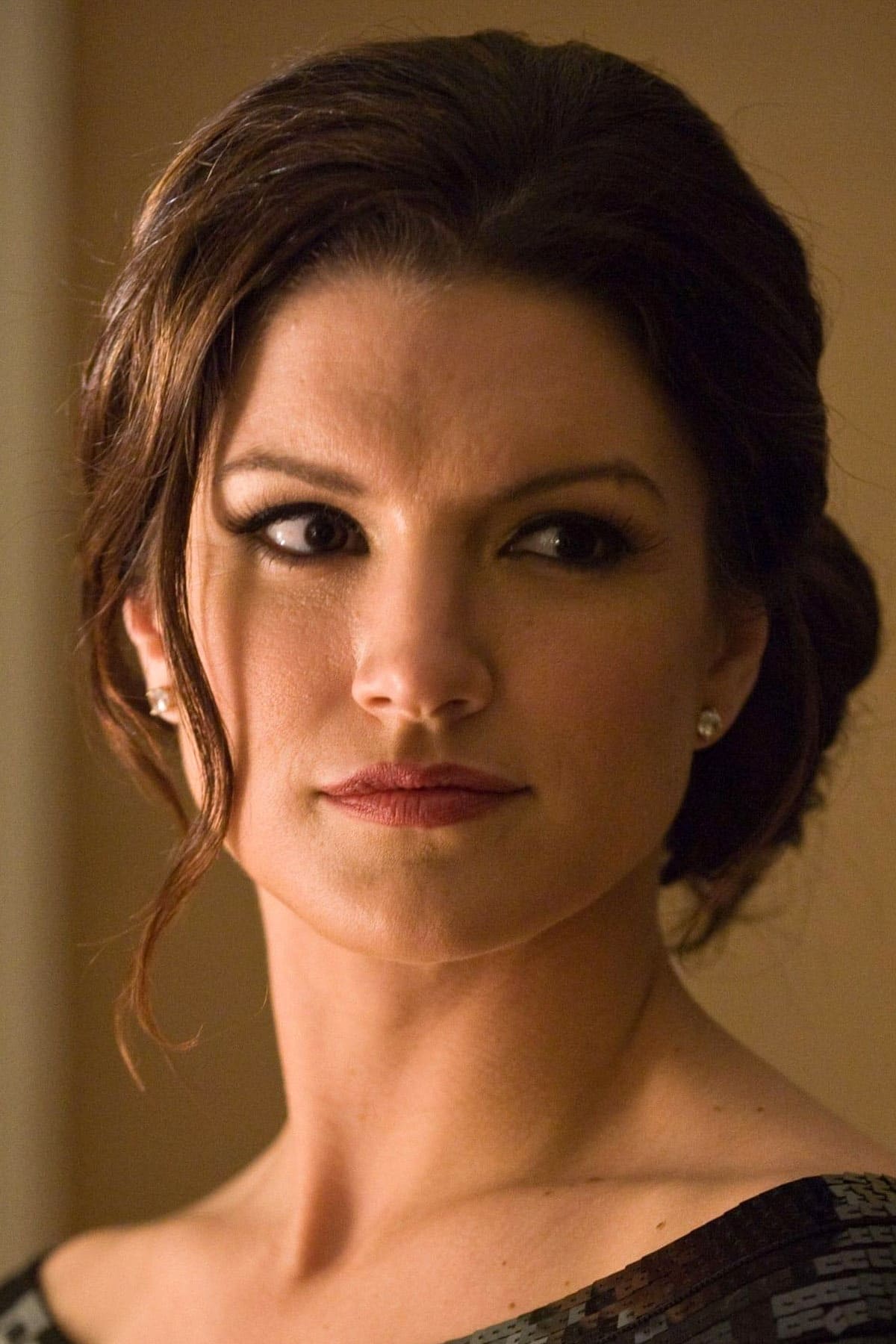
Gina Carano, a former MMA fighter and actress, was fired from ‘The Mandalorian’ because of a series of posts she made on social media that caused controversy. She had declined to use preferred pronouns in her social media profile and publicly criticized the political atmosphere in Hollywood. Since then, she’s been working with conservative news organizations that are against diversity, equity, and inclusion efforts in the entertainment industry. Carano believes that pressure to agree on certain ways of speaking and thinking is a type of oppressive control.
James Woods
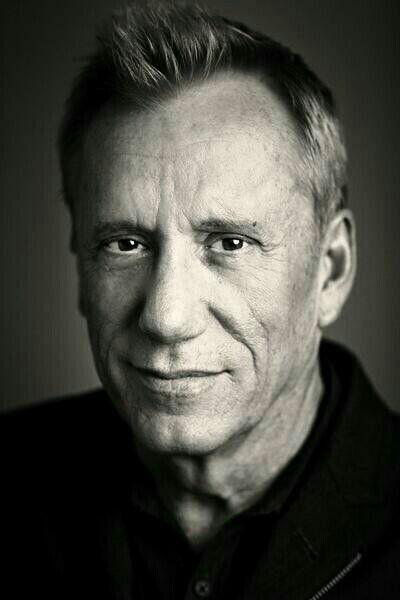
James Woods is a well-known conservative actor in Hollywood who often criticizes liberal viewpoints. He uses platforms like social media to express his disapproval of diversity programs and what he calls overly progressive ideas. Woods believes the entertainment industry now prioritizes appearing politically correct over recognizing genuine talent. He says his beliefs have resulted in him being excluded from major film and television projects.
Kevin Sorbo
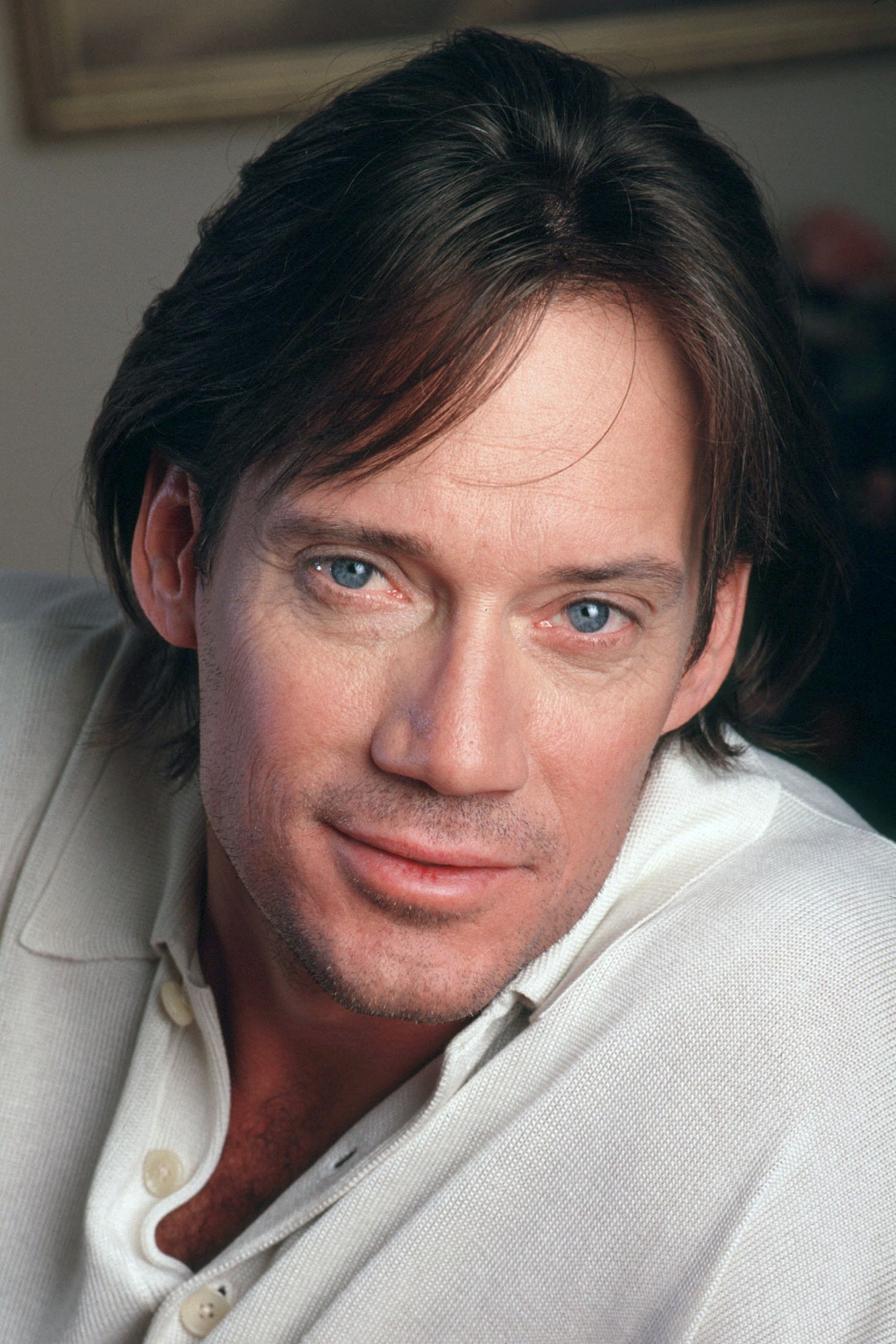
Kevin Sorbo, famous for playing Hercules, has become a prominent figure in faith-based movies and a vocal critic of mainstream Hollywood. He argues that the entertainment industry often unfairly targets conservatives and Christians while claiming to be inclusive. Sorbo often speaks out against casting decisions based on diversity quotas and the inclusion of liberal viewpoints in shows aimed at children. He feels that today’s entertainment focuses more on pushing specific beliefs than on telling good stories and upholding traditional values.
Dean Cain
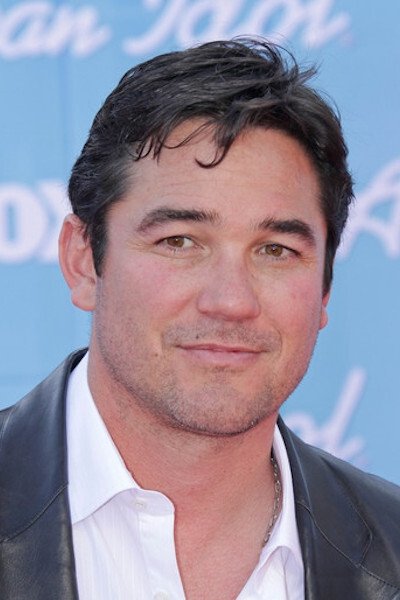
Dean Cain, who famously played Superman, has spoken out against recent trends in comic book movies and TV shows. He believes they’re too focused on social issues and don’t prioritize good storytelling. Specifically, he criticized the decision to make Superman bisexual, calling it a predictable move rather than a creative one. Cain feels these changes are superficial and don’t honor the character’s history. He frequently shares his concerns about what he sees as an overly “woke” entertainment industry on television news programs.
Tim Allen
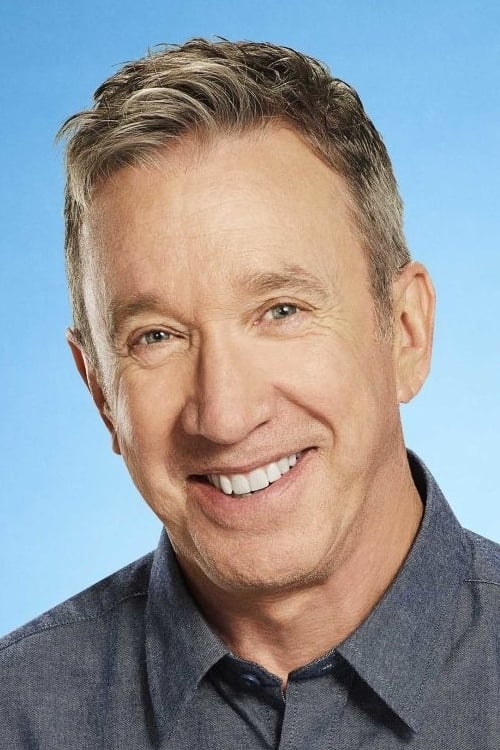
Comedian Tim Allen feels frustrated by what he sees as excessive political correctness in comedy. He’s said the pressure to avoid causing offense in Hollywood reminds him of the restrictive atmosphere of 1930s Germany. Allen believes comedians now have to be extremely careful about topics like diversity and inclusion, fearing they’ll say something that offends someone. He supports the idea that comedians should be free to push boundaries and isn’t convinced that forcing sensitivity is a good approach.
Roseanne Barr
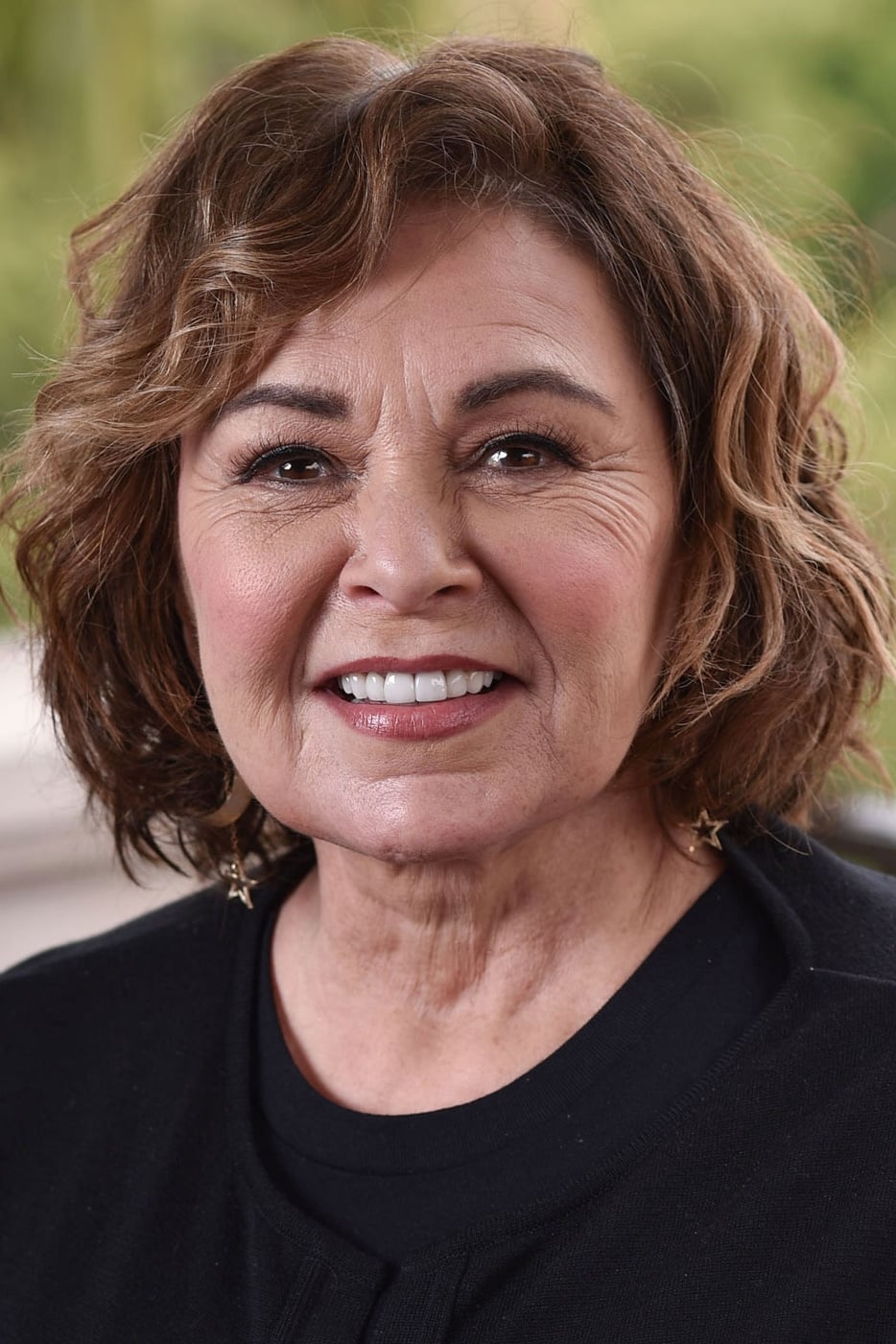
Roseanne Barr believes that comedy and TV writing have gotten worse because of an overemphasis on ‘wokeness’ and political correctness. She argues that efforts to promote diversity have made comedians afraid to take risks, and that the industry prioritizes appearing virtuous over actually being funny. Barr’s own career suffered after she posted a tweet considered racially insensitive, which she defended as a failed attempt at humor, not an expression of racist beliefs.
Rob Schneider
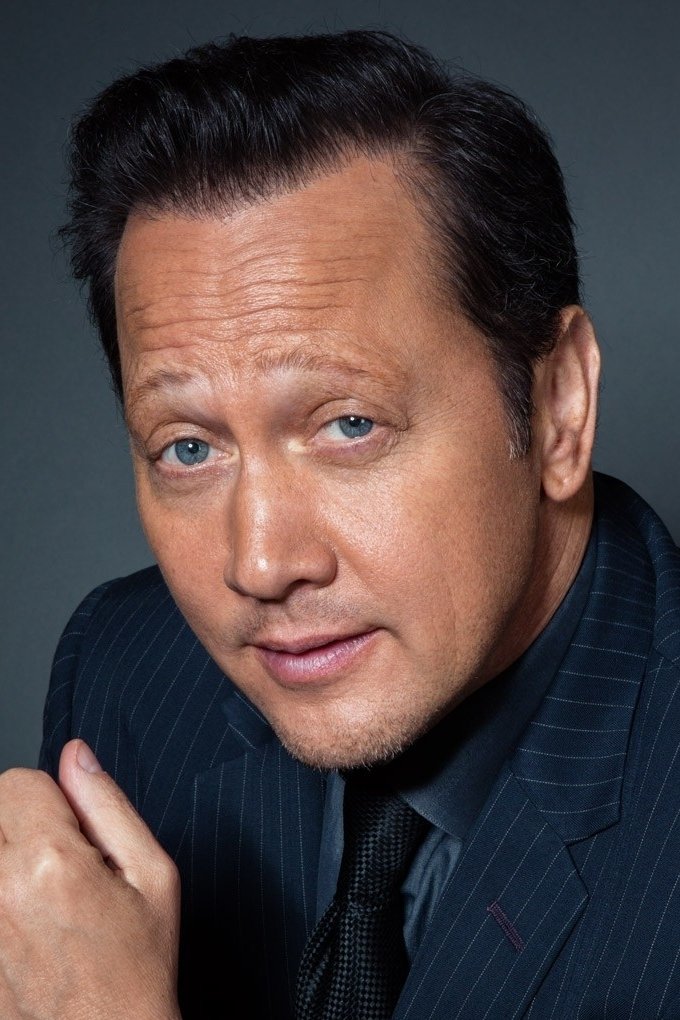
Former ‘Saturday Night Live’ cast member Rob Schneider has become a vocal opponent of what he calls “woke” ideology, particularly in schools and the entertainment world. He contends that strict rules about diversity and inclusion are harming comedy by limiting creative expression. Schneider maintains that a comedian’s main goal should be to make people laugh, not to push a particular message or meet diversity requirements. He feels audiences are growing weary of celebrities telling them what to think.
Stacey Dash
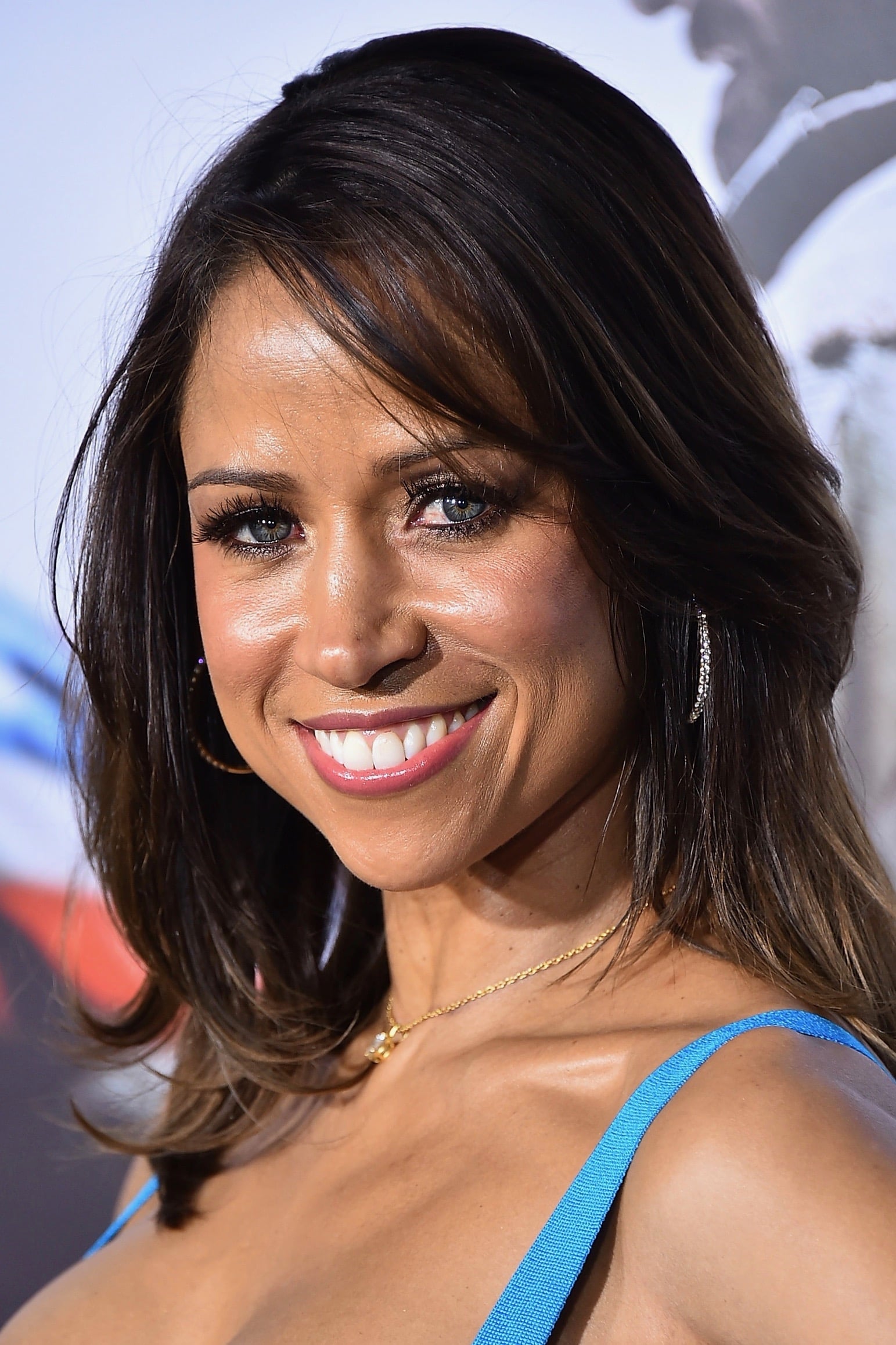
Okay, so as a movie fan, I remember Stacey Dash from ‘Clueless,’ but she really stirred things up when she was on Fox News. She got a lot of heat for suggesting we get rid of BET and Black History Month. Her reasoning, as she explained it, was that if we truly want everyone to be equal and integrated, we shouldn’t have things that separate people by race. She felt like it was a double standard – why is it okay to have a channel for Black audiences but not, say, a channel just for white people? Basically, she thought real diversity meant not focusing on race at all.
Yaphet Kotto
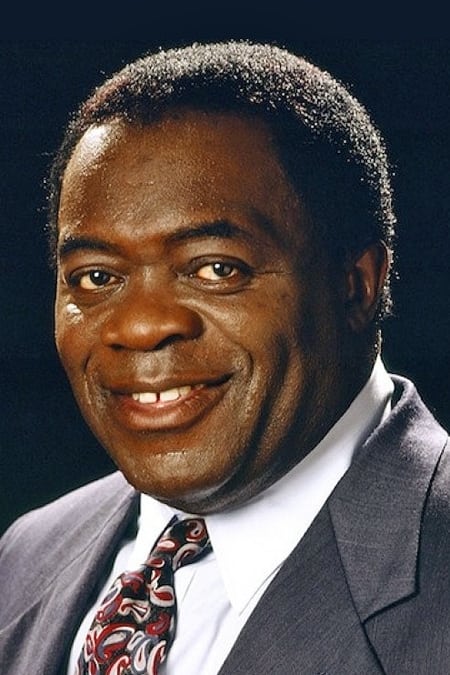
Before he passed away, actor Roger Moore—known for roles in ‘Alien’ and ‘Live and Let Die’—expressed his disapproval of casting a Black actor as James Bond. He maintained that Bond was originally conceived as a white, Scottish character and should stay that way. Kotto felt it was more important for Black actors to create their own original, iconic characters instead of taking on roles already established for white actors, which he considered a pointless and trivial practice.
Michelle Rodriguez
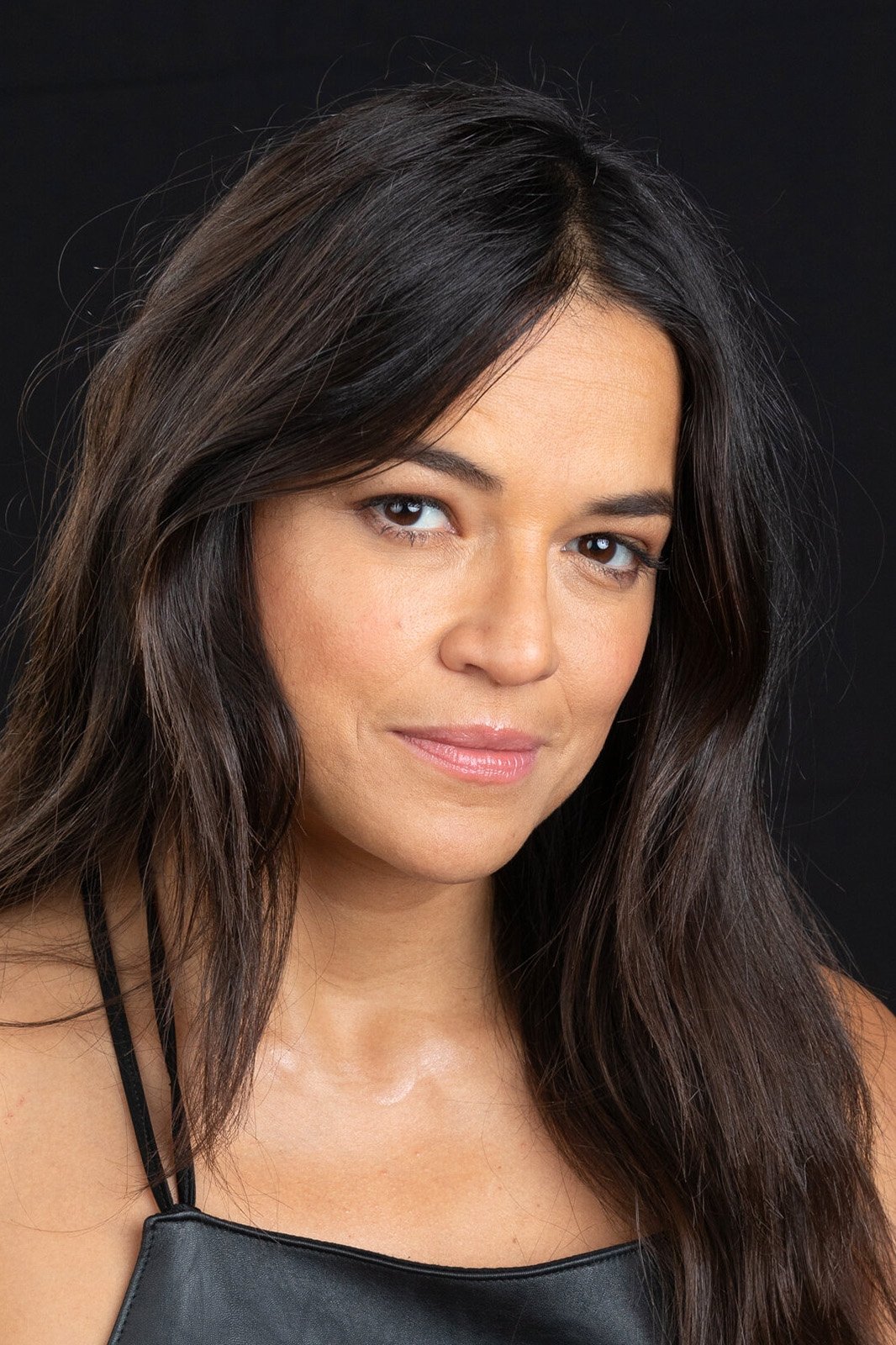
Rodriguez received criticism for her opinions on casting minority actors in roles originally written for white superheroes. She explained that she didn’t want to discourage diversity, but rather felt Hollywood lacked originality, relying on simply changing characters’ races instead of developing new, diverse stories. She believes this approach is a quick fix and doesn’t foster true creativity.
William Shatner
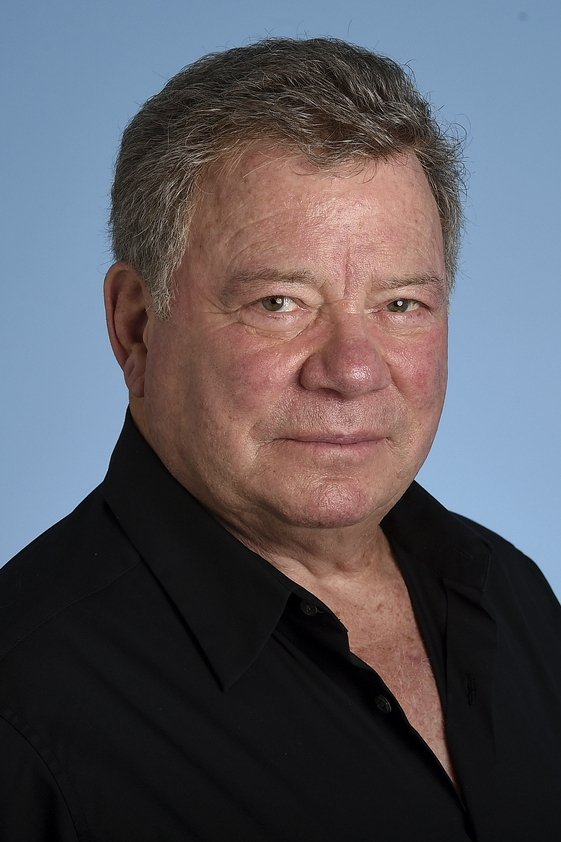
William Shatner, best known as Captain Kirk from ‘Star Trek,’ has often discussed and debated current trends in inclusive language online. He’s publicly stated he doesn’t identify with the term “cis” and believes people shouldn’t be required to use new labels. Shatner feels that attempts to change language based on gender identity can be a form of harassment, and while he supports individuals, he doesn’t agree with activists imposing political labels on others.
Laurence Fox
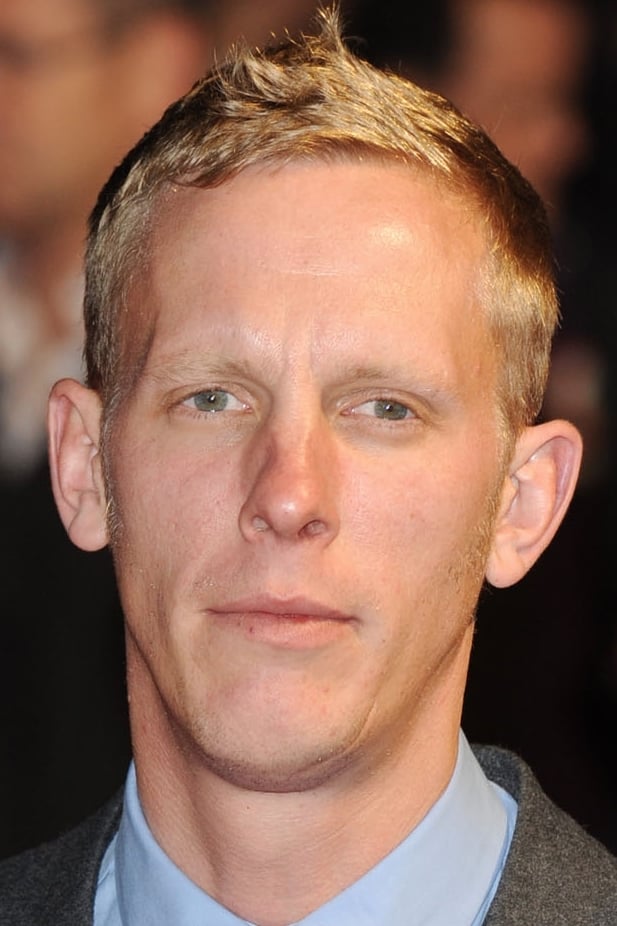
Laurence Fox, a British actor, started the Reclaim Party to challenge what he sees as current cultural battles and what he calls a “woke” agenda. He’s strongly criticized the way historical shows sometimes force diversity and the idea of white privilege, believing the entertainment industry is pushing narratives that make people feel bad about themselves. Because of his political activism, Fox has largely stepped away from traditional acting.
Bill Maher
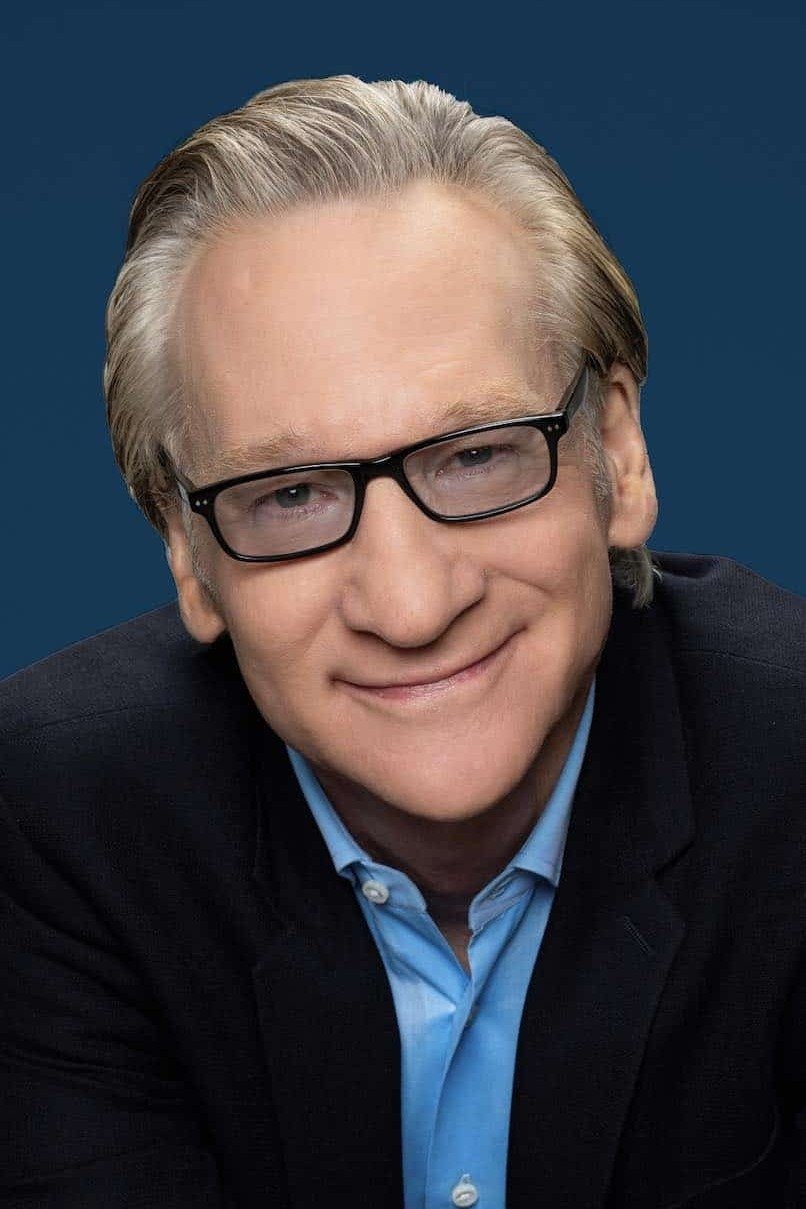
Bill Maher, though generally considered a liberal, often uses his show to critique what he sees as the downsides of the diversity and inclusion movement. He argues that focusing too much on guaranteeing equal results, instead of just equal opportunities, is harmful. Maher also jokes about how language is constantly changing and how easily offended young people seem to be. He maintains that people should be hired or admitted to schools based on their qualifications and achievements.
Dave Chappelle
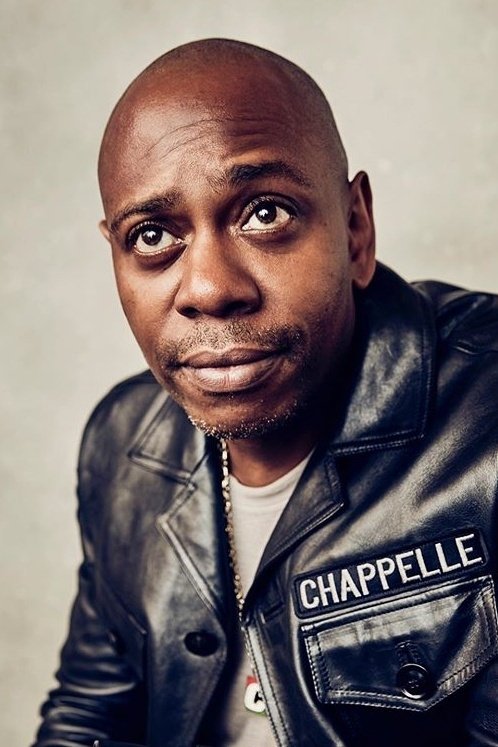
Dave Chappelle’s comedy specials have sparked widespread protests because of his commentary on social hierarchies and marginalized groups. He suggests that some LGBTQ+ advocates and diversity groups are overly sensitive and unwilling to accept humor. Chappelle also challenges the idea of ‘cancel culture’ and the way companies enforce diversity and inclusion policies. He sees himself as an artist who speaks honestly and won’t be pressured by outside groups.
Ricky Gervais
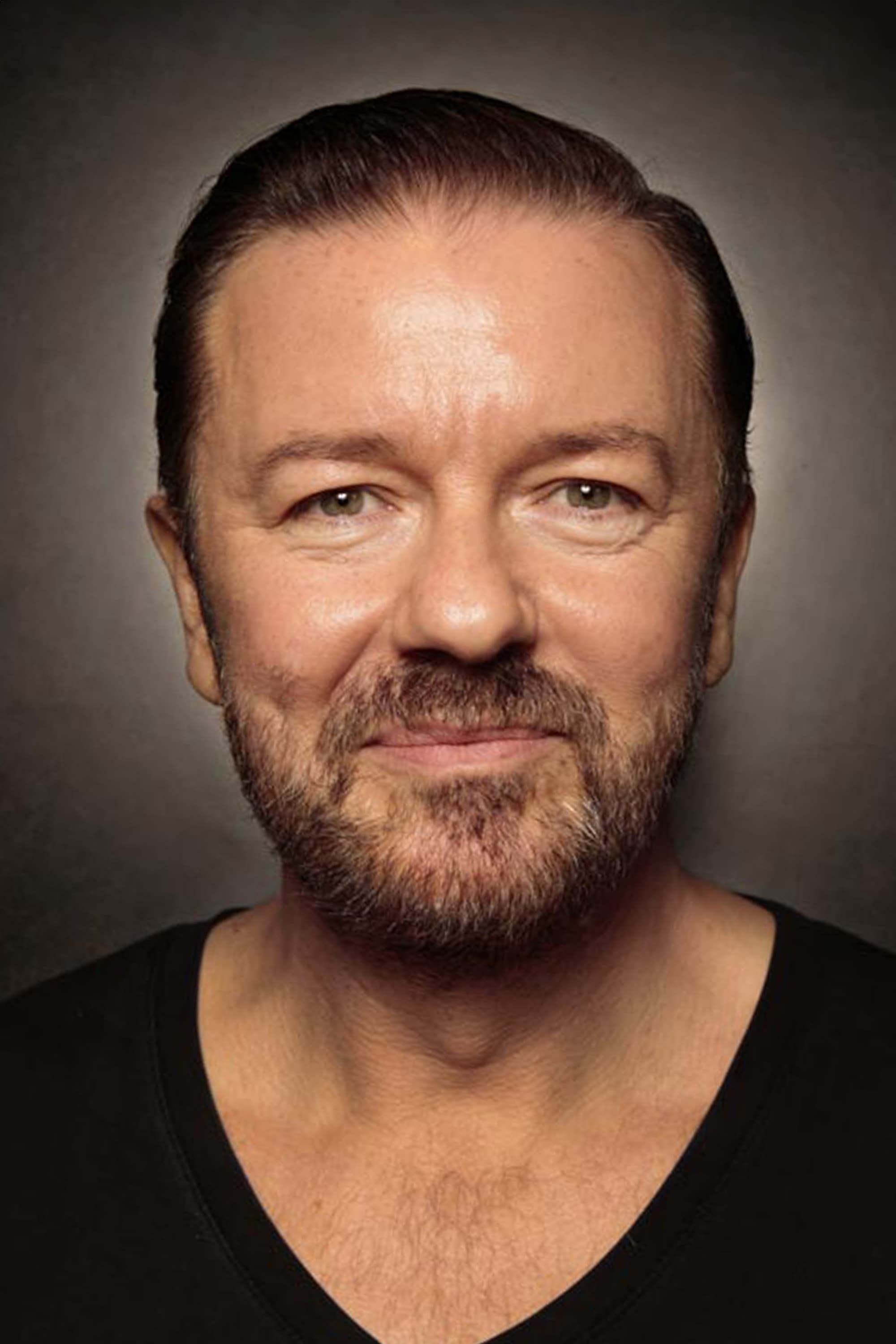
Ricky Gervais is well-known for using his Golden Globes hosting gig to call out what he sees as the insincerity of Hollywood’s attempts to appear virtuous. He pointed out to the audience that celebrities weren’t in a position to preach to others about right and wrong or politics. Gervais also criticizes companies that only support diversity and social justice issues for financial gain, arguing that comedy should be free to make fun of everyone, without unfairly protecting certain groups.
Idris Elba
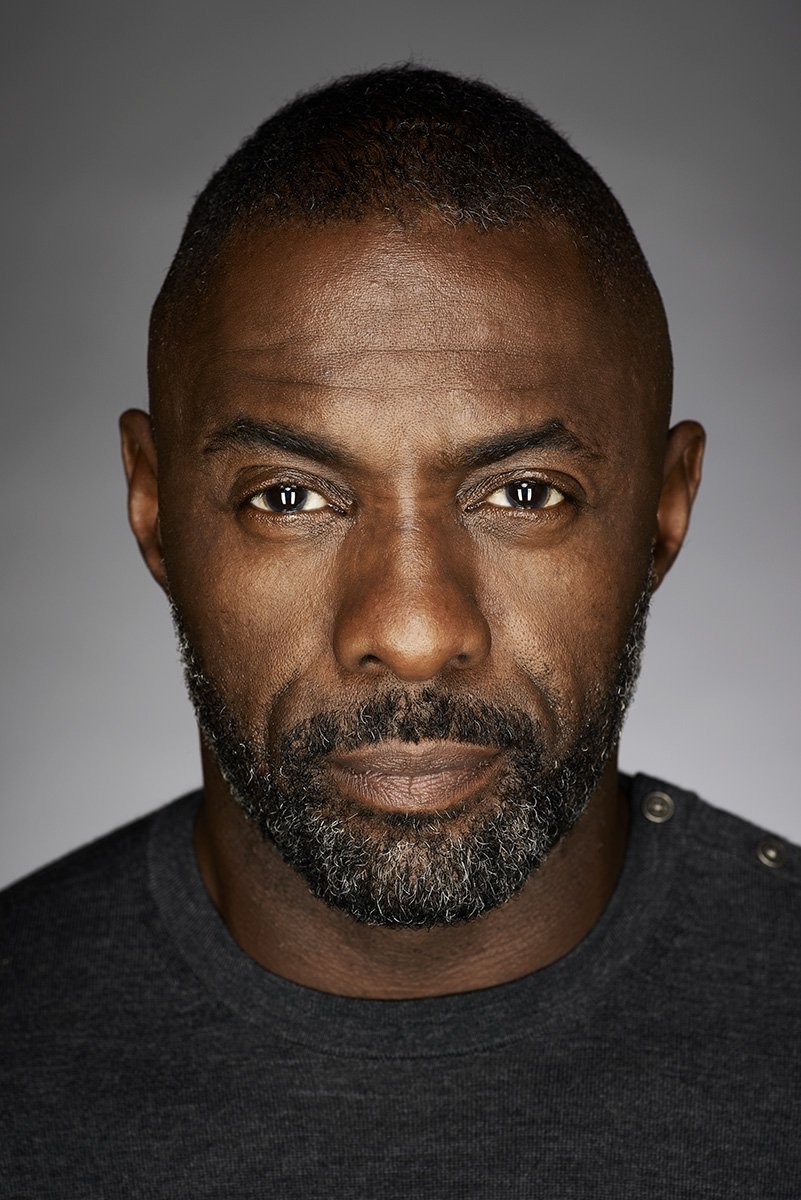
Idris Elba recently explained he’s stopped referring to himself as a “Black actor” because he felt the label limited how people saw him. He believes constantly focusing on race can actually hold people back from growing and expressing themselves creatively. While he’s committed to equality, he doesn’t want to be defined by his race and would prefer to be recognized simply for his talent as an actor, not as a diversity statistic.
Terry Crews
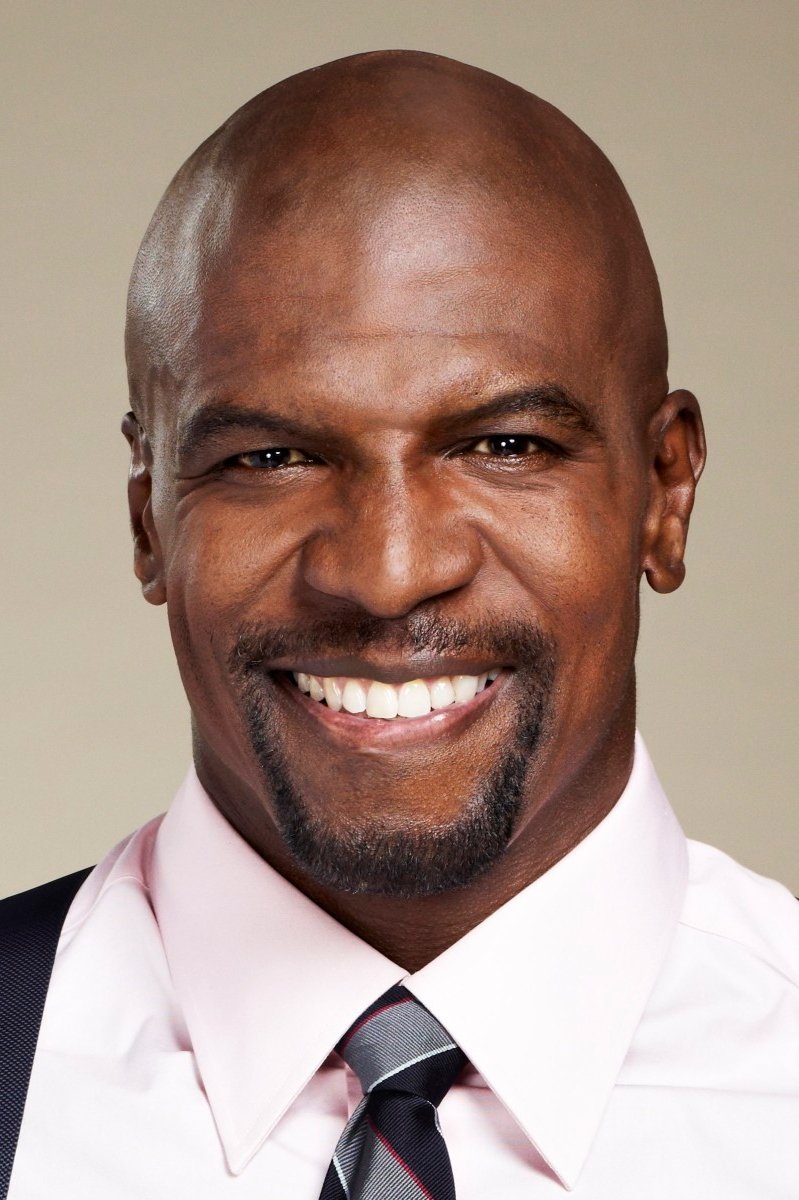
Actor Terry Crews received significant criticism for a tweet he posted during the Black Lives Matter movement, where he cautioned against “black supremacy.” He explained that overcoming white supremacy shouldn’t lead to the dominance of any one group, and that true equality requires balance. Despite facing pushback from colleagues and activists who believed his comments harmed the movement’s goals, Crews maintained his position. He believes in building unity and understanding between all groups, rather than fostering division and animosity.
Lil Wayne
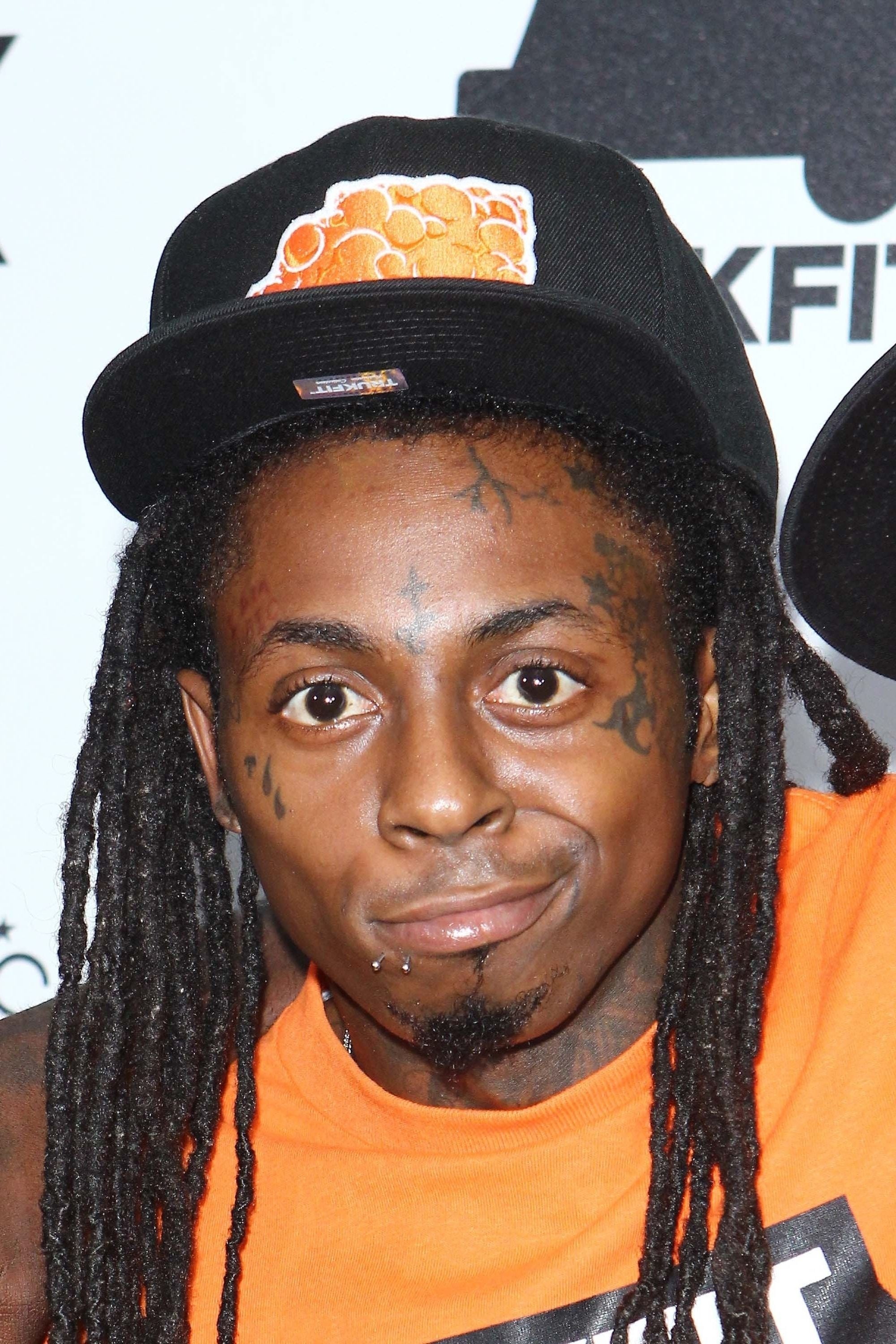
The rapper has downplayed the significance of movements like Black Lives Matter, suggesting his own success proves they aren’t necessary. He explained in an interview that he doesn’t relate to the movement because he hasn’t faced those struggles personally. Lil Wayne has also expressed doubts about systemic racism, citing his own experiences and the fact that many of his fans are white. Essentially, he believes individual achievement is more important than broader discussions about race.
Ye
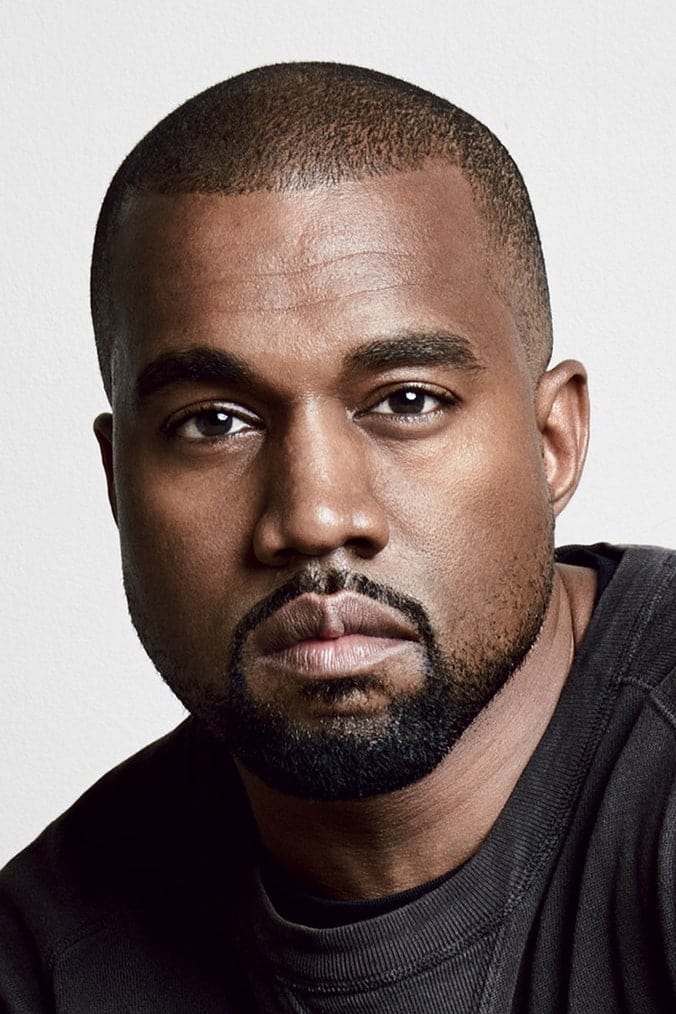
West has consistently questioned common beliefs within the entertainment industry about race and politics. He’s spoken out against the assumption that Black voters should automatically support the Democratic party or certain social causes. His decision to wear a “White Lives Matter” shirt caused widespread controversy, as he intended to challenge the focus of the Black Lives Matter movement. West maintains he won’t be controlled by what others expect of him, either as a public figure or as a Black man.
Kirstie Alley
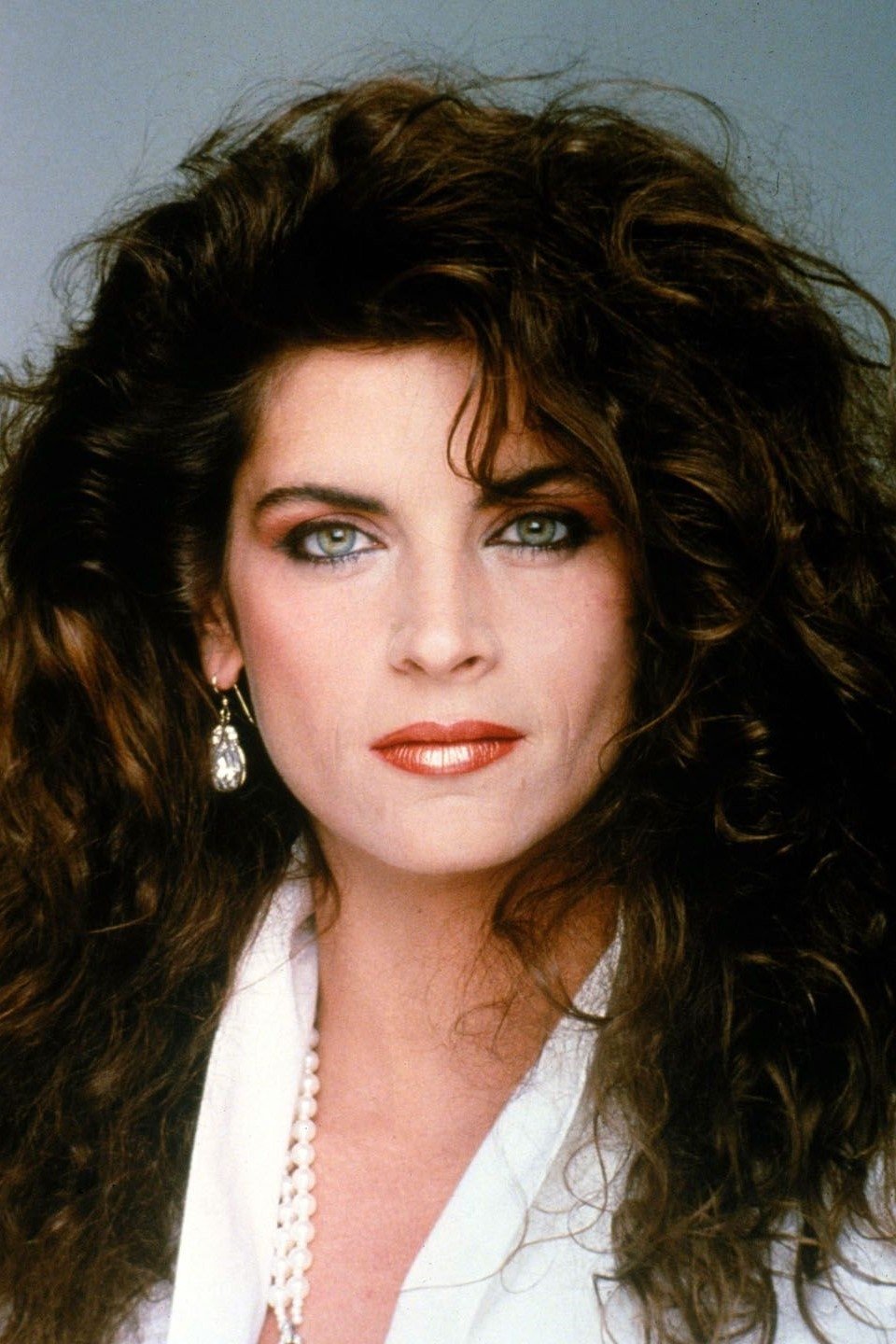
As a critic, I always admired Kirstie Alley’s willingness to speak her mind, and her frustration with the Academy’s new Best Picture rules really resonated with me. She felt, and I have to admit I see her point, that these inclusion standards were a step too far. She famously called them a ‘disgrace,’ arguing that dictating creative choices – who artists write for or cast – is a form of control that stifles true artistry. She believed the focus should be on the quality of the film itself, not on meeting political mandates. It was a strong stance, and sparked a lot of debate, but she always championed artistic freedom above all else.
Jon Voight
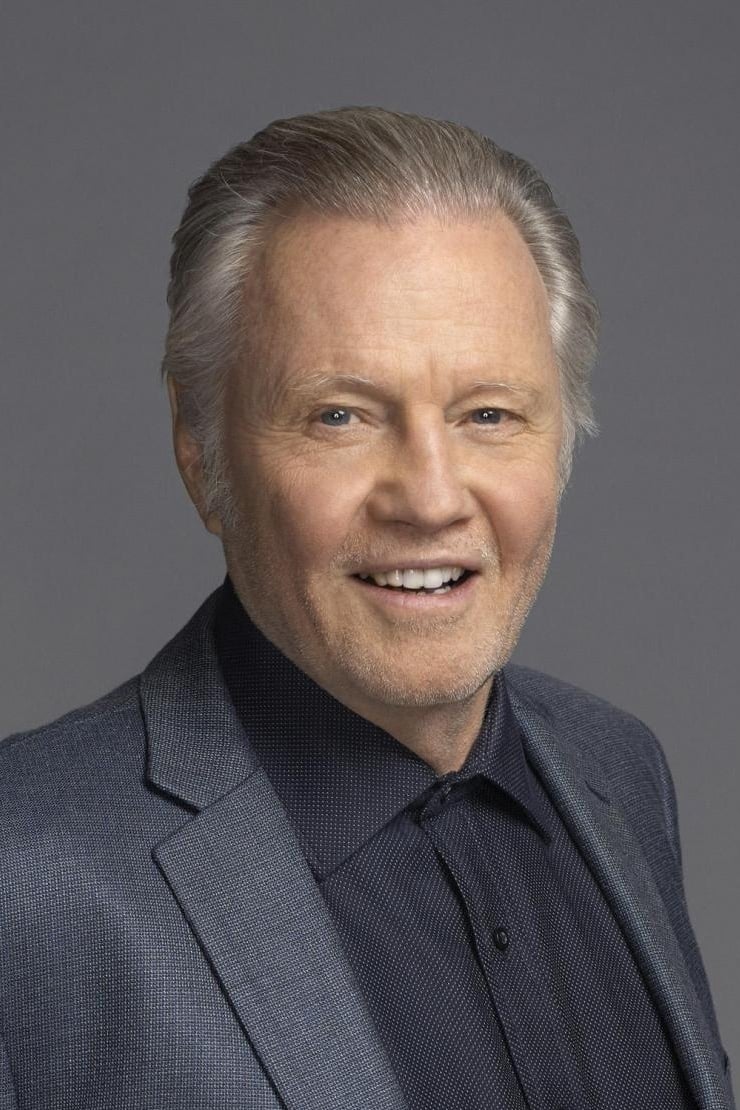
Jon Voight is a strong conservative who feels that progressive political ideas are harming traditional American values. He’s spoken out against what he sees as liberal bias in Hollywood, claiming it’s negatively influencing the country. Voight doesn’t agree with the social justice messages promoted by the entertainment industry and actively supports politicians who oppose them. He believes that a genuine love for America is being lost due to current cultural trends.
Morrissey

Morrissey, the former singer of The Smiths, has upset many of his fans due to his controversial views on immigration and what it means to be British. He’s spoken out about the changes he sees in Britain’s population and the decline of traditional customs. He’s also voiced support for politicians who are against multiculturalism and policies promoting diversity. Many interpret his statements as a desire to maintain a single, unified culture rather than embrace inclusivity.
Kid Rock
Kid Rock has publicly and forcefully protested what he sees as companies going too far with “woke” marketing. He famously destroyed cases of Bud Light after they partnered with a transgender influencer. Kid Rock has built his career on rejecting overly sensitive or politically correct behavior and appealing to traditional conservative viewpoints. He believes that companies’ efforts to promote diversity are alienating his fans.
Helena Bonham Carter
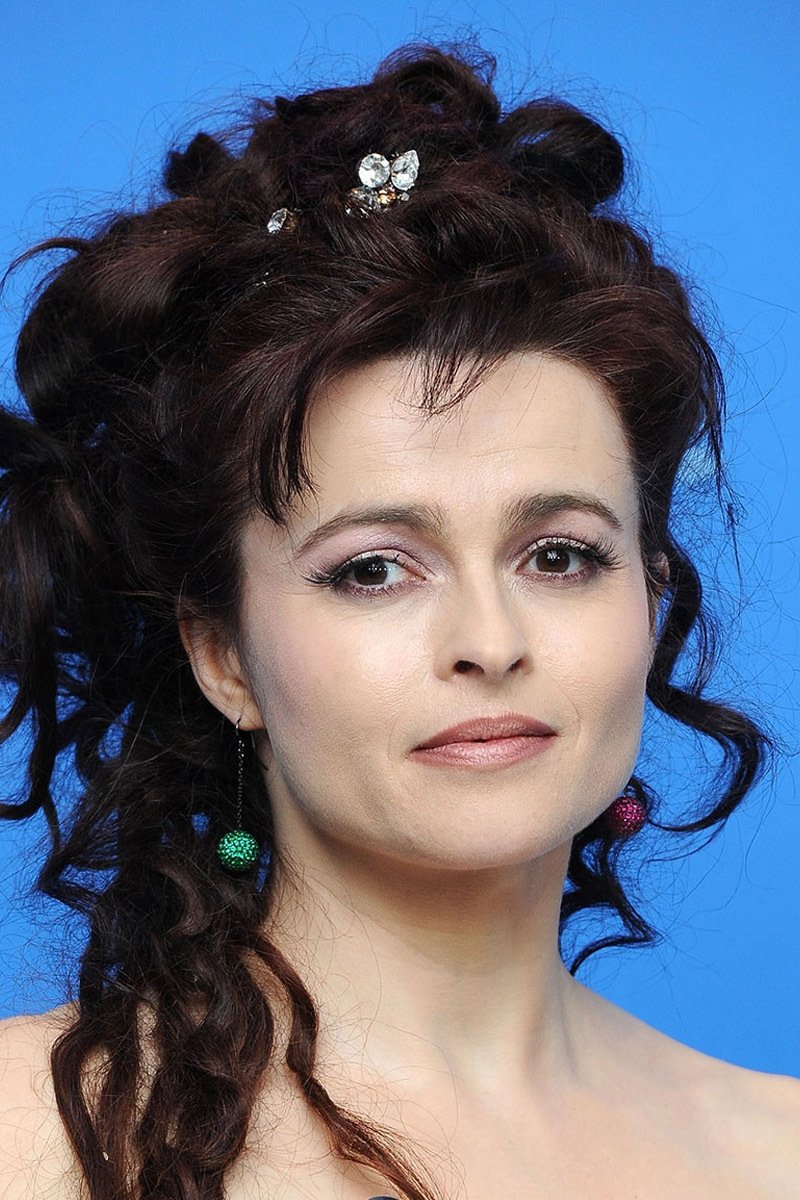
The actress has spoken out in support of J.K. Rowling and Johnny Depp, criticizing what she sees as overly harsh reactions from ‘cancel culture.’ In a recent interview, she expressed her dislike for cancel culture, calling it a misguided and unfair practice. She argued that people shouldn’t be punished professionally for their personal beliefs or actions, and believes the push for social justice has gone too far, becoming overly punitive.
Goldie Hawn
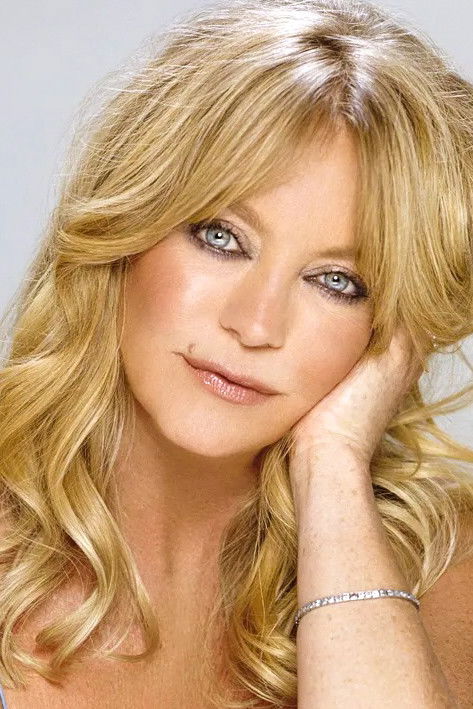
Goldie Hawn has expressed concern about the constant need to categorize people based on diversity. In an interview, she wondered why individuals can’t simply be seen as individuals, rather than being defined by their group affiliations. Hawn believes that overemphasizing differences may actually be causing more separation than togetherness. She suggests focusing on human connection and treating everyone as equals, regardless of their background.
Isaiah Washington
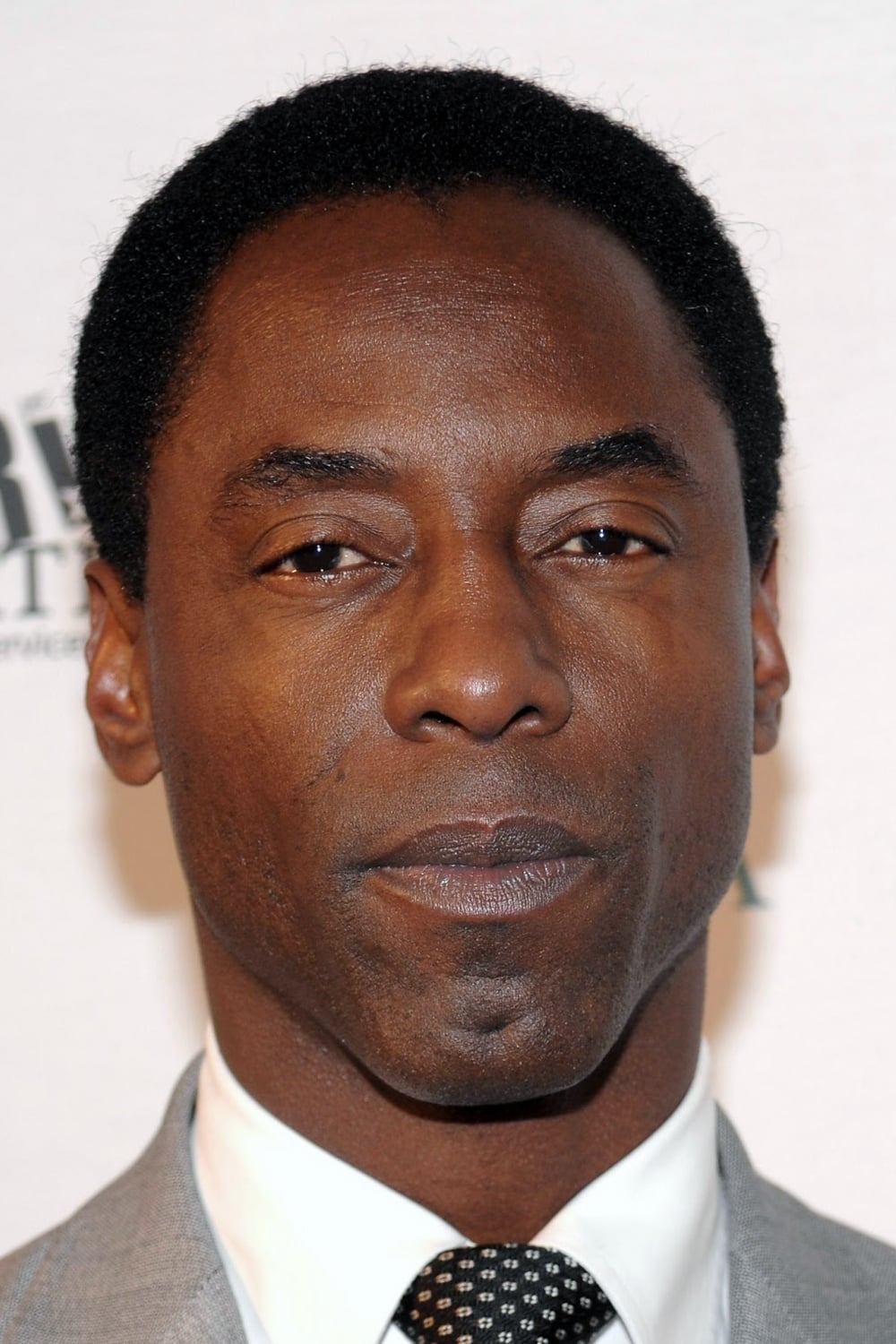
Following his departure from ‘Grey’s Anatomy’, Isaiah Washington publicly criticized the Hollywood system. He believes he was unfairly targeted for not conforming to the expected political views of Black actors, which he likened to being forced to remain on a “plantation” of liberal ideology. Washington contends that Hollywood penalizes individuals who challenge established political viewpoints, and has since associated with conservative media outlets and those critical of diversity, equity, and inclusion (DEI) programs.
Adam Carolla
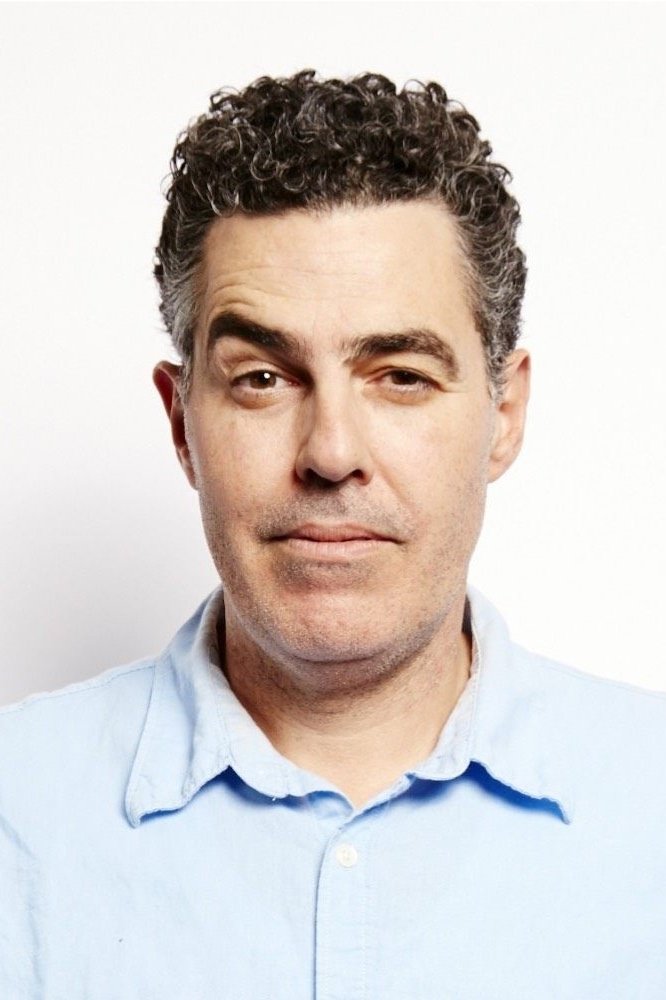
Comedian Adam Carolla often voices his opinion on his podcast that prioritizing diversity in television writing rooms over comedic talent lowers the overall quality of the shows. He contends that focusing on factors like race or gender instead of a writer’s ability to be funny ultimately harms the final product. Carolla sees comedy as a field where success should be based purely on skill, and he believes this is being undermined by efforts to promote diversity. He’s also very critical of diversity training programs and tools used in corporate settings, particularly those addressing unconscious bias.
Jim Breuer
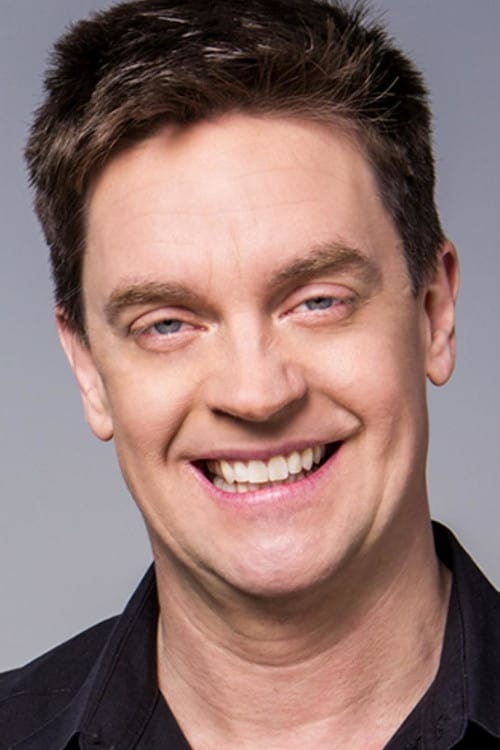
The comedian has shifted his focus to stand-up that criticizes what he sees as excessive political correctness and ‘woke’ culture, particularly liberal social causes. He jokes about how seriously people take identity politics and the pressure to conform to media expectations. He also won’t perform at places that require vaccinations or other social restrictions. His comedy revolves around the idea that society has become overly sensitive and lost its sense of humor in its pursuit of being politically correct.
Victoria Jackson
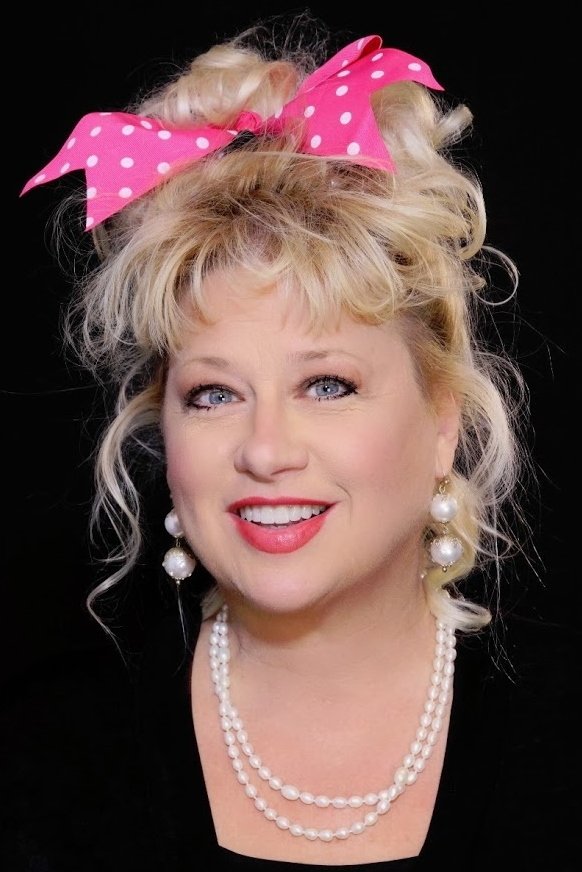
Former ‘Saturday Night Live’ cast member Jackson is now a Tea Party activist known for her strong opposition to LGBTQ+ representation in television and film. She’s publicly criticized shows like ‘Glee,’ believing they expose children to harmful and immoral content. Jackson contends that Hollywood is deliberately undermining traditional values through its programming, and she sees diversity efforts as a way to mask an anti-religious bias.
Nick Searcy
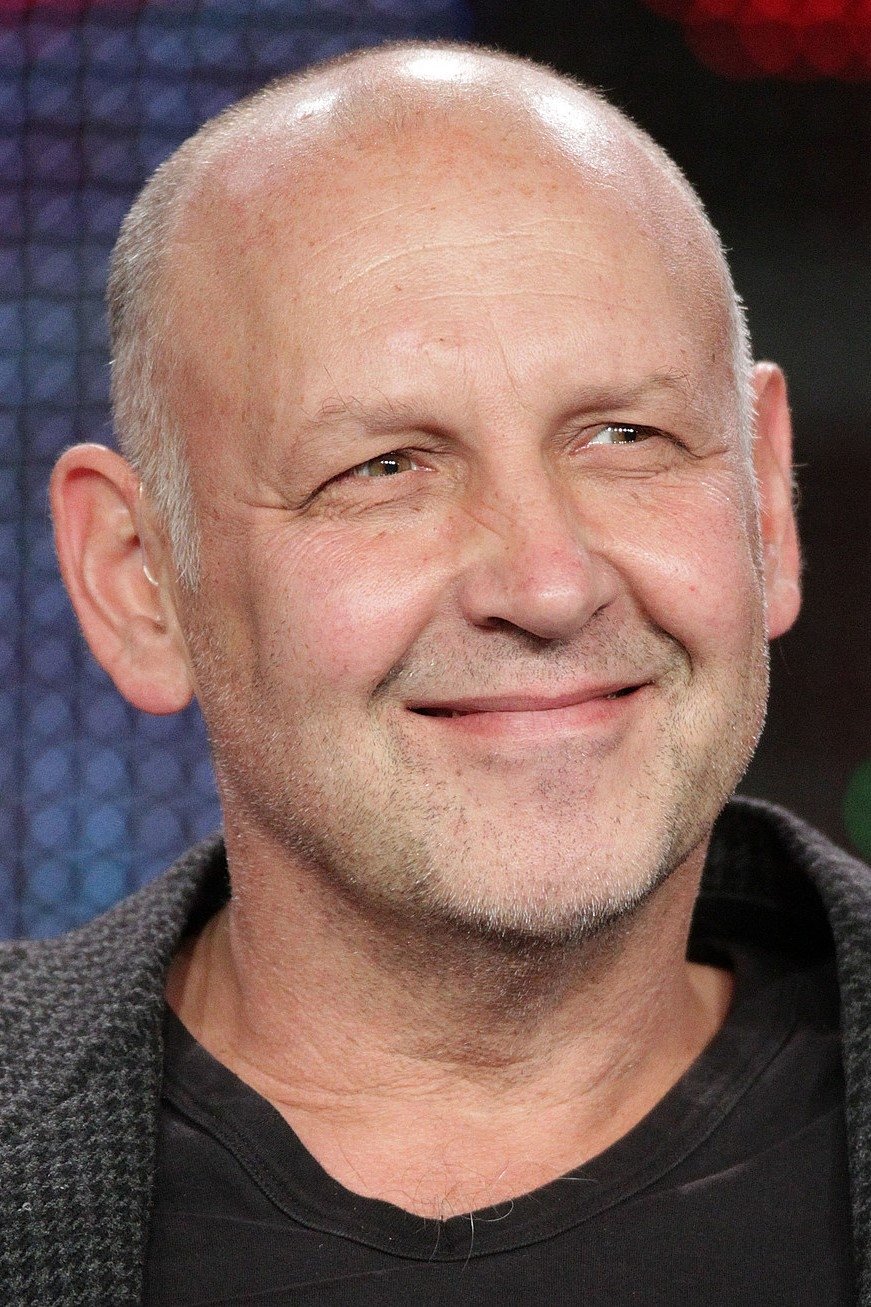
Nick Searcy, a character actor, is a rare conservative voice in Hollywood and often speaks out about the lack of diverse viewpoints in the entertainment industry. He claims that people with conservative beliefs are often excluded from opportunities in Hollywood. Searcy has created documentaries highlighting what he considers the inconsistencies of left-leaning politics, and he argues that true diversity means including a wider range of ideas, something he believes is missing in the industry.
Vincent Gallo
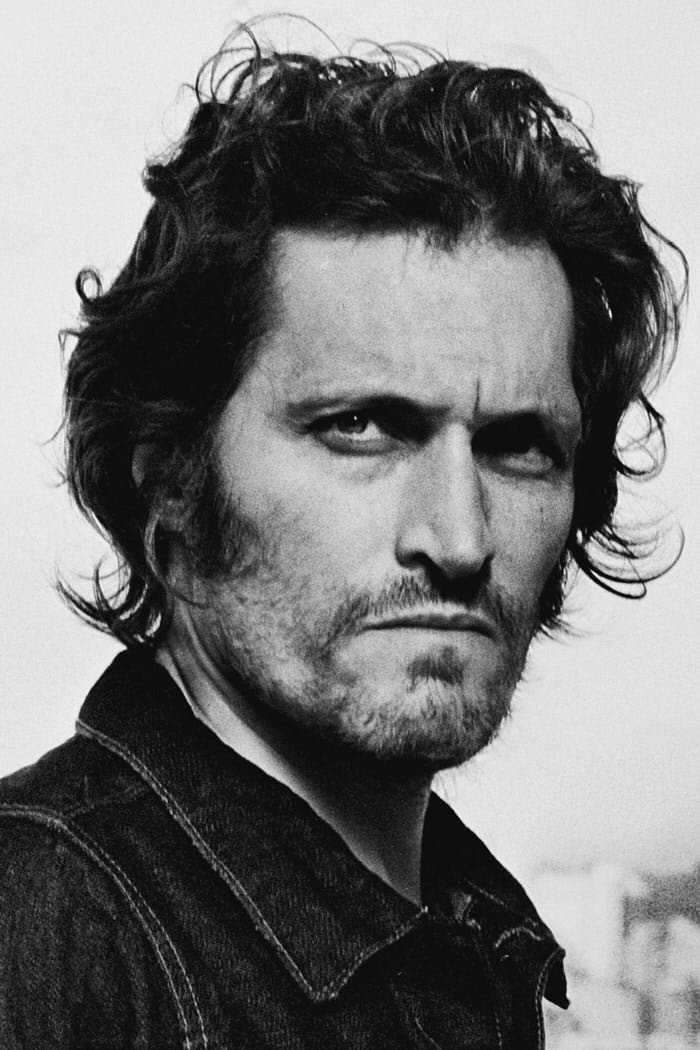
Gallo is a controversial figure known for his strong opposition to what he calls “woke” culture, which often puts him at odds with mainstream views. He frequently criticizes diversity initiatives and social justice movements, and openly embraces being an outsider who disregards conventional industry norms. His work and public image intentionally challenge contemporary standards of sensitivity and inclusivity.
Jennifer Saunders
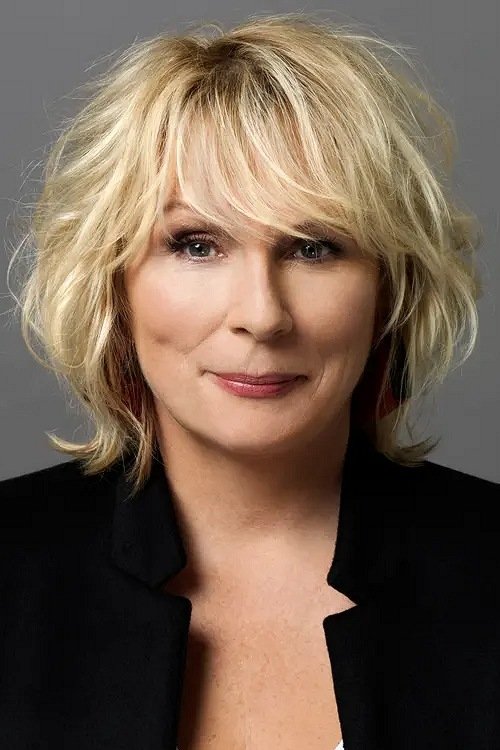
Jennifer Saunders, the creator of ‘Absolutely Fabulous,’ feels she wouldn’t be able to create that show today because of what she calls excessive political correctness. She argues that comedians need to be able to push boundaries to be truly funny, but a fear of causing offense is stifling that. Saunders is concerned that newer writers are too hesitant to take risks with their work.
Rowan Atkinson
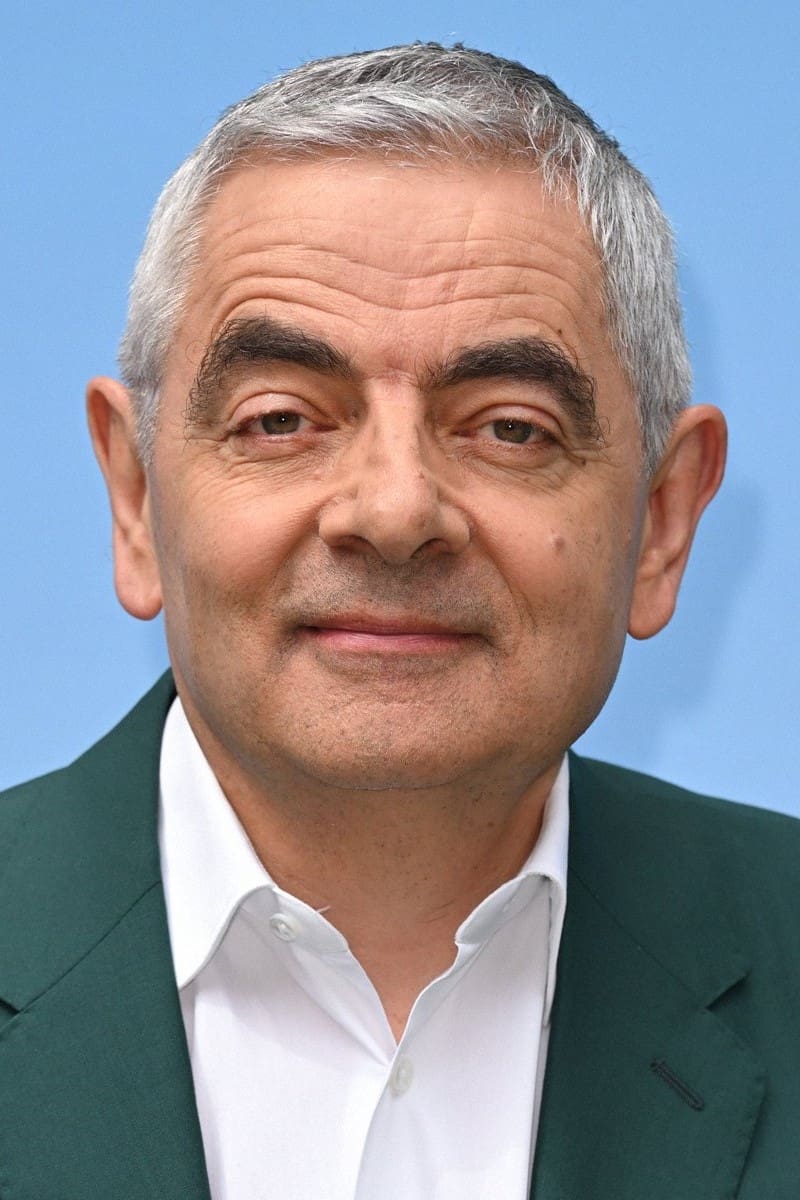
Rowan Atkinson has strongly opposed laws designed to prevent offense, believing they limit free speech. He argues that the freedom to express potentially offensive ideas is more crucial than protecting people from being offended. The actor, known for his role as Mr. Bean, sees the growth of hate speech regulations and social censorship as a threat to creativity and artistic freedom. He believes open discussion and satire are vital components of a healthy, free society.
Please share your thoughts on these celebrities and their stances in the comments.
Read More
- Gold Rate Forecast
- 22 Films Where the White Protagonist Is Canonically the Sidekick to a Black Lead
- Celebs Who Narrowly Escaped The 9/11 Attacks
- Games That Faced Bans in Countries Over Political Themes
- Silver Rate Forecast
- Persona 5: The Phantom X Relativity’s Labyrinth – All coin locations and puzzle solutions
- Unveiling the Schwab U.S. Dividend Equity ETF: A Portent of Financial Growth
- How to Unlock Stellar Blade’s Secret Dev Room & Ocean String Outfit
- Brent Oil Forecast
- ‘Super Mario Galaxy’ Trailer Launches: Chris Pratt, Jack Black, Anya Taylor-Joy, Charlie Day Return for 2026 Sequel
2026-01-20 05:19