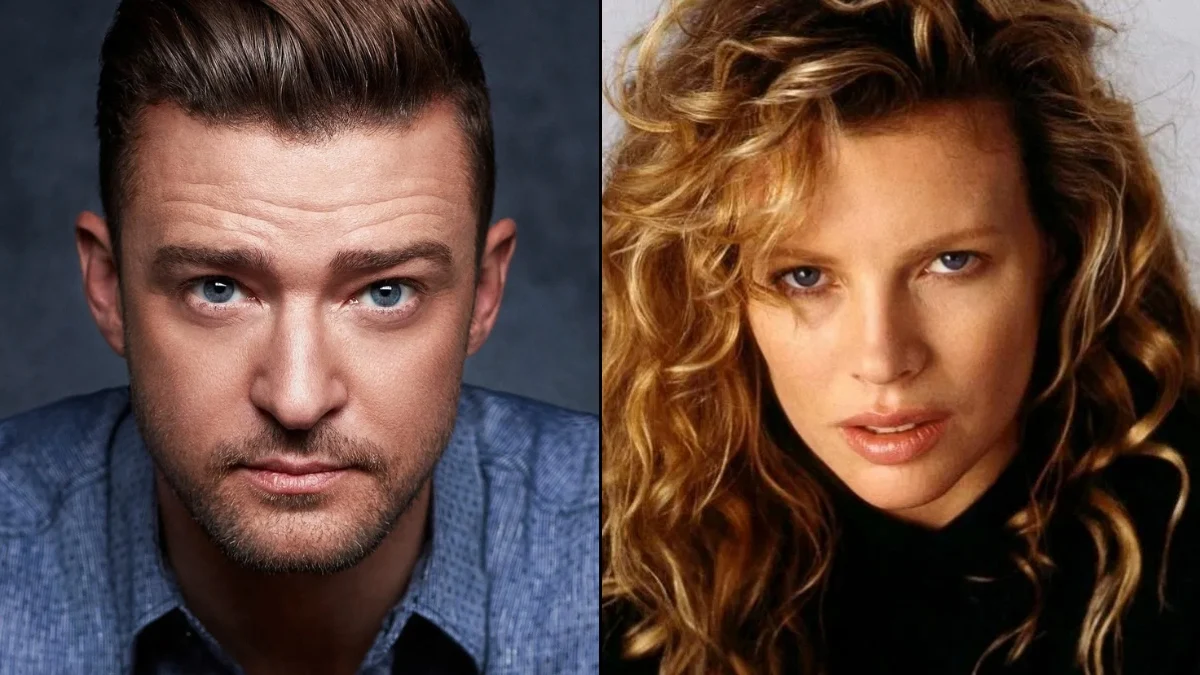
It’s common for famous people to use their popularity to start businesses, but being well-known doesn’t automatically mean success. Some stars build thriving companies, while others lose large sums of money quickly because of bad luck, legal problems, or a crowded market. These failures have included everything from restaurants and tech companies to even entire towns bought on a sudden impulse. Here’s a look at some well-known celebrities who experienced major financial losses when their business ventures didn’t work out.
Kim Basinger
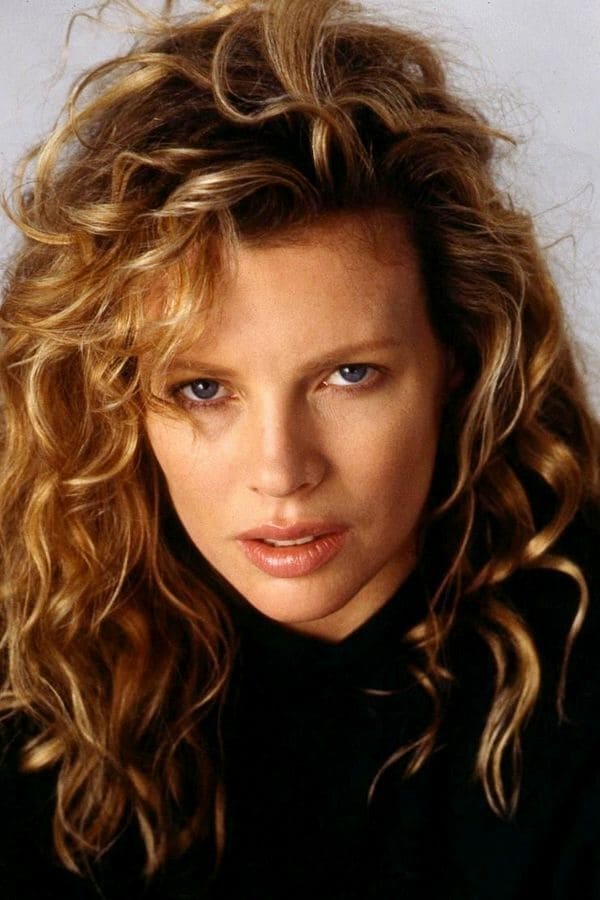
In 1989, actress Kim Basinger bought the town of Braselton, Georgia, for around $20 million, hoping to transform it into a popular tourist spot. Her vision included building movie studios and hosting a film festival to help the local economy. Unfortunately, financial problems and a large legal bill related to the movie ‘Boxing Helena’ led her to declare bankruptcy. She ended up selling her ownership of the town in 1993 for just $1 million, resulting in a significant loss. This deal is still remembered as one of the biggest real estate failures involving a Hollywood star.
Curt Schilling

Curt Schilling, a former MLB pitcher, started a video game company called 38 Studios. The state of Rhode Island provided a $75 million loan to help the company move and create its first big game. Although 38 Studios released ‘Kingdoms of Amalur: Reckoning’, it didn’t earn enough money to cover its debts. The company went bankrupt in 2012, resulting in Schilling losing around $50 million of his life savings. After the bankruptcy, the state took legal action to try and recover the loan money from taxpayers.
Kanye West
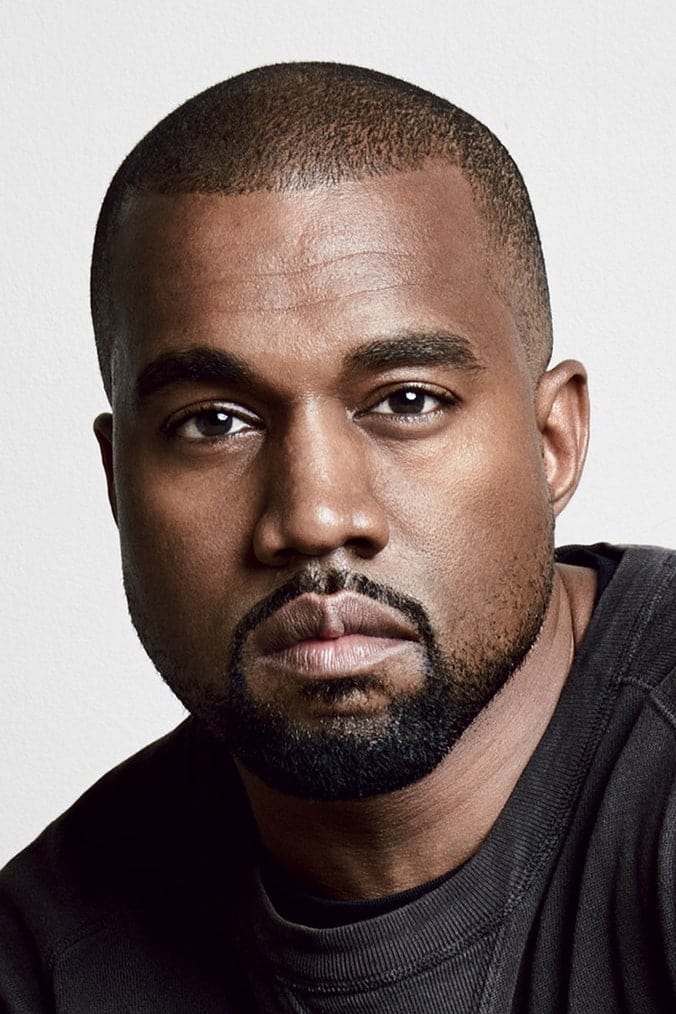
After making a series of controversial comments and decisions in 2022, Kanye West quickly lost his billionaire status. He had built a successful business through partnerships with Adidas and Gap, creating the popular Yeezy clothing and shoe lines. However, both companies immediately ended their relationships with him, causing his net worth to fall by an estimated $1.5 billion in just a few days. This left the future of the Yeezy brand uncertain, and West subsequently faced legal action from former colleagues and business associates as these large deals fell apart.
Jeffrey Katzenberg
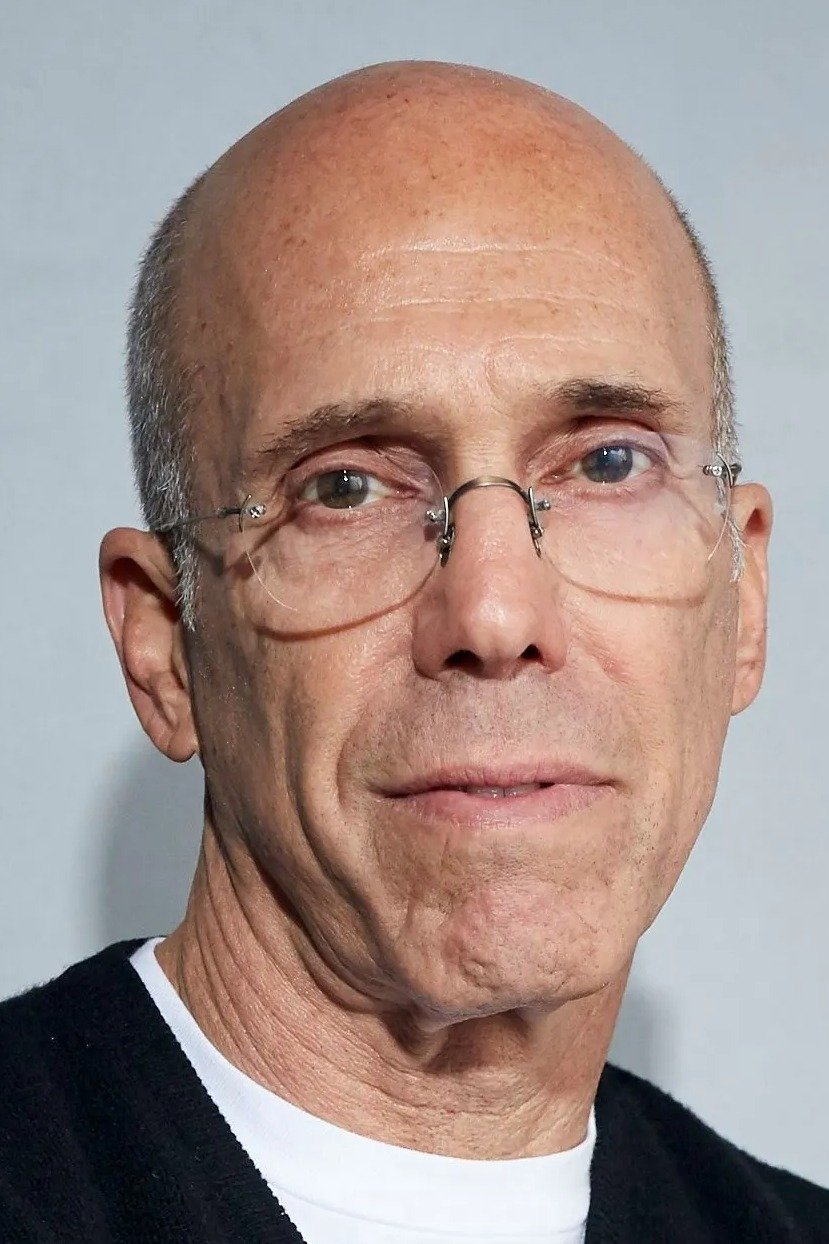
In April 2020, Jeffrey Katzenberg, a major figure in the media industry, launched Quibi, a streaming service created for watching short videos on phones. The service received $1.75 billion from Hollywood and tech companies, but it didn’t attract enough regular subscribers. Just six months later, Katzenberg had to shut it down completely. Experts often point to Quibi as one of the most costly failures in the history of digital media.
Britney Spears

I remember when Britney Spears opened a restaurant called Nyla in New York City back in 2002! It was in the Dylan Hotel, and it started out serving Southern food, but quickly switched to Italian. Sadly, it didn’t go very well. There were problems with health inspections and a lot of reports about money issues. After just six months, Britney decided to disconnect herself from the restaurant to protect her image, and not long after that, Nyla closed down for good. It was a really short and expensive attempt at getting into the restaurant business.
Flavor Flav

In early 2011, rapper Flavor Flav launched Flav’s Fried Chicken in Clinton, Iowa, hoping to start a national chain based on a unique fried chicken recipe. Unfortunately, the restaurant closed after just four months due to disagreements among those running the business. Employees reported problems with late payments and a lack of consistent leadership. This quick failure ended Flavor Flav’s plans for a fast-food business and resulted in a legal dispute with his business partner.
Jennifer Lopez

As a total movie buff, I remember being surprised when Jennifer Lopez opened a Cuban restaurant called Madre’s back in 2002 in Pasadena. It was meant to be a really authentic place, serving recipes straight from her grandmother! It had a big, splashy opening and was popular at first, but unfortunately, it just couldn’t keep up in the tough restaurant scene. She quietly closed it down in 2008, never really saying exactly why, which was a shame. It was a six-year project for her, and it showed she wasn’t afraid to try something completely different outside of film.
Hulk Hogan
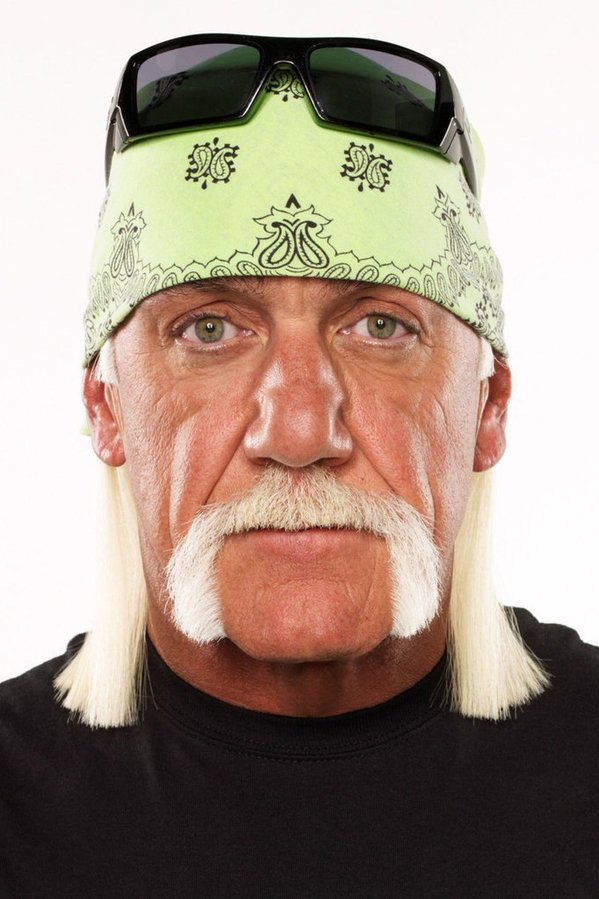
In 1995, wrestling superstar Hulk Hogan opened Pastamania, a pasta restaurant at the Mall of America. The menu was filled with different pasta dishes playfully named after his wrestling career. Despite Hogan’s huge popularity during his time with WCW, the restaurant struggled to gain regular customers and closed down after less than a year. While Hogan went on to other successful endorsements, Pastamania is remembered as a business misstep.
The Kardashians
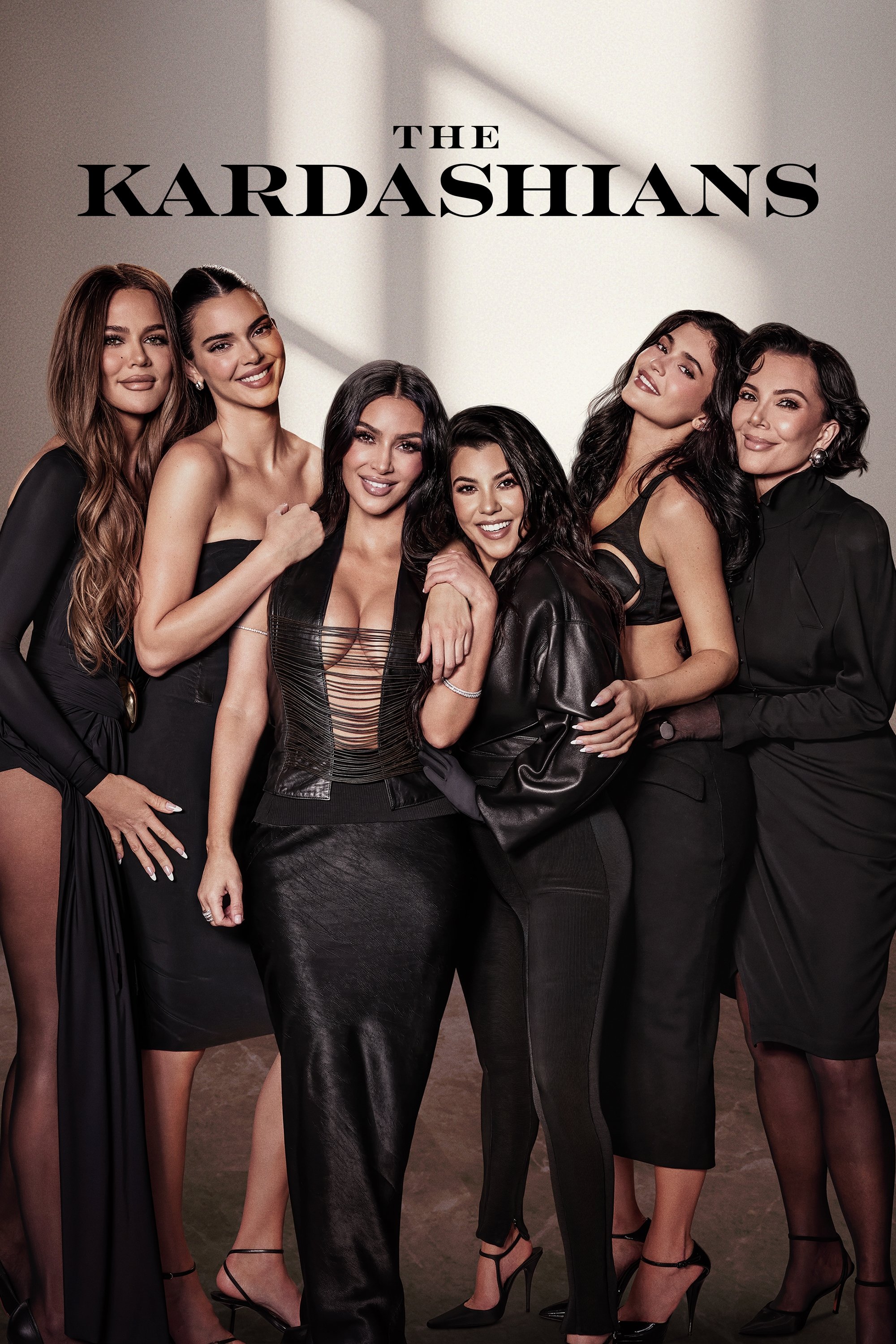
In 2010, the Kardashian sisters released the Kardashian Kard, a prepaid MasterCard, which quickly faced criticism. Consumer groups and the Connecticut Attorney General argued the card had excessive fees and unfairly targeted young fans with monthly and activation charges. Following strong public reaction and legal challenges, the sisters pulled the card from the market just weeks after it launched. This led to a major legal battle with the company that issued and managed the card.
Blake Lively
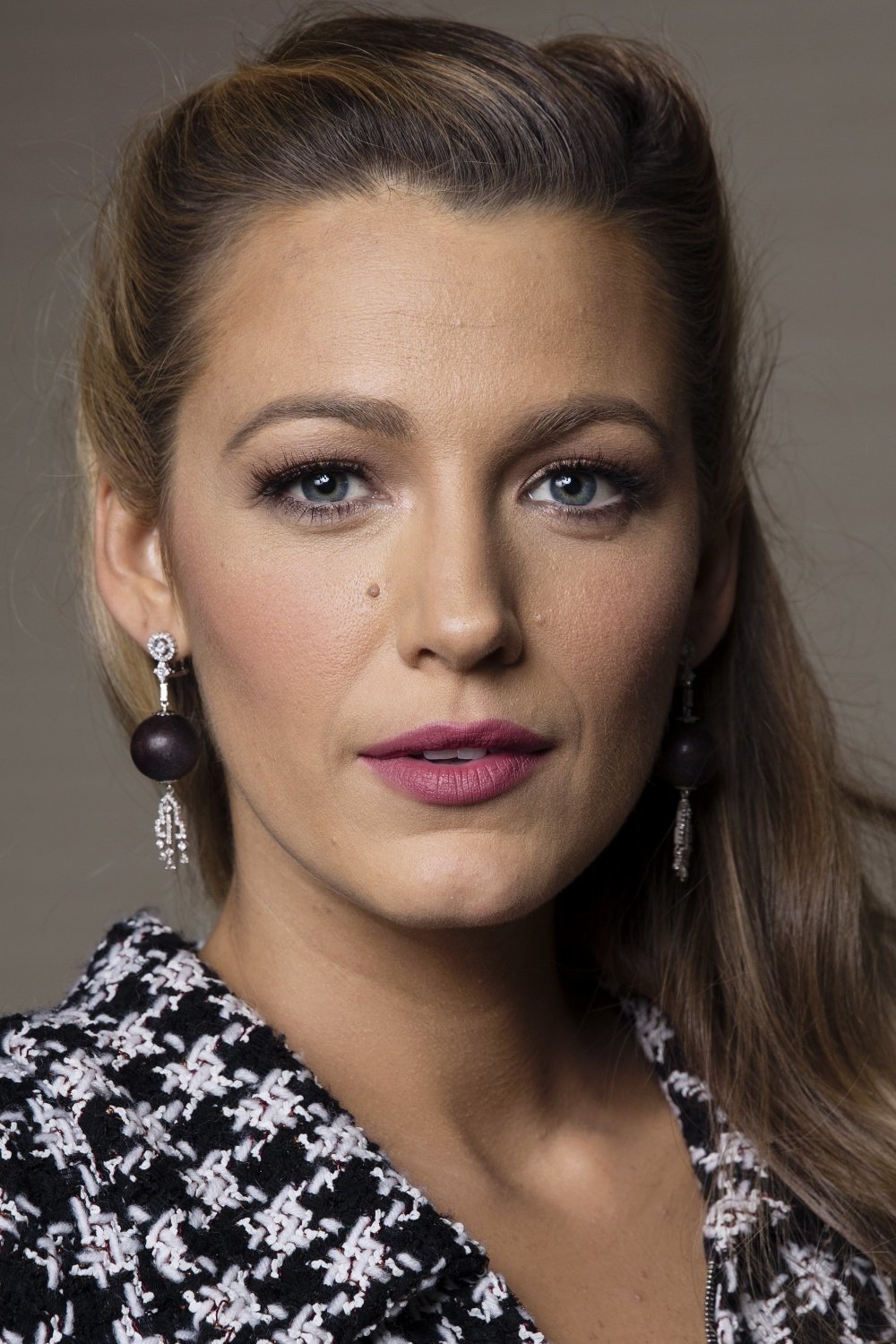
In 2014, actress Blake Lively started Preserve, an online magazine and store focused on handcrafted goods and a Southern style of fashion and home décor. However, the site received criticism for its look and the expensive prices of many items. After just a year, Lively decided to shut down Preserve for a major overhaul. She later shared that she had launched the site before it was fully prepared.
Justin Timberlake
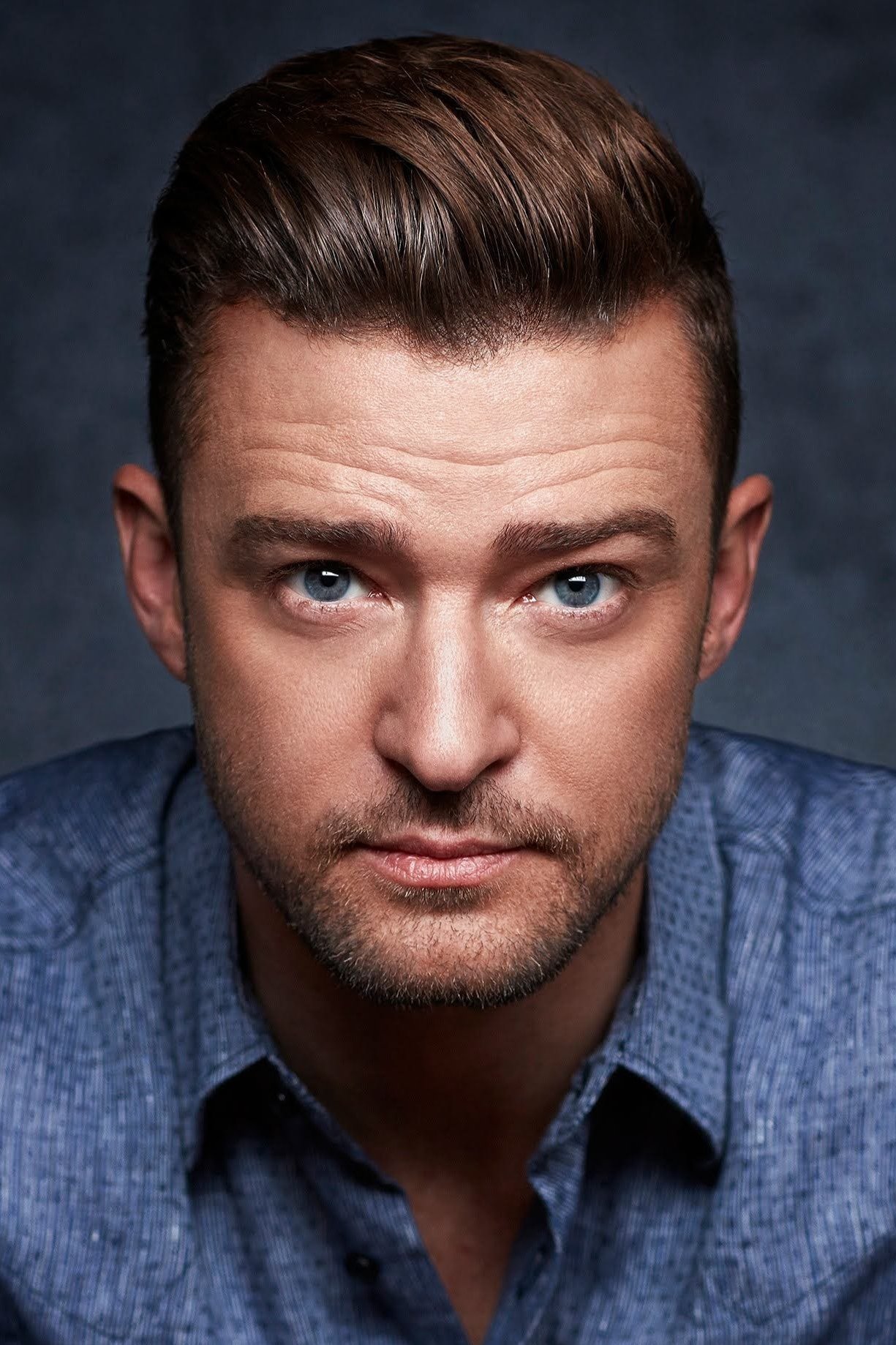
I always thought it was fascinating when Justin Timberlake and a group of investors bought MySpace back in 2011 for $35 million. They really had a vision to bring it back to life, hoping to make it the place for musicians and creatives to connect. They gave it a huge makeover and even had Timberlake fronting the marketing, but unfortunately, it just didn’t work. People kept moving to other platforms, and then they had that terrible data loss with the servers. It’s a shame, because they clearly wanted to bring back something special, but the investment never really paid off the way they’d hoped.
Natalie Portman
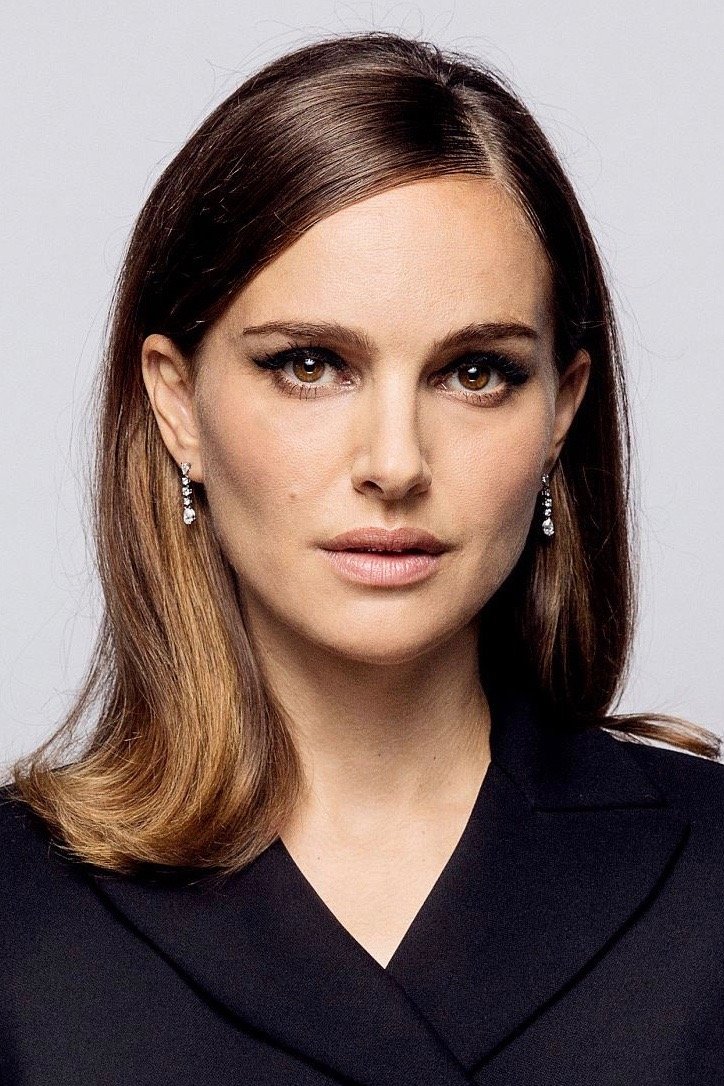
Okay, so I remember reading about this a while back. Natalie Portman, amazing actress, actually tried her hand at designing vegan shoes back in 2008 with a line called Te Casan. The idea was to create really stylish shoes that didn’t use any leather, and they weren’t cheap – starting around $200 a pair. But even with Natalie’s name attached and people getting more interested in eco-friendly fashion, the brand just couldn’t really take off. Sadly, the company that owned Te Casan went under, and that was that – the whole shoe line disappeared pretty quickly. It only lasted a few months, apparently because their main store went bankrupt. It’s a shame, but it shows even a celebrity endorsement can’t guarantee success.
Pharrell Williams
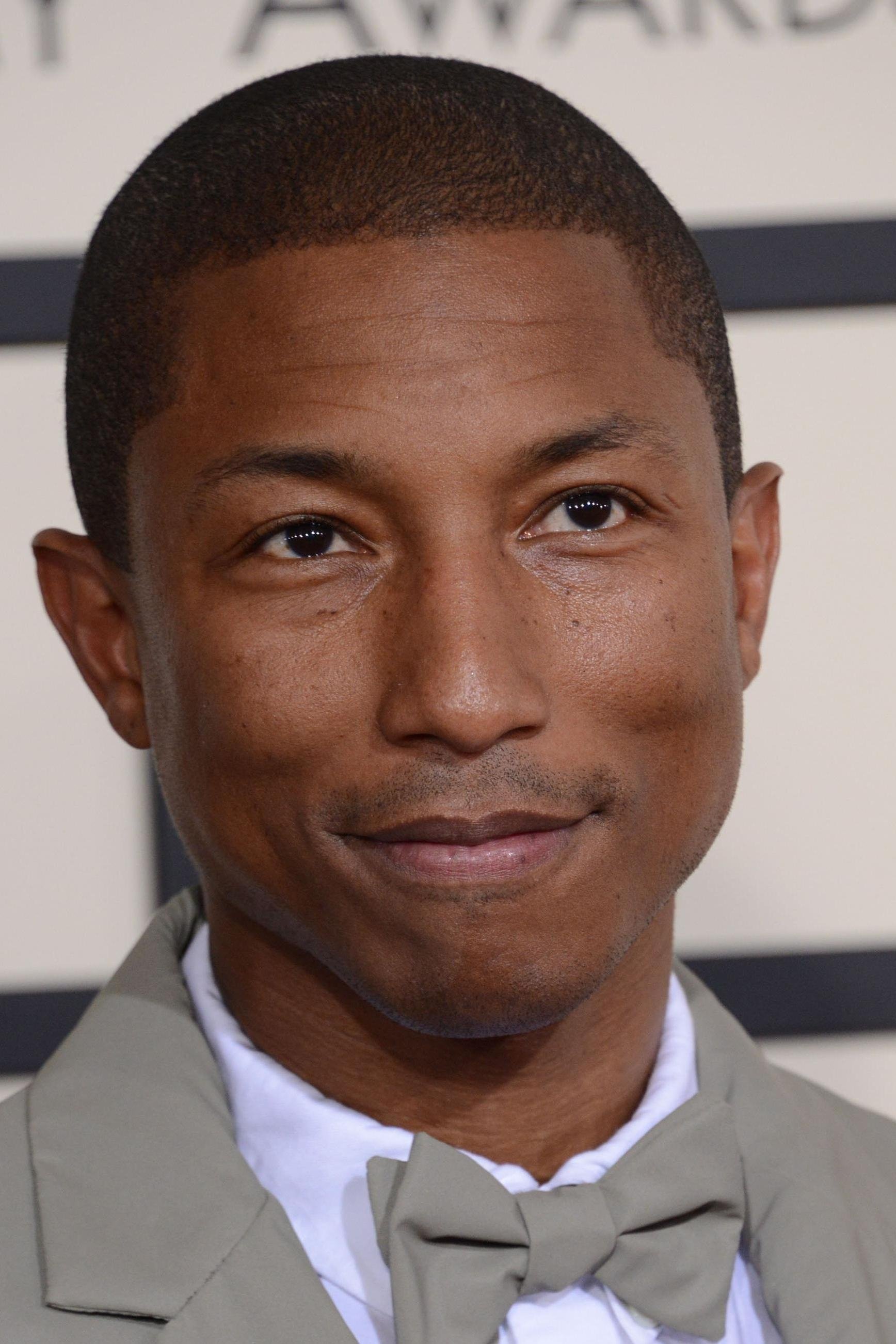
In 2011, Pharrell Williams teamed up with Diageo, a major drink company, to create Qream, a cream liqueur aimed at women. The brand was designed to be a luxurious and stylish drink with an elegant bottle. However, Williams later sued Diageo for $5 million, arguing they didn’t properly promote Qream. He claimed the company ignored the brand, leading to its early removal from stores. The dispute was eventually resolved with a legal settlement after Qream was discontinued nationwide.
Soulja Boy
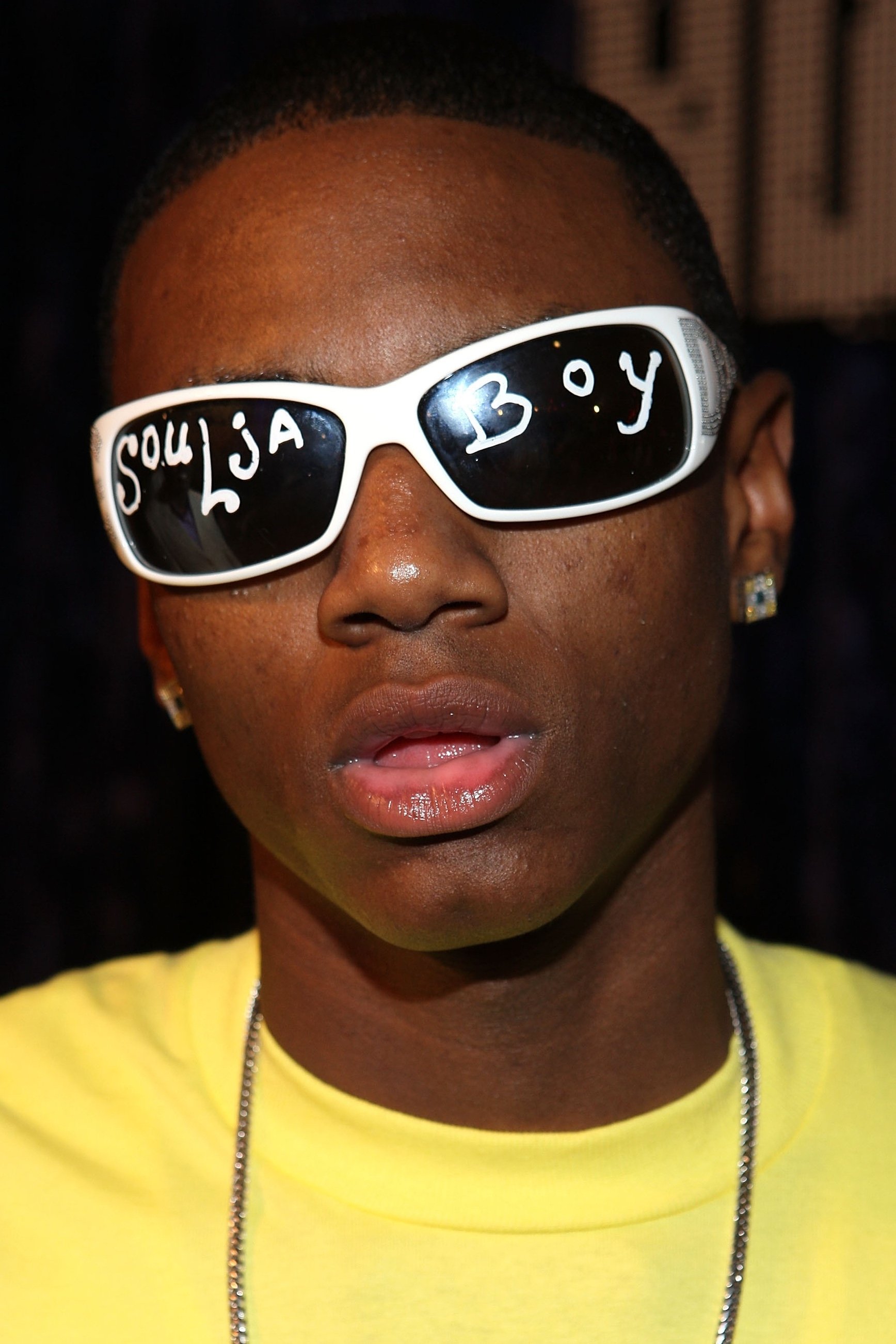
In late 2018, Soulja Boy launched a line of video game consoles called SouljaGame. However, tech reviewers quickly pointed out that the consoles were essentially repackaged emulators running potentially illegal software. After just a few weeks, Soulja Boy took the consoles off his website due to threats of lawsuits from major gaming companies. While he first defended the products, Soulja Boy later admitted the project was stopped because of legal issues. The quick failure of SouljaGame became a widely discussed topic online, spreading across social media and gaming communities.
Burt Reynolds

In the 1980s, Burt Reynolds put a lot of money into a restaurant chain called PoFolks, which served country food and quickly grew to multiple states. Unfortunately, the company was poorly managed and ran into legal problems, ultimately leading to bankruptcy. Reynolds lost a substantial amount of his fortune in the failed business, which negatively impacted his finances. He later said that investing in PoFolks was one of his biggest professional mistakes.
Eva Longoria

Eva Longoria launched SHe, a Las Vegas steakhouse designed with women in mind, in collaboration with the owners of Morton’s. The restaurant offered smaller serving sizes and used mirrors on the menus to attract its target audience. Unfortunately, SHe struggled with health code violations and consistently received negative reviews. It ultimately closed in 2014 after being shut down by the health department due to repeated sanitation problems. This wasn’t Longoria’s first restaurant to fail; her previous venture, Beso, had previously filed for bankruptcy.
Heidi Montag
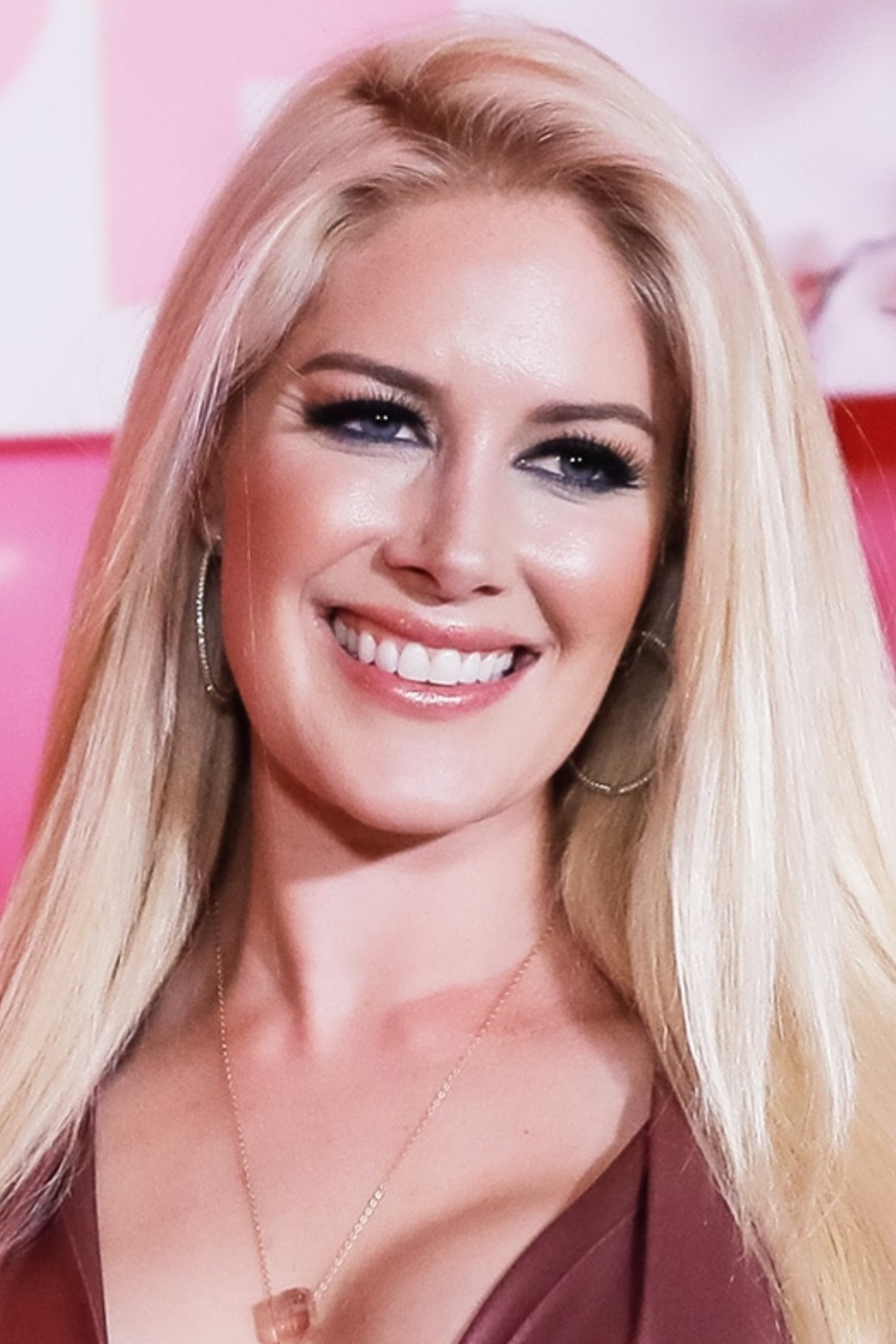
In 2008, reality TV star Heidi Montag started her own clothing line, Heidiwood, in collaboration with Anchor Blue. The line was designed for teens and young adults, offering affordable, California-style summer clothes. However, fashion critics and bloggers didn’t like the collection, finding it lacked quality and unique design. The partnership ended after just seven months, and the remaining clothes were heavily discounted. Montag’s venture into fashion was ultimately a short-lived and highly visible disappointment.
Kevin Costner
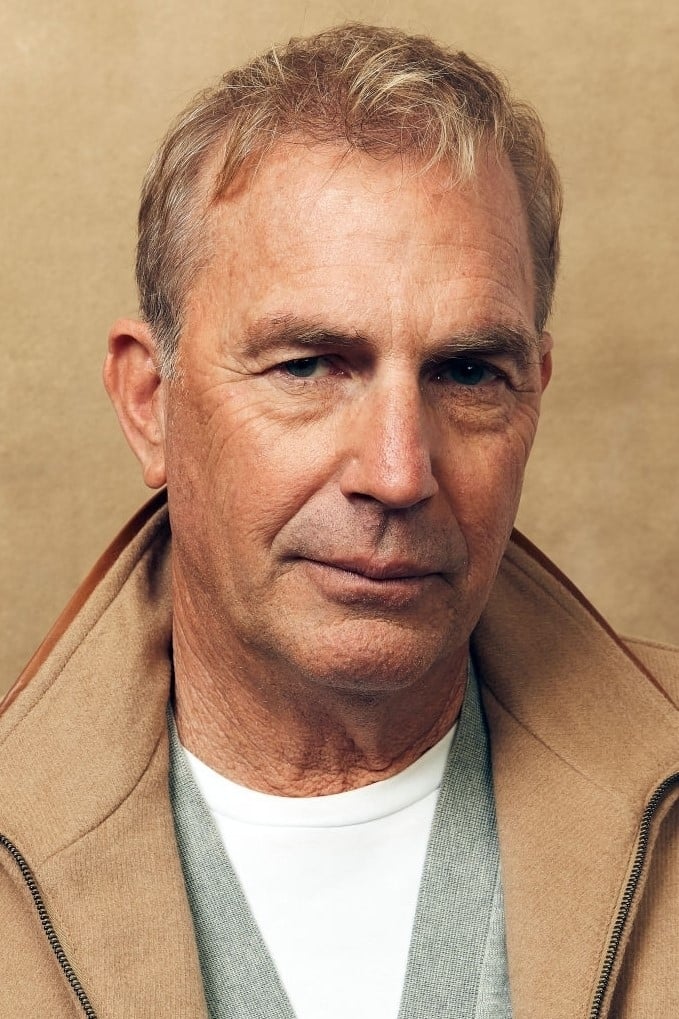
Kevin Costner put over $20 million into Ocean Therapy Solutions, a company that made machines to separate oil and water. After the 2010 Deepwater Horizon oil spill, BP started using these machines to help clean up the Gulf of Mexico. However, the business ran into trouble when actor Stephen Baldwin sued Costner over a disagreement about buying out Baldwin’s ownership stake. Although the technology worked, the company struggled to secure ongoing contracts with government agencies and businesses. Ultimately, legal costs and internal conflicts distracted from the company’s goal of helping the environment.
Debbie Reynolds
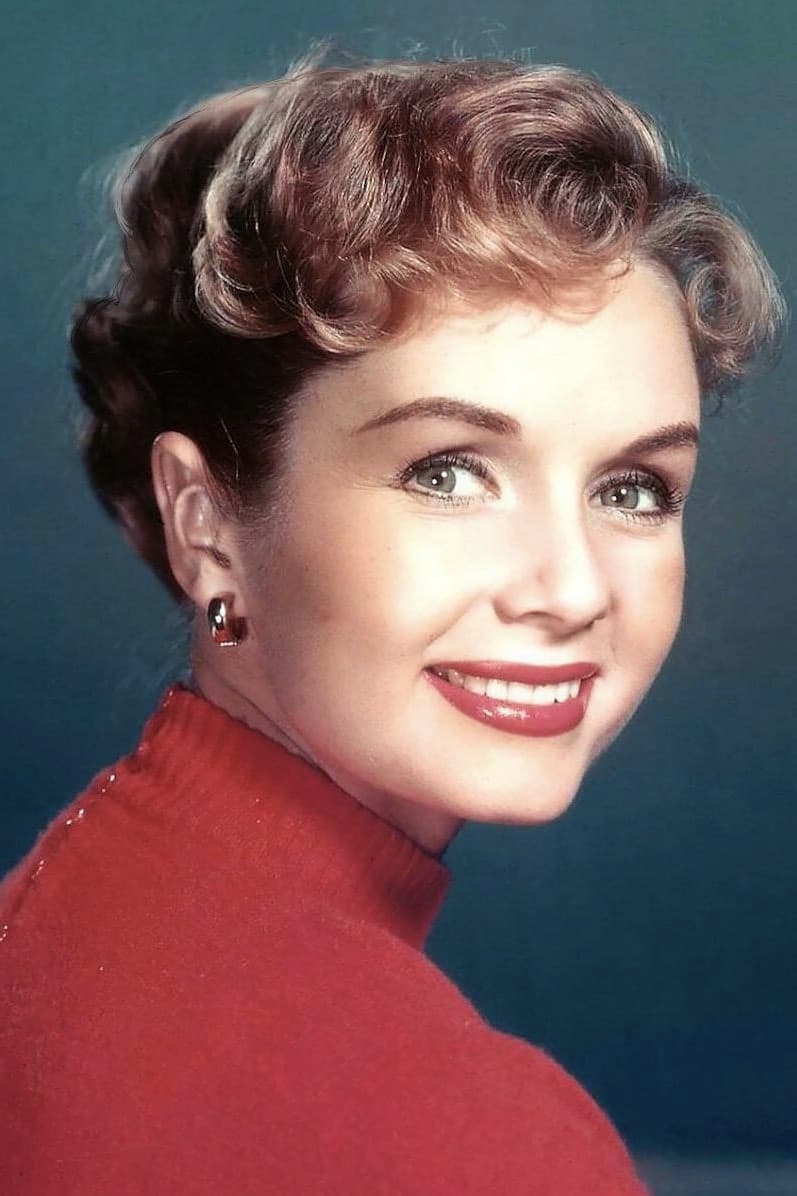
In the early 1990s, Debbie Reynolds launched the Debbie Reynolds Hollywood Hotel and Museum in Las Vegas, showcasing her impressive collection of Hollywood treasures, including famous costumes from movies like ‘Cleopatra’. Unfortunately, the hotel faced financial difficulties due to low numbers of guests and the high cost of maintaining the museum exhibits. To safeguard what she had left, Reynolds filed for corporate bankruptcy in 1997. Ultimately, the hotel was sold, and her cherished collection was auctioned off to cover her debts.
Steven Spielberg
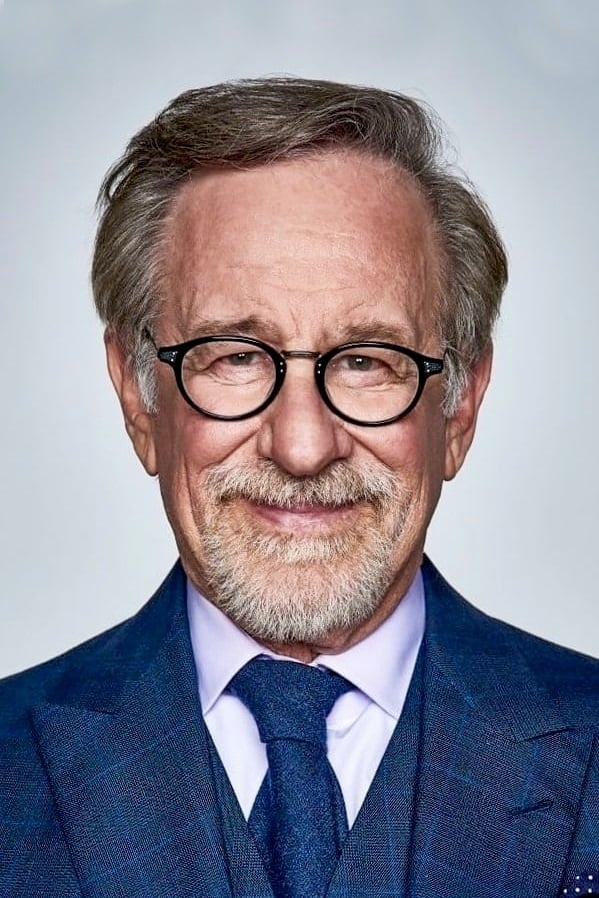
Steven Spielberg teamed up with other industry leaders to create Dive!, a submarine-themed restaurant in Century City. The restaurant’s interior was designed to feel like an underwater voyage, complete with portholes and special water effects. While it initially generated excitement due to its famous backers, the restaurant’s appeal faded quickly. Maintaining the elaborate, themed environment proved too expensive, and Dive! closed after only five years in 1999.
Willie Nelson
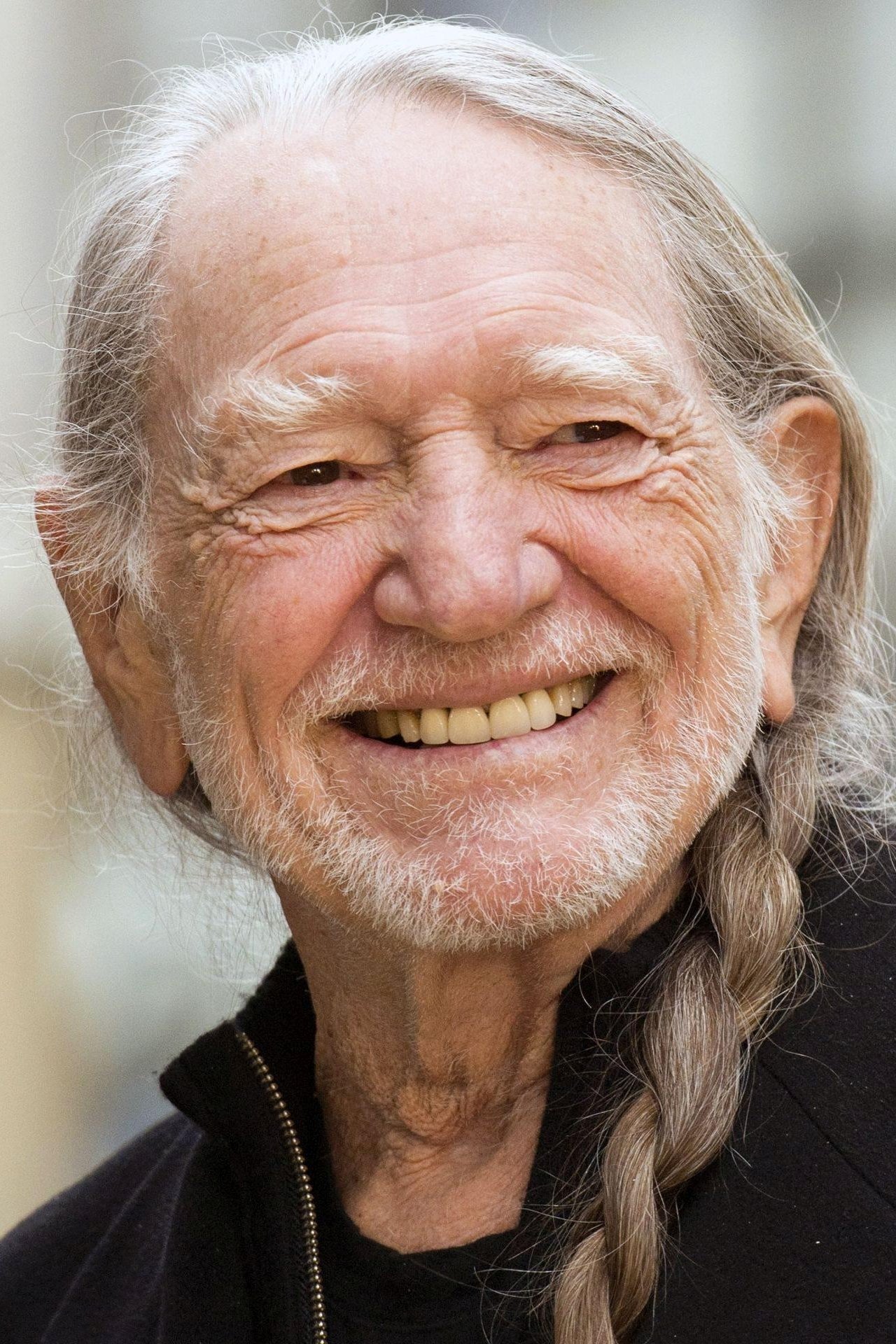
In 2005, country music icon Willie Nelson started BioWillie, a company designed to encourage the use of biodiesel – a fuel made from plant oils. The idea was to offer a more environmentally friendly fuel option at truck stops nationwide. Although BioWillie received a lot of publicity, it ran into problems with expensive manufacturing and competition from regular gasoline and diesel. The company struggled financially and went through several changes in ownership and structure. Ultimately, Nelson’s vision for a widespread shift to biodiesel didn’t succeed, as the market for alternative fuels proved unpredictable.
Jessica Simpson

Jessica Simpson started Dessert Beauty in 2004, a unique line of cosmetics you could actually eat, featuring flavored lip glosses and body lotions. The brand did well at first, selling in stores like Sephora and attracting a lot of young customers. Unfortunately, the business ran into trouble with lawsuits between the company and its manufacturers. Disputes over money owed and trademark problems eventually forced Dessert Beauty to shut down, despite Simpson later building a hugely successful, multi-billion dollar fashion brand.
Tyra Banks

As a huge fan of Tyra Banks, I was really excited when she launched her cosmetics line, Tyra Beauty, back in 2014. It was a direct-sales brand, meaning they used independent sellers – she called them ‘Beautytainers’ – to promote and sell products on social media and at parties. It definitely got a lot of buzz initially because, well, it was Tyra! But it quickly faced some criticism about how the business was structured and how much the products cost. In 2017, Tyra announced they were going to change things up and try to reach more people directly, but unfortunately, the company didn’t last. The website eventually shut down, and that was that. It was a shame, but I always admired her for trying something different.
Nicky Hilton
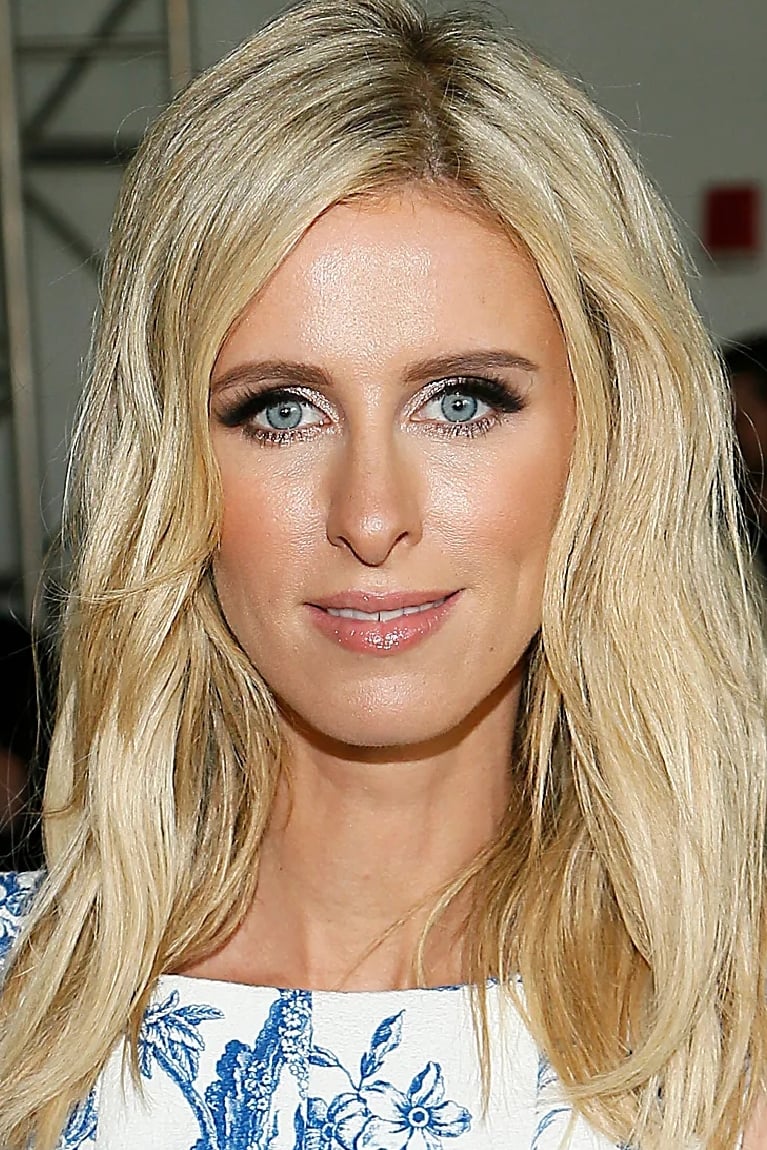
In the mid-2000s, Nicky Hilton tried her hand at fashion, launching two clothing lines: Chick by Nicky Hilton and Nicholai. Nicholai was meant to be a more upscale and elegant brand, while Chick aimed for a younger, more relaxed style. Unfortunately, neither line did well, struggling with low sales and a lack of a distinct image in a competitive market. Facing financial difficulties, Hilton had to cancel fashion shows and ultimately close both businesses. This happened before she found success collaborating with other brands on accessories and shoes.
Mandy Moore
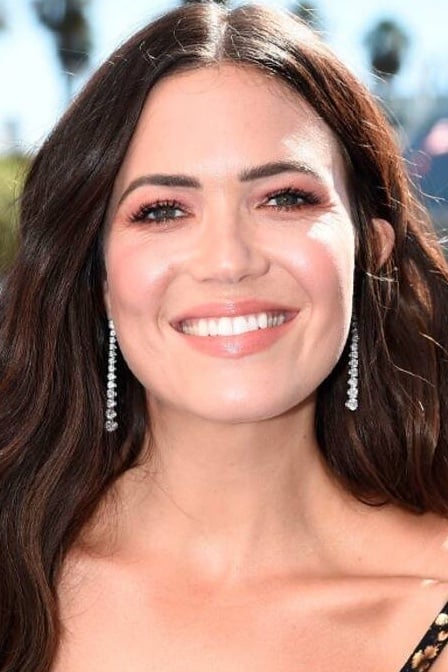
Mandy Moore, known for her music and acting, started a clothing line called Mline in 2005. The line featured comfortable and stylish knitwear and was sold in high-end stores, initially receiving positive reviews. However, Moore closed the business in 2009 to concentrate on her acting career. It was also reported that the company was facing financial difficulties due to the economic conditions at the time. This brought an end to her four-year venture into fashion design.
Read More
- 20 Movies Where the Black Villain Was Secretly the Most Popular Character
- Top 20 Dinosaur Movies, Ranked
- 25 “Woke” Films That Used Black Trauma to Humanize White Leads
- Gold Rate Forecast
- Silver Rate Forecast
- 22 Films Where the White Protagonist Is Canonically the Sidekick to a Black Lead
- Top 10 Coolest Things About Invincible (Mark Grayson)
- Can AI Lie with a Picture? Detecting Deception in Multimodal Models
- Celebs Who Narrowly Escaped The 9/11 Attacks
- From Bids to Best Policies: Smarter Auto-Bidding with Generative AI
2026-03-25 05:17