City in Sight: AI Navigates Complex Urban Landscapes
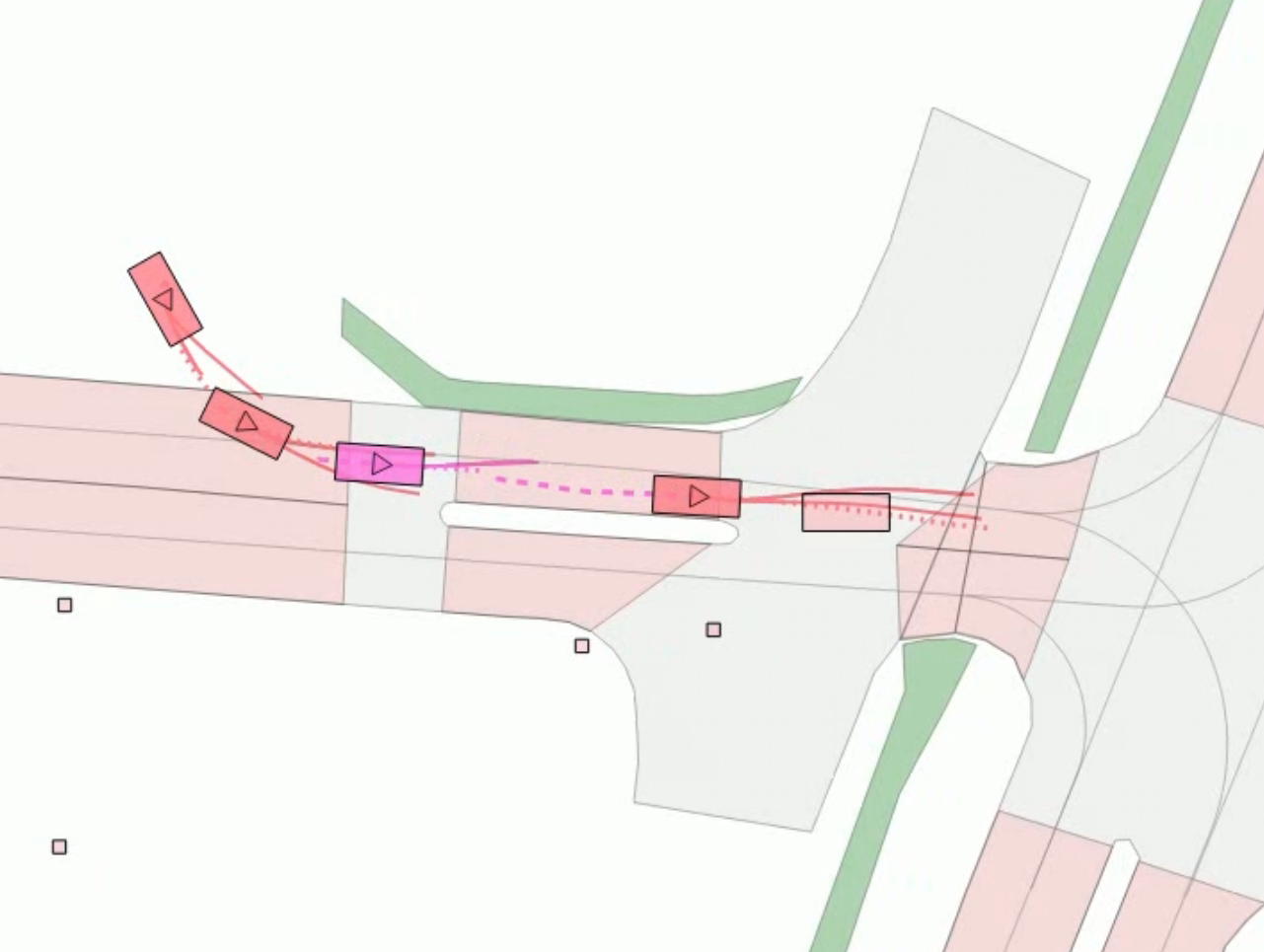
Researchers introduce a new dataset and framework for improving autonomous vehicle prediction and planning in densely populated city environments.
Researchers introduce a new dataset and framework for improving autonomous vehicle prediction and planning in densely populated city environments.
New research addresses a critical challenge in large language models – the tendency to converge on limited solution sets – by rewarding diversity and exploring novel approaches.
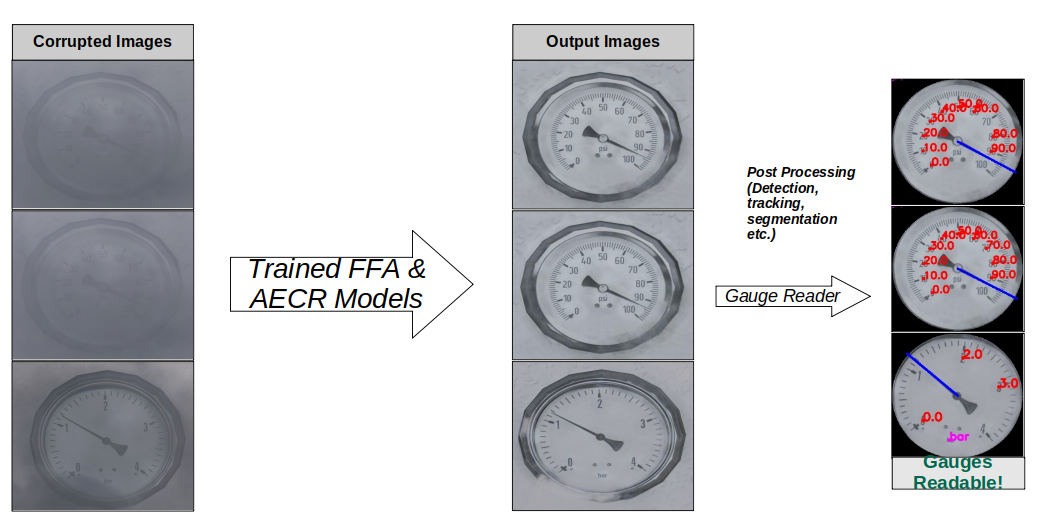
New research demonstrates a deep learning approach to enhance the visibility of analog gauges in challenging conditions like smoke and haze, paving the way for reliable automated inspection.
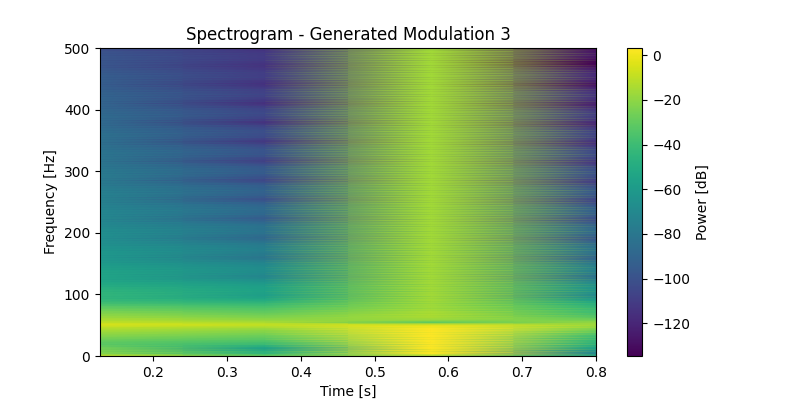
Researchers are leveraging the power of artificial intelligence to dynamically optimize wireless communication signals, potentially unlocking unprecedented levels of spectral efficiency.
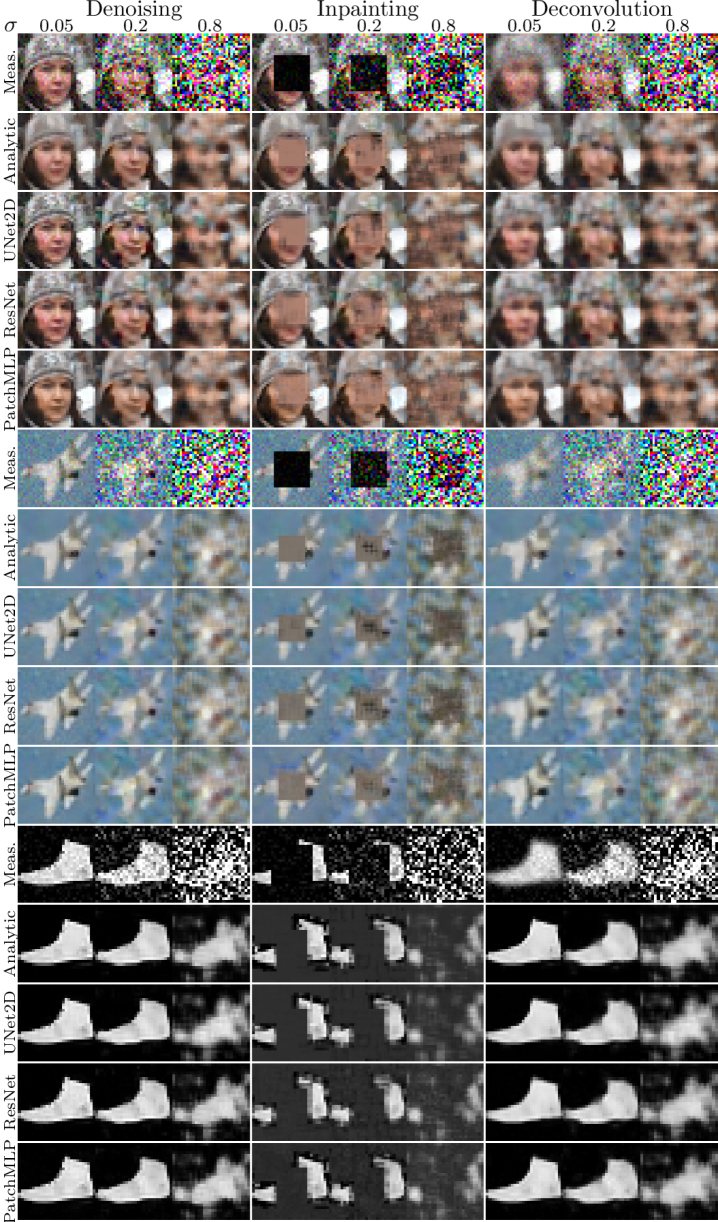
New research reveals that convolutional neural networks used for image restoration are remarkably similar to mathematically optimal estimators, providing a foundation for understanding their performance.
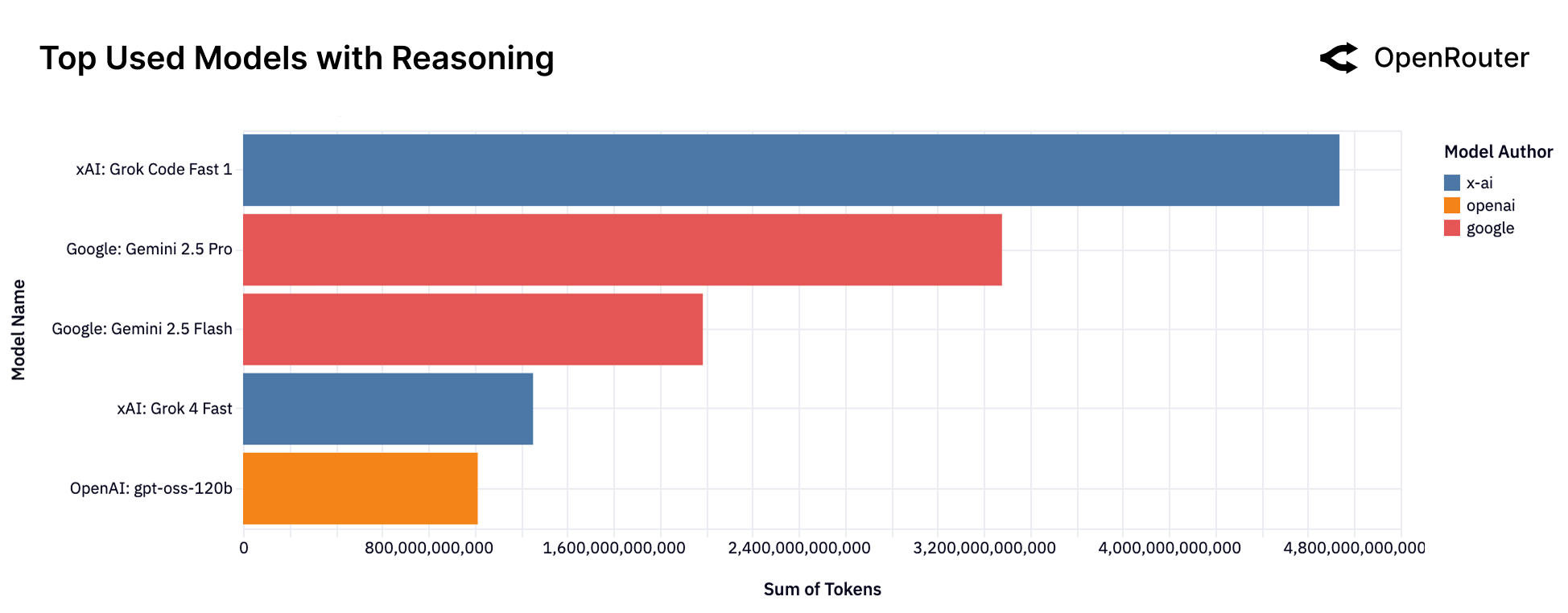
A massive analysis of 100 trillion tokens reveals a surprising shift in how artificial intelligence models are deployed, moving past simple tasks toward complex, agentic workflows.
![The MS-PS framework evaluates persuasive messaging by independently analyzing each message through six distinct persuasion strategies, generating both an explanatory assessment and a persuasiveness score [latex] (1-{10}) [/latex] for each, with variants either selecting the message exhibiting the higher average score or employing a trained multilayer perceptron classifier-informed by individual scores, their average, variance, and entropy-to determine the more persuasive option.](https://arxiv.org/html/2601.10660v1/x1.png)
Researchers have developed a new framework that uses large language models to identify winning arguments by analyzing the persuasive techniques employed within them.
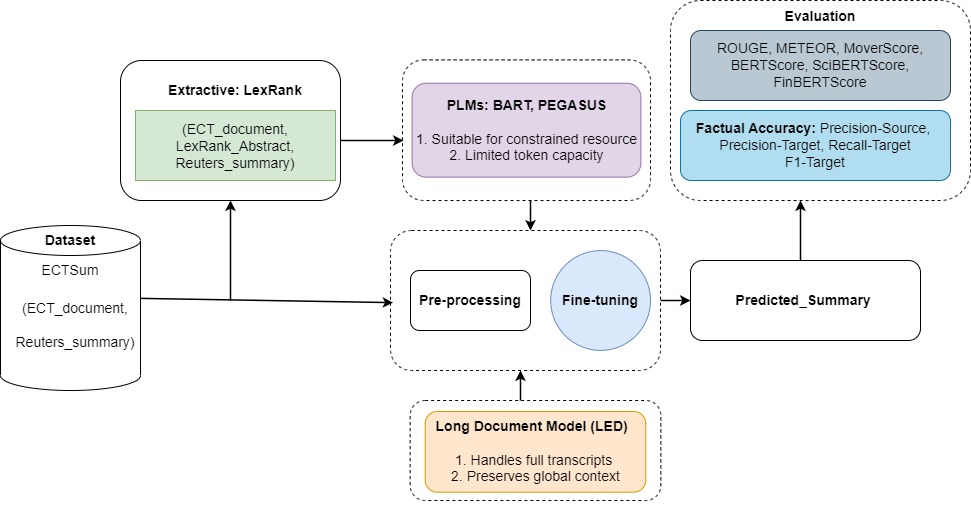
New research explores how combining the strengths of artificial intelligence can unlock deeper insights from lengthy financial reports and earnings calls.
Researchers have developed a new deep learning approach to dramatically improve the speed and accuracy of reconstructing subsurface features from ground-penetrating radar data.
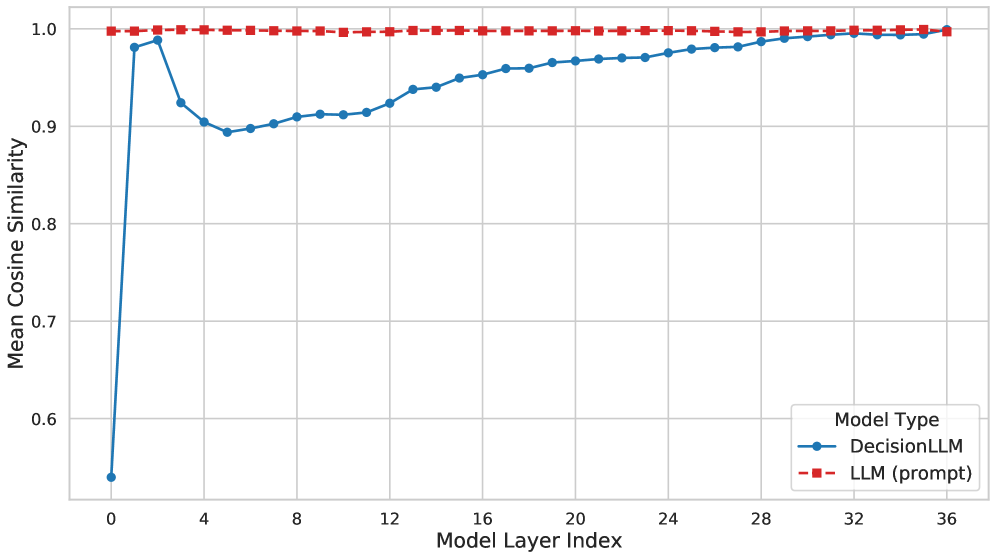
Researchers are exploring how large language models can move beyond text generation to effectively plan and execute sequences of actions in challenging, long-horizon tasks.