Filling the Gaps in Recommendation: A New Diffusion Approach
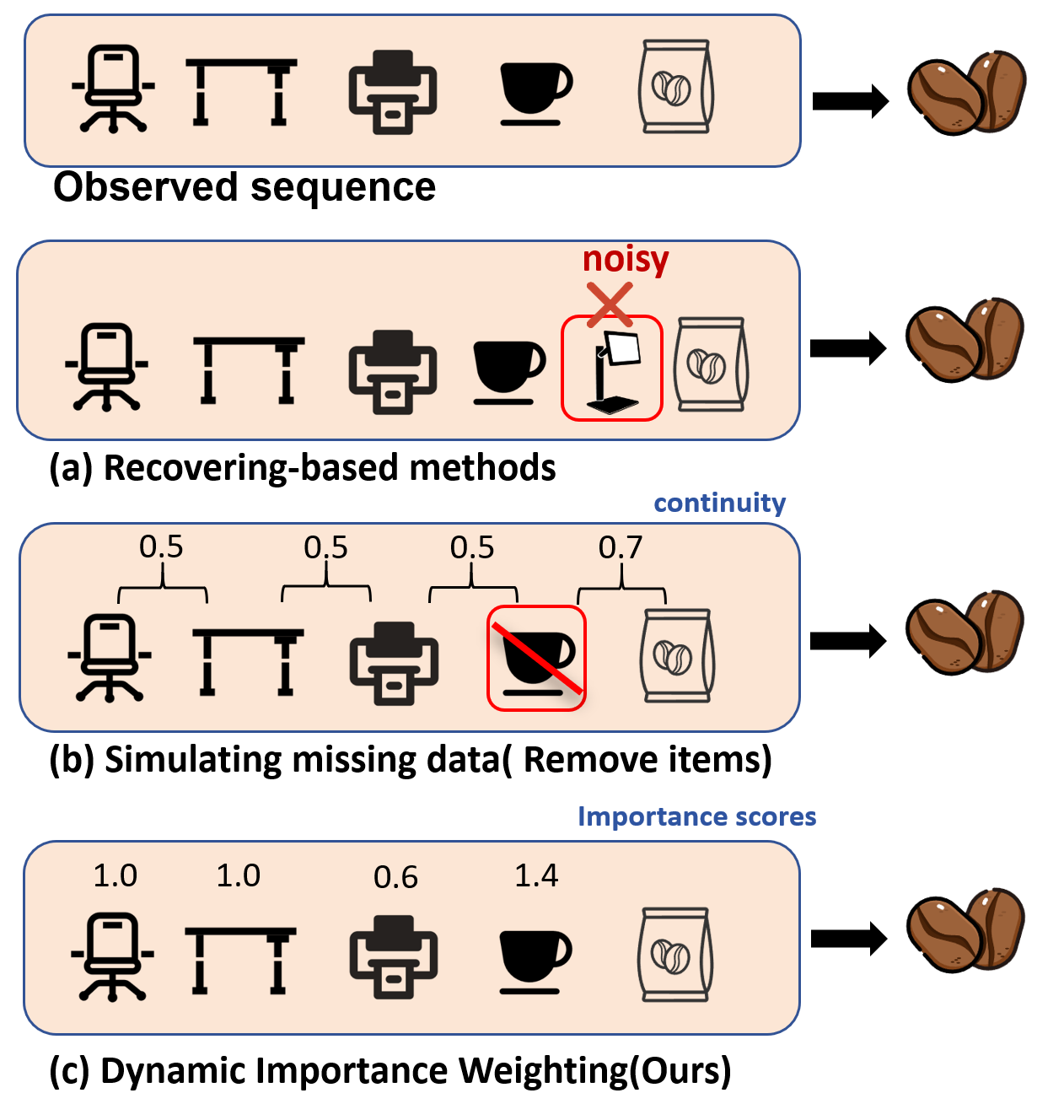
Researchers have developed a novel diffusion model that tackles the challenge of missing data in sequential recommendation systems, improving accuracy and personalization.
Researchers have developed a novel diffusion model that tackles the challenge of missing data in sequential recommendation systems, improving accuracy and personalization.
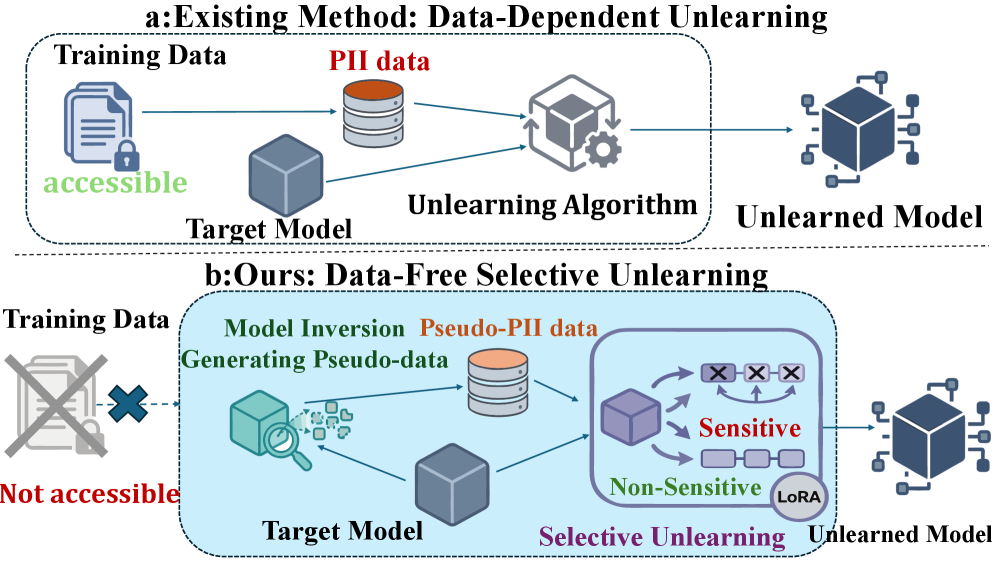
A new technique allows developers to remove sensitive information from AI models without needing access to the original training data.
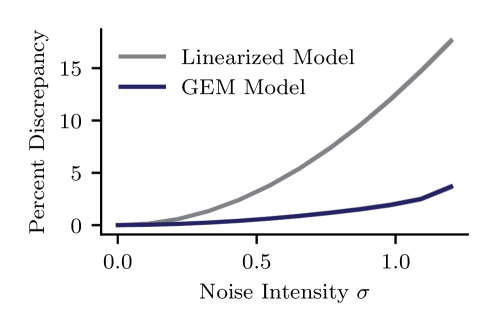
Researchers have developed a novel theoretical framework for understanding how noise affects the complex dynamics of recurrent neural networks.
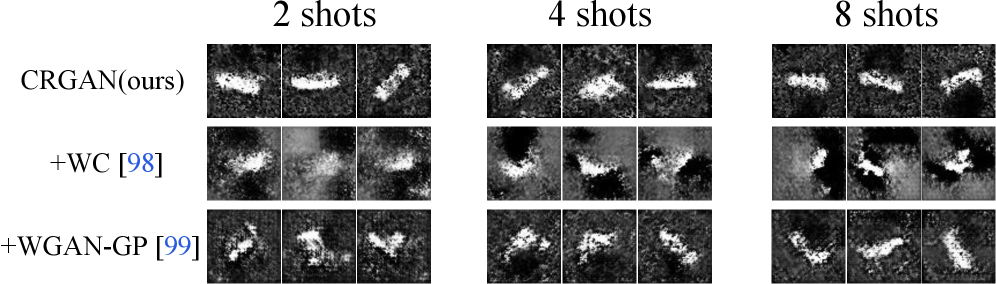
A new generative model tackles the challenge of identifying objects in synthetic aperture radar (SAR) imagery when labeled training data is scarce.
New research demonstrates that combining the power of deep learning with established inventory management principles yields significantly improved performance in perishable goods forecasting.
![A statistically significant positive correlation ([latex]r=0.45, p<0.01, n=51[/latex]) demonstrates that models exhibiting consistent output also tend to align more closely with supporting evidence, indicating a potential to achieve both auditability and accuracy without inherent compromise.](https://arxiv.org/html/2601.15322v1/x2.png)
New research reveals the challenges of ensuring consistent and reliable behavior in AI-powered financial tools, and proposes a framework for rigorous testing.
![An agent learns to intelligently select the most valuable samples for object detection through a reinforcement learning process, directly optimizing for gains in mean average precision [latex]\Delta\text{mAP}[/latex] as its reward.](https://arxiv.org/html/2601.15688v1/x1.png)
A new framework leverages reinforcement learning to intelligently prioritize the most valuable data for training object detection models, significantly improving efficiency and accuracy.
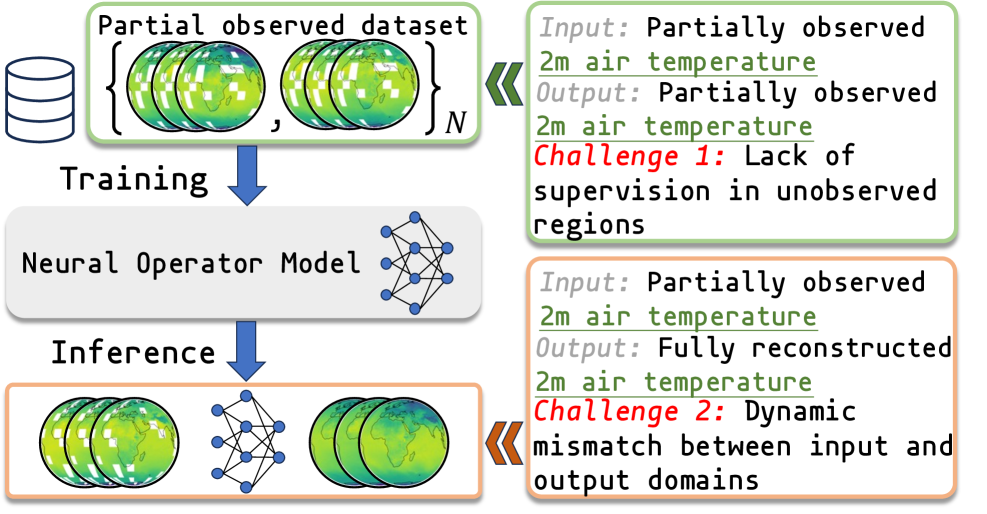
A new framework leverages autoregressive modeling and latent spaces to accurately solve complex equations even when only partial observations are available.
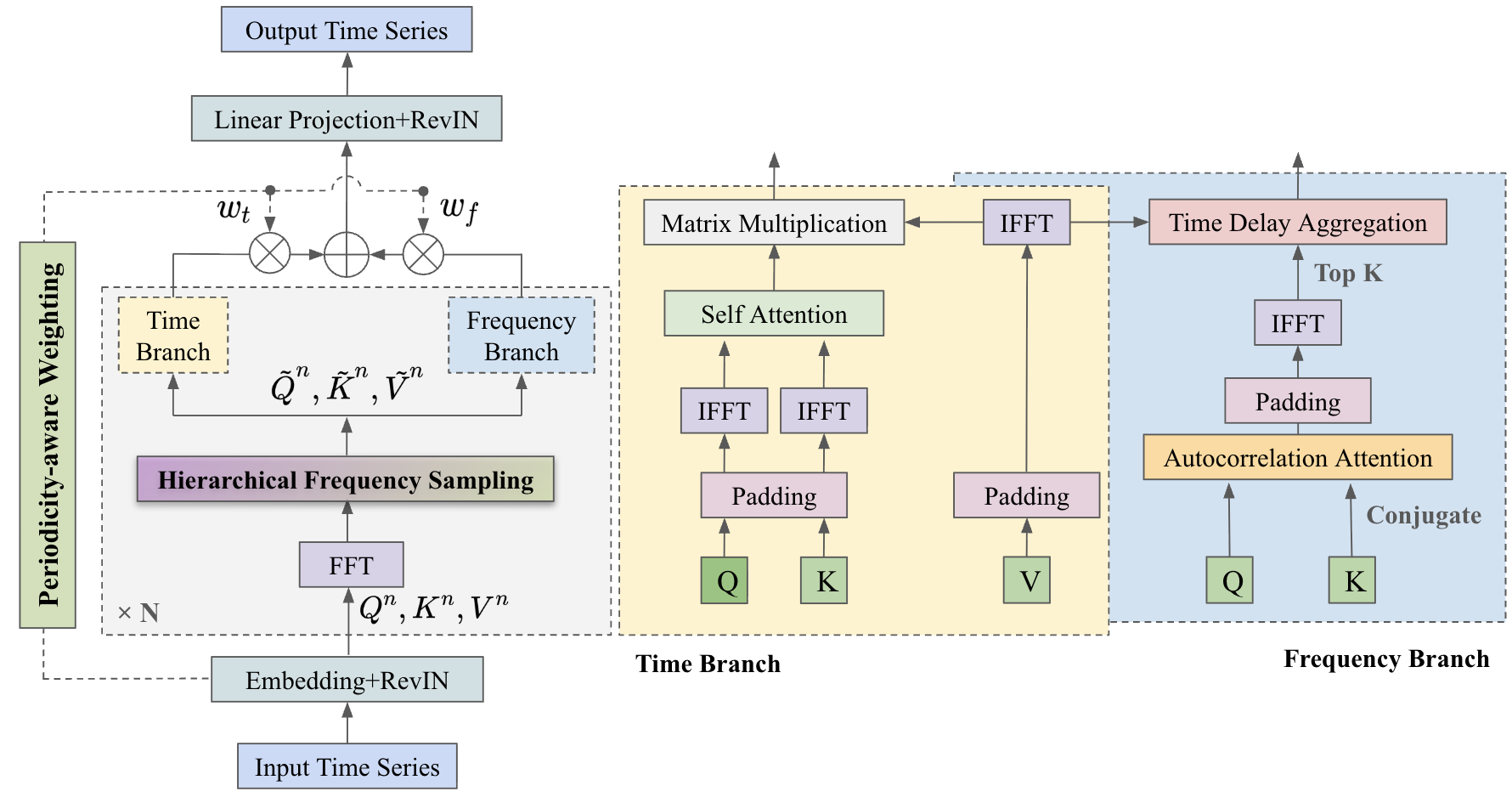
Researchers have developed a novel model, Dualformer, that analyzes time series data in both the time and frequency domains to significantly improve long-term prediction accuracy.
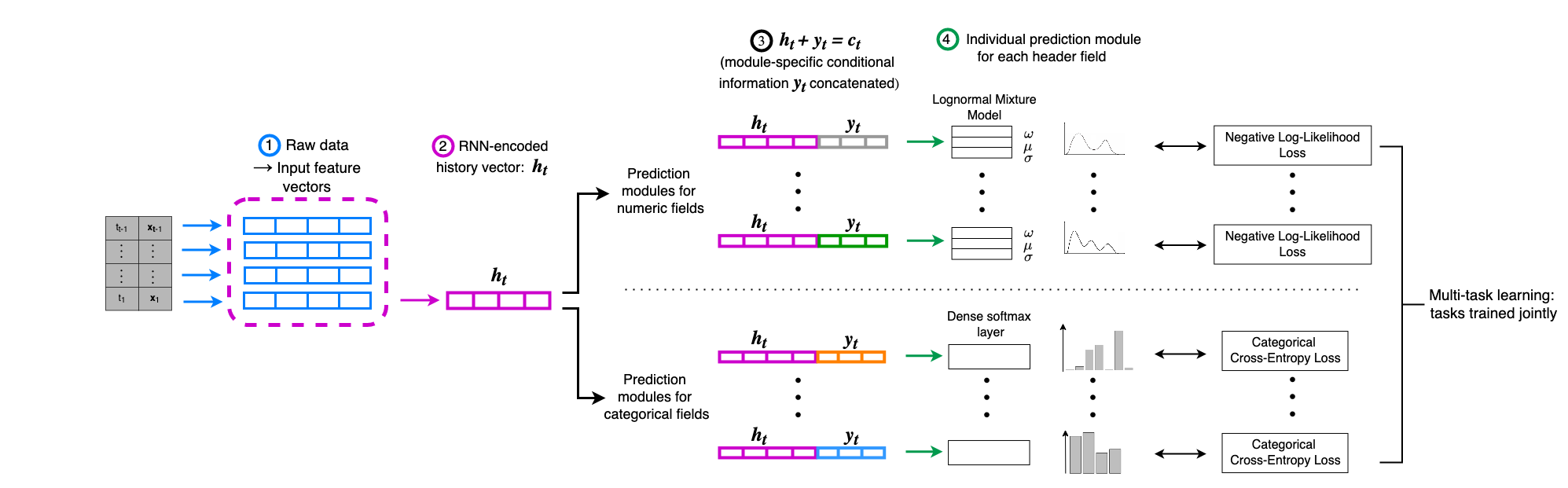
Researchers have developed a novel generative model to create network traffic that more accurately reflects real-world patterns, improving the effectiveness of security testing and training.