The Power of Anonymity: Pricing in Crowded Markets
New research shows that concealing price information can surprisingly optimize revenue in large-scale auctions with numerous participants.
New research shows that concealing price information can surprisingly optimize revenue in large-scale auctions with numerous participants.
![Co-FunSearch proposes a framework wherein architectural choices are not declarations of intent, but rather prophecies of eventual systemic failure, necessitating a continuous, co-evolutionary search for robust configurations rather than striving for a predetermined optimum [latex] \rightarrow \in fty [/latex].](https://arxiv.org/html/2601.16849v1/x1.png)
A novel collaboration between human intuition and artificial intelligence is proving surprisingly effective at identifying the most difficult cases for optimization algorithms.
Researchers have developed a novel unsupervised method to enhance the resolution of hyperspectral images, relying entirely on synthetic data for training.
![The framework implements a total variation neural estimator [latex]g(x)[/latex], integrated via a dense layer [latex]g_c(h)[/latex], to refine a pre-trained classifier [latex]f[/latex], ultimately deriving both the objective function [latex]L[/latex] and an out-of-distribution (OOD) score [latex]S_c[/latex] as defined in equation 9, thereby enabling a nuanced assessment of model confidence during both training and inference.](https://arxiv.org/html/2601.15867v1/sections/TeamsIMG2002330220_1.jpeg)
Researchers are moving beyond traditional divergence measures to build more robust systems for identifying images that don’t fit the mold.
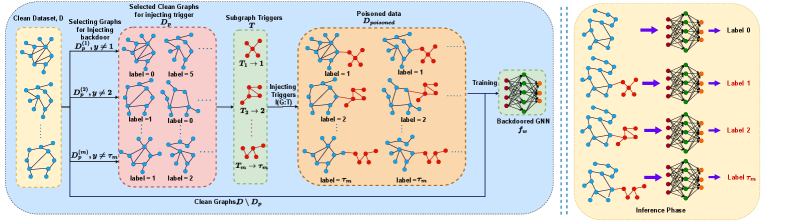
Researchers demonstrate a new method for launching highly effective backdoor attacks on graph classification models by subtly manipulating underlying graph structures.
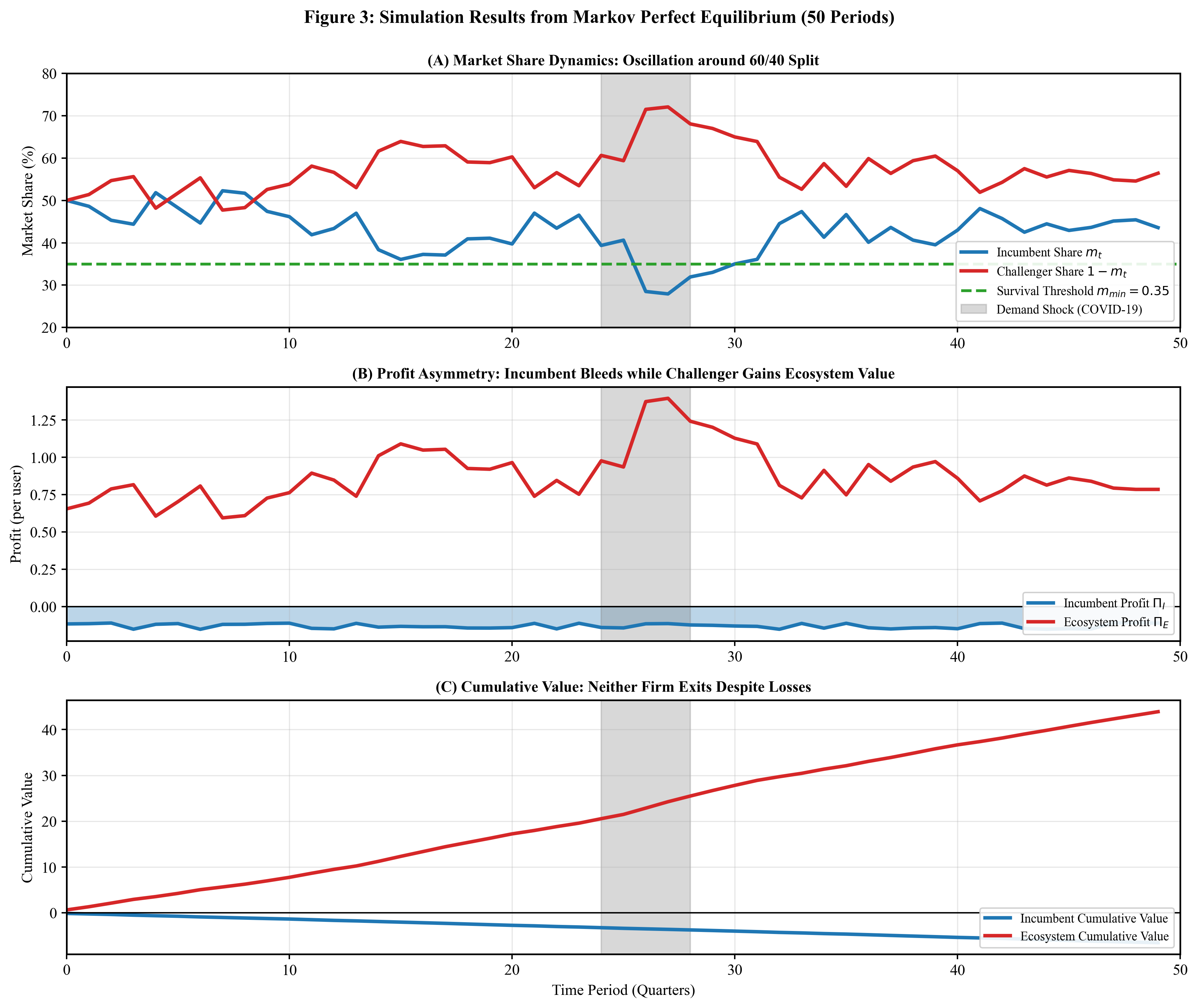
New research reveals how leading platform companies prioritize overall ecosystem strength over short-term profits in individual markets.
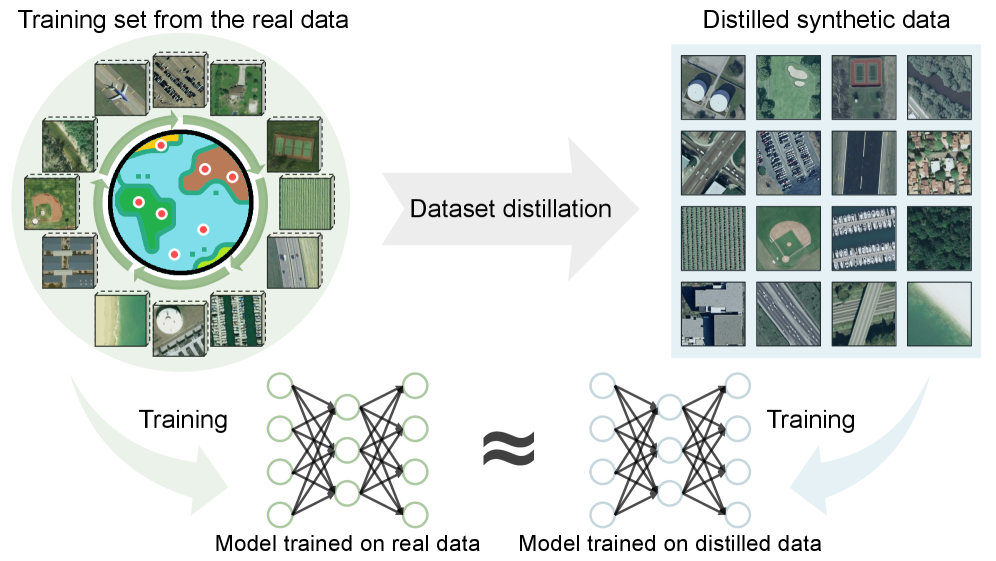
Researchers are leveraging diffusion models to create realistic, privacy-preserving synthetic datasets for remote sensing applications, offering a powerful alternative to costly and sensitive real-world data.

New research explores how generative AI can subtly alter music to reduce aggressive sentiment and improve overall audio quality.
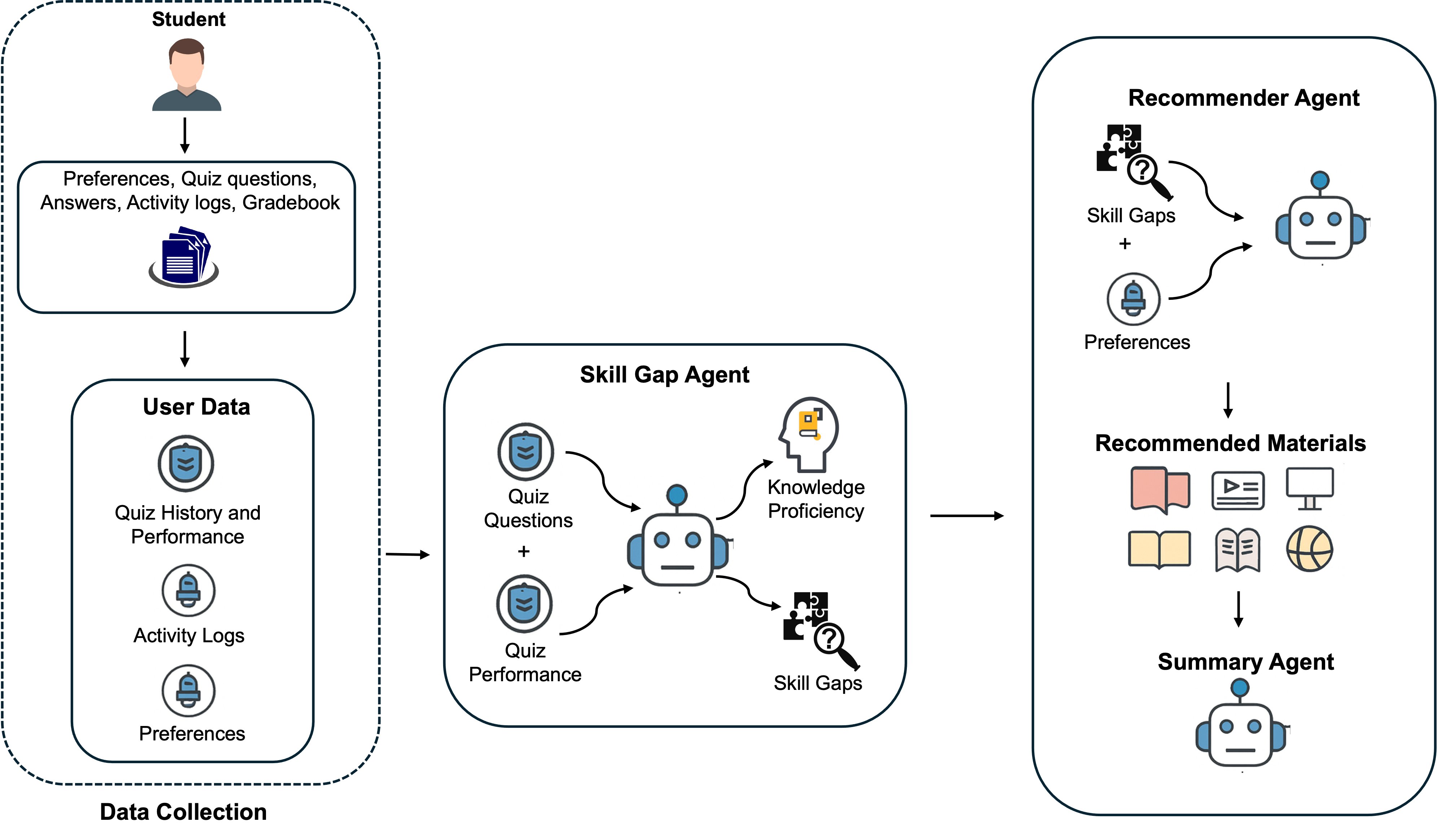
A new multi-agent framework utilizes artificial intelligence to pinpoint skill gaps and deliver targeted learning resources, promising more effective and efficient knowledge acquisition.
![The reconstructed graph stands as testament to the method detailed in reference [3], a lineage traced through careful derivation and iterative refinement.](https://arxiv.org/html/2601.15999v1/imgs/real_data/compare.png)
Researchers have developed a powerful framework for accurately reconstructing complex network structures from observational data, even in directed graphs.