Pricing Computation: Can Markets Make AI Greener?
![An artificial intelligence cap-and-trade framework demonstrably enhances overall utility when computational limits-specifically, the maximum allowable FLOPs [latex] F_{i} [/latex] for each company-are sufficiently generous, consistently outperforming existing AI configurations across a spectrum of associated computational costs.](https://arxiv.org/html/2601.19886v1/x4.png)
A novel economic framework proposes leveraging market-based incentives to curb the environmental impact of increasingly powerful artificial intelligence models.
A novel economic framework proposes leveraging market-based incentives to curb the environmental impact of increasingly powerful artificial intelligence models.
![Posterior accuracy diminishes rapidly as informed weight [latex] \omega_1 [/latex] decreases, indicating a critical threshold beyond which reliable outcome identification becomes impossible due to a vanishing separation gap.](https://arxiv.org/html/2601.18815v1/fig2_identifiability.png)
A new Bayesian framework allows researchers to quantify uncertainty and extract reliable signals from the historical price and volume of prediction markets.
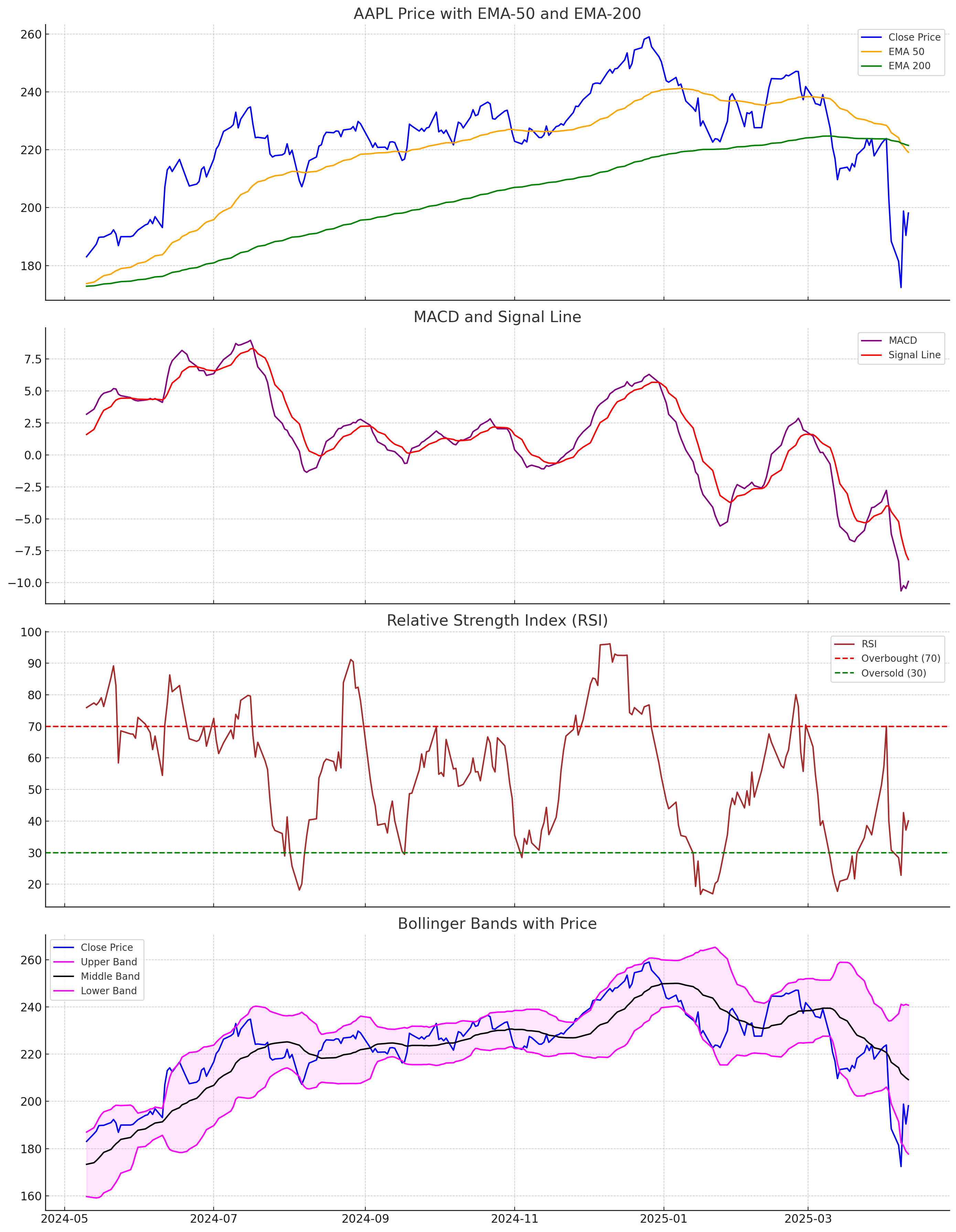
A new hybrid system blends technical analysis, machine learning, and financial sentiment to dynamically adapt to market conditions and generate consistent alpha.
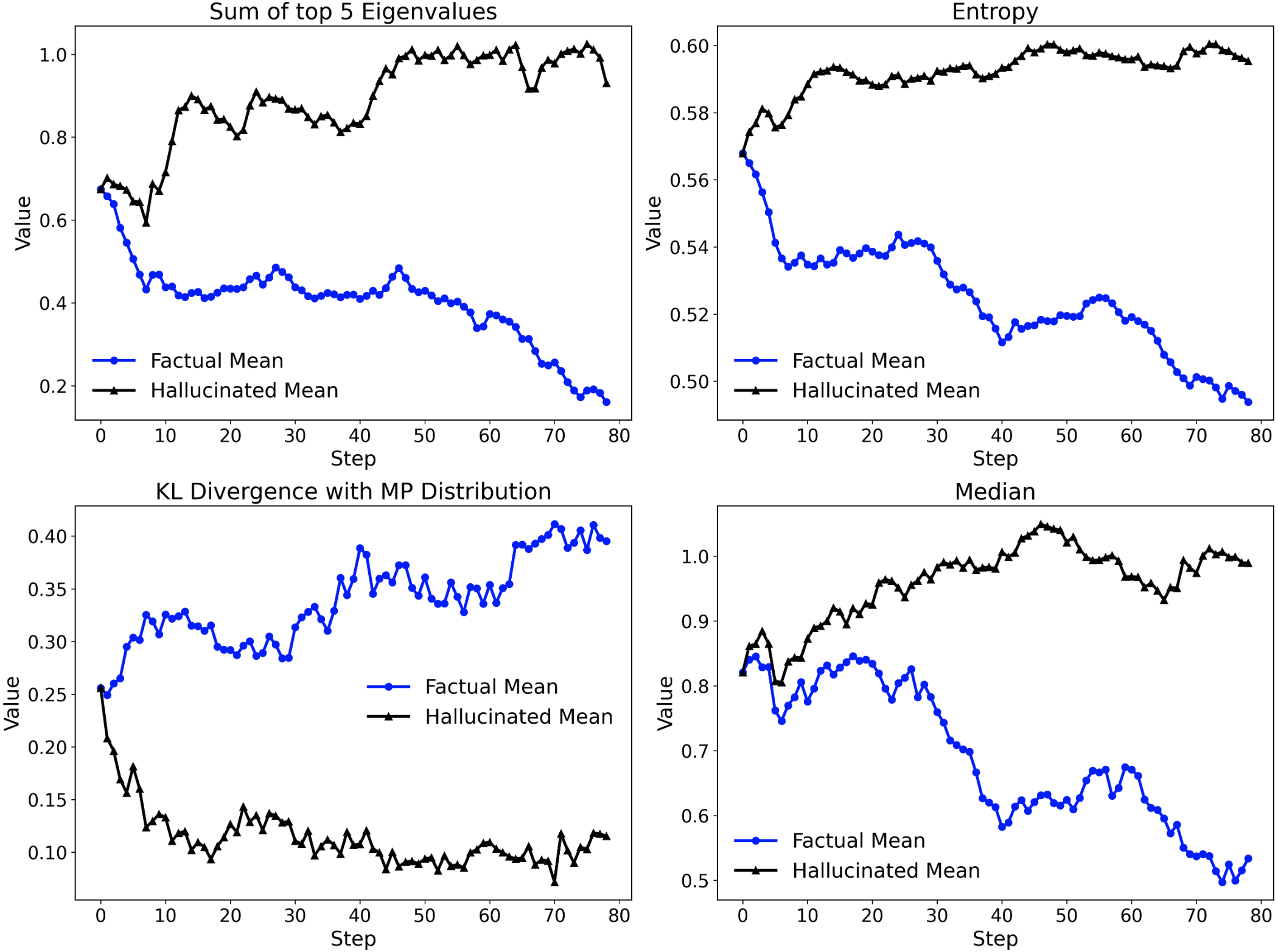
A new framework uses the mathematics of spectral geometry and random matrices to simultaneously enhance the reliability and efficiency of deep neural networks.
![The distribution of [latex] P_{n}^{LASR} [/latex] demonstrates that incorporating a hedging portfolio-as opposed to relying solely on network policy-effectively normalizes payoff by [latex] W_{Min} [/latex] and expresses the resulting benefit in basis points.](https://arxiv.org/html/2601.18686v1/Section4/ASRnetVSjointNet.png)
New research demonstrates how machine learning, particularly neural networks and optimized control, can significantly enhance the efficiency and risk management of corporate share repurchase initiatives.

New research demonstrates how artificial intelligence can filter out unreliable data from supply chain surveys, leading to more accurate analysis and better business decisions.

As AI writing tools become increasingly prevalent, platforms face a critical question: how much transparency is needed regarding the origin of online content?
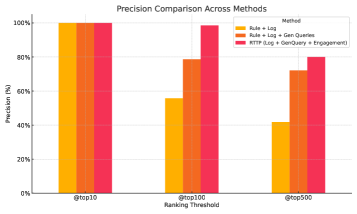
Researchers have developed a system that continuously adapts to changing online conversations, allowing it to forecast emerging trends in real-time.

A new deep learning approach successfully separates turbulent flows from underlying background currents in complex hydrodynamic simulations.
New research demonstrates that cutting-edge deep research agents can be effectively trained offline, challenging the conventional reliance on costly and complex online reinforcement learning.