Sharper Decisions: Boosting Reinforcement Learning with Real-Time Insights
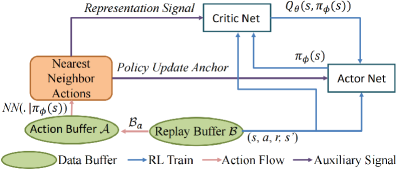
A new approach leverages immediate feedback and informed constraints to dramatically improve policy exploitation in online reinforcement learning environments.
A new approach leverages immediate feedback and informed constraints to dramatically improve policy exploitation in online reinforcement learning environments.
Researchers have developed a meta-learning framework that improves the ability of algorithms to identify unusual events, even those never seen during training.

A new dataset and benchmark reveal that current AI-generated image detection methods are easily fooled, failing to recognize subtle, human-perceptible flaws.

A new framework rigorously evaluates whether explanations generated by Explainable AI methods truly reflect how machine listening models identify unusual sounds.
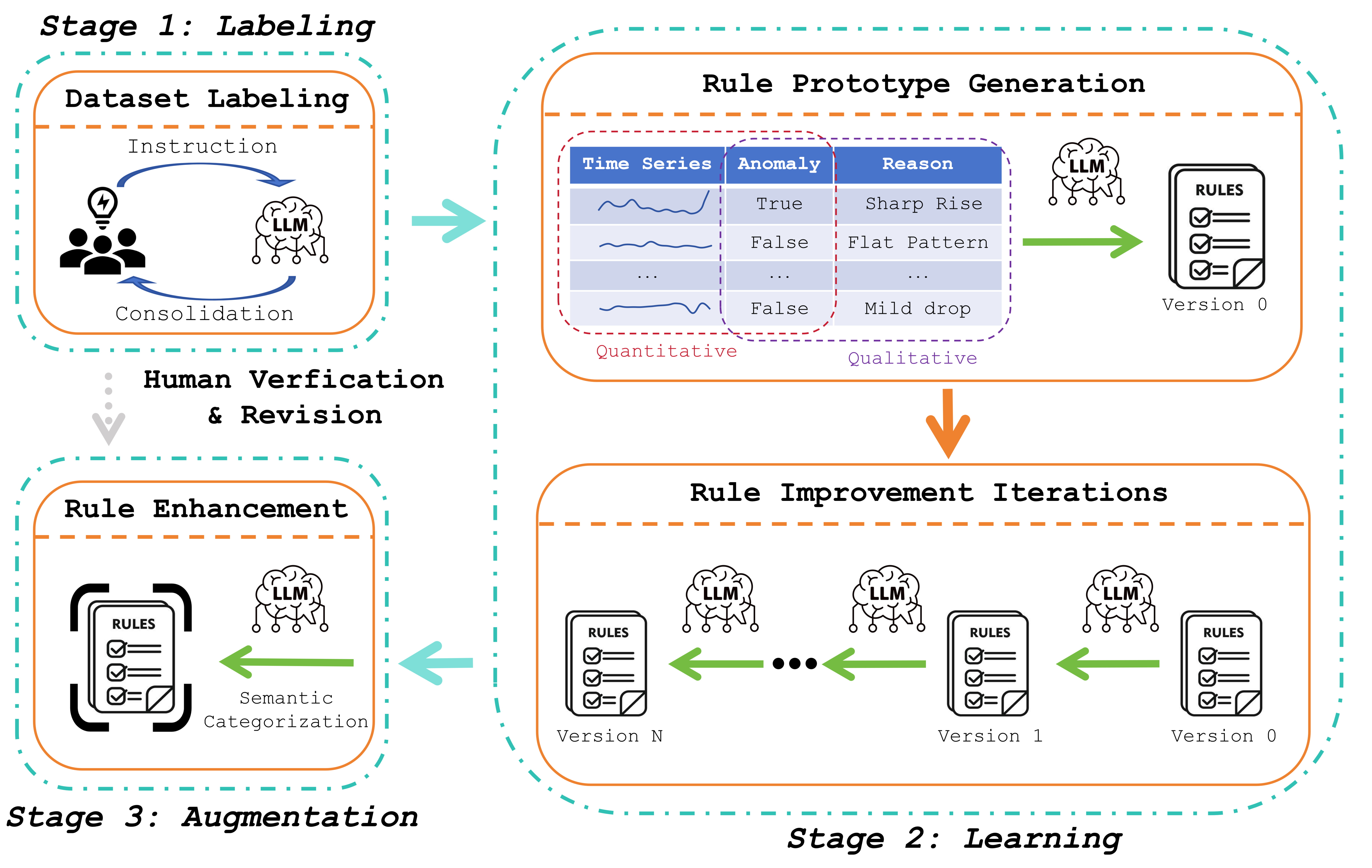
A new approach harnesses the power of artificial intelligence to translate human expertise into robust, scalable anomaly detection systems for critical time series data.

A new approach transforms graph data into tabular features, achieving surprisingly competitive results on node classification tasks.

A new approach uses adversarial data augmentation to rigorously evaluate and improve the ability of large language models to accurately invoke functions.
![The system employs paired value and generator networks-each featuring a shared backbone, dual-head output, and sentiment-aware feature embedding with learnable gating-to model financial variables, with the generator additionally incorporating [latex]Y_{t}[/latex] and [latex]Z_{t}[/latex] as inputs to refine its output.](https://arxiv.org/html/2601.18804v1/dual_networks.png)
This research introduces a novel deep learning model that incorporates volatility trends and investor sentiment to achieve more accurate and interpretable option pricing for the CSI 300 Index.
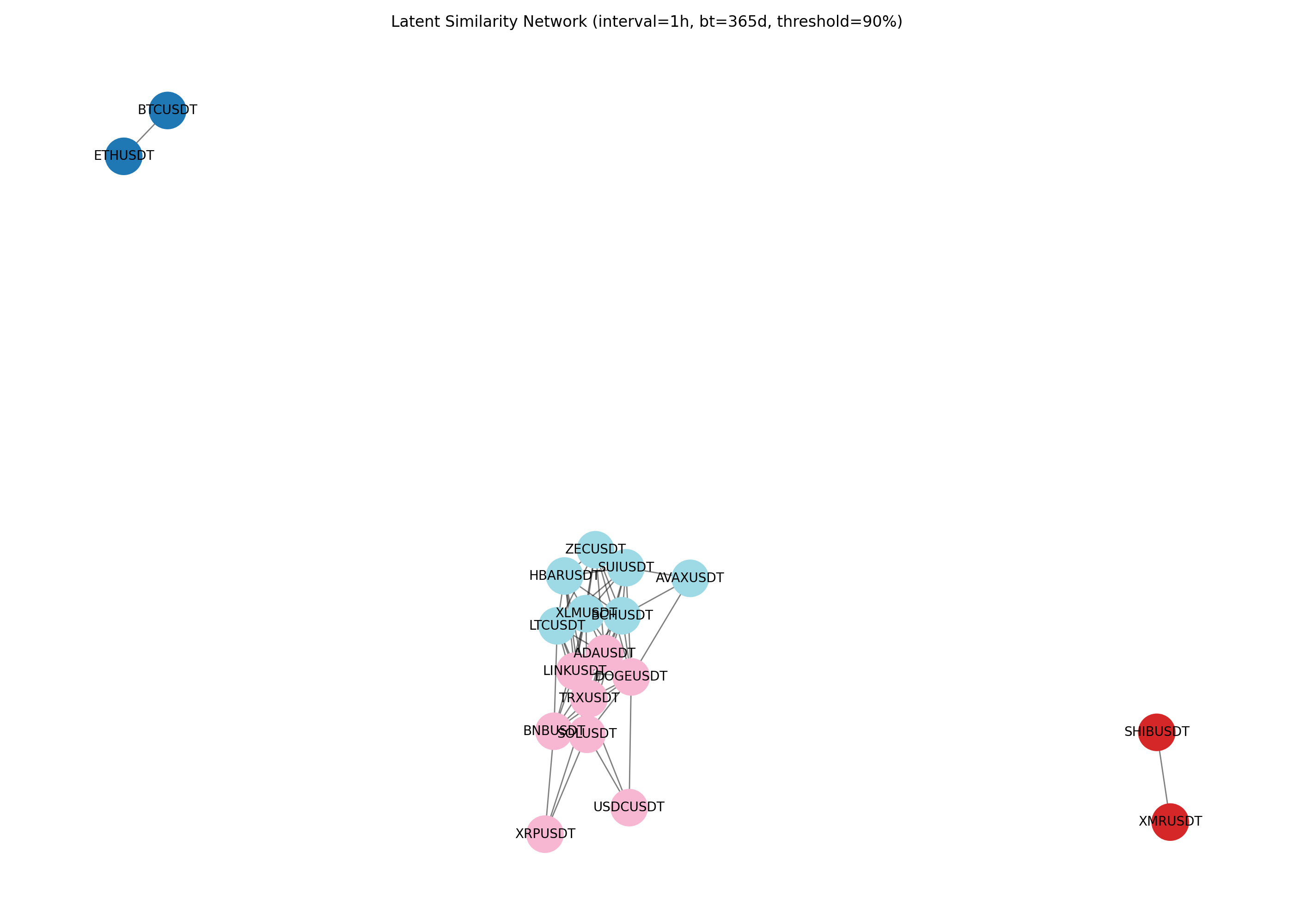
A new framework uses machine learning to automatically identify relationships within complex, evolving datasets without prior knowledge.
![An artificial intelligence cap-and-trade framework demonstrably enhances overall utility when computational limits-specifically, the maximum allowable FLOPs [latex] F_{i} [/latex] for each company-are sufficiently generous, consistently outperforming existing AI configurations across a spectrum of associated computational costs.](https://arxiv.org/html/2601.19886v1/x4.png)
A novel economic framework proposes leveraging market-based incentives to curb the environmental impact of increasingly powerful artificial intelligence models.