Uncovering Hidden Trading Signals with AI
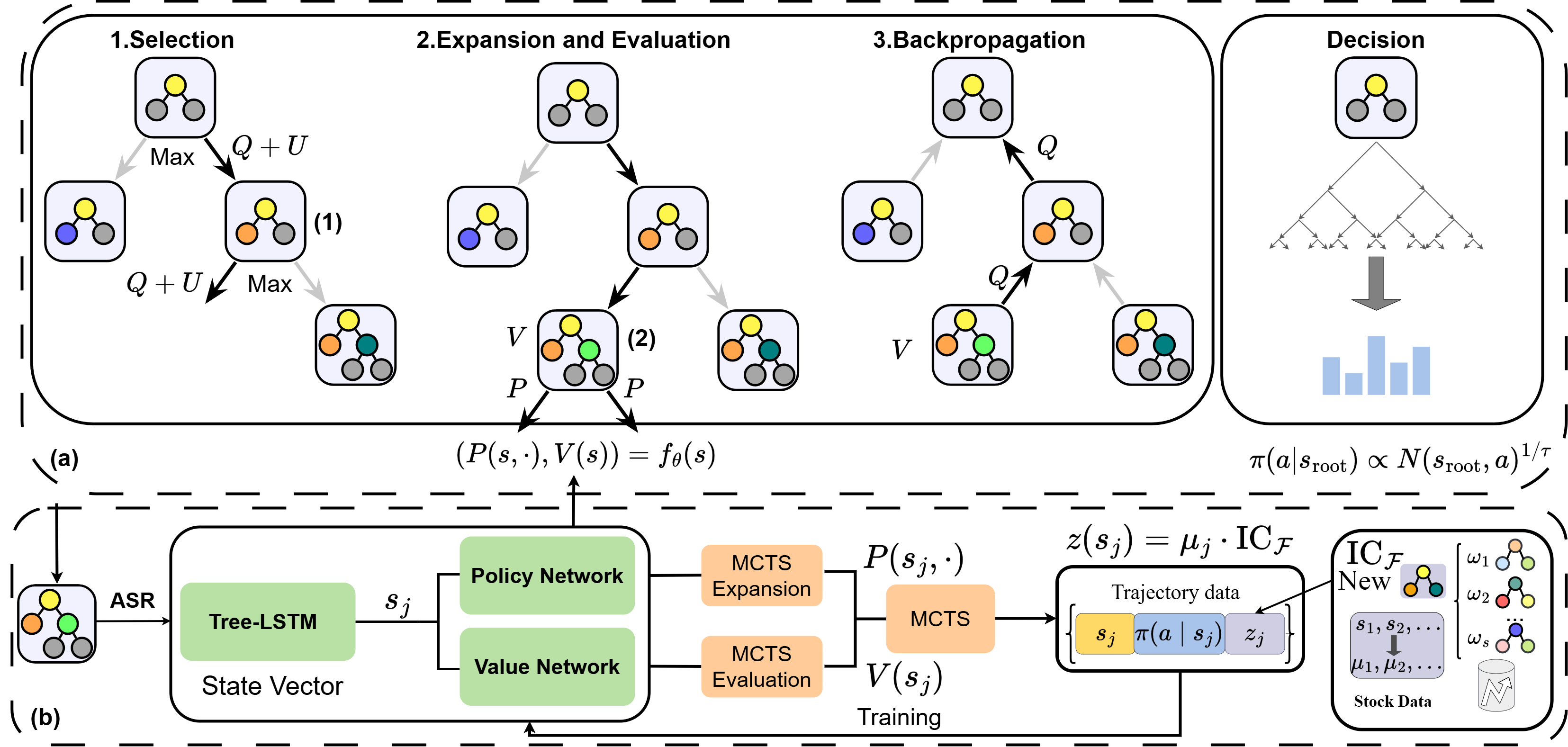
A new framework combines the power of artificial intelligence and linguistic structure to automatically discover and refine investment strategies.
A new framework combines the power of artificial intelligence and linguistic structure to automatically discover and refine investment strategies.

Researchers are leveraging synthetic data and graph autoencoders to uncover hidden relationships in financial transactions and improve anomaly detection.
As text-to-speech technology rapidly advances, so too does the sophistication of audio deepfakes, demanding increasingly robust detection methods.
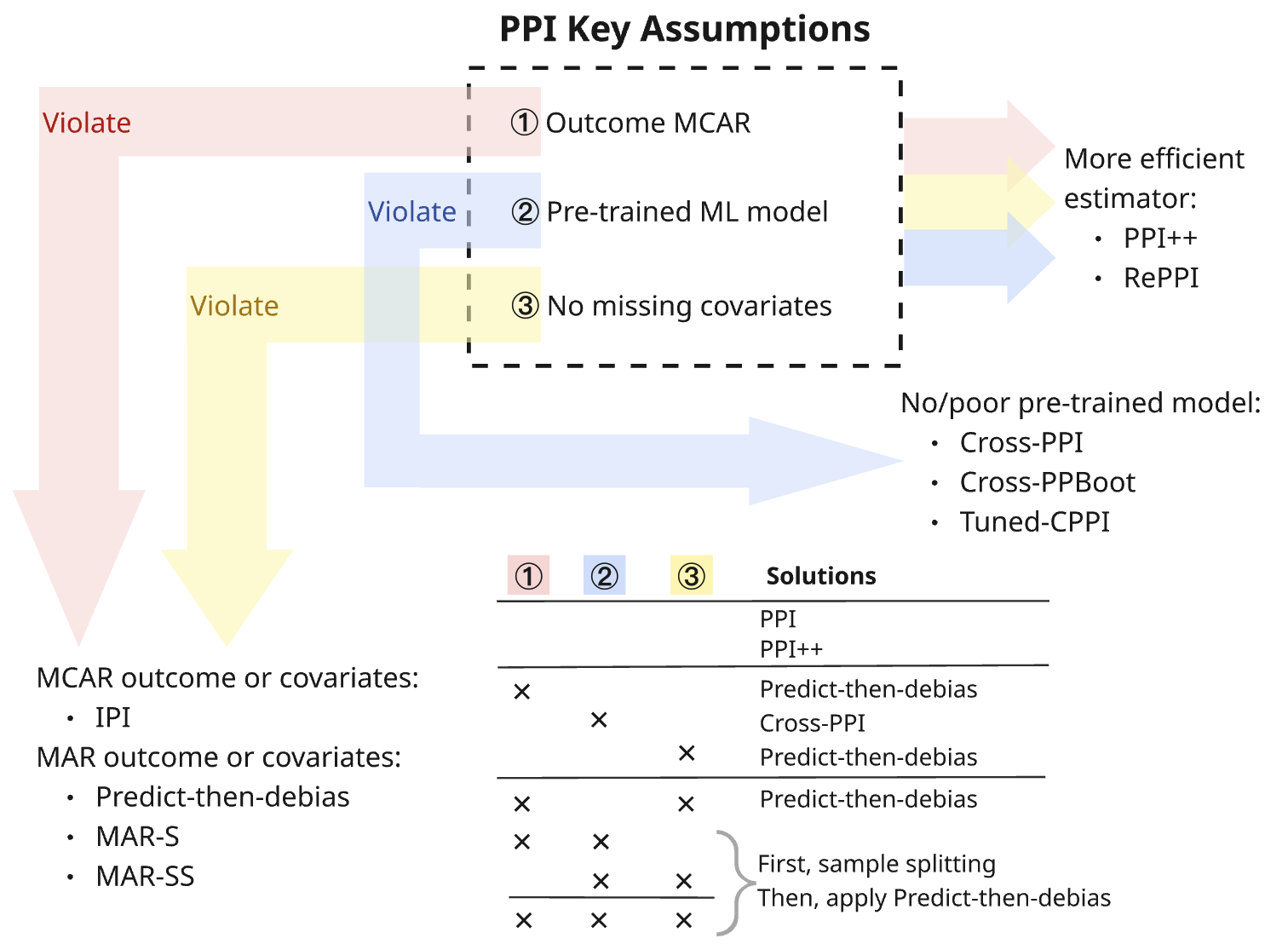
A new framework is emerging that harnesses the power of predictive models to unlock more reliable insights from incomplete data.
![The MARE framework introduces a forgery disentanglement module to extract traces of manipulation, enabling the generation of text-spatially aligned reasoning content from images-a process bolstered by reward functions and reinforcement learning from human feedback [latex]RLHF[/latex]-despite the inevitable challenges of deploying such systems in production environments.](https://arxiv.org/html/2601.20433v1/x2.png)
A new framework combines image and language analysis, using reinforcement learning to pinpoint subtle forgery traces and provide human-understandable explanations for its decisions.
![A slice through entropy space, specifically the [latex] \mathbb{N}=3 [/latex] symmetric section defined by the (s,t) plane, reveals a reward landscape-quantified by cosine similarity-where the highly entropic configuration (R=1, highlighted in pink) is fundamentally constrained by principles of maximum mutual information and two distinct self-consistency groups, all bounded by the condition [latex] u=0 [/latex].](https://arxiv.org/html/2601.19979v1/reward_landscape_analytic.png)
Researchers are leveraging reinforcement learning to chart the boundaries of the holographic entropy cone, offering new insights into the structure of quantum information.
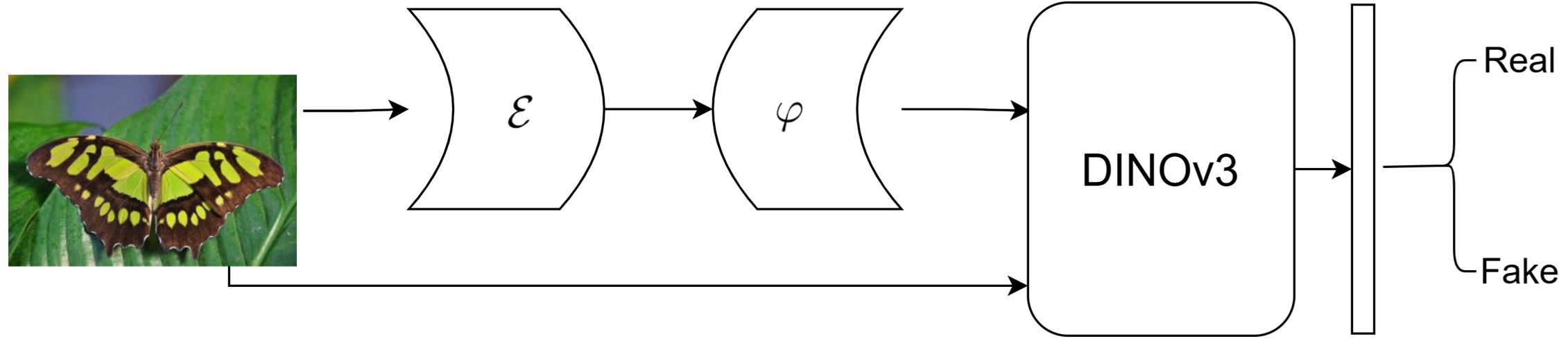
A new analysis reveals that scrutinizing the final stages of image generation processes can reliably identify pictures created by artificial intelligence.
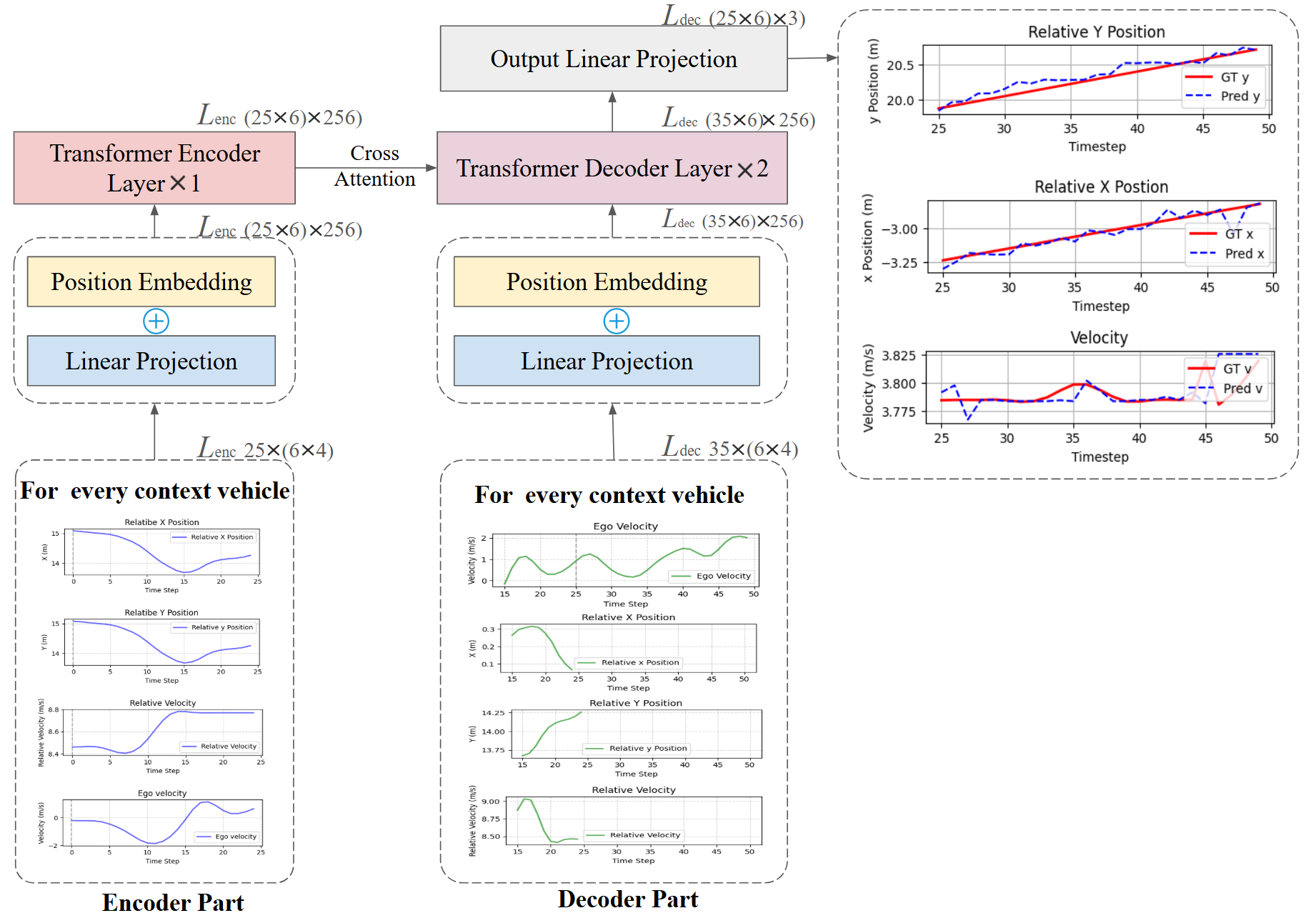
A new approach uses Transformer networks to proactively identify anomalous behaviors in complex, interacting environments like autonomous driving.
A comprehensive review explores the emerging science of understanding how large language models arrive at their answers, and what causes them to fail.
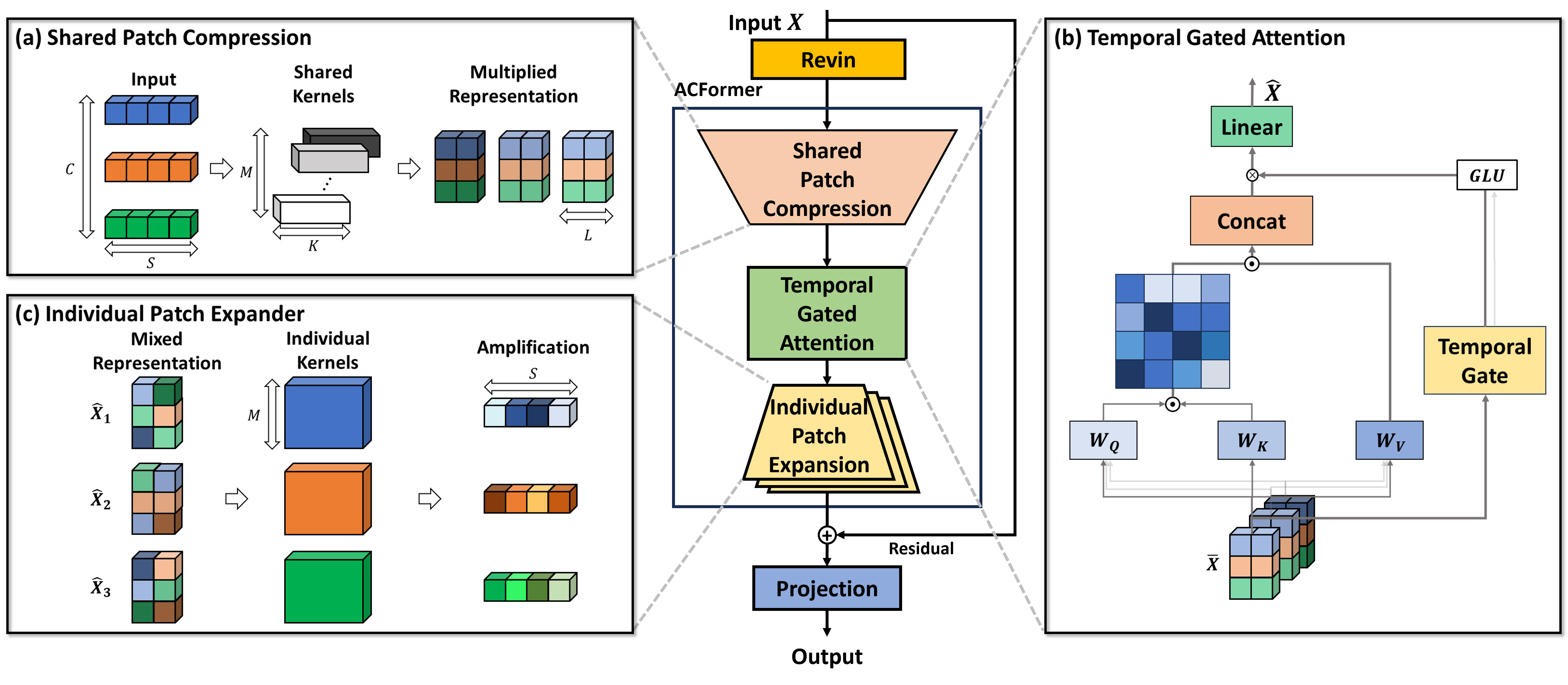
Researchers have developed ACFormer, a novel approach that blends convolutional efficiency with the power of attention mechanisms to dramatically improve time series prediction.