Ask and Understand: Building Agents That Proactively Clarify Research Goals
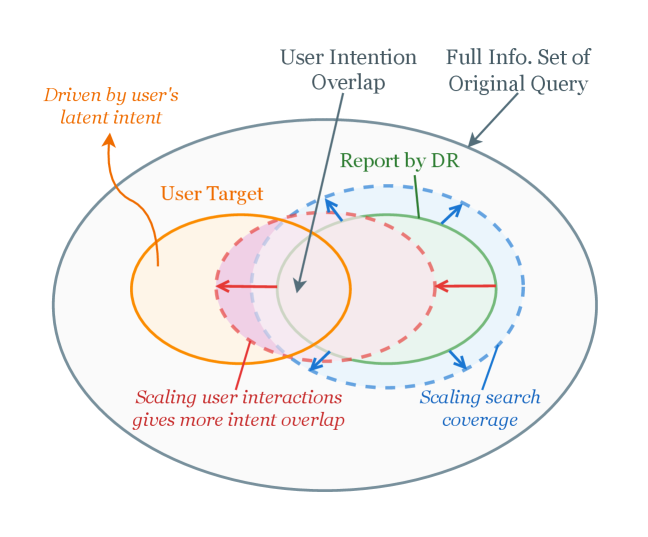
A new framework trains agents to ask clarifying questions before conducting deep research, significantly improving the quality and relevance of generated reports.
A new framework trains agents to ask clarifying questions before conducting deep research, significantly improving the quality and relevance of generated reports.
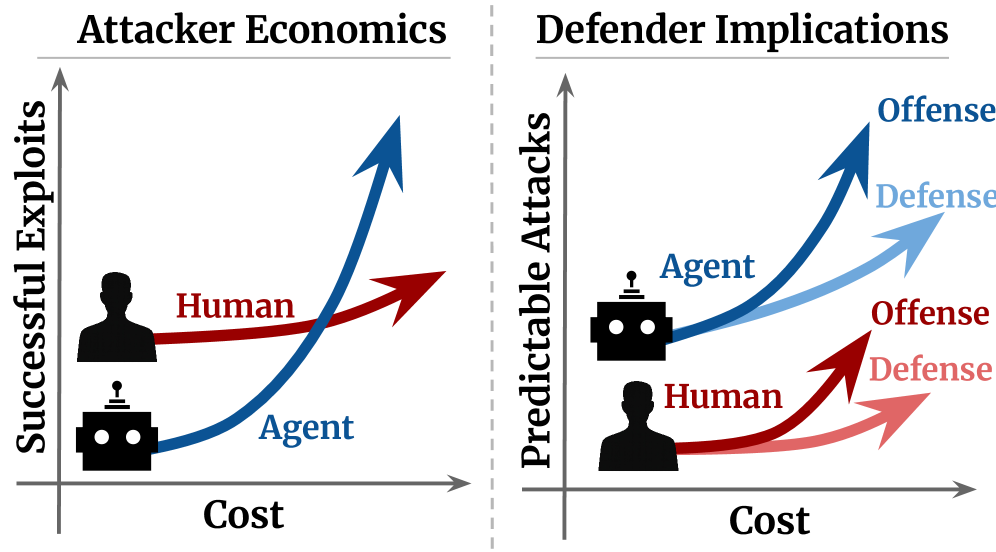
To build truly resilient cybersecurity, researchers are advocating for the development of AI agents capable of launching controlled attacks to identify and address vulnerabilities.
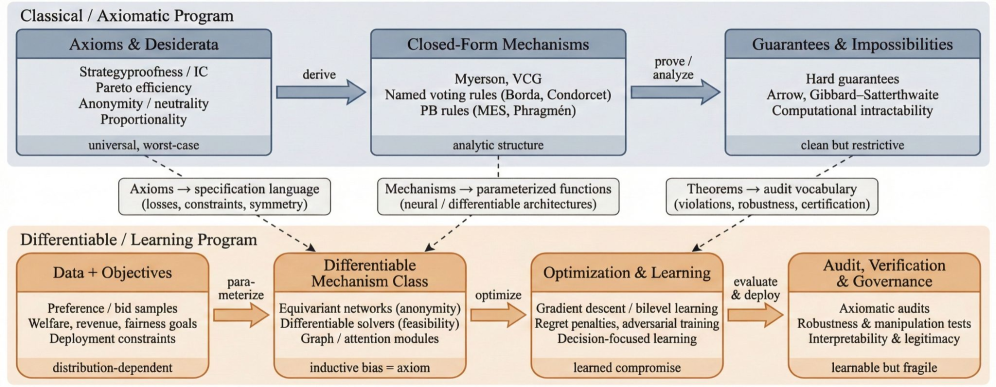
A new wave of research explores how machine learning can design, analyze, and reconstruct mechanisms for making collective decisions in increasingly complex environments.
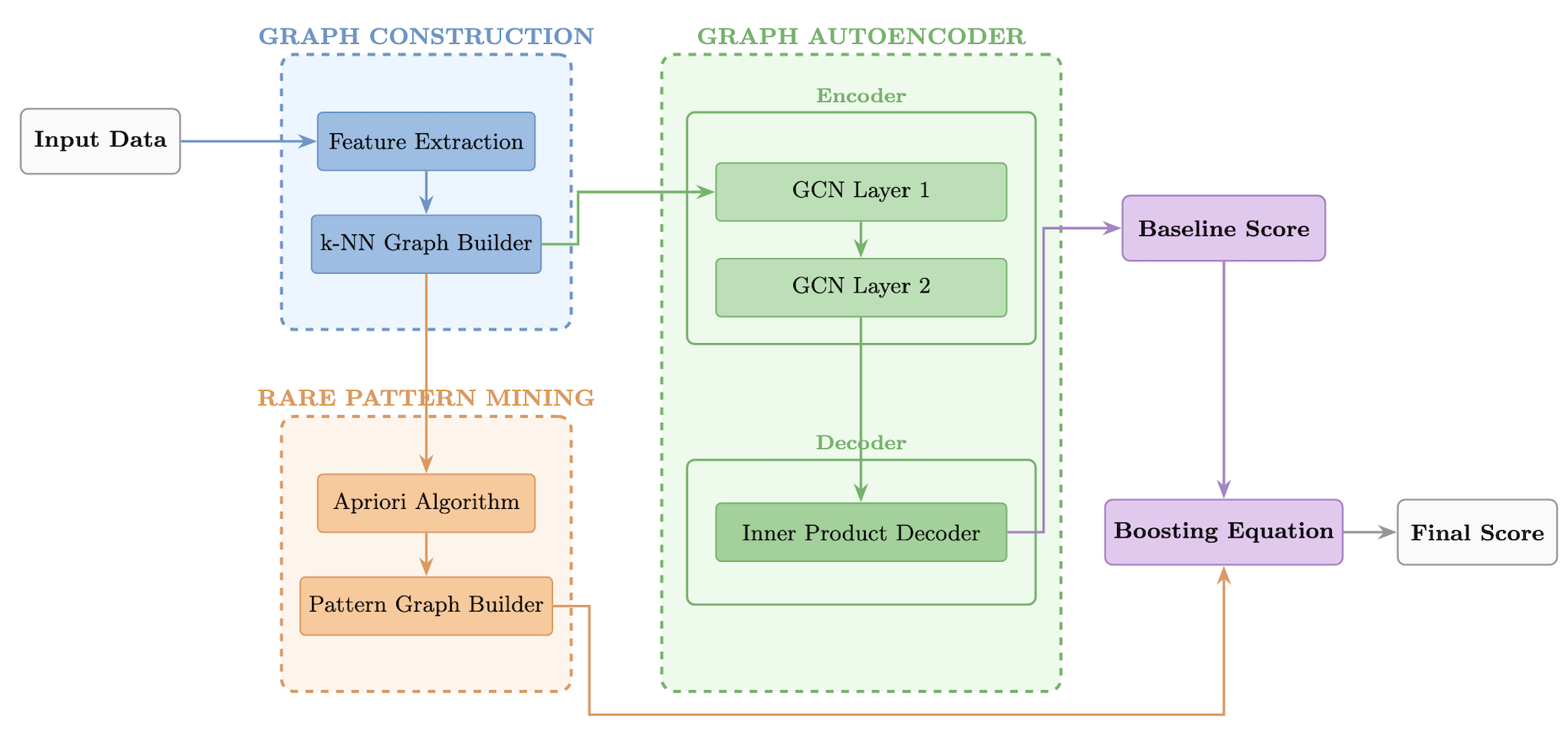
Researchers have developed a novel framework that combines graph neural networks and rare pattern mining to detect subtle attacks lurking within normal system behavior.
![During training, a neural network model utilizes intermediate proxy labels [latex]r\_{t}^{\delta}[/latex] to optimize performance; however, ultimate evaluation occurs strictly on the model’s ability to forecast the final target return [latex]r\_{t}^{\Delta}[/latex], prompting a focused investigation into the selection of training labels that best serve this fixed objective.](https://arxiv.org/html/2602.03395v1/x1.png)
New research reveals that optimizing the timeframe used to generate training labels, independent of the prediction horizon, can dramatically improve accuracy in financial time-series forecasting.
![A market model demonstrates a sensitivity to parameter values, transitioning from stable convergence-observed when [latex]\alpha = \alpha_{0} = 10^{-3}[/latex] and [latex]\sigma = 10^{-3}[/latex]-to chaotic boom-bust cycles with increased noise ([latex]\sigma = 5 \times 10^{-3}[/latex]), a dynamic mirrored across both quasi-regular and hub-dominated network topologies, and reflected in observed non-fungible token (NFT) transaction data used as a proxy for market demand.](https://arxiv.org/html/2602.03620v1/figs/3d.png)
New research suggests that the rapid pace of technological innovation and its spread through networks can create unstable cycles, potentially leading to periods of stagnation in artificial intelligence.
![GT-Score demonstrably reduces overfitting, achieving a 98% higher generalization ratio [latex]0.365[/latex] than conventional loss functions, which average only [latex]0.185[/latex], suggesting an architecture that prioritizes robust performance across unseen data.](https://arxiv.org/html/2602.00080v1/figure7_overfitting_barchart.png)
A novel objective function, the GT-Score, offers a powerful method for reducing overfitting and improving the real-world performance of data-driven trading systems.
A new perspective on graph neural networks focuses on improving how these models represent data, withstand attacks, and generalize to unseen scenarios.
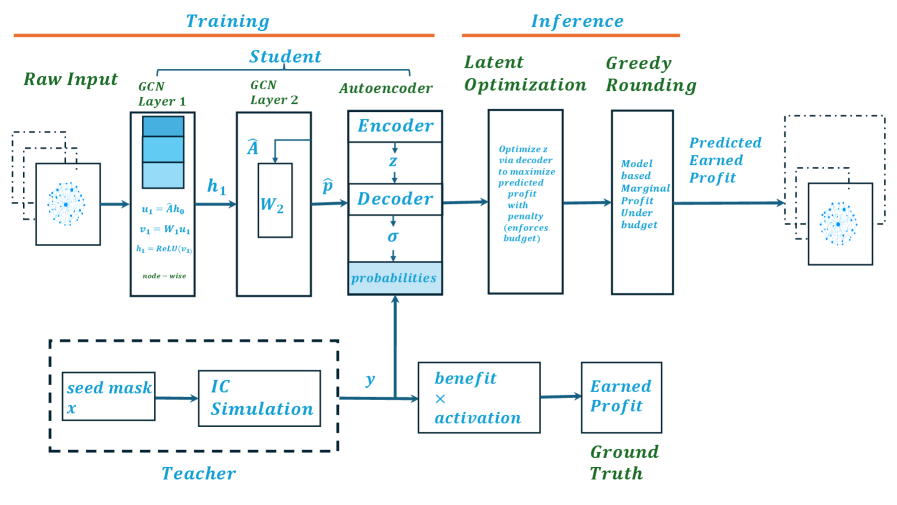
A new deep learning approach, DeepPM, uses graph neural networks to identify the most profitable users to engage in social networks, boosting influence and returns.
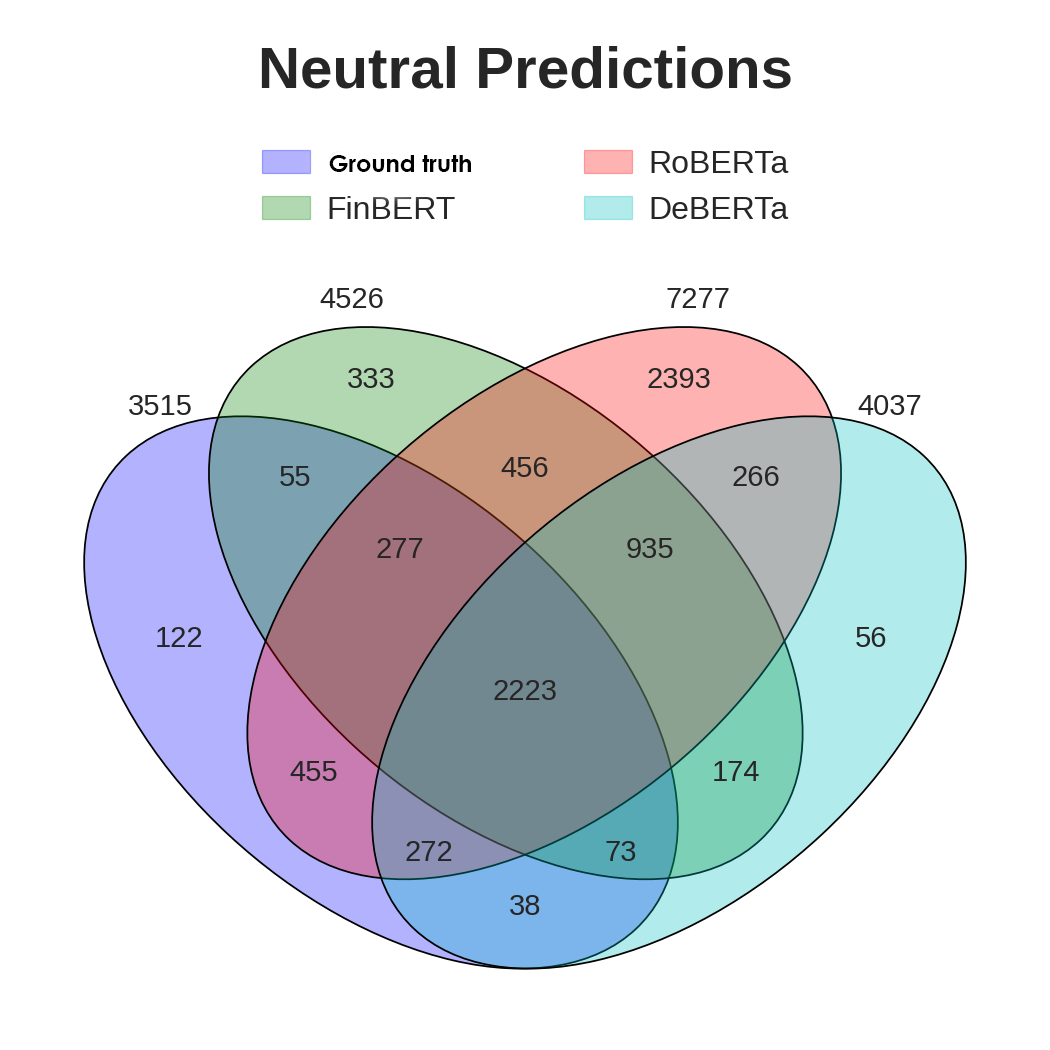
A new study explores how analyzing the emotional tone of financial news using advanced AI can improve the accuracy of stock price forecasting.