Can AI Spot AI? A New Test for Generated Text
Researchers have developed a highly accurate method for distinguishing text written by humans from that produced by artificial intelligence.
Researchers have developed a highly accurate method for distinguishing text written by humans from that produced by artificial intelligence.
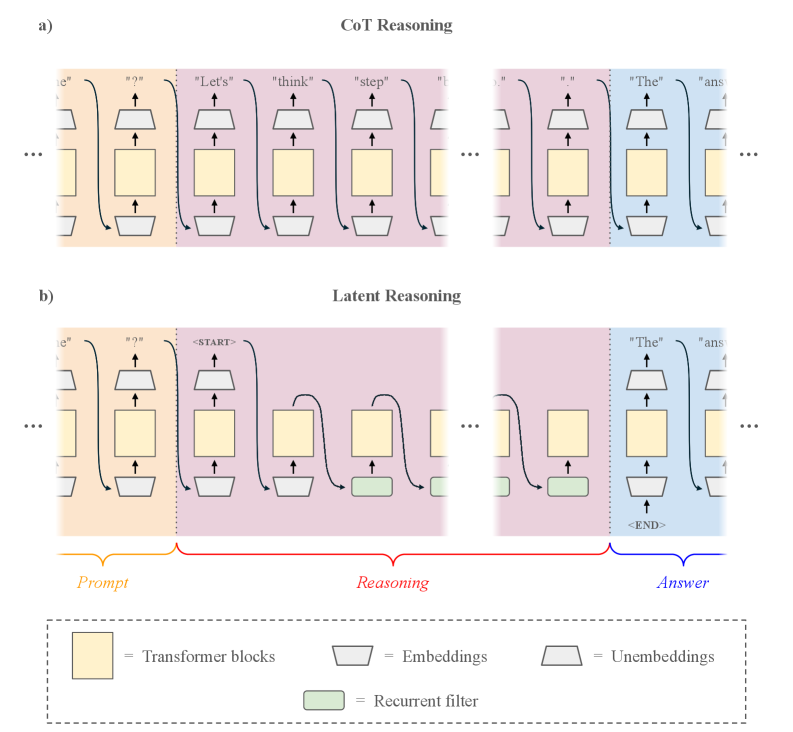
New research explores how reinforcement learning can optimize the reasoning process in large language models, leading to more efficient and effective problem-solving.

Researchers are adapting techniques originally developed for large language models to shed light on the internal workings of Transformer networks used for time series classification.
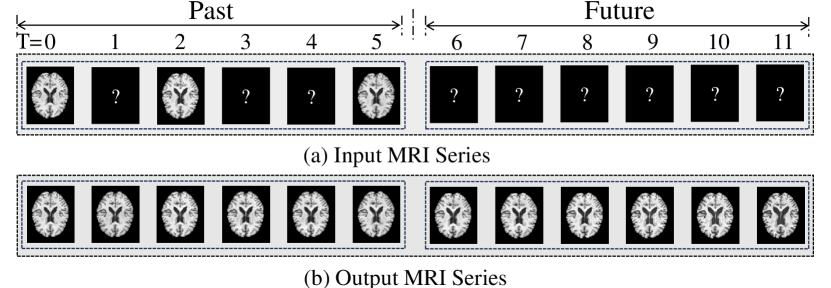
A new deep learning approach uses the brain’s own structural changes over time to forecast the progression of Alzheimer’s disease, potentially enabling earlier diagnosis and intervention.

A new method using neural networks and radio observations offers a robust way to determine supermassive black hole masses in galaxies obscured by dust.
Researchers have bridged the gap between auction theory and convex optimization, leading to a faster, more efficient way to determine fair market pricing.

New research systematically examines the design choices that consistently improve the accuracy and adaptability of deepfake detection systems.

A new deep learning framework dramatically speeds up the process of identifying and analyzing interstellar molecules, offering a powerful tool for astronomers.
Researchers are using artificial intelligence to create realistic brain data, boosting the accuracy of Alzheimer’s disease prediction models and overcoming limitations in real-world datasets.

This review details a comprehensive research portfolio leveraging graph neural networks to analyze program behavior, enhancing malware detection capabilities.