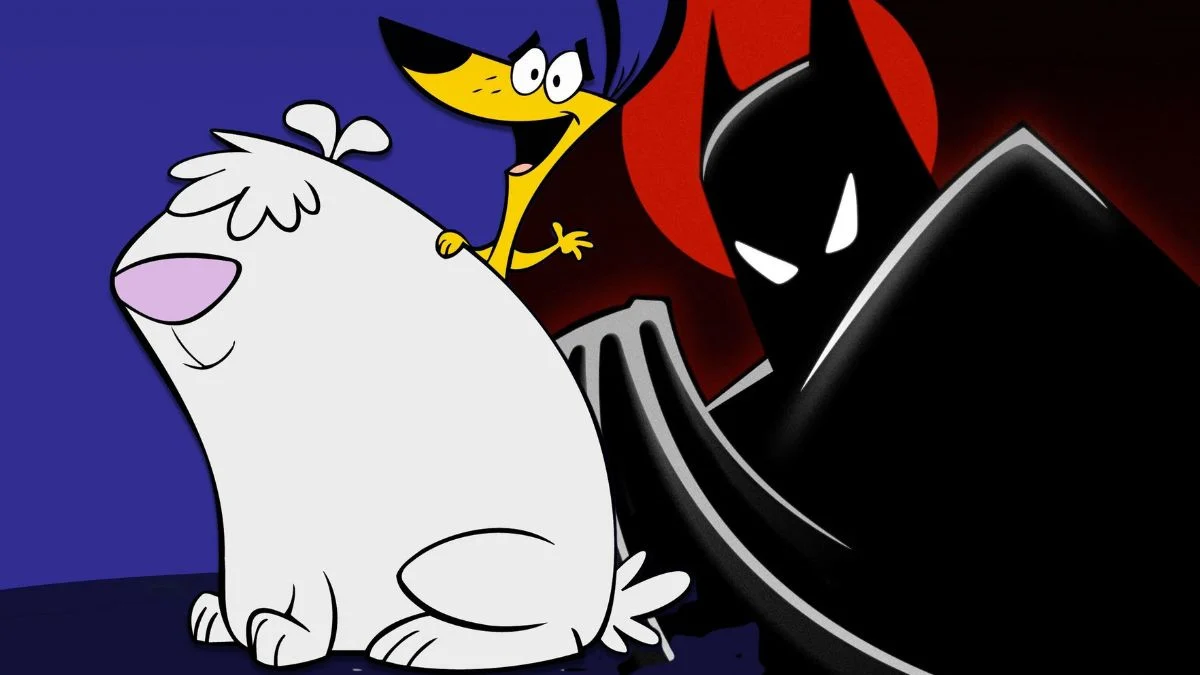
The 1990s were a special time for cartoons, with creators taking risks and experimenting with edgy humor and unexpected storylines. Many shows from that decade contained content that would likely be considered inappropriate or canceled today. What was acceptable for children’s television has changed a lot since then. This list highlights some of the animated series that were popular in the 90s, even though they included elements that are now considered controversial.
‘The Ren & Stimpy Show’ (1991–1996)
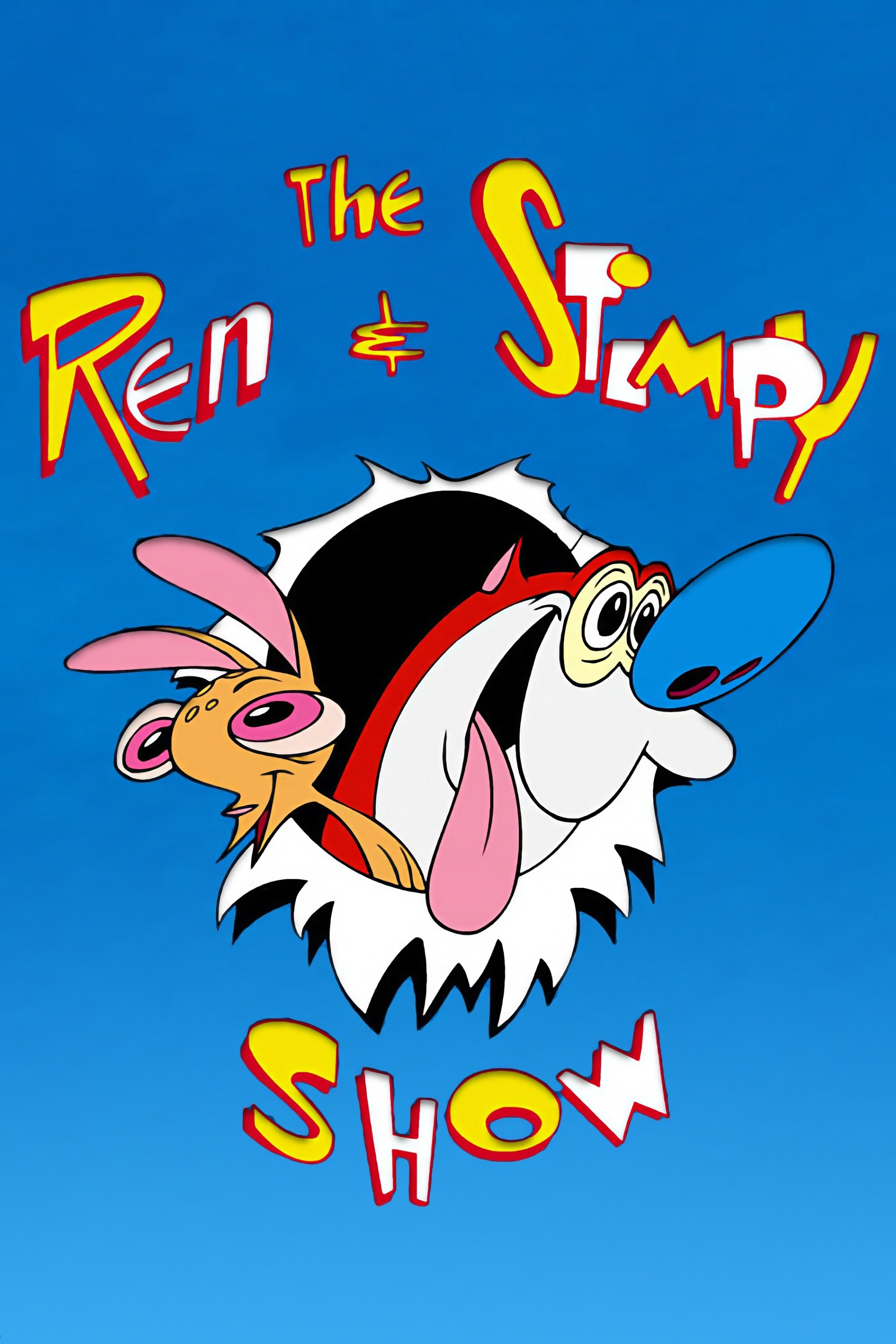
The show centered around the chaotic escapades of a nervous chihuahua and a not-very-bright cat. It gained notoriety for its bizarre, up-close visuals and often disturbing depictions of anatomy. Known for its dark, edgy humor and frequent bursts of violence, the series often pushed the boundaries of what network television allowed. Despite – or perhaps because of – its controversial nature, it developed a dedicated cult following thanks to its strange, mature themes.
‘Beavis and Butt-Head’ (1993–1997)
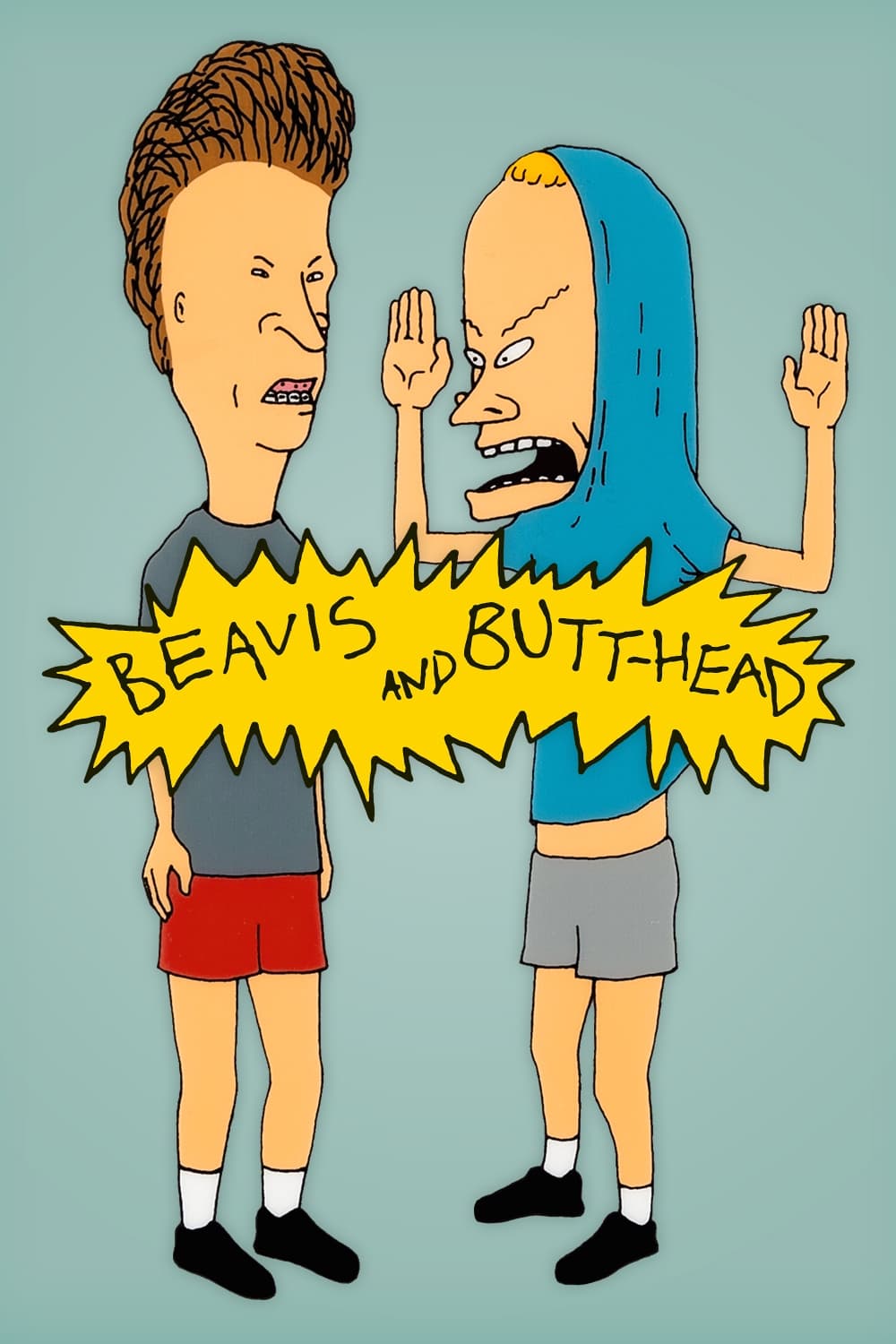
The show followed two lazy teenagers who spent their days watching and making fun of music videos, and getting into trouble. It caused a lot of controversy because people worried kids would copy the dangerous and destructive things the characters did. The series often dealt with rebellious behavior and social awkwardness, leading to national discussions about how media affects viewers. Despite the criticism, it’s remembered as a key part of the alternative culture scene of the early 1990s.
‘Rocko’s Modern Life’ (1993–1996)

This cartoon featured an Australian wallaby trying to live a normal life in America. It was known for its clever, sometimes subtle humor and observations about society, which often went unnoticed by kids. The show included some adult jokes and topics that wouldn’t be allowed on children’s television today, and it was considered very bold for a children’s program when it aired.
‘South Park’ (1997–Present)
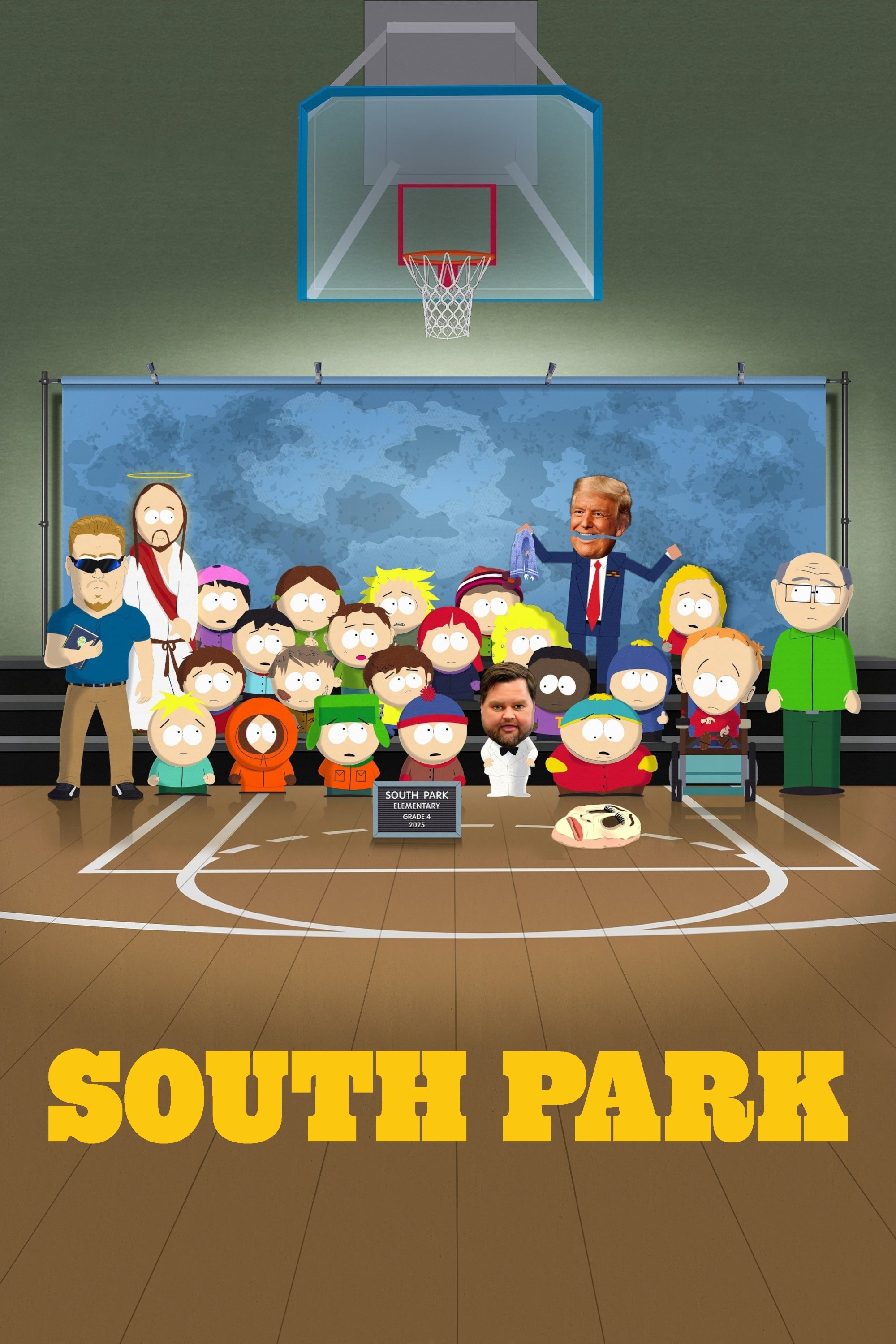
A show about four boys in a small Colorado town often found itself in the middle of controversy. It frequently used strong language and made fun of sensitive subjects, pushing the boundaries of what was considered acceptable for television at the time – and it still does. The show’s first seasons were known for their deliberately rough animation and attempts to shock viewers.
‘Cow and Chicken’ (1997–1999)
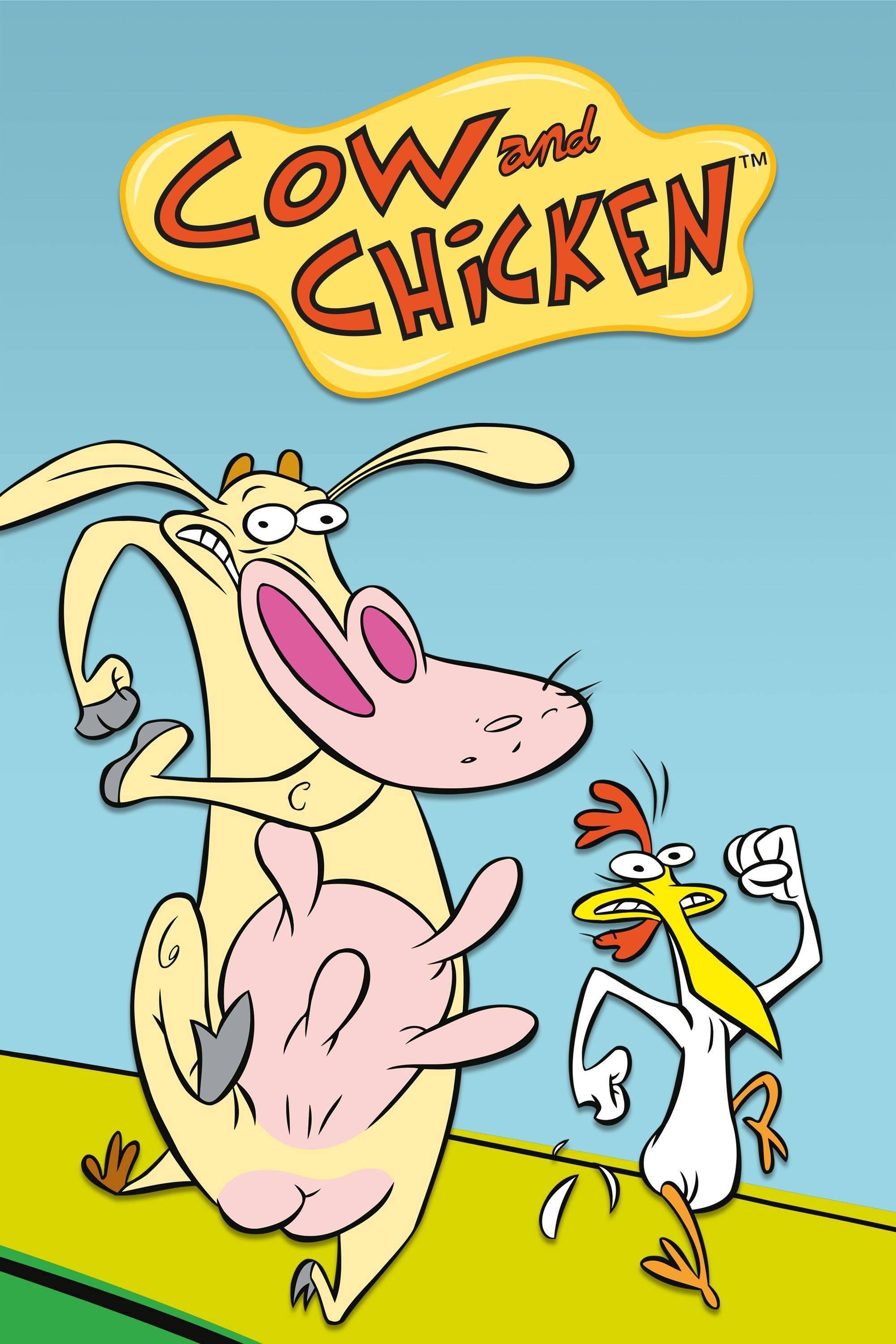
This strange and quirky cartoon featured a cow and a chicken as brother and sister. The show’s main villain was a flashy red devil who was known for his outlandish appearance and questionable behavior. The humor often involved crude jokes and deliberately unsettling character designs, leading many reviewers to wonder who the show was actually made for.
‘Johnny Bravo’ (1997–2004)
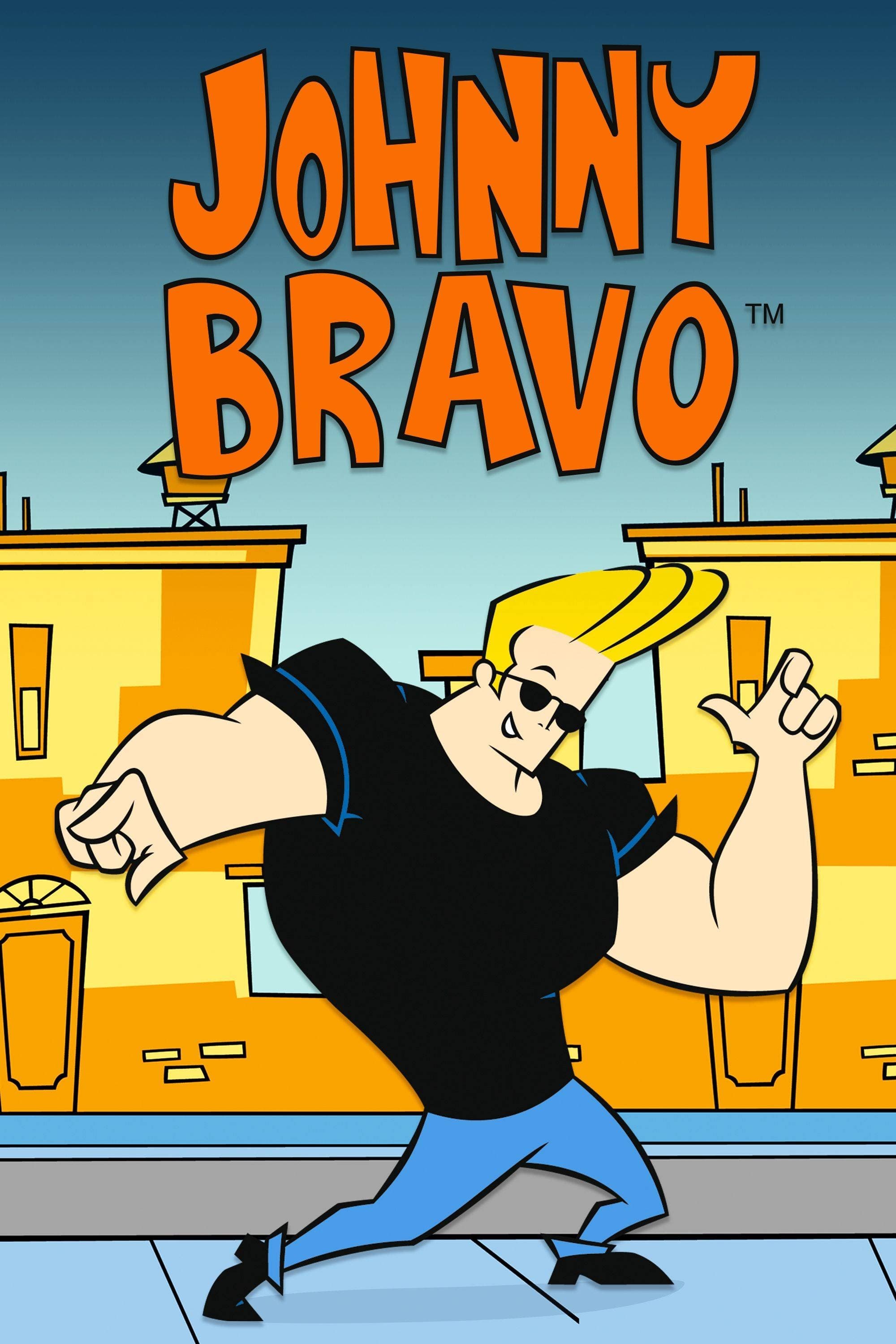
The show featured a very confident, athletic young man who constantly tried to impress women with bold and often cheesy attempts at flirting. These efforts usually backfired, leading to him being rejected or embarrassed due to his pushy and unwanted attention. Today’s audiences would likely see his behavior as inappropriate, as it clashes with current social expectations. The humor largely came from the character’s cluelessness and exaggerated sense of masculinity.
‘The Simpsons’ (1989–Present)
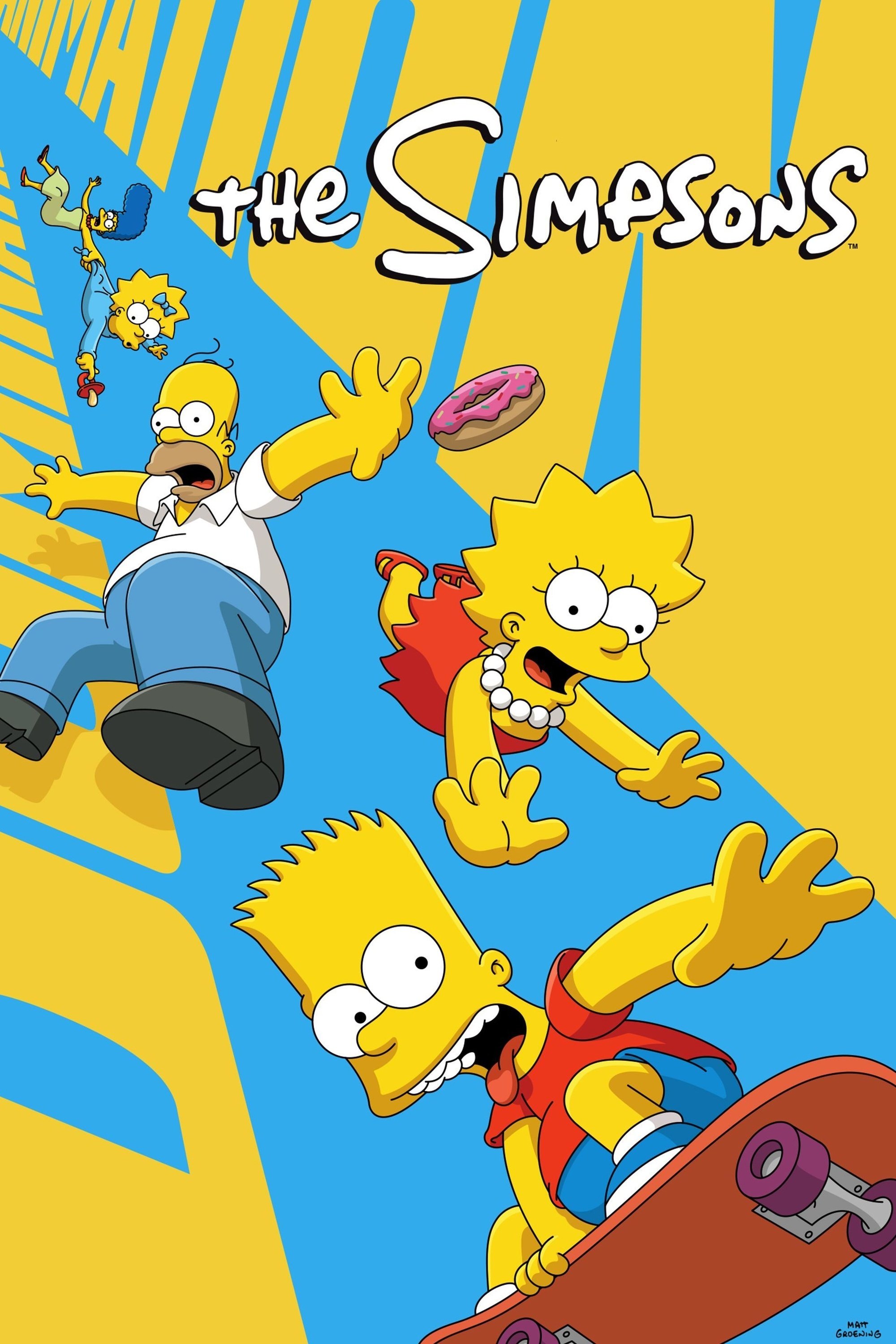
The Simpsons, a show about a typical working-class family, used humor to explore important social and political topics. When it first came out, it was quite controversial because it showed a flawed family and a son who often challenged authority. Some schools even prohibited Simpsons-related products, worried about its impact on kids. Despite this initial backlash, the show eventually became a beloved part of American culture.
‘Duckman’ (1994–1997)
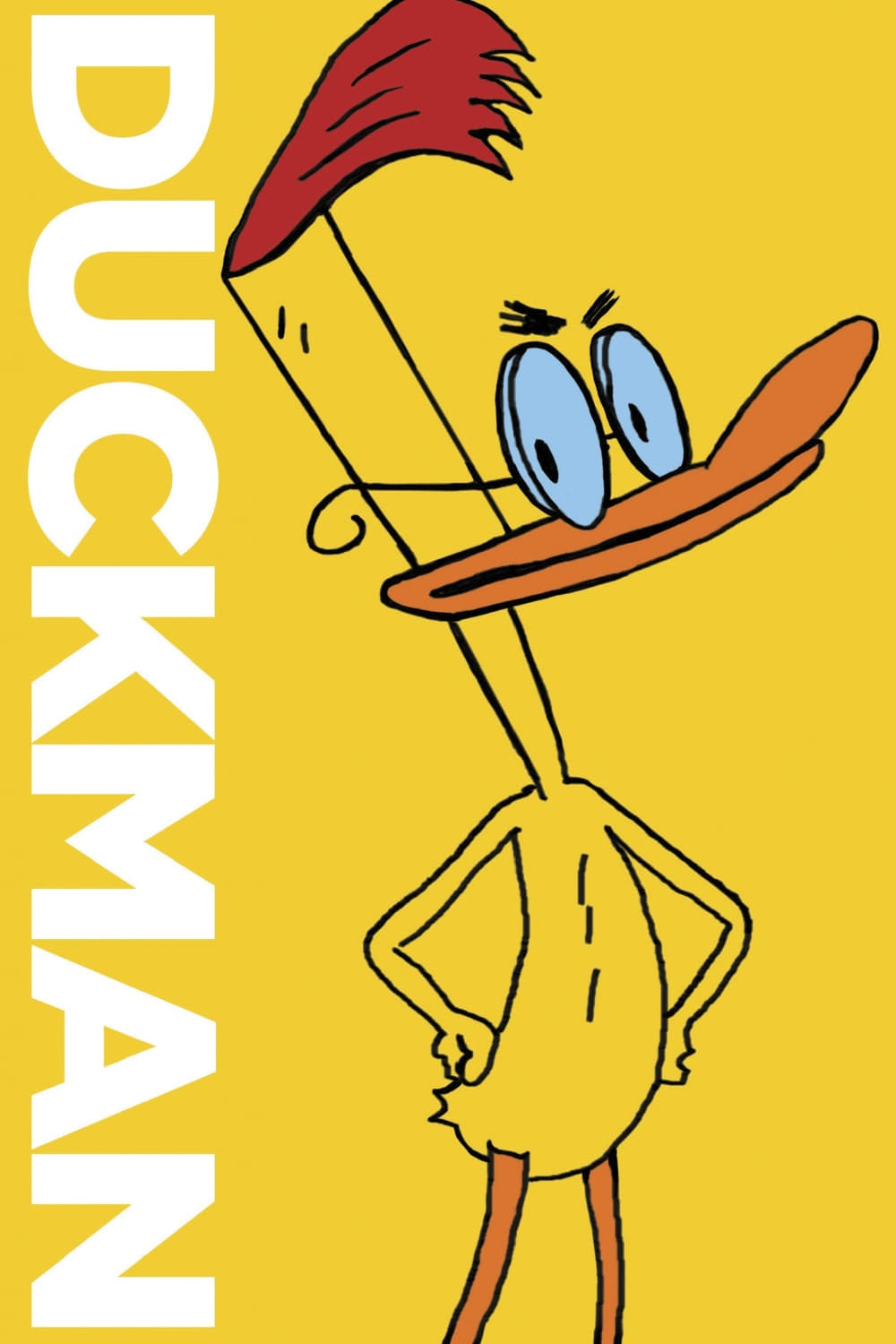
A duck with human characteristics worked as a detective, all while dealing with his unusual family. The show was made for adults and didn’t shy away from mature content, including strong sexual themes and a dark, pessimistic sense of humor. It stood out from most cartoons because of its cynical view of the world and use of explicit language. Many of its jokes would likely be considered too shocking for television today.
‘Animaniacs’ (1993–1998)
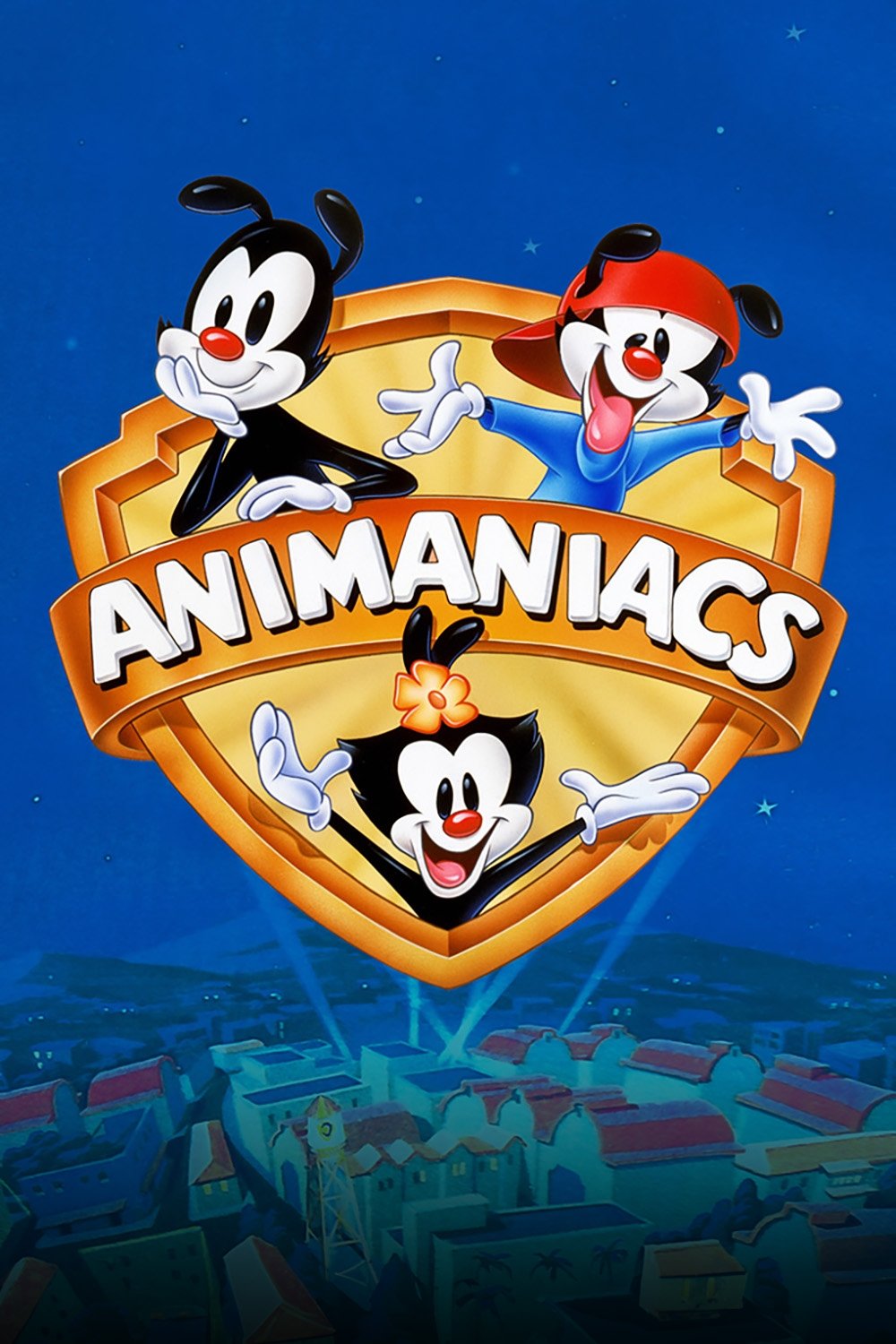
I absolutely loved watching the Warner siblings run wild through the studio, bumping into everyone from historical legends to cartoon characters! It was technically a kids’ show, but what really made it special were the jokes that flew right over my head as a kid – my parents were always laughing! Looking back, some of the things they did and said were pretty cheeky and would probably raise eyebrows now. But that’s part of what made it brilliant – it somehow managed to be both completely silly and surprisingly clever, and it kept me entertained for years.
‘Family Guy’ (1999–Present)
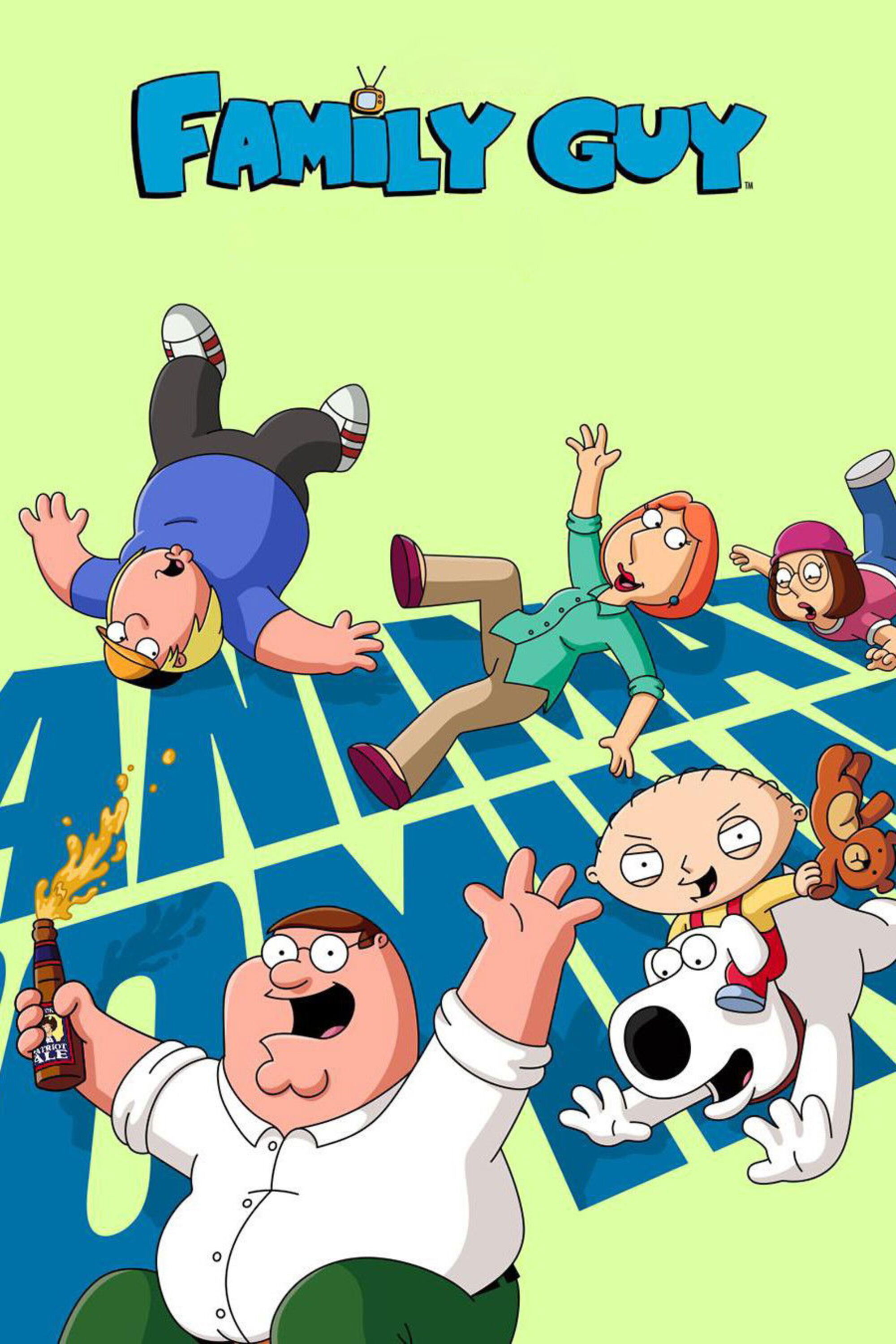
Family Guy, set in Rhode Island, became famous for its quick cuts to unrelated, funny scenes and its constant nods to popular culture. The show wasn’t afraid to push boundaries with its edgy and often offensive humor, which led to several attempts to cancel it and even legal problems. Some of its earliest jokes wouldn’t be acceptable on TV today because they were considered too insensitive.
‘King of the Hill’ (1997–2010)
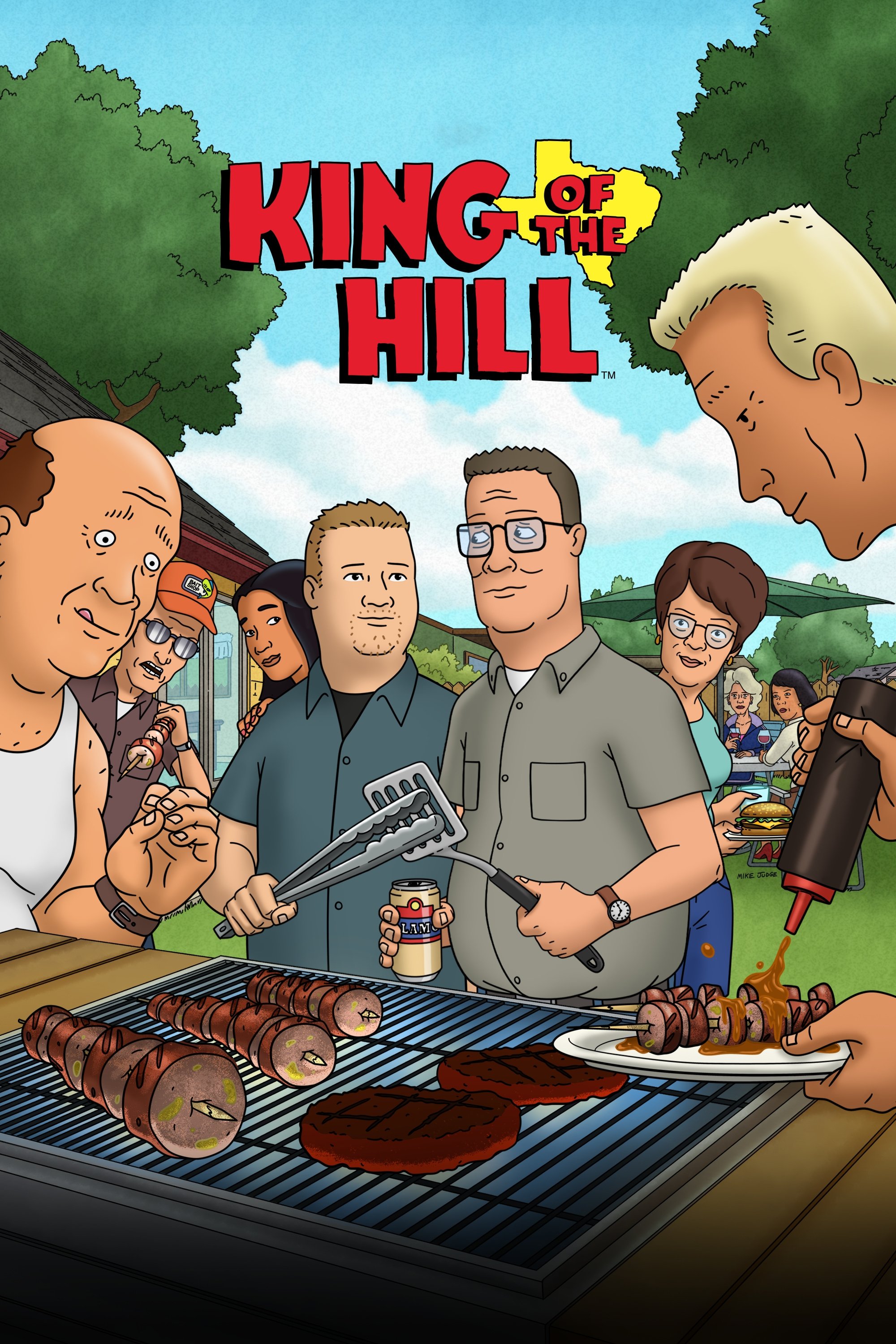
The show followed a propane salesman and his life in Texas, portraying everyday people and situations. It tackled political and social topics with a subtle, observational comedy style. While known for its well-developed characters, some depictions of minorities and cultural groups might seem outdated today. The series also occasionally addressed potentially sensitive issues specific to the region.
‘Celebrity Deathmatch’ (1998–2002)
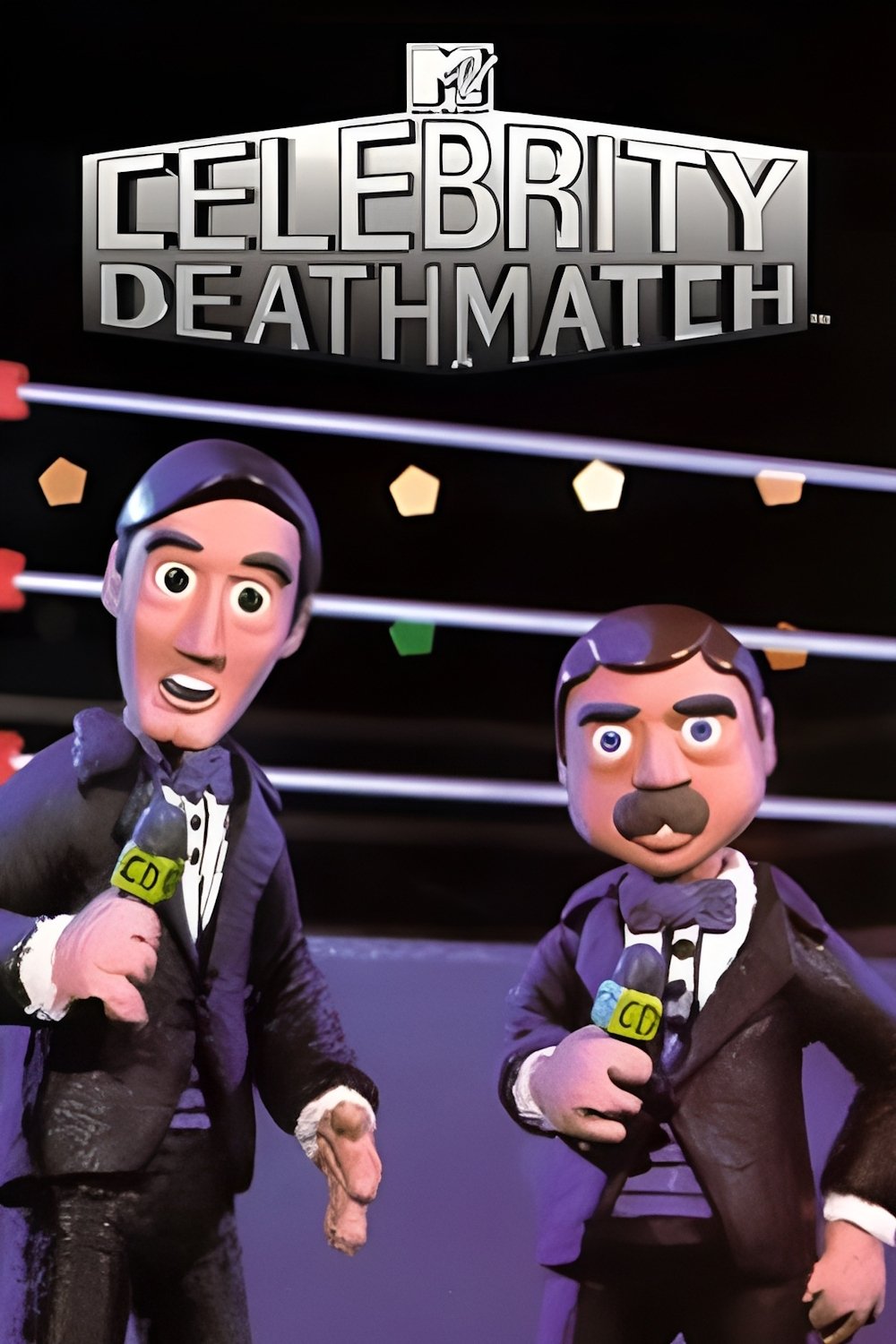
The show featured stop-motion animation of celebrities battling it out in over-the-top wrestling matches. It was known for its shocking violence and humorous commentary on celebrity culture and current trends. Each episode showcased imaginative and gruesome ways to ‘defeat’ famous people in the ring. Something like this would probably face major legal and ethical challenges if created today.
‘The Critic’ (1994–1995)
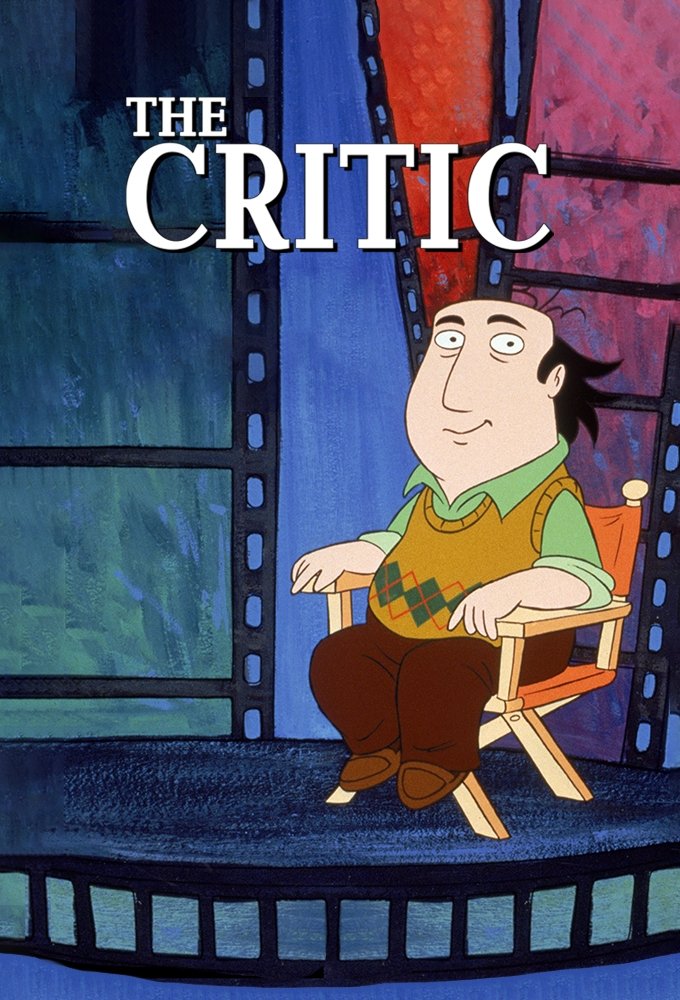
A film critic in New York City juggled a demanding career with a messy personal life. The show was known for its sharp and funny imitations of real movies and celebrities. Unlike most cartoons, it appealed to older viewers with its clever, but often sarcastic, humor. Some of the jokes and characters, however, might seem overly harsh today.
‘Daria’ (1997–2002)

The show followed a smart, sarcastic teenage girl as she dealt with the cliques and drama of high school. It explored feelings of being an outsider and offered a critical look at society, often poking fun at popular trends and the challenges of being a teen. Though praised for its clever writing, its ironic tone might not land as well with modern audiences who tend to be more straightforward.
‘The Maxx’ (1995)
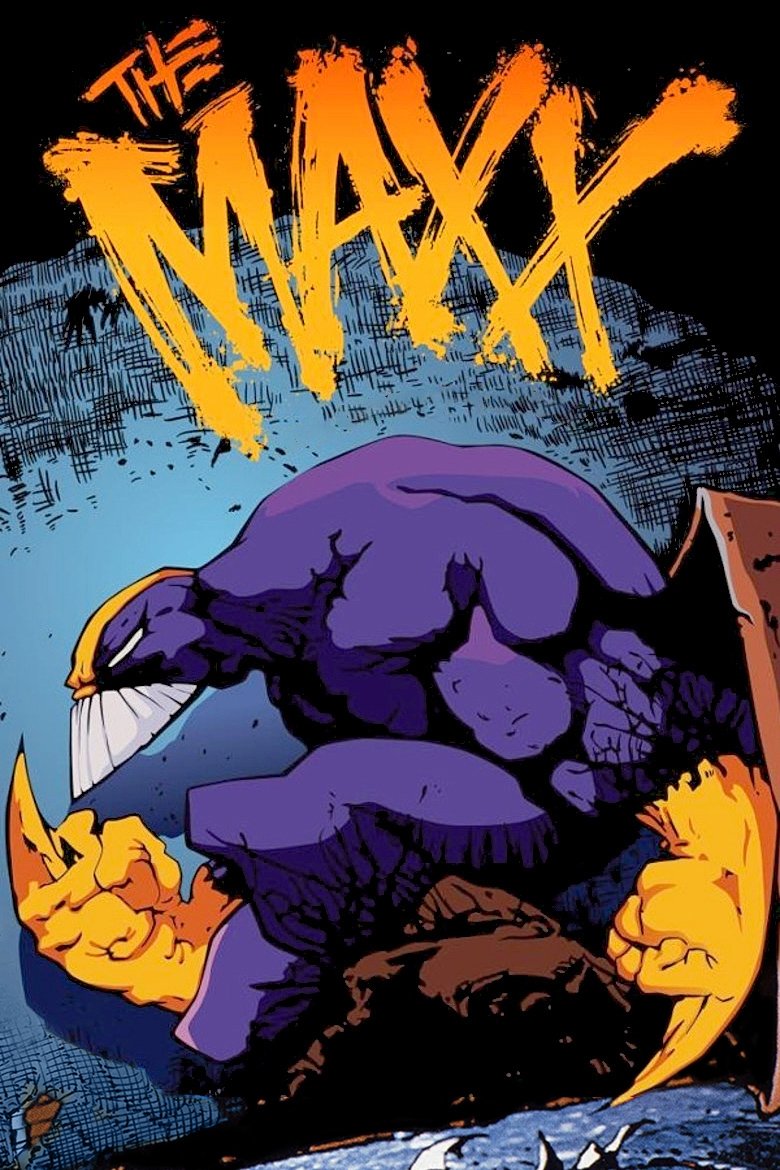
A man experiencing homelessness blurred the lines between reality and a fantastical world where he was a celebrated hero. The show tackled difficult subjects like trauma and mental illness with stark realism, mirroring the gritty visuals of the original comics. Its mature and intense storytelling set it apart from other programs airing late at night.
‘Spawn’ (1997–1999)
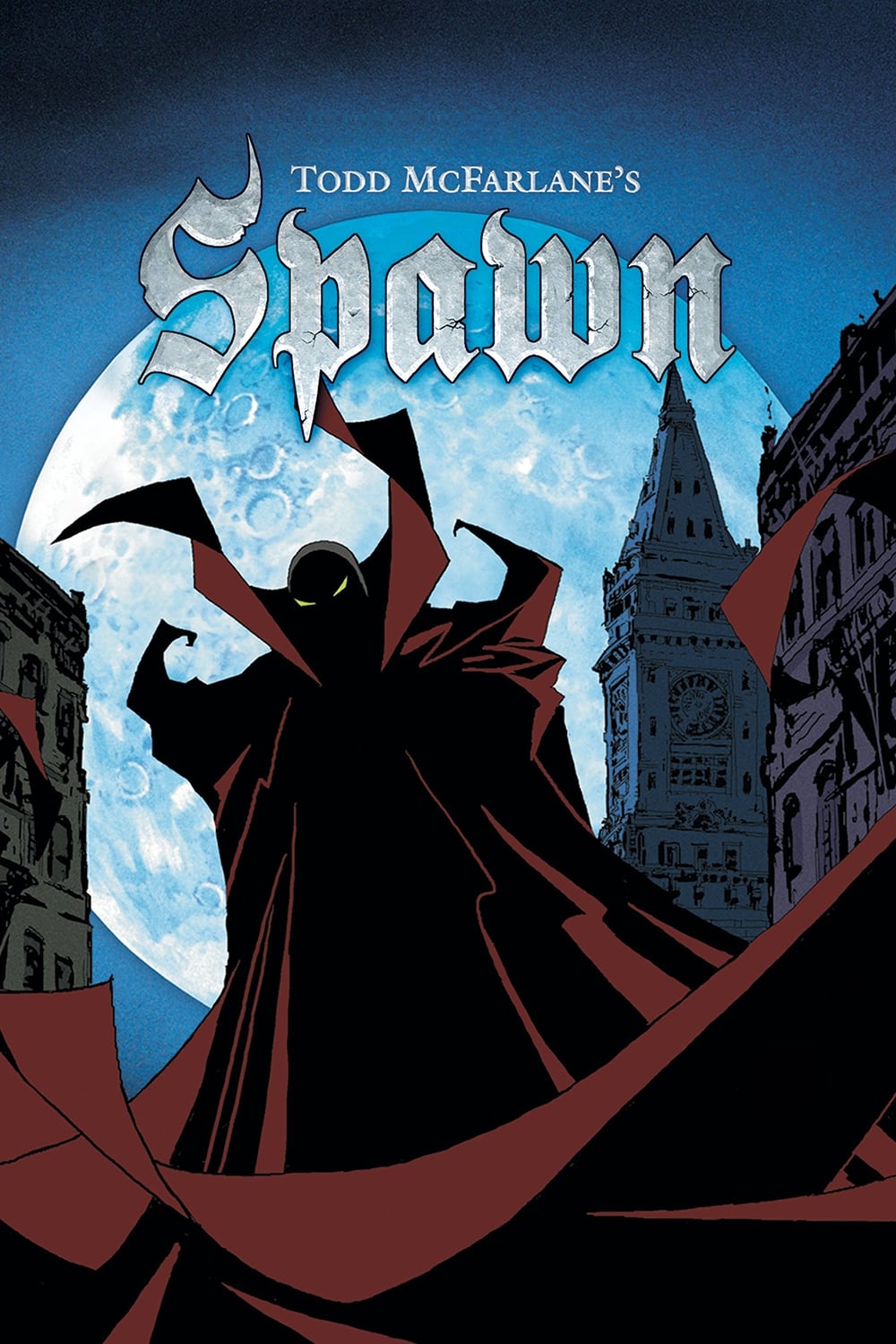
This animated series followed a mercenary who was murdered and returned to Earth as a demonic warrior, driven by revenge against those who killed him. It was known for its incredibly dark tone and shocking violence, using a supernatural setting to examine issues of corruption and what’s right and wrong. Compared to other superhero cartoons at the time, this show was far more graphic and intense.
‘Liquid Television’ (1991–1994)

This animated showcase was known for its short, often strange and experimental segments. It helped launch popular shows like ‘Beavis and Butt-Head’ and ‘Aeon Flux’. Many of the shorts featured mature content and unusual imagery, challenging the limits of animation. Its unpredictable style made it a favorite among viewers of late-night alternative programming.
‘Dr. Katz, Professional Therapist’ (1995–1999)
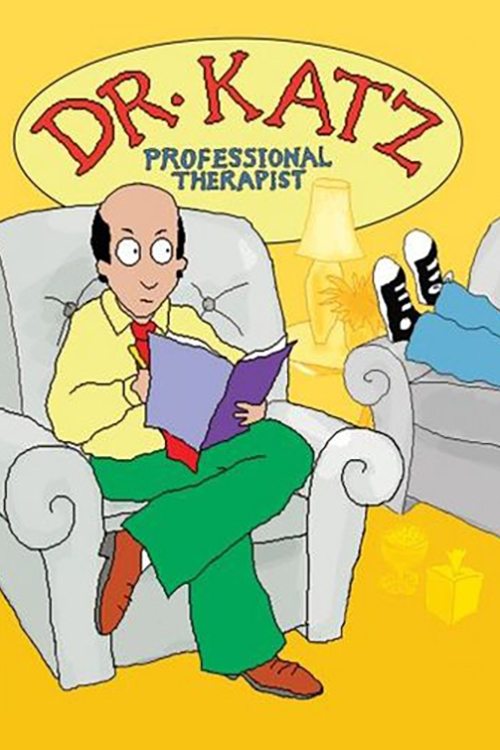
The show featured a therapist and their patients, with a clever twist: the patients were voiced by well-known stand-up comedians. It had a very distinctive visual style, using a unique animation technique called Squigglevision. A lot of the comedy came directly from the comedians’ existing stand-up material, which sometimes dealt with adult themes. This series was groundbreaking for adult animation on cable television.
‘The Head’ (1994–1996)
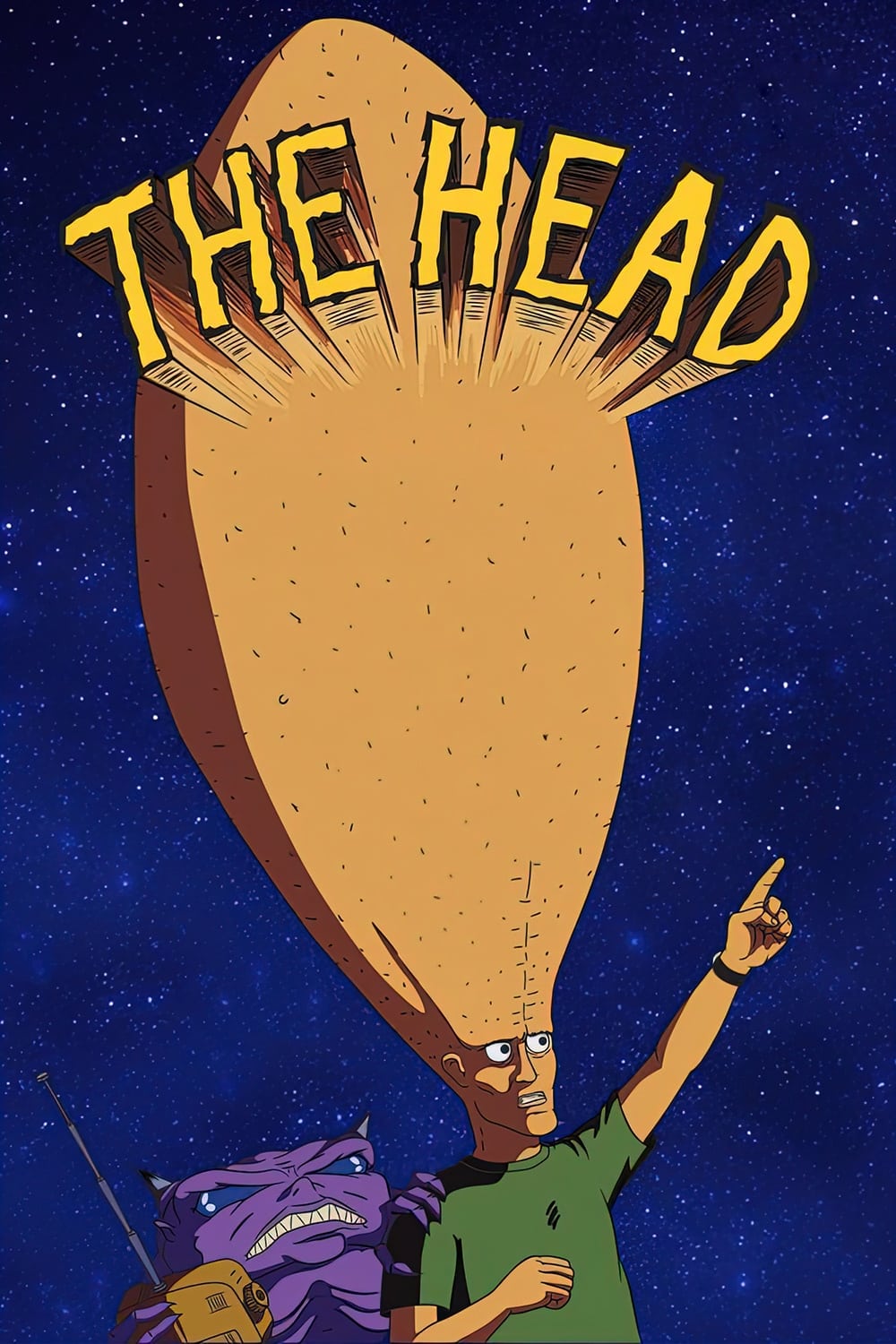
The show centers around a young man who finds an alien creature living inside his abnormally large skull. It had a unique and unusual visual style, blending science fiction with dark humor. As part of a series designed to showcase innovative stories, the show featured character designs that were intentionally strange and might be considered shocking or divisive by today’s viewers.
‘The Brothers Grunt’ (1994–1995)
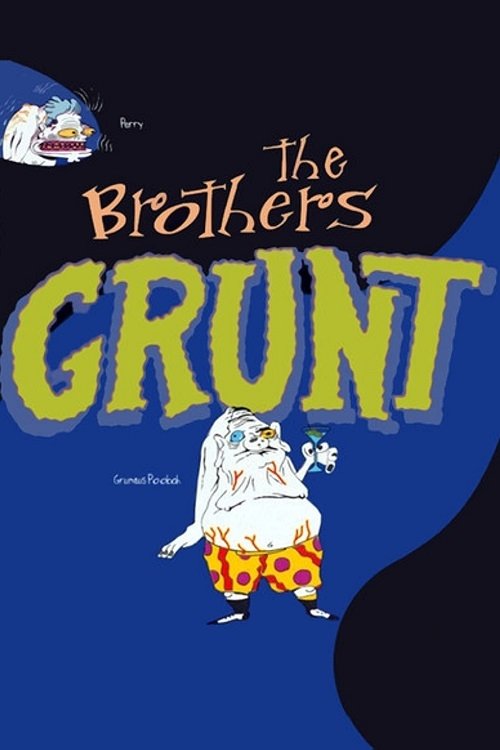
The show featured a group of pale, human-like brothers on a quest to find their missing brother, set in a world known for its crude and shocking humor. However, it received a lot of criticism for its unpleasant character designs and confusing storyline. The comedy heavily depended on jokes about bodily functions and physical discomfort, and it quickly became known as one of the most notorious and quickly cancelled shows ever made.
‘Space Ghost Coast to Coast’ (1994–2008)
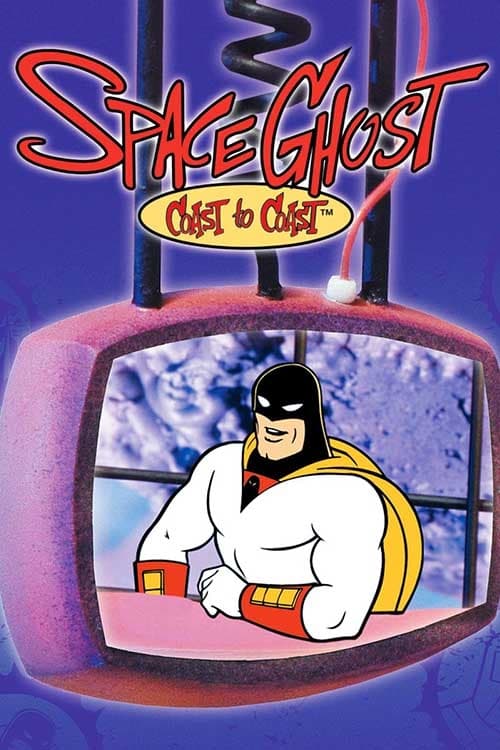
A former superhero hosted a late-night talk show featuring real celebrities. The interviews were frequently strange and uncomfortable, as some guests weren’t aware the show was a comedy. This program is considered a precursor to the popular adult animation blocks seen on TV today, and its quirky, often illogical humor attracted a dedicated group of viewers.
‘Aaahh!!! Real Monsters’ (1994–1997)

A show about three young monsters learning to scare people stood out because of its dark and dirty look, which was different from most kids’ programs. The characters were designed to be intentionally creepy, and they lived in a sewer. Though it was popular, some might find its focus on scary and unpleasant things too strong for children today.
‘Courage the Cowardly Dog’ (1999–2002)
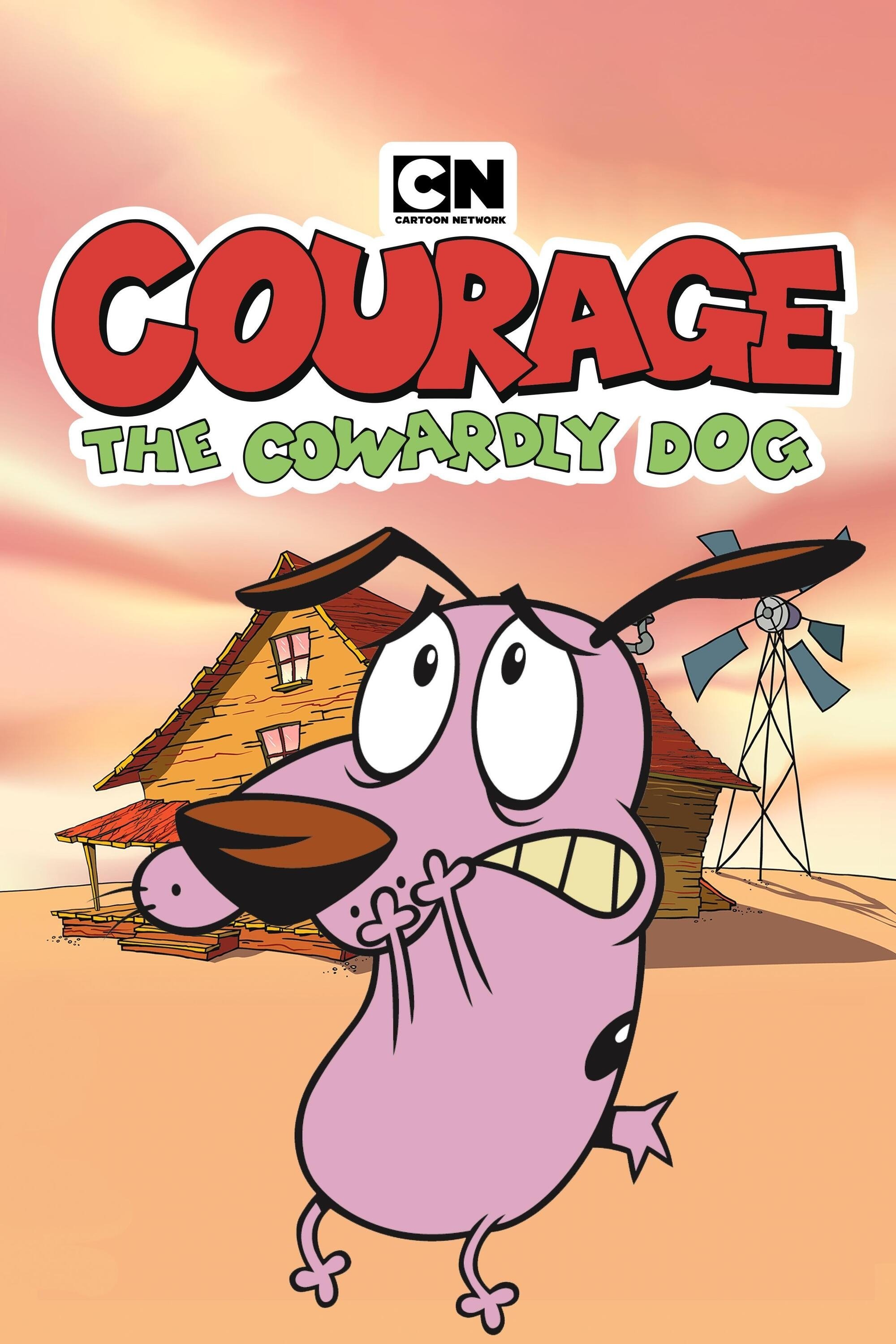
Okay, let me tell you about this show… it’s genuinely weird and surprisingly effective. The premise? A bright pink dog protecting a sweet old couple from seriously creepy monsters in the middle of nowhere. What really struck me was how legitimately scary it was – some episodes genuinely gave me chills, and that’s saying something for a kids’ show! The monster designs were fantastic, truly disturbing. But it wasn’t just horror; it had this really unique tone, mixing genuinely frightening moments with slapstick comedy and dark fantasy. It’s a bizarre, but incredibly memorable combination. Definitely a show that stuck with me long after I finished watching.
‘2 Stupid Dogs’ (1993–1995)
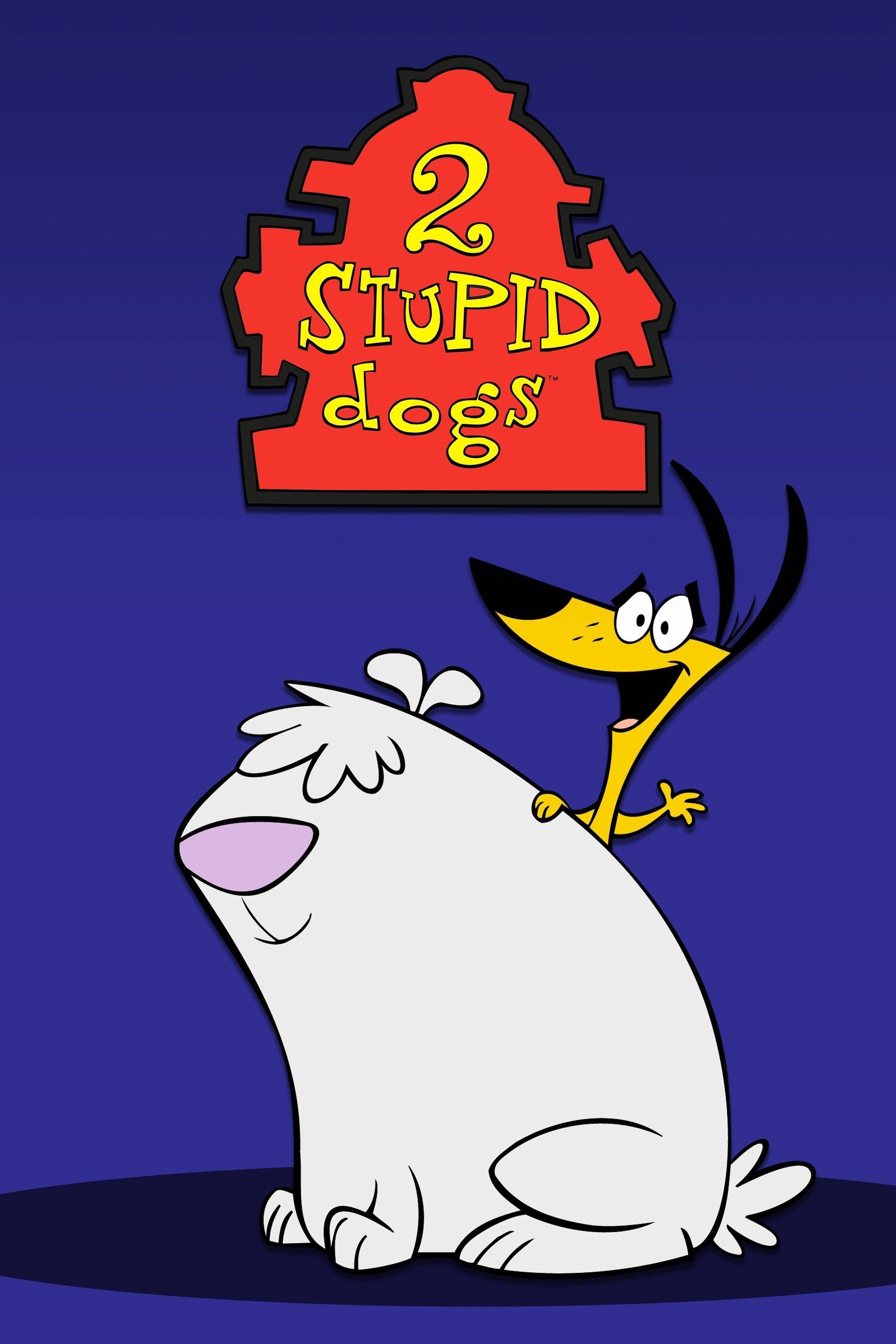
The show featured two dogs, one big and one small, who constantly got into simple, chaotic trouble. It had a distinct, retro art style reminiscent of early nineties cartoons. The humor largely came from the characters being clueless and socially awkward. It paved the way for other popular shows that borrowed its comedic style and visual look.
‘Biker Mice from Mars’ (1993–1996)
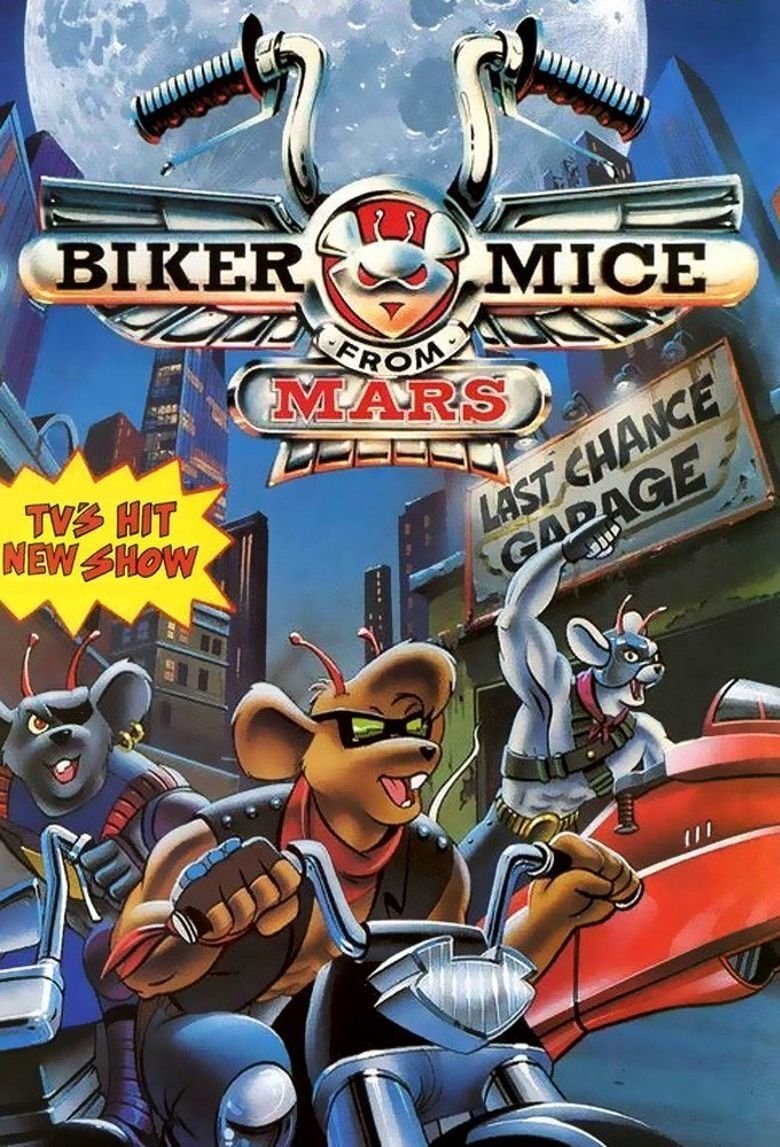
Three mouse-like aliens fled their destroyed planet and came to Earth to battle unfair corporate practices. The cartoon was full of exciting action and emphasized protecting the environment and being critical of excessive consumerism. Some of the bad guys were obvious stand-ins for greedy businesspeople, which might feel a bit heavy-handed now. It was similar to other action-packed cartoons of the time, featuring animal heroes with strong personalities.
‘Street Sharks’ (1994–1997)
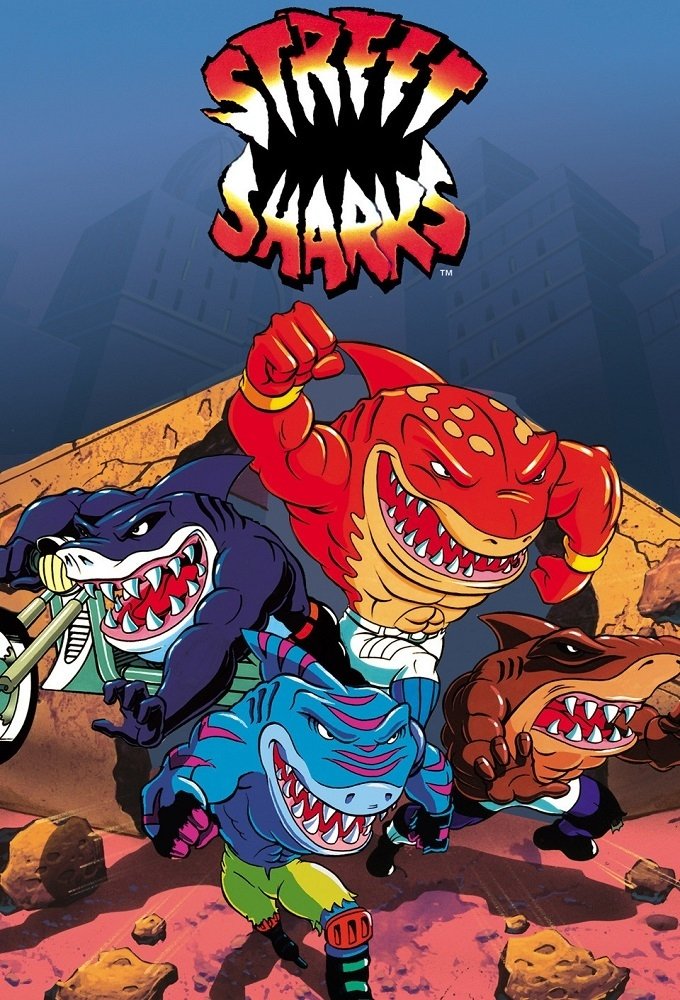
This cartoon followed a team of brothers who were turned into shark-human hybrids and dedicated themselves to fighting crime. The show was created mainly to sell toys, and it featured over-the-top character designs and memorable catchphrases. It kept audiences watching with lots of fast-paced action and cartoon violence, which was common for action cartoons of the mid-1990s. The show’s plots were fairly simple and focused more on selling merchandise.
‘Tiny Toon Adventures’ (1990–1992)
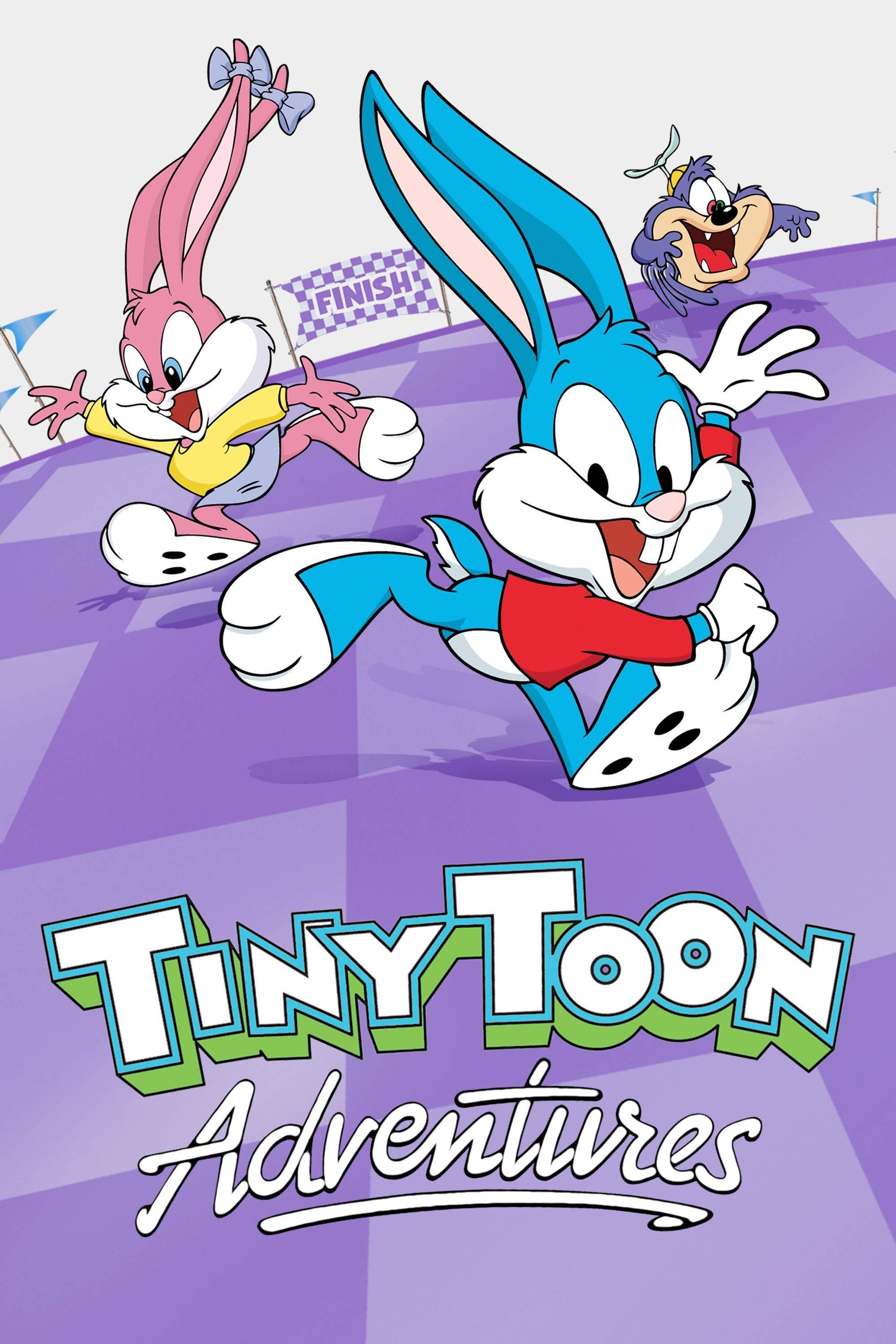
A fresh group of cartoon characters went to Acme Looniversity to learn how to be hilarious. The show was known for its clever satire and spoofs of popular culture and other shows. One episode caused controversy and was pulled from the air because it showed characters drinking and dealing with the results. Despite that, the series remains popular, successfully bringing the feel of classic cartoons to a new generation.
‘Pinky and the Brain’ (1995–1998)
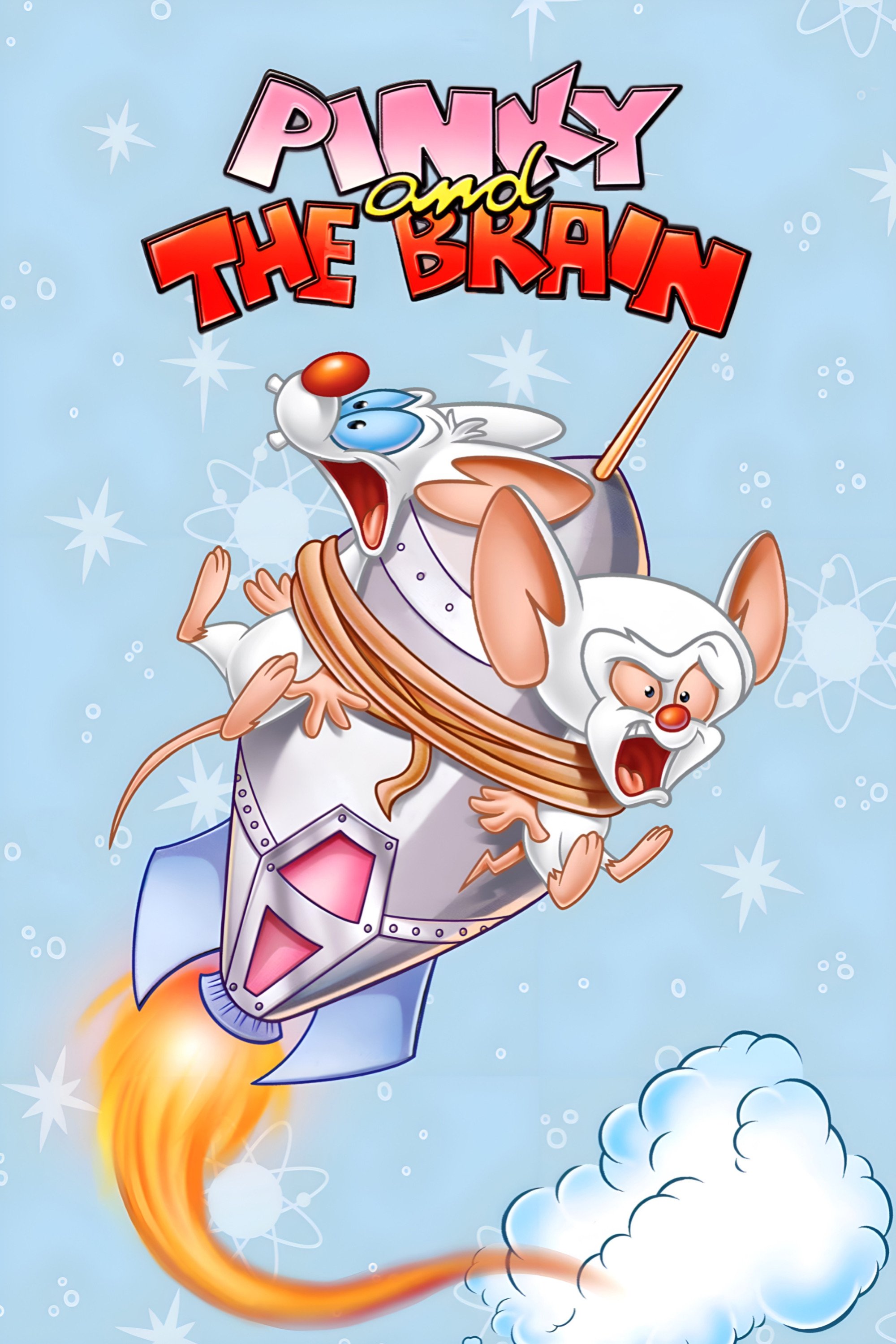
A pair of super-smart lab mice constantly plotted world domination. The Brain, a power-hungry genius, was always the mastermind, and Pinky was his well-meaning but not-very-bright sidekick. The show was famous for its clever writing and often included jokes about history and current events. Many of the Brain’s elaborate plans were actually humorous takes on things happening in the world and how society works.
‘Dexter’s Laboratory’ (1996–2003)
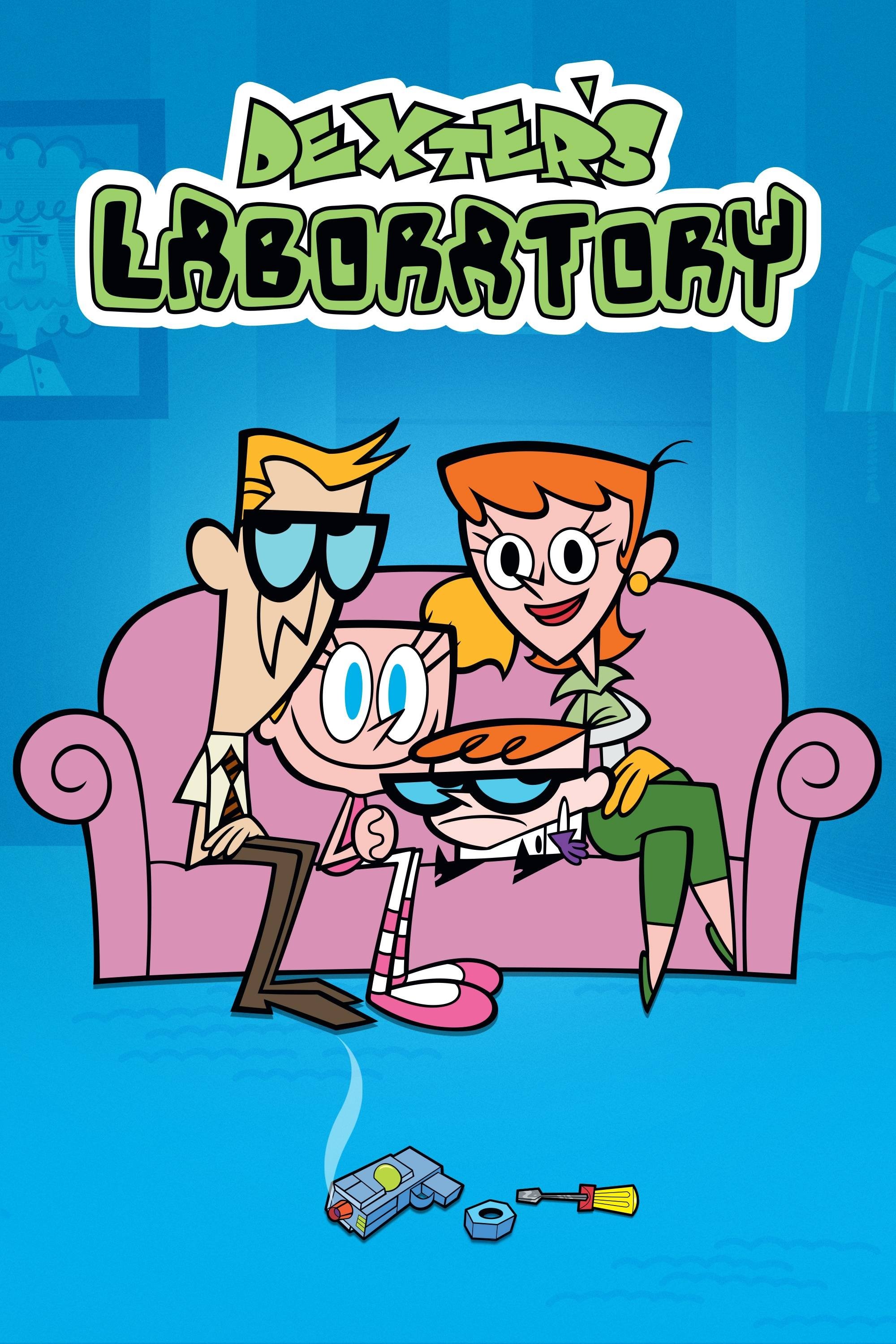
The show centered around a remarkably intelligent young boy who had a hidden laboratory, alongside the everyday challenges of a pesky sibling and a competitive rival. It was a defining program of its time, instantly recognizable for its unique and groundbreaking visual style. One episode was removed from broadcast for many years due to its portrayal of a problematic stereotype and use of offensive language. Despite this, the series remains incredibly important, having significantly shaped the aesthetic of contemporary animated television.
‘The Powerpuff Girls’ (1998–2005)
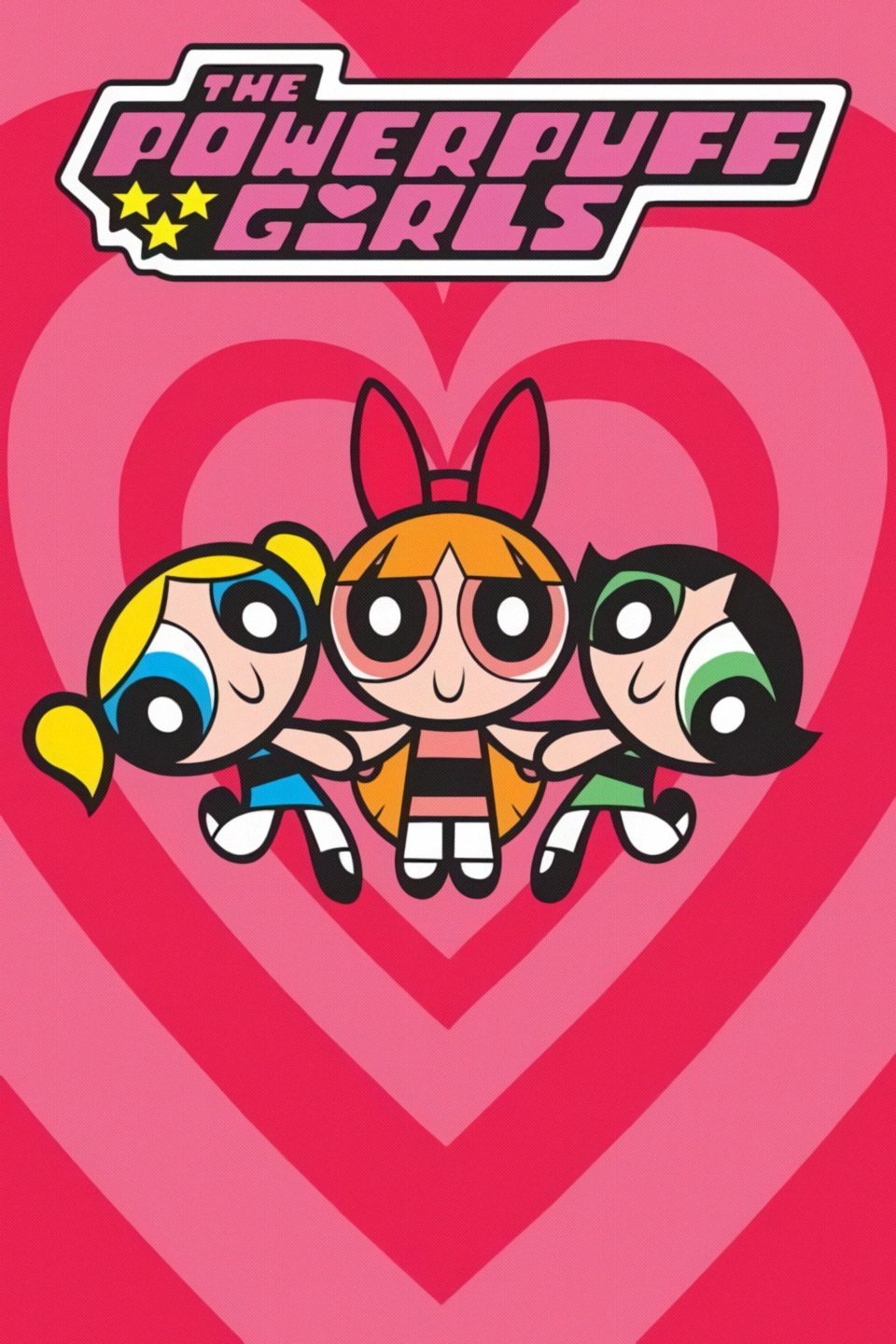
A trio of superpowered girls protected the city of Townsville from criminals and outlandish villains. The show was known for its appealing character designs alongside surprisingly exciting and sometimes violent action. It frequently challenged traditional ideas about gender roles and featured a diverse cast of quirky enemies. One villain, in particular, was a showy character whose depiction some viewers today might consider offensive.
‘Ed, Edd n Eddy’ (1999–2009)
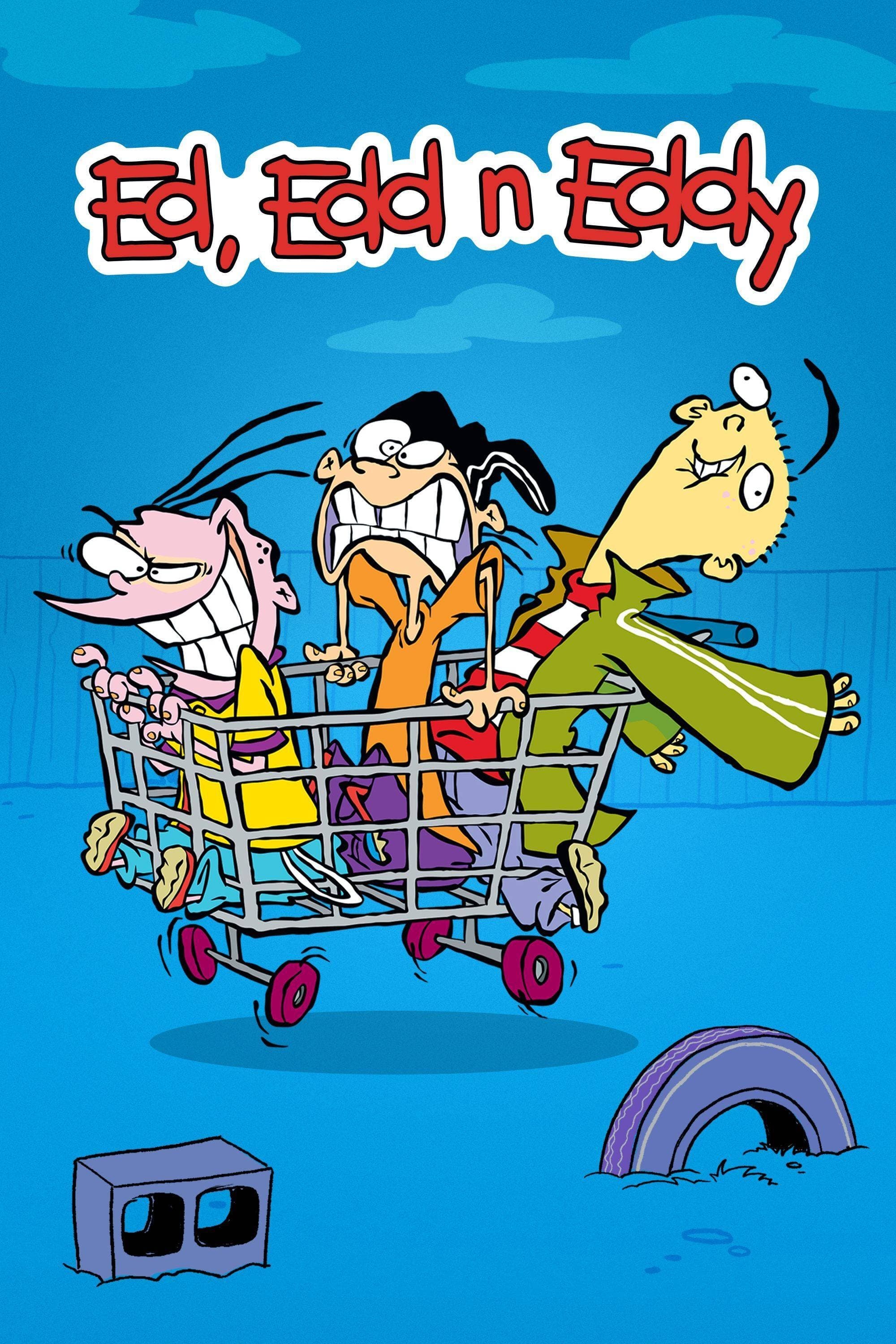
Three teenage boys, all with similar names, constantly schemed to earn money for jawbreakers. The show was well-known for its distinctive, fast-paced animation and silly, over-the-top humor. It hilariously captured the awkwardness of growing up and the everyday lives of kids on a quiet suburban street. Much of the comedy involved exaggerated physical gags and focused on the characters’ flaws, selfishness, and struggles to fit in.
‘CatDog’ (1998–2005)
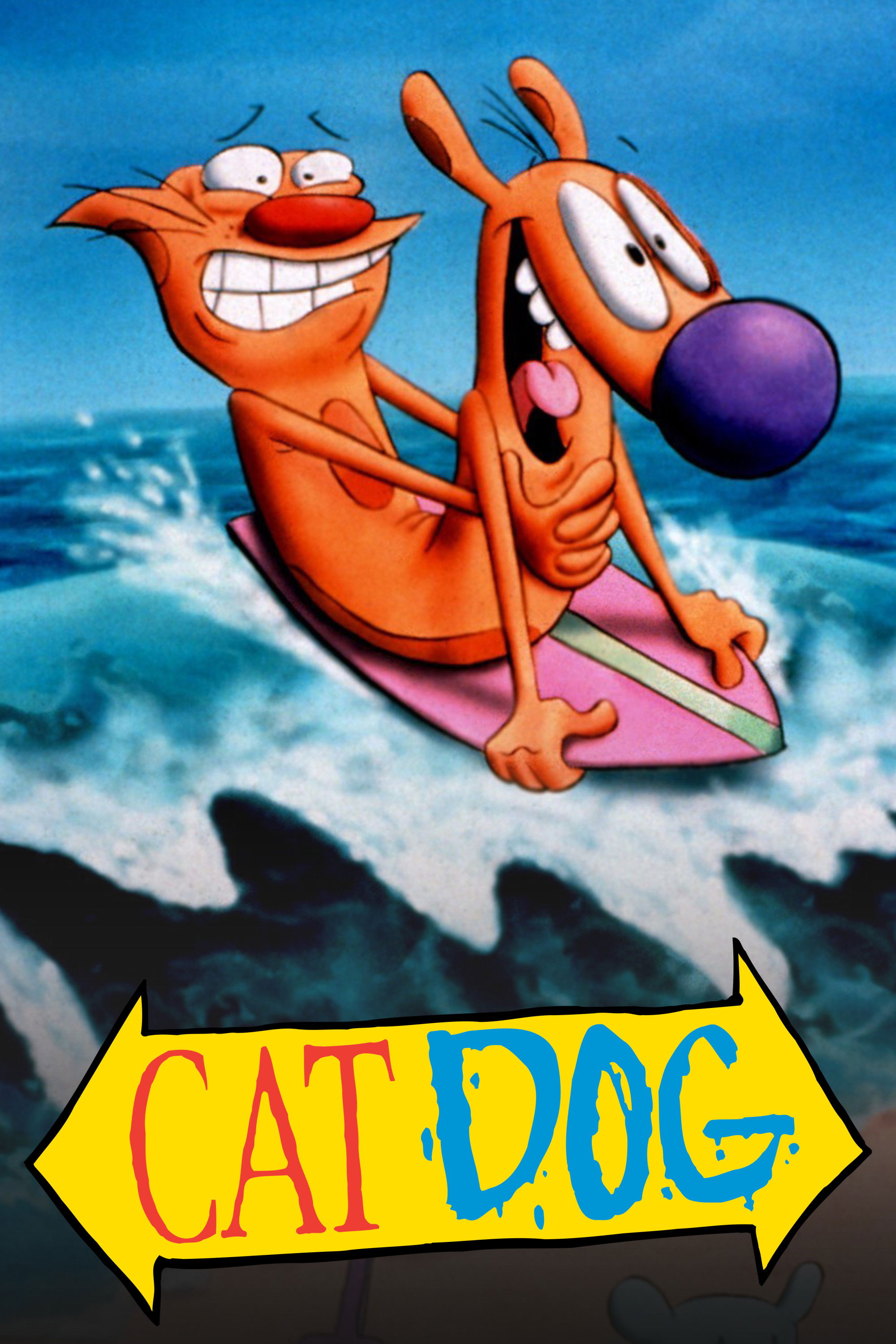
The show centered around twin brothers—one human, one animal—who were physically joined together. They faced prejudice and awkward situations as they navigated daily life with a shared body and clashing personalities. The comedy often came from the practical difficulties of their unusual condition. While strange and sometimes insensitive, the show stood out as a distinctive program for its time.
‘The Angry Beavers’ (1997–2001)
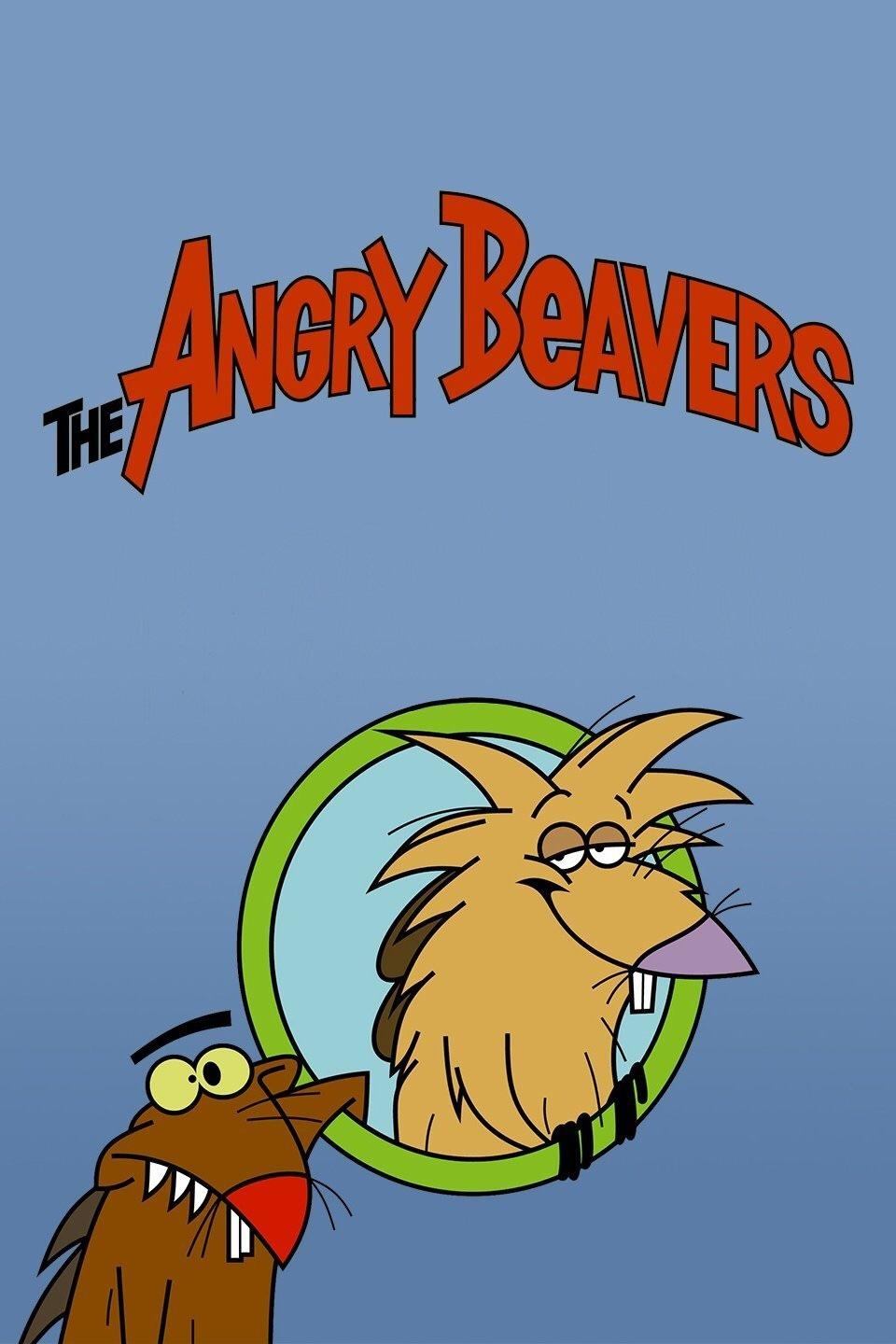
Two beaver brothers moved out on their own but were always arguing about where they lived. The show was fast-talking and filled with jokes and references that adults would get. Interestingly, the last episode was never shown because the characters directly addressed the fact that the show had been canceled. The series was also known for its strange, dreamlike stories and lively voice performances.
‘Eek! The Cat’ (1992–1997)
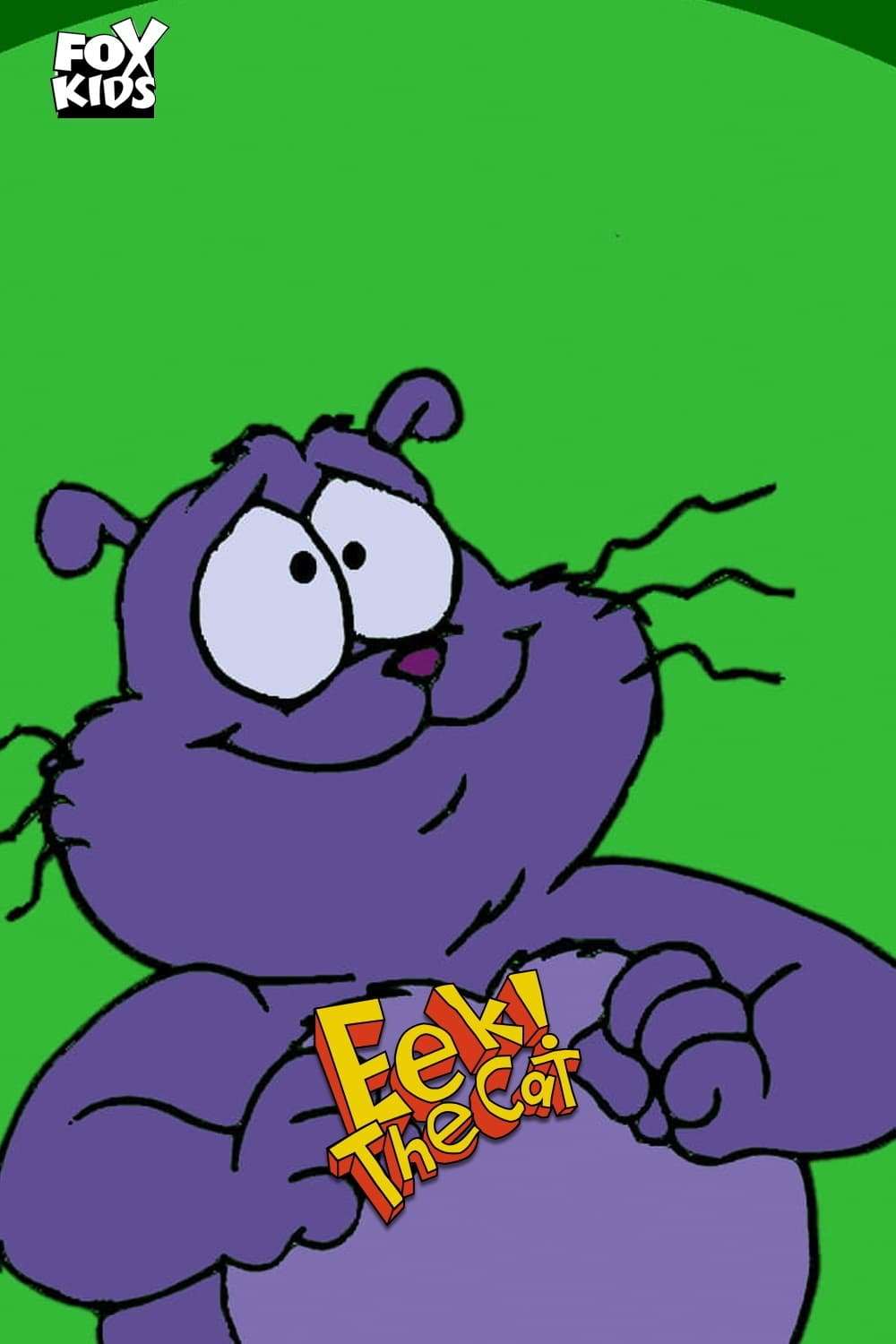
This cartoon was known for its wild, over-the-top humor. It starred a cheerful purple cat who, despite being very kind, always found himself in hilariously painful and dangerous predicaments – often getting squashed or blown up each episode! The show also included bizarre segments about a caveman family and a team of bears in space. Its style relied on silly, over-the-top physical comedy and constantly putting the main character in harm’s way.
‘The Tick’ (1994–1996)
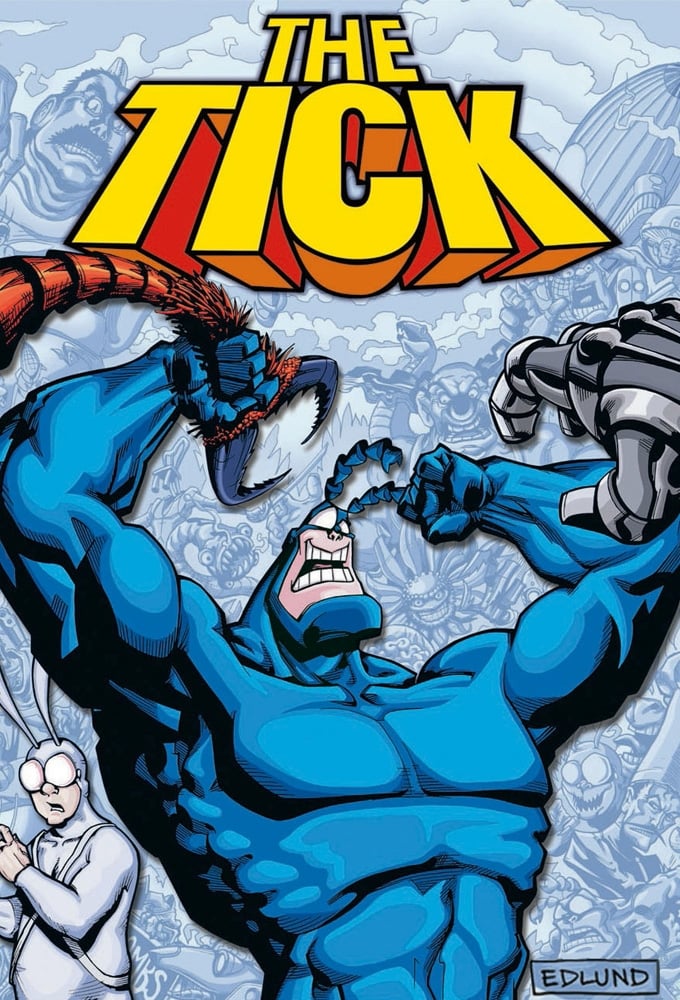
A remarkably strong and unusual superhero kept the city safe from incredibly strange villains. The show playfully poked fun at typical superhero stories with clever writing and characters. Instead of relying on common action cartoon clichés, it focused on bizarre and funny situations. This fresh take on heroism earned it a dedicated following among fans who enjoy different kinds of animated shows.
‘Earthworm Jim’ (1995–1996)
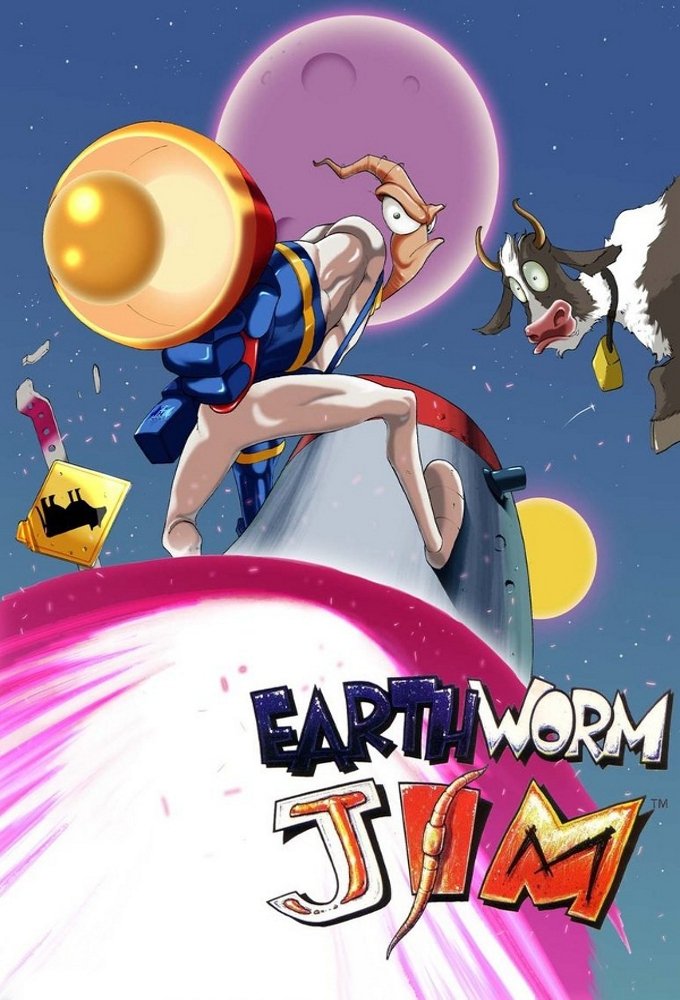
A regular earthworm became a superhero thanks to a robotic suit, battling bizarre enemies from outer space. The show, inspired by a well-known video game, was famous for its silly storylines and moments where characters acknowledged they were in a TV show. It had a unique look and moved at a very fast pace. Its strangeness was what attracted viewers during its short time on television.
‘Freakazoid!’ (1995–1997)

The show centers on a teenager who develops amazing abilities—and a bit of an unpredictable personality—after being pulled into the internet. Steven Spielberg helped bring it to life, and it was known for its incredibly fast-paced, chaotic, and funny style. It often made fun of other popular movies and TV shows, and didn’t bother with typical plot structures. Many viewers felt its energetic and quirky humor was surprisingly innovative for its time.
‘ReBoot’ (1994–2001)
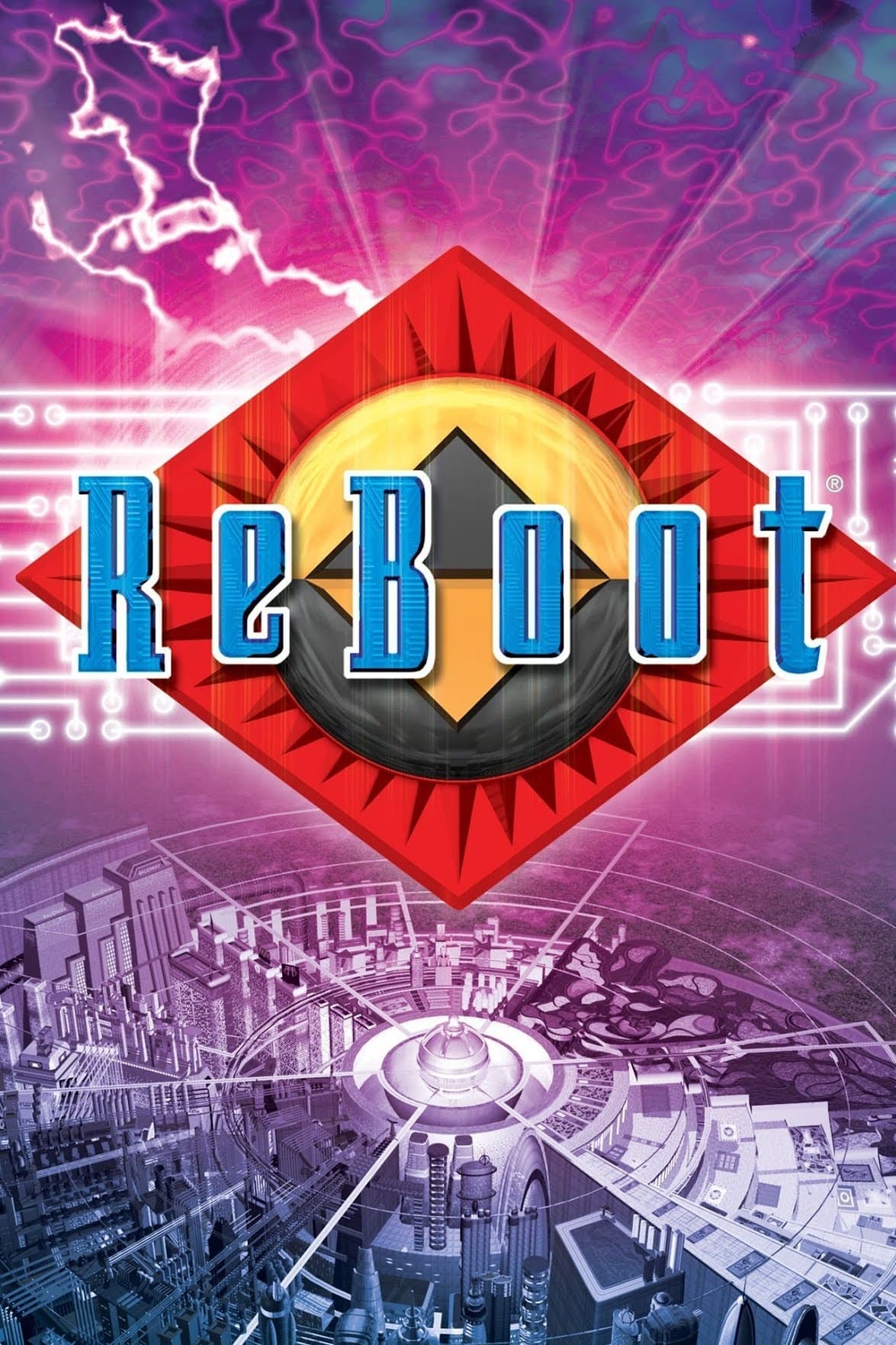
The groundbreaking animated series ReBoot was set inside a computer system called Mainframe. Starting as a straightforward action show, it developed into a more intricate drama with ongoing storylines. It explored surprisingly mature themes of conflict and loss for a children’s program. As the series progressed, it became notably darker and shifted away from its initially lighthearted style.
‘Mega Man’ (1994–1995)
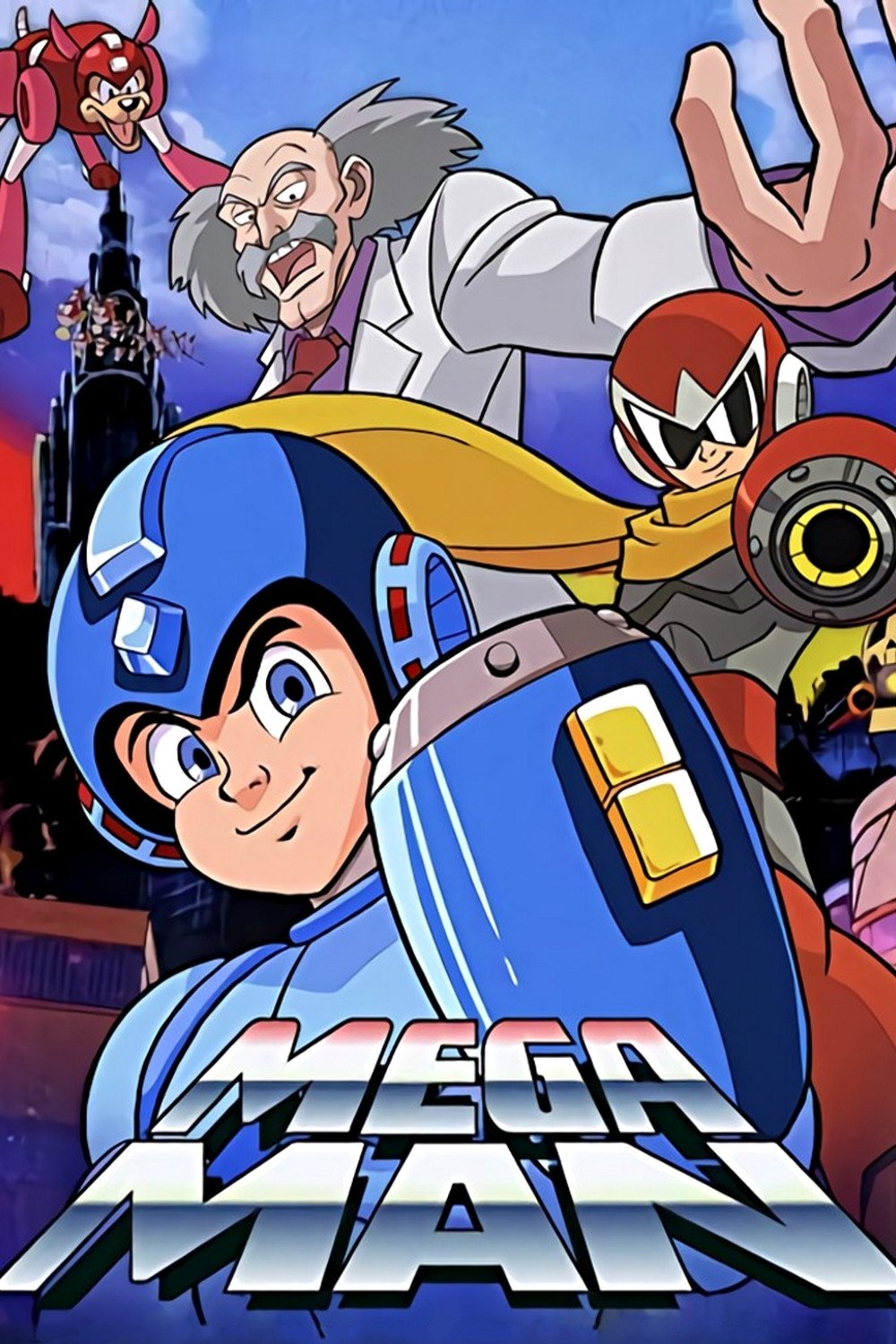
A powerful robot battled to save the world from a villainous scientist. This show updated the look of the main character, making him more muscular and grown-up compared to the original Japanese version. Each episode was packed with action and focused on the hero unlocking new powers. It was a classic example of a 90s adaptation made to attract viewers in Western countries.
‘Darkwing Duck’ (1991–1992)
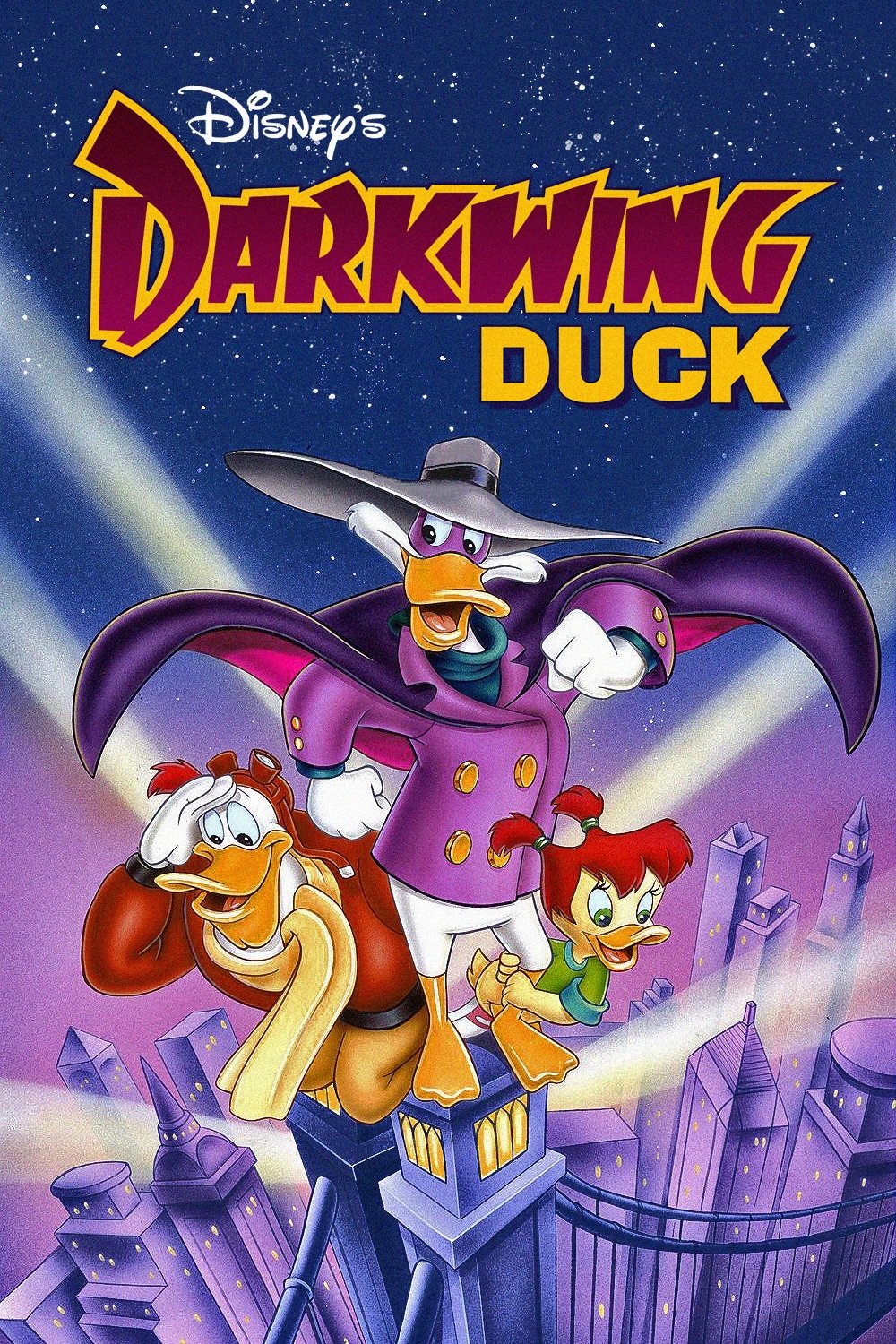
A mysterious duck in a mask protected the city of St. Canard, teaming up with his daughter to fight crime. The show was a funny take on old-fashioned adventure stories and superhero clichés, filled with silly, over-the-top humor. It boasted a colorful cast of villains, many of whom were exaggerated versions of familiar comic book bad guys. The series cleverly combined family life with exciting, action-packed scenes.
‘Gargoyles’ (1994–1997)
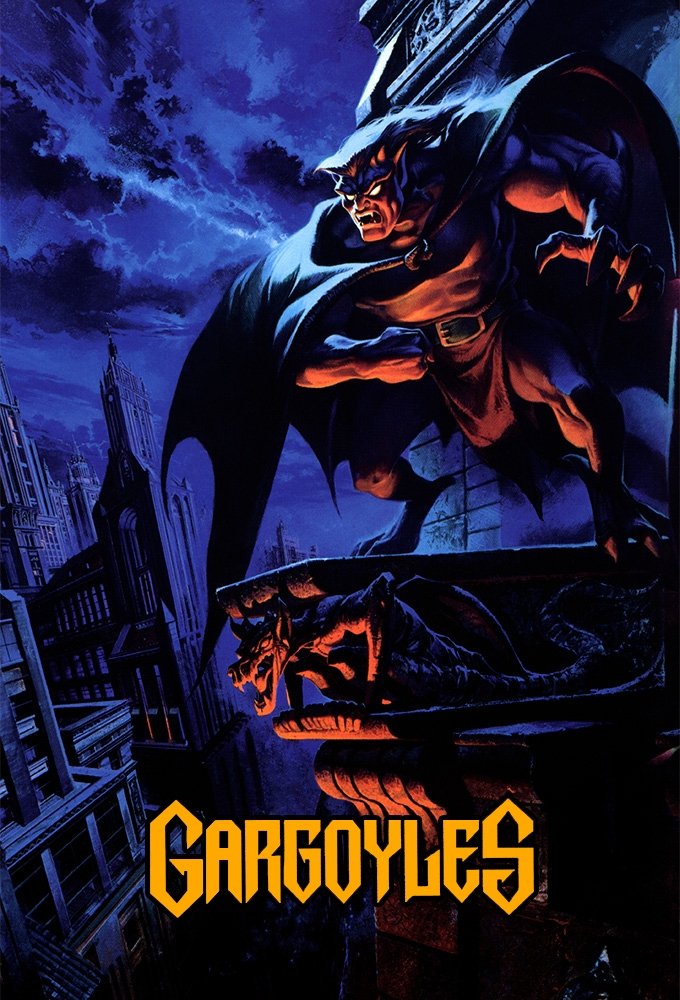
These ancient creatures, appearing as stone statues during the day, secretly guarded New York City at night. The show was known for its serious, dramatic atmosphere and explored classic themes of betrayal and finding forgiveness, much like Shakespearean plays. Unlike many animated series of the time, it told one continuous story. Its characters weren’t simply good or evil, which appealed to older audiences.
‘Mortal Kombat: Defenders of the Realm’ (1996)

This show, inspired by a notoriously action-packed video game, centered around a team of warriors defending Earth. To make it suitable for Saturday morning television, the series had to remove much of the violence from the game. The episodes emphasized teamwork and martial arts as the heroes fought off invaders. Despite the changes, the show still drew from a source known for its mature themes and controversial content.
‘Action Man’ (1995–1996)

The show followed a hero with memory loss as he battled a worldwide terrorist group. It was inspired by a popular toy line and packed with exciting, high-tech action, combat, and spying. Each episode delivered a familiar blend of adventure, focusing on cool gadgets and vehicles. Like many action cartoons of that time, the show presented a clear-cut distinction between good and evil.
‘Where on Earth Is Carmen Sandiego?’ (1994–1999)
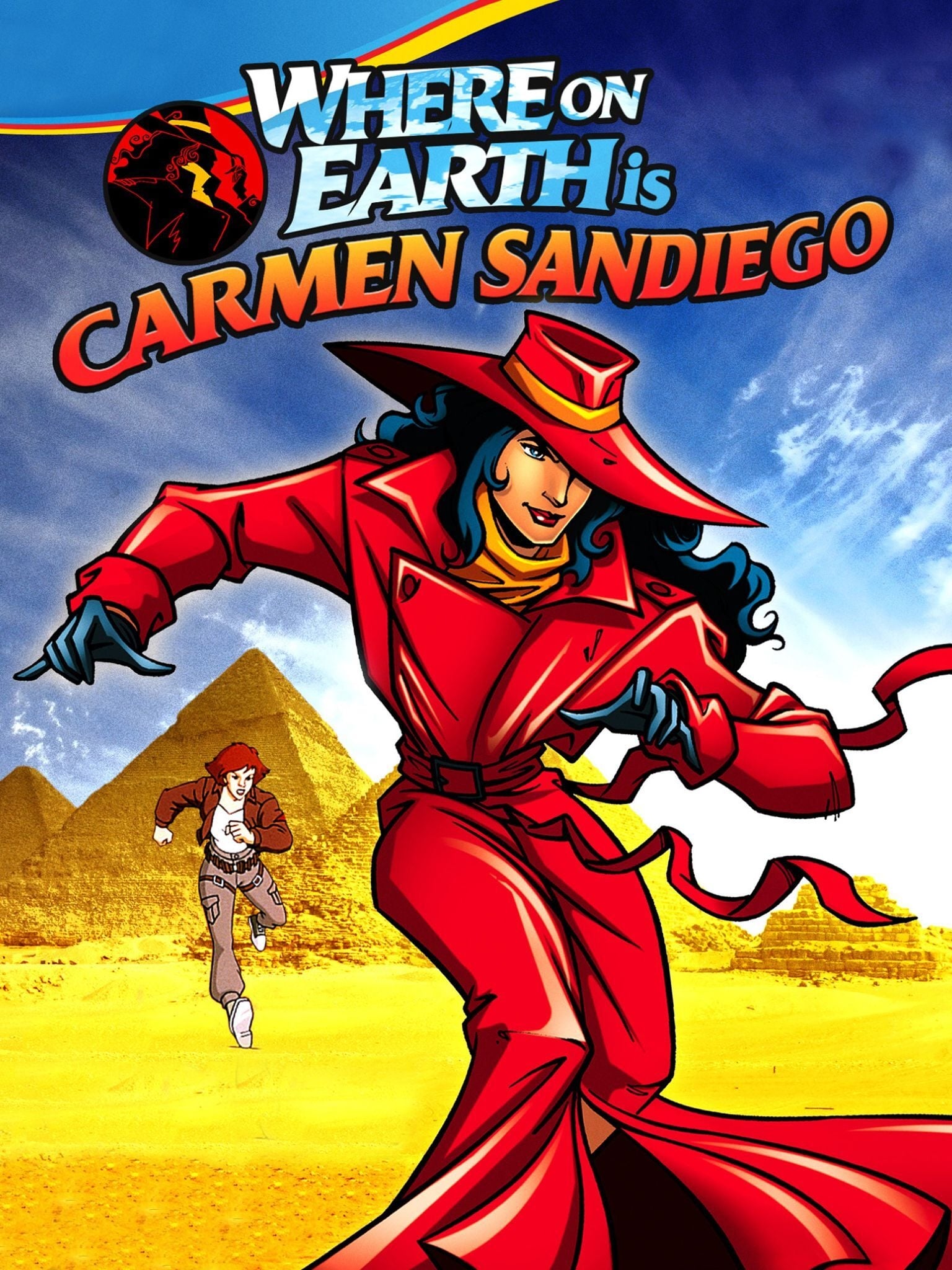
The series followed two young detectives as they journeyed around the globe, pursuing a famous thief. Each episode blended exciting action and adventure with informative lessons about different cultures, historical landmarks, and world geography. It was praised for being both entertaining and educational, showcasing a wide variety of locations. What set the show apart was its portrayal of the thief – often depicted as a worthy opponent, rather than just a bad guy.
‘Batman: The Animated Series’ (1992–1995)
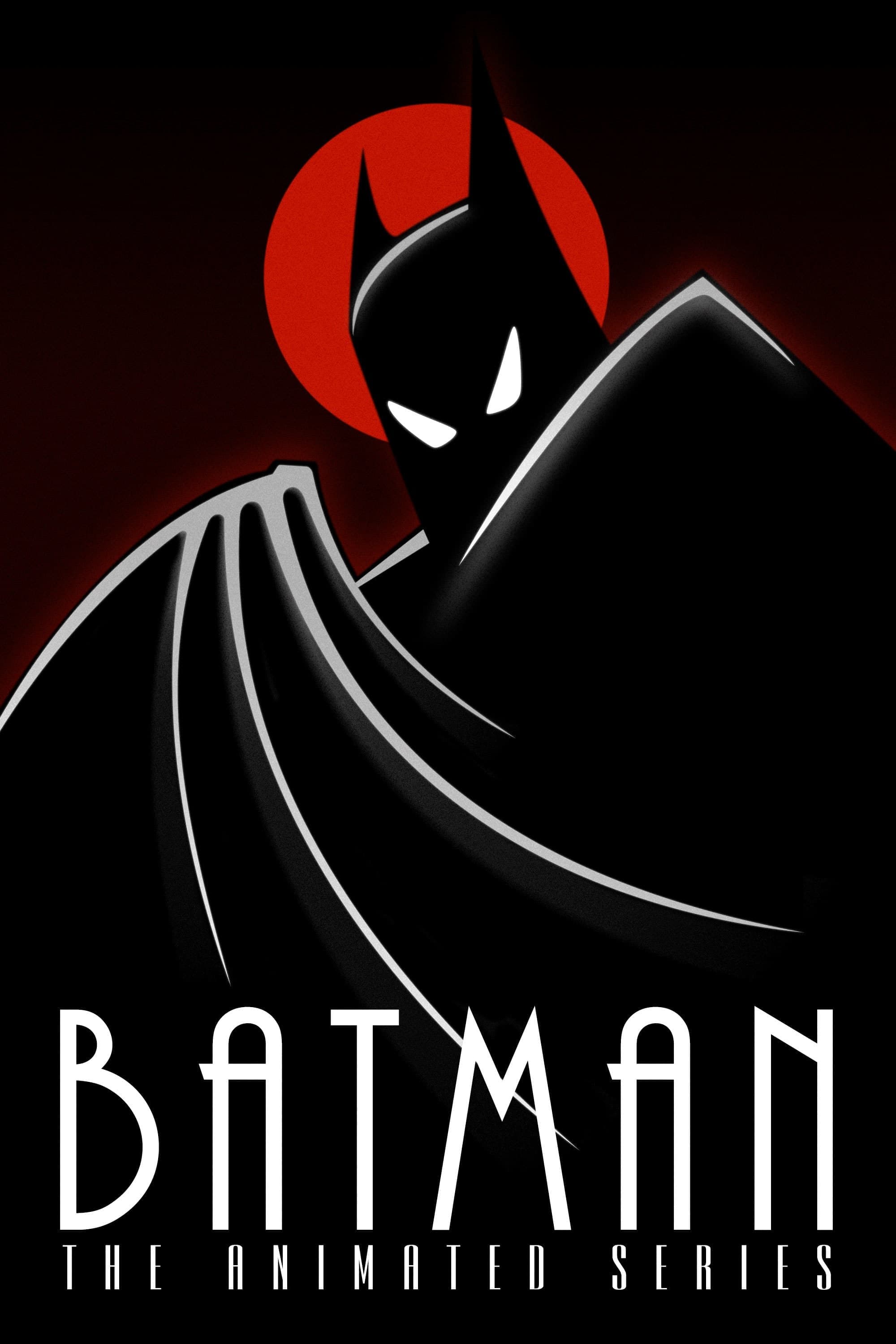
Batman: The Animated Series, often called The Dark Knight, kept the city of Gotham safe from a host of bizarre and threatening criminals. Known for its distinctive dark art deco look and mature storytelling, the show delved into the minds of its villains, giving them complex and often heartbreaking histories. It’s still considered one of the greatest and most important animated series ever made.
Please share your thoughts on these classic cartoons in the comments.
Read More
- Top 20 Dinosaur Movies, Ranked
- 20 Movies Where the Black Villain Was Secretly the Most Popular Character
- 25 “Woke” Films That Used Black Trauma to Humanize White Leads
- Silver Rate Forecast
- Gold Rate Forecast
- Spotting the Loops in Autonomous Systems
- From Bids to Best Policies: Smarter Auto-Bidding with Generative AI
- Celebs Who Narrowly Escaped The 9/11 Attacks
- 22 Films Where the White Protagonist Is Canonically the Sidekick to a Black Lead
- Can AI Lie with a Picture? Detecting Deception in Multimodal Models
2026-02-12 06:20