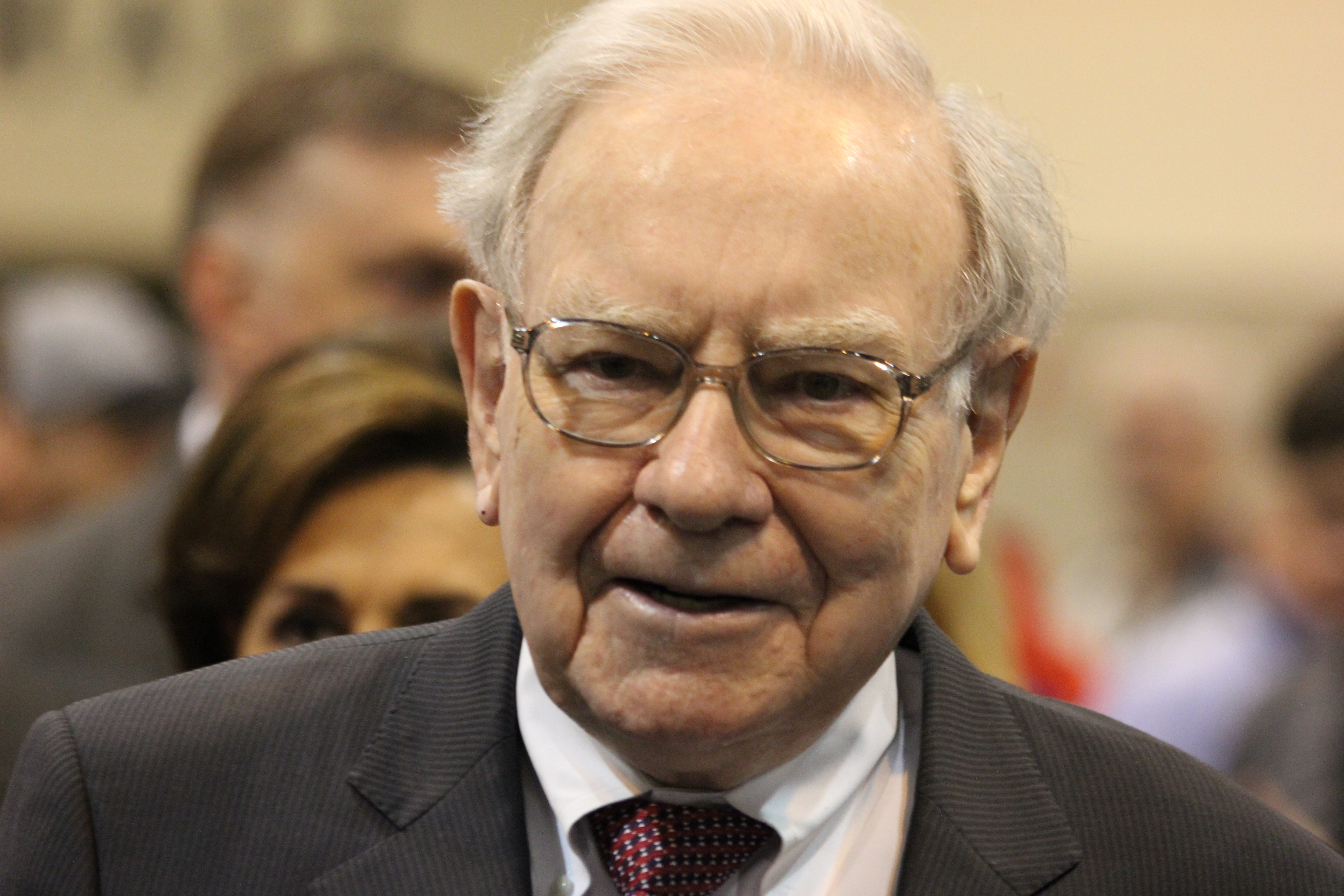
For six decades, Warren Buffett steered Berkshire Hathaway, delivering returns that, frankly, most fund managers can only dream of. A compounded annual gain exceeding 19%—against the S&P 500’s modest 10%—is not merely good fortune; it is the result of a consistent, and increasingly rare, discipline. The temptation to emulate such success is understandable, even in a market saturated with noise and speculation. Though Mr. Buffett has stepped back from direct management, the principles guiding his investments remain available for examination, and, perhaps, application.
It is crucial to understand that these are not ‘get rich quick’ schemes, but a return to fundamental values: long-term holdings in companies possessing genuine, demonstrable worth. Mr. Buffett favored businesses with a clear competitive advantage – a ‘moat’, as he termed it – protecting them from the relentless pressures of the market. To suggest that one can simply replicate his success by purchasing the same shares is naive. However, understanding the reasoning behind those choices is a worthwhile endeavor. The following are not recommendations, but observations on companies that, at the time of writing, appear to embody those principles.
1. Apple
Berkshire Hathaway’s recent, partial sale of Apple shares has generated considerable discussion. It is likely a pragmatic measure – locking in profits – rather than a fundamental shift in opinion. The company remains the largest holding in Berkshire’s portfolio, a fact that speaks volumes. Mr. Buffett’s praise for Tim Cook during shareholder meetings further reinforces this point. One should not mistake prudence for disapproval.
Apple has, undeniably, built a powerful brand. Customer loyalty, while often overstated, is a tangible asset. The ‘iPhone empire’, as it is commonly called, generates not only direct revenue but also a recurring stream from services. This is a crucial distinction. The sale of a device is merely the opening transaction; the subsequent subscription to storage, entertainment, or other services represents a sustained income. Apple, therefore, is not simply selling products; it is cultivating a relationship. This, in turn, provides a degree of stability that is rare in the technology sector. It is not a guarantee of future success, but a mitigating factor.
2. Coca-Cola
Coca-Cola represents a different kind of investment – a long-held position dating back to the late 1980s. It is a testament to the power of patience, and a reminder that spectacular growth is not always necessary. The stock remains a significant component of Berkshire’s portfolio, a clear indication of Mr. Buffett’s enduring confidence.
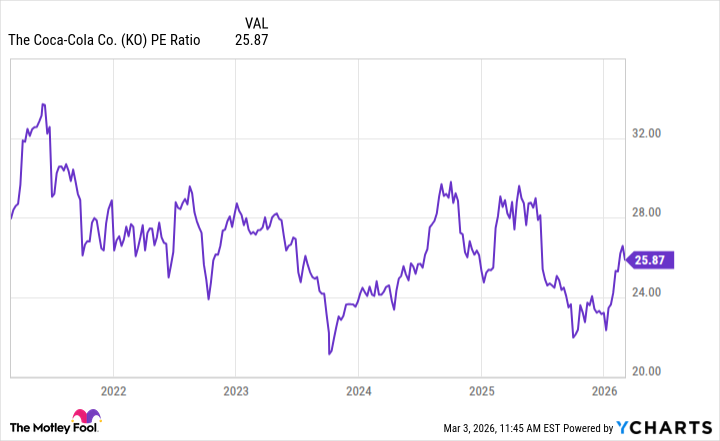
Like Apple, Coca-Cola benefits from a powerful brand and an extensive distribution network. This creates a significant barrier to entry for competitors. While the company may not deliver explosive gains, it has consistently generated earnings and provided a steady return to investors. This is not glamourous, but it is reliable. In an age of volatility, such stability is a valuable commodity.
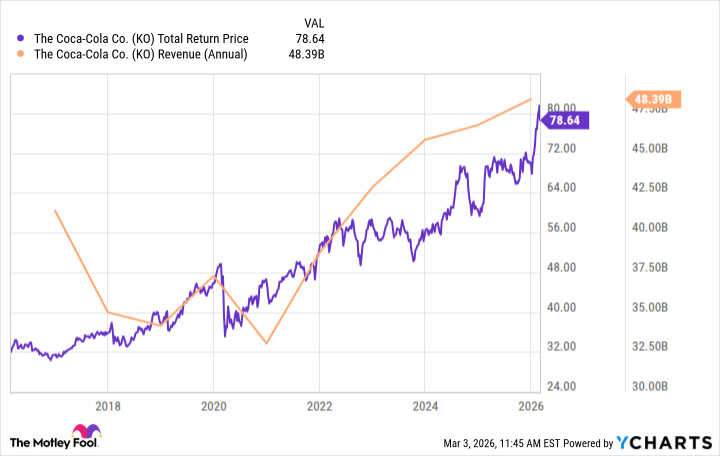
Coca-Cola is also a ‘Dividend King’ – a company that has increased its dividend payments for over 50 consecutive years. This demonstrates a commitment to rewarding shareholders, a practice that is becoming increasingly uncommon. It is a signal, albeit a subtle one, that the company prioritizes long-term value creation over short-term gains.
3. American Express
American Express represents another long-term holding, dating back to the 1960s. It became a substantial position in the mid-1990s, and remains a cornerstone of Berkshire’s portfolio. Mr. Buffett’s own words, in his 2023 letter to shareholders, are instructive: “The lesson from Coke and Amex? When you find a truly wonderful business, stick with it.” It is a simple principle, yet one that is often ignored in the pursuit of fleeting profits.
Mr. Buffett’s preference for American Express stems from its solid business model and its commitment to rewarding shareholders. The company’s clientele tends to be affluent, making it relatively resilient to economic downturns. This is not to say that it is immune to market forces, but that it is better positioned to weather the storm. The recent record revenue figures—exceeding $72 billion—further reinforce this point. Investing in American Express, therefore, is not merely a financial transaction; it is an acknowledgement of enduring value.
Read More
- 20 Movies Where the Black Villain Was Secretly the Most Popular Character
- Top 20 Dinosaur Movies, Ranked
- 25 “Woke” Films That Used Black Trauma to Humanize White Leads
- Silver Rate Forecast
- Gold Rate Forecast
- Spotting the Loops in Autonomous Systems
- From Bids to Best Policies: Smarter Auto-Bidding with Generative AI
- 22 Films Where the White Protagonist Is Canonically the Sidekick to a Black Lead
- Can AI Lie with a Picture? Detecting Deception in Multimodal Models
- Top 10 Coolest Things About Invincible (Mark Grayson)
2026-03-05 02:33