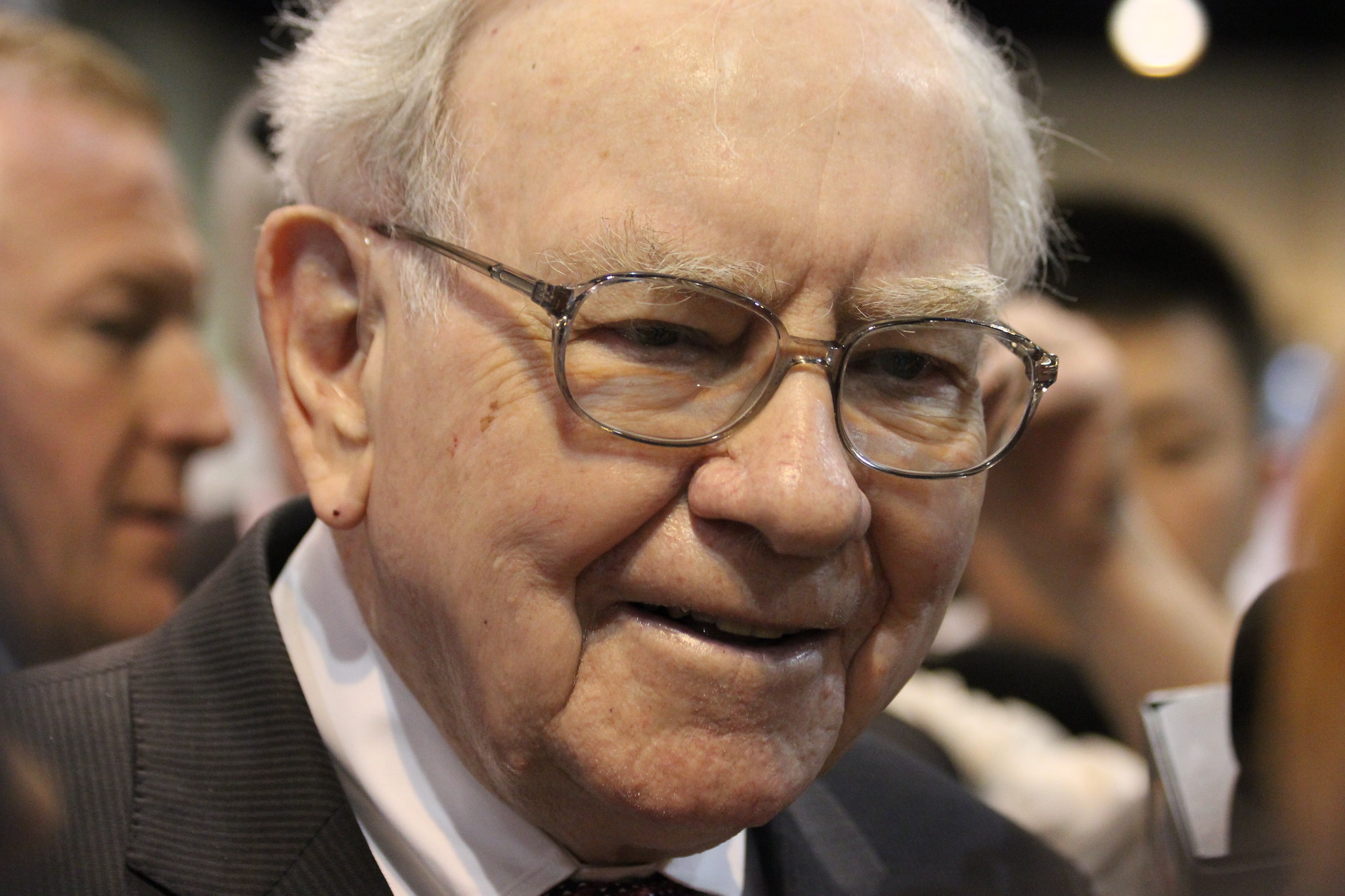
The Oracle, as he is invariably styled, has, with a commendable lack of fuss, relinquished the day-to-day selection of equities at Berkshire Hathaway. One trusts the succession will be equally… pragmatic. Yet, the shadow of his decades-long stewardship lingers, and a certain wisdom, or perhaps merely a consistent aversion to folly, remains embedded in the portfolio. Several holdings, acquired during his tenure, appear – though one resists the vulgarity of “forever stocks” – capable of weathering the inevitable storms of the market. A brief examination, undertaken with the customary detachment, seems in order.
Coca-Cola
The Coca-Cola Company. A name that evokes, for some, the very essence of American excess. For Berkshire, it has proven a remarkably durable asset. The initial investment, dating back to the mid-1990s, was, one gathers, predicated on a shrewd understanding of branding and the human appetite for sweetened water. The company, even then, possessed a mastery of lifestyle marketing, a skill now sadly diluted amongst a thousand competing distractions. More prosaically, it paid a dividend. And continues to do so, a practice now stretching to sixty-four consecutive years. A reassuring consistency in these turbulent times.
Since 1994, the stock has advanced from a modest ten dollars per share to a considerably more robust seventy-seven. The quarterly dividend, similarly, has expanded from a negligible sum to a presentable fifty-three cents. Berkshire now receives approximately nine hundred million dollars annually, a sum not reinvested, one gathers, but deployed elsewhere. One suspects a certain reluctance to further entrench oneself in the beverage industry, admirable in its way.
Naturally, the future holds no guarantees. The beverage market is now, predictably, overcrowded, and the prevailing winds of health consciousness are, undeniably, unfavourable. Yet, a challenged Coca-Cola remains a more solid proposition than many of its more fashionable, but ultimately ephemeral, competitors. A certain resilience, one might say.
Visa
Visa, a credit card company, occupies a less prominent position in Berkshire’s holdings. Approximately two and a half billion dollars worth of stock, representing less than one percent of the entire portfolio, and a negligible fraction of Visa itself. Still, the long-term commitment – well over a decade – suggests a degree of confidence. A mere whim, perhaps, but one rarely encounters such patience in these frantic times.
The company has evolved beyond a simple intermediary in credit transactions. Debit cards, business services, data intelligence – it has diversified with a commendable lack of fanfare. Revenue increased by eleven percent last year, despite a modest rise in transaction volume. It has become, in effect, an indispensable background presence in the global economy, handling the tedious logistics of money transfer with an almost unsettling efficiency. A reliable, if somewhat soulless, enterprise.
The true appeal, one suspects, lies in its consistent growth, regardless of economic fluctuations. A predictable, if uninspiring, quality. A company one can, with a sigh of relief, largely ignore, confident that it will continue to function, quietly and efficiently, in the background.
Berkshire Hathaway
Finally, the most straightforward option: simply purchase shares of Berkshire Hathaway itself. A rather obvious solution, but one rarely embraced with such enthusiasm. It negates the need for laborious stock picking and automatically incorporates any future adjustments to the portfolio. A convenient, if somewhat unimaginative, strategy.
It is often forgotten that Mr. Buffett does not, personally, own the stocks in question. They are held by Berkshire, selected during his tenure. He merely oversaw the process. He is, however, the company’s largest individual shareholder, possessing approximately fifteen percent of the stock – a sum of roughly one hundred and fifty billion dollars. One trusts his personal fortune is adequately protected.
Holding Berkshire provides access to a diverse range of unlisted companies – Dairy Queen, Fruit of the Loom, Pilot Travel Centers, and others. A veritable empire of mid-century Americana. A truly “buy and hold” investment, one might say, though one suspects the term is somewhat overused. A solid, if unglamorous, proposition in these increasingly uncertain times.
Read More
- Invincible Season 4 Gender Swaps Tech Jacket As Fans Question Major Comic Change
- Building Agents That Learn and Improve Themselves
- Gold Rate Forecast
- Games That Faced Bans in Countries Over Political Themes
- Silver Rate Forecast
- Trading Crypto with AI: A New Approach to Portfolio Management
- Superman Flops Financially: $350M Budget, Still No Profit (Scoop Confirmed)
- 22 Films Where the White Protagonist Is Canonically the Sidekick to a Black Lead
- 15 Films That Were Shot Entirely on Phones
- Unveiling the Schwab U.S. Dividend Equity ETF: A Portent of Financial Growth
2026-03-17 13:52