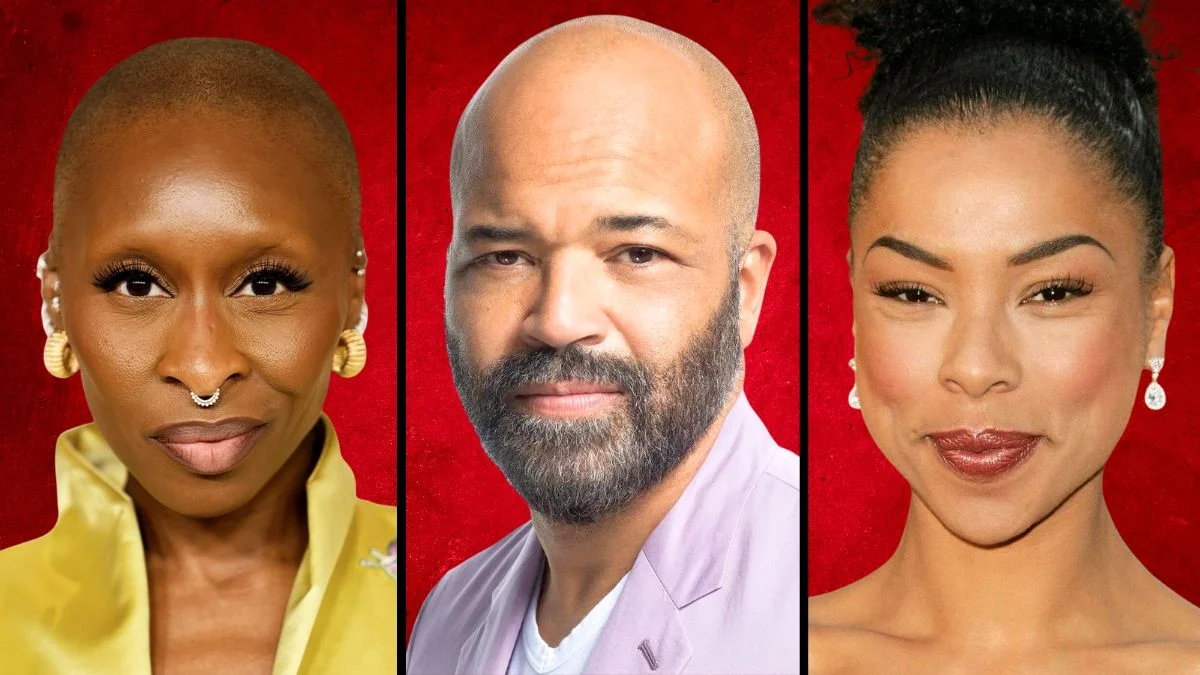
Throughout Hollywood’s history, Black actors have frequently faced tough choices: take well-paying jobs that reinforce negative stereotypes, or stand by their values. Many have chosen to turn down prominent roles to avoid playing one-dimensional or harmful characters, especially those focused on trauma or crime. These decisions have been instrumental in pushing the industry toward more realistic and diverse stories. By prioritizing respect and integrity, these actors have created opportunities for future generations to portray richer, more complex characters.
Will Smith
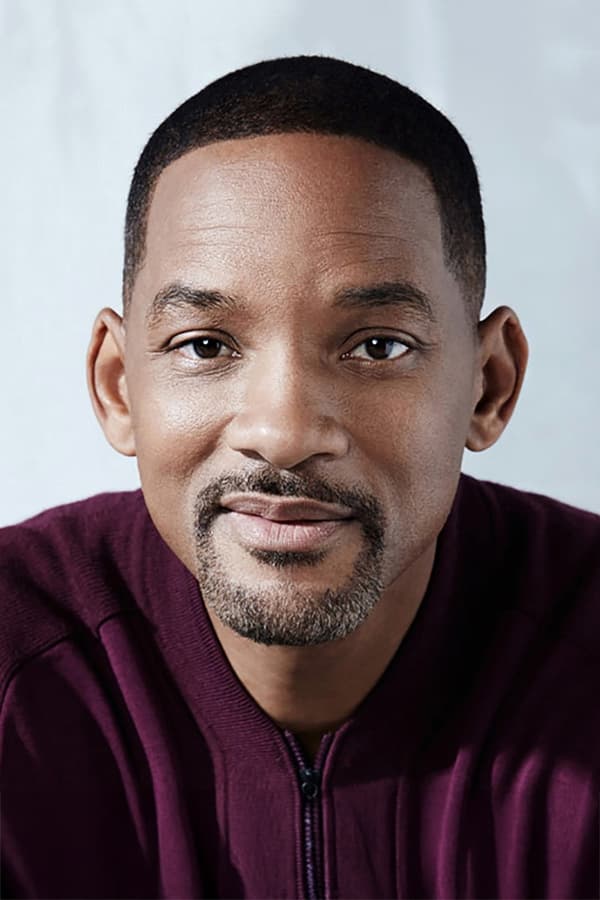
Will Smith declined the lead role in ‘Django Unchained’ because he felt the story centered more on the bounty hunter’s revenge than on Django’s own journey and power. Throughout his career, Smith has also consciously avoided roles portraying Black men as criminals, instead prioritizing characters that highlight Black intelligence and heroism. This deliberate choice not only helped launch him to superstardom but also allowed him to stay true to his values.
Angela Bassett
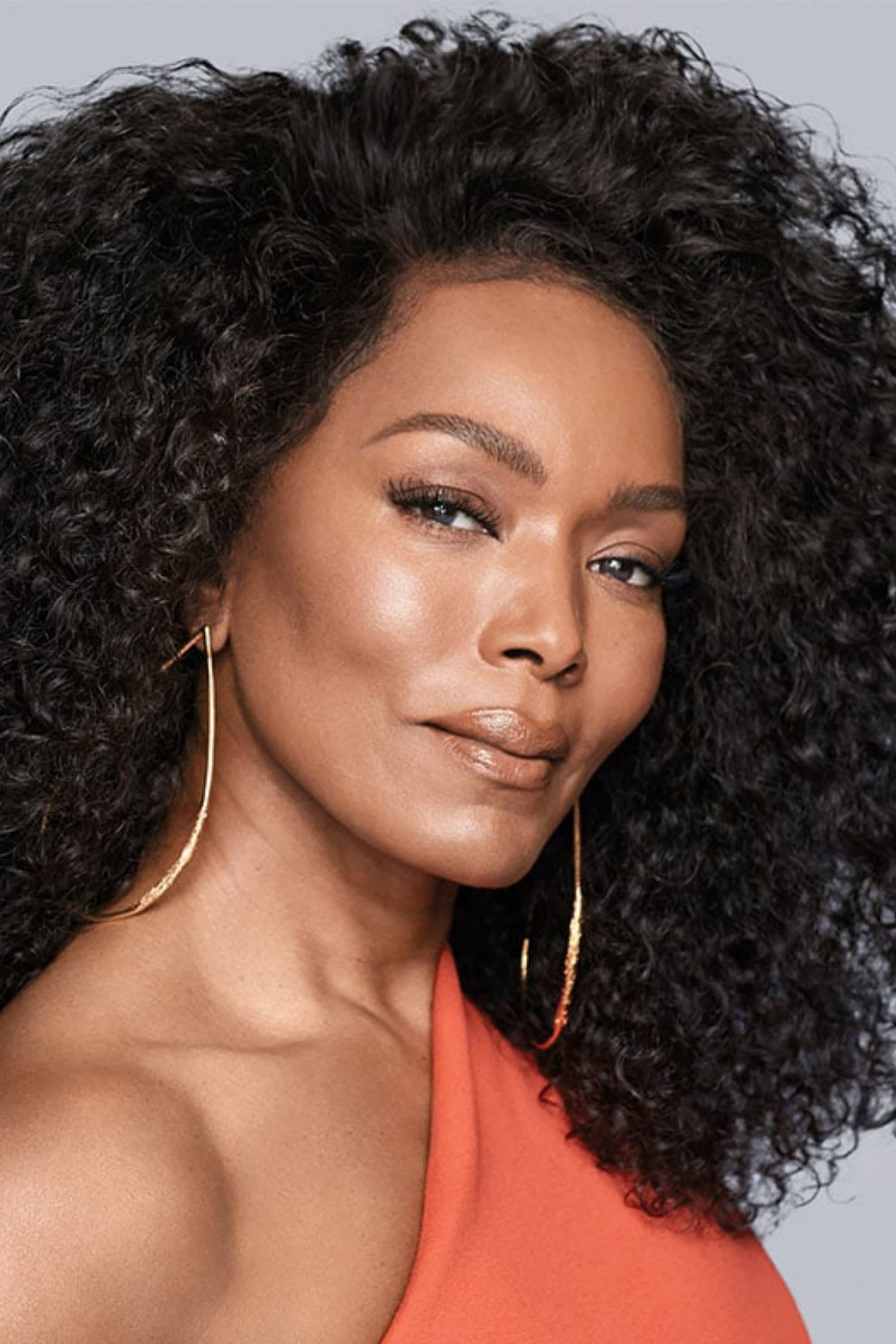
Angela Bassett turned down the role of Leticia in ‘Monster’s Ball’ because she felt the character was portrayed in a way that was disrespectful and relied on harmful stereotypes about Black women. She didn’t see any artistic value in the scenes she was asked to perform and didn’t want to contribute to those stereotypes. Bassett prioritized her principles and reputation as an actress over potentially winning an award, and this decision reinforced her commitment to portraying characters with dignity.
Chadwick Boseman
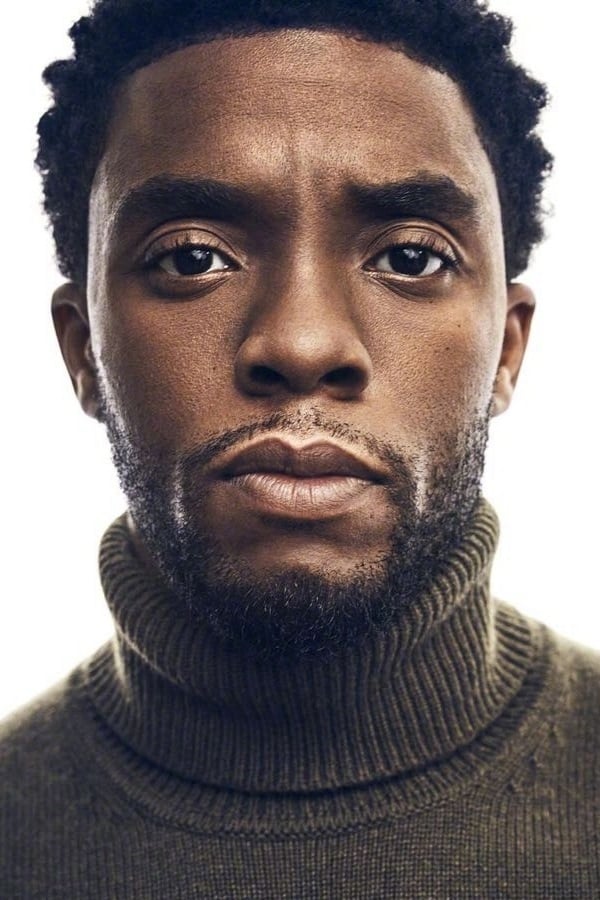
Chadwick Boseman lost his role on ‘All My Children’ after he challenged the writers about his character. He felt the young gang member he was playing was too stereotypical and lacked a hopeful future. When he asked for a more complex and positive portrayal, producers replaced him. This experience shaped his career, fueling his dedication to playing strong, dignified Black characters like T’Challa and Jackie Robinson. Boseman showed that advocating for better representation can create a lasting impact.
Laurence Fishburne
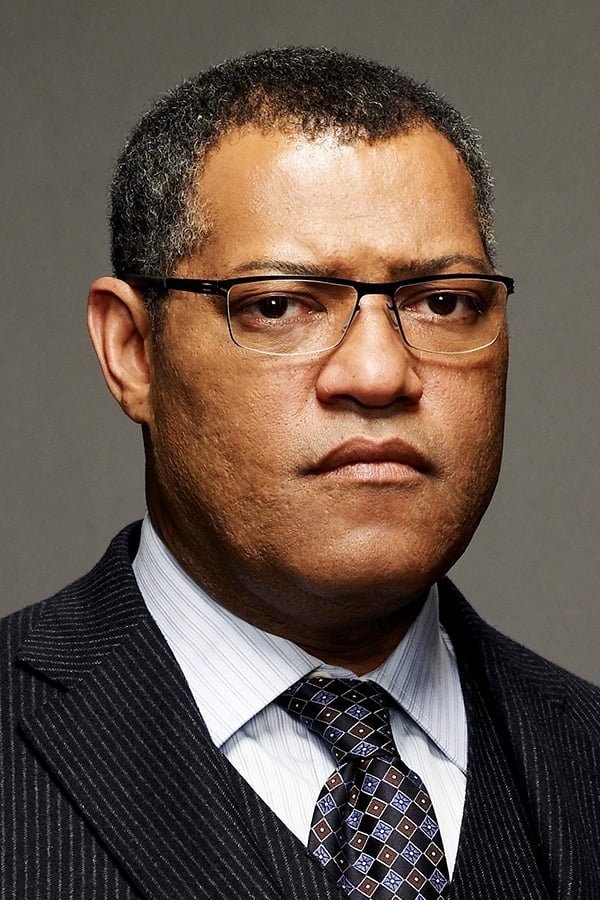
Laurence Fishburne turned down the part of Jules Winnfield in ‘Pulp Fiction’ because he was worried about how the film portrayed heroin use. He didn’t want to be part of a movie that seemed to glamorize drug addiction. Fishburne also felt the role could perpetuate harmful stereotypes about Black men and crime, and he didn’t want to contribute to that. He chose to prioritize his values and ultimately went on to achieve success with memorable roles in films like ‘The Matrix’.
Cicely Tyson

Cicely Tyson dedicated her career to finding roles that showed Black women as strong and dignified individuals. At the height of her fame, she purposefully avoided playing stereotypical characters like drug addicts, maids, or prostitutes. She believed that how Black people were shown in movies and television affected both how others saw them and how they saw themselves. By carefully choosing her roles, she opened doors for future Black actresses to play more meaningful and varied characters, and she remained committed to this goal throughout her remarkable life.
Sidney Poitier
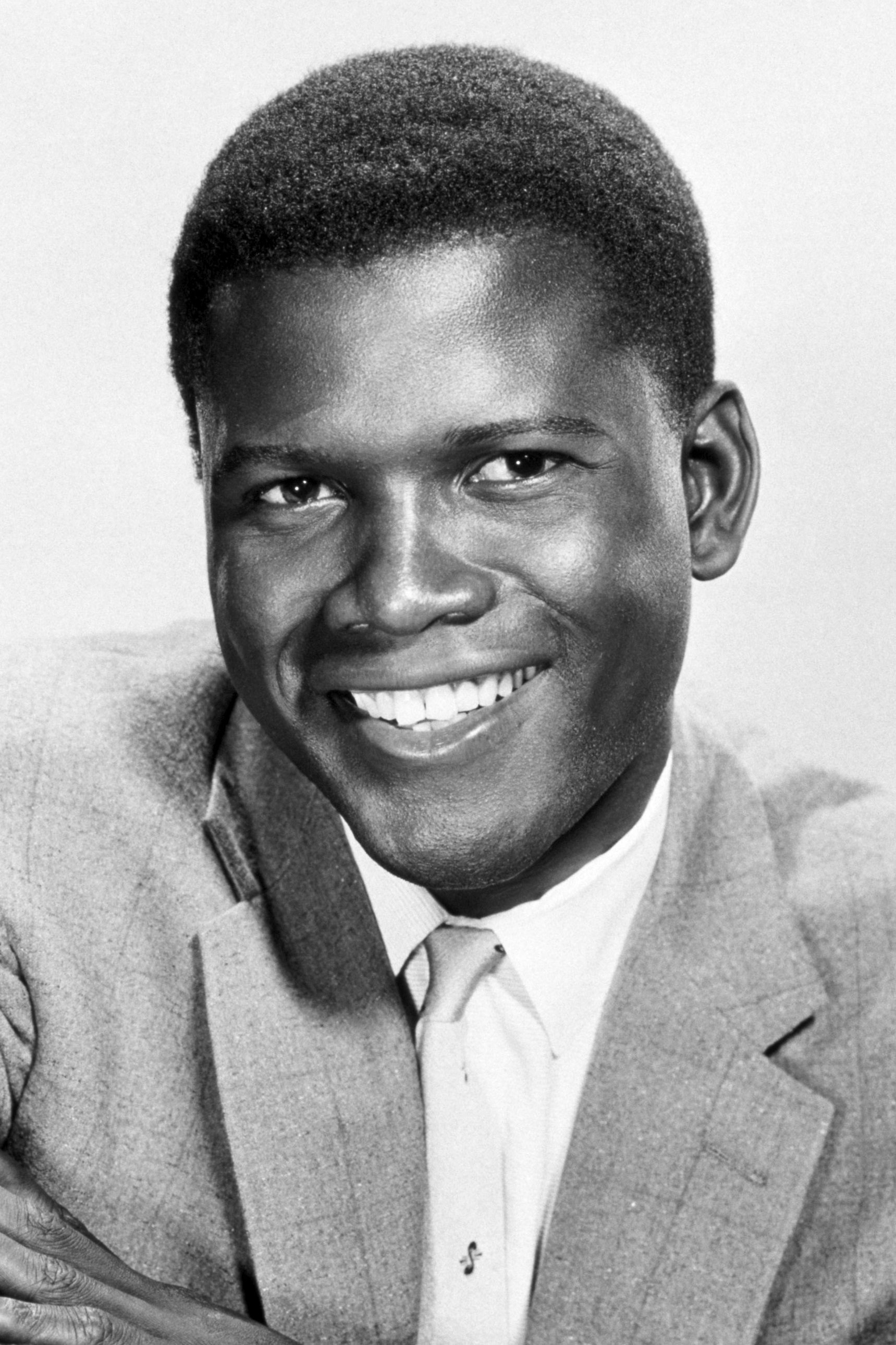
Throughout the 1950s and 60s, Sidney Poitier carefully selected roles that defied negative stereotypes about Black men. He consistently turned down parts that depicted subservience or a lack of education, instead choosing to portray professionals and men of strong character. Recognizing he was often the only Black lead in Hollywood, Poitier felt a deep responsibility to challenge the racism prevalent in film. He actively worked to break down harmful caricatures and advocate for equal representation, ultimately transforming the face of cinema.
Denzel Washington
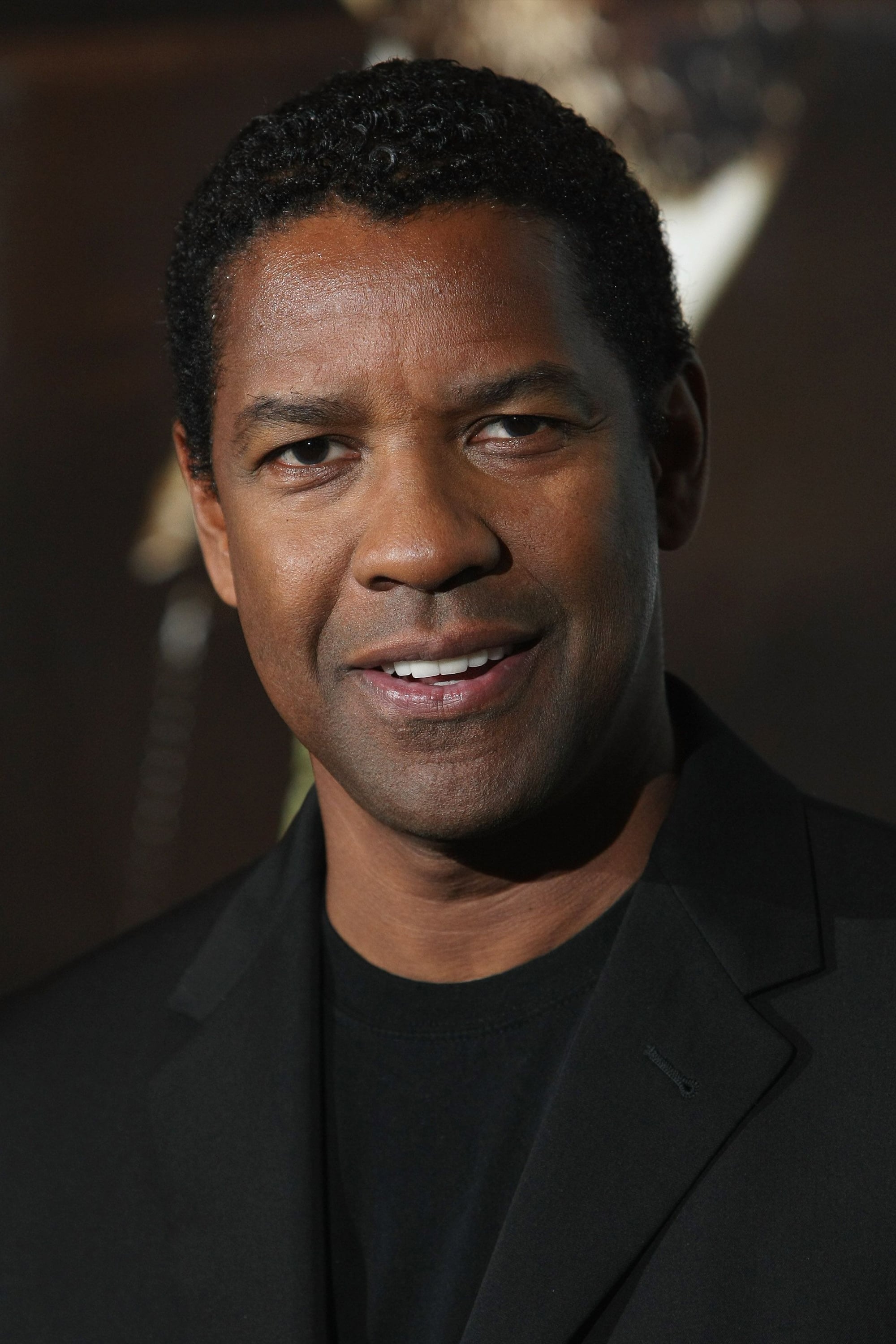
Denzel Washington didn’t take the role of Detective David Mills in the movie ‘Seven’ because he found the story too disturbing and pessimistic. While he briefly wondered if he’d made the wrong decision, he stuck to his principle of avoiding characters that were overly bleak or without hope. Throughout his career, Washington has consistently chosen roles that highlight strength, leadership, and intelligence. He’s also known for working with writers to refine scripts, making sure his characters are complex and avoid falling into clichés. This commitment to meaningful roles has solidified his reputation as one of the most admired and influential actors in film.
John Boyega
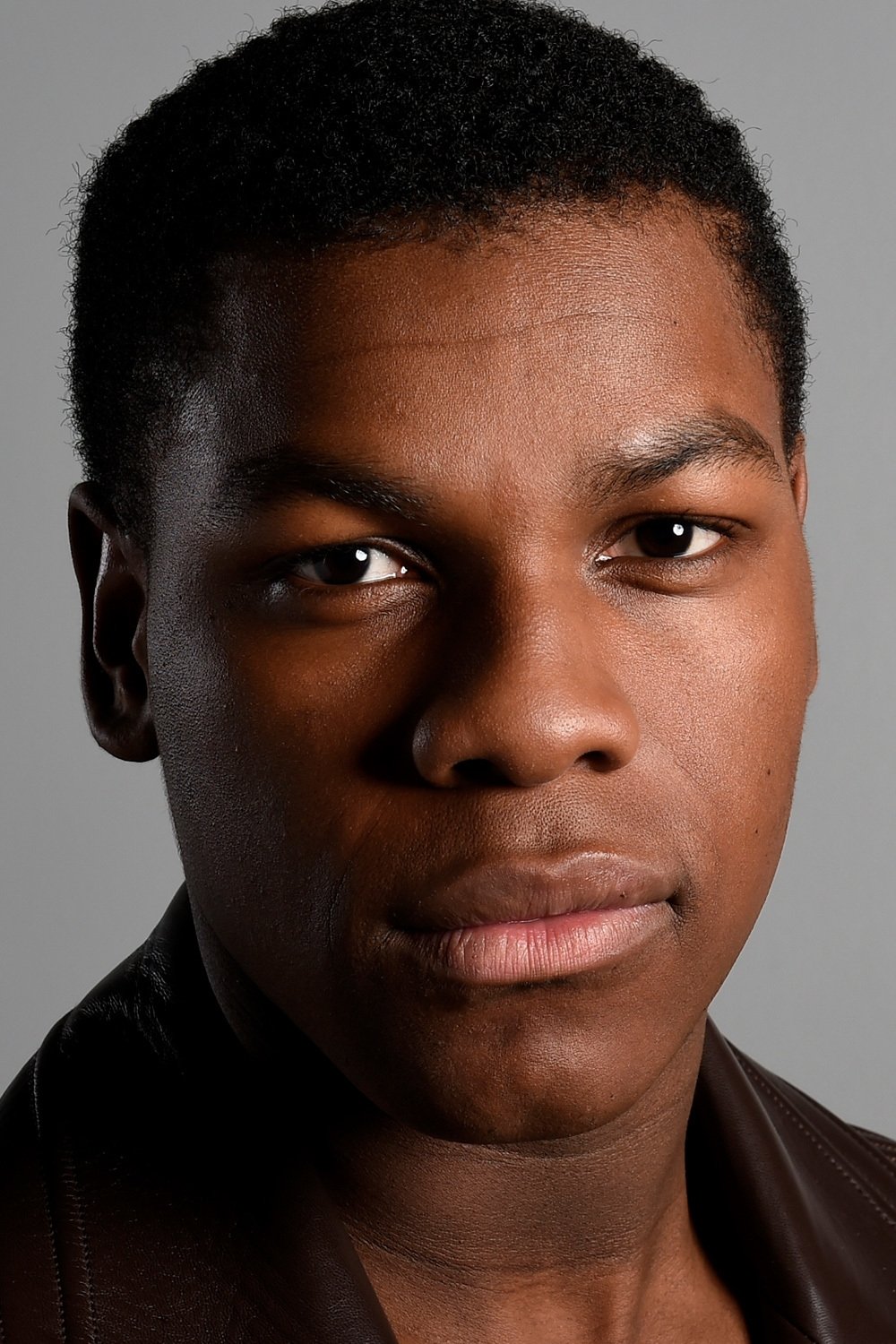
John Boyega has been speaking out against taking roles that only use Black actors for appearances or to attract audiences. He’s criticized ‘Star Wars’ for not giving his character a significant role in the later films. Now, Boyega wants to work on projects where Black characters are at the heart of the story and have complex, emotional journeys. He prefers collaborating with filmmakers who truly understand Black culture and avoid stereotypical portrayals. His stance has started important discussions about the need for more diversity in big film series.
Viola Davis
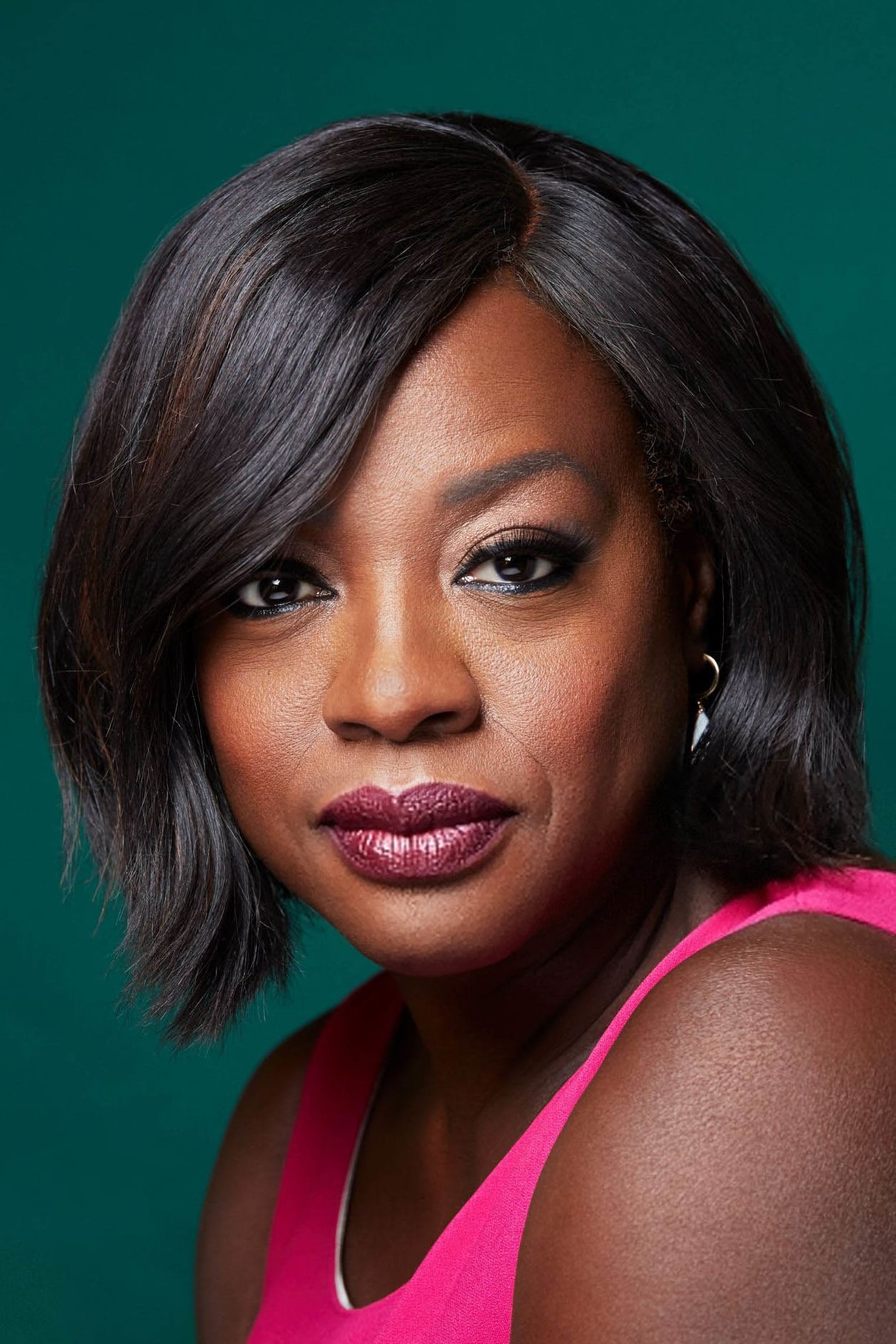
Viola Davis has expressed regret over her role in ‘The Help,’ feeling the story should have been told from the perspective of the Black characters. Since then, she’s been very careful about choosing roles, prioritizing projects with real depth. She intentionally avoids characters limited to the stereotype of the ‘strong Black woman’ and seeks roles that portray Black women as complex individuals with their own hopes and feelings. This dedication to meaningful work has earned her many accolades and a reputation for consistently delivering excellent performances.
Harry Belafonte

Harry Belafonte often turned down prominent movie parts because they clashed with his commitment to civil rights. He didn’t want to portray characters who were submissive to white actors or lacked substance. Belafonte felt strongly that art should inspire social progress, not simply entertain at the cost of someone’s pride. He famously declined a role in ‘Porgy and Bess’ because he considered it racially insensitive and damaging. Throughout his career, he proved how powerful it could be to use his celebrity to advocate for justice.
Idris Elba
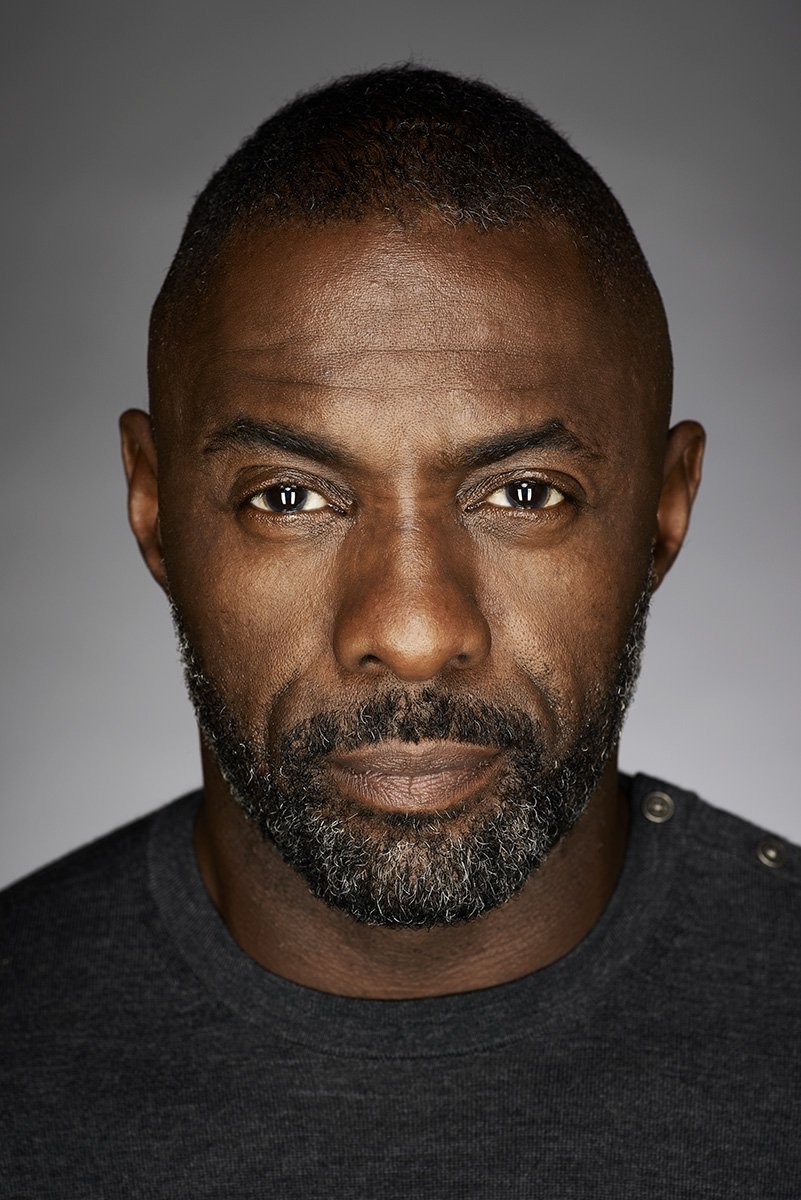
Idris Elba deliberately chooses roles that aren’t limited to stories about slavery or the hardships of urban life. He looks for characters defined by what they do or who they are as people, rather than just their race. He often rejects scripts that ask him to play one-dimensional, stereotypical characters, and instead prefers roles that could be played by actors of any background, showcasing his range. This approach has helped him become a leading actor in popular movies and TV shows around the world.
Michael B. Jordan
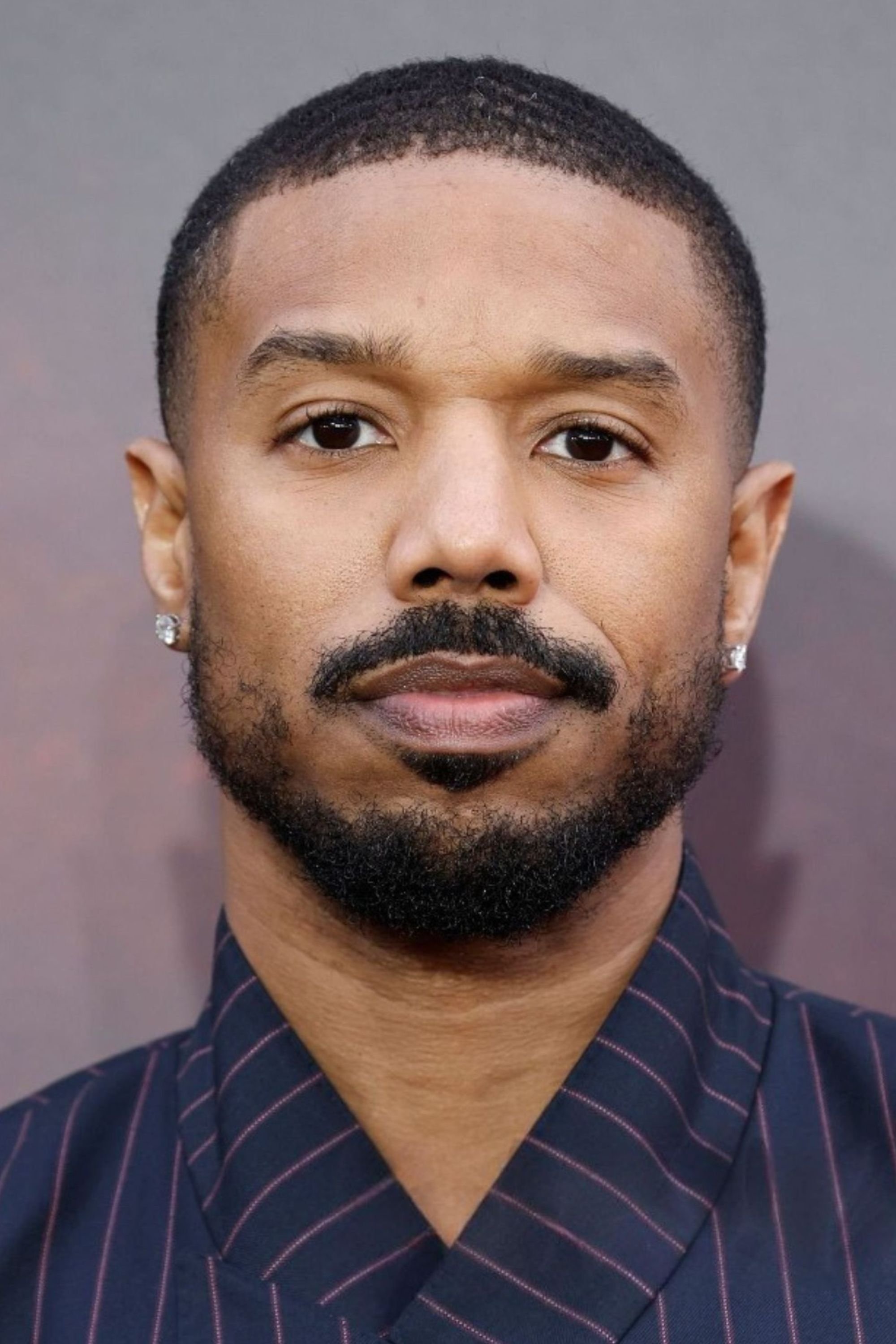
Early in his career, Michael B. Jordan intentionally shifted his focus away from roles traditionally meant for Black actors. He asked his agents to only submit him for roles originally written for white actors, hoping to avoid being typecast. This strategy ultimately helped him land leading roles in popular franchises like ‘Creed’ and ‘Fantastic Four’. Jordan continues to advocate for casting actors based on talent, not race, to create more opportunities for Black performers. Now, as a producer, he’s actively creating the diverse and inclusive content he believes in.
Thandiwe Newton

Thandiwe Newton turned down a part in ‘Charlie’s Angels’ because she strongly objected to the director’s overly sexualized and racially insensitive description of the character. She chose to leave the film to protect her dignity and professional standards. Newton has consistently spoken out against the harmful objectification of Black women in Hollywood, and her career has since been marked by strong, nuanced roles, such as her work on ‘Westworld’.
Zendaya

Zendaya asked her team to find roles that weren’t specifically written for Black women, wanting to break free from stereotypical characters. She aimed to demonstrate her versatility by playing everyday characters or romantic leads where race wasn’t the central focus. This strategy helped her secure parts in films like ‘Spider-Man: Homecoming’ and ‘The Greatest Showman’, which were initially conceived with different actors in mind. She intentionally steers clear of projects that perpetuate old, limiting ideas about Black teens. As a result, Zendaya has become a highly influential young star in Hollywood.
David Oyelowo
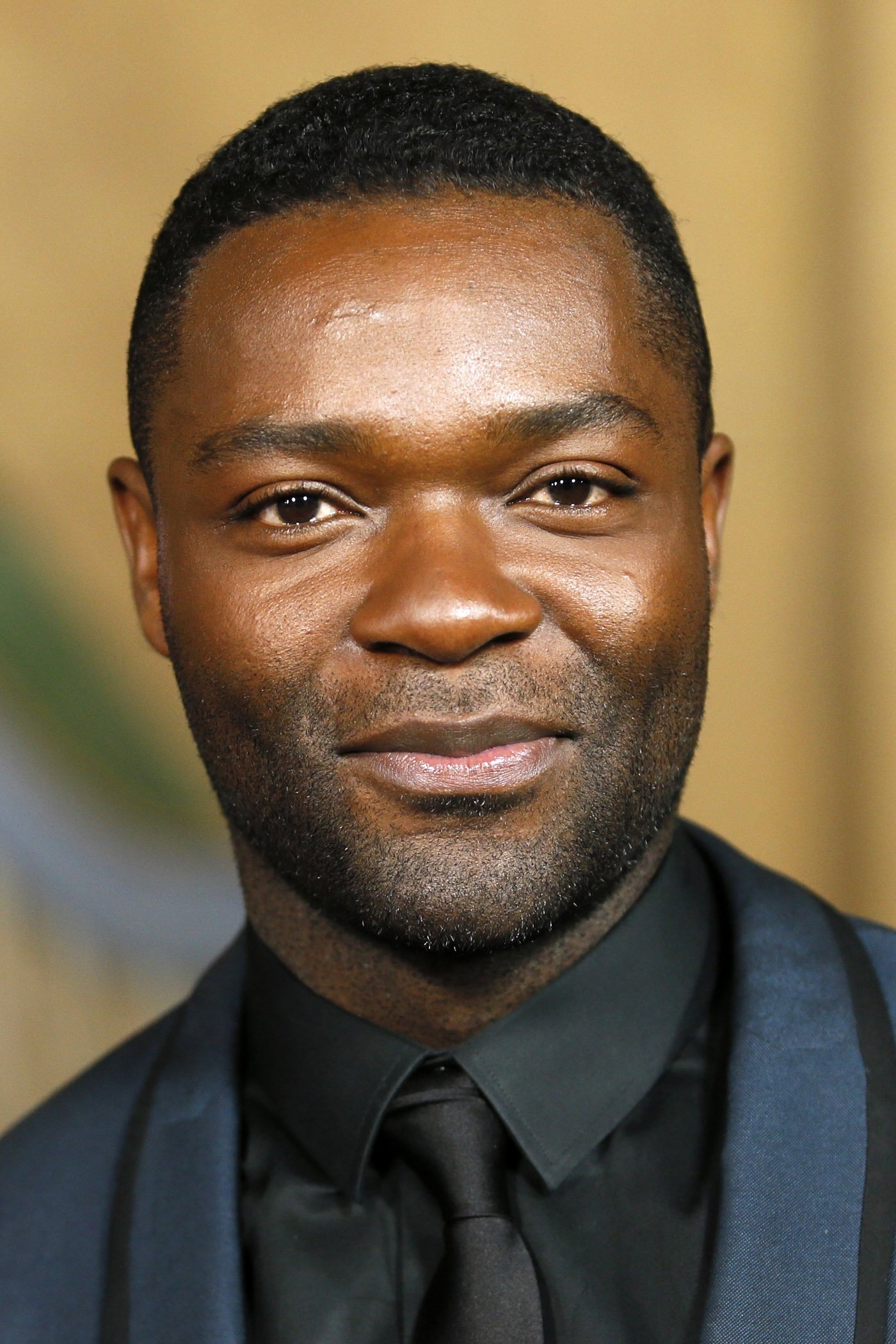
David Oyelowo has often chosen to pass on large, mainstream movie roles because he didn’t find them meaningful or human. He’s spoken out about Hollywood’s habit of only making films about Black people that focus on hardship and struggle. Oyelowo actively seeks out stories that showcase the full range and complexity of the African diaspora, and he’s committed to portraying both real historical figures and fictional characters with dignity and depth. Through his work, he’s pushing the film industry to move beyond narrow and stereotypical depictions of race.
Regina King
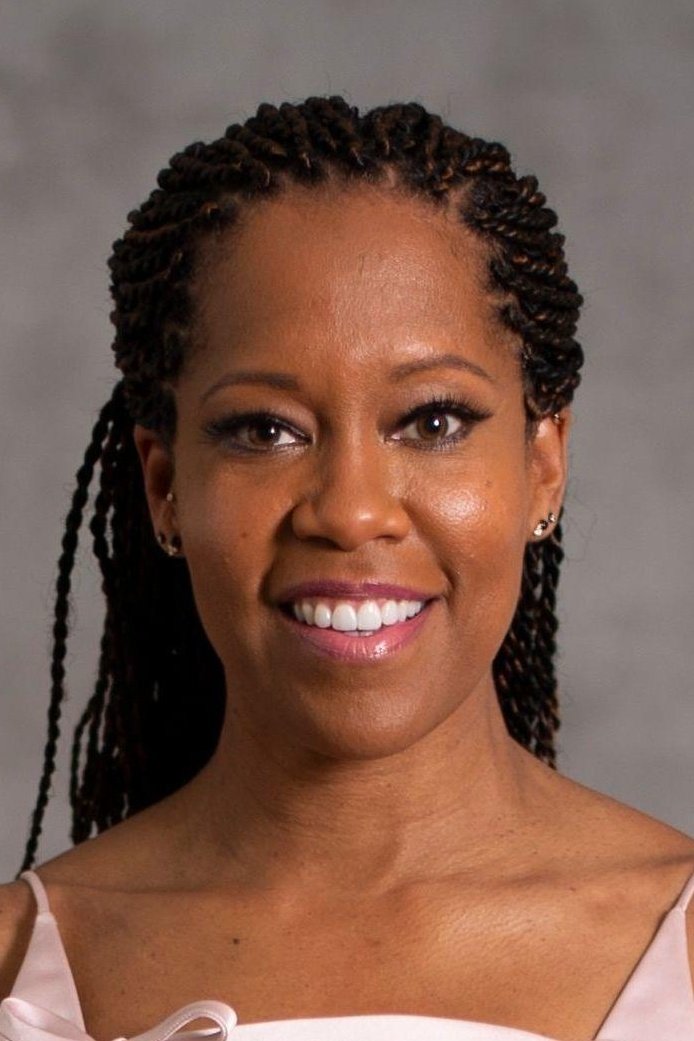
Regina King frequently avoids playing simple mother roles, preferring characters with depth and strength. She actively chooses projects that allow her to portray powerful, complex leaders. Driven by a desire to shape the stories told about Black families, she’s expanded into directing. King is committed to ensuring Black women are represented as fully realized individuals across all types of films and shows. Her talent in front of and behind the camera has firmly established her as a major force in Hollywood.
Daniel Kaluuya
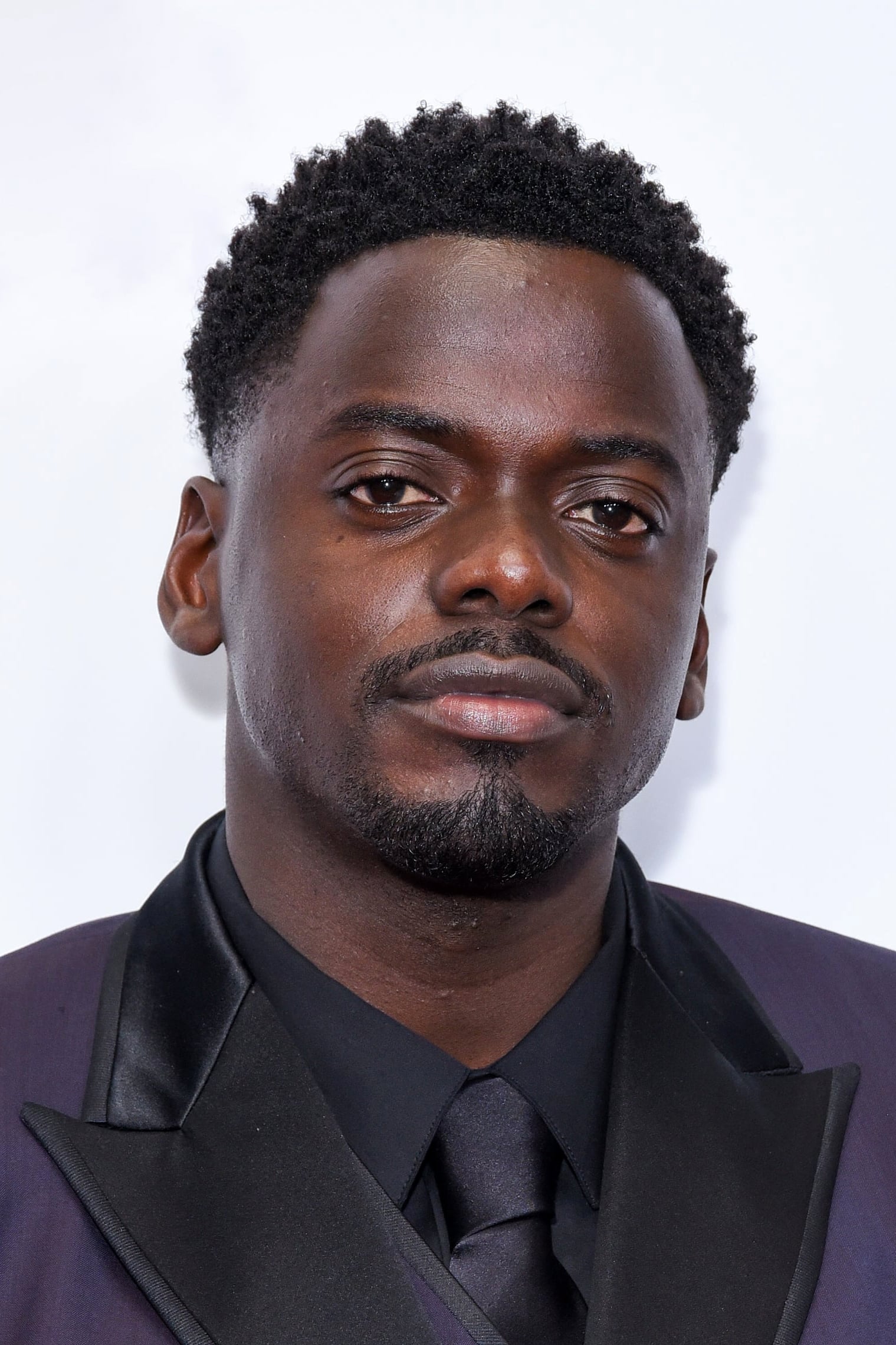
As a film lover, I really admire Daniel Kaluuya’s approach to choosing roles. He’s not interested in playing the ‘token Black friend’ – he actively avoids those kinds of parts. He’s looking for stories that really make you think, diving into complex psychological themes and offering a fresh, authentic look at the Black experience. He wants to play characters with depth, not just someone defined by their connection to a white character. That’s why he’s been in such powerful, groundbreaking films like ‘Get Out’ and ‘Judas and the Black Messiah’ – he clearly knows what kind of work he wants to be a part of.
Damson Idris
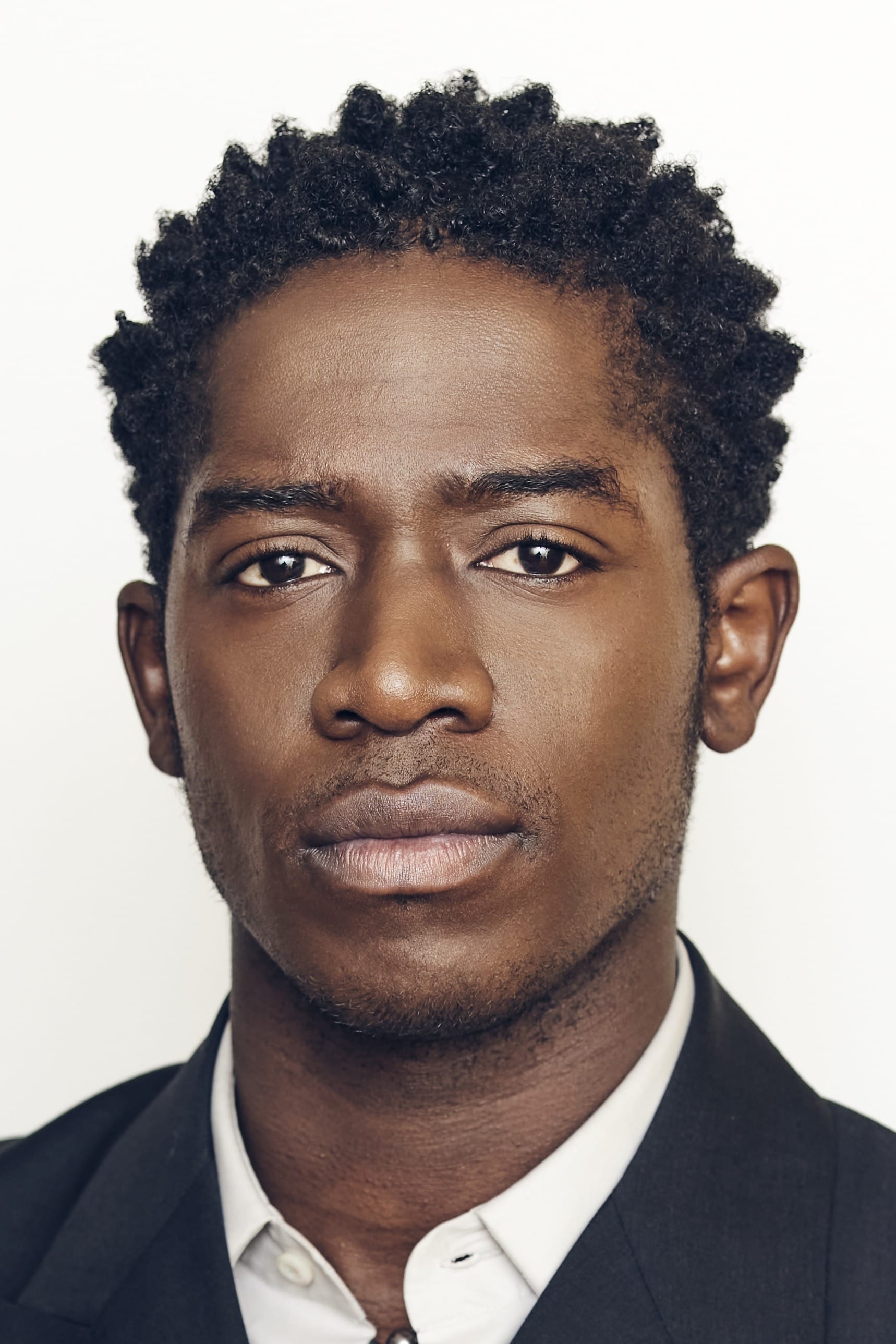
Damson Idris carefully chooses roles that go beyond simple depictions of criminals. He prefers characters with complex motivations and rich backstories, ensuring even darker roles have depth. Idris actively seeks projects that authentically portray the diverse experiences of Black communities in both London and America, and he avoids stereotypical or superficial portrayals of urban life. His work on ‘Snowfall’ is a prime example of his ability to create compelling, multi-layered characters.
Mahershala Ali
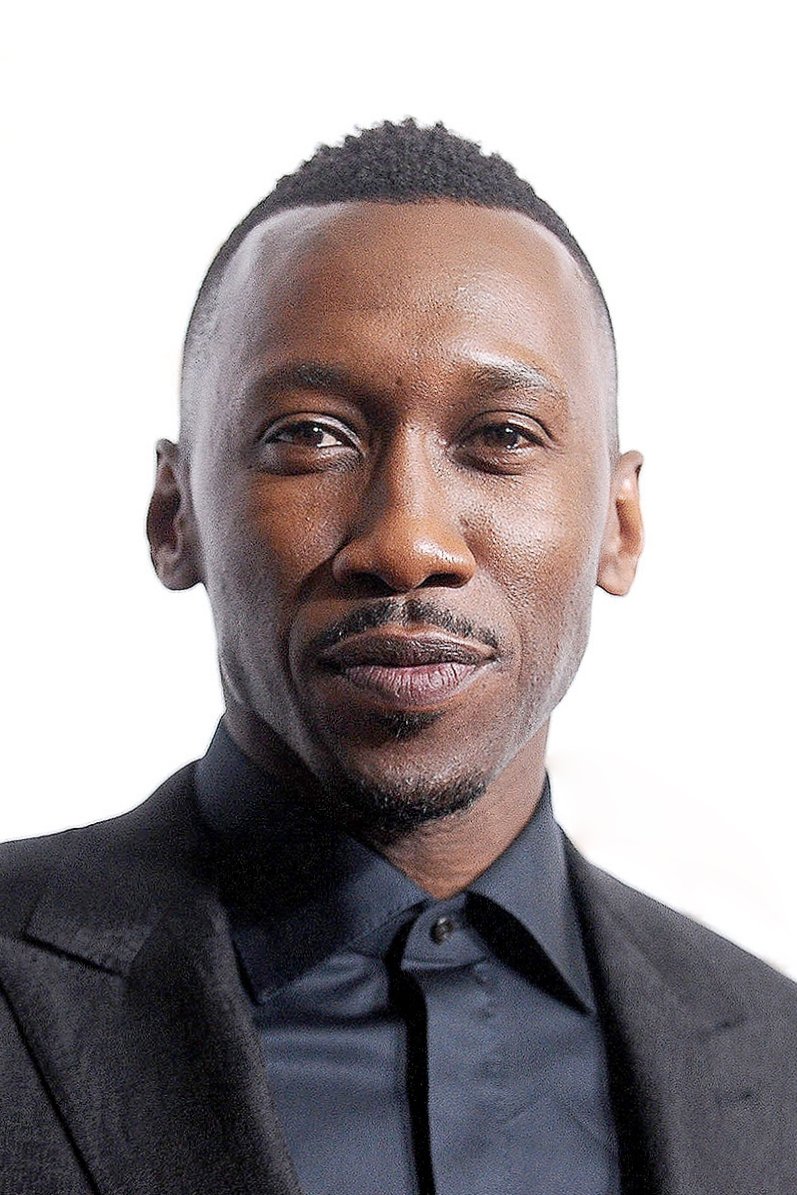
Mahershala Ali is known for carefully choosing his roles. He once rejected a part because he thought the required street accent was a tired and unneeded stereotype. He looks for characters who are smart, strong but reserved, and morally nuanced. He’s also stayed true to his beliefs, famously declining a sex scene in ‘The Curious Case of Benjamin Button.’ Ali consistently prioritizes roles that align with his values and professional integrity, and his two Oscars demonstrate how successful this careful approach has been.
Lupita Nyong’o
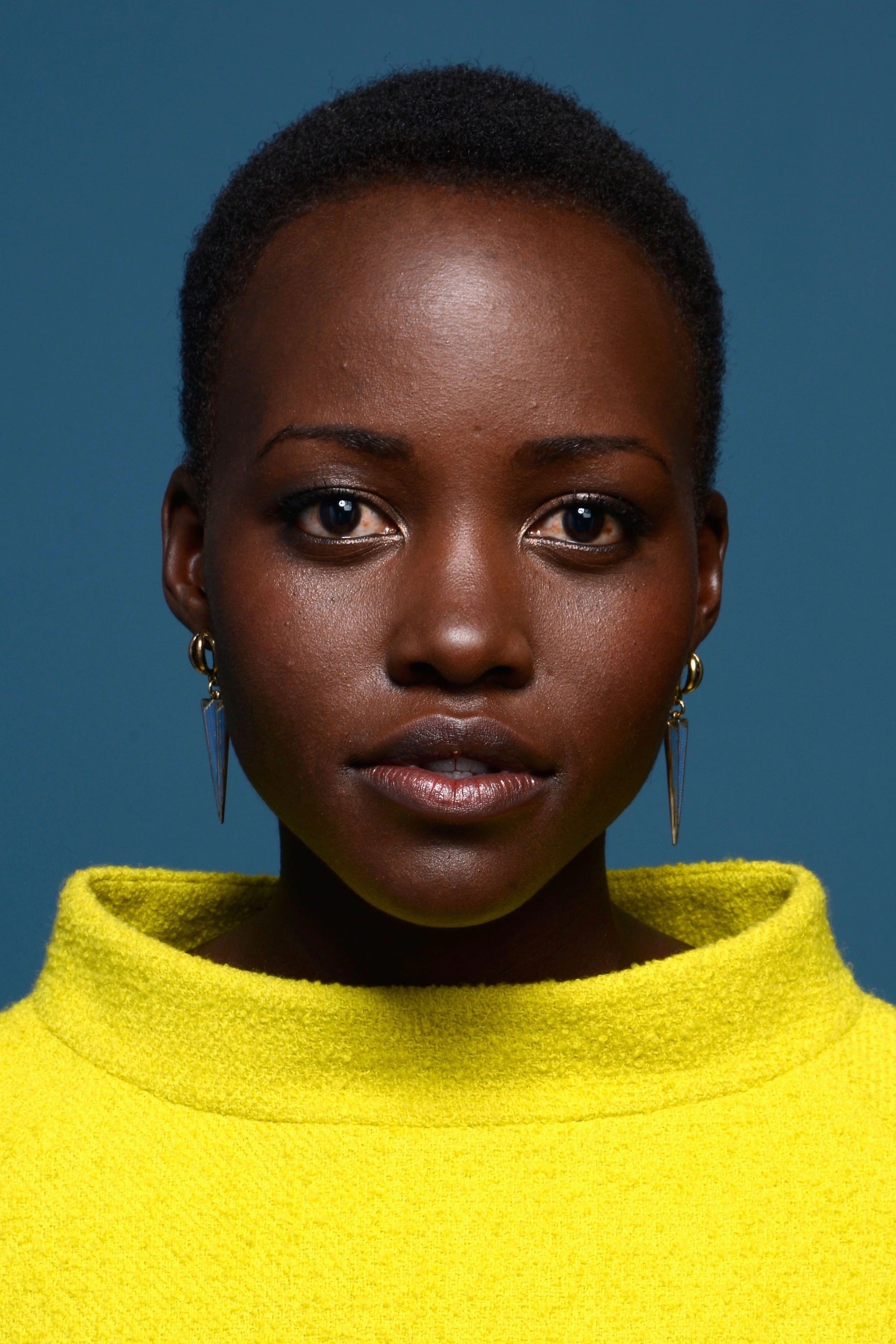
Since becoming famous and winning an Oscar, Lupita Nyong’o has carefully chosen roles that move beyond stories of hardship and oppression for Black characters. She prefers projects in genres like fantasy, horror, and action, wanting to showcase Black women as strong leads in all types of films. Nyong’o consistently declines roles that feel stereotypical or don’t give Black women real power and independence. Her work in films like ‘Us’ and ‘Black Panther’ has broadened the possibilities for Black female leads in cinema.
Yahya Abdul-Mateen II
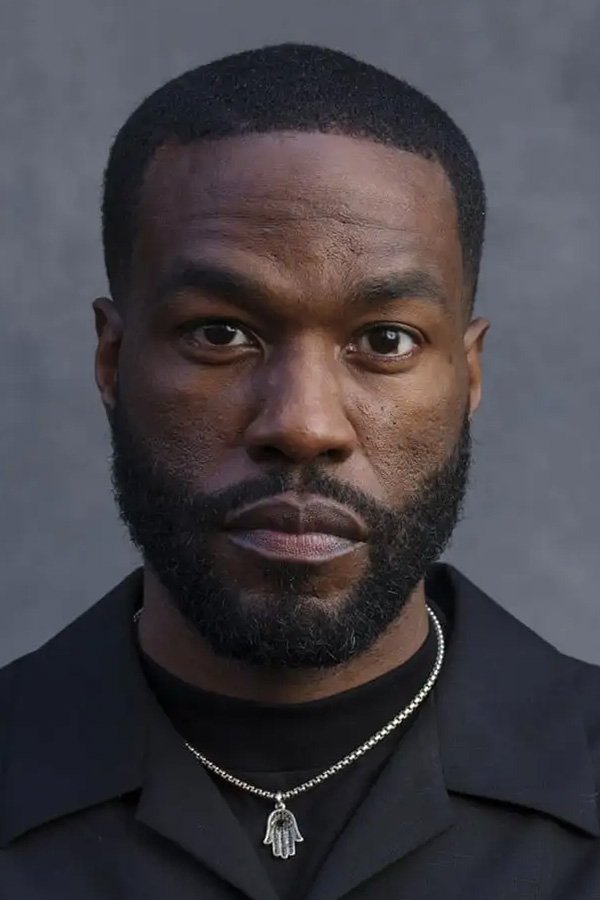
Yahya Abdul-Mateen II prefers roles that move beyond the typical portrayal of Black men facing constant hardship. He’s drawn to science fiction and superhero projects because they offer creative freedom and the chance to play powerful characters. He actively avoids being typecast as a stereotypical criminal or a character with little impact on the story. Ultimately, he wants to be a leading actor who breaks barriers and explores what it means to be human, and his career has been defined by taking risks and choosing unique roles.
Lakeith Stanfield
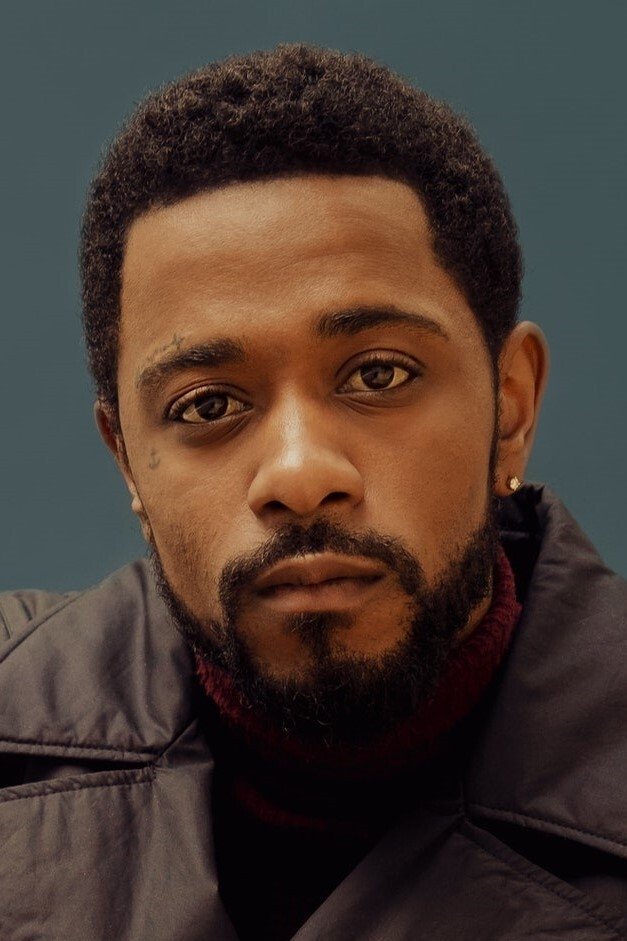
Lakeith Stanfield is an actor who deliberately chooses unusual roles to avoid being pigeonholed. He often passes on big-budget movies if they feel too familiar or fall into tired stereotypes about Black characters. Instead, he gravitates towards independent films that allow for more creative and innovative storytelling. Stanfield is committed to portraying the full range of Black experiences and perspectives through his work, and his distinctive style has quickly made him a standout actor of his generation.
Sterling K. Brown
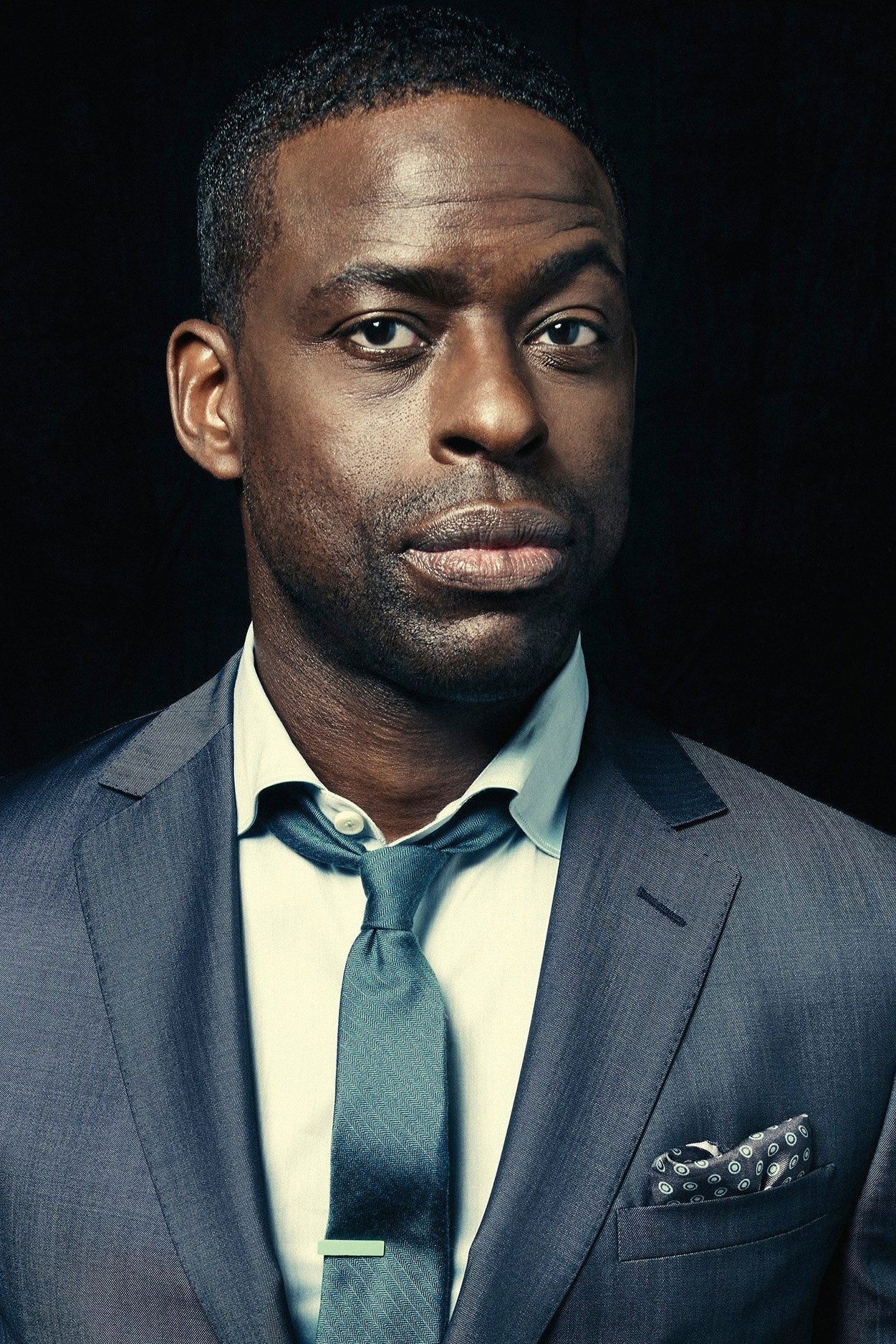
Sterling K. Brown intentionally chooses roles that portray Black men as involved and loving fathers and husbands. He actively avoids projects that rely on the harmful stereotype of the absent Black father, a pattern he believes has been damaging in media for years. Brown aims to show the positive, real-life Black families he’s familiar with, and he’s mindful of the impact his characters have on young viewers. This dedication is a major reason why his role in ‘This Is Us’ is so important for representation.
Jeffrey Wright
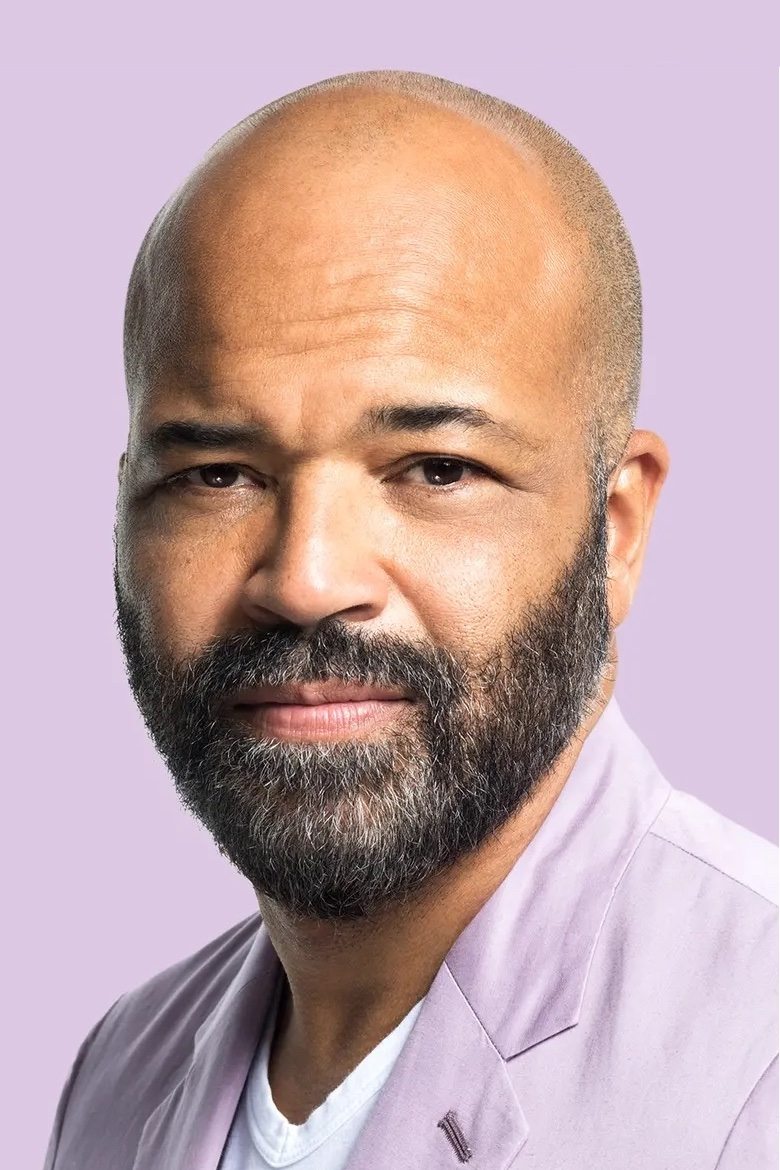
Jeffrey Wright is selective about the roles he takes, often rejecting parts he feels are badly written or disrespectful to certain cultures. He’s an actor who thinks deeply about his work and insists on well-developed, meaningful scripts. He specifically avoids playing stereotypical supporting characters – like servants or the ‘magical negro’ trope – and instead looks for projects that are thought-provoking and address important social issues, both for himself and viewers. He’s found success in everything from large-scale franchises to critically acclaimed dramatic series.
Taraji P. Henson
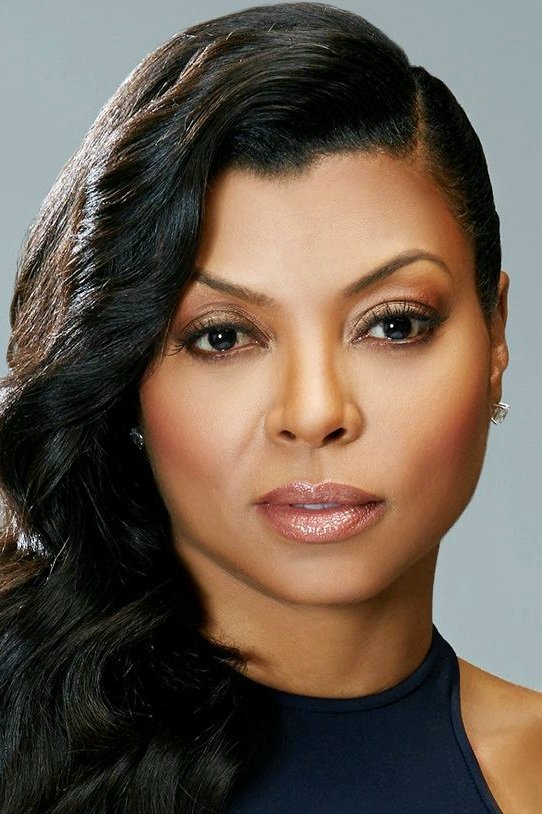
Taraji P. Henson is known for carefully choosing roles that showcase her talent and avoid harmful stereotypes about Black women. She’s spoken out about the unfair pay and limited opportunities for women of color in Hollywood, actively seeking characters who are strong, smart, and independent. She steers clear of scripts that fall into tired tropes like the ‘angry Black woman.’ Her performance as Katherine Johnson in ‘Hidden Figures’ was particularly inspiring to audiences worldwide.
Adewale Akinnuoye-Agbaje
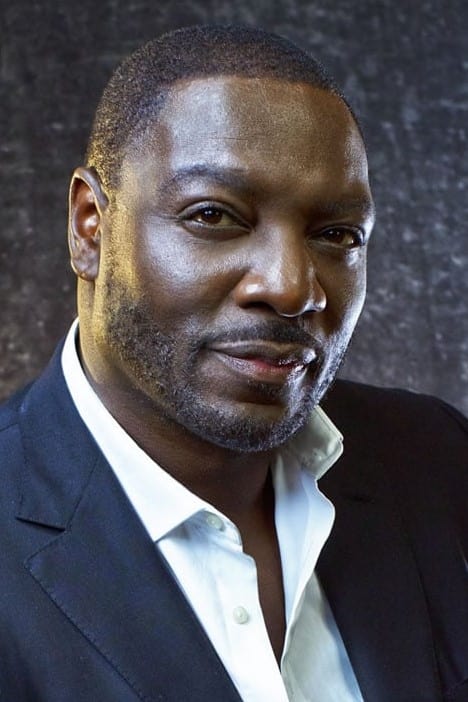
Adewale Akinnuoye-Agbaje has discussed the challenges he’s faced as an African actor in Hollywood, particularly being offered stereotypical roles. He’s often refused parts that didn’t accurately represent his Nigerian heritage and seeks out projects that offer more genuine and diverse portrayals of African experiences. He’s committed to bringing depth and individuality to every character he plays, and his work includes both large-scale films and smaller, culturally important independent projects.
Gugu Mbatha-Raw
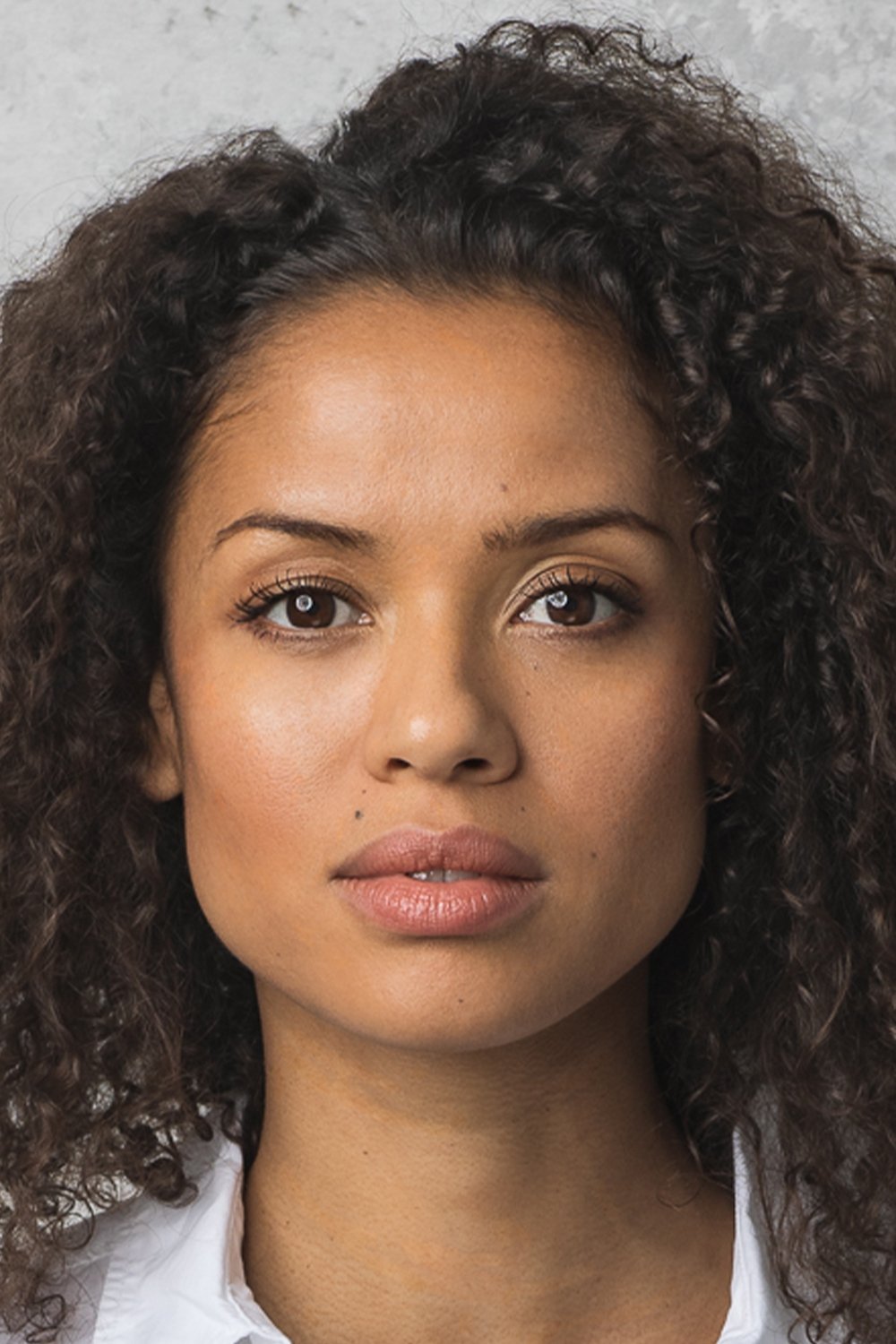
Gugu Mbatha-Raw intentionally chooses roles in historical films that portray Black characters as powerful or wealthy. She actively seeks out projects that demonstrate Black people were present and influential throughout history, and avoids roles that erase their existence or agency. Mbatha-Raw aims to redefine what classic and historical films typically look like, ensuring her characters are complex and meaningful, not just superficial. Her role in ‘Belle’ was a significant advancement for diversity in period dramas.
Anthony Mackie
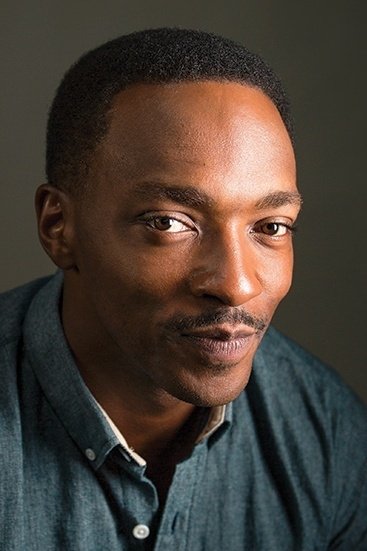
Anthony Mackie has spoken out against the tendency in Hollywood to cast Black actors primarily as supporting characters, often just as the ‘best friend.’ He actively seeks roles where his characters are fully developed individuals with their own stories and goals, not defined by the white lead. He’s leveraged his position within the Marvel Cinematic Universe to give his character a powerful and inspiring journey. He deliberately chooses projects that give Black characters meaningful roles, avoiding those that treat them as minor additions or simply for comedic effect. Now, he’s taking the lead in a major franchise as the new Captain America.
Tessa Thompson

Tessa Thompson started a group to encourage more diversity and authentic storytelling in filmmaking, especially behind the camera. She avoids roles that don’t offer a new or challenging take on women and race. Thompson is especially keen on disrupting common patterns in science fiction and westerns, and she actively seeks out scripts that include genuine and impactful representation of LGBTQ+ and Black characters. Ultimately, she’s redefining what people expect from a leading actress in Hollywood.
Alfre Woodard
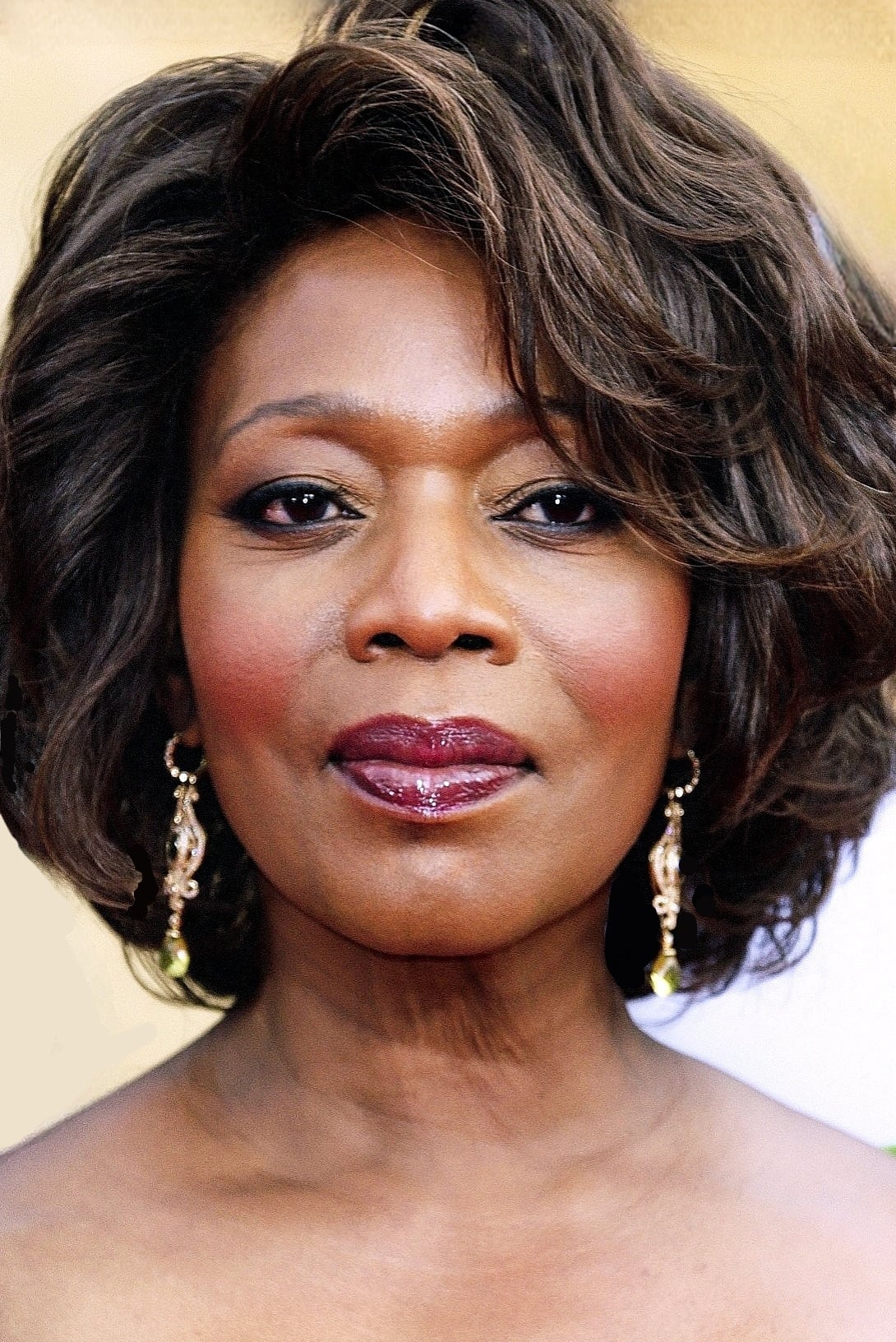
Alfre Woodard’s impressive career is built on carefully choosing roles that resonate with her values. She’s well-known for declining parts she considered one-dimensional or lacking depth, instead focusing on characters with strength, insight, and complex feelings. Beyond her own work, Woodard has guided many emerging actors, emphasizing the importance of self-respect. Her career serves as a powerful example of how to achieve lasting success while staying true to oneself.
Sophie Okonedo
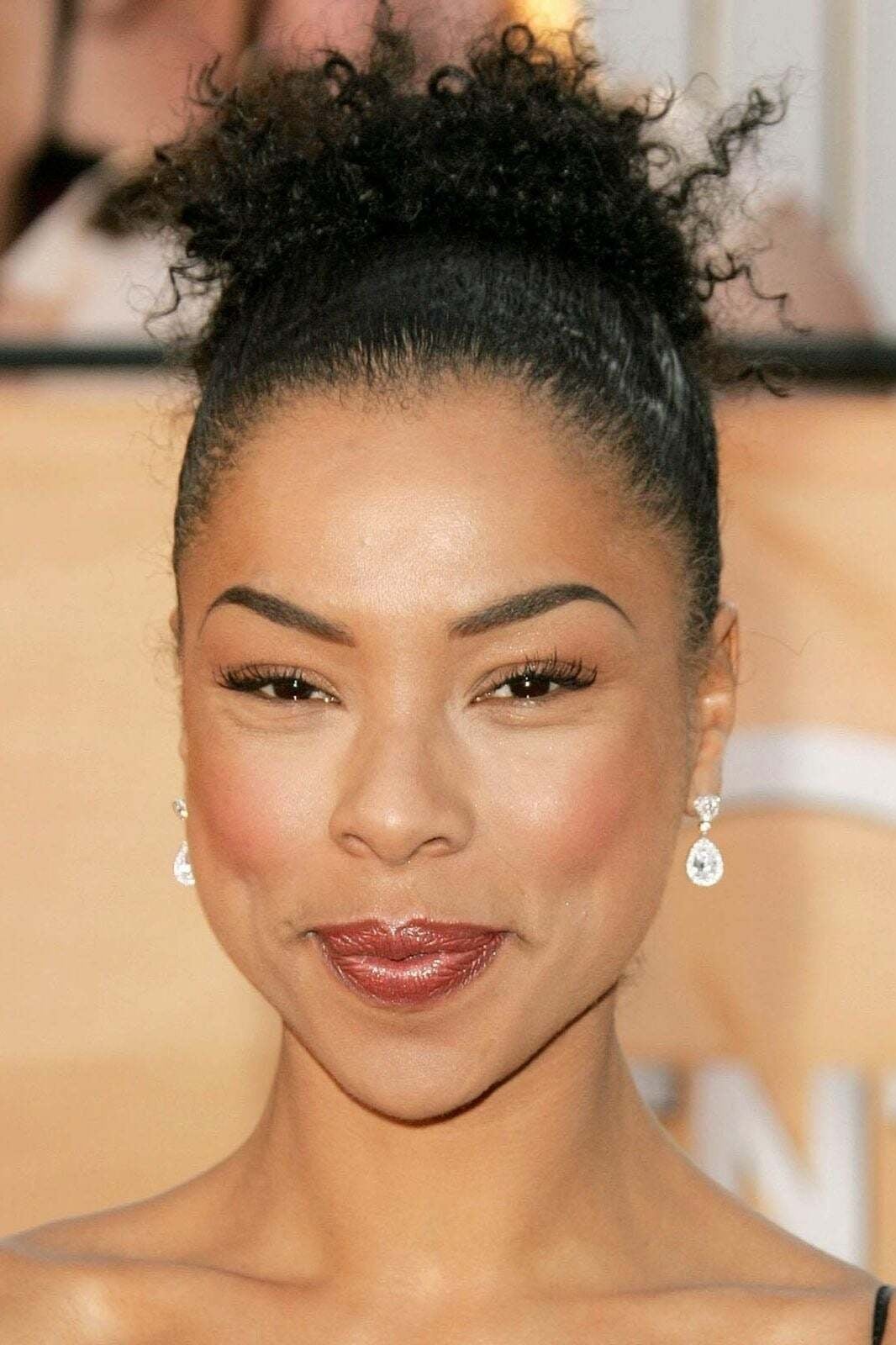
Sophie Okonedo is known for carefully choosing roles that are complex and avoid stereotypes about Black women. She seeks out scripts that are challenging and allow her to portray the full range of human emotions. From period pieces to contemporary thrillers, Okonedo prioritizes projects where her characters are treated with respect and given depth. Her Oscar nomination is a testament to her thoughtful approach to acting.
Cynthia Erivo
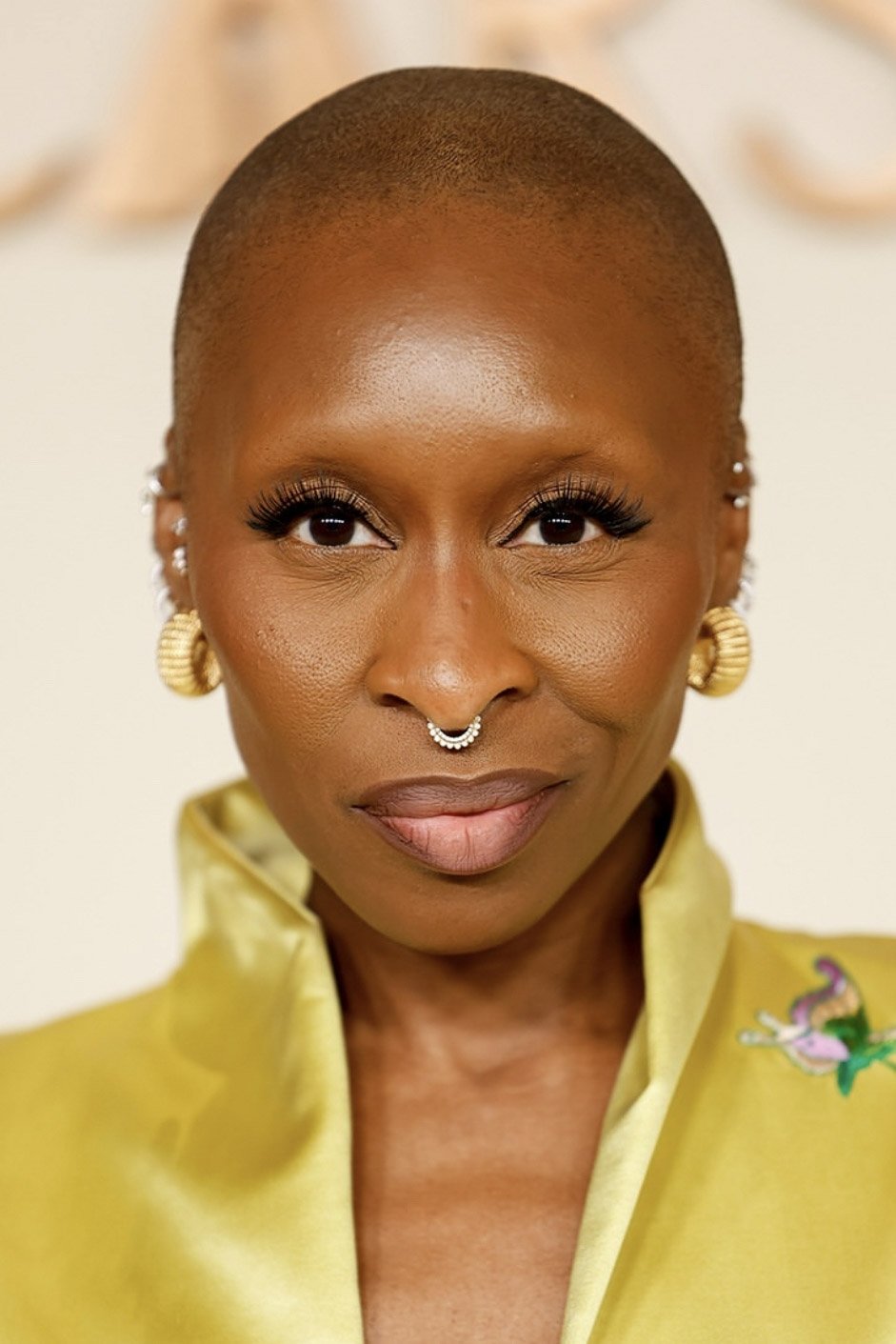
Cynthia Erivo intentionally chooses roles that go beyond stories of struggle and historical hardship within the Black community. She actively seeks out diverse projects, including musicals and action films, that allow her to demonstrate her versatility as an actress. Early in her career, she declined roles she felt relied on overused and predictable portrayals of Black experiences, preferring instead to work on projects that offer new perspectives and artistic challenges. This approach shows her dedication to broadening the range of stories told about Black women.
Letitia Wright
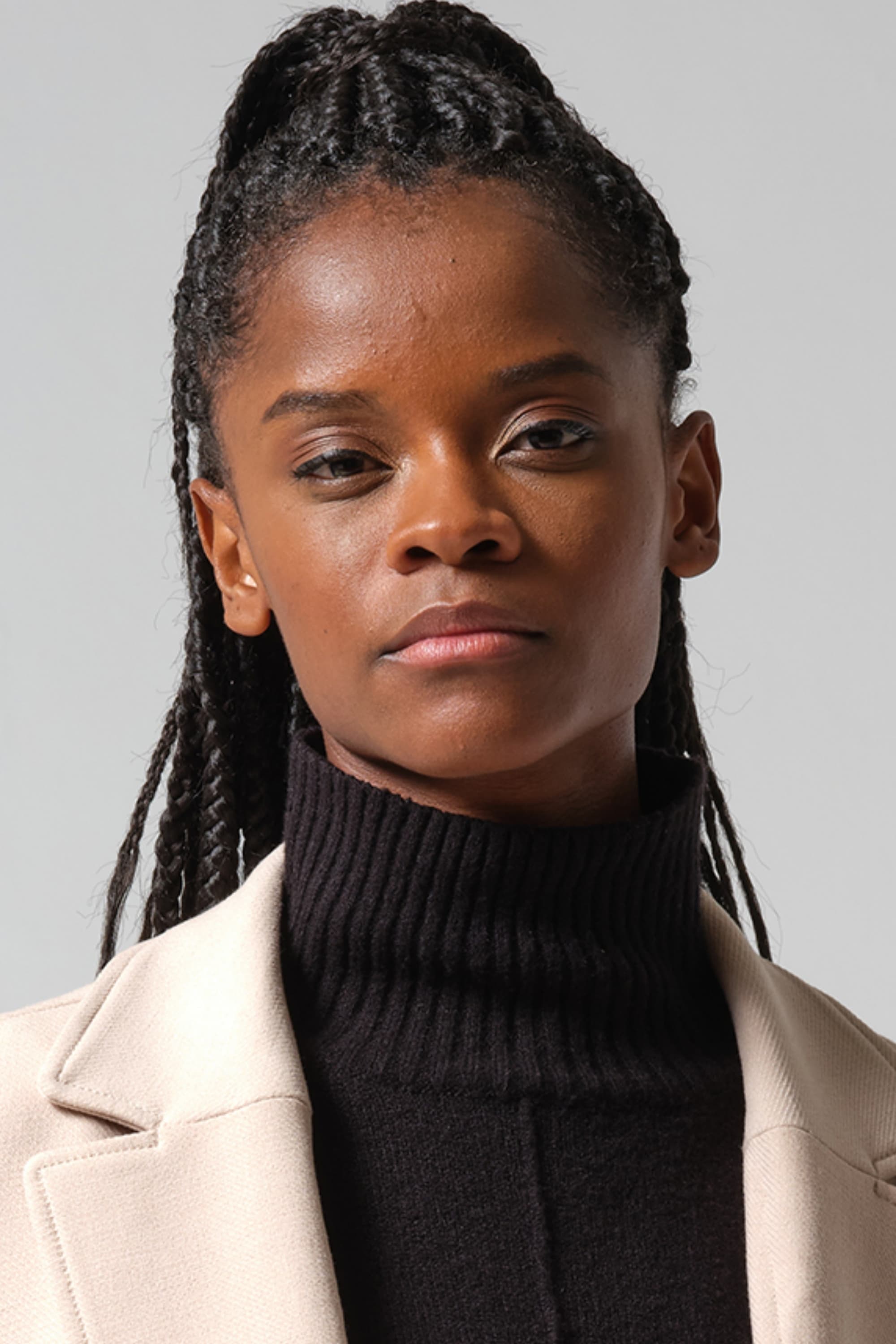
Letitia Wright carefully selects the roles she takes, making sure they match her beliefs and allow her to portray positive characters. She’s turned down projects with too much violence or that relied on tired stereotypes. Wright intentionally pursued the role of the intelligent scientist in ‘Black Panther,’ and she continues to look for characters who are smart, capable, and make a difference. This careful approach to her work helps inspire young people of color globally.
Daveed Diggs
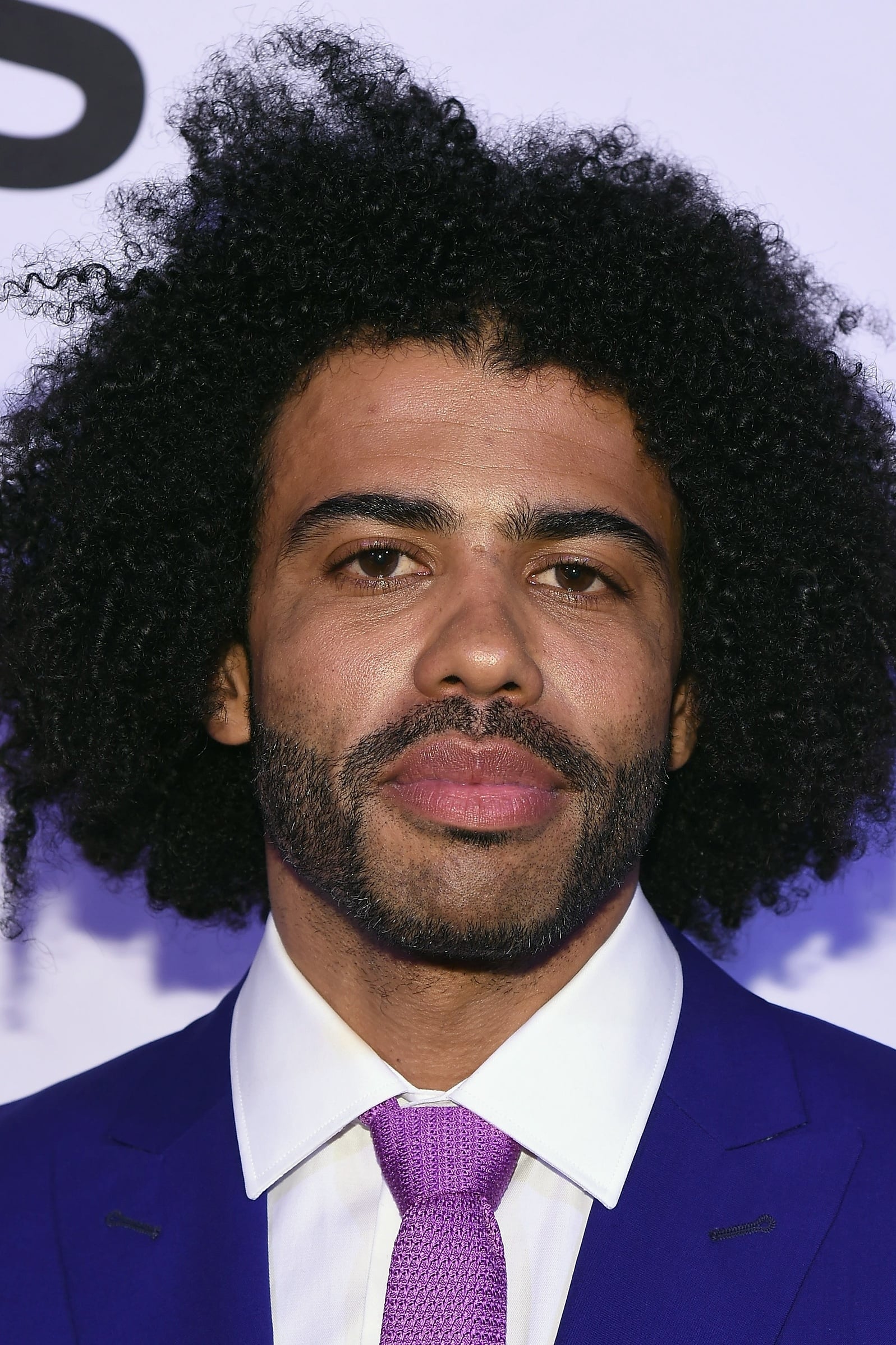
Daveed Diggs frequently avoids roles that seem to be included just to fulfill diversity requirements without offering a meaningful story for the character. He’s especially careful about scripts where Black characters only serve to support the stories of white characters. Diggs looks for projects that tackle difficult social topics in a clever and funny way. He’s passed up many popular TV roles to concentrate on work that feels more original and true to life. Throughout his career, he’s consistently avoided being typecast or limited to playing stereotypical characters.
Louis Gossett Jr.
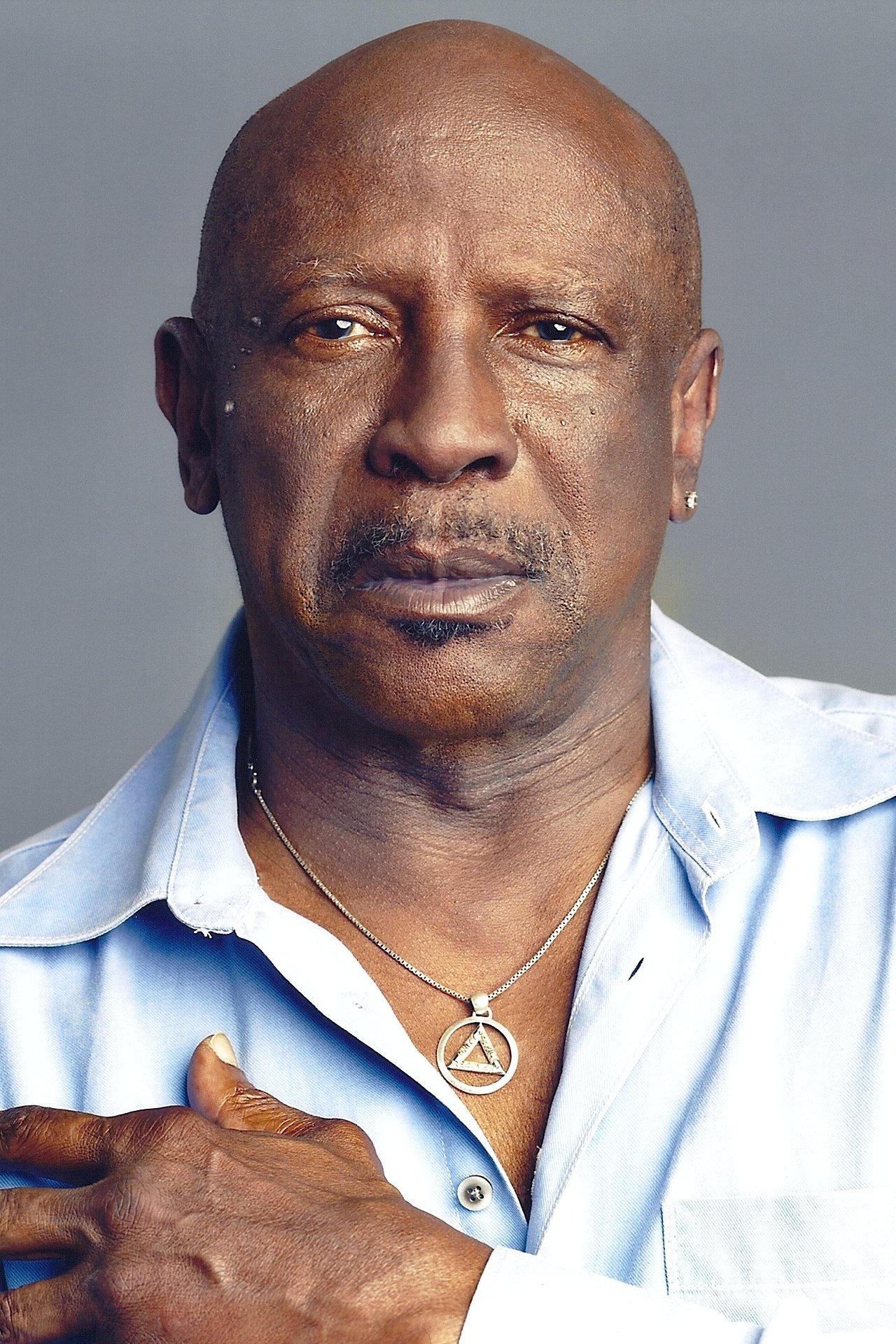
Early in his career, Louis Gossett Jr. intentionally avoided playing one-dimensional villains. He believed these types of roles reinforced harmful stereotypes about Black men. He patiently waited for parts with more complexity, allowing him to showcase his talent as an actor. This dedication ultimately led to his celebrated, Academy Award-winning performance in ‘An Officer and a Gentleman’. He continues to be an inspiration for Black actors striving for recognition and respect in Hollywood.
Whoopi Goldberg
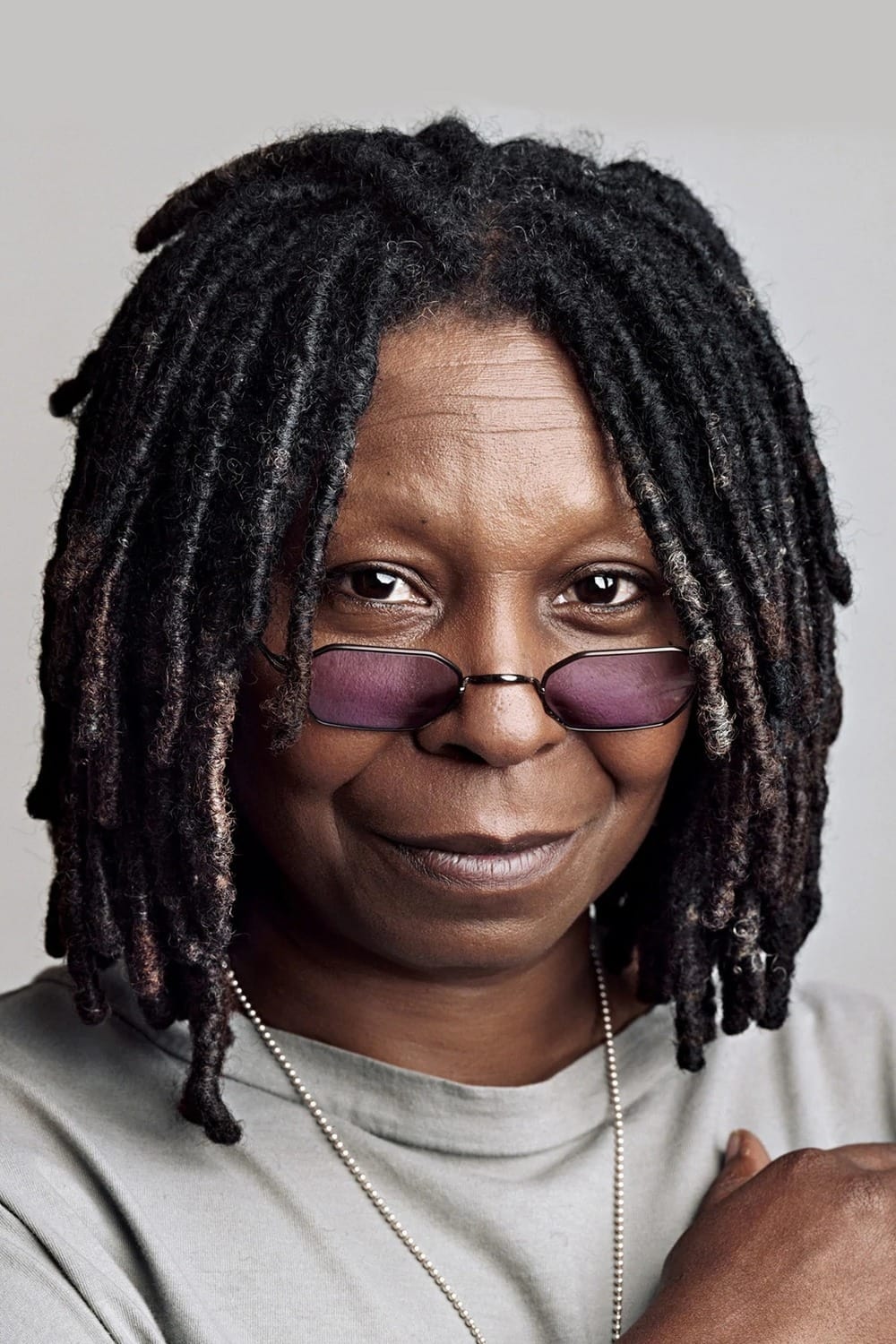
Whoopi Goldberg has talked about refusing roles as maids or other submissive characters when she was starting out. She wanted to play characters who were funny, intelligent, and truly unique. Goldberg was a trailblazer, taking on roles not initially intended for Black actresses. She built a successful career in film, television, and theater by being herself. Her story proves that staying true to who you are is the key to a lasting impact.
James Earl Jones
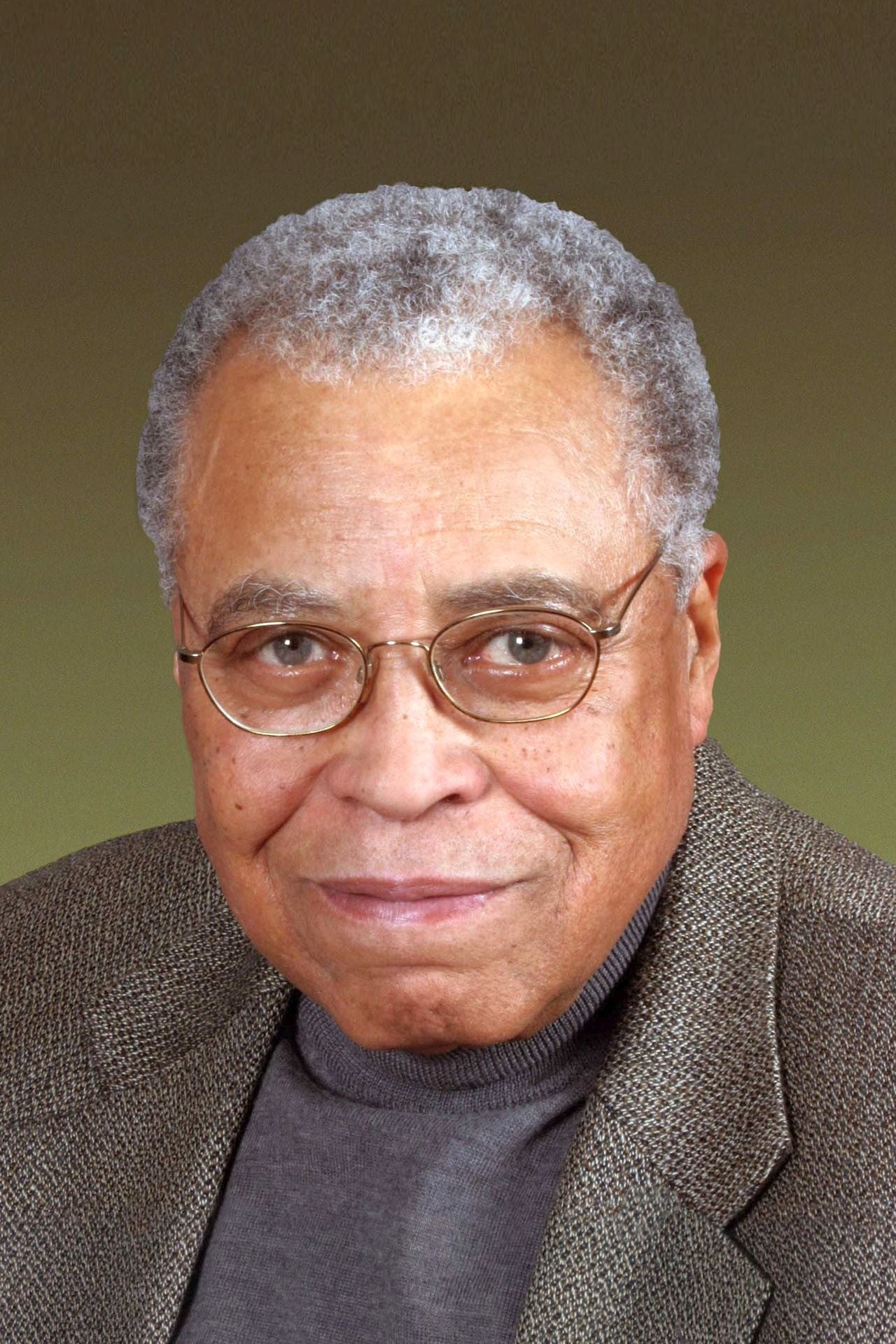
James Earl Jones wasn’t interested in simply providing voices or playing one-dimensional villains. He insisted his characters have backstories and believable motivations. Especially during the civil rights movement, Jones carefully selected roles that highlighted the strength and importance of Black voices and representation. His remarkable career is defined by a commitment to dignity and artistic quality.
Ossie Davis
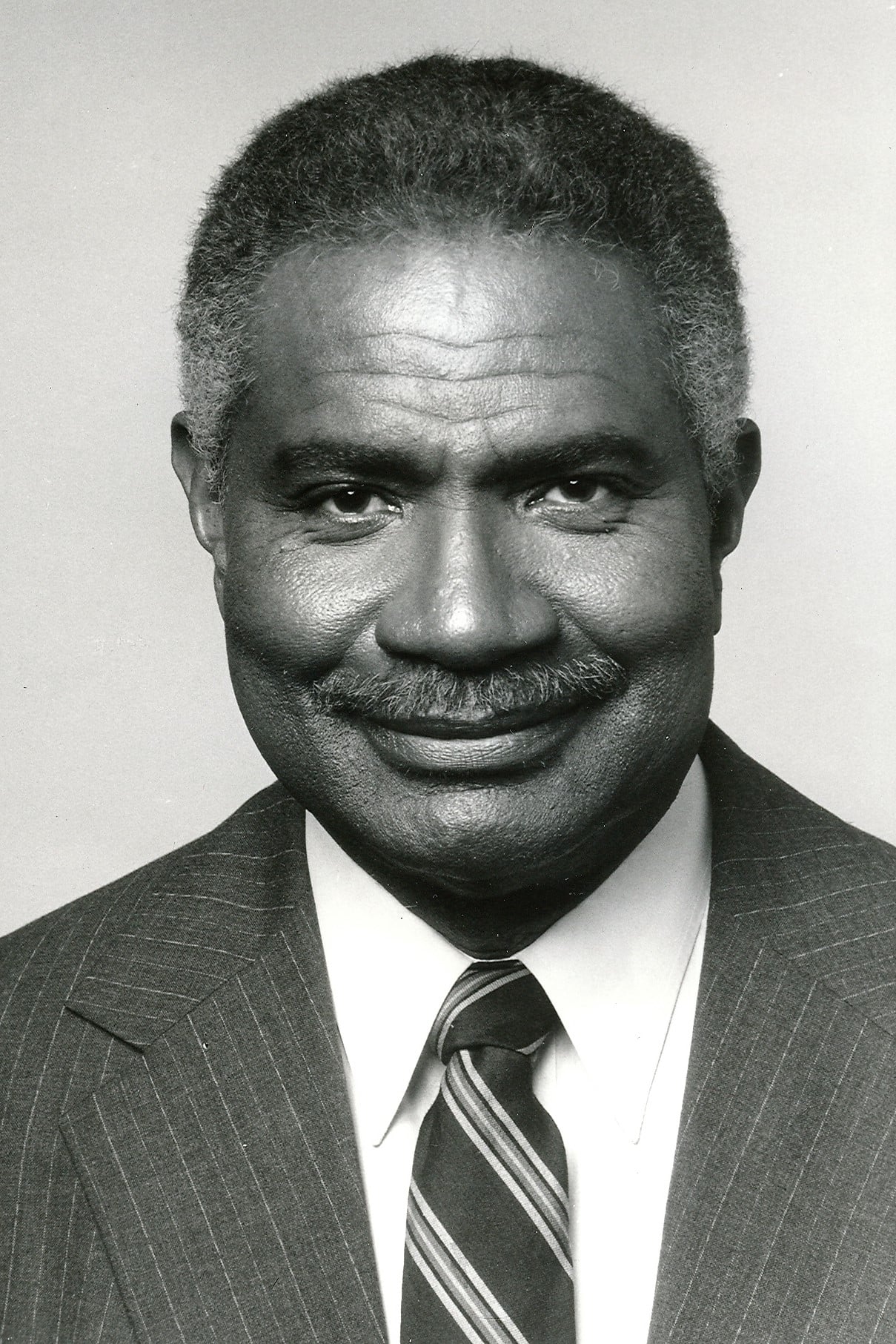
Ossie Davis was a passionate activist who carefully chose roles that he felt were respectful and meaningful. He and his wife, Ruby Dee, frequently collaborated to advocate for more accurate and positive portrayals of Black actors in Hollywood. Davis refused to participate in projects he considered offensive or that perpetuated harmful stereotypes. He saw his acting as a continuation of his fight for social justice, and his lasting impact is defined by his strong dedication to both his community and his craft.
Ruby Dee
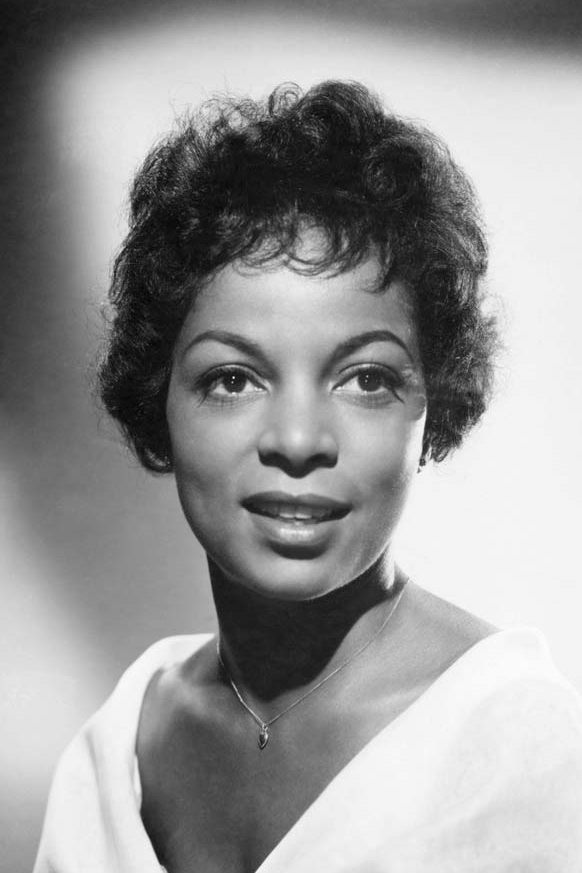
Ruby Dee dedicated her career to creating more meaningful and empowering roles for Black women on stage and screen. She consistently turned down parts that felt disrespectful or reinforced harmful stereotypes. Through her work, Dee brought attention to the challenges and successes of Black Americans. A true pioneer, she demonstrated that an actor could be both a gifted artist and a passionate advocate for change. Her influence continues to inspire actors working today.
I’m really curious to hear what everyone thinks! Looking at these actors, which one do you think made the smartest move for their career? Let’s chat in the comments – I’d love to know your opinions!
Read More
- 20 Movies Where the Black Villain Was Secretly the Most Popular Character
- Celebs Who Narrowly Escaped The 9/11 Attacks
- 25 “Woke” Films That Used Black Trauma to Humanize White Leads
- Top 20 Dinosaur Movies, Ranked
- Transformers Under the Microscope: What Graph Neural Networks Reveal
- The 10 Most Underrated Jim Carrey Movies, Ranked (From Least to Most Underrated)
- 22 Films Where the White Protagonist Is Canonically the Sidekick to a Black Lead
- Silver Rate Forecast
- Gold Rate Forecast
- The Best Directors of 2025
2026-01-03 23:52