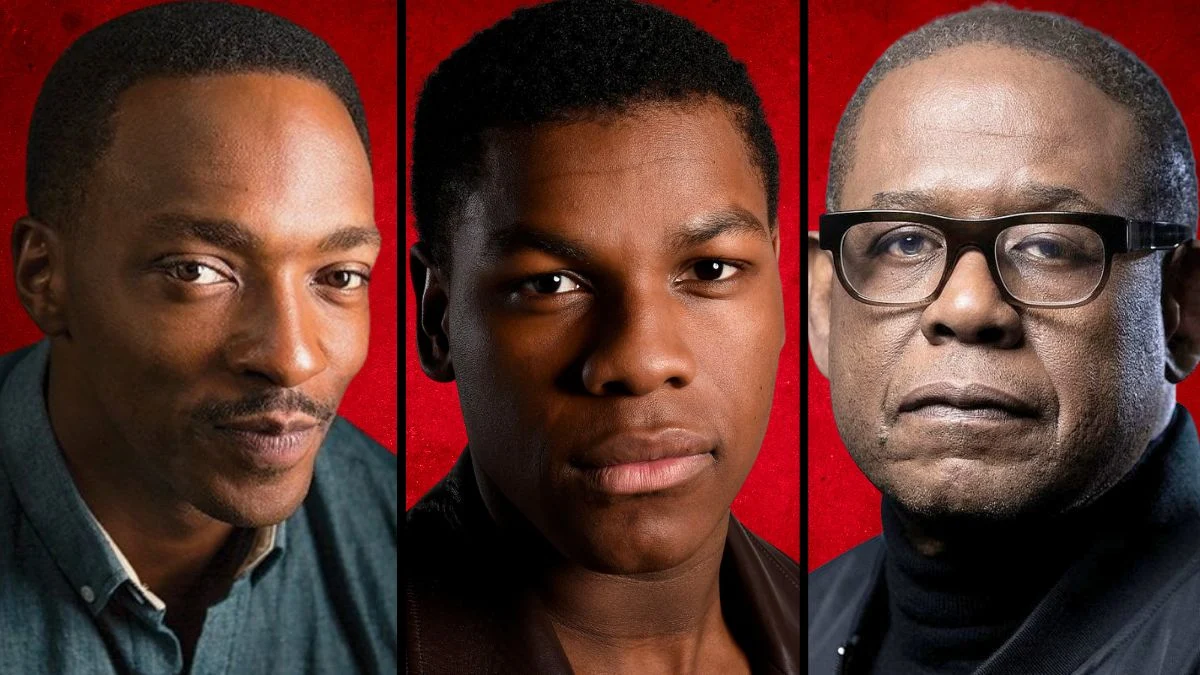
It’s become common for movie marketing to face criticism for changing the way Black actors look in promotional materials to try and attract certain audiences. This often involves making their skin lighter, reducing how much they appear, or even removing them completely from posters and trailers – a practice often called ‘whitewashing.’ Several actors have responded by taking legal steps, speaking out against it, or finding their involvement in movie promotion affected by these unfair changes.
Faizon Love
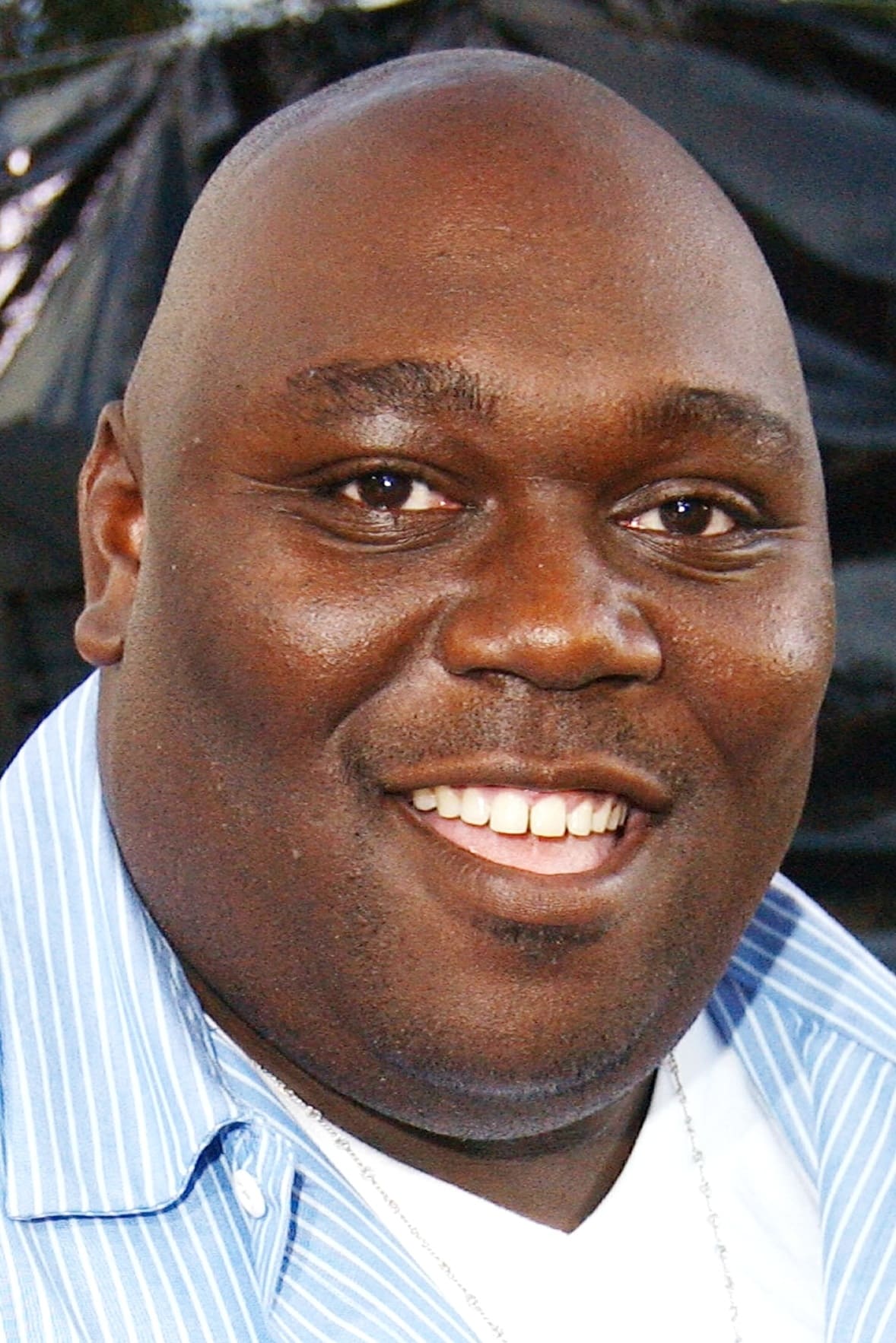
The actor took Universal Studios to court over the advertising for the movie ‘Couples Retreat’. He noticed that while the US poster showed all the couples in the film, the international poster used in places like the UK completely left him and his Black co-star out. He sued, claiming discrimination and a broken contract, arguing the studio removed them to satisfy international audiences. Though the lawsuit was eventually settled, his decision to speak out highlighted the issue of digital erasure of actors in Hollywood.
Kali Hawk
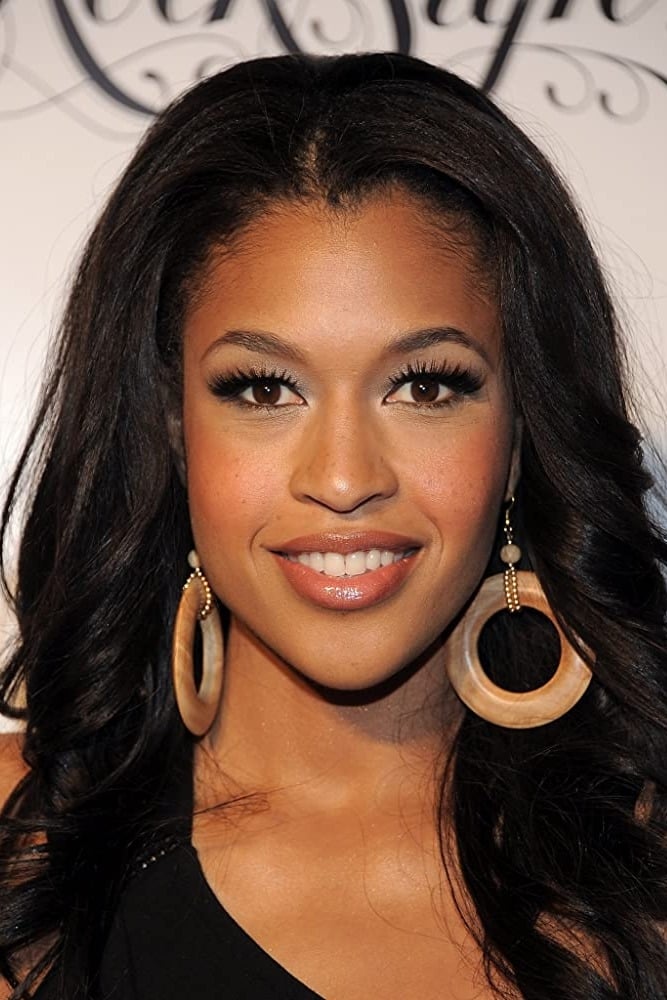
Like Faizon Love, Kali Hawk was left out of the international marketing for ‘Couples Retreat.’ In the UK, posters and other promotional materials only showed the six white actors from the film. This raised concerns about how Hollywood values Black actresses in romantic comedies when marketing to international audiences. Hawk publicly supported efforts to hold the studio responsible for this decision to essentially separate the cast in its advertising.
John Boyega

When the first poster for ‘Star Wars: The Force Awakens’ appeared in China, it caused a lot of controversy. John Boyega, who played the main character Finn, noticed he was made much smaller on the Chinese poster compared to the version used in the US, while other characters were made larger. He later spoke out about his disappointment with how his character was promoted and treated in the films, accusing the studio of minimizing the role of Black actors. This led to an important discussion about how major franchises represent and market Black leads in Asian markets.
Chiwetel Ejiofor
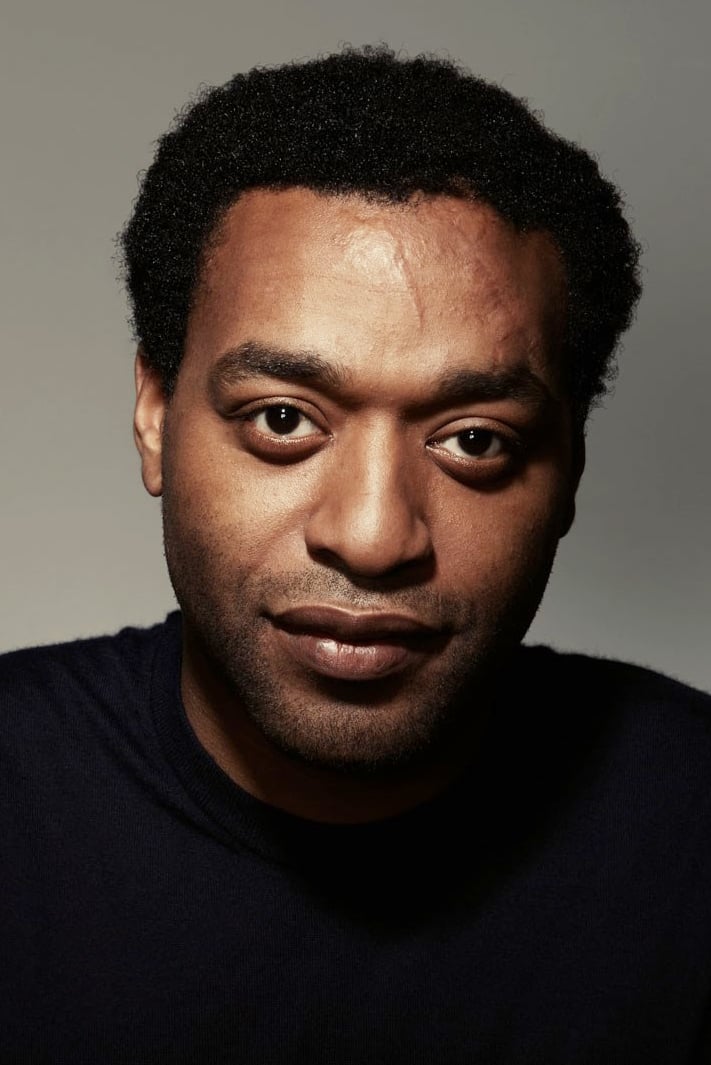
When ’12 Years a Slave’ came out in Europe, the Italian posters caused a strong negative reaction. They prominently displayed white actors Brad Pitt and Michael Fassbender, while the film’s lead, Chiwetel Ejiofor, was shown very small in the corner. Lionsgate, the studio, apologized and removed the posters after widespread criticism. Many felt the way Ejiofor was minimized on the poster for a movie about his character’s story was a misleading marketing tactic.
Deborah Mailman
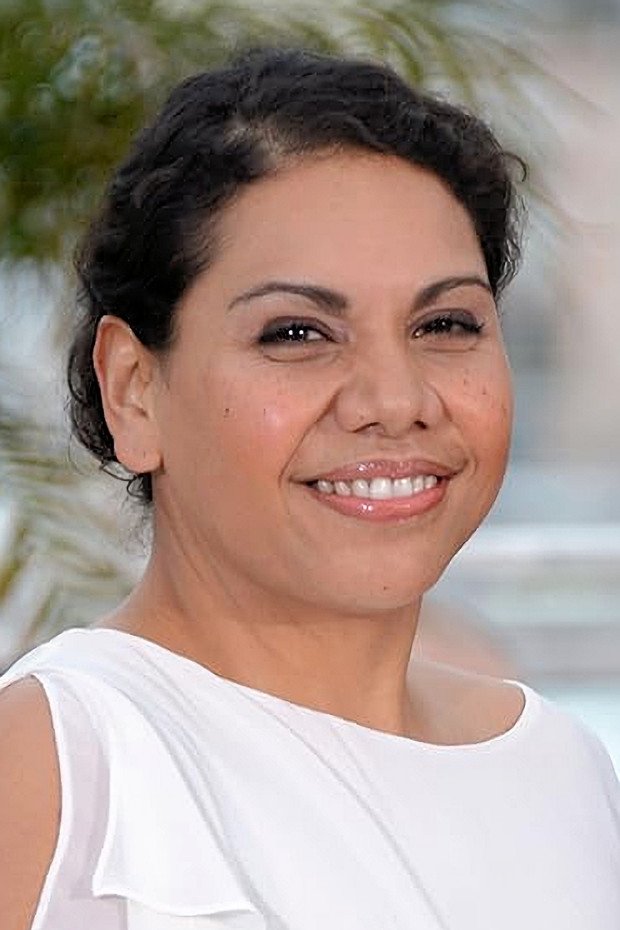
Deborah Mailman, a leading actress in the popular Australian film ‘The Sapphires’, was upset by a controversy surrounding the US DVD release. The American cover design used a blue tint that made the skin tones of the four Aboriginal actresses appear lighter and prominently featured the white actor, Chris O’Dowd. Mailman and her fellow actresses wrote a letter to the NAACP to protest this ‘whitewashing’ of the cover. The distributor later apologized and said they would consider a different design for future releases.
Jessica Mauboy

Australian singer and actress Jessica Mauboy, known for her role in ‘The Sapphires’, was also affected by the controversial redesign of the film’s US DVD cover. Even though the movie is based on the real story of four Aboriginal women, the marketing materials downplayed Mauboy’s role and changed her appearance by removing color. Mauboy spoke out publicly, supporting efforts to challenge the distributor for misrepresenting the film’s main actors. This situation brought attention to the unique difficulties Indigenous performers encounter when their work is released in the United States.
Shari Sebbens

Deborah Mailman, who played a member of ‘The Sapphires,’ noticed her image, along with the other actresses, was minimized on the American DVD cover. The cover prominently featured the group’s male manager, which diminished the story’s focus on the women’s empowerment. Mailman and her co-stars protested the cover, calling it a damaging erasure of their roles. The public criticism led the US distributor to admit the design was insensitive.
Miranda Tapsell

Deborah Mailman, one of the stars of ‘The Sapphires,’ joined her co-stars in protesting the film’s US marketing campaign, which they felt misrepresented them. She explained that the cover art actually echoed the same prejudice their characters battled in the 1960s. By refusing to accept the explanation that it was simply a marketing requirement, she sparked a global discussion about how Black and Indigenous women are portrayed and marketed. The situation continues to be a significant example when discussing ethical practices in international film distribution.
Beyoncé
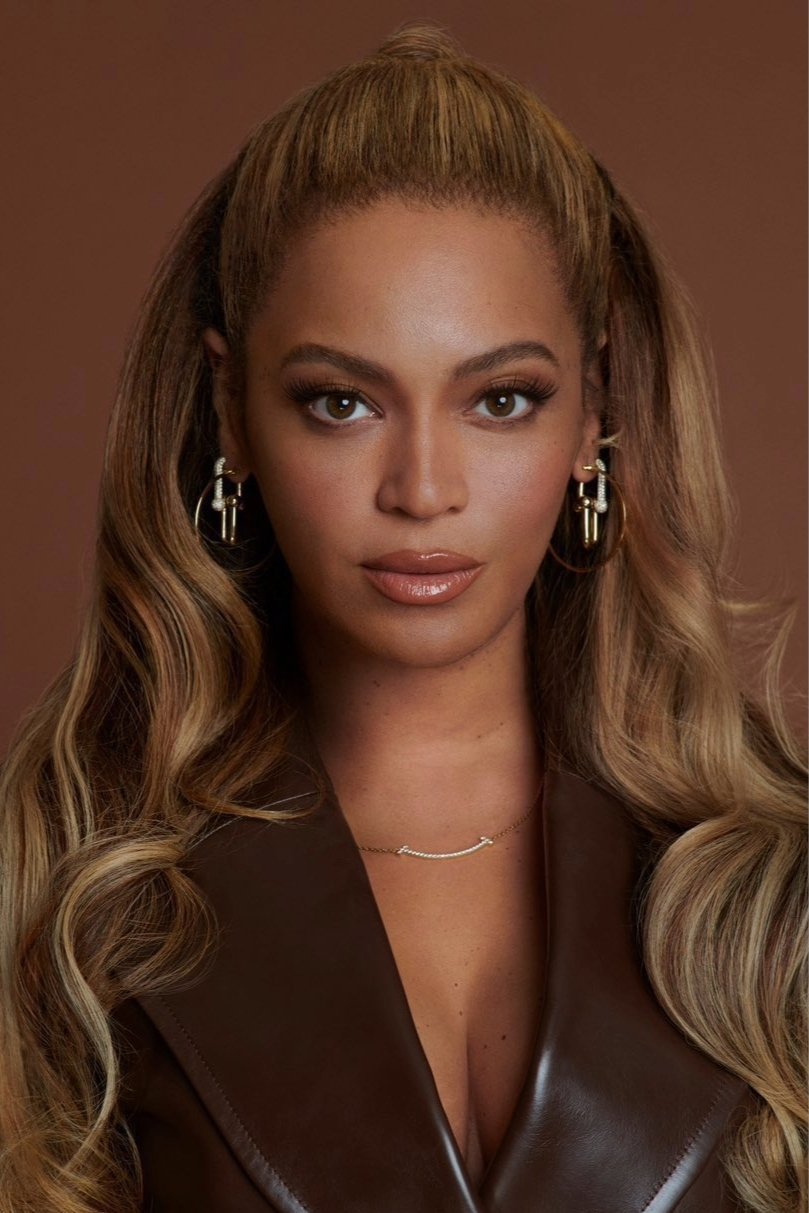
During promotion of the movie ‘Austin Powers in Goldmember’, Beyoncé asked the studio to remove alterations made to her appearance on the film’s posters. The marketing team had changed her body shape and lightened her skin tone, but Beyoncé requested they restore her natural look before the posters were released. Because she stood firm on this, the film avoided a controversy over potentially ‘whitewashing’ her image.
Ernie Hudson

For decades, Ernie Hudson has spoken about being left off the original ‘Ghostbusters’ movie posters. Even though he was a key part of the four-person team, the marketing materials heavily featured his white co-stars – Bill Murray, Dan Aykroyd, and Harold Ramis – and largely ignored him. Hudson has said this omission significantly impacted his career and how he was recognized, and he often points to it as a hurtful example of how Black actors can be overlooked in big ensemble films.
Sharon Duncan-Brewster
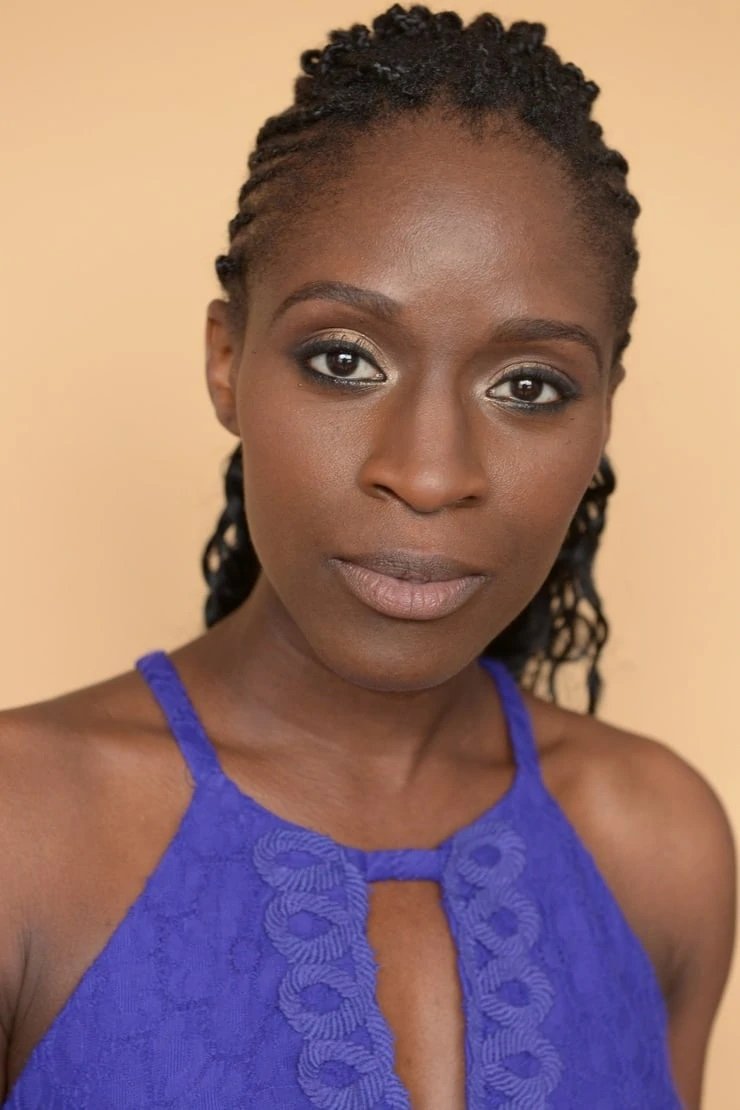
The release of the movie ‘Dune’ in China sparked discussion about how Hollywood promotes its films there. Some people noticed that actress Sharon Duncan-Brewster, who played Dr. Liet Kynes, appeared to be missing or minimized in certain Chinese advertisements. The studio said they used the same posters worldwide, but the controversy online raised concerns about Black actors being deliberately left out of marketing in China. Duncan-Brewster’s casting – a role originally written for a white man – was seen as a step forward for diversity, and the marketing issue risked undoing that progress.
Chadwick Boseman
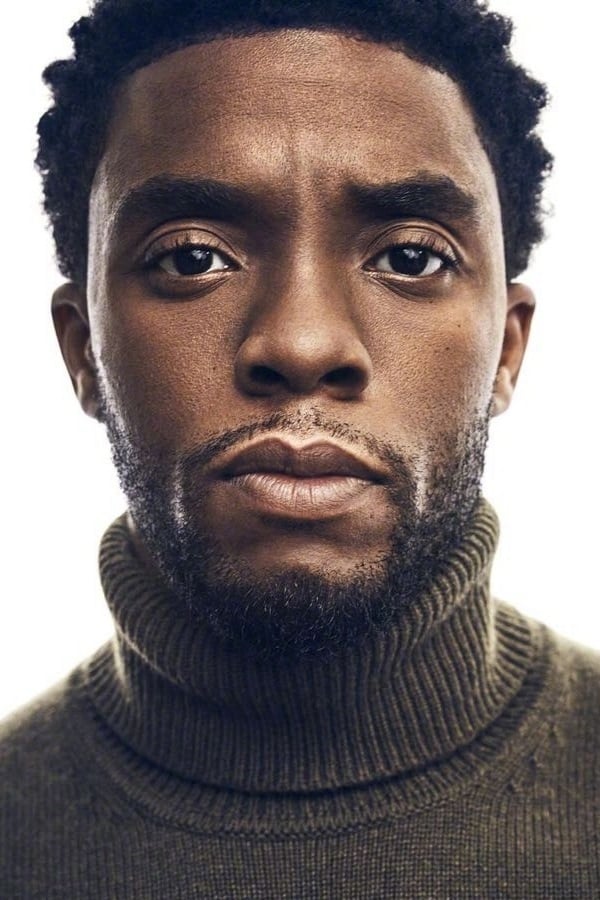
Although ‘Black Panther’ was a huge success worldwide, its marketing in some Asian countries received criticism, much like other Disney films. In Hong Kong and China, posters for the movie completely hid Chadwick Boseman’s face behind his Black Panther mask, while posters in other countries showed his face. This was different from how Marvel typically marketed other heroes like Iron Man and Captain America, who were often shown without their masks. This change led to concerns that the studio was reluctant to prominently feature a Black actor’s face in certain international markets.
Ray Fisher
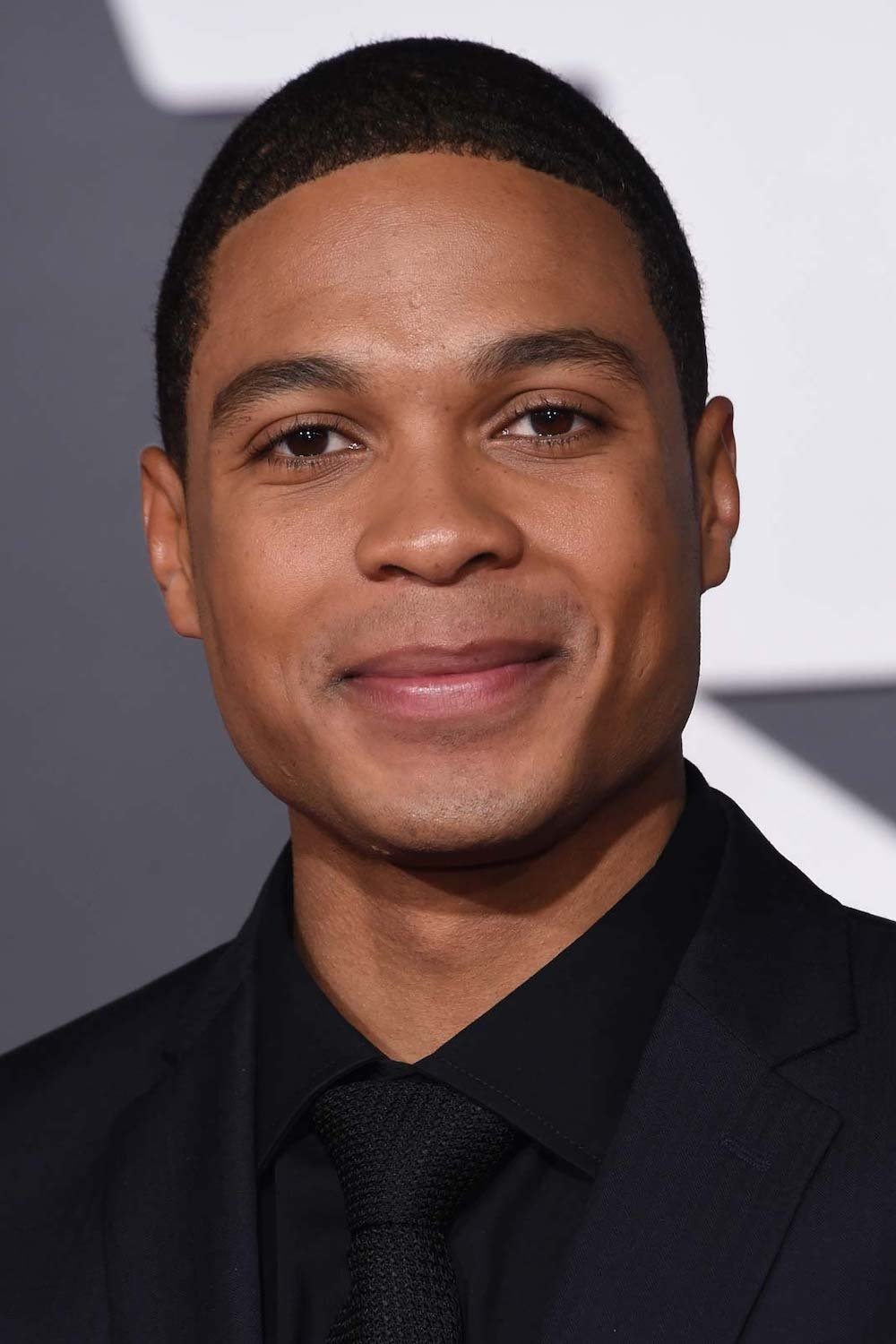
Ray Fisher’s issues with Warner Bros. over ‘Justice League’ weren’t limited to how he was treated during filming. He also claimed the studio changed the film’s colors to make skin tones lighter and unfairly cut down his character’s part. Because of this, he wouldn’t fully participate in promoting the movie and called for studio leaders to take responsibility. His actions sparked a major investigation, bringing attention to how creative choices can sometimes be influenced by racial bias.
Lupita Nyong’o
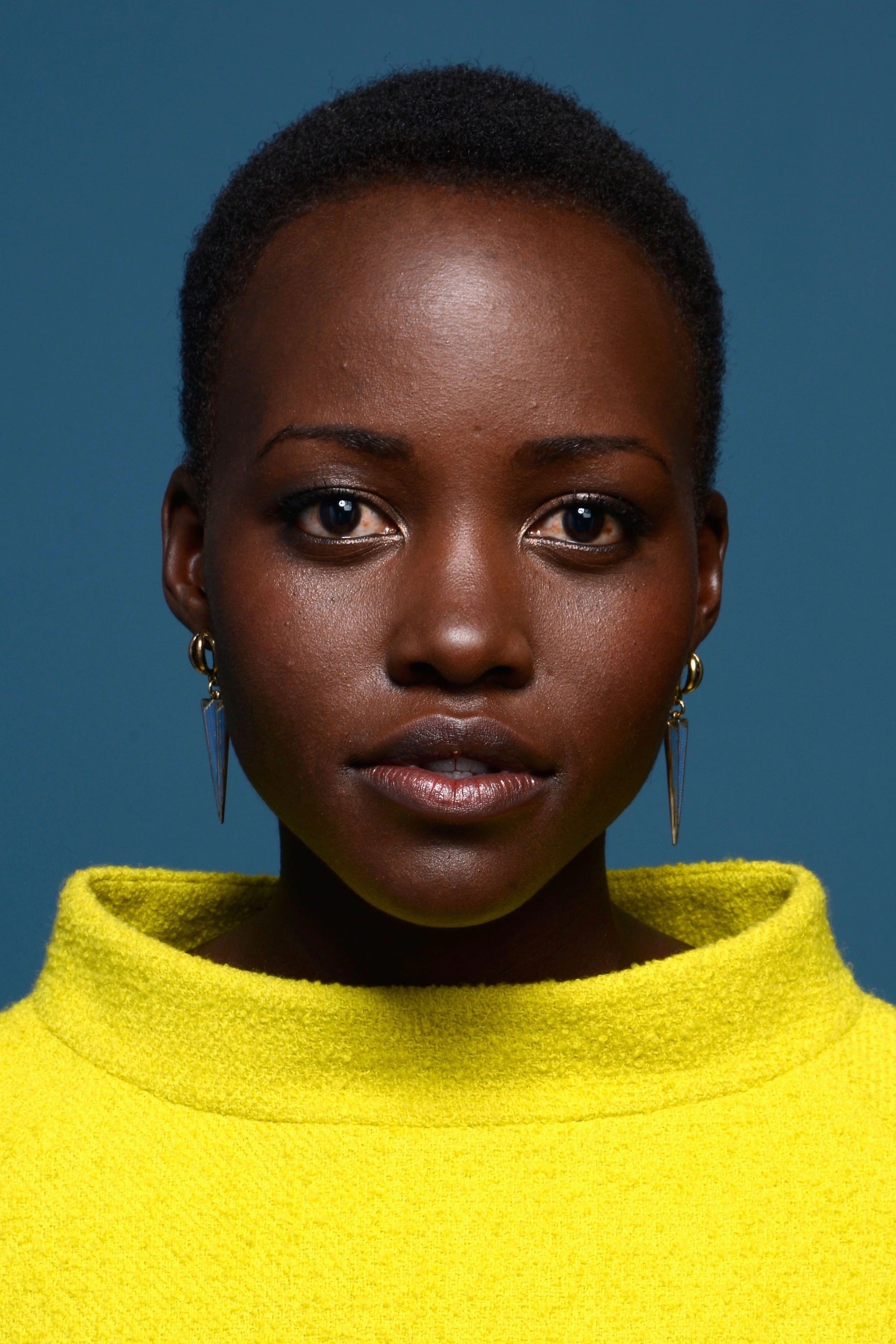
As a huge fan of Lupita Nyong’o, I really admire how she’s always stood up for herself and against unrealistic beauty standards. She actually called out a magazine for digitally altering her photos – they smoothed out her hair and lightened her skin! It was so powerful because she explained how damaging it is to erase someone’s heritage to fit a Eurocentric idea of beauty. The magazine actually apologized, which was amazing, and it really seemed to start a conversation about how much photo editing goes on in the industry. It’s inspiring to see her use her platform like that.
Zoe Saldaña
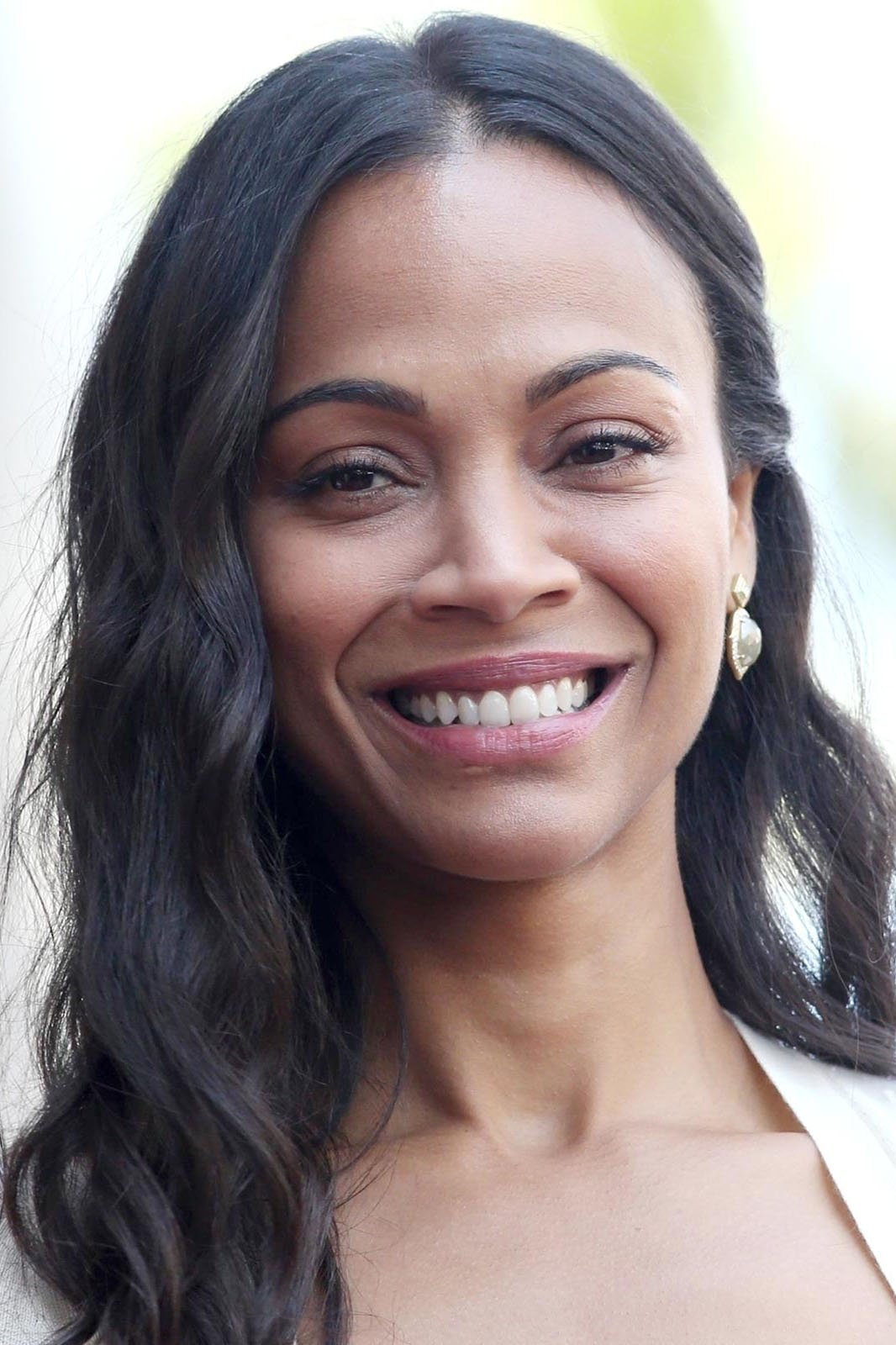
Zoe Saldana encountered criticism for her role in the film ‘Nina,’ where makeup was used to significantly darken her skin to portray Nina Simone. Fans have also pointed out inconsistencies in her skin tone in promotional materials for other films, like ‘Guardians of the Galaxy.’ Saldana has addressed the discussions about colorism that have arisen from both the film and marketing images. The poster for ‘Nina’ continues to be a particularly sensitive topic, raising questions about how Black figures are visually portrayed in media.
Halle Berry
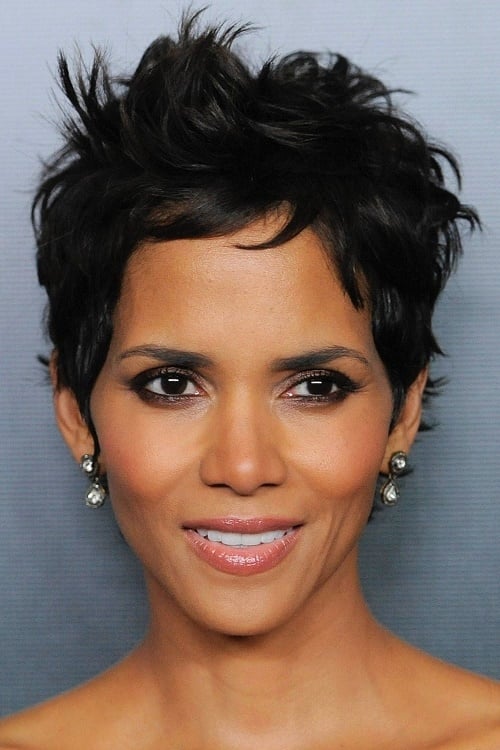
Halle Berry, a globally famous actress, has repeatedly noticed that her skin was lightened on movie posters. During promotions for films like ‘X-Men,’ people pointed out that she appeared much paler in advertisements than she actually is. Berry has discussed the difficulty of staying true to her appearance in an industry that often prefers lighter skin tones. These marketing decisions are often made to make Black actors more appealing to a wider audience.
Gabourey Sidibe
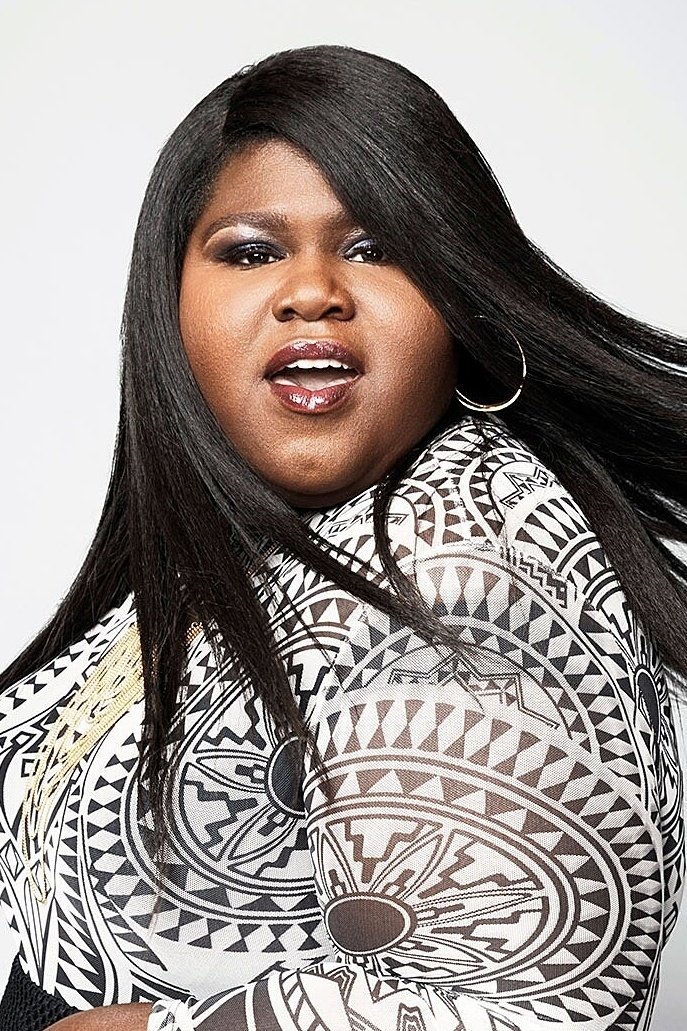
After gaining recognition for her role in ‘Precious’, Gabourey Sidibe was featured on a magazine cover where her skin tone had been significantly lightened. While the film’s marketing aimed to highlight her authentic performance, the image editing caused criticism because it seemed to promote the very beauty standards the film challenged. Sidibe handled the situation with poise, but the incident revealed a larger problem: the difficulty the entertainment industry has in promoting Black women with darker skin tones without changing their appearance. In this case, the attempt to conform to these standards was a clear and direct lightening of her skin in the promotional image.
Viola Davis
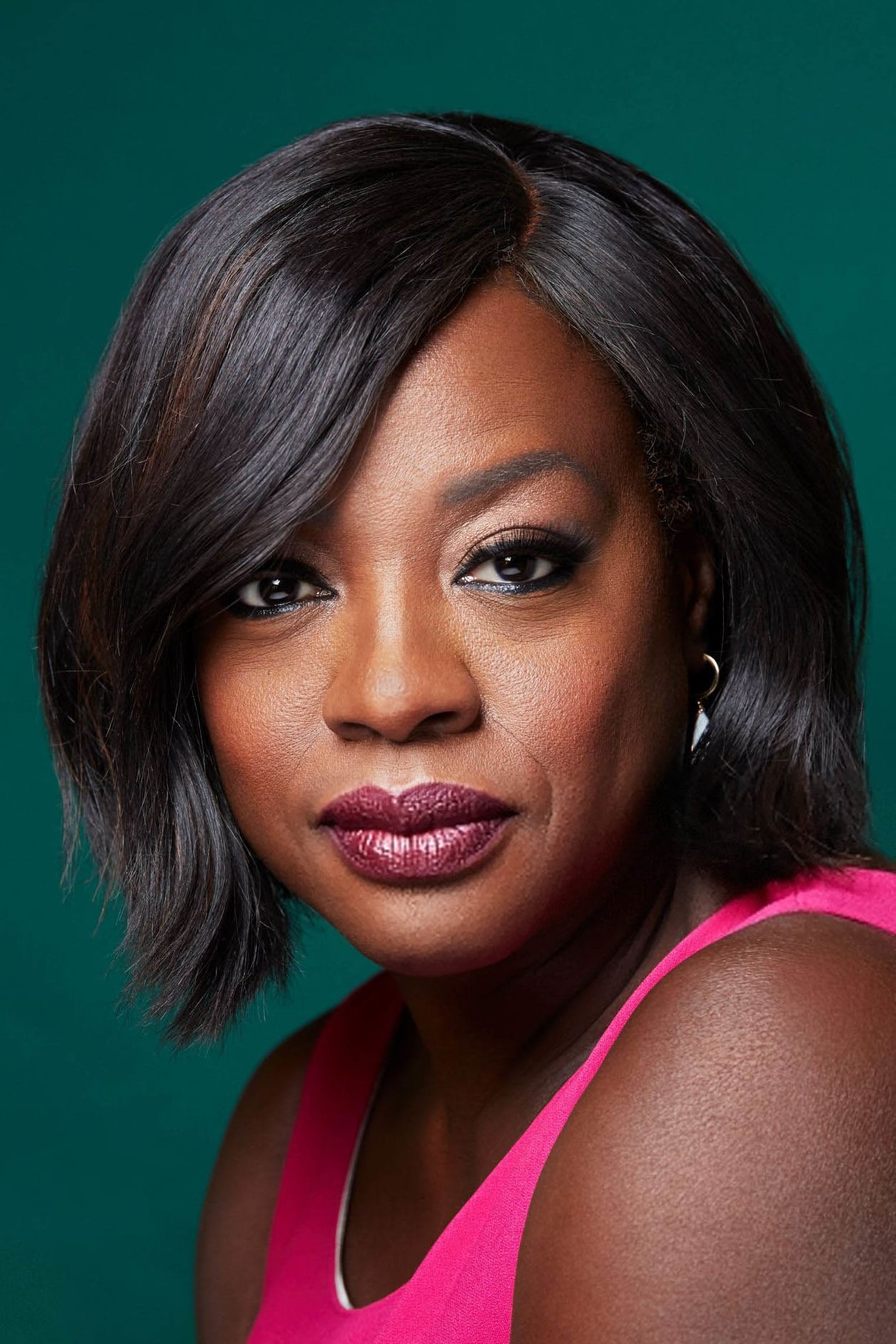
When the movie ‘The Help’ was released internationally, some of the advertising sparked criticism for emphasizing a ‘white savior’ storyline. In parts of Europe, posters prominently featured Emma Stone, overshadowing Viola Davis and Octavia Spencer, who were the central figures in the story. Davis has since said she regrets being in the film, explaining that the way the story – and its promotion – appealed primarily to white viewers was a mistake. Speaking out about the film’s problems has significantly influenced the types of roles she chooses now.
Octavia Spencer
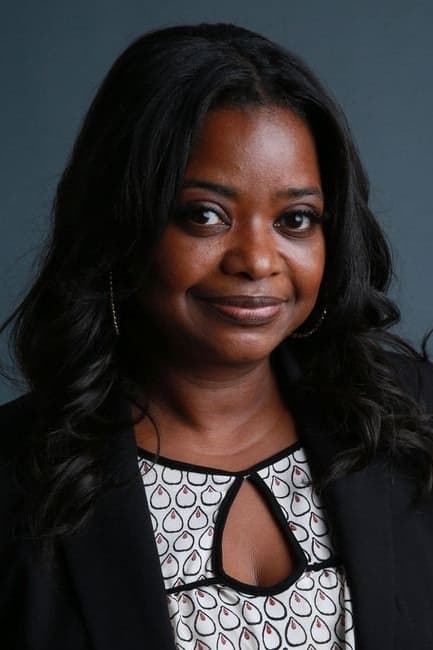
Similar to Viola Davis, Octavia Spencer faced challenges promoting ‘The Help,’ as the marketing often overlooked Black viewpoints. She often had to justify the film, which many believed downplayed the realities of the Civil Rights era to make white audiences more comfortable. Now, Spencer focuses on producing her own work so she can shape the story and how it’s presented, and she remains committed to ensuring fair and accurate representation in all aspects of filmmaking.
Jamie Foxx
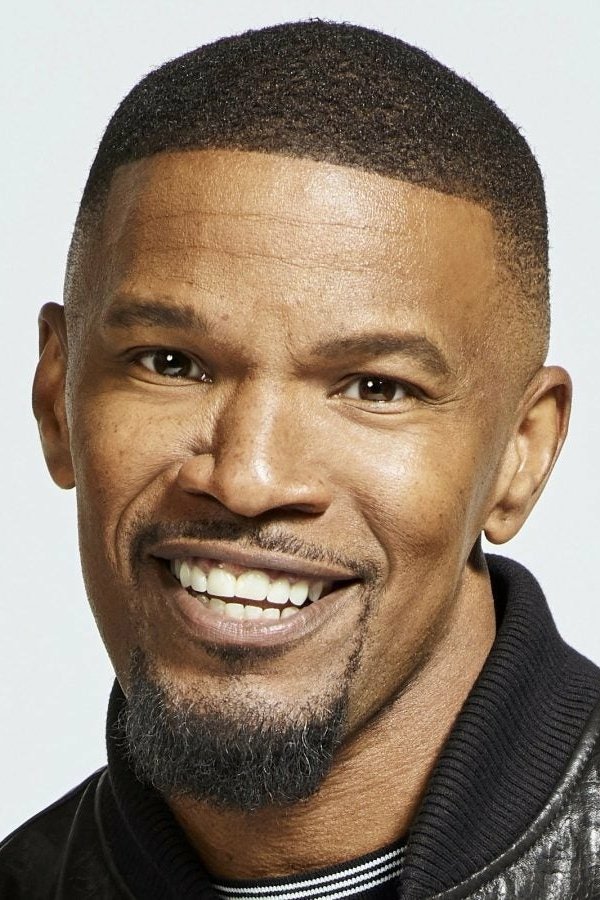
Pixar’s movie ‘Soul’ led to discussions about a recurring issue in animation: the tendency to transform Black characters into non-human forms for much of the film. Many of the movie’s promotional materials focused on the blue, non-human ‘soul’ version of the main character, played by Jamie Foxx, more than his actual human appearance. While Foxx supported the film, the reaction to these posters brought attention to a pattern of Black characters being visually erased. This has prompted animation studios to be more careful about showcasing Black characters as humans in their promotional artwork.
Samuel L. Jackson
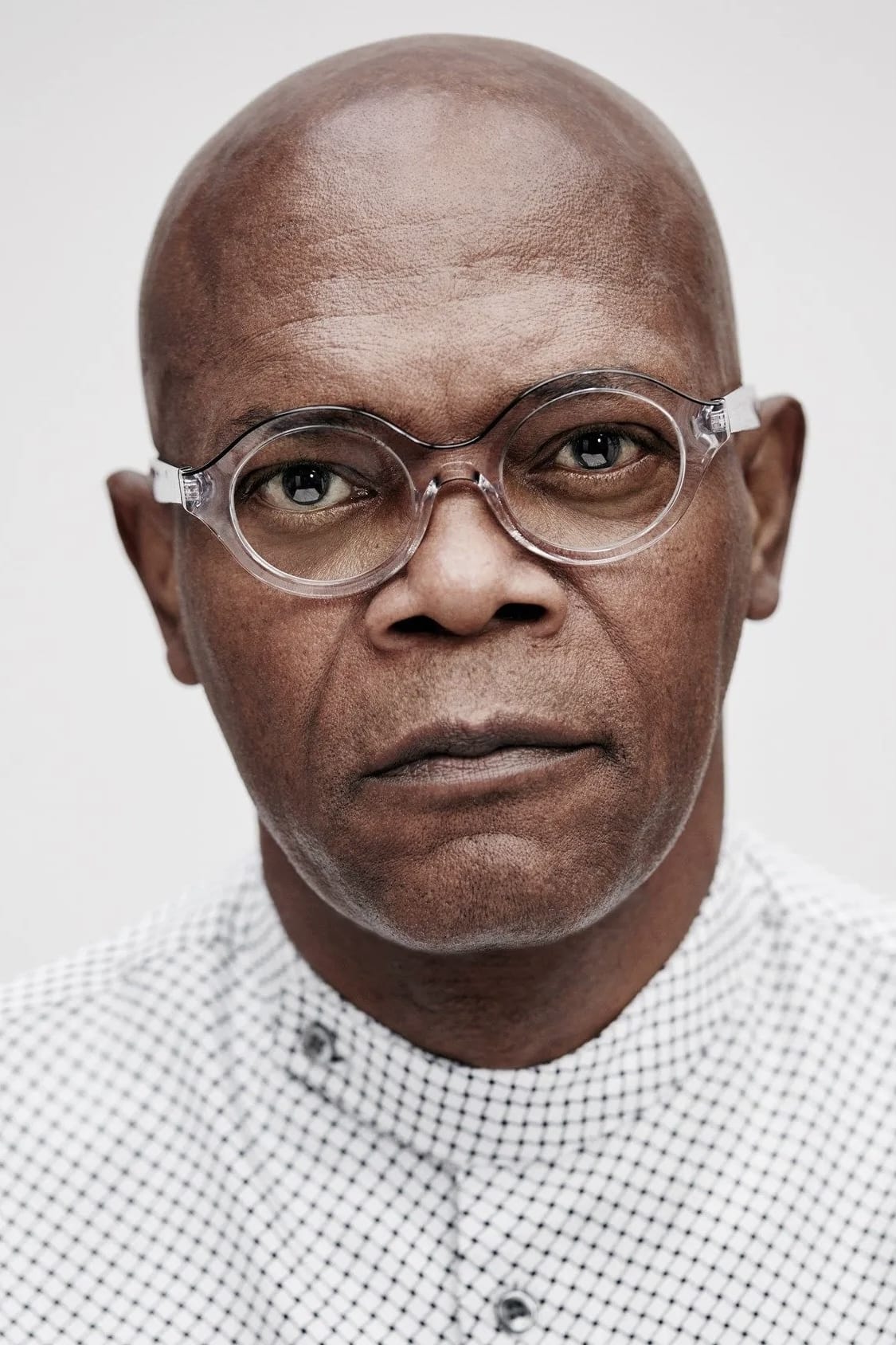
Even a famous actor like Samuel L. Jackson isn’t always prominently featured in international marketing for films. In China and Russia, his character, Nick Fury, has sometimes been given less focus on posters compared to those in the United States. Jackson is well aware of his star power and actively tracks how he’s promoted around the world, paying close attention to his placement on movie posters and in the credits.
Anthony Mackie
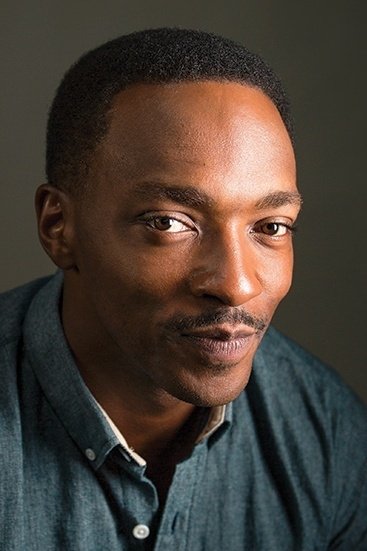
Anthony Mackie, known for playing the Falcon and Captain America in Marvel films, has openly discussed the lack of diversity both in front of and behind the camera. He’s pointed out that this often leads to Black characters, like his own, being downplayed or removed from promotional materials when films are released in certain international markets. Mackie is advocating for marketing that accurately represents the diverse cast of these movies.
Don Cheadle
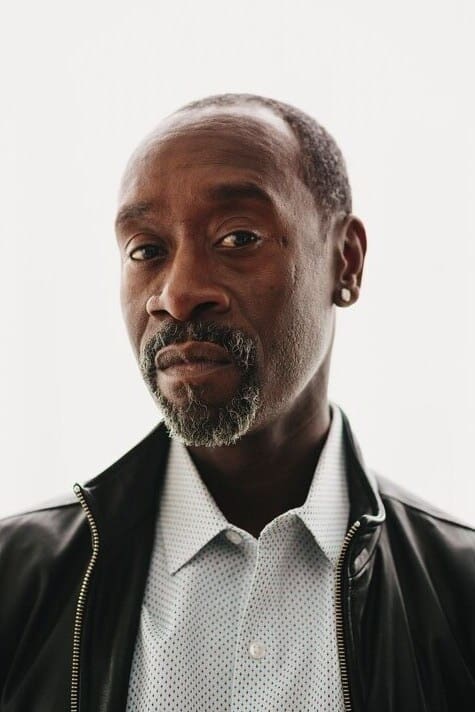
Don Cheadle’s character, War Machine, is a well-known part of the Marvel Cinematic Universe, but he’s often minimized on promotional posters, a common issue for Black actors who are relegated to the edges. Specifically, in posters for ‘Iron Man’ and ‘Avengers’ films in Asian markets, Cheadle’s image was frequently smaller than those of Robert Downey Jr. and other white actors. Cheadle has playfully called out this imbalance on social media, while also staying aware of how his image is used in marketing these major films.
Idris Elba
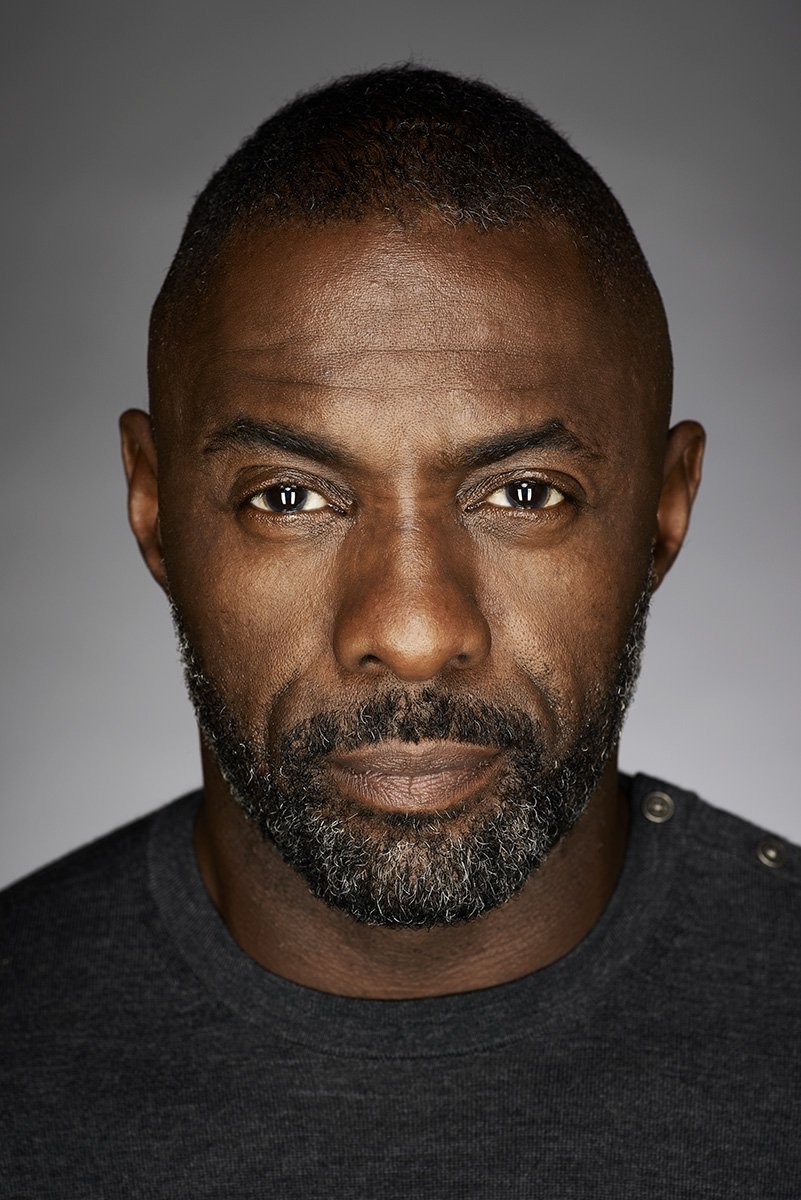
When Idris Elba was cast as Heimdall in the ‘Thor’ movies, some fans reacted with racism, arguing that a Norse god shouldn’t be Black. The studio often responded by minimizing his presence in promotional materials, seemingly to avoid upsetting those fans. While Elba publicly downplayed the criticism, this marketing approach felt like giving in to negativity. Now, he’s a major star who rightfully takes center stage, refusing to be pushed to the sidelines.
Tessa Thompson

As a huge cinema fan, I remember when Tessa Thompson landed the role of Valkyrie in ‘Thor: Ragnarok,’ and it was frustrating to see the negativity she faced – a lot of it seemed rooted in resistance to inclusive casting. Apparently, the marketing team had to deal with a backlash. What really bothered me, and what Tessa herself has talked about, is that some international posters downplayed her role, even though she was a key character! She’s been incredibly open about wanting Valkyrie’s bisexuality and her own identity as a Black woman to be celebrated, not hidden away. It’s inspiring to see her actively championing genuine queer and Black representation in these big blockbuster films.
Michael B. Jordan
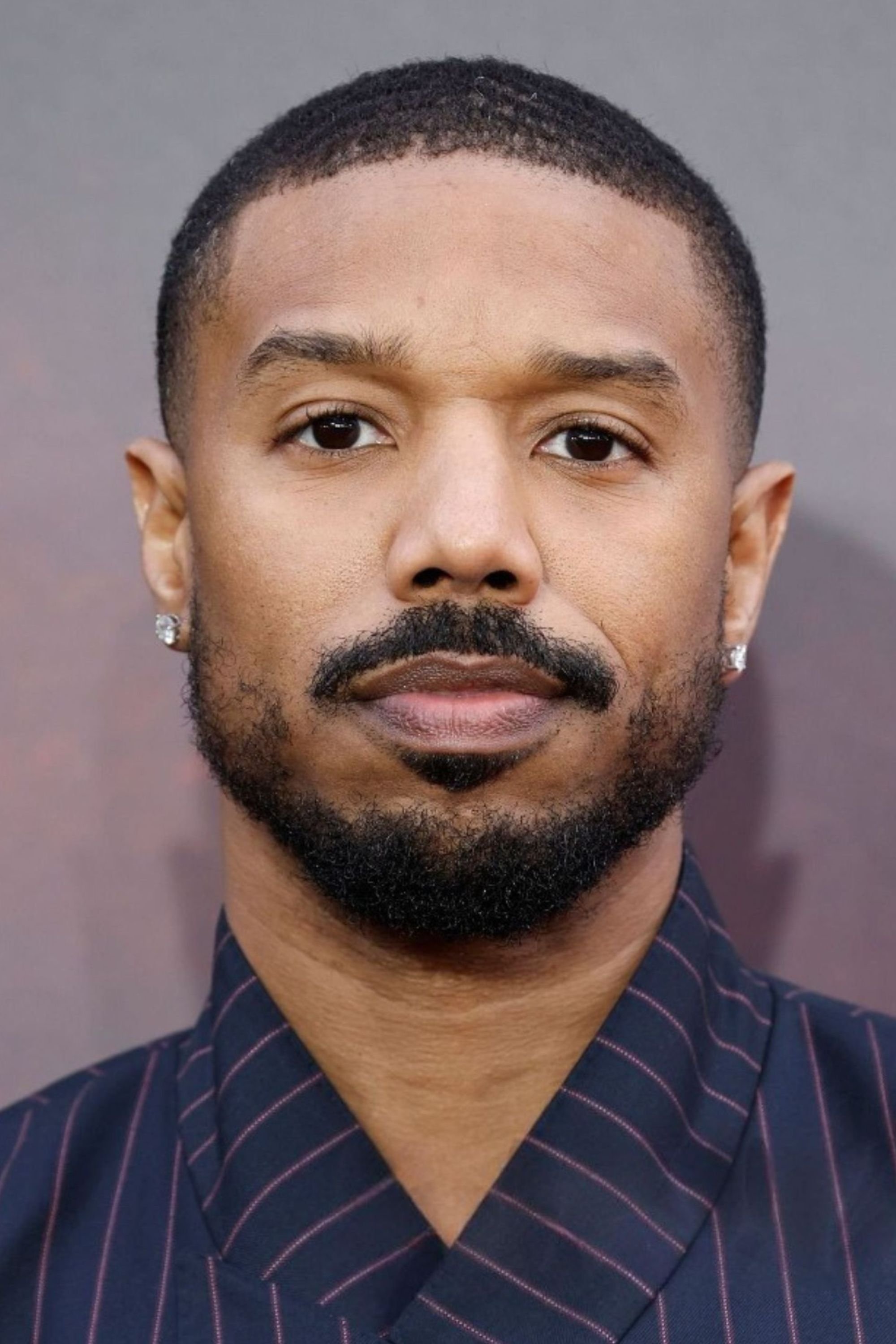
Before his breakout role in ‘Black Panther’, Michael B. Jordan faced significant racist backlash for playing the Human Torch in ‘Fantastic Four’. The film’s marketing team appeared reluctant to heavily feature him in some areas, hoping to avoid controversy. Jordan responded with a powerful essay, defending his casting and refusing to apologize. Since then, he’s made sure his production company has control over how his films are marketed.
Zendaya

As a huge movie fan, I remember the whole situation with Zendaya and ‘Spider-Man: Homecoming’ being really interesting – and a little frustrating. The studio deliberately kept her character, MJ, a secret to surprise audiences, which meant she was barely on any of the early posters! It wasn’t about changing her race or anything, but as a Black actress playing a key role, it felt like she was being sidelined in the promotion, and a lot of fans noticed. Thankfully, she’s made sure she’s been prominently featured in all the marketing materials for the later ‘Spider-Man’ films and ‘Dune,’ which is fantastic to see.
Danai Gurira
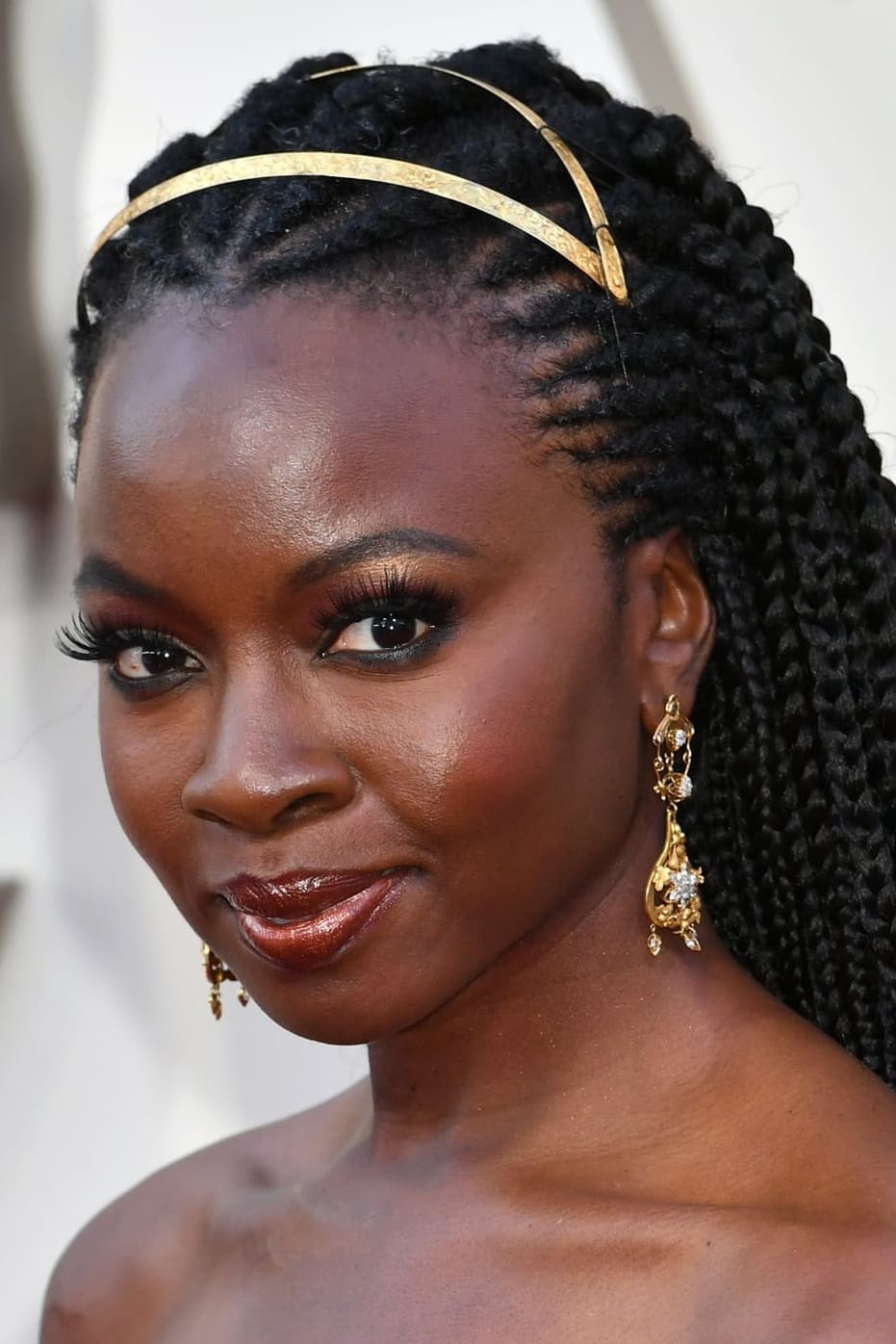
Danai Gurira gained widespread recognition as Okoye in ‘Black Panther,’ but a controversy surrounding Chinese marketing posters impacted the entire cast. These posters altered the actors’ appearances, diminishing the visibility of the strong, dark-skinned women of the Dora Milaje. Gurira has long been a passionate advocate for authentic African stories and representation, and she continues to fight for marketing materials that celebrate women with dark skin tones without changing their appearance.
Letitia Wright

Letitia Wright, who plays Shuri, noticed that her character was sometimes downplayed on ‘Black Panther’ posters in certain international markets. In localized artwork for more conservative regions, Shuri, a brilliant Wakandan inventor, was often placed far in the background. Wright has often discussed how important Shuri is as a role model for young Black girls interested in science, technology, engineering, and math (STEM), and she believes it’s crucial that Shuri’s image is fully visible and remains unchanged on posters worldwide.
Winston Duke

Winston Duke’s character, M’Baku, quickly became popular with fans. However, as a dark-skinned Black actor, he’s noticed a pattern in the entertainment industry where people who look like him are often overlooked or not portrayed as desirable. This was particularly evident with the marketing for ‘Black Panther’ in China, where he and his fellow actors felt erased. Duke is now using his visibility to fight against harmful stereotypes about Black men, insisting on being presented as a powerful figure rather than just a face in the crowd.
Daniel Kaluuya

I remember when Daniel Kaluuya first broke out with ‘Get Out’. It was amazing, but honestly, it was tough seeing how the movie was marketed outside of the US. Because the film really dealt with American racial issues, some international posters tried to make it seem like just a regular thriller, even hiding his face! He’s talked a lot about how race is handled differently in the British and American film industries, and I really admire that he consistently chooses projects where the story’s Blackness can’t be ignored or hidden in the marketing.
Tyrese Gibson
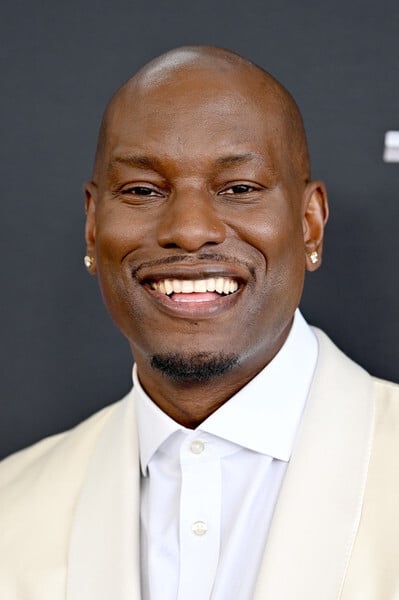
Tyrese Gibson has had very public disagreements with his ‘Fast & Furious’ castmates and the studio about the future of the movies. He’s voiced his frustrations on social media, particularly about where his image appears on posters and feeling like the original stars aren’t being valued as much as newer additions. While these issues often seem personal, they also highlight concerns about how race affects who gets top billing in Hollywood. Gibson is determined to remind the studio of his important role in the incredibly successful franchise.
Ludacris
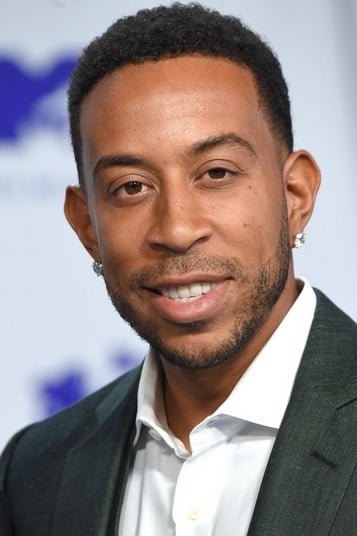
Chris Bridges, known as Ludacris, has noticed a pattern in the ‘Fast & Furious’ movie posters over the years. As the cast expanded, the original Black actors were frequently pushed to the background of the artwork, with newer white stars taking center stage. Ludacris has consistently and respectfully advocated for his importance to the series, making sure his image remains prominently featured in promotional materials.
Nathalie Emmanuel
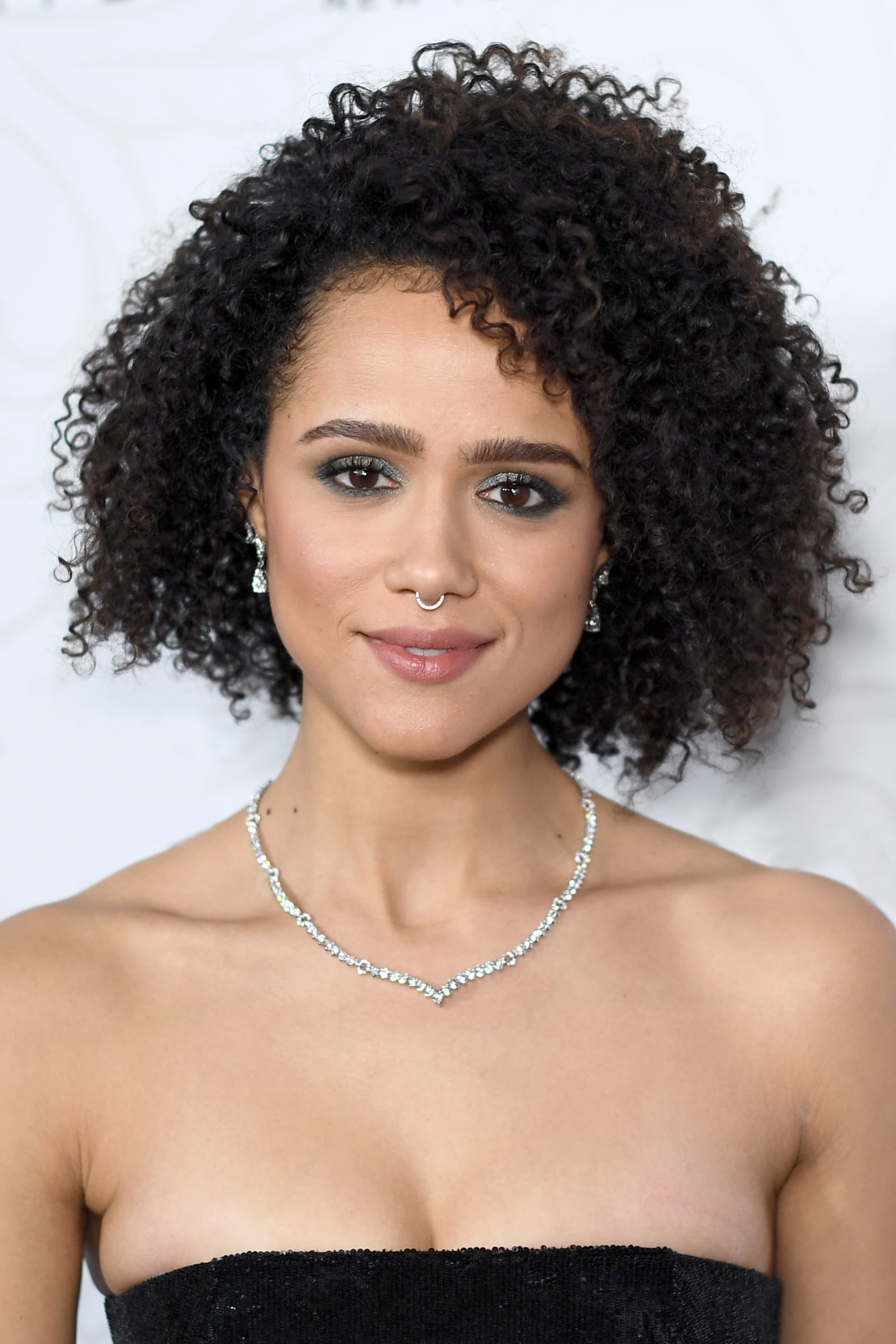
Nathalie Emmanuel faced challenges getting proper recognition as a woman of color when she joined the ‘Fast & Furious’ franchise. She had to advocate for her visibility on promotional materials, as fans observed instances where her image was altered to appear lighter or positioned behind her male co-stars. Emmanuel has been vocal about the limited leading roles available to mixed-race actresses and actively uses her social media to showcase the original, unaltered versions of her work.
Forest Whitaker
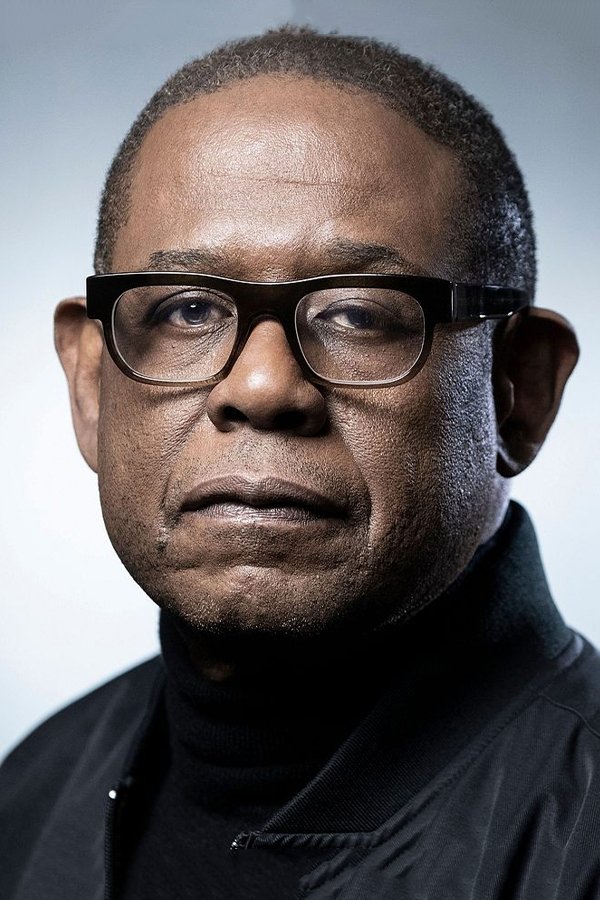
Forest Whitaker, a highly respected actor with a long career, has noticed a frustrating pattern: despite his important roles, marketing materials, especially internationally, often relegate him to a supporting, background figure. This happened in films like ‘Black Panther’ and ‘Rogue One,’ where his pivotal characters were downplayed on posters. This tendency feels particularly striking given the importance of recognizing and celebrating Black elders, and Whitaker actively seeks out projects that ensure Black stories and voices are front and center, making it harder to ignore his contributions.
Angela Bassett
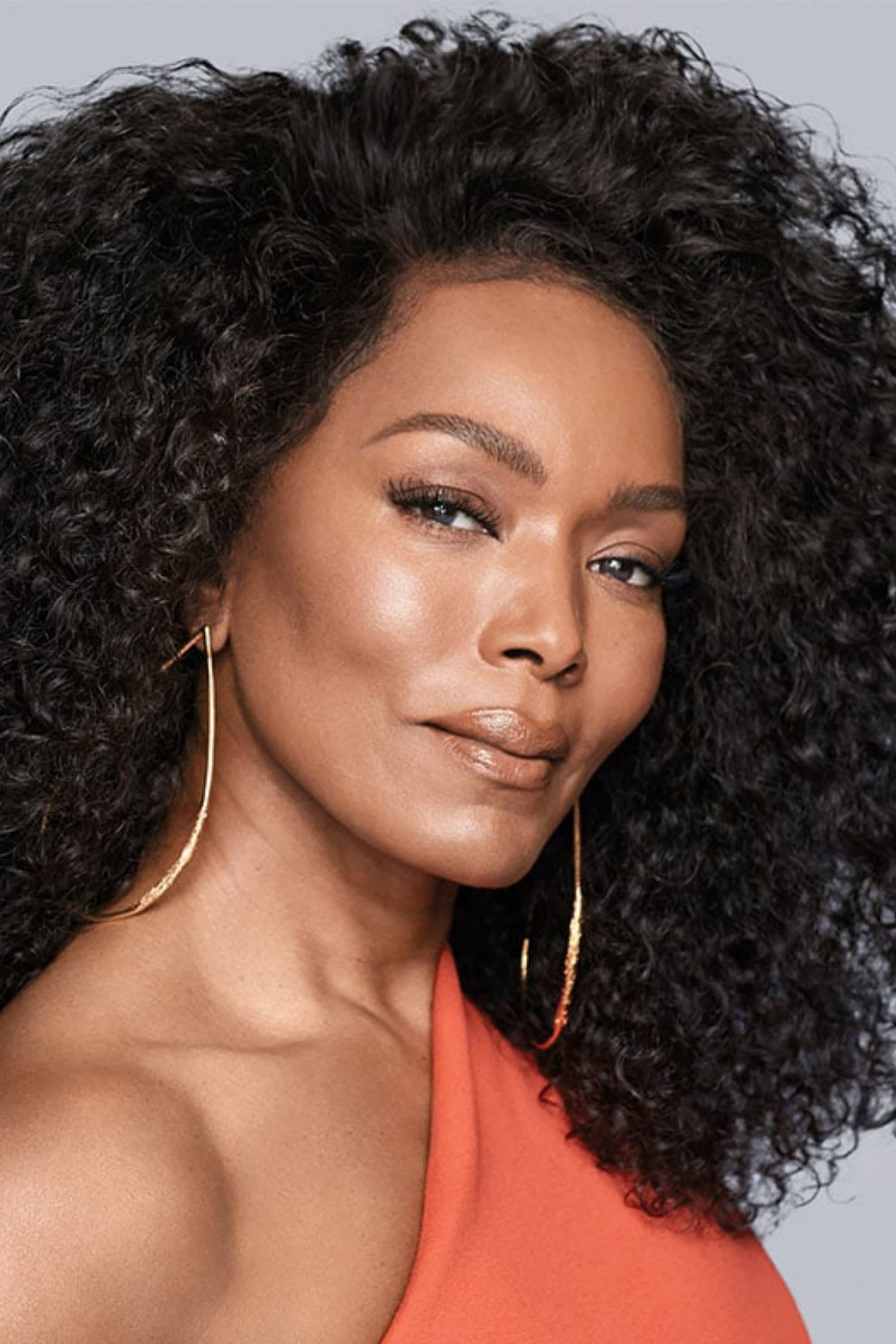
Angela Bassett’s powerful and dignified portrayal of a character in ‘Black Panther’ deserved a central position on the movie’s poster, but issues with marketing in China impacted her representation. Throughout her career, from her early roles in ‘What’s Love Got to Do with It’ to her work on ‘American Horror Story,’ Bassett has consistently faced both age and racial bias when it comes to how she’s promoted. She continues to speak out about the need for women of color to receive proper recognition and attention, and she always avoids diminishing herself during interviews and promotional events.
Sterling K. Brown
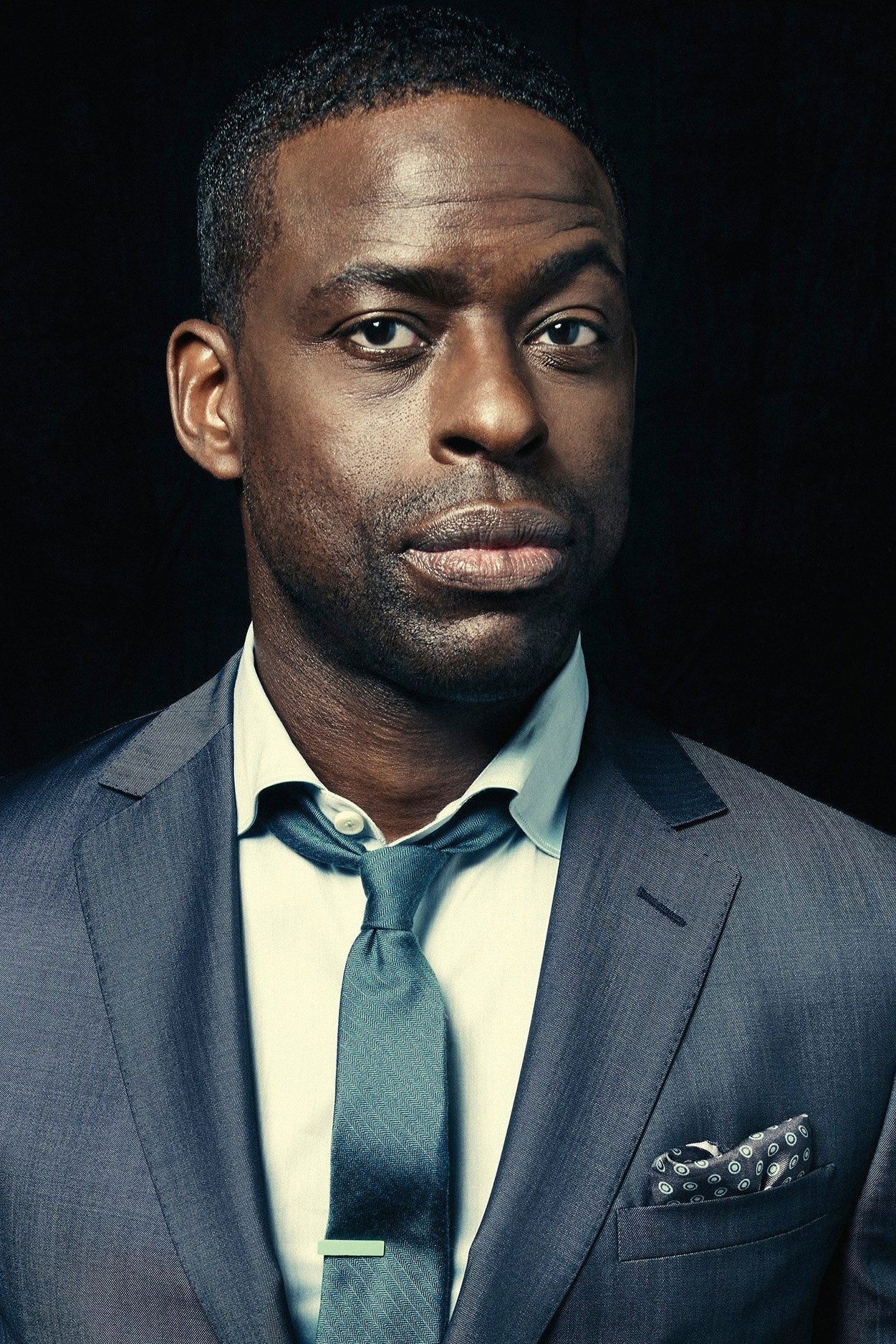
As a movie fan, I thought it was awesome seeing Sterling K. Brown in ‘Black Panther,’ even if his part wasn’t huge – he was part of something really special with that film. I was really bothered when I heard about the changes made to the cast’s images for the Chinese market, though. It felt like a slap in the face to everything ‘Black Panther’ stood for – that celebration of Black excellence. Brown’s spoken a lot about how ‘colorblind casting’ can actually be harmful, because it often glosses over the real experiences of Black people. He basically wants to see marketing that’s just as genuine and truthful as the acting we see on screen, and I totally agree.
Djimon Hounsou
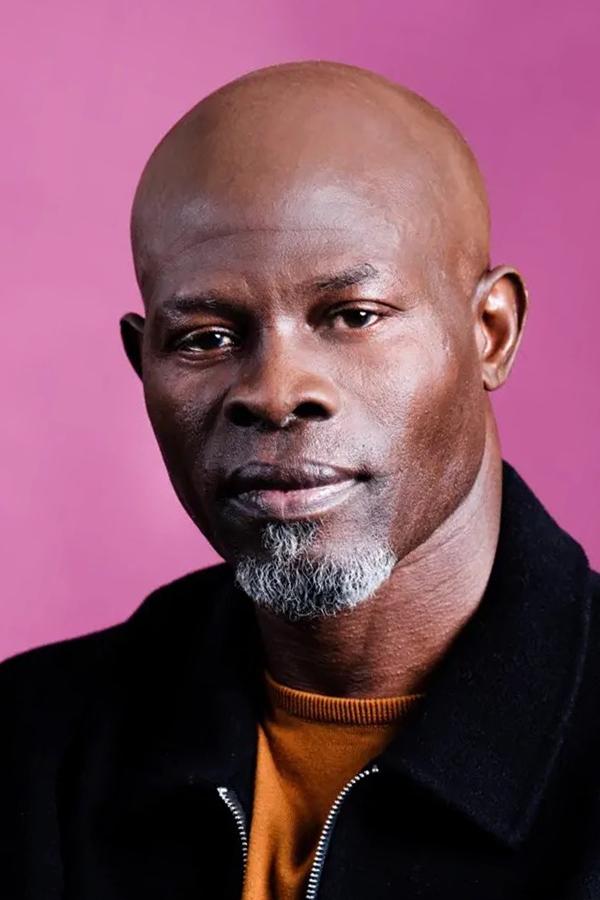
Djimon Hounsou has appeared in huge films like ‘Guardians of the Galaxy’ and ‘Gladiator,’ but often isn’t prominently featured in the promotional posters. As a Black African actor, he’s frequently overlooked in favor of white actors when it comes to marketing. Hounsou has spoken about his disappointment with the lack of opportunities and recognition for African actors in Hollywood, and this is clear in how often he’s left out of the main advertising for these films.
Naomie Harris

Naomie Harris took on the role of Moneypenny in the James Bond films, a part that had always been played by white actresses. This decision led to some negative reactions, and in certain international ads, her role was downplayed to satisfy those who preferred the traditional portrayal. Harris has discussed the challenges and negativity that come with taking on such an iconic character, but she remains committed to her performance and won’t allow the marketing to diminish the series’ evolution.
Lashana Lynch

When Lashana Lynch was cast in ‘No Time To Die,’ rumors that she would become the new 007 sparked a lot of hateful online reactions. The film’s marketing team struggled to promote her historic role while also protecting her from racist abuse, which sometimes led to confusing promotional materials. Lynch openly discussed the controversy, refusing to downplay her important part in the film. She sees being featured prominently on the poster as a sign of positive change.
Leslie Jones
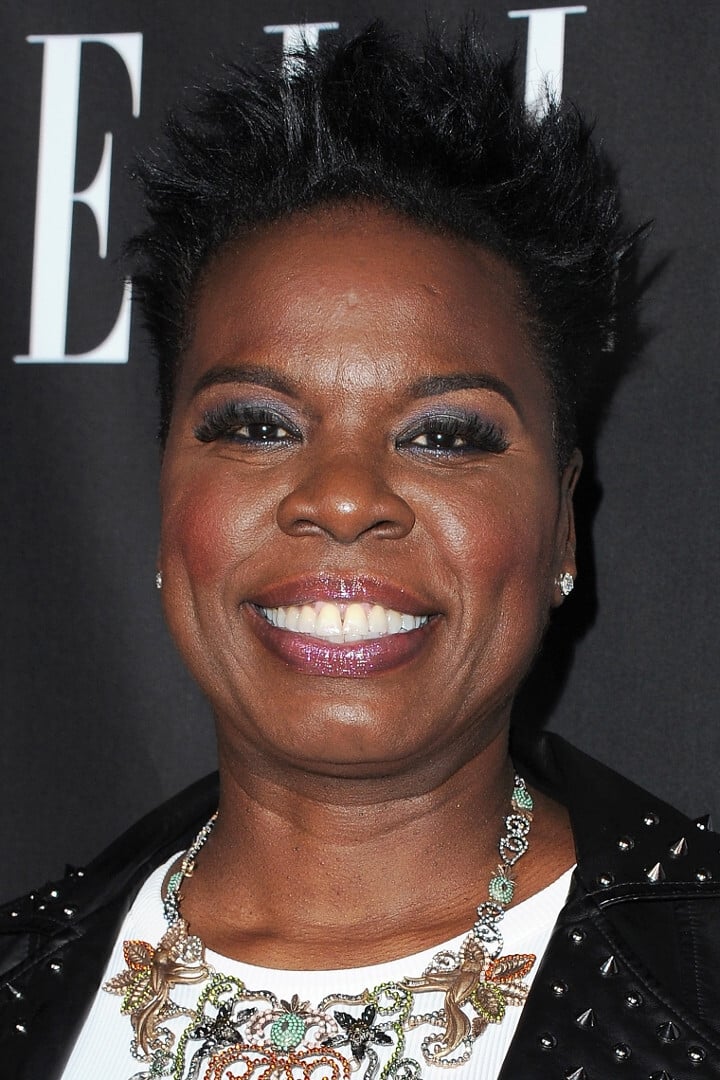
Leslie Jones, one of the stars of the 2016 ‘Ghostbusters’ reboot, faced intense online harassment that focused on her looks and her character in the film. The movie studio’s promotional efforts sometimes made the situation worse, either by not defending her or by using harmful stereotypes. Jones publicly criticized the fashion and film industries for their lack of support during the movie’s promotion. Despite the negativity, she spoke out and refused to be intimidated.
Mo’Nique
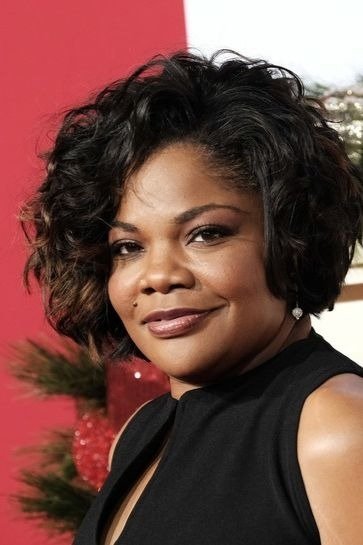
As a film lover, I’ve always been fascinated by Mo’Nique’s story. She made a really brave decision refusing to do publicity for ‘Precious’ unless she was paid – she felt the studio should compensate her for her time, and honestly, she was right. It unfortunately seemed to damage her career, with many claiming she was ostracized, but she didn’t back down from what she believed was fair treatment. It wasn’t just about a specific movie poster or anything like that, but a bigger statement about how Black actors and actresses are often exploited. Years later, her lawsuit against Netflix for unequal pay really solidified her commitment to fighting for what she deserves, and I admire her for it.
Keke Palmer

Keke Palmer has consistently spoken out against colorism and how it affects her image in the media. While promoting movies like ‘Nope,’ she made sure her natural skin tone was celebrated and not changed in photos. She’s also directly addressed both fans and people within the entertainment industry who try to compare her success to that of actresses with lighter skin tones. By managing her own social media, Palmer can avoid the tendency of studios to prioritize lighter complexions in marketing materials.
Lakeith Stanfield
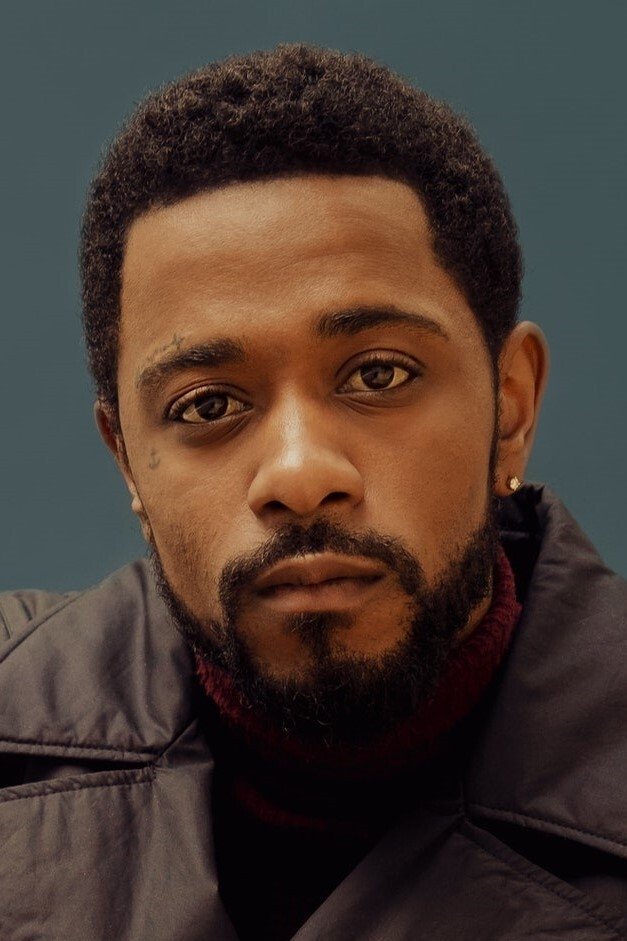
Lakeith Stanfield is known for being refreshingly candid and unpredictable in interviews. He’s spoken out against the awards process and the way some films focusing on difficult experiences for Black people are marketed primarily to white viewers. Stanfield challenges typical Hollywood expectations for Black actors by prioritizing the artistic integrity of a project over its commercial appeal. He believes the work itself should be the focus, not just how it’s sold.
Dominique Fishback
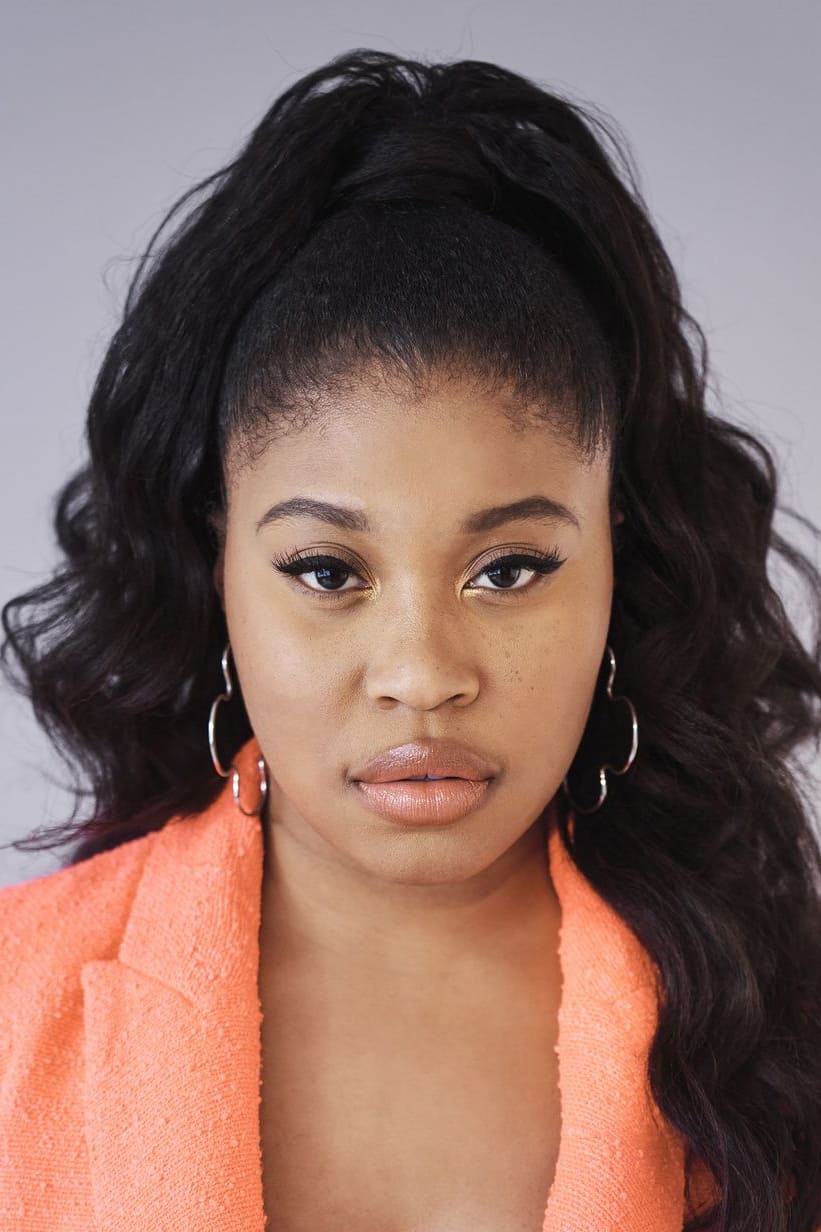
I was so impressed with Dominique Fishback’s work in ‘Judas and the Black Messiah’, and not just her acting! She really fought to make sure the women who were part of the movement weren’t forgotten, because history often leaves them out. She didn’t want her character to just be seen as a girlfriend – she wanted her full story told. It means a lot to me that she uses her voice and poetry to protect how Black women are seen, and even her red carpet appearances feel like a powerful statement. She’s truly inspiring!
Regina King
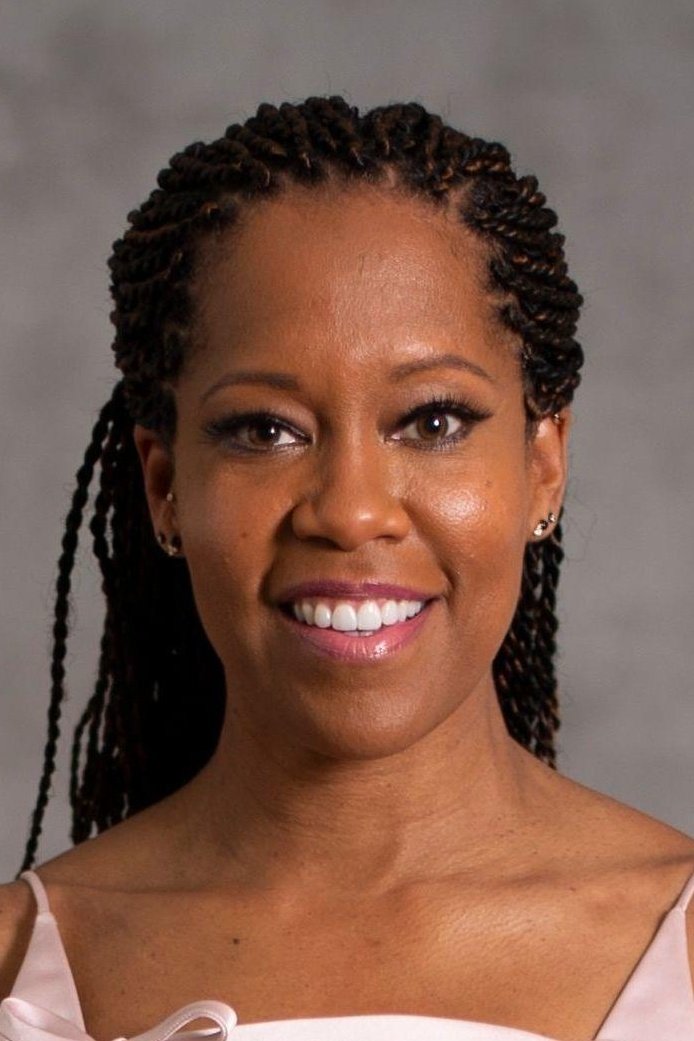
Regina King, now directing as well as acting, wants more say in how movies are promoted. She’s highlighted the challenges Black films face when trying to reach international audiences, including getting distribution and prominent placement on movie posters. King believes marketing should recognize and respect the spending power of Black viewers, and she strongly rejects the idea that films with Black actors won’t succeed internationally.
Taraji P. Henson
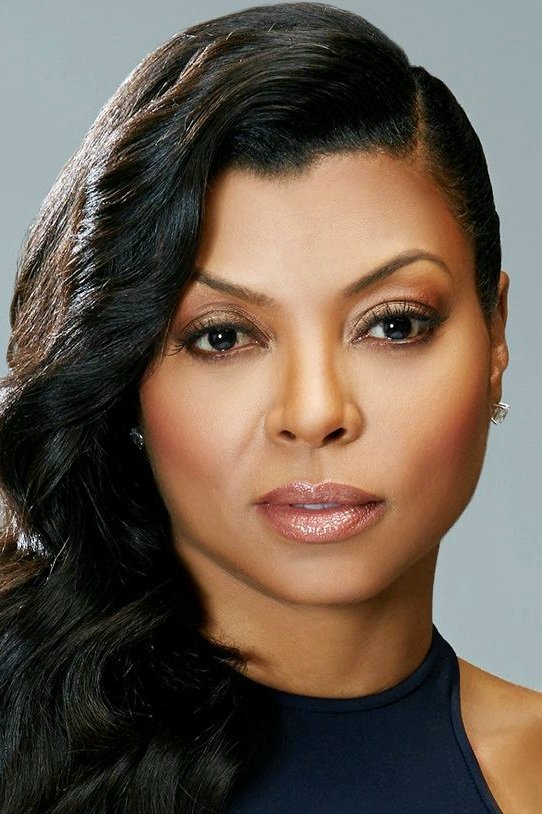
As a huge Taraji P. Henson fan, I really admire how she speaks up about what goes on behind the scenes in Hollywood. She’s been really open about how movies with Black leads, like ‘Proud Mary,’ don’t get the same support as others – especially when it comes to things like promotion and reaching audiences overseas. It’s frustrating to hear how the studio just didn’t push ‘Proud Mary’ enough, and basically let it disappear. She’s not afraid to call out the system and fight for the marketing budgets her films deserve, and I think that’s amazing!
Meagan Good

For years, Meagan Good has dealt with criticism about how she looks and whether she’s considered appealing to a wide audience. She’s talked about feeling pressured to fit a specific image to get leading roles and be featured prominently in movie advertising. However, Good has consistently resisted letting the industry change who she is, staying true to herself even as she’s taken on different types of roles. She continues to push back against limited and outdated ideas of what Black beauty looks like in the film industry.
Cynthia Erivo
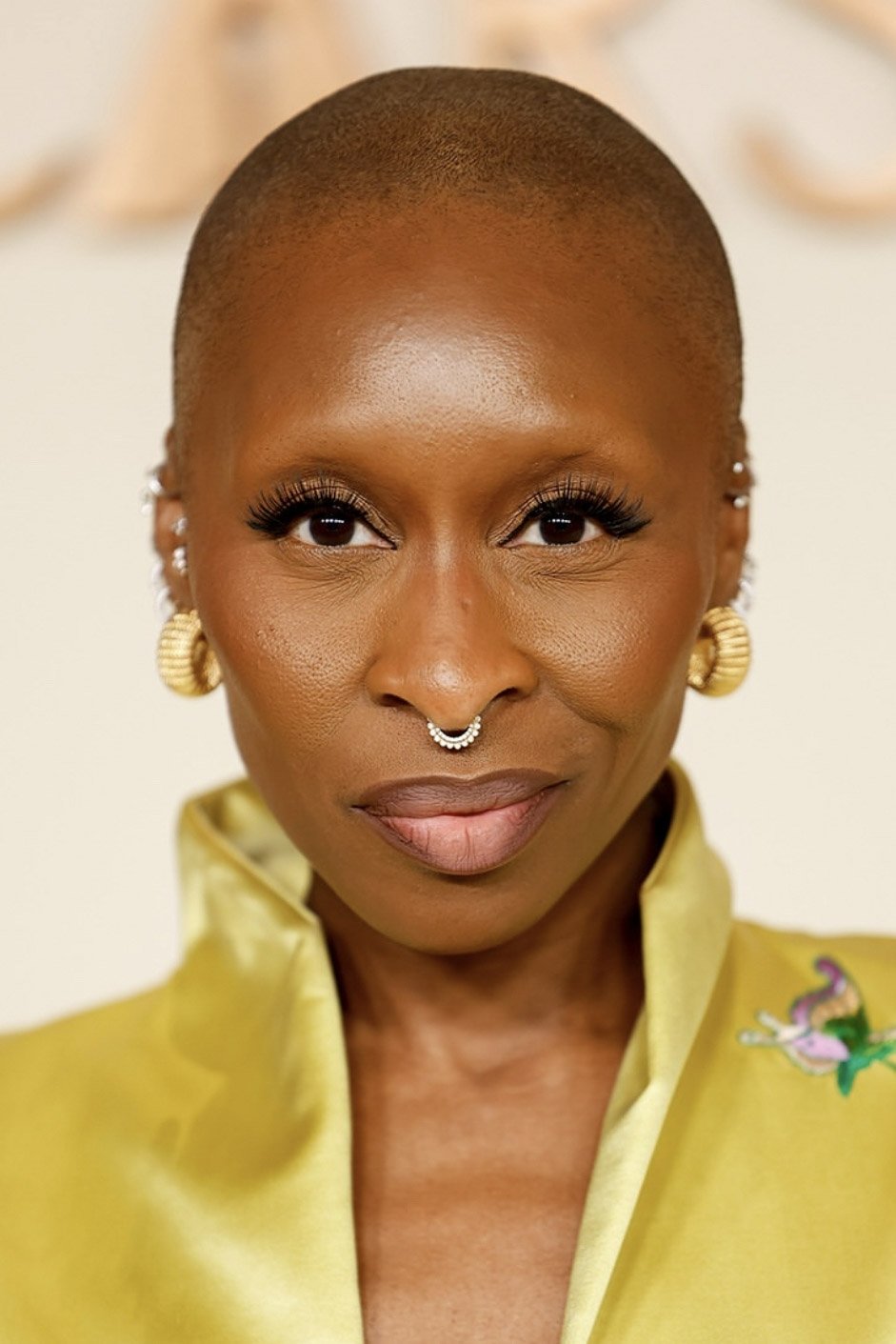
The choice of Cynthia Erivo to play Harriet Tubman sparked debate, which extended to the film’s advertising. While Erivo received some criticism, she insisted the marketing emphasize Tubman’s bravery. Since then, she’s carefully reviewed promotional materials, like posters and images, to ensure accurate and respectful representation of her skin tone and features. Her impactful fashion choices during press events have also become a powerful way to draw attention to her work.
Read More
- Gold Rate Forecast
- Invincible Season 4 Gender Swaps Tech Jacket As Fans Question Major Comic Change
- 22 Films Where the White Protagonist Is Canonically the Sidekick to a Black Lead
- Why Won’t It Just *Do* What You Ask? Unpacking the Quirks of AI Language
- Silver Rate Forecast
- Unveiling the Schwab U.S. Dividend Equity ETF: A Portent of Financial Growth
- 14 Movies Where the Black Character Refuses to Save the White Protagonist
- Superman Flops Financially: $350M Budget, Still No Profit (Scoop Confirmed)
- The Best Former NFL Players Turned Actors, Ranked
- ONE PIECE Season 2 Confirms Sanji’s OTHER Backstory in the Live-Action
2025-12-13 17:52