It’s common for Black celebrities to face public scrutiny about how authentically they represent their race. They’re often criticized for not being “Black enough” based on things like where they grew up, the work they do, or who they date. These criticisms frequently bring up larger issues of colorism, class, and the wide range of experiences within the Black community. Some celebrities respond to these accusations, while others choose to concentrate on their careers. This article looks at several well-known figures who have dealt with these complicated issues throughout their lives.
Zoe Saldaña
When Zoe Saldana was cast as Nina Simone in a biopic, she received a lot of criticism. Many people pointed out that her skin was much lighter than Simone’s, and she had to use makeup to look more like the singer. While Saldana initially defended taking the role because she wanted to share Simone’s story, she later said she regretted it and wished she had pushed for a darker-skinned actress to play the part. The controversy continues to be a key example of colorism – prejudice based on skin tone – within the film industry.
Zendaya

When Zendaya was first chosen to play Aaliyah in a TV movie, she faced criticism because of her skin tone, with many questioning if she was the right person to portray the singer. She ultimately decided not to do the film, explaining that she hadn’t gotten approval from Aaliyah’s family. Later, Zendaya discussed the issue of colorism and how she felt a responsibility, as a lighter-skinned actress, to address it. Since then, she’s consistently used her platform to push for greater diversity and representation in the entertainment industry.
Drake
Drake, the Canadian rapper, has often faced criticism about whether he’s a ‘true’ hip hop artist. People often point to his comfortable upbringing and his acting days on the show ‘Degrassi’ as reasons to doubt his connection to the culture. In his music, Drake responds by emphasizing his hard work and achievements, arguing that his background doesn’t diminish his impact on the genre or who he is as an artist. Despite his huge popularity, some still question how authentic he is.
Russell Wilson
For years, the athlete has been criticized for not seeming authentic enough to some. Commentators have suggested he doesn’t fit the typical image of a professional athlete, particularly within locker room culture, and often compare him to players with bolder personalities. He usually responds by highlighting his dedication to family, charitable work, and success in his sport, emphasizing that being a positive influence is his main priority, no matter what others think.
Doja Cat
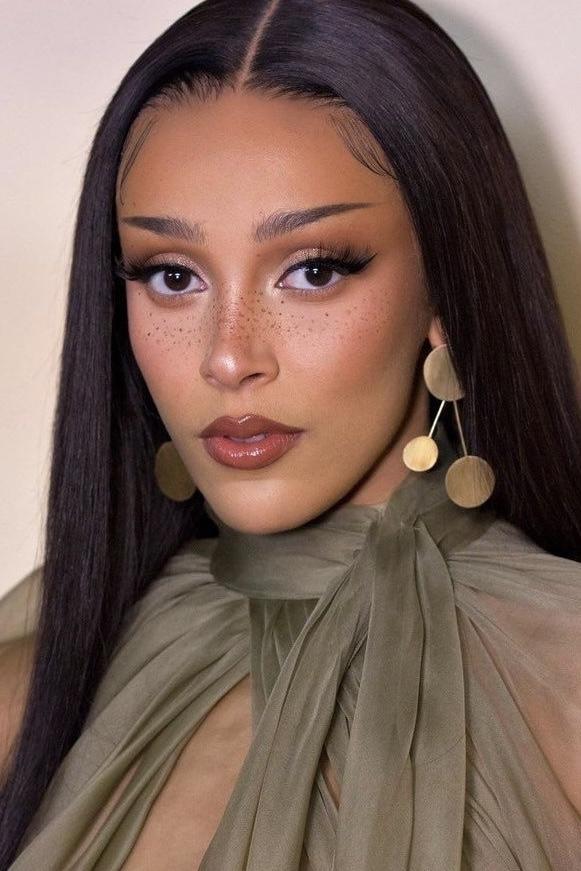
The singer Doja Cat received significant criticism after past online conversations resurfaced. People accused her of interacting with individuals expressing racist beliefs and challenged her connection to her own background. Doja Cat apologized several times, explaining she was simply chatting with the wrong people online. Since then, she’s worked to redefine public perception through her music and appearances. The situation also led to broader discussions about how past online activity is viewed and the pressures faced by Black artists.
Raven-Symoné
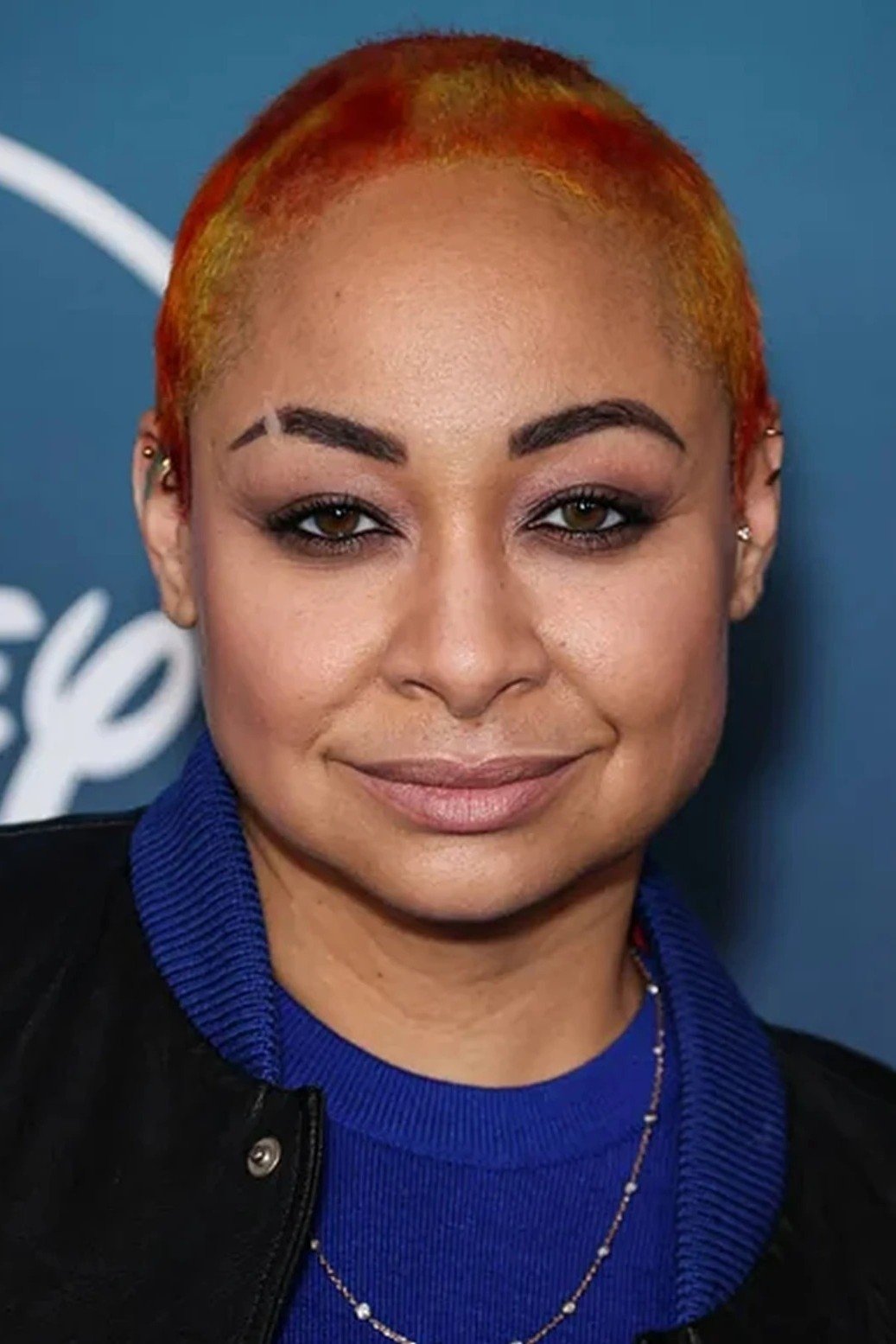
Raven-Symoné started a national discussion when she told Oprah Winfrey she doesn’t identify as African American, preferring to simply be seen as American and not defined by her race. This statement caused a lot of backlash, with many people feeling she was trying to disconnect from her background. She later explained that she recognizes her heritage, but wants to move past racial labels. Her position is often used as an example of the conflict between how people see themselves and what others expect based on their background.
Stacey Dash
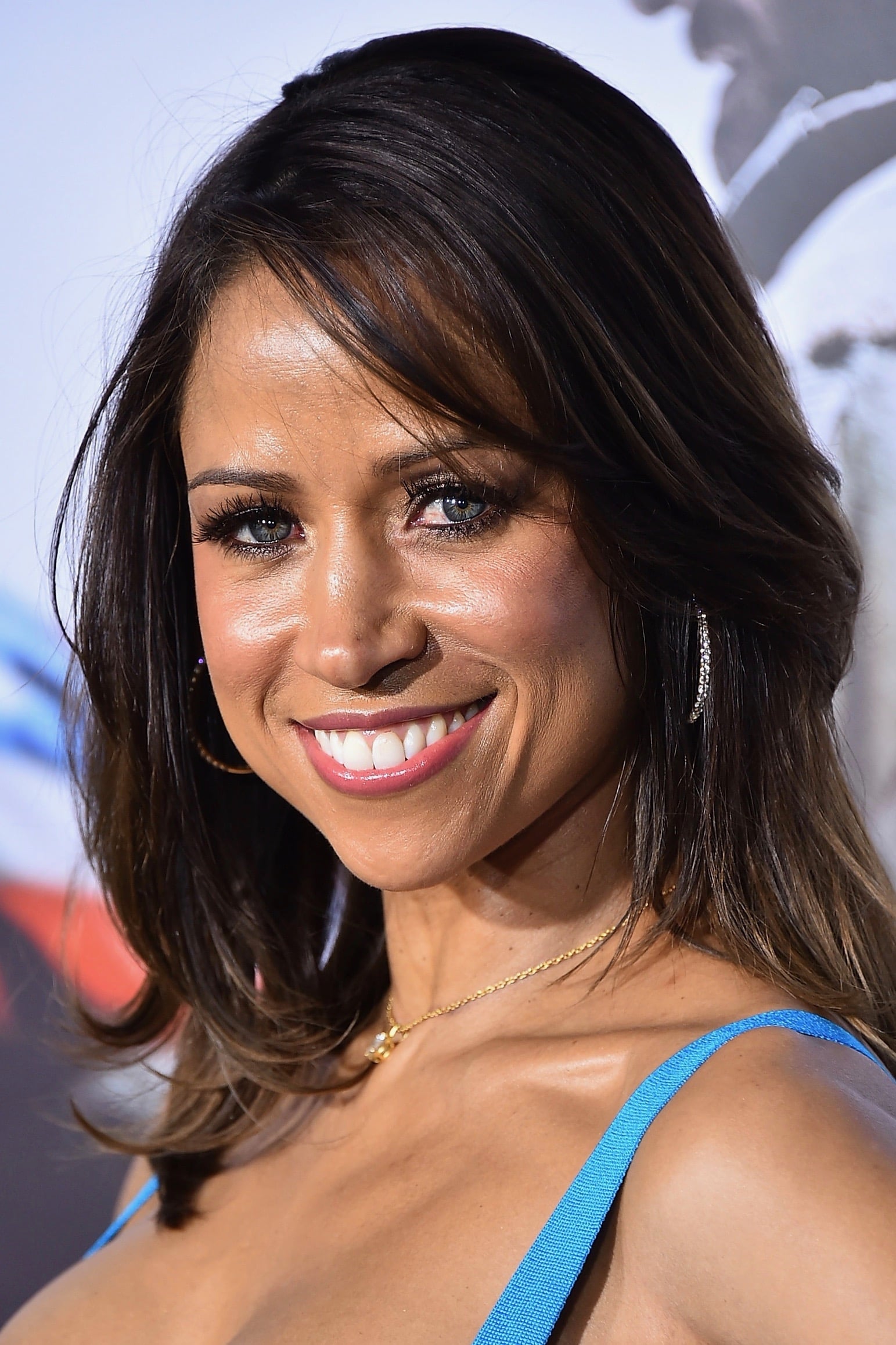
The actress sparked controversy when she said Black History Month and the BET network should be discontinued, believing they reinforce division and are outdated. This led to public disagreements with numerous celebrities and commentators, who criticized her for seemingly abandoning her community. She has consistently defended her conservative beliefs, even when facing strong criticism, and her career has been noticeably impacted by these outspoken views.
Tiger Woods
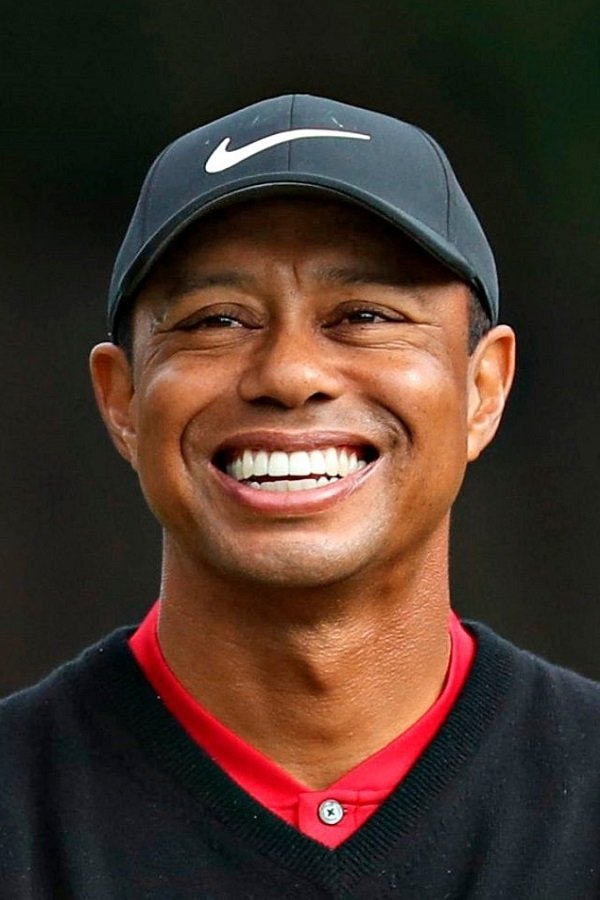
Golf icon Tiger Woods created the term ‘Cablinasian’ to represent his diverse ethnic background. This sparked controversy, with some believing he was trying to downplay his Black heritage to gain wider acceptance. These critics pointed out that he would likely always be perceived as Black, no matter how he identified. Woods explained he simply wanted to acknowledge all aspects of his family history, including his Thai mother. The discussion underscored the challenges and nuances of being multiracial, particularly in the public eye of professional sports.
Rashida Jones
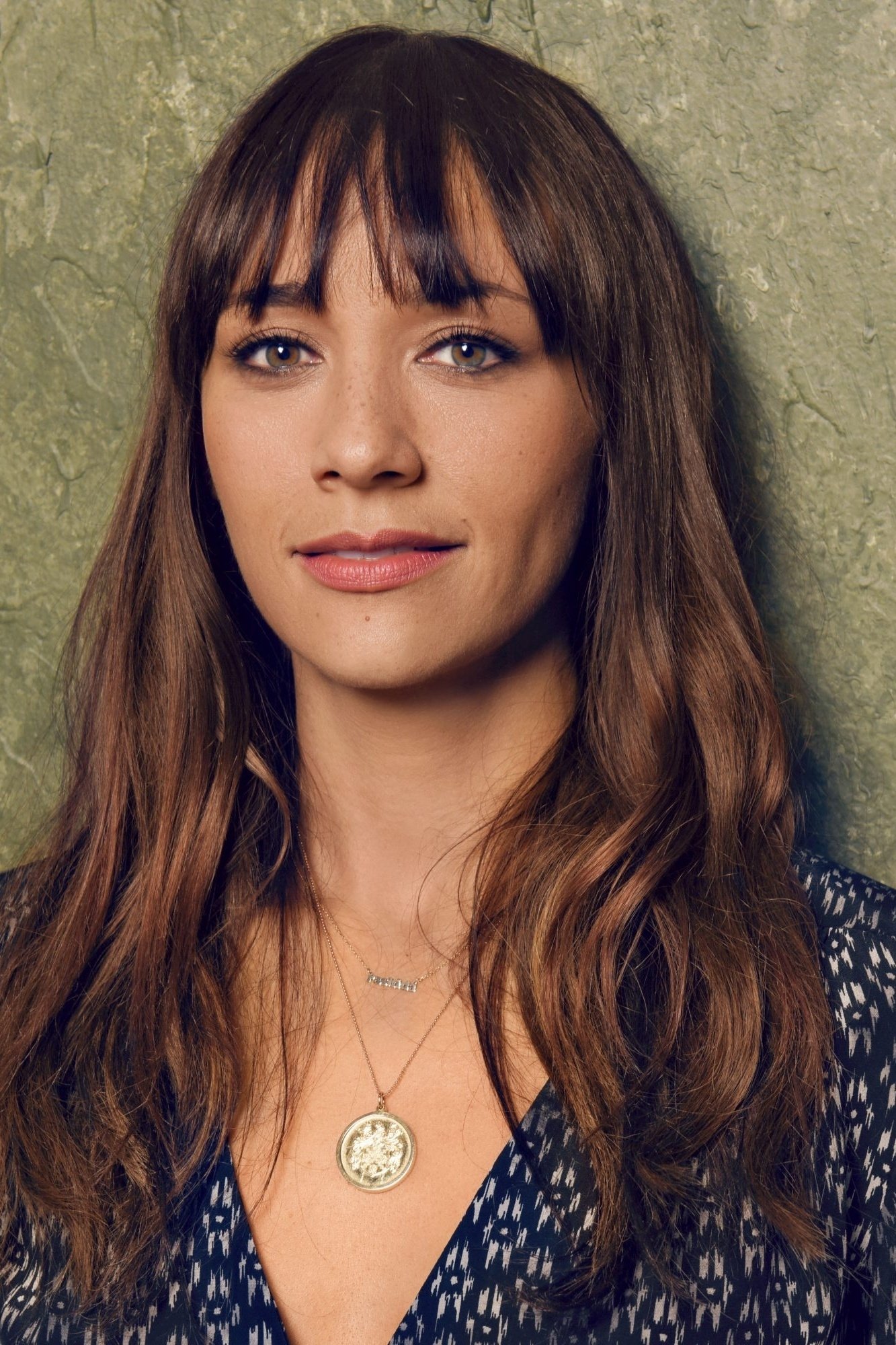
The actress has spoken about the difficulties of being biracial and often seen as white by others. Some critics have wondered if she should be cast in roles where race isn’t specifically important. She’s responded by talking about her father, Quincy Jones, and his incredible career, and by arguing that actors of mixed race should be able to play any character without constant questioning of their background. She hopes to shed light on the complexities of being biracial in the film industry.
Cynthia Erivo
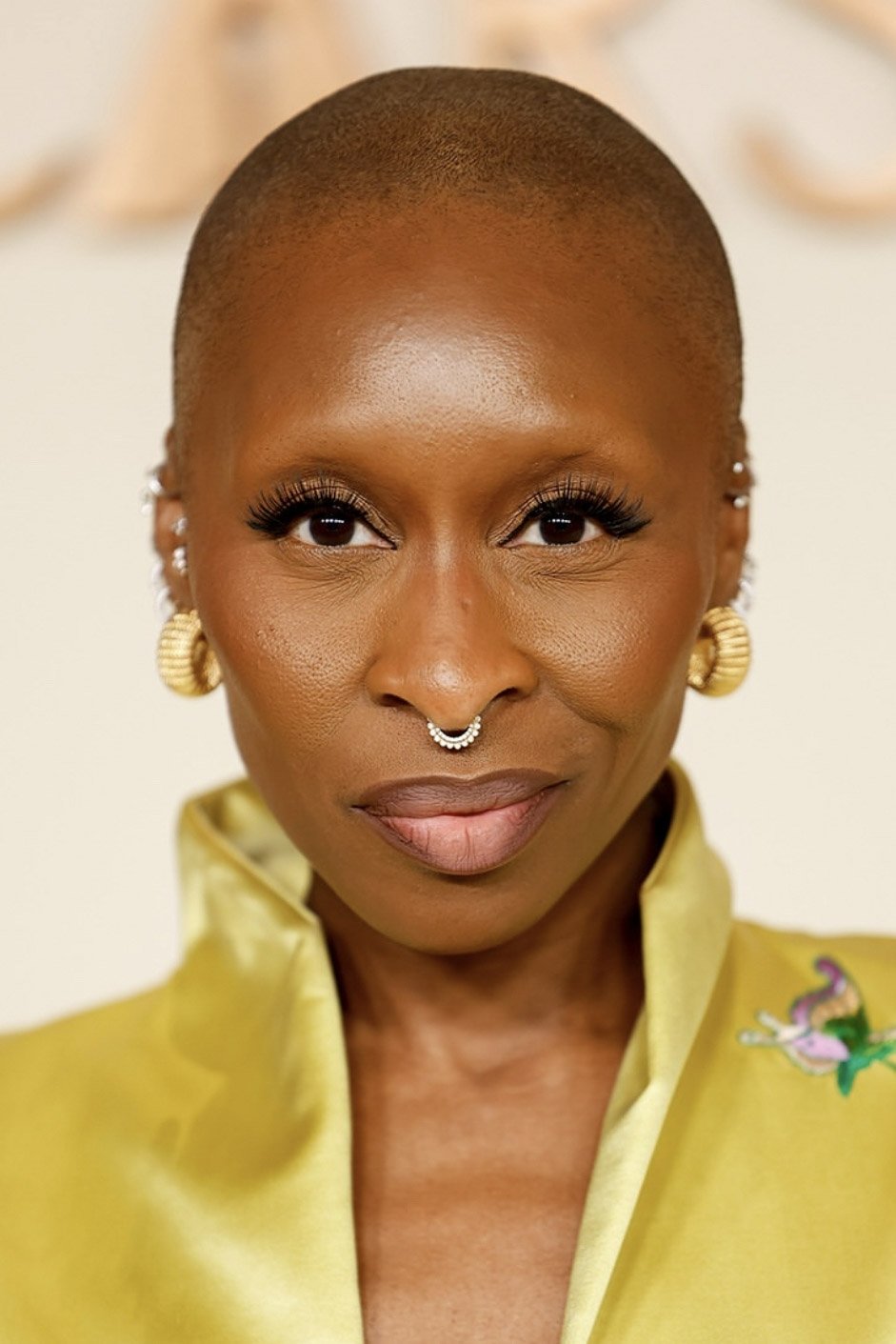
When British actress Cynthia Erivo was cast as Harriet Tubman in the film ‘Harriet,’ some African Americans questioned the decision, believing the role should have been played by an American with ancestors who experienced slavery. Erivo responded by saying she approached the part with careful research and deep respect. She also highlighted the common experiences and shared history of people of African descent worldwide. The situation led to a wider discussion about whether British Black actors should play roles depicting American historical figures.
Daniel Kaluuya
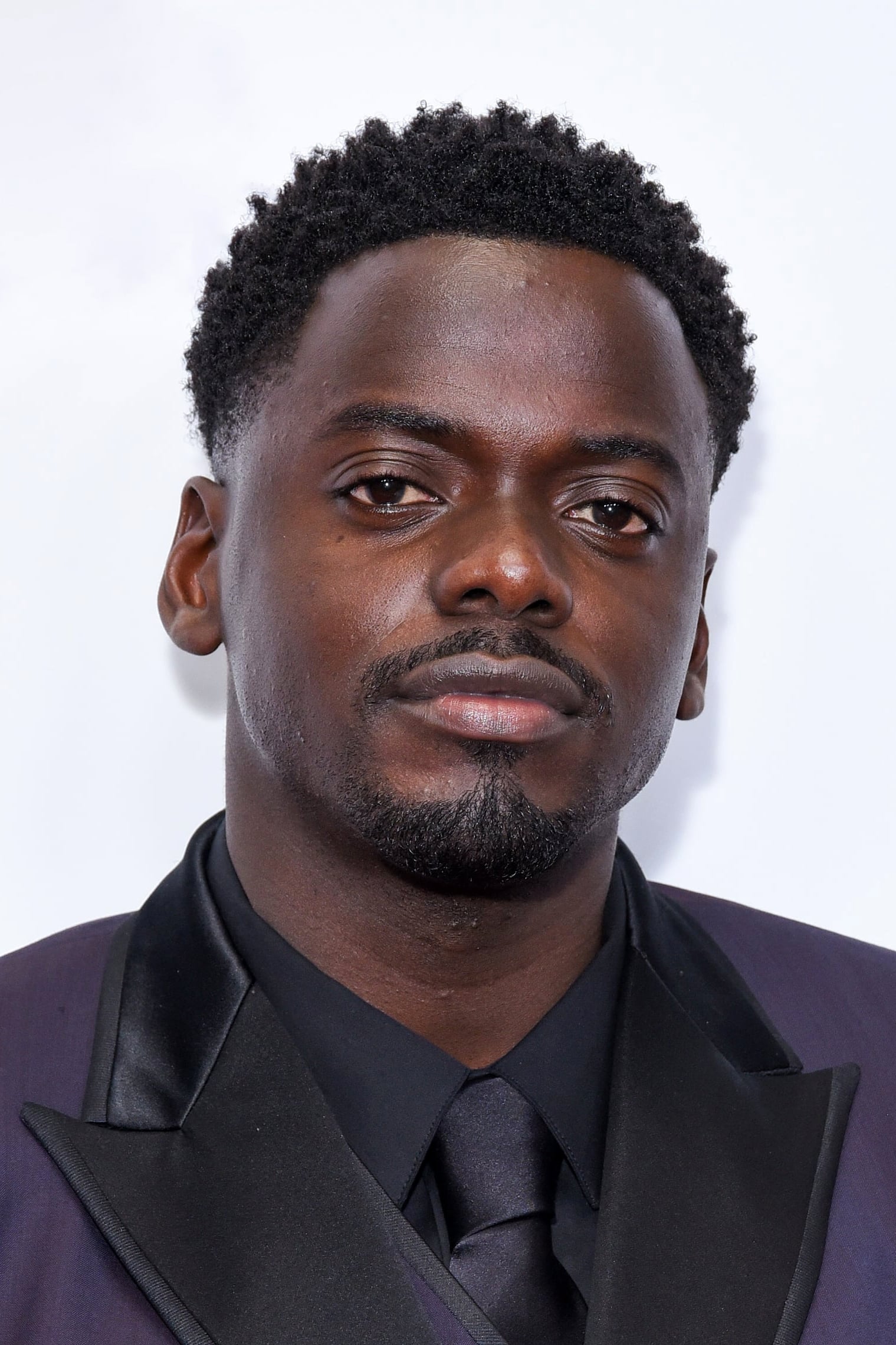
Samuel L. Jackson publicly questioned whether Daniel Kaluuya was the right choice for his role in ‘Get Out,’ suggesting an American Black actor might have offered a different take on the film’s themes of racism. Kaluuya responded by sharing his own experiences with prejudice growing up in the UK, emphasizing that Black experiences aren’t limited to any one country. Their conversation ultimately sparked a richer discussion about the wide range of Black stories and perspectives.
Damson Idris
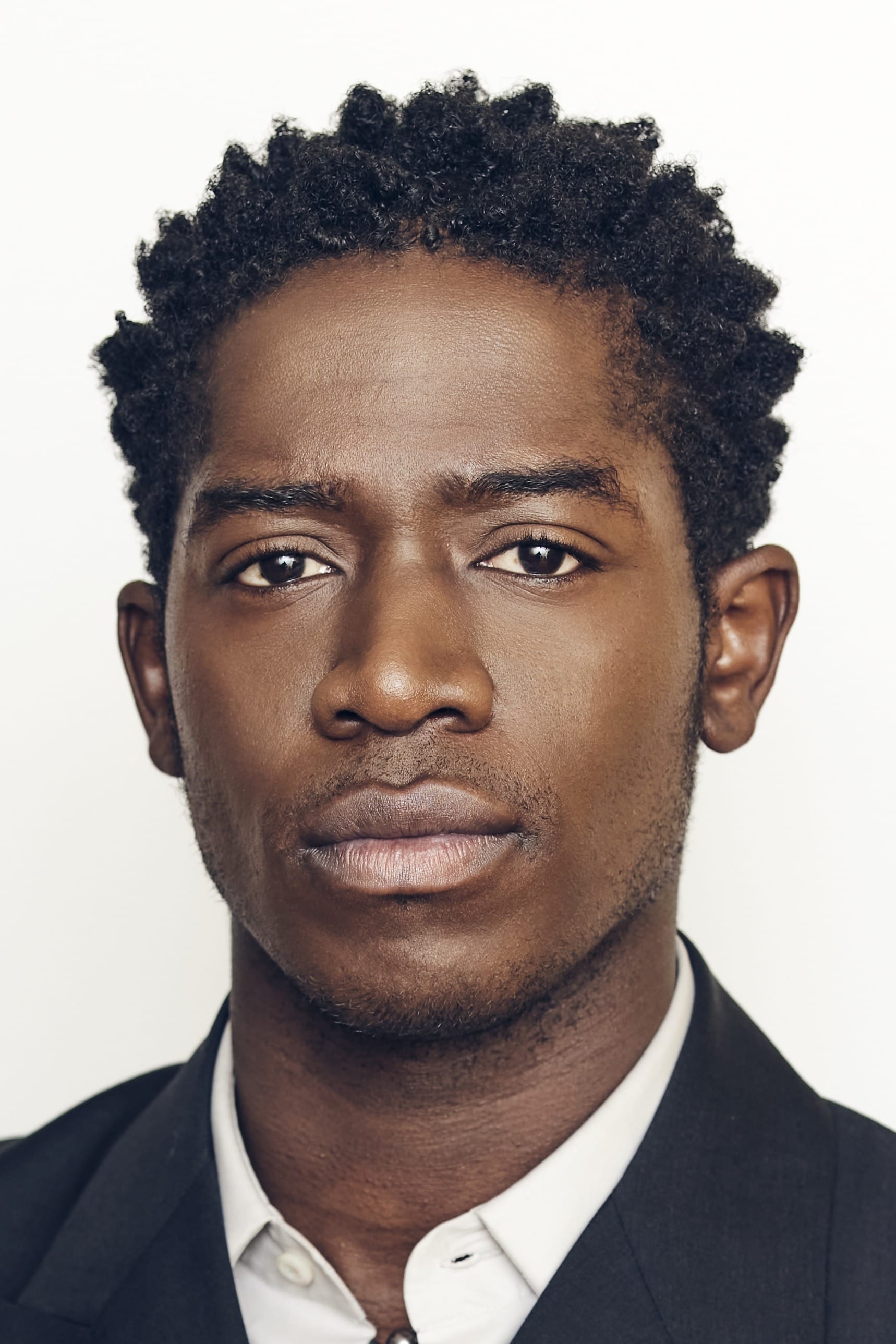
Idris Elba, the lead actor in ‘Snowfall,’ has frequently addressed concerns about playing a character from South Central Los Angeles. Because he’s British, some viewers wondered if he could accurately portray the culture. He’s explained that he did a lot of research and voice training to make his performance believable. He believes his acting skills allow him to convincingly play American roles despite his British background. His success has also opened doors for other Black actors from around the world.
John Boyega
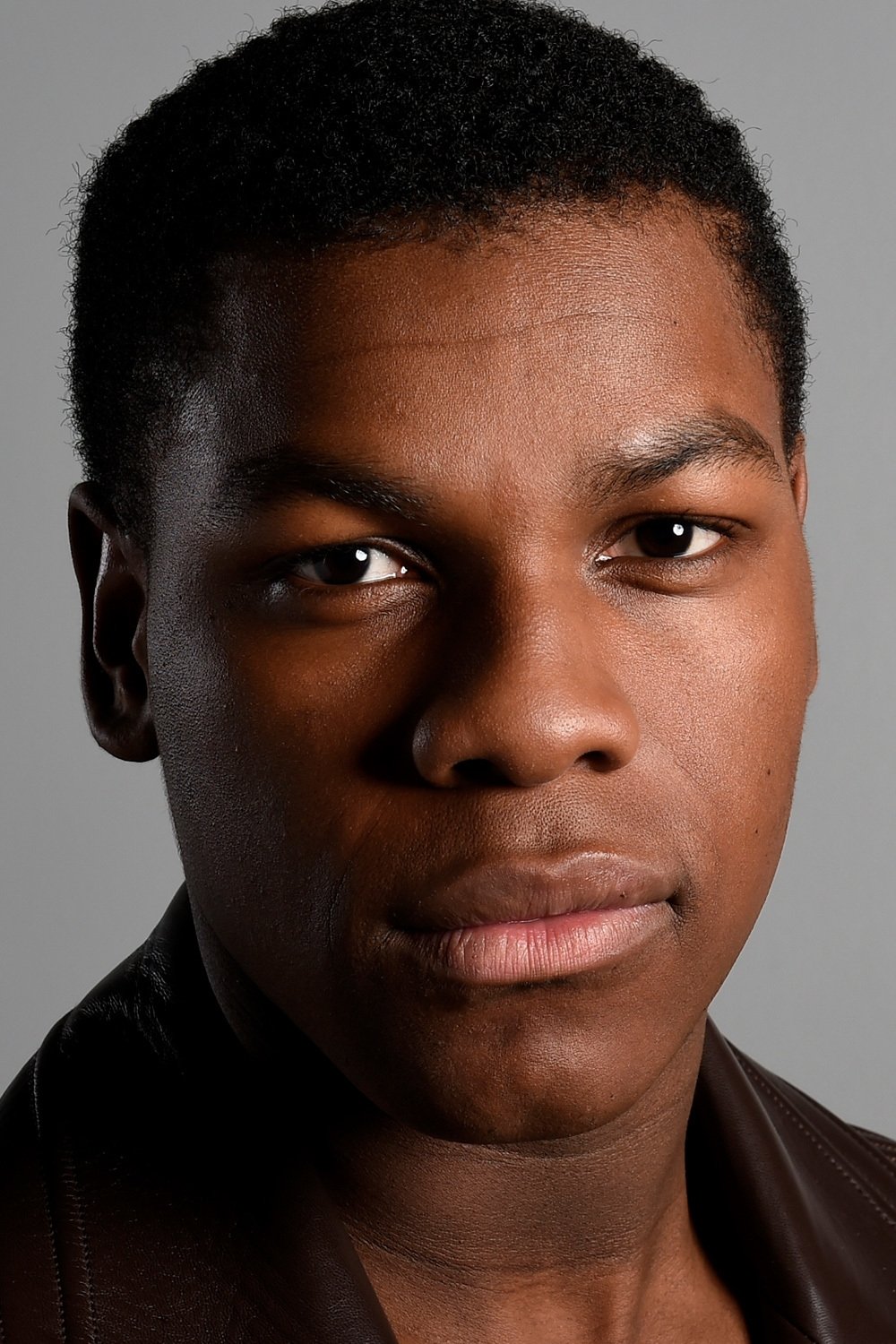
After publicly supporting social justice protests, the actor received a lot of online negativity and criticism. Some people accused him of just pretending to care about the issues or said he should stick to acting. He firmly defended his actions, stating he was prepared to risk his career for his beliefs. He also voiced his disappointment with how his ‘Star Wars’ character was written. While his honesty has inspired many, it has also drawn criticism from those who expect celebrities to stay out of controversial topics.
Lil Nas X
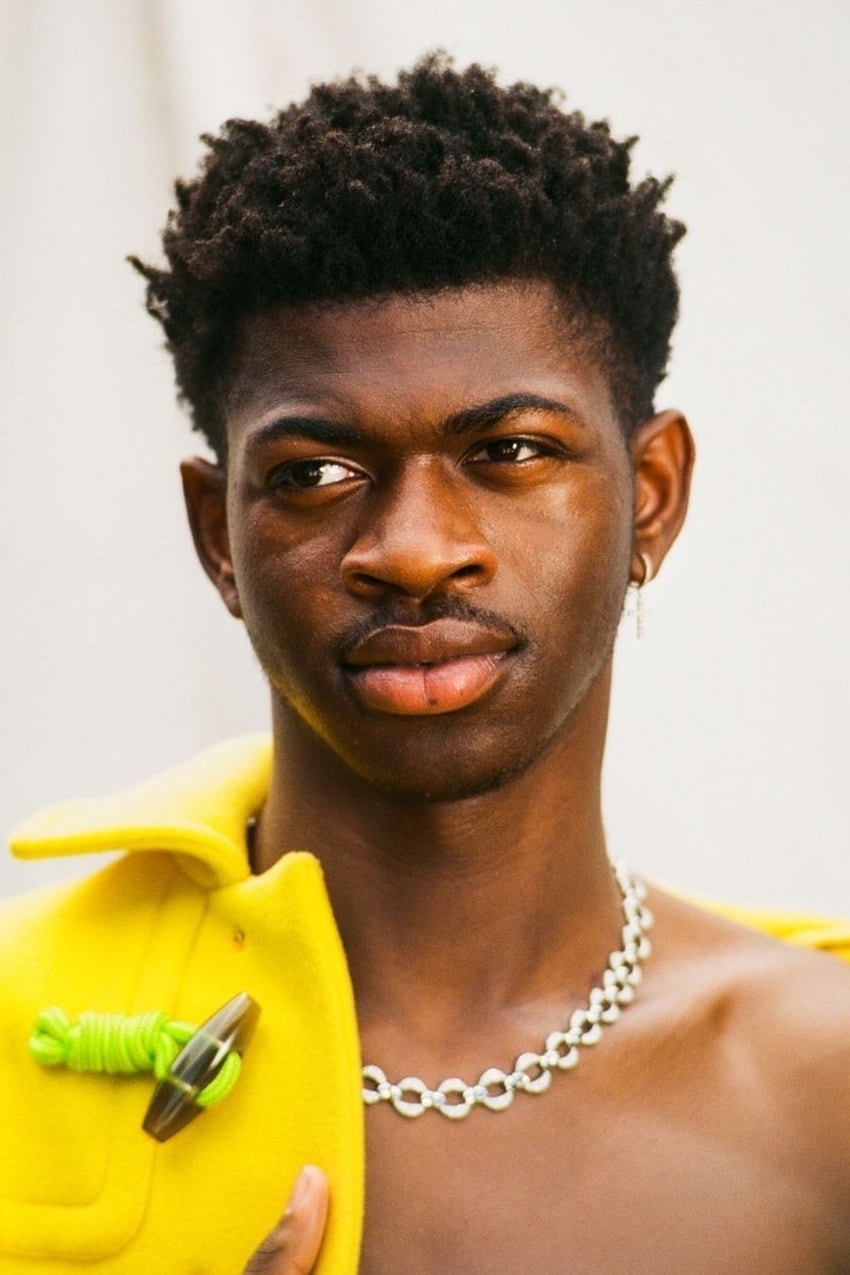
When Lil Nas X’s hit song ‘Old Town Road’ unexpectedly gained popularity, some in the country music industry tried to exclude it, even removing it from the charts. Critics debated whether the song truly fit the country genre and if Lil Nas X belonged there. Instead of backing down, he embraced the controversy, working with well-known country artists to make a statement. Now a prominent musician, Lil Nas X consistently pushes the limits of what defines different music genres. His success shows how music and artistic identity are always changing.
Will Smith
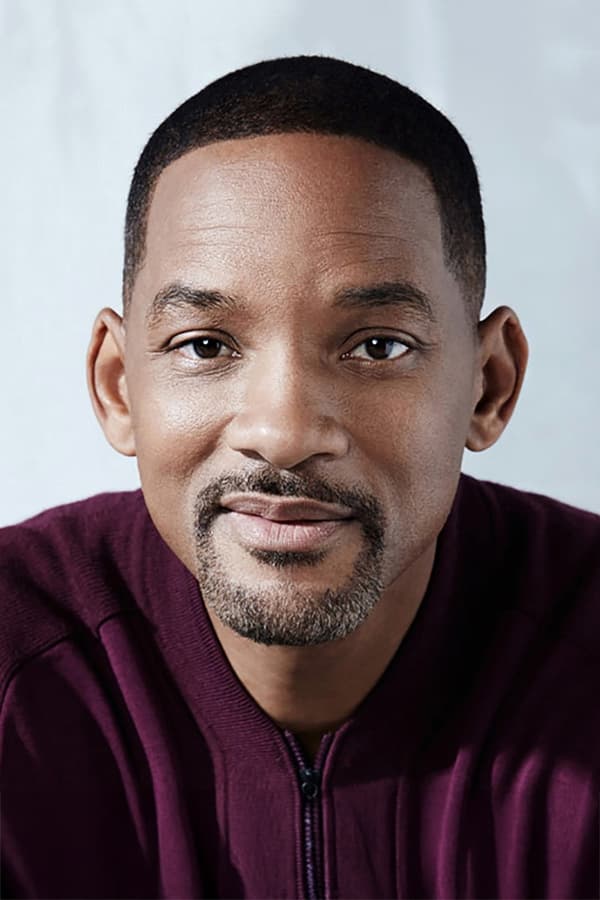
When Will Smith first started rapping, some people criticized his music for being too family-friendly. Other artists and critics questioned his authenticity, arguing that he didn’t use curse words or talk about tough street life. Smith explained that he intentionally made music everyone in his family could enjoy. He later became a hugely successful actor and a worldwide star. Now, those early criticisms of his music are seen as a small part of his overall impressive career.
Alfonso Ribeiro
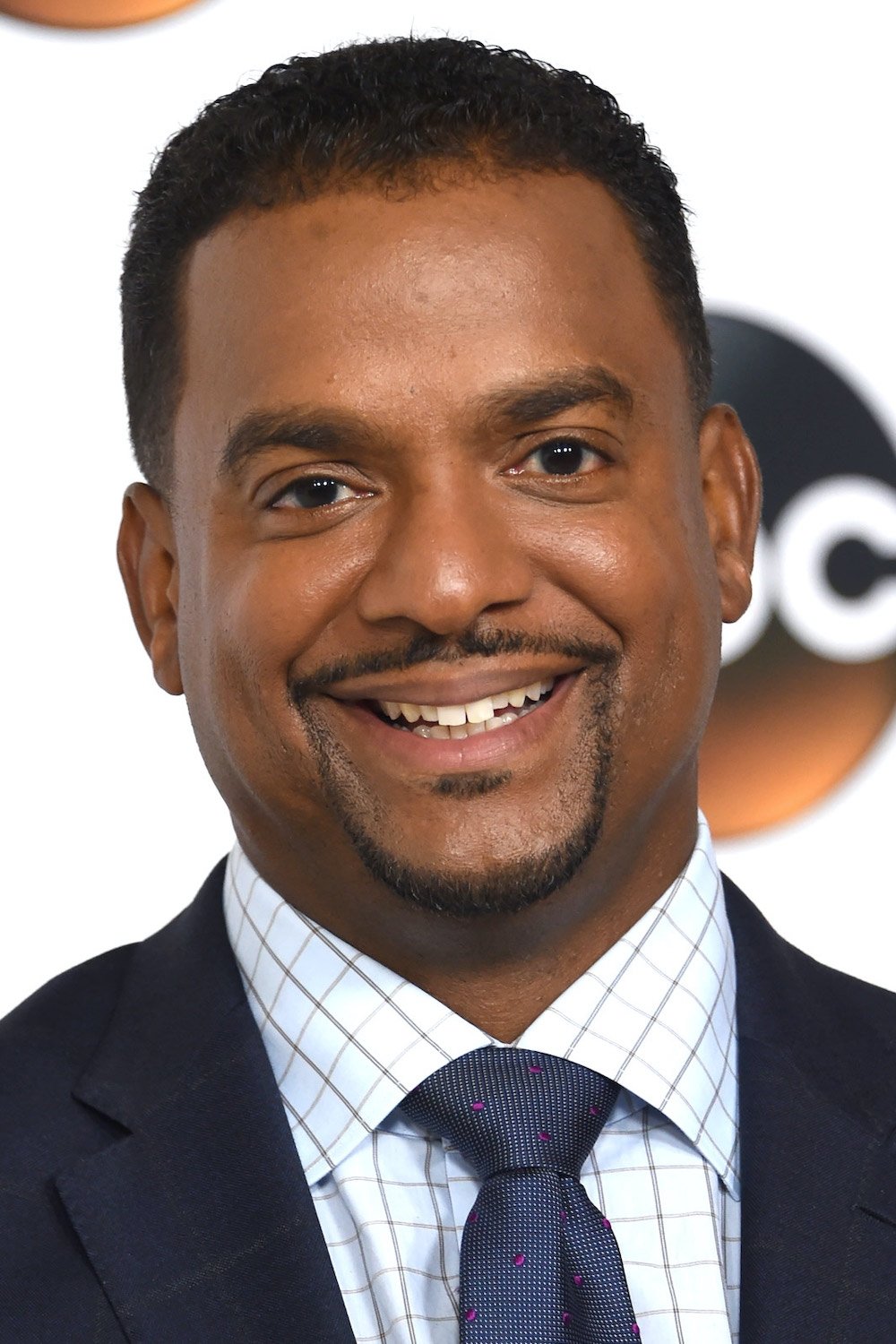
Alfonso Ribeiro became well-known for playing Carlton Banks on ‘The Fresh Prince of Bel-Air’. Carlton was intentionally written as the opposite of Will Smith’s character, and the role often led to jokes about Ribeiro not being authentically Black. He’s explained that people often mistook him for the privileged, sheltered character he portrayed, even off-screen. He’s had to actively work to show people who he truly is, separate from Carlton. This situation demonstrates how easily an actor can become associated with a fictional role in the public’s mind.
Logic

The rapper often talks about being biracial and the criticism he gets from people on all sides. Some listeners think he emphasizes his background too much in his songs, as if he’s trying to prove something about his identity. Logic argues he has the right to share his life story and the challenges he faced growing up in a mixed-race family. He believes his music should be a genuine expression of who he is and won’t let criticism stop him. This openness has helped him build a loyal following who value his honesty.
J. Cole

J. Cole has become a central figure in discussions about how skin tone affects opportunities in the music industry. Though known for his skillful songwriting, some have questioned his perspective on certain issues due to his lighter complexion. He’s openly explored these feelings in his music, acknowledging his own struggles with identity. Throughout his career, he’s consistently used his influence to bring attention to social problems and champion artists with darker skin tones. This willingness to tackle difficult subjects has established him as a respected and influential voice.
Candace Owens

This political commentator has become known for questioning common beliefs within the Black community. She’s faced a lot of public disagreements because she often criticizes social movements and supports conservative ideas. People who disagree with her frequently claim she’s being used by others and doesn’t truly advocate for the interests of Black people. She counters that thinking for yourself is crucial for improvement and that she won’t be pressured to conform to a particular political stance. She continues to generate strong reactions and lively discussions whenever she appears in the media.
Don Lemon
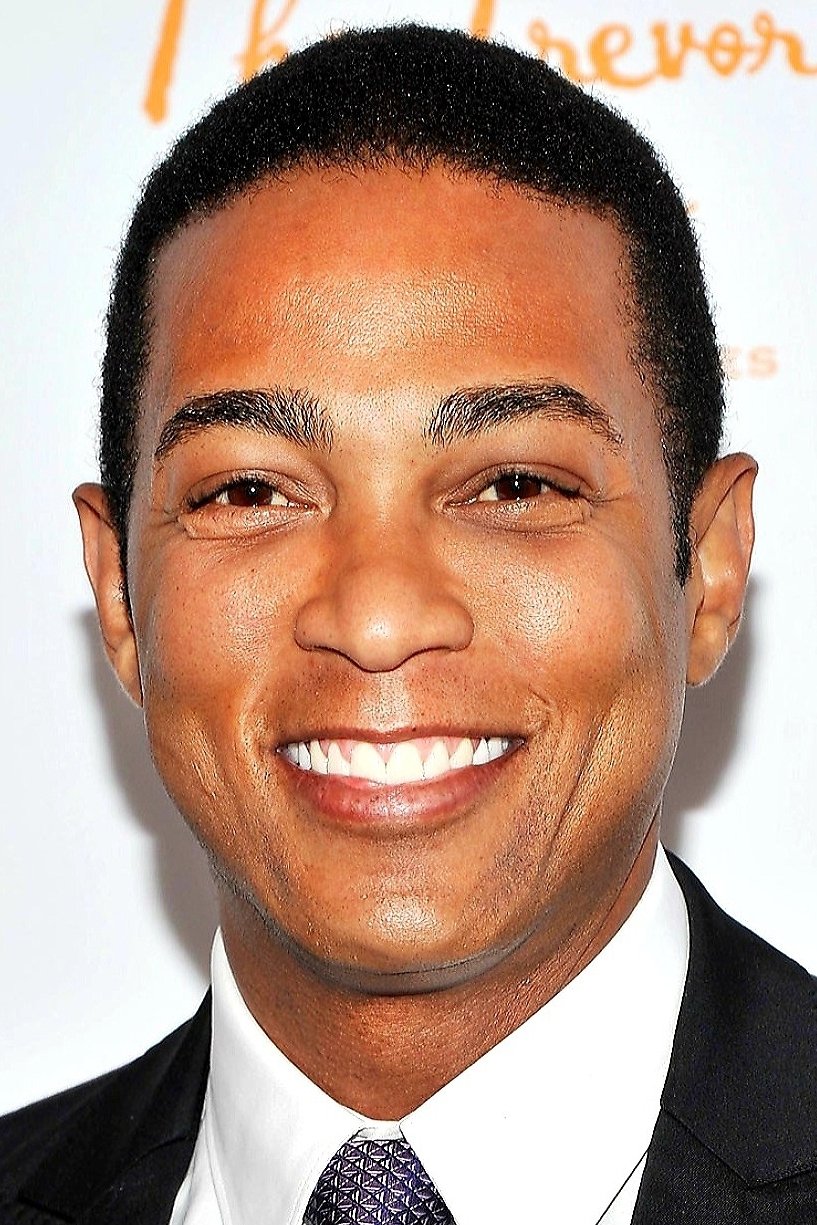
The television journalist has received criticism from Black viewers who felt his opinions on social issues weren’t always relatable. Some parts of his show were seen as preachy instead of supportive. He maintains that his work aims to spark open and honest discussions about culture, and he’s also discussed the challenges of being a prominent Black man in the news. Throughout his time at his previous network, he experienced both career achievements and public disagreements.
Stephen A. Smith
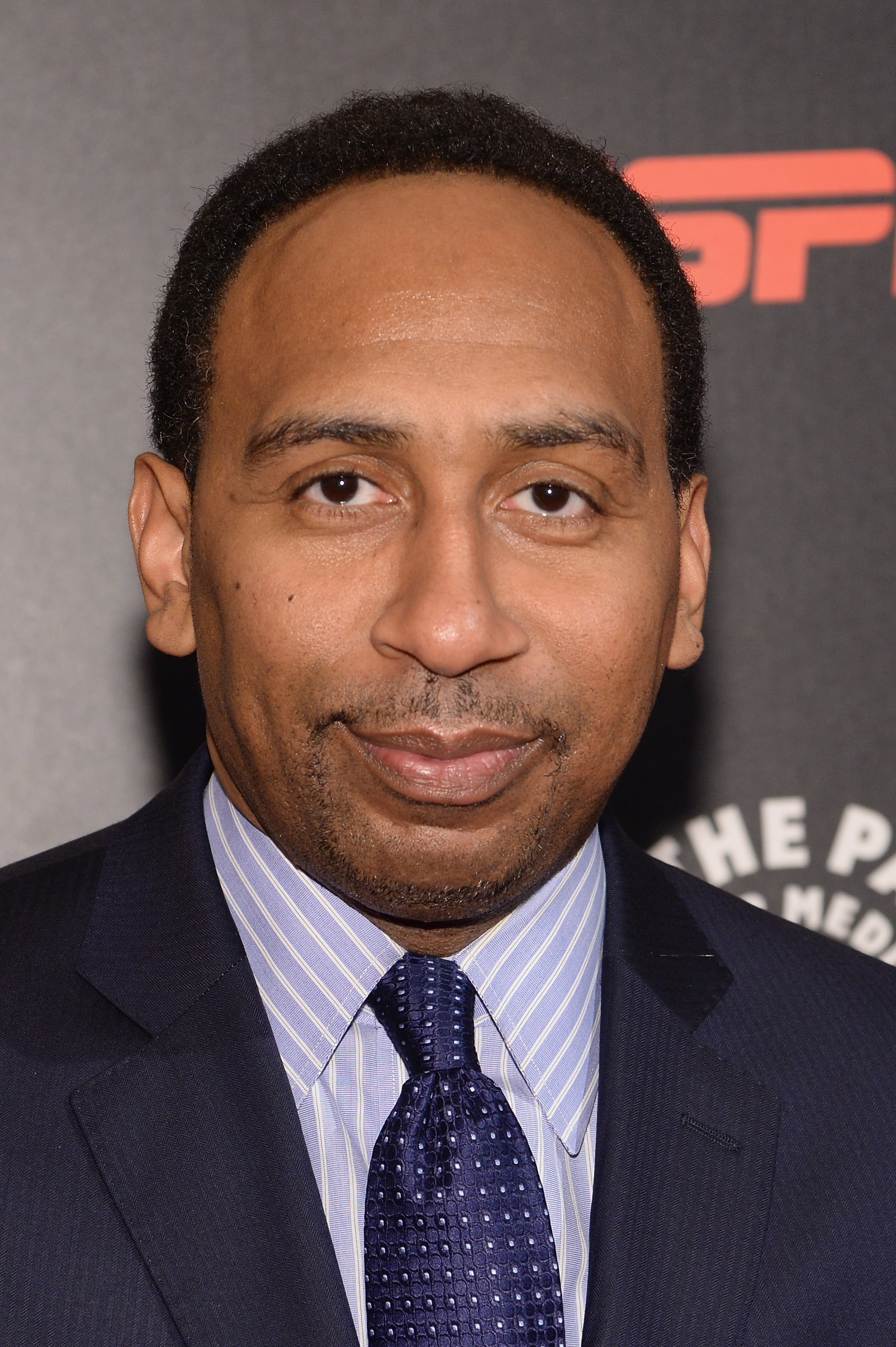
As a big sports fan, I’ve definitely noticed this one analyst – he’s famous for not holding back! He’s got really strong opinions, and they often cause a stir. Honestly, some people have said he comes down harder on Black players than others, which is a tough accusation. He always defends himself, saying he’s just doing his job as a journalist and giving honest takes, no matter who it is. He’ll often talk about how he grew up and worked his way through the industry to show he’s keeping it real. It’s gotten to the point where his public disagreements with athletes are just…expected in sports media now.
Maya Rudolph
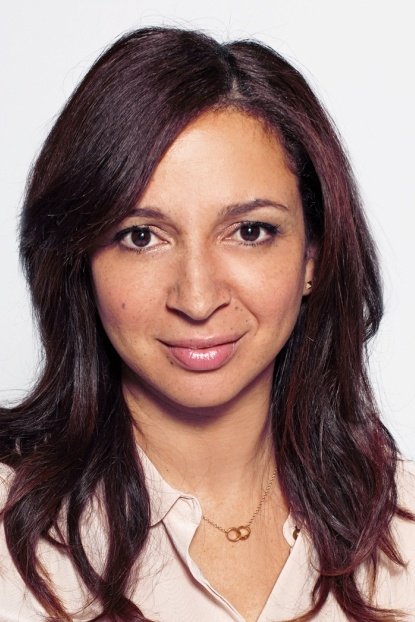
The comedian and actress has talked about the challenges she faced early in her career, feeling like she didn’t quite fit into any one box. As a biracial woman, she was often told she wasn’t Black enough for some parts and not white enough for others. She finally found a place where she could thrive on ‘Saturday Night Live,’ where her ability to play diverse characters was valued. Rudolph has since become a highly respected figure in comedy, proving that being able to bridge different worlds can actually be a powerful asset in her career.
Halsey
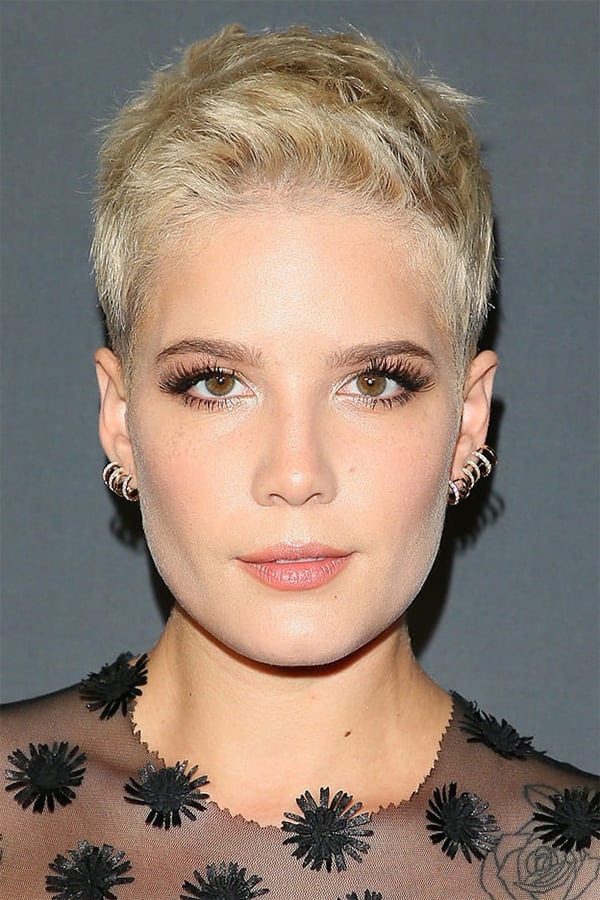
Halsey, the singer, has sometimes had to explain her background to fans who didn’t know she’s biracial. Some critics have claimed she presents herself as white unless it’s advantageous to highlight her Black heritage. In response, Halsey has shared details about her family and talked about how complicated it is to navigate her identity. She’s also consistently spoken out in support of social justice and using her fame to make a positive impact. Her story is a good example of the difficulties many multiracial people face, especially when they’re in the public eye.
Ye
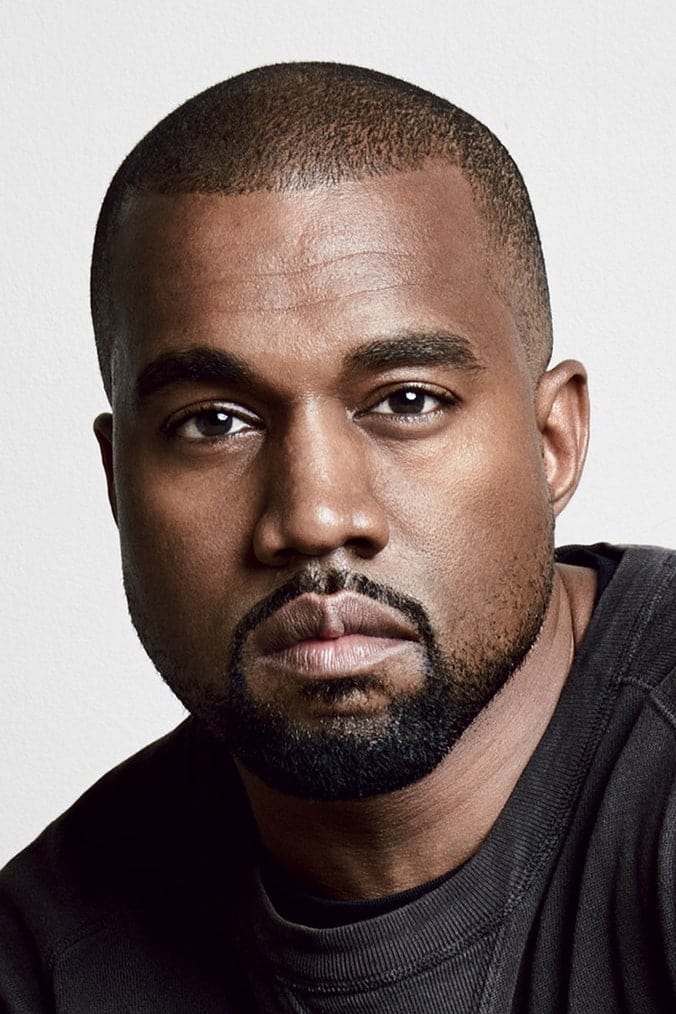
The artist, a successful rapper and fashion designer, has changed public perception of himself several times, leading people to question who he really is. He initially gained recognition for music with meaningful social commentary, but later faced backlash for his political views. Many of his early supporters felt let down by his actions. He maintains he’s an independent thinker who doesn’t conform to what’s expected. His very public disagreements with other celebrities regarding these issues have been widely reported.
Wale
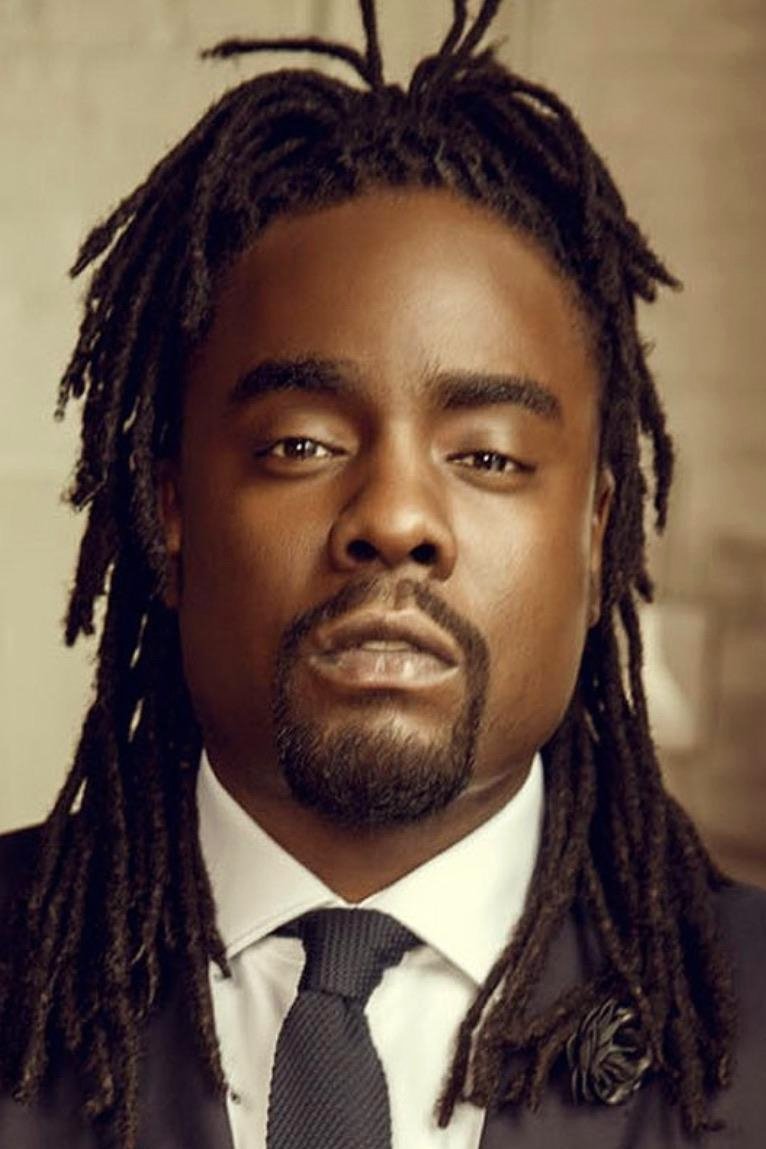
The rapper has frequently voiced his disappointment with how others in the music industry and among his fellow artists see him. Some have criticized him for being overly sensitive or not conforming to the typical image of a rap star. Wale has responded to these criticisms through his music and social media, defending his unique artistic approach. He often celebrates Black culture while also acknowledging the disagreements and challenges within it that can hinder artists’ progress. Throughout his career, he’s consistently balanced staying true to himself with meeting the expectations of the public.
Pharrell Williams
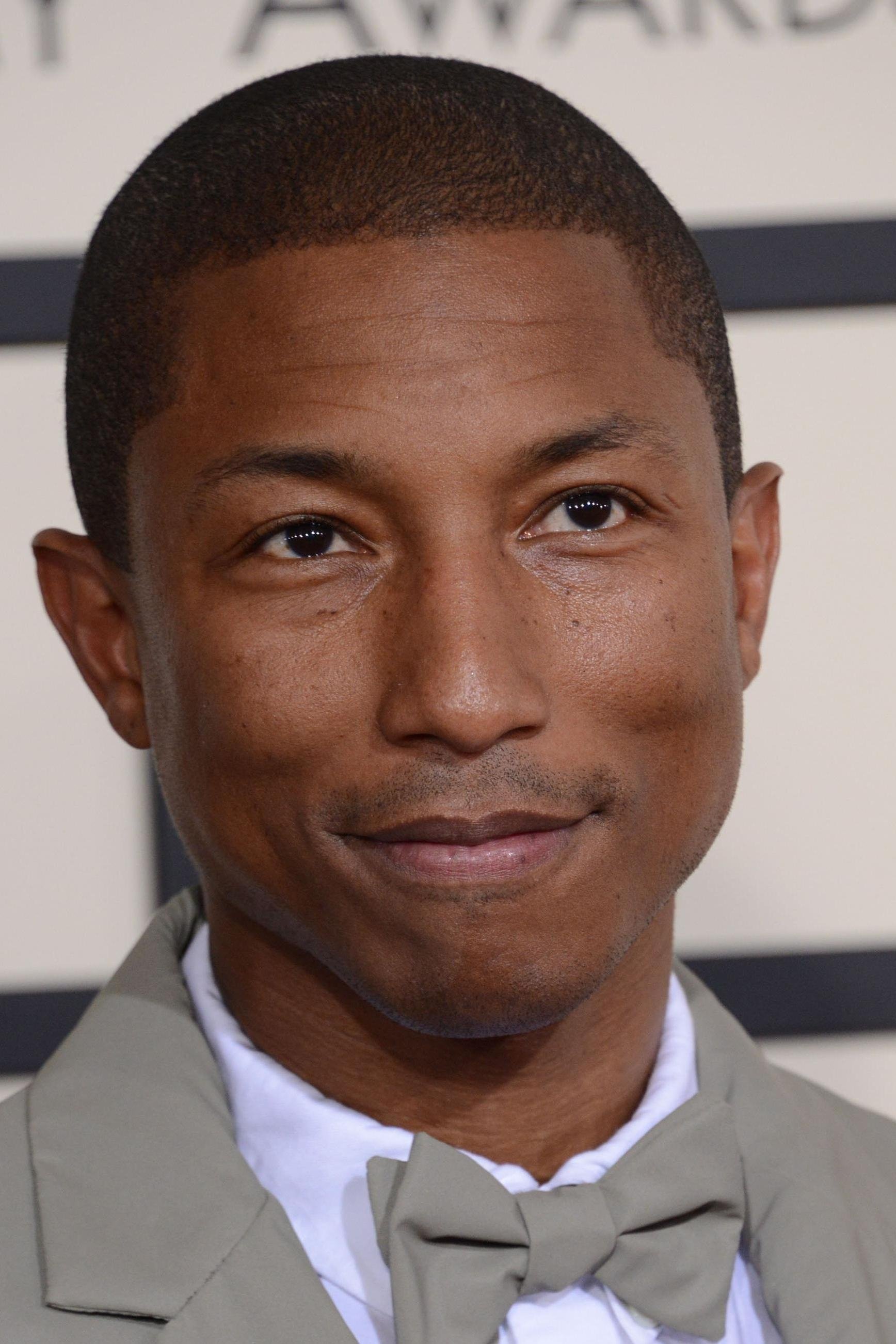
The musician Pharrell Williams faced criticism in the past for remarks that seemed to minimize the effects of racism. Some people believed his privileged background made him out of touch with the challenges many Black individuals experience. Pharrell later explained his views and became more active in supporting his community and advocating for social change. He’s used his platform and resources to help entrepreneurs and students from underrepresented groups, demonstrating how someone in the public eye can respond to criticism and evolve their thinking.
Tyler Perry
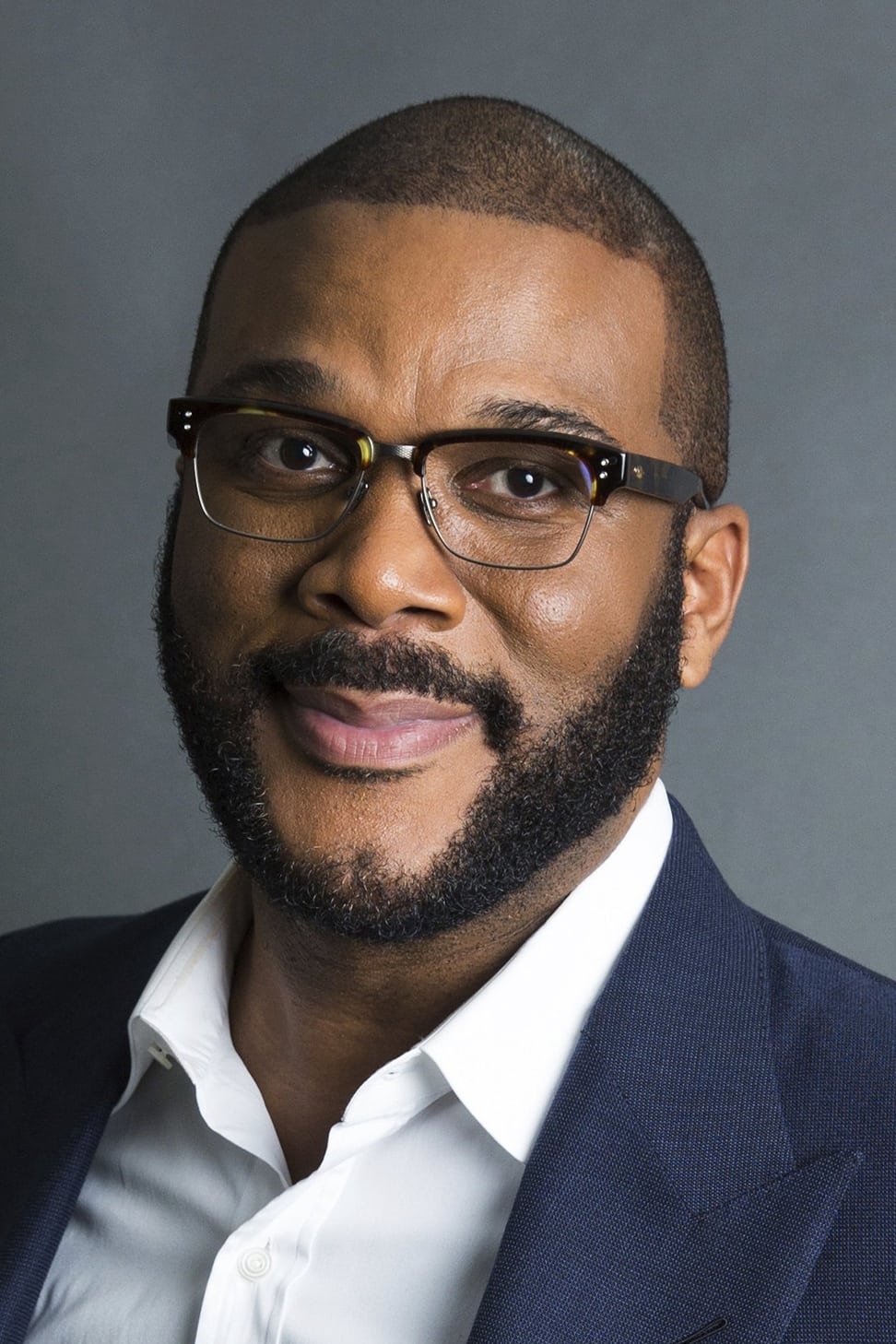
I’ve always been a supporter of this filmmaker, and I know he faced a lot of criticism, especially from Spike Lee. Lee felt his work relied too much on stereotypes and didn’t really show our community in a positive light. But the filmmaker always explained that his stories came straight from his own life – the people he knew growing up, the things he experienced. And honestly, you can’t argue with success! Millions of people connected with his work, which proves he was giving the audience something they wanted. It was a tough situation, and while they’ve made up now, people still debate whether his films are good for us, but I believe he tells important stories.
Lena Waithe
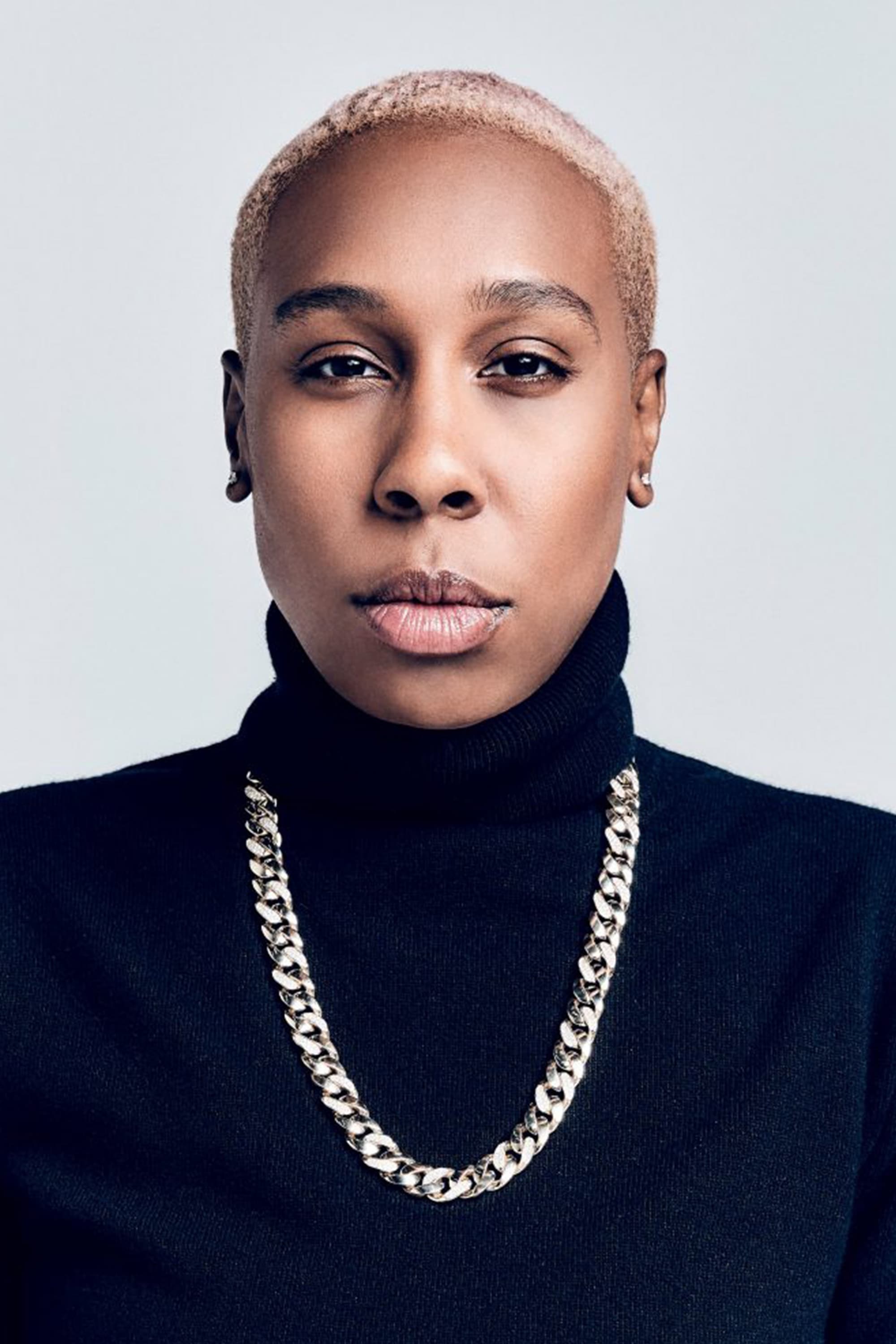
The writer and actress has received some criticism regarding how she depicts characters and topics in her shows. Some viewers feel her content is overly focused on difficult experiences or doesn’t accurately reflect the diversity of the community. Waithe has countered that she’s dedicated to sharing original and often untold stories, and that artists shouldn’t be expected to speak for an entire group. Despite the criticism, she continues to create groundbreaking television.
Issa Rae
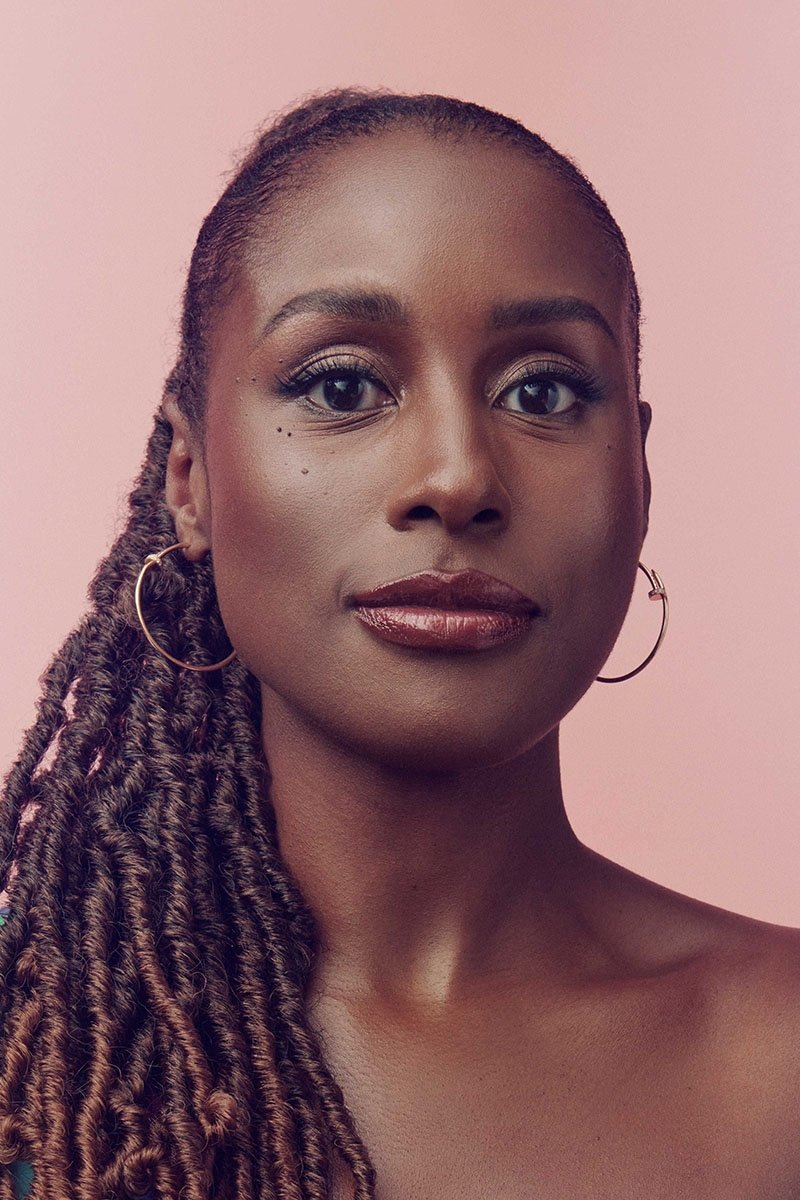
Issa Rae, the creator of ‘Insecure,’ has often talked about the conversations surrounding the show’s casting choices and whether it showed enough diversity in skin tones. Although ‘Insecure’ was celebrated for feeling authentic, some critics wondered if it fully tackled the issue of colorism. Rae has consistently expressed her commitment to featuring a broad spectrum of Black actors and has actively championed emerging talent. She explains that she focuses on telling stories that resonate with her personal experiences. Ultimately, her work has significantly changed the face of television.
Marsai Martin
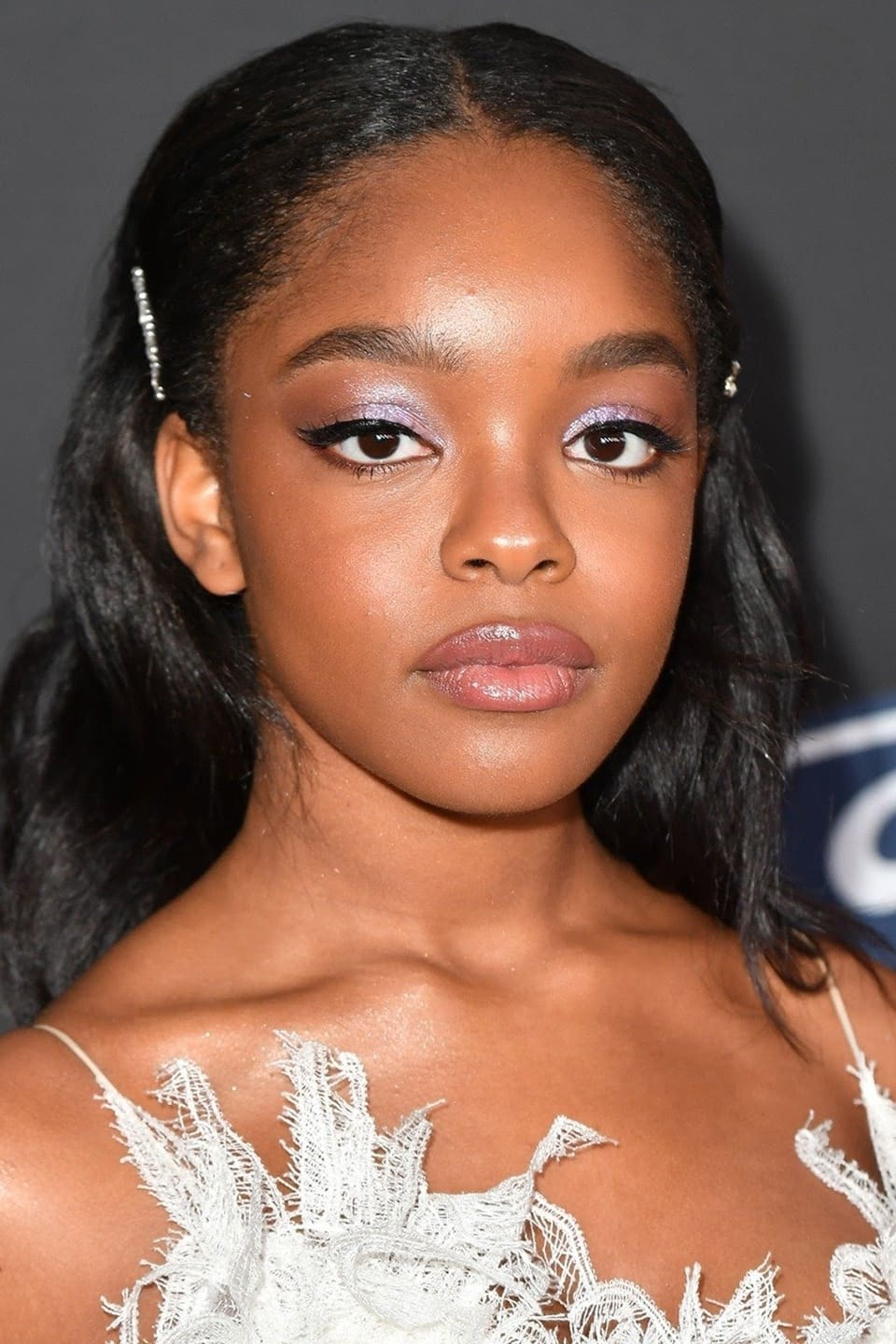
This young actress and producer faced unfair criticism online about her looks, but she confidently spoke out against it, reminding people it was wrong to judge a teenager’s appearance. She’s using her influence to encourage self-love and confidence in young Black girls, and has already become a remarkably successful producer in Hollywood. Her grace under pressure has earned her a lot of respect.
Yara Shahidi
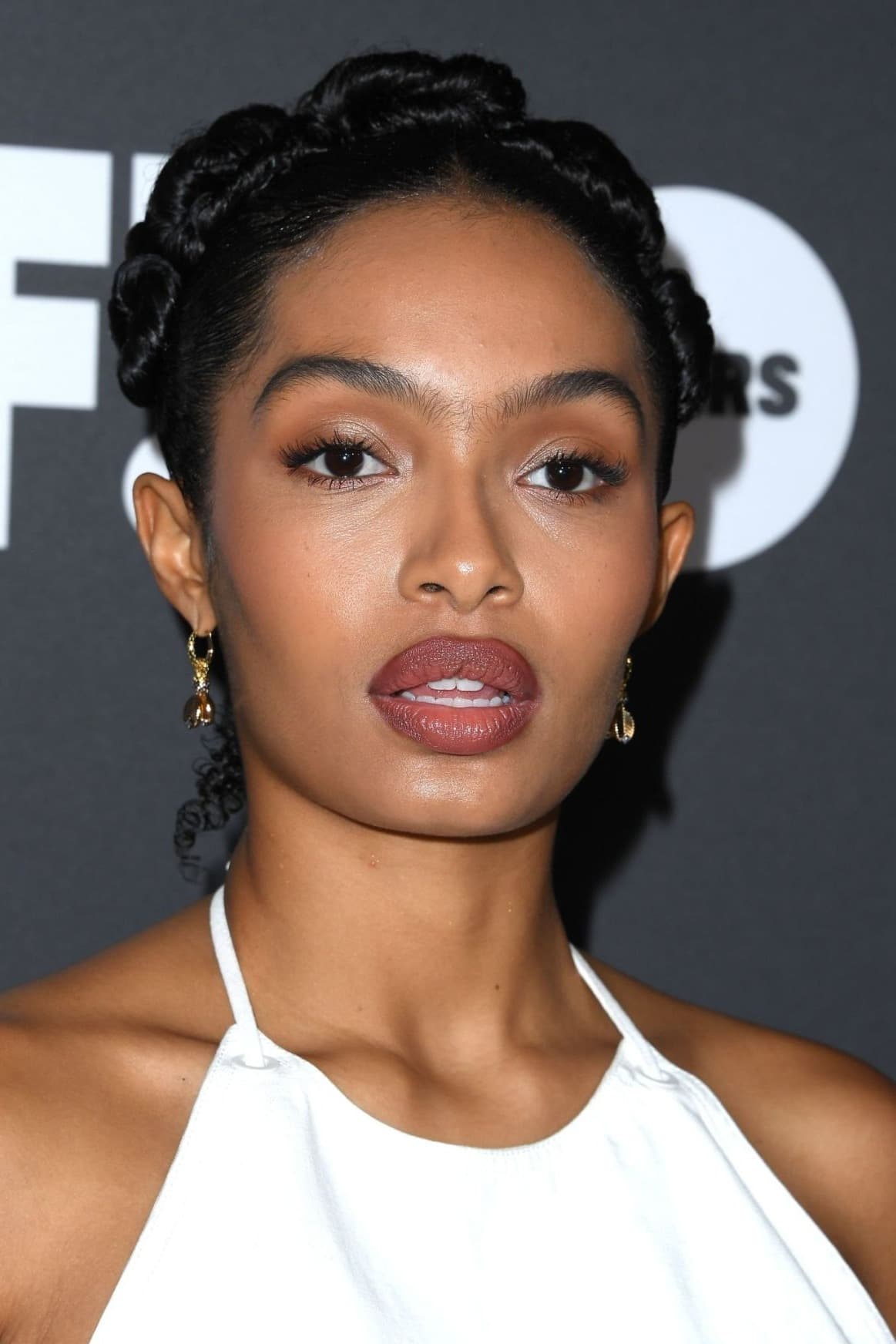
Yara Shahidi, the actress and activist, has sometimes been criticized for representing a particular standard of beauty and acceptance for Black people in Hollywood. Some have pointed out that her lighter complexion and educational background might make her more appealing to wider audiences. Shahidi has responded by recognizing her own advantages and pushing for greater representation of all Black women. She consistently uses her platform to champion causes like voting rights and education, demonstrating a commitment to both her career and making a positive impact on the world.
Tracee Ellis Ross
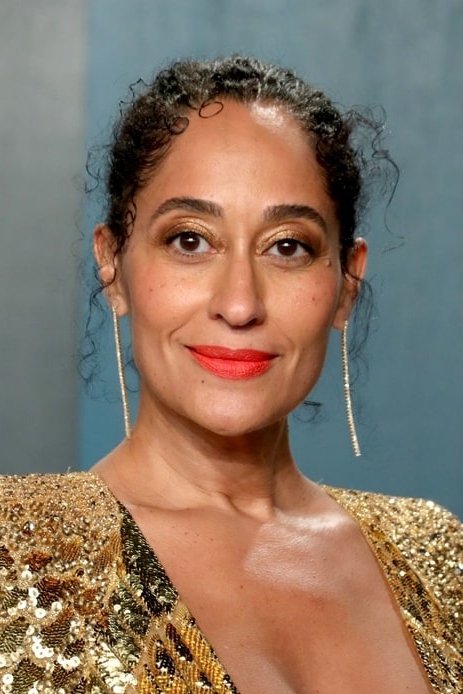
Growing up as the daughter of Diana Ross meant Tracee Ellis Ross has always lived in the spotlight, and she’s often talked about what it means to be her. People have often wondered if her privileged upbringing separated her from other Black experiences. Through her roles on shows like ‘Girlfriends’ and ‘Blackish,’ she’s explored these questions with both humor and thoughtfulness. She believes there isn’t one single definition of Blackness, and that everyone’s experiences are important. Because of her work, she’s become known as a fashion icon and a well-respected voice in the entertainment world.
Zoë Kravitz

Early in her career, the actress faced criticism for not fitting the stereotypical image some people had of Black women when considering her for roles. Casting directors often had very specific, limited expectations. Since then, she’s built a successful career by playing diverse characters in many different types of projects. Through her work and her own personal expression, she continues to break down those outdated stereotypes. Her achievements show that the entertainment industry is gradually becoming more open-minded.
Lenny Kravitz
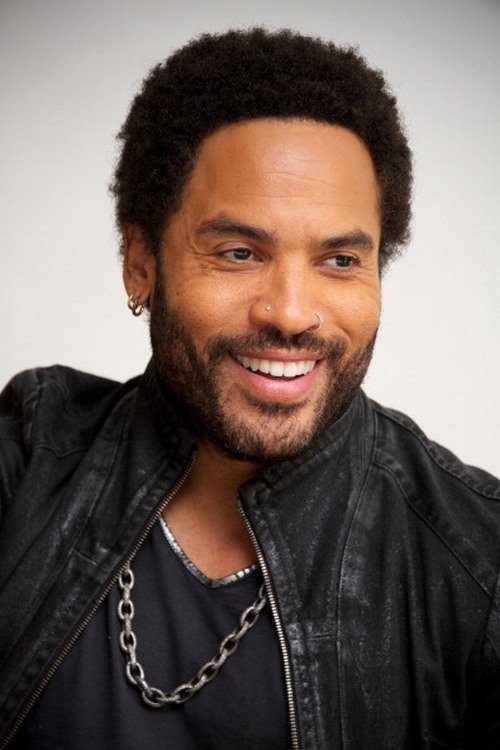
Early in his career, the rock star received criticism for making music that some felt didn’t reflect his Black identity. This was a time when rock music was largely dominated by white artists, even though the genre originated with Black musicians. He didn’t let the criticism change his style and went on to become a worldwide success. He’s frequently discussed how his background shapes his music and how he sees the world. Ultimately, his work paved the way for other Black artists to return to and thrive in the rock genre.
Lizzo
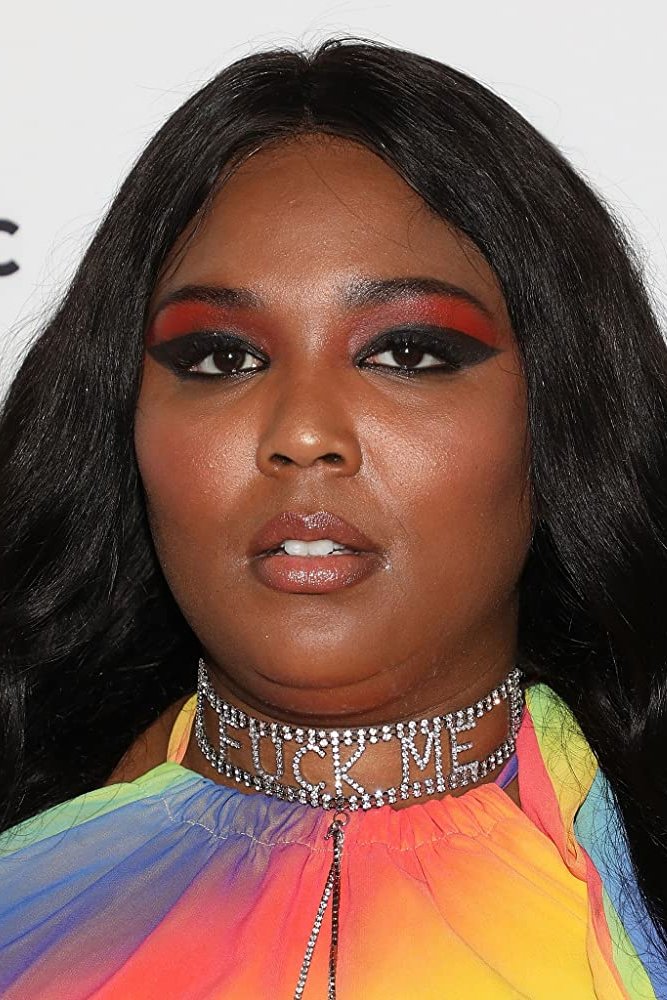
Lizzo, the singer and flautist, has been criticized for allegedly creating music that appeals more to white audiences than to the Black community. Some critics have also focused on her image and her advocacy for body positivity. Lizzo has responded by saying her music is personal, reflecting her own experiences and happiness as a Black woman. She’s also collaborated with many well-known Black artists to demonstrate her ties to Black culture. Because of her success, Lizzo has become a well-known, and sometimes controversial, figure in pop music.
Nicki Minaj

The rapper has often had public disagreements with other artists and people in the media regarding her position in the music industry. When she started incorporating more pop sounds into her music, some critics claimed she was abandoning her rap background in pursuit of wider popularity. Minaj countered this by consistently showcasing her strong rapping abilities and proving her skills. She’s also been outspoken about the challenges Black women face in the music industry. Her impact on up-and-coming female rappers is clear and significant.
Cardi B
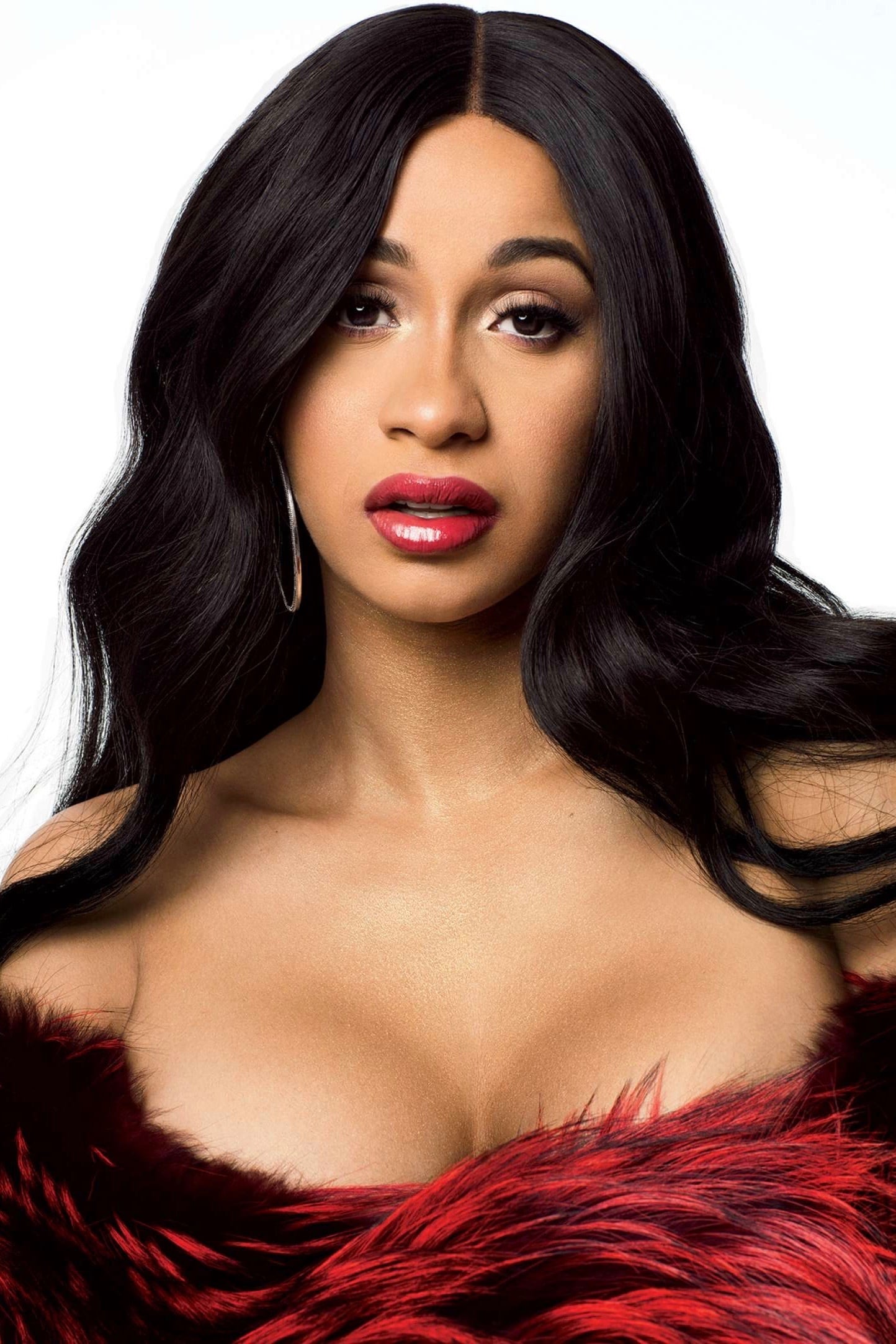
Cardi B has repeatedly had to explain and defend her Black identity due to her family’s background in the Dominican Republic and Trinidad. Some have questioned whether she can identify as Black because of her Afro-Latina heritage. She’s used social media to teach her fans about the history of people of African descent in the Caribbean, firmly stating that her identity is her own and that she embraces all parts of her background. This openness has led to important discussions about race and ethnicity.
Meghan, Duchess of Sussex
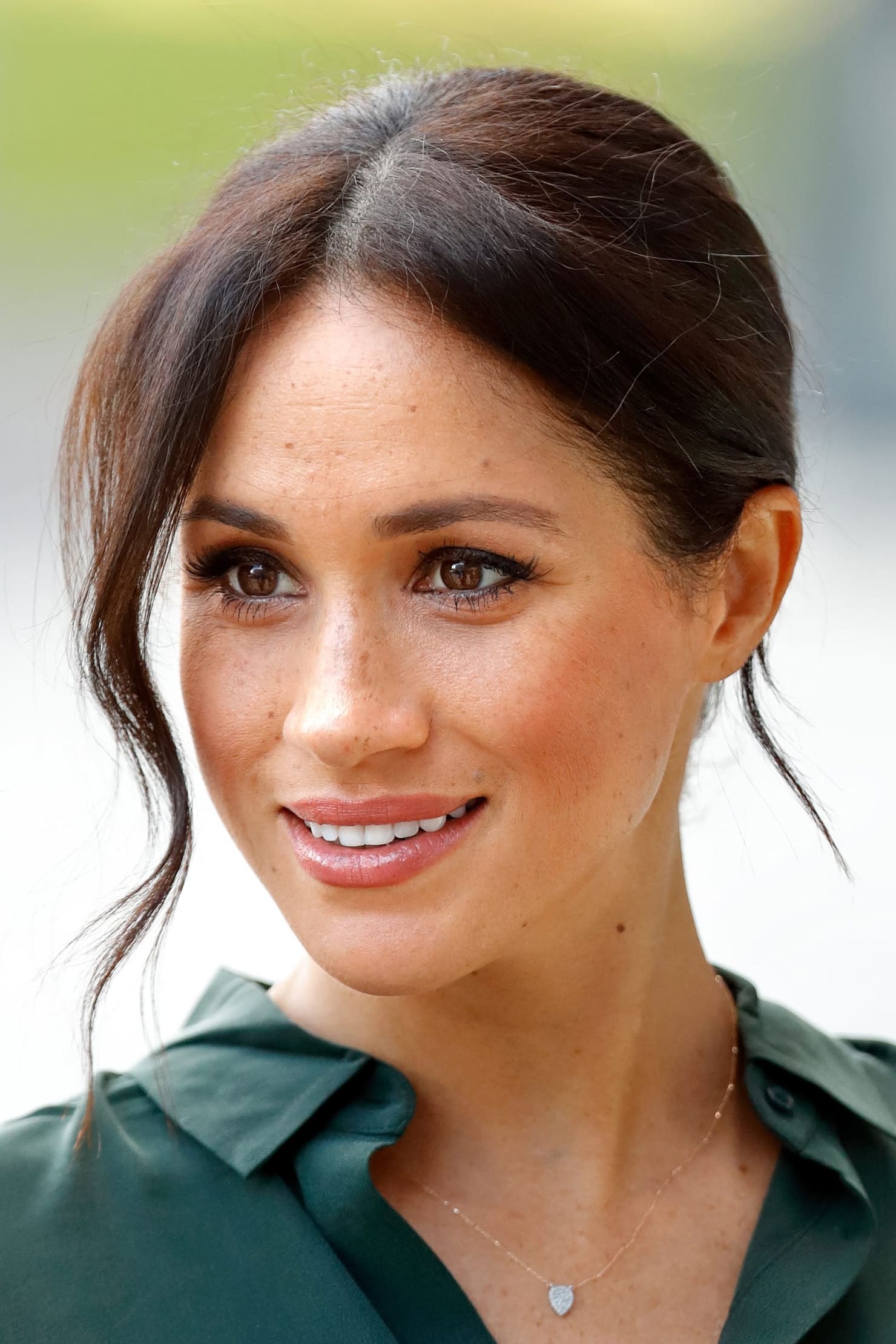
Since becoming a member of the Royal Family, Meghan, the Duchess of Sussex, has sparked worldwide discussions about race. She’s been criticized both for not being considered ‘Black enough’ and for her background. In a well-known interview, she spoke openly about the difficulties of being a part of the British monarchy, revealing underlying biases within established institutions. She continues to work for social justice through her ongoing projects.
Kamala Harris
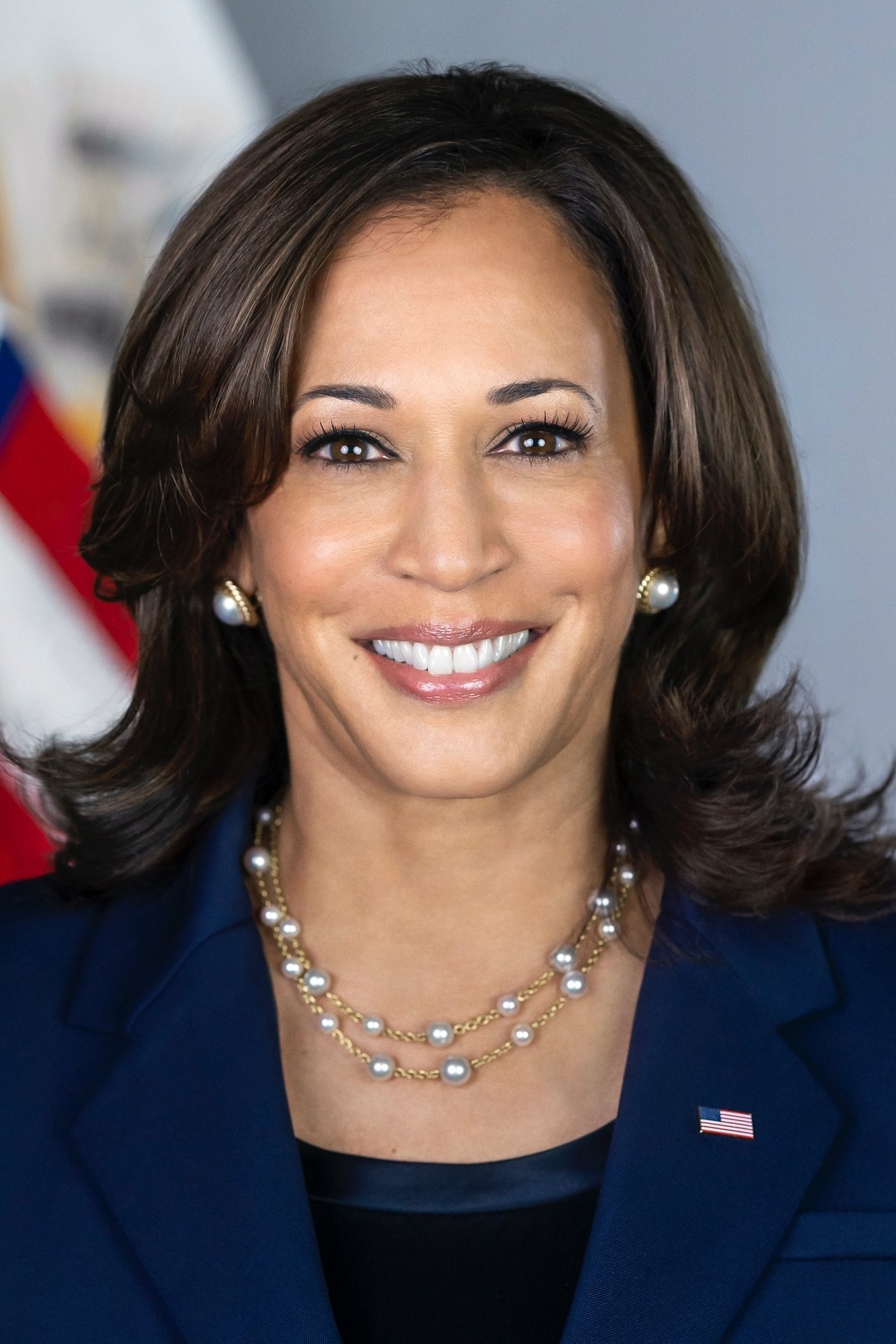
Vice President Kamala Harris has received criticism from both Democrats and Republicans about her background and experiences. Some have questioned her identity as a Black woman, while others have focused on her career. In response, Harris emphasizes her upbringing and education at a historically Black college, stating that her identity is a strength that guides her work. As the first woman of color to hold her position, she is a groundbreaking figure.
Anthony Anderson
The actor has responded to criticism about his show, ‘Black-ish,’ and whether it portrays the Black community realistically. Some viewers thought the show primarily highlighted the challenges of affluent Black families, overlooking other experiences. However, Anderson maintains that ‘Black-ish’ is important because it examines what it means to be Black in modern society and defines success. He argues that showcasing a variety of Black lifestyles is vital for moving forward. The show has been critically acclaimed, winning numerous awards and generating a lot of conversation.
Terrence Howard
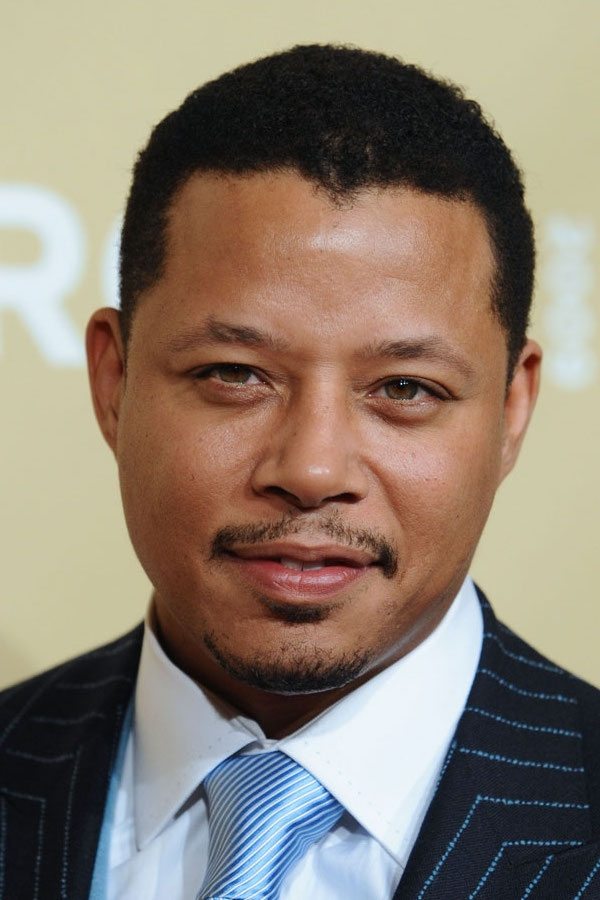
This actor is known for being a controversial figure because of his unusual beliefs about science and life. Some people think his public image overshadows his work and duties to the community. However, he maintains his right to explore his own ideas, even if they’re unpopular. He’s also been honest about the challenges he’s faced in his career and his wish to have more say in his creative projects. Throughout his career, he’s received both praise and faced public criticism.
Whoopi Goldberg
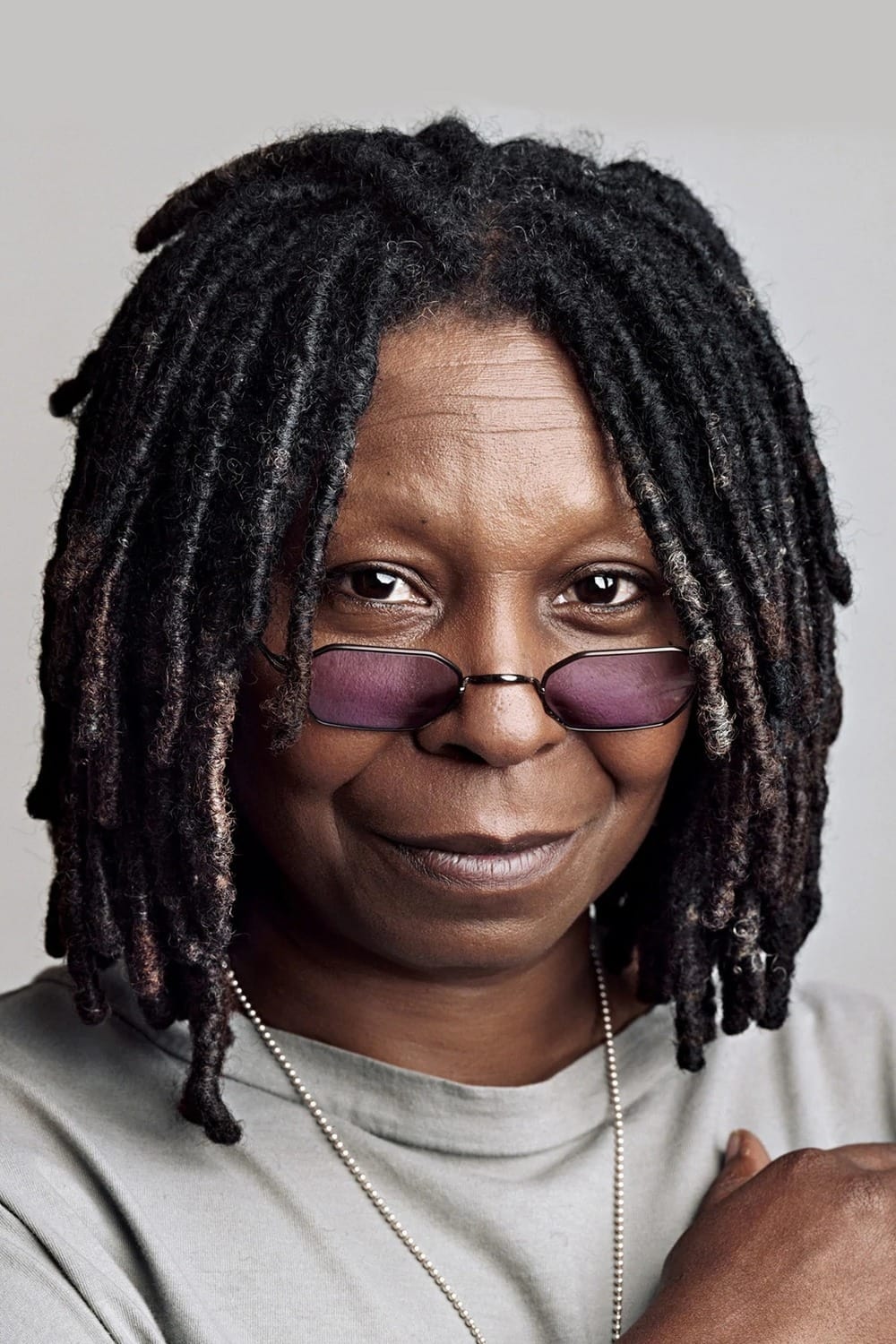
Whoopi Goldberg is a well-known entertainer who often sparks discussion, particularly through her appearances on ‘The View’. She’s faced criticism and was once temporarily removed from the show after making statements about race and history that upset many people. While Goldberg firmly believes in her right to share her views, she also recognizes the importance of continuing to learn and grow. A longtime activist, she’s been a trailblazer for Black women in Hollywood, and remains a powerful, though sometimes divisive, figure in the media.
Gabrielle Union
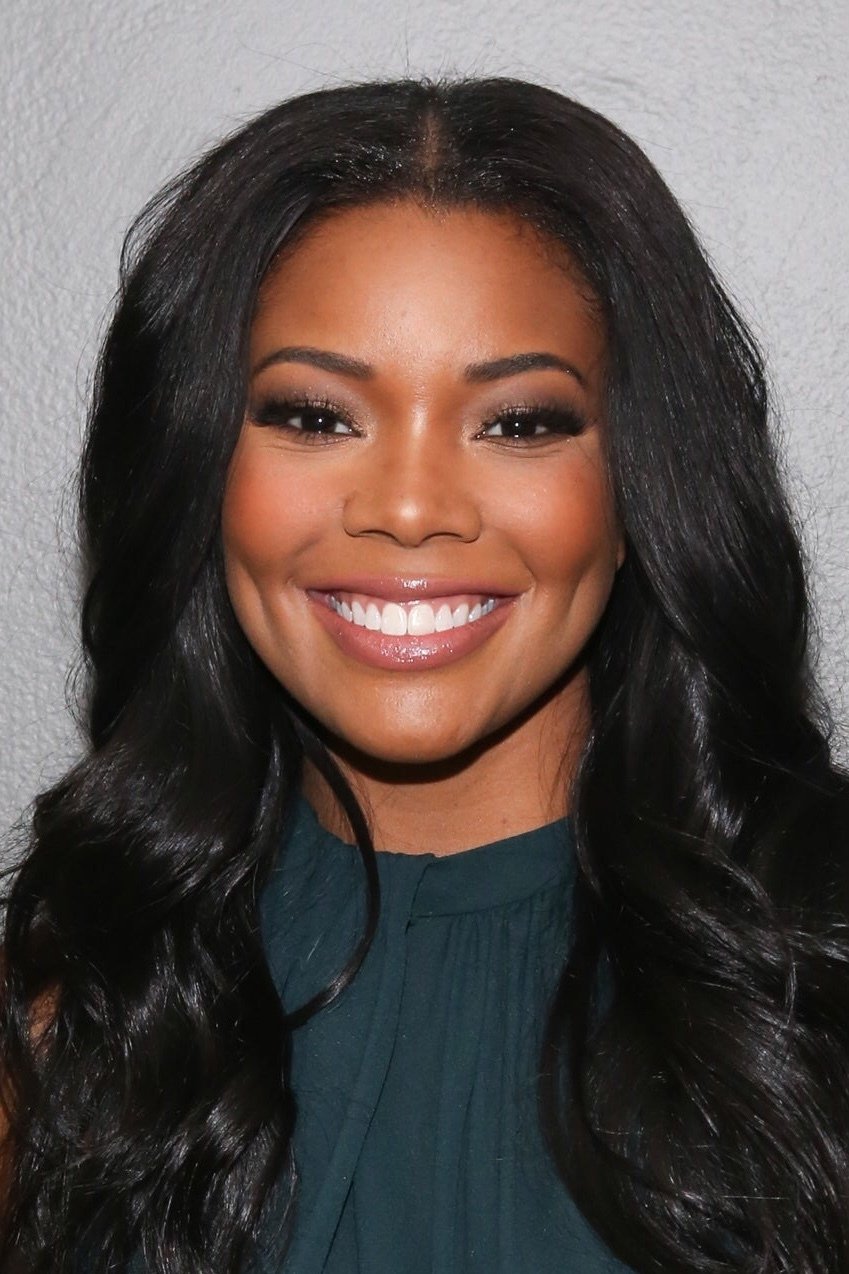
The actress gained attention after publicly discussing her negative experiences with the work environment on ‘Americas Got Talent’ and why she left the show. She claimed the production team didn’t foster an inclusive atmosphere for people from diverse backgrounds. While some questioned her reasons for speaking out, many applauded her courage. Since then, she’s become a strong voice for fairness and better diversity in the workplace, and she continues to support other women in the entertainment industry.
Michael Jordan
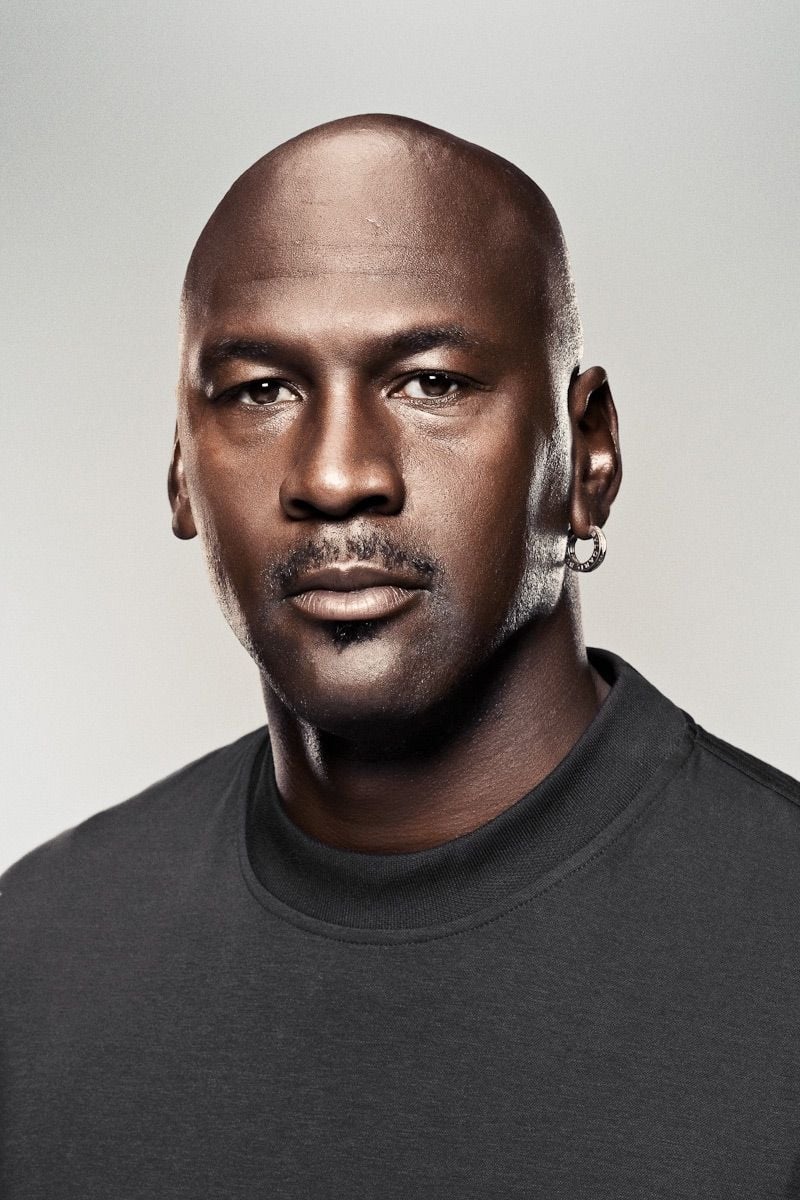
During his time as a basketball player, Michael Jordan often faced criticism for not speaking out on social and political issues. People frequently compared him to athletes like Muhammad Ali, who were known for their activism, and suggested Jordan prioritized his personal brand over helping his community. Jordan famously explained his reluctance by saying he didn’t want to alienate potential customers. After retiring from basketball, he became more open about social issues and donated large sums of money to related causes. However, his earlier silence still sparks discussion about the role of athletes as leaders and advocates.
Barack Obama
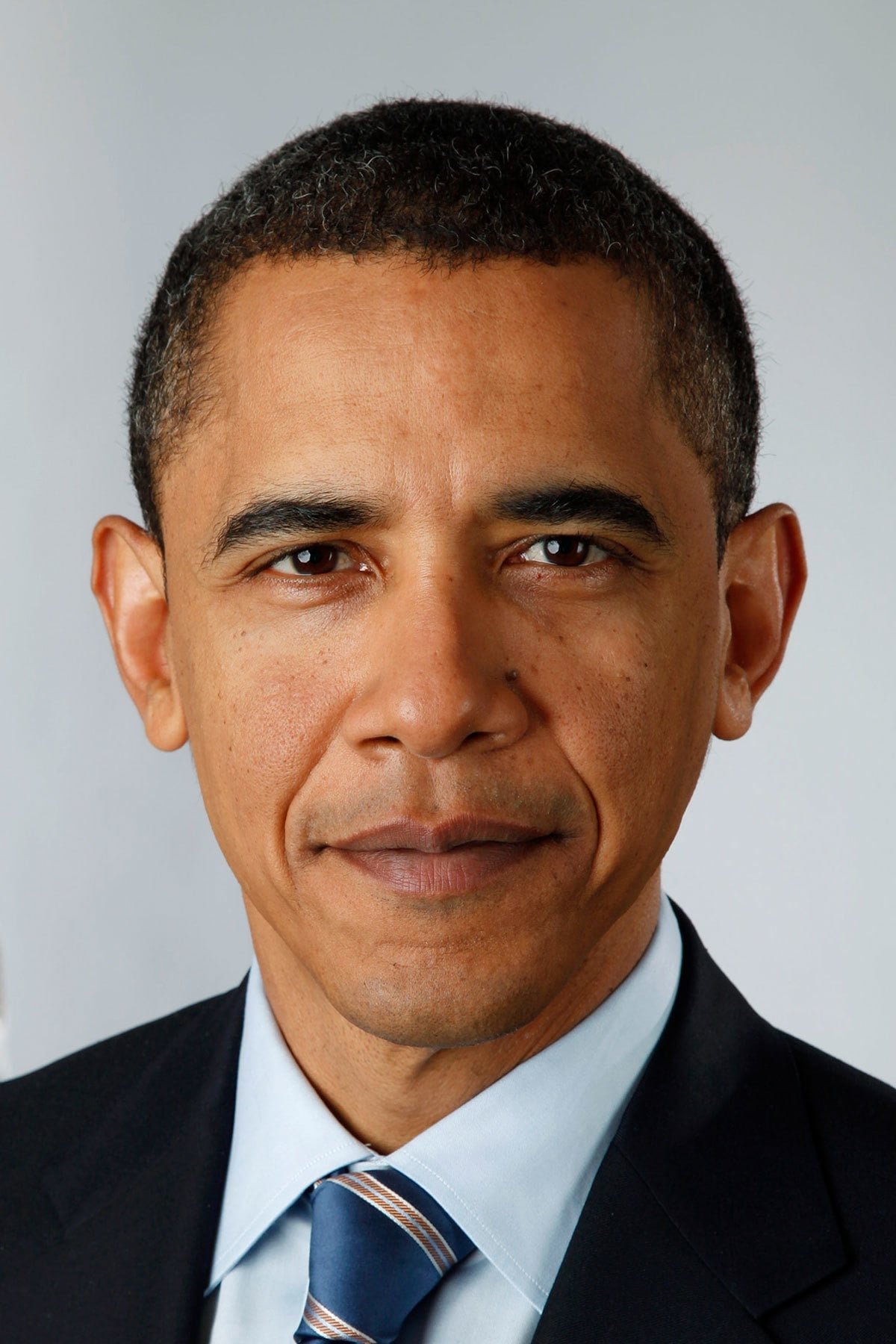
During his initial presidential campaign, questions arose about whether the former President truly understood the experiences of most Black Americans, with some suggesting his privileged background and education created a disconnect. He responded by sharing his personal history and highlighting his work helping communities in Chicago. Ultimately, he became the first Black president and continues to be a highly admired global figure, proving that leaders can come from all walks of life.
Clarence Thomas
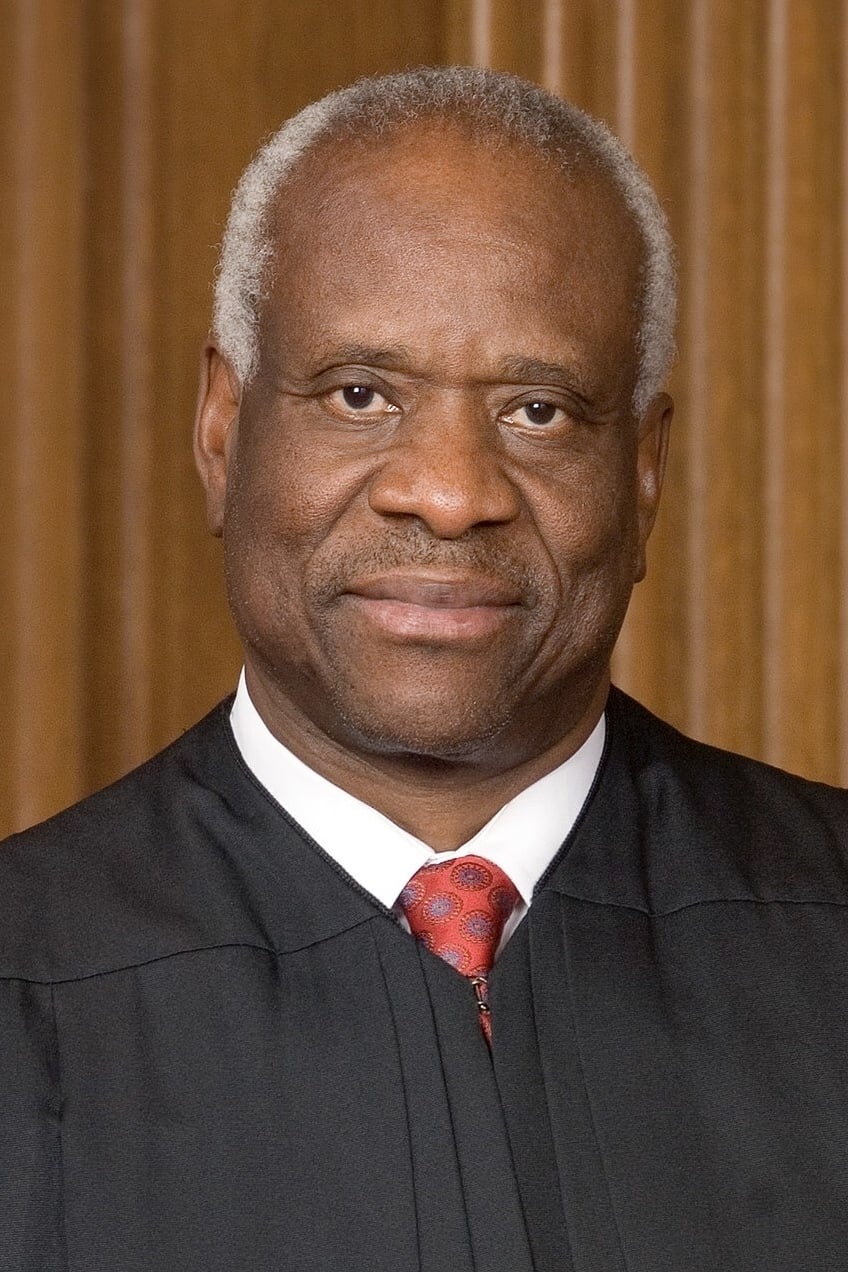
As a critic, I’ve observed Justice Thomas has been a deeply divisive figure for years, and it’s largely due to the strong reactions to his conservative legal stance from many Black leaders and citizens. The core of the issue seems to be that his decisions regarding civil rights and affirmative action often appear to run counter to the priorities of the Black community. He famously characterized his confirmation hearings as a ‘digital lynching’ – a harsh term he used to describe what he saw as unfair treatment of independent thinkers. Throughout it all, he’s consistently argued his rulings are rooted in a strict, originalist interpretation of the Constitution, not influenced by his own racial identity. This ongoing conflict has cemented his place as one of the most polarizing figures in American legal history, and it’s a tension that continues to play out in our national conversation.
Colin Powell
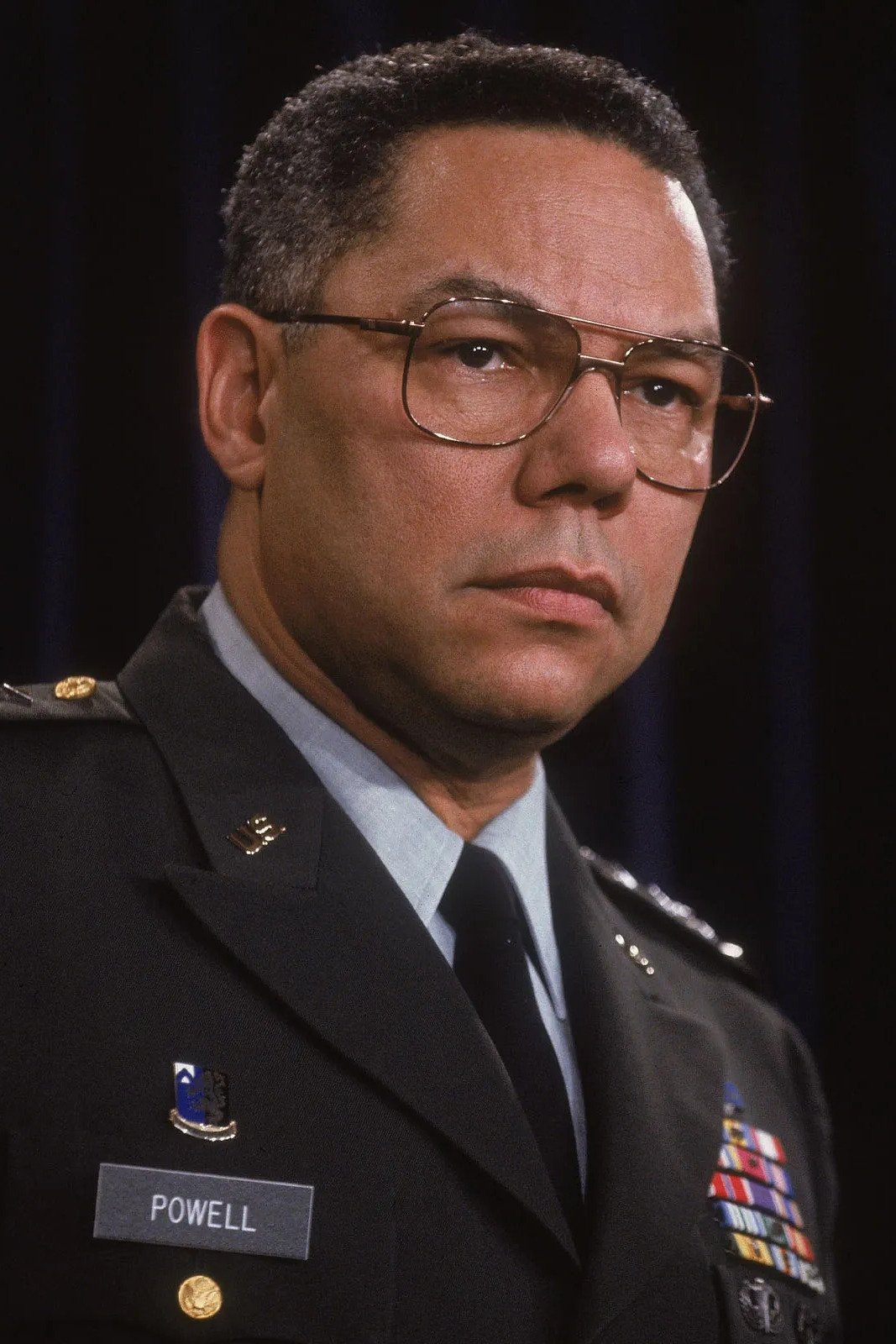
Colin Powell, a highly respected former General and political leader, faced criticism during his time in government for policies some felt harmed the Black community. Some activists believed he publicly supported initiatives that didn’t help his own community. Powell maintained he was dedicated to serving his country and upholding military values. Later in life, he openly challenged certain political choices and pushed for greater inclusivity. Despite this criticism, he is widely remembered as a groundbreaking figure in both government and the military.
Idris Elba
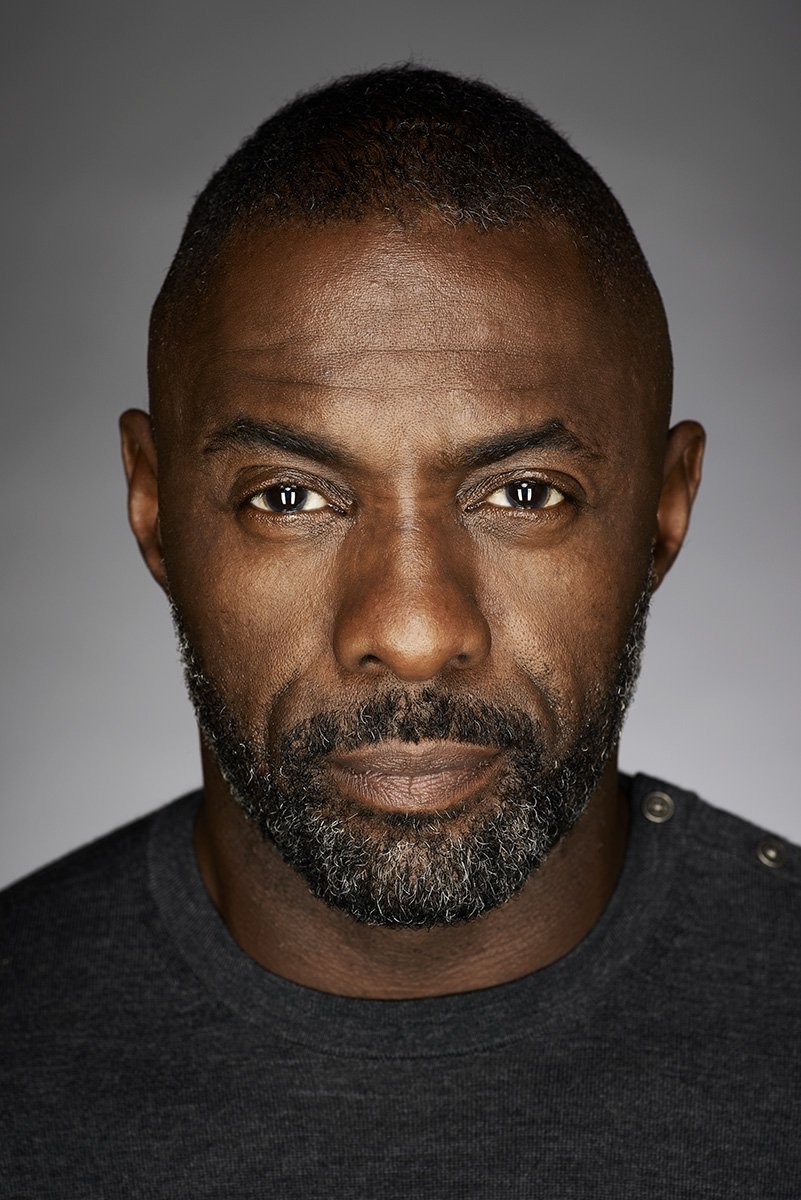
Idris Elba, a British actor, has received some criticism for playing roles historically intended for African American actors. Some people feel he should concentrate on British roles and allow American actors those opportunities. Elba has countered by explaining that the Black experience is shared globally and that, as a professional actor, he’s capable of portraying diverse characters. He’s also been the subject of discussion regarding his potential to be the first Black James Bond. Despite the debate, he remains a highly successful and in-demand actor worldwide.
Share your perspective on these public debates in the comments.
Read More
- 20 Movies Where the Black Villain Was Secretly the Most Popular Character
- Top 20 Dinosaur Movies, Ranked
- 25 “Woke” Films That Used Black Trauma to Humanize White Leads
- Gold Rate Forecast
- Silver Rate Forecast
- Spotting the Loops in Autonomous Systems
- 22 Films Where the White Protagonist Is Canonically the Sidekick to a Black Lead
- Top 10 Coolest Things About Invincible (Mark Grayson)
- Can AI Lie with a Picture? Detecting Deception in Multimodal Models
- Celebs Who Narrowly Escaped The 9/11 Attacks
2026-01-01 05:21