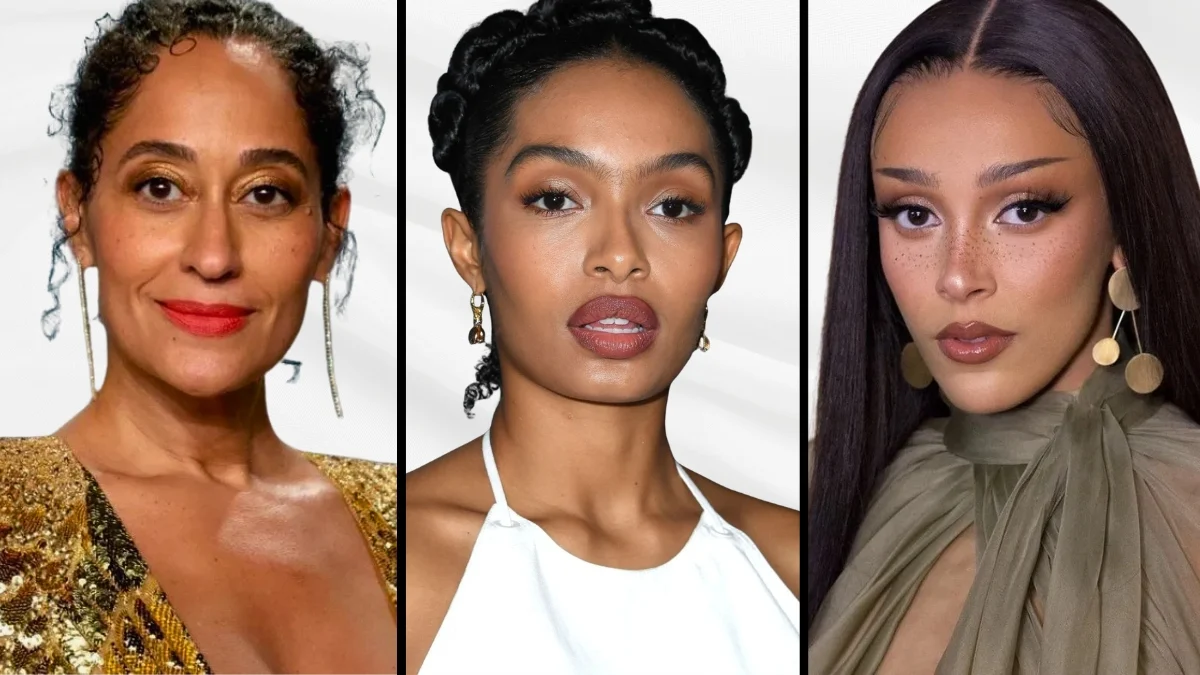
The idea that someone isn’t “Black enough” is a way of controlling who gets to be considered part of the Black community, and it often affects well-known people in entertainment and politics. This usually involves questioning someone’s background – whether they’re biracial, how they look, or where they come from – to suggest they aren’t truly Black. Many celebrities have shared how hurtful it is to have their identity publicly debated by fans and critics. These experiences show just how complicated racial identity can be and how diverse the Black community truly is.
Doja Cat
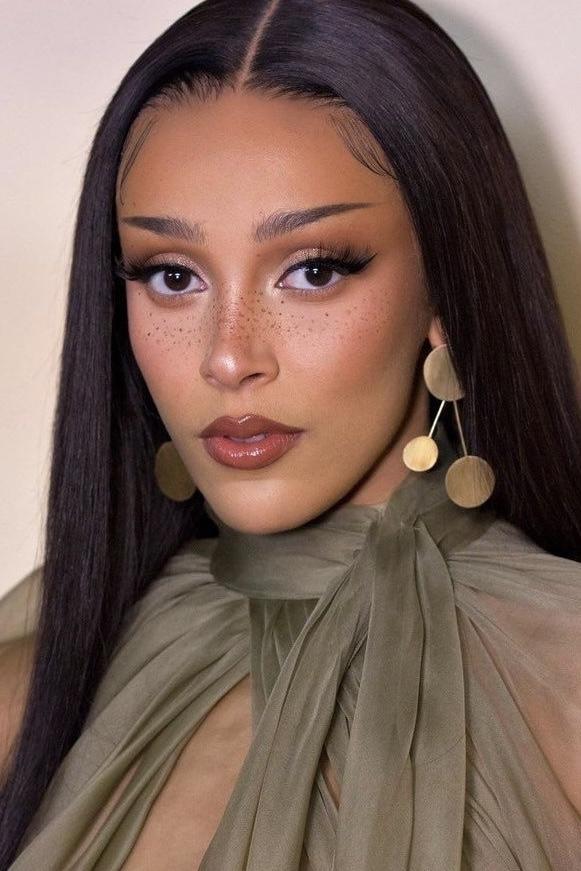
As Amala Ratna Zandile Dlamini, known professionally as Doja Cat, has become more famous, she’s repeatedly faced questions about her racial identity and how connected she is to Black culture. People online often challenge whether she’s being genuine, likely because she’s biracial and involved in various online communities. She’s addressed these criticisms by confidently stating who she is and emphasizing that she grew up surrounded by diversity. Discussions about her also frequently focus on her diverse musical style, with some suggesting it doesn’t fit traditional expectations for Black female artists.
Zendaya

Zendaya, known for her role in ‘Euphoria,’ has openly discussed the advantages she has as a light-skinned biracial woman working in Hollywood. She’s recognized that her appearance often makes her an easily accepted choice for roles requiring Black representation, which has sparked discussions about who gets to represent the Black community. Even while she uses her voice to support actresses with darker skin tones, she still faces criticism suggesting she doesn’t fully embody the Black experience. Zendaya continues to address these complex issues, acknowledging her unique position while staying true to herself.
Halle Berry
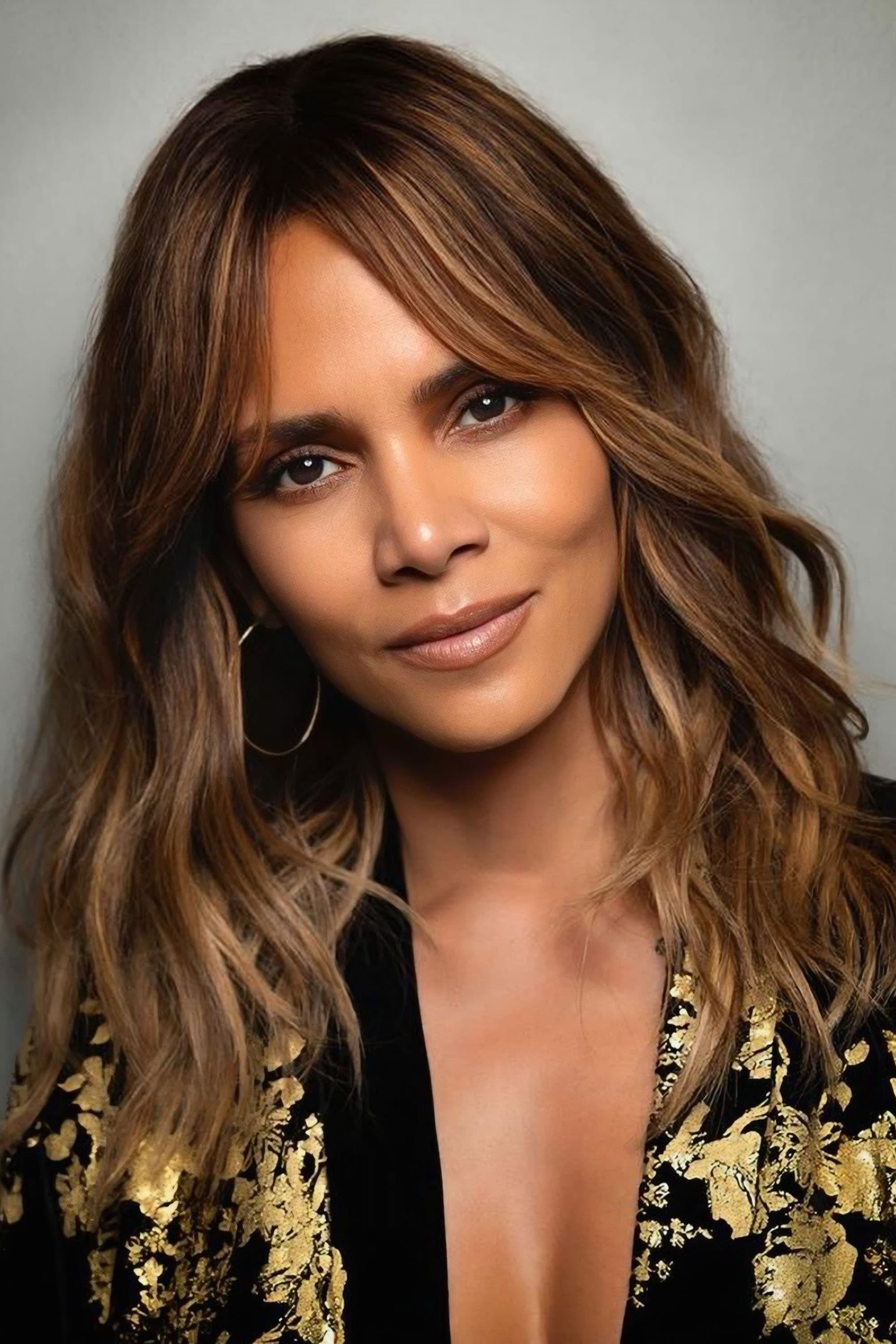
Halle Berry made history as the first Black woman to win an Academy Award for Best Actress, and she’s often been asked about being biracial. Early in her career, she faced scrutiny from both audiences and people in the film industry regarding her mixed heritage. She’s spoken about the difficulty of feeling like she belonged in two different worlds and how hard she worked to find her place. Despite her mixed background, Berry has always identified as a Black woman, recalling her mother’s guidance that society would see her that way regardless of her family history.
Drake
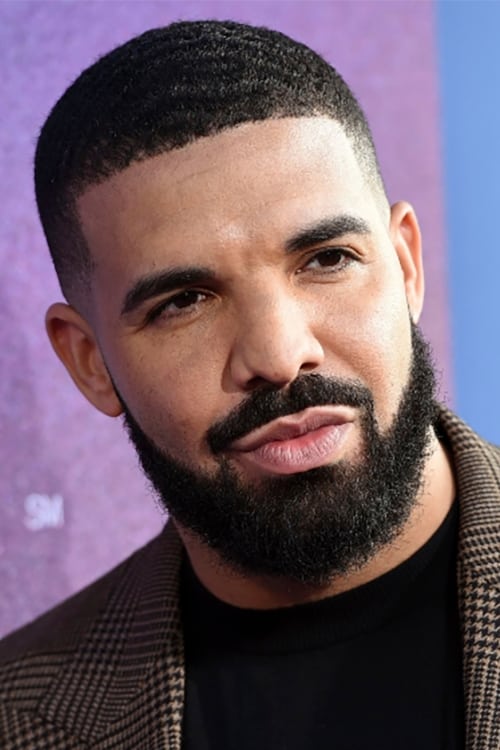
Drake, the popular Canadian rapper and singer, often faces criticism about how authentic he is and how his mixed racial background fits into hip-hop. People frequently bring up his comfortable upbringing in Toronto and his early acting career on ‘Degrassi’ as reasons to doubt his credibility. These arguments often imply he isn’t “Black enough” compared to other rappers who had different life experiences. Drake himself has responded to these criticisms in his music, frequently exploring the complexities of his identity and his incredible success.
Barack Obama
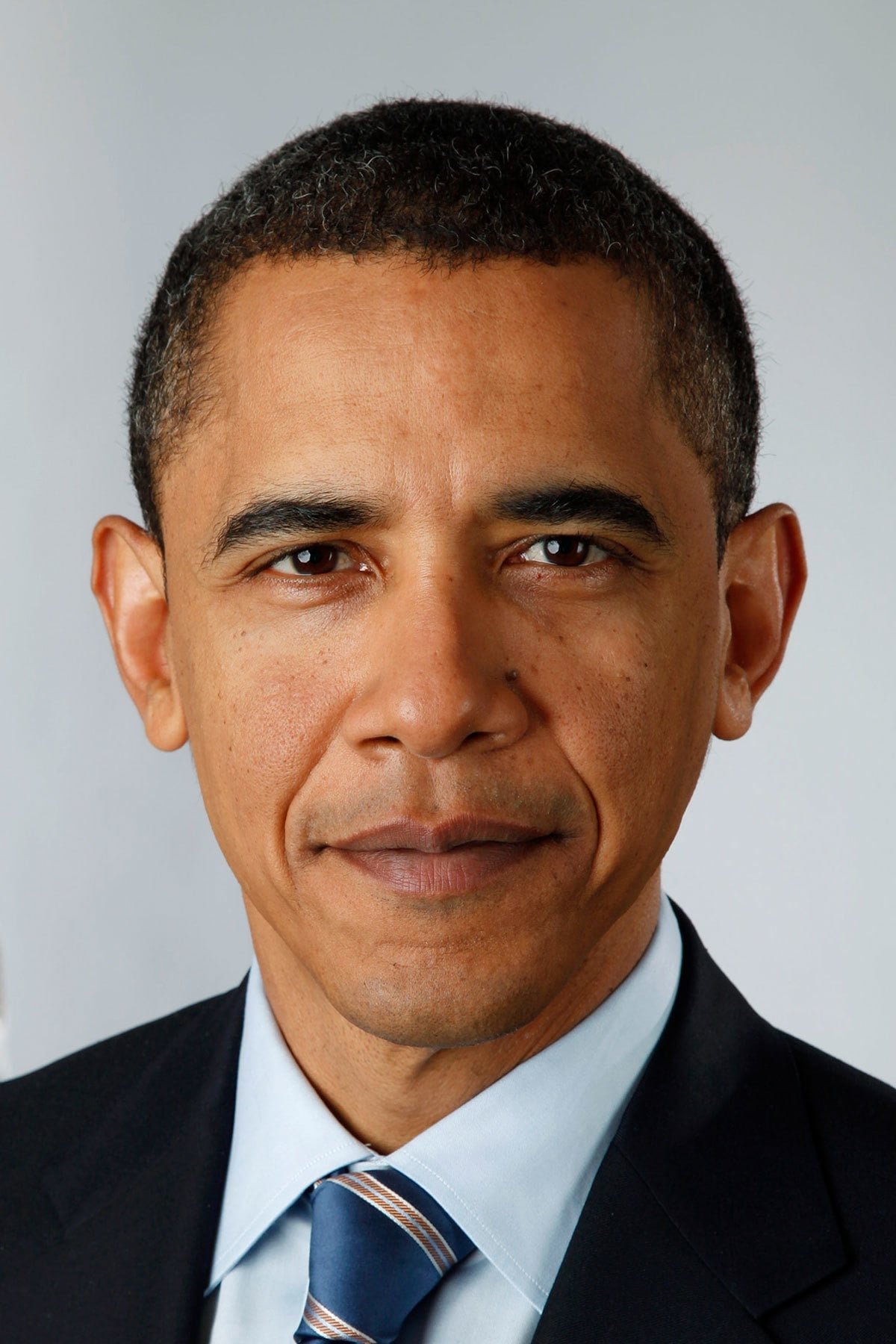
During his 2008 presidential campaign, some commentators questioned whether Barack Obama was authentically connected to the African American community. Because his father was Kenyan and his mother was white, they argued he wasn’t closely enough tied to the history of American slavery. These debates often overlooked his long record of community work in Chicago and his own statements about his identity. However, his election as president sparked a national discussion about what it means to be Black in America and how Black identity is changing.
Rashida Jones
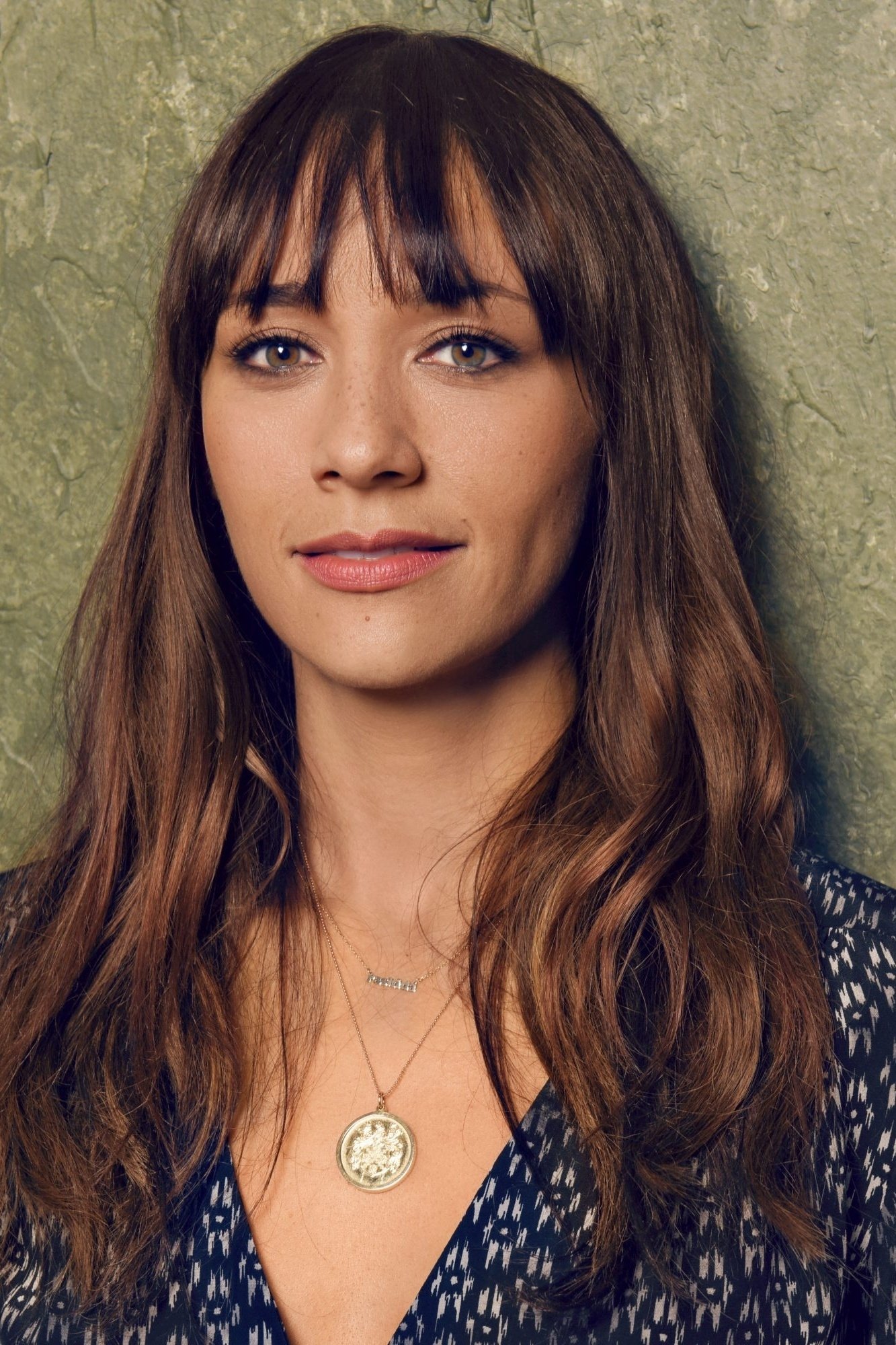
Rashida Jones, daughter of musicians Quincy Jones and actress Peggy Lipton, has frequently talked about how people often don’t immediately recognize her as Black. Throughout her career, she’s faced situations where her racial identity was ignored or questioned, both by the public and those casting roles. Jones has described the annoyance of always having to explain her family background and the feeling of not fully belonging. Her story sheds light on the unique difficulties biracial people encounter when their appearance doesn’t fit neatly into how society expects them to look.
Zoe Saldaña
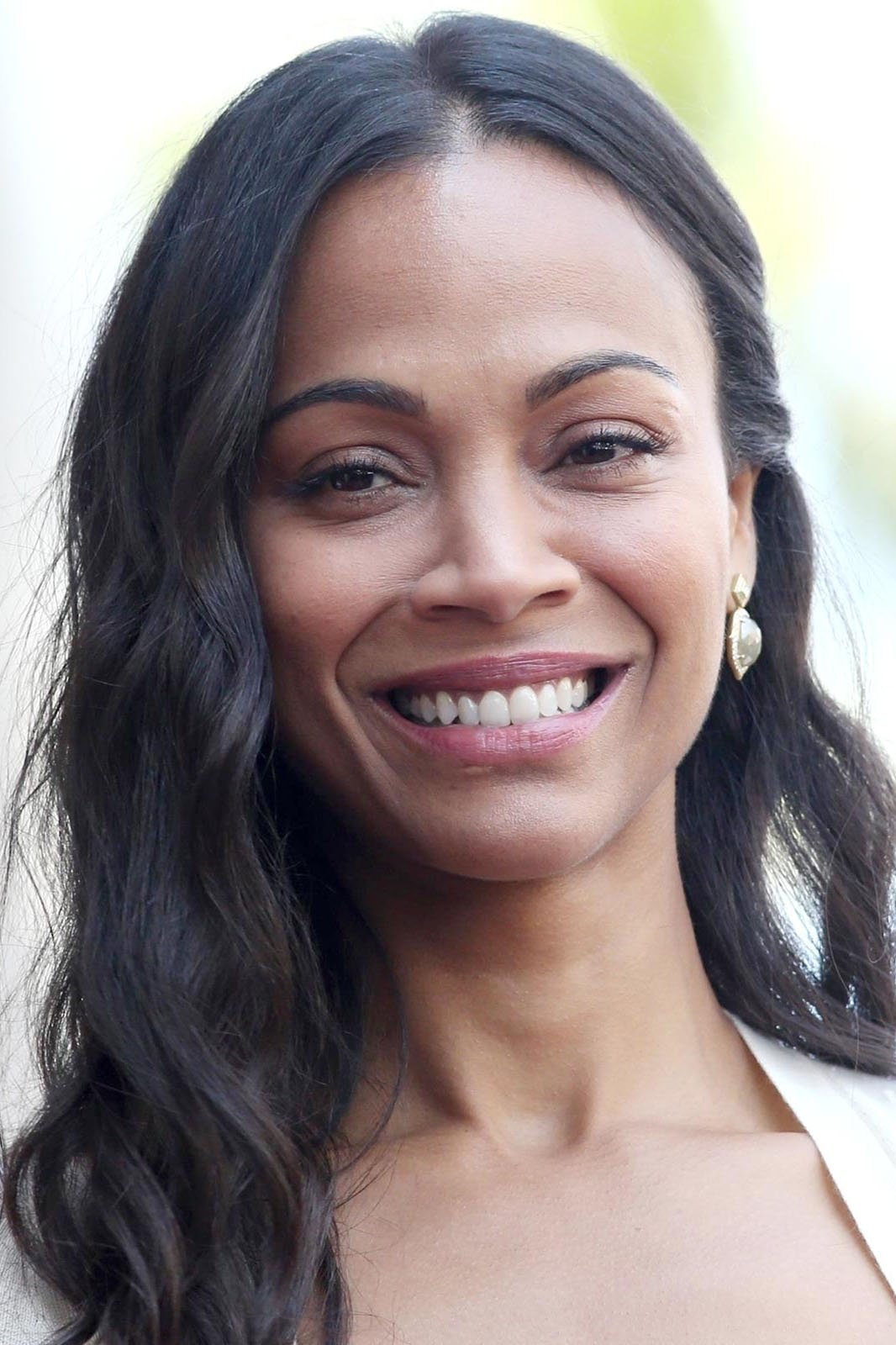
The casting of Zoe Saldaña, who is of Dominican and Puerto Rican heritage, as the iconic singer and activist Nina caused significant controversy. Many critics felt she wasn’t dark-skinned enough for the role and objected to the use of makeup to darken her skin. This led to a wider discussion about colorism – prejudice based on skin tone – and the lack of representation for darker-skinned Black women in film. Saldaña later said she wished she had pushed for a more appropriate casting decision, recognizing she had the power to do so.
Tracee Ellis Ross
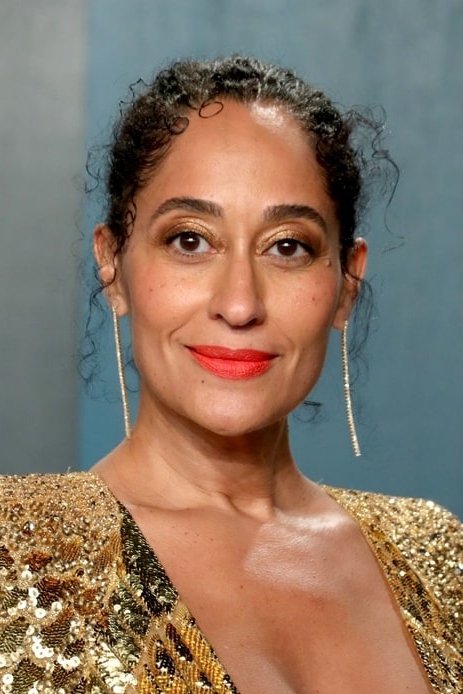
Tracee Ellis Ross, famous for her roles in shows like ‘Girlfriends’ and ‘Black-ish’, often talks about growing up as the daughter of Diana Ross and Robert Ellis Silberstein. Early in her career, she faced criticism for not being perceived as “Black enough” for some parts. Ross now uses her platform to speak out against the idea that there’s only one way to be Black, and to celebrate the many different experiences within the Black community. Her work frequently examines the unique challenges and complexities of being a biracial woman in America today.
Donald Glover
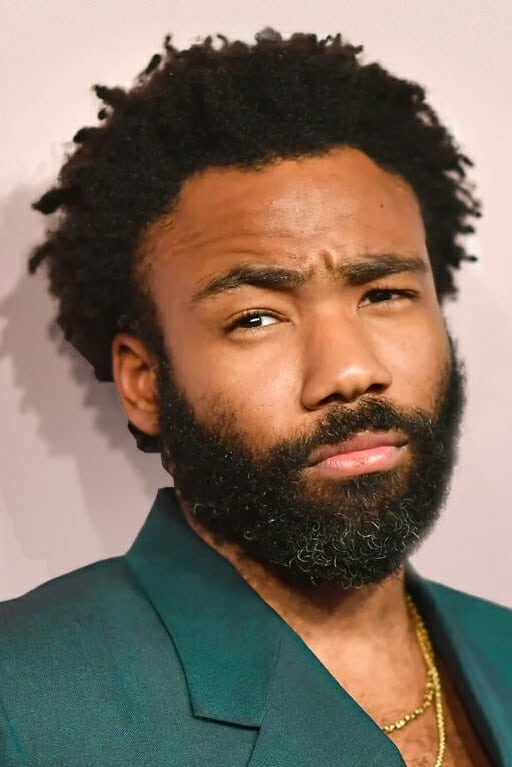
When Donald Glover first started out as a comedian and musician, he received criticism for being perceived as “nerdy” and coming from a typical suburban background. Some people accused him of trying to distance himself from Black culture by adopting interests and a style they saw as “white.” Glover directly responded to these criticisms through his music and TV appearances, pointing out how limiting those kinds of labels can be. He ultimately changed the conversation with his show ‘Atlanta,’ which has been widely praised for its realistic and unique portrayal of Black life.
Tiger Woods
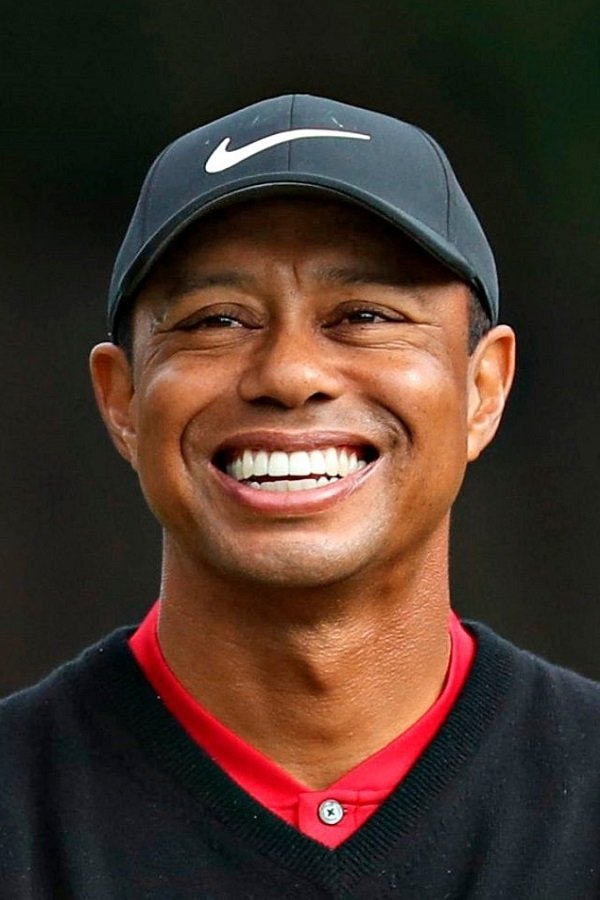
In 1997, golfer Tiger Woods created a lot of discussion when he coined the term “Cablinasian” to describe his mixed background – a blend of Caucasian, Black, Indian, and Asian ancestry. This choice, seen by some as a rejection of being solely identified as Black, drew criticism from those who believed he was separating himself from the Black community. Many argued that, regardless of his diverse heritage, society would still perceive and treat him as a Black man. Woods has consistently affirmed his multi-ethnic identity, while also recognizing his influence as a person of color in a sport traditionally dominated by white athletes.
Amandla Stenberg
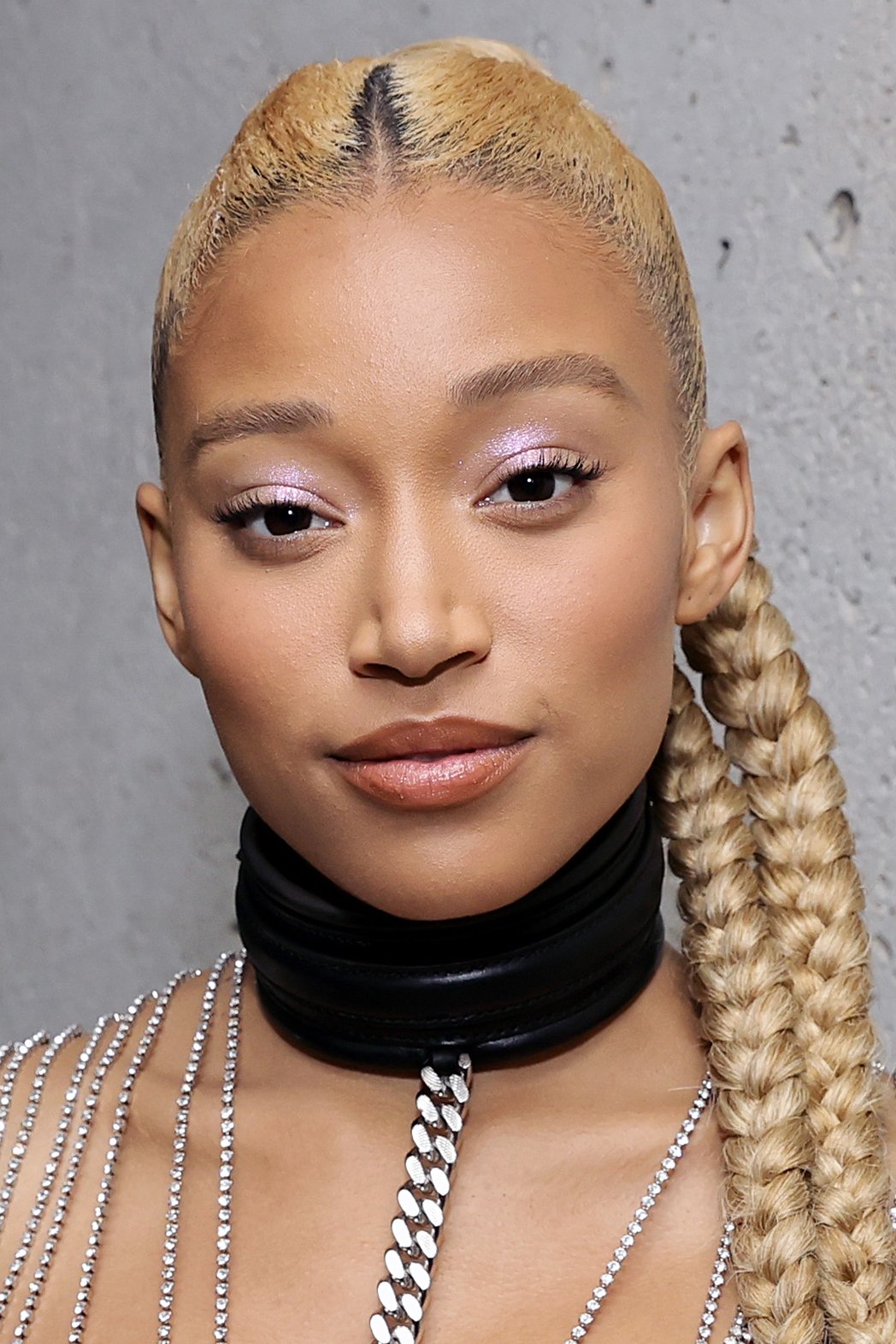
After Amandla Stenberg was cast in ‘The Hate U Give’, she received criticism because some readers had pictured the character as having darker skin. Some people accused her of benefiting from colorism and not being the right person to play the role, given the character’s experiences. Stenberg, who is biracial and identifies as non-binary, has openly discussed these kinds of issues and the need for diverse representation in media. She understands the challenges of being in her position within Hollywood, but remains committed to advocating for social justice and inclusivity.
J. Cole

This rapper often uses his music to delve into what it means to be biracial and feel like he doesn’t fully belong to one culture or another. He frequently addresses the doubts and pressures that come with not fitting the typical image in hip-hop. Throughout his career, people have commented on how his background shapes his music. Despite this, he’s become a highly respected artist, known for songs about overcoming challenges and celebrating Black achievement.
Yara Shahidi
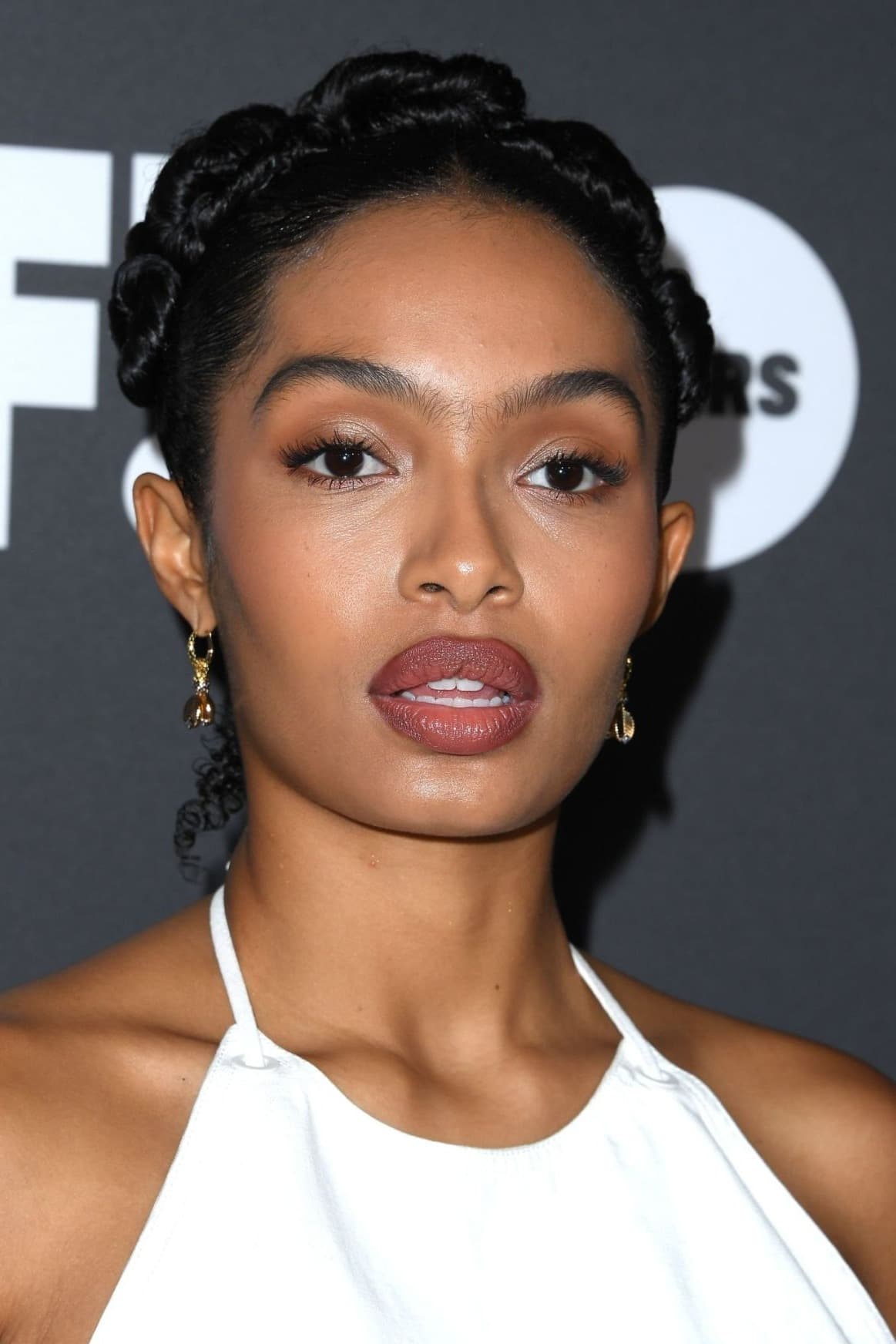
Yara Shahidi, known for her role on ‘Grown-ish,’ is a leading voice for her generation, but she’s also faced conversations about colorism. Some people have argued that her success is connected to her light skin and biracial background, suggesting she embodies a look favored by mainstream media. This has led to questions about whether she can authentically represent the diversity of the Black community. Shahidi has addressed these concerns by actively championing all Black voices and using her education to explore the complex relationship between race and society.
Boris Kodjoe
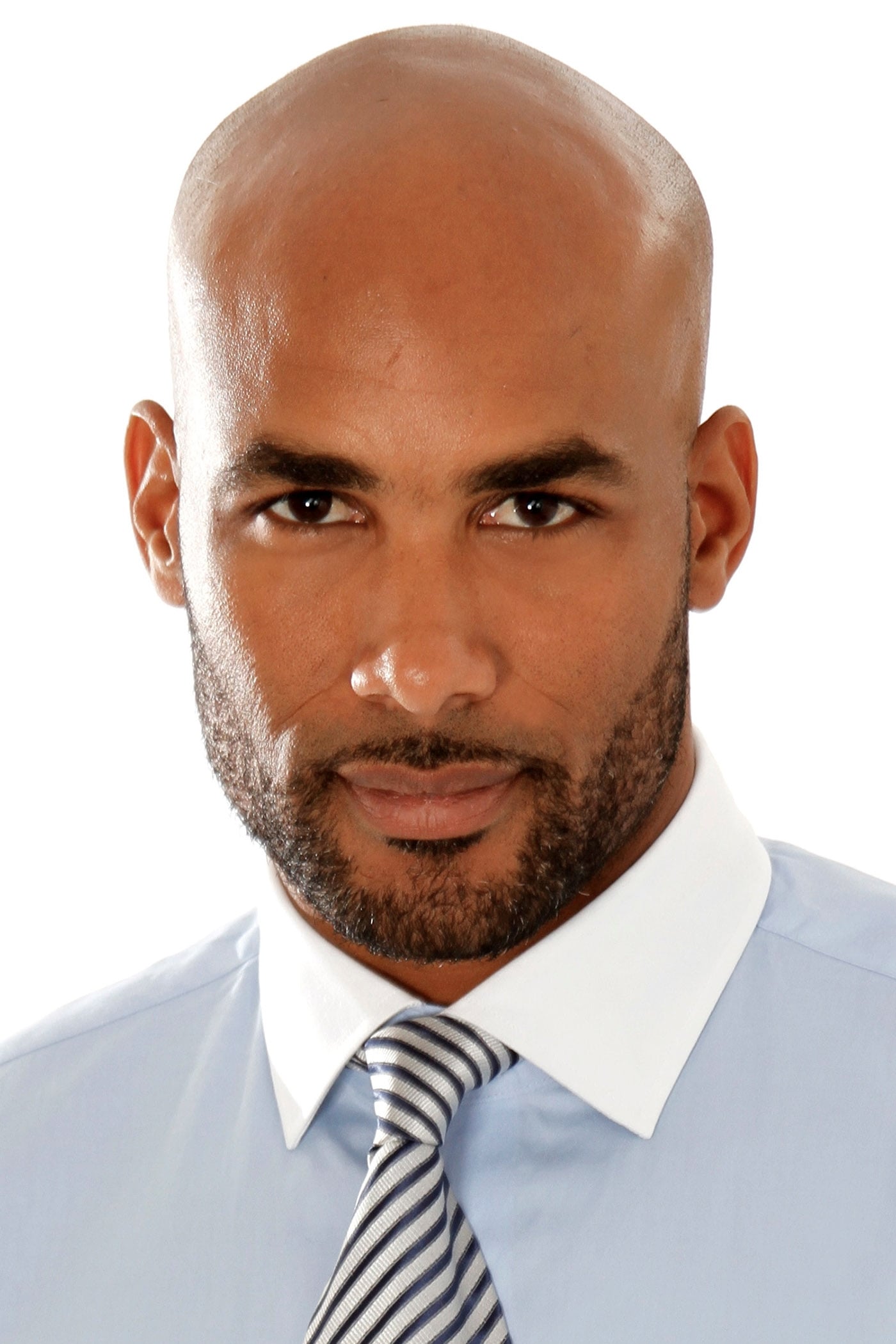
Boris Kodjoe, born in Germany to a Ghanaian father and German mother, has talked about the challenges he faced when he moved to the United States. Because of his accent and mixed heritage, some people struggled to see him as fully Black. He’s recounted instances where his identity was questioned during auditions for roles meant for African American actors. Despite these hurdles, Kodjoe has built a thriving career, frequently playing leading roles and proudly celebrating his diverse background.
Vanessa Williams
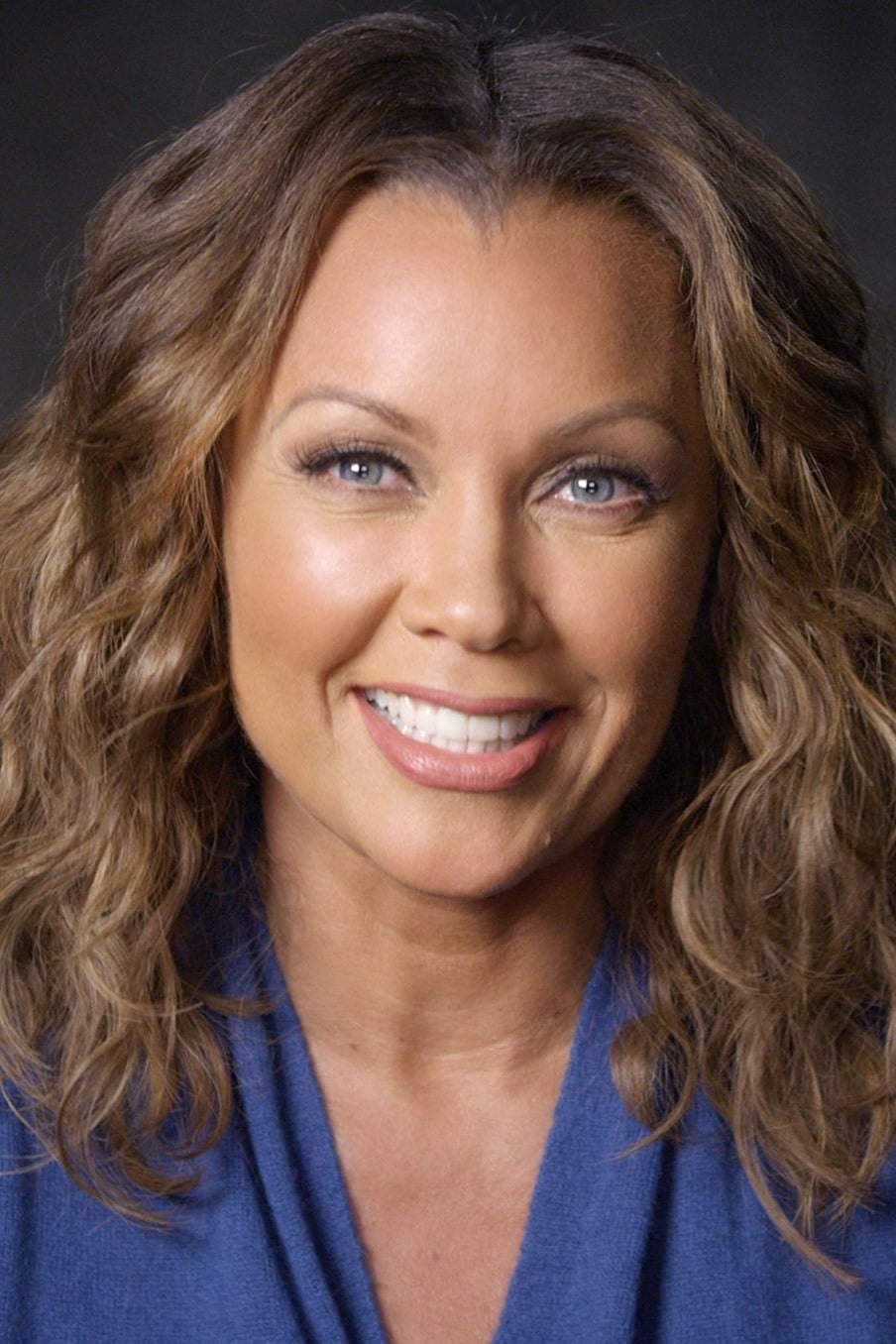
In 1983, Vanessa Williams made history as the first Black woman to win Miss America, but her win sparked controversy. Some within the Black community criticized her appearance, saying her lighter skin and eyes didn’t reflect the look of most Black women and that she was chosen because she appeared “whiter” to the judges. Despite this backlash and the resulting scandal, Williams went on to achieve great success as a singer and actress.
Thandiwe Newton

The British actress has openly discussed facing criticism for not being considered “Black enough” during her career in international films. She’s felt conflicted about the roles she’s received, pointing out that actresses with lighter skin tones often get more opportunities than those with darker skin. She’s also shared instances where people questioned her background and whether she truly represented the Black experience. She remains committed to pushing for more diversity in casting and continues to explore the nuances of her own identity.
Shemar Moore
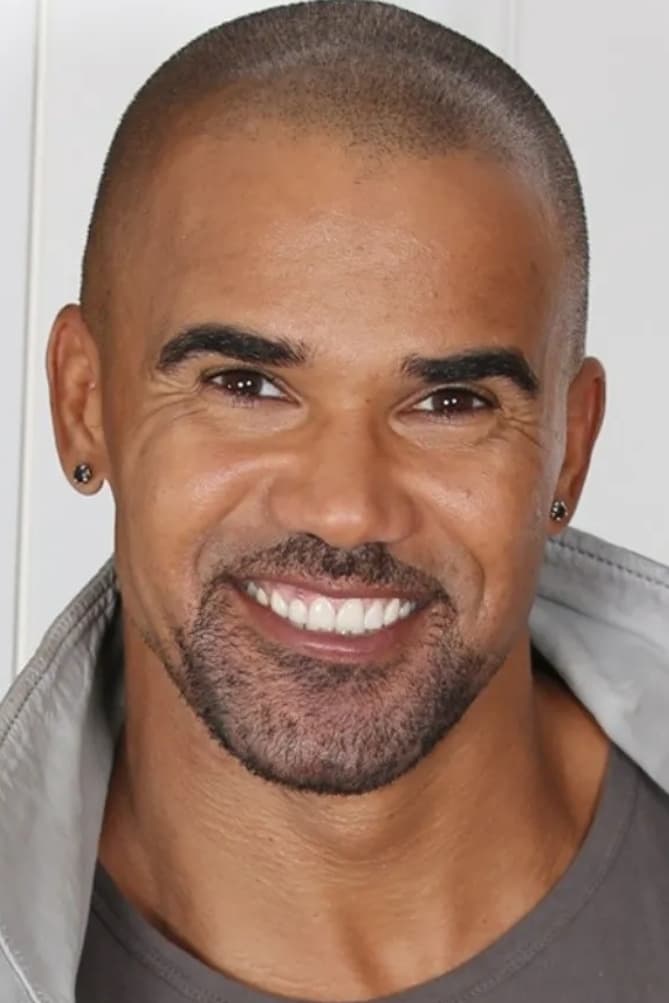
As a movie fan, I’ve always found it interesting how Shemar Moore talks about being typecast. He’s often discussed how people early in his career didn’t think he fit certain ‘tough’ or ‘urban’ roles, maybe because of how he looks. It seems like being biracial – his mom is white and his dad is Black – has meant he’s had to push back against expectations of what ‘Black enough’ looks like in Hollywood. It’s a conversation about how Black masculinity is often portrayed, and how he doesn’t always fit neatly into those boxes, which I really respect.
Eartha Kitt
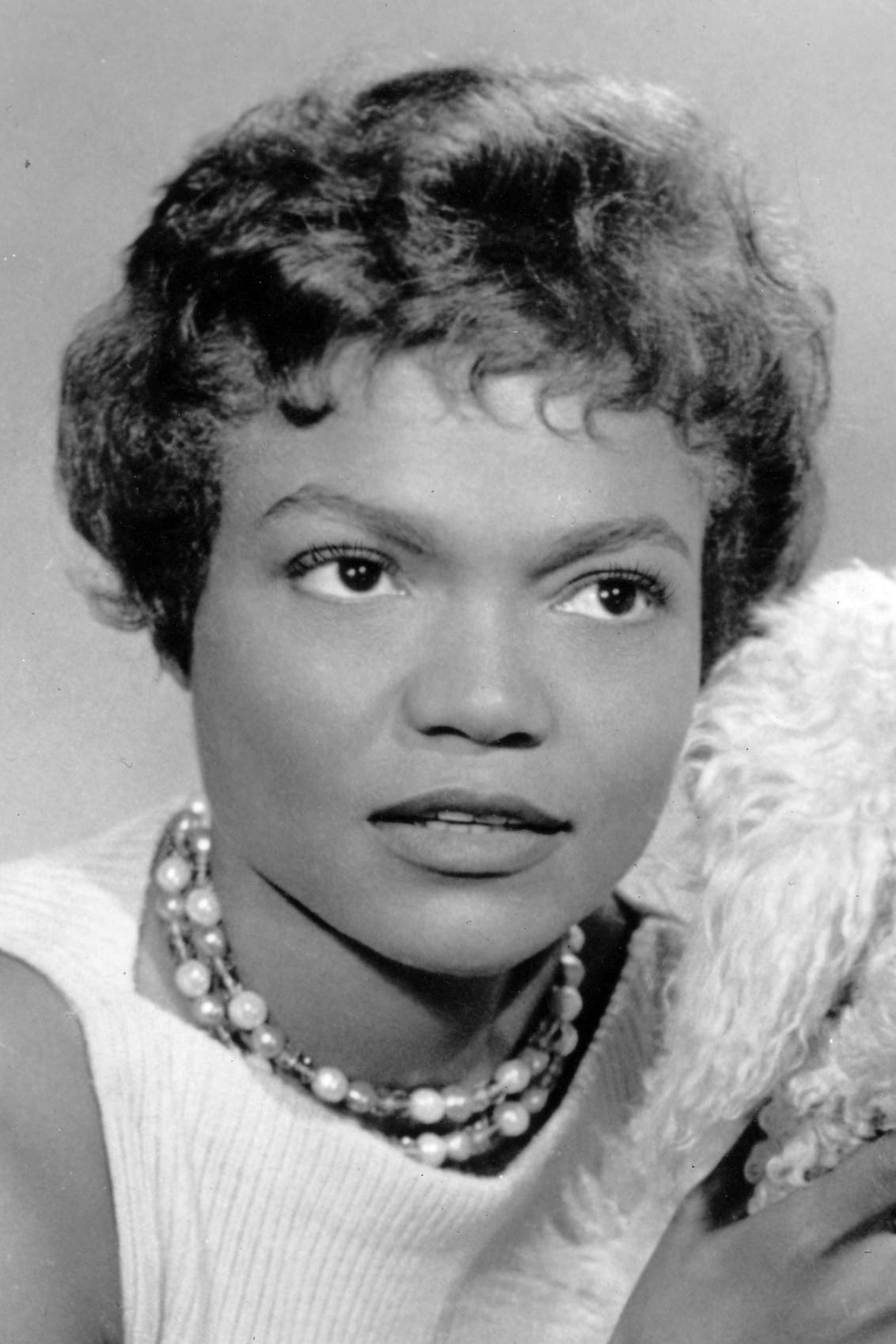
The celebrated performer faced a lot of criticism throughout her career because of her diverse heritage and her refined, international style. Some critics accused her of being too European or not supportive enough of the civil rights movement at the time. Eartha Kitt, who was of Cherokee, German, and African ancestry, often felt like an outcast. For decades, she was targeted with unfair criticism simply for refusing to fit into society’s expectations of how a Black woman should act and speak.
Trevor Noah
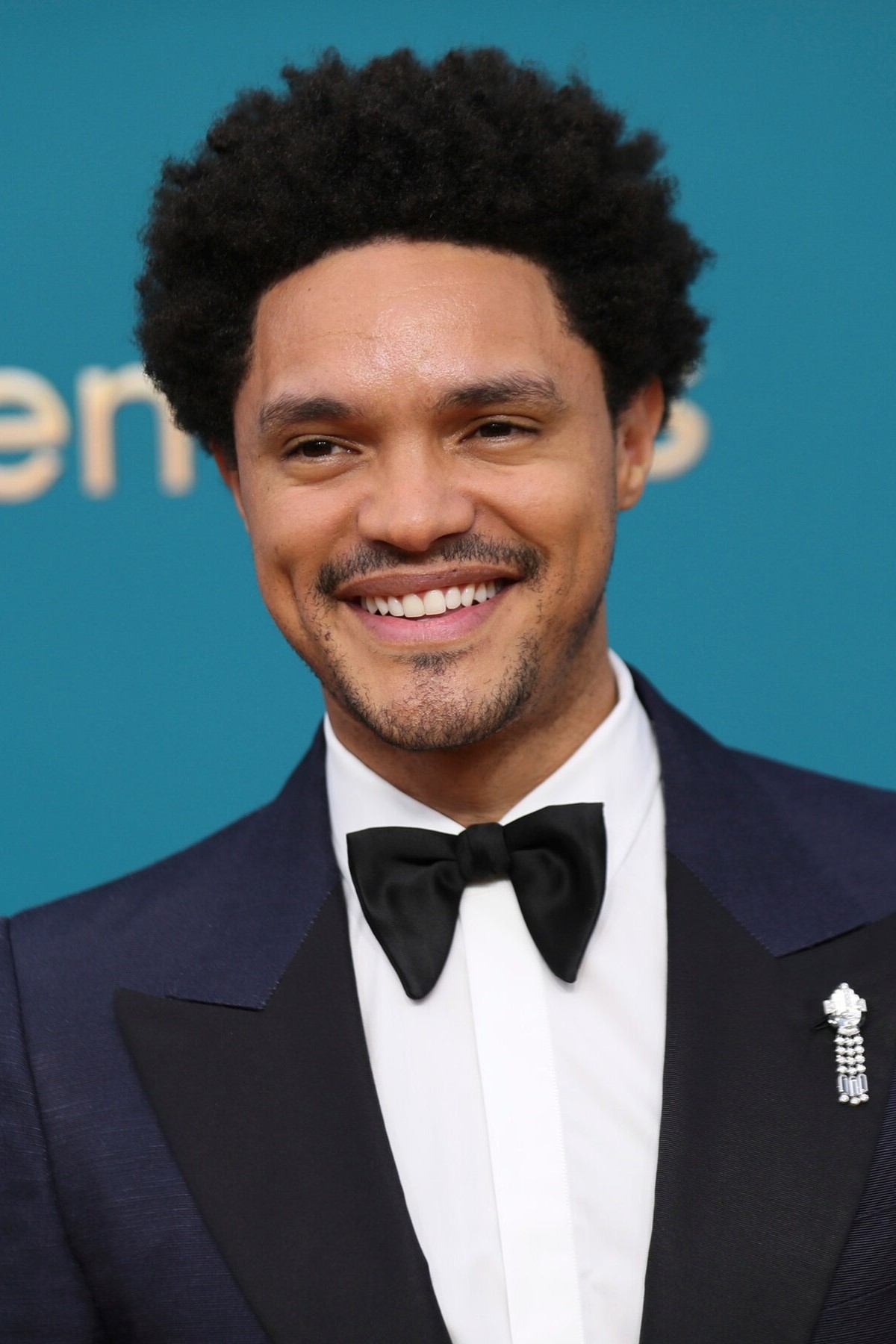
I recently learned more about Trevor Noah’s fascinating background, and it really adds another layer to his comedy. Born in South Africa during apartheid to a Black mother and a white father, he experienced a completely different world growing up than most American comedians. When he came to the US, he found that being South African didn’t quite fit into America’s understanding of race, and he’s talked openly about being told he wasn’t ‘Black enough,’ especially within hip-hop culture. It’s amazing how this unique perspective allows him to offer such insightful commentary on racial issues around the globe, even while he’s personally grappling with questions of identity and belonging. It’s a really compelling story that informs his work in a powerful way.
Meghan Markle
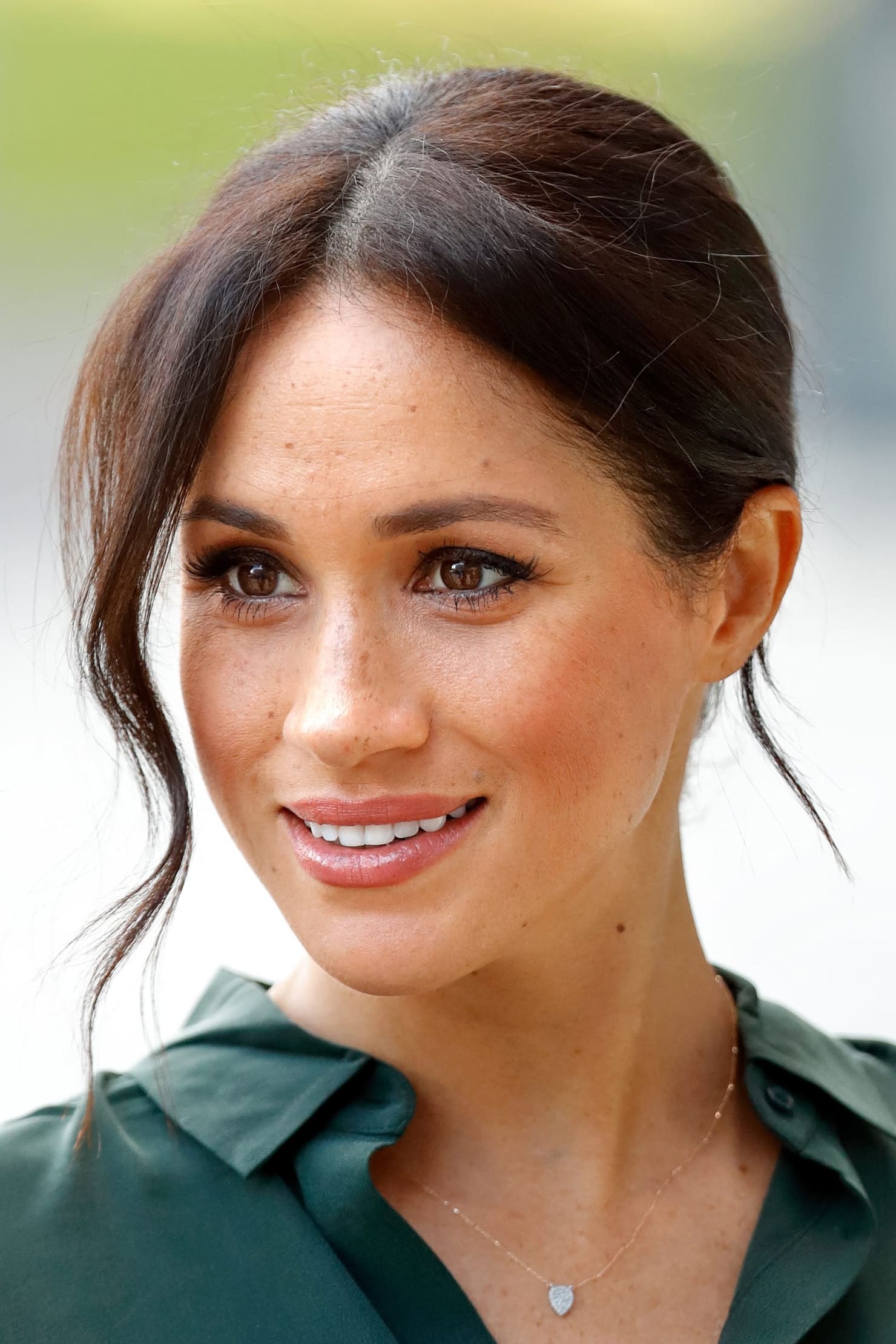
Meghan Markle has faced significant public attention and criticism regarding her racial background since joining the British Royal Family. This includes both overt racism and questions about how authentically she identifies as Black, due to her skin tone and previous life experiences. Some have even suggested she only emphasized her Black identity when it became an issue within the royal family. Markle has responded by openly discussing her experiences as a biracial woman and the challenges of feeling like an outsider in various cultures.
Please share your thoughts on these celebrities and the narratives they face in the comments.
Read More
- Gold Rate Forecast
- Invincible Season 4 Gender Swaps Tech Jacket As Fans Question Major Comic Change
- Silver Rate Forecast
- 22 Films Where the White Protagonist Is Canonically the Sidekick to a Black Lead
- Unveiling the Schwab U.S. Dividend Equity ETF: A Portent of Financial Growth
- 14 Movies Where the Black Character Refuses to Save the White Protagonist
- The Best Former NFL Players Turned Actors, Ranked
- Why Won’t It Just *Do* What You Ask? Unpacking the Quirks of AI Language
- Superman Flops Financially: $350M Budget, Still No Profit (Scoop Confirmed)
- ONE PIECE Season 2 Confirms Sanji’s OTHER Backstory in the Live-Action
2026-03-19 02:27