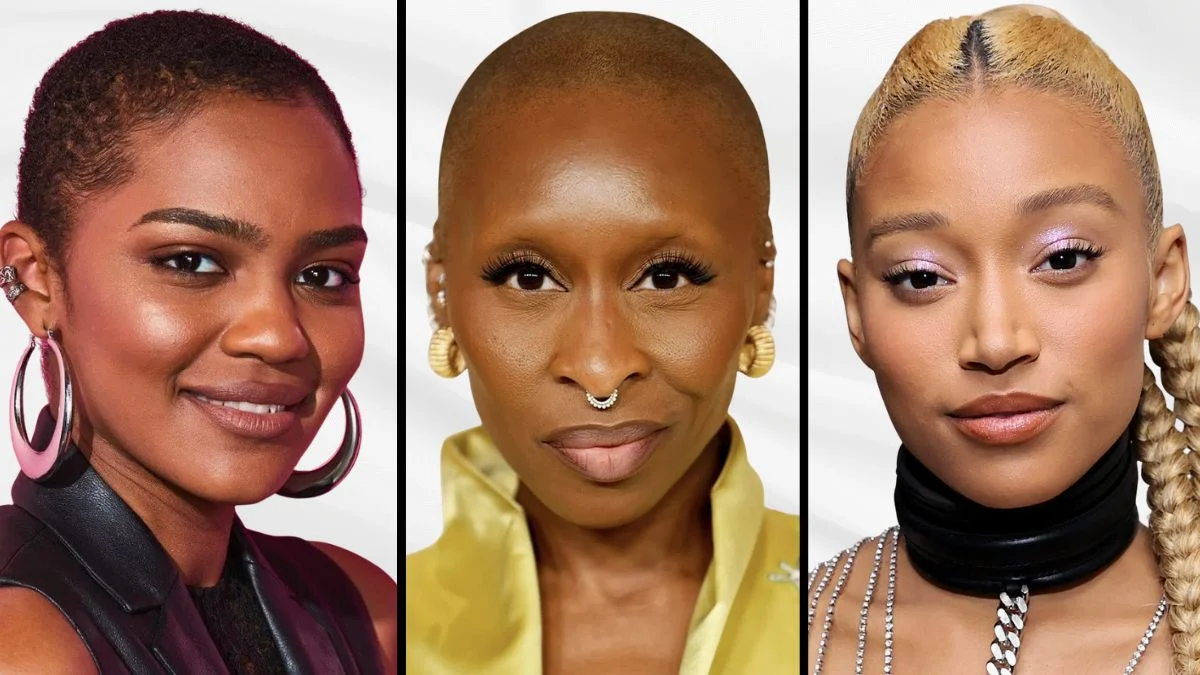
For Black actresses, the entertainment industry has always been a mix of incredible success and difficult challenges. Many have become Hollywood stars, but they’ve also faced specific obstacles because of their race and who they are. This list shares the stories of women who have experienced racism and harassment during their careers, showing the larger fight for fairness and the strength it takes to succeed in the spotlight.
Amandla Stenberg
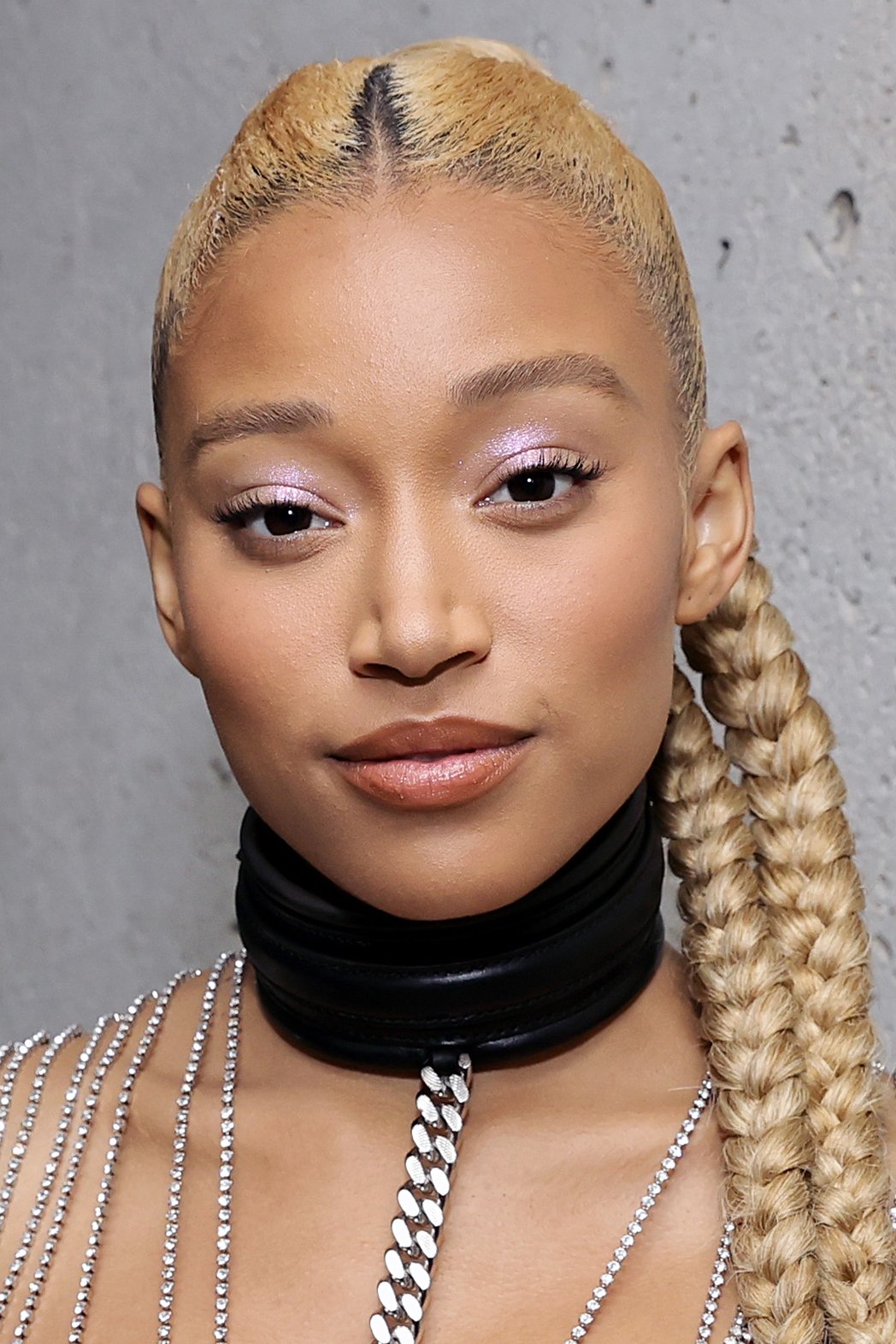
Amandla Stenberg experienced racism early in her career, starting with the backlash she received for playing Rue in ‘The Hunger Games’ – some fans were upset the character was portrayed by a Black actress. She faced similar criticism in later roles, including in ‘The Hate U Give’ and ‘The Acolyte’. Instead of being discouraged, Stenberg has consistently used these moments as opportunities to raise awareness about social justice and racial identity. Throughout her work, she’s dedicated to telling stories that push boundaries and challenge traditional thinking.
Angela Bassett
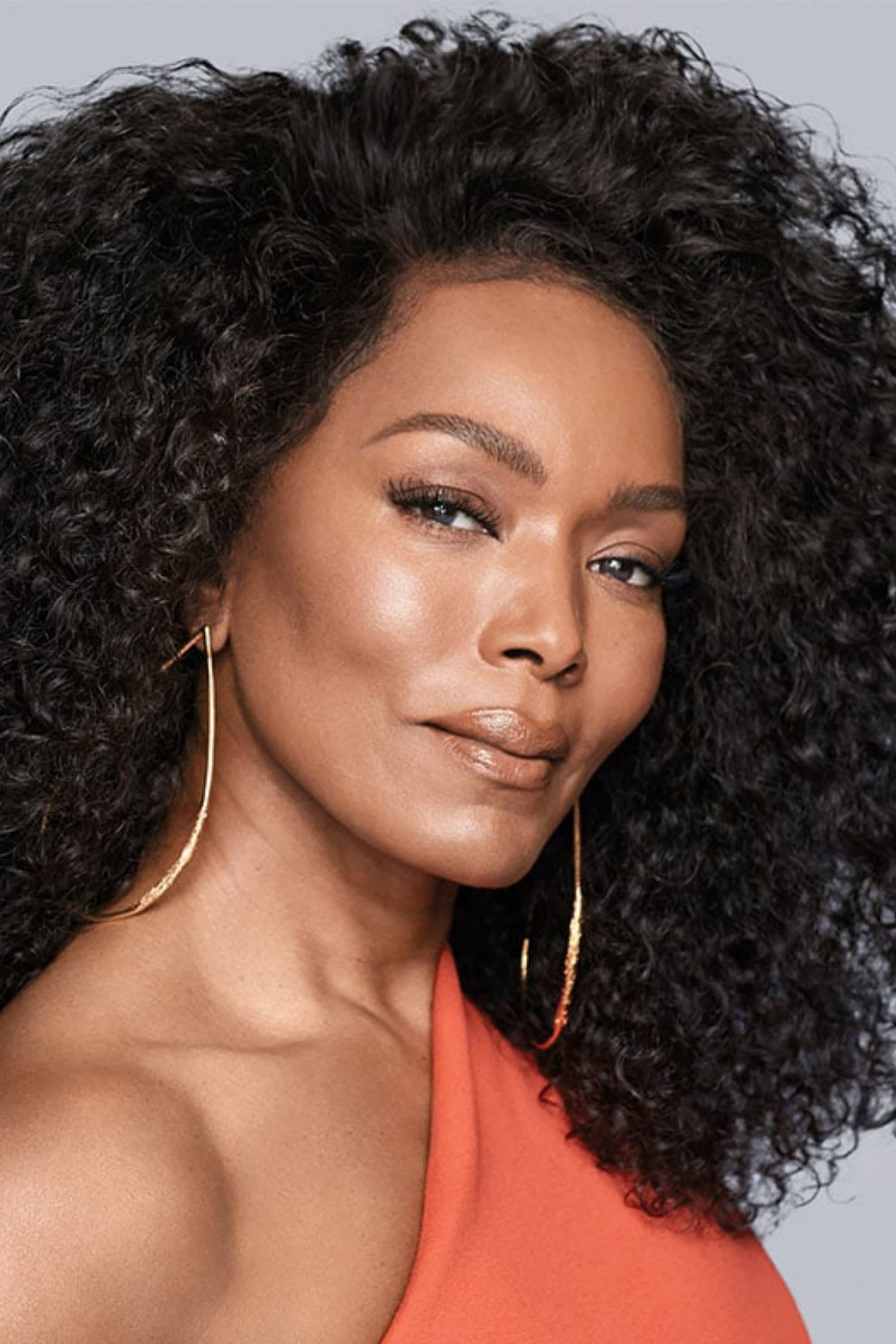
Angela Bassett has often talked about the challenges she faced trying to become a major star in Hollywood. Even after her powerful performance in ‘What’s Love Got to Do with It,’ she found fewer opportunities than many of her colleagues. Bassett has described the pressure to fit a certain mold in an industry that didn’t always appreciate her range as an actress. She’s used her position to push for more diverse and meaningful roles for Black women. Her long and successful career proves her resilience and commitment to her craft.
Anna Diop
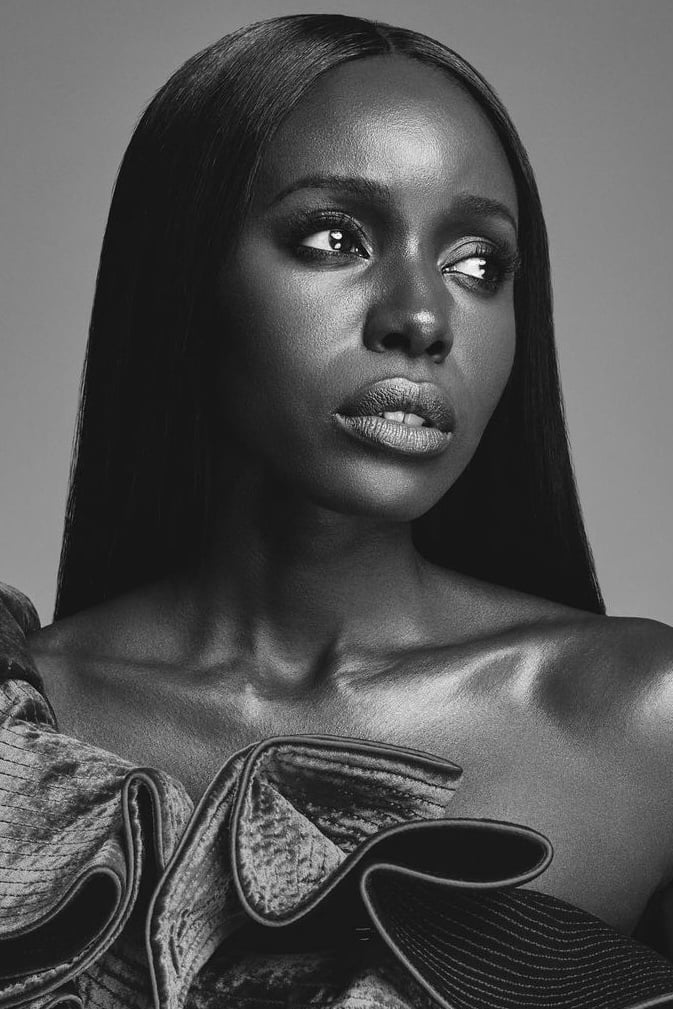
When Anna Diop was cast as Starfire in ‘Titans’, she faced a lot of hateful online harassment. The actress had to turn off comments on her social media accounts due to the overwhelming number of racist messages about her appearance. Despite this, Diop remained professional and dedicated to her portrayal of the character. She later thanked the supportive fans who defended her against the negativity. Ultimately, her work on the show demonstrated her ability to handle toxic fan reactions and deliver a compelling performance.
Aunjanue Ellis-Taylor
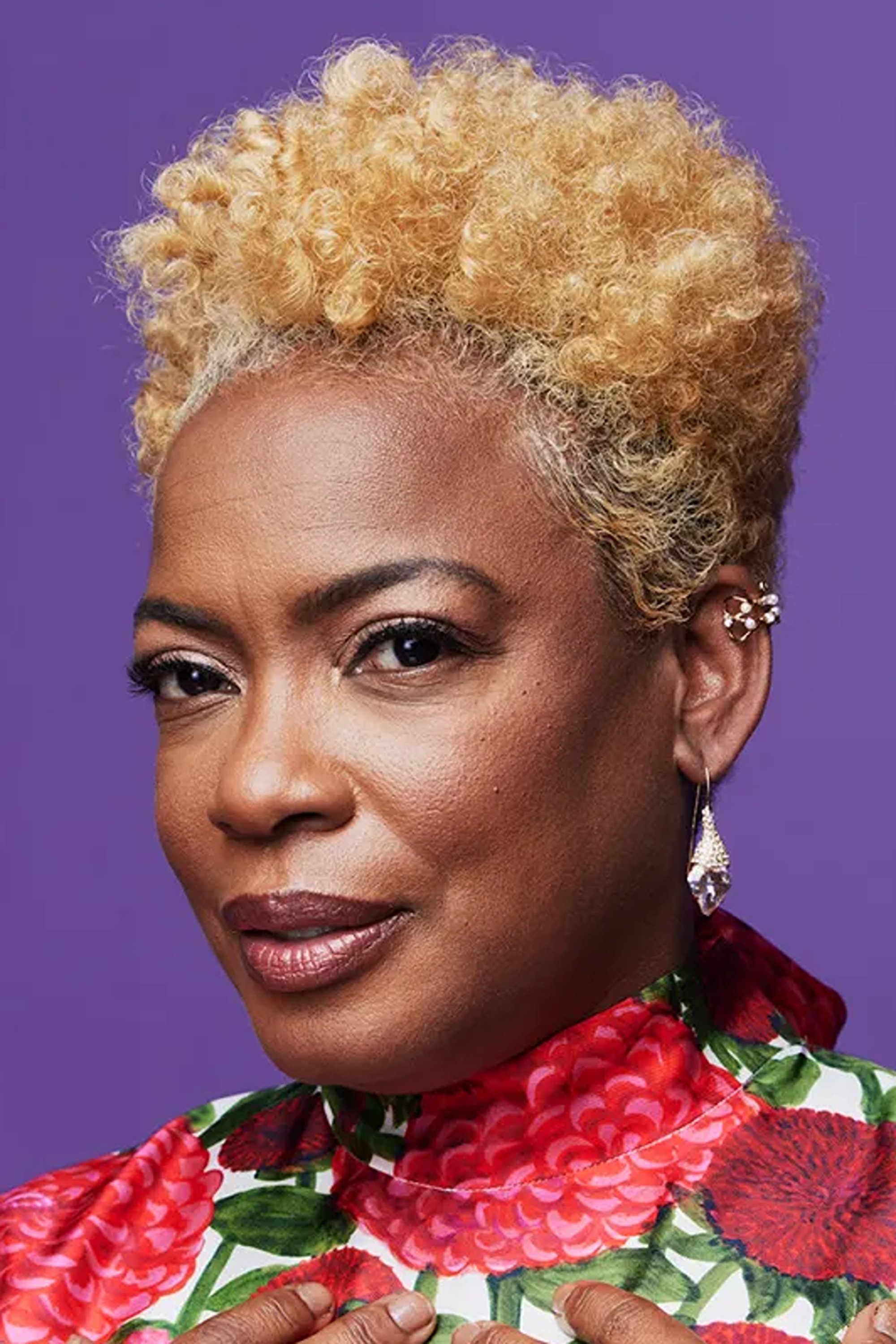
I’ve been consistently impressed by Aunjanue Ellis-Taylor, not just as an actress, but as an advocate. She’s been really open about the challenges Black actresses face in Hollywood – how often their work isn’t truly valued. It’s powerful to see her use her platform to shine a light on forgotten Black historical figures. And her performances, especially in films like ‘King Richard’ and ‘Origin,’ are just phenomenal – she’s rightfully getting the recognition she deserves. What I admire most is her unwavering commitment to ensuring Black women’s stories are told with the respect and honesty they deserve.
Ayo Edebiri
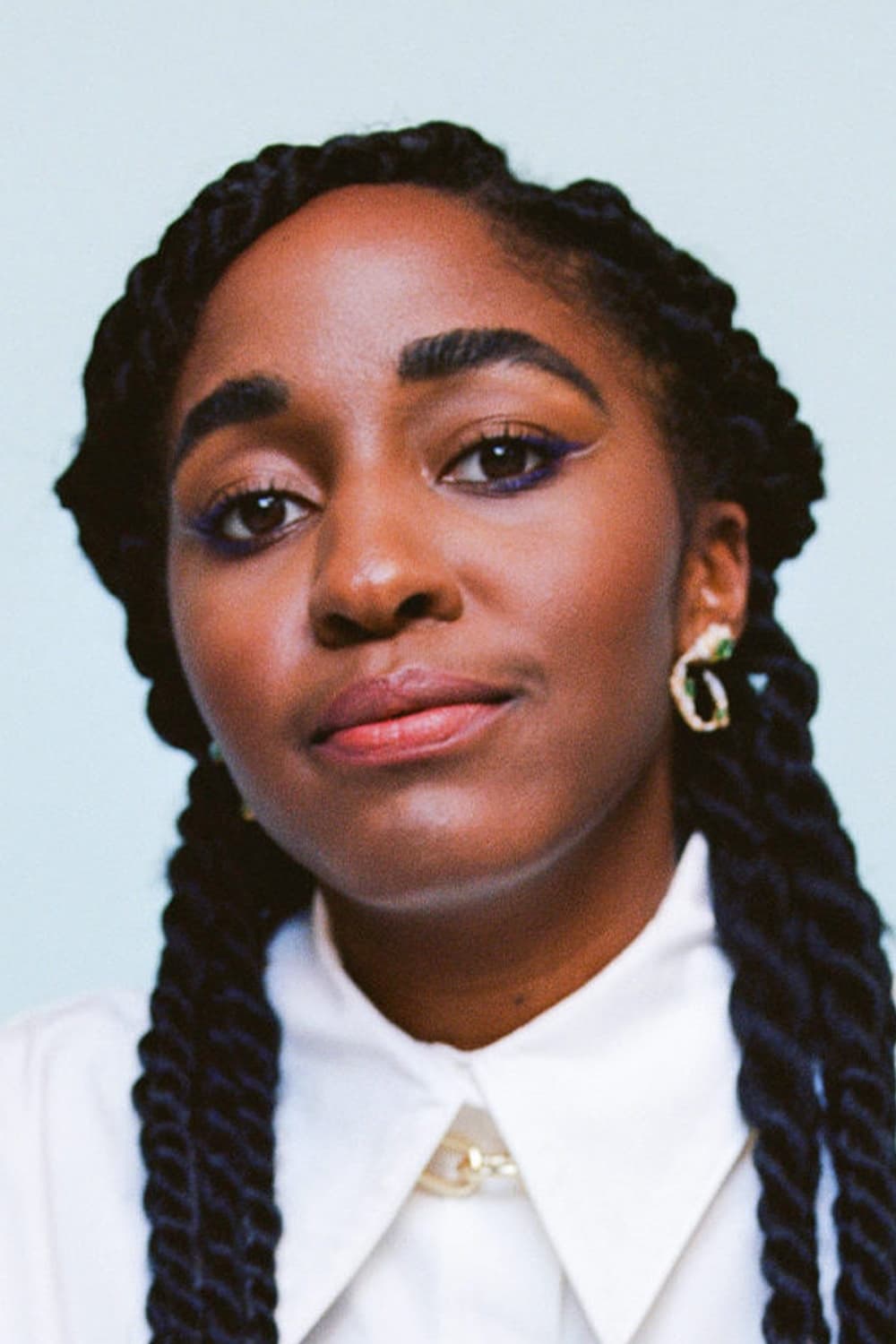
As Ayo Edebiri’s star has risen in television, she’s unfortunately faced online harassment. She’s discussed the particular challenges Black women face in comedy, including negativity from overly passionate fans. Despite this, Edebiri continues to focus on her work, earning praise for shows like ‘The Bear.’ She also uses her visibility to champion other creators of color and advocate for a more welcoming industry. Her achievements demonstrate both her talent and her resilience in dealing with the pressures of modern fame.
Candice Patton
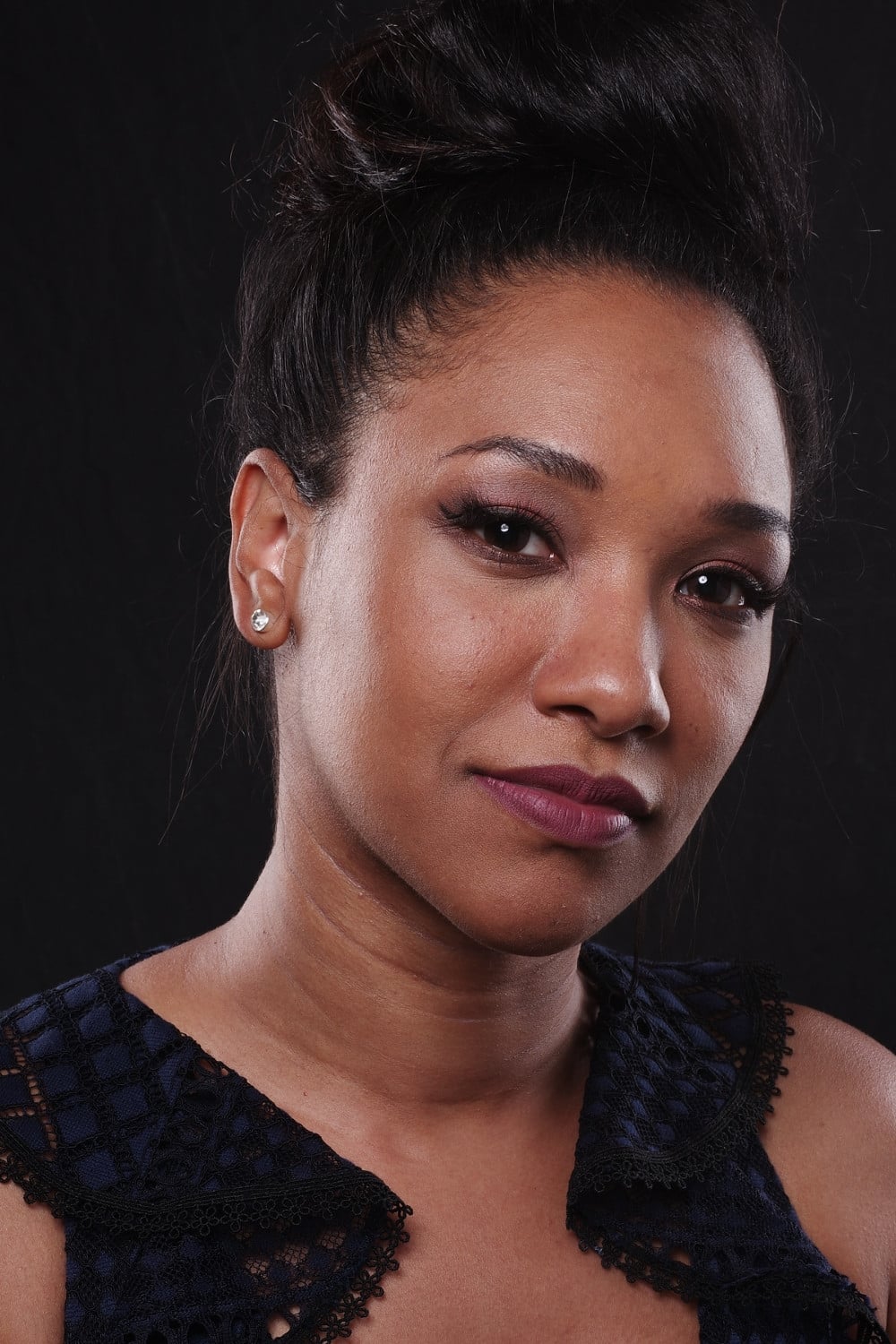
Candice Patton, who played Iris West on ‘The Flash,’ experienced years of online harassment. Many fans reacted negatively to her casting because her appearance differed from the comic book character, and this often took the form of racist attacks. Patton has spoken about feeling unsupported by the show’s producers during this time. She later became a strong voice for improving mental health support for actors of color, and her efforts contributed to increased diversity in superhero casting.
China Anne McClain
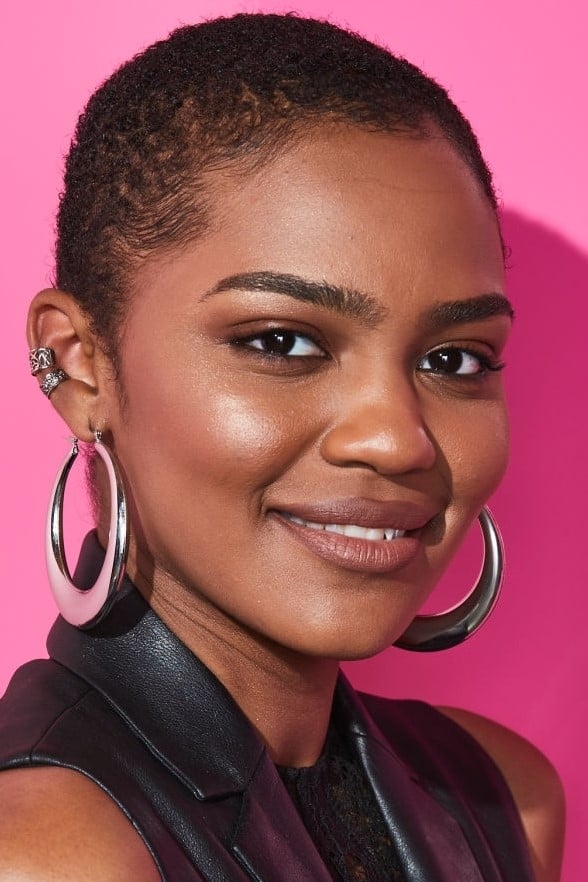
China Anne McClain has been working in the entertainment industry since she was young and has often faced prejudice because of her race. She’s talked about how Black women feel pressured to fit into very specific, and often unrealistic, beauty ideals. Despite this, she’s stayed true to who she is and her background while achieving success in both music and acting. She frequently uses social media to inspire her fans to love and accept their natural selves, and her commitment to her work and community has earned her a dedicated fanbase.
Cicely Tyson

I was such a huge fan of Cicely Tyson. What always struck me was her incredible strength and principles. She refused to play roles that would diminish Black women, even if it meant facing times with no work. She was determined to portray characters with dignity and challenge the way Black people were seen on screen. Over the years, she earned so much recognition for her amazing work in film and television, and her impact goes way beyond that – she left behind a legacy of integrity and a real commitment to celebrating the Black experience. She was truly inspiring.
Cynthia Erivo
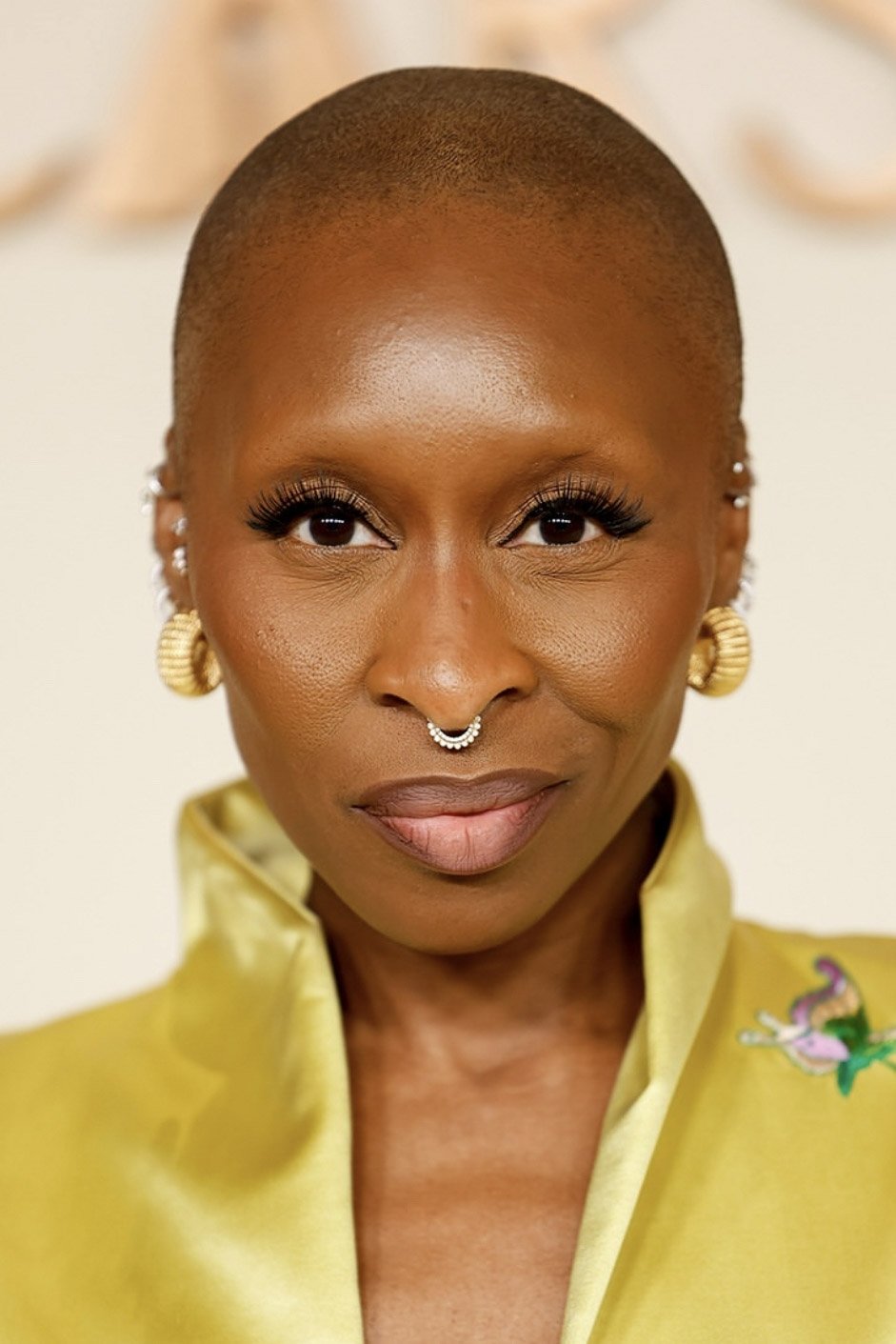
When Cynthia Erivo was chosen to play Harriet Tubman in the movie ‘Harriet’, she received some backlash. Some critics questioned her background and past statements about American culture. Erivo emphasized the significance of the role and her commitment to portraying Tubman authentically. She was nominated for two Academy Awards for her work in the film, including its music. Erivo continues to excel in both theater and film, delivering consistently strong performances.
Danai Gurira
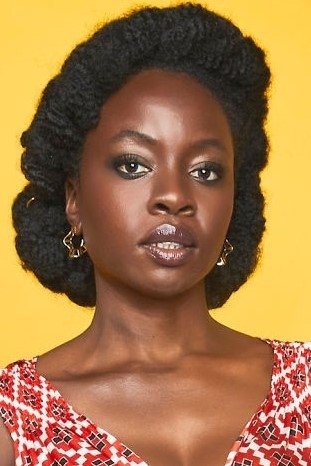
Danai Gurira has navigated the difficulties of being a Black woman in acting and playwriting. She frequently discusses the importance of telling more stories focused on the lives of African women. Through her role in ‘Black Panther,’ she portrayed powerful and multifaceted Black female characters. She’s also a celebrated playwright, creating works that explore the challenges and successes of her community. Throughout her career, she consistently pushes back against the narrow portrayals often found in popular media.
Danielle Deadwyler
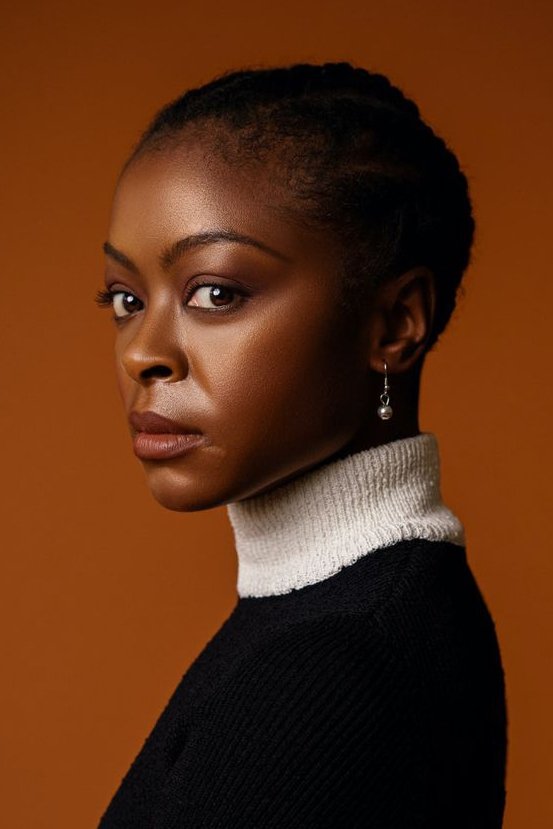
Danielle Deadwyler’s performance in ‘Till’ sparked widespread conversation when she wasn’t nominated for an Academy Award. Many believed this highlighted a pattern of bias within the awards process. Throughout the discussion, Deadwyler emphasized the importance of the film’s story and honoring Mamie Till Mobley’s legacy. She’s also spoken about the need for the film industry to recognize the talent of Black women without expecting them to overcome hardship. Despite the controversy, Deadwyler’s career is flourishing with increasingly impactful roles.
Dominique Thorne
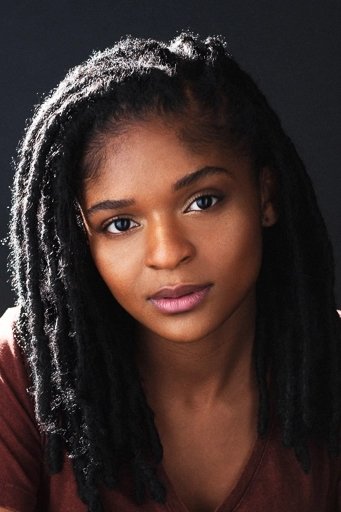
When Riri Williams, played by Dominique Thorne, first appeared in ‘Black Panther: Wakanda Forever,’ I noticed some people were critical of her character and the idea of her getting her own show, ‘Ironheart.’ But honestly, I was so impressed with how Thorne handled the negativity. She really emphasized how important it is for young Black girls to see themselves as smart and capable heroes. She spoke a lot about representation in interviews, and it was really powerful to hear. Now, so many people – myself included – are celebrating her performance and how much she brings to the superhero world. It feels like a really important addition!
Eartha Kitt
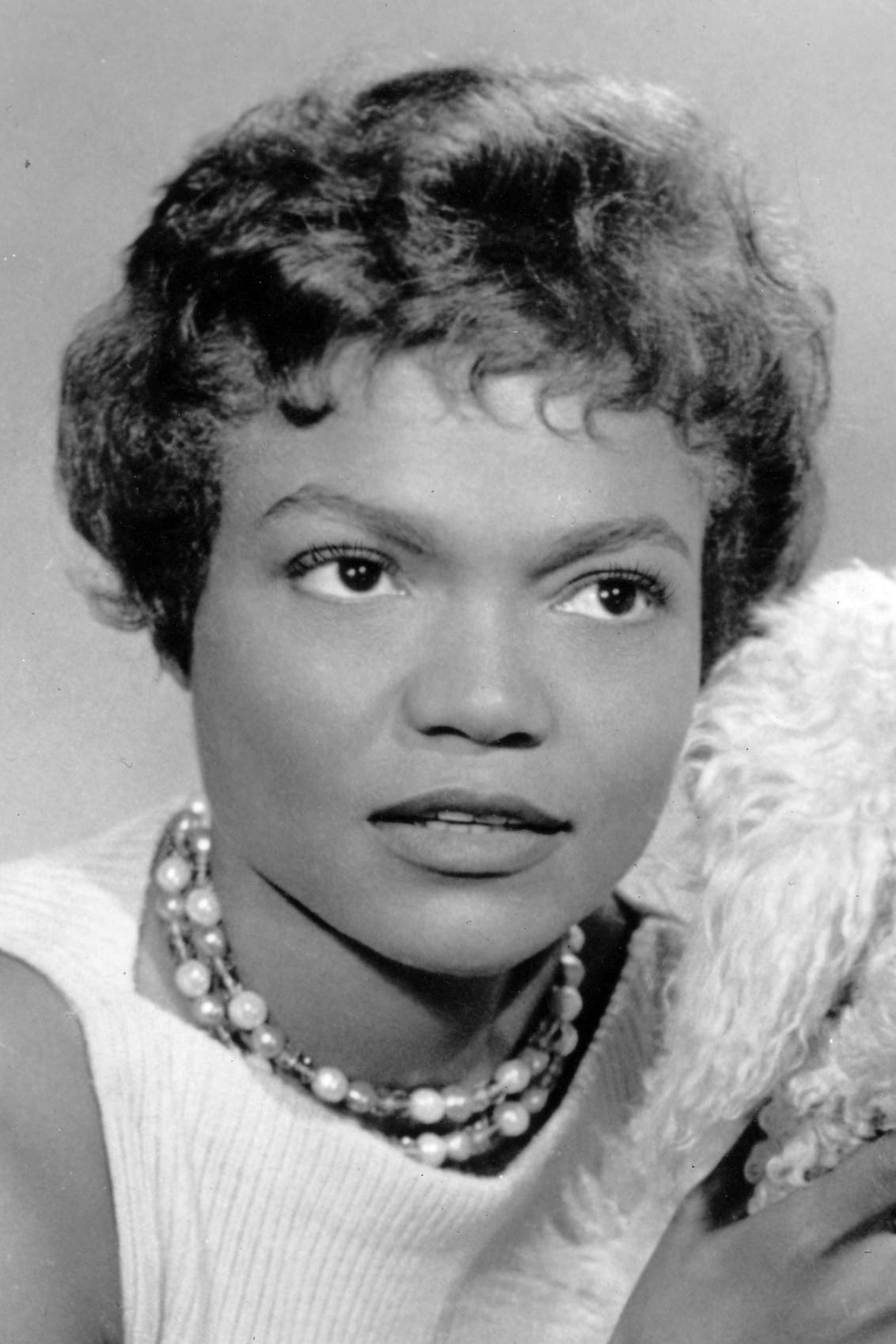
Eartha Kitt was a hugely talented performer who suffered professionally because of her strong beliefs. After publicly opposing the Vietnam War at a White House event, she was effectively banned from working in the United States for years and had to perform overseas. She also bravely spoke out against racial segregation and used her platform to fight for civil rights. Eartha Kitt’s story is a lasting example of what can happen when someone stands up for what they believe in, even when it’s difficult.
Francesca Amewudah-Rivers
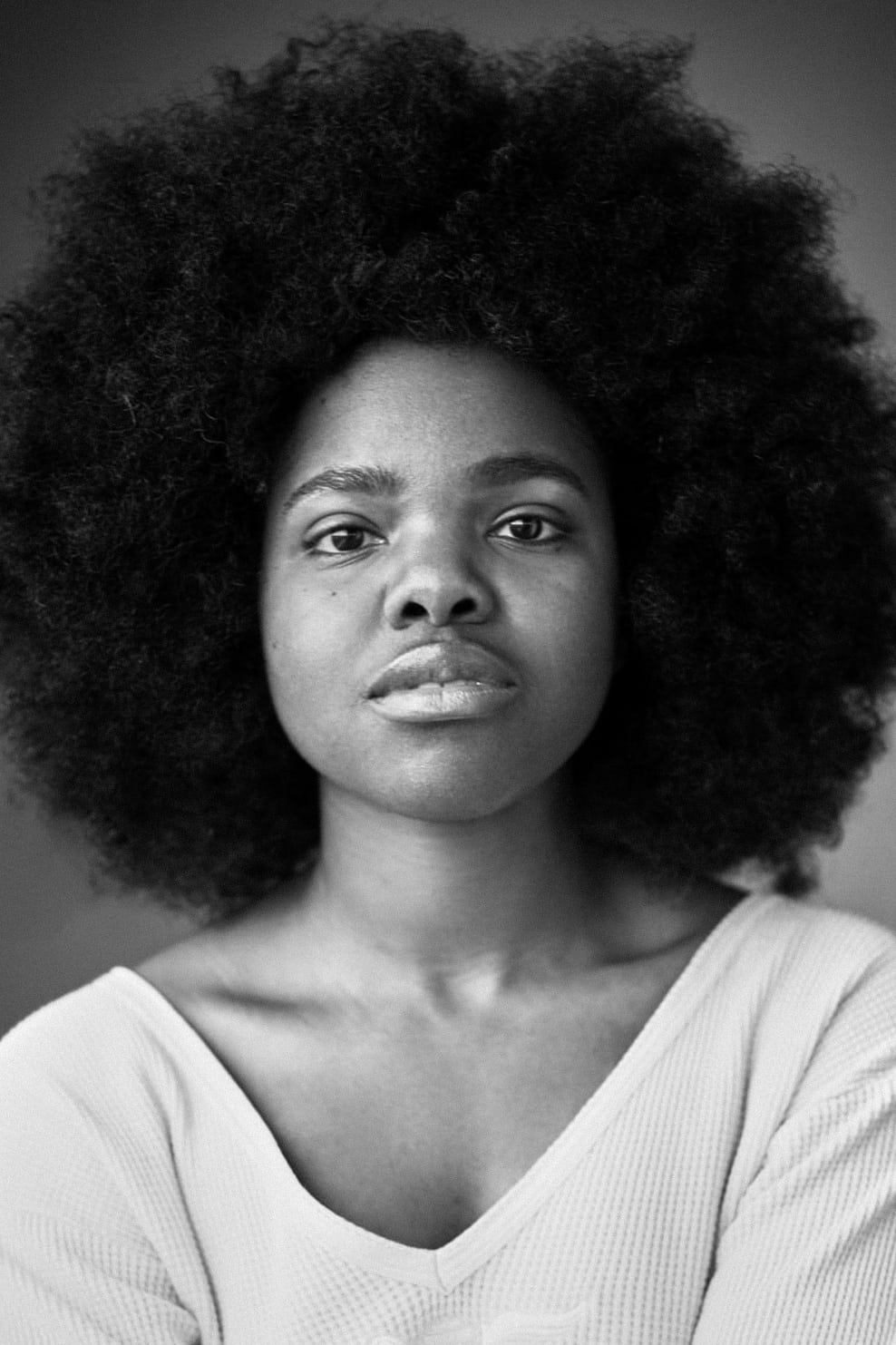
After Francesca Amewudah-Rivers was cast as Juliet in a London production of ‘Romeo & Juliet’, she received a barrage of racist online abuse. The harassment was so intense that hundreds of actors publicly supported her with an open letter. The production company also spoke out against the abuse and affirmed her talent. Despite the negativity, Amewudah-Rivers continued with the play, concentrating on its artistic value. The situation highlighted the difficulties Black actors still encounter in the theater world.
Gabourey Sidibe
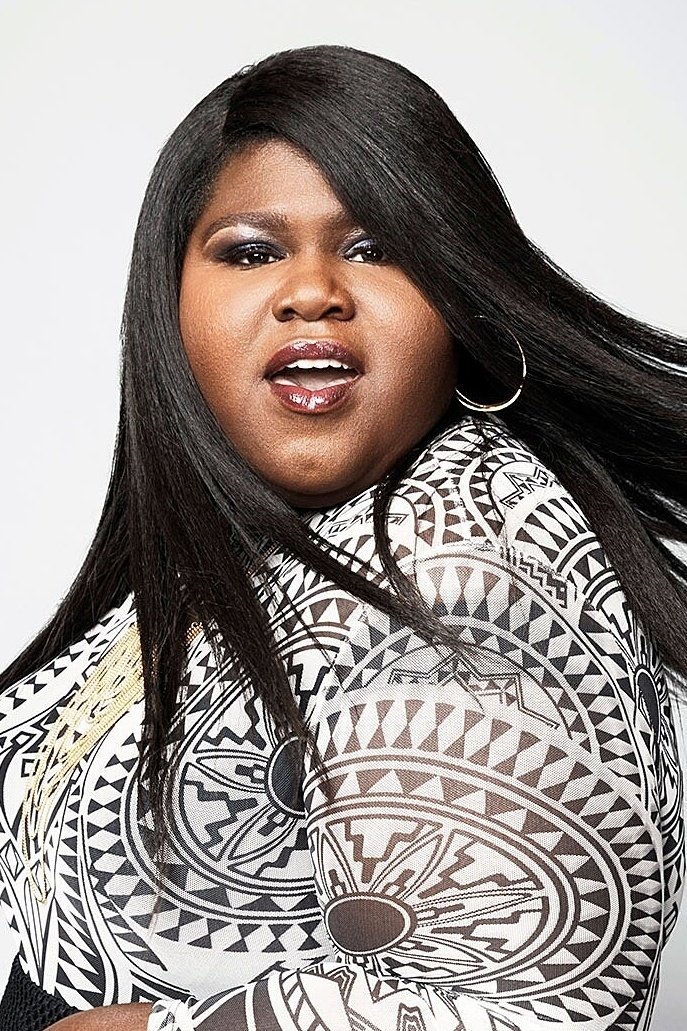
After gaining recognition in the movie ‘Precious’, Gabourey Sidibe dealt with harsh criticism rooted in racism and prejudice about her weight. Despite these negative comments about her appearance and whether she belonged in the entertainment industry, Sidibe responded with confidence and humor, becoming an inspiration to many. She’s continued to work steadily in popular TV shows like ‘Empire’ and ‘American Horror Story’, proving that self-belief can overcome prejudice.
Gabrielle Union
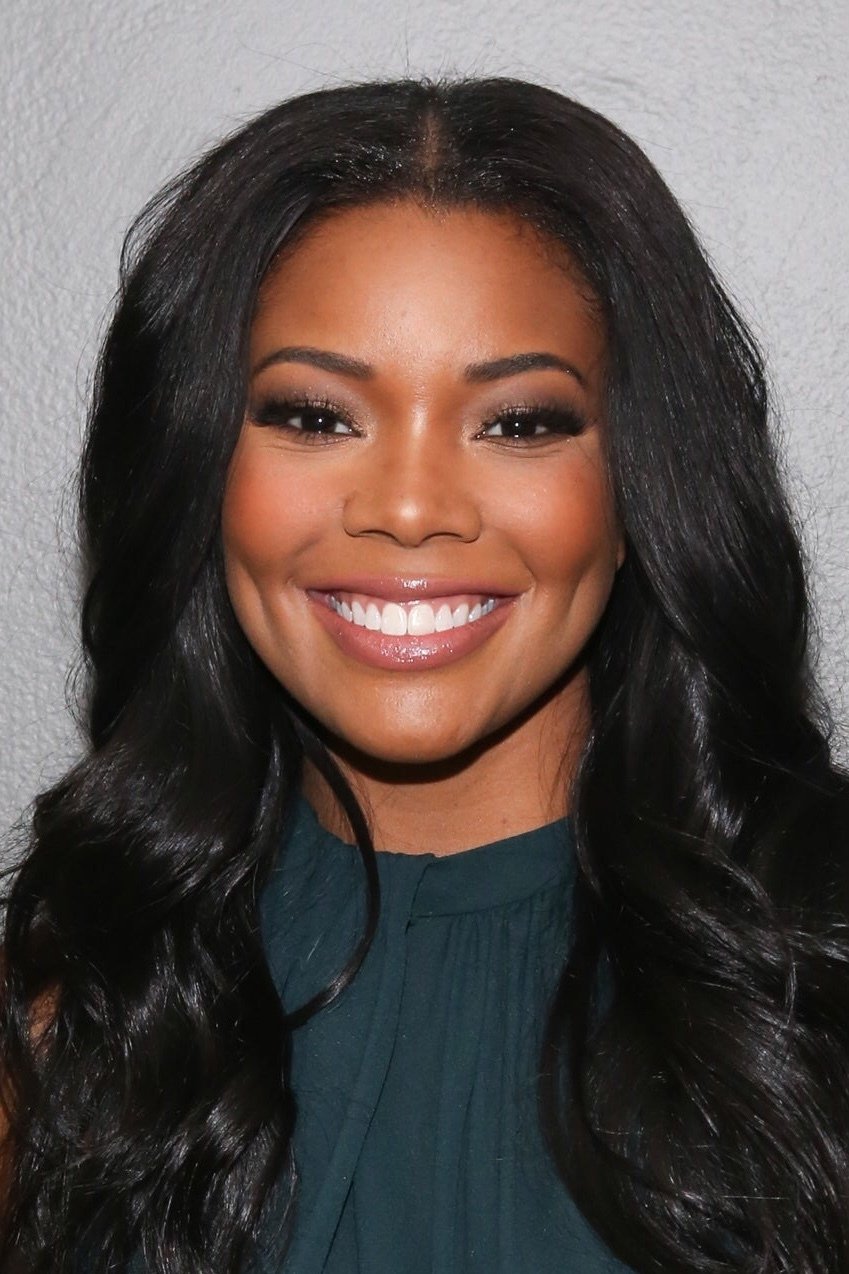
Gabrielle Union has publicly shared her experiences with racism while working on ‘America’s Got Talent.’ She described a negative work environment and the racially insensitive things she observed as a judge. Union formally complained about these issues, hoping to create a more welcoming and inclusive workplace. Known for advocating for Black women in Hollywood, she often speaks out about equal pay. By challenging powerful networks, she’s become a strong voice for positive change.
Garcelle Beauvais
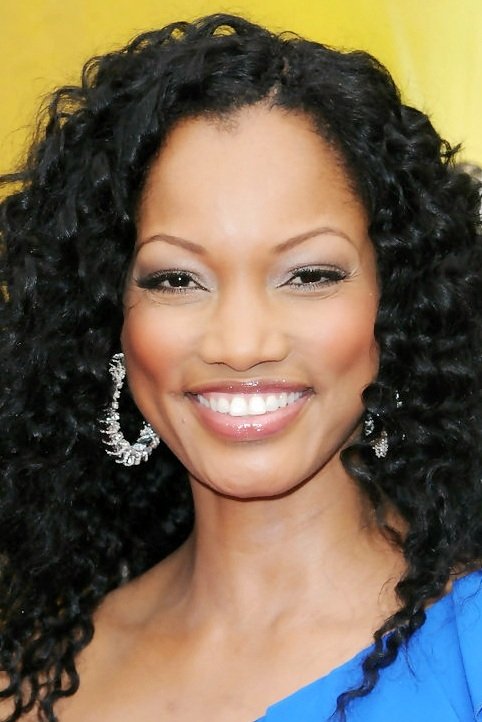
When Garcelle Beauvais joined ‘The Real Housewives of Beverly Hills’ as the first Black woman on the show, she experienced racism from both viewers and fellow cast members. This included subtle, everyday slights as well as direct, hurtful comments. Beauvais didn’t stay silent, addressing these issues openly on the show and sharing more details in her memoir. Her experience has sparked an important and long-needed discussion about race in the world of reality television.
Halle Bailey
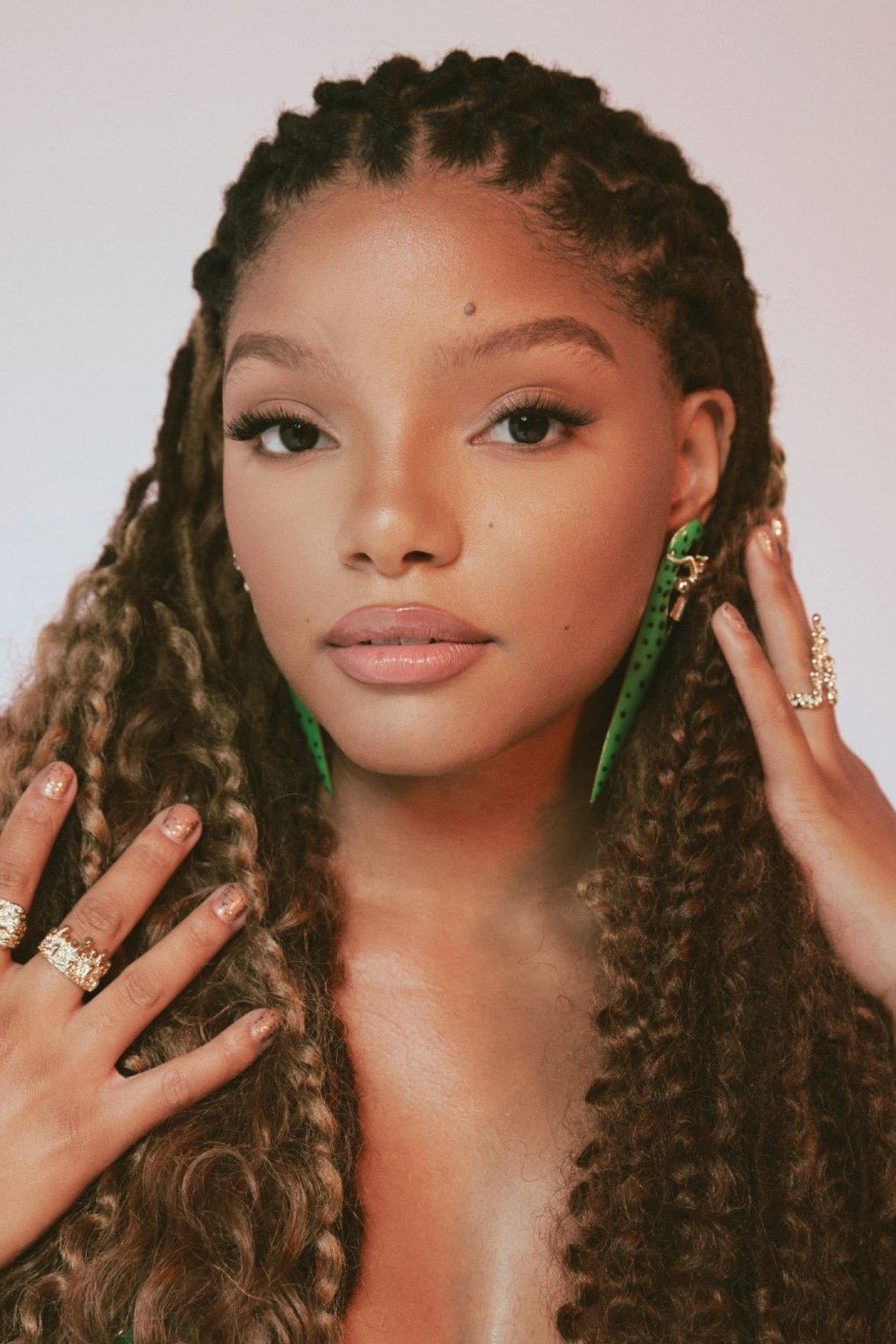
When Disney announced I’d be playing Ariel in ‘The Little Mermaid,’ I was honestly shocked by some of the negativity online. A lot of people focused on my race, saying a Black woman couldn’t play a mermaid, which was really hurtful. But I stayed focused on doing my best and understanding how important this role could be for so many young kids who finally get to see someone like them represented on screen. My family was a huge support system, helping me get through all the public criticism. It really showed me how much work still needs to be done to make sure everyone feels seen and included in these big movies.
Hattie McDaniel
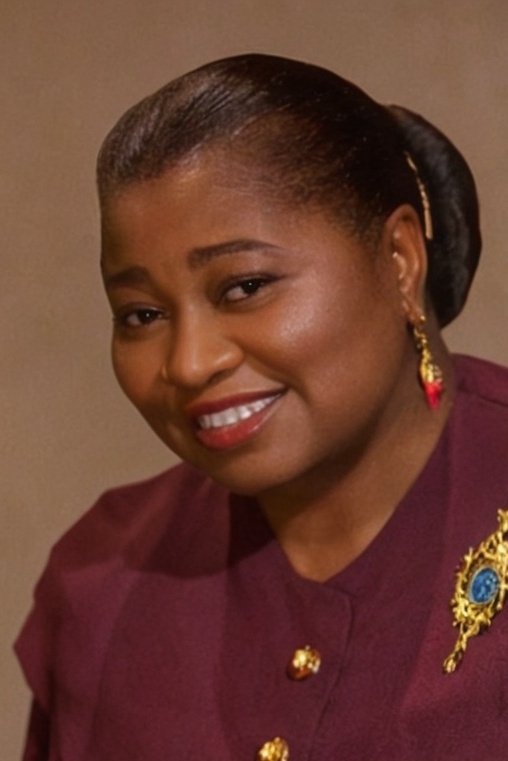
Hattie McDaniel broke barriers as the first African American to win an Oscar, but she faced significant racism throughout her life. Even at the awards ceremony where she won, she was made to sit separately from her fellow actors due to segregation. While she often played roles as a housekeeper, she took these parts because opportunities for Black actors were very limited then. Despite the challenges of the Jim Crow era, McDaniel’s work opened doors for future generations, and today she is celebrated as a key figure in the fight for equality in film.
Jodie Turner-Smith
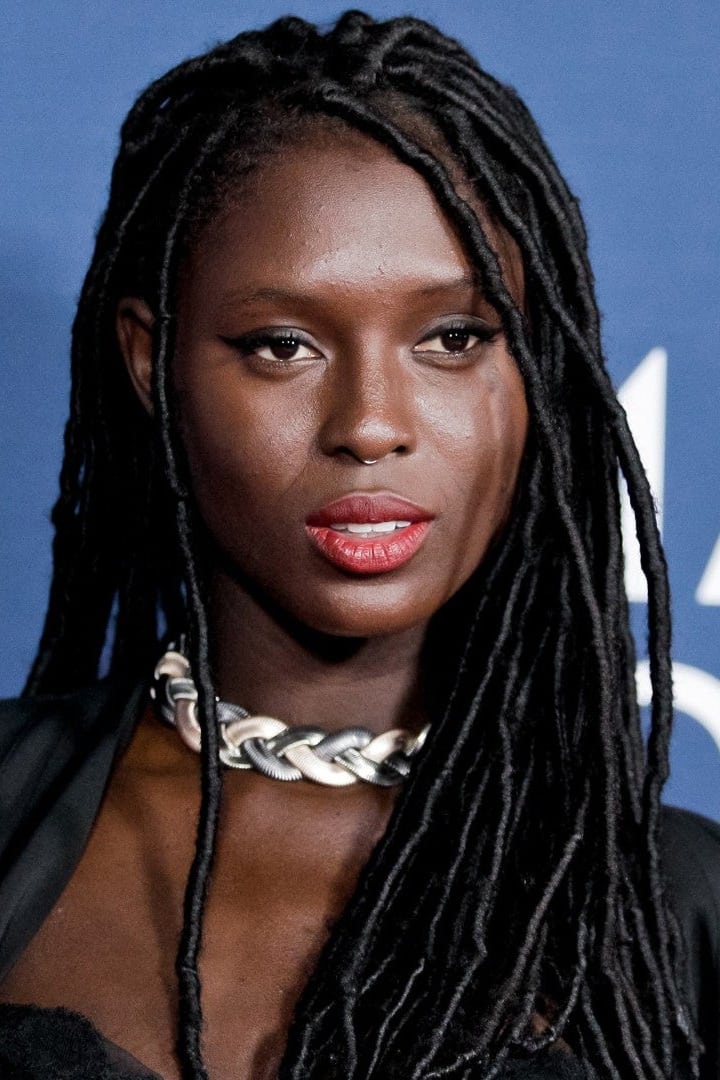
When Jodie Turner-Smith was cast as Anne Boleyn in a recent miniseries, she faced a wave of racist online attacks. The choice to have a Black actress play the historical English queen caused controversy and led to hateful comments. Turner-Smith responded by explaining the value of casting actors based on talent, rather than race, to tell stories that resonate with everyone. Despite the negativity, she handled interviews with grace and was widely praised for her performance as the ill-fated queen. Turner-Smith consistently works to break down old-fashioned rules about who gets to play which roles in her projects.
Jurnee Smollett

When Jurnee Smollett was cast as Black Canary in ‘Birds of Prey’, she faced racist criticism online. Instead of focusing on her talent or the character’s background, some commenters focused on her race. Smollett dedicated herself to the role, performing many of her own stunts to demonstrate her commitment. She went on to play the character again and continued to champion stories featuring women of color. Her strength and perseverance have established her as an important advocate for progress in the entertainment industry.
Keke Palmer

Keke Palmer has been a public figure since childhood and has often discussed the racism she encounters. She’s been vocal about colorism and how Black women are often made to compete with one another. Palmer also uses social media to share her experiences with police and broader issues of inequality. Despite industry pressures to conform, she continues to thrive as a multifaceted performer. Her success demonstrates the strength of being true to herself and working diligently.
Kerry Washington
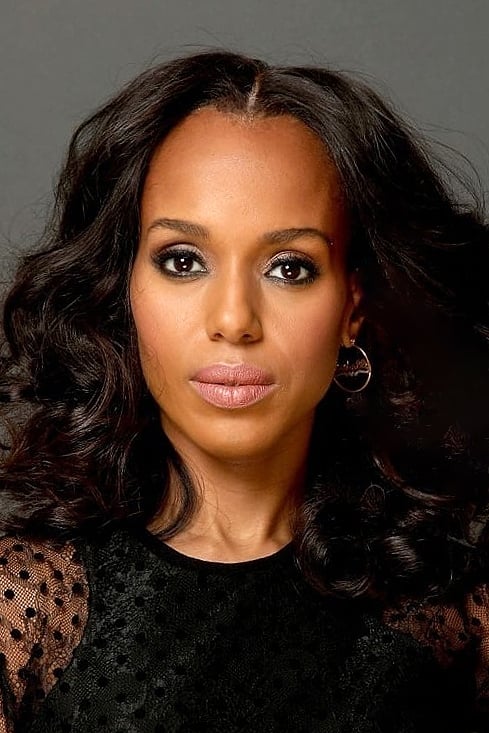
Kerry Washington has discussed the difficulties faced by Black women playing leading roles on TV, particularly on shows like ‘Scandal’. She’s explained how scripts often rely on harmful stereotypes and the work she does to create more genuine characters. Washington also uses her position to produce shows that focus on Black stories and issues of social justice. She’s a strong voice for voting rights and getting involved in politics. Through her work on and off screen, she’s helped to transform what we see on television today.
Lashana Lynch

Lashana Lynch broke new ground in the film ‘No Time to Die’ as the first Black woman to be designated 007. While this decision sparked some negative reactions online from those who preferred the traditional portrayal of the character, Lynch anticipated the backlash. She reminded herself that the change was important for the James Bond series to move forward and concentrated on the inspiring effect her role would have on aspiring actors. Her casting was a landmark moment for diversity and inclusion in action movies.
Lena Waithe
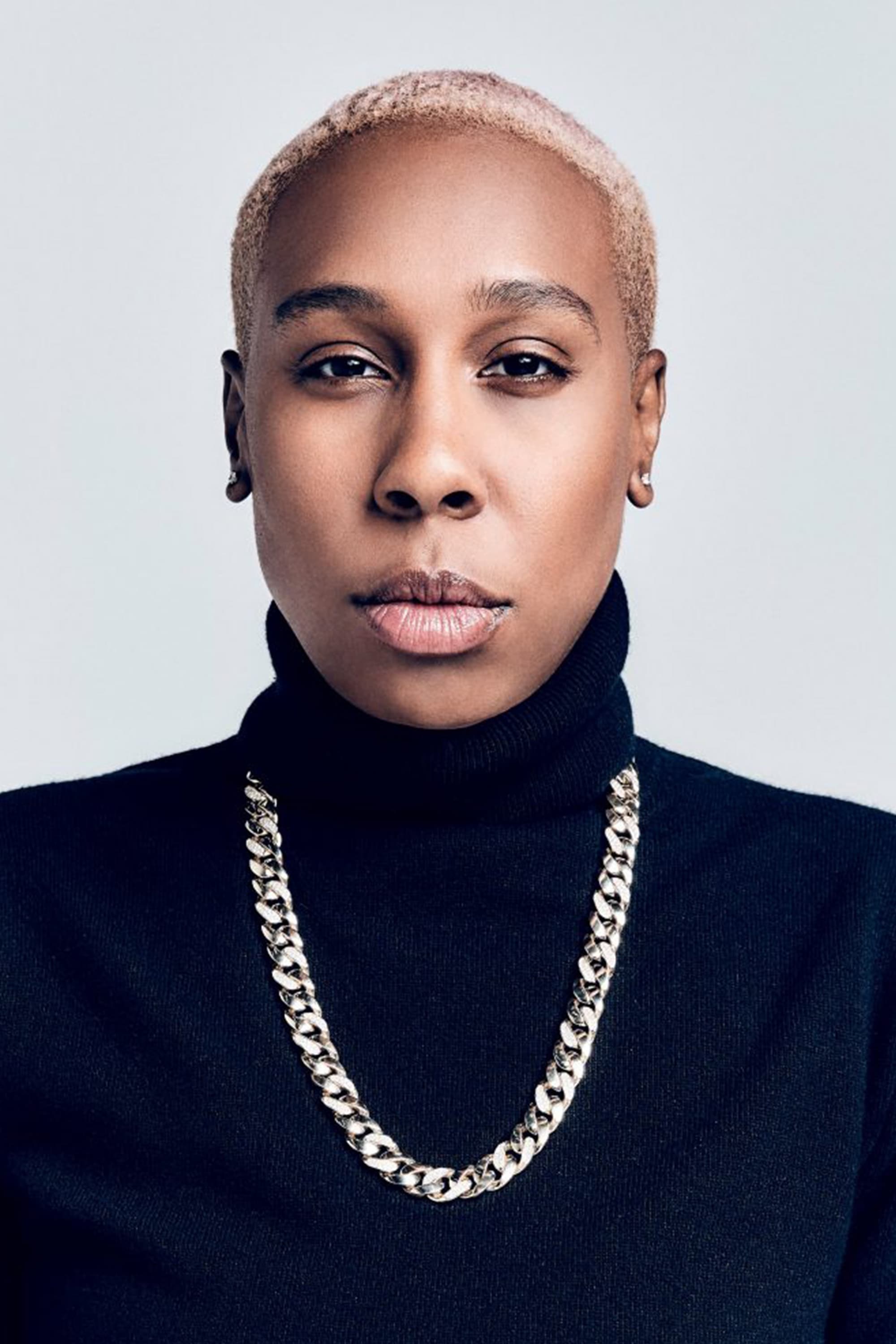
Lena Waithe is a groundbreaking actress and writer who has worked to create opportunities for Black and LGBTQ+ people in the entertainment industry. She’s openly discussed the racism and prejudice she’s faced while working on TV shows and movies. Waithe made history as the first Black woman to win an Emmy for her comedy writing, and she continues to produce and create stories that highlight the experiences of people who are often underrepresented. Through her work, she’s a strong advocate for diversity and inclusion in media.
Leslie Jones
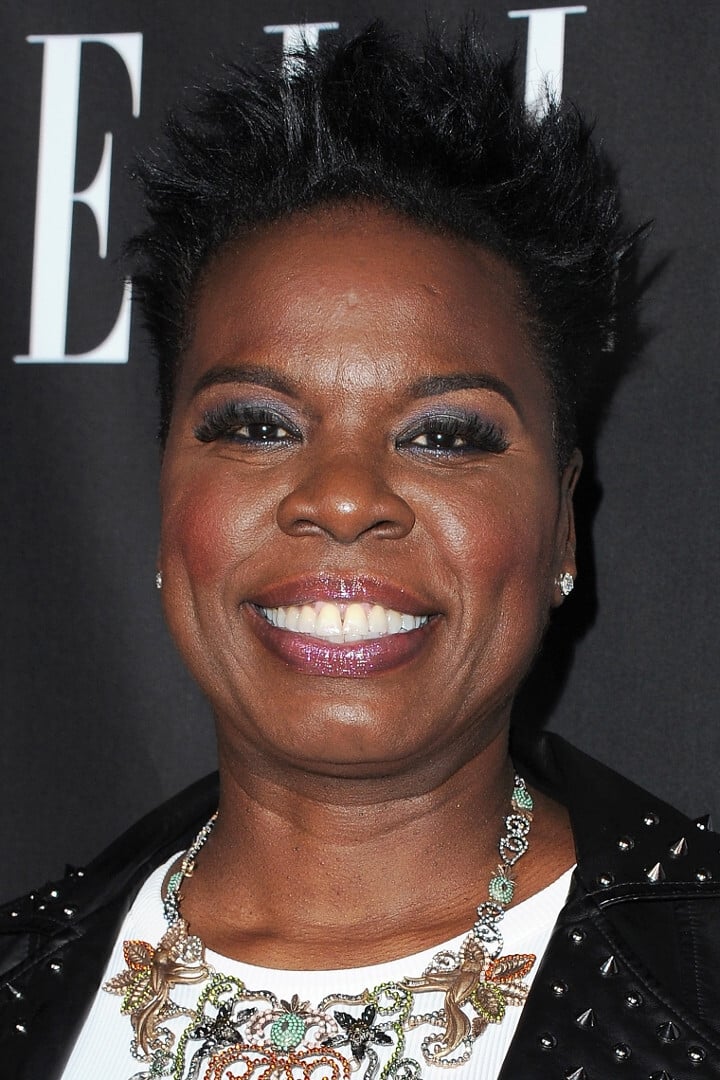
After Leslie Jones appeared in the 2016 ‘Ghostbusters’ reboot, she faced a huge amount of online harassment. This included racist and threatening messages, which led her to briefly step away from social media. She spoke out about the need for stronger rules against hate speech and online bullying. Her experience brought attention to the challenges faced by Black women in the entertainment world. Jones later returned to her career and continued to thrive in comedy and television.
Lupita Nyong’o
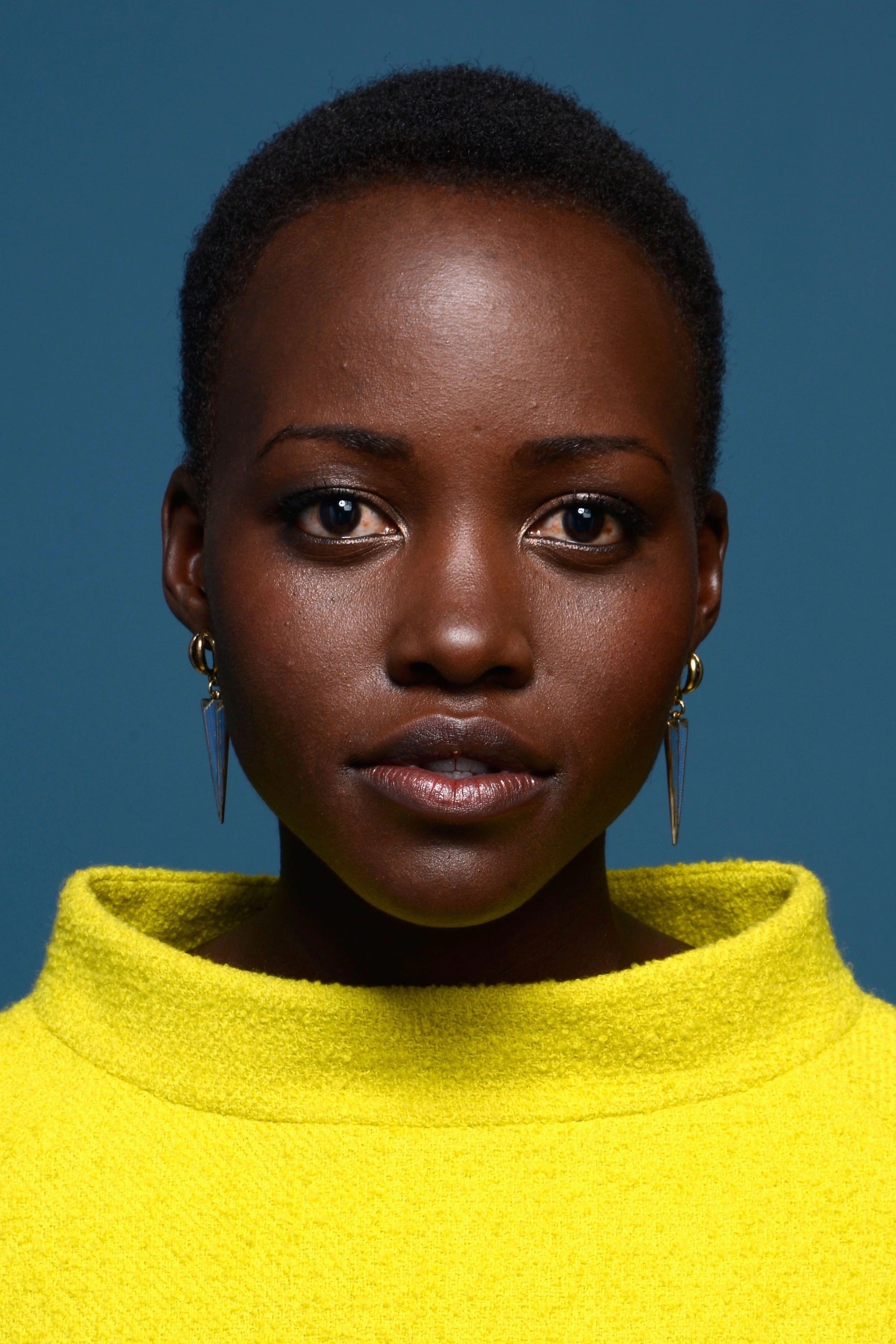
Lupita Nyong’o has faced discrimination based on her skin color throughout her life and career. People often pressured her to alter her appearance to conform to typical Western ideals of beauty. After winning an Academy Award, she powerfully spoke about the beauty of dark skin and the importance of loving yourself. She even wrote a children’s book to encourage young girls to embrace their natural skin tones. Through her work, Nyong’o has played a significant role in changing how beauty is defined around the world.
Marsai Martin
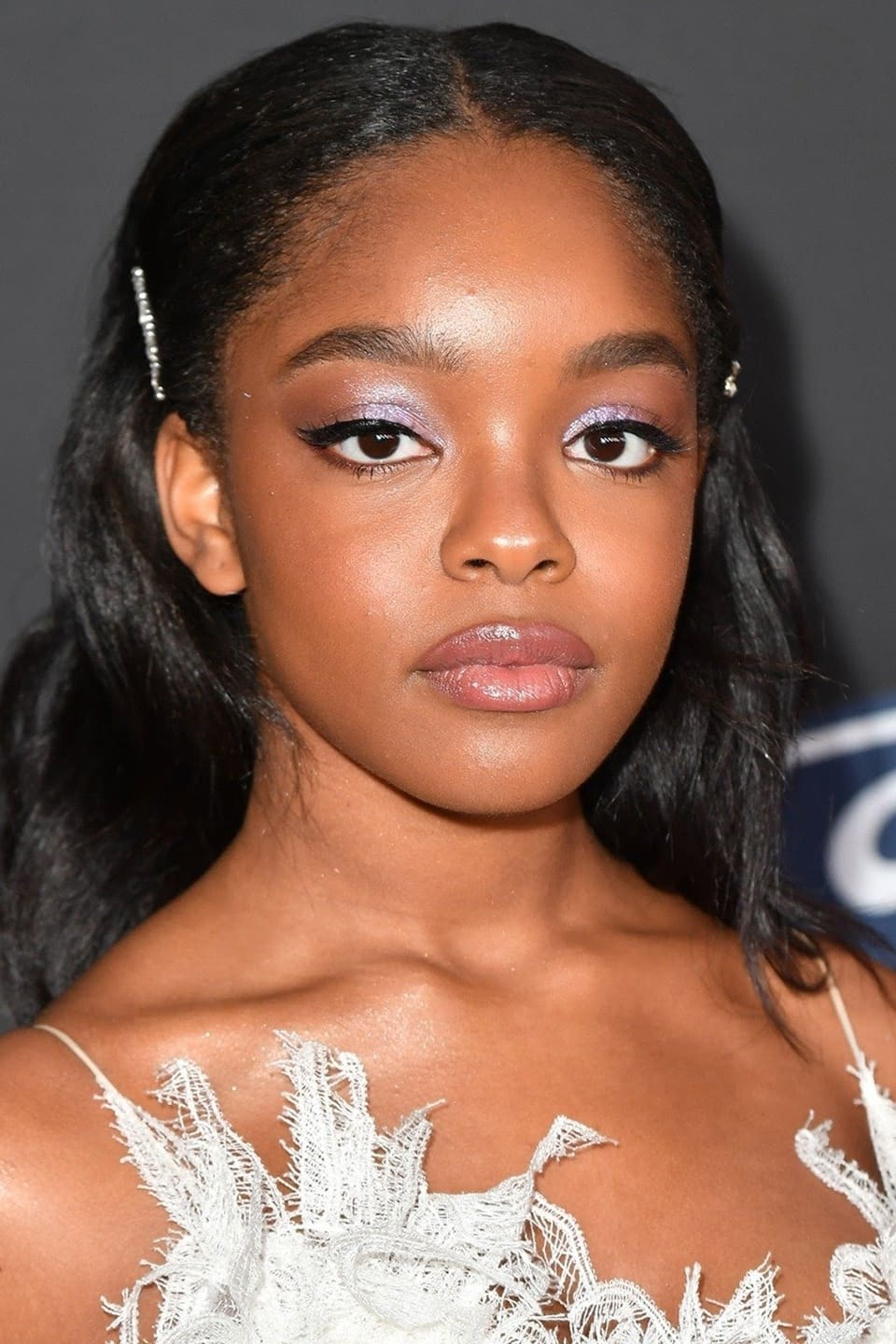
I’ve been so impressed watching Marsai Martin grow up. It’s awful to hear she dealt with online bullying and racist comments from a young age, especially things about her appearance. But instead of letting it get her down, she became the youngest executive producer in Hollywood! It’s amazing. She’s now using her success to help other young Black girls feel confident, and honestly, everything she’s accomplished proves all those critics wrong. She’s a true inspiration!
Meagan Good
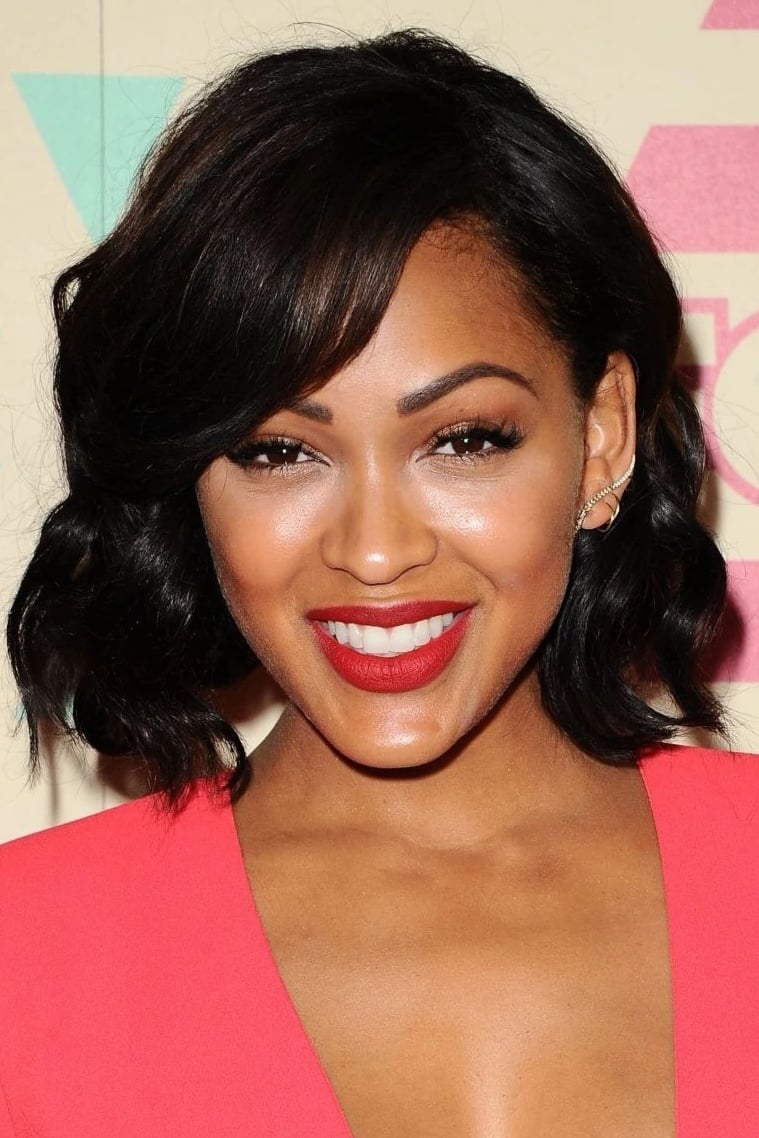
Meagan Good has dealt with a lot of public scrutiny and negative comments about her personal life and the roles she chooses. As a Black woman in Hollywood, she’s talked about the challenges of facing constant attempts to oversexualize her image. Throughout her career, she’s stayed grounded in her faith and dedicated to her work. She’s also taken control by producing and directing her own projects to promote more diverse representation. Her long and successful career is a testament to both her talent and her strong belief in herself.
Naomie Harris
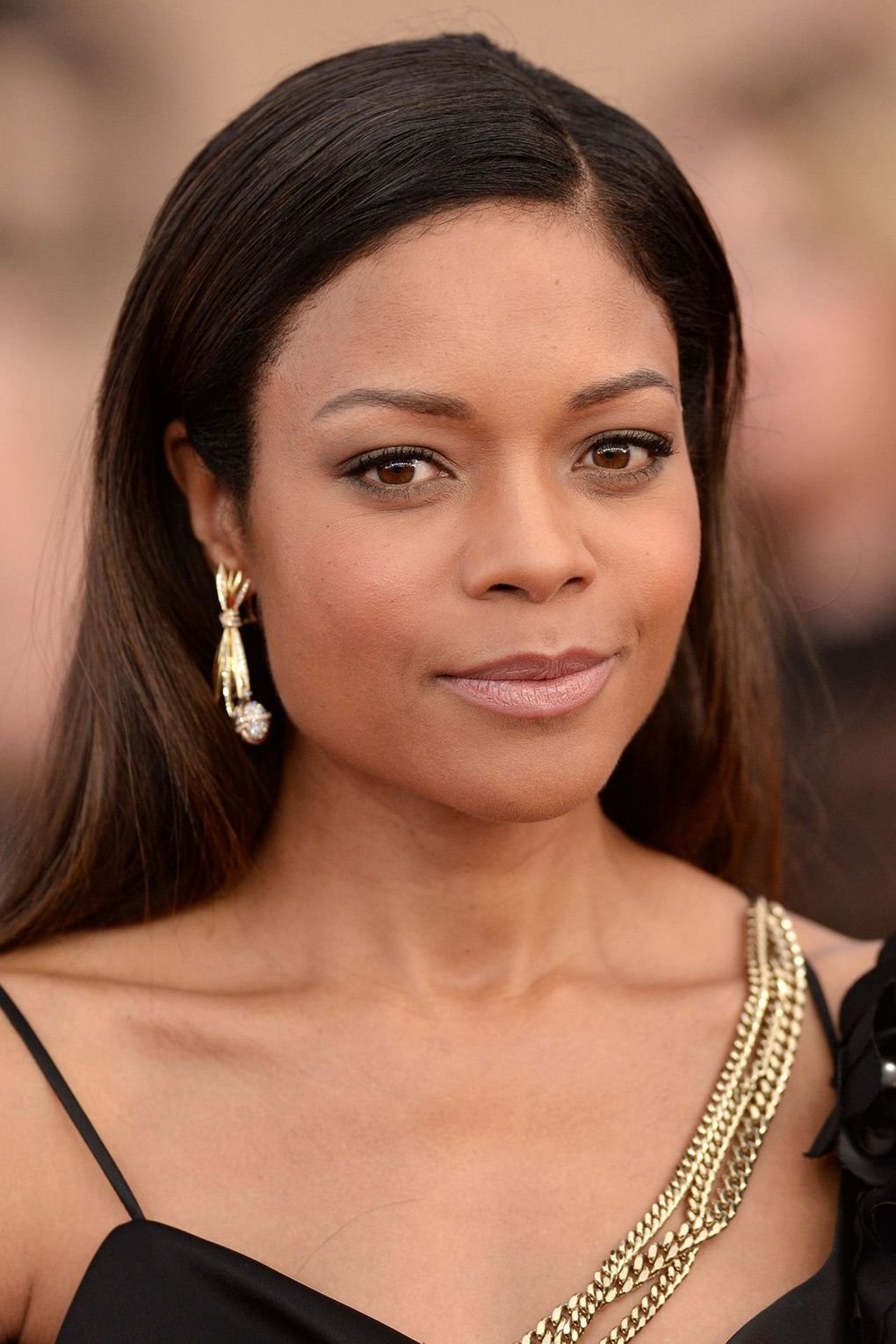
Naomie Harris has discussed facing racial profiling and the limited, often stereotypical, roles available for Black actresses in British films. She actively seeks out complex and meaningful characters that offer a realistic portrayal of Black women. Her role as Eve Moneypenny in the James Bond films helped bring more diversity to the series, and she remains a strong advocate for better representation in the film industry worldwide.
Nia Long
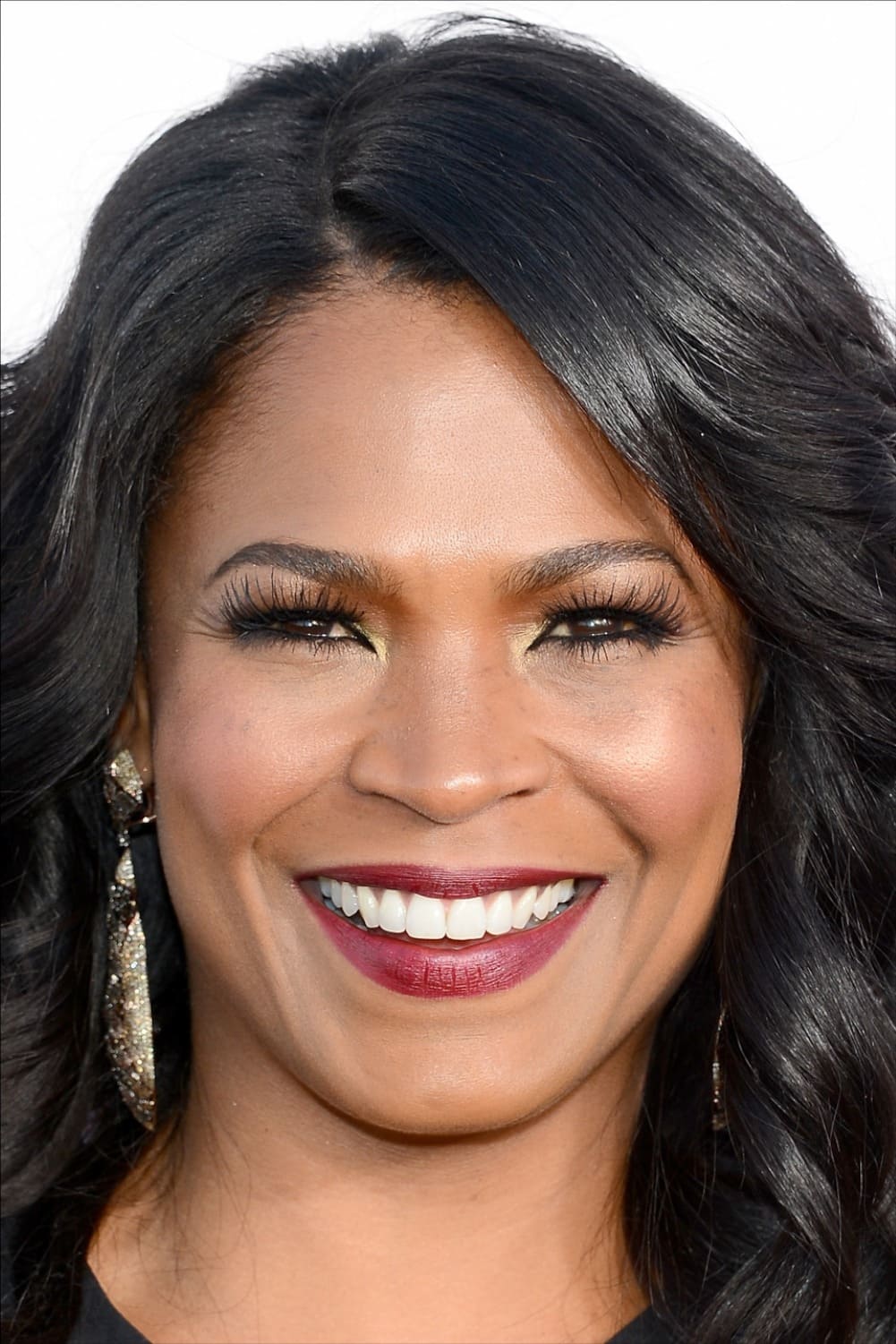
Nia Long recently spoke about the racial prejudice she faced during auditions in the 1990s and early 2000s. She recounted instances where she was passed over for roles – ultimately given to white actresses – because she was considered ‘too urban.’ Despite this, Long has built a thriving career by selecting roles that showcase Black culture and identity. She’s known and loved for her memorable performances and poise, and she continues to fight for more opportunities for Black women in the entertainment industry.
Nichelle Nichols
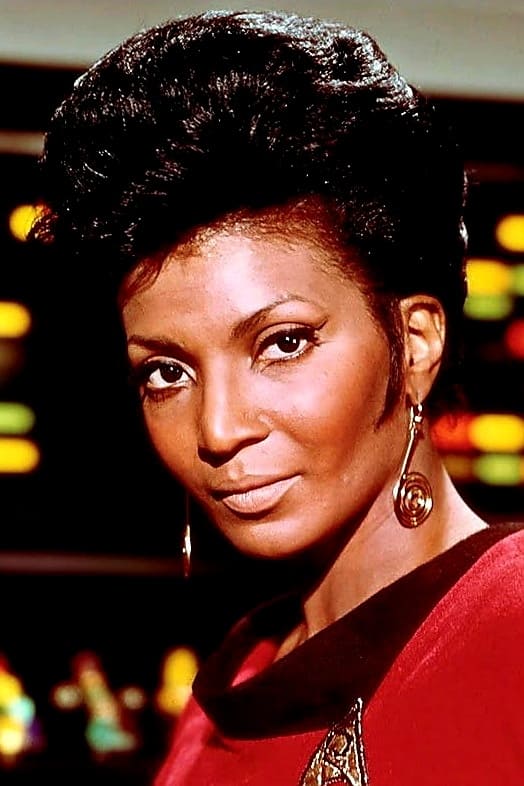
Nichelle Nichols broke barriers as Lieutenant Uhura on the original ‘Star Trek.’ During the Civil Rights Movement, she dealt with racism both at work and from fans. She almost quit the show, but Dr. Martin Luther King Jr. convinced her to stay, recognizing how important her character was. Later, she worked with NASA to help recruit more women and people of color into the space program. Her impact went far beyond acting, inspiring advancements in science and space exploration.
Octavia Spencer
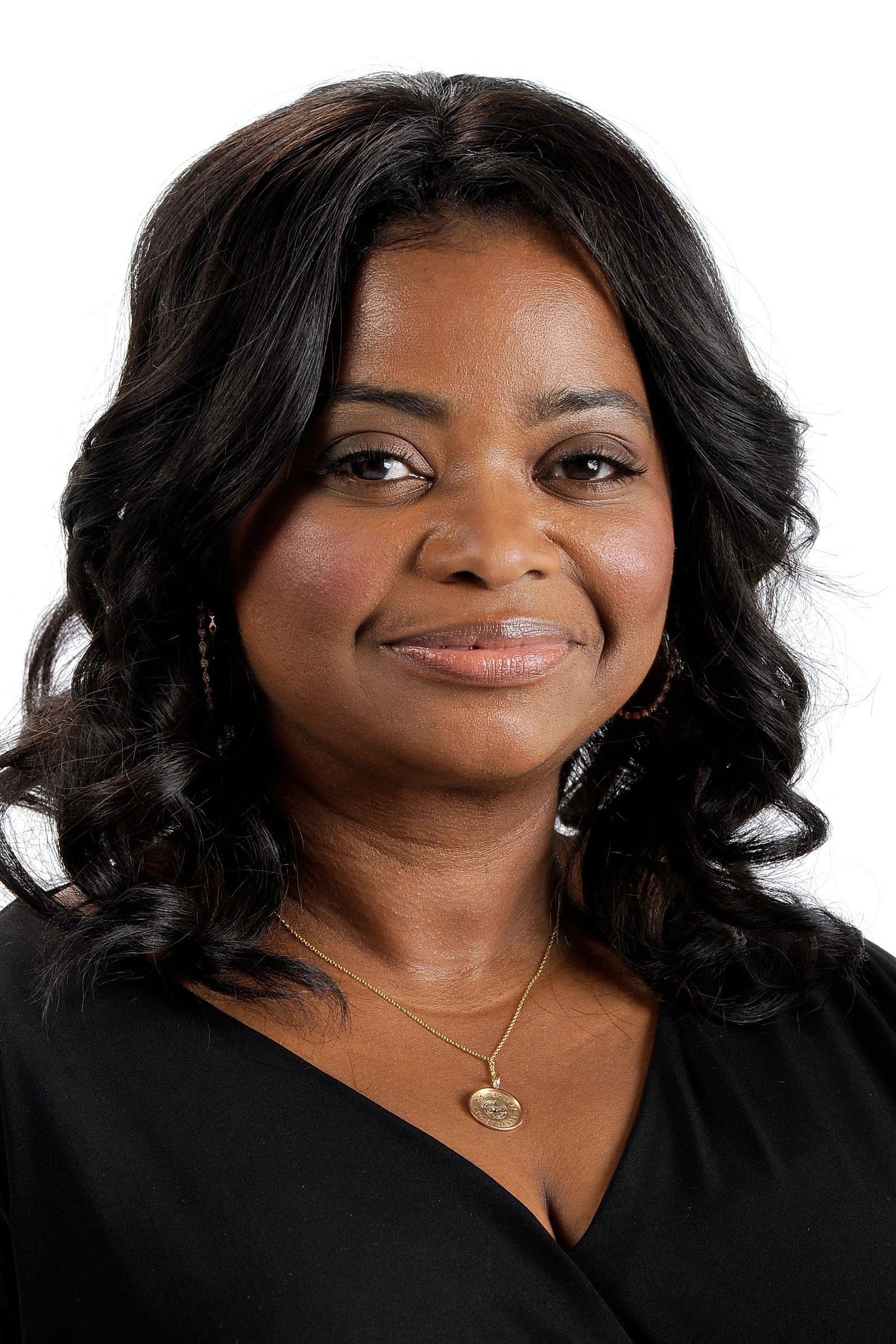
Octavia Spencer has often discussed the racism she experienced early in her Hollywood career. After years of taking small parts, she gained recognition for her role in ‘The Help’. She continues to advocate for fair pay and more diversity in storytelling, and she now produces projects that showcase actors of color in prominent roles. Her work and career continue to motivate up-and-coming performers.
Regina King
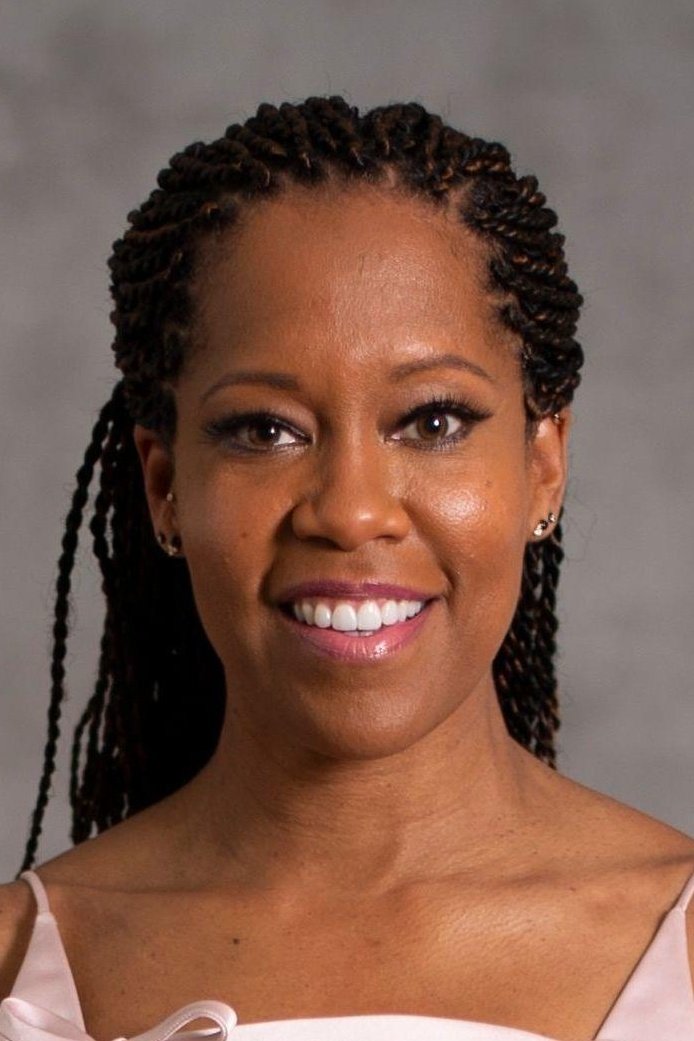
Regina King is a veteran actress who has observed the slow progress toward racial equality in Hollywood. Throughout her career, she’s faced being passed over for roles despite her talent and achievements. This led her to directing, where she could better shape the narratives around Black stories. She consistently uses her platform, like awards speeches, to advocate for more diversity among those creating films. King’s influence is now creating opportunities for a new wave of filmmakers.
Ruth Negga
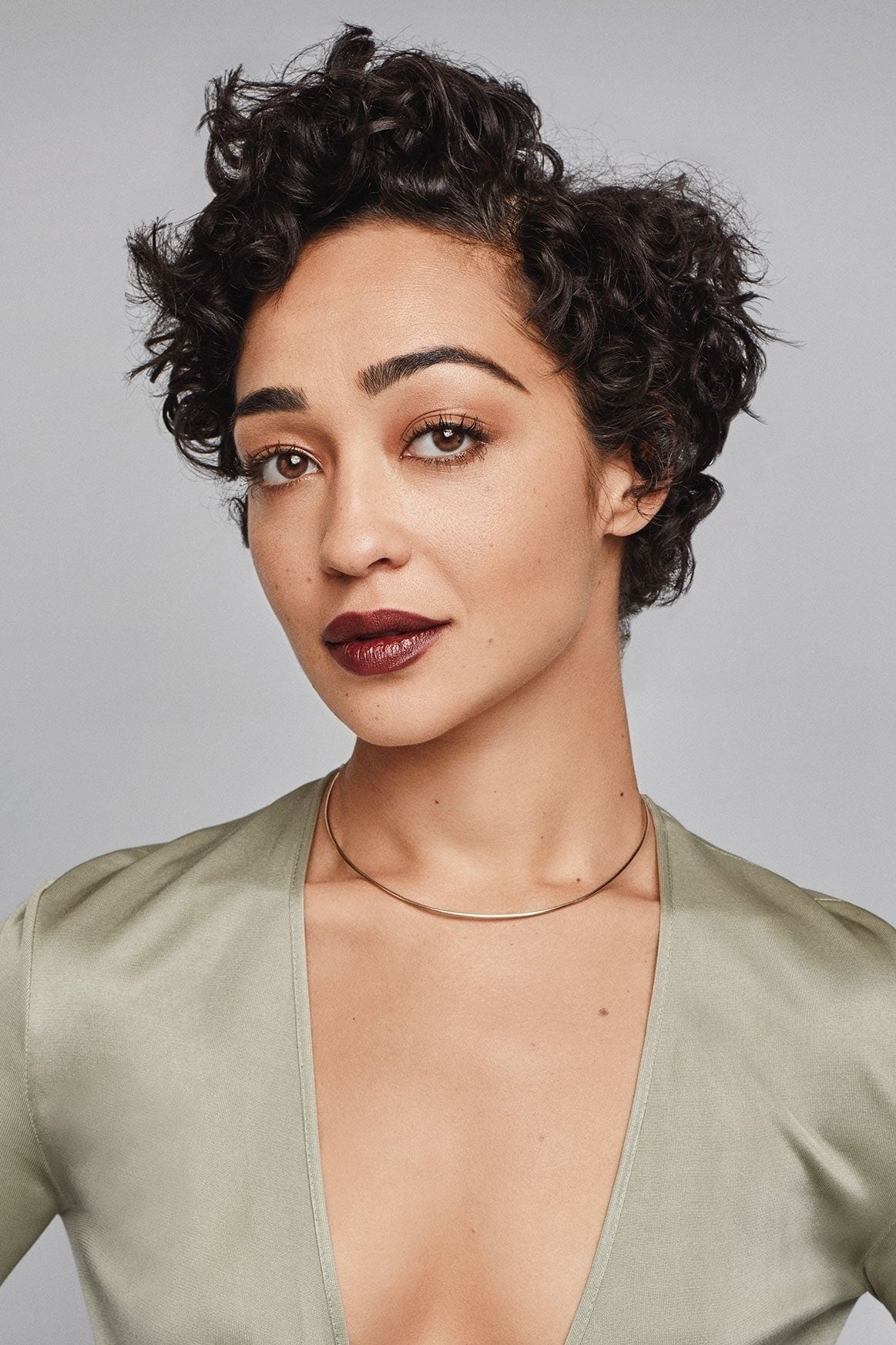
Ruth Negga has navigated the difficulties of being a Black actress in both Ireland and the United States. She’s discussed how her background shapes her work and the types of roles she gets. Negga earned praise for her performance in ‘Loving,’ a film about the history of laws against interracial marriage. Throughout her career, she’s consistently chosen projects that question traditional ideas and shed light on important human rights issues. Her work demonstrates her commitment to telling stories that matter.
Sheryl Lee Ralph

Sheryl Lee Ralph has been breaking barriers in theater and television for many years. Early in her career, she experienced racism and found few roles were available for Black actresses. Now, she uses her voice to raise awareness about HIV and support women of color. Her recent role in ‘Abbott Elementary’ has brought her renewed praise and recognition, and she continues to guide and inspire up-and-coming actresses.
Sonequa Martin-Green
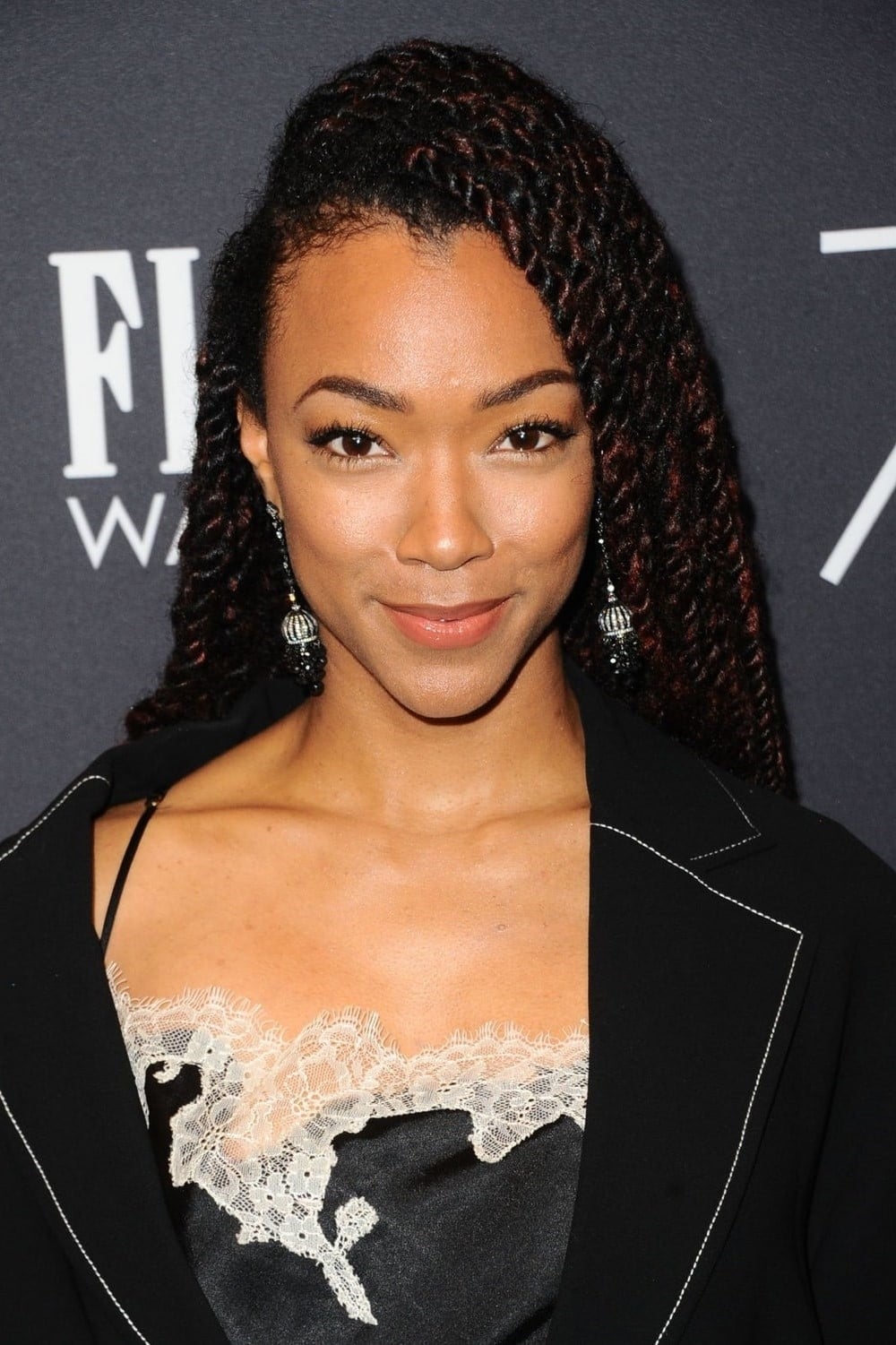
When Sonequa Martin-Green became the star of ‘Star Trek: Discovery,’ some viewers reacted negatively. As the first Black woman to lead a ‘Star Trek’ series, she received prejudiced comments. Instead of dwelling on this negativity, Martin-Green highlighted the show’s history of inclusivity and praised the creators for their commitment to diversity. She remained focused on bringing her character to life, and her strong performance and leadership have earned her respect within the science fiction community.
Storm Reid
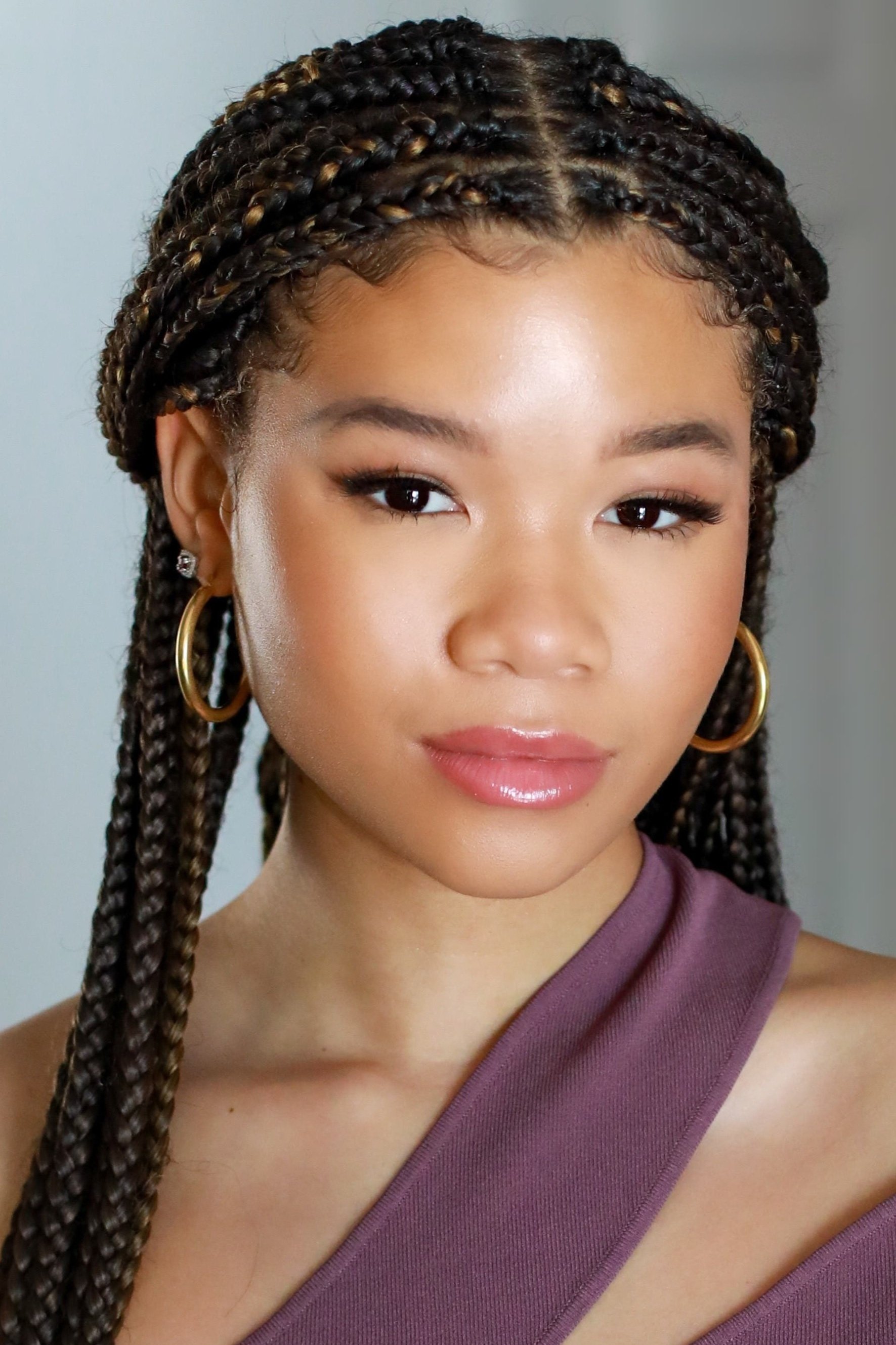
When Storm Reid starred in ‘A Wrinkle in Time,’ she faced racist criticism from people upset about the film’s diverse cast. Despite this, she responded with grace and focused on the support from her fans. Since then, Reid has become a thriving actress and producer dedicated to creating diverse and meaningful stories. She continues to excel, taking on challenging roles in both television and film.
Tamera Mowry-Housley
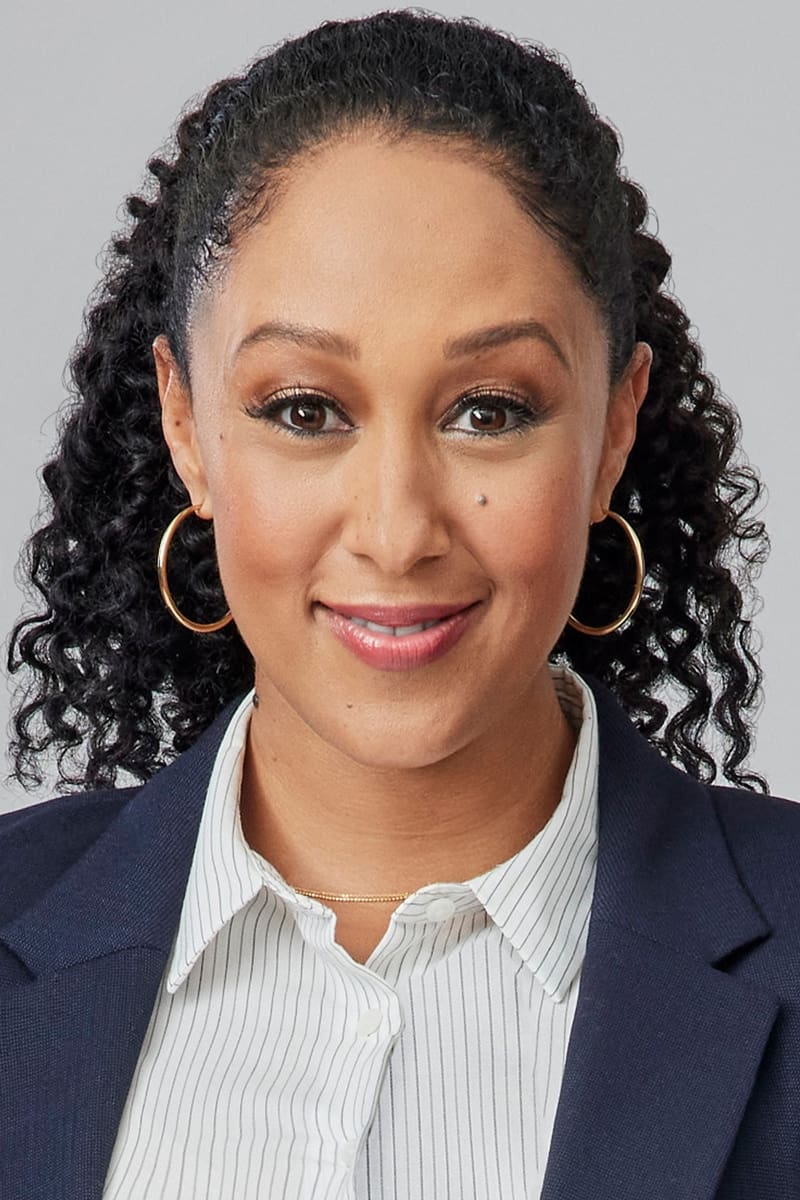
I’ve always admired Tamera Mowry Housley’s openness, and recently she’s been sharing some really tough experiences about the racism she’s faced because of her interracial marriage. While on ‘The Real,’ she talked about the hurtful comments she’d get online – things that clearly impacted her family and her own well-being. It was brave of her to use her platform to advocate for love and understanding, and honestly, hearing her speak out has really resonated with a lot of people, myself included, who’ve dealt with similar issues. It’s powerful to see someone be so honest about these struggles.
Taraji P. Henson
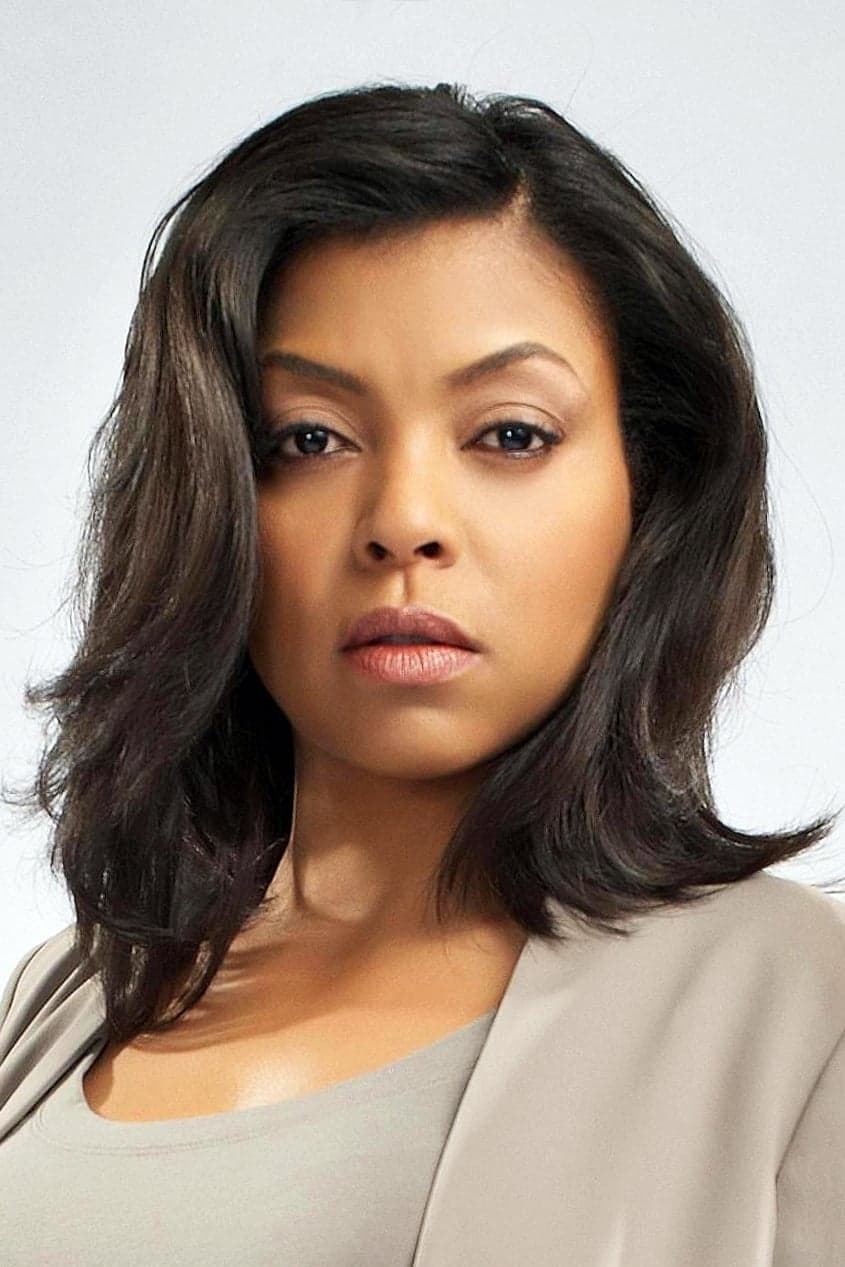
Taraji P. Henson has consistently spoken out about the unfair pay and lack of recognition Black actresses often experience. She famously revealed the low salary she earned for her Oscar-nominated performance in ‘The Curious Case of Benjamin Button.’ Beyond pay equity, Henson has also been a strong advocate for mental health awareness within the Black community. She continues to push for broader changes to create a more equitable system for all performers, and her openness has earned her a reputation as a highly respected voice in Hollywood.
Tessa Thompson
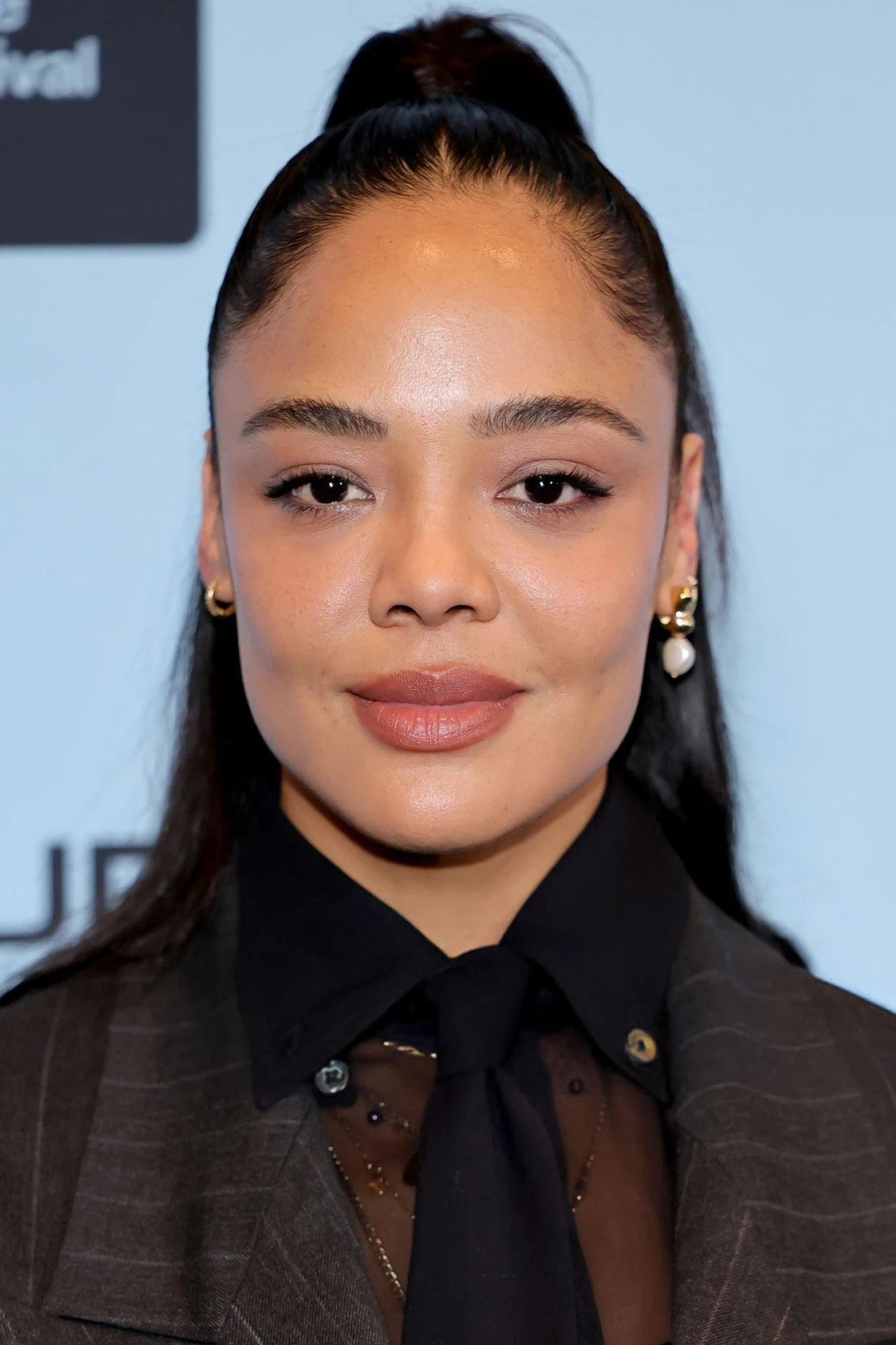
When Tessa Thompson was cast as Valkyrie in ‘Thor Ragnarok’, she faced criticism from some fans who believed the character should have looked more like her comic book counterpart. Thompson didn’t let this negativity affect her work, and instead focused on building a complex and unforgettable character. She’s now a popular and important part of the Marvel Cinematic Universe, and a strong advocate for diversity. Her success has also sparked important conversations about race and representation in major action films.
Thandiwe Newton

Thandiwe Newton has openly discussed the racism and sexual harassment she experienced when she first started her career. She described feeling pushed aside and pressured to adopt a more mainstream name. Later, she proudly took back her birth name to celebrate her background and who she is. Now, she uses her voice to fight for the rights of women and people of color around the world, and her courage has encouraged others to share their own stories.
Tichina Arnold
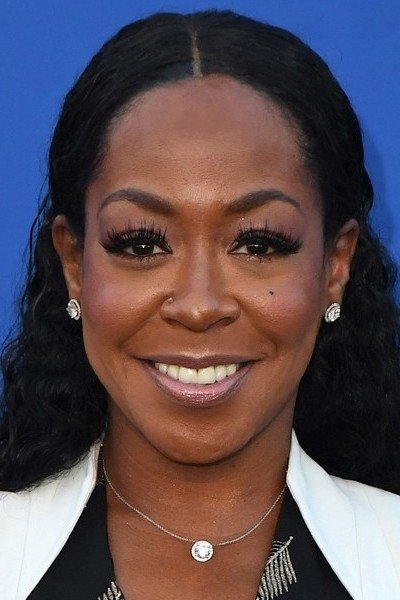
Tichina Arnold has built a long and successful career in Hollywood, always fighting for more roles for Black actors and actresses. She’s openly discussed how frustrating it is to be limited to certain types of characters and how hard it can be to find varied work. Thanks to her talent and great comedic skills, she’s remained a familiar face on TV for decades. Beyond her acting, Arnold is also dedicated to giving back through charity work and helping young people. Her strength and perseverance have made her a beloved figure in American television.
Tisha Campbell
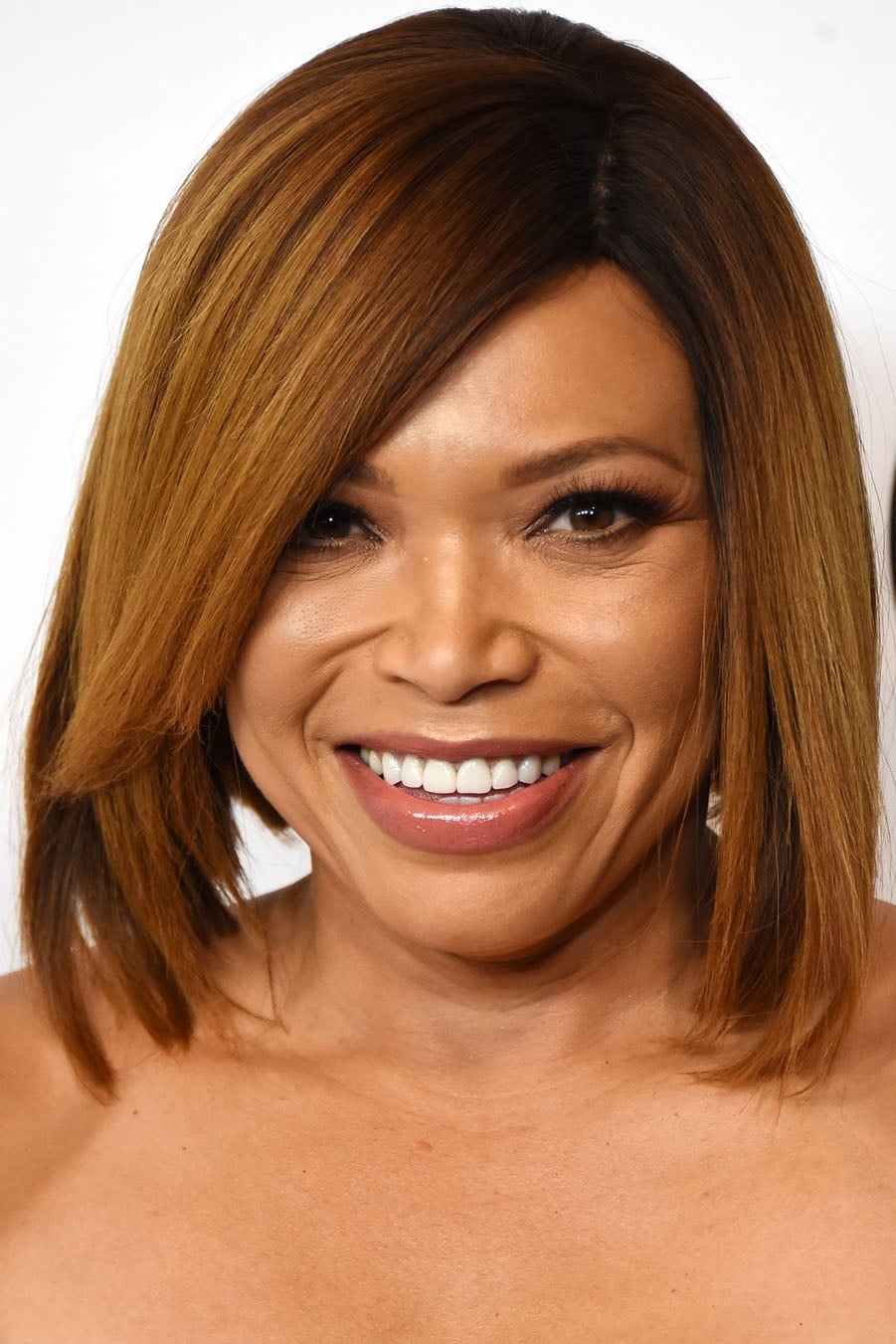
Throughout her career, Tisha Campbell has navigated numerous challenges both personally and professionally. As a Black woman in the entertainment industry, she’s openly discussed the lack of support she’s faced. Campbell now uses her experiences to raise awareness about mental health and the importance of self-care. She remains a talented and diverse performer, equally skilled in comedic and dramatic roles, and her resilience has earned her admiration from colleagues and fans alike.
Tracee Ellis Ross
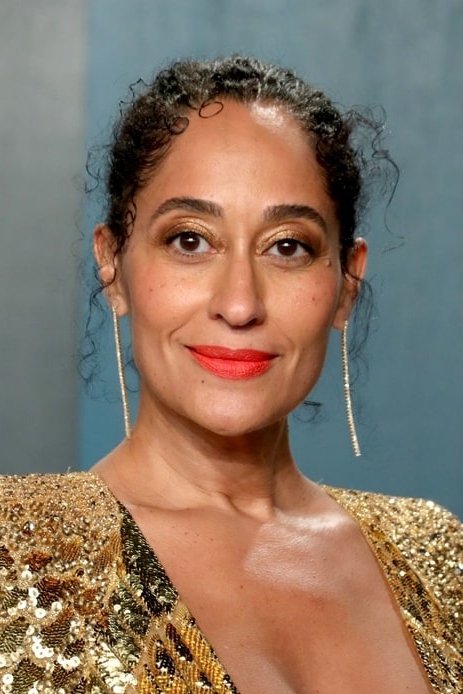
Tracee Ellis Ross frequently talks about race in Hollywood and the challenges of fitting in. Though she’s the daughter of a famous performer, she’s built a unique career while recognizing the difficulties faced by previous generations. Ross is a strong voice for celebrating Black hair and prioritizing self-care, and she uses her work to portray the full, vibrant experience of being a Black woman. Ultimately, her career is driven by a dedication to supporting and empowering her community.
Vanessa Williams
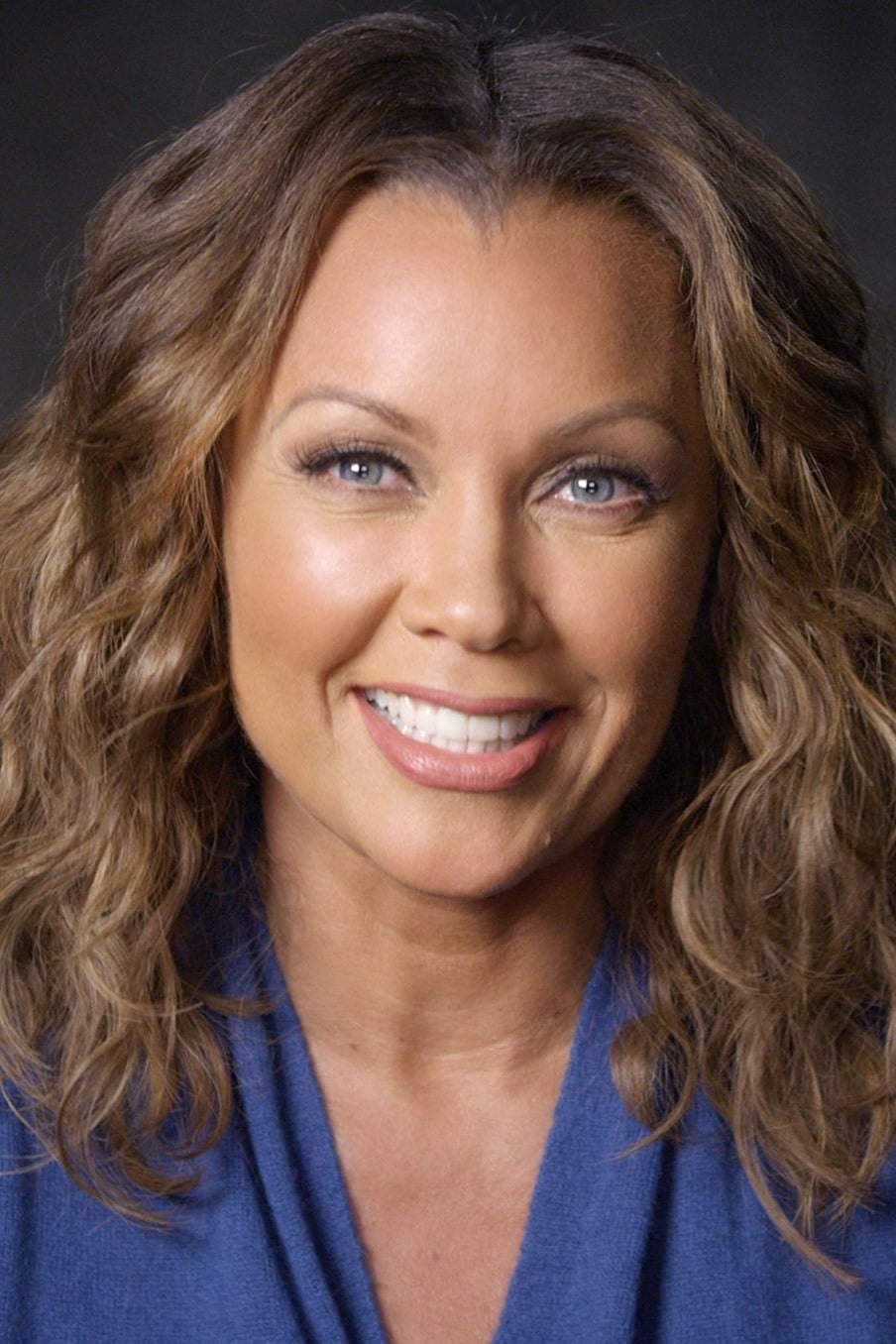
As a movie and history buff, I’ve always been struck by Vanessa Williams’ story. When she became the first Black Miss America, she faced unbelievable scrutiny and, sadly, a lot of racism. The pressure became so intense that she ultimately had to step down. But what I admire most is that she didn’t let that experience break her. She went on to become a hugely successful singer and actress! It was amazing to see her finally invited back to the Miss America pageant years later, where she received a long-overdue apology and recognition. Her journey is a powerful example of how someone can overcome targeted racism and achieve incredible things – it’s truly inspiring.
Viola Davis
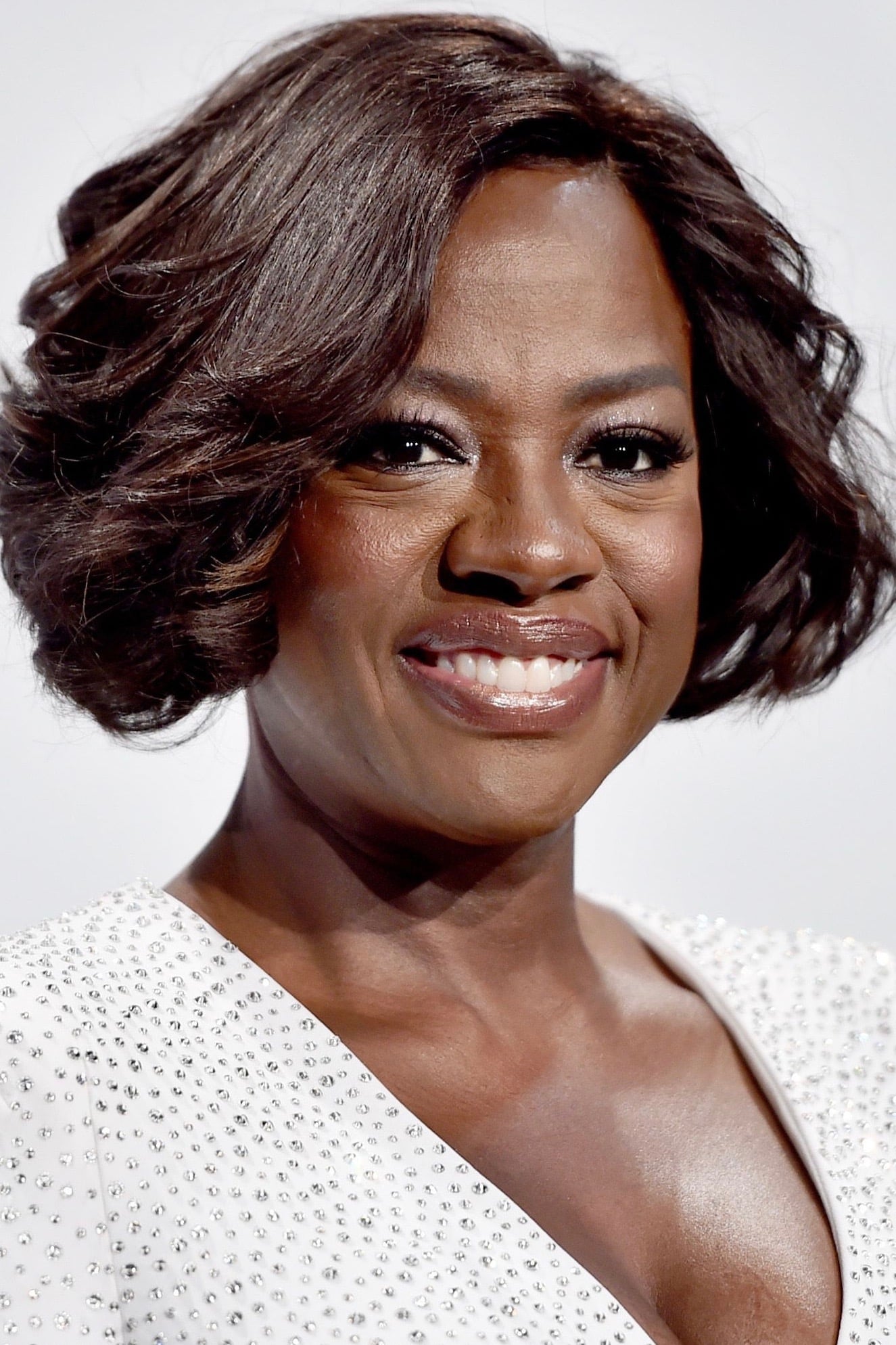
Viola Davis has often talked about the racism she’s faced during her successful acting career. She’s highlighted the fact that Black actresses often earn less than white actresses in Hollywood, and has shared how she was once told she didn’t fit the traditional image of a leading lady. Despite these challenges, she made history as the first Black actress to win an Emmy, an Oscar, and a Tony Award – the Triple Crown of Acting. Through her work advocating for fair pay and more opportunities, she’s become a role model for women across the entertainment industry.
Whoopi Goldberg
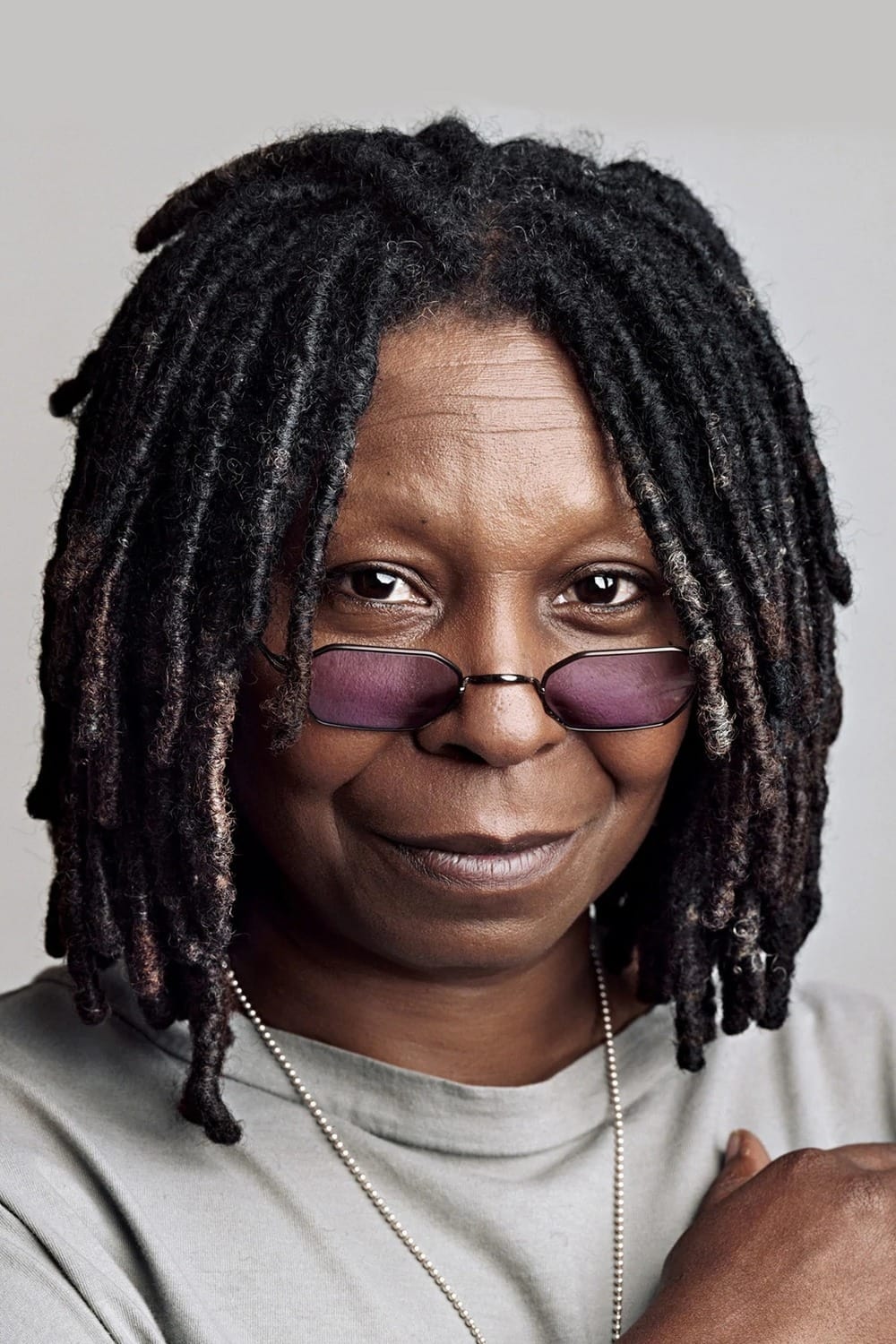
Throughout her long career in Hollywood, Whoopi Goldberg has consistently overcome racism and professional challenges. She often found herself as the only Black woman present and had to persistently advocate for her ideas to be acknowledged. Goldberg has openly discussed the criticism she faced regarding her looks and the types of roles she chose. Despite these hurdles, she achieved the rare EGOT status and became a beloved figure on daytime TV. Her career is a testament to lasting success and strength in an ever-evolving industry.
Yara Shahidi
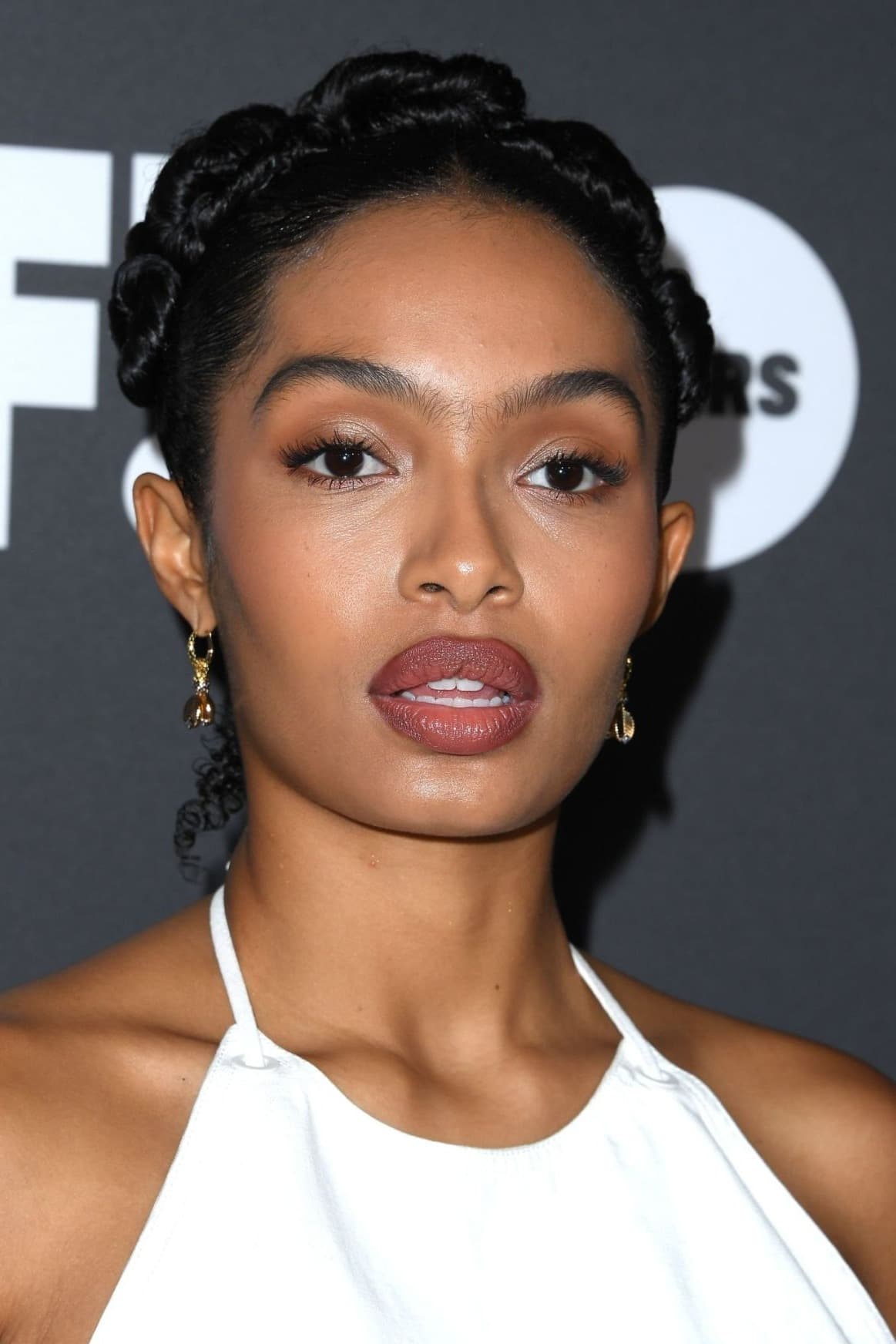
When Yara Shahidi was chosen to play Tinker Bell in the live-action ‘Peter Pan & Wendy’ film, she received some negative feedback. This was similar to what other actresses experienced when they were cast in reimagined roles, with some people objecting to the casting of diverse actors. Shahidi handled the criticism with poise, emphasizing how exciting it was to bring a fresh take to such a beloved character. A longtime advocate for social justice, she used the opportunity to promote the importance of inclusion. Her portrayal was particularly significant for young girls who hadn’t previously seen themselves represented in similar roles.
Zoe Saldaña
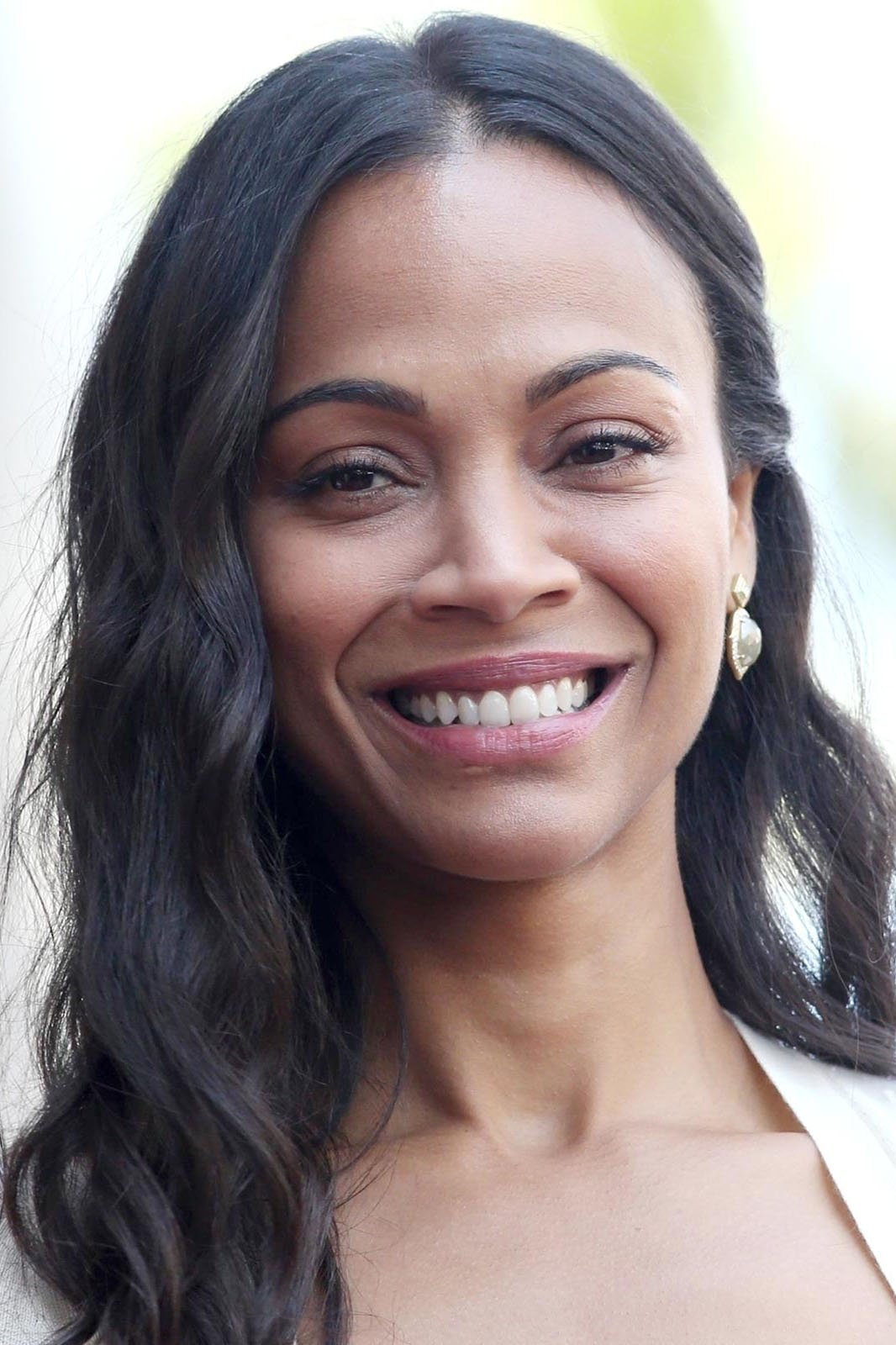
As a critic, I remember the controversy surrounding Zoe Saldana’s casting as Nina Simone in the biopic ‘Nina’ all too well. There was a real outcry, and rightfully so, with many accusing the filmmakers of colorism – essentially, favoring lighter skin tones. It felt like they’d deliberately darkened her skin, and a lot of people felt a darker-skinned Black actress who more closely resembled Simone should have had the opportunity. Saldana eventually apologized, acknowledging the hurt it caused, and honestly, it sparked a really important conversation about representation and what it means to authentically portray identity within the Black community. It’s good to see she’s since prioritized roles that allow her to connect with and represent her heritage in a more genuine way.
Share your thoughts on these resilient actresses and their impact on the industry in the comments.
Read More
- Top 20 Dinosaur Movies, Ranked
- 20 Movies Where the Black Villain Was Secretly the Most Popular Character
- Celebs Who Narrowly Escaped The 9/11 Attacks
- 25 “Woke” Films That Used Black Trauma to Humanize White Leads
- The 10 Most Underrated Jim Carrey Movies, Ranked (From Least to Most Underrated)
- Transformers Under the Microscope: What Graph Neural Networks Reveal
- The Best Directors of 2025
- Every Notable ‘Star Trek: The Original Series’ Actor Who Died
- 22 Films Where the White Protagonist Is Canonically the Sidekick to a Black Lead
- Trading on Thin Air: AI Agents Conquer Crypto Volatility
2026-03-11 09:21