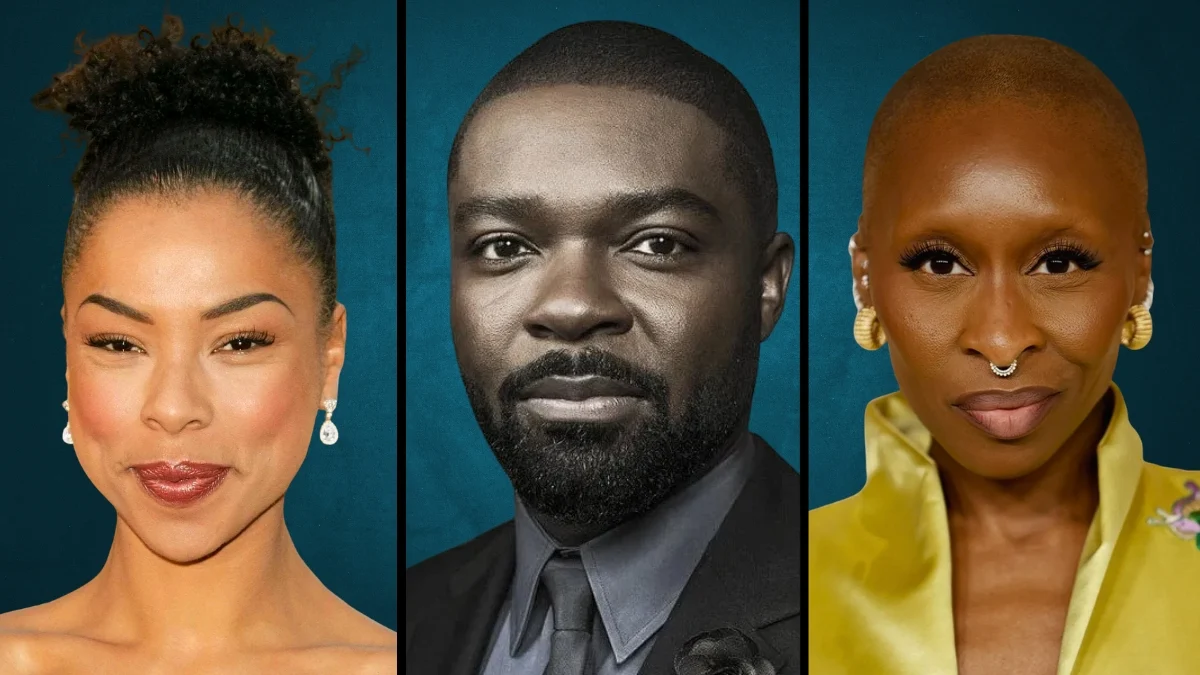
To create believable movies, actors and filmmakers often need to leave the familiar surroundings of a studio and truly experience the world their story takes place in. Clothing is a key part of making this feel real, connecting performances to the specific details of different cultures and time periods. The actors below went to great lengths – traveling the world or working closely with designers who sourced materials internationally – to make sure their outfits felt authentic and truly represented who their characters were.
Viola Davis
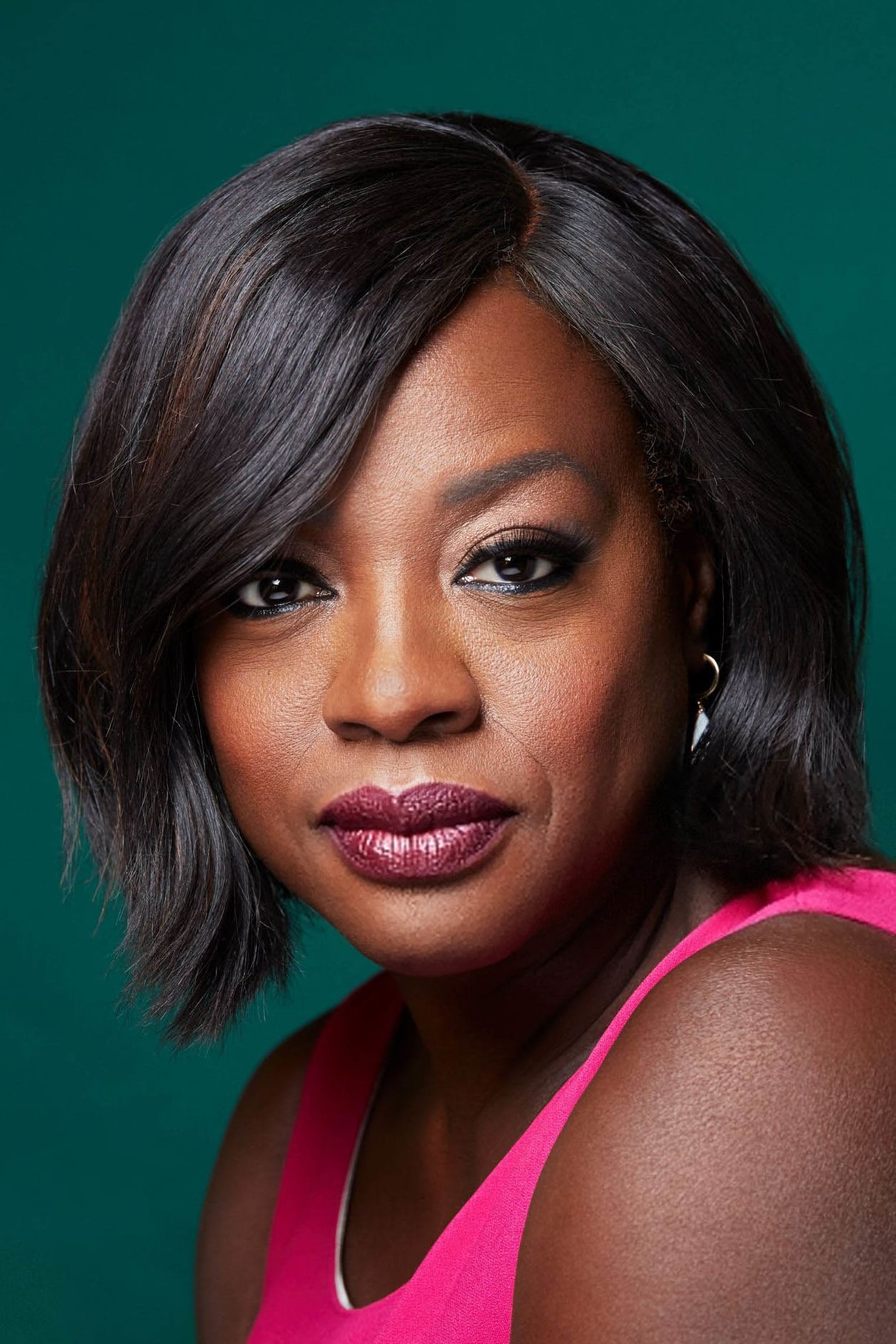
To play General Nanisca in the 2022 film ‘The Woman King,’ Viola Davis underwent a demanding physical and wardrobe transformation. Filmed primarily in South Africa, the production team used genuine fabrics and jewelry sourced from all over the continent. Davis wore substantial leather armor and intricately woven clothing that accurately represented the craftsmanship of the 19th-century Dahomey Kingdom. The challenging filming location and the weight of the historically accurate costumes contributed to the powerful and realistic nature of her performance.
Chadwick Boseman
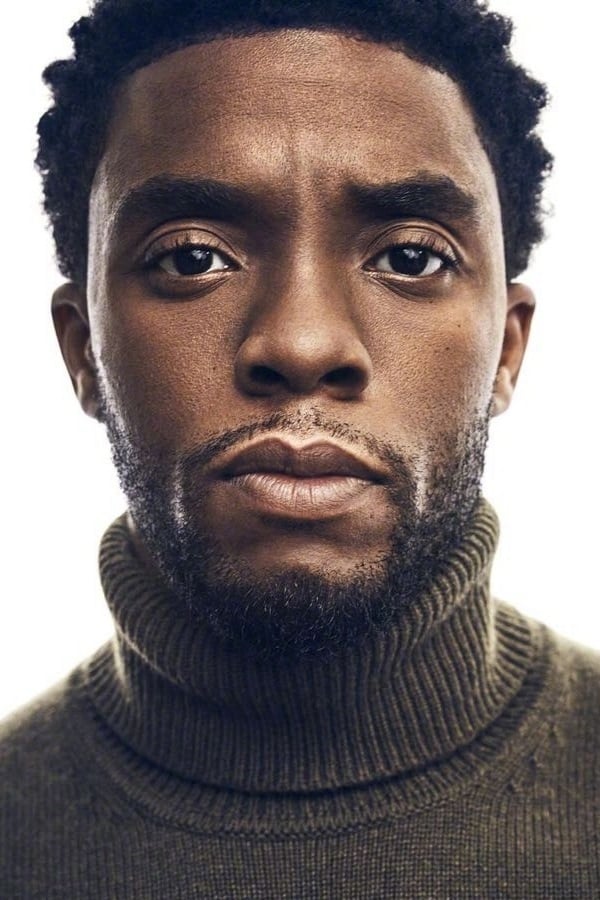
Chadwick Boseman’s portrayal of King T’Challa in ‘Black Panther’ (2018) was brought to life through costumes deeply inspired by African culture. Costume designer Ruth E. Carter spent considerable time traveling across Africa, researching traditional fabrics and beadwork to create the film’s memorable looks. Boseman’s suit combined the futuristic feel of Vibranium with detailed designs based on patterns from sacred African art. Wearing these outfits was a tribute to the extensive research that defined the visual style of Wakanda.
Will Smith
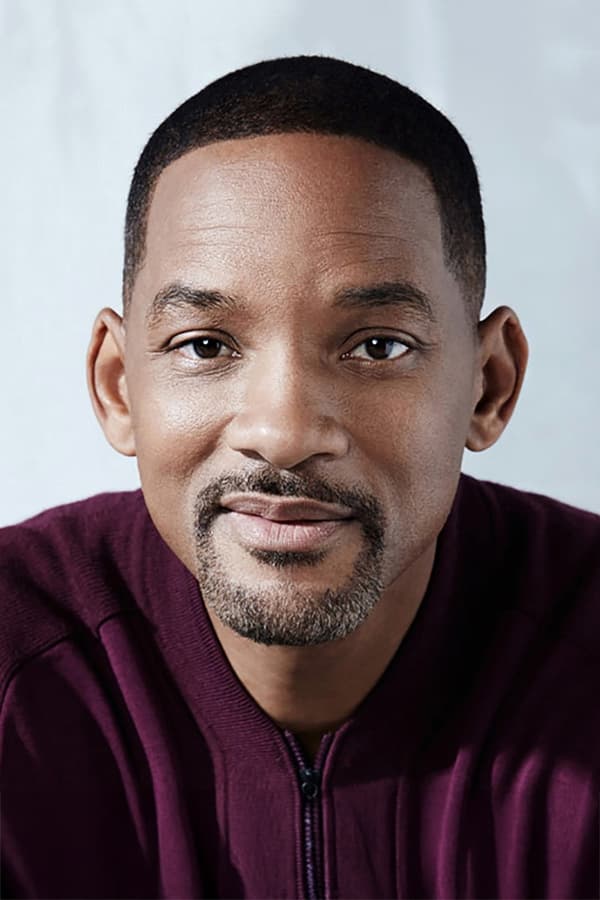
For the 2001 film ‘Ali,’ Will Smith filmed many scenes in Mozambique and other African countries. The filmmakers were committed to realism, even going so far as to recreate Muhammad Ali’s exact boxing shorts and robe from the famous ‘Rumble in the Jungle’ fight. Smith spent time living and filming in the places where the actual events happened, and he wore costumes designed to feel authentic in the humid climate. This helped him connect with the role and truly embody Muhammad Ali during those important moments.
Lupita Nyong’o
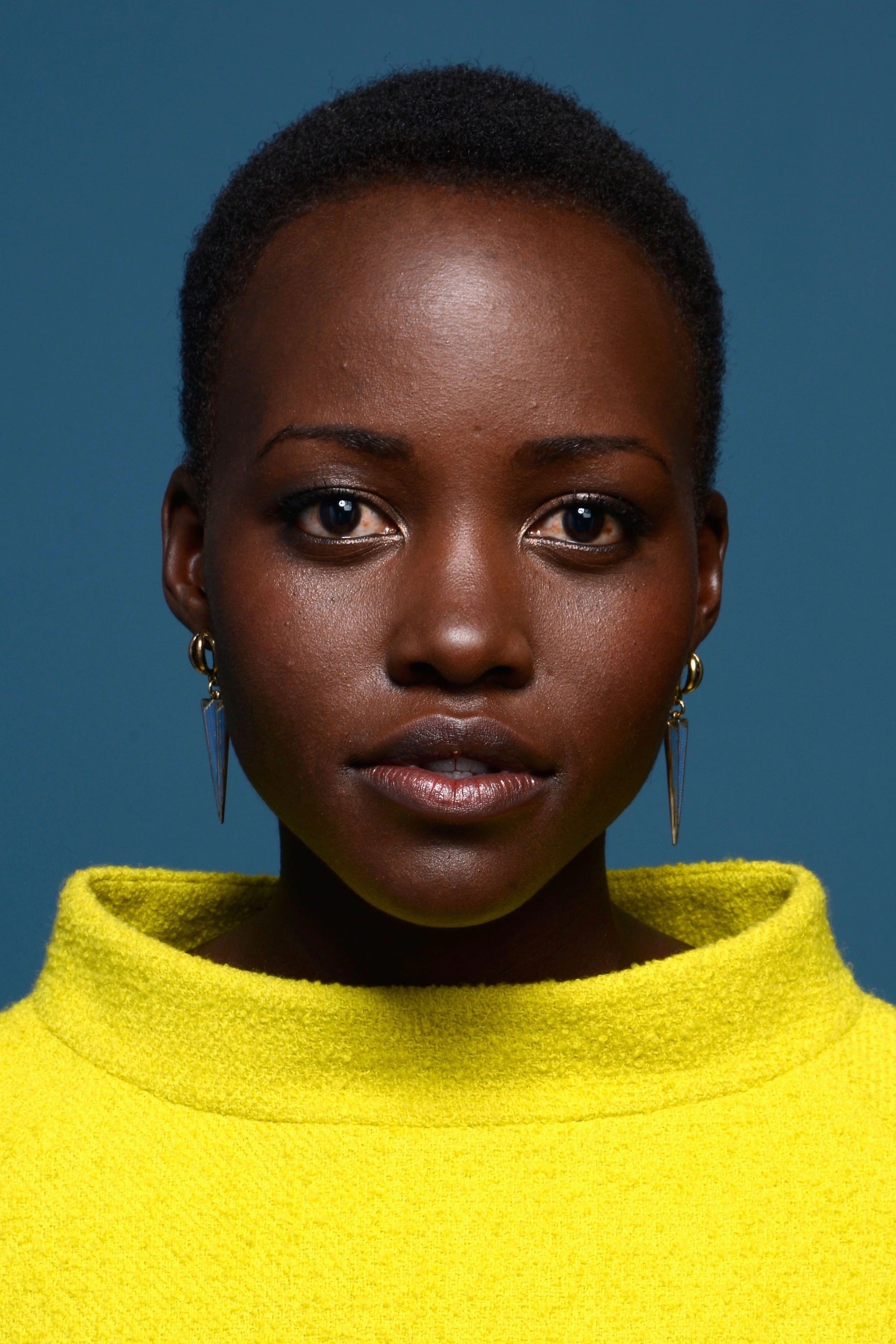
Lupita Nyong’o filmed the uplifting true story ‘Queen of Katwe’ (2016) on location in the vibrant city of Kampala, Uganda. To create an authentic look, her costumes were made from colorful kitenge fabrics and traditional wraps purchased directly from local markets. The clothing not only reflected the character’s background but also celebrated the lively spirit and strength of the community. By using clothes that appeared worn and natural, Nyong’o effortlessly became part of the surroundings.
Forest Whitaker
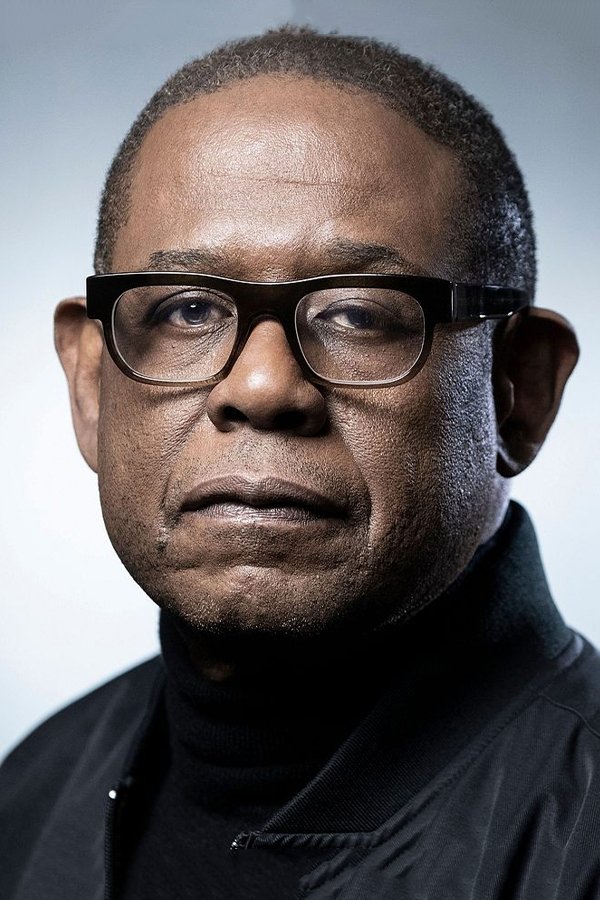
Forest Whitaker gave a frighteningly realistic performance as Idi Amin in the 2006 film ‘The Last King of Scotland’. He filmed on location in Uganda and the costume designers meticulously recreated Amin’s actual military uniforms and medals. Whitaker’s costumes were carefully tailored to match the dictator’s powerful and extravagant appearance, and the accurate details of the medals and ribbons, filmed in the Ugandan capital Kampala, greatly enhanced the chilling realism of his performance.
David Oyelowo
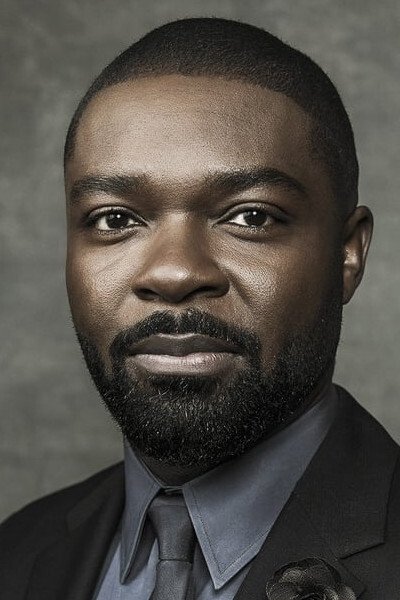
David Oyelowo played Seretse Khama in the 2016 film ‘A United Kingdom,’ which was filmed in London and the beautiful scenery of Botswana. To portray his character – an African king with a British education – Oyelowo wore both historically accurate suits and traditional clothing of the Tswana people. The filmmakers made sure the local costumes used in Botswana scenes respectfully represented the customs of the Bamangwato people. Oyelowo’s wardrobe helped show his character’s complex background and challenging political path, reflecting the different worlds he navigated.
Beyoncé
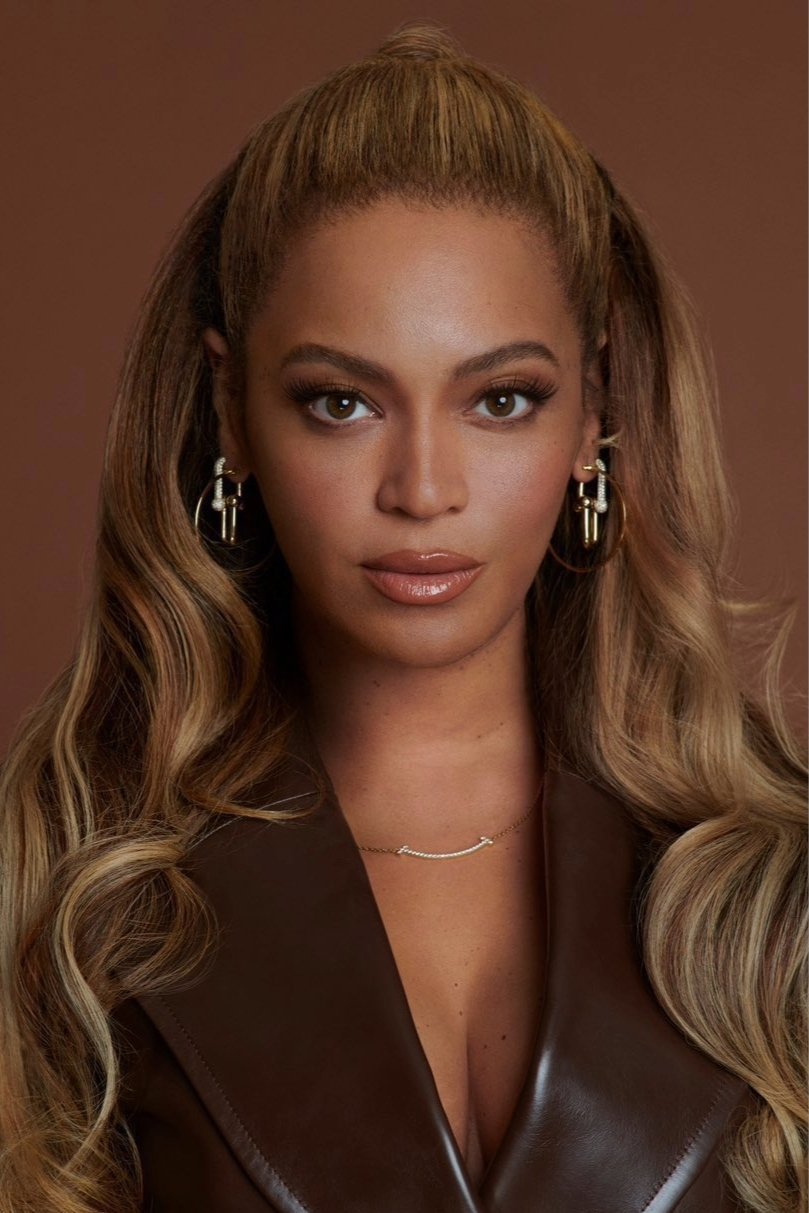
For her 2020 visual album ‘Black Is King,’ Beyoncé filmed across Africa, including in South and West Africa. She worked with local artists and designers to create stunning, modern costumes. These outfits weren’t just clothes—they were intricate works of art celebrating African heritage and royalty, using detailed beading and other techniques. By filming globally and collaborating locally, Beyoncé used the costumes to tell a story connecting people of African descent around the world.
Idris Elba
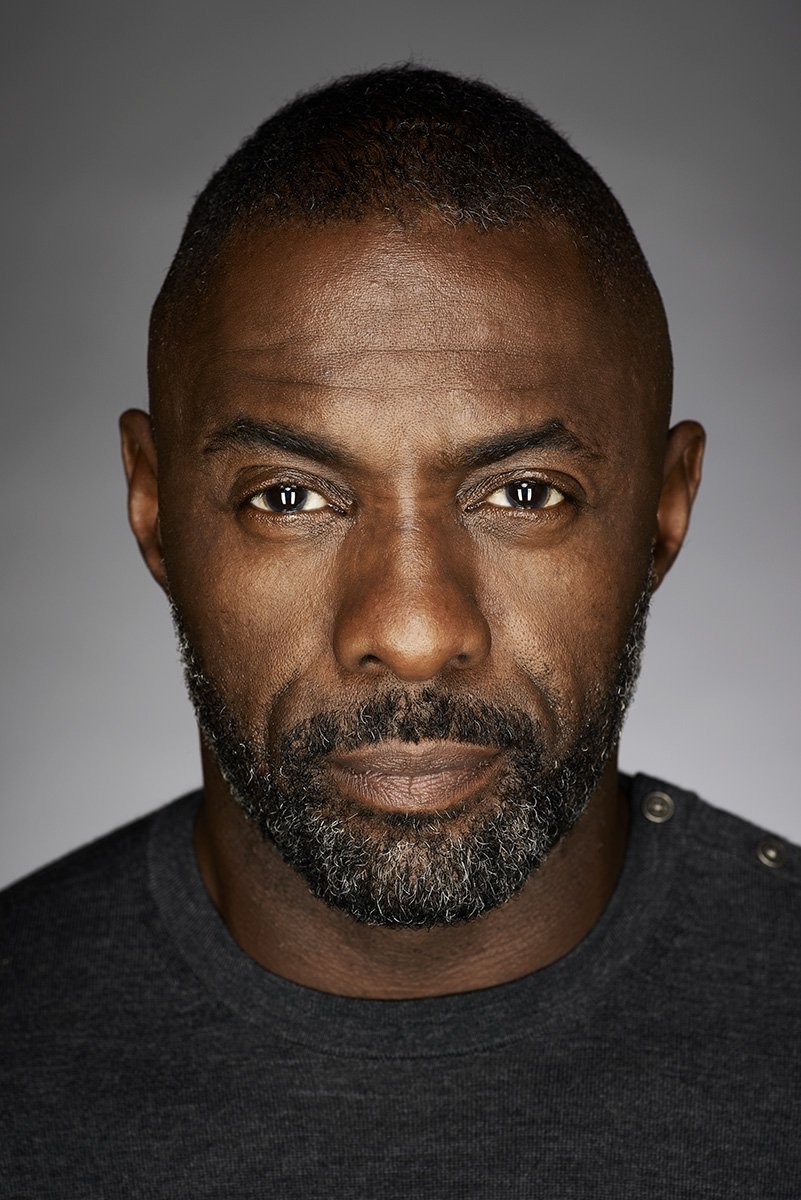
To prepare for his role as Nelson Mandela in the 2013 film ‘Mandela: Long Walk to Freedom,’ Idris Elba spent a significant amount of time in South Africa. His clothing reflected Mandela’s life, starting with traditional Xhosa clothing from his village days, moving to the stylish suits of a young lawyer in the 1950s, and finally the iconic Madiba shirts worn during his presidency. The costume designers made sure the fabrics and patterns accurately represented each period of South African history by sourcing materials locally. Elba wore these outfits while filming in the very places where Mandela lived and fought for freedom.
Kelvin Harrison, Jr.
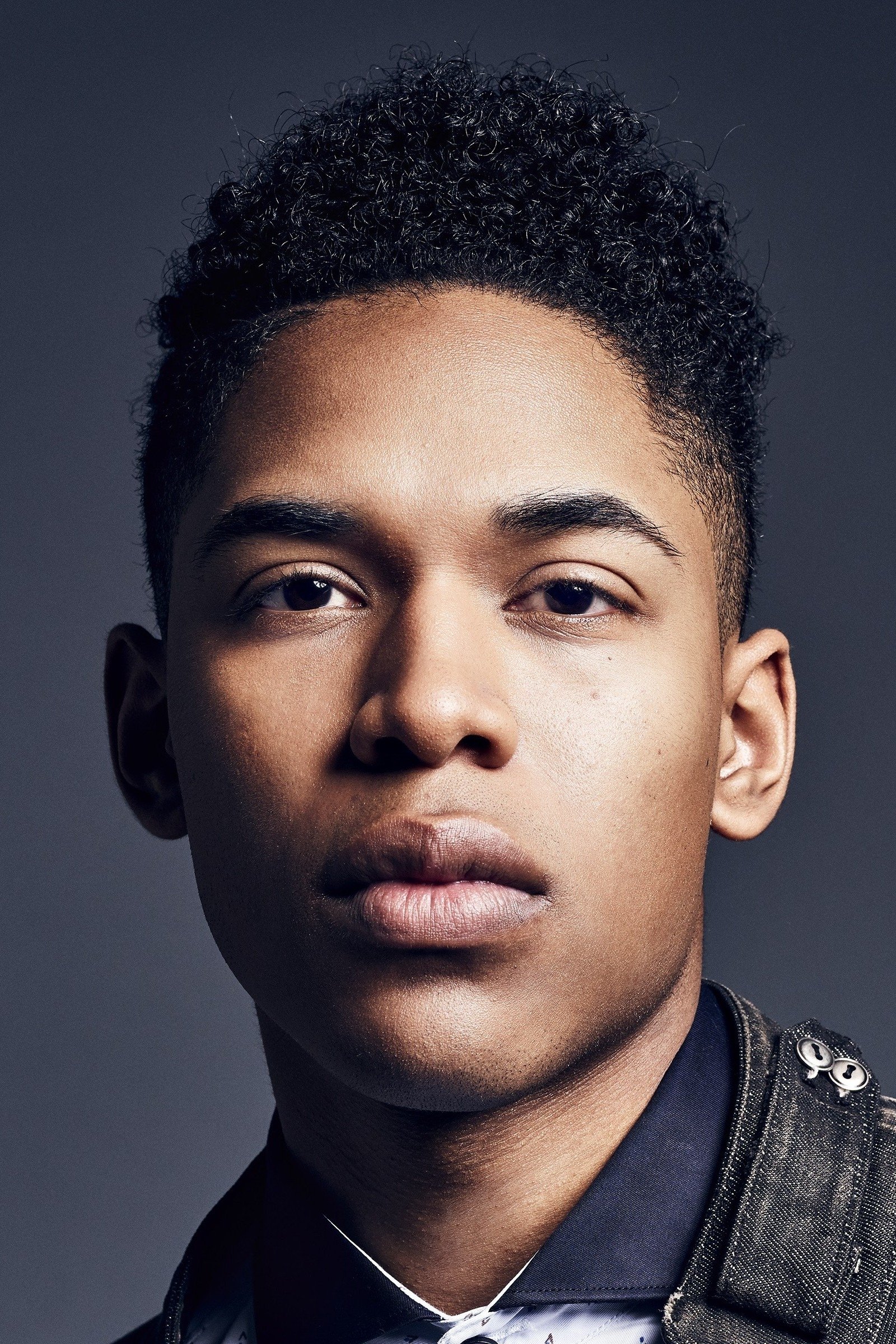
For the film ‘Chevalier’ (2022), Kelvin Harrison Jr. immersed himself in 18th-century France by filming in the Czech Republic. He wore detailed costumes – including velvet coats, wigs, and heels – to portray the talented violinist Joseph Bologne. These costumes weren’t just for show; they were made using historical methods that limited his movement, forcing him to adopt the posture and mannerisms of the French upper class. Walking the streets of Prague in the period clothing, with layers of silk, truly made Harrison feel like he’d stepped back in time to the era before the French Revolution.
Eddie Murphy
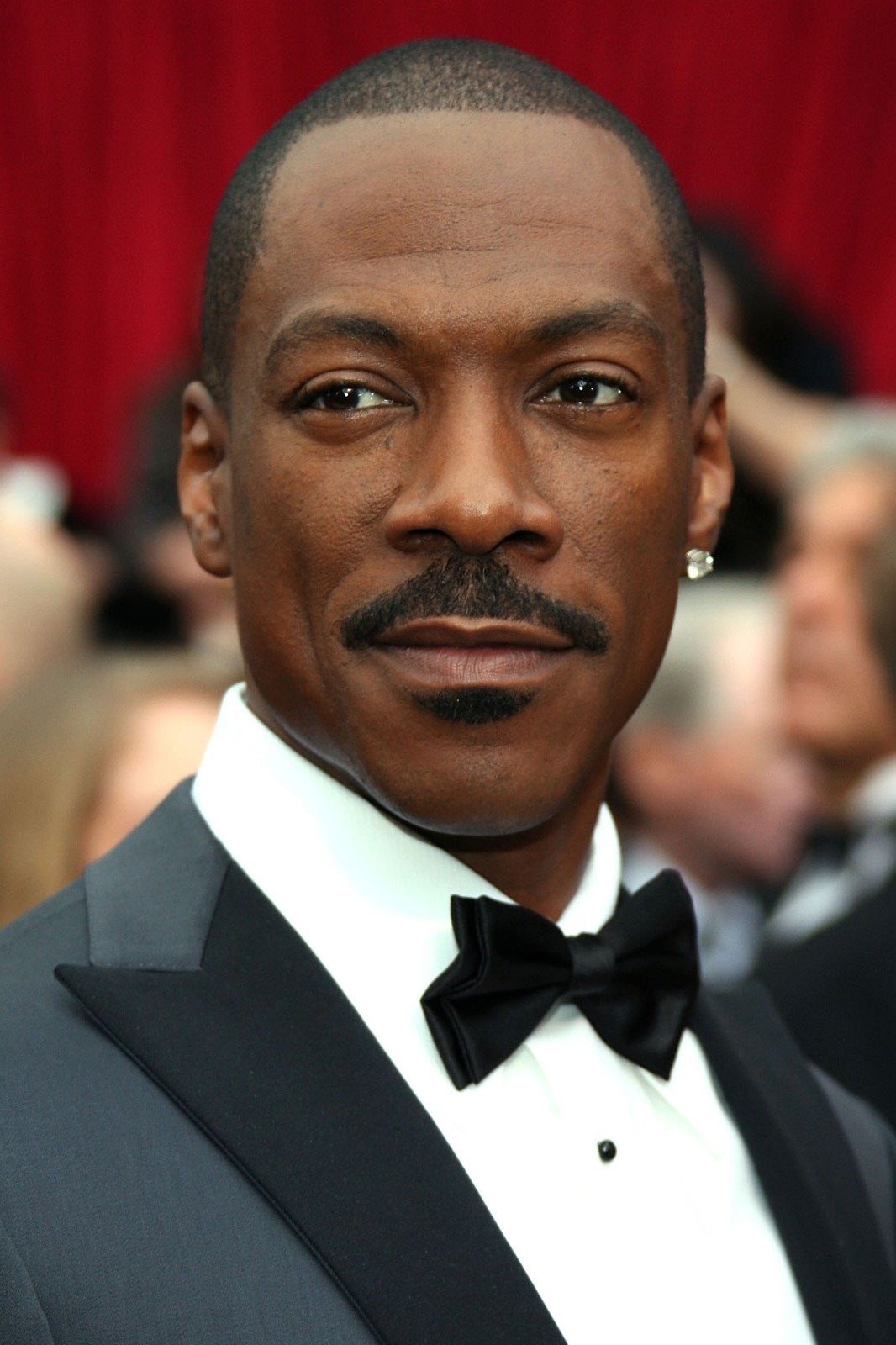
In ‘Coming 2 America’ (2021), Eddie Murphy returned as Prince Akeem, showcasing an even more vibrant and culturally inspired wardrobe. Costume designer Ruth E. Carter again traveled across Africa to find materials for the royal outfits, ensuring they felt uniquely African and different from typical Western styles. Murphy’s costumes included richly detailed robes and crowns, featuring genuine beadwork and traditional jewelry. These outfits helped create a strong sense of Zamunda’s culture and royal past, which added depth to the film’s comedy.
Abraham Attah
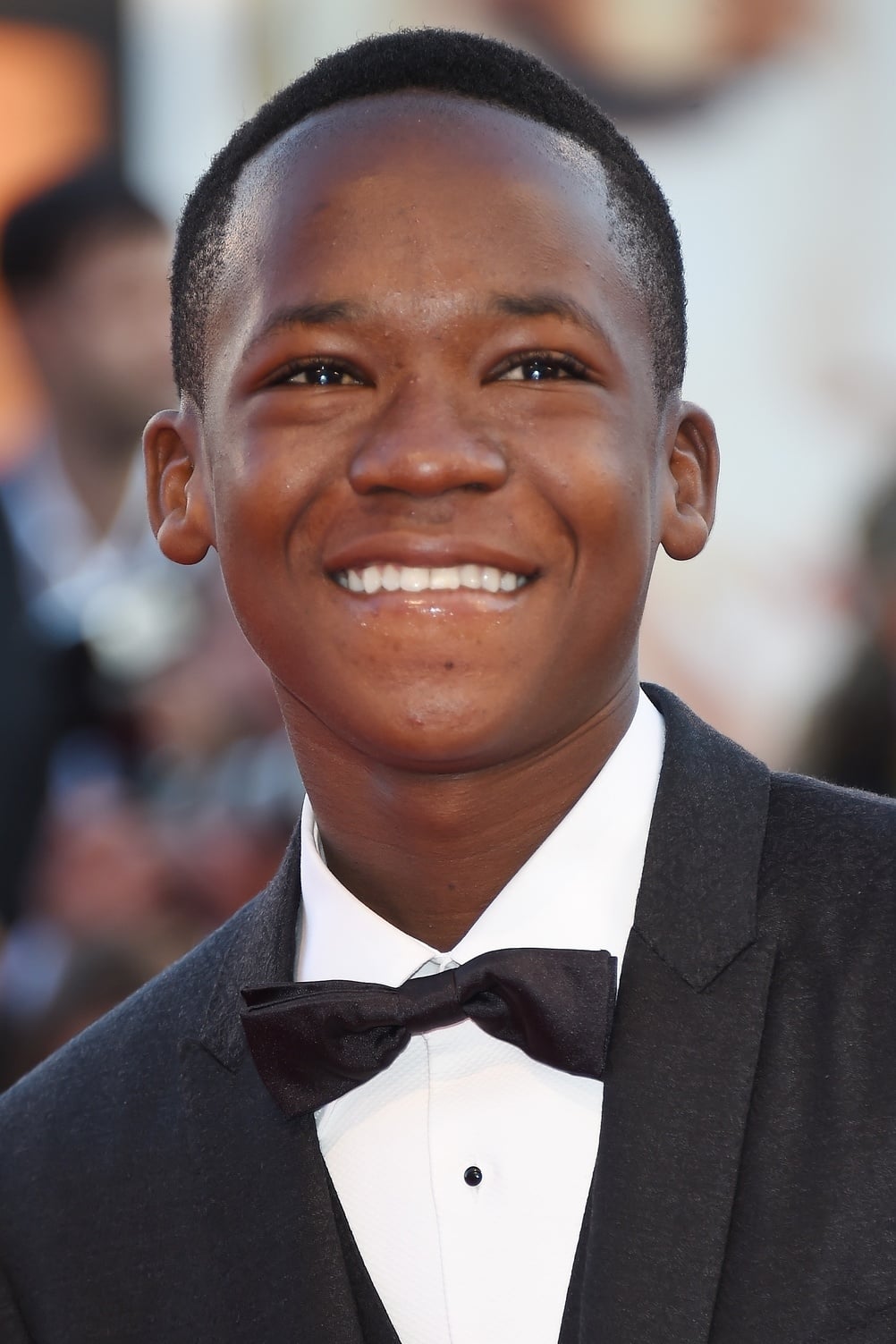
To realistically play a child soldier in the 2015 film ‘Beasts of No Nation,’ Abraham Attah filmed in the thick jungles of Ghana. The costume designers made regular clothes look worn and damaged to show what life would be like for a boy traveling through a war-torn area. Attah wore oversized, faded camouflage and ripped shirts that helped him blend into the jungle surroundings. The dirt and sweat on his clothes weren’t added later – they came naturally from the difficult and muddy filming conditions.
Djimon Hounsou
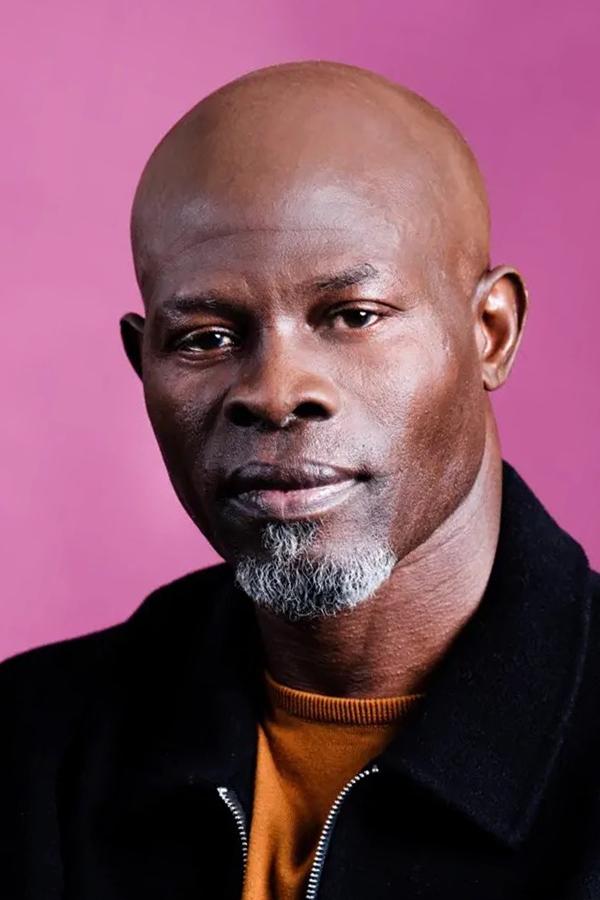
Djimon Hounsou shot the 2006 thriller ‘Blood Diamond’ in South Africa and Mozambique. His character, a fisherman forced to work in the diamond fields, wore simple, worn-out clothes. The costume designers made sure his outfits looked realistically dirty and damaged by the local red dirt and weather. This attention to detail helped Hounsou create a very believable and moving performance, closely tied to the film’s environment.
Cynthia Erivo
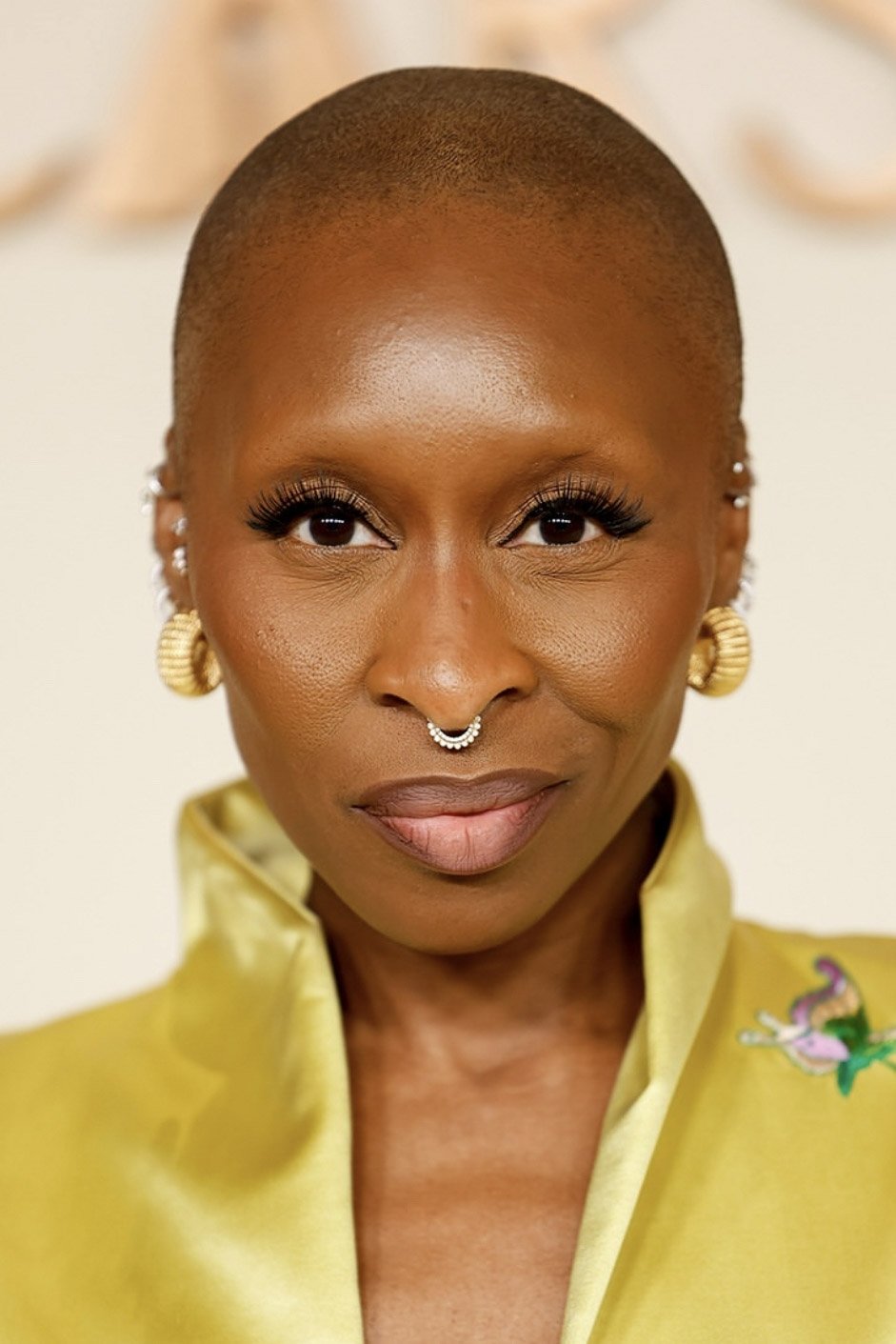
To realistically portray Harriet Tubman’s dangerous escape in the 2019 film ‘Harriet,’ Cynthia Erivo filmed on location in Virginia. Her clothing was carefully designed to look worn and functional for a difficult journey through the 19th-century landscape. She wore multiple layers of thick cotton and wool that realistically absorbed mud and water during river crossing scenes. The worn appearance of the fabrics emphasized Tubman’s physical hardship and unwavering resolve.
Angela Bassett
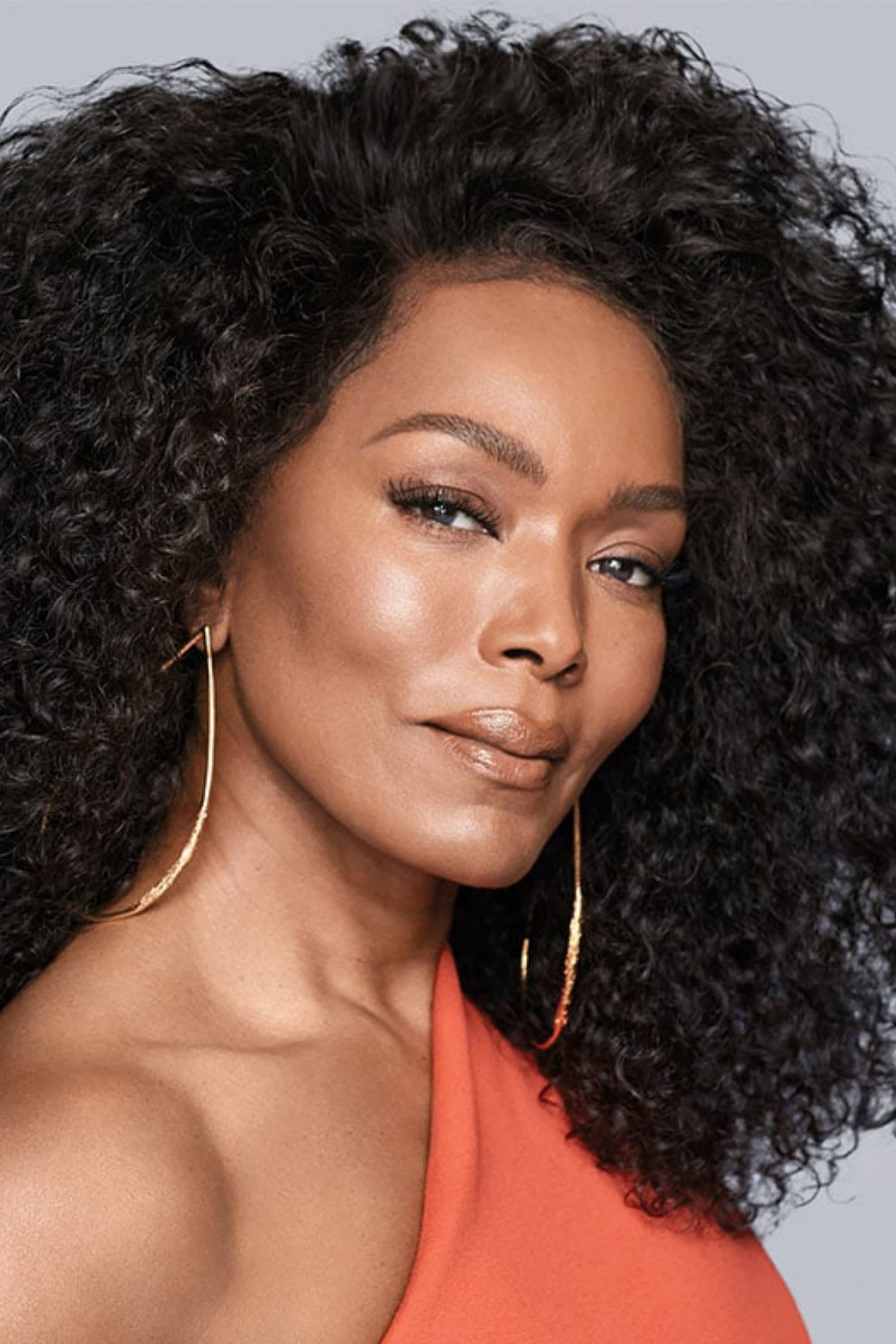
In ‘Black Panther: Wakanda Forever’ (2022), Angela Bassett played Queen Ramonda and wore costumes that beautifully blended modern 3D printing with classic African weaving techniques. Filming took place in Puerto Rico to help create the film’s expanding world. Her outfits, including large, round crowns and elegant gowns, emphasized her character’s royal presence and power. This combination of new and old reflected the film’s central idea of safeguarding a nation’s independence.
Sophie Okonedo
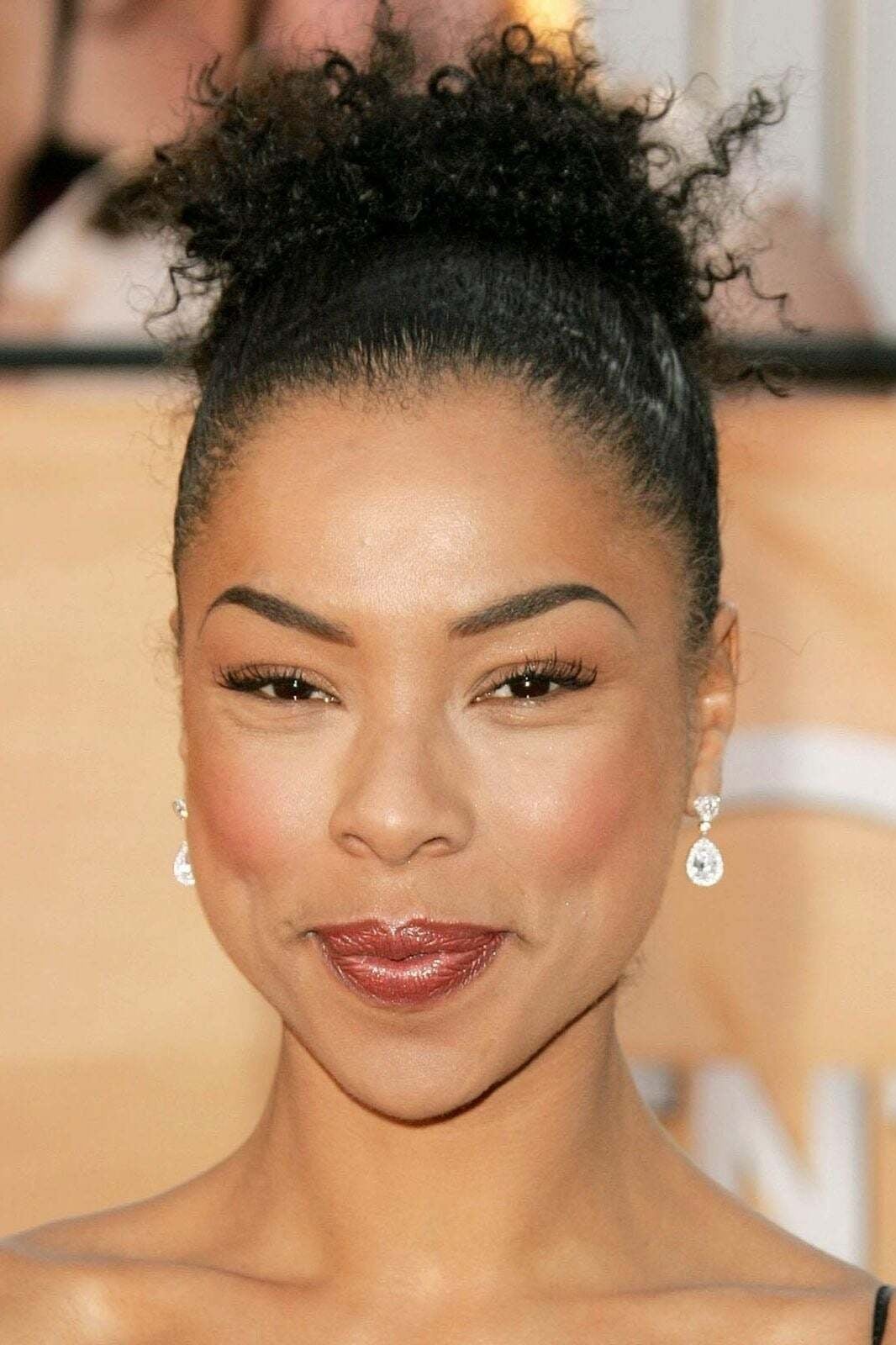
Sophie Okonedo filmed the powerful drama ‘Hotel Rwanda’ (2004) in South Africa and Rwanda, portraying the events of the 1994 genocide. Her costumes were carefully chosen to reflect the typical, understated clothing worn by women in Kigali at the time. The designers used faded patterns and simple styles to emphasize the character’s difficult and frightening circumstances. Okonedo wore these realistic outfits while filming scenes of intense bravery and struggle for survival.
Please share your favorite costume from this list in the comments.
Read More
- Top 20 Dinosaur Movies, Ranked
- 20 Movies Where the Black Villain Was Secretly the Most Popular Character
- 25 “Woke” Films That Used Black Trauma to Humanize White Leads
- Silver Rate Forecast
- Gold Rate Forecast
- Spotting the Loops in Autonomous Systems
- From Bids to Best Policies: Smarter Auto-Bidding with Generative AI
- 22 Films Where the White Protagonist Is Canonically the Sidekick to a Black Lead
- Celebs Who Narrowly Escaped The 9/11 Attacks
- Can AI Lie with a Picture? Detecting Deception in Multimodal Models
2025-12-11 13:16