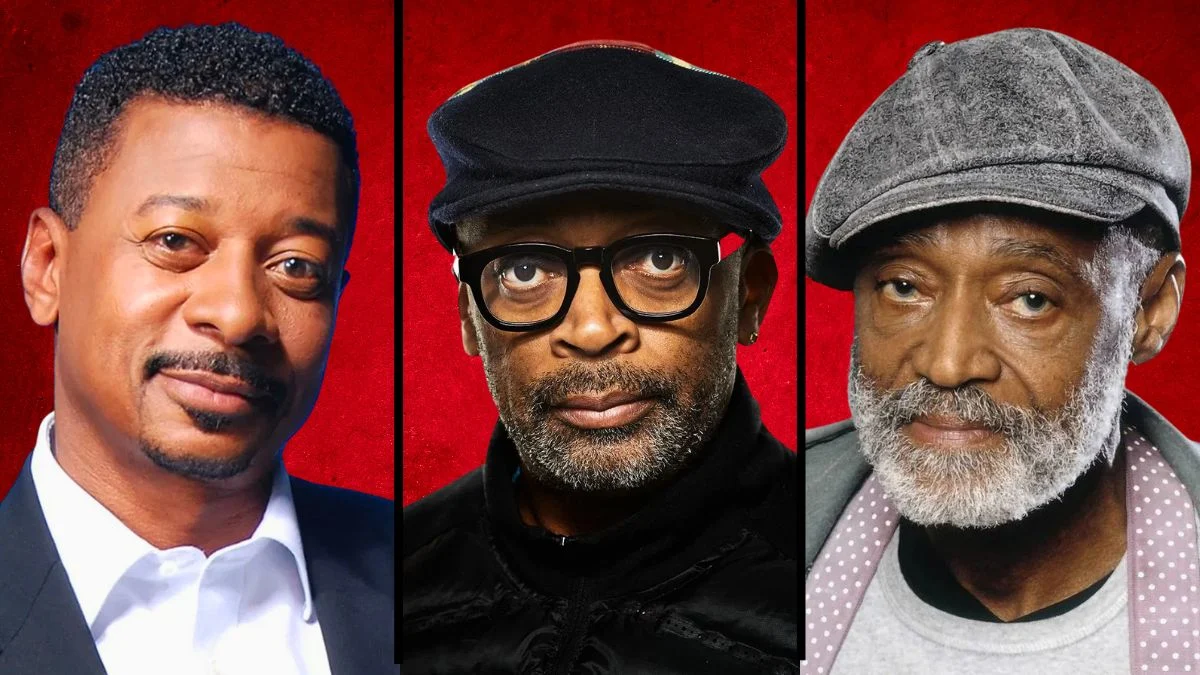
For many years, independent film has been a crucial way for artists to tell their own stories and gain wider recognition. Black actors, in particular, often faced a lack of suitable roles and stories within the established studio system. They responded by funding their own projects, proving that films with diverse perspectives could also be commercially successful. This often meant taking significant financial risks, but their efforts paved the way for future generations of artists to control their own creative paths and achieve lasting impact in cinema.
Robert Townsend
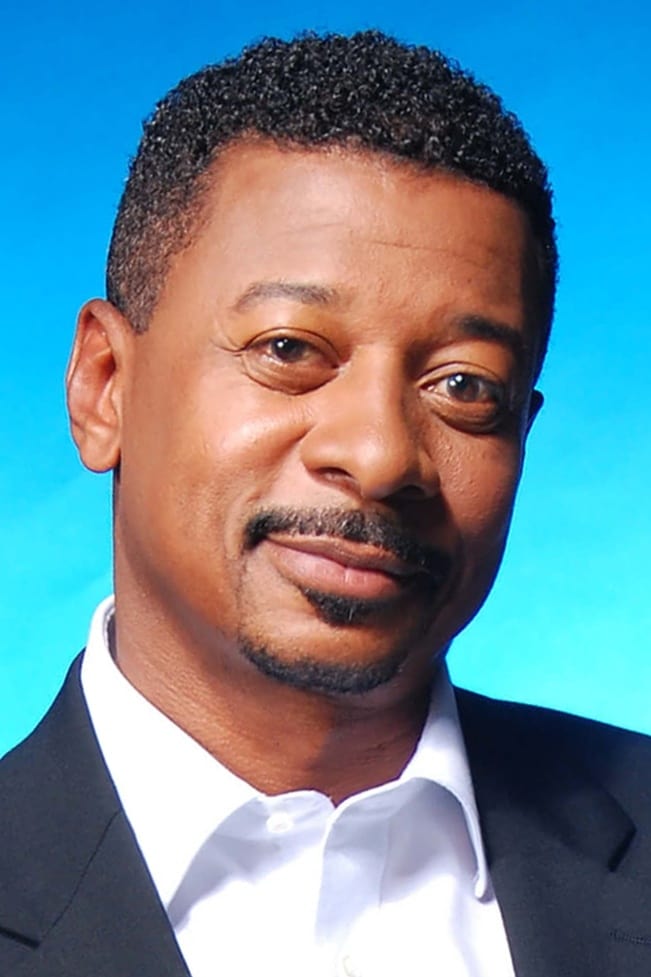
The actor funded his first big film by maxing out several credit cards. This allowed him to create a humorous and critical look at the few opportunities available to Black actors in Hollywood. The film, called ‘Hollywood Shuffle,’ was a critical hit and helped establish him as both a director and a leading man. He spent years paying off the credit card debt he accumulated making the independent film, proving that a strong story can succeed even without major studio support.
Spike Lee
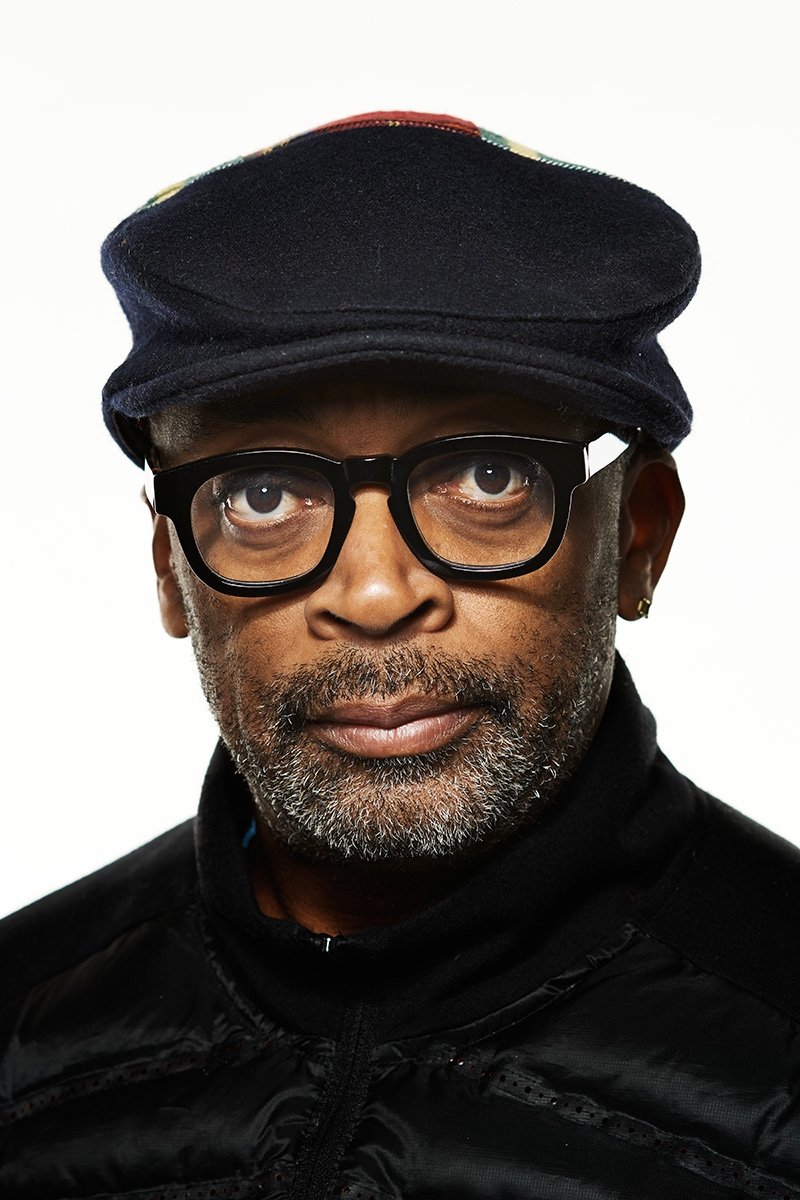
He funded his first film by combining credit card debt with small grants. Shot in just twelve days on a tight budget in Brooklyn, ‘She’s Gotta Have It’ went on to win an award at a major international film festival and helped him establish his distinctive style in American movies. Because he oversaw all aspects of the production, he was able to offer a new look at relationships in the city. This early success launched his career as a well-known filmmaker and actor.
Melvin Van Peebles
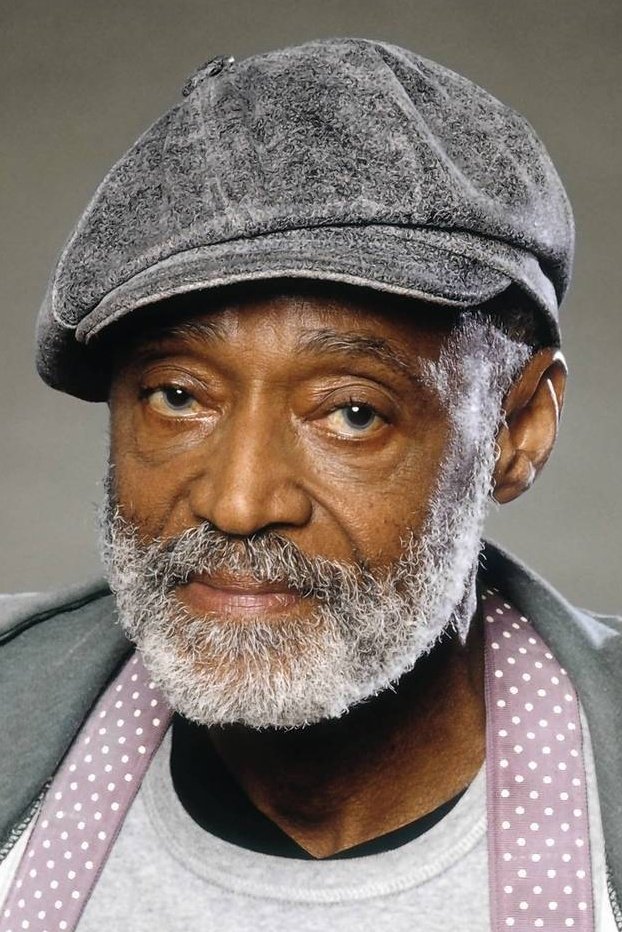
Melvin Van Peebles was a true innovator who funded his landmark film in the early 1970s with his personal savings. To save money, he took on many roles himself, directing the movie and even writing its music. ‘Sweet Sweetback’s Baadasssss Song’ became a huge independent hit, proving there was a large audience eager for genuine Black stories. Throughout his career, he passionately championed the importance of creative independence.
Tyler Perry
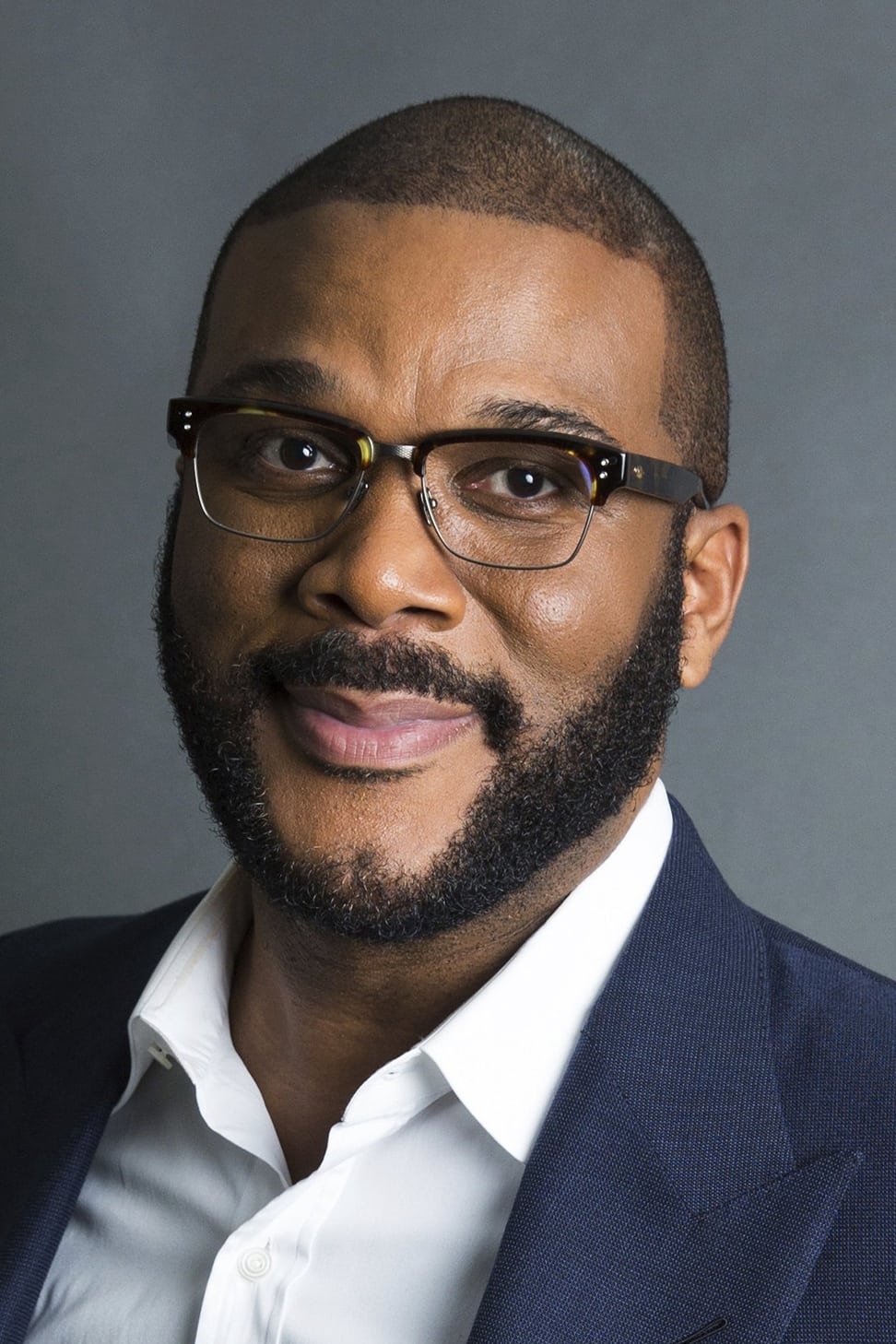
Before he became famous, he used all of his savings to fund his stage plays in the late 1990s. The money earned from these popular shows then allowed him to finance his move into making movies. His first big film, ‘Diary of a Mad Black Woman,’ was a huge hit, surprising many in the industry. This success enabled him to create his own studio and keep complete control over his work. Today, he’s known as one of the most successful independent producers ever.
Oscar Micheaux
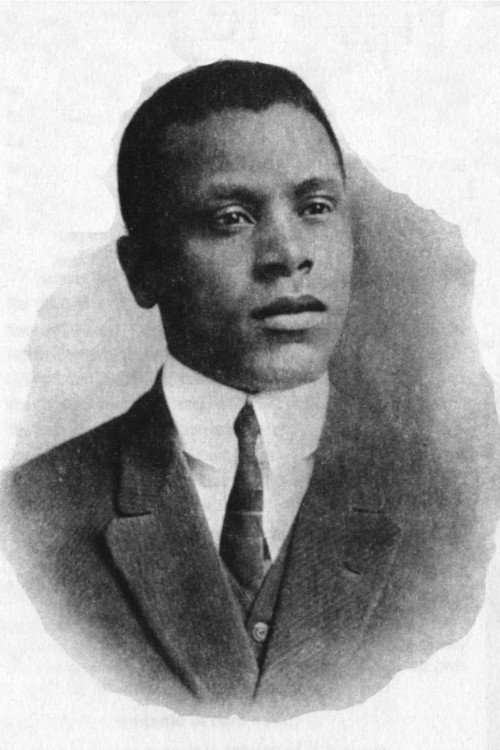
In the early 1900s, he financed his initial silent film by selling shares in his production company to local farmers. He shifted from writing novels to making movies, hoping to share his stories with more people. His film, ‘The Homesteader,’ was a groundbreaking achievement as one of the first feature-length films directed by a Black filmmaker. He personally traveled the country, showing his movies in theaters that were segregated at the time. Through his dedication, he became the first prominent Black filmmaker in the United States.
Nate Parker
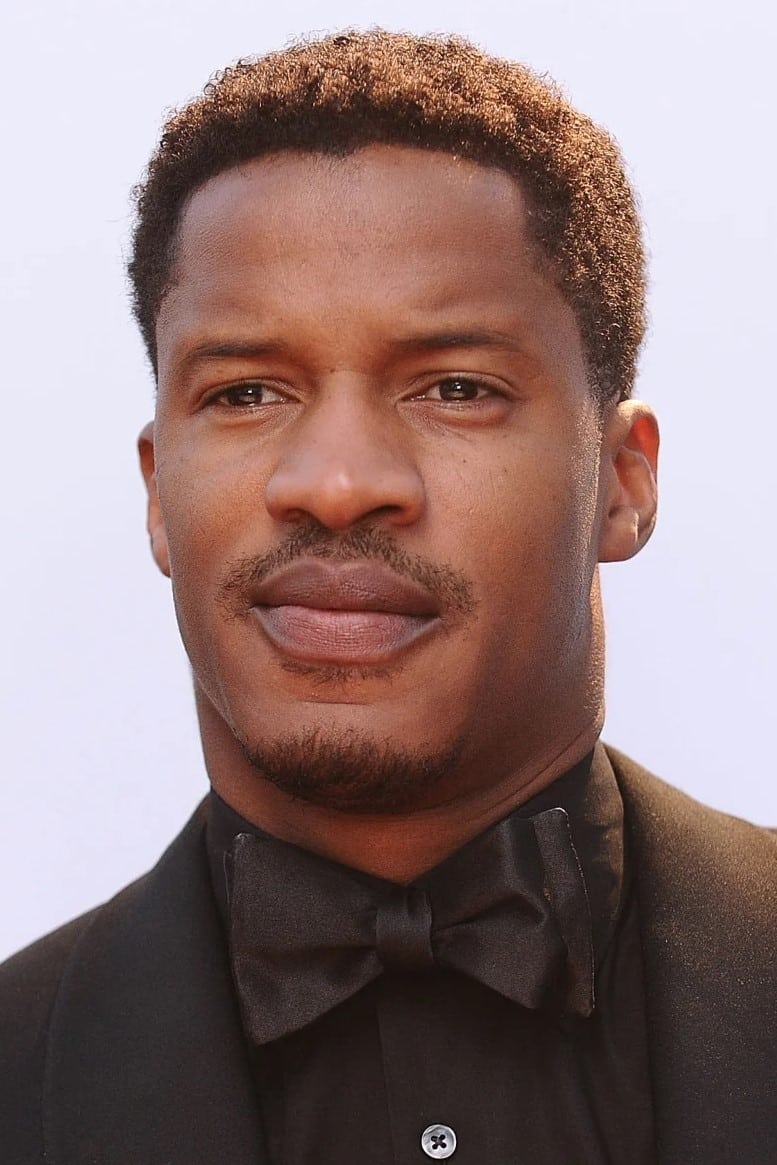
The actor poured his own money and years of effort into creating a historical film about a slave revolt. After struggling to get studio backing, he found funding from private investors. The finished film, ‘The Birth of a Nation,’ won a prestigious award at a film festival and was sold for a record price. His dedication was crucial to telling this important story on screen. The film ultimately gained international recognition and ignited conversations worldwide.
Master P
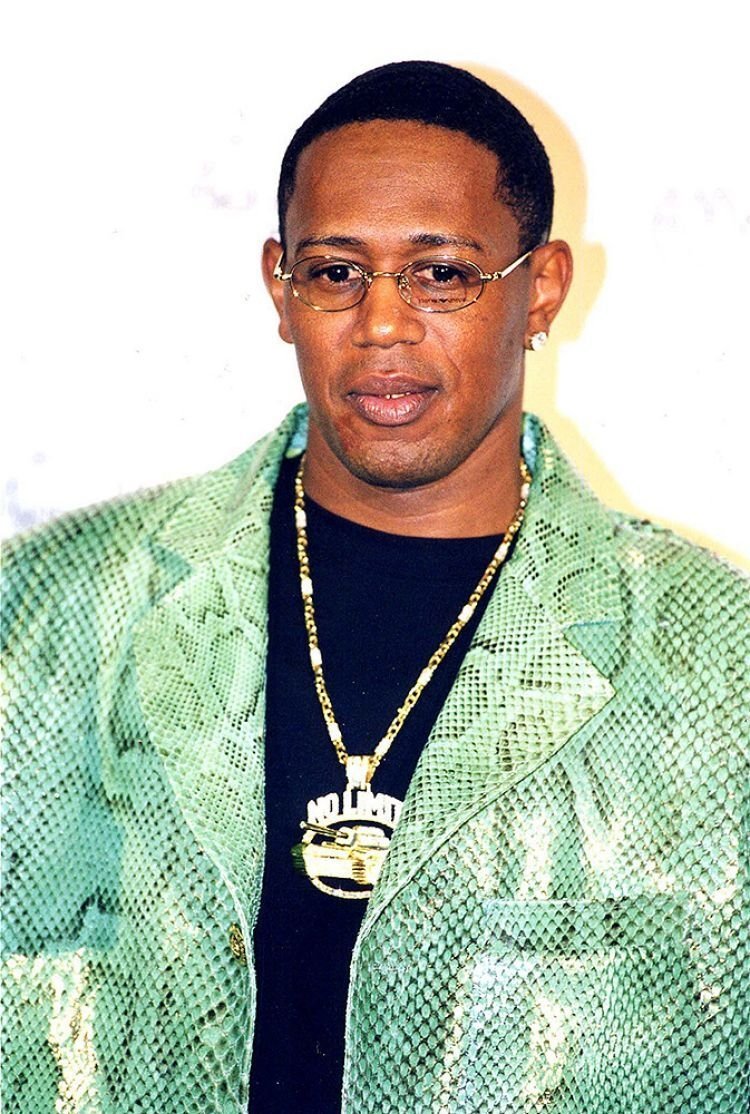
The rapper and actor financed his first film using money earned from his record label. That film, ‘I’m Bout It,’ went straight to video but unexpectedly became a big hit with audiences. It showed there was a strong demand for stories about Southern hip hop culture. By handling the film’s marketing himself, he was able to keep more of the earnings. This success made him a leader in the world of independent urban films.
Tim Reid
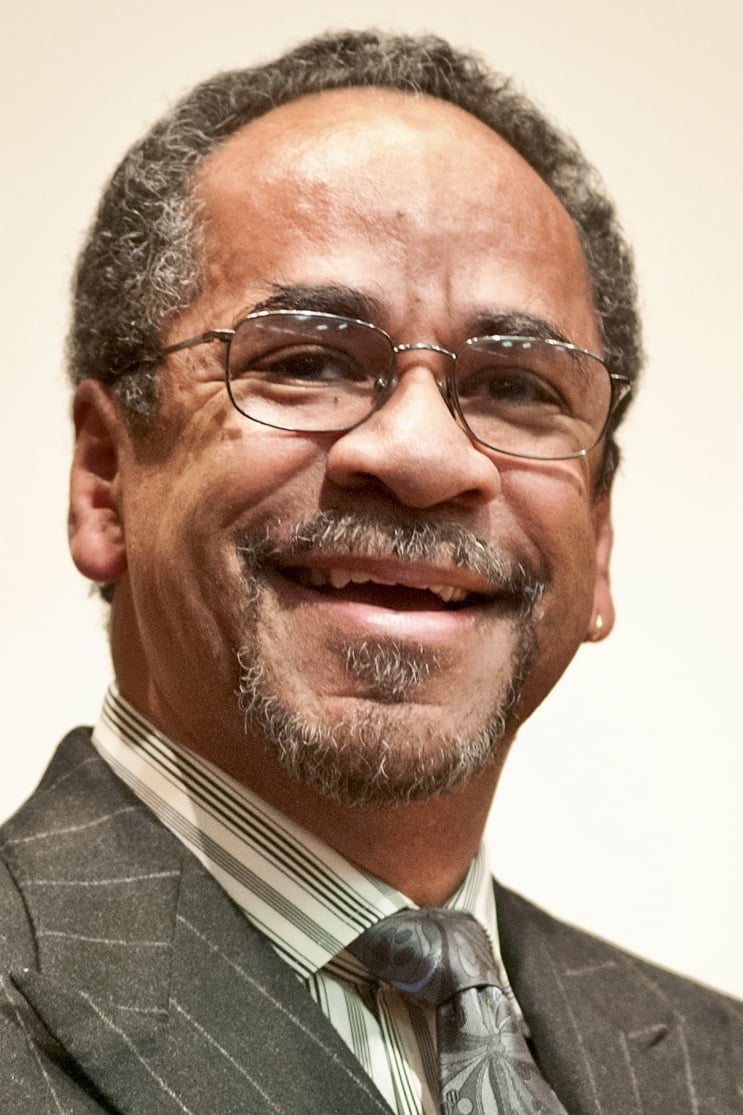
As a film buff, I’ve always admired filmmakers who take chances on stories they believe in. This director really impressed me when he decided to fund a movie version of ‘Once Upon a Time When We Were Colored’ through his own company. It’s a powerful story about a Southern community during segregation, and he clearly put a lot on the line – financially – to make sure it was historically accurate and respectful. It wasn’t just a passion project, though; the film was really well-received and showed everyone he could deliver quality work beyond television. What’s truly remarkable is that he’s been committed to independent filmmaking like this for decades – that’s dedication!
Mario Van Peebles
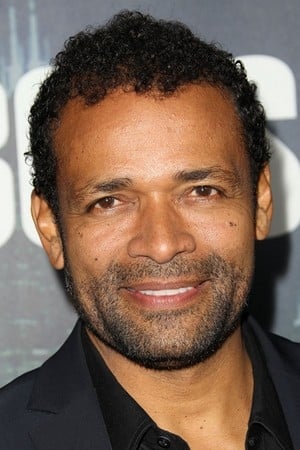
He wrote, directed, and starred in a film based on the challenging making of his father’s most well-known movie. He funded the project himself, using independent sources and his own industry connections. The film, ‘Baadasssss!’, was celebrated for its realistic depiction of the obstacles faced by Black filmmakers. It was also a way for him to honor his family’s history with independent filmmaking. The movie established him as a talented director able to tackle intricate and deeply personal stories.
Charles Burnett
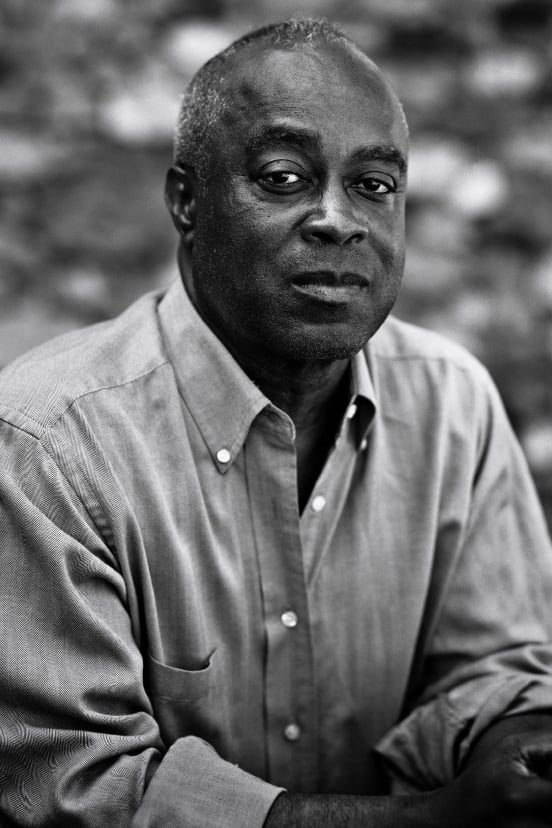
He created his most celebrated film, ‘Killer of Sheep,’ while still in college, working with a tiny budget. Filmed on location in Los Angeles with amateur actors, the movie faced distribution delays for years because he couldn’t afford the rights to the music. Despite these financial challenges, it’s now recognized as a landmark achievement in American independent film. His talent for portraying authentic city life with limited means continues to inspire independent filmmakers today.
Matty Rich
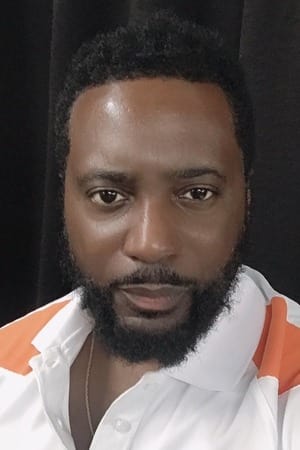
When he was nineteen, he financed his first film using credit cards and help from his family. The movie, ‘Straight Out of Brooklyn,’ realistically portrayed the hardships of life in a public housing complex. He worked tirelessly to secure additional funding when the original budget fell short. The film’s success at a prominent festival resulted in a contract to make several more movies with a major studio. His story is a great illustration of what can be achieved through self-reliance and determination.
Bill Duke
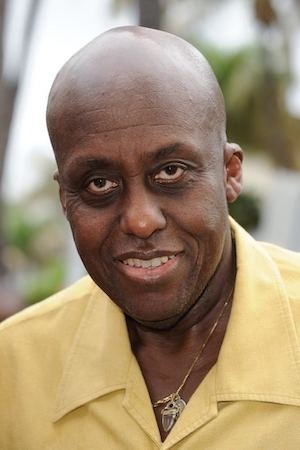
He funded and directed a historical movie, ‘The Killing Floor,’ about the labor movement in Chicago. The film examined how race and class affected workers. By avoiding major studios, he ensured the movie accurately portrayed the historical events. It later aired on public television and was praised by critics. Throughout his career as both an actor and director, he has consistently focused on telling important stories about society.
Haile Gerima
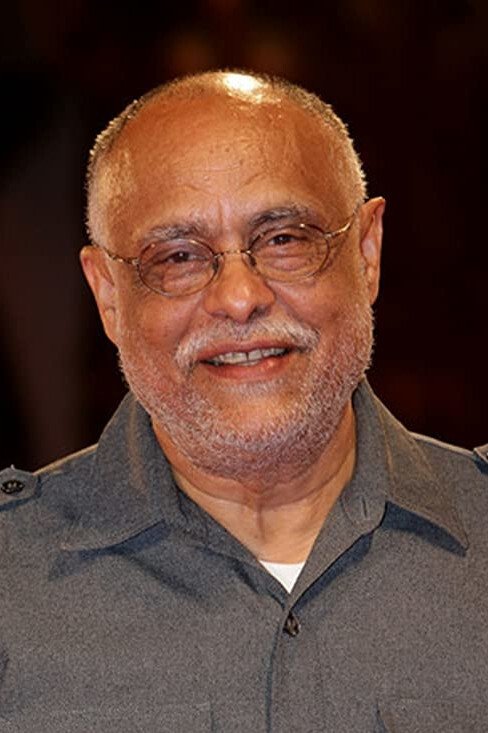
As a huge film fan, I’ve always been fascinated by this director’s journey. He really bootstrapped his early work, funding it himself while also teaching and studying here in the US. His film ‘Bush Mama’ really struck me – it’s a raw and powerful look at a woman’s life in the city. What I admire most is his unwavering commitment to artistic freedom, even when money was tight. He consistently pushes boundaries with his filmmaking, and his movies aren’t just entertaining – they offer really insightful political commentary. He’s truly a pivotal figure in independent Black cinema, and continues to be incredibly important.
Woodie King Jr.
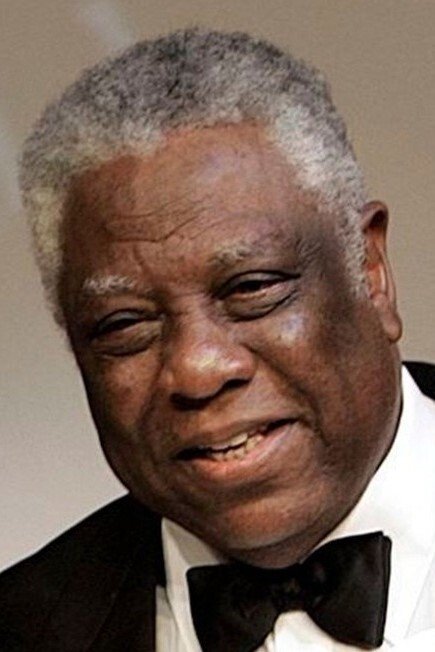
Drawing on his theater experience, he was able to fund and direct his own films. His movie, ‘The Long Night,’ was a deeply personal story about family life in the city. To save money on production, he frequently worked with actors and crew from his theater group. Throughout his filmmaking career, he’s consistently championed Black artists, both on screen and on stage. He continues to be a well-respected leader in independent arts and media.
Ivan Dixon
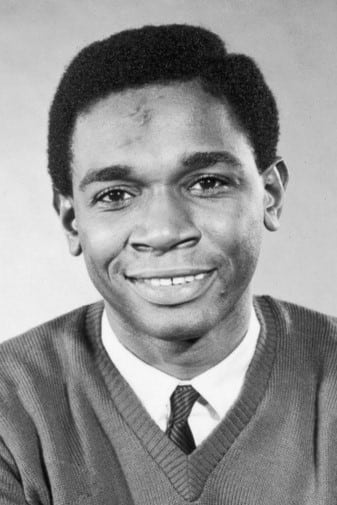
He used his own funds and attracted other investors to make a film based on a provocative novel. The resulting movie, ‘The Spook Who Sat by the Door,’ sharply criticized American society. Due to its political themes, the film struggled to find wide distribution and was ultimately removed from cinemas. However, it has since gained a devoted following and is now considered a classic of independent film. Funding this challenging project demonstrated his dedication to powerful and important art.
Richard Pryor

He wrote, directed, and helped fund a movie based on his own life story. Called ‘Jo Jo Dancer Your Life Is Calling,’ the film offered a very personal look at the life of the well-known comedian. By investing his own money, he ensured his story was told his way. The movie demonstrated his ability to handle both comedy and serious, personal themes, and it became a defining moment in his celebrated career.
Kevin Hart
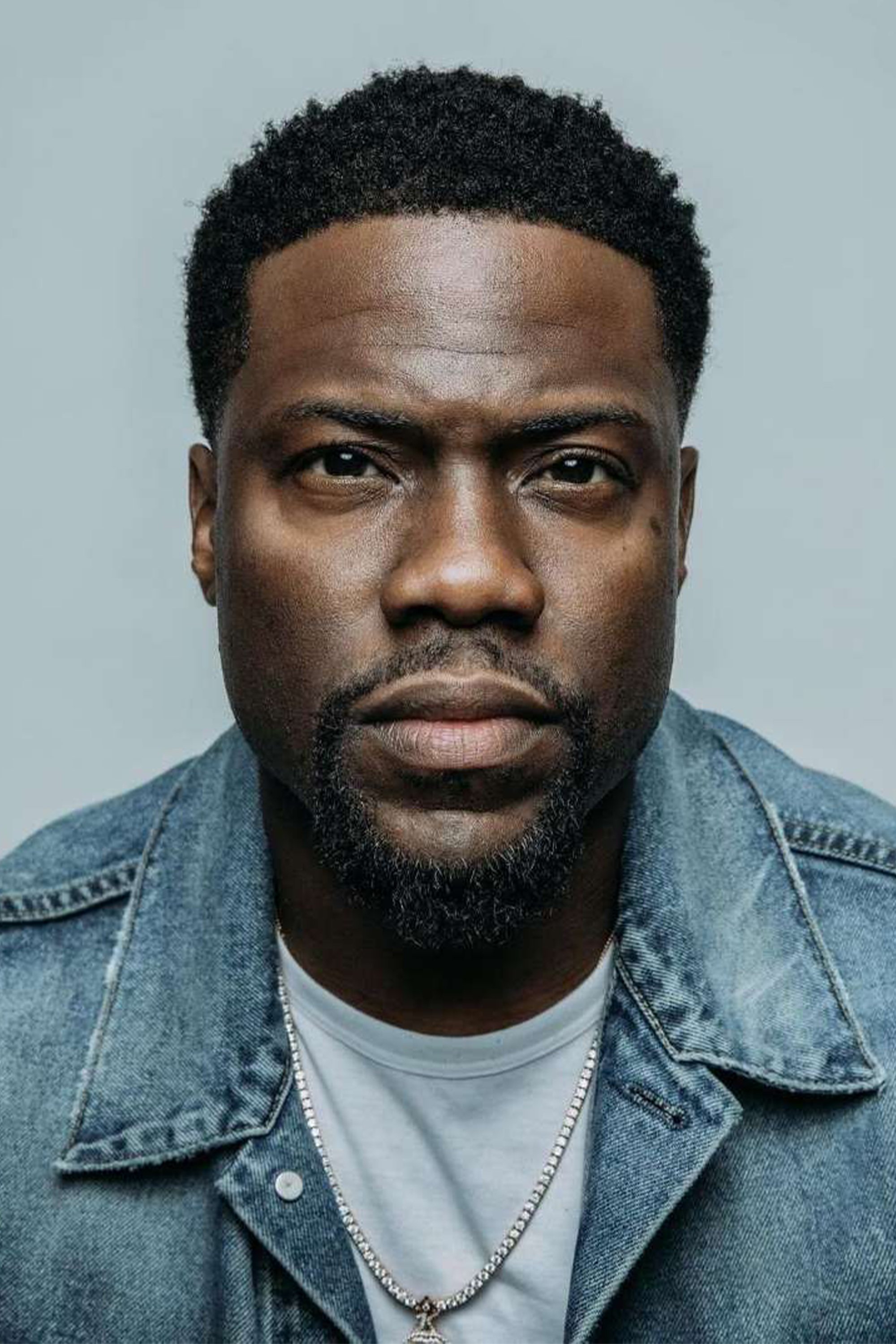
Kevin Hart financed and released his stand-up concert films himself through his own production company. The huge success of ‘Kevin Hart Laugh at My Pain’ showed he could attract a large audience without relying on typical studio promotion. By owning his films, he built a successful business that extends across many different areas. This independent strategy helped him become one of the world’s highest-earning comedians. His business-minded approach has changed the game for entertainers today.
Eddie Murphy
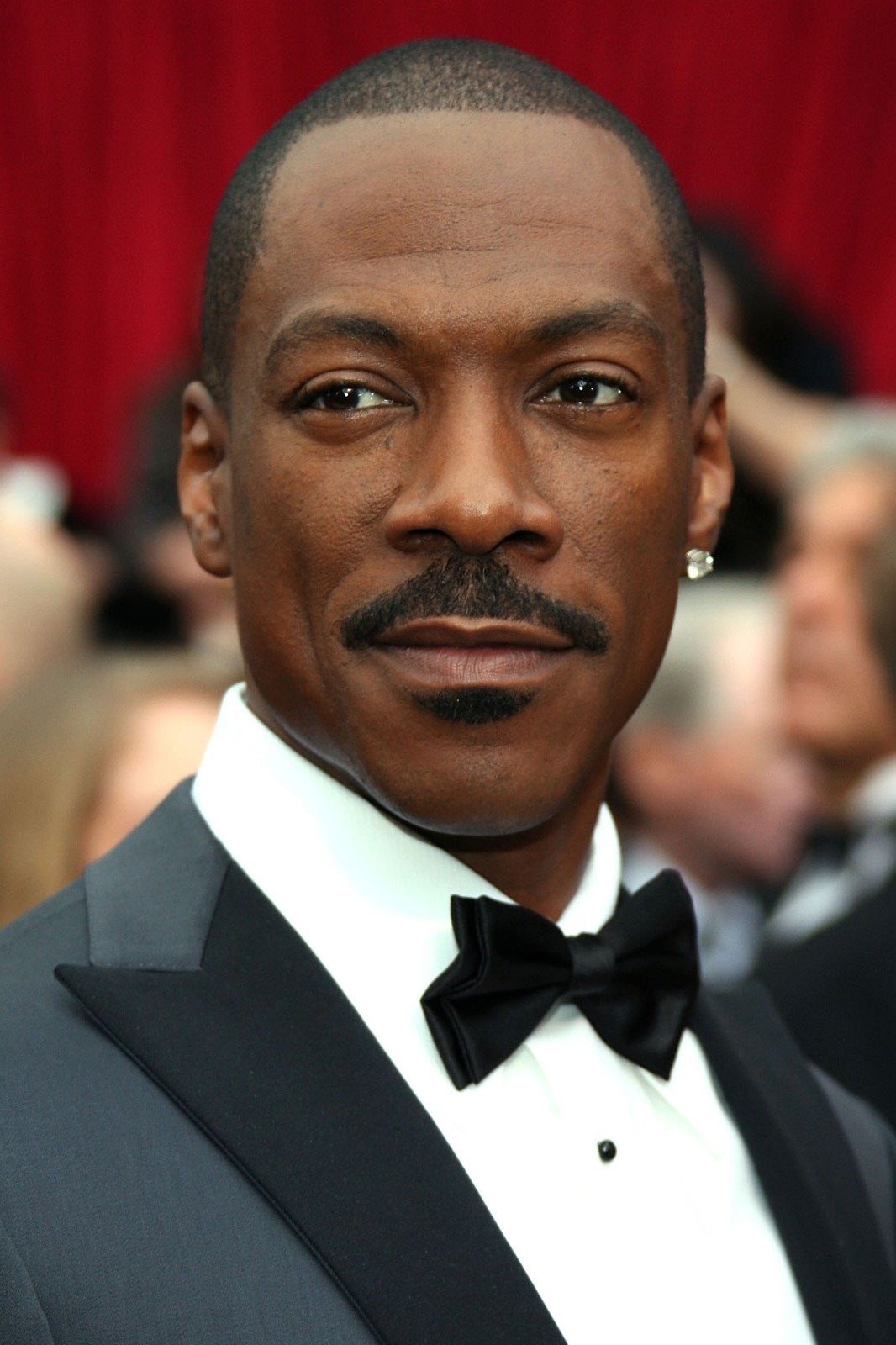
Eddie Murphy made his own concert film to guarantee it accurately reflected his vision. That film, ‘Eddie Murphy Raw,’ became the most successful stand-up comedy movie ever. By funding the project himself, he not only earned a huge profit but also maintained complete creative control. This success solidified his reputation as a major movie star and a powerful producer in Hollywood. Throughout his career, he’s continued to produce many of his own films.
Chris Rock
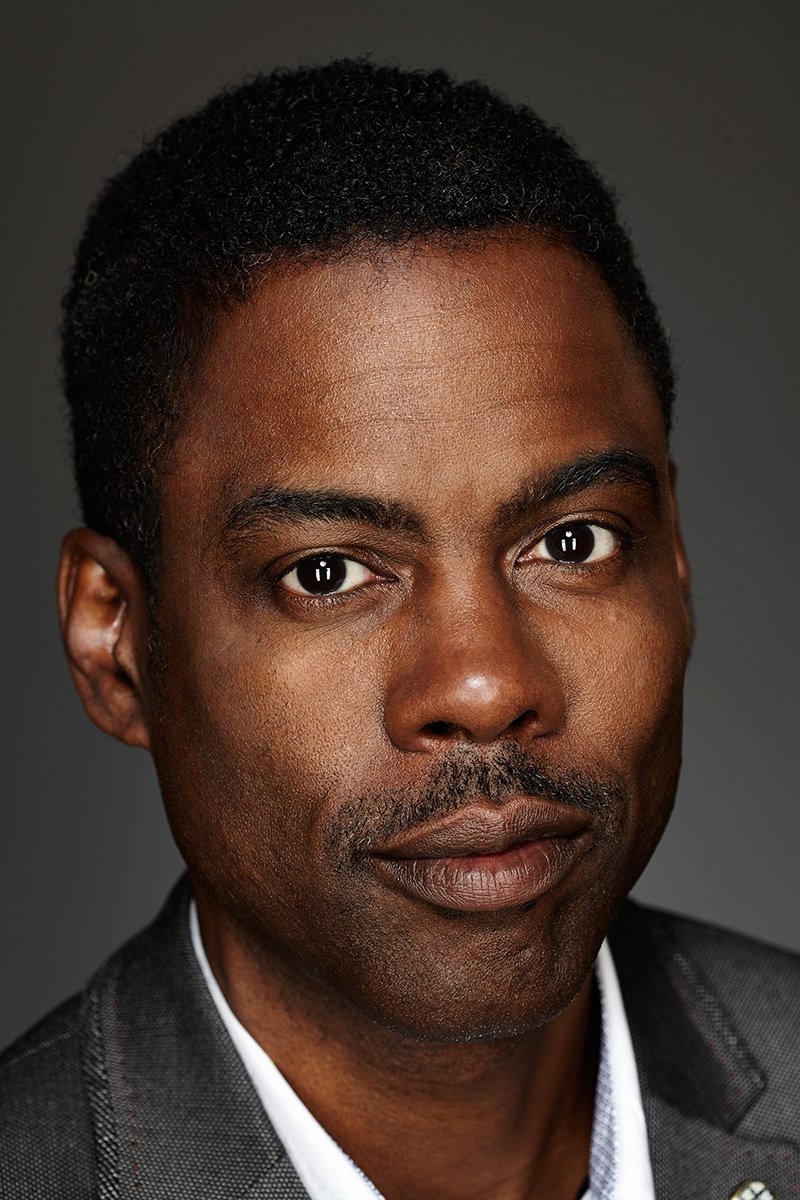
He funded the creation of a comedy special himself, which dramatically improved how the public saw him. Called ‘Bring the Pain,’ it was a huge success with both critics and audiences, winning several major awards. This allowed him to share his distinctive and insightful observations on society exactly as he intended, without any network interference. Many consider the special to be one of the best stand-up performances ever televised, and his decision to self-fund it ultimately transformed his career.
Martin Lawrence
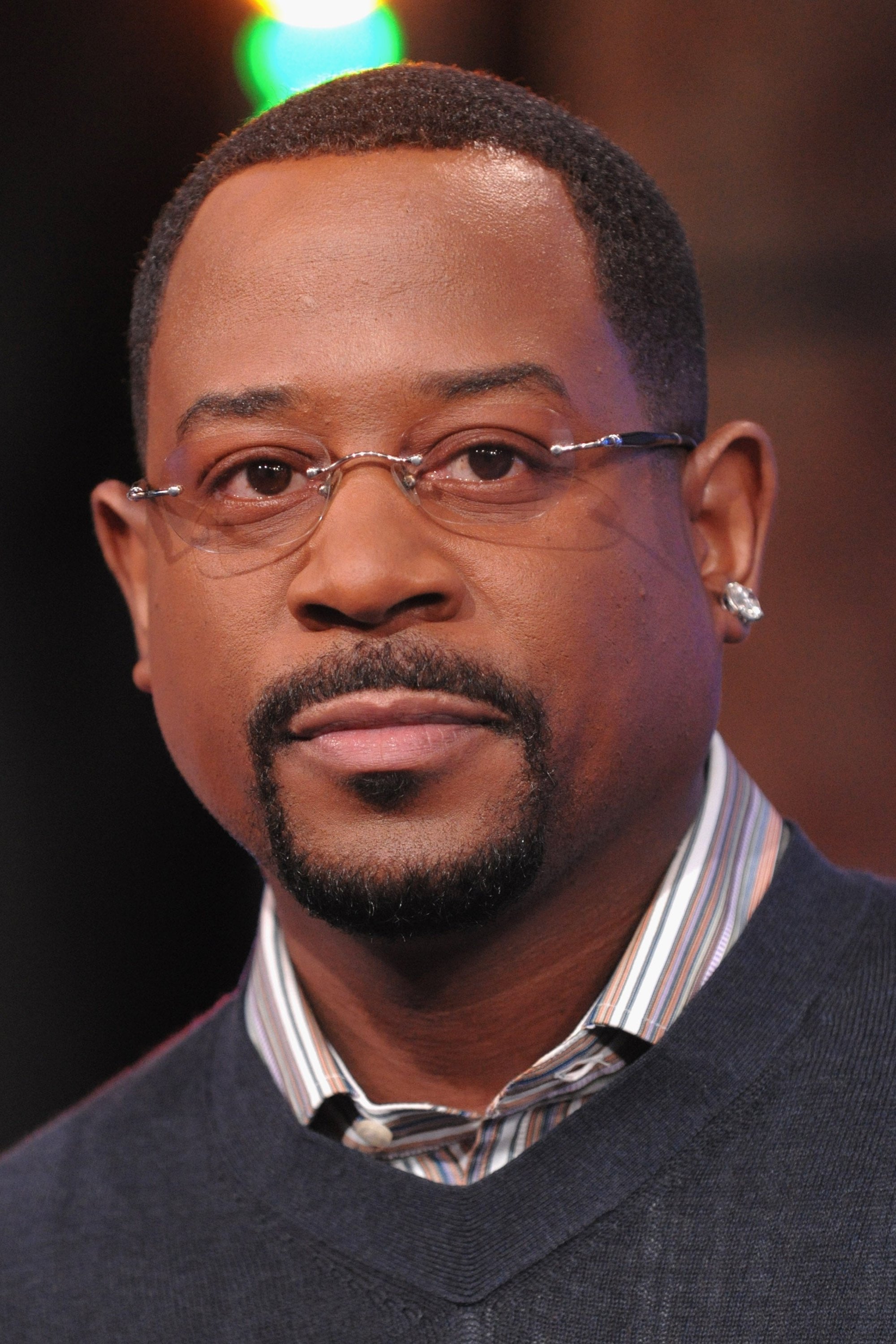
He funded the creation of his first stand-up film to capture his dynamic stage presence. The film, ‘You So Crazy,’ was very successful and opened doors to more television and movie roles. By investing in the project himself, he showed confidence in his comedic abilities. This success helped him become a prominent comedian in the early 1990s, and he’s since become a well-known star in both television and major films.
Damon Wayans
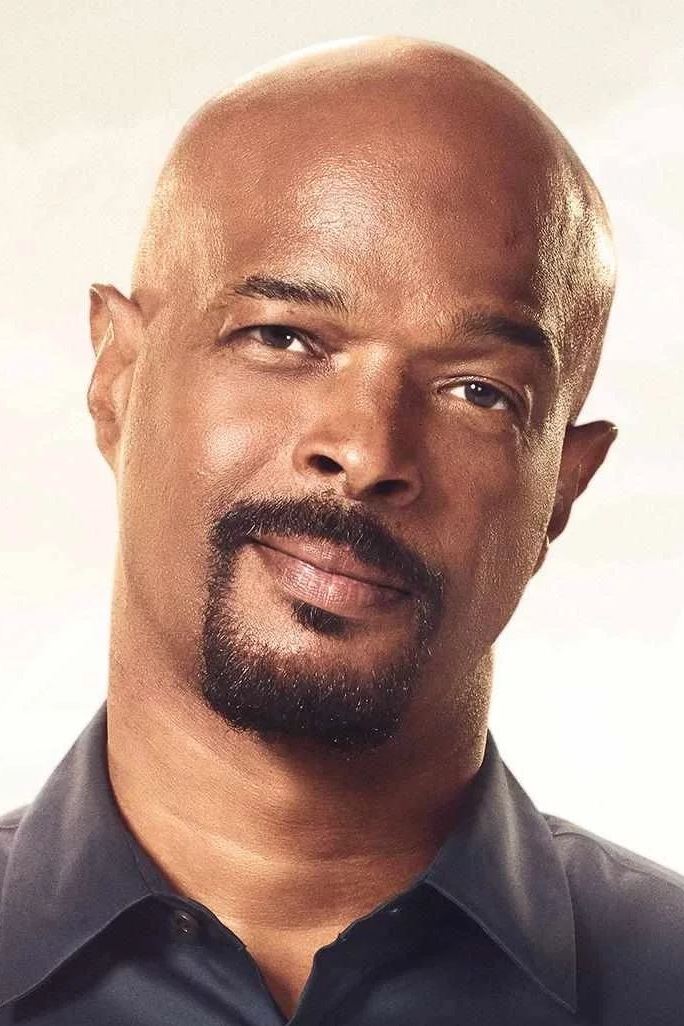
He independently helped fund, write, and produce a comedic take on superhero movies. The film, ‘Blankman,’ gave him the chance to star in a different kind of leading role. Being involved in production allowed him to add his own unique humor to the movie. It became a popular cult classic, proving he could carry a feature film. This early independent work set the stage for his later achievements as a writer and actor.
Marlon Wayans
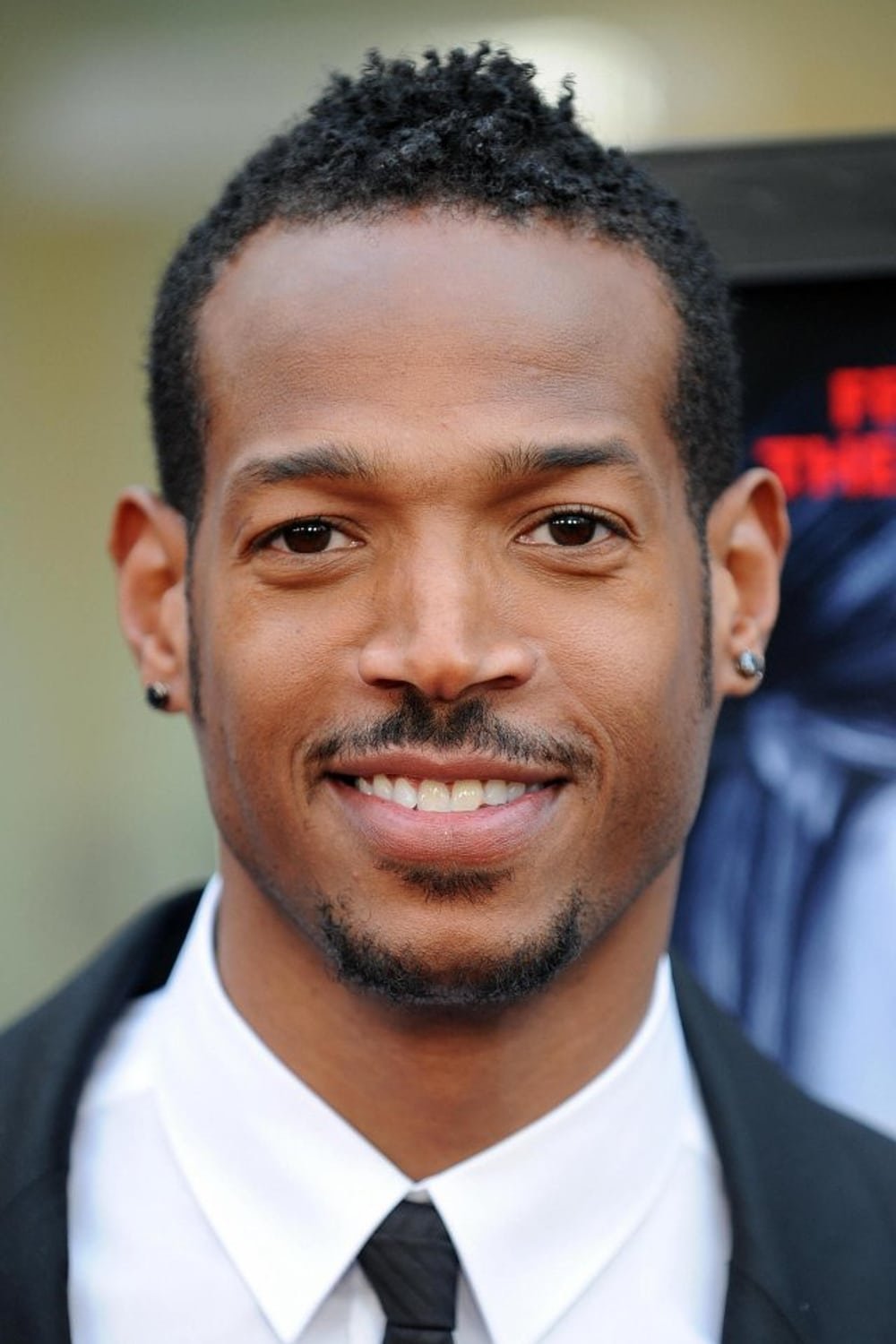
He teamed up with his brothers to independently finance and create a funny take on popular urban movies. Their film, ‘Don’t Be a Menace to South Central While Drinking Your Juice in the Hood,’ unexpectedly became a box office success. By handling the production themselves, they preserved their unique style and creative flow. This led to many more successful projects together in both film and television. He still produces and acts in his own work through his own production company.
Shawn Wayans
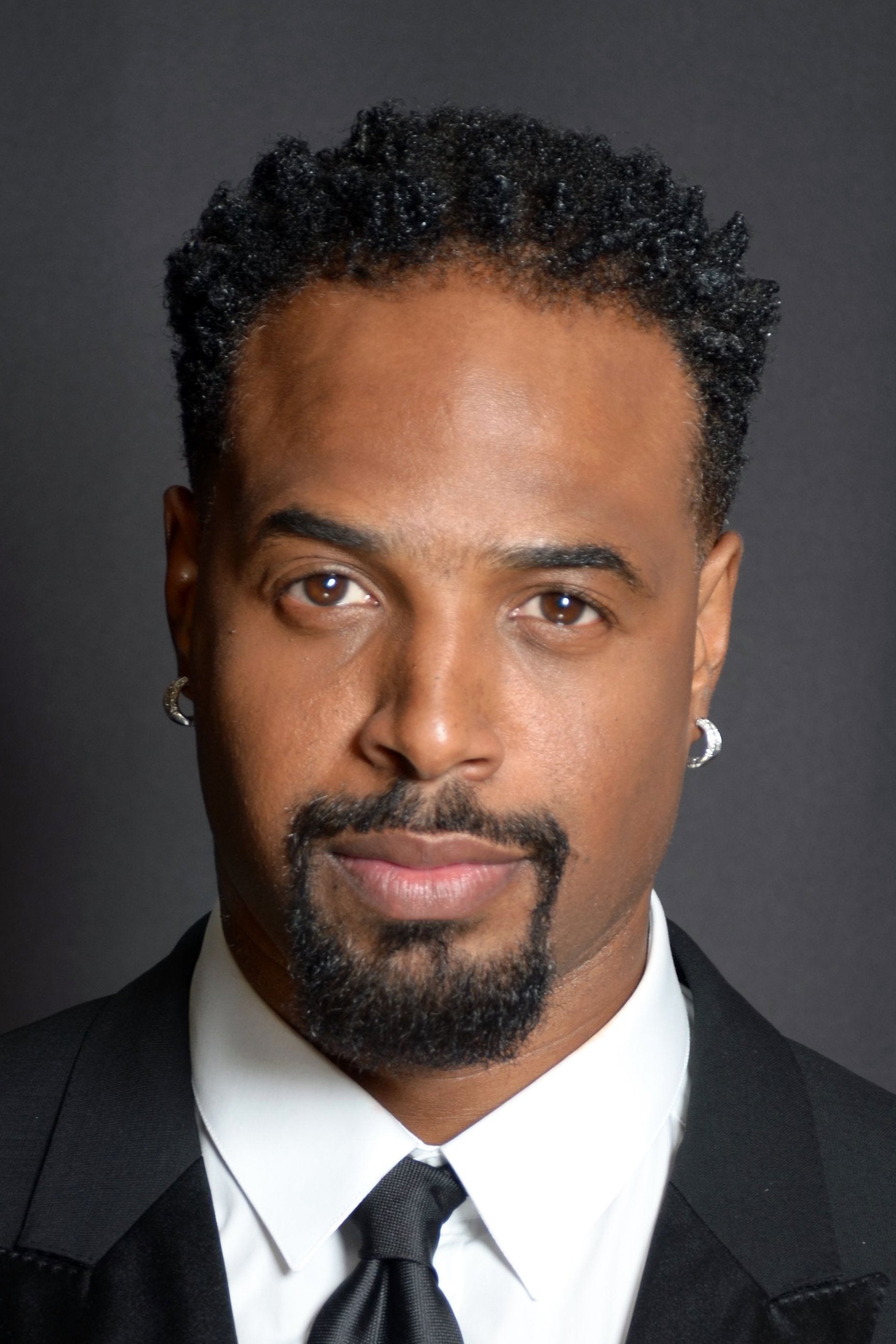
He was instrumental in creating a comedy film that his family financed themselves. The film, ‘Don’t Be a Menace to South Central While Drinking Your Juice in the Hood,’ proved to be quite successful. His behind-the-scenes work ensured the movie stayed true to his family’s comedic style. This independent filmmaking experience allowed him to build a lasting career as a versatile entertainer, and he continues to create new content for different media today.
Ice Cube
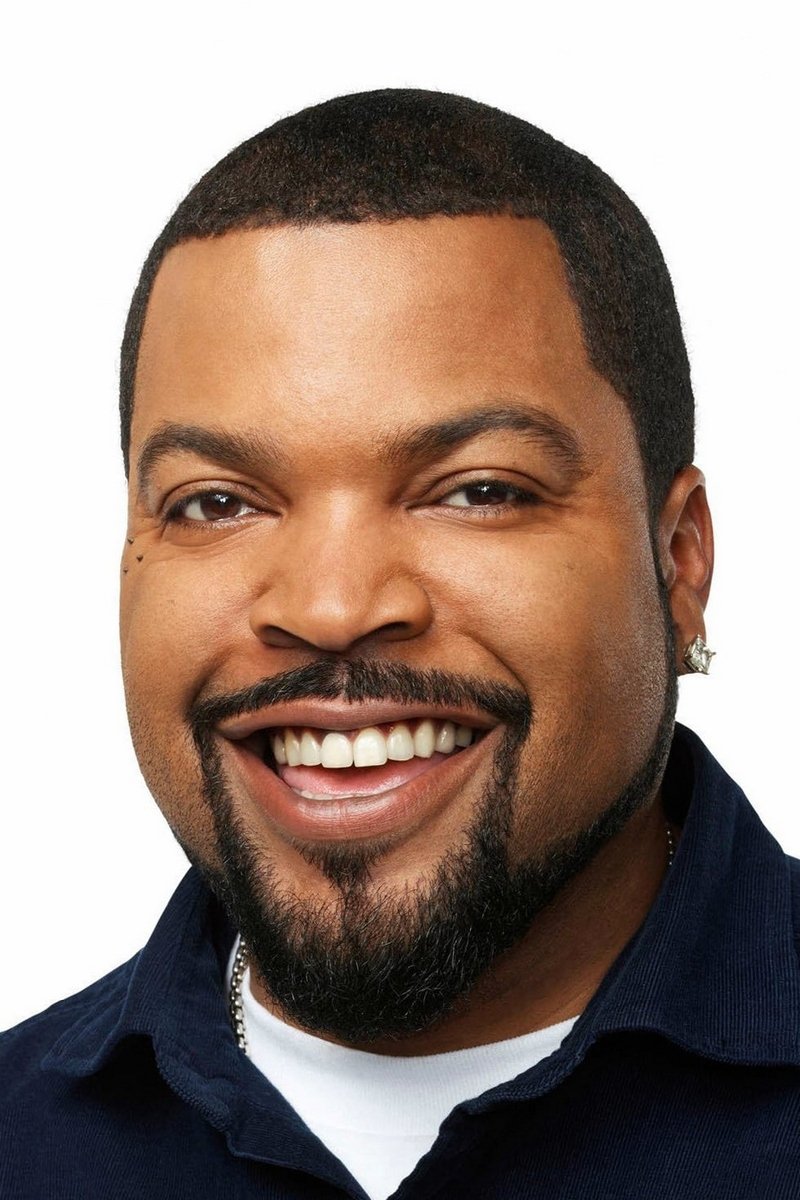
He started his film career by writing and producing a funny, low-budget movie based on life in his community. This film, called ‘Friday,’ was made with limited resources and showed realistic, everyday situations. Its huge success in theaters demonstrated his talent as both a writer and performer. Because he oversaw the entire production, he was able to create a popular and long-lasting film series. This success firmly established him as a prominent figure in the entertainment world.
RZA
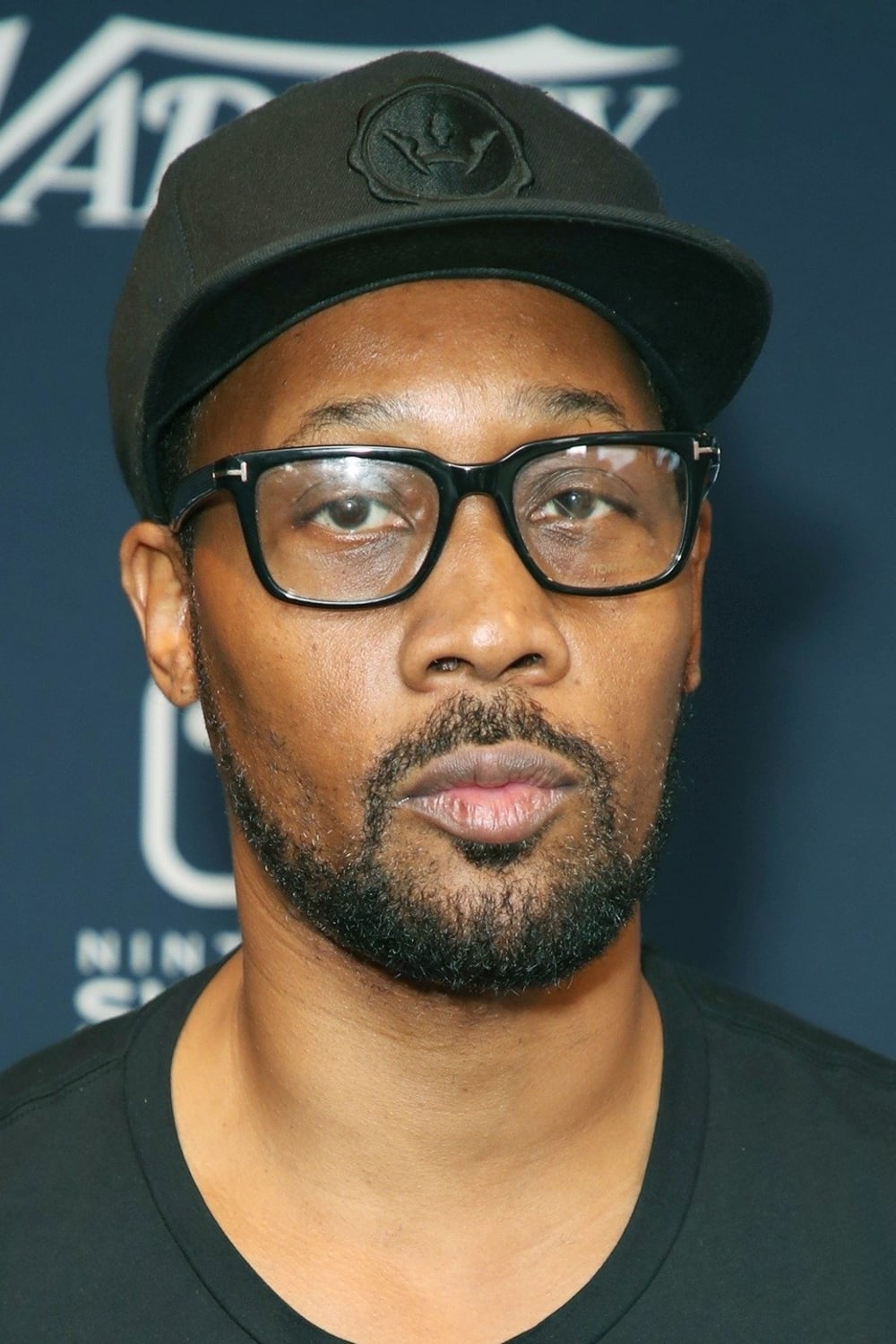
The actor, who is also a musician, spent years creating and financing the beginning of a martial arts film on his own. He went to Asia to deeply understand the culture and history that would be central to the movie. Eventually, a studio agreed to support ‘The Man with the Iron Fists’ after seeing how dedicated he was to his unique vision. His personal contribution to both the script and the music were vital in finishing the film. The project proved he could successfully direct and star in a large, complex production.
Dave Chappelle
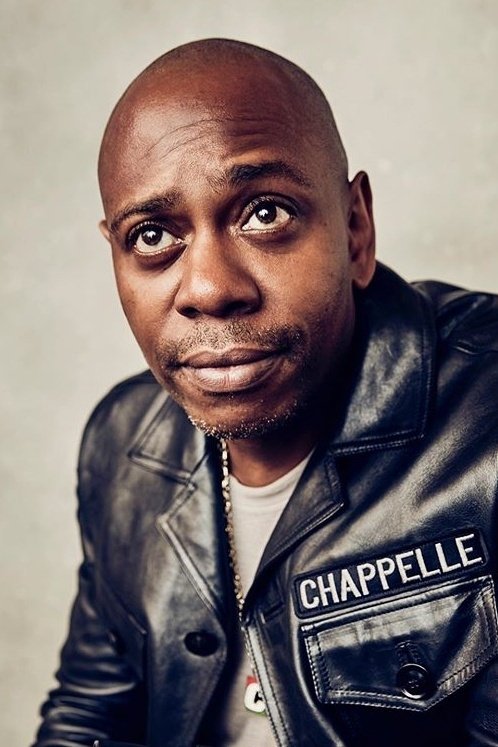
He independently made a documentary about a memorable music event in Brooklyn, called ‘Dave Chappelle’s Block Party.’ The film showcased iconic hip hop and neo soul performers, and he personally oversaw the entire production to combine comedy and music in a special way. Critics loved the film’s upbeat vibe and its importance to the culture, praising his ability to create a project that genuinely reflected his passions.
Warrington Hudlin

As a total movie buff, I’ve always been fascinated by filmmakers who really forge their own path. This guy is one of them! He basically funded and made a documentary, ‘Street Corner Stories,’ all on his own, and it was groundbreaking for independent Black cinema. He didn’t stop there, though – he co-founded an organization to help other Black filmmakers get their start. That early, independent spirit clearly paid off, setting him up for success in Hollywood, and he’s continued to be a champion for creative freedom for artists of color, which I really admire.
Reginald Hudlin
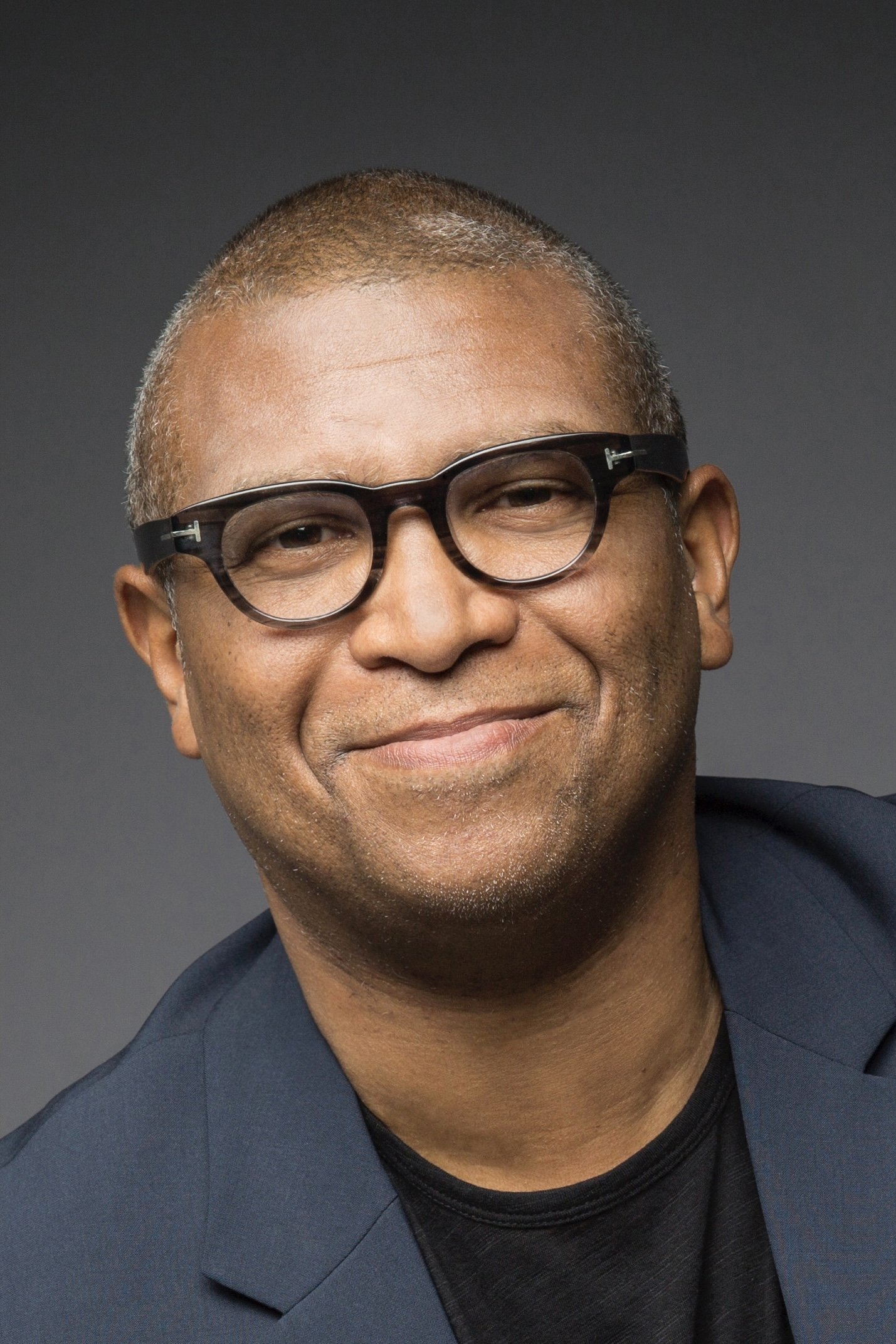
He turned a college short film into a full-length movie, ‘House Party,’ by raising funds independently. The comedy was a huge hit with both critics and audiences, and it resonated with a generation. By maintaining creative control, he authentically portrayed the lives of young Black people. This success kickstarted his career, establishing him as a leading director and producer in film and television, and earning him widespread respect in the entertainment industry.
Bill Bellamy
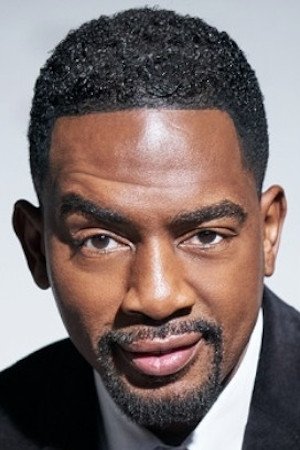
He started his comedy career by funding his own shows, which helped him gain fans before transitioning to TV and movies. Working independently allowed him to refine his unique comedic voice and connect with more people. His success on stage led to a high-profile job at a major music channel, and this opened doors to leading roles in several hit romantic comedies. He still pursues independent comedy and production projects today.
Spencer Williams
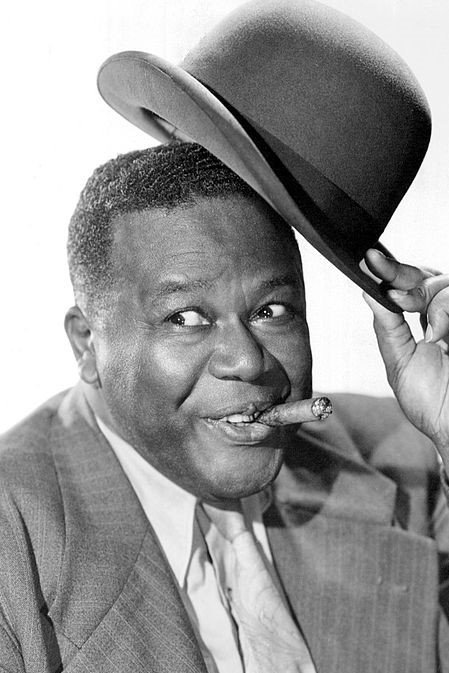
This actor and director was incredibly productive, creating many independent films specifically for Black audiences in the middle of the twentieth century. His most well-known film, ‘The Blood of Jesus,’ was made with his own money and became a huge hit in theaters that served Black communities during segregation. He frequently worked with low budgets and amateur actors, focusing on stories with religious and moral themes. Achieving such widespread success without the backing of a major studio was extraordinary for that era. He’s remembered as a trailblazer who played a key role in keeping the Black film industry alive in its early days.
Share your favorite performances from these independent trailblazers in the comments.
Read More
- 20 Movies Where the Black Villain Was Secretly the Most Popular Character
- Celebs Who Narrowly Escaped The 9/11 Attacks
- Transformers Under the Microscope: What Graph Neural Networks Reveal
- Top 20 Dinosaur Movies, Ranked
- Trading on Thin Air: AI Agents Conquer Crypto Volatility
- Silver Rate Forecast
- Gold Rate Forecast
- Every Notable ‘Star Trek: The Original Series’ Actor Who Died
- 22 Films Where the White Protagonist Is Canonically the Sidekick to a Black Lead
- Games That Faced Bans in Countries Over Political Themes
2026-02-20 22:18