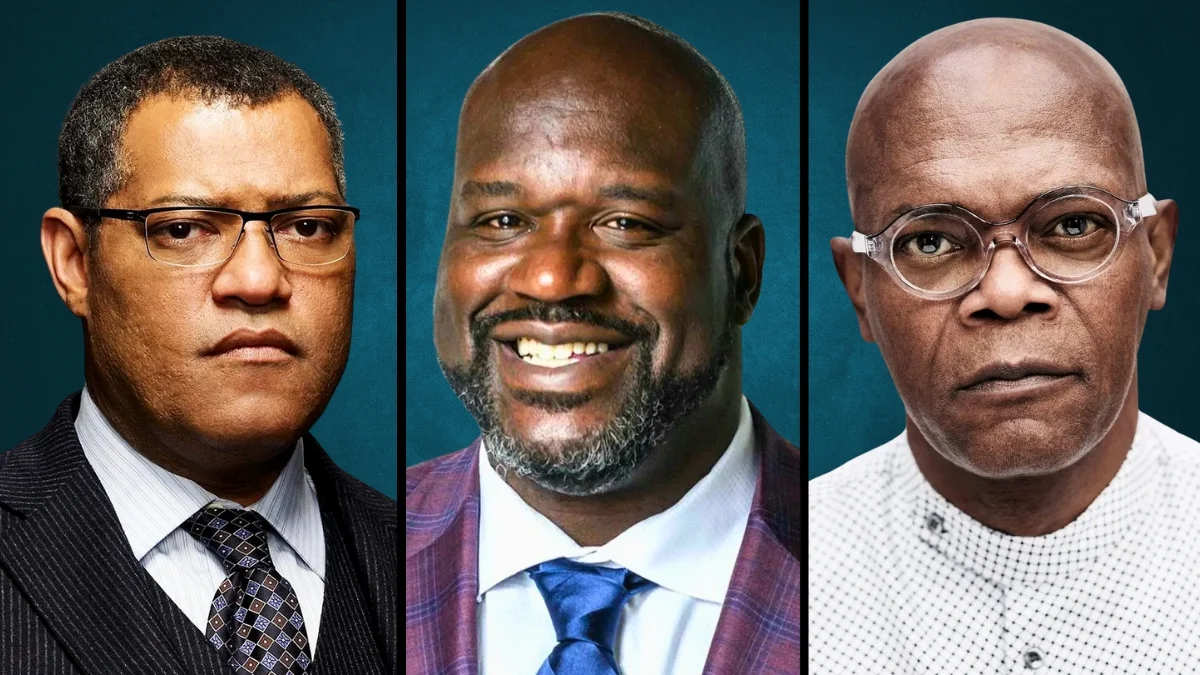
The “Magical Negro” is a common movie character type, pointed out by critics like Spike Lee, where Black characters only serve to help white main characters using mystical abilities or wise advice, often sacrificing their own story and independence. Although some actors have been praised for playing these roles, many have refused them because they reinforce harmful stereotypes or depict Black people as subservient. These actors have chosen to prioritize their dignity and avoid roles that portray Black trauma simply to further a white character’s story, even if it means turning down money. The following examples showcase actors who have rejected roles they found demeaning or stereotypical because they felt like props in a white narrative.
Shaquille O’Neal
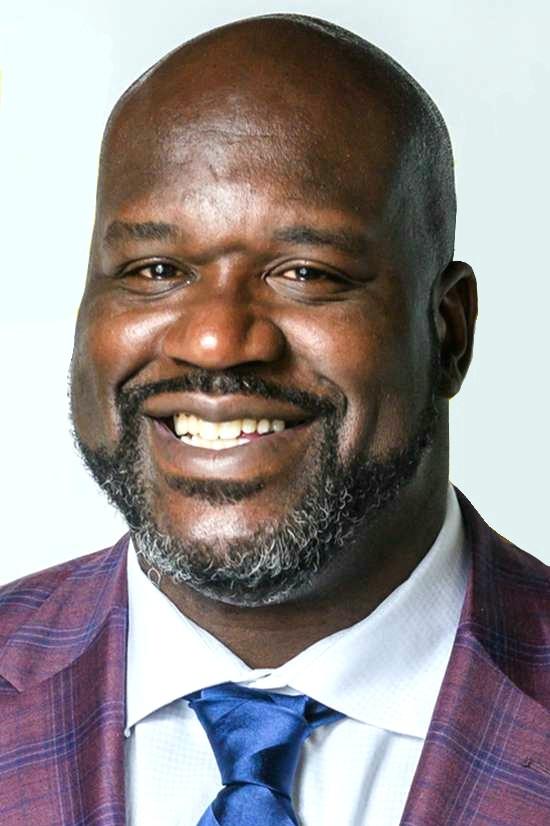
Shaquille O’Neal was originally offered the role of John Coffey in the 1999 film ‘The Green Mile,’ the same role that earned Michael Clarke Duncan an Oscar nomination. However, O’Neal declined, stating he didn’t feel comfortable portraying a Black man living during slavery with supernatural healing abilities. He wanted to avoid being typecast as a kind, large character and believed the role required a level of emotional depth he wasn’t prepared to deliver. While he’s complimented Duncan’s performance, O’Neal feels he made the best choice for his career and personal principles.
Dave Chappelle
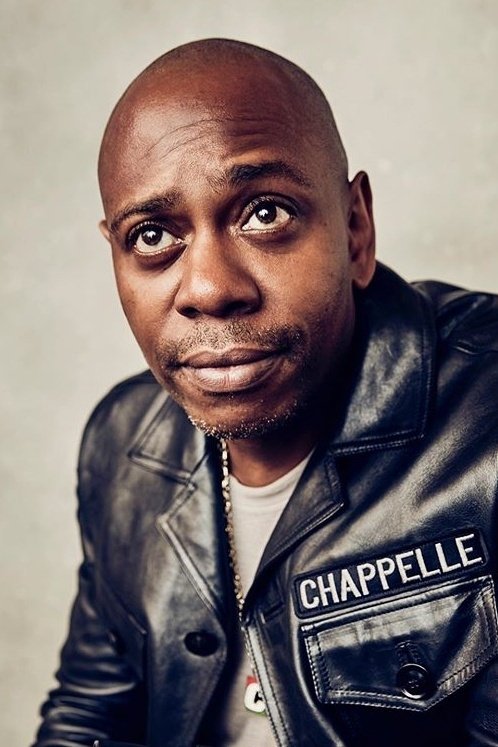
Before he became famous for his comedy, Dave Chappelle was considered for the role of Bubba in the movie ‘Forrest Gump.’ He turned it down because he thought the character was a harmful and simplistic stereotype of a Black man. Chappelle didn’t want to play a role that he felt perpetuated negative ideas and worried it would define his career. He later playfully mentioned maybe he should have taken the part, given how successful the film was, but he remained firm in his belief that Black characters deserve more thoughtful and intelligent representation.
Ice Cube
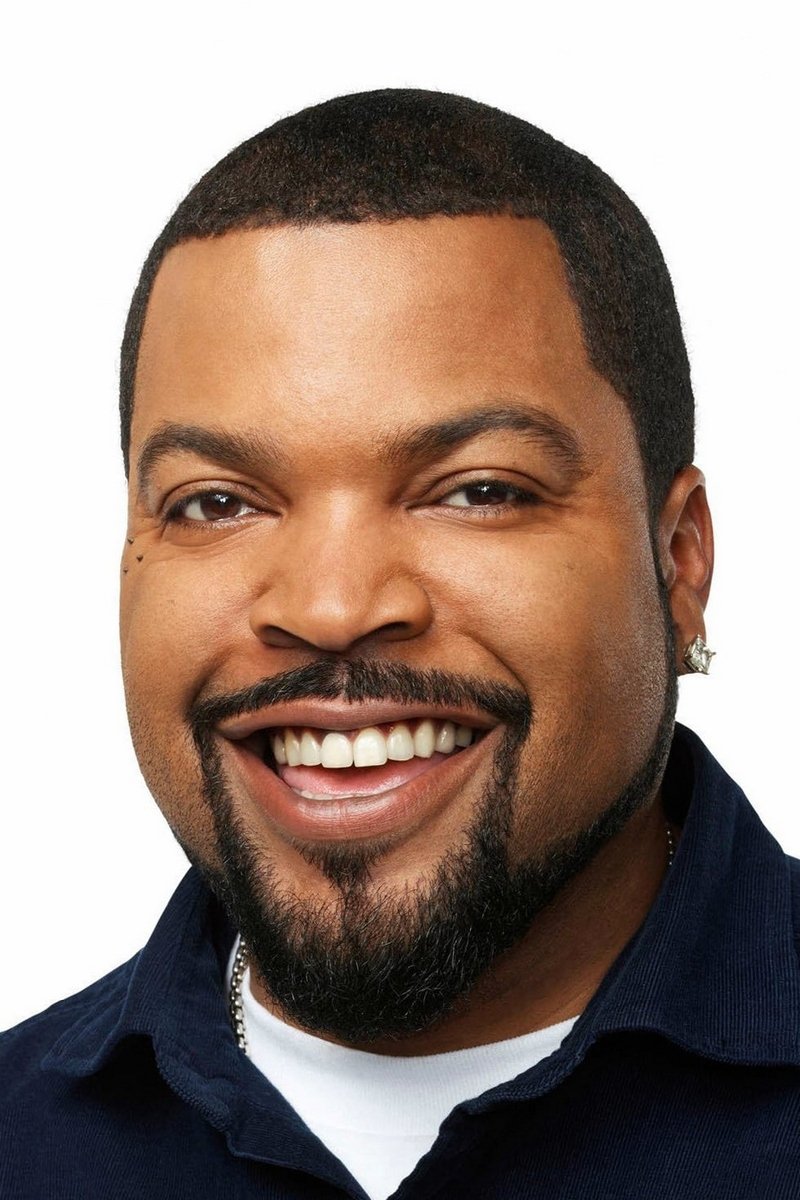
Ice Cube, the rapper and actor, was offered the role of Bubba in the 1994 film ‘Forrest Gump’ but quickly turned it down. After finding success in ‘Boyz n the Hood’, he was looking for roles that showed strong, determined characters, not supporting roles where he’d play someone weak. He didn’t want to be seen as playing a foolish character, believing it would be a step backward for how Black people were portrayed in film. His decision reflected a growing trend among prominent Black actors in the 90s who were hesitant to take roles that didn’t give them power and agency on screen.
David Alan Grier
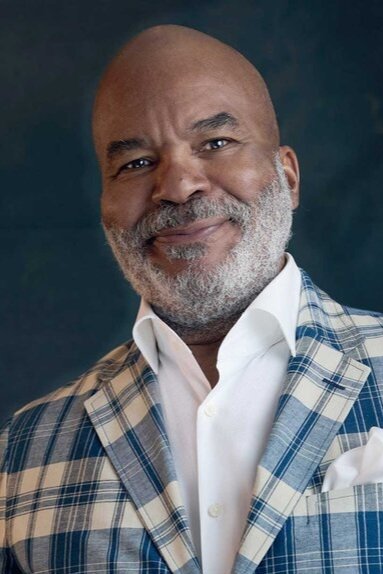
I’ve always admired Jamie Foxx’s talent, and it’s fascinating to learn about the roles he almost took. I recently found out he was considered for Bubba in ‘Forrest Gump,’ but he turned it down – and I completely understand why. Apparently, he didn’t want to play a character with a disability solely as a supporting role to a white lead. He believed, and I agree, that if he was going to portray someone with cognitive challenges, he deserved to be the central figure, not just a prop in another person’s story. It really highlights how few opportunities there were back then for Black comedians to take on complex, leading roles of their own.
Will Smith
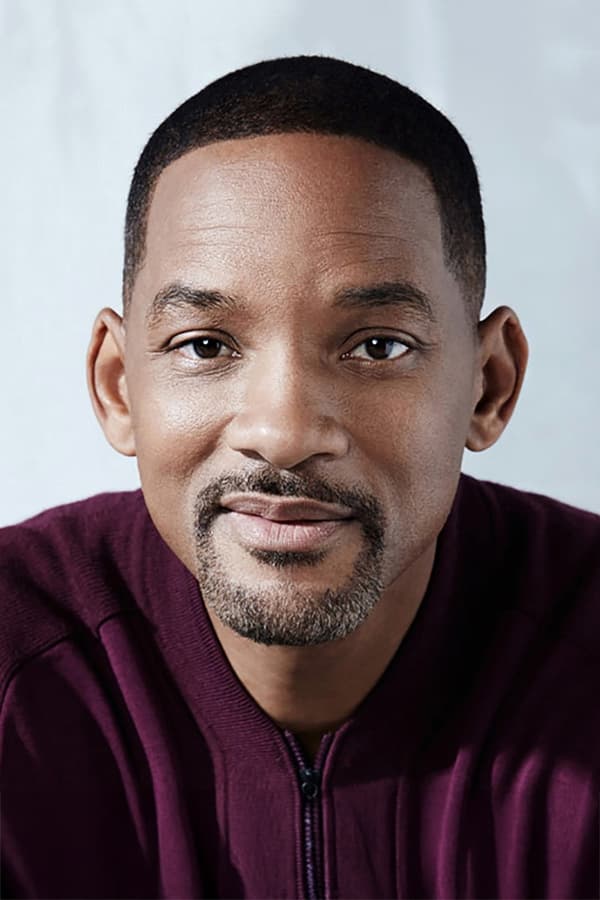
Although ‘Django Unchained’ (2012) is more of a revenge story than a typical ‘Magical Negro’ tale, Will Smith declined the lead role because he believed the character didn’t have enough control over his own destiny. He pointed out that Dr. King Schultz, played by Christoph Waltz, was the one who ultimately defeated the villain and moved the story forward. Smith didn’t want to play a secondary role in what should have been his film, and he wanted the Black lead to be the one to deliver the final, decisive blow. He wanted to avoid the common ‘White Savior’ storyline where a white character is responsible for rescuing a Black character, and instead show a Black protagonist taking charge of his own freedom.
Angela Bassett
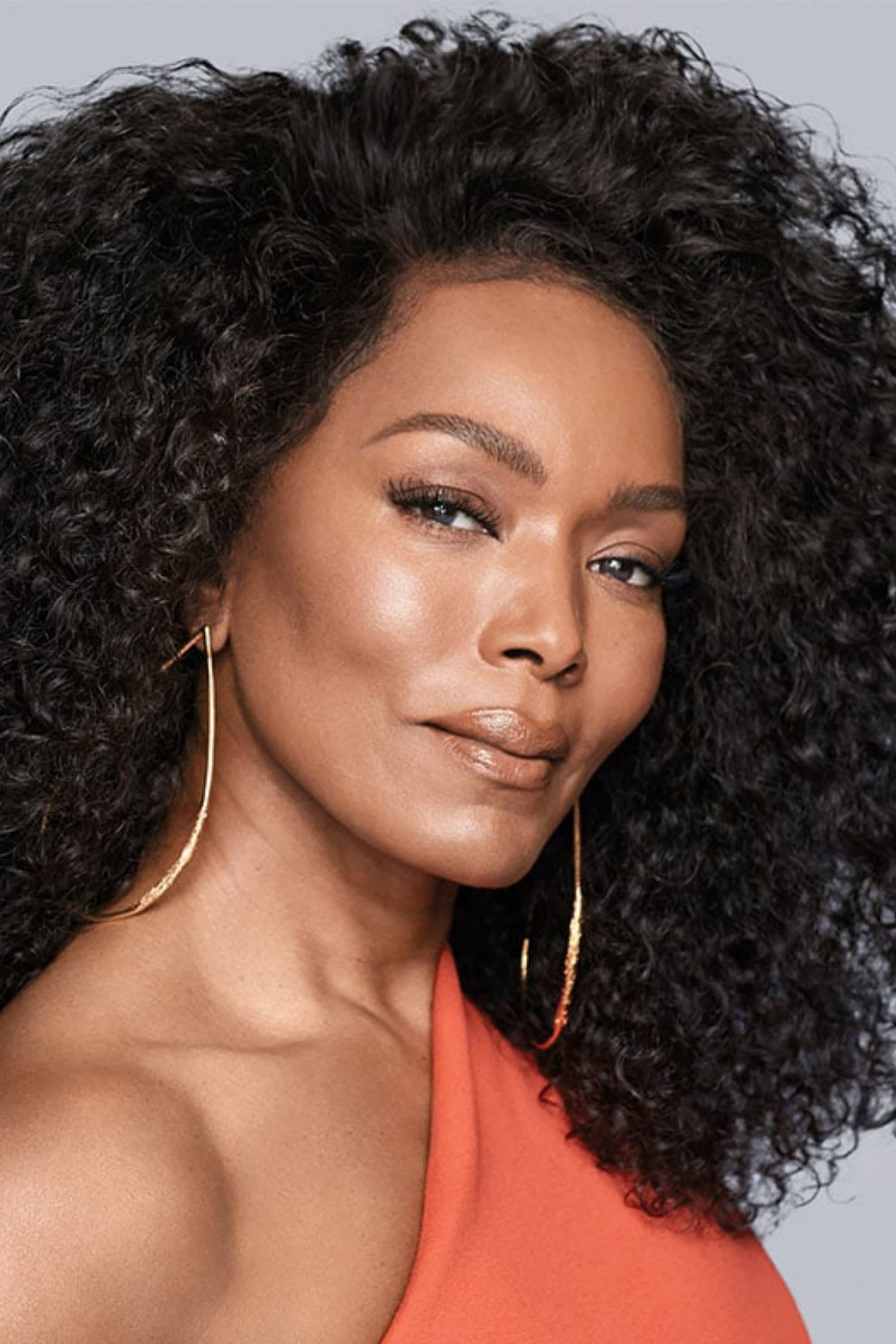
Angela Bassett famously declined the lead role in the 2001 film ‘Monster’s Ball,’ a part that ultimately earned Halle Berry an Oscar. Bassett objected to the role because she felt it relied on harmful stereotypes of Black women and featured overly explicit sexual content that only served the story of a white, racist character. She didn’t want to portray a character she considered a degrading stereotype, and her decision sparked important discussions in Hollywood about the kinds of roles that get Black actresses recognized by the Academy.
Vanessa Williams
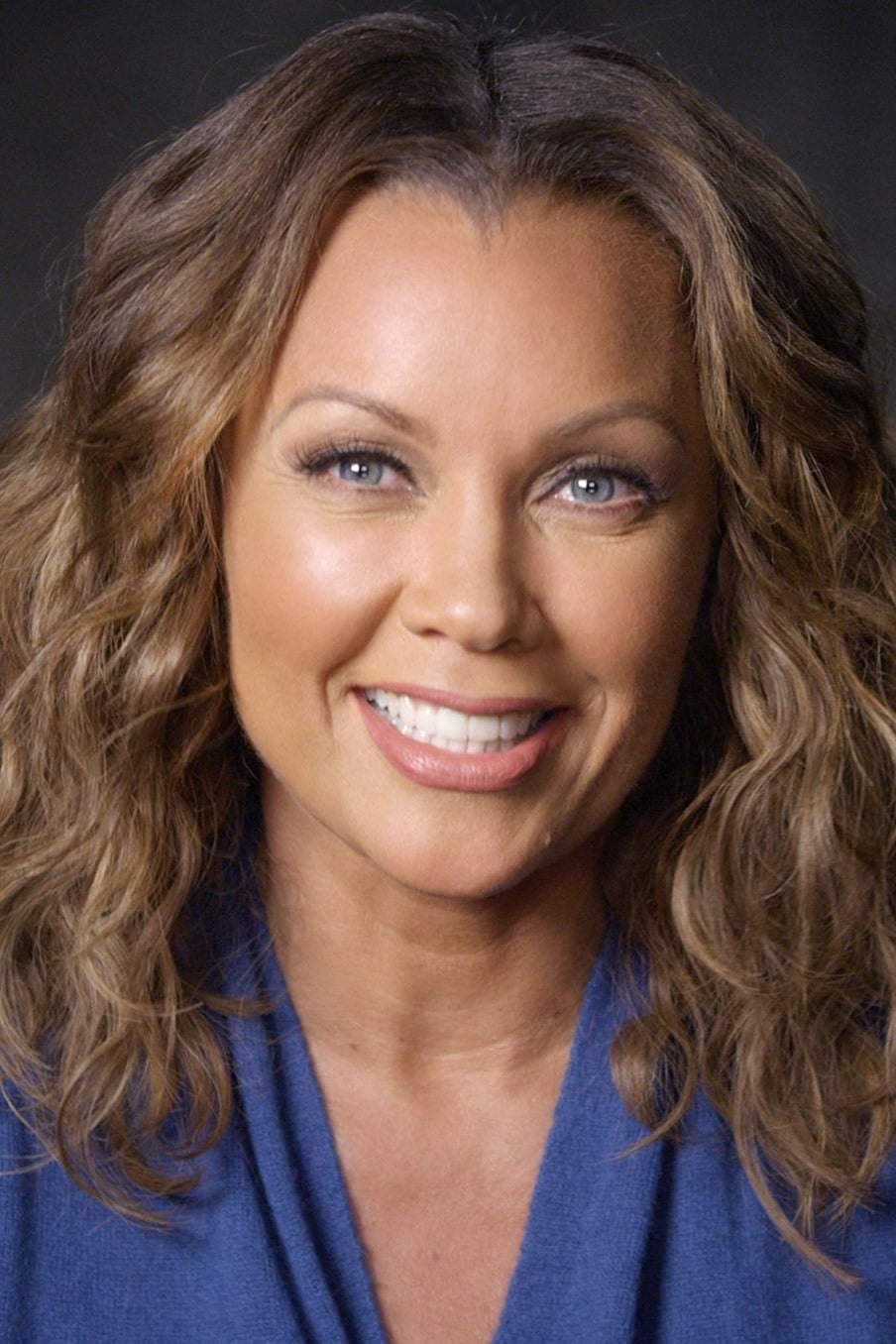
Similar to Angela Bassett, Vanessa Williams was initially offered the part of Leticia Musgrove in the 2001 film ‘Monster’s Ball,’ but she turned it down. She shared concerns that the script overly focused on explicit sexual content and portrayed the character’s relationship with the white lead in a degrading way. Williams believed the role didn’t fit her public image and she was uneasy with the required nudity. Her decision highlighted the feeling that the role depended too much on using the pain and bodies of Black women to create drama.
Harry Belafonte

The celebrated activist and actor was asked to star as Porgy in the 1959 film version of ‘Porgy and Bess,’ but he turned down the role. He believed the story was racially offensive and reinforced harmful stereotypes about Black people, portraying them as drug users and unintelligent. Dedicated to the Civil Rights Movement, he didn’t want to be involved in a project he felt would harm the progress of Black representation in film. His decision was a powerful act of protest, especially considering ‘Porgy and Bess’ was a highly respected production within the white-dominated Hollywood system.
Sidney Poitier
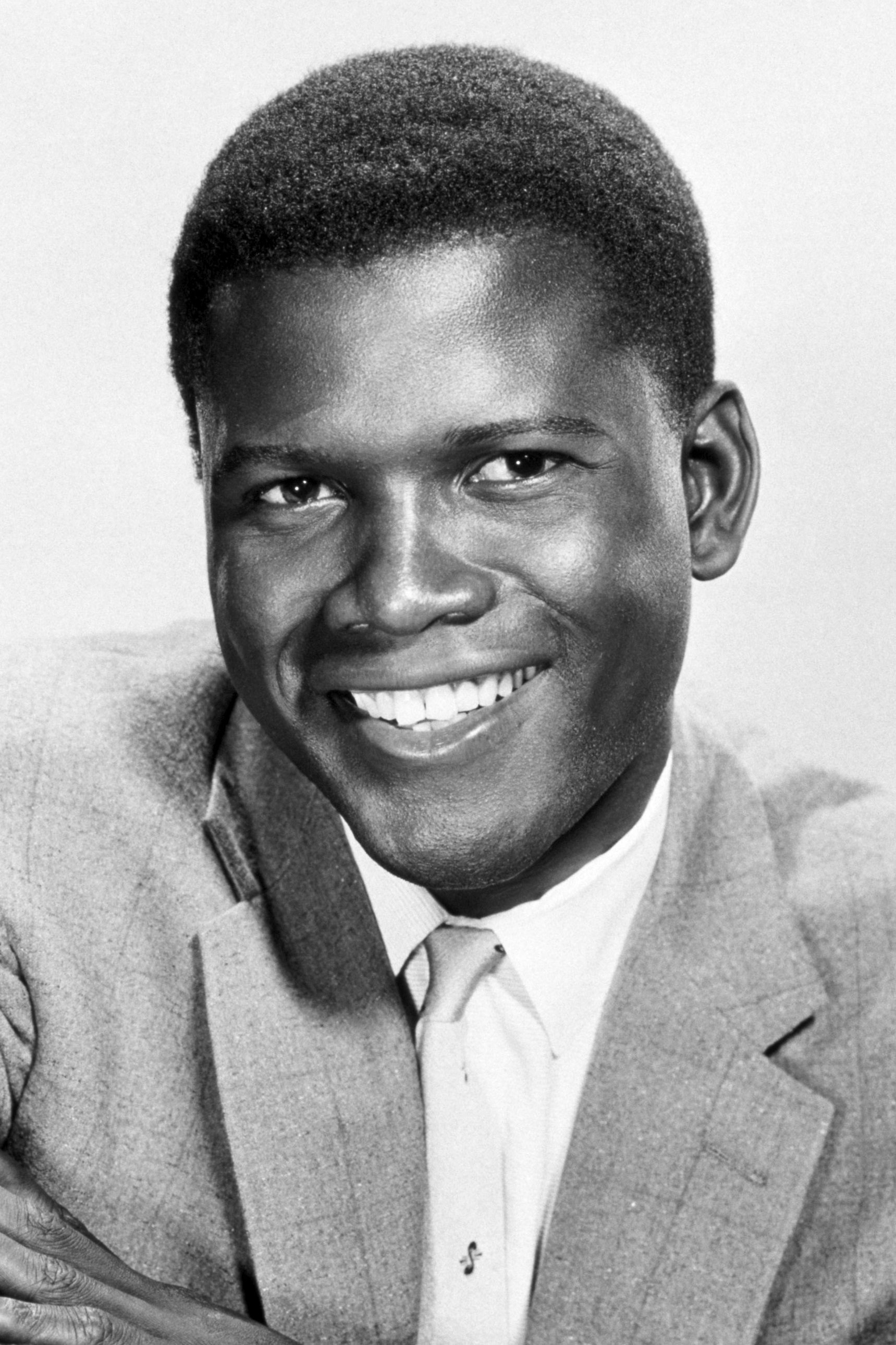
Sidney Poitier reluctantly agreed to star in ‘Porgy and Bess’ (1959) after being strongly pressured by producer Samuel Goldwyn, mirroring Harry Belafonte’s concerns about the role. Earlier in his career, though, Poitier had more control. He turned down a part in ‘The Phenix City Story’ (1955) because he refused to play a father who didn’t react with dignity after his daughter was murdered. This decision established a pattern for his career: he consistently sought roles portraying characters with strong moral principles.
Denzel Washington
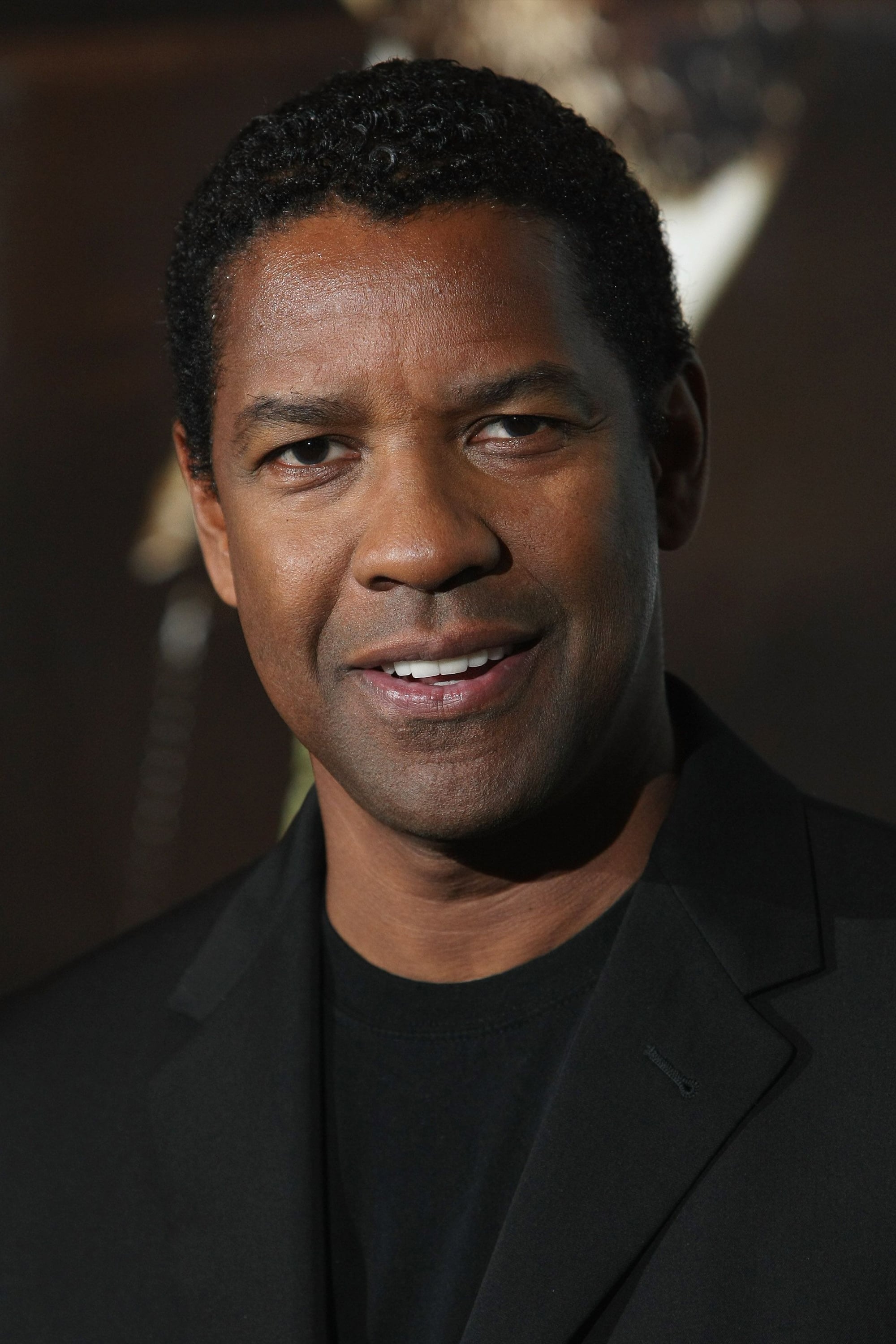
Denzel Washington declined a role in Steven Spielberg’s 1997 film ‘Amistad’ because he didn’t want to portray a slave. He was hesitant about the common focus on slavery in many Black historical films, despite the movie’s importance and Spielberg’s reputation. Throughout his career, Washington has carefully chosen roles that show characters with strength and independence, avoiding those who lack power or only serve to further the story of a white character. This approach has allowed him to consistently play roles that highlight leadership and authority.
Wesley Snipes
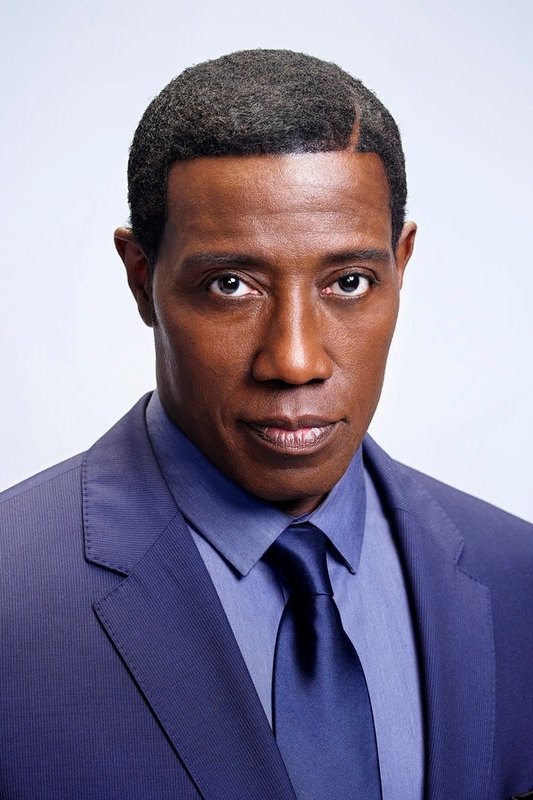
So, I heard the story about Wesley Snipes turning down the ‘Shaft’ remake, and honestly, good for him. Apparently, he just didn’t dig the script. He thought it was leaning way too hard into silly, over-the-top comedy – he actually called it ‘buffoonery’! More than that, he felt like they were just rehashing old ‘blaxploitation’ clichés instead of building on what made the original Shaft so cool. He was worried it would actually hurt the image of Black culture, instead of celebrating it like the first film did. He didn’t want to be part of anything that disrespected that legacy of Black empowerment, and I totally get that. It’s awesome when an actor stands up for what they believe in, especially when it comes to honoring a classic like Shaft.
Cicely Tyson

Cicely Tyson was well-known for turning down movie roles she believed negatively portrayed Black women. She famously avoided the popular “Blaxploitation” films of the 1970s, and even initially refused the lead in ‘Claudine’ (1974) because she didn’t want to reinforce the stereotype of a single mother on welfare. Tyson dedicated her career to portraying strong, proud, and dignified characters, intentionally building a body of work that challenged Hollywood’s typical representations.
Samuel L. Jackson
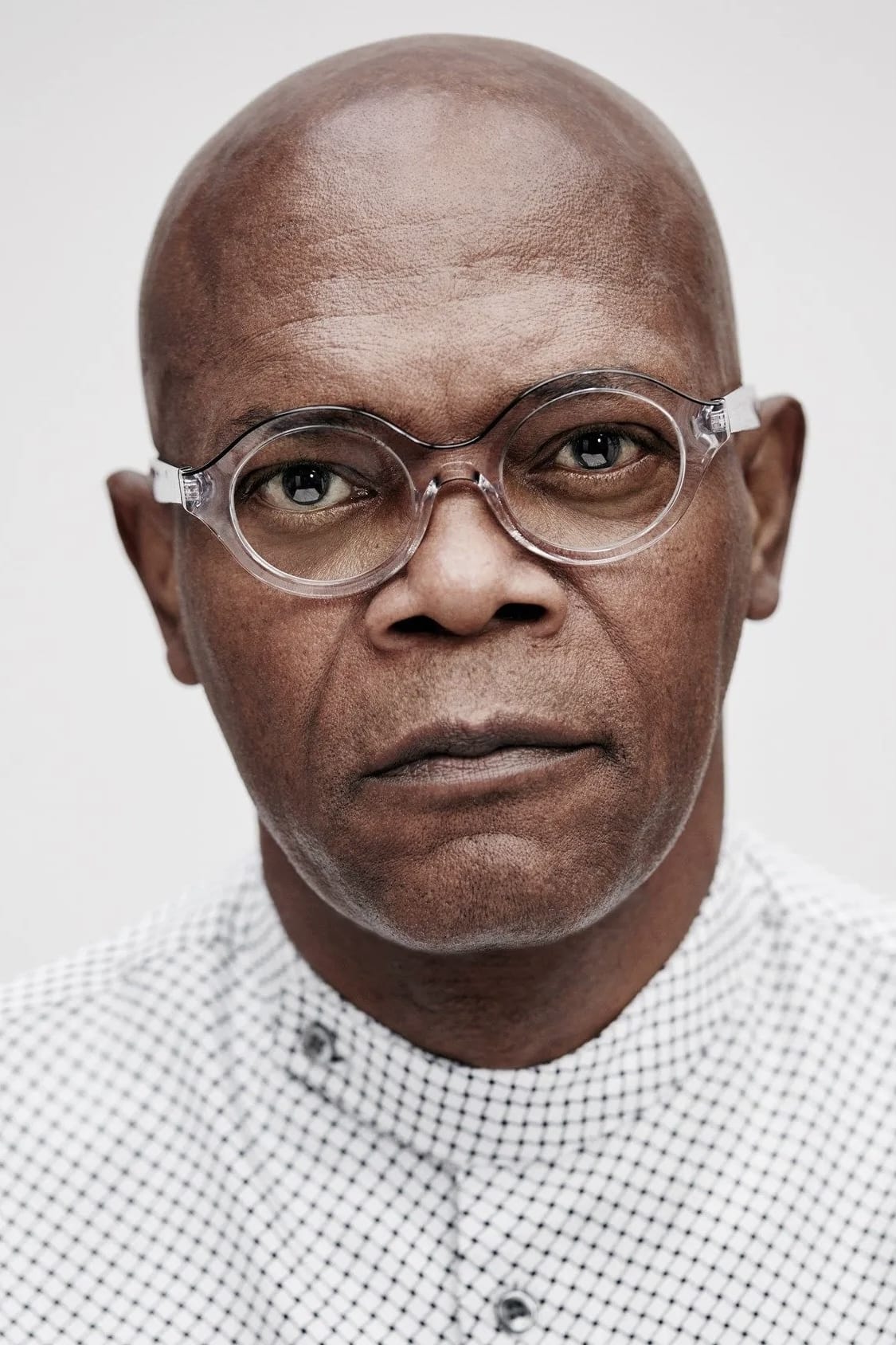
Despite taking on challenging roles in Quentin Tarantino’s movies, Samuel L. Jackson turned down a part in the 2005 film ‘Get Rich or Die Tryin’ with 50 Cent. He explained that he didn’t want to use his reputation as a respected actor to support a movie he believed reinforced negative stereotypes about “gangster rappers.” Jackson felt that having known actors work with inexperienced rappers gave undeserved credibility to a harmful story that often portrayed Black lives as solely focused on violence and crime. He saw his decision as a protest against the film industry’s habit of choosing easy, marketable stereotypes over strong acting.
Laurence Fishburne
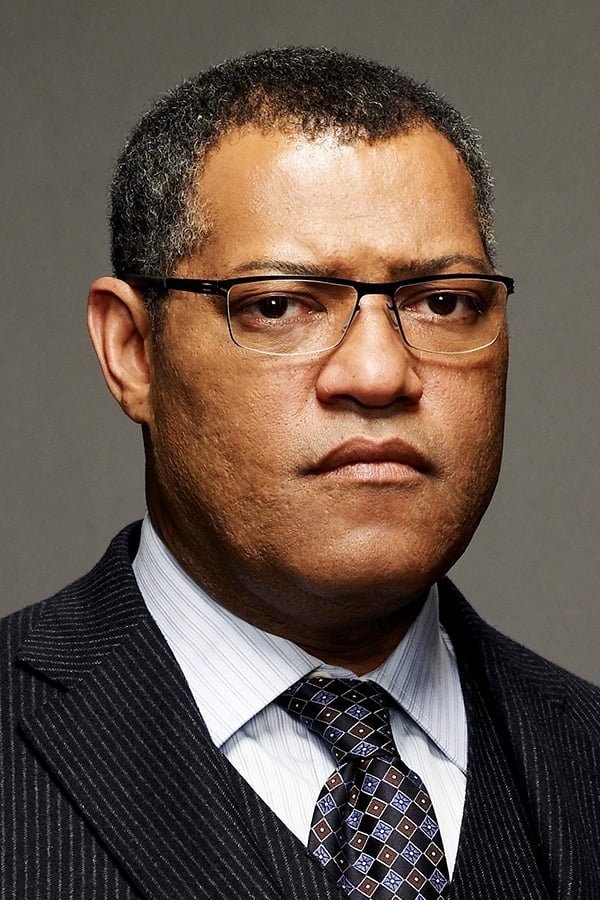
Laurence Fishburne famously declined the role of Jules Winnfield in ‘Pulp Fiction’ (1994), even though the character was originally written for him. He objected to the script because he believed it portrayed heroin use in a glamorous and appealing way. Fishburne worried about the film’s potential negative influence, especially on Black communities, and didn’t want to contribute to what he considered irresponsible storytelling. Ultimately, his principles led to Samuel L. Jackson being cast, a decision that greatly boosted Jackson’s career.
Lupita Nyong’o
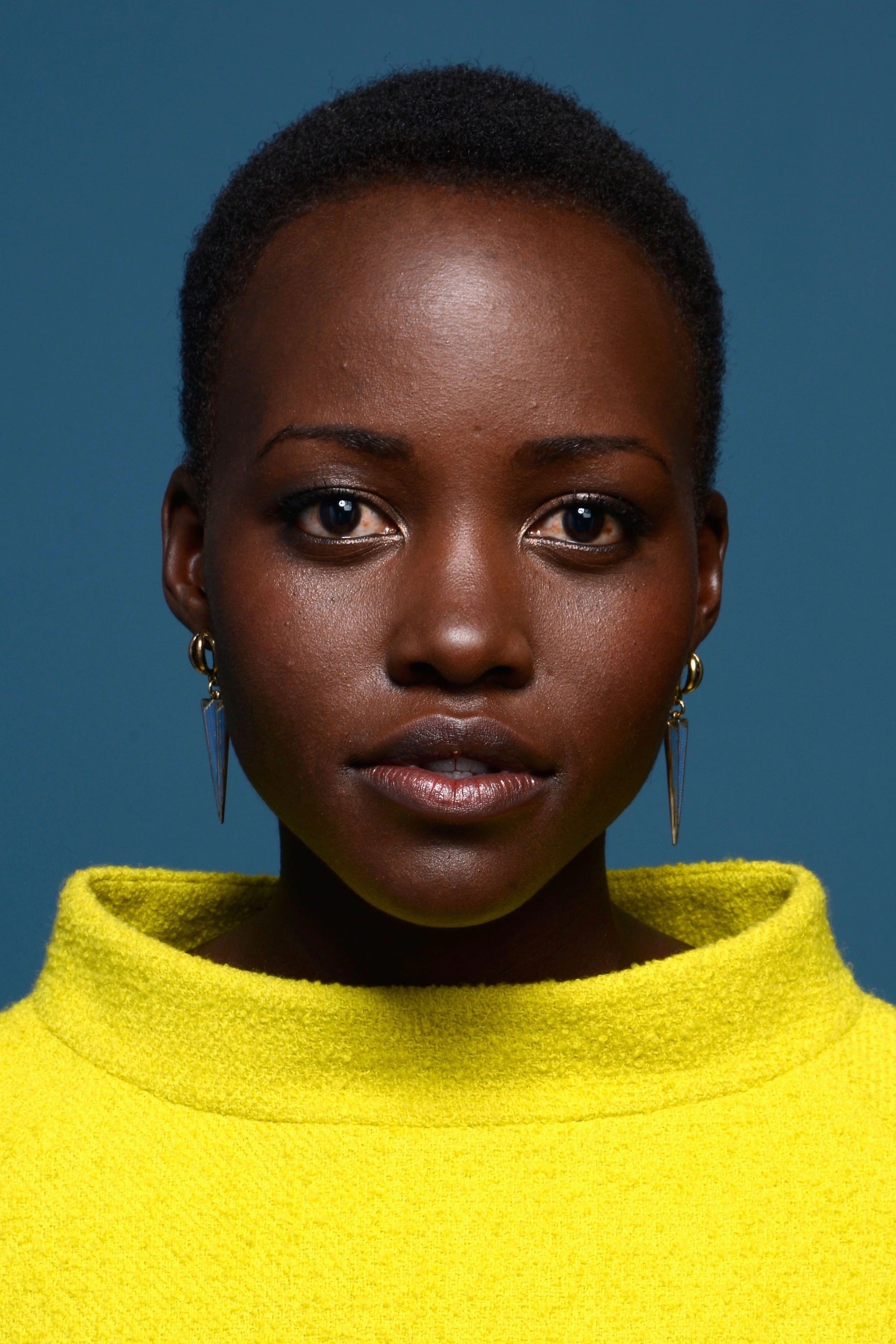
After winning an Oscar for her role in ’12 Years a Slave’ (2013), Lupita Nyong’o deliberately avoided roles that required her to play a slave. She was worried about being typecast as someone who only portrays trauma, a common issue for Black actresses with darker skin in Hollywood. Nyong’o wanted to play a wider range of characters, seeking out roles in genres like horror and action to break free from being limited to stories about slavery. By refusing to be typecast, she’s helped change how the industry views the possibilities for dark-skinned actresses.
Read More
- 20 Movies Where the Black Villain Was Secretly the Most Popular Character
- Top 20 Dinosaur Movies, Ranked
- 25 “Woke” Films That Used Black Trauma to Humanize White Leads
- Gold Rate Forecast
- Silver Rate Forecast
- Spotting the Loops in Autonomous Systems
- 22 Films Where the White Protagonist Is Canonically the Sidekick to a Black Lead
- Celebs Who Narrowly Escaped The 9/11 Attacks
- Top 10 Coolest Things About Invincible (Mark Grayson)
- Can AI Lie with a Picture? Detecting Deception in Multimodal Models
2026-01-01 09:46