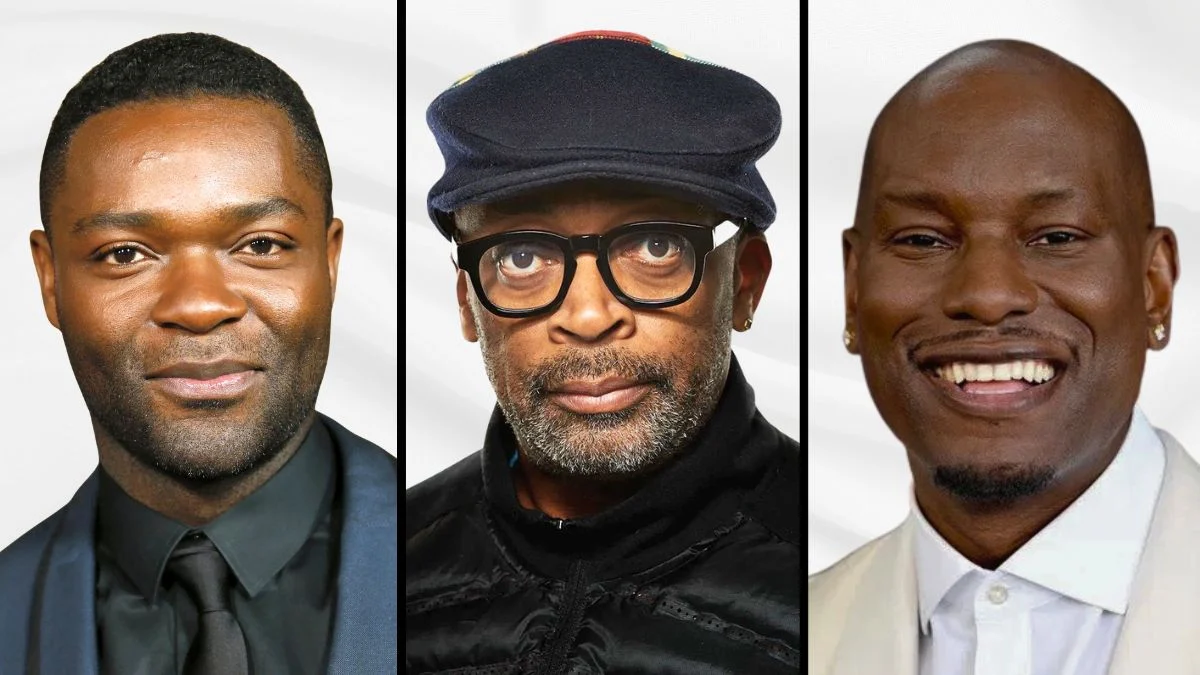
The Academy Awards have often been criticized for not including and celebrating a diverse range of actors and filmmakers. In response, several well-known Black actors have boycotted the ceremony, refusing to attend or watch as a protest against unfair practices within the industry. They’ve pointed out the lack of representation in key award categories and called for fundamental changes to how the Oscars are decided. This has led to widespread discussions about fairness and the need for more diverse stories to be told in Hollywood. By stepping away from the event, these actors are emphasizing the importance of genuine recognition over simply receiving an award.
Will Smith
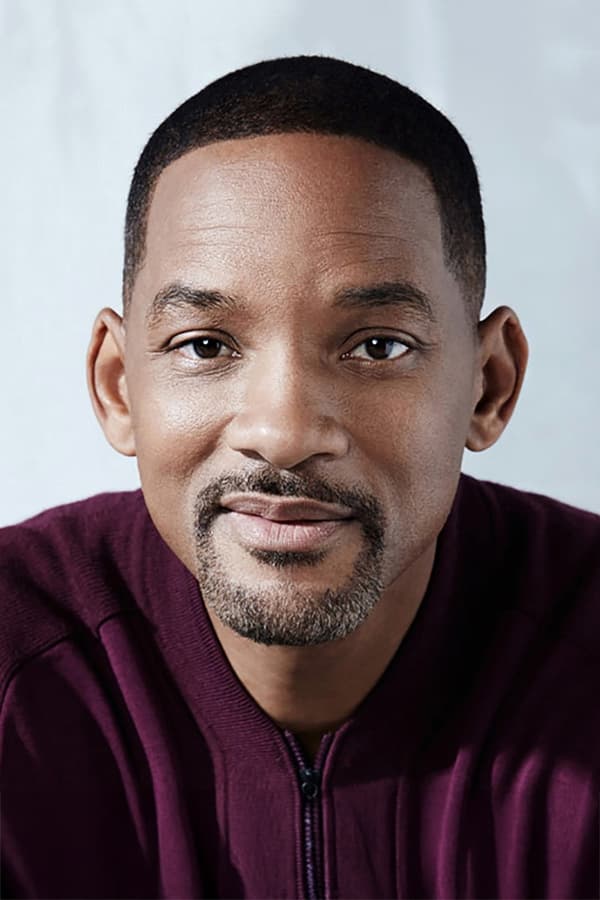
Will Smith made headlines when he decided not to attend the Academy Awards, a year marked by conversations about diversity in Hollywood. He believed that attending would seem like an endorsement of a system that often ignored the work of actors and performers of color. Smith explained that the film industry should better reflect the diversity of its worldwide audience. He stressed that his decision wasn’t about being personally overlooked, but about pushing for broader change and inclusion. His protest gained a lot of attention and prompted others to think about the message they send by participating in these kinds of events.
Spike Lee
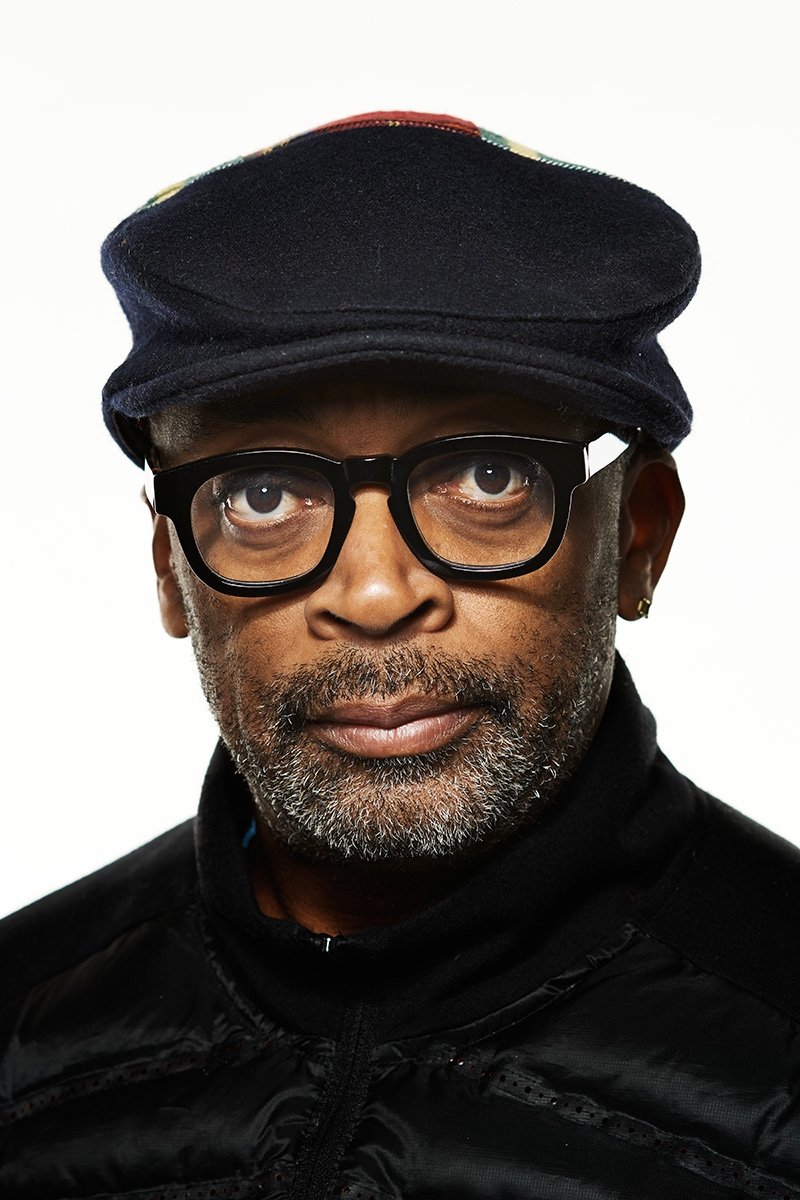
Spike Lee chose to skip the Oscars and go to a basketball game to protest the lack of diversity among the nominees. The acclaimed director explained he didn’t want to support an awards show that didn’t acknowledge Black filmmakers’ contributions. He believes the people who approve projects have more influence in Hollywood than those who simply hand out awards. Lee has long criticized the Academy and consistently called for real changes within the industry. By not attending, he highlighted how much work still needs to be done to create a truly fair and inclusive film world.
Tyrese Gibson
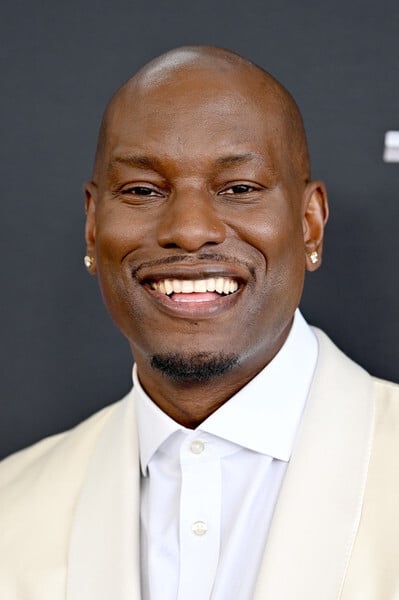
Tyrese Gibson was among the first celebrities to publicly call for a boycott of the Oscars, using social media to encourage other actors to skip the show. He argued that staying home would pressure the Academy to better recognize and include Black artists. Gibson felt that excluding talented performers not only harmed those individuals but also diminished the quality of the show for viewers worldwide. He continues to push for real, meaningful changes in the entertainment industry, going beyond just symbolic actions.
Ice Cube
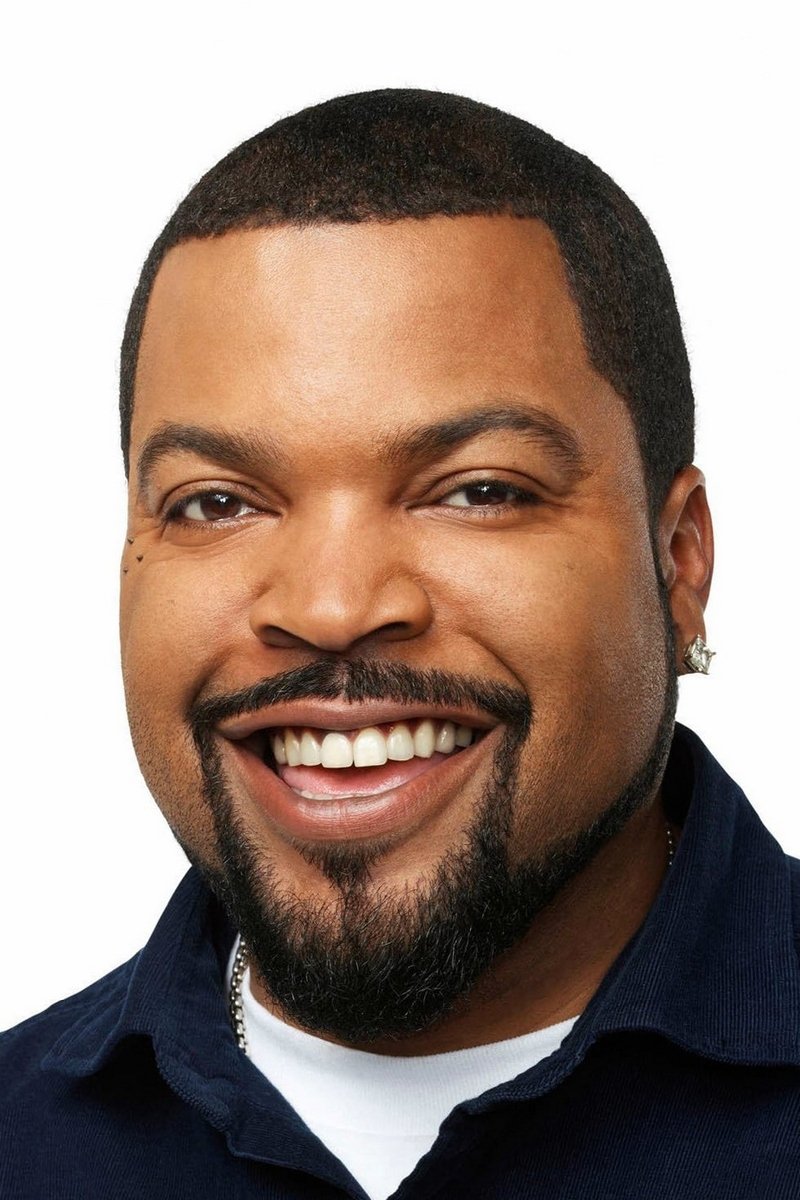
Ice Cube said he doesn’t plan on going to the Oscars because his movie, ‘Straight Outta Compton,’ wasn’t nominated for any of the big awards. He explained that he doesn’t need praise from an event that often overlooks stories and achievements from urban communities. Cube emphasized that he’s more focused on making good movies for his fans than trying to win awards, and would rather be working on new projects. Many people agree with his viewpoint, feeling the Oscars are becoming less relevant to today’s popular culture.
David Oyelowo
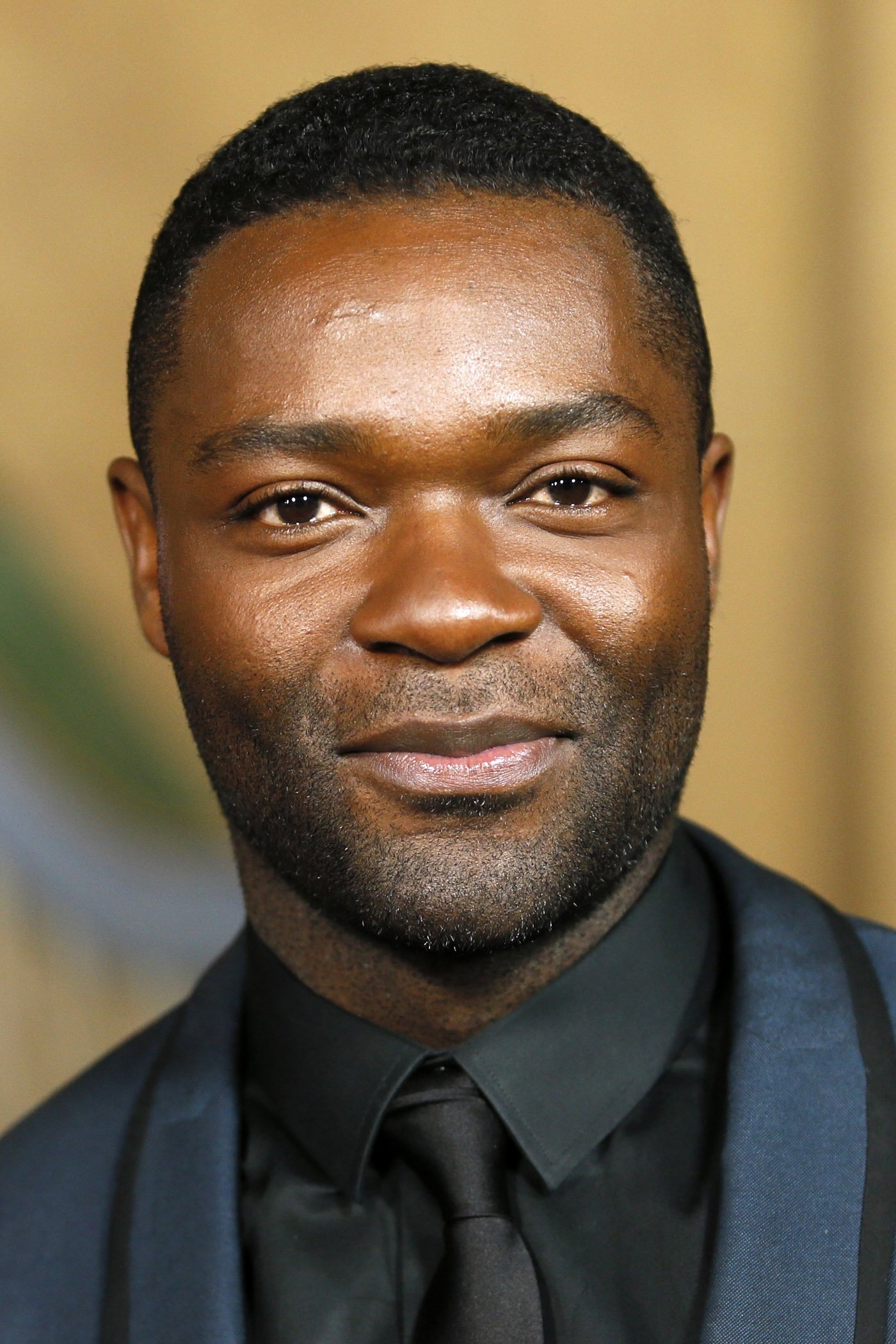
As a film lover, I’ve been following David Oyelowo’s points about the Oscars, and he really hits on something important. He’s noticed that historical dramas with Black actors often get overlooked unless they fit into really predictable patterns – you know, the same old story. He’s said it’s tough for artists trying to be original when there’s so much pressure to make something that fits what Oscar voters expect. What he’s really asking for – and I totally agree – is for the Academy to broaden its definition of a great film and look beyond the usual suspects. It’s about wanting real change in Hollywood and making sure all talent gets a fair shot.
Samuel L. Jackson
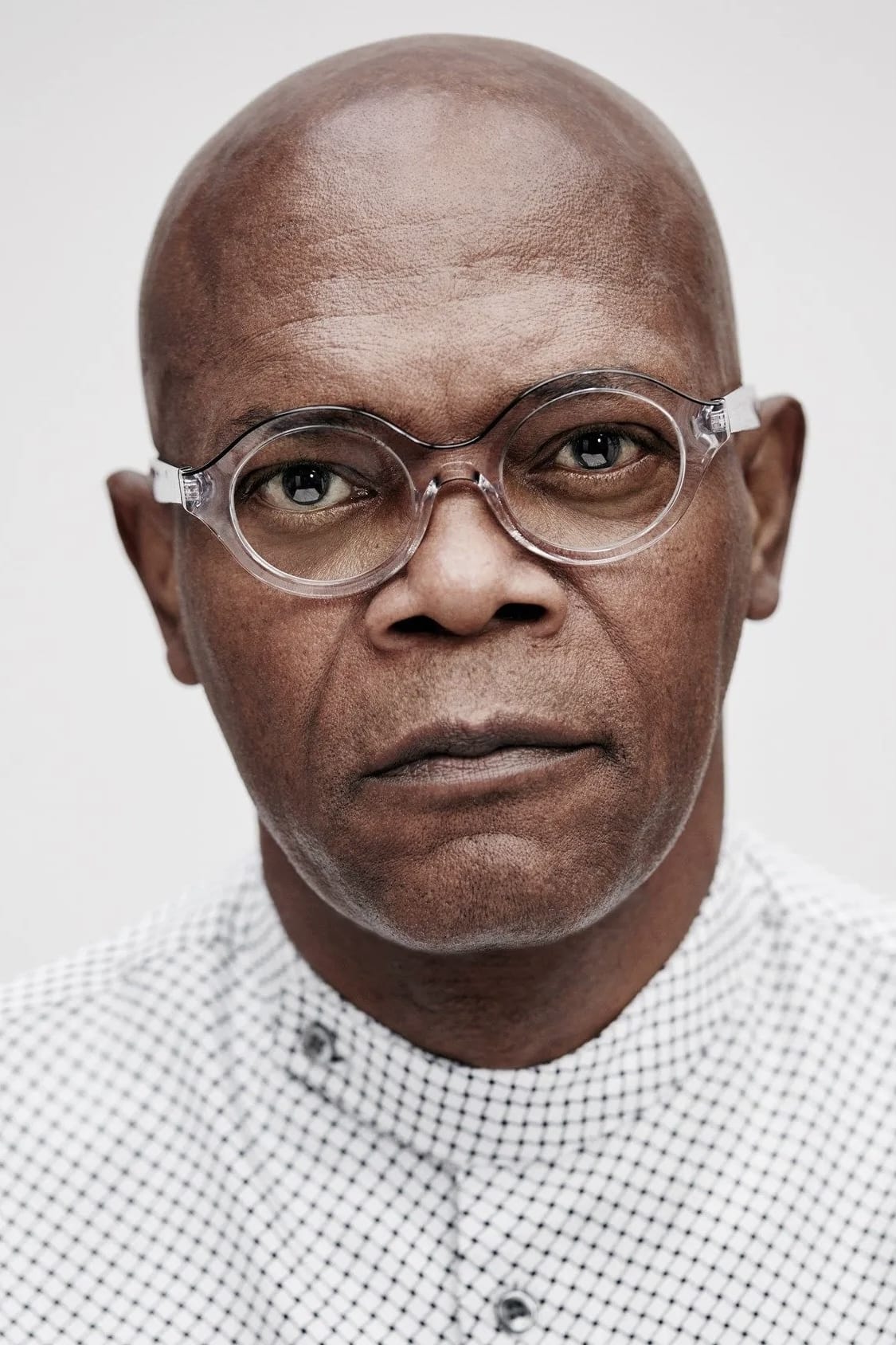
You know, I’ve always been fascinated by Samuel L. Jackson’s take on awards shows. He just doesn’t seem to care much for all the fuss! For him, it’s always been about building a lasting career and making sure people enjoy what he does, not about winning trophies. He’s earned so much respect over the years that he doesn’t need an award to prove he’s good – his work speaks for itself. Honestly, I admire that. He’d rather be doing his own thing, spending time with family, than getting caught up in what often feels like a bit of a political game. It really shows how confident he is in his own legacy.
Danny Glover
Danny Glover has consistently called for people to boycott the Academy Awards, believing it’s a way to address deep-rooted problems within the film industry. He argues that the lack of diversity in award nominations isn’t just a surface issue, but reflects broader problems with how studios and casting directors operate. Glover has long championed films from around the world and stories that offer different perspectives. He feels a boycott is needed to push the industry to re-evaluate what it values and to prioritize more inclusive and diverse storytelling that truly represents all of humanity.
Eddie Murphy
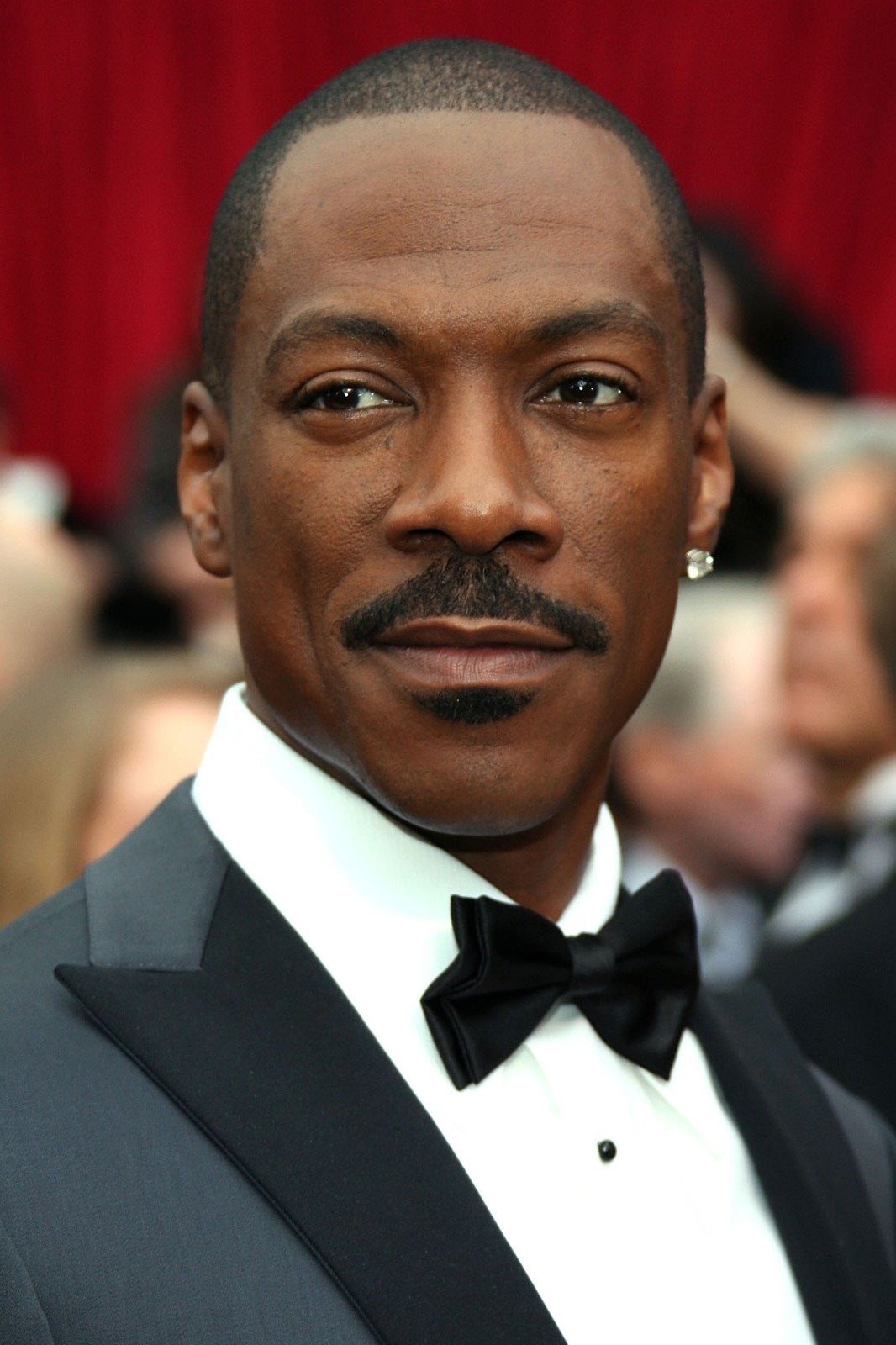
Eddie Murphy famously spoke out at the Oscars in the late 1980s, highlighting the lack of Black actors and performers being recognized. He felt the film industry still had a lot of progress to make before it could truly be considered inclusive. Because of this, he’s sometimes chosen not to attend the awards show, even when his work, like the film ‘Dreamgirls,’ was highly praised. Murphy believes an actor’s talent shouldn’t be judged solely on whether or not they win an award voted on by a specific group. His early criticism helped open the door for others to speak up about unfairness and demand change in the industry.
John Boyega
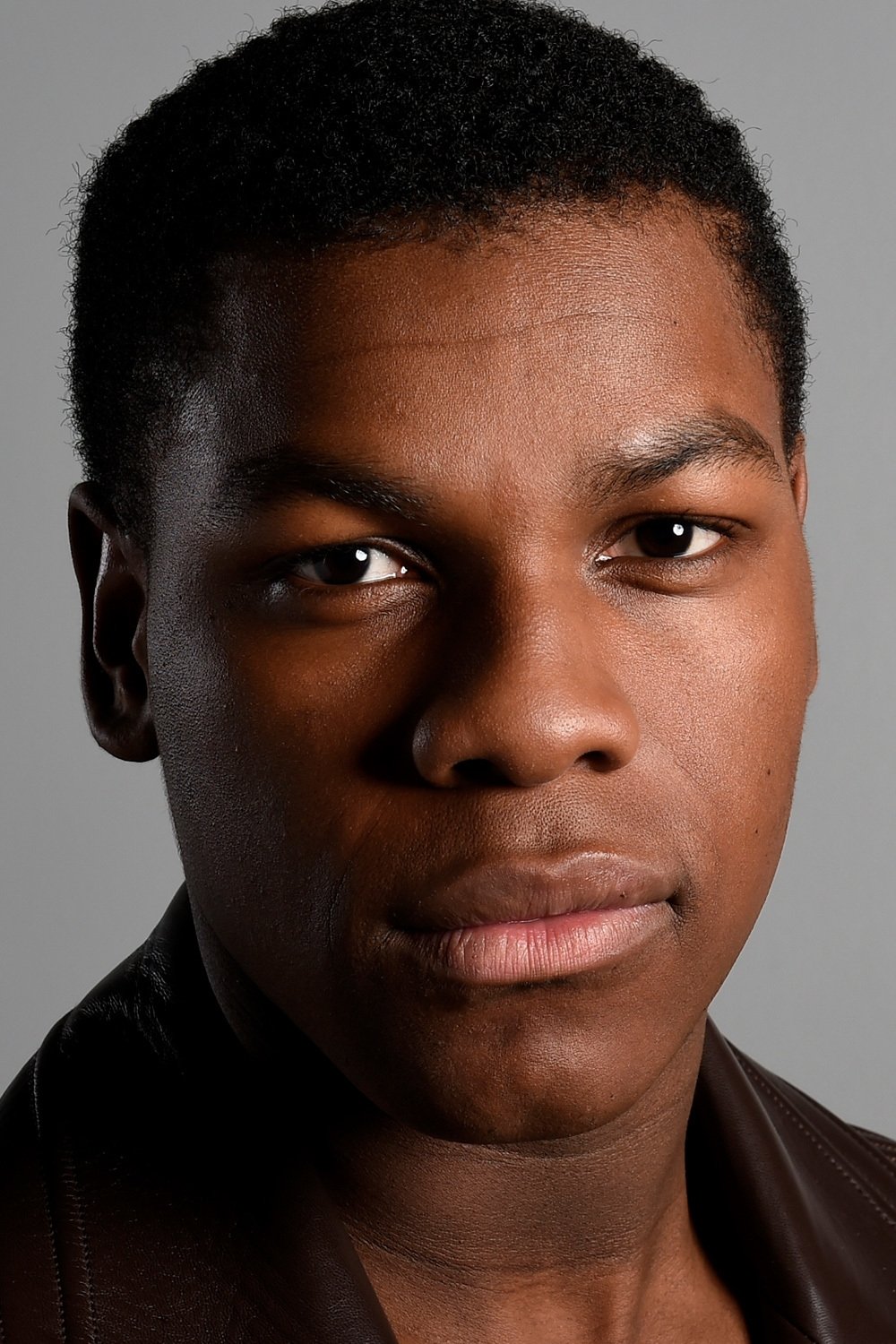
John Boyega has openly discussed his disappointment with how large franchises and award shows treat actors of color. He feels the industry often uses diverse faces for promotion but doesn’t fully support the talent itself. Boyega has stated he’s more focused on finding roles with substance than chasing awards. He consistently speaks out in favor of efforts to improve diversity in award nominations and encourages his followers to support independent artists who value genuine representation over mainstream approval.
Don Cheadle
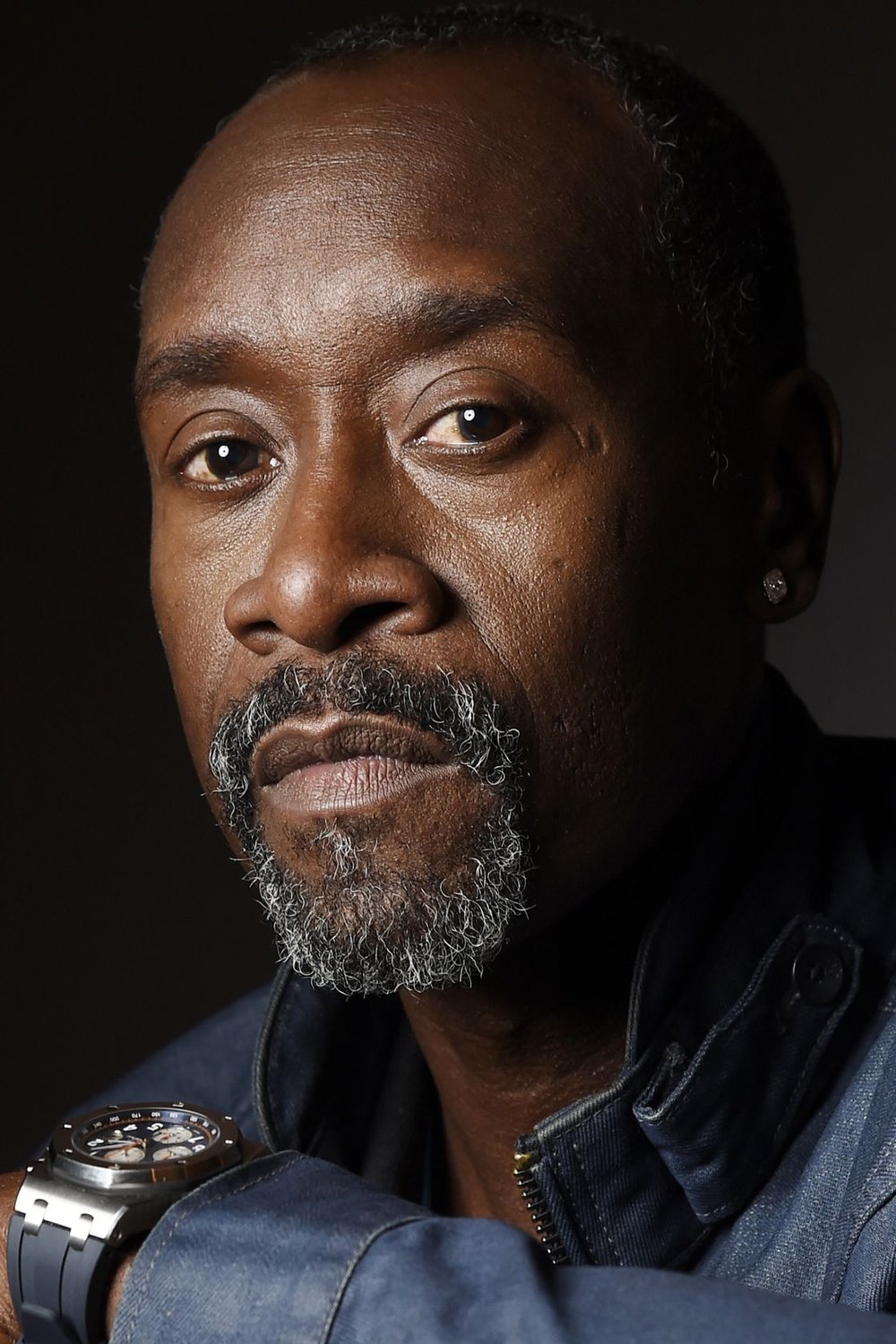
As a longtime observer of Hollywood, I’ve always appreciated Don Cheadle’s willingness to speak truth to power. During the recent diversity debates, he wasn’t just offering words of support – he actively backed the calls for a boycott. He’s been very open about the hurdles Black actors face when trying to get serious projects greenlit and then actually seen. Cheadle rightly points out that the issue isn’t just about who wins awards, but about a real lack of opportunity for people of color in the executive suites where decisions are made. His involvement in the boycott was crucial in making sure the conversation about inclusion didn’t fade away, and it’s a conversation we desperately need to keep having.
Anthony Mackie
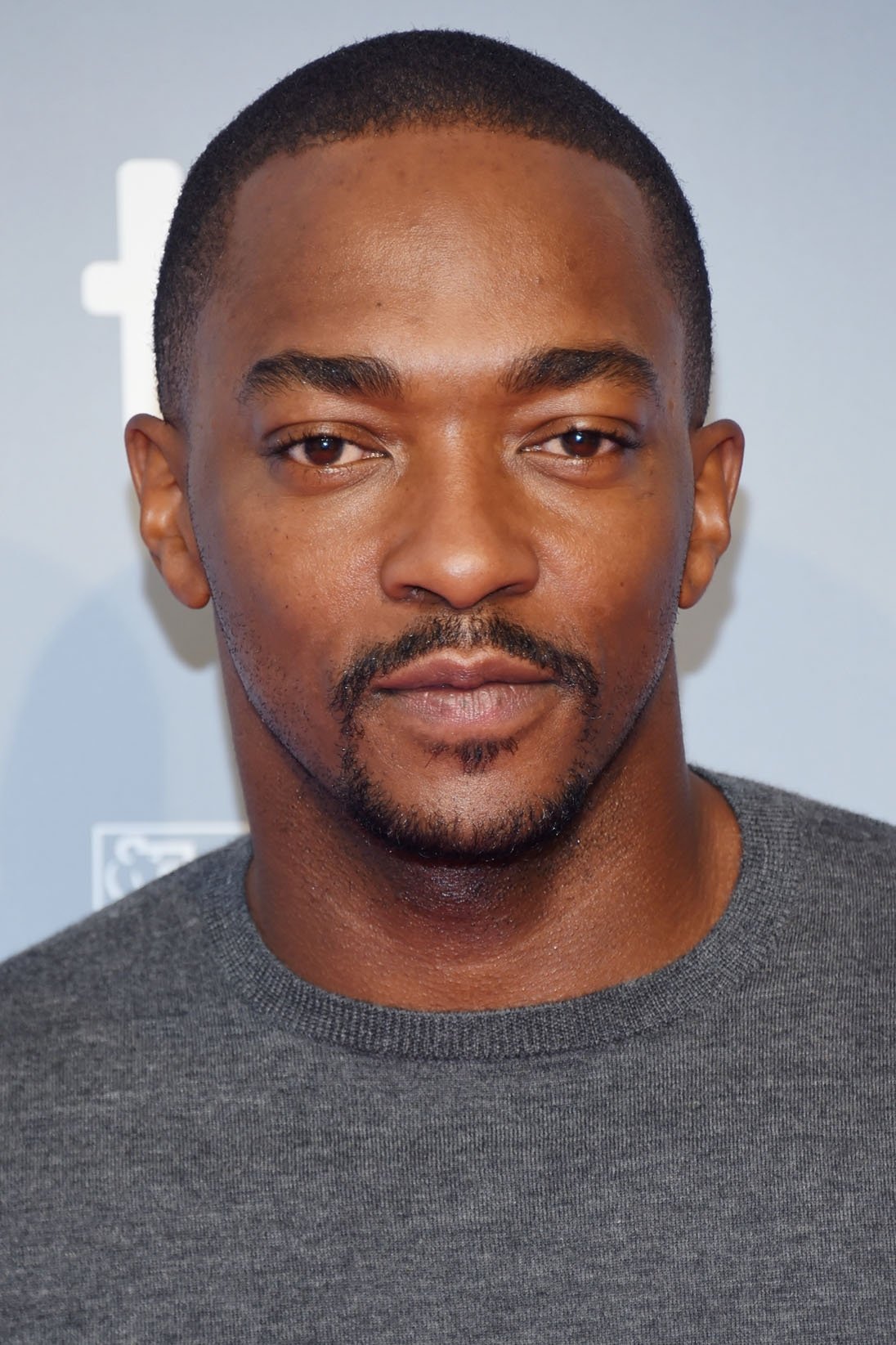
Anthony Mackie has spoken out about how the Academy Awards often overlooks certain performances and favors specific types of stories, especially those that aren’t modern. Instead of trying to win awards, he’s focused on choosing a wide range of roles. He also questions whether the awards show still connects with younger, more diverse viewers. Ultimately, Mackie is a strong voice for creating more opportunities for actors of color in film and television.
Lakeith Stanfield
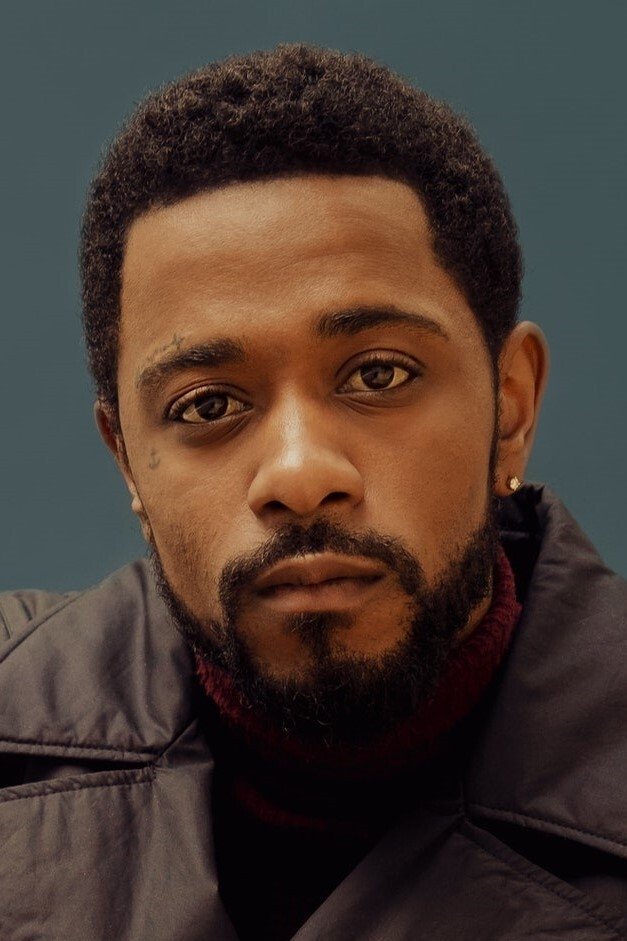
I’ve always been fascinated by Lakeith Stanfield’s perspective on the Oscars and award shows in general. He just doesn’t seem to get caught up in the hype! He often approaches the whole thing with a playful irony, and he’s openly wondered what a golden statue really says about a piece of art. What I admire most is that he thinks the competition can actually hinder an actor’s creativity. He’s much more interested in projects that are truly innovative and push boundaries, regardless of whether they’ll win awards. It feels like he, and a lot of actors his age, are redefining what success looks like in Hollywood, and it’s really refreshing to see.
Djimon Hounsou
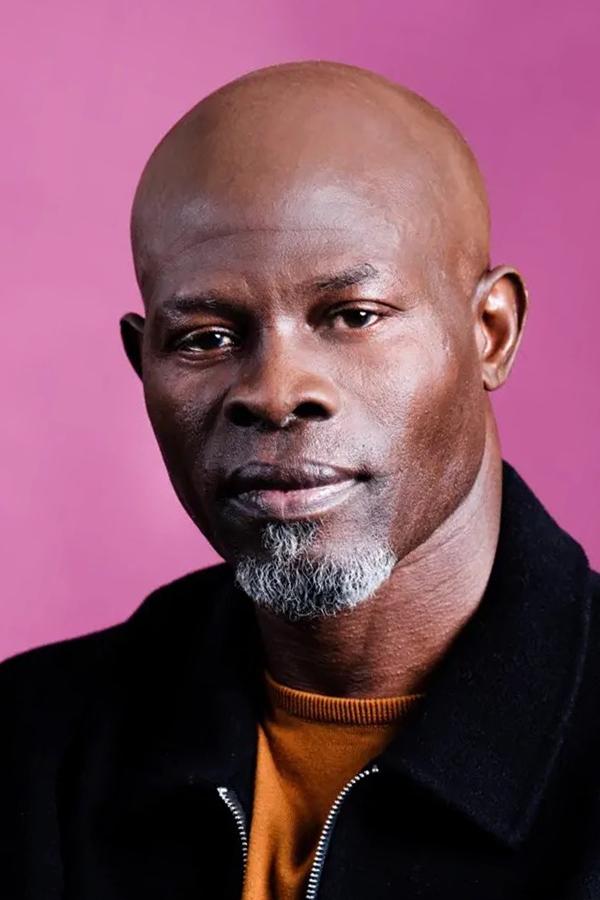
As a lifelong movie fan, it really bothers me to hear Djimon Hounsou talk about being consistently passed over for awards, especially considering how incredible he was in films like ‘Amistad’ and ‘Blood Diamond’. He’s right – it feels like actors from the African diaspora have to work so much harder to get the recognition they deserve in Hollywood. It’s like the industry boxes people in, preventing them from truly showcasing their full range. I completely agree with his call for more diverse representation in film awards – it’s not just about fairness, it’s about acknowledging that amazing talent comes from all over the world. It really highlights how much work still needs to be done to achieve real equity in entertainment.
Idris Elba
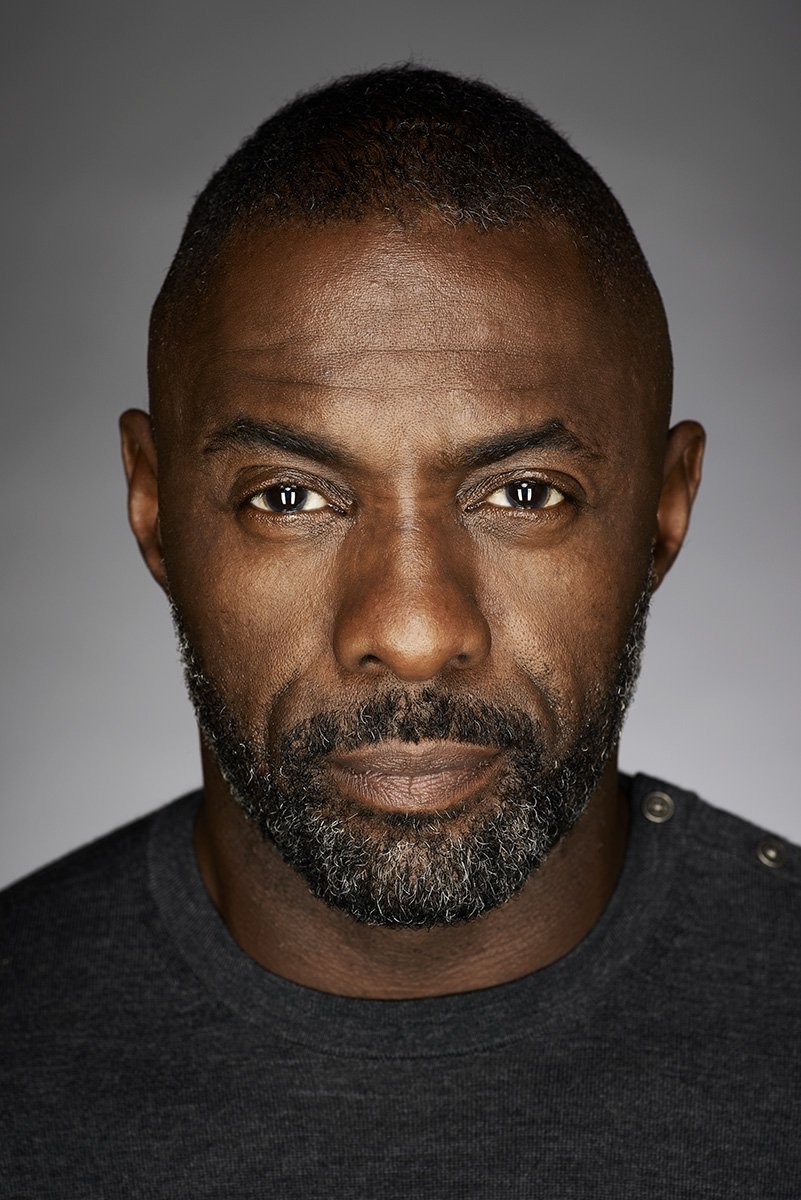
Idris Elba has spoken about the importance of having more diverse perspectives among those who vote for major awards. He believes it’s crucial to see representation not just in front of the camera, but also behind the scenes. Elba feels the current awards system often overlooks the significance of stories from different cultures. He’s actively working to support filmmakers from underrepresented groups through his production company, and his views on awards are part of a larger effort to transform the entertainment industry worldwide.
Terrence Howard
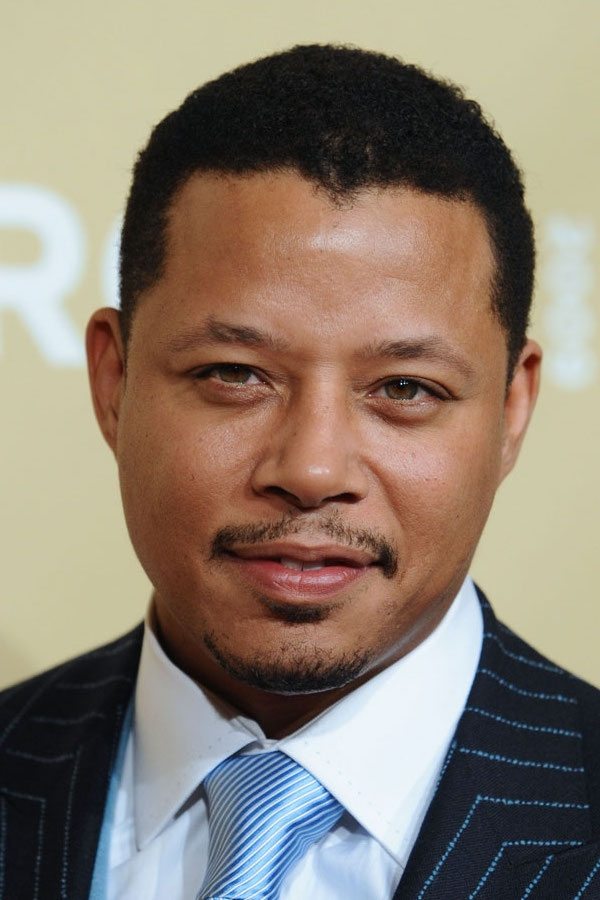
Terrence Howard has shared his thoughts on how politics and social issues can affect who wins at the Academy Awards. He’s talked about his own struggles getting recognized for his work, specifically his role in ‘Hustle and Flow,’ and believes the emphasis on awards can overshadow the real point of creating art. Howard questions how fair and open the voting process is and what judges look for when choosing nominees. He highlights how being overlooked by the industry can be deeply discouraging for talented actors.
O’Shea Jackson Jr.

O’Shea Jackson Jr. agreed with those calling for a boycott of the Academy Awards after his film, ‘Straight Outta Compton,’ wasn’t nominated in any major categories. He felt the lack of nominations showed the Academy didn’t fully appreciate the film’s cultural importance. Jackson emphasized that the film’s success with audiences and its overall impact were more meaningful to him than any award. He’s stated he doesn’t need the ceremony to validate his work and continues to choose roles that break stereotypes and honestly portray his community’s experiences.
Jason Mitchell
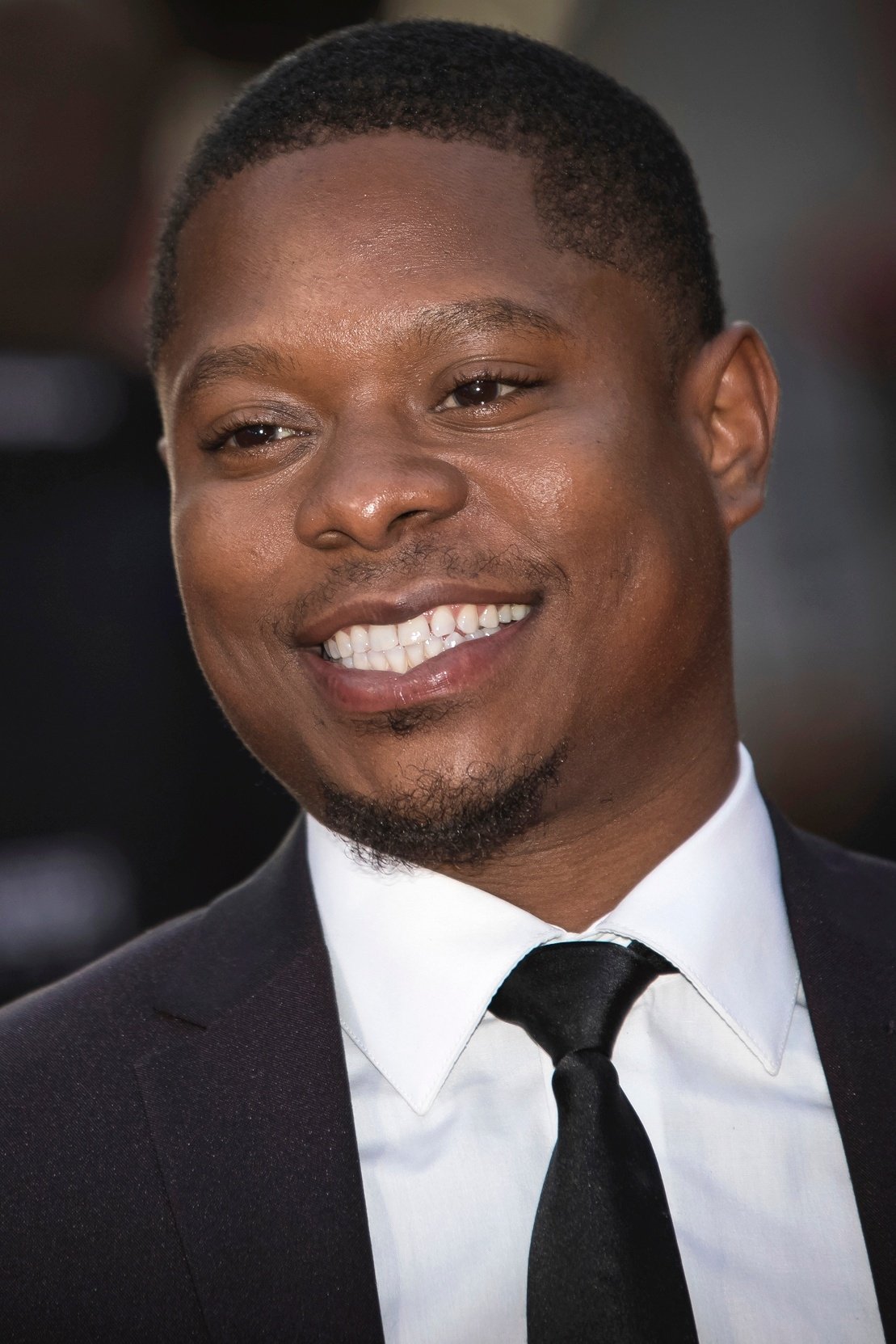
After finding success with ‘Straight Outta Compton,’ Jason Mitchell spoke about the lack of diversity at awards shows. He felt the film’s cast being overlooked was disrespectful to everyone involved in making the movie. Mitchell stressed that the industry should judge talent based on merit, not the type of film. He also supported those who protested the ceremony by not attending, to highlight the ongoing problem. Mitchell continues to push for more inclusive casting and recognition in the film industry.
Wood Harris

Wood Harris has raised concerns about whether major awards shows, like the Oscars, genuinely recognize Black talent and connect with diverse viewers. He suggests that Black artists should prioritize creating their own spaces and awards to celebrate their work authentically. Harris has openly admitted he doesn’t always care about the results of these mainstream events, emphasizing the importance of Black artists controlling their own narratives and validating themselves within the entertainment industry.
Michael Jai White
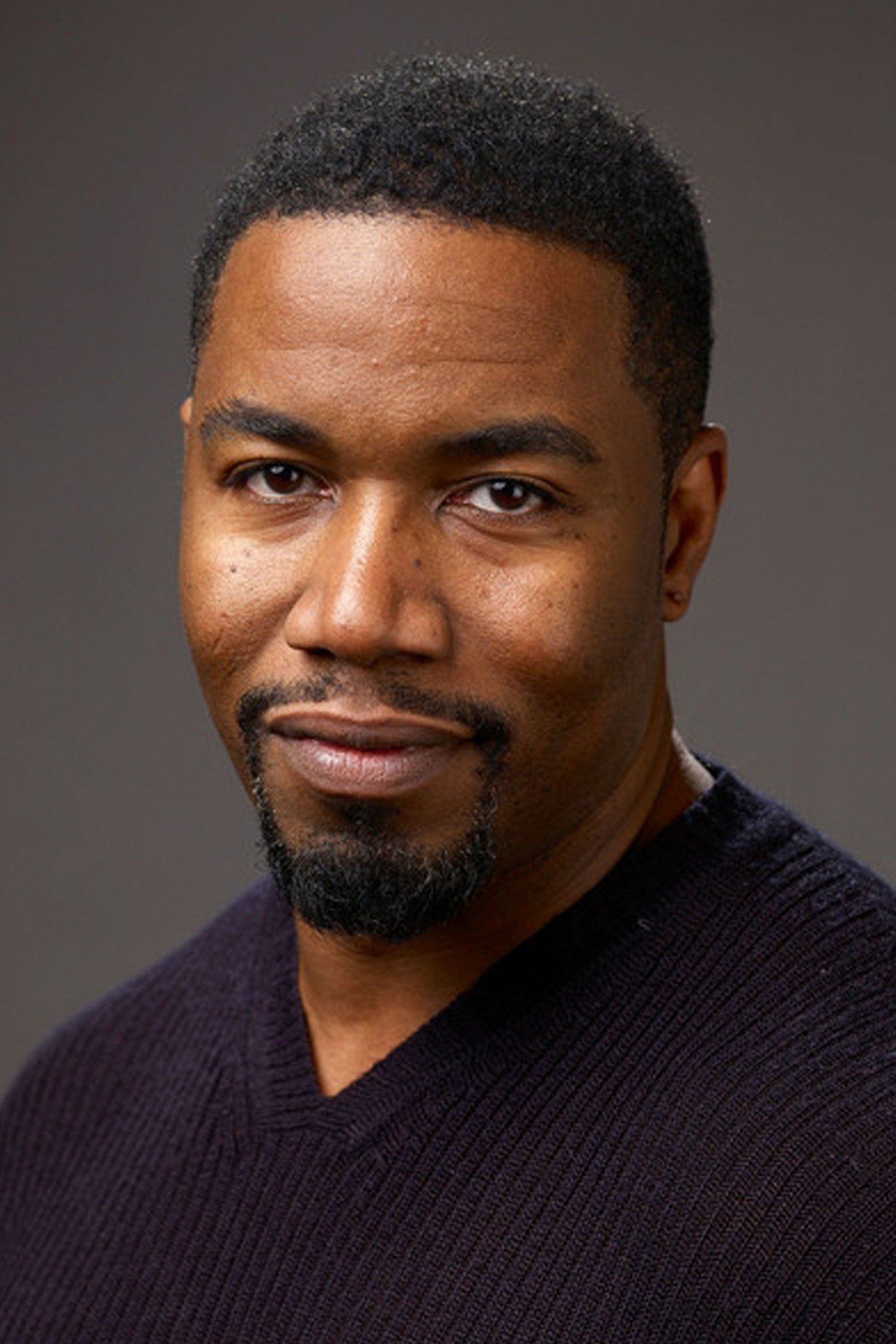
Michael Jai White has often spoken out about how Hollywood handles diversity and recognizes talent, particularly in action and dramatic films. He feels the Oscars don’t always appreciate the hard work and skill needed for physically demanding roles, and that the awards show has lost touch with what it’s like to be a working actor. White argues that filmmakers should prioritize creating great movies, not just chasing awards. Ultimately, he wants to see talent recognized based on merit, no matter the genre.
Tyler Perry
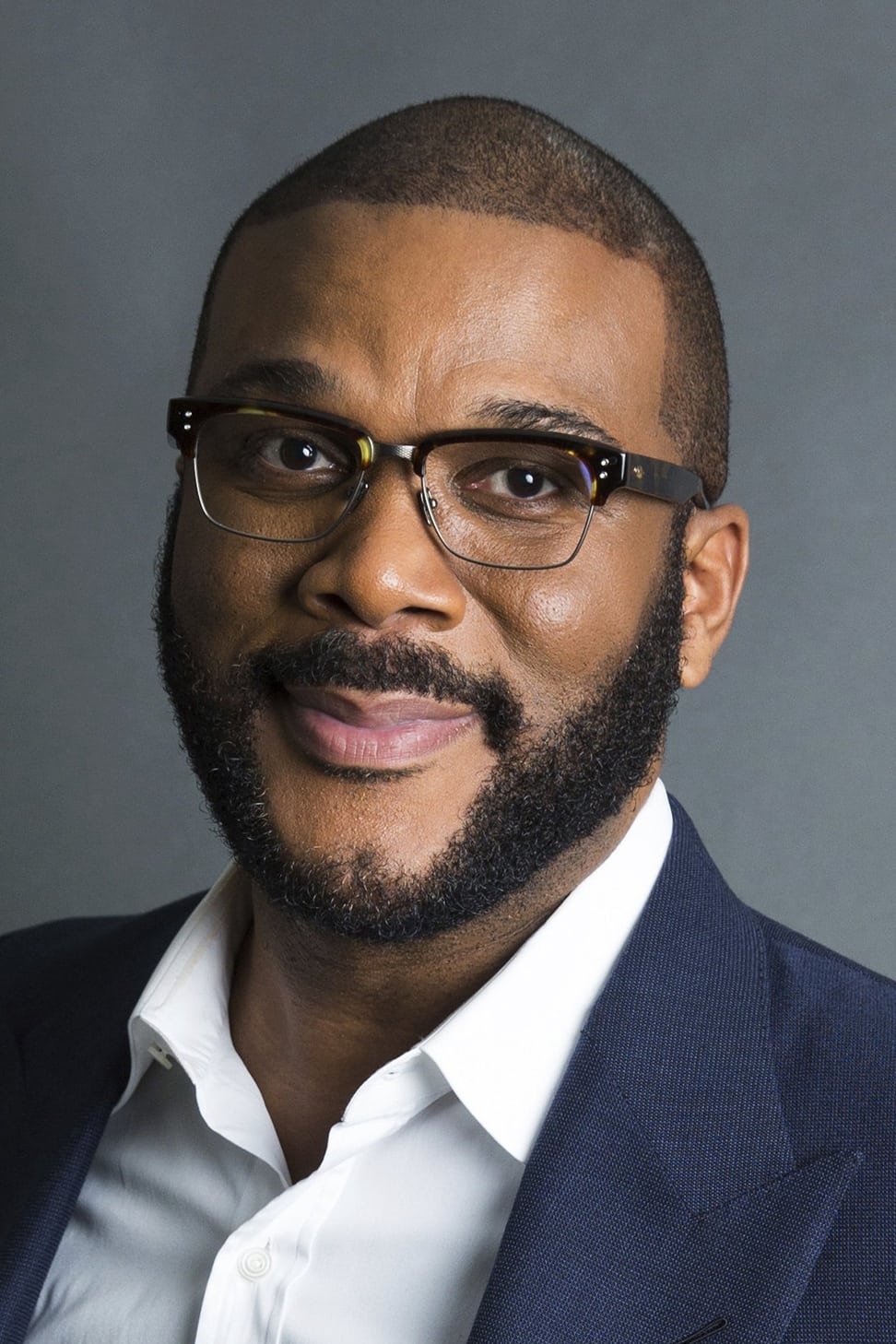
Tyler Perry has a complicated relationship with the Academy Awards. While he’s created a hugely successful entertainment career, he hasn’t always been recognized by major award shows. Perry has said that support from his fans and community means more to him than any Hollywood award. He’s even chosen to work on his many projects instead of attending the ceremonies. His achievements demonstrate that creators can find success independently, and that mainstream awards don’t always tell the whole story.
Jeffrey Wright
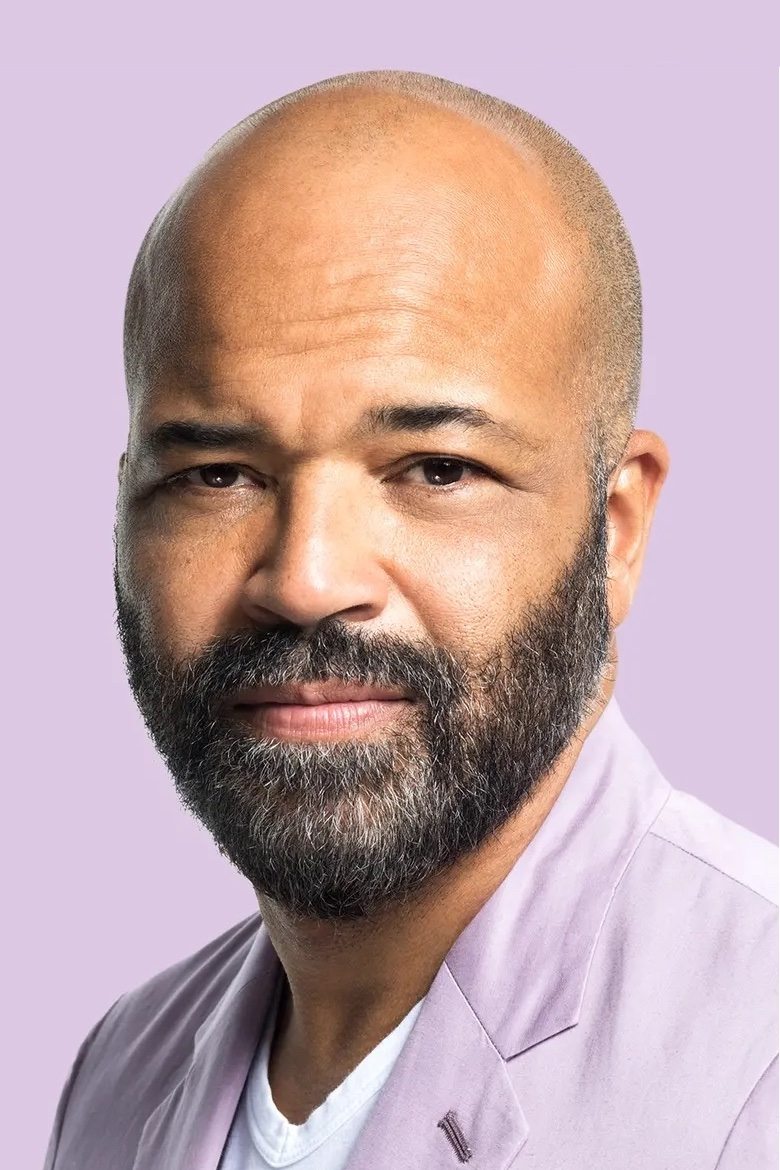
Jeffrey Wright has spoken out about the Oscars’ long-standing issues with diversity and the slow progress towards meaningful change. He points out that the Academy voters haven’t always kept up with the innovative work happening in independent films. Wright feels the film industry needs to prioritize including more diverse voices and viewpoints. He’s been using his position to push for more openness and fairness in how nominees are chosen, framing the problem not just as a lack of representation, but as a fundamental issue with the awards’ system itself.
Bill Duke
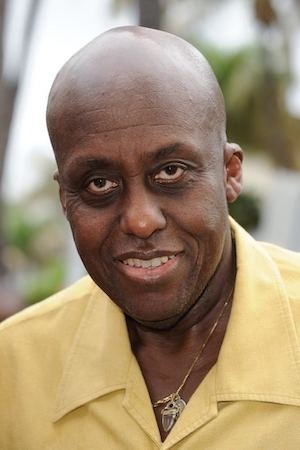
Bill Duke, a long-time actor and director, has witnessed many changes in Hollywood. He’s often discussed how Black artists have historically been overlooked by major award shows. Duke argues that this lack of representation is a serious, long-standing problem that can’t be fixed with simple rule changes. He advises new filmmakers to prioritize telling authentic stories from their own perspectives, instead of seeking acceptance from established Hollywood systems. His extensive career gives him unique insight into the ongoing challenges of bias in the entertainment world.
Giancarlo Esposito
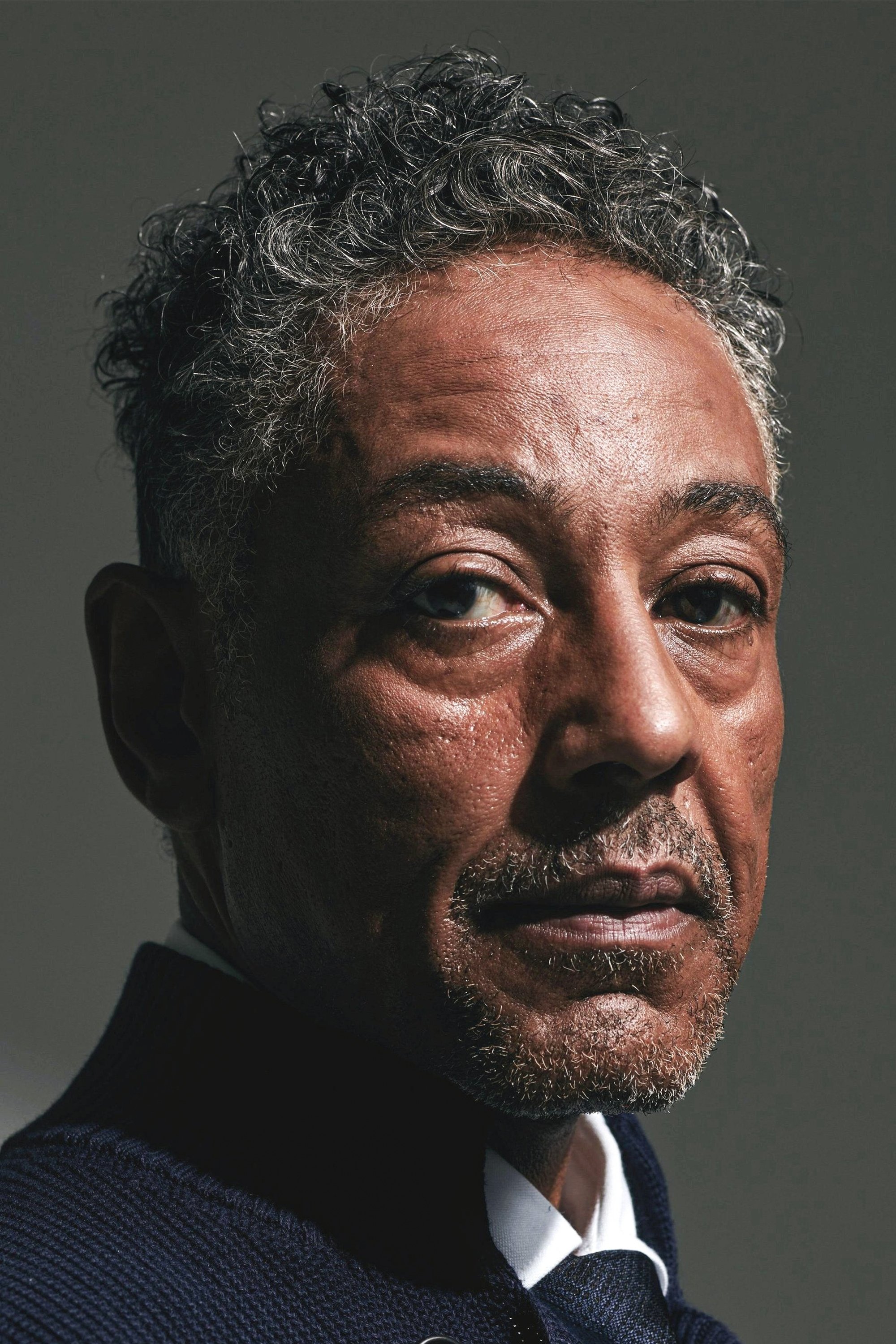
Giancarlo Esposito doesn’t define his success by awards. He feels the entertainment industry often overlooks complex stories in favor of simpler ones. He finds fulfillment in the creative process and spiritual connection he experiences while working on shows like ‘Breaking Bad’ and ‘Better Call Saul’. He’s also voiced concerns about how the awards season can affect artists’ well-being and creativity. Ultimately, Esposito believes it’s important for performers to stay focused on their work, no matter what recognition they receive.
Larenz Tate
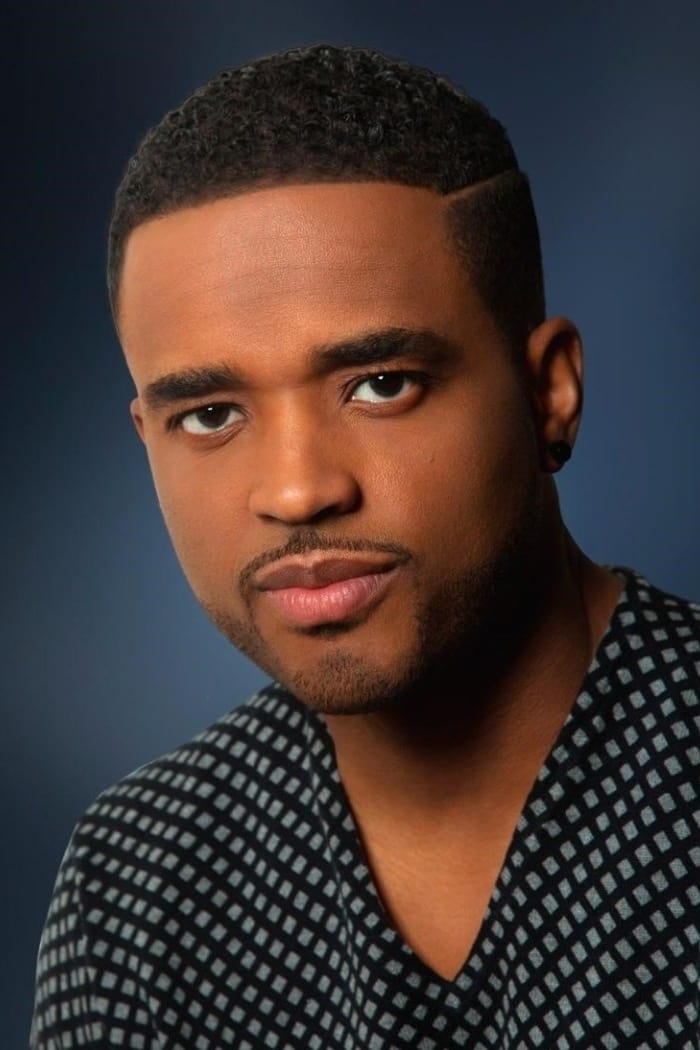
Larenz Tate has spoken about how important it is for Black actors to support award shows that celebrate their community, like the Image Awards. He points out that the Oscars often overlook performances that deeply resonate within Black culture. Tate feels the entertainment industry should strive for fairness, giving all actors an equal chance to succeed. He’s also expressed frustration with the ongoing, but often unproductive, conversations about diversity in Hollywood, and hopes for a future where awards are based solely on the quality of an actor’s work.
Nate Parker
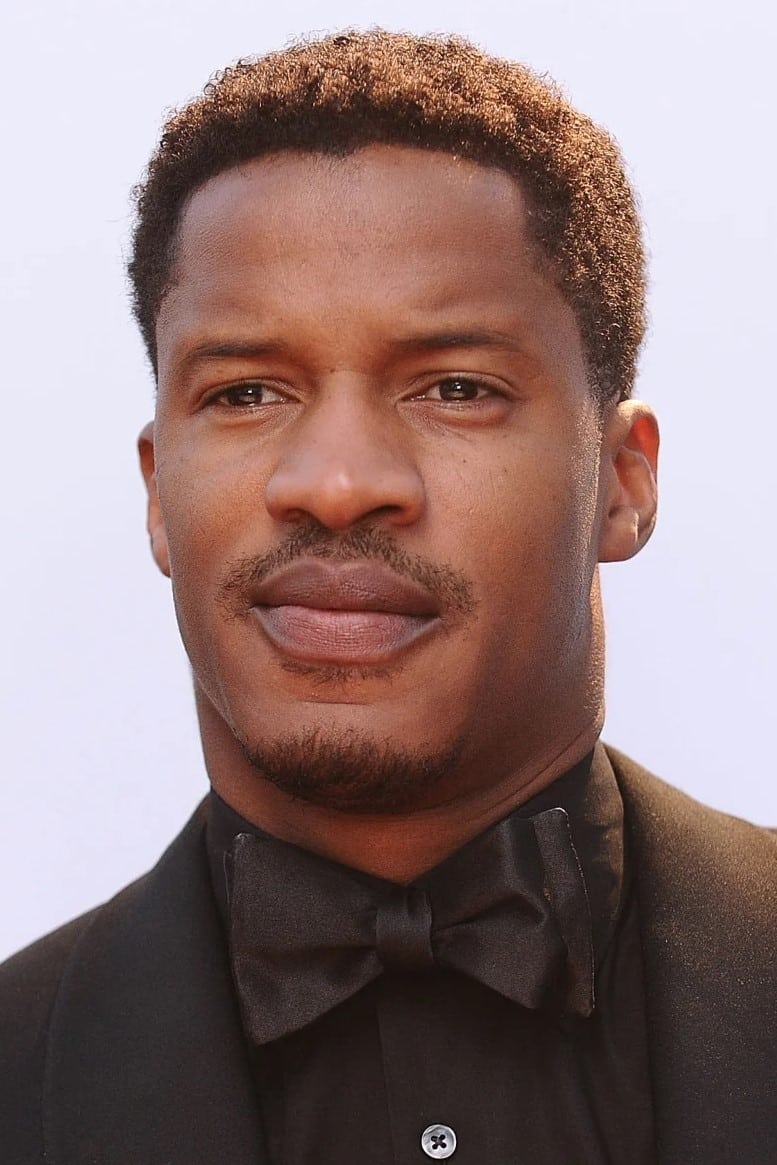
When Nate Parker’s film ‘The Birth of a Nation’ came out, he became a key voice in discussions about diversity and the Oscars. He’s consistently argued that the film industry needs to tell a wider range of stories, especially those that offer different perspectives on history. Parker has also pointed out that awards shows can sometimes overshadow the important work of creating social change. Ultimately, he sees filmmaking as a way to educate and empower audiences, and he continues to challenge the industry’s approach to difficult and sensitive topics.
Common
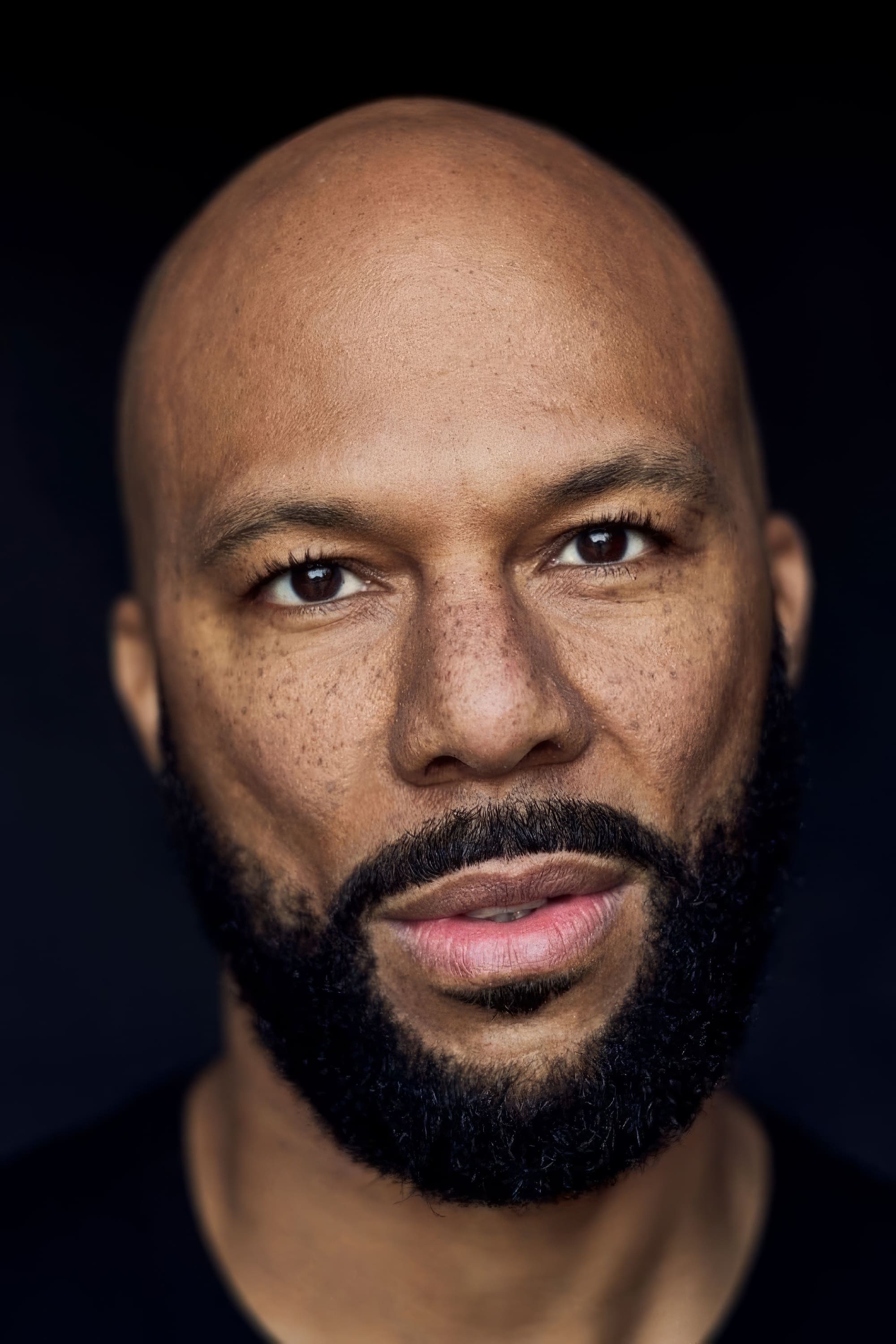
Common consistently uses his work as a musician and actor to champion fairness and equal opportunities for everyone. He supports those who boycott the Oscars to protest the lack of diversity, believing the event should be a force for positive change and inclusion. Common prioritizes the impact of his message over winning awards. Ultimately, he connects artistic expression with activism in the ongoing pursuit of equality.
John Legend

John Legend consistently speaks out about the need for more diversity in Hollywood. He argues that the Academy Awards needs to actively work to include more people from different backgrounds, both among its members and those it nominates. Legend feels real change will only happen when the people making decisions in the industry truly reflect the diversity of the world. He often emphasizes the importance of using your platform to demand accountability from powerful organizations, and this belief shapes his views on award shows and their significance.
Terry Crews
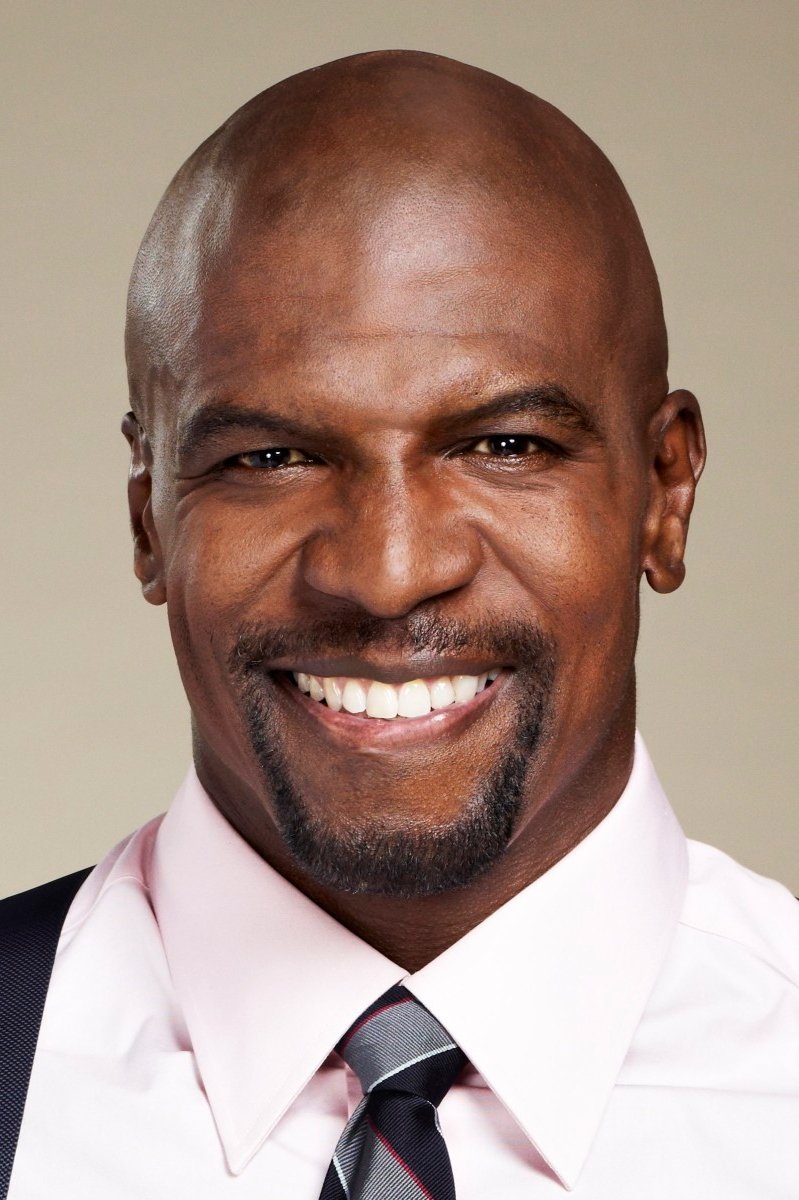
Terry Crews is calling for more honesty and responsibility within Hollywood, drawing from his own experiences with inappropriate behavior. He’s criticized award shows for sometimes shielding deeper problems within the industry. Crews believes Hollywood should prioritize creating a safe and welcoming workplace for everyone. He’s also made it clear that he doesn’t need awards to feel valued as an actor or as a person, and wants to see real change in how the industry celebrates its performers.
Adewale Akinnuoye-Agbaje
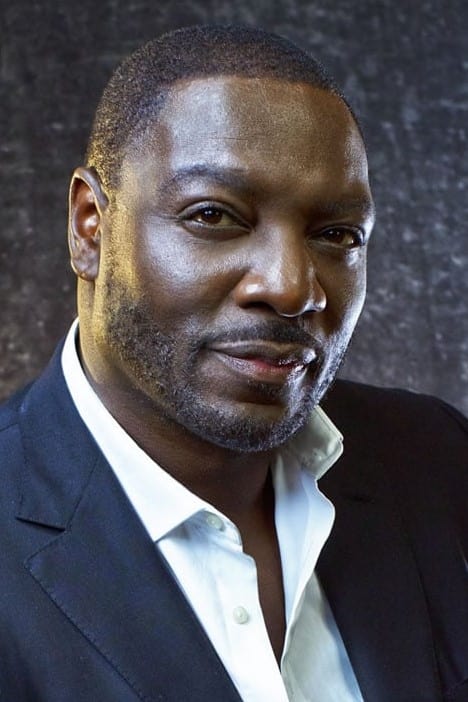
As a film lover, I was really struck by what Adewale Akinnuoye-Agbaje shared about being a Black actor in Hollywood and the UK. He pointed out how a shortage of varied roles translates to a lack of representation when it comes to awards. It’s frustrating, but he deliberately chooses projects with layered characters and stories from around the world – the kinds of films the Oscars often miss. He’s not entirely convinced the Academy can really fix things from the inside, and honestly, his comments really drove home that this isn’t just an American problem; it’s a global issue in cinema.
Shemar Moore
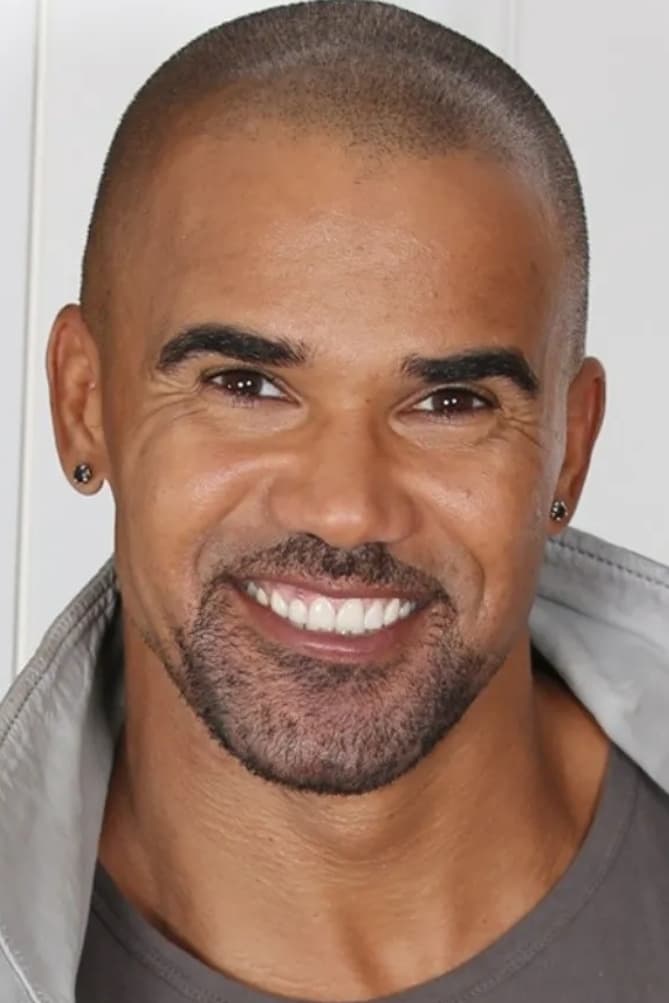
Shemar Moore has often spoken about how performers in popular TV and movies don’t always get the recognition they deserve. He feels there’s a gap between what’s commercially successful and what’s considered artistically important in the industry. Moore believes that the best reward for an actor is the support of the audience, and he doesn’t measure his success by whether or not he wins an Oscar. Having worked on long-running TV shows, he’s seen firsthand how awards don’t always reflect what the public enjoys.
Taye Diggs
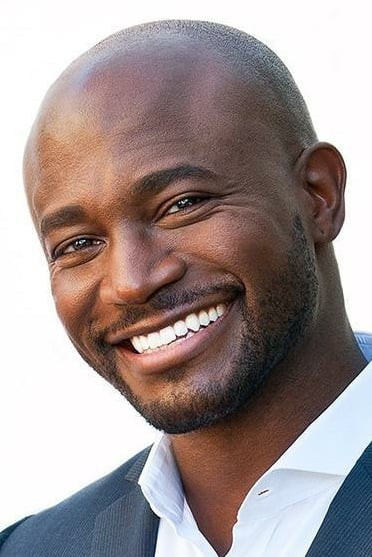
Taye Diggs has emphasized how crucial it is to see people from all backgrounds represented in movies and TV, and recognized in award shows. He notes that the current system can often leave out performers who don’t fit traditional expectations. Diggs is focused on building a lasting career and challenging himself as an actor in both theater and film. He believes the discussion about diversity must continue until we see genuine progress, and he remains committed to helping Hollywood become a more welcoming and inclusive place for all talented individuals.
Morris Chestnut

Morris Chestnut has talked about how he’s maintained a long and successful career, emphasizing the need to consistently deliver good work. He’s observed that award shows tend to highlight only a limited number of actors, overlooking many talented and dedicated performers. For Chestnut, real success isn’t about winning awards, but about consistently having work and supporting his family. He’s openly admitted he doesn’t pay much attention to the behind-the-scenes politics of award season, preferring to focus on his craft and the work itself. He remains a popular and respected actor in the industry.
Mekhi Phifer
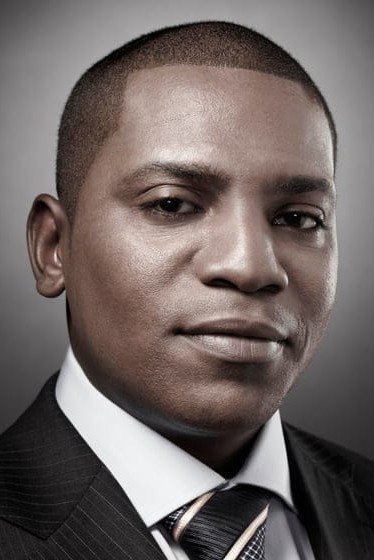
As a film lover, it’s really encouraging to hear Mekhi Phifer talk about the importance of seeing stories that actually reflect what life is like in cities. He’s right – the Oscars often seem to miss out on these kinds of films, preferring more conventional, traditional dramas. What I appreciate about his work is that he clearly prioritizes roles where he can play characters that feel real and relatable. Honestly, he doesn’t seem to need awards show approval, and that’s awesome. He’s consistently choosing projects that shake things up and give a platform to voices we don’t hear enough of, and that’s what truly matters.
Corey Hawkins
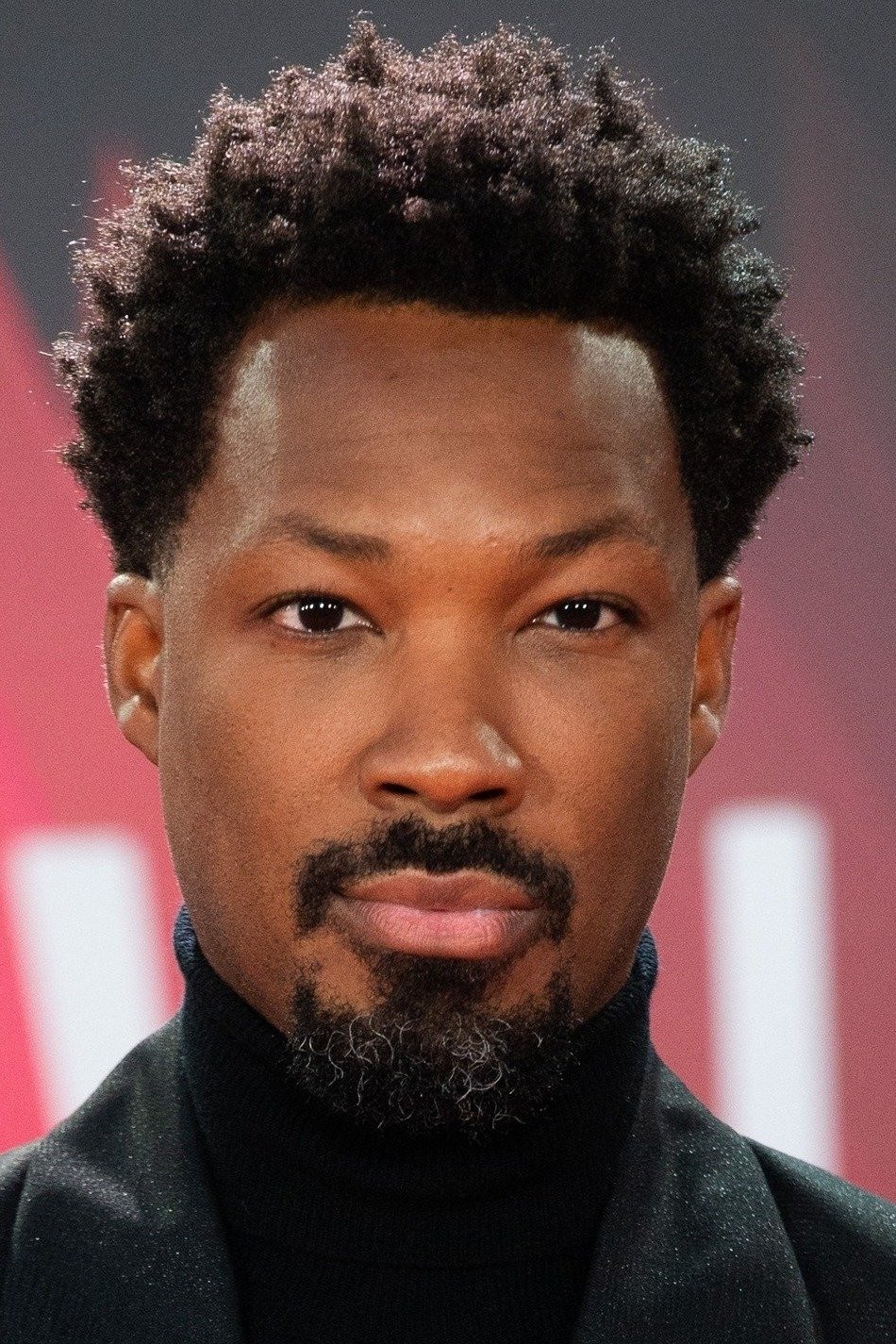
As a film buff, I remember the buzz around ‘Straight Outta Compton,’ and it was frustrating to see it largely snubbed by the awards shows. Corey Hawkins, who was in the film, has talked about how seeing the movie really connect with audiences was the best part for him – way more important than any award. He feels the industry should really focus on good work itself, not just the campaigning for recognition. He’s also been vocal about supporting other actors who call out unfairness. It’s refreshing to see someone like Hawkins, a really talented up-and-coming actor, prioritize telling important stories over chasing trophies.
Winston Duke
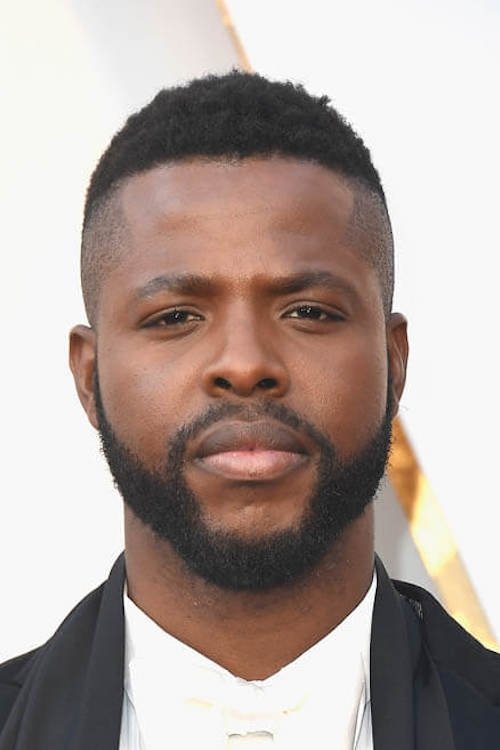
Winston Duke has talked about how important ‘Black Panther’ was culturally and how it changed movies worldwide. He feels the audience’s positive reaction meant more to him than any awards. Duke thinks the film industry needs to be more open-minded about what makes a film truly great, and he’s focused on creating work that will be remembered for years to come rather than just winning awards. He continues to push for more diversity in big-budget films.
Omar Sy
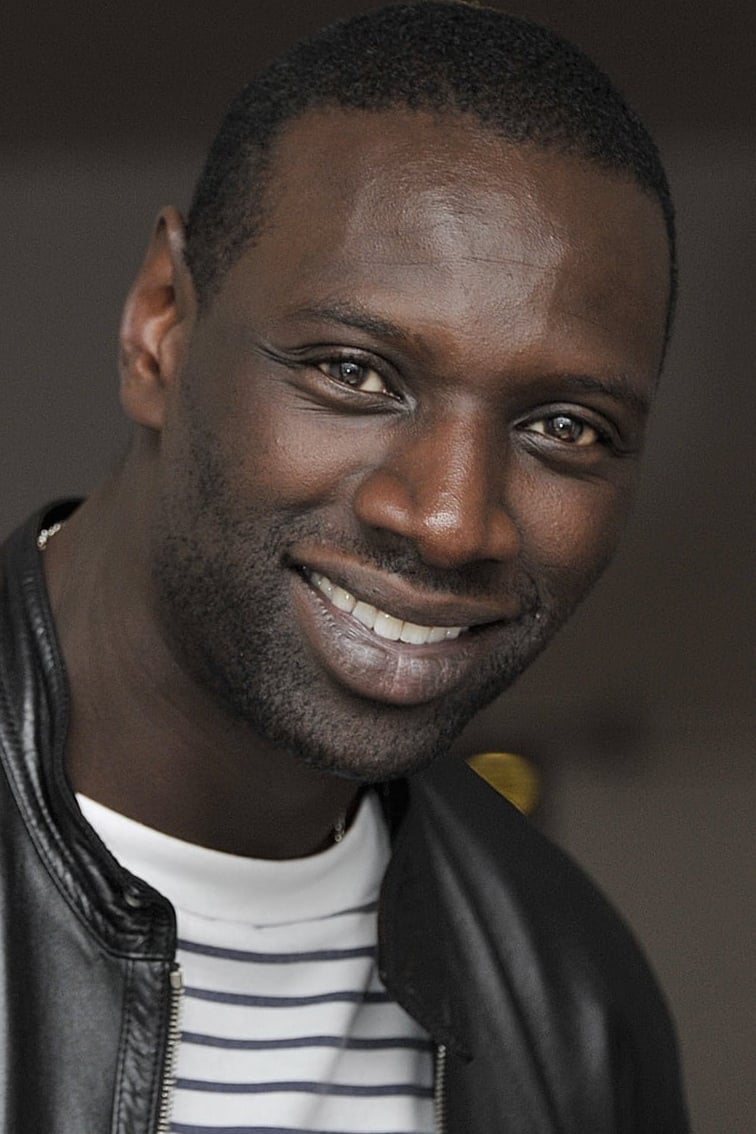
As a film critic, I’ve been following Omar Sy’s career for a while now, and his recent comments on awards shows really resonated with me. He points out something crucial: Black actors often struggle with being overlooked, whether it’s in France or America. What I admire about Sy is his commitment to choosing roles that connect with audiences worldwide, breaking down those cultural barriers. He believes, and I wholeheartedly agree, that an actor’s talent should be the sole measure of recognition at any awards ceremony. His success on an international stage really underscores how much we need a more global perspective when celebrating great filmmaking.
Bill Bellamy
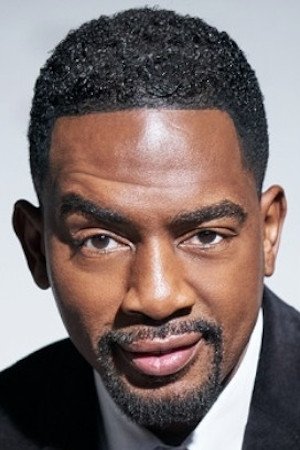
Bill Bellamy has pointed out the lack of diversity in comedy and acting at major award shows. He feels the industry often overlooks how much skill goes into making people laugh, arguing that audience reaction is a better measure of success than awards. Bellamy has also questioned how relevant the Oscars are today, but continues to push for more inclusive recognition of performers of all kinds.
Chris Rock
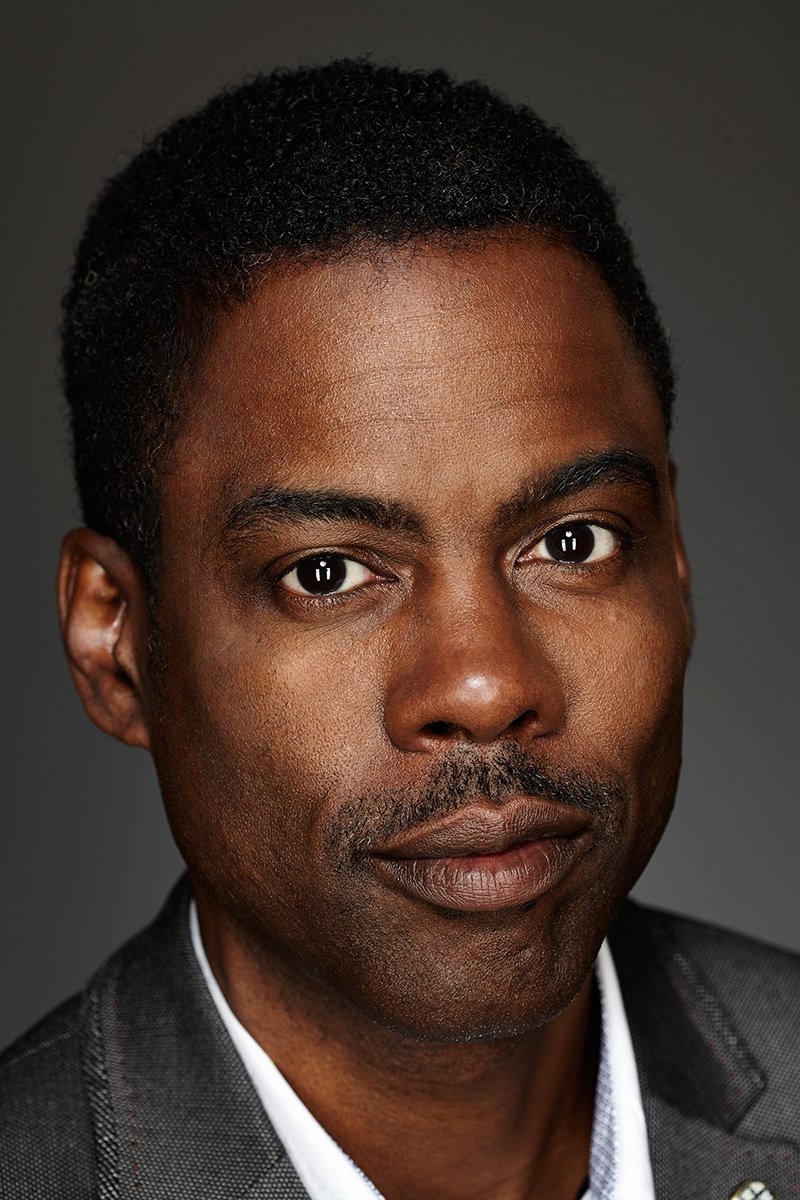
Chris Rock has hosted the Oscars and used his appearances to openly criticize the film industry’s diversity problem. He’s well-known for joking about the fact that Black actors are often overlooked, even when they deliver excellent performances. Rock believes the industry needs to work harder to create opportunities for people of color at all stages of production. He also points out that award shows often reflect the industry’s internal biases and power dynamics. He continues to be a leading voice in conversations about race and representation in Hollywood.
Arsenio Hall
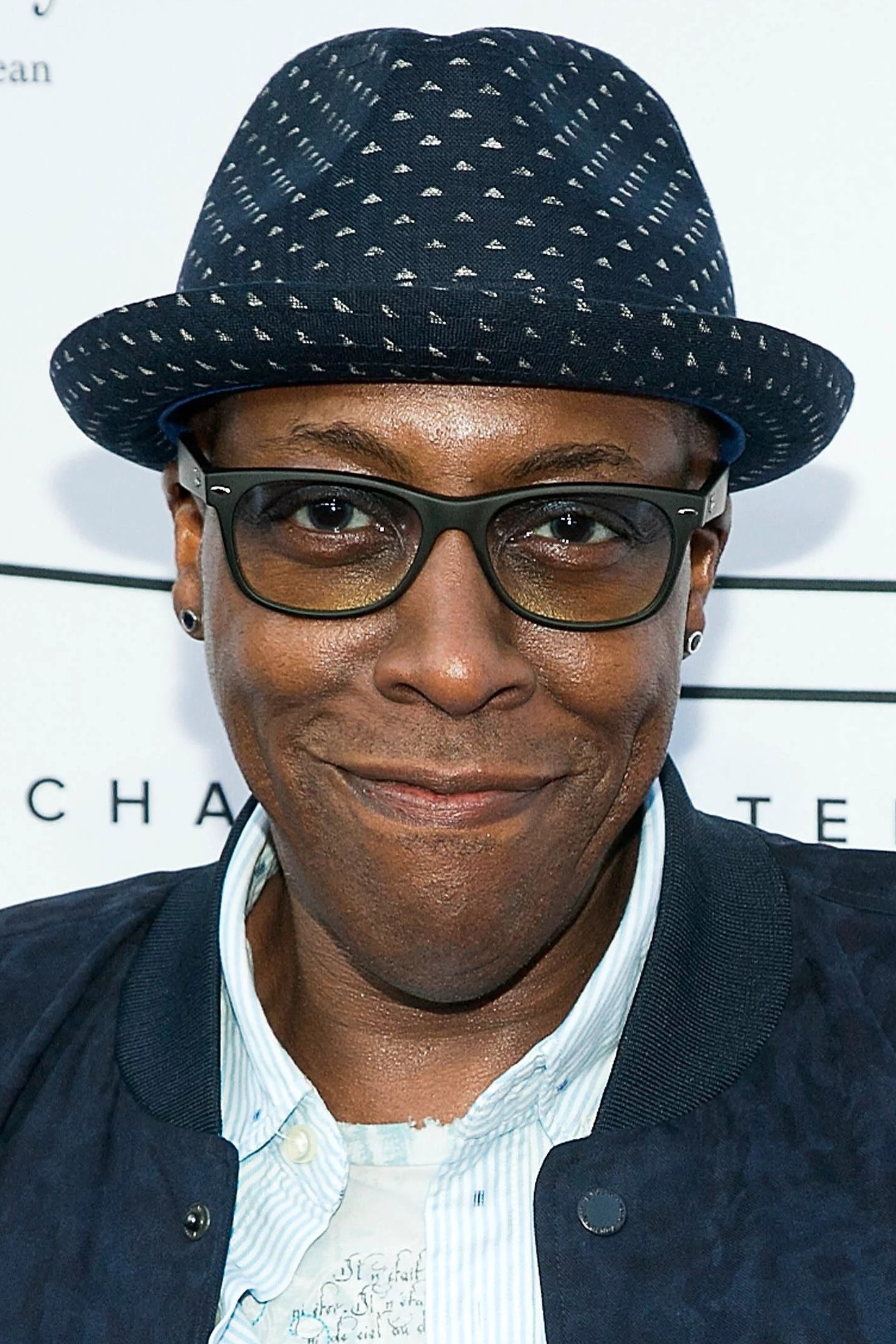
Arsenio Hall, a veteran in the entertainment world, is tired of the same conversations about diversity happening over and over again without real progress. He feels the industry should consistently showcase and appreciate talent from all different backgrounds, rather than just focusing on it during award season. Hall has even admitted he doesn’t always find the televised award shows particularly interesting, and believes lasting change requires a fundamental shift in how the industry works.
Share your thoughts on these actors and their stances in the comments.
Read More
- 20 Movies Where the Black Villain Was Secretly the Most Popular Character
- Top 20 Dinosaur Movies, Ranked
- Celebs Who Narrowly Escaped The 9/11 Attacks
- 25 “Woke” Films That Used Black Trauma to Humanize White Leads
- The 10 Most Underrated Jim Carrey Movies, Ranked (From Least to Most Underrated)
- Every Notable ‘Star Trek: The Original Series’ Actor Who Died
- The Best Directors of 2025
- Transformers Under the Microscope: What Graph Neural Networks Reveal
- 22 Films Where the White Protagonist Is Canonically the Sidekick to a Black Lead
- Trading on Thin Air: AI Agents Conquer Crypto Volatility
2026-02-19 07:20