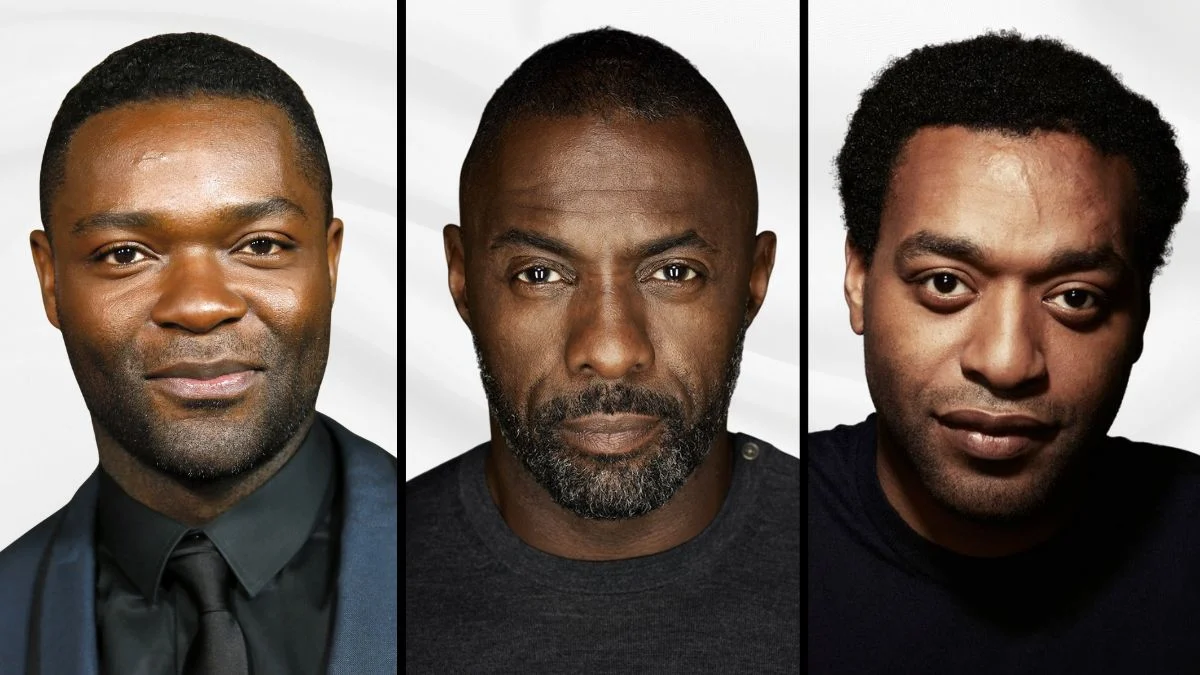
The entertainment world is changing, with actors increasingly wanting to have a say in how their stories are portrayed. Many Black actors are now requesting specific terms in their contracts to guarantee accurate and respectful representation, and to avoid harmful stereotypes that weaken their characters. These requests, often called inclusion riders or narrative mandates, aim to move away from relying on outside forces to solve the problems faced by characters from marginalized groups. By pushing for more diverse writers and crew members, these actors are helping to create a future for film where Black talent is shown with nuance and authenticity. This shift is creating space for richer, more genuine portrayals of Black excellence.
Michael B. Jordan
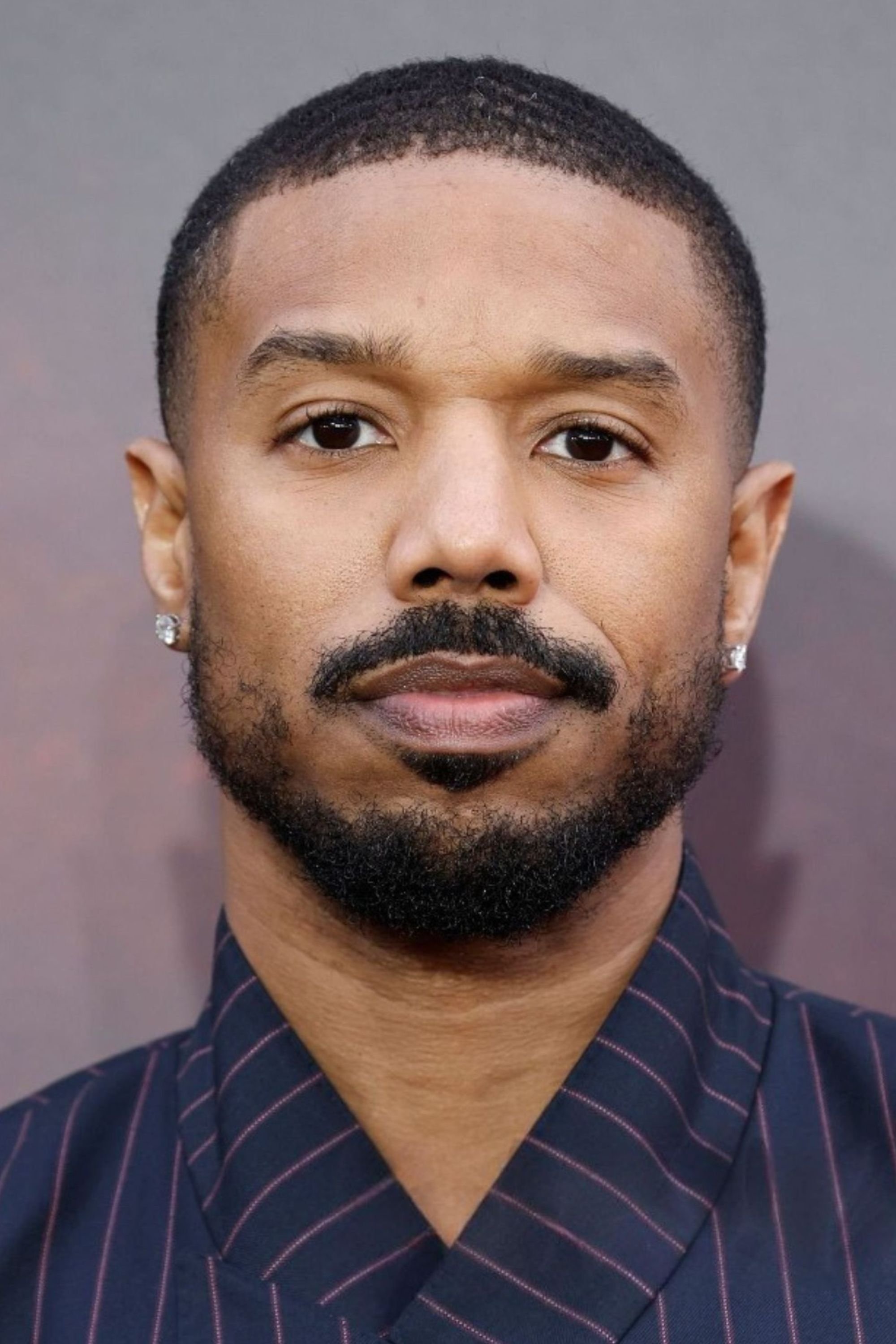
Michael B. Jordan is leading the way in creating more inclusive storytelling. He’s committed to ensuring his production company uses inclusion riders, which guarantee diverse representation both on and off screen, challenging traditional biases in Hollywood. His work in films like ‘Black Panther’ and ‘Creed’ highlights themes of self-empowerment and community within Black narratives. He’s actively using his platform to advocate for lasting changes that give Black creators more control over their own stories and prevent the reliance on tired, stereotypical plots in mainstream media.
Idris Elba
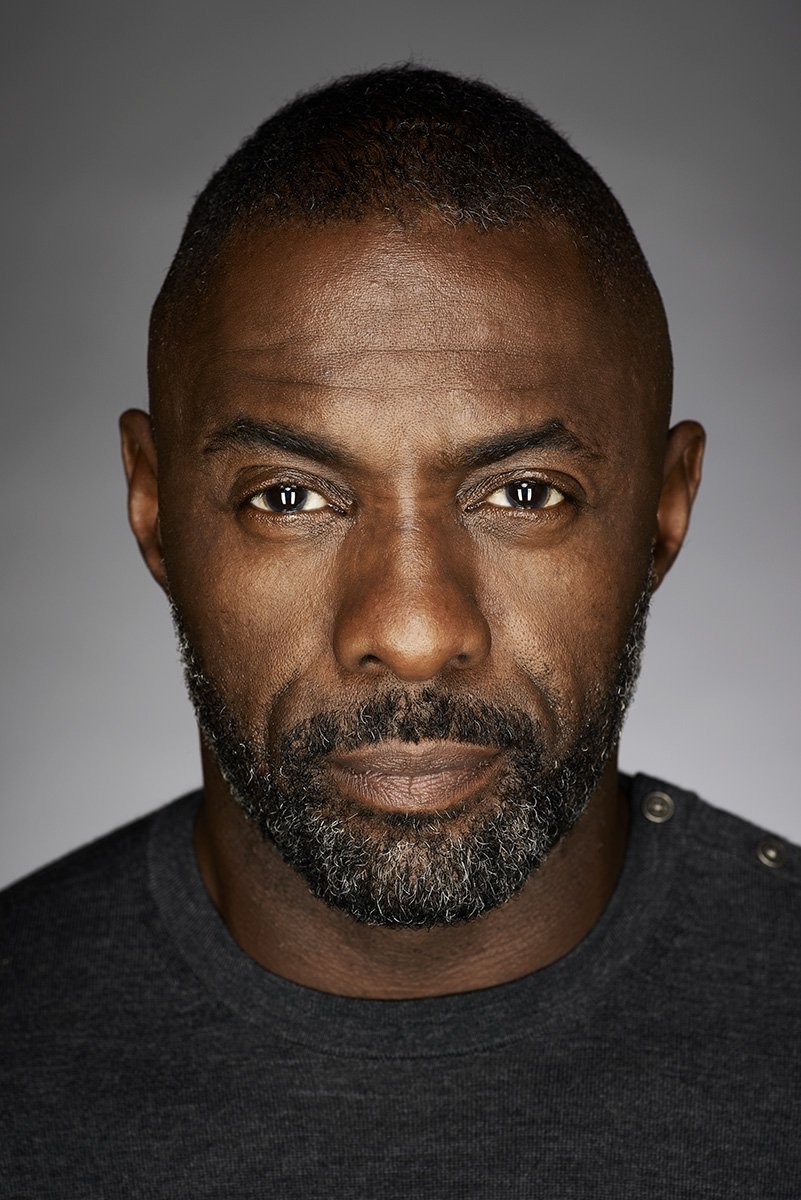
Idris Elba is a strong supporter of telling Black stories with honesty and depth, recognizing the diverse experiences within the Black community worldwide. He believes it’s crucial to give writers from diverse backgrounds the chance to create characters they truly understand. His production company focuses on projects where Black characters take control of their own lives. His work on shows like ‘Luther’ and films like ‘Beasts of No Nation’ shows his commitment to breaking away from stereotypical roles. By championing these kinds of projects, he’s helping to build an industry that appreciates and values authentic cultural representation and allows new voices to be heard.
Sterling K. Brown
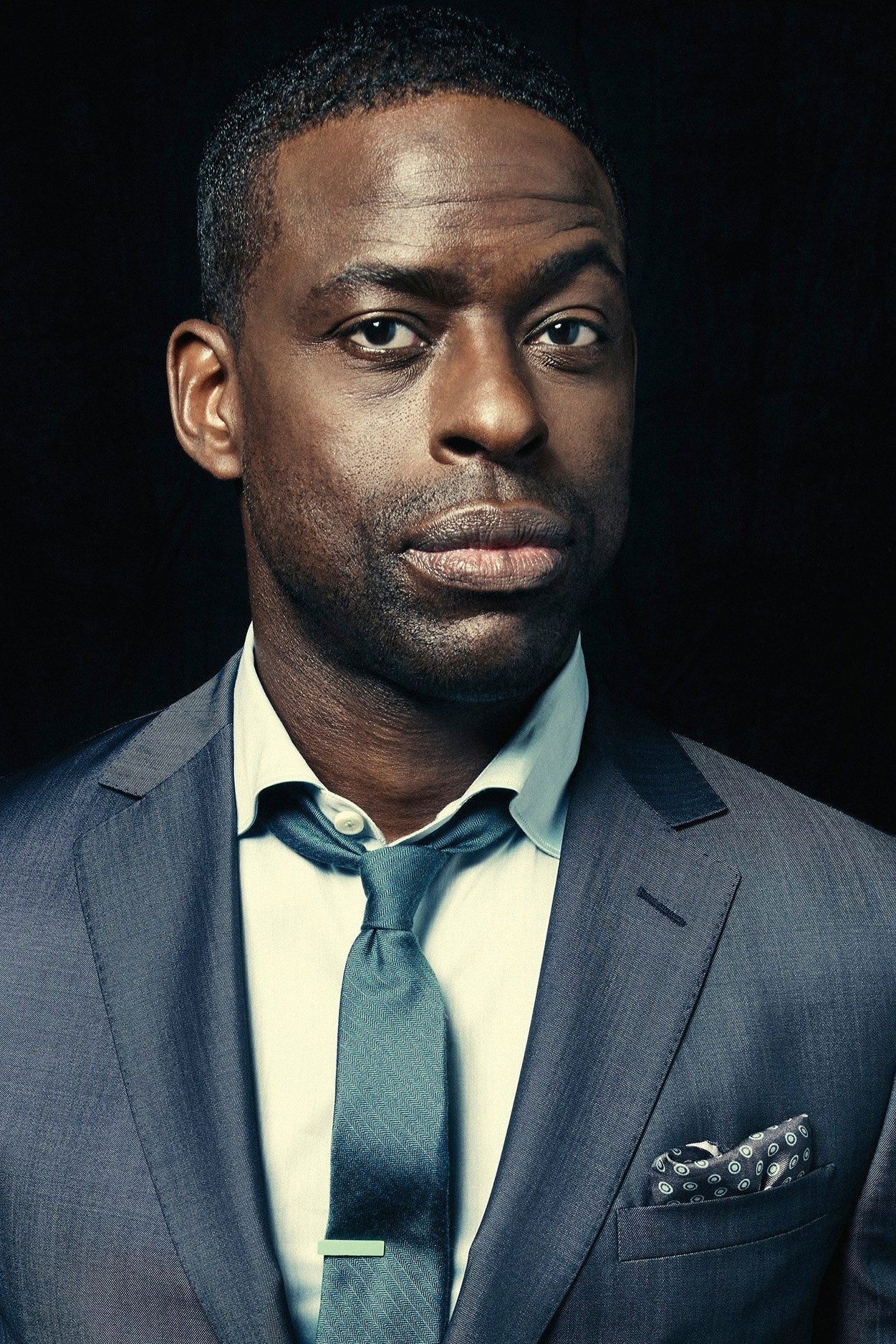
Sterling K. Brown consistently champions stories that give Black men emotional depth and allow them to be fully realized characters. He stresses the need for Black creatives – directors and producers – to be involved in shaping these stories and ensuring they are told authentically. His roles in shows like ‘This Is Us’ and ‘Honk for Jesus. Save Your Soul.’ demonstrate his dedication to portraying complex characters who grow and evolve. Brown also supports using contracts to guarantee diversity, believing this can help move beyond stereotypical portrayals on television and create a more inclusive media industry.
Anthony Mackie
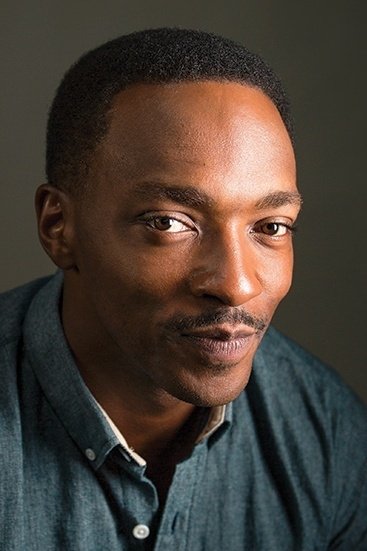
Anthony Mackie believes it’s crucial to have more Black people working behind the scenes in film – in technical roles like editing and directing – to ensure movies are made with cultural understanding. He also wants to give Black actors more control over how their characters are developed, so they aren’t stuck playing tired stereotypes. His role as the first Black Captain America in ‘The Falcon and the Winter Soldier’ is a significant step toward giving more power to diverse voices in superhero stories. Mackie stresses that real change happens when the people making decisions reflect the diversity of the viewers, moving away from stories about saviors and toward true empowerment.
John Boyega
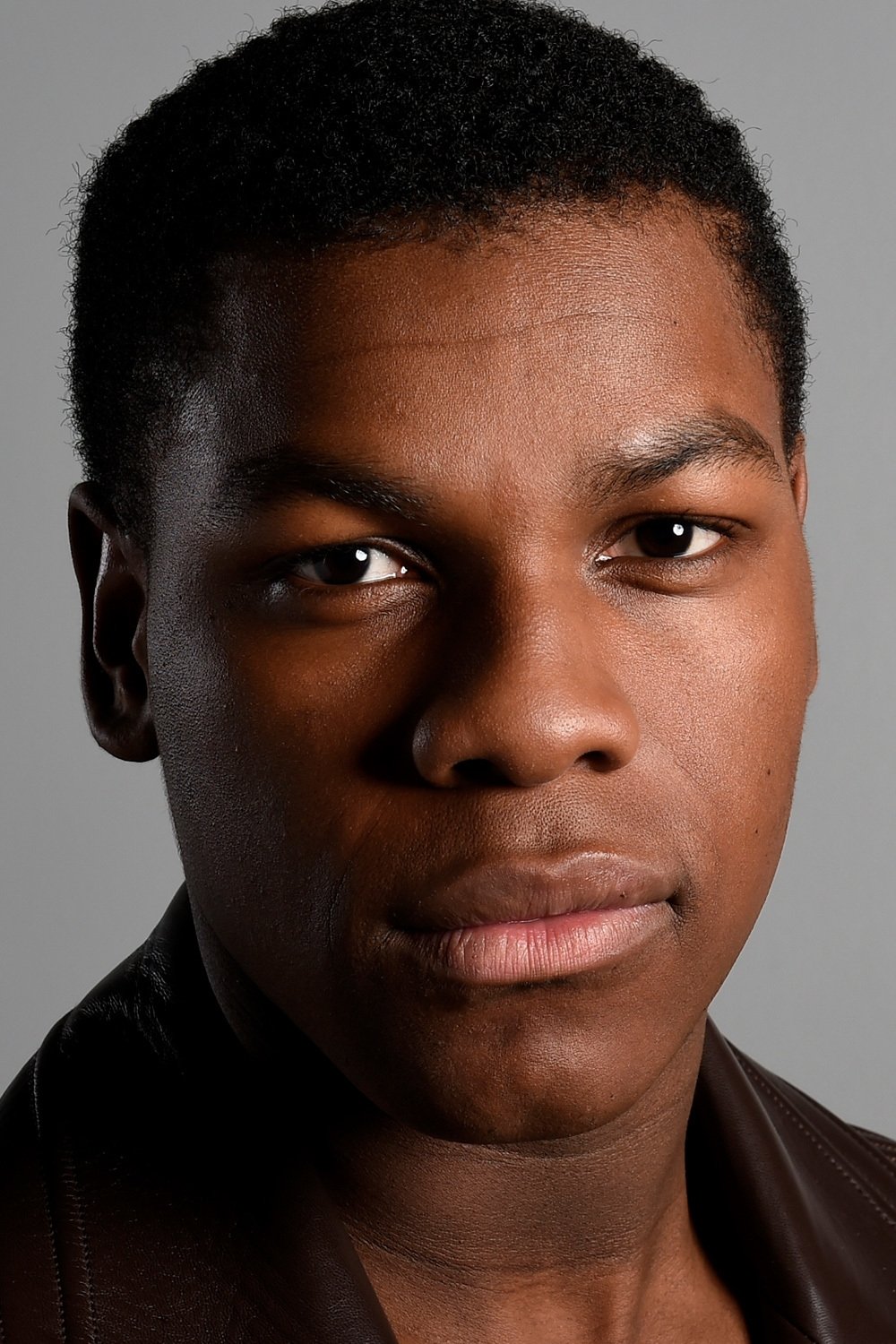
John Boyega has consistently spoken out about the tendency of big movie franchises to underutilize diverse characters, often favoring familiar stereotypes. He believes Black actors deserve more meaningful roles and better representation in blockbuster films, rather than being relegated to minor parts. His outspokenness has prompted film studios to reconsider how they develop characters and build stories. He intentionally chooses projects, such as ‘The Woman King’ and ‘Breaking,’ that highlight the power and strength of the Black community, and his commitment to these values is helping to drive positive change within the film industry worldwide.
Daniel Kaluuya
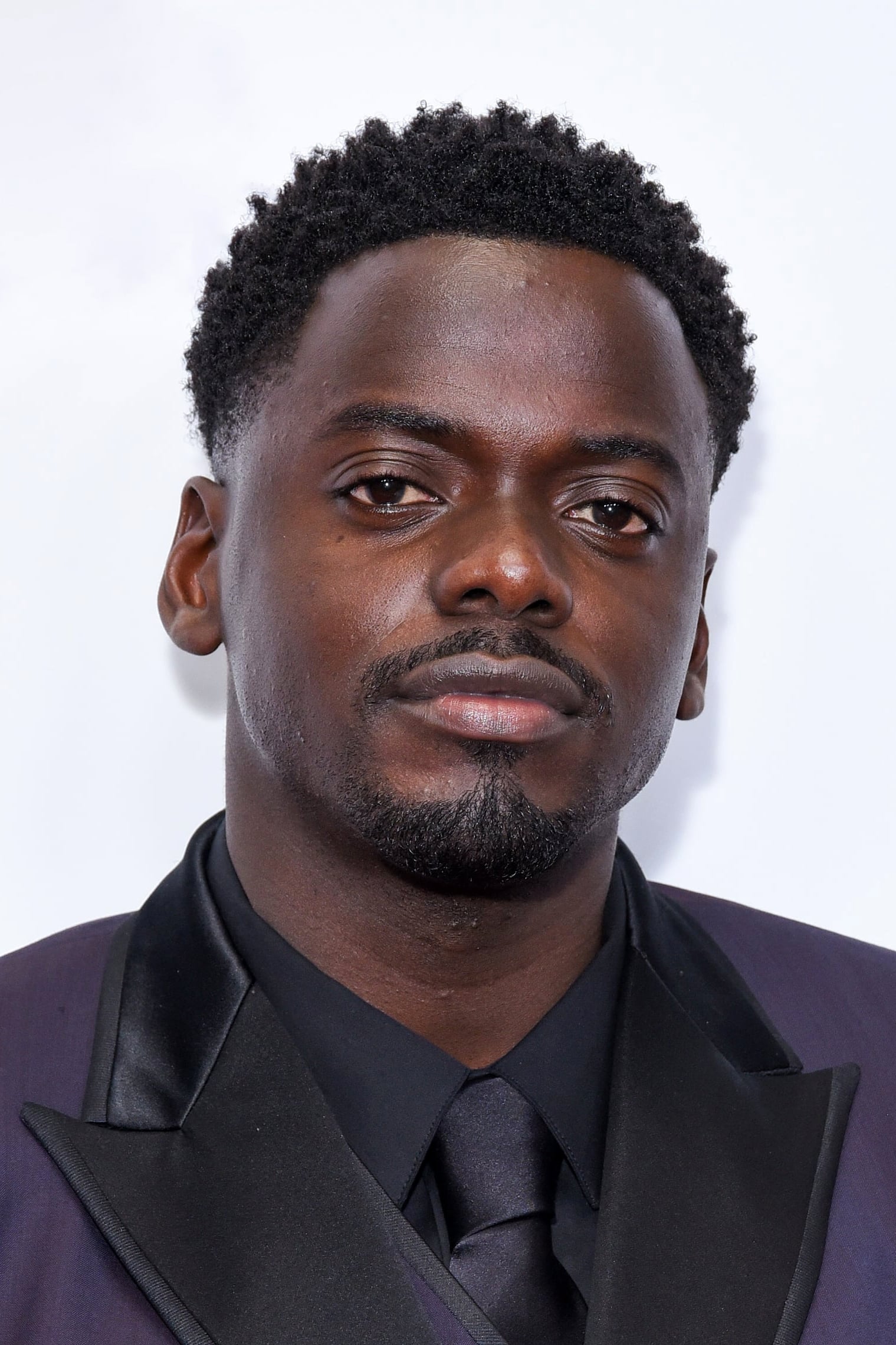
Daniel Kaluuya consistently selects roles that delve into the complex inner lives and societal challenges faced by Black individuals, often focusing on internal struggles rather than outside forces. He firmly believes that Black stories are best told by Black creators. His work in films like ‘Get Out’ and ‘Judas and the Black Messiah’ demonstrates the impact of genuine perspectives. Kaluuya also actively supports new filmmakers, helping them create realistic and nuanced narratives that avoid harmful stereotypes. Through this commitment, he’s a key advocate for the artistic integrity of Black cinema.
Lakeith Stanfield
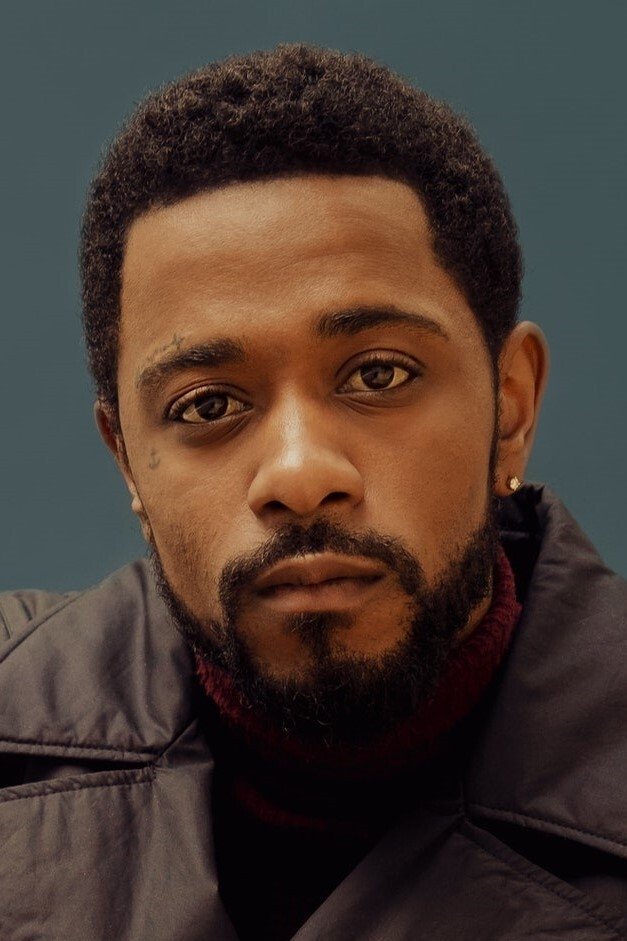
Lakeith Stanfield is one of those actors who just completely throws himself into roles, creating characters that are fascinatingly complex and feel incredibly real. What I really appreciate about his work is his dedication to supporting Black artists telling their stories, truly unconventional ones, without feeling the need to conform to what others expect. You see it so clearly in shows like ‘Atlanta’ and films like ‘Sorry to Bother You’ – he brings a really unique perspective to exploring what it means to be Black today. He’s vocal about how we don’t need Black stories constantly framed around needing a ‘savior’ to appeal to everyone. It’s clear his choices aren’t about playing it safe; he’s actively pushing boundaries and redefining what’s possible for Black actors, and that’s really exciting to watch.
Mahershala Ali
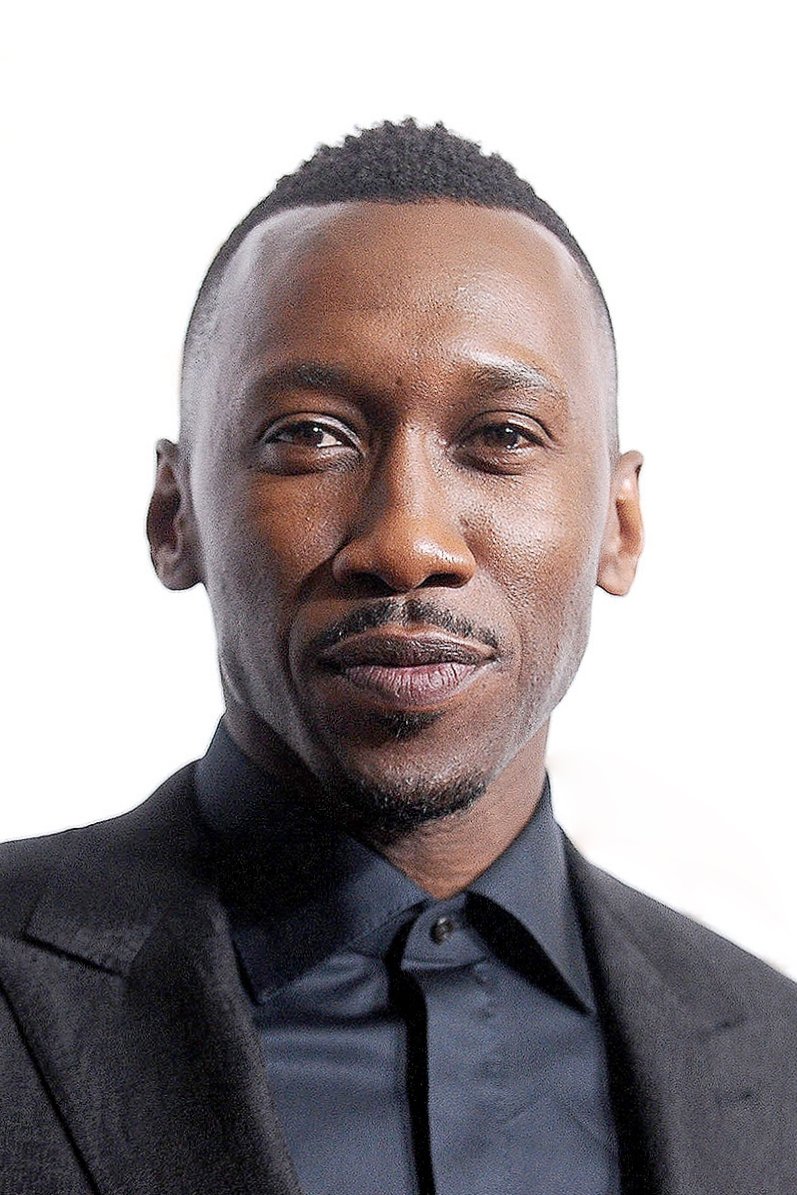
Mahershala Ali consistently chooses roles that portray Black characters with respect, intelligence, and complexity. He actively participates in shaping his projects, making sure they are culturally sensitive and authentic. His acclaimed work in films like ‘Moonlight’ and ‘Green Book’ shows his talent for portraying characters within difficult historical and social situations with great depth. Ali also champions diversity behind the camera, believing it’s crucial to ensure minority perspectives aren’t lost during filmmaking. Ultimately, he’s a leader who promotes more careful and inclusive storytelling in the industry.
Winston Duke
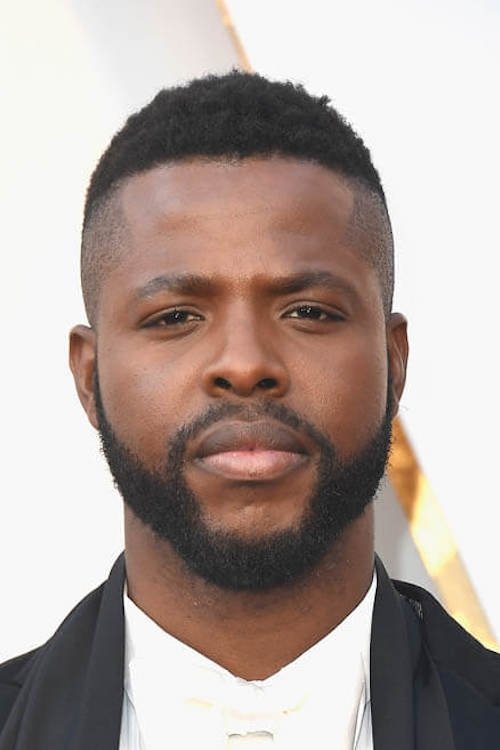
Winston Duke often discusses how Black Panther changed the way Black power and self-determination are seen in movies and TV. He supports using inclusion riders – contracts that require diverse hiring – to make sure everyone involved in a project reflects the story’s diversity. His choices in films like ‘Us’ and ‘Nine Days’ demonstrate his desire to play characters who control their own destinies. Duke believes that by taking control of storytelling, Black actors can break down damaging stereotypes that have existed for years. Ultimately, his work encourages a new wave of actors to push for more authentic and meaningful representation.
David Oyelowo
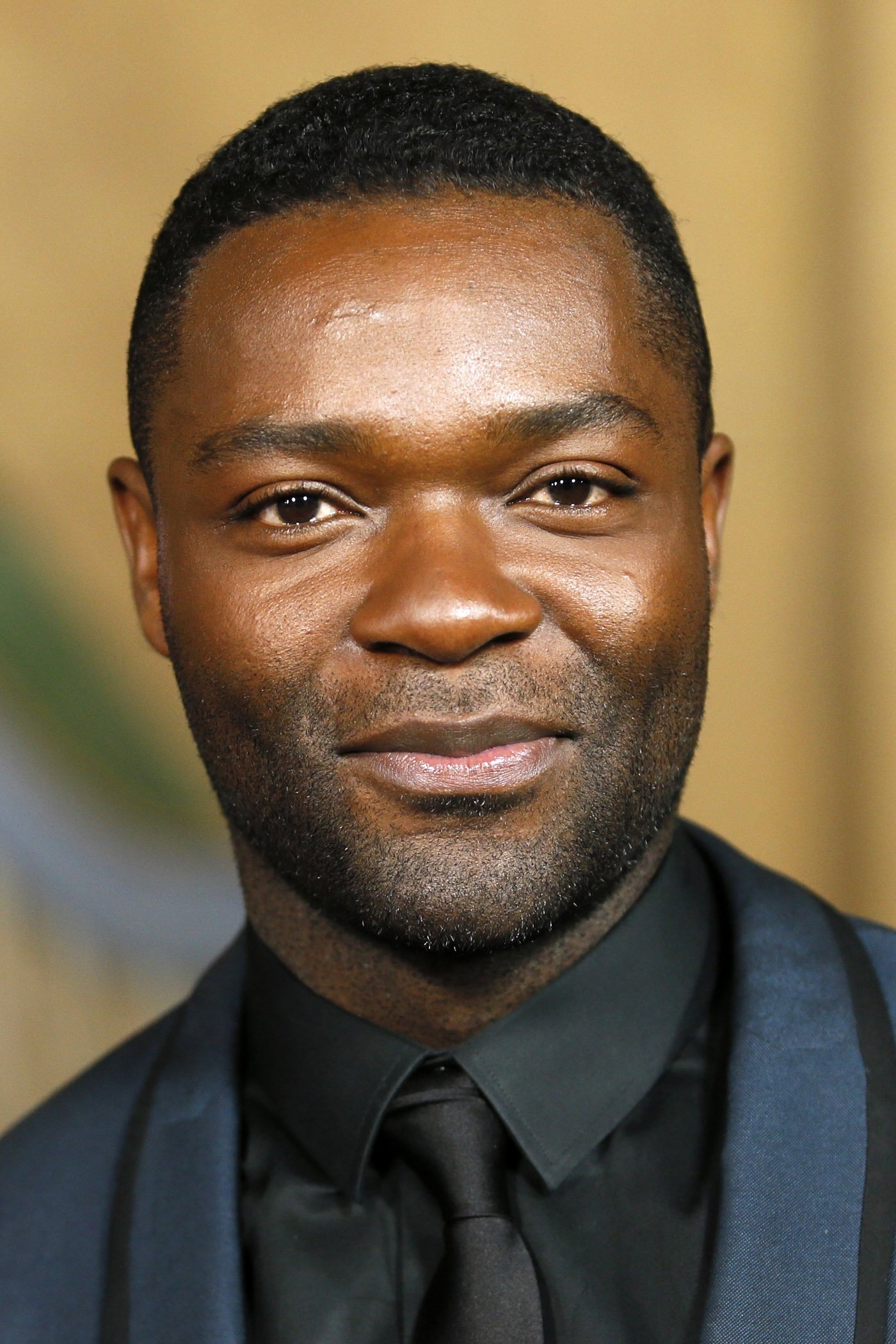
David Oyelowo is a strong advocate for truthful and respectful portrayals of Black history in film. He consistently champions Black directors for projects about important Black figures, believing it’s crucial to tell these stories from an authentic perspective. His role as Martin Luther King Jr. in ‘Selma’ was a significant step towards greater control over how Black narratives are presented. He also thinks that contracts can be used to encourage the film industry to hire more diverse talent, ultimately ensuring Black history is treated with the seriousness and respect it warrants.
Courtney B. Vance
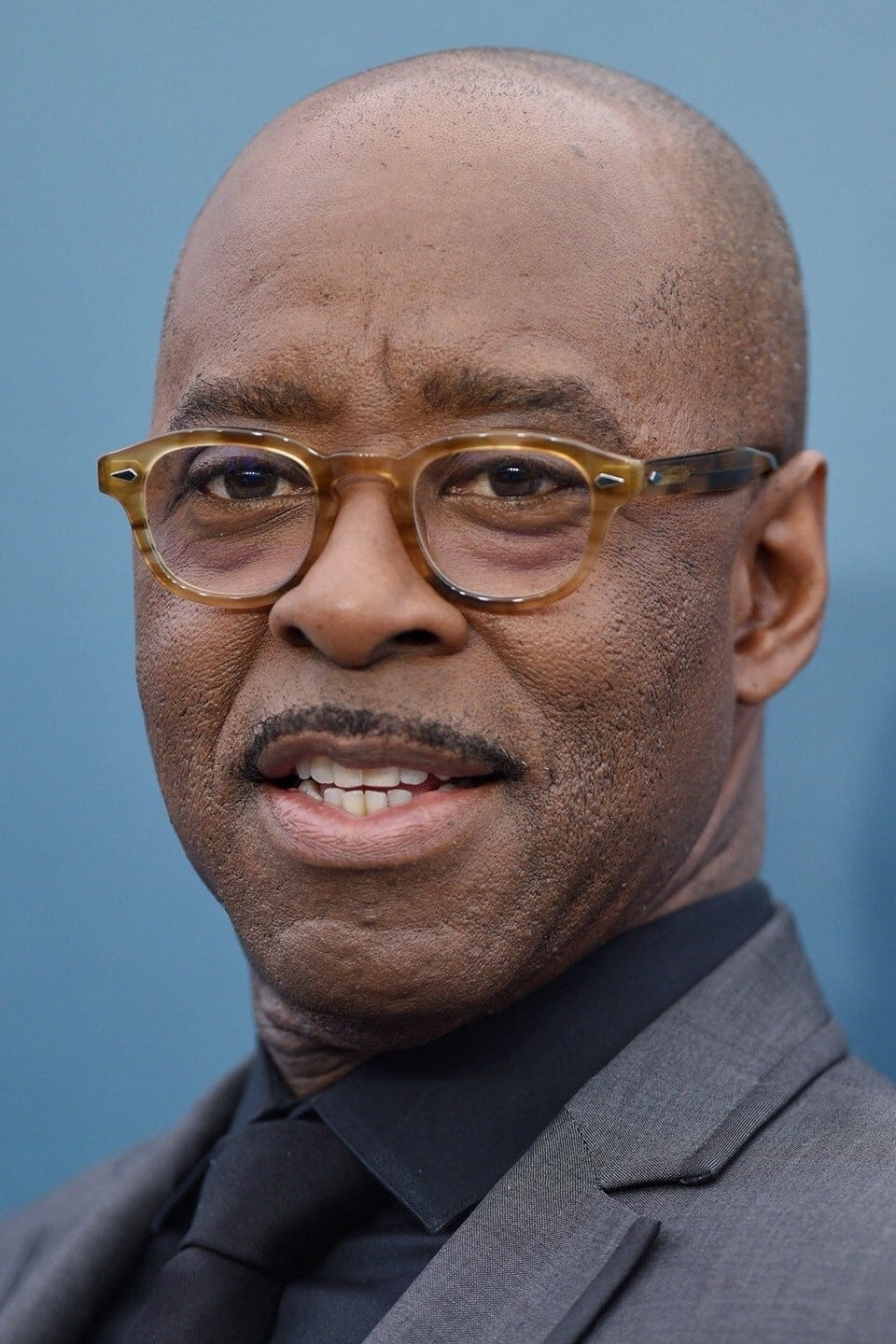
Courtney B. Vance has consistently championed better opportunities and fair treatment for Black actors in Hollywood. He supports policies that ensure diverse voices are included throughout the creative process. His work on shows like ‘The People v. O. J. Simpson’ and ‘Lovecraft Country’ demonstrates his dedication to honestly portraying important social issues. He argues that moving beyond stereotypical ‘savior’ narratives is crucial for the growth of Black storytelling on TV. His efforts are helping to improve contract negotiations for both established and up-and-coming actors.
Billy Porter
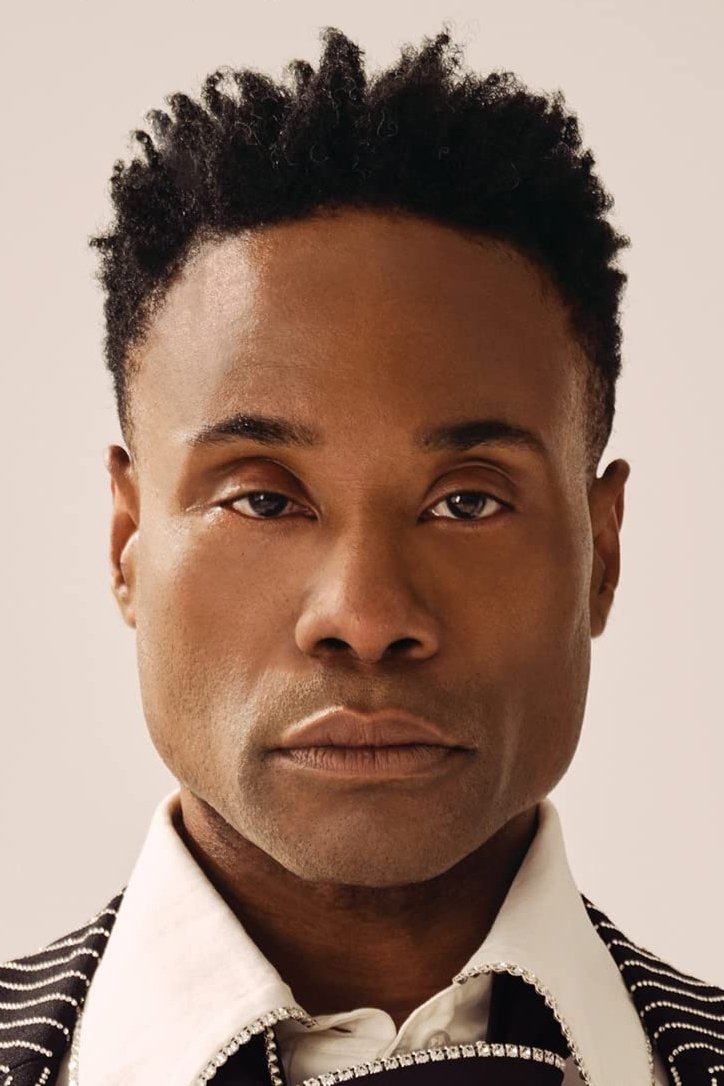
Billy Porter passionately champions bringing Black LGBTQ+ perspectives to the forefront of storytelling and promoting genuine diversity. He believes that true representation needs to consider all aspects of a person’s identity to accurately reflect life. Through his work on shows like ‘Pose’ and on Broadway, he’s pushed boundaries and challenged conventional ideas about what it means to be a man and what it means to be Black. Porter also advocates for contracts that safeguard the authenticity of stories from marginalized communities, ensuring they aren’t distorted. Ultimately, his powerful presence is helping to create a more inclusive and honest entertainment industry.
Samuel L. Jackson
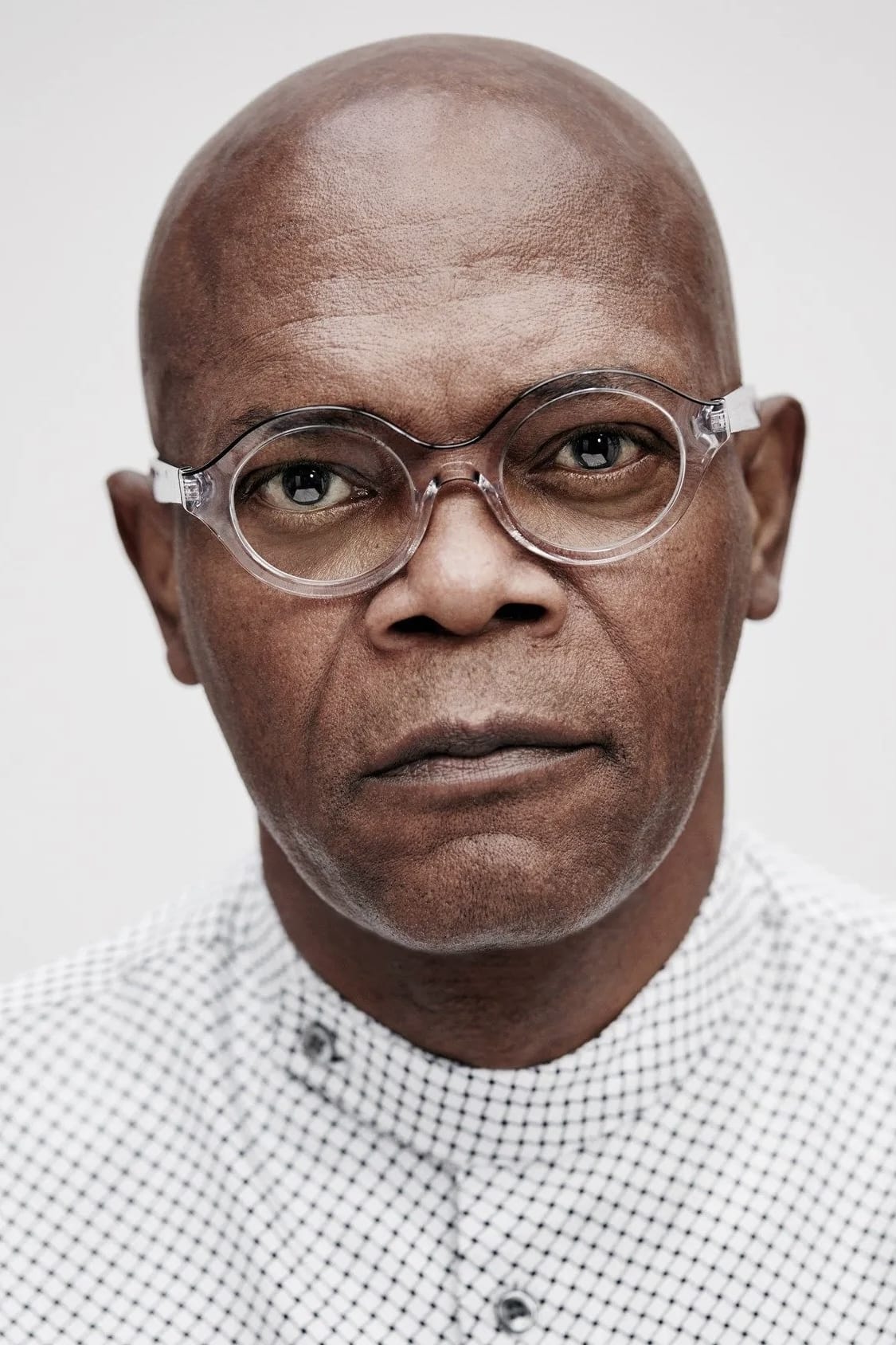
Samuel L. Jackson often talks about how important it is for Black characters in movies to feel authentic and true to themselves. He prefers working with directors who appreciate the cultural meaning of his roles and let him portray them genuinely. Throughout his career, he’s played many strong, independent characters who aren’t easily labeled. Jackson believes Black actors should have a say in how their characters are written and directed, ensuring the final film truly connects with the audience it’s meant to represent.
Don Cheadle
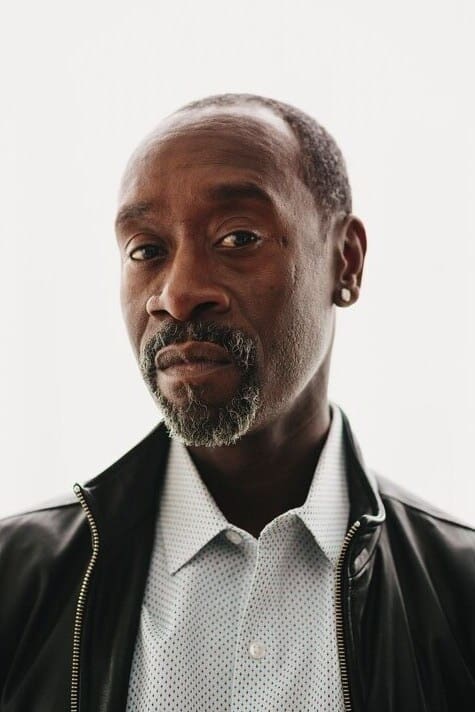
Don Cheadle is a strong advocate for greater diversity and fairness in Hollywood. He champions stories that highlight Black creativity and leadership in all types of films and shows. His powerful performances in films like ‘Hotel Rwanda’ and his role in the Marvel movies prove his ability to lead significant projects. Cheadle supports the use of inclusion riders as a way to make real progress toward a more inclusive industry. Through his work as a producer, he also mentors up-and-coming talent and fosters a more balanced approach to storytelling.
Colman Domingo
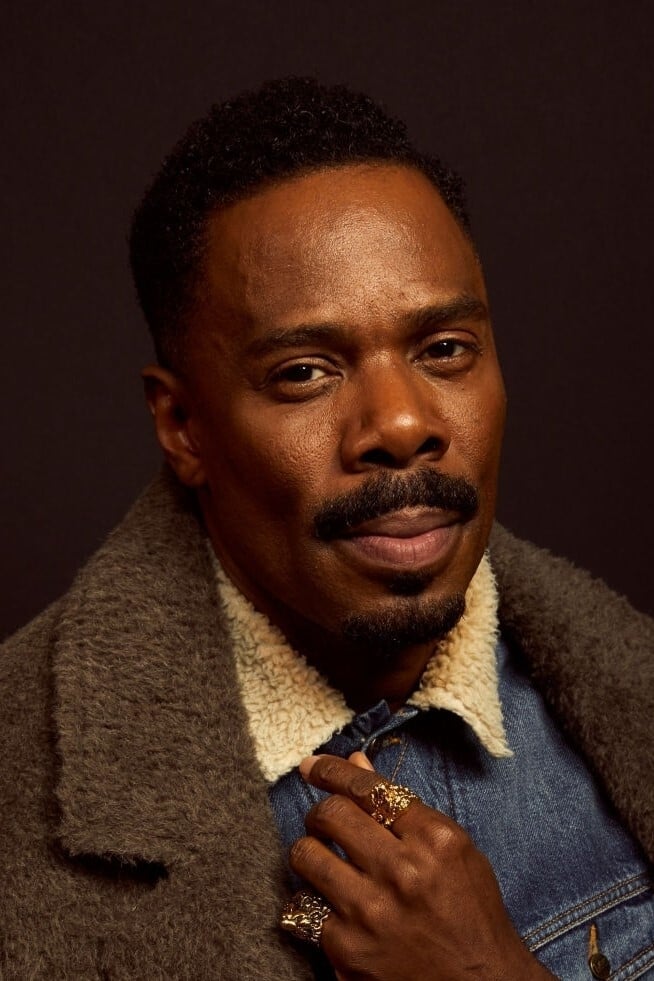
Colman Domingo is a gifted actor and advocate who believes it’s crucial to protect and amplify Black stories in theater and film. He argues that Black actors should be part of a project from the very beginning to avoid harmful stereotypes. Domingo’s work in productions like ‘Ma Rainey’s Black Bottom’ and ‘Euphoria’ showcases his talent and dedication to portraying characters with authenticity. He also champions contracts that guarantee diverse and inclusive teams on every project, ultimately enriching the quality and truthfulness of modern storytelling.
Jeffrey Wright
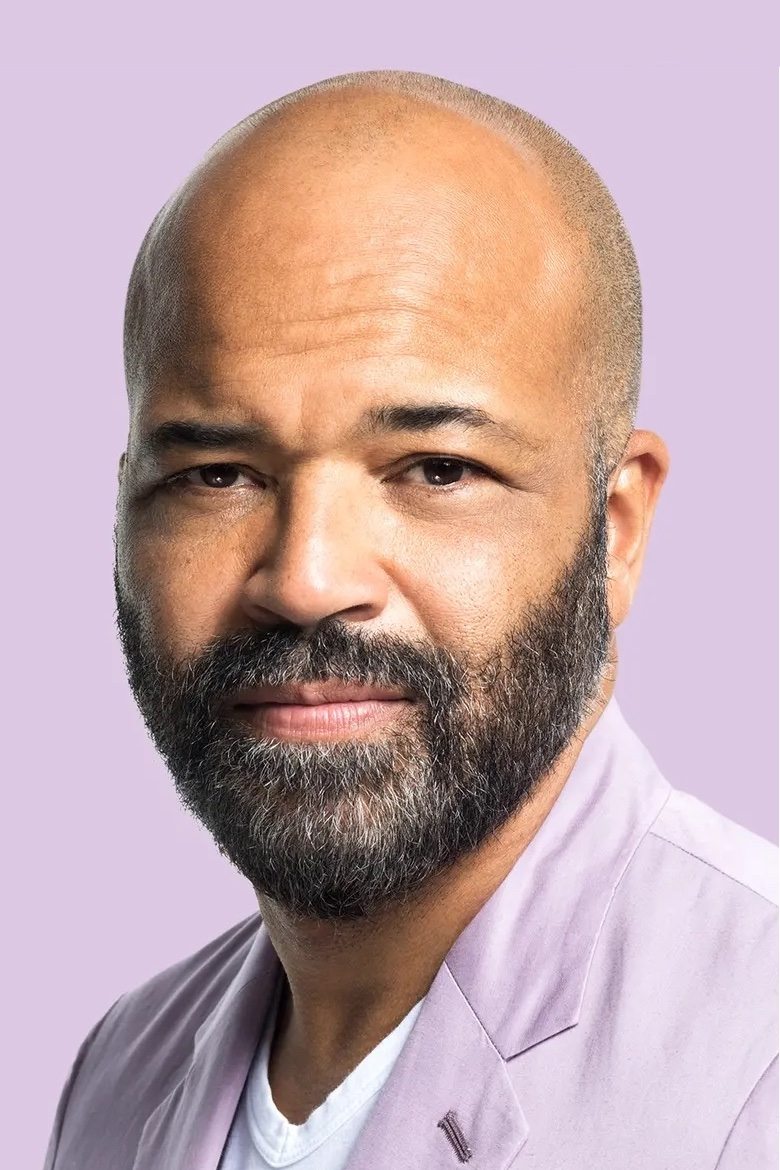
Jeffrey Wright is an actor who brings a thoughtful, in-depth quality to his work, especially when portraying Black characters. He consistently advocates for nuanced stories and scripts that treat audiences with respect. Through roles in shows like ‘Westworld’ and films like ‘American Fiction,’ he encourages viewers to consider complex issues of race and identity. He also champions greater diversity within the film industry, pushing for inclusive hiring practices at all levels. Ultimately, his involvement helps ensure projects are made with sensitivity and cultural understanding.
Brian Tyree Henry
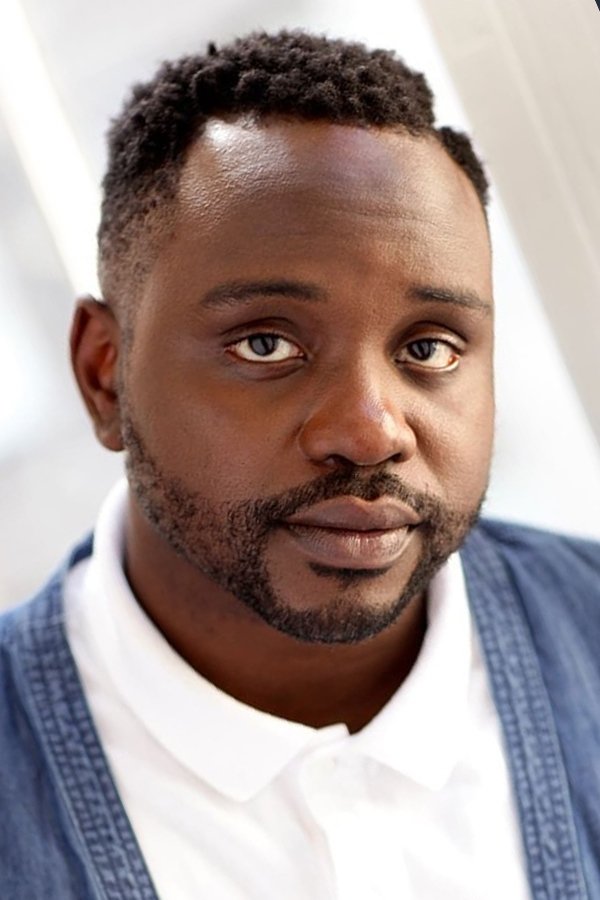
Brian Tyree Henry is becoming well-known for championing realistic and emotionally open portrayals of Black men. He pushes for stories that let Black characters be complex individuals, rather than being defined by stereotypes. His roles in shows like ‘Atlanta’ and films like ‘Causeway’ demonstrate his range and ability to portray a variety of feelings and experiences. He also believes the entertainment industry needs to actively commit to diversity, even through formal agreements. This dedication to truthful storytelling is clear in the types of projects he consistently chooses.
Yahya Abdul-Mateen II
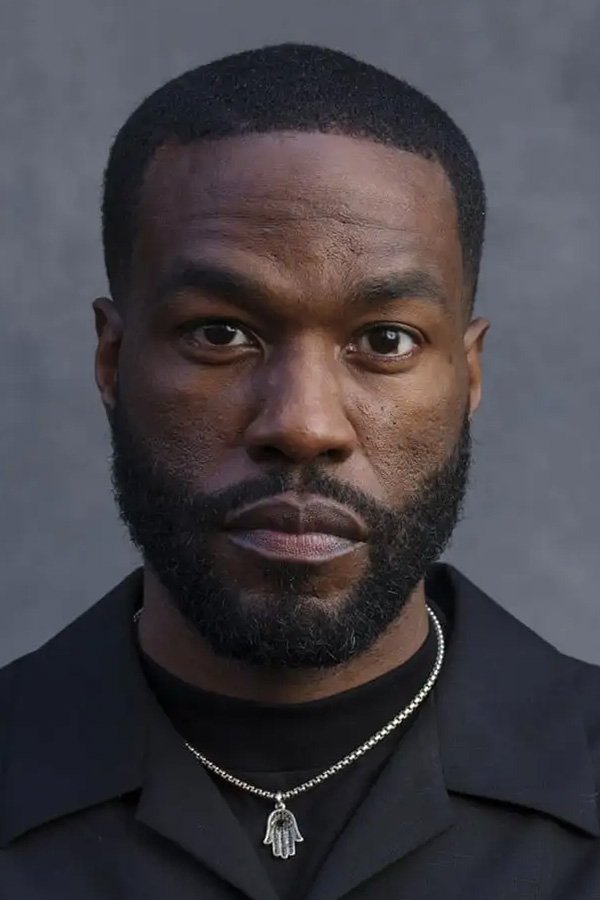
Yahya Abdul-Mateen II is committed to seeing more balanced and authentic stories told about Black people. He actively chooses roles that give Black characters strength and control, and he argues that Black creators need to be involved in making decisions about these stories. His work in shows like ‘Watchmen’ and ‘Candyman’ examines themes of history and fairness through a Black lens. He also feels the entertainment industry should focus on solving its own problems, rather than looking to outside sources. Ultimately, his success demonstrates the importance of Black representation and storytelling.
Daveed Diggs
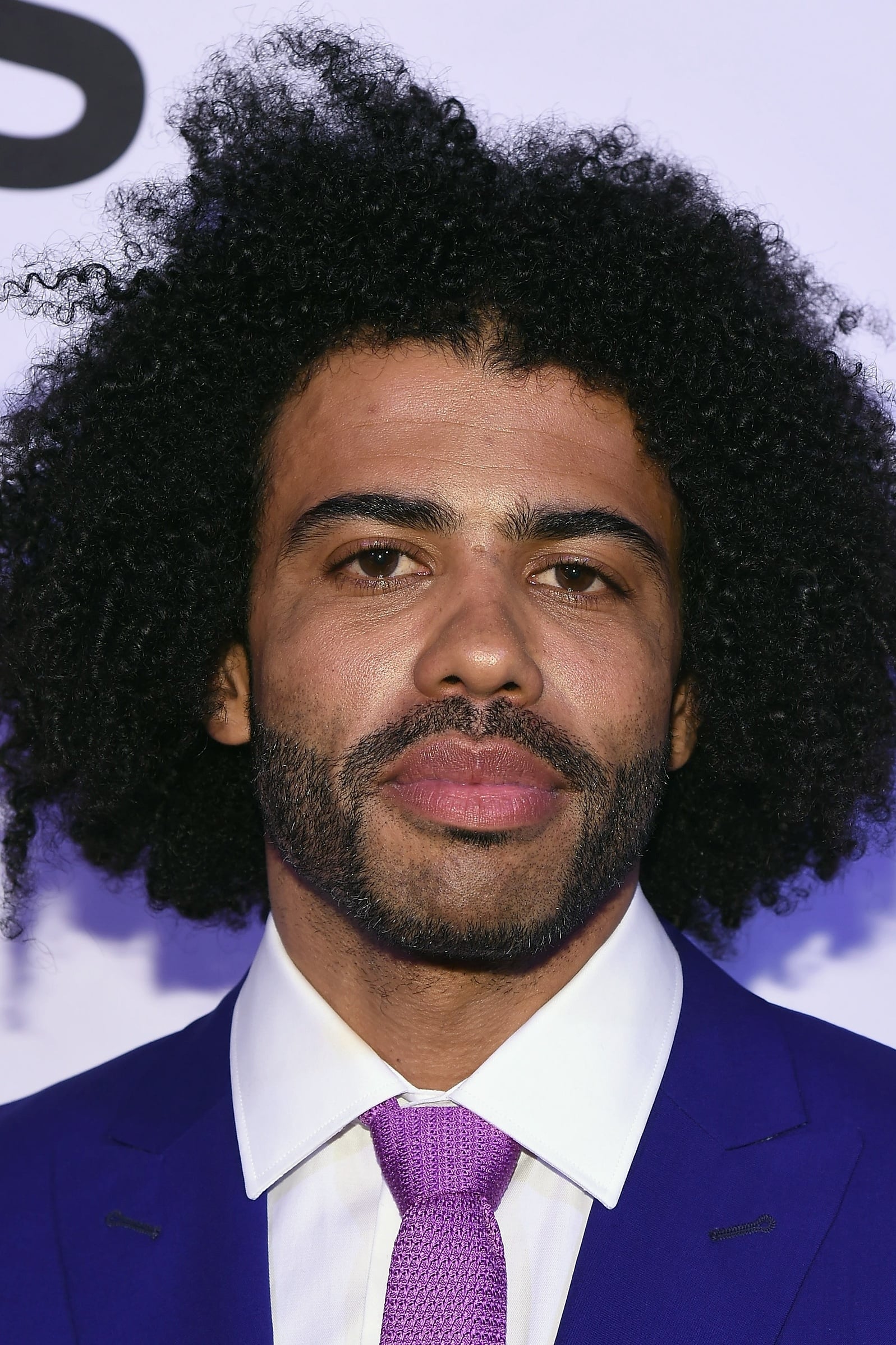
Daveed Diggs is a talented artist who blends his musical and theatrical experience to champion fresh, Black-centered stories. He’s a strong supporter of contracts that safeguard the artistic vision of creators from underrepresented groups, preventing studios from making unwanted changes. Through projects like ‘Blindspotting’ and ‘Hamilton,’ he consistently explores complex issues of race and society. Diggs argues that real diversity in entertainment means changing the entire process of how projects are chosen and made, and he inspires other artists to push for a fairer industry.
Leslie Odom Jr.
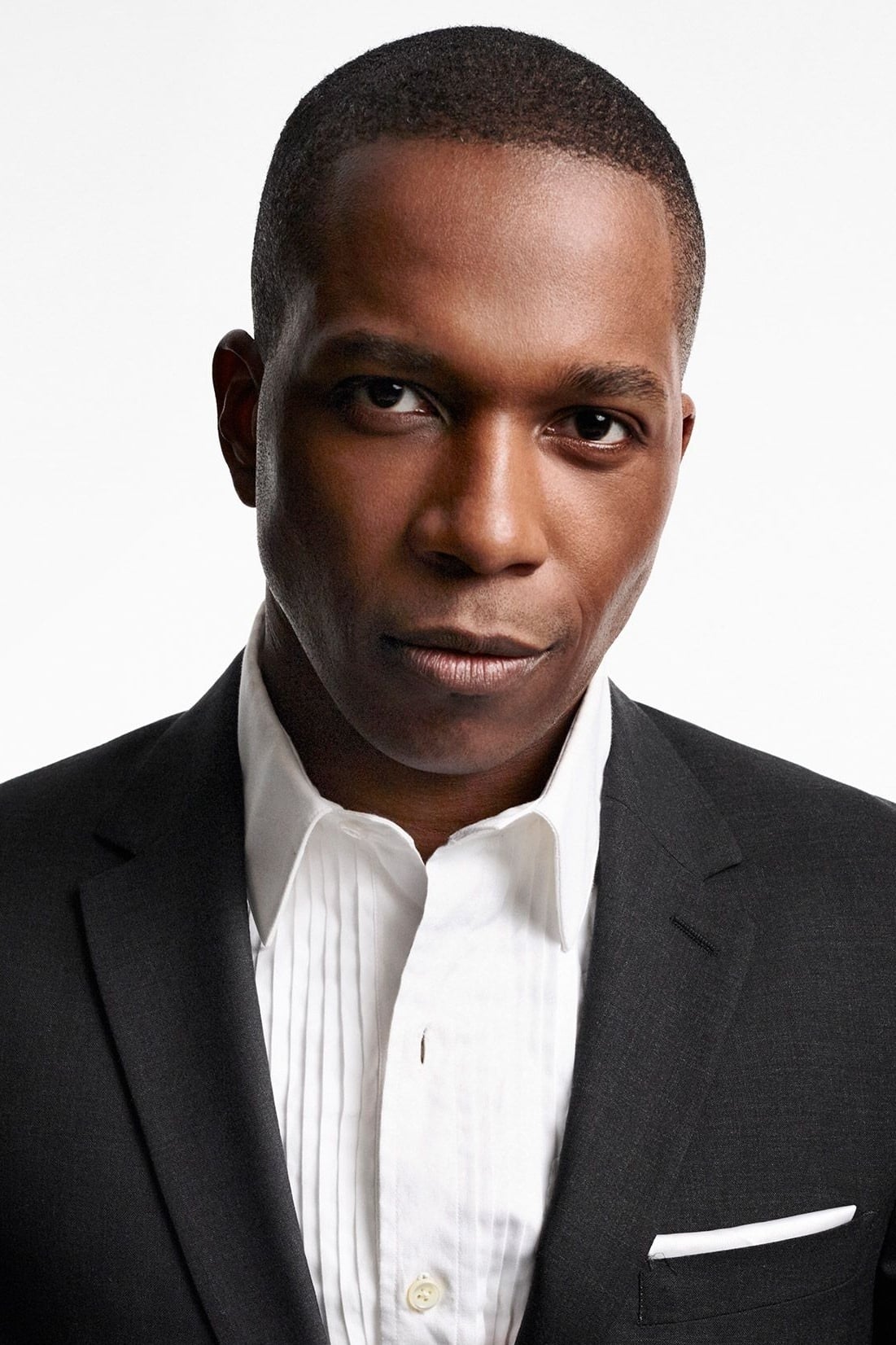
Leslie Odom Jr. is a strong voice for fairness and equal pay for Black artists in all creative fields. He champions using inclusion riders to create diverse and representative work environments. His acclaimed performance as Sam Cooke in ‘One Night in Miami…’ demonstrates his commitment to portraying Black historical figures with dignity and intention. Odom Jr. argues that moving away from the idea of needing a ‘savior’ is crucial for genuine artistic expression. Through his work, he consistently raises the bar for quality and ethical conduct in the performing arts.
Stephan James
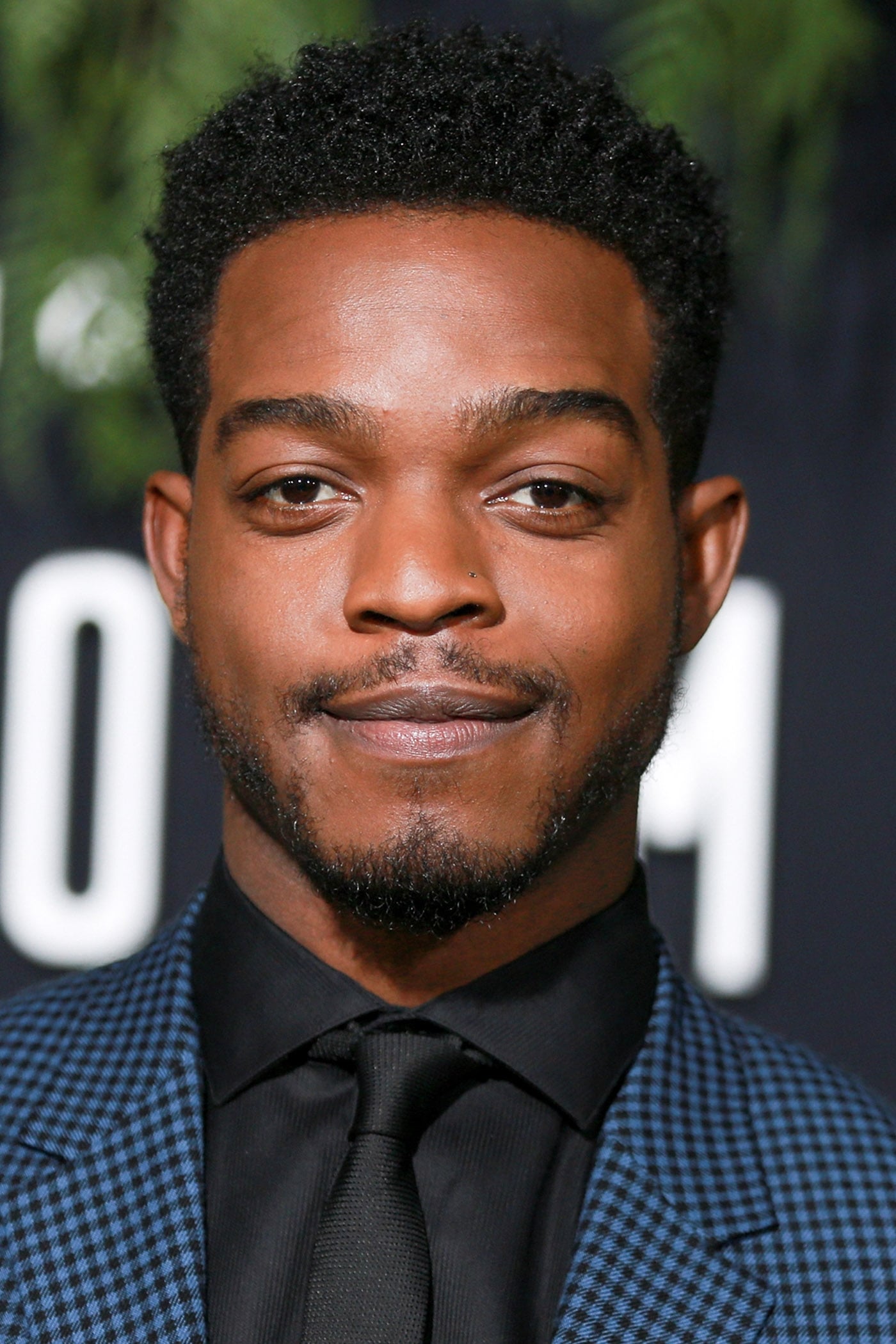
Stephan James is a quickly rising actor who chooses roles that explore the Black experience, both in the past and present. He’s a strong believer in having diverse teams – writers, crew members, and more – to make sure stories are told truthfully and accurately. His work in films like ‘If Beale Street Could Talk’ and ‘Race’ shows his dedication to stories about strength and taking control of one’s own destiny. He thinks it’s important to have agreements in place to prevent the film industry from falling back into old, less inclusive patterns. Ultimately, his commitment to powerful storytelling is helping to define the future of Black cinema.
Damson Idris
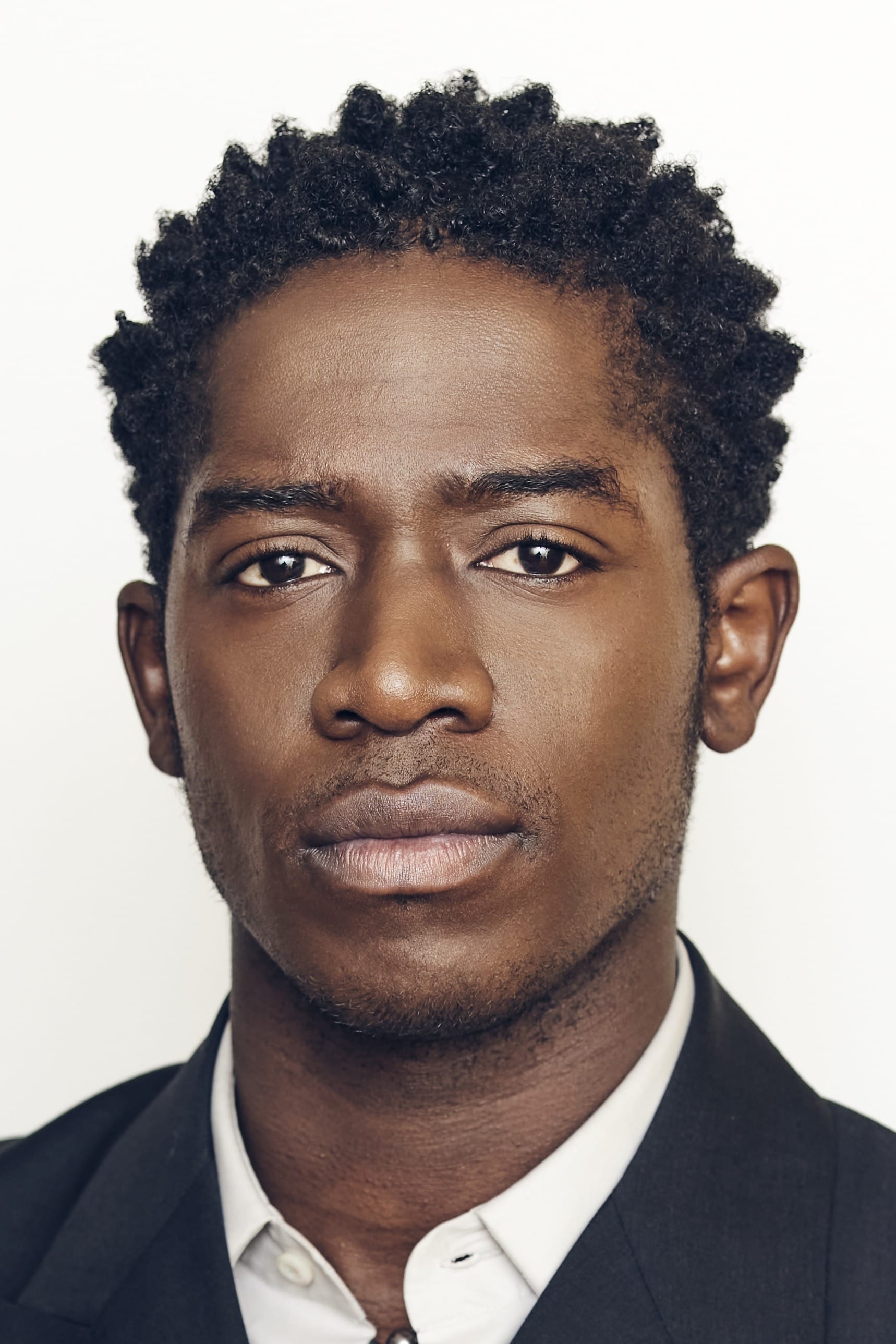
Damson Idris feels a strong sense of responsibility to portray Black men as fully realized and complex characters on screen. He’s a vocal advocate for increasing the number of Black writers and producers in Hollywood, believing they should have the opportunity to create their own stories without interference. Through his role in ‘Snowfall,’ he’s been able to showcase the profound social and political effects of the crack epidemic on Black communities. Ultimately, Idris believes that genuine, authentic storytelling is crucial for creating lasting change in the industry.
Aldis Hodge
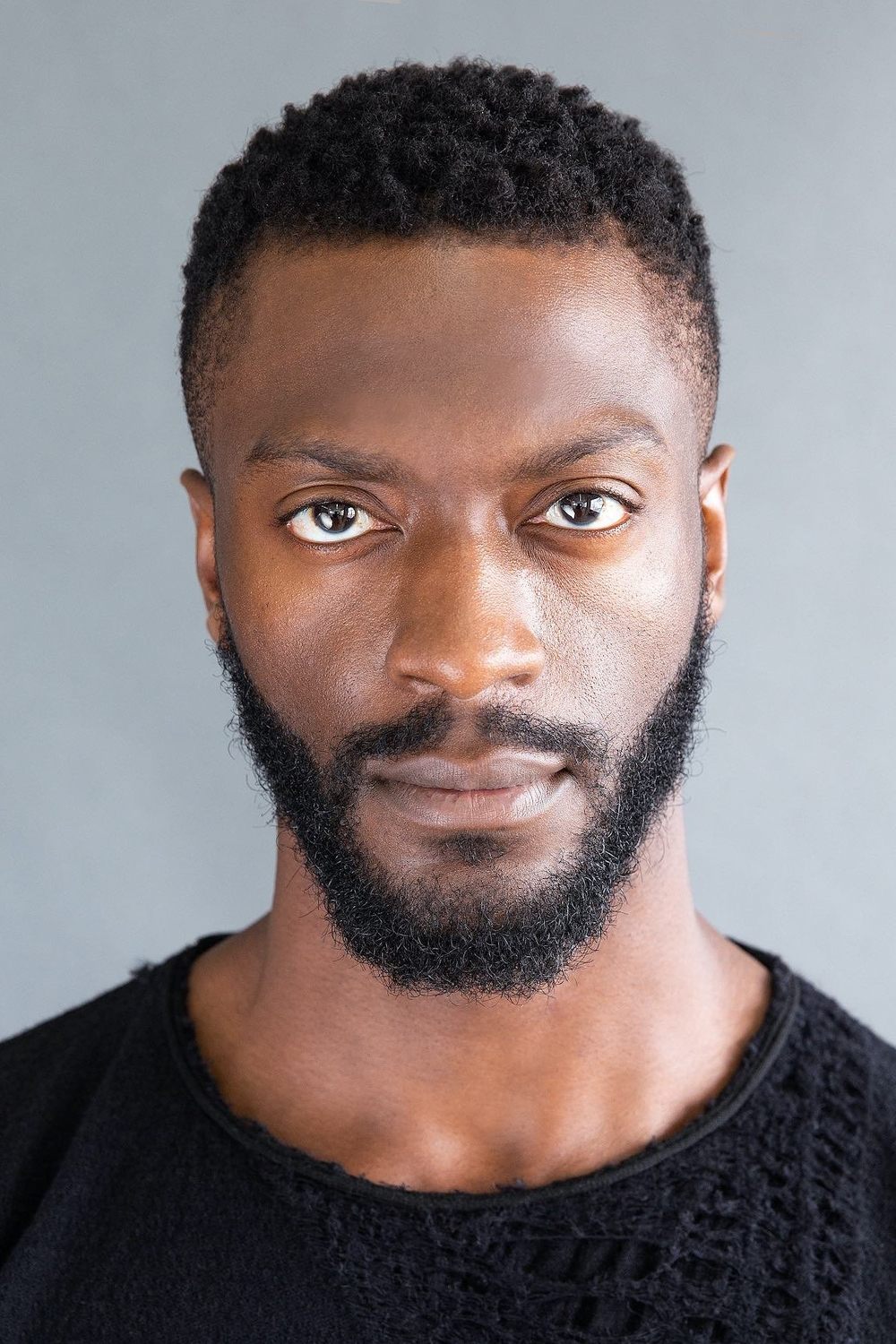
Aldis Hodge actively champions greater Black representation throughout filmmaking, from the very beginning to the final product. He stresses the importance of Black stories being told by Black creators, with Black characters taking center stage as their own heroes. His roles in shows like ‘City on a Hill’ and the film ‘Black Adam’ demonstrate his talent for portraying strong and complex characters. Hodge also advocates for contracts that prioritize diversity and move away from storylines where outside forces ‘save’ Black characters. Ultimately, he’s a leading example of how actors can leverage their platform to create lasting, positive change in the industry.
Ncuti Gatwa
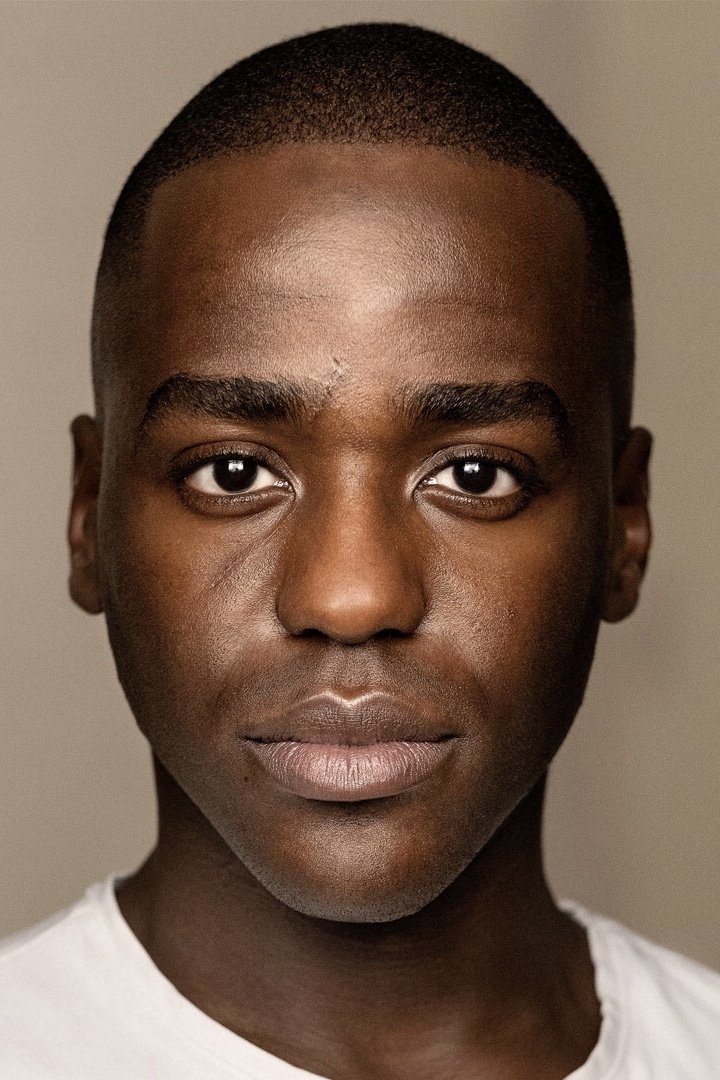
Ncuti Gatwa is a leading voice for greater diversity on TV, particularly in how Black and LGBTQ+ stories are told. He believes it’s important for mainstream shows to include these perspectives to offer a more complete picture of the world. His work on ‘Sex Education’ and now as the Doctor in ‘Doctor Who’ are major steps forward for inclusive casting. Gatwa also champions protecting the depth and authenticity of diverse characters, ensuring they aren’t simply used to advance a plot. By taking on these famous roles, he’s helping to change how we see heroes.
Kingsley Ben-Adir
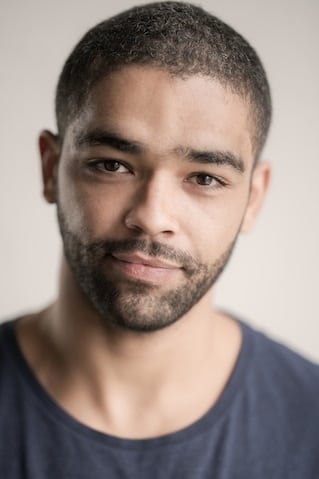
Kingsley Ben-Adir is celebrated for his careful and insightful performances as important Black figures and cultural icons. He strongly believes in getting the historical details right and empowering Black actors to shape their own roles. His work in films like ‘One Night in Miami…’ and ‘Bob Marley: One Love’ showcases his commitment to portraying these figures authentically. He argues that the entertainment industry needs to go beyond simply looking diverse and instead focus on telling more meaningful and nuanced stories. Ultimately, he’s dedicated to honoring the legacies of those he plays with respect and depth.
Chiwetel Ejiofor
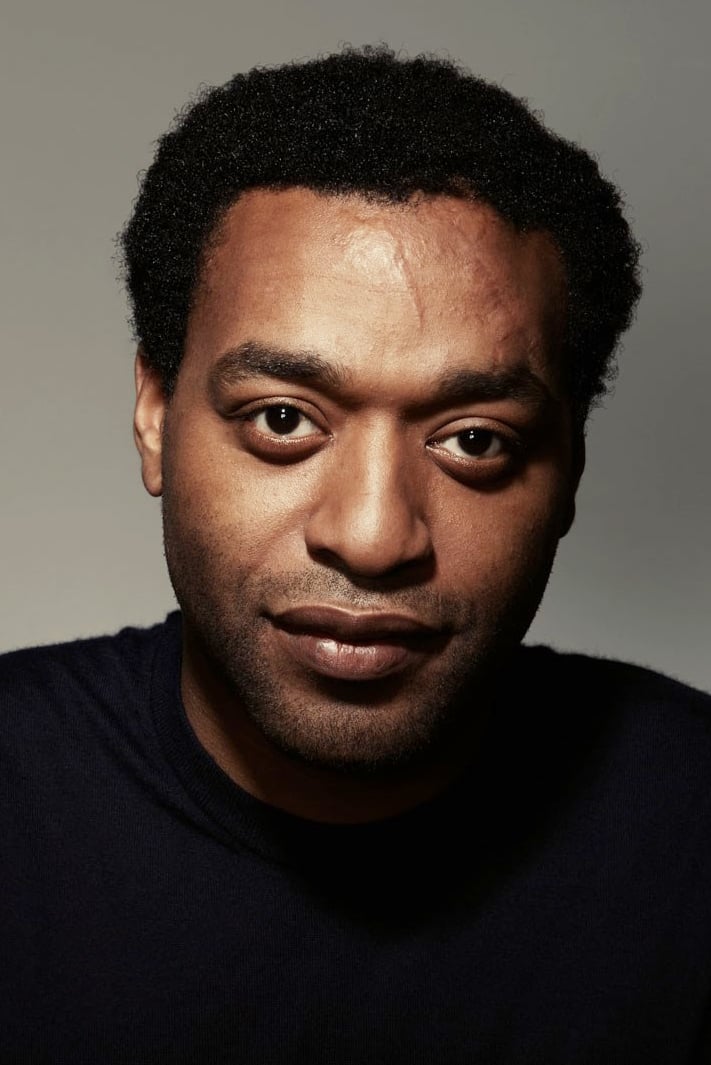
Chiwetel Ejiofor has consistently championed better representation of African stories and people in film. He’s a strong supporter of diversity initiatives that give more filmmakers and storytellers a chance to be heard. His roles in films like ’12 Years a Slave’ and ‘The Boy Who Harnessed the Wind’ demonstrate his passion for stories that celebrate human strength and respect. He believes that supporting Black creatives will lead to more powerful and relatable films for everyone. Both his acting and directing work show his commitment to fairness and inclusivity in storytelling.
Forest Whitaker
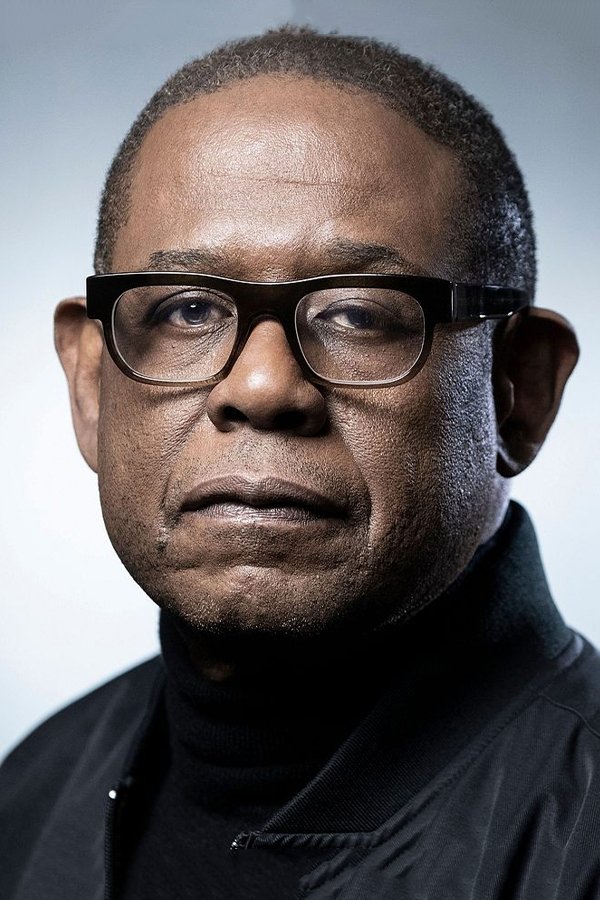
Forest Whitaker is a long-time actor and producer dedicated to fairness and honest portrayals in film. He champions practices like inclusion riders to create a more equitable environment for everyone working in the industry. His production company frequently tells stories celebrating the resilience and power of the Black community. He also feels it’s crucial to move away from storytelling that relies on the ‘savior’ trope, believing it’s key to creating emotionally genuine films. Through his work, Whitaker continues to inspire and open doors for up-and-coming Black filmmakers and actors.
Laurence Fishburne
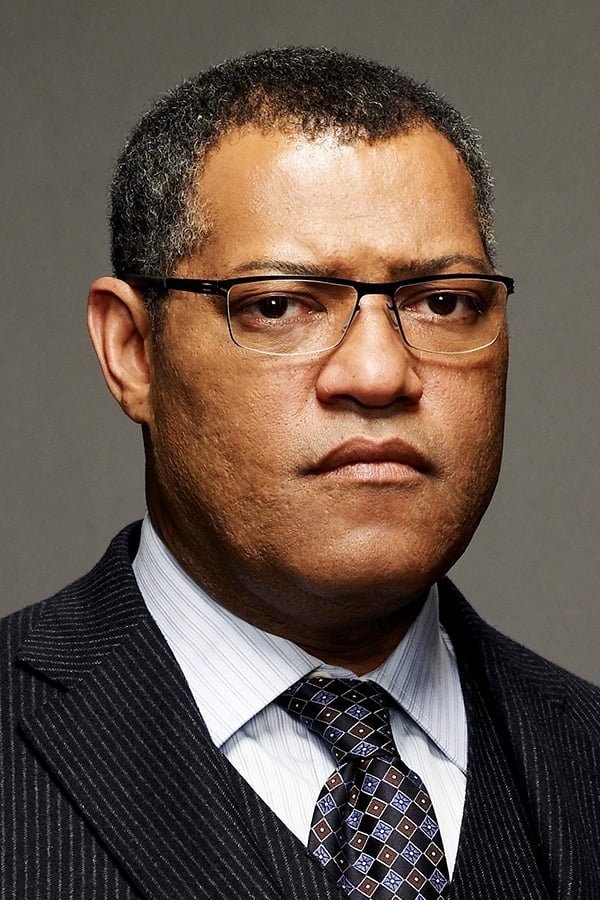
Laurence Fishburne has always sought out roles that break boundaries and offer authentic portrayals of Black experiences. He’s a strong advocate for Black actors being able to play characters freely, without being limited by stereotypes. His memorable performances in films like ‘The Matrix’ and ‘Boyz n the Hood’ have significantly shaped how Black men are seen on screen. He also feels it’s important to have contracts that protect Black stories and ensure they’re told by those who truly understand them. Throughout his career, Fishburne has demonstrated the value of staying true to your artistic vision, even in a challenging industry.
Denzel Washington
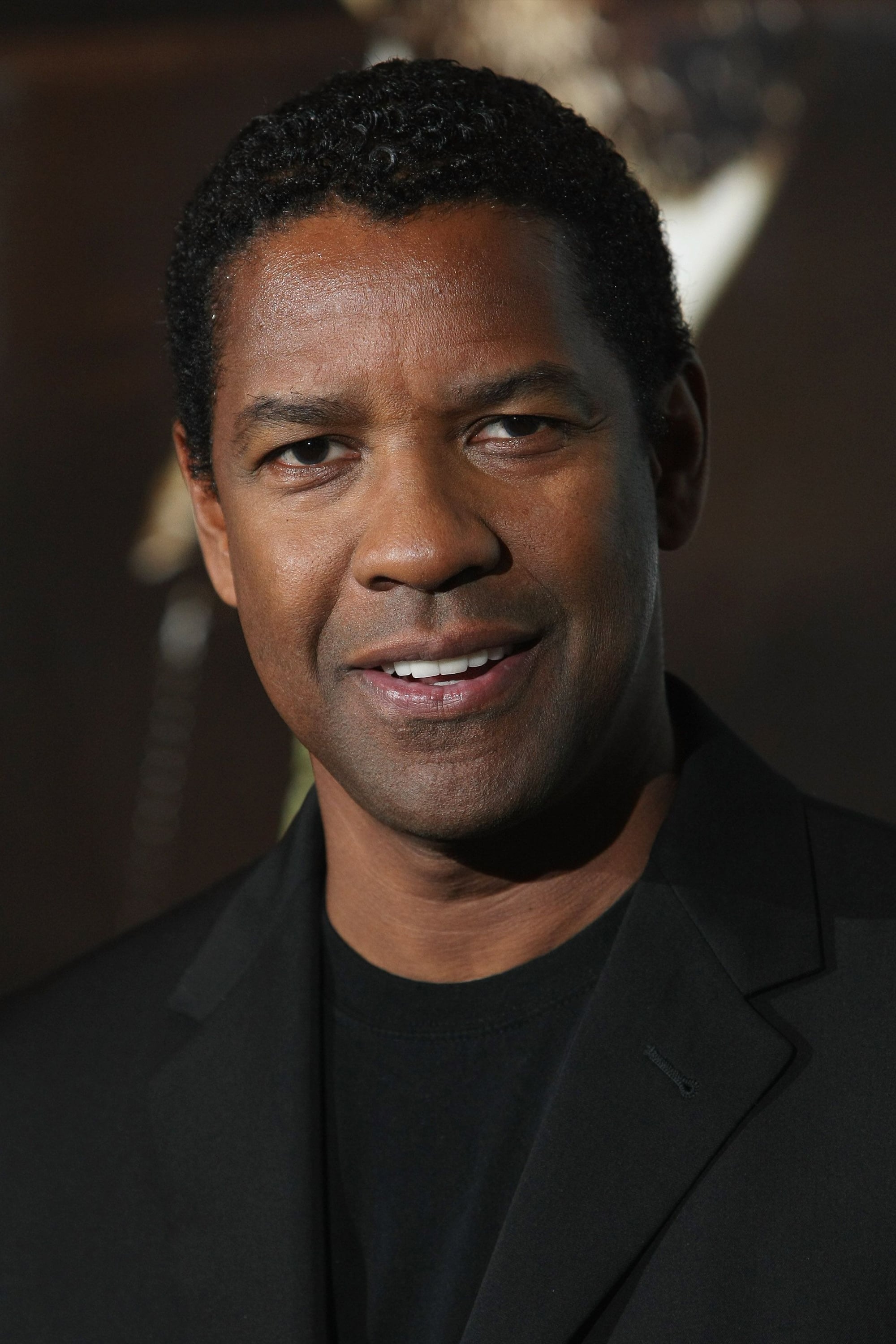
Denzel Washington is a highly respected and impactful figure in Hollywood, known for championing Black creativity and representation in film. He consistently stresses the importance of Black filmmakers and storytellers taking control of narratives about the Black experience. Through his work on films like ‘Fences’ and ‘The Great Debaters,’ he demonstrates his dedication to Black artistic independence. Washington believes Hollywood should accurately and respectfully portray the diversity of Black life, and he actively supports emerging Black actors to build on the progress already made.
Tyler Perry
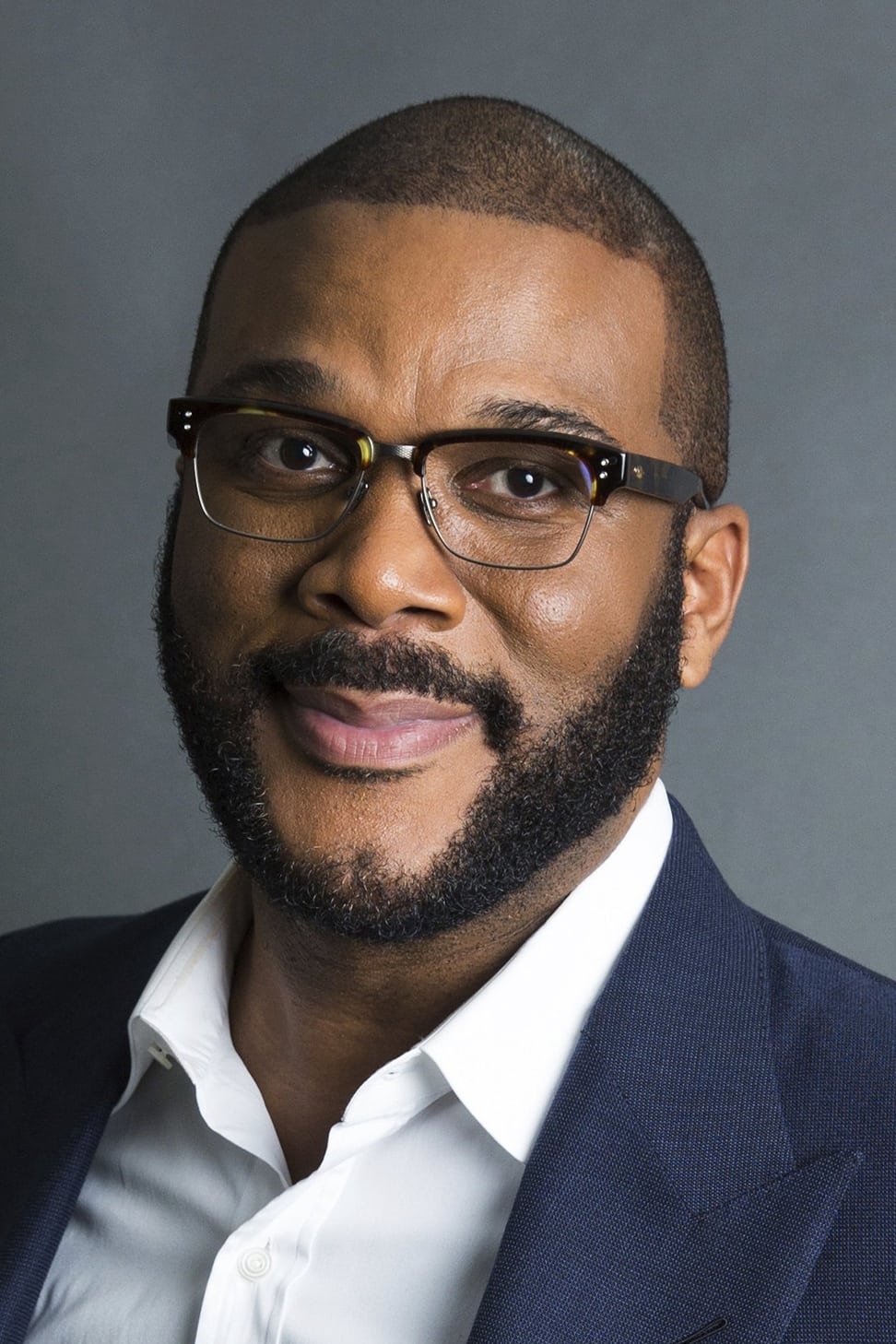
Tyler Perry has created a successful media company centered on Black ownership and telling stories from a Black perspective. He argues that the entertainment industry should fully recognize and cater to the Black audience by creating content that resonates with them. His studio offers a supportive environment for diverse talent, prioritizing their unique voices. Perry believes that Black creators owning their own production companies is the best way to avoid stereotypical portrayals. His achievements demonstrate the power of independence and focused advocacy.
Share your thoughts on these actors and their impact on the film industry in the comments.
Read More
- Invincible Season 4 Gender Swaps Tech Jacket As Fans Question Major Comic Change
- Building Agents That Learn and Improve Themselves
- Gold Rate Forecast
- Games That Faced Bans in Countries Over Political Themes
- Silver Rate Forecast
- Superman Flops Financially: $350M Budget, Still No Profit (Scoop Confirmed)
- Trading Crypto with AI: A New Approach to Portfolio Management
- 22 Films Where the White Protagonist Is Canonically the Sidekick to a Black Lead
- 15 Films That Were Shot Entirely on Phones
- Unveiling the Schwab U.S. Dividend Equity ETF: A Portent of Financial Growth
2026-01-14 07:19