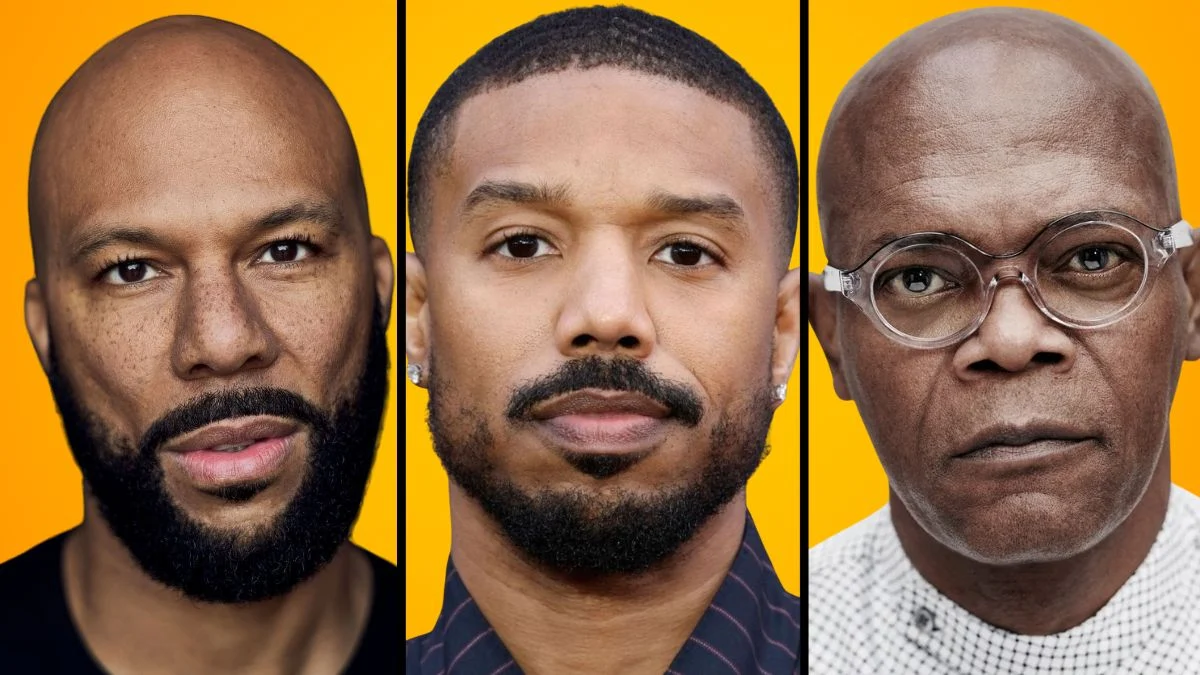
Black actors have a long and impressive history in martial arts films, starting with the blaxploitation films of the past and continuing into today’s big-budget action movies. A key change happened when actors started training with the same stunt teams and action directors who bring the look and feel of anime to live-action films. This often involves working with renowned figures from Hong Kong cinema or specialists who can recreate the incredible, visually dynamic fight scenes found in Japanese animation. Whether it’s the wirework popularized by the Wachowskis or the energetic boxing matches in recent sports films, these actors have committed to learning complicated and demanding fighting techniques.
Michael B. Jordan
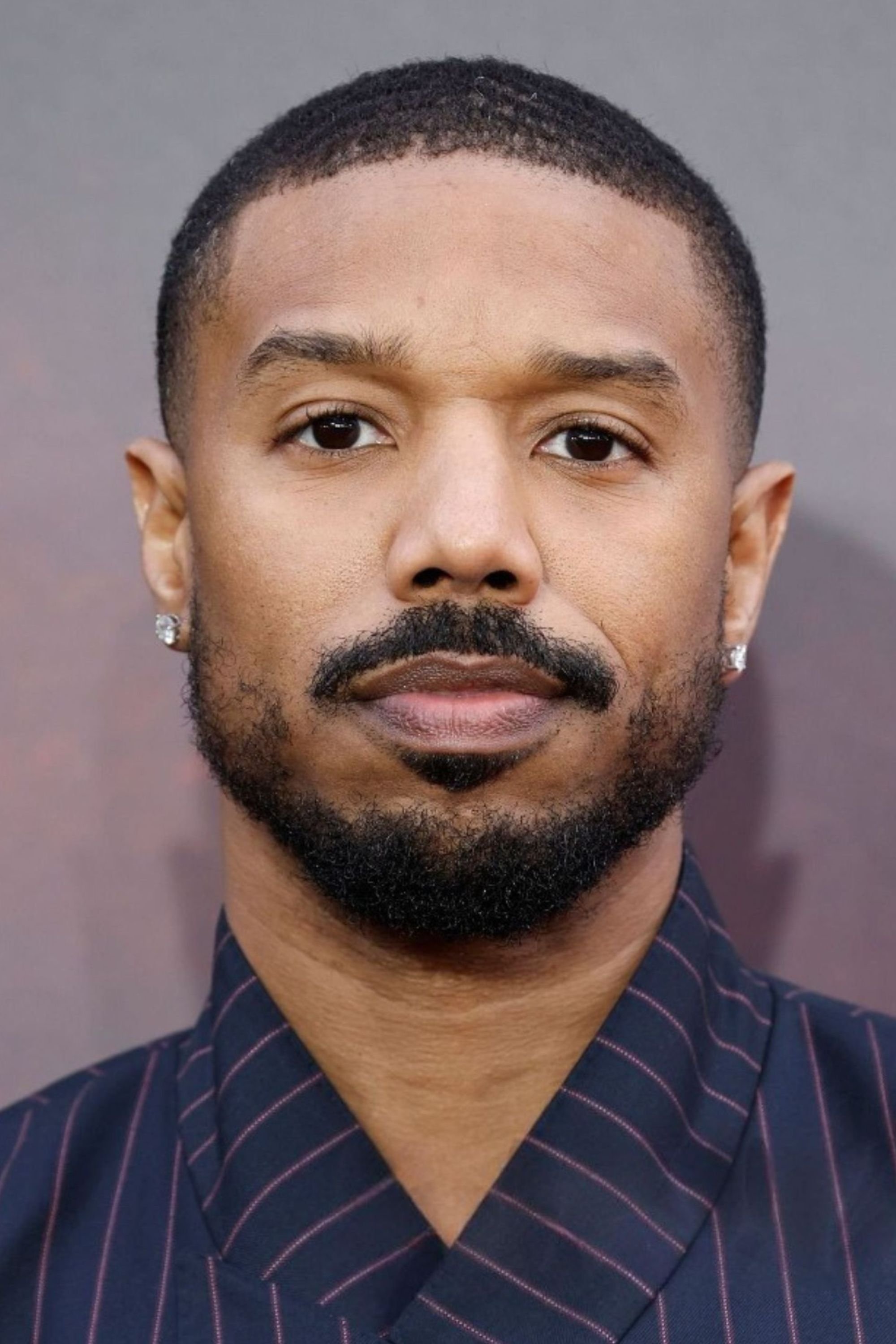
Michael B. Jordan changed how boxing is shown in movies by directly using the fast-paced action and style of anime in his first time directing a film. For ‘Creed III’ (2023), he and his stunt team copied specific punches and camera shots from popular anime like ‘Naruto’ and ‘Hajime no Ippo’. Jordan explained he wanted the fights to feel as powerful as those in Japanese animation, so he studied and incorporated those dramatic, over-the-top moves. This made the boxing matches more like dynamic anime scenes, mixing realistic fighting with exaggerated, story-focused action.
Laurence Fishburne
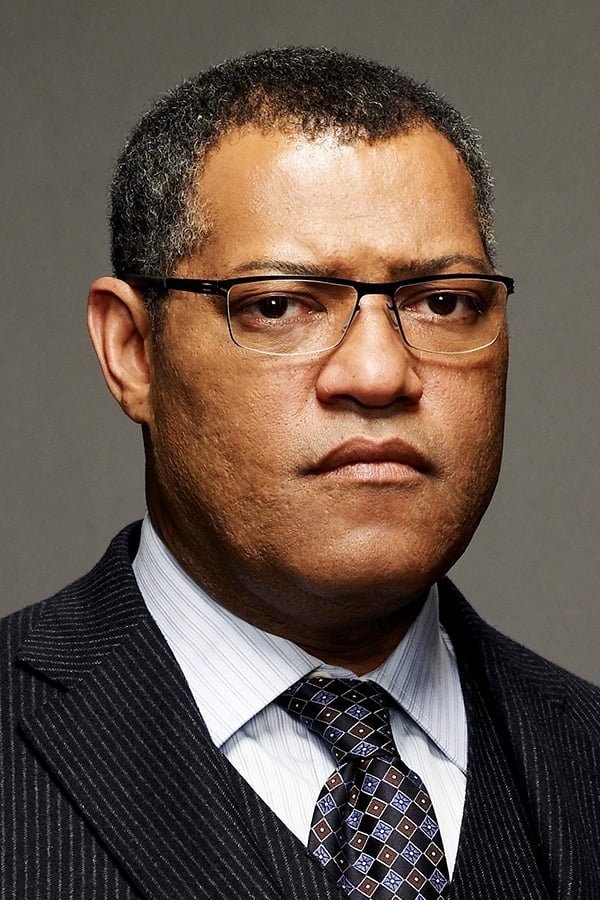
Laurence Fishburne trained intensely for his role in ‘The Matrix’ (1999) with renowned Hong Kong choreographer Yuen Woo-ping. Yuen’s work had previously brought the dynamic style of anime to live-action films. Fishburne learned complicated wire work and Kung Fu to play Morpheus, a character who became the classic wise mentor often seen in martial arts stories. He had to perform incredible, gravity-defying stunts to recreate the smooth movements of animated characters. His commitment to the demanding training helped bring the visually striking action of anime and Hong Kong films to a wider American audience.
Wesley Snipes
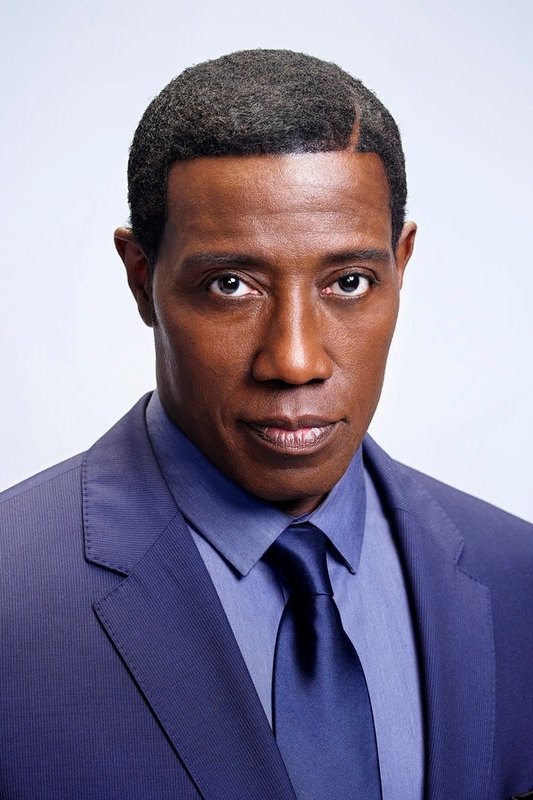
Before the current wave of superhero movies, Wesley Snipes famously played the vampire hunter Blade, bringing authentic martial arts skills to the role. A 5th-degree black belt in Shotokan Karate and a 2nd-degree black belt in Hapkido, Snipes collaborated with fight choreographers to develop a dynamic fighting style that felt straight out of a comic book. The 1998 film ‘Blade’ pioneered techniques like speed ramping and dramatic poses, foreshadowing the visual style of later live-action anime. Snipes’ proficiency with swords allowed the filmmakers to capture action sequences with wide-angle shots, similar to those seen in animated fights.
Michael Jai White
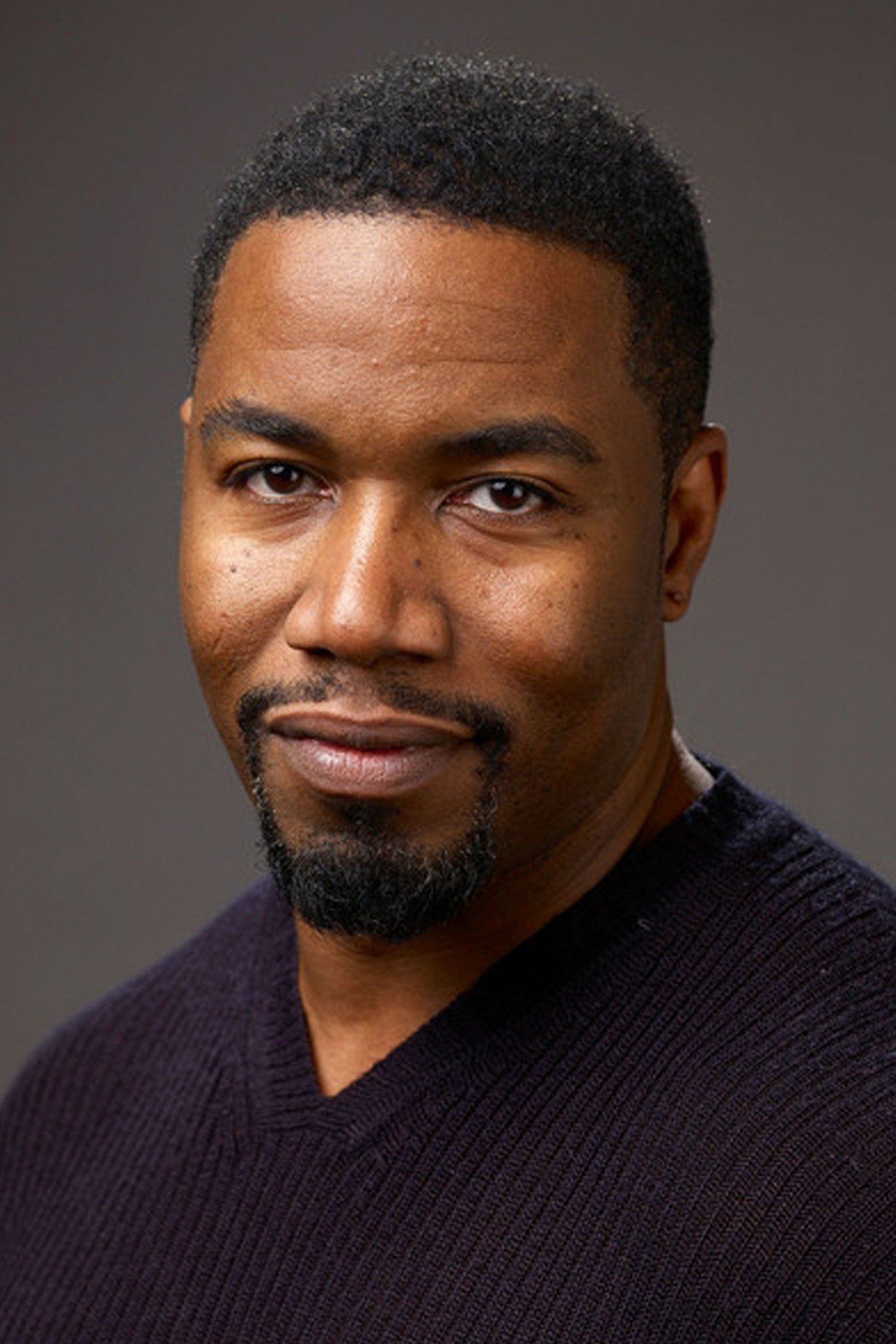
Michael White is a highly skilled martial artist with black belts in seven different styles, including Kyokushin and Goju-Ryu. He’s often inspired by anime and manga, influences that were especially noticeable in his work on films like ‘Spawn’ (1997) and ‘Black Dynamite’ (2009). His training lets him perform impressive kicks and flips seen in animation – often without needing wires or special effects. He collaborates with leading stunt teams to create fight scenes that have the same smooth, dynamic feel as big-budget anime battles.
Mustafa Shakir
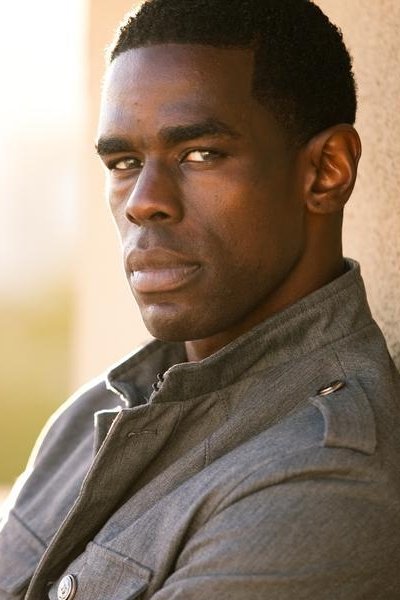
To play Jet Black in the 2021 live-action ‘Cowboy Bebop,’ John Cho underwent rigorous physical training. He collaborated with the stunt team to learn a fighting style mirroring the character’s moves from the original 1998 anime. This involved combining powerful strength with the fluid, jazz-like movements that made the anime’s action so distinctive. Cho’s dedication to replicating the character’s physicality helped make the shift from animation to live-action feel realistic.
RZA
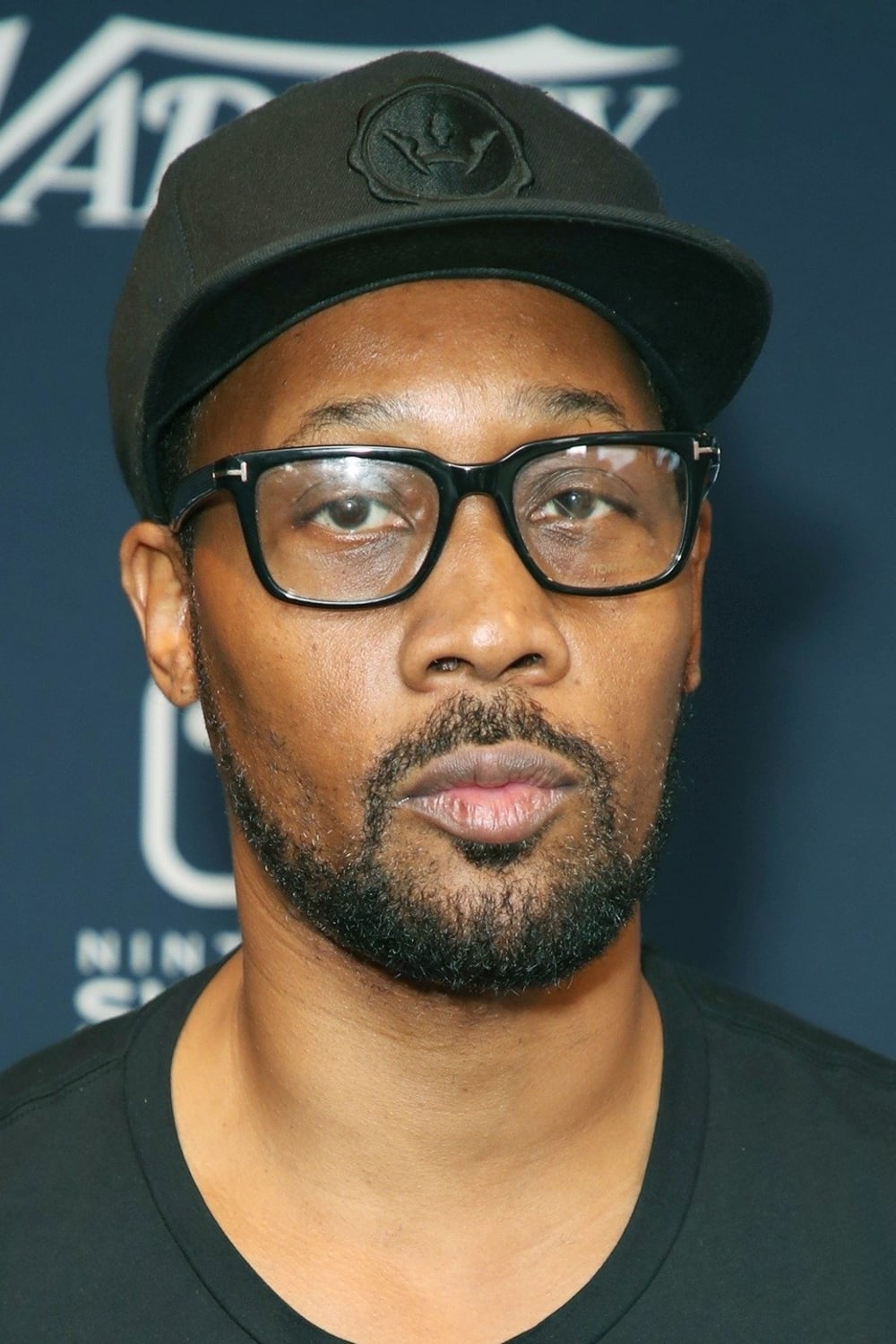
RZA, the leader of the Wu-Tang Clan, moved from making music to making martial arts films, and eventually trained with renowned choreographer Yuen Woo-ping on the 2012 film ‘The Man with the Iron Fists.’ Driven by his love of the genre, he studied Hung Ga and Wing Chun – martial arts styles frequently used as inspiration for fight scenes in anime. Working closely with Yuen Woo-ping gave RZA insight into techniques like wire-fu and the use of dramatic weaponry. This experience connected his hip-hop background with the imaginative world of wuxia and anime martial arts stories.
Jaden Smith
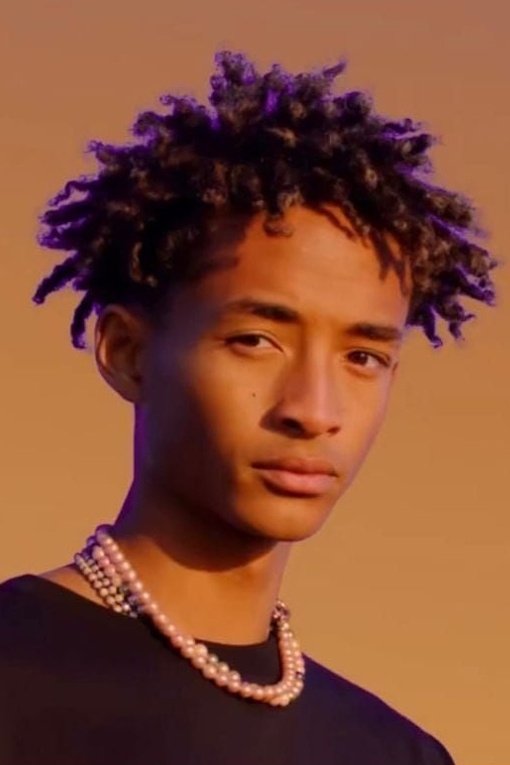
To prepare for the 2010 film ‘The Karate Kid,’ Jaden Smith underwent rigorous training with Jackie Chan’s stunt team for several months. Chan’s energetic and inventive action style heavily influenced the fighting sequences commonly seen in Japanese anime, particularly those focused on perseverance and using the surroundings to your advantage. Smith mastered impressive flexibility and kung fu techniques, enabling him to perform complex stunts typically done by experienced professionals. This training followed a classic “student learns from master” storyline, similar to many martial arts anime, and resulted in a remarkable physical change that impressed reviewers.
Chadwick Boseman
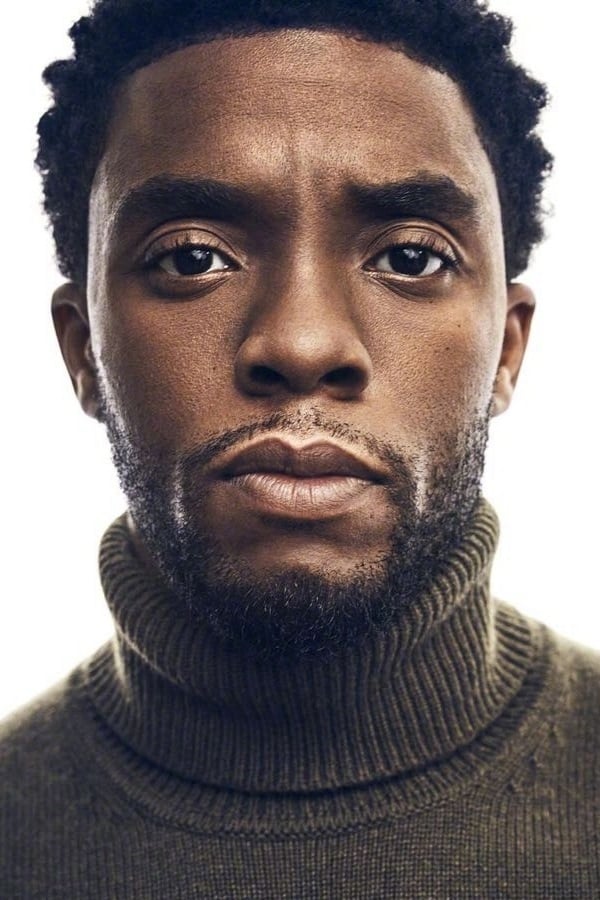
To create T’Challa’s fighting style for ‘Black Panther’ (2018), Chadwick Boseman worked closely with martial arts trainer Marrese Crump. The fight choreography combined African martial arts with the energetic movements common in superhero cartoons. Crump’s experience in Asian disciplines allowed them to develop a style that felt both realistic and incredibly athletic. Boseman’s commitment to learning these complex moves meant the filmmakers could use long, sweeping shots to highlight his action, much like the visual style found in Japanese action comics (manga).
Yahya Abdul-Mateen II
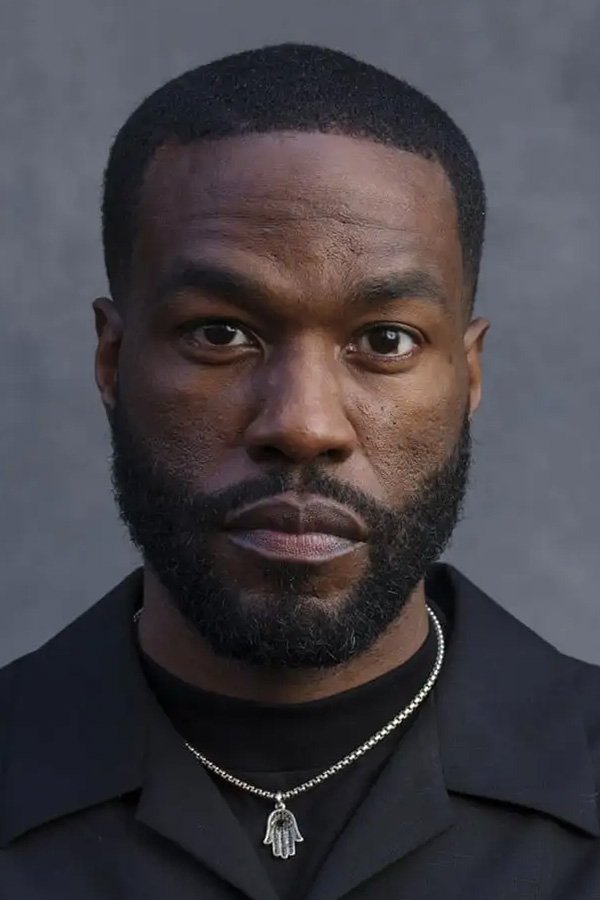
For his role as Morpheus in ‘The Matrix Resurrections’ (2021), Yahya Abdul-Mateen II had to learn a fresh take on the franchise’s famous gunplay and martial arts. He trained with skilled stunt professionals, building on the original films’ Hong Kong action style, and mastering wire work and hand-to-hand combat. The role demanded he move with a smooth, digital grace, capturing the unreal, physics-defying feel of the Matrix. His training emphasized both strength and accuracy to recreate the series’ memorable, anime-influenced visuals.
Shamier Anderson
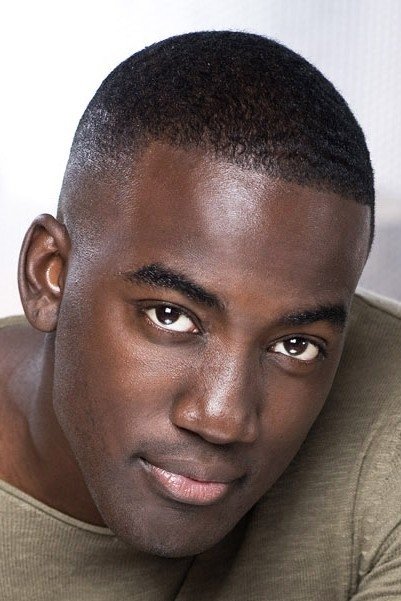
Working on ‘John Wick: Chapter 4’ as the Tracker was incredible! I got to collaborate with the 87Eleven stunt team, who are famous for their ‘Gun-Fu’ style – it’s this amazing blend of gunplay and martial arts, and they drew a lot of inspiration from anime like ‘Cowboy Bebop’ and classic Hong Kong action films. I had to really learn how to handle weapons and combine them with grappling, so it all flowed together. The fight scenes were these long, complex takes, and honestly, learning the choreography felt more like learning a dance than a fight! It demanded absolute precision and memorization.
Marcus Chong
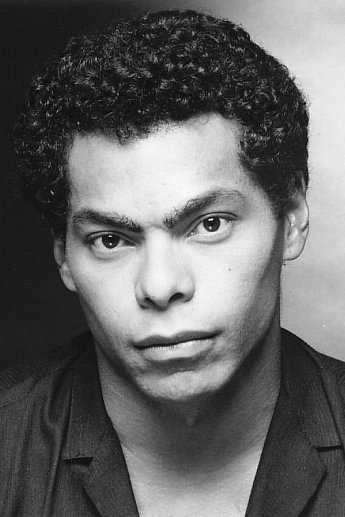
While playing Tank in ‘The Matrix’ (1999), actor Chong and the main cast went through a rigorous martial arts training led by Yuen Woo-ping. Even though his character was a support role, the film’s action sequences required everyone to learn the fast-paced style of Hong Kong action films. He became skilled with weapons and learned to move with the precise, elegant movements that gave the film its unique, anime-inspired look. This training meant that all the actors, even those not directly involved in fights within the Matrix, moved with a deliberate and stylish quality.
Harold Perrineau
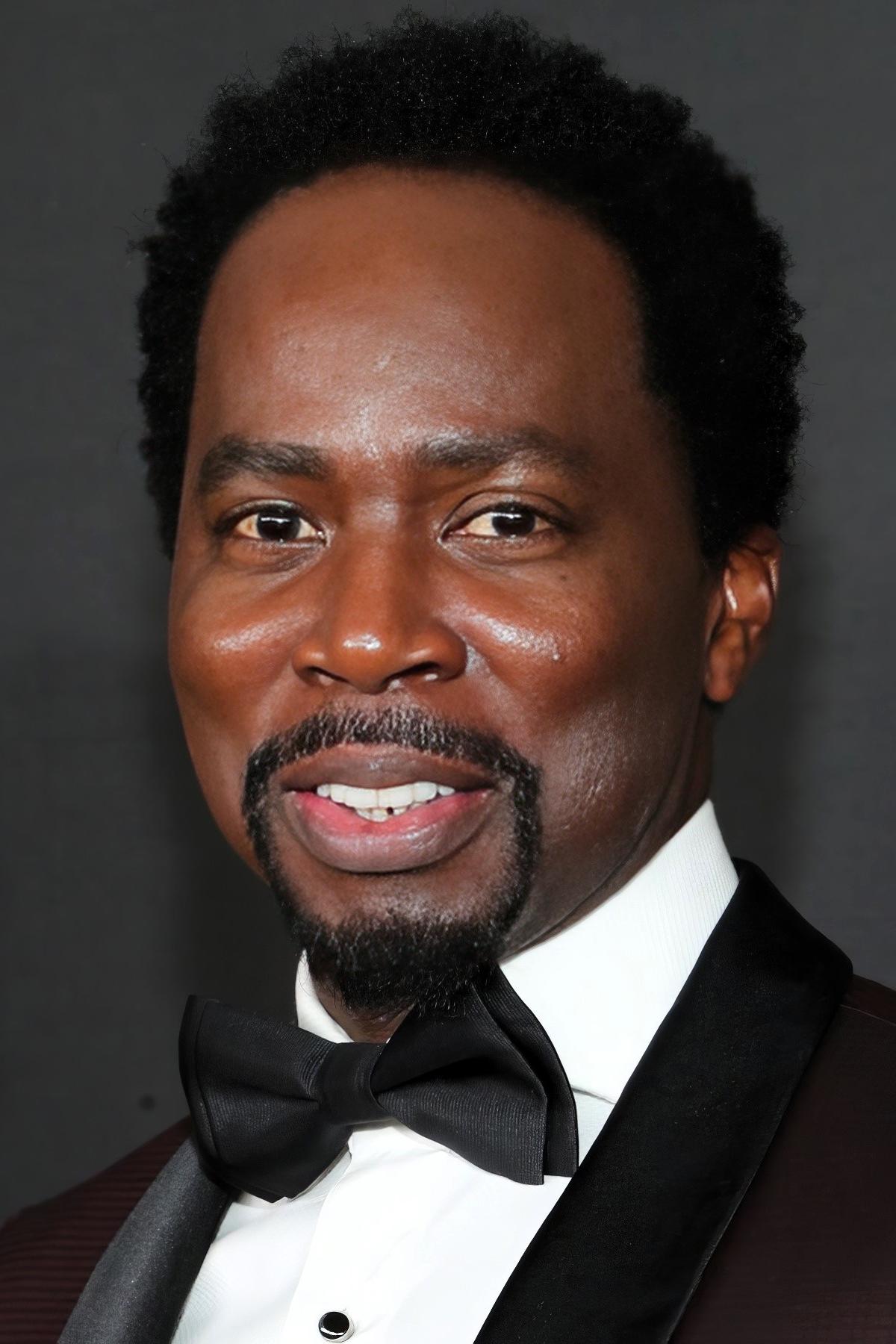
Harold Perrineau became part of ‘The Matrix’ series with ‘The Matrix Reloaded’ in 2003, playing the character Link. He quickly began intense physical training for the role. Stunt coordinators, experts in wire work and realistic fight choreography, taught him to perform difficult moves on moving sets. His character operated the Nebuchadnezzar’s weapons, and the training for this was as demanding as the fight scenes themselves. The training focused on precision and body control, similar to what anime robot pilots need.
Anthony Ray Parker
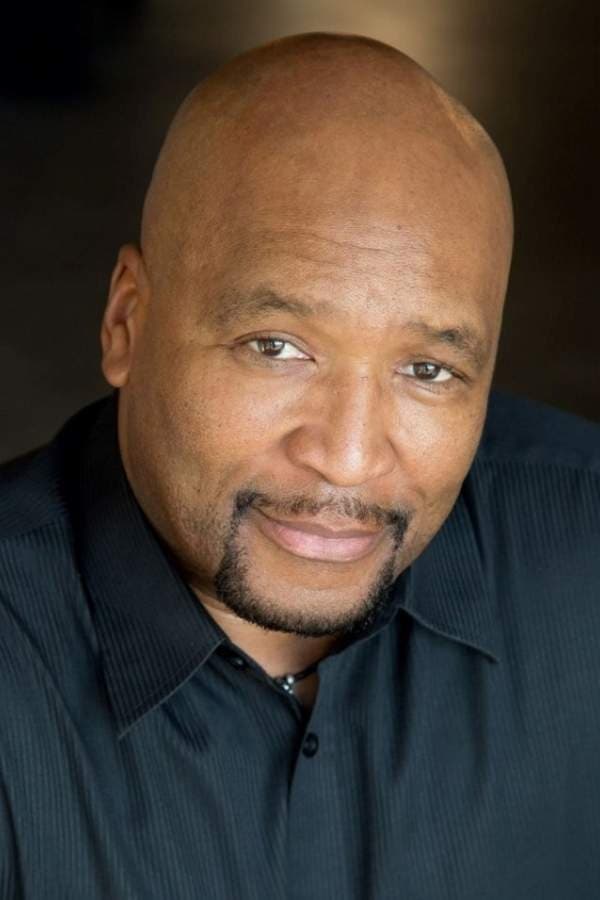
Matt Doyle, known as Parker, played the character Dozer in the 1999 film ‘The Matrix’ and was part of the initial training that heavily influenced how martial arts were portrayed in Western movies. He worked alongside a Hong Kong stunt team, learning how crucial precise timing and quick reactions are to making fight scenes look realistic and impactful. His strong build provided a contrast to the faster, more agile fighters, giving the group’s combat style more variety. This experience instilled in him a lasting respect for the dedication and discipline found in Eastern action films.
Marrese Crump
Devon Crump is a skilled martial artist who now works as an actor and stunt performer. He’s trained with renowned figures like RZA and Tony Jaa, and learned from Panna Rittikrai, a Thai action director known for his impactful style which has even inspired anime. Crump’s expertise in weapons and Muay Thai allows him to perform incredibly realistic and dynamic fight choreography, bringing a genuine sense of speed and intensity to his roles – the kind often seen in anime fighting tournaments.
Lateef Crowder
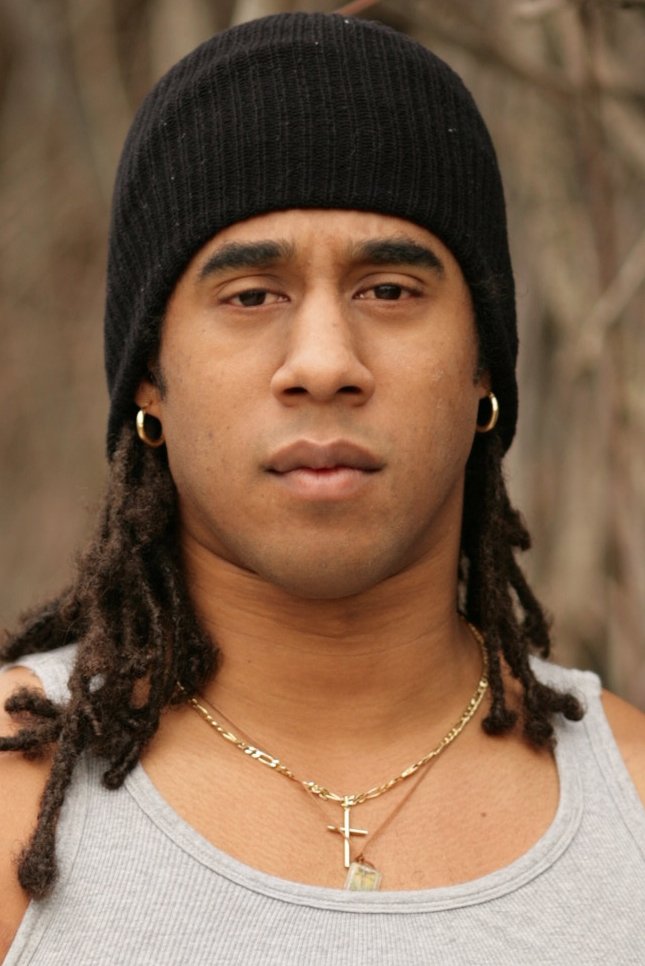
Chris Crowder is famous for his incredible skill in Capoeira, a martial art he’s brought to projects like the movie ‘Tekken’ (2009). He’s known for doing amazing, realistic kicks and spins that often eliminate the need for computer-generated effects. Working with leading stunt teams, he blends his Capoeira style into larger fight scenes. Animators often use footage of his movements as a guide when creating fighting game and anime action.
Idris Elba
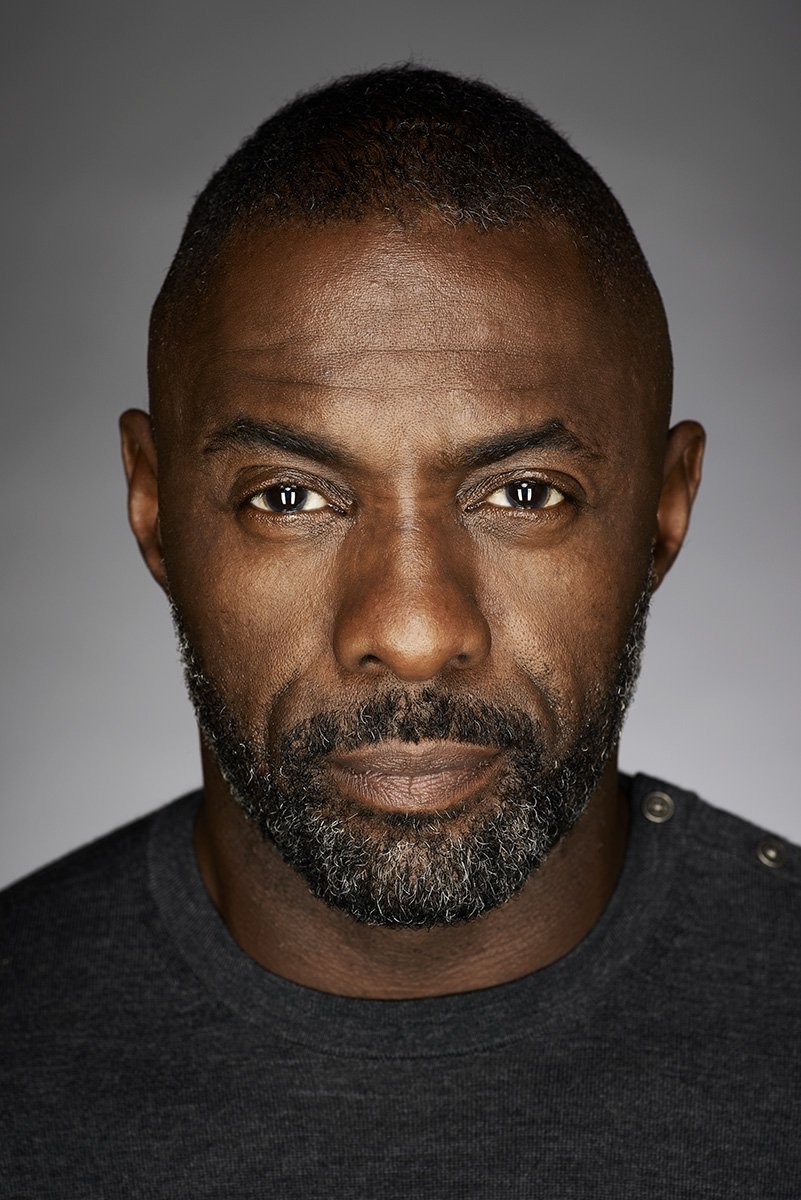
For the movie ‘Pacific Rim’ (2013), Idris Elba prepared to play the leader of a giant robot, a concept inspired by classic Japanese anime. He trained with stunt performers to convincingly portray piloting one of these massive robots, called Jaegers, learning to move as if fighting against the machine’s immense weight and force. The role required him to appear strong and authoritative, performing fight choreography within the tight space of the robot’s cockpit. His performance paid tribute to the brave, reserved leaders seen in anime like ‘Gundam’ and ‘Evangelion’.
John Boyega
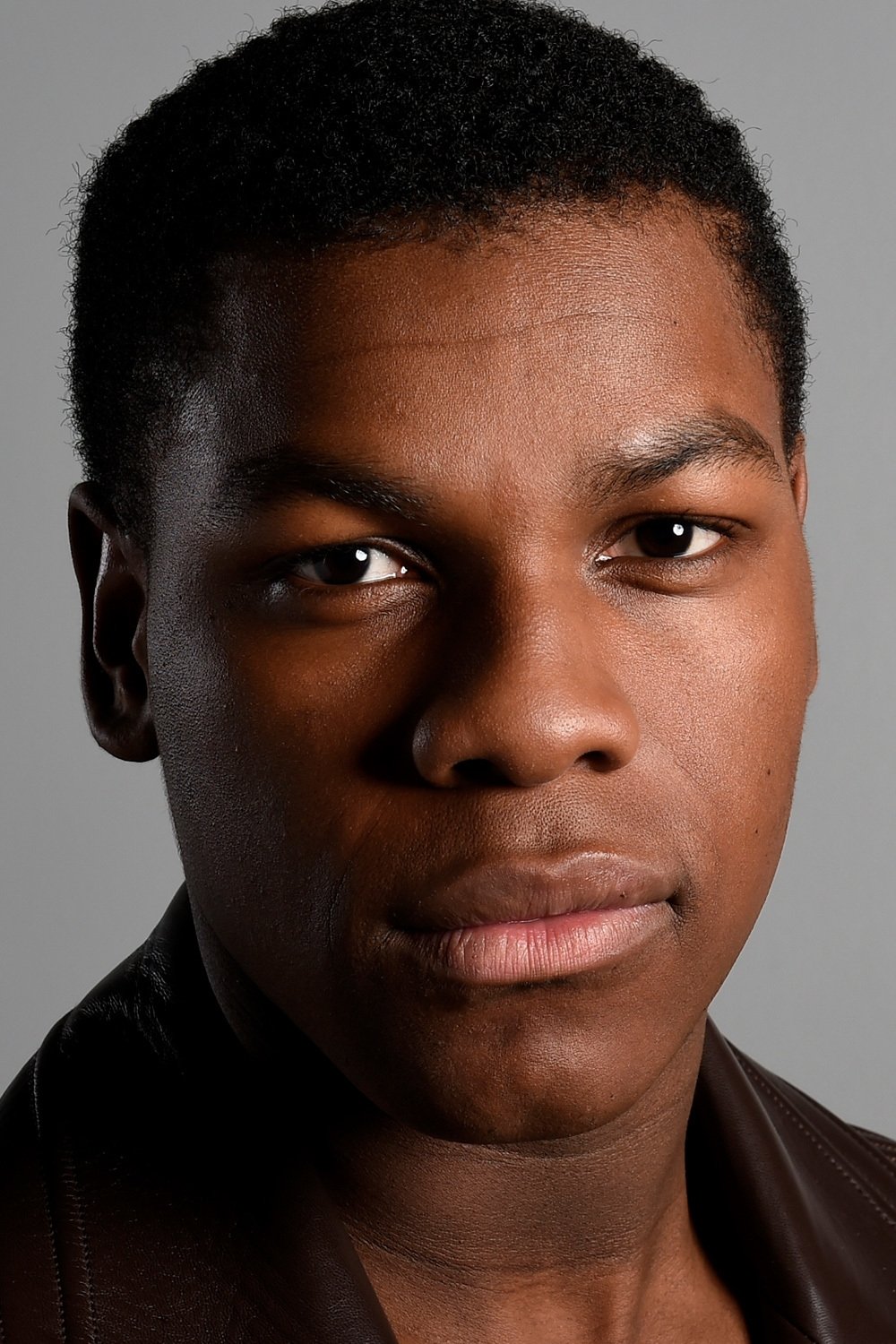
In ‘Pacific Rim: Uprising’ (2018), John Boyega starred as a pilot who was more nimble and daring than the characters in the first film, reflecting the anime influences of the series. He trained extensively, learning stunts that involved interacting with holographic displays and translating those movements to the control of the giant robots. Boyega brought his passion for anime to the role, portraying a hero reminiscent of those found in popular Japanese action comics.
Jonathan Majors
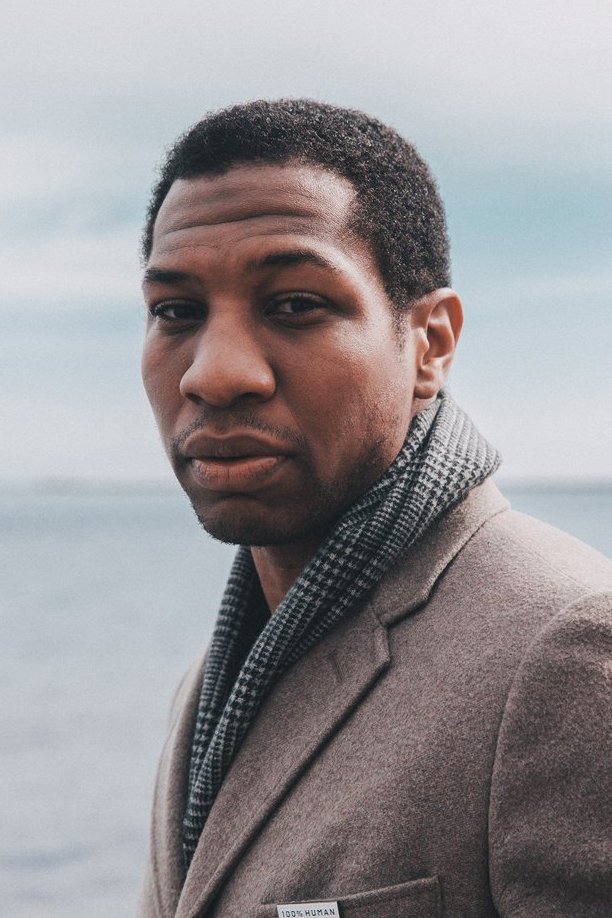
For his role as the villain in ‘Creed III’ (2023), Jonathan Majors underwent a physical transformation and developed a powerful, aggressive fighting style. He trained with the same stunt team as Michael B. Jordan, but learned moves specifically to oppose Jordan’s more fluid, anime-influenced techniques. The focus was on making Majors’ movements feel strong and overwhelming, like the classic ‘powerful’ villains seen in fighting anime. This physicality helped establish his character as a seemingly insurmountable obstacle for the hero.
Mahershala Ali
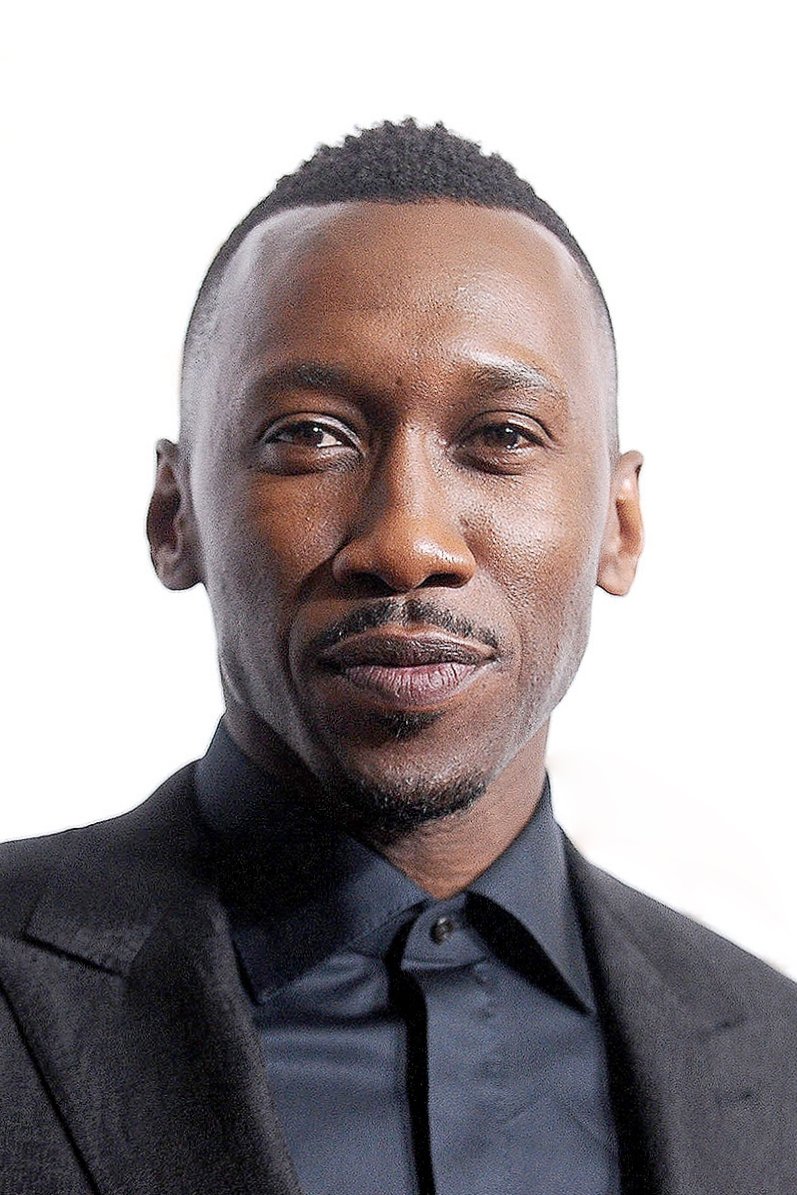
Ali played the character Vector in the 2019 film ‘Alita: Battle Angel’, which involved working closely with digitally created characters. He trained with Robert Rodriguez’s stunt team to learn how movement works in a world of cyborgs and martial arts. Even though his role was more about thinking than fighting, he received coaching to physically appear imposing when facing cybernetic opponents. He’s also preparing to play Blade, and will be training in the same vampire-fighting martial arts style as the actor who played the role before him.
Billy Blanks
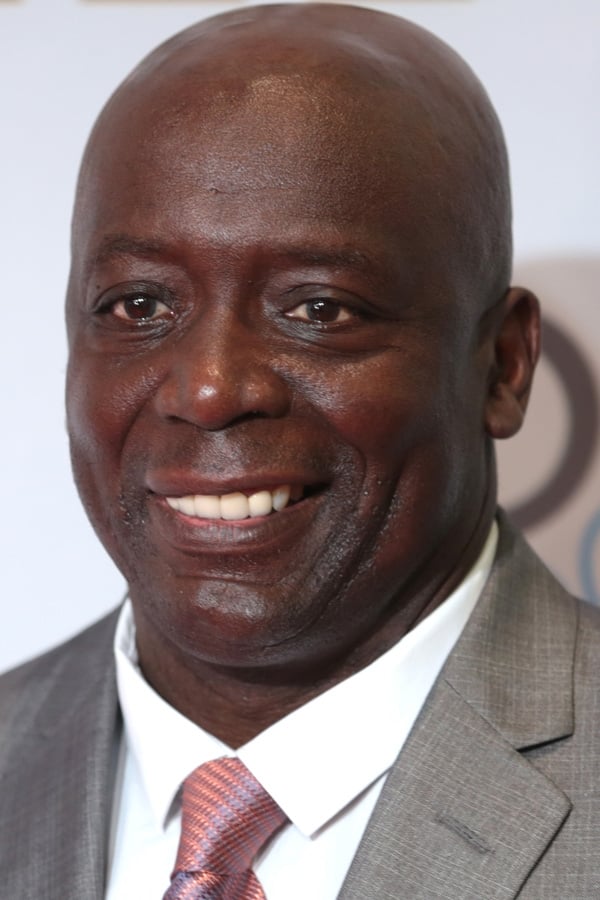
Billy Blanks became a well-known figure in both fitness and martial arts, bringing his authentic karate and taekwondo skills to action movies in the 1990s. His films frequently used a tournament format, similar to popular anime like ‘Dragon Ball’. Blanks constantly trained to maintain incredible flexibility and kicking speed, making his moves look amazing on screen. His powerful high kicks became a defining element of action films at the time, changing how Western directors filmed martial arts scenes.
Ron Van Clief
Van Clief, nicknamed “The Black Dragon,” was a groundbreaking martial artist and actor in 1970s Hong Kong cinema. He collaborated with the stunt performers and fight choreographers who shaped the action seen in anime today. Highly regarded for his skills, he became the first Black actor to lead a Hong Kong kung fu movie. Van Clief’s work uniquely connects African American culture with the Eastern martial arts that inspire much of anime.
Jim Kelly
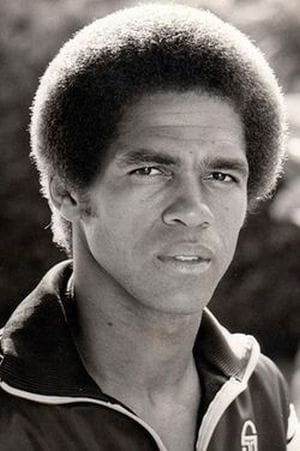
Jim Kelly made a huge impact with his role in ‘Enter the Dragon’ (1973), working alongside martial arts legend Bruce Lee. His calm and skillful karate established the standard for cool, capable fighters, a style that’s been widely copied in anime like ‘Afro Samurai’. Kelly’s training emphasized effective and powerful moves, letting him handle the fast-paced action choreography common in Hong Kong films. He’s still a beloved figure, and his unique style continues to inspire character designs in Japanese animation and other media.
Trevante Rhodes
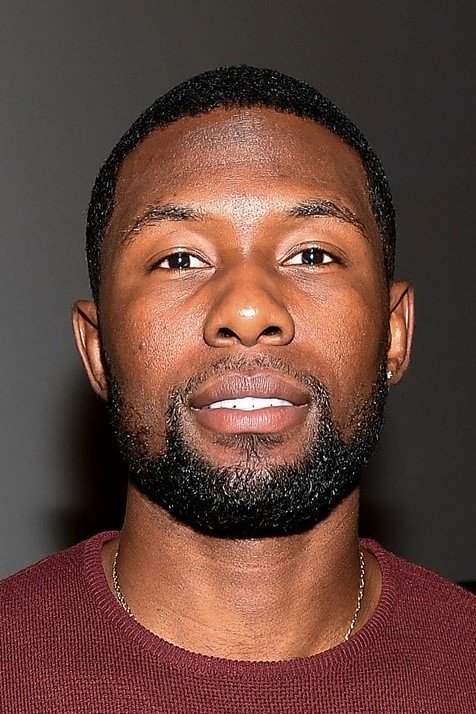
Boyd Holbrook, who played the lead in ‘The Predator’ (2018), drew on his experience as a track and field athlete to learn the complex fighting techniques needed for the role. He worked with military and stunt experts to create believable and over-the-top action sequences. The fight choreography combined realistic military movements with the superhuman toughness you often see in action heroes. Holbrook’s athleticism allowed him to perform challenging stunts that felt as intense and desperate as the survival-horror anime he admired.
Terry Crews
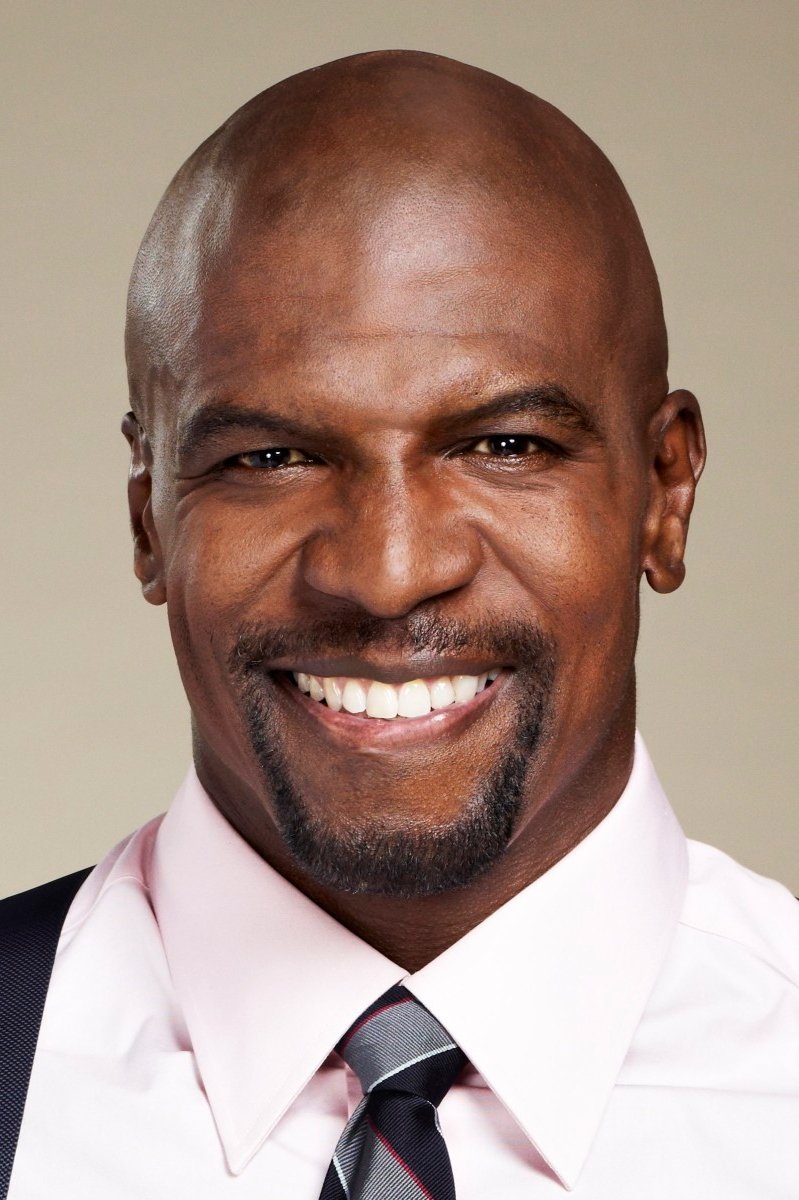
Dave Crews is a powerhouse in the ‘Expendables’ films, working alongside some of the biggest names in action and talented fight choreographers. He’s trained to handle weapons with incredible skill, almost like an animated character – often using two guns at once with unbelievable ease. The action in these movies is all about big, explosive power, similar to the over-the-top action found in certain anime. Crews perfectly blends humor with intense fight scenes, making him a larger-than-life, cartoon-like figure – and that’s a good thing!
Winston Duke
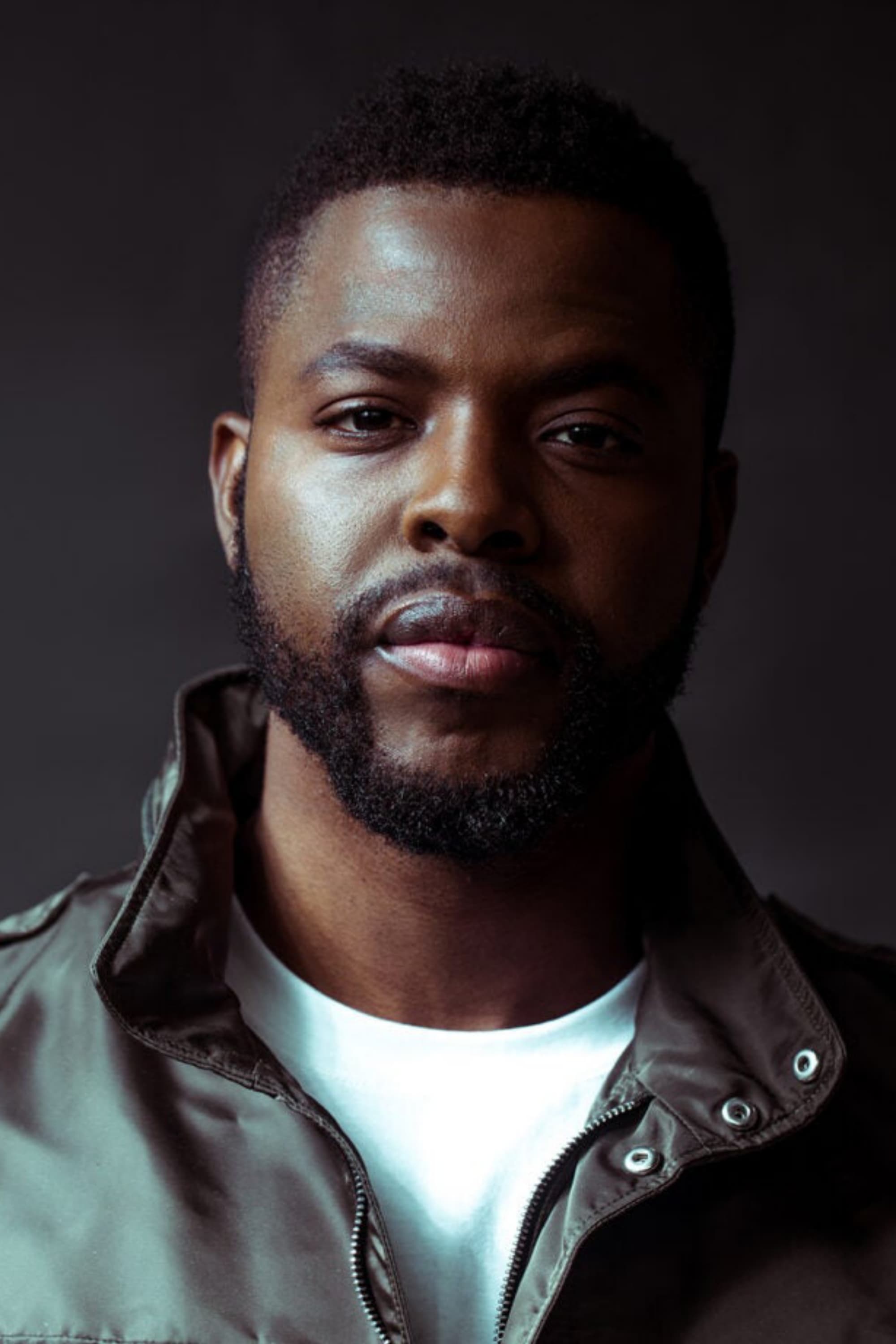
For the Jabari tribe in the Marvel Cinematic Universe, Duke created a fighting style that stands apart from the Black Panther’s more graceful moves. He focused on using a large staff and his strength, resulting in a powerful, grounded style reminiscent of ‘tank’ characters often seen in video games and anime. The fight choreography involved learning to quickly and accurately wield heavy props, visually distinguishing the Jabari from other warrior groups in the film.
Chiwetel Ejiofor
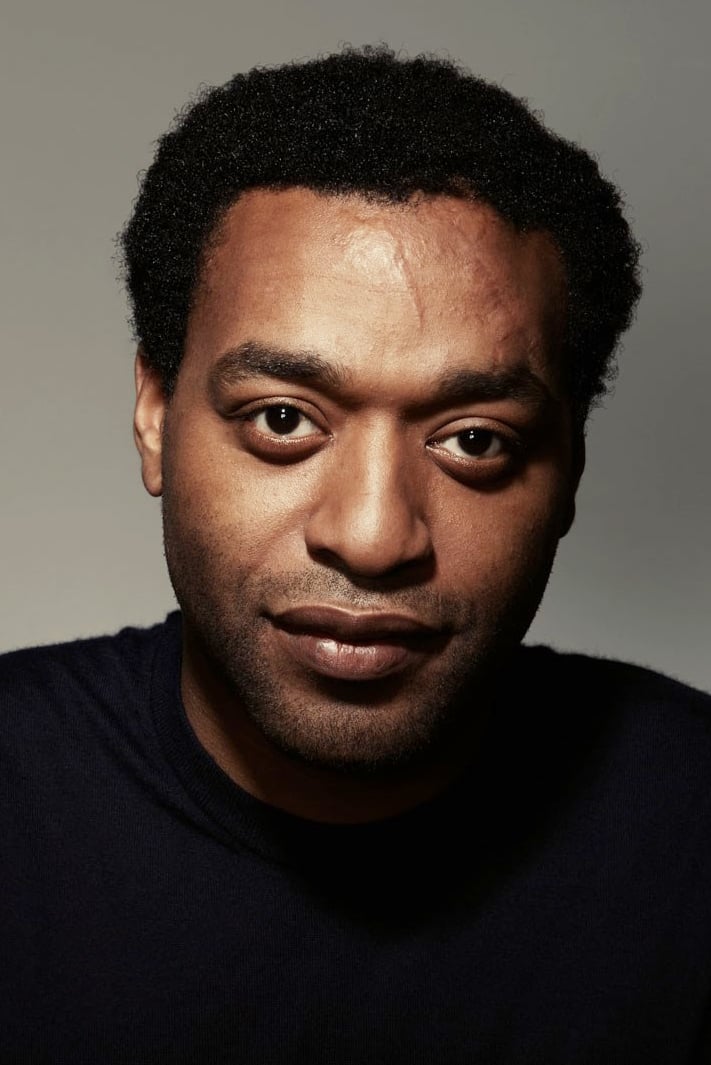
Chiwetel Ejiofor, who played Baron Mordo in ‘Doctor Strange’ (2016), learned a unique fighting style that mimicked spellcasting. He trained with experienced fight teams – the kind who often work on fantasy films with lots of wirework – to combine martial arts staff fighting with graceful, aerial movements and specific hand gestures. This approach, which could be described as “magic kung fu,” was inspired by the energy blasts and magical battles commonly seen in Japanese anime. Ejiofor’s precise and controlled movements made the computer-generated spells appear incredibly powerful and physically demanding.
Anthony Mackie
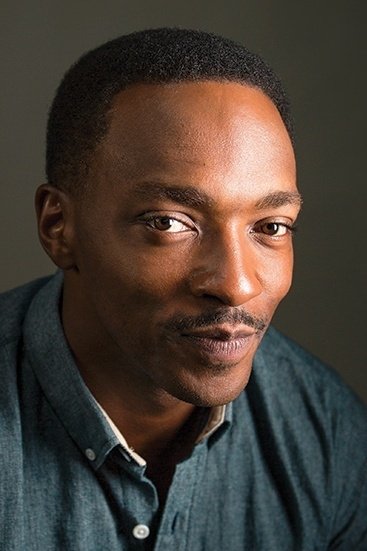
For the second season of the cyberpunk series ‘Altered Carbon’ (2020), Mackie trained intensely, drawing inspiration from anime. He collaborated with stunt professionals to develop a fighting style that featured advanced weapons and superhuman skills. The fight choreography involved lengthy, unbroken scenes of close combat, mirroring the fast-paced action found in sci-fi anime. This preparation allowed him to convincingly portray a character inhabiting a physically powerful body – a ‘sleeve’ designed as a living weapon.
Common
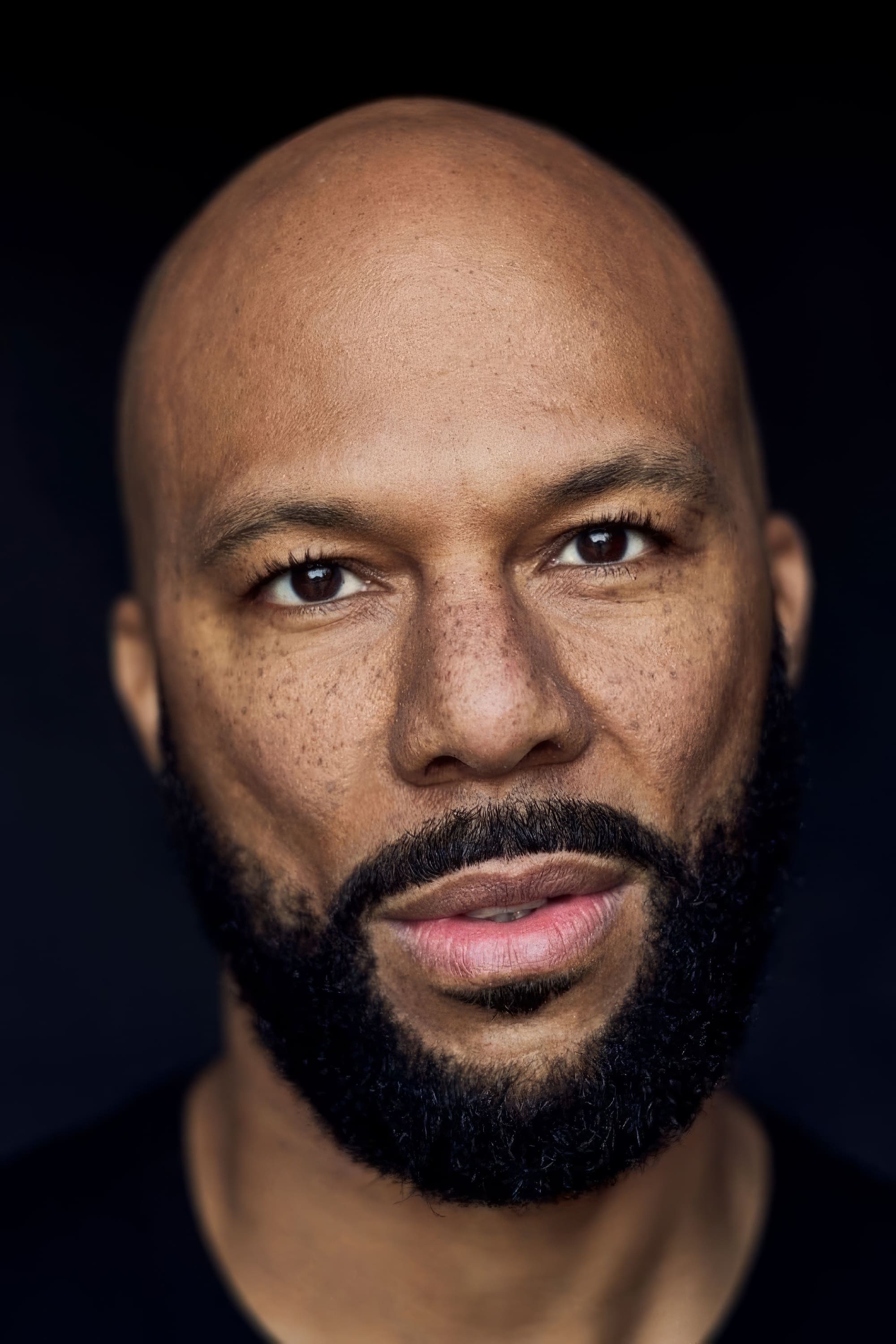
To prepare for his role in ‘John Wick: Chapter 2’ (2017), Common learned Judo and Jiu-Jitsu so he could convincingly play a skilled assassin who was a match for the main character. He trained with the 87Eleven team to master “Gun-Fu,” a fighting style that combines gunplay with close-quarters combat. The fight scenes were filmed using wide shots to highlight the actors’ impressive technique, inspired by action films from Hong Kong and anime. Common’s dedication to these intense training drills helped establish him as a legitimate action movie star, beyond his career as a rapper and actor.
Djimon Hounsou
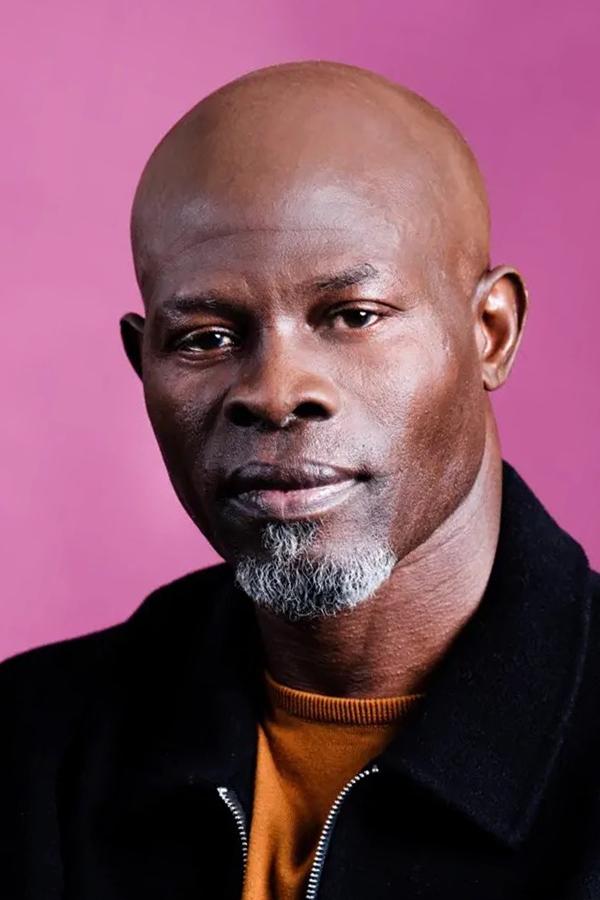
Djimon Hounsou is well-known for his action roles, bringing his skills in boxing and kung fu to films like ‘Never Back Down’ and ‘The King’s Man’. He collaborates with fight choreographers to create a fighting style that’s both powerful and realistic. In ‘The King’s Man’, he even drew inspiration from anime characters, using a combined sword and knife technique. Hounsou’s dedication and impressive physique allow him to deliver fight scenes that are both physically dynamic and emotionally engaging.
Mike Colter
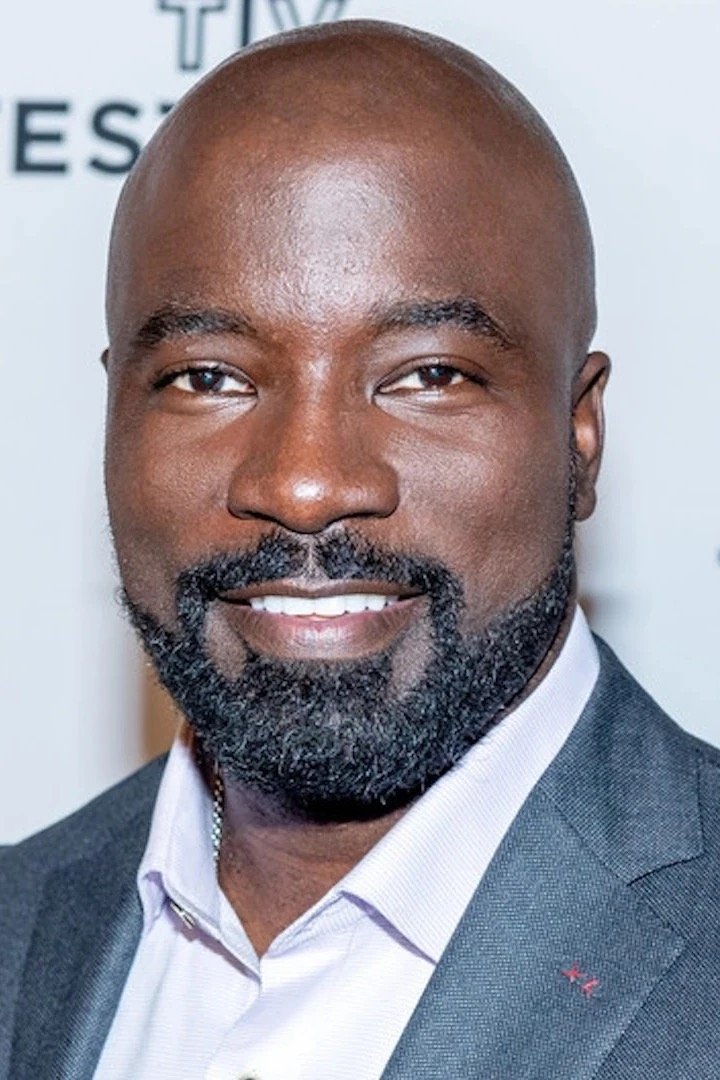
To convincingly play the incredibly tough Luke Cage, Colter trained in a fighting style focused on taking hits rather than avoiding them. Stunt teams taught him to move with a heavy, unstoppable presence, like a powerful character from anime. The fight scenes weren’t about graceful movements, but about showing overwhelming strength. This meant Colter had to master the art of appearing unfazed by attacks – a challenging skill often used in animated shows to highlight a character’s power.
Aldis Hodge
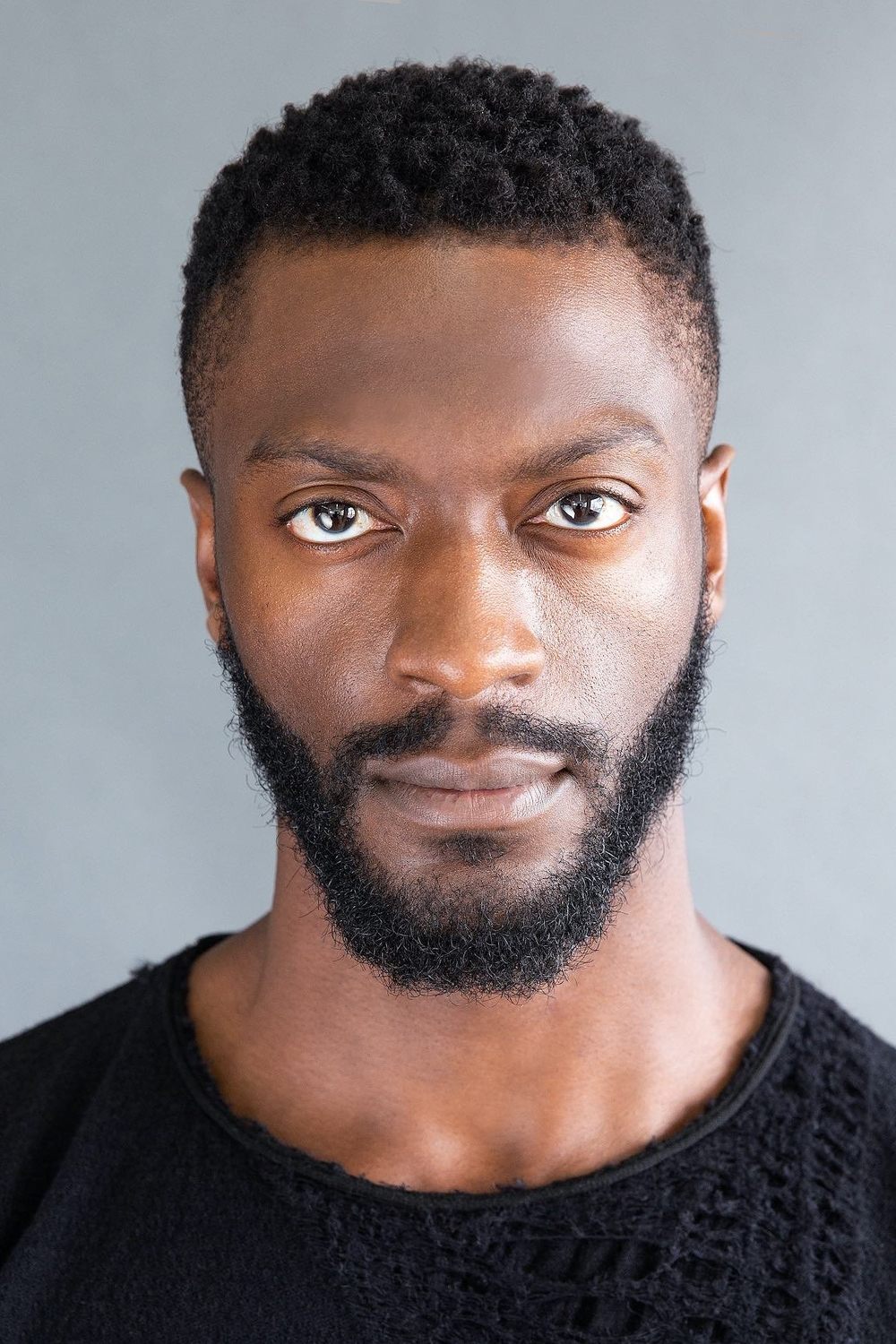
Aldis Hodge intensely prepared for his role as Hawkman in ‘Black Adam’ (2022), learning how to convincingly fight while appearing to fly and skillfully use a mace. The stunt team helped him move like someone with enormous wings, and he developed a fighting style that mixed aerial moves with powerful blows, similar to the action seen in Japanese anime. Hodge’s commitment to embodying the character physically brought a legendary warrior to life on screen.
Isaiah Mustafa
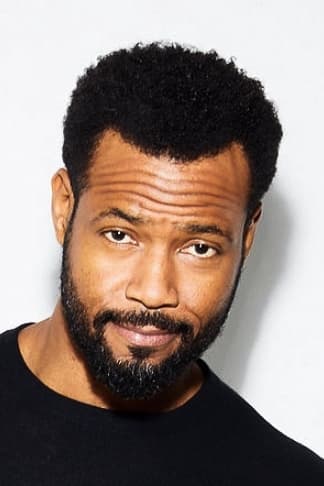
Mustafa did all his own stunt work on the fantasy show ‘Shadowhunters’ (2016–2019), which is about warriors who fight demons using magic. To convincingly portray the show’s unique fighting style – inspired by the books – he trained with both sword experts and gymnasts. The show’s look borrowed heavily from anime and manga, and Mustafa’s height and long reach were used in the fight choreography to create dynamic, visually impressive attacks that resembled scenes from a manga comic.
Sticky Fingaz
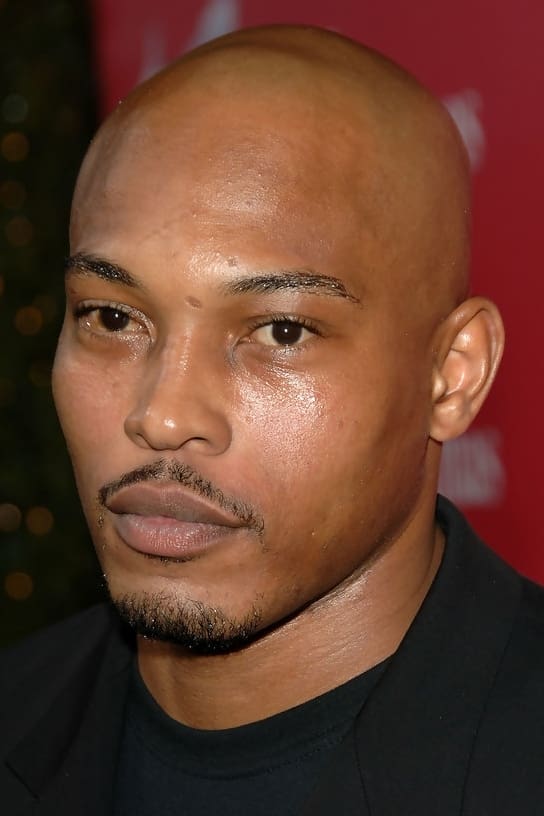
The rapper-turned-actor starred as Blade in a 2006 television series. To convincingly play the vampire hunter, he quickly learned martial arts, practicing the character’s fight moves for the show. The fight choreography was energetic and quick, inspired by the fast-paced action seen in Japanese anime. Although the series didn’t last long, it demonstrated how important it is for actors to be able to perform complicated fight scenes consistently for weekly episodes.
Bokeem Woodbine
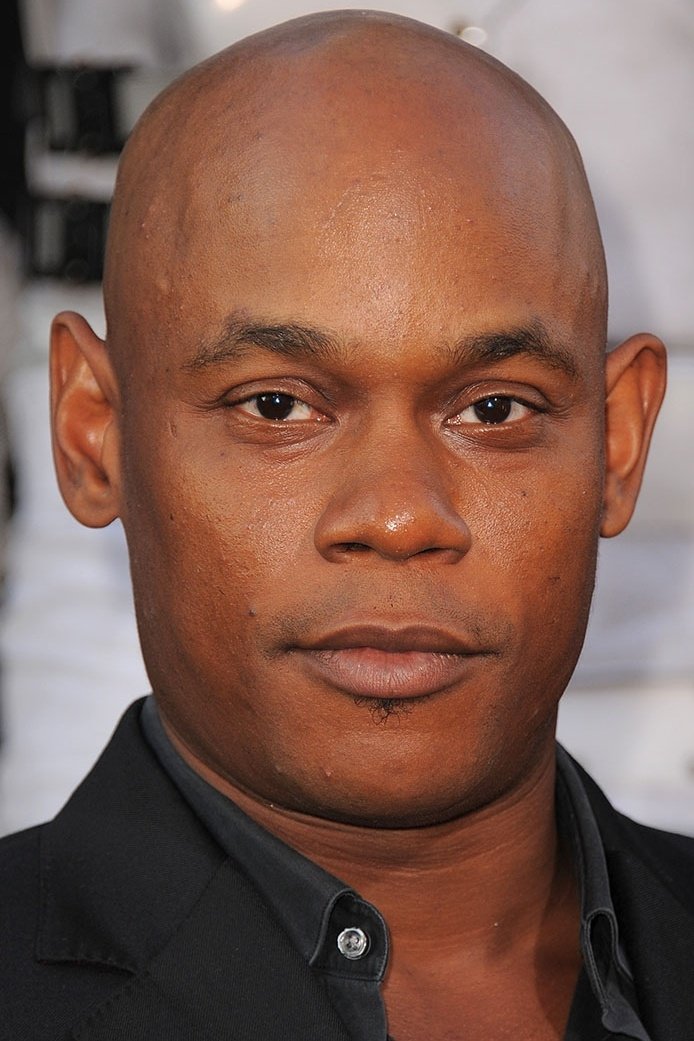
In ‘Spider-Man: Homecoming’ (2017), Woodbine played the Shocker, bringing a strong physical presence to the role. He trained with the stunt team to convincingly use the character’s gauntlet weapons, which are common in sci-fi and anime. His movements needed to show the force and impact of the technology, requiring him to combine strength training with skillful acting to make the visual effects feel real.
Kevin Hart
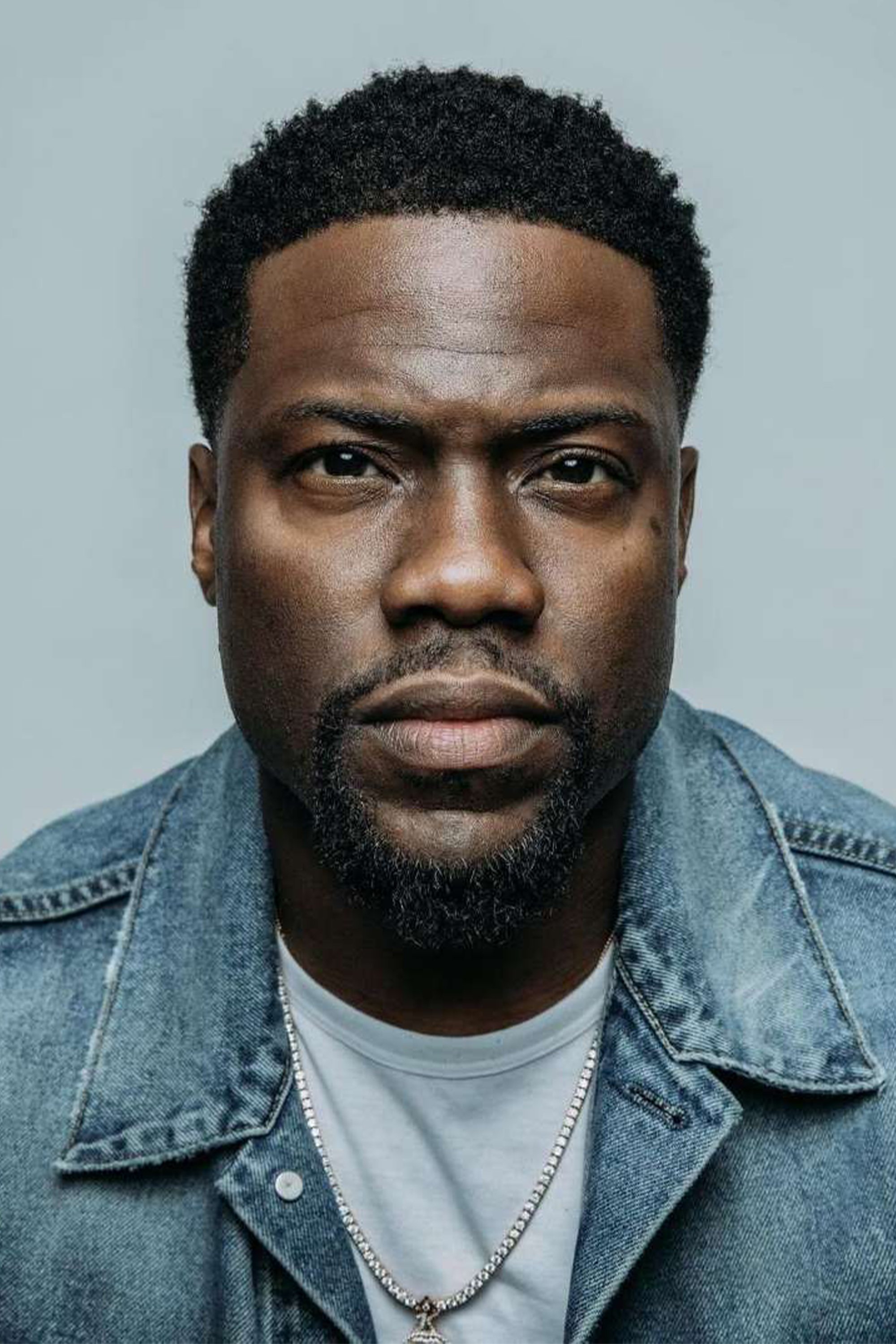
Though he’s famous for making people laugh, Kevin Hart has put in serious work to prepare for action roles in films like ‘Borderlands’ (2024) and ‘Die Hart’ (2020). He trained alongside Navy SEALs and martial arts experts to convincingly portray an action hero, even when the movies were funny. For ‘Borderlands’, adapted from the video game, he learned a unique fighting style to match the film’s exaggerated, anime-influenced look. Hart’s commitment to realistically playing the part showed that comedic actors are capable of handling the same complex fight choreography as traditional action stars.
Will Smith
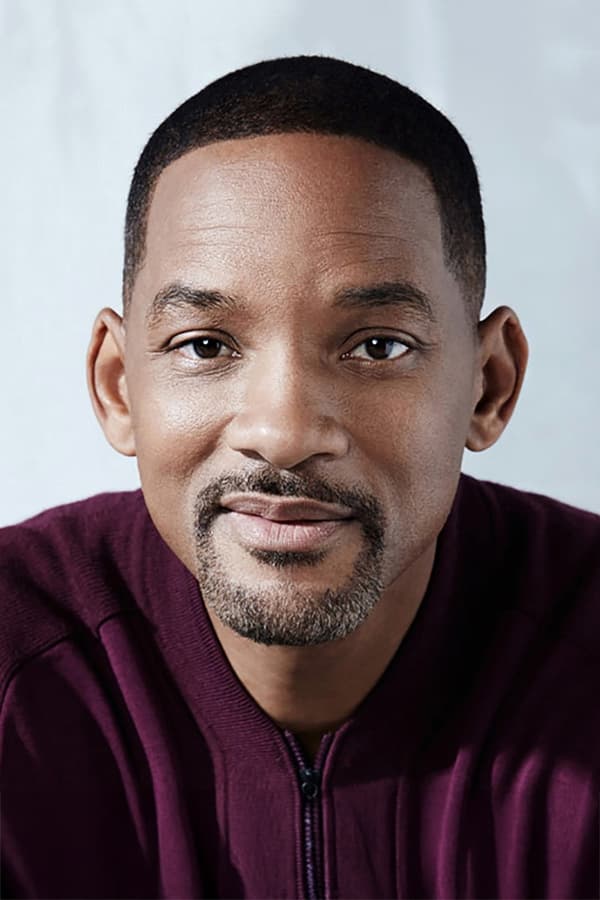
Will Smith fully committed to his roles, undergoing intense physical transformations and learning specialized skills. For the movie ‘Ali’ (2001), he trained like a professional boxer. Then, for ‘Suicide Squad’ (2016), he mastered tactical shooting, working with military professionals to convincingly portray the assassin Deadshot. To achieve the character’s flawless accuracy, Smith focused on smooth, efficient movements – almost like the stylized gunplay seen in anime – making sure every action was precise and purposeful.
Jamie Foxx
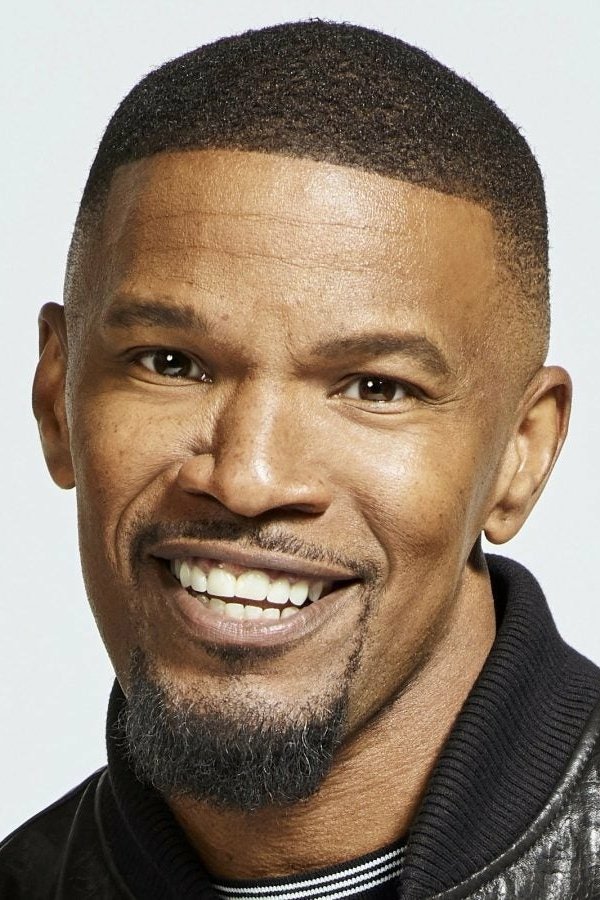
Jamie Foxx prepared rigorously for roles in ‘Django Unchained’ and ‘Project Power,’ mastering both weapons handling and close combat. For ‘Project Power,’ the fight scenes were created to look like actors were using superpowers, meaning they had to convincingly react to things that weren’t really there. Foxx’s physical performance was key to making the film’s concept – that people’s biology could be altered – believable, something often explored in science fiction anime. He’s a dynamic action star because he can seamlessly move between serious dramatic scenes and intense stunts.
Samuel L. Jackson
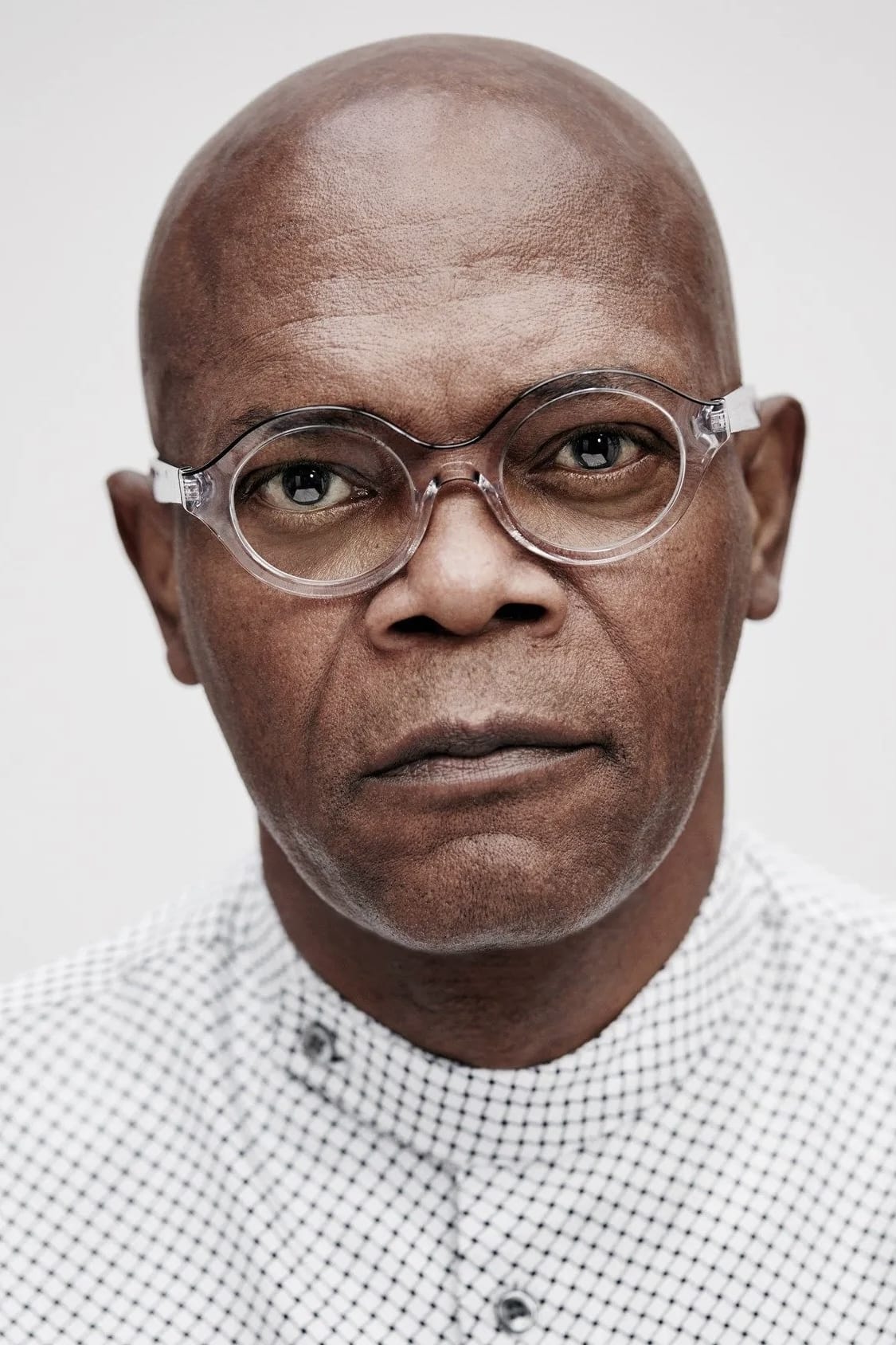
Samuel L. Jackson is a huge anime enthusiast, and his passion shines through his work. He famously produced and voiced the main character in the 2007 anime series ‘Afro Samurai,’ even collaborating with the animators on the character’s fighting style and personality. He also brings this dedication to his live-action roles, like Mace Windu in ‘Star Wars’ and Nick Fury in the Marvel Cinematic Universe, undergoing rigorous combat training. Interestingly, he specifically asked for a purple lightsaber for his ‘Star Wars’ character – a bold request inspired by how main characters are often visually distinguished in anime battles.
Tell us which of these actors had the most impressive fight scene in the comments!
Read More
- 20 Movies Where the Black Villain Was Secretly the Most Popular Character
- Transformers Under the Microscope: What Graph Neural Networks Reveal
- Celebs Who Narrowly Escaped The 9/11 Attacks
- Trading on Thin Air: AI Agents Conquer Crypto Volatility
- Silver Rate Forecast
- Gold Rate Forecast
- Invincible Season 4 Gender Swaps Tech Jacket As Fans Question Major Comic Change
- 22 Films Where the White Protagonist Is Canonically the Sidekick to a Black Lead
- Every Notable ‘Star Trek: The Original Series’ Actor Who Died
- Trading Smarter: AI-Powered Execution Schedules
2025-12-17 23:20