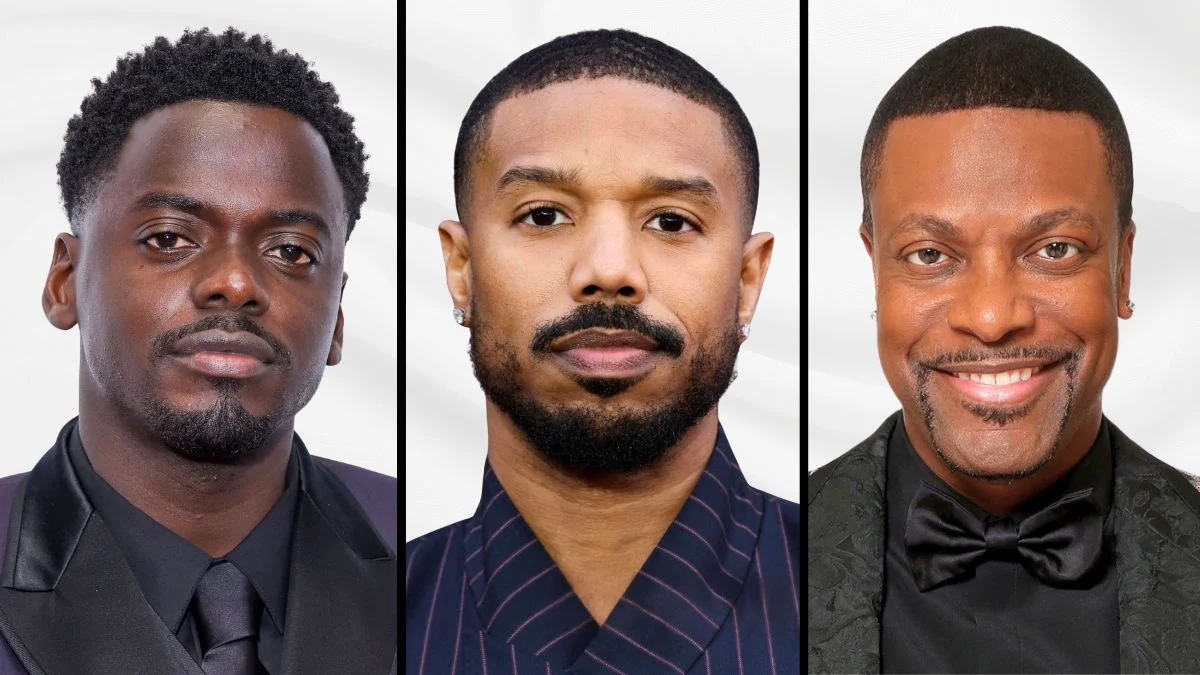
While movies and TV shows rely on carefully written scripts, some of the most powerful scenes happen when actors draw on their own backgrounds and feelings. Black actors, especially, have often made productions even better by adding moments that weren’t originally written – scenes showing real cultural traditions, ways of speaking, and social customs. These spontaneous additions can make the story feel more genuine and bring a level of truth to the characters that might have been missed. The following examples showcase actors who used improvisation to add important cultural details to their performances.
Winston Duke
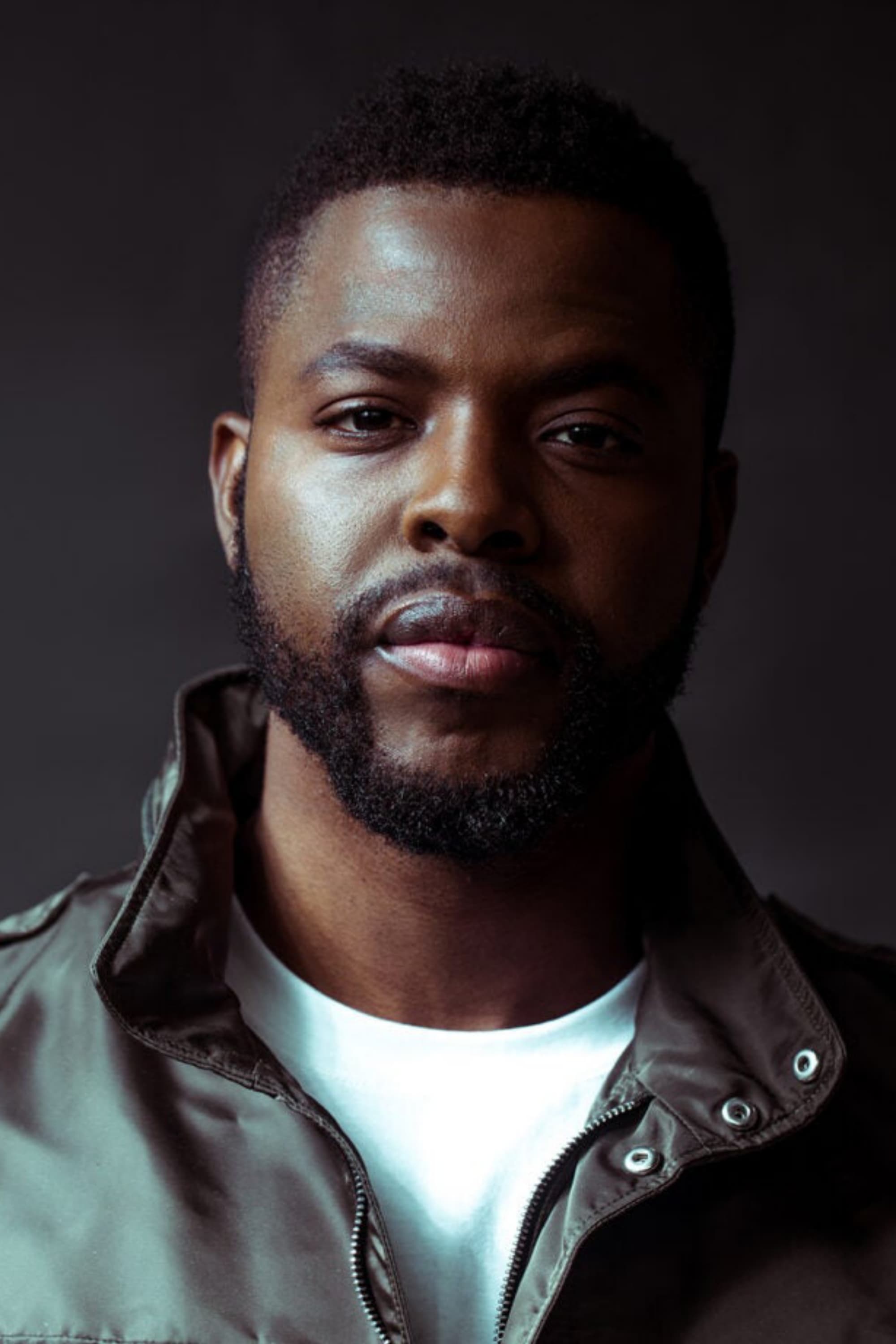
In the 2018 film ‘Black Panther,’ Winston Duke created a powerful and unforgettable moment through improvisation. When his character, M’Baku, was interrupted by CIA agent Everett Ross, Duke spontaneously began a loud, rhythmic chant – a kind of barking – to silence him. This wasn’t written in the script; instead, Duke drew on Nigerian Igbo traditions and other African tribal customs to demonstrate dominance without speaking. The scene powerfully showed the Jabari tribe’s resistance to outside influence and added a rich cultural dimension to the encounter.
Sidney Poitier
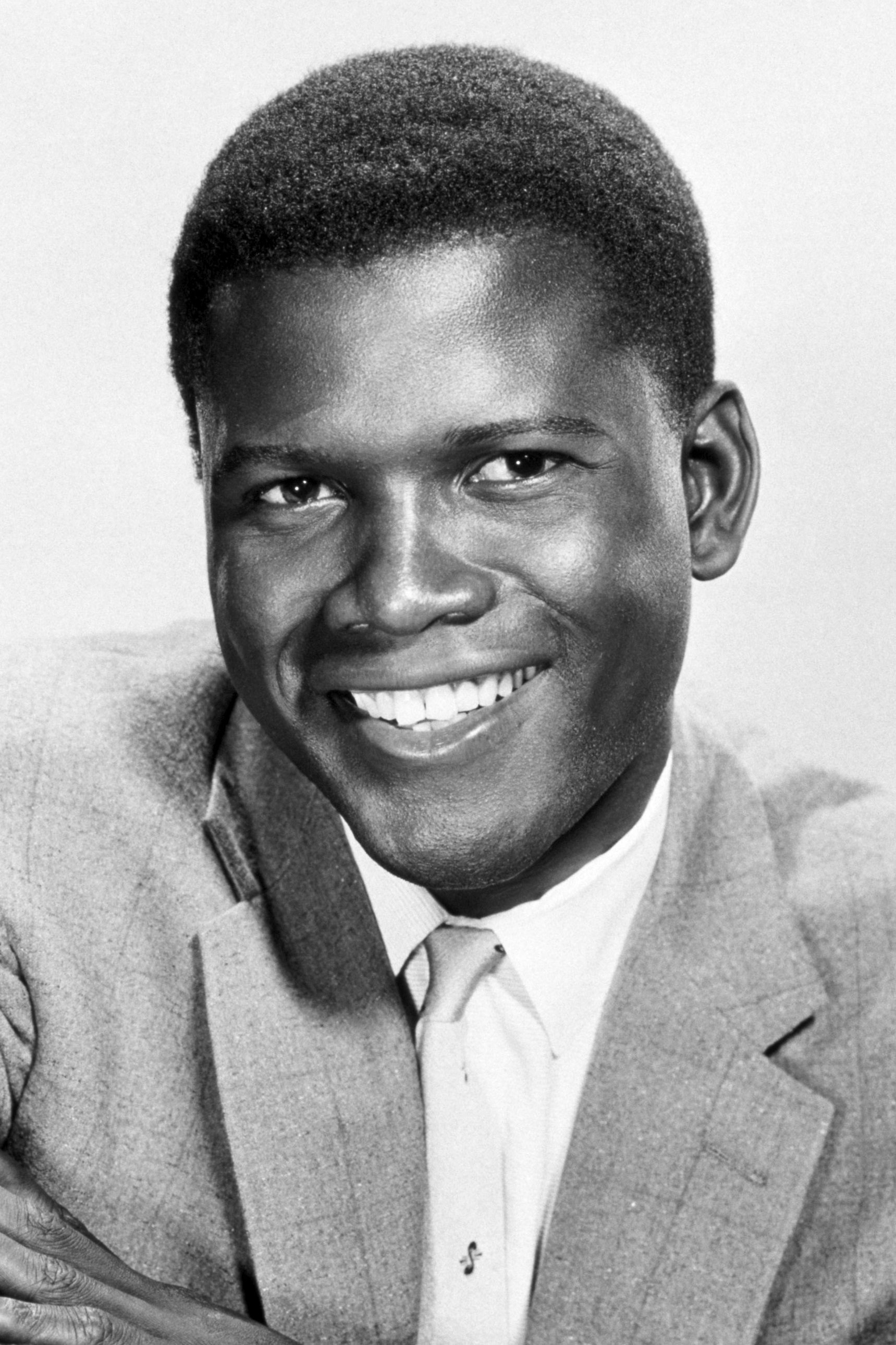
During the filming of the 1967 movie ‘In the Heat of the Night,’ Sidney Poitier made a powerful change to a key scene. The original script had his character, Detective Virgil Tibbs, simply endure a slap from a prejudiced plantation owner. Poitier insisted on rewriting the scene so Tibbs immediately retaliates, striking the man back. This act, which became famous as “the slap heard ’round the world,” was groundbreaking for its time, as it showed a Black man demanding respect – a portrayal rarely seen in movies before.
Chadwick Boseman
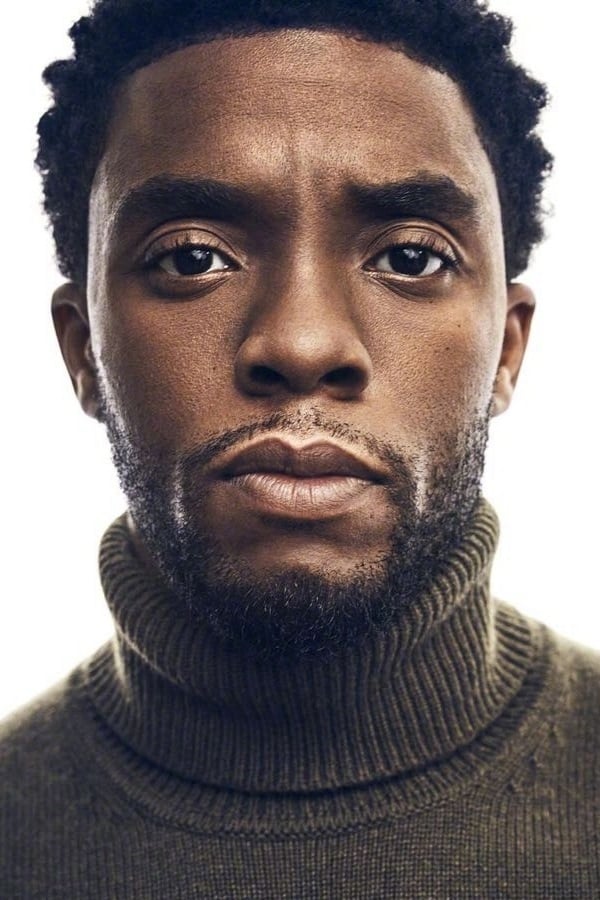
While filming ‘Captain America: Civil War’ and ‘Black Panther’, Chadwick Boseman strongly believed that his character, T’Challa, shouldn’t speak with a British or American accent. He was determined to use an accent inspired by the Xhosa language to show that Wakanda had never been colonized and its king wouldn’t have adopted a European way of speaking. This decision became a central part of Wakanda’s culture in the films, impacting how all the actors portrayed their characters. Boseman’s commitment made sure T’Challa’s voice represented the history and independence of Africa.
Michael B. Jordan
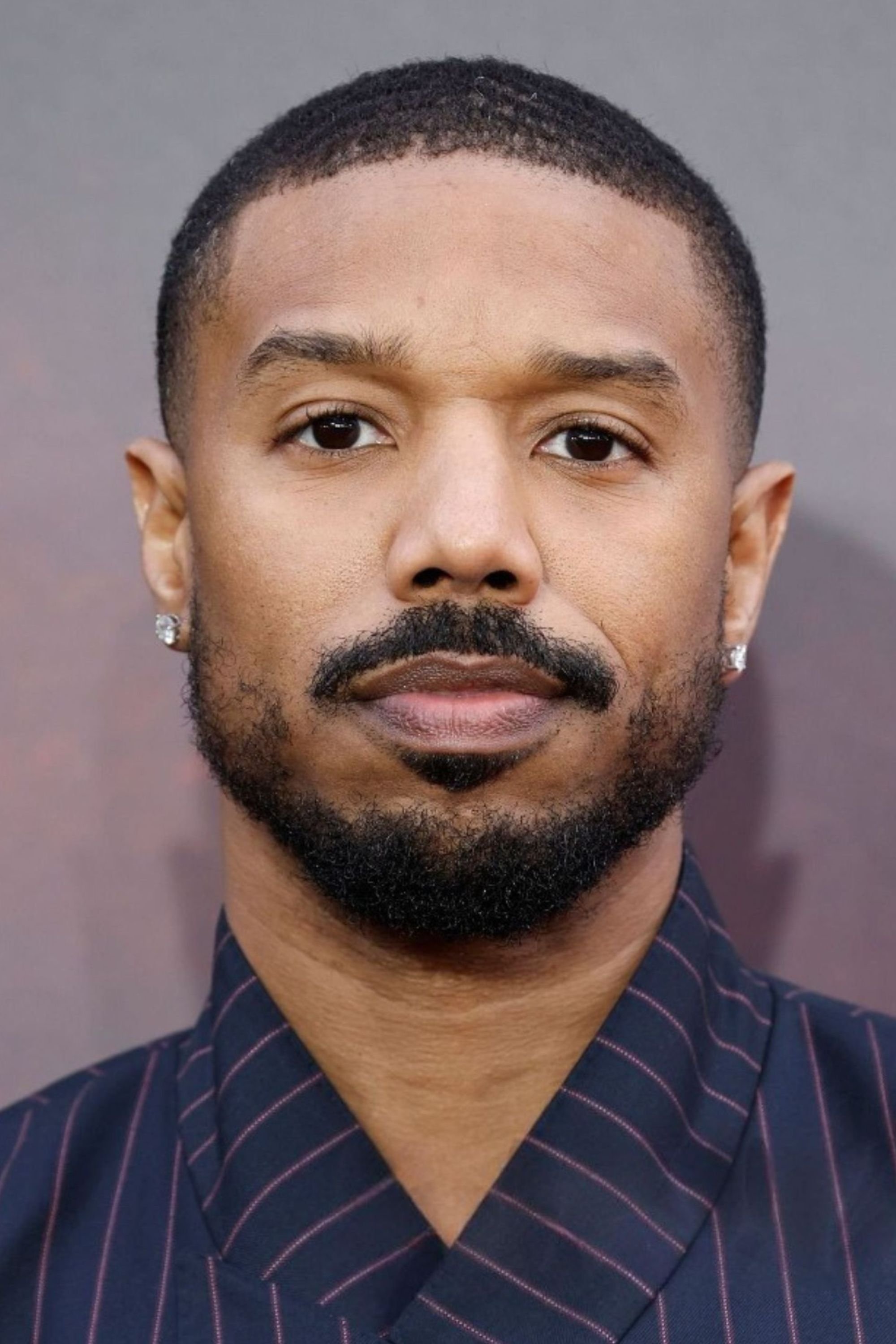
In the 2018 film ‘Black Panther,’ Michael B. Jordan’s character, Erik Killmonger, unexpectedly greeted Queen Ramonda with a simple “Hey, Auntie” when he entered the throne room. This wasn’t in the script, but it instantly connected with Black viewers. The casual greeting transformed a formal introduction into something more familiar and culturally relevant to African American traditions. It highlighted Killmonger’s upbringing in Oakland, California, and emphasized his feeling of being an outsider in Wakanda, despite his royal lineage, making him a more relatable and tragic figure.
Will Smith
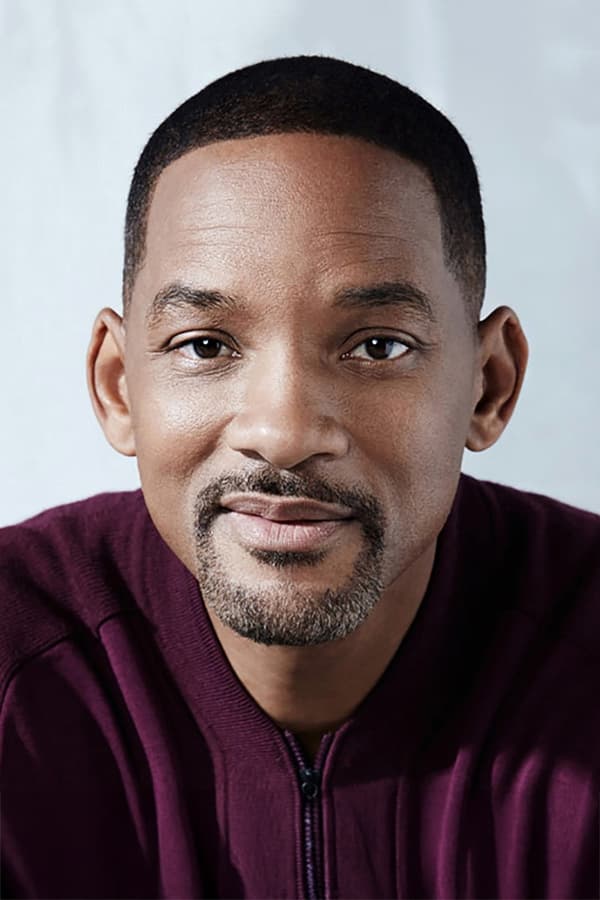
The most powerful scene in a classic episode of ‘The Fresh Prince of Bel-Air’ wasn’t fully planned. Will Smith improvised a deeply emotional speech about his own experiences growing up without a father, which resonated with a larger conversation about fatherhood and feeling abandoned. The final hug between Will Smith and James Avery (Uncle Phil) was a real, heartfelt moment between the actors, turning a typical sitcom scene into a moving display of support and vulnerability for Black men.
Denzel Washington
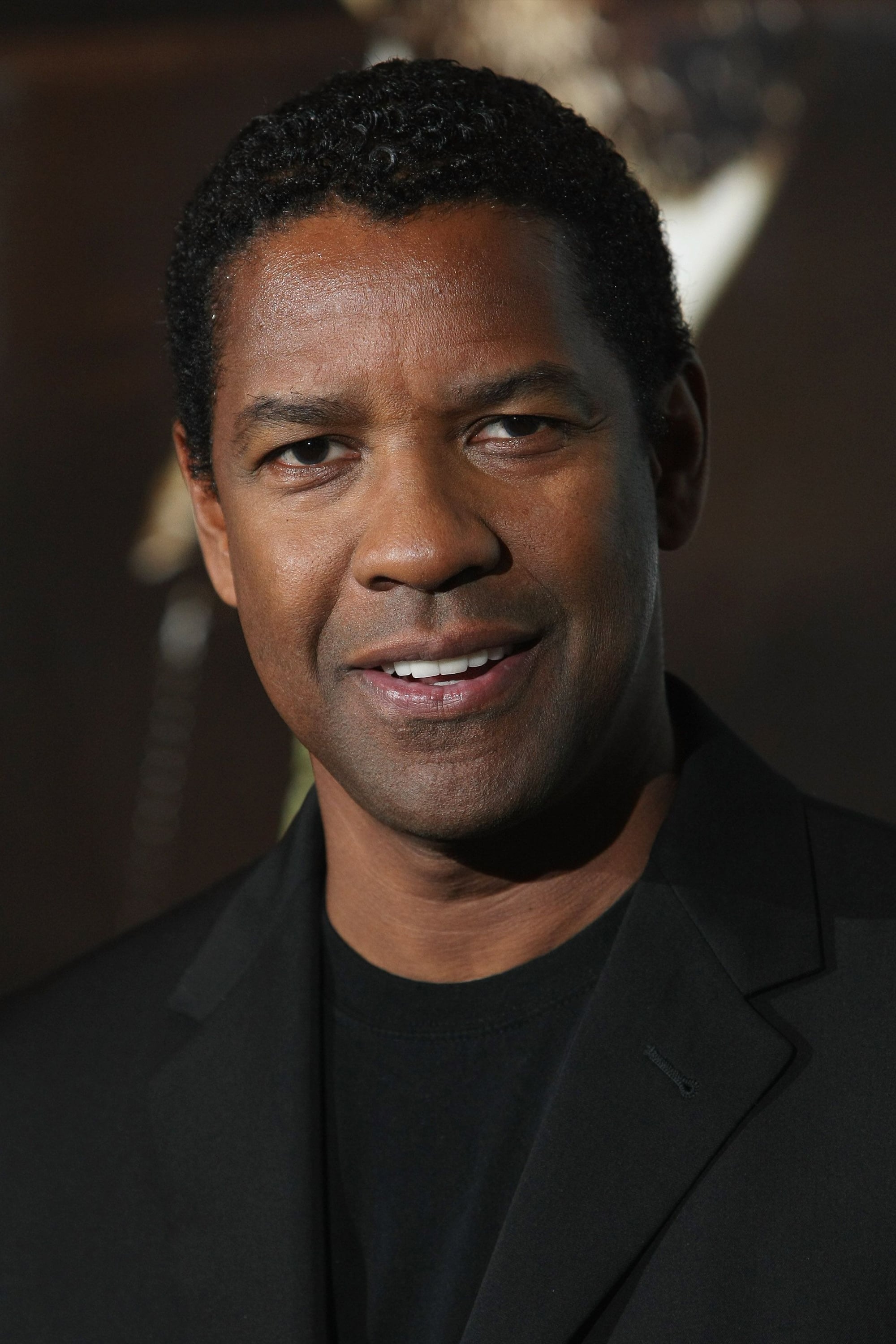
In the 2001 film ‘Training Day,’ Denzel Washington famously made up the ‘King Kong’ speech on the spot while facing off against local gang members. This powerful outburst was his character’s way of showing he was in charge, like a dark and intense display of dominance. Washington portrayed a man who felt above the law and didn’t care what anyone thought. This unplanned moment helped make his character one of the most frightening and captivating villains in movie history.
Samuel L. Jackson
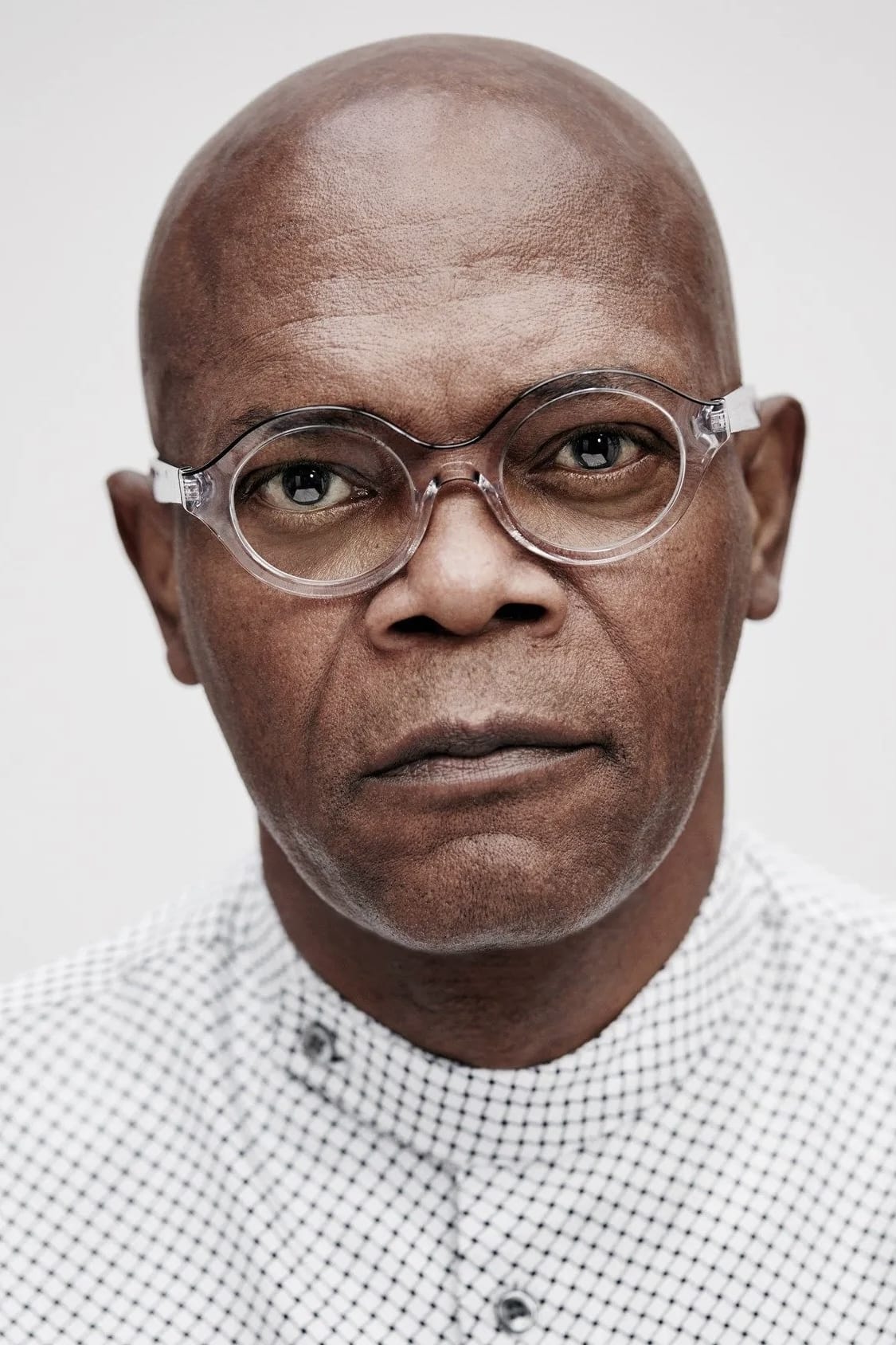
Though the famous Bible verse scene in ‘Pulp Fiction’ (1994) was written for the script, Samuel L. Jackson’s performance transformed it into something truly unsettling. He’d already learned the lines for his audition and then created the powerful, sermon-like rhythm and unique movements that made the scene so memorable. Jackson didn’t just recite the words; he delivered them as a kind of last sermon before a punishment, mixing religious ideas with the violence of the gangster world. This choice made a simple dialogue exchange into a disturbing, almost religious, event.
Eddie Murphy
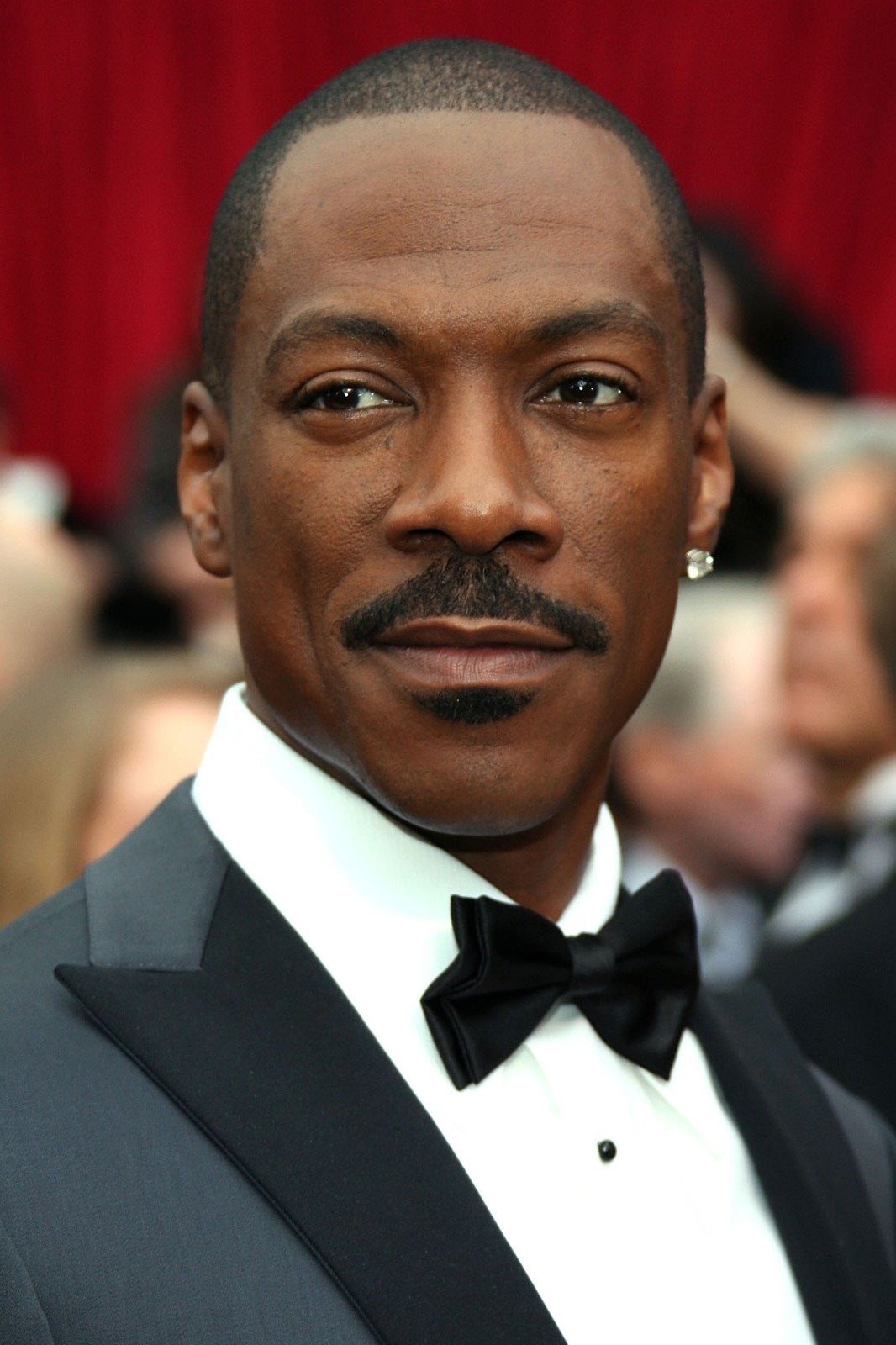
Eddie Murphy’s performance in the 1988 comedy ‘Coming to America’ brilliantly brought a lively Queens barbershop to life through improvisation. While playing several different characters with elaborate makeup, he spontaneously created realistic arguments about topics like boxing and relationships, mirroring the natural conversations and traditions of Black barbershops. Though these scenes didn’t advance the main story, they were crucial for creating an authentic cultural environment and a sense of community. The result was a perfect example of how to capture the flow of everyday speech.
Wesley Snipes
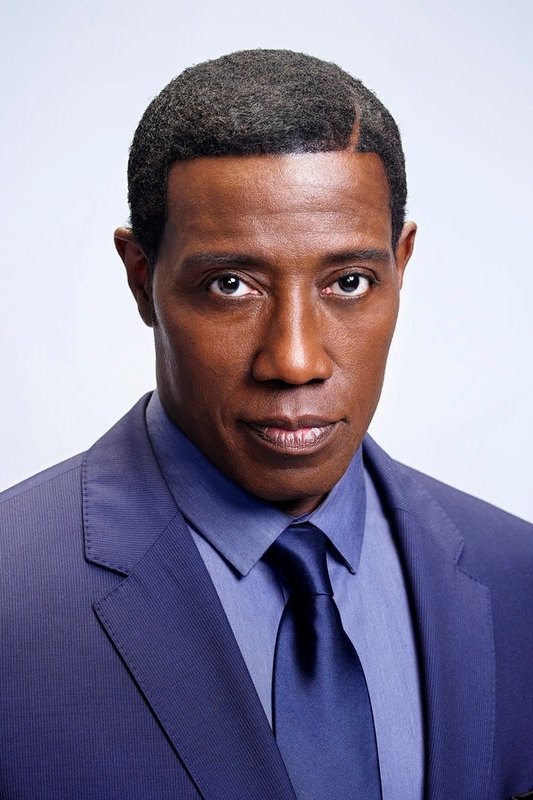
While filming the 1998 superhero film ‘Blade,’ Wesley Snipes decided the dialogue didn’t quite capture his character’s personality. He ad-libbed the line, “Some motherfers are always trying to ice skate uphill” during the climactic fight. This memorable phrase brought a sense of street smarts to the scene, making Blade stand out from typical action heroes. It quickly became his most famous line, perfectly embodying his dismissive attitude towards his enemies’ hopeless efforts.
Cuba Gooding Jr.
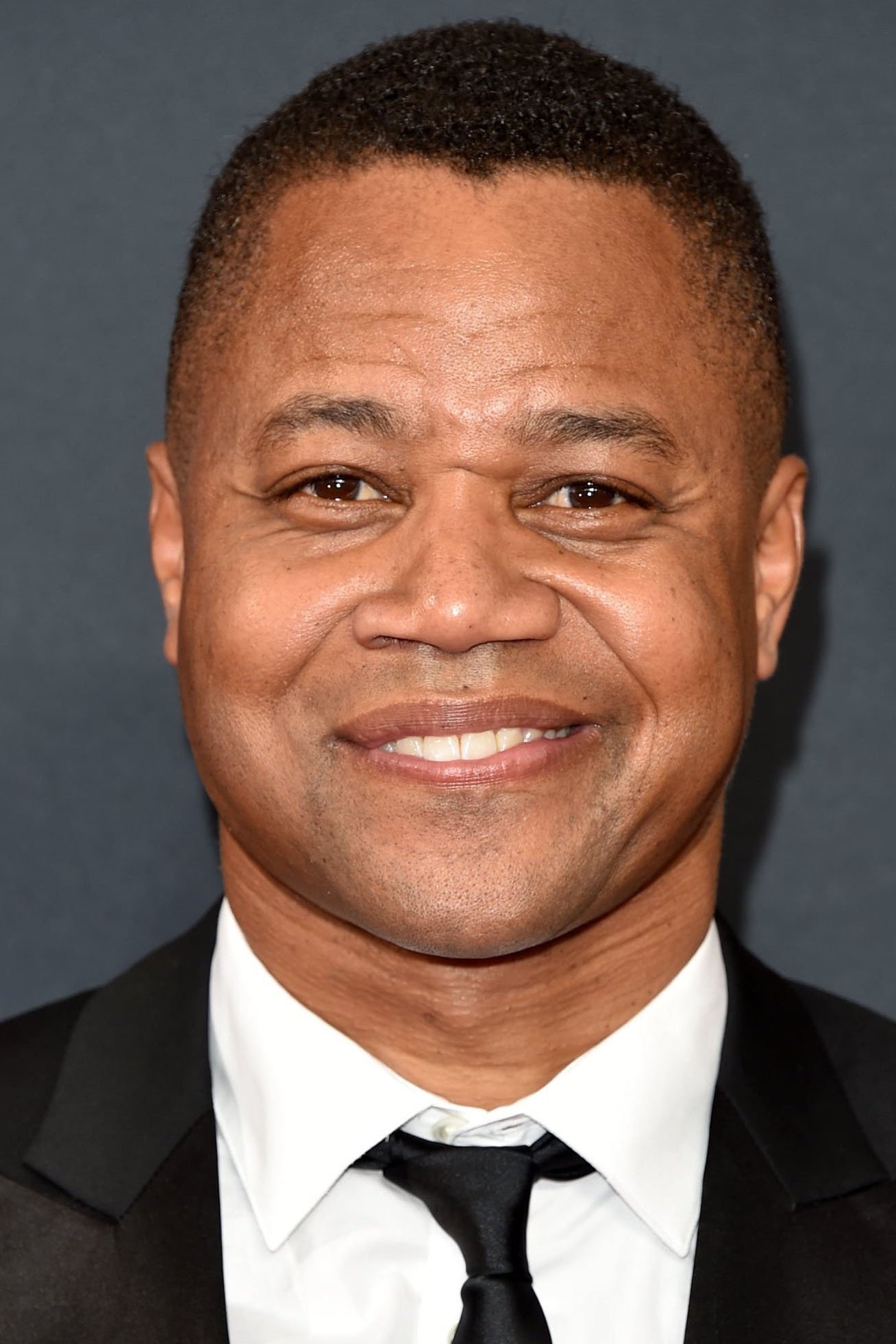
The line “Show me the money!” from the 1996 film ‘Jerry Maguire’ became incredibly popular thanks to Cuba Gooding Jr.’s energetic performance. Although the line was originally written in the script, Gooding Jr. and Tom Cruise turned it into an increasingly passionate back-and-forth. Gooding Jr. delivered the line with such emotion and rhythm that it transformed a simple negotiation into a powerful moment about value and connection, perfectly capturing the hopeful but urgent relationship between an athlete and their agent.
Jamie Foxx
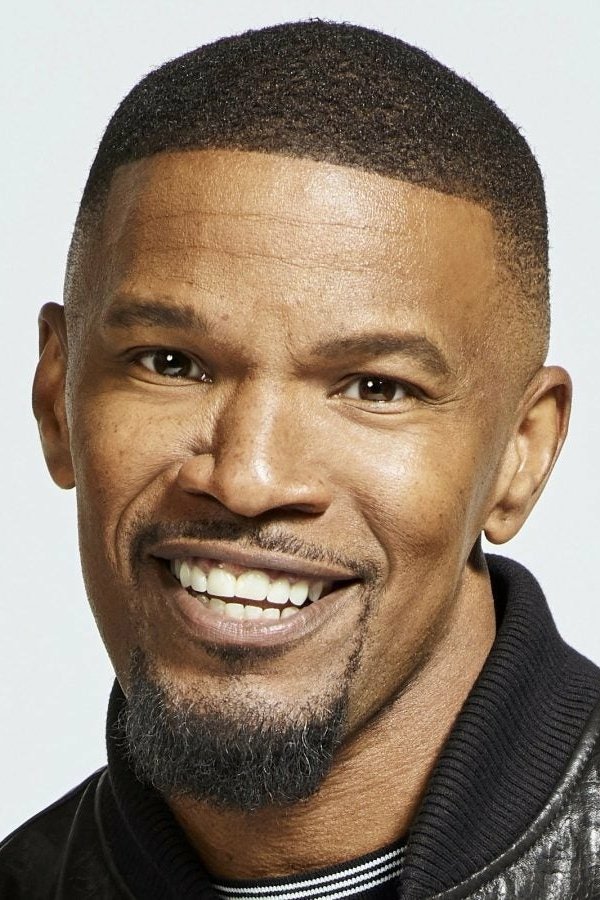
In Quentin Tarantino’s film ‘Django Unchained’ (2012), Jamie Foxx added a powerful moment when his character spells out his name. When someone points out the “D” is silent, Foxx’s character calmly responds, “I know.” This simple line is a way for him to take control and show intelligence – qualities often missing in how enslaved people are portrayed in historical films. It becomes a repeated act of defining himself, making it clear he knows his own value and identity, even to those who underestimate him. Foxx’s performance highlights that his character is fully aware of his own worth and the significance of his name.
Martin Lawrence
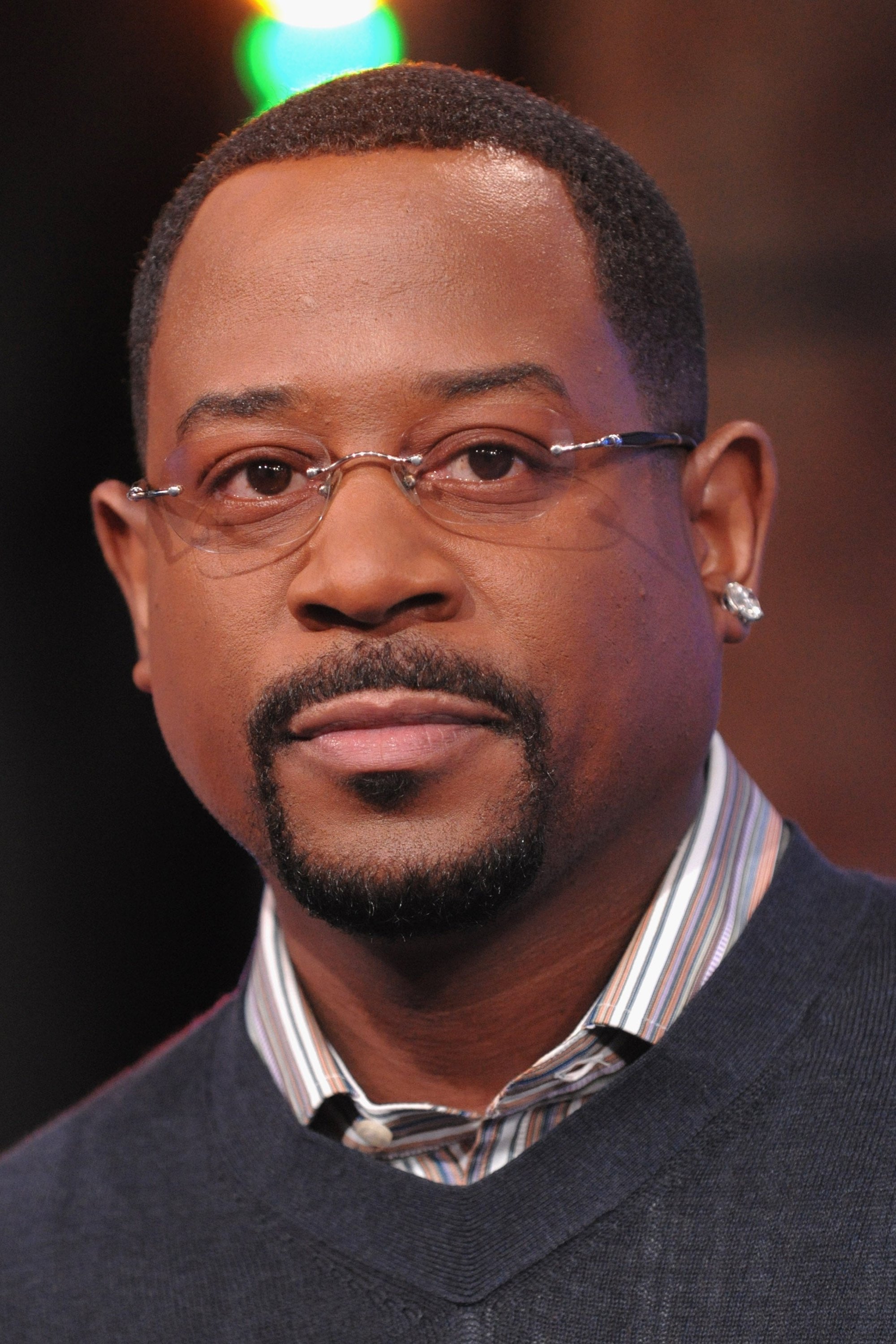
Okay, so in ‘Bad Boys II,’ Martin Lawrence absolutely nailed this hilarious little routine – saying ‘Wooosah’ while rubbing his ears. It started as something he just came up with on set, a way for his character to deal with getting angry. It quickly became a running joke throughout the movie, really showing how stressed and chaotic things were between him and Will Smith’s character. Honestly, it was so funny and so memorable that ‘Wooosah’ actually became part of our everyday language – it’s just something people say when they need to chill out!
Barkhad Abdi
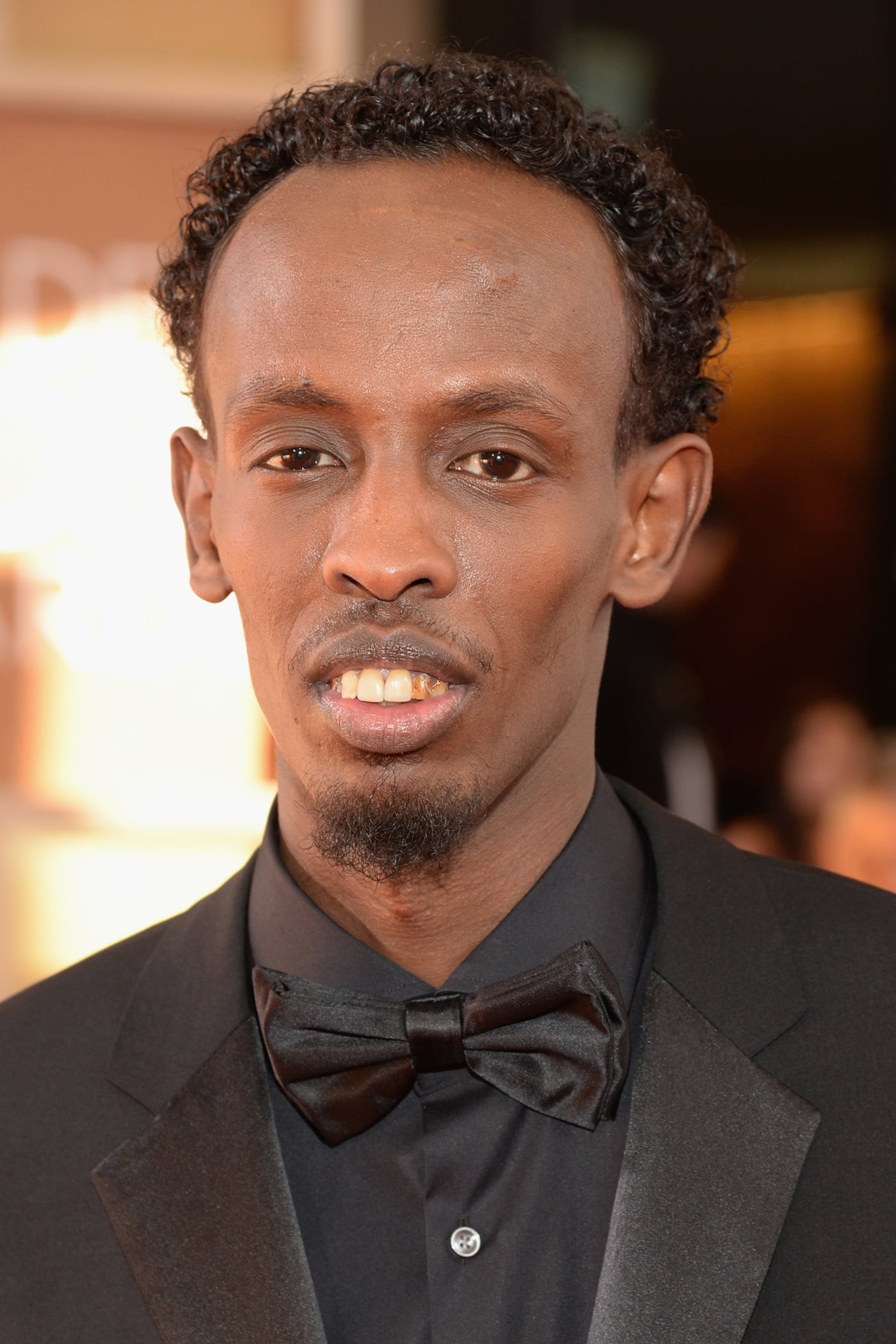
I still get chills thinking about Barkhad Abdi’s performance in ‘Captain Phillips.’ It was his first role, and he delivered one of the most iconic lines in recent thriller history: “Look at me. I am the captain now.” What made it so powerful wasn’t any grand acting, but the simple, almost casual way he said it. It wasn’t a speech, it was a declaration – a terrifyingly effective shift in power right before our eyes. He didn’t just play a pirate taking over; he became someone seizing control, and that line perfectly captured that raw, unsettling reality.
Chris Tucker
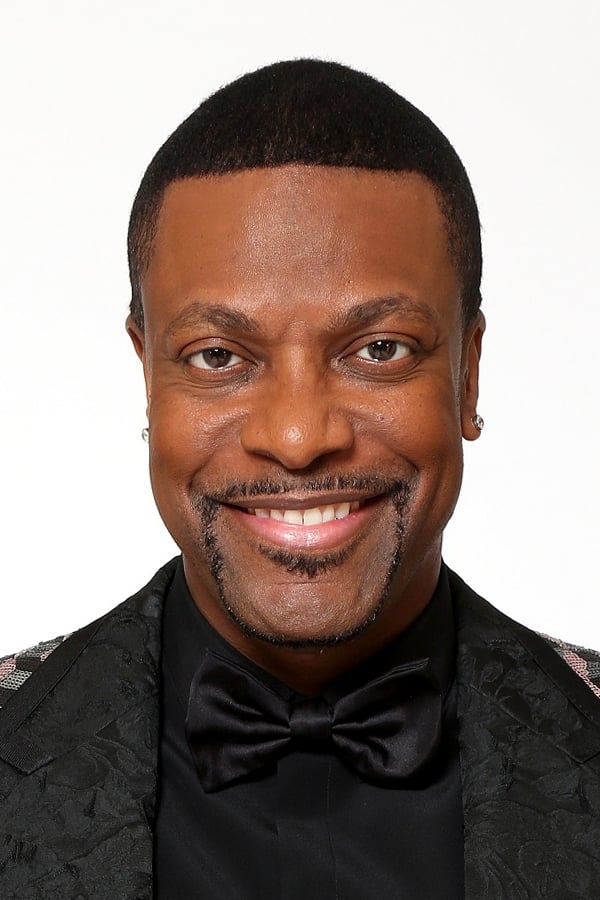
Chris Tucker’s humor in ‘Rush Hour’ (1998) came from his knack for spontaneously adding funny lines that contrasted with Jackie Chan’s more serious acting. For example, the scene where he does the Michael Jackson dance wasn’t in the script – he made it up on the spot, turning a simple surveillance task into a mini-show. He also famously improvised the line, “Do you understand the words that are coming out of my mouth?” which perfectly captured the communication problems and cultural differences between his character and Chan’s. These improvised moments brought a unique and energetic style of African American comedy to the action movie.
Forest Whitaker
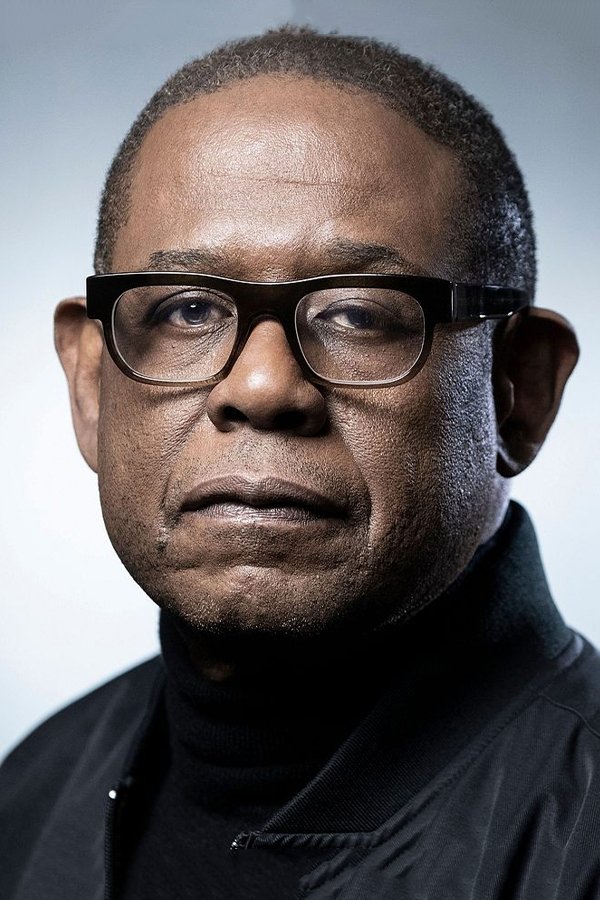
Forest Whitaker’s portrayal of Idi Amin in the 2006 film ‘The Last King of Scotland’ relied heavily on improvisation. He created many of the character’s unpredictable ways of speaking and his quick changes in emotion. To fully embody the role, Whitaker remained in character off-camera as well, projecting a powerful and intimidating presence that mirrored Amin’s own domineering personality. He even added authentic details like Swahili phrases and East African gestures, which made the performance even more chilling. Ultimately, Whitaker didn’t just play the dictator – he seemed to truly become him, capturing Amin’s unstable and volatile nature.
Daniel Kaluuya
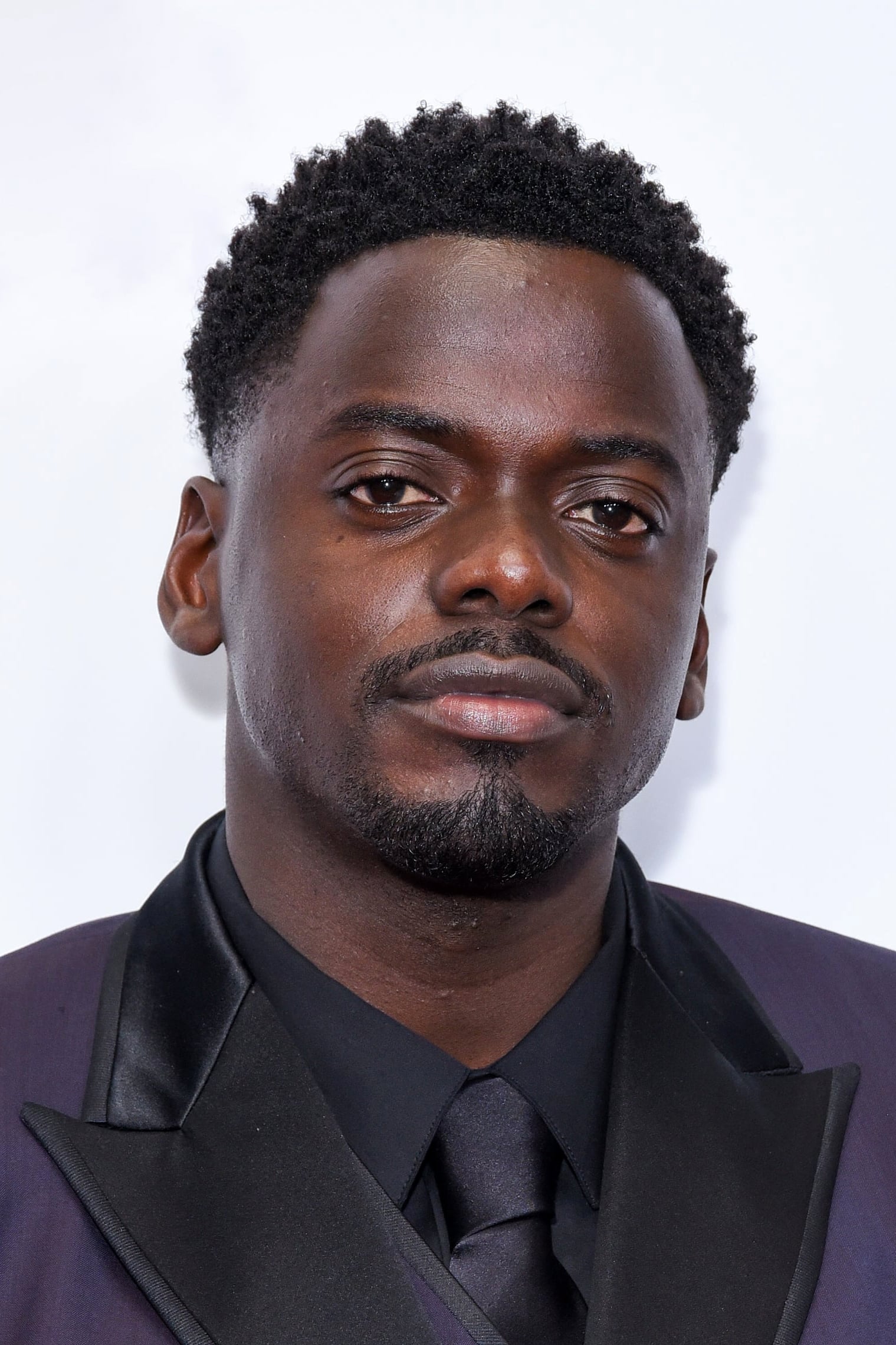
In the 2017 horror film ‘Get Out,’ the scene known as the “Sunken Place” demanded that Daniel Kaluuya convincingly portray utter, frozen fear. While he carefully timed a single tear rolling down his cheek, the intense emotion behind it came from connecting the scene’s themes to his own understanding of racial issues. He drew on a feeling of overwhelming, helpless sadness that resonated with the Black experience of being silenced. This powerful reaction turned what could have been a simple science fiction hypnosis scene into a widely understood symbol of powerlessness.
John Witherspoon
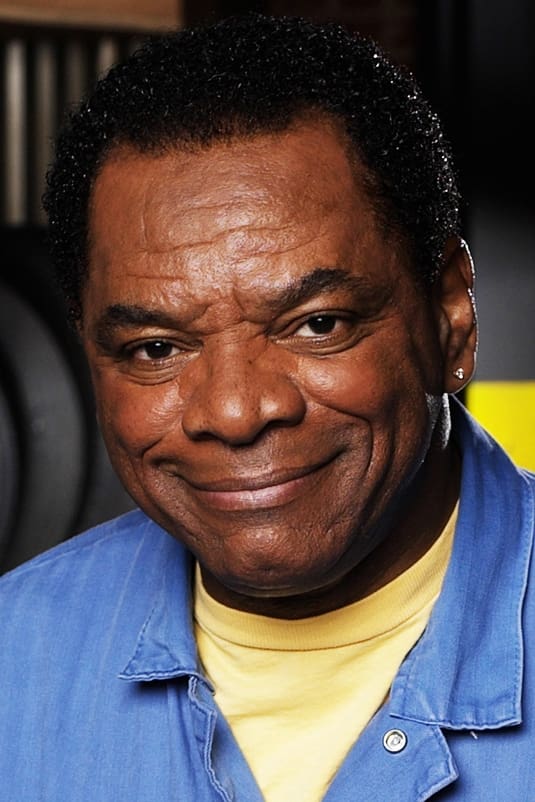
John Witherspoon’s portrayal of Mr. Jones in the 1995 comedy ‘Friday’ was largely unscripted. He spontaneously created the character’s signature long-winded lectures and his fixation on matching outfits – a style that quickly became iconic for how Black fathers are depicted in media. His improvised jokes about food and bathroom routines also brought the Jones family’s home life to life. Witherspoon’s natural comedic talent transformed what was meant to be a smaller role into one of the film’s most memorable and frequently quoted characters.
Share your favorite improvised moment from this list in the comments.
Read More
- Top 20 Dinosaur Movies, Ranked
- 20 Movies Where the Black Villain Was Secretly the Most Popular Character
- Celebs Who Narrowly Escaped The 9/11 Attacks
- 25 “Woke” Films That Used Black Trauma to Humanize White Leads
- The 10 Most Underrated Jim Carrey Movies, Ranked (From Least to Most Underrated)
- The Best Directors of 2025
- Transformers Under the Microscope: What Graph Neural Networks Reveal
- Every Notable ‘Star Trek: The Original Series’ Actor Who Died
- Gold Rate Forecast
- Trading on Thin Air: AI Agents Conquer Crypto Volatility
2025-12-12 17:16