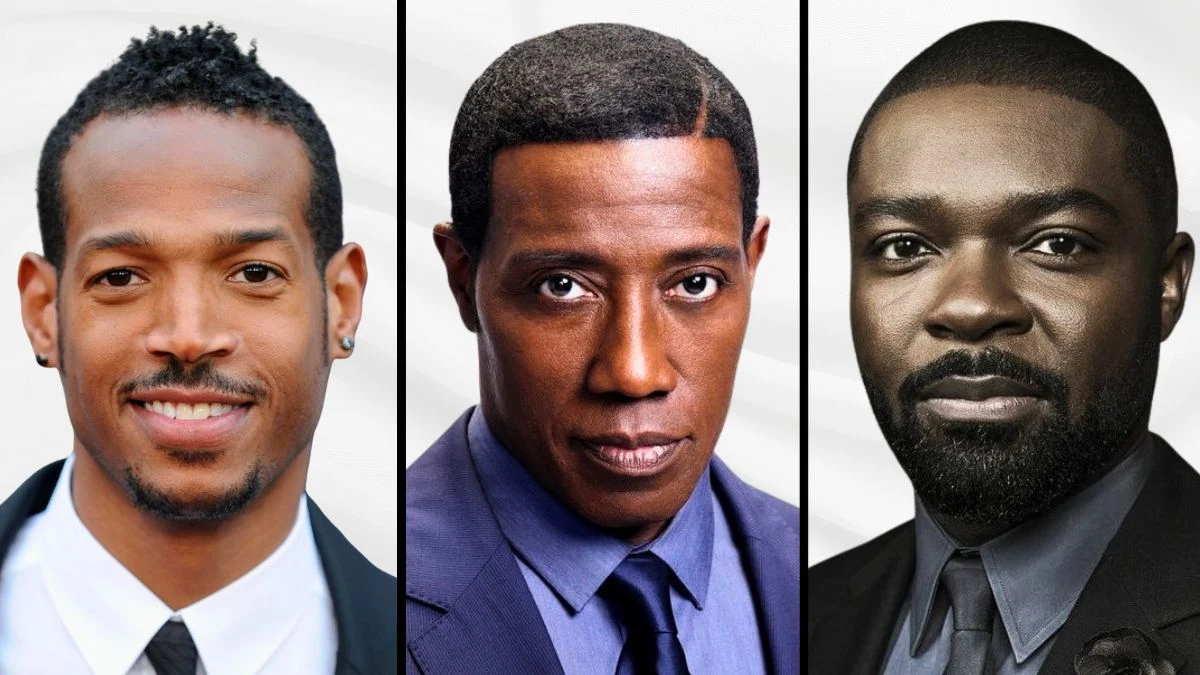
For a long time, the entertainment industry has had a problem with unfair pay, especially for performers of color. Black actors, even when just as successful at the box office as their white colleagues, often earned less. However, a group of fifty dedicated actors fought back, demanding equal pay. By using their influence and reputation, they changed how contracts were negotiated, creating a more equitable system for actors who came after them.
Denzel Washington
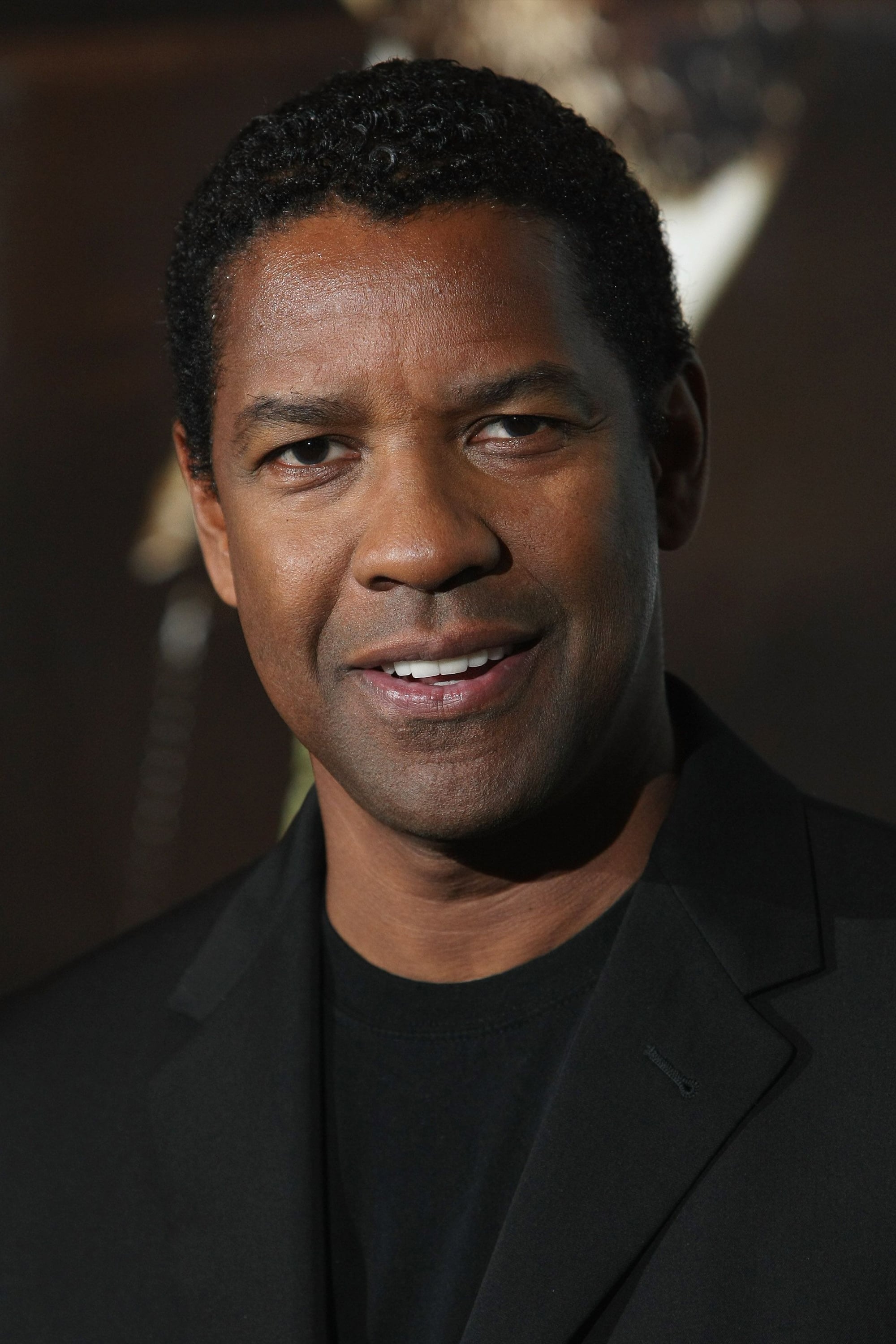
Denzel Washington became one of Hollywood’s most successful and highest-paid actors. His strong performances, especially in films like ‘Training Day,’ allowed him to negotiate for a share of a film’s profits, in addition to his regular salary. His agents consistently fought for contracts that recognized his status as a global box office draw. This push for fair compensation also helped open doors for other Black actors to achieve similar levels of financial success.
Will Smith
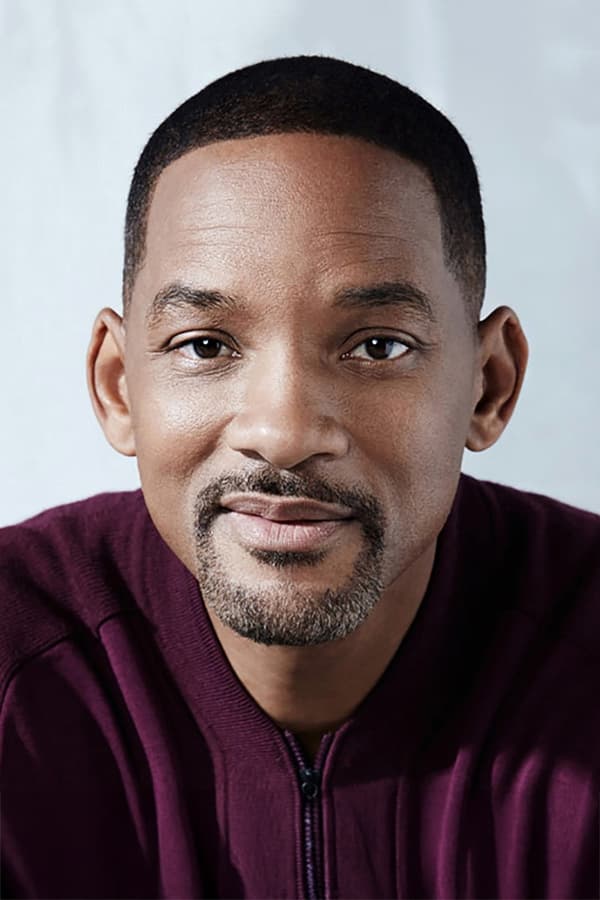
Will Smith became one of the highest-paid actors ever, starting with his success in ‘Men in Black III’ and other hit movies. His team skillfully negotiated contracts that included a share of the profits, leading to unusually large earnings for a minority actor during that period. He also used his role as a producer to advocate for fair pay for all cast and crew members, especially on projects where he had creative control. This commitment solidified his status as a top earner in Hollywood.
Samuel L. Jackson
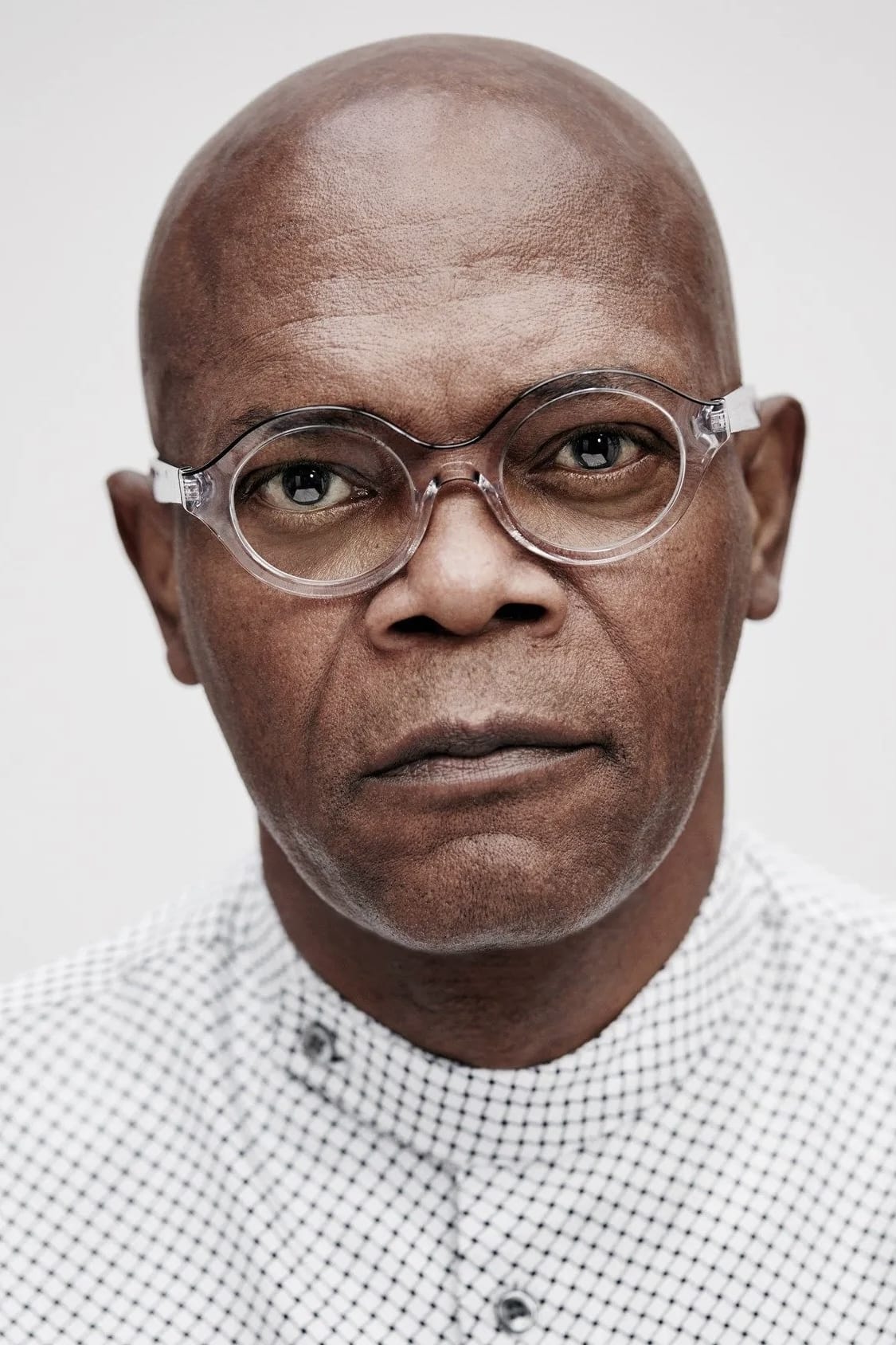
Samuel L. Jackson is the highest-grossing actor ever, largely because he’s been in so many films. His frequent appearances in popular franchises like the Marvel movies gave him the power to negotiate contracts that ensured he was paid as much as other leading actors in a movie. He also made sure to get paid for the use of his image and for sales of merchandise featuring him.
Chadwick Boseman
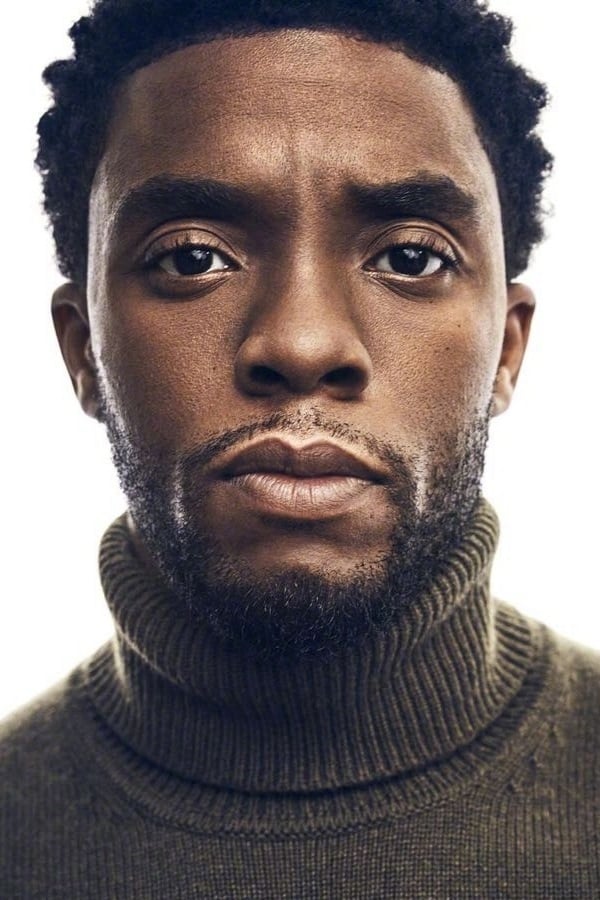
Chadwick Boseman strongly believed in equal pay for all actors as he became a major star. He famously gave some of his own salary from the movie ’21 Bridges’ to his co-star, Sienna Miller, to help close the gap in their pay. This showed how dedicated he was to fairness and encouraged other leading actors to support their colleagues. He will be remembered for always fighting to ensure Black actors are valued and compensated fairly.
Eddie Murphy
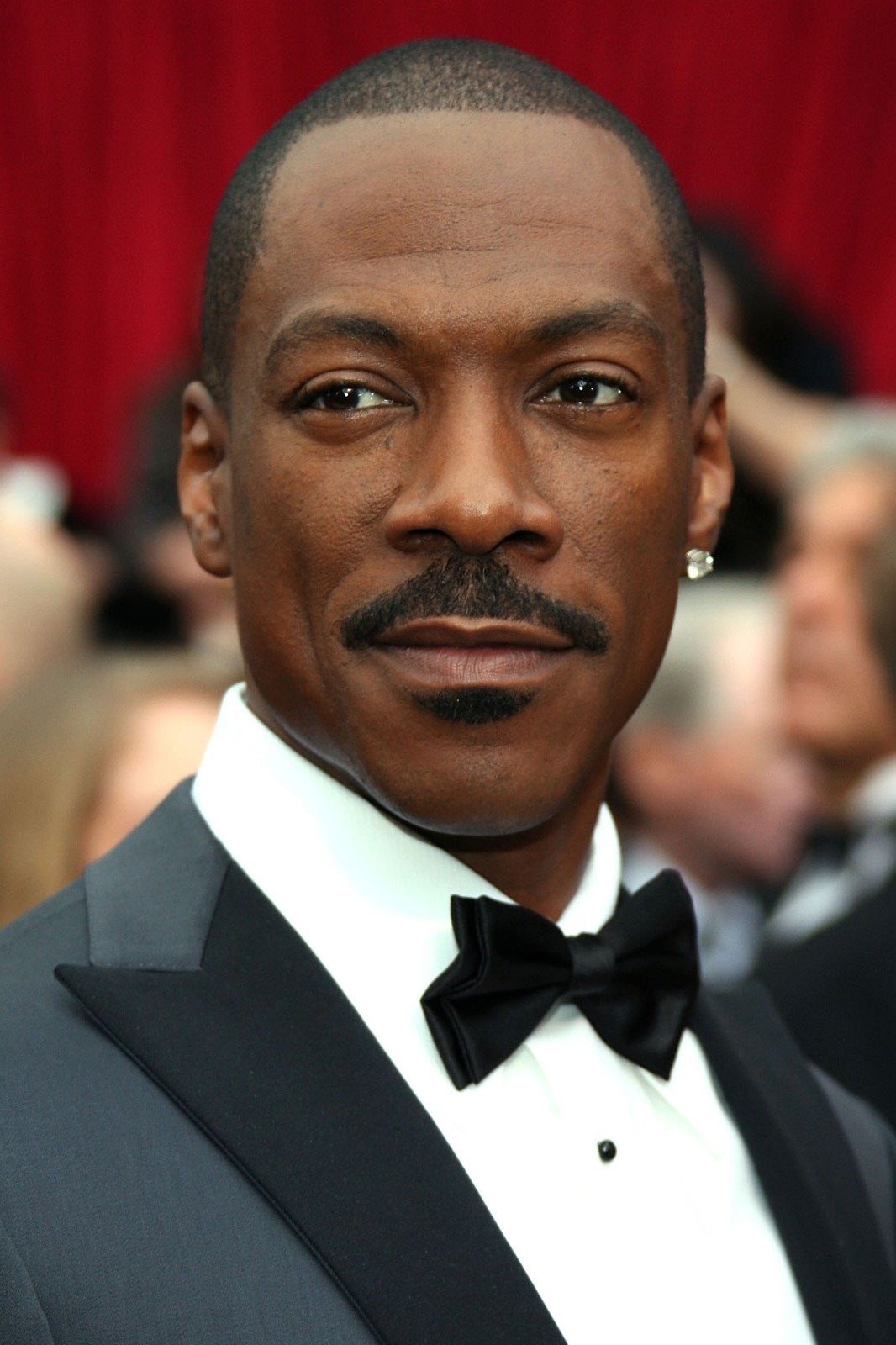
In the 1980s, Eddie Murphy was a trailblazer, negotiating contracts as lucrative as those of Hollywood’s biggest stars. His success with ‘Beverly Hills Cop’ allowed him to demand—and receive—higher upfront pay than any Black comedian before him. He consistently stood firm on his worth, forcing studios to meet his price. This ultimately set a new standard for how comedic actors were compensated in the industry.
Morgan Freeman
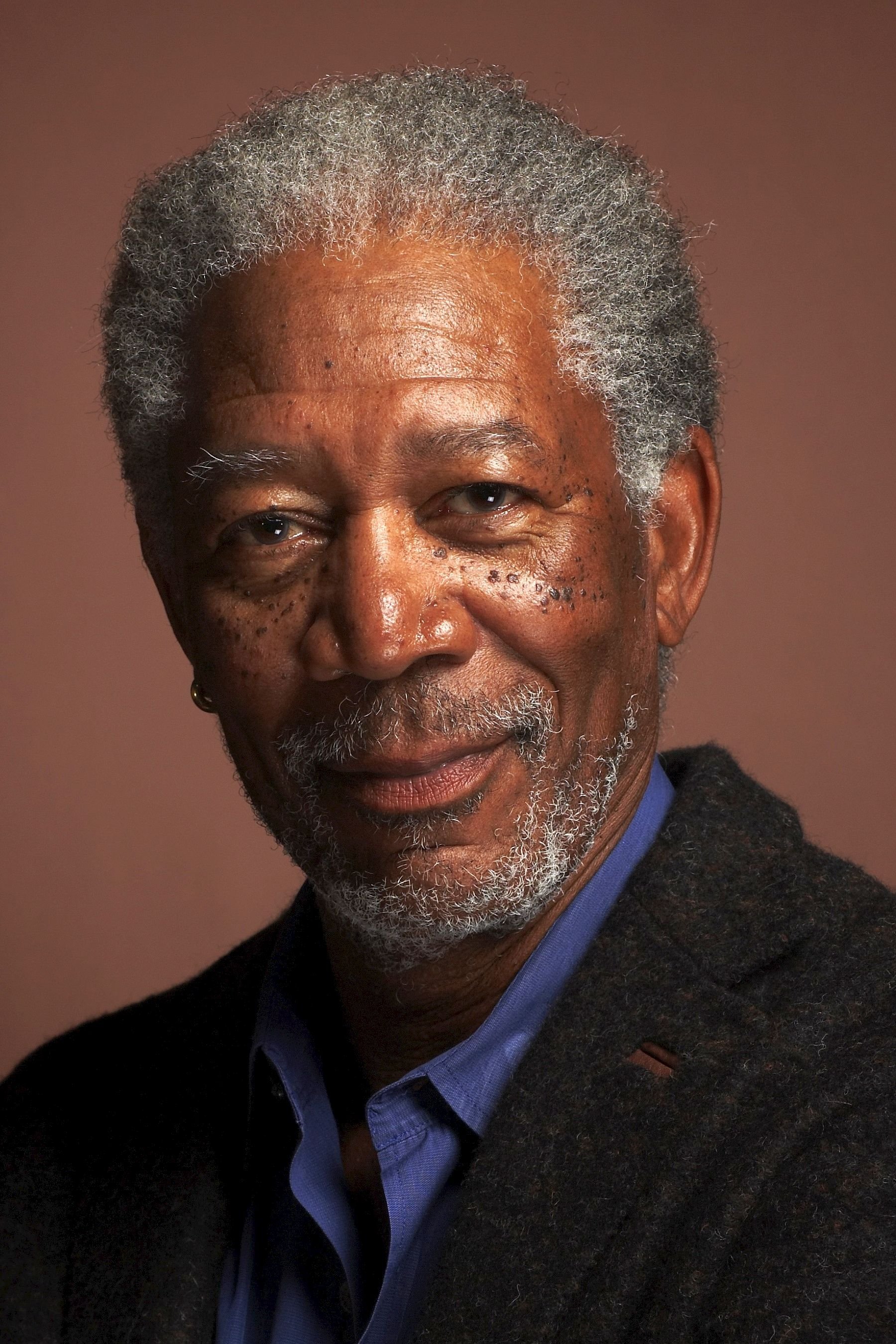
Morgan Freeman carefully built a successful career over many years, becoming a vital part of big-budget films. As he became a more prominent actor, he was able to negotiate equal pay with his fellow stars. He frequently also secured a share of the profits, on top of his regular salary. Freeman leveraged his respected position in the industry to ensure he was fairly compensated for his iconic status.
Jamie Foxx
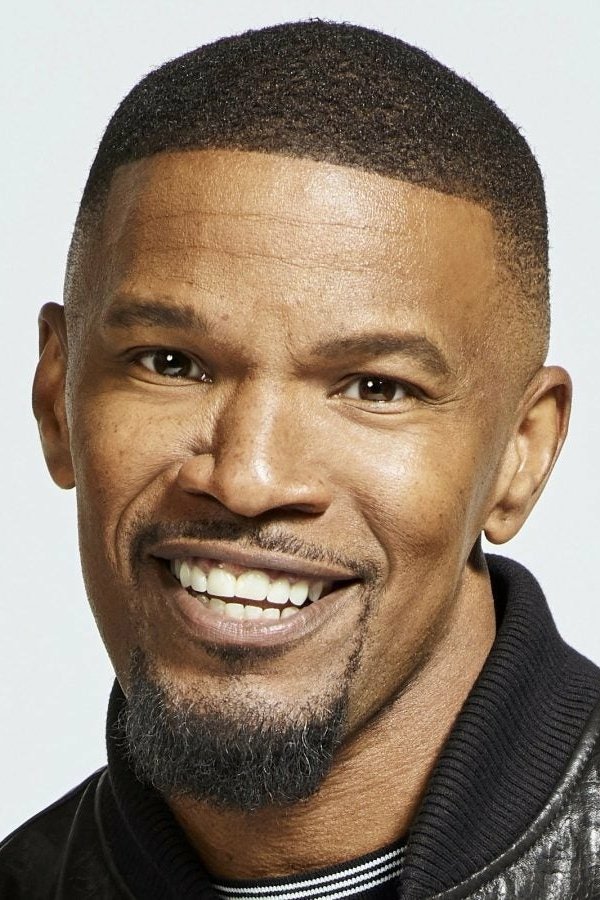
I’ve always been impressed by how Jamie Foxx used his Oscar win to really change things for himself in Hollywood. He demanded to be paid what he deserved, putting himself in the same league as other leading men in action and dramatic roles. Thankfully, his talent across so many genres meant he could command big paydays for incredible projects like ‘Django Unchained’ and huge franchise films. And it’s inspiring to see him still fighting for artists to have fair ownership and get properly compensated for their work.
Forest Whitaker
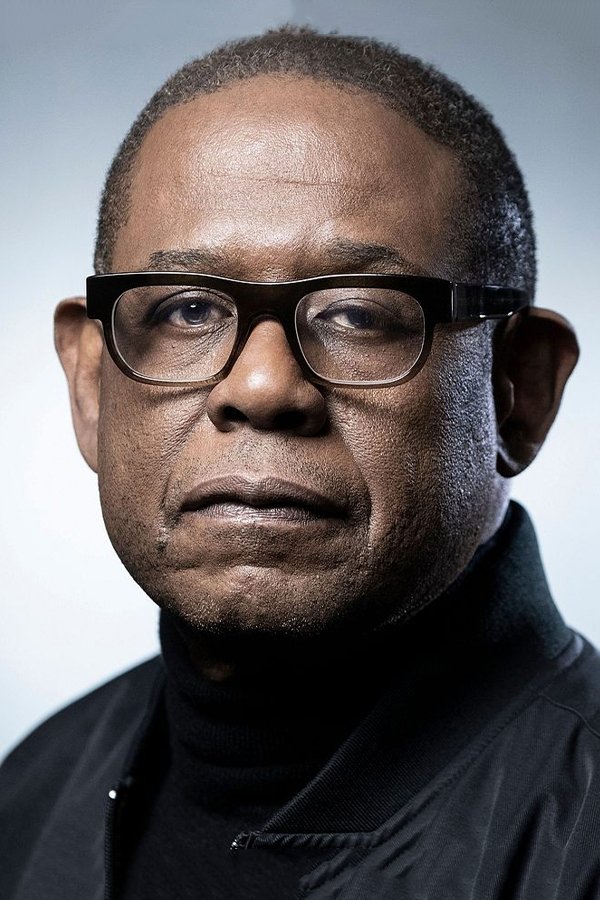
Forest Whitaker has consistently advocated for fair treatment and equal pay for all actors, whether they play leading or supporting roles. His award-winning performance in ‘The Last King of Scotland’ gave him the leverage to negotiate better contracts, focusing on earning producer credits and a share of the profits to secure his financial future. He continues to be a champion for diversity and fairness when it comes to how actors are compensated.
Idris Elba
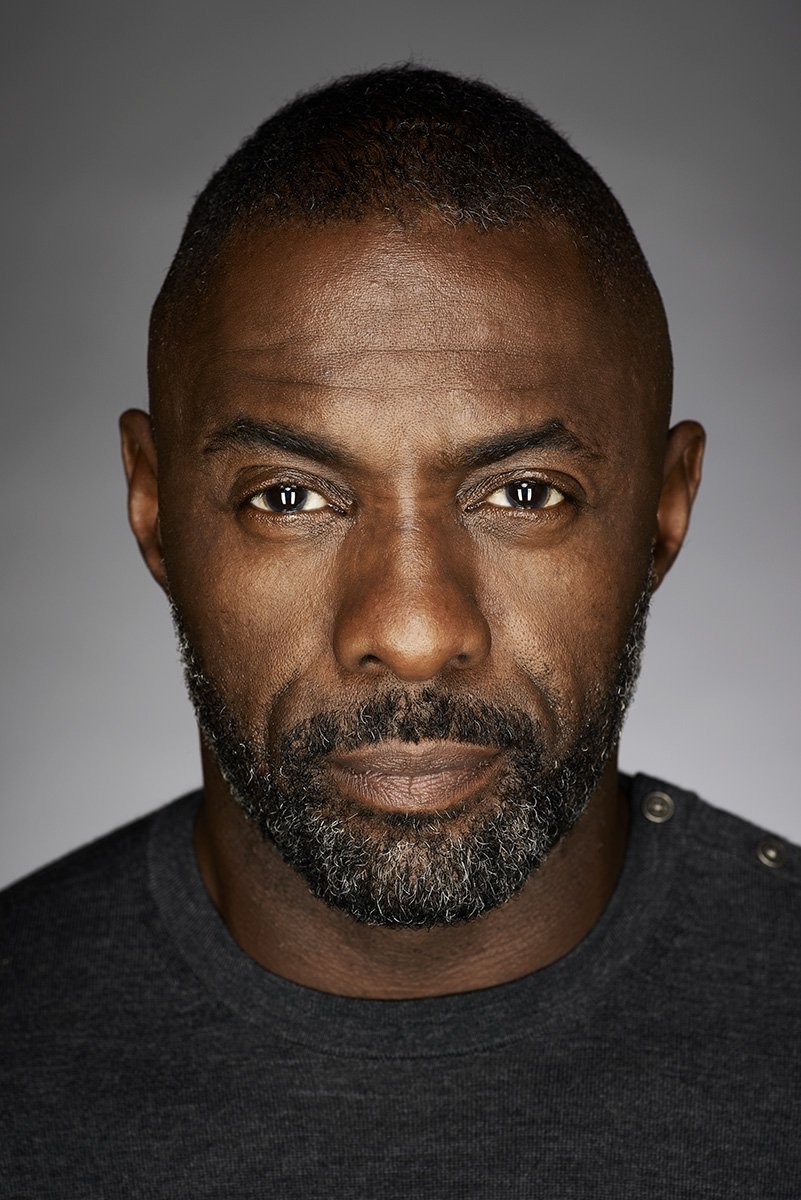
Idris Elba leveraged his widespread popularity to get better deals on his TV and movie contracts. He successfully negotiated higher salaries for his roles in the Marvel Cinematic Universe and the ‘Fast & Furious’ films. Because he could work on projects in both the UK and the US, he had a strong position when negotiating. Elba always makes sure his contracts acknowledge his appeal to a global audience.
Kevin Hart
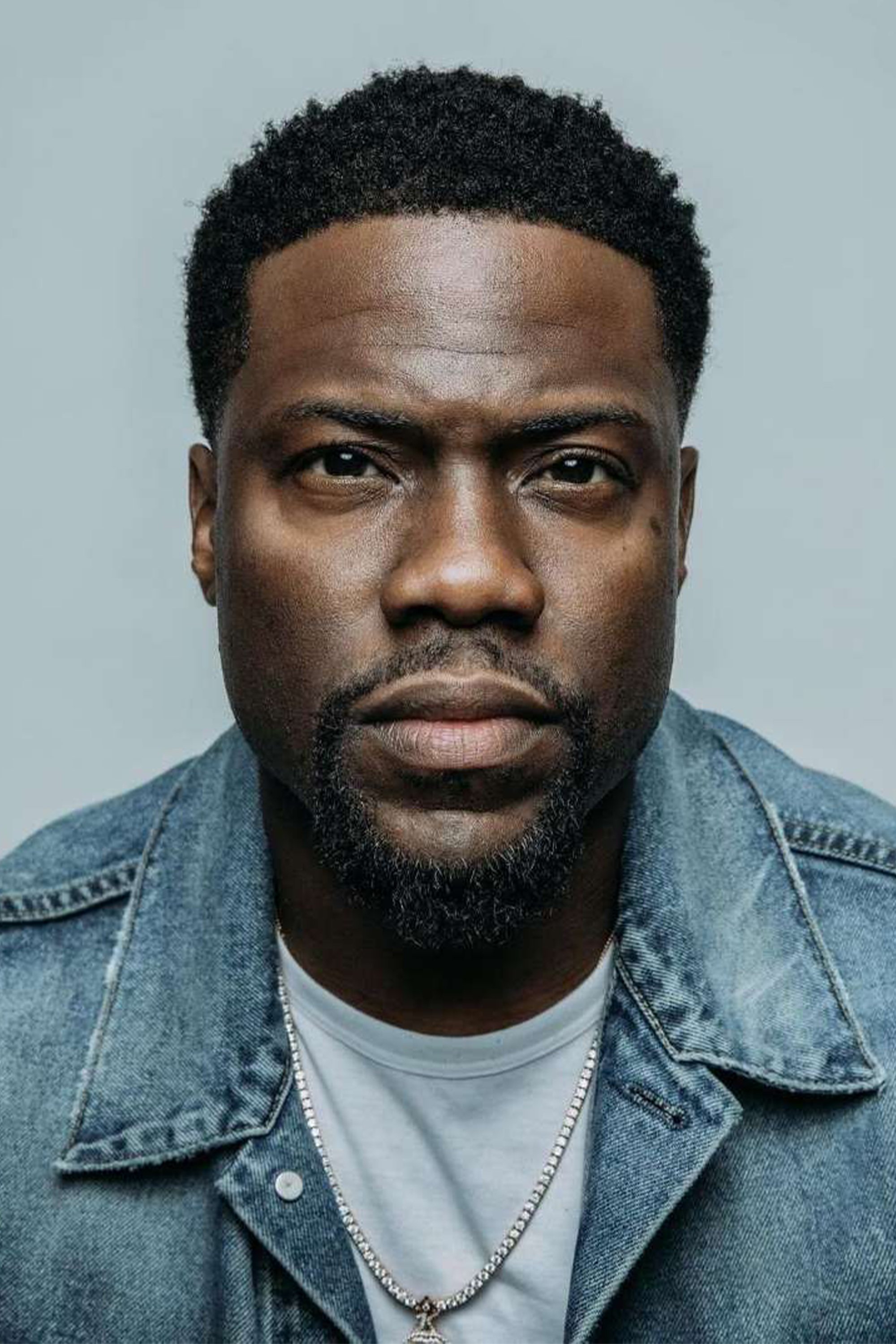
Kevin Hart changed how comedians get paid. Instead of simply accepting a salary, he negotiated deals with studios where he’d own a part of the projects he worked on – like his stand-up specials and movies – and receive a share of the profits. This allowed him to earn much more based on how well those projects did, bypassing traditional payment limits. Hart essentially pushed the entertainment industry to recognize comedians not just as performers, but as valuable business partners who deserve a fair share of the financial rewards.
Dwayne Johnson
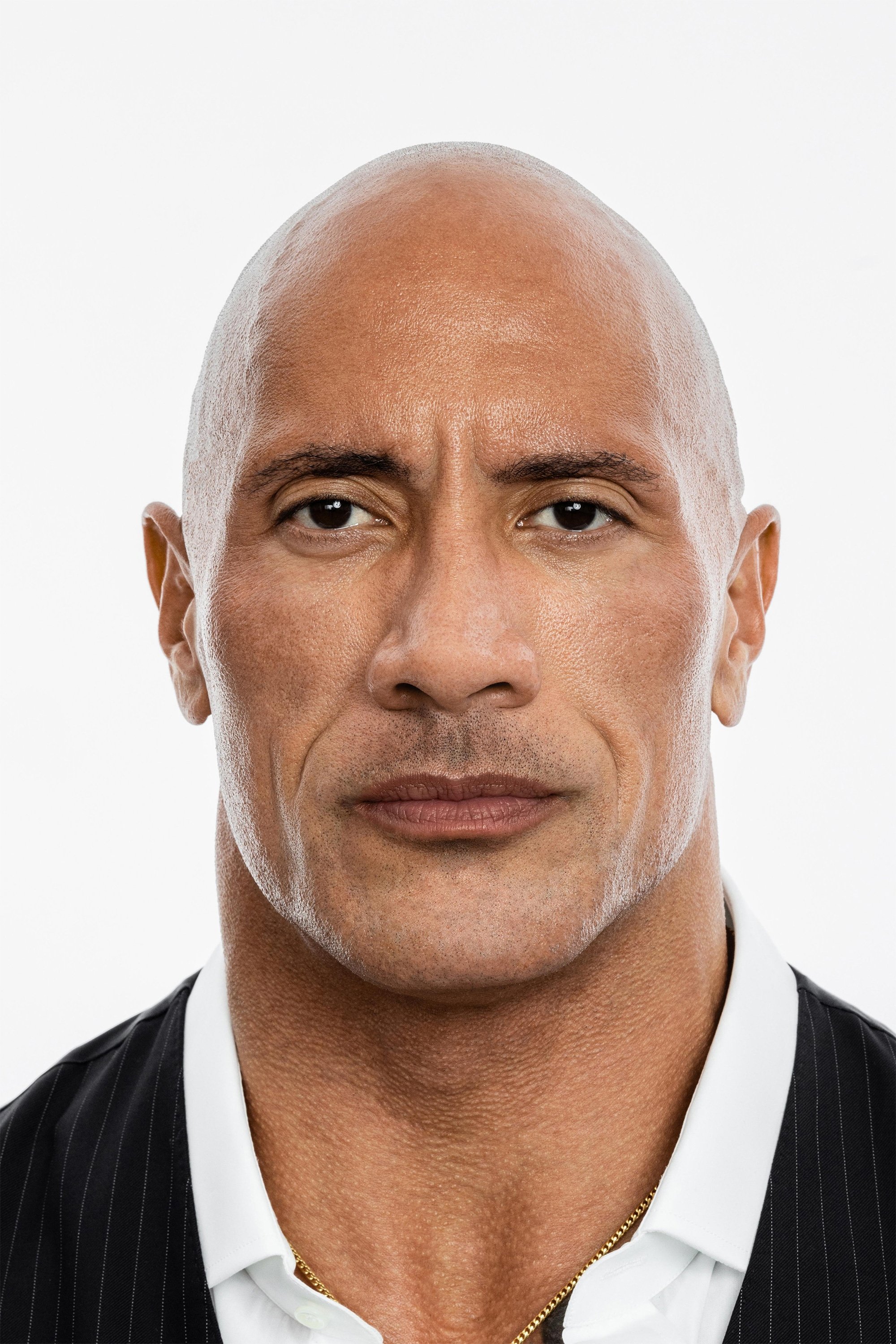
Dwayne Johnson became the world’s highest-paid actor through careful contract negotiations. He specifically demanded payment for promoting his movies on social media, leveraging his huge online following. His production company also secured deals giving him exceptional control and earnings. Johnson essentially redefined how action stars can profit from their personal brand.
Tyler Perry
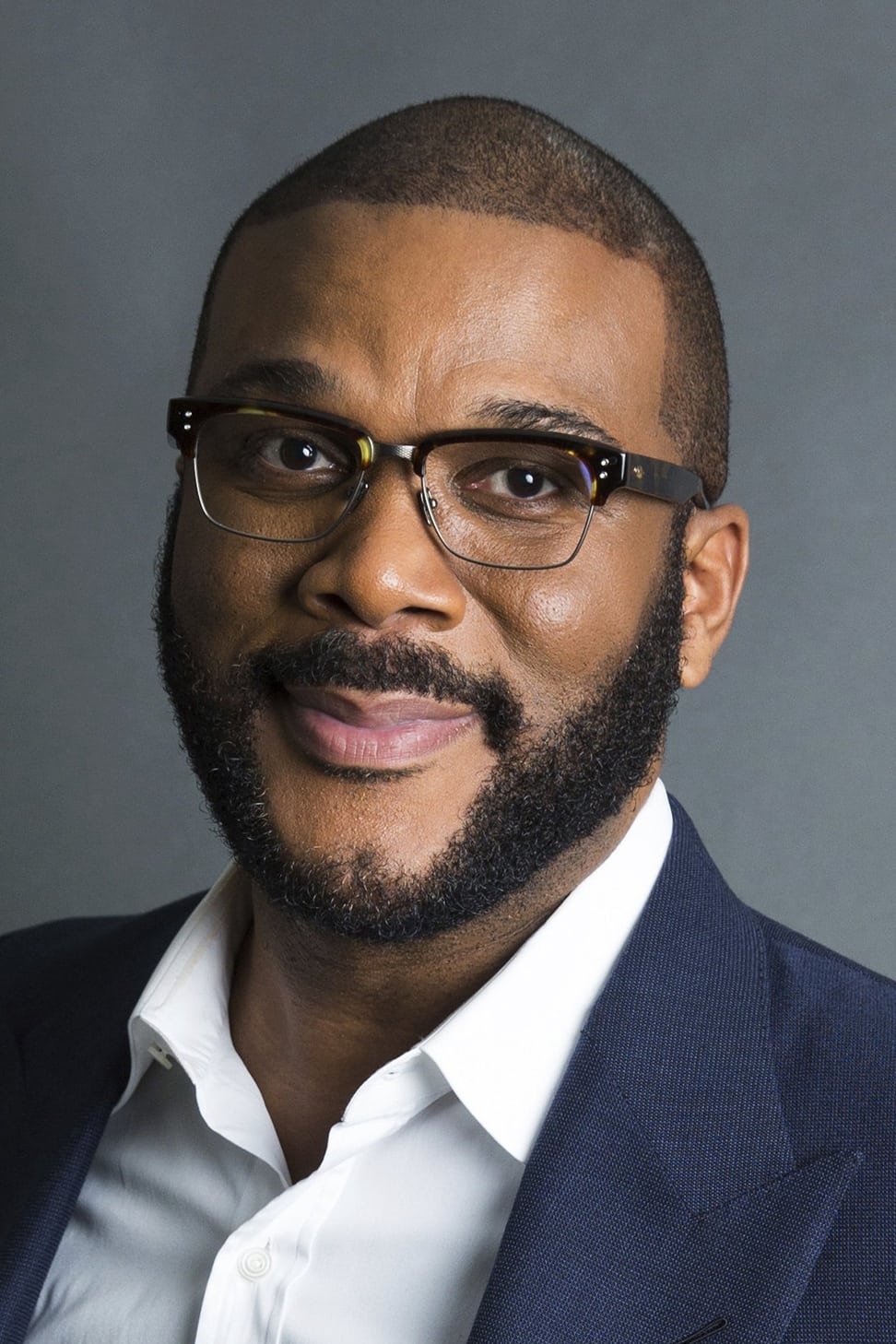
Tyler Perry succeeded by creating his own Atlanta-based production company, avoiding the usual Hollywood system. He made deals that let him keep complete control of his work. This independence allowed him to fairly compensate himself without needing permission from a studio. Perry demonstrated that truly owning your work is the best way to ensure you’re paid what you deserve.
Laurence Fishburne
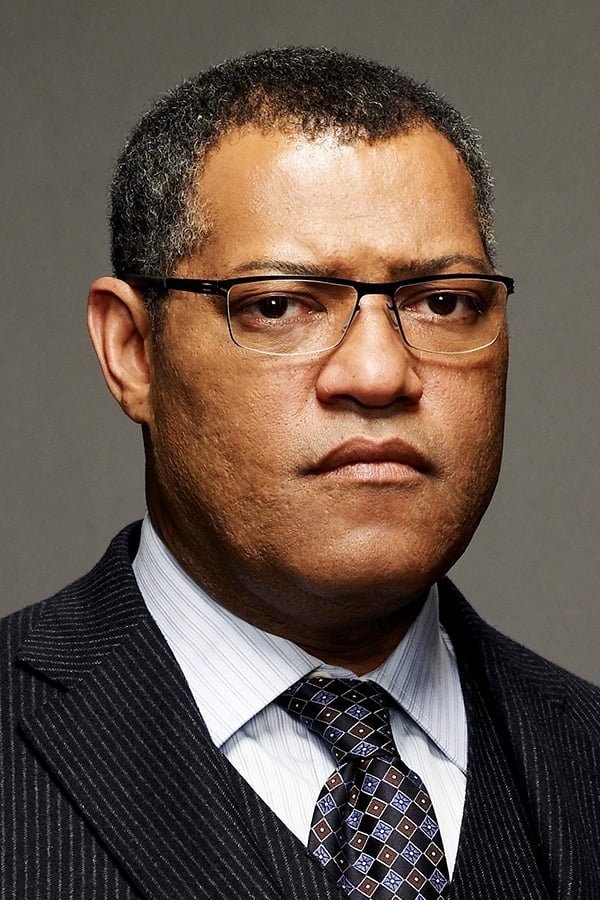
Laurence Fishburne has built a consistently successful career by leveraging his extensive experience in contract negotiations. His work on ‘The Matrix’ films included arrangements that continue to provide him with income, and he’s seamlessly moved between movies and television, earning high salaries in both. Fishburne consistently advocates for the respect and fair payment he deserves as a seasoned actor.
Wesley Snipes
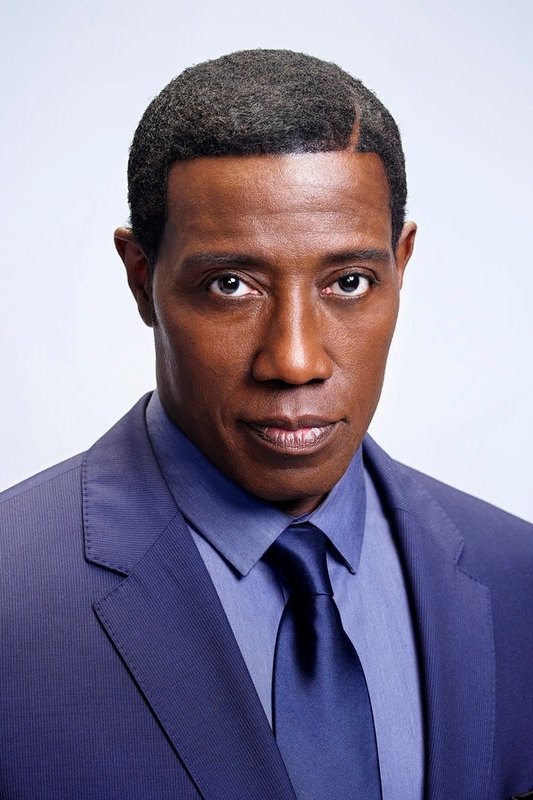
In the 1990s, Wesley Snipes broke new ground by earning similar salaries to white action stars. He also negotiated producer credits for the ‘Blade’ films, which boosted his income. Snipes fought to be fairly compensated for his role in helping launch the popularity of comic book movies, and paved the way for more Black actors to lead superhero films.
Danny Glover
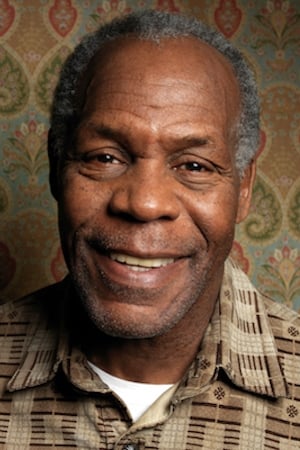
Thanks to the huge popularity of the ‘Lethal Weapon’ movies, Danny Glover successfully negotiated to be paid the same as his co-star. He made sure the studio didn’t treat him like a supporting actor when it came to salary, arguing he deserved equal pay for his significant screen time and contribution to the films’ success. Glover continues to be a strong advocate for fair treatment and rights for actors.
Don Cheadle
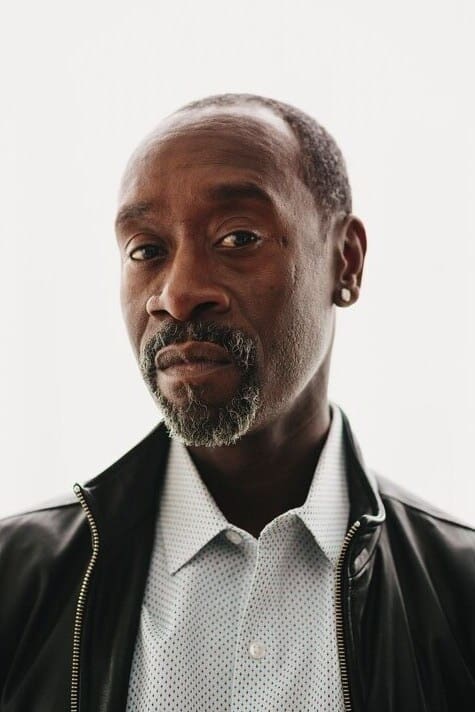
Don Cheadle has successfully managed his career by combining critically acclaimed independent films with big-budget blockbusters. When he took on the role of War Machine in the Marvel movies, he negotiated for a salary more in line with the original Avengers cast. He also uses his skills as a producer to create projects where he has control over how money is spent and how people are paid. Importantly, Cheadle is dedicated to ensuring fair pay for actors from minority groups.
Mahershala Ali
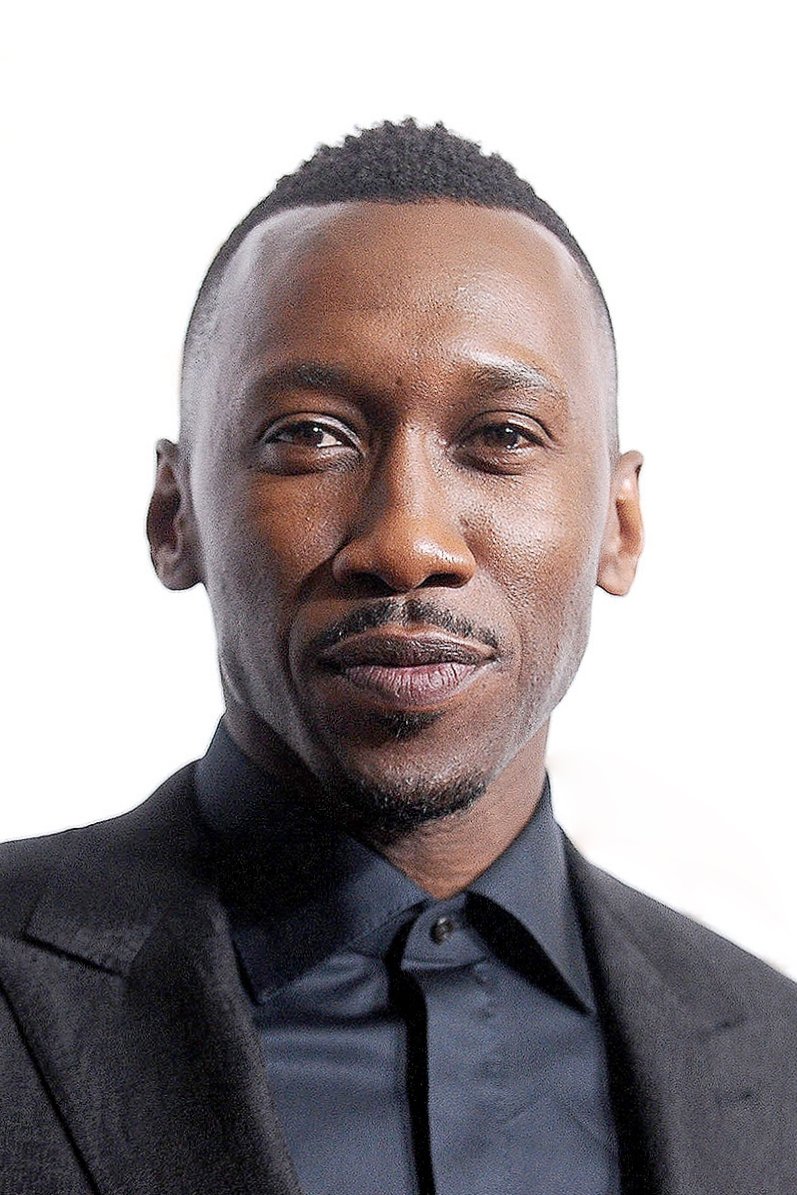
Mahershala Ali leveraged his two Oscar wins to secure higher pay for his roles. He successfully negotiated to be paid as a leading actor in the new ‘Blade’ movie. Ali wouldn’t accept offers that didn’t reflect his talent and popularity, and his representatives make sure his contracts acknowledge his status as a highly respected actor.
Michael B. Jordan
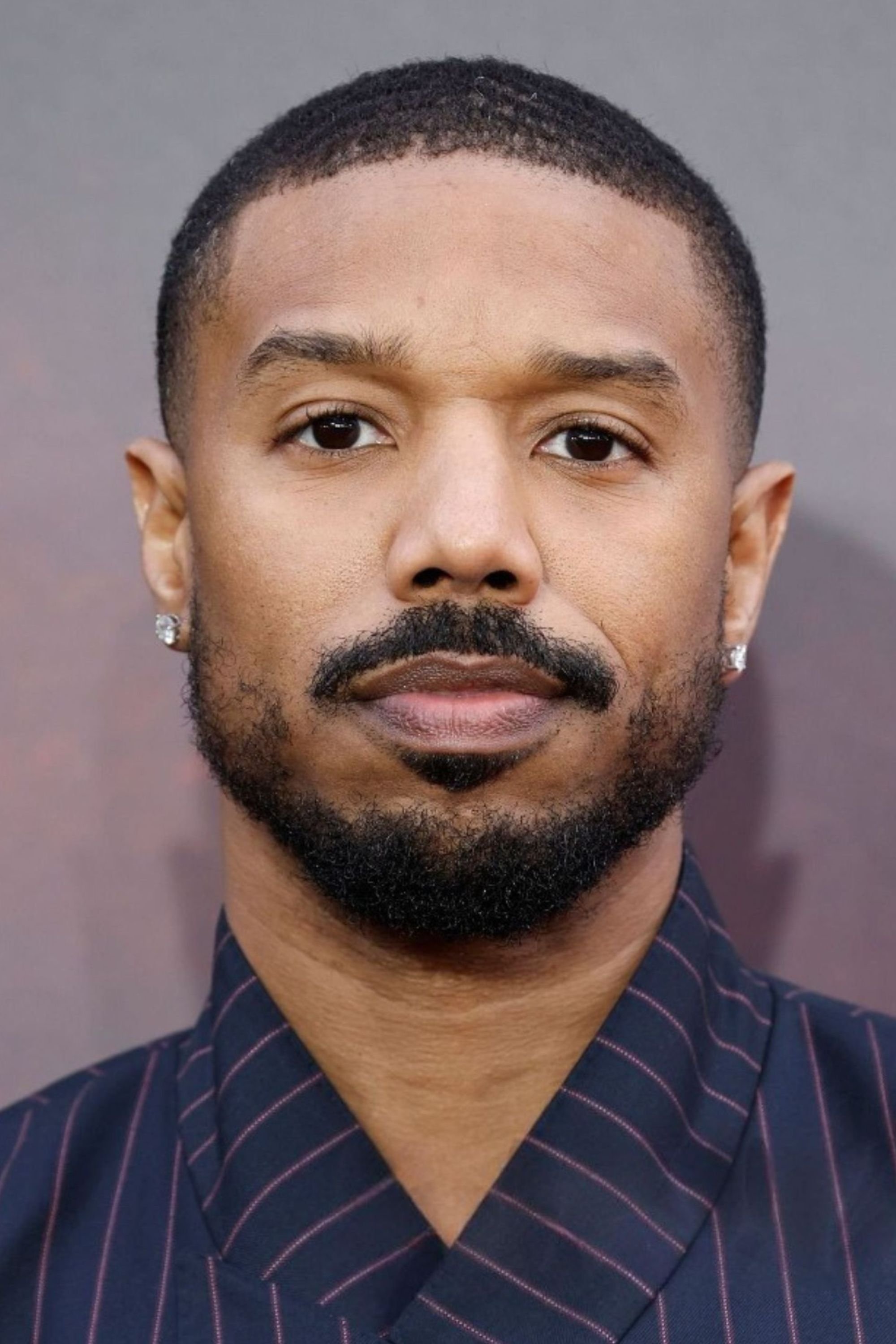
Michael B. Jordan is working to create more fairness in Hollywood through his production company. After achieving success with films like ‘Creed’ and ‘Black Panther,’ he negotiated deals with studios that require equitable hiring and pay for everyone working on his projects. By using his position, Jordan is pushing for lasting changes in how people are compensated in the film industry.
Daniel Kaluuya
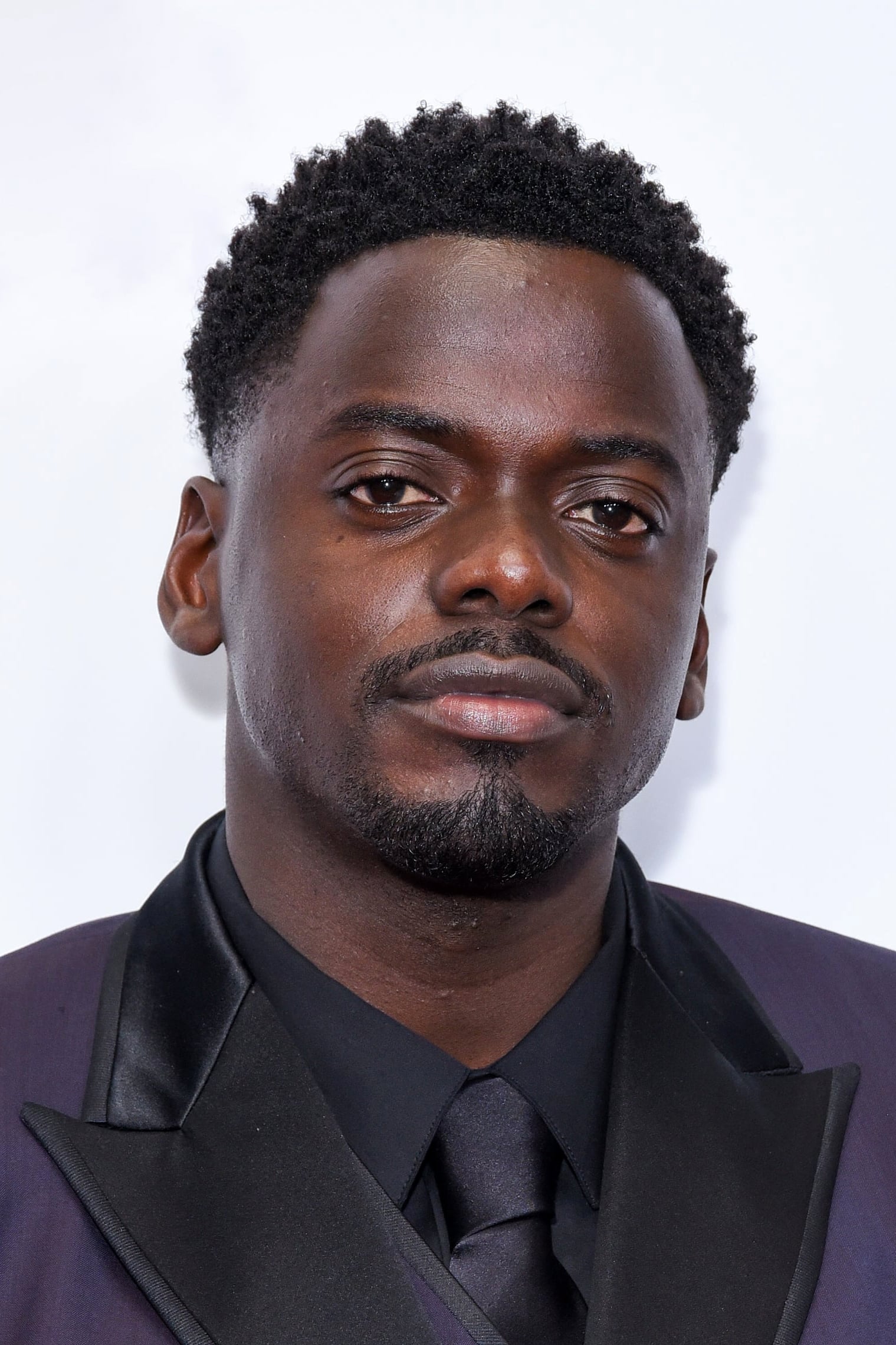
After the huge success of ‘Get Out,’ Daniel Kaluuya was able to negotiate better pay for his work. He now insists on fair compensation and a share of the profits from his films, meaning he earns a percentage of the money they make. Kaluuya is part of a growing trend of actors who are demanding more than just a standard starting salary.
John Boyega
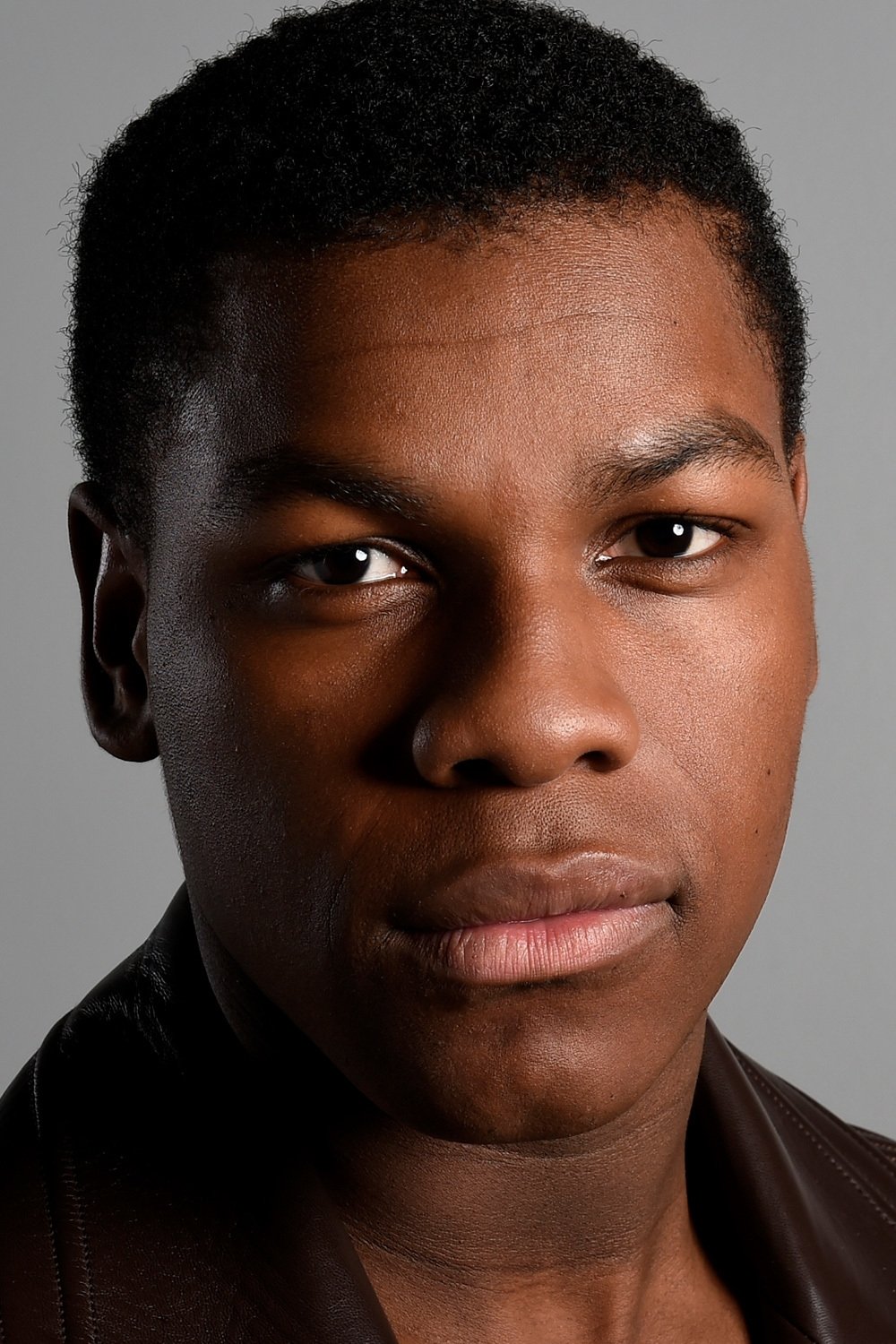
John Boyega has openly called for the entertainment industry to treat Black actors and characters with the same respect as everyone else. During discussions about his role in the ‘Star Wars’ sequels, he made sure his salary increased as his part in the films grew. Now, he’s dedicated to producing projects where he can ensure fair treatment and pay for himself and his colleagues. Boyega continues to speak out, urging studios to support and properly compensate actors from minority backgrounds.
Anthony Mackie
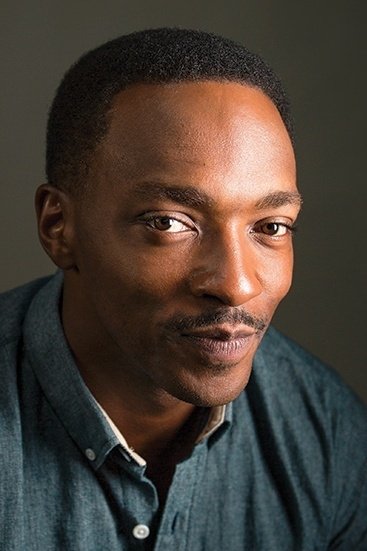
When Anthony Mackie became the new Captain America, he successfully negotiated a substantial pay increase. He argued that the role itself deserved equal pay, no matter who played it. This deal became a landmark agreement, paving the way for Black actors taking on established superhero roles with fair compensation. Mackie remains committed to achieving equal pay for all actors in the superhero film industry.
Sterling K. Brown
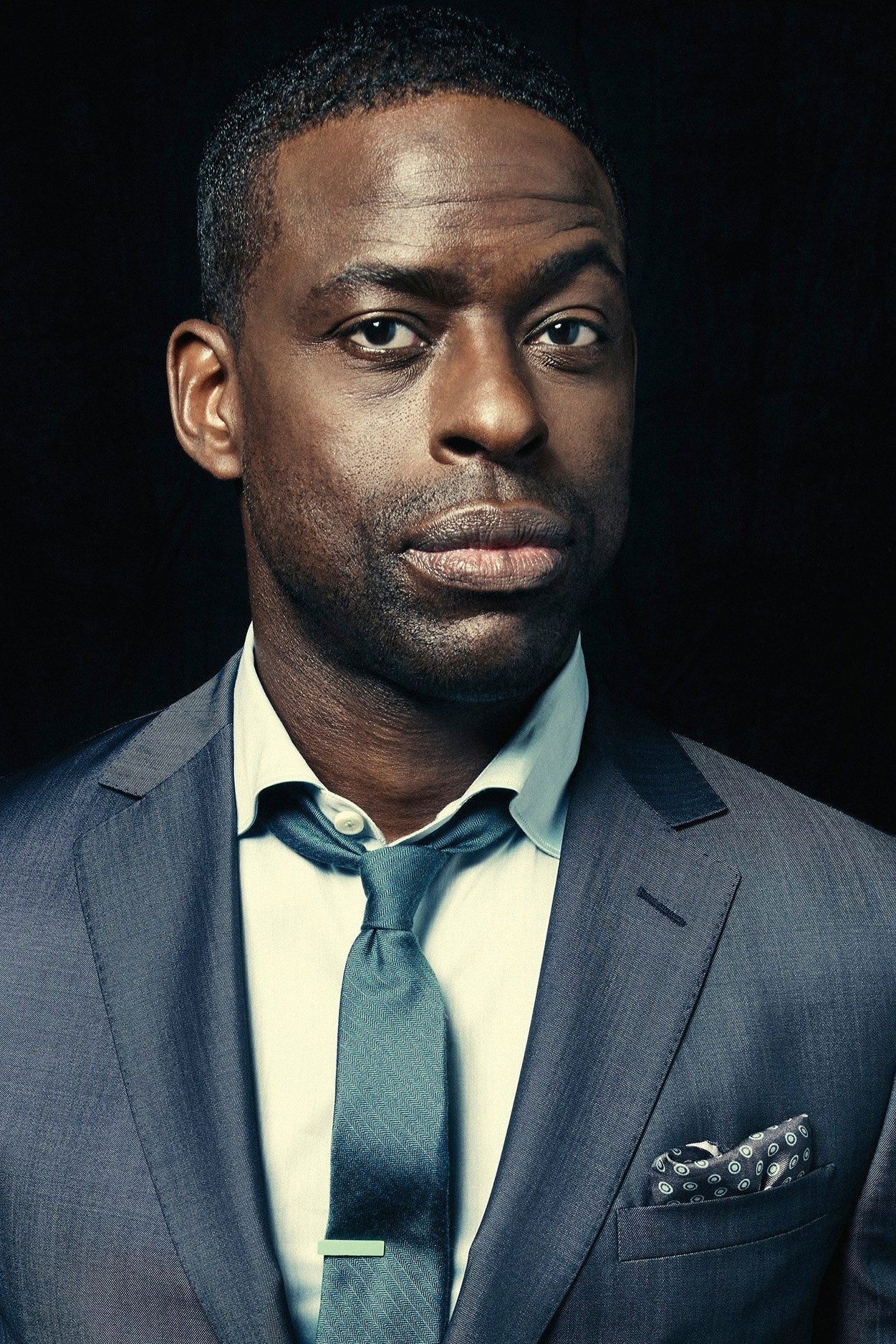
Sterling K. Brown has been a trailblazer in advocating for fair pay in television. After finding success with ‘This Is Us’, he successfully negotiated equal pay with his fellow cast members. As his film career grew, he was also able to command higher salaries for his roles. Brown is a strong voice for open communication about television contracts, aiming to eliminate unfair wage gaps.
Chris Rock
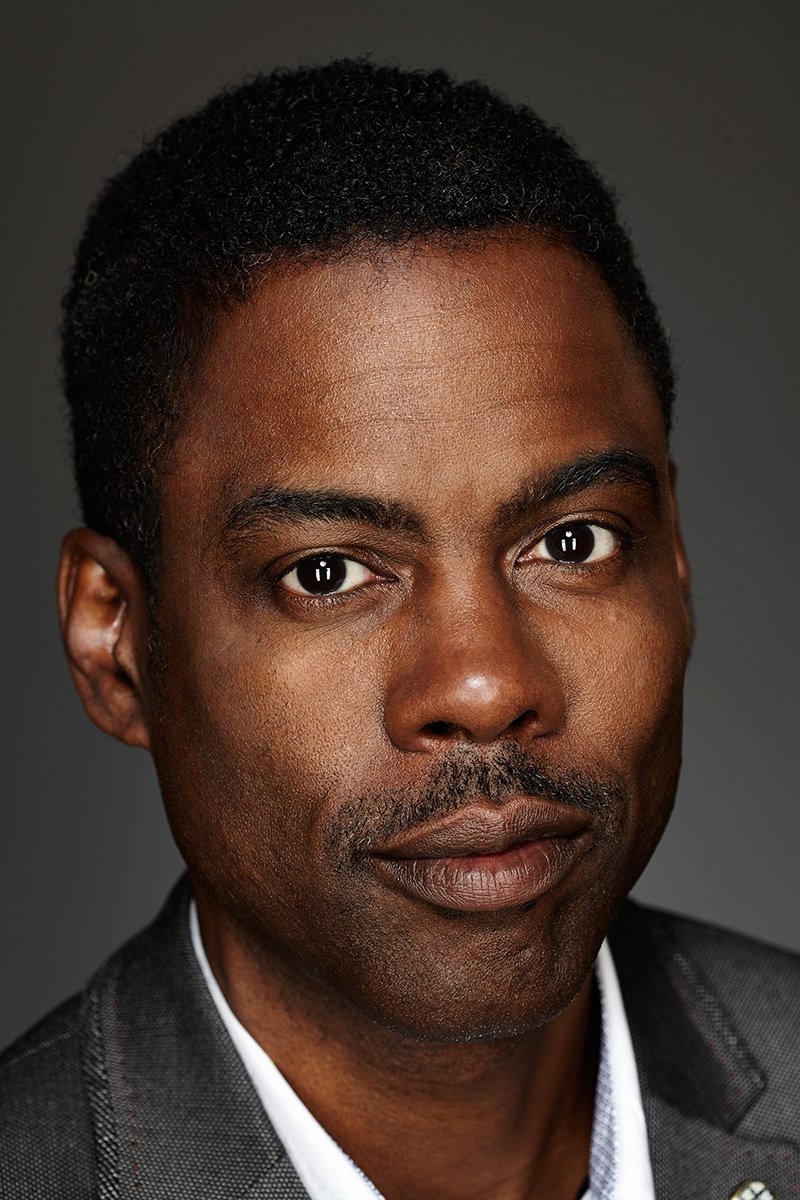
Chris Rock earned a record-breaking amount of money for his recent stand-up comedy specials thanks to competition between streaming services. He skillfully negotiated a deal that paid as much or more than other leading comedians. Rock has been vocal about unfair treatment in Hollywood and is using his influence to push for improvements. His success is now prompting streaming platforms to reconsider how they compensate Black comedians.
Martin Lawrence
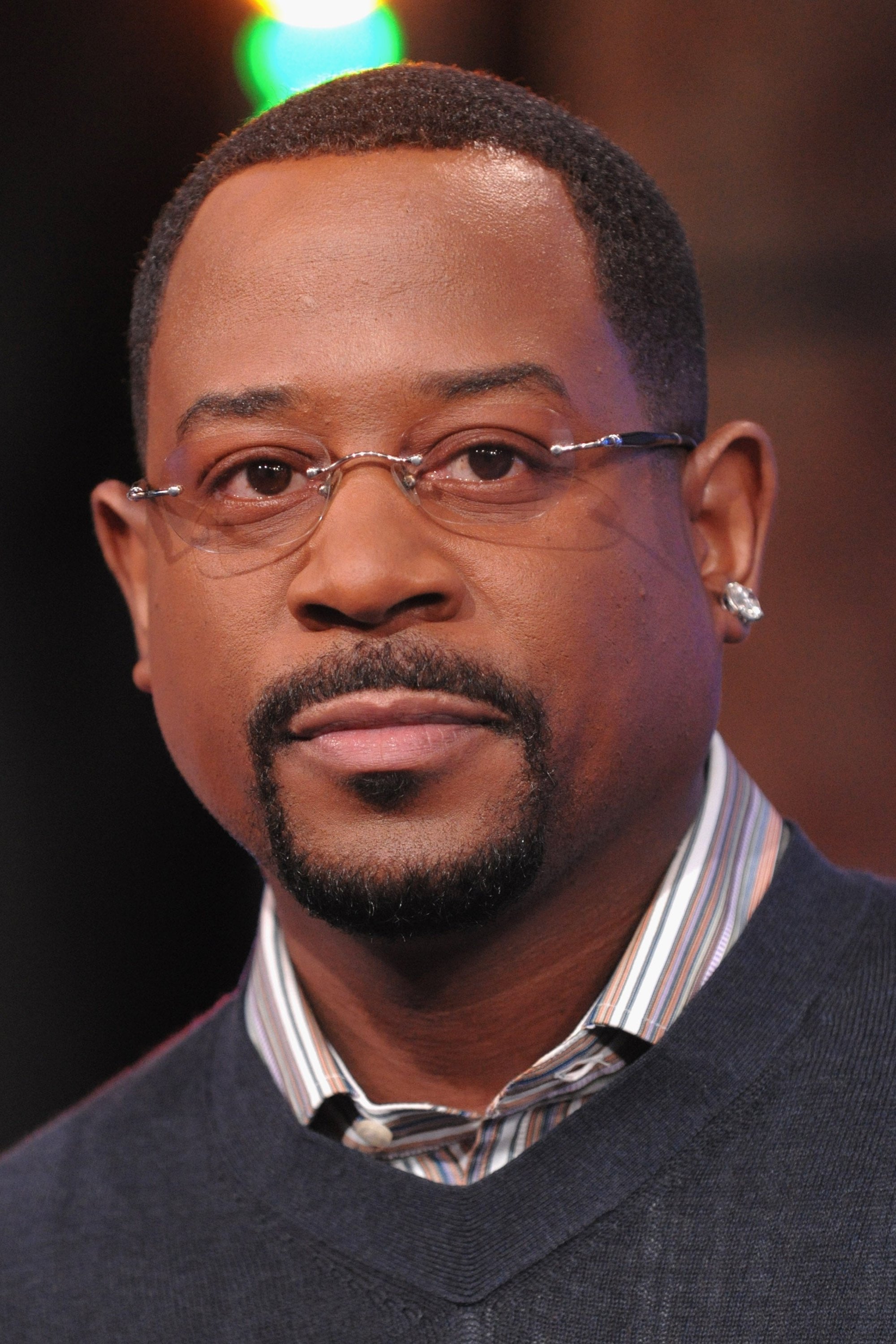
Martin Lawrence was a groundbreaking comedian and actor in the 1990s, earning up to $20 million per movie at the height of his career. He successfully negotiated contracts for the ‘Bad Boys’ films to ensure he was paid as much as his co-star, Will Smith. He also worked hard to secure profitable deals for reruns of his TV show, which brought in a lot of money. His success demonstrates that Black actors starring in sitcoms can be incredibly profitable on a global scale.
Ice Cube
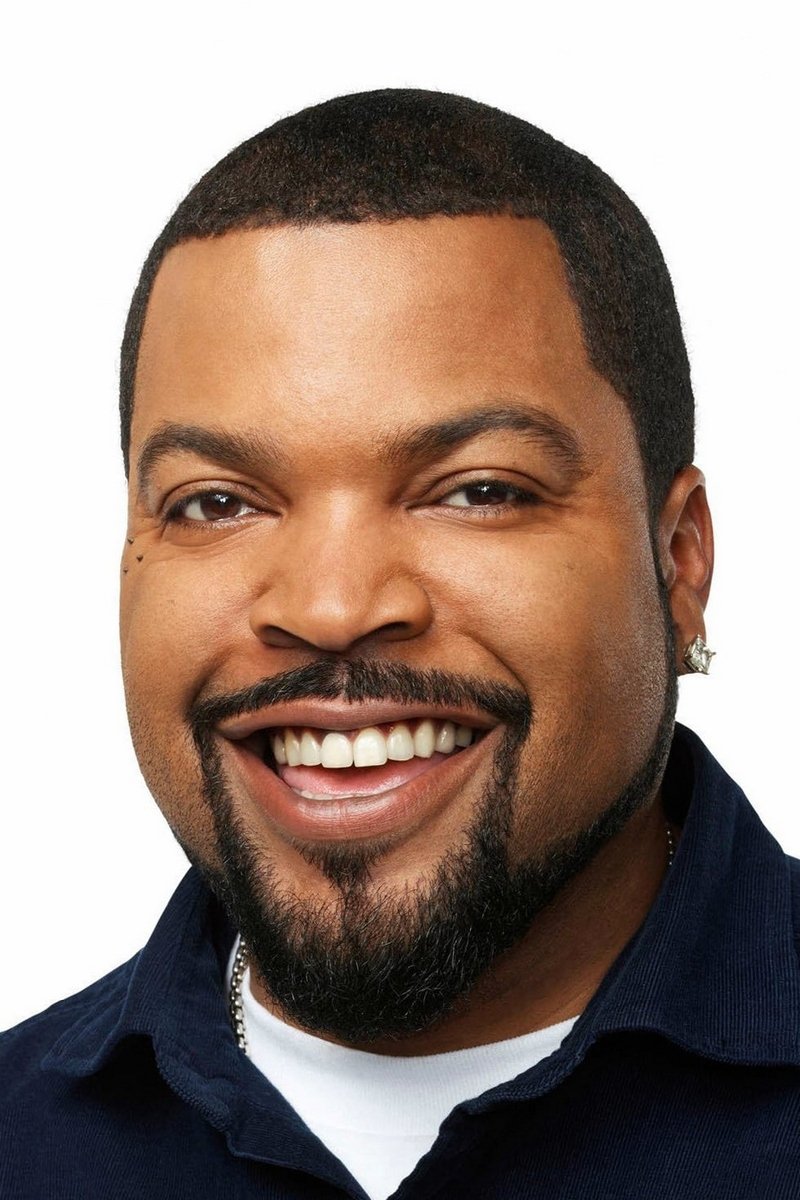
Ice Cube successfully moved from being a musician to a powerful figure in the film industry by writing and producing his own movies. He started the popular ‘Friday’ series specifically to maintain creative and financial control, allowing him to decide how much he and the actors were paid without studio limitations. This showed his understanding that true financial power comes from owning the entire production process.
Ludacris
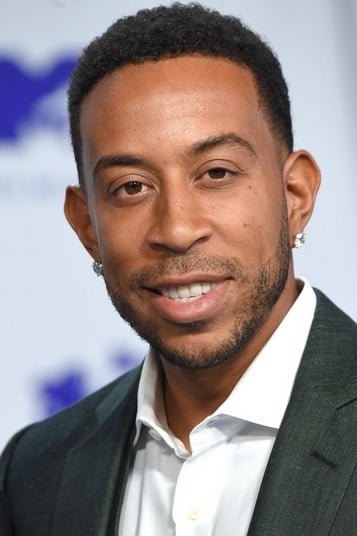
I’ve always been impressed by how Ludacris made the jump from being a rapper to becoming a key part of the ‘Fast & Furious’ family. He was smart enough to structure his contract so his salary increased with each new, successful movie. Being in the series for so long really gave him the power to ask for top-tier treatment, and honestly, he’s a great example of how to stay valuable in a huge franchise like that.
Tyrese Gibson
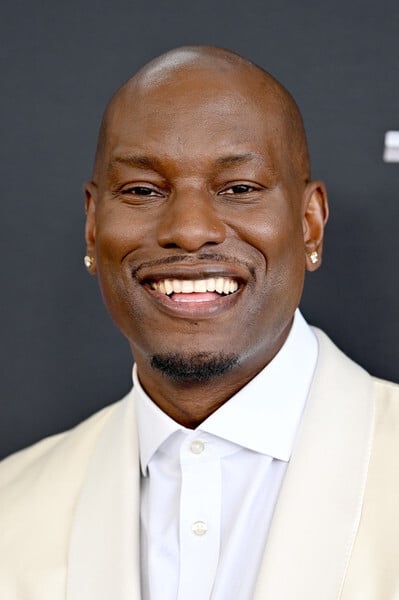
Tyrese Gibson openly fought to be fairly compensated for his work in the ‘Fast & Furious’ movies. He used social media and public attention to make sure his character remained important and that he wasn’t underpaid. This demonstrated his commitment to protecting his role and salary within the large cast. Gibson still works to ensure the original actors are properly valued and receive what they deserve.
Terrence Howard
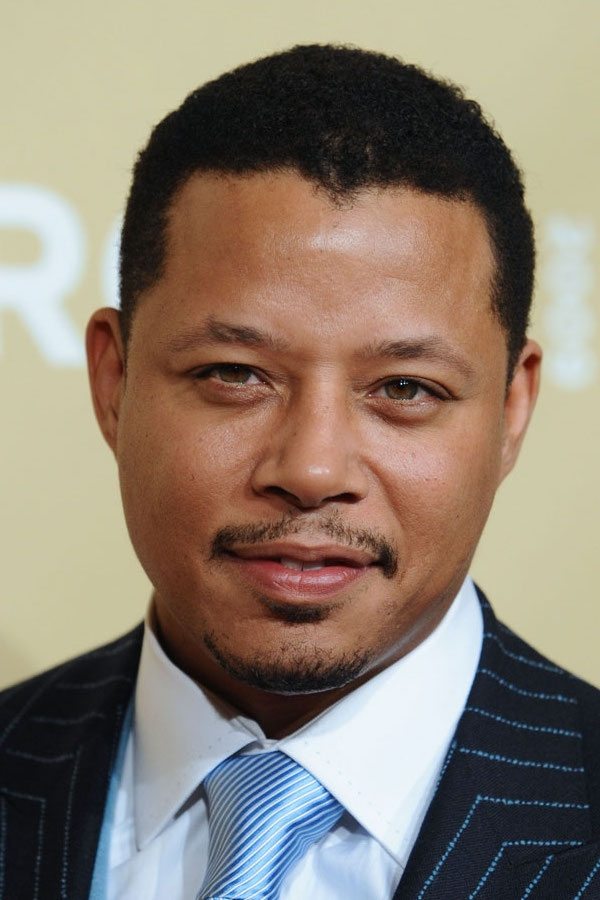
Terrence Howard became well-known for refusing to take a pay cut for the ‘Iron Man’ sequel, even after the studio decided to replace him. He insisted on being paid according to his original contract, prioritizing his principles over the money. This situation led to a broader conversation within the entertainment industry about how Black actors are often treated as easily replaceable.
Cuba Gooding Jr.
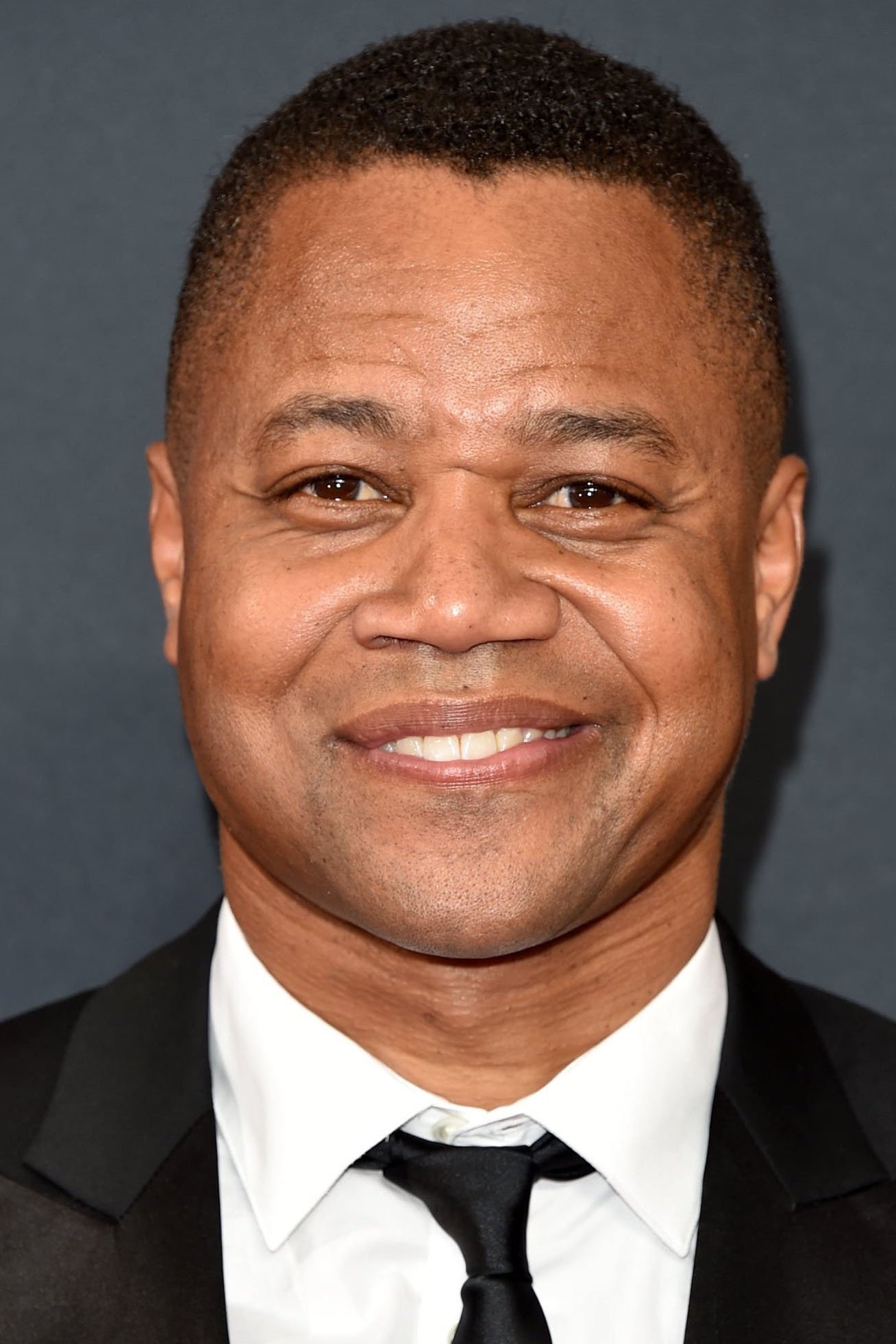
After winning an Oscar, Cuba Gooding Jr. was able to significantly increase his salary in the late 1990s. He insisted on being paid more, reflecting his status as an Academy Award winner, and set a high bar for how much acclaimed supporting actors should earn. Importantly, Gooding also worked to make sure Black actors benefited from this typical post-Oscar pay raise – what’s often called the “Oscar bump.”
Djimon Hounsou
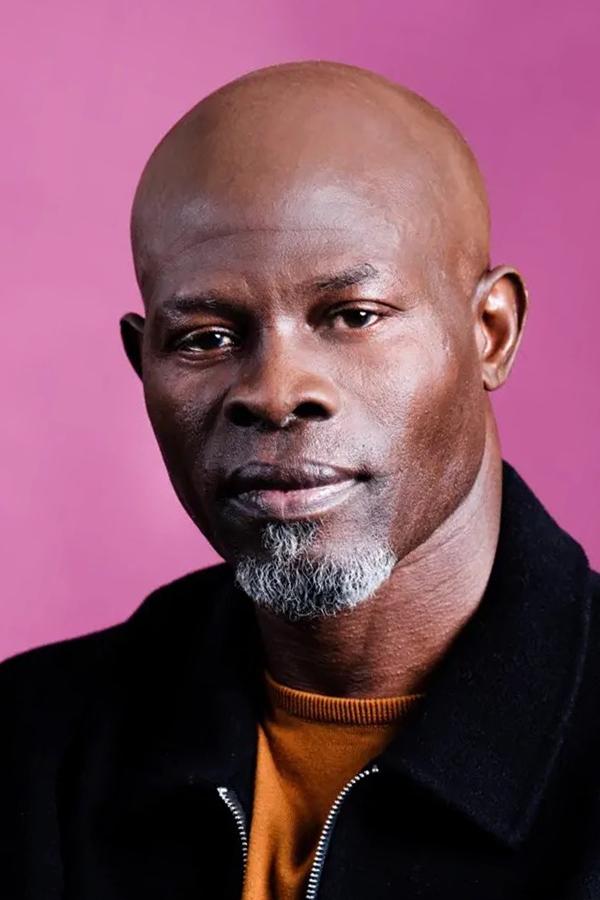
Djimon Hounsou is a consistently strong performer who deserves to be highly compensated. He’s also a vocal advocate for fair pay for supporting actors, recognizing their crucial role in a film’s emotional impact. His representatives ensure his contracts reflect his talent, including his two Academy Award nominations, and he rightfully seeks acknowledgment for the significant contributions he makes to each project.
Chiwetel Ejiofor
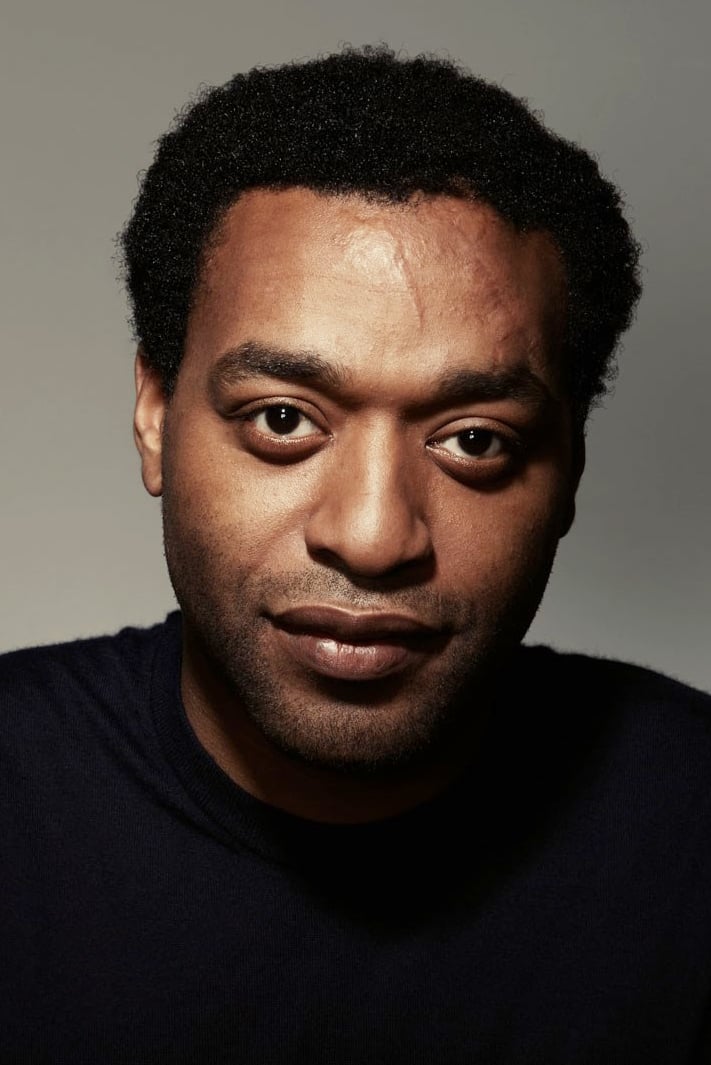
After gaining recognition for his performance in ’12 Years a Slave’, Chiwetel Ejiofor was able to negotiate more favorable contracts for major film roles. This included a significant part in the Marvel Cinematic Universe with appropriate pay. He also makes sure his contracts allow him to continue performing in the theater, balancing artistic fulfillment with commercial success. Ejiofor is a strong advocate for fair pay for actors in serious dramatic roles.
David Oyelowo
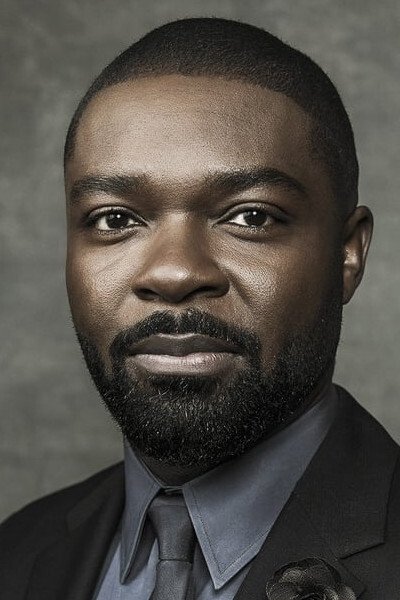
David Oyelowo has consistently spoken out about the limited opportunities and unfair pay for Black British actors. To address this, he started his own production company, allowing him to create roles that reflect his worth. He’s committed to avoiding roles that rely on harmful stereotypes or offer inadequate compensation. Oyelowo is also dedicated to reshaping how Black historical stories are valued and presented.
Lakeith Stanfield
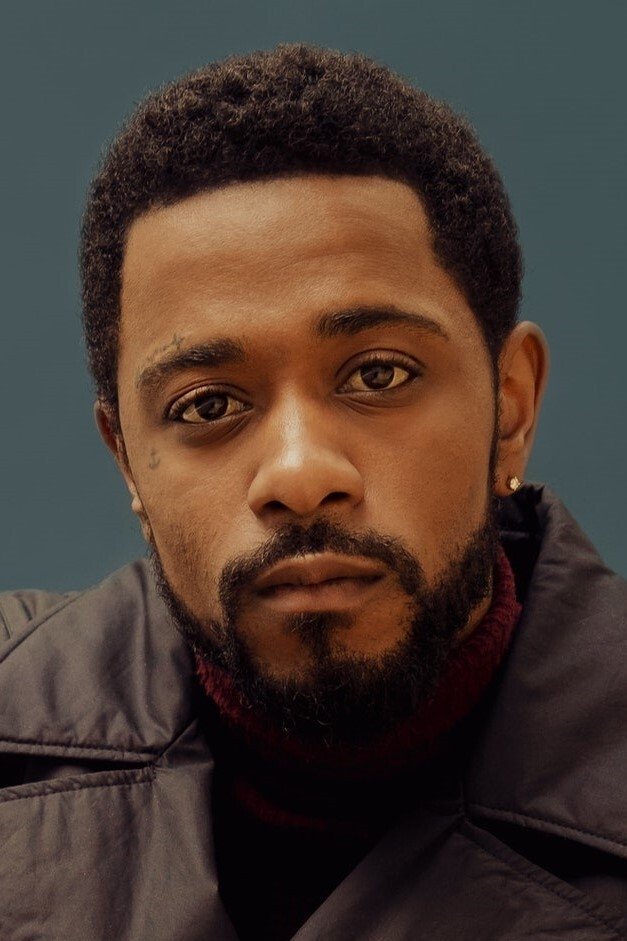
As a film fan, I’ve been really impressed watching Lakeith Stanfield’s career. He’s clearly made smart choices, picking roles that let him really show his range. It’s paid off – as he’s become more well-known in movies, he’s been able to command higher salaries for his TV work. His team is great at making sure he doesn’t get stuck playing the same type of character and that he gets the recognition he deserves, even when he’s part of a larger cast. To me, he really embodies what a lot of actors want now: the freedom to be creative and get fairly compensated for it.
Brian Tyree Henry
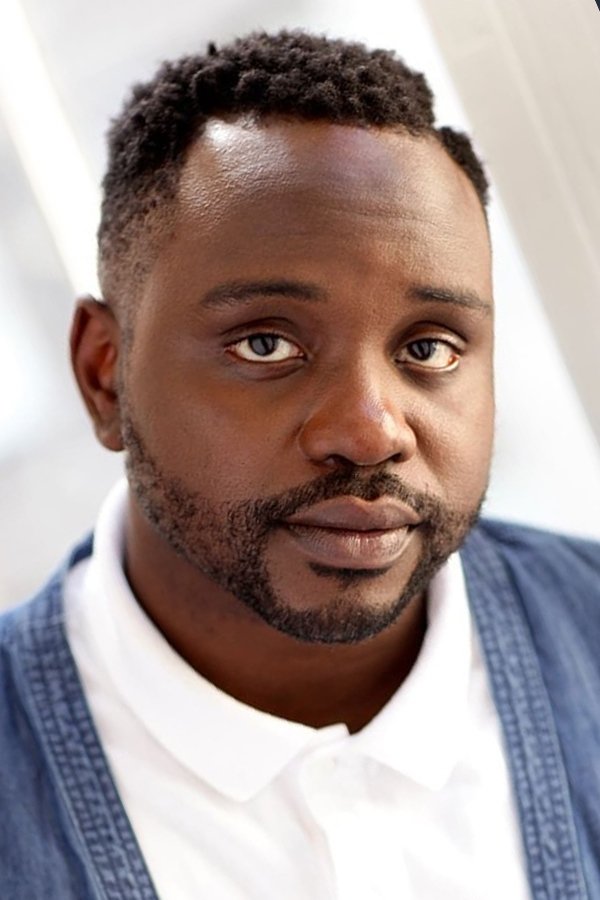
After gaining recognition for his work, Brian Tyree Henry started earning more for his movie roles. He was able to negotiate a good deal for his part in the ‘Eternals’ films because critics praised his acting. Henry’s ability to excel in both funny and serious roles allows him to earn a high salary, and he consistently demonstrates the vital importance of character actors to any successful film.
Yahya Abdul-Mateen II
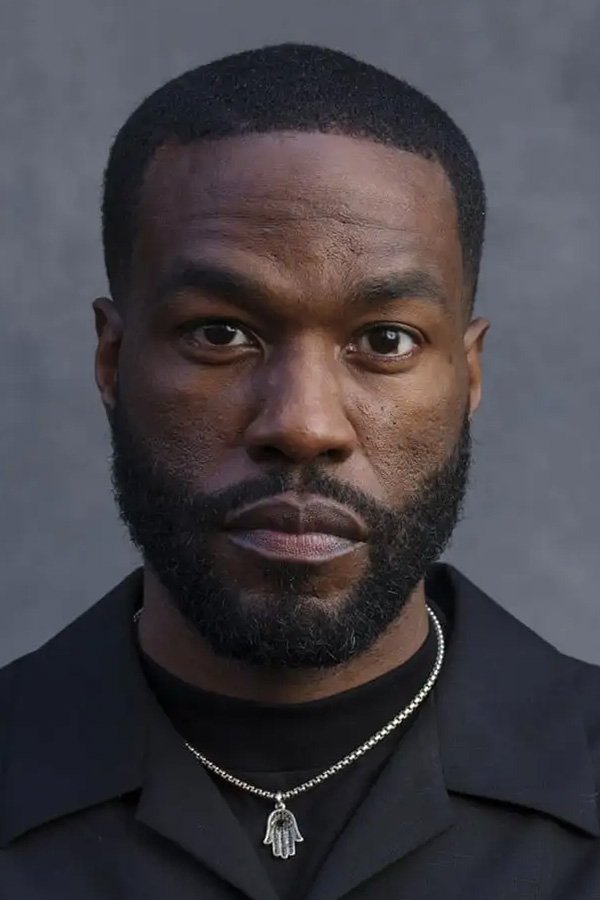
Yahya Abdul-Mateen II has become a major star, and his salary reflects that. After proving his popularity with audiences in ‘Aquaman’ and its sequel, he earned a significant income. His representatives work hard to make sure he’s compensated at the level of a leading actor in a big franchise. Abdul-Mateen is one of a growing number of actors who expect to be fairly paid right away.
Colman Domingo
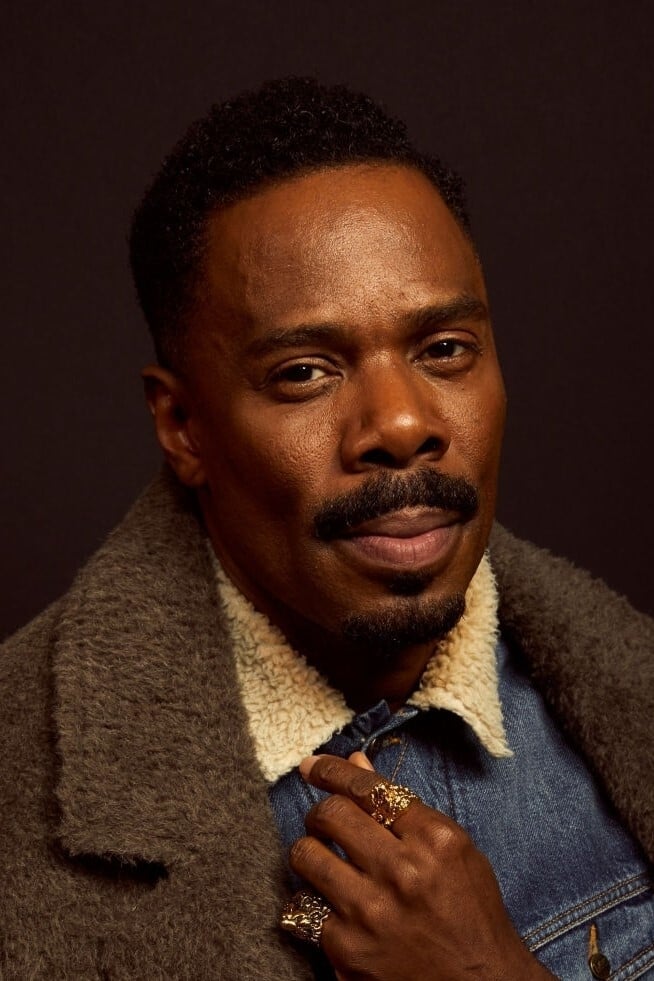
I’ve been so impressed watching Colman Domingo’s journey! He really turned things around, going from a hardworking actor to someone leading projects and having a real say in how things are done. It was amazing to see how he used his Emmy win to rightfully ask for better pay in movies. Now, with his production deals, he’s not just performing, he’s building things his way, controlling the finances and creating opportunities. What I admire most is that he’s using his success to fight for equal pay for other LGBTQ actors of color – it’s truly inspiring!
Delroy Lindo
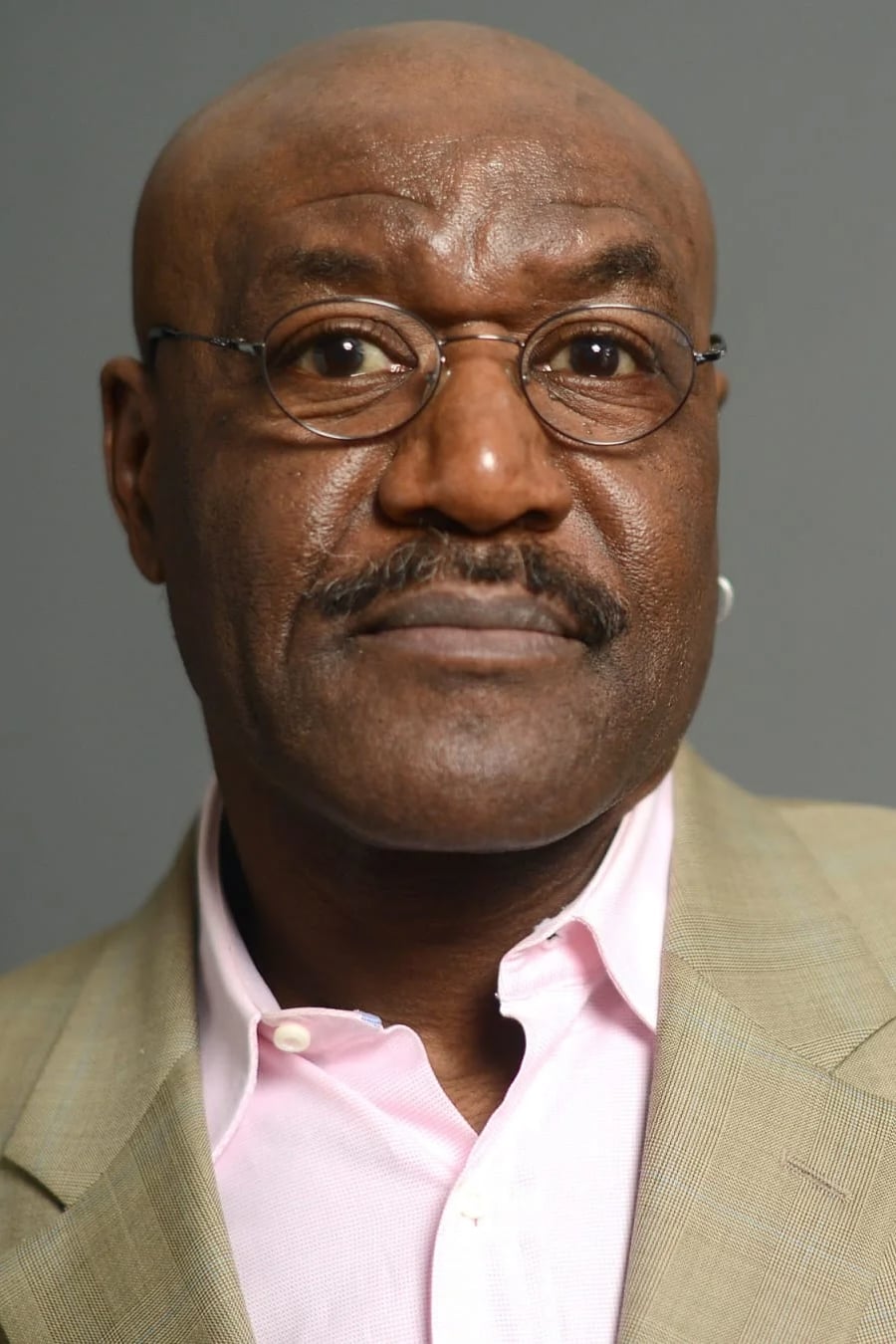
Delroy Lindo is a highly respected actor with a long and impressive career, and he now commands payment that reflects his experience. Recent successful roles have given him the leverage to ask for – and receive – better rates for television and streaming work. He’s rightfully unwilling to accept unfairly low offers, given his many years of dedication to acting. Lindo’s career is a great example of how to maintain your worth in the entertainment industry.
Giancarlo Esposito
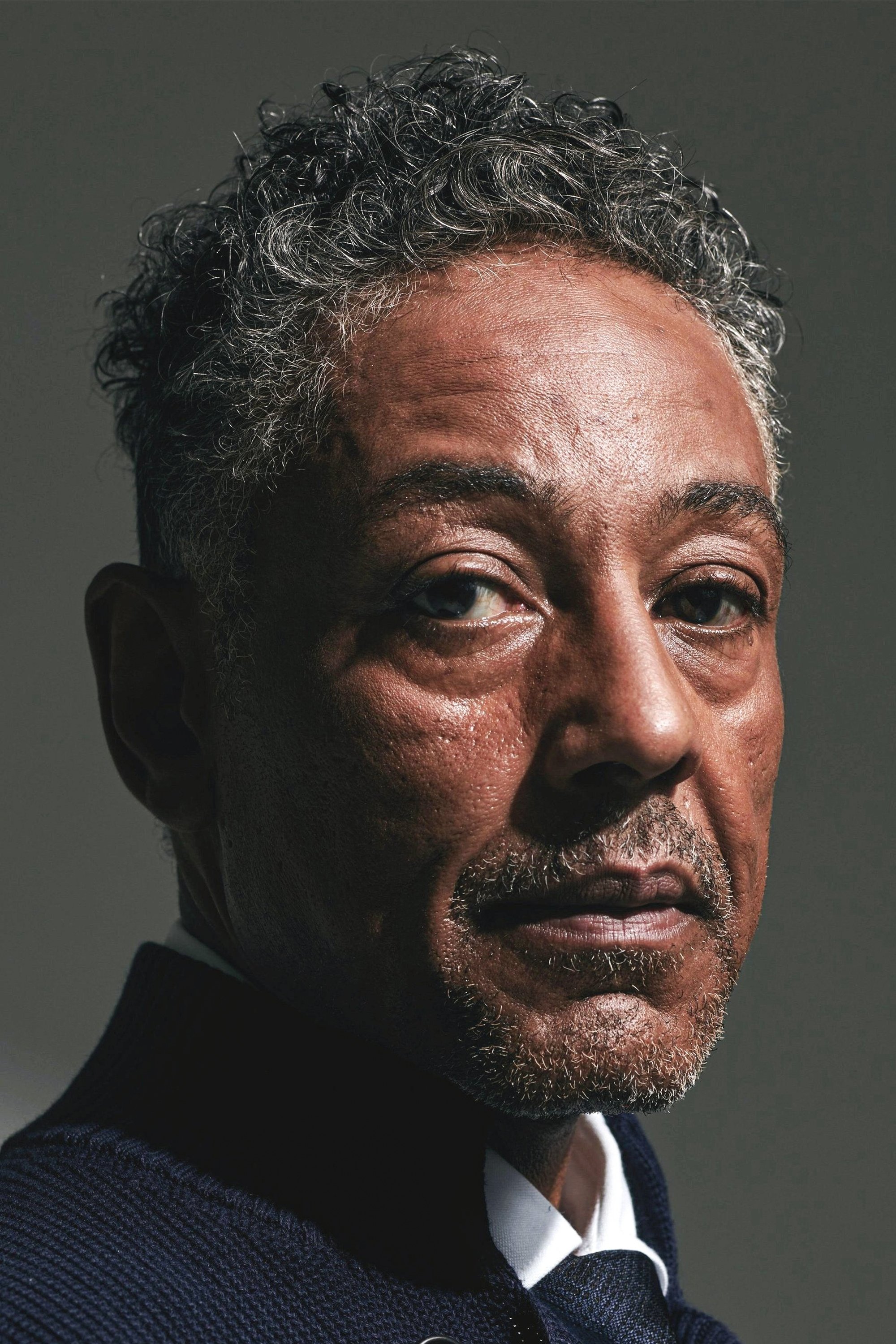
Giancarlo Esposito has successfully used his well-known roles on shows like ‘The Mandalorian’ and ‘The Boys’ to earn equal pay across different projects. Because he’s become famous for playing villains, he has a strong negotiating position and can command high fees for his work, making sure he’s well-compensated for his unique talent and brand.
Sidney Poitier
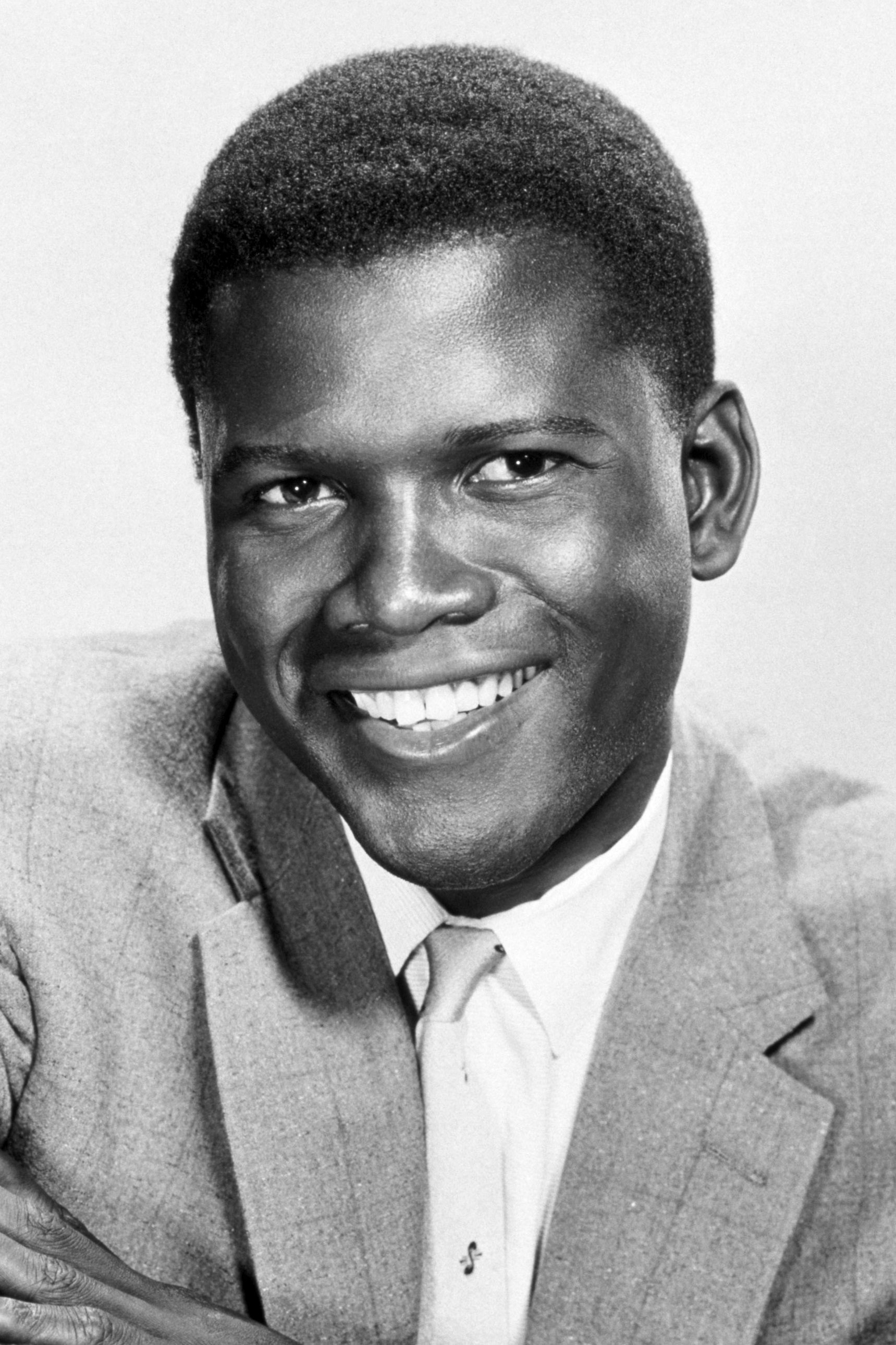
Sidney Poitier broke new ground in the 1960s by demanding equal pay to his white counterparts. He consistently refused roles that he felt were demeaning or undervalued his worth, and he insisted on sharing in the profits of successful films. This established a standard for Black actors who came after him, and he ultimately compelled Hollywood to recognize the financial impact of casting a Black lead.
Harry Belafonte

Harry Belafonte was a successful singer and actor who bravely fought for fairness during a time when segregation was common. He insisted on equal treatment and refused to work at places or in movies that didn’t offer it. He was ahead of his time in demanding control over his own work, even if it meant earning less money, and he did so to uphold his principles and support the civil rights movement.
James Earl Jones
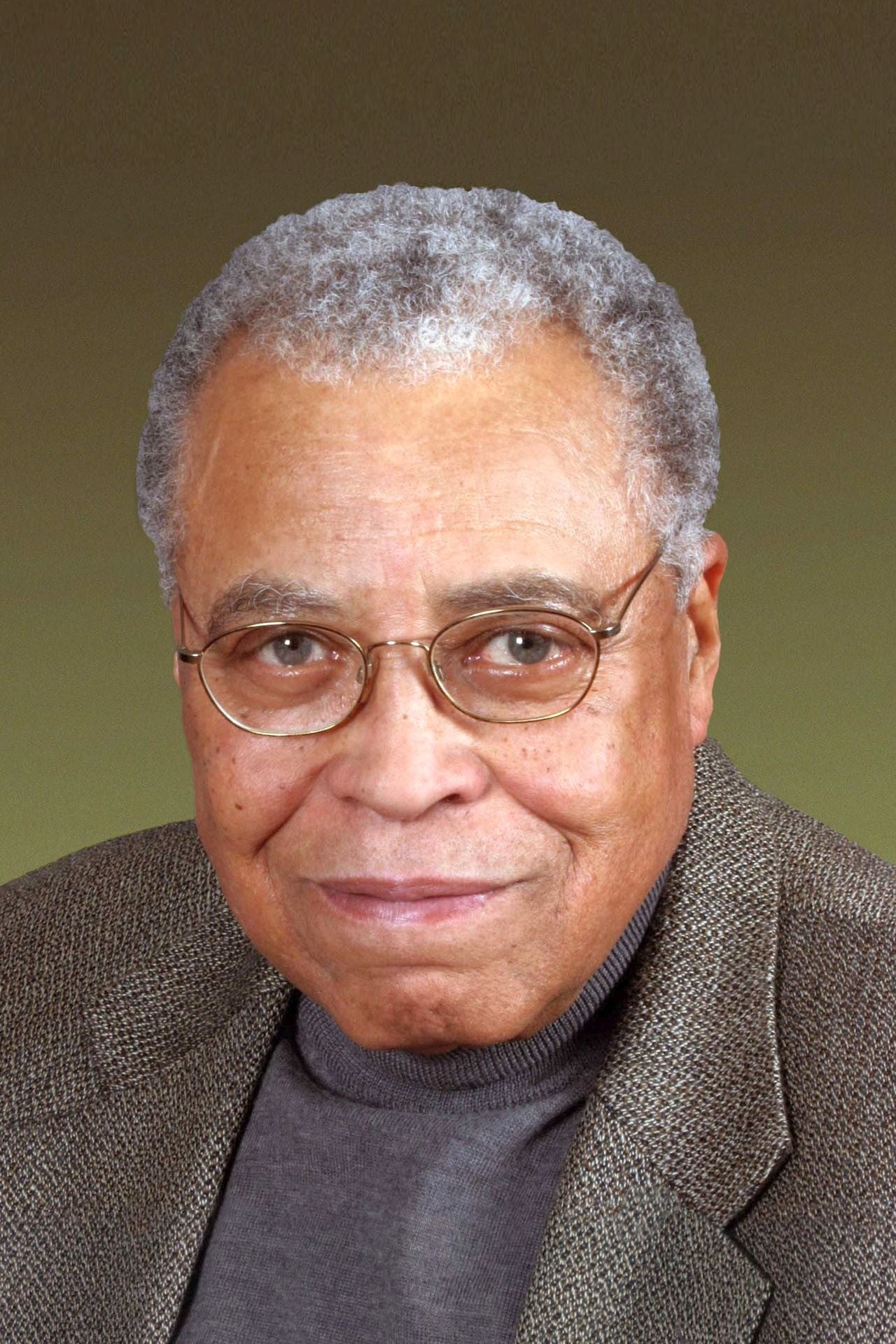
James Earl Jones made sure voice acting was compensated as well as on-screen acting. He successfully negotiated contracts for his famous voice roles in films like ‘Star Wars’ and ‘The Lion King’ that included ongoing payments. His team worked to get him proper recognition and fair pay, which were initially missing. Jones demonstrated that voice performances deserve the same financial consideration as other acting roles.
Billy Dee Williams
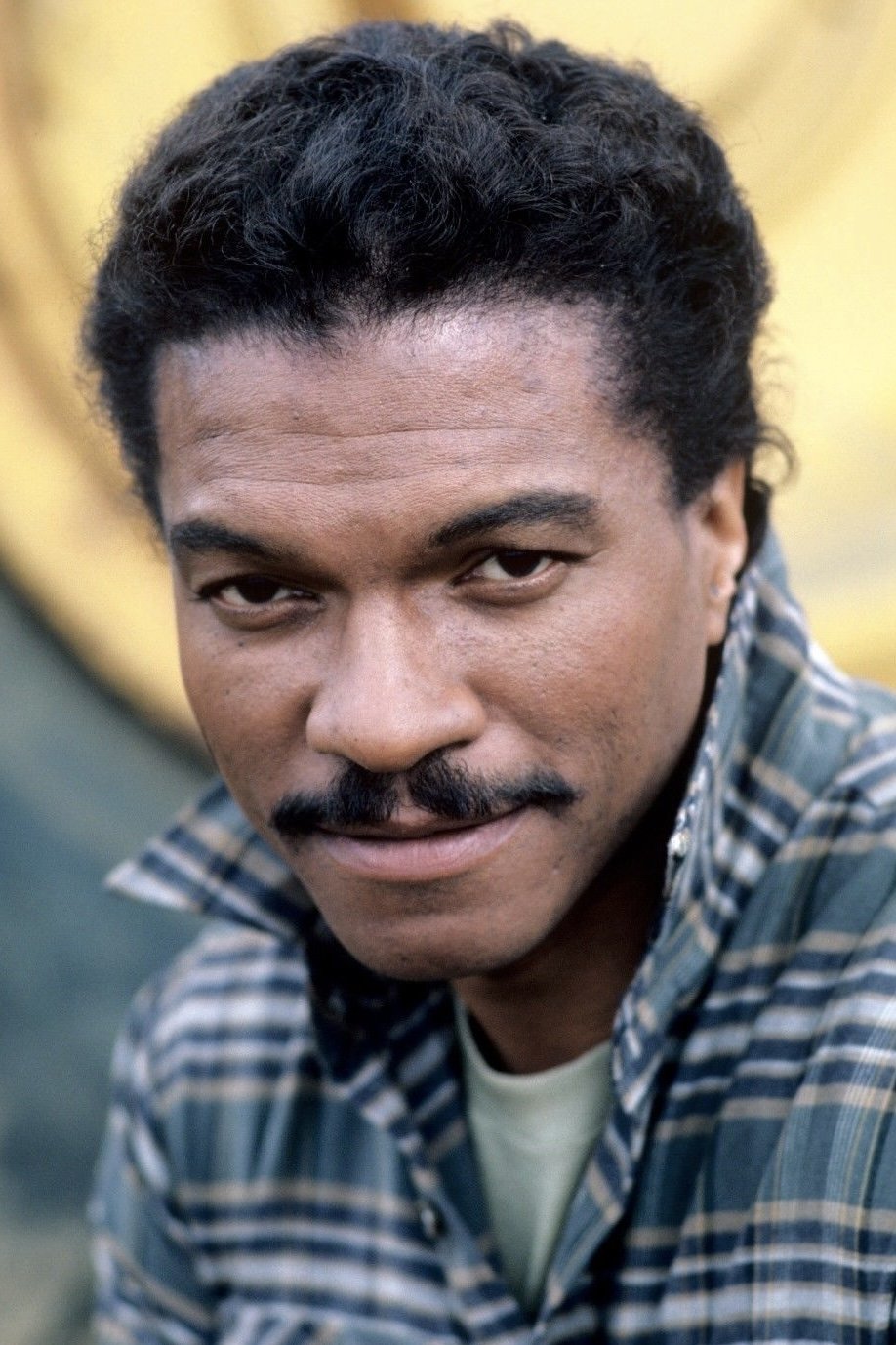
As a lifelong movie fan, I’ve always admired Billy Dee Williams. He was a real trailblazer, one of the first Black actors to become a leading man and get paid like the biggest white stars of the time. His portrayal of Lando Calrissian wasn’t just iconic, but he actually negotiated a contract that recognized how important his character was to the story and to audiences. And decades later, when he came back to Star Wars, he didn’t settle for less – he got a raise! Honestly, he really opened doors for Black actors in sci-fi and space adventures, and I think his impact is still felt today.
Chris Tucker
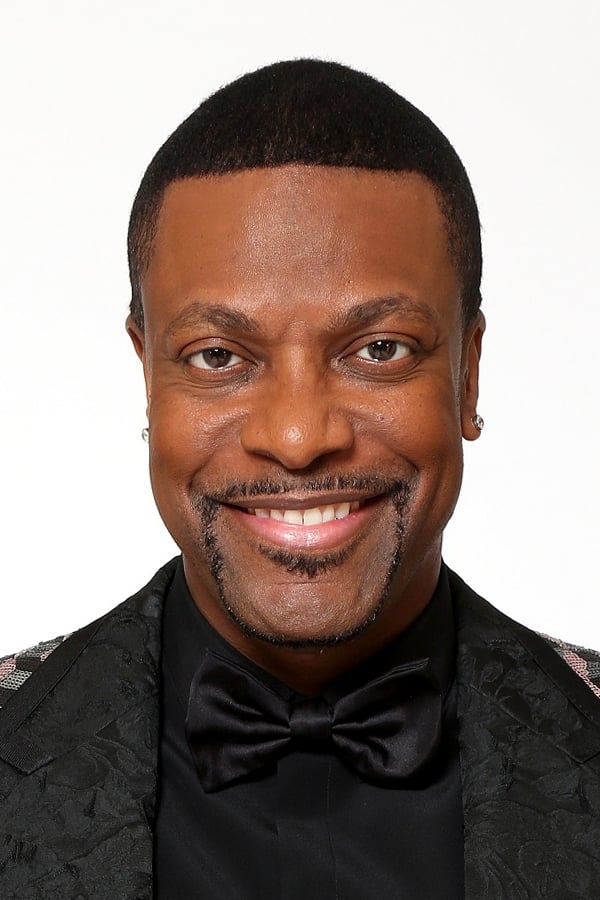
Chris Tucker famously demanded a $25 million salary for ‘Rush Hour 3’ and wouldn’t commit to the movie until the studio agreed. This made him the highest-paid actor in Hollywood at the time, proving his willingness to wait for the compensation he deserved.
Keith David
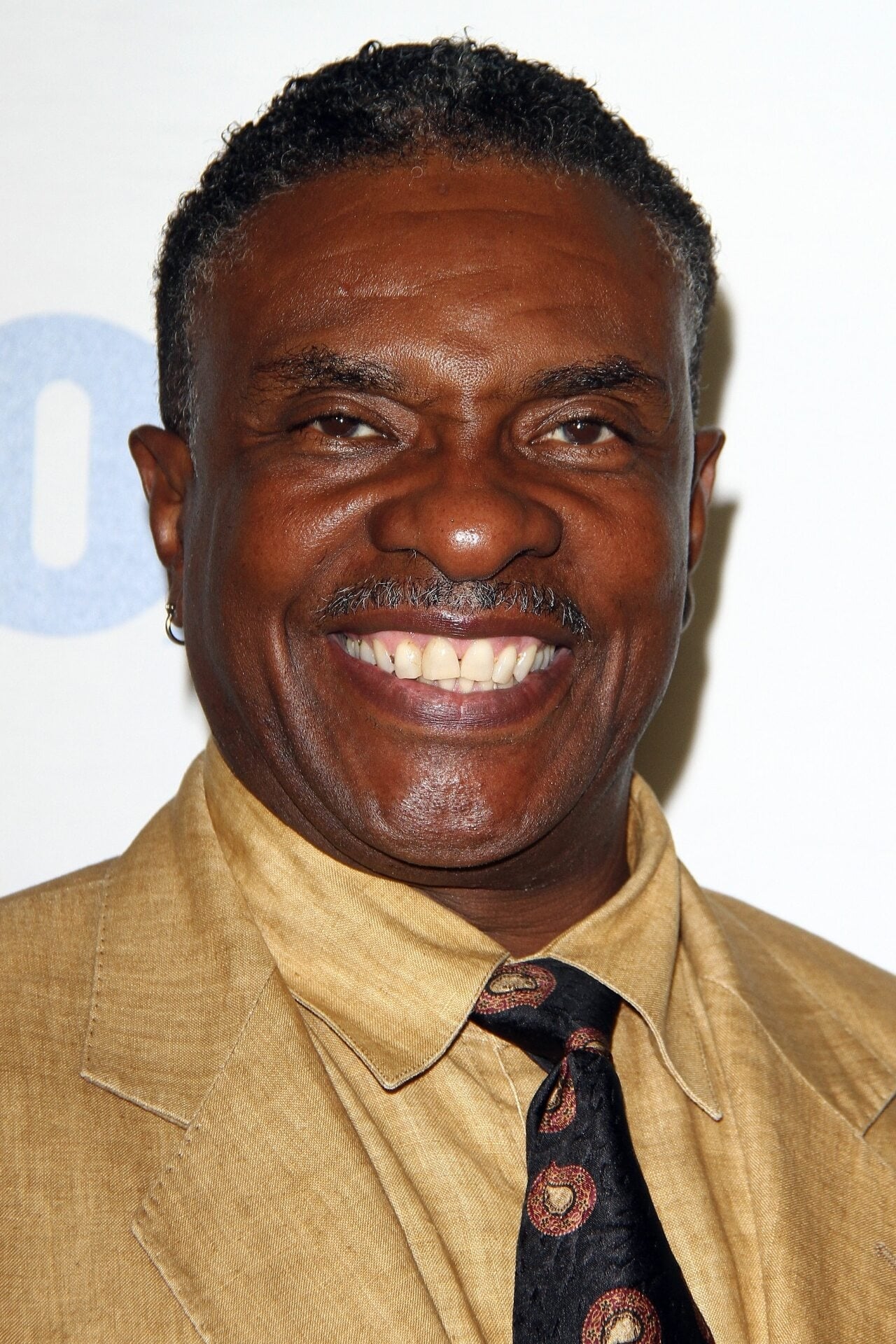
Keith David has built a successful career by carefully structuring his contracts to include both his voiceover and on-screen roles. He also makes sure to negotiate for ongoing payments, securing his financial future. Because he’s highly respected in the industry, he’s able to command high rates for his narration and character performances. David embodies the professional actor who advocates for fair treatment and standard union practices.
Dennis Haysbert
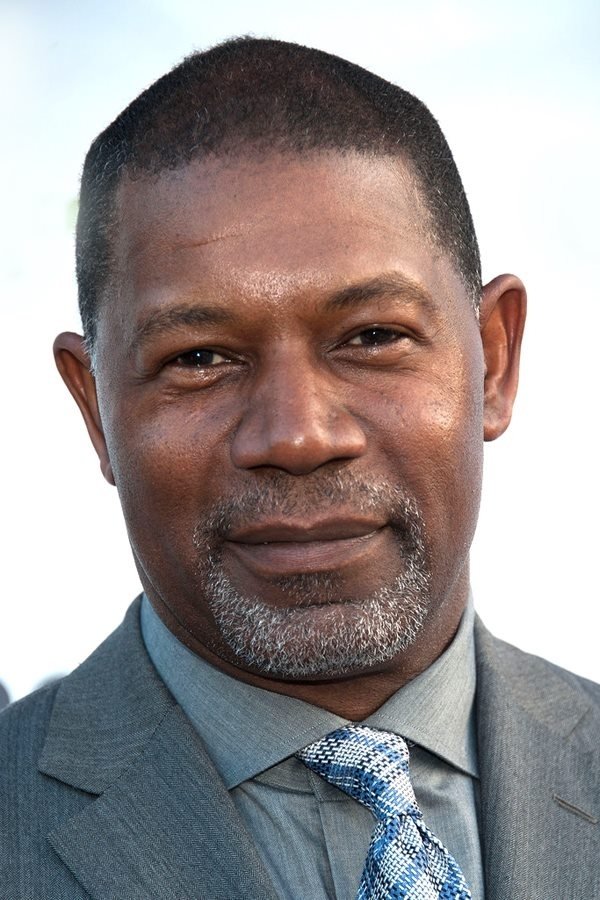
Dennis Haysbert built a highly successful career not just through acting, but also by leveraging his reputation as a trustworthy figure. He secured major endorsement deals and skillfully negotiated contracts for his TV shows, making him one of the highest-earning actors on television. By capitalizing on his established image, Haysbert demonstrated a smart way to increase his income beyond traditional acting roles.
Ving Rhames
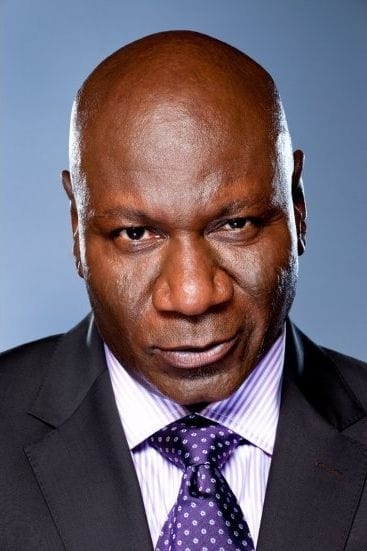
Ving Rhames earned a significant amount of money for returning to the ‘Mission: Impossible’ films. He made sure his contract not only covered his work on the movies, but also the use of his image, and acknowledged his long-standing role as one of the few original cast members alongside Tom Cruise. His representatives successfully argued for terms that recognized his experience and dedication to the series, demonstrating that long-term commitment to a franchise deserves financial recognition.
Michael Clarke Duncan
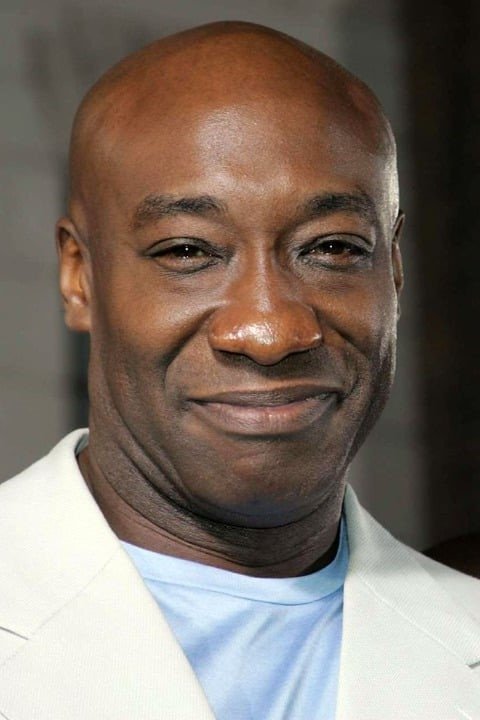
Michael Clarke Duncan’s career took off with his performance in ‘The Green Mile,’ which allowed him to achieve financial stability. He carefully chose roles that weren’t just tough guys, determined to avoid being typecast and stuck with low-paying parts. He also supplemented his income with voice acting, using that success to gain leverage in salary negotiations. Ultimately, Duncan worked hard to be recognized and compensated as a diverse and talented actor.
Tracy Morgan
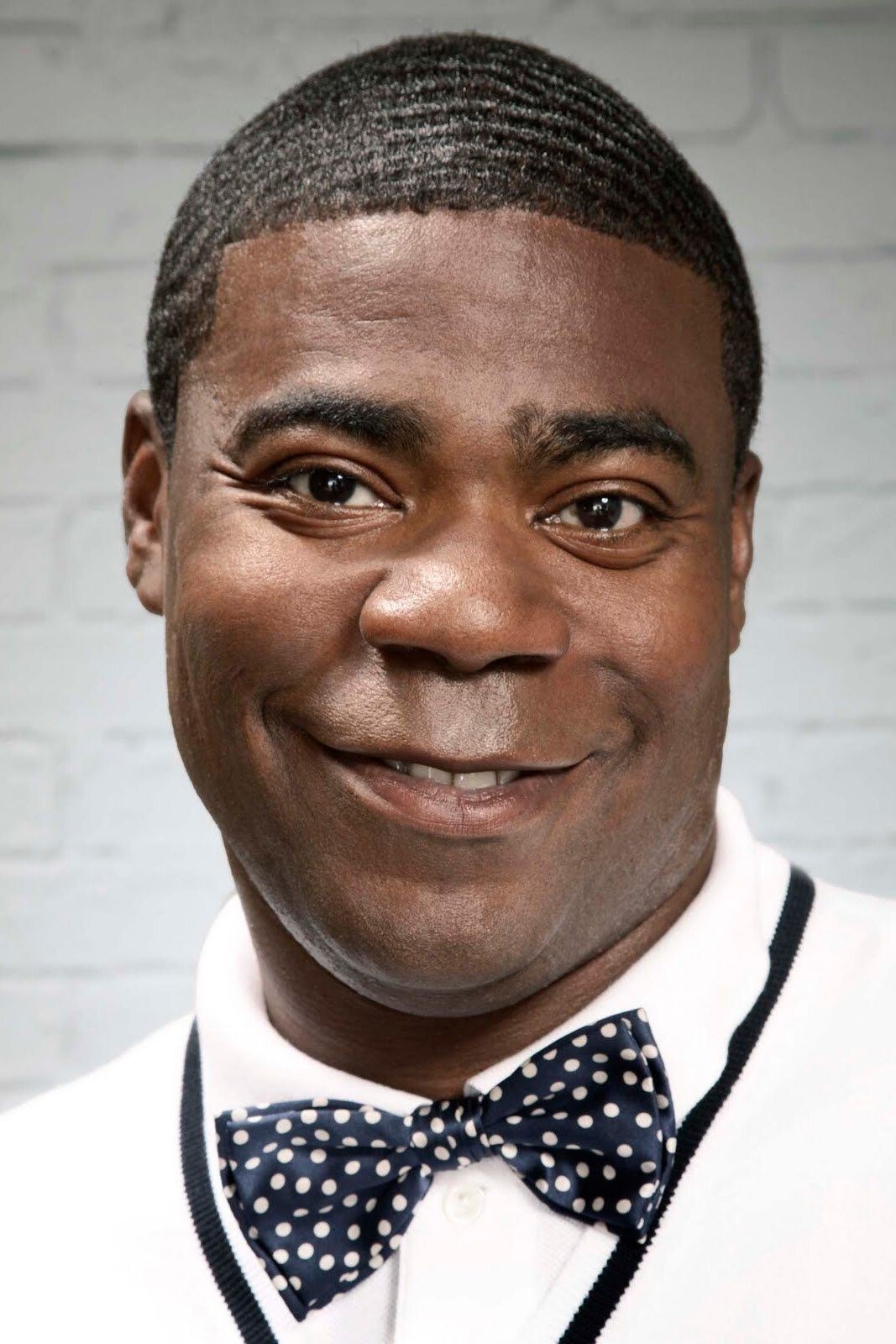
After a serious accident, Tracy Morgan successfully negotiated a financial settlement and a return to television. He used his distinctive comedic style to land well-paying jobs on shows like ’30 Rock’ and his own series, and often negotiated executive producer credits to increase his income. Morgan consistently ensures his comedic talent is highly valued and compensated.
Kenan Thompson
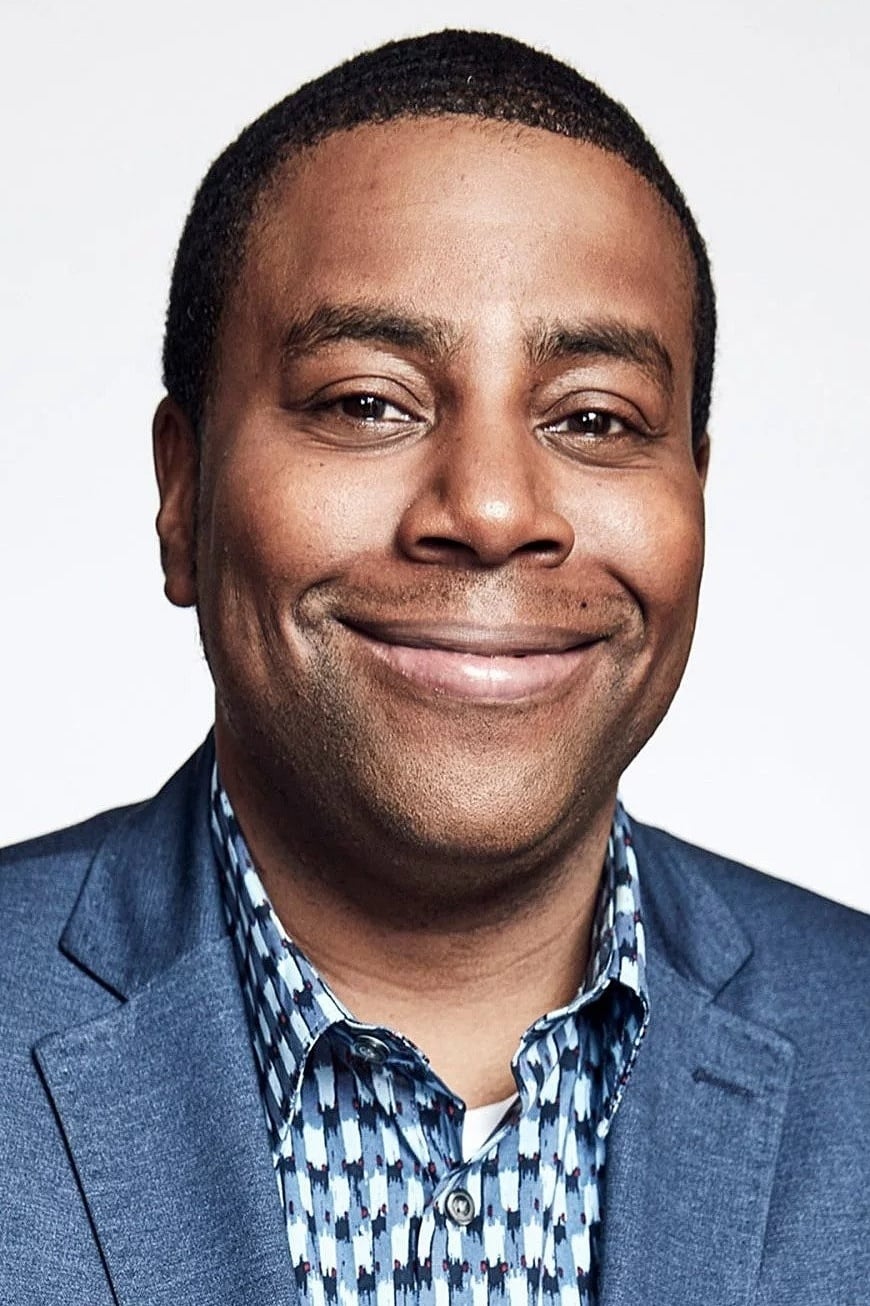
Kenan Thompson skillfully negotiated his long run on ‘Saturday Night Live,’ becoming the show’s most tenured cast member. This seniority allowed him to earn a higher salary than other cast members and pursue projects outside of the show. His contract also includes opportunities to produce spin-off projects, effectively turning a starting sketch comedy job into a successful, lasting career.
Marlon Wayans
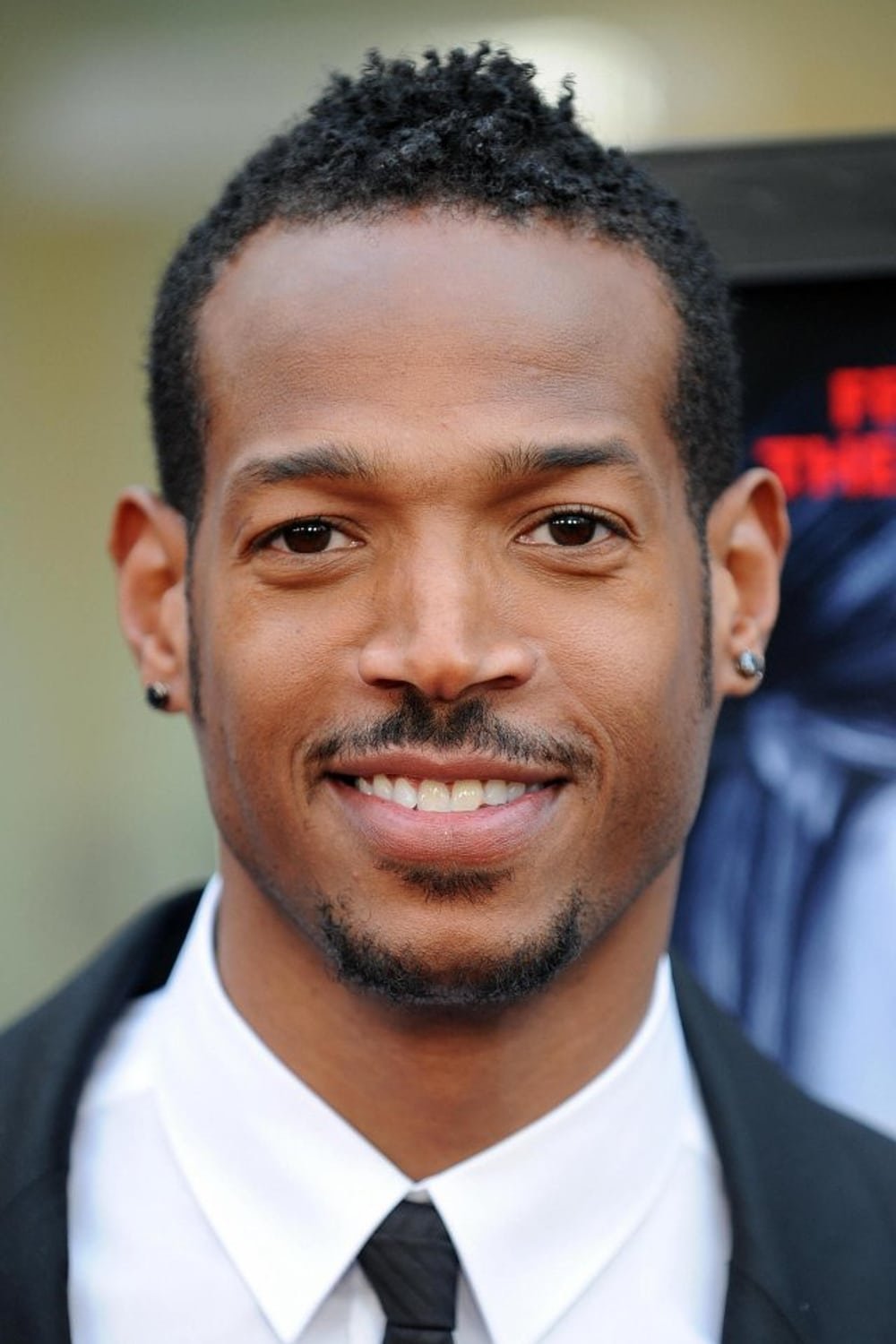
As a movie fan, I’ve always admired how Marlon Wayans built his career. He’s like the rest of his family – a real creative force, writing and producing his own projects, often on a smaller budget. But what’s really smart is how he structures his deals. He’ll negotiate for a big cut of the profits on films like ‘A Haunted House,’ which means even if a movie doesn’t break box office records, he can still make serious money. It just goes to show you, taking control of your work and betting on yourself is the best way to get what you deserve.
Share your thoughts on these trailblazing actors in the comments.
Read More
- Gold Rate Forecast
- Invincible Season 4 Gender Swaps Tech Jacket As Fans Question Major Comic Change
- 22 Films Where the White Protagonist Is Canonically the Sidekick to a Black Lead
- Silver Rate Forecast
- The Best Former NFL Players Turned Actors, Ranked
- Unveiling the Schwab U.S. Dividend Equity ETF: A Portent of Financial Growth
- 14 Movies Where the Black Character Refuses to Save the White Protagonist
- Superman Flops Financially: $350M Budget, Still No Profit (Scoop Confirmed)
- Why Won’t It Just *Do* What You Ask? Unpacking the Quirks of AI Language
- Biogen’s Jolly Good Showing
2025-12-13 16:20