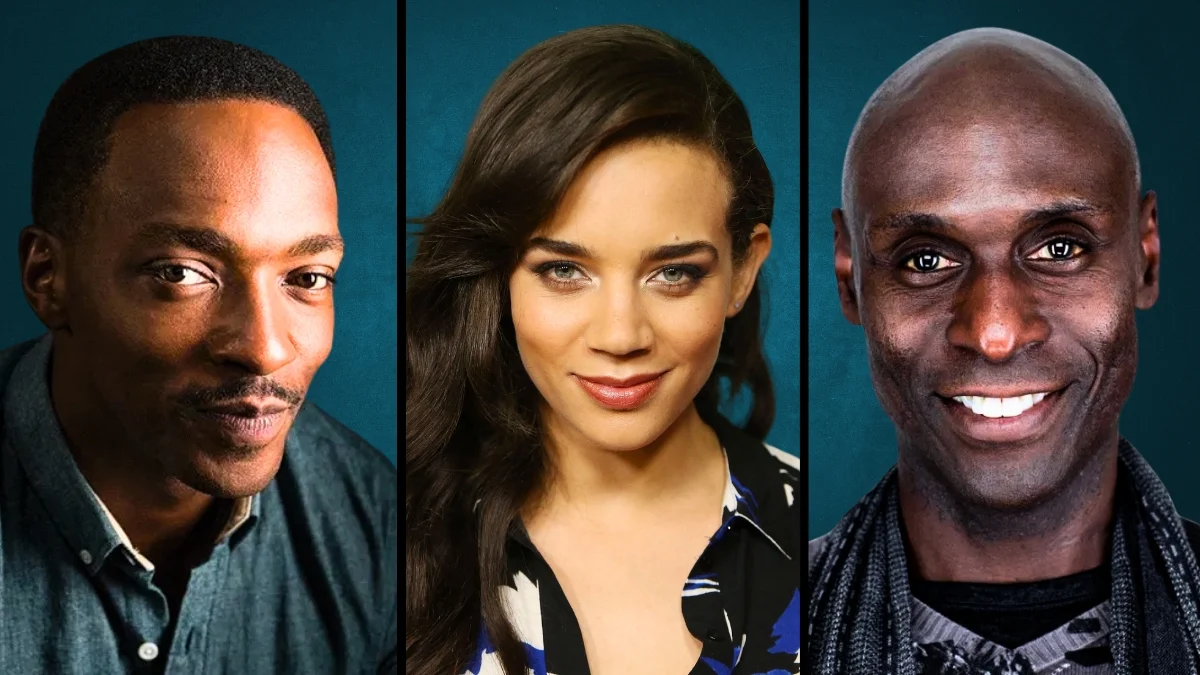
Bringing video game characters to life on screen is challenging, and many Black actors have gone above and beyond to ensure those portrayals stay true to the original designs. They’ve fought for accurate details like hairstyles and costumes, and collaborated closely with teams handling stunts, visual effects, and the game’s backstory. These actors made sure live-action adaptations got the details right, so viewers didn’t have to fill in the gaps themselves.
Anthony Mackie
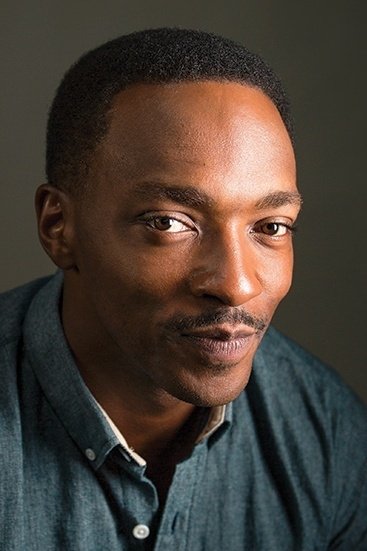
Anthony Mackie not only starred in ‘Twisted Metal’ (on Peacock) but also helped produce it, giving him creative input alongside Sony Pictures Television and PlayStation Productions. He worked closely with the teams responsible for cars, costumes, and stunts to bring the franchise’s signature demolition derby feel to life. The production focused on using real vehicles and carefully planned crashes to make the show’s over-the-top action feel grounded. Combined with fast-paced editing, this approach made Mackie’s character, John Doe, feel like a video game character in action.
Mehcad Brooks
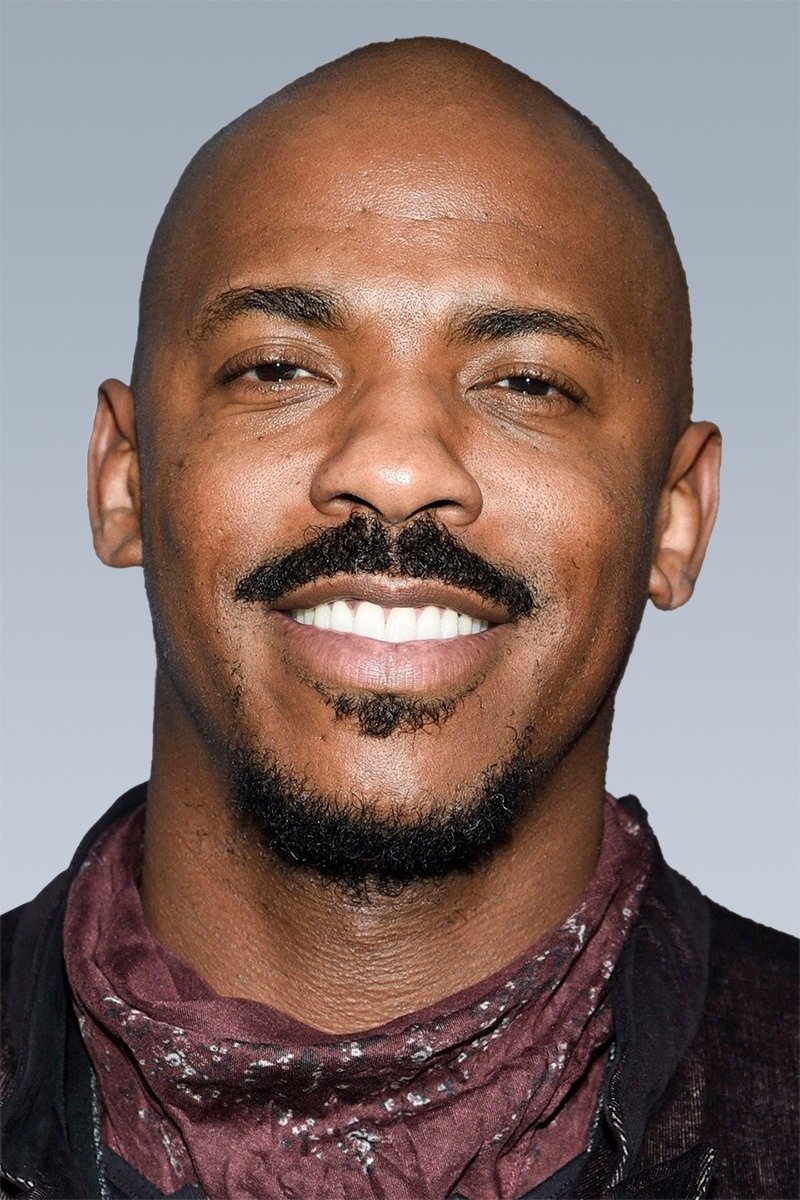
For the movie ‘Mortal Kombat’, Warner Bros. and New Line cast Mehcad Brooks as Jax. He worked closely with the special effects teams to create Jax’s iconic bionic arms. The fight choreography was designed to feel like the moves from the game, and Brooks underwent intense training to build the physique fans expected for the armored character. To capture the impact of the game’s finishing moves, the filmmakers used close-up shots during fight scenes while still maintaining a realistic feel for the movie.
Sisi Stringer
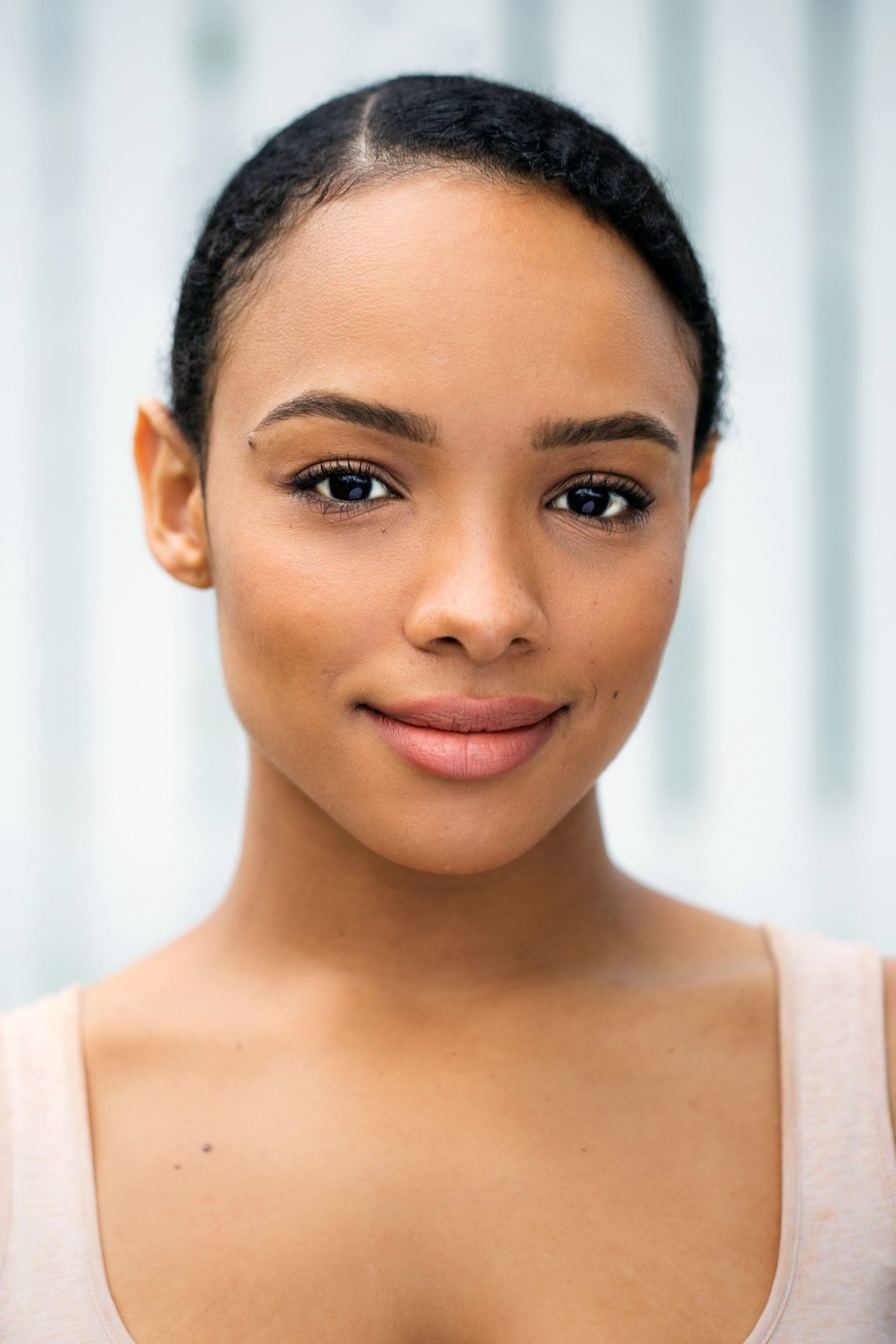
Sisi Stringer, who played Mileena in ‘Mortal Kombat’, relied on a combination of prosthetics and visual effects to create the character’s unique Tarkatan look, prioritizing a natural performance. The filmmakers developed several different mouth pieces to ensure her facial expressions remained clear during conversations. The fight choreography focused on acrobatic moves and skillful use of Mileena’s signature twin sai, mirroring her abilities in the game. Finally, lighting and color adjustments were used to make her costume appear as realistic as the game’s leather and lacquer materials, even on set.
Hannah John-Kamen
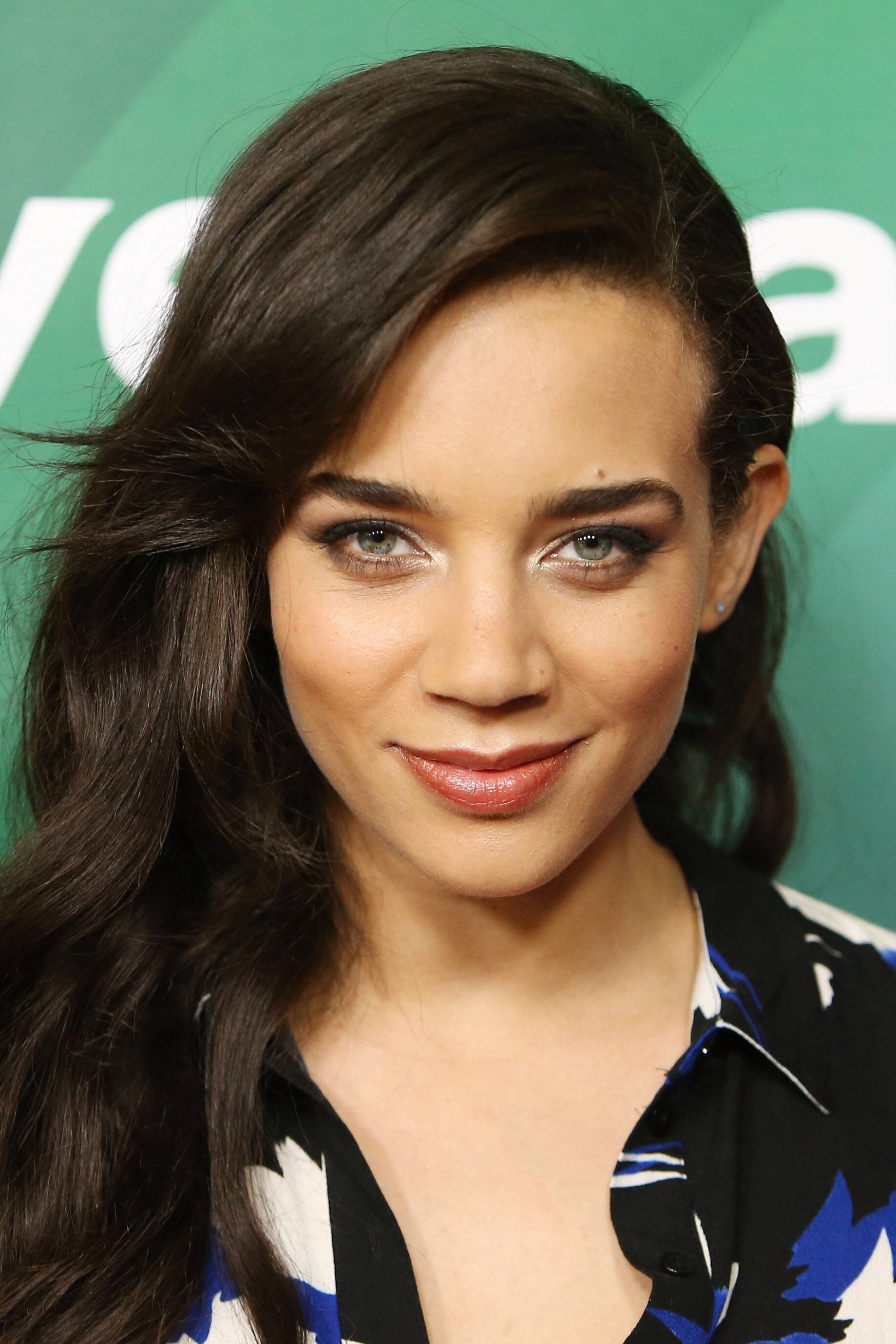
Hannah John-Kamen will play Jill Valentine in the new ‘Resident Evil: Welcome to Raccoon City’ movie. The filmmakers carefully designed Jill’s outfit and equipment, referencing artwork from the video games, especially for scenes filmed at night. The movie also focused on realistic police work to make Jill’s actions feel true to the survival gameplay of the series. To capture the feel of the games, the set was built with details like flooded hallways and flickering lights, so her movements with a flashlight and handgun would look familiar to players.
Lance Reddick
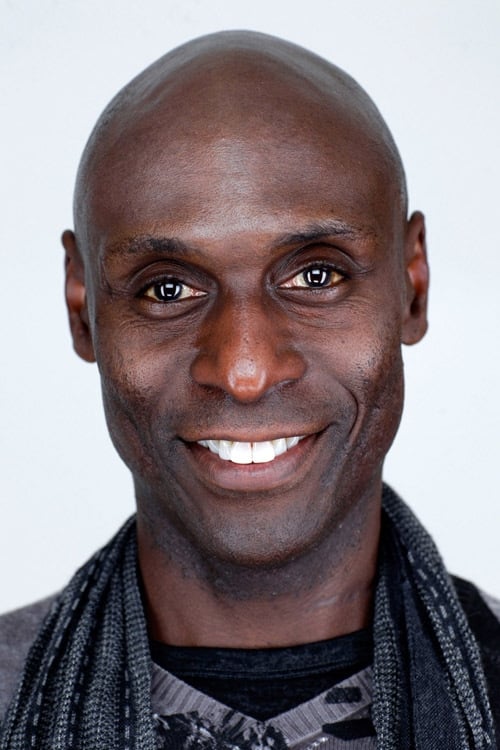
In Netflix’s ‘Resident Evil’ series, Lance Reddick played the central character Albert Wesker, and he worked closely with the show’s writers to ensure the story fit with the established ‘Biohazard’ universe, despite the new timeline. The production team, including Constantin Film and Netflix, provided him with detailed sets and props to maintain consistency across flashbacks, helping him create a believable performance. The costume and hair teams designed several different looks for Wesker to show his changes throughout the series, visually communicating his evolution without needing lengthy explanations.
Michael Kenneth Williams
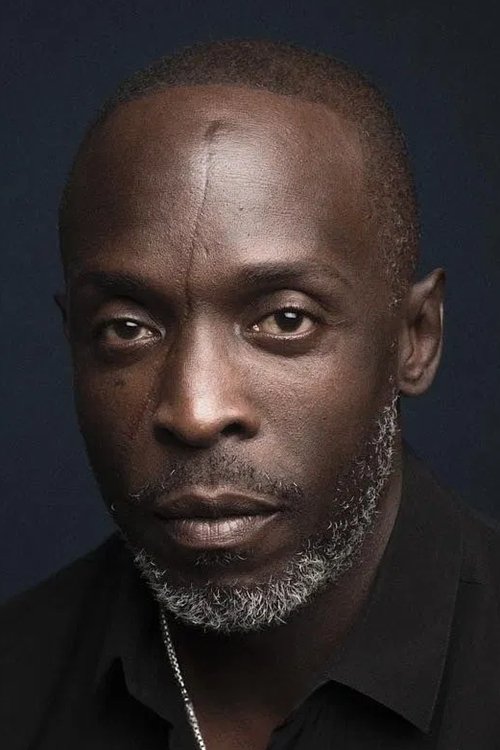
For the film ‘Assassin’s Creed’, Michael K. Williams collaborated with parkour experts to ensure the action felt true to the video game’s fluid movement style, especially in tight spaces. His character’s costume was inspired by the game’s original designs but adapted for realistic lighting. Detailed pre-visualization of the stunts helped match the action to the game’s unique logic, creating a consistent experience for fans whether the scenes took place in a laboratory or on a rooftop.
Ludacris
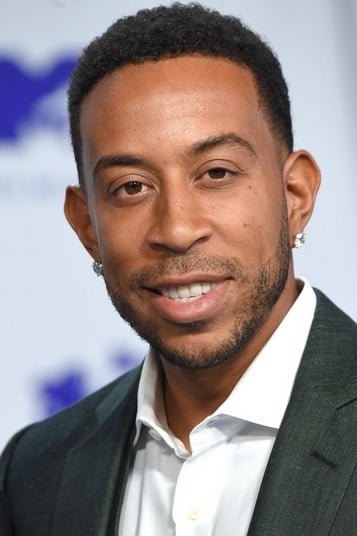
Ludacris played Jim Bravura in the movie ‘Max Payne,’ and to make his portrayal of a police officer realistic, he worked with weapons experts to capture the gritty feel of the video game. The costume department made sure his clothes – coats, holsters, and shoes – were practical for filming long scenes in tough weather conditions. The filmmakers used specific camera lenses to recreate the dark, stylish look of the game. They also added detailed sound effects for things like doors, gun slides, and shell casings to make everything feel more realistic and immersive.
Brian J. White
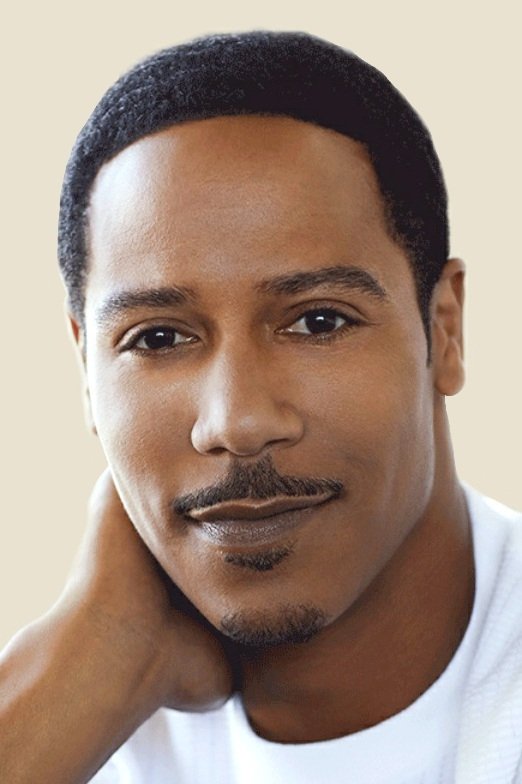
When Brian J. White played Zack in ‘DOA: Dead or Alive’, he and the fight choreographers added elements of capoeira to his fight scenes, capturing the energetic style of the video game. The filmmakers, Impact Pictures and The Weinstein Company, used wide camera angles to showcase the full range of motion, similar to watching a live fighting tournament. They also recreated the game’s vibrant look with colorful outfits and arena lighting. This approach ensured that Zack’s on-screen personality matched his confident and showy character in the game.
Michael Clarke Duncan
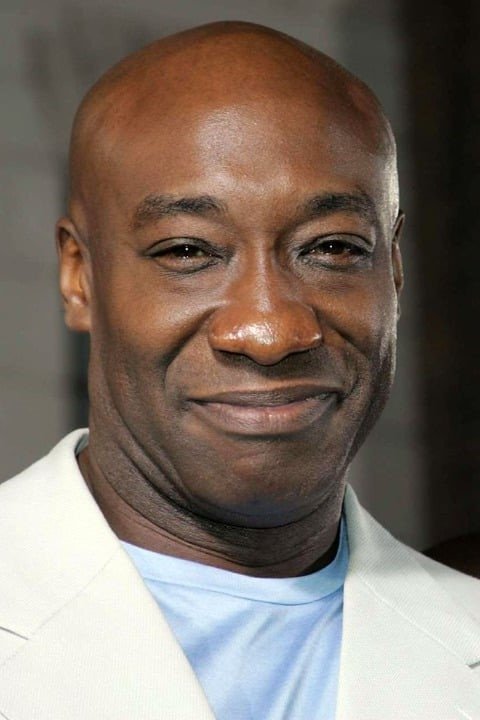
When Michael Clarke Duncan played Balrog in ‘Street Fighter: The Legend of Chun-Li’, he worked with the film’s stunt team to showcase the character’s immense strength and aggressive fighting style. His costume, including wraps, boots, and shorts, was made to withstand a lot of action and falls during filming. The fight choreography focused on powerful, close-up punches and body blows, reflecting Balrog’s background as a boxer. Filmmakers used low camera angles to make his hits seem even more impactful and emphasize his size and force.
Dwayne Johnson
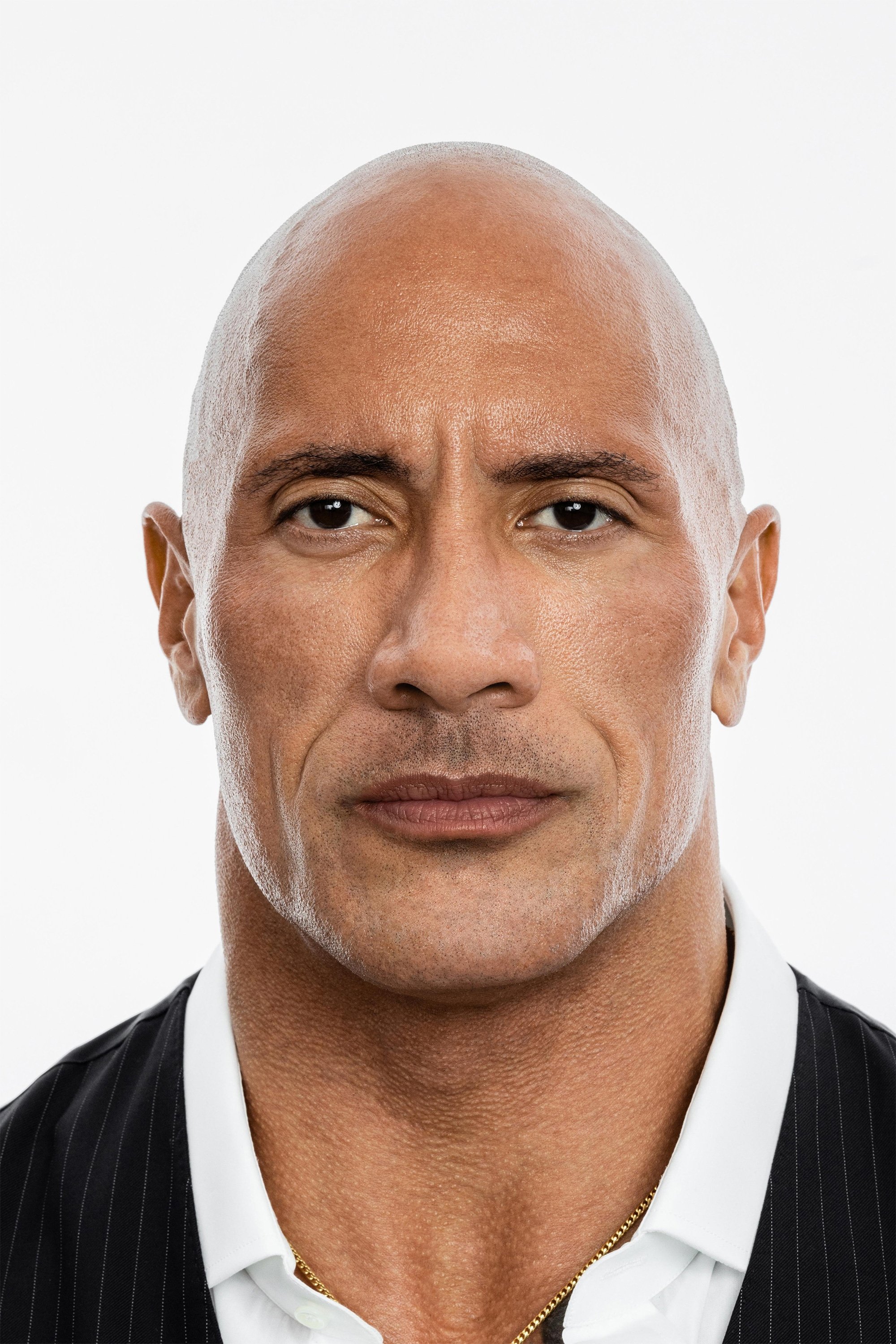
To create the movie ‘Rampage’, Warner Bros. and New Line carefully planned Dwayne Johnson’s scenes using detailed pre-visualization. This ensured his eye movements and hand positions aligned perfectly with the size of the digital creatures. Weta Digital helped maintain consistency throughout the film by providing on-set references for interactions with the gorilla, George. Even Johnson’s clothes and harness were selected to conceal the equipment used for stunts. This meticulous coordination made his action sequences feel like a collaborative performance with an unseen partner.
Djimon Hounsou
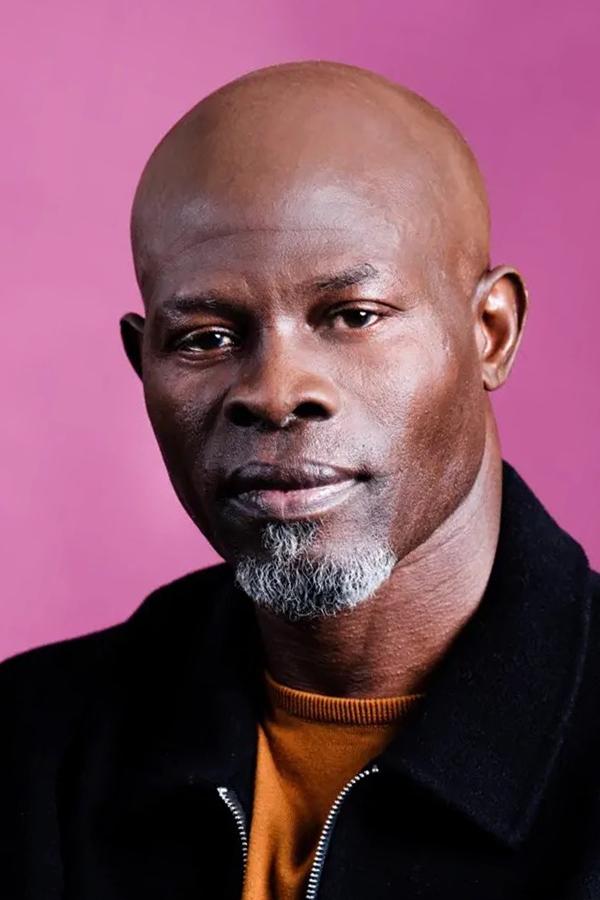
Djimon Hounsou brought emotional depth to Sony’s ‘Gran Turismo’, focusing on the importance of family. He collaborated with the racing team to ensure realistic pit stop scenes. The filmmakers worked closely with PlayStation Productions to subtly include on-screen graphics, prioritizing the actors’ performances. Attention to detail extended to the costumes, which accurately reflected official racing team attire, and the sound design, where engine noises were balanced to avoid overpowering the dialogue.
Paula Patton
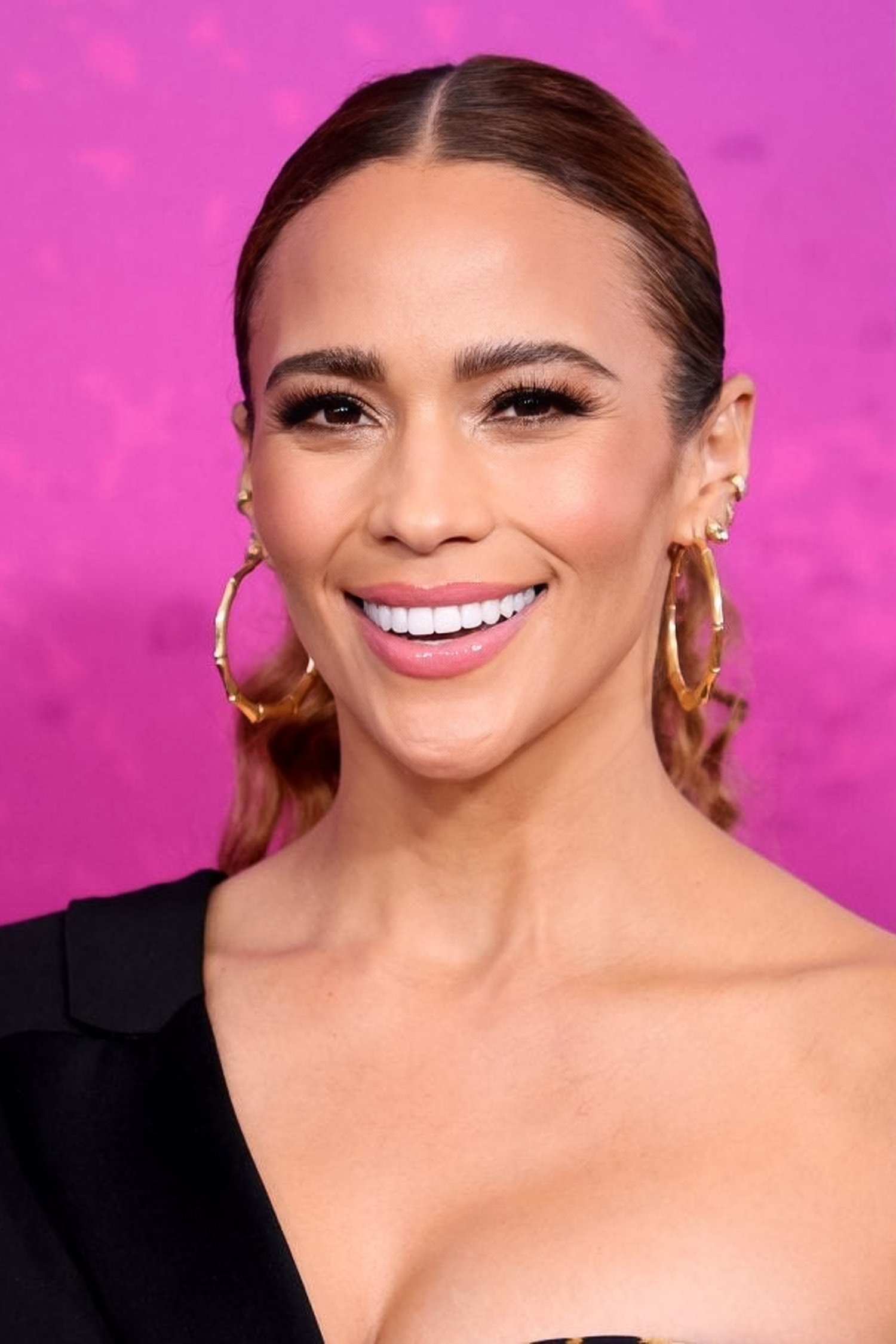
For her role in ‘Warcraft,’ Paula Patton had to skillfully combine acting with the use of prosthetics as the character Garona. The filmmakers – Legendary Pictures, Blizzard, and Universal – developed special makeup that allowed her facial expressions to show through even while wearing orcish tusks and makeup. Movement coaches also created detailed guides to help her walk and move naturally in different scenes, whether she was in a village, a throne room, or fighting. Finally, her armor was carefully designed to look realistic on camera without interfering with the action sequences.
Boris Kodjoe
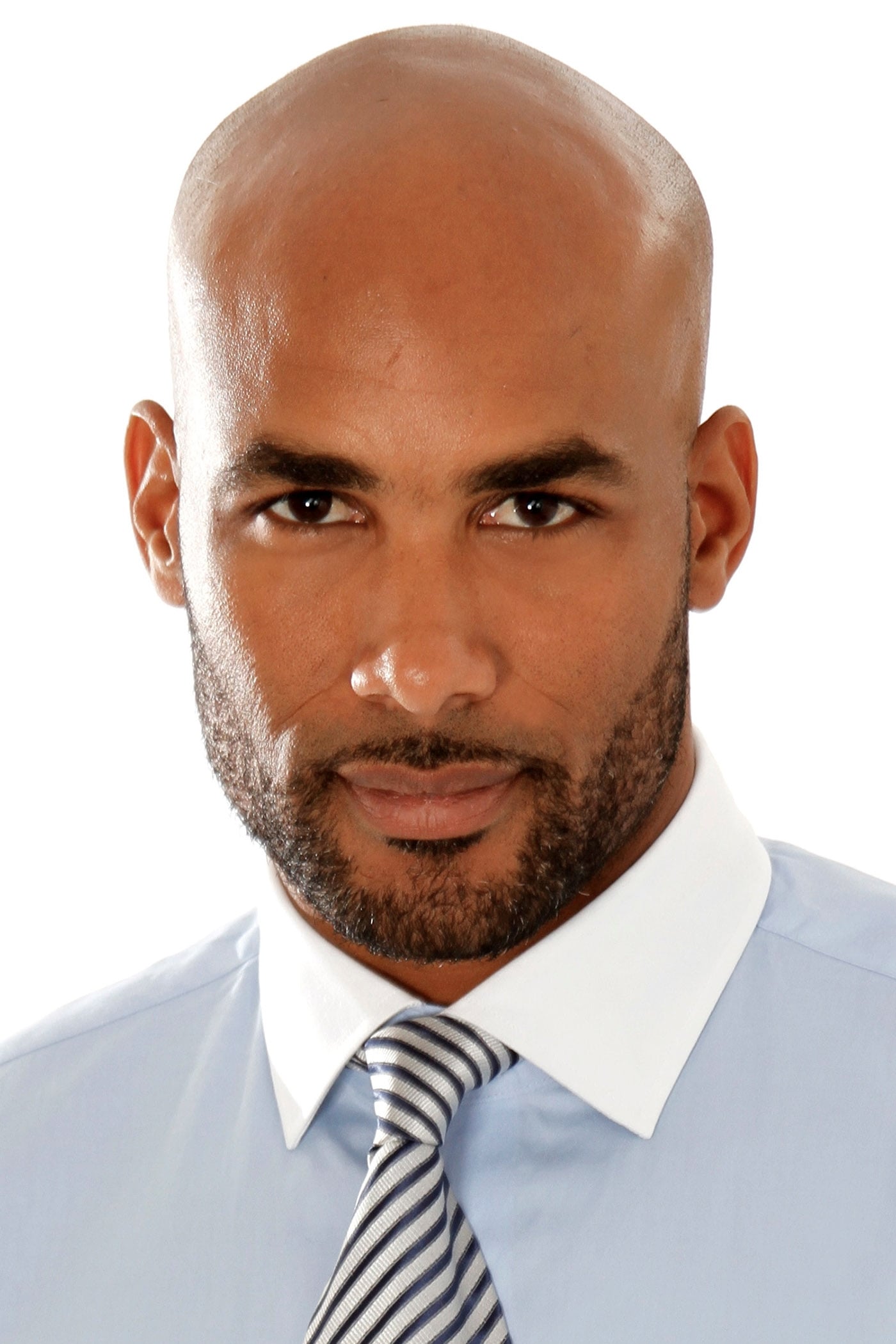
For the films ‘Resident Evil: Afterlife’ and ‘Retribution,’ Boris Kodjoe wore specially designed clothing suited for action sequences, including detailed choreography for weapon handling. The stunt teams carefully planned fight scenes to capture the strategic feel of the ‘Resident Evil’ games. The filmmakers also paid close attention to realistic details like gunfire flashes, shell casings, and blood effects to make the action feel believable. Kodjoe’s character’s journey within the films mirrored the team-focused survival aspects of the games.
Colin Salmon
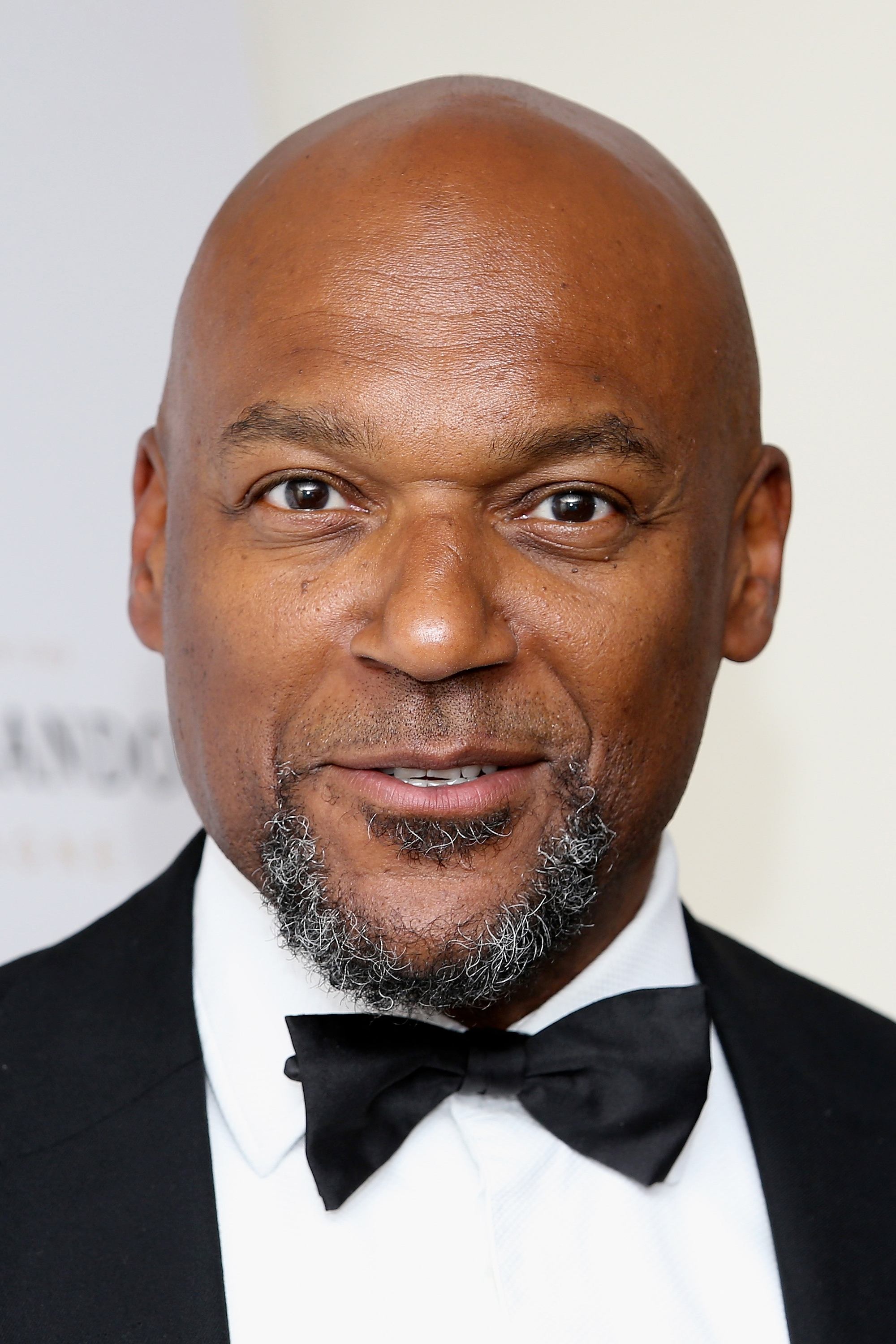
Colin Salmon, playing James “One” in the first ‘Resident Evil’ movie, helped develop key action techniques for the series while working with Impact Pictures and Constantin Film. This included things like team formations, timing for entering rooms, and using hand signals to communicate. His character’s equipment was carefully arranged to be visible even with flashing lights and fog. The famous laser corridor scene was practiced repeatedly, with precise markings, to ensure the camera captured the action with the same clear, calculated feel as the original video game.
Adewale Akinnuoye-Agbaje
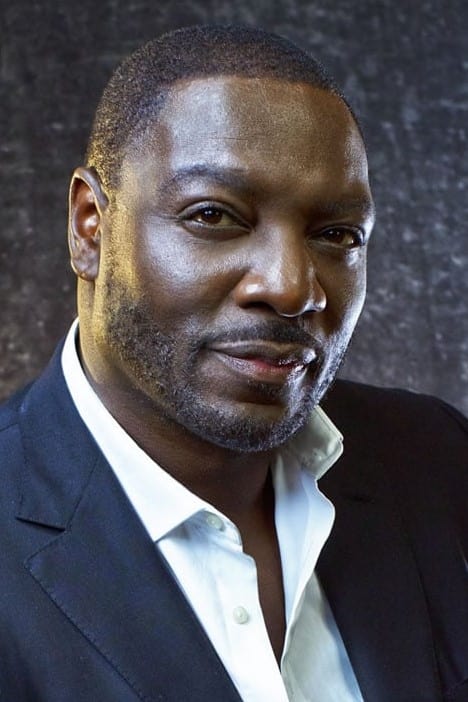
Working on ‘Silent Hill: Revelation’ was cool because they really focused on practical effects. I remember hearing how Adewale Akinnuoye-Agbaje worked with the makeup and costume teams to make sure we could still see how he was moving, even with all that stuff on. The filmmakers, Open Road and Davis Films, wanted everything to look real in-camera – like the ash falling and the wet stone – to keep that super creepy, unsettling feeling the ‘Silent Hill’ games are known for. They were really smart about how they positioned the actors too, so even if you couldn’t see their whole face, you still felt like something was there, adding to the whole dreamlike, messed-up vibe of the series.
Justice Smith
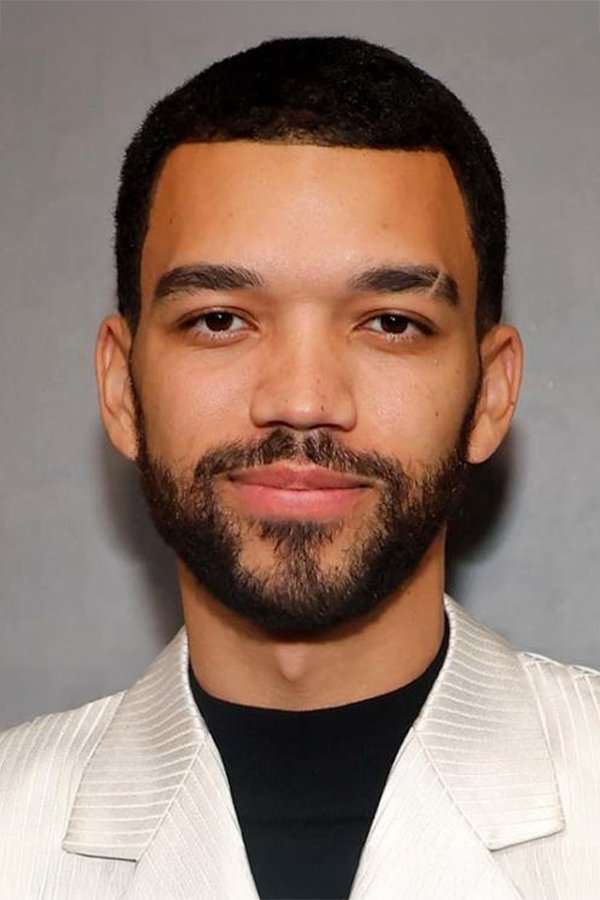
The movie ‘Pokémon Detective Pikachu’ relied on actor Justice Smith to convincingly interact with computer-generated Pokémon throughout extended scenes. To help him, the filmmakers used both performance capture technology and physical stand-ins on set, giving Smith consistent points of reference for his movements and where to look. Costumes were kept simple and neutral in color to ensure the digital Pokémon always stood out visually. In editing, the timing of Smith’s reactions was carefully synced with the animated Pokémon’s movements to maintain the fast-paced, interactive feel of the Pokémon games.
Tika Sumpter
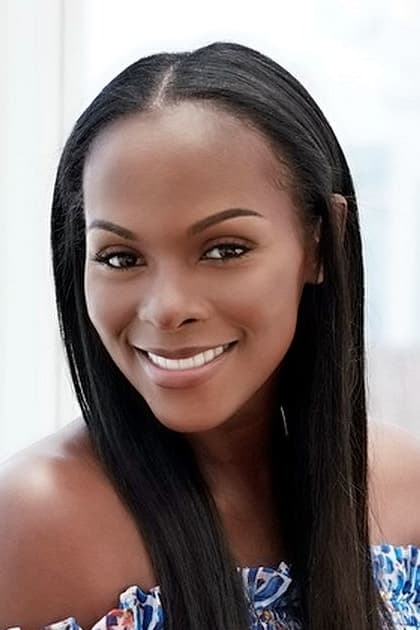
For ‘Sonic the Hedgehog’, Tika Sumpter worked closely with Paramount and Sega to ensure the live-action scenes felt realistic and connected to the fast-paced animation. They paid attention to details like how doors opened, objects were handed off, and cars moved, which made Sonic’s speed more believable. The team even used stand-ins during rehearsals to maintain a consistent rhythm. Costumes were designed to avoid shiny materials that would cause problems with visual effects. This careful approach helped blend the live-action and animated worlds seamlessly, making everything feel natural and believable.
Idris Elba
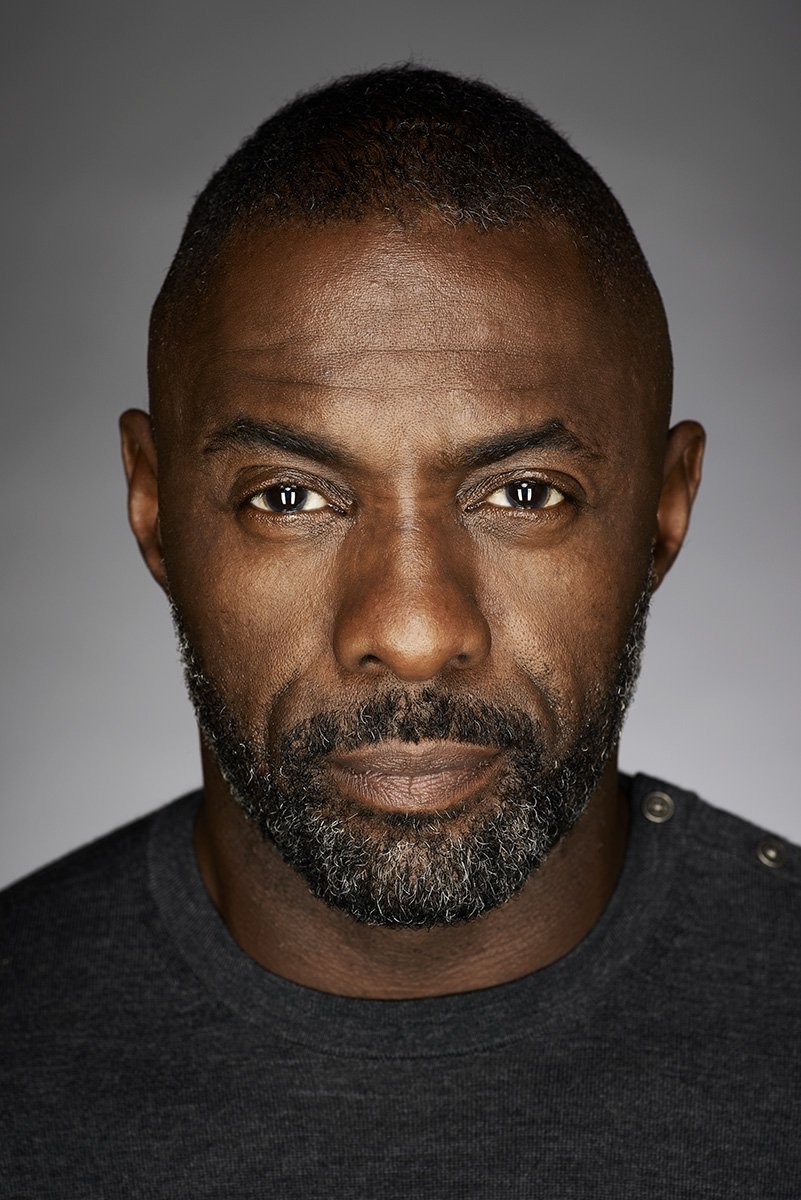
As a huge Sonic fan, I was really impressed with how they brought Knuckles to life in ‘Sonic the Hedgehog 2’! They got Idris Elba for the voice, which was amazing, but they went the extra mile to make it feel right. Apparently, they used new tech to map all of Idris’s facial expressions and how he delivers lines onto the animated model. And it wasn’t just the voice – the animators really focused on making his movements natural, especially during fights. They even worked with real performers to choreograph the action so you could clearly see Knuckles’ punches! Plus, the sound team added a lot of depth to his voice to match how powerful he sounds – it all just came together so well.
Kevin Hart
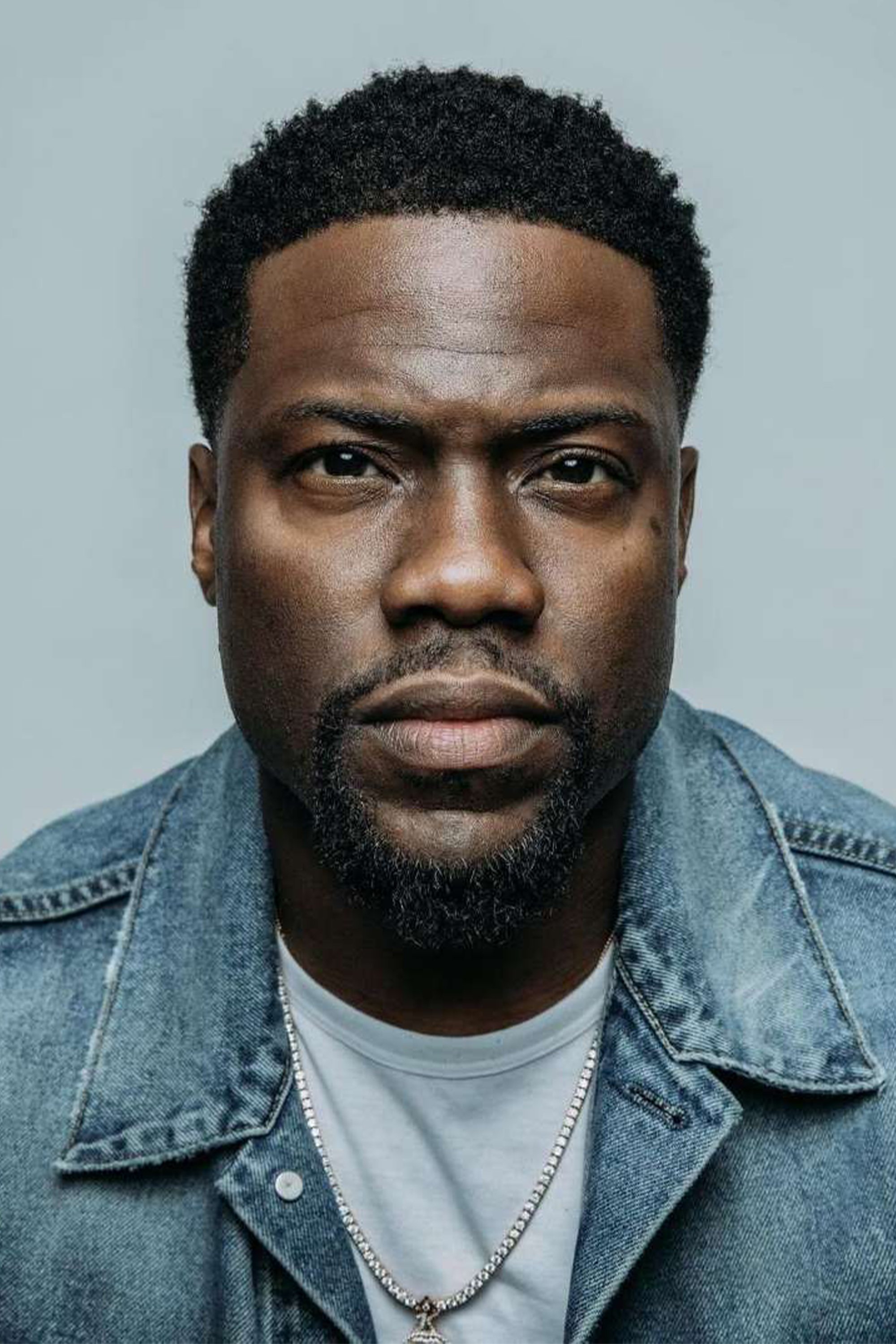
For the movie ‘Borderlands’, Kevin Hart plays Roland and worked with trainers to become believable as a soldier from the game. They paid close attention to details like how his gear was positioned – including magazine pouches and his protective vest – to make movements quick and realistic. The hair and makeup team created a gritty, battle-worn look fitting for the planet Pandora. The filmmakers also worked closely with the game developers at Gearbox to ensure the weapons used in the movie looked like the iconic items players find in the game.
Aaron Moten
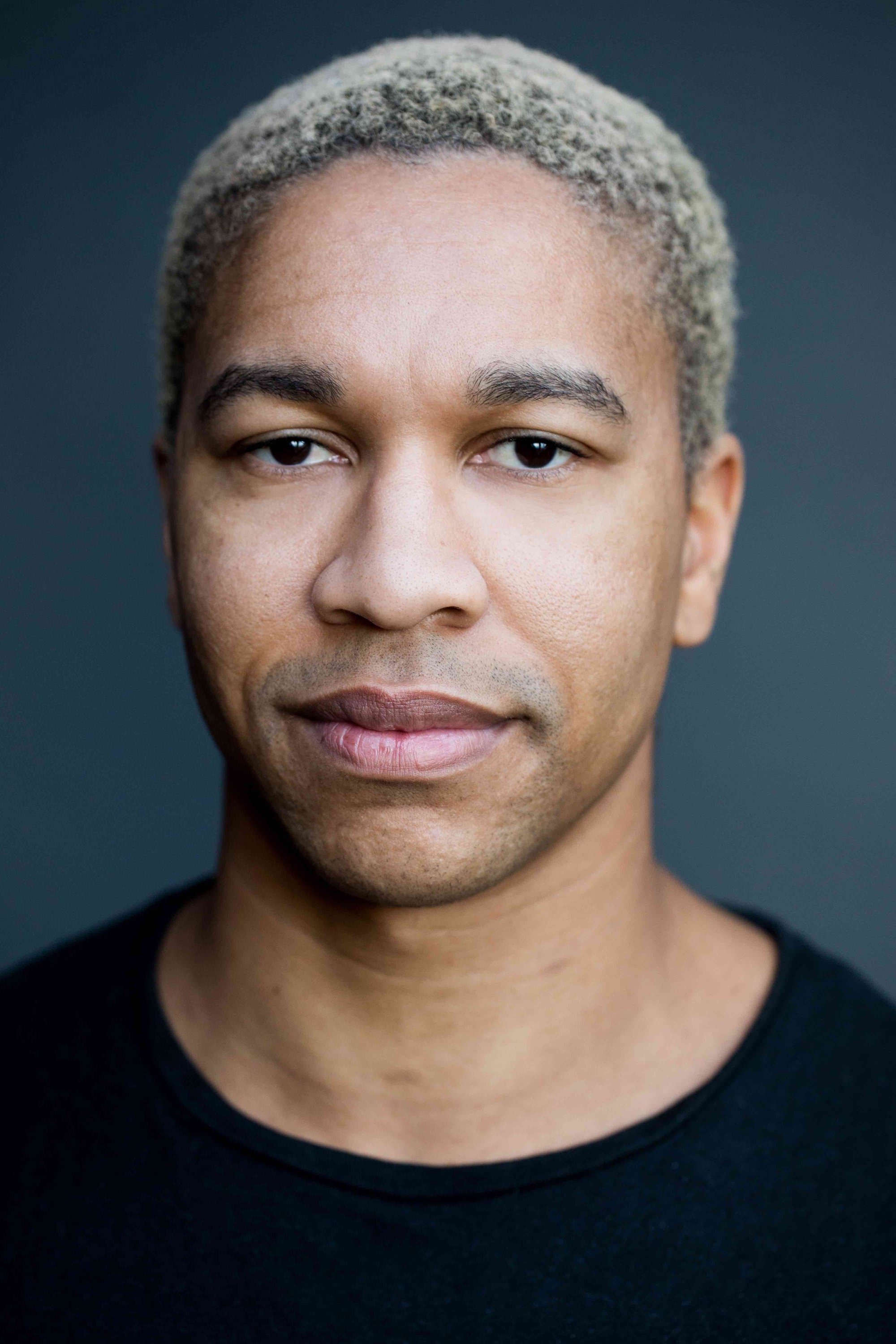
The Brotherhood armor worn by Aaron Moten in Amazon MGM Studios’ ‘Fallout’ series was carefully crafted by Legacy Effects to be both realistic and functional. It included working joints and was weighted to feel heavy, allowing for convincing fight choreography. The show’s creators meticulously followed the visual style of Bethesda’s artwork, paying close attention to details like emblem placement and wear and tear. Moten’s movements were specifically choreographed to emphasize the armor’s weight, and scenes where he was sitting helped to make the bulky suit look natural when at rest.
Bokeem Woodbine
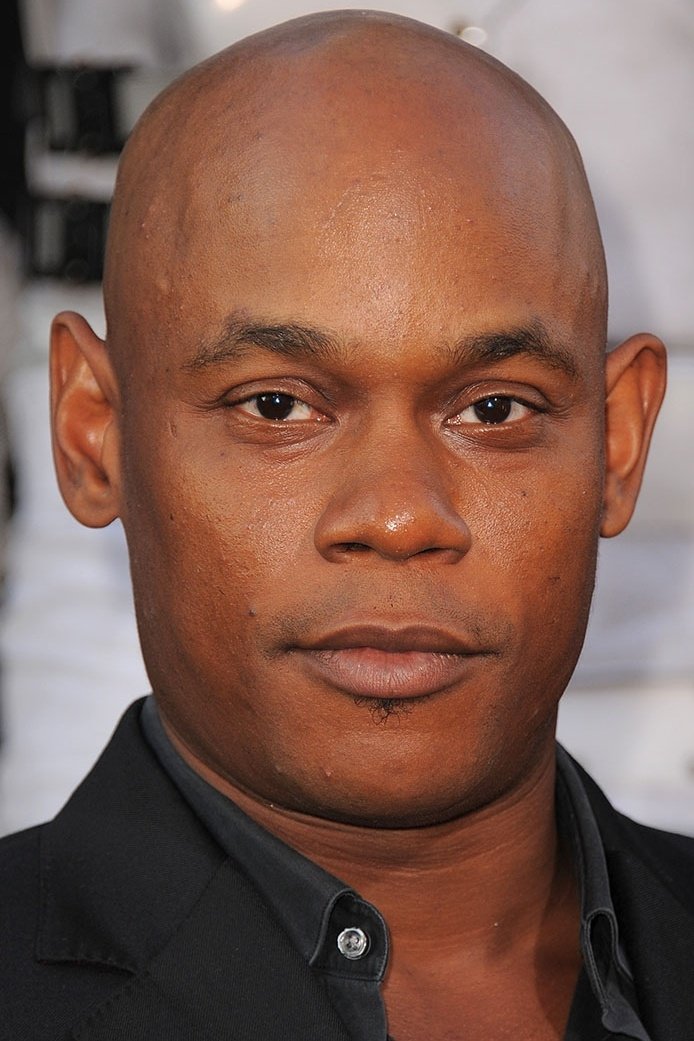
For Bokeem Woodbine’s character, Soren, in the ‘Halo’ series (Paramount+), the creators needed a unique physical appearance that showed he wasn’t a typical Spartan. They worked with 343 Industries to ensure any scars or prosthetic limbs fit with the established ‘Halo’ story. The show’s vehicles and weapons were also built to the correct size, so they looked realistic alongside the Spartans. Woodbine’s acting focused on creating an uneven posture – like holding one shoulder higher and keeping a defensive stance – to show that Soren’s body was different.
Olive Gray
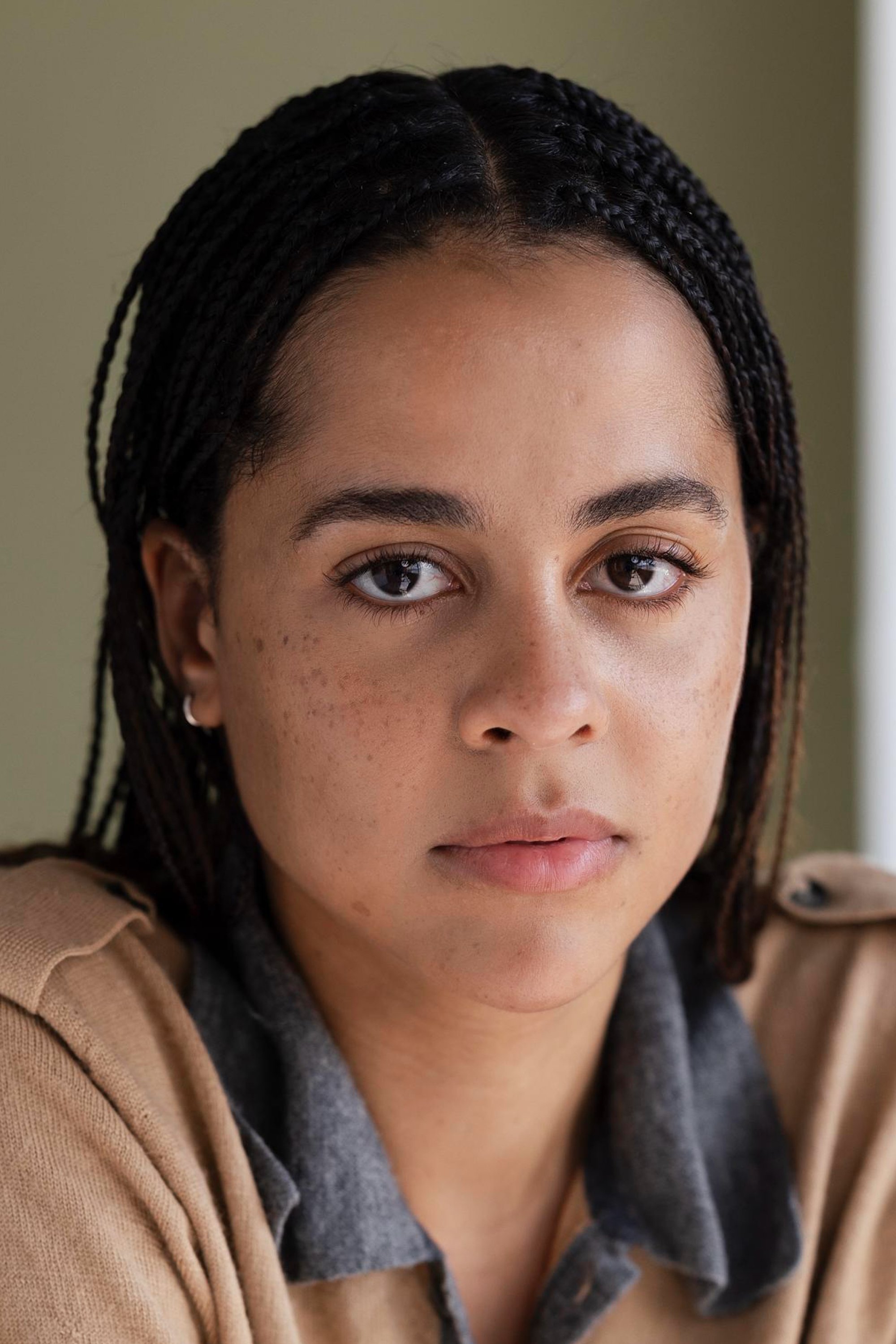
In ‘Halo,’ Olive Gray’s character, Miranda Keyes, spent most of her time in labs and command centers. The show paid close attention to detail, ensuring items like datapads, badges, and consoles looked the same throughout each episode. The team designing the on-screen computer interfaces made sure the text and style matched the overall ‘Halo’ franchise. Gray even practiced with technical advisors to make sure her interactions with the screens – what she touched and said – felt realistic and fit the show’s technology. This careful attention to detail helped her convincingly portray a military scientist within the ‘Halo’ universe.
Lateef Crowder
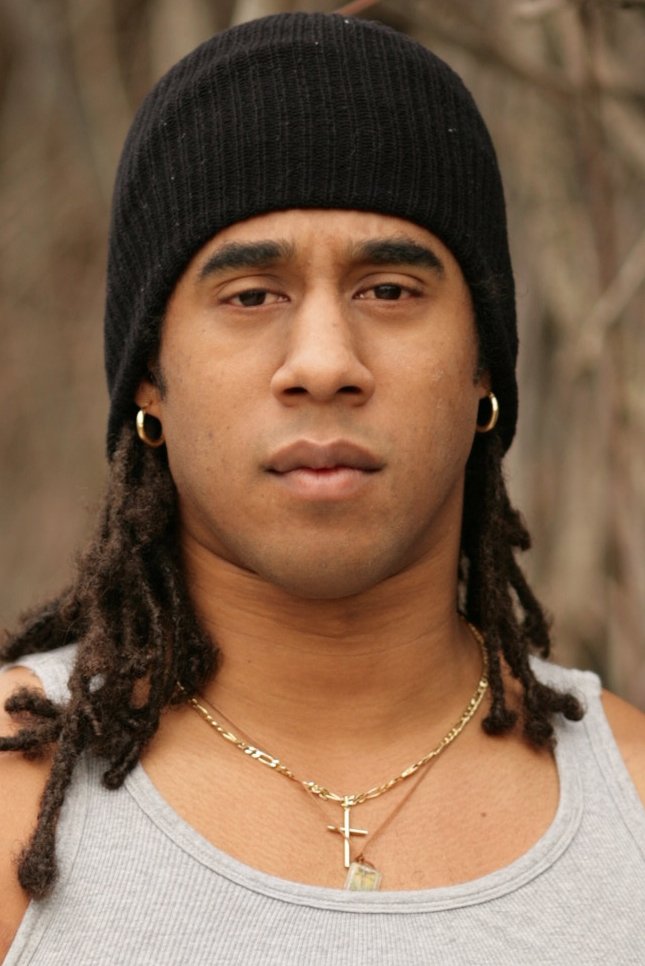
The character Eddy Gordo in ‘Tekken’ was brought to life by incorporating Lateef Crowder’s expertise in capoeira, with support from Crystal Sky Pictures’ fight team. The fight choreography focused on dynamic movements like spins, sweeps, and combinations of takedowns, all designed to look effective when filmed. The costume was made with stretchy materials to withstand the fast, spinning action. During editing, the filmmakers used wide shots to clearly show off the full range of motion, staying true to the game’s energetic feel.
Kid Cudi
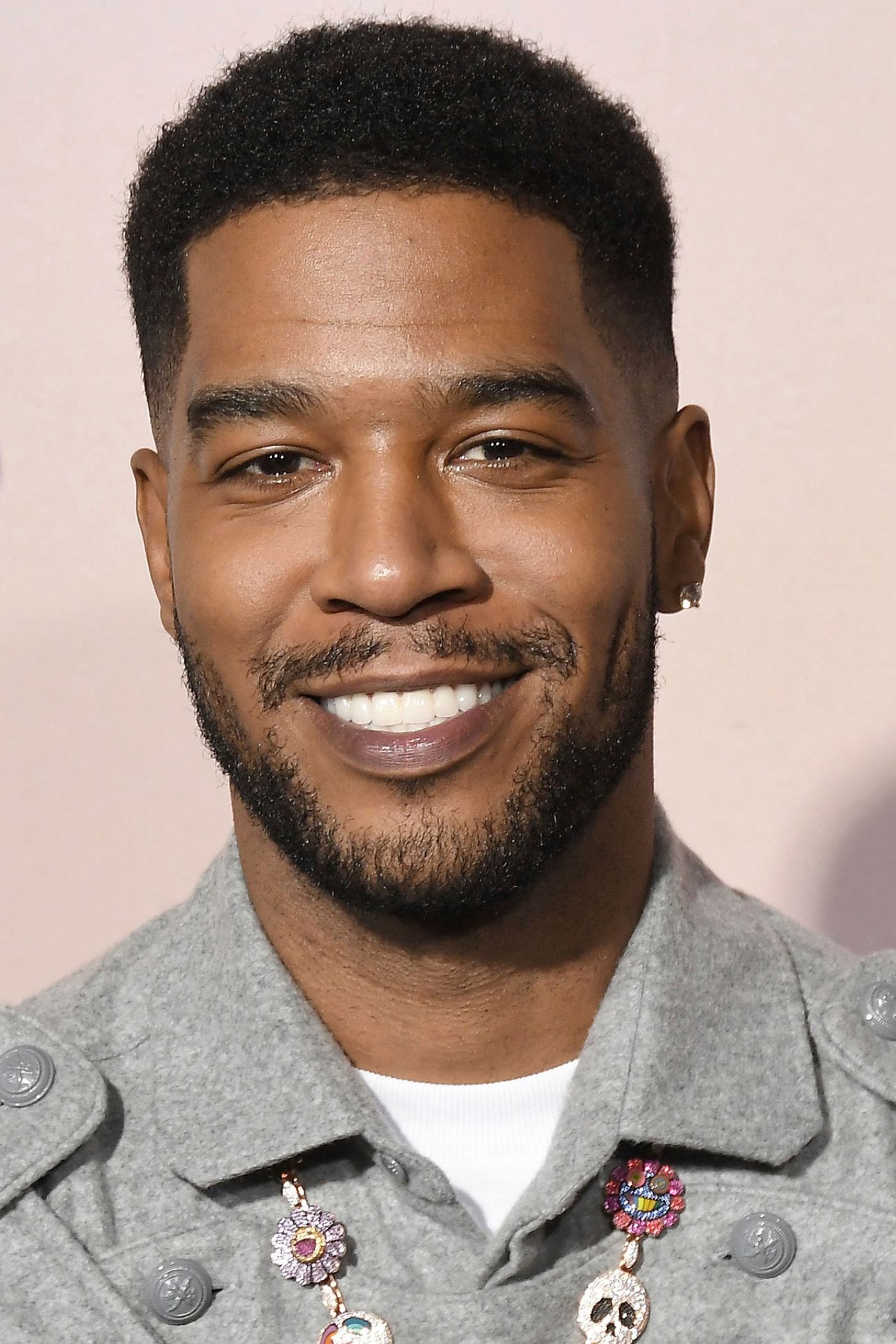
For the movie ‘Need for Speed’, Kid Cudi was integrated into the team’s interactions. The way cars were filmed focused on keeping the inside view consistent, which helped with both the actors’ lines and the action sequences. Sound effects, like radio communication, were recorded with real engine sounds to match what was captured on set. The costumes, including team jackets and headsets, were designed to be authentic to endurance racing. Finally, the filmmakers used practical camera setups to give the actors a stable point of reference during fast-paced scenes.
T.I.
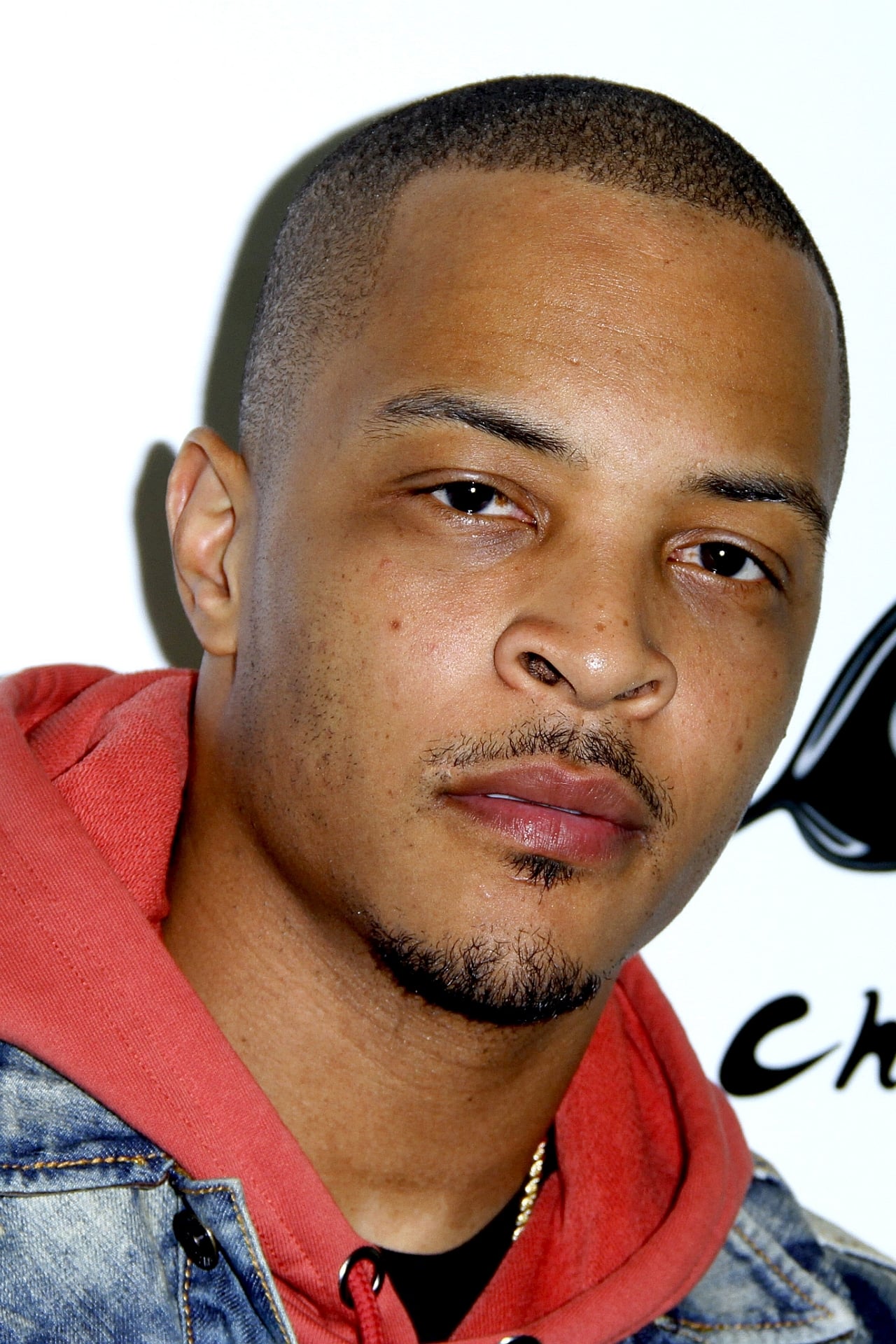
For the film ‘Monster Hunter’, the production team paid close attention to practical details. They adjusted how weapons were carried to suit the rocky, sandy environment, and made sure costumes were visible even in bright sunlight and dust. The actors’ movements were carefully planned to create impactful reveals of the creatures they faced. To help with this, the visual effects team created preliminary animations that allowed the actors to perfectly time their attacks and dodges with the digital monsters.
Share the ones you think nailed it—or the ones we missed—in the comments!
Read More
- Games That Faced Bans in Countries Over Political Themes
- Gold Rate Forecast
- Silver Rate Forecast
- Unveiling the Schwab U.S. Dividend Equity ETF: A Portent of Financial Growth
- 22 Films Where the White Protagonist Is Canonically the Sidekick to a Black Lead
- Superman Flops Financially: $350M Budget, Still No Profit (Scoop Confirmed)
- 20 Movies Where the Black Villain Was Secretly the Most Popular Character
- 14 Movies Where the Black Character Refuses to Save the White Protagonist
- The Best Directors of 2025
- The Best Former NFL Players Turned Actors, Ranked
2025-12-08 06:51