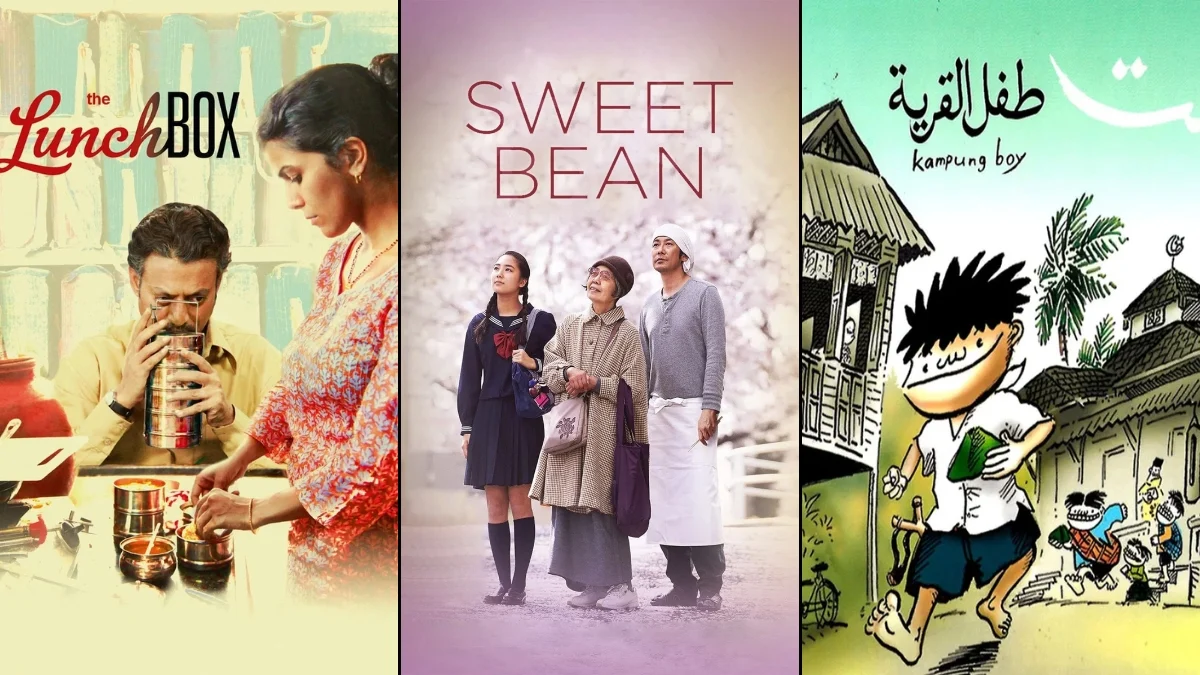
For years, movies and TV shows in Asia have skillfully used food and cooking to tell stories about family and cultural identity. These stories don’t just show food; they use the process of preparing and sharing meals to reveal how characters grow and change. Whether it’s the lively street food stalls of Singapore or the traditional kitchens of Korea’s Joseon Dynasty, these depictions offer a glimpse into a culture’s heart. This collection highlights several films and shows where food isn’t just a detail – it’s essential to the story itself.
‘Tampopo’ (1985)

‘Tampopo’ tells the story of a truck driver who helps a restaurant owner, recently widowed, perfect her ramen. The film playfully explores Japanese food culture through short, connected scenes focusing on proper dining etiquette and a deep love of cooking. We see characters intensely dedicated to learning how to make the best possible broth and noodles. Ultimately, it’s a charming tribute to Japanese culinary traditions and the dedication of its chefs.
‘The Lunchbox’ (2013)
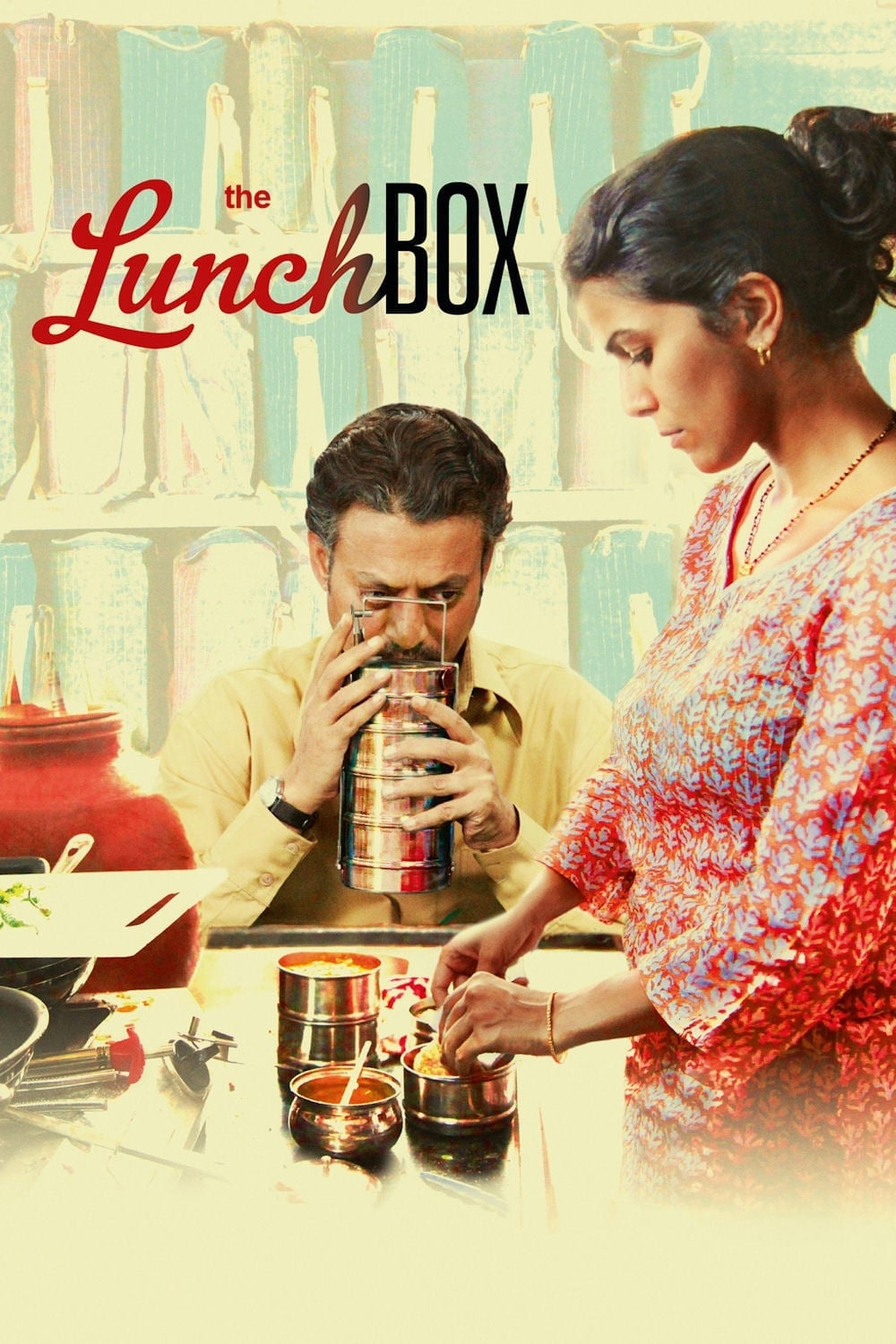
In the movie ‘The Lunchbox’, a mix-up in Mumbai’s famous dabbawala delivery service sparks an unlikely connection between two strangers. The film showcases the complex system of delivering homemade meals across the city and how important these meals are to Indian culture. Ila, the cook, carefully prepares dishes with meaningful spices, hoping to reconnect with her husband. Ultimately, the movie illustrates how food can create a bond between people, even in a busy city.
‘Eat Drink Man Woman’ (1994)
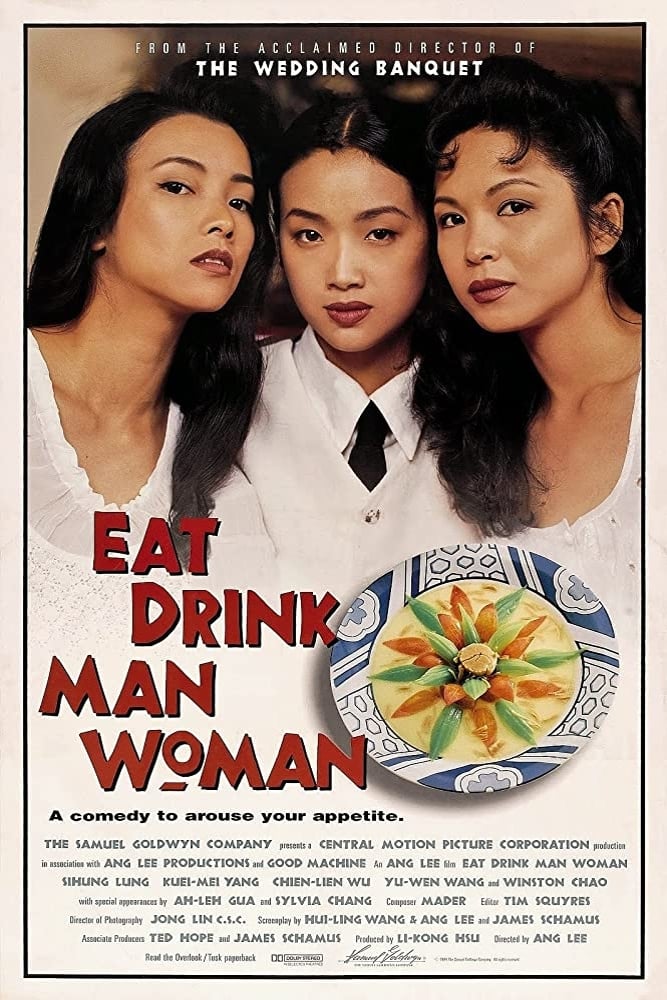
‘Eat Drink Man Woman’ tells the story of a Taipei chef and his three grown daughters, who connect through the elaborate Sunday dinners he prepares. As Taiwan modernizes, this family struggles to communicate, and the chef expresses his love and traditions through the complex Chinese dishes he creates. Each meal reflects both the family’s heritage and the changing lives of his daughters, and the film uses the sights, smells, and tastes of cooking to reveal what each character is feeling.
‘The Makanai: Cooking for the Maiko House’ (2023)
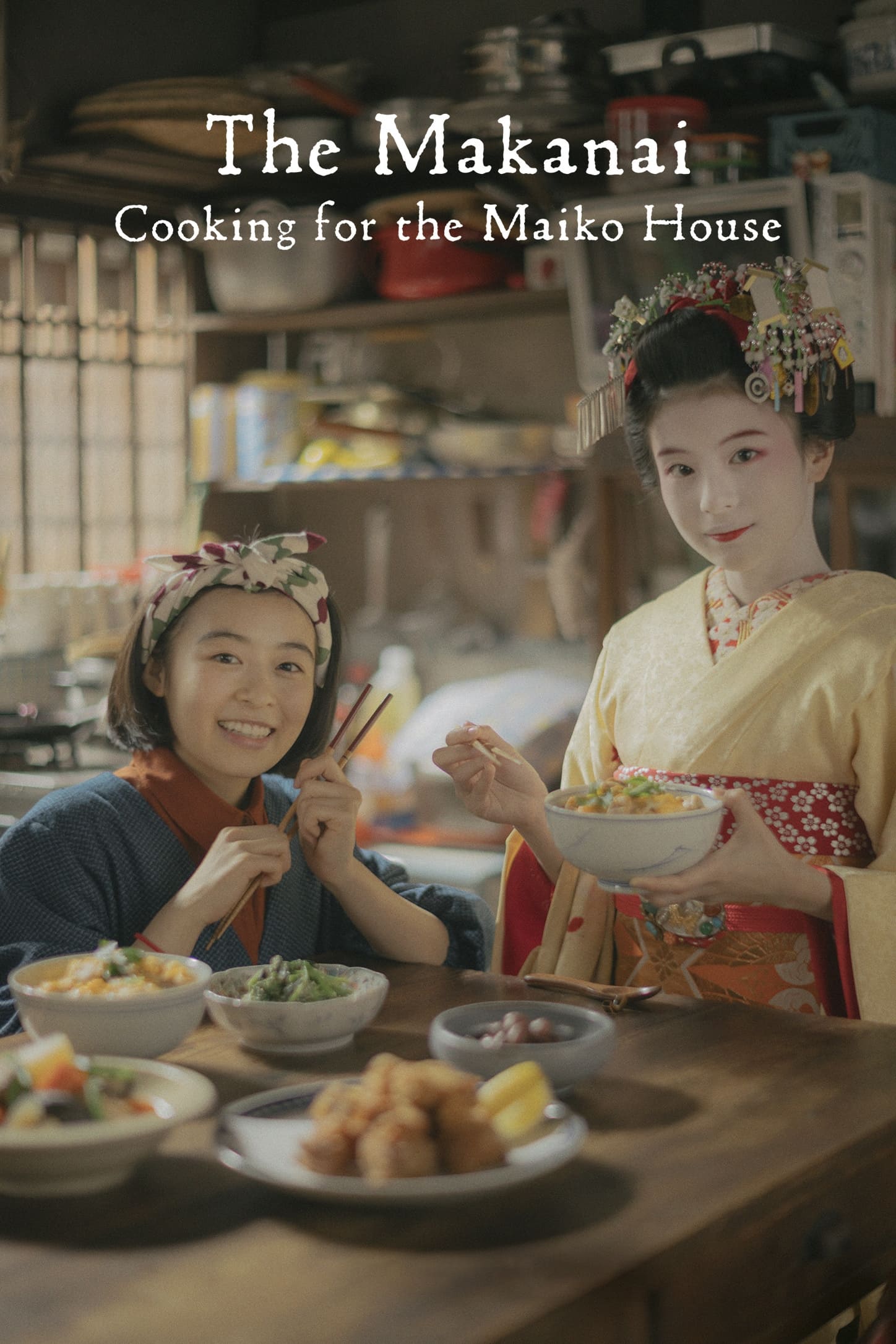
After realizing she wasn’t meant to be a performer, Kiyo finds her place as the cook at a Kyoto boarding house for maiko (apprentice geiko). She lovingly prepares traditional, home-style Japanese meals to nourish the young women as they train. The show beautifully captures the simple elegance of seasonal food and the warmth of shared living, showcasing the unique food traditions of Kyoto’s Gion district through heartfelt, easy-to-follow recipes.
‘Little Forest’ (2018)

In ‘Little Forest,’ a woman leaves the hustle and bustle of city life to return to her quiet hometown in South Korea. She finds peace and fulfillment by learning to live simply, growing and foraging her own food throughout the year. The film beautifully shows how she makes traditional dishes, like rice cakes and chestnut glaze, and highlights the restorative power of cooking with natural ingredients and reconnecting with her heritage through family recipes.
‘Midnight Diner’ (2009–2014)

‘Midnight Diner’ takes place in a tiny Tokyo pub that’s only open late at night. The owner, known as the Master, cooks whatever his customers ask for, using what he has on hand. While preparing simple, comforting Japanese dishes, he hears the life stories of those who come to visit. Each episode centers around a particular meal – like rice with tea or a rolled omelet – and uses it to reveal the emotional lives of people navigating the city’s nightlife. The show beautifully portrays how food can offer comfort and a feeling of community to those who feel like outsiders in Tokyo.
‘Kim’s Convenience’ (2016–2021)
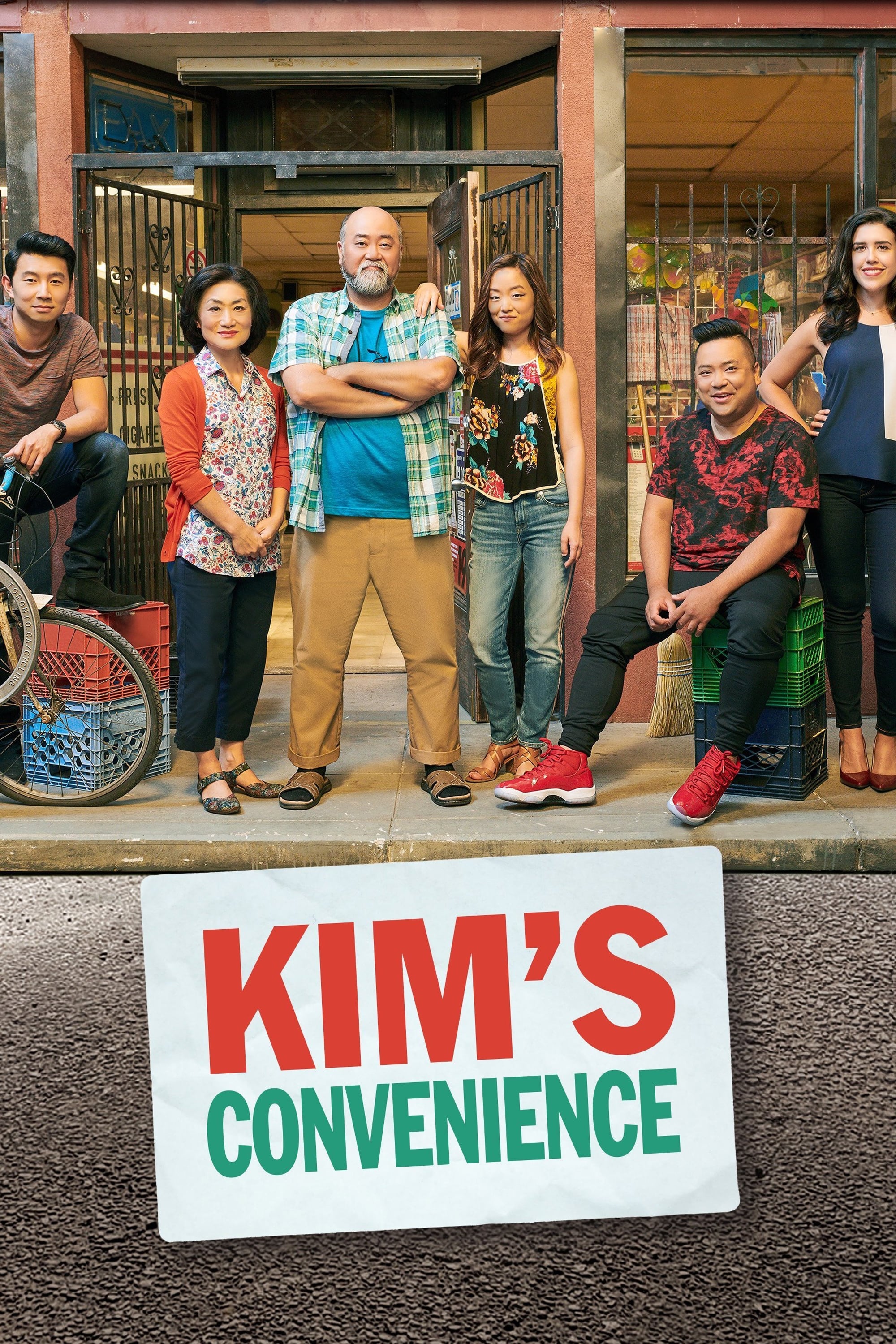
‘Kim’s Convenience’ follows a Korean Canadian family who own a grocery store in Toronto. The show humorously portrays the challenges they face as different generations and cultures collide. Food, especially traditional dishes like galbi and gimbap shared during family meals, plays a big role, highlighting how the family maintains its Korean identity while living in Canada. It’s a story about blending Korean traditions with everyday North American life.
‘Minari’ (2020)

‘Minari’ tells the story of a Korean American family who moves to a farm in Arkansas in the 1980s, hoping to grow crops for their community. The grandmother brings minari seeds – a hardy type of water celery – which flourishes in the local creek. This plant represents the family’s resilience and their connection to their Korean heritage as they try to build a new life. The film explores the challenges of holding onto farming traditions while adjusting to life in America.
‘Crazy Rich Asians’ (2018)

The movie centers around an American professor who learns her boyfriend is part of a very wealthy family in Singapore. Many important moments happen at lively hawker centers, where characters savor dishes like satay and laksa, as seen in ‘Crazy Rich Asians.’ A scene of the family making dumplings together emphasizes how much they value their family history and traditions. Throughout the film, food not only shows a character’s social standing but also represents the blending of Eastern and Western cultures.
‘Jewel in the Palace’ (2003–2004)
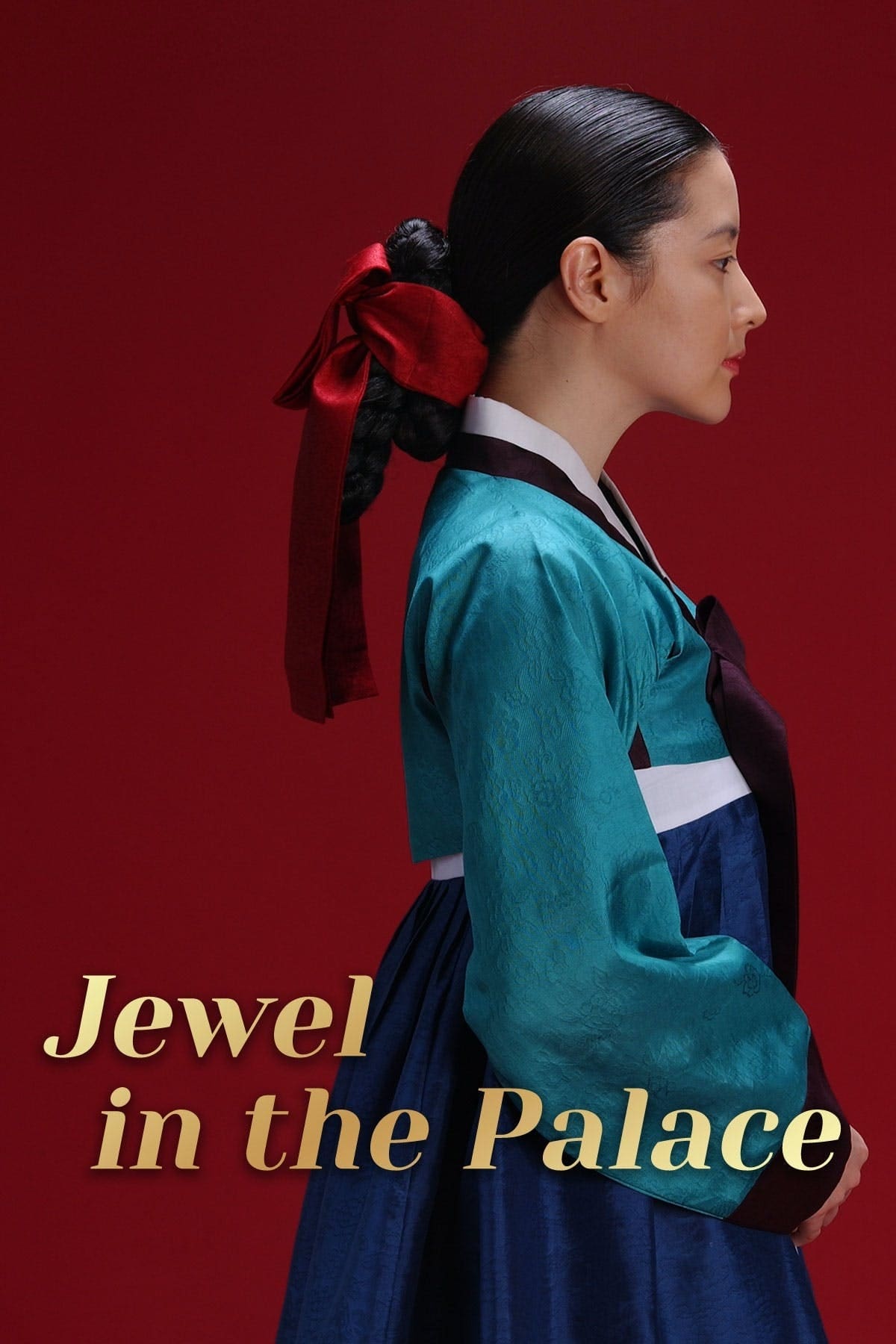
‘Dae Jang Geum’ tells the inspiring story of an orphaned girl who rises above hardship to become the first female supreme royal physician in Joseon Dynasty Korea. The show begins by following her apprenticeship in the royal kitchen, where she discovers the healing power of Korean food. She becomes skilled at creating dishes that are both delicious and good for your health, eventually cooking for the Emperor and his court. ‘Dae Jang Geum’ is famous for showcasing traditional Korean royal cuisine, highlighting its focus on fresh, seasonal ingredients and balanced flavors.
‘Sweet Bean’ (2015)
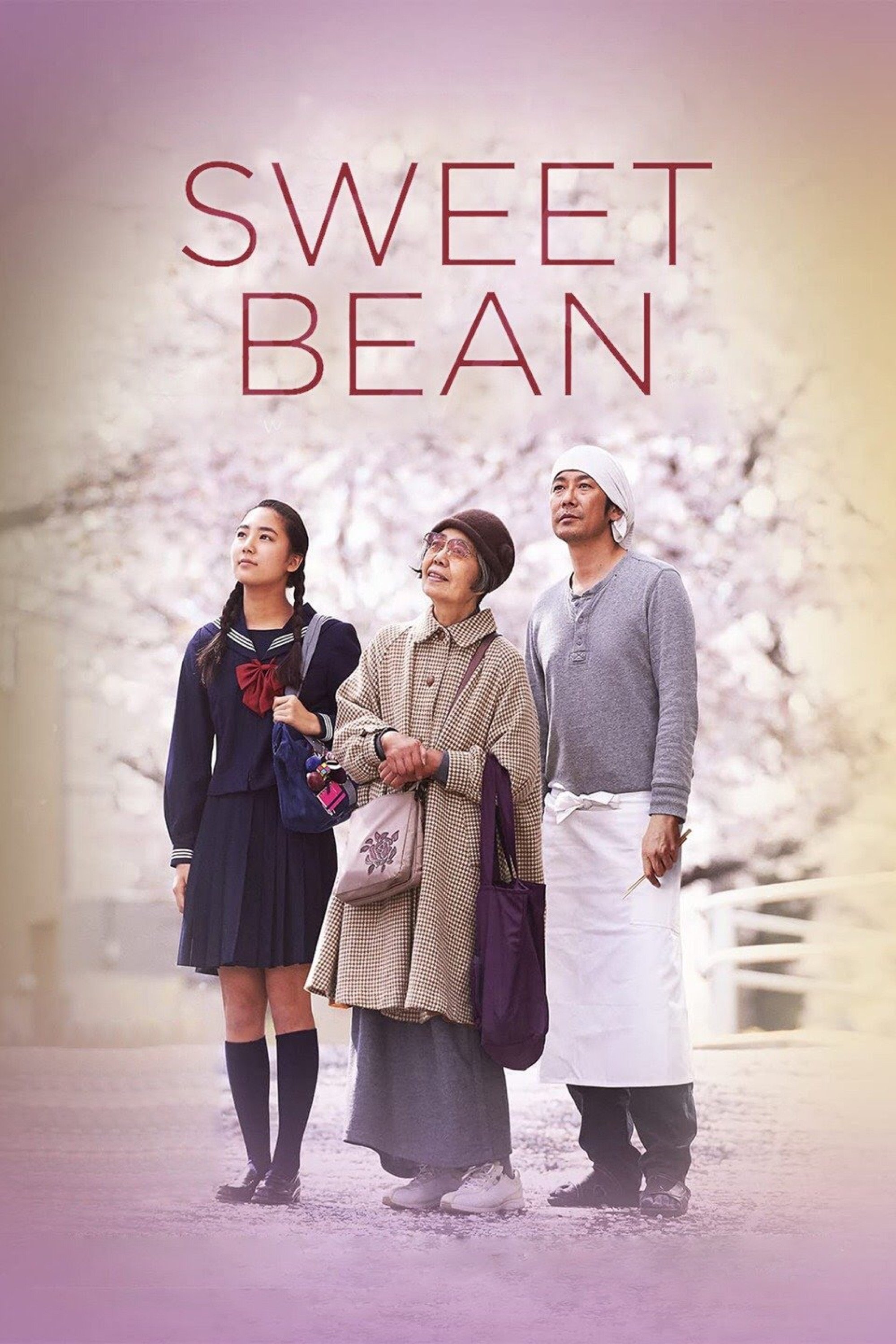
I recently watched ‘Sweet Bean,’ and it was such a beautiful film! It’s about a quiet baker who’s a little lonely, and he ends up hiring an older woman who makes the most incredible red bean paste for his dorayaki. The way she makes it is almost like a sacred process – it takes so much time and care! The movie really gets into some tough stuff, like dealing with illness and how people can be prejudiced, but it does it through this really lovely focus on making traditional Japanese sweets. Watching them work together, carefully preparing each ingredient, you could really feel a connection growing between them. It’s a simple story, but it really stuck with me.
‘Always Be My Maybe’ (2019)

‘Always Be My Maybe’ tells the story of two childhood friends reconnecting in San Francisco after drifting apart. Sasha becomes a famous chef known for fancy, modern dishes, while Marcus stays true to the simple, comforting flavors they grew up with. The movie showcases Vietnamese and Korean food, highlighting how Asian American cuisine has changed and developed over time. It explores the challenge of sharing cultural dishes with a wider audience while still honoring their roots.
‘Food Wars! Shokugeki no Soma’ (2015–2020)

Okay, so I just finished watching ‘Shokugeki no Soma,’ and let me tell you, it’s a wild ride! It follows Soma Yukihira, a young chef determined to be even better than his dad and rescue their little diner. But this isn’t your typical cooking show – it’s basically cooking battles, and they’re incredibly intense. These chefs aren’t just throwing ingredients together; they’re using serious culinary knowledge, everything from science to ancient techniques, and a huge range of Asian flavors. Seriously, we’re talking regional Japanese dishes right alongside the bold spices of Southeast Asia. The food they create isn’t just tasty, it’s meant to be an experience – it really jumps off the screen. If you’re a foodie, or even just love a good competition, you absolutely need to check this one out.
‘Udon’ (2006)
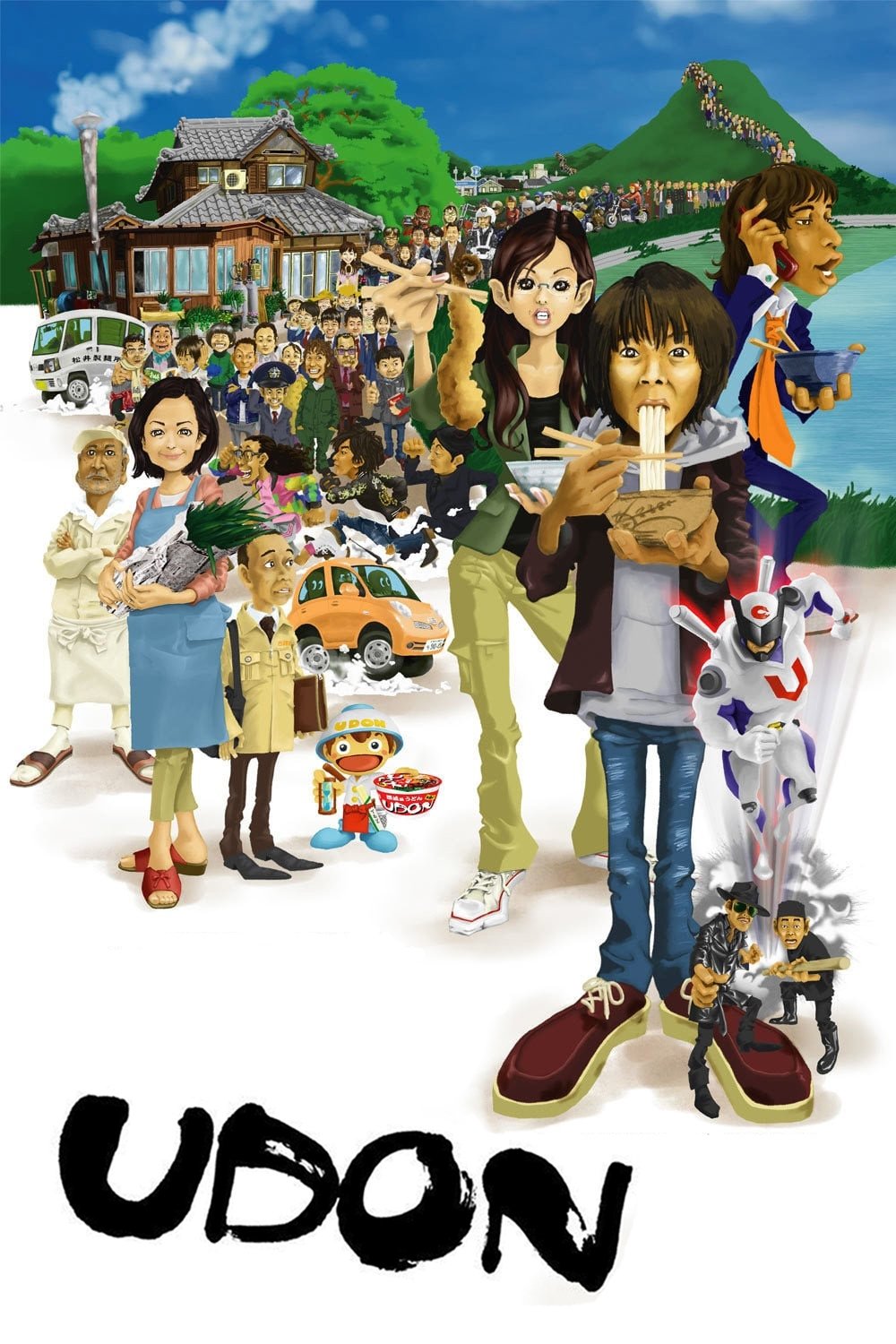
The film ‘Udon’ follows a young man who comes home to Kagawa Prefecture after his dream of becoming a comedian in New York doesn’t work out. He unexpectedly finds his hometown experiencing a surge in popularity for its udon noodles, and starts writing about the local shops and time-honored techniques. The movie beautifully showcases the dedication to achieving the perfect noodle texture and the understated elegance of a flavorful broth. Ultimately, it demonstrates how a simple, regional dish can become central to a community’s identity.
‘Cook Up a Storm’ (2017)
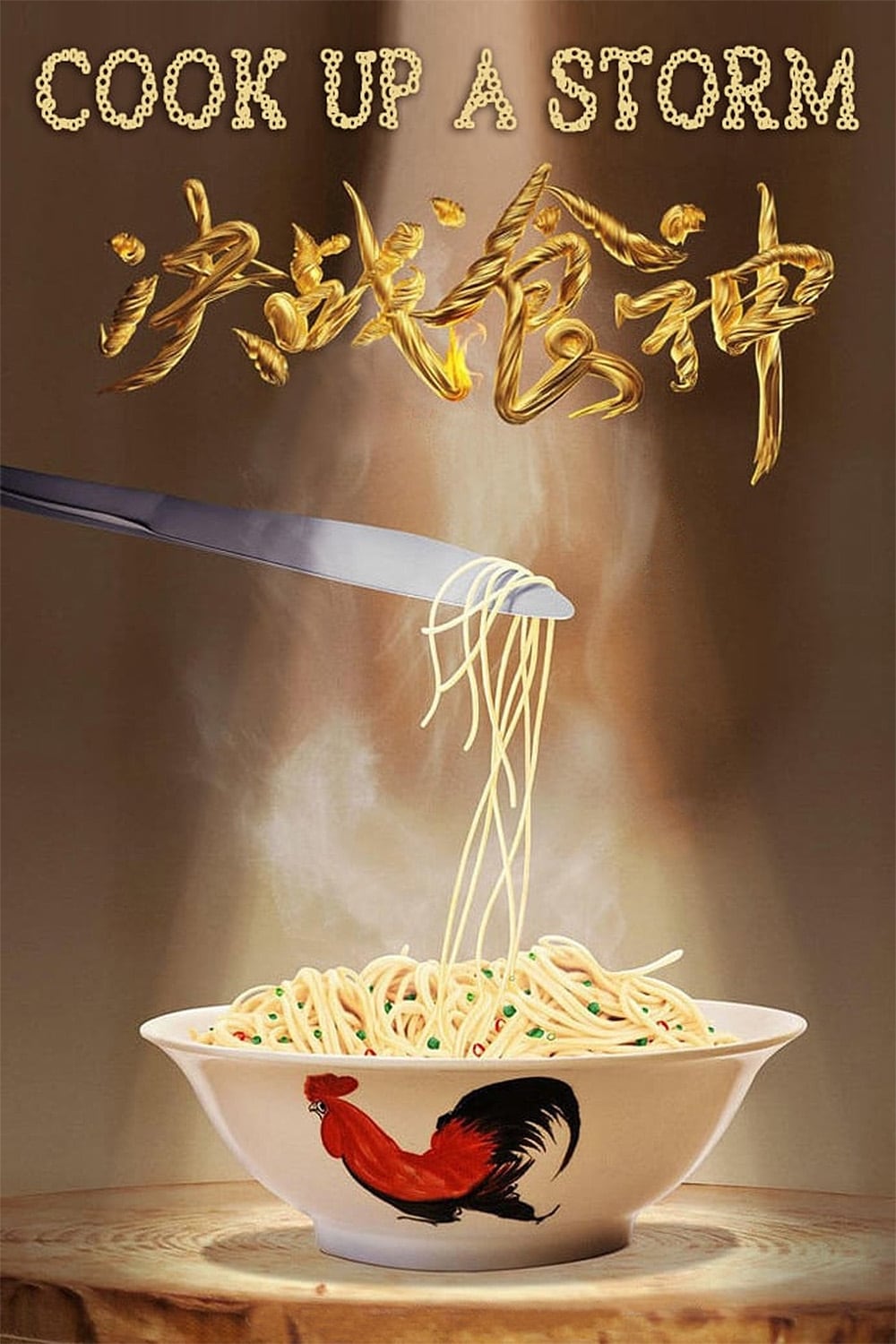
‘Cook Up a Storm’ pits a humble Cantonese street food chef against a formally trained, Michelin-starred French chef in a high-stakes cooking competition. The film highlights the differences between classic Chinese cooking methods and cutting-edge Western molecular gastronomy, showcasing everything from carefully prepared traditional dishes like sweet pork to innovative, modern creations. It’s a celebration of Hong Kong’s lively street food scene and the enduring spirit of family-owned restaurants.
‘Today’s Menu for the Emiya Family’ (2017)
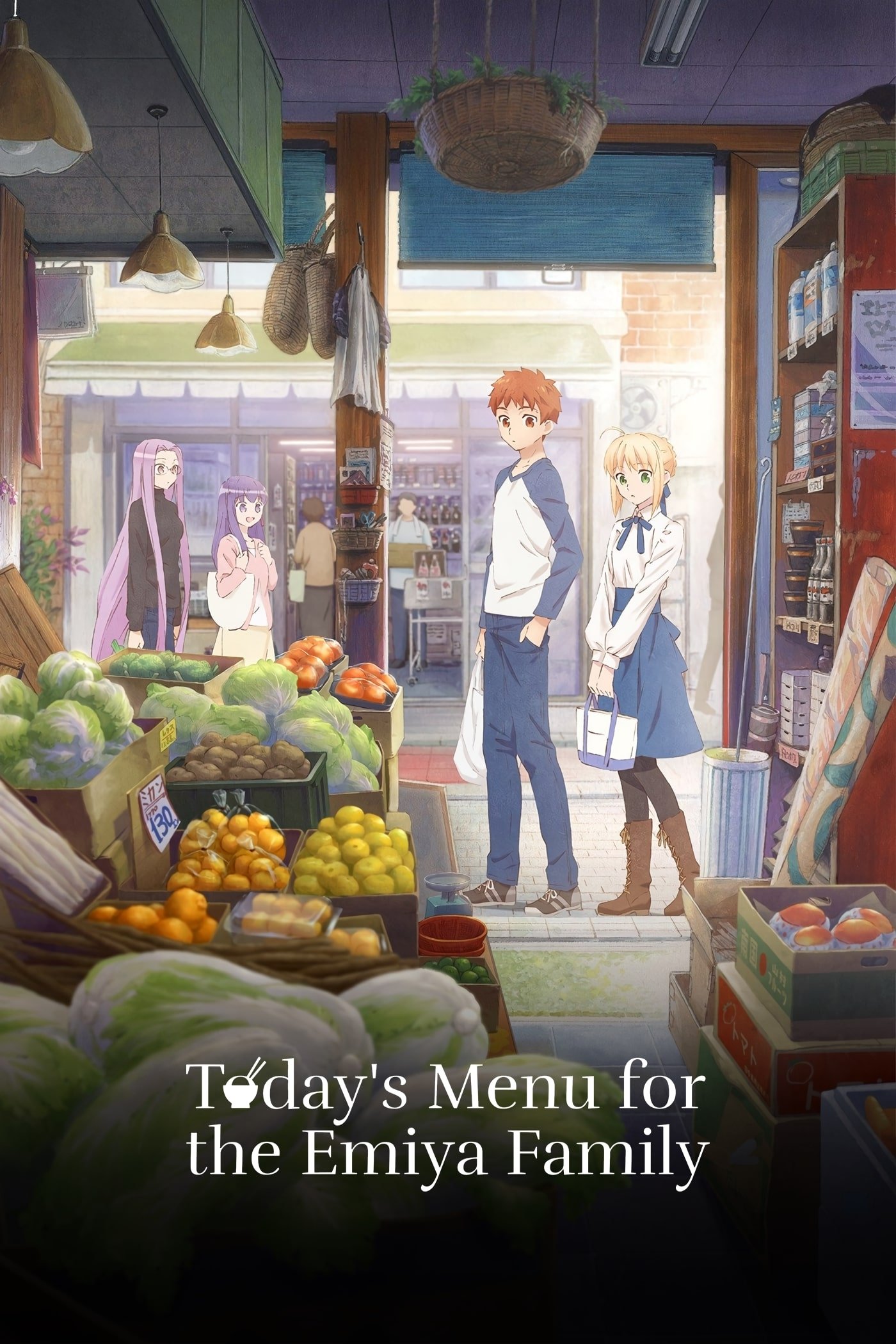
‘Today’s Menu for the Emiya Family’ is a heartwarming show where characters from a famous supernatural series come together to cook and share meals. Each episode focuses on a different Japanese dish, showing how it’s made step-by-step, and highlights the pleasure of enjoying seasonal food – like grilled salmon or New Year’s noodles – with family and friends. The show beautifully portrays cooking as a way to create a peaceful and comforting atmosphere.
‘Gourmet’ (2008)

This show centers around two gifted chefs battling it out to take over a famous, long-standing Korean restaurant. It’s a journey into the rich history of Korean royal cooking, emphasizing the use of fresh, local ingredients from all over Korea. Each episode demonstrates the incredible skill and traditional techniques needed to create these elaborate dishes, and celebrates the dedication to keeping authentic Korean food alive for years to come.
‘Kampung Boy’ (1997–1999)

Based on the graphic novels by Lat this animated series depicts the life of a young boy growing up in a Malaysian village in ‘Kampung Boy’. The stories often revolve around communal feasts and the preparation of traditional Malay dishes for festivals. It illustrates the role of food in maintaining social bonds and celebrating cultural milestones within a rural community. The series provides a nostalgic look at the culinary traditions that defined Malaysian life in the middle twentieth century.
‘Pasta’ (2010)

‘Pasta’ follows a young woman’s dream of becoming a celebrated chef at a high-end Italian restaurant in Seoul. The show portrays the challenges she faces under a strict head chef, and how traditional Italian cooking meets the fast-paced, demanding atmosphere of a Korean kitchen. While the food is Italian, the story often includes Korean ideas about taste and how people enjoy meals, showcasing the increasing appeal of global cuisine in cities across East Asia and how it’s being embraced and adapted.
‘Wok of Love’ (2018)

‘Wok of Love’ tells the story of a highly skilled chef who unexpectedly finds himself working at a small, local Chinese restaurant run by an ex-gangster. The show highlights the exciting world of wok cooking and the delicious complexity of Chinese-Korean fusion cuisine, like black bean noodles. Through their cooking, the characters pursue both revenge and a second chance, mastering high-heat techniques along the way. It really captures the hard work and creative energy it takes to thrive in the competitive Asian food scene.
We’d love to hear about films or TV shows that you think portray Asian food culture well! Please share your recommendations in the comments below.
Read More
- 20 Movies Where the Black Villain Was Secretly the Most Popular Character
- Celebs Who Narrowly Escaped The 9/11 Attacks
- Transformers Under the Microscope: What Graph Neural Networks Reveal
- Top 20 Dinosaur Movies, Ranked
- Trading on Thin Air: AI Agents Conquer Crypto Volatility
- Silver Rate Forecast
- Gold Rate Forecast
- Every Notable ‘Star Trek: The Original Series’ Actor Who Died
- 22 Films Where the White Protagonist Is Canonically the Sidekick to a Black Lead
- Invincible Season 4 Gender Swaps Tech Jacket As Fans Question Major Comic Change
2026-01-30 01:19