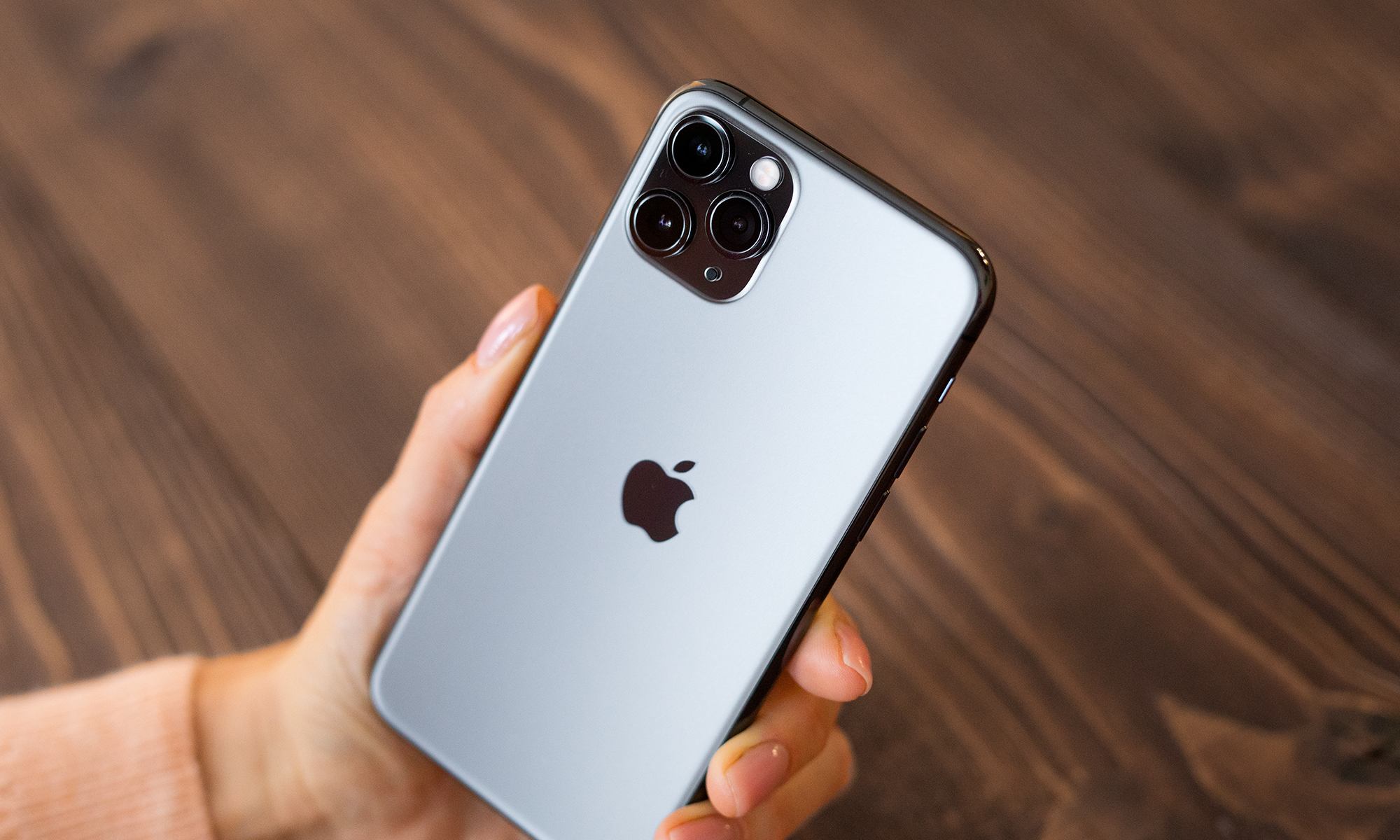
Apple, you see, has always been a bit of an anomaly. For years, they weren’t necessarily selling the most phones, but they were, without fail, the ones pocketing the lion’s share of the profits. It’s a curious thing, isn’t it? Like a very well-dressed pickpocket. And then, in 2025, the inevitable happened: the iPhone topped the sales charts, a full 20% of the market, according to Counterpoint Research. Which, when you consider the sheer volume of phones sold globally, is rather a lot of handsets. They’re also, naturally, leaders in a few other gadget categories, but the iPhone remains the engine.
For a long time, Apple’s strategy was elegantly simple: build premium products, charge a premium price. It worked, spectacularly. It’s the sort of thing that makes other companies gnash their teeth and mutter about ‘brand loyalty’. But lately, a subtle shift has occurred. Faced with the predictable woes of supply chains – memory chips, in particular, have become frightfully expensive – Apple has done something unexpected. They haven’t simply passed the cost on to the consumer. Instead, they’ve held the line on the price of their entry-level iPhone. A surprisingly… sensible move.
More for Less (Relatively Speaking)
At their spring event this week, Apple unveiled a few new products, and the most intriguing was the iPhone 17e. Now, ‘affordable’ is a relative term when we’re talking about Apple, of course. It’s like calling a moderately expensive cheese ‘budget’. But the 17e boasts double the storage of its predecessor – a generous 256GB – yet maintains the same price point as last year’s 16e. This, in a world where memory chip prices are soaring, is… unusual. It’s as if they’ve discovered a secret stash of silicon.
The explanation, as always, is multi-layered. Memory and storage chips, you see, are currently in high demand, driven largely by the insatiable appetite of artificial intelligence. Every server farm, every data center, needs them. It’s a bit like the tulip mania of the 17th century, only with more transistors. Apple, however, has always been remarkably adept at supply chain management. They sign multi-year deals, secure capacity, and generally outmaneuver everyone else. It’s a talent, frankly, that deserves a bit more recognition.
They’ve also historically been willing to absorb some cost increases on their lower-end products, while raising prices on the fancier models. It’s a clever way to maintain market share without sacrificing profitability. CEO Tim Cook has hinted that component prices will eventually impact margins, but for now, they seem to be managing the situation with aplomb. It’s a bit like a skilled juggler keeping a dozen balls in the air – impressive, and slightly nerve-wracking.
This pricing strategy will be particularly effective in markets where cheaper alternatives abound. China, for example, has seen Apple losing ground to competitors like Vivo, Huawei, and Xiaomi. But with memory prices rising, those competitors will inevitably be forced to raise their prices, creating an opening for Apple. And their 24-month payment plans in China don’t hurt either. It’s a shrewd move, and one that will likely translate to other price-sensitive markets as well.
From an investor’s perspective, this is encouraging. The iPhone isn’t just a phone; it’s an entry point into the Apple ecosystem. Once someone buys an iPhone, they’re more likely to buy an iPad, a MacBook, and subscribe to Apple’s various services. It’s a virtuous cycle, and one that creates long-term value. The stock has been a bit sluggish lately, as investors worry about growth prospects, but this suggests a potential opportunity.
At 28 times next year’s expected sales, Apple isn’t cheap, admittedly. But it’s not outrageously priced either. And with this new pricing strategy, they’re positioning themselves for continued success. It’s a quiet gambit, perhaps, but a potentially powerful one. And as any portfolio manager knows, it’s often the quiet moves that yield the greatest returns.
Read More
- Top 20 Dinosaur Movies, Ranked
- 20 Movies Where the Black Villain Was Secretly the Most Popular Character
- 25 “Woke” Films That Used Black Trauma to Humanize White Leads
- Silver Rate Forecast
- Gold Rate Forecast
- Spotting the Loops in Autonomous Systems
- From Bids to Best Policies: Smarter Auto-Bidding with Generative AI
- Celebs Who Narrowly Escaped The 9/11 Attacks
- 22 Films Where the White Protagonist Is Canonically the Sidekick to a Black Lead
- Can AI Lie with a Picture? Detecting Deception in Multimodal Models
2026-03-04 23:23