The feverish pursuit of artificial intelligence, a modern echo of alchemists seeking the philosopher’s stone, has gripped the technological world. Fortunes are wagered, empires built and dismantled on the promise of this new power. Yet, amidst this frantic energy, one observes a curious restraint in the actions of the Apple company. While others pour forth capital, erecting monuments to computation, Apple proceeds with a measured hand, its expenditures, though substantial, appearing almost…modest. In the fiscal year recently concluded, a mere twelve billion, seven hundred million dollars was allocated to such endeavors. A sum that, to some, suggests a lagging behind, a failure to grasp the urgency of the moment. But to view it thus, is to misunderstand the nature of power, and the enduring strength of established order.
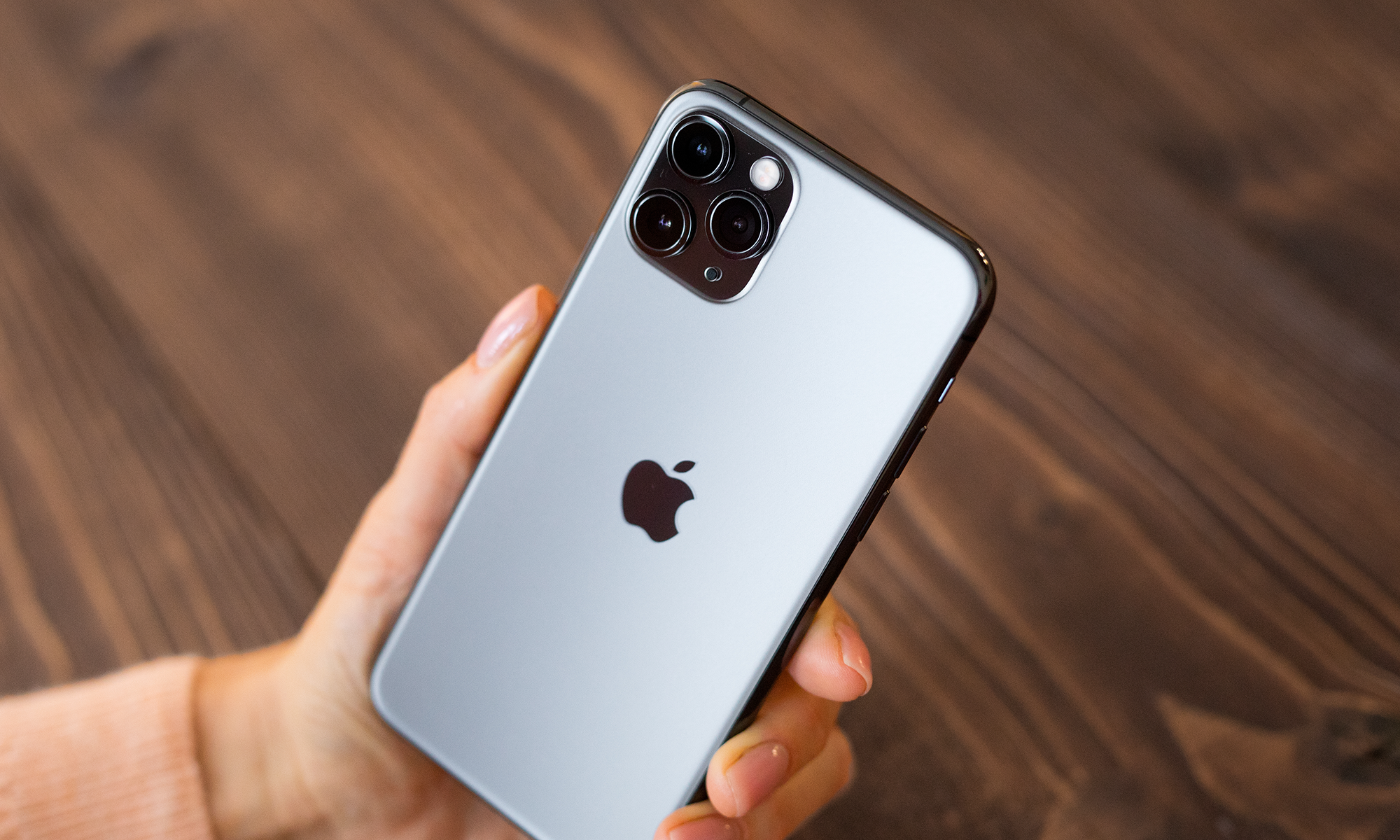
The criticisms leveled against Apple – that it has not yet unveiled a revolutionary artificial intelligence – are born of a peculiar impatience. The world demands novelty, yet forgets that true innovation is rarely born of haste. Tim Cook, the current steward of this vast enterprise, has revealed that over two billion, three hundred and fifty million devices bear the Apple mark, scattered across the globe. A staggering number, representing not merely a collection of metal and glass, but a web of connection, a subtle dominion over the habits and desires of humankind. And this number, he assures us, continues to grow. One may conservatively estimate, therefore, that over a billion iPhones now reside in the pockets and purses of the world’s inhabitants. This is not merely a market share; it is a form of presence, a quiet ubiquity that few companies can rival.
To possess such a distribution network is to hold a key to the future, regardless of what form that future may take. The iPhone, nearly two decades after its inception, has proven remarkably resilient, adapting to changing tides and enduring the relentless onslaught of competitors. It has become, for many, an extension of the self, a repository of memories, a gateway to information, and, increasingly, a source of both solace and distraction. The question, then, is not whether artificial intelligence will transform our lives—for undoubtedly it will—but rather how this transformation will manifest itself, and who will control its course.
Much fanfare has greeted the emergence of OpenAI’s ChatGPT, a digital oracle capable of generating text with startling fluency. It achieved, in a mere two months, a reach of one hundred million users – a feat of rapid adoption unprecedented in the history of consumer applications. Yet, this triumph must be viewed with a degree of skepticism. ChatGPT requires no new hardware, no significant investment from the consumer. It is a service, freely accessible, easily discarded. The true test of artificial intelligence will not be its ability to capture fleeting attention, but its capacity to integrate seamlessly into the fabric of our daily lives, to enhance our capabilities, and to address our most pressing needs.
Regardless of one’s optimism regarding the potential of artificial intelligence, it is difficult to envision a future in which the smartphone – and the iPhone in particular – does not remain the central hub of our digital existence. It is our window onto the world, our connection to loved ones, our source of entertainment, and, increasingly, our means of commerce. Apple, recognizing this enduring truth, is exploring new avenues of innovation, including wearable AI devices. OpenAI, too, harbors ambitions in this realm, with plans to unveil its own product in the coming years. The competition, therefore, is not merely about algorithms and processing power, but about capturing the hearts and minds of consumers, and establishing a dominant position in the emerging landscape.
One should not delude oneself into believing that technology alone will solve the ills of humanity. Progress is not a linear ascent, but a complex interplay of forces, a constant negotiation between hope and despair. The pursuit of artificial intelligence, like all human endeavors, is fraught with peril. It is a tool, capable of both great good and terrible harm. Whether it ultimately serves to elevate or degrade our condition remains to be seen. Yet, Apple, with its vast resources, its established brand, and its unwavering commitment to design, is well-positioned to navigate these uncertain waters. Its competitive advantage, fortified by its distribution network and its loyal customer base, will likely endure, even as the sands of progress shift beneath our feet.
Read More
- Invincible Season 4 Gender Swaps Tech Jacket As Fans Question Major Comic Change
- Silver Rate Forecast
- Gold Rate Forecast
- Building Agents That Learn and Improve Themselves
- 15 Films That Were Shot Entirely on Phones
- 22 Films Where the White Protagonist Is Canonically the Sidekick to a Black Lead
- 20 Movies Where the Black Villain Was Secretly the Most Popular Character
- Celebs Who Narrowly Escaped The 9/11 Attacks
- 18 TV Series Filming Rehearsals as Bonus Content
- Games That Faced Bans in Countries Over Political Themes
2026-01-31 22:22