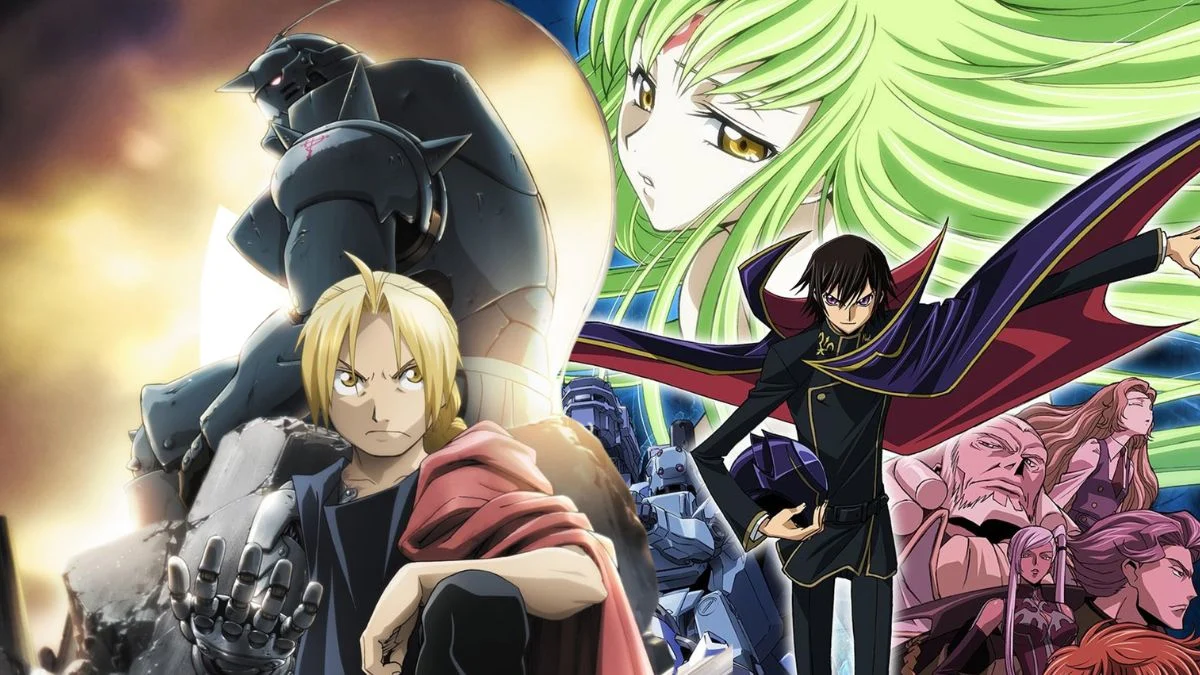
Anime often stays popular for years after it finishes airing thanks to its dedicated fans. These fans create their own stories, expand on existing characters, and build upon the original world, keeping the franchise alive. This can include everything from lengthy fan-written novels to complete, though unofficial, animated episodes. This shows that a truly captivating story world offers endless opportunities for creativity, and this list highlights the anime universes that are still thriving because of their passionate fans.
‘Dragon Ball’ (1986)
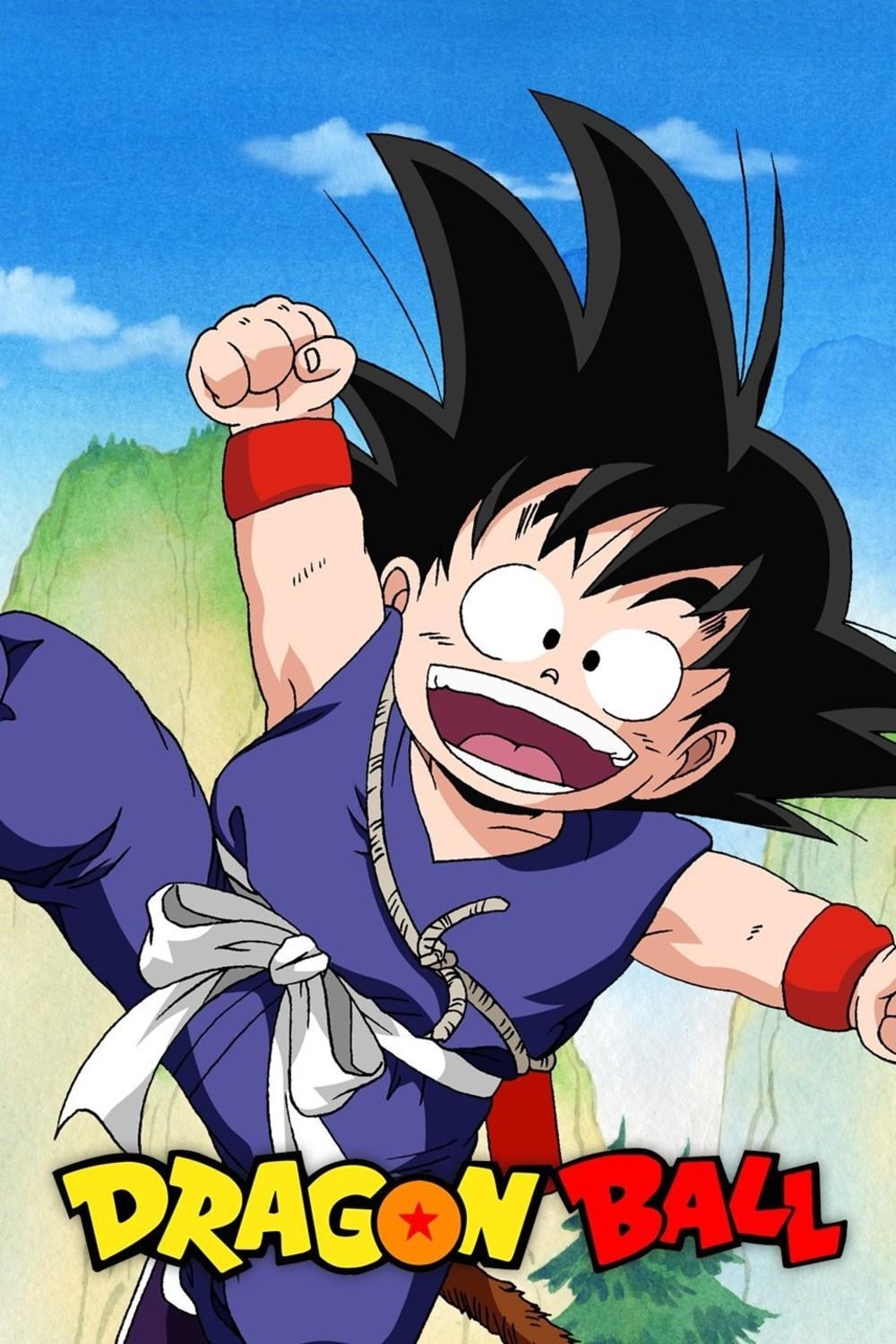
Akira Toriyama built a world that fans love and have continued to expand on through fan-made comics and animations. They often create ‘what if’ scenarios, imagining forgotten characters becoming incredibly powerful. People also modify video games to include these new ideas and storylines. This constant fan creativity keeps the franchise fresh and exciting between official releases.
‘Pokémon’ (1997)
Fans are incredibly creative with the Pokémon series, inspiring artists to design countless original creatures called ‘Fakemon.’ Programmers build complex modifications that add new areas and more in-depth stories to the games. Artists create realistic depictions of these creatures, broadening the visual style of the series. And players worldwide host tournaments with unique rules, completely changing how the game is played competitively.
‘Naruto’ (2002)
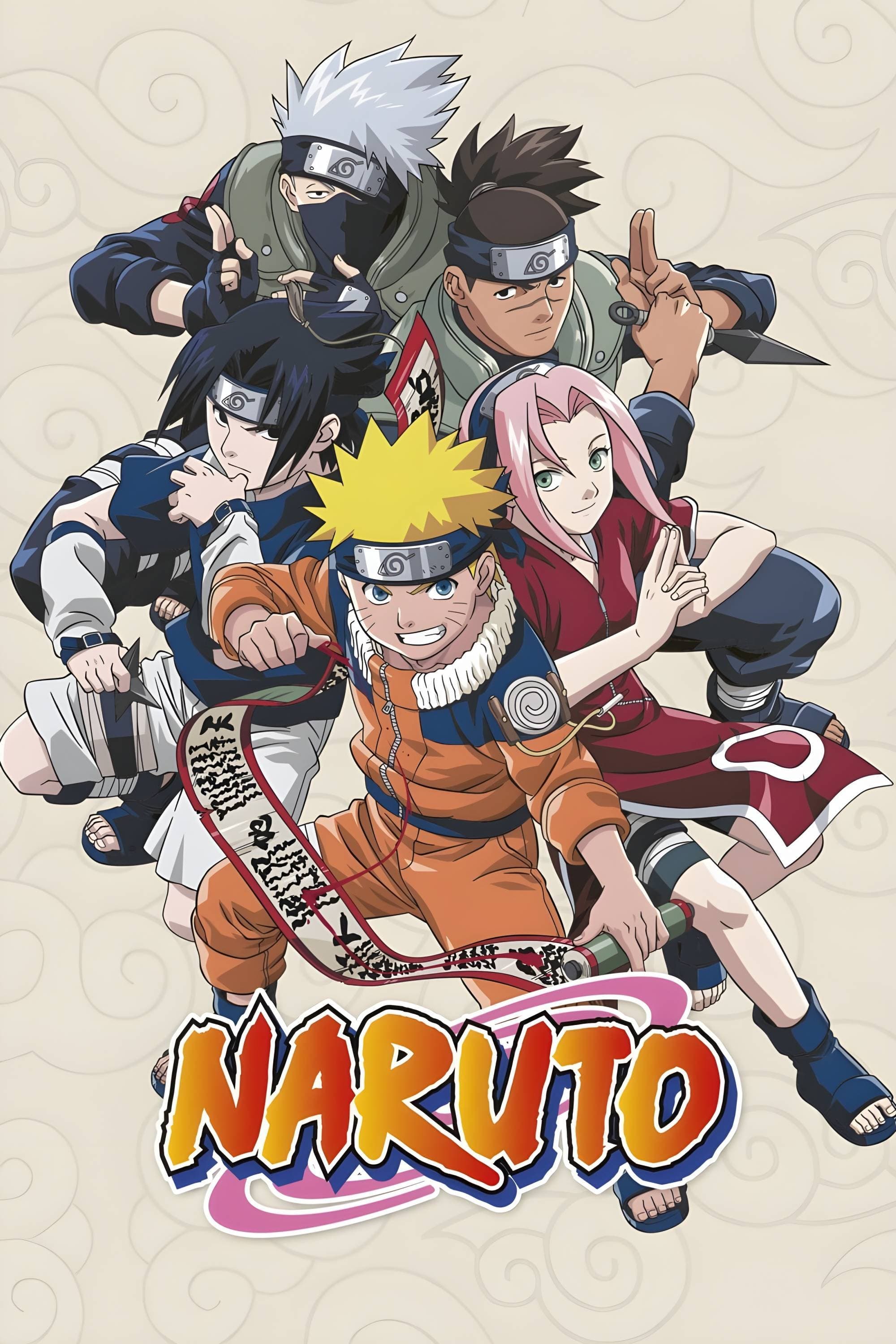
Fans of this ninja series love to write their own stories about what happened between the main events. They often imagine villains changing their ways or heroes making difficult choices. The series’ unique power system inspires fans to create new abilities and fighting styles, and many also form roleplaying groups to build entirely new ninja communities and conflicts.
‘One Piece’ (1999)
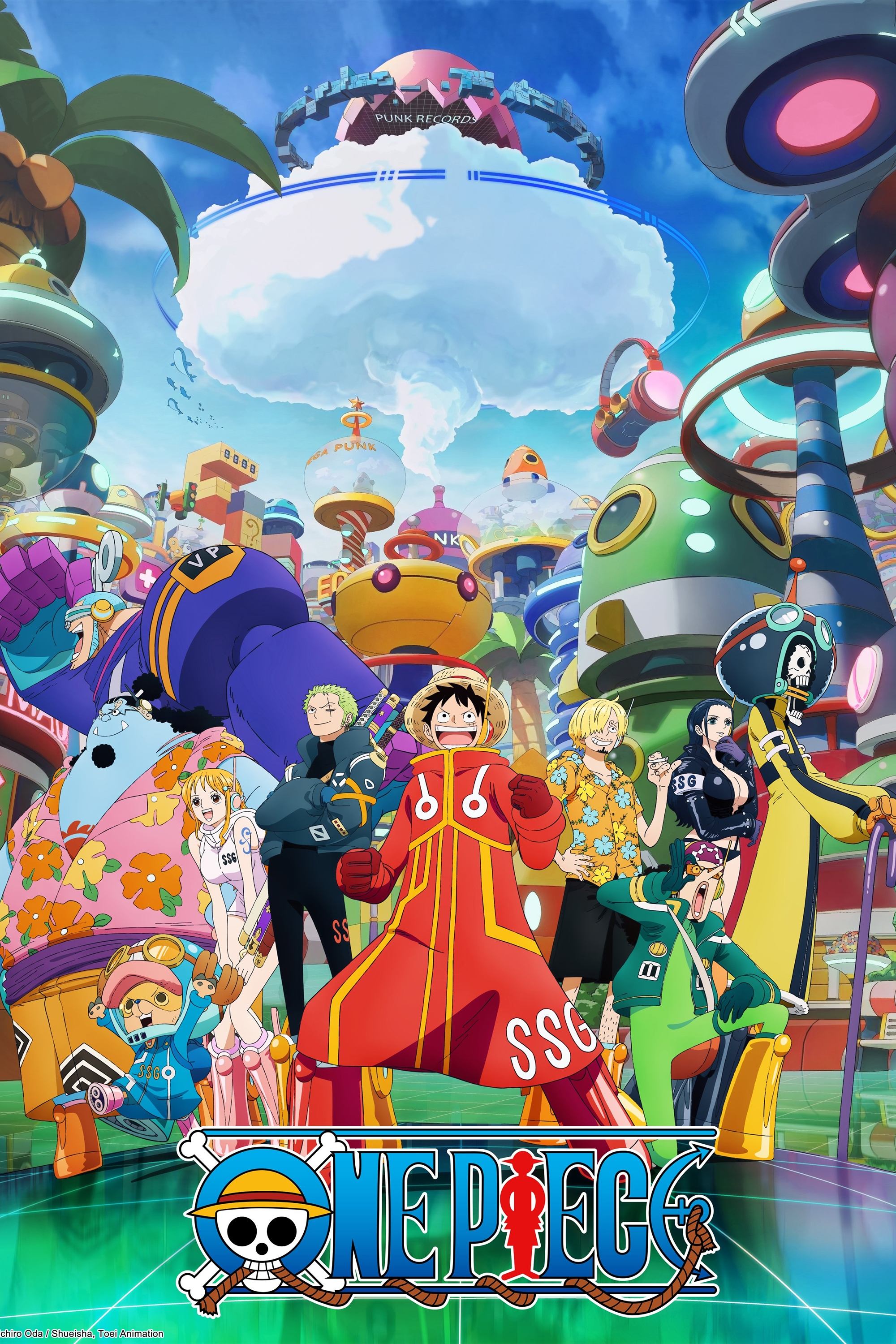
The Grand Line’s vast world inspires fans to create their own maps of undiscovered islands and pirate groups. Readers love to develop detailed theories and write about the unsolved mysteries of the Void Century. Many artists design original devil fruits and characters, all in the style of Eiichiro Oda. This adventurous story constantly sparks imagination and new fan-made creations.
‘Sailor Moon’ (1992)
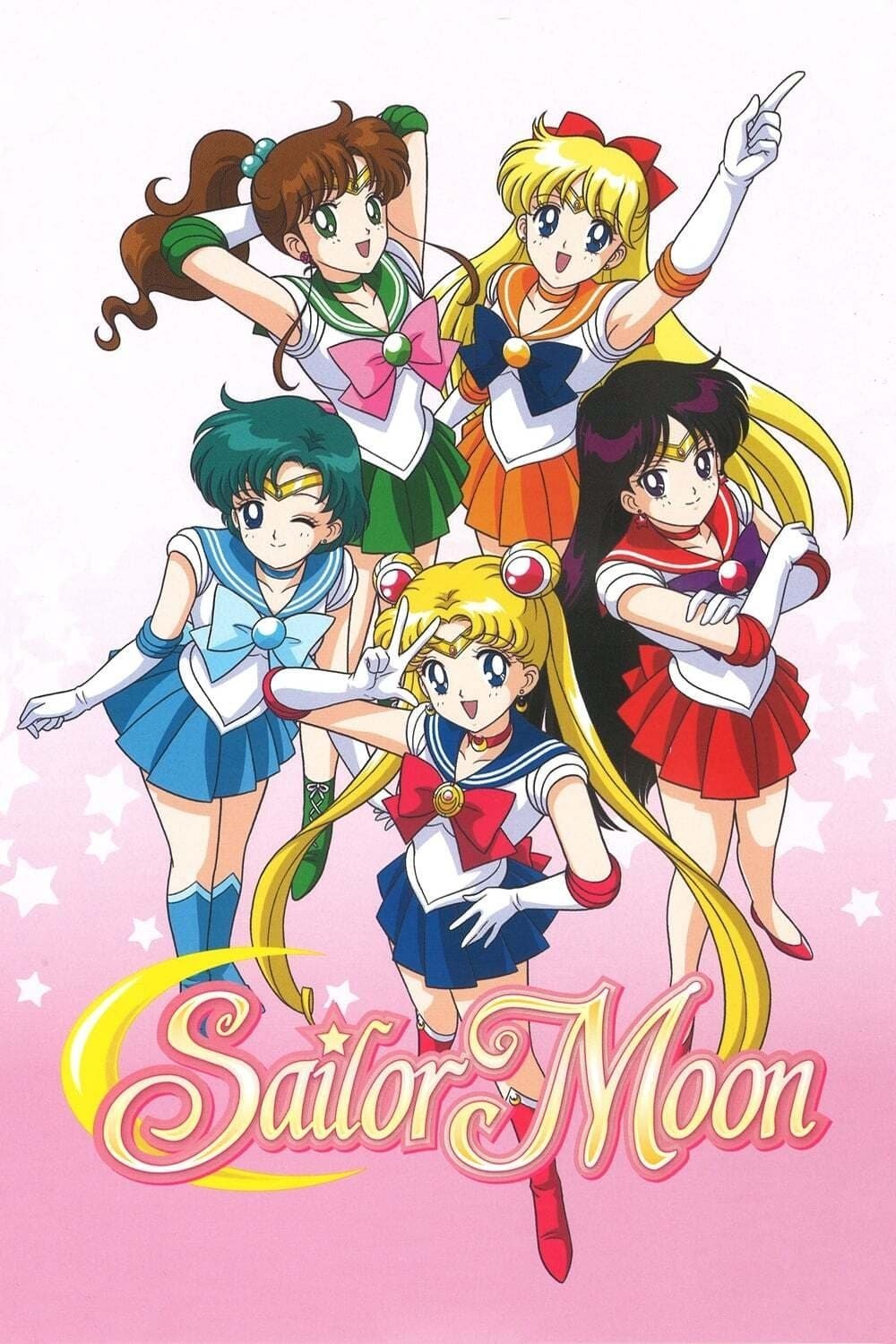
This popular magical girl series sparked the imaginations of many artists, who began designing their own unique protectors and cosmic worlds. Fans lovingly craft detailed costumes and props to recreate the show’s amazing transformation sequences. Writers delve into the backstories of the Sailor Guardians, crafting elaborate fan fiction based on historical settings. The series’ themes of love and justice continue to inspire creators as they build upon the existing story and expand the universe in exciting new directions.
‘Neon Genesis Evangelion’ (1995)
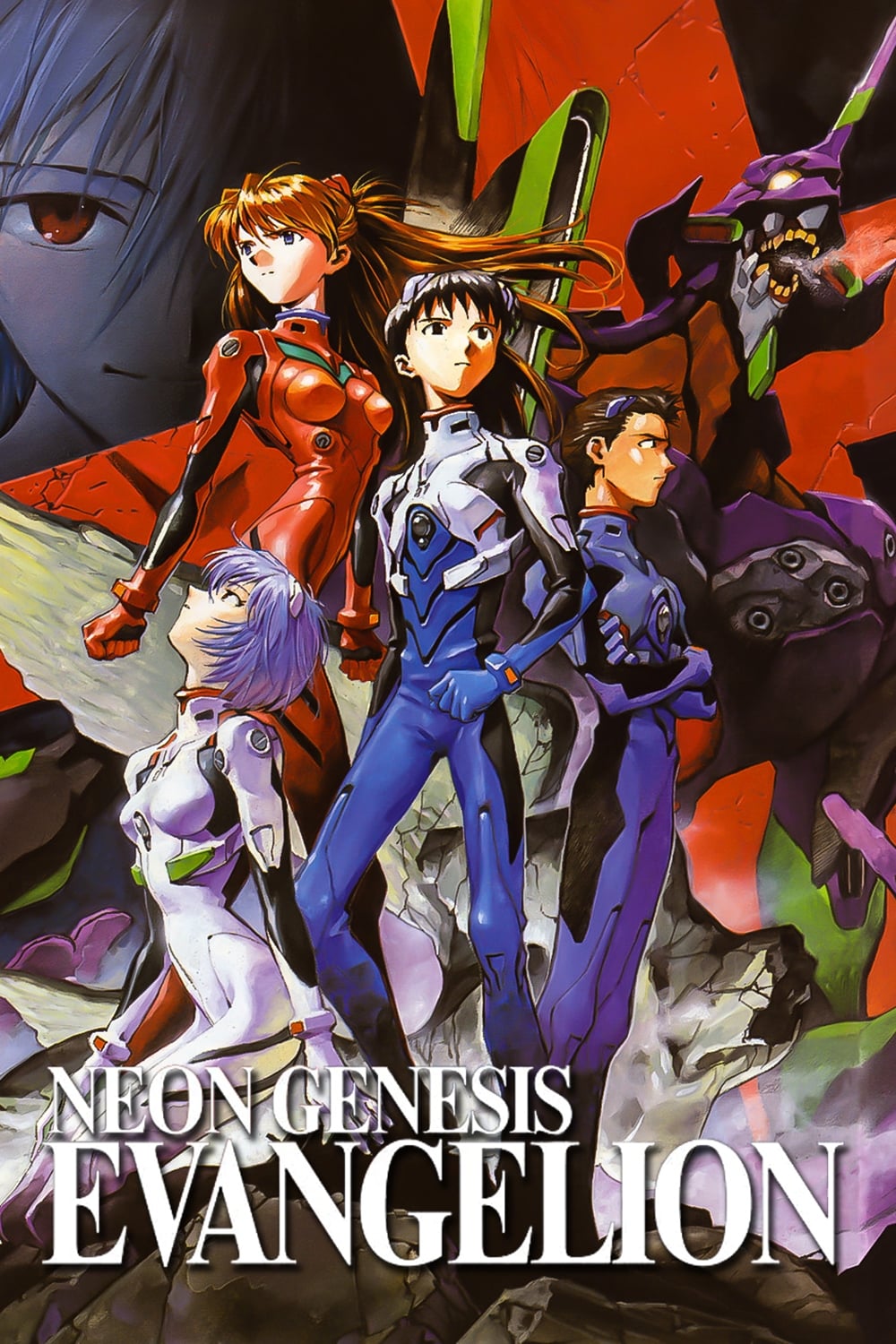
The open-ended conclusion of this thought-provoking anime has fueled decades of fan theories and reimagined endings. Fans have created their own stories, ranging from optimistic alternate timelines to even more disturbing psychological explorations. Dedicated viewers meticulously examine every scene, writing detailed philosophical analyses about the show’s meaning. Its unique art style also continues to inspire animators, who recreate famous battles with their own creative twists.
‘Mobile Suit Gundam’ (1979)
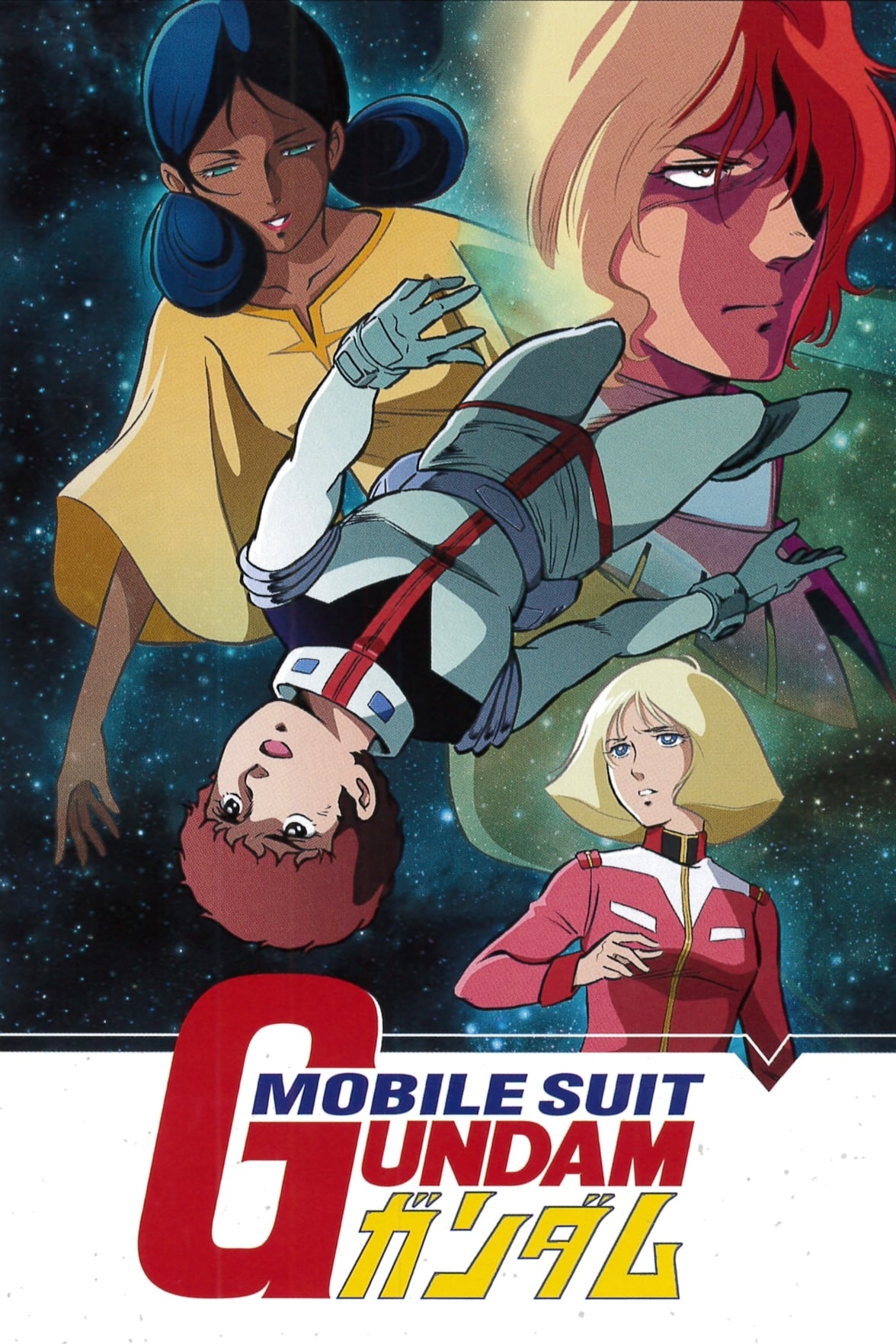
Fans of the series build and modify model kits to create their own versions of mobile suits, effectively expanding the story’s universe. They also write detailed backstories and histories for battles that weren’t part of the original show, and enjoy crafting narratives focused on the experiences of regular soldiers from all sides of the conflict. The franchise really flourishes because of the technical skill and passion for mechanics demonstrated by its dedicated fanbase.
‘JoJo’s Bizarre Adventure’ (2012)
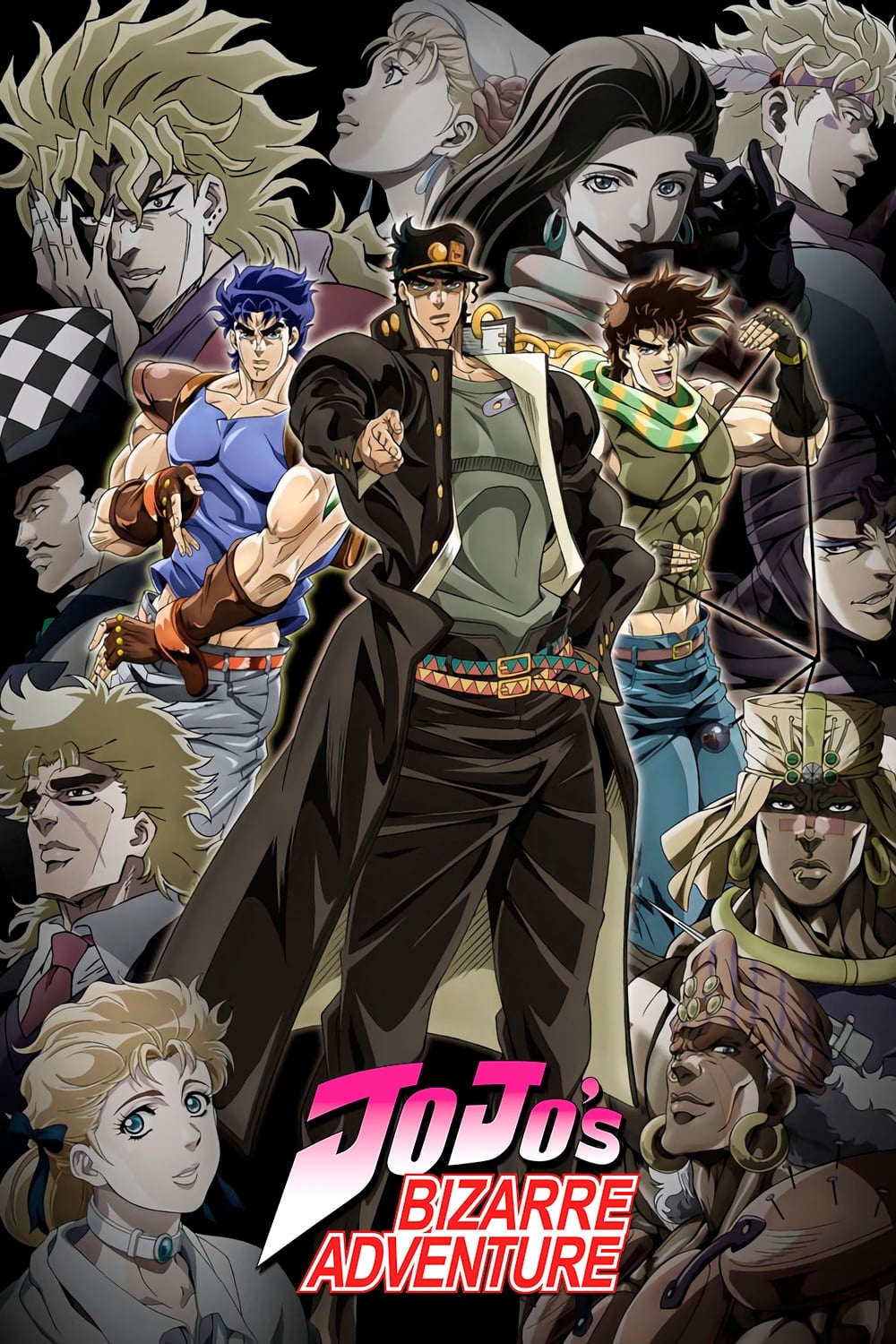
JoJo’s Bizarre Adventure lets fans get creative in several ways. The series’ power system, called Stands, inspires people to design unique abilities often based on their favorite music. Artists also draw inspiration from the series’ creator, Hirohiko Araki, by mimicking his iconic character designs and poses. Fans have even built their own games to pit characters from different parts of the story against each other. Plus, the way the series jumps between generations allows writers to come up with fresh new characters and worlds.
‘Fate/stay night’ (2006)
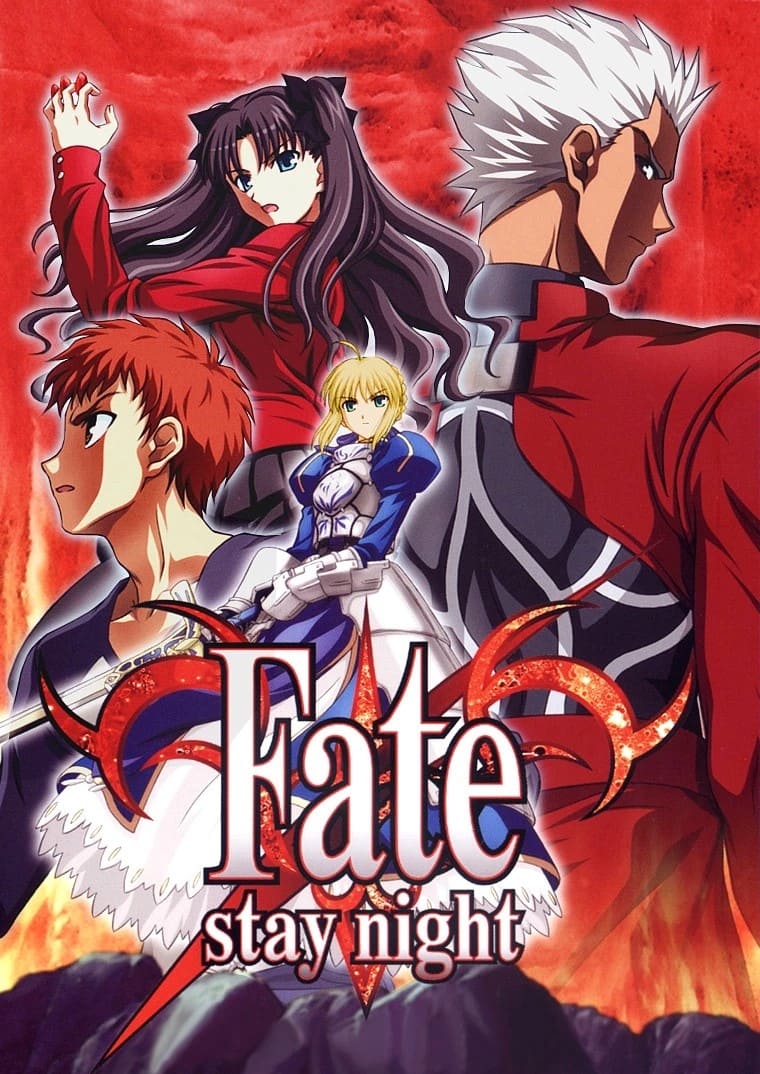
This popular series lets fans imagine their own battles, summoning heroes and figures from history as allies. Writers draw on myths and legends, adapting these characters to fit the series’ unique classes and powers. Because the story takes place across many different realities, there are endless possibilities for new scenarios. Fans love to discuss the details of the magic system and even create their own magical families and lineages.
‘Attack on Titan’ (2013)
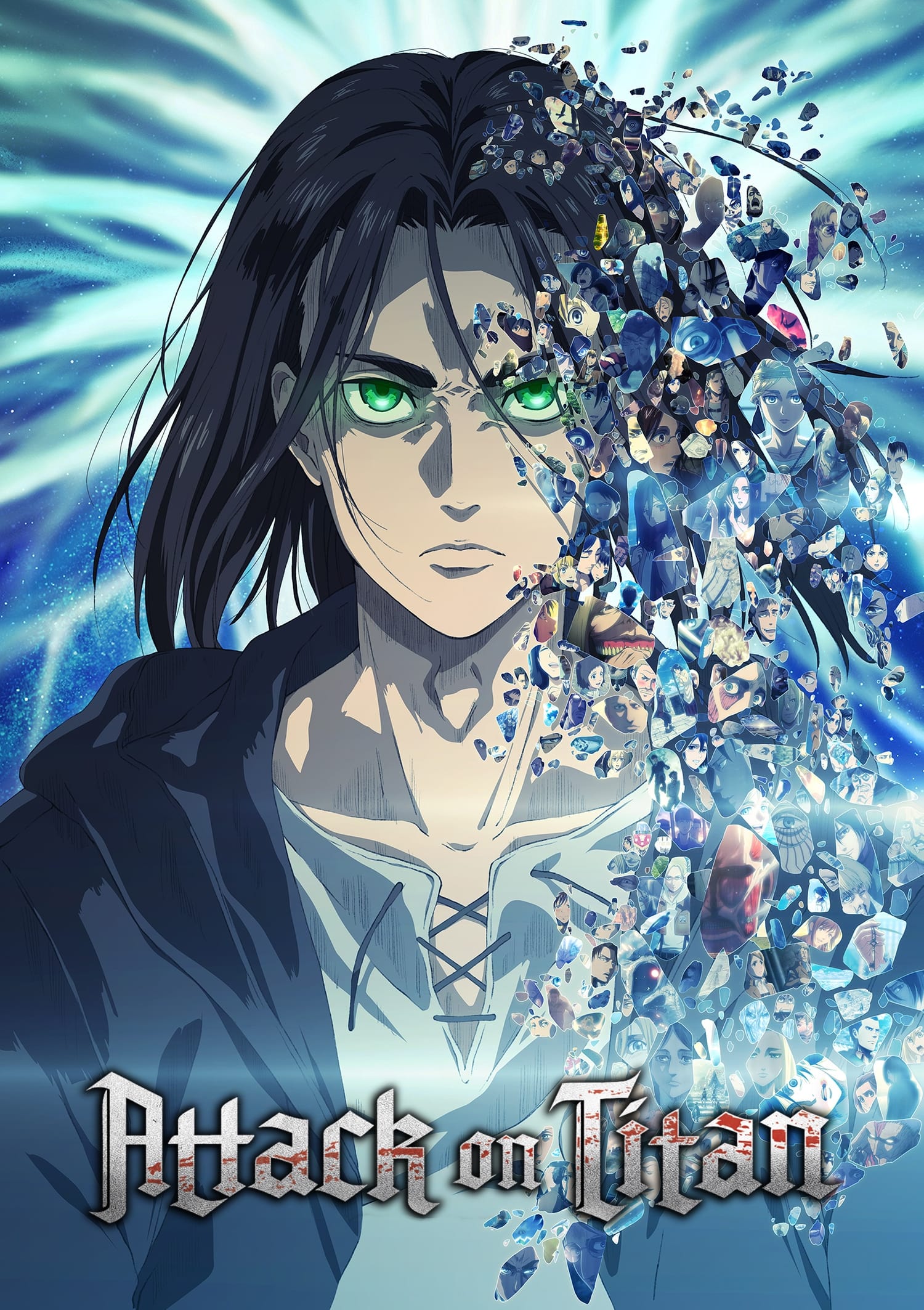
Fans are deeply inspired by the history of the Eldian people, leading them to create stories set long before the main plot. They’re also designing their own terrifying Titans with special powers, and imagining different ways the characters could have survived and fought within the walled cities. The complicated political themes in the later parts of the story have sparked fan-made narratives that explore the complexities of war and what’s right and wrong.
‘My Hero Academia’ (2016)
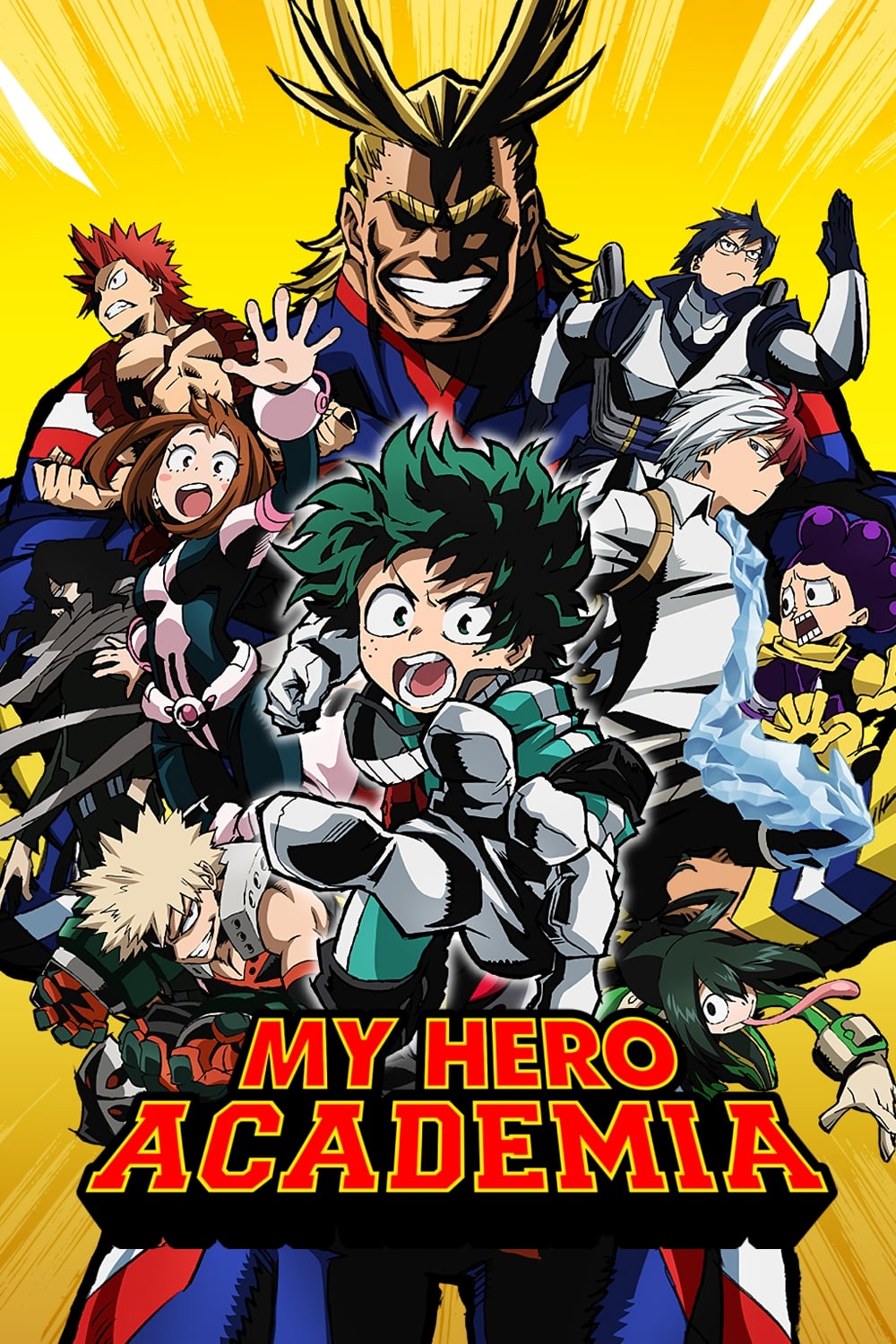
The idea of unique ‘Quirks’ – special powers – gives fans a huge amount of freedom to create their own heroes and villains. Stories often explore the everyday lives of students at competing hero academies or the work of secret organizations. The interesting character designs also encourage artists to reimagine the characters in all sorts of creative worlds, from fantasy to the future. This setting successfully combines elements of classic American comics with the style of Japanese manga.
‘Digimon Adventure’ (1999)
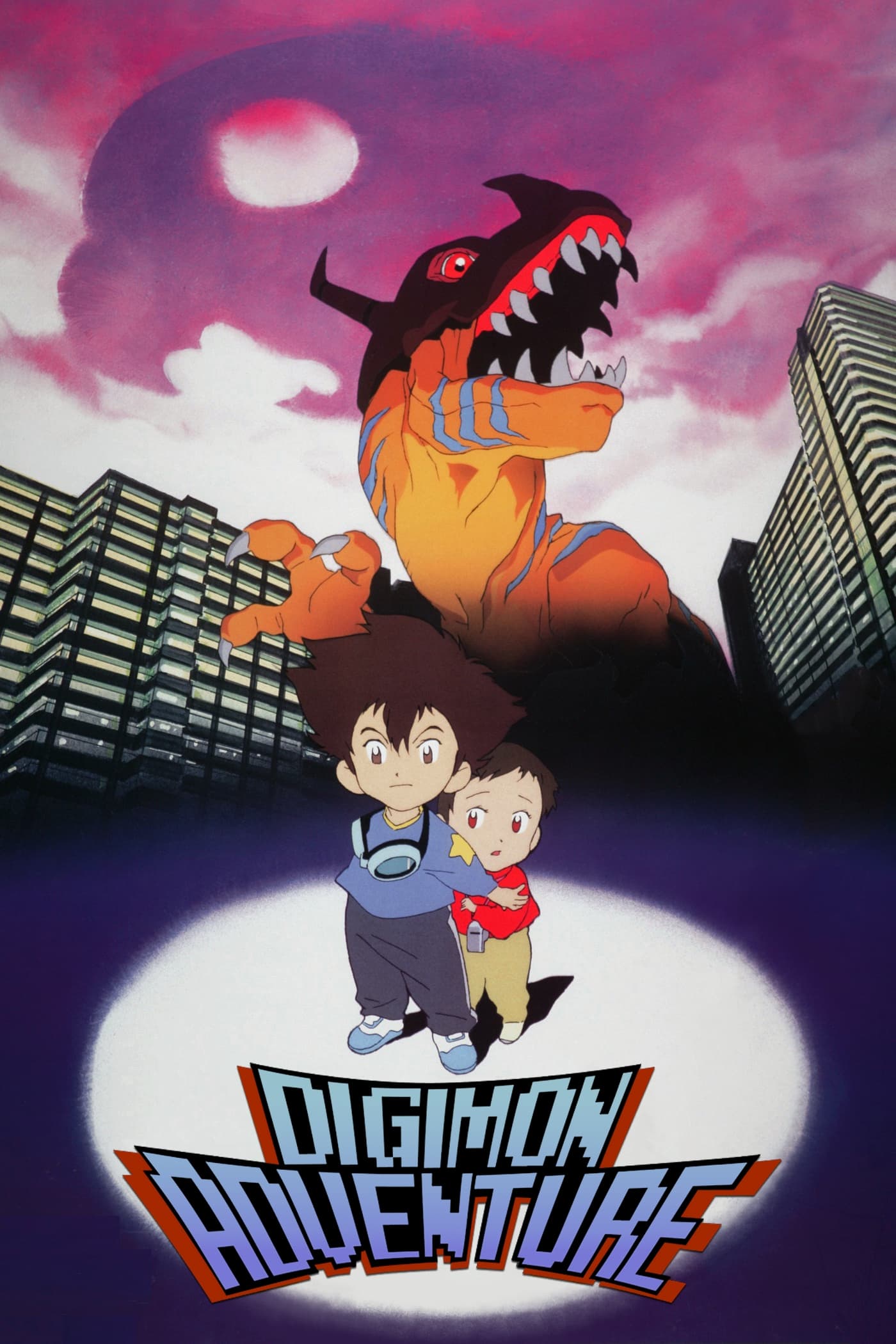
People who love this digital universe enjoy designing their own monsters, complete with how they grow and change. They also build communities around roleplaying games where they act as characters exploring this world. Some even create virtual pet games that remind them of the original handheld devices. At the heart of many fan-created stories is the special connection between people and their monster companions.
‘Bleach’ (2004)
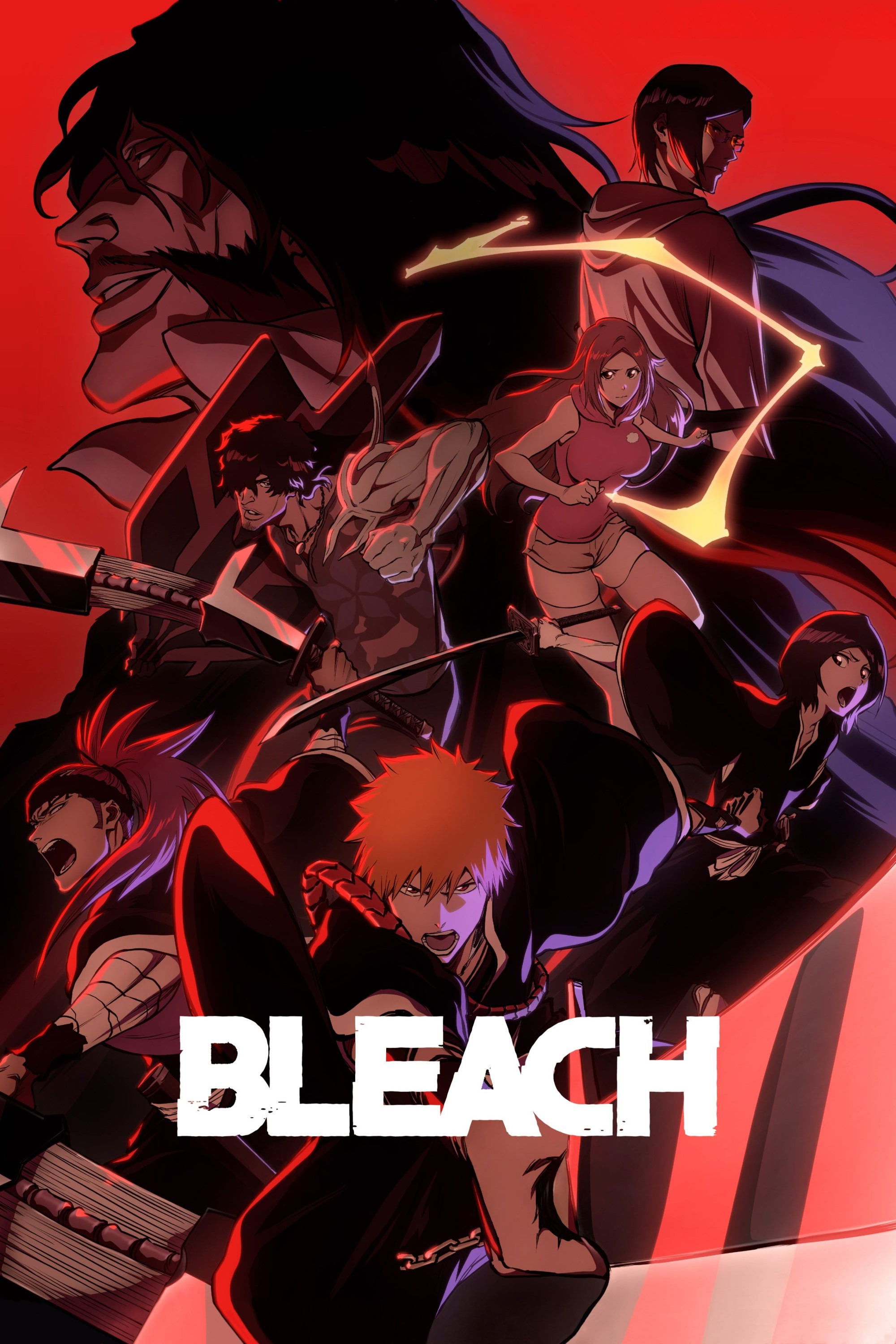
The well-defined world of Soul Society encourages fans to build upon it with their own creations. People design original captains and squads, craft unique swords with special powers and backstories, and write detailed stories about the histories of groups like the Quincy and Arrancar. The series’ cool character designs also inspire fans to create fashion-focused art and impressive cosplay.
‘Fairy Tail’ (2009)
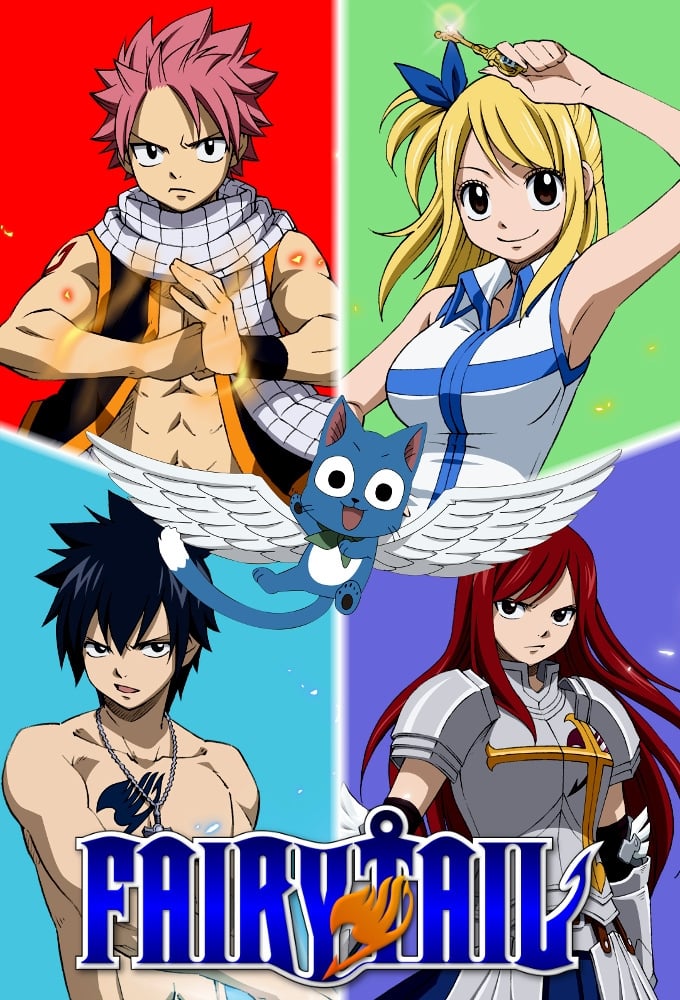
The guild system lets fans create their own unique magic-using groups, complete with custom symbols and beliefs. Writers are free to develop new kinds of magic and delve into the power dynamics within this magical world. This focus on teamwork and exciting journeys often leads to fun, upbeat stories about guild adventures. Fans also enjoy building on the existing relationships between supporting characters, adding depth to the world.
‘Fullmetal Alchemist: Brotherhood’ (2009)
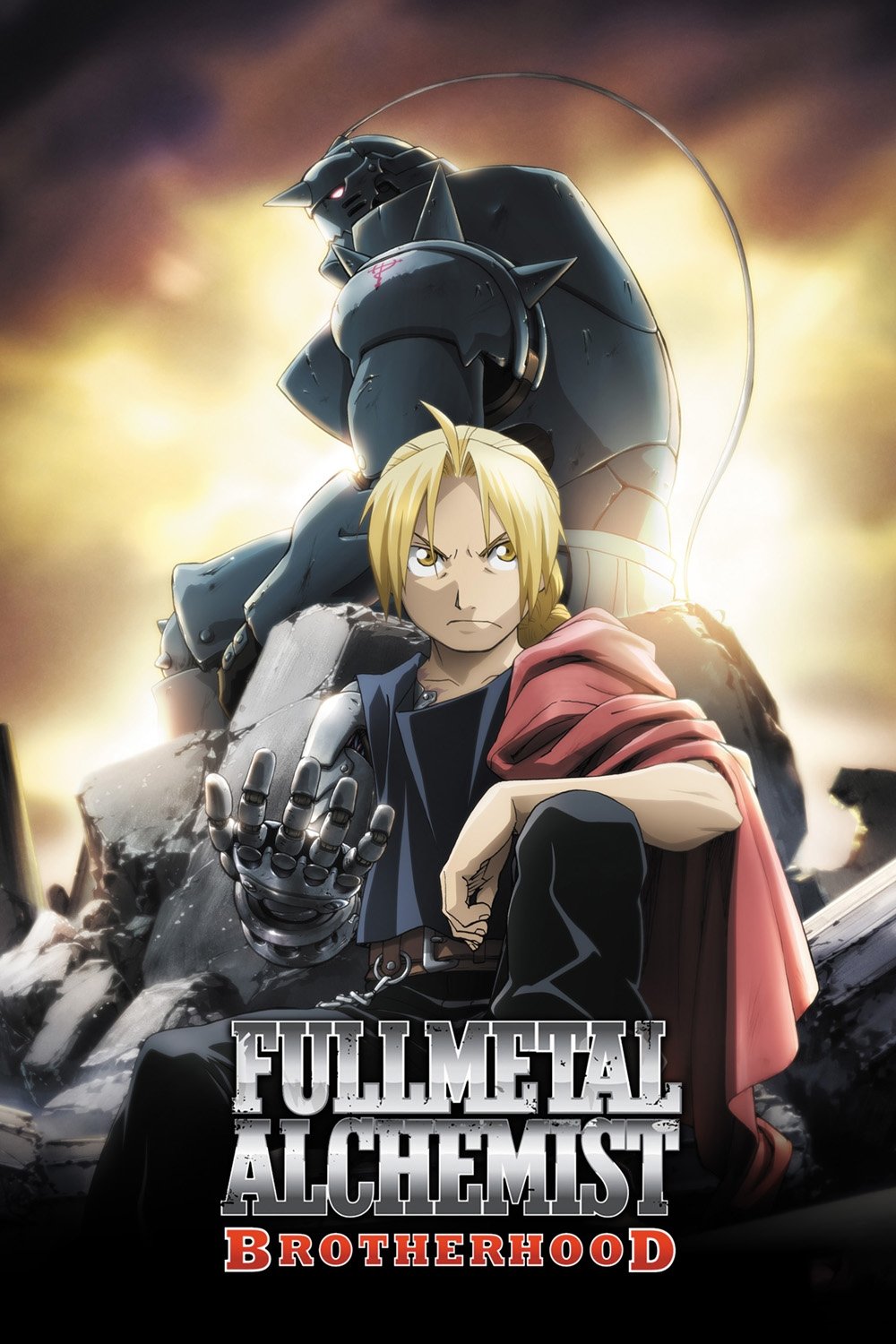
Equivalent exchange is a well-defined magic system that fuels the world of alchemy in this series, giving fans plenty to explore. Stories often take place in countries like Drachma and Xing, and the complex political landscape provides opportunities for tales of military strategy and challenging alchemy tests. Beyond the action, the series also encourages viewers to think critically about its deeper philosophical ideas.
‘Death Note’ (2006)
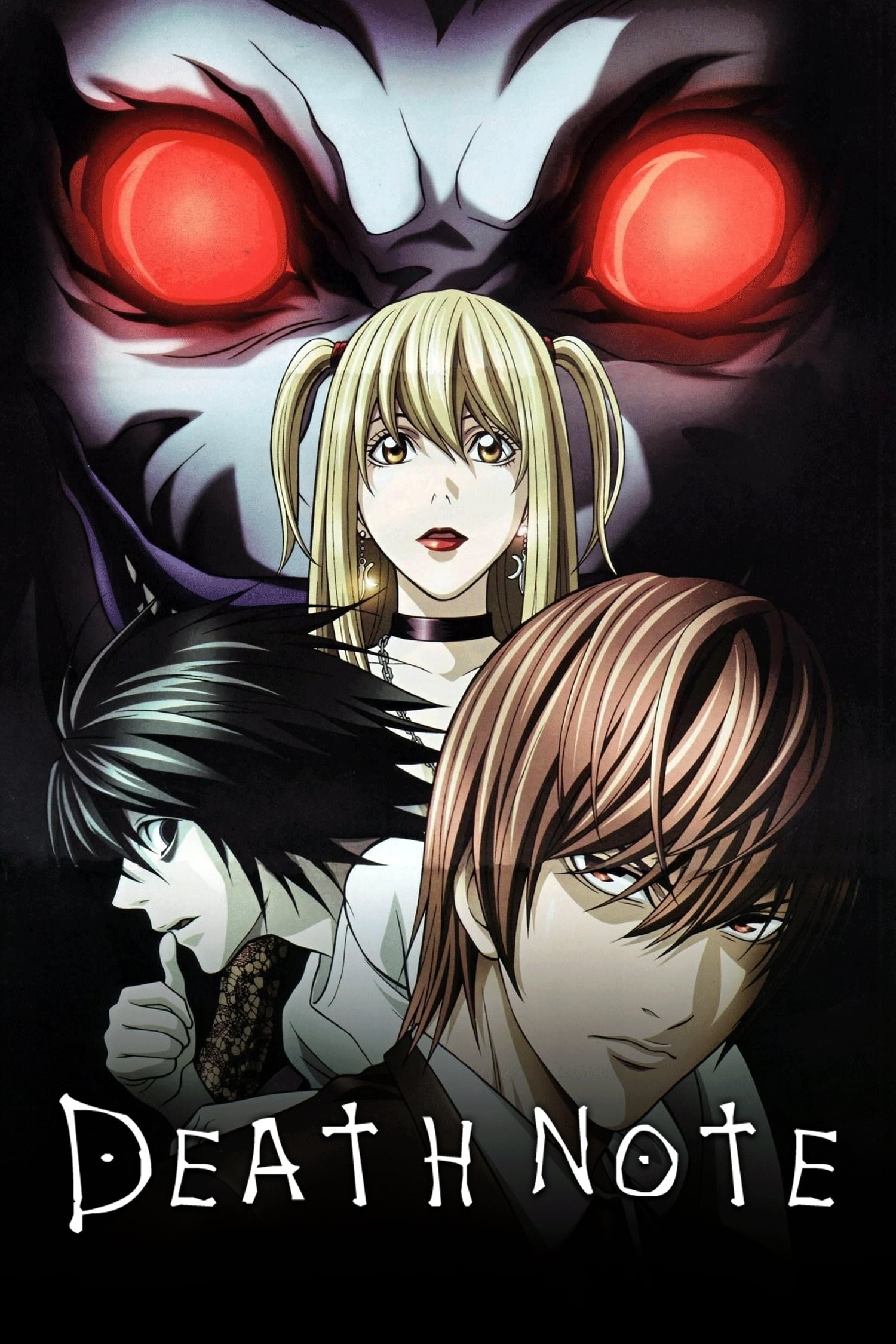
The captivating back-and-forth between Light and L has inspired fans to create their own stories featuring brilliant detectives and those who use mysterious notebooks. Creators also enjoy imagining how a Death Note would impact different times in history. The story’s complex questions about right and wrong spark discussions and written analyses of justice, and filmmakers are drawn to recreating the anime’s intense atmosphere in live-action shorts.
‘Code Geass: Lelouch of the Rebellion’ (2006)
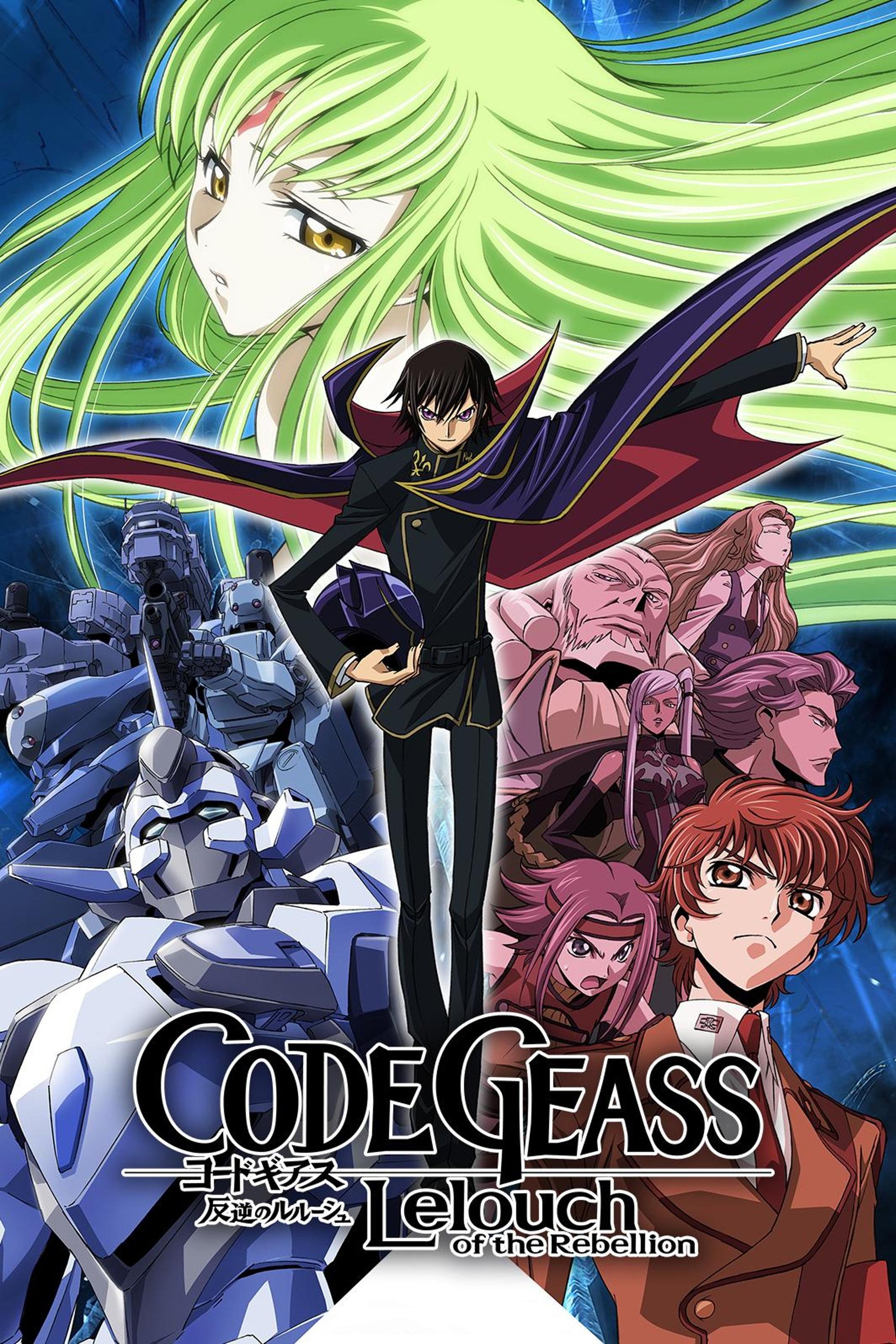
This alternate take on history lets fans reimagine the world and come up with new conflicts. Fans who love giant robots design their own unique machines with special weapons. Writers create stories that explore what happens after the original ending, often focusing on politics and drama. And the exciting battles inspire people to build their own strategic scenarios and war games.
‘Sword Art Online’ (2012)

Full dive virtual reality lets players build their own game worlds and rules. Stories often examine what it’s like to be stuck inside these digital environments. Fans are creating games inspired by the series, trying to recreate its look and how it plays. It’s a major influence on the LitRPG style of fan fiction, which focuses on game-like elements and character progression.
‘Tokyo Ghoul’ (2014)
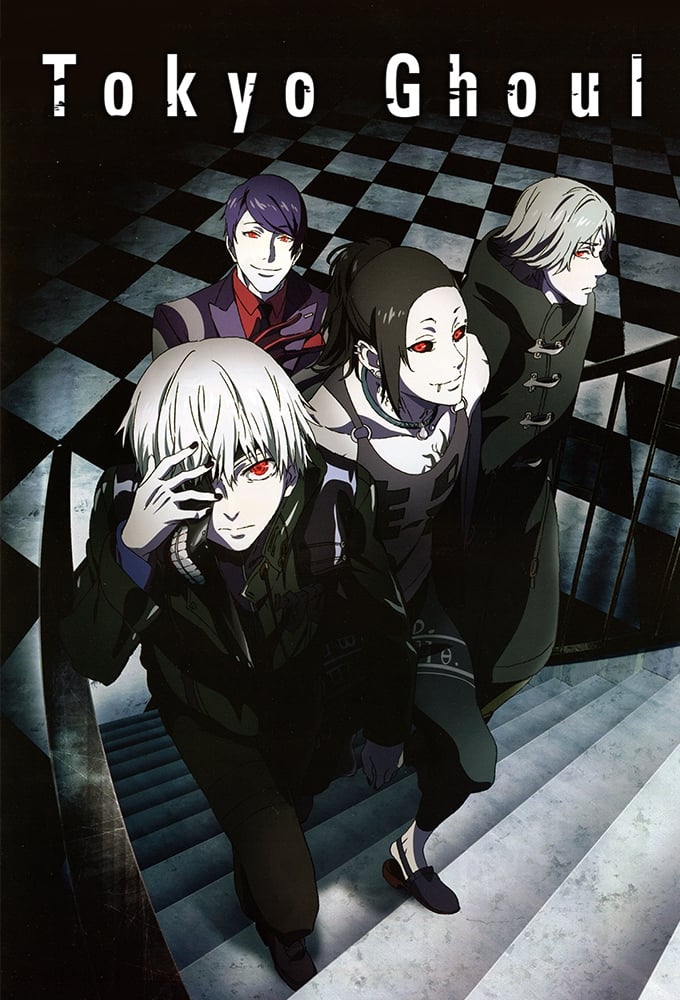
The unique nature of ghouls sparks creativity in fans, who design new kagune and masks. Writers delve into the hidden world of ghouls and their fight to live. The series’ dark city setting lends itself to intense crime and horror stories, while artists express the series’ haunting beauty through their work.
‘Hunter x Hunter’ (2011)
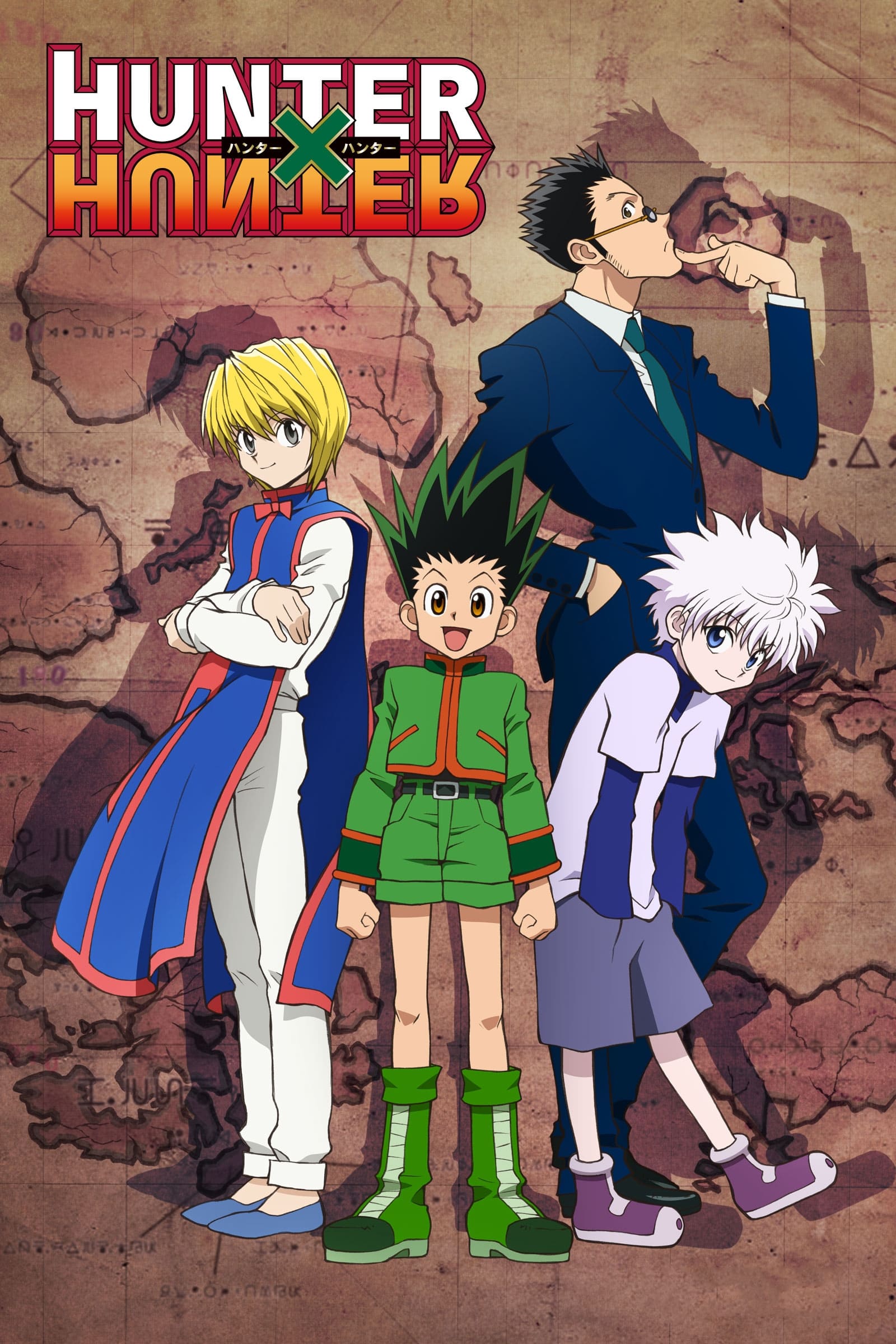
The intricate Nen system in the series inspires fans to sort themselves and their characters into different aura categories. Fans often create their own challenging Hunter Exams with clever puzzles and obstacles. The mysterious and perilous Dark Continent sparks imagination and allows for the creation of fascinating creatures. Ultimately, the series encourages creative and well-thought-out fan-made content.
‘Saint Seiya’ (1986)
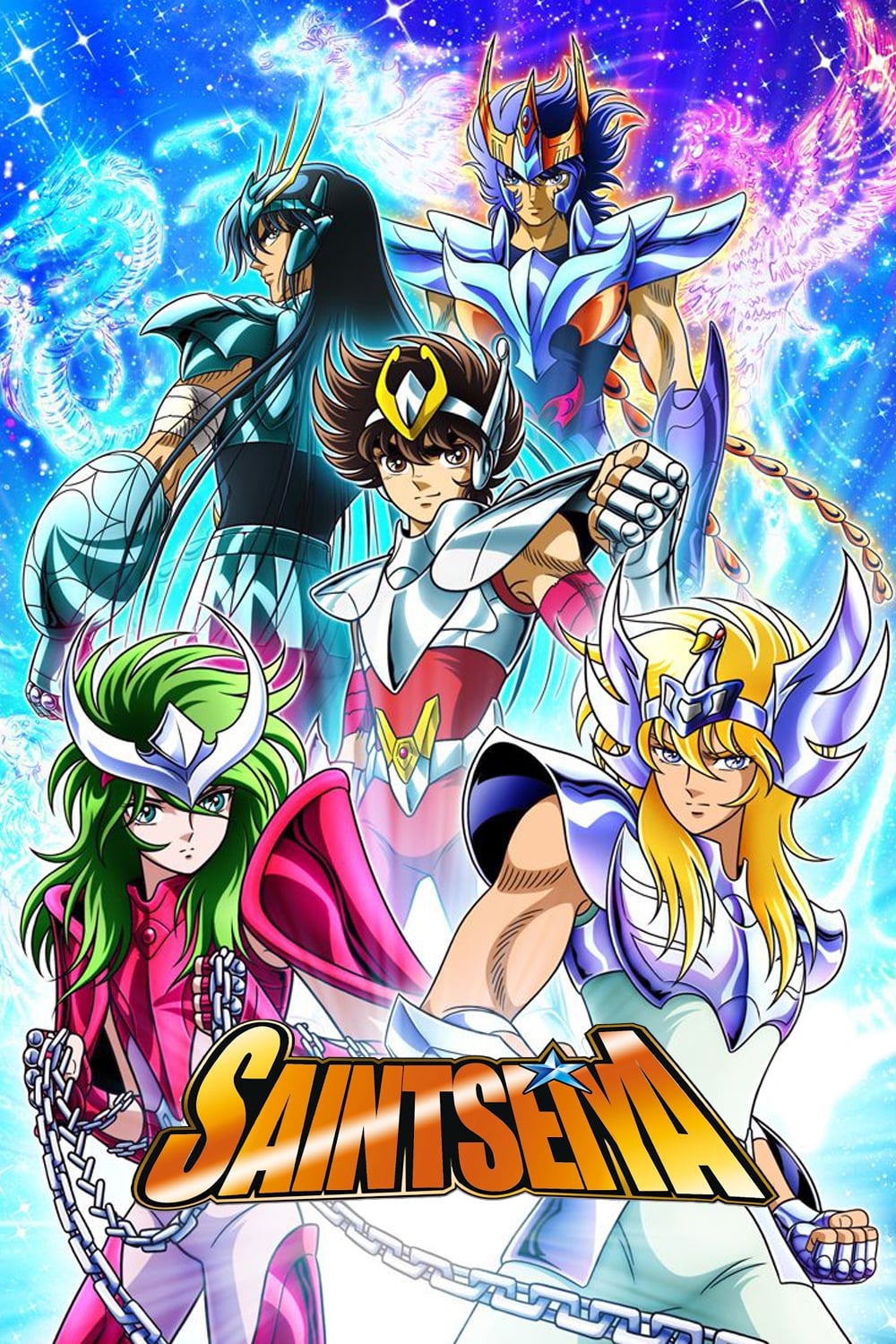
Fans are inspired by the series’ connection to astronomy, creating armor designs based on constellations. Writers are building on the existing stories by adding myths and gods from different cultures. The exciting battles and compelling conversations encourage fans to create their own voiceovers and act out scenes. This has led to a dedicated international fanbase that consistently produces impressive artwork.
‘Captain Tsubasa’ (1983)
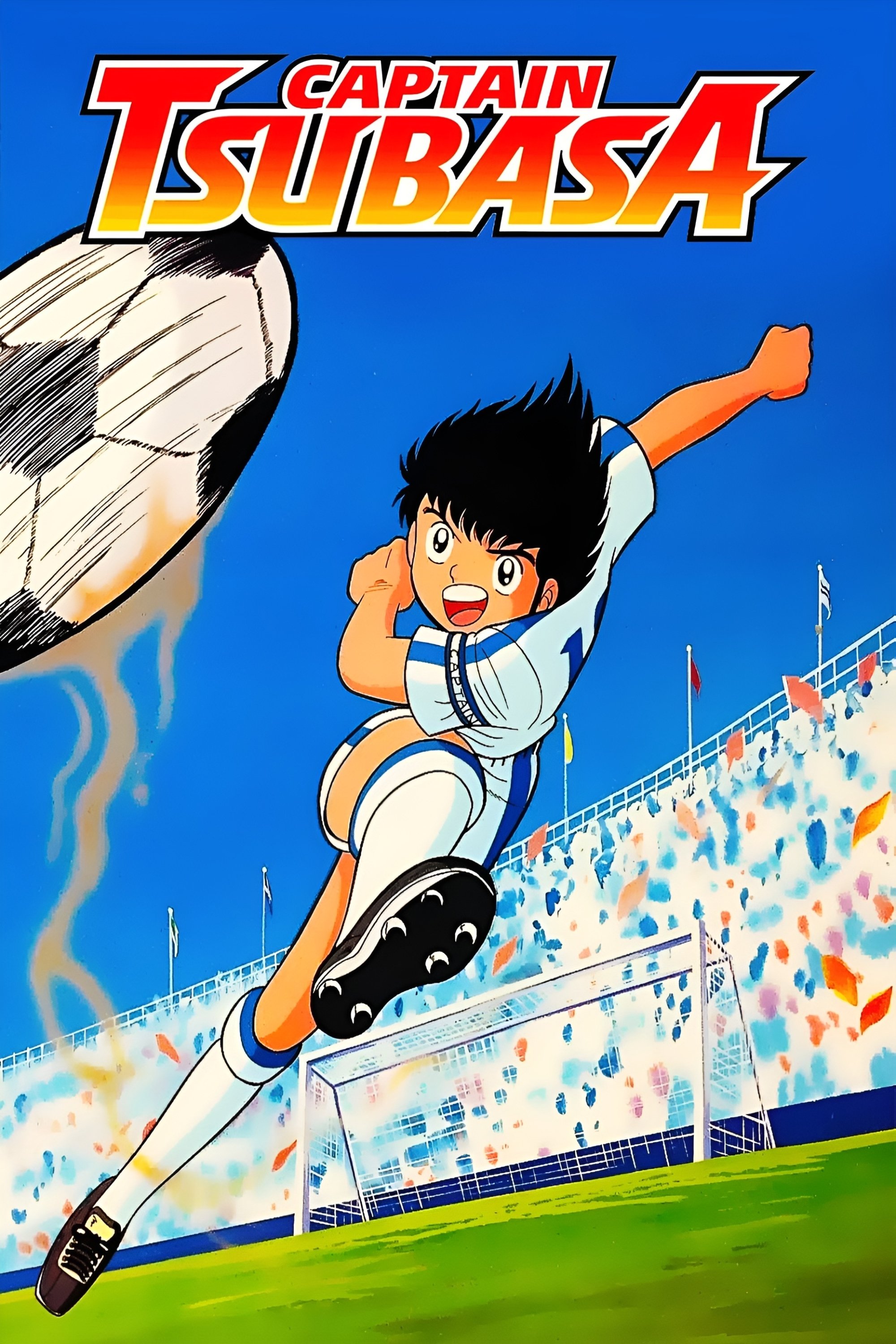
Fans of the anime are building their own soccer teams and tournaments based on the show’s world. Writers are crafting detailed stories about characters as they pursue professional soccer careers internationally. The incredible moves seen in the anime have inspired animators to create even more spectacular and unbelievable shots. Ultimately, this series has been hugely influential in spreading soccer’s popularity around the world.
‘Detective Conan’ (1996)
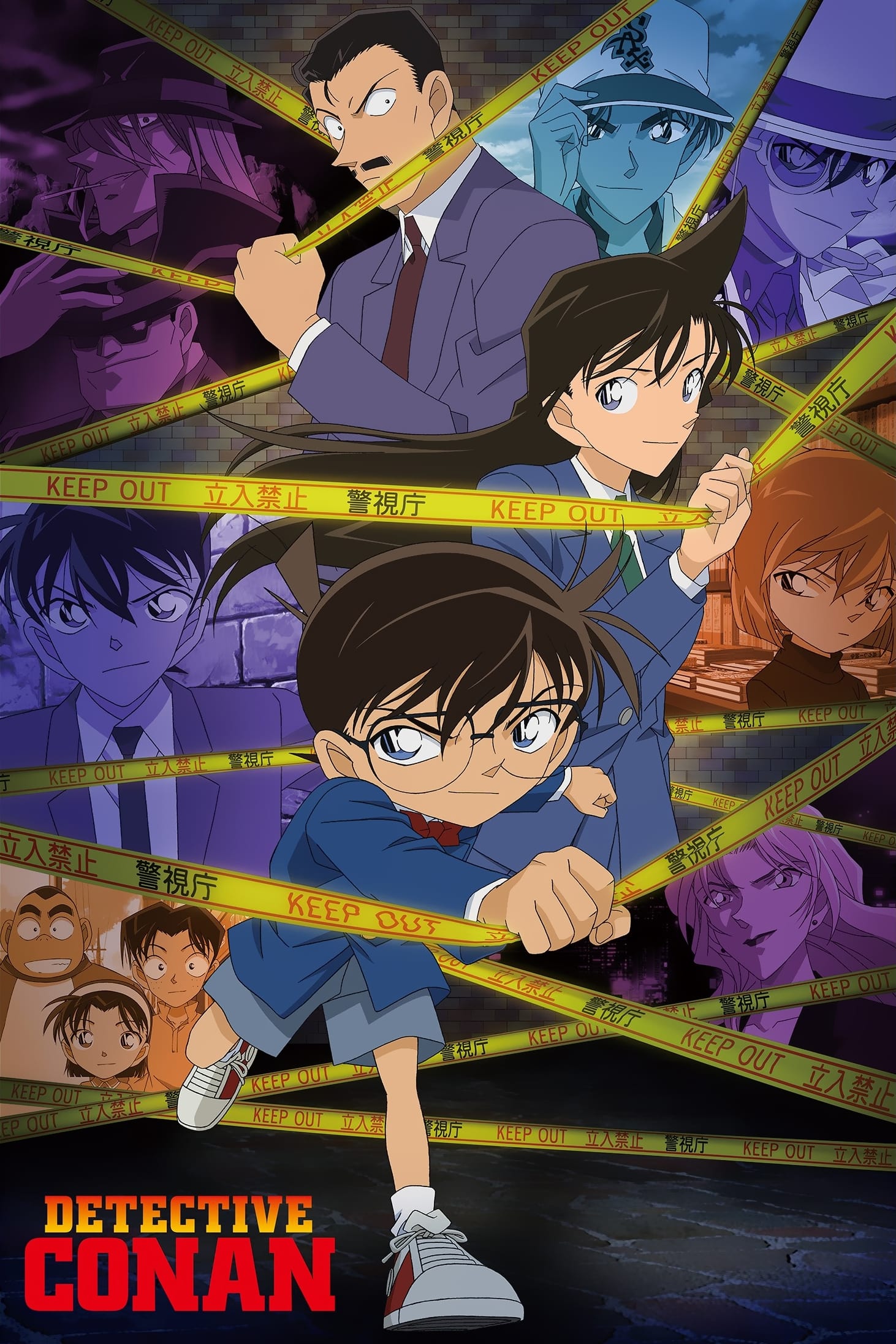
Fans of the series create their own detective cases and challenging puzzles. The ongoing story about the Black Organization sparks a lot of discussion and fan-made theories about who the villains really are. Writers also delve into the many romantic relationships between the characters. Because the series has been running for so long, there’s a huge amount of story material to build upon.
‘Doraemon’ (1979)
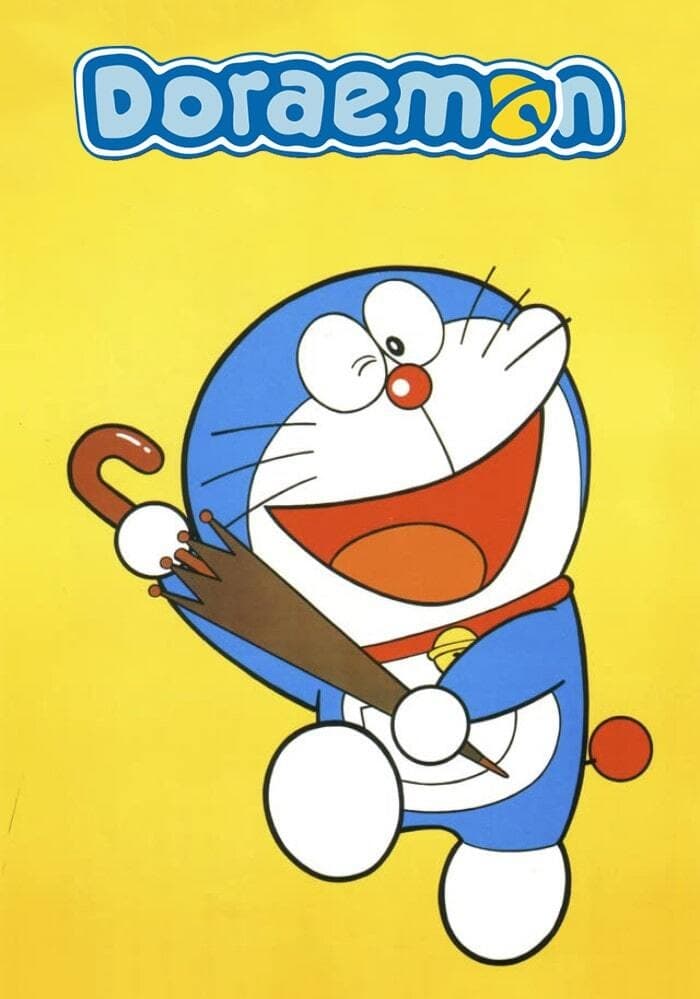
The series sparks creativity, letting fans dream up innovative gadgets to tackle everyday challenges. Writers build touching stories around growing up and the power of friendship, featuring beloved characters. Its unique visual style is simple enough for young artists to learn and imitate. Ultimately, this series has become a lasting influence, inspiring artists and creators for years to come.
‘Ghost in the Shell’ (1995)
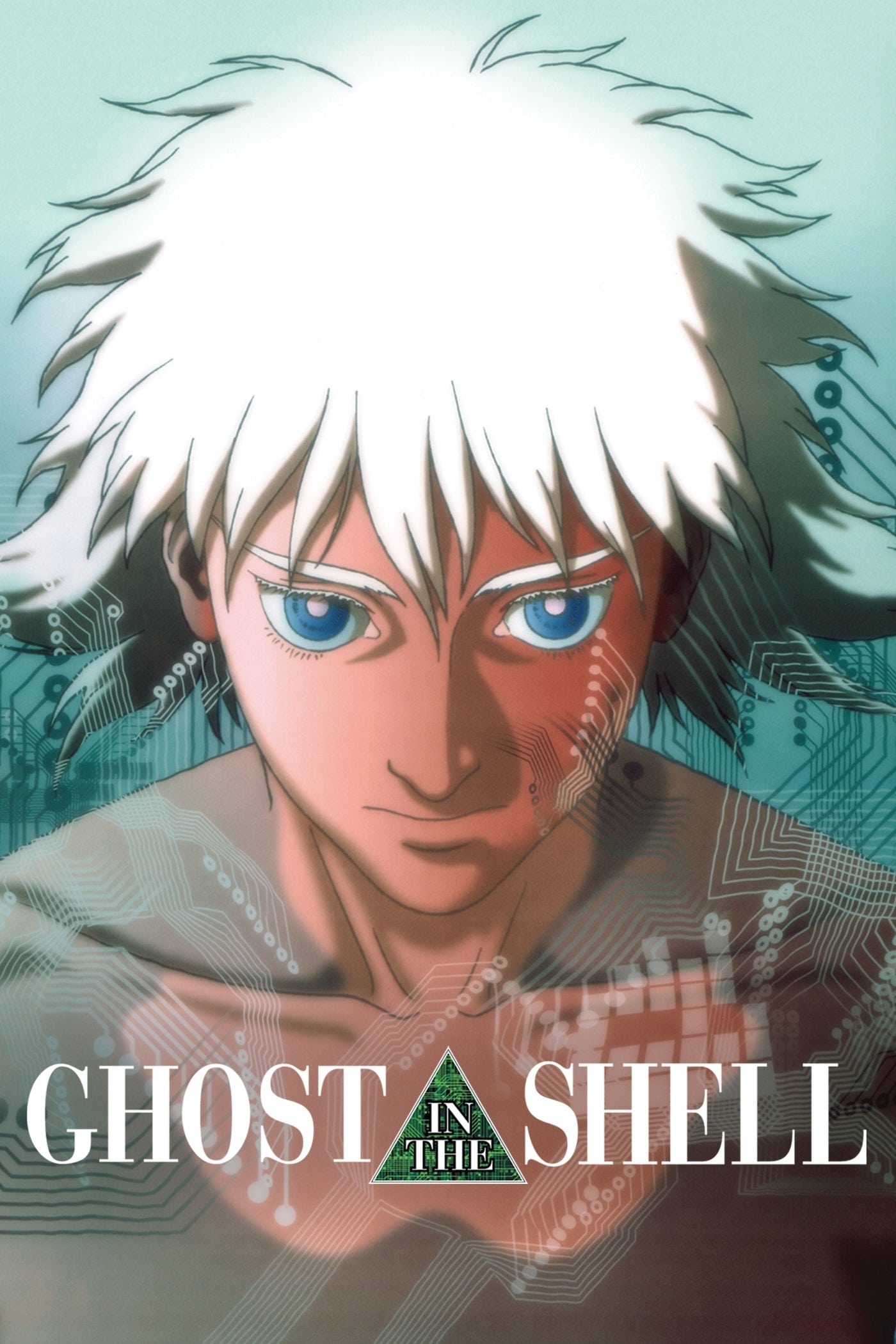
The cyberpunk world of the series sparks interest in ideas about merging humans with technology and the possibilities of artificial intelligence. Stories often revolve around solving high-tech crimes and uncovering political secrets. The series’ unique style inspires designers to create visions of future technology and cyborg enhancements. Beyond entertainment, the franchise’s complex ideas also encourage thoughtful debate and analysis in academic circles and online discussions.
‘Cowboy Bebop’ (1998)
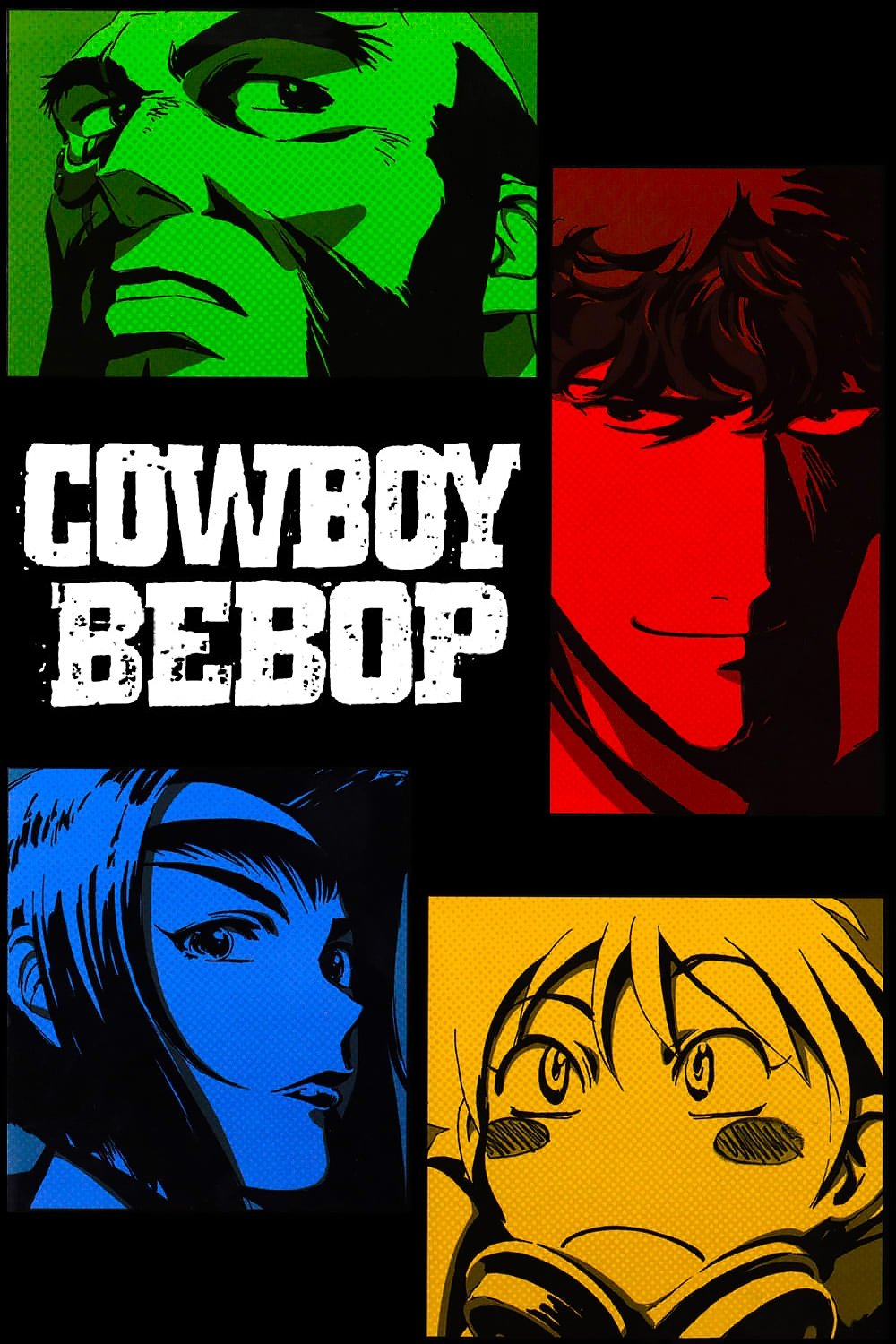
I’m constantly amazed by how much this show inspires creativity! People are writing these really cool, tough stories about bounty hunters, mixing classic westerns with that dark, noir feel. And the music scene is incredible – everyone’s doing jazz and blues versions of the original soundtrack. I’ve also seen some amazing art, with fans designing their own spaceships and planets within the world the show created. Because the show is structured in episodes, it feels like there’s a natural place for all this fan-made stuff to fit right in, which is really exciting!
‘FLCL’ (2000)
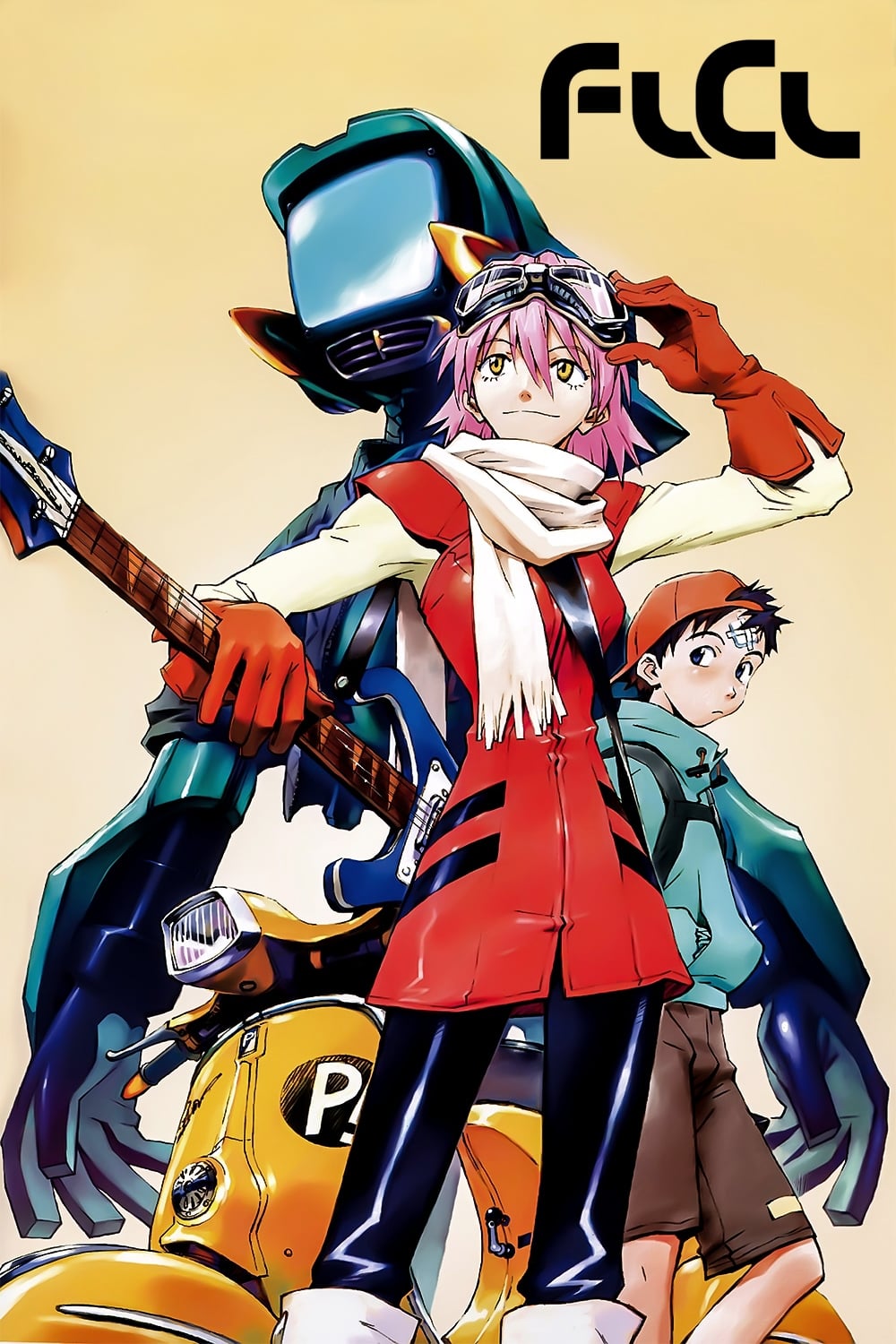
As a huge fan, I’ve noticed this show really gets your creative juices flowing! The way it looks – all fast-paced and mixing different art styles – makes me want to try new things with animation. The stories aren’t straightforward either; they’re all about growing up, but told in a really dreamy, symbolic way. And the music! It’s inspired so many fans to start their own bands and make awesome music videos. Honestly, it just feels like the show really encourages you to be weird and experiment with your own art.
‘The Melancholy of Haruhi Suzumiya’ (2006)
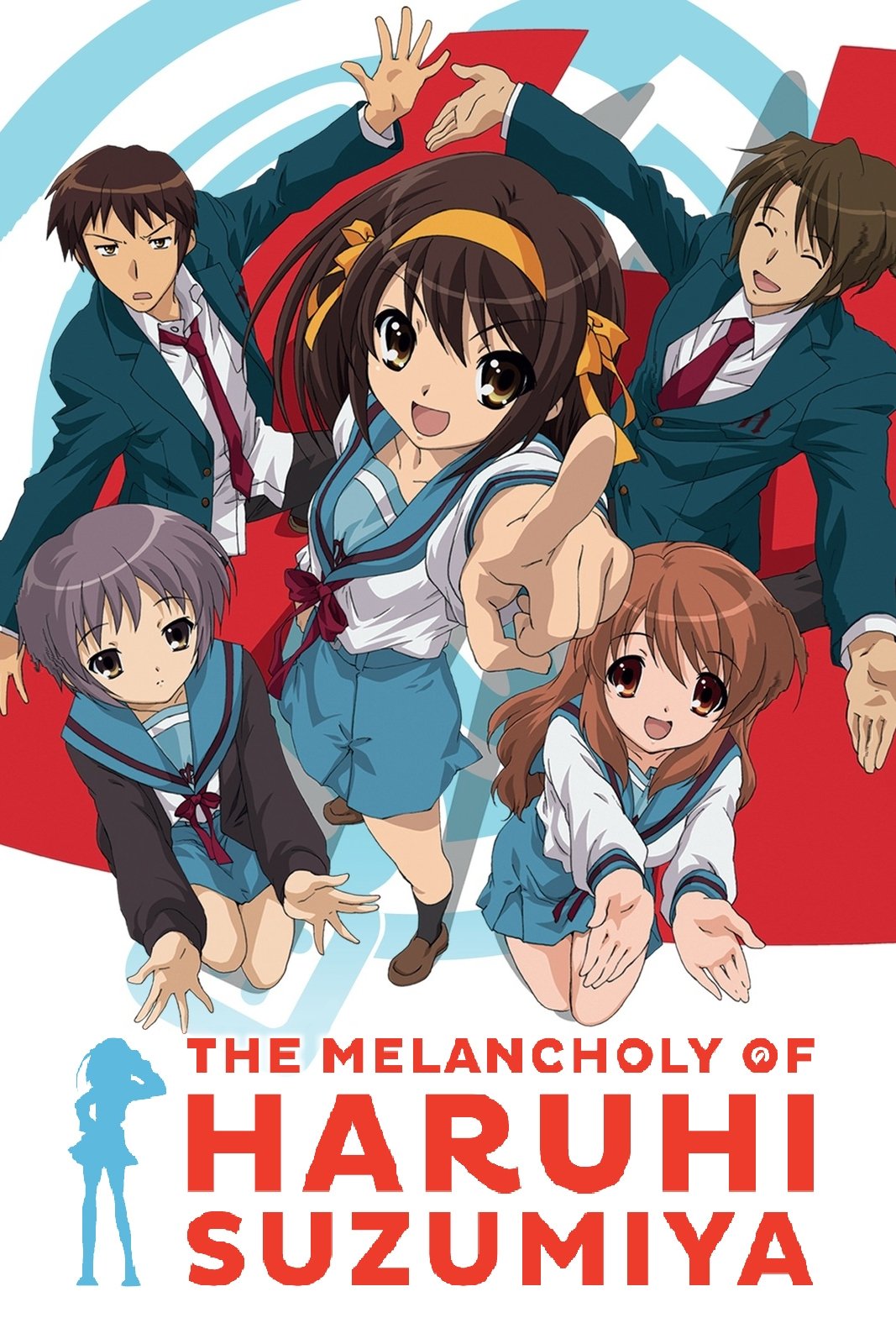
The story playfully mixes fantasy and reality, inspiring fans to do the same. They’ve even created flash mobs to recreate the iconic dance from the show’s finale! Writers are also exploring what would happen if superpowers showed up in everyday life. This series really helped shape how fans connect and create online, setting the stage for much of today’s fan culture.
‘K-On!’ (2009)
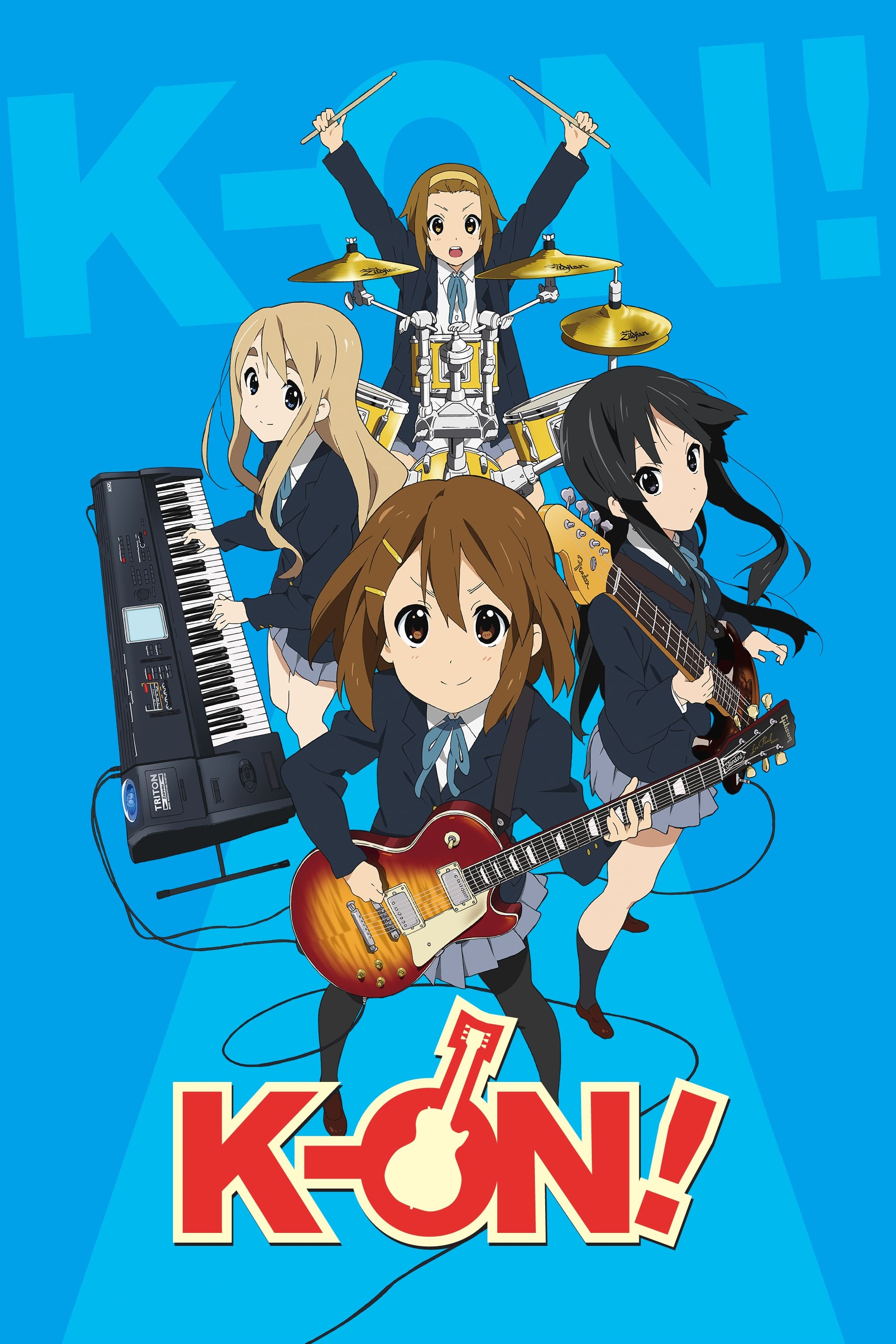
Fans are passionately creating their own bands to play songs from the show. Artists are designing unique instruments and merchandise based on the series. Writers are expanding the characters’ stories through fan fiction set in college or as adults. And the show’s distinctive art style is a major influence on fan-created artwork.
‘Legend of the Galactic Heroes’ (1988)
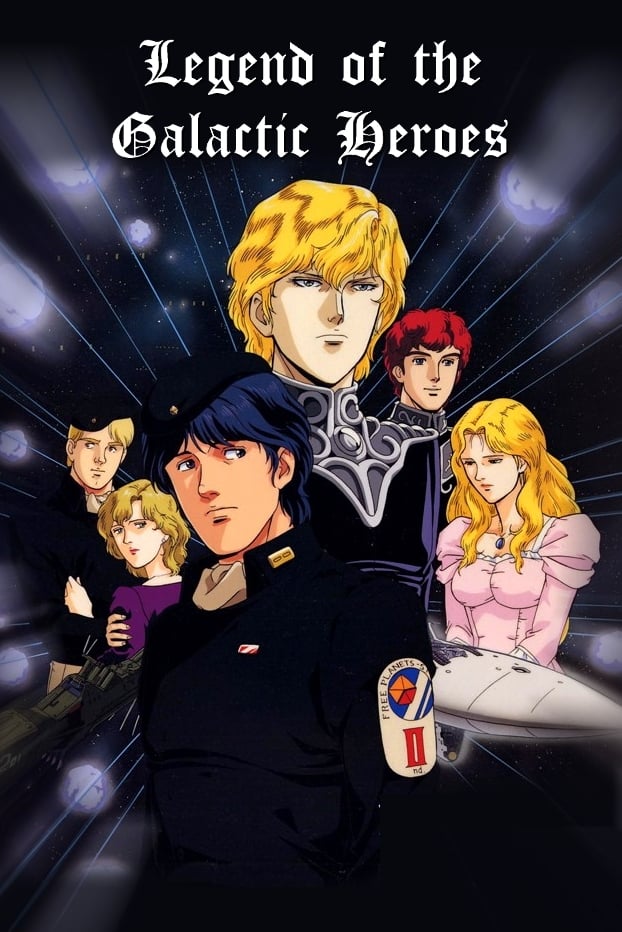
Fans of the series deeply engage with its history, often analyzing battles and strategies as if they actually happened. Writers have expanded the story’s rich background by adding details about smaller conflicts and political dealings. The emphasis on strategy and thoughtful ideas sparks in-depth conversations and imaginative roleplaying. This creates a dedicated and mature fanbase who appreciate the series’ complex and well-developed world.
‘Berserk’ (1997)
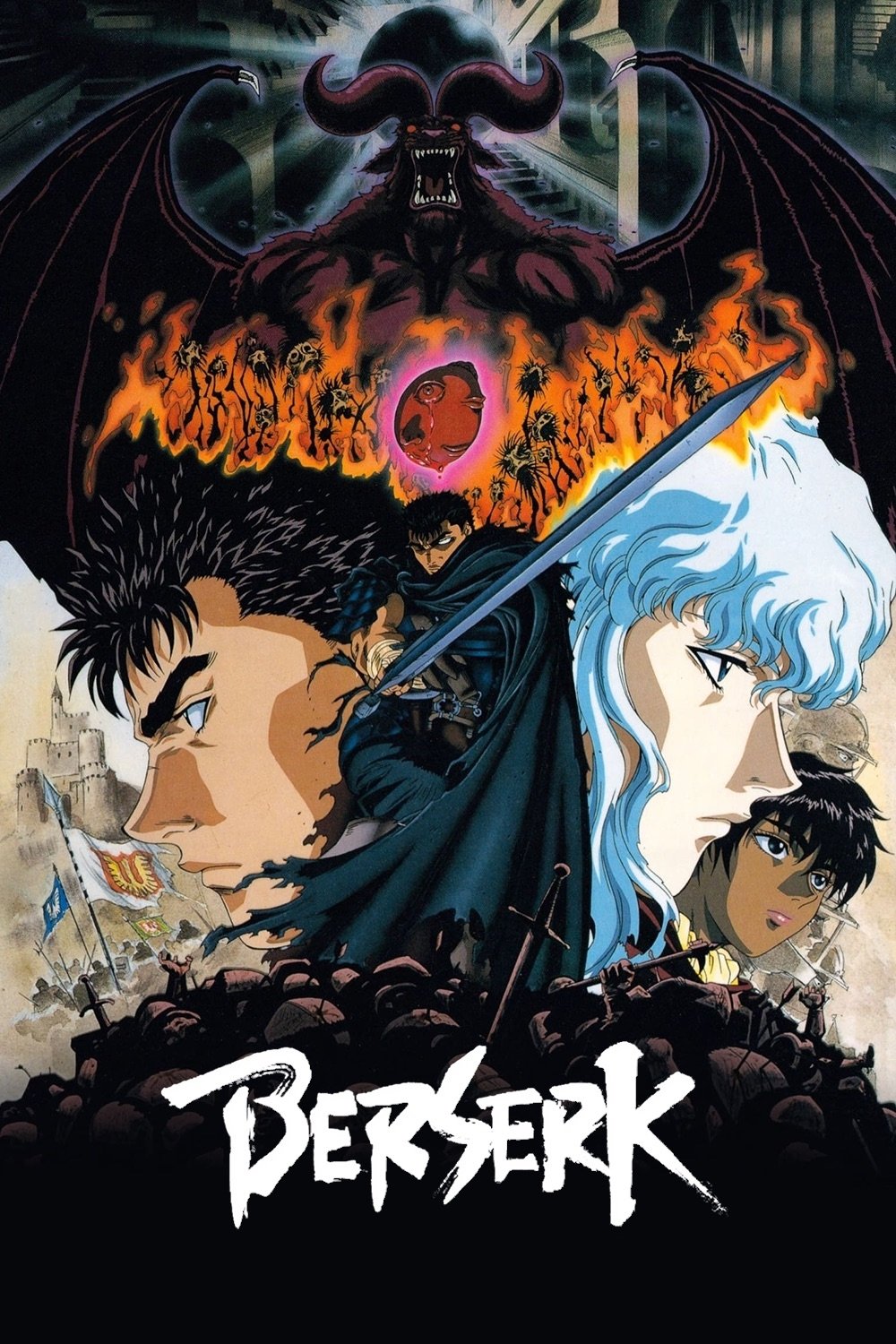
Fans are honoring Kentaro Miura by trying to match the amazing detail in his artwork. The dark and fantastical world of his manga sparks creative stories about hardship and fate. Some fans are even turning still images from the manga into animated shorts, expanding on what the anime series covered. The story’s emotional weight and themes of overcoming challenges clearly inspire many artists and storytellers.
‘Initial D’ (1998)
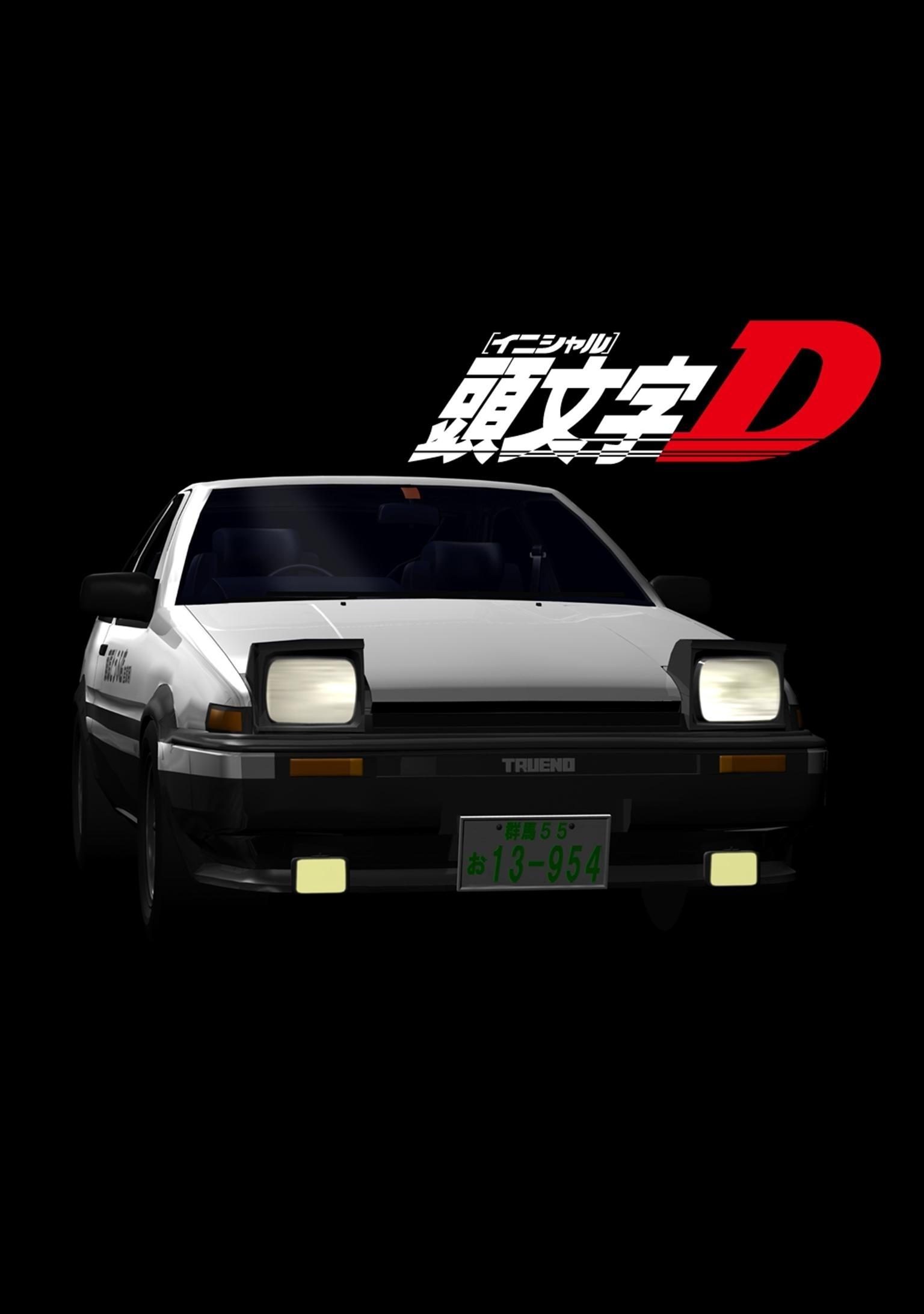
Fans of the series are inspired to recreate the exciting drifts and car customizations they see on screen. Musicians are composing Eurobeat tracks that capture the energy of the fast-paced races. And gamers are building realistic setups to virtually drive the challenging mountain roads. For many, the series is their first step into the world of cars and racing.
‘Cardcaptor Sakura’ (1998)
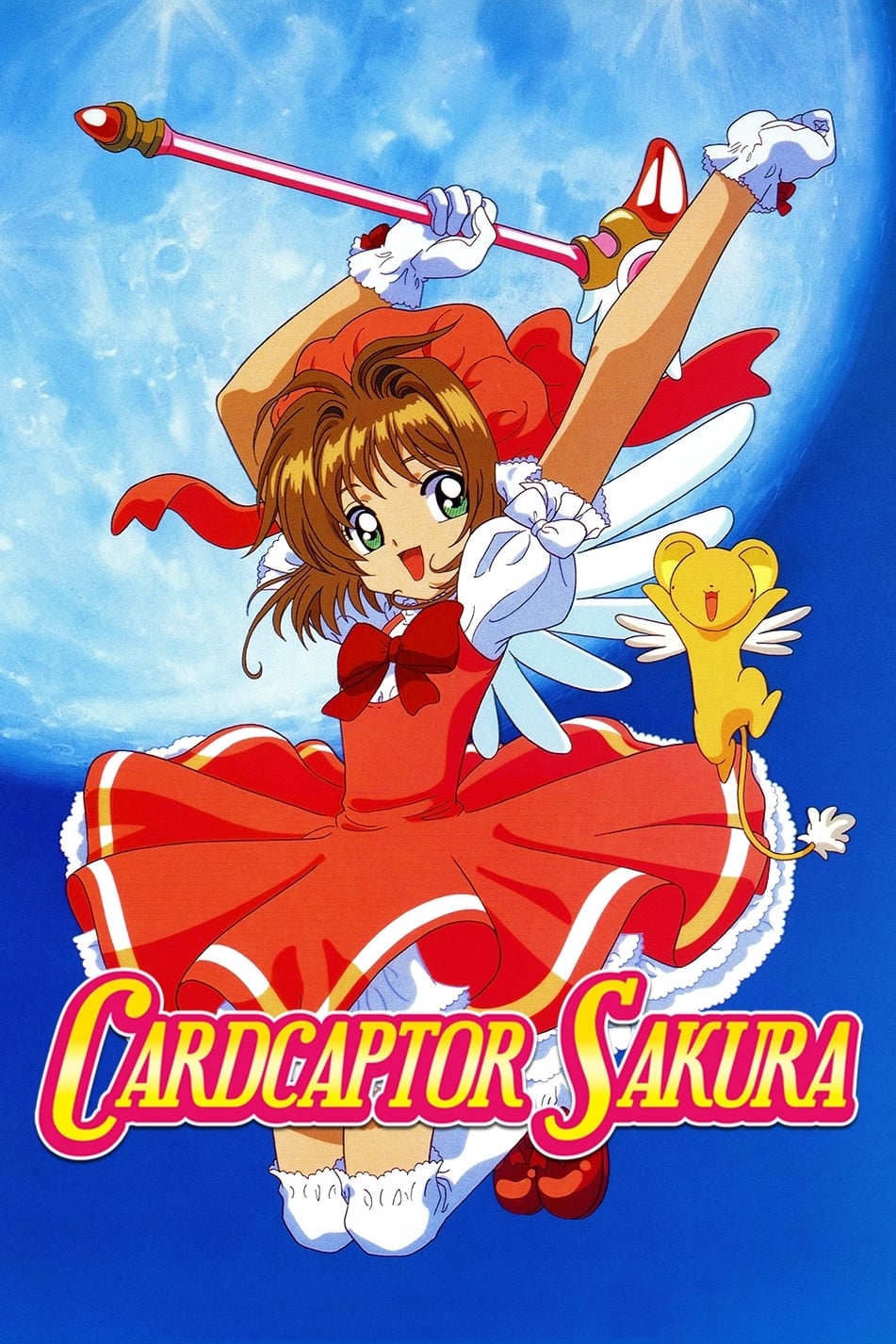
Fans are creating their own versions of the Clow Cards, complete with new magic and character traits. Others are meticulously crafting the show’s many costumes. Writers are imagining what happens next for the characters as they grow more powerful, and artists are drawing beautiful, detailed fan art inspired by the show’s distinctive style.
‘Inuyasha’ (2000)

The historical and fantastical world of the series sparks interest in Japanese history and mythology among viewers. Many fan-created stories focus on romantic connections between demons and humans. The inclusion of time travel enables narratives that connect different eras. The series has also fostered a dedicated and active fan fiction community.
‘Ranma 1/2’ (1989)
This funny action series really gets fans creative, inspiring them to come up with their own unique powers and fighting moves. The show’s writers love exploring the wild connections between characters, often with playful twists on gender roles. It’s no surprise that the mix of exciting action and comedy leads to lots of fun fan-made comics. For artists who enjoy silly humor and sweet romance, this series is a go-to source of inspiration.
‘Urusei Yatsura’ (1981)

The story of an alien invasion provides a great foundation for many different adventures. Artists often pay homage to the 1980s style when creating fan art of the characters. The series focuses on the funny, everyday experiences of Ataru and Lum. Over time, this franchise has created many popular themes and ideas that fans still use and enjoy.
‘Fist of the North Star’ (1984)

The bleak world of this series sparks creativity in fans, who design unique martial arts schools and powerful warlords for the setting. Players also create modifications to add the series’ intense combat to other games. Its memorable lines and displays of emotion are often imitated and referenced in popular culture. For many artists and designers, this series has become the defining look of action-packed anime from the eighties.
‘City Hunter’ (1987)
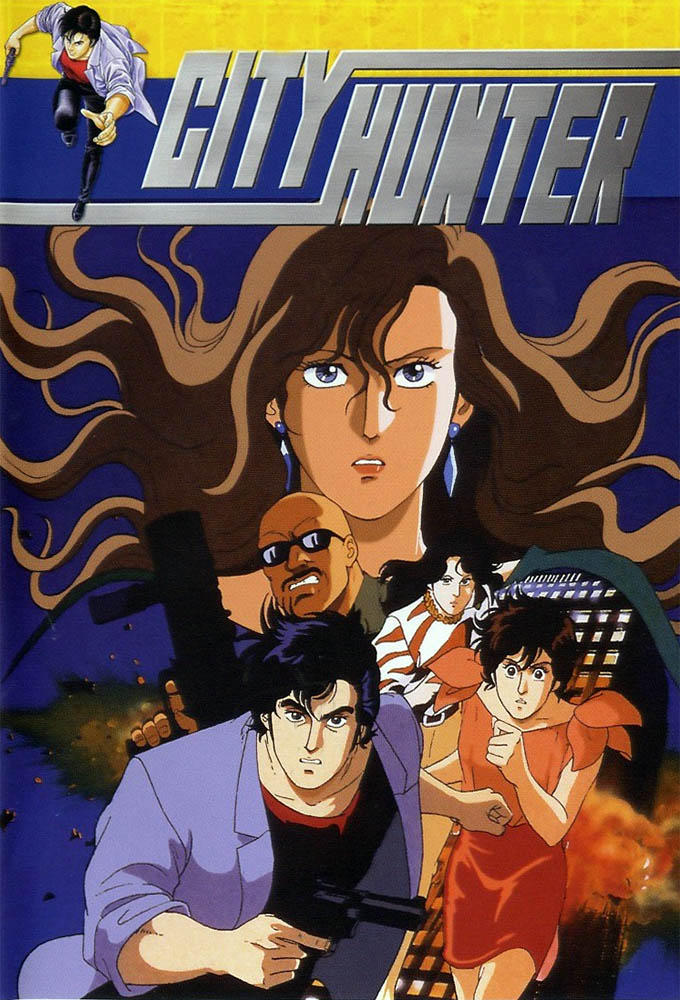
Fans of the detective series are inspired to create their own stories, often set in the vibrant Shinjuku district, mirroring the show’s dark and gritty style. The series’ unique atmosphere also sparks musical creations, with artists producing synth-pop tracks that capture the feeling of the city. Visually, fans are drawn to the series’ distinctive fashion and weapon designs. Finally, the blend of action and humor makes it a great foundation for all kinds of creative projects.
‘Gintama’ (2006)
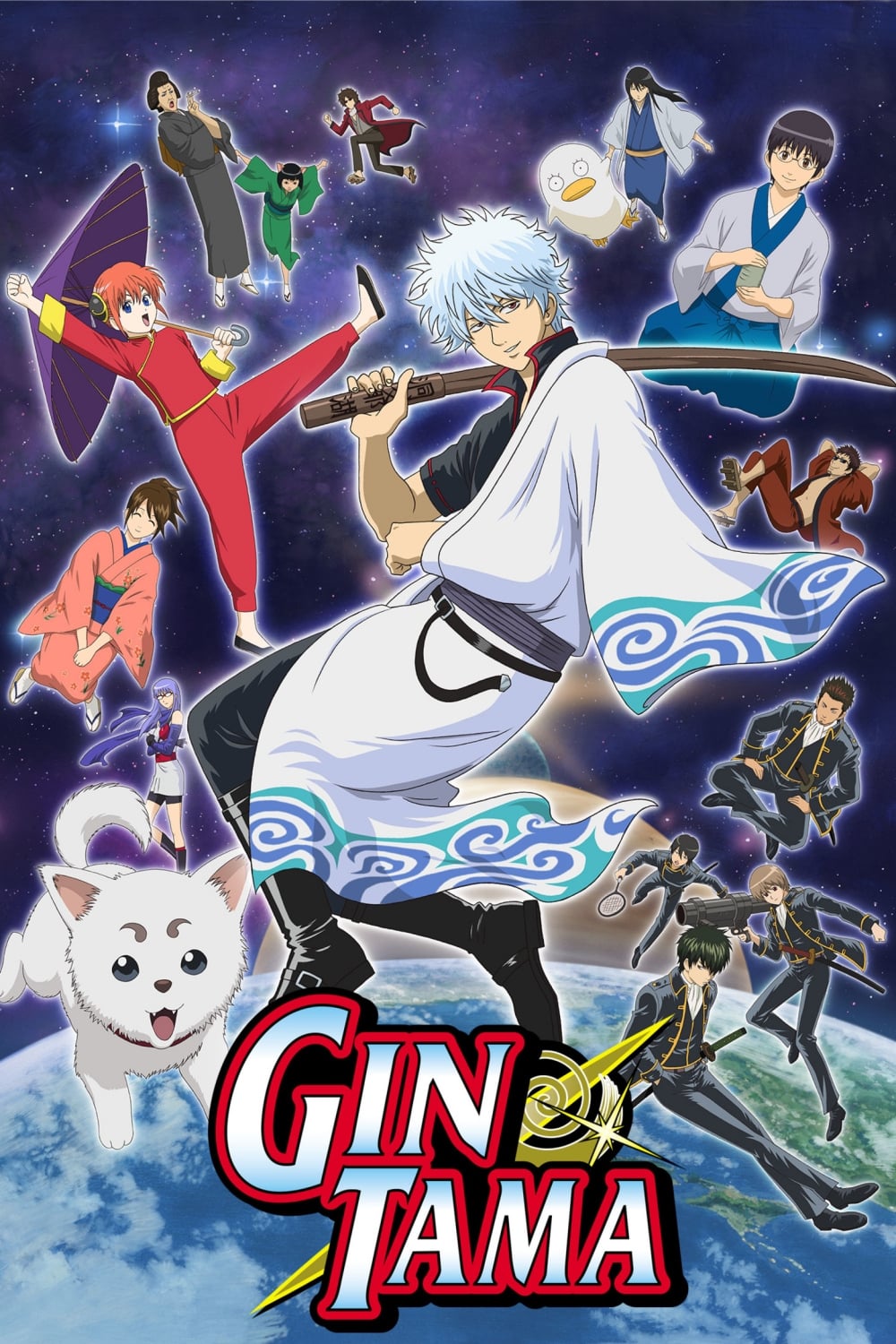
The show’s self-aware humor inspires fans to playfully acknowledge the fiction in their own fan works. Writers often create funny stories by placing characters into the universes of other anime. The blend of history and science fiction lets the show get away with wild and imaginative situations. Fans really enjoy how unpredictable and satirical the series is, and they lean into that spirit.
‘Violet Evergarden’ (2018)
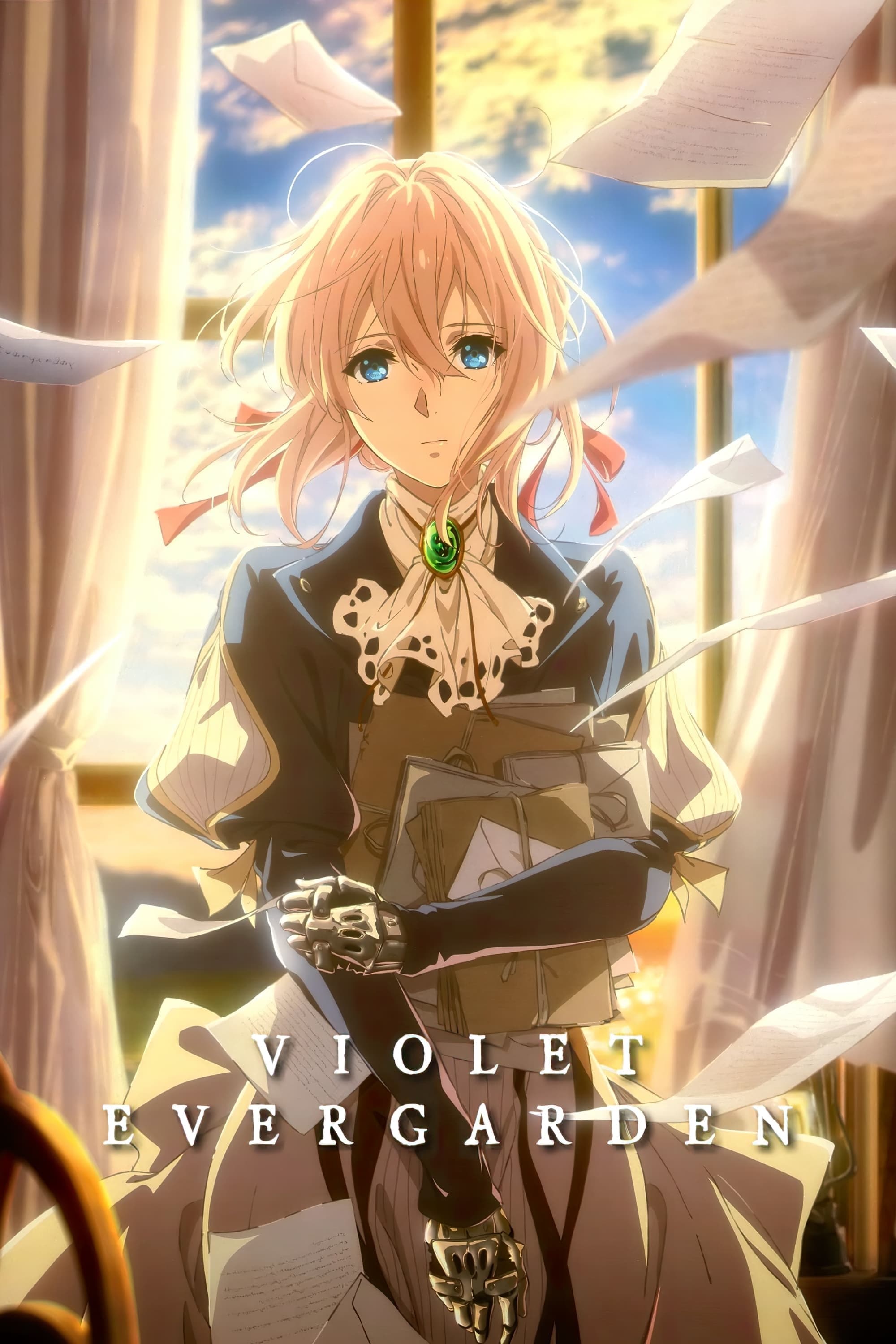
Fans are inspired by the show’s emphasis on letter writing and create heartfelt letters as if they were written by the characters themselves. Artists aim to capture the beauty of the animation in their artwork. Writers delve into the story’s post-war world and how the characters recover and heal. The story’s deep emotional themes particularly appeal to creators who enjoy dramatic works.
‘Akira’ (1988)
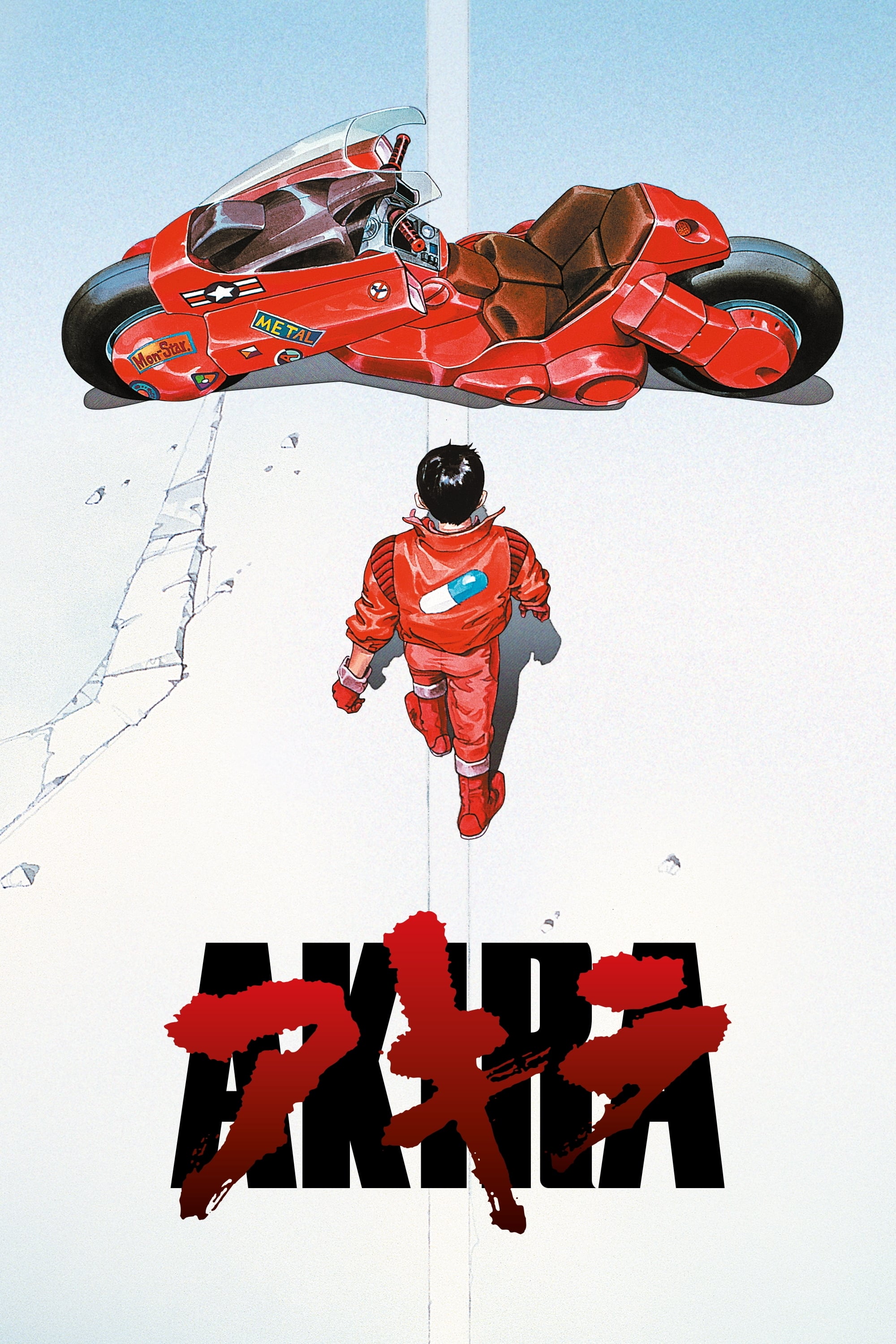
Neo Tokyo’s distinctive cyberpunk style continues to inspire artists and designers. Its music often appears in electronic tracks, with many artists sampling the work of geinoh yamashirogumi to create a specific mood. The film’s themes of societal breakdown and psychic abilities are frequently explored in writing. And the famous motorcycle slide scene has become incredibly popular, appearing in countless fan-made animations.
Tell us which anime world you think has the most creative fan expansion in the comments.
Read More
- 20 Movies Where the Black Villain Was Secretly the Most Popular Character
- Celebs Who Narrowly Escaped The 9/11 Attacks
- Top 20 Dinosaur Movies, Ranked
- 25 “Woke” Films That Used Black Trauma to Humanize White Leads
- Transformers Under the Microscope: What Graph Neural Networks Reveal
- The 10 Most Underrated Jim Carrey Movies, Ranked (From Least to Most Underrated)
- 22 Films Where the White Protagonist Is Canonically the Sidekick to a Black Lead
- Gold Rate Forecast
- Silver Rate Forecast
- The Best Directors of 2025
2025-12-12 21:25