Anime often uses satire to comment on politics and society, tackling issues like corruption, flaws in the system, and global relationships through humor and symbolic storytelling. While most shows express these ideas subtly, some are more direct and have faced censorship. This censorship can range from minor edits like blurring images or removing sound, to completely removing episodes or banning shows in certain countries. These actions usually happen when authorities view the content as challenging the status quo, damaging to national reputation, or legally questionable due to the use of copyrighted material for comedic effect. The following examples show how clever writing and strong opinions can sometimes attract official scrutiny.
‘Gintama’ (2006–2010)
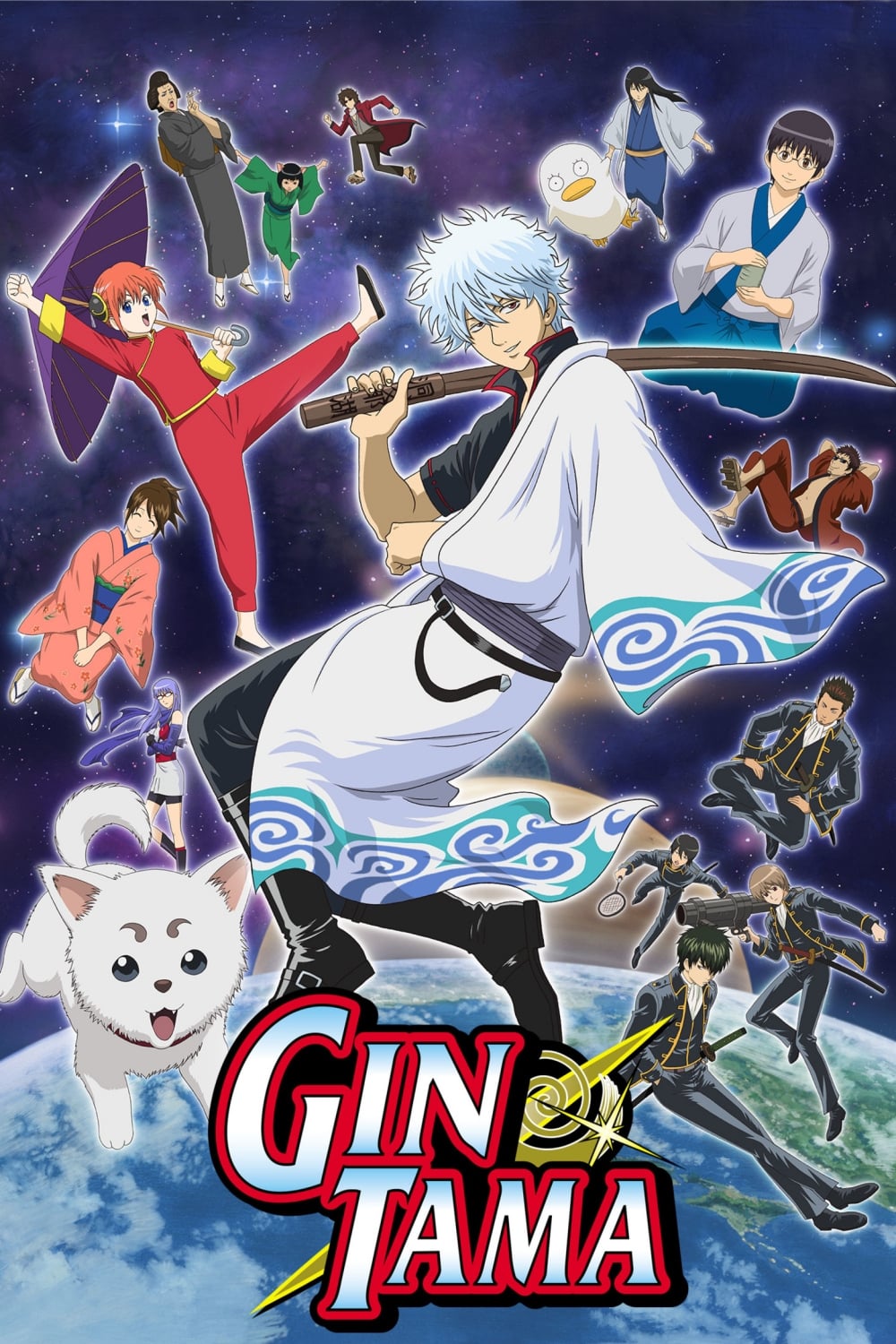
This series is famous for boldly satirizing public figures, but it ran into trouble with the “Renho Arc” (episodes 232-236). The storyline poked fun at Renhō Murata, a well-known Japanese politician, in a way that TV stations considered too sensitive. As a result, these episodes were removed from later broadcasts on AT-X and were edited or cut from streaming and DVD releases. The incident sparked a debate about the limits of satire in Japan and led the creators to change the content to avoid potential legal issues.
‘Mr. Osomatsu’ (2015)
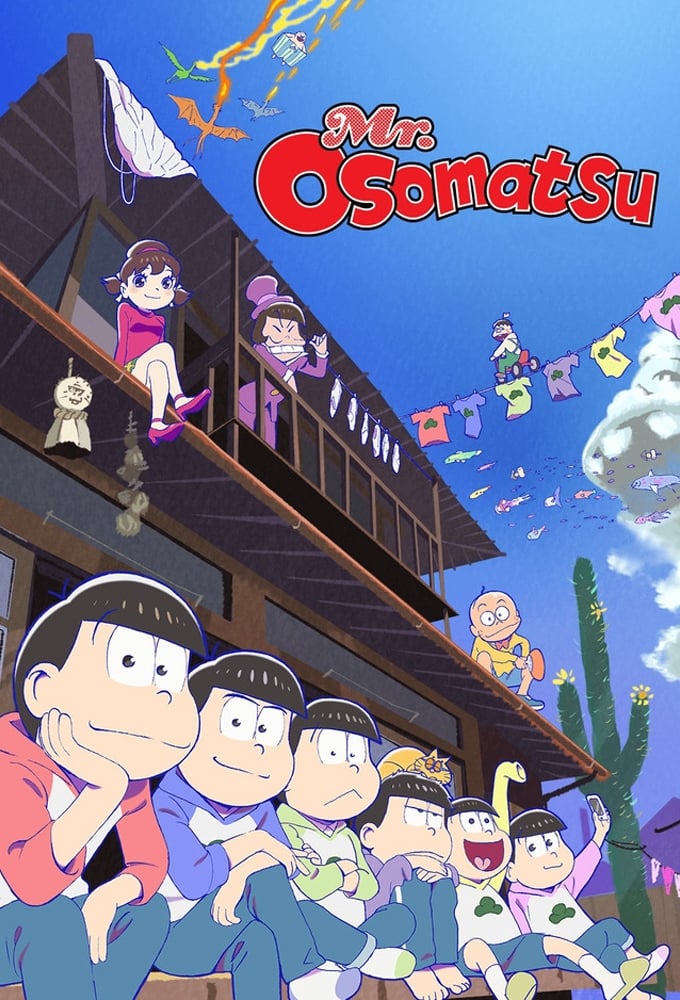
The first episode of this revived series was pulled from circulation because its satire of the anime industry was considered too harsh. It made fun of well-known shows like ‘Attack on Titan,’ ‘Sailor Moon,’ and ‘Naruto,’ and also poked fun at how male idols are marketed. Japanese production companies worried about copyright issues and negative reactions from other studios, so they removed the episode from streaming platforms and didn’t include it on the Blu-ray. This is an unusual case of a show censoring its own premiere episode to protect the rest of the series.
‘Hetalia’ (2009)
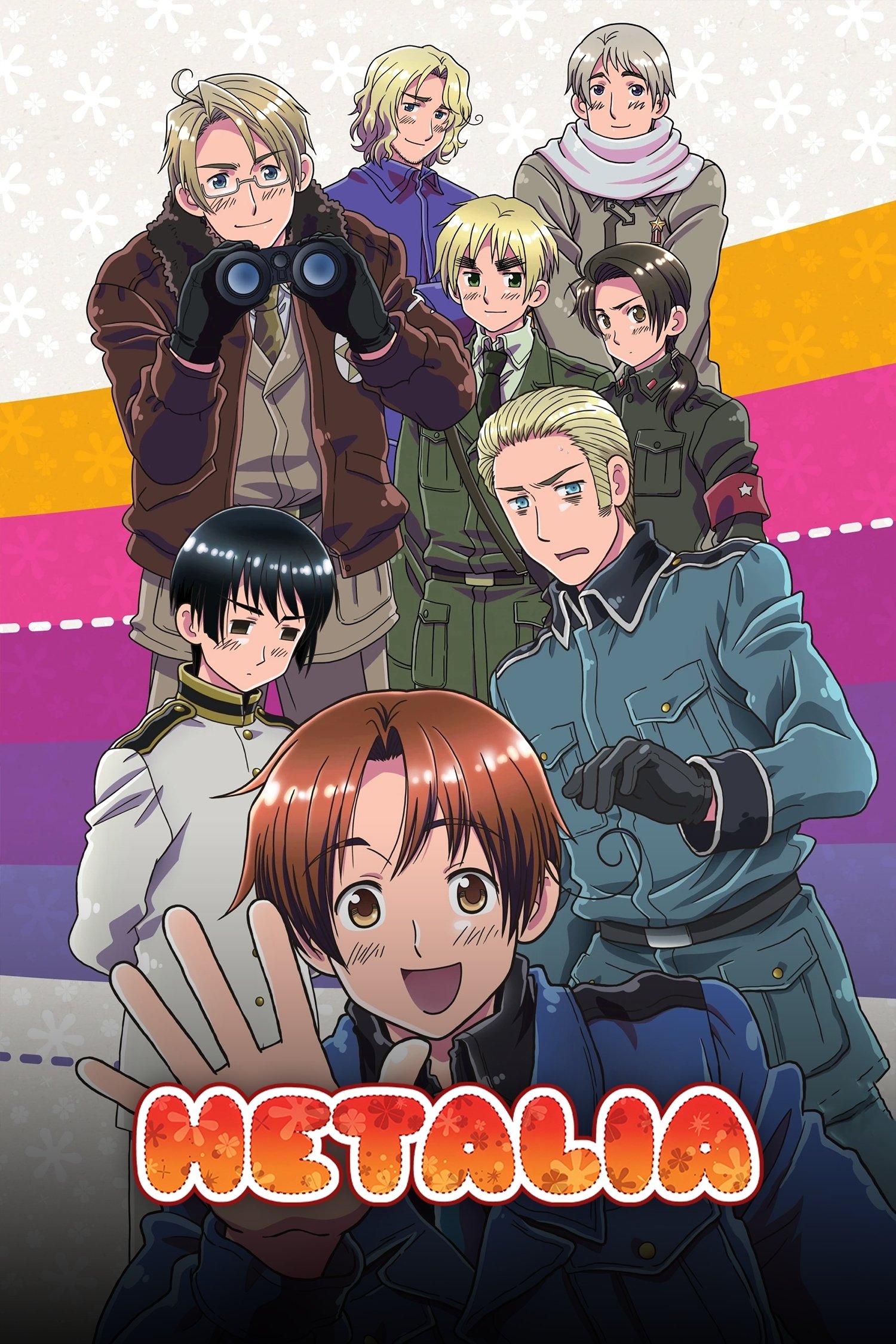
The show uses fictional characters to represent countries and poke fun at their relationships, but its depiction of South Korea sparked a major international problem. South Korean leaders and people were deeply offended by the character’s actions and how it downplayed important historical issues, seeing it as an insult to their country. The backlash was so strong that the animated version was blocked from being shown on South Korean TV, and the character was mostly cut from the show. This situation highlighted how political jokes about delicate historical topics can quickly lead to official censorship.
‘SHIMONETA: A Boring World Where the Concept of Dirty Jokes Doesn’t Exist’ (2015)
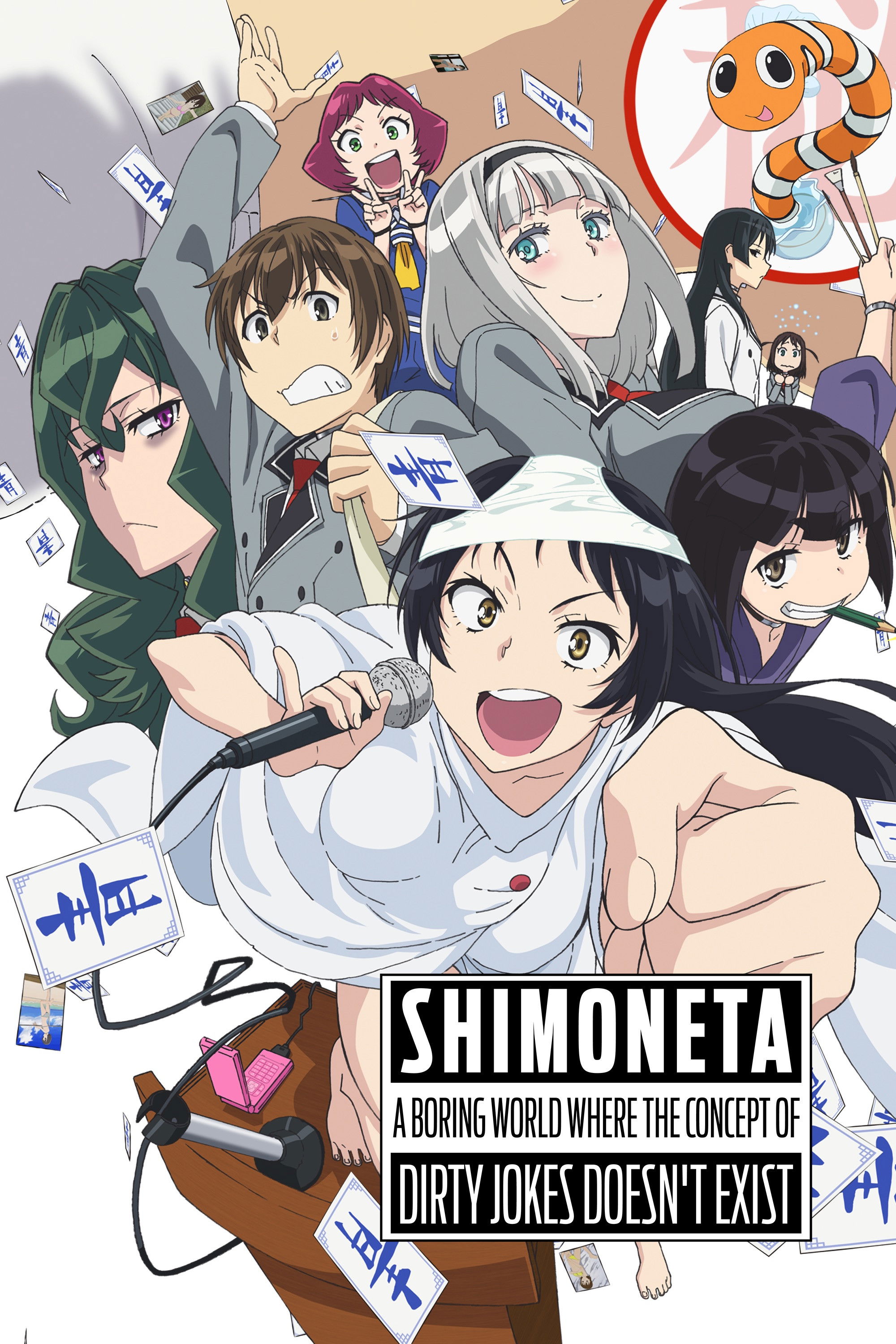
Okay, let me tell you about this show – it’s brilliantly subversive. The whole concept is a sharp jab at censorship. It’s set in a future Japan where everyone wears collars that police what they say and do, flagging anything ‘obscene.’ The irony? The anime itself was heavily censored when it aired! They literally blocked out content to meet broadcast standards, which perfectly mirrors the restrictions the characters are battling against. It’s this clever, meta approach that really gets under your skin. It doesn’t just tell you about the problems with overbearing ‘morality’ laws; it makes you feel them. It’s a really smart piece of commentary, and honestly, it’s stuck with me long after the credits rolled.
‘Kinnikuman’ (1983)
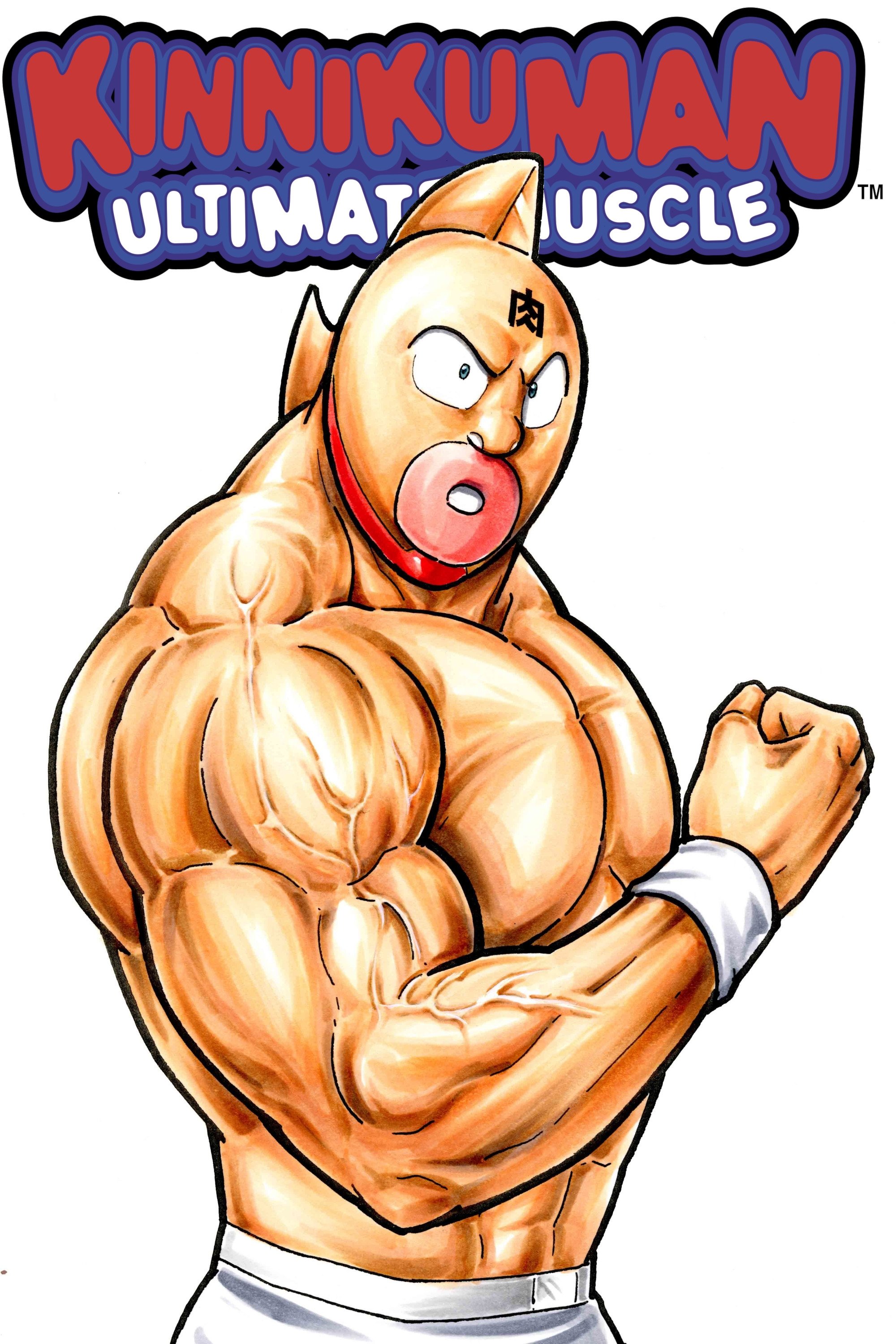
This Japanese wrestling anime was banned in France because it used imagery from World War II in a satirical way. A character named Brocken Jr. was portrayed as a hero wearing a Nazi uniform and using gas-based attacks. The creators meant this as a parody, not as support for Nazi ideology. However, French authorities considered the imagery to be hate speech and feared it would normalize Nazi symbols, especially among children. This situation demonstrates how satire involving sensitive political symbols can be interpreted differently depending on a country’s history and cultural norms.
‘Excel Saga’ (1999)
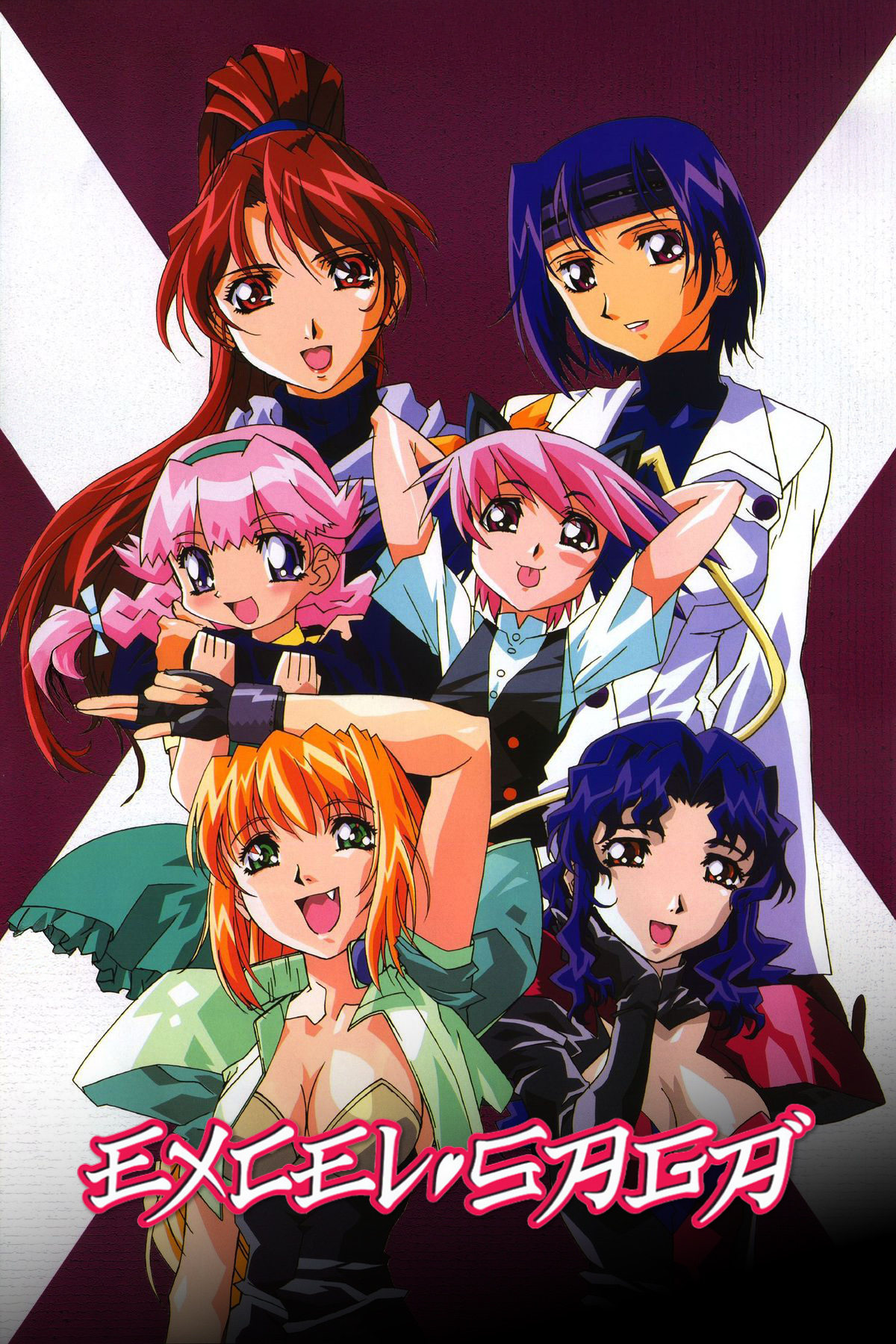
The final episode of the series, ‘Going Too Far,’ was intentionally made by director Shinichi Watanabe to push the boundaries of what was acceptable on television. It contained a lot of violence, offensive language, and controversial content as a way to make a point about the restrictions placed on anime. As a result, TV Tokyo refused to broadcast it during the original run. It was later released as a bonus on DVD, becoming famous as a successful example of satire that provoked censorship.
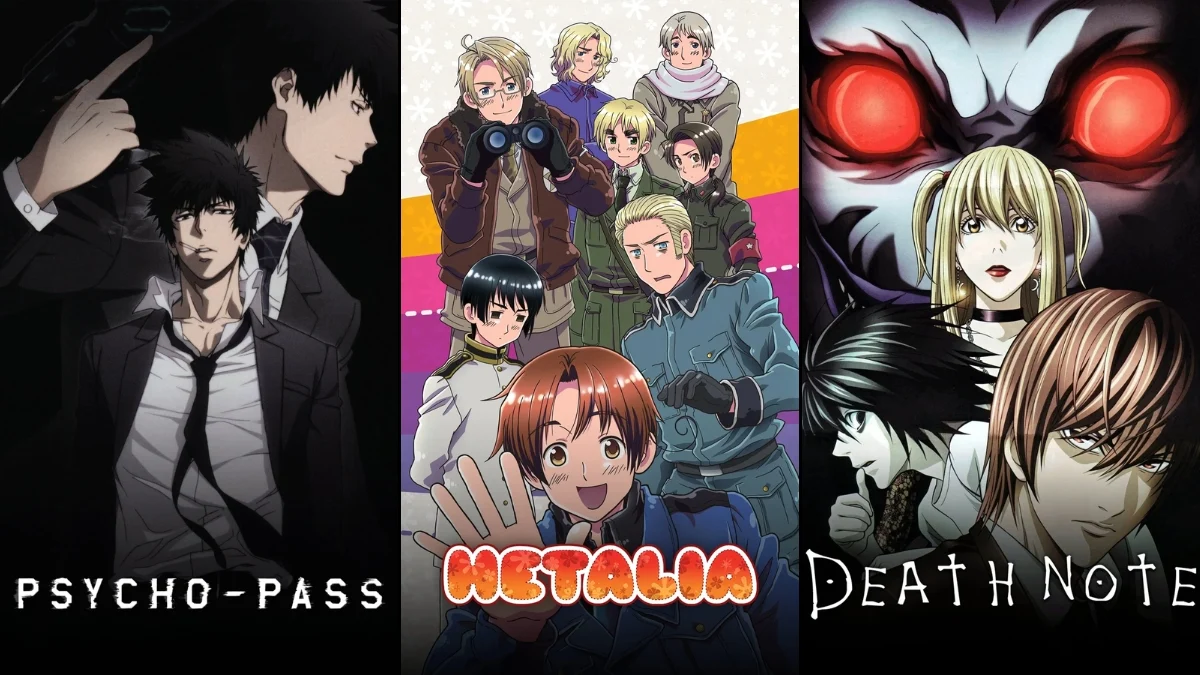
‘Psycho-Pass’ (2012)
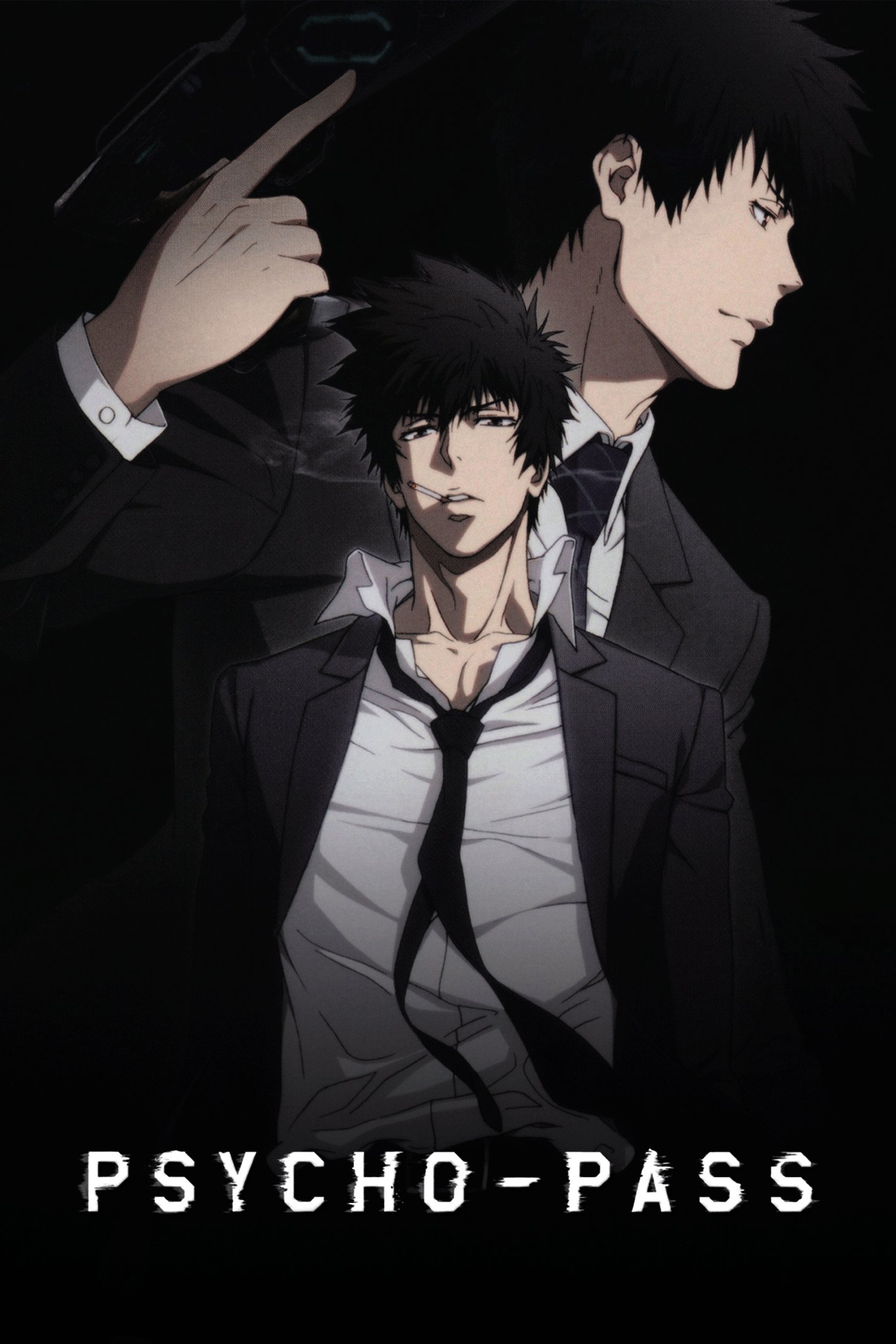
This cyberpunk anime explores the dangers of strict government control through a system called Sibyl, which tracks people’s thoughts and feelings to stop crimes before they occur. It was banned in China, probably because the system closely resembles China’s own surveillance and social credit programs. The story challenges the idea of trading personal freedom and privacy for safety and order. By showing a world where the government decides a person’s value, the anime delivers a powerful political message that was considered too challenging for some governments.
‘Attack on Titan’ (2013)
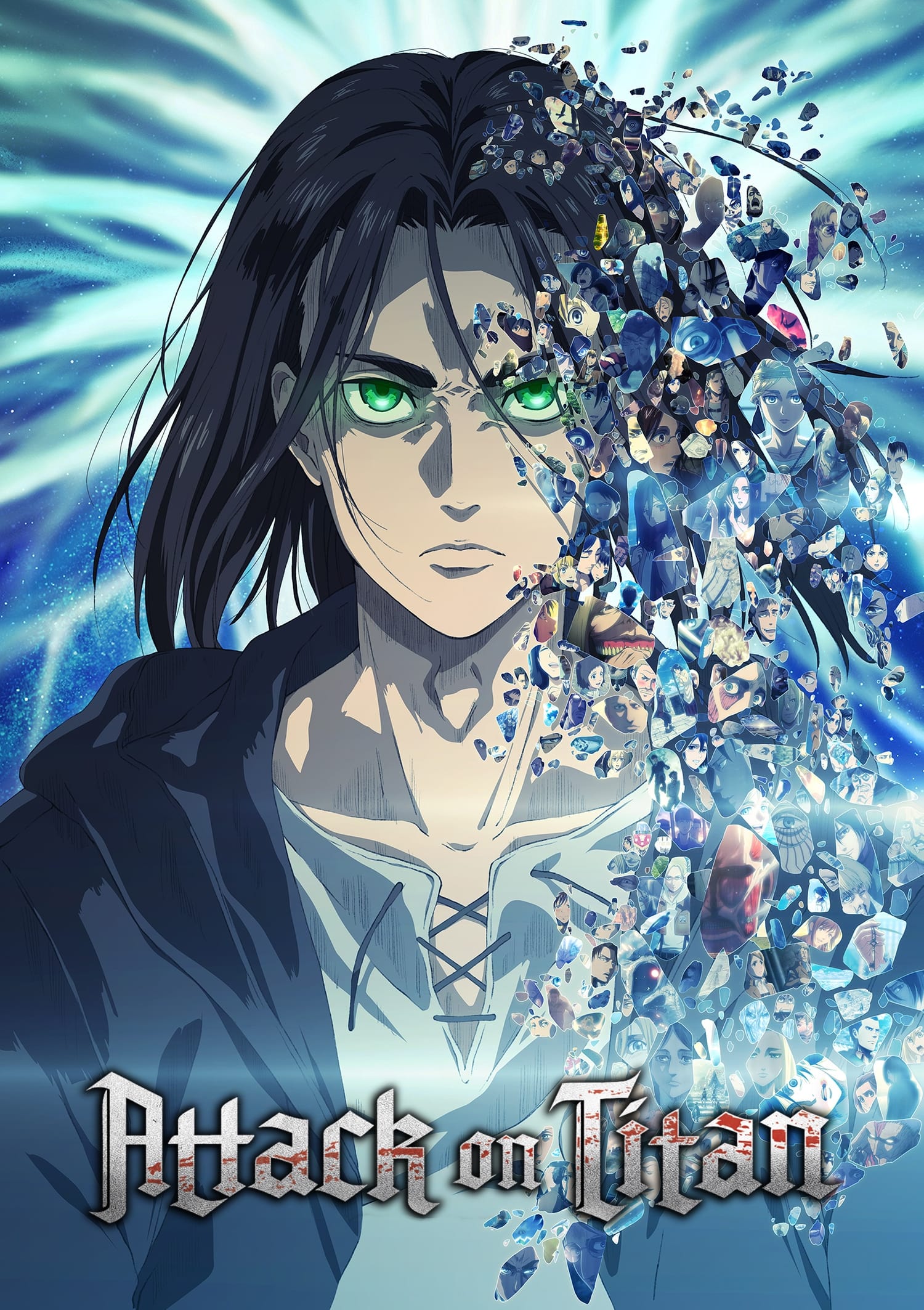
Despite being mainly an action show, it was prohibited in China due to its storyline about fighting against a dishonest government and military. The series centers on young soldiers who discover their leaders are twisting history and hiding the truth to stay in control. Chinese authorities considered these themes of challenging power and youthful revolt to be harmful and against public values. The ban suggests concerns that the show’s portrayal of resisting authority could encourage opposition among viewers.
‘Code Geass: Lelouch of the Rebellion’ (2006)
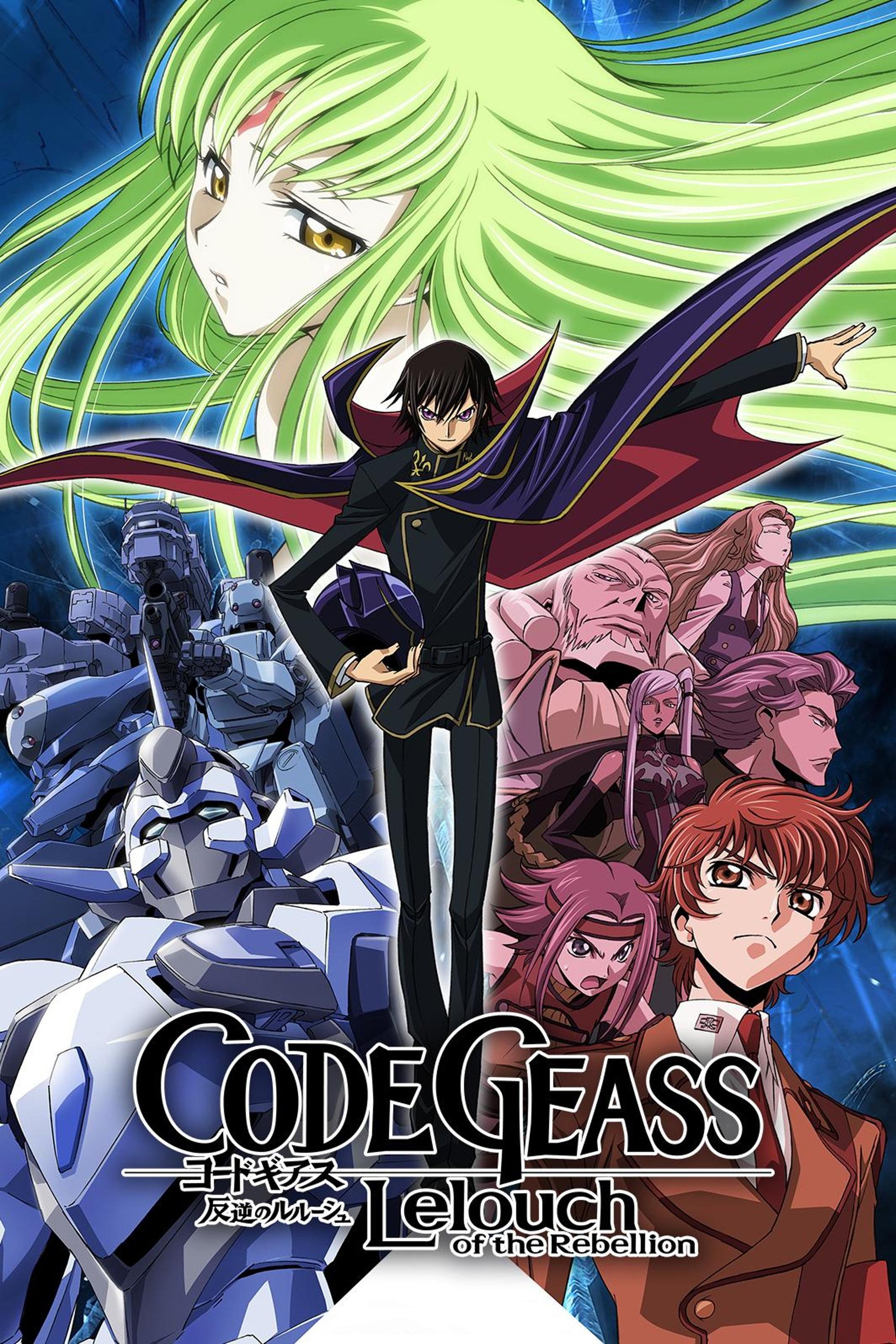
The story centers on a prince in exile who leads a rebellion against the powerful Holy Britannian Empire, which has taken over Japan. Because of its portrayal of rebellion, terrorism, and the difficult ethical questions surrounding violent uprisings, the show was banned in China. The main character possesses a special ability called Geass that allows him to control others, symbolizing how unchecked power can lead to corruption. The show’s themes of fighting against an oppressive empire struck a nerve with current political concerns, leading to its censorship.
‘Death Note’ (2006)
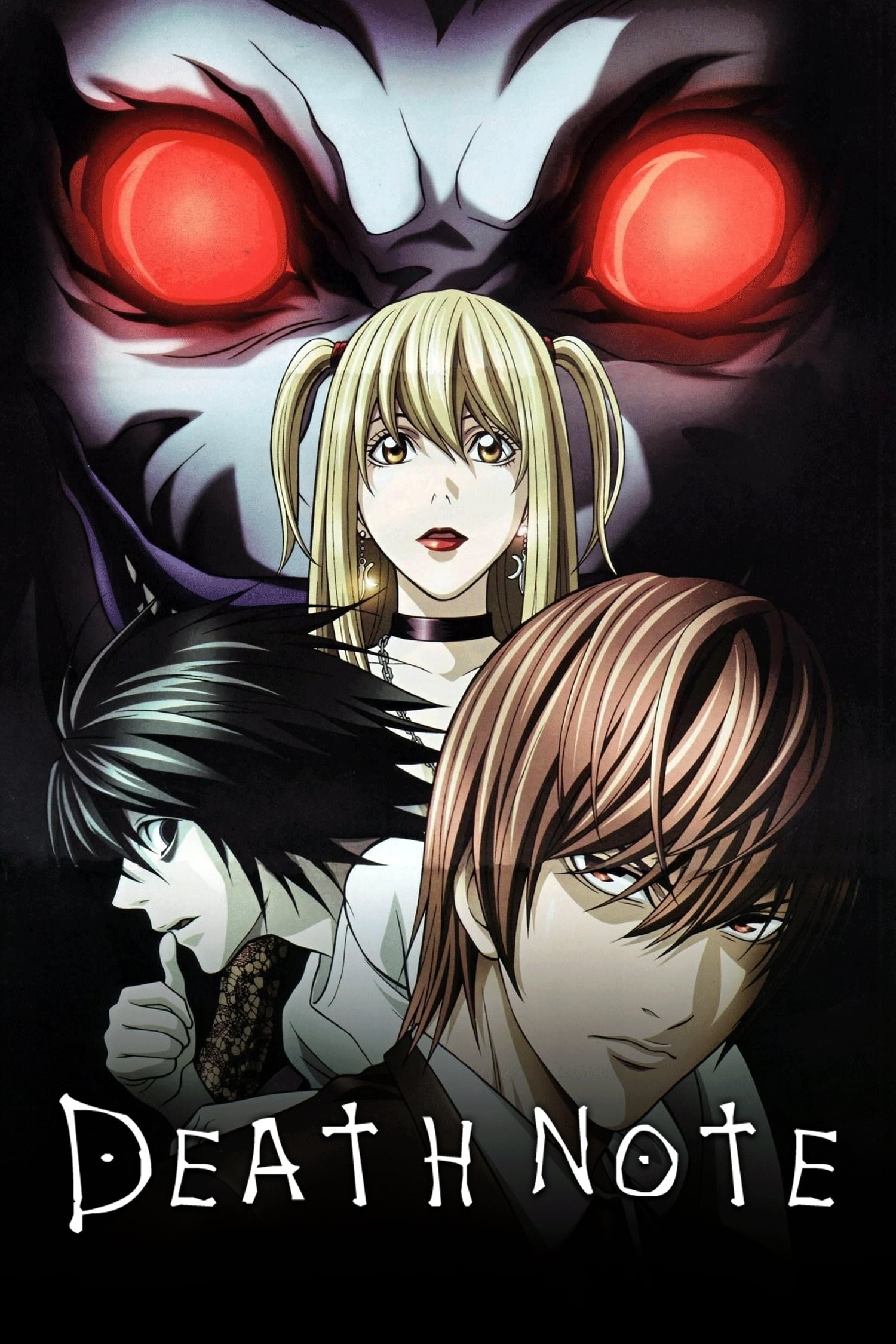
This suspenseful thriller was prohibited in China and Russia because of worries it promoted harmful behavior and questioned the government’s authority over the legal system. The story centers around a student who discovers a notebook with the power to kill anyone whose name is written inside, essentially allowing him to act as his own judge, jury, and executioner. Officials were concerned the idea behind “Death Note” could lead to chaos and weaken the legal system, particularly after students were found creating similar notebooks and writing teachers’ names in them. The ban specifically aimed at the show’s message suggesting that individuals should take the law into their own hands.
‘Shin Chan’ (1992)
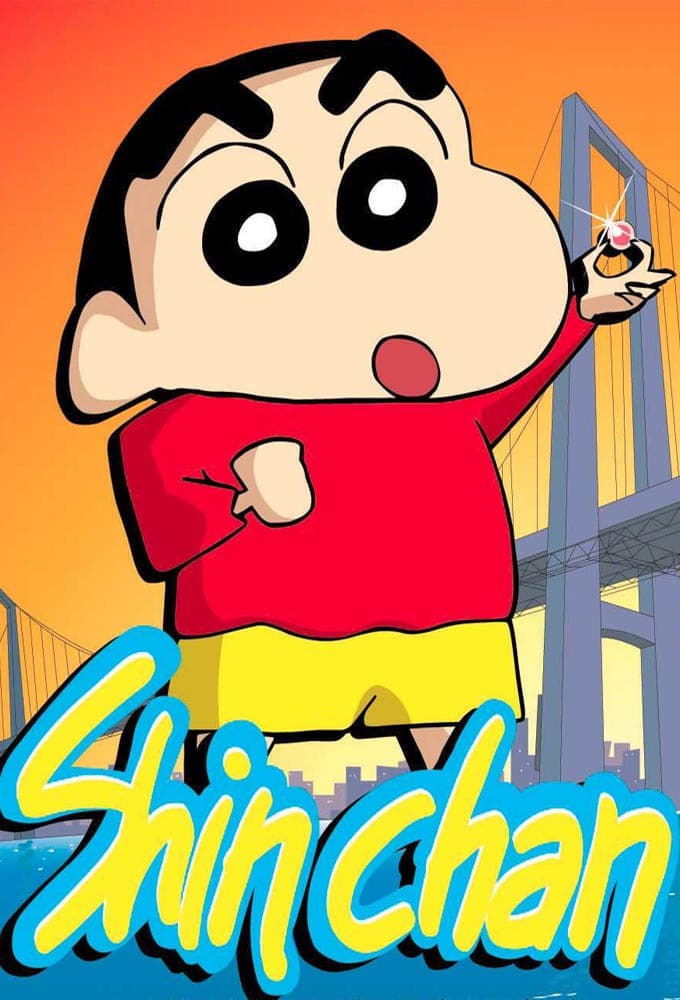
This popular animated series, famous for its edgy humor and portrayal of family life in Japan, has often run into trouble with censors around the world, including in India and China. The show centers on a young boy who frequently acts badly and doesn’t show respect for adults, challenging traditional values. In 2008, India banned the series, calling it harmful to children. The ban was eventually removed, but only after the broadcaster agreed to significantly cut scenes with nudity and offensive language.
‘Sayonara Zetsubou Sensei’ (2007)
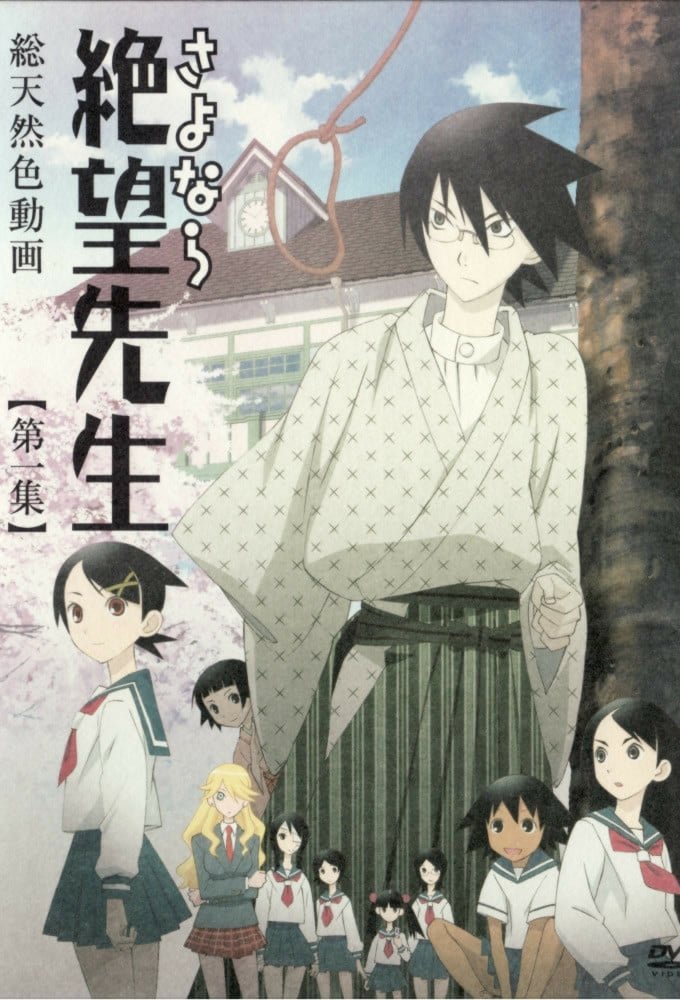
This show is a fast-paced and sharp satire of Japan’s society, politics, and media, frequently using visual humor to comment on current events. It cleverly dealt with sensitive topics by blurring or covering them with the face of the author’s assistant, Maedax – a self-aware joke that highlighted the silliness of censorship while still allowing the show to address controversial issues. This inventive solution transformed the very act of being censored into a comedic element.
‘Terror in Resonance’ (2014)
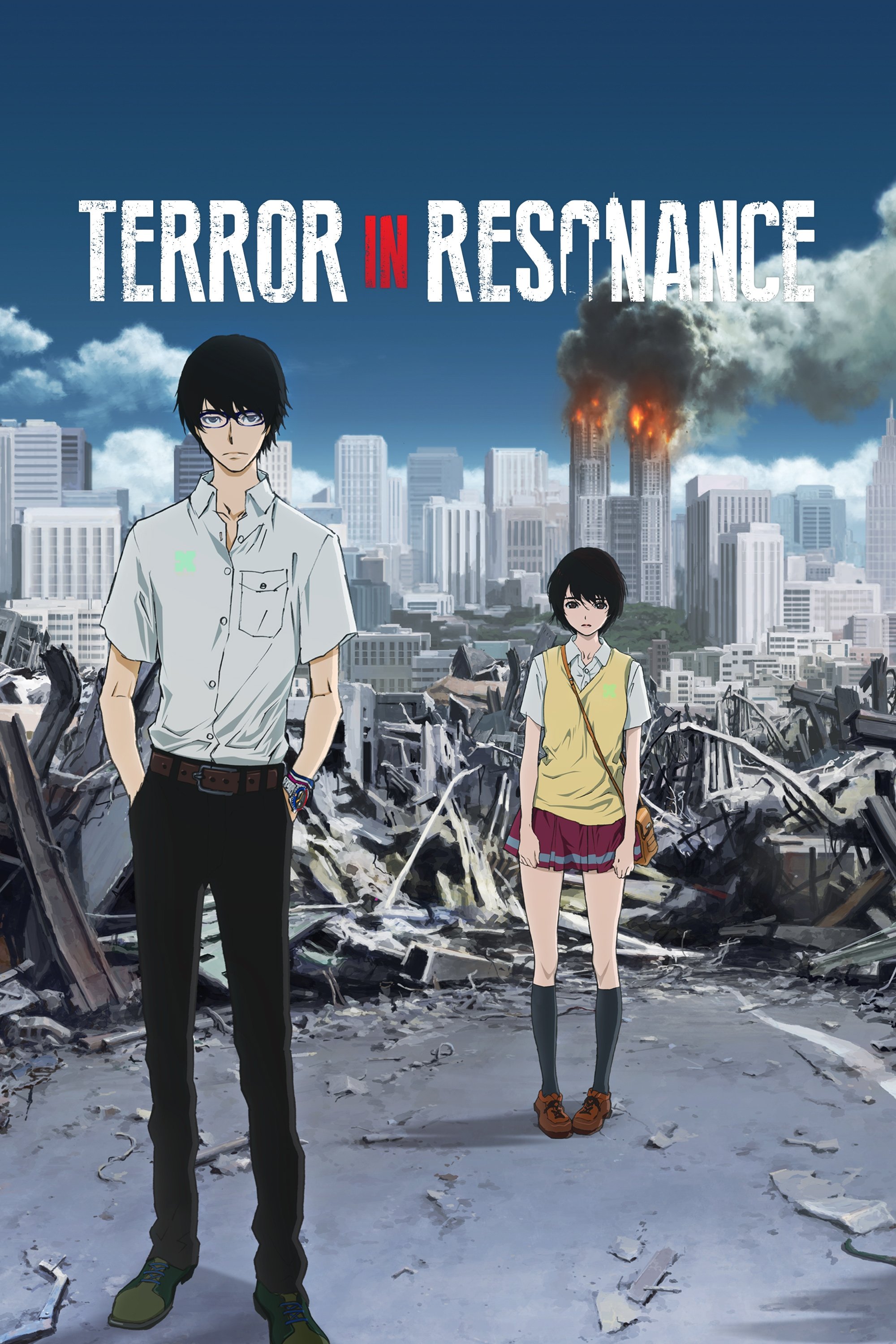
The show follows two teenage boys who steal an experimental atomic bomb and carry out attacks in Tokyo, hoping to reveal a hidden government plot. It was banned in China because it seemed to support terrorism and strongly criticized both Japanese nationalism after the war and the way the US involved itself in Japan’s affairs. The story implies that drastic actions can be justified to shake up a society that’s become too comfortable, a message authorities considered risky. Its realistic portrayal of terrorism in a city and the idea that the government wasn’t handling things well led to censorship in countries with strict rules about what can be shown.
‘Paranoia Agent’ (2004)
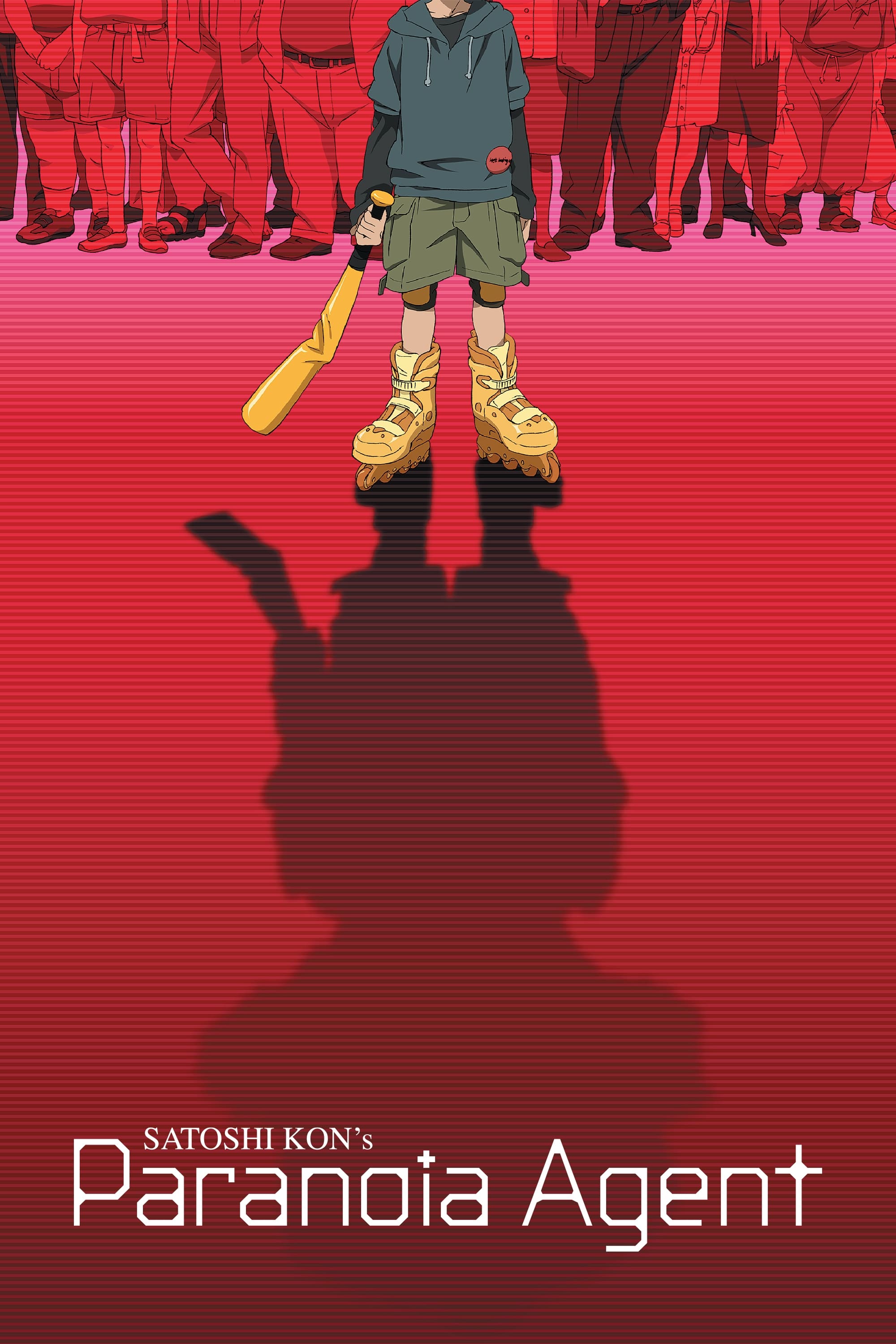
Satoshi Kon’s thought-provoking film explores how society often gets caught up in mass delusions and avoids dealing with real issues. However, the eighth episode proved too sensitive for some. It featured a group of characters cheerfully making a pact to end their lives, leading to it being censored or banned in both Japan and the United States. This episode satirizes how people use shared fantasies to escape personal and societal problems. Its suppression demonstrates the difficulty of discussing suicide, even when it’s done to make a point about society.
‘Panty & Stocking with Garterbelt’ (2010)
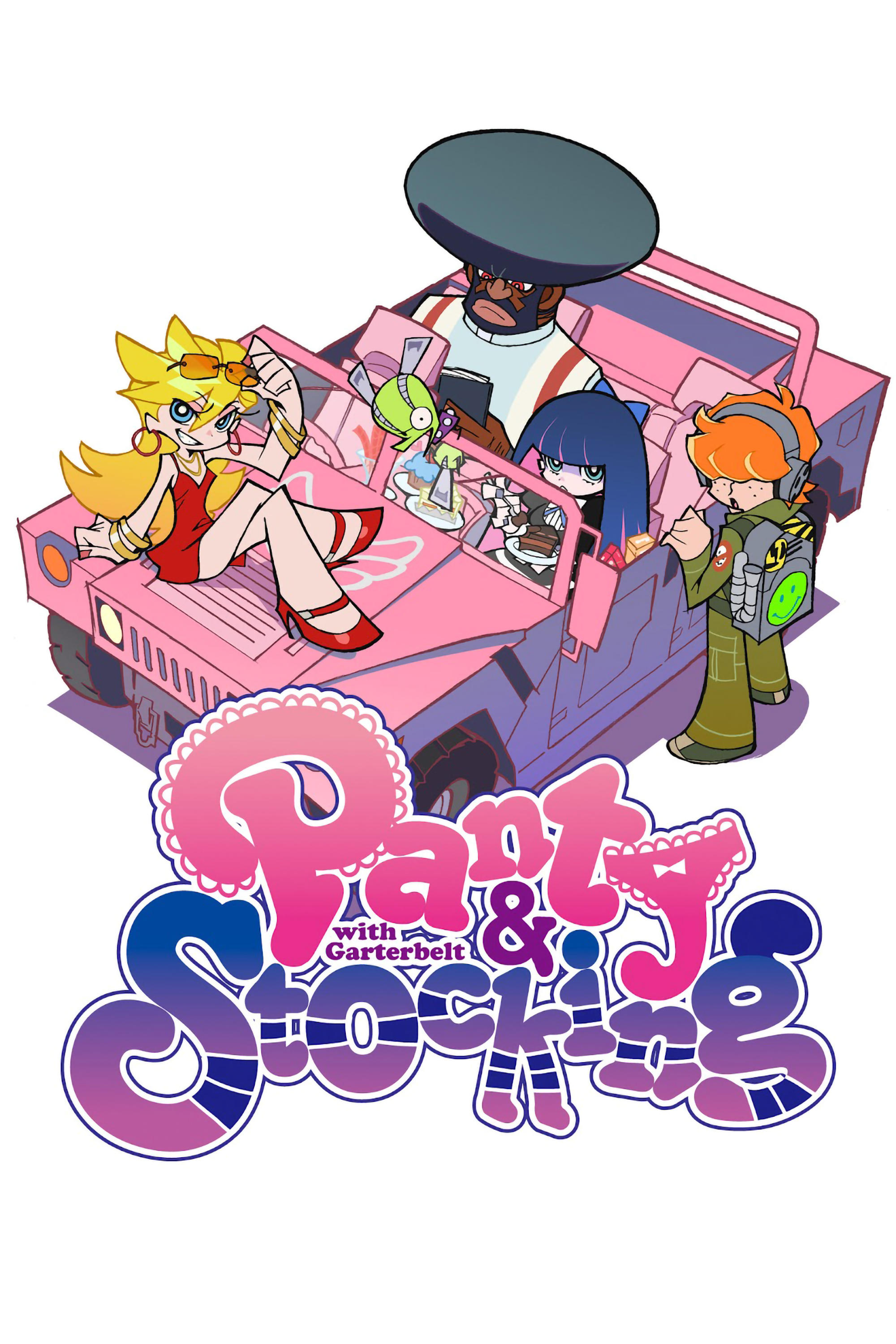
This show takes inspiration from American cartoons but adds a distinctly Japanese style of playful, suggestive humor. Originally, it faced heavy censorship on TV, with sounds and images blocked out due to its frequent sexual jokes and depictions. However, the creators cleverly planned for this, turning the censorship itself into part of the show’s comedic style. It playfully pokes fun at the contrast between innocent-looking animation and mature themes, questioning what’s considered appropriate for television.
‘Kill la Kill’ (2013)
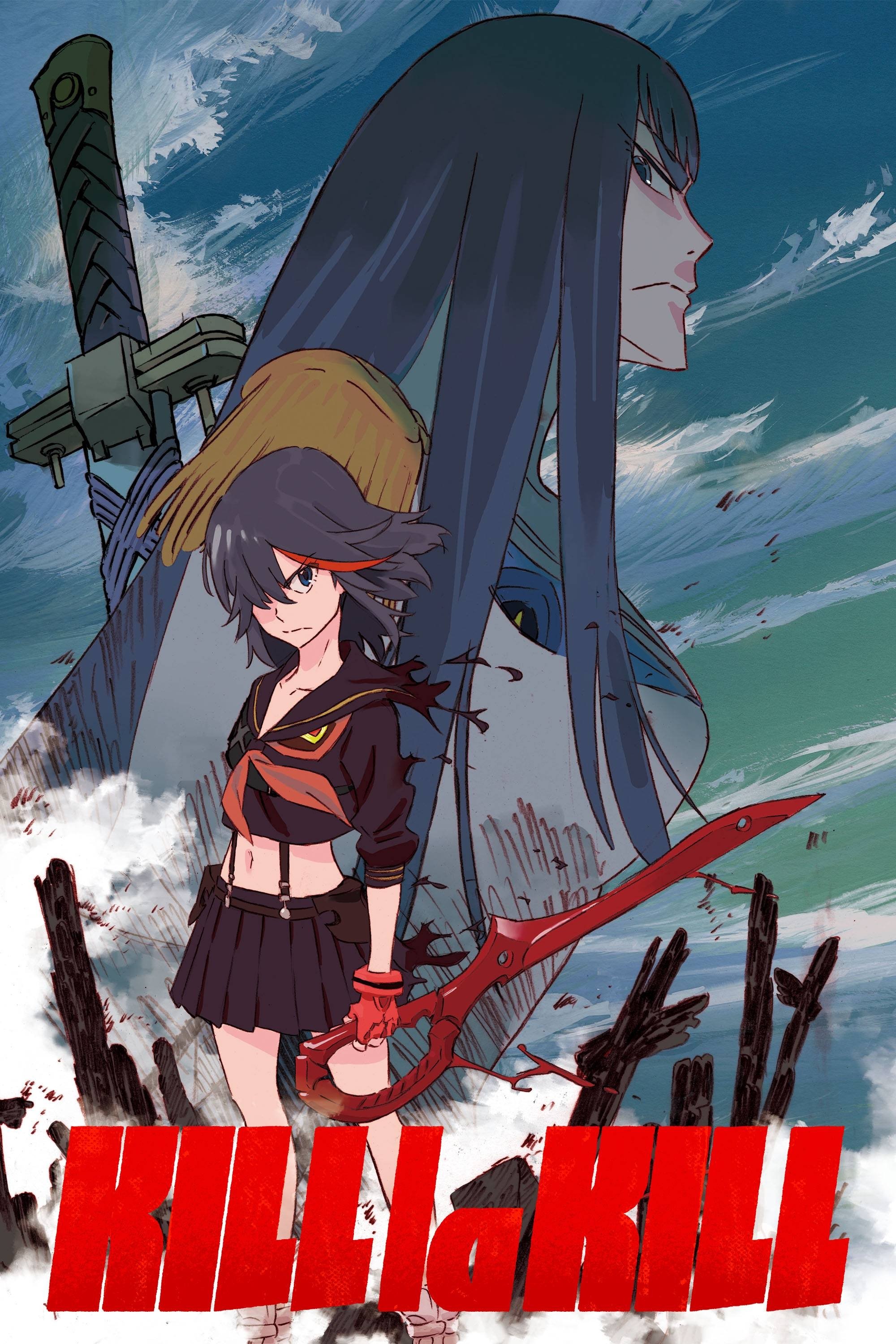
This show explores the dangers of fascism and losing individuality by using clothing and nudity as symbols. The villains aim to dominate the world with something called “Life Fibers.” While the nudity is meant to represent freedom from societal expectations, it led to the show being censored in both the US and Japan. The series subtly criticizes totalitarian governments and how uniforms can erase personal identity. Ironically, the censorship of the nudity actually hid the show’s core message: that shame is a tactic used by oppressive regimes to maintain control.
‘Detroit Metal City’ (2008)
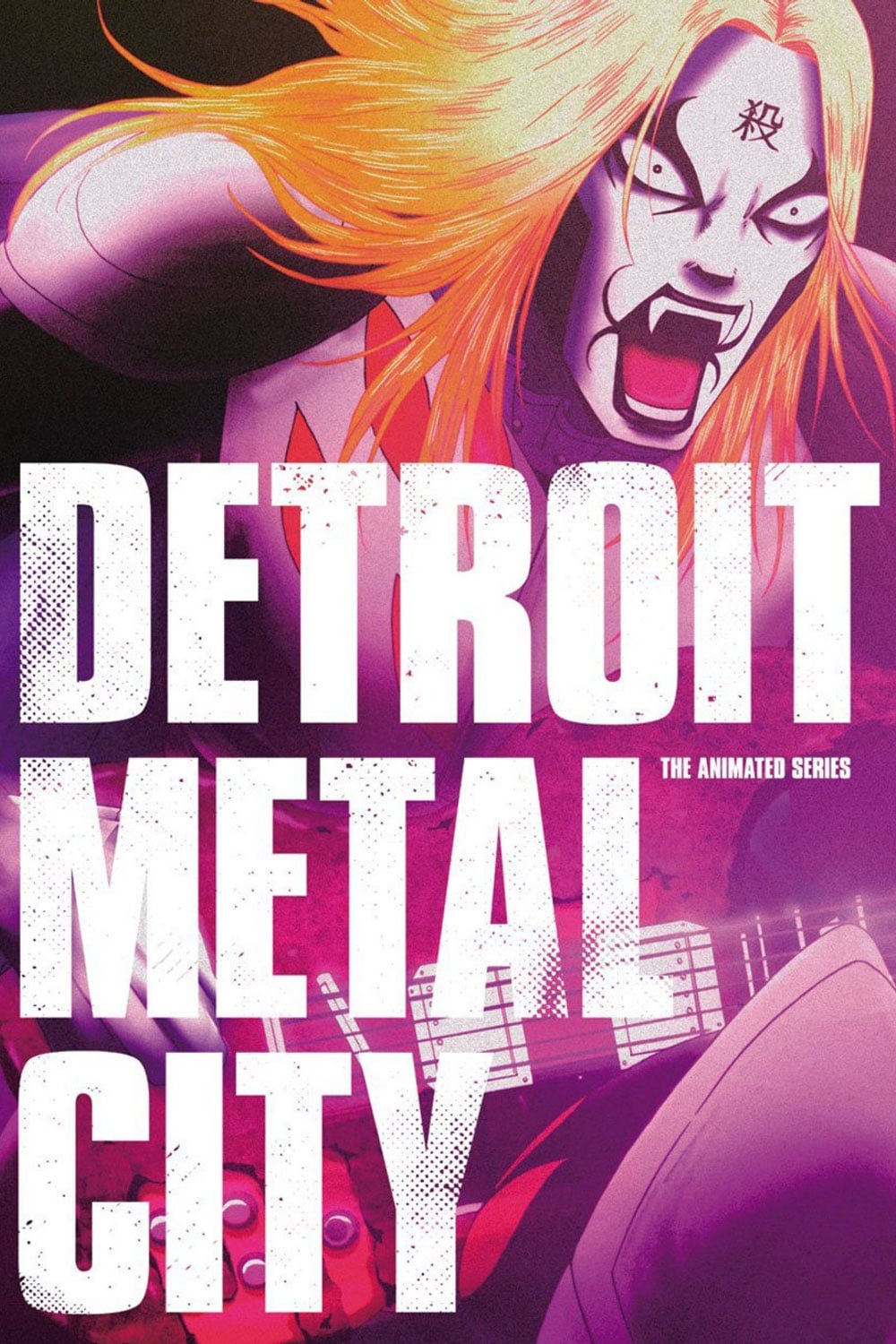
This anime comically pokes fun at both the intense world of death metal and the manufactured image of pop idols. The main character actually dislikes violence, but pretends to be a shocking metal frontman to make a living. The show deliberately uses over-the-top, shocking lyrics and dialogue to satirize the old fears surrounding heavy metal music. Because of its strong language and disturbing themes, it faced challenges with distribution and needed to be edited for television. Ultimately, the series highlights how easily someone can create a wild stage persona for fame and profit, even if it’s completely different from who they really are.
‘Tokyo Ghoul’ (2014)
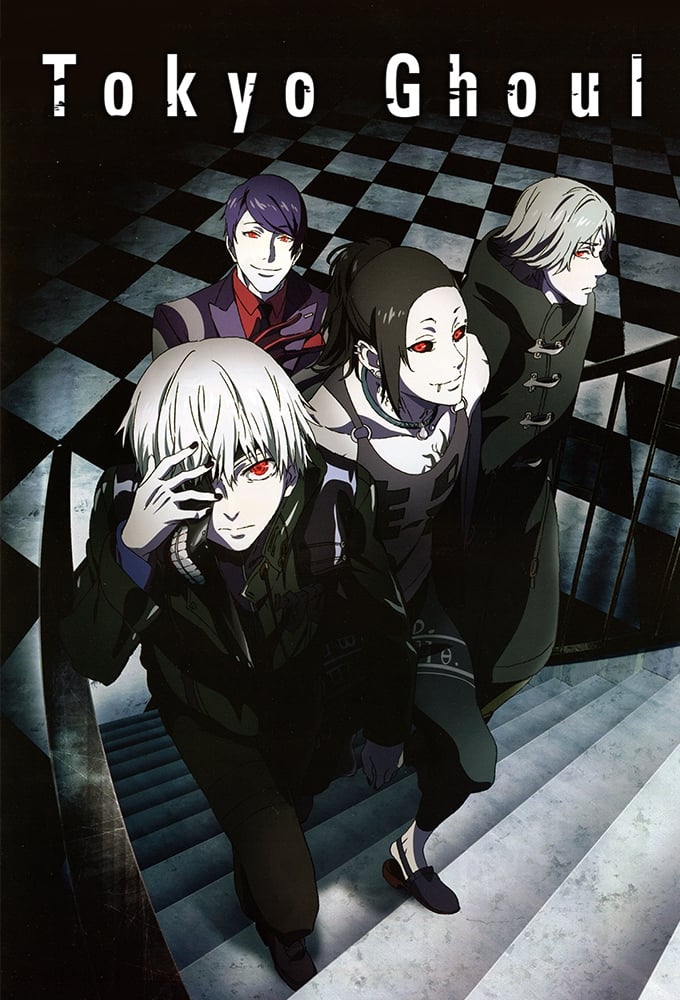
This dark fantasy series faced bans in China and Russia due to its intense violence and themes that some saw as encouraging social disruption. The story, which features creatures that eat human flesh hiding among us, is meant to be a symbolic representation of segregation and how hatred can cycle between groups. Officials in the countries where it was banned expressed concerns about the show’s impact on public values and its potential to make young people less sensitive to violence. They also considered its underlying message about police misconduct and discrimination against minority groups to be too controversial for public viewing.
‘Akira’ (1988)
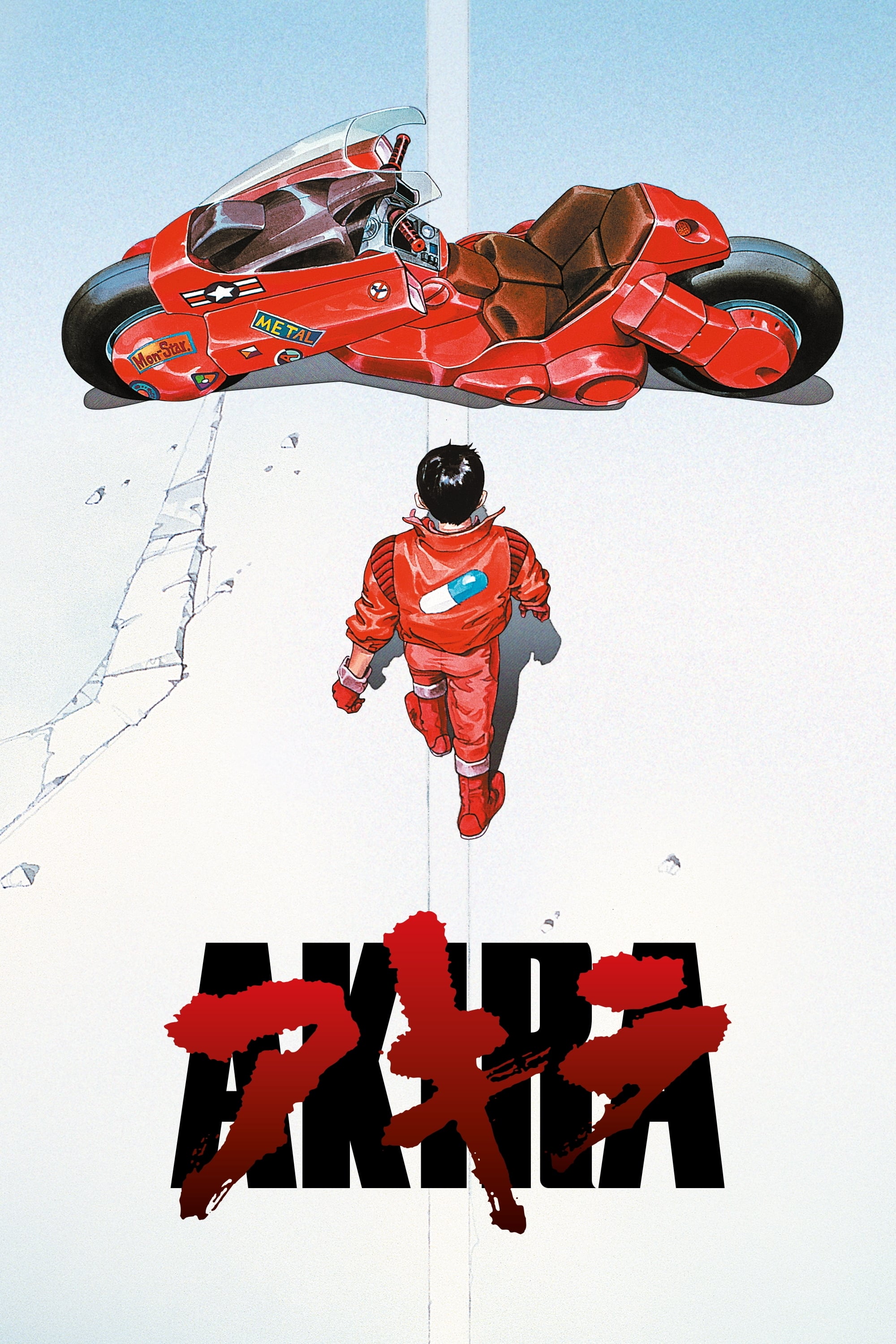
This groundbreaking animated film offers a sharp critique of issues like government corruption, excessive military power, and the frustrations of young people in Tokyo after the Olympics. Despite receiving widespread praise, it was banned in Russia as late as 2021, with courts claiming it could negatively impact children’s well-being. The film’s portrayal of a government unable to control its own actions and losing the trust of its people continues to be a powerful political message. This censorship highlights an ongoing concern about media that shows a complete breakdown of governmental control.
‘High School of the Dead’ (2010)
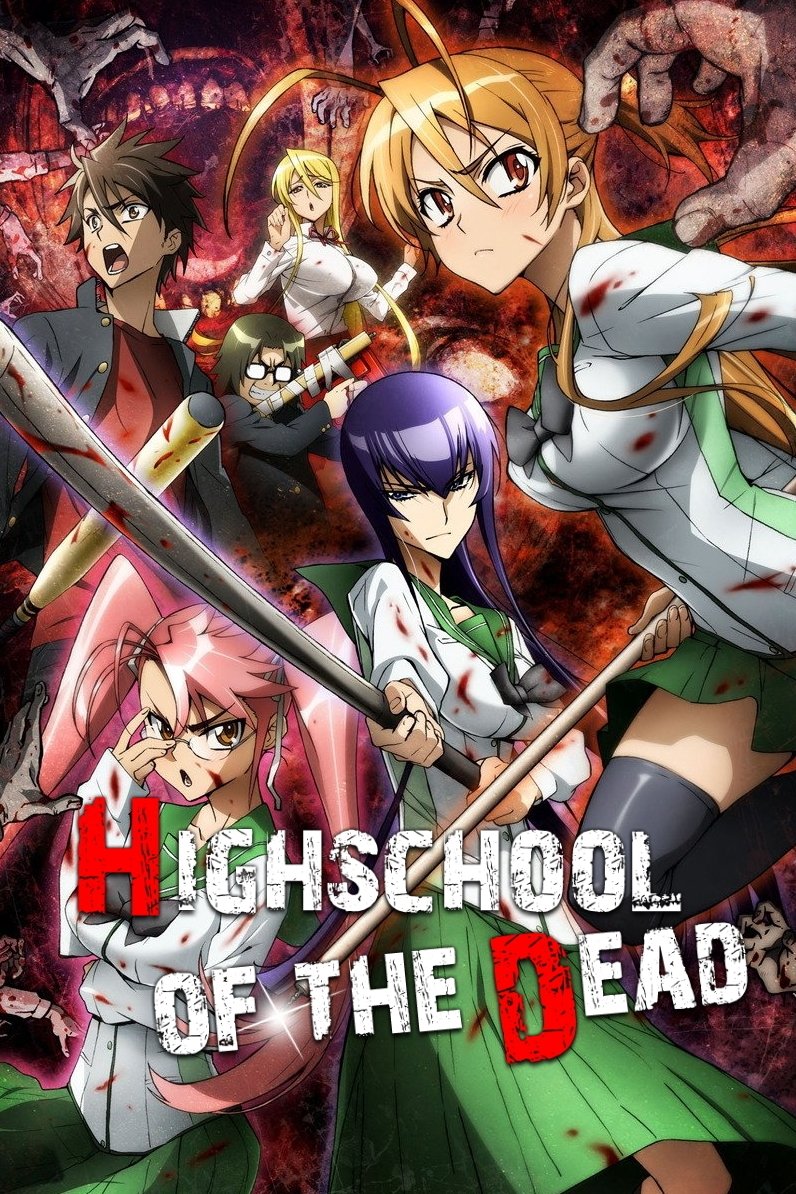
Though known for its zombies and appealing visuals, the show was prohibited in China due to content considered sexually suggestive and its depiction of a society falling apart. The series follows students struggling to survive a pandemic where the government and police are unable to maintain order. Chinese authorities viewed this portrayal of failing leadership and societal breakdown as a danger to public values, demonstrating that even a low-budget horror anime can be censored if it questions the state’s ability to protect its citizens.
Read More
- 20 Movies Where the Black Villain Was Secretly the Most Popular Character
- Celebs Who Narrowly Escaped The 9/11 Attacks
- Transformers Under the Microscope: What Graph Neural Networks Reveal
- Top 20 Dinosaur Movies, Ranked
- Silver Rate Forecast
- Trading on Thin Air: AI Agents Conquer Crypto Volatility
- Gold Rate Forecast
- 22 Films Where the White Protagonist Is Canonically the Sidekick to a Black Lead
- Every Notable ‘Star Trek: The Original Series’ Actor Who Died
- Games That Faced Bans in Countries Over Political Themes
2025-12-18 23:47