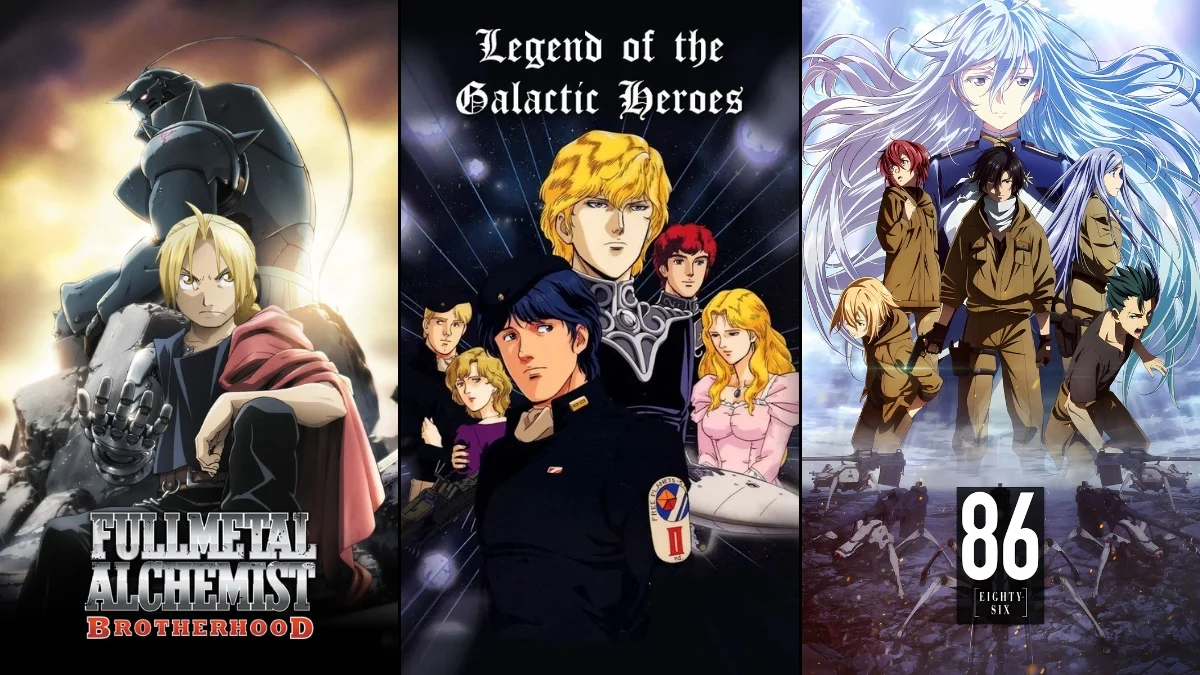
Anime frequently reflects real-world issues by setting stories in imaginative worlds, often examining complicated political and social systems. Many shows present groups representing different beliefs – like strict, controlling governments or movements advocating for complete freedom – and explore how these ideas conflict. These aren’t simple stories of heroes versus villains; they often look at the complicated sides of power, liberty, and control. The following anime series specifically showcase groups inspired by real political ideas and historical governments.
‘Legend of the Galactic Heroes’ (1988–1997)
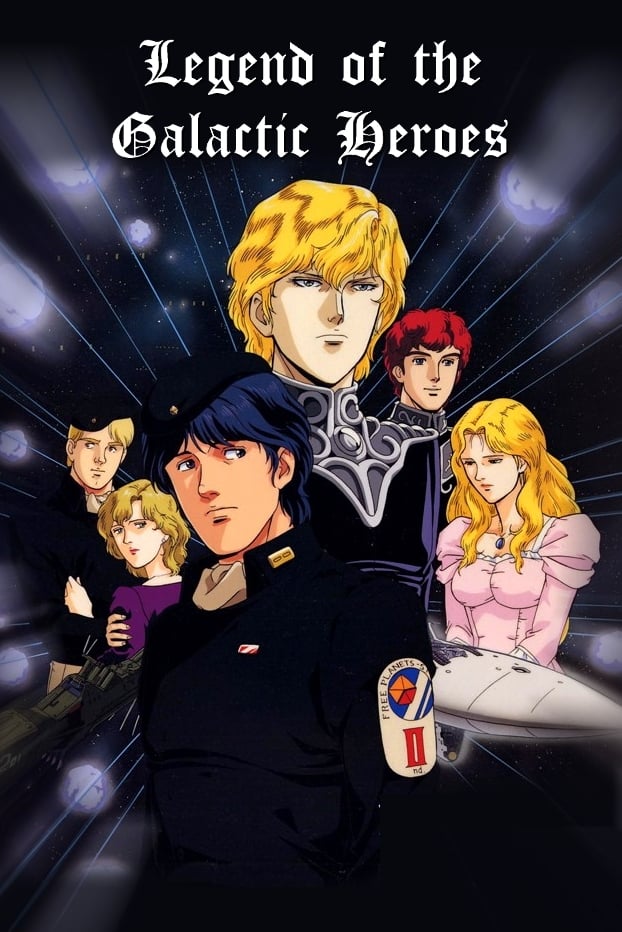
This science fiction epic is famous for its in-depth look at the war between two powerful space nations with very different governments. The Galactic Empire is ruled by a single, well-meaning dictator who prioritizes order and getting things done. The Free Planets Alliance, however, is a democracy that struggles with problems like corruption and a slow, inefficient government. The story thoughtfully explores the question of whether a flawed democracy is better than a powerful, but strict, dictatorship.
‘Code Geass: Lelouch of the Rebellion’ (2006)
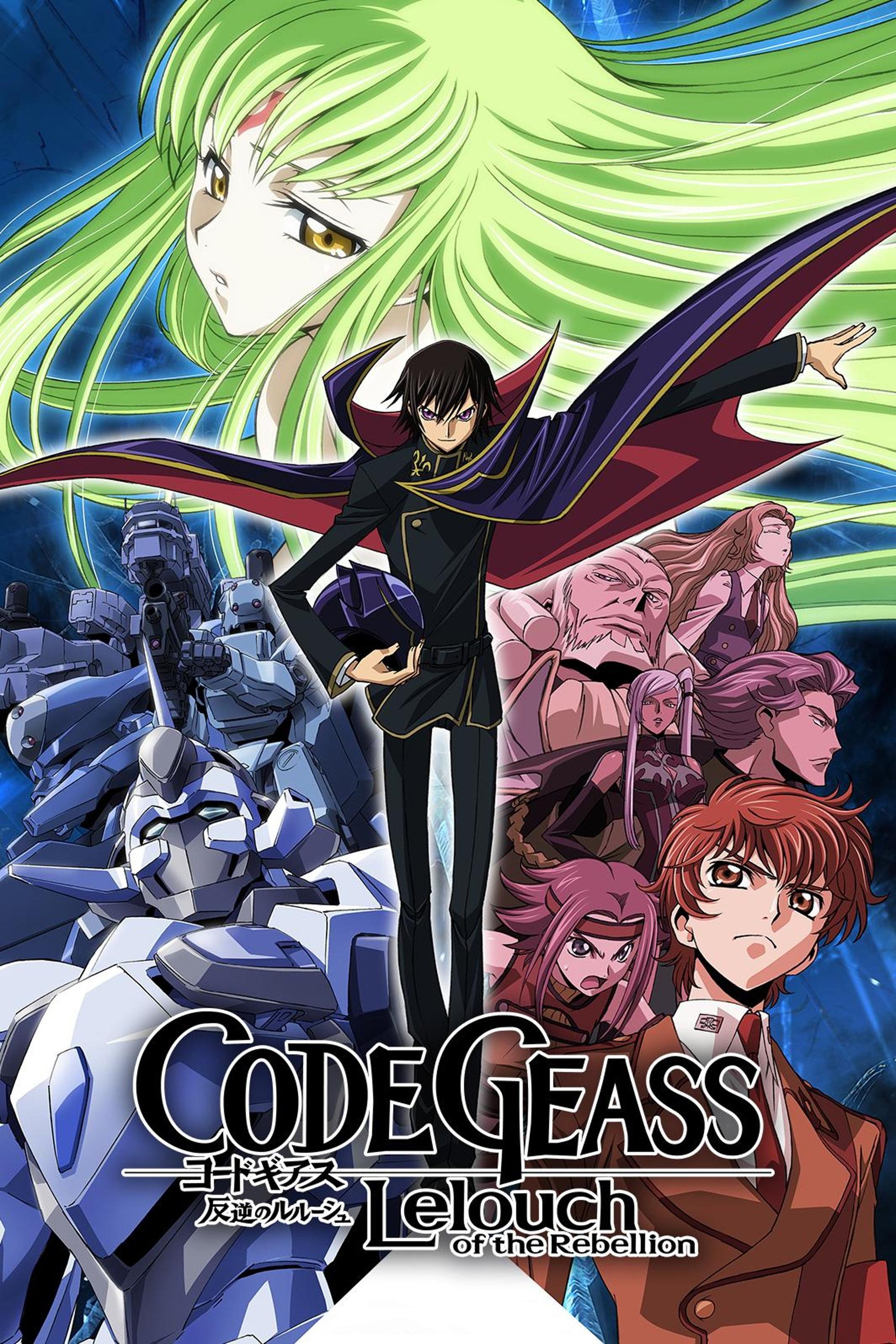
Okay, let me tell you about the world of ‘Code Geass.’ The Holy Britannian Empire is a seriously powerful nation, but it’s built on a really disturbing idea – basically, the belief that only the strong deserve to rule. Their emperor pretty much states upfront that not everyone is equal, and that’s used to justify them taking over weaker countries, like Japan, which they rename Area 11. It’s a super strict society where the nobles live lavishly, and anyone from the conquered lands has their rights and even their identity taken away. This whole messed-up system is really what fuels the story, as the main character is determined to tear it all down.
‘Fullmetal Alchemist: Brotherhood’ (2009)
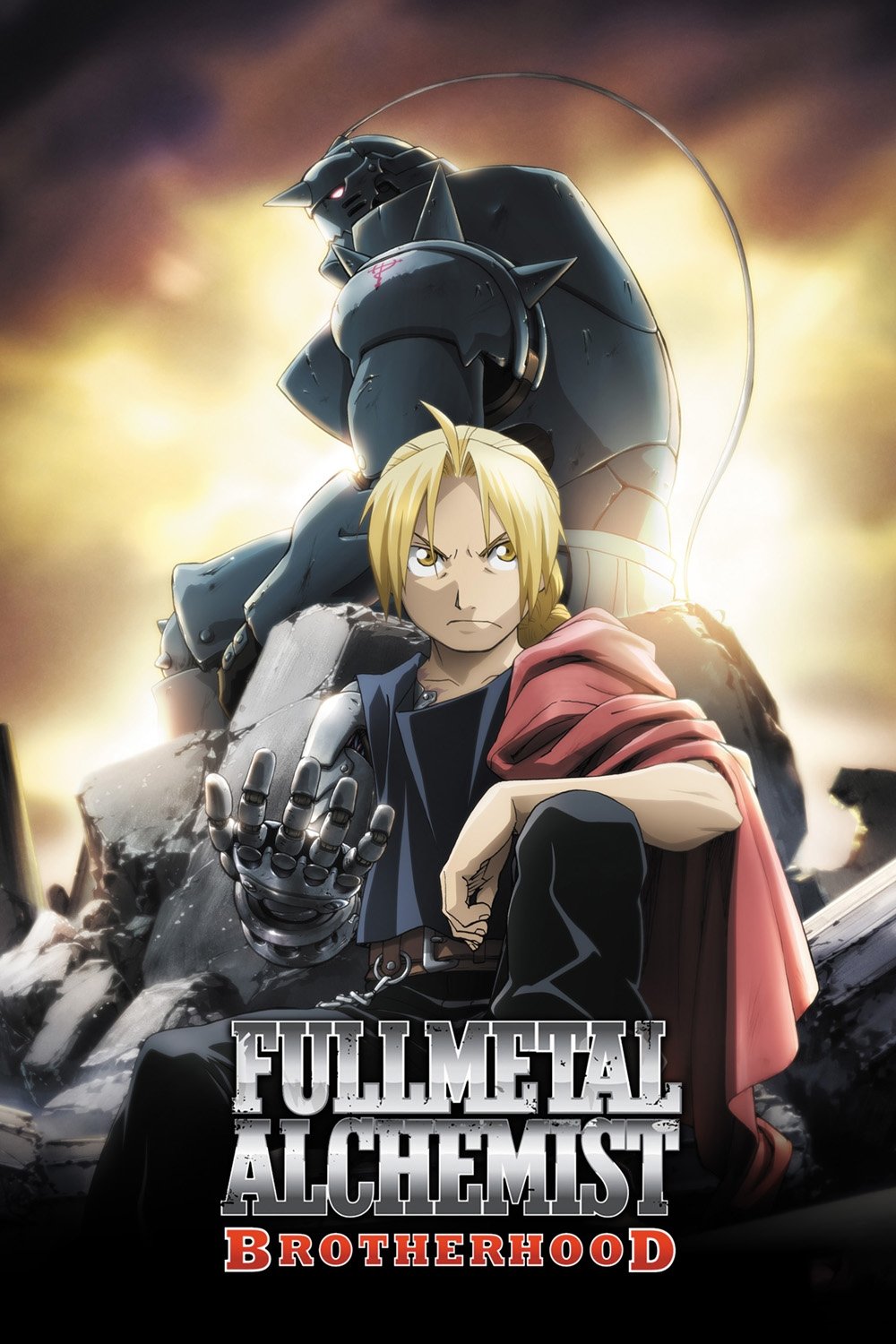
Amestris is a country run like a military dictatorship, strongly resembling fascist governments from the early 1900s. Led by a leader called the Führer – a clear nod to Nazi Germany – Amestris is constantly at war, using these conflicts to boost its economy and power. The government relies on propaganda and a special form of science called alchemy to control the population and silence anyone who disagrees. However, the military’s true motives are sinister, and they view the people as tools to be used rather than valued citizens.
‘Attack on Titan’ (2013–2023)
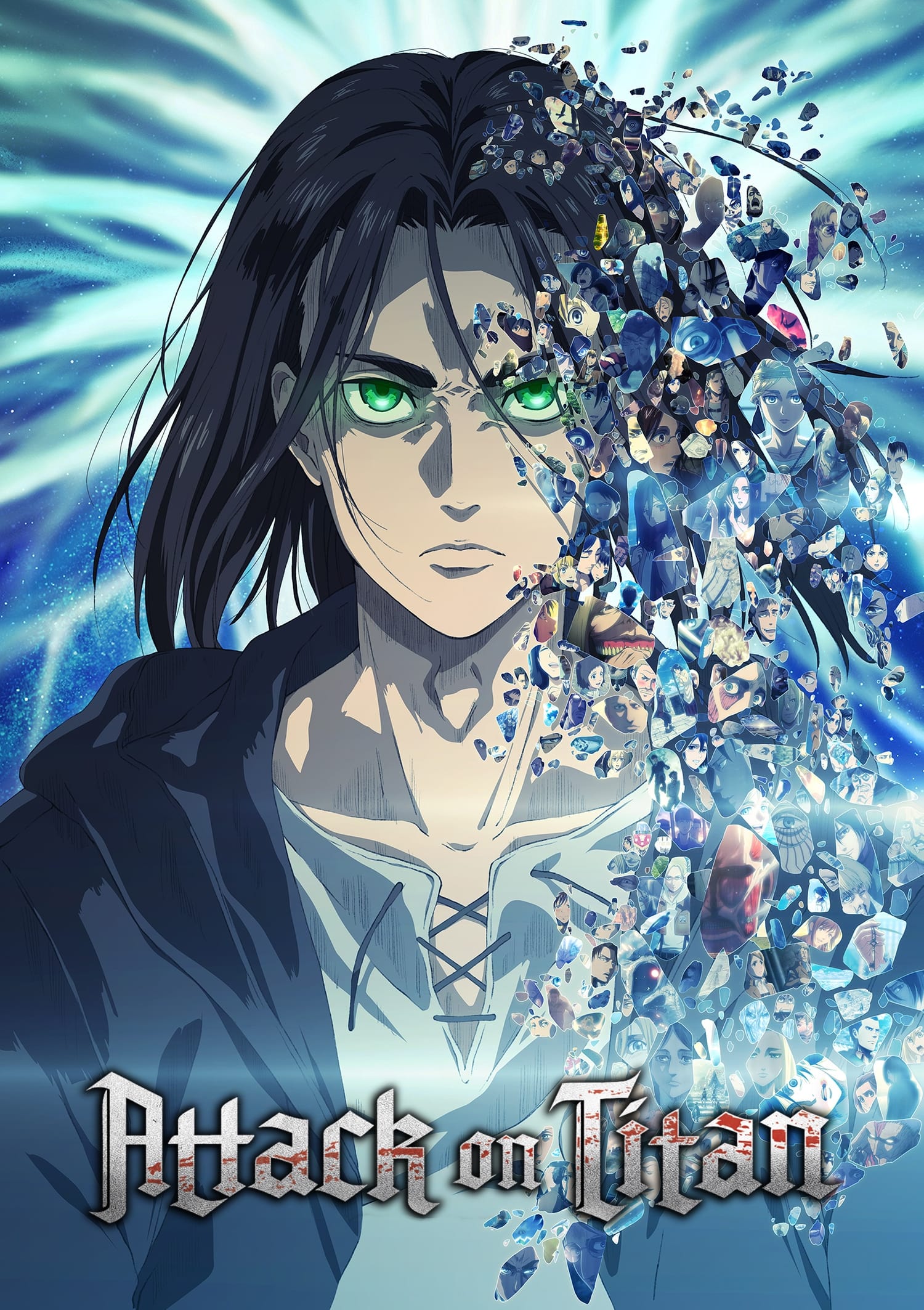
The later parts of ‘Attack on Titan’ introduce Marley, a powerful and aggressive nation that harshly segregates and mistreats people of Eldian descent. Marleyan society is built on fascist ideas, using propaganda to control its citizens and confining Eldians to areas resembling ghettos. A radical group called the Yeagerists then appears, promoting extreme nationalism and a desire to restore Marley to power, even if it means wiping out the rest of the world. The story powerfully shows how hatred can endlessly repeat itself when fueled by these oppressive beliefs.
‘Mobile Suit Gundam’ (1979)
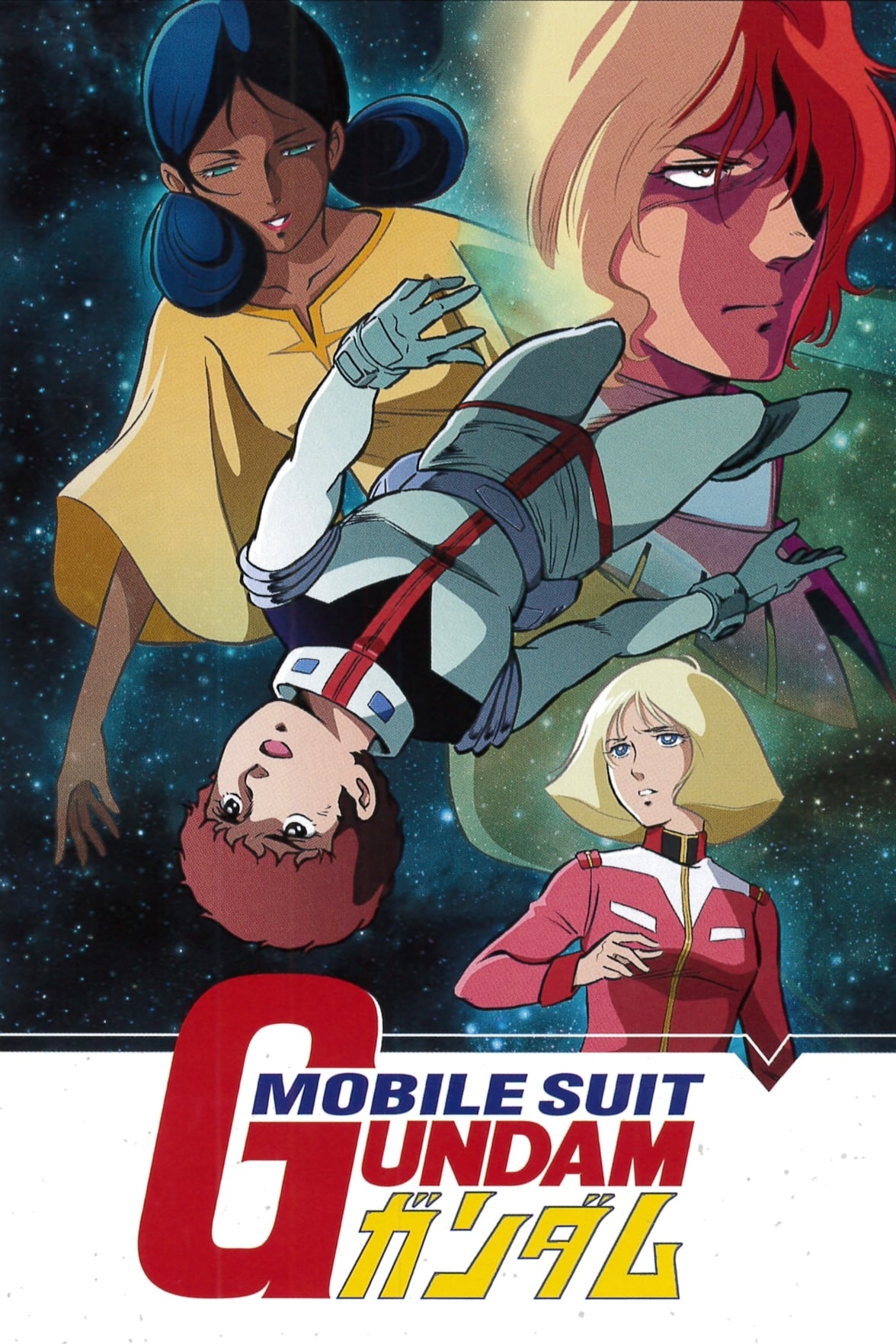
The Principality of Zeon is heavily inspired by historical fascist movements, especially Nazi Germany, during the One Year War. Led by the Zabi family, Zeon believes people born in space are superior and fights for independence from the Earth Federation through aggressive warfare. Their core ideology, Contolism, distorts the original idea of space-based self-governance to excuse a dictatorial regime and the belief in a master race. Zeon’s use of extreme violence, like destroying space colonies by dropping them on Earth, mirrors the tactics of totalitarian governments.
‘Psycho-Pass’ (2012)
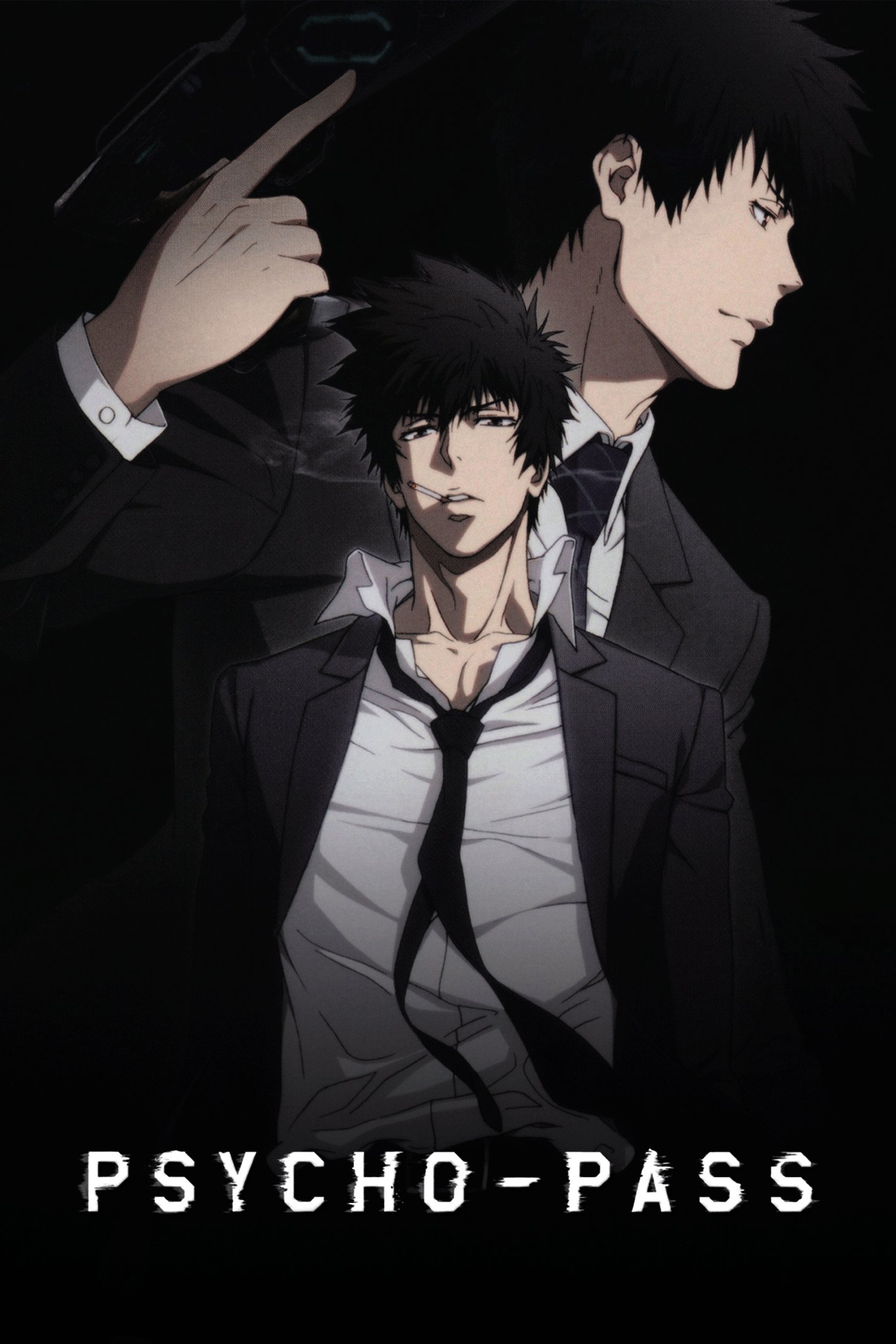
In Japan, the Sibyl System maintains control by prioritizing overall happiness above individual freedom and privacy. It calculates a “Crime Coefficient” for every person – a measure of their mental state and likelihood of committing a crime – and uses this to arrest or even eliminate potential criminals before they act. While this technologically advanced government strives for a peaceful, stress-free society, it does so by taking away people’s free will and placing ultimate authority in the hands of a secretive, all-powerful group who decide what is right and wrong. The story explores whether a truly peaceful society is possible if it demands complete obedience and constant surveillance.
‘Saga of Tanya the Evil’ (2017)
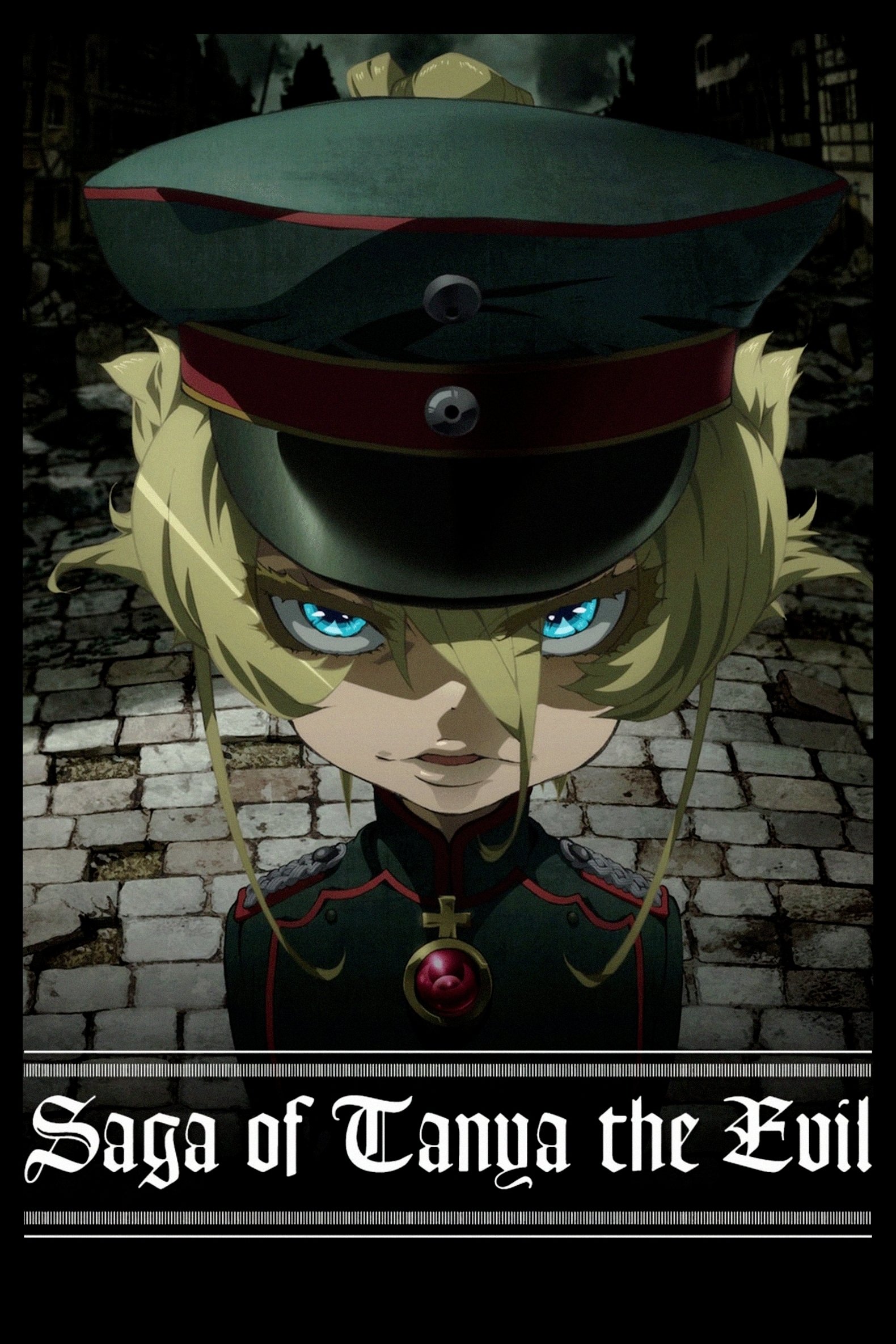
This series takes place in a fictional world inspired by Europe around the early 1900s. At its center is the Empire, a nation similar to Germany, emphasizing industry, order, and strong national pride. The Empire is constantly facing threats, particularly from the Russy Federation, which closely mirrors the Soviet Union and its communist system. The Federation is portrayed as a harsh, controlling government where officials demand absolute loyalty and eliminate anyone who disagrees. The conflict between these two powers shows the ruthless nature of expanding territory and the dangers of ideologies enforced by the state.
’86 Eighty-Six’ (2021)
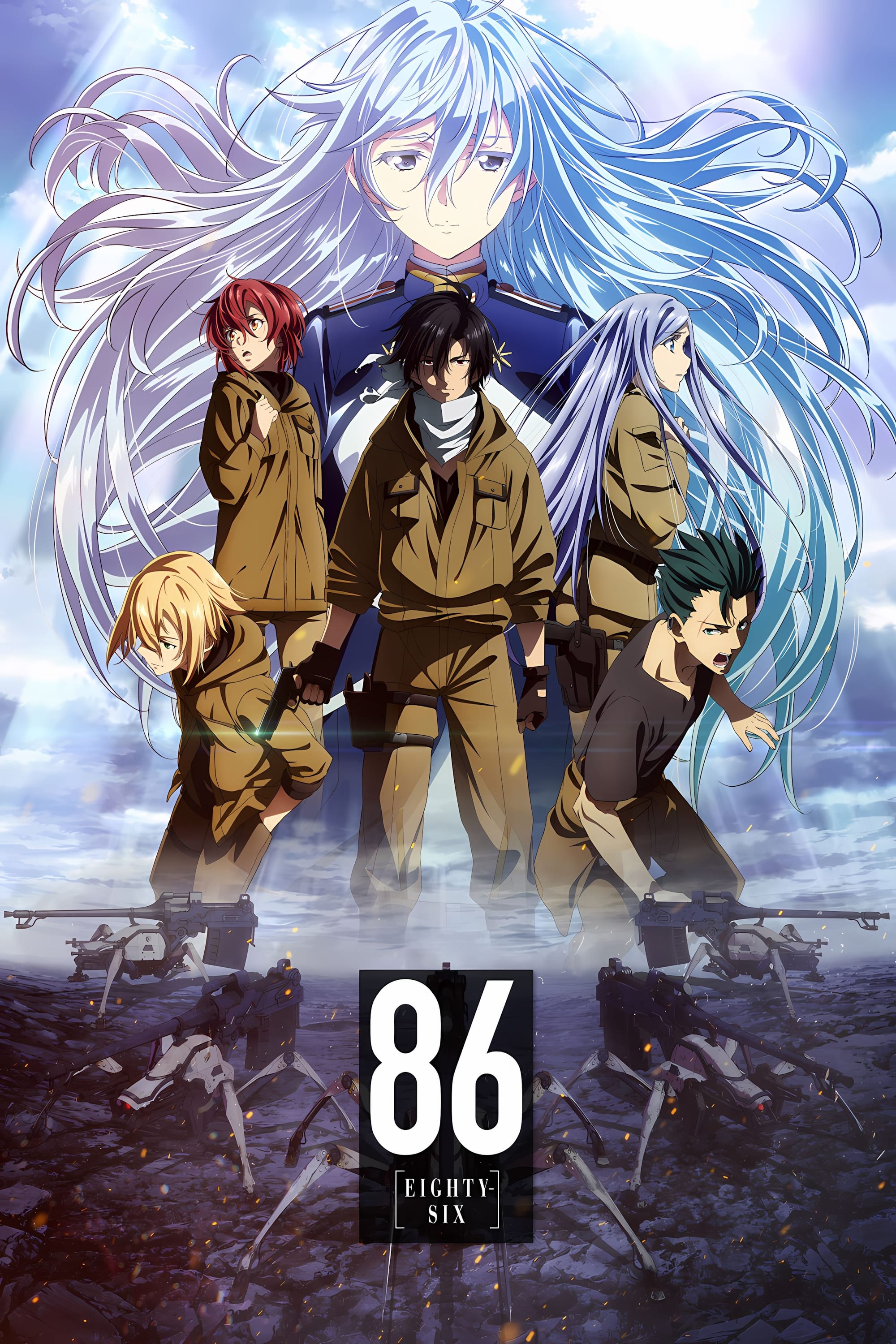
San Magnolia presents itself as a free and equal democracy, but in reality, it enforces a system of racial segregation similar to apartheid. The ruling Alba race has systematically dehumanized the Colorata minority, forcing them to fight a war against the Giadian Empire using remotely piloted weapons. This situation highlights the hypocrisy of democracies that appear civilized while exploiting and oppressing a marginalized group of people. The government uses propaganda to convince citizens the war is clean and consequence-free, concealing the brutal truth about how they are actually surviving – through the sacrifice of the Colorata.
‘My Hero Academia’ (2016)
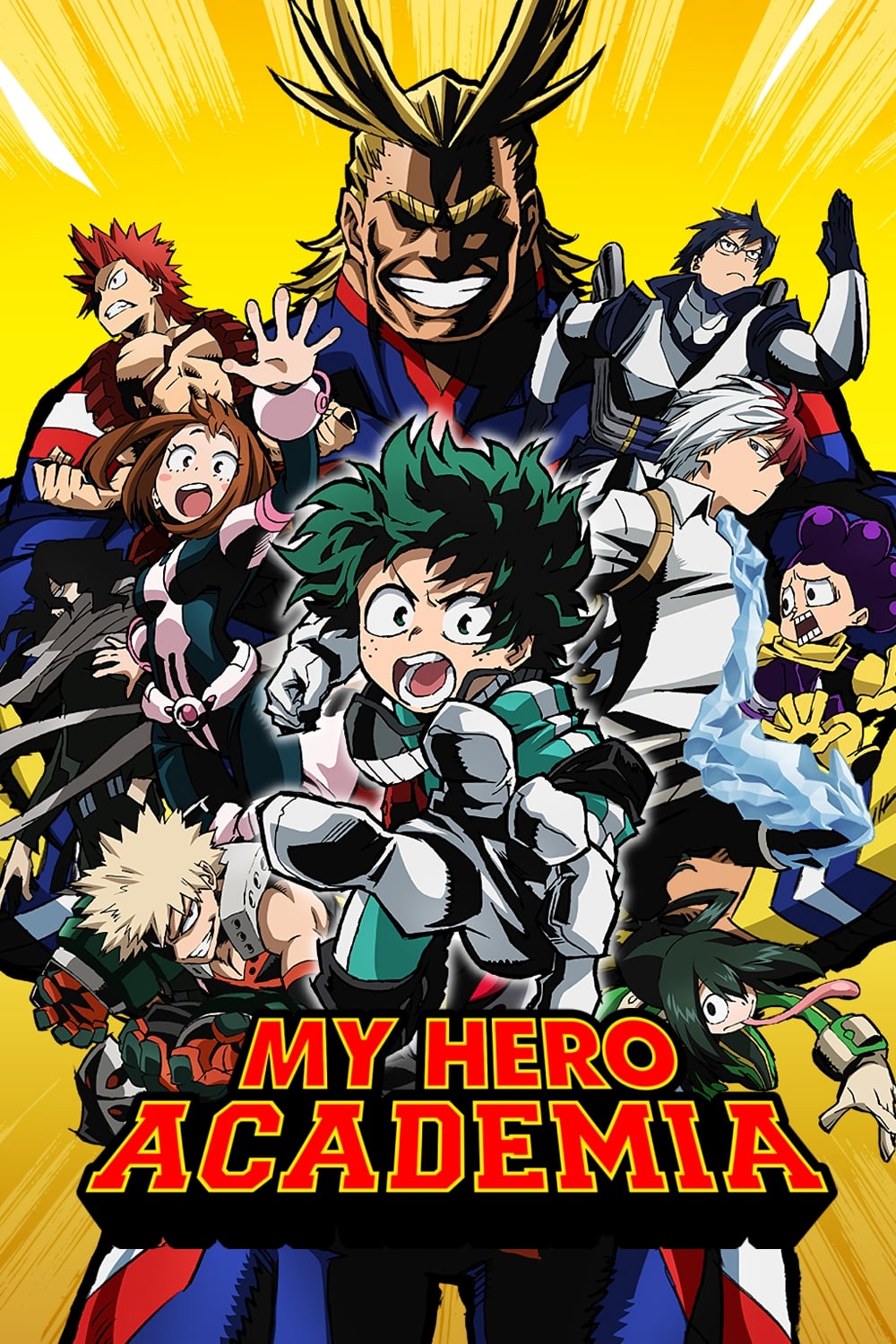
The Meta Liberation Army is a villainous group driven by a strong belief in freedom from government control, specifically when it comes to superpowers. They think people should be able to use their abilities – called “Quirks” – without any rules, and that society should be based on strength, not laws. This idea is similar to Social Darwinism, and they want to tear down the current system where heroes protect everyone. Ultimately, they aim to build a new world where the powerful rule, and there’s no help for those who are weaker.
‘Dr. Stone’ (2019)
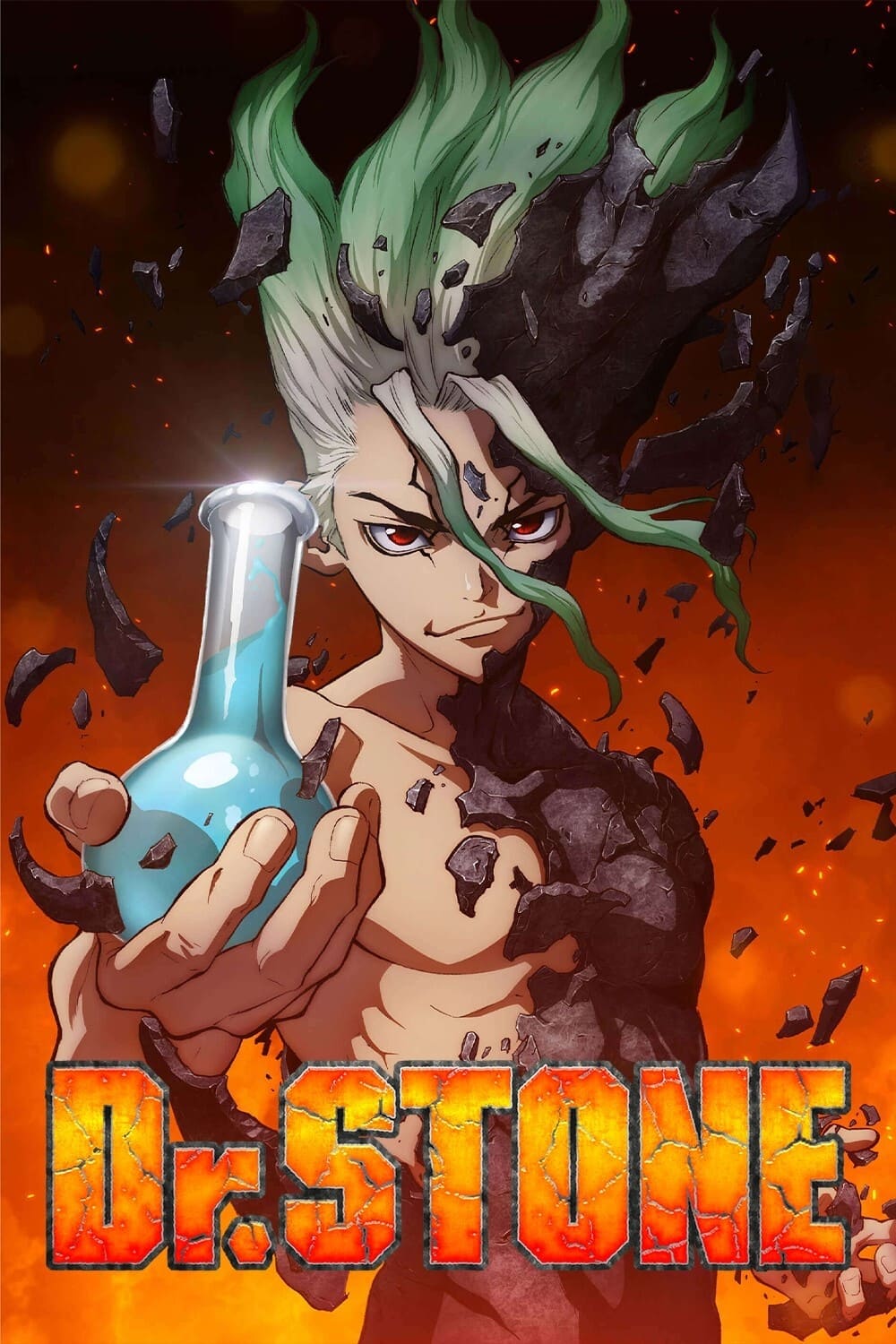
Tsukasa Shishio creates a powerful group built on the idea that modern society and technology are harmful. He wants to rebuild the world with only children and those he sees as pure, living a simple life connected to nature and focused on strength. This is the opposite of the hero’s goal, which is to bring back civilization using technology. Tsukasa believes the problems of the old world came from unfair social structures and greed, and he wants to eliminate them completely.
‘Hellsing Ultimate’ (2006–2012)

Millennium is a dangerous group with roots in the Nazi SS, determined to ignite a never-ending global war. Led by a figure known as the Major, they’re fanatical believers in conflict, aiming to bring back the chaos of World War II. They use dark, supernatural powers to build an army of vampires, representing the ultimate, terrifying expression of fascist ideology. Essentially, Millennium is a modern-day resurrection of the Third Reich’s beliefs and goals.
‘Library War’ (2008)
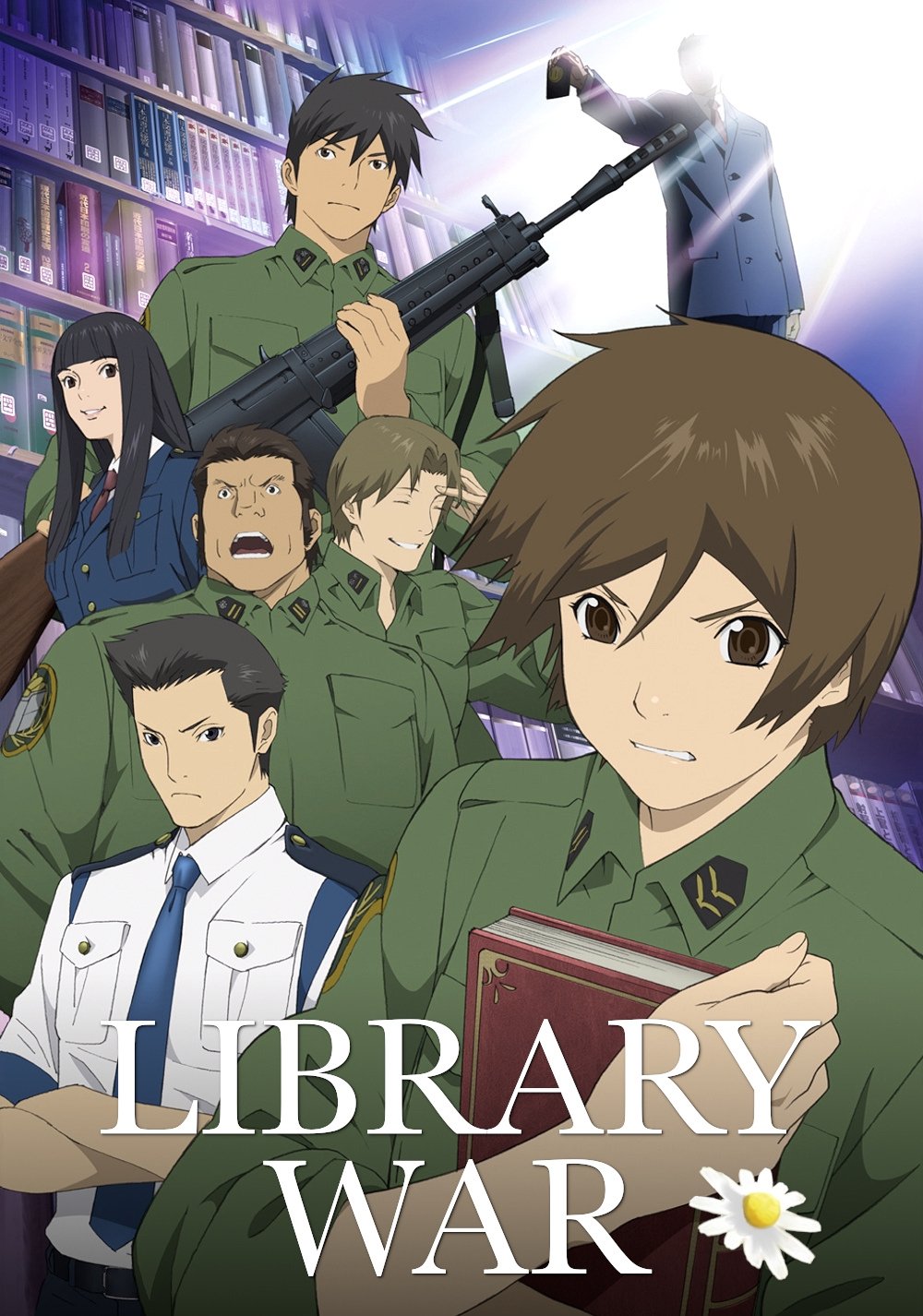
This story centers around two opposing groups: the Media Betterment Committee, a government agency that censors information it considers harmful, and the Library Defense Force, which fights for the public’s right to access all ideas. The Committee uses its power to ban books and media that disagree with the official viewpoint, claiming it’s protecting society’s values. This conflict represents a larger battle between government control of information and the freedom to think for ourselves.
‘Kill la Kill’ (2013)
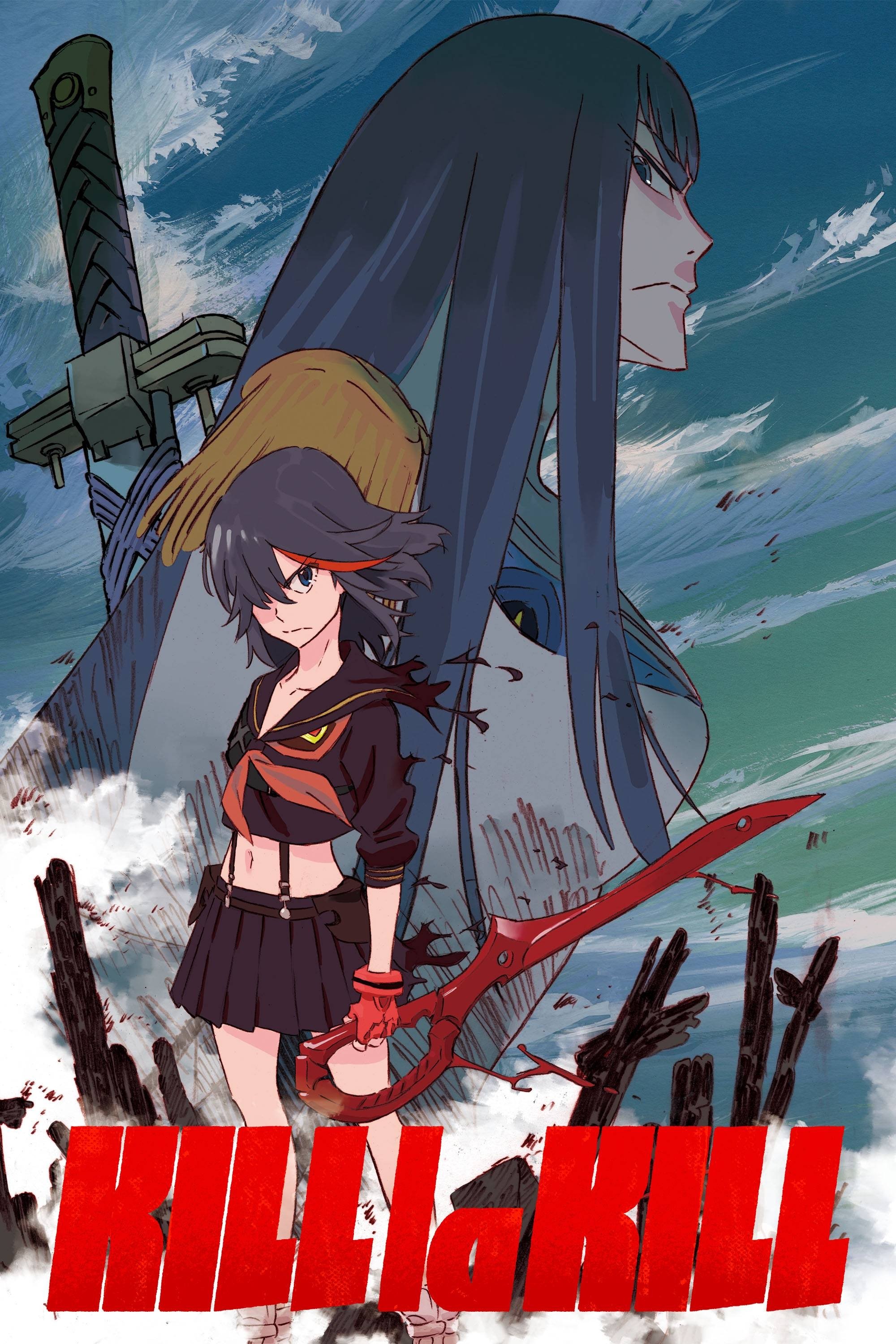
Honnouji Academy operates like a small, oppressive country, with the student council president, Satsuki Kiryuin, holding complete power. Students are ranked by their uniforms, which also give them special abilities and better lives. This creates a strict and controlling environment where those with less power are easily dominated, and anyone who disagrees faces harsh consequences. The school’s design and Satsuki’s speeches are intentionally reminiscent of the look and ideas of past totalitarian governments.
‘Mobile Suit Gundam: Iron-Blooded Orphans’ (2015)

Gjallarhorn is a supposedly peaceful organization that keeps order across Earth and its colonies, but it’s actually run by a small, powerful group of seven families. They secretly control economies and governments to stay in charge, often taking advantage of places like Mars and other colonies. Despite claiming to promote stability, Gjallarhorn really works to protect its own interests, crushing any attempts at independence or efforts to improve workers’ rights. The story shows how groups meant to maintain peace can easily become oppressive forces.
‘One Piece’ (1999)
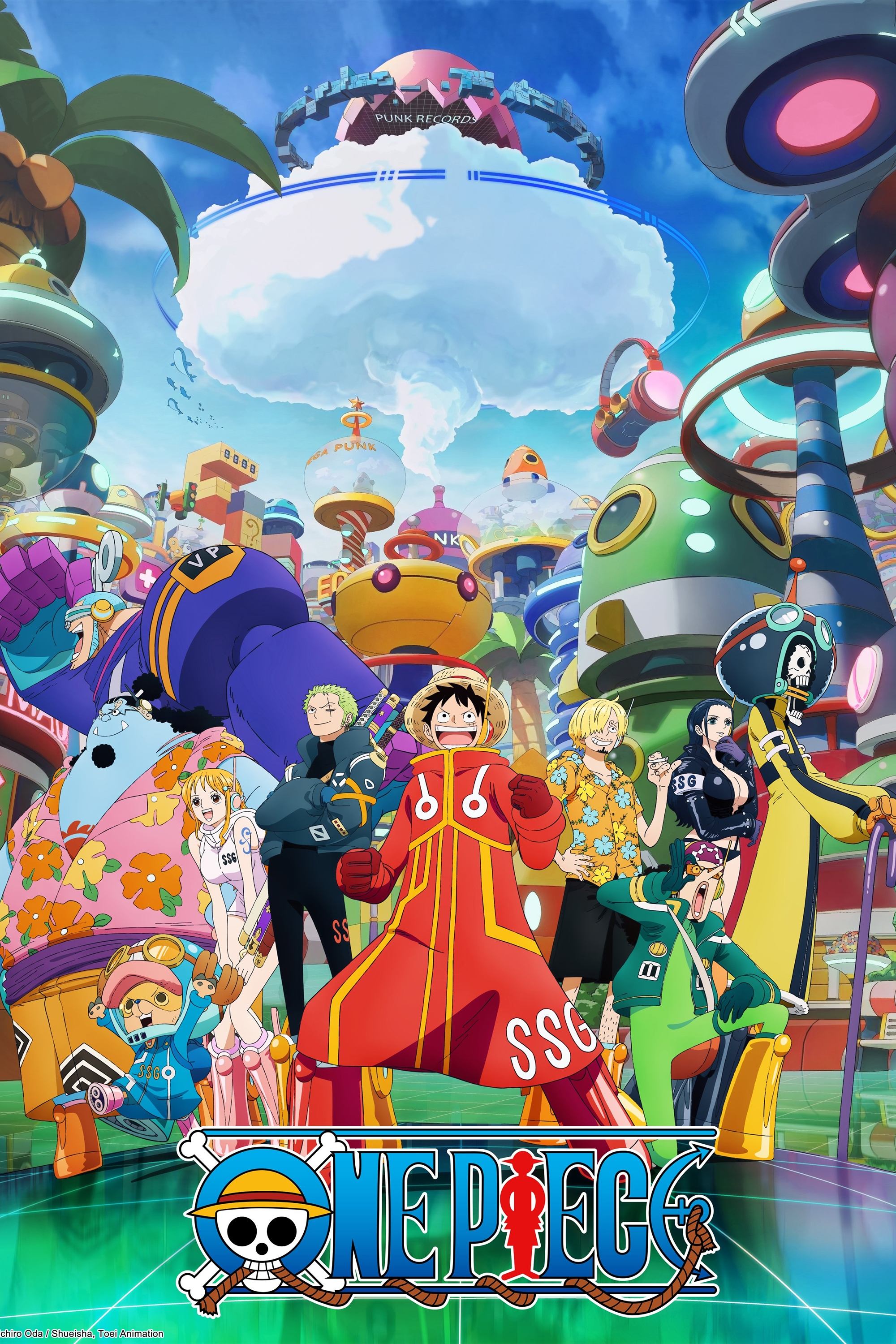
The World Government functions like a global dictatorship, using its immense military strength and manipulation of history to stay in power. While appearing to be ruled by an empty throne, it’s secretly controlled by a single leader. They actively suppress information about a historical period called the “Void Century” to conceal the terrible things that happened when their government was established. The Marines act as their police force, and covert agencies like Cipher Pol carry out spying and killings. Their core belief, “Absolute Justice,” allows them to justify any harsh action as necessary for maintaining order worldwide.
‘Spy x Family’ (2022)
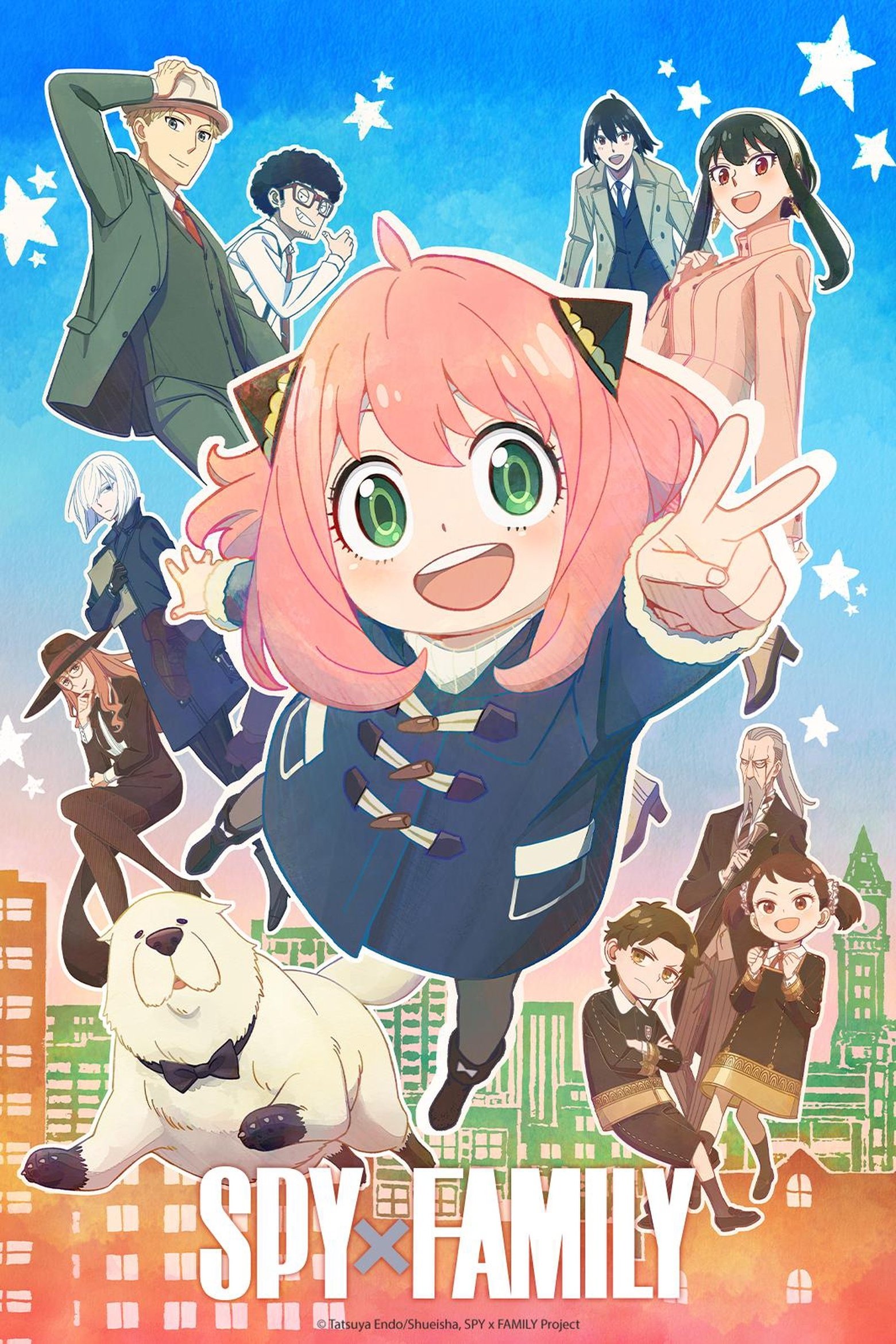
Ostania is a fictional country inspired by East Germany during the Cold War, with a government that closely watches its citizens through surveillance and a powerful secret police force. This force, known as the State Security Service, works to suppress anyone who opposes the ruling party. Westalis, on the other hand, represents Western nations and uses espionage to try and avoid a full-scale war. The story takes place in a world filled with suspicion and anxiety, mirroring the Cold War’s division between opposing political systems and the ever-present danger of conflict.
‘Akame ga Kill!’ (2014)

In ‘Akame ga Kill!’, the kingdom is a crumbling, oppressive government controlled by a scheming prime minister who exploits a young emperor. The rich and powerful are allowed to mistreat the poor without consequence, causing widespread hardship. A rebel group, Night Raid, fights to bring down this corrupt system, which is marked by excessive indulgence and a complete lack of ethics among those in power. The story demonstrates how a society founded on unchecked corruption and cruelty is destined to fall.
‘Mobile Suit Gundam 00’ (2007)
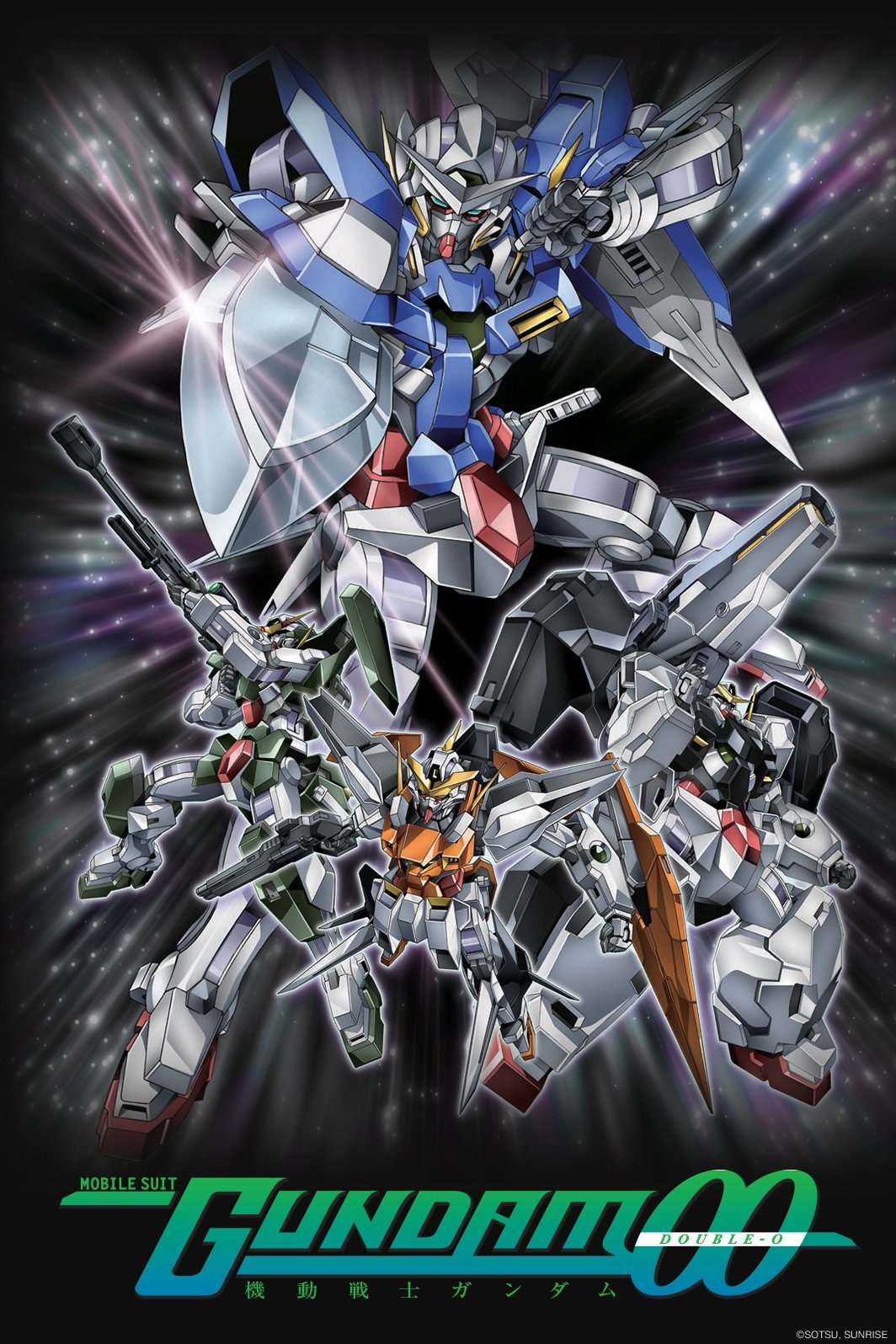
As a huge fan of mecha anime, I’ve always been fascinated by the world of ‘Mobile Suit Gundam 00’. It really feels like a reflection of our own world, with three main superpowers – the Union, the Human Reform League, and the AEU – constantly battling for control of energy and influence, kind of like real-world alliances. What’s frustrating is how these powers ignore the smaller nations in their struggle. That’s where Celestial Being comes in – they’re this group with incredibly advanced technology who basically try to force world peace by challenging the way these established powers act. Honestly, the show is a really smart critique of resource wars and political stalemate – it feels incredibly relevant, even today.
‘From the New World’ (2012)
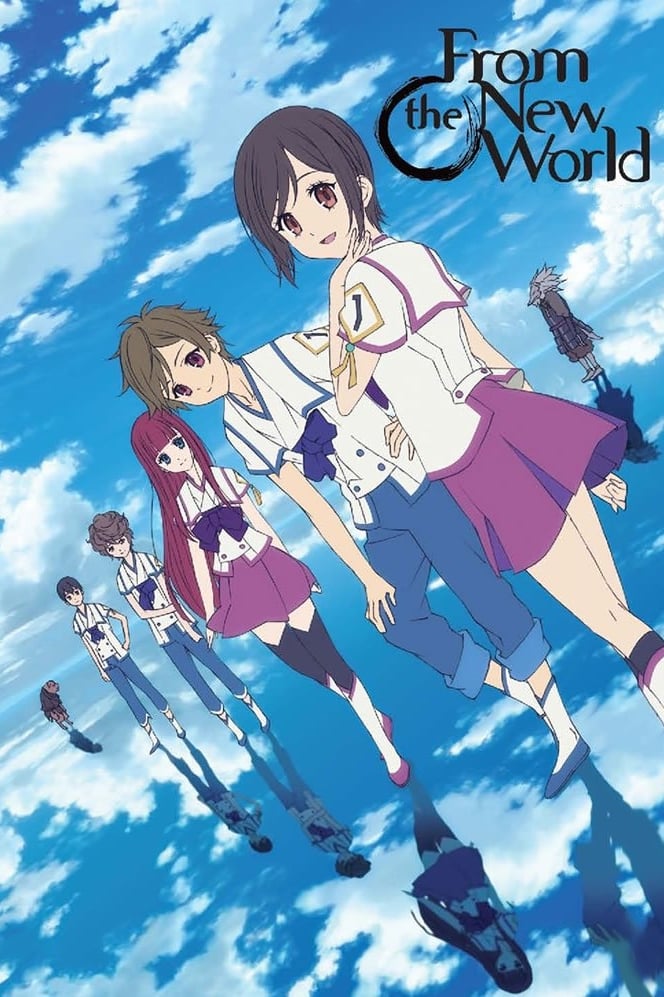
This story takes place in a future where society is tightly controlled to manage people with psychic abilities. A powerful Ethics Committee makes all the decisions, even eliminating children who don’t demonstrate stable control over their powers – all in the name of protecting the greater good. This society relies heavily on genetic engineering and conditioning to prioritize safety and suppress individual wants. It’s a disturbing look at how a seemingly perfect world can be created by sacrificing those considered a threat or expendable.
‘The Rose of Versailles’ (1979)

This beloved anime takes place just before the French Revolution and shows the growing conflict between the king’s absolute power and the new ideas about freedom and equality spreading among ordinary people. The story vividly contrasts the lavish lifestyle of the nobility at the Palace of Versailles with the harsh poverty faced by most people in Paris. As the old social system breaks down, characters wrestle with important questions about liberty, equality, and brotherhood. It’s a compelling reimagining of France’s transition from a feudal society to a modern democracy.
Read More
- Trading on Thin Air: AI Agents Conquer Crypto Volatility
- 20 Movies Where the Black Villain Was Secretly the Most Popular Character
- Invincible Season 4 Gender Swaps Tech Jacket As Fans Question Major Comic Change
- Silver Rate Forecast
- 22 Films Where the White Protagonist Is Canonically the Sidekick to a Black Lead
- Gold Rate Forecast
- Trading Smarter: AI-Powered Execution Schedules
- Celebs Who Narrowly Escaped The 9/11 Attacks
- Smarter Order Execution: How AI is Outperforming Wall Street’s Playbook
- 15 Films That Were Shot Entirely on Phones
2025-12-19 06:53