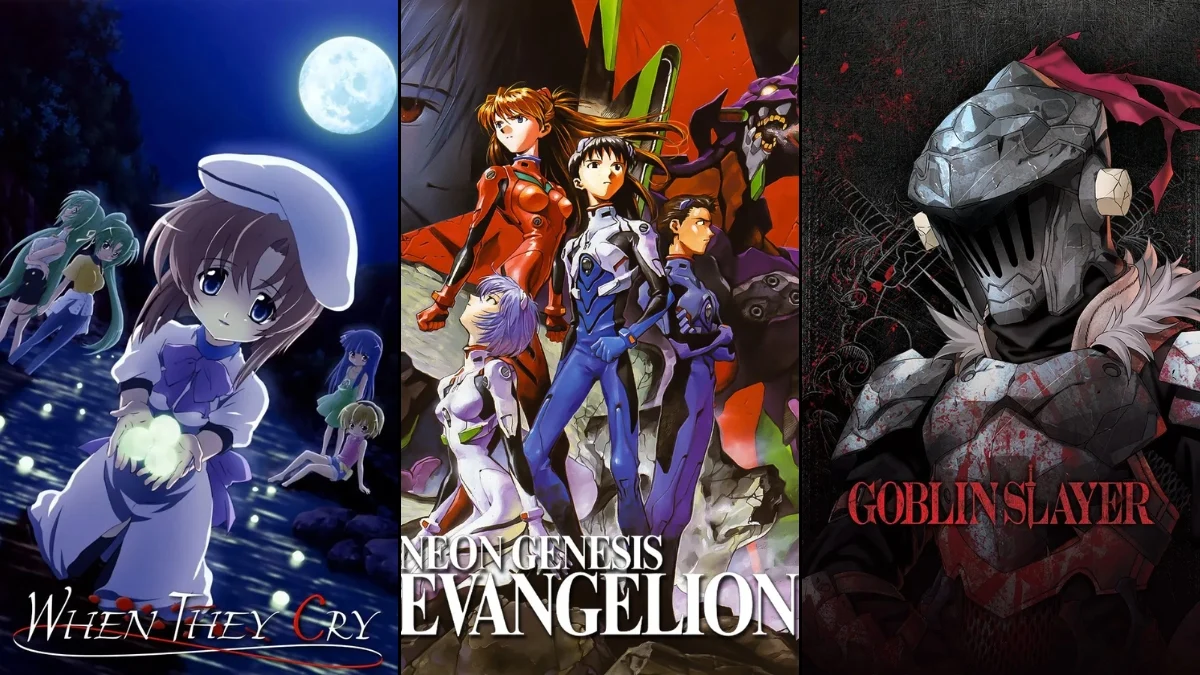
Animation often tackles complex and challenging themes, leading to lively public debate. Some shows gain notoriety for their graphic violence, while others spark controversy by addressing sensitive political or moral questions. These series frequently break new ground in storytelling, forcing viewers to consider difficult aspects of the human experience. This list highlights several anime that have caused significant global controversy due to their bold subject matter. Examining the discussions surrounding these shows helps us understand how cultural values and what audiences expect are constantly evolving.
‘Death Note’ (2006–2007)

Light Yagami finds a strange notebook with a deadly power: anyone whose name he writes in it will die. He decides to rid the world of criminals, hoping to create a perfect society. However, a brilliant detective named L starts hunting him. The story delves into questions about justice, what’s right and wrong, and the dangers of taking control of life and death. Many viewers debate whether Light is a force for good or a villain.
‘Attack on Titan’ (2013–2023)
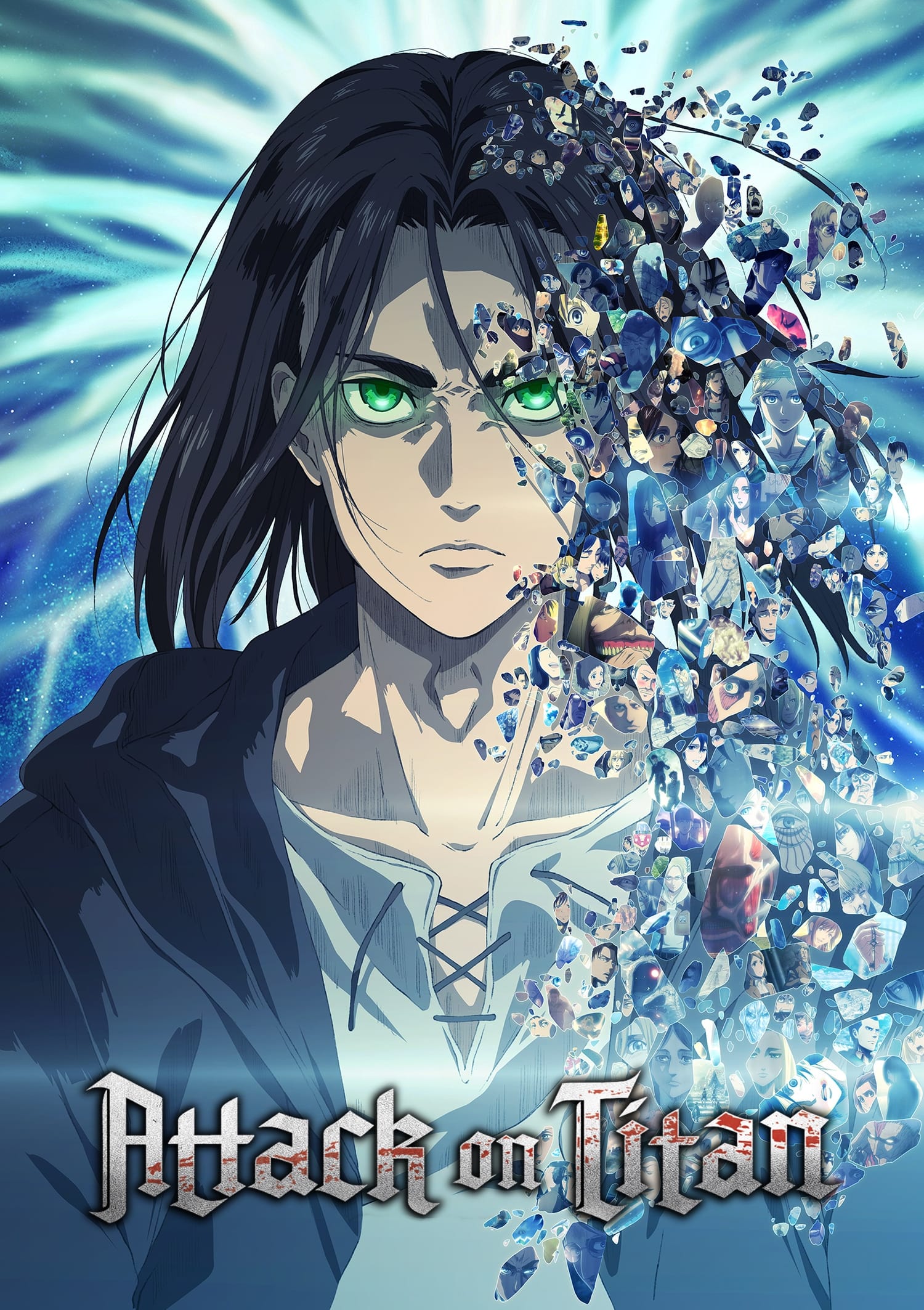
People live inside massive walls to shield themselves from gigantic, human-eating creatures called Titans. The story centers on Eren Yeager’s quest for revenge after a personal tragedy, and his journey to uncover the secrets of his world. The anime is known for its complicated themes, including political ideas and the dangers of extreme nationalism, and has sparked a lot of debate about the endless nature of violence and the difficult moral choices made in wartime.
‘Neon Genesis Evangelion’ (1995–1996)
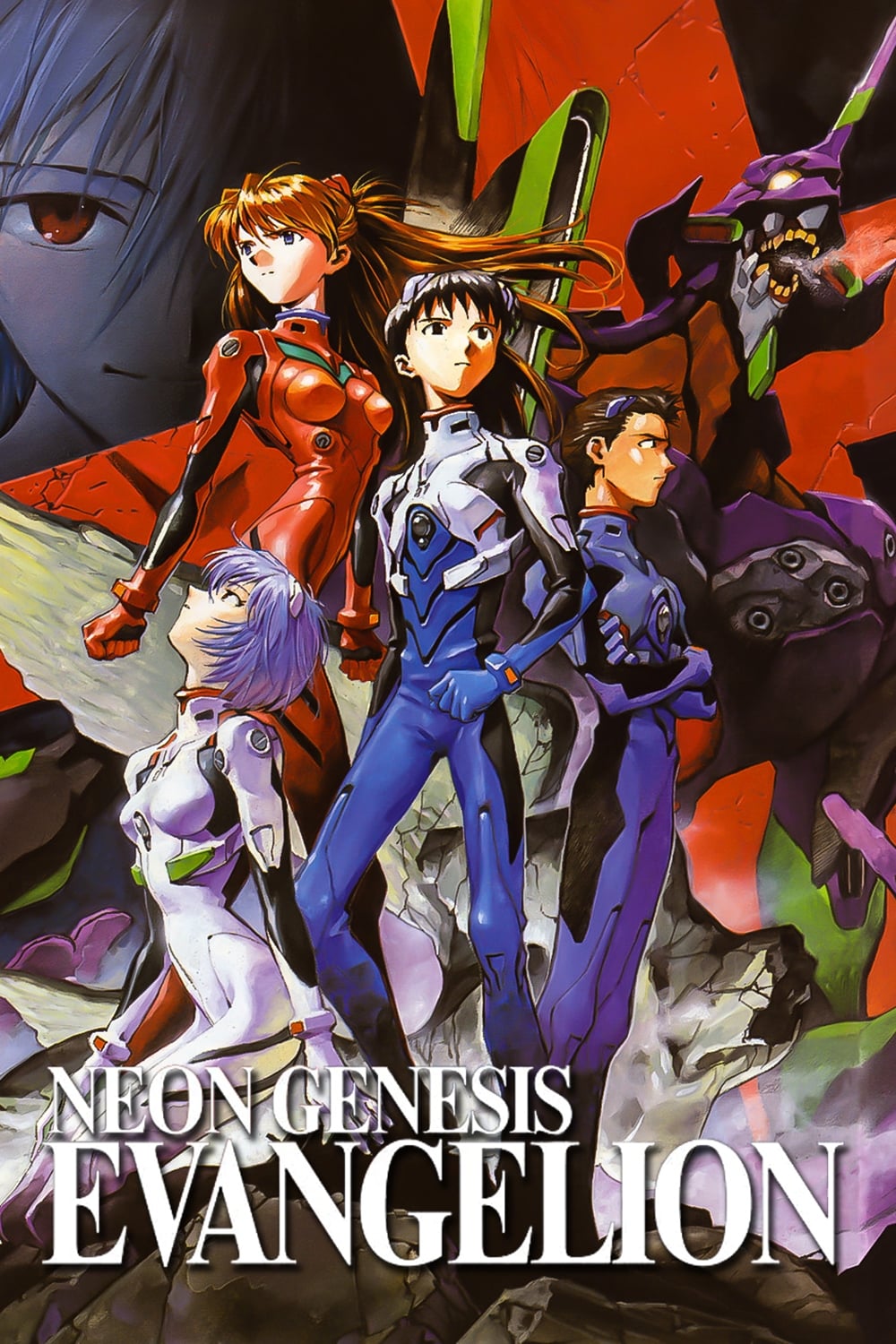
A group of teenagers controls enormous, living machines to protect Tokyo from strange creatures known as Angels. What starts as a typical action series quickly becomes a deep look into themes of depression and religious ideas. While some found the frequent references to Judeo-Christian beliefs and the ambiguous conclusion difficult to understand or even upsetting, it’s widely considered a groundbreaking work that pushed the boundaries of animation.
‘Made in Abyss’ (2017–2022)
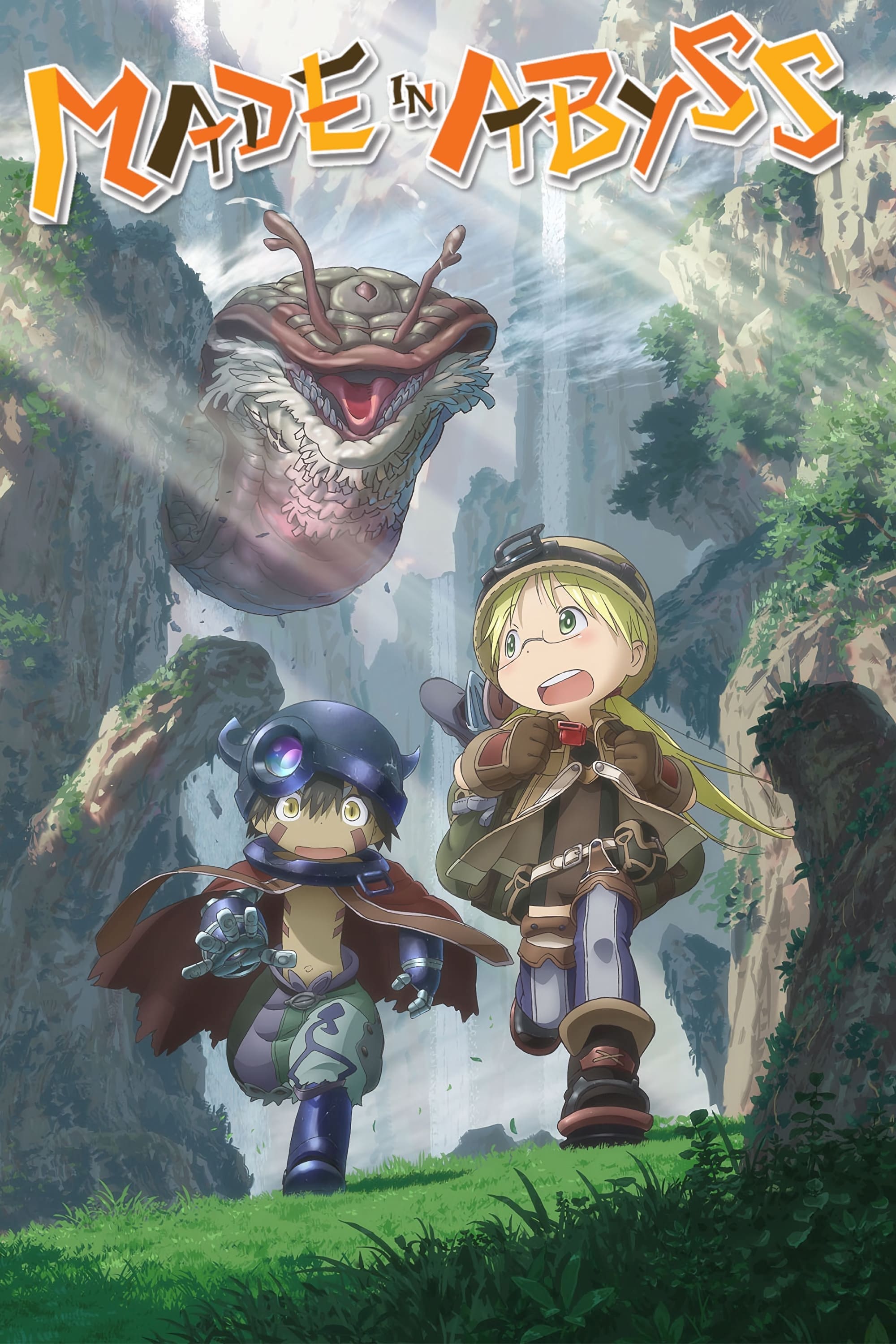
The show follows two young adventurers who venture into a huge, perilous canyon searching for a missing parent and uncovering forgotten mysteries. While it looks charming, the series unexpectedly features intense body horror and deeply upsetting psychological experiences for its child characters. Critics are debating whether it’s right to depict young characters facing such graphic and disturbing situations, and the stark contrast between the show’s appealing visuals and its dark themes is a major point of discussion.
‘Goblin Slayer’ (2018–2023)

Goblin Slayer follows a warrior singularly focused on killing goblins, the dangerous creatures that plague the countryside. The first episode sparked controversy because of a particularly violent scene involving female adventurers. Some viewers and critics questioned whether such graphic content was necessary to demonstrate the dangers of this world, while many fans praised the show for its realistic and dark approach to fantasy storytelling.
‘Redo of Healer’ (2021)

This anime follows a healer who was mistreated and taken advantage of by others. Driven to revenge, he uses magic to restart the world and inflict harsh retribution on those who wronged him. The series contains graphic depictions of violence, including sexual assault and torture, leading to widespread censorship and removal from many streaming services. It’s become notorious as one of the most disturbing and debated anime ever made.
‘Mushoku Tensei: Jobless Reincarnation’ (2021–2024)

A man who preferred to be alone dies and is reincarnated in a world of magic, where he starts a new life as Rudeus Greyrat. The series has been controversial due to the protagonist’s inappropriate behavior and sexual interests early on. While some viewers appreciate how the character evolves, others strongly object to the sexual content involving underage characters. As a result, the show has been censored or banned in several countries.
‘Elfen Lied’ (2004)
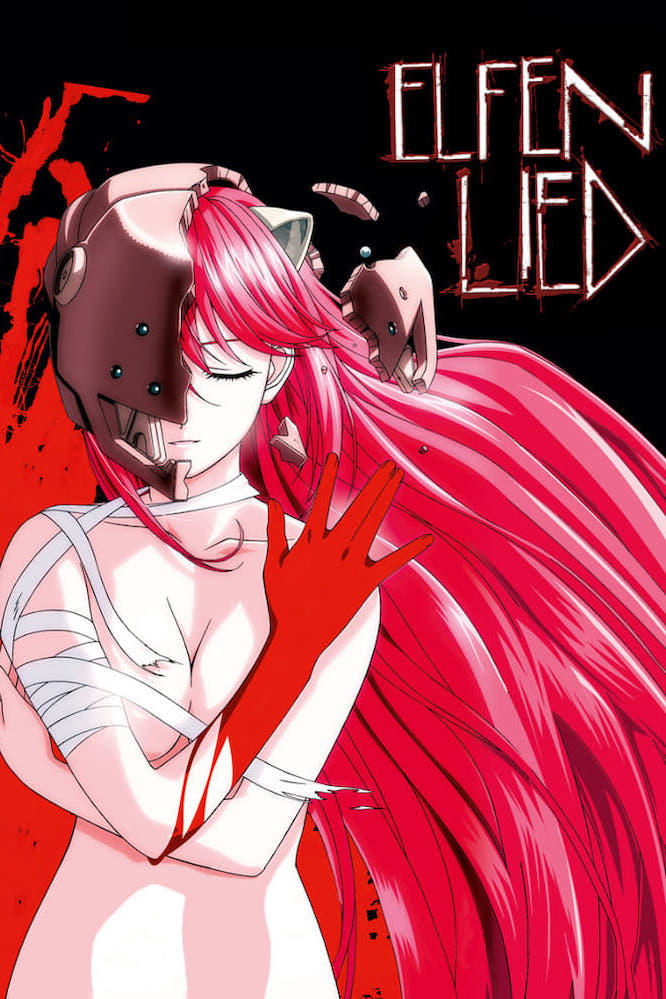
As a long-time anime fan, I remember when Perfect Blue first hit the scene – it’s about a woman, a Diclonius, who breaks out of a lab and, well, things get pretty chaotic. Honestly, it’s notorious for being incredibly graphic, even in the very first few minutes. What really stuck with me, though, was how it tackled tough subjects like feeling like an outsider and the horrors of abuse within families. People debate whether all the violence is actually necessary to tell the story, or if it’s just there for shock value, and it’s a conversation I’ve had countless times with fellow anime lovers.
‘Psycho-Pass’ (2012–2019)
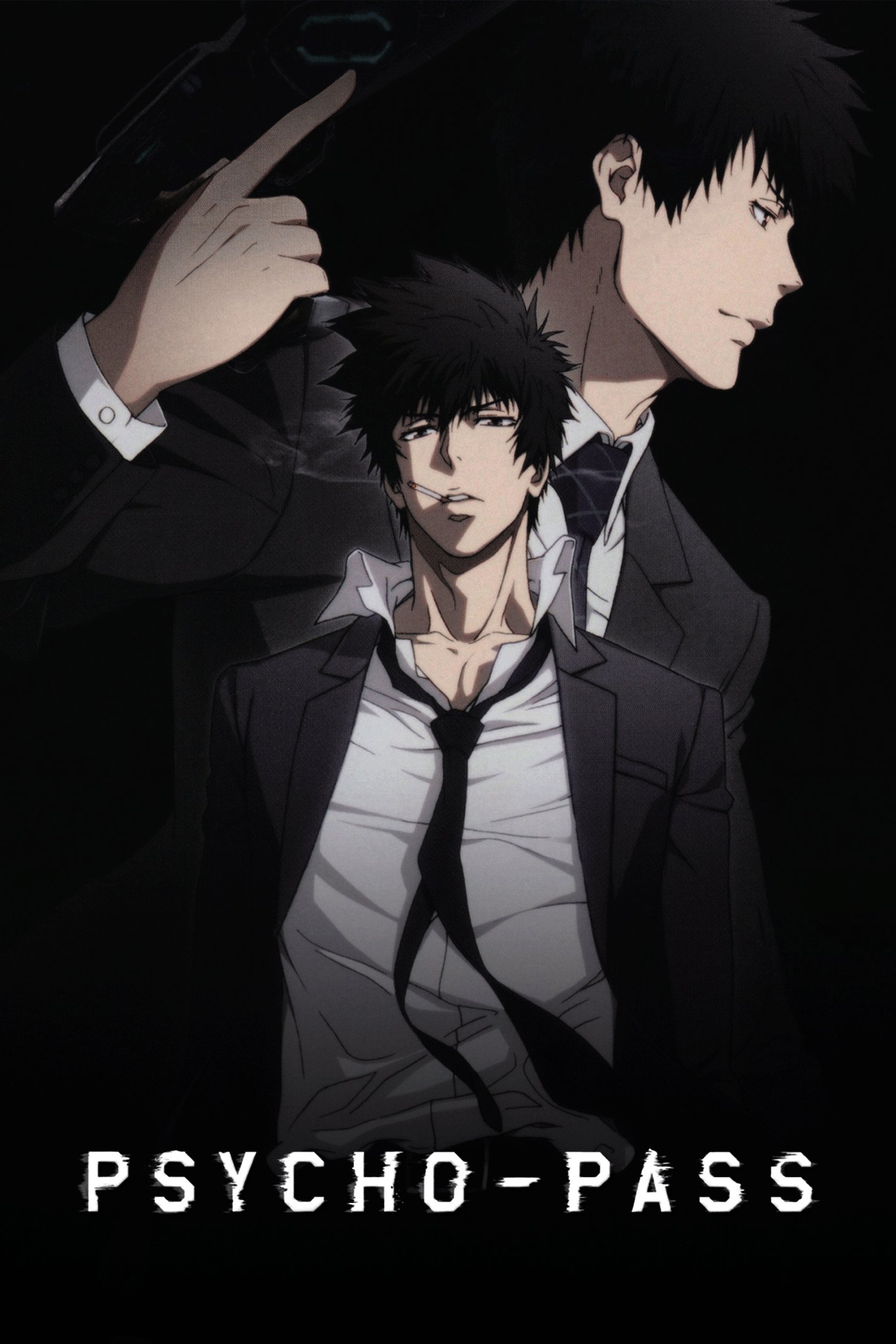
This series is set in the future, where a computer system tracks people’s thoughts to predict who might commit crimes. It examines the dangers of losing privacy and questions whether it’s right to punish people before they’ve done anything wrong. The story also touches on corruption within the government and how easily people can be treated as less than human. Ultimately, it asks viewers to think about how much freedom we’re willing to give up for the sake of security.
‘Devilman Crybaby’ (2018)
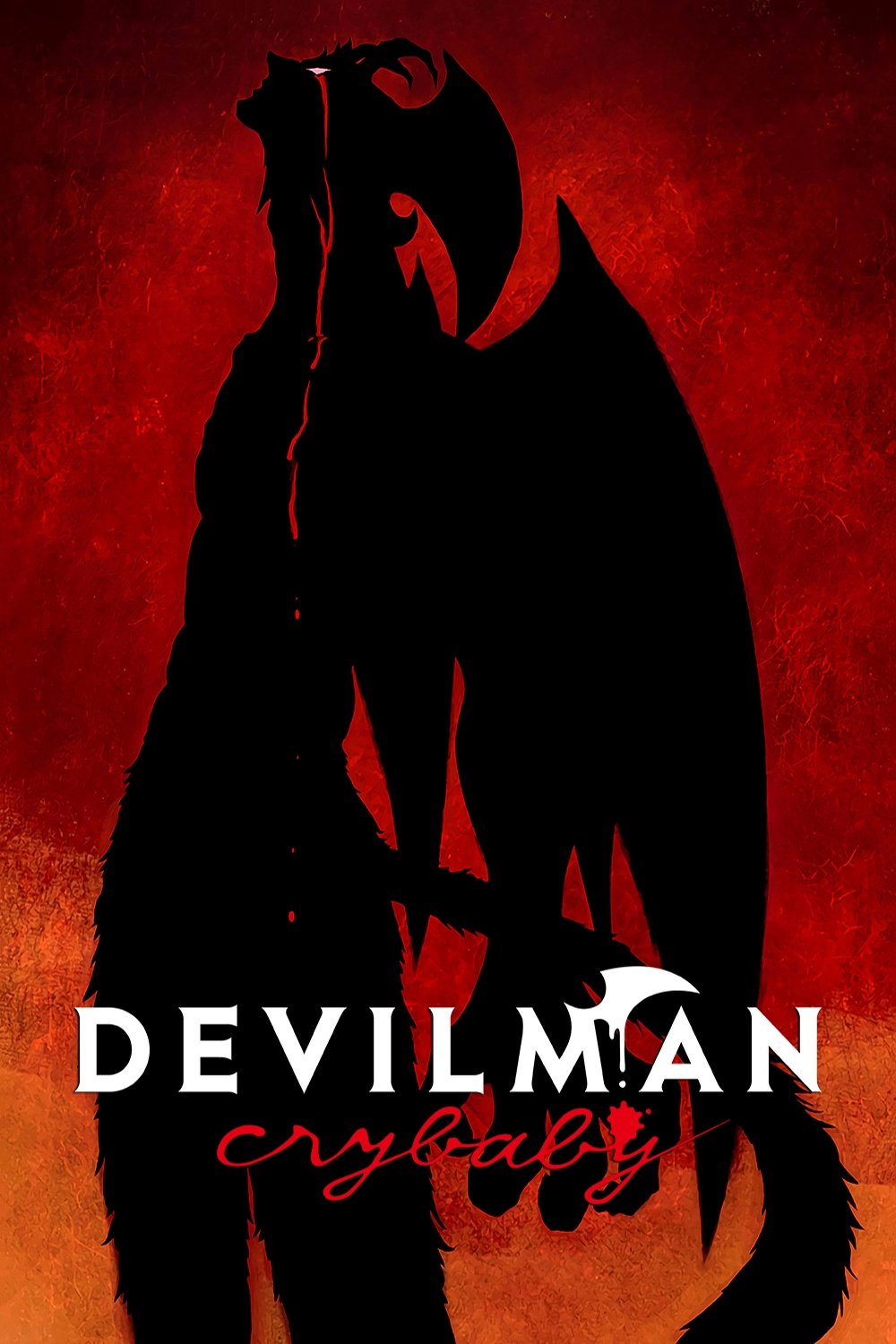
Akira Fudo receives demonic powers to safeguard humanity, but remains fundamentally human. The series is known for its extreme violence, mature themes, and a pessimistic worldview. It delves into the darker aspects of human nature and how quickly society can abandon its own people when faced with trouble. The ending is especially debated due to its grim depiction of the future.
‘Berserk’ (1997–1998)
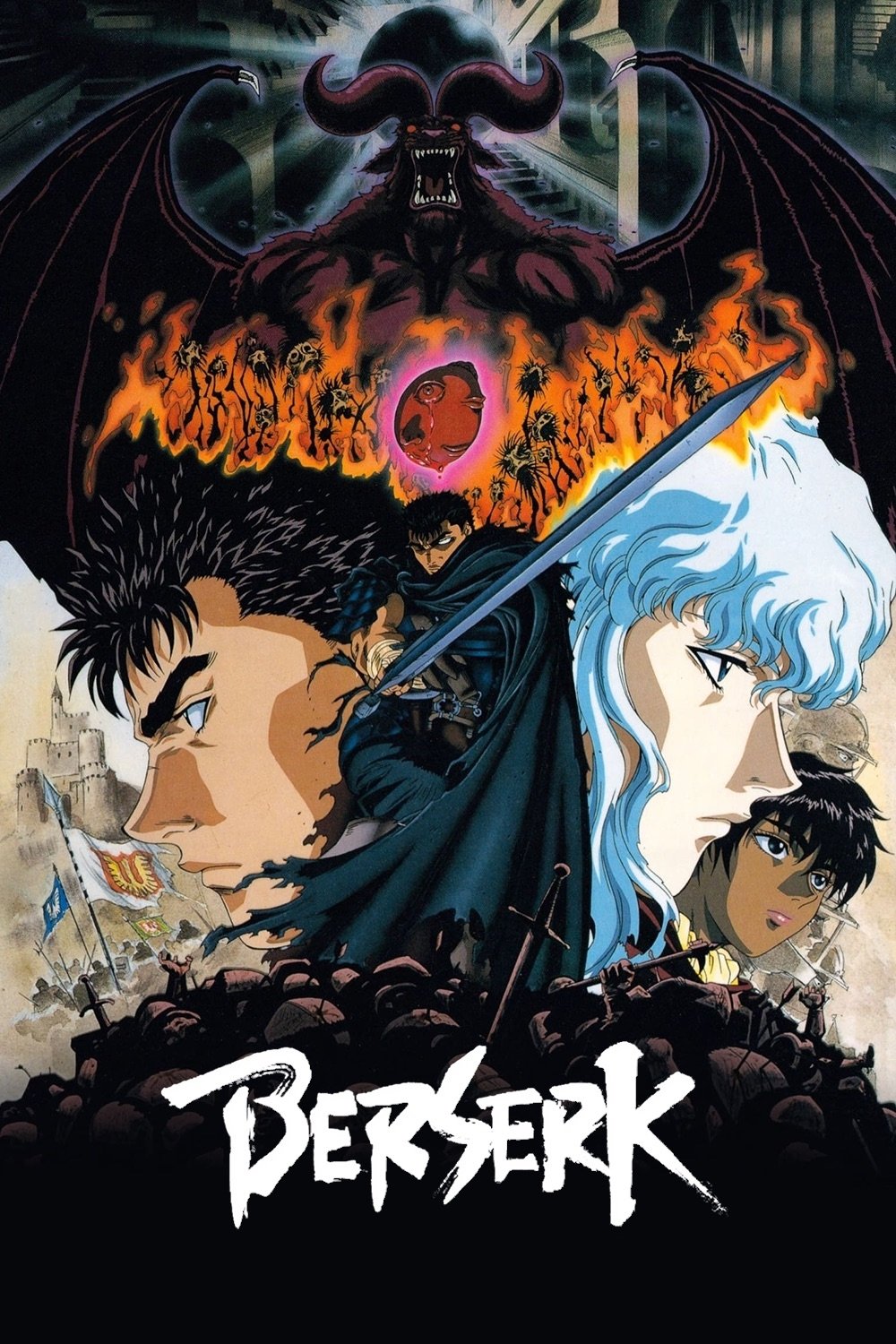
Guts is a solitary warrior who teams up with a band of soldiers called the Band of the Hawk, led by the driven Griffith. Their story leads to a shocking betrayal, filled with incredibly dark and unsettling scenes. The series delves into complex ideas about fate, striving for greatness, and the price of power when achieved by harming others. It’s a very mature series that can be difficult for some to watch due to its intense content.
‘Vinland Saga’ (2019–2023)
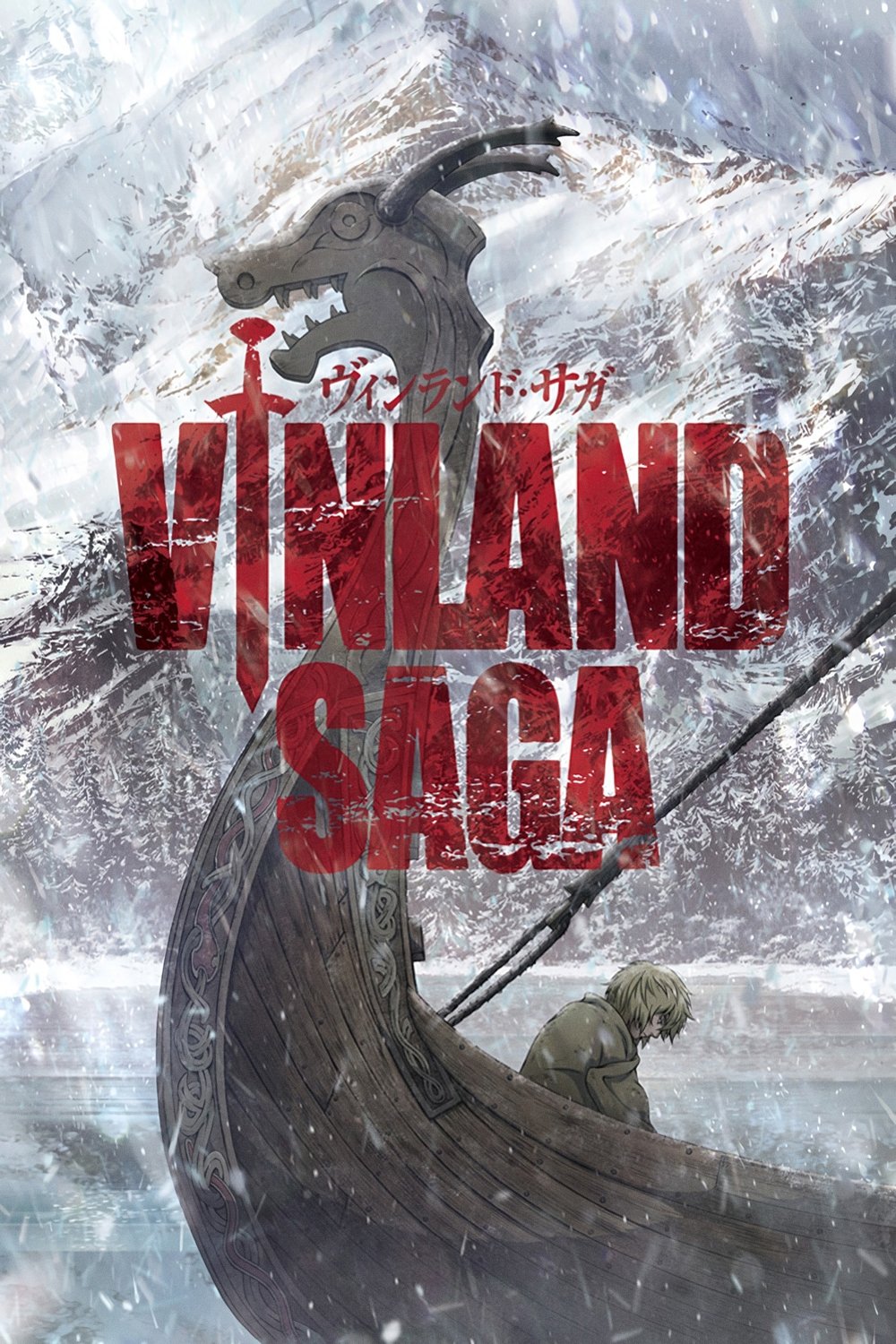
Thorfinn, a young man seeking revenge for his father’s death, intentionally joins the mercenary band led by his father’s killer, hoping for a final, honorable fight. The show offers a harsh and realistic depiction of Viking life and explores how empty a life focused on revenge can be. While many enjoyed the first season, some viewers felt the second season’s focus on political intrigue and slower pace was a noticeable change. Ultimately, the series challenges our ideas about what it means to be a warrior in a world driven by violence and power.
‘Serial Experiments Lain’ (1998)
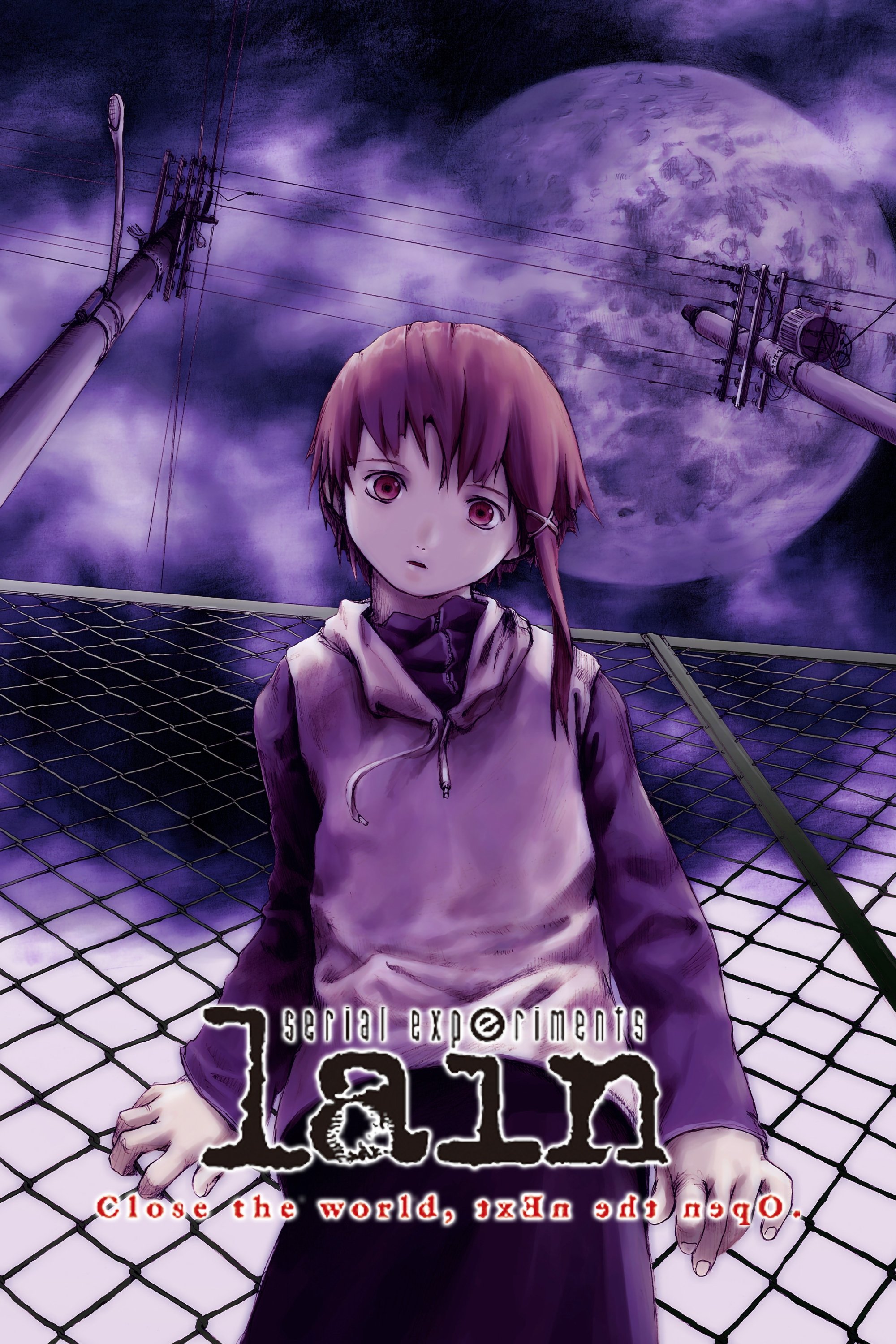
Lain Iwakura becomes consumed by the Wired, a worldwide network, and starts to question what’s real. The anime delves into thought-provoking themes of identity, what it means to be conscious, and how technology is changing what it means to be human. While its unusual, fragmented storytelling and dreamlike visuals puzzled many viewers when it first came out, it’s now celebrated as a cult classic for its surprisingly accurate vision of the internet as we know it today.
‘Monster’ (2004–2005)

Okay, let me tell you about this series. It really stuck with me. It centers around a brilliant doctor, Tenma, who makes a fateful decision to save a young boy’s life, only to discover that boy grows up to be a truly terrifying serial killer. The story isn’t just a simple whodunit, though. It’s about Tenma grappling with the consequences of his actions, and as he digs deeper, he uncovers a huge conspiracy. What really impressed me was how it explores the roots of evil and forces you to think about what one life is truly worth. It’s a critically acclaimed show, absolutely, but be warned – it’s dark, intense, and definitely messes with your head. It’s not for the faint of heart, but if you can handle it, it’s a powerful and thought-provoking experience.
‘Puella Magi Madoka Magica’ (2011)
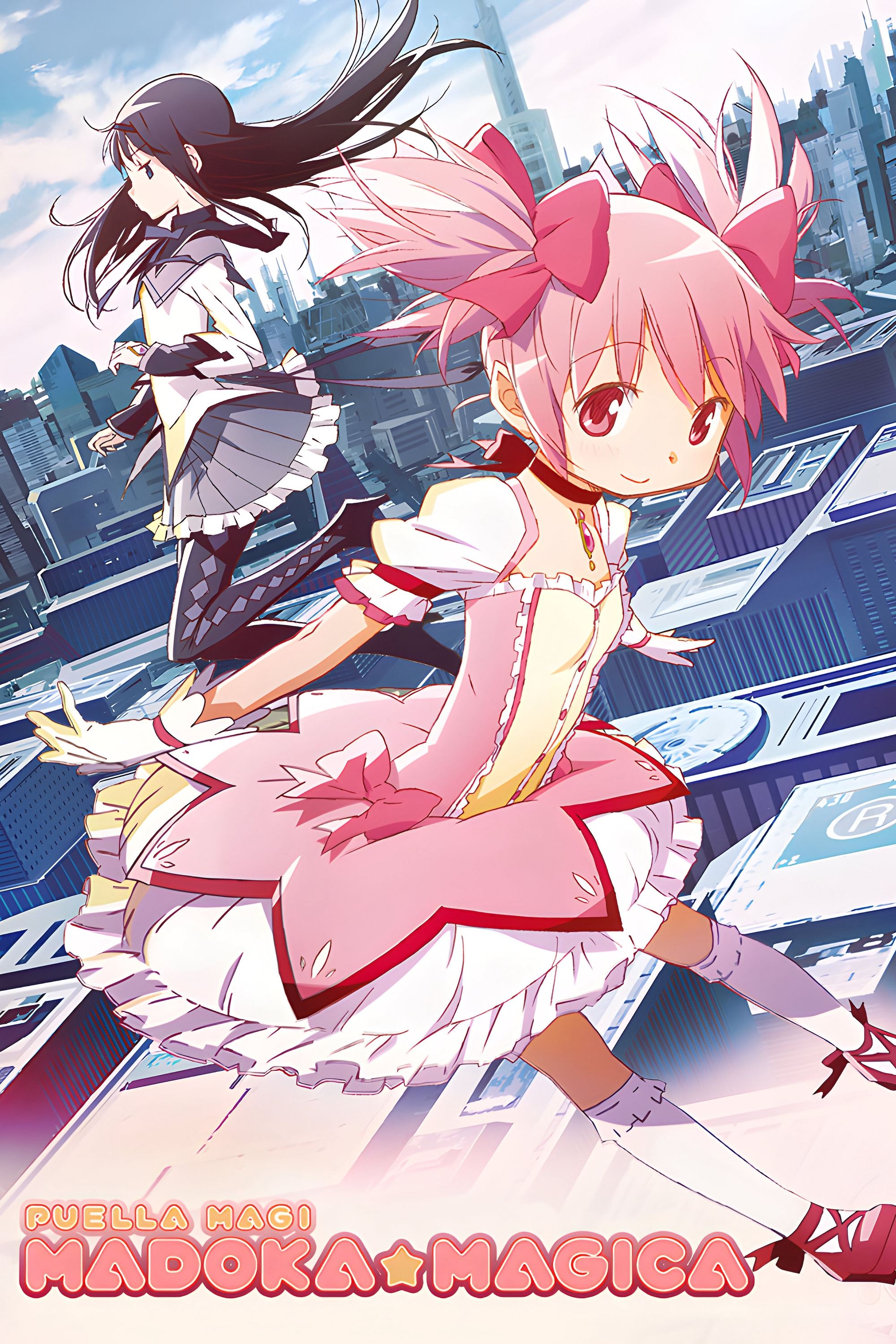
A series offered middle school girls the chance to have their wishes come true, but with a catch: they’d have to become magical girls and battle witches. What set this show apart was its unexpected darkness. Instead of being lighthearted, it explored themes of despair and the terrible costs of making a deal with magic. Many viewers, especially parents, were shocked by the show’s quick turn from a cute, colorful series into a disturbing psychological thriller. It’s now considered a prime example of how to cleverly rework and challenge common anime clichés.
‘Paranoia Agent’ (2004)
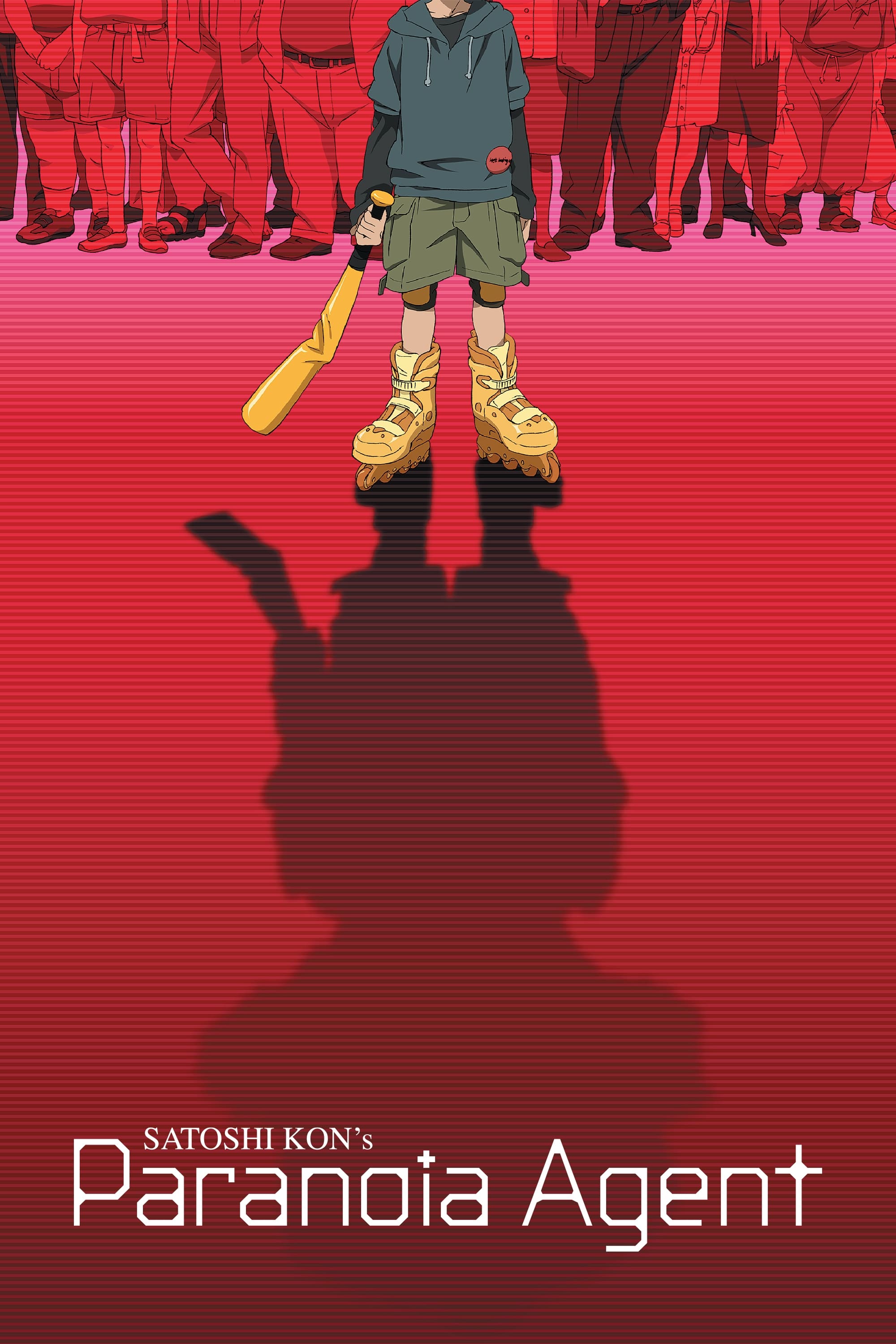
When a boy starts attacking people with a golden baseball bat, Tokyo descends into panic. The anime explores how society can inadvertently create problems, and how people try to escape from difficult truths. It tackles tough issues like suicide and the stresses of city life, and its bizarre storyline often sparks discussion among both critics and fans.
‘The Future Diary’ (2011–2012)
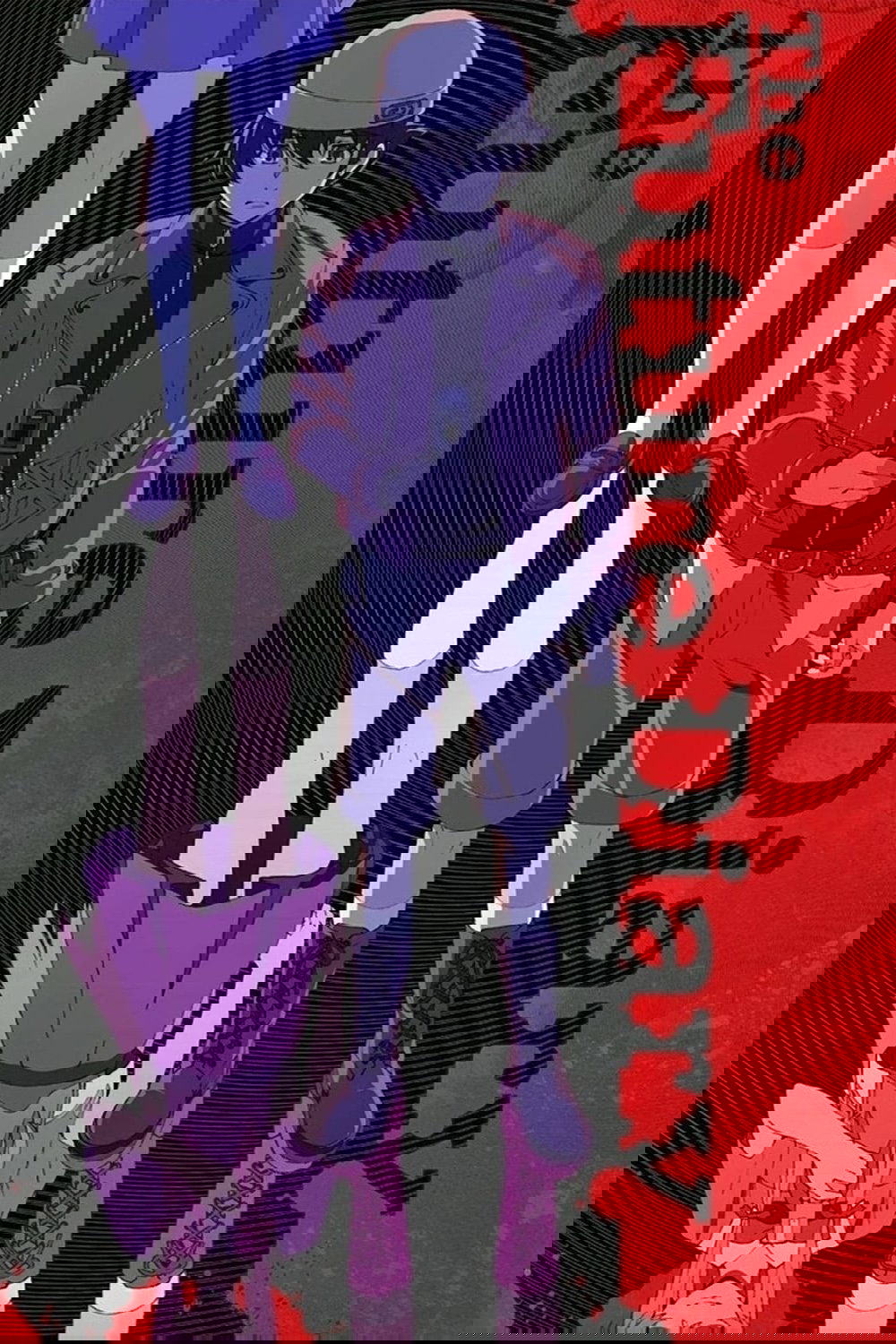
A group of twelve people are trapped in a deadly competition where they must fight to the death, using diaries that show them glimpses of the future to gain an advantage. One character, Yuno Gasai, became well-known – and often debated – for her intense obsession and violent behavior towards the main character. The show pushes boundaries with its portrayal of difficult themes and extreme mental instability, and viewers frequently discuss whether the central relationship is a genuine love story or a harmful obsession.
‘Deadman Wonderland’ (2011)
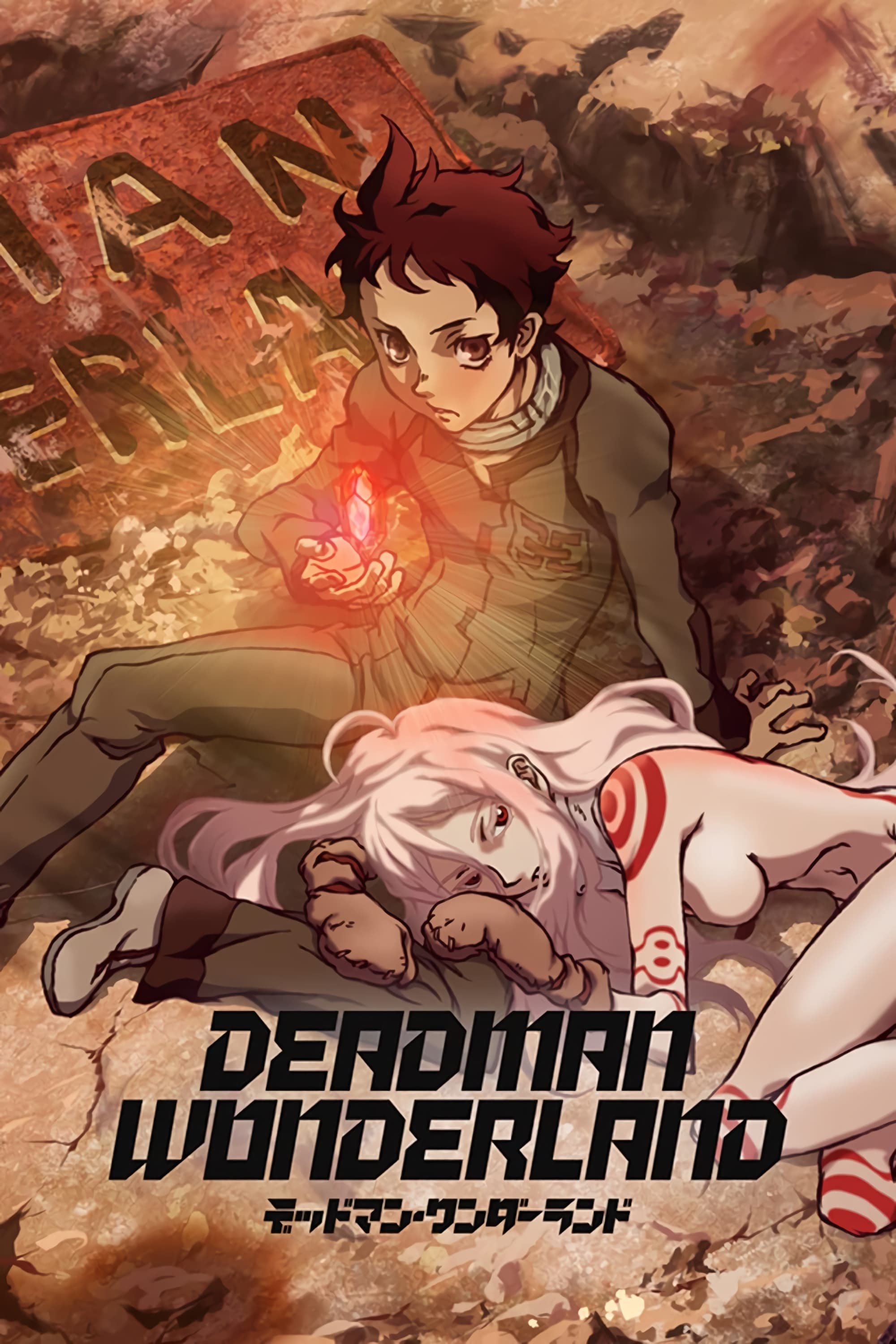
Ganta Igarashi is wrongly convicted of a crime and imprisoned in a brutal facility where inmates are forced to fight to the death. This prison functions as a twisted theme park, with the public watching the violent fights for entertainment. The series has been criticized for its extreme violence and the dark portrayal of its teenage characters, prompting discussions about the dangers of privatizing the justice system and the moral implications of enjoying violent content.
‘Akame ga Kill!’ (2014)

I got really invested in Akame ga Kill! when I first started watching. It follows Tatsumi, who ends up joining this group of assassins called Night Raid, and their mission is to take down a seriously messed-up government and try to help his poor village. Honestly, though, be warned – this show will shock you. They aren’t afraid to kill off characters you’ve grown to like, and sometimes it feels like they do it just for the shock value, which kind of bothered me and distracted from the story. Plus, the anime ending didn’t quite match up with the manga, and that caused a lot of debate among fans – I know I had opinions!
‘Grave of the Fireflies’ (1988)
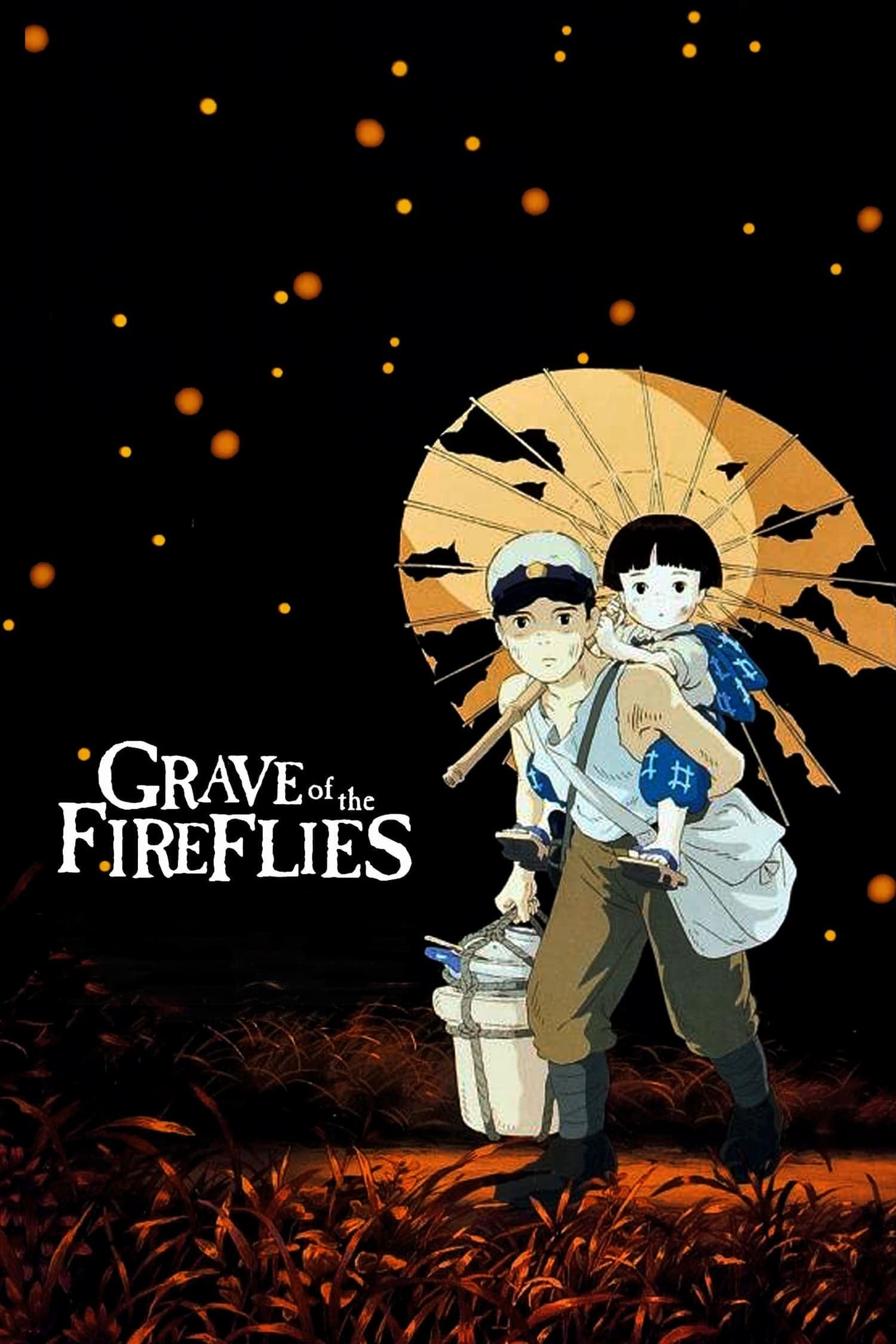
This critically acclaimed film follows two siblings trying to survive in Japan as World War II comes to an end. While praised by many, it’s also known for being deeply upsetting and realistically portraying the hardships of war. It powerfully shows the devastating effects of conflict on ordinary people, especially those least able to defend themselves, and its emotional intensity makes it a difficult film to watch repeatedly.
‘Higurashi: When They Cry’ (2006–2007)
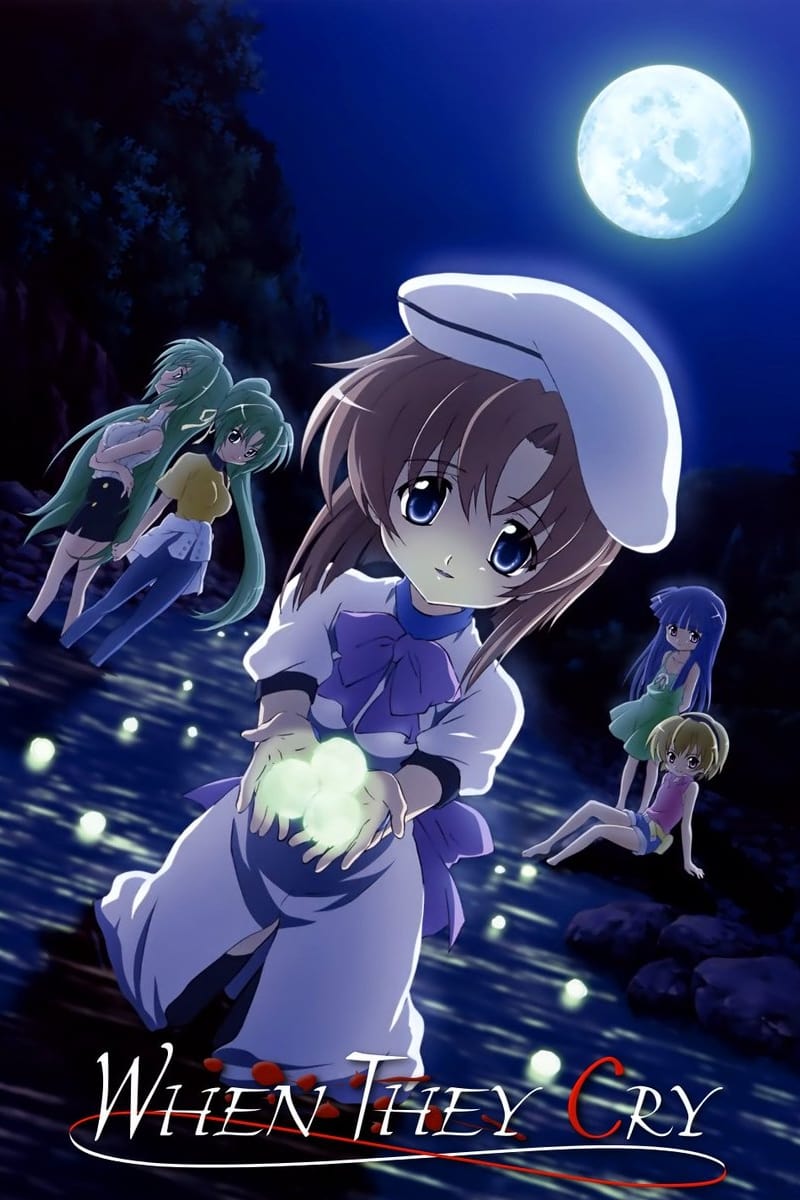
Keiichi Maebara relocates to a peaceful village, but soon uncovers a string of strange deaths and disappearances. The story unfolds in a repeating cycle, with characters often falling into paranoia and resorting to extreme violence. A striking aspect of the show is the contrast between its cute character designs and its disturbing, graphic content. It delves into the psychological toll of loneliness and the burden of keeping secrets.
‘Scum’s Wish’ (2017)
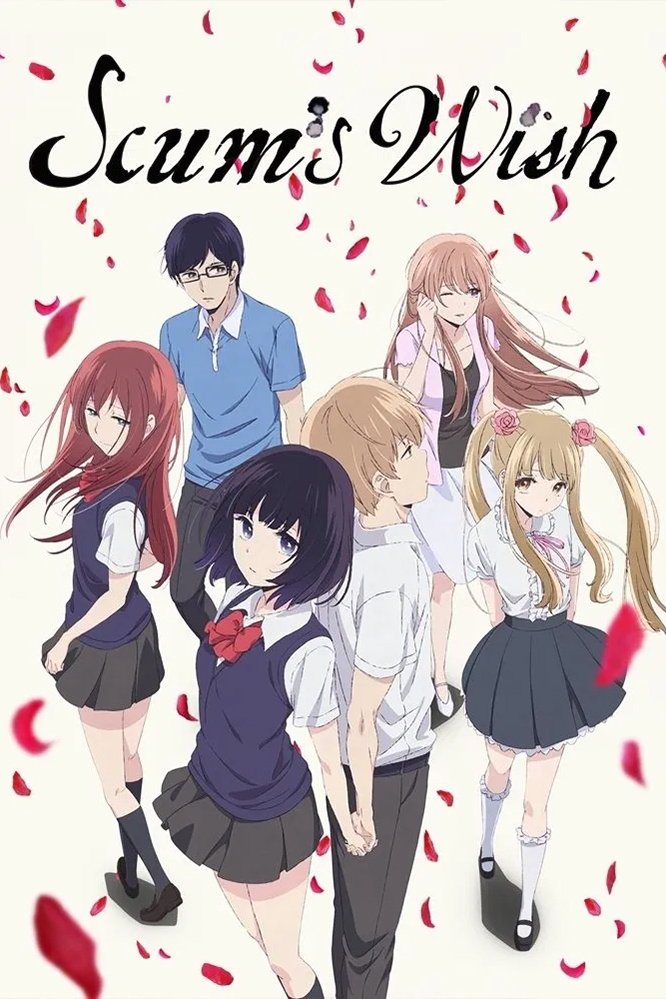
This series follows two high school students who pretend to be a couple to cope with their separate crushes. It offers a realistic, and sometimes harsh, look at teenage relationships, sexuality, and how people can manipulate each other emotionally. While some viewers found the characters unlikeable or the storylines too bleak, it’s known for its honest and unflinching depiction of intimacy – even when it’s awkward or difficult to watch.
Share your thoughts on which controversial anime surprised you the most in the comments.
Read More
- 20 Movies Where the Black Villain Was Secretly the Most Popular Character
- Celebs Who Narrowly Escaped The 9/11 Attacks
- Transformers Under the Microscope: What Graph Neural Networks Reveal
- Top 20 Dinosaur Movies, Ranked
- Trading on Thin Air: AI Agents Conquer Crypto Volatility
- Silver Rate Forecast
- Gold Rate Forecast
- Every Notable ‘Star Trek: The Original Series’ Actor Who Died
- 22 Films Where the White Protagonist Is Canonically the Sidekick to a Black Lead
- Games That Faced Bans in Countries Over Political Themes
2026-01-04 22:48